ARTICLE · 1402417
八年级上学期英语培优模拟试题
八年级上学期英语培优模拟试题
一、完型填空(每题 1 分,共 10 分)
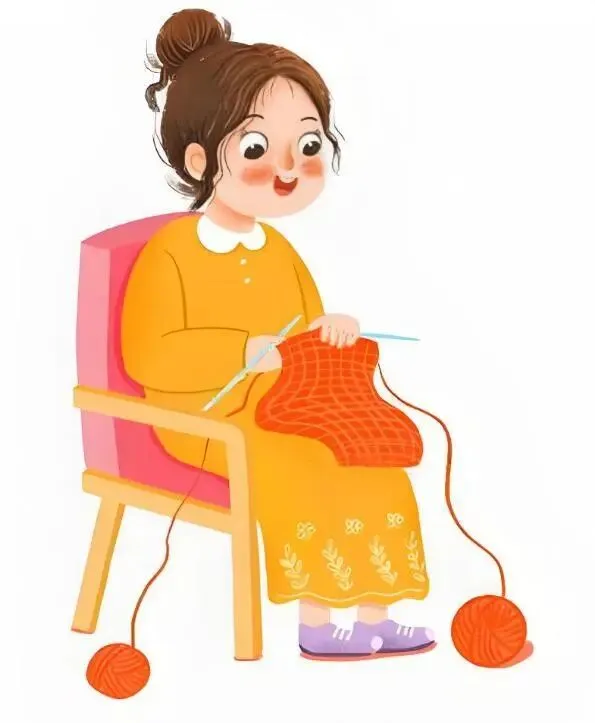
“Look!” Sophie showed her friend Lina a colorful knitted strip(针织物).
“Cool! What is it?” Lina asked.
“A bookmark,” Sophie answered. It's quite hard to (1)________ how such a thick piece could be placed in a book.
Sophie was just learning to knit, so her creations weren't always perfect, sometimes they even looked (2)________. Lina remembered the funny shoes Sophie made for her baby cousin. But Lina thought they would remain in the box and the baby never had to wear them.
Now, Sophie was holding a big bag of yarn(纺线)and invited Lina to (3)________ a color. “Choose a color?” Lina repeated in surprise, (4)________ what Sophie was going to do.
“I'm going to knit you a sweater for your birthday. How about blue? That's your favorite,” said Sophie.
Thinking of the shoes in the box, Lina felt sorry. The thought of Sophie spending so much time on something she would (5)________ wear almost broke her heart.
“That's so sweet of you, but it's too much trouble,” Lina tried to refuse politely.
Sophie smiled, “It doesn't matter, (6)________ you're my best friend.”
Lina took a deep breath and decided to be (7)________. “Sophie, I don't really want a sweater,” she told the truth, hoping she wasn't upset.
“Have you ever seen those pictures of yarn (8)________?” Lina went on. “I've always thought they look nice.”
“Oh! I know what you're talking about! I could try!” Sophie felt excited to (9)________ the gift that Lina would love for her birthday.
As Sophie began to knit the (10)________ wallet excitedly, Lina felt warm in her heart. Later she got a gift that reminded her of her best friend — and one that she would love and use every day.
1. A. compare B. appear C. imagine D. weigh
2. A. popular B. classic C. disappointed D. strange
3. A. pay for B. pick up C. put on D. put up
4. A. believing B. knowing C. wondering D. forgetting
5. A. ever B. always C. often D. never
6. A. beside B. though C. instead D. because
7. A. wise B. humorous C. honest D. polite
8. A. wallets B. sweaters C. shoes D. gifts
9. A. introduce B. create C. accept D. achieve
10. A. yellow B. blue C. silver D. silk
二、阅读理解(每题 2 分,共 50 分)
A
Winter vacation is coming. Attending a winter program is a good way to improve skills and make new friends. Teen Life has collected the best winter activities for you. For more information, please visit www.teenlife.com.
√ To Be An Artist
·At the Snow Farm, you are not a student. You're an artist!
·It offers small-group studios(工作室)led by professional artists.
·You can have drawing classes in the studios.
·For 8th-12th graders from December 15th to 20th.
√ Enjoy the Power of Leadership(领导力)
·The National Teen Leadership Program includes leadership exercises and speech training. It will improve teens' leadership skills.
·Open to 9th-10th graders. The program will be held at Chapman University, December 10th to 12th and at Sacramento State University, December 31th to January 12th.
√ The Dream of Engineering
·Have you ever wanted to build a bridge? Design a robot? Join our team at the Engineering Experience for hands-on, week-long introduction to the world of engineering.
·Students will use their design skills and the scientific methods they learned at the physics class to solve real engineering problem.
·It is open to 7th-9th graders and will start on December 10th.
11. If an 11th grader wants to improve himself, where should he go?
A. To the Snow Farm. B. To the Ithaca Melody.
C. To the National Teen Leadership Program. D. To the Engineering Experience.
12. The National Ten Leadership Program will be held at Chapman University ________.
A. from December 8th to 21th. B. from December 10th to 12th.
C. from December 30th to January 12th. D. from December 31th to January 12th.
13. Which subject may Mary be interested in if she goes to the Engineering Experience?
A. Music. B. History. C. Chinese. D. Physics.
14. What can you learn at the Engineering Experience?
① How to build a bridge.
② How to improve grades.
③ How to communicate in a team.
④ How to solve real engineering problem.
A. ①②. B. ①④. C. ①②③. D. ①②④.
15. Where can you read this text?
A. In a newspaper. B. In a Physics magazine.
C. In a forum. D. In a science report.
B

Think about this: You get into a car on a weekend morning for a trip to the mall, but you don't need to do anything — just enter in your destination and off you go. When it drops you off, it drives itself back home. This is what self-driving cars can do.
A self-driving car can feel things by its side and drive without human help. It is also called an autonomous or driverless car. Depending on how autonomous the car is, it might need different levels of human help. At the highest levels, a person might not need to control the car at all. But at lower levels, a person might still need to step in sometimes.
Making self-driving cars isn't easy. According to Wired magazine, it's a whole system with different parts and all the parts need care. Things like changes in road networks influence it.
________ ▲ ________ For example, these cars could cause fewer road accidents. The US government said that 94 percent of accidents happened because of drivers' mistakes, such as drunk driving and speeding. Self-driving cars use smart technology to make fast, safe decisions, which helps make roads much safer.
Self-driving cars can also help people with disabilities live more freely. These cars make fewer traffic jams and stop running when they're not needed, meaning they cause less pollution and don't need much fuel(燃料). Big companies such as Baidu and Tesla are making self-driving cars. Wired said this technology could add more than 49 trillion yuan to the world economy soon. Goldman Sachs, a bank, said self-driving cars could make up 10 percent of new car sales by 2030.
So, self-driving cars may change our day-to-day lives and society in the near future.
16. How does the writer lead into the topic?
A. By giving an example. B. By telling a story.
C. By showing a result. D. By describing a scene.
17. What does the word “destination” mean in paragraph 1?
A. The things you want to do. B. The money you need to pay.
C. The place you want to go. D. The car you want to choose.
18. According to the passage, what is a challenge in making self-driving cars?
A. Costing a lot to make.
B. Different changes in road systems.
C. Small requests from the buyers.
D. Problems with using the energy.
19. Which of following sentence can be put in the blank ____▲____?
A. However, there are also many good points.
B. Moreover, the cost of self-driving cars is high.
C. In addition, self-driving cars can't do everything yet.
D. As a result, some people are worried about self-driving cars.
20. What does the writer mainly want to tell us?
A. Self-driving cars are expensive for most people to buy.
B. Self-driving cars should be careful with accidents.
C. Self-driving cars may lead to important social development.
D. Self-driving cars will take the place of human drivers soon.
C
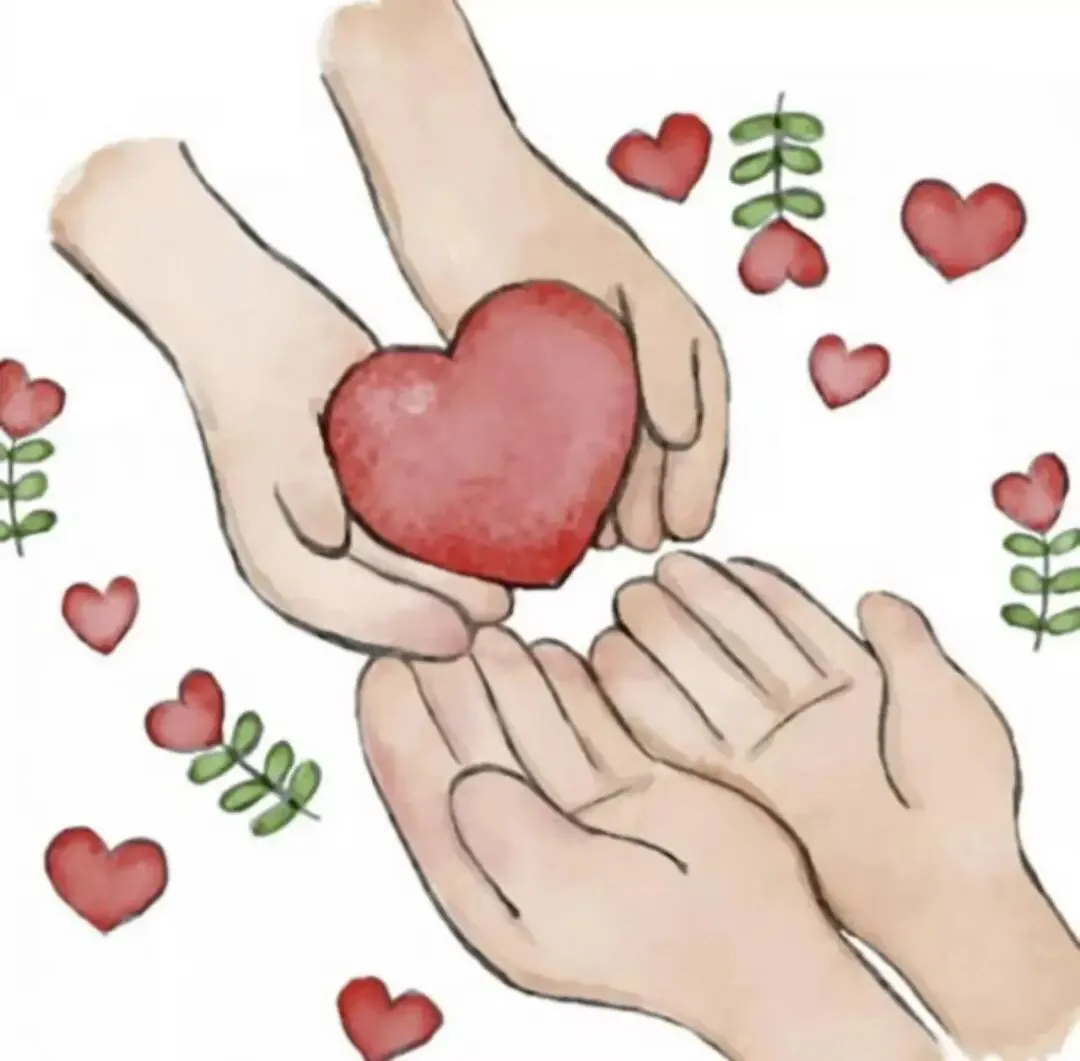
Two years ago, I was sitting in my car waiting in a long line for a toll station(收费站). When I finally reached the station, the toll station worker told me that the person in front had paid for me and I was free to go. I was so surprised. I didn't need to save the 5 dollars. I would never know who he was. I was tired by the heavy traffic and the long line, and this thing was quite surprising and unbelievable, which really touched my heart. So I decided to pay for the next car waiting in line.
The first time I tried to pay forward the toll, I kept looking into my rear view mirror to see who I'd be paying for. In the mirror, I saw a tired looking taxi driver. And I felt happy and satisfied that my money would be going to a good place. But before we got to the toll station, the taxi driver had suddenly changed his way and now there was someone else behind me. She looked upset and was shouting angrily in a conversation with her friend. I wasn't willing to be paying for a woman like that and was certainly judging her by what I was seeing in the mirror. Anyway, I paid the toll for both of us and left.
Thirty seconds later I was surprised to hear a honk. It was the woman and her friend waving at me from the other way! This time, she looked cheerful and happy. Maybe she wasn't what I thought she was like. This was a valuable lesson that I shouldn't judge people so quickly… After all, I don't know their stories.
21. Who paid for the author?
A. A toll station worker. B. A caring stranger.
C. A disappointed woman. D. A close friend.
22. Why did the author pay forward the toll?
A. He didn't need to save the money.
B. He was satisfied with the taxi driver.
C. He wanted to pass on the kindness.
D. He made a mistake because of the tiredness.
23. How many vehicles did the author pay for?
A. 0 B. 1 C. 2 D. 3
24. What do we know about the author from the passage?
A. He disliked the woman.
B. He helped the taxi driver.
C. He gladly paid for the woman.
D. He changed his feelings towards the woman.
25. What's possibly the best title for the passage?
A. An unbelievable behavior.
B. An unforgettable experience.
C. Misjudgment in the mirror.
D. Payment at the toll station.
D
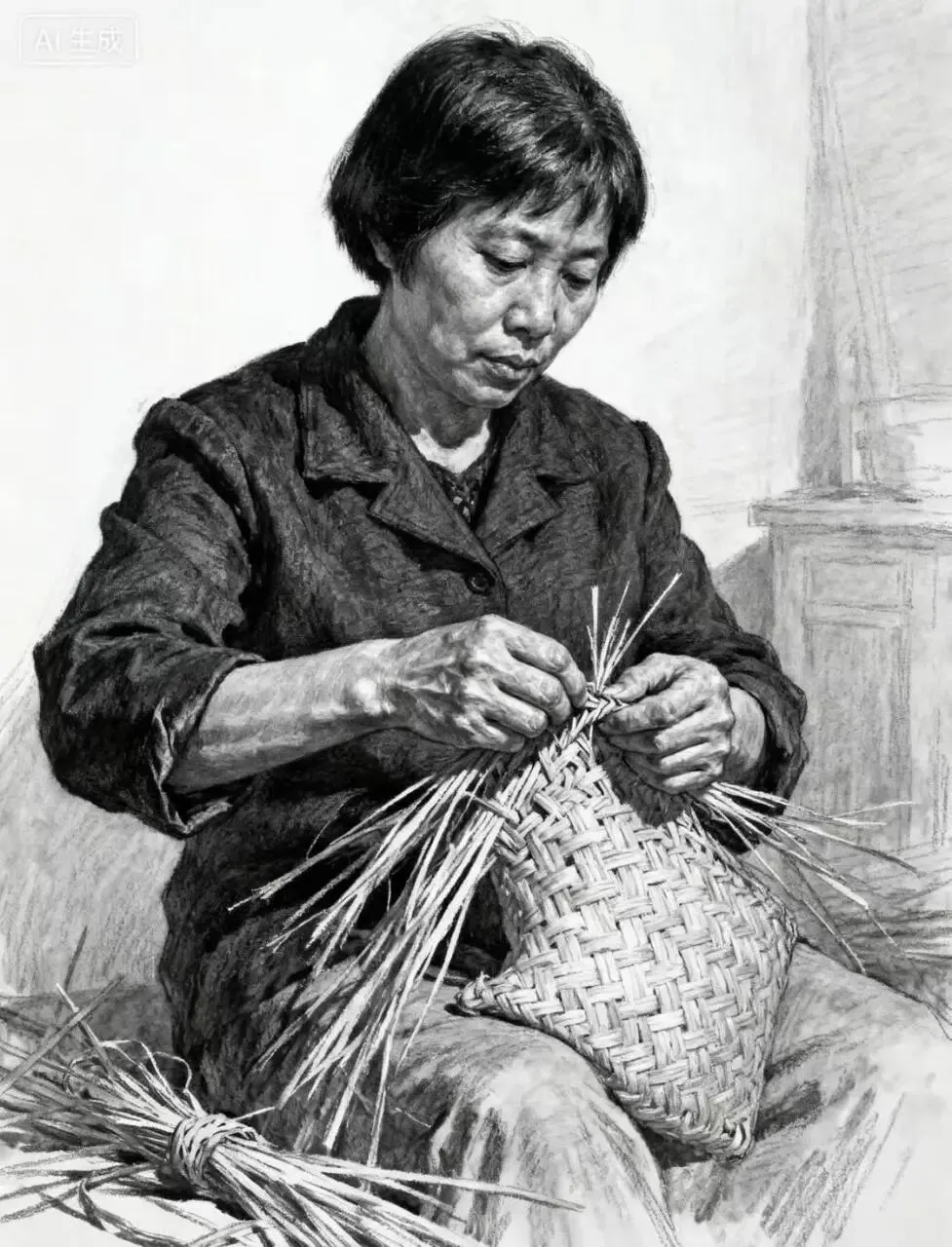
Mid-summer is harvest time for the yellow straw(稻草)that grows in Xuhang Town. The straw, however, is not used to feed animals or to put up buildings. Instead, it is the material for a traditional craft(工艺).
Xuhang is known as the “Town of Straw Plaiting(编织)”. The craft has survived for more than 1,000 years. It is said that there was once a young woman named Huang. She was about to get married. However, she was poor. She didn't even have a new pair of shoes to wear. One day, the cows at her home carried some yellow straw in their mouths and placed it in front of her. Huang made the straw into a pair of shoes. She wore the shoes and got married happily. Surprisingly, her shoes became popular. Huang taught the villagers to make the straw shoes and she became known as the “fairy of straw plaiting”.
The modern “fairy of straw plaiting” is Wang Qin. She has been practicing plaiting since childhood and becomes an inheritor of this craft. After graduating from school, Wang first worked in a tailor's shop and then in a shoe factory. The factory closed down in 1999. While staying at home, Wang looked for something to do. Her grandfather was the leader of the local straw plaiting group. Taking his advice, the woman carefully studied the ancient craft and chose it as her job. These days, visitors to her workshop are greeted by the pleasant smell of straw. On the first floor, there is a great show of Wang's best artworks. There are handbags, slippers, clocks, vases and covers for tea sets.
Every summer, people in Xuhang Town harvest 2,000 kilograms of straw. After drying the straw on the ground, craftspeople select those of the best quality of them. The craft mainly uses the “skin” of the straw. The material is then colored and plaited with the help of a mold(模具).
Wang is now in her fifties. She is now trying to make the art form popular among young people. In this way, this local tradition will be alive forever.
26. Why is Wang Qin called the modern “fairy of straw plaiting”?
A. The cows gave her straw to plait. B. Villagers learned the craft from her.
C. Huang taught her straw plaiting. D. She carries on the ancient craft.
27. Which sentence can the underlined word “inheritor” in Paragraph 3 be put in?
A. That company offers good service and experience sense to every ________.
B. Finally, Linda became the ________ of the speech competition.
C. Every student should be a(n) ________ of our Chinese culture to pass it down.
D. Bell, the ________ of the telephone, made the first call.
28. Which of the following is the right order of the straw plaiting?
① Pick out the best quality straws.
② Dry the straws on the ground.
③ Plait straws into craft with molds.
④ Take out the straw skins and color them.
A. ②①④③ B. ④①③② C. ④②①③ D. ②①③④
29. What can we learn from the passage?
A. Straw plaiting first started in Xuhang.
B. Straw plaiting can be used to put up buildings.
C. The straw plaiting craft has a long history.
D. People do straw plaiting only in summer.
30. What is the best title for the passage?
A. Save the Straw Plaiting. B. Never the Last Straw.
C. The two straw artists. D. The Magic of Straw.
E
A bat and a ball cost $1.10 in total. The bat costs $1.00 more than the ball. How much does the ball cost?
If you answered 10 cents, you are not alone — most people give the same answer (the correct answer is 5 cents). It's an example of how we often depend on intuitive responses(直觉反应)— answers we feel are true. People give answers that “pop into their mind,” says scientist Steven Sloman. We don't spend much time “reflecting and checking whether the answer... is right or wrong.”
The bat and ball question helps explain why we often believe in fake news. It is part of human nature to believe, says Sloman. But “the trick with fake news is to know to verify” — in other words, to stop and check what you know.
In one experiment, Sloman and a colleague invented a discovery called helium rain. They told a group of volunteers about it, but they did not fully explain what it was. They then asked the volunteers to rate their own understanding of helium rain. Most volunteers rated themselves 1 out of 7, meaning they didn't understand it.
The researchers then told another group of volunteers about the discovery. This time, they said the scientists could fully explain how it works. The volunteers gave an average answer of 2. The scientists' confidence gave the volunteers an increased sense of their own understanding of it, Sloman says.
According to Sloman, studies show that knowledge spreads like a contagion(接触传染). This idea can be seen in many fields, including politics(政治). “If everyone around you is saying they understand why a politician is dishonest,” Sloman says, “then you are going to start thinking that you understand, too.”
So, in a world where misleading information is common, is there a way to protect ourselves? “I don't think it's possible to train persons to check everything that they meet,” Sloman said. “It is just too human to believe what you are told.”
However, training people to care about fact-checking is important, he argued, especially in online communities. Think of the headlines and stories that are shared on your social media feed every day. Probably these fit in with your own worldview —— but perhaps not all of them are true.
“We should check things and not just take them at face value,” Sloman said, “Make sure if it is true before you believe.”
31. The writer uses the example of the bat and ball question to show that ________.
A. people often forget skills that they have learned at school
B. there is often more than one possible answer to a question
C. many people give quick responses without thinking carefully
D. people sometimes are too careless to get the right answers
32. How much does the ball cost?
A. 5 cents. B. 10 cents. C. 15 cents. D. 20 cents.
33. The word “verify” in Paragraph 3 probably means “________”.
A. to make sure whether something is true
B. to think about something for a long time
C. to express an opinion about something
D. to describe the details about something
34. More volunteers said they could understand helium rain after ________.
A. some of the volunteers explained it to them
B. Sloman and his colleague showed them how it works
C. they heard that scientists could explain it confidently
D. they examined the conclusion carefully by themselves
35. What does the writer probably agree with?
A. It is important to do an experiment based on scientific research
B. The second group of volunteers are more confident than the first.
C. People can be cheated easily because of too much fake news.
D. People should be trained to check before they believe something.
三、选句填空(每题 2 分,共 10 分)
阅读下面短文,从方框内选项中选择 5 个恰当的句子还原到短文中,使短文内容完整。
AI chatbots like ChatGPT 4 make it easy to write emails quickly. (36)________ One of the main problems is the “water footprint.” This means the total water the AI uses during its lifetime.
AI systems need data centers, which have servers(服务器)that keep and manage information. (37)________ Engineers use cold water to cool them down.
Data centers run all day and night, so they use lots of water. The Washington Post says that for each 100-word email, ChatGPT 4 uses about 519 milliliters of water. (38)________ In one year, ChatGPT 4 uses over 435 million liters of water just to write emails. This is enough water for a normal family to use for over 1,000 years!
Data centers also need a lot of electricity. Writing a 100-word email uses 0.14 kilowatt-hours of electricity. This could power 14 LED lights for an hour. Every year, ChatGPT 4 uses over 120,000 megawatt(瓦)-hours of electricity to help write work emails. (39)________ Before the chatbot is used, it already has a “carbon footprint.” Training ChatGPT 3 made about 502 tons of carbon. This is the same as what 112 cars would make in a year. Also, building data centers sends CO2 into the air.
(40)________ Microsoft uses cold metal plates with cold water to cool equipment, saving water. Natural energy helps too. For example, Tencent's data center in Tianjin uses solar power(太阳能). These efforts can help reduce the environmental harm caused by AI.
选项
A. When servers work, they get hot.
B. That's a bit more than one bottle of water.
C. Companies are now trying to make AI greener.
D. But they have a big influence on the environment.
E. With the chatbot, people's life becomes more convenient.
F. This is enough power for all homes in Washington for 20 days.
36. ________ 37. ________ 38. ________ 39. ________ 40. ________
四、阅读表达(每题 2 分,共 20 分)
A
If you have a chance to learn by yourself, what might you do? Perhaps you choose to practice football skills; you would prefer to discuss something together; and you might just read. This is the most important thing of “unschooling”. It is also known as “natural learning” or “independent learning”.
Know More
Schooling is education that children receive at school.
Home schooling is the practice of education that children learn at home with a parent or a tutor.
Unschooling is an educational practice that allows children to decide how, what and where they want to learn.
For this kind of educational practice, people think differently. Here are their comments(意见).
Agree(赞同) | Disagree(反对) |
Independent learning teaches children to be responsible for themselves. With no teacher around, children must manage themselves, and this is a really important skill for later life. | Unschooling requires parents' support and attention. They need to create a learning space that excites children and reminds them of their daily routines. |
Unschooling allows children to learn what they are really interested in. If learning is enjoyable, it's more successful. | Teachers can push children to learn what they don't enjoy but can be important later in life. |
Very young children learn in a natural way. Without being taught, they know colors and voices, and they learn smiling and walking. Why shouldn't people continue to learn like this? | Unschooling sounds too good to be true. It can be helpful when children are very young. But it puts too much pressure on children because they can learn difficult subjects easily only with teachers' help. |
Unschooling gives children more time for sports, volunteering and museum or park visits. They may meet different people who share their interests. | Unschooling happens at home, so children could have less contact with others at their age. This means they could end up becoming shy. |
When deciding how you are going to learn, it's necessary to think about which one works. Choose what is suitable for you and what can have a positive influence on your growth.
41. What is the most important thing of unschooling?
______________________________________
42. Whose support and attention do children need when they experience unschooling?
______________________________________
43. How can children become successful in learning?
______________________________________
44. Why are children under too much pressure from unschooling?
______________________________________
45. If possible, what kind of educational practice would you like to choose? Why?
______________________________________
B
Roberta woke up early the next morning. Then she woke up Phyllis and Peter. “We're in the new house. There are no servants here. We must help Mother now,” whispered Roberta.
Carefully the three children lit the fire and filled a kettle(水壶)with water. They hung the kettle above the fire.
“Mother isn't awake yet. Let's go outside and sit on that flat stone,” said Roberta. “Perhaps we will see a train go by.”
When Mother came out at eight o'clock, Roberta, Peter and Phyllis were all fast asleep in the sunshine. They had put the kettle on the fire three hours ago. All the water had boiled away. Now there was a hole in the bottom of the kettle. The fire had gone out.
“Never mind,” laughed Mother. “We can boil some water in a pan. And I've found the dinner.”
She led them into the kitchen and pointed to a door.
“Last night, I thought this was a cupboard. It was so dark. But look,” she said.
Mother opened the door and the children saw a little room with a table in the middle. On it there was roast beef, bread and butter, cheese and an apple pie.
“Apple pie for breakfast,” cried Peter. “What fun!”
It was a wonderful breakfast. Everyone was very hungry.
“It feels like dinner because we were up so early,” said Peter, as he passed his plate for more apple pie.
When the children had finished, they helped Mother put everything away in the right place.
Then Mother said, “I'm tired. I'm going to lie down for a while. Go out to play but please be careful.”
Roberta, Peter and Phyllis looked at each other. They were all thinking the same thing.
“Let's go down to the railway,” cried Roberta.
“Listen!” said Phyllis. “I think I can hear a train.”
Peter asked, “Do you think it's going to London?”
“Father is in London,” replied Roberta. “Let's go to the station and find out.”
—— Taken from The Railway Children
46. What time did the children get up?
____________________________________________________________
47. What happened to the kettle when the water boiled away?
____________________________________________________________
48. How did the children like the meal?
____________________________________________________________
49. What is “the same thing” they were thinking?
____________________________________________________________
50. What might happen next? (No less than 20 words)
____________________________________________________________
五、翻译句子(每题 2 分,共 10 分)
51. 我在平底锅中加热了一块黄油直到它融化。(melt)
_____________________________________________________________________
52. 遵循你的内心和性格,这是挑选工作的秘诀。(follow)
_____________________________________________________________________
53. 3D 打印机是最有趣的,因为它甚至能打印房屋。(3D printer)
_____________________________________________________________________
54. 如果人们在做有意义的事情,他们会获得更多的满足感。(satisfaction)
_____________________________________________________________________
55. Bob 整个假期一直待在家里,所以他别无选择,只能做作业。(the whole holiday)
_____________________________________________________________________