 夜雨聆风
夜雨聆风
试题源于IAI English
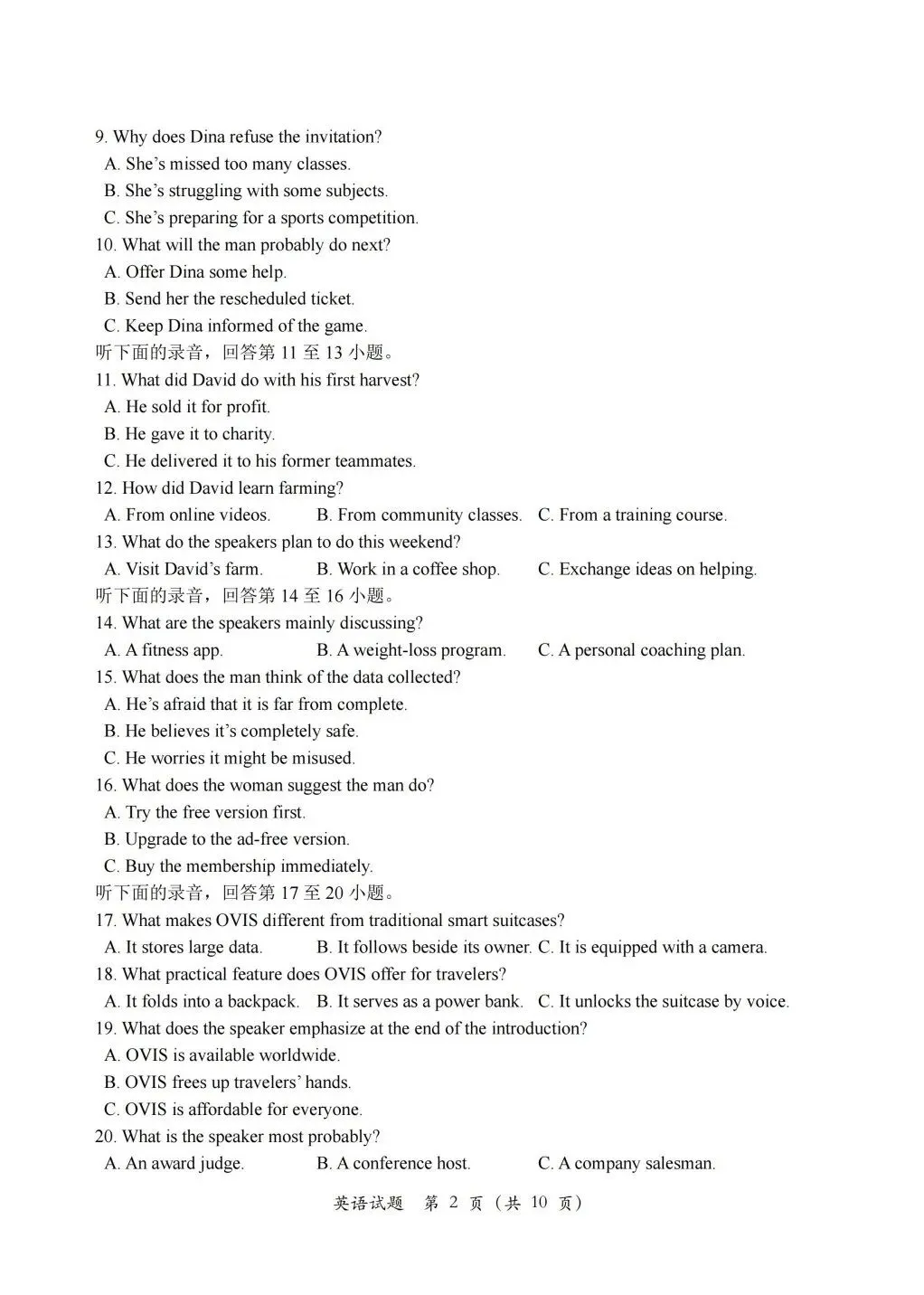
1. exhibition (n.) 展览
Example: The National Gallery has launched a new exhibition called Art on Your Doorstep.
国家美术馆推出了一场名为“家门口的艺术”的新展览。
Derivatives: exhibit (v./n.), exhibitor (n.)
2. masterpiece (n.) 杰作,名作
Example: The project shares masterpieces from the nation's collection with communities.
该项目与国家收藏中的杰作与社区分享。
Derivatives: masterful (adj.), masterly (adj.)
3. community (n.) 社区,群体
Example: In each location, the local community helped choose the paintings.
在每个地点,当地社区都帮助挑选画作。
Derivatives: communal (adj.), communally (adv.)
4. innovative (adj.) 创新的
Example: The National Gallery partners in innovative ways with organisations.
国家美术馆以创新方式与组织合作。
Derivatives: innovate (v.), innovation (n.)
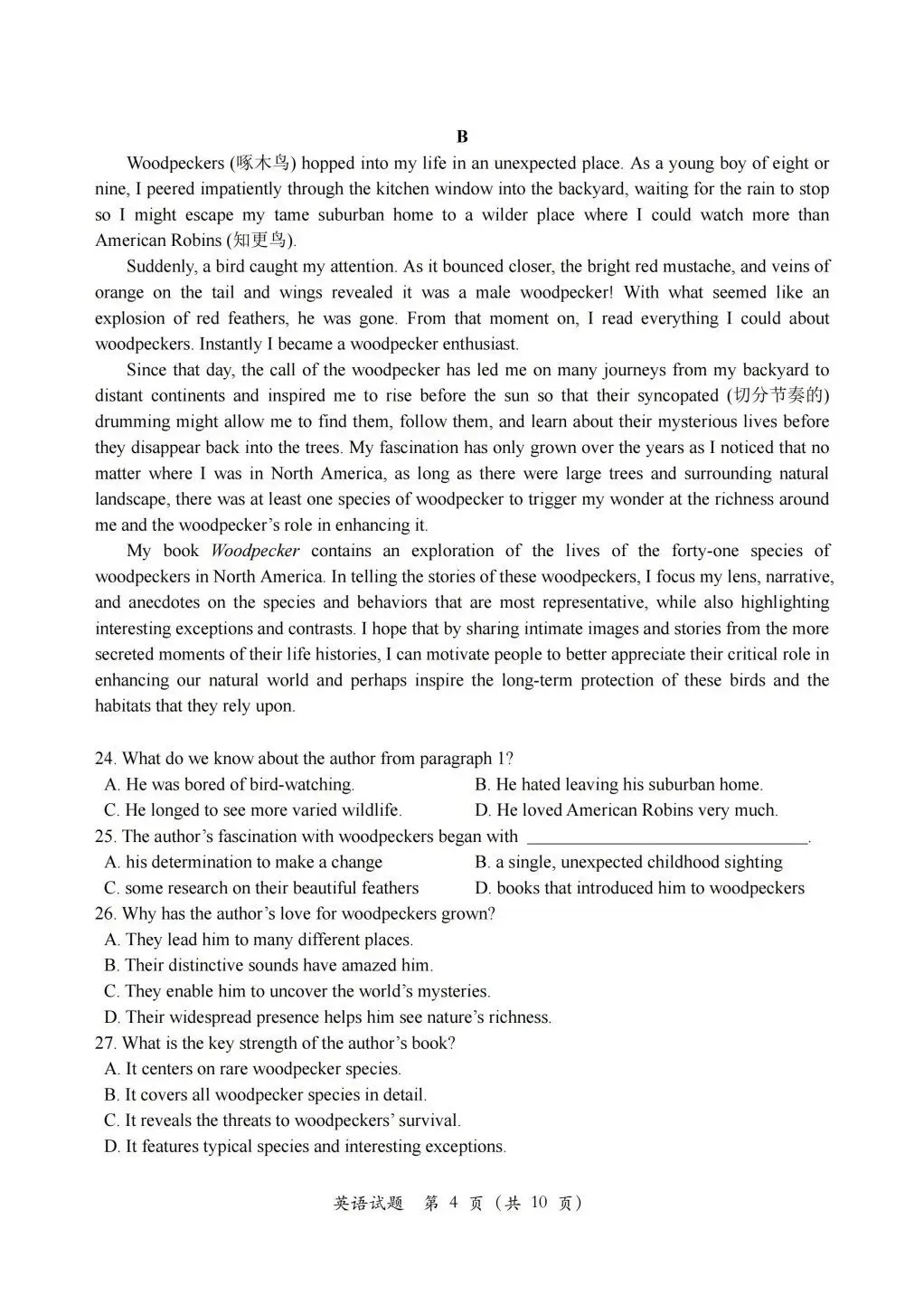
5. woodpecker (n.) 啄木鸟
Example: The bright red mustache revealed it was a male woodpecker.
鲜红色的“胡须”表明它是一只雄性啄木鸟。
Derivatives: (none common)
6. enthusiast (n.) 爱好者
Example: From that moment on, I became a woodpecker enthusiast.
从那一刻起,我成了啄木鸟爱好者。
Derivatives: enthusiasm (n.), enthusiastic (adj.)
7. fascination (n.) 着迷,迷恋
Example: My fascination with woodpeckers has only grown over the years.
多年来,我对啄木鸟的迷恋只增不减。
Derivatives: fascinate (v.), fascinating (adj.)
8. representative (adj.) 有代表性的;(n.) 代表
Example: I focus on species and behaviors that are most representative.
我聚焦于最具代表性的物种和行为。
Derivatives: represent (v.), representation (n.)
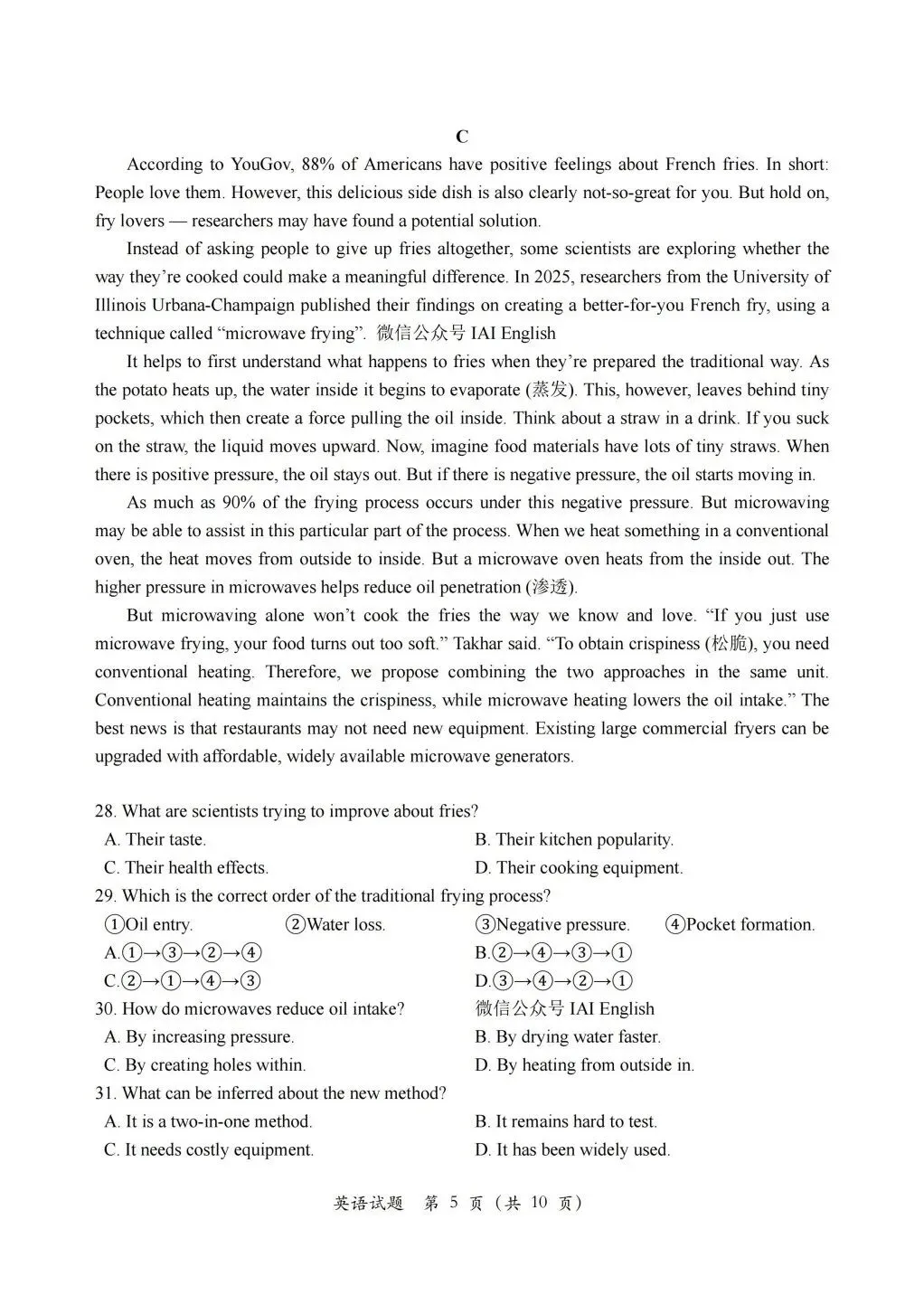
9. microwave (n.) 微波;(v.) 用微波加热
Example: Researchers used a technique called “microwave frying”.
研究人员使用了一种称为“微波油炸”的技术。
Derivatives: microwaveable (adj.)
10. penetration (n.) 渗透,穿透
Example: The higher pressure in microwaves helps reduce oil penetration.
微波中的较高压力有助于减少油脂渗透。
Derivatives: penetrate (v.), penetrating (adj.)
11. crispiness (n.) 松脆
Example: To obtain crispiness, you need conventional heating.
要获得松脆口感,你需要传统加热。
Derivatives: crispy (adj.), crisp (adj./v.)
12. equipment (n.) 设备,器材
Example: Restaurants may not need new equipment for the new method.
餐馆可能不需要新设备来采用新方法。
Derivatives: equip (v.), equipped (adj.)
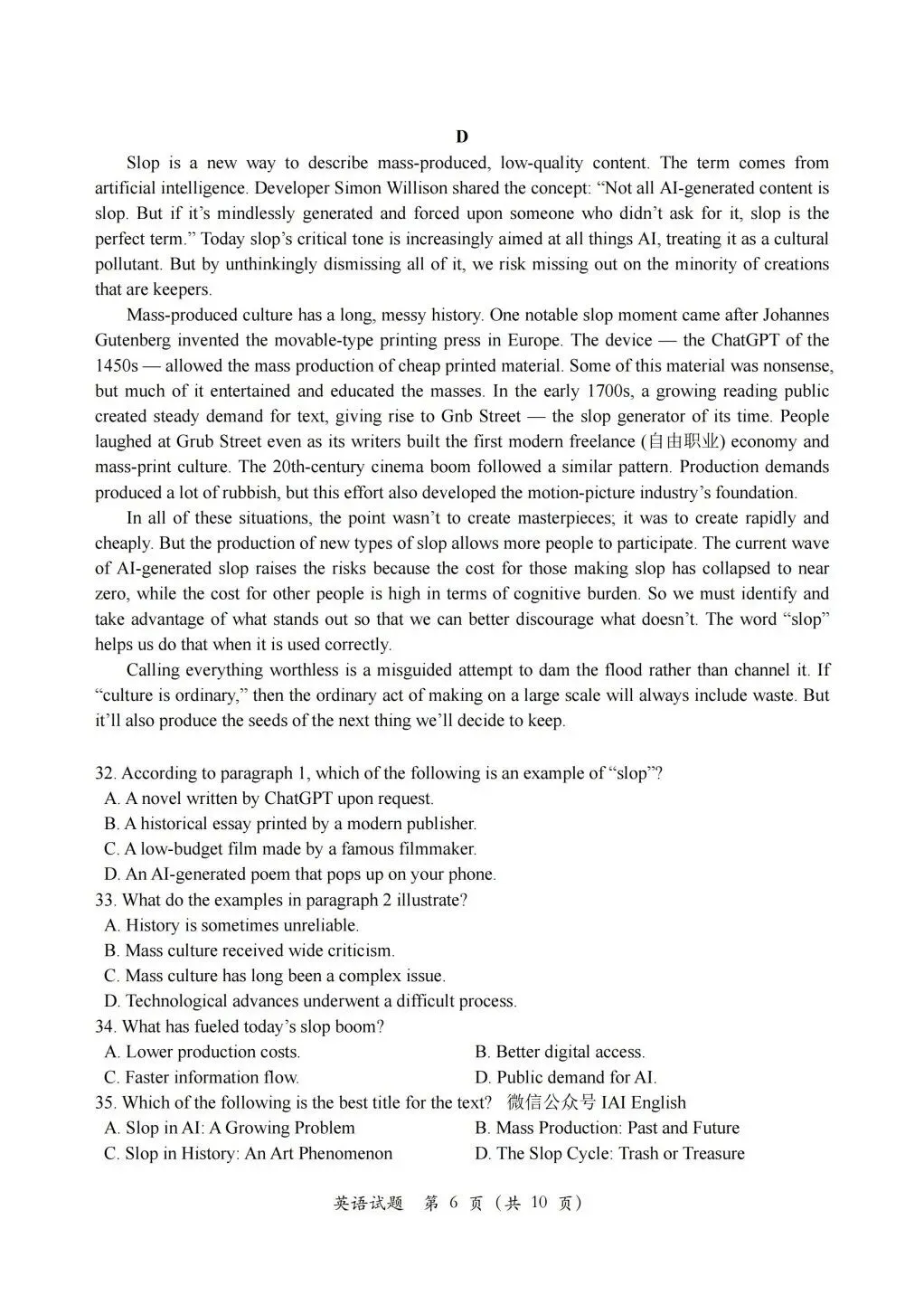
13. generate (v.) 产生,生成
Example: Not all AI-generated content is slop.
并非所有AI生成的内容都是“垃圾”。
Derivatives: generation (n.), generator (n.)
14. pollutant (n.) 污染物
Example: Slop is treated as a cultural pollutant.
“Slop”被视为一种文化污染物。
Derivatives: pollute (v.), pollution (n.)
15. dismiss (v.) 不考虑,摒弃
Example: By unthinkingly dismissing all AI content, we risk missing out.
不加思考地摒弃所有AI内容,我们可能会错失良机。
Derivatives: dismissal (n.), dismissive (adj.)
16. cognitive (adj.) 认知的
Example: Slop costs other people a high cognitive burden.
“Slop”给他人带来很高的认知负担。
Derivatives: cognition (n.), cognitively (adv.)
17. participate (v.) 参与
Example: The production of new types of slop allows more people to participate.
新型“Slop”的生产允许更多人参与。
Derivatives: participation (n.), participant (n.)
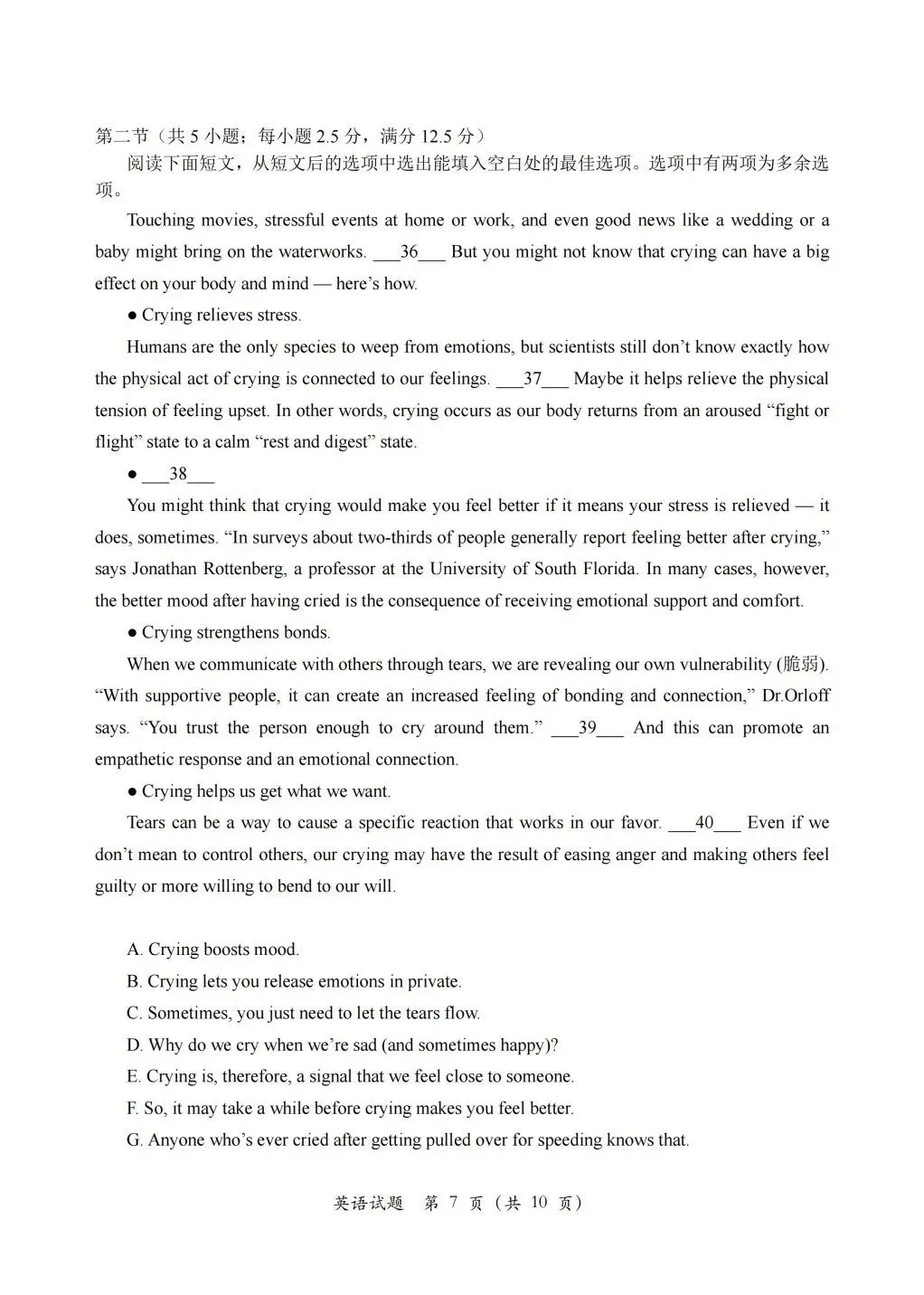
18. weep (v.) 哭泣
Example: Humans are the only species to weep from emotions.
人类是唯一因情感而哭泣的物种。
Derivatives: weeping (adj./n.), weepy (adj.)
19. tension (n.) 紧张,紧绷
Example: Crying may help relieve the physical tension of feeling upset.
哭泣可能有助于缓解不安的身体紧张。
Derivatives: tense (adj./v.), tensile (adj.)
20. bond (n.) 纽带,联系;(v.) 建立联系
Example: Crying can create an increased feeling of bonding and connection.
哭泣可以增强亲密和联系感。
Derivatives: bonded (adj.), bonding (n.)
21. vulnerability (n.) 脆弱性
Example: When we cry, we reveal our own vulnerability.
当我们哭泣时,我们展现了自己的脆弱。
Derivatives: vulnerable (adj.), vulnerably (adv.)
22. empathetic (adj.) 共情的
Example: Tears promote an empathetic response and emotional connection.
眼泪能促进共情反应和情感联系。
Derivatives: empathy (n.), empathetically (adv.)
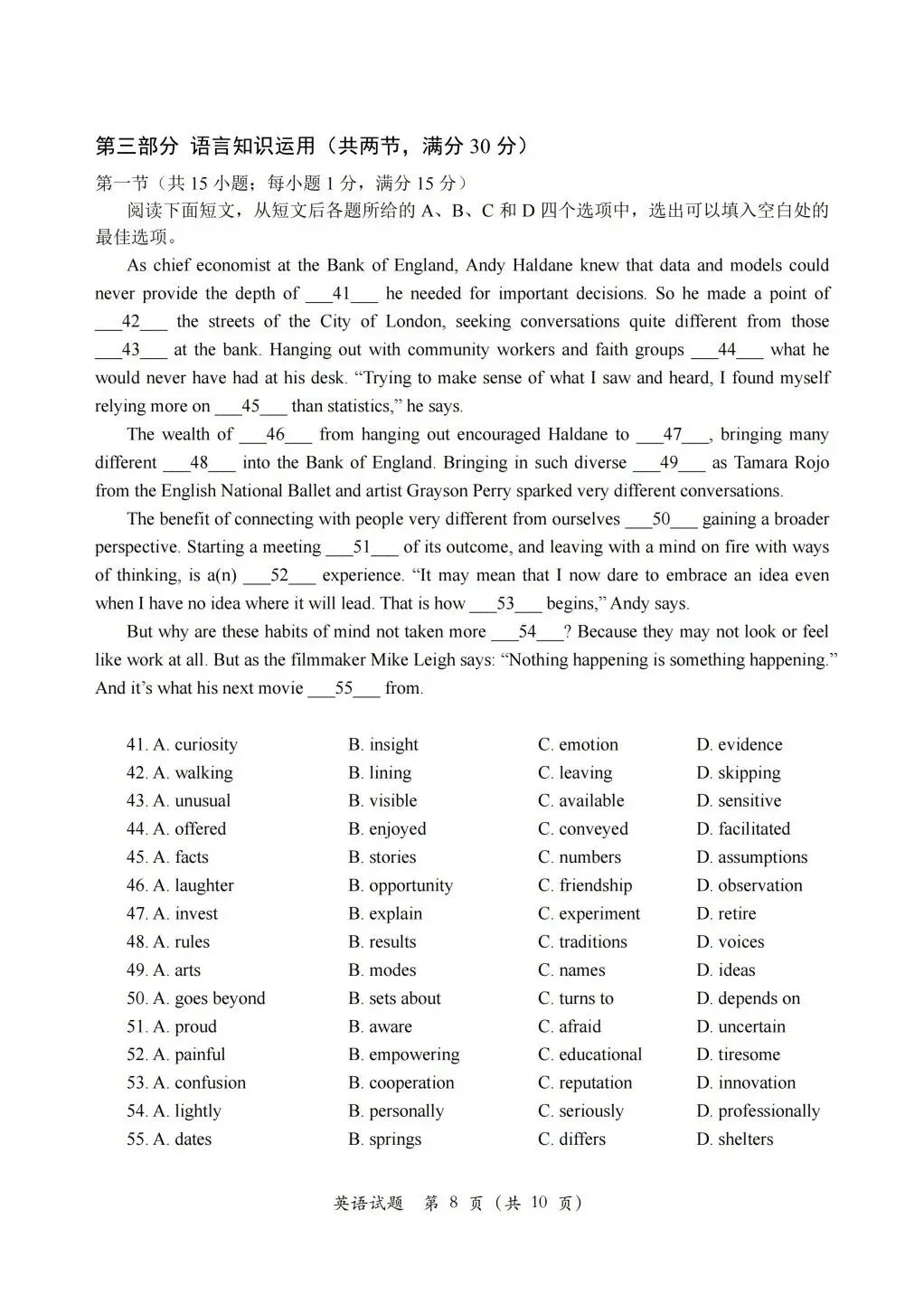
23. insight (n.) 洞察力,见解
Example: Data could never provide the depth of insight he needed.
数据永远无法提供他所需的深刻洞察。
Derivatives: insightful (adj.), insightfully (adv.)
24. statistic (n.) 统计数据
Example: He relied more on stories than statistics.
他更多地依赖故事而非统计数据。
Derivatives: statistical (adj.), statistically (adv.)
25. perspective (n.) 视角,观点
Example: Connecting with different people helps gain a broader perspective.
与不同的人交往有助于获得更广阔的视角。
Derivatives: perspectival (adj.), perspicacious (adj.)
26. innovation (n.) 创新
Example: “That is how innovation begins,” Andy says.
“创新就是这样开始的,”安迪说。
Derivatives: innovate (v.), innovative (adj.)
27. embrace (v.) 拥抱,欣然接受
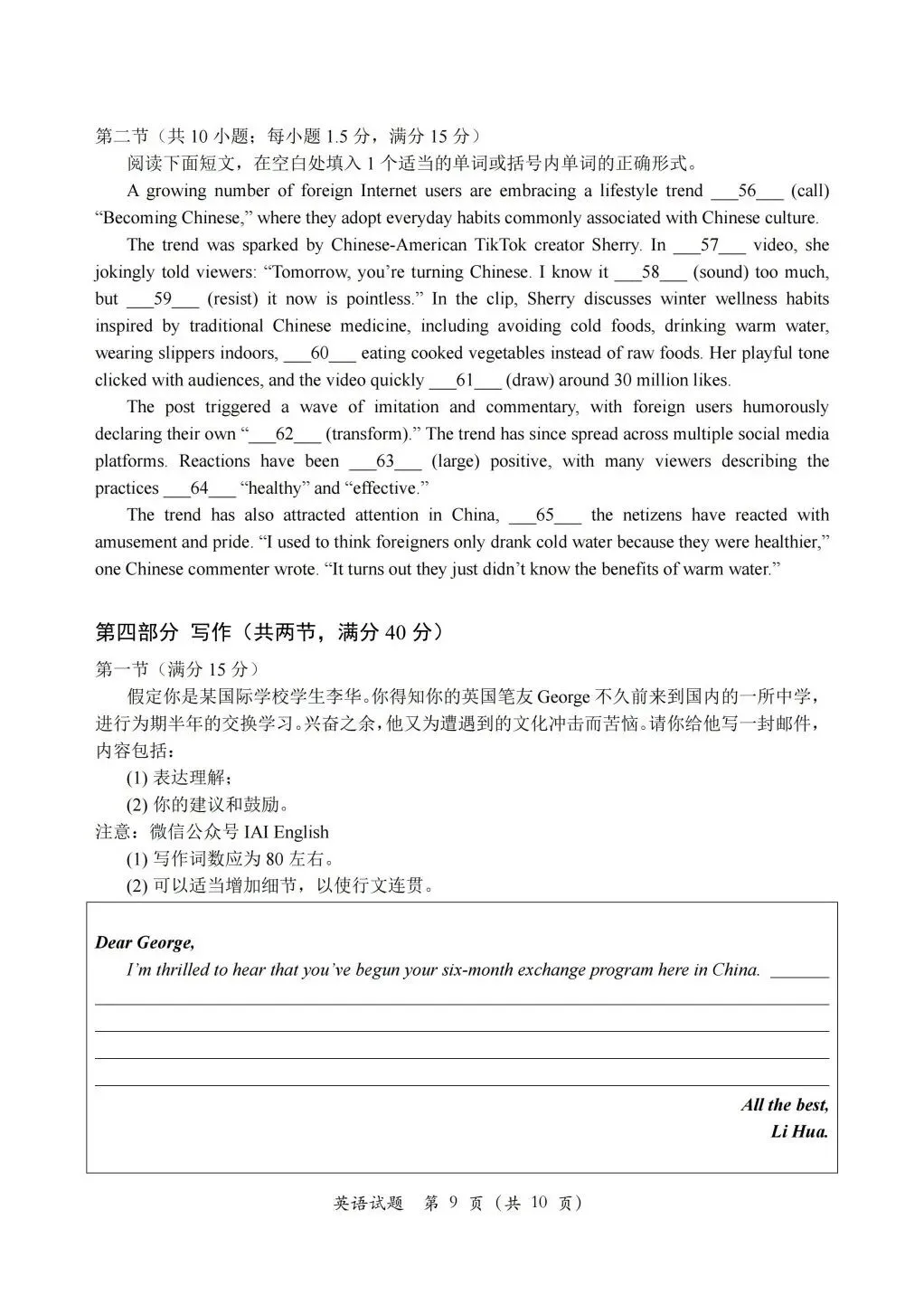
Example: A growing number of users are embracing a lifestyle trend.
越来越多的用户正在接受一种生活趋势。
Derivatives: embraceable (adj.), embracement (n.)
28. trend (n.) 趋势,潮流
Example: The trend was sparked by a Chinese-American TikTok creator.
这一趋势由一位华裔TikTok创作者引发。
Derivatives: trendy (adj.), trendily (adv.)
29. transform (v.) 转变,改造
Example: Foreign users humorously declared their own “transformation”.
外国用户幽默地宣布了自己的“转变”。
Derivatives: transformation (n.), transformative (adj.)
30. positive (adj.) 积极的,正面的
Example: Reactions have been largely positive.
反应基本上是积极的。
Derivatives: positively (adv.), positivity (n.)
31. adopt (v.) 采纳,采取
Example: They adopt everyday habits commonly associated with Chinese culture.
他们采取通常与中国文化相关的日常习惯。
Derivatives: adoption (n.), adoptive (adj.
32. comment (v./n.) 评论
Example: The post triggered a wave of imitation and commentary.
该帖子引发了一波模仿和评论浪潮。
Derivatives: commentator (n.), commentary (n.)
33. punishment (n.) 惩罚
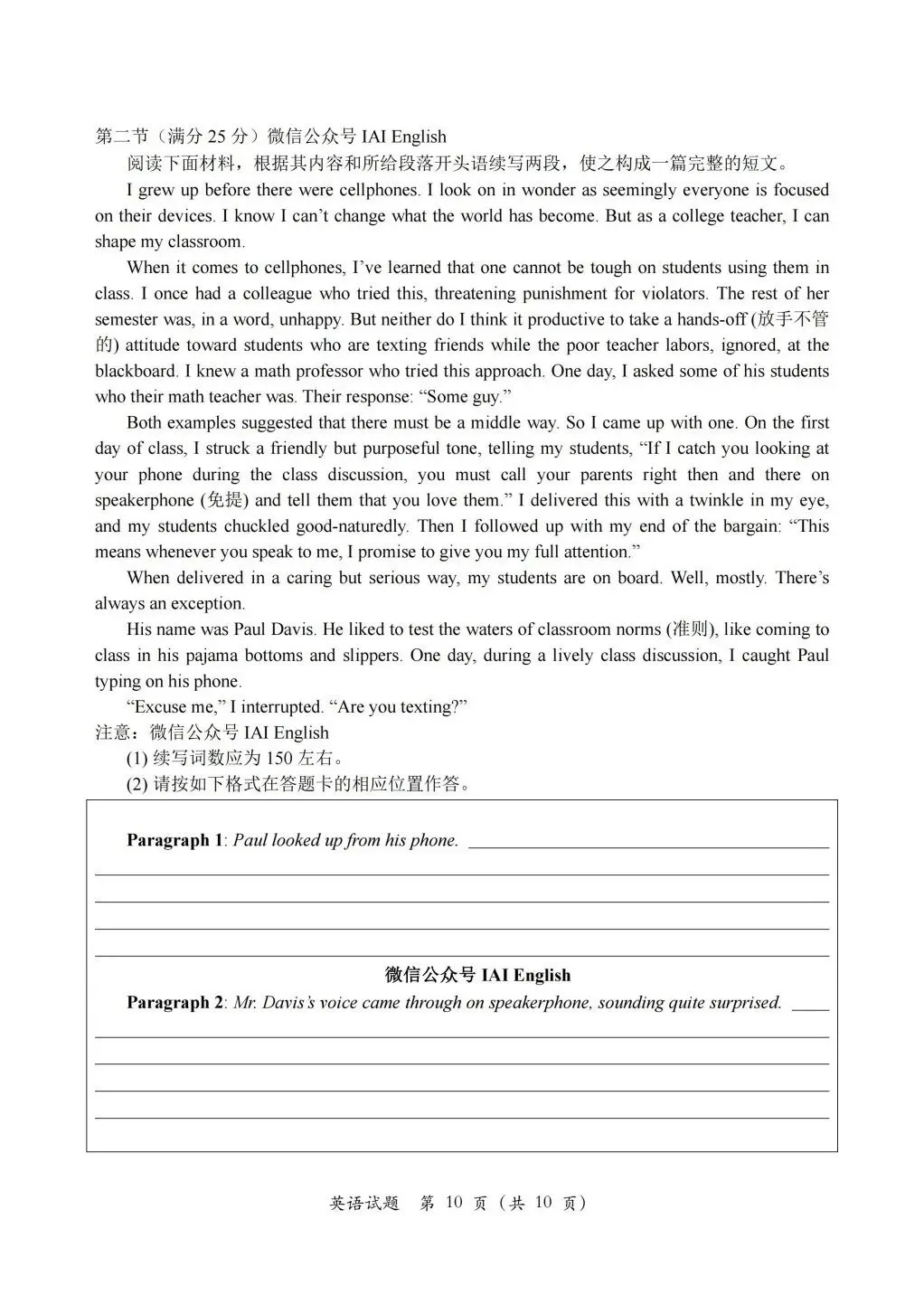
Example: A colleague tried threatening punishment for cellphone violators.
一位同事曾试图威胁要惩罚手机违规者。
Derivatives: punish (v.), punitive (adj.)
34. productive (adj.) 富有成效的
Example: It is not productive to take a hands-off attitude toward students.
对学生采取放手不管的态度并非富有成效。
Derivatives: productively (adv.), productivity (n.)
35. exception (n.) 例外
Example: There's always an exception to the classroom norm.
课堂规范总有例外。
Derivatives: exceptional (adj.), exceptionally (adv.)