文档文本内容
Unit 6 I am going to study computer science
词句精讲精练

词汇精讲
1. grow up
      grow up 意为“长大;成熟;成长”。 例如:
I grew up in Beijing. 我是在北京长大的。
I want to be a football player when I grow up. 我长大后想当一名足球运动员。
        【拓展】
(1)grow into 意为“长大成为”。例如:
Mary grew into a beautiful girl. 玛丽长成了一个漂亮的姑娘。
(2)grow 还有“种植;增长”的意思。例如:
The farm grows all kinds of crops, such as rice, wheat and cotton.
这个农场种植各种各样的庄稼。例如:稻谷、小麦和棉花。
The population of the world is growing faster and faster.
世界人口增加得越来越快。
2. make sure
make sure=be sure,意思是“确信”,它的后面可以跟that(可省略)引导的宾语从句、动词不定
式或of 短语。例如:
I am sure of his guilt.我确定他有罪。
I am sure to help you tomorrow.我明天一定会帮你。
I am sure(that)he will achieve his goal. 我确定他会实现目标的。
3. education
education 是名词,意为“教育;教育学”。例如:
Everyone wants to have a good education. 每人都想有一个良好的教育。
His lack of education is a disadvantage when he looks for a job.
他缺少教育,这在找工作时是一个不利条件。
【拓展】
educational 是形容词,意为“教育的,有教育意义的”,常作定语。例如:
The staff should make sure the kids have an enjoyable and educational day.
老师们应该确保孩子们度过愉快而有教育意义的一天。
Several educational methods are being used at present.
很多种教育的方式目前正在被使用。
4. send
 send 是及物动词,意为“寄,发送”,过去式和过去分词都是sent,其后能接双宾语,即send sb.
sth.=send sth. to sb.。例如:
 He sent me a postcard. = He sent a postcard to me. 他寄给我一张明信片。
【拓展】
动词接双宾语时,有两种结构:
(1) 动词 + 间接宾语(sb.) + 直接宾语(sth.)
(2) 动词 + 直接宾语(sth.) + 介词(for/to) + 间接宾语(sb.)
能接双宾语的动词可分为两类:
(1)常用介词to 的动词有:send; give; show; bring; show; teach; tell 等。例如:
    give sb. sth. = give sth. to sb.     show sb. sth. = show sth. to sb.
(2)常用介词for 的动词有:buy; sing; make; cook; get 等。例如:
    buy sb. sth. = buy sth. for sb.    make sb. sth. = make sth. for sb.
5. resolution
         resolution 为可数名词,意为“决心;决定”,常与make 形成固定词组搭配:make a resolution
意为“做决定;下决心”。例如:
         People write down their resolutions and plans for the coming year.
         人们写下他们的决心以及对来年的计划。
         He made a resolution to study hard.
         他下决心要努力学习。
6. hobby
  hobby 为可数名词,意为“业余爱好;兴趣”,其复数形式为hobbies。例如:
   I collect stamps as a hobby.
我的爱好是收集邮票。
My hobbies are letter writing, football, music, photography, and tennis.
我的业余爱好是写信、踢足球、听音乐、玩摄影和打网球。
My hobby is to read books. 我的爱好是读书。
      7. agree with
agree with 意为“同意……;赞成……”,后面接表示人或表示“意见;观点”的词。
例如:
She agreed with me. 她同意我的意见。
I quite agree with what you said. 我完全同意你说的话。
【拓展】
(1)agree to 意为“赞同;同意”,后面接表示“计划;提议;办法;安排”等词,to 是介词。例
如:
They agree to my idea. 他们同意我的想法。
Do you agree to this arrangement? 你同意这个安排吗?
(2)agree 还可以用于that 从句前,表示“同意;一致认为”。例如:
We all agreed that it was a good plan. 我们一致认为这是一项好计划。
It was agreed that another meeting was necessary. 大家一致认为有必要再开一次会。
8. personal
personal 是形容词,意为“个人的;私人的”。例如:
This is a personal letter. 这是一封私人信件。
Can I ask you a personal question?
我可以问你一个私人问题吗?
【拓展】
personality 是名词,意为“个性;性格”。例如:
She has such a kind, friendly personality.
她个性善良友好。
It completely depends on your personality.
这完全由你的性格决定。
9. improve
  improve 是动词,意为“改进;改善;提高”。例如:
    You’d better work out a plan to improve your writing skills.
你最好制定一个精心提高写作能力的计划。
We haven’t discovered how to improve it.
我们还没找到如何改进它的办法。
【注意】
improve 的意思是“改进;使更好(make better)”,已包含better 之意,因而不能再与better 连
用。
【拓展】
improvement 是名词,意为“改善;改进;提高”。例如:
This essay represents a considerable improvement on your recent work.
这篇论文说明你最近的工作取得了相当大的改进。
10. discuss
 discuss 是动词,意为“讨论;商量”。常用短语为:discuss sth. with sb.意为“和某人谈论某
事”。例如:
 We discussed our plans for the new term.
我们讨论了我们的新学期计划。
You needn’t discuss this matter with me.
你不必和我讨论这件事。
【注意】
discuss 一般不直接跟动词不定式作宾语,但可跟“疑问词+动词不定式”结构或从句。例如:
They are discussing how to do it.
他们在讨论该怎么做这件事。
We discussed when we should leave.
我们商量了该什么时候动身。
【拓展】
argue 与discuss 的辨析
        (1) argue 着重于自己的看法、立场,提出论据,以理说服他人。例如:
        There is no need arguing about the matter. 不必就此事辩论了。
        (2) discuss 重在交换意见,进行讨论,不含有说服对方的成分。例如:
We’re going to discuss the question. 我们打算讨论这个问题。
词汇精练
Ⅰ. 根据句意补全单词。
     1.—Do you know the ______(意思)of this word?
       —Sorry,you can look it up in the dictionary.
2.Sorry,we don't know my mother's ______(爱好).
3.What can we do to ______(提高)my Chinese,Ms Dai?
4.Well,boys and girls,you can ______(讨论)it in groups.
Ⅱ. 用括号中单词的正确形式填空。
1.Last week Lisa ______(send)me a doll.
2.I don't like these ______(foreign)because they're not friendly.
3.Oh,in fifteen minutes.I ______(cook)for you,Jim.
4.It's not polite to ask others ______(person)questions.
5.When my son ______(grow)up,I want him to be a doctor.
6.Just now his mother ______(agree)to take us to see her office.
Ⅲ. 汉译英。
1.
自我改进;自我提高_______________
2.
同意;赞成____________________
3.
写下;记下_____________________
4.
属于某人自己的___________________
5.
在…….开始____________________
Ⅳ. 选词填空。
engineer,send,medicine, grow,college,
    1.Take the ______ and then you'll be OK soon.
2.His father is an ______.
3.What are you going to be when you ______ up?
4.They are going to ______ me this postcard.
5.Next year his sister is going to ______.
        promise,discuss,weekly,own,beginning
6.My sister usually makes resolutions at the ______ of the year.
7.Let's ______ his biology report,shall we?
8.Did your mother ______ to buy a new bike for you?
9.He prepares ______ programmes in this room.
10.Well,this is my ______ room.
V. 听力链接。
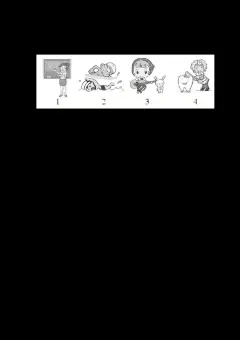
对话问答,根据你所听到的对话集问题,选择正确答案。
6. A. Mr. Green.         B. Music.          C. On Wednesday.
7. A. In a restaurant.      B. On the street.     C. In the post office.
8. A. The sports club.     B. The chess club.    C. The art club.
9. A. Yes, he did.         B. No, he didn’t.     C. We don’t know.
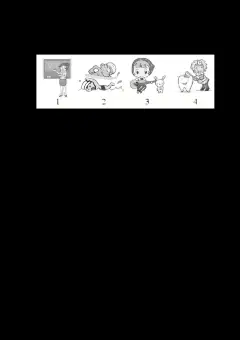
10. A. Lie down and rest.
B. See a dentist.
C. Drink some hot tea with honey.
参考答案
Ⅰ. 根据句意补全单词。
    1. meaning   2. hobby  3. improve  4. discuss
Ⅱ. 用括号中单词的正确形式填空
1. sent   2. foreigners   3. will cook
4. personal   5. grows   6. agreed
Ⅲ. 汉译英
1. self-improvement   2.agree with  3.write down
 4. of one’s own   5.at the beginning of
Ⅳ. 选词填空。
1.medicine  2. engineer  3. grow  4.send  5. college
6. beginning  7. discuss  8. promise  9. weekly  10. own
V. 听力链接。
对话问答,根据你所听到的对话集问题,选择正确答案。
6. B    7. A     8. C    9. A    10. C
6. W: What’s your favourite subject, Ben?
   M: I like music best.
   Q: What’s Ben’s favourite subject?
7. W: What size bowl of noodles would you like, please?
    M: I’d like a large one.
    Q: Where are they talking?
8. W: Hello! Can I help you?
    M: Yes, please. I want to join the art club, I’m interested in drawing pictures.
    Q: What club does the boy want to join?
9. W: How was your last weekend, John?
    M: It was great. I went fishing with my grandpa, we had a really great time.
    Q: Did John have a nice weekend?
10. W: I’m not feeling well. I have a sore throat.
     M: Well, you should drink some hot tea with honey, and you’ll feel better.
     Q: What should the woman do?
句式精讲
1. have to do with…
have to do with…意为“关于;和……有关系”,其同义句为“be to do with…”; 其否定句为
“have nothing to do with…”意为“与……无关”。例如:
       The accident was to do with his carelessness. 这次事故与他的粗心有关。
       This book has to do with computers.这是一本关于电脑方面的书。
       This matter had nothing to do with me. 这件事与我毫无关系。
2. We make promises to other people.
promise 为可数名词,意为“承诺,诺言”。例如:
  Give me your promise that you'll never be late again. 答应我你绝不再迟到。
  promise 常用的词组有:
  give/make a promise 许下诺言   keep a promise 信守诺言
  carry out a promise 履行诺言   break a promise 违背诺言
【拓展】
promise 作动词,意为“允诺,答应”。常用下列结构:
(1) promise sb. sth.=promise sth. to sb.  例如:
   I can't give you the book, I've promised it to Suan.
  我不能给你这本书,我已答应把它给苏珊了。
(2) promise to do sth.  例如:
   He promised to help us. 他答应帮助我。
(3) promise+that 从句  例如:
   He promised me that he would be here at six.
他答应我他将在六点在这儿等我。
3. have … in common
have…in common 意为“在……有共同之处。”中间常加much,something,nothing 等不定代词
表示“有很多、一些共同之处或没有共同之处”。例如:
They are brothers, but they have nothing in common.
他们虽然是兄弟,但却没有一点共同之处。
Their views have much in common with mine.
他们的观点跟我的有很多共同之处。
【拓展】
common 还有“普通的,常见的,一般的(无比较级)”的意思。例如:
  It’s a common mistake. 这是常见的错误。
  The flower is common in spring 这种花春天很常见。
4. There are different kinds of resolutions.
   kinds of 意为“多样的”,其中的kind为可数名词,意为“种类”;其常用搭配为:a kind of 意为
“一种”;all kinds of 意为“各种各样的”。常用来修饰名词。例如:
This is a kind of bird. 这是一种鸟。
   There are all kinds of birds in the tree. 树上有各种各样的鸟。
There are many kinds of fishes in the lake. 湖里有许多种鱼。
【拓展】
        kind of 意为“有点”,相当于“a little”。例如:
        I am kind of hungry. = I am a little hungry.
我有点饿了。
5. They are going to take up a hobby.
         take up 意为“学着做;开始做”。例如:
         I want to take up painting during the holiday.
         我想在假期学习绘画。
He left a job in the city to take up farming.
他辞去城市的工作,开始务农。
Angela used to be a model and has decided to take it up again.
安杰拉以前当过模特,现已决定重操旧业了。
  【拓展】
  take up 还可意为“占据;占用”。例如:
  The table takes up too much room.
  这张桌子太占地方。
  I don’t want to take up your time.
  我不想占用您的时间。
句式精练
Ⅰ. 句型转换。
1.Kang Kang is going to be a reporter when he grows up.(就划线部分提问)
    ______ is Kang Kang going to ______ when he grows up?
2.His brother practices basketball every afternoon.(用this afternoon 替换every afternoon 改写句
子)
His brother ______ ______ ______ ______ basketball this afternoon.
3.Many resolutions have to do with self-improvement.(改为同义句)
   Many resolutions _______ _______ _______ _______ self-improvement.
4.—Is your brother going to be an engineer? (作肯定回答)
    —______,______ ______.
5.I don’t do well in writing stories.(改为同义句)
I'm not ______ ______ writing stories.
Ⅱ. 根据句意完成下列句子,每空一词。
1.他是足球队员吗?
  Is he a ______ ______?
2.这对双胞胎在很多方面都有共同之处。
  The twins ______ _______ ______ _______.
3.米勒先生是一位公交车司机。
  Mr.Miller is a ______ ______.
4.我想成为一名护士,但是对此没有把握。
  I want to be a nurse,but I'm ______ ______ ______ it.
5.凯特要去上表演课。
  Kate is going to ______ ______ ______.
6.我们都想取得好成绩。
  We all want to ______ ______ ______.
7.实际上决心是一种承诺。
  In fact a resolution is a ______ ______ ______.
8.此事与韩丽无关。
  This matter has ______ ______ ______ ______ Han Li.
9.你应该制订每周的学习计划。
  You should make a ______ ______ for school work
10.托尼决定开始培养新爱好。
Tony decided to ______ ______ a new hobby.
Ⅲ. 补全对话。(有一个多余选
项)

A: Excuse me, I want to go to the National Palace Museum.

 1
B: You can get there by bus. I think it will come soon.[来
A: Thank you. It’s my first time here.
B: So,

 2
A: I like it very much. It’s a big city with lots of modern buildings. By the way, you aren’t a
student, are you?
B:

 3

  I’m a college student.

 4
A: I’m going to visit my son and he lives near there.
B: Oh, your bus is coming.
A:

 5
B: You’re welcome. Bye.
1         2        3        4        5
参考答案
A. Yes, I am.
B. How can I get there?
C. Thanks for your help.
D. No, I’m not.
E. Why do you want to go to the National Palace
Museum?
F. how do you like it so far?
Ⅰ. 句型转换。
1. What; be   2. is going to play   3. are to do with
4. Yes; he is   5. good at
Ⅱ. 根据句意完成下列句子,每空一词。
1. football player    2. have much in common
3. bus driver        4. not sure of
5. take acting lessons   6. get good grades
7. kind of promise   8. nothing to do with
    9. weekly plan  10. take up
Ⅲ. 补全对话。(有一个多余选项)
1. B  2. F  3. A  4. E  5. C