文档文本内容
英英语语语语法法-简简单单句句之之情情态态动动词词
一一、、情情态态动动词词概概述述
定义:体现说话者情绪、语气、态度的词。
作用:表达命令、请求、委婉、猜测、意愿等。
二二、、Can 的的用用法法
1. 表示能力 (e.g., I can sing.)
2. 征求许可或给予许可 (e.g., Can I use your pen?)
3. 表示推测(用于否定句、疑问句)(e.g., That cannot be Liming.)
4. 特殊用法:
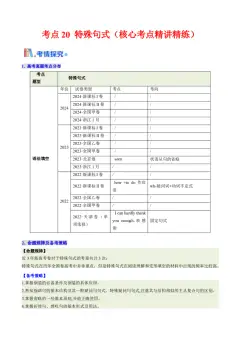
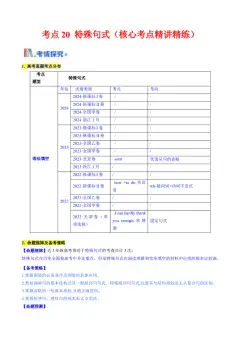
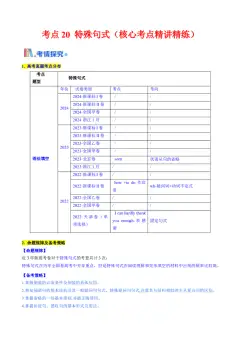
cannot help but do something: 不禁做某事 (e.g., I cannot help but think of my parents.)
cannot help doing something: 难免做某事 (e.g., I can't help making mistakes when I speak English.)
三三、、Can 与与 Could 的的区区别别
1. Could 是 can 的过去式 (e.g., He said he could speak three languages when he was a child.)
2. Could 比 can 语气更委婉、礼貌 (e.g., Could you please tell me how to get to the subway station?)
3. Could 用于虚拟语气 (e.g., I wish I could fly.)
四四、、Will 与与 Would 的的区区别别
1. Will 表示“将要”,用于一般将来时。
2. Would 是 will 的过去式。
3. Would 用于客气的请求或建议 (e.g., Would you please slow down?)
4. Would 可以表示意愿、喜欢 (e.g., I would like a cup of coffee.)
5. Would 可以表达拿不准的想法、猜测 (e.g., I would guess he is about 50 years old.)
6. Would 用于虚拟语气 (e.g., If I were you, I would study abroad.)
五五、、May 与与 Might 的的区区别别
1. May 和 might 都表示“可能”,might 是 may 的过去式。
2. May 可以表示征求许可 (e.g., May I come in?)
3. May 可以表示允许 (e.g., You may drive the car.) 和 can 用法类似
4. May 可以表示可能性 (e.g., Children may not like this play.)
5. May 可以表示祝愿 (e.g., May you have a good time.)
6. May 用于虚拟语气 (e.g., If I were you, I might exercise.)
六六、、其其他他情情态态动动词词短短语语
1. used to do something: 过去常常做某事 (e.g., We used to write to each other every week.) 注意与 be used
to do 和 be used to doing 的区别。
2. had better do something: 最好做某事 (e.g., We had better get there by next Monday.) 反义:had better
not do something.
3. have to do something: 不得不做某事 (e.g., Young people have to endure great pressure.) 反义:don't
have to do something 不必做某事.
4. be able to do something: 能够做某事,相当于 can (e.g., College students are able to distinguish right from
wrong.)
七七、、易易混混淆淆短短语语辨辨析析
1. used to do: 过去常常(现在不做了)
2. be used to do: 被用来做…
3. be used to doing: 习惯于做…