ARTICLE · 1164336
10.12 考研英语阅读题源外刊模拟试题【难度5.5】
Section II Reading Comprehension
Part A
Directions: Read the following four texts. Answer the questions below each text by choosing A, B, C or D. Mark your answers on the ANSWER SHEET.
Text 3
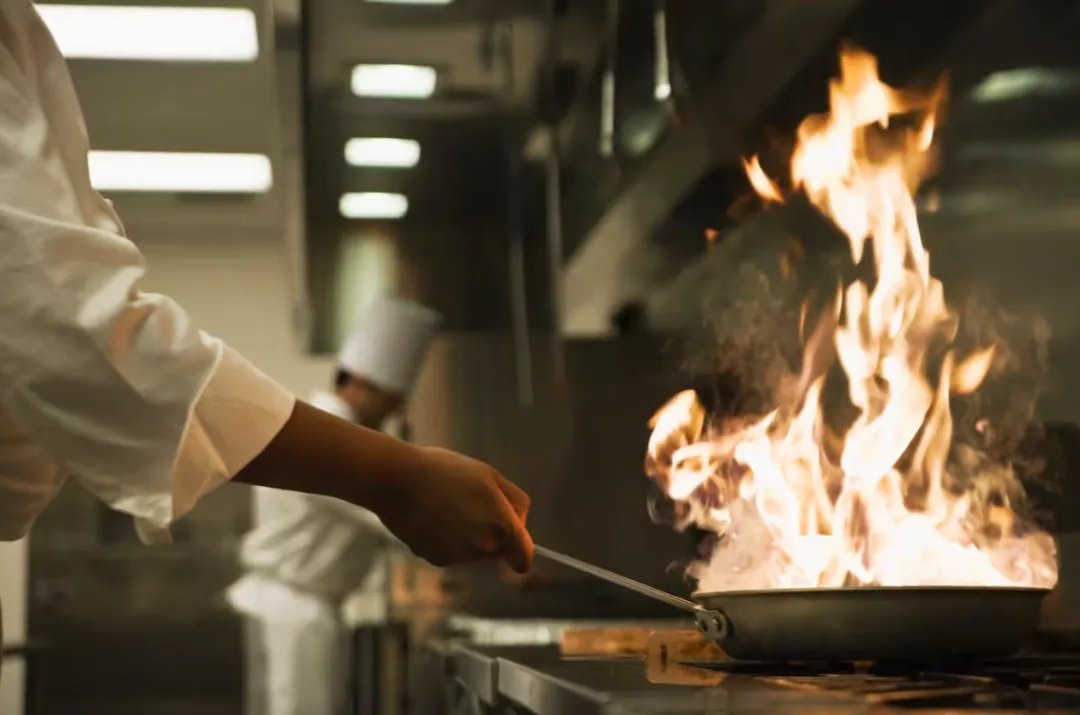
Kitchen workers in restaurants that cook with gas are often exposed, without knowing it, to high temperatures and unhealthy levels of pollutants such as nitrogen dioxide, a new study has found. More than 15 million people work in restaurant and commercial kitchens in the United States, and most of those kitchens use gas.
Earlier research on pollution from cooking has focused mostly on homes, where gas stoves have been linked to asthma and breathing problems, especially in children. To see what happens in professional kitchens, a team of researchers tested 27 of them in three states, varying in size, cuisine and ventilation. In different zones of each kitchen, they measured temperature and several pollutants, including nitrogen dioxide.
In about 70 per cent of the kitchens that used gas or propane, nitrogen dioxide rose above the national one-hour outdoor air-quality limit during working hours, and more than half climbed above 90 degrees Fahrenheit. Ventilation hoods are meant to remove heat and fumes, yet staff standing directly in front of gas cooking surfaces were still heavily exposed. An outside expert noted that such limits have not been updated for many years, and argued that they should be reviewed and tailored to workplaces, for instance by using eight-hour indoor standards.
The problem does not stop when the cooking does. The researchers also found high pollution levels outside working hours, because the pilot lights of gas appliances stay lit overnight while the ventilation is switched off; levels peaked at night and in the early morning, before the working day began. Cleaners arriving late, or cooks coming in early to prepare cold food, may therefore breathe polluted air without a thought for ventilation, since everything seems to be off.
One quick fix, the lead author said, is to switch the ventilation on first thing in the morning, even if no one is cooking. But the best way to remove pollution, he added, is to remove its source. The outside expert agreed: improve ventilation immediately, then switch to induction stoves, a type of electric cooker, in the longer run.
The study’s three fully electric kitchens were cooler and had far lower pollution, and none exceeded the pollution guidelines. Electric appliances can cost more, but the researchers see them as a viable replacement for gas, since they give off no combustion pollutants. One chef whose restaurant runs mostly on electricity said that the results confirmed his choice, and that his kitchen is more comfortable and easier to clean.
31. The researchers carried out the study mainly to
A. compare the running costs of gas and electric appliances
B. prove that gas stoves cause asthma in children
C. test whether ventilation hoods can be made more efficient
D. find out what conditions people working in kitchens face
32. What does the outside expert say about the air-quality limits mentioned in Paragraph 3?
A. They may need updating to suit workplaces better.
B. They are adequate but rarely enforced in kitchens.
C. They should apply only to air outside buildings.
D. They have been revised too often to be useful.
33. It can be inferred from Paragraph 4 that cooks who arrive early to prepare cold food
A. are protected because the ventilation is already running
B. may breathe polluted air without realising it
C. can avoid the pollution by switching off the pilot lights
D. are exposed only once they begin to cook
34. According to the experts, how should the problem be dealt with?
A. By replacing gas stoves at once, since ventilation cannot reduce pollution.
B. By limiting the hours in which gas appliances may be used.
C. By improving ventilation at once and replacing gas stoves later.
D. By installing larger hoods while keeping gas stoves in use.
35. The author mentions the three fully electric kitchens to show that
A. a cleaner alternative to gas stoves is workable
B. electric appliances are cheaper to buy than gas ones
C. most restaurants have already stopped using gas
D. chefs prefer electric kitchens for their cooking quality
附注:根据历年考研英语真题阅读题源外刊等,摘选最新文章,模拟仿真出题。
参考答案见以下。
Quick look: DABCA
31.【正确答案】D
【解析】题型:推理判断题
定位:第二段 “Earlier research on pollution from cooking has focused mostly on homes... To see what happens in professional kitchens, a team of researchers tested 27 of them...”
分析:第二段先指出已有研究主要针对家庭,再用 “To see what happens in professional kitchens” 引出本研究的目的:了解商用厨房工作人员面对的环境状况(污染与温度)。D项概括了这一目的。
干扰项:[A]”比较燃气与电器的运行成本"无中生有,原文只在末段顺带提到电器可能更贵,研究的目的并非比较成本;[B]"证明燃气灶导致儿童哮喘"偷换概念,哮喘与儿童是此前对家庭厨房的研究所发现的关联,不是本研究要证明的内容;[C]"测试通风罩能否更高效"无中生有,原文提到通风罩只是为了说明其效果有限,并非研究目的。
32.【正确答案】A
【解析】题型:态度推理题
定位:第三段末句 “An outside expert noted that such limits have not been updated for many years, and argued that they should be reviewed and tailored to workplaces...”
分析:专家指出这类限值多年未更新,并主张重新评估,使之更贴合工作场所(如采用八小时室内标准)。A项概括了他的看法:可能需要更新,以更适合职场。
干扰项:[B]”限值够用,只是执行不力"无中生有,专家质疑的是限值本身是否足够,并未谈执行问题;[C]"只应适用于室外空气"与原文相反,专家主张采用更贴合职场的室内标准;[D]"修订过于频繁以致无用"与原文相反,原文说的是限值多年未更新。
33.【正确答案】B
【解析】题型:推理判断题
定位:第四段 “...the pilot lights of gas appliances stay lit overnight while the ventilation is switched off... Cleaners arriving late, or cooks coming in early to prepare cold food, may therefore breathe polluted air without a thought for ventilation, since everything seems to be off.”
分析:燃气灶的长明火整夜不熄,而通风设备此时关闭,污染在夜间和清晨达到峰值。提前到岗准备冷食的厨师并不打算开火,也不会想到要通风,所以可能在不知不觉中吸入污染空气。B项准确。
干扰项:[A]”因为通风已经开启而受到保护"与原文相反,原文强调此时通风是关闭的;[C]"可通过关掉长明火避免污染"无中生有,原文给出的快速办法是开启通风,没有提出关掉长明火;[D]"只在开始烹饪后才会暴露"与原文相反,原文恰恰指出即使没有烹饪,也会因整夜亮着的火焰而暴露。
34.【正确答案】C
【解析】题型:细节理解题
定位:第五段 “One quick fix... is to switch the ventilation on first thing in the morning... But the best way to remove pollution... is to remove its source. The outside expert agreed: improve ventilation immediately, then switch to induction stoves... in the longer run.”
分析:两位专家的思路一致,分短期与长期:短期内立即改善通风(早晨第一时间开启),长期则更换为感应灶,消除污染源。C项准确对应。
干扰项:[A]”立即更换燃气灶,因为通风无法降低污染"与原文相反,原文把改善通风作为立即可行的办法;[B]"限制燃气设备的使用时间"无中生有,原文没有提出这一做法;[D]"安装更大的通风罩并保留燃气灶"无中生有,且与"最好的办法是去除污染源"的主张相悖。
35.【正确答案】A
【解析】题型:例证/功能推理题
定位:第六段 “The study’s three fully electric kitchens were cooler and had far lower pollution... the researchers see them as a viable replacement for gas, since they give off no combustion pollutants.”
分析:作者提到三个全电厨房,是为了说明电器是燃气灶的可行替代:它们更凉爽、污染低得多,且无一超过污染指南。A项概括了这一功能。
干扰项:[B]”电器比燃气灶购买价格更低"与原文相反,原文明确"电器可能更贵";[C]"大多数餐厅已不再使用燃气"以偏概全,原文只涉及样本中的三个电厨房,而且首段明确大多数厨房仍使用燃气;[D]"厨师因烹饪品质而偏爱电厨房"偷换概念,那位厨师提到的是厨房更舒适、更易清洁,原文未涉及烹饪品质。
【参考译文】
一项新研究发现,在燃气烹饪的餐厅里,厨房工作人员往往在不知不觉中暴露于高温环境以及二氧化氮等达到不健康水平的污染物之中。美国有超过1500万人在餐厅及商业厨房工作,而其中大多数厨房都使用燃气设备。
此前关于烹饪污染的研究主要集中在家庭环境,研究发现家用燃气灶与哮喘及呼吸系统问题(尤其是在儿童群体中)存在关联。为了解专业厨房的情况,研究团队对三个州的27家厨房进行了检测,这些厨房在规模、菜系和通风条件上各不相同。研究人员在每家厨房的不同区域测量了温度及包括二氧化氮在内的多种污染物水平。
在使用天然气或丙烷的厨房中,约70%的厨房在工作时段内的二氧化氮浓度超过了国家规定的室外空气质量一小时限值,且超过半数的厨房温度升至华氏90度(约32摄氏度)以上。尽管排气罩旨在排出热量和油烟,但直接站在燃气灶具前的工作人员仍面临严重的暴露风险。一位外部专家指出,相关限值标准多年未更新,并主张应重新评估这些标准并针对工作场所进行调整,例如采用针对室内环境的八小时平均浓度标准。
烹饪活动结束后,问题并未随之消失。研究人员发现,在非工作时段污染水平依然很高,这是因为燃气设备的常明火种(长明灯)彻夜燃烧,而通风系统却已关闭;污染水平往往在夜间及工作日开始前的清晨达到峰值。因此,深夜抵达的清洁工或清晨提前到岗准备冷食的厨师,可能会在未开启通风设备的情况下吸入受污染的空气,因为此时一切设备看似都已关闭。
该研究的主要作者表示,一个简单的应对措施是在清晨上班伊始就开启通风系统,即便当时并无烹饪活动。但他补充道,消除污染的最佳途径是从源头上解决问题。那位外部专家也表示赞同:应立即改善通风条件,并从长远角度考虑改用电磁炉。
研究中涉及的三家全电气化厨房不仅温度较低,污染物水平也远低于其他厨房,且均未超过污染控制指导限值。虽然电器设备的成本可能较高,但研究人员认为它们是燃气设备的理想替代品,因为它们不会排放燃烧污染物。一位主要使用电力运营餐厅的厨师表示,研究结果印证了他的选择,而且他的厨房环境更舒适,也更容易清洁。
附注: