ARTICLE · 1280587
初高中英语介词背了就忘、做题靠蒙?用 200 个句子把 10 大介词彻底搞懂
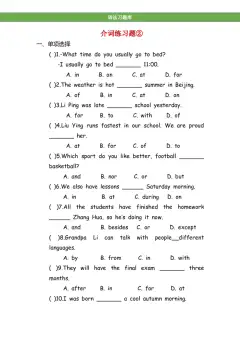
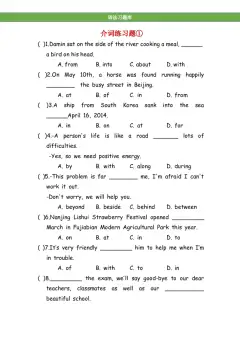
🚇 in、on、at、to……介词规则多、例外多,光背"用法清单"根本记不住。介词是"用会的,不是背会的"——这篇把 10 个最常考介词做成 10 条地铁线路,每个介词 20 个真实句子,像坐地铁一样一站站过,读完 200 句,语感自然就来了。建议每天 2 条线,10 天读完。

in1 号线 · in:在……里面 / 在长时间里
每条线路 20 站,看完一条线,这个介词就通了。
1. The keys are in the drawer.
钥匙在抽屉里。
2. She lives in Beijing.
她住在北京。
3. There is some milk in the fridge.
冰箱里有些牛奶。
4. He is in the classroom.
他在教室里。
5. I was born in 2010.
我出生在 2010 年。
6. We have classes in the morning.
我们上午有课。
7. Flowers bloom in spring.
花在春天开放。
8. She is in Grade Eight.
她上八年级。
9. He speaks in a low voice.
他低声说话。
10. The boy in red is my brother.
穿红衣服的男孩是我哥哥。
11. Please write it in English.
请用英语写。
12. She is in a hurry.
她匆匆忙忙。
13. He is in trouble again.
他又遇到麻烦了。
14. There is a hole in the wall.
墙上有个洞。
15. I saw it in the newspaper.
我在报纸上看到的。
16. In the end, we won the game.
最后,我们赢了比赛。
17. He is in bed with a cold.
他感冒卧床了。
18. The birds are in the tree.
鸟在树上(外部停落)。
19. She came in with a smile.
in 单独作副词:她微笑着进来。
20. Dad is in a good mood today.
爸爸今天心情很好。
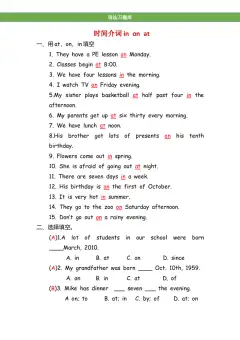
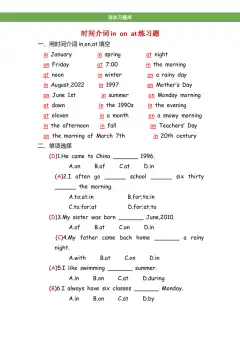
💡 in 一句话总结:能"装进去"的用 in——空间里、年份月份季节里、状态里。注意:鸟"在树上"用 in(枝叶间),果子长在树上用 on。
on2 号线 · on:在……上面 / 在具体某天
每条线路 20 站,看完一条线,这个介词就通了。
21. The book is on the desk.
书在桌上。
22. There is a picture on the wall.
墙上有一幅画。
23. We have no classes on Sunday.
我们周日没有课。
24. He was born on May 1st.
他出生在 5 月 1 日。
25. She arrived on Monday morning.
她周一早上到的。
26. I watch news on TV.
我通过电视看新闻。
27. He is on the phone right now.
他正在打电话。
28. The farm is on the river.
农场在河边。
29. There is an apple on the tree.
树上有苹果(长在上面)。
30. She goes to school on foot.
她步行上学。
31. He is on duty today.
今天他值日。
32. They are on holiday in Hainan.
他们在海南度假。
33. I bought it on sale.
这是打折时买的。
34. On hearing the news, she cried.
一听到消息她就哭了。
35. He is on the school football team.
他是校足球队成员。
36. Please write your name on the paper.
请把名字写在纸上。
37. The ship is on fire.
船着火了。
38. She lives on the third floor.
她住三楼。
39. We had lunch on the train.
我们在火车上吃的午饭。
40. On time, please.
请准时。
💡 on 一句话总结:接触"表面"用 on——桌面、墙面、树上(长着的)、具体某天、团队、度假。
at3 号线 · at:在……点 / 在小地点
每条线路 20 站,看完一条线,这个介词就通了。
41. We meet at the school gate.
我们在校门口见面。
42. She is at home now.
她现在在家。
43. The film starts at seven.
电影七点开始。
44. I get up at six thirty.
我六点半起床。
45. He is good at maths.
他擅长数学。
46. Look at the blackboard, please.
请看黑板。
47. She laughed at my mistake.
她嘲笑我的错误。
48. They are at the bus stop.
他们在公交站。
49. I bought it at a low price.
我低价买到了它。
50. He is at work.
他在上班。
51. Knock at the door before entering.
进来前先敲门。
52. She smiled at me.
她对我微笑。
53. At first, I didn't like it.
起初我不喜欢它。
54. At last, the train came.
火车终于来了。
55. The two teams are good at different things.
两队擅长的事情不同。
56. I met her at a party.
我在一个聚会上遇到了她。
57. He is at the doctor's.
他在诊所看病。
58. At the age of six, she could read.
六岁时她就能读书了。
59. They shouted at the top of their voices.
他们放声大喊。
60. The price is at an all-time high.
价格处于历史最高点。
💡 at 一句话总结:把地点当"一个点"、时间当"一个刻度"用 at——校门口、七点、擅长、瞄向。
to4 号线 · to:朝向 / 给
每条线路 20 站,看完一条线,这个介词就通了。
61. We walk to school every day.
我们每天走路去学校。
62. Give the book to me, please.
请把书给我。
63. This letter is to Mr. Li.
这封信是写给李先生的。
64. She is kind to animals.
她对动物很友善。
65. It is ten minutes to nine.
现在是八点五十(九点差十分)。
66. I go to bed before ten.
我十点前上床睡觉。
67. Happy birthday to you!
祝你生日快乐!
68. He wants to be a doctor.
to do 不定式:他想当医生。
69. I look forward to seeing you.
期待见到你(to 是介词,接 doing)。
70. The answer to this question is easy.
这个问题的答案很简单。
71. Japan is to the east of China.
日本位于中国以东(不接壤)。
72. Turn to page 25.
翻到第 25 页。
73. She sang to the baby.
她给宝宝唱歌听。
74. To my surprise, he passed the exam.
令我惊讶的是,他通过了考试。
75. This road leads to the station.
这条路通向车站。
76. He apologized to the teacher.
他向老师道了歉。
77. I prefer tea to coffee.
比起咖啡我更喜欢茶。
78. Key to the exercises is at the back.
练习答案在书后。
79. They got to the top at noon.
他们中午到达山顶。
80. To tell the truth, I forgot it.
说实话,我忘了。
💡 to 一句话总结:有"方向感"就用 to——去某地、给某人、对某人如何。注意 be used to / look forward to 后面接 doing。
for5 号线 · for:为了 / 持续多久
每条线路 20 站,看完一条线,这个介词就通了。
81. This gift is for you.
这份礼物是给你的。
82. He has lived here for ten years.
他在这里住了十年了。
83. She bought a toy for her son.
她给儿子买了个玩具。
84. Thank you for your help.
谢谢你的帮助。
85. We waited for the bus for an hour.
我们等公交等了一个小时。
86. The food is for the party.
这些食物是为聚会准备的。
87. It is important for us to learn English.
学英语对我们很重要。
88. He left for Shanghai yesterday.
他昨天动身去上海了。
89. I made a card for my mother.
我给妈妈做了张卡片。
90. They ran for two hours.
他们跑了两个小时。
91. Is this seat taken? — No, it is for free.
这个座位有人吗?——没有,随便坐。
92. What is this tool for?
这个工具是干什么用的?
93. He works for a big company.
他在一家大公司工作。
94. I am sorry for being late.
对不起我迟到了。
95. She cooked dinner for the whole family.
她给全家人做了晚饭。
96. The medicine is good for colds.
这药对感冒有效。
97. He stood up for his friend.
他为朋友挺身而出。
98. I have some questions for you.
我有几个问题要问你。
99. For example, apples and pears.
例如,苹果和梨。
100. We walked for miles without a map.
我们没带地图走了好几英里。
💡 for 一句话总结:"为谁 / 持续多久 / 为什么"都用 for。和 to 的区别:for 是"替你做",to 是"给出去"。
with6 号线 · with:和……一起 / 用……工具
每条线路 20 站,看完一条线,这个介词就通了。
101. I play football with my friends.
我和朋友们踢足球。
102. She cut the apple with a knife.
她用刀切苹果。
103. He lives with his grandparents.
他和爷爷奶奶一起住。
104. The girl with glasses is my deskmate.
戴眼镜的女孩是我同桌。
105. Write with a pen, not a pencil.
用钢笔写,不要用铅笔。
106. China is a country with a long history.
中国是一个历史悠久的国家。
107. He fixed the bike with his father.
他和爸爸一起修自行车。
108. She said it with a smile.
她微笑着说了这话。
109. What is wrong with you?
你怎么了?
110. He helped me with my homework.
他帮我做作业。
111. The teacher was angry with us.
老师生我们的气了。
112. Please fill the bottle with water.
请把瓶子装满水。
113. She is talking with her friend on the phone.
她正在和朋友通电话。
114. With these words, he left.
说完这些话,他就走了。
115. He is patient with children.
他对孩子们很有耐心。
116. The movie ended with a happy song.
电影在一首欢快的歌中结束。
117. I agree with you.
我同意你的看法。
118. He stood there with his eyes closed.
他站在那里,闭着眼睛。
119. Do you want to come with us?
你想和我们一起去吗?
120. With your help, I finished it on time.
在你的帮助下,我按时完成了。
💡 with 一句话总结:"和谁、用什么、带着什么状态"都是 with。with 复合结构(with + 名词 + 状态)是写作加分神器。
by7 号线 · by:通过 / 被 / 在……之前
每条线路 20 站,看完一条线,这个介词就通了。
121. He goes to work by bus.
他坐公交上班。
122. This photo was taken by my father.
这张照片是我爸爸拍的。
123. Please finish it by Friday.
请在周五前完成。
124. She made the cake by herself.
她独自做的蛋糕。
125. You can learn English by watching movies.
你可以通过看电影学英语。
126. He sat by the window.
他坐在窗边。
127. The novel was written by Mo Yan.
这部小说是莫言写的。
128. By the time we arrived, the show was over.
我们到的时候,演出已经结束了。
129. They crossed the river by boat.
他们乘船过河。
130. The little girl stood by her mother.
小女孩站在妈妈身边。
131. I paid by credit card.
我用信用卡付款。
132. He improved his grades by working hard.
他通过努力提高了成绩。
133. The room is 5 meters by 4 meters.
房间是 5 米乘 4 米。
134. By the way, where are you going?
顺便问一下,你要去哪?
135. She earns her living by writing.
她靠写作谋生。
136. The thief was caught by the police.
小偷被警察抓住了。
137. By chance, I found my lost key.
我偶然找到了丢失的钥匙。
138. He is taller by ten centimeters.
他高了十厘米。
139. Sales grew by 20 percent.
销售额增长了 20%。
140. One by one, the students left.
学生们一个接一个地离开了。
💡 by 一句话总结:"方式、被动执行者、截止时间"三件事。交通方式 by bus/by air 中间不加冠词;by + 时间点 = 不晚于。
from8 号线 · from:从……来 / 距离 / 区别
每条线路 20 站,看完一条线,这个介词就通了。
141. She comes from Canada.
她来自加拿大。
142. The train starts from Beijing.
火车从北京出发。
143. My home is far from school.
我家离学校很远。
144. He is different from his brother.
他和哥哥不同。
145. Paper is made from wood.
纸是由木材做的(看不出原料)。
146. I got a letter from my uncle.
我收到了叔叔的来信。
147. The shop is open from 9 to 6.
商店从 9 点开到 6 点。
148. He learned English from the Internet.
他从网上学的英语。
149. Borrow a book from the library.
从图书馆借一本书。
150. The moon rose from behind the hills.
月亮从山后升起。
151. From now on, I will get up early.
从现在起,我要早起了。
152. She suffers from a bad cold.
她患了重感冒。
153. He kept the news from his parents.
他把消息瞒着父母。
154. Tell friend from foe.
分清敌友。
155. The cinema is two kilometers from here.
电影院离这里两公里。
156. From her voice, I knew she was happy.
从她的声音,我知道她很开心。
157. Wine is made from grapes.
酒是葡萄酿的。
158. He rose from a poor family.
他出身贫寒。
159. Stop me from making the same mistake.
别让我犯同样的错误。
160. From beginning to end, the book is fun.
这本书从头到尾都很有趣。
💡 from 一句话总结:起点——来源、距离、时间起点、阻止(stop/keep...from)。made from 看不出原料,made of 看得出。
of9 号线 · of:……的(所属/数量/材料)
每条线路 20 站,看完一条线,这个介词就通了。
161. This is the cover of the book.
这是书的封面。
162. A cup of tea, please.
请来一杯茶。
163. He is a friend of mine.
他是我的一个朋友。
164. The legs of the table are short.
桌子的腿短。
165. A lot of students like music.
很多学生喜欢音乐。
166. The city is full of history.
这座城市满是历史。
167. She is a girl of ten.
她是个十岁的女孩。
168. It is kind of you to help.
你来帮忙真是太好了。
169. The door is made of glass.
门是玻璃做的(看得出)。
170. I think highly of the film.
我对这部电影评价很高。
171. He is afraid of dogs.
他怕狗。
172. The man in front of me is my uncle.
我前面的人是我叔叔。
173. A piece of good news came.
传来一个好消息。
174. Out of the window, birds flew by.
窗外飞过一群鸟。
175. The box is full of toys.
盒子里满是玩具。
176. He died of illness at forty.
他四十岁病逝。
177. She is the pride of her family.
她是全家的骄傲。
178. It is a map of China.
这是一张中国地图。
179. The sound of music filled the room.
音乐声充满了房间。
180. Of all the subjects, I like art best.
所有科目中,我最喜欢美术。
💡 of 一句话总结:表示"属于、数量、材料"。a friend of mine 双重所有格、of all 表示"在所有之中"。
about10 号线 · about:关于 / 大约
每条线路 20 站,看完一条线,这个介词就通了。
181. They are talking about the match.
他们在谈论比赛。
182. This is a book about animals.
这是一本关于动物的书。
183. He arrived at about six.
他大约六点到的。
184. I am worried about the exam.
我很担心考试。
185. What about a cup of tea?
来杯茶怎么样?
186. She knows a lot about plants.
她对植物了解很多。
187. The movie is about a brave boy.
电影讲的是一个勇敢的男孩。
188. Tell me more about your school.
多跟我说说你的学校。
189. He walked about five kilometers.
他走了大约五公里。
190. Don't feel bad about it.
别为此难过。
191. We are about to leave.
be about to:我们正要出发。
192. Careless driving causes about half of the accidents.
大约一半的事故由粗心驾驶引起。
193. What do you know about him?
关于他你知道多少?
194. She is careful about her words.
她说话很谨慎。
195. The kids ran about in the park.
about 单独=到处:孩子们在公园里到处跑。
196. He is about the same age as me.
他和我年龄差不多。
197. How about going out for a walk?
出去散步怎么样?
198. It is about time to have dinner.
到吃晚饭的时间了。
199. I heard about the news from a friend.
我从朋友那里听说了这个消息。
200. That is what the story is about.
这就是故事的主旨。
💡 about 一句话总结:"关于 + 大约"。what/how about + doing 表示提建议,作文里好用。
最后一张"换乘图":最容易混的四组
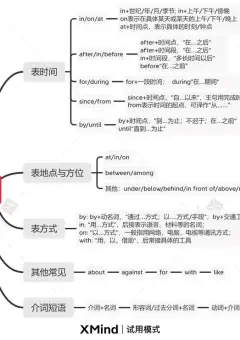
① in / on / at:大地方 in(北京)、具体某天 on(周一)、小地点刻度 at(校门口、七点)。
② to / for:给出去 to,替你做 for;方向 to,目的 for。
③ by / with:by + 交通方式与被动执行者,with + 工具与同伴。
④ made of / from:看得出原料 of,看不出原料 from。
怎么用这 200 句
每天读 2 条线(40 句),读出声,5 天读完一轮;
遮住英文看中文回译,是检验有没有真会的唯一标准;
把做错的题回到对应的"站点"上标个星,考前只看带星的。
建议收藏,每天通勤时间正好读一条线。