ARTICLE · 1373288
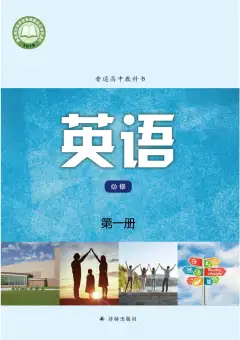
冀教版高中英语必修第一册Unit 4 Culture and Cultural Diversity课文听力音频
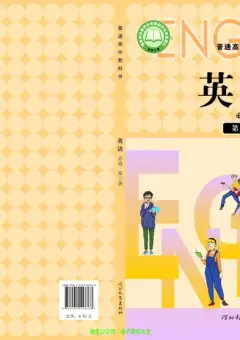
冀教版·高中英语 必修第一册

课文原文:Unit 4·CULTURE AND CULTURAL DIVERSITY
What Does Cultural Diversity Mean to You?
[01] Cultural diversity is being practiced by people and organizations all over the world. What does cultural diversity mean to you? Let’s read these different opinions from people around the world.
[02] Li Hua, a Chinese high school student
[03] China has its own unique cultural diversity. In our country, we have 56 different nationalities, so there is plenty of variety and diversity. However, many traditions and attitudes towards life are shared by all the nationalities. We are all more similar than we are different. Under all the differences, there is an understanding that balance is very important in life. In other countries around the world, this is not the case. There are often dramatic differences among cultures because the cultures come from every corner of the Earth. I think this is exciting. I would like to travel abroad and see other cultures so that I can learn more about what makes us the same and what makes us unique.
[04] I would love to attend an international conference to interact with people of many different nationalities at once.
[05] Ms. Peters, a school librarian in the U.S.
[06] I enjoy working in my high school. We have at least ten international students coming to study here every year, and of course we have students of many different nationalities who were born or have moved here. I have really appreciated learning about other cultures and their traditions. Even our teachers are multicultural. One of our math teachers is from India. When his daughter got married, he invited all of us to the wedding. It was a fantastic experience to toast the bride and bridegroom! It was the first time that I had been invited to a foreign wedding ceremony.
[07] I think it is good when we can learn about other customs and attitudes. That way, we understand and appreciate other cultures better.
[08] Dong Qian, a Chinese student studying in Canada
[09] I was very surprised when I arrived in Canada to study. On campus, I saw so many Chinese students. It seemed that there were as many Asians as there were Canadians. I also noticed many other races and nationalities all studying at this university. It was amazing. I felt the world was very small!
[10] This situation caused a little bit of a problem for me, though. Even though I was new to this university and nervous about my English, many people assumed I was Chinese-Canadian. I did not seem unusual to them. Once my classmates found out that I was a foreign student, they were very friendly and helpful. Much to my relief, now I am treated like just another international student. A merry expression returned to my face.
[11] With the increase in business, cultural differences between nations can complicate international interactions. Cultural diversity is a driving force of development, not only with respect to economic growth, but also when it comes to leading a more fulfilling and spiritual life.
世界因不同而精彩
冀教版必修一 Unit 4 文化多样性解读
主题:文化与多元文化-在差异中看见世界
一、写在前面:当我们谈论文化时,我们在谈论什么
Culture is not a museum exhibit; it is the air we breathe and the lens through which we see the world.
提到文化,人们常想到节日、服饰、美食这些可见的符号。但文化的内涵远不止于此——它是思维方式,是价值观念,是待人接物的分寸。当不同文化相遇,既有碰撞与误解,也有理解与融合。
本单元以 Culture and Cultural Diversity 为主题,引导学生在对比中认识文化差异,在差异中培养包容与尊重。这对生长在全球化时代的青少年尤为重要。
二、主题深读:从“看见差异”到“理解差异”
教材通过丰富的阅读与听力材料,展示了中西方在日常交往、教育方式、家庭观念等方面的异同。比如,同样是表达赞美,有的文化习惯直接接受并致谢,有的文化则谦逊推辞;同样是问候,有的拥抱,有的鞠躬。这些看似微小的差异,如果不了解,很容易造成误会。
但本单元的目标不止于“知道差异”,而是走向“理解差异背后的原因”和“尊重不同的选择”。它引导学生避免用单一标准评判世界,学会以开放、平等的心态对待多元文化。这正是英语学科核心素养中“文化意识”的核心要义。
尤其值得关注的是,教材强调文化自信:了解世界,是为了更好地讲述中国故事;尊重多元,并不意味着迷失自我。在跨文化交流中,既能欣赏他人,也能从容地介绍自己,才是真正的文化素养。
三、核心词汇与地道表达
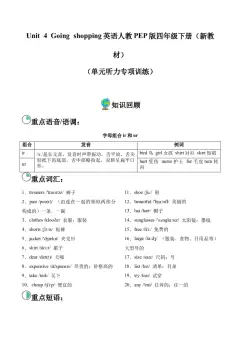
culture n. 文化;
diversity n. 多样性;
custom n. 习俗;
tradition n. 传统;
value n. 价值观;
respect n.&v. 尊重;
stereotype n. 刻板印象;
globalization n. 全球化;
cultural differences 文化差异;
be aware of 意识到;
adapt to 适应;
in contrast 相比之下;
break the ice 打破僵局;
学习这些词汇时,不妨结合具体的文化现象举例,让抽象概念变得具体可感。
四、原创主题微阅读|Two Ways to Say Hello
In China, an elder might ask a young person, 'Have you eaten yet?' It sounds like a question about food, but it is really a greeting, a way of saying 'I care about you.' In many Western countries, people say 'How are you?'—also not a request for a detailed health report, but a friendly acknowledgement. Neither is strange; both are warm. When I first studied abroad, I was confused by casual 'How are you?' and answered with a long list of complaints. My friend laughed, then explained. That small misunderstanding taught me a big lesson: to understand another culture, listen not just to the words, but to the care behind them.
五、微阅读中文译文
在中国,长辈可能会问年轻人:“吃了吗?”这看似是在问吃饭,其实是一句问候,是“我关心你”的另一种说法。在许多西方国家,人们说“How are you?”——这也不是要你详细汇报健康状况,而是一种友好的致意。两者都不奇怪,都很温暖。我第一次出国留学时,被随口的“How are you?”弄糊涂了,竟认真地列举了一大堆烦恼。朋友笑了,然后向我解释。那次小小的误会给了我一个大道理:要理解另一种文化,你不只要听懂字面,还要听懂字面背后的关切。
六、读后思考
1. 你注意到过哪些中西方交往中的差异?能举一个具体例子吗?
2. 遇到文化误会时,怎样的态度最有助于解决问题?
3. 如果要向外国朋友介绍一个中国传统,你会选什么?为什么?