夜雨聆风
夜雨聆风
为探索人工智能与外语教学融合路径,推动课堂教学模式革新,提升育人实效,国际学院于5月20日下午在博闻楼B606举办“语言教学中的AI实践应用”专题教研活动。活动通过课堂展示、教学研讨等形式,展示我院在人工智能赋能外语教学领域的探索成果,引导教师研讨AI时代外语课堂改革路径。本次教研活动由国际学院副院长曾朔朔主持,副校长白彦、督评中心专家蒋楠及国际学院教师参与学习研讨。
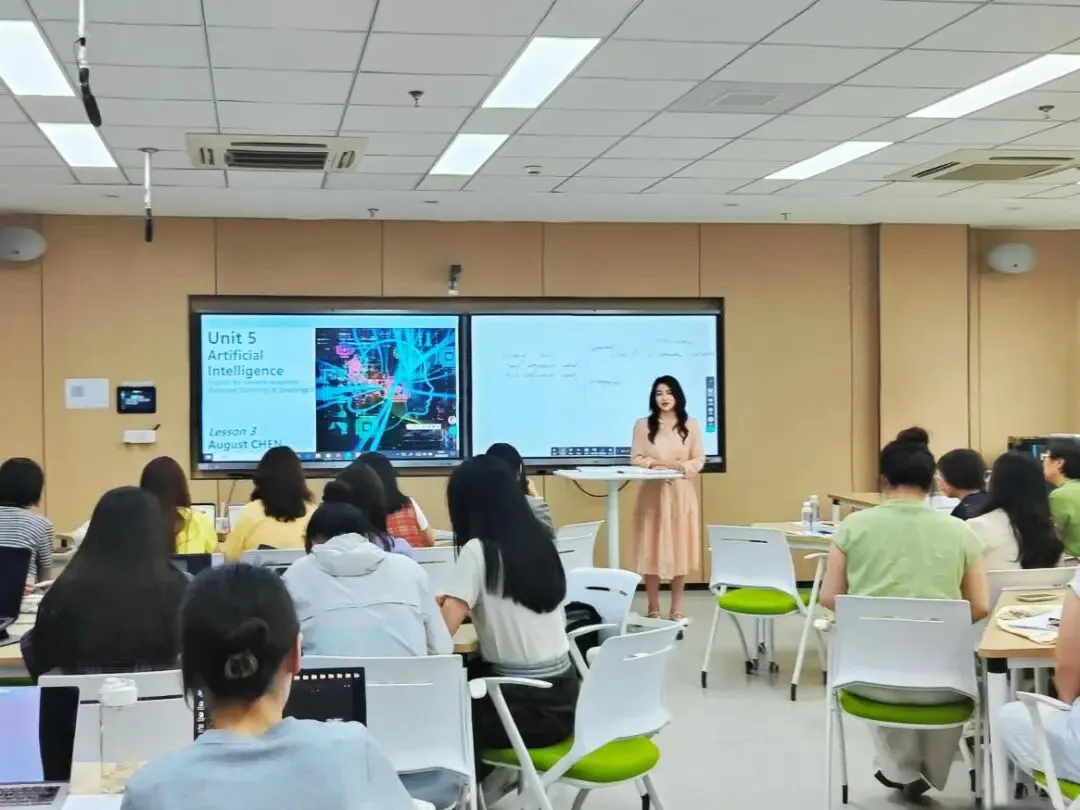
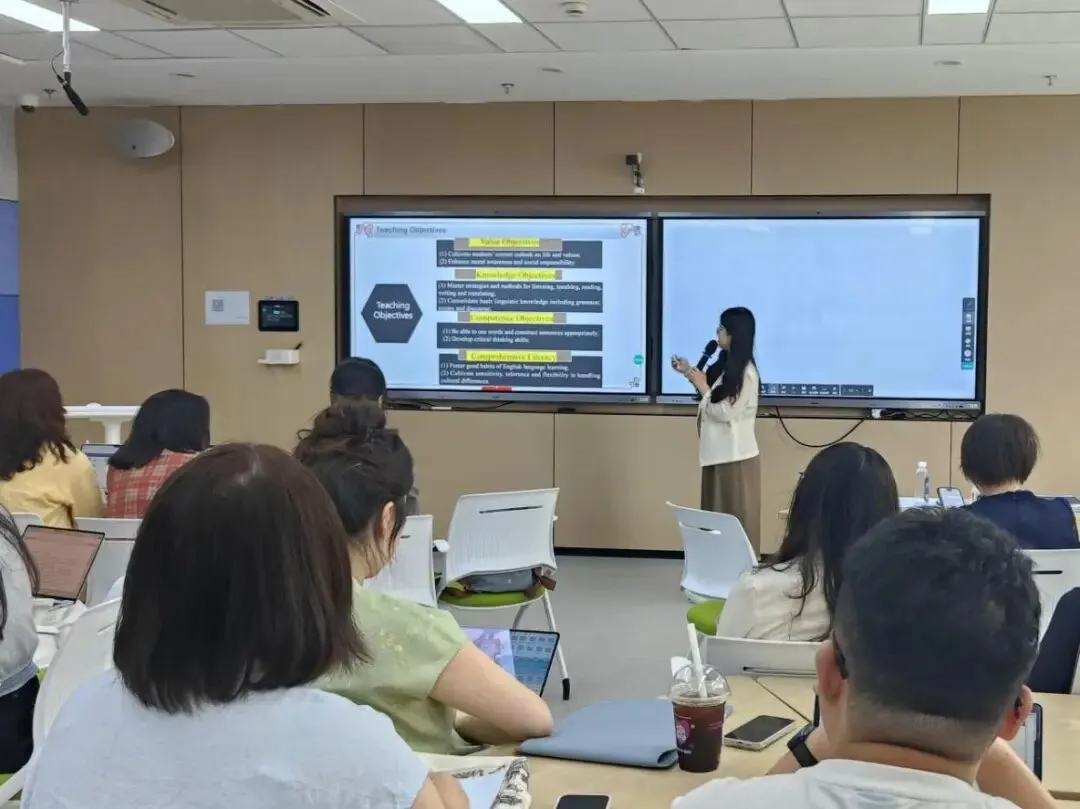
我院优秀教师代表杨雯俐、陈新仪分别展示人工智能技术在《综合英语》与《通用学术英语听力与口语II》两门课程中的创新应用实践。杨雯俐老师以“议论文阅读与写作”为主题,搭建课前、课中、课后衔接的AI辅助教学体系。课前依托学习通发布问卷诊断学情;课中用AI思维导图梳理文本,与“豆包”互动生成例句,组织学生对比分析与评改训练。陈新仪老师聚焦人工智能技术,带学生探究机器学习原理。她从热点案例切入,演示图像识别模型训练助学生理解概念,组织伦理决策模拟活动,引导学生对比AI工具特性提升素养与思维能力。两位老师将AI融入教学,降低学生认知负荷,让文本与概念更易懂。
示范课展示结束后,参与活动的全体教师围绕人工智能与课堂教学的融合方式、学生参与度提升、教学评价反馈等问题开展深入研讨,并分享了开发课程专属智能体的实践经验。参会教师一致认同开发课程专属智能体是人工智能赋能外语教学更具针对性的探索方向。
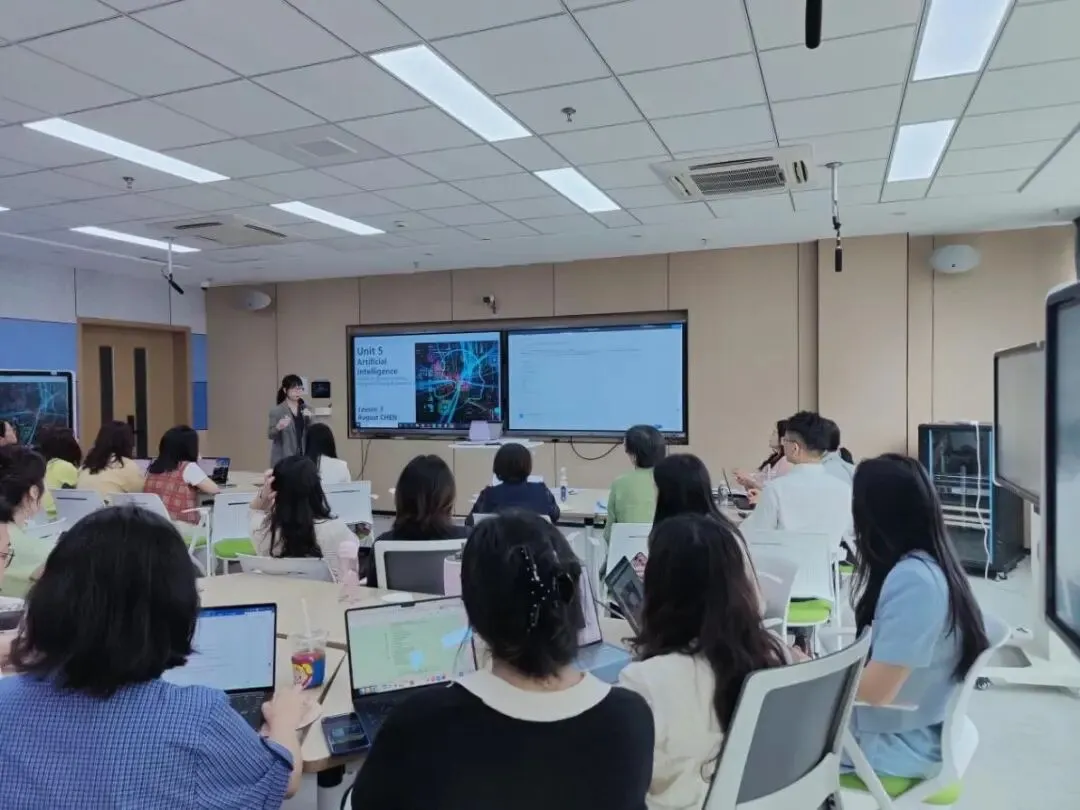
总结环节,白彦副校长高度肯定两位教师示范课展示及国际学院在人工智能赋能外语教学领域的探索实践。她指出,面对人工智能快速发展,教师应主动变革,明确自身在价值引导等方面的不可替代作用。针对学生过度依赖人工智能问题,她强调将“AI素养”纳入课程目标与评价体系,引导学生科学使用人工智能工具,提升独立思考与信息辨析能力。此外,她鼓励教师推进课程专属智能体开发,优化工具交互体验与课堂应用效果,推动人工智能与语言教学深度融合。她还提出,人工智能赋能教学核心在于“以科学有效技术服务育人目标”,而非“炫技”。
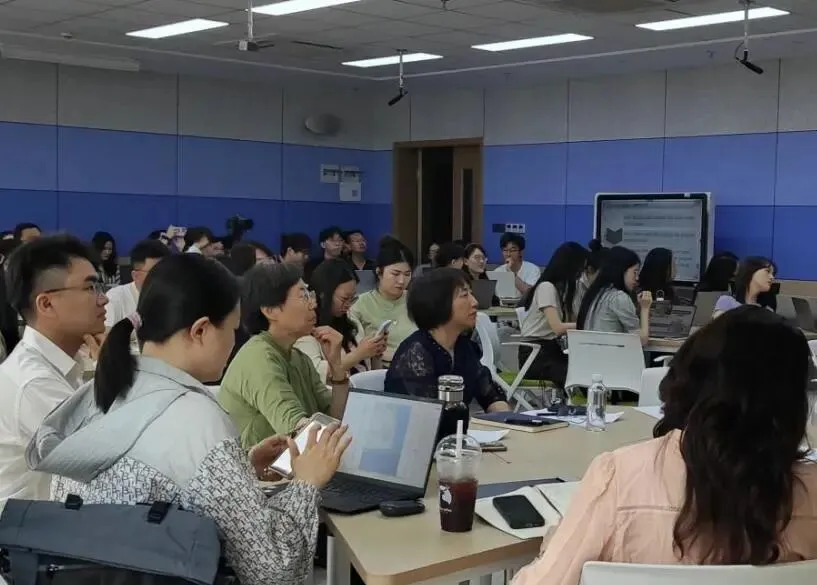
本次教研活动集中展示了人工智能赋能外语教学实践案例,凝聚国际学院教师团队探索创新共识。参会教师从通用大模型到课程专属智能体、课中互动到全流程教学闭环、语言技能训练到核心素养培育进行实践探索,回应“AI 时代如何上好外语课”命题。未来,国际学院将持续以开放之姿拥抱技术变革,深化人工智能与语言教学融合,构建外语育人新模式。
(上下滑动查看译文)
World Central Banks “Moved into” WZBC Classrooms—“Global Central Banks Forum” English Presentation
To explore the integration of artificial intelligence with foreign language teaching, promote innovation in classroom instruction, and enhance educational effectiveness, the School of International Studies held a special teaching and research event titled “Practical Applications of AI in Language Teaching” on the afternoon of May 20 in Room B606, Bowen Building. Through classroom demonstrations and teaching discussions, the event showcased the school’s exploratory achievements in AI-empowered foreign language teaching and encouraged faculty to discuss pathways for reforming foreign language classrooms in the AI era. The event was chaired by Zeng Shuoshuo, Associate Dean of the School of International Studies, and was attended by Vice President Bai Yan, experts from the Teaching Quality Assessment Center, and faculty members of the school.
Outstanding teacher representatives Yang Wenli and Chen Xinyi demonstrated the innovative application of AI technology in two courses: Comprehensive English and General Academic English Listening and Speaking II. Focusing on the theme of “argumentative essay reading and writing,” Yang Wenli built an AI-assisted teaching system that connects pre-class, in-class, and post-class activities. Before class, she used the Chaoxing learning platform to release questionnaires for diagnosing student learning conditions. During class, she employed AI-generated mind maps to organize text, interacted with “Doubao” (an AI chatbot) to generate example sentences, and organized students to compare, analyze, and revise their writing. Chen Xinyi focused on AI technology, guiding students to explore the principles of machine learning. Starting with hot-topic cases, she demonstrated image recognition model training to help students understand key concepts, organized ethical decision-making simulation activities, and guided students to compare AI tool features to enhance their AI literacy and critical thinking skills. Both teachers integrated AI into teaching to reduce cognitive load and make texts and concepts more accessible.
After the demonstration lessons, all participating teachers engaged in in-depth discussions on topics such as the integration of AI with classroom teaching, improving student engagement, and teaching evaluation and feedback. They also shared practical experiences in developing course-specific AI agents. The teachers agreed that developing course-specific intelligent agents represents a more targeted direction for AI-empowered foreign language teaching.
In her concluding remarks, Vice President Bai Yan highly praised the two teachers’ demonstration lessons and the School of International Studies’ exploratory efforts in AI-empowered foreign language teaching. She pointed out that in the face of rapid AI development, teachers should proactively adapt and recognize their irreplaceable role in value guidance. Regarding the issue of students’ over-reliance on AI, she emphasized the need to incorporate “AI literacy” into curriculum objectives and evaluation systems, guiding students to use AI tools scientifically and improving their independent thinking and information discernment skills. She also encouraged teachers to advance the development of course-specific AI agents, optimize tool interaction experiences and classroom application effects, and promote the deep integration of AI and language teaching. She further noted that the core of AI-empowered teaching lies in “serving educational goals with scientific and effective technology,” rather than “showing off technical skills.”
This teaching and research event showcased practical cases of AI-empowered foreign language teaching and consolidated the consensus of the teaching team at the School of International Studies to explore innovation. Participating teachers explored pathways from general large language models to course-specific AI agents, from in-class interaction to full-process teaching loops, and from language skill training to core competency development, responding to the question of “how to teach foreign language courses well in the AI era.” In the future, the School of International Studies will embrace technological change with an open attitude, deepen the integration of AI and language teaching, and build a new model of foreign language education.
- END -
图文:王禹
编辑:徐逸杰
初审:金琪琪
复审:曾朔朔
终审:夏巍