灯火 AI 深耕学术科研场景,不止于分子机制图,还支持实验流程图、技术路线图、数据可视化图、学术海报等全品类科研绘图,零门槛、高效率、高专业度,助力科研人告别低效绘图,聚焦核心研究,加速学术成果产出!
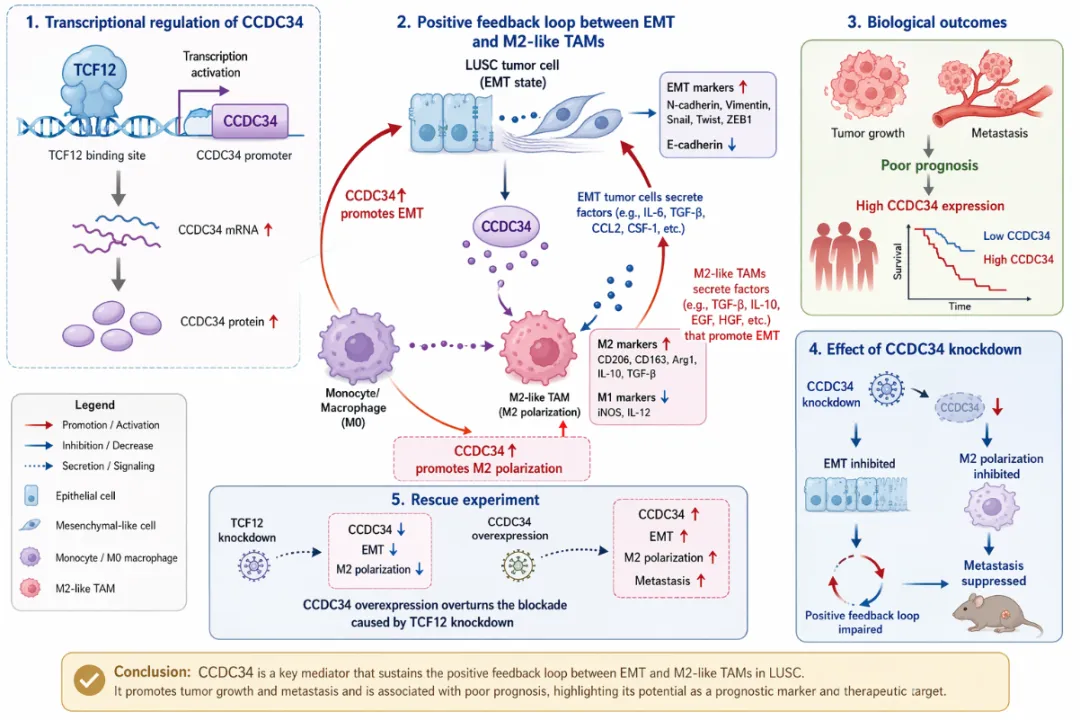
Prompt:根据摘要内容,画一张分子机制图。摘要内容为:The positive feedback loop between epithelial-mesenchymal transition (EMT) and M2-like tumor-associated macrophages (TAM-M2) contributes to tumor growth and metastasis. This research aims to investigate the regulatory mechanism of CCDC34 in the maintenance of this loop in lung squamous cell carcinoma (LUSC). Lentiviral vectors were used to knock down CCDC34, and the impact of CCDC34 knockdown on metastasis-like behaviors of LUSC cells was analyzed. LUSC cell-conditioned medium was used to analyze the influence of CCDC34 knockdown in LUSC on the M2 polarization of TAM and to verify the positive feedback loop of EMT and TAM-M2 polarization. CCDC34 was upregulated in LUSC and was related to poor patient prognosis. Knockdown of CCDC34 inhibited EMT in LUSC, decreased M2 polarization of TAM, impaired the positive feedback loop between EMT and TAM-M2 polarization, and suppressed metastasis of mouse LLC cells. TCF12 bound to the CCDC34 promoter to induce its transcription. Overexpression of CCDC34 overturned the blockade of EMT and TAM-M2 polarization by knockdown of TCF12 and promoted metastasis. Consequently, this study elucidates the essential roles of CCDC34 in the positive feedback loop between EMT and TAM-M2 in LUSC, thereby substantiating its potential as a prognostic marker.
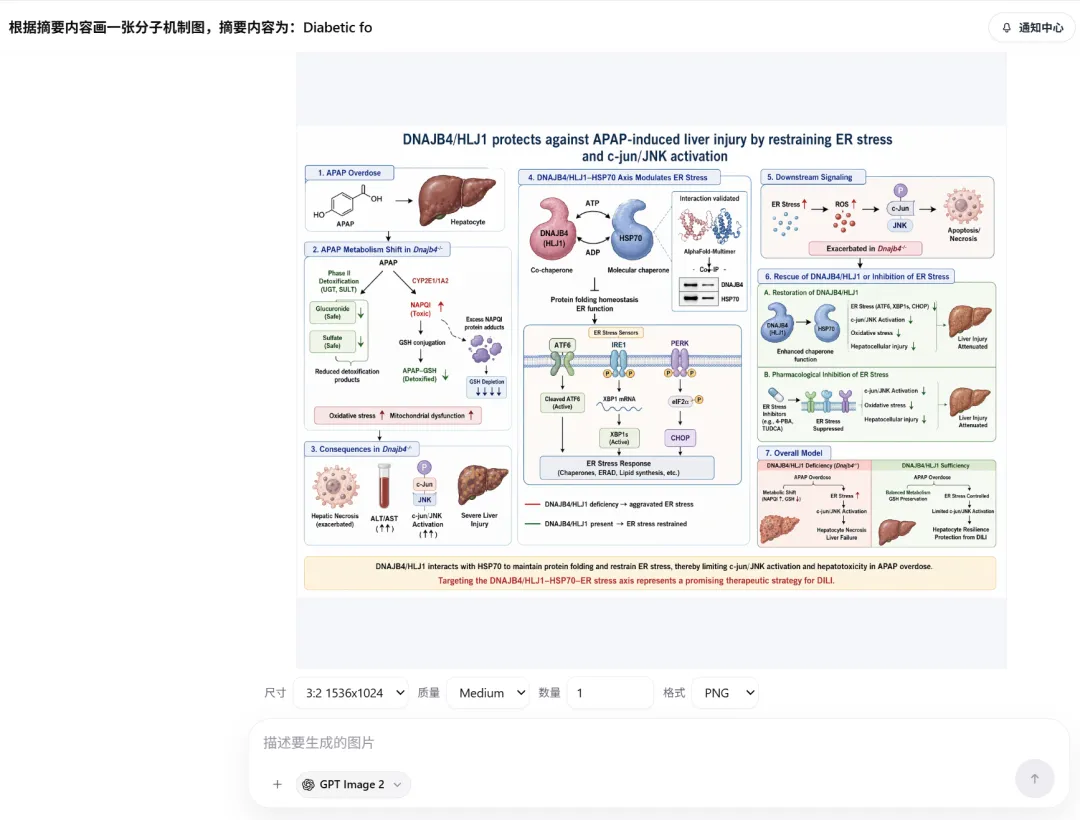
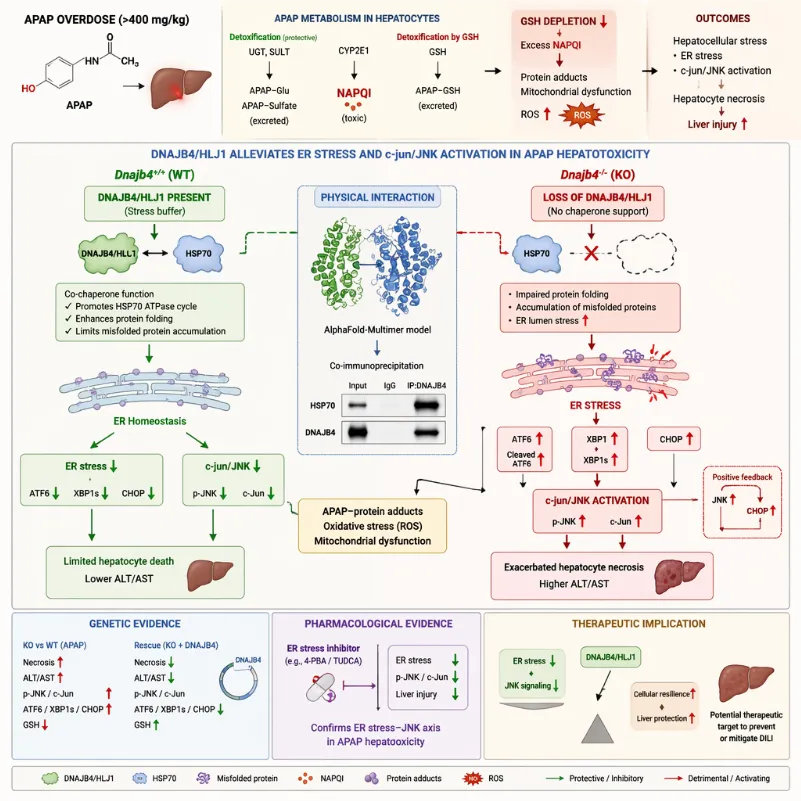
Prompt:根据摘要内容画一张分子机制图,摘要内容为:Drug-induced liver injury (DILI) remains a leading cause of acute liver failure; however, current clinical strategies lack reliable biomarkers, predictors of susceptibility, and effective therapeutic interventions. Among these etiologies, acetaminophen (APAP) overdose is the most common cause of DILI worldwide. Heat shock proteins (HSPs), particularly members of the HSP40 family, are central regulators of cellular stress responses, yet the specific role of DNAJB4/HLJ1 in APAP-induced hepatotoxicity remains poorly defined. To address this gap, we employed DNAJB4/HLJ1-deficient mice (Dnajb4-/-) to investigate the function of DNAJB4/HLJ1 in APAP-induced liver injury. Following APAP administration (> 400 mg/kg), Dnajb4-/- exhibited exacerbated hepatic necrosis, elevated liver enzymes, and enhanced c-jun/JNK activation compared with Dnajb4+/+ controls. Metabolic profiling revealed altered APAP metabolism, with reduced detoxification products and excessive oxidative metabolites, and pronounced glutathione (GSH) depletion. Transcriptomic analysis implicated DNAJB4/HLJ1 in metabolism, protein folding, and endoplasmic reticulum (ER) stress via interaction with HSP70. Consistently, ATF6, XBP1, and CHOP expression confirmed aggravated ER stress in Dnajb4-/- livers. AlphaFold-Multimer modeling and co-immunoprecipitation validated physical interaction between DNAJB4/HLJ1 and HSP70. Restoration of DNAJB4/HLJ1 expression attenuated ER stress, c-jun/JNK activation, and liver injury, while pharmacological inhibition of ER stress confirmed its mechanistic involvement. Collectively, these findings identify DNAJB4/HLJ1 as a previously unrecognized regulator of stress signaling in APAP-induced hepatotoxicity. By modulating ER stress within the integrated cellular stress network, DNAJB4/HLJ1 limits injury progression and promotes hepatocellular resilience, highlighting its potential as a novel therapeutic target for preventing or mitigating DILI.
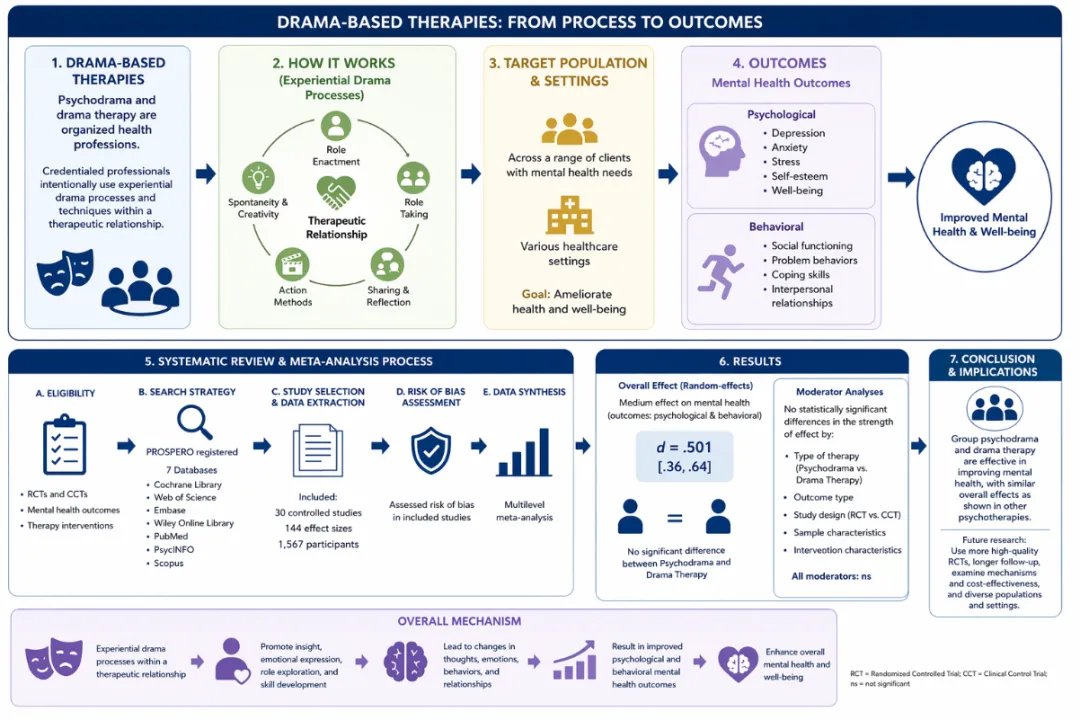
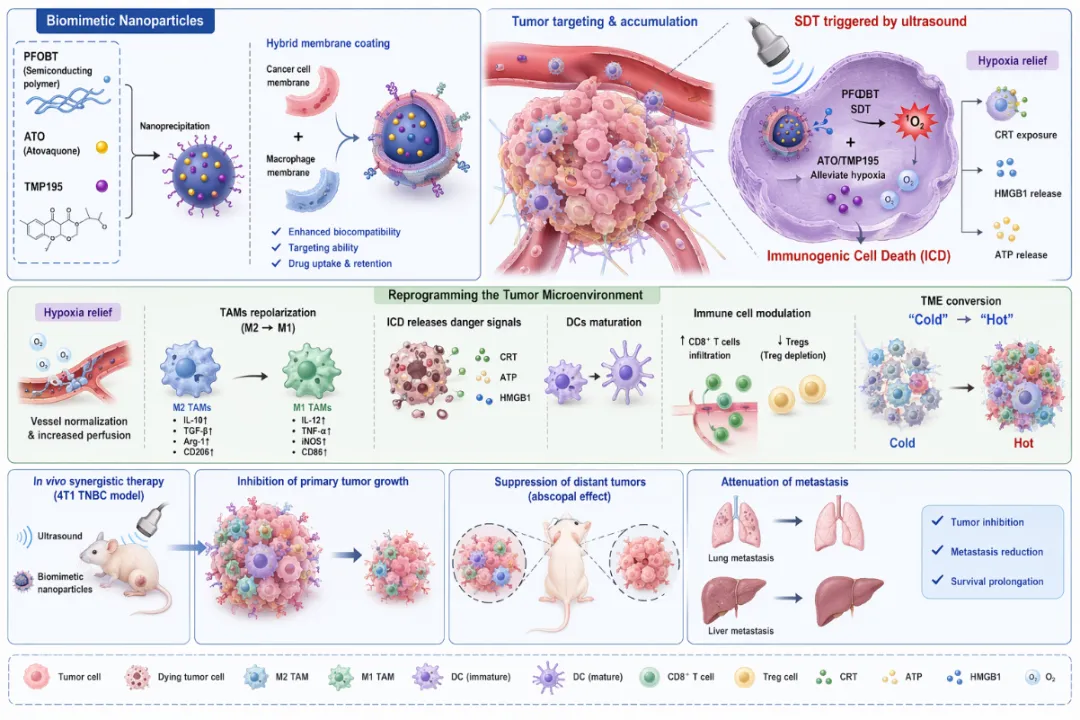
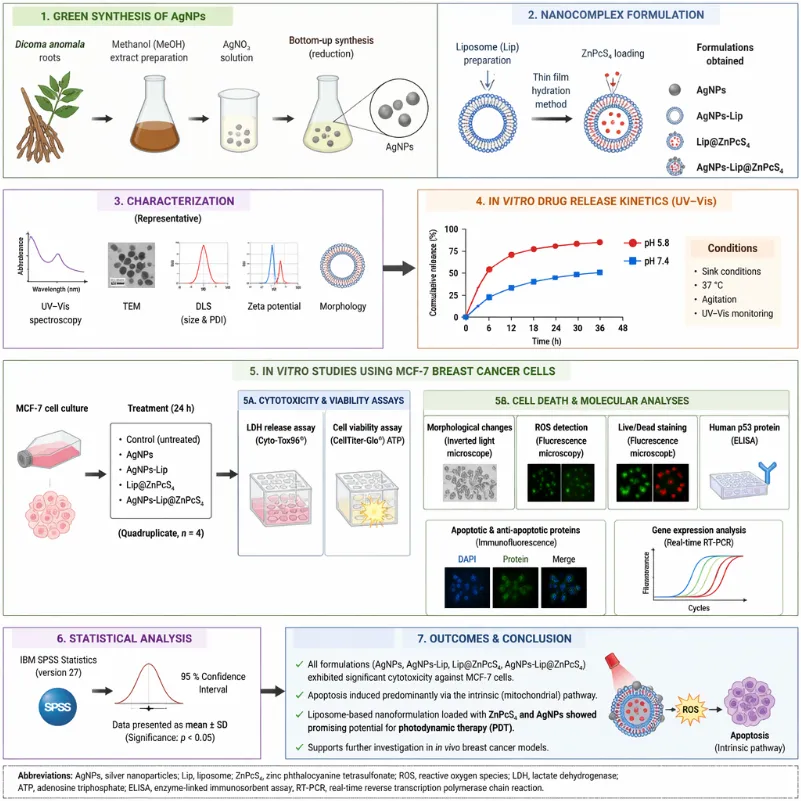
Prompt:根据摘要内容画一张机制图,摘要内容为:Psychodrama and drama therapy are organized health professions where credentialed professionals intentionally employ experiential drama processes and techniques to ameliorate health and well-being within a therapeutic relationship. These drama-based therapies are used for mental health treatment across a range of clients and in various healthcare settings. The aims of this systematic review and meta-analysis were to (a) aggregate and synthesize the evidence on drama-based therapies, (b) assess the strength of the effects of drama-based therapies on mental health outcomes, and (c) examine which outcome, study, sample, or intervention characteristics moderated the strength of the effect on the outcomes. Inclusion criteria were randomized control trials and clinical control trials, mental health outcomes, and therapy interventions. The protocol for this study was registered at PROSPERO and seven databases were searched: Cochrane Library, Web of Science, Embase, Wiley Online Library, PubMed, PsycINFO, and Scopus. Risk of bias in the included studies was assessed and a multilevel meta-analysis was performed, containing 30 controlled studies, 144 effect sizes, and 1,567 participants. The results showed an overall medium effect of drama-based therapies on both psychological and behavioral mental health outcomes (d = .501, [.36, .64]). There was no statistically significant difference between psychodrama and drama therapy, and other selected characteristics did not have a statistically significant impact on treatment effectiveness. Although this meta-analysis was not restricted to randomized controlled trails, these findings suggest that group psychodrama and drama therapy are effective in contributing to clients’ mental health, with similar overall effects as shown in other psychotherapies. Implications for future research are discussed.Prompt:根据摘要内容画一张机制图,摘要内容为:Tumor immunotherapy represents a highly promising modality for the treatment of triple-negative breast cancer (TNBC). Nevertheless, its therapeutic efficacy has been profoundly impacted by challenges such as low drug uptake, hypoxia, and immunosuppression. To address these problems, the study develops a strategy combining sonodynamic therapy (SDT) and immunotherapy using biomimetic nanoparticles coated with hybrid membranes. The nanoparticles are loaded with semiconducting polymers (PFODBT), Atovaquone (ATO), and TMP195 to enhance biocompatibility, targeting ability, and drug uptake and retention at the tumor site. In in vitro experiments, the biomimetic nanoparticles alleviate hypoxia, induce immunogenic cell death (ICD), and prompt reprogramming of tumor-associated macrophages (TAMs) from M2 type to M1 type. In in vivo experiments, the synergistic effects of enhanced SDT-mediated ICD and TAMs repolarization significantly inhibit the proliferation of primary and distant tumor in the 4T1 subcutaneous tumor model, and effectively attenuated metastasis of lung and liver. Moreover, the in vivo immune responses are further activated by improving the maturation of dendritic cells, filtration of CD8+ T cells, and depletion of regulatory T cells. This study offers a novel strategy for TNBC therapy by converting the tumor microenvironment from the “cold” into “hot” tumor through multiple synergistic therapies.Prompt:根据摘要内容画一张实验流程图,摘要内容为: Breast cancer remains a significant challenge in oncology, despite notable advances in treatment methods. Traditional therapies such as surgery, chemotherapy, radiation, and hormonal treatments have long been used to manage breast cancer. However, often patients experience treatment failure, resulting in disease recurrence and progression. Therefore, this study explores the therapeutic potential of green-synthesized silver nanoparticles (AgNPs), using the root methanol (MeOH) extract of the African medicinal plant Dicoma anomala (D. anomala) as a reducing agent, to combat breast cancer. AgNPs were synthesized using a bottom-up approach and later modified with liposomes (Lip) loaded with the photosensitizer zinc phthalocyanine tetrasulfonate (Lip@ZnPcS4) through the thin film hydration method. Prior to in vitro cell culture studies, UV–Vis spectroscopy was used to study the in vitro drug release kinetics of nanoparticles (NPs) at pH 5.8 and 7.4 respectively. After a 24 h treatment period, MCF-7 breast cancer cells were evaluated for cell cytotoxicity using lactate dehydrogenase Cyto-Tox96® Non-Radioactive Cytotoxicity Assay Kit LDH and cell viability using the CellTiter-Glo® ATP luminescence assay kit. Cell death studies were analyzed using an inverted light microscope for morphological changes, fluorescence microscopy for reactive oxygen species (ROS) detection and Live/Dead cell viability, human p53 protein analysis using enzyme-linked immunosorbent assay (ELISA), apoptotic and anti-apoptotic protein analysis by immunofluorescence, and gene expression analysis using real-time reverse transcription polymerase chain reaction (RT-PCR) assay. The experiments were conducted in quadruplicate (n = 4), and the results were analyzed using IBM SPSS statistical software version 27, with a 95 % confidence interval. The synthesized NPs and nanocomplexes, including AgNPs, AgNPs-Lip, Lip@ZnPcS4, and AgNPs-Lip@ZnPcS4, demonstrated significant cytotoxicity and therapeutic potential against MCF-7 breast cancer cells. Notably, apoptosis was induced, primarily through the activation of the intrinsic pathway. Given the difficult prognosis associated with breast cancer, these findings highlight the promise of liposomal nanoformulations (NFs) in cancer photodynamic therapy (PDT), supporting further investigation in in vivo settings.
 夜雨聆风
夜雨聆风