ARTICLE · 1207739
雅思听力命门:高频同义替换清单与备考方法
雅思听力命门:高频同义替换清单与备考方法
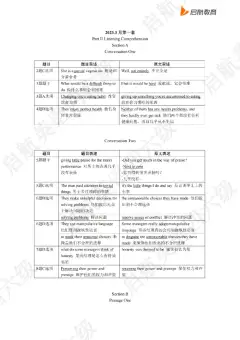
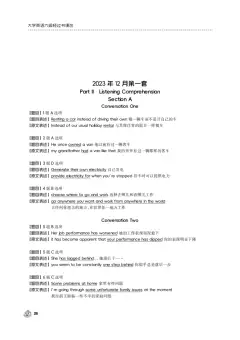
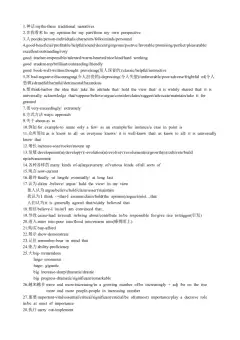
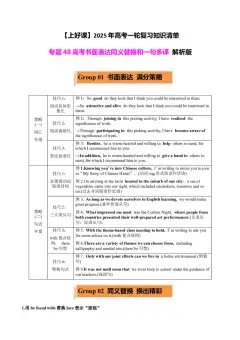
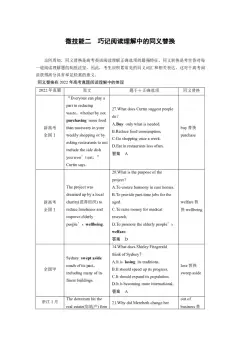
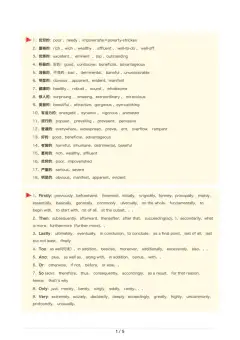
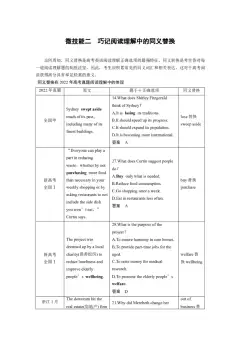
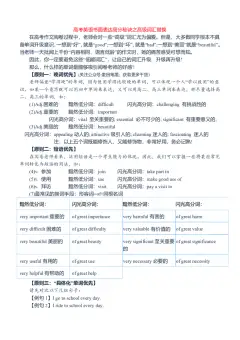
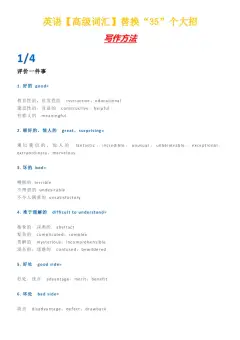
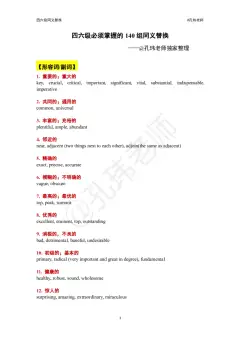
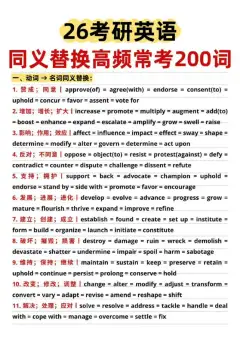
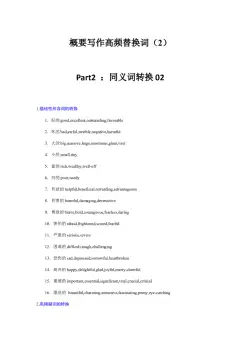
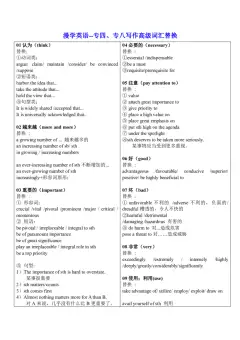
“录音里每个词都听清了,选项却还是选错了。” 这是雅思听力最典型的失分现场。问题通常落在同一个地方:听力真正考的不是“你听到了哪个词”,而是“你能不能认出同一个意思换了另一种说法”。这个“换一种说法”,就是同义替换(paraphrasing / synonym replacement)。 题干和录音几乎从不使用同一个词。题干写 cost,录音说 price;题干写 book a room,录音说 reserve your accommodation。你的耳朵只有几秒时间,要在“字面对不上”的情况下完成“意思对得上”的匹配。这份清单和备考方法,就围绕这一件事展开。 01 同义替换,决定分数的底层能力 雅思听力四种题型——填空、选择、配对、地图——都建立在同义替换上。填空题要你把听到的词写下来,如果录音用的是另一种说法,你就得先在脑子里“翻译”回题干的表达;选择题的三个选项里,通常有一个用词和录音“长得像”但意思不对的干扰项,另一个用词完全不同却正是答案。能识别替换的人,选的是后者。 EXAMPLE 01 题干:The museum is closed on ______.
(博物馆在______闭馆。) 录音:The museum doesn’t open on Mondays, I’m afraid.
(恐怕博物馆周一不开门。) 替换点:closed → doesn’t open(闭馆 = 不开门)。只盯着 closed 这个词听,整句话都可能从耳边滑过去。 同义替换不是“锦上添花”的技巧,而是听力分数的分水岭。它决定了你是“听懂了每一句却没选对”,还是“在关键词出现前就已经预判到答案”。 核心规律 题干里的词,录音里几乎都会换掉 好消息是,这种“换”有规律可循。下面这六类替换,覆盖了考场上绝大多数“似曾相识”的瞬间。规律认得出来,耳朵就有了方向。 02 六类高频同义替换,附具体例子 下面每一类都按“题干怎么问 / 录音怎么说 / 替换点在哪”拆开。建议先自己猜一遍答案,再看替换点,效果比直接读要好得多。 第一类 词性转换(同根词) 最基础的一类。题干用一个动词,录音用它的名词形式;或者题干用形容词,录音用名词。你认识 require,但要能听出 requirement。 require 需要 → requirement decide 决定 → decision / make a decision describe 描述 → description recommend 推荐 → recommendation compare 比较 → comparison strong 强壮的 → strength 强度、优势 safe 安全的 → safety possible 可能的 → possibility EXAMPLE 02 题干:The ______ of the building is checked every year.
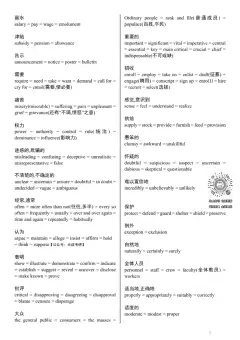
(这栋建筑的安全状况每年检查一次。) 录音:Engineers test how safe the building is each year.
(工程师每年检测这栋建筑有多安全。) 替换点:题干需要名词 safety,录音用的是形容词 safe。听得出这层关系,才写得进那个空。 第二类 同义近义替换 最高频的一类。同一个意思,录音换一个更书面或更口语的词。这一类必须形成条件反射。 buy 购买 → purchase / get / pick up cheap 便宜的 → affordable / inexpensive / budget expensive 昂贵的 → costly / pricey important 重要的 → essential / vital / crucial difficult 困难的 → tough / challenging / hard famous 著名的 → well-known / renowned help 帮助 → assist / aid / give a hand need 需要 → require / call for method 方法 → way / approach / means problem 问题 → issue / difficulty increase 上升 → rise / grow / go up / soar decrease 下降 → fall / drop / decline start 开始 → begin / get started / kick off finish 结束 → end / complete / wrap up arrive 到达 → reach / get to / turn up noisy 吵闹的 → loud EXAMPLE 03 题干:The course is designed for ______.
(这门课是为______设计的。) 录音:It’s really for people who have never studied the subject before.
(它其实是为从未学过这门学科的人准备的。) 替换点:题干若写 beginners,录音用了整整一句 “people who have never studied the subject before”。这类替换不换词,换的是整个说法。 第三类 具体与抽象(上下位替换) 题干给一个笼统的词,录音说出具体的东西;或者反过来。这类替换最考验“归类”能力。 furniture 家具 → table / chair / desk / sofa transport 交通 → bus / train / bicycle / tram stationery 文具 → pen / notebook / folder equipment 装备 → helmet / pump / rope accommodation 住宿 → flat / dormitory / studio clothing 衣物 → jacket / boots / uniform payment 付款 → cash / card / bank transfer food 食物 → meal / snack / refreshments EXAMPLE 04 题干:You must bring your own ______.
(你必须自带______。) 录音:Don’t forget to pack a helmet and a pump for the ride.
(骑行别忘了带上头盔和打气筒。) 替换点:答案是 equipment(装备),而 helmet 和 pump 只是它的下属词。听到具体名词就填上去,正是最常见的错法。 第四类 数字、时间、价格与频率 这类替换最容易“听到了却写错”。答案往往要求你换算,而不是照抄听到的那句话。 15 minutes 十五分钟 → a quarter of an hour 30 minutes 半小时 → half an hour once a week 每周一次 → weekly every two weeks 每两周 → fortnightly a couple (of) 两个 → two a dozen 一打 → twelve;half a dozen → six half price 半价 → 50% off one fifth 五分之一 → 20% one and a half 一点五 → 1.5 the day after tomorrow 后天 → in two days EXAMPLE 05 题干:The workshop lasts for ______ minutes.
(工作坊持续______分钟。) 录音:It’s a quarter of an hour, so we should finish by half past ten.
(一共十五分钟,所以我们十点半前能结束。) 替换点:a quarter of an hour = 15 minutes。题干问 minutes,就必须把“一刻钟”换算成 15,照抄听到的短语会被判错。 第五类 否定、反义与比较 录音绕一圈表达同一个意思:用正面词说“不贵”,用否定说“不再提供”,或者把比较的方向掉个头。 not expensive 不贵 → cheap / affordable not allowed 不允许 → banned / prohibited not many 不多 → only a few no longer available 已不可用 → sold out / they’ve all gone hardly / rarely 很少 → almost never more than 超过 → over / exceeding less than 少于 → under / below A is bigger than B→ B is smaller than A(比较级方向互换) prefer A to B 更偏好 A → choose A rather than B EXAMPLE 06 题干:The tickets are no longer available ______.
(门票已不再______。) 录音:You can’t book the tickets on the website any more — they’ve all gone.
(你没法再在网站上订票了——都卖完了。) 替换点:no longer available → can’t book any more / they’ve all gone。录音里没有出现 available,但意思是同一个。 第六类 短语与口语化表达 题干是“正规写法”,录音是“日常说法”。这一类在 Section 1 和 Section 2 的对话里尤其密集。 book a room 订房 → reserve a room / make a reservation fill in a form 填表 → fill out / complete a form go on foot 步行 → walk on time 准时 → punctual look after 照顾 → take care of / care for put off 推迟 → postpone / delay find out 弄清 → discover / learn take part in 参加 → join / participate in get in touch 联系 → contact make up your mind 下定决心 → decide EXAMPLE 07 题干:Visitors should ______ the form before entering.
(访客进入前应______表格。) 录音:You’ll need to fill out a short form at reception.
(你需要在接待处填一张简表。) 替换点:题干用书面语 complete,录音用口语 fill out。反过来也一样,两个方向都要认得出。 03 按场景记:五个高频场景的替换对 同一个词,在不同场景里的替换方式往往固定。把替换按场景分组记,比按字母背词表更接近考场的调用方式。 租房 Accommodation landlord 房东 → owner
tenant 租客 → renter
deposit 押金 → money paid in advance
furnished 带家具的 → comes with furniture
utilities 水电费 → bills (electricity, gas, water) 图书馆 Library borrow 借入(lend 借出,方向相反)
due date 到期日 → the date you must return it
catalogue 目录 → index of books
reference section 参考区 → books you can’t take away
overdue 逾期 → late / past the date 旅游与交通 Travel departure 出发 → leaving / setting off
arrival 到达 → getting in
one-way 单程 → single
return ticket 往返票 → round trip
luggage 行李 → bags 健康 Health appointment 预约 → booking
prescription 处方 → medicine the doctor orders
symptom 症状 → sign (of an illness)
waiting room 候诊室 → where you sit before 工作与学习 Work & Study apply for 申请 → put in for
wage / salary 工资 → pay
training 培训 → a course
deadline 截止时间 → the time you must finish by
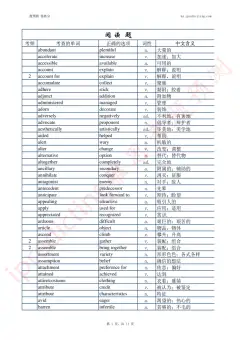
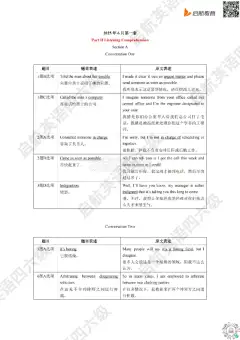
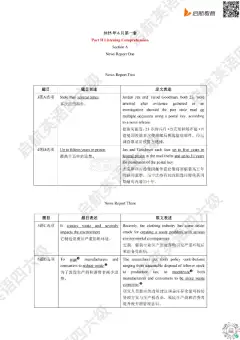
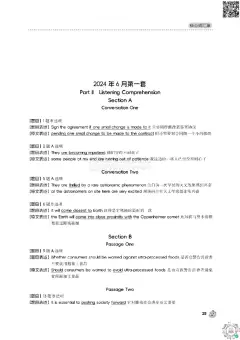
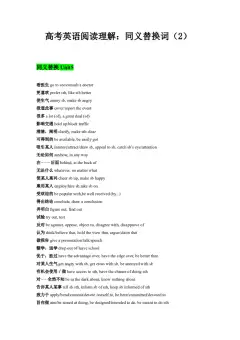
part-time 兼职 → only a few hours a week 04 备考方法:把替换练成条件反射 上面这些替换对,看一遍记不住,抄一遍也没用。真正让它变成分数的,是下面这几件可执行的事。挑一两件开始,比全都试一遍更有效。 STEP 01 建一本“替换对”笔记 笔记的重点是记录“联系”。本子左边写题干可能用的词,右边写录音可能用的说法,中间画一个箭头。每听完一套题,就把当时没反应过来的那几对补进去。一行只需要写成这样: expensive→ costly / pricey / not cheap
book a room→ reserve a room / make a reservation
require→ requirement STEP 02 精听三步法 
戴白色耳机的女生在书桌前低头写笔记 精听的做法是挑一段 30 到 60 秒的内容,逐句暂停、逐句复写,直到能完整还原每一个词。分三步走: 第一步 · 盲听。不放文本,只听 30 到 60 秒,把听到的每个词写下来,没把握的也先记个大概。 第二步 · 补听。重复播放同一个片段,把空白处补上,用另一种颜色标记出来。 第三步 · 核对。对照原文,标出听错的词、连读和吞音的位置。做不出来的地方,才是真正的失分点。 建议每周固定做三次。每次 15 分钟,比一周一次听满两小时更管用——因为记忆靠的是重复的间隔,而不是单次时长。 STEP 03 影子跟读(shadowing) 做法是落后录音 1 到 2 秒,跟着它把话同步说下去,让嘴巴记住英语的节奏和语调。跟不上,就说明那个位置有连读或弱读。每天 5 分钟,专挑录音读得快的句子练,比读整篇更有效率。 STEP 04 读题时先预判替换 圈出题干的关键词,先在脑子里猜一遍录音会怎么换。预判越准,听的时候越省力。比如读到 maximum capacity,先想录音可能会说 “can hold up to” 或 “no more than”;读到 free of charge,先想 “doesn’t cost anything” 或 “at no cost”。带着这几个猜想进录音,反应速度会明显不一样。 STEP 05 错题按“失分原因”归档 每道错题写下三行:我听到的是——;题干要的是——;替换点是——。然后把原因归到四类里:没听出同义替换、拼写或单复数错、被干扰项带走、漏听整句。同一个原因出现三次,就针对它做一次专项练习。 STEP 06 考场上的三个提醒 · 录音只播一遍,答案经常出现在转折词之后:but、however、actually、in fact。 · 盯住单复数(s)和拼写。听对了却拼错,等于没写。 · 某一句没听懂就先放手,跟上下一题,别回头补,否则会连丢两题。 今天就能开始 三件小事,今晚就能做 一、打开最近做的一套真题,把题干和录音原文对照,圈出所有被替换的词,抄进“替换对”笔记。 二、挑一段 30 秒的 Section,完整做一次精听三步。 三、把上面六类替换再过一遍,只挑你“看到才知道”的那几对记下来。 同义替换练到熟练,会出现一个很具体的瞬间:录音说到某个词,你还没来得及翻译,就已经知道答案在哪。到那时,分数会自己跟上来。
(博物馆在______闭馆。)
(恐怕博物馆周一不开门。)
(这栋建筑的安全状况每年检查一次。)
(工程师每年检测这栋建筑有多安全。)
(这门课是为______设计的。)
(它其实是为从未学过这门学科的人准备的。)
(你必须自带______。)
(骑行别忘了带上头盔和打气筒。)
(工作坊持续______分钟。)
(一共十五分钟,所以我们十点半前能结束。)
(门票已不再______。)
(你没法再在网站上订票了——都卖完了。)
(访客进入前应______表格。)
(你需要在接待处填一张简表。)
tenant 租客 → renter
deposit 押金 → money paid in advance
furnished 带家具的 → comes with furniture
utilities 水电费 → bills (electricity, gas, water)
due date 到期日 → the date you must return it
catalogue 目录 → index of books
reference section 参考区 → books you can’t take away
overdue 逾期 → late / past the date
arrival 到达 → getting in
one-way 单程 → single
return ticket 往返票 → round trip
luggage 行李 → bags
prescription 处方 → medicine the doctor orders
symptom 症状 → sign (of an illness)
waiting room 候诊室 → where you sit before
wage / salary 工资 → pay
training 培训 → a course
deadline 截止时间 → the time you must finish by
part-time 兼职 → only a few hours a week
book a room→ reserve a room / make a reservation
require→ requirement