ARTICLE · 1270479
2017—2026上海高考英语中译英真题全解(春考+秋考)
翻译题,才是上海卷真正的“隐形拉分王”。
上海高考英语的翻译题,只有4句话,15分,但历年平均得分率只有50%左右,也就是7分上下。问题不在“单词不认识”,而在提示词给了却用不对句型、中文看懂了却拆不出英文骨架、四字格一出现就卡壳。
这篇文章把2017—2026年上海春考、秋考的中译英真题一次性整理清楚,每句配“提示词锁定的结构+中文难点拆解”,最后收束十年命题的几条铁律。适合高三直接对照刷题,也适合高一高二提前摸清上海卷的翻译逻辑。
一、真题精析:按年份逐题拆解
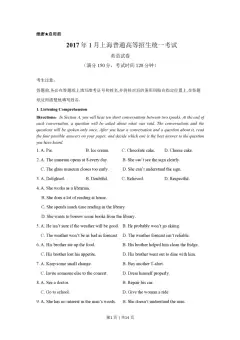
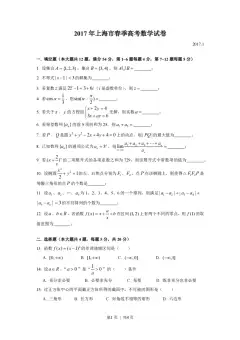
2017 年春考
1. 你没有必要在乎他人对你的评论。(care)译文:There is no need for you to care about others’ comments on you.拆解:提示词 care 锁定的核心是 care about(在乎、在意),不是 care for(照顾)或 care to do(愿意)。中文“没有必要”如果直译成 You don’t need to,care 就没有落点;命题人给 care,就是要求把“没有必要”处理成 there is no need for sb. to do sth.,让 care about 出现在不定式位置。句子主干是 there is no need,for you 引出逻辑主语,to care about 后接宾语。“他人对你的评论”用 others’ comments on you,介词 on 不能换成 to。易错点:care about 后接名词或动名词,此处接名词短语 comments,不要误写成 care about others comment you。
2. 大量阅读书籍有助于我们的成长。(expose)译文:Exposing ourselves to a large number of books contributes to our growth.拆解:提示词 expose 必须落到 expose sb. to sth.上,且中文“大量阅读书籍”不是主语,真正的主语是“大量阅读书籍”这件事,因此用动名词短语 Exposing ourselves to a large number of books作主语。“有助于”可用 contribute to / be beneficial to / help,其中 contribute to 的 to 是介词,后接名词 growth。易错点有三:一是 expose 后必须跟反身代词 ourselves,不能写 expose us;二是 to 是介词,后面接名词 books,不是动词原形;三是动名词作主语,谓语用单数 contributes。“我们的成长”用 our growth,不要写成 our growing。
3. 你的网站内容越实用,使用起来越方便,就越有可能成功。(the more... the more)译文:The more practical and user-friendly your website content is, the more likely it is to succeed.拆解:提示词锁定 the + 比较级, the + 比较级结构。前半句有两个并列的比较级:practical(实用)和 user-friendly(使用方便),共享主语 your website content,系动词 is 放在最后,形成 The more practical and user-friendly your website content is。后半句“越有可能成功”处理成 the more likely it is to succeed,it 指代 your website content,be likely to do 是固定搭配。易错点:一是比较级不能写成 more practical and more user-friendly 的重复形式,并列形容词共享一个 more 即可;二是后半句的语序是 the more likely + 主语 + 系动词 + to do,不能写成 the more likely it succeeds;三是 user-friendly 是合成形容词,用连字符连接。
4. 正因为她按部就班地实现了每一个短期目标,才会在科学领域不断有所突破。(It)译文:It was because she achieved every short-term goal step by step that she made continuous breakthroughs in the field of science.拆解:提示词 It 锁定强调句型 It is/was because... that...,强调原因状语从句。“正因为”对应 It was because,不能只用 because 开头。“按部就班地实现了每一个短期目标”是原因从句的主干:she achieved every short-term goal,方式状语“按部就班”用 step by step / one by one / as planned。“才会……有所突破”是主句:she made continuous breakthroughs,注意用过去时 made 与 was 呼应。“在科学领域”用 in the field of science。易错点:一是强调句的 that 不能换成 because 或 which;二是主句和从句时态一致,都用过去时;三是“不断有所突破”用 make continuous breakthroughs,breakthrough 是可数名词,用复数。
2017 年秋考
1. 李雷宁愿受罚也不愿说谎。(would rather)译文:Li Lei would rather be punished than lie.拆解:提示词锁定 would rather do A than do B,表示“宁愿做 A 也不愿做 B”。A 和 B 必须是两个动词原形,且 than 后不能加 to。“受罚”用 be punished(被动),“说谎”用 lie(原形)。易错点:一是 than 后动词形式与 would rather 后保持一致,都用原形;二是 be punished 的 be 不能省略;三是 lie(说谎)的过去式是 lied,但此处用原形,不要混淆 lay / lie / lie 三组词。
2. 在投资项目的过程中出现了一些问题。(arise)译文:Some problems arose in the process of investing in the project.拆解:提示词 arise 是不及物动词,意为“(问题、困难)出现、产生”,主语必须是抽象事物(problems, difficulties, issues),不能是人。中文“出现了一些问题”的主干是 Some problems arose,过去时。“在投资项目的过程中”用 in the process of investing in the project,of 后接动名词 investing。易错点:一是 arise 的过去式是 arose,过去分词是 arisen,不要写成 arised;二是 arise 不能用于被动语态;三是 invest in 的介词 in 不能丢。
3. 在过去三年中,他一直致力于研究信息的传播速度和人们生活节奏的关系。(commit)译文:Over the past three years, he has been committed to studying the relationship between the speed of information transmission and the pace of people’s life.拆解:提示词 commit 锁定 be committed to doing sth.,其中 to 是介词,后接动名词 studying。“在过去三年中”用 Over the past three years,与现在完成时 has been committed 呼应。“研究……的关系”是 studying the relationship between A and B,A 是 the speed of information transmission(信息传播速度),B 是 the pace of people’s life(人们生活节奏),between... and... 结构必须成对出现。易错点:一是 to 是介词,不能接动词原形 study;二是现在完成时的 has been 不能写成 has committed(主动语态意思不同);三是 between 后必须跟 and,不能只用 between A。
4. 有人声称这种减肥药丸效果显著、立竿见影,且对身体无害,但事实远非如此。(It)译文:Some people claim that this weight-loss pill has a remarkable and immediate effect and does no harm to the body, but it is far from being so.拆解:提示词 It 锁定后半句 It is far from being so(事实远非如此),这是固定表达,far from 后接动名词 being。前半句是 Some people claim that...,宾语从句内部有两个并列谓语:has a remarkable and immediate effect(效果显著、立竿见影)和 does no harm to the body(对身体无害),两个谓语共享主语 this weight-loss pill,时态都用一般现在时。易错点:一是 claim that 从句的并列谓语要保持平行,has 和 does 都是第三人称单数;二是 do no harm to 的 to 不能丢;三是 far from being so 不能写成 far from so 或 far from be so。
2018 年春考
1. 不要喝太多含糖饮料,否则会发胖。(or)译文:Don’t drink too many sugary drinks, or you will easily gain weight.拆解:提示词 or 锁定 祈使句 + or + 陈述句结构,or 表示“否则”。前半句是否定祈使句 Don’t drink,后半句用一般将来时 you will easily gain weight。“含糖饮料”用 sugary drinks,drinks 是可数名词复数,因此“太多”用 too many,不能用 too much。易错点:一是 many 和 much 的选择取决于名词可数性,sugary drinks 可数,用 many;二是 or 前后是两个完整分句,不能只用逗号连接;三是 gain weight 是“发胖”,put on weight 也可,但不要写成 gain fat。
2. 在法庭上,他们坚称自己没有犯抢劫罪。(guilty)译文:In court, they insisted that they were not guilty of robbery.拆解:提示词 guilty 锁定 be guilty of(犯有……罪),of 后接罪名 robbery。“坚称”用 insist,后接 that 从句;insist 表示“坚称、坚持说”时,从句用陈述语气,不用虚拟语气(只有表示“坚持要求”时才用 should + 动词原形)。易错点:一是 guilty of 的 of 不能换成 for 或 with;二是 insist 在此处是“坚称”,从句用 were not,不能用 should not be;三是 in court 是“在法庭上”,court 前不加 the。
3. 你是不是同意,在心情愉快的时候,总会有创意出现?(occur)译文:Do you agree that creative ideas often occur to you when you are in a good mood?拆解:提示词 occur 锁定 occur to sb.,意为“(想法)出现在某人脑中”,主语必须是 idea / thought 等抽象事物,不能是人。中文“总会有创意出现”不能写成 you always occur creative ideas,而应写成 creative ideas often occur to you。“在心情愉快的时候”用 when 引导时间状语从句 when you are in a good mood,in a good mood 是固定搭配。易错点:一是 occur 的主语是 creative ideas,不是 you;二是 occur 是不及物动词,不能接宾语;三是 occur 的过去式和过去分词要双写 r:occurred。
4. 当处理办公室矛盾的时候,专家建议人们多反思自己,多换位思考,以及和同事及时交流。(when it comes to)译文:When it comes to handling office conflicts, experts suggest that people reflect more on themselves, put themselves in others’ shoes, and communicate with colleagues in time.拆解:提示词锁定 when it comes to doing sth.,其中 to 是介词,后接动名词 handling。“专家建议”用 experts suggest that...,suggest 表示“建议”时,从句谓语用 (should) + 动词原形,因此三个并列动词 reflect、put、communicate 都用原形。“反思自己”用 reflect on oneself(此处用 themselves),“换位思考”用 put oneself in others’ shoes,“及时交流”用 communicate with colleagues in time。易错点:一是 when it comes to 后必须接动名词,不能接动词原形;二是 suggest 后从句用虚拟语气,动词不加 s、不加 ed;三是 put oneself in others’ shoes 中 shoes 用复数。
2018 年秋考
1. 她们中谁可能当过排球教练?(may)译文:Who among them may have worked as a volleyball coach?拆解:提示词 may 锁定 may have done,表示对过去情况的推测(“可能做过某事”)。“当过”用 have worked as,work as 表示“担任、当过”。“她们中谁”用 Who among them,among 表示“在……之中”。易错点:一是 may have done 不能写成 may has done 或 may had done;二是 work as 后接职位,coach 前用 a;三是 among them 不能写成 of them(虽然意思接近,但 among 更贴合“其中”)。
2. 我看见他换上徒步鞋,向草坪走去。(make for)译文:I saw him change into his hiking boots and make for the lawn.拆解:提示词锁定 make for,意为“向……走去”。前半句“我看见他……”用 see sb. do sth.,表示看见动作全过程,用省略 to 的不定式。“换上徒步鞋”用 change into his hiking boots,“向草坪走去”用 make for the lawn,两个动作并列,共享 saw him 后的宾语补足语位置,因此 change 和 make 都用原形。易错点:一是 see sb. do sth. 中 do 前不加 to;二是 make for 的 for 不能丢;三是 change into 的 into 表示“换上”,不能换成 with。
3. 妈妈将闹钟设为每六小时响一次,提醒自己该给宝宝量体温了。(reminder)译文:Mom set the alarm to go off every six hours as a reminder to take the baby’s temperature.拆解:提示词 reminder 锁定 as a reminder to do sth.(作为做某事的提醒),reminder 是名词,不能改用动词 remind。“将闹钟设为每六小时响一次”用 set the alarm to go off every six hours,set... to do 表示“把……设为做某事”,go off 是“(闹钟)响”。“提醒自己该给宝宝量体温”处理成 as a reminder to take the baby’s temperature,take one’s temperature 是“量体温”的固定搭配。易错点:一是 reminder 是名词,不能说 as remind;二是 go off 的 off 不能丢;三是 take the baby’s temperature 中 temperature 前用 the。
4. 在这个村落里,人们通常每餐只吃八分饱,但这种健康的饮食习惯最初是为了应对食物短缺的困境。(until)译文:In this village, people usually eat only until they are eight-tenths full, but this healthy eating habit was originally a response to food shortages.拆解:提示词 until 锁定 eat until...(吃到……为止)。“八分饱”不能逐字译,用 until they are eight-tenths full / until they are almost full。后半句“最初是为了应对食物短缺的困境”用 was originally a response to food shortages,a response to 表示“对……的应对”,originally 对应“最初”,时态用过去时 was。易错点:一是 until 从句用一般现在时 they are,与主句 eat 呼应;二是 eight-tenths full 的序数词形式,不能写成 eight-ten full;三是 response to 的 to 是介词,后接名词 food shortages。
2019 年春考
1. 究竟是什么激发了小王学习电子工程的积极性?(motivate)译文:What on earth motivated Xiao Wang’s enthusiasm to study electronic engineering?拆解:提示词 motivate 锁定 motivate sb.’s enthusiasm to do sth.(激发某人做某事的积极性),motivate 的宾语是 enthusiasm,不是人。“究竟”用 on earth加强疑问语气,放在 what 后。中文“小王学习电子工程的积极性”处理成 Xiao Wang’s enthusiasm to study electronic engineering,to study 作 enthusiasm 的后置定语。易错点:一是 motivate 后接 enthusiasm,不能写成 motivate Xiao Wang to study(意思对但没用上 enthusiasm 结构);二是 on earth 放在疑问词后,不能放句末;三是 electronic engineering 是“电子工程”,不能写成 electric engineering。
2. 网上支付方便了用户,但是牺牲了他们的隐私。(at the cost of)译文:Online payment has brought convenience to users at the cost of their privacy.拆解:提示词锁定 at the cost of(以……为代价),of 后接名词 their privacy。“方便了用户”用 bring convenience to users,convenience 是不可数名词,不加 s。“但是牺牲了他们的隐私”不能直译成 sacrificed their privacy 后再接 at the cost of,而应把“牺牲隐私”整体处理成 at the cost of their privacy,作状语修饰前半句。易错点:一是 at the cost of 后接名词,不能接从句;二是 convenience 不可数,不能写 conveniences;三是 bring sth. to sb. 的 to 不能丢。
3. 让我的父母非常满意的是,从这个公寓的餐厅可以俯视街对面的世纪公园,从起居室也可以。(so)译文:To my parents’ great satisfaction, the dining room of this apartment overlooks the Century Park across the street, and so does the living room.拆解:提示词 so 锁定 so does + 主语的重复倒装结构,表示“……也是如此”。前半句“从这个公寓的餐厅可以俯视街对面的世纪公园”用 the dining room of this apartment overlooks the Century Park across the street,overlook 是及物动词,直接接宾语,不用加 at。“从起居室也可以”用 so does the living room,does 替代 overlooks,避免重复。易错点:一是 so does 的倒装语序,不能写成 so the living room does;二是前句用一般现在时 overlooks,后句助动词用 does;三是 To my parents’ great satisfaction 中 satisfaction 前用 great,介词用 To。
4. 博物馆疏于管理,展品积灰,门厅冷落,急需改善。(whose)译文:The museum, whose management is poor, whose exhibits are covered with dust, and whose lobby is deserted, is in urgent need of improvement.拆解:提示词 whose 锁定非限制性定语从句,且中文有三个并列的短句(疏于管理、展品积灰、门厅冷落),因此用三个 whose并列,共享先行词 the museum。“疏于管理”用 whose management is poor,“展品积灰”用 whose exhibits are covered with dust(be covered with 是固定搭配),“门厅冷落”用 whose lobby is deserted。主句“急需改善”用 is in urgent need of improvement,be in urgent need of 是固定表达。易错点:一是三个 whose 并列时,最后一个 whose 前加 and;二是 be covered with 的 with 不能换成 by;三是 in urgent need of 后接名词 improvement,不能接动词原形 improve。
2019 年秋考
1. 爷爷有点耳背,对他耐心一点。(patient)译文:Grandpa is a bit hard of hearing, so be patient with him.拆解:提示词 patient 锁定 be patient with sb.(对某人有耐心),用祈使句 be patient with him。“耳背”用 be hard of hearing,这是固定表达,不能写成 be hard to hear。中文两个分句之间用 so 连接,表示因果。易错点:一是 hard of hearing 的 of 不能换成 to;二是 patient 后接 with,不能接 to 或 for;三是祈使句 be patient 用原形 be。
2. 和学生时代的他相比,那名士兵简直判若两人。(How)译文:How different the soldier is from what he was as a student!拆解:提示词 How 锁定 How + adj. + 主语 + 系动词的感叹句结构。“判若两人”不能直译,用 be different from what he was,what he was 是名词性从句,回指“学生时代的他”。“和学生时代的他相比”处理成 as a student,作 what he was 的时间状语。易错点:一是 How 感叹句的语序是 How + adj. + 主语 + 系动词,不能写成 How the soldier is different;二是 from 后接 what 从句,不能接 that 从句;三是 as a student 中 student 前用 a。
3. 随着体力逐渐恢复正常,那名业余自行车手的夺冠之梦不再遥不可及。(normal)译文:As his strength gradually returned to normal, the amateur cyclist’s dream of winning the championship was no longer out of reach.拆解:提示词 normal 锁定 return to normal(恢复正常),return 是不及物动词,to 是介词。“随着”用 As 引导时间状语从句。“不再遥不可及”用 was no longer out of reach,no longer 表示“不再”,out of reach 是“遥不可及”的固定表达。“夺冠之梦”用 the dream of winning the championship,of 后接动名词。易错点:一是 return to normal 的 to 不能丢;二是 no longer 放在 was 后、out of reach 前;三是 the championship 前用 the,表示特指。
4. 值得一提的是,在王老师的影响下,她的同事们更关注孩子们的努力,而不是他们的成绩。(as...as...)译文:It is worth mentioning that under Mr. Wang’s influence, her colleagues pay as much attention to the children’s efforts as to their grades.拆解:提示词锁定 as much attention to A as to B的平行结构,表示“对 A 的关注不亚于对 B 的关注”,从而传达“更关注努力而不是成绩”的对比重心。“值得一提的是”用 It is worth mentioning that,It 是形式主语。“在王老师的影响下”用 under Mr. Wang’s influence。易错点:一是 as...as... 中间用 much attention,attention 不可数;二是第二个 as 后接 to their grades,to 不能省略,保持与 to the children’s efforts 平行;三是 under one’s influence 的 under 不能换成 in。
2020 年春考
1. 我很感谢他们为保护上海方言所做的努力。(appreciate)译文:I really appreciate their efforts to protect Shanghai dialects.拆解:提示词 appreciate 锁定 appreciate sth.,后接名词或动名词,不能接不定式(不能说 appreciate to do)。“他们为保护上海方言所做的努力”处理成 their efforts to protect Shanghai dialects,efforts to do 表示“为做某事付出的努力”,to protect 作 efforts 的后置定语。易错点:一是 appreciate 后接名词 efforts,不能写成 appreciate them to protect;二是 efforts 用复数;三是 Shanghai dialects 用复数,表示多种方言。
2. 与手册上说的一样,这里的司机都有礼让行人的习惯。(As)译文:As is said in the brochure, drivers here have the habit of giving way to pedestrians.拆解:提示词 As 锁定 As is said in...非限制性定语从句,As 指代主句内容,意为“正如……所说”,置于句首。“手册”用 the brochure。“有……的习惯”用 have the habit of doing sth.,of 后接动名词 giving。“礼让行人”用 give way to pedestrians,give way to 是固定搭配。易错点:一是 As is said 的 is 不能省略;二是 the habit of 后接动名词 giving,不能接动词原形;三是 give way to 的 to 不能丢。
3. 每周三,这些大学生雷打不动地前往孤儿院做志愿服务,教孩子们剪纸和编织。(a rule)译文:On Wednesdays, these college students make it a rule to do volunteer work at the orphanage, teaching children paper-cutting and weaving.拆解:提示词 a rule 锁定 make it a rule to do sth.(把做某事当成规矩、雷打不动地做),it 是形式宾语,真正宾语是 to do volunteer work。“每周三”用 On Wednesdays,复数表示每周三。“前往孤儿院做志愿服务”用 do volunteer work at the orphanage。“教孩子们剪纸和编织”用现在分词 teaching children paper-cutting and weaving作伴随状语。易错点:一是 make it a rule 中 it 不能省略;二是 a rule 前用 a,不能用 the;三是 paper-cutting 是“剪纸”,用连字符。
4. 当这首歌在今年的艺术节上首发时,因为它节奏明快、风格诙谐而引起轰动,然而这只是昙花一现。(when)译文:When the song was released at this year’s art festival, it caused a sensation because of its bright rhythm and humorous style, but it was only a flash in the pan.拆解:提示词 when 锁定时间状语从句 When the song was released,release 用被动语态 was released,表示“首发”。“引起轰动”用 cause a sensation,“因为节奏明快、风格诙谐”用 because of its bright rhythm and humorous style,because of 后接名词短语。“昙花一现”是固定表达 a flash in the pan。易错点:一是 was released 的被动语态,不能写成 released(主动);二是 because of 后接名词,不能接从句;三是 a flash in the pan 中冠词 a 不能丢。
2020 年秋考
1. 你介不介意代替我去参加会议?(substitute)译文:Would you mind substituting for me to attend the meeting?拆解:提示词 substitute 锁定 substitute for sb.(代替某人),for 后接人。“介意做某事”用 mind doing sth.,因此 substitute 用动名词 substituting。“去参加会议”用 to attend the meeting作目的状语。易错点:一是 mind 后接动名词 substituting,不能接动词原形;二是 substitute for 的 for 不能丢;三是 attend the meeting 前不加 to the(attend 是及物动词)。
2. 为了能让妈妈睡个好觉,小王把水槽和碗橱擦得干干净净。(in order)译文:In order to let his mother have a good sleep, Xiao Wang wiped the sink and the cupboard clean.拆解:提示词锁定 in order to do sth.作目的状语,表示“为了……”。“让妈妈睡个好觉”用 let his mother have a good sleep,let sb. do sth. 用省略 to 的不定式。“把水槽和碗橱擦得干干净净”用 wipe the sink and the cupboard clean,wipe sth. clean 中 clean 作宾语补足语。易错点:一是 in order to 后接动词原形 let,不能接动名词;二是 let 后接 have,不加 to;三是 wipe... clean 的 clean 是形容词作宾补,不能写成 cleanly。
3. 春暖花开的四月是领略这个南方小镇美景的最佳时机。(when)译文:April, when it is warm and flowers are blooming, is the best time when the beauty of this southern town can be appreciated.拆解:提示词 when 出现两次,锁定两个定语从句。第一个 when it is warm and flowers are blooming是非限制性定语从句,修饰 April,解释“春暖花开”。第二个 when the beauty of this southern town can be appreciated是限制性定语从句,修饰 the best time,表示“领略美景的最佳时机”。主句主干是 April is the best time。易错点:一是第一个 when 从句用逗号隔开,是非限制性的;二是第二个 when 从句用被动语态 can be appreciated;三是 the beauty of this southern town 中 of 不能丢。
4. 面对网店的挑战,这家百年老店多措并举,化危机为转机,最终化解危机,再创辉煌。(turn)译文:Faced with the challenge from online shops, this century-old store took multiple measures and turned the crisis into an opportunity, eventually resolving it and creating glory again.拆解:提示词 turn 锁定 turn A into B(把 A 变成 B),此处是 turn the crisis into an opportunity。“面对网店的挑战”用 Faced with the challenge from online shops,过去分词短语作状语。“多措并举”用 take multiple measures。“最终化解危机,再创辉煌”用现在分词 eventually resolving it and creating glory again作结果状语。易错点:一是 Faced with 用过去分词,不能写成 Facing with;二是 turn A into B 的 into 不能换成 to;三是 resolving 和 creating 并列,形式一致。
2021 年春考
1. 小河蜿蜒流淌,陪伴着世代居住于这个村庄的村民们,见证了这个村庄的日新月异。(company)译文:The small river winds its way, keeping the villagers who have lived in this village for generations company, witnessing the constant changes here.拆解:提示词 company 锁定 keep sb. company(陪伴某人),company 是不可数名词,不加 s。“蜿蜒流淌”用 wind its way,wind 的过去式是 wound。“世代居住于这个村庄的村民们”用 the villagers who have lived in this village for generations,who 引导定语从句,用现在完成时。“见证了这个村庄的日新月异”用现在分词 witnessing the constant changes here作伴随状语。易错点:一是 keep sb. company 中 company 不加 s;二是 wind its way 的 its 不能写成 it’s;三是 witnessing 与 keeping 并列,形式一致。
2. 羽毛球馆空无一人,为什么灯还亮着?(how come)译文:There was nobody in the badminton hall; how come the lights were still on?拆解:提示词锁定 how come + 陈述语序,表示“为什么……”,后面不倒装(不能说 how come were the lights)。“空无一人”用 There was nobody in the badminton hall,there be 结构。“灯还亮着”用 the lights were still on,be on 表示“亮着”。易错点:一是 how come 后接陈述语序,不能倒装;二是 there was nobody 用过去时,与 were 呼应;三是 be on 的 on 是副词,不能写成 open。
3. 我花了三天时间画了一幅风景画,庆贺曾祖父的一百岁寿辰。(take)译文:It took me three days to paint a landscape to celebrate my great-grandfather’s 100th birthday.拆解:提示词 take 锁定 It takes sb. some time to do sth.句型,It 是形式主语,真正主语是 to paint a landscape。“画了一幅风景画”用 paint a landscape,“庆贺曾祖父的一百岁寿辰”用 to celebrate my great-grandfather’s 100th birthday作目的状语。易错点:一是 It took me three days 中 me 是间接宾语,不能写成 I;二是 to paint 用不定式;三是 100th birthday 用序数词。
4. 在宇宙遨游一周后,这个载人飞船安全着陆,一刹那,原本寂静无声的发射中心一片欢腾。(the instant)译文:The instant the manned spacecraft landed safely after traveling in space for a week, the originally silent launch center burst into joy.拆解:提示词锁定 the instant作连词,意为“一……就……”,引导时间状语从句,相当于 as soon as。“在宇宙遨游一周后”用 after traveling in space for a week,after 后接动名词。“安全着陆”用 landed safely,“一片欢腾”用 burst into joy / cheers。易错点:一是 the instant 后接完整从句,不能接名词;二是 traveling 用动名词,不能写成 travel;三是 burst into 的 into 不能换成 in。
2021 年秋考
1. 你坐一会,我来看管这六件行李。(look)译文:You sit for a while, and I will look after these six pieces of luggage.拆解:提示词 look 锁定 look after(照看、看管)。“坐一会”用 sit for a while,for a while 表示一段时间。“这六件行李”用 these six pieces of luggage,luggage 是不可数名词,用 pieces 计量。易错点:一是 look after 的 after 不能丢;二是 luggage 不可数,不能写 luggages;三是 six pieces of 中 piece 用复数。
2. 打喷嚏时,务必用纸巾遮住口鼻。(Do)译文:Do cover your mouth and nose with a tissue when you sneeze.拆解:提示词 Do 锁定 Do + 动词原形的强调祈使句,表示“务必、一定”。“用纸巾遮住口鼻”用 cover your mouth and nose with a tissue,cover... with... 是固定搭配。“打喷嚏时”用 when 引导时间状语从句 when you sneeze。易错点:一是 Do 后接动词原形 cover,不能接 to cover;二是 cover... with... 的 with 不能换成 by;三是 a tissue 用 a,表示一张纸巾。
3. 这位头发花白的外交官与老友不期而遇,脑海中浮现出那段为理想而奋斗的青春岁月。(remind)译文:The gray-haired diplomat ran into an old friend, which reminded him of the youth spent striving for his ideals.拆解:提示词 remind 锁定 remind sb. of sth.(使某人想起某事)。“与老友不期而遇”用 run into an old friend,run into 是“偶遇”的固定表达。“脑海中浮现出……”处理成 which 引导的非限制性定语从句 which reminded him of the youth,which 指代前面整件事。“为理想而奋斗的青春岁月”用 the youth spent striving for his ideals,spent 是过去分词作后置定语,striving 是现在分词作伴随状语。易错点:一是 remind sb. of sth. 的 of 不能丢;二是 run into 的 into 不能换成 across;三是 the youth spent striving 中 spent 是过去分词,不能写成 spending。
4. 这位先驱者的故居是间不起眼的木屋,现正修复中,游客有望在六月底一睹其真容。(under)译文:The pioneer’s former residence is an inconspicuous wooden house, which is now under repair, and visitors are expected to see it for themselves by the end of June.拆解:提示词 under 锁定 under repair(正在修复中),under + 名词表示被动进行含义。“不起眼的木屋”用 an inconspicuous wooden house。“游客有望”用 visitors are expected to,be expected to do 表示“有望做某事”。“一睹其真容”意译为 see it for themselves,不能逐字译。“在六月底”用 by the end of June,by 表示“到……为止”。易错点:一是 under repair 的 under 不能换成 in;二是 be expected to 后接动词原形 see;三是 by the end of June 用 by,不用 in。
2022 年春考
1. 他已经有几十年没见过如此壮丽的日出了。(since)译文:It has been decades since he last saw such a magnificent sunrise.拆解:提示词 since 锁定 It has been + 时间段 + since + 过去时从句,表示“自从……以来已经多久了”。主句用现在完成时 has been,从句用一般过去时 last saw。“几十年”用 decades,“如此壮丽的日出”用 such a magnificent sunrise。易错点:一是主句用 has been,从句用过去时 saw,时态不能颠倒;二是 since 后接完整从句,不能接名词;三是 such a magnificent sunrise 中 such 修饰名词短语,不能写成 so magnificent a sunrise(虽然也可,但 such 更常见)。
2. 小张昨天在田里播下种子,期待来年的丰收。(sow)译文:Xiao Zhang sowed seeds in the field yesterday, expecting a good harvest next year.拆解:提示词 sow 意为“播种”,过去式 sowed,过去分词 sown / sowed。“播下种子”用 sow seeds,“在田里”用 in the field,“昨天”用 yesterday。“期待来年的丰收”用现在分词 expecting a good harvest next year作伴随状语。易错点:一是 sow 的过去式 sowed,不能写成 seed;二是 expecting 用现在分词,不能写成 expect;三是 a good harvest 用 a,harvest 可数。
3. 鉴于手机打车不熟练的老人不在少数,这家公司提供了一系列服务来满足他们的需求。(a few)译文:Considering that not a few elderly people are not skilled at hailing taxis via mobile phones, this company has offered a range of services to meet their needs.拆解:提示词锁定 not a few(不少、相当多),是含蓄双重否定,不是“没几个”。“鉴于”用 Considering that引导原因状语从句。“手机打车不熟练”用 are not skilled at hailing taxis via mobile phones,be skilled at 后接动名词 hailing。“提供了一系列服务”用 has offered a range of services,“满足他们的需求”用 to meet their needs作目的状语。易错点:一是 not a few 意为“不少”,不能理解成“很少”;二是 be skilled at 后接动名词;三是 a range of 后接复数名词 services。
4. 正是因为坚持顾客为本的理念,这家落寞已久的社区商场才能重新回到大众的视线。(it)译文:It was precisely because it adhered to the customer-oriented philosophy that this long-neglected community mall was able to return to public view.拆解:提示词 it 锁定强调句型 It was because... that...,强调原因状语从句。“正是因为”用 It was precisely because,precisely 加强语气。“坚持顾客为本的理念”用 adhered to the customer-oriented philosophy,adhere to 是“坚持”的固定搭配。“落寞已久的社区商场”用 this long-neglected community mall,“重新回到大众的视线”用 return to public view。易错点:一是强调句的 that 不能换成 because;二是 adhere to 的 to 是介词,后接名词;三是 was able to return 用过去时,与 was 呼应。
2022 年秋考
1. 妈妈忘了两天前刚给邻居买过黄瓜。(forget)译文:Mom forgot that she had just bought cucumbers for her neighbor two days before. / Mom forgot having just bought cucumbers for her neighbor two days before.拆解:提示词 forget 锁定 forget doing / having done(忘记做过某事),与 forget to do(忘记要做某事)形成对比。中文“忘了……买过”说明动作已发生,因此用 forget doing 或 forget having done。“两天前”相对于 forgot 是“过去的过去”,用 two days before / earlier,从句谓语用过去完成时 had bought,或动名词完成式 having bought。“给邻居买黄瓜”用 buy cucumbers for her neighbor。易错点:一是 forget 后接动名词表示“忘记做过”,不能接不定式;二是“两天前”相对于过去时 forgot,用 before 而非 ago;三是 buy sth. for sb. 的 for 不能丢。
2. 每逢节假日,我们一家就会去郊外野营,为的就是享受悠闲惬意的生活。(so that)译文:During holidays and festivals, my family go camping in the countryside so that we can enjoy a casual and comfortable life.拆解:提示词锁定 so that引导目的状语从句,表示“为的就是、以便”。“每逢节假日”用 During holidays and festivals,“去郊外野营”用 go camping in the countryside,go camping 是固定搭配。“享受悠闲惬意的生活”用 enjoy a casual and comfortable life,so that 从句中常用情态动词 can。易错点:一是 so that 后接完整从句,不能接名词;二是 go camping 用动名词 camping;三是 a casual and comfortable life 中 life 用单数,冠词 a 不能丢。
3. 切莫苛求运动强度和频率,细水长流方能见效。(a difference)译文:Don’t be too demanding about the intensity and frequency of exercise; only steady, consistent effort can make a difference.拆解:提示词锁定 make a difference(起作用、见效),a difference 是固定搭配中的不定冠词。“切莫苛求”用否定祈使句 Don’t be too demanding about,be demanding about 表示“对……苛求”。“运动强度和频率”用 the intensity and frequency of exercise。“细水长流”不能逐字译,还原为 steady, consistent effort(持续稳定的努力),作主语。易错点:一是 make a difference 中 a 不能丢,也不能换成 the;二是 Don’t be too demanding about 中 about 不能换成 with;三是 steady, consistent effort 用形容词并列修饰 effort。
4. 这条运河历经数百年才修建而成,如今虽无昔日繁荣之景,但仍然是横跨东西的重要水路。(as...as)译文:It took hundreds of years to build the canal, and it remains an important waterway running through the east and the west although it is not as busy as it used to be.拆解:提示词锁定 not as... as(不如……那样……),此处 not as busy as it used to be对应“无昔日繁荣之景”。“历经数百年才修建而成”用 It took hundreds of years to build the canal,It 是形式主语。“仍然是横跨东西的重要水路”用 remains an important waterway running through the east and the west,running through 是现在分词作后置定语。易错点:一是 not as busy as 中 busy 用原级,不能写成 busier;二是 used to be 表示“过去是”,不能写成 used to being;三是 running through 用现在分词,不能写成 run through。
2023 年春考
1. 他接到通知,实验结果一时半会儿出不来。(inform)译文:He was informed that the experimental results would not be available for a while.拆解:提示词 inform 锁定 inform sb. that...的被动形式 be informed that...(接到通知说)。“实验结果”用 the experimental results,“一时半会儿出不来”不能逐字译,意译为 would not be available for a while,用过去将来时与 was informed 呼应。易错点:一是 be informed that 的被动语态,不能写成 informed that(主动);二是 would not be available 用过去将来时;三是 for a while 表示“一时半会儿”。
2. 若不精心安排,明天的美术馆之行就会变成走马观花。(If)译文:If not carefully arranged, tomorrow’s visit to the art museum will become a cursory tour.拆解:提示词 If 锁定 If not carefully arranged,是省略形式,完整为 If it is not carefully arranged,主语 it 指 tomorrow’s visit,因此用被动语态。“明天的美术馆之行”用 tomorrow’s visit to the art museum,“走马观花”意译为 a cursory tour(走马观花式的游览)。易错点:一是 If not carefully arranged 用过去分词,不能写成 arranging;二是 visit to 的 to 不能丢;三是 a cursory tour 用 a,tour 可数。
3. 对喜剧演员来说,没有什么比在演出中听到观众的掌声更有成就感了。(there be)译文:For comedians, there is nothing more rewarding than hearing the audience’s applause during a performance.拆解:提示词锁定 there is nothing more + adj. + than...(没有什么比……更……),是固定比较结构。“对喜剧演员来说”用 For comedians,“在演出中听到观众的掌声”用 hearing the audience’s applause during a performance,than 后接动名词 hearing。“更有成就感”用 more rewarding,rewarding 表示“有成就感的”。易错点:一是 there is nothing more 后接形容词比较级 rewarding;二是 than 后接动名词 hearing,不能接动词原形;三是 the audience’s applause 中 applause 不可数。
4. 上任以来,镇长始终将了解民生、听取民意作为重中之重,利用工作之余走访了小镇上的每家每户。(call on)译文:Since taking office, the town mayor has always made understanding people’s livelihood and listening to public opinion his top priority, and has called on every household in the town in his spare time.拆解:提示词 call on 锁定 call on sb.(走访、拜访某人)。“上任以来”用 Since taking office,since 是介词,后接动名词 taking,主句用现在完成时。“将……作为重中之重”用 make... one’s top priority,两个动名词 understanding 和 listening 并列作 make 的宾语。“利用工作之余”用 in his spare time。易错点:一是 since taking office 中 taking 用动名词;二是 make... his top priority 中 priority 前用 his;三是 call on 的 on 不能丢。
2023 年秋考
1. 正如预期的那样,艺术节引发了游客对于民俗文化的兴趣。(generate)译文:As was expected, the art festival generated visitors’ interest in folk culture.拆解:提示词 generate 锁定 generate interest in(引发对……的兴趣),interest 后接 in。“正如预期的那样”用 As was expected,As 引导非限制性定语从句,指代主句内容。“民俗文化”用 folk culture。易错点:一是 As was expected 用被动语态 was expected;二是 generate interest in 的 in 不能换成 for;三是 interest 在此处不可数,不加 s。
2. 你是否意识到这个地区的每个部落都有自己不成文的规则?(aware)译文:Are you aware that every tribe in this area has its own unwritten rules?拆解:提示词 aware 锁定 be aware that...(意识到……),that 引导宾语从句。“这个地区的每个部落”用 every tribe in this area,every 后接单数名词 tribe,谓语用 has。“不成文的规则”用 unwritten rules,unwritten 是“不成文的”固定表达。易错点:一是 be aware that 的 that 不能省略(正式文体中保留);二是 every tribe 谓语用 has,不能用 have;三是 unwritten rules 用复数。
3. 这个重点实验室将与当地职业学校签订合作协议,给学生提供不一样的互动体验。(sign)译文:This key laboratory will sign cooperation agreements with local vocational schools to offer students a different interactive experience.拆解:提示词 sign 锁定 sign cooperation agreements with(与……签订合作协议)。“重点实验室”用 This key laboratory,“当地职业学校”用 local vocational schools。“给学生提供不一样的互动体验”用 to offer students a different interactive experience作目的状语,offer sb. sth. 双宾语结构。易错点:一是 sign agreements with 的 with 不能丢;二是 cooperation agreements 用复数;三是 offer sb. sth. 中 students 前不加 to。
4. 这部电视连续剧的情节围绕一个虚构的华南城市展开,在剧中汽车工业一直是该城市的骄傲。(where)译文:The plot of this TV series revolves around a fictional city in southern China, where the automobile industry has long been the pride of the city.拆解:提示词 where 锁定非限制性定语从句,修饰 a fictional city in southern China,where 在从句中作地点状语。“围绕……展开”用 revolve around,“虚构的华南城市”用 a fictional city in southern China。“一直是该城市的骄傲”用 has long been the pride of the city,现在完成时与“一直”呼应。易错点:一是 where 引导定语从句,不能换成 which;二是 revolve around 的 around 不能丢;三是 has long been 用现在完成时。
2024 年春考
1. 在电子邮件时代,人们仍然会因为收到纸质信而感到欣喜。(delight)译文:In the age of email, people are still delighted to receive paper letters.拆解:提示词 delight 锁定 be delighted to do sth.(因做某事而欣喜),delighted 是形容词。“在电子邮件时代”用 In the age of email,“收到纸质信”用 receive paper letters。易错点:一是 be delighted to 后接动词原形 receive;二是 in the age of 的 of 不能丢;三是 paper letters 用复数。
2. 无论是音乐还是绘画,经典作品都有跨越时空的力量。(whether)译文:Whether they are pieces of music or paintings, classic works have the power to go beyond time and space.拆解:提示词 whether 锁定 Whether A or B让步状语从句,表示“无论是 A 还是 B”。“音乐还是绘画”用 pieces of music or paintings,pieces of music 是“音乐作品”的固定表达。“跨越时空的力量”用 the power to go beyond time and space,to go beyond 作 power 的后置定语。易错点:一是 Whether 从句用陈述语序 they are;二是 pieces of music 中 piece 用复数;三是 go beyond 的 beyond 不能换成 over。
3. 这本书介绍了农历的由来,并强调了其在中国古代农业发展的重要作用。(emphasis)译文:This book introduces the origin of the lunar calendar and places emphasis on the important role it played in ancient agricultural development in China.拆解:提示词 emphasis 锁定 place emphasis on(强调),on 后接名词。“农历的由来”用 the origin of the lunar calendar,“中国古代农业发展”用 ancient agricultural development in China。“其……重要作用”用 the important role it played in,it played 是省略关系代词的定语从句。易错点:一是 place emphasis on 的 on 不能丢;二是 the role it played 中 played 用过去时;三是 lunar calendar 中 lunar 不能写成 luner。
4. 这个新出台的政策创造了大量就业机会,吸引了更多青年才俊在这个区域定居,给当地企业注入了活力。(inject)译文:The newly launched policy has created a large number of job opportunities, attracted more young talents to settle in this region, and injected new vitality into the local enterprises.拆解:提示词 inject 锁定 inject vitality into(给……注入活力),into 后接名词。“新出台的政策”用 The newly launched policy,newly launched 是过去分词作前置定语。三个并列谓语 has created / (has) attracted / (has) injected共享主语,后两个 has 可省略。“吸引……定居”用 attract sb. to settle in,“大量就业机会”用 a large number of job opportunities。易错点:一是 inject... into 的 into 不能换成 to;二是 a large number of 后接可数名词复数;三是三个谓语并列,时态一致用现在完成时。
2024 年秋考
1. 我的外国朋友不禁感叹:上海值得去的地方太多了。(worth)译文:My foreign friend couldn’t help exclaiming that there are far too many places worth visiting in Shanghai.拆解:提示词 worth 锁定 be worth doing(值得做),此处 places worth visiting中 worth visiting 作后置定语修饰 places。“不禁感叹”用 couldn’t help exclaiming,can’t help doing 是“不禁做某事”的固定表达。“太多了”用 far too many,修饰可数名词 places。易错点:一是 worth 后接动名词 visiting,不能接不定式;二是 can’t help doing 中 help 后接动名词;三是 far too many 修饰可数名词复数。
2. 她不断尝试将书法这一元素运用到京剧戏服的设计中。(employ)译文:She continuously tries to employ elements of calligraphy in the design of Peking Opera costumes.拆解:提示词 employ 此处意为 use / apply(使用、运用),不是“雇佣”,锁定 employ sth. in...(将某物运用在……中)。“不断尝试”用 continuously tries to do,continuously 对应“不断”。“书法这一元素”用 elements of calligraphy,“京剧戏服的设计”用 the design of Peking Opera costumes。易错点:一是 employ 在此处是“运用”,不能理解成“雇佣”;二是 employ... in 的 in 不能换成 to;三是 try to do 后接动词原形。
3. 在3月14日国际数学日,这位专家应邀去给小学生做了一场关于数学符号的演讲。(fall on)译文:On International Mathematics Day, which falls on March 14, the expert was invited to give a lecture to primary school students about mathematical symbols.拆解:提示词 fall on 锁定“(节日、日期)恰逢、落在”,此处用 which falls on March 14非限制性定语从句说明 International Mathematics Day 的日期,是 fall on 最自然的落点。“应邀去做演讲”用 was invited to give a lecture,被动语态。“给小学生”用 to primary school students,“关于数学符号”用 about mathematical symbols。易错点:一是 fall on 用一般现在时 falls,表示客观事实;二是 which 引导非限制性定语从句,不能换成 that;三是 give a lecture to sb. about sth. 中介词 to 和 about 不能混。
4. 这个博物馆的奇妙之处在于将乡村的变迁、时光的痕迹、童年的回忆,融合到一个固定的空间里。(what)译文:What is wonderful about this museum is that it integrates the changes in the countryside, the traces of time, and childhood memories into a fixed space.拆解:提示词 what 锁定 What is wonderful about... is that...主语从句 + 表语从句结构,是 what 最典型的落点。“将 A、B、C 融合到 D 中”用 integrate A, B, and C into D,三个并列宾语 the changes in the countryside / the traces of time / childhood memories保持平行。“固定的空间”用 a fixed space。易错点:一是 What 引导主语从句,谓语用单数 is;二是 integrate... into 的 into 不能换成 to;三是三个并列宾语之间用逗号和 and 连接,最后一项前加 and。
2025 年春考
1. 种植有机卷心菜的方案必须在下周四前提交。(submit)译文:The plan for growing organic cabbages must be submitted before next Thursday.拆解:提示词 submit 锁定被动语态 must be submitted(必须被提交),因为主语是“方案”,是 submit 的受事。“种植有机卷心菜的方案”用 The plan for growing organic cabbages,for 后接动名词 growing。“在下周四前”用 before next Thursday。易错点:一是 must be submitted 用被动语态,不能写成 must submit;二是 the plan for doing 中 for 后接动名词;三是 before next Thursday 中 next 前不加 the。
2. 巧的是,记者的远房亲戚对乡村发展的丝丝脉络了如指掌。(happen)译文:As it happens, the journalist’s distant relative knows every detail of the countryside’s development like the back of his hand.拆解:提示词 happen 锁定 As it happens(巧的是),是固定表达。“远房亲戚”用 distant relative,“对……了如指掌”用 know sth. like the back of one’s hand,like the back of one’s hand 是固定习语。“丝丝脉络”不能逐字译,意译为 every detail。易错点:一是 As it happens 中 it 不能省略;二是 like the back of one’s hand 中 one’s 与主语 his 一致;三是 every detail 用单数 detail。
3. 这个夜市历经数十年风雨,既有底气坚守本色,也有活力探索新路,年轻人纷至沓来。(undergo)译文:Having undergone decades of ups and downs, this night market has both the confidence to maintain its original character and the vitality to explore new paths, attracting a steady stream of young people.拆解:提示词 undergo 锁定 Having undergone现在分词完成式作状语,表示“历经”先于主句动作。“数十年风雨”用 decades of ups and downs,“既有……也有……”用 both... and...连接两个名词短语 the confidence to maintain 和 the vitality to explore。“坚守本色”用 maintain its original character,“探索新路”用 explore new paths。“年轻人纷至沓来”用现在分词 attracting a steady stream of young people作结果状语。易错点:一是 Having undergone 用完成式,不能写成 Undergoing;二是 both... and... 连接的两个名词短语结构平行;三是 a steady stream of 表示“纷至沓来”,stream 用单数。
4. 这个两层楼的酒店古色古香,坐落于半山腰,住店客人得以轻松登顶,并错峰参观纪念馆。(whose)译文:The two-storey hotel, whose style is antique, is located halfway up the mountain. Guests staying in the hotel can easily reach the top and visit the memorial hall during off-peak hours.拆解:提示词 whose 锁定非限制性定语从句 whose style is antique,修饰 the two-storey hotel。“古色古香”用 antique,“坐落于半山腰”用 is located halfway up the mountain。“住店客人”用 Guests staying in the hotel,现在分词 staying 作后置定语。“错峰参观”用 visit... during off-peak hours,off-peak hours 是“非高峰时段”。易错点:一是 whose 引导定语从句,不能换成 which;二是 be located halfway up 中 halfway 不能丢;三是 during off-peak hours 中 hours 用复数。
2025 年秋考
1. 这块布料轻薄又速干,最适合做运动服装。(cloth)译文:This cloth is lightweight and quick-drying, making it ideal for sportswear.拆解:提示词 cloth 锁定主语 This cloth,cloth 在此处是不可数名词(布料),不加 s。“轻薄又速干”用 lightweight and quick-drying两个形容词并列作表语。“最适合做运动服装”用现在分词 making it ideal for sportswear作结果状语,make it ideal for 表示“使其最适合……”。易错点:一是 cloth 作“布料”不可数,不能写 clothess;二是 quick-drying 用连字符,drying 双写 r 不加(dry 直接加 ing);三是 making it ideal for 中 it 指 cloth。
2. 他回答得支支吾吾,在某种意义上,是在委婉地拒绝你的邀请。(equal)译文:He answered hesitantly, which, in a sense, was equal to politely declining your invitation.拆解:提示词 equal 锁定 be equal to doing(等同于做某事),to 是介词,后接动名词 declining。“支支吾吾”用 answered hesitantly,“在某种意义上”用 in a sense。“委婉地拒绝”用 politely decline,politely 修饰 declining。“你的邀请”用 your invitation。易错点:一是 be equal to 的 to 是介词,后接动名词 declining,不能接动词原形;二是 which 引导非限制性定语从句,指代前面整件事;三是 in a sense 中 a 不能丢。
3. 水果采摘能帮助游客放松身心,更能帮助果农使销量增加了至少三分之二,可谓是一举两得。(by)译文:Fruit picking can help tourists relax physically and mentally, and more importantly, help farmers increase sales by at least two-thirds, which is truly a win-win situation.拆解:提示词 by 锁定 increase by(增加了……幅度),by 后接增量 at least two-thirds(至少三分之二)。“帮助游客放松身心”用 help tourists relax physically and mentally,help sb. do sth. 用省略 to 的不定式。“更能帮助果农”用 and more importantly, help farmers,与前面的 help 并列。“一举两得”用 a win-win situation,which 引导非限制性定语从句指代前面整件事。易错点:一是 increase by 表示“增加了”,不是“增加到”(增加到用 increase to);二是 by two-thirds 中 two-thirds 用序数词形式;三是 help sb. do sth. 中 do 前不加 to。
4. 无论压力有多大,这位天才运动员都能稳定发挥,在各项赛事中斩金夺银,为国争光。(however)译文:However great the pressure is, this gifted athlete always performs steadily, winning gold and silver medals in various events and bringing glory to the country.拆解:提示词 however 锁定 However + adj. + 主语 + 系动词让步状语从句,语序为 However great the pressure is,不能倒装成 However is the pressure great。“稳定发挥”用 performs steadily,“斩金夺银”用现在分词 winning gold and silver medals作伴随状语,“为国争光”用 bringing glory to the country,与 winning 并列。易错点:一是 However 引导让步状语从句,语序不能倒装;二是 winning 和 bringing 并列,形式一致;三是 bring glory to 的 to 不能丢。
2026 年春考
1. 在化学实验课上,我们得出了与预期相反的结论。(contrary)译文:In the chemistry experiment class, the conclusion we drew was contrary to what we had expected.拆解:提示词 contrary 锁定 be contrary to(与……相反),to 是介词,后接名词性从句 what we had expected。“得出结论”用 the conclusion we drew,we drew 是省略关系代词的定语从句。“与预期相反”用 contrary to what we had expected,what 从句作介词 to 的宾语,用过去完成时 had expected 表示“先于得出结论”。易错点:一是 be contrary to 的 to 是介词,后接 what 从句;二是 the conclusion we drew 中 drew 用过去时;三是 what we had expected 用过去完成时。
2. 自古以来,人们通过以茶会友传递尊重与和谐的理念。(convey)译文:Since ancient times, people have conveyed the idea of respect and harmony by making friends over tea.拆解:提示词 convey 锁定 convey the idea of...(传递……的理念)。“自古以来”用 Since ancient times,与现在完成时 have conveyed呼应。“通过以茶会友”用 by making friends over tea,by 后接动名词 making。“尊重与和谐的理念”用 the idea of respect and harmony。易错点:一是 Since ancient times 与现在完成时呼应;二是 by 后接动名词 making;三是 make friends over tea 中 over 表示“以……为媒介”。
3. 今年的雨季不令人厌烦,因为雨水轻柔飘洒,时下时停,而非暴雨连连。(not... but)译文:This year’s rainy season is not annoying, because the rain falls not continuously and heavily, but gently and intermittently.拆解:提示词锁定 not... but...(不是……而是……),连接两个并列的副词短语 not continuously and heavily, but gently and intermittently。“今年的雨季不令人厌烦”用 This year’s rainy season is not annoying,“因为”用 because 引导原因状语从句。“轻柔飘洒、时下时停”还原为 gently and intermittently,“暴雨连连”还原为 continuously and heavily。易错点:一是 not... but... 连接的两个副词短语结构平行;二是 gently and intermittently 中 intermittently 拼写;三是 falls 用一般现在时,与 is 呼应。
4. 在决赛场上,面对对手连珠炮似的问题,她镇定自若,一一应对,赢得了阵阵掌声。(which)译文:On the final stage, faced with a barrage of questions from her opponent, she remained calm and answered them one by one, which earned her waves of applause.拆解:提示词 which 锁定非限制性定语从句 which earned her waves of applause,指代前面“她镇定自若、一一应对”整件事。“在决赛场上”用 On the final stage,“面对对手连珠炮似的问题”用 faced with a barrage of questions from her opponent,过去分词短语作状语,a barrage of 对应“连珠炮似的”。“镇定自若,一一应对”用 she remained calm and answered them one by one作主句。“阵阵掌声”用 waves of applause。易错点:一是 faced with 用过去分词,不能写成 facing with;二是 which 指代前面整件事,从句谓语用单数 earned;三是 a barrage of 后接复数名词 questions。
2026 年秋考
1. 消防员在这次行动中英勇无畏,令人敬佩。(worthy)译文:The firefighters were brave and fearless in this operation, worthy of admiration.拆解:提示词 worthy 锁定 be worthy of + n.(值得……),of 后接名词 admiration。“英勇无畏”用 brave and fearless两个形容词并列作表语。“在这次行动中”用 in this operation。注意 worthy 不是 worth:worth 后接动名词(be worth doing),worthy 后接 of + 名词或 to be done。易错点:一是 worthy of 的 of 不能丢;二是 worthy 不能接动名词,不能写成 worthy admiring;三是 admiration 不可数,不加 s。
2. 趁着文具店还没关门,我们去买些明天画画要用到的工具吧。(before)译文:Let’s buy some tools we’ll need for tomorrow’s drawing before the stationery shop closes.拆解:提示词 before 锁定时间状语从句 before the stationery shop closes,从句用一般现在时表将来。“我们去买些……工具吧”用 Let’s buy some tools,“明天画画要用到的”用 we’ll need for tomorrow’s drawing定语从句修饰 tools,省略关系代词 that。“文具店”用 the stationery shop,stationery(文具,含 er,联想 papER)与 stationary(静止的,含 ar,联想 cAR)是经典拼写陷阱。易错点:一是 before 从句用一般现在时 closes,不用 will close;二是 stationery 的拼写;三是 tools we’ll need 中关系代词省略。
3. 纵使天寒地冻,树木从不轻易放弃生长,依然默默挺立,静候春光。(cease)译文:Even though it is freezing cold, trees never easily cease growing but stand tall, quietly awaiting spring.拆解:提示词 cease 锁定 cease doing / cease to do(停止做某事),此处用 never cease growing(从不停止生长)。“纵使天寒地冻”用 Even though it is freezing cold让步状语从句。“依然默默挺立”用 stand tall,“静候春光”用现在分词 quietly awaiting spring作伴随状语。易错点:一是 cease 后接动名词 growing,不能接动词原形;二是 never cease 表示“从不停止”,never 放在 cease 前;三是 awaiting 用现在分词,不能写成 await。
4. 一支篮球队的协作就像一台机器的运转,每个部分各司其职,协同合作,实现共同目标。(in the same way that)译文:A basketball team works in the same way that a machine does, with each part performing its own functions and working together to achieve a common goal.拆解:提示词锁定 in the same way that引导方式状语从句,that 后接完整从句 a machine does,does 替代 works。“每个部分各司其职,协同合作”用 with each part performing its own functions and working together,with 复合结构作伴随状语,performing 和 working 并列。“实现共同目标”用 to achieve a common goal作目的状语。易错点:一是 in the same way that 中 that 后接完整从句,不能省略 does;二是 with 复合结构中 performing 用现在分词;三是 perform its own functions 中 functions 用复数。
二、十年命题规律:翻译题到底在考什么
把2017—2026年的题放在一起看,反复出现的不是“难词”,而是下面五条线。
第一条线:提示词锁定句法,不是“参考词”。
翻译题括号里的词,决定了整句必须落到哪个结构上。worthy 出来,就必须想到 be worthy of;cease 出来,就必须区分 cease doing/to do 并处理 never cease;equal 出来,就必须走 be equal to doing,不能改写成 be equal to refuse。提示词给的是句法坐标,不是“这个词你可以用一下”。近5年考点统计中,固定搭配出现频次最高,达到12次。
第二条线:强调句、形式主语/宾语、there be 反复出场。
It was because... that... 在2017春考和2022春考两次出现;It takes sb. some time to do 在2021春考;make it a rule to do 在2020春考;there is nothing more... than 在2023春考。这类结构一旦出现在提示词或中文句式中,骨架必须先搭对,再填内容。
第三条线:四字格和中文意合句,每年都有,而且越来越密。
“按部就班”(2017春)、“雷打不动”(2020春)、“昙花一现”(2020春)、“日新月异”(2021春)、“走马观花”(2023春)、“纷至沓来”(2025春)、“各司其职”(2026秋)、“连珠炮似的”(2026春)——十年间几乎没有一年缺席。四字格翻译的得分不在“找到一个对应的成语”,而在先用白话还原核心语义,再嵌进英文句法。“雷打不动”还原为“把它当成规矩”,落成 make it a rule;“各司其职”还原为“每个部分做自己的功能”,落成 perform its own functions。
第四条线:第3、4句拉开差距,拉的不是词汇,是长句处理。
命题通常按难度递进:第1、2句考基础语言点,第3、4句考复杂句的整体安排。2026春考第4题“面对连珠炮似的问题,镇定自若,一一应对,赢得掌声”,如果逐小句硬译,句子会散;正确的做法是先分清背景—主干—结果,再用 faced with、which 把层次搭起来。2025春考“夜市历经数十年风雨,既有底气……也有活力……,年轻人纷至沓来”同理,主干是“夜市既有A也有B”,历经风雨用分词作状语,纷至沓来用现在分词作结果。
第五条线:春考和秋考之间存在考点复现,但复现的是“结构”,不是原题。
2023年春考和秋考连续出现“接到通知,实验结果一时半会儿出不来”(inform)和“艺术节引起游客对民俗文化的兴趣”(generate),几乎是同题复现。但更常见的复现方式是同一结构在不同年份换语境重来:be worthy of 在2026秋考,be worth doing 在2024秋考,be equal to doing 在2025秋考,worth / worthy / equal 形成一组“值得/等同”语义场;integrate A into B 在2024秋考同一张卷上出现两次。复习真题时,应该按结构归档,而不是按年份刷完就过。
三、给不同年级的备考建议
高一:先建“提示词—结构”条件反射。不需要刷整套翻译题,把十年真题的括号词单独拎出来,每个词写出它锁定的 1—2 个结构。worthy→be worthy of;occur→occur to sb.;arise→arise 不及物;appreciate→appreciate doing。这个阶段的目标是:看到提示词,句法方向先于词汇方向出现。
高二:练“中文长句切分”,从四字格入手。每周精拆3—5句真题,只做两件事:第一,用白话把四字格翻译成“人话”;第二,标出原句的主干和枝叶。例如“这个夜市历经数十年风雨,既有底气坚守本色,也有活力探索新路,年轻人纷至沓来”,主干是“夜市有底气也有活力”,其余全是状语或结果。切分对了,英文句子自己会站住。
高三:按考点归档刷真题,而不是按年份刷。把2017—2026的题目重新分成五摞:固定搭配/提示词结构、强调与形式主语宾语、四字格意译、非谓语与从句、长句整体处理。每一摞集中突破,比一年一年顺序做效率高得多。最后阶段重点盯第3、4句的长句题,同时用第1、2句守住基础分不因拼写、时态、三单被扣分——上海翻译“踩点给分”+“错误扣分”的规则下,基础句丢一分,长句再漂亮也补不回来。
结尾
十年真题看下来,上海高考英语翻译从来没有“超纲词堆砌”这条路。它考的是:提示词给了,你能不能落到正确的句法上;中文再绕,你能不能先拆出主干;四字格再花,你能不能先还原成人话。把这三件事练成习惯,翻译题就从“靠语感碰运气”变成“按结构拿分数”。
建议收藏本文,按年份对照刷题;转发给需要的人,一起把翻译这块“隐形拉分王”变成稳分区。
提升英语词汇量和句型可以参考《雅思考官写作》和《雅思考官口语》,贾若寒编著,上海交通大学出版社出版。
提升英语词汇量和句型可以参考《雅思满分流利口语》,贾若寒编著,中国人民大学出版社出版。
提升长难句理解和词汇句型可以参考《25天突破考研英语长难句》,贾若寒编著,同济大学出版社出版。
提升阅读能力,阅读刷题训练可以使用《雅思满分流利阅读》和《剑桥雅思阅读真题训练集》,贾若寒编著,中国人民大学出版社出版。