ARTICLE · 1284068
9-12月雅思口语题库高分示范文本+音频!Part1&2&3 || 第343弹
一张口还是满满的Chinglish吗???快来跟着TD雅思口语大神老师练练嘴皮子吧!说不定考试的时候就用上了呢?
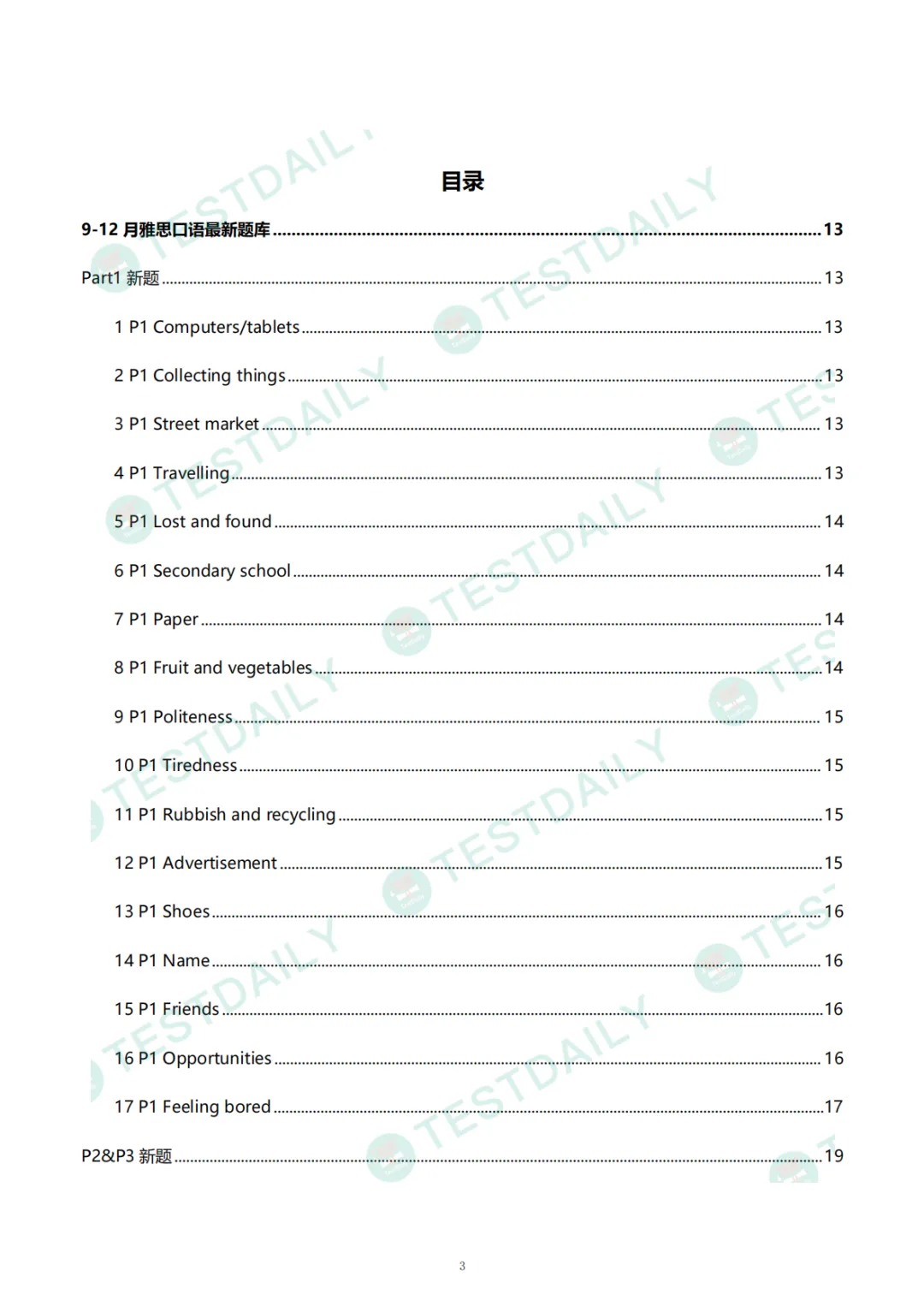
本次话题来自2026年9-12月雅思口语最新题库中的题目~ 今天我们先为大家精心准备了9-12月雅思最新题库,帮助大家持续练习和积累,【9-12月雅思口语最新题库】无条件赠送,欢迎滑至文末领取哦~TD也会持续给大家分享题库的题目高分示范哦~ 绝对的干货!带你了解老外地道口语:



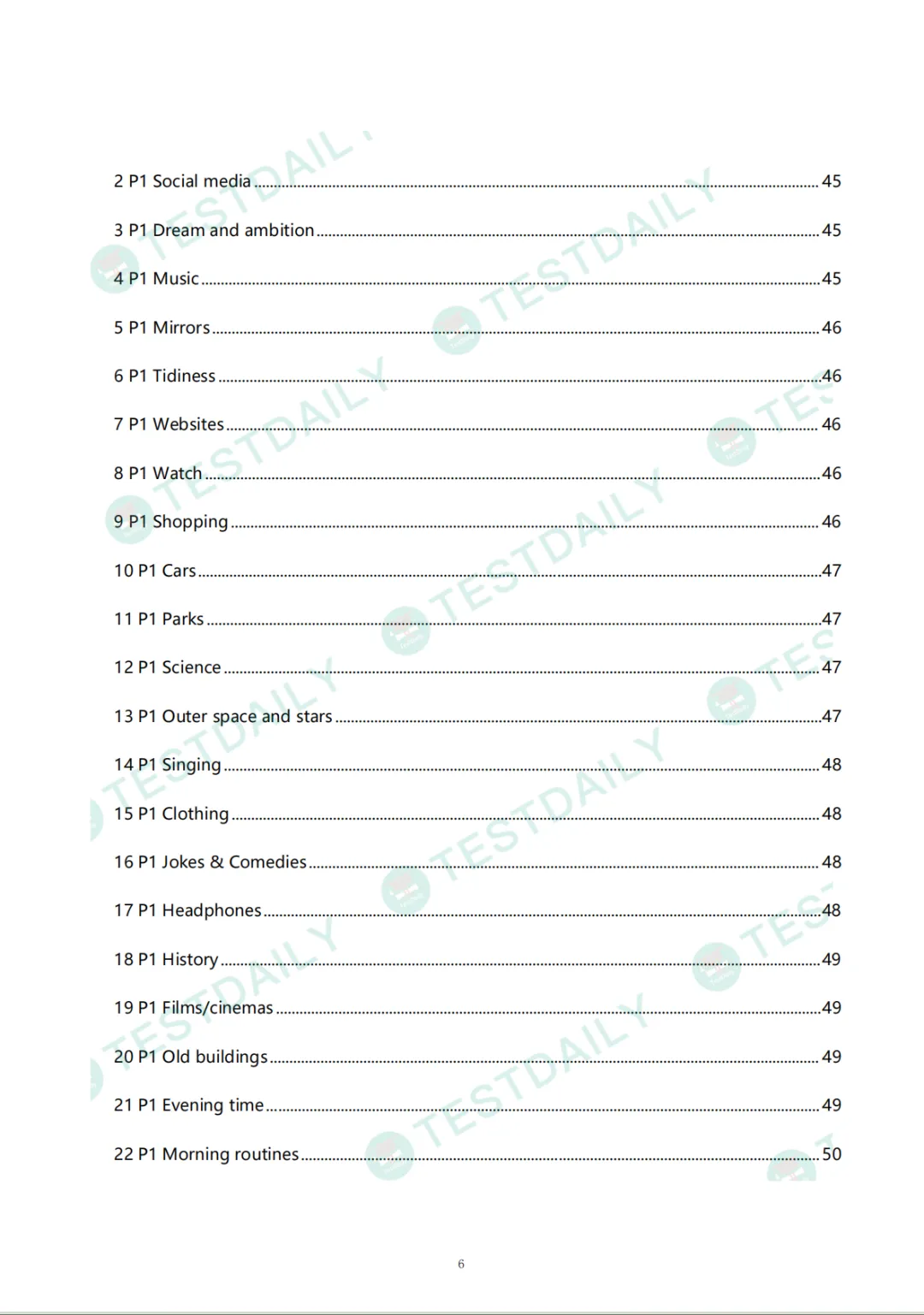


Part 1
I definitely prefer the evening. It is the time of day when work is finally finished, allowing me to completely switch off, relax, and pursue my own personal interests.
I typically cook a simple dinner, go for a short walk to get some light exercise, and then spend an hour reading or watching shows before going to sleep.
Part 2
You should say:
What language you learned-Germ
What you did--app
How it helped you learn the language--pro,fluen
And how you felt about it--confidenc, expand persp
I’d like to talk about a time when I downloaded an app to improve my spoken English.
The app is called Cambly. All the teachers on Cambly come from English-speaking countries like Australia, New Zealand, and the UK. At first, I had a 15-minute free trial lesson, but after that, I had to buy a membership. It was quite expensive — around 4,000 RMB per year — so I went to an online shopping platform and bought a second-hand membership card instead.
On this app, I had conversations with teachers from all over the world. Most of the time, we just had casual chats about all kinds of topics, such as current affairs. Sometimes we even touched on sensitive issues like politics.
I think using Cambly mainly helped me improve my pronunciation and fluency, but it didn’t help much with my vocabulary or grammatical accuracy. That’s because most teachers were reluctant to point out my mistakes — which I totally understand. I think they didn’t want to interrupt the flow of our conversations. Still, I felt a little bit disappointed because that was exactly what I wanted to work on.
Another thing I wanted to improve was my vocabulary and use of collocations. I know I can already make myself understood, but I hoped to use more idiomatic expressions. Unfortunately, I didn’t really achieve that goal.
As for my overall feelings — I think Cambly did help me become more confident, because the teachers were always very encouraging. Also, talking with people from different parts of the world really expanded my perspective. That said, I do wish the teachers had been a bit stricter with me, pointing out my mistakes without hesitation.
Part 3
The most common difficulty is remembering vocabulary and using it naturally. Grammar can also be tricky, especially when the sentence structure is different from your native language. Pronunciation is another challenge — some sounds just don’t exist in your mother tongue. Also, many learners feel shy or afraid of making mistakes when speaking, which slows down their progress.
Yes, very important. First, it opens up career opportunities and makes travel easier. Second, learning a language helps you understand another culture, which reduces misunderstandings and builds respect. Third, it keeps your brain active and improves memory. Even with translation apps, speaking directly to someone in their own language creates a much deeper connection.
I wouldn't say everything, honestly. While thorough preparation gives us confidence and prevents silly mistakes in formal settings like business meetings or tests, over-planning can actually take the fun out of life.
If you plan every single detail of a weekend outing or a holiday with friends, there's no room for spontaneity. Sometimes the most memorable experiences happen by chance, like stumbling upon a lovely little cafe you never planned to visit. Besides, being too rigid can make people anxious when unexpected changes pop up. So, having a basic outline is useful, but being flexible is just as important.
There’s no single best way, but immersion is very effective. That means surrounding yourself with the language through movies, music, and daily conversation. Regular practice is more important than intensity — 20 minutes every day is better than 3 hours once a week. Also, using the language in real situations, like ordering food or asking for directions, helps you learn much faster than just memorising word lists.
The advantages include better job prospects, improved brain function, and deeper cultural understanding. You can also enjoy books, films, or music in their original form. The main disadvantage is that it takes a lot of time and effort, especially for adults. It can be frustrating when progress feels slow. Also, without regular use, you tend to forget what you’ve learned. So it requires ongoing commitment.
福利领取方式