ARTICLE · 1285522
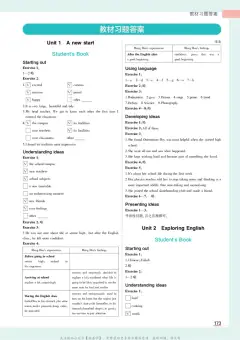
外研版(2019)高中英语必修第一册Unit1 A New Start 重点汇总
一、核心单词(音标+词性+释义+搭配+例句+词性转换+考点)
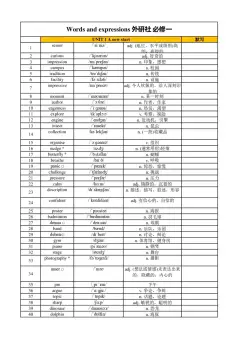
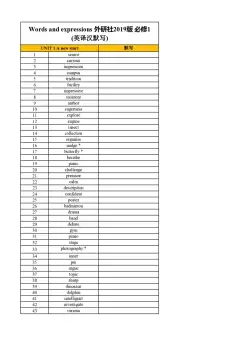
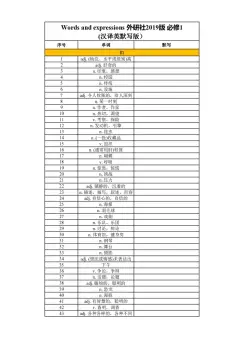
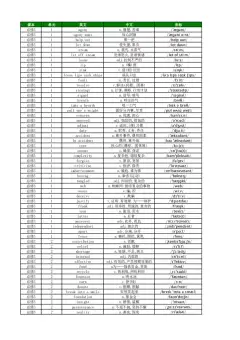
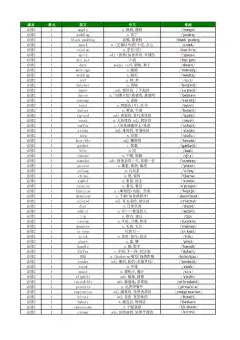
1.senior /ˈsiːniə(r)/ adj.(级别、年龄)较高的;高年级的;n. 年长者,高年级学生
搭配:senior high (school) 高中;be senior to sb. 比某人年长/级别高(不能用than,反义词junior) 例句:He is two years senior to me. 他比我大两岁。
拓展:junior adj.低年级的;年少的
2.campus /ˈkæmpəs/ n. 校园
on campus 在校园里(不加the)
例句:There are many trees on campus.
3.facility /fəˈsɪləti/ n.(复数facilities)设施,设备
sports facilities 体育设施;public facilities 公共设施
注意:常用复数,极少单用
4.curious /ˈkjʊəriəs/ adj.好奇的
搭配:be curious about sth. 对……好奇;be curious to do 很想做某事
变形:curiosity n.好奇心;curiously adv.好奇地
例句:I’m curious to know what he will say.
5.impress /ɪmˈpres/ v.使印象深刻;铭记
搭配:impress sb. with sth. 用某物给某人留下印象;be impressed by/with 对……印象深刻;impress sth. on sb. 使某人牢记某事
变形:impression n.印象;impressive adj.(物)令人印象深刻;impressed adj.(人)感到印象深刻
写作:make a good first impression 留下良好第一印象
6.panic /ˈpænɪk/ n.&v.惊慌,恐慌
过去式/过去分词:panicked(双写k!语法填空高频易错)
搭配:in panic 惊慌地;panic over sth. 因某事恐慌
例句:Don’t panic. Keep calm.不要恐慌,保持冷静。
7.embarrass /ɪmˈbærəs/ v.使尴尬,使窘迫
变形:embarrassed adj.(人)感到尴尬;embarrassing adj.(物)令人尴尬;embarrassment n.尴尬
例句:I felt embarrassed when I made a mistake.
8.breathe /briːð/ v.呼吸
变形:breath /breθ/ n.呼吸
短语:take a deep breath 深呼吸;hold one’s breath 屏住呼吸;out of breath 上气不接下气
区分:动词breathe /ð/;名词breath /θ/
9.organise /ˈɔːɡənaɪz/ v.组织(美式organize)
变形:organisation n.组织;organised adj.有条理的;organiser n.组织者
10.explore /ɪkˈsplɔː(r)/ v.探索;探究
变形:exploration n.探索;explorer n.探险者
例句:We explored the new campus after class.
11.tradition /trəˈdɪʃn/ n.传统
变形:traditional adj.传统的;traditionally adv.传统上
12.eager /ˈiːɡə(r)/ adj.渴望的,热切的
搭配:be eager to do sth.渴望做;be eager for sth.渴望得到某物
变形:eagerness n.热切;eagerly adv.急切地
13.challenge /ˈtʃælɪndʒ/ n.&v.挑战
搭配:face a challenge面对挑战;rise to the challenge迎接挑战
变形:challenging adj.有挑战性的;challenger n.挑战者
14.calm /kɑːm/ adj.镇静的 v.使平静
搭配:keep calm保持冷静;calm down冷静下来
辨析:calm(情绪平静);quiet(安静无声);silent(沉默不语)
15.confident /ˈkɒnfɪdənt/ adj.自信的;有把握的
搭配:be confident about/of sth.对……有信心;be confident that从句
变形:confidence n.自信;confidently adv.自信地
have confidence in sb.信任某人
16.volunteer /ˌvɒlənˈtɪə(r)/ n.志愿者 v.自愿
搭配:volunteer to do sth.自愿做某事
变形:voluntary adj.自愿的
17.argue /ˈɑːɡjuː/ v.争论,争辩
搭配:argue with sb.和某人争论;argue about sth.争论某事
变形:argument n.争论【易错:不要写成arguement】
18.pressure /ˈpreʃə(r)/ n.压力
under pressure 在压力之下;put pressure on sb.给某人施压
19.schedule /ˈʃedjuːl/ n.日程表,计划表 v.安排
on schedule按时;a tight schedule紧凑的日程
20.graduate /ˈɡrædʒueɪt/ v.毕业 /ˈɡrædʒuət/ adj.毕业生的
搭配:graduate from 从……毕业 变形:graduation n.毕业
拓展补充单词(单元阅读高频) refer /rɪˈfɜː(r)/ v.提及;查阅;
参考→ referred(过去式,双写r)
refer to 查阅;提到;refer to a dictionary=look up words in a dictionary
二、重点短语(课文原句,阅读+写作,标注用法)
1.butterflies in one’s stomach 心里七上八下;忐忑紧张(课文习语,读后续写加分)
2.one by one 一个接一个,依次
3.turn out (that…) 结果证明是;原来是(写作万能句型 It turned out that…)
4.over and over again 一遍又一遍,反复
5.keep …in mind 记住 = bear …in mind
6.make up one’s mind(s) 下定决心
单复数:one’s随主语变化 make up our minds
7.at the moment 此刻,目前(现在时)
8.in a moment 立刻,马上
9.for the moment 暂时
10.at the last moment 在最后一刻
11.step into 步入,走进
12.rise to the challenge 迎接挑战
13.keep an open mind 虚心;敞开心扉接纳新事物
14.be responsible for 对……负责
15.take notes 记笔记
16.ahead of 在……前面;早于;领先
17.give sb. a nudge 轻轻推某人一下
18.picture sth. in one’s mind 在脑海想象(picture此处作动词,想象)
19.go all out 全力以赴
20.in particular 尤其,特别
21.make the most of 充分利用
22.look forward to 期待(to是介词,后面doing)
三、单元核心语法(两大板块:五大基本句型 + 过去完成时)
语法1:五大基本句型(Grammar板块,句子成分识别,语法填空基础)
句子成分缩写:S主语 V谓语 O宾语 P表语 IO间接宾语 DO直接宾语 OC宾语补足语
谓语:分为及物动词vt.(后面必须接宾语)、不及物动词vi.(不能直接接宾语)、系动词link v.系动词分类:be动词;感官look/sound/feel/taste/smell;变化become/get/turn;保持keep/stay
1.S+V 主谓(不及物动词,无宾语) The sun rose.太阳升起。
2.S+V+O 主谓宾(及物动词+宾语) I explored the campus.我探索校园。
3.S+LinkV+P 主系表 You look nervous.你看起来紧张。
4.S+V+IO+DO 主谓双宾(人是间接宾语,物是直接宾语) He gave me a tip.(me=IO;a tip=DO)
可转换:give a tip to me
5.S+V+O+OC 主谓宾宾补(补充说明宾语状态,去掉句子意思不完整) The news made me relaxed.(me宾语;relaxed宾补)
定语:修饰名词;状语:修饰动词/形容词/整句(时间、地点、原因、方式)
语法2:过去完成时 Past Perfect(had + done)【单元重难点,考试高频】
核心含义:过去的过去。动作发生在另一个过去动作之前。句子必须有过去时间参照,不能单独使用。
结构:肯定:had done;否定:had not(hadn’t) done;疑问:Had +主语+done?
课文例句:After I had pictured it over and over again in my mind, my big day finally arrived. 翻译:在我脑海反复想象无数次之后,重要的这一天终于到来。 解析:picture想象(先发生had pictured)→ arrived到来(过去参照点)
常见时间标志词: by the time +一般过去时;after/before/when +过去动作;by+过去时间点
特殊用法拓展
1.It was the first/second time that + had done(这是第几次做某事) It was the first time that I had visited the new school.
2.hope/plan/expect/think等词用had done,表示本打算/本希望,但没实现 I had planned to join the club, but I was too busy.我本打算参加社团,但太忙了。
3.hardly had sb done when… /no sooner had sb done than…刚……就……(倒装)
易错提醒:×两个动作先后很近,有before/after,口语中可都用一般过去时;考题要求严格区分先后,优先had done×不能和明确过去时间点(yesterday, last week)连用
单元高频特殊句型(阅读+写作,必考)
1.be doing sth. when…正在做某事,这时突然…… I was organising my words when the girl gave me a nudge.
同类when句型: be about to do…when…正要做……这时…… had just done…when…刚做完……这时……
2.too…to…太……而不能…… I had been too nervous to pay attention.我当时太紧张,没能集中注意力。 拓展:too +adj.+for sb to do 对某人来说太……而不能
3.It turned out that…结果证明……(应用文、记叙文万能句型) It turned out that my new teacher was kind.
4.Although引导让步状语从句:although不能和but连用(可以和yet/still连用) Although I was embarrassed, his words made me relaxed.
5.With复合结构(伴随状语,长难句考点) With butterflies in my stomach, I breathed deeply. with +名词+介词短语/形容词/doing/done,在句中作状语
6.感叹句:How +adj./adv.+主语+谓语! What (+a/an)+adj.+名词! How true these words were!
四、课文重点长难句解析
1.With butterflies in my stomach, I breathed deeply. 译文:我心里忐忑不安,深吸一口气。 结构:with复合结构作伴随状语。
2.After I had pictured it over and over again in my mind, my big day finally arrived. 译文:在脑海中反复想象无数次之后,重要的这一天终于来了。 结构:after引导时间状语从句,从句过去完成时,主句一般过去。
3.I was looking at the photos on the noticeboard when I heard a voice behind me. 译文:我正在看公告栏上的照片,这时身后传来一个声音。 考点:be doing…when…
4.Although I was embarrassed, his words made me a lot more relaxed. 译文:虽然我很尴尬,但他的话让我放松许多。 考点:although让步从句;make +宾语+adj宾补;a lot修饰比较级
五、单元写作素材(话题:高中新生活/开学第一天日记、演讲稿)
高级句子
1.My first day at senior high finally arrived, and I felt curious about everything on campus. 高中第一天终于到来,我对校园里一切充满好奇。
2.At first I had butterflies in my stomach, but I decided to rise to every challenge ahead. 一开始我内心忐忑,但我决心迎接前方每一个挑战。
3.I am eager to explore the new campus and communicate with my new classmates.
4.I will keep an open mind and be confident about my future senior high life.
5.It turned out that my new teachers were patient and helpful.
作文框架
开头:介绍开学第一天+内心感受(nervous, curious)
中间:校园见闻、遇到的人和事结尾:决心,迎接挑战
六、易混词辨析(单选/语法填空)
1.breathe(v.) / breath(n.)呼吸
2.impressed(人)/impressive(物)
3.embarrassed(人)/embarrassing(物)
4.senior / junior 年长/年幼,高级/低级;搭配介词to,不接than
5.refer to 查阅;提及;look up 查阅(单词)
七、单元小练习(基础自测)
1.I was ____(embarrass) by his words.
2.He is senior ____ me by 3 years.(介词)
3.By the time I got to the classroom, the bell ____(ring).
4.4.Don’t be ____(panic). Keep calm.
答案:1.embarrassed 2.to 3.had rung 4.panicked