ARTICLE · 1343304
独家原创:高中英语“读后续写指导”系列5:动作描写
作者简介:深耕一线英语教学近40载;中考、高考命题研究专家;发表文章2000余篇;主编《英语满分作文》书系、《英语奥林匹克》、《英语写作素材大辞典》、《现代英汉双解大辞典》、《多功能英汉大辞典》等300余本畅销全国的教学及竞赛辅导用书。
◆写作概述
在英文读后续写里,动作描写堪称塑造鲜活故事的关键画笔。它不仅赋予角色生命力,使读者仿若亲眼目睹角色的一举一动,还能巧妙地推进情节,为故事的发展搭建桥梁,更能不着痕迹地营造出或紧张、或欢快、或静谧的氛围。
动作描写的核心在于动词的精挑细选。比如,“rush” 一词能够瞬间勾勒出人物的急切与匆忙,“linger” 则传达出不舍与迟疑。这些动词如同故事的节奏调节器,精准把控着情节的脉搏。同时,动作的连续性与逻辑性是构建可信故事的基石。一个性格坚毅的角色,在困境中或许会“clench his fists and face the challenge head-on”(紧握双拳,直面挑战),而较为怯懦的人物可能“shrink back and avert his gaze”(退缩并移开目光),动作与角色性格的契合让故事更具说服力。
为了让描写更加细腻入微,将身体部位与动词巧妙搭配是不二法门。“His eyes widened in horror”(他惊恐地瞪大双眼),仅仅几个单词,就通过眼部动作将人物的内心恐惧展露无遗。此外,动作描写与环境描写的有机融合能够大大增强故事的感染力。在狂风呼啸的荒野中,“She trudged forward, her figure bowed against the gale”(她艰难地前行,身体在狂风中弯曲),人物与环境相互映衬,使读者身临其境。
总之,在英文读后续写的舞台上,动作描写是一位出色的演员,它用生动的表演吸引着观众(读者),使故事中的角色跃然纸上,情节扣人心弦,氛围萦绕心头,让整个作品焕发出迷人的魅力,从而在读者心中留下深刻而难忘的印象。
◆写作素材
◆核心词汇
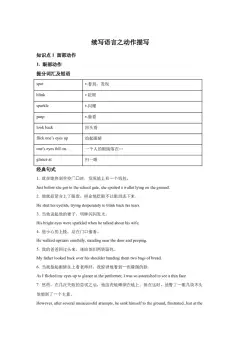
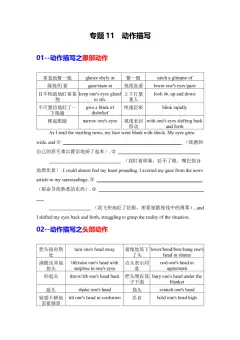
一、面部动作
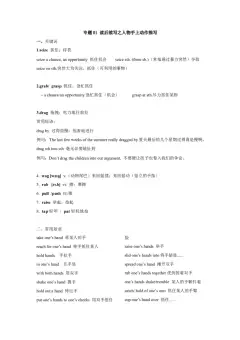
1. frown(v. 皱眉)
2. smile(v. 微笑)
3. grin(v. 露齿而笑)
4. chuckle(v. 轻声笑)
5. giggle(v. 咯咯笑)
6. laugh heartily(v. 开怀大笑)
7. smirk(v. 得意地笑)
8. scowl(v. 怒视)
9. glare(v. 瞪眼)
10. wink(v. 眨眼)
11. blink(v. 眨眼)
12. stare(v. 凝视)
13. peer(v. 仔细看)
14. gaze(v. 注视)
15. purse one's lips(v. 撅嘴)
二、手部动作
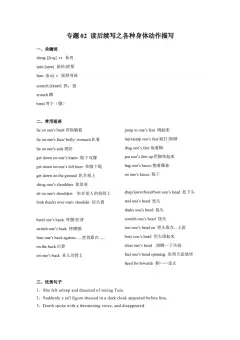
1. wave(v. 挥手)
2. shake(v. 摇晃)
3. clap(v. 鼓掌)
4. grasp(v. 抓住)
5. grip(v. 紧握)
6. hold(v. 握住)
7. release(v. 松开)
8. point(v. 指向)
9. touch(v. 触摸)
10. pat(v. 轻拍)
11. stroke(v. 轻抚)
12. pinch(v. 捏)
13. punch(v. 用拳猛击)
14. knock(v. 敲)
15. tap(v. 轻敲)
16. grab(v. 抓取)
17. snatch(v. 抢夺)
18. throw(v. 扔)
19. catch(v. 接住)
20. lift(v. 举起)
21. lower(v. 放下)
22. push(v. 推)
23. pull(v. 拉)
24. drag(v. 拖)
25. wipe(v. 擦拭)
三、身体动作
1. walk(v. 走路)
2. run(v. 跑步)
3. jog(v. 慢跑)
4. skip(v. 跳跃)
5. hop(v. 单脚跳)
6. jump(v. 跳)
7. leap(v. 跳跃)
8. crawl(v. 爬行)
9. climb(v. 攀爬)
10. descend(v. 下降)
11. sit(v. v. 坐)
12. stand(v. 站)
13. squat(v. 蹲下)
14. kneel(v. 跪下)
15. lie(v. 躺)
16. roll(v. 滚动)
17. turn(v. 转身)
18. spin(v. 旋转)
19. bend(v. 弯曲)
20. straighten(v. 挺直)
21. stagger(v. 蹒跚)
22. dash(v. 猛冲)
23. tiptoe(v. 踮脚走)
24. march(v. 行进)
25. pace(v. 踱步)
四、脚部动作
1. kick(v. 踢)
2. step(v. 迈步)
3. stomp(v. 跺脚)
4. tread(v. 踩)
5. shuffle(v. 拖着脚走)
6. slide(v. 滑动)
7. trip(v. 绊倒)
8. limp(v. 跛行)
9. sprint(v. 冲刺)
10. saunter(v. 闲逛)
◆提分词块
一、表情与神态相关动作
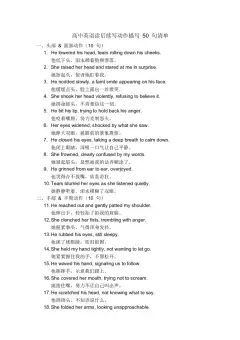
1. with a bright smile on one’s face(脸上带着灿烂的笑容)
2. wear a puzzled expression(带着困惑的表情)
3. look at sb. in astonishment(惊讶地看着某人)
4. raise one’s eyebrows in surprise(惊讶地挑起眉毛)
5. a flush of embarrassment crept up one's cheeks(脸上泛起一阵尴尬的红晕)
6. with a look of determination in one's eyes(眼中带着坚定的神情)
7. stare blankly into space(茫然地凝视着虚空)
8. purse one’s lips in disapproval(不满地撅起嘴唇)
9. flash a friendly grin(露出友好的笑容)
10. a frown of worry wrinkled one's forehead(担忧的皱眉使额头起了皱纹)
二、手部动作及伴随状态
1. reach out one’s hand tentatively(试探性地伸出手)
2. clutch sth. tightly in one’s hand(紧紧地握住某物)
3. wave one's hand in greeting(挥手打招呼)
4. hold sth. up for inspection(举起某物以便检查)
5. fumble with the buttons(笨手笨脚地摆弄纽扣)
6. stroke sb.’s hair gently(温柔地抚摸某人的头发)
7. give sb. a pat on the back(轻拍某人的后背)
8. point one’s finger accusingly at sb.(指责地用手指着某人)
9. grab sth. with both hands(用双手抓住某物)
10. twist one’s hands nervously(紧张地扭动双手)
11. clasp one’s hands together in prayer(双手合十祈祷)
12. drum one’s fingers impatiently on the table(不耐烦地用手指在桌子上敲击)
13. tear open the envelope(撕开信封)
14. crumple the paper into a ball(把纸揉成一团)
15. write sth. down hurriedly(匆忙地写下某物)
三、身体整体动作及姿势
1. stand up straight and tall(笔直地站着)
2. slump down in the chair(瘫坐在椅子上)
3. lean against the wall for support(靠在墙上支撑身体)
4. bend down to pick up sth.(弯腰捡起某物)
5. squat on the ground(蹲在地上)
6. kneel down beside sb.(在某人旁边跪下)
7. lie on one’s back and stare at the ceiling(仰卧着凝视天花板)
8. roll over in bed(在床上翻身)
9. turn around to face sb.(转身面对某人)
10. spin around in circles(转圈)
11. stagger to one’s feet(摇摇晃晃地站起来)
12. dash forward at full speed(全速向前冲)
13. tiptoe quietly across the room(踮着脚尖悄悄地穿过房间)
14. march in step with others(与他人齐步前进)
15. pace back and forth nervously(紧张地来回踱步)
16. hop from one foot to the other(单脚跳来跳去)
17. skip along the path merrily(欢快地沿着小路蹦跳)
18. climb up the ladder carefully(小心地爬上梯子)
19. descend the stairs slowly(慢慢地走下楼梯)
20. crawl under the table(爬到桌子下面)
四、脚部动作与移动方式
1. take a step forward hesitantly(犹豫地向前迈一步)
2. stomp one’s feet in anger(愤怒地跺脚)
3. tread lightly on the grass(轻轻地踩在草地上)
4. shuffle one’s feet awkwardly(笨拙地拖着脚走)
5. slide one’s feet across the floor(双脚在地板上滑动)
6. trip over a stone and fall(被石头绊倒并摔倒)
7. limp painfully towards the destination(痛苦地一瘸一拐地走向目的地)
8. sprint across the finish line(冲过终点线)
9. saunter along the street(在街上闲逛)
10. walk briskly to catch up with sb.(轻快地走着去赶上某人)
这些词块能够丰富读后续写中动作描写的细节,使文章更具感染力和表现力。
◆经典佳句
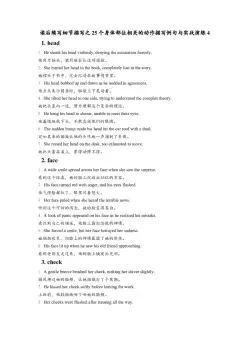
一、头部动作
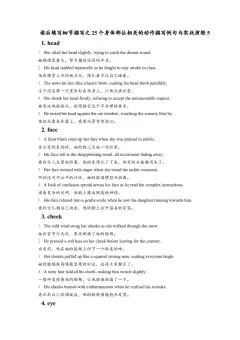
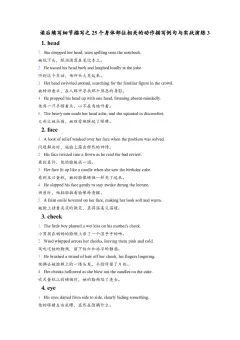
1. He nodded his head slightly, showing his agreement.(他微微点头,表示同意。)
2. She shook her head firmly, with a look of disapproval in her eyes.(她坚决地摇头,眼中带着不赞同的神情。)
3. He buried his head in his hands, overwhelmed by grief.(他双手抱头,沉浸在悲痛之中。)
4. She tilted her head to one side, curiously observing the strange object.(她把头歪向一边,好奇地观察着那个奇怪的东西。)
5. His head jerked up in surprise when he heard the sudden noise.(听到突然的声响,他惊讶地抬起头。)
6. He bowed his head in shame, realizing his mistake.(他羞愧地低下头,意识到自己的错误。)
7. She raised her head proudly, looking straight into his eyes.(她骄傲地抬起头,直视着他的眼睛。)
8. The little boy hung his head, looking dejected after losing the game.(小男孩输掉比赛后垂头丧气,耷拉着脑袋。)
9. He shook his head in disbelief, unable to accept what he had just heard.(他难以置信地摇摇头,无法接受刚刚听到的事情。)
10. She nodded her head vigorously, showing her enthusiasm for the plan.(她用力地点头,表现出对这个计划的热情。)
二、眼部动作
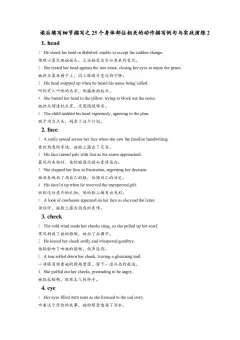
1. Her eyes widened in horror as she saw the blood - stained scene.(当她看到血迹斑斑的场景时,她的眼睛惊恐地睁大了。)
2. He narrowed his eyes, trying to make out the figure in the distance.(他眯起眼睛,努力辨认远处的身影。)
3. She rolled her eyes in exasperation, fed up with his silly remarks.(她恼怒地翻了个白眼,受够了他愚蠢的言论。)
4. His eyes sparkled with excitement when he talked about his travel plans.(当他谈论他的旅行计划时,他的眼睛闪烁着兴奋的光芒。)
5. Tears welled up in her eyes, blurring her vision.(泪水在她的眼眶里打转,模糊了她的视线。)
6. His eyes darted around the room, searching for something.(他的眼睛在房间里四处扫视,寻找着什么。)
7. She glared at him angrily, her eyes full of fury.(她愤怒地瞪着他,眼中充满怒火。)
8. Tears streamed down her cheeks as she blinked back the sobs.(她眨着眼睛忍住啜泣,泪水顺着脸颊滑落。)
9. His eyes lit up with joy when he saw the surprise.(当他看到惊喜时,眼睛里闪烁着喜悦的光芒。)
10. He stared blankly into space, lost in thought.(他茫然地凝视着虚空,陷入沉思。)
11. She peeked through the crack in the door, curious about what was happening outside.(她透过门缝偷看,对外面发生的事情感到好奇。)
12. His eyes widened in astonishment at the unexpected news.(听到意外的消息,他惊讶地睁大了眼睛。)
三、嘴部动作
1. He opened his mouth wide, ready to take a big bite of the delicious burger.(他张大嘴巴,准备狠狠地咬一口美味的汉堡。)
2. She pursed her lips, suppressing a smile.(她噘起嘴唇,忍住了笑。)
3. His lips quivered with anger as he tried to hold back his rage.(他的嘴唇因愤怒而颤抖,他努力克制着自己的怒火。)
4. She licked her lips nervously, feeling a bit thirsty.(她紧张地舔了舔嘴唇,感觉有点口渴。)
5. A smile played on his lips, making him look quite charming.(一丝微笑在他的唇边浮现,让他看起来很有魅力。)
6. He opened his mouth in a silent scream, terrified by the horror movie.(他张着嘴无声地尖叫,被恐怖电影吓坏了。)
7. She bit her lip nervously, afraid to speak up.(她紧张地咬着嘴唇,不敢说话。)
8. He grinned from ear to ear, happy about his achievement.(他咧着嘴笑得合不拢嘴,为自己的成就感到高兴。)
9. She murmured softly under her breath, not wanting others to hear.(她轻声低语,不想让别人听到。)
10. He yawned widely, showing his tiredness after a long day.(他打了个大大的哈欠,显示出漫长一天后的疲惫。)
11. She smirked, thinking she had outsmarted everyone.(她得意地笑了笑,认为自己比所有人都聪明。)
12. He pouted his lips, looking a bit childish.(他噘起嘴唇,看起来有点孩子气。)
13. She licked her lips hungrily, eyeing the delicious food.(她馋涎欲滴地舔了舔嘴唇,盯着美味的食物。)
四、手部动作
1. He reached out his hand, trying to grab the falling book.(他伸出手,试图抓住掉落的书。)
2. She clenched her fists tightly, gathering her courage.(她紧紧地握住拳头,鼓起勇气。)
3. He waved his hand enthusiastically, greeting his old friends from afar.(他热情地挥手,向远处的老朋友打招呼。)
4. She caressed the cat's fur gently, enjoying the soft touch.(她轻轻地抚摸着猫的毛,享受着柔软的触感。)
5. He scratched his head, looking puzzled.(他挠挠头,看上去很困惑。)
6. She pointed her finger at the suspect, accusing him loudly.(她手指着嫌疑人,大声地指责他。)
7. He grabbed her by the arm, pulling her back from the edge of the cliff.(他抓住她的胳膊,把她从悬崖边拉回来。)
8. She folded her hands, praying silently.(她双手合十,默默地祈祷。)
9. He drummed his fingers on the table, impatiently waiting for the result.(他用手指在桌子上敲打着,不耐烦地等待着结果。)
10. She wiped away her tears with the back of her hand.(她用手背擦去眼泪。)
11. He reached out his trembling hand, trying to touch the fragile object.(他伸出颤抖的手,试图触摸那个易碎的物品。)
12. She clenched her fists in determination, ready to face the challenge.(她坚定地握紧拳头,准备迎接挑战。)
13. He waved his hand dismissively, indicating that he didn't care.(他轻蔑地挥了挥手,表示他不在乎。)
14. She stroked the dog's head affectionately, and the dog wagged its tail.(她深情地抚摸着狗的头,狗摇着尾巴。)
15. He scratched his chin, thinking about the difficult problem.(他挠挠下巴,思考着那个难题。)
16. She pointed her finger accusingly at the culprit.(她指责地用手指着罪魁祸首。)
17. He grabbed the rope tightly and pulled with all his might.(他紧紧抓住绳子,用尽全力拉。)
18. She folded her hands neatly in her lap, sitting primly.(她整齐地将双手叠放在腿上,端庄地坐着。)
19. He drummed his fingers impatiently on the tabletop.(他不耐烦地用手指在桌面上敲击。)
20. She wiped the sweat from her brow with a handkerchief.(她用手帕擦去额头的汗水。)
21. He snapped his fingers, trying to get someone's attention.(他打响指,试图引起某人的注意。)
22. She squeezed his hand gently, giving him comfort.(她轻轻地捏了捏他的手,给他安慰。)
23. He fumbled in his pocket for his keys.(他在口袋里摸索着找钥匙。)
24. She clutched her purse tightly, fearing it might be stolen.(她紧紧抓住手提包,担心它会被偷走。)
25. He tossed the ball high into the air and caught it again.(他把球高高抛向空中,然后又接住。)
26. She twisted her hair around her finger, looking a bit shy.(她用手指缠绕着头发,看起来有点害羞。)
五、身体动作
1. He stood up straight, his chest out, showing his confidence.(他笔直地站着,胸膛挺起,显示出他的自信。)
2. She sat down heavily, exhausted after a long day's work.(她重重地坐下,在一天漫长的工作后疲惫不堪。)
3. He leaned forward, eager to hear every word she said.(他身体前倾,急切地想听她说的每一个字。)
4. She took a step back, frightened by the approaching dog.(她向后退了一步,被逼近的狗吓坏了。)
5. He spun around, looking for the source of the sound.(他转过身,寻找声音的来源。)
6. She crouched down, hiding behind the bushes.(她蹲下来,躲在灌木丛后面。)
7. He paced back and forth in the room, deep in thought.(他在房间里来回踱步,陷入沉思。)
8. She threw herself into his arms, sobbing uncontrollably.(她扑进他的怀里,无法控制地抽泣着。)
9.He jumped to his feet, excited to hear the good news.(他一跃而起,听到好消息很兴奋。)
10. She lay down on the grass, looking up at the blue sky.(她躺在草地上,仰望着蓝天。)
11. He stood still, like a statue, not moving a muscle.(他像雕像一样一动不动地站着,纹丝不动。)
12. She sat slumped in her chair, completely exhausted.(她无精打采地瘫坐在椅子上,疲惫不堪。)
13. He leaned against the wall, casually observing the people passing by.(他靠在墙上,漫不经心地观察着过往的行人。)
14. She took a step forward hesitantly, unsure of what to do.(她犹豫地向前迈了一步,不确定该做什么。)
15. He spun around in a circle, feeling dizzy afterwards.(他转了一圈,之后感到头晕目眩。)
16. She crouched down low, hiding behind the bushes.(她蹲得很低,躲在灌木丛后面。)
17. He paced up and down the corridor, deep in worry.(他在走廊里走来走去,忧心忡忡。)
18. She threw herself onto the bed, burying her face in the pillow.(她扑倒在床上,把脸埋在枕头里。)
19. He jumped over the puddle, landing safely on the other side.(他跳过水坑,安全地落在另一边。)
20. She lay flat on her back, staring at the ceiling.(她平躺着,盯着天花板。)
21. He knelt down on one knee, proposing to his girlfriend.(他单膝跪地,向女友求婚。)
22. She arched her back, stretching after sitting for a long time.(她弓起背,久坐后伸了个懒腰。)
六、脚部动作
1. He stamped his feet in anger, unable to contain his frustration.(他愤怒地跺脚,无法抑制自己的挫败感。)
2. She tiptoed quietly, not wanting to wake up the sleeping baby.(她轻轻地踮着脚走,不想吵醒熟睡的婴儿。)
3. He shuffled his feet, feeling a bit embarrassed.(他拖着脚走,感觉有点尴尬。)
4. She kicked the stone hard, sending it flying into the bushes.(她用力踢石头,把它踢进了灌木丛。)
5. He walked with a spring in his step, in a very good mood.(他脚步轻快地走着,心情很好。)
6. He stomped his feet angrily, making a lot of noise.(他生气地跺脚,发出很大的声响。)
7. She tiptoed carefully into the room, not wanting to disturb anyone.(她小心翼翼地踮着脚走进房间,不想打扰任何人。)
8. He shuffled his feet slowly, as if he had no energy.(他慢慢地拖着脚走,好像没有力气。)
9. She kicked off her shoes and wiggled her toes, feeling relaxed.(她踢掉鞋子,扭动着脚趾,感到很放松。)
10. He walked briskly, with a purpose in his step.(他轻快地走着,脚步带着目的。)
11. She sprinted as fast as she could, trying to catch the bus.(她拼命地冲刺,试图赶上公交车。)
12. He hopped on one foot, playing a game with his friends.(他单脚跳着,和朋友们玩游戏。)
13. She tapped her foot impatiently, waiting for the show to start.(她不耐烦地用脚轻敲着地面,等待演出开始。)
七、综合动作描写
1. He rushed into the room, his eyes wild, his hair disheveled, and his clothes in a mess.(他冲进房间,眼睛发狂,头发凌乱,衣服也乱糟糟的。)
2. She climbed the steep mountain slowly and steadily, her hands gripping the rocks firmly, her feet finding secure footholds.(她缓慢而稳步地攀登陡峭的山峰,双手紧紧抓住岩石,双脚找到稳固的立足点。)
3. He dived into the icy water without hesitation, his body cutting through the surface like a knife, and then swam with powerful strokes towards the drowning child.(他毫不犹豫地跳入冰冷的水中,身体像刀一样划破水面,然后用有力的划水动作朝着溺水的孩子游去。)
4. She picked up the heavy box with great effort, her face turning red, her arms straining, and then carried it to the truck with a determined look.(她费力地捡起沉重的箱子,脸涨得通红,手臂紧绷,然后带着坚定的神情把它搬到卡车上。)
5. He turned around abruptly, his hand instinctively reaching for his gun, his eyes scanning the dark alley warily.(他突然转身,手本能地伸向枪,眼睛警惕地扫视着黑暗的小巷。)
6. She ran through the forest, her heart pounding, her breath coming in short, rapid gasps, her hair flying behind her.(她在森林里奔跑,心跳加速,呼吸急促而短促,头发在身后飞扬。)
7. He pushed the heavy door open with all his strength, his body tensed, his muscles bulging, and stepped into the mysterious chamber.(他用尽全力推开沉重的门,身体紧绷,肌肉鼓起,然后走进神秘的房间。)
8. She bent down gracefully to pick up the fallen flower, her fingers delicately plucking it, a gentle smile on her face, and then placed it in her hair.(她优雅地弯下腰捡起掉落的花,手指轻柔地摘下它,脸上带着温柔的微笑,然后把它插在头发上。)
9. He lifted the barbell above his head with a grunt, his arms trembling, his face contorted with the strain, and held it there for a few seconds.(他哼了一声把杠铃举过头顶,手臂颤抖,脸因用力而扭曲,然后坚持了几秒钟。)
10. She danced around the room, her body twirling and spinning, her eyes closed, her arms outstretched, completely lost in the music.(她在房间里跳舞,身体旋转,眼睛闭着,手臂伸展,完全沉浸在音乐中。)
11. He walked towards her slowly, his steps hesitant, his eyes fixed on hers, his hands in his pockets.(他慢慢地走向她,脚步犹豫,眼睛盯着她的眼睛,手插在口袋里。)
12. She sat on the edge of the cliff, her legs dangling, her face turned towards the sea breeze, her mind at peace.(她坐在悬崖边上,双腿晃荡,脸迎着海风,心境平和。)
13. He leaped over the fence easily, his body in mid-air for a moment, his legs bent, and then landed softly on the other side.(他轻松地跳过围栏,身体在空中短暂停留,双腿弯曲,然后轻轻地落在另一边。)
14. She crawled under the table, her body low to the ground, her eyes wide with fear, trying to find a hiding place.(她爬到桌子底下,身体贴近地面,眼睛因恐惧而睁大,试图找到一个藏身之处。)
15. He swung the bat hard, his body twisting, his muscles coiled, and hit the ball far into the outfield.(他用力挥动球棒,身体扭转,肌肉紧绷,把球击向远处的外场。)
16. She stretched her arms high above her head, her body elongating, her back arching, trying to relieve the stiffness.(她把手臂高高地举过头顶,身体拉长,背部弓起,试图缓解僵硬。)
17. He rolled over in bed, his eyes still closed, his body seeking a more comfortable position.(他在床上翻了个身,眼睛仍然闭着,身体寻找更舒服的姿势。)
18. She skipped along the path, her ponytail bouncing, her laughter ringing through the air.(她沿着小路蹦蹦跳跳,马尾辫上下晃动,笑声在空中回荡。)
19. He trudged through the snow, his feet sinking deep, his body hunched against the cold wind.(他在雪地里艰难地跋涉,脚深陷其中,身体迎着寒风蜷缩着。)
20. She lounged on the sofa, her legs crossed, her head resting on a pillow, reading a book lazily.(她懒洋洋地躺在沙发上,双腿交叉,头靠在枕头上,悠闲地看书。)
21. He balanced on one leg, his arms out for stability, his face focused, trying to perform a difficult yoga pose.(他单脚站立保持平衡,手臂伸出以保持稳定,脸专注,试图做一个困难的瑜伽姿势。)
22. She huddled in the corner, her arms wrapped around herself, her body shaking, trying to keep warm.(她蜷缩在角落里,双臂环抱自己,身体颤抖,试图取暖。)
23. He slid down the banister, his hands gripping loosely, his body moving fast, a look of excitement on his face.(他顺着栏杆滑下来,手松松地握着,身体快速移动,脸上带着兴奋的神情。)
24. She hopped from stone to stone in the stream, her feet carefully finding each step, her balance maintained.(她在小溪里从一块石头跳到另一块石头上,脚小心地寻找每一步,保持平衡。)
25. He wriggled through the narrow opening, his body squeezing, his face determined, to reach the other side.(他扭动着身体穿过狭窄的开口,身体挤压着,脸上带着决心,到达另一边。)
26. She pirouetted in the center of the stage, her tutu flaring, her movements graceful and precise.(她在舞台中央单脚尖旋转,芭蕾舞裙飞扬,动作优雅而精准。)
27. He somersaulted across the grass, his body flipping, his energy seemingly endless.(他在草地上翻筋斗,身体翻滚,精力似乎无穷无尽。)
28. She shimmied up the pole, her hands and legs working in coordination, her strength surprising.(她沿着杆子往上爬,手和腿协调配合,力量惊人。)
29. He cartwheeled down the hill, his body turning, his laughter filling the air.(他侧手翻着下山,身体转动,笑声在空中回荡。)
30. She backflipped off the diving board, her body arching, her entry into the water smooth.(她从跳板上向后翻腾,身体弓起,入水很顺畅。)
31. He high-fived his teammate, his hand slapping hard, his face beaming with joy.(他和队友击掌,手用力拍打,脸上洋溢着喜悦。)
32. She fist-bumped her friend, a sign of their camaraderie, her smile infectious.(她和朋友碰拳,这是他们友情的象征,她的笑容很有感染力。)
33. He elbowed his way through the crowd, his body pushing, his destination in sight.(他用肘挤过人群,身体向前推,目的地就在眼前。)
34. She nudged him gently, getting his attention, her eyes twinkling.(她轻轻地推了推他,引起他的注意,眼睛闪烁着。)
35. He tackled the opponent, his body hitting hard, his intention to stop the play.(他抱住对手,身体用力撞击,意图阻止比赛。)
36. She dodged the ball, her body moving quickly to the side, her reflexes sharp.(她躲开球,身体迅速向一侧移动,反应敏捷。)
37. He blocked the shot, his arms outstretched, his stance firm.(他挡住了射门,手臂伸展,姿势坚定。)
38. She parried the attack, her sword moving swiftly, her skills on display.(她挡开攻击,剑快速移动,技巧尽显。)
39. He feinted to the left and then moved to the right, his body deceiving the opponent.(他向左虚晃一招,然后向右移动,身体迷惑了对手。)
40. She zigzagged through the maze, her path unpredictable, her determination unwavering.(她在迷宫里曲折前行,路线难以预测,决心坚定不移。)
41. He hurdled over the obstacle, his legs lifting high, his speed maintained.(他跨过障碍物,腿高高抬起,速度不减。)
42. She vaulted over the bar, her body flying through the air, her grace and power combined.(她撑杆跳过横杆,身体在空中飞过,优雅与力量相结合。)
这些句式表达涵盖了各种动作描写,可以帮助高中生在英语读后续写中更生动、准确地刻画人物动作,使文章更具感染力和表现力。
◆精美语段
一、日常动作—走路姿态
She walked with a gentle sway, her steps light and rhythmic. Her arms swung gracefully at her sides, and she seemed to glide rather than walk. As she strolled along the path, she occasionally paused to admire the blooming flowers, her head slightly tilted, adding a touch of elegance to her every move.(她走路时轻轻摆动,步伐轻盈且有节奏。双臂在身体两侧优雅地摆动,她似乎是在滑行而非行走。沿着小路漫步时,她偶尔会停下来欣赏盛开的花朵,头微微倾斜,一举一动都透着优雅。)
二、日常动作—吃饭细节
He picked up the fork with precision, twirling the spaghetti around it skillfully. Bringing the fork to his mouth, he took a small, deliberate bite, savoring the rich flavor. His other hand rested on the table, fingers tapping gently in time with his chewing, showing his relaxed and composed dining manner.(他精准地拿起叉子,熟练地将意大利面缠绕在上面。把叉子送到嘴边,他小口而从容地咬了一口,细细品味着浓郁的味道。他的另一只手放在桌上,手指随着咀嚼的节奏轻轻敲击,展现出他轻松而沉稳的用餐方式。)
三、运动动作—跑步模样
With a determined look on his face, he started to run. His legs pumped rhythmically, pushing him forward with great force. His arms moved in sync, swinging vigorously to maintain balance. As he picked up speed, his breath became heavier, but his pace remained steady, as if he were in a race against time.(他脸上带着坚定的神情,开始奔跑。双腿有节奏地交替蹬地,有力地推动他向前。双臂同步摆动,用力地维持平衡。随着速度加快,他的呼吸变得沉重,但步伐依旧稳健,仿佛在与时间赛跑。)
四、运动动作—打球姿态
She jumped high, stretching her arm as far as she could to hit the ball. Her body arched gracefully in the air, and her eyes were fixed intently on the approaching ball. With a powerful swing of her racket, she sent the ball flying across the court, the sound of the impact echoing loudly.(她高高跃起,尽可能地伸展手臂去击球。身体在空中优雅地呈拱形,眼睛紧紧盯着飞来的球。她用力挥动球拍,将球击向球场对面,击球的声音响亮地回荡着。)
五、情绪动作—生气时的举动
Furious, he slammed the door behind him, the sound echoing through the house. His hands clenched into tight fists, and his body trembled with anger. He paced back and forth in the room, muttering curses under his breath, his face red with rage.(他愤怒地用力关上门,声响在屋内回荡。双手紧握成拳,身体因愤怒而颤抖。他在房间里来回踱步,低声咒骂着,脸气得通红。)
六、情绪动作—高兴时的表现
Overjoyed, she leaped into the air, her arms spread wide. She let out a loud, excited scream, then ran around in circles, hugging everyone she could reach. Her face was beaming with happiness, and her eyes sparkled with joy.(她欣喜若狂,跳向空中,双臂张开。兴奋地大声尖叫,然后跑着转圈,拥抱她能碰到的每一个人。她脸上洋溢着幸福,眼睛闪烁着喜悦的光芒。)
七、工作动作—写字神态
Sitting at the desk, he held the pen firmly, his eyes focused intently on the paper. His hand moved smoothly across the page, writing down his thoughts with precision. Every now and then, he would pause, tapping the pen against his chin, deep in thought before resuming his writing.(他坐在桌前,紧紧握着笔,眼睛专注地盯着纸张。手在纸上流畅地移动,精准地写下自己的想法。他不时会停下来,用笔轻敲下巴,沉思片刻后再继续书写。)
八、工作动作—操作机器
He stepped up to the machine, his hands moving deftly over the controls. With a practiced touch, he adjusted the settings, his eyes fixed on the display screen. As the machine started to hum, he watched intently, ready to make any necessary adjustments, showing his proficiency in operating it.(他走到机器前,双手熟练地在控制台上操作。凭借熟练的手法,他调整着设置,眼睛盯着显示屏。当机器开始嗡嗡作响,他专注地看着,随时准备做出必要的调整,展现出他操作机器的熟练程度。)
九、社交动作—打招呼方式
When he saw his friend, he broke into a wide smile and quickened his pace. He extended his hand, giving his friend a firm handshake, and then pulled him into a warm embrace. Patting him on the back, he greeted him with enthusiasm, his voice filled with joy.(看到朋友时,他脸上绽开灿烂的笑容,加快了脚步。他伸出手,和朋友用力握手,然后热情地拥抱对方。拍着朋友的后背,他热情地打招呼,声音里充满喜悦。)
十、社交动作—倾听姿态
She sat beside her friend, leaning in slightly, her eyes locked on her friend's face. She nodded frequently, showing that she was listening attentively. From time to time, she reached out to gently touch her friend's arm, offering comfort and support with her simple gesture.(她坐在朋友旁边,微微前倾,眼睛一直盯着朋友的脸。她频频点头,表明在认真倾听。她不时伸出手,轻轻触碰朋友的手臂,用这个简单的动作给予安慰和支持。)
◆素材运用
经典考题1(体育比赛场景)
假设你是李华,你的学校举办了一场篮球比赛,请你写一篇短文描述比赛的关键时刻。词数80 左右。
【范文1】紧张刺激风
The basketball game was reaching its climax. With only 10 seconds left, the score was tied. Li Ming, our team’s star player, got the ball. He dashed towards the basket like a cheetah, his eyes fixed on the hoop. Dodging past two defenders, he jumped high, stretching his body to the fullest. The ball spun in the air and finally swished through the net. The whole stadium erupted into thunderous cheers.
亮点点评:
运用“dashed,dodging,jumped,stretching” 等一系列生动的动词,将球员在关键时刻的动作描写得十分连贯,使读者如临其境。“like a cheetah” 形象的比喻增添了画面感。
【范文2】细节刻画风
As the clock ticked down, the tension in the stadium was palpable. Li Ming received the pass. His feet shuffled quickly, faking left and then right. With a sudden burst of speed, he drove towards the basket. His muscles tensed as he launched himself into the air. Every movement was precise, from the way he released the ball with his fingertips to the follow - through of his arm. The ball arced gracefully and dropped into the basket, securing our victory.
亮点点评:
对动作的细节进行了深度刻画,如“shuffled,faking,tensed,released,follow - through” 等,展现了球员高超的球技和专注的状态。“the tension in the stadium was palpable” 烘托了紧张的氛围。
经典考题2(日常生活场景)
描述你在公园看到的一位老人练习太极拳的情景。词数80 左右。
【范文1】优雅舒缓风
In the park, an old man was practicing Tai Chi. He stood steadily, his feet shoulder - width apart. His hands moved slowly, as if he were gently pushing something in the air. With each movement, his body swayed slightly, in perfect harmony. His eyes were calm, and his breathing was even. He turned smoothly, his arms stretching out gracefully, creating a beautiful and peaceful scene.
亮点点评:
“moved slowly,swayed slightly,stretching out gracefully” 等短语生动地描绘出太极拳动作的优雅舒缓,“in perfect harmony” 体现了动作的协调性,让读者感受到太极拳的独特魅力。
【范文2】意境营造风
The morning sun filtered through the trees in the park, casting a warm glow. An old man was immersed in his Tai Chi practice. He started with a deep breath, his body seemingly weightless. His hands glided through the air, as if parting the clouds. Step by step, he rotated his body, each pose held with poise. The gentle breeze rustled the leaves, adding to the serene atmosphere of the moment.
亮点点评:
通过“filtered,glided,rotated” 等动词描绘动作,同时运用 “casting a warm glow,rustled the leaves” 等环境描写营造出宁静祥和的意境,将老人练太极拳的场景刻画得十分生动。
经典考题3(突发事件场景)
描述你目睹的一场交通事故。词数80 左右。
【范文1】紧张急促风
I witnessed a terrifying traffic accident on my way home. A car was speeding around the corner when suddenly, a cyclist emerged from the side street. The driver slammed on the brakes, but it was too late. The car skidded, tires screeching. With a loud crash, it hit the cyclist. The cyclist was thrown off the bike and landed on the ground. People rushed to help immediately, and the scene was in chaos.
亮点点评:
“speeding,slammed, skidded,screeching, thrown” 等动词准确地表现出事故发生的突然和紧张,“People rushed to help” 等描述增强了现场的紧迫感。
【范文2】冷静客观风
While walking on the street, I saw a traffic accident occur. A car, moving at a high speed, failed to notice a cyclist crossing the road. The driver tried to stop by pressing the brakes hard, but the car couldn’t halt in time. It collided with the bike, causing the cyclist to fall off. The car left long skid marks on the road. Soon, passers - by gathered around, and someone called the police.
亮点点评:
以冷静客观的笔触,用“moving,failed,tried,collided” 等动词清晰地描述事故过程,“left long skid marks” 等细节使描述更具真实性。