ARTICLE · 1402415
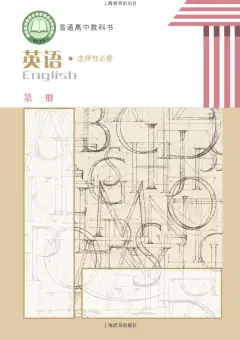
冀教版高中英语选择性必修第一册Unit 3 More Than a Meal课文听力音频
冀教版·高中英语 选择性必修第一册

课文原文:Unit 3·MORE THAN A MEAL
Food Is Culture: A Lecture
[01] Dr. Hanson, an expert in food and cooking habits across cultures, was invited as a guest speaker to a class. This is an excerpt from one of his lectures. Dr. Hanson: Good afternoon, everyone. We’re here today to talk about cooking and culture. In different cultures, food has different meanings, uses, and rules. What we eat and how we eat is influenced by many things, such as climate, social and economic factors. To begin with, I’d like to hear about your experiences. I see this is a multicultural school. Is there anyone who would like to say something about his or her experience with food in another culture?
[02] my whole family went along. We ate at McDonald’s every day because I was too scared to try Indian food. It looked so different and I didn’t know what to order. I wished that I had taken a barbecue with me. That way, I could have eaten steak with mushrooms every day! It would have been easier if I had had someone with me who could explain the dishes to me.
[03] are changing the eating habits of people all around the world. In many countries, you can find McDonald’s, Pizza Hut and Kentucky Fried Chicken.
[04] Student B: I went on a student exchange to France. I saw all those familiar restaurants but I didn’t go. I tried many new foods and I enjoyed them very much. The thing that surprised me was that they ate dinner very late and they had wine with every meal. Also, in my host family, we sat around the dinner table for a long time talking and laughing.
[05] Dr. Hanson: Yes, in many cultures people share food around the dinner table and mealtime is a time for communicating, sharing the stories of the day, laughing and discussing. Eating is an important social activity for people from all cultures. Think about a memory you have involving food. What were the sights and smells? Who was there? Who would like to share your story?
[06] We live in Canada now, but I come from Germany. Student C: I will never forget the smell of gingerbread when we made gingerbread houses at Christmas time. All my relatives were around, and it was a very happy memory for me.
[07] Dr. Hanson: Take rice, for example. Rice can be found in the diet of almost all cultures of the world, yet eating a bowl of steamed rice in China is nothing like the taste sensation of a Spanish pilaf.
[08] Food is an essential part of cultural celebrations. What we eat, how it is prepared, how and when it is served – all these are an important part of our cultures. What is a Chinese Mid-Autumn
[09] Festival without mooncakes? What is a Canadian Thanksgiving without turkey and dressing, a girl’s 15th birthday celebration in Columbia without flat corn bread, or a Ukrainian Christmas Eve without 13 meatless dishes? These foods help make strong connections between people and their shared culture and history. You can learn a lot about the values of a culture by sharing food.
[10] One example of this is considering who eats first. In many African cultures, the eldest person at the table would be served first and people would generally follow according to age. In many Eastern European cultures, the men are served first, and the children and women follow in that order. In many modern North American families, the children’s food is often prepared and served first.
[11] There are also taboos that differ from culture to culture. Has anyone in the class ever been confused by a different culture’s habits?
[12] I’m originally from Poland. I was at my Canadian Student D: friend’s house one day and he asked me if I wanted a Coke. I said yes and he said, “Okay, there’s one in the fridge. Help yourself.” In my culture, it is very rude to go into someone else’s fridge. I felt very uncomfortable doing it, but I understood that my friend and I just had different ways of doing things. When he comes to my house, he can try my way.
[13] Dr. Hanson: Yes, we can see that some cultures are more formal around food and some are less formal. There are also some things that are considered rude in one culture and quite polite in another. In Japan, for example, eating your soup loudly is a sign that you are enjoying your soup. In North America, on the other hand, one should be as quiet as possible when eating. In many African and Indian cultures, people believe that food tastes better when eaten with hands.
[14] In a word, it is difficult to know what to do, in any culture, without watching, listening, and asking a lot of questions.
一餐一饭里,藏着多少文化与人情
冀教版选必一 Unit 3 课文解读
主题:不止一餐:食物背后的文化与情感
一、写在前面:吃饭这件“小事”
Food is never just food. It is memory, identity, and love, served on a plate.
吃饭是每天最平常的事,却也是最能承载情感与文化的时刻。一顿家乡菜能唤起乡愁,一桌年夜饭凝聚着团圆,一次共餐可以拉近陌生人的距离。食物,远不止于果腹。
本单元以 More Than a Meal 为题,引导学生探索食物背后的文化内涵与情感价值,学会用英语谈论饮食、讲述与食物相关的故事。
二、主题深读:舌尖上的文化密码
教材介绍不同国家的饮食习俗、餐桌礼仪与代表性食物,学生学习如 cuisine(菜系)、recipe(食谱)、custom(习俗)、hospitality(好客)、flavor(风味)等词汇。阅读材料涉及中外饮食文化的对比。
单元引导学生理解:饮食习惯是一个民族文化的缩影。中国人围桌共餐、讲究分享,体现的是集体与团圆;西方人分餐而食,强调的是个体与独立。这些差异常常承载着深厚的文化逻辑。
同时,单元关注食物与情感、记忆的联结。一道菜可能承载着家族的故事,一次烹饪可能是爱的表达。引导学生用英语讲述“一道菜背后的故事”,既是语言实践,也是情感教育。
三、核心词汇与地道表达
meal n. 一餐;
cuisine n. 菜系;
recipe n. 食谱;
flavor n. 风味;
custom n. 习俗;
treat v. 款待;
hospitality n. 好客;
table manners 餐桌礼仪;
be fond of 喜爱;
serve a dish 上菜;
share a meal 共餐;
a taste of home 家乡的味道;
建议写一段“我最爱的一道菜”,介绍做法与它对你的意义。
四、原创主题微阅读|The Taste of Home
At university, I lived far from home, and I missed my grandmother's cooking more than anything. I tried to recreate her dishes, following the recipe she sent me, but something was always missing. The ingredients were right; the taste was not. One holiday, I watched her cook. She did not measure anything. She added a pinch of this, a dash of that, adjusted by sight and smell. 'The secret,' she said, 'is not in the recipe. It is in the years of making it for people you love.' I finally understood. The flavor I was missing was love, patiently cooked over many years.
五、微阅读中文译文
上大学时,我离家很远,最想念的就是祖母做的菜。我照着她寄来的菜谱试着复刻,可总觉得少了点什么。用料是对的,味道却不对。一个假期,我看着她做菜。她什么也不量,加一撮这个、淋一点那个,靠眼睛和鼻子调整。“秘诀啊,”她说,“不在菜谱里,而在你为你爱的人做了一年又一年的岁月里。”我终于明白了。我怀念的那种味道,是爱——被岁月耐心地慢慢熬煮。
六、读后思考
1. 哪道菜对你有特别的意义?它承载了什么故事?
2. 你注意到中外餐桌礼仪有哪些不同?
3. 为什么说“食物是文化的一部分”?举例说明。
— 本文为基于单元主题 课文 的原创解读与原创微阅读,配套音频请以教材官方渠道为准。 —