ARTICLE · 1009306
9.13 考研英语阅读题源外刊模拟试题【难度6.9】
Section II Reading Comprehension
Part A
Directions: Read the following four texts. Answer the questions below each text by choosing A, B, C or D. Mark your answers on the ANSWER SHEET.
Text 4
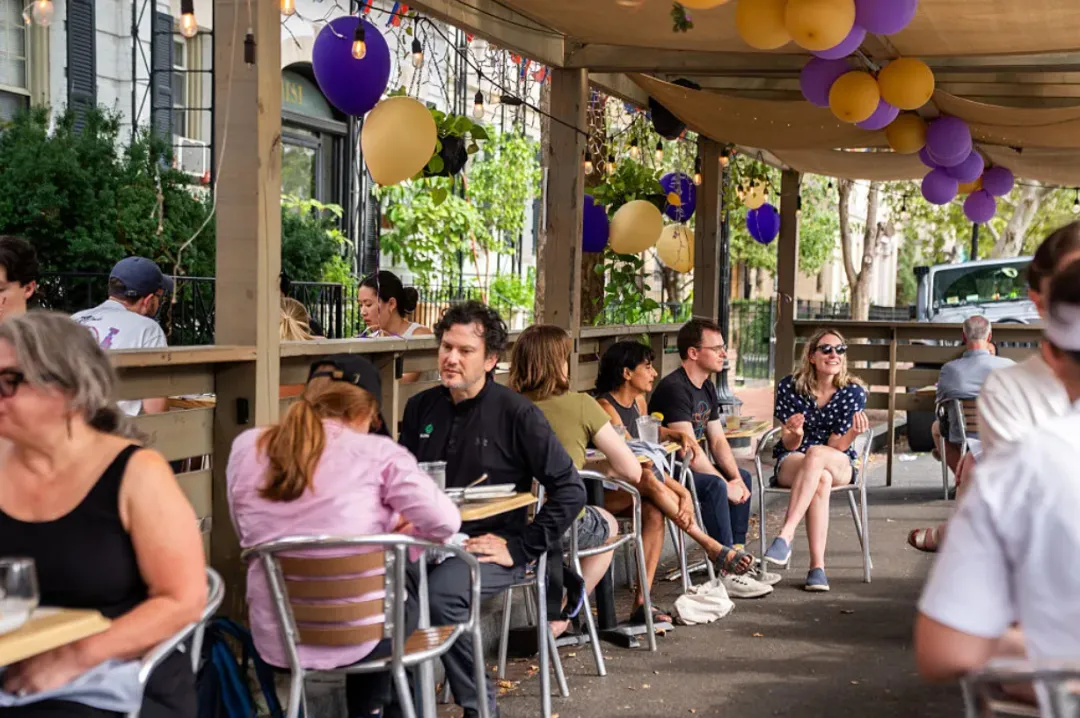
Daniel Quiroz used to fill every seat on the patio of his Washington restaurant, Marx Cafe, where an enclosed dining shed comfortably held thirty regulars on picnic-style tables. That space closed in February, when city officials ordered it dismantled for failing to meet the district's newly permanent rules for outdoor dining structures. Since then, Quiroz estimates he has lost roughly a fifth of his business, missing some of the busiest months for al fresco dining even as he has spent months and ten thousand dollars navigating the permitting process without a new structure to show for it.
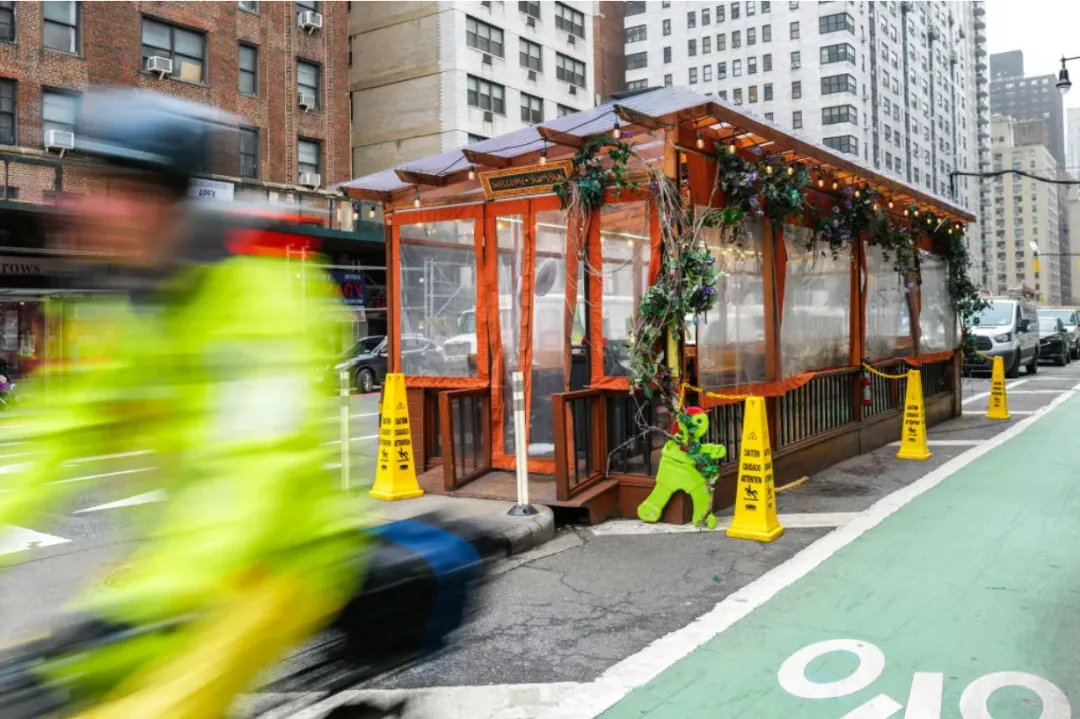
Quiroz's experience is far from unique. Outdoor dining sheds, once a pandemic-era lifeline that let restaurants expand onto the street with minimal red tape, have been disappearing from major cities as temporary rules give way to permanent ones. The new regulations address genuine concerns—about accessibility, hygiene and clear street access—but many restaurant owners say they have also made keeping a dining shed running far more onerous than before.
Some cities are now trying to reverse the decline. New York's council recently voted to let outdoor dining operate year-round, allowing structures to be adapted for winter rather than confining them to an April-through-November season as before. A council member who sponsored the change argues that seasonal limits, which forced restaurants to repeatedly install, dismantle and store their sheds, had become the single biggest obstacle facing neighbourhood restaurants; even so, the city's restaurant association cautions that whether the reform actually lowers costs will depend on the fine print of new cold-weather requirements.
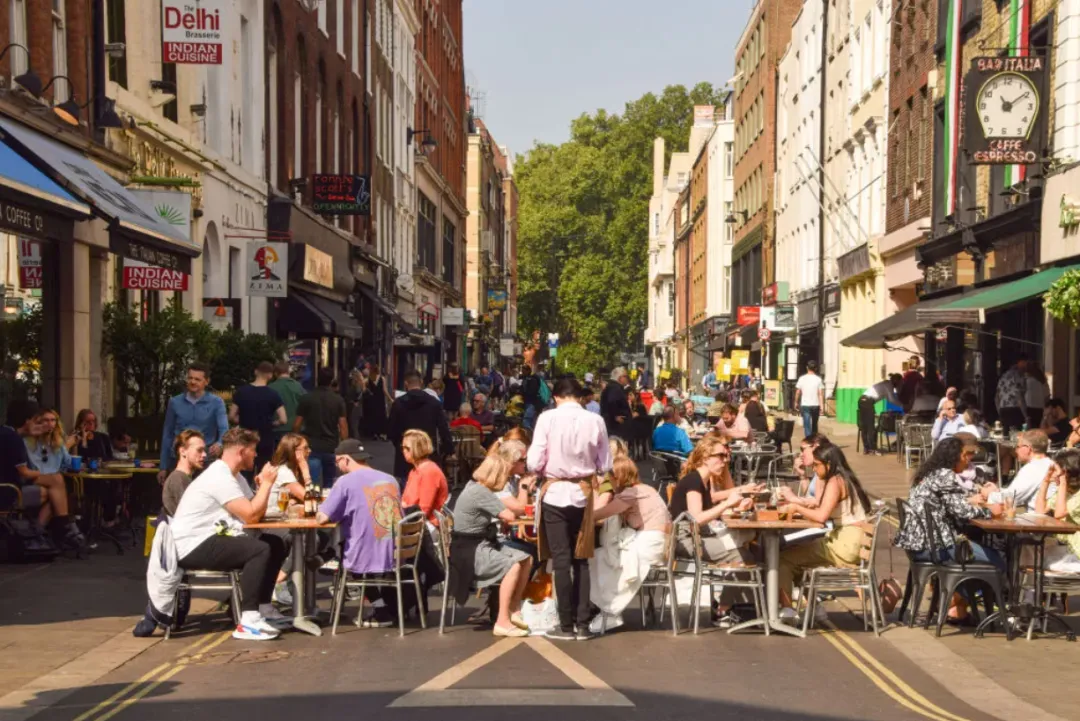
London has taken a different tack, doubling down on its peak outdoor season with roughly half a million pounds in grants this year for boroughs to create al fresco dining hotspots. City Hall is also working to unify a licensing system that currently varies from one borough to the next, aiming to ease a regulatory burden that one hospitality expert says local government cannot otherwise soften, given that costs such as value-added tax are set nationally. Officials have specifically criticised resident groups in commercially important districts for blocking outdoor dining applications.
Back in Washington, restaurants describe a process that can require up to four separate permits from different agencies, plus fees for using public space and the cost of hiring architects to design a compliant structure—expenses that together can run into tens of thousands of dollars. When the city built dozens of temporary structures in one neighbourhood to demonstrate the new guidelines, few businesses ultimately chose to make them permanent, citing high annual costs and, in at least one case, a design that failed to draw the hoped-for customers.
Under the new rules, Quiroz expects his rebuilt shed to seat only twelve people, less than half its former capacity, meaning it could take twice as long to recoup his investment, on top of several thousand dollars a year in ongoing costs. Even so, he has no plans to abandon the application. Having already spent the money, he says, walking away now would simply mean losing it for nothing.
36. What is the main function of Daniel Quiroz's story in Paragraphs 1 and 2?[A] to argue that outdoor dining structures should never have been permitted during the pandemic
[B] to illustrate, through a specific case, a wider pattern affecting restaurants in many cities
[C] to demonstrate that Washington has stricter outdoor dining rules than any other major city
[D] to show that permanent rules have generally made outdoor dining more affordable for small businesses
37. According to Paragraph 3, the sponsor of New York's reform believed that seasonal restrictions ____
[A] imposed repeated costs on restaurants by forcing them to build and take down their structures each year
[B] had never posed a significant financial burden on neighbourhood restaurants
[C] were originally introduced to protect restaurants from unfair competition
[D] were primarily intended to limit the number of restaurants offering outdoor dining
38. According to Paragraph 4, extending outdoor dining space is presented as an attractive option for London mainly because ____
[A] it requires no additional funding or coordination between boroughs
[B] London's hospitality businesses face lower costs than those in most other major cities
[C] it is one of the few measures within the city government's power, unlike broader cost pressures such as national tax policy
[D] resident groups in most boroughs have expressed strong support for the initiative
39. What does the example of the Adams Morgan neighbourhood in Paragraph 5 suggest?
[A] the temporary structures built by the city were overwhelmingly popular among local restaurants
[B] the city has since abandoned its plans to regulate outdoor dining in the neighbourhood
[C] no business in the neighbourhood has ever applied for a permanent outdoor dining structure
[D] even when a city actively demonstrates its new guidelines, businesses may still be unwilling to bear the resulting costs
40. Why does Quiroz say he will not withdraw his application, according to the last paragraph?
[A] doing so would mean losing the money he has already invested without gaining anything in return
[B] he expects the new structure to be significantly more profitable than his previous one
[C] city officials have promised him additional financial support if he continues
[D] he believes all restaurants facing similar costs should continue with their applications regardless of circumstances
附注:根据历年考研英语真题阅读题源外刊等,摘选最新文章,模拟仿真出题。
参考答案见以下。
Quick look: BACDA
36.【正确答案】B
【解析】题型:举例目的题
定位:第二段"Quiroz's experience is far from unique...such outdoor dining areas are disappearing across major cities as new rules escalate their cost."
分析:Quiroz的具体遭遇,其作用是以一个个案为切入点,引出全美多个城市普遍存在的这一趋势。选项B准确概括了这一叙事功能。
干扰项:[A]"主张疫情期间本就不应该允许搭建户外用餐设施"——无中生有,原文未表达这种立场;[C]"证明华盛顿的户外用餐规定比其他任何大城市都更严格"——无中生有,原文未做跨城市严格程度的排名比较;[D]"表明永久性规定总体上让户外用餐对小企业而言变得更加实惠"——事实相反,原文明确说新规定让维持这类设施"变得更加繁重"。
37.【正确答案】A
【解析】题型:细节理解题
定位:第三段"seasonal limits, which forced restaurants to repeatedly install, dismantle and store their sheds, had become the single biggest obstacle."
分析:该改革提案的发起人认为,季节性限制迫使餐厅每年反复搭建、拆除、存放设施,由此带来了重复性的成本负担。选项A准确复述了这一观点。
干扰项:[B]"从未给社区餐厅带来过显著的财务负担"——事实相反,原文明确说这是"最大的障碍";[C]"最初是为了保护餐厅免受不公平竞争而设立的"——无中生有,原文未提及竞争保护这一立法初衷;[D]"主要是为了限制提供户外用餐的餐厅数量"——偷换概念,此处强调的是重复搭建带来的成本问题,而非数量限制。
38.【正确答案】C
【解析】题型:推理判断题
定位:第四段"a regulatory burden that one hospitality expert says local government cannot otherwise soften, given that costs such as value-added tax are set nationally."
分析:扩大户外用餐空间之所以对伦敦而言是一个有吸引力的选项,主要是因为这是市政府少数几项自身权限范围内可以采取的措施之一,而增值税等更广泛的成本压力则由国家层面决定,市政府无法直接干预。选项C准确概括了这一推论。
干扰项:[A]"不需要额外的资金投入或跨区协调"——无中生有,原文明确提到了拨款与统一跨区许可制度的举措,这些都需要资金与协调;[B]"伦敦的餐饮企业面临的成本低于大多数其他大城市"——事实相反,原文引用的专家观点恰恰是"经营餐饮业从未如此艰难";[D]"大多数辖区的居民团体都对该倡议表达了强烈支持"——事实相反,原文明确提到官员批评居民团体阻挠相关申请。
39.【正确答案】D
【解析】题型:推理判断题
定位:第五段"When the city built dozens of temporary structures in one neighbourhood to demonstrate the new guidelines, few businesses ultimately chose to make them permanent."
分析:亚当斯摩根社区的例子表明,即便城市主动搭建示范性设施来展示新规定的具体样貌,商家仍可能因为随之而来的成本问题而不愿意将其转为永久设施。选项D准确概括了这一推论。
干扰项:[A]"城市搭建的临时设施在当地餐厅中广受欢迎"——事实相反,原文明确说"最终只有少数商家选择将其转为永久设施";[B]"该城市此后已放弃在该社区监管户外用餐的计划"——无中生有,原文未提及放弃监管计划;[C]"该社区从未有任何商家申请过永久性户外用餐设施"——程度夸大,原文提到该社区目前有申请案例,其中一份已获批准。
40.【正确答案】A
【解析】题型:细节理解题
定位:末段"Having already spent the money, he says, walking away now would simply mean losing it for nothing."
分析:Quiroz不愿撤回申请,主要是因为他已经投入的资金若就此放弃,将变成毫无收获的彻底损失。选项A准确复述了这一原因。
干扰项:[B]"他预计新设施的盈利能力将大幅超过此前那一个"——事实相反,原文明确说新设施座位不到此前一半,收回成本的时间可能延长一倍;[C]"市政官员已承诺,只要他继续推进就会提供额外的财政支持"——无中生有,原文未提及任何此类承诺;[D]"他认为所有面临类似成本的餐厅都应该无论情况如何都继续推进申请"——以偏概全,原文只是在陈述Quiroz本人的决定和理由,并未上升为对所有餐厅的普遍建议。
【词汇注释】
onerous: adjective (BURDENSOME) involving a great deal of effort, trouble or difficulty 繁重的;费力的
impediment: noun (OBSTACLE) a hindrance or obstruction in doing something 障碍;阻碍
prohibitive: adjective (EXCESSIVELY HIGH) (of a price or charge) excessively high, effectively preventing something 过高的;令人望而却步的
winterize: verb (PREPARE FOR WINTER) to prepare or adapt a building, vehicle, etc. for winter conditions 为过冬做准备
fractured: adjective (DIVIDED) broken or split, especially in a way that suggests disunity 分裂的;破碎的(文中指分散不一的许可制度)
recoup: verb (RECOVER LOSS) to recover the cost of something, especially by making a profit 收回(成本);弥补
sponsor: verb (SUPPORT/PROPOSE) to support a proposal, bill or plan, especially by formally introducing it 提议;发起(文中指议员发起法案)
【长难句】City Hall is also working to unify a licensing system that currently varies from one borough to the next, aiming to ease a regulatory burden that one hospitality expert says local government cannot otherwise soften, given that costs such as value-added tax are set nationally.
主干为City Hall is also working to unify a licensing system,that引导定语从句修饰licensing system(that currently varies from one borough to the next); aiming to ease a regulatory burden为现在分词短语作目的状语,that引导定语从句修饰burden(that one hospitality expert says local government cannot otherwise soften)——这是一个嵌套结构,专家所说的内容作says的宾语; given that...为独立的原因状语,说明地方政府为何无法以其他方式缓解这一负担。
【参考译文】
丹尼尔·基罗斯(Daniel Quiroz)过去总能坐满他在华盛顿经营的 Marx Cafe 餐厅的户外露台;那里曾设有一个封闭式用餐棚,配有野餐风格的桌椅,可舒适地容纳三十位常客。然而,该设施于二月被拆除,原因是未能符合该地区针对户外用餐设施新出台的永久性规定。基罗斯估计,自那时起他的营业额损失了约五分之一,不仅错过了户外用餐的黄金旺季,还耗费数月时间和一万美元去办理审批手续,最终却没能建成新的设施。
基罗斯的遭遇并非个案。户外用餐棚曾是疫情期间餐厅的“救命稻草”,让它们能以极简的审批程序将营业区域扩展至街头;但随着临时规定让位于永久性法规,这些设施正逐渐从各大城市消失。新规旨在解决一些切实的问题——如无障碍通行、卫生状况及街道畅通等——但许多餐馆老板表示,这些规定也使得维持户外用餐棚运营的难度和成本远超以往。
目前,一些城市正试图扭转这一颓势。纽约市议会近期投票通过决议,允许户外用餐全年运营,并允许对设施进行改造以适应冬季需求,而不像过去那样仅限在4月至11月期间开放。推动这一变革的议员指出,季节性限制迫使餐厅反复搭建、拆除和存放用餐棚,已成为社区餐厅面临的最大障碍;不过,该市餐饮协会也提醒称,这项改革能否真正降低成本,还取决于针对寒冷天气运营要求制定的具体细则。
伦敦则采取了不同的策略,通过提供约50万英镑的拨款,大力支持各行政区打造户外用餐热点,以此强化户外用餐旺季的活力。市政厅还致力于统一各行政区之间各不相同的许可制度,旨在减轻监管负担——一位酒店餐饮业专家指出,鉴于增值税等成本由国家层面统一设定,地方政府能自行调整的空间有限,因此简化审批流程显得尤为重要。此外,官方还特别批评了某些商业重镇的居民团体,指责他们阻挠户外用餐申请的获批。
回到华盛顿,餐厅经营者们描述的审批流程相当繁琐:往往需要向不同部门申请多达四项许可证,此外还需缴纳公共空间使用费,并聘请建筑师设计符合规范的设施——这些费用加起来可能高达数万美元。当市政部门在某个街区搭建了数十个临时设施以展示新规标准时,最终选择将其转为永久性设施的商家寥寥无几;商家给出的理由包括高昂的年度运营成本,以及(至少在某些案例中)设计未能吸引到预期的客流。
根据新规,Quiroz 预计他重建后的棚屋仅能容纳 12 位顾客,不到此前容量的一半;这意味着除了每年数千美元的持续运营成本外,回本所需的时间也将翻倍。尽管如此,他并不打算放弃申请。他说,既然钱已经花出去了,现在半途而废只会落得血本无归。
附注:
Send a tip and DM to receive the PDF version.