ARTICLE · 1198314
乡镇高中英语老师的不烧心计划:如何用外刊给自己“充电”?
大家早上好呀!
一名乡镇高中英语老师前来报到。
最近好长一段时间没更新,主要是因为不知道写什么。在乡镇高中,面对当下的学情,平时上课基本只能抓基础,甚至有时候在讲基础内容时,也会随时陷入自我怀疑和迷茫,不知道如何是好。
为了给自己充充电,也为了求个心安,最近逼着自己找了些资料来拓展学习的边界。对我这样一个自制力差的人来说,写文章既是一次真诚的分享,更是一种督促和反思。

💡先聊聊最近的课堂反思:
最近看到公众号明师俱乐部说,英语阅读最忌讳碎片化地去抠单个单词和句子,否则整篇文章就会变得杂乱散漫。想想确实如此。
最近我在课堂上尝试带着学生分析篇章结构和主旨句,效果出乎意料——上课睡觉的学生少了,一节课下来,大家至少能保持较好的专注度。
不过,目前还欠缺“学生反馈检查落笔”的环节。下节阅读课,我准备把这块补上,看看他们真实的学习成果。
接下来聊聊我的“充电日常“
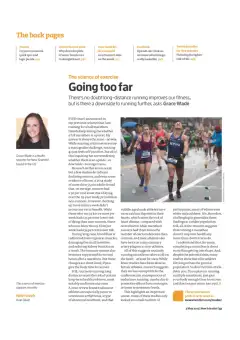
这一个月,我给自己找了Reading Explorer 4 (RE4) 来读,试着以篇章为单位进行阅读。拿到像 “The Battle for Biotech”(生物技术之战)这样的文章,该怎么把它”大卸八块“?分享一个阅读思路:
第一步:纯裸读,先抓“骨架”
第一遍,硬着头皮读,不轻易查字典。遇到生词先跳过,读完整段后再集中查。
这一遍的目的只有一个:摸清文章的骨架。比如这篇,通读后要能理清逻辑:什么是biotech foods -对人类安全吗-对环境好吗-能不能养活世界?抓大放小,只有老师自己先具备了这种“不惧生词”的阅读能力,才能教会学生应对长难篇目。
第二步:听音频,调动“耳朵”
拿着原文,跟着原版音频听一两遍。很多时候,眼睛看漏的连读和断句,耳朵能帮你抓住。自己先扫清听力盲区,主要是为了感知语音,顺带练练口语。
第三步:自己写Summary,对比 AI 润色
合上文章,逼自己用英文写一段 Summary(总结),看看脑子里还能留下什么关键信息。然后对照文章自己写个总结。
最关键的步骤来了:扔给AI润色!我常用的是欧陆词典和 DeepSeek(不得不感慨,AI 现在真的太好用了)。对比一下自己写的和 AI 改后的版本,进行润色升级。把觉得惊艳的表达、高级的短语直接提炼出来,这就是高质量语料库。
第四步:知识迁移,打通课内外(教学落地!)
自己把文章读透了,就可以把它变成合适的教学素材了。
这篇文章探讨现代农业科技,极其适合作为高中英语选必1 Unit 5 Working the Land 的阅读补充材料!课文的第二篇文章讲的是“Organic and Chemical Farming”(有机农业与化学农业),而这篇 RE4 的“The Battle for Biotech”刚好探讨了转基因食品(GE food)。一个是现代科技的介入,一个是回归自然的耕作,正好形成绝佳对比,写作文时这不就是现成的正反方素材吗?
最后,分享几个精读中印象深刻的“小雷区”
1.连我自己都看走眼的词:文章里反复出现organism,我的第一反应直接把它当成了“有机(organic)”。讲课时一定要提醒自己(也提醒学生):organism 是生物体,不是 organic!
原文完整句子是这样的:
> The purpose of conventional and modern techniques is the same—to insert genes from an organism that carries a desired trait into one that does not.(传统技术和现代技术的目的一样——将携带所需性状的生物体的基因,植入到不具备该性状的生物体中。)
千万别看错词根就瞎猜,觉得长得很像就直接划等号。
2.词汇拆解记忆:印象最深的是“deficiency”(缺乏)和“malnourished”(营养不良的)。常见词汇是“efficiency”(效率)
3.意想不到的组合表达:“xxx remains to be seen”(某某还有待观察),往往这种看似简单的常见词汇组合,表达出来的意思却让人意想不到。
写在最后
以上就是我近期外刊备课与教学思路的分享。从老师自己“裸读抓骨架”,到“听音频扫盲区”,再到“AI润色提炼语料”,最后“迁移到课本”。这一套流程走下来,读完一篇长文不烧心。
在乡镇高中的教学路上,或许有很多无奈,但作为老师,保持“输入”才能有更好的“输出”。

记得呀-多看看世界
📎附录:英文原文提取(供备课参考)
Paragraph A
Genetic engineering (GE) of crops and animals through the manipulation of DNA is producing a revolution in food production. The potential to improve the quality and nutritional value of the food we eat seems unlimited. Such potential benefits notwithstanding, critics fear that genetically engineered products—so-called biotech foods—are being rushed to market before their effects are fully understood.
Q: What exactly are biotech foods? (Paragraph B)
Biotech foods are produced from animals and plants that have been genetically altered. Genetic alteration is nothing new. Humans have been altering the genetic traits of plants for thousands of years by keeping seeds from the best crops and planting them the following years, and by breeding varieties to make them taste sweeter, grow bigger, or last longer. In this way, we've transformed the wild tomato from a fruit the size of a small stone to the giant ones we have today.
Paragraph C
On the other hand, the techniques of genetic engineering are new and different. Conventional breeders always used plants or animals that were related, or genetically similar. In so doing, they transferred tens of thousands of genes. In contrast, today's genetic engineers can transfer just a few genes at a time between species that are distantly related, or not related at all. There are surprising examples: Rat genes have been inserted into lettuce plants to make a plant that produces vitamin C. Moth genes have been inserted into apple trees to add disease resistance. The purpose of conventional and modern techniques is the same—to insert genes from an organism that carries a desired trait into one that does not.
Q: Are biotech foods safe for humans? (Paragraph D & E)
As far as we know, so far, problems have been few... Some GE foods might even be safer than non-GE foods. Corn, for example, contains high levels of fumonisins—toxins that grow in the wounds of the damaged corn. Lab tests have linked fumonisins with cancer in animals. Studies show that most modified for insect resistance has lower levels of fumonisins than conventional corn damaged by insects.
However, biotech foods have had problems in the past. One such problem occurred in the mid-1990s, when soybeans were modified using genes from a nut. The modified soybeans contained a protein that causes reactions in humans who are allergic to nuts...
Q: Can biotech foods harm the environment? (Paragraph F & G)
Most scientists agree that the main safety issues of GE crops involve not people but the environment... Many people worry that GE crops are being developed too quickly and released before they've been adequately tested.
On the other hand, advocates argue that some genetically modified plants may actually be good for the land, by offering an environmentally friendly alternative to pesticides, which can pollute water and harm animals.
Q: Can biotech foods help feed the world? (Paragraph H, I & J)
Eight hundred million people on this planet are malnourished, and the number continues to grow... genetic modification can help address the urgent problems of food shortage and hunger...
According to the World Health Organization, an estimated 250 million children in the world suffer from vitamin A deficiency... "Golden rice"—a biotech variety named for its yellow color—is thought by some to be a potential solution...
However, critics say the biotechnology industry has exaggerated the benefits of golden rice. "Golden rice alone won't greatly diminish vitamin A deficiency," says Marion Nestle... "Beta-carotene," which is already widely available in fruit and vegetables, isn't converted to vitamin A when people are malnourished. Golden rice does not contain much beta-carotene...
Q: What's next? (Paragraph K)
Whether biotech foods will deliver on their promise of eliminating world hunger... remains to be seen. Their potential is enormous, yet they carry risks. If science proceeds with caution, testing new products thoroughly and using sound judgment, the world may avoid the dangers of genetic modification while enjoying its benefits.
---
(AI润色)
在这个温柔的季节,庆幸遇见你!