ARTICLE · 1207130
小学英语一般疑问句和特殊疑问句练习:20道题掌握提问方法,附答案解析



小学英语句型转换中,把陈述句改成疑问句是一个常见考点。孩子明明认识句子里的每个单词,真正动笔时却可能把 do 和 does 用错、忘记调整 be 动词的位置,或者看到 what、where 就不知道该怎么组织句子。
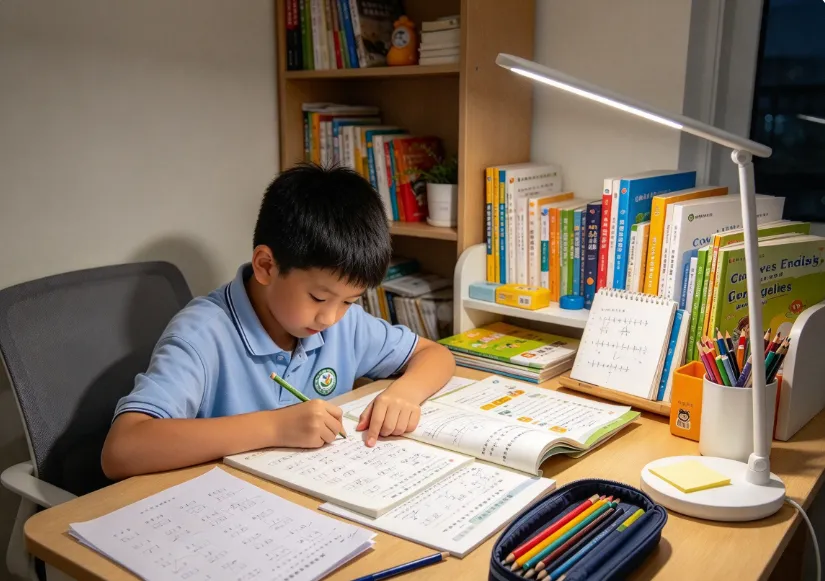
想学会小学英语一般疑问句和特殊疑问句,不能只记住几个疑问词,还要先判断句子里有没有 be 动词、情态动词或实义动词,再根据提问目的选择合适的句型。掌握这个顺序,做句型转换和情景对话都会更有把握。

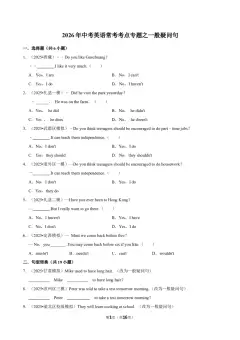
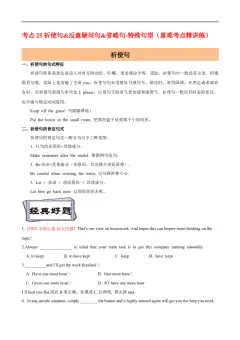
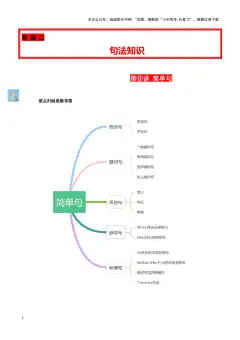
1. 一般疑问句:通常用 Yes 或 No 回答。
一般疑问句的重点是确认一件事情是否成立,常见开头包括 Is、Are、Do、Does、Can 等。
例如:
You are a student. → Are you a student? 你是一名学生吗?
She likes music. → Does she like music? 她喜欢音乐吗?
They can swim. → Can they swim? 他们会游泳吗?
回答时要注意:
— Are you happy?
— Yes, I am. / No, I'm not.
— Does he like apples?
— Yes, he does. / No, he doesn't.
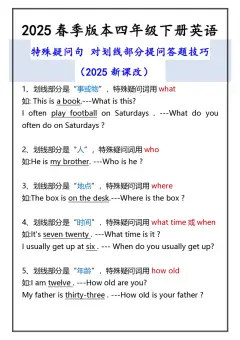
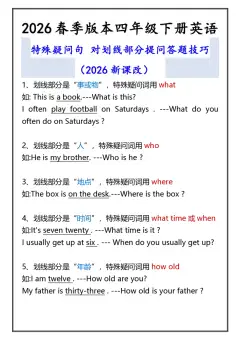
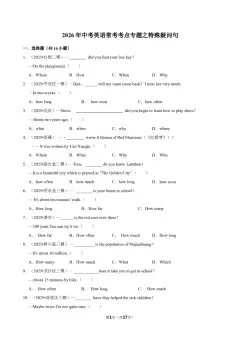
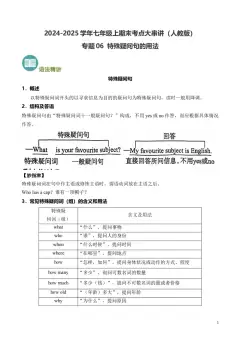
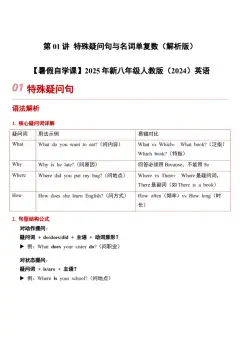
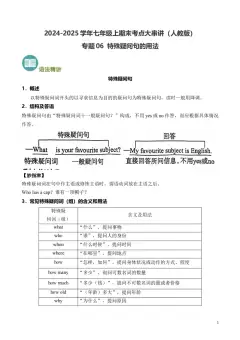
2. 特殊疑问句:用疑问词询问具体信息。
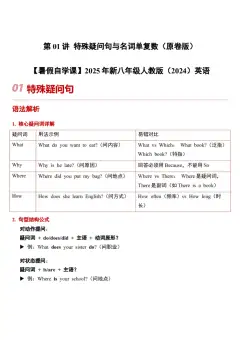
常见疑问词及其用法如下:
what | 什么 | What is this? 这是什么? |
who | 谁 | Who is that girl? 那个女孩是谁? |
where | 哪里 | Where do you live? 你住在哪里? |
when | 什么时候 | When do you get up? 你什么时候起床? |
why | 为什么 | Why are you sad? 你为什么难过? |
how | 怎样、如何 | How do you go to school? 你怎样去上学? |
whose | 谁的 | Whose bag is this? 这是谁的书包? |
which | 哪一个 | Which book do you like? 你喜欢哪本书? |
特殊疑问句通常不能只用 Yes 或 No 回答,而要根据疑问词提供相应的信息。
例如:
— Where do you live?
— I live in Beijing.
— What is your favourite subject?
— My favourite subject is English.

方法一:句子里有 be 动词,直接把 be 动词提前。
be 动词包括 am、is、are。变成一般疑问句时,通常将 be 动词放到主语前面。
例如:
He is a teacher. → Is he a teacher?
They are in the classroom. → Are they in the classroom?
如果要改成特殊疑问句,可以在一般疑问句结构前加上合适的疑问词。
She is in the kitchen. → Where is she?
注意:特殊疑问词后面的语序通常仍然是“be 动词 + 主语”,不能写成 Where she is? 来表示普通的直接提问。
方法二:句子里有实义动词,根据时态选择 do 或 does。
当一般现在时的句子中没有 be 动词,也没有其他可以提前的助动词时,通常需要借助 do 或 does 构成一般疑问句。
I like apples. → Do you like apples?
They play football. → Do they play football?
He likes apples. → Does he like apples?
这里有一个重要考点:does 后面的实义动词要恢复原形。
正确:Does she play tennis?
错误:Does she plays tennis?
改成特殊疑问句时,也要保留正确的助动词结构。
He goes to school by bus. → How does he go to school?
方法三:句子里有 can 等情态动词,通常把情态动词提前。
例如:
She can dance. → Can she dance?
They can swim. → Can they swim?
如果要询问具体信息,可以在情态动词前添加疑问词。
The boy can swim in the pool. → Where can the boy swim?
再提醒一个容易出错的地方:如果疑问词本身是句子的主语,语序可能不同。
例如:
Tom plays football. → Who plays football?
这里的 Who 代替主语 Tom,因此不需要再加 does,也不能写成 Who does play football? 来表达普通的主语提问。

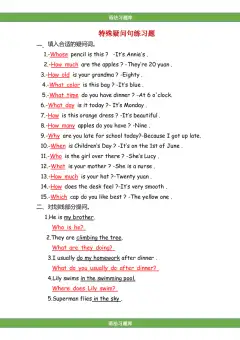
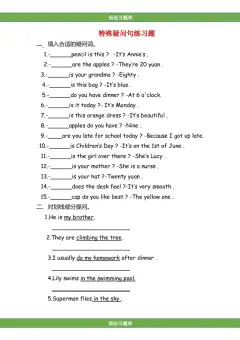
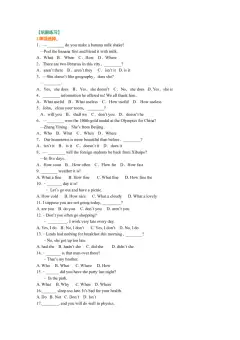
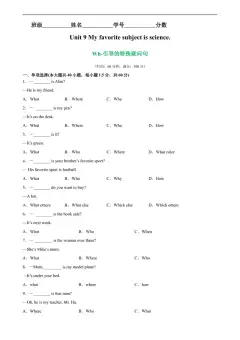
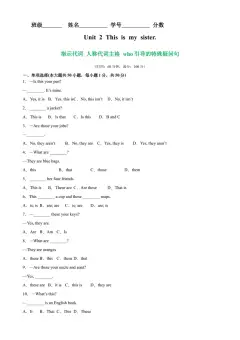
先自己完成,再查看后面的参考答案。前10题练习一般疑问句,后10题练习特殊疑问句。
第一部分:把下列句子改成一般疑问句(1—10题)
You are a good student.
She likes English.
They can play basketball.
Tom goes to school by bike.
Your parents are at home.
He is reading a book.
We have a music lesson on Friday.
Mary can sing very well.
The dog is under the chair.
Jack watches TV after dinner.
第二部分:根据提示改成特殊疑问句(11—20题)
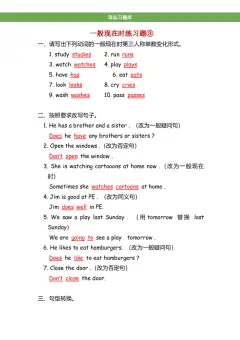
This is a pencil.(对画线部分提问)
She lives in Shanghai.(对画线部分提问)
Tom gets up at six thirty.(对画线部分提问)
They play football after school.(对画线部分提问)
Lucy is my best friend.(对画线部分提问)
He goes to school by bus.(对画线部分提问)
The girl is ten years old.(对画线部分提问)
The blue bag is mine.(对画线部分提问)
She likes English because it is interesting.(对画线部分提问)
Tom plays basketball in the playground.(对画线部分提问)

第一部分:一般疑问句
Are you a good student?
解析:原句含有 are,将 are 提到主语 you 前面即可。
Does she like English?
解析:原句是一般现在时,主语 she 是第三人称单数,所以使用 does,动词 likes 恢复为 like。
Can they play basketball?
解析:原句含有情态动词 can,直接将 can 提前。
Does Tom go to school by bike?
解析:Tom 是第三人称单数,使用 does 后,goes 要恢复为 go。
Are your parents at home?
解析:原句含有 are,直接提前即可。
Is he reading a book?
解析:原句是现在进行时,be 动词 is 提前,reading 保持不变。
Do we have a music lesson on Friday?
解析:原句中的 have 是实义动词,主语 we 使用 do。若直接与他人确认安排,也可以根据具体语境使用其他表达,但本题考查一般现在时。
Can Mary sing very well?
解析:含有 can 的句子,将 can 提到主语 Mary 前面。
Is the dog under the chair?
解析:原句含有 is,将 is 提前即可。
Does Jack watch TV after dinner?
解析:Jack 是第三人称单数,使用 does 后,watches 恢复为 watch。
第二部分:特殊疑问句
What is this?
解析:询问物品是什么,用 what。
Where does she live?
解析:询问地点用 where;一般现在时中,主语 she 对应 does,live 使用原形。
When does Tom get up?
解析:询问时间用 when;does 后面的 gets 要恢复为 get。
When do they play football?
解析:询问什么时候做某事用 when;主语 they 对应 do。
Who is your best friend?
解析:询问人物身份用 who。由于疑问词代替主语 Lucy,后面直接接 is。
How does he go to school?
解析:询问交通方式用 how;一般现在时中,does 后使用动词原形 go。
How old is the girl?
解析:询问年龄使用固定结构 How old。
Which bag is yours?
解析:询问具体是哪一个书包,可以用 which;这里也可以根据题目语境用 Whose bag is this?,但询问“哪一个”时 which 更贴切。
Why does she like English?
解析:询问原因用 why;does 后的 likes 恢复为 like。
Who plays basketball in the playground?
解析:题目要求对主语 Tom 提问,因此使用 who 作主语,后面的动词仍使用第三人称单数形式 plays,不需要添加 does。

1. 不要把 be 动词和 do、does 混在一起。
She is happy. 应改为 Is she happy?
She likes music. 应改为 Does she like music?
前一句有 be 动词,后一句的 likes 是实义动词,两者的变换方式不同。
2. does 后面一定要检查动词原形。
Does he likes English? 是错误表达。
正确句子是 Does he like English?
孩子检查答案时,可以专门圈出 does 后面的动词,避免遗漏。
3. 特殊疑问词要和提问内容对应。
询问地点用 where,询问时间用 when,询问原因用 why,询问人物用 who。不能只看中文意思,还要判断疑问词在句子中承担什么作用。
4. 对主语提问时,语序可能不同。
Tom likes apples. → Who likes apples?
这里 who 就是动作的发出者,所以不需要额外添加 do 或 does。这是普通疑问句转换中容易被忽略的考点。

小学英语一般疑问句和特殊疑问句的转换,核心是先识别句子结构,再确定提问目标。完成20道题后,可以把做错的题重新写一遍,并说清楚为什么选择 be 动词、do/does 或相应的疑问词。把语序、动词形式和疑问词这三个环节练熟,面对相关语法题和日常英语对话时,就会更加从容。