ARTICLE · 1340897
11.10 考研英语阅读题源外刊模拟试题【难度7.1】
Section II Reading Comprehension
Part A
Directions: Read the following four texts. Answer the questions below each text by choosing A, B, C or D. Mark your answers on the ANSWER SHEET.
Text 3
Ministers in England are drawing up a far-reaching overhaul of schooling in which speaking and communication skills would be given equal standing with reading and writing. The education secretary is due to announce that the ability to speak fluently and clearly will be built into a revised national curriculum and assessed as part of GCSE exams.
She also wants to cut sharply the amount of written, desk-based work and assessment that pupils in subjects such as drama, PE and music must complete for their GCSEs, replacing it with more practical assessment, which she says is more relevant to the modern world. Practical skills, she will argue, are disappearing from practical subjects just when the world demands the opposite, and she describes this as a matter of fact rather than ideology.
She will also link the change to the rise of artificial intelligence, which she says will make face-to-face communication far more important. Confident self-expression, she will add, has too long been a mark of privilege, something state schools have tended not to prioritise; it should become the right of every child.
The shift departs from the approach of her predecessor, who favoured far more modest changes. That predecessor commissioned a year-long review of the curriculum, which advised gradual evolution rather than revolution, so as not to destroy hard-won gains in attainment. Government sources insist that the review will not be torn up. But the education secretary says she wants to go well beyond it, creating new vocational pathways for 14- to 16-year-olds that would rank alongside GCSEs, something the review did not recommend.
The plans have drawn fire. The main opposition party accuses the government of abandoning academic rigour and changing direction so often that schools are left confused. England has risen in global rankings in recent decades and is well ahead of Scotland and Wales, which chose a more skills-based approach; critics warn that this progress could be put at risk.
A senior education source called the announcements light on detail. If English, maths and science stay compulsory, as the secretary has suggested, only a handful of vocational GCSEs could be taken, and leaving every other option open would remove any requirement to study humanities or a language. Some experts add that almost half of young people already take a technical qualification at 16, so new routes are unnecessary.
The secretary says that lessons now leave too little room for the depth that makes children eager to come to school, and that a strong command of speech will help pupils argue their own case and engage thoughtfully with others. A source close to her said the aim is for every young person to leave school ready to thrive in further study, work and life.
31. According to the passage, the education secretary wants to
A. replace GCSE examinations with oral tests in every subject
B. remove drama, PE and music from the school curriculum
C. assess speaking skills and make practical subjects less reliant on written work
D. make written coursework compulsory in practical subjects
32. What does the phrase “a mark of privilege” in Paragraph 3 suggest about confident self-expression?
A. It is a skill that state schools already teach well.
B. It develops naturally in every child without teaching.
C. It is a talent that only a few pupils possess.
D. It has been more available to some groups of children than to others.
33. How does the education secretary’s plan relate to the review commissioned by her predecessor?
A. It goes further than the review, though the government says the review will not be discarded.
B. It carries out the review’s recommendations in full.
C. It rejects the review and starts again from scratch.
D. It postpones action until the review’s data have been collected.
34. What does the senior education source suggest about the proposed changes?
A. They would make English, maths and science optional.
B. They could end any requirement to study humanities or a language.
C. They would require all pupils to take vocational GCSEs.
D. They would give pupils a wide choice of vocational GCSEs.
35. What is the text mainly about?
A. A review that urged schools to change the curriculum only gradually.
B. A comparison between England’s schools and those of Scotland and Wales.
C. A proposal to abolish GCSEs in favour of vocational qualifications.
D. A plan to give speaking and practical skills more weight, and the debate it has stirred.
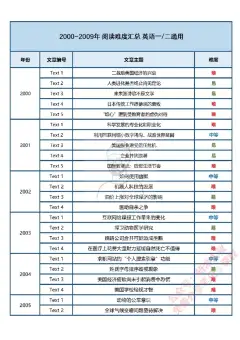
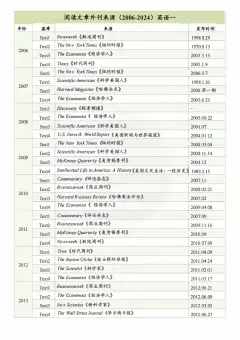
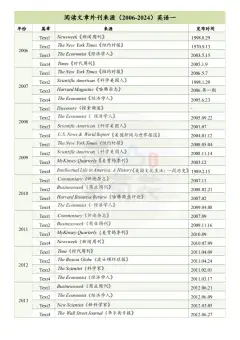
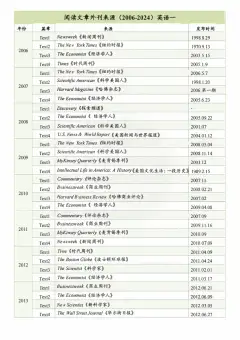
附注:根据历年考研英语真题阅读题源外刊等,摘选最新文章,模拟仿真出题。
参考答案见以下。
Quick look: CDABD
31.【正确答案】C
【解析】题型:细节理解题
定位:第一段末句 “...assessed as part of GCSE exams”;第二段首句 “She also wants to cut sharply the amount of written, desk-based work and assessment... replacing it with more practical assessment”
分析:第一段说明口语表达将被纳入课程,并在 GCSE 中接受评估;第二段说明在戏剧、体育、音乐等科目中大幅削减书面作业与评估,改为更多实践性评估。C项合并这两点。
干扰项:[A]”所有科目都用口试取代考试"以偏概全,原文只说口语将成为评估内容之一,并没有取代所有笔试;[B]"取消戏剧、体育、音乐"无中生有,原文只涉及改变这些科目的评估方式;[D]"书面作业改为必修"与原文相反,原文是要大幅削减书面作业。
32.【正确答案】D
【解析】题型:推理判断题(语句含义)
定位:第三段 “Confident self-expression, she will add, has too long been a mark of privilege, something state schools have tended not to prioritise; it should become the right of every child.”
分析:"a mark of privilege"(特权的标志)与"公立学校往往不重视"和"应成为每个孩子的权利"并列,说明这种能力长期以来为部分孩子所拥有,而不是人人都有机会获得。D项准确。
干扰项:[A]”公立学校早已教得很好"与原文相反,原文说公立学校往往不重视;[B]"所有孩子不用教就自然具备"与"应成为每个孩子的权利"矛盾;[C]"只有少数学生才有的天赋"偷换概念,"privilege"指机会和地位上的优势,而不是先天天赋。
33.【正确答案】A
【解析】题型:推理判断题(关系辨析)
定位:第四段 “Government sources insist that the review will not be torn up. But the education secretary says she wants to go well beyond it, creating new vocational pathways... something the review did not recommend.”
分析:政府方面坚称不会推翻该评估,但教育大臣想走得远得多,增设评估并未建议的职业教育路径。可见计划超出了评估的建议,同时又不是全盘否定。A项概括了这种关系。
干扰项:[B]”完全落实评估建议"与原文相反,原文明确说新增路径是评估没有建议的;[C]"否定评估、从头再来"程度夸大,政府方面称不会推翻评估;[D]"等收集数据后再行动"无中生有,本文并未提到这一做法。
34.【正确答案】B
【解析】题型:推理判断题
定位:第六段 “only a handful of vocational GCSEs could be taken, and leaving every other option open would remove any requirement to study humanities or a language.”
分析:这位资深教育界人士指出:若英语、数学、科学仍为必修,则只能再选少数几门职业类GCSE;若其余选项全部开放,就等于取消对人文学科或语言的任何学习要求。B项准确。
干扰项:[A]”英语、数学、科学变为选修"与原文相反,原文以三科仍为必修为前提;[C]"要求所有学生修读职业类GCSE"无中生有;[D]"提供广泛的职业类GCSE选择"与原文相反,原文说只能选少数几门。
35.【正确答案】D
【解析】题型:主旨大意题
定位:第一至三段(计划与理由);第四至六段(与评估的关系及各方批评);第七段(教育大臣的回应)
分析:全文先介绍计划:提升口语表达的地位、增加实践性评估;再交代它与前任政策及评估的关系;随后介绍批评意见;最后回到教育大臣的回应。D项同时概括了"计划"和"争议"两方面。
干扰项:[A]只对应第四段,以偏概全;[B]只对应第五段的一个论据,以偏概全;[C]”废除GCSE、改为职业资格"程度夸大,原文说的是增设与GCSE并列的职业路径。
【参考译文】
英格兰的大臣们正在起草一项影响深远的学校教育改革方案,其中口语和沟通能力将与阅读和写作获得同等地位。教育大臣即将宣布,流利而清晰地表达的能力将被纳入修订后的国家课程,并作为 GCSE 考试的一部分接受评估。
她还希望大幅削减戏剧、体育和音乐等科目的学生在 GCSE 阶段必须完成的书面、案头式的作业和评估,代之以更多的实践性评估,她说这与现代世界更相关。她将指出,实践技能正在从实践类科目中消失,而世界需要的恰恰相反,并称这是事实,而非意识形态。
她还会把这一变化与人工智能的兴起联系起来,她说人工智能将使面对面的沟通重要得多。她还会补充说,自信的自我表达长期以来是特权的标志,而公立学校往往不重视这一点;它应当成为每个孩子的权利。
这一转变偏离了她的前任的做法,前任倾向于做幅度小得多的改变。这位前任委托开展了一项为期一年的课程评估,建议渐进式演变而不是革命,以免破坏在学业成就方面来之不易的进步。政府消息人士坚称,该评估不会被推翻。但教育大臣表示,她想在此基础上走得远得多,为14至16岁的学生设立与 GCSE 并列的新的职业教育路径,而评估并未建议这样做。
这些计划招来了批评。主要反对党指责政府放弃了学术严谨性,而且频繁改变方向,让学校无所适从。英格兰近几十年来在全球排名中不断上升,远远领先于选择了更侧重技能的做法的苏格兰和威尔士;批评者警告说,这一进步可能面临风险。
一位资深教育界人士称这些公告缺乏细节。他说,如果英语、数学和科学如教育大臣所暗示的那样仍然是必修课,那么学生最多只能选少数几门职业类 GCSE,而让其他所有选项都开放,则会取消对学习人文学科或一门语言的任何要求。一些专家补充说,近一半的年轻人已经在16岁时修读技术类资格,因此新增路径没有必要。
教育大臣表示,如今的课堂留给学生的空间太少,难以形成让孩子们渴望来上学的深度,而对口语的熟练掌握将帮助学生为自己的观点辩护,并与他人进行深思熟虑的交流。一位接近她的消息人士说,目标是让每个年轻人毕业时都做好准备,在继续学习、工作和生活中茁壮成长。
附注: