ARTICLE · 1363786
人教版高中英语选择性必修二 Unit 5 First Aid 词汇精讲
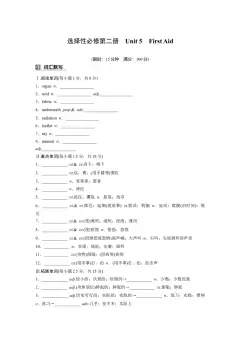
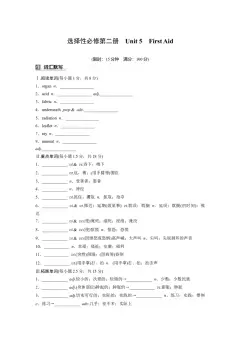
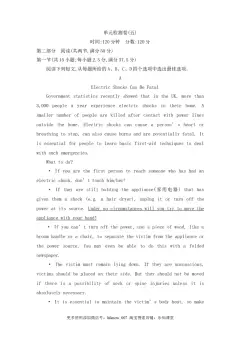
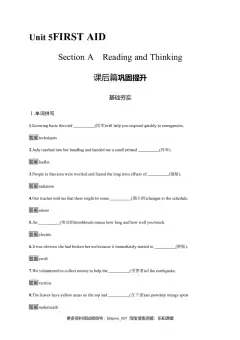
人教版高中英语选择性必修二 Unit 5 First Aid 词汇精讲✨哈喽各位同学,今天我们一起来梳理Unit5急救主题核心单词,贴合高考考点,每词配套变形、词块、例句,方便大家积累背诵! 1.technique /tekˈniːk/ 词性:n. 释义:技能;技术;技艺 高考变形:technical adj. 技术的;专业的;technician n. 技术员 高频词块: practical technique 实用技艺 teaching technique 教学技巧 modern techniques 现代技术 例句1:She learned the technique of first aid. 翻译:她学习了急救的技能。 例句2:This technique is widely used in hospitals. 翻译:这项技术在医院被广泛使用。 2.leaflet /ˈliːflət/ 词性:n. 释义:散页印刷品;传单;小册子 高考变形:leaflet v. 散发传单 高频词块: hand out leaflets 分发传单 an information leaflet 宣传小册子 a leaflet on first aid 急救宣传册 例句1:We gave out leaflets about first aid rules. 翻译:我们分发了关于急救规则的传单。 例句2:The leaflet tells us how to give CPR. 翻译:这本小册子告诉我们如何做心肺复苏。 3.organ /ˈɔːɡən/ 词性:n. 释义:(人或动植物的)器官 高考变形:organic adj. 有机的;organism n. 有机体,生物 高频词块: organ transplant 器官移植 internal organs 内脏器官 organ function 器官功能 例句1:The heart is a very important organ. 翻译:心脏是一个非常重要的器官。 例句2:Smoking can damage your organs. 翻译:吸烟会损害你的器官。 4.toxin /ˈtɒksɪn/ 词性:n. 释义:毒素(尤指细菌产生的致病物质) 高考变形:toxic adj. 有毒的;poison n.毒药 高频词块: bacterial toxin 细菌毒素 release toxin 释放毒素 toxin in the blood 血液中的毒素 例句1:This kind of snake produces a powerful toxin. 翻译:这种蛇会产生剧毒毒素。 例句2:The toxin may cause serious illness. 翻译:这种毒素可能引发重病。 5.ray /reɪ/ 词性:n. 释义:光线;光束;(热、电等)射线 高考变形:rayless adj. 无光线的 高频词块: a ray of light 一缕光 ultraviolet rays 紫外线 a ray of hope 一线希望 例句1:A ray of sunlight came through the window. 翻译:一缕阳光透过窗户照进来。 例句2:X-rays are widely used in 6.hospitals. 翻译:X光射线在医院广泛应用。 sense of touch 释义:触觉 高频词块: lose the sense of touch 丧失触觉 develop the sense of touch 培养触觉 sense of sight/hearing 视觉/听觉 例句1:His sense of touch was hurt after the burn. 翻译:烧伤之后他的触觉受到损伤。 例句2:Blind people often have a sharp sense of touch. 翻译:盲人往往有着敏锐的触觉。 7.radiation /ˌreɪdiˈeɪʃn/ 词性:n. 释义:辐射;放射线 高考变形:radiate v. 辐射;radiant adj. 辐射的;发光的 高频词块: nuclear radiation 核辐射 radiation damage 辐射损伤 radiation protection 辐射防护 例句1:This machine can stop harmful radiation. 翻译:这台机器可以阻挡有害辐射。 例句2:Too much radiation is bad for our health. 翻译:过量辐射对我们的健康有害。 8.acid /ˈæsɪd/ 词性:n. / adj. 释义:n. 酸;adj. 酸的;酸性的 高考变形:acidic adj. 酸性的 高频词块: sulfuric acid 硫酸 acid rain 酸雨 acid liquid 酸性液体 例句1:This liquid is a kind of strong acid. 翻译:这种液体是一种强酸。 例句2:Lemon juice tastes acid. 翻译:柠檬汁尝起来是酸的。 9.millimetre (US millimeter) /ˈmɪlimiːtə(r)/ 词性:n. 释义:毫米;千分之一米 高考变形:millimeter(美式拼写) 高频词块: two millimetres thick 两毫米厚 millimetre scale 毫米刻度尺 to the millimetre 精确到毫米 例句1:The cut is only a few millimetres deep. 翻译:这个伤口只有几毫米深。 例句2:The paper is 0.5 millimetres thick. 翻译:这张纸厚度0.5毫米。 10.minor /ˈmaɪnə(r)/ 词性:adj. 释义:较小的;次要的;轻微的 高考变形:minority n. 少数;minor v. 辅修 高频词块: minor injury 轻伤 minor problem 小问题 minor subject 辅修科目 例句1:He only got a minor cut on his hand. 翻译:他手上只是轻微划伤。 例句2:It is just a minor mistake. 翻译:这只是一个小小的失误。 11.layer /ˈleɪə(r)/ 词性:n. 释义:层;表层;层次 高考变形:layered adj. 分层的 高频词块: a layer of skin 一层皮肤 outer layer 外层 multiple layers 多层 例句1:There is a thin layer of oil on the water. 翻译:水面上有薄薄一层油。 例句2:The skin has three main layers. 翻译:皮肤主要有三层。 electric /ɪˈlektrɪk/ 词性:adj. 释义:电的;用电的;电动的 高考变形:electrical adj. 和电有关的;electricity n. 电;electron n. 电子 高频词块: electric shock 触电 electric fan 电风扇 electric equipment 电器设备 例句1:Never touch the electric wire with wet hands. 翻译:不要用湿手触碰电线。 例句2:An electric shock can be very dangerous. 翻译:触电会非常危险。 12.electric shock 释义:触电 高频词块: treat an electric shock 对触电者施救 die from electric shock 触电身亡 prevent electric shock 预防触电 例句1:We should learn how to deal with electric shock. 翻译:我们应该学习如何处理触电事故。 例句2:Cut off power first when someone suffers an electric shock. 翻译:有人触电时首先切断电源。 13.victim /ˈvɪktɪm/ 词性:n. 释义:受害者;患者 高考变形:victimize v. 使受害 高频词块: accident victim 事故受害者 victim of the fire 火灾伤员 rescue the victim 救助伤员 例句1:We tried our best to save the victim. 翻译:我们尽全力抢救伤员。 例句2:He was a victim of the traffic accident. 翻译:他是这场交通事故的受害者。 14.swollen /ˈswəʊlən/ 词性:adj. 释义:(身体部位)肿起的;肿胀的 高考变形:swell v. (swelled, swollen) 膨胀,肿胀 高频词块: swollen ankle 肿胀的脚踝 swollen face 肿起来的脸 swollen fingers 肿起的手指 例句1:Her ankle was swollen after falling down. 翻译:摔倒后她的脚踝肿了。 例句2:The wound became swollen. 翻译:伤口开始肿胀。 15.swell /swel/ 词性:vi. & vt. 释义:(swelled, swollen) 膨胀;肿胀 高考变形:swollen adj. 肿胀的 高频词块: swell up 肿起来 swell with pride 洋洋得意 swell to 膨胀至 例句1:My wrist began to swell after the hurt. 翻译:受伤后我的手腕开始肿。 例句2:Her eyes swelled with tears. 翻译:她的眼睛因为泪水肿了起来。 16.blister /ˈblɪstə(r)/ 词性:n. 释义:(皮肤上因摩擦、烫伤等引起的)水疱;(金属等表面的)气泡、水泡 高考变形:blister v. 起水泡 高频词块: burn blister 烫伤水泡 get a blister 磨出水泡 burst a blister 挑破水泡 例句1:The hot water made a blister on his hand. 翻译:热水在他手上烫出了水泡。 例句2:If your shoes are too tight, you may get blisters. 翻译:鞋子太紧的话,脚上容易磨出水泡。 17.underneath /ˌʌndəˈniːθ/ 词性:prep. & adv. 释义:在……底下;隐藏在下面 高考变形:under(近义词) 高频词块: underneath the bed 床底下 underneath the skin 皮肤之下 hide underneath 藏在下面 例句1:There is a small box underneath the cloth. 翻译:布的下面有一个小盒子。 例句2:The rock looks hard, but it is soft underneath. 翻译:这块石头看着坚硬,底下质地很软。 18.nerve /nɜːv/ 词性:n. 释义:神经 高考变形:nervous adj. 紧张的;神经的 高频词块: nerve damage 神经损伤 nerve system 神经系统 lose one’s nerve 失去勇气 例句1:The pain comes from the nerve in the arm. 翻译:疼痛来自手臂里的神经。 例句2:His nerves were hurt in the accident. 翻译:事故中他的神经受到损伤。 19.fabric /ˈfæbrɪk/ 词性:n. 释义:织物;布料;(社会、机构等的)结构 高考变形:fabricate v. 制造;捏造 高频词块: cotton fabric 棉布料 soft fabric 柔软织物 the fabric of society 社会结构 例句1:This fabric is comfortable to wear. 翻译:这种布料穿着很舒服。 例句2:The wound was covered with a piece of fabric. 翻译:伤口用一块布料盖住了。 20.loose /luːs/ 词性:adj. 释义:松的;未系紧的;宽松的 高考变形:loosen v.(使)松开;loosely adv. 松散地 高频词块: loose clothes 宽松的衣服 loose bandage 松垮的绷带 loose hair 散发 例句1:You should wear loose clothes after the burn. 翻译:烧伤后你要穿宽松衣物。 例句2:The knot is loose and will come undone soon. 翻译:这个结松了,很快会散开。 21.urgent /ˈɜːdʒənt/ 词性:adj. 释义:紧急的;急迫的;急切的 高考变形:urgency n. 紧急;urge v. 催促;极力主张 高频词块: urgent care 急救护理 urgent message 紧急消息 in urgent need 急需 例句1:This is an urgent medical case. 翻译:这是一例紧急医疗情况。 例句2:We need urgent help right now. 翻译:我们现在急需帮助。 22.ease /iːz/ 词性:vi. & vt. / n. 释义:(使)宽慰;减轻;缓解;n. 容易;舒适;自在 高考变形:easy adj. 容易的;easily adv. 轻易地 高频词块: ease pain 缓解疼痛 ease pressure 减轻压力 with ease 轻易地 例句1:The medicine helped ease his pain. 翻译:这个药帮他缓解疼痛。 例句2:She passed the test with ease. 翻译:她轻松通过了测试。 23.paramedic /ˌpærəˈmedɪk/ 词性:n. 释义:急救医生;护理人员 高考变形:paramedical adj. 辅助医疗的 高频词块: call a paramedic 呼叫急救人员 trained paramedic 受过训练的急救员 paramedic team 急救小组 例句1:The paramedic arrived quickly. 翻译:急救人员很快赶到了。 例句2:Paramedics know how to give first aid. 翻译:急救人员懂得如何实施急救。 24.swallow /ˈswɒləʊ/ 词性:vt. & vi. 释义:吞下;咽下 高考变形:swallow n. 燕子 高频词块: swallow food 吞咽食物 swallow hard 强咽口水 swallow the pill 吞下药丸 例句1:Don’t swallow the medicine without water. 翻译:不要不喝水直接吞药。 例句2:The boy swallowed a small bone by accident. 翻译:男孩不小心吞下一根小骨头。 25.wrap /ræp/ 词性:vt. 释义:包;裹;(用手臂等)围住 高考变形:wrapped(过去式/过去分词) 高频词块: wrap up 包扎;收尾 wrap the wound 包扎伤口 wrap sth in cloth 用布包裹某物 例句1:Wrap the wound with clean bandage. 翻译:用干净绷带包扎伤口。 例句2:She wrapped her arms around the kid. 翻译:她双臂抱住孩子。 bath /bɑːθ/ 词性:n. / vt. 释义:n. 浴;洗澡;vt. (NAmE bathe) 给……洗澡 高考变形:bathe v. 洗澡;浸泡 高频词块: take a bath 洗澡 cold bath 冷水浴 bath water 洗澡水 例句1:You can take a cool bath for a minor burn. 翻译:轻微烫伤可以用冷水冲浴。 例句2:She bathed the baby carefully. 翻译:她小心地给宝宝洗澡。 slip /slɪp/ 词性:vi. / n. 释义:滑倒;滑落;溜走;n. 滑倒;小错误;纸条 高考变形:slipped(过去式);slippery adj. 滑的 高频词块: slip over 滑倒 slip out 溜走 a slip of paper 一张纸条 例句1:He slipped on the wet floor. 翻译:他在湿地板上滑倒了。 例句2:I wrote his name on a slip. 翻译:我把他的名字写在纸条上。 mosquito /məˈskiːtəʊ/ 词性:n. 释义:(pl. -oes, -os) 蚊子 高考变形:mosquito net 蚊帐 高频词块: mosquito bite 蚊子包 mosquito repellent 驱蚊剂 swarm of mosquitoes 一群蚊子 例句1:A mosquito bit my arm last night. 翻译:昨晚一只蚊子咬了我的胳膊。 例句2:Mosquitoes can spread diseases. 翻译:蚊子会传播疾病。 elderly /ˈeldəli/ 词性:adj. 释义:年纪较大的;上了年纪的(婉辞) 高考变形:elder adj. 年长的;older adj. 更老的 高频词块: the elderly 老年人 elderly people 长者 elderly patient 老年病人 例句1:We should take good care of the elderly. 翻译:我们应当好好照顾老人。 例句2:The elderly man fell and hurt his leg. 翻译:这位老人摔倒伤到了腿。 carpet /ˈkɑːpɪt/ 词性:n. 释义:地毯 高考变形:carpeted adj. 铺有地毯的 高频词块: on the carpet 在地毯上 wool carpet 羊毛地毯 roll out the carpet 铺地毯 例句1:She slipped on the soft carpet. 翻译:她在柔软的地毯上滑倒了。 例句2:There is a thick carpet in the room. 翻译:房间里铺着厚厚的地毯。 operator /ˈɒpəreɪtə(r)/ 词性:n. 释义:电话接线员;操作员 高考变形:operate v. 操作;做手术;operation n. 手术;操作 高频词块: phone operator 电话接线员 machine operator 机器操作员 emergency operator 紧急调度员 例句1:Call the operator when you need help. 翻译:需要帮助时拨打接线员。 例句2:The operator answered the call quickly. 翻译:接线员很快接听了电话。 ambulance /ˈæmbjələns/ 词性:n. 释义:救护车 高考变形:ambulanceman n. 救护车救护员 高频词块: call an ambulance 叫救护车 ambulance service 急救服务 ambulance station 救护站 例句1:Please send an ambulance at once. 翻译:请立刻派一辆救护车。 例句2:The ambulance rushed to the scene. 翻译:救护车火速赶往现场。 delay /dɪˈleɪ/ 词性:vi. & vt. / n. 释义:推迟;延期(做某事);耽搁;延误 高考变形:delayed adj. 延误的 高频词块: delay doing sth 推迟做某事 without delay 立刻,马上 flight delay 航班延误 例句1:Do not delay giving first aid. 翻译:不要拖延实施急救。 例句2:We started the treatment without delay. 翻译:我们立刻开始救治。 needle /ˈniːdl/ 词性:n. 释义:针;缝衣针;注射针;指针 高考变形:needle v. 用针穿刺 高频词块: sewing needle 缝衣针 injection needle 注射针 acupuncture needle 针灸针 例句1:The nurse prepared the needle carefully. 翻译:护士小心准备好注射针。 例句2:Be careful, the needle is sharp. 翻译:小心,针很锋利。 IV /ˌaɪ ˈviː/ (intravenous) 词性:n. 释义:静脉注射 高频词块: IV drip 静脉输液 give sb an IV 给某人输液 IV treatment 静脉治疗 例句1:The doctor gave the patient an IV. 翻译:医生给病人进行静脉输液。 例句2:He received IV treatment in hospital. 翻译:他在医院接受静脉输液治疗。 vital sign 释义:生命体征 高频词块: check vital signs 检查生命体征 stable vital signs 平稳的生命体征 record vital signs 记录生命体征 例句1:Paramedics check the victim’s vital signs first. 翻译:急救人员首先检查伤者的生命体征。 例句2:His vital signs are getting better. 翻译:他的生命体征正在好转。 ward /wɔːd/ 词性:n. 释义:病房 高考变形:ward v. 抵挡 高频词块: emergency ward 急诊病房 hospital ward 病房 ward off 避开;抵御 例句1:She stays in the emergency ward. 翻译:她住在急诊病房。 例句2:Visitors are not allowed in this ward. 翻译:这间病房谢绝探视。 drown /draʊn/ 词性:vi. & vt. 释义:(使)淹死;溺死;浸泡;淹没 高考变形:drowning adj. 溺水的;drowned adj. 已淹死的 高频词块: drown in water 溺水 drown out 盖过(声音) save a drowning child 救溺水儿童 例句1:We learned how to save drowning people. 翻译:我们学习如何救助溺水者。 例句2:The noise drowned out his voice. 翻译:噪音盖过了他的声音。 sprain /spreɪn/ 词性:vt. 释义:扭伤(关节) 高考变形:sprain n. 扭伤;sprained adj. 扭伤的 高频词块: sprain one’s ankle 扭伤脚踝 sprain one’s wrist 扭伤手腕 treat a sprain 处理扭伤 例句1:He sprained his ankle when running. 翻译:他跑步时扭伤了脚踝。 例句2:A sprain needs proper rest. 翻译:扭伤需要好好休息。 ankle /ˈæŋkl/ 词性:n. 释义:踝;踝关节 高考变形:ankle-deep adj. 深及脚踝的 高频词块: twist one’s ankle 崴脚 ankle injury 脚踝损伤 ankle bandage 脚踝绷带 例句1:My ankle hurts after the sprain. 翻译:扭伤之后我的脚踝很疼。 例句2:She rolled her ankle on the stone. 翻译:她踩在石头上崴了脚踝。 bleeding /ˈbliːdɪŋ/ 词性:n. 释义:流血;失血 高考变形:bleed v. (bled, bled) 流血;出血 高频词块: stop bleeding 止血 internal bleeding 内出血 heavy bleeding 大出血 例句1:We tried hard to stop the bleeding. 翻译:我们努力为他止血。 例句2:Bleeding heavily is very dangerous. 翻译:大出血十分危险。 bleed /bliːd/ 词性:vi. & vt. 释义:(bled, bled) 流血;失血 高考变形:bleeding n. 出血;blood n. 血液 高频词块: bleed to death 流血致死 bleed from the cut 伤口流血 bleed freely 大量出血 例句1:His finger began to bleed. 翻译:他的手指开始流血。 例句2:The wound bled for a long time. 翻译:伤口流血很久。 panic /ˈpænɪk/ 词性:vi. & vt. / n. 释义:(使)惊慌;n. 惊恐;恐慌 高考变形:panicked adj. 惊慌的;panicky adj. 恐慌的 高频词块: in panic 惊慌地 panic over sth 因某事恐慌 panic button 紧急按钮 例句1:Don’t panic when you meet an emergency. 翻译:遇到紧急情况不要惊慌。 例句2:People fled in panic. 翻译:人们惊慌地逃跑。 interrupt /ˌɪntəˈrʌpt/ 词性:vt. & vi. 释义:打断;打扰;使暂停;使中断 高考变形:interruption n. 打断;中断 高频词块: interrupt sb 打断某人 interrupt the conversation 打断谈话 interrupt the work 中断工作 例句1:Please don’t interrupt me while I’m speaking. 翻译:我说话的时候请不要打断我。 例句2:The accident interrupted our plan. 翻译:这场意外打乱了我们的计划。 scream /skriːm/ 词性:vi. & vt. / n. 释义:(因愤怒或恐惧)高声喊;大声叫;n. 尖叫;尖锐刺耳的声音 高考变形:screamer n. 尖叫的人 高频词块: scream out 大声喊出 scream in pain 疼得尖叫 a scream of fear 恐惧的尖叫 例句1:She screamed when she saw the snake. 翻译:看到蛇的时候她尖叫起来。 例句2:We heard a scream from the room. 翻译:我们听到房间里传来一声尖叫。 fellow /ˈfeləʊ/ 词性:adj. / n. 释义:adj. 同类的;同伴的;同情况的;n. 男人;家伙;同事;同桌;同类 高考变形:fellowship n. 友谊;奖学金 高频词块: fellow student 同学 fellow worker 同事 fellow citizen 同胞 例句1:My fellow students helped learn first aid. 翻译:我的同学们一起学习急救知识。 例句2:He is a nice fellow. 翻译:他是一个不错的人。 diner /ˈdaɪnə(r)/ 词性:n. 释义:(尤指餐馆的)就餐者 高考变形:dine v. 进餐;dinner n. 晚餐 高频词块: a diner in the restaurant 餐厅食客 hungry diners 饥饿的就餐者 serve the diners 为就餐者服务 例句1:The diner choked on a piece of steak. 翻译:这位食客被一块牛排呛住了。 例句2:The diners called for help at once. 翻译:就餐者立刻呼救。 choke /tʃəʊk/ 词性:vi. & vt. 释义:(使)窒息;(使)哽咽 高考变形:choking adj. 令人窒息的 高频词块: choke on sth 被某物呛住 choke up 哽咽 choke back tears 忍住泪水 例句1:The kid choked on candy. 翻译:孩子被糖果呛住了。 例句2:He choked and could not speak. 翻译:他呛住了,说不出话。 steak /steɪk/ 词性:n. 释义:牛排;肉排 高频词块: beef steak 牛排 a piece of steak 一块牛排 well-done steak 全熟牛排 例句1:The diner choked on a piece of steak. 翻译:食客被一块牛排呛住了。 例句2:This steak is too big for the child. 翻译:这块牛排对孩子来说太大了。 throat /θrəʊt/ 词性:n. 释义:咽喉;喉咙 高考变形:throaty adj. 沙哑的 高频词块: sore throat 喉咙痛 clear one’s throat 清嗓子 something stuck in the throat 异物卡喉 例句1:There is something stuck in his throat. 翻译:有东西卡在他喉咙里。 例句2:She has a sore throat today. 翻译:她今天喉咙疼。 desperate /ˈdespərət/ 词性:adj. 释义:绝望的;孤注一掷的;非常需要的 高考变形:desperately adv. 绝望地;desperation n. 绝望 高频词块: be desperate for sth 急需某物 desperate situation 绝境 desperate attempt 孤注一掷的尝试 例句1:He was desperate for help. 翻译:他迫切需要帮助。 例句2:They were in a desperate situation. 翻译:他们处境绝望。 slap /slæp/ 词性:vt. / n. 释义:(用手掌)打;拍;n.(用手掌)打、拍;拍击声 高考变形:slapped(过去式) 高频词块: slap sb on the back 拍某人后背 slap out 拍打出来 slap against 拍打 例句1:We can slap the back when someone chokes. 翻译:有人呛住时我们可以拍打他后背。 例句2:He gave the table a slap. 翻译:他拍了一下桌子。 help sb to one’s feet 释义:帮助某人站起身来 高频词块: help the old man to his feet 扶老人站起来 struggle to one’s feet 挣扎起身 例句1:We helped the victim to his feet carefully. 翻译:我们小心扶伤者站起来。 例句2:She helped the little girl to her feet. 翻译:她扶小女孩站起来。 practical /ˈpræktɪkl/ 词性:adj. 释义:切实可行的;实际的;实践的 高考变形:practice n. 练习;practise v. 练习;practically adv. 几乎;实际上 高频词块: practical skill 实用技能 practical advice 实用建议 practical first aid 实操急救 例句1:First aid is a very practical skill. 翻译:急救是一项非常实用的技能。 例句2:His plan is practical and easy to carry out. 翻译:他的方案切实可行,容易实施。 obstruction /əbˈstrʌkʃn/ 词性:n. 释义:阻碍;堵塞;阻塞物 高考变形:obstruct v. 堵塞;阻碍 高频词块: airway obstruction 气道堵塞 remove the obstruction 取出阻塞物 obstruction of the road 道路障碍 例句1:Food is the obstruction in his throat. 翻译:食物是卡在他喉咙里的阻塞物。 例句2:We must clear the obstruction at once. 翻译:我们必须立刻清除堵塞物。 fist /fɪst/ 词性:n. 释义:拳;拳头 高考变形:fist v. 紧握拳头 高频词块: clench one’s fist 握紧拳头 hit with one’s fist 用拳头击打 make a fist 攥拳 例句1:We use our fist to do the Heimlich manoeuvre. 翻译:我们用拳头实施海姆利希手法。 例句2:He shook his fist angrily. 翻译:他愤怒地挥舞拳头。 grab /ɡræb/ 词性:vt. / n. 释义:抓住;攫取;n. 抓取;抢夺 高考变形:grabbed(过去式) 高频词块: grab hold of 抓住 grab sb’s arm 抓住某人胳膊 grab a chance 抓住机会 例句1:Grab the patient quickly to help him. 翻译:迅速抓住病人施救。 例句2:She grabbed my hand in fear. 翻译:她害怕地抓住我的手。 tightly /ˈtaɪtli/ 词性:adv. 释义:紧紧地;牢固地;紧密地 高考变形:tight adj. 牢固的;紧的;tighten v. 收紧 高频词块: hold tightly 紧紧抓住 wrap tightly 紧紧包扎 close tightly 紧闭 例句1:Hold the child tightly to keep him safe. 翻译:紧紧抱住孩子保证他安全。 例句2:The bandage was tied tightly around his leg. 翻译:绷带紧紧绑在他腿上。 tight /taɪt/ 词性:adj. / adv. 释义:adj. 牢固的;紧身的;绷紧的;严密的;adv. 紧紧地;牢固地 高考变形:tightly adv. 紧紧地;tighten v. 收紧 高频词块: tight bandage 紧绷的绷带 tight clothes 紧身衣 hold tight 抓紧 例句1:The bandage is too tight. 翻译:绷带绑得太紧了。 例句2:Hold tight when the bus moves. 翻译:车辆开动时抓紧扶好。 motion /ˈməʊʃn/ 词性:n. 释义:运动;移动 高考变形:motion v. 示意;move v. 移动 高频词块: in motion 在运动中 slow motion 慢动作 make a motion 做手势 例句1:Watch the motion carefully when learning first aid. 翻译:学习急救时仔细观察动作。 例句2:The motion of the hand shows the key step. 翻译:手部动作展示关键步骤。 face up/down 释义:面朝上(朝下) 高频词块: lie face down 俯卧 turn face up 翻成仰卧 place face down 面朝下放置 例句1:Put the choking patient face down on your arm. 翻译:把呛住的病人面朝下放在你的手臂上。 例句2:Turn the victim face up to start CPR. 翻译:把伤者翻成仰卧,开始心肺复苏。 justify /ˈdʒʌstɪfaɪ/ 词性:vt. 释义:证明……有道理;为……辩护;是……的正当理由 高考变形:just adj. 公正的;justification n. 正当理由 高频词块: justify one’s action 为自己的行为辩解 justify the decision 证明决定合理 be justified in doing sth 有理由做某事 例句1:You can’t justify his careless operation. 翻译:你无法为他草率的操作辩解。 例句2:Nothing can justify such a mistake. 翻译:没有什么能成为这个错误的理由。 welfare /ˈwelfeə(r)/ 词性:n. 释义:幸福;福祉;安康;福利 高频词块: public welfare 公共福利 social welfare 社会福利 welfare system 福利体系 例句1:We care about the welfare of the patients. 翻译:我们关心病人的安康。 例句2:The project is for the welfare of local people. 翻译:这个项目是为当地人的福祉服务。 collapse /kəˈlæps/ 词性:vi. 释义:(突然)倒塌;(因病等)昏倒 高考变形:collapse n. 倒塌;崩溃 高频词块: collapse from illness 因病昏倒 collapse to the ground 倒地 building collapse 建筑坍塌 例句1:He collapsed because of sudden sickness. 翻译:他突发疾病昏倒了。 例句2:The wall collapsed in the heavy rain. 翻译:这面墙在大雨中倒塌了。 manual /ˈmænjuəl/ 词性:n. / adj. 释义:n. 使用手册;说明书;adj. 用手的;手工的;体力的;手控的 高考变形:manually adv. 手动地 高频词块: user manual 使用手册 manual labour 体力劳动 manual operation 手动操作 例句1:Read the manual before you learn first aid. 翻译:学习急救前先阅读手册。 例句2:This is a manual tool. 翻译:这是一款手动工具。 sleep in 释义:迟起;睡过头;睡懒觉 高频词块: sleep in on weekends 周末睡懒觉 don’t sleep in 不要睡过头 例句1:I usually sleep in on holidays. 翻译:假期我通常睡懒觉。 例句2:Don’t sleep in, or you will miss the first-aid lesson. 翻译:别睡过头,不然你会错过急救课。 out of shape 释义:健康状况不好 高频词块: get out of shape 身体变差 keep out of shape 身体状态不佳 get back into shape 恢复健康状态 例句1:He is out of shape and needs exercise. 翻译:他身体状态不好,需要锻炼。 例句2:You will be out of shape without regular exercise. 翻译:缺乏规律锻炼,你的健康会变差。 foggy /ˈfɒɡi/ 词性:adj. 释义:有雾的 高考变形:fog n. 雾;foggily adv. 朦胧地 高频词块: foggy morning 有雾的清晨 foggy weather 大雾天气 foggy memory 模糊的记忆 例句1:It is foggy today, so drive slowly. 翻译:今天有雾,开车慢一点。 例句2:The road was foggy and dangerous. 翻译:道路起雾,很危险。 suburb /ˈsʌbɜːb/ 词性:n. 释义:郊区 高考变形:suburban adj. 郊区的 高频词块: live in the suburb 住在郊区 the suburbs 城郊 suburb area 郊区地带 例句1:He lives in the suburb of the city. 翻译:他住在城市郊区。 例句2:The ambulance drove to the suburb quickly. 翻译:救护车快速驶向郊区。 membership /ˈmembəʃɪp/ 词性:n. 释义:会员身份;全体会员;会员人数 高考变形:member n. 成员,会员 高频词块: membership card 会员卡 gain membership 获得会员资格 membership fee 会费 例句1:I got the membership of the first-aid club. 翻译:我拿到了急救社团的会员资格。 例句2:The membership is open to all students. 翻译:所有学生都可以申请会员。 Taylor /ˈteɪlə(r)/ 词性:n. 释义:泰勒(人名) 例句1:Taylor is learning first aid. 翻译:泰勒正在学习急救。 CPR 词性:abbr. 释义:(cardiopulmonary resuscitation) 心肺复苏(包括人工呼吸和体外心脏按压) 高频词块: perform CPR 实施心肺复苏 learn CPR 学习心肺复苏 CPR training 心肺复苏培训 例句1:We learned how to perform CPR in class. 翻译:我们在课堂上学了如何做心肺复苏。 例句2:CPR can save people’s lives. 翻译:心肺复苏能够挽救生命。 mouth-to-mouth rescue breathing 释义:口对口人工呼吸 高频词块: give mouth-to-mouth rescue breathing 做口对口人工呼吸 master mouth-to-mouth rescue breathing 掌握口对口人工呼吸 例句1:Mouth-to-mouth rescue breathing is part of CPR. 翻译:口对口人工呼吸是心肺复苏的一部分。 例句2:The paramedic gave him mouth-to-mouth rescue breathing. 翻译:急救人员给他做口对口人工呼吸。 Heimlich manoeuvre /ˈhaɪmlɪk məˌnuːvə(r)/ 词性:n. 释义:海姆利希手法 高频词块: use the Heimlich manoeuvre 使用海姆利希手法 learn the Heimlich manoeuvre 学习海姆利希手法 例句1:We use the Heimlich manoeuvre for choking. 翻译:呛咳窒息时我们使用海姆利希手法。 例句2:The Heimlich manoeuvre saves many choking people. 翻译:海姆利希手法挽救了很多异物卡喉的人。 💡文末小结 本单元围绕急救主题,是高考应用文、读后续写高频话题!建议大家重点背诵急救相关动词、名词短语,积累急救场景表达,写作遇到急救类话题直接套用。