ARTICLE · 1427322
四年级英语核心知识点
四年级英语核心知识点In Grade 4 English, students build on basic phonics and vocabulary.
四年级英语中,学生基于自然拼读法和基础词汇继续提升。
Key grammar includes the present continuous tense for actions happening now.
核心语法包括现在进行时,用于描述此刻正在发生的动作。
For example, ‘I am reading a book’ and ‘She is writing a story’.
例如,“I am reading a book”和“She is writing a story”。
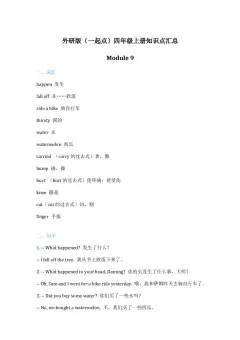
Students also learn the simple past tense for completed actions, like ‘played’ and ‘went’.
学生也学习一般过去时表示已完成的动作,如“played”和“went”。
Regular past verbs add ‘-ed’, but irregular forms like ‘eat-ate’ must be memorised.
规则动词过去式加“-ed”,但像“eat-ate”这类不规则形式需要记忆。
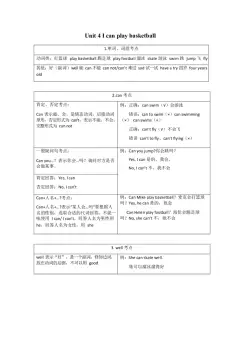
Another focus is using ‘can’ and ‘can’t’ to express ability or inability.
另一个重点是使用“can”和“can’t”表达能力或无能。
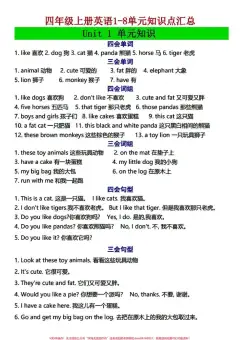
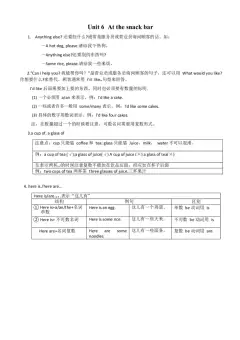
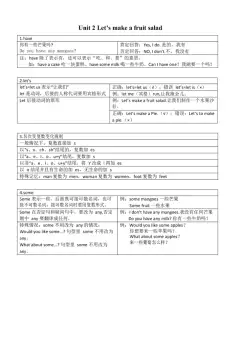
For questions, they practice ‘Do you like...?’ and ‘Does he have...?’ with short answers.
疑问句方面,练习“Do you like...?”和“Does he have...?”及其简短回答。
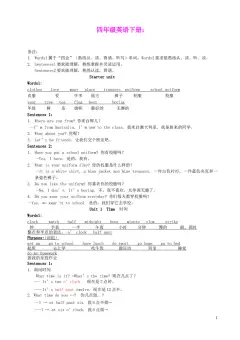
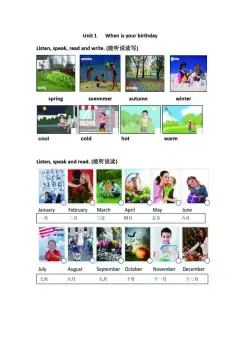
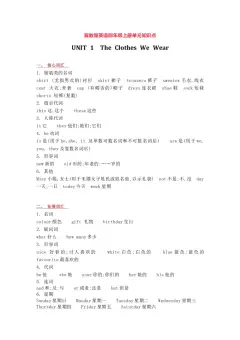
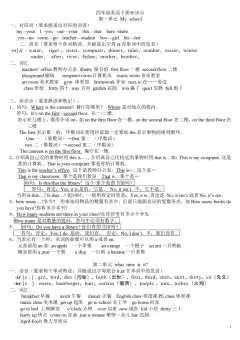
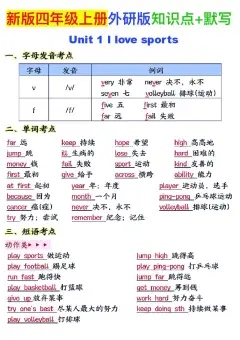
Vocabulary expands to daily routines, food, weather, and school subjects.
词汇扩展到日常作息、食物、天气和学校科目。
Common nouns, action verbs, and adjectives like ‘hungry’ and ‘sunny’ are emphasised.
强调普通名词、动作动词以及像“hungry”和“sunny”这样的形容词。
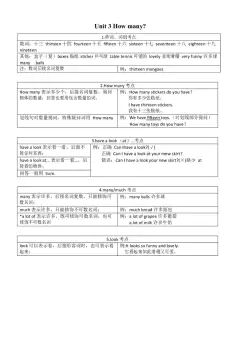
Spelling rules for plurals (adding ‘-s’ or ‘-es’) and possessive ‘s are reviewed.
复习复数拼写规则(加“-s”或“-es”)以及所有格“'s”。
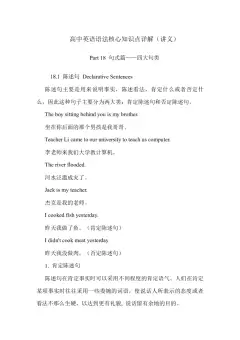
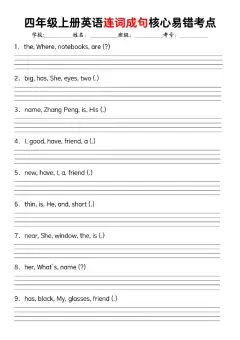
Sentence structure follows subject-verb-object order, with time phrases at the end.
句子结构遵循主谓宾顺序,时间短语放在句末。
Listening and speaking activities focus on classroom instructions and simple dialogues.
听力和口语活动围绕课堂指令和简单对话展开。
Reading comprehension uses short stories with pictures to infer meaning.
阅读理解使用带图片的短故事来推断含义。
Writing practice includes completing sentences and writing 4-5 sentence paragraphs.
写作练习包括完成句子和写4-5句话的段落。
Common errors: forgetting ‘-ing’ in continuous tense and mixing ‘he’ and ‘she’.
常见错误:进行时忘记“-ing”以及混淆“he”和“she”。
Teachers use games, songs, and role-plays to reinforce these points effectively.
教师通过游戏、歌曲和角色扮演有效巩固这些知识点。
By the end of Grade 4, students can describe their day and ask basic questions.
到四年级结束时,学生能描述自己的一天并提出基本问题。
Regular revision of these core areas ensures a solid foundation for Grade 5.
定期复习这些核心领域能为五年级打下坚实基础。