专题4 高考高频形容词
目录
01 考情探究......................................................................................................................................1
02 高频形容词一览表......................................................................................................................2
03 高频形容词默写表......................................................................................................................5
05 考点精讲......................................................................................................................................8
06 单词拼写....................................................................................................................................46
06 单句语法填空............................................................................................................................47
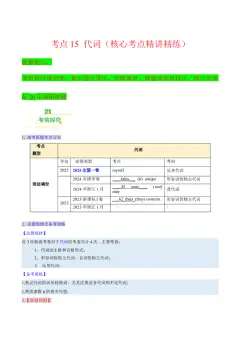
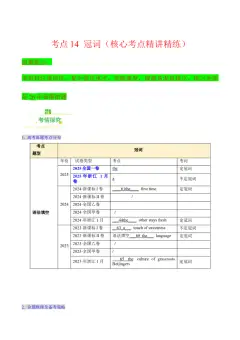
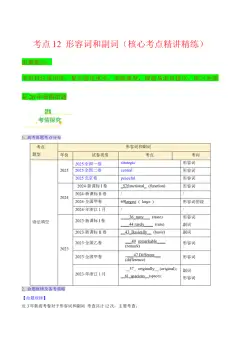
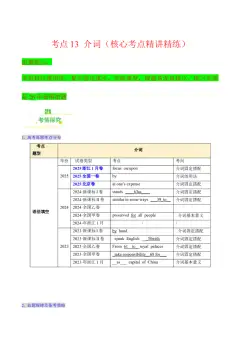
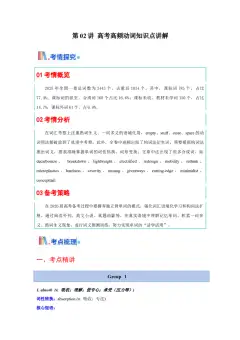
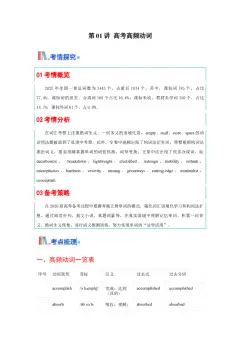
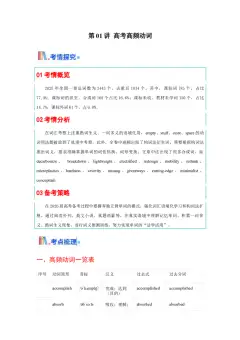
01 考情概览
2025 年全国一卷总词数为3443 个,去重后1014 个。其中,课标词785 个,占比
77.4%;课标词的派生、合成词168 个占比16.6%;课标未收、教材未学词150 个,占比
14.7%;课标外词61 个,占6.0%。
02 考情分析
在词汇考察上注重熟词生义、一词多义的语境化用,empty、stuff、store、spare 的动
词用法都被放到了选项中考察。此外,全卷中高频出现了构词法衍生词,需要根据构词法
推出词义,要求准确掌握单词的词性转换、词形变换;文章中还出现了很多合成词,如
decarbonize 、 breakdown 、lightweight 、electrified 、redesign 、mobility 、rethink 、
microplastics 、hardness 、severity 、unsung 、giveaways 、cutting-edge 、minimalist 、
conceptual。
03 备考策略
在2026 届高考备考过程中要摒弃独立背单词的模式,强化词汇语境化学习和构词法扩
展。通过阅读外刊、英文小说、真题语篇等,在真实语境中理解记忆单词。积累一词多
义、熟词生义现象,进行词义推测训练,努力实现单词的“活学活用”。
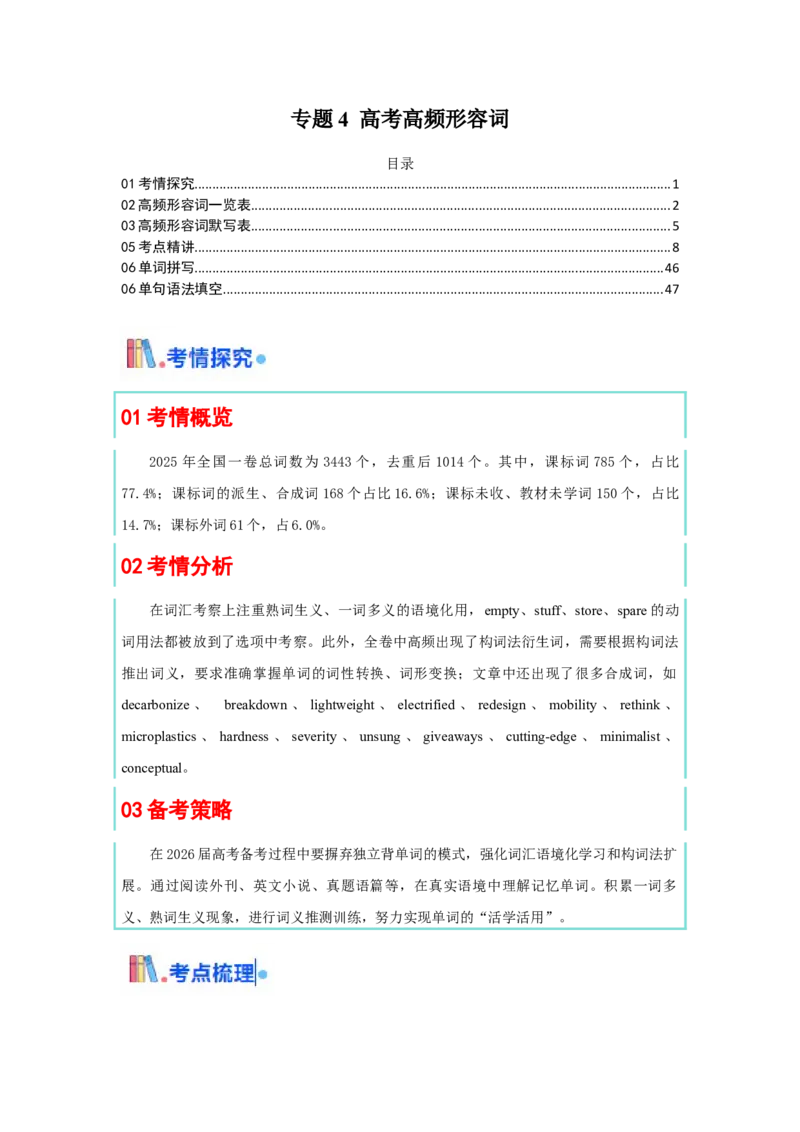
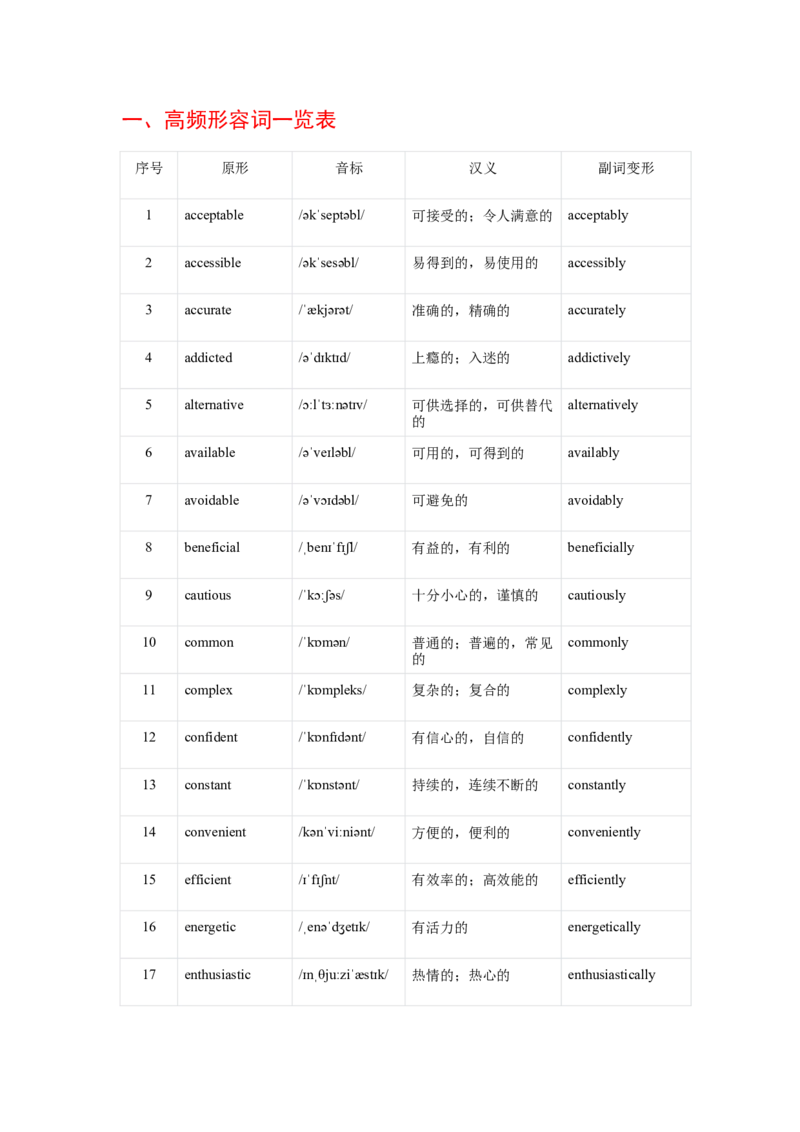
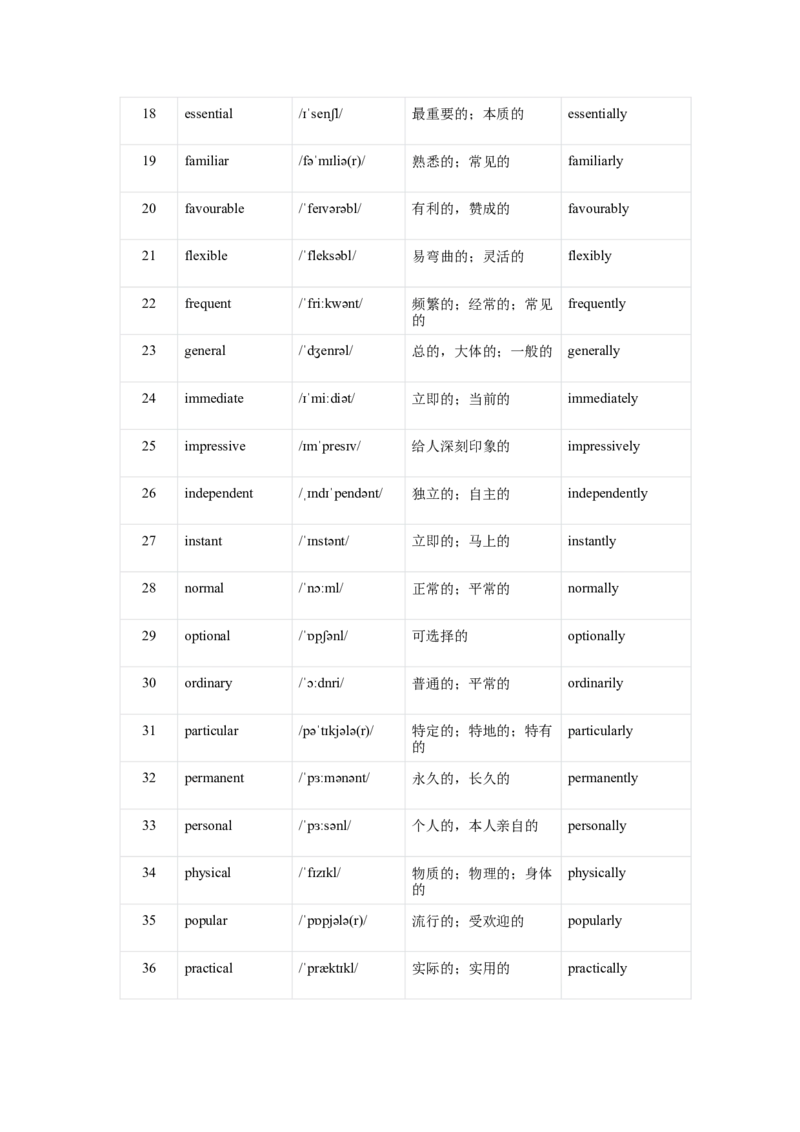
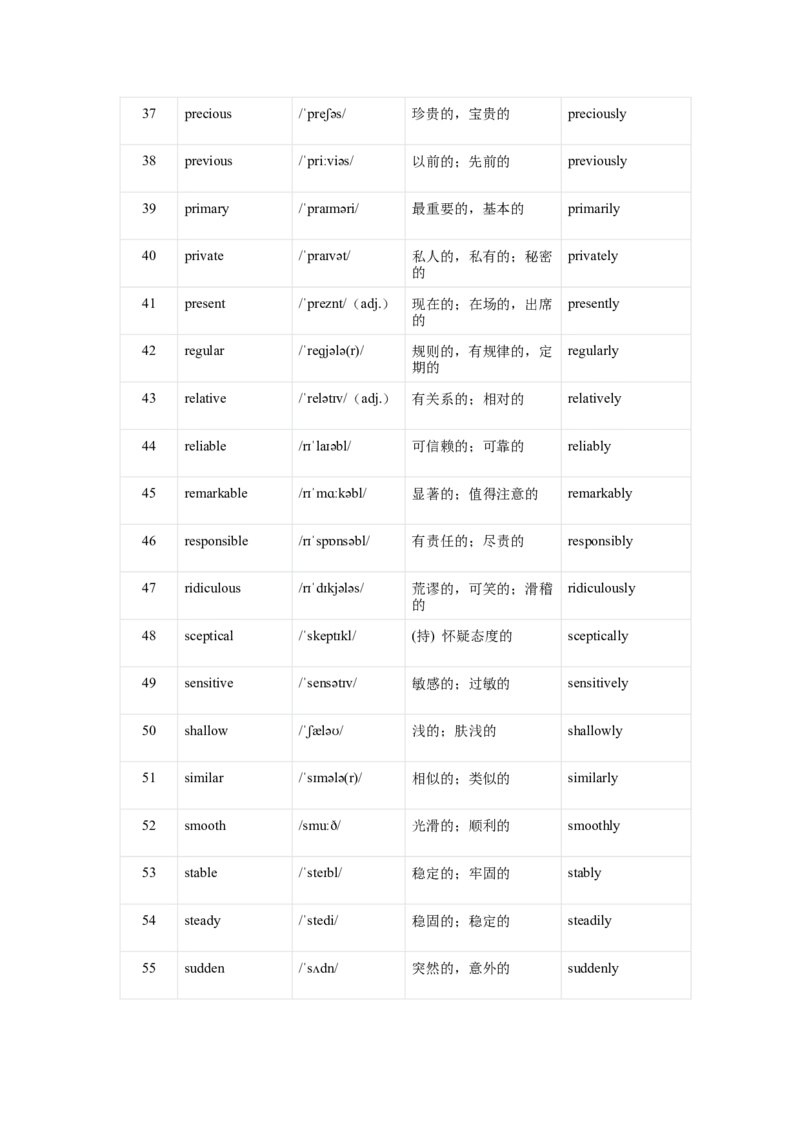
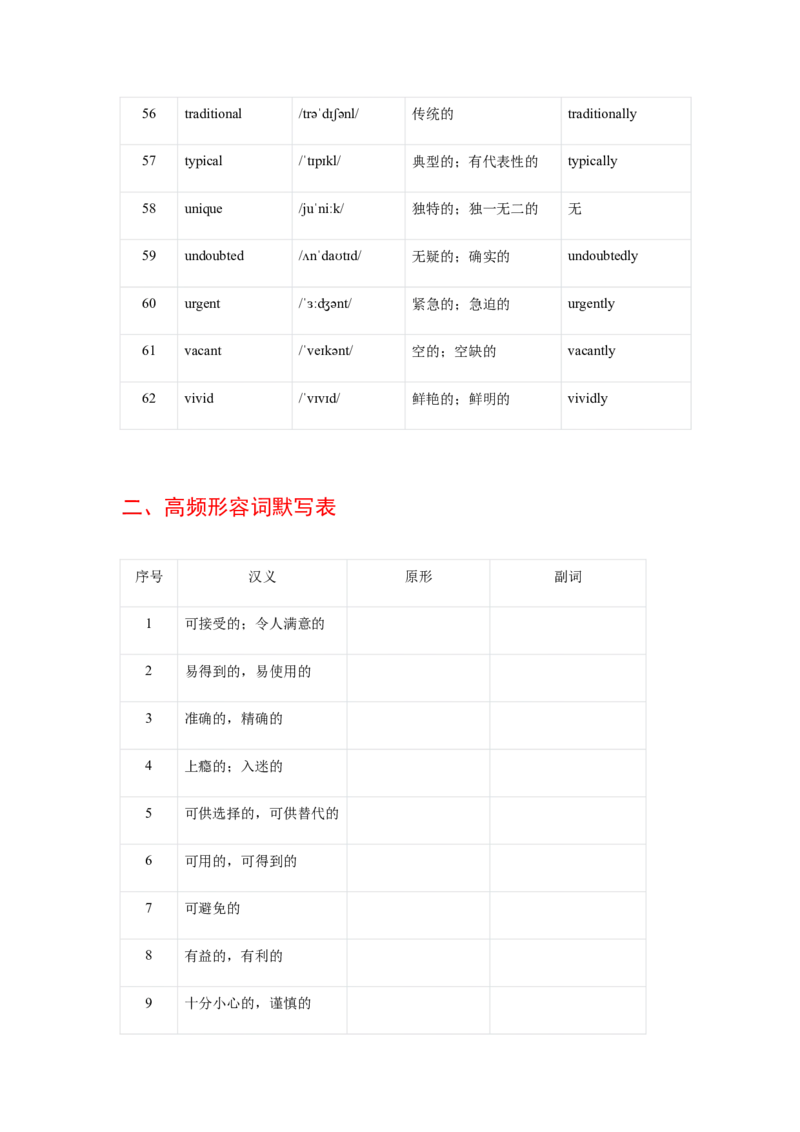
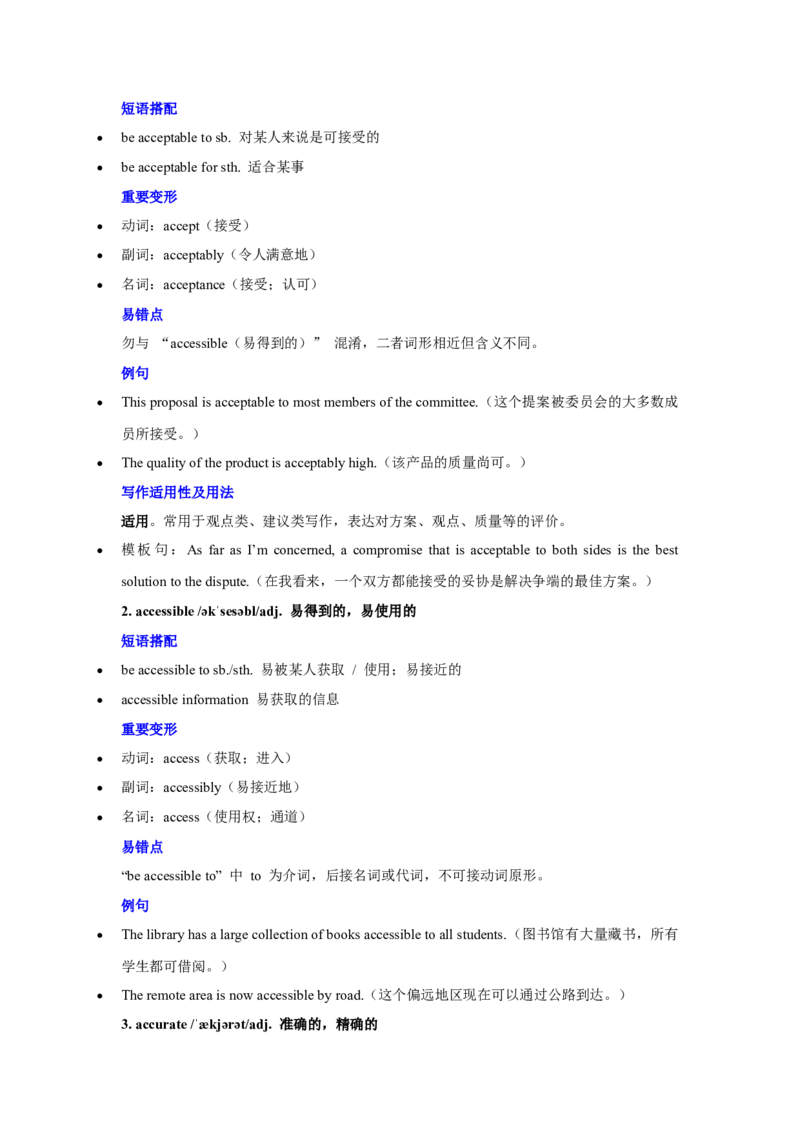
一、高频形容词一览表
序号
原形
音标
汉义
副词变形
1
acceptable
/əkˈseptəbl/
可接受的;令人满意的
acceptably
2
accessible
/əkˈsesəbl/
易得到的,易使用的
accessibly
3
accurate
/ˈækjərət/
准确的,精确的
accurately
4
addicted
/əˈdɪktɪd/
上瘾的;入迷的
addictively
5
alternative
/ɔːlˈtɜːnətɪv/
可供选择的,可供替代
的
alternatively
6
available
/əˈveɪləbl/
可用的,可得到的
availably
7
avoidable
/əˈvɔɪdəbl/
可避免的
avoidably
8
beneficial
/ˌbenɪˈfɪʃl/
有益的,有利的
beneficially
9
cautious
/ˈkɔːʃəs/
十分小心的,谨慎的
cautiously
10
common
/ˈkɒmən/
普通的;普遍的,常见
的
commonly
11
complex
/ˈkɒmpleks/
复杂的;复合的
complexly
12
confident
/ˈkɒnfɪdənt/
有信心的,自信的
confidently
13
constant
/ˈkɒnstənt/
持续的,连续不断的
constantly
14
convenient
/kənˈviːniənt/
方便的,便利的
conveniently
15
efficient
/ɪˈfɪʃnt/
有效率的;高效能的
efficiently
16
energetic
/ˌenəˈdʒetɪk/
有活力的
energetically
17
enthusiastic
/ɪnˌθjuːziˈæstɪk/
热情的;热心的
enthusiastically
18
essential
/ɪˈsenʃl/
最重要的;本质的
essentially
19
familiar
/fəˈmɪliə(r)/
熟悉的;常见的
familiarly
20
favourable
/ˈfeɪvərəbl/
有利的,赞成的
favourably
21
flexible
/ˈfleksəbl/
易弯曲的;灵活的
flexibly
22
frequent
/ˈfriːkwənt/
频繁的;经常的;常见
的
frequently
23
general
/ˈdʒenrəl/
总的,大体的;一般的
generally
24
immediate
/ɪˈmiːdiət/
立即的;当前的
immediately
25
impressive
/ɪmˈpresɪv/
给人深刻印象的
impressively
26
independent
/ˌɪndɪˈpendənt/
独立的;自主的
independently
27
instant
/ˈɪnstənt/
立即的;马上的
instantly
28
normal
/ˈnɔːml/
正常的;平常的
normally
29
optional
/ˈɒpʃənl/
可选择的
optionally
30
ordinary
/ˈɔːdnri/
普通的;平常的
ordinarily
31
particular
/pəˈtɪkjələ(r)/
特定的;特地的;特有
的
particularly
32
permanent
/ˈpɜːmənənt/
永久的,长久的
permanently
33
personal
/ˈpɜːsənl/
个人的,本人亲自的
personally
34
physical
/ˈfɪzɪkl/
物质的;物理的;身体
的
physically
35
popular
/ˈpɒpjələ(r)/
流行的;受欢迎的
popularly
36
practical
/ˈpræktɪkl/
实际的;实用的
practically
37
precious
/ˈpreʃəs/
珍贵的,宝贵的
preciously
38
previous
/ˈpriːviəs/
以前的;先前的
previously
39
primary
/ˈpraɪməri/
最重要的,基本的
primarily
40
private
/ˈpraɪvət/
私人的,私有的;秘密
的
privately
41
present
/ˈpreznt/(adj.)
现在的;在场的,出席
的
presently
42
regular
/ˈreɡjələ(r)/
规则的,有规律的,定
期的
regularly
43
relative
/ˈrelətɪv/(adj.)
有关系的;相对的
relatively
44
reliable
/rɪˈlaɪəbl/
可信赖的;可靠的
reliably
45
remarkable
/rɪˈmɑːkəbl/
显著的;值得注意的
remarkably
46
responsible
/rɪˈspɒnsəbl/
有责任的;尽责的
responsibly
47
ridiculous
/rɪˈdɪkjələs/
荒谬的,可笑的;滑稽
的
ridiculously
48
sceptical
/ˈskeptɪkl/
(持) 怀疑态度的
sceptically
49
sensitive
/ˈsensətɪv/
敏感的;过敏的
sensitively
50
shallow
/ˈʃæləʊ/
浅的;肤浅的
shallowly
51
similar
/ˈsɪmələ(r)/
相似的;类似的
similarly
52
smooth
/smuːð/
光滑的;顺利的
smoothly
53
stable
/ˈsteɪbl/
稳定的;牢固的
stably
54
steady
/ˈstedi/
稳固的;稳定的
steadily
55
sudden
/ˈsʌdn/
突然的,意外的
suddenly
56
traditional
/trəˈdɪʃənl/
传统的
traditionally
57
typical
/ˈtɪpɪkl/
典型的;有代表性的
typically
58
unique
/juˈniːk/
独特的;独一无二的
无
59
undoubted
/ʌnˈdaʊtɪd/
无疑的;确实的
undoubtedly
60
urgent
/ˈɜːdʒənt/
紧急的;急迫的
urgently
61
vacant
/ˈveɪkənt/
空的;空缺的
vacantly
62
vivid
/ˈvɪvɪd/
鲜艳的;鲜明的
vividly
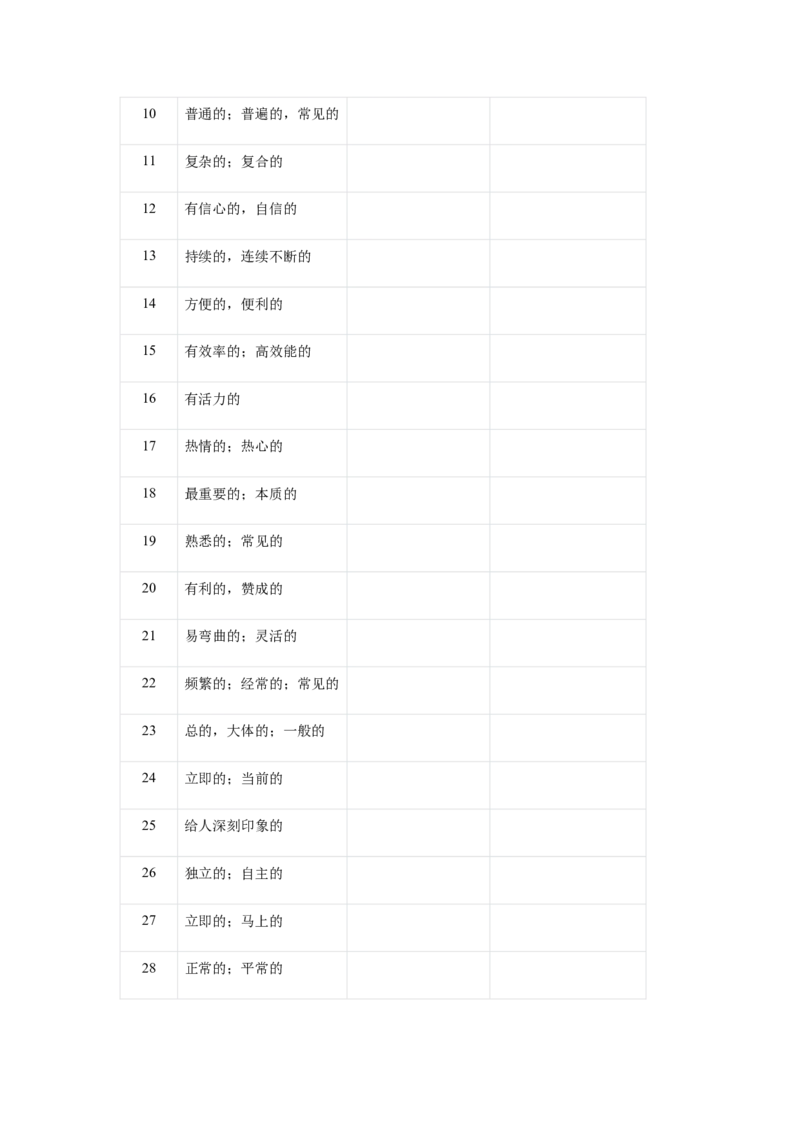
二、高频形容词默写表
序号
汉义
原形
副词
1
可接受的;令人满意的
2
易得到的,易使用的
3
准确的,精确的
4
上瘾的;入迷的
5
可供选择的,可供替代的
6
可用的,可得到的
7
可避免的
8
有益的,有利的
9
十分小心的,谨慎的
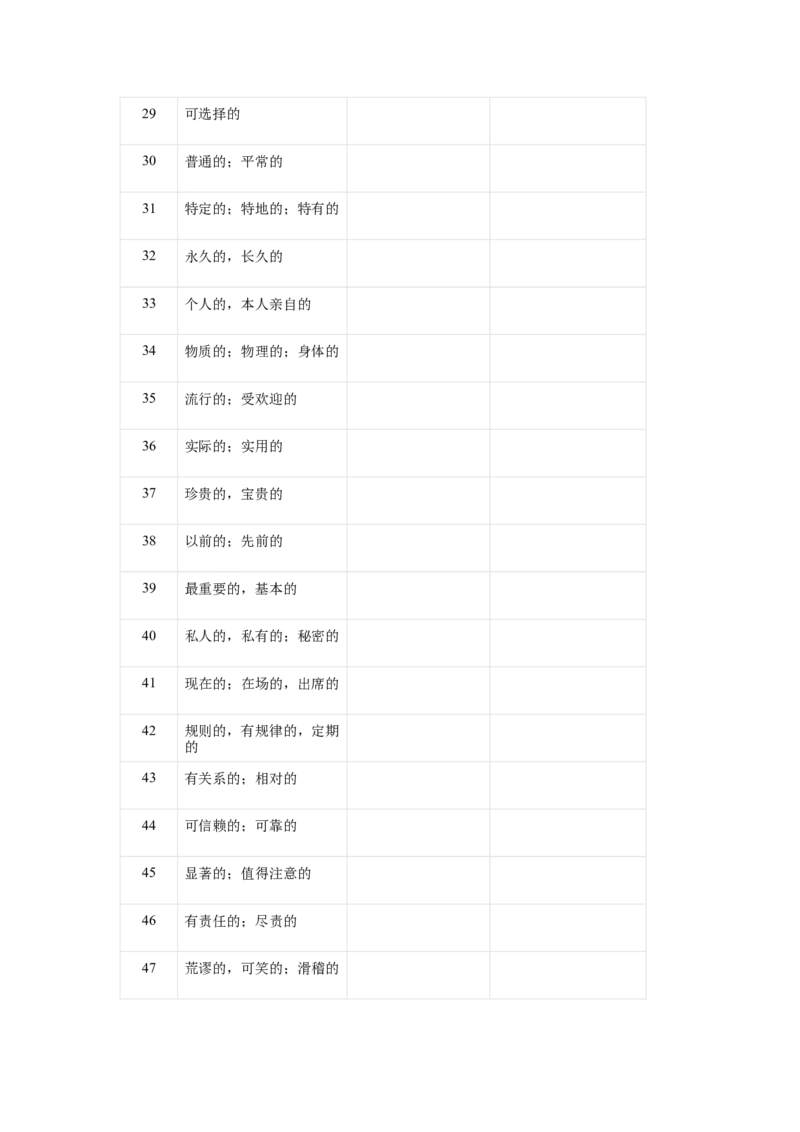
10
普通的;普遍的,常见的
11
复杂的;复合的
12
有信心的,自信的
13
持续的,连续不断的
14
方便的,便利的
15
有效率的;高效能的
16
有活力的
17
热情的;热心的
18
最重要的;本质的
19
熟悉的;常见的
20
有利的,赞成的
21
易弯曲的;灵活的
22
频繁的;经常的;常见的
23
总的,大体的;一般的
24
立即的;当前的
25
给人深刻印象的
26
独立的;自主的
27
立即的;马上的
28
正常的;平常的
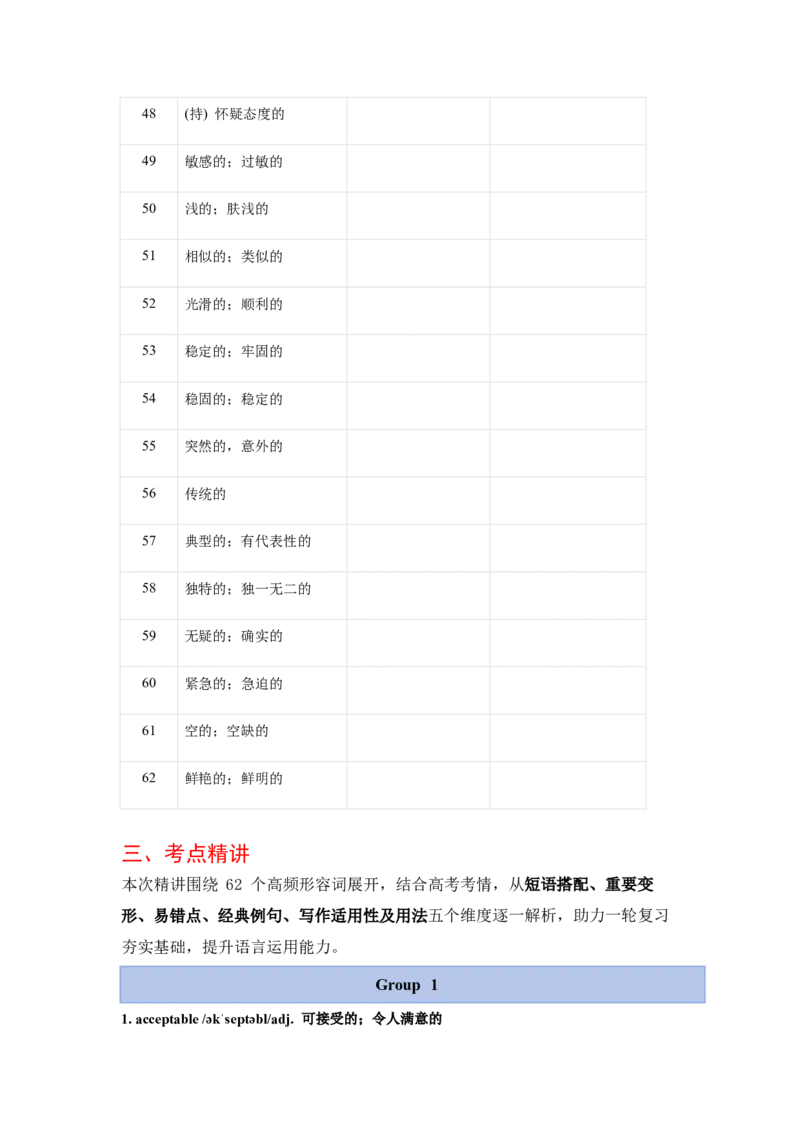
29
可选择的
30
普通的;平常的
31
特定的;特地的;特有的
32
永久的,长久的
33
个人的,本人亲自的
34
物质的;物理的;身体的
35
流行的;受欢迎的
36
实际的;实用的
37
珍贵的,宝贵的
38
以前的;先前的
39
最重要的,基本的
40
私人的,私有的;秘密的
41
现在的;在场的,出席的
42
规则的,有规律的,定期
的
43
有关系的;相对的
44
可信赖的;可靠的
45
显著的;值得注意的
46
有责任的;尽责的
47
荒谬的,可笑的;滑稽的
48
(持) 怀疑态度的
49
敏感的;过敏的
50
浅的;肤浅的
51
相似的;类似的
52
光滑的;顺利的
53
稳定的;牢固的
54
稳固的;稳定的
55
突然的,意外的
56
传统的
57
典型的;有代表性的
58
独特的;独一无二的
59
无疑的;确实的
60
紧急的;急迫的
61
空的;空缺的
62
鲜艳的;鲜明的
三、考点精讲
本次精讲围绕 62 个高频形容词展开,结合高考考情,从短语搭配、重要变
形、易错点、经典例句、写作适用性及用法五个维度逐一解析,助力一轮复习
夯实基础,提升语言运用能力。
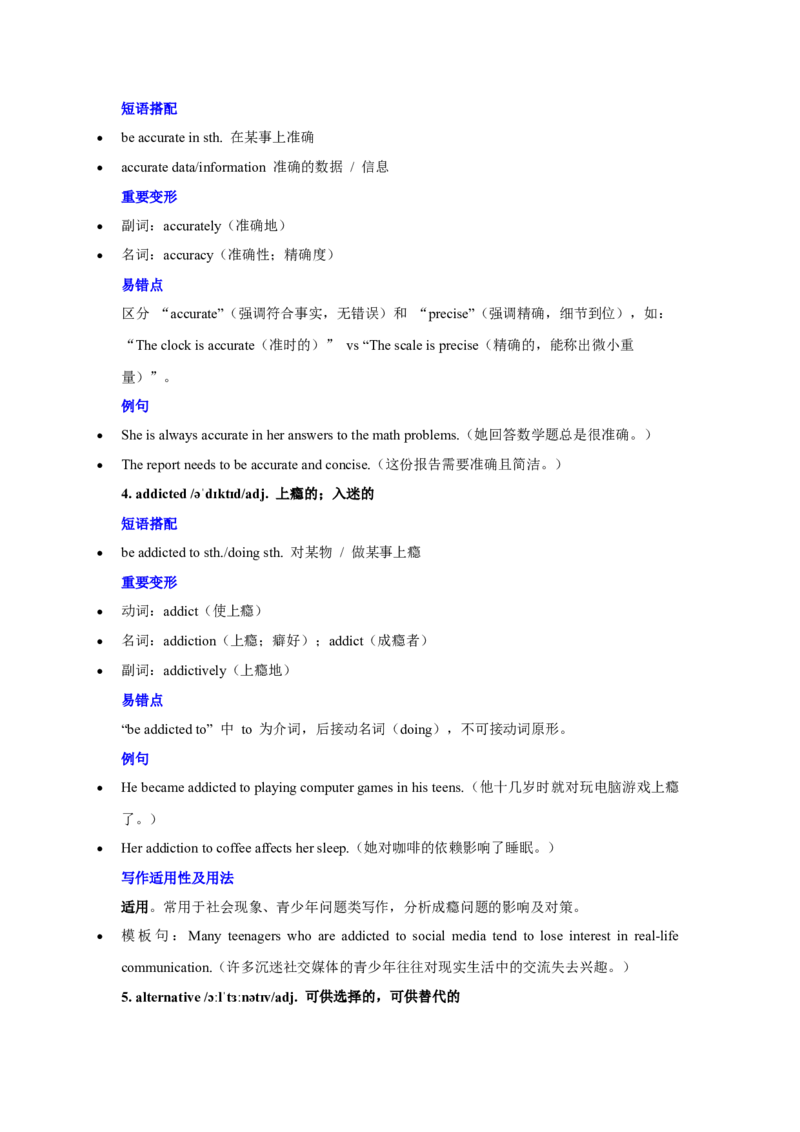
1. acceptable /əkˈseptəbl/adj. 可接受的;令人满意的
Group 1
短语搭配
be acceptable to sb. 对某人来说是可接受的
be acceptable for sth. 适合某事
重要变形
动词:accept(接受)
副词:acceptably(令人满意地)
名词:acceptance(接受;认可)
易错点
勿与 “accessible(易得到的)” 混淆,二者词形相近但含义不同。
例句
This proposal is acceptable to most members of the committee.(这个提案被委员会的大多数成
员所接受。)
The quality of the product is acceptably high.(该产品的质量尚可。)
写作适用性及用法
适用。常用于观点类、建议类写作,表达对方案、观点、质量等的评价。
模板句:As far as I’m concerned, a compromise that is acceptable to both sides is the best
solution to the dispute.(在我看来,一个双方都能接受的妥协是解决争端的最佳方案。)
2. accessible /əkˈsesəbl/adj. 易得到的,易使用的
短语搭配
be accessible to sb./sth. 易被某人获取 / 使用;易接近的
accessible information 易获取的信息
重要变形
动词:access(获取;进入)
副词:accessibly(易接近地)
名词:access(使用权;通道)
易错点
“be accessible to” 中 to 为介词,后接名词或代词,不可接动词原形。
例句
The library has a large collection of books accessible to all students.(图书馆有大量藏书,所有
学生都可借阅。)
The remote area is now accessible by road.(这个偏远地区现在可以通过公路到达。)
3. accurate /ˈækjərət/adj. 准确的,精确的
短语搭配
be accurate in sth. 在某事上准确
accurate data/information 准确的数据 / 信息
重要变形
副词:accurately(准确地)
名词:accuracy(准确性;精确度)
易错点
区分 “accurate”(强调符合事实,无错误)和 “precise”(强调精确,细节到位),如:
“The clock is accurate(准时的)” vs “The scale is precise(精确的,能称出微小重
量)”。
例句
She is always accurate in her answers to the math problems.(她回答数学题总是很准确。)
The report needs to be accurate and concise.(这份报告需要准确且简洁。)
4. addicted /əˈdɪktɪd/adj. 上瘾的;入迷的
短语搭配
be addicted to sth./doing sth. 对某物 / 做某事上瘾
重要变形
动词:addict(使上瘾)
名词:addiction(上瘾;癖好);addict(成瘾者)
副词:addictively(上瘾地)
易错点
“be addicted to” 中 to 为介词,后接动名词(doing),不可接动词原形。
例句
He became addicted to playing computer games in his teens.(他十几岁时就对玩电脑游戏上瘾
了。)
Her addiction to coffee affects her sleep.(她对咖啡的依赖影响了睡眠。)
写作适用性及用法
适用。常用于社会现象、青少年问题类写作,分析成瘾问题的影响及对策。
模板句:Many teenagers who are addicted to social media tend to lose interest in real-life
communication.(许多沉迷社交媒体的青少年往往对现实生活中的交流失去兴趣。)
5. alternative /ɔːlˈtɜːnətɪv/adj. 可供选择的,可供替代的
短语搭配
an alternative plan/method 替代方案 / 方法
have no alternative but to do sth. 别无选择只能做某事
重要变形
名词:alternative(选择;替代品)
副词:alternatively(或者;作为替代)
易错点
“alternative” 作形容词时,多修饰可数名词单数;作名词时,可指 “两者之一” 或 “多
种选择”。
例句
If the train is late, we have an alternative route.(如果火车晚点,我们有一条备选路线。)
You can take the bus, or alternatively, you can walk. (你可以坐公交,或者,你也可以步
行。)
写作适用性及用法
适用。是建议类、议论文写作的高频词,用于提出替代方案或表达选择。
模板句:Instead of using plastic bags, we can choose alternative materials like cloth or paper
bags to protect the environment.(为了保护环境,我们可以选择布袋子或纸袋子等替代材
料,而不是使用塑料袋。)
6. available /əˈveɪləbl/adj. 可用的,可得到的
短语搭配
be available for sth. 可用于某事
be available to sb. 对某人来说可获得的
have sth. available 有某物可用
重要变形
副词:availably(可获得地)
名词:availability(可用性;可获得性)
易错点
“available” 作定语时,通常置于名词之后,如 “jobs available(可获得的工作)”,而非
“available jobs”(虽语法正确,但前者更符合习惯表达)。
例句
Is this room available for a meeting tomorrow?(这个房间明天可以用来开会吗?)
Tickets for the concert will be available to the public next week.(音乐会门票下周将对公众发
售。)
写作适用性及用法
适用。适用于各类写作,描述资源、时间、机会等的可获得性。
模板句:Volunteers with experience in teaching are available to help children in the community
after school.(有教学经验的志愿者可在放学后帮助社区里的孩子。)
7. avoidable /əˈvɔɪdəbl/adj. 可避免的
短语搭配
avoidable mistakes 可避免的错误
be avoidable through sth. 通过某事可避免
重要变形
动词:avoid(避免)
副词:avoidably(可避免地)
反义词:unavoidable(不可避免的)
易错点
“avoid” 后接动名词(doing),不接不定式(to do),如 “avoid making mistakes”(避免
犯错),不可说 “avoid to make mistakes”。
例句
Most traffic accidents are avoidable if drivers follow the rules.(如果司机遵守规则,大多数交
通事故是可以避免的。)
The delay was caused by avoidable errors in planning.(延误是由规划中可避免的错误造成
的。)
写作适用性及用法
适用。常用于议论文、建议类写作,分析问题成因并提出改进建议。
模板句:Many health problems, such as obesity, are avoidable through a balanced diet and
regular exercise.(许多健康问题,如肥胖,都可以通过均衡饮食和规律运动来避免。)
8. beneficial /ˌbenɪˈfɪʃl/adj. 有益的,有利的
短语搭配
be beneficial to sth./sb. 对某物 / 某人有益
beneficial effects 有益效果
重要变形
动词:benefit(有益于;受益)
副词:beneficially(有益地)
名词:benefit(益处;福利)
易错点
“be beneficial to” 中 to 为介词,后接名词或代词,不可接动词原形;其同义短语 “be of
benefit to” 也需注意结构,如 “Reading is of benefit to us”(阅读对我们有益)。
例句
Regular physical exercise is beneficial to both physical and mental health.(规律的体育锻炼对
身心健康都有益。)
The new policy will have a beneficial impact on small businesses.(新政策将对小企业产生有利
影响。)
写作适用性及用法
适用。是议论文、观点类写作的核心词汇,用于阐述事物的积极影响。
模板句:It is universally acknowledged that learning a second language is beneficial to
developing one’s cognitive ability.(众所周知,学习第二语言有助于发展人的认知能力。)
9. cautious /ˈkɔːʃəs/adj. 十分小心的,谨慎的
短语搭配
be cautious about sth./doing sth. 对某事 / 做某事谨慎
cautious approach 谨慎的方法
重要变形
副词:cautiously(谨慎地)
名词:caution(谨慎;警告)
易错点
“be cautious about” 中 about 为介词,后接动名词(doing),如 “be cautious about
investing money”(对投资谨慎)。
例句
She is always cautious about giving her personal information to strangers.(她总是很谨慎,不
轻易把个人信息透露给陌生人。)
The government adopted a cautious approach to economic reform.(政府对经济改革采取了谨
慎的态度。)
写作适用性及用法
适用。常用于议论文、社会现象类写作,描述态度或行为方式。
模板句:When it comes to online shopping, consumers should be cautious about false
advertisements and fraudulent activities.(在网上购物时,消费者应警惕虚假广告和欺诈行
为。)
10. common /ˈkɒmən/adj. 普通的;普遍的,常见的
短语搭配
be common to sb./sth. 对某人 / 某物来说常见的
common sense 常识
in common 共同的;共有的
重要变形
副词:commonly(通常;普遍地)
名词:commonness(普遍性;普通)
易错点
区分 “common”(强调普遍存在)、“ordinary”(强调平凡、无特色)和 “usual”(强调
习惯性),如 “common mistakes(常见错误)”“ordinary people(普通人)”“usual
time(往常的时间)”。
例句
It is common for students to feel nervous before exams.(学生考前感到紧张是很常见的。)
Tom and I have a lot in common, like a love of music.(我和汤姆有很多共同点,比如都喜欢
音乐。)
写作适用性及用法
适用。适用于各类写作,描述普遍现象、共同特征等,是基础且高频的表达。
模板句:It is common knowledge that water is essential to all living things.(水对所有生物都必
不可少,这是常识。)
11. complex /ˈkɒmpleks/adj. 复杂的;复合的
短语搭配
complex problem/situation 复杂的问题 / 情况
complex system 复杂的系统
重要变形
副词:complexly(复杂地)
名词:complexity(复杂性)
易错点
“complex” 侧重 “由多个部分组成而复杂”,而 “complicated” 侧重 “因结构混乱而难
以理解”,如 “complex machine(结构复杂的机器)”“complicated puzzle(难解的谜
题)”。
例句
The relationship between the two countries is very complex.(两国之间的关系非常复杂。)
Solving this complex mathematical problem requires patience and skill.(解决这个复杂的数学
问题需要耐心和技巧。)
写作适用性及用法
适用。常用于议论文、社会现象、科技类写作,描述复杂的问题或系统。
模板句:The issue of climate change is too complex to be solved by a single country.(气候变化
问题过于复杂,不是单个国家能解决的。)
12. confident /ˈkɒnfɪdənt/adj. 有信心的,自信的
短语搭配
be confident about sth./doing sth. 对某事 / 做某事有信心
be confident that... 确信……
重要变形
副词:confidently(自信地)
名词:confidence(信心;信任)
易错点
“be confident” 后接 “of sth.” 也可表示 “对某事有信心”,如 “be confident of
success”(对成功有信心),与 “be confident about success” 同义。
例句
She is confident about passing the college entrance examination.(她对通过高考有信心。)
The team is confident that they will win the match.(这支队伍确信他们会赢得比赛。)
写作适用性及用法
适用。常用于演讲稿、观点类、成长类写作,表达态度或信念。
模板句:With sufficient preparation, we should be confident that we can overcome any
difficulties we may face.(有了充分的准备,我们应该有信心克服可能遇到的任何困难。)
13. constant /ˈkɒnstənt/adj. 持续的,连续不断的
短语搭配
constant change 不断的变化
constant efforts 持续的努力
be constant in sth. 在某事上持之以恒
重要变形
副词:constantly(不断地;经常地)
易错点
“constant” 强调 “持续不变的状态或频率”,而 “continual” 强调 “频繁重复”,
“continuous” 强调 “无间断”,如 “constant noise(持续的噪音)”“continual
interruptions(频繁的打扰)”“continuous rain(连绵的雨)”。
例句
The company has made constant improvements to its products.(该公司一直在对产品进行改
进。)
He remained constant in his support for the project.(他始终如一地支持这个项目。)
写作适用性及用法
适用。常用于议论文、成长类、科技类写作,描述持续的动作或状态。
模板句:Constant practice is the key to mastering a foreign language.(持之以恒的练习是掌握
一门外语的关键。)
14. convenient /kənˈviːniənt/adj. 方便的,便利的
短语搭配
be convenient for sb./sth. 对某人 / 某物来说方便的
be convenient to do sth. 做某事很方便
重要变形
副词:conveniently(方便地)
名词:convenience(方便;便利设施)
易错点
表达 “我方便做某事” 时,不可说 “I am convenient to do sth.”,而应说 “It is
convenient for me to do sth.”,因 “convenient” 的主语通常是 “物” 或形式主语 “it”。
例句
Online shopping is very convenient for people who are busy with work.(网上购物对忙于工作
的人来说非常方便。)
It is convenient to take the subway to the city center.(乘地铁去市中心很方便。)
写作适用性及用法
适用。广泛用于生活类、科技类写作,描述事物的便利性。
模板句:The development of mobile payment has brought great convenience to people’s daily
lives.(移动支付的发展给人们的日常生活带来了极大的便利。)
15. efficient /ɪˈfɪʃnt/adj. 有效率的;高效能的
短语搭配
efficient worker/machine 高效的工人 / 机器
efficient use of resources 资源的有效利用
重要变形
副词:efficiently(高效地)
名词:efficiency(效率;效能)
易错点
“efficient” 强调 “以最少的时间、精力完成任务”,而 “effective” 强调 “达到预期效
果”,如 “efficient method(高效的方法)”“effective medicine(有效的药物)”。
例句
She is an efficient secretary who can handle multiple tasks at once.(她是一名高效的秘书,能
同时处理多项任务。)
The new system improves the efficiency of data processing.(新系统提高了数据处理的效
率。)
写作适用性及用法
适用。常用于科技、工作、学习类写作,强调效率或效能。
模板句:To improve learning efficiency, students should make a reasonable study plan.(为了提
高学习效率,学生应该制定合理的学习计划。)
16. energetic /ˌenəˈdʒetɪk/adj. 有活力的
短语搭配
energetic person 精力充沛的人
energetic performance 充满活力的表演
重要变形
副词:energetically(精力充沛地)
名词:energy(精力;能量)
易错点
“energetic” 修饰人时,侧重 “精力旺盛”;修饰行为时,侧重 “充满活力”,不可与
“active(积极的)” 混淆,如 “active participant(积极参与者)”“energetic worker
(精力充沛的工人)”。
例句
He tackled the project energetically, finishing it ahead of schedule.(他精力充沛地投入到项目
中,提前完成了任务。)
写作适用性及用法
适用。常用于人物描写、成长类、活动类写作,刻画人物状态或活动氛围。
模板句:With the support of teachers and parents, teenagers can maintain an energetic attitude
towards their studies and life.(在老师和家长的支持下,青少年能以充满活力的态度面对学
习和生活。)
17. enthusiastic /ɪnˌθjuːziˈæstɪk/adj. 热情的;热心的
短语搭配
be enthusiastic about sth./doing sth. 对某事 / 做某事热情
enthusiastic support 热情的支持
重要变形
副词:enthusiastically(热情地)
名词:enthusiasm(热情;热忱)
易错点
“be enthusiastic about” 中 about 为介词,后接动名词(doing),如 “be enthusiastic about
volunteering”(对志愿服务热情)。
例句
She is enthusiastic about teaching and always prepares lessons carefully.(她对教学充满热情,
总是认真备课。)
The audience responded enthusiastically to the singer’s performance.(观众对歌手的表演反应
热烈。)
写作适用性及用法
适用。广泛用于活动描写、人物评价、观点类写作,表达积极态度。
模板句:Teachers’ enthusiastic guidance plays a crucial role in inspiring students’ interest in
learning.(老师的热情指导在激发学生学习兴趣方面起着关键作用。)
18. essential /ɪˈsenʃl/adj. 最重要的;本质的
短语搭配
be essential to/for sth. 对某事必不可少
essential skills 基本技能
it is essential that... (从句用虚拟语气,should 可省略) 至关重要的是……
重要变形
副词:essentially(本质上;基本上)
名词:essence(本质;精髓)
易错点
“it is essential that...” 后接从句时,谓语动词需用 “(should)+ 动词原形”,如 “It is
essential that we (should) follow the rules”(我们必须遵守规则)。
例句
Water and air are essential to human survival.(水和空气对人类生存必不可少。)
It is essential that students develop independent learning abilities.(学生培养自主学习能力至关
重要。)
写作适用性及用法
适用。是议论文、建议类、说明类写作的核心词汇,强调事物的必要性。
模板句:Mutual trust is essential for building a harmonious relationship between friends.(相互
信任对于建立朋友间的和谐关系至关重要。)
19. familiar /fəˈmɪliə(r)/adj. 熟悉的;常见的
短语搭配
be familiar with sth./sb. 熟悉某物 / 某人(主语为人)
be familiar to sb. 为某人所熟悉(主语为物)
familiar face 熟悉的面孔
重要变形
副词:familiarly(熟悉地;亲热地)
名词:familiarity(熟悉;通晓)
易错点
区分 “be familiar with” 和 “be familiar to” 的主语差异:前者主语是人,后者主语是
物,如 “I am familiar with this song”(我熟悉这首歌) vs “This song is familiar to me”(这
首歌我很熟悉)。
例句
She is familiar with the history of this city.(她熟悉这座城市的历史。)
The melody of this song is familiar to most people.(这首歌的旋律大多数人都熟悉。)
写作适用性及用法
适用。适用于各类写作,描述对人、事物的熟悉程度。
模板句:As we grow up, we gradually become familiar with the complexities of the world
around us.(随着成长,我们逐渐熟悉周围世界的复杂性。)
20. favourable /ˈfeɪvərəbl/adj. 有利的,赞成的
短语搭配
be favourable to/for sth. 对某事有利 / 赞成某事
favourable conditions 有利条件
favourable comment 好评
重要变形
副词:favourably(有利地;赞成地)
名词:favour(喜爱;恩惠);favourable(不可数,赞成;有利)
易错点
“favourable” 表示 “赞成的” 时,主语多为 “态度、评价” 等;表示 “有利的”
时,多修饰 “条件、环境” 等,勿与 “favorite(最喜欢的)” 混淆。
例句
The warm climate is favourable for the growth of crops.(温暖的气候有利于农作物生长。)
Most people are favourable to the new policy.(大多数人赞成这项新政策。)
21. flexible /ˈfleksəbl/adj. 易弯曲的;灵活的
短语搭配
flexible schedule 灵活的日程安排
be flexible about sth. 对某事态度灵活
重要变形
副词:flexibly(灵活地)
名词:flexibility(灵活性;柔韧性)
易错点
Group 2
“flexible” 修饰 “人” 时,侧重 “处事灵活”;修饰 “物” 时,可指 “物理上易弯
曲” 或 “安排上灵活”,如 “flexible wire(易弯曲的电线)”“flexible worker(处事
灵活的员工)”。
例句
The company offers a flexible working hour system to its employees.(该公司为员工提供灵活
的工时制度。)
She is flexible about changing the meeting time.(她对更改会议时间态度灵活。)
22. frequent /ˈfriːkwənt/adj. 频繁的;经常的;常见的
短语搭配
frequent visits 频繁的拜访
frequent mistakes 常见错误
be frequent in sth. 在某事中频繁发生
重要变形
副词:frequently(频繁地;经常地)
名词:frequency(频率;频繁)
易错点
“frequent” 强调 “发生次数多”,而 “common” 强调 “普遍存在”,如 “frequent
rainstorms(频繁的暴雨)”“common diseases(常见疾病)”。
例句
He made frequent business trips to Beijing last year.(他去年频繁去北京出差。)
Traffic jams are frequent in this area during rush hour.(高峰时段这个地区经常堵车。)
写作适用性及用法
适用。适用于社会现象、生活类写作,描述事物发生的频率。
模板句:Frequent communication between parents and children helps narrow the generation gap.
(父母与孩子之间的频繁沟通有助于缩小代沟。)
23. general /ˈdʒenrəl/adj. 总的,大体的;一般的
短语搭配
in general 总的来说;通常
general idea 大意;梗概
general public 公众
重要变形
副词:generally(通常;大体上)
易错点
“in general” 常用于句首或句末,总结观点;“general” 不可与 “common” 混淆,
“general rule(一般规则)” 侧重 “适用范围广”,“common rule(常见规则)” 侧重
“出现频率高”。
例句
In general, students prefer to study in a quiet environment.(总的来说,学生更喜欢在安静的环
境中学习。)
Can you give me a general idea of the story?(你能给我讲讲这个故事的大意吗?)
写作适用性及用法
适用。是各类写作中总结观点、描述整体情况的常用词汇。
模板句:Generally speaking, regular exercise contributes to improving one’s physical health.
(一般来说,规律运动有助于改善身体健康。)
24. immediate /ɪˈmiːdiət/adj. 立即的;当前的
短语搭配
immediate action 立即行动
immediate family 直系亲属
重要变形
副词:immediately(立即;马上)
易错点
“immediate” 强调 “时间上紧迫、无延迟”,而 “instant” 强调 “瞬间发生”,如
“immediate help(急需的帮助)”“instant noodles(方便面)”。
例句
The fire requires immediate attention from the fire department.(这场火灾需要消防部门立即处
理。)
She made an immediate response to the teacher’s question.(她立即回答了老师的问题。)
写作适用性及用法
适用。常用于议论文、新闻类、建议类写作,强调行动的紧迫性。
模板句:To solve the environmental problem, immediate and effective measures must be taken
by the government.(为解决环境问题,政府必须采取立即且有效的措施。)
25. impressive /ɪmˈpresɪv/adj. 给人深刻印象的
短语搭配
impressive performance 令人印象深刻的表演
impressive achievement 了不起的成就
be impressive to sb. 给某人留下深刻印象
重要变形
动词:impress(给…… 留下印象)
副词:impressively(令人印象深刻地)
名词:impression(印象)
易错点
“impressive” 主语多为 “事物、表现、成就” 等,如 “Impressive as his achievement
is...”(尽管他的成就令人印象深刻……),不可用于修饰 “人” 直接表示 “印象深刻的
人”,需用 “a person who leaves a deep impression”。
例句
Her excellent speech made an impressive impression on the audience.(她精彩的演讲给观众留
下了深刻印象。)
The new library has an impressive collection of rare books.(新图书馆收藏了数量惊人的珍
本。)
写作适用性及用法
适用。广泛用于人物描写、活动评价、观点类写作,表达对事物的肯定评价。
模板句:The young scientist’s impressive contributions to the field of medicine have won him
international recognition.(这位年轻科学家在医学领域的卓越贡献为他赢得了国际认可。)
26. independent /ˌɪndɪˈpendənt/adj. 独立的;自主的
短语搭配
be independent of sb./sth. 不依赖某人 / 某物
independent thinking 独立思考
independent country 独立国家
重要变形
副词:independently(独立地;自主地)
名词:independence(独立;自主)
易错点
“be independent of” 表示 “不依赖”,反义词组为 “be dependent on”(依赖),如
“Children should learn to be independent of their parents”(孩子应该学会不依赖父母)。
例句
She is economically independent and doesn’t rely on her family. (她经济独立,不依赖家
人。)
Developing independent learning abilities is important for students’ growth.(培养自主学习能力
对学生成长很重要。)
27. instant /ˈɪnstənt/adj. 立即的;马上的
短语搭配
instant coffee 速溶咖啡
instant message 即时消息
in an instant 立刻;马上
重要变形
副词:instantly(立即;马上)
名词:instant(瞬间;片刻)
易错点
“instant” 侧重 “时间极短,瞬间完成”,而 “immediate” 侧重 “无延迟,需要立即处
理”,如 “instant reply(即时回复)”“immediate action(立即行动)”。
例句
The system sends an instant alert when there is a security breach.(当出现安全漏洞时,系统会
立即发出警报。)
He recognized her in an instant.(他一眼就认出了她。)
写作适用性及用法
适用。多用于科技、生活类写作,描述即时性的事物或动作。
模板句:With instant messaging apps, people can communicate with each other no matter how
far apart they are.(有了即时通讯软件,人们无论相距多远都能相互沟通。)
28. normal /ˈnɔːml/adj. 正常的;平常的
短语搭配
return to normal 恢复正常
normal temperature 正常体温
it is normal for sb. to do sth. 某人做某事是正常的
重要变形
副词:normally(正常地;通常)
名词:normality(常态;正常);norm(规范;标准)
易错点
“normal” 强调 “符合常规、标准”,反义词为 “abnormal(反常的)”,如 “normal
behavior(正常行为)”“abnormal weather(反常天气)”。
例句
It is normal for a child to feel anxious when starting a new school.(孩子刚开始新学校感到焦虑
是正常的。)
Life has returned to normal after the epidemic.(疫情过后,生活已恢复正常。)
写作适用性及用法
适用。适用于各类写作,描述符合常规的情况或状态。
模板句:It is normal for teenagers to have conflicts with their parents during the process of
growing up.(青少年在成长过程中与父母发生矛盾是正常的。)
29. optional /ˈɒpʃənl/adj. 可选择的
短语搭配
optional course 选修课
optional question 选答题
be optional for sb. 对某人来说是可选择的
重要变形
名词:option(选择;选项)
副词:optionally(可选择地)
易错点
“optional” 表示 “非强制的,可自主选择”,反义词为 “compulsory(必修的;强制
的)”,如 “optional subject(选修科目)”“compulsory subject(必修科目)”。
例句
This course is optional, but it is highly recommended for English majors.(这门课是选修的,但
强烈推荐英语专业的学生选修。)
Participation in the activity is optional, so you can decide whether to join or not.(参加这项活动
是自愿的,你可以决定是否参加。)
30. ordinary /ˈɔːdnri/adj. 普通的;平常的
短语搭配
ordinary people 普通人
ordinary life 平凡的生活
out of the ordinary 不寻常的;特别的
重要变形
副词:ordinarily(通常;平常地)
易错点
区分 “ordinary”(强调平凡、无特色)、“common”(强调普遍存在)和 “normal”(强
调符合常规),如 “ordinary day(平凡的一天)”“common mistake(常见错误)”
“normal situation(正常情况)”。
例句
He is just an ordinary man, but he has done many extraordinary things.(他只是个普通人,但做
了很多不平凡的事。)
Ordinarily, I go to work by bike, but today I took the bus.(通常我骑自行车上班,但今天坐了
公交。)
写作适用性及用法
适用。适用于人物描写、记叙文、议论文写作,描述平凡的人或事物。
模板句:Ordinary people can also make great contributions to society through their hard work.
(普通人也能通过努力工作为社会做出巨大贡献。)
31. particular /pəˈtɪkjələ(r)/adj. 特定的;特地的;特有的
短语搭配
be particular about sth. 对某事挑剔;讲究某事
in particular 尤其;特别
particular case 特定情况
重要变形
副词:particularly(尤其;特别)
名词:particularity(特殊性;细节)
易错点
“be particular about” 表示 “挑剔”,不可误写为 “be particular with”;“in particular” 位
置灵活,可置于句首、句中或句末,强调重点。
例句
She is very particular about the quality of food she eats.(她对吃的食物质量很挑剔。)
I like all kinds of fruits, apples in particular.(我喜欢各种水果,尤其是苹果。)
写作适用性及用法
适用。常用于议论文、描述类写作,强调特定对象或态度。
模板句:Parents should pay special attention to their children’s mental health, particularly during
their adolescence.(父母应特别关注孩子的心理健康,尤其是在他们的青春期。)
32. permanent /ˈpɜːmənənt/adj. 永久的,长久的
短语搭配
permanent job 固定工作
permanent damage 永久性损伤
重要变形
副词:permanently(永久地;长久地)
反义词:temporary(暂时的)
易错点
“permanent” 强调 “持续时间长且不易改变”,与 “temporary” 互为反义,如
“permanent address(永久地址)”“temporary shelter(临时避难所)”。
例句
He finally got a permanent position in the company after two years of internship.(经过两年实
习,他终于在公司获得了固定职位。)
The flood caused permanent damage to the local farmland.(洪水给当地农田造成了永久性损
伤。)
写作适用性及用法
适用。多用于社会、生活、职场类写作,描述持久的状态或事物。
模板句:Protecting cultural relics is of great significance as they are permanent symbols of a
nation’s history and culture.(保护文物意义重大,因为它们是一个民族历史和文化的永久象
征。)
33. personal /ˈpɜːsənl/adj. 个人的,本人亲自的
短语搭配
personal information 个人信息
personal experience 个人经历
personal opinion 个人观点
重要变形
副词:personally(亲自地;就个人而言)
名词:personality(个性;人格)
易错点
“personal” 侧重 “属于个人的”,而 “private” 侧重 “私人的、不公开的”,如
“personal diary(个人日记)”“private conversation(私人谈话)”。
例句
Please don’t share your personal information with strangers online.(请不要在网上向陌生人透
露你的个人信息。)
Personally, I think this plan is not practical enough.(就我个人而言,我认为这个计划不够实
用。)
写作适用性及用法
适用。适用于各类写作,尤其是观点类、记叙文,表达个人相关内容。
模板句:From my personal experience, perseverance is the key to achieving one’s goals.(根据
我的个人经历,坚持不懈是实现目标的关键。)
34. physical /ˈfɪzɪkl/adj. 物质的;物理的;身体的
短语搭配
physical health 身体健康
physical exercise 体育锻炼
physical change 物理变化
重要变形
副词:physically(身体上;物理上)
名词:physics(物理学)
易错点
“physical” 表示 “身体的” 时,对应 “mental(心理的)”,如 “physical and mental
health(身心健康)”;表示 “物理的” 时,对应 “chemical(化学的)”。
例句
Regular physical exercise is good for both physical and mental well-being.(规律的体育锻炼对
身心健康都有益。)
This experiment mainly studies physical changes of matter.(这个实验主要研究物质的物理变
化。)
写作适用性及用法
适用。常用于健康、教育、科技类写作,描述身体状态或物理相关内容。
模板句:Schools should attach great importance to students’ physical education to improve their
physical quality.(学校应重视学生的体育教育,以提高他们的身体素质。)
35. popular /ˈpɒpjələ(r)/adj. 流行的;受欢迎的
短语搭配
be popular with/among sb. 受某人欢迎
popular culture 流行文化
popular music 流行音乐
重要变形
副词:popularly(普遍地;流行地)
名词:popularity(流行;受欢迎程度)
易错点
“be popular with” 和 “be popular among” 均可表示 “受…… 欢迎”,“with” 侧重个
体,“among” 侧重群体,如 “popular with young people”“popular among teenagers”。
例句
This singer is very popular with young people.(这位歌手很受年轻人欢迎。)
The popularity of online shopping has increased rapidly in recent years.(近年来,网上购物的
普及率迅速上升。)
写作适用性及用法
适用。广泛用于社会现象、文化类写作,描述事物的流行程度。
模板句:Traditional festivals are becoming more popular among young people due to the
promotion of cultural heritage.(由于文化遗产的推广,传统节日在年轻人中越来越受欢
迎。)
36. practical /ˈpræktɪkl/adj. 实际的;实用的
短语搭配
practical experience 实践经验
practical advice 实用建议
practical use 实际用途
重要变形
副词:practically(实际地;几乎)
名词:practice(实践;练习)
反义词:theoretical(理论的)
易错点
“practical” 强调 “可操作、有用的”,与 “theoretical” 相对,如 “practical skills(实用
技能)”“theoretical knowledge(理论知识)”;“practically” 还可表示 “几乎”,如
“practically impossible(几乎不可能)”。
例句
This book provides practical guidance on how to solve daily problems.(这本书为如何解决日常
问题提供了实用指导。)
He has no practical experience in this field.(他在这个领域没有实践经验。)
写作适用性及用法
适用。常用于建议类、教育类写作,强调实用性和实践性。
模板句:It is important for students to combine theoretical knowledge with practical experience.
(对学生来说,将理论知识与实践经验结合起来很重要。)
37. precious /ˈpreʃəs/adj. 珍贵的,宝贵的
短语搭配
precious time 宝贵时间
precious memories 珍贵的回忆
重要变形
副词:preciously(珍贵地;昂贵地)
易错点
“precious” 语气较强,强调 “因稀有、重要而珍贵”,不可与 “valuable(有价值的)”
混淆,“valuable” 侧重 “有实用价值”,如 “precious friendship(珍贵的友谊)”
“valuable information(有价值的信息)”。
例句
We should cherish every precious minute in our study.(我们应该珍惜学习中的每一分钟宝贵
时间。)
These old photos are precious memories of my childhood.(这些旧照片是我童年珍贵的回
忆。)
写作适用性及用法
适用。适用于记叙文、议论文,表达对事物的珍视态度。
模板句:Friendship is one of the most precious treasures in our life that we should keep carefully.
(友谊是我们生命中最珍贵的财富之一,我们应该精心呵护。)
38. previous /ˈpriːviəs/adj. 以前的;先前的
短语搭配
previous experience 以往经验
previous year 前一年
previous to sth. 在某事之前(相当于 before)
重要变形
副词:previously(以前;先前)
易错点
“previous” 不可直接接句子,表 “在…… 之前” 时需用 “previous to”,后接名词或动
名词,如 “previous to this event(在这件事之前)”。
例句
She has no previous experience in teaching.(她以前没有教学经验。)
Previously, he worked as a doctor in a local hospital.(以前,他在当地一家医院当医生。)
39. primary /ˈpraɪməri/adj. 最重要的,基本的;初级的
短语搭配
primary school 小学
primary cause 主要原因
primary importance 头等重要
重要变形
副词:primarily(主要地;首先)
易错点
“primary” 表示 “主要的” 时,可与 “main” 换用,但 “primary” 更强调 “基础性、
根本性”,如 “primary goal(首要目标)”“main reason(主要原因)”。
例句
The primary reason for his success is his hard work.(他成功的主要原因是他的努力。)
English is taught as a primary subject in most primary schools.(在大多数小学,英语被列为主
要学科。)
40. private /ˈpraɪvət/adj. 私人的,私有的;秘密的
短语搭配
private life 私人生活
private company 私营公司
in private 私下地;秘密地
重要变形
副词:privately(私下地;秘密地)
名词:privacy(隐私)
易错点
“private” 侧重 “个人专属、不公开的”,与 “public(公共的)” 相对,如 “private
garden(私人花园)”“public park(公园)”;“in private” 对应 “in public(公开
地)”。
例句
He doesn’t like others to interfere with his private life.(他不喜欢别人干涉他的私人生活。)
They had a private conversation in the office.(他们在办公室里进行了私下谈话。)
写作适用性及用法
适用。适用于社会现象、观点类写作,涉及隐私、公私领域等话题。
模板句:With the development of the Internet, protecting personal privacy has become an
important social issue.(随着互联网的发展,保护个人隐私已成为一个重要的社会问题。)
41. present /ˈpreznt/(adj.) adj. 现在的;在场的,出席的
短语搭配
be present at sth. 出席某事
present situation 当前形势
at present 目前;现在
重要变形
副词:presently(目前;不久)
动词:present(颁发;呈现);absent(缺席的,反义词)
易错点
“present” 作形容词时,读音为 /ˈpreznt/;作动词时,读音为 /prɪˈzent/,注意区分;
“presently” 在英式英语中常表示 “不久”,美式英语中表示 “目前”。
例句
Group 3
All students are required to be present at the meeting.(所有学生都必须出席会议。)
At present, more and more people choose to work from home.(目前,越来越多的人选择居家
办公。)
写作适用性及用法
适用。适用于各类写作,描述当前状态或出席情况。
模板句:At present, the government is taking measures to solve the problem of environmental
pollution.(目前,政府正在采取措施解决环境污染问题。)
42. regular /ˈreɡjələ(r)/adj. 规则的,有规律的,定期的
短语搭配
regular customer 常客
regular exercise 定期锻炼
regular schedule 规律的日程
重要变形
副词:regularly(定期地;有规律地)
名词:regularity(规律性;经常性)
反义词:irregular(不规则的)
易错点
“regular” 表示 “定期的” 时,强调 “重复发生的频率固定”,如 “regular meeting(定
期会议)”;表示 “规则的” 时,指 “符合某种规范”,如 “regular shape(规则形
状)”。
例句
She goes to the gym for regular exercise every week.(她每周都去健身房定期锻炼。)
This restaurant has many regular customers because of its good service.(这家餐馆因其良好的
服务有很多常客。)
写作适用性及用法
适用。常用于健康、生活、职场类写作,强调规律性和习惯性。
模板句:Maintaining a regular lifestyle, such as going to bed early and getting up early, is
beneficial to health.(保持规律的生活方式,如早睡早起,对健康有益。)
43. relative /ˈrelətɪv/(adj.) adj. 有关系的;相对的
短语搭配
relative to sth. 相对于某事;与某事有关
relative importance 相对重要性
relative truth 相对真理
重要变形
副词:relatively(相对地;比较地)
名词:relation(关系;联系);relative(亲戚,名词)
易错点
“relative” 作形容词时,不可与 “relevant(相关的)” 混淆,“relevant” 侧重 “与当前
话题相关”,如 “relevant information(相关信息)”;“relative” 侧重 “比较而言
的”。
例句
The cost of living in this city is relatively high relative to that in small towns.(与小城镇相比,
这个城市的生活成本相对较高。)
The importance of this issue is relative to different people’s perspectives.(这个问题的重要性因
人们的观点不同而相对存在差异。)
写作适用性及用法
适用。常用于议论文、说明类写作,进行对比或阐述关联性。
模板句:Relatively speaking, online learning is more flexible than traditional classroom learning.
(相对而言,在线学习比传统课堂学习更灵活。)
44. reliable /rɪˈlaɪəbl/adj. 可信赖的;可靠的
短语搭配
reliable source 可靠来源
reliable friend 可信赖的朋友
be reliable for sth. 在某事上可靠
重要变形
副词:reliably(可靠地;可信赖地)
名词:reliability(可靠性;可信度)
动词:rely(依赖;依靠)
易错点
“reliable” 主语可为人或物,如 “reliable person(可靠的人)”“reliable data(可靠的数
据)”;其动词形式 “rely” 后接 “on/upon”,如 “rely on others(依赖他人)”。
例句
This newspaper is a reliable source of information.(这家报纸是可靠的信息来源。)
You can trust him because he is a reliable person. (你可以信任他,因为他是一个可靠的
人。)
写作适用性及用法
适用。常用于议论文、建议类写作,强调可信度或可依赖性。
模板句:When doing research, we should use reliable data to ensure the accuracy of the results.
(做研究时,我们应使用可靠的数据以确保结果的准确性。)
45. remarkable /rɪˈmɑːkəbl/adj. 显著的;值得注意的
短语搭配
remarkable achievement 显著成就
remarkable change 显著变化
be remarkable for sth. 因某事而值得注意
重要变形
副词:remarkably(显著地;非常)
动词:remark(评论;注意到)
易错点
“remarkable” 强调 “因出色、特殊而引人注目”,语气比 “impressive” 更强,如
“remarkable progress(显著进步)”“impressive performance(令人印象深刻的表
演)”。
例句
The country has made remarkable progress in economic development in recent years.(近年来,
这个国家在经济发展方面取得了显著进步。)
She is remarkable for her courage and determination.(她因其勇气和决心而值得注意。)
写作适用性及用法
适用。常用于议论文、新闻类写作,赞扬显著的成就或变化。
模板句:Thanks to the joint efforts of all people, the local community has undergone remarkable
changes in the past five years.(得益于所有人的共同努力,当地社区在过去五年发生了显著
变化。)
46. responsible /rɪˈspɒnsəbl/adj. 有责任的;尽责的
短语搭配
be responsible for sth./doing sth. 对某事 / 做某事负责
responsible person 负责任的人
take responsibility for 对…… 承担责任
重要变形
副词:responsibly(负责任地)
名词:responsibility(责任;职责)
易错点
“be responsible for” 后接名词或动名词,不可接动词原形,如 “He is responsible for
organizing the meeting”(他负责组织会议)。
例句
Parents are responsible for their children’s education.(父母对孩子的教育负有责任。)
She is a responsible teacher who cares about every student.(她是一位负责任的老师,关心每
一位学生。)
写作适用性及用法
适用。常用于议论文、观点类、成长类写作,强调责任意识。
模板句:As citizens, we should be responsible for protecting the environment around us.(作为
公民,我们应该对保护周围的环境负责。)
47. ridiculous /rɪˈdɪkjələs/adj. 荒谬的,可笑的;滑稽的
短语搭配
ridiculous idea 荒谬的想法
seem ridiculous 看起来可笑
重要变形
副词:ridiculously(荒谬地;可笑地)
名词:ridicule(嘲笑;嘲弄)
易错点
“ridiculous” 强调 “因不合情理而令人发笑”,语气比 “funny” 更强,且多含贬义,如
“ridiculous excuse(荒谬的借口)”;“funny” 可表 “有趣的”,中性或褒义。
例句
It is ridiculous to believe that the earth is flat.(相信地球是平的简直太荒谬了。)
His ridiculous behavior made everyone laugh.(他滑稽的行为让所有人都笑了。)
写作适用性及用法
适用。常用于议论文、观点类写作,反驳不合理的观点或描述荒谬的现象。
模板句:It is ridiculous to judge a person’s ability only by his appearance.(仅仅通过外表来判
断一个人的能力是荒谬的。)
48. sceptical /ˈskeptɪkl/adj. (持) 怀疑态度的
短语搭配
be sceptical about/of sth. 对某事持怀疑态度
sceptical look 怀疑的表情
重要变形
副词:sceptically(怀疑地)
名词:scepticism(怀疑态度;怀疑论)
易错点
“sceptical” 为英式拼写,美式拼写为 “skeptical”,二者含义相同;“be sceptical about” 不
可误写为 “be sceptical with”。
例句
Many people are sceptical about the effectiveness of the new drug.(很多人对这种新药的效果
持怀疑态度。)
She looked at the stranger sceptically.(她怀疑地看着那个陌生人。)
写作适用性及用法
适用。常用于议论文、观点类写作,表达对某事物的怀疑态度。
模板句:Some experts are sceptical about whether this technology can be widely used in a short
time.(一些专家对这项技术能否在短期内广泛应用持怀疑态度。)
49. sensitive /ˈsensətɪv/adj. 敏感的;过敏的
短语搭配
be sensitive to sth. 对某事敏感;对某物过敏
sensitive issue 敏感问题
sensitive skin 敏感肌肤
重要变形
副词:sensitively(敏感地;体贴地)
名词:sensitivity(敏感性;灵敏度)
易错点
“be sensitive to” 后接名词或代词,如 “be sensitive to criticism(对批评敏感)”“be
sensitive to pollen(对花粉过敏)”,需根据语境判断具体含义。
例句
She is very sensitive to other people’s feelings.(她对别人的感受很敏感。)
This sensitive instrument can detect small changes in temperature.(这种精密仪器能检测到温度
的微小变化。)
50. shallow /ˈʃæləʊ/adj. 浅的;肤浅的
短语搭配
shallow water 浅水
shallow understanding 肤浅的理解
shallow person 肤浅的人
重要变形
副词:shallowly(肤浅地;浅地)
名词:shallowness(肤浅;浅度)
易错点
“shallow” 描述 “人” 时,含贬义,指 “思想不深刻”;描述 “物” 时,指 “深度
小”,如 “shallow lake(浅湖)”“shallow argument(肤浅的论点)”。
例句
The river is too shallow for boats to pass.(这条河太浅,船无法通过。)
His understanding of the problem is very shallow.(他对这个问题的理解很肤浅。)
51. similar /ˈsɪmələ(r)/adj. 相似的;类似的
短语搭配
be similar to sth./sb. 与某物 / 某人相似
similar experience 相似的经历
in a similar way 以类似的方式
重要变形
副词:similarly(相似地;同样地)
名词:similarity(相似性;类似处)
易错点
“be similar to” 中 to 为介词,不可改为 with,如 “Her hobby is similar to mine”(她的爱
好和我的相似);其反义词组为 “be different from”(与…… 不同)。
例句
This book is similar to the one I read last week.(这本书和我上周读的那本很相似。)
Similarly, we should take the same approach to solve this problem.(同样,我们应该采取相同
的方法来解决这个问题。)
写作适用性及用法
适用。适用于各类写作,用于比较事物的相似之处。
模板句:The development of online education is similar to that of traditional education in that
both aim to improve students’ abilities.(在线教育的发展与传统教育的发展相似,两者都旨
在提高学生的能力。)
52. smooth /smuːð/adj. 光滑的;顺利的
短语搭配
smooth surface 光滑的表面
smooth process 顺利的过程
go smooth 进展顺利
重要变形
副词:smoothly(光滑地;顺利地)
动词:smooth(使光滑;使顺利)
易错点
“smooth” 描述 “物体表面” 时,指 “平整光滑”;描述 “过程、事情” 时,指 “无
阻碍”,如 “smooth skin(光滑的皮肤)”“smooth journey(顺利的旅程)”。
例句
The table has a smooth surface.(这张桌子表面很光滑。)
The project went smoothly as planned.(项目按计划顺利进行。)
写作适用性及用法
适用。常用于生活、职场类写作,描述事物的状态或过程。
模板句:Good communication can help make the cooperation between teams go more smoothly.
(良好的沟通有助于使团队之间的合作更顺利。)
53. stable /ˈsteɪbl/adj. 稳定的;牢固的
短语搭配
stable job 稳定的工作
stable economy 稳定的经济
stable relationship 稳定的关系
重要变形
副词:stably(稳定地;牢固地)
名词:stability(稳定性;稳固)
反义词:unstable(不稳定的)
易错点
“stable” 强调 “状态不易改变、稳固”,如 “stable price(稳定的价格)”;“steady”
侧重 “持续不变、平稳”,如 “steady speed(平稳的速度)”,二者常可换用,但侧重
点不同。
例句
Having a stable income is important for most families.(对大多数家庭来说,有稳定的收入很
重要。)
The country has maintained a stable political situation.(这个国家保持了稳定的政治局势。)
54. steady /ˈstedi/adj. 稳固的;稳定的;持续的
短语搭配
steady growth 稳步增长
steady pace 平稳的步伐
keep steady 保持稳定
重要变形
副词:steadily(稳步地;持续地)
名词:steadiness(稳固;稳定)
易错点
“steady” 表示 “持续的” 时,强调 “渐进式、不中断”,如 “steady improvement(稳
步提升)”;“stable” 更侧重 “状态不变”,如 “stable performance(稳定的表
现)”。
例句
The company has achieved steady growth in recent years.(该公司近年来实现了稳步增长。)
She walked at a steady pace to avoid falling.(她以平稳的步伐行走,以免摔倒。)
写作适用性及用法
适用。常用于经济、成长、生活类写作,描述持续或平稳的状态。
模板句:With steady efforts, he finally achieved his dream of entering a key university.(凭借持
续的努力,他终于实现了进入重点大学的梦想。)
55. sudden /ˈsʌdn/adj. 突然的,意外的
短语搭配
sudden change 突然的变化
sudden rain 突如其来的雨
all of a sudden 突然;忽然
重要变形
副词:suddenly(突然地)
易错点
“sudden” 为形容词,不可直接修饰动词,需用副词 “suddenly”,如 “The lights suddenly
went out”(灯突然灭了),不可说 “The lights sudden went out”。
例句
A sudden storm destroyed many houses in the village.(一场突如其来的暴风雨摧毁了村里的
许多房屋。)
All of a sudden, he realized his mistake.(他突然意识到自己的错误。)
写作适用性及用法
适用。常用于记叙文、新闻类写作,描述突发的事件或变化。
模板句:All of a sudden, the fire broke out, and people rushed out of the building quickly.(突
然,火灾发生了,人们迅速冲出了大楼。)
56. traditional /trəˈdɪʃənl/adj. 传统的
短语搭配
traditional culture 传统文化
traditional festival 传统节日
traditional custom 传统习俗
重要变形
副词:traditionally(传统上;习惯上)
名词:tradition(传统;惯例)
易错点
“traditional” 强调 “代代相传的”,反义词为 “modern(现代的)”,如 “traditional
clothing(传统服饰)”“modern technology(现代科技)”。
例句
We should inherit and develop our traditional culture.(我们应该继承和发展我们的传统文
化。)
Traditionally, people eat dumplings on the Spring Festival.(按照传统,人们在春节吃饺子。)
写作适用性及用法
适用。广泛用于文化、社会类写作,讨论传统与现代的关系。
模板句:Traditional festivals play an important role in strengthening family ties and passing on
cultural heritage.(传统节日在加强家庭纽带和传承文化遗产方面发挥着重要作用。)
57. typical /ˈtɪpɪkl/adj. 典型的;有代表性的
短语搭配
typical example 典型例子
typical feature 典型特征
be typical of sb./sth. 是某人 / 某物的典型特征
重要变形
副词:typically(典型地;通常)
名词:typicality(典型性)
易错点
“be typical of” 表示 “具有…… 的典型特征”,如 “It is typical of him to be late”(他向
来爱迟到),不可说 “He is typical to be late”。
例句
This is a typical example of how to solve this kind of problem.(这是解决这类问题的典型例
子。)
Typically, students spend two hours doing homework every day.(通常情况下,学生每天花两
小时做作业。)
写作适用性及用法
适用。常用于议论文、说明类写作,通过典型例子阐述观点。
模板句:The typical features of this city include its ancient buildings and beautiful natural
scenery.(这座城市的典型特征包括其古老的建筑和美丽的自然风光。)
58. unique /juˈniːk/adj. 独特的;独一无二的
短语搭配
unique style 独特的风格
unique experience 独特的经历
be unique to sb./sth. 是某人 / 某物独有的
重要变形
副词:uniquely(独特地;唯一地)
名词:uniqueness(独特性;唯一性)
易错点
“unique” 本身含 “独一无二” 之意,不可用 “very”“more”“most” 等程度副词修饰,可
用于 “quite unique”(相当独特),但更常用 “one of a kind” 强调 “独一无二”。
例句
Each person has a unique personality.(每个人都有独特的个性。)
This custom is unique to this region.(这种习俗是这个地区独有的。)
59. undoubted /ʌnˈdaʊtɪd/adj. 无疑的;确实的
短语搭配
undoubted fact 无疑的事实
undoubted ability 毋庸置疑的能力
重要变形
副词:undoubtedly(无疑地;确实地)
反义词:doubtful(怀疑的)
易错点
“undoubted” 为形容词,修饰名词;“undoubtedly” 为副词,修饰动词、形容词或句子,如
“He has undoubted talent”(他有毋庸置疑的天赋)“He is undoubtedly talented”(他无疑很
有天赋)。
例句
It is an undoubted fact that water is necessary for life.(水是生命所必需的,这是毋庸置疑的事
实。)
She is undoubted one of the best students in the class.(她无疑是班上最好的学生之一。)
写作适用性及用法
适用。常用于议论文、观点类写作,强调观点的确定性。
模板句:It is undoubted that education is the foundation of a country’s development.(毋庸置
疑,教育是一个国家发展的基础。)
60. urgent /ˈɜːdʒənt/adj. 紧急的;急迫的
短语搭配
urgent matter 紧急事务
urgent call 紧急电话
be urgent for sth. 急需某物
重要变形
副词:urgently(紧急地;急迫地)
名词:urgency(紧急;迫切)
易错点
“urgent” 强调 “时间紧迫,需要立即处理”,如 “urgent request(紧急请求)”;
“immediate” 也表 “立即的”,但更侧重 “无延迟”,二者常可换用,但 “urgent” 更
强调 “必要性”。
例句
This is an urgent matter that needs to be dealt with immediately.(这是一件需要立即处理的紧
急事务。)
The patient is in urgent need of medical treatment.(这位病人急需医疗救治。)
写作适用性及用法
适用。常用于建议类、新闻类写作,强调事务的紧迫性。
模板句:It is urgent for us to take measures to protect endangered animals.(我们迫切需要采取
措施保护濒危动物。)
61. vacant /ˈveɪkənt/adj. 空的;空缺的
短语搭配
vacant room 空房间
vacant position 空缺职位
vacant seat 空座位
重要变形
副词:vacantly(茫然地;空空地)
名词:vacancy(空缺;空位)
反义词:occupied(被占用的)
易错点
“vacant” 强调 “未被使用、无人占据”,如 “vacant house(空房子)”;“empty” 侧
重 “内部没有东西”,如 “empty box(空盒子)”,二者部分语境可换用,但侧重点不
同。
例句
There are several vacant positions in the company.(这家公司有几个空缺职位。)
The vacant house has been empty for a year.(这栋空房子已经空置一年了。)
62. vivid /ˈvɪvɪd/adj. 鲜艳的;鲜明的;生动的
短语搭配
vivid color 鲜艳的颜色
vivid description 生动的描述
vivid memory 清晰的记忆
重要变形
副词:vividly(生动地;鲜明地)
名词:vividness(生动性;鲜明性)
易错点
“vivid” 修饰 “描述、记忆” 等抽象事物时,强调 “形象鲜明、如在眼前”;修饰 “颜
色” 等具体事物时,强调 “鲜艳夺目”,如 “vivid account of the event(对事件的生动
描述)”“vivid red(鲜艳的红色)”。
例句
The writer gave a vivid description of the scenery in his hometown.(这位作家生动地描述了他
家乡的景色。)
I still have a vivid memory of my first day at school.(我对上学第一天仍有清晰的记忆。)
一、单词拼写
请根据句子语境及括号内的汉语提示,填写合适的英语单词。
1. He became _______ (上瘾的) to playing computer games in his teens.
2. The writer gave a _______ (生动的) description of the scenery in his hometown.
3. She is _______ (热情的) about teaching and always prepares lessons carefully.
4. This course is _______ (可选择的), but it is highly recommended for English majors.
5. Regular physical exercise is _______ (有益的) to both physical and mental health.
6. It is _______ (常见的) for students to feel nervous before exams.
7. Please don’t share your _______ (个人的) information with strangers online.
8. The fire requires _______ (立即的) attention from the fire department.
9. She is an _______ (有效率的) secretary who can handle multiple tasks at once.
10. We should cherish every _______ (珍贵的) minute in our study.
11. If the train is late, we have an _______ (可供选择的) route.
12. She is _______ (熟悉的) with the history of this city.
13. _______ (目前的) situation requires us to take immediate action.
14. This singer is very _______ (受欢迎的) with young people.
15. She is always _______ (谨慎的) about giving her personal information to strangers.
16. The company offers a _______ (灵活的) working hour system to its employees.
17. She is economically _______ (独立的) and doesn’t rely on her family.
18. This proposal is _______ (可接受的) to most members of the committee.
19. Online shopping is very _______ (方便的) for people who are busy with work.
20. He made _______ (频繁的) business trips to Beijing last year.
21. Water and air are _______ (必不可少的) to human survival.
22. The library has a large collection of books _______ (易得到的) to all students.
23. It is _______ (正常的) for a child to feel anxious when starting a new school.
24. Her excellent speech made an _______ (令人印象深刻的) impression on the audience.
25. She is _______ (有信心的) about passing the college entrance examination.
26. This book provides _______ (实用的) guidance on how to solve daily problems.
27. Regular _______ (身体的) exercise is good for both physical and mental well-being.
28. She is always _______ (准确的) in her answers to the math problems.
29. Tickets for the concert will be _______ (可用的) to the public next week.
30. I still have a _______ (清晰的/生动的) memory of my first day at school.
二、单句语法填空
请根据括号内所给单词,结合语境填入其正确形式。
1.It is _______ (accept) to wear casual clothes to the party this weekend.
2.The information on this website is _______ (access) to all users for free.
3.You need to be more _______ (care) when dealing with such important documents.
4.The _______ (energy) children ran around the playground during the break.
5.Her _______ (enthusiasm) speech inspired everyone in the room.
6.Good communication is _______ (essence) for building strong relationships.
7.He spoke _______ (fluent) English after studying abroad for three years.
8.The _______ (flexibility) working hours allow employees to balance work and life.
9._______ (general) speaking, spring is the best season to visit this city.
10.The _______ (impress) performance left a deep mark on the audience.
11.She has been _______ (independence) since she moved out of her parents’ house.
12.It is _______ (normal) for the machine to make a little noise when it starts.
13.Taking notes is a _______ (practice) way to improve memory.
14.We should treat every minute as _______ (precious) as gold.
15.The _______ (private) of personal data has become a hot social issue.
16.He has a _______ (regularly) habit of jogging every morning.
17.The _______ (rely) of the new technology has not been tested yet.
18.She made a _______ (remark) contribution to the development of the project.
19.It is _______ (responsibility) for parents to guide their children correctly.
20.The _______ (tradition) festival is celebrated with family gatherings and special food.
【参考答案】
1. 答案:acceptable
解析:括号内 “accept” 为动词(接受),句中 “it is + 形容词 + to do sth.” 为固定句
型,需将动词转换为形容词 “acceptable”(可接受的),符合语境 “周末穿休闲装去派
对是可接受的”。
2. 答案:accessible
解析:“access” 为动词(获取)或名词(使用权),句中 “be + 形容词 + to sb.” 为常
用结构,需转换为形容词 “accessible”(易得到的),搭配 “be accessible to” 表示 “对
某人来说可获取的”,符合句意 “该网站信息对所有用户免费开放”。
3. 答案:careful
解析:“care” 为动词(关心)或名词(小心),句中 “be + 形容词” 构成系表结构,
且 “more” 后接形容词原级构成比较级,故转换为形容词 “careful”(仔细的),句意
“处理重要文件时你需要更仔细”。
4. 答案:energetic
解析:“energy” 为名词(精力),句中需形容词修饰名词 “children”,故转换为形容词
“energetic”(有活力的),符合语境 “精力充沛的孩子们课间在操场跑闹”。
5. 答案:enthusiastic
解析:“enthusiasm” 为名词(热情),句中需形容词修饰名词 “speech”,故转换为形容
词 “enthusiastic”(热情的),句意 “她热情的演讲鼓舞了在场所有人”。
6. 答案:essential
解析:“essence” 为名词(本质),句中 “be + 形容词 + for sth.” 为固定搭配,需转换
为形容词 “essential”(必不可少的),搭配 “be essential for” 表示 “对…… 至关重
要”,符合句意 “良好沟通对建立牢固关系必不可少”。
7. 答案:fluent
解析:括号提示 “fluent” 为形容词(流利的),句中需形容词修饰名词 “English”,直
接使用形容词原形即可,句意 “在国外学习三年后,他英语说得很流利”。
8. 答案:flexible
解析:“flexibility” 为名词(灵活性),句中需形容词修饰名词 “working hours”,故转
换为形容词 “flexible”(灵活的),符合语境 “灵活的工作时间让员工平衡工作与生
活”。
9. 答案:Generally
解析:“general” 为形容词(总的),句中 “generally speaking” 为固定短语(总的来
说),需将形容词转换为副词 “generally”,位于句首首字母大写,用于总结观点。
10. 答案:impressive
解析:“impress” 为动词(给…… 留下印象),句中需形容词修饰名词 “performance”,
故转换为形容词 “impressive”(令人印象深刻的),句意 “令人印象深刻的表演给观众
留下了深刻印记”。
11. 答案:independent
解析:“independence” 为名词(独立),句中 “has been + 形容词” 构成现在完成时的
系表结构,需转换为形容词 “independent”(独立的),句意 “自从搬出父母家,她就一
直很独立”。
12. 答案:normal
解析:括号内 “normal” 为形容词(正常的),句中 “it is + 形容词 + for sth. to do sth.”
为固定句型,直接使用形容词原形,句意 “机器启动时发出一点噪音是正常的”。
13. 答案:practical
解析:“practice” 为动词(实践)或名词(练习),句中需形容词修饰名词 “way”,故
转换为形容词 “practical”(实用的),符合句意 “记笔记是提高记忆力的实用方法”。
14. 答案:precious
解析:括号内 “precious” 为形容词(珍贵的),句中 “as + 形容词原级 + as” 为原级
比较结构,直接使用形容词原形,句意 “我们应把每一分钟都当作金子一样珍贵”。
15. 答案:privacy
解析:“private” 为形容词(私人的),句中 “the + 名词 + of” 为名词所有格结构,需
转换为名词 “privacy”(隐私),符合语境 “个人数据隐私已成为热门社会问题”。
16. 答案:regular
解析:括号提示 “regularly” 为副词(定期地),句中需形容词修饰名词 “habit”,故将
副词转换为形容词 “regular”(有规律的),句意 “他有每天早上慢跑的规律习惯”。
17. 答案:reliability
解析:“rely” 为动词(依赖),句中 “the + 名词 + of” 为名词所有格结构,需转换为
名词 “reliability”(可靠性),句意 “这项新技术的可靠性尚未经过测试”。
18. 答案:remarkable
解析:“ remark” 为动词(评论)或名词(评论),句中需形容词修饰名词
“contribution”,故转换为形容词 “remarkable”(显著的),搭配 “make a remarkable
contribution” 表示 “做出显著贡献”。
19. 答案:responsible
解析:“responsibility” 为名词(责任),句中 “it is + 形容词 + for sb. to do sth.” 为固定
句型,需转换为形容词 “responsible”(有责任的),句意 “父母正确引导孩子是应尽的
责任”。
20. 答案:traditional
解析:“tradition” 为名词(传统),句中需形容词修饰名词 “festival”,故转换为形容词
“traditional”(传统的),符合句意 “这个传统节日通过家庭聚会和特色食物来庆祝”。