猜押专题06 阅读七选五(话题分类)
本命题依据2026 新课程标准与高考命题新要求,聚焦七选五“语篇结
构、逻辑衔接、语义匹配”核心考查方向,适配“思维品质提升、语篇逻辑深
化、话题贴近生活”的命题导向,结合近年真题规律,明确话题分类、命题特
征及猜押重点,助力考生精准备考。
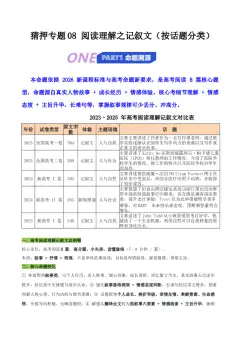
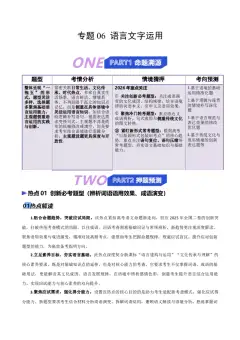
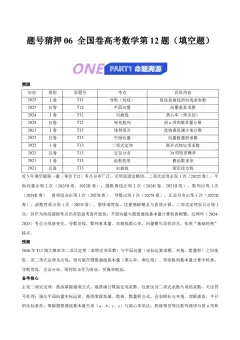
2023–2025 年高考英语七选五题型对比表
年份
试卷类型
原文字数
体裁
主题语境
话题
2025 全国高考一卷
255
记叙文
人与社会
文章主要讲述大学咖啡馆工作人员凯瑟琳•
墨菲用真诚的服务和热情的微笑为学生带来
温暖的故事,展现了这位平凡英雄的动人之
处。
2025 全国高考二卷
248
说明文
人与社会
文章主要介绍家庭共同参与志愿活动带来的
意外好处,包括感觉时间更充裕、促进身体
健康、对青少年产生长远积极影响以及增进
家庭互动等。
2024 新高考 I 卷
271
说明文
人与自我文章主要介绍了作者使用英语词典的经验和
心得以及从中获得的乐趣。
2024 新高考 II 卷
259
说明文
人与自我教会人们如何避免过度旅游
2023 新高考 I 卷
241
说明文
人与自我
鼓励人们练习自我宽恕,并提供了一个简单
的写作练习来增强自信。通过列出个人的
优点和善良的行为,人们可以学会原谅自己
的错误,并从中成长。
2023 新高考 II 卷
256
说明文
人与自我介绍了一些开始艺术之旅的好建议。
一、高考阅读七选五总纲领
体 裁
结构特点
考查核心
难 度
说明文
总—分(—总)、定义/现象
—特征/方法—应用/总结,条
理清晰,多为实用型语篇
语篇结构、逻辑衔接(顺承、例证)、
语义匹配、细节呼应
基础→中档
议论文
提出观点—分析论证(例证、
因果)—总结升华,观点鲜
明,逻辑严谨
论点论据一致性、逻辑关系(转折、递
进)、观点态度、语义衔接
中档
记叙文
背景—经历—感悟,以时
间/事件为线索,情节简单,
逻辑清晰
事件衔接、情感呼应、代词指代、上下
文连贯
基础
二、核心命题变化
① 体裁以说明文为主导,议论文占比提升,记叙文也有考查,彻底摆脱单一叙事类语篇局限;
② 强化语篇逻辑考查,显性逻辑标志词弱化,隐性逻辑(语义衔接、代词指代)凸显,侧重思维推理
能力;
③ 话题贴近高中生生活、学习及时代热点,实用性、指导性增强,避免生僻话题;
④ 解题从“词汇复现优先”转为“逻辑衔接+语义匹配”,杜绝单纯依靠语感或关键词蒙题;
⑤ 设空以段中衔接为主(占比60%),段首主旨、段尾总结/过渡为辅,对语篇整体把握要求提升。
三、语篇核心特征
结构逻辑
① 说明文:以“实用型”为主,常见结构为“提出话题→分点阐述(方法、特征、好处)→总结建
议”,多采用顺承、例证、因果逻辑推进,部分为“问题—解决问题”结构;
② 议论文:“总—分—总”结构为主,提出观点后,通过例证、对比、因果论证展开,结尾重申观点
或升华主题;
语言特点
① 逻辑性强,逻辑连接词(转折、递进、因果、例证)密集,语义衔接自然,信息密度适中;
② 说明文语言客观严谨、简洁明了,无强烈情感色彩,侧重信息传递;议论文观点明确,语言具有一
定说服力;记叙文语言平实,侧重情感共鸣;
③ 篇幅范围:240–280 词,句式简洁,长难句较少,重点考查上下文语义衔接而非复杂句式理解;
④ 价值导向:积极正向,贴合高中生认知水平,聚焦成长、学习、健康、文化、科技等正能量话题,
凸显核心素养。
四、2026 高频猜押话题(按考频排序)
一、学习方法与认知提升类
① 高效学习技巧:记笔记、时间管理、错题整理、高效听课的方法与建议;
② 语言学习相关:英语阅读、听力、写作提升技巧,词典使用方法,跨文化交际注意事项;
③ 认知与思维:终身学习的意义,批判性思维培养,网络时代的信息辨别能力,自主学习与合作学习
的平衡;
④ 学习习惯:克服拖延、保持专注、合理规划学习的方法,错题复盘的重要性。
二、个人成长与素养类
① 心态与成长:自我接纳、自我宽恕、乐观面对挫折,缓解压力、调节情绪的方法;
② 品质与素养:自律、责任担当、诚信友善,独立思考与合作精神的培养;
③ 个人管理:健康作息、合理饮食、坚持运动,培养良好生活习惯;
④ 成长感悟:成长中的收获与反思,学会感恩、学会沟通,摆脱内耗的方法。
三、生活实践与社会类
① 人际交往:有效沟通技巧,维护友谊、化解矛盾的方法,尊重他人、换位思考;
② 生活技巧:日常出行(如乘火车、旅行)注意事项,居家整理、合理消费的建议;
③ 社会热点:缓解过度旅游、志愿服务的意义,家庭共同参与志愿活动的好处;
④ 生活理念:低碳环保、绿色生活,节约资源、垃圾分类的实践方法。
四、文化科普与科技类
① 中华优秀传统文化:传统节日、节气习俗、传统礼仪,传统文化的传承与创新;
② 科技应用:人工智能、大数据在日常生活中的应用,数字化阅读、线上学习的注意事项;
③ 科普知识:常见自然现象、健康科普(睡眠、运动、饮食),简单的科学原理阐释;
④ 文化交流:中外文化差异与融合,尊重多元文化,提升跨文化交际能力。
五、兴趣爱好与休闲类
① 兴趣培养:阅读、绘画、运动、音乐等兴趣爱好的好处,坚持兴趣的方法;
② 休闲方式:合理安排休闲时间,健康休闲、远离沉迷的建议,户外休闲的意义。
五、通用解题逻辑
① 先读选项,圈画核心名词、代词、逻辑连接词,预判选项功能(主旨句、过渡句、例证句);
② 再通读全文,抓住核心主旨,明确语篇结构(总—分、问题—解决等),定位首尾主题句;
③ 聚焦设空位置,精准匹配逻辑关系:段首多为主旨/过渡句,段中多为衔接/例证句,段尾多为总
结/过渡句;
④ 依托词汇衔接(同义替换、代词指代、原词复现)和逻辑衔接(转折、递进、因果、顺承),排除
干扰项;
⑤ 代入验证,通读全文,确保语义连贯、逻辑严谨,杜绝“局部匹配、整体脱节”。
六、备考启示
① 重点精读说明文、议论文,熟练掌握两类体裁的语篇结构和逻辑衔接方式,也要兼顾记叙文训练;
② 积累高频逻辑连接词、衔接短语,重点关注隐性逻辑(代词指代、同义替换)的识别技巧;
③ 按话题分类刷题,优先训练学习方法、个人成长类话题,熟悉各类话题的语言特点和常见表达;
④ 解题时先抓语篇结构和逻辑,再看词汇衔接,每道题明确逻辑依据,杜绝语感蒙题;
⑤ 积累各类话题的核心词汇和常用句式,提升语义匹配的速度和准确率,同时注重语篇整体把握能力
的培养。

考点1:小标题类选项
命题说明
一、考点定位与能力考查
小标题类七选五是高考英语阅读理解七选五的核心必考考点(全国卷 / 新高考卷每年必考 1-2 题,
占 2-4 分),核心考查语篇结构把握、段落主旨概括、句式一致性匹配、关键词复现四大能力,侧重
检验考生对 “总 — 分” 结构说明文的逻辑梳理与信息整合能力。
二、选材与文本特征(命题基础)
主题:贴近学生生活(学习、健康、社交、环保、旅行、时间管理)、实用性强、观点明确、结构清
晰。
结构:严格总 — 分(— 总)
首段:总起,点明全文核心话题(如 “如何高效学习”“缓解压力的方法”)。
主体段:3-5 个并列段落,每段段首设小标题(黑体 / 序号 / 项目符号),段落为 “标题 + 解释
+ 例证 / 细节”。
尾段:总结升华。
篇幅:全文 250-320 词,小标题句式统一、简短、精炼(5-10 词为主)。
三、设空规律(命题形式)
位置:仅设空在段落开头,两种形式
独立小标题:单独成行,黑体 / 加粗 / 带●/First/Second 等序号,与其他小标题格式完全一致。
段首主题句:段落第一句,功能等同小标题,统领下文。
数量:5 个空中,小标题类 1-2 个(最多 2 个),其余为段中 / 段尾空。
句式特征
祈使句(最常见):动词原形开头(Stay positive, Plan ahead, Listen carefully)。
名词 / 动名词短语(Time management, Making plans)。
简短陈述句(Consistency is key.)。
问句(How to stay focused?)。
四、选项特征(正确项 + 干扰项)
(一)正确选项三大标准
概括性:覆盖全段核心,不含细节 / 例证,无冗余信息。
一致性:句式、长度、风格与其他小标题完全匹配(如均为祈使句、均为动名词短语)。
关联性:含段落高频词 / 主题词 / 同义替换词(关键词复现)。
(二)干扰项两大类型(命题陷阱)
主旨偏差类
以偏概全:只概括段落部分细节,非核心主旨。
主题偏离:与段落话题无关 / 关联弱。
范围过大:超出本段内容,涉及全文 / 其他段落。
形式 / 逻辑陷阱类
句式不符:结构、长度、语气与其他小标题不一致。
原词误导:含段落原词,但逻辑错位、语义无关(仅词汇复现,无主旨关联)。
细节化:句子过长,包含具体例子 / 数据。
五、命题意图与考查本质
表层:选小标题匹配段落。
深层:
识别语篇宏观结构(总 — 分)。
提炼段落核心主旨(抓高频词、主题句)。
遵循形式一致原则(句式、格式统一)。
区分主旨与细节,排除干扰。
六、解题步骤(命题导向的应试策略)
先看格式:浏览已知小标题,确定句式(祈使句 / 短语 / 问句)、长度、风格。
精读段落:读空后 1-3 句,找高频词、核心话题、主旨句。
筛选选项
第一步:排除句式不符的选项。
第二步:匹配主题词,锁定 2-3 个候选。
第三步:对比主旨,选最精准概括全段、无细节的选项。
代入验证:检查是否统领全段、逻辑通顺、格式一致。
七、命题趋势(2024-2026)
句式更统一:小标题句式一致性更强,祈使句占比超 70%。
干扰更隐蔽:从 “明显无关” 转向 “原词复现 + 主旨偏离”“半匹配 + 逻辑错位”。
逻辑深化:减少单纯词汇复现,侧重语义逻辑与主旨概括。
主题更实用:聚焦学习方法、心理健康、数字素养、环保生活等热点。
Passage 1
(祈使句式,最常考)
How to Improve Your English Listening Skills
Listening is one of the most important skills in English learning, but many students find it hard
to make progress. The following tips will help you improve your listening ability step by step.
● Choose suitable materials
Don’ t choose materials that are too difficult or too easy. For beginners, start with short
conversations or news clips (片段) with slow speed. As you improve, you can move to longer passages
or native-speed materials, such as English movies or podcasts.
● ________36________
Listening is not just about hearing the words. You need to pay attention to the context, tone of
voice and body language (if you watch videos). Try to understand the main idea first, and then catch
the details. Don’t stop to look up new words while listening—this will break your concentration.
● Practice regularly
Consistency is key to improving listening. Spend 15-20 minutes every day listening to English
materials, rather than studying for 2 hours once a week. You can listen while eating breakfast,
walking to school or waiting for the bus.
● Record and check yourself
When you listen to a passage, try to repeat it aloud and record your voice. Then compare your
recording with the original. This will help you find out where you go wrong, such as pronunciation,
intonation or understanding of words.
A. Focus on understanding, not just words
B. Look up new words in a dictionary
C. Watch English movies every week
D. Listen to English songs to relax
E. Pay attention to the main idea first
F. Don’t break your concentration while listening
G. Learn new words through listening
Passage 2
(动名词短语句式)
Effective Ways to Manage Your Study Time
With so many subjects to learn and tasks to finish, many students feel stressed about time
management. The following methods will help you make the most of your study time and improve
your learning efficiency.
● Setting clear goals
Before you start studying, write down your goals for the day or week. For example, “Finish 2
math exercises” or “Memorize 30 English words”. Clear goals will help you stay focused and
avoid wasting time on unimportant things.
● ________40________
Divide your study time into several short periods. For example, study for 45 minutes and then
take a 10-minute break. This way, you can keep your mind fresh and avoid tiredness. During the
break, you can stretch, drink water or listen to light music—don’t use your phone to play games or
chat.
● Making a study plan
Make a weekly study plan and stick to it. Arrange different subjects at different times according
to your energy level. For example, study math when you are most energetic, and read Chinese when
you are a little tired. A good plan will help you balance all subjects.
● Avoiding distractions
When studying, put away your phone, turn off the TV and find a quiet place. Distractions will
make you spend more time on tasks and reduce your study quality. If you find it hard to focus, you
can ask your family or classmates to remind you.
A. Taking short breaks regularly
B. Study for a long time without stopping
C. Dividing your time into periods
D. Asking for help from others
E. Keeping your mind fresh while studying
F. Avoiding tiredness during study
G. Using breaks wisely
Passage 3
(混合句式,新高考趋势)
How to Keep a Healthy Lifestyle as a Student
As a student, you are busy with study, but a healthy lifestyle is important for your body and
mind. Here are some simple ways to keep healthy, which are easy to follow in daily life.
● Eat a balanced diet
Try to eat more vegetables and fruits, and avoid too much junk food, such as chips and cola.
Don’t skip breakfast—it provides you with energy for the whole morning. Drink enough water every
day, instead of drinking sugary drinks.
● ________37________
Exercise is good for your body and helps you relax. You don’t need to do intense exercise—
30 minutes of walking, running or playing ball games every day is enough. Exercise can also
improve your mood and help you sleep better at night.
● Get enough sleep
Don’t stay up late to study or play with your phone. Try to go to bed before 11 o’clock and
get 7-8 hours of sleep every night. Enough sleep will make you more energetic during the day and
help you focus on your study.
● Keep a positive mood
When you feel stressed or sad, talk to your parents, teachers or friends. Don’ t keep your
feelings to yourself. Doing something you like, such as reading or drawing, can also help you cheer
up.
A. Exercise regularly
B. Doing more intense exercise
C. Sleep is important
D. Eat more junk food
E. Do some light exercise every day
F. Improve your mood through exercise
G. Play ball games after school
考点2: 段首类选项
命题说明
一、考点定位与能力考查
段首类七选五是高考英语阅读理解七选五必考高频考点,核心考查段落主旨概括、上下文逻辑衔接、
段首主题句功能、关键词复现四大能力,侧重检验考生对段落内部 “总 — 分” 逻辑、句间关系(因
果、转折、递进、例证)的判断与信息提炼能力。
二、选材与文本特征(命题基础)
主题:贴近学生生活(学习策略、心理健康、社交沟通、习惯养成、校园生活、成长感悟),逻辑清晰、
层次分明。
结构:典型 “总 — 分 — 总” 或 “总 — 分” 说明文 / 议论文。
段首功能:
段落主题句:统领全段,下文围绕其展开解释、例证、细节。
过渡衔接句:承上启下,连接上段内容与本段新话题。
逻辑引领句:以转折、因果、递进等逻辑开启本段。
篇幅:全文 260~330 词,段首句简洁凝练,具有高度概括性。
三、设空规律(命题形式)
位置:段落第一句,独立成句,引领整段内容。
数量:5 个空中,段首类 1~2 个(最多 2 个),为必考题。
逻辑特征:
总领下文,后文出现for example, such as, to do this 等例证标志。
承上启下,出现however, besides, another way, also 等衔接词。
概括段落核心,后文高频词与段首句主题词一致。
四、选项特征(正确项 + 干扰项)
(一)正确选项三大标准
总领性:能概括本段全部核心内容,下文均为其展开与支撑。
衔接性:与上段结尾存在逻辑关联(并列、转折、递进、顺承)。
一致性:含段落高频主题词 / 同义替换词,与下文逻辑高度契合。
(二)干扰项三大类型(命题陷阱)
主旨错位类
以偏概全:仅对应下文某一细节,无法统领全段。
主题偏离:与本段话题无关,属于其他段落内容。
1. 逻辑陷阱类
衔接断裂:与上文无逻辑关系,无法承上启下。
逻辑相反:与下文观点、态度、事实相悖。
2. 细节冗余类
包含具体例子、数据、专有名词,不具备概括性。
五、命题意图与考查本质
表层:选出适合放在段首、引领段落的句子。
深层:
识别段落 “总 — 分” 结构,区分主旨与细节。
把握上下文句间逻辑关系。
精准提炼段落核心话题。
排除细节化、偏离化干扰项。
六、解题步骤(命题导向的应试策略)
看位置定功能:段首空优先考虑主题句 / 过渡句。
承上先读上句:精读上段结尾,判断逻辑关系(转折 / 并列 / 递进)。
启下精读下文:读下文 1~3 句,圈画高频词、主题词、例证标志。
三步筛选
第一步:排除与上文逻辑断裂、语义相反的选项。
第二步:匹配主题词,锁定 2~3 个候选。
第三步:选最具概括性、能统领下文的主旨句。
代入验证:检查是否总领全段、逻辑通顺、衔接自然。
七、命题趋势(2024~2026)
逻辑更隐蔽:从明显转折词(but/however)转向隐性语义逻辑。
主旨更精炼:正确项高度概括,干扰项多为细节复述。
衔接更灵活:增加承上启下类段首句占比,强化语篇整体逻辑。
主题更贴近:聚焦情绪管理、数字自律、高效学习、团队合作等热点。
Passage1
(过渡 + 总领型,高频考法)
How to Build Good Reading Habits
Reading is a key way to improve language skills and broaden horizons. However, many
students don’t know how to form lasting reading habits. Here are some practical suggestions that are
easy to follow in daily study and life.
Start with books you really enjoy. If you choose books that are too boring or difficult, you will
soon give up. Picture books, interesting stories and popular novels are all good choices for beginners.
You can also pick books related to your hobbies, which will make you more willing to keep reading.
____36___. You can set a fixed time every day for reading. For example, read for 20 minutes
before going to bed or during the morning break. Once it becomes a daily routine, you will find it
hard to stop. Even a short daily reading time is better than a long time of reading occasionally.
Find a quiet reading place. Noisy environments make it difficult to focus. You can read in the
school library, your bedroom or a corner of the classroom. A comfortable environment helps you
lose yourself in the book and improve your reading efficiency.
Share your reading with others. Discussing the stories or ideas with your classmates, teachers
or parents can make reading more fun. It also helps you understand the book deeper and remember
information better. You can even join a reading club to exchange ideas with peers who love reading.
A. Make reading a daily routine
B. Reading brings you lots of fun
C. Choose difficult books to challenge yourself
D. Give up reading when it makes you tired
E. Discuss books with your family
F. A quiet place is important for reading
G. Set a goal for your reading time
Passage 2
(转折逻辑段首,新高考趋势)
Why Some Students Fear Exams
Exams are a common part of school life, but many students feel worried and nervous before
them. This kind of stress can influence their performance and health. It may make them unable to
focus on the exam questions, forget what they have learned, and even cause headaches or
stomachaches in severe cases.
____38___. They are afraid that they cannot get good grades or that they will let their parents
and teachers down. Such thoughts make them feel more stressed and even unable to fall asleep at
night. Some students even start to avoid studying when they think about exams, which only makes
their fear worse and their grades decline further.
Some students fear exams because of poor preparation. They don’t study hard daily and leave all
reviews to the last minute. When they find there’s too much to learn, they will easily feel hopeless
and nervous. They may also lack confidence in their ability to master the knowledge, so they worry
about failing the exams no matter how hard they try.
However, exam fear can be dealt with in simple ways. First, prepare for exams step by step
every day. Make a reasonable review plan and stick to it, so you won’t feel rushed at the last minute.
Second, believe in yourself and avoid negative thinking. Replace “I will fail” with “I can do my best”
to build confidence. Third, relax properly by listening to music or doing sports. Taking short breaks
during review can also help reduce stress and keep your mind clear.
A. Negative thoughts are the main reason
B. Many students have sleeping problems
C. Grades are not so important for students
D. Parents’ expectations bring students pressure
E. Exam fear is bad for students’ mental health
F. Nobody can avoid exam stress completely
G. Staying up late is harmful to your memory
Passage3
(承上启下 + 总领,综合考法)
How to Communicate Better with Your Parents
Teenagers often find it hard to communicate with their parents. They may think their parents
don’t understand them or always control their life. The good news is that better communication is
possible with small changes, which can bridge the gap between you and your parents and make your
family life warmer.
Try to put yourself in your parents’ shoes. Think about why they give you advice or rules. Most
of the time, they are just worried about your safety and future. If you understand their purpose, you
will be more patient. Avoid arguing with them angrily, as it will only make the situation worse.
___37___. When you talk with your parents, choose a proper time. Don’t start a conversation
when they are busy cooking, working or tired. A peaceful time helps both sides talk openly and
calmly. For example, you can chat with them after dinner or on weekends when they are free. This
way, neither of you will feel rushed or annoyed during the talk.
Listen carefully when your parents are speaking. Don’t interrupt or argue with them at once. Try
to understand their opinions before expressing your own. Good listening is the first step to better
communication. Nodding and responding politely can show your respect and make them more
willing to listen to you. It also lets your parents know that you value their words.
A. Choose the right time to talk
B. Your parents always care about you
C. Argue with your parents when you disagree
D. Talk to your parents about your school life
E. Be patient with your parents’ advice
F. Don’t talk when your parents are in a bad mood
G. Communication needs both speaking and listening
考点3:段中类选项
命题说明
一、考点定位与能力考查
段中类七选五是高考英语阅读理解七选五的核心高频考点,核心考查上下文逻辑衔接、句间语义连
贯、关键词复现、细节补充四大能力,侧重检验考生对段落内部 “分 — 分”“总 — 分 — 分” 逻
辑、句间关系(因果、转折、递进、顺承、例证、补充)的判断与语义衔接能力,是七选五中最能体现语
篇连贯性的考点。
二、选材与文本特征(命题基础)
主题:与段首类选材一致,贴近学生生活(学习策略、心理健康、社交沟通、习惯养成、校园生活、
成长感悟),逻辑严密、语义连贯,段落内部细节支撑充分。
结构:以 “总 — 分”“总 — 分 — 总” 说明文 / 议论文为主,部分为记叙文,段落内部多为
细节展开、逻辑延伸或观点补充。
段中功能:
细节补充句:承接前文观点,补充具体细节、方法、原因,使段落内容更完整。
逻辑衔接句:衔接前后句子,体现转折、因果、递进等逻辑,使句间过渡自然。
例证支撑句:呼应前文观点,通过举例、解释等方式强化前文内容。
语义延伸句:在前文基础上进一步拓展话题,丰富段落内涵,不偏离核心主题。
篇幅:全文 260~330 词,段中句兼顾连贯性与细节性,既贴合前文语义,又引出后文内容。
三、设空规律(命题形式)
位置:段落中间(非首句、非尾句),夹在两个或多个句子之间,衔接前后内容,多为独立成句,少
数与前后句构成并列句。
数量:5 个空中,段中类 2~3 个(最多 3 个),为必考重点,占比最高。
逻辑特征:
衔接前文,前文出现观点、结论或话题,后文围绕设空句展开补充或延伸。
引领后文,设空句给出观点、方法或提示,后文为具体解释、例证或操作步骤。
逻辑明确,常出现and, but, however, therefore, besides, in addition, for example 等逻辑衔
接词。
语义连贯,设空句与前后句存在关键词复现、同义替换或语义呼应。
四、选项特征(正确项 + 干扰项)
(一)正确选项三大标准
连贯性:与前后句语义衔接自然,无逻辑断层,符合段落整体节奏。
逻辑性:明确体现句间逻辑关系(因果、转折、递进等),衔接词使用合理(或隐含逻辑)。
一致性:含段落核心主题词、同义替换词或指代词(it, this, that 等),与前后文话题高度统一,
不偏离段落主旨。
(二)干扰项三大类型(命题陷阱)
1. 逻辑脱节类
衔接断裂:与前后句无任何逻辑关联,语义不连贯,无法融入段落语境。
逻辑混乱:逻辑关系与前后句相悖(如前文表原因,选项表结果;前文表转折,选项表并列)。
2. 话题偏离类
局部偏离:仅与前后句中某一句语义相关,与段落核心主题无关。
完全偏离:属于其他段落的话题,与本段内容无任何关联。
3. 语义冗余/缺失类
冗余多余:内容重复前后句已有信息,无新的补充,属于无效信息。
语义缺失:内容过于简洁,无法衔接前后句,或未体现必要的逻辑关系,导致段落语义不完整。
五、命题意图与考查本质
表层:选出适合放在段中、衔接前后内容的句子,使段落语义连贯、逻辑清晰。
深层:
识别句间逻辑关系,区分不同逻辑衔接词的用法与含义。
把握段落核心话题,排除偏离主题、语义脱节的干扰项。
理解指代关系、同义替换,精准匹配前后文语义。
感知语篇连贯性,判断句子在段落中的功能与作用。
六、解题步骤(应试策略)
看位置定功能:段中空优先考虑逻辑衔接句、细节补充句或例证支撑句。
读前句找线索:精读设空句前1~2 句,圈画主题词、衔接词、指代词,明确前文语义与逻辑。
读后句找呼应:精读设空句后1~2 句,判断后文语义方向、逻辑关系,寻找与选项的呼应点。
三步筛选
第一步:排除与前后句逻辑脱节、话题偏离的选项。
第二步:匹配逻辑关系与主题词,锁定2~3 个候选选项。
第三步:代入选项,检查语义是否连贯、逻辑是否合理、指代是否明确。
代入验证:通读整段,确认设空句融入后段落流畅,无语义断层或逻辑混乱。
七、命题趋势(2024~2026)
逻辑更隐蔽:减少明显衔接词,侧重隐性逻辑(语义呼应、指代衔接),增加解题难度。
指代更灵活:强化it, this, that, such 等指代词的考查,要求考生精准定位指代对象。
细节更贴合:正确项多为具体细节补充,干扰项多为话题偏离或逻辑混乱,对语义匹配要求更高。
衔接更紧密:设空句与前后句的语义关联更紧密,需结合整段语境判断,不能孤立分析单个句子。
Passage1
(外刊:Today’s Psychology 《今日心理学》2025,数字专注)
How to Stay Focused in the Digital Age
In a world filled with smartphones, social media and endless notifications, many students find it
hard to stay focused on study.    36

   We often reach for our phones unconsciously, even when we
intend to concentrate, which wastes precious study time. Here are some science-backed ways to help
you regain control of your attention.
Turn off unnecessary notifications. Every beep or buzz from your phone can break your focus.
37

   These sudden interruptions make it hard to get back into a deep study state, costing you extra
time to refocus. You can use the “do not disturb” mode or turn off social media alerts during study
hours.
38
     Studies show that our brains can only keep high focus for 45-60 minutes. Pushing
yourself to focus nonstop for hours will only lead to tiredness and poor efficiency. After that, take a
5-10 minute break to walk or stretch. This short rest can refresh your mind and improve your long-
term productivity.
Create a quiet study zone. A messy or noisy space makes it easy to get distracted.  39

   Clutter
and background noise can pull your attention away from your tasks without you noticing. Choose a
corner with good lighting and no electronic devices. This simple change can greatly improve your
concentration.
Practice single-tasking. Many students believe multitasking saves time, but it actually reduces
efficiency.    40

  Switching between tasks forces your brain to adjust constantly, leading to more
mistakes and slower progress. Focus on one task at a time until you finish it, and you will get better
results in less time.
A. Take regular short breaks
B. Focusing has become a real challenge for most people
C. Make sure your study area is clean and tidy
D. You should finish homework as quickly as possible
E. These frequent interruptions make it impossible to study well
F. Multitasking divides your attention and lowers your work quality
G. Playing mobile games can help you relax after study
Passage2
(外刊:China Daily《中国日报》 2025,校园环保)
Small Ways to Protect the Environment on Campus
Living green on campus is easier than you think. You don’t need to make big changes to help
the environment.  36
     . Every small action can add up to make a big difference.
Save paper whenever possible. Most schools use a lot of paper for homework and worksheets.
37
     . To save paper, try using digital tools instead of paper. You can take notes on a tablet or
laptop, and submit homework online when teachers allow.
Reduce food waste. The dining hall is one of the biggest sources of waste on campus.  38
   .
You can help reduce it by changing your eating habits. Take only the food you can eat, and don’t
throw away unfinished meals. Many campuses have set up food recycling bins to deal with leftover
food.
39
     . Cut down on plastic use. Plastic bottles and bags are harmful to the environment.
Carry a reusable water bottle and cloth bag instead of using single-use plastic items. This can cut
down plastic waste greatly.
Save electricity in dormitories.  40
    . Dorm life offers many chances to save energy. Turn
off lights and computers when you leave the room, and unplug chargers that are not in use. Small
habits like these can help save much energy every day.
A. Use fewer plastic products
B. You can start with small daily habits
C. Paper production is bad for trees and the environment
D. Don’t buy unnecessary snacks from the supermarket
E. Electricity waste is common in student dormitories
F. You can ask classmates to join your environmental activities
G. Food waste has become a serious problem on many campuses
Passage3
(外刊:National Geographic Kids 《国家地理儿童版》2025,积极心态
How to Keep a Positive Mood During Exam Season
Exam season can be stressful for many students. Worries about grades can make you feel
anxious and upset. Many students even lose sleep or refuse to communicate with others under
heavy pressure.     36
  .
   With the right methods, you can stay positive and perform better.
Talk about your feelings. Keeping stress inside will only make it worse. Turn to your
parents, teachers or close friends when you feel down.
  37
  .    They can offer you support
and help you see things in a better way. You don’t have to solve all problems alone.
Do some physical activities. Exercise is a great way to reduce stress. It not only relaxes
your body but also calms your busy mind.
  38
  .    Running, walking or playing ball games
for 30 minutes a day can produce happy chemicals in your brain.
39
  .     Learn to set reasonable study goals. Setting unrealistic goals will only lead to
disappointment. Be fair to yourself and set goals that you can reach. For example, aim to
improve one or two subjects instead of perfect scores.
Celebrate small progress. Small achievements can build up your confidence day by day.
40

    .Every time you finish a task or understand a difficult point, give yourself a small
reward. This will keep you motivated and positive throughout the exam period.
A. Don’t be afraid to share your worries with friends or teachers
B. Staying positive is more important than getting high scores
C. It can help you relax and improve your mood quickly
D. Make sure your study goals are realistic
E. But bad mood doesn’t have to last long
F. You should spend all your time reviewing textbooks
G. Progress is more important than perfect results

考点4:段尾类选项
命题说明
一、考点定位与能力考查
段尾类七选五是高考英语阅读理解七选五的必考高频考点,核心考查段落主旨总结、上下文逻辑衔
接、句间语义呼应、结论提炼四大能力,侧重检验考生对段落内部 “分 — 总”“总 — 分 — 总” 逻
辑、句间关系(因果、总结、递进、呼应)的判断与主旨归纳能力,是体现语篇完整性的关键考点。
二、选材与文本特征(命题基础)
主题:与段首、段中类选材一致,贴近学生生活(学习策略、心理健康、社交沟通、习惯养成、校园
生活、成长感悟),逻辑完整、语义闭环,段落结尾需形成总结或延伸。
结构:以 “总 — 分 — 总”“分 — 总” 说明文 / 议论文为主,少数为记叙文,段落内部先展
开细节、观点,结尾进行总结、升华或给出建议。
段尾功能:
总结概括句:梳理本段核心观点、细节,对前文内容进行归纳总结,形成段落闭环。
逻辑延伸句:基于前文观点,进行适度延伸、补充建议或发出呼吁,贴合段落主旨。
因果总结句:呼应前文的原因、现象,得出相应结论,体现因果逻辑的完整性。
衔接过渡句:总结本段内容,同时巧妙衔接下段话题,实现段落间的自然过渡。
篇幅:全文 260~330 词,段尾句简洁有力,兼具总结性与连贯性,不新增无关话题。
三、设空规律(命题形式)
位置:段落最后一句(非段首、非段中),独立成句,承接本段前文内容,部分与前一句构成因果、
总结关系。
数量:5 个空中,段尾类 1~2 个(最多 2 个),为必考题,常与段首、段中类搭配考查。
逻辑特征:
总结前文,前文为具体细节、观点或例证,段尾句对其进行归纳提炼,常出现in short, in
conclusion, thus 等总结标志词。
呼应主旨,与本段段首主题句形成呼应,强化段落核心话题,确保语义一致。
逻辑闭环,体现因果、总结、递进等逻辑,使段落内容完整,无语义断层。
衔接下段,部分段尾句隐含下段话题线索,为下段内容做铺垫,实现语篇连贯。
四、选项特征(正确项 + 干扰项)
(一)正确选项三大标准
总结性:能精准概括本段核心内容,呼应前文细节或观点,形成段落语义闭环。
连贯性:与前文逻辑衔接自然,体现总结、因果、递进等关系,无逻辑断层。
一致性:含段落核心主题词、同义替换词,不新增无关话题,与本段主旨高度契合,可呼应段首句。
(二)干扰项三大类型(命题陷阱)
1. 总结偏差类
以偏概全:仅总结前文某一细节,无法涵盖本段全部核心内容,总结不全面。
过度延伸:超出本段话题范围,进行无关的升华或拓展,偏离段落主旨。
2. 逻辑断层类
衔接断裂:与前文无逻辑关联,无法呼应前文观点或细节,无法形成语义闭环。
逻辑颠倒:因果、总结关系颠倒(如前文为结论,选项为原因;前文为细节,选项未总结反而补充新
细节)。
3. 细节冗余类
补充新细节:新增前文未提及的具体例子、数据或观点,未体现总结功能,属于无效信息。
重复冗余:简单重复前文已有观点,无归纳总结,无法起到段尾收尾作用。
五、命题意图与考查本质
表层:选出适合放在段尾、总结段落或衔接上下文的句子,使段落内容完整、逻辑闭环。
深层:
识别段落 “分 — 总”“总 — 分 — 总” 结构,掌握段尾句的总结功能。
把握前文语义与逻辑,精准提炼段落核心观点,排除总结偏差的干扰项。
理解总结、因果、递进等逻辑关系,判断段尾句与前文的衔接合理性。
兼顾语篇连贯性,判断段尾句是否能呼应段首、衔接下段。
六、解题步骤(应试策略)
三步筛选
第一步:排除新增无关话题、重复冗余或总结不全面的选项。
第二步:匹配段落主题词与逻辑关系,锁定2~3 个候选选项。
第三步:选最能概括前文、逻辑连贯,且能形成段落闭环的选项。
代入验证:通读整段,确认段尾句融入后段落完整、语义闭环,与前文衔接自然,不偏离主旨。
七、命题趋势(2024~2026)
总结更精准:正确项需精准提炼段落核心,干扰项多为“以偏概全”,对主旨归纳能力要求更高。
逻辑更隐蔽:减少明显总结标志词(in short, conclusion),侧重隐性总结逻辑(语义呼应、因果
闭环)。
衔接更注重:增加段尾句衔接下段的考查比例,强化语篇整体连贯性,需结合全文语境判断。
功能更灵活:段尾句不再局限于单纯总结,新增“建议类”“呼吁类”结尾,贴合现实话题,增强实
用性。
Passage1
(来源:BBC Learning English 2025,主题:高效阅读)
How to Read Effectively for Study
Effective reading is more than just going through words. It helps you understand, remember and
use information better. Many students read slowly and remember little.    36
     They often read
without a clear goal, which makes their reading inefficient and a waste of time. Mastering effective
reading skills can save you effort and improve your study results greatly.
Before you read, set a clear purpose. Are you reading for main ideas, details or opinions?  37

Knowing your reading purpose in advance keeps you from getting stuck in unimportant parts. This
will help you decide whether to read quickly or carefully. For example, news articles can be read
fast, while textbooks need careful reading.
Learn to skim and scan. Skimming means reading quickly to get the main idea. You can look at
titles, headings and the first sentence of each paragraph. Scanning is used to look for specific
information like dates or numbers.  38
    Both skills can save you a lot of time, especially when you
need to finish a lot of reading tasks in a short time.
Take simple notes while reading. Writing down key words or short notes can improve your
memory greatly.    39

  It also helps you focus on the most important information instead of getting
distracted by irrelevant content. You can use mind maps to organize the information clearly.
Review what you have read soon after finishing. Spend 2–3 minutes going over your notes or
thinking about the main points.    40
     This short review helps strengthen your memory and makes it
easier to recall the information when you need it for exams or assignments.
A. Knowing your purpose makes reading more directed
B.
With these skills, you can save much time in study
C.
You should read every word carefully when you read
D. This simple step helps you remember information longer
E.
Reading is the most important skill in language learning
F.
Don’t take notes on every sentence you read
G.
Reading online is different from reading paper books
Passage2
(Today’s Psychology 2025,情绪管理)
Stress is common for students during exams and busy school days. It can make you feel worried,
tired or unable to think clearly. However, you can learn to calm yourself down quickly.  36
    It
doesn’t require much time or special skills, and these small steps can help you get rid of stress in a
short time.
Start with deep breathing. When you feel stressed, take three slow, deep breaths. Breathe in
through your nose and out through your mouth. Count to three as you breathe in and count to five as
you breathe out.  37
    This simple action can relax your body and mind at once, easing the tension
in your shoulders and calming your racing thoughts.
Talk to someone you trust. Keeping worries to yourself will only make stress heavier. Bottling
up negative feelings can make you feel more anxious and lonely.    38
      They can listen to you and
give you support. Sometimes just sharing your feelings can make you feel much better, as it lightens
the burden in your heart.
Do a small, enjoyable activity. You can listen to soft music, draw a picture or walk outside for a
few minutes. These small things don’t take much time but can bring you instant comfort.  39

These activities can take your mind off pressure and make you relaxed, helping you return to your
study or tasks with a clearer mind.
Remember that it’s okay to feel stressed sometimes. You are not alone, and stress won’t last
forever. Everyone faces stress in daily life, and it’s a normal part of growing up.    40
    .
A. Don’t be afraid to share your feelings with friends or family
B.
This way, your heart rate will slow down quickly
C.
Here are some easy ways to deal with stress
D. You will get through this difficult time with the right ways
E.
You should stop studying until you feel better
F.
Choose activities that are relaxing and not too exciting
G. Stress can have a bad influence on your health
Passage3
(来源:Education Week 2025,主题:时间管理)
Time management is an important skill for students. With heavy study tasks and various after-
school activities, many students often feel short of time and cannot finish work on time. 36____
They usually spend time on unimportant things first and delay the most necessary tasks. Learning to
manage time properly can help you work more efficiently and reduce stress.
Make a to-do list every day. Write down all the things you need to do, including homework,
review and housework. 37____ This way, you will not forget anything important and can arrange
your time in order. You can use a notebook or a phone app to record your tasks clearly.
Deal with difficult tasks first. Do the hardest or most boring work when you are most energetic,
usually in the morning. 38____ If you leave difficult tasks until late at night, you may feel tired and
unable to focus, leading to low efficiency.
Take short breaks properly. Working for a long time without rest will make you feel tired and
bored. 39____ You can stand up, stretch your body or look out of the window for a few minutes.
Short breaks can refresh your mind and help you keep working better.
Avoid unnecessary distractions. Stay away from your mobile phone, TV and games while
studying. These things can easily draw your attention away and waste much time. 40____ By
controlling your attention, you can finish tasks faster and have more free time to relax.
A. This helps you finish hard work easily and quickly
B. Many students fail to manage time in a right way
C. Mark them in order of importance and time limit
D. It is necessary to take a 5-10 minute break every hour
E. Good time management is the key to good grades
F. You should ask teachers for help when in trouble
G. Try to create a quiet study environment for yourself