Lesson 7 Chinese Paper Cutting中国剪纸
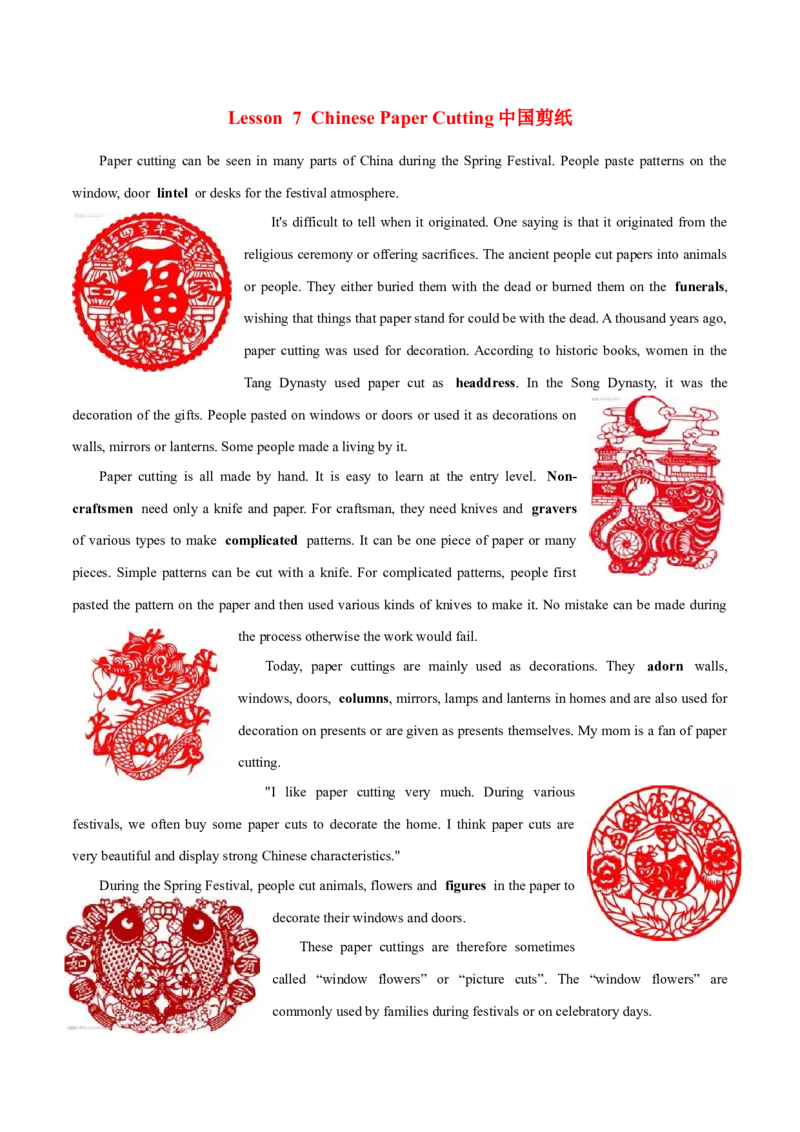
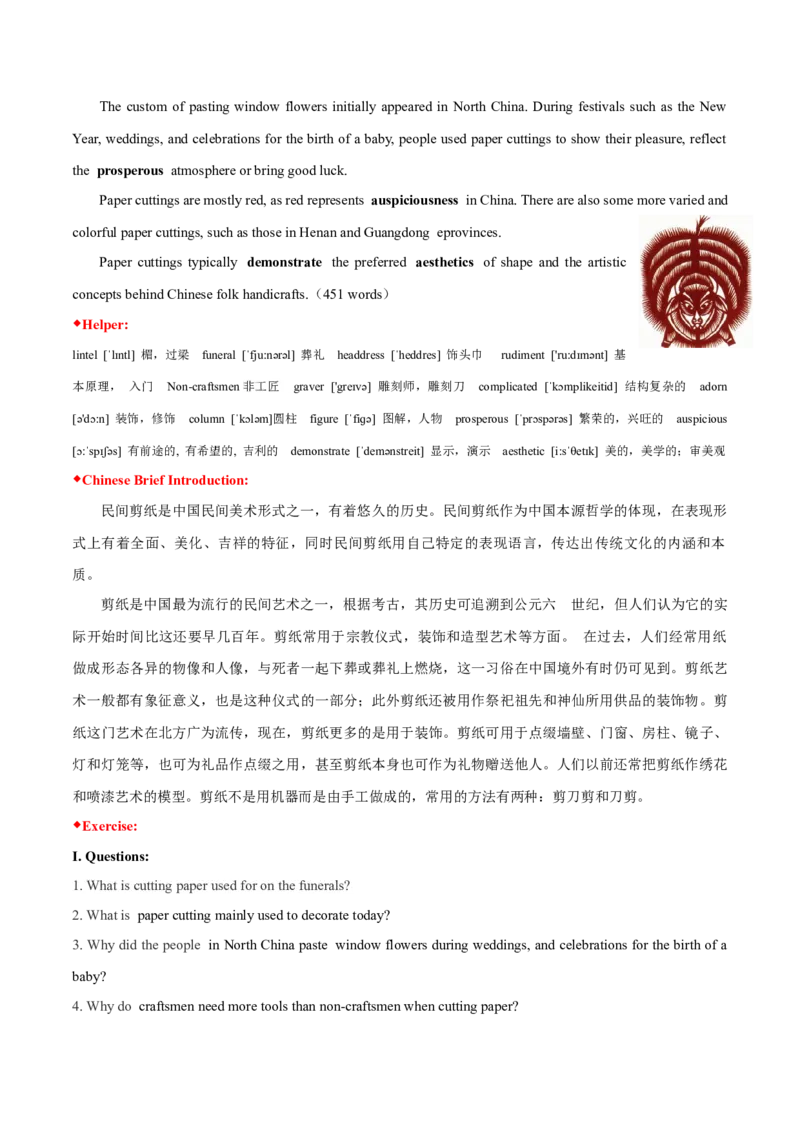
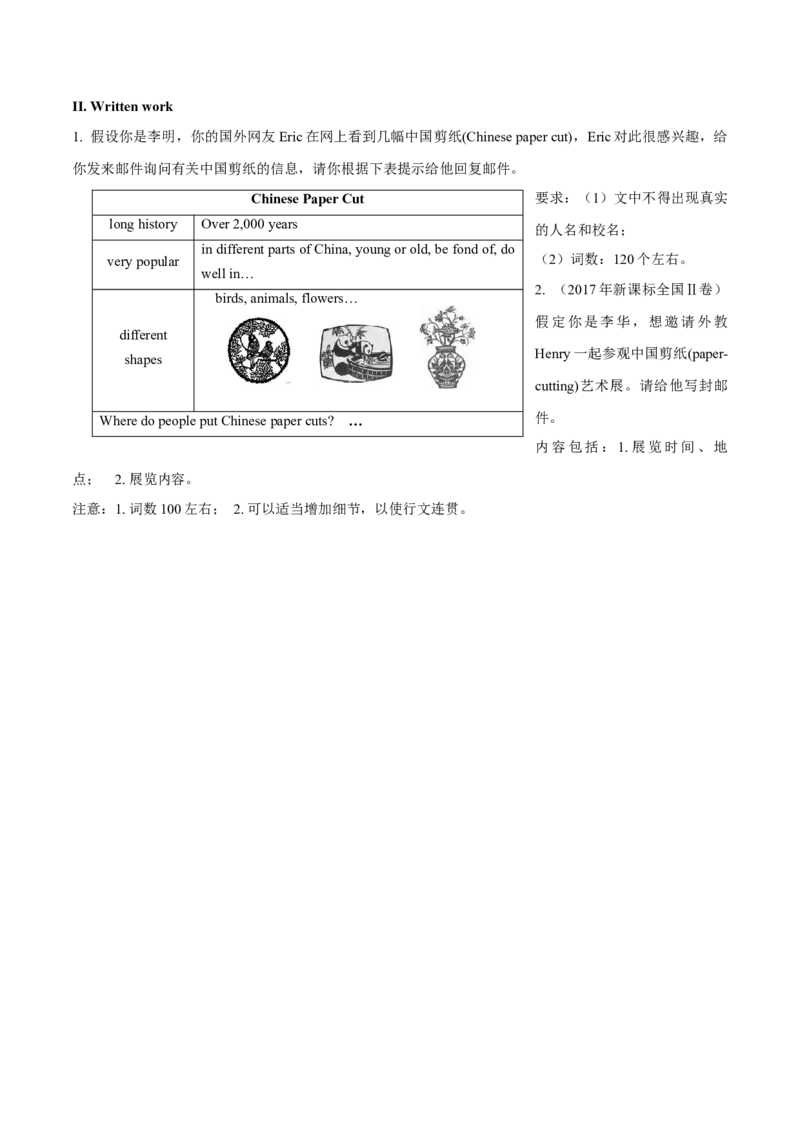
Paper cutting can be seen in many parts of China during the Spring Festival. People paste patterns on the
window, door lintel or desks for the festival atmosphere.
It's difficult to tell when it originated. One saying is that it originated from the
religious ceremony or offering sacrifices. The ancient people cut papers into animals
or people. They either buried them with the dead or burned them on the funerals,
wishing that things that paper stand for could be with the dead. A thousand years ago,
paper cutting was used for decoration. According to historic books, women in the
Tang Dynasty used paper cut as headdress. In the Song Dynasty, it was the
decoration of the gifts. People pasted on windows or doors or used it as decorations on
walls, mirrors or lanterns. Some people made a living by it.
Paper cutting is all made by hand. It is easy to learn at the entry level. Non-
craftsmen need only a knife and paper. For craftsman, they need knives and gravers
of various types to make complicated patterns. It can be one piece of paper or many
pieces. Simple patterns can be cut with a knife. For complicated patterns, people first
pasted the pattern on the paper and then used various kinds of knives to make it. No mistake can be made during
the process otherwise the work would fail.
Today, paper cuttings are mainly used as decorations. They adorn walls,
windows, doors, columns, mirrors, lamps and lanterns in homes and are also used for
decoration on presents or are given as presents themselves. My mom is a fan of paper
cutting.
"I like paper cutting very much. During various
festivals, we often buy some paper cuts to decorate the home. I think paper cuts are
very beautiful and display strong Chinese characteristics."
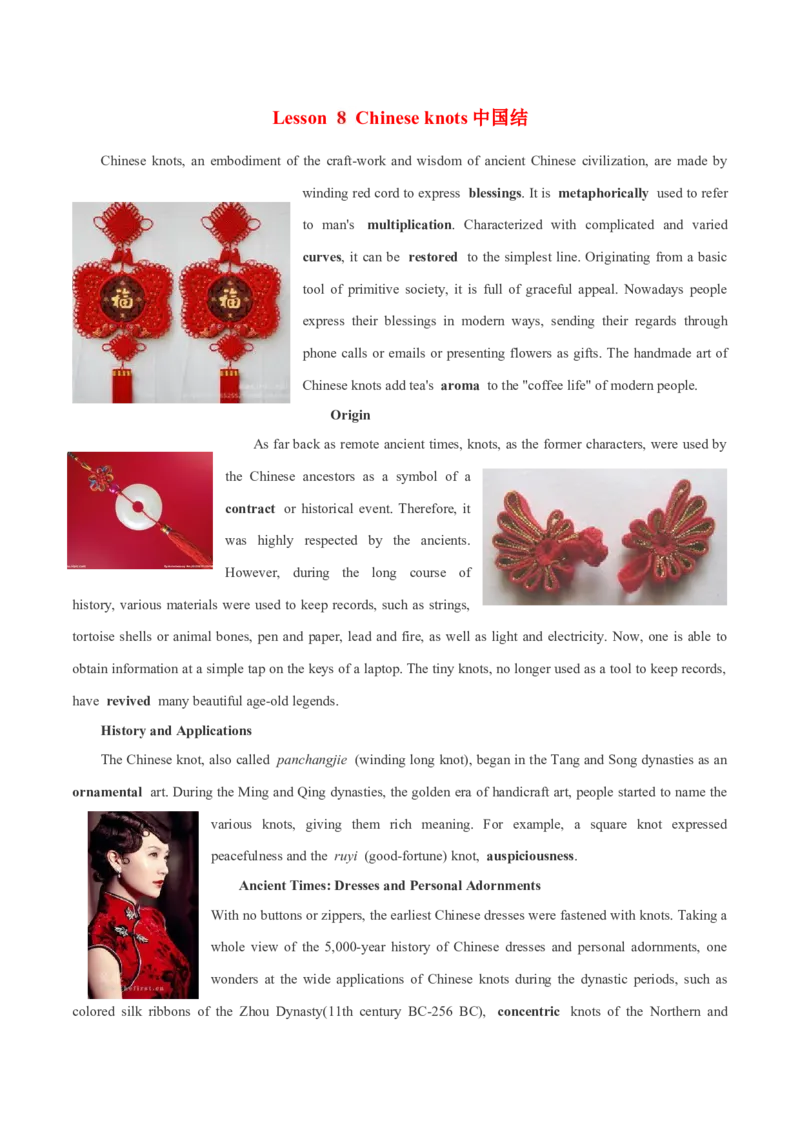
During the Spring Festival, people cut animals, flowers and figures in the paper to
decorate their windows and doors.
These paper cuttings are therefore sometimes
called “window flowers” or “picture cuts”. The “window flowers” are
commonly used by families during festivals or on celebratory days.The custom of pasting window flowers initially appeared in North China. During festivals such as the New
Year, weddings, and celebrations for the birth of a baby, people used paper cuttings to show their pleasure, reflect
the prosperous atmosphere or bring good luck.
Paper cuttings are mostly red, as red represents auspiciousness in China. There are also some more varied and
colorful paper cuttings, such as those in Henan and Guangdong eprovinces.
Paper cuttings typically demonstrate the preferred aesthetics of shape and the artistic
concepts behind Chinese folk handicrafts.(451 words)
◆Helper:
lintel [ˈlɪntl] 楣,过梁 funeral [ˈfju:nərəl] 葬礼 headdress [ˈheddres] 饰头巾 rudiment ['ru:dɪmənt] 基
本原理, 入门 Non-craftsmen非工匠 graver ['greɪvə] 雕刻师,雕刻刀 complicated [ˈkɔmplikeitid] 结构复杂的 adorn
[ə'dɔ:n] 装饰,修饰 column [ˈkɔləm]圆柱 figure [ˈfiɡə] 图解,人物 prosperous [ˈprɔspərəs] 繁荣的,兴旺的 auspicious
[ɔ:ˈspɪʃəs] 有前途的, 有希望的, 吉利的 demonstrate [ˈdemənstreit] 显示,演示 aesthetic [i:sˈθetɪk] 美的,美学的;审美观
◆Chinese Brief Introduction:
民间剪纸是中国民间美术形式之一,有着悠久的历史。民间剪纸作为中国本源哲学的体现,在表现形
式上有着全面、美化、吉祥的特征,同时民间剪纸用自己特定的表现语言,传达出传统文化的内涵和本
质。
剪纸是中国最为流行的民间艺术之一,根据考古,其历史可追溯到公元六 世纪,但人们认为它的实
际开始时间比这还要早几百年。剪纸常用于宗教仪式,装饰和造型艺术等方面。 在过去,人们经常用纸
做成形态各异的物像和人像,与死者一起下葬或葬礼上燃烧,这一习俗在中国境外有时仍可见到。剪纸艺
术一般都有象征意义,也是这种仪式的一部分;此外剪纸还被用作祭祀祖先和神仙所用供品的装饰物。剪
纸这门艺术在北方广为流传,现在,剪纸更多的是用于装饰。剪纸可用于点缀墙壁、门窗、房柱、镜子、
灯和灯笼等,也可为礼品作点缀之用,甚至剪纸本身也可作为礼物赠送他人。人们以前还常把剪纸作绣花
和喷漆艺术的模型。剪纸不是用机器而是由手工做成的,常用的方法有两种:剪刀剪和刀剪。
◆Exercise:
I. Questions:
1. What is cutting paper used for on the funerals?
2. What is paper cutting mainly used to decorate today?
3. Why did the people in North China paste window flowers during weddings, and celebrations for the birth of a
baby?
4. Why do craftsmen need more tools than non-craftsmen when cutting paper?II. Written work
1. 假设你是李明,你的国外网友Eric在网上看到几幅中国剪纸(Chinese paper cut),Eric对此很感兴趣,给
你发来邮件询问有关中国剪纸的信息,请你根据下表提示给他回复邮件。
Chinese Paper Cut 要求:(1)文中不得出现真实
long history Over 2,000 years
的人名和校名;
in different parts of China, young or old, be fond of, do
very popular (2)词数:120个左右。
well in…
2. (2017年新课标全国Ⅱ卷)
birds, animals, flowers…
假定你是李华,想邀请外教
different
Henry一起参观中国剪纸(paper-
shapes
cutting)艺术展。请给他写封邮
Where do people put Chinese paper cuts? … 件。
内容包括:1. 展览时间、地
点; 2. 展览内容。
注意:1. 词数100左右; 2. 可以适当增加细节,以使行文连贯。Lesson 8 Chinese knots中国结
Chinese knots, an embodiment of the craft-work and wisdom of ancient Chinese civilization, are made by
winding red cord to express blessings. It is metaphorically used to refer
to man's multiplication. Characterized with complicated and varied
curves, it can be restored to the simplest line. Originating from a basic
tool of primitive society, it is full of graceful appeal. Nowadays people
express their blessings in modern ways, sending their regards through
phone calls or emails or presenting flowers as gifts. The handmade art of
Chinese knots add tea's aroma to the "coffee life" of modern people.
Origin
As far back as remote ancient times, knots, as the former characters, were used by
the Chinese ancestors as a symbol of a
contract or historical event. Therefore, it
was highly respected by the ancients.
However, during the long course of
history, various materials were used to keep records, such as strings,
tortoise shells or animal bones, pen and paper, lead and fire, as well as light and electricity. Now, one is able to
obtain information at a simple tap on the keys of a laptop. The tiny knots, no longer used as a tool to keep records,
have revived many beautiful age-old legends.
History and Applications
The Chinese knot, also called panchangjie (winding long knot), began in the Tang and Song dynasties as an
ornamental art. During the Ming and Qing dynasties, the golden era of handicraft art, people started to name the
various knots, giving them rich meaning. For example, a square knot expressed
peacefulness and the ruyi (good-fortune) knot, auspiciousness.
Ancient Times: Dresses and Personal Adornments
With no buttons or zippers, the earliest Chinese dresses were fastened with knots. Taking a
whole view of the 5,000-year history of Chinese dresses and personal adornments, one
wonders at the wide applications of Chinese knots during the dynastic periods, such as
colored silk ribbons of the Zhou Dynasty(11th century BC-256 BC), concentric knots of the Northern andSouthern Dynasties (420-589), jade-ring ribbons of the Song Dynasty (960-1279), and the wound-knot buttons of
the Ming (1368-1644) and Qing (1644-1911) dynasties.
Chinese people liked to wear jade ornaments in ancient times, which were tied to their clothes by strings
through the round hole in the middle.
Cultural Contents
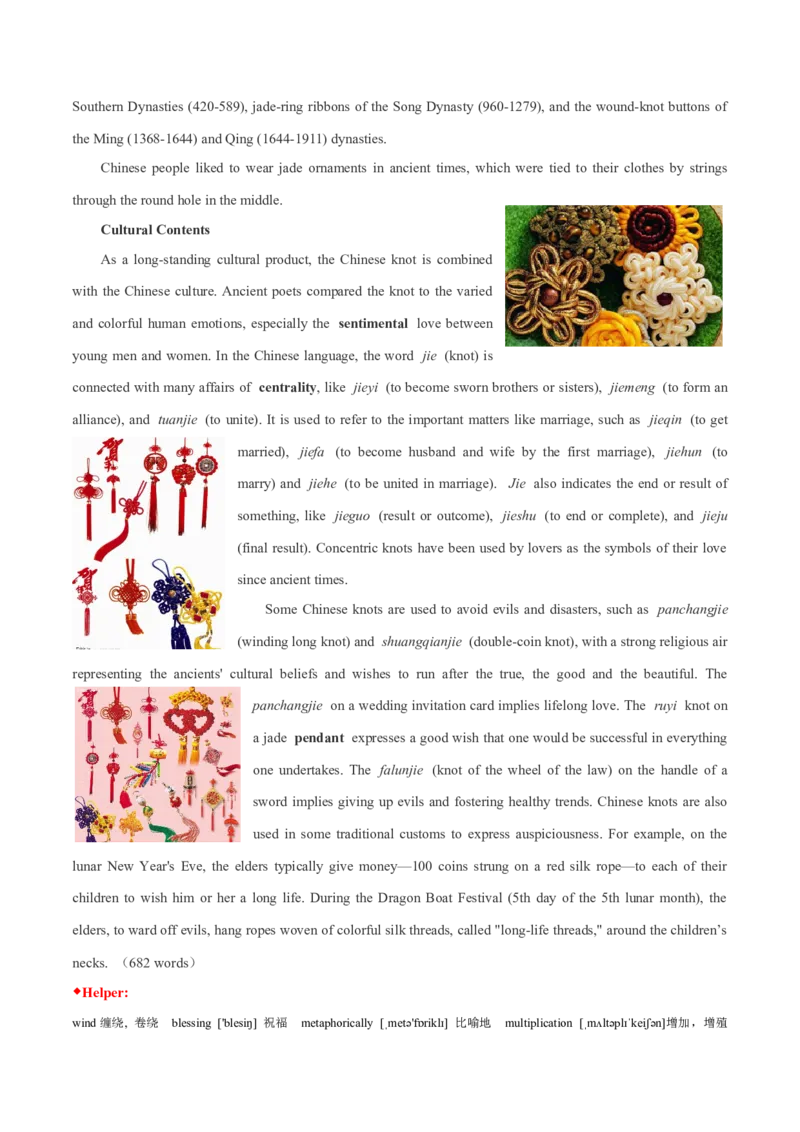
As a long-standing cultural product, the Chinese knot is combined
with the Chinese culture. Ancient poets compared the knot to the varied
and colorful human emotions, especially the sentimental love between
young men and women. In the Chinese language, the word jie (knot) is
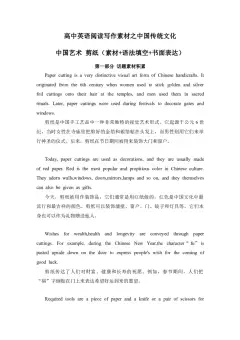
connected with many affairs of centrality, like jieyi (to become sworn brothers or sisters), jiemeng (to form an
alliance), and tuanjie (to unite). It is used to refer to the important matters like marriage, such as jieqin (to get
married), jiefa (to become husband and wife by the first marriage), jiehun (to
marry) and jiehe (to be united in marriage). Jie also indicates the end or result of
something, like jieguo (result or outcome), jieshu (to end or complete), and jieju
(final result). Concentric knots have been used by lovers as the symbols of their love
since ancient times.
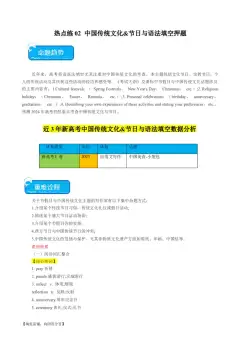
Some Chinese knots are used to avoid evils and disasters, such as panchangjie
(winding long knot) and shuangqianjie (double-coin knot), with a strong religious air
representing the ancients' cultural beliefs and wishes to run after the true, the good and the beautiful. The
panchangjie on a wedding invitation card implies lifelong love. The ruyi knot on
a jade pendant expresses a good wish that one would be successful in everything
one undertakes. The falunjie (knot of the wheel of the law) on the handle of a
sword implies giving up evils and fostering healthy trends. Chinese knots are also
used in some traditional customs to express auspiciousness. For example, on the
lunar New Year's Eve, the elders typically give money—100 coins strung on a red silk rope—to each of their
children to wish him or her a long life. During the Dragon Boat Festival (5th day of the 5th lunar month), the
elders, to ward off evils, hang ropes woven of colorful silk threads, called "long-life threads," around the children’s
necks. (682 words)
◆Helper:
wind缠绕, 卷绕 blessing ['blesiŋ] 祝福 metaphorically [ˌmetə'fɒriklɪ] 比喻地 multiplication [ˌmʌltəplɪˈkeiʃən]增加,增殖curve [kə:v] 曲线, 弯曲物 restore [riˈstɔ:] 交还, 使恢复 aroma [ə'rəʊmə] 芳香 contract [kənˈtrækt] 契约, 婚约 revive
[riˈvaiv] 使复活,使重新流行, 唤醒 ornamental [ˌɔ:nəˈmentl] 装饰用的 auspiciousness [ɔ:ˈspiʃəs]有前途的, 吉利的
concentric [kənˈsentrik]同一个中心的 sentimental [ˌsentɪ'mentl] 伤感的, 多愁善感的 centrality [sen'træləti] 中心, 向心性
pendant [ˈpendənt] (装在项链等上的)垂饰,坠儿
◆Chinese Brief Introduction:
中国结是由旧石器时代的缝衣打结,推展至汉朝的仪礼记事,再演变成今日的装饰手艺。周朝人随身
的佩戴玉常以中国结为装饰,延续至清朝中国结真正成为流传于民间的艺术。当代多用来室内装饰、亲友
间的馈赠礼物及个人的随身饰物。中国结从头到尾都是用一根丝线编结而成,每一个基本结又根据其形、
意命名。把不同的结饰互相结合在一起,或用其它具有吉祥图案的饰物搭配组合,就形成了造型独特、绚
丽多彩、寓意深刻、内涵丰富的中国传统吉祥装饰物品,如盘长结、双钱结等,体现了我国古代的文化信
仰及浓郁的宗教色彩,体现着人们追求真、善、美的良好的愿望。在新婚的帖钩上,装饰一个“盘长
结”,寓意一对相爱的人永远相随相依 ,永不分离。在佩玉上装饰一个“如意结”,引申为称心如意,
万事如意。在扇子上装饰一 个“吉祥结”,代表大吉大利,吉人天相,祥瑞、美好。 在剑柄上装饰一个
“法轮结”,有如轮黑心行,弃恶扬善之意。
“结”被先民们赋予了“契”和“约”的法律表意功能,同时还有记载历史事件的作用,由史料看,
绳结确实曾被用作辅助记忆的工具,也可说是文字的前身,“结”因此备受人们的尊重。“结”字也是一
个表示力量、和谐, 充满情感的字眼,无论是结合、结交、结缘、团结、结果,还是结发夫妻,永结同
心,“结”给人都是一种团圆、亲密、温馨的美感“结”与“吉”谐音,“吉” 有着丰富多彩的内容,
福、禄、寿、喜、财、安、康无一不属于吉的范畴。斗转星移,数千年弹指一挥间,人类的记事方式已经
历了绳结与甲骨、笔与纸、铅与火、光与电的洗礼。如今,在笔记本电脑的方寸之间,轻触键盘,上下五
千年的历史就可以尽在眼前。小小彩绳早已不是人们记事的工具,但当它被打成各式绳结时,却复活了一
个个古老而美丽的传说。
◆Exercise:
I. Questions:
1. Why do we say Chinese ancestors use Chinese knots as former Chinese characters?
2. Please explain the following jie phrases in English?
团结,结亲,结义,结拜,结果,结束,结发,结合,结局
3. What does it mean that the elders give 100 coins strung on a red silk rope to each of their children on the lunar
New Year's Eve?
4. When did the wound-knot buttons come into use?II. Written work
(2013高考全国卷) 假定你是李华,自制一些中国结(Chinese knot)。给开网店的美国朋友Tom写封
信,请他代卖,要点包括: 1.外观(尺寸、颜色、材料) 2.象征意义 3.价格
注意:1. 词数100左右;
2. 可以适当增加细节,以使行文连贯。
III. Proof reading
假定英语课上老师要求同桌之间交换修改作文,请你修改你同桌写的以下作文。文中共有10处语言错
误,每句中最多有两处。错误涉及一个单词的增加、删除或修改。
增加:在缺词处加一个漏字符号(∧),并在其下面写出该加的词。
删除:把多余的词用斜线(\)划掉。
修改:在错的词下划一横线,并在该词下面写出修改后的词。
注意:1.每处错误及其修改均仅限一词;
2.只允许修改10处,多者(从第11处起)不计分。
Dear Ms Jenkins,
I’m Li Hua, a Senior 3 student from No. 5 Secondary School. I would like to offer my apology for unable to
teach you to make Chinese knot this Saturday.
The reason is that I have got a cold, but the doctor suggests that I must lie in bed for one week or so. But don’t
worry. I had asked a friend of mine, Han Meimei, to go here instead. He is very experienced in making Chinese
knots. She will drop on at your apartment at 9:00 this Saturday morning.
Please allowing me to say sorry again. I have the confidence what you can learn how to make Chinese knots.
Wish you a good time!
Yours,
Li Hua
SUGGESTED ANSWERS
7. Chinese Paper CuttingII. Written work
1. Dear Eric,
You wanted to know about Chinese paper cut. Here I’m glad to tell you something about it. Chinese paper cut
has a long history of over 2,000 years. It can be seen in different parts of China. Many people, no matter young or
old, are fond of it. People in northern part of China do well in making paper cuts. People cut paper into different
shapes, like birds, animals, flowers and so on. I think Chinese paper cuts are not only beautiful but also very useful.
People usually put them on doors or windows when they celebrate something happy, especially for the Spring
Festival. More and more people are interested in it. I hope you’ll come to China to see more Chinese paper cuts one
day.
Best wishes.
Yours
Li Ming
2. Dear Henry
I'm Li Hua, the leader of the paper-cutting club in our school. Last time you told me you looked forward to
learning more about traditional Chinese culture. Now I'm glad to tell you there will be a Chinese paper-cutting
exhibition held by our school. I sincerely hope you can set aside some time for the art feast.
The exhibition, the theme of which is "beauty of China", will take place in the school hall from 2 to 5 on the
afternoon of June 21. Not only will our club's works be displayed, but we also have a valuable set of paper-cutting
created by a famous artist of this field. Besides, there will be a lot of useful and interesting activities, from which
you can have a clearer picture of Chinese culture.
I would appreciate it if you accept my invitation. I'm sure it can leave a wonderful impression on you! I'm
looking forward to your reply.
Best wishes!
Yours,
Li Hua
Y
8. Chinese knots
II. Written work
Dear Tom,
How are you doing? I wonder if you could sell some Chinese knots for me. I made them myself with red silkthreads, cloth and other materials. They look really beautiful in the shape of a diamond, about 5 inches long and 4
inches wide. In china, these knots stand for friendship, love and good luck. People can either give them as gifts to
friends or hang them in their houses. They are only 12.99 US dollars each. If anyone wants to know more about the
knots, let them write to me. Also, do let me know if you need further information.
Thank you!
Yours,
Li Hua
III. Proof reading
第一处:unable前加being第二处:knot改为knots
第三处:but改为and或so
第四处:删除must或者must改为should
第五处:had改为have
第六处:here改为there
第七处:He改为She
第八处:on改为in
第九处:allowing改为allow
第十处:what改为that