ARTICLE · 1143084
科普辩论|医院是否应采用更多AI工具帮助医生决策?【辩论视频/中英文稿/SSP报摘/导师点评】
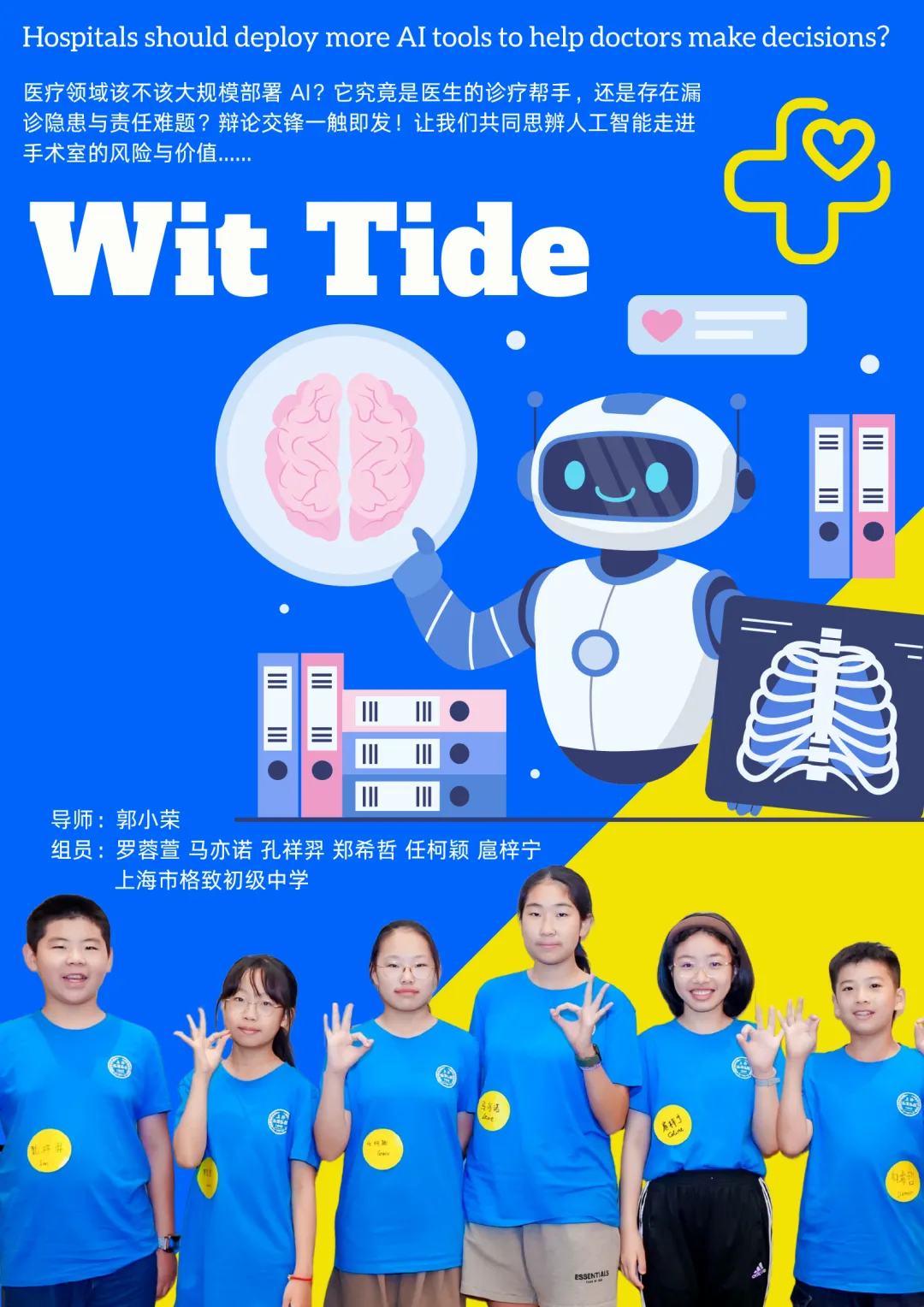
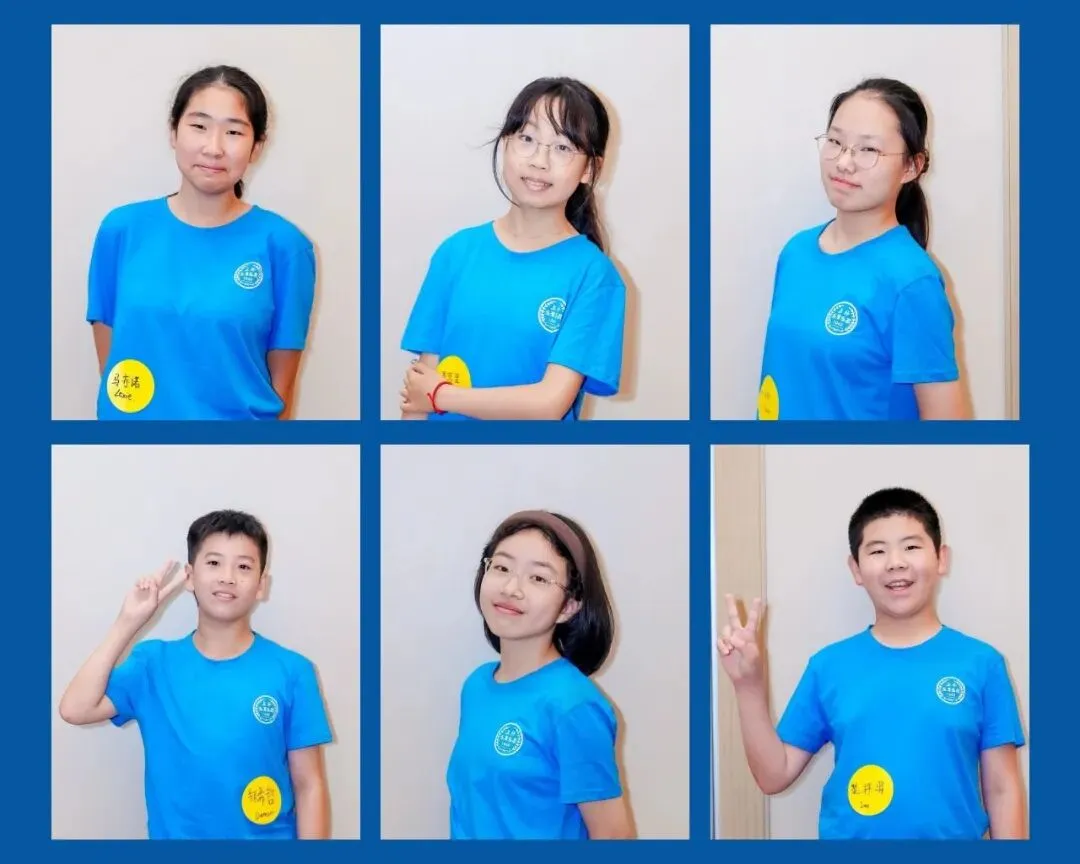
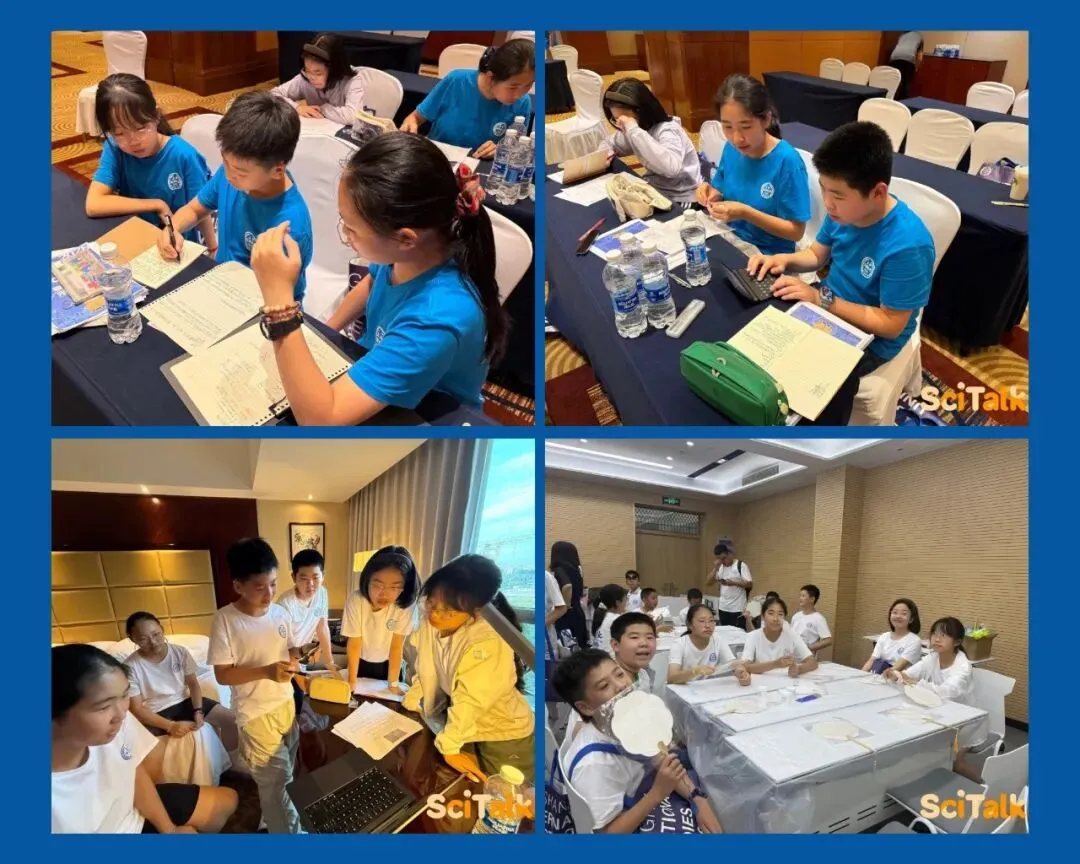
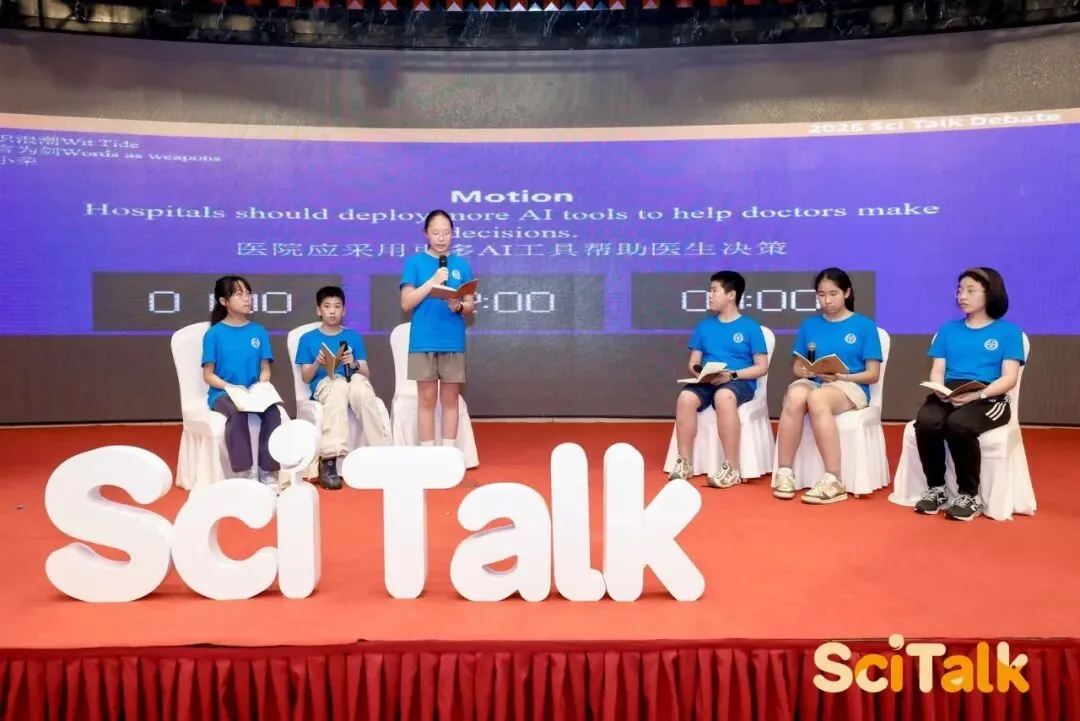
人工智能飞速发展,如今早已不再是遥远的科技概念,而是一步步走进医院、走进诊疗一线。AI 筛查快速高效、准确率惊人,能够辅助医生抢救生命、减轻医疗压力。但亮眼数据的背后,漏诊偏差、实验与现实脱节、责任无法界定等问题也逐渐暴露。AI 医疗究竟值得全面推广,还是应当谨慎落地?这场精彩辩论,带我们辩证看清科技与生命医学的边界与平衡。
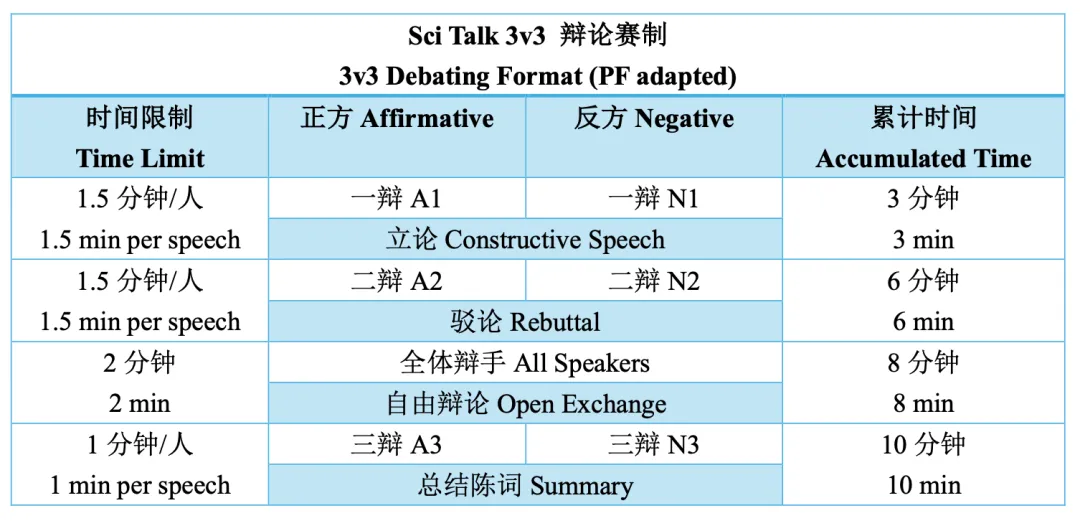
赛制规则介绍
🎬点击观看现场辩论视频(视频字幕由AI产生,仅做参考)
辩词-中英文版
Hospitals should deploy more AI tools to help doctors make decisions?
医院应采用更多 AI 工具帮助医生决策
A1 |正方一辩
Good afternoon, honorable judges, members of the opposition, ladies and gentlemen.
尊敬的裁判、反方辩友、女士们先生们,大家下午好!
Imagine a baby fighting for life. Dangerous symptoms haven't shown up yet, but an AI tool warns the doctor with 85% certainty. That savior is AI. Today, we strongly believe that hospitals should deploy more AI tools to help doctors make decisions.
请大家想象一下,面对一个生命垂危的新生儿,在任何症状显露之前,AI 就能以 85% 的把握提前向医生发出警报,救下这条生命。这就是我们需要 AI 的理由。因此,医院应当部署更多 AI 辅助临床决策。
Why do doctors need AI? Because its core feature is rapid Massive Data Processing. Doctors face a massive wall of data every day. They need AI as a super-powered magnifying glass to spot hidden risks instantly.
医生为何少不了 AI 的辅助?关键在于 AI 具备瞬间处理海量数据的能力。面对浩如烟海的临床数据,医生需要 AI 这枚强劲的放大镜,才能扫清盲区,揪出隐匿的致命风险。
Firstly, AI delivers faster, more accurate diagnoses. It cuts pediatric MRI scans from an hour to just a few minutes, while tripling image clarity. This spots diseases instantly and eliminates dangerous anesthesia. That’s a real game changer.
首先,我方认为 AI 能带来更快速、更精准的诊断。它把原本长达一个小时的儿童 MRI 检查,直接压缩到了短短几分钟,同时还将图像清晰度提升了整整三倍!这既能迅速锁定病灶,还能彻底避免麻醉带来的安全风险。这才是真正颠覆性的突破!
Our second point is customizing local care. Stanford’s smart dashboard filtered local data, doubling healthy patient rates across backgrounds. AI serves as a necessary assistant empowering doctors to save preemies and deliver real equity. Thank you!
其次,AI 能为当地患者带来真正的定制化诊疗。斯坦福的智能看板通过筛选本地临床数据,让不同患病群体的治愈率翻了一番。AI 是医生不可或缺的助手,只为帮医生挽救早产儿、让优质医疗触手可及。谢谢大家。
N1 |反方一辩
What happens when doctors stop using their own brains? Good afternoon, everyone. Picture a tired doctor blindly trusting a flashing AI screen. The machine makes a hidden mistake, the doctor stops thinking, and a patient is put in deep danger.
如果医生放弃了独立思考,后果会有多可怕?大家下午好。请想象这样一个画面,一位疲惫不堪的医生,正无条件地相信着眼前不断闪烁的 AI 屏幕。可一旦机器犯下隐秘的错误,而医生又停止了把关,就有可能瞬间把患者推向了死亡边缘。
First: AI is a mysterious black box causing a fatal flaw—Over-reliance. Under stress, doctors suffer from "Automation Bias". Their brains get lazy, they blindly trust the machine, and they STOP double-checking real human lives!
首先,AI 的黑箱机制极易引发过度依赖。面对高压诊疗,医生难免会陷入对机器的思维惯性。他们的大脑就会变得懒惰,盲目相信 AI,不再去为鲜活的生命多做一次把关。
Secondly paper tests do not equal reality. The Lancet found that ONLY 5% of AI research used real patient data; 95% of the time, they just play multiple-choice question games. This creates "Benchmark Bias" — meaning a machine acts like a genius on exam papers, but fails completely in a real hospital.
其次,纸上谈兵的分数,绝不等于救死扶伤的本事。权威医学期刊《柳叶刀》指出,整整 95% 的 AI 研究,充其量只是在实验室里玩答题游戏。这种基准测试偏差给了 AI 一个天才的假象,可真到了临床战场,瞬间就会原形毕露。
Thirdly, unproven tech risks human lives. Nature warns that tools saving 100% of mice can cause deadly, unexpected reactions in real human tissues. When doctors blindly trust these paper-test machines, real patients become lab rats. Safety first!
再者,拿未经证实的技术去赌,就是拿患者的生命冒险。《自然》期刊早已发出警告,哪怕一种疗法在小白鼠身上能做到 100% 安全,一旦用于人体,依然可能引发致命的未知风险。当医生盲目依赖这些只会刷题的 AI 时,真实患者就成了实验室的小白鼠。生命高于一切,安全绝无妥协。
A2 |正方二辩
Thank you! The opponent’s case is built on a massive logic flaw. They worry about a "black box" and lazy doctors, but they forget a huge fact: AI is an assistant, NOT a replacement! Doctors still use their own brains! Furthermore, real-world evidence from Stanford shows that FDA-cleared AI tools have already safely treated over 80 million real patients across 160 countries. This is real-world safety!
谢谢大家。对方辩友的立论存在一个致命的逻辑漏洞。他们一味强调算法黑箱和医生工作懈怠,却唯独忽略了一个重要事实。AI 只是辅助工具,根本不可能替代医生!最终做决策的,依然是医生自己的大脑。况且,斯坦福的实证数据早已给出证明,获得 FDA 批准的 AI 工具,已经在 160 个国家安全治疗了 8000 多万名患者,这才是经得起检验的临床安全!
Now, our Third Argument: AI can design custom, lifesaving treatments much faster and safer than humans.
现在提出我方第三大核心论点。AI能以远超人类的速度和安全性,研发出定制化的救命疗法。
According to the scientific journal, Nature, scientists paired up with a generative AI model called RFdiffusion. You can think of it as a "Lego master" for science. This AI learns how to take proteins apart. It then uses the building blocks to design a brand-new, custom medicine to stick like SUPERGLUE onto deadly snake toxins. In lab tests, this tool saved 100% of mice from lethal cobra venom!
据科学期刊《自然》报道,科学家利用名为 RFdiffusion 的生成式 AI,你可以把它看作科学界拆解蛋白质的乐高大师。它能利用基础模块设计出全新的定制药物,像超级强力胶一样粘住致命的蛇毒。在实验中,这项技术让感染致命眼镜蛇毒的小鼠全部活了下来。
This technology replaces dangerous, slow tests on horses, creating customized cures in days instead of years. We must deploy more AI. Thank you!
它取代了以往危险又缓慢的马匹试验,把救命药的研发周期从几年压缩到几天。为了挽救更多生命,我们必须部署更多 AI 工具。谢谢大家。
N2 |反方二辩
Thank you! The affirmative side is telling us a science fiction story. They celebrate saving mice, but the researchers in Nature themselves admit these tools are unproven in humans and might cause deadly reactions in real human tissues! 95% of AI tools are still just playing question games on paper. This benchmark bias hides dangerous failures before the AI faces a real human life!
谢谢大家。对方辩友今天是在给大家讲科幻故事!他们在这里庆祝救活了小白鼠,但《自然》的研究员自己都承认这些工具在人体上根本未经证实,用到真人组织上随时可能引发致命的反应!高达 95% 的 AI 工具,到现在依然处于模拟阶段。这种基准测试偏差,在 AI 真正面对活生生的生命之前,完美掩盖了它潜在的致命隐患。
Now, our Forth Argument: Deploying AI creates a dangerous Black Box where no one takes responsibility when things go wrong.
现在推出我方第四大论点:盲目部署 AI 制造了一个危险的责任黑箱,一旦出事,根本无人负责。
According to The Lancet, most hospitals refuse to publish a public AI inventory, hiding what machines they use. Even worse, a famous real-world audit on the Epic Sepsis AI — a tool deployed in hundreds of hospitals — showed that it MISSED 67% of deadly blood infections! Because the algorithm is a Black Box, doctors couldn't understand why the AI made mistakes.
《柳叶刀》调查显示,绝大多数医院拒绝公开 AI 清单,隐瞒自己使用的机器。更糟糕的是,一项对涵盖数百家医院的 Epic 败血症 AI 工具的实测显示,它漏掉了整整 67% 的致命血液感染!正因为算法是个黑箱,医生根本无法理解它为什么会出错。
If an AI tool makes an error and a patient dies... WHO GOES TO JAIL? The computer company? The doctor? A piece of software cannot feel guilt, and it cannot be punished. Stop the blind deployment! Thank you.
如果 AI 出错导致患者死亡……到底该谁去坐牢?是软件公司?还是医生?一段代码不会感到愧疚,也无法因此受到惩罚。请停止盲目部署。谢谢。
Open Exchange |交叉质询
A1 |正方一辩
If AI can process millions of data points in seconds, why do you still insist that a tired doctor's personal experience is more valuable than flawless data?
既然 AI 能够在几秒内处理海量数据,你们为什么还固执地认为,一个疲惫不堪的医生的个人经验,会比精准完美的数据更重要?
N2 |反方二辩
Because data can lie, but experience saves lives! The Lancet has already proven that a massive 95% of AI data comes from playing "paper games" in a lab, without ever being tested on real patients. Throwing away human experience means you are blindly trusting a broken machine that could crash at any moment!
因为数据会撒谎,但经验能救命!《柳叶刀》早就证明,整整 95% 的 AI 数据全是在实验室纸上谈兵,根本没有经过真实患者的检验!抛弃了医生的经验,你们无异于是在盲目信任一台随时会崩盘的坏机器!
A1 |正方一辩
But the reality is, before any obvious symptoms even show up, AI can already predict potential diseases with 85% accuracy. Tell me, can human doctors ever do that?
可事实是,在任何显性症状出现之前,AI 就能以 85% 的精准度预警潜在疾病。请问,人类医生做得到这一点吗?
N2 |反方二辩
A prediction on paper is NOT a cure in real life! Nature has warned us that even a tool predicting 100% safety in mice can trigger deadly reactions when applied to real human beings. If your 85% prediction goes wrong and a patient dies, who actually goes to jail? The cold machine, or the lazy doctor?
理论的预测可代替不了现实救治!《自然》期刊早已警告,即便在小鼠身上预测出 100% 安全的工具,用在人体上也可能引发致命反噬!如果你们那 85% 的预测出了差错导致患者惨死,到底该谁去坐牢?是冰冷的机器,还是懒惰的医生?
N2 |反方二辩
Don't you think using AI tools to assist doctors in decision-making inherently crosses ethical red lines?
你们难道不觉得,让 AI 工具来辅助医生做决策,本身就触碰了医疗伦理的红线吗?
A1 |正方一辩
Absolutely not! AI is never the doctor; it is simply a powerful assistant. The final diagnosis and human care will always remain in the hands of the doctor. A better tool only helps doctors fulfill their medical ethics and mission even better!
绝非如此!AI 从来不是医生,它只是一个强大的助手。最终的诊疗决策与人文关怀,始终掌握在医生手中。工欲善其事,必先利其器,一个更出色的工具,只会帮医生更好地恪守医德、践行使命!
A3 |正方三辩
Let us review today's debate. The negative side’s entire case is built on fear. But their logic has a massive loophole: they confuse a helpful assistant with a replacement! AI does not make the final choice; it empowers real human doctors with better tools!
让我们复盘今天的比赛。反方的立论建立在恐惧之上。但他们的逻辑有一个巨大的漏洞,他们把辅助工具和替代人类混为一谈。AI 从来不做最终决定,它只是用更好的工具,让真正的人类医生变得更强大。
Our opponents choose to look backward, but the hard numbers speak for themselves! Look at the facts: First, 160 countries, 80 million real patients safely treated! Second, 85% certainty, saving preemies before symptoms show up! Third, 3 times sharper MRIs and custom medicine designed in days, not years! AI gives doctors a super-powered shield to fight diseases. For the sake of every patient, we must deploy more AI tools. Thank you!
对方辩友选择固步自封,但数据本身最具说服力。请看数据:第一,安全诊疗 160 个国家的 8000 万真实患者!第二,实现 85% 预警率,提前拯救危重早产儿!第三,提升 3 倍清晰度,把数年药物研发压缩至短短几天!AI 是医生对抗疾病的超级盾牌。为了每一位患者,我们必须部署更多 AI 工具。谢谢大家。
N3 |反方三辩
To wrap up, the affirmative side completely confuses paper exams with real medicine! Look at the dangerous facts. Their beautiful stories cannot change the reality in The Lancet: 95% of AI tools have never faced a real patient! This Benchmark Bias creates blind hubris. The real-world audit on the "Epic Sepsis AI" proved that blindly deploying machines leads to a disaster where 67% of deadly infections are completely missed!
总结全场,正方其实混淆了实验室测试和真正的临床医疗。请看这几个无法忽视的现实:即便正方描述得再美好,也无法改变《柳叶刀》揭示的现实,整整 95% 的 AI 工具从未面对过真实患者。这种基准测试偏差带来了盲目的自大。对 Epic 败血症 AI 系统的临床实测已经证明,盲目部署完全是拿生命冒险,面对致命感染,它的漏诊率居然高达 67%。
If a machine operates as a hidden Black Box and a patient dies, WHO GOES TO JAIL? Software cannot feel guilt, and it cannot be punished. Medicine requires 100% accountability, not paper games. Stop the blind deployment. Thank you.
如果机器在黑箱运作并导致患者死亡,谁能承担血的代价?程序没有灵魂,更无法受到惩罚。医学关乎生死,需要的是 100% 追责到人的严谨,绝非纸上谈兵的推卸。盲目部署,必须叫停!谢谢大家。
SSP报摘
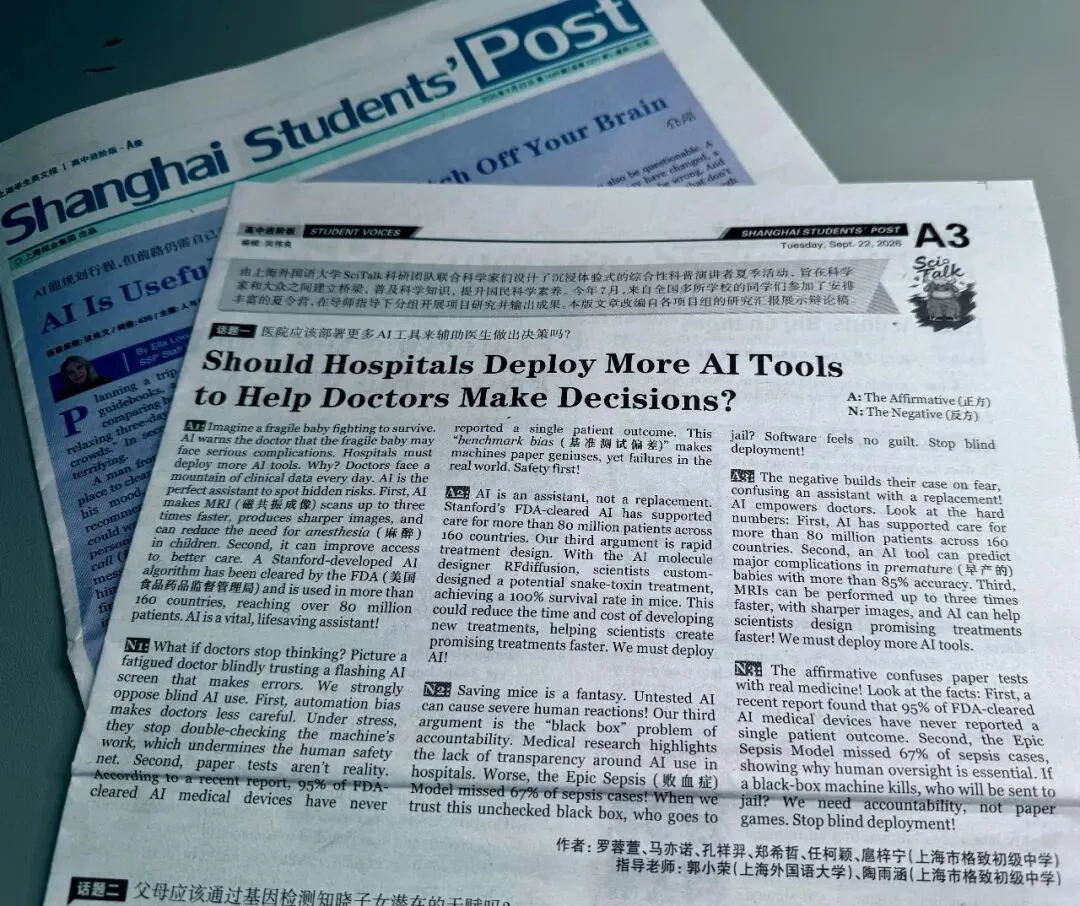
(本篇科普演讲刊登在上海学生英文报2026年9月22日高中进阶版A3版)

裁判辨析
本场辩论聚焦医疗科技前沿的政策争点,讨论医院是否应当部署更多 AI 工具辅助医生决策。双方准备充分,大量引用《自然》《柳叶刀》和斯坦福等机构的数据,围绕 AI 的临床价值与风险展开辩论,双方辩手表现兼具专业性与对抗性。
论点解析:正方将 AI 定位为医生的“放大镜”与“盾牌”,始终强调其辅助属性而非替代作用。正方结合斯坦福临床数据、MRI 清晰度提升、早产儿预警及 RFdiffusion 蛋白质重构等研究,展现了 AI 在临床诊断与药物研发上的应用价值。反方则聚焦于未经充分验证的技术能否直接落地,指出盲信机器的心理陷阱,以及实验室刷题跑分严重脱离临床现实,认为大量研究停留在纸面阶段,同时援引 Epic 败血症 AI 漏诊的审计案例与黑箱追责问题,强调临床安全风险。双方论点均有据可依,正方立意在于描绘技术愿景,反方则侧重于揭示现实隐患。
正反交锋:双方攻防主要围绕两条主线展开:AI究竟是助手还是替代者,以及实验室数据能否等同于临床现实。面对安全与替代的质疑,正方以 FDA 认证和 8000 万真实患者的诊疗数据作答,强调最终决策权仍在医生手中;反方则针对证据可靠性进行回击,指出绝大多数 AI 未接触过真实患者,并以《自然》期刊的警告及责任归属问题持续施压。整体来看,交锋集中在数据解读与风险认知上,正方的优势在于展现技术应用价值,反方则在风险防控逻辑上更为稳健。
现场发挥:六位辩手分工明确,全英文表达流利顺畅。正反方均有选手针对对方论点展开即兴反驳与总结,辩手们词汇运用丰富,语音语调起伏得当,肢体语言与眼神交流自然,前后衔接自然。
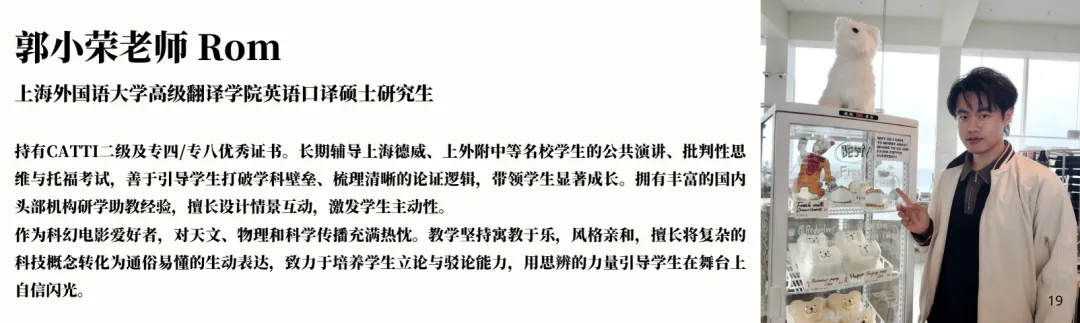
小组导师
项目组首次建立“当外语拥抱科普”社群,添加下方微信即可受邀入群:

END


文:郭小荣
摄影:朱江
图/编辑:周梦怡
审:Juliet Sun
范蓉

点击关注
与我们一同成长