ARTICLE · 1243803
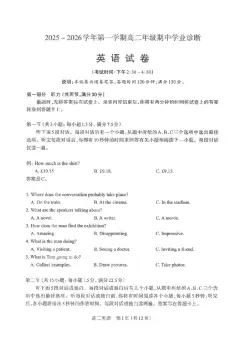
考题探究 || “江苏省海门中学2025-2026学年度第一学期高二英语期中”第29题命题失误
C
Human language seems so much more complicated and organized than anything experienced by animals. Nevertheless, animals do indeed communicate complex ideas using precise, intentional language.
Vervet monkeys (黑长尾猴), like many other species of primates (灵长目动物), give alarm calls when predators (捕食性动物) approach. These calls act as warnings to others in their group that a predator is about. The interesting part is that there are different calls for different predators. To demonstrate that these vervet calls mean what they thought they meant, primate researchers Robert Seyfarth and Dorothy Cheney performed experiments. They placed loudspeakers in the forest and waited for vervets to approach and then played the various warning calls that they had recorded. Sure enough, playing the eagle call made the vervets look up, playing the leopard call made them climb the nearest tree and head for a thin branch.
Another interesting thing about vervets is that they can tell their own children by their cries. In the jungle, when a baby vervet cries, its mother looks in the direction of the scream. Meanwhile all of the other vervets also stop and look, but not toward the baby, toward the mother. Even other mothers that don’t have their babies nearby are not mistaken about which baby is crying.
Also, it turns out that vervets have vocabulary for more than just predators and dangers. They also have vocabulary for social relationships such as “higher-ranking member,” “lower-ranking member,” and “competing group of vervets.”
To date, we have not interpreted any other primate vocabulary as thoroughly as we have the vervets. It’s only because no one has yet done with any other species what Seyfarth and Cheney have done with vervets. However, you can be sure that, inspired by this success, primatologists are now doing exactly that with many other species. It won’t be long before we have a more complete vocabulary for many more of our primate cousins.
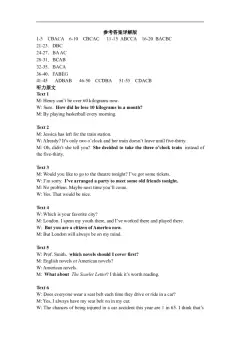
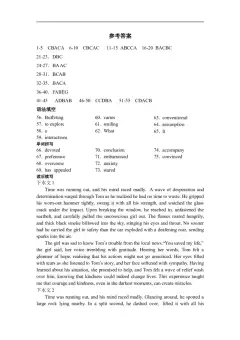
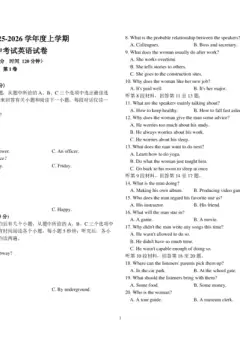
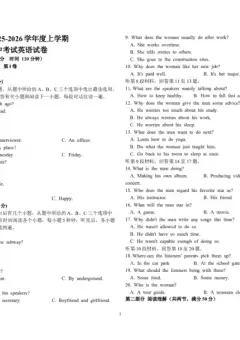
29. What might happen if a baby vervet screams in the wild?
A. Its mother would run to take care of it.B. Many female vervets would look at it.
C. Vervet mothers would look around for their babies.
D. Warning calls would be spread among vervet mothers.
四个选项在原文都找不到依据,下面逐一排除:
选项 | 内容 | 与原文对照 | 判定 |
A | 妈妈会跑去照顾它 | 原文妈妈只是 "looks in the direction"(朝声望去),没有 "run"、没有 "take care",动作程度被脑补大了 | ✗ |
B | 很多雌猴会看向婴儿 | 原文明说 "but not toward the baby, toward the mother"—— 看的是妈妈,不是婴儿 | ✗ 正好相反 |
C | 猴妈妈们会四下找自己的孩子 | 原文说其他妈妈 "不会认错是哪个孩子在哭",即她们听得出这不是自家的,恰恰不会去翻找自己宝宝 | ✗ 反向 |
D | 猴妈妈间传播警报叫声 | 警报叫声(alarm call)是第一段遇捕食者时发的,跟婴儿啼哭完全两码事,张冠李戴 | ✗ |