ARTICLE · 1270187
高考英语听力应试技巧,日常听力练习3遍法(附2026年上海·宝山区一模听力:含MP3、文本、词汇翻译)
 2026年上海宝山区高三一模听力
【日常听力练习:3遍法】
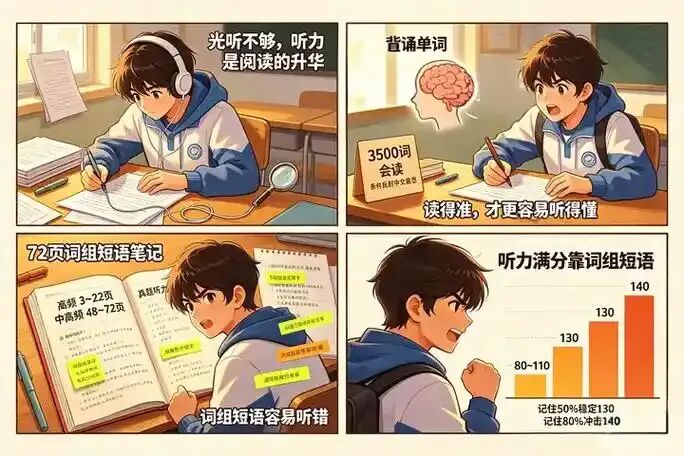
第一遍:模拟考场听
🎯目标:还原考场状态,抓主旨,抓设问,
选出答案,训练信息抓取和短时记忆
1.提前快速扫选项,圈画关键词,预判对话话题
(名词,代词,时间,地点,数字,态度词)
2.音频一次性完整播放,不暂停,不回放
3.优先抓问题,不要纠结个别没听清的单词
4. 边听边标记选项,不确定的题做标记
✅输出:选答案,标记存疑题目
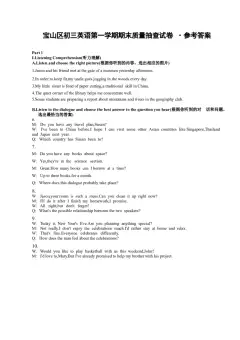
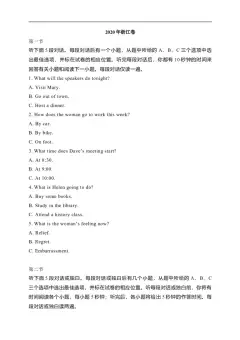
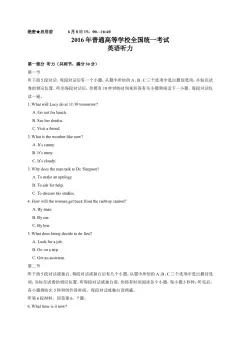
2026年宝山区一模听力
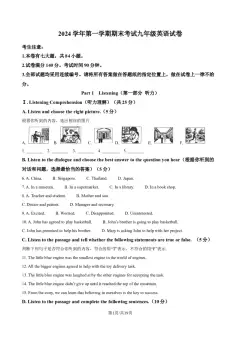
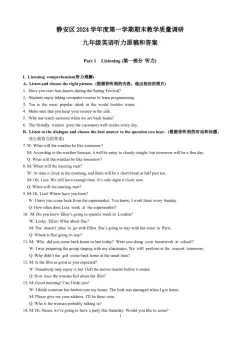
I. Listening Comprehension
Section A
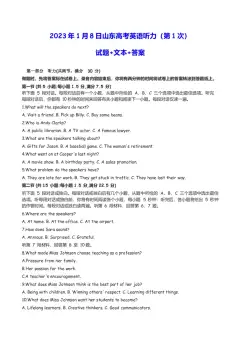
Directions: In Section A, you will hear ten short conversations between two speakers. At the end of each conversation, a question will be asked about what was said. The conversations and the questions will be spoken only once. After you hear a conversation and the question about it, read the four possible answers on your paper, and decide which one is the best answer to the question you have heard.
1. A. A wildlife researcher.
B. A news reporter.
C. A forest ranger.
D. A tour guide.
2. A. Reschedule a meeting.
B. Watch a match.
C. Study together.
D. Set up a club.
3. A. Go with him to the interview.
B. Help him prepare for the interview.
C. Inform him of the interview results.
D. Remind him of the interview time.
4. A. He dislikes being surprised.
B. He always keeps to his plans.
C. He sometimes changes his mind.
D. He is a great fan of horror movies.
5. A. To avoid the rush.
B. To wait for her friend.
C. To buy a cheaper ticket.
D. To check the train timetable.
6. A. She prefers the man’s idea.
B. She refuses to favor either person.
C. She doesn’t care about the project.
D. She is thinking about which side to take.
7. A. He dislikes bargaining.
B. He is influenced by the discount.
C. He tends to make quick decisions.
D. He usually ignores sales promotions.
8. A. The schedule can be adjusted.
B. The schedule must be followed strictly.
C. The schedule is too difficult to understand.
D. The schedule has already been canceled.
9. A. Quit his stressful job.
B. Keep his temper under control.
C. Ask her for help when needed.
D. Explain his feelings to others patiently.
10. A. The amusement park is closed this weekend.
B. The tickets should be booked in advance.
C. The weather will not affect the trip.
D. The trip may need to be canceled.
Section B
Directions: In Section B, you will hear two short passages and one longer conversation, and you will be asked several questions on each of the passages and the conversation. The passages and the conversation will be read twice, but the questions will be spoken only once. When you hear a question, read the four possible answers on your paper and decide which one would be the best answer to the question you have heard.
Questions 11 through 13 are based on the following passage.
11. A. We answer for what we say rather than how it’s taken.
B. We should often repeat our message until others agree.
C. Misunderstandings happen as people view things differently.
D. Real communication means recognizing the listener’s response.
12. A. When people speak quickly without thinking.
B. When emotions are strong and ties are close.
C. When the topic is short and simple to discuss.
D. When listeners do not listen carefully enough.
13. A. Avoiding situations that involve strong bonds.
B. Responding with force, pressure, and weak emotion.
C. Limiting conversations to short and simple topics.
D. Speaking with kindness, calmness, and confidence.
Questions 14 through 16 are based on the following passage.
14. A. REM sleep improves people’s memory.
B. Coffee makes people dream more at night.
C. Morning coffee has the least effect on sleep.
D. Cutting caffeine might bring clearer dreams.
15. A. It loads people’s minds with dreams.
B. It holds back brain activity all night.
C. It stops the signal that makes us feel sleepy.
D. It causes the body to respond better to REM sleep.
16. A. We are more likely to remember our dreams.
B. We may quickly fall back into deep sleep.
C. We will not dream any more that night.
D. We usually feel less rested in the morning.
Questions 17 through 20 are based on the following conversation.
17. A. She threw it into the bin.
B. She forgot where she left it.
C. She didn’t clean it right away.
D. She didn’t know what the sauce was.
18. A. It makes him feel more energetic.
B. It causes him to be late each time.
C. It adds stress to the morning.
D. It wastes too much time.
19. A. He ordered takeout.
B. He made instant noodles.
C. He skipped eating dinner.
D. He dined out with a friend.
20. A. Their harmless lazy habits.
B. Their morning routines.
C. Their favorite meals.
D. Their weekend plans.
👆(向上滑动屏幕,阅览文章)👆

第二遍:断点精听(定位)
🎯目标:定位出题句,听清卡点,搞懂“为什么选错”,
识别连读、弱读、失爆、语调
1.对照答案,先圈出错题和刚没听懂的题
2. 一题一题,音频逐句暂停回放,定位题目对应的听力原文
3. 重点攻克
没听出来的单词、短语
语音现象:连读、弱读、同化、爆破
转折信号词but/however
数字、否定词not,hardly,seldom
4. 对照听力原文,把卡住的地方划线标记
✅输出:标注出题句,语音难点,生词短语
 【听力原文+对照翻译】
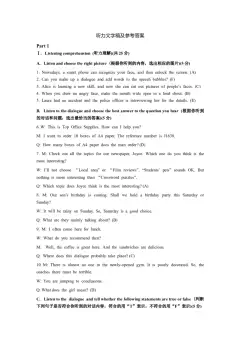
Section A
Directions: In Section A, you will hear ten short conversations between two speakers. At the end of each conversation, a question will be asked about what was said. The conversations and the questions will be spoken only once. After you hear a conversation and the question about it, you will have seven seconds to decide which choice is the best answer to the question you have heard. Now you have 100 seconds to read all the choices on the screen.
1. M: What exactly do you do every day?
W: I track animals in the forest, record their movements, and write reports about their behavior for the team.
Q: What is most probably the woman’s job?
男:你每天究竟做什么?
女:我在森林里追踪动物,记录它们的活动,为团队撰写有关它们行为的报告。
Q: 这位女士最有可能是什么职业?2. M: It’s been so hard to set up a study group with you.
W: I know—we finally have a matching schedule this week, so let’s make the most of it.
Q: What are the speakers going to do?
男:和你组建学习小组真不容易。
女:我知道,这周我们终于有匹配的日程安排了,咱们好好充分利用这次机会。
问题:两位说话人打算做什么?
3. W: I have a job interview this afternoon, and I’m really nervous about it.
M: Good luck! Keep me posted on how it goes.
Q: What does the man expect the woman to do?
女:我下午有一场求职面试,我特别紧张。
男:祝你好运!记得随时告知最新情况。
问题:男士希望女士做什么?
4. W: You said you didn’t like horror movies, but now you’re excited to see one.
M: Yeah, I guess I’m hard to predict sometimes.
Q: What does the man mean?
女:你之前说不喜欢恐怖片,现在却很兴奋想去看一部。
男:是啊,我想我这人有时候很难预料。
问题:男士想表达什么意思?
5. M: You got to the station really early this morning.
W: I know, I am beating the crowds by catching the first train.
Q: Why did the woman arrive so early?
男:你今早到车站好早。
女:没错,我搭乘首班列车,避开人群。
问题:女士为什么到得这么早?
6. M: You have to admit my idea for the group project is better than hers, right?
W: I’m not taking sides—you both have good points.
Q: What does the woman mean?
男:你得承认我这个小组项目的想法比她的好,对吧?
女:我不偏袒任何一方,你们俩的观点都有可取之处。
问题:女士是什么意思?
7. M: I noticed Tom bought the car right after the shop owner offered him a discount.
W: Yeah, I guess everyone responds differently to sales styles.
Q: What does the woman imply about Tom?
男:我注意到店主给汤姆主动提供折扣之后,他马上就买下这辆车了。
女:是啊,看来每个人对推销方式反应各不相同。
问题:关于汤姆,女士暗示了什么?
8. M: I was looking at the schedule and wondering if we really have to follow every detail exactly as written.
W: Not really—the plan is flexible.
Q: What does the woman mean?
男:我看了这份计划表,想知道我们是不是必须严格遵循书面上的每一处细节。
女:倒不一定,这个方案是灵活的。
问题:女士是什么意思?
9. M: I wish everything were easier at work these days, but it’s been so stressful.
W: I understand, but you can’t just lose your temper at me whenever you feel bad.
Q: What does the woman imply the man should do?
男:真希望最近工作能轻松一点,实在太压力大的了。
女:我理解,但你不能心情不好就冲我发脾气。
问题:女士暗示男士应该怎么做?
10. W: Everyone’s talking about going to the amusement park this weekend.
M: I don’t want to destroy the fun, but the weather forecast says it’s going to rain all day.
Q: What does the man imply?
女:大家都在商量这周末去游乐园。
男:我不想破坏大家的兴致,但是天气预报说全天都会下雨。
问题:男士暗示了什么?
Section B
Directions: In Section B, you will hear two short passages and one longer conversation, and you will be asked several questions on each of the passages and the conversation. The passages and the conversation will be read twice, but the questions will be spoken only once. When you hear a question, you will have seven seconds to decide which choice would be the best answer to the question you have heard.
Questions 11 through 13 are based on the following passage. Now you have 30 seconds to read all the choices on the screen.
When we talk with others, it is natural to hope they will understand us. Yet misunderstandings are common, and they often cause the deepest distance between two people. Even if we repeat ourselves many times, someone may still not see things as we do. That does not make them wrong; it simply shows that they view the world from a different angle.
当我们和别人交谈时,希望对方能够理解我们是很自然的事。然而误解十分常见,常常会在两人之间造成最深的隔阂。即便我们多次重复自己的话,别人可能依然不会像我们一样看待事情。这不代表他们就是错的;这仅仅表明,他们是从不一样的角度去看待这个世界。
In communication, our responsibility is to speak clearly and honestly. But we are not fully responsible for how others interpret our words. Each person listens through their own emotions, experiences, and expectations. This means that the same message can be understood in very different ways.
在沟通当中,我们的责任是清楚、真诚地表达。但我们不必为别人如何解读我们的话语负全部责任。每个人都会带着自身的情绪、经历与期待去倾听。这就意味着,同一条信息,人们的理解方式可能大相径庭。
Of course, misunderstandings grow more serious when emotions run high. The closer we feel to someone, the more carefully we need to choose our words. A single careless comment can strike a nerve and damagetrust. That is why respect and patience are so important.
当然,当人们情绪激动时,误解会变得更加严重。我们和一个人越亲近,就越需要谨慎地选择措辞。一句随口的话就可能戳到对方痛处,损害彼此的信任。这就是为什么尊重和耐心如此重要。
The best way to protect good communication is not perfection butintention. If we act with kindness, speak with confidence, and stay calm even in conflict, we create space for true understanding. We cannot control how others hear us, but we can control how we express ourselves—and that makes all the difference.
维护良好沟通最好的方式,不是追求完美,而是怀揣善意的初衷。如果我们心怀善意、自信表达,即便处在冲突之中也保持冷静,我们就能为真正的理解创造空间。我们无法控制别人如何接收我们的话,但我们能够掌控自我表达的方式 —— 而这一点至关重要、带来巨大差别。
Now listen again.
Questions
11. What is the main idea of the passage?
12. According to the passage, when do misunderstandings become worse?
13. What is the best protection for good communication?
Questions 14 through 16 are based on the following passage. Now you have 30 seconds to read all the choices on the screen.
Have you ever cut down on coffee and noticed your dreams becoming unusually vivid? Many people report this curious effect within just a few nights of reducing caffeine. But what’s going on?
你有没有减少喝咖啡后,注意到自己的梦变得异常清晰逼真?很多人说,在减少咖啡因摄入后的短短几晚内,就出现这种奇妙的现象。这到底是什么原因呢?
Caffeine keeps us alert by blocking the chemical that builds up during the day and makes us feel sleepy. When caffeine stops this signal, we stay awake longer. But once it’s gone, we often “crash”. Since caffeine can stay in the body for hours, drinking it in the afternoon or evening can make it harder to fall asleep and reduce the quality of rest, especially the deep, renewing stages.
咖啡因通过阻挡白天不断积累、会让我们感到困倦的化学物质,使我们保持清醒。当咖啡因阻断这个信号时,我们就能更久地保持清醒。可一旦咖啡因作用消失,我们常常会一下子疲惫不堪。因为咖啡因能在体内留存数小时,下午或晚上喝咖啡会让人更难入睡,并降低休息质量,尤其是那些深度、用来恢复精力的睡眠阶段。
Here’s where dreams come in. Cutting back on caffeine may help the body “rebound”, allowing more time in rapid eye movement, or REM, sleep. REM is the stage where the brain is highly active and most dreams occur. More REM sleep means more opportunity for vivid dreams, and because we often wake up directly from REM, we are more likely to remember them clearly.
梦的奥秘就在这里。削减咖啡因摄入,可能会让身体出现 “反弹”,获得更多快速眼动(REM)睡眠时间。快速眼动睡眠这个阶段,大脑高度活跃,大多数梦境都在此发生。更长的快速眼动睡眠意味着更容易做清晰的梦;而且我们常常直接从这个阶段醒来,所以更容易清楚地记住梦境。
Not everyone will notice this change, and the effect may be short. Still, if you want to improve sleep and perhaps dream more vividly, try limiting caffeine at least eight hours before bed time.
不是所有人都会察觉到这个变化,而且该效果可能是短暂的。尽管如此,如果你想改善睡眠,或许还想做更清晰的梦,可以试着在就寝时间至少八小时前限制咖啡因摄入。
Now listen again.
Questions
14. What is the main idea of the passage?
15. Why can caffeine make it harder to fall asleep?
16. What happens if we wake up from REM sleep?
Questions 17 through 20 are based on the following conversation. Now you have 40 seconds to read all the choices on the screen.
W: You know what? I was way too lazy to wash my noodle bowl last night, so I just left it on the table.
女:你知道吗?昨晚我实在太懒了,没洗吃面的碗,就直接把它留在桌子上了。
M: Honestly, I do that all the time. Once the saucedries up, it’s actually easier to clean anyway.
男:说实话,我经常这么做。一旦酱汁干透,反倒更容易清洗。
W: Exactly! And this morning I didn’t get up right away. I stayed in bed for another thirty minutes.
女:可不是嘛!今早我没有立刻起床,又在床上待了三十分钟。
M: Ha, that sounds like me. But sometimes those extra minutes help. I feel more awake if I ease into the day instead of rushing.
男:哈,跟我一样。不过有时候多躺一会儿也挺好。如果不匆忙,慢慢适应、从容开启一天,我会感觉更清醒。
W: Yeah, same here. If I jump up too quickly, I end up moving around half-asleep.
对,我也是。要是猛地一跃而起,最后就迷迷糊糊地到处走动。
M: Oh, speaking of lazy habits, I skipped cooking last night and just made instant noodles.
男:哦,谈起懒散的习惯,我昨晚跳过做饭,直接泡了速食面。
W: That’s not even lazy—that’s convenient! At least you still ate something instead of skipping dinner.
女:这都算不上偷懒,这叫方便!至少你吃了东西,而没有跳过晚饭。
M: True. And honestly, sometimes a quick meal feels better than spending an hour in the kitchen.
男:确实。说实话,有时候一顿简单餐食,比花费一小时待在厨房做饭舒服多了。
W: Exactly. It’s funny how these so-called “lazy” choices can actuallysave us time and energy.
女:没错。有意思的是,这些所谓 “偷懒” 的选择,其实能节省我们的时间和精力
M: Right. Maybe they’re not lazy at all—just little shortcuts that make life easier.
男:对。或许这根本不算偷懒,只是一些小小的捷径,让生活变得更轻松。
Now listen again.
Questions
17. What does the woman say about the noodle bowl?
18. How does the man feel about staying in bed a bit longer?
19. What did the man do last night?
20. What are the speakers mainly talking about?
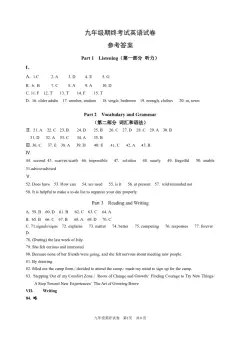
 【答案】
1-5 ACCCA
6-10 BBABD
11-13 ABD
14-16 DCA
17-20 CABA
👆(向上滑动屏幕,阅览文章)👆

第三遍:跟读+泛听复盘(内化语音,培养语感)
🎯目标:适应语速,纠正自己发音,
建立听觉条件反射,减少“看得懂、听不懂”
1. 影子跟读:跟着音频同步跟读,模仿语速、停顿、语调
2. 脱离原文,再完整播放一遍音频,尝试全程听懂每一句话
3. 积累:把高频场景词(机场、餐厅、校园、看病、出行)、同义替换记在本子上;
4. 复盘错因归类:
没抓住转折;
连读弱读没听出来;
选项同义替换反应慢;
短时记忆跟不上,信息遗忘。
✅输出:语音笔记、场景词积累
词汇积累
(自测记忆法)
1. 英→汉(正序:上拉屏幕,显示汉语)
1.汉→英(倒序:下拉屏幕,显示英语)
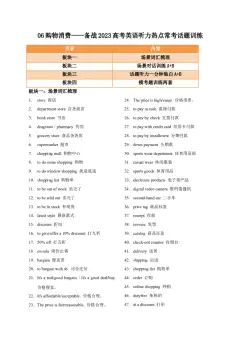
 1-10题词汇(按顺序,共36个)
exactly /ɪɡˈzæktli/adv. 确切地;究竟 track /træk/v. 追踪 record /rɪˈkɔːd/v. 记录 report /rɪˈpɔːt/n. 报告 behavior /bɪˈheɪvjə(r)/n. 行为 set up /set ʌp/ 组建;建立 study group /ˈstʌdi ɡruːp/ 学习小组 matching /ˈmætʃɪŋ/adj. 匹配的 schedule /ˈʃedjuːl/n. 日程安排 make the most of /meɪk ðə məʊst ɒv/ 充分利用 job interview /dʒɒb ˈɪntəvjuː/ 求职面试 nervous /ˈnɜːvəs/adj. 紧张的 keep me posted /kiːp mi ˈpəʊstɪd/ 随时告知最新情况 horror movies /ˈhɒrə ˈmuːviz/ 恐怖片 excited /ɪkˈsaɪtɪd/adj. 兴奋的 predict /prɪˈdɪkt/v. 预测;预料 station /ˈsteɪʃn/n. 车站 beat the crowds /ˈbiːt ðə kraʊdz/ 避开人群 catch /ˈkætʃ/v. 搭乘 admit /ədˈmɪt/v. 承认 group project /ɡruːp ˈprɒdʒekt/ 小组项目 taking sides /ˈteɪkɪŋ saɪdz/ 偏袒,站队 point /pɔɪnt/n. 观点;要点 offer /ˈɒfə/v. 主动提供 discount /ˈdɪskaʊnt/n. 折扣 respond /rɪˈspɒnd/v. 作出反应 schedule /ˈʃedjuːl/n. 计划表 wonder /ˈwʌndər/v. 想知道 follow /ˈfɒləʊ/v. 遵循 detail /dɪˈteɪl/n. 细节 flexible /ˈfleksəbl/adj. 灵活的 stressful /ˈstresfl/adj. 压力大的 lose your temper /luːz jɔː(r) ˈtempə(r)/ 发脾气 amusement park /əˈmjuːzmənt pɑːk/ 游乐园 destroy /dɪˈstrɔɪ/v. 破坏 weather forecast /ˈweðə ˈfɔːkɑːst/ 天气预报
 11-13题词汇(按顺序,共40个)
understand /ˌʌndəˈstænd/v. 理解 misunderstanding /ˌmɪsʌndəˈstændɪŋ/n. 误解 common /ˈkɒmən/adj. 常见的 cause /kɔːz/v. 造成 distance /ˈdɪstəns/n. 距离 repeat /rɪˈpiːt/v. 重复 view /vjuː/v. 看待 angle /ˈæŋɡl/n. 角度 communication /kəˌmjuːnɪˈkeɪʃn/n. 交流,沟通 responsibility /rɪˌspɒnsəˈbɪləti/n. 责任 clearly /ˈklɪəli/adv. 清楚地 honestly /ˈɒnɪstli/adv. 真诚地 responsible /rɪˈspɒnsəbl/adj. 有责任的 interpret /ɪnˈtɜːprɪt/v. 理解,解读 emotion /ɪˈməʊʃn/n. 情绪 experience /ɪkˈspɪəriəns/n. 经历 expectation /ˌekspekˈteɪʃn/n. 期待 message /ˈmesɪdʒ/n. 信息 serious /ˈsɪəriəs/adj. 严重的 run high 情绪激动 choose /tʃuːz/v. 选择 careless /ˈkeələs/adj. 粗心的;随口的 comment /ˈkɒment/n. 评论,话语 strike a nerve 戳到痛处 damage /ˈdæmɪdʒ/v. 损害 trust /trʌst/n. 信任 respect /rɪˈspekt/n. 尊重 patience /ˈpeɪʃns/n. 耐心 protect /prəˈtekt/v. 保护,维护 perfection /pəˈfekʃn/n. 完美 intention /ɪnˈtenʃn/n. 心意,初衷 kindness /ˈkaɪndnəs/n. 善意 confidence /ˈkɒnfɪdəns/n. 自信 calm /kɑːm/adj. 冷静的 conflict /ˈkɒnflɪkt/n. 矛盾,冲突 create /kriˈeɪt/v. 创造 space /speɪs/n. 空间 control /kənˈtrəʊl/v. 控制 express /ɪkˈspres/v. 表达 difference /ˈdɪfrəns/n. 差别,影响
 14-16题词汇/词组(共30+4个)
cut down on /kʌt daʊn ɒn/ 短语 减少 notice /ˈnəʊtɪs/v. 注意到;察觉到 unusually /ʌnˈjuːʒuəli/adv. 异常地 vivid /ˈvɪvɪd/adj. 清晰逼真的 report /rɪˈpɔːt/v. 报告 curious /ˈkjʊəriəs/adj. 奇妙的;奇怪的 effect /ɪˈfekt/n. 效果,影响 reduce /rɪˈdjuːs/v. 减少;降低 caffeine /ˈkæfiːn/n. 咖啡因 alert /əˈlɜːt/adj. 清醒的,警觉的 block /blɒk/v. 阻挡,阻碍 chemical /ˈkemɪkl/n. 化学物质 build up /bɪld ʌp/ 短语 积累 sleepy /ˈsliːpi/adj. 困倦的 signal /ˈsɪɡnəl/n. 信号 crash /kræʃ/v. 疲惫垮掉 quality /ˈkwɒləti/n. 质量 renewing /rɪˈnjuːɪŋ/adj. 恢复精力的 stage /steɪdʒ/n. 阶段 cut back on /ˈkʌt bæk ɒn/ 短语 削减 rebound /rɪˈbaʊnd/v. 反弹,恢复 active /ˈæktɪv/adj. 活跃的 occur /əˈkɜː(r)/v. 发生,出现 opportunity /ˌɒpəˈtjuːnəti/n. 机会 remember /rɪˈmembə(r)/v. 记住 clearly /ˈklɪəli/adv. 清楚地 short /ʃɔːt/adj. 短暂的 improve /ɪmˈpruːv/v. 改善 limit /ˈlɪmɪt/v. 限制 bedtime /ˈbedtaɪm/n. 就寝时间 重点词组 & 句型(按先后顺序)
- cut down on
减少(摄入量) - cut back on
削减,减少 - fall asleep
入睡 - be likely to do sth
有可能做某事
 17-20题词汇/词组(按顺序,共24+11个)
- lazy
/ˈleɪzi/adj. 懒惰的 - wash
/wɒʃ/v. 清洗 - noodle
/ˈnuːdl/n. 面条 - leave(left)
/liːv/v. 留下;离开 - table
/ˈteɪbl/n. 桌子 - sauce
/sɔːs/n. 酱汁 - clean
/kliːn/v. 打扫,清洗;adj. 干净的 - stay
/steɪ/v. 停留,保持 - minute
/ˈmɪnɪt/n. 分钟 - awake
/əˈweɪk/adj. 醒着的 - rush
/rʌʃ/v.&n. 匆忙,仓促 - habit
/ˈhæbɪt/n. 习惯 - skip(skipped)
/skɪp/v. 跳过;省去,不做 - instant
/ˈɪnstənt/adj. 即时的;速食的 - convenient
/kənˈviːniənt/adj. 方便的,便利的 - meal
/miːl/n. 一餐,膳食 - spend(spent)
/spend/v. 花费;度过 - kitchen
/ˈkɪtʃɪn/n. 厨房 - choice
/tʃɔɪs/n. 选择 - save
/seɪv/v. 节约;拯救 - time
/taɪm/n. 时间 - energy
/ˈenədʒi/n. 精力;能量 - shortcut
/ˈʃɔːtkʌt/n. 捷径 - easy(easier)
/ˈiːzi/adj. 容易的
重点词组 & 句型(按先后顺序)
- way too…to…
实在太…… 而不能做某事(句型) - all the time
总是,一直 - dry up
变干,干透 - right away
立刻,马上 - sound like
听起来像 - ease into
慢慢适应;从容开启 - instead of
而不是 - jump up
跳起来 - end up doing sth
最终 / 到头来做某事 - speak of
说起,谈及 - not … at all
根本不,一点也不
👆(向上滑动屏幕,阅览文章)👆



【试题精讲】高中阅读B《Should AI get rights of its own》(音译词法)
【每日精讲】高考英语作文范文10篇+句型分析(2026北京)
【高三英语】海淀区2023-2024学年第1学期期末考试及答案
【高三英语】海淀区2023-2024学年第2学期期末考试及答案
【TED英语演讲】《献给欺凌者,你们依然美丽》(视频+英汉文稿)
【动画短片】《失物招领》:每个问题孩子背后,都隐藏着一颗受伤的心灵