ARTICLE · 1398701
【中华优秀传统文化融入高中英语课堂系列】Minor Snow 小雪 —— 英汉对照阅读材料
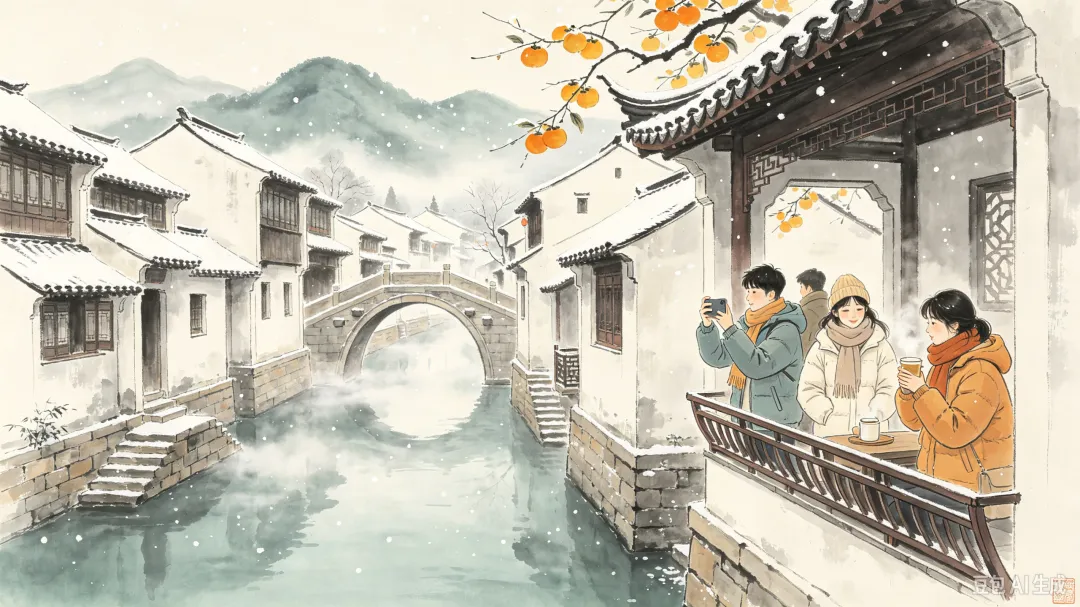
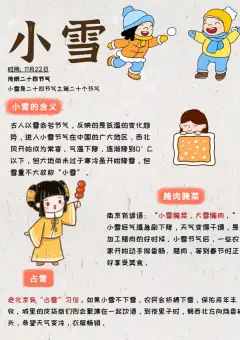
Minor Snow is the 20th of the 24 solar terms and the second solar term of winter and usually falls on November 22 or 23. Unlike the “light snow” in a weather forecast which refers to snowfall of a certain intensity, Minor Snow is a climatic concept that reflects changes in temperature and rain or snow. Its arrival signals that cold waves will become more frequent and that the weather will turn increasingly cold with more rain or snow.
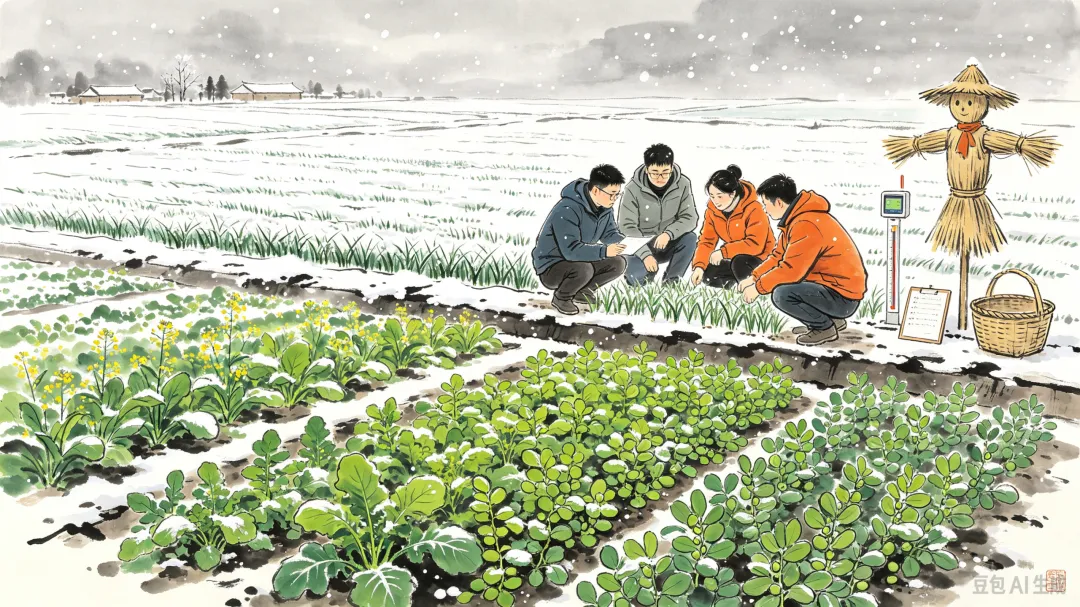
During Minor Snow, nature enters a state of closing and storing. In northeast China, the frozen soil can reach a depth of ten centimetres at the beginning of the term and more than one metre by its end, which is why people say that “the earth is sealed tightly at Minor Snow”. Farmers, guided by long experience, know that this is a critical moment to protect the crops. In northern fields, winter wheat is covered by a thin layer of snow that keeps it warm, while in the south rapeseed and broad beans enter their seedling stage. Therefore, agricultural work shifts from harvesting to storing and from growing to protecting what has already been produced.
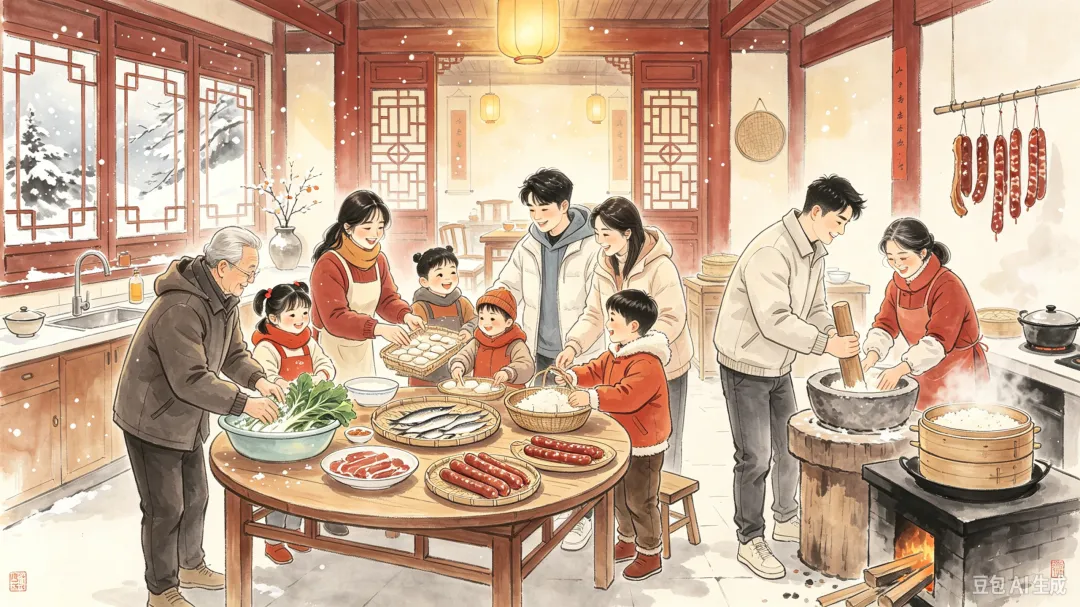
Traditional customs during Minor Snow follow the same logic of storage and preparation. In the north, families pickle xuelihong, a kind of mustard green, and make pickled cabbages. In the south, people dry fish and prepare ciba, a food made from steamed and pounded glutinous rice. After Minor Snow, the air becomes dry and the temperature drops sharply, creating ideal conditions for curing sausage and bacon, which will be stored for the Spring Festival. These customs are practical responses to the season: they preserve food, reduce waste, and add warmth and flavour to the long winter ahead.
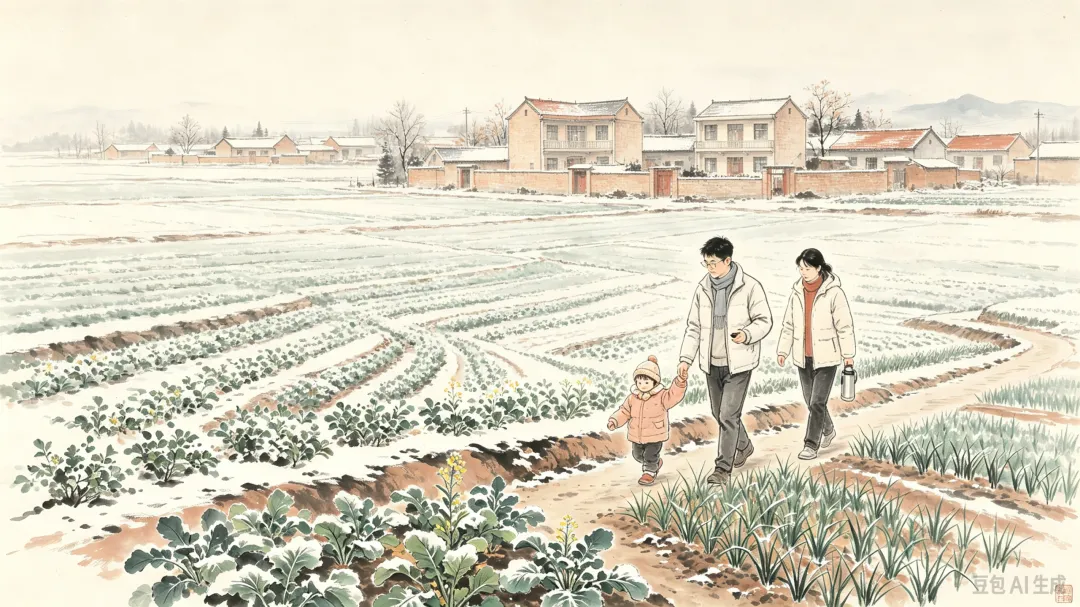
All in all, minor Snow carries a message that goes far beyond the weather. It teaches people to read the signs of nature and to act in step with them. By storing food, protecting crops, and preparing for the cold, communities have turned a period of decline into a period of readiness. The solar term reminds us that winter is not simply a time of waiting, but a time of quiet preparation for the renewal that will come. In a modern world that often values speed and immediate results, this old rhythm still offers a simple but powerful lesson: to slow down, to store what matters, and to prepare wisely for what lies ahead.
小雪是二十四节气中的第二十个节气,也是冬天的第二个节气,通常在11月22日或23日到来。天气预报里说的“小雪”,是指一定强度的降雪;而节气“小雪”是一个气候概念,反映的是气温和雨雪的变化。小雪到来,说明寒潮会更频繁,天气会越来越冷,雨雪也会增多。
小雪时节,大自然进入“闭藏”的状态。在我国东北,小雪刚开始时,冻土大约有十厘米深;到小雪结束时,冻土能有一米多深。所以人们说“小雪地封严”。农民根据长期经验知道,这时候保护庄稼很关键。北方田里的冬小麦被薄薄一层雪盖住,可以保暖;南方的油菜和蚕豆进入苗期。因此,农活从收获转向储藏,从种植转向保护已经种出来的东西。
小雪的传统习俗也体现了储藏和准备。北方家庭会腌雪里红,也会腌酸菜。南方人会晒鱼干,还会做糍粑。糍粑是把糯米蒸熟后捣成的食物。小雪过后,空气干燥,气温下降很快,很适合灌香肠、腌腊肉,留到春节时吃。这些习俗都是人们根据季节做出的实际安排:保存食物、减少浪费,也给漫长的冬天增添温暖和味道。
总的来说,小雪传递的信息远不止天气。它教人们读懂大自然的信号,并跟着自然的节奏行动。通过储存食物、保护庄稼、准备过冬,人们把一段看起来“冷清”的时期变成了准备期。小雪提醒我们:冬天不只是等待,也是安安静静地为春天复苏做准备。在现代社会,人们常常看重速度和即刻见效,但小雪这种古老的节奏仍然给我们一个简单又有力的提醒:慢下来,把重要的东西储存好,智慧地为未来做准备。
Post-reading questions:
1. According to the article, what is the difference between the solar term Minor Snow and the “light snow” mentioned in a weather forecast?
2. Why do farmers in northern China protect winter wheat with snow cover during Minor Snow?
3. Give one example from the article of a custom that helps people store food for winter, and explain how it works.
4. If your community wanted to organize a “Minor Snow preparation day,” what practical activity would you suggest, and how would it connect with the ideas in the article?
5. Use an example from your own life to demonstrate how Minor Snow influences your way of life.
重要词块积累:
1. the 24 solar terms 二十四节气
2. a climatic concept 气候概念
3. reflect changes in temperature 反映气温变化
4. cold waves 寒潮
5. turn increasingly cold 日渐转冷
6. enter a state of closing and storing 进入闭藏状态
7. frozen soil 冻土
8. a depth of ten centimetres 十厘米深
9. protect the crops 养护作物
10. winter wheat 冬小麦
11. keep warm 保温
12. enter their seedling stage 进入苗期
13. shift from harvesting to storing 由收获转为储藏
14. traditional customs 传统习俗
15. dry fish 晒鱼干
16. glutinous rice 糯米
17. create ideal conditions for… 为…… 创造适宜条件
18. cure sausage and bacon 灌香肠和腌腊肉
19. preserve food 储存食物
20. act in step with nature 顺应自然行事
21. turn a period of decline into a period of readiness 将沉寂之时化为蓄力之时
22. quiet preparation for renewal 为新生默默蓄力
23. value speed and immediate results 看重速度与即时回报
(个人观点,仅供教学交流使用)
1. 文字内容由公开的二十四节气和民俗信息整理后自主撰写创作而成,并非直接引用任何出版物内容;
2. 图片由豆包AI生成。