山东教育出版社
山东教育出版社 山东教育出版社
山东教育出版社
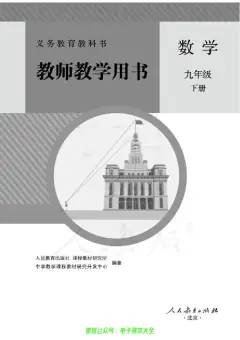
YIWU JIAOYU JIAOKESHU (WU·SI XUEZHI)
YINGYU
JIAOSHI JIAOXUE YONGSHU
QI NIANJI XIA CE
义务教育教科书(五·四学制)
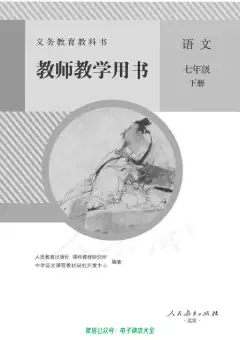
英语
教师教学用书
七年级 下册
*
山东出版传媒股份有限公司
山东教育出版社出版
(济南市纬一路
321
号)
山东新华书店集团有限公司发行
山东华立印务有限公司印装
*
开本:787 毫米×1092 毫米 1/16
印张:19.
25 字数:308
千
定价:29.
00
元(上光)
ISBN 978
-
7
-
5328
-
8181
-
9
2014
年
1
月第
1
版 2019
年
1
月第
2
版 2020
年
1
月第
7
次印刷
著作权所有· 请勿擅用本书制作各类出版物· 违者必究
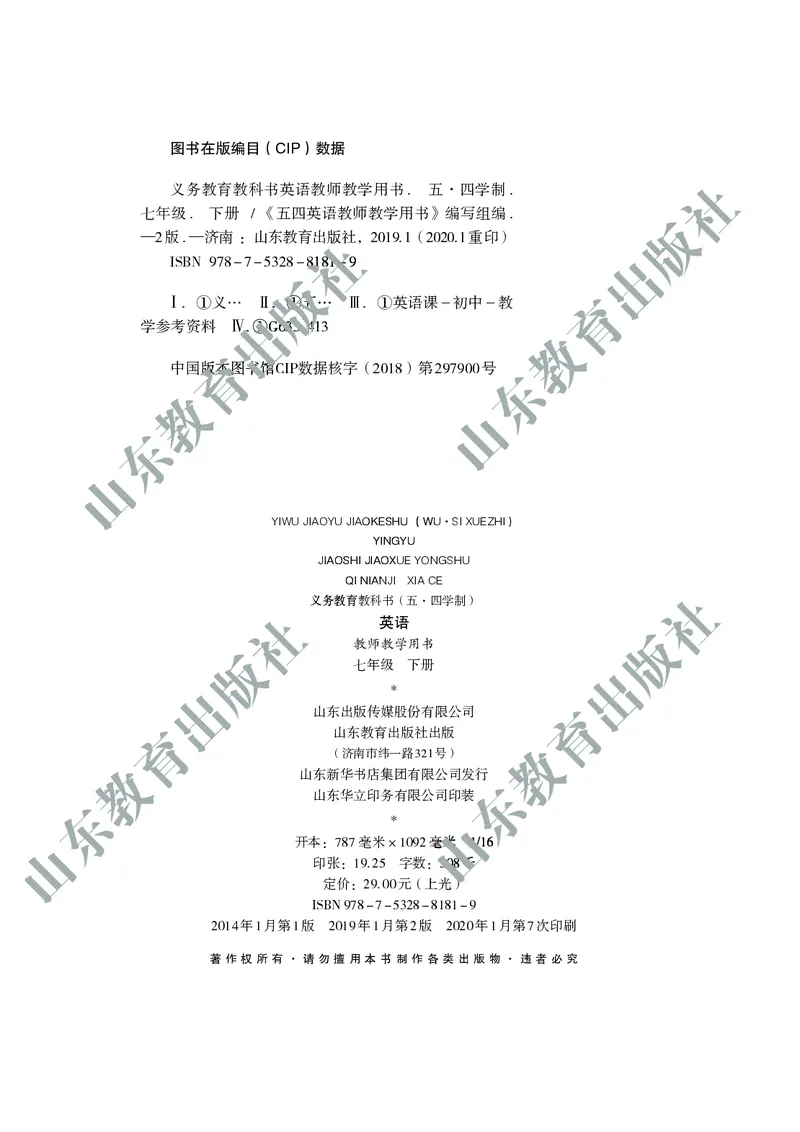
图书在版编目(CIP)数据
义务教育教科书英语教师教学用书
. 五·四学制
.
七年级
. 下册 / 《五四英语教师教学用书》编写组编
.
—2
版 . —济南 :山东教育出版社,2019.
1(2020.
1
重印)
ISBN 978
-
7
-
5328
-
8181
-
9
Ⅰ. ①义… Ⅱ. ①五… Ⅲ. ①英语课-初中-教
学参考资料 Ⅳ. ①G633.
413
中国版本图书馆CIP数据核字(2018)第
297900
号
山东教育出版社
版社
社
版社
8181
社
8181-
社
-9
社
9
Ⅱ.
版
Ⅱ.
版
①五
版社
①五…
版社
…
版社
Ⅳ.
出
Ⅳ. ①G633.
出版
①G633.413
版
413
国版本图书馆C
育出
国版本图书馆C
山东教育出版社 山东教育出版社
AOKESHU (WU
AOKESHU (WU
YINGYU
YINGYU
JIAOSHI JIAOXU
JIAOSHI JIAOXU
QI NIAN
QI NIAN
义务教育教
义务教育教
山东教育出版社
毫米 1/16
山东
毫米 1/16
:308
山
:308千
山
千
)
山
)
出 版 说 明
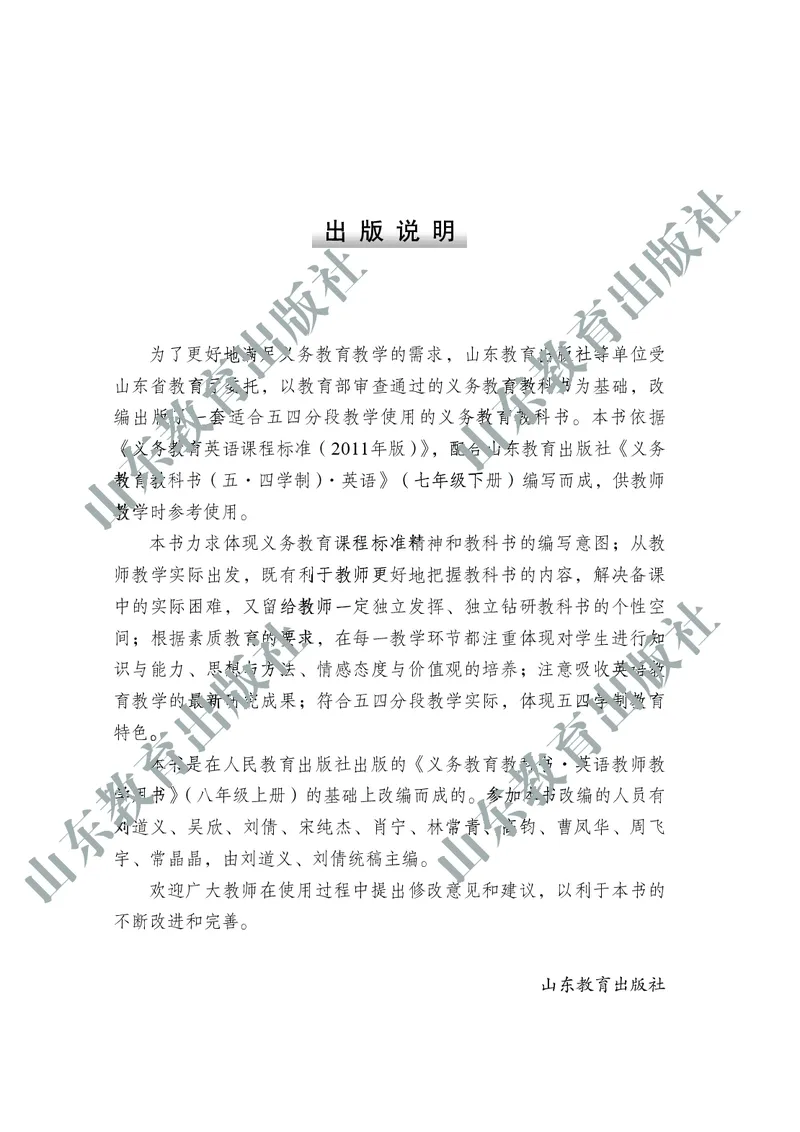
为了更好地满足义务教育教学的需求,山东教育出版社等单位受
山东省教育厅委托,以教育部审查通过的义务教育教科书为基础,改
编出版了一套适合五四分段教学使用的义务教育教科书。本书依据
《义务教育英语课程标准(2011年版)》,配合山东教育出版社《义务
教育教科书(五·四学制)·英语》(七年级下册)编写而成,供教师
教学时参考使用。
本书力求体现义务教育课程标准精神和教科书的编写意图;从教
师教学实际出发,既有利于教师更好地把握教科书的内容,解决备课
中的实际困难,又留给教师一定独立发挥、独立钻研教科书的个性空
间;根据素质教育的要求,在每一教学环节都注重体现对学生进行知
识与能力、思想与方法、情感态度与价值观的培养;注意吸收英语教
育教学的最新研究成果;符合五四分段教学实际,体现五四学制教育
特色。
本书是在人民教育出版社出版的《义务教育教科书·英语教师教
学用书》(八年级上册)的基础上改编而成的。参加本书改编的人员有
刘道义、吴欣、刘倩、宋纯杰、肖宁、林常青、高钧、曹凤华、周飞
宇、常晶晶,由刘道义、刘倩统稿主编。
欢迎广大教师在使用过程中提出修改意见和建议,以利于本书的
不断改进和完善。
山东教育出版社
山东教育出版社
出
社
出
好地满足义务
育出版
好地满足义务
教育厅委托,
教育出
教育厅委托,
版了一套适
教育
版了一套适
《义务教育英
东教
《义务教育英
教育教科
山东
教育教科
教学
山
教学
山东教育出版社 山东教育出版社
育出版社等单
教育
育出版社等单
教育教科书为
东教
教育教科书为
务教育教科
山东
务教育教科
,配合山东
山
,配合山东
(七年级下册
山
(七年级下册
课程标准精
课程标准精
利于教师更好
利于教师更好
留给教师一定
社
留给教师一定
教育的要求,
社
教育的要求,
思想与方法
版社
思想与方法
的最新研究成
出版
的最新研究成
色。
育
色。
本书是
教育出
本书是
学用书》
东教育
学用书》
刘道
东教
刘道
山东教育出版社
行知
版社
行知
收英语教
出版社
收英语教
五四学制教育
育出版
五四学制教育
教科书·英语
教育
教科书·英语
参加本书改
东教
参加本书改
常青、高钧
山东
常青、高钧
山
意见
山
意见
目 录(Contents)
前言(Preface)
1
Unit 1 Do you want to watch a game show?
1
Unit 2 I’m going to study computer science.
37
Unit 3 Will people have robots?
73
Unit 4 How do you make a banana milk shake?
109
Unit 5 Can you come to my party?
146
Unit 6 If you go to the party, you’ll have a great time!
179
Unit 7 What’s the matter?
214
Unit 8 I’ll help to clean up the city parks.
248
附录:单元参考译文(Translation of the text)
282
山东教育出版社
Do
教育
Do you
教育
you wan
育
wan
nit
东
nit 2
东
2
I
东教
I’
东教
’m
东教
m g
教
g
Unit
山东
Unit 3
山东
3
出版
山东教育出版社 山东教育出版社
anana
anana milk
milk
to
社
to my
社
my party
party
go
版
go to
版社
to the
版社
the par
社
par
What
出版
What’
出版
’s
出版
s the
出版
the
版
nit
教育
nit 8
教育
8
教育
I
育
I’
育
’ll
育
ll h
育
h
附录:
东教
附录:
教育
东教
山
山东教育出版社
146
社
146
179
版社
179
山
版社
版社
育出
教育
东
本套教材是依据《义务教育英语课程标准》(2011年版)的精神,根据
国内外先进外语教学理念编写而成。它是一套能体现我国中学生心理和认知
特点,满足广大中学生学习需求的英语教材。现针对本套教材编写的指导思
想、主要特点、体系结构以及教学和评价等方面做如下说明。
�Jg�¥��Q��›�¿�¥
„�‘
(一) 坚持外语教学“工具性”和“人文性”的统一,以发展学生的综合
语言运用能力为目标,重视培养学生积极的学习态度和情感,并以发展跨文
化意识、促进心智发展、增强爱国主义精神、提高综合人文素养为主要任务。
(二) 充分体现“以人为本”的科学发展观,既面向全体学生,又关注
并体现学生的个体差异。教材内容的安排符合学生的认知水平,联系学生的
生活实际,注意激发学生的学习兴趣,促进学生综合平衡发展。
(三) 强调学习过程,体现语言学习的渐进性、实践性和应用性。教材
通过创设具体语境,设计循序渐进的语言实践活动,让学生在“用英语做事
情”的过程中获得语言知识、发展语言运用能力。
(四) 重视语言学习策略和教学策略的培养,帮助学生提高英语学习效
率。首先,教材让学生通过体验、实践、参与、探究和合作等方式感悟、发
现并总结语言规律,有效学习语言知识,培养语言学习的策略和能力。其
次,教材编写有利于引导教师教育思想和教学方法的转变,有利于促进教师
专业发展。
(五)体现时代发展新要求、社会新变化和科学技术新进展。教材内容
的编写体现“贴近时代、贴近生活、贴近学生”的原则,密切联系我国初中
学生的生活实际和语言学习特点,将趣味性和教育性相结合。
�Eg�¥��þ�9�3�Ì
(一) 采用“话题、功能、结构、任务”相结合的编写思路。
教材编写从实际出发,兼收并蓄,集各种方法于一体,采取了“话题、
功能、结构、任务”相结合的路子。教材以“话题”统领每个单元的教学
内容,语法结构为表述话题内容和实现与话题内容相关的交际功能服务。为
前 言(Preface)
1
山东教育出版社
育出
务
社
务教
社
教
念编写而成
社
念编写而成
学生学习需求的
版社
学生学习需求的
体系结构以及
出版社
体系结构以及
¥��Q��›�¿�¥
„
育出
¥��Q��›�¿�¥
„
(
教
(一
教育
一)
教育
)坚
教育
坚持
育
持外
育
外
语
东教
语言
东教
言运
东教育
运用
教育
用能
教育
能力
育
力
化
东教
化意
东教
意识
东教
识
并
山东教育出版社 山东教育出版社
根
版
根据
版
据
和认知
出版
和认知
写的指导思
育出版
写的指导思
的
山东
的统
山东
统一
东
一,
东
,以
东教
以发
教
发
学
山
学习
山
习态
山东
态度
山东
度和
山东
和情
东
情感
东
感
神、提
山
提高
山
高综
山
综合
山
合
科学发展
山
展观,
观,
容的安排符合学
容的安排符合学
学习兴趣,促进
学习兴趣,促进
体现语言
言学习
设计循序渐进的
设计循序渐进的
语言知识、发
社
语言知识、发
视
社
视语
社
语言
社
言学
社
学习
社
习策
社
策略
教材让学生通
版社
教材让学生通
结
出版
结语
出版
语言
出版
言规
版社
规律,
版社
律,
教材编写有
出版
教材编写有
专业发展。
育出
专业发展。
(
育
(五
育
五
的编写
教育
的编写
学
教
学
社
山东教育出版社
习
版
习效
版社
效
感悟、发
版社
感悟、发
和
出
和能
出
能力。
出版
力。其
版
其
有利于促进教
育出
有利于促进教
技
教
技术
教
术新
教育
新进
教育
进展。
教育
展。
的原则,密切
东教
的原则,密切
和教育性相结合
山东教
和教育性相结合
此,教材采用不同层次的“任务”的形式来组织教学活动,让学生通过“用
语言做事情”来学习和使用英语。
(二)采用“任务链”式活动设计,小步推进,螺旋上升。
本套教材突出体现了“任务型语言教学”(Task-Based Language Teaching)
思想,强调语言学习的实践性,重视学生对语言学习过程的参与和互动。教
材充分考虑学生语言能力形成的过程性和渐进性,活动设计和内容安排采用
“任务链”(task-chain)的形式,每一个独立板块的教学内容及教学活动环环相
扣,小步推进,螺旋上升。“任务链”有助于降低语言学习的难度,帮助学生
顺利达成语言目标,有利于激发学生的学习热情和学习动力。
(三)单元教学结构层次分明、循环递进。
本套教材单元内容的设计采用分层结构和循环递进的方式,每个单元
主要分为Section A 和Section B 两部分。Section A 是基本的教学内容,着
重于听说训练,兼顾语法学习;Section B在Section A的基础上将话题进一
步拓展,除听说外着重训练学生的阅读和写作技能,帮助学生灵活运用所
学语言进行口、笔头输出。教材的单元结构体现了“先听说、后读写、再
评价”的教学思路。
(四)题材广泛,内容丰富,语言真实、地道、鲜活。
本套教材题材广泛,内容贴近时代、贴近生活、贴近学生,符合我国初
中学生的生理和心理发展需求。教材话题内容紧密联系中外学生的生活实
际,从学生的家庭生活和学校生活开始,向社会生活拓展,为学生提供了鲜
活生动的语言素材。此外,本套教材的编写采用中外合作的模式,外方作者
深入教材编写,保证了语言的真实性和地道性。教材录音以美式英语为主,
兼顾英式英语,特别是听力部分内容生动,为学生提供了原汁原味、真实地
道的语言,保证了高质量的语言输入。
(五)重视文化内容的渗透,开阔学生文化视野,提高学生人文素养。
本套教材重视培养学生综合语言运用能力,不仅充分体现了英语学习的
工具性,也非常重视文化内容的渗透和思想品德教育。教材既介绍了英语国
家的文化,又介绍了我国民族文化,同时还介绍了其他非英语国家的文化,
让学生通过英语学习扩大视野,了解世界文化的多元性,对世界文化形成开
放、包容的心态,并培养跨文化交际能力。同时,教材力图增强学生对本民
族文化的了解与热爱,培养学生用英语介绍我国文化的能力。此外,教材也
体现了素质教育思想,特别是思想品德教育,注重对学生品格的培养,力求
帮助学生形成正确的人生观与价值观。
(六)重视学习策略指导,培养学生自主探究和合作学习的能力。
本套教材重视学习策略的指导,在听、说、读、写各项技能训练和语
2
山东教育出版社
成
社
成
形
社
形式
社
式,
社
,每
社
每一
社
一
上
版
上升
版社
升。
版社
。“
版社
“任
版社
任务
社
务链
社
链
标
出
标,
出版
,有
出版
有利
出版社
利于
版社
于激
版社
激发
社
发
元教学结构层
出版
元教学结构层
教
育
教材
育出
材单
育出
单元
育出
元内
出
内容
出
容
分
教
分为
教育
为S
教育
Se
教育
ec
育
ct
育
ti
育
io
育
on
育
n A
重
教
重于
教
于听
教
听说
教育
说训
教育
训练
教育
练
步
东教
步拓
东教
拓展
东教
展,
教
,除
教
除
学
山东教
学语
东教
语言
东教
言
评
山东
评价
东
价
山东教育出版社 山东教育出版社
用
版
用
环
出
环环
出版
环相
出版
相
帮
育出
帮助
育出
助学
育出版
学生
出版
生
进
东教
进的
东教
的方
东教
方式
教育
式,
教
,每
育
每
是
东
是基
东教
基本
东教
本的
东教
的教
教
教学
教
学
c
山
ct
山
ti
山
io
山东
on
山东
n A
山东
A 的
东
的基
东
基础
东
础
写作
山
作技
山
技能
山东
能,
山
,帮
山东
帮
元结构体
山
体现
山
现了
山
了
语言真实、地
语言真实、地
容贴近时代、贴
容贴近时代、贴
展需求。
求。教
教材
活和学校生活
活和学校生活
材。此外,本套
社
材。此外,本套
写,
版
写,保
版社
保证
版社
证了
社
了语
社
语言
英语,特别是
版社
英语,特别是
语言,保证了高
出版
语言,保证了高
(五)重视文
育出版
(五)重视文
本套教
育出
本套教
工具性,
教育
工具性,
家
教
家的
教
的
山东教育出版社
者
版社
者
为
版
为主,
版社
主,
、真实地
出版
、真实地
学生人文素养
育出
学生人文素养
分体现了英语
教育
分体现了英语
育。教材既介绍
东教育
育。教材既介绍
绍
东
绍了
东
了其
东教
其他
东教
他非
东教
非英
教
英语
教
语
化的多元性,
山东
化的多元性,
同时,教材
山东
同时,教材
我国文
山
我国文
言知识训练中都渗透了学习策略的培养,如听前、读前的预测,听中、读
中的推理和判断、词汇猜测等。教材还优化了Self Check部分的活动,除
了提供单元学习成果检测活动外,更侧重引导学生归纳所学知识,发展学
生的自主学习能力。教材中设计了很多结对活动和小组活动,不仅让学生
有更多机会操练新语言,还为学生提供了合作学习的平台,让学生使用所
学语言交流信息、分享学习成果或共同解决某个问题,并在此过程中互相
帮助,共同进步。
(七)重视教学资源建设,提供多媒体、立体化的教学服务。
本套教材在设计开发之初就考虑到教学资源的建设,除了学生用书、教
师教学用书、录音磁带等最基本的教学材料之外,我们还配备了与教材内
容同步的《配套练习册》、《基础训练》、《试卷》、《阅读》等。除纸质资源
外,我们还开发了丰富的数字教学资源,如教学示范录像课DVD,教学资
源CD-ROM等。另外,“山东教育出版社”网站(http//www.sjs.com.cn)为
本套教材开辟了初中英语教学专栏,提供了丰富的教学资源,供教师和学生
参考使用。
(八)建立系统的评价体系。
评价是英语课程的重要组成部分,其主要作用是使学生在英语学习过程
中不断地体验到进步和成功,从而建立学习的自信,促进综合语言运用能力
的提高。本套教材尤为重视学生在评价过程中的主体地位,注意引导学生进
行自我评价和合作评价。教材在每单元最后的Self Check部分编写了检测活
动,让学生在教师的指导下独立或合作完成对单元语言知识和语言运用能力
的评价。教师教学用书、教材配套的练习册等也为教师和学生提供了评价建
议、评价活动和评价工具等多方面的材料,旨在将形成性评价和终结性评价
相结合,充分发挥评价的功能,促进学生的全面发展。
�àg�¥��@�*�”��
本套教材教学资源丰富,以下主要介绍学生用书和教师教学用书的编排
体系及其特点:
(一)学生用书
学生用书的内容由致同学、目录、单元教学内容及附录组成,其中附录
包括课文注释、听力活动录音材料、语音注释和练习、语法注释、分单元词
汇表、总词汇表、人名表和不规则动词表等。
本套教材七年级下册有8个单元,每个单元有8页,分为Section A和
Section B 两部分。Section A 是该单元基本的教学内容,包括词汇、语法、
3
山东教育出版社
习
社
习成
社
成
资源建设,提
版社
资源建设,提
设计开发之初
出版社
设计开发之初
、
出
、录
出
录音
出版
音磁
出版
磁带
出版
带等
版
等
的《
育
的《配
育出
配套
育出
套练
育出
练习
出
习册
出
册
我
教育
我们
教育
们还
教育
还开
育
开发
育
发了
育
了
源
教
源CD-ROM
教育
CD-ROM等
育
等
本套教材开
东教
本套教材开
参考使
东教
参考使
山东教育出版社 山东教育出版社
育出
互
版
互相
版
相
学生用书、教
育出
学生用书、教
还
教
还配
教育
配备
教育
备了
教育
了与
育
与教
育
教
阅
东
阅读
东教
读》
东教
》等。
东教育
等。除
教育
除纸
育
纸
示
东
示范
东
范录
东教
录像
东教
像课
东教
课D
教
D
站(
山东
站(http//ww
山东
http//ww
了丰富的教学资
山东
了丰富的教学资
成部分,其主要
成部分,其主要
,从而建立学
,从而建立学
重视学生在评价
重视学生在评价
评价。
价。教材
材在每
师的指导下独
社
师的指导下独
师教学用书、教
版社
师教学用书、教
价活动和评价工
版社
价活动和评价工
合,充分发挥
出版
合,充分发挥
àg�¥�
育出
àg�¥�
本
育
本
体
教
体
山东教育出版社
力
版社
力
评价建
版社
评价建
终结性评价
出版
终结性评价
用书和教师教
东教
用书和教师教
元教学内容
山
元教学内容
功能,以听力输入和口语输出为主要教学形式,是体验和感知语言的阶段。
Section B是在Section A 的基础上对单元话题内容的进一步拓展,尤其是词
汇拓展。本部分在进一步听说训练的基础上,重点发展学生的阅读和写作能
力。Section B主要是语言的学习、巩固和运用阶段。
下面以七年级下册第一单元为例,具体说明每个页面教学内容的设计
意图:
第1页:1a中的图画为本单元目标语言提供了一个主题情境,1a中的词
汇是本单元的基础词汇。1b是本单元基础的听力输入,内容浅显,让学生
初步感知本单元所学的目标语言,包括词汇和结构。1c是在听力输入基础
上控制性的口语输出。
第2页:2a–2c采用“任务链”的活动设计形式,为学生提供了进一步语
言输入和语言输出的机会。2a–2b让学生再次感知本单元的目标语言,并完
成相关的听力活动,2c引导学生根据听力内容完成控制性的口语输出,进
行简单交流。2d为学生提供了一个完整的口语示范对话,这是一个综合的、
具有真实语境的口语活动,既是对前面所学语言结构的巩固和运用,同时也
为后面理解和发现语言结构的特点和规律提供了更多的语言素材。
第3页:本页是以语法内容为核心整体设计的页面。Grammar Focus部
分以表格形式呈现本单元典型例句,便于学生观察、对比、发现和归纳语言
结构特点。3a–3c是依据上述目标结构而设计的不同形式、不同层次的语言
练习和活动,从关注语言形式(focus on form)到关注语言意义(focus on
meaning),从笔头训练过渡到具有一定交际目的的口头训练,充分体现了
从语言学习到语言运用的过程。
第4页:1a进一步拓展了本单元话题词汇。1b和1c是本单元第三次听
力输入,在Section A的基础上,语言难度进一步加大,语言内容更加丰富。
1d是控制性口语输出活动,要求学生就所听内容与同伴进行交流。
第5 6页:这两页是以阅读为核心整体设计的页面。2a是阅读前的预热
活动,2b–2c是读中理解活动。2b让学生阅读文章并整理出时间线索,2c让
学生细读文章并获取细节信息,2d是阅读后的检测活动,让学生将所读信息
转化成对话讨论的内容。2e是对阅读文章的拓展,让学生读后关注语言的使
用。2a–2e的活动设计体现了阅读前、阅读中和阅读后的完整阅读教学过程。
第7页:3a–3c构成一个独立的写作板块,3a的补全短文练习旨在激发
学生的兴趣,并提供写作范文,3b引导学生整理写作信息,3c让学生独立
完成写作任务,本页设计体现了写作的过程性。
第8页:本页包括一个综合性的口语任务和一个自我检测板块。活动4
为学生提供了较为真实的语境,让学生综合运用本单元目标语言与同伴一起
4
山东教育出版社
为
社
为本
社
本单
社
单元
社
元
词
版
词汇。
版社
汇。1b
版社
1b是
版社
是本
社
本单
社
单
所
出版
所学
出版
学的
出版
的目
版社
目标
版社
标语
版社
语
口语输出。
出版
口语输出。
页
育
页:
育
:2a–2c
育出
2a–2c采用
出
采用
入
教
入和
教育
和语
教育
语言
教育
言输
育
输出
育
出
成
教
成相
教
相关
教
关的
教育
的听
教育
听力
教育
力活
育
活
行
东教
行简
东教
简单
东教
单交
教
交流
教
流
具有真实
山东教
具有真实
为后
山东
为后
山东教育出版社 山东教育出版社
中
出
中的
出版
的词
出版
词
,
育
,让
育出
让学
育出版
学生
出版
生
听
育
听力
育
力输
育出
输入
育出
入基
育出
基础
出
础
学生提供了进
东教育
学生提供了进
本
东
本单
东
单元
东教
元的
东教
的目
东教
目标
教
标
完
山
完成
山东
成控
山东
控制
山东
制性
东
性的
东
的
语
山
语示
山
示范
山东
范对
山东
对话,
山东
话,
所学语言结构
山
所学语言结构
和规律提供了更
和规律提供了更
为核心整体
体设
型例句,便于学
型例句,便于学
上述目标结
结构
语言形式(
式(f
头
社
头训
社
训练
社
练过
社
过渡
渡到
语言运用的过
版社
语言运用的过
页
版
页:
版
:1a
版
1a进
版社
进一
版社
一步
版社
步拓
社
拓
入,
出
入,在
出版
在Section
出版
Section
是控制性口语
育出版
是控制性口语
第
育出
第5
育出
5
育出
6
出
6
活
教育
活动
教育
动,
育
,2
育
2
学
教
学生
教
生
山东教育出版社
了
版社
了
第
出
第三
出版
三次
出版
次听
出版
听
容
育出
容更
育出
更加
育出版
加丰
出版
丰富。
出版
富。
行交流。
育出
行交流。
。
教
。2
教
2a
教育
a是
教育
是阅
教育
阅读
育
读前
育
前
并
东
并整
东教
整理
东教
理出
东教育
出时
教育
时间
教育
间线
育
线
检
东
检测
东
测活
东
活动
东教
动,
东教
,让
东教
让学
教
学
拓
山
拓展
山东
展,
山东
,让
山东
让学
东
学生
东
生
中
山
中和
山
和阅
山东
阅读
山东
读后
山东
后
3a
山
3a
完成一个交际任务。自我检测部分主要包括词汇、结构、功能等方面的评价
练习,旨在引发学生思考,引导学生自主归纳和总结本单元知识,培养学生
的自主学习能力。
此外,教材附录部分还包括以下内容:
课文注释(Notes on the Text ):本部分主要对各单元重难点句式和所涉
及的重点文化现象做出说明和解释,帮助学生有效预习、复习,并培养他们
自主学习的能力。
听力活动录音材料(Tapescripts ):本部分提供了全书8个单元所有听
力活动的录音材料,供学生自学或深度挖掘听力材料时使用。
语音练习(Pronunciation ):本部分编写了与单元内容同步的语音练习,
主要包括句子重音、节奏、连读、弱读、不完全爆破、语调、停顿等朗读技
巧。语音练习配有录音,放置附录部分,便于教师根据实际情况灵活教学。
语法注释(Grammar ):本部分是对各单元语法聚焦部分(Grammar
Focus)的补充说明,语法聚焦部分通过例句呈现各单元重点语言现象,本
部分则综合地、系统地、深入地阐述语法概念和规则,并通过例词、例句分
条目或以表格的形式进行说明,让学生对这些语法现象的理解由感性走向理
性。本部分的例词、例句尽量选自本册教学内容,便于学生从熟悉的语言中
发现规律。本册教材主要涉及的语法项目包括冠词、不定代词、频度副词、
形容词和副词的比较级和最高级、一般过去时、句子的成分等。
词汇表:本部分包括分单元词汇表(Words and Expressions in Each
Unit)、按字母顺序排列的总词汇表(Vocabulary Index)和不规则动词表
(Irregular Verbs)。分单元词汇表和总词汇表不仅包括单词,还有一些短语
和常用表达法,重点词汇用黑体标出。关于发音,如果该词英美发音差别较
大,则给出两种发音,第一个为英式发音,第二个为美式发音,如:hobby
��J3DK�����J#�DK�
。还有一些单词给出了重、弱读的发音,如as��]\��"\�
。分
单元词汇表配有录音。
(二)教师教学用书
教师教学用书是教师进行课堂教学的重要资源,是本套教材的重要组
成部分。教师教学用书的主要功能是:1.帮助教师理解教材的设计理念、教
学内容、编排体系、采用的方法及呈现特点等;2.为教师提供教学方法和建
议,不仅要帮助教师更好地使用本套教材,同时也要帮助教师更新教学观
念、改进教学方法、促进专业发展;3.为教师提供拓展性教学资源,丰富教
师的语言和文化知识,开阔教师的视野,提高教师教学技能和教学素养。
本册教师教学用书主要包括三个方面的内容:1.前言。本部分介绍了教
材编写的指导思想、教材特点、体系结构、教学方法建议(包括如何进行语
5
山东教育出版社
和
社
和
材料(
版社
材料(Tapescr
版社
Tapescr
料,供学生自
出版社
料,供学生自
习(
出
习(Pronuncia
出版
Pronuncia
括
育
括句
育
句子
育出
子重
育出
重音
育出
音、
出
、节
出
节
语
教育
语音
教育
音练
教育
练习
育
习配
育
配有
育
有
语法注释
教育
语法注释
Focus
东教
Focus)
教
)的
教
的
部分则
东教
部分则
条
东
条
山东教育出版社 山东教育出版社
他们
版
他们
单
育
单元
育出
元所
育出
所有
育出版
有听
出版
听
容
教
容同
教
同步
教育
步的
教育
的语
教育
语音
育
音练
育
练
语
东教
语调
东教
调、
教
、停
教育
停顿
教育
顿等
育
等
根
东
根据
东
据实
东教
实际
东教
际情
东教
情况
教
况
单
山
单元
山东
元语
山东
语法
山东
法聚
东
聚焦
东
焦
句
山
句呈
山
呈现
山东
现各
山东
各单
山东
单元
东
元
法概念和规则
山
法概念和规则
学生对这些语
学生对这些语
选自本册教学内
选自本册教学内
及的语法项
项目
和最高级、一般
和最高级、一般
分包括分
分单
顺
社
顺序
社
序排
社
排列
社
列的
的总
rbs
版社
rbs)
版社
)。
版社
。分
版社
分单
社
单元
社
元
表达法,重点词
版社
表达法,重点词
则
出
则给
出版
给出
出版
出两
出版
两种
版
种发
版
发
�J3DK����
育出
�J3DK����
单元词汇表
育出
单元词汇表
(二
育
(二
山东教育出版社
表
版社
表
些
版
些短
版
短语
版社
语
发音差别较
出版
发音差别较
音,
育出
音,如:
育出版
如:hobby
出版
hobby
如
育
如as
育
as��]\��"
育出
��]\��"
资
东
资源,
东教
源,是
东教
是本
东教
本套
教
套
助
山
助教
山东
教师
山东
师理
山东
理解
东
解教
东
教
特
山
特点
山
点等;
山东
等;2.
山
2.为
山东
为
同
山
同时
山
时
音、词汇、语法、听力、口语、阅读和写作教学,以及如何开展评价等)。
2. 单元教学内容分析和教学建议。本部分是教师教学用书的主体部分,每个
单元分为汉语部分和英语部分,按照学生用书单元内容的顺序编写。英语部
分主要提供了每个活动的教学目的和教学建议,同时针对具体活动提供了相
关文化注释和拓展活动建议。此外,英语部分还提供了学生用书中练习的答
案。3. 附录。本部分包括单元参考译文和教学示范课光盘。教学示范课光盘
为音像教学资源,其中包括课堂教学录像及点评。
单元教学内容中汉语部分的编写结构如下:
1. 教学目标与要求。本部分用表格的形式归纳呈现了本单元的话题、
功能、语法、词汇和常用表达、语音、学习策略和文化知识,便于教师整体
了解和把握各单元的内容。
2. 话题思维导图。本部分用思维导图的形式归纳了单元话题词汇和功
能结构,用话题统领单元主要词汇及结构。话题思维导图能帮助学生建立词
汇与话题之间的语义联系,同时便于教师将这种词汇学习策略教给学生。
3. 内容介绍和教学建议。本部分是教师教学用书的核心部分,主要
分为Section A 内容介绍、Section A 教学建议、语法内容介绍和教学建议、
Section B 内容介绍、Section B 教学建议,以及Self Check内容介绍和教学建
议等板块。“内容介绍”部分主要分析教材的教学内容、设计意图,以及教
学重难点。“教学建议”部分是针对每个教学活动给出的参考性的教学指导
和具体操作步骤,同时还提供了一些拓展性的教学活动。
4. 语音教学建议。 本部分主要针对学生用书附录中单元同步语音练习
编写,包括拼读规则的教学方法、朗读技巧训练方法,以及补充的语音练
习等。
5. 课文注释。本部分主要对单元中一些语言现象进行解释,一般不包
括本单元的核心语法项目和文化现象(这两部分内容分别在“语法内容介绍
和教学建议”及“文化注释”板块涉及)。
6. 文化注释。本部分对单元教学内容中所渗透的文化知识点给予注释,
尤其关注中外文化差异。
7. 教学简笔画。本部分为各单元中主要的而且能够形象呈现的词汇或
场景提供了简笔画,目的是帮助教师掌握一种切实可用的教学技能,学会用
这种生动有趣的形式创造词汇教学语境。
`g�¥�Ø�b�M��x
(一)关于语音教学
本套教材非常重视语音学习,在前四册附录中单设语音栏目,一方面归
6
山东教育出版社
元
社
元
包括课堂教
社
包括课堂教
汉语部分的编
版社
汉语部分的编
与要求。
出版社
与要求。本
版社
本部
社
部
词汇和常用表
出版
词汇和常用表
握各单元的内
育出
握各单元的内
.
教
. 话题思维导
教育
话题思维导
能结构,用话题
教育
能结构,用话题
汇与话题之
东教
汇与话题之
3.
东教
3.
分
山东
分为
东
为
山东教育出版社 山东教育出版社
盘
版
盘
单
育
单元
育
元的
育出
的话
育出
话题、
出
题、
识,便于教师整
教育
识,便于教师整
归
东
归纳
东
纳了
东教
了单
东教
单元
东教
元话
教
话题
教
题
题思维导图能帮
山东
题思维导图能帮
这种词汇学习
山东
这种词汇学习
是教师
山
师教
山
教学
山
学用
山
用
教学建议、
议、语
教学建议,以及
教学建议,以及
分主要分析
析教
教材
部分是针对
对每
时还提供了一
时还提供了一
建议。
社
建议。本
社
本部
部分
拼
版
拼读
版社
读规
版社
规则
版社
则的
社
的教
社
教学
. 课文注释。
出版
. 课文注释。
本单元的核心
育出版
本单元的核心
和教学建议
育出
和教学建议
6.
育
6.
尤其
教
尤其
山东教育出版社
习
版社
习
语
版
语音
版
音练
版社
练
释,
育出
释,一
出
一般
育出版
般不
出版
不包
出版
包
在“语法内容介
育出
在“语法内容介
的
东教
的文
东教
文化
东教
化知
教育
知识
教育
识点
教育
点
要
山
要的
山
的而
山东
而且
山东
且能
东
能够
东
够形
东
形
一种切实可用
山东
一种切实可用
纳常见的拼读规则,介绍本册重点朗读技巧,另一方面设计与各单元内容密
切相关的分单元语音练习。
朗读技巧训练包括单词重读、语调、连读、句子重读、弱读、失去爆
破、停顿、节奏等,在前四册教材中完成。语音学习的目的是让学生拥有
这两种能力:一是看其形能读其音,听其音能拼其形,牢固建立音和形之
间的联系;二是能说比较标准和流利的英语。关于语音教学,需要注意以
下几个方面:
1. 将音标教学和单词教学相结合。
在学习英语单词时,教师应引导学生将音、形、义相结合,而不应用记
电话号码的方式死记单词的拼法。教师可以先让学生听一个单词的读音,然
后想一想这个单词是由哪几个字母组成的,每个字母的读音是什么,进而思
考单词读音和拼写的对应关系,逐渐掌握英语的拼读规则。在教学生词时,
教师还可以将单词写在黑板上,先让学生自己试着按音节去读,然后教师带
读。在初中阶段,要努力使学生做到“听音知形,见形知音”,这是学生在
英语学习中必备的基本功。
2. 多听录音进行模仿。
语音学习的主要方法是模仿,因此应让学生多听录音磁带或光盘,有条
件的可以观看难度适宜的英语电影,主要模仿本族语者的发音和语调。在模
仿时,可以采取对比的方式,即让学生先听录音并模仿,然后把自己的音录
下来,与磁带上的录音做对比,发现差距并改进。
3. 利用趣味性的活动进行语音训练。
为了让语音训练变得生动有趣,提高语音训练的效果,可以采用一些比
较有意义而且有意思的活动,比如诗歌朗诵、绕口令、歌曲、歌谣、幽默对
话、课文配音朗读、电影配音等形式。诗歌朗诵有利于培养学生的节奏感和
语感;绕口令能帮助学生锻炼口腔肌肉,促进发音的清晰性和流畅性;歌曲
有利于培养学生的节奏感和辨音能力;课文朗读能培养学生的语调、节奏、
停顿和情感;电影配音能激发学生模仿纯正语音、语调的兴趣和热情。
(二)关于词汇教学
本套教材词汇的编排主要依据《义务教育英语课程标准》(2011年版)
的要求。在编写过程中,特别注意了以下几个方面:1.平衡各册、各单元的
词汇量;2.控制生词总量,减少非课标词汇和外国人名,全面覆盖课标五级
词汇;3.通过不同形式增加课标词汇的复现率;4.将词汇学习融于语境,关注
词汇在不同语境的含义和使用特征;5.关注“语块”(lexical chunks)的学习。
为了提高词汇教学效率,教师应注意以下几个方面:
7
山东教育出版社
标
社
标准
社
准
和单词教学相
版社
和单词教学相
单词时,教师
出版社
单词时,教师
方式死记单词
出版
方式死记单词
想这个单词是由
育出
想这个单词是由
词
教育
词读
教育
读音
教育
音和
育
和拼
育
拼写
育
写
教师还可以将
教育
教师还可以将
读。
东教
读。在
东教
在初
教
初中
教
中
英语学
东教
英语学
山东教育出版社 山东教育出版社
意
版
意以
版
以
合,而不应用记
育出
合,而不应用记
个单词的读音
教育
个单词的读音
的读音是什么,
东教育
的读音是什么,
拼
东
拼读
东
读规
东教
规则。
东教
则。在
教
在教
教
教
试着按音节去
山东
试着按音节去
音知
山
知形,
山
形,见
山东
见形
山东
形
仿,因此应让学
仿,因此应让学
语电影,主要
语电影,主要
方式,即让学生
方式,即让学生
录音做对比,发
录音做对比,发
性的活动进行
社
性的活动进行
语音训练变得生
版社
语音训练变得生
义而且有意思的
版社
义而且有意思的
课文配音朗读
出版
课文配音朗读
语感;绕口令能
育出版
语感;绕口令能
有
育
有利
育出
利于
育出
于培
育出
培养
出
养
停顿和
教育
停顿和
山东教育出版社
一些比
版社
一些比
谣、幽默对
出版
谣、幽默对
生的节奏感和
育出版
生的节奏感和
性和流畅性;歌
育出
性和流畅性;歌
养
教
养学
教育
学生
教育
生的
教育
的语
育
语调
育
调
语调的兴趣和
东教育
语调的兴趣和
教
山
教育
山东
育英
山东
英语
山东
语课
东
课程
东
程
下
山
下几
山
几个
山
个方
山东
方面
山东
面
和
山
和外
山
外国
山
国
1. 结合语境教学词汇。
在词汇教学中,教师应当利用实物、图片、简笔画、视频、动作等创设
语境,让学生直观地理解单词的意思,通过建立语境与语义之间的关系,促
进理解、加深记忆。在教学中,应尽量避免让学生直接读词汇表或孤立地理
解和记忆词汇,应尽量减少学生对汉语的依赖,注意培养学生用英语思维的
能力。
2. 利用语篇教学词汇。
词汇教学不能仅关注对单词意义和用法的解释和辨析,也不应让学生仅
停留在对单个词的记忆上,而应采用“词—句—文”的教学模式,让学生将
单词运用到句子和语篇中,做到词不离句,句不离文。
3. 培养词汇学习策略。
词汇学习策略有很多种,不同学生适用的策略也不同。总体来讲,有
几个具有普遍意义的词汇学习策略需要教师重点关注:1)在语境中猜测词
汇的意义。教学中不是所有的生词都要教,有些生词可让学生通过上下文
(context 或co-text)来猜测。2)根据构词法记忆单词的结构。英语词汇浩
如烟海,但是词根(root word)是有限的,很多词都是通过附加词缀变化而
来,因此根据词汇的构成特点(构词法)记忆词汇非常有效。3)根据读音
拼写单词。英语是拼音文字,其读音和拼写有直接关系,建立单词音、形的
对应关系有助于记忆单词。4)根据语义图(mind map 或 semantic map)记
忆单词。大多数英语词汇都有其归属的语义场(semantic field),这个“语
义场”就像一张网,能够将不同的、零散的单词按语义归纳到一个系统里
面,从而有助于学生进行联想记忆。5)查词典。查词典是一种自主学习能
力,教师应教会学生一些查词典的方法与技巧,让他们在遇到生词障碍时能
独立解决问题,成为独立的学习者(independent learner)。6)关注词的搭
配 (collocations)。7)使用对比、分类、联想等方法学习词汇。
4. 分层次、分阶段处理生词。
生词不宜集中呈现和教学,也不宜一次性深度挖掘,而应根据学生学习
的需要分层次、分阶段教学。以听力和阅读教学为例:在听前和读前可先处
理那些会造成严重理解障碍,而且无法通过语境来猜测的词汇。在处理时不
宜深度拓展,让学生知道其在文中的意思,能听懂或读懂即可。在听中和读
中,可以让学生通过上下文来猜测一些生词。在听后和读后再对一些内涵丰
富、搭配能力强的词汇进行深度挖掘、讲解,并让学生通过练习运用和巩固
这些词汇。
(三)关于语法教学
本套教材按照“话题—结构—功能—任务”的模式来安排教学内容,每
8
山东教育出版社
汇。
社
汇。
关注对单词意
版社
关注对单词意
的记忆上,而
出版社
的记忆上,而
句子和语篇中,
出版
句子和语篇中,
养词汇学习策
育出
养词汇学习策
词
教
词汇
教育
汇学
教育
学习
教育
习策
育
策略
育
略
几
教
几个
教
个具
教
具有
教育
有普
教育
普遍
教育
遍意
育
意
汇
东教
汇的
东教
的意
东教
意义。
教
义。
(
山东
(contex
东
contex
如
山东
如烟
东
烟
山东教育出版社 山东教育出版社
应让学生仅
育出版
应让学生仅
式,让学生将
育出
式,让学生将
略
东
略也
东
也不
东教
不同。
东教
同。总
教
总体
教
体
点
山
点关
山东
关注:
山东
注:1
东
1)
东
)在
东
在
有
山
有些
山
些生
山东
生词
山东
词可
山东
可
词法记
山
记忆
山
忆单
山
单词
山
词
有限的,
的,很
很多
多词
构词法)记
记忆
其读音和拼写
其读音和拼写
词。
词。4)根据
据语
词汇都有其归
网,
社
网,能
社
能够
社
够将
将不
助
版
助于
版社
于学
版社
学生
版社
生进
社
进行
社
行联
应教会学生一
版社
应教会学生一
解
出
解决
出
决问
出版
问题,
出版
题,成
版
成
(
育
(collocations
育出
collocations
4. 分层
育出
4. 分层
生词
育
生词
的需
教
的需
山东教育出版社
里
版社
里
学
版
学习
版
习能
版社
能
障碍时能
出版
障碍时能
关
育出
关注
育出
注词
育出版
词的
出版
的搭
出版
搭
汇。
育
汇。
挖掘,而应根据
东教育
挖掘,而应根据
为例:在听前
东教
为例:在听前
语境来猜测的
山东
语境来猜测的
能听懂或读
山东
能听懂或读
在听
山
在听
个单元的语法结构服务于该单元话题的表达,语法学习的目的是为了语言
运用。教材各单元的语法内容是按照“感知、发现、总结、练习、运用”
的程序来编排的,各单元语法页包括语言结构总结(Grammar Focus)和语
法运用练习两个部分。语言结构总结以前面的听说训练为基础,以表格的
形式对比呈现各单元目标语言。语法练习分层次设计,从控制性、半控制
性练习过渡到开放性练习。在使用本套教材时,语法教学需要注意以下两
个方面:
1. 在语境中教学语法。
语法教学最好结合语境,比如语篇或交际活动,尽量避免使用孤立、没
有意义的句子讲解语法。语法结构本身并没有意义,只有在一定的语境中才
能表达真实意义,实现表意功能。
2. 重视学生对语法学习过程的参与。
在传统教学中,教师的主导性较强,学生只是被动地听讲和机械记忆,
思维没有得到充分的激发和调动,因此语法学习的效率较低。要想提高语法
教学的效率,就应重视学生对学习过程的参与。本套教材倡导的语法教学过
程是“感知、发现、总结、练习、运用”。首先,教材让学生通过一定的语
境(包括听力输入、口语范例、阅读语篇等)感知新语法项目,建立对“新
朋友”的初步印象,并尝试在语境中理解新语法项目所表达的意义。其次,
教材通过在不同语境中呈现新语法项目,引导学生发现其结构特征,并尝试
总结语言规律。经过不同层次的练习后,最后让学生在新的语境中运用该语
法项目或解决新的问题。因此,在语法教学中,教师应尽量避免“满堂灌”
的做法,而应调动学生的思维,让他们积极参与语法学习过程。
(四)关于听力教学
本套教材非常重视学生听说能力的培养,并在听说训练的基础上培养读
写能力,帮助学生达到听、说、读、写四项技能的平衡发展。根据教材的单
元编写结构,教材有三次听力输入。前两次是在Section A 中,第三次是在
Section B中出现。三次听力输入内容相互关联、层层递进、螺旋拓展。第
一次听力输入要求学生简单处理信息并进行模仿性的口语输出。第二次听力
输入是对第一次听力内容的拓展,听后要求学生对信息进行多层次的处理,
然后进行控制性的口语输出。第三次听力输入是对单元话题的进一步拓展,
并融入新的词汇和结构,要求学生对信息进行多层次的处理,然后进行不同
形式的口笔头输出,尤其是在模仿性输出的基础上增加了创造性口语输出。
第二次和第三次听力活动都体现了听力教学的过程性,即采用听前、听中和
听后的设计方式。在听力教学中,教师除了注意教材听力教学设计的特点
外,还应注意以下几个问题:
9
山东教育出版社
在
社
在
学语法。
版社
学语法。
好结合语境,
出版社
好结合语境,
子讲解语法。
出版
子讲解语法。
真实意义,实现
育出
真实意义,实现
2. 重视学生对
教育
2. 重视学生对
在
教育
在传
教育
传统
教育
统教
育
教
思维没有得
东教
思维没有得
教学的
东教
教学的
程
东
程是
东
是
山东教育出版社 山东教育出版社
下
版
下两
版
两
免使用孤立、没
育出
免使用孤立、没
在一定的语境
教育
在一定的语境
只
山
只是
山东
是被
山东
被动
山东
动地
东
地听
东
听
法学习的效率较
山东
法学习的效率较
的参与。本套
山
的参与。本套
运用”。首
首先
先
阅读语篇等)
阅读语篇等)
在语境中理解
呈现新语法项
呈现新语法项
过不同层次的练
过不同层次的练
的
社
的问
社
问题。
社
题。因
因此
应调动学生的思
版社
应调动学生的思
)关于听力教
版社
)关于听力教
本套教材非常
出版
本套教材非常
写能力,帮助学
育出版
写能力,帮助学
元
育
元编
育出
编写
育出
写结
育出
结构
出
构
Section
教育
Section
一次
教
一次
山东教育出版社
灌
版社
灌”
社
”
基础上培养读
育出版
基础上培养读
展。根据教材
育出
展。根据教材
on
教
on A
教育
A 中,
教育
中,第
育
第三
育
三
层
东
层层
东教
层递
东教
递进、
教育
进、螺
教育
螺
仿性的口语输出
东教
仿性的口语输出
求
山
求学
山
学生
山东
生对
山东
对信
东
信息
东
息进
东
进
力
山
力输
山
输入
山
入是
山东
是对
山东
对单
东
单
行多层
山
行多层
1. 关注听力策略和技能的培养。
听力教学应加强对听力策略和技能的培养。听力策略主要包括:预
测(predicting)、推理(inferencing)、选择注意力(selective attention)、监
控(monitoring)、评价(evaluating)等。除听力策略外,教师应注意培
养学生的听力微技能,包括:语音解码(sound discrimination)、大意理解
(listening for gist)、细节理解(listening for details)、语义推测(drawing
inference)、词义猜测(guessing new words)、记笔记(note taking)等。
2. 加强听力的基础性训练。
从日常听力教学来看,不少教师按照考试的模式来训练学生的听力技
能,听后活动或练习基本上都是考试的题型,比如多项选择、判断正误等。
日常教学应当把听力考试和听力训练区分开来。考试是对听力能力的检测,
是结果性的。日常听力教学是过程性的,应培养学生基本的听力技能,其训
练形式应该丰富多样,并且应当从基础抓起。
3. 坚持精听与泛听相结合。
学生听力能力的培养不能仅仅依赖于教材中有限的听力材料,教师应当
通过各种渠道帮助学生拓展听力资源,比如让学生看英文电影、听英语故
事、听英语广播、看英文电视节目等,充分利用一切有声资料来提高学生的
听力能力。
(五)关于口语教学
本套教材重视学生听说能力的培养。教材口语活动的设计往往与听力相
结合,采用先输入后输出的模式,实现听和说的有机结合。本套教材在修订
时特别增加了“示范对话”(各单元第二页听说活动后),要求学生模仿输
出或分角色表演。在口语教学中,教师应注意以下几个方面:
1. 加强朗读训练,鼓励学生大胆与人交流,不怕犯错误。
在日常教学中,教师可引导学生大声朗读对话和课文。朗读不仅有助于
练习发音,还有助于形成语感,并能培养学生开口说英语的勇气和自信。教
师还应鼓励学生积极参与口语对话活动,并且在表达时不怕犯错误,要让学
生意识到犯错误是英语学习的正常现象,并引导学生在犯错误、发现错误、
改正错误的过程中学习语言。教师对待学生的口语错误也不应急躁,不要有
错必究,尤其不要在学生表达时突然打断纠错,更不要挖苦、批评学生,而
应保护其积极性,并让他们建立说英语的信心。
2. 坚持“准确性”和“流利性”并重的原则。
在口语教学中,教师往往重视学生语言结构和语音语调的准确性
(accuracy)。为了提高准确性,教师一方面应帮助学生扩大词汇量,尤其
要让他们多储备一些“语块”,以便在表达时能够脱口而出,减少犯错误
10
山东教育出版社
解
社
解
guessing ne
社
guessing ne
基础性训练。
版社
基础性训练。
教
出版
教学
出版
学来
出版
来看,
版社
看,不
版社
不
动
出
动或
出
或练
出版
练习
出版
习基
出版
基本
版
本上
版
上
应
育
应当
育出
当把
育出
把听
育出
听力
出
力考
出
考
果性的。日常
教育
果性的。日常
练形式应该丰富
教育
练形式应该丰富
3. 坚持
东教
3. 坚持
学生
东教
学生
通
山东
通过
东
过
山东教育出版社 山东教育出版社
ng
版
ng
。
出
。
学
育
学生
育
生的
育出
的听
育出
听力
育出
力技
出
技
择、
教
择、判
教育
判断
教育
断正
育
正误
育
误
是
东
是对
东教
对听
东教
听力
教育
力能
教育
能力
教育
力
生基本的听力
东教
生基本的听力
于教材中有限
山
于教材中有限
源,
源,比如让
让学
目等,充分利
目等,充分利
生听说能力的
生听说能力的
入后输出的模式
社
入后输出的模式
了“
版社
了“示
版社
示范
版社
范对
社
对话
社
话”
色表演。在口
版社
色表演。在口
. 加强朗读训练
出版
. 加强朗读训练
在日常教学
育出版
在日常教学
练习发音,
育出
练习发音,
师还应鼓
教育
师还应鼓
生
教
生意
教
意
山东教育出版社
订
版社
订
模
版
模仿
版
仿输
版社
输
朗读不仅有助
育出
朗读不仅有助
语的勇气和自
教育
语的勇气和自
达时不怕犯错误
东教育
达时不怕犯错误
导
东
导学
东
学生
东教
生在
东教
在犯
东教
犯错
教
错误
教
误
的口语错误也
山东
的口语错误也
纠错,更不要
山东
纠错,更不要
心
山
心
的几率,另一方面应鼓励他们多听录音,模仿录音,先听后说,听准了再
说。除训练学生语言的“准确性”,教师还应注意训练学生语言的“流利
性”(fluency)。教师应当鼓励学生积极主动地表达自己的思想,在用英语
表达时,不要把精力过分集中在语言结构上,而应关注要表达的内容;不要
仅关注语法的准确性,更要关注语义表达的真实性、丰富性和流畅性。此
外,随着学生语言能力的提高,还应引导学生关注自己语言表达的复杂度
(complexity),教师可引导学生用一些复合句和从句来表达思想,不要一味
地用简单句表达。
3. “示范对话”的教学可采用如下步骤:
1) 导入对话语境,处理一部分造成严重理解障碍的生词;
2) 设计练习,引导学生阅读对话并理解对话大意,必要时对其他生词
及重难点句式进行点拨;
3) 让学生听录音并跟读,注意模仿语音、语调;
4) 让学生通过不同形式进行口语操练,例如以两人结对或小组活动的
形式练习朗读对话;
5) 让学生以“角色扮演”的形式表演对话,鼓励学生使用恰当的动作、
眼神,并拓展对话中的语言表达;
6) 对于程度较好的学生,可要求他们在模仿该对话的基础上编写并表
演新的对话。
(六)关于阅读教学
本套教材阅读材料的编写坚持“贴近时代、贴近生活、贴近学生”的原
则,力求反映时代精神,体现时代进步,反映现实社会生活,符合学生的
兴趣和要求。本套教材的阅读材料还渗透了丰富的文化内容和情感教育内
容,力求实现英语学习工具性和人文性的统一。高年级的阅读语篇还特别关
注了文学性和经典性,让学生体会文章的内容美和语言美。在阅读活动设计
方面,为了体现阅读教学的过程性,我们设计了独立的阅读板块,主要分
为“阅读前”、“阅读中”和“阅读后”三部分。“阅读前”的活动通常围绕
阅读主题激活学生的背景知识,引发学生对阅读内容的思考和预测,产生阅
读期待。也有一些活动是为了帮助学生解决一些生词障碍,帮助学生顺利理
解短文。“阅读中”设计了不同层次的活动或任务,旨在培养学生的阅读策
略和技能,比如获取主旨大意、获取细节信息、猜测生词、分析推理、总结
归纳、信息转换、语篇分析等。“阅读后”的活动主要让学生结合阅读材料
进行拓展性语言训练和运用,包括小组讨论、解决问题、角色扮演、复述课
文、读写结合等。
关于阅读教学,除了要把握教材中阅读教学设计的特点,教师还需关注
11
山东教育出版社
提
社
提高
社
高
引
社
引导
社
导学
社
学生
社
生用
社
用
话”的教学可
出版社
话”的教学可
对话语境,处
出版
对话语境,处
设
育
设计
育
计练
育出
练习,
育出
习,引
出
引
难点句式进行
教育
难点句式进行
3)
教
3) 让学生
教育
让学生
4)
东教
4) 让
教
让学
教
学
形式练
东教
形式练
山东教育出版社 山东教育出版社
杂
版
杂度
版
度
要
出
要一
出版
一味
出版
味
词;
教
词;
意,
东教
意,必
东教
必要
东教育
要时
教育
时对
教育
对其
育
其
语调;
山东
语调;
,例
山
例如
山
如以
山东
以两
山东
两人
东
人
式表演对话,
话,
达;
达;
生,
生,可要求
求他
他们
教学
教学
读材料的编写
社
读材料的编写
映
版
映时
版社
时代
版社
代精
版社
精神,
社
神,
要
版
要求。
版
求。本
版社
本套
版社
套教
版社
教材
社
材
力求实现英语
出版
力求实现英语
注了文学性和经
育出版
注了文学性和经
方
育
方面,
育出
面,为
育出
为了
出
了
为“
教育
为“阅
育
阅
阅读
教
阅读
山东教育出版社
原
版社
原
学
版
学生
版
生的
版社
的
感
出
感教
出版
教育
出版
育内
版
内
语篇还特别关
育出版
语篇还特别关
在阅读活动设
育出
在阅读活动设
的
教
的阅
教育
阅读
教育
读板
教育
板块,
育
块,
阅
东教
阅读
东教
读前
东教
前”
教育
”的
教育
的活
教育
活
读内容的思考和
东教
读内容的思考和
决一些生词障碍
山东
决一些生词障碍
动
山
动或
山
或任
山东
任务,
山东
务,
息、猜
山
息、猜
以下几个方面,以帮助学生通过阅读有效获取信息,提高语言能力:
1. 重点培养学生的阅读技能。
阅读教学要培养学生的阅读能力,而阅读能力是由各种阅读微技能构
成。教师应把握好阅读技能培养和语言学习的关系,不能把阅读篇章的功能
仅仅定位为语言知识的学习。教师可以根据每篇文章的特征,有针对性地设
计阅读技能训练活动。
2. 重视阅读与写作的结合。
阅读和写作在语言使用和语篇特征上有很强的共性,阅读有助于写作。
实际上,学生写作能力的发展在很大程度上有赖于阅读能力的发展。因此,
在日常教学中,教师应当把阅读和写作结合起来,在引导学生通过阅读获取
信息和处理信息的同时,还要帮助学生通过语篇分析来学习语篇的结构特点
以及信息和思想的表现手法。
3. 重视精读和泛读的结合。
学生阅读能力的提高不能仅仅依赖于教材中有限的课文资源,教师还应
为学生选择并提供更多的阅读材料。课程标准对五级阅读技能有明确的规
定:学生的课外阅读量应累计达到15万词以上。丰富的英语图书、同步阅
读材料、英语学习报刊杂志和网络资源为拓展学生的阅读资源、提高学生的
阅读能力提供了可能。
(七)关于写作教学
写作是一种难度较高的语言输出活动。为了帮助学生较好地学习英语写
作,本套教材采用写前、写中、写后的过程性写作模式,不仅有助于学生用
英语构思,从而形成合理的写作思路,顺利完成写作任务,并养成良好的写
作习惯,还有利于教师为学生提供必要的写作“支架”,通过分解写作过程
来降低写作任务的难度,减少学生在写作过程中的焦虑感,培养学生英语写
作的自信心。教材重视学生在写作过程中的参与和写作技巧的训练,还渗透
了写作策略的培养。
此外,虽然教材中的写作任务都自成体系,但是绝大多数与前面的阅读
语篇相关,其写作话题和文体特征与阅读语篇类似,是模仿性写作。教师在
写作教学中应注意以下几个方面:
1. 加强基础性写作训练。
学生在起始阶段应加强基础性写作训练,为今后写作能力的发展打下坚
实的基础。在日常教学中,教师布置的写作任务不应局限于考试的形式,而
应将写作教学整体布局,设计不同层次的写作活动。在低年级阶段,教师应
特别加强学生组词成句、组句成段的训练,引导学生从词到句,从句到段再
到篇,循序渐进地输出语言。在起始阶段,教师还应引导学生建立良好的写
12
山东教育出版社
的结合。
社
的结合。
语
版
语言
版
言使
版社
使用
版社
用和
版社
和语
社
语篇
社
篇
作
出版
作能
出版
能力
出版
力的
版社
的发
版社
发展
版社
展
中,教师应当把
出版
中,教师应当把
理信息的同时
育出
理信息的同时
信息和思想的
教育
信息和思想的
3. 重视精读
教育
3. 重视精读
学生阅
东教
学生阅
为
山东教
为学
东教
学生
东教
生
定:
山东
定:
山东教育出版社 山东教育出版社
助
育
助于
育出
于写
育出
写作。
出版
作。
的
育
的发
育
发展。
育出
展。因
育出
因此,
出
此,
学生通过阅读获
教育
学生通过阅读获
学习语篇的结
东教育
学习语篇的结
材中有限的课
山东
材中有限的课
课程标准
山
准对
山
对五
山
五级
山
级
5万词以上。
上。
络资源为拓展
络资源为拓展
较高的语言输
较高的语言输
用写前、写中、
社
用写前、写中、
从而形成合理的
版社
从而形成合理的
还
版
还有
版
有利
版社
利于
版社
于教
版社
教师
社
师
低写作任务的难
出版
低写作任务的难
的自信心。教
育出版
的自信心。教
了写作策略
育出
了写作策略
此外
育
此外
语篇
教
语篇
山东教育出版社
用
版社
用
好的写
版社
好的写
写
出
写作
出版
作过
出版
过程
出版
程
养学生英语写
育出版
养学生英语写
巧的训练,还渗
育出
巧的训练,还渗
是绝大多数与前
东教育
是绝大多数与前
似,是模仿性
东教
似,是模仿性
为今
山
为今
作规范,养成良好的写作习惯,如让学生关注句子中的大小写、标点的正确
使用,关注书写的规范和整洁等。在后续册次中,教材在听力和阅读活动中
加大了让学生写句子的比重,教师可以利用这些练习,帮助学生为写更长的
段落做准备。八年级上册稍后单元要求学生完成包括几个段落的完整语篇,
难度进一步提高。
2. 加强写作任务的过程性指导。
教师应对学生写作的全过程进行跟踪,在各个阶段给予有针对性的指
导,帮助学生建立自信,一步步顺利完成写作任务。在“写作前”,教师
可让学生通过各种活动进行写作构思,例如就某一写作主题进行“头脑风
暴”、分析范文文体结构、讨论写作主题、就写作话题展开调查等,从而激
活背景知识,收集写作信息,理清写作思路。在“写作中”,学生拟定提
纲、起草初稿、校对并修改初稿。在此步骤,教师应引导学生关注篇章结构
和语篇标记词汇,正确使用复杂句式,同时鼓励学生创新思维,丰富写作内
涵。在“写作后”,教师可引导学生对照写作要求反思自己的作品,并进行
修改、定稿,也可以让同伴互评并给予评价和改进建议,最后根据教师或同
伴的意见进行修改,并誊清定稿。
3. 全面评价学生的写作成果。
教师应对学生的作品及时做出反馈。在低年级阶段,教师可着重关注学
生语言表达的规范性。随着学生语言水平的不断提高,教师在评价时不应只
关注语言错误,还应关注学生思想表达是否充分、丰富,是否有真情流露,
段落结构安排是否合理等等。在批改学生作文时,教师应该带着欣赏的眼
光,努力发现其中的“闪光点”,帮助学生建立自信。教师可让学生在全班
朗读作品,并与学生共同点评,学习某一作品的优点,纠正共同的缺点。教
师还可以将优秀作品展示出来,并让学生投票选出最佳作品,以鼓励学生写
作的积极性。
�üg�¥�Ø�ç�V��x
根据英语课程的评价理念,教学评价应对教学过程和教学结果进行监控
和反馈,既反映学生学的结果,也反映教师教的结果,通过评价帮助学生提
高学习能力,帮助教师改进教学策略。教学评价的主要目的不是将学生按分
数排队,而是为了促进学生的发展,为了激发学生的学习兴趣和积极性。因
此,教学评价应将终结性评价和形成性评价相结合,教师不仅要关注学生的
试卷成绩,更要关注学生平时参与教学活动的表现。教师在对学生进行评价
时应注意以下几个方面:
13
山东教育出版社
程性
社
程性
的
社
的全
社
全过
社
过程
社
程
自
版
自信,
版社
信,一
版社
一步
社
步步
社
步
各
出
各种
出版
种活
出版
活动
出版社
动进
版社
进行
版社
行写
社
写
范
出
范文
出
文文
出版
文体
出版
体结
出版
结构、
版
构、
知
育
知识,
育出
识,收
育出
收集
出
集写
出
写
起草初稿、校
教育
起草初稿、校
和语篇标记词
教育
和语篇标记词
涵。
东教
涵。在“
东教
在“写
教
写
修改、
东教
修改、
伴
东
伴
山东教育出版社 山东教育出版社
育出
性
出
性的
出版
的指
出版
指
前
育出
前”
出
”,
育出
,教
育出版
教师
出版
师
进
育
进行“
育出
行“头
育出
头脑
出
脑风
出
风
开
教
开调
教育
调查
教育
查等,
教育
等,从
育
从
写
东
写作
东教
作中
东教
中”
教
”,
教
,学
教育
学生
育
生
应引导学生关
东教
应引导学生关
励学生创新思
山东
励学生创新思
写作
山
作要
山
要求
山东
求反
山东
反思
山东
思自
东
自
评价和改进建
山
评价和改进建
果。
果。
时做出反馈。
时做出反馈。
随着学生语言水
随着学生语言水
应关注学生
生思想
否
社
否合
社
合理
社
理等
社
等等。
等。
现
版
现其
版社
其中
版社
中的“
版社
的“闪
社
闪
,并与学生共
版社
,并与学生共
可以将优秀作
出版
可以将优秀作
作的积极性。
育出版
作的积极性。
üg�¥
育出
üg�¥
山东教育出版社
眼
版社
眼
在
版
在全
版
全班
版社
班
的缺点。教
出版
的缺点。教
以鼓励学生写
育出版
以鼓励学生写
教学过程和教学
东教
教学过程和教学
教的结果,通
山东
教的结果,通
学评价的主要
山东
学评价的主要
发学生
山
发学生
1. 全方位评价学生。
教师不应仅通过试卷单一地评价学生的学习状况,而应结合学生的课堂
表现、合作能力、学习态度、学习习惯、作业情况等来综合评价学生,并通
过评价跟踪学生的学习进展,不断给予学生鼓励。
2. 体现评价主体的多元化。
评价主体不应局限于教师一方,对学生的评价首先应体现学生的主体地
位。在教学中,可以让学生自我评价,通过自评肯定学习中的进步,反思学
习中的问题。教师可以让学生建立学习档案袋(portfolio),把自己的作品,
例如试卷、作业、作文、学习笔记、日记、获奖材料等分类装入档案袋,定
期翻阅并反思自己的学习情况,通过这种形式进行自我评价。另外,让学生
建立错题本也是一个有效的办法。
除学生自评外,也可以让学生进行互评,学生互评是一种比较客观的评
价形式。教师还可以让家长评价学生,把课内评价和课外评价结合起来。
3. 避免重知识、轻能力的考查。
对学生语言能力的评价应侧重语言运用,考查学生听、说、读、写等能
力,采用口试、笔试相结合的形式,在重视基础知识考查的同时,侧重语言
运用能力的考查。
4. 避免以考代练。
考试是对学生学习结果进行评价的一种常用手段,为了判分的可操作性
和简便性,多采用客观选择的形式,而较少使用主观表达和互动交流的方
式,但是客观选择的形式毕竟不太有利于学生语言运用能力的培养和发展,
甚至在一定程度上会限制学生语言运用能力的发展。因此,教师应把语言的
训练形式和考试形式区别开来,避免“以考代练”。日常语言练习不应仅仅
局限于常规的考试形式,而应丰富多样,坚持由易到难、由浅入深的学习原
则,通过不同的任务和活动帮助学生把语言知识转化为语言运用能力。
14
山东教育出版社
师
社
师
学生自我评
社
学生自我评
可
版
可以
版
以让
版社
让学
版社
学生
版社
生建
社
建立
社
立
、作文、学习
出版社
、作文、学习
思自己的学习情
出版
思自己的学习情
本也是一个有
育出
本也是一个有
除学生自评外
教育
除学生自评外
价形式。教师还
教育
价形式。教师还
3. 避免
东教
3. 避免
对学
东教
对学
力,
山东
力,
山东教育出版社 山东教育出版社
地
版
地
反思学
出版
反思学
己的
育出
的作
育出
作品,
出版
品,
入档案袋,定
育出
入档案袋,定
价。另外,让学
教育
价。另外,让学
互评是一种比
东教
互评是一种比
评价和课外评价
山东
评价和课外评价
运用,考查学
山
运用,考查学
在重视基础知
在重视基础知
结果进行评价的
结果进行评价的
观选择的形式
择
社
择的
社
的形
社
形式
社
式毕
社
毕竟
程度上会限制学
版社
程度上会限制学
和
版
和考
版
考试
版社
试形
版社
形式
版社
式区
社
区
于常规的考试形
出版
于常规的考试形
,通过不同的
育出版
,通过不同的
山东教育出版社
,
版社
,
语言的
版社
语言的
不
出
不应
出版
应仅
出版
仅仅
出版
仅
入深的学习原
育出版
入深的学习原
言运用能力。
育出
言运用能力。
1
Unit 1 Do you want to watch a game show?
话 题
Topic
ზࠋ(Entertainment)
功 能
Functions
1 ณઊ؛Ҋྠ֭
א൲ࢳ目ࠏאႝ֭
ॉٍ
იނ(Talk about
preferences)
A: What do you think of talk shows?
B: I don’t mind them. / I can’t stand them! / I love watching them!
A: Why do you like watching the news?
� %��%HFDXVH�,�KRSH�WR�fiQG�RXW�ZKDW·V�JRLQJ�RQ�DURXQG�WKH�ZRUOG�
I don’t mind soap operas. But my favorite TV shows are the news and
talk shows.
2 ᇍׯࡁߋ(Make plans)
A: Do you want to watch the news?
B: Yes, I do. / No, I don’t.
A: What do you plan to watch on TV tonight?
B: I plan to watch Days of Our Past.
语 法
Grammar
Ҋׯ൜ቜѧნ(Infinitives used as object: to do)
A: What do you plan to watch tonight?
B: I plan to watch Days of Our Past.
What can you expect to learn from sitcoms?
Do you want to watch the news?
� ,�KRSH�WR�fiQG�RXW�ZKDW·V�JRLQJ�RQ�DURXQG�WKH�ZRUOG�
词汇和Ӑ用表պ
Words &
expressions
1 େᆦಚ൘用༷
ਡՕࠀ(Curriculum words)
news, discussion, joke, action, cartoon, culture, reason, film, army,
plan, hope, stand, happen, expect, appear, become, lose, may, might,
educational, meaningless, famous, rich, successful, main, common,
unlucky, ready, simple
2 େᆦಚ൘用༷
ਡӐ用ўպ(Useful expressions)
soap opera, find out, action movie, be ready to, dress up, take sb’s
place, do a good job
3 େಲ؈༷
ਡՕࠀ(Non-curriculum words)
sitcom, comedy, girlfriend, character
Unit 1 Do you want to watch a game show?
一、教学目标与要求
山东教育出版社
版社
育
版社
山
社
山
ࠋ(
版社
ࠋ(Entertain
版社
Entertain
功
东
功
能
东教
能
Functions
山东
Functions
出
ณ
出版
ณઊ
出版
ઊ؛
出版
؛Ҋ
版
Ҋ
版
preferen
育出版
preferen
A:
育出
A: W
出
W
B
育
B
东教育出版社
育出
育出
社 山东教
社
东教育出版社
育出版
育
山东教
出版
东教ٍ
育ٍ
ი
育
ი
育
ނ(
育出
ނ(T
育出
T
出
T
出
T
them! / I love
东教
them! / I love
news?
山东
news?
ZKDW·V
山
ZKDW·V JRLQJ
山东
JRLQJ
But my favor
山
But my favor
plans
plans)
nt to watch the
nt to watch the
o. / No, I don’t
o. / No, I don’t
at do you plan
at do you plan
I plan to watch
I plan to watch
Ҋׯ൜ቜѧნ
社
Ҋׯ൜ቜѧნ
A: What d
版社
A: What d
B: I pl
版社
B: I pl
W
版
W
词
东
词
东教育出版社
教育
社
教育
山东教育出版社
KH
教
KH ZRUOG�
教育
ZRUOG�
ords
教
ords)
教
)
rtoon, culture
东教
rtoon, culture
ect, appear, be
山东教
ect, appear, be
famous, rich,
山东
famous, rich,
sef
山
sef
Unit 1 Do you want to watch a game show?
2
语 音
Pronunciation
େᄥঽ؈ࠏ؛ߍᇗᆦಚ൘用৽؈
学习策略
Strategies
1 ᄥნ言学༥ᇗϤ文ሻԶ׆֭
ۓ౮೬ҙĭৰೊ:love, like, don’t
mind, don’t like, can’t standֱ
2 ᄥᄏ؈ᇗϤ༗ӷཋ֭
པ෴
文化知识
Culture
ਜࢻऽᄥ્
ݛ文ߌᇗ֭
ቜ用ĭၣ્ࠫ
ݛᇿଈऽތূ
ඒֱ
ऽ
ྡ
ཨ
三、内容介绍和教学建议
SECTION A 内容介绍
本部分通过图文将学生带入“ៀ论电视节目”的语境中,并呈现了不同电视节目类型
二、话题思维导图
Entertainment
Structures
Description words
educational, meaningless, serious, exciting,
boring, wonderful, relaxing, enjoyable,
successful, famous, fantastic
A: What do you think of talk shows?
B: I don’t mind them. / I can’t stand them. /
I love watching them.
A: What can you expect to learn from
sitcoms?
B: You can learn some great jokes.
A: Why do you like watching the news?
%��%HFDXVH�,�KRSH�WR�fiQG�RXW�ZKDW·V�JRLQJ�
on around the world.
TV shows
sitcom, news, talk show,
soap opera, game show,
sports show, talent show
Movies
comedy,
action movie,
cartoon,
scary movie
山东教育出版社
版社્
社્
ݛ
社
ݛ
出版
山东
山东教育出版社
版社
出版社
山
版社
版社
版社ূ
版ূ
ඒ
版
ඒֱ
版社ֱ
ऽ
版社
ऽ
山东
山东教育出版社
社
版社
版社
ription words
版社
ription words
教育出版
al, meaningles
出版
al, meaningles
, wonderful, re
育出
, wonderful, re
cessful, famou
育出
cessful, famou
社
medy,
medy,
action movie,
action movie,
cartoon,
cartoon,
scary mo
社
scary mo
山东教育出版社
山东
教学建议
山东
教学建议
教育出版社
hem. /
社
hem. /
rn from
版社
rn from
great jokes.
出版
great jokes.
watching the n
育出
watching the n
WR
育
WR fiQG
育出
fiQG RXW
育出
RXW ZK
出
ZK
e world.
教育
e world.
3
Unit 1 Do you want to watch a game show?
的表达方式,以及句型A: What do you think of ...? B: I don’t mind them. / I can’t stand them. /
I love watching them.用来表达对各类电视节目的ϟ好。本部分还呈现了ៀ论计Ѳ和安排的
句型,如:A: Do you want to watch the news? B: Yes, I do. / No, I don’t. A: What do you plan to
watch on TV tonight? B: I plan to watch Days of Our Past. 主要学习不定式作ࠕ语的用法,本
部分出现的几个不定式有:want to do, plan to do, expect to do, hope to do等。
1a的主题图呈现了两个ߦ子手ૅ
ᥐ控٧选电视节目的情景,他们在ៀ论自己؝哪
种电视节目,图中呈现了七种不同的电视节目类型。活动1b以听力对话的形式再现了表
达对不同电视节目类型的ϟ好的句式,还呈现了ៀ论计Ѳ和安排的句型I plan/want to ...
Do you want to join me? What do you want to watch? 让学生初步感知不定式的使用。活动
1c主要让学生模仿输出ល问ϟ好的句型What do you think of ...? 以及几个表达؝好程度的
短语。
活动2a–2c进一步巩固不同电视节目类型的名ሥ。2a–2b的听力对话对电视节目的讨论
更加深入,主人公在表达自己的观点时ᬇ述了؝某种电视节目的原因,其中还呈现了不
定式作ࠕ语的更多实例,如:expect to do, like to do, try to do, plan to do等。活动2c让学生ፘ
续ៀ论听力中涉及的几种节目类型,但要使用自己的真实信息,也就是尝试用所学语言表
达自己的真实想法,逐渐从模仿语言过渡到运用语言。2d示范对话的语境̮
然是两个ߦ子
讨论不同电视节目类型,但它综合运用了前面出现的ៀ论؝好和表述原因的句型。本页还
通过2b练习和2d对话呈现了ଠ述他人؝好的句型,如:Sally likes ... Lin Hui thinks ... My
classmates like ... 2d对话让学生体会所学语言在真实语境中的使用情况,并为学生模仿语言
和进一步拓展该话题提供了示范。
Section A部分的重点是学习几种电视节目类型的名ሥ,掌握ៀ论؝好的句型A: What
do you think of ...? B: I like ... / I don’t like ... / I don’t mind ... / I can’t stand ...,以及初步建立
动词不定式的意识。其中,学生学习的难点是动词不定式,因为在汉语中,两个动词可以
直接放在一起,英语中则需要根据动词在句中所起的作用,采用不同的动词形式。在教学
中,可以先让学生从感知几个常见的动词不定式入手,ਤਤ体会其用法,如:want to do,
hope to do, like to do, plan to do, expect to do等。
SECTION A 教学建议
活动1a 1c
1. 通过ល问How was your weekend?引导学生说出常见的课ͷ活动方式,复习第一单元
学过的动词短语。如果学生说出watch TV,就可以自然地将话题引导到“讨论电视
节目类型”上来。教师可以提出一个新的问题:What kinds of TV shows do you know?
并让学生以自由ៀ话(free talk)的形式说出知道的电视节目类型,教师再做补充。
山东教育出版社
手
社
手ૅ
社ૅ
不
社
不同
社
同的
社
的电
社
电
ϟ
版
ϟ好
版社
好的
版社
的句
版社
句式
社
式
?
出
? W
出版
Wh
出版
ha
出版
at
版
t d
版社
do
版
o y
版
yo
版
o
输
出
输出
出
出ល
出版
ល问
出版
问ϟ
出版
ϟ好
版
好
–
教
–2
教育
2c
教育
c进
教育
进一
教育
一步
育
步巩
育
巩
入
教
入,
教
,主
教育
主人
教育
人公
教育
公在
育
在
式
东
式作
东
作ࠕ
东教
ࠕ语
东教
语的
东教
的更
教
更多
教
多
续
山东
续ៀ
山东
ៀ论
山东
论听
东教
听力
东教
力中
东教
中
达
山东
达自
山东
自己
山东
己的
东
的
讨
山
讨论
山
论不
山
不
山东教育出版社 山东教育出版社
本
社
本
己
版
己؝
版社
؝
版社
哪
版社
哪
形
出
形式
出版
式再
出版
再现
出版
现了
版
了表
版
表
型I
出
I p
育出
pl
出
la
出
an
出版
n/
出版
/w
出版
wa
出版
an
出版
nt
版
t
不
育
不定
育
定式
育出
式的
育出
的使
出
使用
出
用
以
教
以及
教育
及几
教育
几个
教育
个表
育
表达
育
达
2
东
2b
东
b的
东教
的听
东教
听力
东教
力对
教
对话
教
话
种
山
种电
山东
电视
山东
视节
山东
节目
东
目的
东
的
, t
山
tr
山
rtrt
山
trt y
山
y t
山
to
山
o d
山东
do
山
o,
山
, p
山
pl
山东
la
自己的
山
的真
山
真实
山
实信
山
信
到运用语言
言。
用了前面出
出现
现的
他人؝好的
的句
句型
体会所学语
语言
示范。
点
社
点是
社
是学
社
学习
社
习几
几种
:
版
: I
版社
I like
版社
like ...
社
... /
社
/ I
社
I d
社
d
意识。其中,学
版社
意识。其中,学
起,英语中则
出版
起,英语中则
以
育
以先
育出
先让
育出
让学
育出版
学生
出版
生从
出版
从
e to do, like to
育出
e to do, like to
SE
教
SE
东教
东教育出版社
型
版社
型A:
版社
A: What
版社
What
以及初步建立
版社
以及初步建立
中,两个动词可
出版
中,两个动词可
的动词形式。
育出版
的动词形式。
会
育
会其
育
其用
育
用法,
育出
法,如:
育出
如:
山东
山东教
Unit 1 Do you want to watch a game show?
4
注意:如果学生说出不同电视节目类型有ڇ难,教师可以提供一些他们熟悉的
电视节目名ሥ,并在黑板上板书1a中的七种电视节目类型,让学生将其一一ӛ
配。在完成活动的过程中,学生还可以展开讨论,表达自己的不同观点。通过
讨论可以加深学生对这些词汇的理解。
2. 板书之后,教师带领学生朗读上述节目类型,然后引导学生完成1a的练习。最
后,教师与全班一起检查答案。学生在说出答案时,还需要说明理由。例如,他
们可以通过ଠ述主题图中不同电视节目的具体内容说明自己的判断。
3. 教师通过问题What are the two boys doing in the picture?引导学生观察主题图,讨
论主题图中呈现的语境,从而引出表达对各类电视节目的؝好的句式A: What do
you think of talk shows? B: I don’t mind them. 并板书、带读。
4. 教师在黑板上写出更多表达؝好的语言:love, like, don’t mind, don’t like, can’t stand,
并在词语后画ቶᑴ和דᑴ,让学生直观地了解它们表达的意义。
教师也可以将这些表达法写在黑板上,让学生按照“؝爱”到“讨ԍ”的顺序将
它们排序,或让学生自己在每个表达方式的后面画ቶᑴ或דᑴ。
5. 让学生听一遍录音,完成1b中的练习。然后师生一起核对答案。
6. 教师提出下列问题,让学生再听一遍录音,并做记录:
1) What does Mark plan to do later?
2) What does Jack think of talk shows?
3) Does Jack like the news?
4) What does Jack think of talent shows?
5) Does Mark want to watch the soccer game at 5:00? How about Jack?
教师可先让学生ᴎ读这五个问题,并准备好纸和笔,然后听记录,以培养他
们记笔记的能力。这个步骤是对1b练习的拓展和ढͨ
,能够帮助学生深入理解对
话内容。
7. 让学生四人一组讨论上面的问题,然后ឯ几个学生在全班ٿ答,并利用前面记录
的信息,通过复述对话中的句子说出理由。教师对学生的ٿ答进行评价和总结。
8. 让学生听录音并跟读、模仿对话,提示学生注意使用正确的语音、语调,并体会
What do you think of ...中think和of的连读,以及其他需要连读的地方。
9. 让学生两人一组练习1b的对话,教师可提示学生参考前面所做的笔记,还可通过
板书或多媒体呈现对话中需要使用的核心句型,并将可ఢ换的部分画线,在ஷ
给出可ఢ换的词汇。接下来,让学生在对话中加入自己的真实信息。最后,ឯ几
组学生为全班展示对话。
山东教育出版社
生
社
生朗
社
朗读
社
读
检
版社
检查
版社
查答
版社
答案。
社
案。学
社
学
主题图中不同电
版社
主题图中不同电
题
出
题What
出版
What are
出版
are the
版
the
中
育
中呈
育出
呈现
育出
现的
出
的语
出
语境
出版
境
ink of talk sho
育出
ink of talk sho
师
教
师在
教育
在黑
教育
黑板
教育
板上
育
上写
育
写
并
东教
并在
东教
在词
东教
词语
教
语后
教
后
教
东教
教师
东教
师也
东教
也可
教
可
它们
东
它们
5.
山
5.
山东教育出版社 山东教育出版社
版社
的
出版
的练
出版
练习。
版社
习。最
版社
最
理
出
理由。
出
由。例
出版
例如,
出版
如,他
版
他
判断。
育出
判断。
导
教
导学
教育
学生
教育
生观
育出
观察
育出
察主
育出
主
目
教
目的
教
的؝
教育
؝好
教育
好的
教育
的句
育
句式
育
式
带读。
东教
带读。
e
山
e,
山
, d
山东
do
山东
on
山东
n’
东
’t
东
t m
东
mi
东教
in
东
nd
东教
d
解
山
解它
山
它们
山
们表
山东
表达
山东
达的
东
的意
东
意
让学生
山
生按
山
按照“
山
照“
方式的后面画
方式的后面画
练习。然后师
练习。然后师
再听一遍录音,
再听一遍录音,
do later?
do later?
k of talk show
k of talk show
he news?
社
he news?
ack think of ta
社
ack think of ta
ark want to wa
版社
ark want to wa
可
出
可先
出版
先让
出版
让学
出版
学生
版社
生ᴎ
版社
ᴎ读
版社
读
记
出
记笔
出
笔记
出版
记的
出版
的能
出版
能力
版
力
话内容。
育出
话内容。
7.
教育
7. 让
教育
让学
育
学生
育
生四
育
四
的信
教育
的信
8.
教
8. 让
教
让
山东教育出版社
出
记
出
记录,
出版
录,以
出版
以培
版
培
够
育
够帮
育
帮助
育出
助学
育出
学生
育出
生深
出
深入
出
入
在
教
在全
教
全班
教育
班ٿ
教育
ٿ答,
教育
答,
对学生的ٿ答
东教
对学生的ٿ答
注
山
注意
山东
意使
山东
使用
东教
用正
东教
正确
东教
确
读,以及其他需
山东
读,以及其他需
示
山
示学
山
学生
山
生参
山
参
5
Unit 1 Do you want to watch a game show?
活动2a 2c
1. 引导学生关注2a中的图片,以及2a和2b中提供的信息,通过这些ࣂ知内容预测
听力对话发生的场景和对话的内容。教师可以提出下列问题,引导学生思考:
1) How many people are there in the picture? (two) What are their names? (Sally and
Lin Hui)
2) Where are they? (at home) What are they doing? (watching TV)
3) What are they probably talking about? (TV shows: sitcoms, game shows, soap operas, news,
talk shows)
2. 教师带着学生复习前面学过的ៀ论؝好的句型A: What do you think of ...? B: I like /
don’t like / don’t mind / can’t stand ... I think it’s / they’re ... 并将其板书在黑板上。
3. 让学生听第一遍录音,完成活动2a,然后全班核对答案。
4. 让学生再听一遍录音,完成活动2b。学生在听的过程中可以记录一些关᪃信息,
这些信息包括:人物、节目类型和对这些节目的评价。对话中较多地出现了一些
动词不定式的用法,可以先让学生感知,在此阶段ఆ不点破。另外,需要提ᧇ学
生的是:对话中信息是通过第一、第二人ሥ表述的,而2b的活动要求学生将其转
化成第三人ሥ。师生核对答案后,可让学生ᴎ读2b中的四个句子。
5. 教师可以让学生再听第三遍录音,并提出几个问题,帮助学生深入理解对话内容:
1) What does Lin Hui think of sitcoms?
2) Does Sally like sitcoms? Why?
3) What kind of TV shows does Sally like?
4) What does Sally think of game shows?
5) What does Sally think of soap operas?
6) What does Sally plan to watch tonight?
6. ឯ两个学生朗读2c的示范对话,该对话引导学生深入讨论ग़此؝的电视节目类
型,并说明理由。然后,让学生两人一组对话,就ग़此؝的节目类型进行交流。
教师应鼓励学生进一步ᤜ问信息,拓展对该话题的讨论,并ៀ论自己的真实想法,
这样可以增加学生的口语输出量,促进学生更多的语言生成。最后,ឯ几组学生
为全班表演对话。
活动2d
1. 让学生ঋᤳ阅读对话并理解其大意,然后根据对话内容写出几个问题。
2. ឯ几个学生说出自己的问题,ឯ全班学生ٿ答。学生可以对自己不理解的地方提
出问题,也可以对对话中的关᪃信息提出问题。通过学生之间的提问和ٿ答,他
们可以交换意见,加深对对话内容的理解。学生可以提出下列问题,如有必要,
教师也可以做出补充:
山东教育出版社
e) W
社
e) W
y talking ab
社
y talking ab
复习前面学过
出版社
复习前面学过
don
出
don’
出
’t mind / c
出版
t mind / c
听第一遍录音
育出
听第一遍录音
学
教
学生
教育
生再
教育
再听
教育
听一
育
一遍
育
遍
这
教
这些
教
些信
教育
信息
教育
息包
教育
包括
育
括
动
东教
动词
东教
词不
教
不定
教
定
生
东教
生的
东教
的是
教
是
化
东
化
5
山
5
山东教育出版社 山东教育出版社
and
社
and
ap operas, news
出版
ap operas, news
u
育
u think
育出
think of
育出
of ...?
育出
...? B
出
B
并将其板书在
教育
并将其板书在
案。
东教
案。
的
东
的过
东
过程
东教
程中
东教
中可
东教
可以
教
以记
教
记
目
山
目的
山东
的评
山东
评价。
山东
价。对
东
对
在
山
在此
山
此阶
山东
阶段
山东
段ఆ
山东
ఆ不
东
不
二人ሥ
山
ሥ表
山
表述
山
述的
山
的
可让学生ᴎ读
可让学生ᴎ读
音,并提出几
音,并提出几
f sitcoms?
f sitcoms?
ms?
ms? Why?
Why?
shows does Sa
shows does Sa
lly think of ga
社
lly think of ga
s Sally think o
版社
s Sally think o
does Sally pla
版社
does Sally pla
两
出
两个
出
个学
出版
学生
出版
生朗
出版
朗读
版
读
型,
育出
型,并
育出
并说
育出版
说明
出版
明理
出
理
教
育
教师
育出
师应
育出
应鼓
育出
鼓励
出
励
这
教育
这样
育
样可
育
可
为
教
为
东
活
东
活
山东教育出版社
此
育出
此؝
育出
؝
育出
的
出版
的电
出版
电视
版
视
育
的
育
的节
育出
节目
育出
目类
育出
类型
出
型
论,
教
论,并
教育
并ៀ
教育
ៀ论
育
论自
育
自
的
东教
的语
东教
语言
东教
言生
教育
生成。
教育
成。
据对
山
据对
Unit 1 Do you want to watch a game show?
6
1) What are Grace and Sarah talking about?
2) What kind of TV shows do Sarah’s classmates like?
3) What does Grace think of game shows and sports shows?
4) What does Grace think of soap operas? What does Sarah think of them?
5) What are Sarah’s favorite TV shows? Why does she like them? What does Grace think
of them?
注意:在教学中,除了教师提出问题,也可以鼓励学生提出问题,让学生由被
动地ٿ答到主动地思维,以激发学生学习的主动性。学会发问也是学习能力的
一种体现,说明学生对所学内容进行了更加深入的思考。
3. 教师播放录音,让学生跟读对话,模仿对话中的语音、语调。
4. 让学生两人一组分角色练习对话。基础好的学生可以在2d对话的基础上进行拓
展,加入自己的真实信息,对常见电视节目类型发表自己的观点,也可以ˠ些具
体的例子来说明理由。
5. ឯ几组学生为全班表演对话。每组对话结ో
后,教师可以ល问听的学生:What do
they think of ...? Do you agree with them? Why? 这样也为听的学生布置了任务,指
导他们带着目的,有针对性地听,并在听后表达自己的不同观点。
6. 如果条件可,可以要求学生将对话内容转述成一段话,这样的活动对学生来说
是一个ૌੌ
,有利于学生写作能力的提高。一方面,教材提供了学生熟悉的语境
和语言,另一方面,学生̮
需要概括对话中的信息,并在人ሥ、句式等方面做出
转换。随着英语水平的提高,可以要求学生用自己的语言复述对话中的信息,而
不必再简单地转换对话中的句子。
语法内容介绍和教学建议
本部分首先通过Grammar Focus表格归纳了本单元的目标语言,从语言功能上可以分
为以下四种:
Dž ៀ论计Ѳ:
A: Do you want to watch the news?
B: Yes, I do. / No, I don’t.
A: What do you plan to watch tonight?
B: I plan to watch Days of Our Past.
Dž ៀ论对某种电视节目的看法:
A: What do you think of talk shows?
B: I don’t mind them. / I can’t stand them. / I love watching them.
山东教育出版社
育出版社
除
版
除了
版社
了教
版社
教师
版社
师提
社
提出
社
出
动
出
动地
出版
地思
出版
思维,
出版社
维,以
版社
以激
社
激
说明学生对所
出版
说明学生对所
师播放录音,让
教育
师播放录音,让
让
教
让学
教
学生
教育
生两
教育
两人
教育
人一
育
一
展,
东教
展,加
东教
加入
教
入
体的例
东教
体的例
5.
山东
5. ឯ
东
ឯ
山东教育出版社 山东教育出版社
教育出版
t
社
th
社
hi
社
in
社
nk
社
k
题,
育
题,让
育出
让学
育出版
学生
出版
生由
出版
由被
版
被
问
育
问也
育
也是
育出
是学
育出
学习
育出
习能
出
能
语音、语调。
东教
语音、语调。
学
山
学生
山东
生可
山东
可以
山东
以在
东
在2d
东
2d
目类
山
类型
山
型发
山东
发表
山东
表自
东
自
对话结ోో
后,
后,
ith
ith them?
them? Wh
Wh
地听,并在听
地听,并在听
求学生将对
对话
于学生写作
作能力
面,
社
面,学
社
学生
社
生̮
̮
需
英
版
英语
版社
语水
版社
水平
版社
平的
社
的提
社
提
简单地转换对话
版社
简单地转换对话
语法内容介绍
育出
语法内容介绍
本
教
本部
教
部分
教
分
为以下
东教
为以下
山东教育出版社
语
社
语境
社
境
方
版社
方面
版社
面做
版社
做出
社
出
中
版
中的
版
的信
版社
信息,
版社
息,而
社
而
教育
的
东
的目
东
目标
东教
标语
东教
语言,
东教
言,
s, I d
山
s, I d
7
Unit 1 Do you want to watch a game show?
Dž ល问及说明原因:
A: Why do you like watching the news?
B: Because I hope to find out what’s going on around the world.
Dž 深入ៀ论电视节目:
A: What can you expect to learn from sitcoms?
B: You can learn some great jokes.
从语言点上看,本单元的学习重点是不定式作ࠕ语,主要出现了以下几个动词不定
式:want to do, plan to do, expect to do, hope to do。这也是本部分的学习难点。在此阶段,
可以让学生先建立动词不定式的意识,知道在英语中,两个动词连接时,可以在第二个动
词前加to,to do可以作前面动词的ࠕ语。教师可以以本单元的几个动词不定式为例,让
学生体会和感知。动词不定式作其他成分的用法ఆ时不用涉及。
本页接下来的三个语法练习帮助学生通过不同方式巩固上述语法知识,从笔头练习
过渡到口头练习,同时,开放性也逐步加强。活动3a通过补全对话练习巩固“ៀ论计Ѳ”
的句型,要求学生在语境中运用动词不定式,但该练习的答案并不一。活动3b要求学
生围绕“电视节目类型”的话题ٿ答几个问题,根据自己的实际情况写出完整的句子,也
是一个开放性练习。活动3c采用find someone who ...的小调查形式对目标语言进行实践训
练。该活动让学生反复运用目标句型(含动词不定式)进行问答,收集并整理信息。
语法Ҏ分ख体教学建议如下:
1. 让学生两人一组朗读Grammar Focus表格中ࢺԾ两栏的问题和ٿ答。
2. 在黑板上写出几个语言功能,如:ៀ论计Ѳ、ៀ论对某种电视节目的看法、ល问
及说明原因、深入ៀ论电视节目,让学生从Grammar Focus表格中选择正确的问
答句,写在对应的语言功能ஷ。
3. 让学生在Grammar Focus 表格呈现的例句中画出动词不定式to do,并体会其用
法。在此阶段,学生可以以本单元出现的不定式为学习重点。不定式的结构并不
复杂,但学生需要关注不定式前的动词,这些动词是使用不定式的显ᗂ标志。在
此基础上,教师可以引导学生体会不定式短语与前面动词的关系,即:作前面动
词的ࠕ语。
4. 教师板书下面的对话,让学生通过补全对话巩固上述语言功能,也可以让学生以
Grammar Focus中的句子为基础,自己编写小对话:
A: What do you think of
? (game shows / sports shows /
sitcoms ...)
B: I
them. (like / don’t like / don’t mind / can’t stand)
A: Why do you
?
B: Because
.
山东教育出版社
ok
社
ok
学
社
学习
社
习重
社
重点
社
点
expect
版社
expect to
版社
to do,
社
do,
词不定式的意识
出版社
词不定式的意识
以
出
以作
出
作前
出版
前面
出版
面动
出版
动词
版
词
知。动词不定式
育出
知。动词不定式
接
教
接下
教育
下来
教育
来的
教育
的三
育
三个
育
个语
口
教
口头
教
头练
教育
练习,
教育
习,同
育
同
句
东
句型,
东教
型,要
东教
要求
东教
求学
教
学生
教
生
生围绕“电视
山东教
生围绕“电视
是一个开
山东
是一个开
练。该
山
练。该
山东教育出版社 山东教育出版社
几
出
几个
出版
个动
出版
动词
出版
词不
版
不定
版
定
难
育出
难点。
育出
点。在
出版
在此
出版
此阶
版
阶
接时,可以在第
育出
接时,可以在第
几
教
几个
教育
个动
教育
动词
教育
词不
育
不定
育
定
及。
东教
及。
巩
东
巩固
东
固上
东教
上述
东教
述语
东教
语法
教
法
通
山
通过
山东
过补
山东
补全
山东
全对
东
对话
东
话
该
山
该练
山
练习
山
习的
山东
的答
山东
答案
东
案
题,根据自己的
山
题,根据自己的
one
one who
who ......的
的
(含动词不定式
(含动词不定式
议如下:
议如下:
读Grammar F
Grammar F
几
社
几个
社
个语
社
语言
社
言功
社
功能
、
版
、深
版社
深入
版社
入ៀ
社
ៀ论
社
论电
写在对应的语
版社
写在对应的语
学
出
学生
出
生在
出版
在G
出版
Gr
出版
ra
版
am
版
mm
版
m
法
育
法。
育出
。在
育出
在此
出版
此阶
出版
阶段
出版
段
复
育
复杂
育出
杂,
育
,但
出
但
此
教育
此基
育
基础
育
础
词
教
词
4
教
4
山东教育出版社
法、
版社
法、ល
版社
ល问
社
问
选
版
选择
版
择正
版社
正确
版社
确的
版社
的问
社
问
式
育
式t
育出
to
育出
o d
育出
do
育出
o,
出
,并
出版
并体
出版
体
重
育
重点
育
点。
育
。不
育出
不定
育出
定式
出
式
使
教
使用
教育
用不
教育
不定
教育
定式
育
式的
育
的
前
东教
前面
东教
面动
东教
动词
教育
词的
教育
的关
教育
关
话
山
话巩
山东
巩固
山东
固上
山东
上述
东
述语
东
语
写小对话:
山东
写小对话:
Unit 1 Do you want to watch a game show?
8
活动3a
1. 让学生两人一组完成3a,一人扮演角色A,一人扮演角色B,分别补全自己的句
子。学生可以先口头完成对话,然后再把所缺内容写下来。该活动主要考查动词
不定式的使用。如果学生完成活动有难度,教师可提供所缺语言(如:watch a talk
show, watch a game show, want to watch, a game show, watch a game show),让学生
根据上下文选出适当的词语,补全对话,然后再模仿该对话与同伴编新对话,并
加入自己的信息。
2. ឯ几组学生读出自己的对话,并说出答题思路和要点,师生共同评判。核对答案
之后,教师指导学生ړ出hope to,plan to,want to三个词组,让学生了解这三个
词组表达的意思和语言功能。
3. 让学生两人一组,进一步拓展3a的对话。学生可以先和同伴一起在笔记本上把对
话写出来,再分角色练习。最后,ឯ几组学生为全班表演对话。
活动3b
1. 让学生四人一组ٿ答问题,一个学生᠆᠉提问和记录,其他学生做出ٿ答。此步
骤让小组成տ分享对每个问题的不同ٿ答。
2. 如果时间可,ឯ提问的学生就每个问题中提到的电视节目类型(game shows,
comedy shows, sports shows, news)提出更多问题,收集有关该电视节目类型的更
多信息。
3. ឯ几个小组长分别汇报本组同学对上述一个电视节目类型的讨论情况。
活动3c
1. 让学生关注3c,读懂教材所提供的表格和该活动的要求。这实际上是一个小调查
活动,通过ល问同伴近期是否打ኪ看某种电视节目,巩固动词不定式的使用。教
师可以先为该调查设定一个语境:You have been working very hard recently. So our
school plans to show a movie or let you watch a TV show together to relax. But first
they want to know what kind of TV program you would like to watch, or if you’d rather
watch a movie. Let’s do a survey now.
2. 让学生在全班范围内展开调查,并把调查的结果,即同学的名字记录在表格
中。教师可提ᧇ学生使用下列句型进行提问:Do you want to watch a movie? Do
you hope to watch a sitcom? Do you expect to watch the news? Do you plan to watch a
sports show? Do you never want to watch a game show?
为了提高活动的效率,教师可以为学生限时,或将该活动设计成一场比ᠾ,最先
完成的学生获ᑇ。该活动不要求学生深入展开讨论,他们在获得调查结果后立即
转入对另一位同学的调查。
山东教育出版社
语,
社
语,
己
版
己的
版社
的对
版社
对话,
版社
话,并
社
并
导
出
导学
出版
学生
出版
生ړ
出版社
ړ出
版社
出hop
版社
hop
意思和语言功
出版
意思和语言功
两
育
两人
育
人一
育出
一组,
育出
组,进
出
进
出来,再分角
教育
出来,再分角
东教
动
东
动3b
东
3b
1.
山东
1. 让
东教
让学
东教
学生
东教
生
骤
东
骤
2
山
2
山东教育出版社 山东教育出版社
k
社
k
让学生
版社
让学生
对
版
对话,
版社
话,并
版社
并
评
育出
评判。
育出
判。核
出版
核对
出版
对答
版
答
让
育
让学
育出
学生
育出
生了
育出
了解
出
解
和
东教
和同
东教
同伴
东教
伴一
教
一起
教育
起在
育
在
全班表演对话。
东教
全班表演对话。
᠆᠉提问
山
问和
山
和记
山
记录
山
录
同ٿ答。
同ٿ答。
就每个问题
题中
, news
news)提
提出
出更
汇报本组同学对
汇报本组同学对
关
版
关注
版
注3c
版
3c,
版社
,读
版社
读懂
版社
懂教
社
教
,
出
,通
出版
通过
出版
过ល
出版
ល问
版
问同
版
同
师
育
师可
育出
可以
育出
以先
育出版
先为
出版
为该
出版
该调
版
调
s
育
sc
育
ch
育
ho
育出
oo
育出
ol
育出
l p
育出
pl
出
la
出
a
they
教育
they w
育
w
wa
教
wa
2.
教
2.
山东教育出版社
上
出
上是
出版
是一
出版
一个
出版
个小
版
小调
版
调
词
育
词不
育出
不定
育出
定式
育出版
式的
出版
的使
出版
使用
版
用
very
育
very hard
育出
hard recen
育出
recen
w
教
w t
教
to
教育
og
教育
ge
教育
et
教育
th
教育
he
育
er
育
r t
育
to
育
o
d
东教
d like
东教
like to
教育
to watc
教育
watc
查
山
查的
山东
的结
山东
结果,
山东
果,即
东
即
提
山
提问:
山东
问:Do
山
Do y
watc
山
watc
9
Unit 1 Do you want to watch a game show?
3. 教师记录最先完成的几个学生并提出表ੳ。待全体学生基本完成后,ឯ几个学生汇
报调查的结果,并提ᧇ他们在汇报的时ϊ把第二人ሥ(Do you ...?)转换成第三人ሥ
(He / She ...)。
SECTION B 内容介绍
Section A的话题主要围绕电视节目(TV shows)展开,Section B在此基础上拓
展了电影(movies)这个话题。
1a–1d以听说训练为主。活动1a以Section A中学习的几种电视节目为基础,补
充了四种电影类型,即:comedy, action movie, cartoon, scary movie,还呈现了ଠ述这
些电视节目和电影类型的形容词,这些词汇将在随后的听力对话中出现,因此,1a
便是听前的词汇准备阶段。1b–1c的听力对话将“电视节目”和“电影”两个话题融
合,再现了ៀ论计Ѳ和ៀ论对上述事物的؝好的语言功能,并使用1a中的形容词进
一步深入讨论不同的电视节目和电影类型,从而让学生体会目标语言在真实语境中的
综合运用。1b先让学生关注对话中出现的形容词,1c再让学生判断对话中这些形容
词ଠ述的是哪种电视节目或电影类型,两步任务链的设计分解了听力活动的难度。1d
要求学生把听力信息转换成语段信息,然后尝试ៀ论自己؝的电视节目或电影类
型,并ᬇ述原因。
2a–2e是一个完整的阅读板块,̮
然采用读前、读中、读后的设计思路。本单元
的阅读语篇围绕Ӵ通片(cartoons)这一电影类型展开,主要ៀ论一个为学生熟知的
美国Ӵ通形象——米Ꮴᴄ(Mickey Mouse),让学生通过阅读了解Ӵ通片在美国文化
中的地位,特别是米Ꮴᴄ的ភ生和成名过程、以及人们؝它的原因。2a的读前活
动旨在通过问题的方式激活学生的背景知识。2b为第一遍阅读,要求学生把握文章
的时间线索,通过ঋᤳ阅读培养ࠬ
读的策略。2c要求学生再次细读文章,将文章的
重要信息整理在表格中。2d要求学生第三遍阅读文章,并结合文章内容ٿ答问题。
值得注意的是,有些问题要求学生在深҈理解文章的基础上进行推理和综合,并联系
自己的真实情况或我国的相关信息。该步骤是对文章内容的拓展和对文章信息的运用
阶段。2e引导学生关注文章中出现的几个常用搭配,是读后的语言学习阶段。学生
不仅要体会这些语言在课文语境中的使用,还要尝试使用它们写出自己的句子。
3a–3c是一个过程性写作训练板块,在前面听、说、读的基础上,让学生尝试写
一段影评。活动3a要求学生使用所给词语补全一段影评,该语篇也为学生后面的写
作提供了示范。活动3b通过小标题的方式提示学生分析3a范例中的信息,同时帮助
学生整理自己的写作信息,为后面介绍电影打开思路。本部分从3a܌词补全范文,
到3b列提纲整理信息,写句子或语段,再到3c完整地输出语篇,由易到难,循序渐
山东教育出版社
主
版
主要
版社
要围
版社
围绕
版社
绕电
社
电视
社
视
)这个话题。
出版社
)这个话题。
听
出
听说
出
说训
出版
训练
出版
练为
出版
为主
版
主
电
育
电影
育
影类
育出
类型,
育出
型,即
出
即
视
教
视节
教育
节目
教育
目和
教育
和电
育
电影
育
影类
是
教
是听
教
听前
教育
前的
教育
的词
教育
词汇
育
汇
合,
东教
合,再
东教
再现
东教
现了
教
了ៀ
教
ៀ
一步深入
山东教
一步深入
综
山东
综合
东
合
词
山
词
山东教育出版社 山东教育出版社
n n B
出
B在
育出
在此
出版
此基
出版
基础
出版
础上
版
上
几
教
几种
教育
种电
教育
电视
教育
视节
育
节目
育
目
cary
东教
cary movie
东教育
movie,
教
,还
育
还
后
东
后的
东
的听
东教
听力
东教
力对
东教
对话
教
话
山
电
山东
电视
山东
视节
山东
节目
东
目”
东
”
好
山
好的
山
的语
山
语言
山东
言功
山东
功能
东
能
,从而让学生
山
,从而让学生
现的形容
容词,
词,
类型,两步任务
类型,两步任务
语段信息,
息,然
然后
的阅读板块,
块,
通
社
通片(
社
片(cartoo
社
cartoo
—
版社
—
——
—
版
——
—
米
版社
米Ꮴ
版社
Ꮴᴄ(
社
ᴄ(
特
版
特别
版
别是
版社
是米
版社
米Ꮴ
版社
Ꮴ
通
出
通过
出版
过问
出版
问题
出版
题的
版
的方
版
方
时
育
时间
育出
间线
育出
线索,
育出版
索,通
出版
通
重
育
重要
育
要信
育出
信息
育出
息整
育出
整理
出
理
值得注意
教育
值得注意
自己的
教
自己的
阶
教
阶
山东教育出版社
本
社
本单
社
单元
社
元
生
版社
生熟
版社
熟知
版社
知的
社
的
片
版
片在
版
在美
版社
美国
版社
国文
版社
文化
社
化
因。
出版
因。2a
出版
2a的
版
的读
版
读前
版
前
要
育出
要求
育出
求学
出版
学生
出版
生把
版
把
再
育
再次
育
次细
育
细读
育出
读文
育出
文章
出
章
并
教
并结
教育
结合
教育
合文
育
文章
育
章
基础上进行推
东教育
基础上进行推
文章内容的拓展
东教
文章内容的拓展
用
山
用搭
山东
搭配,
山东
配,是
东
是读
东
读
还要尝试使
山东
还要尝试使
面
山
面听、
山
听、
Unit 1 Do you want to watch a game show?
10
进,符合学生的认知规律。
活动4是一个较综合的口语任务,让学生与同伴交流对不同类型的电影和电视节
目的؝好,主要巩固句型What do you think of ...?和本单元出现的几个ଠ述性形容词
的使用。此活动鼓励学生使用所学语言表达自己的观点,并就该话题展开深入讨论。
Section B的重点是学习和运用恰当的形容词进一步表述؝或不؝某种电视
节目和电影的原因。本部分的难点是阅读和写作。阅读语篇中涉及一些美国文化,还
涉及一些长句以及语义的深层表达,需要学生具备一定的文化知识,并在文章上下文
语境中体会语言表达的真实含义。本单元写作内容为影评,学生在使用本单元目标语
言的基础上,还需要一些语言储备。在介绍电影情节、演տ等信息时,需要教师给予
更多的语言帮助。
SECTION B 教学建议
活动1a
1. 教师通过思维导图(mind map)的方式引导学生按照语义学习和记忆本单元词汇。
教师可从本单元的话题词entertainment入手,让学生进行头脑风暴,并按照不同
的类别将学生说出的词汇与话题词entertainment建立联系,例如:watch TV (talk
shows, soap operas, sports shows, game shows, news, talent shows), movie (comedies,
action movies, cartoons, scary movies, documentaries, romance, tragedies), music (pop
music, country music, rock music), reading (stories, novels, poems, jokes),然后再让
学生说出ଠ述各类ޠˬ方式的形容词,如:educational, serious, wonderful, relaxing,
meaningless, enjoyable, exciting, boring, fun。这样不仅可以将本部分有关电影的生
词和ଠ述电视和电影的形容词教给学生,还可以帮助学生在原来的基础上拓展更
多词汇,并且可以教给学生一种记忆词汇的策略。
注意:思维导图(mind map)既是一种发散性的图形思维工具,又是一种可视
的知识表征工具,它用相关的层级结构将新ே知识建立起记忆链接,形成完整
的信息系统。它可以帮助学生明确词汇的各种语义和形式联系,形成意义组块,
构建词汇心智图,合理、系统地将新知识融入ࣂ有的认知结构,从而习得词汇
并形成长时记忆。
2. 引导学生关注1a中有关电影类型的词汇和ଠ述性形容词。通过多媒体或平时收集
的电影海报引发学生讨论:What kind of movie is it? What do you think of it?
教师也可以说出某种电视或电影类型,让学生说出看过的相关电视节目或电影的
山东教育出版社
难
社
难
深层表达,
社
深层表达,
真实含义。本
版社
真实含义。本
要一些语言储
出版社
要一些语言储
助。
出
助。
TION B
教育
TION B 教
育
教
山东教
活动
山东
活动1a
山东
1a
1.
山东
1. 教
东
教
山东教育出版社 山东教育出版社
教育出
种
版
种电
社
电视
版社
视
文化,还
版社
文化,还
在文章上下文
出版
在文章上下文
使用本单元目标
育出版
使用本单元目标
息时,需要教
育出
息时,需要教
东教
方式引导学生
方式引导学生
ainment
ainment入
入手
手
与话题词enter
enter
tsts shows,
shows, gam
gam
ns,
ns, scary
scary mov
mov
music,
社
music, rock
社
rock mu
mu
述各类ޠˬ方式
版社
述各类ޠˬ方式
ess,
版
ess, enjoyable
版社
enjoyable
ଠ
出
ଠ述
出版
述电
出版
电视
出版
视和
版
和电
版
电
多词汇,并且可
育出版
多词汇,并且可
注
教育
注意:
育
意:
的
教
的知
教育出版社
山东教育
(pop
社
(pop
然
版社
然后
版社
后再
版社
再让
社
让
ful,
版
ful, relaxing,
版社
relaxing,
分
出
分有
出版
有关
出版
关电
出版
电影
版
影的
版
的
原
育
原来
育出
来的
育出
的基
育出版
基础
出版
础上
出版
上拓
版
拓
图
东
图形
东教
形思
东教
思维
东教育
维工
教育
工具
教育
具
知
东
知识
东
识建
东教
建立
东教
立起
东教
起记
教
记
各
山
各种
山
种语
山东
语义
山东
义和
东
和形
东
形式
东
式
识
山
识融
山
融入
山东
入ࣂ
山东
ࣂ有
山东
有的
东
的
11
Unit 1 Do you want to watch a game show?
名ሥ,然后ៀៀ对它的看法,例如:action movie – Shaolin Temple – exciting。
3. 让学生独立完成活动1a,然后ឯ几个学生说说自己的观点,并通过ᤜ问引导学生
说出理由。学生在ٿ答时可以使用句型I think ... is/are ... I love / can’t stand / don’t
mind ... I like watching ... because ... I never watch ... because ...
活动1b 1d
1. 教师导入1b和1c的听力语境,引导学生通过指示语和所给表格判断出录音中是
John和Mary的对话,他们在ៀ论一些电视节目和电影类型。由于该对话较长,其
中包含的信息较多,在教学中可以通过让学生多次听,并且每次有针对性地关注
不同的信息来将难度分解。
2. 给学生提出该对话的一个关᪃问题:What did John and Mary decide to watch finally?
教师播放第一遍录音,让他们带着问题去听。最后,教师和学生一起核对答案,
并ឯ学生说出对话中给出的线索。
3. 让学生听第二遍录音,关注John和Mary用来ଠ述电视节目和电影类型的形容词。
教师可以引导学生在听的时ϊ做记录,先不关注说话的人,而是将电视节目和电
影的类型与对应的形容词ӛ配。
4. 让学生听第三遍录音,重点关注做出上述评价的人是John还是Mary。学生可以
在前面所做笔记的基础上进一步完ؒ
,这样就可以顺利完成1c的练习。
5. 给学生提出几个问题,让他们根据1c表格中所܌的信息ٿ答:
1) What does Mary want to watch at the beginning? Did they decide to watch a movie?
Why?
2) What kind of movies does John like? Why? What does Mary think of them?
3) What kind of TV shows does Mary like? Does John like them? Why?
4) What kind of TV shows do John and Mary both like? What do Mary and John think
of them?
6. 上面的ᩓۘ
可以帮助学生顺利开展1d的口语活动。教师可以引导学生模仿教材中
提供的示范,先复述对话中的信息,然后在此基础上发表自己的观点。学生可以
参考1c表格中记录的信息,以及上个步骤中ٿ答问题时记录的信息。教师还可以
帮助学生归纳一些语言,如:
John thinks ... but I don’t agree.
I think ...
I like to watch ...
I can’t stand ... because ...
该活动要求学生尝试说出一段文字,而不是做简单的问答。随着年级的升高,应
该要求学生输出更多的语言,此处引导学生在别人ᬇ述的基础上表达自己的观点,
山东教育出版社
力
社
力语
社
语境,
社
境,
话,
版
话,他
版社
他们
版社
们在
版社
在ៀ
社
ៀ论
社
论
较
出
较多,
出版
多,在
版社
在教
版社
教学
版社
学
息来将难度分解
出版
息来将难度分解
提出该对话的
育出
提出该对话的
师
教
师播
教育
播放
教育
放第
教育
第一
育
一遍
育
遍
并ឯ学生说出
教育
并ឯ学生说出
3.
东
3. 让
东教
让学
东教
学生
教
生听
教
听
教
东教
教师
东教
师可
教
可
影
东
影
4
山
4
山东教育出版社 山东教育出版社
断
出
断出
出版
出录
出版
录音
出版
音中
版
中是
版
是
于
育
于该
育出
该对
育出
对话
出版
话较
出版
较长
出版
长
每
育
每次
育
次有
育出
有针
育出
针对
出
对性
出
性
d
东
d Mary
东教
Mary decide
教育
decide
最
东
最后,
东
后,教
东教
教师
东教
师和
教
和学
教
学
用来
山
来ଠ
山
ଠ述
山东
述电
山东
电视
山东
视
,先不
山
不关
山
关注
山
注说
山
说
关注做出上
上述
述评
进一步完ؒ
ؒ
,
让他们根据
让他们根据1
want to watch
want to watch
d of movies do
版社
d of movies do
kind of TV sh
版社
kind of TV sh
What kind of T
出版
What kind of T
of them?
育出
of them?
6.
育
6. 上
育
上面
育出
面的
育出
的ᩓ
育出
ᩓ
提
教育
提供
育
供的
育
的
参
教
参
山东教育出版社
ovie?
社
ovie?
hem?
版
hem?
y?
出
y?
Mary and Joh
育出版
Mary and Joh
教
教
教师
教
师可
教育
可以
教育
以引
教育
引导
育
导学
育
学
础
东教
础上
东教
上发
东教
发表
教育
表自
教育
自己
教育
己
ٿ
东
ٿ答
东
答问
东教
问题
东教
题时
东教
时记
教
记录
教
录
Unit 1 Do you want to watch a game show?
12
并说明原因,对学生来说是一次ૌੌ
。
活动2a 2d
1. 让学生关注2b中的图片,并说出图片展示的是哪种电影类型(cartoons),图片中
的Ӵ通形象是ឹ
(Mickey Mouse)。然后让学生分组讨论下列问题:
1) Do you like to watch cartoons? Why or why not?
2) What’s your favorite cartoon? Why do you like it? What are some characters in the
cartoon?
3) What do you think of Mickey Mouse? Can you think of some stories with Mickey
Mouse?
由于阅读文章是以一个广为人知的Ӵ通形象Mickey Mouse为核心的,此处将2a的
读前活动稍作调整,先让学生观察图片,通过图片引发一系列有关Ӵ通片,特别
是有关Mickey Mouse的问题,从而充分激活学生的背景知识,为后面的阅读活动
做准备。
2. 让学生再次关注2b中的图片,并给出几个选项,让学生预测哪一个是本篇文章的
大意:
1) Mickey Mouse, a famous symbol in American culture
2) Some cartoons with Mickey Mouse
3) Disney theme parks around the world
4) What people think of cartoons
该步骤旨在调动学生阅读的积极性和主动性,让他们带着期待去阅读,并在阅读
中检测和不断修正自己的预测,这种交互性阅读能够促进学生对文章内容的深҈
理解。
3. 为学生限时,让他们ঋᤳ阅读文章,并判断自己的预测是否正确。该步骤训练学
生的略读技巧,旨在获取文章的大意,不要求学生获取所有细节信息。为了提高
阅读的ᤳ度,教师平时可以有意识地培养学生Ѳ分意Ꮕ,让他们在阅读中养成按
照意Ꮕ读的习惯,而不是一个字一个字地去读。按照意Ꮕ读不仅能提高ᤳ度,而
且能帮助学生正确把握语言所表达的意义。
4. 让学生再次ঋᤳ通读全文,并଼
索2b的时间ᣈ上提供的几个信息,完成该活动。
该步骤的目的是培养学生ࠬ
读的策略。ࠬ
读一般要求଼
索一些特൳的细节信息,
此练习中提供的信息是一个动画片的名字和两个时间,这些信息在文字形式上有
特点,比较容易଼
索,学生甚至不需要一字一句地阅读文章就能够发现。
5. 让学生放ਤᤳ度,再次阅读文章,并补全2c的表格信息。此处涉及到文章中的一
些细节信息,学生需要理解文章传递的基本信息和深层含义。文章中包含一些较
山东教育出版社
Mo
社
Mo
cartoons? W
社
cartoons? W
rite cartoon? W
版社
rite cartoon? W
you think of M
出版
you think of M
e?
育
e?
阅
教育
阅读
教育
读文
教育
文章
育
章是
育
是以
育
以
读
教
读前
教
前活
教育
活动
教育
动稍
教育
稍作
育
作
是
东教
是有
东教
有关
东教
关Mi
教
Mi
做准备
东教
做准备
2.
山东
2. 让
东
让
山东教育出版社 山东教育出版社
图片
版社
片中
版社
中
characters in
育出版
characters in
ome stories w
教育
ome stories w
y
东
y Mouse
东教
Mouse为
东教
为核
教
核
图
山
图片
山东
片引
山东
引发
东
发一
东
一系
东
系
活
山
活学
山
学生
山
生的
山东
的背
山东
背景
东
景
给出几个选项,
项,
ymbol in Ame
ymbol in Ame
ickey Mouse
ickey Mouse
ks around the w
ks around the w
hink of cartoon
社
hink of cartoon
调
版
调动
版社
动学
版社
学生
版社
生阅
社
阅读
社
读
和
版
和不
版
不断
版
断修
版社
修正
版社
正自
社
自己
社
己
。
出
。
为
育
为学
育出
学生
育出
生限
育出版
限时,
出版
时,
生
育
生的
育出
的略
育出
略读
育出
读技
出
技
阅
教育
阅读
育
读的
育
的
照
教
照意
山东教育出版社
读,
版
读,并
版社
并在
版社
在阅
版社
阅读
社
读
文
出
文章
出版
章内
出版
内容
出版
容的
版
的深
版
深
否
育
否正
育
正确。
育出
确。该
育出
该步
出
步
取
教
取所
教育
所有
教育
有细
教育
细节
育
节信
育
信
分
东
分意
东教
意Ꮕ,
东教
Ꮕ,让
教育
让他
教育
他们
育
们
。
东
。按
东
按照
东教
照意
东教
意Ꮕ
东教
Ꮕ读
教
读
时
山
时间
山
间ᣈ
山东
ᣈ上
山东
上提
山东
提
读
山
读一
山
一般
山
般
13
Unit 1 Do you want to watch a game show?
为复杂的句式,还有些句子需要结合语境理解,教师可以先让学生试着完成 2c的
练习,然后在核对答案时通过ᤜ问了解学生对文章内容的理解情况,并结合实际
情况作必要的解释。文章中较难的句子有:
Dž The man behind Mickey was Walt Disney ...
Dž One of the main reasons is that Mickey was like a common man, but he always tried to
face any danger ...
Dž People went to the cinema to see the “little man” win ...
Dž Who has a pair of ears more famous than Mickey’s?
教师可以先让学生试着说说它们的含义,然后帮助他们解决理解上的难点。
6. 2d是一个读后口语活动,旨在巩固对文章的理解,将课文内容与学生的生活联系
起来,并让学生ៀ论自己的真实信息。这里的问题从课文出发,并要求学生对文
章内容进行概括,或者表达自己的观点,然后ៀ论身的相关情况,该活动是对
文章主题的拓展。教师可要求学生先分组讨论,再向全班汇报,也可以让学生将
讨论结果整理成文字材料,与全班分享。
活动2e
1. 教师播放课文录音,让学生跟着录音默读,再一次体会作者如何通过文字传递丰
富的信息。
2. 让学生再默读一遍文章,并在文中画出2e中的Н个表达法。教师在黑板上列出这
些表达法,并将其中文意思打˼,让学生完成配对练习。
think of
出现
come out
最主要的原因之一
one of the main reasons
想到;认为
such as
准备着去rr
was ready to
例如
more than just
不仅仅是
教师也可以将文中包含上述表达法的句子提取出来,ቆ出这些表达法,让学生补
全句子。
3. 让学生仿照文章中的句子,运用这些表达法造句。教师可以让学生在笔记本上写
出句子,然后通过投影̀
与全班分享。教师根据情况对学生的句子作必要的纠正,
但应更重视上述表达法在语境中的使用是否恰当,并鼓励学生用英语表达自己的
真实想法。
山东教育出版社
nema to see
社
nema to see
f ears more fam
版社
f ears more fam
学生试着说说它
出版社
学生试着说说它
读
出
读后
出
后口
出
口语
出版
语活
出版
活动
版
动
并
育
并让
育出
让学
育出
学生
育出
生ៀ
出
ៀ论
出
论
内
教
内容
教育
容进
教育
进行
教育
行概
育
概括
育
括
文
教
文章
教
章主
教育
主题
教育
题的
教育
的拓
育
拓
讨论结果
东教
讨论结果
山东
活动
山东
活动2e
山东
2e
1
山
1
山东教育出版社
r
社
ri
社
ie
社
ed
社
d t
社
to
社
o
理解上的难点
育出
理解上的难点
文
教
文内
教育
内容
教育
容与
教育
与学
育
学生
育
生
从
东
从课
东教
课文
东教
文出
东教育
出发,
教育
发,并
育
并
论
东
论身
东
身
东教
的
东教
的相
东教
相关
教
关
论,
山
论,再
山东
再向
山东
向全
东
全班
东
班
社
出版社
山东教育
教育出版
着录音默读,
读,
章,
章,并在文中画
中文意思打˼
中文意思打˼
t
版
t
of the main rea
出版
of the main rea
uch as
育出
uch as
was ready t
育出
was ready t
more th
教育
more th
版社
育出版社
山东教
东教育出
要的原因之一
出版
要的原因之一
想到;认为
出版
想到;认为
准备着去
育出
准备着去r
出
r
例如
教育
例如
不仅
教育
不仅
提
山
提取
山东
取出
山东
出来,
山东教
来,ቆ
东教
ቆ出
教
出
法
山
法造
山
造句
山
句
Unit 1 Do you want to watch a game show?
14
活动3a 3c
1. 让学生关注3a的图片,并思考这张图片可能出现在哪里(电影海报上),从而引
出本单元的写作内容——影评。教师对影评这一实用文体的作用和特点进行简要
的介绍。
2. 让学生独立完成3a的任务,引导他们先通读短文并掌握其大意,再根据上下文及
所缺部分在句子中所作的成分判断选܌哪个词。学生完成后,让他们四人一组核
对答案。然后ឯ几个学生朗读短文,全班核对答案。
3. 教师提出下列问题,帮助学生理清文章ᑡ络,为后续写作打下基础:
1) What is the name of the movie?
2) What kind of movie is it?
3) What is the movie about?
4) What does the writer think of the movie? Do you want to watch it?
4. 学生ٿ答上述问题后,ឯ他们思考:写一篇影评应该包括哪些部分,引导学生关
注3b中列出的内容。教师还可ը发学生在此基础上做些补充。
5. 让学生根据3b的提纲确定自己的写作内容,引导他们在每项内容后写出短语或句
子,整理相关信息,为后续的写作做准备。
6. 让学生独立完成3c的写作任务。该写作任务的难度在于学生在介绍影片时语言储
备不足,教师有必要及时提供帮助,并引导学生尽量用简单的语言表达思想。
为了降低难度,还可以让学生结伴或分组完成写作任务,学生先一起选定某部影
片,再通过讨论确定写作的具体内容,然后通过合作、Ө和互助,共同完成写
作任务。
7. 如果时间Љ,ឯ几个学生朗读他们的文章。教师还可以通过投影展示有代表性
的文章,师生共同阅读、修改、色。
活动4
1. 让学生先在表格中܌出自己的信息,然后两人一组对话,ᣂ流ល问同伴对每种电
视节目和电影类型的看法,并做记录。教师可提ᧇ学生使用下列句型以及学过的
ଠ述性形容词,并鼓励学生说出自己的理由。学生也可以把自己或同伴表述的理
由记录下来。
What do you think of ...?
I think ... because ...
I love watching ... / I can’t stand ... / I don’t mind ...
I can expect to ...
I hope to ...
山东教育出版社
成
社
成分
社
分
生朗读短文
社
生朗读短文
帮
版社
帮助
版社
助学
版社
学生
社
生理
社
理
me of the mov
出版社
me of the mov
of movie is it
出版
of movie is it
is the movie a
育出
is the movie a
What does the w
教育
What does the w
学
教
学生
教
生ٿ
教育
ٿ答
教育
答上
教育
上述
育
述
注
东教
注3b
东教
3b中列
教
中列
5.
山东
5. 让
东教
让学
东教
学生
东教
生
子
东
子
6
山
6
山东教育出版社 山东教育出版社
下文
社
文及
社
及
人
版
人一
版
一组
版社
组核
版社
核
础
育出
础:
出
:
ant to watch it
东教
ant to watch it
评
山
评应
山东
应该
山东
该包
山东
包括
东
括哪
东
哪
此基础上做些
山东
此基础上做些
内容,
容,引
山
引导
山
导他
山
他们
山
们
做准备。
做准备。
该写作任
任务
务
提供帮助,并
并引
让学生结伴
伴或
定写作的具
具体
,
版社
,ឯ
版社
ឯ几
版社
几个
社
个学
社
学
师生共同阅读
版社
师生共同阅读
出版
育
动
育
动4
育
4
1.
教育
1. 让
教育
让学
育
学生
育
生
视
教
视节
山东教育出版社
成
社
成写
社
写
展
版
展示
版
示有
版社
有代
版社
代表
版社
表性
社
性
育出
组
东
组对
东教
对话
东教
话,
东教
,ᣂ
教育
ᣂ流
教育
流ល
育
ល
提
东
提ᧇ
东
ᧇ学
东教
学生
东教
生使
东教
使用
教
用
由
山
由。
山
。学
山东
学生
山东
生也
东
也可
东
可
15
Unit 1 Do you want to watch a game show?
2. 让学生归纳自己和同伴相同的观点和不同的观点,并据此写一段话,向全班汇报。
3. ឯ几个学生汇报调查的结果,看看哪组学生的观点最相似,哪组学生的观点最
不同。
SELF CHECK 内容介绍和教学建议
本部分主要检测学生对ៀ论计Ѳ和安排的句型(含不定式want to do, expect to
do, hope to do, plan to do)以及ៀ论؝好的句型(A: What do you think of ...? B: I
can’t stand / I don’t mind / I love ... I think ...)的掌握情况。活动1让学生利用所给词
语编小对话,学生需要注意句子中的词序,并根据需要补充单词。活动2让学生读
五句话,并判断自己是否ᡁ同这些观点,然后用所学语言表达自己的观点,并说明
理由。
活动1
1. 让学生独立完成练习1,利用所给词语编写小对话。其中,前四个问题都是特൳
Ⴀ问句,最后一个要求学生写一般Ⴀ问句; 除第一组对话练习“ៀ论对事物的看
法”的句型,后面四组都侧重不定式的使用,分别是want to watch, expect to learn,
hope to watch, plan to watch。
2. 学生完成后,ឯ几组学生朗读每组对话,以核对答案。该练习考查问句和答语中
的词序,学生还需要根据情况补充人ሥ代词和助动词等。
活动2
1. 让学生独立完成活动2,先阅读每一句表述,然后确定自己的观点,并分别写出
理由。
2. 让学生按照每一条表述一一ᬇ述自己的观点。教师统计支持或反对某一观点的
人数,以及支持和反对的理由。学生可以使用下列句式表达自己的观点:I agree/
disagree with this statement, because ...
3. 如果时间可,教师可以与学生选出一个话题,组织一场ᣲ论。学生在准备材料
和ᣲ论的过程中将会有更多收获。
■ ຑᅢ活动:The most / least popular movies / TV shows
活动目的: 围绕“电视节目”或“电影”的话题在班上展开调查,评出最ԩᤀ和
山东教育出版社
学
版
学生
版社
生对
版社
对ៀ
版社
ៀ论
社
论计
社
计
n
出
n t
出版
to
出版
o d
出版
do
版社
o)
版社
)以
版社
以及
社
及
d
出
do
出
on
出
n’
出
’t
出
t m
出版
mi
出版
in
出版
nd
出版
d /
版
/ I
版
I
话
育
话,
育
,学
育出
学生
育出
生需
出
需要
出
要
话
教
话,
教
,并
教育
并判
教育
判断
育
断自
育
自己
由
教
由。
教
。
山东教
活动
山东
活动1
山东
1
1.
山东
1. 让
东
让
山东教育出版社 山东教育出版社
nt
出
t t
出
to
出
o d
出
do
出版
o,
出
, e
出版
ex
出版
xp
版
p
y
育
yo
育
ou
育
u t
育出
th
育出
hi
育出
in
育出
nk
育出
k o
出
of
出
f
活
教
活动
教育
动1
教育
1让
教育
让学
育
学生
育
生
要
东
要补
东教
补充
东教
充单
教育
单词
教育
词。
教
。活
育
活
学
东
学语
东
语言
东教
言表
东教
表达
东教
达自
教
自
给词语编写小
小对
一般Ⴀ问句;
句;
侧重不定式的使
侧重不定式的使
atch
atch。
组学生朗读
读每
还需要根据情况
社
还需要根据情况
学
出
学生
出
生独
出版
独立
出版
立完
出版
完成
版
成活
版
活
理由。
育出
理由。
2.
育
2. 让
育
让学
育出
学生
育出
生按
出
按
人
教育
人数,
育
数,
di
教
di
3
教
3
山东教育出版社
答
社
答语
社
语中
社
中
的
育
的观
育出
观点,
育出版
点,并
出版
并分
版
分
统
教
统计
教育
计支
教育
支持
教育
持或
育
或反
育
反
列
东教
列句
东教
句式
东教
式表
教育
表达
教育
达自
育
自
话
山
话题,
山东
题,组
山东
组织
东
织一
东
一
Unit 1 Do you want to watch a game show?
16
最不ԩᤀ的电视节目或电影类型。此活动让学生综合运用本单元所学
的表达؝好和说明原因的语言,旨在促进学生的语言输出。
活动形式: 先小组活动,后全班活动。
活动步骤:
1. 教师给出一些电影或电视节目类型,如:news, talk shows, talent shows, game
shows, soap operas, sitcoms, sports shows; comedies, action movies, cartoons, scary
movies,让学生说出相关的电影或电视节目名ሥ。教师可以在黑板上分组写出这
些名ሥ,为后续的讨论做好语言准备。
2. 让学生Ӡ人一组活动,每组选出一名学生,调查组内其他学生,并在表格中记录
组տ提供的信息。最后,在小组内选出最ԩᤀ和最不ԩᤀ的电视节目或电影
类型,以及具体节目名ሥ。
调查տ问题提示(以电视节目为例):
1) What’s your favorite kind of TV shows?
2) Why do you like them?
3) Can you name one of this kind of TV shows that you like best?
4) What kind of TV shows do you dislike most?
5) Why do you dislike them?
6) Can you name one of this kind of TV shows that you dislike most?
3. ឯ每组᠆᠉调查的学生向全班汇报调查结果,Ө助教师在黑板上进行投票,选出
全班最؝和最不؝的电影或电视节目类型。
下表以电视节目为例:
The most
popular kind
of TV shows
Example of
this kind of TV
shows
The least
popular kind
of TV shows
Example of
this kind of TV
shows
Group 1
Group 2
Group 3
山东教育出版社
,
社
,
关
社
关的
社
的电
社
电影
社
影
讨论做好语言准
版社
讨论做好语言准
组
出
组活
出版
活动,
出版
动,每
版社
每组
版社
组选
社
选
信
出
信息。
出
息。最
出版
最后,
出版
后,
以及具体节目名
育出
以及具体节目名
տ问题提示(
教育
տ问题提示(
1)
教
1) What’s your
教育
What’s your
2)
东教
2) Why do
东教
Why do
3)
东
3) Can
东
Can
4)
东
4)
山东教育出版社 山东教育出版社
game
版社
game
n
版
ns
版
s,
版
, s
版社
sc
版社
ca
版社
ar
版社
ry
版社
y
上
出
上分
出版
分组
出版
组写
出版
写出
版
出这
版
这
生,
育
生,并
育出
并在
育出
在表
育出
表格
出
格
ԩ
教
ԩ
教
ᤀ
教育
ᤀ的
教育
的电
育
电视
育
视节
育
节
hows that you
山
hows that you
like most?
like most?
kind of TV sho
kind of TV sho
向全班汇报
报调
؝的电影或电
؝的电影或电
为例:
社
为例:
教育出版社
出版
育出
教育
教
社
教育
教育
教
The most
版社
The most
popular
出版社
popular
of T
出版
of T
Group 1
育出
Group 1
Grou
教育
Grou
版社
出版社
山东
山东教育出版
育出
育出
育出
育出
教育
东教
山
版社
山东
ample of
版社
ample of
this kind of T
出版
this kind of T
shows
育出
shows
17
Unit 1 Do you want to watch a game show?
1.
৽读
1) 和学生一起复习连读(linking)的语音知识。教师可以先给学生一些例句,让学
生试着朗读,并体会黑体部分使用的朗读技巧。
I have lots of apples .
There are four of us to do the job.
Would you like to go?
The shopping center is just across the road.
在英语口语表达中,不同单词的音节有时会跨ᡔ单词与单词的界限从而连结起来,
或者组成新的音节,或者互相紧密依᭤,使原有的发音产生某些新的特征,这种
现象就是连读。
注意:连读是造成学生听力障碍的一个重要原因,因为在真实交际中,他们听
到的不再是词汇表中呈现的一个个独立的单词,而是根据表达需要将它们组合
起来,连成短语,或者ሥ作意Ꮕ。在意Ꮕ中,我们自然、流畅地将前一个单词
的ࡊ音和后一个单词的首音连起来说,而不是在中间停顿。有时这些单词组合
起来还要发生音变。因此,培养学生的连读技巧有利于提高他们的听力水平。
2) 和学生一起总结几类连读现象。在七年级,学生主要接ᝎ到前三种连读情况,教
师可以结合例句给学生介绍后面几种情况。
(1) “ᣘ音+元音”型连读
相两个单词中前一个单词以ᣘ音结ࡊ,后一个单词以元音开头,需要将ᣘ
音与元音拼起来连读。如:We have an English friend. 这个句子中有两处连读:
前一处是have的ࡊᣘ音/X/与an开头的元音/]/连读为/X]P/ ;后一处是an的
ࡊᣘ音/P/与English开头的音素/+/连读为/P+/。
(2) “r/re+元音”型连读
在短语或句子中,前一单词以-r或-re结ࡊ,后一单词以元音开头时,可将/r/
与后面的元音拼读。例如:there are可读作/&G"T"
/。再如:They looked for it here
and there.这个句子中也有两处连读:前一处是for it连读为/H"T+V
/,后一处是
here and连读为/J+T]PF
/。
(3) “ᣘ音+半元音”型连读
英语语音中的/L/和/Y/是半元音,如果前一个单词是以ᣘ音结ࡊ,后一个单词
四、语音教学建议
山东教育出版社
山东
部分
社
部分
us to do the jo
版社
us to do the jo
ke to go?
出版
ke to go?
ping
育出
ping center is j
育出
center is j
出
英语口语表达中
教育出
英语口语表达中
或
教
或者
教
者组
教育
组成
教育
成新
教育
新的
育
的
现象就是连
东教
现象就是连
注
东
注
山东教育出版社 山东教育出版社
社 山
让
版社
让学
版社
学
单词与单词的界
东教
单词与单词的界
原
山
原有
山东
有的
山东
的发
山东
发音
东教
音产
东教
产生
东
生
一个重要原
原因
个个独立的
的单
作意Ꮕ。
Ꮕ。在意
意Ꮕ
首音连起来
来说
因此,培养学
因此,培养学
总
版社
总结
版社
结几
版社
几类
社
类连
社
连读
社
读
结合例句给学生
版社
结合例句给学生
ᣘ
出版
ᣘ音
出版
音+
出版
+元
出版
元音
版
音”
版
”
相
育出
相
育出版
两
出版
两个
出版
个单
版
单
音
育出
音与
育出
与元
出
元
前
育
前
山东教育出版社
连
版
连读
版
读情
版社
情况,
版社
况,教
社
教
以
育
以元
育出
元音
育出
音开
育出
开头
出
头
n
教
nd
教
d.
教
. 这
教育
这个
教育
个句
育
句子
育
子中
育
中
/
教
/连
教
连读
教
读为
教育
为/
教育
/ X]
教育
X]
P东
P/
东
/。
东
。
r
山
re
山
erer
山
rer 结
山
结ࡊ
山东
ࡊ,
山
,后
山东
后
读
山
读作
山
作/
山
/ &
山
&
Unit 1 Do you want to watch a game show?
18
是以半元音,特别是/L/开头,此时也要连读。如:Thank you. Nice to meet you.
(4) “元音+元音”型连读
元音音素与元音音素的连读发生的情况比较少,一般是/K�
/或/W�
/和其他元音
音素的连读,同时伴随着音变。如果前一个单词以元音结ࡊ,后一个单词以
元音开头,这两个音往往也要自然而不间断地连到一起读,产生近似于/L/和
/Y/那样的音质。如:a new experience /" �PLW�
Y�+MU�R+"
T+"
PU/, terribly expensive
/�VGT+DNK
L�+M�URGPU+X
/。
(5) “ᣘ音+ᣘ音”型连读
如果前一个单词的ࡊᣘ音与后一个单词的首ᣘ音正好是同一个音,那么这两
个音只发一个即可,但该音素需发得稍长一些。例如:Miss Smith/O+U
�UO+6
/;
I got two tickets. /C+
�I3V
�VW�
�V+M+VU
/。
(6) ᣏᣘ音/J/的连读
如果前一个单词以ᣘ音音素结ࡊ,后一个单词以ᣏᣘ音音素/J/开头,语ᤳ较
ঋ时,直接与/J/后面的元音音素发生连读。如:For him,这两个单词的连读
听起来和forum很相似。
3) 模仿感知
(1) 教师首先让学生关注本单元语音部分的第一个练习。此处是从单元中选取
的对话和句子。教师可以把这些语言材料呈现在黑板或ࡕ࣪
上,但不加连
读符号,让学生ٿ忆之前的听力录音,并使用必要的连读技巧试读。最后,
ឯ学生说说哪些地方用了连读。学生可以ٿ顾学过的连读知识,也可以根
据语感判断。
(2) 为学生呈现语音部分第二个练习中提供的材料,但不标连读符号,让他们试
读,然后跟着录音朗读,从而判断其中哪些部分用了连读,并在文字中标出。
最后,让学生把自己的标注与教材中的标注作比较。
(3) 让学生熟读第二个练习中的ቶ话,并与同学分享其中的幽默之处。
(4) 教师也可以让学生从本单元中出其他可以使用连读的句子,与全班学生一
起分享,然后全班一起朗读。
3.
语音҈ԑ练习
1) 让学生大声朗读下列每个词组或短句,由ਤ到ঋ,逐渐把前面单词的ࡊᣘ音与后
面单词开头的元音连读起来。
Dž give up ğ gi-vup
Dž check in ğ che-kin
Dž stop it ğ sto-pit
Dž keep up ğ kee-pup
山东教育出版社
n
社
ne
社
e
U版社
U/
版社
/。
版社
。
型
版
型连
版社
连读
版社
读
个
出
个单
出版
单词
出版
词的
出版
的ࡊ
版
ࡊᣘ
版
ᣘ
只
育
只发
育出
发一
出
一个
育出版
个即
出版
即可
出版
可
g
育
go
育
ot
育
t t
育
tw
育
wo
育出
o t
育出
ti
育出
ic
育出
ck
育出
ke
育出
et
出
ts
出
s
教育
6
教
6)
教
)ᣏ
教育
ᣏᣘ
教育
ᣘ音
教育
音/
育
/ J
育
J/
育
/
如
东教
如果
教
果前
教
前
ঋ
东教
ঋ时
教
时
3
山
3)
山
)
山东教育出版社 山东教育出版社
以
社
以
于
版
于/
版社
/版社
/
版社
/ /
版社
/和
版社
和
e
版
ex
版
xp
版
pe
版
en
版社
ns
版社
si
版社
iv
版社
ve
版社
e
版
是同
育
同一
育
一个
育出
个音
育出
音,
育
,那
出
那
如
教
如:
教
:M
教育
Mi
教育
is
教育
ss
教育
s S
教育
Sm
育
mi
育
it
育
t
教育
个
山
个单
山
单词
山东
词以
山东
以ᣏ
山东
ᣏᣘ
东
ᣘ
生连
山
连读
山
读。
山
。如
山
如
单元语音部
部分
师可以把这
这些
ٿ忆之前的
的听
哪
社
哪些
社
些地
社
地方
社
方用
用了
断
版社
断。
社
。
生
版
生呈
版
呈现
版社
现语
版社
语音
版社
音部
社
部
读
出
读,
出
,然
出版
然后
出版
后跟
版
跟着
版
着录
版
录
最
育出
最后
育出版
后,
出
,让
出版
让学
版
学
(
育
(3
育
3)
育出
)让
育出
让学
育出
学生
出
生
(
教育
(4
教育
4)
育
)教
育
教师
育
师
3.
东教
3.
语音
教
语音
山东教育出版社
后
社
后
可
社
可以
社
以根
社
根
符
出
符号
出版
号,
出版
,让
出版社
让他
版社
他们
版社
们试
社
试
并
出
并在
出版
在文
出版
文字
出版
字中
版
中标
版
标
中
教
中的
教育
的幽
教育
幽默
教育
默之
育
之处
育
处
用
教
用连
教
连读
教育
读的
教育
的句
教育
句子
育
子
由
山
由ਤ
山
ਤ到
山
到ঋ,
山东
ঋ,逐
东
逐
19
Unit 1 Do you want to watch a game show?
1. ႏნྡ
ೀՕྡ
൜ഐ֭
ଞོ
ำᆠ
形容词在英语词汇中ӳ有很大比重,是英语中一种常用的词性。除语用特征外,
其形式主要有如下三个较为突出的特征:
1) 最为常用的一类形容词往往没有特定的词ࡊ。例如:warm, young, large, thick,
wild等等;
2) 多形容词可以成Ԥ结对,构成对应的反义词。例如:good – bad; new – old;
cold – hot; black – white; rich – poor; long – short等等;
3) 多形容词可以通过词ࡊ进行辨识。以下是Leech等编ᗂ的《朗文英语语法
及用法解析》中所Ꭼ列的常见形容词后缀(使用频率由上至下依次递减):
-al: actual, educational, final, general, physical, special
-ed: bored, confused, excited, limited, surprised, tired
-ic: basic, electric, historic, scientific, sympathetic
-ent: ancient, convenient, different, excellent, frequent, urgent
-ble: enjoyable, fashionable, possible, reasonable, sensible
-ing: amusing, boring, exciting, relaxing, surprising, willing
-ive: active, attractive, expensive, native, sensitive
-(l)y: angry, dirty, funny, guilty, healthy, hungry, icy, lovely
-an: American, Christian, German, human, Indian, Russian
-ous: anxious, delicious, famous, serious, various
-ar: familiar, particular, popular, regular, similar
五、课文注释
Dž clean up ğ clea-nup
Dž What’s up? ğ What-sup?
Dž Come in. ğ Co-min.
Dž Hold on! ğ Hol-don!
2) 让学生朗读下面的句子,并体会画线部分前一个单词的ࡊᣘ音与后一个单词的首
ᣘ音的连读。
Dž My father drinks black coffee.
Dž At times during the movie she felt like crying.
Dž Andy speaks Spanish and English.
Dž I went to the nearest bus stop.
山东教育出版社
1.
山东
1.
ႏ
东
ႏ
社
出
k
社
k c
社
cof
社
offee.
社
fee.
fff
社
fff
he movie she f
版社
he movie she f
S
出
Spanish and E
出版社
panish and E
the nearest bu
出版
the nearest bu
山东教育出版社 山东教育出版社
比重,
重,是英
英语
突出的特征:
突出的特征:
容词往往没
没有特
可
社
可以
社
以成
社
成Ԥ
社
Ԥ结
结对
ot; black – whi
版社
ot; black – whi
形
版
形容
版社
容词
版社
词可
版社
可以
社
以通
社
通
及用法解析》
出版
及用法解析》
-al: actual,
出版
-al: actual,
-ed: bo
育出
-ed: bo
-ic
育
-ic
山东
释
山
释
词
社
词的
社
的首
版社
首
山东教育出版社
w
社
w –
社
– old;
社
old;
《
出
《朗
出版
朗文
出版
文英
版社
英语
版社
语语
版社
语
至下依次递减
出版
至下依次递减
frequent, ur
东教
frequent, urgen
教
gen
onable, sensib
山东
onable, sensib
ng, surprising,
山东
ng, surprising,
sensiti
山
sensiti
Unit 1 Do you want to watch a game show?
20
-ful: beautiful, careful, faithful, grateful, skillful, wonderful
-less: careless, helpless, homeless, meaningless, thankless, voiceless
除此之外,形容词还有一些其他的词ࡊ形式,如:childlike, foolish, wooden 等。
2. In the 1930s, he made 87 cartoons with Mickey.
ᄥ20ൟࡈ30୕
օĭᇍቜਜ87
Ҏূ
ඒऽh
1) in the 1930s指的是“在20世ጡ30年代”。英语年份后ᔩ加复数词ࡊ-s,则表
示“年代”,如:1980s表示“20世ጡ80年代”。
2)此句介词with表示“具有;带有”,而非“使用;利用”之意,应注意区分。
此句中with Mickey是cartoons的后置定语,即:87 cartoons with Mickey(87部
带有米Ꮴᴄ形象的动画片),不应误解为he made ... with Mickey(他利用米Ꮴ
ᴄ制作了rr)。动词make并无这种用法。
3. One of the main reasons is that Mickey was like a common man, but he always
tried to face any danger. ఋᇗ၊۹ᇾ္
ჸႁ൦ূ
ඒऄས၊۹ಮĭ֔
ᄥ
؛ۺᇝ຺
ཊቁ൦འࣘ
၊ౕ
Ͽٍ
h
1) 这是一个由that 引导的表语从句。整句话的主语是one of the main reasons
(why Mickey became famous),៊
语动词是is,表语是Mickey was like a
common man, but he always tried to face any danger. 由于米Ꮴᴄ出名的原因说
起来比较复杂,不能用一个单词或短语表示,这里使用了一句话,翻译成中
文就是:米Ꮴᴄ就像一个普通人,但他在面对各种ӿᬖ时总是想尽一切办法。
这句话也可以改为:Mickey was like a common man, but he always tried to face
any danger. This is one of the reasons why he became famous.
2) 短语one of the main reasons表示“其中一个主要原因”,因此one of后面用复
数形式。再如:One of the main reasons why he didn’t go abroad is that he doesn’t
have enough money. 他没出国的一个主要原因是他没有ᨐ。
4. Who has a pair of ears more famous than Mickeys?
ඪߖႽ၊؛йূ
ඒۿᇿଈ֭
فثୃ
ŀ
多学生会ԩ汉语语言习惯的影ֽ
,将此句误作Who has a pair of ears more
famous than Mickey? 注意:这里比较的对象是ears,而非Mickey。句子中
Mickey’s后面ᄴ略了ears。再如:My eyes are bigger than his.(我的眼ᅒ比他的大。)
Her hair is longer than mine.(ݜ的头发比我的长)。教师应保持৵,及时指导、
纠正这类错误。
山东教育出版社
在
社
在
980s
社
980s表示
社
表示
表
版
表示“
版社
示“具
版社
具有;
版社
有;带
社
带
Mickey
出版社
Mickey是
版社
是ca
版社
ca
Ꮴ
出
Ꮴᴄ
出
ᴄ形
出版
形象
出版
象的
出版
的动
版
动
制作了
育出
制作了rr
育出
rr)
出
)
出
of the main r
教育
of the main r
tried to face a
教育
tried to face a
؛ۺᇝ
东教
؛ۺᇝ
1
东
1)
东教
)这
东教
这
山东教育出版社 山东教育出版社
-s
版
-s,
版
,则
版社
则表
版社
表
意,
育出
意,应
育出
应注
出版
注意
出版
意区
版
区
ns
育
ns with
育出
with Mickey
育出
Mickey
with
教
with Mickey
教育
Mickey(
育
(他
育
他
common man
东教
common man
൦
山
൦
山东
ূ
山东ূ
ඒ
山东
ඒऄ
东
ऄས
东
ས
。整句
山
句话
山
话的
山
的主
山
主៊៊
语动词
词
s tried
tried to
to face
face
用一个单词
词或
或短
像一个普通
通人
改为:
改为:Mickey
Mickey
This is one of
社
This is one of
of
版社
of the
版社
the main
社
main
形式。再如:
版社
形式。再如:O
社
O
have enough m
出版
have enough m
Who has a pai
育出
Who has a pai֭
فثୃ
育出֭
فثୃ
教育
多
育
多学
育
学
fam
教
fam
山东教育出版社
face
社
face
of
版
of后
版社
后面
版社
面用
版社
用复
社
复
is
出
is that
出版
that he
出版
he does
版
does
Ⴝ၊؛йূ
育出
Ⴝ၊؛йূ
误
东
误作
东教
作Who
东教育
Who has
教育
has
象
东
象是
东
是ears
东教
ears,
东教
,而
教
而
re bigger than
山东
re bigger than
我
山
我的
山
的长
山东
长)
山东
)。
山
。
21
Unit 1 Do you want to watch a game show?
1. ٯᄸञ(soap opera )
ᐩᄈҚ又ሥ“ง෬Қ”,是᜴方广播及电视节目的一种形式。之所以ሥ作“ᐩᄈҚ”,
是因为最这类广播节目的业ᡁ助者大多为ᐩᄈ制造,后来电视业兴起后̕
用了这
个名字。最的ᐩᄈҚ为1930年广播播出的《ፊ制的想》(Painted Dreams),由于过多
的广նଢ播并不Ӡ分成功,但后来的《后台ݸޙ》(Backstage Wife)、《海͟
· ᕕ特ᎬఠԽ》
(The Romance of Helen Trent)等长篇广播连播成就了这一文化ᓧ术形式。20世ጡ50年代,
电视ᐩᄈҚ很ঋ取代了广播ᐩᄈҚ的地位,以致当今多对᜴方文化了解不多的人误以
为ᐩᄈҚ仅为电视节目。第一部大型电视ᐩᄈҚ为1951年开播的《ࠬ
明日》(Search for
Tomorrow)。
ᐩᄈҚ的特点在于投资成本低、内容ᣏౚធះ、Қ情પෟ、集数多、时间持续长,
是一种͓᫋
๖᥏或๖ᇛ时光的好方式。在英美等᜴方发达国家,每ֆ都会有固定的时间
播放几部持续几年甚至数Ӡ年热播的ᐩᄈҚ,其中影ֽ
力较大的ᐩᄈҚ包括《Ꮴ友记》
(Friends)、《ൗభۡ
市》(Sex & the City)、《加дᛣ》(Coronation Street)等。
ᐩᄈҚ这一电视形式డ一度被᜴方学术界和ᒹ论认为是低级的电视节目,是社会层次
和文化层次不高的观͔
Ꮕ体的一种๖᥏方式。自1930年ᐩᄈҚ现身广播,在随后的40多
年时间里,这一节目形式仅仅局限在日间的广播及电视节目中,直到70年代后期才被௸
间电视节目所接纳。这说明ᐩᄈҚ作为一种公͔
文化形式为上流社会所接ԩ经过了长的
时间。由于其广大的ԩ͔
面,近20年来ᐩᄈҚࣂ为社会接纳和认可,并打上了“美国元
素”的ཌ印。
2.
قำ·ָ
බୌ(Walt Disney )
࠶特· ᤓலࡈ(1901—1966)的全名为Walter Elias Disney,是美国ᗂ名动画大师、͌
业家、导演及电影制片人。他创作的米Ꮴᴄ成为全世界家ئਖ਼௳的Ӵ通形象。他与其
Ћฦ͎
· ᤓலࡈ(Roy O. Disney)共同创办了世界ᗂ名的“ᤓலࡈ公司”,该公司制作出
ឰ如《ᄆᭂ
公主和七个小ᆁ人》、《༥ݾޙ》、《小᳗
த比》等大量优秀动画影片,创造了
多多ԩ世人؝爱的Ӵ通角色。影视事业成功后,他又创建了家ئਖ਼௳的“ᤓலࡈˬ
چ”。如今,ᤓலࡈˬچ遍布世界,给各地人民带来了无尽的ˬ。
3. {ື
৮ބఢԷ|(Steamboat Willie)
这是美国1928年出品的一部ᗂ名动画短片,由࠶特· ᤓலࡈ和˨布·͎
Аல(Ub
lwerks)联合੯导。在该片中,ᗂ名Ӵ通人物米Ꮴᴄ(Mickey)以ᣂᓔᓐ手的身份首次出
现在公开发行的影片中,并立҈ԩ到观͔
的ᤜ和ᤀ。与米Ꮴᴄ同时在该片中̜
相的
还包括他的ݘ朋友米ݴ(Minnie)。此片也是世界上最使用同期配音技术的影片之一。
在美国ˢ至世界动画电影ԊԽ上,《ގ利号ී
ᓔ》ڨ有着非ї的意义。在美国动画电影界
六、文化注释
山东教育出版社
年
社
年广
社
广播
社
播播
社
播
但后来的《后
版社
但后来的《后
Trent
版
Trent)等长篇广
版社
)等长篇广
代
出
代了
出
了广
出版
广播
出版
播ᐩ
出版
ᐩᄈ
版
ᄈҚ
版
Қ
视节目。第一
育出版
视节目。第一
Қ
教
Қ的
教育
的特
教育
特点
教育
点在
育
在于
育
于
种
东
种͓
东教͓᫋
东教᫋
๖
东教
๖᥏
教
᥏或
教
或
播
东
播放
东
放几
东
几部
东教
部持
东教
持续
东教
续几
教
几
(
山
(Friends
山东
Friends)
东
)
ᐩᄈ
山
ᐩᄈ
和
山
和文
山
文
山东教育出版社 山东教育出版社
Қ
社
Қ”
社
”,
社
,
用了这
版社
用了这
),
版
,由
版
由于
版社
于过
版社
过多
版社
多͟
出͟
·
出
· ᕕ特ᎬఠԽ
出版
ᕕ特ᎬఠԽ
式。
育
式。20
育出
20世ጡ
育出
世ጡ50
出
50
文
教育
文化
教育
化了
教育
了解
育出
解不
育出
不多
出
多
的《ࠬ
明日
教育
的《ࠬ
明日
Қ
山东
Қ情
山东
情પ
山东教
પෟ、
东教
ෟ、集
教
集
᜴
山
᜴方
山
方发
山东
发达
山东
达国
山东
国家,
东
家,
其中
山
中影
山
影ֽ
山ֽ
力
山
力较
山
较
加дᛣ》
加дᛣ》(
(Co
Co
学术界和ᒹ论
学术界和ᒹ论
๖᥏方式。
式。自
局限在日间的广
ᐩᄈҚ作为一种
ᐩᄈҚ作为一种͔
社͔
面,
社
面,近
社
近20
20年ָ
බୌ(
版社ָ
බୌ(Wa
社
Wa
ᤓ
出
ᤓல
出版
லࡈ(
出版社
ࡈ(190
版
190
导
出
导演
出
演及
出版
及电
出版
电影
出版
影制
版
制͎
育͎
·
育
· ᤓ
育出
ᤓல
育出
லࡈ(
育出
ࡈ(R
出
R
如《
教育
如《ᄆ
教育
ᄆᭂ
育ᭂ
公
育
公主
育
主
教
教
多
教育
多多
教育
多ԩ
育
ԩ
چ”
东教
چ”。如
教
。如
山东教育出版社
长
社
长
社
美
社
美国
社
国元
社
元
美
出
美国
出
国ᗂ
出版
ᗂ名
出版
名动
出版
动画
版
画
௳
育
௳的
育
的Ӵ
育出
Ӵ通
育出
通形
出
形象
出
象
ல
教
லࡈ
教育
ࡈ公
教育
公司
育出
司”
育出
”,
育
,该
出
该
等
教
等大
教
大量
教育
量优
教育
优秀
教育
秀动
育
动
他
东
他又
东
又创
东教
创建
东教
建了
教
了家
教
家
了无尽的ˬ
山东教
了无尽的ˬ
由
山
由
山
࠶
山
࠶特
山
特
Unit 1 Do you want to watch a game show?
22
1994年出版的《50部最͚
大的Ӵ通影片》(The 50 Greatest Cartoons)中,该片ച上有名,
列第13位。
4.
ނদ༂(Hollywood)
好ᖇڵ本是美国加ࢶฦుᆃ外的一个地名,这里依山ϭ水,四ߢ如,景色宜人。
20世ጡ初Հ,随着新兴的电影事业ᗵҹ发展,美国影片制作人ܢ发现这里有理想的自然
环境,可用来进行电影外景ત。于是,从1911年第一个影在此搭建后,好ᖇڵ逐
步发展为一个ऊ大的电影ۡ
,“好ᖇڵ”也无形中成为美国电影的代名词。实际上,好ᖇ
ڵ不仅仅是一个电影ဌ国,也是美国电视、广播、音ˬ等文化ᓧ术产业中心,同时还是
ຣᑇ地。好ᖇڵ自ភ生至今,ߘ育出无数世界ᮆ级电影导演和明,在美国ˢ至国际电影
业中起着倡导先行的作用,在世界电影Խ上书写了光ᣜ的一页。
5.
ނদ༂ྚ݃
վ֩
(Hollywood Walk of Fame )
好ᖇڵ光大道建于1958年,是美国好ᖇڵ影ۡ
中的一条人行道,上面ᫀ
有2,000
多个带有名人ހ名的形奖章,以ጡ念他们对ޠˬ业的᠇。第一ᮣ
于1960年2月9
日ᮑᡂ予၃安·͏
德德(Joanne Woodward)。在光大道上拥有的ᘾ构角色有米
Ꮴᴄ、小ེ
维ࡈ、נᏤᲥ、ᄆᭂ
公主等。华人名ృ小ᴜ和成ᴜ也分别在光大道上拥
有一ᮣ
。
七、教学简笔画
���QHZV�
���SODQ�
���KRSH�LW�ZLOO�EH�fiQH
���GLVFXVVLRQ�
���VWDQG��FDQ·W�VWDQG�KRW��
���$�WUDIfiF�DFFLGHQW�
weather
happened.
山东教育出版社
于
社
于
好
社
好ᖇ
社
ᖇڵ
社
ڵ”
社
”
也是美国电视
版社
也是美国电视
至今,ߘ育出
出版社
至今,ߘ育出
的作用,在世界
出版
的作用,在世界ྚ݃
վ֩
(
育出ྚ݃
վ֩
(H
出
H
教
光
教育
光大
教育
大道
育
道建
育
建于
育
于
有
教
有名
教
名人
教
人ހ
教育
ހ名
教育
名的
育
的
ᡂ
东
ᡂ予
东教
予၃
东教
၃安
东教
安·
教
·͏
教͏
Ꮴ
山
Ꮴᴄ
山东
ᴄ、
山东
、小
山东教
小ེ
东教ེ
维
东教
维
有
山
有一
山东
一ᮣ
山东ᮣ
山东
版社 山东教育出版社
。
社
。
的自
版社
自然
社
然
好
版
好ᖇ
版
ᖇڵ
版社
ڵ逐
版社
逐
实
出
实际
出版
际上,
出版
上,好
版
好ᖇ
版
ᖇ
中心,同时还是
育出版
中心,同时还是
在美国ˢ至国
育出
在美国ˢ至国
的
东
的一
东
一条
东教
条人
东教
人行
东教
行道
教
道
业
山
业的
山
的᠇
山东
᠇
山东
。
东
。第
东
第
在
山
光
山
光大
山东
大道
山东
道上
山东
上
人名ృ
山
ృ小
山
小ᴜ
山
ᴜ和
山
和
七、教
七、教
�
山东教育出版社
教育出版社
教育出版社
教育出版社
��
教
�� G
教
G
版社
fiQH
版社
fiQH
山东教育出版社
东教
东教育出版社
东教育出版社
东教育
KRW
山东
KRW
��
山东
��
山
23
Unit 1 Do you want to watch a game show?
7. expect
8. joke
9. an action movie
10. cartoon
11. culture
12. famous in the world
13. A plane appears.
14. become
15. rich
16. successful
17. a main road
18. reason
����fiOP�
����XQOXFN\�
����ORVH
山东教育出版社
11. cu
版社
11. cu
东教育出版社
东教育出版社
版社
版社
13. A pla
山东
13. A pla
山东
版社 山东教育出版社
版社
版社
us in the world
出版
us in the world
山东
山东
山东教育出
东教育出
东教
社
山东教育
教育出版社
教育出版社
教育出版社
�
教
�
版社
山东教育出版
东教
东教
东教
东教育出版
东教育出版
东教育
山东
山东
Unit 1 Do you want to watch a game show?
24
22. be ready to help others
23. simple
24. in the army
山东教育出版社
版社
山东教育出版社 山东教育出版社
出版社
出版社
出版
山东教育出版社
25
Unit 1 Do you want to watch a game show?
SECTION A
1a
Purpose
T o i
nt r oduc
e S
s t o t
h e uni
t goa
l s : t a l k a
bout
pr
e f e r e nc
e s ; m
a ke
pl
a ns
.
T o s e t t h e s c e n e , i n c r e a s e S s ’ v o c a b u l a r y a n d i n t r o d u c e t h e t a r g e t
l a ngua
ge
.
Picture
T h e p i c t u r e s h o w s t w o p e o p l e d e c i d i n g w h a t t o w a t c h o n t e l e v i s i o n .
O ne
pe
r s on
( on
t he
l e f t ) a s ks
w ha
t t he
ot he
r one
( on
t he
r i ght
) t hi nks
of
t a l k s how
s , a nd
t h a t pe
r s on
a ns
w e r s t ha
t he
doe
s n’
t m i nd
t he
m . T he
pe
r s on
on
t he
l e f t s e e m s t o be
l oki
ng
a t a T V gui
de
w hi l e t he
pe
r s on
o n t h e r i g h t i s h o l d i n g a r e m
o t e c o n t r o l ( a d e v i c e u s e d t o c h a n g e
c h a n n e l s o n t h e T V , c o n t r o l t h e v o l u m e , t u r n t h e p o w e r o f f / o n , e t c . )
and is changing channels in order to find an interesting TV program.
T h e t w o p e o p l e s e e m t o b e s e a t e d o n a s o f a w i t h a p e t c a t , w h i c h i s
s l e e p i n g b e t w e e n t h e m . I n t h e b u b b l e s a r e p i c t u r e s o f d i f f e r e n t t y p e s
of
T V p r ogr
a m s .
Culture Focus
Soap operas
M
a ny
s oa
p ope
r a s a pe
a l m a i n l y t o a dul
t s be
c a us
e t he
y
o f t e n i n c l u d e c h a r a c t e r s i n v o l v e d i n c o m p l i c a t e d p e r s o n a l r e l a t i o n s h i p s
or
t he
y
ha
ve
t r oubl
e d
l i ve
s t ha
t t he
vi e w e r s c a n
c l os
e l y
i de
nt i f y
w i t h.
V i e w e r s a n x i o u s l y w a i t t o s e e w h a t w i l l h a p p e n t o t h e c h a r a c t e r s i n
t h e n e x t e p i s o d e o f t h e s h o w . S o a p o p e r a s a r e s t i l l p o p u l a r i n m a n y
c o u n t r i e s , b u t t h e y h a v e b e c o m e m u c h l e s s p o p u l a r o v e r t h e y e a r s .
T h e y h a v e b e e n r e p l a c e d b y o t h e r t y p e s o f s h o w s t h a t c o m
b i n e
m
o r e e x c i t i n g a n d i n t e r e s t i n g s e t t i n g s w i t h t h e s a m e i n t e r p e r s o n a l
r e l a t i o n s h i p s t h a t m
a d e s o a p o p e r a s s o e x c i t i n g ( e . g . Crime Scene
Investigation (CSI); Bones, Fringe, e t c .) . I n a di
t i on,
r e a l i t y pr
ogr
a m s
( i n c l u d i n g American Idol and Dancing with the Stars) h a v e m a d e i t
p o s s i b l e f o r t h e a u d i e n c e t o c l o s e l y i d e n t i f y w i t h t h e p e o p l e o n t h e
s how
a nd
i nt e r a c t w i t h t he
m by
vot
i ng
w he
t he
r or
not
t o ke
e p t he
m on
t he
s how
.
Unit 1 Do you want to watch a game show?
版社
版社
版社
山东教育出版
山东
育出
t h e s c e n
社
t h e s c e n
ge
.
版社
ge
.
T h e p i c t u r e s
出版社
T h e p i c t u r e s
O ne
pe
r s
出版
O ne
pe
r s
of
t a l
出
of
t a l
pe
出
pe
版社
育出版
育出
育出
山东教育出
山东教育出版社
教育
版社
pl
a ns
.
版社
pl
a ns
.
c e t h e t a r g e t
出版社
c e t h e t a r g e t
o w a t c h o n t e l
育出
o w a t c h o n t e l
r one
( on
t he
r
教育
r one
( on
t he
r
ha
t he
doe
s n’
t
教育
ha
t he
doe
s n’
t
ng
a t a T V gui
东教
ng
a t a T V gui
t e c o n t r o l ( a
山东
t e c o n t r o l ( a
t h e v o l u m e ,
山东
t h e v o l u m e ,
s in order to fi
山
s in order to fi
m t o b e s e a t e d
m t o b e s e a t e d
n t h e m . I n t h e
n t h e m . I n t h e
a m s .
a m s .
peras
peras
M
a ny
s
M
a ny
s
n i n c l u d e c h a r
n i n c l u d e c h a r
or
t he
y
ha
ve
t
社
or
t he
y
ha
ve
t
V i e w e r s a
版社
V i e w e r s a
t h e n e
版社
t h e n e
c o
版
c o
版社
山东教育出版社
s h i p
社
s h i p
i f y
w i t h.
社
i f y
w i t h.
c h a r a c t e r s i n
版社
c h a r a c t e r s i n
p o p u l a r i n m a
出版社
p o p u l a r i n m a
p u l a r o v e r t h e
出版
p u l a r o v e r t h e
o f s h o w s t h a
育出
o f s h o w s t h a
w i t h t h e s a m e
教育
w i t h t h e s a m e
s s o e x c i t i n g
教育
s s o e x c i t i n g
e,
东
e, e t c .) . I n a di
东教
e t c .) . I n a di
d Dancing wi
山东
d Dancing wi
t o c l o s e l y i d
山东
t o c l o s e l y i d
by
vot
i
山
by
vot
i
Unit 1 Do you want to watch a game show?
26
Optional
Approach
Give an example of ...
A f t e r S s h a v e d o n e a c t i v i t y 1a , t h e T m a y
w a nt t o e l i c i t f r om
S s e xa
m pl e s of
e a c h voc
a bul
a r y i t e m a nd
w r i t e t he
e x a m p l e s o n t h e b o a r d . P e r s o n a l i z i n g t h e v o c a b u l a r y i t e m s w i t h r e a l
e xa
m pl e s w
i l l m
a ke
i t e a s i e r f or
S
s t o r
e m e m be
r t he
w
or
ds
.
Answers
1. e 2. d 3. b 4. c 5. a 6. g 7. f
1b
Purpose
T o he
l p S s r e c ogni
z e t he
t a r ge
t l a ngua
ge
i n na
t ur
a l s pe
e c h.
Culture Focus
Know your TV shows
I n t h e U S , w a t c h i n g t e l e v i s i o n s h o w s a n d
m
o v i e s , l i s t e n i n g t o m
u s i c , a n d s u r f i n g t h e I n t e r n e t a r e p o p u l a r
p a s t i m e s o f y o u n g p e o p l e . H a v i n g k n o w l e d g e o f p o p u l a r T V p r o g r a m s ,
Y o u T u b e v i d e o s , s o n g s a n d w e b s i t e s f a c i l i t a t e s c o n v e r s a t i o n . I n f a c t ,
k n o w l e d g e o f t h e s e t h i n g s c a n o f t e n s e p a r a t e o n e g e n e r a t i o n f r o m
a n o t h e r o r o n e g r o u p o f s t u d e n t s f r o m
a n o t h e r g r o u p o f s t u d e n t s .
T h e r e f o r e , k e e p i n g u p w i t h t h e l a t e s t T V s h o w s , m o v i e s a n d m u s i c
m a y b e c o n s i d e r e d v e r y i m p o r t a n t f o r y o u n g p e o p l e b e c a u s e a l l o f
t he
i r f r i e nds
a r e t a l ki ng
a bout
t he
m , a nd
t he
y don’
t w a nt t o b e l e f t out
of
t he
c onve
r s a t i on.
M
or
e ove
r , a s t he
ye
a r s pa
s s , pe
opl
e m a y
r e f e r t o
T V pr
og
r a m s , m
ovi
e s a nd s
ongs
f r om
t he
i r younge
r da
ys
.
Answers
3 talent show 1 talk show 4 soccer game 2 news
1c
Purpose
T o he
l p S s us
e t a r ge
t l a ngua
ge
i n na
t ur
a l s pe
e c h.
Culture Focus
TV networks
O n e p o s s i b l e r e a s o n f o r t h e l a r g e n u m b e r o f d i f f e r e n t
T V s h o w s i n t h e U S i s t h a t t h e r e i s n o s i n g l e n a t i o n a l n e t w o r k t h a t
p r o v i d e s m
o s t o f t h e T V n e w s a n d e n t e r t a i n m
e n t f o r t h e c o u n t r y .
I n s t e a d t h e r e a r e t h r e e n a t i o n a l n e t w o r k s – N B C , C B S a n d A B C –
t h a t c o m p e t e w i t h e a c h o t h e r f o r a u d i e n c e s a n d a d v e r t i s i n g d o l l a r s .
I n
or
de
r t o
a t t r a c t vi e w e r s a nd
s pons
or
s , t he
y
ne
e d
t o
ke
e p
pr
ovi
di ng
ne
w , e nt e r t a i ni n g a nd
i nf
or
m a t i ve
pr
ogr
a m s , s o t he
r e i s a l w a ys
a w i de
va
r i e t y of
pr
ogr
a m s t o c
hos
e f r om
.
2a
Purpose
T o gi
ve
S s l i s t e ni ng p
r a c t i c e w
i t h t
he
t a r ge
t l a ngua
ge
.
Optional
Approach
Levels of difficulty The T can make activity 2a easier or more difficult
i n t h e f o l l o w i n g w a y s :
1. L i s t e n w i t h t e x t b o o k s c l o s e d ; n o n o t e - t a k i n g a l l o w e d ; d o t h e
activity (difficult)
山东教育出版社
版社
山东
育出版社
l p S s r e c ogni
z
版社
l p S s r e c ogni
z
Know your TV
版社
Know your TV
m
o v i e s , l i s
出版
m
o v i e s , l i s
p a s t i m e
育出版
p a s t i m e
Y o u
育出
Y o u
社 山东教育出版社
版社
版社
出版
出
c h.
出
c h.
l e v i s i o n s h o w
育出
l e v i s i o n s h o w
e I n t e r n e t a r e
教育出
e I n t e r n e t a r e
g e o f p o p u l a r T
教育
g e o f p o p u l a r T
f a c i l i t a t e s c o n v
东教
f a c i l i t a t e s c o n v
f t e n s e p a r a t e o
东教
f t e n s e p a r a t e o
e n t s f r o m
a n o
山东
e n t s f r o m
a n o
h t h e l a t e s t T V
山
h t h e l a t e s t T V
y i m p o r t a n t f
山
y i m p o r t a n t f
k ng
a bout
t he
m
k ng
a bout
t he
m
t i on.
M
or
e ove
r
t i on.
M
or
e ove
r
s , m
ovi
e s a nd s
s , m
ovi
e s a nd s
t show
t show
1 tal
tal
社
山东教育出版社
社
教
社
版社
T o he
l p S s us
社
T o he
l p S s us
us
版
us
TV netw
版社
TV netw
T V
版社
T V
版
版社
版社
版社
山东教育出版
山东
社
e r o f d i f f e r e n t
版社
e r o f d i f f e r e n t
o n a l n e t w o r k
出版
o n a l n e t w o r k
m
e n t f o r t h e c
育出
m
e n t f o r t h e c
– N B C , C B S
育出
– N B C , C B S
n c e s a n d a d v e
教育
n c e s a n d a d v e
or
s , t he
y
ne
e d
东教
or
s , t he
y
ne
e d
pr
ogr
a m s , s o
东教
pr
ogr
a m s , s o
e f r om
.
山东
e f r om
.
山
t ht
山
t ht
27
Unit 1 Do you want to watch a game show?
Optional
Approach
2. L i s t e n w i t h t e x t b o o k s c l o s e d ; n o t e - t a k i n g a l l o w e d ; d o t h e a c t i v i t y
(less difficult)
3. Listen with textbooks open (least difficult)
Answers
1 sitcoms 4 game shows 5 soap operas 2 news 3 talk shows
2b
Purpose
To give Ss practice in listening for specific items in conversations.
Teaching Tip
Think about it first
S s m a y
be
a bl e t o
pe
r f or
m be
t t e r i n
a c t i vi t y
2b
i f t h e y h a v e t h e c h a n c e t o r e a d t h e s e n t e n c e s a n d t r y t o g u e s s w h a t
ki nds
of
w or
ds
m i ght
be
us
e d
t o
c om
pl e t e t he
s e nt e nc
e s . T h i s t ype
of
pr
e pa
r a t i on c
a n be
d one
i ndi
vi d ua
l l y , i n pa
i r s or
a s a c l a s s .
Answers
1. the news or talk shows 2. some great jokes 3. game shows
4. soap operas, tonight
2c
Purpose
T o g i v e S s t h e o p p o r t u n i t y t o p e r s o n a l i z e t h e t a r g e t l a n g u a g e i n c o n v e r s a t i o n s .
Optional
Approach
Putting some correct responses on the board
T h e T m a y w a n t t o
e l i c i t f r om
S
s a s a c l a s s s om
e c or
r e c t que
s t i ons
a nd a
ns
w e r s i n or
de
r t o
f a c i l i t a t e c onve
r s a t i ons
a bout
e a c h ki
nd of
T V s how
l i s t e d i
n 2a :
O n t
he
boa
r d:
A: Do you plan to watch
(a sitcom, a soap
opera, a game show, a talk show, the news) tonight?
B: Yes, I like watching
(sitcoms, soap
operas, game shows, talk shows, the news). I watch
(them, it) every night.
A: Why?
B: Because
(they’re funny, I want to know
what happens next, it’s a great way to relax, they’re
interesting, I can learn something). How about you?
A: I like watching
because
.
2d
Purpose
T o g i v e S s t h e o p p o r t u n i t y t o u s e t h e t a r g e t l a n g u a g e i n a c o n t r o l l e d m a n n e r .
山东教育出版社
育出
育出
教育出
育出
社
育出
育出
育出
Ss prac
社
Ss prac
nk about it fir
版社
nk about it fir
f t h e y h a v e t h
版社
f t h e y h a v e t h
ki nds
of
w
出版
ki nds
of
w
pr
e pa
r
出版
pr
e pa
r
ers
育
ers
1.
出
1.
山东教
山东
山东
山东
山东
c
东
c
Purpos
东教
Purpos
Op
东
Op
山东教育出版社
ws
社
ws
出版
教
版社
山东
出版
教
sations.
版社
sations.
e r i n
a c t i vi t y
出版
e r i n
a c t i vi t y
n d t r y t o g u e s s
育出
n d t r y t o g u e s s
s e nt e nc
e s . T h
教育出
s e nt e nc
e s . T h
i r s or
a s a c l a s
教育
i r s or
a s a c l a s
great jokes
东教
great jokes
3
教
3
山
t o p e r s o n a l i z e t h
山
t o p e r s o n a l i z e t h
ect responses
ect responses
a c l a s s s om
e c
a c l a s s s om
e c
r s a t i ons
a bout
r s a t i ons
a bout
r d:r d:
版社
A:
社
A: Do you
社
Do you
ope
社
ope
B:
社
B:
山东教育出版社
教育
版社
版社
版社
社
山东教育出版社
oap
社
oap
ght?
版社
ght?
oms, soap
出版社
oms, soap
news). I watc
出版
news). I watc
re funny, I w
教育
re funny, I w
a great way
东教
a great way
rn something
山东教
rn something
山
be
东
be
社
山东教育出版社
Unit 1 Do you want to watch a game show?
28
Optional
Approach
Class poll
B e f o r e S s p r a c t i c e t h e c o n v e r s a t i o n i n a c t i v i t y 2d , t h e
T m a y w a n t t o c o n d u c t a p o l l i n c l a s s t o f i n d o u t w h a t S s ’ f a v o r i t e
T V s h o w s a r e a n d w h y . T h e s e s h o u l d b e w r i t t e n o n t h e b o a r d . T h e n
s c a f f ol d t
he
di
a l og t
o s ui t t he
i n f or
m a t i on f
or
t he
S
s .
GRAMMAR FOCUS
3a
Answers
Answers will vary.
3b
Answers
Answers will vary.
3c
Purpose
T o g i v e S s t h e o p p o r t u n i t y t o u s e t h e t a r g e t l a n g u a g e i n a c o n t r o l l e d
m a ne
r .
Teaching Tip
Eye contact
I t c a n be
ve
r y t e m pt i ng
f or
S s t o r e a d f r om
t he
t e xt bok
t o t h e i r p a r t n e r s a n d t o a l s o l o o k a t t h e t e x t b o o k w h i l e l i s t e n i n g t o t h e i r
p a r t n e r s . I n o r d e r t o h e l p b r e a k t h i s h a b i t , t h e T m i g h t w a n t t o d r a w
o n t h e b o a r d f a c e s o f t w o s t u d e n t s ( S 1 a n d S 2) f a c i n g e a c h o t h e r a s
f ol l ow
s :
1. S 1 i s l oki
ng a
t t he
t e xt bok a
nd S
2 i s l oki
ng a
t t he
t e xt bok.
2. S 1 i s l oki
ng a
t t he
t e xt bok a
nd S
2 i s l oki
ng a
t S
1.
3. S 1 i s l oki
ng a
t S
2 a nd S
2 i s l oki
ng a
t t he
t e xt bok.
4. S 1 i s l oki
ng a
t t he
c e i l i ng a
nd t
hi nki
ng w
hi l e s pe
a ki ng.
S 2 i s l oki
ng a
t S
1.
5. S 1 i s l oki
ng a
t S
2 a nd s
pe
a ki ng. S
2 i s l oki
ng a
t S
1 a nd l
i s t e ni ng.
T h e T s h o u l d t e l l S s t h a t p i c t u r e 5 i s w h a t S s s h o u l d b e d o i n g . A l s o ,
w he
n
S s i n
t he
c l a s s be
gi n
t o
a c t l i ke
t he
S s i n
t he
pi c t ur
e s , t he
T c a n
r e m i nd
S s t o
a c t l i ke
t he
S s i n
pi c t ur
e 5
w hi l e poi
nt i ng
a t t h e pi c t ur
e
on t
he
boa
r d.
■ Optional Activity: Write it out
Purpose
T o he
l p S s m
a s t e r t he
t a r ge
t l a ngua
ge
a nd e
xpa
nd t
he
i r voc
a bul
a r y .
Materials
Required
S he
e t s of
pa
pe
r f or
e a c h pa
i r of
S
s .
山东教育出版社
版社
U
社
US
社
US
US
社
US
US
社
US
社
S
社
S
社
S
社
S
社
S
社
S
社
S
社
S
社
S
社
S
社
S
U
社
US
社
S
swers will var
版社
swers will var
出版
育出
育出
育出
Answers
出版
Answers
东教育出
育出
山东
育
东教
pose
教育
pose
育
Teaching
东教
Teaching
东教育出版社
出版
育出
育
教育
东教
山东
山东
山东
山东教育出版社 山
教
版社
h e t a r g e t l a n g
东教
h e t a r g e t l a n g
y t e m pt i ng
f or
山
y t e m pt i ng
f or
a l s o l o o k a t t h
山
a l s o l o o k a t t h
t o h e l p b r e a k
t o h e l p b r e a k
a c e s o f t w o s t
a c e s o f t w o s t
s l oki
ng a
t t he
s l oki
ng a
t t he
S 1 i s l oki
ng a
社
S 1 i s l oki
ng a
3.
社
3.
S 1 i s l oki
社
S 1 i s l oki
4.
版社
4.
S 1 i s l
版社
S 1 i s l
S
版社
S
5
版
5
■
东
■
出版社
山东教育出
山东
ng
版
ng
nga
t S
1 a nd l
i s
育出
nga
t S
1 a nd l
i s
S s s h o u l d b e
教育出
S s s h o u l d b e
h
S s i n
t he
pi c
教育
h
S s i n
t he
pi c
ur
e 5
w hi l e poi
东教
ur
e 5
w hi l e poi
29
Unit 1 Do you want to watch a game show?
Procedure
1. H a ve
S
s w
or
k i
n pa
i r s .
2. T e l l S s t ha
t t he
y
a r e goi
ng
t o
c om
pe
t e t o
w r i t e a s m a ny
s e nt e nc
e s a s pos
s i bl e a bout
T V
s how
s w i t hi n t
hr
e e m
i nut
e s .
3. Explain that one S in a pair should start a sentence and the other S should finish. Then
the two Ss should reverse roles taking turns to start and finish sentences.
4. T he
pa
i r of
S s w ho
c a n w r i t e t he
m os
t s e nt e nc
e s on
t he
i r s he
e t s of
pa
pe
r i n t hr
e e m i nut
e s
i s t he
w
i ni
ng pa
i r .
5. O n t
he
boa
r d:
I love ... I don’t mind .... I can’t stand ... I want to watch ... I plan to
watch ... I hope to watch ... My favorite TV show is ... I never want to
watch … I expect to watch …
6. Tell Ss that the first part of each sentence should begin with a phrase from the board.
7. M
ode
l t he
a c t i vi t y .
8. H a ve
S
s do t
he
a c t i vi t y .
9. E l i c i t w h i c h p a i r s o f S s w r o t e t h e m o s t s e n t e n c e s . C h e c k t h e s e n t e n c e s t o g e t h e r a s a c l a s s
a nd m
a ke
a ny ne
c e s s a r y c
or
r e c t i ons
o n t
he
boa
r d.
10. C ons
i de
r gi
vi ng bonus
poi
nt s f or
t he
m os
t i nt e r e s t i ng s
e nt e nc
e s .
SECTION B
1a
Purpose
T o he
l p S
s e xt e nd t
h e t a r ge
t l a ngua
ge
w
i t h de
s c r i pt i ons
( a dj e c t i ve
s ) .
Optional
Approach
Give me some examples
B e f o r e S s d o a c t i v i t y 1a , t h e T m a y w a n t
t o m a k e s u r e S s r e a l l y u n d e r s t a n d t h e d e s c r i p t i v e w o r d s i n t h e b o x
b y w r i t i n g e a c h o f t h e w o r d s o n t h e b o a r d a n d e l i c i t i n g f r o m S s a n
a c t i vi t y t
ha
t m
a t c he
s e a c h of
t he
w
or
ds
.
山东教育出版社
sh
社
sh
se roles tak
社
se roles tak
c a n w r i t e t he
m
版社
c a n w r i t e t he
m
i r .
出版
i r .
d
出
d
love ... I don’
教育出
love ... I don’
watch ... I
教育
watch ... I
watch
东教
watch
东教育出
东教育出
6.
山东
6. T
东
T
山东教育出版社 山东教育出版社
T V
社
T V i
nish. Then
版社i
nish. Then
pe
r i n t hr
e e m i nut
育出版
pe
r i n t hr
e e m i nut
nt to watch ...
东教
nt to watch ...
show is ... I n
山东
show is ... I n
山东教育
山东教
ence should be
ence should be
w r o t e t h e m o s t
w r o t e t h e m o s t
s a r y c
or
r e c t i ons
s a r y c
or
r e c t i ons
poi
nt s f
社
poi
nt s f
育出版
教育
版
育出版社
出版社
出版
出版社
版社
版社
版社
版社
版社
版社
版社
版社
版
出版
出版社
版社
版社
版社
版社
版社
出版
出版
出版
出版社
版社
版社
版社
版社
版社
版社
版社
版社
版社
版社
版社
版社
版社
版社
版社
版社
版社
版社
B
版社
B
版社
B
版社
B
版社
B
版社
B
版社
B
版社
B
版社
B
版社
B
版社
B
版社
N B
版社
N B
N B
版社
N B
N
版社
N B
版社
N B
N B
版社
N B
N B
版社
N B
N B
版社
N B
N B
版社
N B
N B
版社
N B
N B
版社
N B
N B
版社
N B
N B
版社
N B
N B
版社
N B
N B
版社
N B
N B
版社
N B
版社
版社
N
版社
N
版社
N
版社
N
版社
N
版社
N
版社
N
版社
N
版
N
版
N
版
N
版
N
版
N
版
N
版
N
版
N
ON
版
ON
ON
版
ON
版
N
版
N
ON
版
ON
ON
版
ON
ON
版
ON
O
版
O
版
O
IO
版
IO
IO
版
IO
IO
版
IO
IO
版
IO
IO
版
IO
IO
版
IO
IO
版
IO
IO
版
IO
版
O
IO
版
IO
版
O
版
O
版
O
版
O
I
版
I
版
I
版
I
版
I
版
I
版
I
版
I N
版社
N
版社
N
版社
N
版社
N
版
N
版
N
版
N
版社
N
版
N
版
N
版
N
版
N
版
N
版
N
I
版
I
版
T
版
TI
版
TIO
版
O
版
O
版
O
版
O
版
O
版
O
版
O
版
O
版
O
版
O
版
O
版
O
版
O
版
O
版
O
版
O
版
O
版
O
版
O
版
O
版
O
版
O
版
O
版
O
版
ON
版
N
版
N
版
N
版
N
版
N
版
N
版
N
版
N
版社
N
版
I
版
ION
版
ON
ON
版社
ON B
版社
B
版社
B
版社
B
版社
B
版社
B
版社
B
版社
B
版社
B
版社
B
版社
B
版社
B
版社
B
版社
B
版社
B
版社
B
版社
B
版社
B
版社
B
版社
B
版社
B
版社
B
版社
B
版社
B
版社
B
版社
B
版社
B
版社
B
版社
B
版社
B
版社
B
版社
B
版社
B
版社
B
版社
B
版社
B
版社
B
版社
B
版社
B
版社
B
B
版社
B
urpose
育出
urpose
Optional
育出
Optional
Approa
教育
Approa
育出版社
出
育出
育出
育出
山东教育
山东
山东
c r i pt i ons
( a dj e
育出
c r i pt i ons
( a dj e
a c t i v i t y 1a , t h
教育
a c t i v i t y 1a , t h
h e d e s c r i p t i v e
东教育
h e d e s c r i p t i v e
n t h e b o a r d a n
东教
n t h e b o a r d a n
he
w
or
ds
.
山东
he
w
or
ds
.
Unit 1 Do you want to watch a game show?
30
Optional
Approach
Description word
Activity (Examples – The T should elicit
original examples from Ss)
e duc
a t i ona
l
r e a di ng a
bok (
i n E
ngl
i s h)
s e r i ous
l i s t e ni ng t
o pa
r e nt s t a l ki ng
w onde
r f ul
goi
ng t
o t
he
pa
r k
r e l a xi ng
l i s t e ni ng t
o m
us
i c
m e a ni ngl
e s s
pl a yi ng c
om
put
e r ga
m e s
e nj oya
bl e
pl a yi ng s
por
t s
e xc
i t i ng
w a t c hi ng a
n a
c t i on m
ovi
e
bor
i ng
s l e e pi ng a
l l da
y
Answers
Answers will vary.
1b
Purpose
T o gi
ve
S s pr
a c t i c e l i s t e ni ng t
o t
he
t a r ge
t l a ngua
ge
i n a
c onve
r s a t i on.
Teaching Tip
What are “description words”?
S s m a y n o t a l w a y s u n d e r s t a n d t h e
m e a n i n g o f t h e i n s t r u c t i o n s f o r a n a c t i v i t y . T h e r e f o r e , i t i s i m p o r t a n t
for the T to always confirm that Ss do understand. In activity 1b, the
S s m a y
not
unde
r s t a nd
t he
m e a ni ng
of
“ de
s c r i pt i on
w or
ds
” a nd
t hi nk
t he
y s
houl
d c
i r c l e t he
t ype
s of
T V s how
s l i s t e d i
n a
c t i vi t y 1a
.
Answers
exciting, meaningless, relaxing, boring, enjoyable, wonderful
1c
Purpose
To give Ss practice in listening for specific items in conversations.
Culture Focus
Description words for generations
E a c h g e n e r a t i o n s e e m s t o h a v e
i t s o w n v o c a b u l a r y a n d d e s c r i p t i o n w o r d s t h a t a r e u s e d b y m e m b e r s
of
t ha
t ge
ne
r a t i on
t o de
s c r i be
t hi ngs
. M
a ny
de
s c r i pt i on
w or
d s us
e d by
p r e v i o u s g e n e r a t i o n s h a v e c o m e f r o m t h e l i n e s o f c h a r a c t e r s i n p o p u l a r
T V s h o w s a n d m o v i e s . H o w e v e r , t h e s e c r e t l a n g u a g e o f t e e n a g e r s
t o d a y o f t e n c o m e s f r o m i t s u s e i n I n t e r n e t m e s s a g i n g o r s h o r t f o r m s
us
e d i
n phone
t e xt s , a
nd i
nc
l ude
s e xpr
e s s i ons
l i ke
:
• LOL – laugh out loud (meaning that something is funny)
• gr8 – great
山东教育出
东教
东
育出
东教育出版社
版社
出版
育出
育出
育出
ul
社
ul
a xi ng
版社
a xi ng
m e a ni ngl
e s s
出版社
m e a ni ngl
e s s
e nj oya
出版
e nj oya
e xc
出
e xc
Answers
东教
Answers
山东
山东
山
1b
山
1b
P
山
P
山东教育出版社
山东
版社
山东
山东教育出版社
版社
版社
版社
出版
育出
教育
教
东教
山东
t i on m
ovi
e
东教
t i on m
ovi
e
l l da
y
山东
l l da
y
出版社
版社
版社
版社
版社
版社
版社
育出版社
版社
版社
版社
e l i s t e ni ng t
o t
he
e l i s t e ni ng t
o t
he
escription wor
escription wor
o f t h e i n s t r u c t
o f t h e i n s t r u c t
e T to always
e T to always
s m a y
not
unde
社
s m a y
not
unde
t he
y s
houl
d c
社
t he
y s
houl
d c
excitin
版社
excitin
育出版
育出
山东教育出
教
rpose
育出
rpose
Culture Foc
育出
Culture Foc
出版社
版社
育出版
出版
育出版社
the
社
the
t hi nk
社
t hi nk
.
版
.
, wonderful
出版社
, wonderful
育出
教育出
育
山东教育
ms in conversa
育出
ms in conversa
c h g e n e r a t i o n
教育
c h g e n e r a t i o n
w o r d s t h a t a r e
东教育
w o r d s t h a t a r e
ngs
. M
a ny
de
s
东教
ngs
. M
a ny
de
s
m e f r o m t h e l i n
山东
m e f r o m t h e l i n
o w e v e r , t h e
山
o w e v e r , t h e
e i n
山
e i n
31
Unit 1 Do you want to watch a game show?
Culture Focus
• GFN – good for nothing
• fanC – fancy
• BTW – by the way
• CUL8R – see you later
• BRB – be right back
• ATM – at the moment
• TTYL – talk to you later
Answers
Action
movie
Scary
movie
Game
show
Sitcom
Talk show
John
e xc
i t i ng
e xc
i t i ng
bor
i ng
bor
i ng
e nj oya
bl e
Mary
m e a ni ngl
e s s
m e a ni ngl
e s s
r e l a xi ng
r e l a xi ng
w onde
r f ul
1d
Purpose
T o pr
ov
i de
s pe
a ki ng pr
a c t i c e w
i t h t
he
t a r ge
t l a ngua
ge
.
Optional
Approach
I’ll give you three guesses
I n o r d e r t o m
a k e t h e a c t i v i t y m
o r e
e x c i t i n g , t h e T m a y w a n t t o h a v e S s p r a c t i c e t h e f o l l o w i n g t y p e o f
c onve
r s a t i on:
A: I like to watch action movies.
B: Why?
A: I’ll give you three guesses.
B: Because they’re exciting.
A: No. Try again.
B: Because they’re interesting.
A: No. You have one more guess.
B: I give up.
A: OK. Because they’re free!
B: Free?
A: Yes. My dad loves action movies so he always takes me to the movie
theater to see them. I don’t pay anything.
2a
Purpose
T o p e r s o n a l i z e t h e t a r g e t l a n g u a g e a n d p r e p a r e s t u d e n t s f o r t h e
s ubs
e que
nt r e a di ng a
c t i vi t y .
山东教育出版社
版社
教育出版社
at th
社
at th
YL – talk to
版社
YL – talk to
出版社
版社
出版社
版社
出
Joh
出
Joh
山东教
山东
山东
山东
山东
d
东
d
Purpos
东教
Purpos
Op
东
Op
山东教育出版社
出版社
山东
出版
山东教育出
育出
教育出
育出
教育
教育
教育
东教
山东教
山东
山东
w
教
w
Sitcom
育出
Sitcom
T
出
T
bor
i ng
东教
bor
i ng
bor
i ng
教育
bor
i ng
e s s
东
e s s
r e l a xi ng
东教
r e l a xi ng
山
山
山东教育出版社
教育
版社
c t i c e w
i t h t
he
t
山
c t i c e w
i t h t
he
t
e guesses
e guesses
I nI n
m a y w a n t t o
m a y w a n t t o
e to watch acti
e to watch acti
Why?
Why?
A:
社
A: I’ll give yo
社
I’ll give yo
B:
版社
B: Becau
社
Becau
A:
版社
A: N
社
N
B
版
B
山东教育出版社
山东
山
movies so he a
山东
movies so he a
on’t pay anyt
山
on’t pay anyt
Unit 1 Do you want to watch a game show?
32
Culture Focus
Cartoon Network For many years, cartoons would be shown on
S a t u r d a y m o r n i n g i n t h e U S . O n S a t u r d a y s , c h i l d r e n w o u l d w a k e u p
e a r l y t o w a t c h c a r t o o n s , a n d t h e i r p a r e n t s w o u l d s l e e p u n t i l l a t e i n
t h e m o r n i n g . M
a n y p e o p l e t h i n k p a r e n t s s h o u l d n o t l e t t h e i r c h i l d r e n
w a t c h c a r t o o n s o n T V b e c a u s e t h e y a r e n o t e d u c a t i o n a l a n d t h e y
s o m e t i m e s s h o w v i o l e n c e . B u t t h i s i s h a r d t o m o n i t o r a s s o m e T V
c h a n n e l s s h o w c a r t o o n s 24 h o u r s a d a y , e v e r y d a y o r t h e y c a n b e
w a t c he
d on c
om
put
e r s .
Answers
Answers will vary.
2b
Purpose
T o pr
ovi
de
r e a di ng p
r a c t i c e w
i t h t
he
t a r ge
t l a ngua
ge
.
Culture Focus
Cartoon appeal
O ne
r e a s on
w hy
c a r t ons
be
c a m e s o
popul
a r i n
t he
U ni t e d S t a t e s i n t he
1930s
m a y be
t ha
t t he
y pr
ovi
de
d a w e l c om
e br
e a k
f r o m
t h e c o u n t r y ’ s v e r y p a i n f u l e x p e r i e n c e s d u r i n g t h e e c o n o m
i c
depression at that time. Businesses were closing, people could not find
j obs
a nd
i t w a s ve
r y e a s y t o be
c om
e w or
r i e d a bout
t he
f ut ur
e . C a r t on
h e r o e s w e r e e n e r g e t i c , h o n e s t , c r e a t i v e , c o u r a g e o u s , r e s o u r c e f u l a n d
h u m o r o u s . T h e s e v a l u e s a n d c h a r a c t e r i s t i c s w e r e q u i c k l y r e c o g n i z e d
a nd
r e s pe
c t e d by
t he
a ve
r a ge
pe
r s on
a s t he
s a m e qua
l i t i e s t he
y ne
e de
d
to get through those difficult times and into a brighter future someday.
Answers
Steamboat Willie
c a m e out
i n N
e w
Y or
k.
Walt Disney
m a d e 8 7 c a r t o o n s
w i t h M
i c ke
y
M
ous
e .
Mickey became the first
c a r t o o n c h a r a c t e r t o h a v e
a s t a r on t
he
H
ol l yw
od
Walk of Fame.
N ove
m be
r 18, 1928
1930s
N ove
m be
r 18, 1978
2c
Purpose
T o pr
ovi
de
s c a ni
ng
a nd w
r i t i ng pr
a c t i c e w
i t h t
he
t a r ge
t l a ngu
a ge
.
Optional
Approach
Who is your favorite Disney character?
T h e T m a y w a n t t o t a k e a
class poll to determine the most popular Disney character among Ss.
1. Elicit from Ss the names of Disney characters and write them on
t h e b o a r d . T h e T m a y f i r s t w a n t t o a s k S s t o s t a t e t h e i r f a v o r i t e
Disney movies.
山东教育出版社
版社
出版
出版社
s h o
社
s h o
e l s s h o w c a
版社
e l s s h o w c a
a t c he
d on c
om
put
版社
a t c he
d on c
om
put
Answers wi
出版
Answers wi
教育出
育出
山东
育出
育
教育
e
育
e
T o pr
育出
T o pr
lture Focus
教育
lture Focus
东教育出版社
育出版社
教育出
e n
社
e n
d t h e y
版社
d t h e y
s o m e T V
版社
s o m e T V
r t h e y c a n b e
出版
r t h e y c a n b e
教育
东教
东教
东教
社 山东
社
山东教育出版社
教育
版社
r ge
t l a ngua
ge
.
东教
r ge
t l a ngua
ge
.
c a r t ons
be
c
山东教
c a r t ons
be
c
y be
t ha
t t he
y pr
山东
y be
t ha
t t he
y pr
p a i n f u l e x p e r
山
p a i n f u l e x p e r
. Businesses w
. Businesses w
y e a s y t o be
c om
y e a s y t o be
c om
n e r g e t i c , h o n e
n e r g e t i c , h o n e
T h e s e v a l u e s
T h e s e v a l u e s
pe
c t e d by
t he
pe
c t e d by
t he
get through tho
get through tho
版社
社
版社
Steamboa
社
Steamboa
c a m e out
版社
c a m e out
Y or
版
Y or
教
东教
2c
东教
2c
Pu
教
Pu
版社
东教育
教育
东教
社
eday
社
eday.
社
.
教育出版社
育出
教育
e the frst
版社
e the first
r a c t e r t o h a v e
出版社
r a c t e r t o h a v e
he
H
ol l yw
od
出版
he
H
ol l yw
od
lk of Fame.
育出
lk of Fame.
N ove
m be
r 1
教育
N ove
m be
r 1
东教
山东
山东
山东
山
a c t i c e w
i t h t
山东教
a c t i c e w
i t h t
ey character?
山东
ey character?
ost popu
山
ost popu
33
Unit 1 Do you want to watch a game show?
Optional
Approach
• Mickey Mouse
• Minnie Mouse
• Donald Duck
• Cinderella
• Mulan
.
2. H a v e S s v o t e f o r t h e i r f a v o r i t e c h a r a c t e r ( o r t o p t h r e e c h a r a c t e r s ) ,
a nd w
r i t e t he
num
be
r of
vot
e s on t
he
boa
r d.
3. E l i c i t f r om
S
s w
h y t
he
s e c ha
r a c t e r s a r e s o popul
a r .
Answers
What does he look like? He is a black mouse with two large round
ears.
Who created him? Walt Disney.
What is his first cartoon? Steamboat Willie.
Who is his girlfriend? Minnie.
Why is he popular? Answers will vary: He is like a common man,
but always tried to face any danger. He was always ready to try
his best. People want to see the “little man” win. People want to be
like him.
2d
Purpose
T o pr
ov
i de
s pe
a ki ng pr
a c t i c e w
i t h t
he
t a r ge
t l a ngua
ge
.
Teaching Tip
Model expanding the conversation
S s of
t e n ha
ve
t r oubl
e e xpa
ndi
n g
c o n v e r s a t i o n s b e c a u s e t h e y a r e n o t s u r e h o w t o e x p r e s s t h e m s e l v e s .
T h e T m a y w a n t t o e l i c i t f r o m S s s o m e k e y e x p r e s s i o n s t h a t c a n b e
u s e d t o e x p a n d t h e c o n v e r s a t i o n s u s i n g t h e q u e s t i o n s i n a c t i v i t y 2d .
For example:
1. I t hi nk t
ha
t M
i c ke
y M
ous
e i s a s ym
bol
of
.
What do you think?
2. I think Walt Disney was ... because ... How about you?
3. I t hi nk m
os
t pe
op
l e w
a nt e d t
o be
l i ke
M
i c ke
y be
c a us
e .
A s f or
m
e ,
I .
Do you want to be like M
i c ke
y ?
4. I t h i n k t h a t . . . i s a s f a m o u s a s M
i c k e y . M
a n y p e o p l e l i k e . . . b e c a u s e . . .
Can you think of another famous cartoon character?
Answers
Answers will vary.
山东教育出版社
出版
山东
出
育出版
出
a v e S s v o t e
版社
a v e S s v o t e
a nd w
r i t e t he
版社
a nd w
r i t e t he
3.
出版
3.
E l i c i t f r om
出版
E l i c i t f r om
What d
出版
What d
ear
出
ear
山东教育出版社
教育
社
教育
r e e c h a r a c t e r s
出版
r e e c h a r a c t e r s
a r .
育
a r .
ouse with two
教育
ouse with two
eamboat Willi
山东
eamboat Willi
nnie.
山
nnie.
nswers will va
山
nswers will va
o face any da
o face any da
want to see t
want to see t
社
山东教育出版社
教育
版社
ov
i de
s pe
a ki
ov
i de
s pe
a ki
Model expan
社
Model expan
c o n v e r s a
版社
c o n v e r s a
T h e
版社
T h e
版
版社
山东教育出版社
e xpa
ndi
n g
版社
e xpa
ndi
n g
s t h e m s e l v e s .
版社
s t h e m s e l v e s .
s s i o n s t h a t c a n
出版
s s i o n s t h a t c a n
e s t i o n s i n a c t i
育出版
e s t i o n s i n a c t i
of
.
教育
of
.
What d
教育
What d
se ...
东教
se ... How abo
东教育
How abo
obe
l i ke
M
i c ke
东教
obe
l i ke
M
i c ke
ike
山
ike M
i c ke
y
山东
M
i c ke
y ?
东
?
o u s a s M
i c k e
山
o u s a s M
i c k e
famo
山
famo
Unit 1 Do you want to watch a game show?
34
2e
Purpose
T o pr
ovi
de
s pe
a ki ng
a nd w
r i t i ng pr
a c t i c e w
i t h t
he
t a r ge
t l a ngua
ge
.
Answers
Answers will vary.
3a
Purpose
T o pr
e p a r e s t ude
nt s t o w
r i t e us
i ng t
he
t a r ge
t l a ngua
ge
.
Optional
Approach
Does this fit?
T h e T m a y w a n t t o h a v e S s c o v e r t h e b o x w i t h t h e
words and try to fill in the blanks with their own words. After that, Ss
should be instructed to try to fill in the blanks with the words in the
box. Finally, the T can elicit from Ss their original words to determine
whether they could also be used to fill the blanks.
Answers
exciting, action, comes from, about, played, fantastic, like,
shows, plan, want
3b
Purpose
T o l
e t S
s us
e t he
t a r ge
t l a ngua
ge
i n w
r i t i ng.
Optional
Approach
Speaking from notes
T h e T m a y w a n t t o h a v e S s p r a c t i c e g i v i n g a
m o v i e r e v i e w a l o u d u s i n g o n l y t h e i r n o t e s b e f o r e w r i t i n g t h e m o v i e
r e v i e w i n a c t i v i t y 3 c . T h e T c a n e n c o u r a g e S s t o s p e a k a s a m o v i e
c r i t i c t he
y ha
ve
s e e n on
T V a nd t
o l
ok a
t t he
c a m e r a w
hi l e s pe
a ki ng.
Answers
Answers will vary.
3c
Purpose
T o l
e t S
s us
e t he
t a r ge
t l a ngua
ge
i n w
r i t i ng.
Optional
Approach
Five-star radio broadcast
A f t e r S s h a v e w r i t t e n t h e i r r e v i e w s , t h e
T m a y w a n t t o h a v e S s p r a c t i c e r e a d i n g t h e r e v i e w s a s i f t h e y w e r e
m a ki ng a
r a di o br
oa
dc
a s t .
1. Divide Ss into groups of three or four.
2. O ne
S s houl
d
r e a d
i n
r a di o
br
oa
dc
a s t e r s t yl e w hi l e t he
ot he
r S s s i t
f a c i n g t h e o p p o s i t e d i r e c t i o n s o t h a t t h e y c a n h e a r b u t n o t s e e t h e
s pe
a ke
r .
3. E a c h S
s houl
d t
a ke
a t ur
n m
a ki ng t
he
r a di o br
oa
dc
a s t .
山东教育出版社
出版
教育出
育出版
出
nd try to i
社
nd try to i
ld be instructe
版社
ld be instructe
box. Finally, th
版社
box. Finally, th
whether th
出版
whether th
exciti
育出
exciti
sh
育出
sh
东教
东
山东教
东
Purpose
东教
Purpose
Option
山东
Option
Ap
山东
Ap
山东教育出版社
教育
社
版社
东教
社
教育
w i t h t h e
版社
w i t h t h e
After that, Ss
出版社
After that, Ss
he words in th
出版
he words in th
words to dete
育出
words to dete
nks.
教育
nks.
t, played, fan
东教育
t, played, fan
山东
山
社
社
ge
i n w
r i t i ng.
山东
ge
i n w
r i t i ng.
T h e T m a y w a
山
T h e T m a y w a
d u s i n g o n l y t h
d u s i n g o n l y t h
i t y 3 c . T h e T
i t y 3 c . T h e T
ve
s e e n on
T V
ve
s e e n on
T V
rs will vary.
rs will vary.
社
山东教育出版社
社
教
社
版社
T o l
e t S
s us
e t
社
T o l
e t S
s us
e t
ch
出
ch
Five-sta
版社
Five-sta
T m
版社
T m
版社
版社
版社
山东教育出版
山
r r e v i e w s , t h e
版社
r r e v i e w s , t h e
w s a s i f t h e y w
出版
w s a s i f t h e y w
s t e r s t yl e w hi l e
教育
s t e r s t yl e w hi l e
t h a t t h e y c a n
东教
t h a t t h e y c a n
nm
a ki ng t
he
r
山东
nm
a ki ng t
he
r
35
Unit 1 Do you want to watch a game show?
Answers
Answers will vary. Sample writing:
Red Cliff is an exciting historical movie. The movie is about a
famous battle that took place in southern China in 208 AD. The
Prime Minister Cao Cao forces the Emperor Han to go to war with
the kingdoms of Shu and East Wu. To protect themselves, the
kingdoms of Shu and East Wu decide to form a partnership to
fight against Cao Cao and his army. I enjoyed the movie very
much. I think it is a great movie with a lot of good action scenes
and strong characters. If you like history, you should watch Red
Cliff!
4
Purpose
T o l
e t S
s us
e t he
t a r ge
t l a ngua
ge
t o c
om
m uni
c a t e a bout
t he
m s e l ve
s .
Teaching Tip
Yes is positive
I n
a c t i vi t y
4,
t h e T m a y
ne
e d
t o
r e m i nd
S s t ha
t w he
n
t h e y a n s w e r “ y e s ” , t h e y s h o u l d a d d a p o s i t i v e c o m m e n t , a n d w h e n
t h e y a n s w e r “ n o ” , t h e y s h o u l d a d d a n e g a t i v e c o m m e n t . I n r e a l l i f e ,
however, this is not always the case. For example:
A: Do you want to watch the news?
B: No, thanks.
A: Why not? Do you think it’s boring?
B: No, not at all. I really think the news is interesting.
A: Then why don’t you want to watch it?
B: I have to finish my homework.
A: Oh, OK.
SELF CHECK
Purpose
T o p r o v i d e a c o m p r e h e n s i v e r e v i e w o f k e y v o c a b u l a r y a n d f u n c t i o n s
pr
e s e nt e d i
n t
he
uni
t .
Teaching Tip
How do young people really talk?
T h e T m a y w a n t t o r e m i n d S s t h a t
l a ngua
ge
i s c ons
t a nt l y c ha
ngi
ng
a nd
how
young
pe
opl
e a c t ua
l l y s pe
a k
m a y
be
di f f e r e n t f r om
w ha
t t he
y
l e a r n
i n
a t e xt bok
or
s e e on
T V or
i n
t he
m ovi
e s . T he
T m a y
w a nt t o
e nc
our
a ge
S s t o
m a ke
c one
c t i ons
w i t h na
t i ve
s pe
a ke
r s a nd l
e a r n ne
w e xpr
e s s i ons
f r om
t he
m di
r e c t l y .
山东教育出版社
育出
育出
育出
ms of
社
ms of
t against C
版社
t against C
much. I think
版社
much. I think
and strong
出版
and strong
Cliff
出版
Cliff!
版
!f!f
版
f!f
教育
山东
育
教育
rpose
教育
rpose
Teaching Ti
东教
Teaching Ti
育出版社 山东教育出版社
教育
with
社
with
ves, the
版社
ves, the
tnership to
版社
tnership to
the movie very
出版
the movie very
good action sc
育出版
good action sc
you should wa
育出
you should wa
山东教
出版社
山东
o
om
m uni
c a t e
东教
o
om
m uni
c a t e
t h e T m a y
ne
山东
t h e T m a y
ne
s h o u l d a d d a
山
s h o u l d a d d a
e y s h o u l d a d d
e y s h o u l d a d d
ot always the
ot always the
ant to watch th
ant to watch th
anks.
anks.
Why not? Do yo
Why not? Do yo
B: No, not at al
社
B: No, not at al
A: Then wh
社
A: Then wh
B: I ha
版社
B: I ha
A:
版社
A:
山东教育出
教育
教育
教育出
育出
育出
育出
育出
育出
育出
育出
育出
育出
育出
育出
育出
育出
育出
育出
育出
育出
育出
育出
育出
F C
育出
F C
F C
育出
F C
F
育出
F
育出
F
育出
F
出
F
出
F
出
F C
育出
F C
出
C
出
C
出
C
出
C
出
C
LF
育出
LF
LF
育出
LF
LF
育出
LF
LF
育出
LF
LF
育出
LF
LF
育出
LF
LF
育出
LF
LF
育出
LF
LF
育出
LF
LF
育出
LF
LF
育出
LF
LF
育出
LF
L
育出
L
育出
EL
育出
EL
EL
育出
EL
EL
育出
EL
EL
育出
EL
EL
育出
EL
EL
育出
EL
EL
育出
EL
EL
育出
EL
EL
育出
EL
育出
L
育出
L
育出
L
育出
E
育
E
育
E
育
E
育
E
SE
育
SE
SE
育
SE
育
E
育
E
育
E
育
E
育
E
育
S
育
S
育
S L
育出
L
育出
L
育出
L
育出
L
育出
L
育出
L
育出
L
育出
L
育出
L
育出
L
育出
L
育出
LF
育出
F
育出
F
育出
F
育出
F
育出
F
育出
F
育出
F
育出
F
育出
F
育出
F
育出
F
育出
F
育出
F
育出
F
育出
F
育出
F
育出
F
E
育出
E
育出
E
育出
E
育出
E
育出
E
育
E
育
E
育
E
育
E
育
E
育
E
育
E
育
E
育
E
育
E
育
E
育
E
S
育
S
育
S
育
S
育
S
育
S
育
S
育
S
育
S
育
S
育
S
育
S
育
S
育
S
育
S
育
S
育
S
育
SE
育出
E
S
育
S
育
S
育
S
育
SE
育出
EL
育出
LF
育出
F C
出
C
出
C
出
C
出
C
出
C
出
C
出
C
出
C
出
C
出
C
出
C
出
C
出
C
出
C
出
C
出
C
出
C
出
CH
出
H
Purpo
教育
Purpo
教育出版社
出
教育
山东教
山东
山东
山
w o f k e y v o c a
东教
w o f k e y v o c a
ly talk?
山东
ly talk?
T h e
东
T h e
ng
ng
a nd
山
ng
ng
a nd
y
山
Unit 1 Do you want to watch a game show?
36
Answers
1.
1. A: What do you think of soap operas?
B: I can’t stand them.
2. A: What show do you want to watch tonight?
B: I want to watch a talent show.
3. A: What do you expect to learn from a game show?
B: I expect to learn some interesting information.
4. A: What do you hope to watch tomorrow?
B: I hope to watch the news.
5. A: Do you plan to watch an action movie?
B: No, I plan to watch a comedy.
2. Answers will vary.
山东教育出版社
教育出
What
社
What
B: I expect to
版社
B: I expect to
4.
版
4. A: What d
版社
A: What d
出版
B: I ho
版
B: I ho
5.
出版
5. A:
版
A:
育出
山东教育出版社 山东教育出版社
版社
山东
on.
出
on.
movie?
教育
movie?
y.
东
y.
山东教育出版社
37
Unit 2 I’m going to study computer science.
话 题
Topic഻
ࠋ目ћ(Life goals)
功 能
Functions
େ单ณઊ؛໋
ধ֭
ս (Talk about future intentions)
A: What do you want to be when you grow up?
B: I want to be an engineer.
A: How are you going to do that?
B: I’m going to study math really hard.
语 法
Grammar
1 େᆦಚ൘用be going toࢺܚў൝ࢄধ(Future with be going to)
A: When are you going to start?
� %��,·P�JRLQJ�WR�VWDUW�ZKHQ�,�fiQLVK�KLJK�VFKRRO�DQG�FROOHJH�
A: Where are you going to work?
B: I’m going to move to Hangzhou.
A: How are you going to do that?
B: I’m going to study computer science.
2 େᆦಚ൘用want to beณઊ໋
ধ֭
ৠའ(want to be)
A: What do you want to be when you grow up?
B: I want to be a computer programmer.
词汇和Ӑ用表պ
Words &
expressions
1 େᆦಚ൘用༷
ਡՕࠀ(Curriculum words)
cook, doctor, engineer, violinist, driver, pilot, pianist, scientist, college,
education, medicine, university, article, team, meaning, beginning,
hobby, schoolwork, relationship, send, question, discuss, promise,
improve, agree, foreign, able, physical, weekly, own, personal, London
2 େᆦಚ൘用༷
ਡӐ用ўպ(Useful expressions)
grow up, be sure about, make sure, be able to, at the beginning of, lots
of, have to do with, write down, take up
3 େಲ؈༷
ਡՕࠀ(Non-curriculum words)
computer programmer, resolution, self-improvement
Unit 2 I’m going to study computer science.
一、教学目标与要求
出版社
出版
出版
山东教育出版
东教育
东教
山
社
山
目ћ(
版社
目ћ(Life goa
版社
Life goa
教
େ单ณઊ؛
出版
େ单ณઊ؛
A: Wh
育出
A: Wh
B:
育出
B:
山东教育出版社
育出
山
育出
山
东教育出版社 山
出版
出版
出版
出版
出版
出版
出版
山东教
出版
出版
东教
tentions
教育
tentions)
育
)
w up?
教
w up?
ally hard.
山东
ally hard.
ࢺܚў൝ࢄধ
山
ࢺܚў൝ࢄধ
ng to start?
ng to start?
DUW
DUW ZKHQ
ZKHQ , fiQ
fiQ
you going to
you going to
oing to move to
oing to move to
ow are you go
ow are you go
B: I’m going to
社
B: I’m going to
2
社
2 େᆦಚ൘用
版社
େᆦಚ൘用
A: Wha
版社
A: Wha
B: I
版
B: I
词汇和Ӑ
东教
词汇和Ӑ
W
东教
Wo
教
o
教
o
1
教育出版社
育出
育出
山东教育出版社
ot, pianist, sci
教育
ot, pianist, sci
cle, team, me
东教育
cle, team, me
, send, questi
东教
, send, questi
hysical, weekl
山东
hysical, weekl
(
山
(Useful exp
山东
Useful exp
sure, b
山
sure, b
Unit 2 I’m going to study computer science.
38
语 音
Pronunciation
େܜїൕѱᆦಚ؈出ნछᇗྻ္
؈֭
Օࠀ
学习策略
Strategies
1 େቀގᄖ用ॉg๘gތั
ઊֱ
Ⴝེ
൵ؕ
ধࠎ಄༗
2 େࣁུ
ࠋ֭ࠗ
߾ĭࠚࠦ
用ႏნიఋ学ੈ
ĭณઊ໋
ধ֭
ৠའᆷ၄
3 େݞ؛ณઊ໋
ধߍ֭ั
ઊĭඖ৳ሹ࠵഻֭
ࠋ目ћތᇍװཕ႓
学༥ࡁߋ
文化知识
Culture
1 ԢҌਜࢻᇗປ学഻֭
ᄼ၄ܼ
ĭඖ৳ࡺॊࠚ഻֭ࠦ
ࠋ目ћ
2 ԢҌਜࢻ્
ݛᇿଈཋօቜࡍݢືࠫ
ఋօўቜ
二、话题思维导图
Life goals
computer
programmer,
cook,
doctor,
engineer,
violinist,
pilot,
pianist,
scientist,
driver.
Jobs
A: What do you want to be?
B: I want to be a computer
programmer.
A: How are you going to do that?
B: I’m going to study computer
science.
A: When are you going to start?
B: I’m going to start when I
fiQLVK�KLJK�VFKRRO�DQG�FROOHJH�
A: Where are you going to work?
B: I’m going to move to
Hangzhou.
Structures
Phrases and other words
grow up,
make sure,
be sure about,
have to do
with,
write down,
take up,
college, university,
education,
medicine, foreign,
question, meaning,
discuss, promise,
beginning, physical,
hobby, weekly,
schoolwork, own,
personal, send
版社
版社
版社
山东教育出版
出
ณ
社
ณઊ
社
ઊ໋
社໋
ࡁߋ
版社
ࡁߋ
ԢҌਜࢻᇗປ学
出版社
ԢҌਜࢻᇗປ学
2
出
2 ԢҌਜࢻ્
出版
ԢҌਜࢻ્
山东教育出版社
育出
教育出
山东教育出版社
版社֭
社֭
ᇍ
出版
ᇍװ
版
װཕ
出版社
ཕ႓
版社
႓഻
ࠋ目ћ
育出഻
ࠋ目ћ
ўቜ
教
ўቜ
山东
导图
山
导图
Life goals
Life goals
东教育出
st,
育
st,
ot,
教育
ot,
pianist,
教育
pianist,
scientist,
东教育
scientist,
driver.
东教
driver.
出版社
and other wo
and other wo
ow up,
版社
ow up,
make sure,
版社
make sure,
be sure abo
版社
be sure abo
have to
出版
have to
with,
出版
with,
wr
出
wr
山东教育出版社
山东教育出版社
o be?
版社
o be?
mputer
版
mputer
ou going to do
育出版
ou going to do
ng to study com
育出
ng to study com
ce.
育
ce.
When are you g
教育
When are you g
I’m going to
东教育
I’m going to
fiQLVK
东教
fiQLVK KLJK
教
KLJK
A:
东
A: Where
东教
Where
B:
山东
B: I’m
东
I’m
H
东
H
39
Unit 2 I’m going to study computer science.
SECTION A 内容介绍
本部分首先通过主题图中关于ల来ᐋ业的ៀ论,以及几ࣧ
ᐋ业场景的图片将学生
带入my dream job话题。1a中Ꭼ列了学生之前学过的以及本单元新学的ᐋ业词汇,如:
computer programmer, engineer, driver, pilot等,通过问题What do you want to be when you
grow up? How are you going to do that?导入对话,呈现了本单元want to be和be going to
的重点句型,并由此引入学生对自己理想ᐋ业的打ኪ和思考。1a–1c通过按个人兴趣为ᐋ
业排序、听力练习及对话训练,以 my dream job为话题学习相关生词和基本句型,并进
而引出本单元的重要话题——生活目标(life goals)。
2a–2b以听力活动的形式对单元话题和句型进行了拓展,对如何实现理想的打ኪ也进
行了扩充,使新句型Are you going to move to Beijing? When are you going to start?得以呈
现。2c以问答的形式帮助学生ٿ忆、复习2a–2b听力材料中的内容,它不仅加强了学生
对听力材料的巩固,而且问答形式给了学生更多表达的机会。2d是让学生在较为真实的
情境中,运用之前学过的现在进行时以及本单元的核心句型be going to和want to be,进
行初步的模仿输出和语言交流活动。2d 在原来话题的基础上设置了更为真实的情境——
与他人交流自己ల来的ᐋ业。该对话中的Kenៀ到自己正在ર读海明ގ的作品,打ኪ坚
持写故事,实现ల来成为一名作家的想。对话内容贴近学生的生活,能激发学生对ల
来的美好ਮ。建议教师ύ此机会鼓励学生ಝ立为实现人生理想而努力的决心和信心。
Section A部分难点在于学生对ల来理想的ਮ多种多样,表达时会ԩ到词汇的限制。
教师应该提前做好准备,帮助学生能正确运用相关ᐋ业的词汇来ៀ论自己的理想ᐋ业。
运用be going to,want to be结构,ៀ论理想的内容和实现理想的ˠଏ是本部分的教学重
点。建议加强师生、生生之间的对话互动,在激发学生英语学习兴趣的同时,增进相互
间的了解,提高运用英语的交际能力。
SECTION A 教学建议
活动1a
教师可以通过“以ே引新”的方法呈现目标语言,用want to be结构复习ࣂ经学
过的ᐋ业并引出本单元新的ᐋ业词汇。用How are you going to do that?让学生来设
计、ៀ论人生目标,为后面Section B中的New Year’s resolutions话题的ៀ论做好语
三、内容介绍和教学建议
山东教育出版社
关
社
关于
社
于ల
社
ల
中
版社
中Ꭼ
版社
Ꭼ列
版社
列了
社
了学
社
学
g
版
gi
版
in
版
ne
版
ee
版
er
版社
r,
版社
, d
版社
dr
版社
ri
版社
iv
版社
ve
社
er
社
r
u
出
u g
出
go
出版
oi
出版
in
出版
ng
出版
g t
版
to
版
o d
版
do
版
o
由
育
由此
育出
此引
育出
引入
育出版
入学
出版
学生
出版
生
力
育
力练
育
练习
育
习及
育出
及对
育出
对话
育出
话训
出
训
单
教
单元
教育
元的
教育
的重
教育
重要
育
要话
育
话
a
东
a–
东教
–2
东教
2b
东教
b以
东教
以听
教育
听力
教育
力活
教育
活
了
东
了扩
东
扩充
东教
充,
东教
,使
东教
使新
教
新
现
山东
现。
山东
。2
山东
2c
山东
c以
东
以问
东
问
对
山
对听
山
听力
山
力材
情
山
情境
山
境
山东教育出版社 山东教育出版社
图
版
图片
版
片将
版社
将学
版社
学生
版社
生
ᐋ
出
ᐋ业
出版
业词
出版
词汇
出版
汇,
版
,如
版
如
w
育
wa
育
an
育出
nt
育出
t t
育出
to
育出
o b
育出
be
出
e w
出
wh
出
h
a
育
an
育
nt
育
t t
育
to
育
o b
育出
be
育出
e和
育出
和b
出
b
1
教
1a
教
a–
教
–1
教
1c
教育
c通
教育
通过
教育
过按
育
按个
育
个
习
东
习相
东教
相关
东教
关生
东教
生词
教
词和
教
和
行
山
行了
山
了拓
山东
拓展
山东
展,
山东
,对
东
对如
东
如
eijijiji in
山
ng
山
g?
山
? W
山
Wh
山
he
山
en
山
n
a–2b听
山
听力
山
力材
山
材料
山
料
学生更多表
表达
时以及本单元
元的
动。2d 在原
原来
该对话中
中的
为
社
为一名
社
名作
社
作家
家的
的
教
社
教师
社
师ύ
社
ύ此
社
此机
社
机会
会
分
版
分难
版社
难点
版社
点在
版社
在于
版社
于学
社
学生
社
生
前
出
前做
出版
做好
出版
好准
出版社
准备
版社
备,
版
,帮
社
帮
i
出
in
出
ng
出
g t
出
to
出版
o,
出版
,w
出版
wa
版
an
版
nt
版
t
建
育
建议
育
议加
育出
加强
育出
强师
育出
师生
出
生
的
教
的了
教育
了解
教育
解,
育
,提
育
提高
育
高
S
教
S
东教
山东教育出版社
生
社
生对
社
对ల
社
ల
和
版
和信
版社
信心
版社
心。
版社
。
到
版
到词
版
词汇
版社
汇的
版社
的限
版社
限制
社
制
论
出
论自
出
自己
出版
己的
出版
的理
出版
理想
版
想ᐋ
版
ᐋ
ˠ
育
ˠଏ
育出
ଏ是
育出
是本
育出
本部
出
部分
出
分
习
教育
习兴
教育
兴趣
教育出
趣的
育出
的同
育出
同时
出
时
山东
山东
Unit 2 I’m going to study computer science.
40
言ᩓۘ
。
1. 复习预热。教师ឯ一位学生到讲台上,ᣏ声语նឃ他(ݜ)某个ᐋ业,要求该
学生用动作表现出来,教师使用What does he/she do? 向其他学生提问,让学生猜
测台上学生所表演的ᐋ业,用以复习以前所学ᐋ业名ሥ,如:singer, actor, dentist,
basketball player, doctor等。在复习与本单元的教学内容有关的ᐋ业名ሥ和句型的
同时,可以用到以下语言结构:
Is he/she a (an) ...
What does he/she do?
He/She is a (an) ...
2. 生词呈现。教师通过呈现名人照片,提问Who is he/she? 或What does he/she do?利
用学生熟悉的人物工作或身份,以ே带新,在复习学过ᐋ业名ሥ同时,呈现新单
词computer programmer, cook, engineer, violinist, pilot, pianist, scientist, driver等。通
过这个环节,学生进一步学习、ៀ论与ᐋ业和人生理想相关的新单词,为后面ៀ
论理想做好ᩓۘ
。
3. 词汇巩固ባᠾ。教师根据班内的自然组分组,要求各组集体讨论并在黑板上写出他
们所知道的ᐋ业,各小组所写内容不能重复,比一比,看哪个小组写得最多、最
ঋ。通过比ᠾ,进一步激发学生ៀ论ల来ᐋ业的兴趣。
4. 教师一与学生自由交流ៀ论他们的理想,一设置问题,用以呈现新句型be
going to + do,操练完成任务所需的语言结构,如:
T: Of all the jobs, which one is the most/least interesting?
S1: I think pilot is the most interesting ...
5. 让学生根据自己的؝好完成1a 的排序活动,然后ઙ同学ٿ答问题What do you
want to be when you grow up? 以此练习和巩固 be going to 句型。随后让学生两人一
组练习对话。
注意:本部分教学从学生表演开始,由单词到对话,逐步推进,让学生更容易
接ԩ新知识,不会得有难度。这样把句型教学置于自然的语境中,学生会主
动地表达、ៀ论自己的人生目标。当学生交流如何做的时ϊ,教师ϙ听,同时
可以补充和归纳所说内容。教师还要注意发现学生表述中的闪光点,及时鼓励,
让他们充分ៀ论对ల来的美好向往。
活动1b
1. 教师呈现课本41页上四个人物的图片,让学生带着问题What do they want to be
when they grow up? How are they going to do that? 听课文录音并完成人物与ᐋ业理
想的ӛ配练习。
山东教育出版社
结构
社
结构
?
版
?
...
出
...
教师通过呈现
出版
教师通过呈现
熟
育
熟悉
育
悉的
育出
的人
育出
人物
育出
物工
出
工
omputer
教育
omputer progr
育
progr
过
教
过这
教
这个
教育
个环
教育
环节,
教育
节,
论理想做好
东教
论理想做好
3
山东
3.
山东
. 词
东教
词汇
东教
汇巩
东教
巩
们
东
们
山东教育出版社 山东教育出版社
教育出
t,
社
t,
句
版
句型
社
型的
社
的
或
教
或What
教育
What does
教育
does h
育
h
过
东教
过ᐋ
东教
ᐋ业
东教
业名
教育
名ሥ
教育
ሥ同
育
同
ot,
东
ot, pianist,
东教
pianist, sci
教
sci
人
山
人生
山东
生理
山东
理想
山东
想相
东
相关
东
关
分组,要
山
要求
山
求各
山
各
不能重复,比
ៀ论ల来ᐋ
ᐋ业
ៀ论他们的
的理
任务所需的语
任务所需的语
which one is th
which one is th
is the most inte
社
is the most inte
自
版社
自己
版社
己的
版社
的؝
社
؝好
社
好完
e when you gr
版社
e when you gr
习对话。
出版
习对话。
注
育
注意:
育出
意:本
育出
本部
出
部
接
教育
接ԩ
育
ԩ新
育
新
动
教
动地
山东教育出版社
山东教育出
What
版社
What do
版社
do you
版社
you
后让学生两人
出版
后让学生两人
逐
教
逐步
教育
步推
教育
推进,
教育
进,让
育
让
置
东
置于
东教
于自
东教
自然
东教育
然的
教育
的语
教育
语境
育
境
如
东
如何
东
何做
东教
做的
东教
的时
东教
时ϊ
教
ϊ
发
山
发现
山
现学
山东
学生
山东
生表
东
表述
东
述中
东
中
41
Unit 2 I’m going to study computer science.
2. 以师生对话的形式校对答案。如:
T: In conversation 1, what does Tina want to be?
Ss: She wants to be a computer programmer.
T: How is she going to do that?
Ss: She is going to study computer science.
3. 让学生听录音跟读并模仿对话。
活动1c
1. 学生两人一组分角色模仿、演练1c中的对话。
2. 教师设计如下表格,要求学生四人一组ៀ论他们的理想ᐋ业和实现自己理想要做
的准备,做好记录,ឯ几组学生在班内作报ն。
Name
What does he/she wants to be
when he/she grows up?
How is he/she going to do that?
注意:本活动是半控制(话题固定)半开放(人物不同,理想不同)的口语活
动。小组讨论的形式能让教师尽量保证学生参与度,同时也给了学生更多发挥
的ቆ间。
活动2a 2c
1. 听前预热——情景导入。教师设置情境,展示2a图片,并让学生猜测Cheng Han
的ᐋ业理想是什么。
T: Look at this picture. Here’s a boy named Cheng Han. Can you tell me what he is
doing?
Ss: Dreaming/Thinking about his future.
T: Yes, can you guess what he wants to be?
Ss: ... (doctor, actor, teacher ...)
T: OK, let’s listen to a conversation about his dream job. Listen and check if you are
the lucky one who got the correct answer.
山东教育出版社
对话
社
对话
分角色模仿、演
出版社
分角色模仿、演
如
出
如下
出
下表
出
表格,
出版
格,要
版
要求
版
求
,做好记录,
育出
,做好记录,
东教育
东教
东
育
东教育
东教
东
Name
教育
Name
山东教育出版社 山东教育出版社
版社
ᐋ
教
ᐋ业
教育
业和
教育
和实
教育
实现
育
现自
育
自
山东教
山东
山东
山东
山东教
How is he
山东
How is he
半
社
半控
社
控制(
社
制(话
话题
论
社
论的
社
的形
社
形式
社
式能
社
能让
社
让
出版
教育出
动
育
动2a
育
2a
育
2c
育出
2c
1.
教育
1. 听
教育
听前
育
前预
育
预
的
教
的
山东教育出版社
出版社
口
社
口语
社
语活
社
活
生
版
生更
版
更多
版社
多发
版社
发挥
版社
挥
育出
山东
图
东教
图片,
东教
片,并
教育
并让
教育
让学
教育
学
d Cheng Han
山东
d Cheng Han
Unit 2 I’m going to study computer science.
42
2. 听课文录音,完成2a, 然后ឯ一名学生给全班核对答案。
3. 教师呈现2b中的表格,并简要介绍一下情况,让学生先熟悉听力任务中将要出现
的句子。例如:
After listening, all of us know that Cheng Han wants to be a teacher. But he has other
plans for the future. Where is he going to move? How is he going to become a teacher?
And when�LV�KH�JRLQJ�WR�VWDUW"�3OHDVH�OLVWHQ�WR�WKH�WDSH�DJDLQ�DQG�fiOO�LQ�WKH�FKDUW�LQ��E�
注意:教师在提出问题的同时,对听力任务作了解释,目的是让学生先明确所
要完成的听力任务要求,并熟悉接下来在做听力时所要重点把握的句型和内容。
4. 教师播放录音,学生独立完成2b。
5. 让学生结合2c中的句型,两人一组,用对话的形式核对2b中的答案。如:
S1: What does Cheng Han want to be?
S2: He wants to be a teacher.
S1: Where is he going to move?
S2: He is going to move to Shanghai.
S1: How is he going to become a teacher?
S2: He is going to learn how to teach children.
S1: When is he going to start?
S2: He is going to finish high school and college first.
6. 再次播放2b录音,学生听并跟读。然后学生两人一组,分角色表演对话。因2b对
话较重要但不难,可以要求学生脱稿表演对话。为使对话更具个性,也可让学生
围绕关᪃信息点新编对话。此时可Љ学生将关᪃词写在小纸片上,仅供需要时
使用。
7. 让学生根据自己的情况,两人一组ៀៀ对ల来工作的理想,用what, where, how,
when相互提问。
活动2d
1. 教师提问是否有学生؝看文学作品或小说、故事书,是否有学生ਜ意以后当一
名作家。以此引出对话内容的关注,然后让学生带着What book is Ken reading?
Who is the author? What does Ken want to be? 阅读2d对话,并ٿ答这三个问题。
2. 学生对Hemingway 和The Old Man and the Sea 肯定会比较好݈
。教师简要介绍一
下Hemingway的文学成就和地位,以及《Ꮴ人与海》的故事概。
3. 教师让学生再次阅读对话,并ٿ答问题What does Andy want to be? 对话中,这个
问题并没有完整的答案。其实学生大多数和Andy一样,不知道自己ల来会做什
山东教育出版社
出版社
"
社
"
问
版
问题
版社
题的
版社
的同
版社
同时,
社
时,
任务要求,并熟
出版社
任务要求,并熟
放录音,学生独
育出
放录音,学生独
生结合
教育
生结合2c
育
2c中的
育
中的
S1:
教
S1: What doe
教育
What doe
S2:
东教
S2: He wa
东教
He wa
S1:
东
S1: W
东
W
S2
东
S2
东教育出版社 山东教育出版社
教育出版
er
社
er
acher?
版社
acher?
UW
版
UW LQ
版
LQ �E�
版社
�E�
让
育
让学
育出
学生
育出
生先
育出版
先明
出版
明确
出版
确所
版
所
把握的句型和内
育出
把握的句型和内
式核对
东教
式核对2b
东教
2b中的答
东教
中的答
teacher?
teacher?
to teach childr
to teach childr
start?
start?
nish high schoo
nish high schoo
音,
社
音,学
社
学生
社
生听
社
听并
并跟
不
版
不难,
版社
难,可
版社
可以
社
以要
社
要
᪃
版
᪃信
版
信息
版
息点
版社
点新
版社
新编
版社
编对
社
对
。
出
。
让
育
让学
育出
学生
育出
生根
育出版
根据
出版
据自
出版
自
w
育
wh
育
he
育出
en
育出
n相
育出
相互
育出
互提
出
提
山东教
东教育
活动
东教
活动2d
教
2d
1.
教
1.
山东教育出版社
因
版社
因2b
版社
2b对
社
对
也
版
也可
版社
可让
版社
让学
版社
学生
社
生
上,
出
上,仅
出版
仅供
出版
供需
版
需要
版
要
想
育
想,
育
,用
育出
用w
育出
wh
育出
ha
育出
at
出
t
说、
山
说、故
山东
故事
山东
事书,
东
书,
后
山
后让
山
让学
山东
学生
山东
生带
山东
带
阅读
山
阅读
43
Unit 2 I’m going to study computer science.
么,甚至认为自己学习是因为ྗ
母的令和期భ而学。教师应该以此为ݎ机,让
学生明ᄆ学习是为了自己,并且能够理解和ᡁ同对话中Ken最后提出的Just make
sure you try your best. Then you can be anything you want!的建议。
4. 让学生反复大声读出Ken最后给Andy的建议,甚至可以背诵下来,ఌ示学生要为
自己的ల来努力学习。
5. 教师提问学生Ken和Andy 如何才能实现自己的理想How are they going to do that?
然后播放录音。让学生跟读对话并思考该问题的答案。
6. 学生两人一组,ᣂ流交换角色演练对话,要求表情自然,并尽力模仿录音中的语
音、语调。
7. 教师ឯ几对同学展示、表演对话。
8. 视学生情况,让他们以2d 对话为模板编制自己的对话。教师可展示各种ᐋ业,
如:singer, actor, dentist, basketball player, doctor, computer programmer, cook,
engineer, violinist, pilot, pianist, scientist, driver等,拓ࠔ学生思路。让学生两人一
组,以问答的形式ៀ论将来的理想。最后ឯ几组学生在班上展示、表演对话。
语法内容介绍和教学建议
Grammar Focus的表格将单元重点语法结构want to be和 be going to放在对ల来的ᐋ业
理想和打ኪঞ么做的语境中自然呈现,并以what, how, where, when引导的特൳Ⴀ问句来展
开对话。3a–3c在创设语境,帮助学生巩固重要语法结构的同时,自然完成对ៀ论ల来功
能结构的掌握。3a主要帮助学生理解并学习多种实现理想所要采取的ଏஶ,重点巩固be
going to结构。3b以半开放的练习形式要求学生再一次使用what, how, where, when引导的
特൳Ⴀ问句ៀ论对ల来打ኪ。3c则以完全开放的形式让学生从what, how, where, when四
个因素放开对ల来打ኪ的讨论。语法活动从固定到半开放再到完全开放,层层递进,由易
到难,给各个程度的学生都提供了开口说的锻炼机会。
语法Ҏ分ख体教学建议如下:
1. 教师将Grammar Focus的内容以对话形式写在黑板上,如:
A: What do you want to be when you grow up?
B: I want to be an engineer.
A: How are you going to do that?
B: I’m going to study math and science really hard.
A: When are you going to start that?
B: I’m going to start when I finish high school and college.
山东教育出版社
如
社
如
生跟读对话
社
生跟读对话
流
版
流交
版社
交换
版社
换角
版社
角色
社
色演
社
演
对同学展示、表
出版
对同学展示、表
情
育
情况,
育出
况,让
育出
让他
出
他们
出
们
s
教
si
教育
in
教育
ng
教育
ge
教育
er
教育
r,
育
, a
育
ac
育
ct
育
to
育
o
e
教
en
教
ng
教
gi
教
in
教
ne
教育
ee
教育
er
教育
r,
教育
, v
教育
vi
育
io
育
o
组
东教
组,
东教
,以
教
以问
教
问
语
山
语
山
山东教育出版社
为
社
为
to
版
to do
版社
do that?
版社
that?
力
育
力模
育出
模仿
育出
仿录
出版
录音
出版
音中
出版
中
对
东
对话
东教
话。
东教
。教
教育
教师
教育
师可
教育
可
o
东
or
东
r,
东
, c
东
co
东教
om
东教
mp
东教
pu
东教
ut
教
te
教
er
教
r
r
山
r等
山东
等,
山东
,拓
山东
拓ࠔ
东
ࠔ学
东
学
ឯ
山
ឯ几
山
几组
山
组学
山东
学生
山东
生在
东
在
山东教育出版社
单元重点语法结
单元重点语法结
中自然呈现,并
中自然呈现,并
语
社
语境,
社
境,帮
社
帮助
社
助学
主
版社
主要
版社
要帮
版社
帮助
版社
助学
社
学生
社
生
b
版
b以
版
以半
版社
半开
版社
开放
版社
放的
社
的
ៀ
出
ៀ论
出版
论对
出版
对ల
出版
ల来
版
来打
版
打
放开对ల来打ኪ
育出版
放开对ల来打ኪ
难,给各个程度
育出
难,给各个程度
语法Ҏ
教育
语法Ҏ
1
教
1
山东教育出版社
句来展
社
句来展
论
版社
论ల
版社
ల来
版社
来功
社
功
重
版
重点
版社
点巩
版社
巩固
版社
固be
社
be
here,
出版
here, when
出版
when引
版
引导
版
导
how
育出
how,
育出
, where,
出版
where,
全开放,层层递
育出
全开放,层层递
写在黑板上,如
山东
写在黑板上,如
up?
山
up?
Unit 2 I’m going to study computer science.
44
A: Where are you going to work?
B: I’m going to move to Shanghai.
2. 教师提问学生在这个对话中有几个be going to结构,并ឯ一名学生到黑板上用ॐ
笔标出。
3. 教师提问学生每一个be going to所表达的意思,然后引导学生总结出这个语境中
be going to 结构的表意功能:表示即将或打ኪ做的事情。
4. 教师将上面对话拓展,加上两句话:
B: Are you going to be an engineer too?
A: No. I’m not. I’m going to be ...
5. 让学生根据黑板上的示范对话总结be going to 结构在肯定句、Ⴀ问句以及否定句
中的变化情况。
6. 学生两人一组模仿对话进行练习。
注意:以对话语篇的形式呈现Grammar Focus中的句子,创造了语境,是语法要
点在一定语境中的有意义的呈现。这样能帮助学生在有意义的语言表达中观察、
发现语法要点,理解语义并能总结其用法结构,符合探究式语法学习过程。
活动3a
1. 让学生先独立完成练习,然后以师生对答的方式核对答案。
2. ႃݘ生分角色朗读。ႃ生读ࢺ栏,ݘ生配对Ծ栏,第二ᣂ进行角色对换。
视学生情况,教师也可以在黑板上写下要点,如:practice, take singing lessons,
study education等,要求能力较好的同学不看书,直接根据要点ٿ答。这样设置既
可以培养学生团队合作和ባ́
的意识,又能让学生巩固want to be, be going to结构
以及实现理想所要采取的ଏஶ。
注意:在此环节教学中,由于学生对education, fast car, singing lesson, cooking
school不是太熟悉,所以教师要注意领读,通过板书强调等手段帮助学生巩固。
活动3b
1. 学生根据3b要求,独立完成对话。然后两人一组分角色练习对话,同时检查答案。
2. 教师ᥘឯ几组学生以对话操练的形式表演对话,同时核对答案。
3. 让学生熟读对话,并标注出重难点。教师对学生所标注的重难点进行讲解。
4. 以3b为模板让学生编写对话,并Љ学生参看编写好的对话与同ಷ操练。
山东教育出版社
山东教育
:
社
:
加上两句话
社
加上两句话
be an engineer
版社
be an engineer
m going to be
出版社
m going to be
黑
出
黑板
出
板上
出版
上的
出版
的示
出版
示范
版
范
化情况。
育出
化情况。
两人一组模仿
教育
两人一组模仿
注意:以对
东教
注意:以对
点
东教
点在
东教
在一
东
一
发
东
发
山东教育出版社 山东教育出版社
教育
山东
语境
版社
境中
版社
中
定
教
定句、
教育
句、Ⴀ
教育
Ⴀ问
育
问句
育
句以
育
以
us
山
us中的句子,
山东
中的句子,
样能帮助
山
助学
山
学生
山
生在
山
在
其用法结构,
其用法结构,
练习,然后以
社
练习,然后以
朗
社
朗读
社
读。
社
。ႃ
社
ႃ生
社
生读
读
况,
版
况,教
版社
教师
版社
师也
社
也可
社
可
ducation
出版社
ducation等,
版社
等,要
社
要
以培养学生团
出版
以培养学生团
以及实现理想
育出
以及实现理想
注
教育
注意
育
意
s
教
s
东
活
东
活
山东教育出版社
山东教育
对
版
对换
版社
换。
版社
。
inging
版
inging lessons
版社
lessons
ٿ
出
ٿ答。
出
答。这
出版
这样
出版
样设
版
设
to
育
to be,
育出
be, be
育出
be goin
出
goin
,
东
, f
东
fa
东教
afaf
东
faf s
东教
st
东教
t c
东教
ca
东教
ar
东教
rara
东教
ara ,
教
, s
教
si
教
in
教
ng
教
g
过
山东
过板
山东
板书
山东
书强
东教
强调
东教
调等
东教
等
组
山
组
45
Unit 2 I’m going to study computer science.
活动3c
1. 学生以what, how, where, when为提纲,口头与同ಷ编对话。在学生自由编对话的
过程中,教师通过语言引导来拓ࠔ学生思路。
2. ឯ几组同学课堂表演对话,让其他同学做评ށ,根据每组学生的表现(语音,内
容,默ݎ度等)评选出最佳组合。
■ ຑᅢ活动:छሸࣱ
活动目的:情景中运用be going to 结构,看ឹ
能用be going to 说的句子最多而且正确。
活动步骤:
1. 教师先简要总结be going to 结构用来表示即将做的事情,生活中也常常用到这个
结构。նឃ学生根据Ꮴ师说的情景,用be going to 句子答下面半句话。看ឹ
的
句子最多而且正确。教师先示范一个句子。如:
In our last section, we learned about future plans. And we practiced the structure “be
going to”. Now let’s have a competition: Make sentences after the model, using “be
going to”. For example: I’m thirsty. I’m going to drink some water. Or, I’m going to …
2. 教师说出下面句子,让学生答。成绩计入各自所在的自然小组。
a. I’m hungry.
b. I’m sleepy.
c. I’m not feeling well.
d. The classroom is dirty.
e. Tomorrow is my mother’s birthday.
f. My English is not good.
g. I’m going to be a Chinese teacher.
h. I want to be a good student.
...
这个句子ባᠾ要求学生在模仿成句的基础上,联系生活实际,表达真实的意义。
它实现了学生灵活掌握语言的目的,学生的思维层次也能得到发展。分组进行比ᠾ还
能活ᡣ课堂气ඦ,让学生进入积极地课堂学习状态。
SECTION B 内容介绍
Section B围绕“新年计Ѳ(New Year’s resolutions)”话题展开,语言输入量多。它是
山东教育出版社
景
出
景中
出
中运
出版
运用
出版
用b
出版
be
版
e g
版
g
师
教
师先
教育
先简
教育
简要
教育
要总
育
总结
育
结
结
教
结构。
教育
构。ն
教育
նឃ
教育
ឃ学
育
学
句子最多
东教
句子最多
In ou
东
In ou
g
东
g
山东教育出版社 山东教育出版社
内
社
内
说
教
说的
教育
的句
教育
句子
教育
子最
育
最多
育
多
的
东
的事
东
事情,
东教
情,生
东教
生活
教
活
ing
山
ing to
山东
to 句
山东
句子
东
子
东
。如:
山
。如:
ture plans. An
山
ture plans. An
tition: Make s
tition: Make s
sty. I’m going t
sty. I’m going t
生答。成绩计
生答。成绩计
ng well.
社
ng well.
room is dirty
版社
room is dirty
orrow is my m
版社
orrow is my m
My English is n
出版
My English is n
g.
育
g. I
育出
I’
出
’m going t
育出
m going t
h.
育
h. I want
育出
I want
...
教育
...
这
教
这
它
教
它
山东教育出版社
,
东
,联
东
联系
东教
系生
东教
生活
东教
活实
教
实
思维层次也能得
山东
思维层次也能得
习状态。
山东
习状态。
Unit 2 I’m going to study computer science.
46
学生对Section A中所学知识的巩固、拓展与提升运用。1a–1b通过图文ӛ配和对话练习帮
助学生复习ៀ论自己将来的打ኪ。1a中出现的短语是Section A中ల出现过的,它们为后
面1c–1d的听力材料的呈现提供了词汇储备。1c–1d以“ៀ论新年计Ѳ”为话题展开听力
练习,自然贴切地运用了1a中ѷ学的词组,能让学生进一步体会目标语言在真实语境中
的运用。1e是一个两人问答活动,学生可以自行组织对话,灵活度较大。但学生ៀ论的
焦点必需是将来理想的ᐋ业和实现理想所采取的ଏஶ。这个活动也可以用来培养学生从听
力材料中提取单元目标语言或重要信息的能力。学习进度稍ਤ的学生可以让他们ύ助1a
中的内容自编对话操练。
2a–2e以New Year’s resolutions为主线,以贴近现实生活的resolutions为话题展开阅
读活动,阅读语篇介绍了resolutions的定义、种类、特性等,读后设计了ӛ配段落大意、
将句子放ٿ原文、根据短文内容ٿ答问题、用文中出现的重点词组造句等任务链活动,
旨在帮助学生在掌握语篇信息的同时,发展相应的阅读技能,提升阅读策略。
3a–3c是一个过程性写作训练板块,在前面听、说、读的基础上,要求学生能尝试写
作语言输出。3a的܌词练习可以提高学生对文章的理解和对重点动词的运用,3a的语篇
也是3c写作的开头。3b则是为3c提供了提纲ૉ领的ಳ架,也为学生介绍自己的计Ѳ打开
了思路。从3a܌词到3b写句子,再到3c完整语篇输出的活动设计,由易到难、循序渐
进,符合学生写作发展和对事物的认知规律。最后的口语活动4把学生对自我的认知拓
展到对社会环境的设想和规Ѳ上。该活动要求学生尝试制定规Ѳ使自己生活的ۡ
市更整
洁美˟的ଏஶ。它能拓ࠔ学生的视野,在对学生语言综合运用能力提出了更高要求的同
时,还要求学生ӆ画心目中理想ۡ
市的ᗯ图,增进他们对自己所ࡏͰ的ۡ
市的了解,培
养了学生了解家˸、热爱家˸的情感。
Section B部分的重点是学习、运用动词的将来时ଠ述ల来的打ኪ,学习难点主要在
对阅读语篇出现的多重阅读策略的领会和掌握上。教师必ᮋ给学生足够时间阅读并完成
阅读后的各项任务,让学生在语篇中真正理解将来时的含义,以便能在后续的写作中能
准确、灵活地运用该时态。在情感态度上,教师要实时通过学生ଠ述自己对将来的打ኪ,
帮助学生制订计Ѳ,ಝ立ϣऔ、积极的生活目标。
SECTION B 教学建议
活动1a 1b
1. 听前准备——猜猜看。教师结合新年即将来˙的实际情况,引入对resolution单词
的讲解。在学生明ᄆ什么是resolution之后,利用1a图片,让学生结合图片猜测自
己的新年打ኪ。如:
Today is ... (date). A new year is coming. A year’s plan starts with spring (一年之计在
山东教育出版社
理
社
理
重
社
重要
社
要信
社
信息
社
息的
社
的
s
出
s r
出版
re
出版
es
出版
so
出版
ol
版
lu
版
ut
版社
ti
版社
io
版
on
版
ns
版
s
介
出
介绍
出
绍了
出版
了r
出版
re
出版
es
出版
so
出版
ol
版
lu
版
ut
版
t
文
育
文、
育
、根
育出
根据
育出
据短
育出
短文
出
文
生
教
生在
教育
在掌
教育
掌握
教育
握语
育
语篇
育
篇
3
教
3c
教
c是
教
是一
教育
一个
教育
个过
教育
过程
育
程
言
东
言输
东教
输出
东教
出。
东教
。3
教
3a
教
a的
教
的
也
山
也是
山东
是3
山东
3c
山东
c写
东教
写作
东教
作的
东教
的
了
山
了思
山东
思路
山东
路。
东
。从
东
从
进
山
进,
山
,符
山
符
山东教育出版社 山东教育出版社
中
社
中
ៀ
版
ៀ论
社
论的
社
的
学生从听
版社
学生从听
让
出
让他
出版
他们
出版
们ύ
出版
ύ助
版
助1a
版
1a
u
育
ut
育
ti
育
io
育
on
育
ns
育出
s为
育出
为话
育出
话题
出
题
后
教
后设
教育
设计
教育
计了
教育
了ӛ
育
ӛ配
育
配
点
东教
点词
东教
词组
东教育
组造
教育
造句
教育
句等
育
等
能
东
能,
东
,提
东教
提升
东教
升阅
教
阅读
教
读
说
山
说、
山
、读
山东
读的
山东
的基
东
基础
东
础上
东
上
的理
山
理解
山
解和
山东
和对
山东
对重
山东
重
ૉ领的ಳ
山
ಳ架
山
架,
山
,也
山
也
完整语篇输
输出
出
知规律。最
最后
后
该活动要求
求学
的视野,在
在对
中理想ۡۡ
市的ᗯ
爱
社
爱家
社
家˸
社
˸的
社
的情
社
情感
的
版
的重
版社
重点
版社
点是
版社
是学
社
学习
社
习
的
版
的多
版
多重
版社
重阅
版社
阅读
版社
读策
社
策
项
出
项任
出
任务
出版
务,
出版
,让
版
让学
版
学
活
育出
活地
育出
地运
育出
运用
出版
用该
出版
该时
版
时
学
育
学生
育
生制
育
制订
育出
订计
育出
计Ѳ
出
Ѳ
东教
SEC
教
SEC
山东教育出版社
,
社
,培
社
培
难
版
难点
版社
点主
版社
主要
版社
要在
社
在
时
出
时间
出版
间阅
出版
阅读
出版
读并
版
并完
版
完
能
育
能在
育出
在后
育出
后续
育出版
续的
出版
的写
出版
写作
版
作
ଠ
育
ଠ述
育
述自
育出
自己
育出
己对
育出
对将
出
将
山东教
47
Unit 2 I’m going to study computer science.
于). What are you going to do next year? The plans you make for yourself on New
Year’s Day are called New Year’s resolutions . What are your New Year’s resolutions ?
教师板书resolution,并且带领学生根据音节拼读这个单词,反复几次,让学生的
短时记忆中储备这个单词。
S1: I am going to ...
S2: I am going to ...
T: Well, your resolutions sound interesting. All of you have your New Year’s
resolutions. So do I. I also have some New Year’s resolutions. Do you want to know
my New Year’s resolutions?
Ss: Yes, of course.
T: OK, please guess. (展示图片,让学生猜测自己的新年计Ѳ。)
学生通过猜教师的新年计Ѳ复习Section A所学的词组,同时学习1a中新词组的内
容。通过对教师的新年计Ѳ的了解,让学生了解本节课的话题。
2. 教师呈现1a中的图画,让学生将图和词组进行ӛ配。此任务较简单,可直接让学
生用以下对话模板核对答案:
A: What are you going to do next year?
B: I am going to ...
教师也可将此简短对话板书于黑板上。
3. 教师引导学生完成1b对话练习。先让学生将自己的新年计Ѳ写下来,然后以1b为
模板,跟同ಷ结伴对话。
4. ឯ几组同学在班内展示对话。视学生情况,可要求部分学生不看1b对话范例。这
样对不同层次的学生提出不同要求,有利于培养学生的能力。
活动1c 1e
1. 教师呈现1d中的图片并提问:Look at the picture, what are they doing? (Ss: They are
talking.) Right, they are talking about their New Year’s resolutions. Next let’s listen to
the tape! You will hear Lucy, Kim and Mike talking about their New Year’s resolutions.
Circle the resolutions you hear from the list of things in activity 1a.
2. 学生听一遍录音,独立完成1cӛ配任务。教师全班核对答案。
3. 教师让学生看1d要求,让学生再听一至两遍录音,独立完成1d的܌ቆ任务。 如:
Lucy, Kim and Mike all made their New Year’s resolutions. How are they going to make
their resolutions work? Listen and write what they are going to do in the chart in 1b.
4. 教师ឯ几名学生以说短句的形式给全班核对答案。
5. 听后输出,教师引导学生利用表格信息复述听力内容,并以此引出1e任务要求。如:
Three students made their New Year’s resolutions. Kim is going to get good grades. To
山东教育出版社
ions
社
ions sou
社
sou
do I. I also ha
版社
do I. I also ha
ear’s resolution
出版社
ear’s resolution
course.
出版
course.
K, please guess
育出
K, please guess
生
教
生通
教育
通过
教育
过猜
教育
猜教
育
教师
育
师
容。通过对教
教育
容。通过对教
2.
东
2. 教
东教
教师
东教
师呈
教
呈现
教
现
生
东教
生用
东教
用以
教
以
A
东
A
山东教育出版社 山东教育出版社
ur New Year’
出版
ur New Year’
o you want to k
育出版
o you want to k
新年计Ѳ。
东教育
新年计Ѳ。)
教育
)
词
东
词组,
东教
组,同
东教
同时
东教
时学
教
学
了解本节课的话
山东
了解本节课的话
组进
山
进行
山
行ӛ
山东
ӛ配
山东
配。
山
。此
东
此
ar?
书于黑板上
上。
对话练习。
习。先让
对话。
对话。
班
社
班内
社
内展
社
展示
社
示对
社
对话。
话。
次的学生提出
版社
次的学生提出
出
教师呈现
育出版
教师呈现1d
出
1d中
版
中
talking.)
育出
talking.) R
出
R
the
教育
the tap
育
tap
C
教
C
2
教
2
东教育出版社
范
版社
范例。
版社
例。这
社
这
山东教
they
育
they doing?
育出
doing? (
出
(
esolutions.
教育
esolutions. Ne
育
Ne
bout
东教
bout their
东教育
their New
教育
New
ngs in activity
东教
ngs in activity
教师全班核对
山东
教师全班核对
两遍录音,独
山东
两遍录音,独
reso
山
reso
Unit 2 I’m going to study computer science.
48
make her New Year’s resolutions work, she is going to study hard and of course do her
homework every day. Lucy is going to ...
Now we know what Lucy, Kim and Mike are going to do. How about you? What other
things are you going to do? How are you going to do that? Please make a conversation
like the one in 1e, and then practice with your partner.
6. 学生两人一组模仿1e进行对话练习。教师ឯ几组学生展示对话。
注意:教师在听后帮助学生对听力材料进行简单地复述,既是对学习内容进行
的阶段性总结,又能加深学生对听力材料的理解,有助于他们对听力材料的๖
化使用。
活动2a
1. 教师展示以下表格:
Last years resolutions
Kept or not
教师与学生自由交ៀ,教师可以提问学生:Did you make any resolutions last year?
What were they? ... Well, good plans. But were you able to keep them? Why or why not?
2. 师生对话后要求学生将去年的计Ѳ܌入教师出示的表格中,并以四人小组为单位,
调查ល问组内成տ的情况。此环节不仅可以增进同学间对计Ѳ内容的了解,也有
助于对计Ѳ实ஶ情况的了解。但操作过程中,学生对was/were going to结构的正确
使用以及原因ଠ述的表达可能会ߚ在一些ڇ难,教师可提供合理的语言提示来帮
助学生完成任务。
活动2b 2d
1. 读前导入。教师与学生ៀ论自己上一年的计Ѳ以及实ஶ情况。如:
I believe every one has his resolutions. That’s to say, resolutions are here and there in
山东教育出版社
育出版社
对话
社
对话
帮
版
帮助
版社
助学
版社
学生
版社
生对
社
对听
社
听
又
出版
又能
出版
能加
出版社
加深
版社
深学
版社
学生
社
生
教育
东教
动
东
动2a
东
2a
1.
山东
1. 教师展
东教
教师展
东
山东教育出版社 山东教育出版社
教育出版
on
社
on
对
育
对学
育出
学习
育出
习内
育出版
内容
出版
容进
出版
进行
版
行
们
育
们对
育
对听
育出
听力
育出
力材
育出
材料
出
料
东
出版社
社
版社
出版
师
育出
师与
育出
与学
出版
学生
出版
生自
出版
自由
版
由
Wha
育出
What
育出
t we
育出
we
t t
育出
t t
re t
出
re t
2.
教育
2. 师
教育
师生
育
生对
育
对话
育
话
调
教育
调查
育
查
助
教
助
山东教育出版社
出版社
版社
出版
ny
育
ny resolutions
育出
resolutions
e
教
ee
教
ep t
教育
p them
教育
hem?
育
? Wh
育
Wh
表
教
表格
教
格中,
教育
中,并
教育
并以
教育
以
进
东
进同
东
同学
东教
学间
东教
间对
东教
对计
教
计Ѳ
教
Ѳ
学生对
山东教
学生对was/
东
was/
些
山
些ڇ
山
ڇ难,
山东
难,教
山东
教师
东
师
49
Unit 2 I’m going to study computer science.
our life. Now we will do some reading to understand resolutions better.
注意:此环节一方面帮助学生了解本节阅读课的主题,为2b语篇的阅读作好准
备,另一方面教师ៀ论自己的计Ѳ,也有助于增进师生间的通和了解。
2. 第一遍ঋᤳ阅读。学生ঋᤳ阅读一遍2b文章,为教材提供的三个主题句到对应
的段落。任务开始前,教师先领读三个主题句,可简单解释帮助学生理解。在为
每个段落到主题句后,ᤜ问学生判断的理由。
3. 第二遍细读。学生̲
细ᆐ读文章,将2c中的句子放到文章中。教师ឯ几位同学说
出他们的选择并核对答案。
4. 学生第三遍阅读全文,读后思考并ٿ答2d中的问题。由于第6、第7两小题是开
放性问题,学生只要ٿ答合理即可。其他题的答案可直接在文章中到,相对容
易,建议让基础不太好的学生ٿ答,以提高他们的自信。后两题答案是开放的,
且有一定难度,可给英语基础好的学生一个展示的机会,同时锻炼他们的英语思
维和口头表达能力。
5. 教师播放课文录音,让学生跟读,然后ឯ几位同学示范朗读。朗读前,教师
提示部分新单词、词组的发音,如:promise, tidy my room, physical health, self-
improvement等。
活动2e
1. 学生两人一组,出2e中词组所在的句子,并把句子翻译成中文。此环节旨在帮
助学生准确理解词组在语境中的含义。
2. 学生四人一组讨论,尝试用英语解释2e中的词组,并写下来。ឯ一组同学表演,
教师检查学生完成任务的情况,并提供各个词组准确的英语解释。
注意:这里采用小组合作的方式不仅能培养学生的合作意识,还能检验学生语
言输出的能力。要求学生用ࣂ有的语言储备来输出,用ே知识来帮助新知识的
理解,使之成为知识链。学生在讨论过程中,最好要求全英文表达,个别同学
有ڇ难时,教师自己或鼓励小组其他成տ以适时提供帮助。
活动3a 3c
1. 教师先与学生自由ៀ论resolution的话题,然后让学生自由ៀ论自己的观点。如:
We know resolutions are very important to us. From the article in 2b, we got the
山东教育出版社
ᤳ
社
ᤳ
教
社
教师
社
师先
社
先领
社
领
句后,ᤜ问学
版社
句后,ᤜ问学
学
出
学生
出版
生̲
出版̲
细
版社
细ᆐ
版社
ᆐ读
版社
读
选择并核对答案
出版
选择并核对答案
三
育
三遍
育出
遍阅
育出
阅读
育出
读全
出
全文
出
文
性
教
性问
教育
问题,
教育
题,学
育
学生
育
生
易,
教
易,建
教育
建议
教育
议让
教育
让基
育
基
且
东教
且有
东教
有一
教
一定
教
定
维和
东教
维和
5.
山东
5. 教
东
教
社 山东教育出版社
句
版
句
版
到
版社
到对
版社
对应
版社
应
生
出
生理
出版
理解。
出版
解。在
版
在为
版
为
。
育
。教
育
教师
育出
师ឯ
育出
ឯ几
出
几位
出
位
。
东
。由
东教
由于
东教
于第
教育
第6
教育
6、
教
、第
育
第
案
东
案可
东
可直
东教
直接
东教
接在
东教
在文
教
文
他
山
他们
山东
们的
山东
的自
山东
自信。
东
信。
个
山
个展
山
展示
山东
示的
山东
的机
山东
机会
东
会
读,
读,然后ឯ
ឯ几
几
音,
音,如:
如:prom
prom
山东教育出版社
教育出
社
出
社
出2e
社
2e中
中词
理解词组在语
版社
理解词组在语
人
版
人一
版
一组
版社
组讨
版社
讨论,
版社
论,
师检查学生完成
出版
师检查学生完成
注
育
注意:
育出
意:这
出
这
言
教育
言输
育
输出
育
出
理
教
理
育出版社
山东教育出
山东
节
版社
节旨
版社
旨在
版社
在帮
社
帮
ឯ
出
ឯ一
出版
一组
出版
组同
出版
同学
版
学表
版
表
解释。
育出
解释。
合
教
合作
教
作意
教育
意识,
教育
识,还
育
还能
育
能
出,
东教
出,用
东教
用ே
教育
ே知
教育
知识
教育
识
最
东
最好
东教
好要
东教
要求
东教
求全
教
全英
教
英
以适时提供帮
山东
以适时提供帮
Unit 2 I’m going to study computer science.
50
meaning of resolution, different kinds of resolutions and the problems in keeping
resolutions. What’s your opinion about resolutions?
因为整个单元都在ៀ论计Ѳ,学生ࣂ经有了关于此话题一定的语言输入量,每个
学生都多少能说出一些自己对resolution的看法。这里先口头输出,为后面笔头输
出打下基础。
2. 学生先独立完成3a的܌词任务,然后四人小组校对答案。教师让几个学生朗读文
章,全班核对答案。同时还可设计两个问题,让学生带着问题阅读。如:
1) Why are resolutions so important?
2) What is the writer’s first resolution?
(Resolutions help to make you a better person and to make your life easier.
The writer is going to learn to sing.)
提问设计能帮助学生理清文章ᑡ络,为后续写作打下基础。
3. 教师提示学生并让他们到3a 中出现的重点动词词组,如:help to, make a
resolution, take up, learn to do, listen to music等。
4. 让学生根据3b的要求列出三项计Ѳ。学生所列计Ѳᮋ满足这些条件:第1项计Ѳ
关于身体ϣऔ;第2项计Ѳ关于人际交往;第3项关于提升学习。
5. 教师以问答的形式了解学生所列的计Ѳ内容,如:
T: What DUH�\RXU�fiUVW�VHFRQG�WKLUG�UHVROXWLRQV"
S1: I am going to ...
T: How are you going to do that?
S1: I am going to ...
教师在检验学生任务完成情况的同时,也完成了对下面写作任务的ᩓۘ
。
6. 学生四人一组,根据之前所列的计Ѳ,将自己的计Ѳ内容以及为了实现计Ѳ将采
取的ଏஶ给组տ听,其他组տ听后提建议。
注意:此处设计四人小组分享信息,主要是让学生可以ύ同伴资源,帮助学
生打开ଠ述计Ѳ以及如何实现计Ѳ的思路。
7. 学生以3a语篇为文章开头,根据3b所Ꭼ列的计Ѳ和组内讨论的实现计Ѳଏஶ,完
成3c的写作。如果是课堂完成写作,教师还可ឯ几位学生朗读他们的文章。也可
以安排四人小组分享、修改文章。以实物投影有代表性的(优秀、良好、及格、
较差)的文章,师生共同阅读、修改、色。
山东教育出版社
任
社
任务
社
务
时还可设计
社
时还可设计
ns so importan
版社
ns so importan
iter
出版
iter’
版
’s
出版
s fi
出版
first reso
版社
rst reso
help to make
出版
help to make
er is going to l
育出
er is going to l
设
教育
设计
教育
计能
教育
能帮
育
帮助
育
助学
育
学
教
教
教师
教
师提
教育
提示
教育
示学
教育
学生
育
生
resolution,
东教
resolution,
4.
山东
4. 让
东教
让学
东教
学生
东教
生
关
东
关
5
山
5
山东教育出版社 山东教育出版社
教育出
输
社
输
生
版
生朗
版
朗读
版社
读文
版社
文
如:
出版
如:
ur life easier
教育
ur life easier.
育
.
下
东
下基
东
基础
东教
础。
东教
。
重
山
重点
山东
点动
山东
动词
山东
词词
东
词组
东
组
等。
山
等。
学生所
山
所列
山
列计
山
计Ѳ
山
Ѳ
际交往;第
际交往;第3项
列的计Ѳ内容,
列的计Ѳ内容,
G�WKLUG
G�WKLUG UHVROXW
UHVROXW
ng to do that?
ng to do that?
o ...
社
o ...
学生任务完成情
版社
学生任务完成情
人
版
人一
版
一组,
版社
组,根
版社
根据
版社
据之
社
之
ଏஶ给组տ听
出版
ଏஶ给组տ听
注
育
注意:
育出
意:此
育出
此处
出
处
生打开
教育
生打开
7.
教
7.
山东教育出版社
东教育出ۘ
。
版ۘ
。
了
出
了实
出版
实现
出版
现计
出版
计Ѳ
版
Ѳ将
版
将
以
教
以ύ
教育
ύ
教育
同
教育
同伴
育
伴资
育
资
的
山
的计
山东
计Ѳ
山东
Ѳ和
山东
和组
东
组内
东
内
师
山
师还
山
还可
山东
可ឯ
山东
ឯ几
山东
几位
东
位
投
山
投影
山
影有
山
有
51
Unit 2 I’m going to study computer science.
活动4
1. 教师设置语境,先简要介绍并通过提问引入理想ۡ
市(dream city)话题,如:I
have a dream that one day our city will be cleaner and greener. As the people who live
in this city, we should do something. Do you agree with me? If you do, then what are we
going to do?
2. 让学生积极思考、ˠ手发言。教师板书学生所说的ˠଏ,最好还能鼓励、引导学
生说出原因。
3. 教师整理黑板上的ˠଏ,和学生一起评出最佳ଏஶ。教师可对学生的ٿ答进行
色,同时鼓励学生尽可能多想一些办法增ຊ新的ˠଏ。
SELF CHECK 内容介绍和活动建议
活动1
本活动旨在帮学生理清ᐋ业与所学科目之间的联系,将ల来的理想ᐋ业与目前所
学科目联系起来,让学生理解不同ᐋ业的特征,促进他们ಝ立为实现ల来理想从现在
开始努力的决心。
1. 小组ባᠾ。教师将写有ᐋ业名ሥ的小纸片放进ઙ奖ᄣ,让学生随意ઙ一张展
开,并大声ն知全班所ઙ到ᐋ业的名ሥ,接着教师提问To be a/an ..., which school
subject is the most important? ឯ学生ˠ手ባ猜,ٿ答正确者所在组加1分,得分最
多的小组获ᑇ。
2. 学生独立完成活动1,并以教师提供的句子为模板来ٿ答: To be a/an
(jobs), we should learn
(subjects) well. 教师板书该句子模板。
活动2
本活动以对话形式,复习巩固用want to be, be going to 结构以及用what, how,
where, when引导的特൳Ⴀ问句来ៀ论ల来的计Ѳ。
1. ឯ两位口语好的学生现场完成对话。因对话内容之前ڨࣂ涉及过,对学生来说难
度并不大。
2. 教师再ឯ几组同学表演对话,加深对be going to和want to be结构印象。
活动3
本活动是开放式的句子练习,要求用be going to 结构ଠ述ల来某个时间将要做或
打ኪ做的事。
1. 学生先独立续写活动3中的句子。
山东教育出版社
言
社
言
ˠ
版
ˠଏ,
版社
ଏ,和
版社
和学
社
学生
社
生
学生尽可能多想
出版社
学生尽可能多想
CHECK
育出
CHECK 内容
育出
内容
东教
动
东
动1
东
1
本活
东教
本活
学科
山东
学科
开
山
开
版社 山东教育出版社
we
社
we
励、
版
励、引
版社
引导
版社
导学
版社
学
学
育
学生
育出
生的
育出
的ٿ
出版
ٿ答
出版
答进
出版
进行
版
行
东教
目之间的联系
山
目之间的联系
业的特征,促
业的特征,促
ᐋ业名ሥ的
的小
小
ઙ到ᐋ业的名
mportant?
mportant? ឯ学
成活动
版社
成活动1
社
1,
社
,并
社
并
山东教育出版社
we should learn
版社
we should learn
育
本
育出
本活
育出
活动
育出
动以
出
以
where, wh
教育
where, wh
1.
教
1. ឯ
教
ឯ
版社
得
社
得分
社
分最
社
最
山东教育出版社
版社
子模板。
出版
子模板。
ng
教
ng to
教育
to 结
教育
结构
教育
构以
育
以及
育
及
内
东
内容
东
容之
东教
之前
东教
前ڨ
东教
ڨࣂ
教
ࣂ涉
教
涉
going to
山
going to和
山东
和w
Unit 2 I’m going to study computer science.
52
2. 完成后学生四人小组共享组տ间的信息,同时相互纠错、订正所写句子。
注意:小组分享这一环节可以让学生体验到合作与分享的؝。小组讨论纠错,
使得任务完成的精准性更高,在培养学生检查的意识同时可满足学生的成就感。
3. ឯ小组ี
代表将续写的句子写在黑板上,与全班共同分享。
1.
读
1) 单词弱读的意义
中国人学英语大多都有过这样的感,能听懂中国人说的英语,但是英美人ܢ说
同样的内容,便得很难跟上。这主要是因为ԩ母语影ֽ
,中国人在说英语时,
通常把每个单词都发音清晰,并且词与词之间有明显的停顿,但是英美人ܢ的口
语中会有很多音变。这些音变使得原本熟悉的单词发音变得ᬊ生、难懂,给听力
造成了ڇ难。因此了解并使用各音变规则有助于提高听力,也能使英语发音更加
自然。其中,弱读就是音变的主要形式。
单词在句中可以强读,也可以弱读,主要取决于上下文所表达的意思。有些英语
单词本身具有两种或两种以上不同发音。以单词some为例,该词在重读或单独出
现时,其元音的发音与单词sum完全一样。但是,当some在句子中作为非重读单
词时,其元音就显得短而模ዹ。弱读音节在句子中变短,元音往往变为/"/ ,或者
ᄴ略不读。单词弱读是帮助我们掌握英语ᮃ律、正确表达思想的语音基本功之一。
一个单词在强读或弱读具有不同(两种或两种以上)发音时,这些不同的形式就
Զ词的强读式或弱读式。英语单词中有强读式和弱读式的单词大ጝ有50多个,而
且它们多出现在句子的非重读音节里。从词性上看,它们大多为单音节的限定词、
助动词、动词be、介词、关联词和人ሥ代词等ᘾ词。
2) 模仿感知
(1) 先让学生反复跟读录音中的词组,先全班再小组最后到个别学生一一朗读,
进行模仿训练。
(2) 让学生出词组中弱读的词,这些弱读的单词分别是什么词性,让学生能理
解一般是哪些词需要弱读。
(3) 学生四人一组,每个组տ在本单元中出一个句子,给此句子中弱读的单词
标上记号,并在组内朗读。评选出组内读得最ೡ的的学生,让ݜ(他)给全
四、语音教学建议
山东教育出版社
子写
社
子写
单词弱读的意义
教育
单词弱读的意义
中
东教
中国
东教
国人
东教
人学
教
学英
教
英
同
东教
同样
东教
样的
东教
的
通
东
通常
东
常
出版社
四
版
四
山东教育出版社 山东教育出版社
听懂
山
懂中
山
中国
山东
国人
山东
人说
东
说的
东
的
是因
山
因为
山
为ԩ
山
ԩ母
山
母语
山
语
词与词之间
间有
得原本熟悉
悉的
用各音变规
规则
音变的主要形式
音变的主要形式
,也可以弱
弱读
种
社
种或
社
或两
社
两种
社
种以上不
的
社
的发
社
发音
社
音与
社
与单
社
单词
元音就显得短
版社
元音就显得短
不读。单词弱读
出版
不读。单词弱读
个
出
个单
出
单词
出版
词在
出版
在强
出版
强读
版
读
Զ
育
Զ词
育出
词的
育出
的强
育出
强读
出
读
且它们多
教育
且它们多
助动
教育
助动
2
教
2)
教
)模
教
模
山东教育出版社
英
社
英语
社
语
单
社
单独
社
独出
社
出
为
版
为非
版社
非重
版社
重读
版社
读单
社
单
变为
出版
变为/
出版
/ "
出版
"/
版
/ ,或者
版社
,或者
的语音基本功之
出版
的语音基本功之
时,
育
时,这
育出
这些
育出
些不
育出
不同
出
同
的
教育
的单
教育
单词
教育
词大
育
大ጝ
育
ጝ有
育
有
它们大多为单
教育
它们大多为单
词。
东
词。
先
山
先全
山
全班
山东
班再
山东
再小
山东
小组
东
组
53
Unit 2 I’m going to study computer science.
班示范朗读。
(4) 教师指定以课本Section B 2b中文章的第一段为素材,以班级自然组为单位,
每组出文中需要弱读的单词,并ี
一代表进行领读,读得最接近课文录音
的组获ᑇ。
注意:每组学生领读后,教师最好播放课文录音进行对比打分,在学生感知的
同时, 体现比ᠾ的公正性。
3) 趣味练习
教师事先准备一些句子打印在小纸片上,让学生ઙኣ,将自己所ઙ到的句子进行
对比朗读。一遍弱读,另一遍没有弱读,并让同ಷ猜哪一遍ߚ在弱读。这样设计
既增加了趣味性,又锻炼了学生的听力和判断力。
2.
语音҈ԑ练习
1) 朗读下列句子,注意其中弱读单词的发音。
Dž I need a room for two nights. = I need a room /H"T
/ two nights.
Dž I want a bag of carrots. = I want a bag /"/ carrots.*
Dž All of us gave the right answer. = All /"X/ us gave the right answer.*
Dž I’ll have the sandwich and soup. = I’ll have the sandwich /P/ (or /"P/) soup.
Dž Can you tell him to call Mr Brown? = /M"P
/ /["/ tell /"O/ /V"
/ call Mr Brown?
[*Note: Use /"X/ before words that begin with vowel sounds. Use /"/ before words
that begin with consonant sounds.When the function words her, he, him, his, have,
has, or had occur in the middle of a phrase, the “h” usually disappears. ]
2) 朗读下面句子,试写出它们弱读后的形式。
Dž Send her an email. ğ Sender an email.
Dž Will he go to the party? ğ Willy go to the party.
3) 尝试表演下列小ቶ话,体会其中弱读单词带来的幽默效果。
(1) A: Knock, knock!
B: Who’s there?
A: Lettuce.
B: Lettuce who?
A: Lettuce in. It’s cold out here.
[Let us in. It’s cold out here.]
山东教育出版社
版社
教
社
教
性。
社
性。
准
出
准备
出
备一
出版
一些
出版
些句
出版
句子
版
子打
版
打
读。
育
读。一
育出
一遍
育出
遍弱
出
弱读
出
读
增加了趣味性
教育
增加了趣味性
音҈ԑ练习
教育
音҈ԑ练习
1
东
1)
东
)朗读下列
东教
朗读下列
Dž
东
Dž I ne
东
I ne
Dž
东
Dž
山东教育出版社 山东教育出版社
出版社
出版社
育
生
版
生感
版
感知
版社
知的
版社
的
将
教
将自
教育
自己
教育
己所
教育
所ઙ
育
ઙ到
育
到
猜
东
猜哪
东教
哪一
教
一遍
东教育
遍ߚ
教育
ߚ在
教育
在弱
育
弱
。
a room /
山
a room / H山
H/ tw
山
/ tw
bag /
bag / "/ carrots
/ carrots
r. = All /
r. = All / "X
"X/ us
/ us
soup. = I’ll ha
soup. = I’ll ha
ll Mr Brown?
ll Mr Brown?
"X
社
"X/ before wo
社
/ before wo
with consona
版社
with consona
r
版
r had
版
had occur in
版社
occur in
d
版
d
朗读下面句子
育出版
朗读下面句子
Dž
育
Dž Sen
育出
Send
育出
d h
出
h
出
h
出
h
Dž
教育
Dž Wil
育
Wil
3
教
3)
教
)尝
教
尝
东教育出版社
出版社
e words
版社
e words
m, his, have,
版社
m, his, have,
ars. ]
出版
ars. ]
山东教
东
的幽默效果。
东教
的幽默效果。
Unit 2 I’m going to study computer science.
54
(2) A: Knock, knock!
B: Who’s there?
A: Justin.
B: Justin who?
A: Justin case you forgot me out here.
[Just in case you forgot me out here.]
(3) A: Knock, knock!
B: Who’s there?
A: Dozen.
B: Dozen who?
A: Dozen anyone want to let me in?
[Doesn’t anyone want to let me in?]
(4) A: Knock, knock!
B: Who’s there?
A: Kenya.
B: Kenya who?
A: Kenya get me a soda? I’m thirsty!
[Can you get me a soda? I’m thirsty.]
[Knock, knock! jokes are often based on reduced words. These jokes are one way
students learning English can learn about reduced speech while having fun.]
1. Im going to study computer science.
ս学ࡁࠗ
ज़学h
be going to句型是英语将来时态中的一个重要表达方式,有以下几种用法:
1) 这种句型结构主要用来表达ࣂ经决定要做某事(即一种计Ѳ或打ኪ),通常
译作“计Ѳ;打ኪ;准备”等。例如:
They’re going to spend the weekend with us. 他们计Ѳ与我们一起过ֆళ。
I’m going to help him out with his studies. 我打ኪ在学习上帮他一把。
2) 当看到某事将要发生时,可以根据ࣂ知的现象或状况用be going to结构做出
预言。如当某人站在子上ࣂ感到子的௮动或自ࣂ失去平衡,即可能会说:
五、课文注释
山东教育出版社
ot m
社
ot m
n who?
出版
n who?
Dozen anyone
育出
Dozen anyone
教育
[Doesn’t an
教育
[Doesn’t an
4
教
4)
教
)A:
教育
A: Knock,
教育
Knock,
B: Wh
东教
B: Wh
A
东
A
山东教育出版社 山东教育出版社
版社
thirsty!
thirsty!
a? I’m thirsty.]
a? I’m thirsty.]
kes are often b
kes are often b
ng English can
社
ng English can
1.
教育
1.
Im g
教育
Im g
b
教
b
山东教育出版社
版社
way
社
way
ࠗ
ज़学h
东教
ࠗ
ज़学h
要表
山东
表达
东
达方
山东教
方式
东教
式,
东
,有
教
有
定
山
定要
山
要做
山东
做某
山东
某事(
山东
事(即
东
即
他
山
他
55
Unit 2 I’m going to study computer science.
1. ݢື
(Hemingway )
全名为Ernest Miller Hemingway(1899—1961),美国ᗂ名现代作家,1953年普利策
奖、1954年ឲ᠄࠶文学奖获得者。海明ގ被为美利坚民族的精神丰ᆿ,并且是“新
体”小说的创始人。其写作风格简洁、ᆵ朗,有“文ڲᆵ汉”之ሥ,对美国文学及20世
ጡ世界文学的发展有极深ᤉ的影ֽ
,代表作包括《Ꮴ人与海》、《බ别了,൦٧》、《太
照常升起》等。
六、文化注释
Oh no! I’m going to fall! ܸ
ղḱ我要૿
下来了ḱ
再如:
It’s nearly eight now. We’re going to be late. ঋ要到8点了,我们要ᤌ到了。
3) not going to可用于表示不ਜ意或ધ绝,例如:
I’m not going to help him. You can try the others. 我不会帮他的,;可以别
人试试。
We’re not going to pay for it. 我们ધ绝᠆ઝ这笔用。
ᔩ主语是“you”,则表示不可以或ሄൢ
。例如:
You’re not going to bring her, and that’s final. ;不可以把ݜ带来,就这样定了。
2. Im going to keep on writing stories.
߾ࡇ࿋ԃ྇
ܫൡh
keep on doing表示“一直做某事”(to continue doing something)或“反复地作某
事”(to do the same thing repeatedly)。这一结构̕
可说成keep doing,两者并无
明显的区别。例如:
I keep forgetting it’s December. 我Ꮴ是ঃ记现在ࣂ是Ӡ二月了。
She keeps making the same mistake over and over. ݜ不断地犯同样的错误。
Did he give up or keep on trying? 他是放प了,还是在ፘ续尝试ṏ
3. Sometimes people just forget about them.
ႽಮیիϤᄥି
h(Ⴝ
ಮ߾ີ
םh)
此处forget被用作不及物动词,用介词about接入ࠕ语。也可以把forget about视
为一个固定的结构,表示“ঃ记;ঃ૿
;将事情ઊ之脑后”。例如:
Once they’re busy, people may sometimes forget about their birthdays. 一ெ人们起
来,有时会ঃ记自己的生日(会把生日ଡ଼在脑后)。
I’d completely forgotten about our bet until Bill reminded me. 我完全ঃ૿
了我们所
打的ᠲ,直到比࠶提ᧇ才想起来。
He said he’d call me, but he forgot about it. 他说他会打电话给我,但是他ԁঃ૿
了。
山东教育出版社
pay for it.
社
pay for it.
u
版
u ,则表示不
版社
,则表示不
going to bring
出版社
going to bring
o keep on writi
出版
o keep on writi
d
育
do
育
oi
育出
in
育出
ng
育出
g表
育出
表示
出
示“
出
“
(
教育
(t
教育
to
教育
o d
教育
do
育
o t
育出
th
育出
he
育
e s
明
教
明显
教
显的
教育
的区
教育
区别
教育
别
I
东教
I k
东教
ke
东教
ee
东教
ep
教
p f
教
fo
教
o
fo
f
教
fo
f r
教
r
S
东教
Sh
东教
he
东教
e k
教
k
D
东
D
3.
山
3.
山东教育出版社 山东教育出版社
以
社
以
社
别
社
别
带来,就这样
育出
带来,就这样
ൡh
教
ൡh
s
教
so
教
om
教
me
教
et
教
th
教育
hi
教育
in
教育
ng
教育
g)
教育
)或
育
或̕
东̕
可
东教
可说
东教
说成
东教
成k
教
ke
教
ee
教
e
现
山
现在
山
在ࣂ
山东
ࣂ是
山东
是Ӡ
山东
Ӡ二
东
二
and o
山
ov
山
ve
山
er
山
r.
山
. ݜ
山
ݜ不
山
不
是放प了,还
ut them.
ut them.
Ⴝ
物动词,用
用介
表示“ঃ记
记
y
社
y,
社
, p
社
pe
社
eo
社
op
社
pl
社
le m
may
ঃ
社
ঃ记
社
记自
社
自己
社
己的
社
的生
社
生
e
版
et
版
te
版
el
版
ly
版社
y f
版社
fo
版社
o
fo
f
版社
fo
f r
版社
rg
版社
go
社
ot
社
tt
社
t
ᠲ
出
ᠲ,
出版
,直
出版
直到
版社
到比
版社
比࠶
版社
࠶
e said he
出版
e said he’
出版
’d ca
出版
d ca
山东教育出版社
)
山
)美
山
美
东
人
社
人们
社
们
社
起
社
起
全
出
全ঃ
出版
ঃ૿
出版૿
了
版社
了我
版社
我们
版社
们
我,但是他ԁ
育出
我,但是他ԁ
Unit 2 I’m going to study computer science.
56
七、教学简笔画
1. cook
2. doctor
3. engineer
4. violinist
5. driver
6. pilot
7. pianist
8. scientist
9. college
2. {ূ
ಮიݢ|(The Old Man and the Sea)
中篇小说《Ꮴ人与海》是海明ގᗂ名的代表作之一,1951年创作于ࣄ,1952年问
世,发表于美国《生活》杂志。故事讲述了ࣄᏤຓܺ
提̍
在海上独自᧴到一条ࢼ大
的ᯰౣ
᱒并与之ֆ旋、ଷ,Ԋ经三ܸ
最终૬获大᱒,在ᤄᓇ中ԁ又ᥒԩᱯ᱒ᜂѣ的经
Ԋ。故事ऴੳ了人类ᤀ接ૌੌ
及勇面对失᠋
的无៊
气概。此书的出版给海明ގ带来了极
大的ᕥ:1953年海明ގ获得普利策奖,以及美国文学ᬒ小说᧚质奖章。1954年,“因为
精通于ԫ事ᓧ术,突出地表现在其近ᗂ《Ꮴ人与海》之中;同时也因为对当代文体风格之
影ֽ
”而获得ឲ᠄࠶文学奖。该书成为经ˣ不ᛯ的畅ᩘ
书,并且世界各地的多教师都把
此书作为英᬴
主义教育的教材,推ᕚ给广大学生。
山东教育出版社
1. cook
东教
1. cook
山东
策
社
策
在其近ᗂ《
社
在其近ᗂ《
。该书成为经
版社
。该书成为经
的教材,推ᕚ
出版社
的教材,推ᕚ
山东教育出版社 山东教育出版社
山东
5
育出版社
教育出版社
7. p
教
7. p
经
社
经
来了极
版社
来了极
年,
版
年,“
版
“因
版社
因为
版社
为
代文体风格之
出版
代文体风格之
地的多教师都
育出版
地的多教师都
山东教育出版社
东教育出版社
东教育出版社
教育出版社
9.
东
9.
山东
山东
57
Unit 2 I’m going to study computer science.
10. school education
11. medicine
12. university
13. London Bridge
14. article
15. send
16. team
17. foreign languages
18. question
19. meaning
20. discuss
21. promise
22. improve
23. physical exercises
24. hobby
山东教育出版社
14. ar
版社
14. ar
东教育出版
东教育出版社
版社
版
16. team
山东
16. team
东
山东
版社 山东教育出版社
版社
版社
山东
山东
山东教育出
东教育出
东教
anguages
山
anguages
社
山东教育出版社
教育出版
教育出版社
教育
2
教
2
版社
山东教育出版
东教
东教
东教
东教育出版
东教育出版
东教
cises
山东
cises
山东
山东
Unit 2 I’m going to study computer science.
58
25. weekly (n.)
26. schoolwork
27. agree
28. my own baby
29. personal letters
山东教育出版社
版社
29
版社
29
东教育出版
东教育出版
山东教育出版社 山东教育出版社
出版社
出版社
山东
山东
山东
山东教育出版社
59
Unit 2 I’m going to study computer science.
SECTION A
1a
Purpose
T o i
nt r oduc
e S
s t o t
h e uni
t goa
l : t a l k a
bout
f ut ur
e i nt e nt i ons
.
T o s e t t h e s c e n e , i n c r e a s e S s ’ v o c a b u l a r y a n d i n t r o d u c e t h e t a r g e t
l a ngua
ge
.
Picture
T he
pi c t ur
e s how
s s t ude
nt s t a l ki ng
a bout
t he
j obs
t ha
t t he
y
a r e goi
ng
t o ha
ve
i n t he
f ut ur
e . T he
t hought
bubl
e s i n t he
pi c t ur
e s how
t ha
t t he
s t u d e n t s a l l h a v e d i f f e r e n t a m b i t i o n s . I t s e e m s t h a t t h e y w a n t t o b e a
p i l o t , b a s k e t b a l l p l a y e r , a c t o r a n d c o m p u t e r p r o g r a m m e r . O n e m a l e
s t u d e n t a s k s a f e m a l e s t u d e n t w h a t s h e w a n t s t o b e a n d h o w s h e i s
goi
ng
t o a c hi e ve
he
r goa
l , a nd
s he
t e l l s hi m t he
j ob
s he
w a nt s a nd
t he
s ubj
e c t t ha
t s he
i s goi
ng t
o s
t udy i
n or
de
r t o ge
t t ha
t j ob.
Culture Focus
Gender roles
I n m a ny
c ount
r i e s i t i s i l l e ga
l t o a dve
r t i s e a j ob
or
hi r e
s o m e o n e b a s e d o n w h e t h e r t h e y a r e m a l e o r f e m a l e . S o m e j o b s u s e d
t o b e c o n s i d e r e d o n l y f o r m e n o r o n l y f o r w o m e n , b u t n o w m e n a n d
w o m e n c o m p e t e f o r j o b s e q u a l l y . M
a n y j o b t i t l e s h a v e a l s o c h a n g e d ,
s o w e s a y police officer i n s t e a d o f policeman o r policewoman.
S om
e t i m e s a ne
w t e r m i s us
e d,
s o
w e s a y
server i ns
t e a d
of
waiter or
waitress, a n d o t h e r t i m e s t h e m a l e f o r m i s a l w a y s u s e d , e . g . actor i s
us
e d f
or
bot
h m
e n a
nd w
om
e n a
nd
actress i s r a r e l y us
e d f
or
w
om
e n.
Optional
Approach
Class poll
A f t e r S s ha
ve
done
a c t i vi t y 1a , t he
T m a y w a nt t o c onduc
t
a poll to find out how Ss ranked the jobs. Ask the following question:
Raise your hand if your ranking for computer programmer was
( 1, 2, 3, e
t c .) .
Record the number of Ss in each box and calculate the average score
or
m
os
t popul
a r s c or
e f or
e a c h j
ob.
Unit 2 I’m going to study computer science.
版社
版社
版社
山东教育出版
山东
山东
山东
山东
山东
育出
t h e s c e n
社
t h e s c e n
ge
.
版社
ge
.
T he
pi c t ur
e s
出版社
T he
pi c t ur
e s
t o ha
ve
i n
出版
t o ha
ve
i n
s t u d e
出
s t u d e
p
出
p
Cu
东
Cu
版社
育出版
育出
育出
山东教育出
版社
版
山东教育出版社
版
教育
版社
版
c e t h e t a r g e t
出版社
c e t h e t a r g e t
t ha
t t he
y
a r
育出
t ha
t t he
y
a r
n t he
pi c t ur
e s how
教育
n t he
pi c t ur
e s how
s e e m s t h a t t h
东教育
s e e m s t h a t t h
c o m p u t e r p r o g
东教
c o m p u t e r p r o g
w h a t s h e w a n t
山东
w h a t s h e w a n t
nd
s he
t e l l s hi
山东
nd
s he
t e l l s hi
o s
t udy i
n or
de
山
o s
t udy i
n or
de
m a ny
c ount
r i e s
m a ny
c ount
r i e s
o n w h e t h e r t h
o n w h e t h e r t h
d e r e d o n l y f o r
d e r e d o n l y f o r
c o m p e t e f o r j
c o m p e t e f o r j
w e s a y
w e s a y polic
polic
S om
e t i m e s a
社
S om
e t i m e s a
waitress
版社
waitress
us
e d f
版社
us
e d f
onal
出
onal
Approach
育出
Approach
C
版
C
版社
出版
出版
出版
东教育出
man
社
man
waiter
社
waiter or
社
or
r
社
r
, e . g .
版
, e . g . actor
版社
actor i s
社
i s
r
社
r
e d f
or
w
om
e n.
出版
e d f
or
w
om
e n.
T m a y w a nt t o
育出版
T m a y w a nt t o
k the following
育出
k the following
computer pr
教育
computer pr
山东
山东
山东
ch box and cal
东教
ch box and cal
c h j
ob.
山东
c h j
ob.
Unit 2 I’m going to study computer science.
60
Optional
Approach
1
2
3
4
5
6
7
8
9
10 11 12
average
score
c om
put
e r
pr
ogr
a m m e r
e ngi
ne
e r
bus
dr
i ve
r
ba
s ke
t ba
l l
pl a ye
r
c ok
t e a c he
r
pi l ot
s c i e nt i s t
doc
t or
vi ol i ni s t
pi a ni s t
a c t or
Answers
Answers will vary
1b
Purpose
T o he
l p S s r e c ogni
z e t he
t a r ge
t l a ngua
ge
i n na
t ur
a l s pe
e c h.
Optional
Approach
Reading or listening?
I t i s p o s s i b l e f o r S s t o d o t h e s e c o n d p a r t
( m a t c h i n g ) o f t h i s a c t i v i t y w i t h o u t l i s t e n i n g t o t h e r e c o r d i n g a n d o n l y
l o o k i n g a t t h e i n f o r m a t i o n i n t h e t e x t b o o k . T h e r e f o r e , t h e T m a y h a v e S s
c l o s e t h e i r t e x t b o o k s a n d a n s w e r t h e f o l l o w i n g t h e q u e s t i o n s o n t h e b o a r d :
1. What names do you hear?
2. What jobs do you hear?
3. How are the speakers going to get the jobs they want?
What are they going to do?
T he
T m
a y w
a nt t o p
l a y t
he
r e c or
di ng m
or
e t ha
n one
t i m e a nd t
o pa
us
e
t he
r e c o r di ng
a t t he
a pr
opr
i a t e t i m e s i n
t he
c onve
r s a t i ons
t o
gi ve
S s
t i m e t o w
r i t e dow
n t
h e i r r e s pons
e s .
山东教育出版社
山东
山
育出
育出版社
版社
出版
育出
育出
育出
育出
育出
ba
l l
社
ba
l l
a ye
r
版
a ye
r
c ok
出版
c ok
t e a c he
r
出版
t e a c he
r
pi l ot
出
pi l ot
山东教育出版社
版社
山东教育出版社
版社
版社
版社
育出版
出版
育出
育出
育出
育
教育
教育
东教
东教育
教育
教育
东教
东教
东教
东
山东
山东教
山东教
东教
山东
山东
山东
山东
山东
山
ary
ary
山东教育出版社
教
版社
S s r e c ogni
z e t
S s r e c ogni
z e t
ading or liste
社
ading or liste
( m a t c h i n g ) o
社
( m a t c h i n g ) o
l o o k i n g a
版社
l o o k i n g a
c l o s e
版社
c l o s e
社
版社
山东教育出版
d p a r t
社
d p a r t
a n d o n l y
版社
a n d o n l y
T m a y h a v e S s
版社
T m a y h a v e S s
t i o n s o n t h e b o
出版
t i o n s o n t h e b o
g to get the jo
东教育
g to get the jo
do?
东
do?
山东教育出
山东教育出
e c or
di ng m
山
e c or
di ng m
t i
山
t i
61
Unit 2 I’m going to study computer science.
Answers
1. computer programmer: b. study computer science
2. basketball player: c. practice basketball every day
3. engineer: d. study math really hard
4. actor: a. take acting lessons
1c
Purpose
T o he
l p S
s us
e t he
t a r ge
t l a ngua
ge
i n na
t ur
a l s pe
e c h.
Teaching Tip
Show passion
T h e T m a y w a n t t o e n c o u r a g e S s t o p r o j e c t e n t h u s i a s m
w he
n t he
y t a l k a bout
w ha
t t he
y w a nt t o be
i n t he
f ut ur
e . I f t h e s pe
a ke
r
doe
s not
s how
a ny
e xc
i t e m e nt a t a l l , t he
n t he
l i s t e ne
r m a y not
be
l i e ve
t ha
t t he
s pe
a ke
r i s t e l l i ng t
he
t r ut h.
2a
Purpose
T o gi
ve
S
s l i s t e ni ng pr
a c t i c e w
i t h t
he
t a r ge
t l a ngua
ge
.
Optional
Approach
What is he doing?
T he
T m a y w a n t t o pr
e vi e w a s a c l a s s t he
t hought
b u b b l e s i n a c t i v i t y 2a b e f o r e S s l i s t e n t o t h e r e c o r d i n g . A s k S s : What is
he doing? E l i c i t f r om
S s t ha
t he
i s gr
a dua
t i ng,
t e a c hi ng
a nd
a c t i ng.
H e
i s a s t ude
nt , a
t e a c he
r a nd a
n a
c t or .
Answers
Checked: the box on the left (finish high school and college) and
the box in the middle (want to be a teacher)
2b
Purpose
To give Ss practice in listening for specific items in conversations.
Teaching Tip
What does “what” mean?
I n a c t i v i t y 2b , S s m a y n o t u n d e r s t a n d
w h a t t h e y a r e s u p p o s e d t o d o w h e n t h e y s e e t h e w o r d s i n t h e c h a r t .
T he
r e f or
e , t he
T m a y
w a nt t o
w r i t e t he
w or
ds
on
t he
boa
r d
a nd
e l i c i t
f r om
S
s t he
f ul l que
s t i ons
t ha
t t he
y s
houl
d a
ns
w e r :
¶ What does he want to be when he grows up?
¶ Where is he going to work?
¶ How is he going to get his dream job?
¶ When is he going to start his dream job?
Answers
What
C he
ng H
a n w
a nt s t o be
a t e a c he
r .
Where
H e i s goi
ng t
o m
ove
t o S
ha
ngha
i .
How
H e i s goi
ng t
o l
e a r n how
t o t
e a c h c
hi l dr
e n.
When
He is going to finish high school and college first.
山东教育出版社
育出
育出
育出
社
s us
e t
社
s us
e t
w passion
版社
w passion
T
社
T
w he
n t he
y t a l k
版社
w he
n t he
y t a l k
doe
s not
s how
出版
doe
s not
s how
t ha
t t he
出版
t ha
t t he
教育
教育
山东
育
教育
urpose
教育
urpose
Optional
东教
Optional
Approa
东教
Approa
社 山东教育出版社
出版社
教
出版
o j e c t e n t h u s i a s
出版
o j e c t e n t h u s i a s
f ut ur
e . I f t h e s p
育出
f ut ur
e . I f t h e s p
l i s t e ne
r m a y not
教育出
l i s t e ne
r m a y not
山东教
山东
he
t a r ge
t l a ngua
山东教
he
t a r ge
t l a ngua
m a y w a n t t o pr
山东
m a y w a n t t o pr
f o r e S s l i s t e n t
山
f o r e S s l i s t e n t
S s t ha
t he
i s
S s t ha
t he
i s
a c he
r a nd a
n a
a c he
r a nd a
n a
he box on the l
he box on the l
in the middle
in the middle
山东教育出版社
社
教育
社
版社
To give Ss pr
社
To give Ss pr
p
版
p
What do
版社
What do
w h a t
版社
w h a t
T
版
T
版社
版社
版社
山东教育出版社
山东
山东
ions.
版社
ions.
o t u n d e r s t a n d
版社
o t u n d e r s t a n d
w o r d s i n t h e c h
出版
w o r d s i n t h e c h
on
t he
boa
r d
a
育出版
on
t he
boa
r d
a
ns
w e r :
育
ns
w e r :
ws up?
教育
ws up?
am job?
东教
am job?
his dream job?
山东
his dream job?
山
a nt s t o be
山
a nt s t o be
Unit 2 I’m going to study computer science.
62
2c
Purpose
T o gi
ve
S s t he
opor
t uni
t y t
o us
e t he
t a r ge
t l a ngua
ge
i n c
onve
r s a t i ons
.
Optional
Approach
Where is Cheng Han going to move? New York!
I n
or
de
r t o
m a ke
a c t i v i t y 2c m o r e e x c i t i n g f o r S s , t h e T m a y w a n t t o h a v e S s d o t h e
f ol l ow
i ng:
1. Give Ss three minutes to think of original answers for each
question (what, where, how, when). For example:
What: scientist, lawyer, dentist, taxi driver, baker, farmer,
a s t r ona
ut , e
t c .
Where: New York, London, Mexico, Sydney, etc.
H ow
: w
or
k ha
r d, s
t udy a
l ot , t a ke
c l a s s e s , e
t c .
When: in 10 years, in 2014, etc.
2. H a v e S s p r a c t i c e t h e c o n v e r s a t i o n o n e t i m e w i t h t h r e e d i f f e r e n t
pa
r t ne
r s us
i ng t
he
or
i gi na
l a ns
w e r s t ha
t t he
y ha
ve
c r e a t e d.
3. E l i c i t f r o m S s t h e m o s t i n t e r e s t i n g a n s w e r s t o t h e q u e s t i o n s a n d
w r i t e t he
a ns
w e r s on t
he
boa
r d.
2d
Purpose
T o g i v e S s t h e o p p o r t u n i t y t o u s e t h e t a r g e t l a n g u a g e i n a c o n t r o l l e d
m a ne
r .
Culture Focus
My parents want me to be ...
A pr
obl
e m f or
young pe
opl
e a r ound t
he
w o r l d s e e m s t o b e t h e i r p a r e n t s ’ e x p e c t a t i o n s f o r t h e m . M
a n y y o u n g
p e o p l e a r e n o t c l e a r a b o u t w h a t t h e y r e a l l y w a n t t o d o i n l i f e , w h i c h
m a k e s i t e a s y f o r p a r e n t s t o p e r s u a d e t h e i r c h i l d r e n t o p u r s u e c a r e e r
g o a l s t h a t t h e y w a n t b u t m a y n o t b e t h e b e s t c h o i c e s f o r t h e c h i l d . H o w
can children stand up to their parents? As the conversation in activity
2d poi
nt s out
, i t i s ve
r y i m por
t a nt t o s t udy
ha
r d a nd
t o ge
t god
gr
a de
s
b e c a u s e t h a t w i l l g i v e t h e y o u n g p e r s o n m o r e c a r e e r o p p o r t u n i t i e s i n
t he
f ut ur
e . A t t h e s a m e t i m e , i t i s i m por
t a nt t o
gr
ow
i n
s e l f - a w a r e ne
s s
and maturity through self-reflection. If a young person knows his or
h e r i n t e r e s t s , s t r e n g t h s a n d w e a k n e s s e s , t h e y o u n g p e r s o n c a n m o r e
c onvi
nc
i ngl
y pe
r s ua
d e hi s or
he
r pa
r e nt s a bout
w ha
t c a r e e r goa
l s he
or
s he
s houl
d pur
s ue
.
山东教育出版社
山东
山
育出
s th
社
s th
stion (what,
社
stion (what,
What:
版社
What: scient
版社
scient
a s
版
a s
Wher
出版
Wher
H
出
H
山东教育出版社
版社
h e
社
h e
for each
版社
for each
r, baker, farm
育出版
r, baker, farm
ney, etc.
教育
ney, etc.
s s e s , e
t c .
东教
s s e s , e
t c .
r s a t i o n o n e t i
山东
r s a t i o n o n e t i
l a ns
w e r s t ha
t
山
l a ns
w e r s t ha
t
m o s t i n t e r e s t i n
山
m o s t i n t e r e s t i n
s on t
he
boa
r d.
s on t
he
boa
r d.
山东教育出版社
教
版社
t h e o p p o r t u n i
t h e o p p o r t u n i
.
y parents wan
社
y parents wan
w o r l d s e e m s
社
w o r l d s e e m s
p e o p l e a
版社
p e o p l e a
m a k
版社
m a k
版
社
版社
山东教育出版
he
社
he
a n y y o u n g
版社
a n y y o u n g
i n l i f e , w h i c h
版社
i n l i f e , w h i c h
n t o p u r s u e c a
出版
n t o p u r s u e c a
i c e s f o r t h e c h i
育出
i c e s f o r t h e c h i
he conversatio
教育出
he conversatio
ha
r d a nd
t o
教育
ha
r d a nd
t o
e r s o n m o r e c a
东教
e r s o n m o r e c a
i s i m por
t a nt t o
山东教
i s i m por
t a nt t o
reflection. If a
山东
reflection. If a
w e a k n e s
山
w e a k n e s
山
63
Unit 2 I’m going to study computer science.
GRAMMAR FOCUS
3a
Answers
1. e 2. h 3. f 4. d 5. a 6. c 7. g 8. b
3b
Answers
when; want; How; going; Where, going; study; when; start
3c
Purpose
T o g i v e S s t h e o p p o r t u n i t y t o u s e t h e t a r g e t l a n g u a g e i n a c o n t r o l l e d
m a ne
r .
Answers
Answers will vary.
■ Optional Activity 1: Do you want to be a doctor?
Purpose
T o he
l p S
s us
e t he
t a r ge
t l a ngua
ge
c or
r e c t l y .
Materials
Required
S he
e t of
pa
pe
r f or
e a c h S
.
Procedure
1. Tell Ss that they are going to try to find different Ss in class.
2. Refer Ss to activity 2b.
3. Distribute a sheet of paper to each S.
4. T e l l S s t o m a ke
a c ha
r t on
t he
s he
e t of
pa
pe
r but
not
t o w r i t e t he
i r na
m e on
t he
c ha
r t . T e l l
S s t o c
hos
e unus
ua
l a ns
w e r s a nd not
t o s
how
a nyone
t he
i r c ha
r t s . O
n t
he
boa
r d:
What
A ni m a l doc
t or
Where
A f r i c a
How
C ol l e ge
i n E
ngl
a nd
When
After finishing college
5. C ol l e c t t he
pa
pe
r s f r om
S
s a nd
r e di s t r i but
e t he
m i n c
l a s s .
6. T e l l S s t o i de
nt i f y t he
ow
ne
r s of
t he
pa
pe
r s by
w a l ki ng
a r oun
d t he
c l a s s a nd
a s ki ng
what,
where, how a nd
when que
s t i ons
.
7. When a S finds the S for whom he or she has been searching, the paper should be
r e t ur
ne
d.
8. T he
a c t i vi t y s
houl
d be
c ont
i nue
d unt
i l a l l pa
pe
r s ha
ve
be
e n r
e t ur
ne
d.
山东教育出版社
出版社
育出
育出
育出版
出
g i v e S s t h e o
版社
g i v e S s t h e o
m a ne
r .
版社
m a ne
r .
Answers
出版
Answers
nal Activit
教育
nal Activit
东教育
东
山东
山东教
东
Purpose
东教
Purpose
Materi
东教
Materi
Re
东
Re
山东教育出版社
版社
art
版
art
育出版
教育
g e i n a c o n t r o
育出版
g e i n a c o n t r o
doctor?
东教
doctor?
山东
山
山东教育出版社
ge
c or
r e c t l y
山东
ge
c or
r e c t l y
.
g to try to find
g to try to find
b.b.
t of paper to ea
社
t of paper to ea
a ke
a c ha
r t on
t
版社
a ke
a c ha
r t on
t
e unus
ua
l a
版社
e unus
ua
l a
教育出版
育出
育
教育出版
育
教育
教育
What
出
What
A
版
A
Where
育出
Where
How
育
How
山东教育出版社
t he
c ha
r t . T e l l
版社
t he
c ha
r t . T e l l
he
boa
r d:
出版
he
boa
r d:
山东教育出版
育出
教育
东教
出版
山东
he
m i n c
l a s s .
山东
he
m i n c
l a s s .
w a l ki ng
山
w a l ki ng
Unit 2 I’m going to study computer science.
64
■ Optional Activity 2: What do your parents want you to be?
Purpose
T o he
l p S s m
a s t e r t he
t a r ge
t l a ngua
ge
a nd e
xpa
nd t
he
i r voc
a bul
a r y .
Materials
Required
S he
e t of
pa
pe
r f or
e a c h S
.
Procedure
1. Distribute the sheets of paper to Ss.
2. Tell Ss that they are going to interview other Ss to find out what their parents want them
t o be
.
3. O n t
he
b oa
r d:
What do your parents want you to be? They want me to be a/an
. / They don’t have an opinion.
Name
They want me to be a/an
.
1
2
3
4
5
…
4. H a ve
S
s c opy t
he
c ha
r t on t
he
boa
r d.
5. H a v e S s w a l k a r o u n d t h e r o o m o r w o r k i n l a r g e g r o u p s a n d i n t e r v i e w 10 d i f f e r e n t S s ,
r e c or
di ng t
he
na
m e a nd a
ns
w e r s of
e a c h S
i nt e r vi e w e d.
6. Elicit the responses from Ss to find out what most parents want Ss to be.
SECTION B
1a
Purpose
T o he
l p S s us
e t he
t a r ge
t l a ngua
ge
i n a
di
f f e r e nt c ont
e xt .
山东教育出版社
f paper to Ss.
版社
f paper to Ss.
re going to int
版社
re going to int
r d:
育出
r d:
What do
东教育
What do
东教
东教育
东教育
山东教育出版社 山东教育出版社
版社
eir parents wan
育出
eir parents wan
be? They wa
山东
be? They wa
nion.
山
nion.
山东教
山东教
育出版社
社
版社
出版
出版
育出版
出版
育出
They w
They w
5
出
5
…
育出
…
教育出版社
教育出版社
4.
教育
4.
H a ve
教育
H a ve
5.
教
5.
H
教
H
山东教育出版社
育出版社
版社
版社
版社
版社
版
出版
育出
教育出版社
教育出版社
e g r o u p s a n d
山东
e g r o u p s a n d
e r vi e w e d.
山东
e r vi e w e d.
ost pare
山
ost pare
65
Unit 2 I’m going to study computer science.
Optional
Approach
Could you repeat that please?
T he
T m a y w a nt t o i nt r oduc
e a c t i vi t y
1a i n t
he
f ol l ow
i ng c
ha
l l e ngi
ng w
a y:
1. H a ve
S
s c l os
e t he
i r boks
.
2. T e l l S s t o l i s t e n v e r y c a r e f u l l y a n d a f t e r w a r d s w r i t e d o w n w h a t
t he
y he
a r .
3. S a y
v e r y
qui
c kl y: Next year, I’m going to learn to play the piano,
make the soccer team, get good grades, eat healthier food, and get
lots of exercise.
4. H a v e S s w r i t e d o w n w h a t t h e y h e a r d a n d c o m p a r e t h e i r a n s w e r s
w i t h a
pa
r t ne
r .
5. Repeat the process.
6. T he
n ha
ve
S
s do a
c t i vi t y 1a
.
Answers
Picture (far left): 5
Picture (top middle): 1
Picture (top right): 2
Picture (bottom middle): 4
Picture (bottom right): 3
1b
Purpose
T o gi
ve
S
s pr
a c t i c e us
i ng t
he
t a r ge
t l a ngua
ge
i n c
onve
r s a t i ons
.
Optional
Approach
Ask for details
T h e T m a y w a n t t o e n c o u r a g e S s t o a s k f o r d e t a i l s
during the conversation in activity 1b. For example:
A: What are you going to do next year?
B: Well, I’m going to take guitar lessons. I really love music.
A: What kind of music? Classical?
B : N
o, I
r e a l l y l
i ke
c ount
r y m
us
i c .
A: Really? What is your favorite country song?
B: I like ... Do you like country music?
A : I t ’ s O
K .
B: What are you going to do next year?
A: Me? I’m going to ...
1c
Purpose
T o gi
ve
S
s pr
a c t i c e l i s t e ni ng t
o t
he
t a r ge
t l a ngua
ge
i n c
onve
r s a t i ons
.
1
2
5
4
3
山东教育出版社
教育
山东
育出
教育
e r y
qui
社
e r y
qui
ake the socce
版社
ake the socce
lots of exerc
版社
lots of exerc
4.
出版
4.
H a v e S s
出版
H a v e S s
w i t h a
出版
w i t h a
5.
出
5.
Answers
东教育
Answers
山东教育出版社
山东
社
山东
h a t
社
h a t
y the piano,
版社
y the piano,
er food, and ge
出版
er food, and ge
c o m p a r e t h e i r
育出
c o m p a r e t h e i r
middle): 4
middle): 4
om right): 3
om right): 3
山东教育出版社
教育
版社
ve
S
s pr
a c t i c e us
ve
S
s pr
a c t i c e us
Ask for details
社
Ask for details
during the
社
during the
A: Wh
版社
A: Wh
B:
版
B:
山
社
山东教育出版社
山
r d e t a i l s
社
r d e t a i l s
ove music.
出版
ove music.
try song?
教育
try song?
usic?
东教
usic?
do next year?
山东
do next year?
Unit 2 I’m going to study computer science.
66
Optional
Approach
Count the number of times you hear ...
B e f or
e S
s a r e a s ke
d t
o c
i r c l e
the specific resolutions in activity 1c, the T might want to ask Ss to
l i s t e n t o t h e r e c o r d i n g a n d c o u n t t h e n u m b e r o f t i m e s t h a t t h e y h e a r
“ goi
ng
t o”
i n t he
c onve
r s a t i on.
A f t e r t ha
t , t he
T s houl
d r e m i nd
S s t ha
t
t he
r e s ol ut i ons
w
i l l pr
oba
bl y be
s t a t e d a
f t e r “ goi
ng t
o”
.
Answers
Circled (in order heard): 1. learn to play the piano
3. get good grades 2. make the soccer team
1d
Purpose
To give Ss practice in listening for specific items in conversations.
Teaching Tip
Remember to listen for ...
T he
T m a y w a nt t o r e m i nd
S s t o l i s t e n f or
“ goi
ng
t o”
w he
n
t he
y r e c or
d
i n
a c t i vi t y
1d
how
K i m , L uc
y
a nd
M
i ke
a r e goi
ng t
o a
c c om
pl i s h t
he
i r goa
l s .
Answers
Lucy
S he
’ s goi
ng t
o t
a ke
pi
a no l
e s s ons
.
Kim
S h e ’ s g o i n g t o s t u d y h a r d a n d d o h e r h o m e w o r k e v e r y
da
y .
Mike
H e ’ s g o i ng t
o pr
a c t i c e r e a l l y ha
r d, a
nd t
hi s s um
m e r
he
’ s goi
ng t
o go
t o a
s oc
c e r c a m p.
1e
Purpose
T o pr
ovi
de
s pe
a ki ng
pr
a c t i c e w
i t h t
he
t a r ge
t l a ngua
ge
.
Optional
Approach
Five resolutions
T h e T m
a y w a n t t o h a v e S s w r i t e d o w n f i v e
resolutions each. While Ss are discussing their five resolutions together,
t h e y s h o u l d b e i n s t r u c t e d t o i d e n t i f y h o w m a n y o f t h e r e s o l u t i o n s a r e
s h a r e d b y t w o o r m o r e o f t h e S s i n t h e g r o u p . T h e T m a y w a n t t o e l i c i t
t h e s e r e s o l u t i o n s i n o r d e r t o i d e n t i f y t h e m o s t p o p u l a r r e s o l u t i o n s o f t h e
c l a s s .
2a
Purpose
T o p e r s o n a l i z e t h e t a r g e t l a n g u a g e a n d p r e p a r e s t u d e n t s f o r t h e
s ubs
e que
nt r e a di ng a
c t i vi t y .
Optional
Approach
Let’s pick up the speed
T h e T m a y w a n t t o f o c u s o n a s k i n g a n d
a ns
w e r i ng t
he
que
s t i ons
qui
c kl y .
1. O n e S s h o u l d i n t e r v i e w a n o t h e r S , a n d t h e n t h e y s h o u l d r e v e r s e
r ol e s .
山东教育出版社
版社
n ord
社
n ord
good grades
版社
good grades
出版
教育
版社
山东
出
育出版
出
教育
To give Ss p
出版
To give Ss p
Tip
育
Tip
Remem
育出
Remem
“ goi
育出
“ goi
Answers
东教
Answers
社 山东教育出版社
版社
版社
版社
出版社
版社
h
t
社
h
t
教育
山东
育出
教育
山东
ms in conversat
教育出
ms in conversat
a nt t o r e m i nd
S
教育
a nt t o r e m i nd
S
t y
1d
how
K i m
东教
t y
1d
how
K i m
s .
山
s .
山东
山东
山
ot
a ke
pi
a no l
e
山
ot
a ke
pi
a no l
e
o i n g t o s t u d y h
o i n g t o s t u d y h
H e ’ s g o i ng t
o pr
H e ’ s g o i ng t
o pr
he
’ s goi
ng t
he
’ s goi
ng t
社
山东教育出版社
社
教
社
版社
教
社
T o pr
ovi
de
s pe
社
T o pr
ovi
de
s pe
ch
出
ch
Five res
版社
Five res
resol
版社
resol
t
版
t
教
东教
2a
东教
2a
版社
版社
版社
山东教育出版
东教
山东
社
t e d o w n f i v e
版社
t e d o w n f i v e
solutions toget
出版
solutions toget
o f t h e r e s o l u t
育出
o f t h e r e s o l u t
p . T h e T m a y w
教育出
p . T h e T m a y w
m o s t p o p u l a r r
教育
m o s t p o p u l a r r
山东
山东
山
l a n g u a g e a n
山东
l a n g u a g e a n
67
Unit 2 I’m going to study computer science.
Optional
Approach
2. T h e t w o S s s h o u l d b e i n s t r u c t e d t o a s k a n d a n s w e r t h e q u e s t i o n s
quickly to improve fluency.
Answers
Answers will vary.
2b
Purpose
T o
pr
ovi
de
r e a di ng
pr
a c t i c e w i t h
t he
t a r ge
t l a ngua
ge
, a nd
c ons
i de
r i ng
t he
s t r uc
t ur
e of
a pa
s s a ge
.
Optional
Approach
Cover the statements
T h e T m
a y w a n t t o d o a c t i v i t y 2b i n t h e
f ol l ow
i ng w
a y:
1. H a ve
S
s c ove
r t he
t hr
e e s t a t e m e nt s .
2. H a v e S s q u i c k l y r e a d e a c h p a r a g r a p h a n d w r i t e d o w n o n e o r t w o
w or
ds
de
s c r i bi ng t
he
ke
y i
de
a of
e a c h pa
r a gr
a ph.
3. H a v e S s u n c o v e r t h e t h r e e s t a t e m
e n t s a n d t r y t o m
a t c h t h e
s t a t e m e nt s w
i t h t
he
pa
r a gr
a phs
ba
s e d on t
he
ke
y i
de
a s r e c or
de
d.
Answers
P a r a gr
a ph 3
T o que
s t i o n t
he
i de
a of
m
a ki ng r
e s ol ut i ons
P a r a gr
a ph 1
T o gi
ve
t he
m
e a ni ng of
resolution
P a r a gr
a ph 2
T o di
s c us
s t he
di
f f e r e nt ki
nds
of
r e s ol ut i ons
2c
Purpose
T o pr
ov
i de
s c a ni
ng a
nd w
r i t i ng pr
a c t i c e w
i t h t
he
t a r ge
t l a ngua
ge
.
Optional
Approach
Predicting
T he
T m a y
w a nt t o
ha
ve
S s t hi nk
of
t he
i r ow
n
s e nt e nc
e s
or
e l i c i t i de
a s f or
e a c h bl
a nk:
1. Divide Ss into groups.
2. H a ve
S
s ope
n t
he
i r t e xt bok
s t o t
he
pa
s s a ge
.
3. T e l l S s t h a t t h e y s h o u l d r e a d t h e f i r s t p a r a g r a p h . T h e y s h o u l d
c o n s i d e r t h e m
a i n i d e a f o r t h e p a r a g r a p h , a n d t h e n r e a d t h e
s e nt e nc
e s t ha
t c om
e be
f or
e a nd a
f t e r e a c h bl
a nk.
4. C ons
i de
r a s ui t a bl e i de
a f or
e a c h bl
a nk, a
nd t
he
n w
r i t e a s e nt e nc
e .
5. Repeat for paragraphs 2 and 3.
6. E l i c i t a n s w e r s a s a c l a s s . T h e n c o m p a r e S s ’ i d e a s w i t h t h e s e n t e n c e s
i n a
c t i vi t y 2c
.
Answers
D, A, B, C
2d
Purpose
T o pr
ov
i de
s c a ni
ng a
nd w
r i t i ng pr
a c t i c e w
i t h t
he
t a r ge
t l a ngua
ge
.
山东教育出版社
东教
东
山东
育出
社
东教
东
t ur
e of
社
t ur
e of
er the statem
版社
er the statem
f ol l ow
i ng w
a y:
版社
f ol l ow
i ng w
a y:
1.
出版
1.
H a ve
S
出版
H a ve
S
2.
出
2.
H a
出
H a
Answer
东教
Answer
山东教育出版社
出版
山
社
出版
山
i de
r i ng
版社
i de
r i ng
t i v i t y 2b i n t
出版
t i v i t y 2b i n t
h a n d w r i t e d o
教育
h a n d w r i t e d o
a c h pa
r a gr
a ph.
东教
a c h pa
r a gr
a ph.
s t a t e m
e n t s
山东教
s t a t e m
e n t s
a phs
ba
s e d on t
山东
a phs
ba
s e d on t
山
oque
s t i o n t
he
i
山
oque
s t i o n t
he
i
T o gi
ve
t he
T o gi
ve
t he
T o di
T o di
社
社
社
山东教育出版社
教育
版社
ov
i de
s c a ni
ov
i de
s c a ni
Predicting
社
Predicting
or
e l i c i t i
版社
or
e l i c i t i
1.
版社
1. D
社
D
育出版社
山东教育
社
.
社
.
s e nt e nc
e s
版社
s e nt e nc
e s
t p a r a g r a p h . T
育出
t p a r a g r a p h . T
a r a g r a p h , a n
教育
a r a g r a p h , a n
f t e r e a c h bl
a nk.
东教
f t e r e a c h bl
a nk.
a c h bl
a nk, a
nd t
东教
a c h bl
a nk, a
nd t
and 3.
山东
and 3.
s . T h e n c o m
山
s . T h e n c o m
Unit 2 I’m going to study computer science.
68
Optional
Approach
Scanning competition
T he
T m a y
w a nt t o
ha
ve
S s do
a c t i v i t y
2d
a s
a s c a ni
ng c
om
pe
t i t i o n i
n t
he
f ol l ow
i ng w
a y:
1. Divide Ss into groups.
2. H a ve
S
s ope
n t
he
i r t e xt bok
s t o t
he
pa
s s a ge
.
3. T e l l S s t h a t t h e y w i l l a l l b e a s k e d q u e s t i o n s . I f t h e q u e s t i o n i s
a n s w e r e d i n t h e t e x t , S s h a v e t o f i n d t h e w o r d s i n t h e t e x t t h a t
p r o v i d e t h e a n s w e r . I f t h e a n s w e r i s n o t i n t h e t e x t , t h e n S s m u s t
a ns
w e r us
i ng
t he
i r o w n
i de
a s . I f a S i s a bl e t o
a ns
w e r t he
que
s t i on
a s ke
d,
he
or
s he
s houl
d
r a i s e hi s or
he
r ha
nd.
I f t he
S a ns
w e r s t he
que
s t i on c
or
r e c t l y , hi
s or
he
r gr
oup i
s a w a r de
d one
poi
nt .
4. A s k S s t he
que
s t i ons
i n a c t i vi t y 2d a nd
a w a r d poi
nt s t o t he
gr
oups
.
T h e T m a y a l s o w a n t t o a s k S s q u e s t i o n s n o t i n t h e t e x t b o o k i n
or
de
r t o l
e ngt
he
n t
he
a c t i vi t y .
Answers
1. It’s a kind of promise that you make to yourself.
2. People often make resolutions at the beginning of the year.
3. They hope that they are going to improve their lives.
4. Some people write down their resolutions and plans. Some people
tell their family and friends about their wishes and plans.
5. The writer talks about three different kinds of resolutions:
physical health, self-improvement (which includes taking up
a hobby) and better planning
6. Answers will vary.
7. Answers will vary.
2e
Purpose
T o pr
ovi
de
w
r i t i ng pr
a c t i c e w
i t h t
he
t a r ge
t l a ngua
ge
.
Optional
Approach
Continue the scanning competition from 2d
T h e T m a y w a n t t o
c o n t i n u e t h e s c a n n i n g c o m p e t i t i o n f r o m 2d u s i n g t h e s t a t e m e n t s i n
a c t i vi t y 2d.
T w o t
yp
e s of
que
s t i ons
c a n be
a s ke
d f
or
e a c h i
t e m :
1. Find a sentence in the passage with the phrase “make promises to”.
2. C o m p l e t e t h e f o l l o w i n g s e n t e n c e a b o u t y o u r s e l f “ I u s u a l l y m a k e
pr
om
i s e s t o .”
Answers
Answers will vary.
山东教育出版社
东教
山东
育出
东教
e d i n
社
e d i n
v i d e t h e a n s
版社
v i d e t h e a n s
a ns
w e r us
i ng
版社
a ns
w e r us
i ng
a s ke
d,
he
出版
a s ke
d,
he
que
s t
出版
que
s t
4.
育出
4.
A
出
A
Answers
东教
Answers
山东教育出版社 山东教育出版社
山东
版社
出版社
山东
i o n i s
版社
i o n i s
e t e x t t h a t
版社
e t e x t t h a t
t h e n S s m u s t
出版
t h e n S s m u s t
ns
w e r t he
que
s
育出
ns
w e r t he
que
s
I f t he
S a ns
育出
I f t he
S a ns
a r de
d one
poi
nt
教育
a r de
d one
poi
nt
a nd
a w a r d poi
nt
东教
a nd
a w a r d poi
nt
s q u e s t i o n s n o
东教
s q u e s t i o n s n o
y .
山
y .
that you mak
山
that you mak
resolutions at
山
resolutions at
t they are goin
t they are goin
e write down t
e write down t
ir family and
ir family and
e writer talks
e writer talks
physical hea
社
physical hea
a hobby)
社
a hobby)
6.
版社
6. Answ
版社
Answ
7.
版社
7. A
版社
A
育出
教育出
Purpose
育出
Purpose
Optional
教育
Optional
Appr
教育
Appr
东教育出版社
出版
ng up
社
ng up
教育出
教育
山东教
a ngua
ge
.
教育出
a ngua
ge
.
from 2d
教育
from 2d
T h
教育
T h
n f r o m 2d u s i
东教
n f r o m 2d u s i
i ons
c a n be
a s ke
山东教
i ons
c a n be
a s ke
assage with th
山东
assage with th
s e n t e n c e
山
s e n t e n c e
69
Unit 2 I’m going to study computer science.
3a
Purpose
T o pr
e pa
r e s t ude
nt s t o w
r i t e us
i ng t
he
t a r ge
t l a ngua
ge
.
Optional
Approach
Guess the words in pairs
I n
a c t i vi t y
3a
, t he
T m a y
w a nt t o
ha
ve
S s
gue
s s t he
w
or
ds
i n p
a i r s be
f or
e t he
y l
ok a
t t he
w
or
ds
i n t
he
box.
1. H a ve
S
s c ove
r t he
box a
nd
l ok a
t t he
pa
s s a ge
.
2. H a ve
t he
pa
i r s of
S s s t a nd
a nd
not
e pos
s i bl e w or
ds
f or
e a c h of
t he
bl a nks
, one
by one
.
3. Have Ss uncover the box and fill in the blanks.
4. After they have finished, a pair of Ss may be seated.
Answers
are, help, make, take, is, learn, listen
3b
Purpose
T o l
e t S
s us
e t he
t a r ge
t l a ngua
ge
t o c
om
m uni
c a t e a bout
t he
m s e l ve
s .
Optional
Approach
Brainstorm ideas as a class
I n
a c t i vi t y
3b,
t he
T m a y
w a nt t o
e l i c i t
f r om
S
s a s a c l a s s i de
a s f or
e a c h of
t he
he
a di ngs
.
1. O n t
he
boa
r d :
A: Ideas for improving my physical health
B: Ideas for improving my relationships
with family and friends
C: Ideas for doing better at school
2. T h e T m a y w a n t t o h a v e a l l S s i n t h e c l a s s s t a n d . T e l l S s t o r a i s e
t he
i r ha
nds
i f t he
y ha
ve
a n i
de
a t o put
unde
r one
of
t he
he
a di ngs
.
3. C a l l o n S s a s t h e y r a i s e t h e i r h a n d s , a n d w r i t e t h e i d e a s o n t h e
boa
r d. I
ns
t r uc
t a S
t o s
i t dow
n a
f t e r hi
s or
he
r i de
a ha
s be
e n g
i ve
n.
4. C ont
i nue
t he
a c t i vi t y unt
i l a l l S s ha
ve
gi ve
n i de
a s or
unt
i l a c e r t a i n
pe
r i od of
t i m e ha
s pa
s s e d.
Answers
Answers will vary.
3c
Purpose
T o l
e t S
s us
e t he
t a r ge
t l a ngua
ge
t o c
om
m uni
c a t e a bout
t he
m s e l ve
s .
Teaching Tip
Model for subsequent paragraphs
T h e T m a y w a n t t o r e m i n d S s
that they should use the paragraph about the first resolution in activity
3 a a s a m o d e l f o r t h e i r p a r a g r a p h s a b o u t t h e s e c o n d , t h i r d a n d l a s t
r e s ol ut i ons
.
山东教育出版社
版
出版
出版
, one
社
, one
ave Ss uncov
版社
ave Ss uncov
.
版
. After they h
版社
After they h
are, help, m
出版
are, help, m
教育出
育出
山东
育出
教育
ose
教育
ose
T ol
出
T ol
Optional
教育
Optional
Approach
东教
Approach
山东教育出版社 山东教育出版社
育出
社
教育出
h of
t he
版社
h of
t he
ated.
育出
ated.
东教
教育
教
教育
教育
教
版社
东教
教育
教育
om
m uni
c a t e a bout
东教
om
m uni
c a t e a bout
n
a c t i vi t y
3b,
t
山东
n
a c t i vi t y
3b,
t
a c h of
t he
he
a
山东
a c h of
t he
he
a
for improvin
for improvin
deas for impr
deas for impr
with famil
with famil
C:
C: Ideas fo
Ideas fo
社
社
2.
版社
2.
T h e T
社
T h e T
t he
社
t he
3
版
3
An
教
An
东
3c
东
3c
山东教育出版社
东教
社
东教
l l S s t o r a i s e
版社
l l S s t o r a i s e
t he
he
a di ngs
.
出版
t he
he
a di ngs
.
r i t e t h e i d e a s
出版
r i t e t h e i d e a s
he
r i de
a ha
s be
育出
he
r i de
a ha
s be
gi ve
n i de
a s or
教育
gi ve
n i de
a s or
山东
山
ge
t o c
om
山
ge
t o c
om
rap
山
rap
Unit 2 I’m going to study computer science.
70
Answers
Answers will vary. Sample writing:
The second resolution is about improving my physical health. I
am going to try a new sport such as ping pong and play it two
or three times a week. Playing more sports will help me to become
healthier and I will not fall ill so often.
The third resolution is about improving my relationships with
my family and friends. I am going to spend more time with my
family. Maybe we can take up a new hobby together! Doing more
things together with my family will make my family happy. I
am also going to help my friends more. For example, I can help
them with their English homework if there is anything they
don’t understand. Helping my friends will show them that I care
about them and that they are important to me.
The last resolution is about how to do better at school. I am going
to read more books in English. That is going to help me learn
more English words. I know I can keep this resolution because
reading is fun.
4
Purpose
T o l
e t S
s us
e t he
t a r ge
t l a ngua
ge
t o c
om
m uni
c a t e a bout
t he
m s e l ve
s .
Optional
Approach
Make a poster and give a presentation
T h e T m a y w a n t t o t a k e
a d v a n t a g e o f t h e c o n t e n t o f a c t i v i t y 4 t o h a v e e a c h g r o u p o f S s m a k e a
p o s t e r s h o w i n g t h e i r s i x - p o i n t p l a n . T h e T c a n c o r r e c t t h e E n g l i s h o f S s
before it appears in their posters. Finally, each group of Ss can be asked
t o g i v e a p r e s e n t a t i o n o n t h e i r p l a n u s i n g t h e p o s t e r a s a v i s u a l a i d .
Answers
Answers will vary.
SELF CHECK
Purpose
T o p r o v i d e a c o m p r e h e n s i v e r e v i e w o f k e y v o c a b u l a r y a n d f u n c t i o n s
pr
e s e nt e d i
n t
he
uni
t .
Optional
Approach
Expand the list as a class
T he
T m a y w a n t t o w or
k t oge
t h e r w i t h t he
S s t o
e xpa
nd,
a s a c l a s s or
i n
gr
oups
, t he
l i s t i n
a c t i vi t y
1 of
t he
S e l f
C he
c k
s e c t i on.
T he
T s houl
d
e l i c i t t e n
j obs
f r om
S s t o
a d
t o
t hos
e i n
a c t i vi t y 1 a
nd t
he
c or
r e s pondi
ng s
c hol
s ubj
e c t s .
山东教育出版社
山东
育出
reso
社
reso
amily and f
版社
amily and f
mily. Maybe
版社
mily. Maybe
things toget
出版
things toget
am also
育出版
am also
them
育出
them
d
育
d
山东教育出版社 山东教育出版社
版社
me
社
me
ships with
版社
ships with
time with my
出版
time with my
ether! Doing m
育出版
ether! Doing m
my family h
育出
my family h
. For example
教育
. For example
k if there is a
东教
k if there is a
friends will sh
东教
friends will sh
important to
山东
important to
ut how to do b
山
ut how to do b
n English. Th
山
n English. Th
rds. I know I
rds. I know I
n.
n.
育出
育
版社
育出
S
s us
e t he
t a r ge
S
s us
e t he
t a r ge
Make a poster
社
Make a poster
a d v a n t a g e o
社
a d v a n t a g e o
p o s t e r s h
版社
p o s t e r s h
befo
版社
befo
Answers
育出
Answers
教育
教育
教育
教育
教育
教育
教育
教育
教育
教育
教育
教育
教育
教育
教育
教育
教育
教育
教育
教育
E
教
E
教
E
教
E
教
E
SE
教
SE
SE
教育
SE
教育
E
教育
E
教
E
教育
E
教育
E
教育
S
教育
S
教育
SE
育
E
育
E
育
E
育
E
育
E
教
E
教
E
教育
E
教育
E
教育
E
教育
E
教育
E
教育
E
S
教育
S
教育
S
教育
S
教
S
教
S
教
S
教
S
教育
S
教育
S
教育
S
教育
S
教
S
教
S
教
S
教
S
教
S
教
S
教
S
教育
SE
教育
E
教
山东教育出版社
育出
社
教育
社
育出
o t a k e
社
o t a k e
S s m a k e a
版社
S s m a k e a
e E n g l i s h o f S s
出版社
e E n g l i s h o f S s
of Ss can be a
出版
of Ss can be a
e r a s a v i s u a l a
育出
e r a s a v i s u a l a
山东
山东
山
e r e v i e w o f k e
山东
e r e v i e w o f k e
71
Unit 2 I’m going to study computer science.
Answers
1.
1
c om
put
e r pr
ogr
a m m e r
c om
put
e r s c i e nc
e
2
e ngi
ne
e r
m a t h
3
doc
t or
m e di c i ne
4
ba
s ke
t ba
l l pl
a ye
r
P .E
. (
phys
i c a l e duc
a t i on)
5
s c i e nt i s t
s c i e nc
e
2. want; to be; How, going; going; where, going; going; to be, going
3. Answers will vary.
■ Optional Activity: What are three things that you are going to do
before you become old?
Purpose
T o he
l p S
s m
a s t e r t h e t a r ge
t l a ngua
ge
a nd e
xpa
nd t
he
i r voc
a bul
a r y .
Materials
Required
S he
e t s of
pa
pe
r f or
e a c h S
.
Procedure
1. Distribute the sheets of paper to Ss.
2. Tell Ss that they are going to interview other Ss to find out three things that they want to
do be
f o r e t he
y be
c om
e ol
d.
3. O n t
he
boa
r d:
A: What are three things that you are going to do before you become old?
B: I’m going to
,
and
.
Name
1st thing
2nd thing
3rd thing
1
2
3
4
5
6
山东教育出版社
出版社
版社
版社
版社
ba
社
ba
5
社
5
s c i e nt i
社
s c i e nt i
2.
版
2. want; to b
版社
want; to b
3.
出版
3. Answ
出版
Answ
nal Activity
教育
nal Activity
山东教
山东
山东
山东
山东
Purpose
东教
Purpose
Mat
东
Mat
山东教育出版社
教育出版社
版社
版社
版社
版
出版
a t i on)
版
a t i on)
g; going; to be,
育出
g; going; to be,
that you a
东教
that you a
old?
山东
old?
山
山
山东教育出版社
t l a ngua
ge
a nd e
山
t l a ngua
ge
a nd e
a c h S
.
a c h S
.
f paper to Ss.
f paper to Ss.
re going to int
社
re going to int
ybe
c om
e ol
d.
版社
ybe
c om
e ol
d.
r d:
版
r d:
A: What are
育出版
A: What are
B: I’m g
育出
B: I’m g
教育出版
教育出版
教育
教育
教育
东教育出版社
y want to
社
y want to
you become o
育出
you become o
教育出版
教育出版
山东教
东教
山东
山东教
d thing
东教
d thing
3
教
3
Unit 2 I’m going to study computer science.
72
4. H a ve
S
s c opy t
he
c ha
r t on t
he
boa
r d.
5. M
ode
l t h e que
s t i on.
6. H a v e S s w a l k a r o u n d t h e r o o m o r w o r k i n l a r g e g r o u p s a n d i n t e r v i e w 10 d i f f e r e n t S s ,
r e c or
di ng t
he
na
m e a nd a
ns
w e r s of
e a c h S
i nt e r vi e w e d.
7. Elicit the responses from Ss to find out what most Ss are going to do before they become
ol d.
Name
1st thing
2nd thing
3rd thing
7
8
9
10
社
山东教育出版社
ont
he
boa
r d.
版社
ont
he
boa
r d.
版
a r o u n d t h e r o
出版
a r o u n d t h e r o
he
na
m e a nd a
育出
he
na
m e a nd a
the responses f
育出
the responses f
d
教
d
社
山东教育出版社 山东教育出版社
n t e r v i e w 10 d i
教育出
n t e r v i e w 10 d i
e going to do b
东教
e going to do b
山东教育出版社
73
Unit 3 Will people have robots?
话 题
Topic໋
ধ഻֭
ࠋ(L i f e i n t
he
f ut ur
e )
功 能
Functions
େณઊ؛໋
ধ֭
ჯұ(M
a ke
pr
e di c t i ons
)
A : W
ha
t w
i l l t he
f ut u r e be
l i ke
?
B : C
i t i e s w
i l l be
m
or
e pol
l ut e d.
A nd t
he
r e w
i l l be
f e w e r t r e e s .
A : W
i l l t he
r e be
w
or
l d pe
a c e ?
B : Y e s , I
hope
s o.
语 法
Grammar
1 େᆦಚ൘用၊϶ࢄধณઊ؛໋
ধ֭
ჯұ(F ut ur
e w
i t h will)
A : W
i l l pe
opl
e us
e m
one
y i
n 100 ye
a r s ?
B : N
o, t
he
y w
on
’t .
K i ds
w
i l l s t udy a
t hom
e on c
om
put
e r s . T he
y w
on
’t go t
o s
c hol
.
2 େᆦಚ൘用m or
e , l e s s , f e w e r ў൝ගਐ(Q ua
nt i t i e s w i t h
more, less,
fewer)
T he
r e w
i l l be
m
or
e pol
l ut i on/
pe
opl
e .
T he
r e w
i l l be
l e s s f r e e t i m e .
T he
r e w
i l l be
f e w e r c a r s a nd m
or
e bus
e s .
W
e c a n us
e l e s s w
a t e r a nd pl
a nt m
or
e t r e e s .
词汇和Ӑ用表պ
Words &
expressions
1 େᆦಚ൘用༷
ਡՕࠀ ( C
ur
r i c ul um
w
or
ds
)
p a p e r , p o l l u t i o n , f u t u r e , e n v i r o n m e n t , p l a n e t , e a r t h , p a r t , p e a c e , s e a ,
s k y , a p a r t m e n t , s p a c e , h u m a n , f a c t o r y , s h a p e , s i d e , h o l i d a y , w o r d ,
pol
l ut e , pl a nt , be
l i e v e , di s a gr
e e , f a l l , da
nge
r ous
, pos
s i bl e , i m pos
s i bl e ,
a l r e a dy
, e
ve
n, pr
oba
bl y , i ns
i de
, dur
i ng
2 େᆦಚ൘用༷
ਡӐ用ўպ ( U
s e f ul e xpr
e s s i ons
)
pl a y a pa
r t , s pa
c e s t a t i on,
ove
r a nd
ove
r a ga
i n,
hundr
e ds
of
, f a l l dow
n,
l ok f
or
3
େಲ؈༷
ਡՕࠀ ( N
on-
c ur
r i c ul um
w
or
ds
)
pr
e di c t i on, a
s t r ona
ut , r
oc
ke
t , s
e r va
nt
Unit 3 Will people have robots?
一、教学目标与要求
版社
版社
版社
山东教育出版
东教育出
东教
山
社
山഻֭
ࠋ(
版社഻֭
ࠋ(L i f e i
社
L i f e i
େณઊ؛໋
ধ
出版
େณઊ؛໋
ধ
A :
育出版
A : W
ha
出版
W
ha
B : C
育出
B : C
东教育出版社
育出
育出
山东教
山
东教育出版社 山
出版
出版
出版
出版
出版
出版
出版
山东教
出版
出版
东教
r e w
i l l be
f e w
东教
r e w
i l l be
f e w
ณઊ؛໋
ধ֭
ჯ
山
ณઊ؛໋
ধ֭
ჯ
y i
n 100 ye
a
山
y i
n 100 ye
a
t hom
e on c
t hom
e on c
用m or
e ,
m or
e , l e s s ,
l e s s ,
)
he
r e w
i l l be
m
社
he
r e w
i l l be
m
T he
r e w
i l l be
社
T he
r e w
i l l be
T he
r e w
版社
T he
r e w
W
版社
W
e c
版社
e c
W
e
W
版社
W
e
W
词汇和Ӑ
东教育
词汇和Ӑ
W
东教
Wor
教
or
o
教
o
1
版
1
山东教育出版社
出版
出版
山东教育出版社
e
教育
e t
教育
t ,
教育
, e
教育
e a
教育
a r
教育
r t
育
t h
育出
h ,
育
, p
育
p a
育
a r
y
教
y ,
教
, s
教
s h
教
h a
教育
a p
教育
p e
教育
e ,
教育
, s
教育
s i
育
i d
育
d e
育
e
l l ,
东
l l , da
nge
r ous
,
东教
da
nge
r ous
,
du
i ng
山东
du
i ng
( U
s e f ul e xpr
山东
( U
s e f ul e xpr
r
山
r a nd
山
a nd
ove
山
ove
Unit 3 Will people have robots?
74
语 音
Pronunciation
1 ݞঽ؈ਈࡇ࿋ܭ؛छሸᇟႃ֭
Ϥ
2 ݞ۽؈٧ۓᆱg学༥൘用ҊຣಎН௭
学习策略
Strategies
1 ݞი၊϶ཋᄥg၊϶ݞಈ֭
؛й学༥၊϶ࢄধ
2 学༥൘用݊
֭
٢ٍ
ࡂၳ
Օࠀ
3
ᄥᄏ؈ᇗӏ൳ۈছؕ
ઓվၱ
ĭࡎౄᅫ֭
ᆤเৠࢻ
文化知识
Culture
1 ਜࢻ֚࣊
ൟࣀߔ࣪
ಡ
2 ਜࢻ໋
ধࠗ
ఞಮ֭
هᅢ౼
三、内容介绍和教学建议
SECTION A 内容介绍
Section A主要围绕“ల来的世界”这一话题,呈现了“运用一般将来时ៀ论对ల来
二、话题思维导图
Predictions
more/fewer:
job, people, robot, planet, car,
city, building, tree
more/less:
pollution, fresh water, paper,
clean air, free time, money
Structures
A: What will the future be like?
B: Cities will be more polluted.
And there will be fewer
trees.
A: Will people use money in
100 years?
B: No, they won’t. Everything
will be free.
A: Will there be world peace?
B: Yes, I hope so.
Kids will study at home on
computers. They won’t go to
school.
Jobs
astronaut, scientist,
computer programmer
Transportation
train, rocket, car,
subway
Places to live
house, apartment,
space station
Environment
planet, earth, sea, sky,
tree, pollution, city,
water, fresh air, building
Life in the
future
Other aspects
robot, free time,
country, peace, school,
money, computer
育出版社
版社
山东
ࣀߔ
社
ࣀߔ
ধࠗ
ఞಮ֭
社
ধࠗ
ఞಮ֭
出版
东教育
Jobs
教育
Jobs
aut, scientist,
东教育
aut, scientist,
mputer progra
东教
mputer progra
山
Tr
山
Tr
tra
山
tra
东教育出版社
版社
出版社
山
版社
版社
版社
山东教
Pre
东教
Pre
more/fewe
山东
more/fewe
job, peo
山东
job, peo
city,
山
city,
m
山
m
山东教育出版社
版社
东教育出版
nvironment
育出
nvironment
net, earth, sea,
育出
net, earth, sea,
ree, pollution,
教育
ree, pollution,
water, fresh
教育
water, fresh
社
fe in the
fe in the
future
future
山
社
山东教育出版社
山东
教学建议
山东
教学建议
东教育出版社
d.
社
d.
oney in
版社
oney in
n’t. Everything
出版
n’t. Everything
ee.
出
ee.
here be world p
育出
here be world p
, I hope so.
教育出
, I hope so.
ds will study at
教育
ds will study at
computers. Th
东教育
computers. Th
school.
东教
school.
75
Unit 3 Will people have robots?
的预测”的语言功能,本部分呈现了一般将来时(will)的肯定句、否定句、一般Ⴀ问句
和what引导的特൳Ⴀ问句,其中包括there be结构在一般将来时中的用法。
1a–1c是本单元的导入部分。1a主题图中的对话内容是两个ႃߦ对人类ల来生活的预
测,将学生引入本单元“ៀ论对ల来的预测”的话题语境中。活动1a中的Н个表述ڨ是
对ల来的预测,呈现了本单元的核心语法句型(一般将来时的肯定句、否定句),要求学
生判断自己是否同意这些观点。活动1b以听力训练的形式再现上述句型,让学生进一步
体会一般将来时对ల来进行预测的语言功能。活动1c让学生就1a活动中的预测进行问答,
尝试把一般将来时的ᬇ述句改成一般Ⴀ问句,并学会作肯定或否定ٿ答。
2a–2d以听说教学为主。本部分的听力材料拓展了第一页的语言输入:第一页以呈现
基本的一般将来时句式为主,即:主语(people/everything/kids/they)+៊
语(will do)+
其他,还包含几个There will be ... 的句子,本页则以学习there be结构在一般将来时中的
用法为主。活动2a让学生通过听、读、讨论等方式关注和体会There will be ... 句型以及
more,less和fewer的用法,为后面的语法归纳做ᩓۘ
。2b的听力训练综合了基本的一般
将来时ᬇ述句和There will be ... 句型,让学生出听力中的几个对ల来的预测,从而进一
步巩固对一般将来时的理解。活动2c让学生利用听力中的信息两两对话,并ៀ论自己对
ల来的预测,口头练习一般将来时表预测的句型。活动2d为学生提供了完整的口语示范,
其内容是两个ߦ子基于一本书ៀ论对ల来世界的预测,在真实的语境中再现了目标语言的
使用。
Section A的学习重点是掌握一般将来时的表意功能和语言形式(包括there be结构
在一般将来时中的用法),学习难点是more, fewer和less表示数量的用法,涉及到more,
less和fewer对可数名词和不可数名词的修ᯎ,而more, less和fewer本身又是many/much,
little和few的比较级。该知识点比较ઙ象,学生需要了解它们所接名词是否可数,并根据
上下文语境做出判断,才能正确使用它们。
SECTION A 教学建议
活动1a
1. 通过问题引导学生ଠ述主题图,导入本单元“ៀ论ల来的生活”的话题,如:
1) Where are the two boys?
2) What are they talking about?
3) Can you describe the two small pictures?
4) Do you think these situations (robot helping us at home; studying math on
computer) are happening now or will happen in the future?
2. 引导学生朗读主题图中的对话,让他们感知“一般将来时对ల来进行预测”的表
山东教育出版社
活
社
活动
社
动
测
社
测的
社
的语
社
语言
社
言功
社
功
句改成一般Ⴀ问
版社
句改成一般Ⴀ问
为
出版
为主。
出版
主。本
版社
本部
版社
部分
版社
分
时
出
时句
出
句式
出版
式为
出版
为主,
出版
主,
几
育
几个
育
个There
育出
There wil
出
wil
活
教育
活动
教育
动2a
教育
2a让
育
让学
育
学生
ess
教
ess和
教
和fewer
教育
fewer的
育
的
来时ᬇ述句和
东教
来时ᬇ述句和
步
山东
步巩
山东
巩固
山东
固对
东教
对一
东
一般
东教
般
ల
山东
ల来
山东
来的
山东
的预
东
预
其内容
山
其内容
山东教育出版社 山东教育出版社
是
社
是
要
社
要求
版社
求学
版社
学
学
版
学生
版
生进
版社
进一
版社
一步
版社
步
预
出
预测
出版
测进
出版
进行
出版
行问
版
问答,
版
答,
言
育
言输
育
输入:
育出
入:第
育出
第一
出
一页
出
页
s/they
教育
s/they)
教育
)+
教育
+៊
育៊
语
育
语
re
东教
re be
东教
be结
东教育
结构
教育
构在
教育
在
和
东
和体
东
体会
东教
会There
东教
There ۘ
。
山ۘ
。2b
山东
2b的
山东
的听
东
听力
东
力训
东
训
出听力中的几个
山东
出听力中的几个
利用听
山
听力
山
力中
山
中的
山
的
的句型。
型。活
活动
动
ల来世界的预测
ల来世界的预测
握一般将
将来时
学习难点是
词
社
词和
社
和不
社
不可
社
可数
社
数名词
级。
版
级。该
版社
该知
版社
知识
社
识点
社
点比
出判断,才能正
版社
出判断,才能正
ECTION
育出
ECTION A
出
A
东教育
活动
东教
活动1a
教
1a
1
教
1
山东教育出版社
more
社
more
any/much,
版社
any/much,
可
版
可数,
版
数,并
版社
并根
版社
根据
社
据
山东教
元“ៀ论ల来
山东
元“ៀ论ల来
Unit 3 Will people have robots?
76
意功能。
3. 利用图片列ˠ一些有关ల来生活的内容,如:robot / paper money / computer / tree /
free time / housework 等,这些也是ៀ论该话题需要具备的词汇知识。然后,教
师跟学生一起预测100年后人类的生活。例如,教师可以提问学生:How will the
world be different 100 years from now? Will people have robots in their homes? Will we
use paper money? Will students only study on computers?等等。
4. 让学生朗读1a中关于ల来的几个表述,巩固上述词汇和句型,然后判断自己是否
同意这些观点。通过该活动,学生ፘ续体会一般将来时的ᬇ述句形式,理解如何
运用该时态ៀ论ల来生活。
5. 通过ˠ手等方式统计出每个句子同意和不同意的人数,并根据学生的ٿ答情况ᤜ
问原因。教师可引导学生使用I agree that ... 或者I disagree that ... 来阐述自己对这
几个预测的看法,同时尝试模仿使用一般将来时表达对ల来的预测。
活动1b 1c
由于本单元是学生正式学习一般将来时的第一个单元,一开始应该尽量让学生接
ᝎ丰富的语言材料,先感知、体会目标语言的运用,并在理性归纳句子结构之前充分
模仿输出,而不要过对各种句式进行点拨、理。1b实际上是要求学生整体理解
语言,而不是在一开始就将语言ᐧ解。根据学生情况,还可以在完成1b之前做些ᩓۘ
,如下面的做法:
1. 教师播放听力录音,听前提出一个问题:What are the people talking about in the
conversation? 让学生先了解对话的大意和ៀ论的问题。听后可以让学生说出一些
关᪃词,如:robots, money, country, peace, school, computer。此步骤考查学生对重
点信息的૬能力。
2. 让学生了解1b的活动要求,然后播放录音,让学生ړ出听到的有关ల来的预测。
需要说明的是,在听力对话中,这些句子是以一般Ⴀ问句或ࠕ语从句的形式出现
的,因此,学生在完成练习的时ϊ需要将信息转换。在核对答案的时ϊ,教师可
以说出对话中的相关句子,一方面让学生确认1b的答案,另一方面让学生通过对
比体会句式的变化,加深对一般将来时句式的认识。
3. 将1b的听力材料呈现给学生,让学生分角色朗读,加深对听力内容的理解。
4. 让学生先默读1c中的对话,然后模仿1c的对话,尝试把1a中对ల来的预测的肯定
句转换成一般Ⴀ问句,并与同伴结对ٿ答。对于同伴的预测,教师可引导学生模仿
听力对话中的语言做出反馈,如:I hope so. / Yeah, probably. / Well, I don’t think ... / Oh,
I disagree. / You do? I think ... 并鼓励学生使用一般将来时说出自己对ల来的预测。
山东教育出版社
nts
社
nts
ల
社
ల来
社
来的
社
的几
社
几个
社
个
过
版
过该
版社
该活
版社
活动,
版社
动,学
社
学
论ల来生活。
出版社
论ల来生活。
方
出
方式
出
式统
出版
统计
出版
计出
出版
出每
版
每
教师可引导学
育出
教师可引导学
个预测的看法,
教育
个预测的看法,
东教
动
东
动1b
东
1b
东教
1c
东教
1c
由于本
东教
由于本
ᝎ丰富
山东
ᝎ丰富
模
山
模
山东教育出版社 山东教育出版社
e
社
e
ill
社
ill we
社
we
判
出
判断
出版
断自
出版
自己
出版
己是
版
是否
版
否
形
育出
形式,
育出
式,理
出版
理解
出版
解如
版
如
并
教
并根
教
根据
教育
据学
教育
学生
育
生的
育
的ٿ
育
ٿ
agree
东教
agree that
东教育
that ...
教
... 来
育
来
表达对ల来的预
东教
表达对ల来的预
时的第一个单
山
时的第一个单
标语言的运用,
标语言的运用,
式进行点拨、
拨、
言ᐧ解。
解。根
根据
,听前提出
学
社
学生
社
生先
社
先了
社
了解
解对
robots,
版社
robots, mone
社
mone
的૬能力。
版社
的૬能力。
生
出
生了
出版
了解
出版
解1b
出版
1b的
版
的活
版
活
需
育
需要
育出
要说
育出
说明
育出版
明的
出版
的是
出版
是
的,
育
的,因
育出
因此,
育出
此,
以
教育
以说
教育
说出
育
出
比体
教
比体
3.
教
3.
山东教育出版社
n
社
n the
社
the
说
版社
说出
版社
出一
社
一些
社
些
考
版
考查
版
查学
版社
学生
版社
生对
版社
对重
社
重
的
育出
的有
育出
有关
育出
关ల
出版
ల来
出版
来的
版
的
或
育
或ࠕ
育
ࠕ语
育出
语从
育出
从句
育出
句的
出
的
在
教
在核
教育
核对
教育
对答
教育
答案
育
案的
育
的
的
东
的答
东教
答案,
东教
案,另
教育
另一
教
一方
育
方
认识。
东
认识。
色朗读,加深对
山东
色朗读,加深对
的对话,
山东
的对话,尝试
山东
尝试
对
山
对于
山
于同
山
同
77
Unit 3 Will people have robots?
活动2a 2c
1. 引导学生ଠ述2a中的ଢ图,图片中的下列信息对学生预测听力内容有帮助:There
are five people (one teacher, two boy students, and two girl students) in the picture.
There is a city and probably some planets and two spaceships in the thought bubble.
There are some pictures of robots and a spaceship on the classroom wall.
2. 让学生听第一遍录音,并在2a列出的五个句子中ړ出more, less或fewer。此活动
训练学生在听力中抓取关᪃词。教师可以提示学生注意听people, free time, cars,
pollution, trees这几个词,并关注它们前面用的是more,less,还是fewer。
3. 和学生一起核对2a的答案。教师可让他们读出完整的句子。学生读完之后,引导
他们先观察这五个句子在结构上的特点,即:它们是there be结构在一般将来时中
的运用,由“There will be + more/less/fewer + 名词”构成。然后,再ឯ学生观察
more, less和fewer与后面的名词构成的名词短语,分别说出与more, less和fewer搭
配的名词有什么特点,即:more的后面接可数名词或不可数名词,less的后面接不
可数名词,fewer的后面接可数名词。more, less和fewer都表示同类事物之间的比
较,例如:There will be more people.表示“将来与现在比人会更多。”
4. 引导学生读懂2b 的活动要求,即:从所给的五个句子中选出对话中提到的几
个预测。教师可以先让学生画出每句话中的核心名词people, free time, subways,
pollution, cities,以便在听力过程中有意识地଼
索它们。
5. 教师播放录音,让学生关注2b中画出的关᪃词,଼
索涉及这些词语的完整句子,
从而判断出2b中的表述是否与听力内容完全կ合。这里给出的五个句子既包括一
般将来时的基本结构,又包括there be结构在一般将来时中的用法。
6. 教师与学生核对答案。2b中的五个方面对话中都ៀ到了,但在这些预测ల来的句
子中,部分关᪃词more, less和fewer发生了变化,例如:对话中ៀ到I think there
will be more people.而2b中给出的句子是There will be fewer people.此活动̮
然让
学生关注more, less和fewer的使用,但是从关注其形式过渡到关注其意义。
7. ឯ两个学生朗读2c的对话范例,然后让学生两人一组对话,就听力对话中ៀ到的
内容展开讨论,畅ៀ自己对ల来的预测。
活动2d
1. 教师引入“环境౿”的话题,并结合2d的图片,在该话题语境中自然引入生词
polluted, environment, planet, earth, plant, play a part等,部分词汇是理解对话的关
᪃信息。该步骤让学生在阅读2d对话前做好话题和词汇方面的准备。
2. 教师提出下列问题,让学生ঋᤳ阅读对话并ٿ答:
1) What will the future be like according to the book about the future?
2) What can people do to save the earth?
山东教育出版社
在
社
在
取
社
取关
社
关᪃
社
᪃词。
社
词。
个词,并关注
版社
个词,并关注
对
出
对2a
出版
2a的
出版
的答
版社
答案。
版社
案。
察
出
察这
出
这五
出
五个
出版
个句
出版
句子
版
子在
版
在
,
育
,由“
育出
由“There
育出
There
e
教
e,
教
, l
教育
le
教育
es
教育
ss
教育
s和
教育
和f
育
fe
育
efef
育
fef w
育
w
配
教
配的
教
的名
教育
名词
教育
词有
教育
有什
育
什
可
东教
可数
东教
数名
教
名词
教
词
较
东教
较,
东
,例
教
例
4.
山东
4. 引
东
引
山东教育出版社 山东教育出版社
l
社
le
社
e.
社
.
r
版
r。
版
。此
版社
此活
版社
活动
版社
动
free
出版
free time,
出版
time, car
版
car
是
育出
是fewer
出版
fewer。
出
。
学
育
学生
育
生读
育出
读完
育出
完之
出
之后
出
后
e
教
e be
教育
be结
教育
结构
教育
构在
育
在一
育
一
构
东教
构成。
东教
成。然
教育
然后
教育
后
分
东
分别
东教
别说
东教
说出
东教
出与
教
与
数
山
数名
山
名词
山东
词或
山东
或不
山东
不可
东
可数
东
数
e, l
山
le
山
es
山
ss
山
s和
山东
和f
山东
fe
山
efef
山
fef w
山
w
示“将
山
将来
山
来与
山
与现
山
现
即:
即:从所给
给的
的
画出每句话
话中
中
力过程中有意
力过程中有意
生关注2b
2b中
中画
表述是否与
与听
本结构,又包括
社
本结构,又包括
核
版社
核对
版社
对答
版社
答案。
社
案。2
社
2
部
版
部分
版
分关
版社
关᪃
版社
᪃词
版社
词m
社
m
be
出
be more
出版
more peop
版
peop
学生关注
育出版
学生关注mor
出
mor
7.
育
7. ឯ
育
ឯ两
育出
两个
育出
个学
出
学
内容展
教育
内容展
东教
活动
东教
活动2
教
2
山东教育出版社
包
社
包括
社
括一
社
一
预
版
预测
版
测ల
版社
ల来
版社
来的
版社
的句
社
句
ៀ
出
ៀ到
出版
到I
出版
I think
出版
think t
版
t
people.
育出
people.此
出版
此活
出版
活动
版
动
渡到关注其意
育出
渡到关注其意
对
教
对话,
教育
话,就
教育
就听
育
听力
育
力
2d
山
2d的
山
的图
山东
图片,
山东
片,
y
山
y a
山
a
Unit 3 Will people have robots?
78
3. 让学生ٿ答读前提出的问题,通过学生之间互相补充,不断完ؒ
学生对对话内容
的理解。在学生ٿ答的过程中,教师可以随时发现他们理解上的障碍,并及时帮
助他们๖除障碍。上面两个问题的答案是:
1) Cities will be more crowded and polluted. There will be fewer trees and the
environment will be in great danger. Maybe people will have to move to other planets.
2) We can use less water and plant more trees. We should all play a part in saving the earth.
通过ٿ答这两个问题,学生基本上理解了对话的内容。
4. 让学生关注对话中的一些口语表达形式,如:Sounds cool. Maybe. Me, too.还有一
些语气词,如:well等。在实际交流中,人们会使用ᄴ略形式来表达思想,而不
总是使用结构完整的句子。在教学中,教师应引导学生关注英语使用中口语和书
面语的区别。
5. 教师播放录音,让学生跟读、模仿,特别是要关注对话中新学的生词,确保学生
能够在语境中理解它们的含义,并读准它们的发音。
6. 让学生两人一组分角色练习对话。教师ࢷ视,并提ᧇ学生注意对句子重音的把握。
当学生能够熟练朗读对话时,还要让他们尝试使用连读、不完全爆破等朗读技巧。
最后,ឯ几组学生在全班表演对话。
语法内容介绍和教学建议
Grammar Focus部分通过表格呈现了前面出现的典型例句,帮助学生归纳、理本单
元的重要句式结构和语言点,即:
Dž 一般将来时的基本句型(will + 动词原形):
肯定句:Cities will be more polluted.
Everything will be free.
Kids will study at home on computers.
否定句:They won’t go to school.
一般Ⴀ问句:Will people use money in 100 years?
what引导的特൳Ⴀ问句:What will the future be like?
Dž there be结构在一般将来时中的用法:
There will be fewer trees.
Will there be world peace?
Dž more, less和fewer表示数量:
There will be more people. There will be more pollution.
There will be fewer trees. There will be less free time.
山东教育出版社
p
社
pl
社
l
学生基本上
社
学生基本上
的
版
的一
版社
一些
版社
些口
版社
口语
社
语表
社
表
well
出版
well等。
出版社
等。在
版社
在实
版社
实
构
出
构完
出
完整
出版
整的
出版
的句
出版
句子
版
子
区别。
育出
区别。
师
教
师播
教育
播放
教育
放录
教育
录音,
育
音,让
育
让
能够在语境中
教育
能够在语境中
6.
东
6. 让
东教
让学
东教
学生
东教
生两
教
两人
教
人
当
东教
当学
东教
学生
东教
生
最
东
最
社 山东教育出版社
e
社
e
a
社
an
社
ne
社
et
社
ts
社
s.
社
.
t
版
th
版
htht
版
tht e
版
e e
版社
ea
版社
ar
版社
rara
版社
ara t
版社
trtr
版社
rtr h
版社
htht
版社
tht .
版社
.
.
育
. Me,
育出
Me, too.
出版
too.还
出版
还有
版
有
式
育
式来
育
来表
育出
表达
育出
达思
育出
思想
出
想
关
教
关注
教
注英
教育
英语
教育
语使
育
使用
育
用中
育
中
注
东
注对
东
对话
东教
话中
东教
中新
东教
新学
教
学
发音。
山东
发音。
视,
山
视,并
山
并提
山东
提ᧇ
山东
ᧇ学
山东
学生
东
生
他们尝试
山
试使
山
使用
山
用连
山
连
。
议
山东教育出版社
分
社
分通
社
通过
社
过表
社
表格
社
格呈现
和语言点,即:
版社
和语言点,即:
来时的基本句型
版社
来时的基本句型
句:
出
句:Cities wil
出版
Cities wil
Every
出
Every
K
出
K
否定句
教育
否定句
一般
教
一般
山东教育出版社
版社
理
版社
理本
版社
本单
社
单
东
be like?
山东
be like?
79
Unit 3 Will people have robots?
接下来,教材通过一系列层层递进的练习和活动,帮助学生巩固和熟练运用本单元目
标语言,并将其逐渐内化。3a中每道小题给出简单的语境,ڨ是运用一般将来时ៀ论对
ల来的预测,但关注的焦点是more, less和fewer的使用。3b为半开放的笔头练习,前半句
话给出语境,让学生补全后面的句子;前面呈现的是对现在状态的ଠ述,后面要求学生对
ల来进行预测。该活动让学生体会一般现在时和一般将来时的差别,并能够激发学生的想
象力。3c是较综合的口语任务,学生需要先画出心目中ల来ۡ
市的样子,然后口头ଠ述
给同学听,相互分享。该活动让学生灵活运用所学语言,体现了本页活动从控制性到开放
性的过渡。
语法Ҏ分ख体教学建议如下:
1. 教师将本单元出现的一般将来时的句子加以整理,并根据需要补充少量课外的例
句,分组呈现给学生,让学生通过观察和对比,总结一般将来时的用法。使用教
材中熟悉的例句,学生不必因为不理解句子意思而分散注意力。同时,学生的心
理Ԍ力也会相对减ᣏ。
教师可以让学生朗读这些句子,并在句中画出一般将来时的标志性助动词will,
以及其后的动词。
肯定句:
I will fly rockets to the moon when I grow up.
We will have robots in our homes in 100 years.
My uncle will come to Beijing next week.
They will study at home on computers in the future.
The environment will be in great danger.
Cities will be very big and crowded.
否定句:
We won’t use money in 100 years.
Kids won’t go to school in the future.
一般Ⴀ问句:
A: Will people live to be 200 years old?
B: Yes, they will.
A: Will they use money in 100 years?
B: No, they won’t.
A: Will we have to move to other planets?
B: Yes, maybe we will.
A: Will you go out tomorrow?
B: No, I’ll not.
特൳Ⴀ问句:
A: What will the future be like?
B: Cities will be more crowded and polluted.
A: What will your life be like in ten years? B: I think I’ll be an astronaut.
A: Where will you live?
B: I’ll live on a space station.
山东教育出版社
学
社
学生
社
生
让学生灵活
社
让学生灵活
体教学建议如
出版
体教学建议如
本
育
本单
育出
单元
育出
元出
育出
出现
出
现的
出
的
分
教育
分组
教育
组呈
教育
呈现
育
现给
育
给
材
教
材中
教
中熟
教育
熟悉
教育
悉的
教育
的例
育
例
理Ԍ力也
东教
理Ԍ力也
教
东教
教师
东教
师可
教
可
以
东
以
山东教育出版社 山东教育出版社
版社
版
对
社
对
生的想
版社
生的想
后
版
后口
版
口头
版社
头ଠ
版社
ଠ述
版社
述
控制性到开放
出版
控制性到开放
并
东
并根
东教
根据
东教
据需
东教育
需要
教育
要补
教育
补充
育
充
总
东
总结
东
结一
东教
一般
东教
般将
东教
将来
教
来
意
山
意思
山东
思而
山东
而分
山东
分散
东
散注
东
注
在句中画
山
画出
山
出一
山
一般
山
般
n when I grow
n when I grow
ur homes in 10
ur homes in 10
to Beijing nex
to Beijing nex
at home on co
社
at home on co
ment
版社
ment w
版社
wi
版社
ill
社
ll be
社
be in
社
in
i
版
ill
版
ll be
版
be very big
版社
very big
定句:
出
定句:
W
育
We won
育出
e won
We
W
育
We
W
’
出
’t
出
t use
出
use
Kids won
育出
Kids won
一般Ⴀ
教育
一般Ⴀ
A
教
A
育出
育
山东教育出版社
东教
Y
东
Yes, they
东教
es, they
Ye
Y
东
Ye
Y
will
东教
will
B: No, they
山东
B: No, they w
东
w
B:
山
B: Y
山
Yes, m
山
es, m
Ye
Y
山
Ye
Y
B: N
山
B: N
Unit 3 Will people have robots?
80
A: When will she leave for London?
B: She’ll leave next Sunday.
2. 教师提出下列问题,帮助学生归纳一般将来时的用法:
1) 我们在什么情况下使用一般将来时ṏ
2) 一般将来时中标志性的助动词是什么ṏ
3) 助动词will后的动词形式是什么ṏ
4) 助动词will与不同人ሥ的主语搭配时是否需要改变形式ṏ
5) 一般将来时肯定句、否定句和一般Ⴀ问句的句子构成各是ঞ样的ṏ
6) 与一般将来时连用的时间状语有什么ṏ
3. 给学生呈现下面的例句,引导学生归纳there be结构在一般将来时中的用法:
肯定句:
There will always be schools.
There will be less free time.
There will be only one country.
There will be more pollution.
There will be a lot more people.
There will be fewer trees.
一般Ⴀ问句:
A: Will there be world peace?
B: I hope so.
4. 引导学生关注上面包含more, less和fewer的句子。根据前面的点拨,学生不难归
纳出与这三个词搭配的名词的特点。教师还可以进一步提示学生,这三个词实际
上是特൳的形容词比较级,表示“与……相比更多或更少”。教师可以接着提问
学生:more, less和fewer各是哪些形容词的比较级ṏ
5. 让学生模仿上述例句造句,ៀ论ల来将要发生的事情。教师可以ឯ几个学生将自
己的句子写在黑板上(最好分类写出不同句式),并指导全班学生改错、改写、
扩充并朗读这些句子。
注意:在上个单元中,学生学习了表示将来的be going to结构。教师可以对be
going to结构表将来和一般将来时(will)的用法区别进行点拨,特别是让学生
通过对比发现两者的表意差别,即:一般将来时(will)常用来客观ᬇ述将来
某个时间要发生的动作或ߚ在的状态(当然,will作为情态动词也常表示意ਜ,
如:I will do anything for my mom.此时will并不表示将来。),而be going to结构
表示将要发生的动作或安排,特别是打ኪ、计Ѳ、决定要做的事。例如:
I’m going to learn another foreign language next year.
We are going to make the subway better.
My sister wants to be a school teacher. She’s going to study education.
活动3a
1. 让学生独立完成3a的܌ቆ任务。该练习聚焦more, less和fewer的用法,每个小题
山东教育出版社
育
教育
教
东
的
社
的
否定句和
社
否定句和
连用的时间状语
版社
连用的时间状语
面的例句,引导
出版社
面的例句,引导
ll
育
ll always
育出
always be
出
be s
出
s
e
教
e will
教育
will be
教育
be only
育
only
There
教
There will
教育
will be
教育
be a
育
a
一般Ⴀ问句
东教
一般Ⴀ问句
A:
东
A: W
东
Wil
东
il
Wi
W
东
Wi
W
4.
山东
4. 引
东
引
山东教育出版社 山东教育出版社
教育出版社
东
山东
出
来时中的用法
育出
来时中的用法
e
东教
e less free tim
东教育
less free tim
ill
东
ill be
东教
be more po
东教
more po
re
山
re will
山东
will be
山东
be few
东
few
B: I hope
山
B: I hope
和fewer
fewer的句
句子
特点。
点。教师
师还
还
表示“
示“与
与…
各是哪些形容
各是哪些形容
句造句,
句,ៀ
ៀ论ల
黑
社
黑板
社
板上(
社
上(最
社
最好分
这些句子。
版社
这些句子。
:
出
:在
出版
在上
出版
上个
出版
个单
版
单元
版
元
going
育出
going to
育出
to结
出版
结构
出版
构表
出版
表
通
育
通过
育出
过对
育出
对比
育出
比发
出
发
某
教育
某个
育
个时
育
时
如
教
如
出版社
山东教育出版
将
社
将自
社
自
、
版社
、改
版社
改写、
版社
写、
构。
育出
构。教
育出
教师
育出版
师可
出版
可以
出版
以
行
育
行点
育
点拨,
育出
拨,特
育出
特别
出
别是
出
是
ll
教
ll)
教
)常
教育
常用
教育
用来
育
来客
育
客
作
东教
作为
东教
为情
东教
情态
教育
态动
教育
动词
教育
词
不表示将来。
东教
不表示将来。)
教
)
计Ѳ、决定要
山东
计Ѳ、决定要
next year
山
next year.
山
.
81
Unit 3 Will people have robots?
给出简单的语境,ఌ含着因果ᣣ关系(because),主句和从句的数量可能是正
比关系,也可能是反比关系。因此学生不仅要考虑more, less和fewer的语法搭配,
还要使其符合语义。
2. 全班一起核对答案,教师ᤜ问答案依据,引导学生根据语境分析所需单词的语义,
即:需要表示“更多”还是“更少”的意思,再根据后面名词的种类确定符合语
法规则的形容词,即:需要修ᯎ可数名词还是不可数名词。
3. 教师带领学生朗读完整的句子,进一步帮助学生形成良好的语感。
活动3b
1. 该活动让学生根据现在的情形预测ల来会发生的事情,每个小题通过一般现在时
提供简单语境,中间以but转ઈ,形成现在和ల来的对比,要求学生根据语境写出
一般将来时的句子,从而将两个时态的表意功能和结构进行对比,巩固一般将来
时的用法。教师可以先让学生独立补全每句话,再与同伴交流。
2. 全班一起核对答案。教师应鼓励学生说出不同的句子,让学生互相分享ग़此的看
法,并进一步ᤜ问原因。
注意:对于学生说出的句子,教师不应仅从语法的准确性方面评价,还要关注
思想的表达是否清晰,ᣣ是否合理,想象力是否丰富。另外,对于学生的表
现,教师不可仅给予简单的反馈,如:Good! Well done! OK, next one. 最好对学
生表达的内容进行必要的ᤜ问,从而促进师生之间真实的交流,促进课堂更多
的语言生成。教师可以使用下列句子拓展师生对话:Really? Why do you think
so? Oh, I disagree. I think ...
3. 让学生关注句子中有关现在和ల来的时间状语和频度副词,如:一般现在时中出
现了now, on weekends, sometimes, usually,一般将来时中出现了in 100 years, in the
future, in 200 years。教师还可让学生补充更多一般现在时和一般将来时的标志词。
活动3c
1. 让学生发挥想象,画出自己心目中的ల来ۡ
市。如有必要,教师可通过问题引导
学生预测ల来ۡ
市的样子,以激活学生的想象力,如:Will there be more pollution?
Will the air be cleaner? Will there be more animals in the zoo? Will our city become
more crowded? Will more people drive their cars to work? 为了节ᄴ时间,教师也可
以让学生课下完成ፊ画的步骤。
2. 让学生为自己的图画配一段文字,介绍自己心目中ల来ۡ
市的样子。这是一个简
单的写作步骤,教师应及时为学生提供一些语言帮助,并提ᧇ学生在ଠ述的时ϊ
山东教育出版社
山
要修
社
要修
整的句子,
社
整的句子,
学
出
学生
出
生根
出
根据
出版
据现
出版
现在
版
在的
版
的
单
育
单语
育出
语境,
育出
境,中
出
中间
出
间
般
教
般将
教育
将来
教育
来时
教育
时的
育
的句
育
句
时的用法。教
教育
时的用法。教
2.
东
2. 全
东教
全班
东教
班一
教
一起
教
起
法,并
东教
法,并
山东教育出版社 山东教育出版社
版社
义,
社
义,
符
版社
符合
版社
合语
社
语
每
教
每个
教育
个小
教育
小题
教育
题通
育
通过
育
过
对
东教
对比,
东教
比,要
教育
要求
教育
求学
教育
学生
育
生
和
东
和结
东
结构
东教
构进
东教
进行
东教
行对
教
对
话,再与同伴交
山东
话,再与同伴交
不
山
不同
山
同的
山东
的句
山东
句子,
山东
子,
教师不应仅
仅从
ᣣ是否合理,
理,
简单的反馈,
馈,如
必要的ᤜ问,
问,
教
社
教师
社
师可
社
可以
社
以使
使用
sagree. I think
版社
sagree. I think
学
出
学生
出
生关
出版
关注
出版
注句
出版
句子
版
子中
版
中
现了
育出
现了now
育出
now,
出
, on
出
on
future, in
育出
future, in
东教育
活动
东教
活动3c
教
3c
1
教
1
山东教育出版社
出版社
更
社
更多
社
多
ou
版社
ou think
版社
think
如:
育出
如:一
出
一般
出版
般现
出版
现在
版
在
出现了
育出
出现了in
育出
in 100
育出
100
在时和一般将来
教育
在时和一般将来
山ۡ
山ۡ
市。
山东
市。如
山东
如有
东
有必
东
必
的想象力,如
山东
的想象力,如
i
山
im
山
m
Unit 3 Will people have robots?
82
注意按照一定的ᣣ顺序。学生可以使用下列句型:This is our city in 50 years. I
think there will be more ... and there will be fewer ...
3. ឯ几个学生向全班展示自己的图画,并ଠ述所画的内容。如果条件可,可以结
合该活动办一个展。教师引导学生扩充自己的短文,完ؒ
自己的ፊ图,并结合
短文的内容提出一个倡议(如环境保护),从而做出一张海报。
SECTION B 内容介绍
Section B部分将Section A部分“ៀ论ల来的世界”的话题拓展到“ៀ论个人的ల来
生活”的话题。1a–1e是听说拓展板块。1a–1b是听前活动,目的是复习和学习一些关于
ᐋ业、交通和ࡏͰ场所的词汇。1c–1d是听力步骤,听力材料的内容是两人的᫋
ᐉ,ႃߦ
向ݘߦ介绍自己现在和过去的生活,并预测ల来的生活。对话中复现了1a中呈现的词汇,
该听力材料分现在、过去和将来三段,旨在让学生复习一般过去时和一般现在时,并通过
对比的方式进一步学习一般将来时的使用。1c让学生将三ࣧ
图与三段对话ӛ配,是通过
听获取听力内容大意。1d让学生补全听力中出现的八个句子,分别是主人公对现在和过
去的ᬇ述,以及对ల来的预测,是通过听获取细节信息。该活动通过让学生܌出句子中的
关᪃动词,引导他们对比三种时态中最关᪃的部分。1e是听后口语输出活动,要求学生
两人一组分角色表演听力对话,将三种时态的问句和答语融会᠕通,达到灵活运用,例
如:Where do you live? Where did you live? Where will you live?
2a–2e是一个整体的阅读板块。该单元阅读语篇ៀ论的是ల来机٧人的发展的话题,
其中涉及到机٧人过去和现在的状况,并主要介绍了两ี
科学家对ల来机٧人的发展的不
同预测。2a是读前活动,通过问题激活学生的背景知识。2b–2d是阅读理解活动,2b旨在
让学生通过略读判断各段段落大意,以获得对文章的整体理解。2c旨在让学生通过细读
取文中有关机٧人的现在状况的细节信息。2d的文段是对阅读语篇的᎕写,通过܌词
帮助学生转换文章信息,加深对文章的理解。该活动既关注信息,又关注语言,让学生在
ࣂ经熟悉的语境中练习语言。2e是读后讨论拓展活动,让学生在课文内容的基础上发挥
自己的想象,对机٧人的ల来发展情况进行预测,并与同伴分享观点。
活动3a–3c是本单元的写作教学环节,旨在训练学生对本单元目标语言的运用。3a让
学生补全一段“预测个人ల来生活”的短文,为后面的语言输出做示范和ᩓۘ
。3b让学
生结合自身的实际情况,用表格的方式整理信息,预测自己20年后的生活,为后续写作
活动做好内容方面的准备。3c要求学生仿照3a的短文,使用本单元目标语言,将3b表格
中整理的信息写成一篇短文,对自己20年后的生活进行预测。
活动4是一个综合性的口语交际任务,让学生与同伴讨论并预测ల来机٧人将如何帮
助学生学习,然后综合组տ的观点设计出ల来机٧人的样子。
山东教育出版社
介绍
版社
介绍
版社
将
出
将Section
出版
Section A
出版
A部
版
部
1a–1e
育出
1a–1e是
育出
是听
出
听说
出
说
和
教
和ࡏ
教育
ࡏͰ
教育
Ͱ场
教育
场所
育
所的
育
的
介
教
介绍
教
绍自
教
自己
教育
己现
教育
现在
教育
在和
育
和
力材料分现在
东教
力材料分现在
对
山
对比
山东
比的
山东
的方
山东教
方式
东教
式进
东教
进
听
山
听获
山东
获取
山东
取听
东
听力
东
力
去的ᬇ
山
去的ᬇ
山东教育出版社 山东教育出版社
合
社
合
拓
教
拓展
教
展到“
教育
到“ៀ
教育
ៀ论
育
论个
育
个
目
东教
目的
东教
的是
东教
是复
教育
复习
教育
习和
教育
和
材
东
材料
东
料的
东教
的内
东教
内容
东教
容是
教
是
活。
山
活。对
山东
对话
山东
话中
东
中复
东
复
复习一般过去
山东
复习一般过去
让学生
山
生将
山
将三
山
三ࣧ
山ࣧ
中出现的八个
听获取细节信
听获取细节信
中最关᪃的
的部
将三种时
时态
态
e did you live?
e did you live?
的
社
的阅
社
阅读
社
读板
社
板块。
社
块。该
过去和现在的状
版社
过去和现在的状
前
版
前活
版
活动,
版社
动,通
版社
通过
社
过
略
出
略读
出
读判
出版
判断
出版
断各
版
各段
版
段
有
育出
有关
育出
关机
育出
机٧
出版
٧人
出版
人的
版
的
学生转换文章
育出
学生转换文章
ࣂ
教
ࣂ经
教
经熟
教育
熟悉
教育
悉的
教育
的语
育
语境
育
境
自己的想象
东教
自己的想象
活
教
活
学
东
学生
东
生
山东教育出版社
的
版社
的话
版社
话题,
版社
题,
人的发展的不
版社
人的发展的不
解
出
解活
出版
活动,
出版
动,2b
版
2b旨
版
旨
旨
育
旨在
育出
在让
育出
让学
育出版
学生
出版
生通
出版
通过
版
过
语
育
语篇
育
篇的
育出
的᎕
育出
᎕写,
育出
写,
息,又关注语
教育
息,又关注语
学
东教
学生
东教
生在
东教育
在课
教育
课文
教育
文内
育
内
同伴分享观点
东教
同伴分享观点
练
山
练学
山东
学生
山东
生对
山东
对本
东
本单
东
单
为后
山
后面
山
面的
山东
的语
山东
语言
东
言
预
山
预测
山
测
83
Unit 3 Will people have robots?
本部分的学习重点是通过与一般现在时、一般过去时的对比,加深对一般将来时表意
功能和句子结构的理解,最终能够在语篇中理解一般将来时的使用,并尝试使用该时态ៀ
论自己对ల来生活的预测。
SECTION B 教学建议
活动1a 1b
1. 将1a中三个标题job, transportation, places to live写在黑板上,并通过问题引导学生
从这三方面预测自己ల来的生活,如:What will you do in the future? How will you
travel? Where will you live? 此处旨在将单元话题过渡到对个人ల来生活的预测,
并引出本部分生词,因此仅作简单的问答即可。
2. 通过图片、简笔画等方式展示1a中的七个词汇。本部分出现了几个生词astronaut,
apartment, rocket, space station,教师应首先让学生把握它们的含义和发音,再进
一步学会其拼写。
注意:在教学中,教师应始终有意识地᠕ख़语音教学,特别是在学习生词的时
ϊ,可引导学生关注音节的Ѳ分、重音的位置、元音的发音等,利用所学的发
音规则学会拼写和记忆单词。这样不仅可以提高单词的学习效果,还教会学生
一种学习词汇的方法。
3. 让学生将1a中的单词按照语义分类并܌表。该步骤旨在教会学生一种通过分类记
忆单词的方法。
4. 教师设计一个头脑风暴(brainstorming)活动,让学生在规定的时间里,以小组
为单位,写出知道的关于ᐋ业、交通方式和ࡏͰ场所的单词。最后,教师从各个
小组中收集单词,在黑板上的相关栏目下归纳学生写出的词汇。
5. 趣味连句活动。让学生使用黑板上的三类单词造句,以巩固对这些单词的记忆。
教师可以给出例句:The computer programmer lives in an apartment. He usually goes
to work by bus. 学生可能会说出一些有趣的句子,在ᣏౚਏঋ的ඦ围中,学生会更
加主动地使用语言,积极表达自己的思想,自然地学习语言。
活动1c 1d
1. 教师通过下列问题引导学生观察1c的图片,预测即将听到的听力内容:
1) Where are the two people in each picture?
(Left: in the boy’s house; Middle: maybe in a park; Right: maybe at their friend’s
山东教育出版社
山
题
出版
题job,
出版
job, transpo
版社
transpo
面预测自己ల来
出版
面预测自己ల来
Where
育出
Where will
育出
will y
出
y
引出本部分生词
教育
引出本部分生词
通
教
通过
教
过图
教育
图片、
教育
片、简
育
简
apartmen
东教
apartmen
一步学
东教
一步学
山东教育出版社 山东教育出版社
社
并通过问题引
育出
并通过问题引
n
教
n the
教育
the future?
教育
future? H
育
H
渡
东教
渡到
东教
到对
东教
对个
教育
个人
教育
人ల
教育
ల
汇。
山
汇。本
山东
本部
山东
部分
东
分出
东
出
先
山
先让
山
让学
山
学生
山东
生把
山东
把握
东
握
有意识地᠕
᠕ख़
的Ѳ分、
分、重
重音
音
忆单词。
词。这
这样
样不
法。
法。
中
版社
中的
版社
的单
版社
单词
社
词按
社
按照
的方法。
版社
的方法。
师
出
师设
出
设计
出版
计一
出版
一个
出版
个头
版
头脑
版
脑
为
育
为单
育出
单位,
育出
位,写
出版
写出
出版
出
小组中收集
育出
小组中收集
5.
教育
5. 趣
教育
趣味
育
味连
育
连
教
教
教
山东教育出版社
种
版
种通
版
通过
版社
过分
版社
分类
版社
类记
社
记
定
育
定的
育出
的时
育出
时间
出版
间里,
出版
里,
单
育
单词。
育
词。最
育出
最后,
育出
后,教
出
教
出的词汇。
教育
出的词汇。
句,
东教
句,以
东教
以巩
教育
巩固
教育
固对
育
对
ives
东
ives in
东教
in an
东教
an ap
教
ap
的句子,在ᣏౚ
山东
的句子,在ᣏౚ
想,自然地学
山东
想,自然地学
Unit 3 Will people have robots?
84
party)
2) What are they doing in each picture?
(Left: maybe talking about the photo of the boy when he was young; Middle: maybe
talking about the future; Right: maybe introducing themselves.)
3) What do you think they are saying to each other?
(Left: Is this you when you were young? Middle: What will your life be like in the
future? Right: Hello, my name’s ...)
2. 有了前面的ᩓۘ
,学生对听力的内容会产生一个预期。教师播放录音,让学生按
照听到的顺序为三ࣧ
图片排序,完成1c。最后,全班一起核对答案。教师可以让
学生说出排序的依据,即:听到的三段对话分别是关于ႃߦJoe过去、现在和将来
的生活,三ࣧ
图中两个ߦ子ៀ论的内容也是Joe的过去、现在和将来。
3. 再次播放录音之前,让学生看懂1d的要求,并熟悉题目中的八个句子和Ծ侧的备
选动词。从Ծ侧备选动词看,这些句子包括一般现在时、一般过去时和一般将来
时,ៀ论的分别是过去、现在和将来的ᐋ业、交通方式和ࡏͰ场所。教师可让学
生听前试܌,进一步领会录音中的情景和语言,从而更有针对性地完成后面的听
力任务。
4. 播放1d录音,让学生听核对答案,看试܌是否正确。教师在黑板或ࡕ࣪
上给
出答案,让学生一起朗读这八个句子,为1e做准备。
5. 让学生跟读录音,提ᧇ学生体会句子重音和不完全爆破等朗读技巧的运用。教师
还可对对话中较难的句子进行讲解,如:It’s kind of boring. That’s pretty far from
here. Are you kidding? No, I’m serious.等,并提ᧇ学生运用这些常用而地道的口语
表达方式,发表对事物的看法,为完成1e做好准备。
活动1e
1. 教师可与一名学生示范1e的对话,然后让学生说出完成1e的分角色对话需要使
用的核心句型,如:Where do you live? Where did you live? Where will you live? Do
you live ...? Did you live ...? How did you go to school? What do you think your life
will be like in 10 years? I think I’ll be ... 等,并在黑板上板书出来。
2. 让学生根据黑板上的提示及1c, 1d中的信息,两人一组编小对话。学生可根据之
前分析的三段对话的语境补充信息,适当拓展听力对话的内容。最后,ឯ几组学
生展示对话,提ᧇ学生注意时态的正确使用和动词的相应变化。
3. 根据1c的图片和听力内容,引导学生用自己的话复述三段对话的内容,即:用三
种时态ៀ论Joe现在、Ӡ年前以及Ӡ年后的生活。如:Joe is a computer programmer
now. He lives in an apartment in Highville. He thinks his job is kind of boring because he
does the same thing every day. Ten years ago ... 该步骤与1e的口语活动不同,学生不
山东教育出版社
ou
社
ou
my name’s
社
my name’s
学
版
学生
版社
生对
版社
对听
版社
听力
社
力的
社
的
为
出
为三
出版
三ࣧ
出版ࣧ
图
出版社
图片
版社
片排
版社
排序
社
序
序的依据,即
出版
序的依据,即
三ࣧ
图中两个
育出
三ࣧ
图中两个
次
教
次播
教育
播放
教育
放录
教育
录音
育
音之
育
之前
育
前
选
教
选动
教
动词。
教育
词。从
教育
从Ծ
育
Ծ
时,
东教
时,ៀ
东教
ៀ论
教
论的
教
的
生
东教
生听
东教
听前
东教
前
力
东
力
4
山
4
山东教育出版社 山东教育出版社
like in the
版社
like in the
录
育出
录音,
育出
音,让
出版
让学
出版
学生
版
生
对
育
对答
育
答案。
育出
案。教
育出
教师
出
师
ߦ
教
ߦJoe
教育
Joe过去、现
教育
过去、现
、现在和将来
东教育
、现在和将来
悉
东
悉题
东
题目
东教
目中
东教
中的
东教
的八
教
八
般
山
般现
山东
现在
山东
在时、
东
时、
业、
山
业、交
山
交通
山东
通方
山东
方式
东
式
景和语言,
山
言,从
山
从而
山
而
对答案,
案,看
看试
试
八个句子,为
八个句子,为
学生体会句
句子
的句子进行
行讲
dding?
社
dding? No,
社
No, I’m
发表对事物的看
版社
发表对事物的看
教
育
教师
育出
师可
育出
可与
育出版
与一
出
一名
出版
名
用的核心句
育出
用的核心句
y
教育
yo
教育
ou
教育
u l
育
li
育
iv
育
v
wil
教
wil
2.
教
2.
东教育出版社
from
社
from
道
版社
道的
版社
的口
版社
口语
社
语
山东教
1e
育
1e的
育
的分
育出
分角
育出
角色
育出
色对
出
对
ve?
教育
ve? Where
教育
Where w
育
w
o
东
oo
东教
ol
东教
l?
东教
? W
东教
Wh
教育
ha
教
at
教育
t d
教育
do
教
o
黑板上板书出
东教
黑板上板书出
息,
山
息,两
山东
两人
山东
人一
东
一组
东
组编
东
编
当
山
当拓
山
拓展
山
展听
山东
听力
山东
力对
东
对
和动词
山
和动词
85
Unit 3 Will people have robots?
再ϛ设自己是对话中的人物,而是作为第三者转述、概况听力中的信息,并以小
语段的形式输出。学生在课堂上口头完成复述后,课后还可将其写下来,作为家
庭作业,从而充分理解和掌握一般现在时、一般过去时和一般将来时的用法。
活动2a
1. 教师通过2b中的图片,以及更多不同形状、不同功能的机٧人的图片,引发学生
兴趣,激活学生的思维,让学生在大脑中଼
索自己所了解的有关机٧人的信息。
2. 教师在黑板上将2a中的问题列表如下,引导学生自由讨论,并将学生的信息܌入
表格。
What do robots look like?
What can robots do?
注意:教材设计的读前活动能够激活学生的背景知识,激发学生的兴趣,帮助
学生事先熟悉阅读的主题。在教学中,教师激活学生背景知识的策略有很多种,
如:通过图片预测文章大意,利用图片、音频或视频激发学生讨论,读前讨论
与阅读主题相关的问题,文化背景ᩓۘ
等。
活动2b 2d
1. 让学生看文章标题和ଢ图,预测文章大意(predicting)。从标题中will一词可以推
断,文章ៀ论的是机٧人ల来的情况。其次,从标题可以看出,文章中涉及到一
种观点:You will have your own robot. 作者࣎
భ与读者交流,ល问读者是否同意这
一观点。
2. 让学生ঋᤳ阅读文章,验证自己的预测。教师可以给学生限时,提ᧇ学生不要一
个字一个字地阅读,而是通过训练逐渐扩大自己的视距,养成按照意Ꮕ阅读的
习惯。这不仅可以提高阅读的ᤳ度,还可提高理解的效果。学生读完之后,ឯ
他们交流一下还获取了文章中的哪些信息,他们可能会ៀ到:The passage tells us
what robots can do now. It talks about robots in Japan and India. It also mentions two
different opinions from scientists.
3. 让学生ঋᤳ阅读文章,并完成2b(skimming),将各段序号与其所ៀ论的问题ӛ
山东教育出版社
以
社
以及
社
及更
社
更多
社
多
思维,让学生
版社
思维,让学生
将
出
将2a
出版
2a中
出版
中的
版社
的问
版社
问题
版社
题
教育出
育出
育
教育
教育
教育
教育
What do r
育出
What do r
山东教育出版社 山东教育出版社
版社
社
片,
出版
片,引
出版
引发
出版
发学
版
学生
版
生
机٧人的信息
育出版
机٧人的信息
并
育
并将
育
将学
育出
学生
育出
生的
出
的信
出
信
山东教育
教育
东教
山东
山
robots do?
东教
robots do?
动能够激活
活学
主题。
题。在教学
学中
文章大意,
意,利
关的问题,文化
社
关的问题,文化
学
出
学生
出
生看
出版
看文
出版
文章
出版
章标
版
标题
版
题
断,
育出
断,文
育出
文章
出
章ៀ
出
ៀ论
出
论
种观点:
育出
种观点:
一观点
教育
一观点
2.
教
2. 让
教
让
山东教育出版社
版社
讨
社
讨论
社
论
标
育
标题
育出
题中
育出
中will
育出版
will一
出
一词
版
词
以
育
以看
育
看出,
育出
出,文
育出
文章
出
章
者交流,ល问读
教育
者交流,ល问读
师
东
师可
东
可以
东教
以给
东教
给学
东教
学生
教
生限
教
限
扩
山
扩大
山
大自
山东
自己
山东
己的
东
的视
东
视
还
山
还可
山
可提
山
提高
山
高理
山
理解
他
山
他们
山
们
Unit 3 Will people have robots?
86
配。该活动实际上是要求学生概括各段大意,考查了学生对信息的综合加工能力。
在核对答案时,教师可以ᤜ问学生判断的依据,通过让学生复述文章中的信息,
帮助学生完ؒ
对文章内容的理解。
4. 让学生再次ঋᤳ阅读文章,并补全2c中的句子(scanning),这里考查的是学生对
一些细节信息的理解。读前教师可引导学生思考:应该在哪些部分去ࠬ
答案ṏ
这些句子ៀ论的都是机٧人现在能做的事情,此题关᪃在于到与这些关᪃词相
关的句子:can build, can do, can, can help和in factories, jobs, many times and never
get bored, people under。通过这些读前准备,学生可以带着目的去读,从而大大提
高阅读的效率。
5. 教师设计一个表格,将学生到的2c的答案܌入ࢺ栏,并让学生再次细读课文,
出机٧人将来可能做的事情,将答案写在Ծ栏,通过表格将文中两类信息整理
出来,加深对文章的理解。
What can robots do now?
What will robots be able to do in the future?
6. 阅读语篇中涉及到两ี
科学家的观点,这是文章的主线。教师可以设计问题,帮
助学生理解文章中ᬇ述的事实和观点;同时,在学生ٿ答问题的时ϊ,可以随时
发现他们在理解上ߚ在的ڇ难,帮助他们๖除语言障碍:
1) Which two paragraphs talk about the different opinions from scientists?
2) What are the two different views regarding the development of robots?
3) What are the reasons behind these two views?
4) Which side does the writer take? Why?
5) What do you think robots will be like in the future?
7. 让学生在深入理解文章内容的基础上,利用黑板上记录的信息,尝试用自己的话
概括文章大意。然后,让学生通读2d的短文,并从文中ࠬ
合适的单词,补全这
段᎕写。
活动2e
1. 让学生两人一组,根据自己从阅读语篇中获取的信息分角色表演对话,一个学生
扮演科学家James White,另一个学生扮演与其观点不同的另一位科学家Thomas
Black。两人将就机٧人的现状进行交流,并对机٧人ల来发展的情况进行预测,
山东教育出版社
人
社
人现
社
现
n
社
n do,
社
do, can,
社
can,
der
版
der。通过这些
版社
。通过这些
个
出
个表
出
表格,
出版
格,将
出版
将学
版
学
٧
育
٧人
育
人将
育出
将来
育出
来可
育出
可能
出
能
,加深对文章
教育
,加深对文章
东教育
教育
东教
东
What can
东教育
What can
山东教育出版社
对
社
对
答
版
答案ṏ
版社
案ṏ
关
版
关᪃
版
᪃词
版社
词相
版社
相
mes
出版
mes and
出版
and never
版
never
去读,从而大大
育出版
去读,从而大大
并
教
并让
教育
让学
教育
学生
教育
生再
育
再次
育
次
过
东教
过表
东教
表格
东教
格将
教育
将文
教育
文中
育
中
山东
山东
社 山东
山
山东教育出版社
山
obots be able
山东
obots be ableีี
科学家的
的观
中
社
中ᬇ
社
ᬇ述
社
述的
社
的事实和
解上ߚ在的ڇ
社
解上ߚ在的ڇ
h two paragrap
版社
h two paragrap
hat are the tw
出版
hat are the tw
)
育
) What are the
育出版
What are the
4)
育
4) Which s
育出
Which s
5)
教育
5) Wh
育
Wh
7.
教
7. 让
教育
让学
育
学
山东教育出版社
帮
社
帮
以
社
以随
社
随时
社
时
sts?
出版
sts?
robots?
育出
robots?
板
东
板上
东
上记
东教
记录
东教
录的
东教
的信
教
信
文,
山
文,并
山东
并从
山东
从文
东
文中
东
中ࠬ
东ࠬ
87
Unit 3 Will people have robots?
还会有不同观点的ᇋୢ
。教师可以提示学生使用前面学过的语言,如:I agree with
you that ... / I hope so. / Yeah, probably. / Well, I don’t think ... / Oh, I disagree. / You
do? I think ...
2. 上述对话主要基于阅读文章,学生需要将读到的信息转化为口头语言。如果学生
有ͷ力,可以让他们适度发挥,拓展ៀ论的内容,并加入自己的观点,如:What
will robots look like in the future? What will robots be able to do? When will robots be
available to average people? Who will be the people to use the robots the most?
3. ឯ学生以科学家的身份写出自己在讨论中的观点。最后,ឯ几个学生朗读自己的
短文,与班上其他同学分享。
活动3a 3c
1. 教师导入3a的语境,即:Jill’s predictions about her life in 20 years,让学生先通读
短文,了解短文大意,再选择恰当的单词܌ቆ。这些单词都是文中的关᪃词,能
帮助学生理解短文内容。
2. 核对答案后,教师引导学生分析3a的篇章结构。教师可引导学生思考Jill的短文
中包含了哪几方面的信息,然后仿照3b设计表格如下,让学生将3a中的信息整理
到表格中,从而理解3a范文的写作思路。
What will Jill s life be like in 20 years?
job
places to live
friends and pets
dressing
free time activities
3. 教师围绕ల来个人生活(life in the future)的话题,在黑板上呈现思维导图,让
学生思考关于该话题还可以写哪些内容(如:transportation, hobby, appearance ...),
进一步拓展3b中的项目。
4. 让学生将自己感兴趣的几个方面补充在3b的表格中,然后从这些方面对自己ల来
的生活进行预测,并在表格中以单词或短语的方式记录下来。
5. 教师引导学生仿照3a的范例,根据3b中记录的信息写一篇短文,设想自己20年
后的生活。教师还应提ᧇ学生正确使用含will的一般将来时和There will be ... 句
型,并根据语境正确使用more, less和fewer。
6. 学生完成写作后,可先让他们与同伴互评,然后根据同伴的建议修改、完ؒ
初稿。
山东教育出版社
ut
社
ut
ple?
社
ple? Who w
社
Who w
身
版
身份
版社
份写
版社
写出
版社
出自
社
自己
社
己
其他同学分享
出版社
其他同学分享
育出
教
教
教
教师
教
师导
教育
导入
教育
入3a
教育
3a的
育
的
短
东教
短文,
东教
文,了
教
了
帮助学
东教
帮助学
2.
山东
2. 核
东
核
山东教育出版社
生
社
生
What
社
What
l
版
l robots
版社
robots be
版社
be
most?
出版
most?
个
育
个学
育出
学生
育出
生朗
出版
朗读
出版
读自
版
自
教育
ut
山
ut her
山东
her life
山东
life in
东
in 2
东
2
܌
山
܌ቆ。
山
ቆ。这
山东
这些
山东
些单
东
单
a的篇章结
结构
构
后仿照3b
3b设
设计
文的写作思路
文的写作思路
出版社
社
版社
版
出版
山东教育出
育出
育出版
What will Jil
What will Jil
e
版社
e
and pets
版社
and pets
essing
出版
essing
free time ac
育出
free time ac
3.
教育
3. 教
教育
教师
育
师围
育
围
学生
教育
学生
社
出版社
版社
育出版
东教育
教育出
教育
山东教
出版
育出
,
教
,在
教
在黑
教育
黑板
教育
板上
教育
上呈
育
呈
ansportation,
东教
ansportation, h
教
h
3b
山
3b的
山
的表
山东
表格
山东
格中
山东
中
语的方
山
语的方
Unit 3 Will people have robots?
88
教师ࢷ视全班,选出一些有代表性的文章,在班上展示和讲评,进一步提供写作
指导。
活动4
1. 让学生四人一组活动,就“ల来机٧人如何为学生提供学业帮助”的话题展开讨
论,并记录本组一些好的想法。
2. 各组讨论并评选出本组最有创意的机٧人,并选出一名学生画出本组设计的机٧
人,其他组տ共同完成对该机٧人外᠁、功能等方面的ଠ述和介绍。全组合作完
成一份海报。
3. 教师选几个小组的发言人向全班汇报。一组汇报时,ឯ其他小组代表根据所汇报
的信息,在黑板上画出该机٧人的样子,然后与汇报组画出的机٧人的原图做对
比,看ឹ
画得最接近原图。
4. 教师结合该活动,在情感、态度、价值观方面给学生一些正面引导:ల来生活是
不可预测的,不过可以肯定的是ల来的生活会ᡔ来ᡔ方便,ᡔ来ᡔ智能化,但是
要实现预想的生活,还有赖于每个人的努力。教师ύ此鼓励学生不断努力,学好
基础知识,拓ࠔ视野,培养创新思维能力,为建设更加美好的ల来而共同努力。
SELF CHECK 内容介绍和教学建议
本部分通过练习帮助学生复习、巩固more, less和fewer表示数量的用法,以及用一
般将来时ៀ论对ల来的预测的语言功能。活动1要求学生思考名词与more, less和fewer的
搭配,根据词汇的语法搭配将本单元出现的一些名词和名词短语分类,即:可数名词前
用more/fewer,不可数名词前用more/less。活动2要求学生在对话语境中使用一般将来时,
补充对话中一般将来时的句子,主要是关注助动词will及后面的动词形式。
活动1
1. 让学生独立将方ಳ中单词进行归类。核对答案时,让他们ٿ顾more, less和fewer
的用法,提示学生不仅要学习单词的发音、拼写和词义,还要关注其语法搭配,
这样才能更好地运用它们。
2. 让学生与同伴使用more, less, fewer,以及方ಳ中单词造句。本单元more, less和
fewerڨ用在一般将来时中,此处教师可以让学生尝试在其他时态中使用这几个
词,感ԩ它们表示比较的功能。例如:You have more free time than me. They got
less money from their work last year than they do now.
山东教育出版社
ల
社
ల
的想法。
社
的想法。
本
版
本组
版社
组最
版社
最有
版社
有创
社
创意
社
意
共
出
共同
出版
同完
出版
完成
出版社
成对
版社
对该
版社
该机
社
机
。
出
。
几
育
几个
育
个小
育出
小组
育出
组的
出
的发
出
发
信
教
信息,
教育
息,在
教育
在黑
育
黑板
育
板上
育
上
比,看ឹ
画得
教育
比,看ឹ
画得
4.
东
4. 教
东教
教师
东教
师结
东教
结合
教
合该
教
该
不
东教
不可
东教
可预
东教
预
要
东
要
育出版社 山东教育出版社
题
版
题展
版
展开
版社
开讨
版社
讨
本
育出
本组
育出
组设
育出版
设计
出版
计的
出版
的机
版
机
和
育
和介
育
介绍。
育出
绍。全
育出
全组
出
组
ឯ
东教
ឯ其
东教
其他
东教
他小
教育
小组
教育
组代
育
代
汇
东
汇报
东
报组
东教
组画
东教
画出
东教
出的
教
的
方面
山
面给
山
给学
山东
学生
山东
生一
的生活会
山
会ᡔ
山
ᡔ来
山
来ᡔ
山
ᡔ
人的努力。
力。教
新思维能力,为
新思维能力,为
介绍和教学
介绍和教学
东教育
习
版
习帮
版社
帮助
版社
助学
版社
学生
社
生复
社
复
ల
版
ల来
版
来的
版社
的预
版社
预测
版社
测的
社
的
词
出
词汇
出
汇的
出版
的语
出版
语法
版
法搭
版
搭
ewer
育出
ewer,
育出
,不
育出版
不可
出版
可数
出版
数
对话中一般将
育出
对话中一般将
山东教
东教育
活动
东教
活动1
教
1
1.
教
1.
山东教育出版社
,
版
,以
版社
以及
版社
及用
版社
用一
社
一
e,
出
e, less
出版
less和
出版
和fewer
版
fewer
类,
育
类,即:
育出
即:可
出版
可数
出版
数名
版
名
语
育
语境
育
境中
育出
中使
育出
使用
育出
用一
出
一
的动词形式。
教育
的动词形式。
答
山
答案
山东
案时,
山东
时,让
东
让他
东
他
音、
山
音、拼
山东
拼写
山东
写和
山东
和词
东
词
89
Unit 3 Will people have robots?
活动2
1. 让学生先通读整个对话,然后܌入所缺单词,补全对话。
2. ឯ几个学生与同伴分角色表演对话,以核对答案。
3. 该对话改编自一首经典的英文歌曲Que Sera, Sera (Whatever Will be, Will be)。教师
可以给学生提供该歌曲的歌词,ឯ学生画出歌词中含有一般将来时的句子,并学
习这首歌。
Ŷ ຑᅢ活动:৽词成छႻ༬(Who has the most creative imagination?)
1. 将学生分成四个大组,每个同学准备一张小纸条。
2. 为每个大组分ี
一项任务:第一大组在纸条上写人或物;第二大组写地点名词;
第三大组写与将来时搭配的时间状语;第四大组᠆᠉组句。
3. 开始活动时,在第一、二、三大组中分别ઙ选一位学生读出自己纸条上的单词,
在第四大组中选择一位学生,用一般将来时将前面三个同学读出的单词连成一句
话,如:
S1: people
S2: classroom
S3: tomorrow
S4: I think there will be many people in our classroom tomorrow.
在此活动中,教师应提示学生正确使用一般将来时句式There will be ... / There
won’t be ...以及“主语+ will/won’t + do +其他”,还应鼓励学生在造句时发挥想象
力,并根据需要补充正确的动词。
1. छሸ重音
七年级上册和下册ࣂ对句子重音(stress)做了ស细的注解。在本单元,教师无
需再做过多介绍,而应引导学生对句子重读的技巧稍作ٿ顾。另外,建议教师让学生
多做模仿练习,在语句朗读中体会ᣏ重节ત的变化。
1) 教师将课本第109页语音练习1中的句子写在黑板上,让学生试着标出句子的重
音。在前面的单元和册次中,我们介绍了句子重音的基本原则,一般来说,实词
重读,ᘾ词弱读。此处结合本单元语言学习内容,让学生对比一般将来时的肯定
句和否定句的重音区别。需要注意的是,作为ᘾ词的助动词will在肯定句中不重
读,而由于需要强调否定意义,won’t需要重读。情态动词should也一样。
四、语音教学建议
山东教育出版社
(
版
(Who has th
版社
Who has th
个大组,每个
出版社
个大组,每个
组
出
组分
出
分ี
出版ี
一
出版
一项
出版
项任
版
任务
版
务
组写与将来时
育出
组写与将来时
始
教
始活
教育
活动
教育
动时,
教育
时,在
育
在
在
教
在第
教
第四
教育
四大
教育
大组
教育
组中
育
中
话,如:
东教
话,如:
S1: p
东
S1: p
S
东
S
山东教育出版社 山东教育出版社
师
社
师
并
版社
并学
版社
学
;
教
;第
教育
第二
教育
二大
教育
大组
育
组写
育
写
组句。
东教
组句。
位
东
位学
东教
学生
东教
生读
东教
读出
教
出自
教
自
将
山
将前
山东
前面
山东
面三
山东
三个
东
个同
东
同
y people in ou
y people in ou
提示学生正
正确
主语
主语+
+ will/won
will/won
要补充正确的动
社
要补充正确的动
教
छሸ重音
教育
छሸ重音
七
育
七
需再
教
需再
山东教育出版社
挥想象
社
挥想象
了
东
了ស
东教
ស细
东教
细的
东教
的注
教
注解
教
解
技巧稍作ٿ顾
山东教
技巧稍作ٿ顾
的变化。
山东
的变化。
写
山
写在
山
在黑
山
黑板
山
板
Unit 3 Will people have robots?
90
2) 教师播放录音,让学生检测自己标注的句子重音是否正确。
3) 教师再次播放录音,让学生跟读,纠正自己的语音、语调和重弱读。最后,教师
ઙ查学生的掌握情况。
4) 让学生为本单元Section A,2d的对话标注句子重音,然后听录音核对。最后,让
他们与同伴进行朗读训练,互相提ᧇ和纠正。如有必要,教师可以ឯ几个学生在
班上朗读并作点评。
2. 不ຣ全Н௭
1) 与学生ٿ顾以前学过的不完全爆破(incomplete explosion)的知识。教师可分组
给出一些范例,让学生结合范例归纳几种不完全爆破的情况。
(1) 在单词或语句中,遇到/p/, /b/, /t/, /d/, /k/, /I/之中任何一个爆破音,而其后紧跟
着又有一个爆破音时,前者只按发音部位做出发音状,但不发生爆破,稍停
即发出后一个爆破音,这种现象ሥ为不完全爆破。例如:
a do(c)tor
an ol(d) cat
si(t) down
a bi(g) bla(ck) board
Goo(d)bye
Sto(p) talking
(2) 如果爆破音后面紧跟的是破音或音,虽然前者有爆破,但很ᣏ微,随
即发出后面的破音或音,这种现象也是不完全爆破。例如:
a le(c)ture a bi(g) shop the firs(t) thing a re(d) flower
(3) ᔩ爆破音后面紧跟的是ᴊ音/m/, /n/或ᒺ侧音/l/, 则形成ᴊ腔爆破或ᒺ侧爆破,
这种现象也属于不完全爆破。例如:
no(t) now Goo(d) morning mi(dd)le school a(t) last
2) 教师播放课本第109页语音练习2的录音,让学生体会括号中字母的读音特点。
3) 教师做朗读示范,讲解不完全爆破的发音特点。
4) 教师再次播放录音,让学生跟读。然后让学生和同伴一起练习这两段文字。教师
ࢷ视全班,对学生的发音做必要的纠正。
5) 教师提供更多语音材料,强化不完全爆破的正确使用。教师可以先和学生一起标
出语音材料中使用不完全爆破的地方,再让学生练习朗读。
3. 语音҈ԑ练习
让学生朗读下面的句子,并注意句子重音。
Dž You can TRUST her.
You CAN’T TRUST her.
Dž You must SPEAK SOFTLY.
You MUSTN’T SPEAK SOFTLY.
Dž He would GET ANGRY.
He WOULDN’T GET ANGRY.
山东教育出版社
过
版
过的
版社
的不
版社
不完
版社
完全
社
全爆
社
爆
让学生结合范
出版社
让学生结合范
或
出
或语
出
语句
出版
句中
出版
中,
出版
,遇
版
遇
又
育
又有
育
有一
育出
一个
育出
个爆
育出
爆破
出
破音
出
音
即
教育
即发
教育
发出
教育
出后
育
后一
育
一个
育
个
a
教
a d
教育
do
教育
o(
教育
(c
教育
c)
教育
)t
教育
to
育
or
育
r
a
东教
a b
教
bi
教
i(
教
(g
教
g
(
东教
(2
东
2)
东教
)如
东教
如
山东教育出版社 山东教育出版社
让
社
让
学
版
学生
社
生在
版社
在
识。
育出
识。教
育出版
教师
出版
师可
出版
可分
版
分
一
教
一个
教育
个爆
教育
爆破
教育
破音
育
音,
育
,而
育
而
音
东教
音状
东教
状,
东教
,但
教育
但不
教育
不发
育
发
破
东
破。
东
。例
东教
例如
东教
如:
东教
:
或音
山
音,
山
,虽
山
虽然
山
然
这种现象
象也
也是
op
thththt
是ᴊ音/m/
m/
m/
m , /
/n/或
完全爆破。例如
Goo(d) m
mo
109
社
109页语音练
社
页语音练
读示范,讲
版社
读示范,讲
次
版
次播
版
播放
版
放录
版社
录音,
版社
音,让
社
让
全班,对学生
出版
全班,对学生
教
育
教师
育出
师提
育出
提供
育出版
供更
出版
更多
出版
多
出语音材料
育出
出语音材料
教
语音҈ԑ练
教育
语音҈ԑ练
让学生
教
让学生
Dž
教
Dž
山东教育出版社
特点。
版社
特点。
两
出
两段
出版
段文
出版
文字。
出版
字。教
版
教
师
育
师可
育
可以
育出
以先
育出
先和
育出
和学
出
学
朗读。
教育
朗读。
91
Unit 3 Will people have robots?
1. Will people use money in 100 years? ၊Ϭ୕
ၣಮߖ߾൘用ళટŀ
1) will常用来表示单纯的将来事实,涉及ల来行为的时间可ᤉ可近,是表达将
来概念的一种最常见的形式。一般说来,句中含有某些人们不能控制的情况
时(通常附带if或when引导的从句),常用will表示将来;ϛ如表示主观打
ኪ(personal intentions)或强调可能性(strong probability),常用be going to
结构。试比较下面每组句子:
If you are willing to listen, I’ll give you some advice. ϛ如;ਜ意听,我就给;提
些建议。
I’m going to give you some advice. 我打ኪ给;提些建议。
With good luck, he will finish his book this year. 如果顺利的话,他今年就可以
写完这本书。
He’s going to finish his book this year. 他计Ѳ今年写完这本书。
此外,will还用来表示ᅮ间的决定,即:几˪在说话的同时决定或同意做某
事。例如:
I’m thirsty. I think I’ll make some tea. 我ຢ了,我想我得ง些ᕏ水؞。
A: You’ve left your computer on. ;电脑还开着փ。
B: Thank you. I’ll go and switch it off. 多៘(提ᧇ)。我去把它给关了。
2) in 100 years指“一ᄇ年以后”。此处介词in与一段时间连用,表示“在……之
后”,是一个ల来的概念。例如:
I’ll have some breakfast ready in a few minutes. 几分᧾后我可以做出些ᯋ来。
The results will be announced in two weeks’ time. 结果将于两ֆ后ࠇ布。
介词after虽然也有“在……之后”的意思,并且也常与时间段连用,但通常
表示“在过去的一段时间之后”。试比较:
He tried, but after a few minutes he stopped and said it didn’t work for him. 他试了
一下,但几分᧾后便停了下来,说不适合他。
Most pigeons returned after two weeks. 大部分Ჰ子两ֆ后都ᤄࢸ了。
2. There will be fewer trees and the environment will be in great danger.
ඖࢄ߾ۿ
ചĭߔ࣪
ࢄࠦ
ఋ຺
ཊh
1) fewer trees的意思是“更少的ಝఱ”。
2) in danger表示“有ӿᬖ;处于ӿᬖ之中”。在此,in表示一种处境或状态。虽
然at和on等介词也有类似的功能,但具体使用哪个ԁ是由词与词之间的͖
伴关系所决定的,即所៊
的“搭配”。常与in搭配表达状态的名词除danger
五、课文注释
山东教育出版社
when
社
when引
社
引
entions
版社
entions)
社
)或
社
或强
社
强
较下面每组句
版社
较下面每组句
e willing to lis
出版
e willing to lis
建议。
育出
建议。
m going to g
育出
m going to g
W
教育
With
教育
ith
Wi
W
教育
Wi
W
good
教育
good
写完这
教
写完这
He
教
He
东教
山东教育出版社 山东教育出版社
达
社
达将
社
将
制
版
制的
版社
的情
版社
情况
版社
况
表
版
表示
版
示主
版社
主观
版社
观打
版社
打
常
出
常用
出
用be
出版
be going
出版
going
如;ਜ意听,
教育出
如;ਜ意听,我
出
我
提些建议。
东教
提些建议。
year
山东
year.
山东
. 如
山东教
如果
东教
果顺
东教
顺利
教
利
. 他计Ѳ今年写
山
他计Ѳ今年写
决定,
定,即:
即:几˪
ke some tea.
ke some tea. 我
omputer on.
omputer on. ;
l go and switc
l go and switc
指
社
指“一
社
一ᄇ
社
ᄇ年
年以后
一个ల来的概
社
一个ల来的概
ave some brea
版社
ave some brea
he results wil
出版
he results wil
介
出
介词
出版
词after
出版
after虽
版
虽
表示“
育出
表示“
He
育
He
山东教育出版社
在
社
在……
社
……之
社
之
做出些ᯋ来
出版社
做出些ᯋ来
ֆ后ࠇ布。
出版
ֆ后ࠇ布。
与
育
与时
育出
时间
育出
间段
育出
段连
出
连用
出
用
d
教
d it
教
it didn
教育
didn’
教育
’t
教育
t wo
育
wo
他。
东
他。
部分Ჰ子两ֆ
山东教
部分Ჰ子两ֆ
nment
山东
nment will
山东
will be
东
be
Unit 3 Will people have robots?
92
外,还有anger, condition, excitement, harmony, hurry, love, need, order, peace,
surprise, trouble, use, wonder等。
3. Fewer people will do such jobs in the future ...
ࢄধቛᆋဪ֭
܅ቜ֭
ಮ߾ۿച……
in the future是一种固定表达结构,表示“(在)将来;(在)ల来”。在这种用法
中,future还可用near, immediate(立即的), foreseeable(可预见到的), distant(ᥐᤉ
的), remote(ᥐᤉ的)等形容词修ᯎ,表示“不ᤉ”或“ᥐᤉ”的将来。例如:
This may not happen in the near future. 近期这可能不会发生。
英语另有in future结构,多用于英国英语,意为“今后;从现在起”(from now
on)。在美国,表达这一含义时人们则更ϟ爱使用in the future。例如:
In future, students will have to wear ID badges at all times once in school. 今后学生到
校必ᮋ带校ྠ
。
I asked her to be more careful in future. 我Զݜ今后多加小心。
In the future, Mr. Fernandes says, he won’t rely on others to handle this. ഄ得ல先生
说他从今往后将不再依᭤他人处理此事了。
4. For example, scientist James White thinks that robots will never be able to wake
up and know where they ar
e. ৰೊĭज़学ࡍᅛଢබ· ߐำಲແࠗ
ఞಮႭᄁҊफ़େ
(སಮ၊ဪ)ྤ
ধᆱ֩
ሹ࠵ᄥଯৢ
h
be able to do something结构表示能力,相当于汉语“能够;可以;会”的意思,
和can 常常可以互换,如:I’m able to come. 就相当于I can come. 但在表达“会
做”(know how to do something)这层概念,特别是视听等能力(can see, can hear,
etc.)时,人们更加ᡕ向于使用can。例如:
Can you knit? ;会织ඏ线ṏ(比Are you able to knit?要自然得多)
I can hear you. 我听到;的说话声了。(比I’m able to hear you.要更加自然)
Can you speak English? ;会说英语ṏ(一般不说Are you able to speak English?)
但是,can一般表示现在的能力,be able to则可以用于各种时态。例如:can没有将
来时态和完成时态,因此在这些时态中ᔩ涉及能力,就得ឯbe able to来帮。例如:
I’ve not been able to work for three days already. 我ࣂ经三ܸ
没能去上班了。
另外,can本身没有不定式、分词、动名词形式,在需要使用这些形式的场合,
也只能由be able to来ઝ。例如:
He seems to be able to give up his bad habits, though “old habits die hard”. 虽然积习
难改,但看来他还是能够改૿
ڭ习惯。
I must say I enjoy being able to have a good seat in the stalls now. 说实在的,我为现
在能在(音ˬԉ)正ԉଽ到一个好ए位而感到高兴。
Being able to run 10 miles in an hour, he finished the race with ease. 他一小时能ᡪ10
英里,所以ᣏౚ地ᡪ完了比ᠾ。
山东教育出版社
容
社
容
the near fut
社
the near fut
结
版
结构,
版社
构,多
版社
多用
社
用于
社
于
表达这一含义
出版社
表达这一含义
dents
出
dents will
出版
will hav
版
hav
带校ྠ
。
育出
带校ྠ
。
ked her to be m
教育
ked her to be m
In
教
In the
教
the future,
教育
future, M
育
M
说他从今往
东教
说他从今往
4.
山东
4. F
东
Fo
东
or
东
r e
东
e
up
东
up
山东教育出版社 山东教育出版社
法
社
法
ᥐ
社
ᥐᤉ
社
ᤉ
例
版
例如
版
如:
版社
:
在
育
在起
育出
起”
出
”(
出版
(from
出版
from
。例如:
育出
。例如:
ce
教
ce in
教育
in school.
教育
school. 今
育
今
多加小心。
东教
多加小心。
n
山
n others
山东
others to
东
to han
东
han
inks t
山
th
山
ha
山
at
山
t r
山
ro
山
ob
山
b
ज़学ࡍᅛଢ
ज़学ࡍᅛଢ
ᄥଯৢ
h
ᄥଯৢ
h
构表示能力,
力,相
如:
如:I’m able
able
o something
something)
更加ᡕ向于使用
社
更加ᡕ向于使用
?
版
? ;会织ඏ线
版社
;会织ඏ线
ar you.
版
ar you. 我听到
版社
我听到
you speak Eng
出版
you speak Eng
但
育
但是
育出
是,
育出
,c
育出
ca
出
an
出
n
an
a
出
an
a 一
出
一般
出版
般
来
育
来时
育出
时态
育出
态和
育出
和完
出
完
I
教育
I’
教育
’ve no
教育
ve no
另
教
另
山东教育出版社
hear
社
hear,
社
,
加自然)
出版
加自然)
to speak Engl
育出版
to speak Engl
时
育
时态
育
态。
育出
。例
育出
例如
育出
如
得
教
得ឯ
教育
ឯb
教育
be
教育
e a
教育
ab
教育
b
ab
a
教育
ab
a l
育
le
育
e t
育
to
育
otot
育
tot 来
育
来
经三ܸ
没能去
东教育
经三ܸ
没能去
式,
东
式,在
东教
在需
东教
需要
东教
要使
教
使
its,
山
its, though
山
though “
东
“
93
Unit 3 Will people have robots?ࠗ
ఞ人
机٧人(Robot)是自动控制机٧的ίሥ,它是人类利用现代科学技术制造或装配的
能够੯行某一工作的自动化机٧装置。与一般自动化机٧所不同的是,这种装置具备一些
与人或生物相似的智能,如感知能力、规Ѳ能力、动作能力和Ө同能力,是一种具有高度
灵活性的自动化机٧。
机٧人可以大ࣧ
减ᣏ人类工作强度,提高生产效率,代ఢ人类从事某些有ӿᬖ的或人
类自身无法完成的工作(如深海作业等)。目前,机٧人除了被广泛地运用于工业自动流
水生产线外,在建ኒ业、ᆂෳᨚ探、ᆇᆂ开采、太ቆ探索、水下探索、ඈࠎ物质清理、଼
ஐ、ӝ学、и事甚至ޠˬ等领۪
ڨ有重要用。
六、文化注释
七、教学简笔画
1. paper
2. pollute, pollution
3. future
4. bad environment
5. planet
6. earth
山东教育出版社
知能力、
社
知能力、
ᣏ人类工作强度
版社
ᣏ人类工作强度
作(
出版
作(如
出版
如深
出版
深海
版
海作
版
作
建ኒ业、ᆂෳ
育出版
建ኒ业、ᆂෳ
и事甚至ޠˬ等
育出
и事甚至ޠˬ等
山东教育出版社
配
社
配的
社
的
具备一些
版社
具备一些
一种具有高度
版社
一种具有高度
事某些有ӿᬖ的
育出
事某些有ӿᬖ的
泛
教育
泛地
教育
地运
教育
运用
育出
用于
育出
于工
出
工
下探索、ඈࠎ
教育
下探索、ඈࠎ
山
学简笔画
山
学简笔画
ollute, pollutio
ollute, pollutio
出版社
版社
版社
environment
出版
environment
山东教育出
教育出
教育出
育出版社
版社
出版社
th
育
th
山东教育出
山东
山东教育出
东教育出
Unit 3 Will people have robots?
94
7. plant, plant a tree
8. play the part of Romeo
9. peace
10. sea
11. sky
12. apartment
13. space
14. Even a boy can do that.
15. human
16. dangerous
17. already 7:55
18. factory
19. don’t believe
20. be able to swim
21. disagree
山东教育出版社
11. sky
版社
11. sky
东教育出版
东教育出版社
东教育出版社
版社
13. space
山东
13. space
东
山东
版社 山东教育出版社
版社
版社
ment
育出
ment
山东
山东
山东教育出
东教育出
东教育出
y can do that.
山
y can do that.
社
山东教育出版社
教育出版社
教育出版社
19
教
19
山东教育出版社
东教育出版
东教育出版
m
山
m
2
东
2
山东
山东
95
Unit 3 Will people have robots?
22. shape
23. fall
24. possible
25. impossible
26. by the side of the river
27. It will probably rain.
28. sleep during the day
29. holiday
山东教育出版社
26. by
版社
26. by
东教育出版社
东教育出版社
版社
版社
版社
版社
28. sleep
山东
28. sleep
山东
山东
山东
山东教育出版社 山东教育出版社
版社
版社
版社
l probably rain
育出版
l probably rain
山东
山东教育出
东教育出
社
山东教育出版社
Unit 3 Will people have robots?
96
SECTION A
1a
Purpose
T o i
nt r o du
c e S
s t o t
he
uni
t goa
l : m
a ke
pr
e di c t i ons
.
T o s e t t h e s c e n e , i n c r e a s e S s ’ v o c a b u l a r y a n d i n t r o d u c e t h e t a r g e t l a n g u a g e .
Picture
T h e p i c t u r e s h o w s t w o b o y s s i t t i n g o n t h e s t e p s o u t s i d e o f t h e h o m e
of
one
of
t he
boys
a nd
m a ki ng
pr
e di c t i ons
. T he
t hought
bubl
e s i n t he
pi c t ur
e s how
w ha
t t h e boys
a r e t hi nki
ng
a s t he
y
t a l k
a bout
t he
f ut ur
e .
T he
pi c t ur
e s i n t he
t h ought
bubl
e s a r e i nt e r e s t i ng,
i .e . t he
r obot
s e e m s
t o r e a c t e m o t i o n a l l y w h e n i t s p i l l s t h e m i l k , a n d t h e s t u d e n t i n t h e
f ut ur
e i s w e a r i ng
un
u s ua
l c l ot hi ng/
hi gh-
t e c h de
vi c e s . T he
T m a y w a nt
t o a s k S s w h a t t h e y t h i n k t h e c l o t h i n g / d e v i c e s o f t h e f u t u r e w i l l b e a b l e
t o do.
Optional
Approach
Class poll A f t e r S s ha
ve
done
a c t i vi t y 1a , t he
T m a y w a nt t o c onduc
t
a poll to find out the predictions of Ss.
No. of Ss
who agree
No. of Ss
who disagree
P e o p l e w i l l h a v e r o b o t s i n t h e i r
hom
e s .
P e opl
e w
on’
t us
e m
o ne
y .
E ve
r yt hi ng w
i l l be
f r e e .
B oks
w
i l l onl
y be
on
c om
put
e r s , not
on p
a pe
r .
K i ds
w on’
t go
t o s c hol
. T he
y’
l l
s t udy a
t hom
e on c
om
put
e r s .
T he
r e w
i l l onl
y be
one
c ount
r y .
P e o p l e w i l l l i v e t o b e 200 y e a r s
ol d.
Answers
Answers will vary.
Unit 3 Will people have robots?
版社
山东教育出版社
山东
山东
山东
山东
山东
育出
e s c e n e , i n
社
e s c e n e , i n
p i c t u r e s h o w s
版社
p i c t u r e s h o w s
of
one
of
t he
boys
出版社
of
one
of
t he
boys
pi c t ur
e s how
出版
pi c t ur
e s how
T he
pi
育出
T he
pi
t o
育出
t o
Opt
山东
Opt
出版社
出版社
版社
出版
山东教育出
e t l a n g u a g e .
出版社
e t l a n g u a g e .
s i d e o f t h e h o m
出版
s i d e o f t h e h o m
hough
bubl
e s
育出
hough
bubl
e s
he
y
t a l k
a bout
教育
he
y
t a l k
a bout
e r e s t i ng,
i .e . t
教育
e r e s t i ng,
i .e . t
t h e m i l k , a n d
东教
t h e m i l k , a n d
hi gh-
t e c h de
山东
hi gh-
t e c h de
c l o t h i n g / d e v i c e
山东
c l o t h i n g / d e v i c e
ha
ve
done
a c t
ha
ve
done
a c t
the prediction
the prediction
版社
山东教育出版社
教
版社
版社
版社
版社
版社
o p l e w i l l h a v e
o p l e w i l l h a v e
hom
e s .
社
hom
e s .
P e opl
e w
on
版社
P e opl
e w
on
E ve
r yt
版社
E ve
r yt
B
版
B
版社
东教育出版社
版社
出版
育出
育出
育出
育出
东教
山东教
山东教
山东
山
y e a r s
山东
y e a r s
97
Unit 3 Will people have robots?
1b
Purpose
T o he
l p S
s r e c ogni
z e t he
t a r ge
t l a ngua
ge
i n na
t ur
a l s pe
e c h.
Optional
Approach
P redic t the predic tions
A s k S s t o p r e d i c t t h e p r e d i c t i o n s t h a t t h e y
w i l l he
a r i n t
he
c onve
r s a t i ons
. T he
T s houl
d t
e l l S
s :
1. L ok a
t t he
l i s t of
pr
e di c t i o ns
i n a
c t i vi t y 1a .
2. W
hi c h of
t h e s e do you pr
e di c t t ha
t you w
i l l he
a r i n t
he
r e c or
di ng?
A f t e r S s ha
ve
l i s t e ne
d t o t he
r e c or
di ng,
a s k w hi c h S ( s ) ha
d t h e gr
e a t e s t
num
be
r of
c or
r e c t pr
e di c t i ons
.
Answers
Circled (in order heard): 1, 2, 5, 4
1c
Purpose
T o he
l p S
s us
e t he
t a r ge
t l a ngua
ge
i n na
t ur
a l s pe
e c h.
Optional
Approach
E lic it predic tions in advanc e
T h e T m a y w a n t t o e l i c i t f r o m S s 10
o r m o r e p r e d i c t i o n s t h a t a r e d i f f e r e n t f r o m t h o s e i n t h e t e x t b o o k a n d
w r i t e t he
pr
e di c t i ons
on
t he
boa
r d.
S s s houl
d be
e nc
our
a ge
d t o us
e t he
p r e d i c t i o n s i n t h e t e x t b o o k ( i . e . a c t i v i t y 1a ) a n d o n t h e b o a r d w h e n
t he
y pr
a c t i c e t he
i r c onve
r s a t i ons
i n a
c t i vi t y 1c
.
2a
Purpose
T o gi
ve
S
s l i s t e ni ng pr
a c t i c e w
i t h t
he
t a r ge
t l a ngua
ge
.
Optional
Approach
Chec k the grammar first and make a predic tion
T h e T m a y w a n t
t o p r e v i e w a s a c l a s s t h e p o s s i b l e r e s p o n s e s i n a c t i v i t y 2a b e f o r e S s
l i s t e n t o t he
r e c or
di ng.
I n t hi s w a y , S s w i l l c ons
i de
r t he
gr
a m m a t i c a l l y
c o r r e c t o p t i o n s . T h e n t h e T s h o u l d h a v e S s p r e d i c t w h i c h o f t h e
r e s p o n s e s t h e y w i l l h e a r i n t h e r e c o r d i n g . A f t e r S s h a v e l i s t e n e d t o
t he
r e c or
di ng,
t he
T c a n
e l i c i t w hi c h
of
t he
S ( s ) pr
e di c t e d
t he
gr
e a t e s t
num
be
r of
r e s pons
e s c or
r e c t l y .
Answers
Circled: 1. more 2. less 3. fewer 4. less 5. fewer
2b
Purpose
To give Ss practice in listening for specific items in conversations.
Optional
Approach
W
rite the predic tions
T h e T m
a y w a n t t o h a v e S s c l o s e t h e i r
t e xt boks
a nd
w r i t e dow
n t he
pr
e di c t i on
s t ha
t t he
y he
a r . T he
n ha
ve
S s
ope
n t
he
i r t e xt boks
a nd us
e t he
i r not
e s t o a
ns
w e r t he
que
s t i ons
.
Answers
Checked: 2, 5
山东教育出版社
版社
版社
ha
ve
l
社
ha
ve
l
be
r of
c or
r e c t
版社
be
r of
c or
r e c t
Circled (in ord
版社
Circled (in ord
育出
育出版
山东
山
育出
育出
育出
育出
育出
T o he
l
出
T o he
l
onal
教育
onal
Approach
教育
Approach
E
出
E
山
2a
山
2a
山东教育出版社 山东教育出版社
出版社
育出版
di ng?
版社
di ng?
t h e gr
e a t e s t
版社
t h e gr
e a t e s t
东教育
东教
a l s pe
e c h.
教育
a l s pe
e c h.
T m a y w a n t t
东教
T m a y w a n t t
f e r e n t f r o m t h o
山东
f e r e n t f r o m t h o
boa
r d.
S s s houl
山东
boa
r d.
S s s houl
o o k ( i . e . a c t i v
山
o o k ( i . e . a c t i v
onv
r s a t i ons
i n a
onv
r s a t i ons
i n a
育出
教育
教育
版社
育出
i s t e ni ng pr
a c t i
i s t e ni ng pr
a c t i
the grammar
the grammar
p r e v i e w a s a c
p r e v i e w a s a c
l i s t e n t o t he
r
社
l i s t e n t o t he
r
c o r r e c t o
版社
c o r r e c t o
r e s p o
版社
r e s p o
t he
版
t he
Answers
育出
Answers
教育
教育
教
东教
2b
东教
2b
Pu
教
Pu
东教育出版社
育
社
教育
r e S s
社
r e S s
m a t i c a l l y
版社
m a t i c a l l y
w h i c h o f t h e
版社
w h i c h o f t h e
h a v e l i s t e n e d
出版
h a v e l i s t e n e d
pr
e di c t e d
t he
gr
育出版
pr
e di c t e d
t he
gr
less
教育
less
5. few
教育
5. few
东教
山东
山东
山东
山东
for specific item
东教
for specific item
T h e T m
a y w
山东
T h e T m
a y w
t he
pr
e di c t
山
t he
pr
e di c t
i r
山
i r
Unit 3 Will people have robots?
98
2c
Purpose
T o gi
ve
S s t he
opor
t uni
t y t
o us
e t he
t a r ge
t l a ngua
ge
i n c
onve
r s a t i ons
.
Optional
Approach
Stand on the left side of the room if you agree
T he
T m a y
w a nt t o
ha
ve
S
s pl
a y t
he
f ol l ow
i ng ga
m e :
1. T he
T s e l e c t s one
s t ude
nt f r om
t he
c l a s s t o s t a nd
a t t he
f r ont
of
t he
c l a s s but
w
i t h hi
s or
he
r ba
c k t
o t
he
ot
he
r S
s .
2. T r e a ds
a pr
e di c t i on
( f r om
1a , 2a a nd
2b or
a n or
i gi na
l pr
e di c t i on)
.
T h e S a t t h e f r o n t w r i t e s d o w n w h e t h e r h e o r s h e a g r e e s o r
di s a gr
e e s w
i t h t
he
pr
e di c t i on.
3. T he
ot he
r S s m ove
t o one
of
t he
s i de
s of
t he
r om
. S s w ho
pr
e di c t
t he
S i s goi
ng
t o a gr
e e w i t h t he
pr
e di c t i on
s t a nd
on
t he
l e f t . S s w ho
pr
e di c t t he
S i s goi
ng
t o
di s a gr
e e w i t h
t he
pr
e di c t i on
s t a nd
on
t he
r i ght
.
4. T he
T s houl
d
a s k t he
S a t t he
f r ont
t o
r e ve
a l hi s or
he
r a ns
w e r . S s
w ho di
d not
c or
r e c t l y pr
e di c t t he
a ns
w e r s i t dow
n.
5. T he
s t ude
nt s s t a ndi
ng c
a n c
ont
i nue
i n t
he
ga
m e .
6. T h e T s h o u l d r e p e a t t h e p r o c e s s u n t i l t h e r e i s o n l y o n e S l e f t
s t a ndi
ng or
unt
i l a l l pr
e di c t i ons
ha
ve
be
e n c
ons
i de
r e d.
2d
Purpose
T o g i v e S s t h e o p p o r t u n i t y t o u s e t h e t a r g e t l a n g u a g e i n a c o n t r o l l e d m a n n e r .
Optional
Approach
Change the c onversation
T h e T m a y w a n t t o h a v e S s c h a n g e t h e
c onve
r s a t i on a
f t e r t he
y ha
ve
pr
a c t i c e d t
he
or
i gi na
l c onve
r s a t i on.
1. O n t
he
boa
r d :
A: So what will the future be like?
B:
A: What will happen?
B:
A: What can we do?
B:
2. E l i c i t f r o m S s s o m e p o s s i b l e a n s w e r s f o r s p e a k e r B a n d w r i t e t h e
a n s w e r s o n t h e b o a r d . T h e a n s w e r s s h o u l d i n c l u d e a m i x o f p o s i t i v e
a nd ne
ga
t i ve
i de
a s .
3.
H a v e S s p r a c t i c e t h e c o n v e r s a t i o n i n a c t i v i t y 2d , a d a p t i n g i t t o
ut i l i z e t he
i de
a s on t
he
boa
r d.
山东教育出版社
山东
育出
a pr
e
社
a pr
e
e S a t t h e f
版社
e S a t t h e f
di s a gr
e e s w
i t
版社
di s a gr
e e s w
i t
3.
出版
3.
T he
ot he
出版
T he
ot he
t he
S
出版
t he
S
出
山东教育出版社
版社
he
社
he
p
e di c t i on)
.
版社
p
e di c t i on)
.
s h e a g r e e s o
出版
s h e a g r e e s o
r om
. S s w ho
教育出
r om
. S s w ho
on
s t a nd
on
t he
教育
on
s t a nd
on
t he
w i t h
t he
pr
e di c
东教
w i t h
t he
pr
e di c
he
f r ont
t o
r e ve
山东
he
f r ont
t o
r e ve
e di c t t he
a ns
w
山
e di c t t he
a ns
w
ngc
a n c
ont
i nue
山
ngc
a n c
ont
i nue
r e p e a t t h e p r
r e p e a t t h e p r
unt
i l a l l pr
e di c
unt
i l a l l pr
e di c
山东教育出版社
教
版社
e S s t h e o p p o r t u
e S s t h e o p p o r t u
Change the c o
社
Change the c o
c onve
r s a t i on a
社
c onve
r s a t i on a
1.
版社
1.
O n t
社
O n t
社
出版社
山东教育出版社
n g e t h e
社
n g e t h e
t i on.
版社
t i on.
山东教育出版
山东教育出版
s s i b l e a n s w e r
山东
s s i b l e a n s w e r
a n s w e
山
a n s w e
99
Unit 3 Will people have robots?
GRAMMAR FOCUS
3a
Answers
1. less, more 2. more, more 3. fewer, more 4. more, more
5. less, more (or “more”, “fewer”)
3b
Answers
Answers will vary.
3c
Purpose
T o g i v e S s t h e o p p o r t u n i t y t o u s e t h e t a r g e t l a n g u a g e i n a c o n t r o l l e d m a n n e r .
Optional
Approach
Find the 1 0 predic tions in my pic ture
T h e T c a n m a k e a c t i v i t y 3 c
m
o r e c h a l l e n g i n g b y a s k i n g S s t o i n c l u d e 10 d i f f e r e n t p r e d i c t i o n s
i n t h e i r p i c t u r e s w i t h o u t l a b e l i n g t h e m . A f t e r S s h a v e f i n i s h e d t h e i r
p i c t u r e s , i n s t r u c t S s t o w o r k i n p a i r s a n d e x c h a n g e p i c t u r e s . E a c h o f
the Ss in the pair has to find the 10 predictions in the picture.
■ Optional Activity 1: Survey on predictions
Purpose
T o he
l p S
s us
e t he
t a r ge
t l a ngua
ge
c or
r e c t l y .
Materials
Required
S he
e t of
pa
pe
r f or
e a c h S
.
Procedure
1. T e l l S
s t ha
t t he
y a
r e goi
ng t
o s
ur
ve
y ot
he
r S
s i n c
l a s s f or
t he
i r pr
e di c t i ons
.
2. D i s t r i but
e t he
s he
e t s of
pa
pe
r t o S
s .
3. O n t
he
boa
r d:
Name
Prediction
1
2
3
4
5
6
7
8
版社
wil
社
wil
版社
山东教育出版社
版社
东教育出版社
o g i v e S s t h e o p p
版社
o g i v e S s t h e o p p
Find the 1
出版
Find the 1
m
o r e c
出版
m
o r e c
i n t
出
i n t
■
山
■Option
山东
Option
山
出版社
版社
版社
出版
育出
育出
育出
山东教育
山东
a c o n t r o l l e d m a
育出版
a c o n t r o l l e d m a
T c a n m a k e a
育出
T c a n m a k e a
d e 10 d i f f e r e n
教育
d e 10 d i f f e r e n
m . A f t e r S s h a
东教
m . A f t e r S s h a
i r s a n d e x c h a n
东教
i r s a n d e x c h a n
e 10 prediction
山东
e 10 prediction
predictions
山
predictions
社
出版社
he
t a r ge
t l a ngua
he
t a r ge
t l a ngua
pe
r f or
e a c h S
pe
r f or
e a c h S
he
y a
r e goi
ng t
版社
he
y a
r e goi
ng t
e t he
s he
e t s of
版社
e t he
s he
e t s of
he
boa
r d:
出版
he
boa
r d:
育出
山东教育
教育出
育出
育出
育出
教育出
育出
教育
教育
1
育
1
2
育
2
育出版社
山东教育出
育出
教育
东教
东教
山东
山东
山
on
育
on
Unit 3 Will people have robots?
100
9
10
4. R e f e r S s t o
t he
boa
r d,
a nd
t e l l t he
m t ha
t t he
y
s houl
d
s pe
a k
t o
10 di f f e r e nt S s a nd
w r i t e
dow
n t
h e i r pr
e di c t i ons
f or
t he
f ut ur
e . T e l l t he
m t ha
t a ny pr
e di c t i on i
s O
K .
5. G i ve
S
s t i m e t o c
ol l e c t t he
pr
e di c t i ons
.
6. A f t e r S s ha
ve
c ol l e c t e d
t he
pr
e di c t i ons
, t he
T s houl
d
be
gi n
t o
e l i c i t t he
pr
e di c t i ons
a nd
gr
oup
t h e m i nt o c a t e gor
i e s on
t he
boa
r d: pr
e di c t i ons
a bout
one
’ s ow
n f ut ur
e , pr
e di c t i ons
a bout
t h e e nvi
r onm
e nt , pr
e di c t i ons
a bout
C
hi na
, pr
e di c t i ons
a bout
ot
he
r c ount
r i e s , e
t c .
7. T he
n t
he
T s houl
d e
l i c i t f r om
S
s how
m
a ny pr
e di c t i ons
f a l l unde
r e a c h c
a t e gor
y .
8. T he
T c oul
d a
l s o m
ode
l w
r i t i ng a
pa
r a gr
a ph ba
s e d on t
he
r e s u l t s .
■ Optional Activity 2: Predicting what the class will say about predictions
Purpose
T o he
l p S s m
a s t e r t he
t a r ge
t l a ngua
ge
a nd e
xpa
nd t
he
i r voc
a bul
a r y .
Materials
Required
S he
e t of
pa
pe
r f or
e a c h S
.
Procedure
1. D i s t r i but
e t he
s he
e t s of
pa
pe
r t o S
s .
2. T e l l S s t ha
t t he
y a r e goi
ng
t o pr
e di c t w ha
t ot he
r S s w i l l a ns
w e r a nd
t he
n i nt e r vi e w ot he
r
Ss to find out if the predictions were correct.
3. O n t
he
b oa
r d:
I think that other Ss will agree
with the following predictions.
The number of Ss in
class that agree
The number of Ss in
class that disagree
1
2
3
4
5
4. R e f e r s S s t o t h e c h a r t o n t h e b o a r d . T e l l S s t o w r i t e o n t h e i r s h e e t s o f p a p e r f i v e
pr
e di c t i ons
t ha
t t he
y t
hi nk ot
he
r S
s w
i l l a gr
e e w
i t h.
5. G i v e a n e x a m p l e : In 2030, global warming will be a more serious problem than
now.
山东教育出版社
pr
e di c
社
pr
e di c
i e s on
t he
boa
版社
i e s on
t he
boa
e nt , pr
e di c t i ons
版社
e nt , pr
e di c t i ons
d e
l i c i t f r om
出版
d e
l i c i t f r om
d a
l s o m
ode
l w
育出
d a
l s o m
ode
l w
onal Activity
教育
onal Activity
东教
东
山东
山东
Purpose
东教
Purpose
Mater
山东
Mater
R
山
R
山东教育出版社
e di c t i ons
a nd
出版社
e di c t i ons
a nd
u ur
e , pr
e di c t i ons
出版
u ur
e , pr
e di c t i ons
he
r c ount
r i e s , e
育出
he
r c ount
r i e s , e
r e a c h c
a t e gor
教育
r e a c h c
a t e gor
s u l t s .
教
s u l t s .
ass will say
山东
ass will say
山东
山
版社
l a ngua
ge
a nd e
山
l a ngua
ge
a nd e
. .
p
pe
r t o S
s .
p
pe
r t o S
s .
goi
ng
t o pr
e di
社
goi
ng
t o pr
e di
f the prediction
社
f the prediction
d
版
d
育出版社
教育出
山东教育
教育
版社
育出
育出
教育出
育出
教育
教育
教
I think that
出版
I think that
with the
育出版
with the
1
育
1
2
育
2
出版社
w ot he
r
社
w ot he
r
出版
出版
教育出
育
教育
山东教育
教育
教育
教育
东教
山东
山东
山
he number of
出版
he number of
class that d
育出
class that d
101
Unit 3 Will people have robots?
6. Have Ss walk around the room or work in large groups and interview five different Ss,
r e c or
di ng w
he
t he
r S
s a gr
e e or
di
s a gr
e e .
7. After Ss have finished the activity, elicit from Ss the results of their predictions about
t he
i r pr
e di c t i ons
.
8. E l i c i t t he
m
os
t unus
ua
l pr
e di c t i ons
f r om
t he
c l a s s .
SECTION B
1a
Purpose
T o he
l p S
s us
e t he
t a r ge
t l a ngua
ge
i n a
di
f f e r e nt c ont
e xt .
Optional
Approach
D ivide the words into c ategories
T h e T m a y w a n t t o h a v e S s d o
a c t i vi t y 1a
i n t
he
f ol l ow
i ng w
a y:
1. H a ve
S
s c l os
e t he
i r t e xt bo
ks
.
2. W
r i t e t h e f o l l o w i n g w o r d s o n t h e b o a r d : astronaut, house,
apartment, train, rocket, space station, computer programmer
3. H a v e S s w o r k i n p a i r s t o d i v i d e t h e w o r d s i n t o c a t e g o r i e s b u t d o
not
s a y
w ha
t t he
s e a r e –
T m a y
t e l l S s how
m a ny
c a t e gor
i e s t he
r e
a r e i f t he
y w
a nt .
4. A f t e r S s h a v e h a d t i m e t o w o r k i n p a i r s , e l i c i t f r o m S s t h a t t h e r e
a r e t hr
e e c a t e gor
i e s , a nd
e l i c i t f r om
S s t he
na
m e s of
t he
c a t e gor
i e s
a nd t
he
w
or
ds
t ha
t s houl
d be
pl
a c e d i
n e
a c h c
a t e gor
y .
Answers
Jobs
Transportation
Places to live
astronaut, computer
programmer
train, rocket
house, apartment, space
station
1b
Purpose
T o gi
ve
S
s pr
a c t i c e us
i ng t
he
t a r ge
t l a ngua
ge
i n c
onve
r s a t i ons
.
Optional
Approach
Add more words to eac h c olumn
T he
T m a y
w a nt t o
ha
ve
S s w or
k
i n pa
i r s or
s m a l l gr
oups
t o a d
5 m or
e w or
ds
t o e a c h c ol um
n.
I n or
de
r
to make the activity more exciting, the T can tell Ss that the first pair
or group to finish the activity is the winner� Encourage Ss to use their
di c t i ona
r i e s a nd
t o a s k t he
T qu
e s t i ons
w he
n t he
y ne
e d he
l p i n na
m i ng
a j ob, f
or
m of
t r a ns
por
t a t i on or
pl
a c e t o l
i ve
.
版社
版社
山东教育出版
出版
山东
出
育出版
出
T o he
l p S
s us
e
版社
T o he
l p S
s us
e
h
育
h
D ivide th
出版
D ivide th
a c t i vi
出
a c t i vi
1
出
1
育出版社
育出
育出
社
山东教育
出版社
出版社
山东教育出
ont
e xt .
育出
ont
e xt .
m a y w a n t t o
教育
m a y w a n t t o
s o n t h e b o a r
山东
s o n t h e b o a r
t, space statio
山东
t, space statio
r s t o d i v i d e t h
山
r s t o d i v i d e t h
s e a r e –
T m a y
s e a r e –
T m a y
a nt .
a nt .
h a v e h a d t i m
h a v e h a d t i m
hr
e e c a t e gor
i e
hr
e e c a t e gor
i e
a nd t
he
w
or
ds
t
a nd t
he
w
or
ds
t
版社
社
版社
版
Job
Job
astrona
版社
astrona
pro
版社
pro
育出
育
教育
Purpose
育出
Purpose
Optiona
教育
Optiona
App
教育
App
版社
育出版
出版
育出版社
版社
出版
ive
版社
ive
tment, space
版社
tment, space
育出
教育
教育
教育
山东教
ge
i n c
onve
r s a
教育出
ge
i n c
onve
r s a
he
T m a y
w a nt
教育
he
T m a y
w a nt
m or
e w or
ds
t o
东教
m or
e w or
ds
t o
citing, the T ca
山东
citing, the T ca
vity is the win
山东
vity is the win
qu
e s t i ons
山
qu
e s t i ons
Unit 3 Will people have robots?
102
1c
Purpose
T o gi
ve
S s pr
a c t i c e l i s t e ni ng t
o t
he
t a r ge
t l a ngua
ge
i n c
onve
r s a t i ons
.
Optional
Approach
L ook or listen but not both
T he
T m a y
w a nt t o
ha
ve
S s do
a c t i vi t y
1c i n t
he
f ol l ow
i ng w
a y:
1. H a ve
S
s w
or
k i
n p
a i r s .
2. O n e S i n t h e p a i r s h o u l d c l o s e h i s o r h e r t e x t b o o k , l i s t e n t o t h e
r e c or
di ng a
nd t
a k e not
e s .
3. T h e o t h e r S i n t h e p a i r s h o u l d c o v e r h i s o r h e r e a r s w h i l e t h e
r e c or
di ng i
s be
i ng pl
a ye
d a
nd t
he
r e a f t e r ope
n hi
s or
he
r t e xt bok.
4. S s s hou
l d
t he
n
t r y t o
m a t c h
t h e c onve
r s a t i ons
w i t h
t he
pi c t ur
e s i n
t he
t e xt bok.
H ow
e ve
r , t he
S w ho
l i s t e n e d
t o
t he
r e c or
di ng
c a not
s h o w t h e o t h e r S t h e n o t e s , a n d t h e S w h o d i d n o t l i s t e n c a n n o t
s how
t he
ot
he
r S
t he
pi
c t ur
e s i n t he
t e xt boks
.
Answers
Left to right: 2, 3, 1
1d
Purpose
To give Ss practice in listening for specific items in conversations.
Optional
Approach
Fill in the blanks first
T h e T m a y w a n t t o h a v e S s t r y t o f i l l i n t h e
blanks first and then listen to the recording again to check their answers.
Answers
1. live 2. work 3. am 4. lived
5. took 6. will be 7. will fly 8. will live
1e
Purpose
T o pr
ovi
de
s pe
a ki ng
pr
a c t i c e w
i t h t
he
t a r ge
t l a ngua
ge
.
Optional
Approach
The son of a ric h man
T h e T m a y w a n t t o h a v e S s t a k e d i f f e r e n t
r ol e s w h e n t he
y pe
r f or
m t he
c onve
r s a t i on
i n a c t i vi t y 1e . F or
e xa
m pl e ,
i n t
he
c onve
r s a t i on, J
oe
c oul
d be
:
1. a pe
r s on f
r om
a v e r y w
e a l t h y f
a m i l y .
2. a pe
r s on w
ho i
s ve
r y i
nt e l l i ge
nt .
3. a pe
r s on w
ho i
s ve
r y god l
ok
i ng.
4. a pe
r s on w
ho i
s ve
r y a
t hl e t i c .
5. a pe
r s on w
ho i
s ve
r y ki
nd.
6. a pe
r s on w
ho i
s ve
r y l
a z y .
7. a pe
r s on w
ho i
s ve
r y c
r a z y .
山东教育出版社
教育
东教育出
教育
ng a
nd t
社
ng a
nd t
e o t h e r S i n
版社
e o t h e r S i n
r e c or
di ng i
s be
版社
r e c or
di ng i
s be
4.
出版
4.
S s s hou
l
出版
S s s hou
l
t he
t
出版
t he
t
出
Answers
东教
Answers
山东
山东
山
1d
山
1d
Purp
山东
Purp
山东教育出版社
山东
版社
山东
t o t h e
版社
t o t h e
e a r s w h i l e t h e
出版
e a r s w h i l e t h e
s or
he
r t e xt bok.
育出
s or
he
r t e xt bok.
n
w i t h
t he
pi
教育出
n
w i t h
t he
pi
n e d
t o
t he
r e c or
教育
n e d
t o
t he
r e c or
e S w h o d i d n
东教
e S w h o d i d n
t he
t e xt boks
.
东教
t he
t e xt boks
.
山
社
社
山东教育出版社
listening for s
listening for s
ks first
ks first
T h e T
T h e T
nd then listen t
nd then listen t
2. work
2. work
3.
3.
ok
ok
6. will b
6. will b
版社
版社
教
版社
版社
版社
版社
版社
版社
T o pr
ovi
de
版社
T o pr
ovi
de
roach
出
roach
The
版社
The
r
版
r
版社
出版社
版
山东教育出版
S s t a k e d i f f e r
出版
S s t a k e d i f f e r
vi t y 1e . F or
e xa
育出
vi t y 1e . F or
e xa
i ng.
东
i ng.
e t i c .
山
e t i c .
山
103
Unit 3 Will people have robots?
Optional
Approach
W
r i t e t he
de
s c r i pt i ons
( 1- 7)
on
t he
boa
r d.
H a ve
S s w r i t e t he
num
be
r s
1 t o 7 on
s l i ps
of
pa
pe
r . S s s houl
d t a ke
t u r ns
dr
a w i ng
t he
s l i ps
of
pa
pe
r
a nd
a c t i ng
out
t he
s e l e c t e d r ol e i n a c onv
e r s a t i on.
T he
y a l s o a c t out
t he
r ol e s i n f r ont
of
a not
he
r pa
i r of
s t ude
nt s w ho
m us
t gue
s s t he
r ol e . T a ke
t ur
ns
a c t i ng a
nd gue
s s i ng.
2a
Purpose
T o p e r s o n a l i z e t h e t a r g e t l a n g u a g e a n d p r e p a r e s t u d e n t s f o r t h e
s ubs
e que
nt r e a di ng a
c t i vi t y .
Optional
Approach
Robots in movies, TV programs, c artoons and books
T h e T m a y
w a nt t o ha
ve
S s w or
k i n pa
i r s ( f or
t hr
e e m i nut
e s ) t o ge
ne
r a t e e xa
m pl e s
of
r obot
s i n t
hr
e e di
f f e r e nt c a t e gor
i e s :
1. M
ovi
e s
2. T V pr
og
r a m s
3. C a r t ons
4. B oks
T h e T s h o u l d t h e n e l i c i t f r o m S s t h e n a m e s , f e a t u r e s a n d a b i l i t i e s o f
t h e r o b o t s i n e a c h o f t h e c a t e g o r i e s a b o v e , a n d w r i t e t h e i n f o r m a t i o n
on t
he
boa
r d.
Answers
Answers will vary.
2b
Purpose
T o pr
ov
i de
pr
a c t i c e i de
nt i f yi ng t
he
m
a i n i
de
a s .
Optional
Approach
Main ideas The T may want to have Ss first identify the main ideas
f or
e a c h pa
r a gr
a ph
a nd
c ons
i de
r w ha
t que
s t i ons
a r e a ns
w e r e d by
e a c h
pa
r a gr
a ph.
T he
n c
om
pl e t e a c t i vi t y 2c
.
Answers
Paragraph 1: What are robots like in movies?
Paragraph 2: What can robots do today?
Paragraph 3: Will robots think like humans in the future?
Paragraph 4: What will robots be like in the future?
2c
Purpose
T o pr
ov
i de
r e a di ng pr
a c t i c e w
i t h t
he
t a r ge
t l a ngua
ge
.
Optional
Approach
P redic ting the answers
1. E l i c i t f r o m S s a n s w e r s t o t h e s e q u e s t i o n s t o h e l p t h e m c o n s i d e r
pos
s i bl e a ns
w e r s t o c
om
pl e t e t he
s e nt e nc
e s .
山东教育出版社
版社
山东
育出版社
e r s o n a l i z e t
版社
e r s o n a l i z e t
ubs
e que
nt r e a di
版社
ubs
e que
nt r e a di
Robots in
出版
Robots in
w a nt t o
出版
w a nt t o
of
r
出
of
r
山东教育出版社 山东教育出版社
版社
a ke
社
a ke
育出版
育出
u d e n t s f o r t h
出版
u d e n t s f o r t h
and books
教育出
and books
T
出
T
i nut
e s ) t o ge
ne
教育
i nut
e s ) t o ge
ne
n e l i c i t f r o m S
n e l i c i t f r o m S
e a c h o f t h e c a
e a c h o f t h e c a
r d. r d.
wers will vary
wers will vary
版社
版社
育
社
育
教育
版社
版社
版社
版社
版社
育
T o pr
ov
i de
社
T o pr
ov
i de
oach
出版
oach
Main
版社
Main
f or
版
f or
Answer
教育
Answer
版社
版社
版社
东教育出版
教育
教育
山东
山
y the main ide
出版社
y the main ide
r e a ns
w e r e d by
出版
r e a ns
w e r e d by
n movies?
东教育
n movies?
do today?
东教
do today?
ink like huma
山东教
ink like huma
robots be like
山东
robots be like
山
Unit 3 Will people have robots?
104
Optional
Approach
W
ha
t do r
obot
s bui
l d i
n f
a c t or
i e s ?
What type of jobs can robots do that people find boring?
W
h a t u n u s u a l t h i n g s c a n r o b o t s d o ? W
h a t a r e t h e r o b o t s d o i n g i n
t he
pi
c t ur
e ?
W
h a t c a n r o b o t s d o i n d a n g e r o u s p l a c e s e . g . i n a r e a s h i t b y a n
e a r t hqua
ke
?
2. T he
n a
s k S
s t o r
e a d t
he
pa
s s a ge
a nd c
he
c k t
he
i r pr
e di c t i on
s .
Answers
1. cars 2. simple 3. walk, dance 4. look for, buildings
2d
Purpose
T o pr
ovi
de
s c a ni
ng
pr
a c t i c e w
i t h t
he
t a r ge
t l a ngua
ge
.
Optional
Approach
L istening ac tivity
T h e T m a y w a n t t o h a v e S s d o a c t i v i t y 2c a s a
l i s t e ni ng a
c t i vi t y i
n t
h e f ol l ow
i ng w
a y .
1. H a ve
S
s c l os
e t he
i r boks
.
2. T e l l S s t ha
t you
w i l l r e a d s i x s t a t e m e nt s r e l a t e d t o t he
pa
s s a g e a nd
t h a t S s s h o u l d w r i t e T f o r t r u e i f t h e y t h i n k t h a t t h e s t a t e m e n t i s
t r ue
a nd F
f or
f a l s e i f t he
y t
hi n k t
ha
t t he
s t a t e m e nt i s f a l s e .
3. R e a d e a c h s t a t e m e n t i n a c t i v i t y 2c o n e b y o n e , g i v i n g S s t i m e t o
w r i t e T or
F .
4. H a v e S s o p e n t h e i r b o o k s , r e a d t h e s t a t e m e n t s a n d d e c i d e i f t h e y
w a nt t o c
ha
nge
a ny of
t he
i r a ns
w e r s .
5. Have Ss scan the passage to find support for their answers.
6. E l i c i t t h e c o r r e c t a n s w e r s f r o m S s a n d w h e r e i n t h e p a s s a g e t h e y
can find support for their answers.
Answers
dance, make, happen, talk, disagree, same, never, agree
2e
Purpose
T o pr
ovi
de
w
r i t i ng pr
a c t i c e w
i t h t
he
t a r ge
t l a ngua
ge
.
Optional
Approach
I think ... and …
T h e T m a y w a n t t o h a v e S s d o a c t i v i t y 2e i n t h e
f ol l ow
i ng w
a y:
1. H a ve
S
s w
or
k i
n g
r oups
.
2. T e l l t h e g r o u p s t h a t t h e y a r e g o i n g t o m a k e l o n g s e n t e n c e s a b o u t
how
r obot
s c a n he
l p pe
opl
e . R
e f e r S
s t o t
he
boa
r d.
3. O n t
he
boa
r d :
山东教育出版社
版社
版社
ke
?
社
ke
?
n a
s k S
s t o r
版社
n a
s k S
s t o r
cars
版
cars
2. sim
版社
2. sim
育出
育出版
山东
育出
育出
育出
育出
育出
育出
T o pr
ovi
育出版
T o pr
ovi
nal
教育
nal
proach
教育
proach
L is
育出
L is
山东教育出版社 山东教育出版社
出版社
育出版
b y a n
版社
b y a n
c t i on
s .
出版
c t i on
s .
buildings
育出
buildings
教
出版
教育
育出版社
版
教
出版
t l a ngua
ge
.
教育
t l a ngua
ge
.
t o h a v e S s d
东教
t o h a v e S s d
a y .
山东
a y .
e a d s i x s t a t e m e
山
e a d s i x s t a t e m e
i t e T f o r t r u e
i t e T f o r t r u e
a l s e i f t he
y t
hi
a l s e i f t he
y t
hi
s t a t e m e n t i n
s t a t e m e n t i n
T or
F .
T or
F .
a v e S s o p e n t h
a v e S s o p e n t h
w a nt t o c
ha
nge
社
w a nt t o c
ha
nge
5.
社
5. Have Ss
社
Have Ss
6.
版社
6.
E l i c
社
E l i c
swers
出
swers
教育
教育
教
Purpose
教育
Purpose
Opt
教
Opt
教育出版社
育出
社
育出
育出
h e y
社
h e y
rs.
版
rs.
h e p a s s a g e t h e
出版社
h e p a s s a g e t h e
never, agree
育出
never, agree
教育
东教
东教
东教
山东教
a r ge
t l a ngua
ge
.
东教育
a r ge
t l a ngua
ge
.
w a n t t o h a v e S
东教
w a n t t o h a v e S
山
r e g o
山
r e g o
105
Unit 3 Will people have robots?
Optional
Approach
A: I think we will have robots for cleaning the house.
B: I think we will have robots for cleaning the house and
washing the car.
C: I think we will have robots for cleaning the house,
washing the car and doing the shopping.
D: I think we will have robots for…
A: I think we will have robots for…
4. Have Ss continue the activity for a fixed time limit. The winner is
t he
t e a m w
i t h t
he
m
os
t t hi ngs
t ha
t t he
r obot
w
i l l do.
5. T h e n a s k S s t o c o n s i d e r w h i c h a n i m a l s h a p e o r m o v e m e n t w o u l d
be
a bl e t o
do
e a c h
t a s k
e .g.
a r obot
s ha
pe
d
l i ke
a gi r a f f e c a n
r e a c h
t a l l obj
e c t s a nd a
r obot
w
i t h a
n e
l e pha
nt ’ s t r unk c
a n c
l e a n c
a r s .
Answers
Answers will vary.
3a
Purpose
T o pr
e pa
r e s t ude
nt s t o w
r i t e us
i ng t
he
t a r ge
t l a ngua
ge
.
Optional
Approach
L ook at the words or the passage – not both
I n a c t i v i t y 3 a , t h e T m a y
w a n t t o h a v e S s w o r k i n p a i r s t o d o t h e a c t i v i t y i n t h e f o l l o w i n g w a y :
1. O n e S i n t h e p a i r s h o u l d c o v e r t h e p a s s a g e a n d o n l y l o o k a t t h e
w or
ds
i n t
he
box
.
2. T h e o t h e r S i n t h e p a i r s h o u l d c o v e r t h e b o x a n d o n l y l o o k a t t h e
pa
s s a ge
.
3. H a ve
t he
pa
i r s of
S
s s t a nd a
nd t
r y t
o c
om
pl e t e t he
pa
s s a ge
.
4. After they have finished, the pair of Ss may be sea t e d.
Answers
live, more, meet, fewer, less, keep, wear, look, work, take
3b
Purpose
T o ha
ve
S
s us
e t he
t a r ge
t l a ngua
ge
t o c
o m m uni
c a t e a bout
t he
m s e l ve
s .
Optional
Approach
Mind map as a c lass
I n a c t i vi t y 3b,
t he
T m a y w a nt t o e l i c i t f r om
S s
a s a c l a s s s om
e i de
a s us
i ng a
m
i nd m
a p.
1. D r a w a c i r c l e a n d w
r i t e t he
w
or
d “
m e ” i n t
he
c i r c l e .
山东教育出版社
东教
东
育出
东教
社
D: I think
社
D: I think
A: I think w
版社
A: I think w
版社
版社
4.
出版
4. Have Ss
出版
Have Ss
t he
t
出版
t he
t
5.
出
5.
Answers
东教
Answers
山东
山东
山东
3a
山
3a
山东教育出版社 山东教育出版社
山
社
山
se,
社
se,
育出版社
育出版社
me limit. The
育出
me limit. The
obo
w
i l l do.
教育
obo
w
i l l do.
m a l s h a p e o r
东教
m a l s h a p e o r
obot
s ha
pe
d
l i
东教
obot
s ha
pe
d
l i
ha
n e
l e pha
nt ’ s
山东
ha
n e
l e pha
nt ’ s
育出
育
教育
版社
育出
n s t o w
r i t e us
i
n s t o w
r i t e us
i
words or the p
words or the p
h a v e S s w o r k i n
h a v e S s w o r k i n
O n e S i n t h e p
O n e S i n t h e p
w or
ds
i n t
he
社
w or
ds
i n t
he
2.
社
2.
T h e o t h
社
T h e o t h
pa
社
pa
3.
版
3.
Answers
育出
Answers
教育
教育
教
东教
3b
东教
3b
Pur
教
Pur
东教育出版社
育出
社
教育出
t h
社
t h
y l o o k a t t h e
版社
y l o o k a t t h e
he
pa
s s a ge
.
出版
he
pa
s s a ge
.
y be se
育出
y be sea t e d.
育出
a t e d.
look, work, ta
教育
look, work, ta
东教
山东教
东
山东
ge
t o c
o m m uni
东教
ge
t o c
o m m uni
c t i vi t y 3b,
t he
T
山东
c t i vi t y 3b,
t he
T
m
i nd m
a
山
m
i nd m
a
w
or
山
w
or
Unit 3 Will people have robots?
106
Optional
Approach
2. D r a w f o u r m o r e c i r c l e s a r o u n d t h e f i r s t c i r c l e . W
r i t e o n e o f t h e
w o r d s o r p h r a s e s f r o m t h e c h a r t i n e a c h o f t h e f o u r c i r c l e s : j o b ,
hom
e , f
r e e t i m e a c t i vi t i e s , ne
i ghbor
hod.
3. E l i c i t f r o m S s t h r e e p r e d i c t i o n s f o r e a c h o f t h e f o u r c i r c l e s , a n d
w r i t e t h e p r e d i c t i o n s o n t h e b o a r d . T h e T m a y a l s o w a n t t o e l i c i t
s om
e de
t a i l s f or
e a c h pr
e di c t i on.
4. Have Ss fill in the chart in activity 3b in the book with predictions
a bout
t he
m s e l ve
s .
Answers
Answers will vary.
3c
Purpose
T o ha
ve
S
s us
e t he
t a r ge
t l a ngua
ge
t o c
o m m uni
c a t e a bout
t he
m s e l ve
s .
Teaching Tip
P ositive thinking
T h e T m a y w a n t t o e n c o u r a g e S s t o h a v e h i g h l y
s u c c e s s f u l e x p e c t a t i o n s f o r t h e m s e l v e s w h e n t h e y t h i n k a b o u t t h e i r
f ut ur
e s a nd
t o ha
ve
b i g goa
l s be
c a us
e m a ny
pe
opl
e a c hi e ve
w ha
t t he
y
s e t out
t o do i
n l
i f e .
Answers
Answers will vary. Sample writing:
In 20 years, I think I’ll be a teacher. I’ll live in Xi’an, because it’s
a wonderful city. Lots of people from China and other countries
visit that city, so I’ll meet lots of interesting people. I’ll live in an
apartment near my school so I don’t have to travel much. I may
have more free time, so I’ll spend more time with my friends. I’ll
see them on the weekend and we’ll play soccer every Saturday.
We’ll also do some other interesting activities together, such as
hiking in the national parks.
4
Purpose
T o l
e t S
s us
e t he
t a r ge
t l a ngua
ge
t o c
om
m uni
c a t e a bout
t he
m s e l ve
s .
Optional
Approach
Needs of my family
T h e T m a y w a n t t o h a v e S s f i r s t b r a i n s t o r m a
l i s t of
t he
ne
e ds
/ pr
obl
e m s s t ude
nt s f a c e be
f or
e t he
y do
a c t i vi t y 4.
T hi s
w i l l he
l p S s t o ha
ve
a be
t t e r i de
a of
how
t he
va
r i ous
r obot
s c oul
d he
l p
s t ude
nt s i n t
he
f ut ur
e .
Answers
Answers will vary.
山东教育出版社
版社
出版
出版社
t a i l s
社
t a i l s
ve Ss fill in t
版社
ve Ss fill in t
a bout
t he
m s e
版社
a bout
t he
m s e
Answers wi
出版
Answers wi
教育
山
育出
育出
山东
山
育出
育
教育
山
e
育
e
T o ha
育出
T o ha
aching Tip
教育
aching Tip
A
山
A
山东教育出版社 山东教育出版社
育出版社
教育出
n d
社
n d
o e l i c i t
版社
o e l i c i t
ith predictions
出版
ith predictions
东教育
育出版社
东教
o m m uni
c a t e a bout
东教
o m m uni
c a t e a bout
w a n t t o e n c o u r
山东教
w a n t t o e n c o u r
h e m s e l v e s w h
山东
h e m s e l v e s w h
l s be
c a us
e m
山
l s be
c a us
e m
ry. Sample w
ry. Sample w
I think I’ll be
I think I’ll be
rful city. Lot
rful city. Lot
that city, so
that city, so
partment nea
社
partment nea
have more
版社
have more
see the
版社
see the
We
版
We
教育
教育
教
Purpose
教育
Purpose
Opt
教
Opt
教育出版社
育出
an
社
an
I may
社
I may
friends. I’ll
版社
friends. I’ll
ery Saturday
出版社
ery Saturday
together, suc
出版
together, suc
教育
东教
东教
东教
山东教
m uni
c a t e a bout
东教育
m uni
c a t e a bout
y w a n t t o h a v
东教
y w a n t t o h a v
nt s f a c e be
f r
山东
nt s f a c e be
f r
r i de
a of
how
山东
r i de
a of
how
107
Unit 3 Will people have robots?
SELF CHECK
Purpose
T o p r o v i d e a c o m p r e h e n s i v e r e v i e w o f k e y v o c a b u l a r y a n d g r a m m a r
f unc
t i ons
pr
e s e nt e d i
n t
he
uni
t .
Optional
Approach
Imagining my positive future
T h e T m a y w a n t t o h a v e S s d r a w a
pi c t ur
e of
10 pos
i t i v e t hi ngs
a bout
t he
i r f ut ur
e . S s c oul
d
t he
n
w or
k
i n
pa
i r s a nd e
xpl
a i n t
he
i r pi
c t ur
e s t o a
pa
r t ne
r .
Answers
1.
more/fewer
more/less
job, people, robot, planet, car,
city, building, tree
pollution, fresh water, paper,
clean air, free time, money
2.
Girl: Mom, what will the future be like?
Mom: Well, no one knows what the future will be like.
Girl: But will I be beautiful like you? Will I be a pilot?
I want to fly up into the sky.
Mom: You’re already beautiful. And you should study
hard. Then you can be a pilot.
Girl: OK, I must study harder then.
Mom: But you should also remember that there will be both
good and bad things in life.
Girl: Oh, but I’m not scared, Mom, because you will help me!
■ Optional Activity: Design a robot (individually and as a group) to
replace the teacher
Purpose
T o he
l p S
s m
a s t e r t h e t a r ge
t l a ngua
ge
a nd e
xpa
nd t
he
i r voc
a bul
a r y .
Materials
Required
S he
e t of
pa
pe
r f or
e a c h S
.
Procedure
1. D i s t r i but
e t he
s he
e t s of
pa
pe
r t o S
s .
2. T e l l S
s t ha
t t he
y a
r e goi
ng t
o de
s i gn a
r obot
t ha
t w
i l l he
l p s
t ude
nt s l e a r n E
ngl
i s h.
3. Give Ss five minutes to work alone to design their robots.
版社
山东教育出版
山东
育出
10
社
10
nde
xpl
a i n t
社
nde
xpl
a i n t
出版社
版社
出版
出版社
job, p
出版
job, p
city
出
city
育出版社
出版社
出版
出版社 山东教
版社
山东教育出
d r a w a
版社
d r a w a
n
w or
k
i n
版社
n
w or
k
i n
东教育出
育出
教育
东教
more/less
育出
more/less
ion, fresh wa
教育
ion, fresh wa
an air, free tim
东教育
an air, free tim
e future be lik
山东
e future be lik
山东
nows what the
山
nows what the
be beautiful
山
be beautiful
to fly up into
to fly up into
u’re already
u’re already
hard. Then y
hard. Then y
rl:
rl: OK, I mu
OK, I mu
Mom:
Mom: But y
But y
go
go
Girl:
社
Girl:
版社 山东
版社 山东
tional Activ
育出版
tional Activ
教育
教育
教
Purp
教育
Purp
M
教
M
出版社
育出版
出版
东教育
oth
社
oth
ill help me!
版社
ill help me!
版
出版社
出版社
and as a g
育出
and as a g
教
山东教
东教
山东教
ge
a nd e
xpa
nd t
东教
ge
a nd e
xpa
nd t
Unit 3 Will people have robots?
108
4. Next, have Ss work together in groups of five and share the designs of their robots.
5. T e l l t h e g r o u p s t h a t t h e y n o w h a v e t o d e s i g n o n e r o b o t a s a g r o u p t h a t w i l l h e l p s t u d e n t s l e a r n
E n g l i s h a n d b e a b l e t o r e p l a c e / h e l p t h e t e a c h e r . T h e d e s i g n s h o u l d i n c l u d e t h e b e s t i d e a s a n d
f e a t u r e s o f a l l t h e r o b o t s i n t h e g r o u p . O n e p i c t u r e s h o u l d b e d r a w n o f t h e n e w r o b o t .
6. G i ve
S
s t i m e t o do t
he
a c t i vi t y .
7. H a ve
S s s t a nd
a nd
s how
t he
pi c t ur
e s of
t he
i r r obot
s t o t he
c l a s s a nd
e xpl
a i n t he
d e s i gn
of
t he
r obo
t s .
山东教育出版社
p c
社
p c
山东教育出版社 山东教育出版社
d e s i gn
of
版社
d e s i gn
of
山东教育出版社
109
Unit 4 How do you make a banana milk shake?
话 题
Topic
༆ᇍቜ(Cooking)
功 能
Functions
େᆦಚඕᇍቜҌᇯѱ၏ᅾᆿ൝ნຣӶҌᇯ (Describe a process &
Follow instructions)
First, peel the bananas.
Next, put the bananas in the blender.
Then, pour the milk in the blender.
Finally, turn on the blender.
语 法
Grammar
1 େᅯѱ൘用ఔ൘छ(Imperatives)
Cut up the bananas.
2 େᆦಚ౽ٻफ़ගଈՕიҊफ़ගଈՕ(Countable/uncountable
nouns)
We need three bananas.
I need some yogurt. They need two cups of yogurt.
3 େඋਈᄖ用छྠ
How much / How many(How much / How
many questions)
How much yogurt do we need?
How many bananas do we need?
4 େᆦಚ൘用ў൝࿅ਡ֭
ڴՕ (Adverbs of sequence)
First ... Next ... Then ... Finally ...
词汇和Ӑ用表պ
Words &
expressions
1 େᆦಚ൘用༷
ਡՕࠀ(Curriculum words)
shake, yogurt, honey, watermelon, spoon, salt, sugar, cheese, corn,
machine, hole, sandwich, butter, piece, autumn, traveler, pepper,
plate, temperature, England, pour, add, dig, celebrate, mix, fill,
cover, serve, traditional, finally
Unit 4 How do you make a banana milk shake?
一、教学目标与要求
山东教育出版社
版社
东
育出版社
东
山
社
山
༆ᇍቜ(
版社
༆ᇍቜ(Cook
社
Cook
s
教
s
େ
出版
େᆦ
出版
ᆦಚ
出版
ಚ
版
ඕ
版
ඕ
Follow
出版
Follow
Fir
出
Fir
山东教育出版社
育出
山
育出
山
东教育出版社
教育
版社
教育
教
山东教
出版
教
东教
(
教育
(D
育
De
育
es
育
sc
育
cr
育
ri
育出
ib
育出
be
育出
e a
育出
a p
出
p
er
山东
er.
东
.
nder
山
nder.
山
.
r.
൘छ(
൘छ(Imperat
Imperat
anas.
anas.
ٻफ़ගଈՕ
)
e need three ba
e need three ba
I need some
社
I need some
3
社
3 େඋਈᄖ
社
େඋਈᄖ
man
版社
man
版
词汇和
东教
词汇和
W
东
W
东教育出版社
东教
东教
山东教
社
uch
版社
uch /
版社
/ How
版社
How
s of sequence
教育
s of sequence)
育
)
culum words
东教
culum words)
教
)
ermelon,
山东
ermelon, spoo
东
spoo
ch
山
h,
山
, b
山
bu
山
ut
山
tt
山
te
山
er
山
r,
山
, p
山
pi
东
i
d
山
d,
山
, p
山
p
Unit 4 How do you make a banana milk shake?
110
词汇和Ӑ用表պ
Words &
expressions
2 େܜᆦಚ൘用༷
ਡӐ用ўպ(Useful expressions)
cut up, mix up, put ... into, pour ... into, turn on, a piece of, two
cups of, three spoons of
3 େܜಲ؈༷
ਡՕࠀ(Non-curriculum words)
milk shake, blender, pot, popcorn, turkey, lettuce, peel, Thanksgiving,
oven, gravy
语 音
Pronunciation
1 େᆦಚঽ؈ࢨӑछሸĭ学߾ၱ
ಝ֭
ؠ
2 େᆦಚ൘用ാࢎנঽ؈छሸѱўպҊ֭
౮ۓ
学习策略
Strategies
1 େݞٻ֭
٢ٍ
ĭᅯѱᆦಚᄖ用फ़ගიҊफ़ගଈՕ
2 େݞเယĭᅯχධ࿅ўպ༆ᇍቜݞӹ֭
٢ٍ
文化知识
Culture
1 ਜࢻᇗ༎٢ႊ文ߌ֭ࠖ
Яҽၻ
2 ਜࢻ્
ݛ֭
ۓؾࢳ
3 ਜࢻᇗݛԶࢳಸ֭
ႊ༥ු
ၣׁࠫ
٢ڌໍུ
ԁ
二、话题思维导图
A: How do you make a
banana milk shake?
B: First, peel the
bananas. Next,
put the bananas in
the blender. Then,
pour the milk in the
blender. Finally,
turn on the blender.
A: How many bananas
do we need?
B: We need three
bananas.
A: How much milk do
we need?
B: We need one cup of
milk.
Cooking
blender, spoon, pot,
popcorn machine,
oven, plate
milk shake, popcorn, sandwich, yogurt, honey,
watermelon, corn, butter, turkey, lettuce,
salt, sugar, pepper
Ingredients
Structures
Descriptions
Tools
turn on, peel,
pour, cut up,
DGG��fiOO��PL[
fiUVW��WKHQ��QH[W��fiQDOO\�
Sequences
社
山东教育出版社
版社
育出
育出
东教育出
育出版社
育出
育出
育出
育出
avy
社
avy
ᆦಚঽ؈ࢨӑ
社
ᆦಚঽ؈ࢨӑ
େᆦಚ൘用ാ
版社
େᆦಚ൘用ാ
1
出版
1 େݞٻ
出版
େݞٻ
2
出版
2 େݞ
出版
େݞ
1
育出
1 ਜ
出
ਜ
2
育
2
育出版社
版
育出版
育出
山东教育
教育
教育
山东
山东
山东教育出版社
版社
版
v
版
vi
版
in
版社
ng
版社
g,
版社
,
იҊफ़ගଈՕ
育出
იҊफ़ගଈՕ
ቜݞӹ֭
٢ٍ
教育
ቜݞӹ֭
٢ٍු
ၣׁࠫ
٢ڌ
山东ු
ၣׁࠫ
٢ڌ
话题思维导图
话题思维导图
东教育
blender, sp
东教育
blender, sp
popcor
东教
popcor
oven
东教
oven
社
sandwich, y
sandwich, y
utter, turkey, le
utter, turkey, le
社
出
育出版
ols
育出
ols
教育
教育
教育
山东教育出版社
东教育出版社
make a
版社
make a
ilk shake?
版社
ilk shake?
peel the
出版
peel the
anas. Next,
出版
anas. Next,
put the banana
育出
put the banana
the blender
育出
the blender
pour the
教育
pour the
blend
教育
blend
tur
教育
tur
A:
教
A:
山
[W��fi
山
[W��fi
东教
ces
东
ces
山
111
Unit 4 How do you make a banana milk shake?
SECTION A 内容介绍
Section A主要围绕“ᮻ物制作”这一话题展开,呈现了ᮻ物制作的动词及短语(turn
on, pour ... into, put .. in, cook for )、ᮻ物名词(milk shake, ice-cream, yogurt, watermelon,
honey, cabbage, carrots, potatoes)、调味品名词(salt, suger)、容٧或٧材的名词(blender,
pot)以及表示制作顺序的副词(first, then, next, finally)等。其中有部分是以前学过的与
ᮻ物制作相关的名词、动词及动词短语,如:banana, wash, drink, cut up等。本部分的核心
句型是ଠ述ᮻ物制作顺序的ᇮ使句以及用How many / How much ...?提问的句型。要求学
生能够听懂关于ᮻ物制作的对话,能够按照指示语做事情,并获取关于ᮻ物的原材料和量
的相关信息,还要求学生能模仿输入的语言,围绕ᮻ物的原材料、需要的量以及制作过程
生成并输出自己的语言。
1a–1c 为本单元的导入部分。1a主题图呈现了ᯭ
ᘋݚ(banana milk shake)的制作
步骤,从而引出该部分的重点——ᇮ使句,重点突出了动词及动词短语的使用,这也是本
部分的难点。学生需要通过读图来选择恰当的动词或动词短语܌ቆ,初步感知这些词汇以
及ᇮ使句。活动1b以听力的形式再现这些句子,让学生通过听后排序进一步熟悉banana
milk shake的制作过程。活动1c让学生结对操练,尝试运用关于ᮻ物制作过程的表述进行
控制性的语言输出。
2a–2d部分的重点是听说教学,通过针对水果ડ制作所需ᮻ材与数量的对话,将学
生带入ᮻ物制作的语境中。听力活动按度设计,2a部分引导学生关注可数与不可数名
词的区分,2b部分引导学生关注ᮻ材分别需要多少量。2c部分是基于听力内容的语言输
出,让学生进一步巩固运用How many / How much ...? 句型对可数名词和不可数名词的提
问。活动2d为学生呈现了一个真实语境中关于Ꭼ߷්
制作的对话范例,供学生参照模仿。
Section A重点是学习ᇮ使句以及用How many / How much ...? 句型,其中还涉及动词
和动词短语的使用、量词的表达等。本部分难点是表示制作程序的动词和动词短语的表
述,如turn on, peel, pour等,另一个难点是量词的准确表达,如a cup of, three pieces of, two
spoons of等。学生需要通过大量的口头练习,才能达到对目标语言的准确、熟练运用。
三、内容介绍和教学建议
山东教育出版社
作
社
作”
社
”
k
版社
k for
版社
for )
版社
)、ᮻ物
社
、ᮻ物
otatoes
版社
otatoes)
版社
)、调味
版社
、调味
顺
出
顺序
出
序的
出版
的副
出版
副词(
出版
词(f
版
f
名词、动词及动
育出版
名词、动词及动
ᮻ
育
ᮻ物
育
物制
育
制作
育出
作顺
育出
顺序
育出
序的
出
的
懂关于ᮻ物制
教育
懂关于ᮻ物制
关信息,还要求
东教育
关信息,还要求
成并输出自己
东教
成并输出自己
1a–1c
山东
1a–1c 为
东
为
步骤,从
山
步骤,从
部分
山
部分
山东教育出版社 山东教育出版社
及
版
及短
版
短语(
版社
语(turn
版社
turn
urt,
出
urt, watermelo
出版
watermelo
材的名词(
育出
材的名词(b
出
b
有
教育
有部
教育
部分
教育
分是
育出
是以
育出
以前
出
前
k,
教
k, cut
教育
cut up
教育
up等。本
教育
等。本
much
东教
much ...?
东教
...?提
教
提问
教
问
情,并获取关
东教
情,并获取关
ᮻ物的原材料、
山东
ᮻ物的原材料、
呈现了ᯭ
山ᯭ
ᘋ
山
ᘋݚ
山
ݚ
句,重点突出了
句,重点突出了
择恰当的动词
择恰当的动词
式再现这些句
句子
1c
1c让学生
生结
结对
点
社
点是
社
是听
社
听说
社
说教
社
教学,
社
学,
的
版
的语
版社
语境
版社
境中。
版社
中。听
社
听
部
出版
部分
出版
分引
出版
引导
版社
导学
版社
学生
社
生
生
出
生进
出
进一
出版
一步
出版
步巩
出版
巩固
版
固
活动
育
活动2d
育出
2d为学生呈
育出
为学生呈
S
教育
Se
教育
ec
教育
ct
教育
ti
教育
io
教育
on
育
n A
育
A重
育
重
和
教
和动
教
动词
教育
词短
教育
短语
育
语
述
东教
述,
东教
,如
教
如t
教
t
s
东
sp
东
po
东
oo
东
o
山东教育出版社
对
版
对话,
版社
话,将
版社
将学
社
学
可数
版
数与
版
与不
版社
不可
版社
可数
版社
数名
社
名
听
出
听力
出
力内
出版
内容
出版
容的
版
的语
版
语
名
育
名词
育出
词和
育出
和不
育出
不可
出
可数
出
数
话范例,供学生
教育出
话范例,供学生
c
教
ch
教
h .
教
..
教
..
教
.?
教育
? 句
教育
句型
教育
型
示
东
示制
东
制作
东教
作程
东教
程序
教
序的
教
的动
教
动
确
山
确表
山东
表达
山东
达,
东
,如
东教
如a
东教
a
能
山
能达
山
达到
山东
到对
山东
对目
山东
目标
东
标语
东
语
Unit 4 How do you make a banana milk shake?
112
SECTION A 教学建议
活动1a
1. 教师通过与学生ៀ论 What’s your favorite food/drink/fruit? 复习以前学过的有关ᮻ
物的词汇。ៀ论对水果的؝好,可ύ助 An apple a day keeps the doctor away.这句៑
语,引出对Ոᔰ果相关问题的讨论。如教师可以通过ល问学生Do you often eat
apples? How do you eat the apple? How do we share the apple with other people? How
can we make it differently? 等一系列问题教૾
1a 中的peel, cut up, pour ... in, put,
add等动词和动词短语。
2. 教师通过问题 What’s my favorite drink?引出并学习banana milk shake。通过问题
Do you know how to make a banana milk shake?引导学生关注1a的主题图,将动词
或动词短语܌入恰当的ቆ格中。教师分步呈现Н个步骤的图,引导学生熟练说出
这Н个ᇮ使句。
活动1b 1c
1. 听录音材料之前,教师首先让学生做一下预测,根据自己的想法为ᯭ
ᘋݚ(banana
milk shake)的制作排序。
2. 教师播放录音,让学生根据录音检测听力中ᯭ
ᘋݚ的步骤是否和自己猜测的一
致,完成1b。
3. 教师再次播放录音,学生集体跟读,分角色模仿朗读听力材料,注意句子的停顿
和升降调。
4. 学生两人一组,通过对话ٿ忆制作ݚ步骤,完成1c活动要求,巩固目标语言的
运用。教师让几组学生在全班展示并点评,还可以利用听力对话中的音效部分给
予学生一定的提示。教学过程中要引导学生注意ᇮ使句的结构以及动词或动词短
语的正确表达。
活动2a 2c
1. 听前准备1。教师提问What did you have for breakfast? 导入有关ᮻ物的话题,并展
开师生问答。教师ᤜ问How much / How many did you eat/drink? 引出所Ոᮻ物的
量,并学习a cup of, two spoons of, three pieces of等表示数量的短语。教师通过Is it
your favorite food? What’s your favorite food/drink? 引导学生说出各种ᮻ物的名ሥ,
进行词汇复习。教师将学生说到的ᮻ物名ሥ板书到黑板上备用。
2. 听前准备2。教师引导学生看图,熟悉图中的ᮻ品名ሥ,看学生是否能够正确区
山东教育出版社
关
社
关问
社
问题
社
题
t
版
t the
版社
the apple?
版社
apple? H
社
H
f
版
ff
版
ffff
版
fff e
版
efef
版
fef r
版
re
版
en
版社
nt
版社
tl
版社
ly
版社
y?
版社
? 等
版社
等
动词短语。
出版
动词短语。
问
育
问题
育出
题What
育出版
What’
出版
’s
出
s
u
育
u know
育出
know how
育出
how t
出
t
动
教
动词
教育
词短
教育
短语
教育
语܌
育
܌入
育
入
这Н个ᇮ使句
东教育
这Н个ᇮ使句
山东
活动
山东
活动1b
山东
1b
东
1c
东
1c
1.
山
1. 听
山东教育出版社 山东教育出版社
关
社
关ᮻ
社
ᮻ
ay
版
ay.
版
.这
版社
这句
版社
句
ou
版
ou often
版社
often eat
版社
eat
er
出
er p
出
pe
出
eo
出版
op
出版
pl
出版
le
出版
e?
出版
? H
版
Ho
版
o
u
育
up
育
p,
育出
, pour
育出
pour ...
出
... in
出
in
ana
教
ana milk
教育
milk shak
教育
shak
学生关注
东教
学生关注1a
教
1a的
教
的
Н
山
Н个
山东
个步
山东
步骤
东教
骤的
东教
的图,
东教
图,
做一下预测
测
据录音检测
测听
音,
社
音,学
社
学生
社
生集体跟
组,
版社
组,通
版社
通过
版社
过对
社
对话
社
话
教
出版
教师
出版
师让
出版
让几
版社
几组
版社
组学
版社
学
学
出
学生
出
生一
出版
一定
出版
定的
出版
的提
版
提
语的正确表达
育出
语的正确表达
教育
教
东教
活动
东教
活动2a
教
2a
山东教育出版社
的
社
的停
社
停顿
社
顿
固
版
固目
版
目标
版社
标语
版社
语言
版社
言的
社
的
话
出
话中
出
中的
出版
的音
出版
音效
出版
效部
版
部
结
育
结构
育
构以
育出
以及
育出
及动
育出
动词
出
词或
出
或
东教
or
山
or breakfast?
山东
breakfast?
东
any
山
any did
山
did
113
Unit 4 How do you make a banana milk shake?
分其中可数与不可数名词,让学生根据图片问答:How many bananas can you see? I
can see five. How much honey can you see? I can see a bottle. 然后引导学生试着将ᮻ
品名ሥ分别܌入how much或how many表格中,提ᧇ学生how many后面要用复数
形式。
3. 教师播放2a录音,学生根据听到的对话核对分类是否正确。
4. 让学生看2b题示,明确该活动要求。教师再次播放录音,学生根据所听内容完成
2b表格。
5. 学生两人一组,根据2c示范和听力内容就How to make fruit salad进行问答,如:
How many watermelons do we need? We need one watermelon. 同时核对2b的答案。
6. 学生听对话录音,模仿跟读。教师ᥘឯ部分学生为全班表演对话,确认学生通过
以上环节的操练能够恰当运用和表达ᮻ物制作所需ᮻ材、需要量以及制作过程的
有关语言。
7. 听后拓展活动。教师利用步骤1中板书的ᮻ物名ሥ,让学生两人一组讨论哪些是
人们每ܸ
需要的ᮻ物,Ո多少的量比较合适, 以此巩固How many / How much ...?
句型,以及对生活中常见ᮻ物名词可数和不可数的区分。例如:
Which of the following do we need every day?
Foods
Drinks
Fruits
rice
tea
apples
bread
coffee
oranges
hamburgers
milk
…
tomatoes
…
…
S1: What food do you need every day?
S2: I think I need rice every day.
S1: How much do you need?
S2: I think I need three bowls of rice.
S1: What fruit do you need every day?
S2: I think I need apples every day.
S1: How many do you need?
S2: Let me think ... I need one apple.
活动2d
1. 教师事先对2d对话中的信息进行理,整理出表格和Ꭼ߷්
(Russian soup)制作
信息。如:
山东教育出版社
活
社
活
据
版
据2c
版社
2c示
版社
示范
版社
范和
社
和听
社
听
ermelons do w
出版社
ermelons do w
话
出
话录
出
录音,
出版
音,模
出版
模仿
版
仿跟
版
跟
节
育
节的
育出
的操
育出
操练
育出
练能
出
能够
出
够
关语言。
教育
关语言。
听
教
听后
教
后拓
教育
拓展
教育
展活
教育
活动
育
动
人
东教
人们
东教
们每
教
每ܸ
教ܸ
句型,
东教
句型,
山东教育出版社
听
版
听内
版
内容
版社
容完
版社
完成
版社
成
ad
出
ad进
育出
进行
育出版
行问
出版
问答,
出版
答,
同时核对
育出
同时核对2b
育出
2b的
出
的
表
教
表演
教育
演对
教育
对话,
教育
话,确
育
确
ᮻ
东
ᮻ材、
东教
材、需
东教育
需要
教育
要量
教育
量以
育
以
物
山
物名
山
名ሥ,
山东
ሥ,让
东
让学
东
学
适
山
适,
山
, 以
山
以此
山东
此巩
山东
巩固
东
固
数和不可数的区
山
数和不可数的区
山东教育出版社
版
wing do we ne
wing do we ne
Drinks
Drinks
tea
tea
urgers
社
urgers
matoes
社
matoes
…
版社
…
hat food do you
出版
hat food do you
: How much d
育出
: How much d
S1:
育
S1: What fru
教育出
What fru
S1: How
教育
S1: How
东教
活动
东教
活动
山东教育出版社
出
ce every day
育出版
ce every day.
出
.
d three bowls
育出
d three bowls
I need apples e
教育
I need apples e
me think ... I n
东教
me think ... I n
山
整理出表格
山
整理出表格
Unit 4 How do you make a banana milk shake?
114
How to make
Ingredients
Amount
How many
Cabbages
one
How much
让学生观察图片,首先明确图片展示的ᮻ物是什么。教师可对Russian soup作为᜴
ᮿ中一道常见的්
ᖜ进行简要介绍。
2. 学生阅读对话并܌写以上ᮻ物制作表格,以检测理解。
3. 学生再次阅读对话,完成܌写下列制作Russian Soup步骤表,然后理较难的句
子。教师可引导学生对ᮻ物制作过程的ଠ述做一总结,如所需物品和数量、制作
步骤的表达等。教师也可视学情,在表示ᮻ物及其制作、调味品等方面的词汇做
一定的拓展。
Steps: First,
Then,
Next,
After that,
Then,
Finally,
4. 学生集体听录音并跟读,然后两人一组操练并表演对话。
注意:此处教师可以结合后面的语音部分的要求进行教学,鼓励学生关注停顿、
升降调的朗读技巧,深情并ᔳ地表演对话。
语法内容介绍和教学建议
本部分理、归纳了本单元的重要句式结构,通过一系列的活动,引导学生自主进行
语法学习。本单元的语法知识要点主要包括:
山东教育出
育出版社
育出
社
版社
出版
出版
出版
出版
much
出
much
生观察图片,
教育
生观察图片,
ᮿ中一道常见
教育
ᮿ中一道常见
2.
东
2. 学生阅读对
东教
学生阅读对
3.
山东
3. 学
东教
学生
东教
生再
东教
再
子
东
子
山东教育出版社 山东教育出版社
教育出
教育出
育出
育出
教育出
育出
么。教师可对
东教
么。教师可对R
教
R
以检测理解。
山东
以检测理解。
作Russian
山
Russian Sou
山
Sou
程的ଠ述做
做一
情,
情,在表示
示ᮻ
ᮻ
社
r that,
版社
r that,
版社
Then,
版
Then,
版社
出
Finally
出版
Finally,
版
,
版
学生集体听录音
育出版
学生集体听录音
注
教育
注意:
育
意:
升降
教
升降
山东教育出版社
山东教育
版社
出版
育出
行
东教
行教
东教
教学,
东教育
学,鼓
教育
鼓励
育
励
115
Unit 4 How do you make a banana milk shake?
Dž 能正确使用ᇮ使句发布制作步骤的指令;
Dž 能恰当运用表示顺序的副词表达制作步骤的先后顺序;
Dž 能区分可数名词和不可数名词,并能ύ助量词表达ᮻ物的数量;
Dž 能运用How many / How much对可数名词或不可数名词的量进行提问。
Grammar Focus 表格呈现了如何ល问及表达ᮻ物制作程序的典型句型,为学生操练
提供了示范。该部分还呈现了对名词的量进行问答的句型,旨在通过How many与How
much 两个句型的对比练习,让学生更好地掌握可数名词与不可数名词的使用,以及量词
的表达方法。活动3a通过many/much的选择进一步巩固many和much分别搭配可数名词
和不可数名词的用法,是主要关注语言形式的练习。活动3b是一个半控制性的语法练习,
有一定的ૌੌ
性。它以爆米ᔈ的制作为题材,重点复习Ⴀ问词、动词短语以及表示顺序的
副词,该活动既关注语言形式又关注语言意义,要求学生根据所给语境将问题和ٿ答补充
完整,并做ӛ配。3c设计的是一个开放性活动,让学生选择一项自己会做的事情,如种
ಝ、做ྥ
肉面等,写下其制作步骤并向同伴说出。该活动为真实、有意义的语言运用活
动,重点关注语义表达。
语法Ҏ分ख体教学建议如下:
可数ଈ词和不可数ଈ词
1. 教师ύ助黑板或ࡕ࣪
呈现一些水果、ᘁᖜ、ᯌ料、调味品等ᮻ品词汇,让学生按
照可数与不可数名词进行分类。例如:
watermelon yogurt salt honey bread egg meat sugar
tomato honey milk water apple beef juice strawberry
Countable nouns
Uncountable nouns
2. 给出多个动词或动词短语,要求学生尽可能多地利用第一步中的ᮻ物与这些动词
或动词短语完成ᇮ使句。提示学生̲
细观察方ಳ中的名词和动词,选用适当的动
词与ᮻ品进行ӛ配,并注意单词形式的变化。例如:
Drink the milk ...
Cut up the watermelon ...
Pour some water ...
Put some water in/into ...
山东教育出版社
名
社
名
让
社
让学
社
学生
社
生更
社
更好
社
好
many/much
版社
many/much的
社
的
是
出版
是主
出版
主要
出版社
要关
版社
关注
版社
注语
社
语
它以爆米ᔈ的
出版
它以爆米ᔈ的
既关注语言形式
育出
既关注语言形式
做
教
做ӛ
教育
ӛ配。
教育
配。3c
育
3c设
育
设计ྥ
教ྥ
肉
教
肉面
教育
面等,
教育
等,写
育
写
重点关注语义
东教
重点关注语义
语法Ҏ
山东
语法Ҏ
可
山
可
版社 山东教育出版社
版社
版社
版社
生
社
生操
版社
操练
版社
练
any
版
any与
版社
与How
版社
How
用,
出版
用,以
出版
以及
出版
及量
版
量词
版
词
分
育
分别
育出
别搭
育出
搭配
育出版
配可
出版
可数
出版
数名
版
名
半
育
半控
育
控制
育出
制性
育出
性的
育出
的语
出
语
动词短语以及
教育
动词短语以及
据所给语境将问
东教育
据所给语境将问
选
东
选择
东
择一
东教
一项
东教
项自
教
自己
教
己
该
山
该活
山
活动
山东
动为
山东
为真
东
真实
东
实
一些水果、
果、ᘁ
ᘁ
行分类。例如
行分类。例如
lon yogurt
社
lon yogurt
ato honey m
版社
ato honey m
山东教育
教育出版
教育
教
出版
Counta
出版
Counta
2.
教
2.
出版社
出版
出版
出版
山东教
东教育出版
出版
东教育出
ble nouns
育出版
ble nouns
能
山
能多
山东
多地
山东
地利
山东教
利用
东教
用第
东教
第
观
山
观察
山
察方
山东
方ಳ
山东
ಳ中
山东
中的
东
的
化。例如
山
化。例如
Unit 4 How do you make a banana milk shake?
116
Peel the apple ...
Cook the meat for ...
本环节可以以小组造句比ᠾ的形式开展活动。
ඕ物制作步骤
1. 教师展示可ˬс(cola float)图片,提供制作cola float的指令,要求学生运
用表示顺序的副词First, Next, Then和Finally排序:
Add the ice-cream.
Drink the cola float.
Pour some cola into the glass.
Get the ice-cream and cola ready.
2. 学生讨论How much cola/ice-cream do we need to make the cola float? 引导学生正确
使用量词。
活动3a
1. 为了让单纯的单词ӛ配变得更有趣。教师可以设计一个为“美ᮻ节”做准备的
活动。例如,教师首先引入话题:We are going to have a food festival this weekend.
Please make a list of the food you want to buy and the amount you need.
2. 学生四人一组讨论列出所要的ᮻ品和量。
3. 小组向全班同学汇报有关ᮻ物清单的
内容,其他小组成տ做信息记录。该
小组根据汇报内容向全班进行ᤜ问:
How many bananas do we need? How
much yogurt do we need? How many
kinds of food do we need? 等。此项活
动的目的在于鼓励学生相互ϙ听,形
成共同参与的意识。
4. 让学生在口头充分操练的基础上完成3a的选择。ឯ学生朗读句子校对答案,从口
头表达转化到笔头上的落实。
活动3b
1. 在3a活动的基础上,引入3b活动的环节。师生间问答:What do we need to make
popcorn? 引导学生说出popcorn machine, corn, popcorn 和salt等四个词汇,通过Do
you know how to make popcorn? 要求学生领会上下文的意思,完成܌ቆ并进行问
答ӛ配。
Shopping list
yogurt
10 cups
apples
5
山东教育出版社
f
社
f
, Next,
社
, Next, The
社
The
oat.
出版
oat.
ola into the gla
出版
ola into the gla
ce-cream and
育出
ce-cream and
讨论
教育
讨论How
教育
How mu
育
mu
使用量词。
教育
使用量词。
山东教
活动
山东
活动3a
山东
3a
1.
山东
1. 为
东
为
山东教育出版社 山东教育出版社
求
版
求学
版
学生
版社
生运
版社
运
ake
东
ake the
东教
the cola
东教
cola f
教
f
趣。
趣。教师可
可以
以
题:
题:We
We
We
W are
are goi
goi
you want to b
you want to b
所要的ᮻ品和
所要的ᮻ品和
报有关ᮻ物
物清
组
社
组成
社
成տ
社
տ做
社
做信
社
信息记
报
版社
报内
版社
内容
版社
容向
社
向全
社
全班
n
版
ny
版
y b
版
ba
版
an
版社
na
版社
an
版社
na
版社
as
版社
s d
社
d
h
出
h y
出
yo
出
og
出版
gu
出版
ur
出版
rt
出版
t d
版
do
版
o
inds
育出
inds of
育出
of food
出
food d
动
育
动的
育出
的目
育出
目的
育出
的在
出
在
成共同
教育
成共同
4.
教
4. 让
教
让学
教育出版社
教育
社
教育
山东教
。
东
。ឯ
东
ឯ学
东教
学生
东教
生朗
东教
朗读
教
读
教
ups
版
ups
5
出
5
育出
育出
教
117
Unit 4 How do you make a banana milk shake?
2. 学生两人一组进行问答练习,核对答案。为加深学生对此部分语言的运用,可针
对爆米ᔈ的制作方法由教师或学生进行提问,引导学生正确ٿ答。例如:
1) What do we do first to make popcorn?
2) What do we do after we put the corn into the popcorn machine?
3) When do we add the salt?
4) How much corn do we need?
5) What do we do before/after we turn on the machine?
活动3c
1. 教师在黑板上写下3c所列各种活动,并ᤜ问学生What else do you know how to do?
鼓励学生说出更多他们会做的事情。
2. 学生从所列活动中选择一个自己会做的事情,独立写下完成该事情的简要步骤。
教师ࢷ视,给予适当帮助。
3. 学生两人一组分享各自所写的活动步骤,并向对方ଠ述具体步骤。
4. 教师ឯ几名学生上台表演,鼓励他们配合适当的ᐧ体语言进行表达。
■ ຑᅢ活动:્
ࢳҚ
活动说明:要求学生四人一组,分条写出一道ᖜ的制作程序。然后将各步骤以及表示
顺序的副词都ୟ开,交由另一组根据制作顺序将其复原。
活动目的:这是一个以JIGSAW模式进行的小组合作活动,它着重训练学生处理信息
的能力,同时需要团队合作学习,并能让学生在新ᮢ
的模式中再次操练、
巩固核心语言。
活动步骤:
1. ύ助话题Food Festival,教师提出 Let’s make a recipe for the food festival! 的活动要
求。让学生四人一组,每个小组写一份表达清晰、可操作的ᖜ៧。
2. 将ᖜ៧的各个步骤以及表示顺序的副词ୟ开,与别的小组互换ᖜ៧,并将其他组
的ᖜ៧按步骤还原。
3. ᥘឯ几个小组朗读还原后的ᖜ៧,其他同学一起评判步骤是否合理、ᖜ៧是否美
味有趣。
SECTION B 内容介绍
本部分在Section A的基础上,从三明෴到ៀ论美国感节大ᮿ所Ո的传统ᮻ物——
༡Მ的制作。Section B呈现了与三明෴制作以及感节相关的词汇,让学生通过听、说、
山东教育出版社
ee
社
ee
e/after we
社
e/after we
板上写下
出版
板上写下3c
出版
3c所列
版
所列
生说出更多他
育出
生说出更多他
生
教
生从
教育
从所
教育
所列
教育
列活
育
活动
育
动
教师ࢷ视,给
教育
教师ࢷ视,给
3.
东
3. 学生两人
东教
学生两人
4.
山东
4. 教师ឯ
东教
教师ឯ
■
山
■ຑᅢ
山
ຑᅢ
山东教育出版社 山东教育出版社
e
教
e do
教育
do you
教育
you know
育
know
独
东
独立
东
立写
东教
写下
东教
下完
东教
完成
教
成该
教
该
并向对方ଠ述
山东
并向对方ଠ述
配合适当的ᐧ体
山
配合适当的ᐧ体
,分条写出一
,分条写出一
ୟ开,交由另
ୟ开,交由另
以JIGSA
JIGSAW
AW
AW
A
模
模式
,
社
,同
社
同时
社
时需
社
需要
要团
固核心语言。
版社
固核心语言。
助话题
出版
助话题Food
出版
Food Fe
版
Fe
求。让学生四
育出版
求。让学生四
2.
育
2. 将
育
将ᖜ
育出
ᖜ៧
育出
៧的
出
的
的ᖜ៧
教育
的ᖜ៧
3.
教
3. ᥘ
教
ᥘ
山东教育出版社
理
社
理信
社
信息
社
息
再
版社
再次
版社
次操
版社
操练、
社
练、
od
育出
od festival!
育出版
festival! 的
版
的
的ᖜ៧。
育出
的ᖜ៧。
小
教
小组
教育
组互
教育
互换
教育
换ᖜ
育
ᖜ៧
育
៧
起
东
起评
东教
评判
东教
判步
东教
步骤
教
骤是
教
是
Unit 4 How do you make a banana milk shake?
118
读、写活动,进一步巩固ᮻ物制作过程的表达,并了解与美国感节有关的文化背景和风
ί习惯,同时引导学生用英语正确表达中国的传统节日和ᮻ品名ሥ。
1a–1e部分主要包含两个任务,一是学习更多有关ᮻ物的名词,二是拓展前面的听力
输入和口语输出内容。活动1a通过让学生为自己؝爱的三明෴列一份个性化ᮻ材清单,
学习生词sandwich, butter, turkey, lettuce和piece。活动1b的对话复习 Do you like ...?的一般
Ⴀ问句形式及ٿ答,为下面ᮻ物制作相关的听说活动做ᩓۘ
。1c–1d的听力内容主要是针
对cheese sandwich的制作,在增加语言输入的同时,巩固生词以及有关ᮻ物制作的句型和
对话。
2a–2e为本单元阅读板块。2a的读前活动让学生先ៀ一ៀ中国人在特൳ϛ日所Ո的传
统ᮻ物,再引入到美国传统节日的典型ᮻ物。本单元的阅读材料是关于美国的感节以及
感节的传统ᮻ物——༡Მ制作的内容。阅读语篇分为两个主要构成部分,一是美国感
节由来的小短文,二是༡Მ的制作过程和方法。阅读材料内容丰富,包含了ԊԽ文化方
面的内容,并涉及到有关ᮻ物制作步骤的拓展,如:mix, fill ... with, cover,呈现了表示ᮻ
物以及٧材的名词pepper, oven, plate和短语celebrate ... by, give thanks to, give thanks for等。
这些词汇不仅是对单元语言目标的进一步拓展,还为后面的书面表达提供了参考词汇。2b
的活动要求学生先阅读文章,根据文章的ଠ述为五ࣧ
༡Მ制作过程的图片标上序号,需要
学生抓Ͱ关᪃信息与图片ӛ配。2c的读后活动让学生ύ助where, why, when, how, what等
问句关注文章细节,做出针对性ٿ答,加深对文章的理解。2d是༡Მ做法的另一种表达
方式,要求学生把打˼顺序的制作过程重新排列,拓展学生的表达能力。2e是个开放性
的读后讨论题,由༡Მ制作引出更多中国传统节日及ᮻ物制作。这个活动也能加深学生对
中国传统节日的了解,如:表达方法、节日的由来、节日的风ί、传统ᮻ物名ሥ及制作方
法等。该活动也为本单元后面的写作提供了丰富的话题和信息储备。
3a–3c是本单元的写作板块。活动3a是有关̇
南(过ೃ)米线的܌ቆ练习,同时可作
为写作范例。活动3b是写前准备,先让学生思考,想出一种最؝爱的家˸特色ᮻ物,列
出ᮻ材。活动3c要求学生为最؝爱的家˸特色ᮻ物写一份ᖜ៧。3a提供范文,3b要求学
生准备材料,3c落实到写,整个流程体现了学生在写作训练中需要进行锻炼的相关过程。
Section B部分的重点是巩固ᮻ物制作的相关ଠ述。本部分的学习难点是了解阅读材
料中关于美国感节ԊԽ文化的相关内容。在情感态度和跨文化交际方面,让学生通过学
习了解美国特定节日的传统ᮻ物,引发学生联想中国节日以及家˸的风味小Ո,在语言能
力上要求学生能尝试用英语介绍相关内容,旨在激发学生对家˸的热爱之情,同时体验中
᜴方ᯌᮻ文化的差异。
山东教育出版社
作
社
作
增加语言输
社
增加语言输
读
出
读板
出版
板块。
出版
块。2a
版社
2a的
版社
的读
社
读
美国传统节日的
出版
美国传统节日的
物——༡Მ制
育出
物——༡Მ制
短
教
短文,
教育
文,二
育
二是
育
是༡
育
༡
容,并涉及到有
教育
容,并涉及到有
及٧材的名词
东教
及٧材的名词
这些词汇不仅是
山东教
这些词汇不仅是
的活动要求
山东
的活动要求
学
山
学生
山
生抓
山
抓
山东教育出版社 山东教育出版社
单,
社
单,
的一般
版社
的一般
主
版
主要
版
要是
版社
是针
版社
针
制作的句型和
出版
制作的句型和
在
育
在特
育
特൳
育出
൳ϛ
育出
ϛ日
育出
日所
出
所
是关于美国的感
教育
是关于美国的感
要构成部分,
东教育
要构成部分,
料
东
料内
东
内容
东教
容丰
东教
丰富,
东教
富,包
教
包
ix,
山
ix, fill
山东
fill ...
山东
... with
东
with
e ...
山
... by
山
by,
山
, give
山东
give t
东
t
还为后面的
山
还为后面的
ଠ述为五ࣧ
༡Მ
ଠ述为五ࣧ
༡Მ
读后活动让
让学
学生
答,
答,加深对
对文
制作过程重
重新
引出更多中国
引出更多中国
如:表达方法
社
如:表达方法
本单元后面的写
版社
本单元后面的写
单
版
单元
版
元的
版
的写
版社
写作
版社
作板
版社
板块
社
块
活
出
活动
出版
动3b
出版
3b是
版
是写
版
写
活
育出
活动
育出
动3c
育出
3c要
出版
要求
出版
求学
版
学
备材料,
育出
备材料,3c
育出
3c落
出
落
Section
教育
Section B
育
B部
育
部
料中关于美
东教
料中关于美
习了解
东教
习了解
力上
东
力上
山东教育出版社
生对
社
生对
及制作方
版社
及制作方
练
出
练习,
出版
习,同
出版
同时
版
时可
版
可
的
育
的家
育出
家˸
育出
˸特
育出版
特色
出版
色ᮻ
出版
ᮻ物
版
物
3a
育
3a提
育
提供
育出
供范
育出
范文,
育出
文,
需要进行锻炼
教育
需要进行锻炼
部
东教
部分
东教
分的
东教育
的学
教育
学习
教育
习难
育
难
度和跨文化交际
东教
度和跨文化交际
国节日以及家
山东
国节日以及家
激发学生对家
山东
激发学生对家
119
Unit 4 How do you make a banana milk shake?
SECTION B 教学建议
活动1a 1b
1. 词汇复现和学习。教师展示一副三明෴图片,通过图片教学sandwich,还可ល问
学生:Do you like sandwiches? What kind of sandwiches do you know? What can we
put in a sandwich? ٿ顾ࣂ学过的部分ᮻ物名ሥ并补充学习butter, lettuce和turkey。
通过What do you like to put in your sandwich? 引导学生写出自己؝爱的三明෴ᮻ
材,本环节教师还要根据学生所说的ᮻ物适时教学piece, a piece of, three pieces of
bread, three bread pieces等表达。
如果学生没有见过三明෴,教师也可以指着图片问学生 Do you know what is this?
(Sandwich) Have you ever tried one? Can you see what is in the sandwich? Can you
guess what else we can put in a sandwich? 鼓励学生发挥想象说出更多的ᮻ材名ሥ。
注意:这一步骤主要目的是让学生能够将1a图片中三明෴的各种ᮻ材名ሥ与ᮻ
物ӛ配,熟悉单词。
2. 学生两人一组模仿1b对话,ល问同伴所؝爱的三明෴ᮻ材。教师通过问题:What
do I like in a sandwich ṏ让学生猜猜教师所؝爱的三明෴。要求学生通过一般Ⴀ问
句:Do you like ... in your sandwich? ល问教师,并通过Ꮴ师的ٿ答,了解到Ꮴ师最
؝爱的三明෴,如听力材料将出现的cheese sandwich,并作简要汇报。
活动1c 1e
1. 教师以I like cheese sandwiches. 导入听力语境。通过提问:How to make a cheese
sandwich? 引出听力部分1c,完成1c听力任务,并核对答案。
2. 教师播放第二遍录音,要求学生按顺序记录每个步骤的ᮻ材,此环节教师可以引
导学生关注听力中的表示顺序的关᪃词:first, next, then, finally。
3. 核对答案。为了避免单纯的核对答案,教师可以通过What do we need to make a
cheese sandwich? 和How do we make a cheese sandwich?引导学生说出制作ᓹܢ三
明෴所需的材料和量,以及具体的制作步骤来检查学生听力完成情况。
4. 学生两人一组,模仿1e的对话,对自己最؝爱的三明෴及其制作过程进行问答。
活动2a
1. 教师通过ល问What’s the date today/tomorrow ...? 复习日期的表达方法。通过对话
山东教育出版社
山东教
ࣂ
社
ࣂ学
社
学过
社
过
e
版
e to
版社
to put
版社
put in
社
in yo
社
yo
还
版
还要
版
要根
版社
根据
版社
据学
版社
学生
社
生
read pieces
出版
read pieces等表
版
等表
没
育出
没有
育出
有见
育出
见过
出版
过三
出版
三明
版
明
w
育
wi
育
ic
育
ch
育
h)
育
) H
育出
Ha
育出
av
育出
ve
育出
e y
出
y
uess what else
教育
uess what else
注
东教
注意:
东教
意:
物ӛ
东
物ӛ
山东教育出版社 山东教育出版社
山东
ល
社
ល问
社
问
t
版
t can
版社
can we
版社
we
ce
版
ce和
版
和turkey
版社
turkey。
版社
。
؝
出
؝爱
出
爱的
出版
的三
出版
三明
出版
明෴
版
෴
ce
育
ce of,
育出
of, three
育出
three pi
出
pi
生
教
生Do
教
Do you
教育
you kno
教育
kno
h
东
ha
东
at
东
t i
东教
is
东教
s i
东教
in
东教
n t
教
th
教
he
教
e
生发挥想象说
山东教
生发挥想象说
将1a
山
1a图
山
图片
山
片中
山
中三
山
三
ល问同伴所
所؝
让学生猜猜教
让学生猜猜教
your
your sandwich
sandwich
如听力材料将
社
如听力材料将
以
出
以I
出版
I like
出版
like chees
版社
chees
ndwich?
出版
ndwich? 引出
出版
引出
育
教
育
教师
育出
师播
育出
播放
出
放第
出
第
导学生关
教育
导学生关
3.
教育
3. 核
教育
核对
育
对
东教育出版社
师
社
师
山东教
w
出
w to
出
to make
出版
make a
版
a
。
育
。
的
教
的ᮻ
教育
ᮻ材,
教育
材,此
育出
此环
育出
环节
出
节
hen, finally
教育
hen, finally。
育
。
可
东
可以
东
以通
东教
通过
东教
过W
教
Wh
教
ha
教
a
e
山
e sandwich?
山东教
sandwich?引
教
引
步骤来检查学生
山东
步骤来检查学生
最؝爱的三
山
最؝爱的三
Unit 4 How do you make a banana milk shake?
120
导入话题语境并逐渐引出本课的主要词汇及句型:
T: It’s a special day to ... Do you know why?
S: Because it’s ...’s birthday/holiday ...
T: What day is a special day to you? Why? How do you celebrate it?
S: ... I eat noodles to celebrate my birthday. / I have a party ... to celebrate …
教师引导学生用完整句子ٿ答ࣻ
ᇶ的方式,口头训练celebrate这个词的用法。接
着教师以What days are special to us Chinese? Can you name some? 这两个问题引导
学生说一说中国的节日。并用Why are these days special to us? 引导学生ٿ答时说
出traditional holidays或It’s a time to ...的句型。
2. 教师根据学生列ˠ的特൳节日,用2a的问题What kind of traditional food do people
eat on special holidays in China? 引导学生思考特൳节日中的传统ᮻ物名ሥ。例如:
Dragon Boat Festival: zongzi
Mid-Autumn Festival: mooncakes
Spring Festival: dumplings
Lantern Festival: Sweet dumplings
注意:作为读前导入的热身活动,教师注意把握度。这个问题可作为读后2e开
放性活动的基础,在这里点到为ൢ
即可,不必过多讨论。
活动2b 2c
1. 教师引导学生读图,提问:What kind of food are they making? On which special day
do Americans eat turkey? 引出文章的话题Thanksgiving Day。要求学生ঋᤳ阅读文
章第一部分,首先ٿ答When is Thanksgiving Day in the United States every year?
2. 学生阅读文章第二部分,根据༡Მ的制作步骤将图片标上序号。
3. 学生细读文章,ٿ答2c的五个问题,更全面地了解文章ᑡ络。
4. 教师播放录音,让学生再次熟悉课文,并自主完成下面思维导图,尝试复述课文,
引导学生根据流程图结合图片以及某几个关᪃词的提示口头表述制作过程。
山东教育出版社
山东教
ٿ
社
ٿ答
社
答
special
社
special to
社
to
节
版
节日。
版社
日。并
版社
并用
社
用W
社
W
idays
出版
idays或
出版社
或It
版社
It’
版社
’s a
版社
s a
生列ˠ的特൳
出版
生列ˠ的特൳
pecial holidays
育出
pecial holidays
gon Boat Festiv
教育
gon Boat Festiv
Spring Festiva
教育
Spring Festiva
注
东教
注意:
东教
意:
放
东
放
版社 山东教育出版社
山
用
版
用法。
版社
法。接
版社
接
两个问题引导
出版
两个问题引导
导
育出
导学
育出
学生
育出版
生ٿ
出版
ٿ答
出版
答时
版
时
traditional
教育
traditional foo
育
foo
中的传统ᮻ物
东教育
中的传统ᮻ物
val: mooncake
东教
val: mooncake
val: Sweet dum
山东
val: Sweet dum
师注意把
山
把握
山
握度。
山
度。
即可,不必过
即可,不必过
山东教育出版社
提问:
提问:What
What kin
kin
urkey?
社
urkey? 引出文
文
首先ٿ答
社
首先ٿ答Whe
社
Whe
文章第二部分,
版社
文章第二部分,
读文章,ٿ答
出版社
读文章,ٿ答
师
出
师播
出
播放
出版
放录
出版
录音,
出版
音,让
版
让
引导学生根据
育出
引导学生根据
山东教育出版社
阅
社
阅读
社
读文
社
文
y year?
版社
y year?
导
育
导图,
育出
图,尝
育出
尝试
出
试复
出
复述
头表述制作过
育出
头表述制作过
121
Unit 4 How do you make a banana milk shake?
活动2d 2e
1. 学生阅读2d的句子,根据制作步骤的先后,܌写First, Next, Then和Finally,朗读
并核对答案。
2. 让学生根据ࢺ栏句意在2b文章中出类似的表达。
3. 教师让学生ٿ忆读前讨论中说过的中国传统节日,也可通过问题What do you think
is the most special day in China? 引导学生ٿ答并复习相关的中国节日。
4. 学生四人一组,从2e图中选择一个节日,针对2e中的五个问题进行讨论,选择使
用文本中的词汇和句型。
1. Serve it to your friends
with some other food.
2. Put this into the bird.
3. Cook it at a very high
temperature for some time.
4. Put everything you need
together in a large bowl.
Cut the turkey into pieces and eat with
vegetables like carrots and potatoes.
Fill the turkey with this bread mix.
Put the turkey in a hot oven and cook it
for a few hours.
Mix together some bread pieces,
onions, salt and pepper.
What to eat?
Turkey.
Why? A time to give thanks for food in the autumn
When? The fourth Thursday in November
How to celebrate?
A special day
Thanksgiving Day
How to make it?
In the past, they gave thanks to the
people for helping them find food.
These days, they have a big meal at
home with their family.
First, mix with bread pieces, onions, salt
and pepper.
Next, fill the turkey with the bread mix.
Then, put the turkey in a hot oven and
cook for a few hours.
After that, place it on a plate and cover it
with gravy.
Finally, cut it into pieces and eat with
vegetables.
山东教育出版社
山
活
山
活
版社
t
版社
t to
版社
to eat?
版社
eat?
Turkey.
版社
Turkey.
y
版社
y
版社
Ho
出
Ho
出
育出
山东教育出版社 山东教育出版社
据制作步骤
骤的
句意在
社
句意在2b
社
2b文章
文章
教育出版社
教育出版社
教育出版社
it to your frien
版社
it to your frien
th some other
版社
th some other
出
Put this into
出版
Put this into
3.
育出
3. Cook it
育出
Cook it
tem
育出
tem
4.
育
4.
社
版社
meal at
版社
meal at
版社
出版社
出版
育出
教育
东教
山东
es, onions, sa
出版
es, onions, sa
出
with the brea
教育出
with the brea
教育
东教
urkey in a h
教育
urkey in a h
y
教育
y
w hours.
东教
w hours.
东教
山东
, place it on a
东教
place it on a
p
东
p
ravy.
山东
ravy.
y
山东
y
山
all
山
ly
山
y,
山
, cut it i
山东
cut it i
山
vegetables.
山
vegetables.
g
山
g
山东教育出版社
传统节日,
山东
传统节日,也
东
也
答并复
山
答并复
山东教育出版社
山东教育出版社
山东教育出版社
a
版
an
版
nd
版
d e
版
ea
版社
at
版社
t w
版社
wi
版社
it
版社
th
社
h
and potatoes.
出版
and potatoes.
h this bread mi
育出
h this bread mi
in
育
in a
育
a hot
育出
hot oven
育出
oven
ours.
教育
ours.
o
东
og
东教
ge
东教
et
东教
th
东教
he
东教
er
教
r s
教
so
教
o
nions, salt and
东教
nions, salt and
Unit 4 How do you make a banana milk shake?
122
活动3a 4
1. 教师提问:What do we usually eat on birthdays? 引出词汇noodles,再通过There is a
very special kind of rice noodles in Yunnan. Do you know the name of it? 自然导入̇
南米线的话题。
2. 学生阅读3a的文章,根据上下文语境完成词语܌ቆ。建议教师引导学生根据上下
文推测(第一ቆ的have就可以根据后面括号中句子的相同句式来推断),并核对
答案。
3. 学生朗读3a文章,教师可就文章内容和基本结构与学生进行问答。
4. 教师通过Can you think of a favorite food in your hometown?引导学生写出家˸的特
色ᮻ物名ሥ,完成3b任务。
5. 学生利用3a和3b训练积累的语言素材,完成3c写作。根据学生的语言基础,教
师可ᦟ情给出一定的语言支架或帮助,有能力的学生可以利用2e的问题作为提纲
展开ଠ写。
6. 教师根据课时安排和学情选择部分学生呈现、朗读、ଠ述各自所写短文。其他同
学参与评价。
7. 教师对写作部分进行总结并导入到下一环节活动4——创作Ⴑ࿈ᖜ៧,如:Now
we have learned much about the favorite food of your hometown. It’s time to make your
own special food. Use your imagination wildly, it can be crazy!
8. 教师给出一个crazy food的范例,供学生参考,让学生两人一组创作自己的Ⴑ࿈ᖜ
៧并和其他组分享。最后让各组在全班介绍自己组Ⴑ࿈ᖜᐲ的制作过程,其他组
用适当的方式记录,评选出ଠ述最清ഁ
,记录得最完整的优ᑇ小组。这个环节不
仅激发兴趣,在锻炼学生口头表达能力的同时也提升了学生听的能力。
SELF CHECK 内容介绍和教学建议
本部分检测学生对ᮻ物制作过程的ଠ述能力,包括对正确使用表示序列的副词,区分
可数名词和不可数名词,运用How many / How much...句型;以及用ᇮ使句发布指令等内
容的综合考查。
活动1
本活动要求学生对႖ᔵᙫᔈ්
的制作过程进行排序,并܌写表示顺序的副词。
1. 教师呈现一ࣧ
႖ᔵᙫᔈ්
的图,让学生思考和讨论各自的制作方法。
2. 学生阅读ᖜ៧,了解文本提供的制作方法,将四个步骤排序并܌上First, Next,
Then和Finally。
山东教育出版社
可
社
可
教师可就文章
版社
教师可就文章
ou
出
ou think
出版
think of
版社
of a
版
a f
版社
f
,完成
出版
,完成3b
出版
3b任务
出版
任务
用
育
用3a
育
3a和
育出
和3b
育出
3b训
出
训练
出
练
ᦟ
教育
ᦟ情
教育
情给
教育
给出
育
出一
育
一定
育
定
展开ଠ写。
教育
展开ଠ写。
6.
东
6. 教
东教
教师
东教
师根
东教
根据
教
据课
教
课
学参与
东教
学参与
7.
山东
7. 教
东
教
山东教育出版社 山东教育出版社
据
版
据上
社
上下
社
下
,
版
,并
版
并核
版社
核对
版社
对
。
育
。
导学生写出家
育出
导学生写出家
。
东
。根
东教
根据
东教
据学
教育
学生
教育
生的
育
的
学
东
学生
东
生可
东教
可以
东教
以利
东教
利用
教
用
现、
山
现、朗
山
朗读、
山东
读、ଠ
东
ଠ
到下一环节
节活
活
avorite
avorite food
food o
magination wil
magination wil
的范例,供学
的范例,供学
最后让各
各组在
录,
社
录,评
社
评选
社
选出
出ଠ
在锻炼学生
版社
在锻炼学生
F
出
F CHECK
出版
CHECK
出
内
版
内
本部分检测
教育
本部分检测
可
东教
可数
东教
数名
教
名词
教
词和
教
和
容的综
东教
容的综
育出版社
他
社
他组
社
组
个
版社
个环
版社
环节
版社
节不
社
不
版
山东教育出
育出
正确使用表示序
东教育
正确使用表示序
句
东
句型;
东教
型;以
东教
以及
东教
及用
教
用
123
Unit 4 How do you make a banana milk shake?
活动2
本活动要求学生用文本中所给的词组完成问句和答句,涉及How many, How
much的特൳Ⴀ问句,也有选择问句。。
1. 建议教师先ύ助问答总结ᮻ物制作所需ᮻ材。
2. 学生首先根据括号中的提示词写出完整的问句和答句,并核对答案,然后两人一
组自由对话。
» ຑᅢ活动:制作ϳ࠱Қ (Create our class cookbook)
活动形式:合作活动
活动目的:巩固How many / How much问句的正确使用以及ᮻ物制作程序的表达,促
进语言生成,培养合作精神。
活动步骤:
1. 教师提出制作班级ᖜ៧的提议,两至三人一组,结合活动4,讨论自己组的创意
ᖜ名ሥ、所需ᮻ材和需要量,再写出制作方法。
2. 每组展示自己的创作,师生共同评出最佳ᖜ៧。教师可奖励获ᑇ组每个组տ一ᮆ
自己事先制作好的Ԙ师ࣤ
。
3. 最后将所有作品集结成册,作为班级ᖜ៧(class cookbook)。
活动前,教师可准备一些制作精美的ᖜ៧给学生参考相关内容,如:如何写ᖜ៧,
ᖜ៧的设计、排版等。活动中教师提ᧇ学生记分发挥自己的创意设计ᖜ៧。学生
可以画出或者ત自己创意ᖜ៧的照片,放入自己的设计中,学生甚至可以画出
自己创意ᖜ的创作过程。
参考范例:学生小组讨论自己的创意ᖜ៧名ሥ时,可仿照下面对话范例运用目标语言
讨论所需ᮻ材和需要的量,并܌写创意ᖜ៧的表格:
A: What are we making?
B: I think we can make ...
C: I think ...
A: What do we need?
B: I think we need some ...
C: ...
A: How many/much do we need?
B: We need ...
C: ...
...
山东教育出版社
(Cr
版社
(Create our
版社
eate our
社
动
出版
动
固
出
固How
出版
How many
出版
many
进语言生成,
育出
进语言生成,
骤:
教育
骤:
教
教
教师
教
师提
教育
提出
教育
出制
教育
制作
育
作
ᖜ名ሥ、
东教
ᖜ名ሥ、
2.
山东
2. 每
东教
每组
东教
组展
教
展
自
东
自
3
山
3
山东教育出版社 山东教育出版社
两
社
两人
社
人一
社
一
ᮻ物制作程序
教育
ᮻ物制作程序
组,
山
组,结
山东
结合
山东
合活
东
活动
东
动
方法。
山
方法。
最佳ᖜ
山
ᖜ៧。
山
៧。教
山
教
为班级ᖜ៧(
为班级ᖜ៧(
制作精美的
的ᖜ
ᖜ៧
活动中教
教师
师提
自己创意ᖜ
ᖜ៧
创作过程。
社
创作过程。
生小组讨论自
版社
生小组讨论自
讨论所需ᮻ材
版社
讨论所需ᮻ材
A:
出版
A: What
出版
What
B: I t
出
B: I t
C
出
C
山东教育出版社
以
社
以画
社
画出
社
出
运用目标语言
版社
运用目标语言
Unit 4 How do you make a banana milk shake?
124
四、语音教学建议
1. ၱ
ಝؠ
所៊
意Ꮕ(sense group / thought group),就是一个句子中表达某一个相关含义的前后
相连的一个词(组)、一个短语、一个分句、一个主句或一个从句。说英语时要想英语表
达流畅、有意义,需要按意Ꮕ进行停顿,而不是一个单词一个单词的讲英语。根据不同的
意义和情况,不同的英语说话者停顿也有所不同。意Ꮕ体现了英语所特有的节奏和ᮃ律,
通常用符号 | 将意Ꮕ分开,在一个意Ꮕ中不可再停顿。长句一般要Ѳ分成两个或两个以上
的意Ꮕ,也就是说中间至少停顿一次。停顿错误会影ֽ
句子正确意思的传递。
朗读长句时停顿的技巧:标点符号、从句一般都做停顿,如果句子比较长,根据句子的
具体情况,在作主语的短语、介词短语、副词短语、动词不定式短语等处都可以停顿。如:
在In most countries, people usually eat traditional food on special days. 句子中,首先应在
号处停顿,还可以在on special days前停顿。因此,这个句子的停顿我们可以这样Ѳ分:In
most countries, | people usually eat traditional food | on special days.
2. 语נ
以前ࣂ经学过语调的相关知识,教师可在此进行总结。语调通常在每个短语的关᪃
词开始上升(rise
ğ
)或下降(fall
ğ
)。语调能够体现说话者不同的情感,如激动、不
满、失భ等。同一个句子还可以通过不同的语调来表达不同的情感。
1) 升调
升调多用来表示“不肯定”或“不完结”的意思, 即讲话人对所讲内容不肯定、
所表达的含义不完整或语法结构不独立。常用于下列句式中:
➢ 一般Ⴀ问句用升调,表示Ⴀ问。例如:
Ingredients
Amount
Process
How to make
Recipe
Created By
版社
版社
版社
版社
版
出版
出版
山东教育出版
1.
山
1. ၱ
ಝ
山东ၱ
ಝ
所៊
山
所៊
连
山
连
出版
出版
出版
出版
出版
教育出版社
出
育出
教育出
育出
育出
育出
育出
育出
育出
育出
育出
山东教育出版社 山东教育
山东
建议
山
建议
up
up),就是一个
,就是一个
个分句、
句、一
一个
行停顿,而不
行停顿,而不
话者停顿也有
,
社
,在
社
在一
社
一个
社
个意
意Ꮕ
间至少停顿一
版社
间至少停顿一
停
版
停顿
版
顿的
版社
的技
版社
技巧
版社
巧:
社
:标
社
标
作
出
作主
出版
主语
出版
语的
出版
的短
版
短语
版
语
countries,
育出版
countries, peo
出版
peo
停顿,还可以在
育出
停顿,还可以在
ost countries, |
教育
ost countries, |
2.
东教
2.
语נ
教育
语נ
以
教
以前
教
前
词
东
词开
东
开
满
东
满
教育
教育出版
山东教育出版社
律
社
律
个
社
个以
社
以上
社
上
长
出
长,
出版
,根
出版
根据
出版社
据句
版社
句子
版社
子的
社
的
处
出
处都
出
都可
出版
可以
出版
以停
出版
停顿
版
顿
s.
育
s. 句子中,首
育出
句子中,首
停顿我们可以
教育
停顿我们可以
ays.
教
ays.
行
山
行总
山东
总结。
山东
结。语
东
语调
东
调
能
山
能够
山
够体
山东
体现
山东
现说
山东
说话
东
话
表达不
山
表达不
125
Unit 4 How do you make a banana milk shake?
May I help
ğ
you?
➢ 位于句首的状语或状语从句用升调,表示含义不完整。例如:
ğ
Next, fill the turkey with this bread mix.
➢ 选择Ⴀ问句的前半部用升调,表示含义不完整、结构不独立。例如:
Would you like a
ğ
sandwich or a hamburger?
➢ 列ˠ事物时,除最后一项以外的其他项用升调,用于区别语意。例如:
My daughter has a lot of toys: building
ğ
blocks, toy
ğ
cars and Barbie dolls.
➢ 问ϊ、打ય֏、提ᧇ对方时用升调。例如:
Have a nice
ğ
dream.
➢ ᬇ述句用升调可表示说话人的不肯定、কႠ、安ਧ、道ൟ、不Ꮼཐ等多种感
情。例如:
I can’t wait that
ğ
long.(不Ꮼཐ)
2) 降调
降调表示“肯定”或“完结”, 即讲话人对所讲内容肯定无Ⴀ,认为所表达的含义
完整、语法结构独立,常用于下列句式之中:
➢ 肯定或否定的ᬇ述句、特൳Ⴀ问句用降调。例如:
I’m glad to
ğ
meet you.
What shall we do
ğ
now?
➢ 感Ճ句用降调,表示感Ճ。例如:
Oh, my
ğ
God!
➢ 选择Ⴀ问句的最后一个选择项用降调,表示选项结ో
。例如:
Would you like a sandwich or a
ğ
hamburger?
My daughter has a lot of toys: building blocks, toy cars and Barbie
ğ
dolls.
3. ӏ൳练习
1) 让学生看教材58页,将2d中的小对话根据停顿的技巧进行意Ꮕ的Ѳ分,然后根
据语调的技巧标出升降调。全班学生完成后分小组讨论,参看教材110页练习1核
对,听录音跟读。教师让学生在跟读模仿的基础上自己再试着角色扮演。
2) 如果教师有条件,可以进行配音练习。教师选取英语电影,最好是学生؝爱的
英语动画片中的一小段视频,让学生观看、ᐈ听并模仿一段有特色的人物间的
对话。
4. ྒྷ
എۓ༉
教师播放教材110页歌谣London Bridge is Falling Down的录音,要求学生感悟同一文
本可以用不同语调朗读,表达不同的情感。
学生听录音,关注语调、意Ꮕ的停顿,并模仿表演。
山东教育出版社
项
社
项
ot of toys: b
社
ot of toys: b
提ᧇ对方时用
版社
提ᧇ对方时用
ğ
出版
ğ
dream.
出版社
dream.
用
出
用升
出
升调
出版
调可
出版
可表
出版
表示
版
示
例如:
育出
例如:
I can
教育
I can’
育
’t wait th
教育
t wait th
降调
教
降调
降
东教
降调
东教
调表
教
表示
教
示
完整、
东教
完整、
➢
东
➢
山东教育出版社 山东教育出版社
如:
版
如:
arbie dolls.
出版
arbie dolls.
道
教育
道ൟ、
教育
ൟ、不
育
不Ꮼ
育
Ꮼ
对所
山
所讲
山
讲内
山东
内容
山东
容肯
山东
肯定
东
定
式之中:
山
式之中:
问句用降调。
问句用降调。
w?
w?
示感Ճ。例如
示感Ճ。例如
的最后一个选
社
的最后一个选
ou like a sandw
版社
ou like a sandw
daughter has a
版社
daughter has a
习
出
习
让
育
让学
育出
学生
育出
生看
出版
看教
出版
教材
版
材
据
育
据语
育出
语调
育出
调的
出
的
对,听
教育
对,听
2
教
2)
教
)如
教
如
山东教育出版社
ğ
出版
ğ
dolls.
出版
dolls.
进
育
进行
育
行意
育
意Ꮕ
育出
Ꮕ的
育出
的Ѳ
出
Ѳ分
出
分
论,
教
论,参
教育
参看
教育
看教
育
教材
育
材
上自己再试着角
东教育
上自己再试着角
选
东
选取
东
取英
东教
英语
东教
语电
东教
电影
教
影
看
山
看、
山
、ᐈ
山东
ᐈ听
山东
听并
东
并模
东
模
Unit 4 How do you make a banana milk shake?
126
5.
҈ԑ语音练习
1) 朗读下列句子,并根据正确的意ᏅѲ分选择问题答案。
(1) A. Those who went quickly | won a prize.
B. Those who went | quickly won a prize.Ĥ
In which sentence is a prize won quickly by those who went?
(2) A. We’re going to eat Tim. Ĥ
B. We’re going to eat | Tim.
In which sentence should Tim be afraid?
(3) A. The student | said the teacher | was late. Ĥ
B. The student said | the teacher was late.
In which sentence is the student late?
2) 朗读下列句子,体会句子的升降调及其需要重读的词汇。
1. I’m LOOKING for a BOOK.
ğ
2. WHERE’S the DOG?
ğ
3. Did you CLOSE the DOOR?
ğ
4. You can GO by
ğ
BUS or
ğ
TAXI.
5. Would you LIKE a
ğ
SODA or
ğ
JUICE?
3) 尝试用不同的语音、语调来提问:What’s your name?并表达出表格中列ˠ的情感
态度。
Question: What’s your name?
Bored
Worried
Pleased
Upset
Angry
In a hurry
Surprised
Afraid
Disappointed
Irritated
1. Pour the milk in the blender.
Ϥ୬ଷ֢࣑࢚
ϻఞৢ
h
这是一个ᇮ使句。在英语中,用于表达令、ឯ求、ҧն、ն、ሄൢ
等的句子
Զ作ᇮ使句,通常都ᄴ略主语(you),句首动词用原形。ᇮ使句在朗读时通常使
用降调,否定句则在动词前加don’t。 例如:
五、课文注释
山东教育出版社
m
社
m.
社
.
t
社
t |
社
| T
社
Ti
社
i
Ti
T
社
Ti
T m
社
m.
社
.
e
版
e s
版
sh
版社
ho
版社
ou
版社
ul
版社
ld
版社
d T
社
Ti
社
i
Ti
T
社
Ti
T m
社
m b
社
b
n
出
nt
出版
t |
出版
| s
出版
sa
出版
ai
出版
id
版社
d t
版社
th
版社
htht
版社
tht e
版
e t
版社
te
版
e
t
出
tu
出
utut
出
tut d
出
de
出
en
出
nt
出版
t s
出版
sa
出版
ai
出版
id
出版
d |
版
| t
版
th
版
htht
版
tht
h
育
hi
育
ic
育
ch
育出
h s
育出
se
育出
en
育出
nt
育出
te
出
en
出
nc
出
ce
出
e
读下列句子,体
教育
读下列句子,体
1.
教
1. I
教
I’
教
’m LOOK
教育
m LOOK
2.
东教
2. WHER
东教
WHER
3.
东
3. Did
东
Did
4.
东
4.
社 山东教育出版社
的词汇。
东教
的词汇。
XI.
XI.
or
or
ğ
JUICE?
JUICE?
来提问:
问:What
What’
r name?
r name?
山东教育出
教育出版社
社
教育
教育
版社
版社
出版
育出
g
出
gr
出
ry
出
y
S
育出
Su
育出
ur
育出
rp
育出
p
rp
r
育出
rp
r r
育出
ri
育出
is
出
se
出
ed
出版
d
D
育出
Di
育出
is
育出
sa
育出
ap
育出
p
ap
a
育出
ap
a p
育出
po
出
o
山东教育出版社
教育出版社
教育
版社
出版
育出
育
山东
注释
山
注释
127
Unit 4 How do you make a banana milk shake?
Peel the banana. 给ᯭ
ᘋҙᄔ。
Don’t peel the apple. 不要给ᔰ果ҏᄔ。
2. Turn on the blender. ఛ࢚
ϻఞh
turn on表示“开”,它的反义词为 turn off “关”。本单元学习了很多动词短语,
例如:
add ... to ... 给……加点……
pour ... into ... 将……χ进……
fill ... with ... 在……里܌满……
cover ... with ... 用……覆盖……
put ... into ... 将……放入……
3. Then, add the cabbage, tomatoes and onion and cook for another 10 minutes.
ಞ
ĭࡎतྗ
Қg༎ޫ
ൠތဤ՛ĭᄤᇺഐ്
ٻᇚh
1) 在这个句子中,another 是形容词,表示“又,再”。例如:
A: Do you have enough students to clean the classroom? 打ੲ教ࠈ的学生够ṏ
B: No. I think we need another two students. 不,我还想再增加两个。
2) 此句中的another 10 minutes也可以用10 more minutes来表达。
4. How much yogurt do we need? ྻ္
اചෞଷ?
1) yogurt意为“ᦺݚ”,还可写作yoghurt和yoghourt,是一个可数和不可数兼类
名词,且其可数和不可数间的转换看其具体的语境而定。一般说来在᠓˻、
ᮻ用中表现个体数量及品概念的“ᦺݚ”时多用作可数名词,例如:
There’s a yogurt left if you’re still hungry. 如果;还ᯘ的话,还қ有一个ᦺݚ。
Most low-fat yogurts are about 40 calories per 100g. 大多数低ᑟᦺݚጝ是每ᄇА
40Ӵ路里。
2) 更多的时ϊ,当ៀ及ᦺݚ自身的量或ᦺݚ本身时,yogurt被用作不可数名词,
此处即是如此。再如:
We don’t need much yogurt for the dessert. 我们不需要多少ᦺݚ做ၵ点。
Add the yogurt and the vanilla and beat until smooth. 加入ᦺݚ和ᯭ
草,然后将其
打ӈ。
Stir in the yogurt and honey together in a bowl until they are thoroughly mixed. 在
ᇁ中χ入ᦺݚ和ᚃᚐ进行ણ,直到它们完全ຈ合。
3) 英语中ice cream, coffee, coke, tea, salad, soda, sugar, pizza, cabbage等词也有ឰ
如yogurt一词相类似的用法,值得注意。试体会:
A: Want a coffee? 要来֝
?
B: Yes, please. No milk, one sugar. 好的,不要ݚ,一袋ዽ。
5. These days, most Americans still celebrate this idea of giving thanks by having a
big meal at home with their family.
ཋᄥĭվاග્
ݛಮ၏ಞݞތࡍಮऒԁ
վҜ֭
٢൜ধࡈᆋᇝۓؾ֭
ඹའh
山东教育出版社
܌满
社
܌满……
社
……
放入
版社
放入……
版社
……
cabbage, toma
出版社
cabbage, toma
तྗ
Қg༎ޫ
出版
तྗ
Қg༎ޫ
这个句子中,
育出
这个句子中,
A: Do you h
教育
A: Do you h
B: No. I
教育
B: No. I
2)
东教
2) 此句
教
此句
4.
山东
4. How
东
How
1
东
1
山东教育出版社 山东教育出版社
语,
社
语,
er 10 minutes.
育出
er 10 minutes.
再
东教
再。例如:
东教育
。例如:
ssroom?
东教
ssroom? 打ੲ教
东教
打ੲ教
山
不,我还想
山东
不,我还想
10 more minu
山东
10 more minuྻ္
اചෞଷ
山ྻ္
اചෞଷ
作yoghurt
yoghurt和
和y
数间的转换
换看
看其
及品概念的
及品概念的
ft if you
ft if you’re stil
re stil
ogurts
ogurts are
are abou
abou
时
版社
时ϊ,
版社
ϊ,当
社
当ៀ
社
ៀ及
社
及
处即是如此。
版社
处即是如此。
W
出
We don
出版
e don
We
W
出
We
W
’
出版
’t nee
版
t nee
A
育出
Ad
育出
dd
出
d t
出
th
出
htht
出
tht e
出
e
打
育出
打ӈ
育出
ӈ
S
育
S
山东教育出版社
每ᄇА
社
每ᄇА
作
版
作不
版
不可
版社
可数
版社
数名
版社
名词,
社
词,
ᦺݚ做ၵ点。
育出版
ᦺݚ做ၵ点。
入
育
入ᦺ
育
ᦺݚ
育出
ݚ和
育出
和ᯭ
育出ᯭ
草
出
草
ntil
东教
ntil they
东教育
they are
教
are th
育
th
完全ຈ合。
东教
完全ຈ合。
d,
山
d, soda,
山东
soda, suga
东
suga
注意。试体会
山东
注意。试体会
Unit 4 How do you make a banana milk shake?
128
1) give thanks (to sb.) 表示对某人表示感៘;give thanks (for sth.) 表示为某事而感
៘。例如:
They give thanks to God on Thanksgiving Day. 他们在感节感៘上ࣚ
。
I’d like to give thanks for your help. 对;的帮助我深表៘意。
2) by在这里是介词,表示“通过……方式”,例如:
We can make fruit salad by mixing the fruit with honey and yogurt. 我们可以通过
将水果和ᚃᚐᦺݚຈ合来制作水果ડ。
3) 句中的family指“家人”。例如:
He spends a lot of time with his family. 他很多时间都和家人在一起。
1į ۓؾࢳ(Thanksgiving Day)
感节是ӑ美地区ࣻ
ᇶ丰收、增进团结的节日。这是ӑ美特有的传统习ί节日,特别
在美国更为ᄨ行。
1620年9月,102人为了ࠬ
求自由、ୋ脱教与ஊ෴上的ᤔࠎ,˱一ᓜ名Զ“五月ᔈ”
号的ఱᓔ从英格П来到美国,最终于当年пܸ
ક达普利ᔶல安家落ਖ਼。由于环境ৎҭ他
们在建立家چ的过程中遇到了极大的ڇ难,到来年严п结ో
时,只有50多人生ߚ了下来。
所ࣳ
的是,这时他们结识了当地的印第安人,并得到了他们的悉心指导和热情帮助,从而
ᤀ来了ሖܸ
的大丰收。为了感激上ࣚ
ᠶ的丰收和答៘印第安人的真ន帮助,ሧ民们在
1621年11月下ொ的期四ˠ行了感ࣻ
典。1941年美国总统Ꭼலለ批准了一项国会决议,
规定每年11月的第四个期四为感节ढ续至今。
感节期间美国ۡ
˸都要ˠ行化装ຣ行、Қ表演、࠰ѣ、打᭫
等体育比ᠾ。௸上一
家人围ڮ在一起Ո传统的有ཏ༡Მ和南ၠ
ᯜᯖ的感ࠏ。༡Მ是感节的传统主ᖜ。它原
是ಟ息于ӑ美ฮ的野ሏ,后经人们大批ᯐ养,成为美味家ሏ,每只可重达四五Ӡᇓ。按照
ᮻ៧,一只20ᇓࢺԾ的༡Მ要ཏ上4个小时,直到༡Მ完全熟ཇ了。它需要整只ཏ出,Მᄔ
ཏ成深ೢ
色,ᐠ子里还要܊上多ણ好的ᮻ物,如ᆾ面包等。ད༡Მ的汁,会被用来制成ᳪ
ሴ的肉ᦴ,伴上ၵၵ的果ᦴ作为༡Მ的调料。
༡Მ的Ո法也有一定讲究。ቪ上ಷ后,由ႃ主人用ѧ切成ᘘ片分给大家。然后由各人
自己ฺ
上ӷ汁,ย上ᄡ,味道Ӡ分鲜美。感节的ᮻ物除༡Მ外,还有ጙᕼᔝ子果ᦴ、ၵ
山ᓯ、ဋᚂ᳨
、南ၠ
ᯖ、ડ、自己ཋཏ的面包及各种ᘁᖜ和水果等。这些东᜴都是感
节的传统ᮻ品。
六、文化注释
山东教育出版社
by
社
by
ຈ合来制作
社
ຈ合来制作
指“家人”
版社
指“家人”。例
社
。例
a lot of time wi
出版社
a lot of time wi
ۓؾࢳ(
东教
ۓؾࢳ(T
教
T
感节
山东
感节
在美国更
山
在美国更
山东教育出版社 山东教育出版社
可以通过
版社
可以通过
人在一起。
育出
人在一起。
的节日。这是
的节日。这是
由、ୋ脱教
由、ୋ脱教
最终于当年п
пܸܸ
了极大的ڇ难
难
识了当地的印第
社
识了当地的印第
收。
版社
收。为
版社
为了
版社
了感
社
感激
社
激上
的
版
的
版
期
版社
期四
版社
四ˠ
版社
ˠ行
社
行
月的第四个
出版
月的第四个
节期间美国ۡ
育出版
节期间美国ۡ
围ڮ在一起Ո
育出
围ڮ在一起Ո
是
教
是ಟ
教
ಟ息
教育
息于
教育
于ӑ
教育
ӑ美
育
美
ᮻ
东教
ᮻ៧
东教
៧,
教
,一
教
一只
教
只
ཏ
东教
ཏ成
东教
成深
教
深
ሴ
东
ሴ
山
山东教育出版社
来。
社
来。
助,从而
社
助,从而
,
版
,ሧ
版社
ሧ民
版社
民们
版社
们在
社
在
了
出
了一
出版
一项
出版
项国
出版
国会
版
会决
版
决议
版
议
打᭫
等体育比ᠾ
育出
打᭫
等体育比ᠾ
是感节的传
教育
是感节的传
ሏ
东教
ሏ,
东教
,每
东教
每只
教育
只可
教育
可重
教育
重
完
东
完全
东
全熟
东教
熟ཇ
东教
ཇ了
东教
了。
教
。
ᆾ
山
ᆾ面
山
面包
山东
包等
山东
等。
山东
。ད
东
ད༡
东
༡
用ѧ
山
用ѧ
129
Unit 4 How do you make a banana milk shake?
美国最ᗂ名的感节ࣻ
典是᜴感节大ຣ行(Macy’s Thanksgiving Day Parade),
该活动始于1924年,ຣ行在感节上Ӥ˴时开始,持续三个小时,声Ҹ浩大能խ引数
Ӡ万民͔
现场观看。
2į ଷ་(milk shake)
ݚ是一种清я的ၵᮻᯌ品,原料包括鲜ݚ或ᦺݚ、с激ё、果味ዽู
或新鲜水果、
с块等,利用ણ机٧或手工将其ຈ合ણ而成。按制作方式分类,ݚ有“机打ݚ”
和“手ୌݚ”两种;从ຊ加的水果原料及口味上分,ݚ主要有草ᕼ、ᯭ
ᘋ、ᓴ果、巧
А力及ᯭ
草ݚ等。
由于制作方法简便易学,口感清яྜ໎
,ྥ
ݚ和水果的ᖸ养价值等因素,ݚ成为一
种世界性的普及ᯌ品,ԩ到大͔
、尤其是᭞年人的؝爱。英语中,ݚ除milk shake外,
还有thickshake或thick milkshake等别名。
3į ᄑཔ(Yunnan rice noodles)
米线将大米经过发ᦷ、ᇛู
、༂໙、ᗡዟ、Ԍ、ཱི
制等工序而制成的一种线状米ᮻ
品,ཙᯈ方法可以я、པ、ӷ、༱,有多种Ո法,是我国̇
南一带的地区风味美ᮻ。̇
南米线按其制作方法可分两大类,一类是利用传统手段将大米发ᦷ后ᇛ制而成的
“ᦺู
米线”;另一类是将ᇑᇛ的米ዟ利用米线制作机٧ዹ化成型,ሥ作“ู࣯
米线”。后
者经ཋ࣯
、అ௲手段即制成便于带᠔ᘨ的“࣯
米线”,待ᮻ用时再发ᗡཱི
。ู࣯
米线
ᰣᆵ、֪
口、线长,但ᯭ
味不及ᦺู
米线。
在各色各样的̇
南米线中尤以过ೃ米线最为ᗂ名。将ෲᲛ්
先ᄨ入ᇁ内,把生肉片等
不易ᤳ熟的ᮻ物投入්
中稍作པ,再下全生或半生的ᘁᖜ及配料,然后ଘ入米线而成。
七、教学简笔画
1. shake
2. pour
3. yogurt
山东教育出版社
其
社
其ຈ
社
ຈ
加的水果原料
社
加的水果原料
便易学,口感
出版
便易学,口感
ᯌ
育
ᯌ品,
育出
品,ԩ
出版
ԩ到
出版
到大
出版
大
e
育
e或
育
或thick milk
育出
thick milk
པ(
教育
པ(Y
教育
Yunnan
教育
unnan
Yu
Y
教育
Yu
Y
米线将大米经过
东教育
米线将大米经过
,ཙᯈ方法可
东教
,ཙᯈ方法可̇
山东̇
南
东
南米
东
米
“
山
“ᦺ
山
ᦺู
山ู
米
山
米
者
山
者经
山
经
山东教育出版社 山东教育出版社
鲜
版
鲜水
版社
水果、
版社
果、
机
版
机打
版
打ݚ
版社
ݚ
版社
”
版社
”ᯭ
ᘋ、ᓴ果、巧
出版ᯭ
ᘋ、ᓴ果、巧
值等因素,ݚ
育出
值等因素,ݚ
中,
教
中,ݚ
教育
ݚ
教育
除
育
除
育
Ԍ、ཱི
制等工序
山东
Ԍ、ཱི
制等工序
法,是我国̇
南
山
法,是我国̇
南
类是利用
用传
山
传统
用米线制作
作机
带᠔ᘨ的“
的“࣯࣯
米
及ᦺู
米线。
及ᦺู
米线。
中尤以过ೃ米
中尤以过ೃ米
中稍作པ,再
社
中稍作པ,再
1. shake
教育
1. shake
育
教育
东教育出版社
片
社
片
线而成。
社
线而成。
3. yogurt
教育
3. yogurt
山东教
山东教
东教
Unit 4 How do you make a banana milk shake?
130
4. honey
5. watermelon
6. spoon
���DGG�VDOW�
���fiQDOO\�fiQG�WKH�KRXVH�
���VDOW
10. sugar
11. cheese
12. corn
13. machine
14. dig
15. hole
16. sandwich
17. butter
18. a piece of bread
山东教育出版社
���fiQDO
版社
���fiQDO
教育出版
东教育出版社
版社
10. sugar
山东
10. sugar
山东
版社 山东教育出版社
版社
版社
山东
山东教育出
东教育出
社
教育出版社
教育出版社
山东教育
教育出版社
16
教
16
版社
山东教育出版
东教育出版
东教育出版
1
东
1
山东
山东
131
Unit 4 How do you make a banana milk shake?
19. a traditional festival
20. autumn
21. traveler
22. England
23. celebrate her birthday
24. mix
����SHSSHU�
����fiOO�ZLWK�WHD�
����SODWH
28. cover
29. serve
30. temperature
山东教育出版社
23. ce
版社
23. ce
东教育出版
东教育出版社
版社
����SHSSH
山东
����SHSSH
山东
山东教育出版社 山东教育出版社
版社
版社
版社
山东
山东
山东教育出
东教育出
HD
HD
社
教育出版社
教育出版社
版社
版社
re
版
re
山东教育出版
东教
东教
东教育出版
东教育出版
Unit 4 How do you make a banana milk shake?
132
Unit 4 How do you make a banana milk shake?
SECTION A
Purpose
T o i n t r o d u c e S s t o t h e u n i t g o a l s : d e s c r i b e a p r o c e s s ; f o l l o w i n s t r u c t i o n s .
T o s e t t h e s c e n e , i n c r e a s e S s ’ v o c a b u l a r y a n d i n t r o d u c e t h e t a r g e t
l a ngua
ge
.
Picture
T h e p i c t u r e s h o w s t w o b o y s i n t h e p r o c e s s o f m
a k i n g a b a n a n a
m i l k s h a k e . T h e y s e e m t o b e i n t h e k i t c h e n a n d o n t h e c o u n t e r a r e
t h e t h i n g s n e c e s s a r y t o m a k e , s e r v e a n d c o n s u m e t h e b a n a n a m i l k
s ha
ke
: a bl e nde
r , a kni
f e , ba
na
na
s , i c e c r e a m , m i l k,
a nd
c ups
. O ne
of
t h e b o y s i s h o l d i n g a s p o o n , w h i c h w i l l b e u s e d t o s c o o p i c e - c r e a m
out
of
t he
c ont
a i ne
r a nd
t o
put
i t i nt o
t he
bl e nde
r . T he
ot he
r boy
ha
s
l i f t e d t he
l i d of
f of
t he
bl e nde
r a nd
i s l oki
ng
i nt o t he
bl e nde
r . I n t he
s i x
bubl
e s a r e t he
s t e ps
( a c t i vi t i e s ) de
s c r i be
d
i n
t he
i ns
t r uc
t i ons
f or
m a k i n g t h e b a n a n a m i l k s h a k e . T h e w o r d i n g u s e d t o d e s c r i b e e a c h
s t e p (
a c t i vi t y)
a pe
a r s a bove
or
be
l ow
t he
bubl
e s .
Optional
Approach
Teac her c harades
T h e T m
a y w a n t t o u s e g e s t u r e s t o e l i c i t t h e
w or
ds
i n t
he
bl
a nks
f r om
S
s be
f or
e ha
vi ng S
s do a
c t i vi t y 1a
.
1. H a ve
S
s c l os
e t he
i r t e xt bo
ks
.
2. U s e ge
s t ur
e s t o e l i c i t t he
w or
ds
( t ur
n on,
c ut up,
e t c .) f r om
S s a nd
w r i t e t he
w
or
ds
on t
he
boa
r d.
3. H a ve
S
s ope
n t
he
i r t e xt bok
s a nd do a
c t i vi t y 1a
.
Culture Focus
Milk shakes
I n m a n y c o u n t r i e s , m i l k s h a k e s a r e v e r y p o p u l a r . M
i l k
s h a k e s m a y b e o r d e r e d a t f a s t f o o d r e s t a u r a n t s a n d c o n s u m e d w i t h
h a m
b u r g e r s . T h e m
o s t p o p u l a r f l a v o r s a r e c h o c o l a t e , v a n i l l a a n d
s t r a w be
r r y . M
i l k
s ha
ke
s a r e a l s o
a popul
a r s na
c k
f od
a t hom
e , a nd
t h e y c a n b e m a d e i n a v a r i e t y o f w a y s . C h o c o l a t e m i l k s h a k e s m a d e
w i t h c h o c o l a t e s y r u p o r p o w d e r , i c e - c r e a m a n d m i l k a r e v e r y c o m m o n .
S t u d e n t s w h o a r e o n s p o r t s t e a m
s m
a y m
a k e p r o t e i n s h a k e s b y
blending protein powder with milk, ice-cream and chocolate flavoring.
W
h e n f r u i t , y o g u r t a n d j u i c e a r e b l e n d e d t o g e t h e r , a d r i n k c a l l e d a
s m o o t h i e i s c r e a t e d . C r u s h e d i c e c a n a l s o b e a d d e d t o t h e s m o o t h i e .
1a
版社
版社
版社
山东教育出版
山东
育出
社
h e s c e n e ,
社
h e s c e n e ,
ge
.
版社
ge
.
T h e p i c t u r e s
出版社
T h e p i c t u r e s
m i l k s h a k
出版
m i l k s h a k
t h e t h
育出
t h e t h
s ha
育
s ha
育出版社
育出版社
版社
育出
山东教育出
山东教育出版社
出版
教
版社
出版
c t i o n s .
版社
c t i o n s .
e t h e t a r g e t
出版社
e t h e t a r g e t
f m
a k i n g a b a
育出
f m
a k i n g a b a
a n d o n t h e c o
教育
a n d o n t h e c o
d c o n s u m e t h e
东教育
d c o n s u m e t h e
e c r e a m , m i l k,
东教
e c r e a m , m i l k,
c h w i l l b e u s e
山东
c h w i l l b e u s e
i t i nt o
t he
bl
山东
i t i nt o
t he
bl
e nde
r a nd
i s l oki
山
e nde
r a nd
i s l oki
t e ps
( a c t i vi t i e s
t e ps
( a c t i vi t i e s
n a m i l k s h a k e
n a m i l k s h a k e
a pe
a r s a bove
a pe
a r s a bove
c harades
c harades
T
ds
i n t
he
bl
a nks
ds
i n t
he
bl
a nks
1.
社
1.
H a ve
S
s c l o
社
H a ve
S
s c l o
2.
版社
2.
U s e ge
版社
U s e ge
w r
版社
w r
3.
版
3.
lture
育出
lture Focus
育出
Focus
育出版社
育出
社
育出
山东教育
r om
S s a nd
版社
r om
S s a nd
.
育
.
s a r e v e r y p o p
育出
s a r e v e r y p o p
a u r a n t s a n d c o
教育
a u r a n t s a n d c o
v o r s a r e c h o c o
东教育
v o r s a r e c h o c o
a popul
a r s na
东教
a popul
a r s na
y o f w a y s . C h
山东
y o f w a y s . C h
w d e r , i c e - c r e a
山
w d e r , i c e - c r e a
e a m
山
e a m
133
Unit 4 How do you make a banana milk shake?
Answers
top row (from left to right): drink the milk shake, pour the milk
into the blender
middle row: cut up the bananas, peel the bananas
bottom row: turn on the blender, put the bananas and ice-cream
in the blender
Purpose
T o he
l p S s r e c ogni
z e t he
t a r ge
t l a ngua
ge
i n na
t ur
a l s pe
e c h.
Optional
Approach
P iec e together the proc ess
T h e T m a y w a n t t o m a k e t h e a c t i v i t y
m or
e e xc
i t i ng by di
vi di ng S
s i nt o gr
oups
of
s i x.
1. H a ve
S
s c l os
e t he
i r t e xt bo
ks
.
2. G i ve
e a c h S
a s l i p of
pa
pe
r w i t h one
of
t he
i ns
t r uc
t i ons
.
3. H a v e S s r e a d t h e i n s t r u c t i o n s a l o u d t o e a c h o t h e r ( b u t n o t s h o w
e a c h ot
he
r t he
s l i ps
of
pa
pe
r ) .
4. H a ve
S s s t a nd
a nd
a r r a nge
t he
m s e l ve
s i n a l i ne
i n or
de
r s o t ha
t t he
S with the first instruction is first, etc.
5. T h e f i r s t g r o u p o f S s s t a n d i n g i n l i n e i n t h e c o r r e c t o r d e r i s t h e
w i ne
r .
Answers
5. Turn on the blender.
2. Cut up the bananas.
6. Drink the milk shake.
4. Pour the milk into the blender.
3. Put the bananas and ice-cream in the blender.
1. Peel three bananas.
1b
Purpose
T o he
l p S s us
e t he
t a r ge
t l a ngua
ge
i n na
t ur
a l s pe
e c h.
Teaching Tip
B e stric t
T he
T m a y
w a nt t o
e nc
our
a ge
S s t o
be
s t r i c t i n
t he
i r r ol e s
a s S
pe
a ke
r A . F
or
e xa
m pl e :
A : H
ow
do you m
a ke
a ba
na
na
m
i l k s
ha
ke
?
B : P
e e l ba
na
na
.
A : P
e e l t he
ba
na
na
s .
B : P
e e l t he
ba
na
na
s .
A : R
i ght
.
B : C
ut t he
ba
na
na
s .
A : C
ut up t
he
ba
na
na
s .
B : C
ut up t
he
ba
na
na
s .
A : R
i ght
.
e t c .
1c
山东教育出版社
版社
山东
版社
育出
l p S s r e c ogni
版社
l p S s r e c ogni
P iec e togethe
版社
P iec e togethe
m or
e e xc
i
出版
m or
e e xc
i
1.
出
1.
H a
出
H a
2.
出
2.
育出版社 山东教育出版社
版社
出
出版
出版
出
版社
e c h.
出
e c h.
o m a k e t h e a
育出
o m a k e t h e a
x.
教
x.
of
t he
i ns
t r uc
东教
of
t he
i ns
t r uc
s a l o u d t o e a c
山东教
s a l o u d t o e a c
p
r ) .
山
p
r ) .
r a nge
t he
m s e l ve
山
r a nge
t he
m s e l ve
struction is firs
struction is firs
u p o f S s s t a n d
u p o f S s s t a n d
on the blend
on the blend
Cut up the ban
Cut up the ban
6. Drink the
社
6. Drink the
4. Pour th
社
4. Pour th
3. Put
版社
3. Put
1.
版
1.
教育出
教育
教育
教育
山东教育出
教育
教育
Purpose
教育出
Purpose
Teachin
教育
Teachin
育出版社
育出
教育
教育
教育
山东教育
ur
a l s pe
e c h.
教育
ur
a l s pe
e c h.
ou
a ge
S s t o
be
东教
ou
a ge
S s t o
be
na
m
i l k s
ha
ke
山东
na
m
i l k s
ha
ke
Unit 4 How do you make a banana milk shake?
134
Purpose
T o gi
ve
S
s l i s t e ni ng pr
a c t i c e w
i t h t
he
t a r ge
t l a ngua
ge
.
Optional
Approach
Cover the pic ture The T can make activity 2a more difficult by having
S s c o v e r t h e p i c t u r e i n t h e t e x t b o o k a n d t r y t o d o t h e a c t i v i t y . T h e n t h e
T s h o u l d h a v e S s l o o k a t t h e p i c t u r e a n d l i s t e n t o t h e r e c o r d i n g a g a i n .
Answers
How many
bananas
watermelons
apples
oranges
How much
yogurt
honey
2a
Purpose
To give Ss practice in listening for specific items in conversations.
Optional
Approach
It’s only logic al
T h e T m a y w a n t t o e l i c i t f r o m S s a s a c l a s s t h e
pos
s i bi l i t i e s f or
e a c h a m ount
. F or
e xa
m pl e , t he
T c oul
d
a s k
S s i f i t i s
O K t o s
a y:
Dž One cup of yogur
t , a
pl
e s , w
a t e r m e l on, e
t c .
Dž Two yogur
t s , a
pl
e s , w
a t e r m e l ons
, e
t c .
Dž E t c .
T h e n t h e T c o u l d p l a y t h e r e c o r d i n g f o r S s a n d h a v e t h e m d o t h e
a c t i vi t y .
Answers
one
two
three
one cup
two spoons
watermelon,
orange
apples
bananas
yogurt
honey
2b
Purpose
T o gi
ve
S
s t he
opor
t uni
t y t
o us
e t he
t a r ge
t l a ngua
ge
i n c
onve
r s a t i ons
.
Optional
Approach
L et’s make a banana milk shake, too!
T h e T m a y w a n t t o h a v e
S s w o r k i n p a i r s t o c o m p e t e t o h a v e c o n v e r s a t i o n s t o m a k e a s m a n y
things as possible within a fixed time period (e.g. five minutes). This
w oul
d i
nc
l ude
t he
f ol l ow
i ng:
1. L e t ’ s m
a ke
f r ui t s a l a d.
2. L e t ’ s m
a ke
a ba
na
na
m
i l k s
ha
ke
.
3. E t c .
H a ve
S s s t a r t a t t he
s a m e t i m e . A f t e r t he
t i m e pe
r i od
ha
s e nde
d,
e l i c i t
f r om
S s w hi c h pa
i r w a s a bl e t o m a ke
t he
m os
t t hi ngs
or
us
e d t he
m os
t
i ngr
e di e nt s , a nd
w ha
t w a s m a de
i n a di
t i on
t o f r ui t s a l a d a nd
a ba
na
na
m i l k s
ha
ke
.
2c
山东教育出版社
版社
版社
版社
y
社
y
much
社
much
出版
出
育出版
山东
出版
出
To give Ss
出版
To give Ss
ch
育
ch
It’s on
育出
It’s on
pos
育出
pos
育出版社
版社
出版
出版社
出版社
版社
版社
版社
出版
anges
版社
anges
育出
教育
教育
教育
山东教
出版社
社
山东教育出版
ms in conversa
教育
ms in conversa
l i c i t f r o m S s
教育
l i c i t f r o m S s
m pl e , t he
T c
东教
m pl e , t he
T c
w
a t e r m e l on, e
山东
w
a t e r m e l on, e
a t e r m e l ons
, e
t c
山
a t e r m e l ons
, e
t c
d p l a y t h e r e c
d p l a y t h e r e c
社
社
two
two
atermelon,
atermelon,
orange
社
orange
出版社
版社
版社
教
出版
T o gi
版社
T o gi
onal
出
onal
pproach
育出
pproach
出版社
版社
出版社
版社
出版
育出版
出版
出版
山东教育出
i n c
onve
r s a t i ons
出版
i n c
onve
r s a t i ons
T m a y w a n t
育出
T m a y w a n t
e r s a t i o n s t o m a
教育出
e r s a t i o n s t o m a
period (e.g. fiv
教育
period (e.g. fiv
ks
ha
ke
.
山东
ks
ha
ke
.
135
Unit 4 How do you make a banana milk shake?
2d
Purpose
T o g i v e S s t h e o p p o r t u n i t y t o u s e t h e t a r g e t l a n g u a g e i n a c o n t r o l l e d m a n n e r .
Optional
Approach
J ust add gestures
I n o r d e r t o m a k e t h e c o n v e r s a t i o n m o r e f u n t o
p r a c t i c e , t h e T m a y w a n t t o g o t h r o u g h t h e c o n v e r s a t i o n l i n e - b y - l i n e
with the class to figure out where to add gestures. For example, the
s p e a k e r c a n h o l d u p t h e n u m b e r o f f i n g e r s w h e n s a y i n g o n e , f o u r ,
three, five and one. The speaker can also add gestures to the following
w or
ds
: c ut up, put
… i
nt o a
pot
, a
d … w
a t e r , e
t c .
GRAMMAR FOCUS
Answers
1. many 2. much 3. much 4. many 5. much
3a
Answers
1. How do you make
popcorn?
b. First, put the corn into the
popcorn machine.
2. How much corn do we
need?
a. Half a cup.
3. What do we do next?
d. Next, turn on the machine.
Finally, add the salt.
4. How much salt do we
need?
e. Just one spoon.
5. Now can we eat it?
c. Yes, we can!
3b
Purpose
T o g i v e S s t h e o p p o r t u n i t y t o u s e t h e t a r g e t l a n g u a g e i n a c o n t r o l l e d m a n n e r .
Optional
Approach
Four rec ipes
T h e T m
a y w a n t t o h a v e o n e g r o u p o f S s c r e a t e
i n s t r u c t i o n s o n h o w t o d o f o u r d i f f e r e n t t h i n g s o r f o u r r e c i p e s . T h e n c u t
t h e m u p a n d m i x t h e m u p . T h e s l i p s o f p a p e r s h o u l d t h e n b e e x c h a n g e d
w i t h t h e s l i p s o f p a p e r o f a n o t h e r g r o u p o f S s . T h e g r o u p s o f S s n o w
h a v e t o p u t t h e f o u r d i f f e r e n t i n s t r u c t i o n s ( t h a t t h e y h a v e r e c e i v e d ) i n t h e
c o r r e c t o r d e r . T h e T m a y n e e d t o e x p l a i n t o S s t h a t t h e y s h o u l d c u t u p
t h e i n s t r u c t i o n s s o t h a t e a c h s t e p o f t h e i n s t r u c t i o n i s o n a s e p a r a t e s l i p
o f p a p e r . ( S s s h o u l d n o t c u t u p t h e i n s t r u c t i o n s l i k e a p i c t u r e p u z z l e . )
M
o r e o v e r , t h e i n s t r u c t i o n s s h o u l d n o t b e n u m b e r e d .
3c
山东教育出版社
版社i
e and
社i
e and
: c ut up, put
版社
: c ut up, put
育出
育出
育出
育出
育出
育出版
出版
出版
出版
出版
出版
出版
出版
出版
出版
出版
出版
出版
C
版
C
版
C
版
C
OC
版
OC
O
出
O
出版
O
出版
O
出版
O
出版
O
出版
O
出版
O
出版
O
出版
O
出版
O
出版
O
出
R F
出
R F
R F
出
R F
R F
出版
R F
R F
出版
R F
R F
出版
R F
R F
出版
R F
出
R F
出版
R F
R F
出版
R F
R F
出版
R F
R F
出版
R F
R
出版
R
出版
R
AR
出
AR
AR
出
AR
AR
出
AR
AR
出
AR
AR
出
AR
AR
出
AR
AR
出
AR
AR
出
AR
AR
出
AR
AR
出
AR
AR
出
AR
A
出
A
出
A
出
A
MA
出
MA
MA
出
MA
MA
出
MA
MA
出
MA
MA
出
MA
MA
出
MA
MA
出
MA
MA
出
MA
MA
出
MA
出
A
出
A
出
A
出
A
出
AR
出
R
出
R
出
R
出
R
出
R
出
R
出
R
出
R
出
R
出
R
出
R
出
R
出
R
出
R
出
R
M
出
M
出
M
出
M
出
M
出
M
出
M R
出
R
出
R
出
R
出
R
出
R
A
出
A
出
A
出
A
出
A
出
A
出
A
出
A
出
A
出
A
出
A
出
A
MA
出
A
出
AR
出
R
出
R
出
R
出
R
出
R
出
R
出
R
出
R
出
R
出
R
出
R
A
出
A
出
A
出
A
出
AR
出
R
M
出
MA
出
MAR
出版
AR F
出版
F
出版
F
出版
F
出
F
出
F
出
F
出版
F
出版
F
出版
F
出版
F
出版
F
出版
F
出版
F
出版
F
出版
F
出版
FO
出
O
出版
O
出版
O
出版
O
出版
O
出版
O
出版
O
出版
O
出版
O
出版
O
版
OC
版
C
版
C
版
C
版
C
O
版
O
版
O
版
O
版
O
版
O
版
O
版
O
版
O
版
O
版
O
FO
出
FO
FO
出
FO
FO
出
FO
FO
出
FO
FO
出版
FO
F
出版
F
出版
F
出版
FO
出
FO
F
出版
F
出版
F
出版
FO
出
O
F
出版
FO
出版
OC
版
C
教育
教育
swers
教育
swers
东教
山东
Answer
山东教
Answer
东
b
东
b
山东教育出版社 山东教育出版社
出版
the
社
the
e , f o u r ,
版社
e , f o u r ,
e following
版社
e following
东教
山东
4. many
山东教
4. many
教
版社
山
版社
版社
版社 山
社
版社
版社
b.
山
b.
corn do we
corn do we
hat
hat do we do n
do we do n
t
How much
How much
need?
社
need?
5.
版社
5.
Now
社
Now
出版
出版
教育出
pose
出
pose
Optional
育出
Optional
Approach
教育出
Approach
出版社
版社
版社
版社
版社
版社
出版
育出
育出
育出
山东教育
e i n a c o n t r o l l e d
育出
e i n a c o n t r o l l e d
e o n e g r o u p
教育出
e o n e g r o u p
t h i n g s o r f o u r
教育
t h i n g s o r f o u r
s o f p a p e r s h o u
东教
s o f p a p e r s h o u
h e r g r o u p o f S
山东教
h e r g r o u p o f S
n t i n s t r u c t i o n s (
山东
n t i n s t r u c t i o n s (
e d t o e x p
山
e d t o e x p
Unit 4 How do you make a banana milk shake?
136
Purpose
T o he
l p S
s us
e t he
t a r ge
t l a ngua
ge
c or
r e c t l y .
Purpose
T o he
l p S
s m
a s t e r t he
t a r ge
t l a ngua
ge
a nd e
xpa
nd t
he
i r voc
a b ul a r y .
Materials
Required
18 s
l i ps
of
pa
pe
r f or
e a c h pa
i r of
S
s .
■ Optional Activity 1: The Cooking Show
Procedure
1.
T e l l S
s t ha
t t he
y a
r e goi
ng t
o hos
t a c oki
ng s
how
.
2.
R e f e r S
s t o t
he
c onve
r s a t i on i
n a
c t i vi t y 2d.
3.
T e l l S s t ha
t dur
i ng
t he
c oki
ng
s how
, t h e y m us
t t a l k t o e a c h ot he
r a s t he
y c ok
t oge
t he
r ,
a nd t
he
y m
us
t a l s o t
a l k t
o t
he
a udi
e nc
e .
4.
H a v e o n e S c o m
e t o t h e f r o n t o f t h e c l a s s . T a k e t h e r o l e o f S a m
, a n d m
o d e l t h e
c onve
r s a t i on w
i t h t
he
S
a s i f t he
t w o of
you w
e r e on a
c oki
ng s
how
on
T V .
5.
H a ve
S s w or
k i n pa
i r s t o a da
pt t he
c on
ve
r s a t i on
i n 2d t o m a ke
a n or
i gi na
l c oki
ng
s how
r e c i pe
.
6.
H a ve
S
s w
or
k i
n gr
oups
a nd t
a ke
t ur
ns
pe
r f or
m i ng f
or
e a c h ot
he
r .
7.
W
a l k a
r ound t
h e r om
pr
ovi
di ng s
up
or
t a s ne
e de
d.
■ Optional Activity 2: How Much or How Many
Procedure
1.
P ut S
s i n pa
i r s a nd di
s t r i but
e 18 s
l i ps
of
pa
pe
r t o e
a c h pa
i r .
2.
T e l l S
s t ha
t t he
y a
r e goi
ng t
o pl
a y a
“ H ow
m
uc
h?
” or
“ H ow
m
a ny?
” ga
m e .
3.
O n t
he
boa
r d:
How much
do we need? How many
do we need?
1. yogurt
2. banana
3. apple
4. watermelon
5. milk
6. carrot
7. potato
8. salt
9. tomato
10. vegetable
11. cabbage
12. beef
13. ice-cream
14. honey
15. sugar
16. bread
17. meat
18. fruit
山东教育出版社
山
n a
社
n a
c oki
ng
s how
版社
c oki
ng
s how
a l k t
o t
he
a udi
版社
a l k t
o t
he
a udi
o m
e t o t h e f r
出版
o m
e t o t h e f r
w
i t h t
he
S
a
育出版
w
i t h t
he
S
a
s w or
k i n pa
i r
育出
s w or
k i n pa
i r
i pe
.
教
i pe
.
H a ve
S
s w
or
k i
东教育
H a ve
S
s w
or
k i
7.
东
7.
W
a l k a
r ound t
东教
W
a l k a
r ound t
■
山东
■Op
东
Op
山东教育出版社
社
教育出版社
t e r t he
t a r ge
t l
t e r t he
t a r ge
t l
pa
pe
r f or
e a c h pa
pa
pe
r f or
e a c h pa
y c ok
t oge
t he
r
出版
y c ok
t oge
t he
r
f S a m
, a n d m
育出
f S a m
, a n d m
how
on
T V
教育
how
on
T V
m a ke
a n or
i gi na
东教
m a ke
a n or
i gi na
ngf
or
e a c h ot
he
山东
ngf
or
e a c h ot
he
e de
d.
山
e de
d.
Much or Ho
Much or Ho
a nd di
s t r i but
e
社
a nd di
s t r i but
e
t t he
y a
r e goi
ng t
版社
t t he
y a
r e goi
ng t
boa
r d:
出版
boa
r d:
出版
教育出版
出版
教育
山东教育
教育
教育
教育
How m
出
How m
1.
育出
1. yogu
育出
yogu
2.
教育
2. b
育
b
育出版社
e .
出
e .
育出
山东教育出
育出
育出
育出
we need?
育出
we need?
东
f
东
f
ice-cream
山东
ice-cream
4. honey
山
4. honey
uga
山
uga
137
Unit 4 How do you make a banana milk shake?
4.
E l i c i t f r om
S
s w
he
t he
r t he
w
or
ds
s ho
ul d be
pr
e c e de
d by “
how
m
uc
h”
or
“ how
m
a ny
.”
5.
H a ve
e a c h pa
i r of
S
s w
r i t e t he
num
be
r s 1 t o 18 on s
e pa
r a t e s l i ps
of
pa
pe
r .
6.
H a ve
t he
pa
i r s of
S
s m
i x up t
he
s l i ps
of
pa
pe
r a nd put
t he
m f a c e dow
n on a
de
s k.
7.
H a v e o n e o f t h e S s i n e a c h p a i r s t a n d . S t a r t t h e g a m e w i t h a c o u n t d o w n : 5 , 4 , 3 , 2 , 1 ,
Start!
8.
T he
s e a t e d S i n e a c h pa
i r s houl
d dr
a w a s l i p of
pa
pe
r f r om
t he
pi l e a nd
r e a d t he
num
be
r
a l oud t
o t
he
S
w
ho i
s s t a ndi
ng.
9.
T h e S w h o i s s t a n d i n g s h o u l d r e a d t h e w o r d o n t h e b o a r d ( t h a t c o r r e s p o n d s t o t h e n u m b e r )
a n d c o r r e c t l y a s k t h e q u e s t i o n “ H o w m u c h …
d o w e n e e d ? ” o r “ H o w m a n y . . . d o w e n e e d ? ”
us
i ng t
he
w
or
d. (
S s s houl
d be
r e m i nde
d t
o us
e t he
pl
ur
a l f or
m of
c ount
a bl e nouns
.)
10. T he
n S
s s houl
d c
ha
nge
r ol e s .
11. T he
pr
oc
e s s s houl
d be
r e pe
a t e d unt
i l a l l 18 w
or
ds
ha
ve
be
e n us
e d c
or
r e c t l y i
n que
s t i ons
.
12. The first pair of Ss to finish the activity is the winning pair.
Purpose
T o he
l p S s us
e t he
t a r ge
t l a ngua
ge
i n a
di
f f e r e nt c ont
e xt .
Optional
Approach
W
hat else do you like? T h e T m a y w a n t t o e x p a n d ( w i t h S s a s a
c l a s s ) t he
t hi ngs
t ha
t c a n be
put
i nt o a
s a ndw
i c h.
E xa
m pl e s :
pi c kl e s , bl a c k ol i ve
s , m us
t a r d,
ke
t c hup,
vi ne
ga
r a nd
oi l , m a yona
i s e ,
turkey, chicken, tuna fish, egg, peanut, butter, etc.
Cultural note
A s p o o n o f b u t t e r i s j u s t t h e a m o u n t o f b u t t e r r e q u i r e d . I t d o e s n ’ t
m e a n us
i ng
a s pon
t o s pr
e a d t he
but
t e r . Y ou
a r e e xpe
c t e d t o s pr
e a d i t
w i t h a
kni
f e .
Answers
Answers will vary.
Purpose
T o gi
ve
S s pr
a c t i c e u s i ng t
he
t a r ge
t l a ngua
ge
i n c
onve
r s a t i ons
.
Optional
Approach
Care to c omment?
T he
T m a y w a nt t o e nc
our
a ge
S s t o c om
m e nt on
t he
pr
e f e r e nc
e s of
t he
i r pa
r t ne
r s . F
or
e xa
m pl e :
T : D o you l
i ke
l e t t uc
e i n s
a ndw
i c he
s ?
S : Y e s , I
do.
T : I do, t
o. D
o you l
i ke
t om
a t oe
s ?
S : N o, I
don’
t .
1a
SECTION B
1b
山东教育出版社
hou
社
hou
a ndi
ng.
社
a ndi
ng.
n g s h o u l d r e a d
版社
n g s h o u l d r e a d
k t h e q u e s t i o n “
出版社
k t h e q u e s t i o n “
or
d. (
S s s houl
d be
出版
or
d. (
S s s houl
d be
s s houl
d c
ha
nge
育出
s s houl
d c
ha
nge
pr
oc
e s s s houl
教育
pr
oc
e s s s houl
The first pair
教育
The first pair
山
1a
山
1a
山东
山东
山东
山东
山东
山东
山东
山东
山东
山东
山东
山东
山东
山东
山东
山东
山东
山东
山东
山东
山东
山东
山东
山东
山东
山东
山东
山东
山东
E
东
E
东
E
SE
东
SE
SE
东
SE
东
E
东
E
东
E
东
E
东
E
东
E
东
E
东
E
东
S
东
S
东
SE
东
E
东
E
东
E
东
E
东
E
东
E
东
E
东
E
东
E
东
E
东
E
东
E
东
E
东
E
东
E
东
E
东
E
S
东
S
东
S
东
S
东
S
东
S
东
S
东
S
东
S
东
S
东
S
东
S
东
S
东
S
东
S
东
S
东
S
东
S
东
S
东
S
东
S
东
S
东
S
东
SE
东
E
山东教育出版社
1 ,
社
1 ,
t he
num
be
r
版社
t he
num
be
r
o n d s t o t h e n u m
育出版
o n d s t o t h e n u m
w m a n y . . . d o w
育出
w m a n y . . . d o w
m of
c ount
a bl e nouns
教育
m of
c ount
a bl e nouns
ve
be
e n us
e d c
东教
ve
be
e n us
e d c
nning pair.
山东
nning pair.
山东教育出版社
版社
版社
版社
版社
育出版社
版社
版社
版社
版社
版社
育出
育
教育
教育
t he
t a r ge
t l a ngua
t he
t a r ge
t l a ngua
e do you like?
e do you like?
t he
t hi ngs
t ha
t
t he
t hi ngs
t ha
t
xa
m pl e s :
社
xa
m pl e s :
pi c kl e s , bl a c
社
pi c kl e s , bl a c
turkey, c
版社
turkey, c
l note
出版
l note
A s
版社
A s
Answers
教育
Answers
教
P
教
P
东教
1b
东教
1b
出版社
出版
出版
东教育出版社
教育
东教育
社
东教
a yona
i s e ,
版社
a yona
i s e ,
q u i r e d . I t d o e
出版
q u i r e d . I t d o e
e e xpe
c t e d t o
育出
e e xpe
c t e d t o
山东教
山东
山东
山东教
a r ge
t l a ngua
ge
山东
a r ge
t l a ngua
ge
T m a y w a nt t o
山东
T m a y w a nt t o
r s . F
or
山
r s . F
or
Unit 4 How do you make a banana milk shake?
138
Optional
Approach
T : R e a l l y?
I l ov
e t om
a t oe
s . W
hy don’
t you l
i ke
t om
a t oe
s ?
S : I don’
t know
.
T : H ow
a bout
oni
ons
? D
o you l
i ke
oni
ons
?
S : N o, I
don’
t .
T : N e i t he
r do I
. D
o y
ou l
i ke
.?
e t c .
Purpose
T o gi
ve
S
s pr
a c t i c e l i s t e ni ng t
o t
he
t a r ge
t l a ngua
ge
i n c
onve
r s a t i ons
.
Teaching Tip
A bigger c hallenge
H a v e S s d o t h e a c t i v i t y w i t h b o o k s c l o s e d
a n d t r y t o r e m e m b e r t h e w o r d s t h a t t h e y h e a r . T h e n h a v e S s o p e n
t h e i r b o o k s a n d c i r c l e t h e w o r d s . A s a w a y t o c h e c k a n s w e r s , t h e T
m a y w a n t t o p l a y t h e r e c o r d i n g a f t e r t e l l i n g S s t o r a i s e t h e i r h a n d s
w he
ne
ve
r t he
y he
a r a w
or
d i
n s
e c t i on 1a
s poke
n.
Answers
Circled (in order heard): butter, bread, tomato, onion, lettuce
Purpose
To give Ss practice in listening for specific items in conversations.
Optional
Approach
H ow many?
T he
T m a y w a nt t o ha
ve
S s c ount
t he
nu
m be
r of
w or
ds
in each category before they write down the specific words:
1. H o w m a n y i n g r e d i e n t s s h o u l d b e l i s t e d u n d e r e a c h o f t h e w o r d s
(first, next, then, finally)?
2. Which ingredients should be listed under each of the words (first,
next, then, finally)?
Answers
First
Next
Then
Finally
butter
tomatoes
lettuce
bread
bread
onion
cheese
1c
1d
Purpose
T o pr
ov
i de
s pe
a ki ng pr
a c t i c e w
i t h t
he
t a r ge
t l a ngua
ge
.
Optional
Approach
Say that again
T h e T m
a y w a n t t o h a v e S 2 t a k e n o t e s o n t h e
i ns
t r uc
t i ons
f or
m a ki ng
a s a ndw
i c h gi ve
n by
S 1. T he
n t he
T c a n ha
ve
S 2 u s e h i s o r h e r n o t e s t o g i v e t h e i n s t r u c t i o n s t o S 3 , w h o s h o u l d
a l s o t a k e n o t e s a n d t e l l t h e i n s t r u c t i o n s t o S 1, w h o c a n c o m m e n t
o n w h e t h e r o r n o t t h e i n s t r u c t i o n s w e r e t h e s a m
e a s t h e o r i g i n a l
i ns
t r uc
t i ons
.
1e
山东教育出版社
版社
育出
教育
版社
育出
教育
社
东教
S
s pr
a c t i c e l
社
S
s pr
a c t i c e l
bigger c halle
版社
bigger c halle
a n d t r y t o r e
出版
a n d t r y t o r e
t h e i r b o o
育出版
t h e i r b o o
m a y
育出
m a y
育
Answers
东教育
Answers
山东
山东
山东
山东
山东
Purpo
山东
Purpo
O
山
O
山
1d
山
1d
山东教育出版社
版社
版社
出版
山东
出版
山东
版
山
r s a t i ons
.
出版
r s a t i ons
.
i t h b o o k s c l o s
育出
i t h b o o k s c l o s
. T h e n h a v e S
育出
. T h e n h a v e S
t o c h e c k a n s w
教育
t o c h e c k a n s w
e l l i n g S s t o r a
东教
e l l i n g S s t o r a
a
s poke
n.
东教
a
s poke
n.
er, bread, tom
山东
er, bread, tom
山
山东教育出版社
版社
版社
版社
版社
版社
版社
版社
版社
教育
版社
版社
版社
版社
istening for sp
istening for sp
T m a y w a nt t
T m a y w a nt t
ry before they
ry before they
m a n y i n g r e d i e n
m a n y i n g r e d i e ni
rst, next, then, i
i
rst, next, then, i
Which ingred
社
Which ingred
next, the
社
next, the
版社
版社
版社
版
F
社
F
教
Pu
教
Pu
东教
1e
东教
1e
出版社
版社
版社
东教
东教
(first,
社
(first,
教育出版社
版社
版社
出版
育出
教育
教育
教育
教育
教
Finally
出版
Finally
bread
育出版
bread
山东教
山东
山东
山东教
i t h t
he
t a r ge
t l
山东
i t h t
he
t a r ge
t l
m
a y w a n t t o
山东
m
a y w a n t t o
i c h gi
山
i c h gi
139
Unit 4 How do you make a banana milk shake?
2a
2b
Purpose
T o p e r s o n a l i z e t h e t a r g e t l a n g u a g e a n d p r e p a r e s t u d e n t s f o r t h e
s ubs
e que
nt r e a di ng a
c t i vi t y .
Optional
Approach
W
hat happens on J anuary 1?
T he
T m a y w a nt t o do
a c t i vi t y 2a i n
t he
f ol l ow
i ng w
a y:
1. W
r i t e on
t he
boa
r d t
he
da
t e s of
s pe
c i a l hol
i da
ys
i n C
hi na
.
2. H a ve
S s s t a nd
t oge
t he
r i n pa
i r s t o qui
c k l y m a t c h t he
da
t e s a n d t he
corresponding holidays. When a pair of Ss has finished, the two
S s c a n be
s e a t e d.
3. A f t e r a l l t he
pa
i r s a r e s e a t e d , e l i c i t f r om
t he
c l a s s t he
hol
i da
ys
t ha
t
m a t c h t
he
da
t e s a nd a
ny s
pe
c i a l f od e
a t e n on t
hos
e hol
i da
ys
.
Answers
Answers will vary.
Purpose
T o pr
ov
i de
r e a di ng pr
a c t i c e w
i t h t
he
t a r ge
t l a ngua
ge
.
Culture Focus
M
a n y c o u n t r i e s a r o u n d t h e w o r l d c e l e b r a t e t h e s a m e h o l i d a y s , b u t
T ha
nks
gi vi ng
i s s pe
c i a l t o
t he
U S a nd
i t s how
s how
t he
ki ndne
s s of
t he
pe
opl
e or
i gi na
l l y
l i vi ng
i n
N or
t h A m e r i c a he
l pe
d
t he
pe
opl
e w ho
ha
d j
us
t m
ove
d t
he
r e f r om
E
ur
ope
.
T h a n k s g i v i n g w a s c e l e b r a t e d o n v a r i o u s d a t e s t h r o u g h o u t h i s t o r y .
E v e r y y e a r , t h e P r e s i d e n t h a d t o p r o c l a i m t h e d a t e o f T h a n k s g i v i n g . I n
19 4 1, P r e s i d e n t F r a n k l i n R o o s e v e l t p r o c l a i m e d t h e f o u r t h T h u r s d a y o f
N o v e m b e r a s t h e n a t i o n a l T h a n k s g i v i n g D a y . T h a n k s g i v i n g i s c l o s e l y
c o n n e c t e d w i t h A m e r i c a ’ s h i s t o r y , a n d i t i s a t i m e f o r t r a d i t i o n a n d
s ha
r i ng.
I t i s a da
y f or
f a m i l y m e m be
r s , no
m a t t e r how
f a r a w a y t he
y
a r e , t o g e t t o g e t h e r f o r a r e u n i o n a n d g i v e t h a n k s f o r t h e b l e s s i n g s
t h e y h a v e e n j o y e d i n t h e i r l i f e . T u r k e y , c o r n , p u m
p k i n p i e a n d
c r a nbe
r r y s
a uc
e a r e c om
m onl
y s
e r ve
d dur
i ng
T ha
nks
gi vi ng.
Answers
From top to bottom: 3, 2, 4, 1, 5
Purpose
T o pr
ovi
de
s c a ni
ng
a nd w
r i t i ng pr
a c t i c e w
i t h t
he
t a r ge
t l a ngu
a ge
.
Optional
Approach
Read the questions first
T h e T m a y w a n t t o h a v e t h e S s w o r k i n
pa
i r s t o
t r y
t o
a ns
w e r t he
que
s t i ons
( ba
s e d
on
t he
i r ow
n
know
l e dge
)
be
f or
e r e a di ng t
he
pa
s s a ge
i n a
c t i vi t y 2b.
2c
山东教育出版社
育出
育出
育出
育出
育出
育出
育出
育出
育出
育出
育出
教育
S s s t a
社
S s s t a
rresponding
版社
rresponding
S s c a n be
s e
版社
S s c a n be
s e
3.
出版
3.
A f t e r a l l
出版
A f t e r a l l
m a t c
出版
m a t c
s
育
s
An
育出
An
东教
东教
东教育
东
山东
Purpose
东教
Purpose
Culture
东教
Culture
山东教育出版社 山东教育出版社
教育
教育
社
东教
t e s a n d t he
版社
t e s a n d t he
i
ished, the two
出版i
ished, the two
c l a s s t he
hol
i da
教育出
c l a s s t he
hol
i da
t e n on t
hos
e hol
教育
t e n on t
hos
e hol
山
版社
教育
山
版社
山东
教育
教育
教育
教育
i t h t
he
t a r ge
t l a
山东
i t h t
he
t a r ge
t l a
t h e w o r l d c e l e
山
t h e w o r l d c e l e
i a l t o
t he
U S
i a l t o
t he
U S
l l y
l i vi ng
i n
N
l l y
l i vi ng
i n
N
d t
he
r e f r om
E
d t
he
r e f r om
E
i v i n g w a s c e l
i v i n g w a s c e l
y y e a r , t h e P r e
y y e a r , t h e P r e
9 4 1, P r e s i d e n t
社
9 4 1, P r e s i d e n t
N o v e m b e r
版社
N o v e m b e r
c o n n e c
版社
c o n n e c
s ha
版
s ha
Answ
教育
Answ
东教
2c
东
2c
山东教育出版社
东教
社
东教
东教
I n
社
I n
s d a y o f
社
s d a y o f
g i s c l o s e l y
版社
g i s c l o s e l y
r t r a d i t i o n a n d
出版社
r t r a d i t i o n a n d
how
f a r a w a y
出版
how
f a r a w a y
h a n k s f o r t h e b
育出
h a n k s f o r t h e b
y , c o r n , p u m
p
教育
y , c o r n , p u m
p
i ng
T ha
nks
教育
i ng
T ha
nks
东
山东
山东
r i t i ng pr
a c t i c
山东
r i t i ng pr
a c t i c
e T m
山
e T m
Unit 4 How do you make a banana milk shake?
140
Purpose
T o pr
ov
i de
w
r i t i ng pr
a c t i c e w
i t h t
he
t a r ge
t l a ngua
ge
.
Optional
Approach
As a c lass
B e f o r e S s d o a c t i v i t y 2d , t h e T m a y f i r s t w a n t t o h a v e
S s c l o s e t h e i r t e x t b o o k s , a n d a s a c l a s s t h e T c a n e l i c i t f r o m S s t h e
v a r i o u s i n s t r u c t i o n s f o r m a k i n g a t u r k e y d i n n e r . T h e s e i n s t r u c t i o n s
s houl
d
be
w r i t t e n
out
of
or
de
r on
t he
boa
r d.
T he
n
t he
T c a n
ha
ve
S s
num
be
r t he
i ns
t r uc
t i ons
s o
t ha
t t he
y
a r e i n
t he
c or
r e c t or
de
r . F i na
l l y ,
t h e T c a n r e i n f o r c e t h i s a c t i v i t y b y h a v i n g S s o p e n t h e i r t e x t b o o k s a n d
do a
c t i vi t y 2c
.
Answers
4
F i na
l l y , s
e r ve
i t t o your
f r i e nds
w
i t h s
om
e ve
ge
t a bl e s .
2
N e xt , put
t hi s i nt o t
he
bi
r d.
3
T he
n, c
ok
i t a t a ve
r y hi
gh t
e m pe
r a t ur
e f or
a l ong t
i m e .
1
F i r s t , put
e v e r yt hi ng you ne
e d t
oge
t he
r i n a
l a r ge
bow
l .
2d
Culture Focus
Thanksgiving in other c ountries
T h a n k s g i v i n g i s a l s o c e l e b r a t e d
i n C a n a d a . H o w e v e r , T h a n k s g i v i n g i s c e l e b r a t e d o n a d i f f e r e n t d a y
– t h e s e c o n d M
o n d a y i n O c t o b e r . A s T h a n k s g i v i n g i s a c e l e b r a t i o n
t h a t i s r e l a t e d t o g i v i n g t h a n k s t o w a r d s t h e e n d o f t h e h a r v e s t
s e a s o n ( i . e . a u t u m n ) , o n e o f t h e r e a s o n s g i v e n f o r t h e e a r l i e r d a t e
f o r T h a n k s g i v i n g i n C a n a d a i s t h a t w i n t e r a r r i v e s e a r l i e r i n C a n a d a ,
w hi c h i
s nor
t h of
t he
U
S .
T h e r e a r e o t h e r c o u n t r i e s i n t h e w
o r l d w
h e r e v e r s i o n s o f
T h a n k s g i v i n g a r e c e l e b r a t e d , e . g . G e r m a n y h a s E rntedankfest, a n d
K or
e a ha
s Chuseok.
Answers
1. In the United States.
2. It is always on the fourth Thursday in November in the
United States.
3. For some people, it is a time to give thanks for life and food.
4. These days, most Americans celebrate by having a big meal
at home with their family.
5. The main dish of this meal is almost always turkey.
山东教育出版社
育出
育出
育出
育出
育出
育出
育出
育出
育出
育出
山东
育出
山东
g i v i n
社
g i v i n
s nor
t h of
t he
社
s nor
t h of
t he
e r e a r e o t h e
版社
e r e a r e o t h e
T h a n k s g i v i n
出版
T h a n k s g i v i n
K or
e a ha
出版
K or
e a ha
1.
育出
1. In
出
In
东教育出版社
教育
教育
山东教育出版社 山东
版社
教育
版社
教育
教
i de
w
r i t i ng pr
i de
w
r i t i ng pr
a c lass
社
a c lass
B e f
B e f
S s c l o s e t h e
社
S s c l o s e t h e
v a r i o u s
版社
v a r i o u s
s houl
版
s houl
Answ
教育
Answ
版社
d a t e
版社
d a t e
C a n a d a ,
版社
C a n a d a ,
r e v e r s i o n s
育出
r e v e r s i o n s
s
育
s E rntedankfe
育出
E rntedankfe
Thursday in
山东教
Thursday in
time to give t
山
time to give t
Americans ce
山
Americans ce
heir family.
heir family.
dish of this m
dish of this m
东教育出版社
东教
社
东教
社
h a v e
社
h a v e
o m S s t h e
版社
o m S s t h e
e i n s t r u c t i o n s
出版社
e i n s t r u c t i o n s
he
T c a n
ha
ve
出版
he
T c a n
ha
ve
c or
r e c t or
de
r .
育出
c or
r e c t or
de
r .
s o p e n t h e i r t e x
教育
s o p e n t h e i r t e x
山东教
东教
东
山东
山
r i e nds
w
i t h s
om
东教
r i e nds
w
i t h s
om
he
bi
r d.
山东
he
bi
r d.
r y hi
gh t
e
山
r y hi
gh t
e
141
Unit 4 How do you make a banana milk shake?
Purpose
T o pr
ovi
de
w
r i t i ng p
r a c t i c e w
i t h t
he
t a r ge
t l a ngua
ge
.
Optional
Approach
Interview
A s k s t u d e n t s t o w o r k i n g r o u p s t o p r e s e n t a T V s h o w a b o u t
The Most Special Day. S t u d e n t s s h o u l d a s s i g n a n d p r e p a r e r o l e s o f
i n t e r v i e w e r a n d i n t e r v i e w e e s t o d i s c u s s t h e q u e s t i o n s i n a c t i v i t y 2e .
E a c h gr
oup s
houl
d t
he
n pr
e s e nt / pe
r f or
m t he
i r s how
f or
t he
c l a s s .
Answers
Answers will vary.
2e
Purpose
T o pr
e p a r e s t ude
nt s t o w
r i t e us
i ng t
he
t a r ge
t l a ngua
ge
.
Optional
Approach
Guess the words as a c lass
I n a c t i vi t y 3a
, t he
T m a y w a nt t o ha
ve
S s
gue
s s t he
w
or
ds
a s a c l a s s be
f or
e t he
y l
ok a
t t he
w
or
ds
i n t
he
box.
1. H a ve
S
s c ove
r t he
box a
nd
l ok a
t t he
pa
s s a ge
.
2. E l i c i t f r om
S s a s a c l a s s t he
pos
s i bl e w or
ds
f or
e a c h of
t he
bl a nks
,
one
by one
.
3. W
r i t e t he
w or
ds
o n t he
boa
r d,
a nd
e xpl
a i n t o S s w hy
t he
i r gue
s s e s
c o u l d b e c o r r e c t o r w o u l d b e i n c o r r e c t f r o m a g r a m m a t i c a l p o i n t
of
vi
e w .
4. Have Ss uncover the box and fill in the blanks.
Answers
have, First, wash, Next, cut, cook, Finally, enjoy
3a
Purpose
T o l
e t S
s us
e t he
t a r ge
t l a ngua
ge
i n w
r i t i ng.
Optional
Approach
Show me how
S s m a y
pe
r f or
m be
t t e r w he
n
t he
y
a r e s how
n
how
t o
do
a n
a c t i vi t y
by
t he
T . I n
a c t i vi t y
3b,
t he
T m a y
w a nt t o
e l i c i t f r om
S s a s a c l a s s a f a vor
i t e f od a
nd t
he
c or
r e s pondi
ng i
ngr
e di e nt s .
T he
T m a y a l s o w a n t t o w r i t e t he
f ol l ow
i ng
on
t he
boa
r d a nd
ha
ve
S s
gue
s s t he
popul
a r f o
d:
Dž Two beef patties
Dž Special sauce
Dž Lettuce
Dž Cheese
Dž Pickles
Dž Onions
Dž One sesame seed bun
T he
s e a r e t he
i ngr
e di e nt s of
a ha
m bur
ge
r .
Answers
Answers will vary.
3b
山东教育出版社
will v
社
will v
版
育出版
育出版社
山东
opr
e p a r e s t ude
版社
opr
e p a r e s t ude
Guess the w
出版
Guess the w
gue
s s t
出版
gue
s s t
1.
出
1.
山东教育出版社
版社
版社
出版
s .
版
s .
育出
育出版
ge
.
育
ge
.
T m a y w a nt t o
教育出
T m a y w a nt t o
t t he
w
or
ds
i
教育
t t he
w
or
ds
i
he
pa
s s a ge
.
东教
he
pa
s s a ge
.
s i bl e w or
ds
f or
山东教
s i bl e w or
ds
f or
boa
r d,
a nd
e xpl
山
boa
r d,
a nd
e xpl
r w o u l d b e i n c
山
r w o u l d b e i n c
cover the box
cover the box
st, wash, Next
st, wash, Next
教育出版社
社
版社
版社
山东教育
教育
ol
e t S
s us
e t he
社
ol
e t S
s us
e t he
Show me h
社
Show me h
do
a n
a
版社
do
a n
a
S s a
版
S s a
版社
教育出版社
n
how
t o
版社
n
how
t o
t o
e l i c i t f r om
出版社
t o
e l i c i t f r om
ngr
e di e nt s .
出版
ngr
e di e nt s .
t he
boa
r d a nd
育出
t he
boa
r d a nd
教育
教育
山东教育
教育
Unit 4 How do you make a banana milk shake?
142
Purpose
T o l
e t S
s us
e t he
t a r ge
t l a ngua
g e i n w
r i t i ng.
Optional
Approach
Guess the food
T he
T m a y w a nt t o ha
ve
S s w r i t e t he
r e c i pe
w i t hout
t he
na
m e of
t he
f od i
t s e l f a nd t
he
n do t
he
f ol l ow
i ng:
1. H a ve
S
s w
or
k i
n s
m a l l gr
ou
ps
.
2. H a v e t h e S s i n e a c h g r o u p t a k e t u r n s r e a d i n g t h e r e c i p e s o f t h e
ot he
r S
s i n t
he
gr
oup.
3. T he
S
s s houl
d gue
s s t he
f ods
t ha
t w
i l l r e s ul t f r om
e a c h r
e c i pe
.
Answers
Answers will vary. Sample writing:
It is very easy to make your own delicious burger. You need
beef, bread buns, lettuce, onions and sauce. First, cut the bread
bun and cook it. Next, cut the lettuce and onion. Put some
lettuce and onion on the bun and add some sauce. Then, use
your hands to shape the beef into a ball. Next, flatten the ball of
beef to form a beef patty. Then, cook the patty on both sides.
Finally, put the patty on the bottom half of the bun, add more
lettuce, onion and sauce, and put the other half of the bun on
top. Enjoy your burger!
3c
Purpose
T o l
e t S
s us
e t he
t a r ge
t l a ngua
g e t o c
om
m uni
c a t e .
Culture Focus
Food around the world
S om
e c ount
r i e s ha
ve
c e r t a i n f od
w hi c h i s
c o n s i d e r e d “ c r a z y ” o r “ s t r a n g e ” b y v i s i t o r s t o t h o s e c o u n t r i e s . H e r e
a r e a f e w e xa
m pl e s :
Dž M
e x i c o h a s a d i s h c a l l e d escamoles. I t i s a d i s h t h a t l o o k s l i k e
w hi t e be
a ns
, but
t hos
e “ w hi t e be
a ns
” a r e a c t ua
l l y t he
e gs
of
gi a nt
bl a c k
a nt s . T he
di s h
i s s a i d
t o
ha
ve
t he
t e xt ur
e of
c ot t a ge
c h e e s e ,
a nd ha
s a but
t e r y but
nut
t y t
a s t e .
Dž I n S a r di ni a , I t a l y , t he
r e i s a ki nd
of
c he
e s e m a de
f r om
s he
e p m i l k.
I t i s c a l l e d
casu marz u. W
ha
t i s di f f e r e nt a bout
t hi s c he
e s e i s t ha
t
i t c o n t a i n s l i v e i n s e c t l a r v a e . T h e l a r v a e h e l p i n s o f t e n i n g t h e
t e xt ur
e of
t he
c he
e s e . T he
l a r va
e m a y be
a bout
8 m i l l i m e t e r s l ong
e a c h,
but
i t i s s a i d
t ha
t t he
y
c a n
j um
p
a bout
15
c e nt i m e t e r s ( i nt o
t he
a i r ) w
he
n t
he
y a
r e di
s t ur
be
d!
4
山东教育出版社
版社
育出版社
育出
山东
s i n t
he
社
s i n t
he
S
s s houl
d gue
版社
S
s s houl
d gue
nswers will va
版社
nswers will va
It is very e
出版
It is very e
beef, bre
育出版
beef, bre
bun
育出
bun
山东教育出版社
出版
出版社
o f t h e
版社
o f t h e
a c h r
e c i pe
.
出版
a c h r
e c i pe
.
us burger. Yo
教育出
us burger. Yo
uce. First, cu
教育
uce. First, cu
tuce and oni
东教
tuce and oni
nd add some
东教
nd add some
into a ball. N
山东
into a ball. N
y. Then, cook
山
y. Then, cook
y on the botto
山
y on the botto
d sauce, and
d sauce, and
ur burger!
ur burger!
教育出版社
版社
版社
山东教
S
s us
e t he
t a r ge
S
s us
e t he
t a r ge
ood around th
社
ood around th
c o n s i d e r e d
版社
c o n s i d e r e d
a r e a f e w
版社
a r e a f e w
Dž
版
Dž
出版社
山东教育出版社
c h i s
社
c h i s
r i e s . H e r e
版社
r i e s . H e r e
s h t h a t l o o k s
出版
s h t h a t l o o k s
ua
l l y t he
e gs
育出
ua
l l y t he
e gs
t e xt ur
e of
c ot
教育
t e xt ur
e of
c ot
of
c he
e s e m a
东教
of
c he
e s e m a
t i s di f f e r e nt
山东
t i s di f f e r e nt
l a r v a e . T h e l
山东
l a r v a e . T h e l
l a r va
e
山
l a r va
e
143
Unit 4 How do you make a banana milk shake?
Culture Focus
Dž A n o t h e r s t r a n g e d i s h i s haggis, w h i c h i s a t r a d i t i o n a l S c o t t i s h
d i s h . I t i s a k i n d o f p u d d i n g w h i c h c o n t a i n s t h e h e a r t , l i v e r a n d
l u n g s o f a s h e e p . I t i s m i n c e d w i t h o t h e r i n g r e d i e n t s l i k e o n i o n ,
oa
t m e a l , s pi c e s , a nd
s a l t , a nd
s t uf
f e d
i n
a c a s i ng,
t he
n
c oke
d
f or
a bout
t hr
e e hour
s . I
t i s us
ua
l l y s
e r ve
d w
i t h t
ur
ni ps
a nd pot
a t o e s .
Dž S c a n d i n a v i a ( w h i c h i s m a d e u p o f N o r w a y , S w e d e n , D e n m a r k ,
a nd
F i nl a nd)
ha
s a di s h c a l l e d OXtefisk. I t i s m a de
f r om
dr
i e d w hi t e
fish. The dried fish is placed in water for several days. Next, it is
placed in a lye solution for a few more days, until the flesh of the
fish turns to jelly. Lye is a poisonous liquid and a person can die
after drinking it. Because of this, the fish then has to be soaked in
w a t e r ( w hi c h i s c ha
nge
d da
i l y)
f or
a bou
t a w e e k,
unt
i l m os
t of
t he
lye is gone. The fish will then be safe for eating.
Optional
Approach
Vote for the c raz iest food
A f t e r S s ha
ve
c om
pl e t e d
t he
i r dr
a w i ngs
,
t he
T m
a y w
a nt t o do t
w o t
hi ngs
:
1. S h o w p i c t u r e s t o S s a n d h a v e t h e m t r y t o g u e s s t h e i n g r e d i e n t s
onl
y f
r om
t he
pi
c t ur
e s .
2. H a v e S s n o m i n a t e “ c r a z y f o o d s ” f o r t h e f o l l o w i n g c a t e g o r i e s ( i n
C hi ne
s e i f ne
c e s s a r y)
:
Dž M
os
t e xpe
ns
i ve
f od
Dž C he
a pe
s t f od
Dž M
os
t de
l i c i ous
f od
Dž W
or
s t - t a s t i ng f
od
Dž M
os
t be
a ut i f ul f od
Dž U gl i e s t f od
Dž B e s t - s m e l l i ng f
od
Dž W
or
s t - s m e l l i ng
f od
Dž M
e s s i e s t f od
Dž L e a s t m
e s s y f
od
T h e T m a y a l s o w a n t t o i n f o r m S s o f t h e s e c a t e g o r i e s b e f o r e t h e y
c r e a t e t he
i r f ods
. T he
ne
ga
t i v e c a t e gor
i e s a r e onl
y
m e a nt t o be
f un.
T he
y c
a n a
l s o be
om
i t t e d, i
f S
s a r e not
us
e d t
o t
he
m .
山东教育出版社
育出
东教育出
东教
山东
山东
n a v i
社
n a v i
F i nl a nd)
ha
版社
F i nl a nd)
ha
fish. The drie
版社
fish. The drie
placed in
出版
placed in
fish
出版
fish
出
Optional
东教
Optional
Appr
山东
Appr
山东教育出版社
山东
山东
教育出版社 山
版社
版社
山东教育
社
教育
or
社
or
o e s .
版社
o e s .
D e n m a r k ,
版社
D e n m a r k ,
m
dr
i e d w hi t e
出版
m
dr
i e d w hi t e
al days. Next,
育出
al days. Next,
s, until the fles
育出
s, until the fles
quid and a per
教育
quid and a per
e fish then has
东教
e fish then has
f or
a bou
t a w e
东教
f or
a bou
t a w e
en be safe for e
山东
en be safe for e
A f t e r S s ha
ve
山
A f t e r S s ha
ve
w o t
hi ngs
:
山
w o t
hi ngs
:
t o S s a n d h a v
t o S s a n d h a v
he
pi
c t ur
e s .
he
pi
c t ur
e s .
S s n o m i n a t e “ c
S s n o m i n a t e “ c
ne
s e i f ne
c e s s
ne
s e i f ne
c e s s
Dž M
os
t e xpe
n
社
M
os
t e xpe
n
Dž
社
Dž C he
a pe
社
C he
a pe
Dž
社
Dž M
os
社
M
os
山东教育出版社
n f o r m S s
山
n f o r m S s
山
Unit 4 How do you make a banana milk shake?
144
Purpose
T o he
l p S
s m
a s t e r t he
t a r ge
t l a ngua
ge
a nd e
xpa
nd t
he
i r voc
a b ul a r y .
Materials
Required
R e a l f od f
or
a n a
c t ua
l de
m ons
t r a t i on.
■ Optional Activity: Real food!
Procedure
1.
S e l e c t a di
s h t
ha
t S
s c a n m
a ke
i n c
l a s s s uc
h a
s a s a ndw
i c h or
f r ui t s a l a d.
2.
P r e pa
r e t he
i ng
r e di e nt s f or
t he
di s h i n a dva
nc
e a nd
br
i ng
t he
i ngr
e di e nt s t o c l a s s . ( I f t he
c l a s s i s t o bi
g, you m
a y br
i ng
m
or
e i n gr
e di e nt s , a
nd ha
ve
S
s m
a ke
t he
di
s h i
n gr
oups
.)
SELF CHECK
Purpose
T o
pr
ovi
de
a c om
pr
e he
ns
i ve
r e vi e w of
k e y
voc
a bul
a r y
a nd
f unc
t i ons
pr
e s e nt e d i
n t
he
uni
t .
Culture Focus
S’more
A s ’ m o r e i s a p o p u l a r c a m p i n g f o o d i n t h e U S . T h e n a m e
s e e m s t o m
e a n “
G i ve
m
e s om
e m
or
e ! ”
1. Cook a marshmallow on a skewer over an open fire.
2. M
a ke
a s a ndw
i c h c ons
i s t i ng
of
t w o c oki
e s on
t he
out
s i de
a nd
t he
c oke
d m
a r s hm
a l l ow
a nd a
pi
e c e of
c hoc
ol a t e on t
he
i ns
i de
.
3. T he
hot
m a r s hm
a l l ow
m e l t s t he
c hoc
ol a t e a nd
hol
ds
t he
s a ndw
i c h
t oge
t he
r .
Answers
1.
4
F i na
l l y , m
i x e
ve
r yt hi ng t
oge
t he
r a nd s
e r ve
i t .
3
T he
n , cook for five minutes and add two eggs.
1
F i r s t , c
ut up t
hr
e e t om
a t oe
s a nd put
t he
m i nt o a
pot
.
2
N e xt , a
d s
om
e w
a t e r , s
uga
r a nd s
a l t .
2.
1. A: How many eggs do we need to make a cake?
B: We need two eggs.
2. A: How much milk do we need?
B: We need three cups of milk.
3. A: Do we have to add sugar or honey?
B: Yes, we can add two spoons of honey.
山东教育出版社
育出
教育出
教育
山东
育
山东
e a n “
社
e a n “
ok a marshm
版社
ok a marshm
M
a ke
a s a ndw
版社
M
a ke
a s a ndw
c oke
d m
出版
c oke
d m
3.
育出
3.
T he
出版
T he
t
出
t
wers
教育
wers
出版社
山东教育出
东教
东教
社
版社
n a m e
版社
n a m e
he
out
s i de
a nd
育出
he
out
s i de
a nd
t e on t
he
i ns
i de
教育出
t e on t
he
i ns
i de
t e a nd
hol
ds
t he
教育
t e a nd
hol
ds
t he
山东
育出版社
版社
版社
山东教育出
教
Pu
教
Pu
■
教育
■Option
教育
Option
育出
山东
山
ng
oge
t he
r a nd s
山东
ng
oge
t he
r a nd s
ve minutes and
山i
ve minutes and
hr
e e t om
a t oe
hr
e e t om
a t oe
ds
om
e w
a t e r
ds
om
e w
a t e r
A: How man
A: How man
社
B: We ne
社
B: We ne
2.
社
2. A: Ho
社
A: Ho
版社
B
社
B
山东教育出版社
山东教
山东
ge
a nd e
xpa
山东教
ge
a nd e
xpa
ons
t r a t i on.
山东
ons
t r a t i on.
社
育出
ey.
育
ey.
145
Unit 4 How do you make a banana milk shake?
3.
I n c
l a s s , t e l l S
s t ha
t you a
r e goi
ng t
o m
a ke
t he
di
s h.
4.
E l i c i t f r om
S
s t he
i ngr
e di e nt s f or
t he
di s h a
nd w
r i t e t he
m on t
he
boa
r d.
5.
E l i c i t f r om
S
s t he
i ns
t r uc
t i ons
i n t
he
r e c i pe
f or
t he
di
s h.
6.
C hos
e S
s t o he
l p you a
t t he
f r ont
of
t he
c l a s s .
7. Ask Ss in the audience to say aloud the first instruction, and have the Ss in the front of
t he
c l a s s pe
r f or
m t he
i ns
t r uc
t i on.
8.
R e pe
a t t he
pr
oc
e s s unt
i l t he
di
s h ha
s be
e n m
a de
.
9.
R e w a r d S
s w
ho ha
ve
m
a de
t he
di
s h w
i t h t
he
opor
t uni
t y t
o t
a s t e i t .
山东教育出版社
t i on.
社
t i on.
t he
di
s h ha
社
t he
di
s h ha
m
a de
t he
di
s
版社
m
a de
t he
di
s
山东教育出版社 山东教育出版社
front of
版社
front of
山东教育出版社
Unit 5 Can you come to my party?
146
话 题
Topic
ာ(Invitations)
功 能
Functions
1 େه出gࢬൻࠏओयာ(Make, accept and decline invitations)
A: Can you come to my party on Saturday?
B: Sure, I’d love to. / Sorry, I must study for a math test.
2 େ൘用have to, mustধณઊᆷᄻތၴ
༈(Talk about obligations )
A: Can you come to my party on Saturday afternoon?
B: Sorry, I can’t. I have to prepare for an exam.
C: I’m sorry, too. I must go to the doctor.
语 法
Grammar
1 େᆦಚ൘用canႌ֥֭
छሸўպာ (Can for invitations)
A: Can you play tennis with me?
B: Sure, I’d love to.
A: Can you go to the movies tomorrow night?
B: Sure. That sounds great. / I’m afraid not. I have the flu.
词汇和Ӑ用表պ
Words &
expressions
1 େᆦಚ൘用༷
ਡՕࠀ(Curriculum words)
exam, flu, weekday, invitation, preparation, glue, opening, concert,
event, guest, calendar, daytime, prepare, hang, catch, invite, accept,
refuse, reply, forward, delete, print, available, sad, glad, surprised,
smartly, without, until, goodbye
2 େᆦಚ൘用༷
ਡӐ用ўպ(Useful expressions)
prepare for, hang out, look after, look forward to, another time, not ...
until, the day before yesterday, the day after tomorrow, turn down,
take a trip, hear from
3 େಲ؈༷
ਡՕࠀ(Non-curriculum words)
delete, housewarming, headmaster
语 音
Pronunciation
େᆦಚ؈出छሸᇟႃĭѱେᄖ用Օࠀᇟ؈ўպҊ֭
छሸၱ
ඹh
Unit 5 Can you come to my party?
一、教学目标与要求
版社
版社
版社
山东教育出版
山东教育
山东
山
社
山
nvitations
版社
nvitations)
社
)
ns
教
ns
େه出gࢬൻ
出版
େه出gࢬൻ
A: Can y
育出版
A: Can y
B: Su
育出
B: Su
2
育
2 େ
育
େ
育出版社
育出
育出
山东教育
社
社
东教育出版社
出版
山东教
出版
东教
decline invitati
教育出
decline invitati
for a math tes
东教
for a math tesၴ
༈(
东ၴ
༈(T
东教
Talk ab
东教
alk ab
Ta
T
东教
Ta
T
n Saturday afte
山东
n Saturday afte
repare for an e
山
repare for an e
go to the doct
山
go to the doct֥֭
छሸўպာ
֥֭
छሸўպာ
y tennis with m
y tennis with m
love to.
love to.
you go to the m
you go to the m
ure.
社
ure. That soun
社
That soun
和Ӑ用表պ
育出
和Ӑ用表պ
ords &
教育
ords &
expr
教育
expressions
教育
essions
େᆦಚ൘用༷
社
େᆦಚ൘用༷
e
版社
ex
版社
xa
版社
am
版社
m,
社
, f
社
fl
社
lflf
社
flf
e
版
ev
版
ve
版
en
版
nt
社
t
r
版
r
山东教育出版社
山东教育出版社
n
版
ng
版
g,
版
, c
版
co
版社
on
版社
nc
版社
ce
版社
er
版社
rt
版社
t
h
出
h,
出
, i
出
in
出
nv
出版
vi
出版
it
出版
te
出版
e,
出版
, a
版
ac
版
cc
版
c
s
育
sa
育
ad
育
d,
育出
, g
育出
gl
育出
la
育出
ad
育出
d,
出
, s
出
su
出
u
ressions
教育
ressions)
教育
)
k
东
k f
东
fo
东教
o
fo
f
东
fo
f r
东教
rw
东教
wa
东教
ar
东教
rd
东教
d t
教
to
教
o
t
东
th
东
he
东
e d
东
da
东
ay
东教
y a
东教
af
东教
ft
东教
tftf
东教
ftf e
东教
e
culum wo
山
culum wo
147
Unit 5 Can you come to my party?
学习策略
Strategies
1 ݞเယ学߾用֬
เ֭
ნ言ه出gࢬൻࠏओयѡಮ֭
ာĭѱେ
ӯඕሹ࠵֭
ৠႶĭ࡛
७ࡅნ言ᄖ用֭֬
เྦྷ
2 ᄥᄏ؈ᇗĭᅯݞ؛йٻ།ֱ
൵ؕ
ٻ།ތࢻभ
文化知识
Culture
1 ਜࢻݛປऒ߾֭ࠖ
Яᆱൕĭၣࠫ
出༤ۺऒ߾֭ࠖ
ЯӐൕ
2 ਜࢻႽܹ
ऒ߾ာ֭
ၖࠫ
ೊލࢬൻာތໆສओयာ
二、话题思维导图
Invitations
Decline
invitations
Accept
invitations
Sure, I’d love to.
Sure. That/It sounds
great.
Thank you. That
would be great.
Make
invitations
Can you come to my
party?
Let’s go to the movies
tomorrow night.
Do you want to go
shopping with me next
week?
Sorry, I can’t. I have to prepare
for the exam.
I’m sorry. I must go to the doctor.
I’m sorry, I’m not available. I
have too much homework this
weekend.
I’d love to come, but I’m afraid I
can’t. I have an exam on Monday.
Thanks for asking.
Thanks for your invitation.
三、内容介绍和教学建议
SECTION A 内容介绍
Section A主要围绕“ᥘឯ”这一交际功能展开。主题图呈现了接ԩ或ધ绝ᥘឯ的各
种场面及与话题相关的词汇和短语:invite, accept, refuse, prepare for, have the flu, hang out,
available等,以及以前学过的come to the party, go to the movies, play tennis, go to the doctor,
山东教育出版社
版社
二、
版社
二、
东教育
山东教
Make
东教
Make
invitat
东
invitat
山
Can
山
Can
山东教育出版社 山东教育出版社
版社
山东
社
love to.
love to.
That/It sounds
That/It sounds
eat.
eat.
Thank you. Th
Thank you. Th
would be g
would be g
版社
东
山东教育出版社
育出版社
s
社
s
m afraid I
版社
m afraid I
m on Monday.
版社
m on Monday.
g.
出
g.
ur invitation.
出版
ur invitation.
东教
建议
东教
建议
山
Unit 5 Can you come to my party?
148
study for a test, help my parents, meet my friends, do homework, visit grandparents 等动词短
语。这部分的核心是发出、接ԩ或ધ绝ᥘឯ的相关句型。要求学生能够听懂关于ᥘឯ的对
话,并能按照对话中的相关信息做出判断、说明原因,重在模仿运用语言。
1a–1c为本单元的导入部分,主要通过ᥘឯ别人参加聚会的图文及听力活动导入单元
话题,要求学生掌握prepare for an exam, have the flu, help my parents, go to the doctor, meet
my friend, hang out with us等短语,学会使用Can you come to ...? Sure, I’d love to. / Sorry, I
can’t. I have to / must ...等句型进行有效交际。这些语言是整个单元话题展开的基础。活动
1a主要呈现话题词汇短语和基本句型,1b通过听力练习加深学生对单元重点句型和词汇
短语的认知,1c则要求学生结合主题图内容展开问答活动,完成简单的语言输出。
2a–2c 部分是听说教学。本部分的听力材料巩固和拓展了1a–1c的语言输入, 增加了
I’m not free. / I’m not available. / I’m afraid not. 等ށާ
ધ绝对方的表达方式,拓展了关于
ᥘឯ的内容,使交际更真实。听力活动按度设计,2a部分引导学生关注五位人物是否
能参加聚会,2b部分再引导学生关注不能参加的学生ހ名及原因。2c部分是基于听力内
容的口语输出活动,让学生进一步巩固发出ᥘឯ、接ԩᥘឯ、ધ绝ᥘឯ的核心句型。2d
部分呈现了真实语境中有关ᥘឯ的对话范例,丰富了地道的口语表达,如:Catch you on
Monday! 等供学生参照模仿。
Section A 的重点是复习、巩固学生日常生活常见活动内容的动词短语,运用Can you
come to ...? 句式进行问答。学习难点是运用得体的语言对接ԩ或ધ绝ᥘឯ进行合理的表达
并能ᬇ述原因。教师在教学中应注意尽量创设较为真实的语言环境,让学生的对话尽可能
地贴近生活实际。
SECTION A 教学建议
活动1a
教师创设情景,首先复习并呈现ࣂ学过的一些常见动词短语,自然引入对话的讨论。
T: I’m really busy on weekdays. I need to relax on weekends. What can I do to relax?
S: You can go shopping .
S: You can go to the movies .
S: You can ...
T: New Year’s Day is coming. I’m going to have a New Year’s Party at home. Can you
come to my party ?
S: Yes, I’d love to. / Sorry, I have to ...
教师利用主题图的活动,一一呈现a至e五个活动场景,引导学生关注图中信息,
表达自己的观点,操练句式Sorry, I have to ... 以及短语 prepare for an exam / go to the
山东教育出版社
学
社
学
进行有效交
社
进行有效交
和
版
和基
版
基本
版社
本句
版社
句型,
版社
型,
学生结合主题
出版社
学生结合主题
听
出
听说
出
说教
出
教学。
出版
学。本
版
本部
版
部
m
育
m not
育出
not availabl
育出
availabl
,
教
,使
教育
使交
教育
交际
育
际更
育
更真
育
真
聚
教
聚会,
教
会,2b
教育
2b部
教育
部分
育
分
口
东
口语
东教
语输
东教
输出
东教
出活
教
活动
教
动
部
山
部分
山东
分呈
山东
呈现
山东教
现了
东教
了真
东教
真
Monday!
山东
Monday! 等
东
等
Se
山
Se
山东教育出版社 山东教育出版社
元
社
元
meet
社
meet
/
版
/ Sorry
版社
Sorry,
版社
, I
版社
I
的基础。活动
出版
的基础。活动
重
育出
重点
育出
点句
育出版
句型
出版
型和
出版
和词
版
词
的语言输出。
育出
的语言输出。
教
1c
教
1c的
教育
的语
教育
语言
育
言输
育
输入
育
入
方
东教
方的
东教
的表
东教
表达
教育
达方
教育
方式
育
式
部
东
部分
东
分引
东教
引导
东教
导学
东教
学生
教
生关
教
关
ހ
山
ހ名
山东
名及
山东
及原
山东
原因。
东
因。
接
山
接ԩ
山
ԩᥘ
山东
ᥘឯ、
山东
ឯ、
丰富了
山
了地
山
地道
山
道的
山
的
生日常生活
活常
常见
点是运用得体
点是运用得体
应注意尽量创设
应注意尽量创设
A
版
A 教学建议
版社
教学建议
教师创设情
育出
教师创设情
T
教育
T:
育
: I
育
I’
育
’
育
S
教
S
山东教育出版社
短语,自然引入
教育
短语,自然引入
eekends.
东教育
eekends. What
教育
What
ve
山
ve a
山
a
149
Unit 5 Can you come to my party?
doctor / help my parents / meet my friend / have the flu 等。
注意:prepare, exam, flu是本单元生词。教师应将以上短语作为固定短语或语块
(chunk)要求学生学习,其效果要ᑇ于孤立地讲解和记忆生词。
活动1b 1c
1. 学生关注1b的活动要求,引导学生明确将要提取的关᪃信息——人名。
2. 学生听第一遍录音,在相应的图片ஷ写上人名。本环节要求学生在头脑中ঋᤳ建
立活动图片和对话间的联系。
3. 学生再听一遍录音,跟读对话,提示学生模仿录音中的语音语调。教师板书:
A: Can you come to my party?
B1: Yes, I’d love to.
�
%��� 6RUU\��,�FDQ·W��,�KDYH�WKH�flX�
Sorry, I can’t. I have to ...
4. 引导学生关注板书的句型及答语,让学生用主题图中的其他信息或自己的生活
实际进行问答,巩固目标句型。ᔩ时间可,教师可ឯ几组学生在全班展示并
点评。
活动2a 2c
1. 教师创设情境,ֆళᥘឯ朋友来家聚会,利用图片复习1a中的短语和句子结构,
教૾
新短语hang out。让学生尝试运用I’m sorry, I’m not available. I have to ...来合
理表达不参加聚会的原因。
2. 学生观察2a中的四ࣧ
图,阅读相关的5个句子,为听力活动做准备。
3. 学生听对话,完成2a并核对答案,教师可作适当板书:
How to refuse invitations
How to accept invitations
I’m sorry, I’m not free then.
Sure. It sounds great.
I’m afraid not. I have the flu.
I’d love to.
Sorry, but I’m not available.
本活动难度不大,教师可针对学生学情做不同要求。
4. 学生再听一遍录音并完成2b的任务,列出2a中所不能参加聚会的人名,并写出原
因。此项任务的难点是ঋᤳ记录原因,学生要写完整的句子较ڇ难,所以教师可
以引导学生ύ此机会训练做听力笔记时抓关᪃词或重点短语的ᤳ记策略。
5. 针对活动2b记录的原因,学生两两对话,或拓展话题对͖
伴发出ᥘឯ。例如:
山东教育出版社
求,引导学
社
求,引导学
,
版
,在
版社
在相
版社
相应
版社
应的
社
的图
社
图
对话间的联系
出版社
对话间的联系
一遍录音,跟读
出版
一遍录音,跟读
n you come to
育出
n you come to
Yes, I’d love
教育
Yes, I’d love
%��� 6RUU\�
教育
%��� 6RUU\� ,
育
,
育
东教
Sorry
教
Sorry
4.
山东
4. 引
东教
引导
东教
导学
教
学
实
东
实
社 山东教育出版社
名。
出
名。
生
育
生在
育出
在头
育出
头脑
出版
脑中
出版
中ঋ
出版
ঋᤳ
版
ᤳ
语音语调。教师
教育
语音语调。教师
让学生用
山
用主
山
主题
山
题图
山
图
ᔩ时间可
可
山东教育出版社
ֆళᥘឯ朋
社
ֆళᥘឯ朋
hang
版社
hang out
版社
out。让
社
。让
不参加聚会的
版社
不参加聚会的
生观察
出版
生观察2a
出版
2a中的四
版
中的四
学生听对话,
育出版
学生听对话,
育出
教育出
育出
教育
教育
How
育
How
育
山东教育出版社
句子结构,
版社
句子结构,
ave
版
ave to
版社
to ...
版社
...来合
版社
来合
做准备。
育出
做准备。
教育
山
教育
教育
山
How to accept i
教育
How to accept i
Sure. It sou
东教
Sure. It sou
I’d love
东教
I’d love
同要
山
同要
Unit 5 Can you come to my party?
150
A: Hey, Dave. Can you go to the movies on Saturday?
B: I’m sorry, I’m not available. I have too much homework this weekend.
A: That’s too bad. Maybe another time.
B: Sure, Joe. Thanks for asking.
活动2d
本部分既是对前面所学的主要语言知识的集中呈现,又是一个完整的口语对话范
例,对话中自然地融入了地道的口语表达(Catch you on Monday!)。教师可引导学生
在语境中进行相对综合的语言输出,为随后Grammar Focus 的教学打下基础。
1. 教师先简单导入对话语境:Jeff is also having a party on Saturday. 然后ᤜ问:
1) Why is he having the party?
2) Is his friend Nick coming to the party?
3) Why or why not?
4) What is he doing then?
接着要求学生默读、细读对话,ٿ答以上问题。
2. 学生听录音并跟读模仿,同时关注句子的重音。
3. 学生两人一组分角色演ፁ对话。
教师视学情可分层次对学生提出以下不同要求:
Dž 熟练朗读对话;
Dž 适当ఢ换对话中的一些信息,如地点、时间、活动等;
Dž 进一步拓展对话的内容和句式,进行开放的、创造性的、贴近实际生活的对话交流。
语法内容介绍和教学建议
本部分归纳、理了本单元的重要句式结构,并通过一系列层层递进的活动,引导学
生自主地进行探究性的语法学习,巩固本单元的主要语法知识:
Dž 能用can 发出ᥘឯ;
Dž 能用can 打听第三方是否能参加聚会,表示一种可能性;
Dž 能用不同的方式来接ԩ或ધ绝ᥘឯ,并说明原因;
Dž 能就ࣂ有的计Ѳ或安排进行简要讨论;
Dž 情态动词might表示推测和可能性。
Grammar Focus 部分以表格的形式汇总了发出、接ԩ和ધ绝ᥘឯ的句型 Can you come
to / go to ...? Sure, I’d love to. / Sorry, ... / I’m afraid not ...,为学生操练这一语言功能提供了
示范。此外,表格中还列ˠ了can用于打听第三方能否参加某项活动,以及用might 表示
山东教育出版社
学的主要语
社
学的主要语
入了地道的口语
版社
入了地道的口语
综合的语言输
出版社
综合的语言输
导入对话语境
出版
导入对话语境
s he having th
育出
s he having th
his friend Nic
教育
his friend Nic
3)
教
3) Why or why
教育
Why or why
4)
东教
4) What is
东教
What is
接着要
东教
接着要
2.
山东
2. 学
东
学
3
山
3
育出版社 山东教育出版社
的口语对话范
出版
的口语对话范
教师可引导学
育出版
教师可引导学
学打下基础。
育出
学打下基础。
urday
教育
urday.
教育
. 然后ᤜ问
教育
然后ᤜ问
上问题。
山
上问题。
句子的重音。
句子的重音。
提出以下不同
提出以下不同
的一些信息,如
的一些信息,如
话的内容和句式
社
话的内容和句式
容介绍和教
出版社
容介绍和教
山东教育
本部分归纳、
育出
本部分归纳、
生自主地进行探
教育
生自主地进行探
Dž
教
Dž
能用
教
能用
Dž
教
Dž
教育出版社
话交流。
版社
话交流。
山东教育
列层层递进的
教育
列层层递进的
知识:
东教
知识:
一种可能性;
山东
一种可能性;
说明原因;
山东
说明原因;
151
Unit 5 Can you come to my party?
可能性的句型,如 Can he/she/they go to ...? He/She/They might ... 等。活动3a通过问答ӛ配
练习,进一步强化情态动词might表示推测在对话中的运用。活动3b要求学生补全对话,
在新的语境中体验目标句型的使用。活动3cύ助时间表,让学生练习安排活动并对他人
发出ᥘឯ,在真实语境中熟练运用有关发出ᥘឯ、接ԩᥘឯ、ધ绝ᥘឯ的句型。
语法Ҏ分ख体教学建议如下:
1. 学生默读Grammar Focus 表格中的句子,观察并总结接ԩ和ધ绝ᥘឯ的不同方式,
教师板书如下:
Accept invitations: Sure, I’d love to.
Sure. It sounds great.
Decline invitations: Sorry, I must study for a math test.
I’m afraid not. I have the flu.
No, she is not available. She must go to the doctor.
No, they are not free then. They might have to meet their friends.
2. 让学生两人一组ύ助Grammar Focus 表格中的问句,相互提问操练用Can表示ᥘ
ឯ和打听第三方能否参加某项活动的句型。
语法ຑᅢ活动
1. 教师提供表格,并提问学生本ֆళ的活动安排,如:
Saturday morning
Saturday afternoon
Sunday morning
Sunday afternoon
...
T: What are you planning to do this weekend?
S: I am playing basketball.
T: Who are you playing with?
S: I am playing basketball with my friends.
让学生各自写下自己的ֆళ安排,如:
S a t ur
da
y m
or
ni ng
have a piano lesson
S a t ur
da
y a
f t e r non
do homework
S unda
y m
or
ni ng
hang out with friends
S unda
y a
f t e r non
be free
.
.
山东教育出版社
us
社
us 表
社
表格
社
格中
社
中
ns:
出版
ns:
Sure, I
出版社
Sure, I’
版社
’d
版社
d
Sure
出版
Sure
invitations:
育出
invitations: S
出
S
2.
山东
2. 让学生
东教
让学生
ឯ
东
ឯ
语法
山
语法
山东教育出版社 山东教育出版社
ឯ
出
ឯ的
出版
的不
出版
不同
出版
同方
版
方式
版
式
e must go to th
山东
e must go to th
en.
山
en. They migh
山东
They migh
表格中的问句
山
表格中的问句
的句型。
的句型。
学生本ֆళ的
学生本ֆళ的
出版社
出版社
版社
版社
版社
版社
版
n
社
n
ng
版社
ng
ternoon
版社
ternoon
What are you p
育出
What are you p
S: I am playi
教育出
S: I am playi
T
教育
T:
教育
: Who a
教育
Who a
S: I a
教
S: I a
让
教
让
山东教育出版社
山
Unit 5 Can you come to my party?
152
2. 教师引出话题:This Saturday afternoon, I am having a (New Year’s) party at home.
Can you come to my party? Who will come? How many of you can come? 让学生根据
自己表格中写下的安排ٿ答是否接ԩᥘឯ。
3. 学生Н人一组。一人发出ᥘឯ,其他成տ根据自己的ֆళ安排选择ٿ答,并做信
息记录。如:
S1: ..., can you go to our English teacher’s party this Saturday afternoon?
S2: Sure. It sounds great.
S1: How about you?
S3: I’d love to go, but I’m not available. I have to help my parents with shopping.
S1: Can you go?
S4: Sorry, I am not free then. I might have to do my homework.
...
4. 全班分小组依次展示对话。对话完毕之后,展示小组ี
一名同学向全班进行ᤜ问,
如:How many students are going to our English teacher’s party? Who is not going?
Why not? 等。
注意:此项活动的目的在于操练本单元的核心目标语言,展示中要求ᤜ问全班
同学相关内容,旨在鼓励学生相互ϙ听,形成共同参与的意识。
活动3a
1. 教师让学生读题和方ಳ中的短语,明确题意。提ᧇ学生本题不是简单的短语܌ቆ。
要根据情景,补充相关信息才能给出完整的ٿ答。
2. 学生先独立完成活动3a, 进一步明确情态动词might在对话中的语用。
3. 学生两人一组进行对话展示。
教师提ᧇ学生注意be going to do 和 be planning to do都用于表示将要做的事情或
打ኪ做的事情,但be plan to do 有更强的目的和计Ѳ性。视学生情况,教师还可以此
为例引导学生关注句子重音的朗读。
活动3b
本题旨在训练学生的思维能力和在新的语境中体验目标句型的使用。
1. 让学生明确题意之后,根据括号中的活动提示独立完成3b的补全对话练习。
2. 学生两人一组结对问答,先在小组内核对答案,然后分别ᥘឯ几组学生展示对话。
山东教育出版社
山
lis
社
lis
o, but I
出版
o, but I’
版
’m not a
版社
m not a
go?
出
go?
y
育
y, I am not free
育出
, I am not free
全
教
全班
教
班分
教育
分小
教育
小组
教育
组依
育
依
如
东教
如:
东教
:H
东教
Ho
教
ow
教
w
Why n
东
Why n
出版社 山东教育出版社
信
社
信
with shopping
育出
with shopping
work.
东教
work.
示
山
示小
山东
小组
山东
组ี
山东ี
一
东
一名
东
名
gl
山
li
山
is
山
sh
山
h t
山
te
山
ea
山
ac
山
ch
山东
he
山
er’
东
’
练本单元的核
练本单元的核
生相互ϙ听,
生相互ϙ听,
社
山东教育出版
学
版
学生
版
生读
版
读题
版社
题和
版社
和方
版社
方ಳ
社
ಳ
据情景,补充
出版
据情景,补充
学生先独立完成
育出版
学生先独立完成
.
育
. 学生两人一
育出
学生两人一
教师提
教育
教师提
打
教
打ኪ
教
ኪ做
教
做
为
教
为
山东教育出版社
简
出
简单
出版
单的
出版
的短
出版
短语
版
语܌
版
܌ቆ
版
ቆ
中的语用。
育出
中的语用。
do
东教
do都用于表示
东教育
都用于表示
Ѳ
东
Ѳ性。
东教
性。视
东教
视学
东教
学生
教
生
153
Unit 5 Can you come to my party?
活动3c
1. 学生先独立完成3c表格,写下一ֆ的安排,选择某个特定时间ˠ行ี
对。
2. 教师为学生提供信息记录表格,让学生进行自主活动,去ᥘឯ自己的朋友参加ี
对。每位学生ᥘឯ5位,看看有几位同学能参加,如有不参加的,了解原因,完
成下表。
Name
Accept
Refuse (Reason)
3. 学生利用下面语言结构,向全班汇报自己的ᥘឯ结果:
I’m having a party on ... I’m glad ... is/are coming to my party, but ... can’t come
because he/she/they ...
SECTION B 内容介绍
Section B是在Section A的基础上,ύ助日Ԋ引出日期的表达方式,呈现相关词汇和
句式,依据时间表对活动安排进行细化。在形式上从口头对话发出ᥘឯ、接ԩᥘឯ和ધ绝
ᥘឯ,逐步过渡到ᥘឯѥ的写作。ᥘឯ的内容也从聚会拓展到学生日常生活中的其他常见
活动。要求学生学会使用not ... until, the day after tomorrow等表示时间的短语,并能通过
听、说、读、写活动,进一步巩固和细化有关ᥘឯ话题的表达,学会用ᥘឯѥ的方式有ᇩ
᠁地发出ᥘឯ、接ԩᥘឯ或ધ绝ᥘឯ。
1a–1f部分通过听说活动拓展单元话题,巩固目标语言的运用。活动1a 要求写出了
一ֆ对应的日期,活动1b 复习weekend, today, yesterday, the day before yesterday,拓展
weekday, tomorrow, the day after tomorrow等新词汇。活动1cύ用1a和1b的信息操练对日
期提问的句型What’s today? It’s ... 。活动1d–1e是结合日期等相关信息进行的听力检测。
活动是1f是听力的ढ续,让学生将听到的信息用角色扮演的方式进行语言输出。
2a–2e为本单元阅读板块。读前活动2a从学生的ࣂ有认知出发,要求列出各种ࣂ知ี
对名ሥ,为2b的阅读活动做准备。2b以电子ᥪ件的形式,为即将ٿ美国的Ms. Steenˠ
办৲؝ี
对一事,提供发出ᥘឯ、ધ绝ᥘឯ和接ԩᥘឯ的阅读文本。在语言知识上,阅
读文本拓展了常用词汇: sad, glad, surprised和短语help out with, the party preparations, plan
the games, invite ... to, by Friday, look forward to 等,不仅是对单元语言目标的进一步拓
山东教育出版社
育
社
版社
版社
版社
版社
版社
版社
版社
出版
育出
学生利用下面语
教育
学生利用下面语
I
东教
I’
东教
’m
东教
m h
东教
ha
教
av
教
vi
教
in
教
n
because
东教
because
S
山
S
山
山东教育出版社 山东教育出版社
完
社
完
东教育出版社
版社
东教
社
版
出版
育出
教育
教育
东
ason)
版
ason)
ឯ结果:
山东
ឯ结果:
c
山
co
山
om
山
mi
山
in
山东
ng
山东
g t
山东
to
山东
o m
东
m
的基础上,
上,ύ
动安排进行细化
社
动安排进行细化
ឯѥ的写作。
社
ឯѥ的写作。
学
版
学会
版
会使
版社
使用
版社
用not
版社
not
写活动,进一
出版社
写活动,进一
ᥘឯ、接ԩᥘ
出版
ᥘឯ、接ԩᥘ
a–
育
a–1f
育
1f部
育出
部分
育出
分通
出
通过
出
过
ֆ
教
ֆ对
教育
对应
教育
应的
育
的日
育
日
weekday
东教育
weekday,
教
, to
育
to
期
东教
期提
东教
提问
教
问的
教
的
活动
东
活动
山东教育出版社
汇
社
汇
ឯ和ધ绝
社
ឯ和ધ绝
的其他常见
版社
的其他常见
短
出
短语,
出版
语,并
版社
并能
版社
能通
版社
通
用ᥘឯѥ的方式
出版
用ᥘឯѥ的方式
运
教育
运用。
教育
用。活
育出
活动
育出
动1
育
1
he
教
he day
教育
day before
教育
before
动
东
动1c
东教
1cύ
东教
ύ用
东教
用1a
教
1a和
教
和
结
山
结合
山东
合日
山东
日期
东教
期等
东教
等相
东教
相
用角色扮演的方
山东
用角色扮演的方
生
山
生的
山
的ࣂ
山
ࣂ有
山
有
Unit 5 Can you come to my party?
154
展,更为后面的书面表达提供了参考词汇。2c部分通过问题的形式加深对文本的理解和
巩固。活动2d是语篇阅读知识的ሧ和ढͨ
,需要学生运用阅读语篇中的词汇完成一个
housewarmingี
对的新ᥘឯѥ。2e是读后拓展活动,是对阅读信息的ሧ运用。让学生
ϛ设自己؝爱的Ꮴ师即将离开,为此策Ѳ一个ᤞ别会的活动。学生需要通过ٿ答问题,思
考并运用所学知识表达自己的观点。
3a–3b部分是一个模仿性写作训练模块,让学生在听、说、读的基础上,尝试简单的
语言输出。3a是一个写作练习模板,该活动通过ٿ答问题,让学生整体把握ᥘឯѥ的格
式、内容等,并复习相关短语,为后面的写作做准备。3b重点训练ᥘឯѥ的书写格式,
以及ᇩ᠁地接ԩᥘឯ或ધ绝ᥘឯ。
活动4是个综合性任务,要求学生在讨论的基础上,用本单元所学语言围绕ᥘឯ这一
话题就学习和生活中的一系列活动进行自由问答。
Section B 部分的重点是学生要学会用书面的方式提出ᥘឯ、接ԩᥘឯ或ધ绝ᥘឯ并
说明原因。难点是在真实交际中,能真正做到得体发出、接ԩ或ધ绝ᥘឯ。
SECTION B 教学建议
活动1a 1c
1. 教师出示本ֆ日Ԋ(a calendar) 表,就日期进行师生问答,并记录入表格中。如:
Sunday
the
Monday
the
Tuesday
the
Wednesday
the
Thursday
the
Friday
the
Saturday
the
December
T: What day is (it) today?
S: It’s Monday.
T: What’s the date today?
S: It’s December 23rd.
T: What’s today?
S: It’s Monday the 14th.
...
2. 根据第一步的操练,教师引出并教૾
tomorrow, the day after tomorrow, yesterday,
the day before yesterday, weekday, weekend 等相关词汇,完成1b的日期ӛ配任务。
3. 学生两人一组模仿1c对话,对日期提问句型进行操练。
A: What’s today?
B: It’s Monday the 23rd.
山东教育出版社
训
社
训练
社
练
模
社
模板,
社
板,该
社
该活
社
活
短
版
短语,
版社
语,为
版社
为后
社
后面
社
面
ધ绝ᥘឯ。
出版社
ધ绝ᥘឯ。
合
出
合性
出
性任
出
任务,
出版
务,要
出版
要求
版
求
活中的一系列
育出
活中的一系列
B
教
B 部
教育
部分
教育
分的
育
的重
育
重点
育
点
因。难点是在真
教育
因。难点是在真
山东
SECTI
山东
SECTI
山东教育出版社 山东教育出版社
思
社
思
试
版
试简
版
简单
版社
单的
版社
的
握
出
握ᥘ
出版
ᥘឯ
出版
ឯѥ
出版
ѥ的
版
的格
版
格
ឯ
育
ឯѥ
育出
ѥ的
育出
的书
出版
书写
出版
写格
出版
格
元
教
元所
教育
所学
教育
学语
教育
语言
育
言围
育
围绕
育
绕
出
东
出ᥘ
东
ᥘឯ、
东教
ឯ、接
东教
接ԩ
教
ԩ
出、接ԩ或ધ绝
山东
出、接ԩ或ધ绝
alendar
alendar) 表,就
) 表,就
育出版社
育出版社
版社
版
育出版社
育出
育出
y
版社
y
版社
Tuesday
版社
Tuesday
the
版社
the
T
教育
T:
教育
: Wha
育
Wha
T
教
T:
教
:
版社
教育出版社
出版
育出
社
东教育
教育
山东教育
aturday
版社
aturday
the
出版
the
出版
day
东教
day.
东教
.
ecember 23rd
东教
ecember 23rd
s Monday the
山东
s Monday the
row
山
row
155
Unit 5 Can you come to my party?
A: What was yesterday?
B: It was Sunday the 22nd.
...
活动1d 1f
1. 教师引导学生观察1d图片,利用图片信息预测听力内容。教师提问:
What kind of activities does he like?
Why is he making a telephone call?
2. 学生听录音并ٿ答:
Can Vince play tennis with Andy?
3. 学生再听一遍录音,完成1e, 把活动与相应的日期连线,要求学生用完整的形式进
行表达,如:Vince can’t play tennis with Andy. He has to go to the doctor today.
3. 教师再次播放录音,学生跟读模仿听力对话,关注句子重音。
4. 学生两人一组,就1d中的活动安排进行问答。例如:
A: Hi ... can you play tennis with me?
B: When?
A: Today.
B: Sorry, I can’t. I have to ...
A: How about tomorrow?
B: Sorry, tomorrow I ...
A: Oh, I see.
B: I’m sorry...
...
活动2a
1. 读前教师开展头脑风暴活动,让学生根据自己ࣂ有的ี
对经验,说出各种ี
对名
ሥ, 如:birthday party, New Year’s party, wedding party, housewarming party 等。
2. 教师ፘ续提问:If we have a party at home, what preparations do we have to make? Do
we need to make invitations?
这两个问题,主要用于读前引出2b 中的词汇重要词汇,如prepare ... for,
preparation, invitation等,并为2b的教学做ᩓۘ
。
3. 教师ፘ续ᤜ问发起聚会的相关内容,引出阅读任务。如:
We need to make invitations if we want to have a party. Do you know how to make an
invitation? How to accept an invitation? How to turn down an invitation politely?
活动2b 2e
1. 让学生根据之前的提问,ঋᤳ阅读2b中的三个语篇,首先完成信息ӛ配任务,了
解每个语篇的功能分别是发出、ધ绝或接ԩᥘឯ。
山东教育出版社
,
社
,
oes he lik
社
oes he lik
telephone cal
版社
telephone cal
ٿ答:
出版
ٿ答:
play tennis wit
出版
play tennis wit
听一遍录音,
育出
听一遍录音,
表达,如:
教育
表达,如:V
育
Vin
育
in
Vi
V
育
Vi
V
教师再次播放
教育
教师再次播放
4.
东
4. 学生两人
东教
学生两人
山东
A: Hi
东
A: Hi
山
A
东
A
山东教育出版社 山东教育出版社
线,要求学生用
东教育
线,要求学生用
has to go to th
东教
has to go to th
关注句子重音
山东
关注句子重音
答。例如:
山东
答。例如:
B:
山
B: W
山
W
社
师
版
师开
版
开展
版社
展头
版社
头脑
版社
脑风
社
风
如
出
如:
出
:b
出版
bi
出版
ir
出版
rt
出版
trtr
出版
rtr h
出版
htht
出版
tht d
出版
da
版
ay
版
y
ay
a
版
ay
a p
版
p
教师ፘ续提问
育出版
教师ፘ续提问
we need to
育出
we need to
这两
教育
这两
pr
教
pr
3
教
3
山东教育出版社
说
出
说出
出版
出各
出版
各种
版
种ี
版ี
对
版
对
i
育
in
育出
ng
育出
g p
育出
pa
育出
ar
育出
rara
育出
ara t
出版
trtr
出
rtr y
出版
ytyt
出版
tyt 等
出版
等。
出
。
s
育
s do
育
do we
育出
we have
育出
have
汇重要词汇
东教育
汇重要词汇ۘ
。
东ۘ
。
阅读任务。如
山东
阅读任务。如
have
山
have a
山
a part
山
part
o tur
山
o tur
Unit 5 Can you come to my party?
156
2. 学生细读文本,ٿ答2c中关于语篇具体信息和细节方面的问题。也可视学情ᤜ问
更多的细节问题。如:
Why are they having the party?
What can Jake do for the party?
...
3. 教师再次布置阅读任务,让学生细读ᥘឯѥ语篇,关注该文本结构,了解ᥘឯѥ的格
式(ሥ֏、正文、落൛)和应该具备的基本内容(who, when, why, where, how, etc)。
4. 词汇学习。在处理完语篇的相关信息之后,完成2d之前,教师视学生情况,对
部分重难点语言点进行讲解,要求学生学习。例如,教师可以板书语篇中出现的
print, reply, delete。然后说:We get messages every day. Some of them are important
and we may need to print them or reply at once. However, some are unimportant and
then we can delete them.
让学生结合这个句子上下文猜测print, reply, delete生词词义。
5. 学生阅读2d,根据提示完成半开放式的ᥘឯѥ܌ቆ,全班核对答案。
6. 学生针对2e问题,两人一组先讨论,然后教师ઙ同学用ៀ的方法问答相关问题。
如果学生有能力,还可要求学生根据2b和2d所提供的ᥘឯѥ范本,尝试写出完整
的ᥘឯѥ。
学生完成ᥘឯѥ后,教师点评,提问引导学生关注ᥘឯѥ的格式及内容,如:
What is the invitation for?
When is it for?
...
活动3a 3b
1. 学生阅读3a, ٿ答问题。教师可对文本中新的词汇、短语进行适当解释。如: invite ...
to ... 等。
2. 学生模仿跟读,关注ᥘឯѥ中的时间、地点、活动等的表达方式。例如:
时间:(The opening will be) on the morning of Wednesday, January 8th at nine.
地点:(I would like to invite you to the opening of our new library) at No. 9 High School.
活动:After this you can enjoy our school concert. Then ...
3. 教师讲解3b要求,让学生明确题意。先各自根据3a以及之前积累的相关知识完成
ᥘឯѥ。
4. 学生完成ᥘឯѥ之后,教师可以打破常规的同ಷ结伴方式,利用学号的݈
ϥ数让
学生结对,交换并答复同伴的ᥘឯѥ。
山东教育出版社
学
社
学
和
社
和应
社
应该
社
该具
社
具
该具
该
社
该具
该
完语篇的相关
版社
完语篇的相关
点进行讲解,
出版社
点进行讲解,
elete
出
elete。然后说
出版
。然后说
may
育
may need
育出
need to
出
to pr
出
pr
we can
教育
we can delete
育出
delete
出
让学生结合这个
教育
让学生结合这个
.
东
. 学生阅读
东教
学生阅读2
教
2
6.
东
6. 学
东教
学生
东教
生针
东教
针
如
东
如果
东
果
山东教育出版社 山东教育出版社
ឯ
版
ឯѥ
版
ѥ的
版社
的格
版社
格
h
出
ho
出
o
ho
h
出
ho
h w
出版
w,
出版
, e
出版
et
出版
tete
出版
ete c
出版
ctct
出版
tct )
版社
)。
版
。
视学生情况,
出版
视学生情况,
以板书语篇中
育出
以板书语篇中
me
教
me of
教育
of them
教育
them ar
育
ar
er
教
er,
教
, some
教育
some are
教育
are u
育
u
ete
山
ete生词词义。
山东
生词词义。
ឯѥ܌ቆ,全班
山东
ឯѥ܌ቆ,全班
后教师
山
师ઙ
山
ઙ同
山
同学
山
学
据2b
2b和2d
2d所
所提
评,提问引导
评,提问引导
版社
生
育出
生阅
育出
阅读
育出版
读3
出版
3a
出版
a,
出
, ٿ
出版
ٿ答
版
答
t
育
to
育
otot
育
tot .
育
..
育
..
育出
. 等
育出
等。
育出
。
2.
教育
2. 学生模仿
教育
学生模仿
时间
教育
时间
地
教
地
教育出版社
版社
山东教
东教
山
适
育
适当
育出
当解
育出
解释
育出
释。
出
。如
出
如
等的表达方式。
教育
等的表达方式。
nesday
东教
nesday
东教
y, Januar
东教
, Januar
,
东教
,
f
山
f o
山东
ou
山东
ur
山东
r n
山东
ne
山东
ew
东
w l
东
li
东
ib
东
br
东
r
oncert
山
oncert.
山
. Then ..
山东
Then ..
自
山
自根
山
根据
山
据3
山
3
157
Unit 5 Can you come to my party?
活动4
1. 学生两人一组,分角色按要求分别看72页和81页的时间表。
2. 教师给学生几分᧾时间,让他们仿照对话范例进行对话练习。教师提示学生注意
时间表中的时间状语,根据各自时间表的特点才能提出有意义的问题。
3. ឯ几组学生表演对话,教师点评是否做到了语言流畅正确、语音语调自然的要求。
4. 让学生仿照书上时间表写出自己的一ֆ时间安排。
5. 教师随机ઙ取两位学生进行自由问答。
6. 展示几位学生的时间表,ը发学生思考如何制订计Ѳ,合理安排自己一ֆ的学习
和生活。
SELF CHECK 内容介绍和教学建议
本部分ύ用练习形式巩固本单元的重点词汇及句式,进一步明确发出ᥘឯ、接ԩ或ધ
绝ᥘឯ的恰当表达。在完成活动内容之前,建议教师先带领全班学生一起复习总结本单元
学习的发出、接ԩ和ધ绝ᥘឯ的相关句型。
1. 学生一起ٿ顾发出ᥘឯ的不同方式,教师板书:
Can you come to my party on Saturday?
Let’s go to the movies tomorrow.
Do you want to go shopping with me tonight?
Are you free to come to my party on Saturday?
2. 教师ᤜ问学生对以上问题的ٿ答:
T: Can you come to my party on Saturday?
S1: ...
T: How about you ...? Can you come ...?
S2: ...
3. 在学生ٿ答问题之后,教师板书并归纳不同的ٿ答方式:
肯定ٿ答:
Sure, I’d love to.
Sure. It sounds great.
Sure. Catch you on Saturday!
...
否定ٿ答:
I’d love to come, but I’m afraid I can’t. I have an exam ...
I’m sorry, I’m not available ...
Sorry, I must study for a math test.
...
活动1
1. 学生独立完成对话内容,然后两人一组交换检查答案。
2. 学生两两对话,教师ឯ一对同学表演对话,并核对答案。
山东教育出版社
出
社
出
生进行自由
社
生进行自由
间
版
间表,
版社
表,ը
版社
ը发
社
发学
社
学
CHECK
育出
CHECK 内容
育出
内容
本部分ύ用练
东教
本部分ύ用练
绝ᥘឯ的恰当
山东教
绝ᥘឯ的恰当
学习的发
山东
学习的发
1
山
1
山东教育出版社 山东教育出版社
要求。
版社
要求。
排
育
排自
育出
自己
出
己一
出版
一ֆ
出版
ֆ的
出版
的学
版
学
东教
及句式,进一步
山东
及句式,进一步
议教师先带领
山
议教师先带领
方式,教师板
方式,教师板
n Saturday?
n Saturday?
omorrow
omorrow.
hopping with m
hopping with m
come to my pa
社
come to my pa
生对以上问题
版社
生对以上问题
you come to m
版社
you come to m
How about you
出版
How about you
在学生ٿ答问
育出版
在学生ٿ答问
肯定ٿ答
育出
肯定ٿ答
Sure,
教育
Sure,
山东教育出版社
re. Catch you
东教育
re. Catch you
ve an exam
山
ve an exam
y
山
y, I m
山
, I m
Unit 5 Can you come to my party?
158
活动2
本活动目的在于培养学生形成思维重组能力,激励学生综合运用所学的语言知
识,主要训练学生能根据语境,合理、ށާ
ધ绝对方发出的ᥘឯ。教师注意帮助学
生书面落实答案。
1. 学生先独立完成答案。
2. 教师ឯ几名同学在黑板上写下他们自己的ٿ答,并全班点评。
1. छሸ重音ff
句子重音可以分为三类:表意重音,ᣣ重音和感情重音。我们在朗读英语或用英语
交ៀ时,并不是句子中的每个词都读得一样ֽ̜
、一样清ഁ
,而是有些词读得或说得又ᣏ
又ঋ,而且较为含ዹ,有些词则读得或说得又重又ਤ,而且较为清晰。那些读得或说得ֽ̜
而清晰的词就是句子重音所在。句子重音的功能主要有两种:
Dž 体现句子的节奏感和ᮃ律感;
Dž 突出重点,使听者更容易理解。
1) 表意重音 表意重音是一种非常普遍的现象。一般来说,在句子中需重读的词都是
实词,不重读的多为ᘾ词或结构词。
Dž 名词
�Ben is a �teacher from A�merica. (重读Ben, teacher, America, 而is, a, from不重读。)
Dž 动词
I’ll �wear my �skirt to �school.(重读wear, skirt, school, 而I’ll, my, to不重读。)
Dž 形容词
What a �beautiful �sight! (重读beautiful, sight, 而What, a不重读。)
Dž 副词
I �seldom �see him �lately. (重读seldom, see, lately, 而I, him不重读。)
Dž 数词
�Two plus �three �equals �five.
His ad'dress is �forty-�five �Linden Street. (重读(ad)dress, forty-five, Linden, 而His,
ad-, Street不重读。)
2) ᣣ重音 ᣣ重音的作用是表达说话者的意ਜ,说话者可以把重音放在想要强
调的任何单词上。例如:
We �heard �Mary �singing up�stairs. (对事实的一般ᬇ述)
四、语音教学建议
山东教育出版社
写下
社
写下
f
育
f
重音可以分为三
教育
重音可以分为三
时,并不是句子
东教育
时,并不是句子
ঋ
东
ঋ,
东
,而且较为含
东教
而且较为含
而清晰的词就
山东
而清晰的词就
Dž
山
Dž
体
出版社
四
版
四
山东教育出版社 山东教育出版社
情重音。我们
山东教
情重音。我们
一样清ഁ
山东
一样清ഁ
,
山东
,而是
东
而是
又ਤ
又ਤ,而且较为
山
而且较为
功能主要有两种
功能主要有两种
。
种非常普遍的
种非常普遍的
ᘾ词或结构词
ᘾ词或结构词
c
社
ch
社
he
社
er
社
r f
社
fr
社
rfrf
社
frf o
社
om
社
m A
社
A m
wear my
出版
wear my
版社
skir
版
skir
形容词
出版
形容词
What a
育出
What a
出
b
出
b
Dž
教育
Dž 副词
育
副词
I
育
I
山东教育出版社
不重读。
版社
不重读。)
社
)
y
出
y, to
出
, to不重读。
出版
不重读。)
版
)
不重读。
教育出
不重读。)
育出
)
y
东
y,
东
, 而
东教
而I, him
东教
I, him不重
教
不重
重读
山
重读(ad
山
(ad
159
Unit 5 Can you come to my party?
We �heard Mary singing upstairs. (不是看到)
We heard �Mary singing upstairs. (我们没有听到其他人)
We �heard Mary singing �upstairs. (我们没有听到တ˟在下歌)
�We �heard Mary singing upstairs. (不是别人听到)
3) 感情重音 感情重音是一种特൳的重音。在口语中,当说话者想要表达强ཉ的情
感时,他会把强重音放在他想要强调的词上。例如:
It’s �wonderful!
�We �succeeded!
2. ྒྷ
എۓ༉
教师播放教材110�~ 111页录音,要求学生感悟同一句子的句重音可以放在不同的词
上,表达朗读者不同的情感。学生听录音,关注重音,选择某种情进行模仿。
3.
ӏ൳练习
让学生参看教材66页,尝试标出2d中小对话中的句子重音。学生完成后,进行小组
讨论,听录音跟读。教师让学生在跟读模仿的基础上自己再试着角色扮演。
4į 语音҈ԑ练习
1) 用不同的方式朗读下面句子,看看能通过重音的不同表达出多少种不同的句子意
思。
I did not say you ate the last pie.
Dž �I did not say you ate the last pie. ğ Someone else said it, not me.
Dž I �did not say you ate the last pie. ğ I am angry and denying that I said it.
Dž I did not �say you ate the last pie. ğ I only implied that you ate the last pie.
( imply = ఌ示)
Dž I did not say �you ate the last pie. ğ I didn’t say you were the one who ate it.
Someone else did.
Dž I did not say you �ate the last pie. ğ I said that you did something else with it.
Dž I did not say you ate �the last pie. ğ I said that you ate one of the last pies.
Dž I did not say you ate the �last pie. ğ I said that you ate the second or third pie.
Dž I did not say you ate the last �pie. ğ I said that you ate the last cookie.
2) 根据句子重音朗读下列句子,试体会为什么需要重读这些词汇。
(1) A: Mei Ling’s house is the third one on the RIGHT.
B: I thought it was the FOURTH one.
(2) A: That’s a cute little BOY!
B: That’s a GIRL!
(3) A: Wen Xin is the one with SHORT, CURLY hair.
B: No, she’s the one with LONG, STRAIGHT hair.
山东教育出版社
他
社
他
1
出
110
出
10 ~
出版
~ 1
出版
11
出版
11
出版
1页录
版
页录
者不同的情感。
育出
者不同的情感。
习
教育
习
学生参看教材
教育
学生参看教材
论,听录音跟读
东教
论,听录音跟读
4
山
4į
山
į 语音҈ԑ
山东教
语音҈ԑ
1
山东
1)
东
)用
东
用
山东教育出版社 山东教育出版社
ཉ
版社
ཉ的
社
的情
版社
情
句重音可以放
教育
句重音可以放
某种情进行模
东教育
某种情进行模
的句子重音。
山东
的句子重音。
础上自己再试着
山东
础上自己再试着
看能通过重
重音
音
pie.
pie.
the last pie.
the last pie. ğ
ate the last pie
ate the last pie
you ate the las
社
you ate the las
版社
not say
版社
not say
版社
you
版社
you at
社
at
Dž
育
Dž I did not sa
育出
I did not sa
Dž
育
Dž I did no
育出
I did no
Dž
教育
Dž I d
育
I d
Dž
教
Dž
2
教
2
山东教育出版社
who ate it.
出版
who ate it.
mething else wi
育出
mething else wi
one of the last
教育
one of the last
ate the second
东教育
ate the second
you ate the las
东教
you ate the las
么需要重读这
山东
么需要重读这
t
山
th
山
htht
山
tht e
山
e R
山
RI
山
IG
山
GH
山
HT
山
T
Unit 5 Can you come to my party?
160
[之前学习过在特൳情况下,句子重音可以不落在最后一个实词,而是根据情
况转ሧ到其他重要词汇上。除了ٿ答提问这种情况外,也适用于说话者想进
行两个事物间的对比,表示不同意见或更正对方所说内容时,根据意义重读
相应词汇。]
1. Can you come to my party on Saturday afternoon?
େধ参ࡎᇣ༷
֭
ஒ
؛ટṏ
Can you come to ...? 是本单元发出ᥘឯ的重点句式。如果想更ᇩ᠁地发出ᥘឯ,
还可以使用:
Could you come to my party?
Would you like to come to my party?
...
接ԩᥘឯ:
Sure, I’d love to.
Sure. It sounds great.
...
ށާ
ધ绝ᥘឯ:
Sorry, I can’t. I have to prepare for an exam.
I’m sorry. I must go to the doctor.
I’m sorry, I’m not available. I have too much homework this weekend.
I’d love to come, but I’m afraid I can’t. I have an exam on Monday.
...
2. I remember we went bike riding together last fall when he visited you.
ࡂ֬
ಈ୕
็
ধࡍ֭
ޱ၊గఖሹྣ
Ӣಈຟୃ
h
1) 这句话的主句用了一般现在时I remember,表示现在还记得,从句用了一般
过去时,表示ᰐᢻ和ર两个动作ڨ发生在过去。教师让学生明ᄆ句子意思
即可,不用给过多讲解从句知识。
2) go bike riding 意为“去ᰐ自行ᢻ”。注意这一结构中bike riding 的说法,而
非riding a bike 或riding bikes。这说明此处bike riding 为一个名词,相当于
cycling,因此,go bike riding还可说成“go cycling”。例如:
It was fine, so they went cycling. ܸ
气不错,所以他们便ᰐᢻ出去了。
五、课文注释
山东教育出版社
me to my party
出版
me to my party
you
教育
you come
育出
come to
育出
to
出
还可以使用:
教育
还可以使用:
Could you
东教
Could you
W
东教
Would
东教
ould
Wo
W
东教
Wo
W
..
东
..
版社
五、
社
五、
山东教育出版社 山东教育出版社
ধ
教
ধ参
教育
参ࡎ
教育
ࡎ
育
ᇣ
育
ᇣ
育
式。
东
式。如
东教
如果
东教
果想
东教
想更
教
更ᇩ
教
ᇩ
I have to prep
版社
I have to prep
I must go to t
版社
I must go to t
orry
出版
orry, I
出版
, I’
出版
’m not a
出版
m not a
d love to come
育出版
d love to come
...
育
...
2.
教育
2.
I remem
教育
I remem
็
教育
็
山东教育出版社
nd.
出
nd.
day
育
day.
育
.
he visited you
教育
he visited you
ber
山
ber,
山东
,表
山东
表示
东
示现
东
现在
东
在
ڨ
山
ڨ发
山
发生
山
生在
山东
在过
山东
过去
东
去
161
Unit 5 Can you come to my party?
3) 英语“go + -ing名词”这种结构多用来表示“去进行ਖ਼外的某一活动”,且
大多为ޠˬ放ౚ或锻炼。其他常与go相配合的-ing名词有:camping, boating,
fishing, golfing, hiking, hunting, rock/mountain climbing, roller skating, shopping,
skating, skateboarding, skiing, surfing, swimming等。
3. Id love to come, but ... ำѡᄃၱ
ধĭ֔
൦……
这是英语ᇩ᠁地ધ绝ᥘឯ时的一个套语。其中would love to do和would like to do
用法类似,只是语气更强。would like to do 意为“想要做;想࣯
(某事)”,而
would love to do则相当于汉语“ຢభ做;极其想࣯
(某事)”。例如:
How I’d love to go with him to the bird island! ḽ I’m a bird lover, you know. 我多么
ຢభ跟他去Კࡳ看看ḱ——我是个Კ类爱好者,这;是知道的。
4. Sam isnt leaving until next Wednesday.
ଢ္֦༷
ᇣೠҔ߾िh
not ... until 表示“直到……才……”。例如:
She isn’t going to bed until she finishes her homework. ݜ要直到完成ٿ家作业才会去
ᅓ。
We aren’t having lunch until Father comes back. 我们直到ྙྙ
ٿ家才会Ոᯋ。
The shop doesn’t open until late in the morning. 那家店直到上很௸才开᫂
。
5. Catch you on Monday! ᇣ၊ࡶĢ(ଲᇣ၊ࡶথĢ)
这是一句很地道的口语,与 See you on Monday! 意思类似,但是表达更地道。
6. I look forward to hearing from you all.
ఁֈվࡍ֭
ߵڷh
1) look forward to为英语的一个短语动词,意为“期ᄲ;期待”。这一结构中,
to是介词,后面如跟动词ᮋ使用动名词形式。再如:
I look forward to being invited here again. 我期待着再次应ᥘ来此。
教学中教师应注意提示学生不要将to误作不定式符号,这是学生常见错误之
一。类似情况的短语还有:be/get used to(习惯于); be/get accustomed to(习惯
于); be opposed to(反对); be addicted to(对……上ჷ); have an/no objection
to(反对/不反对); pay attention to(注意)等。
2) I look forward to hearing from you是一个固定的句子,意为“我期ᄲ着收到;
ḿ的๖息”(hope to receive news from you),其后可进一步接所想了解的具
体内容或细节。例如:
I look forward to hearing from you to confirm the meeting date.(我)期ᄲ着确
认会议日期的ٿ复。
I look forward to hearing from you with your agreement to the above after you
have discussed the matter with your colleagues. 期待;与同事们就此事量后,
同意上述内容的๖息。(భ;能与同事们讨论此事,同意上述内容。我期ᄲ
;的好๖息ḱ)
山东教育出版社
时
社
时
更
社
更强。
社
强。wo
社
wo
相当于汉语“
版社
相当于汉语“
o
出
o go
出版
go with
出版社
with him
版社
him
去Კࡳ看看ḱ—
出版
去Კࡳ看看ḱ—
nt leaving unt
育出
nt leaving unt
... until
教育
... until 表示
育
表示
She
教
She isn
教育
isn’
教育
’t
教育
t goin
教育
goin
ᅓ。
东教
ᅓ。
W
东
We a
东
e a
We
W
东
We
W
T
东
T
5
山
5
山东教育出版社 山东教育出版社
like
版
like to
版社
to do
版社
do
(
出
(某
出版
某事
出版
事)
出版
)”
版
”,
版
,而
版
而
例如:
育出
例如:
ver
育
ver,
育
, you
育出
you know
育出
know
知道的。
教育
知道的。
ᇣೠҔ߾िh
东教育
ᇣೠҔ߾िh
ework.
山东
ework. ݜ要直
山东
ݜ要直
es back.
山
es back. 我们直
山
我们直
he morning.
he morning. 那
那
Ģ(ଲᇣ၊ࡶ
(ଲᇣ၊ࡶ
与See you on
See you on
g from you all
g from you all
o为英语的
的一个
后面如跟动词
社
后面如跟动词
forward to bein
版社
forward to bein
学
版
学中
版
中教
版社
教师
版社
师应
版社
应注
社
注
一。类似情况
出版
一。类似情况
于)
育出版
于);
出
; be
出
be
to
育出
to(反
出
(反
2
教育
2)
育
)I
育
I
山东教育出版社
构
社
构中
社
中
是
出
是学
出
学生
出版
生常
出版
常见
版
见错
版
错误
版
误
t accustomed t
育出版
t accustomed t
ჷ)
育
ჷ);
育
; have
育出
have an/
出
an/
的句子,意为
东教育
的句子,意为
ou
东
ou)
东
),其后可进
东教
,其后可进
confirm
山
confirm the
山
the
Unit 5 Can you come to my party?
162
I look forward to hearing from you soon and, if possible, by the 11th of this month.
我期ᄲ尽得到;的ٿ复,ᔩ可能的话,ឯ于本月11日前ٿѥ。
3) 在语用方面,I look forward to hearing from you是一种较为正式的用法,ᔩ在
关系密切的朋友间使用会使得对方产生;有意႟ᤉ的感,引起误会。朋友
间会更常使用如Please write soon. / Hope to hear from you soon.等其他的非正
式表达法。
六、文化注释
༎方ݛࡍ的“ஒ对”(I)ี
对是英文Party的音译,其含义为 get together by invitation for pleasure。聚会通常是
人们聚在一起进行ࣻ
ᇶ和͓᫋
的一种方式,旨在联络情感、交ៀ和放ౚ。聚会的典型特征
包括ᯌᮻ、音ˬ歌ᓁ及ޠˬ。ี
对文化能体现人与人之间积极通和交往的态度,但国与
国之间、区۪
与区۪
之间不完全相同,具有各自特点。ี
对的ԊԽ可以ᤜເ到ᤉ时代,
当时人们聚集在一起观看有表演性质的教̀
式,或者在分ᮻЪ肉之前围着ዂ༡高高兴兴
地歌ᓁ,这就是ี
对的前身。法国路易Ӡ四时期的ࠌणᓁ会,以及从此开始风᭥各种
聚会,使ݖ华ี
对达到了一个高ࢎ,而现在ี
对则走向了大͔
。
᜴方英语国家的聚会五ᔈ八᫂
、名目ጒ多。从类型上看,多聚会关˪社交,如:
birthday party, surprise party, dinner party, cocktail party, tea party, showers(รᇩ), housewarming
party, fundraising party, welcome party, farewell party, end-of-term school party等;也有一些聚
会涉及节日或教文化,如:New Year party, Christmas caroling party, St. Patrick’s Day party,
Easter party等。从参加者的年ᴓ及性别特点着眼,聚会的形式包括parties for teenagers and
young adults, hen party(只有ݘ性参加的聚会)及stag party(只有ႃ性参加的聚会)等。从
地点上看,除个人在家庭中ˠ办的聚会外,还有学校、机构在单位ˠ办的联េ、ࣻ
ᇶ活
动,以及在ࠕ馆、ᯋ店、ᦤաˠ办的正式及͓᫋ี
对,如dances and balls(社交ᓁ会),
block party(社区或ᛣ区聚) , costume or fancy dress party(化ݢᓁ会)。还有一些聚会专᫂
设在ਖ਼外ˠ办,例如sea shore party, bonfire(ዂ༡联会)。甚至有些ี
对主办者会收取᫂
票。
一般ี
对有正式和非正式之分,大致可分成三种类型:聚集式、家庭式和ࠏ会式。
聚集式:一种很随意的聚会,只要主办人提前发个ᥘឯ,说明ี
对的时间地点就行
了。到了ี
对那ܸ
,各人带上自己做的ᯋᖜ或˻来的ᮻ品,包括点心、ᯌ料、水果等,放
在一起,供来者分享。
家庭式:以节日或其他理由ᥘឯ客人前来参加的ี
对。通常都是主人൛待一切,来客
山东教育出版社
版社
“ஒ对”
教育
“ஒ对”(
育出
(I
育出
I)
育出
)
是英文
教育
是英文Party
教育
Party的
育
的
聚在一起进行ࣻ
东教
聚在一起进行ࣻ
包括ᯌᮻ、音ˬ
东教
包括ᯌᮻ、音ˬ
国
山
国之
山东
之间、
山东
间、区
东
区
当时人们
山
当时人们
山
山东教育出版社 山东教育出版社
友
社
友
的非正
版社
的非正
invitation
山东
invitation for
东
for
络情感、交ៀ和
山东
络情感、交ៀ和
人与人之间积极
山
人与人之间积极
各自特点。
点。ีี
教̀
式,或者
教̀
式,或者
法国路易Ӡ四时
法国路易Ӡ四时
ࢎ,而现在ี
ࢎ,而现在ี
ᔈ八᫂᫂
、名
名目
y
社
y,
社
, d
社
di
社
in
社
nn
社
ne
社
er
社
r par
rarara trtrtr y
,
版
, w
社
we
社
el
社
lc
社
co
社
om
社
me
社
e p
社
pa
社
ararara
教
版
教文
版
文化
版社
化,
版社
,如
版社
如:
社
:N
社
N
。从参加者的
出版
。从参加者的
lts,
育出
lts, hen
出
hen party
出版
party(
版
(
上
育
上看,
育
看,除
育出
除个
育出
个人
出
人在
出
在
,
教
,以
教育
以及
教育
及在
教育
在ࠕ
育
ࠕ馆
育
馆
block
东教
block party
教育
party(
育
(᫂
设在ਖ਼
东教᫂
设在ਖ਼᫂
票
东᫂
票
山东教育出版社
如
社
如
w
社
wa
社
ar
社
rara
社
ara m
社
mi
社
in
社
ng
社
g
也
版
也有
版社
有一
版社
一些
版社
些聚
社
聚
ick
出版
ick’
版
’s
出版
s Day
出版社
Day par
版社
par
es
出
es for
出
for teenage
出版
teenage
性参加的聚会
育出
性参加的聚会
单
教育
单位
教育
位ˠ
教育
ˠ办
育
办的
育
的联
育
联
dances
教育
dances and
教育
and b
育
b
arty
东
arty(
东教
(化
东教
化ݢ
东教
ݢᓁ
教
ᓁ会
教
会
联会)
山东
联会)。甚至
东
。甚至
种类型
山
种类型
163
Unit 5 Can you come to my party?
多为熟人,也就无ᮋ过于બᇩ。但美国人常常还ढ续一些ൖฮ人的习惯,给主人家带上一
点小ᇩ品,如鲜ᔈ、小工ᓧ品、水果、点心等以示友好,增ຊ؝。
ࠏ会式:最正式的ี
对,多为Მࡊᦤ会形式。会场内没有೯子,大家站着随意交流,
Ո的也是简单但ԁ精致的自助ᮿ。
6. hang
5. ZDWFK�79�XQWLO���RǁFORFN
4. Food is available here.
8. invite
7. catch
9. accept
七、教学简笔画
3. flX
2. exam
1. prepare dinner
育出版社
版社
七、
版社
七、
育出
2.
版
2.
山东
4
山
4
山东
山东
山东教育出
教育出版社
教育
山东教育出版社
出版
WFK
WFK 79
79 XQWLO
XQWLO �
版社
社
东教育出
h
育
h
东教育
山东教
山东
山东教育出版社
出版社
出版
出版
东教
东教育
accept
教育
accept
山
教育
Unit 5 Can you come to my party?
164
11. weekdays
10. refuse
12. invitation
14. walk forward
15. delete
13. reply
17. sad
16. print
18. goodbye
19. glad
20. glue
21. without an umbrella
23. opening of a shop
24. concert
22. surprised
山东教育出版社
版社
14. walk
版社
14. walk f
社
f
社
东教育出版
东教育出版
出版
山东
16.
山东
16. print
山东
print
山
育出版社 山东教育出版社
出版社
版社
山东
山东教育出
山东教育出
社
社
版社
20
社
20
山东教育
东教育
东教育出版
东
22.
东教
22. su
教
su
出版社
版社
版
mbrella
版社
mbrella
山东教育
东教育
山东教育出版
山
p
山
p
2
东
2
山
165
Unit 5 Can you come to my party?
26. guest
27. calendar
25. event
山东教育出版社
山东教育出版社 山东教育出版社
出版社
出版社
山东教育出版社
Unit 5 Can you come to my party?
166
SECTION A
1a
Purpose
T o i nt r oduc
e S s t o t he
uni
t goa
l s : m a ke
, a c c e pt a nd
de
c l i ne
i nvi
t a t i ons
;
t a l k a
bout
obl
i ga
t i ons
.
T o s e t t h e s c e n e , i n c r e a s e S s ’ v o c a b u l a r y a n d i n t r o d u c e t h e t a r g e t
l a ngua
ge
.
Picture
T he
pi c t ur
e s how
s one
m a l e s t ude
nt s t a ndi
ng
i n a s c hol
ha
l l w a y ne
xt
t o t h e l o c k e r s . H e i s p a s s i n g o u t t o o t h e r s t u d e n t s i n v i t a t i o n s f o r a
pa
r t y t ha
t he
i s ha
vi n g.
I n a di
t i on
t o di s t r i but
i ng
t he
i nvi
t a t i ons
, he
i s
t e l l i ng
t he
s t ude
nt s a bout
t he
pa
r t y a nd
a s ki ng
t he
m i f t he
y c a n c om
e .
O ne
f e m a l e s t ude
nt , J e ny
, r e s ponds
t ha
t s he
c a n,
but
a m a l e s t ude
nt ,
T e d , s a y s h e c a n ’ t b e c a u s e h e h a s t o h e l p h i s p a r e n t s . M
a n y o f t h e
ot he
r s t ude
nt s a r e a l s o una
bl e t o go
t o t h e pa
r t y . T he
r e a s ons
w hy
t he
y
c a not
a t t e nd t
he
pa
r t y a
pe
a r i n t
he
s pe
e c h bubl
e s .
Culture Focus
P arental permission and supervision for parties
S t u d e n t s u s u a l l y
ne
e d t o r e c e i ve
pe
r m i s s i on
f r o m t he
i r pa
r e nt s t o ha
ve
a pa
r t y a t hom
e .
A p a r e n t w i l l b e p r e s e n t a t t h e p a r t y t o m
a k e s u r e t h a t t h e y o u n g
pe
opl
e do
not
do
a nyt
hi ng
f ol
i s h or
da
nge
r ous
. I n a di
t i on,
t he
pa
r e nt
c a n h e l p t o e n s u r e t h a t o n l y t h o s e s t u d e n t s w h o w e r e i n v i t e d t o t h e
pa
r t y a
t t e nd i
t .
Culture Focus
W
hite lie
A w h i t e l i e h a s b e e n d e f i n e d a s a h a r m
l e s s l i e t o l d i n
or
de
r t o
not
hur
t s om
e one
’ s f e e l i ngs
. T he
c ol or
w hi t e of
t e n
r e pr
e s e nt s
“ godne
s s ” , a nd
a w hi t e l i e i s a l i e t ha
t i s t ol d
f or
a god
r e a s on.
F or
e xa
m pl e , t he
s t ude
nt s i n
t he
pi c t ur
e i n
t he
t e xt bok
m a y
not
a l l w a nt
t o go
t o t he
pa
r t y a nd
t he
r e f or
e m a ke
up
e xc
us
e s ( i .e . “ w hi t e l i e s ” ) f or
n o t g o i n g . “ W
h i t e l i e s ” a r e t a k e n t o b e t h e t r u t h s o a n e m b a r r a s s i n g
a nd
e m ot i ona
l l y pa
i nf
ul s i t ua
t i on
a r i s e s i f t he
w hi t e l i e i s e x pos
e d
f or
w ha
t i t a c t ua
l l y i
s – a
l i e , no m
a t t e r how
w
e l l - i nt e nt i one
d.
Answers
1. a 2. e 3. d 4. b 5. c
1b
Purpose
T o he
l p S s r e c ogni
z e t he
t a r ge
t l a ngua
ge
i n na
t ur
a l s pe
e c h.
Unit 5 Can you come to my party?
育出版社
出版
出版
山东教育出
山东
育出
obl
i ga
t
社
obl
i ga
t
e t t h e s c e n e ,
版社
e t t h e s c e n e ,
l a ngua
ge
.
版社
l a ngua
ge
.
T he
pi c t ur
出版
T he
pi c t ur
t o t h e
育出
t o t h e
pa
育出
pa
出版社
版社
育出
育出
育出
山东教育
版社
版
山东教育出版社
版
教
版社
版
t a t i ons
;
版社
t a t i ons
;
o d u c e t h e t a r g
出版
o d u c e t h e t a r g
i n a s c hol
ha
教育
i n a s c hol
ha
e r s t u d e n t s i n
东教育
e r s t u d e n t s i n
di s t r i but
i ng
t he
东教
di s t r i but
i ng
t he
t y a nd
a s ki ng
山东
t y a nd
a s ki ng
e s ponds
t ha
t s
山东
e s ponds
t ha
t s
u s e h e h a s t o
山
u s e h e h a s t o
o una
bl e t o go
o una
bl e t o go
pa
r t y a
pe
a r i
pa
r t y a
pe
a r i
rmission and
rmission and
r e c e i ve
pe
r m i s
r e c e i ve
pe
r m i s
a r e n t w i l l b e
a r e n t w i l l b e
pe
opl
e do
not
社
pe
opl
e do
not
c a n h e l p t
版社
c a n h e l p t
pa
r t y a
版社
pa
r t y a
re Focus
出版
re Focus
W
版
W
版社
出版社
出版
出版
山东教育出
o u n g
社
o u n g
he
pa
r e nt
版社
he
pa
r e nt
n v i t e d t o t h e
版社
n v i t e d t o t h e
h a r m
l e s s l i e
育出版
h a r m
l e s s l i e
or
w hi t e of
t e n
育出
or
w hi t e of
t e n
i s t ol d
f or
a god
教育
i s t ol d
f or
a god
i n
t he
t e xt bok
东教育
i n
t he
t e xt bok
m a ke
up
e xc
us
东教
m a ke
up
e xc
us
t a k e n t o b e t h
山东
t a k e n t o b e t h
ua
t i on
a r i s e
山
ua
t i on
a r i s e
a t t e r
山
a t t e r
167
Unit 5 Can you come to my party?
Optional
Approach
L isten and take notes
B e f o r e S s o p e n t h e i r t e x t b o o k s a n d l o o k a t
t he
i n s t r u c t i o ns
f o r a c t i vi t y
1b , t h e T m a y
w a nt t o h a ve
S s l i s t e n a n d
t a ke
not
e s . T he
r e a f t e r , t he
T c a n ha
ve
S s ope
n t he
i r t e xt boks
, l ok
a t
t h e n a m e s , a n d w r i t e t h e n a m e s n e x t t o t h e c o r r e c t p i c t u r e s b a s e d o n
t h e n o t e s t h a t h a v e b e e n t a k e n . I f n e c e s s a r y , t h e T c a n a l s o p l a y t h e
r e c or
di ng a
ga
i n.
Answers
a. Tim b. Anna c. Kay d. Wilson e. Ted
1c
Purpose
T o he
l p S
s us
e t he
t a r ge
t l a ngua
ge
i n na
t ur
a l s pe
e c h.
Teaching Tip
Make sure that exc uses matc h the time of the party
S s s h o u l d b e
r e m i n d e d t h a t i t i s v e r y i m p o r t a n t , e s p e c i a l l y w h e n t e l l i n g a w h i t e
l i e , t h a t t h e e x c u s e f o r n o t a t t e n d i n g a p a r t y m a t c h e s t h e t i m e o f t h e
pa
r t y . F or
e xa
m pl e , t he
f ol l ow
i ng
c oul
d
be
a pot
e nt i a l l y
e m ba
r r a s s i ng
s i t ua
t i on:
A : C
a n you c
om
e t o m
y pa
r t y on
W
e dne
s da
y?
B : S
or
r y , I
c a n’
t . I
ha
ve
t o pr
e pa
r e f or
a n e
xa
m .
A : B
ut w
e don’
t ha
ve
a ny e
xa
m s on
T hur
s da
y or
F
r i da
y .
2a
Purpose
T o gi
ve
S
s l i s t e ni ng pr
a c t i c e w
i t h t
he
t a r ge
t l a ngua
ge
.
Optional
Approach
W
ho is invited?
T h e T m a y w a n t t o h a v e S s c l o s e t h e i r t e x t b o o k s a n d
l i s t e n
t o
t he
r e c or
di ng
be
f or
e t he
y
l ok
a t i ns
t r uc
t i ons
f or
a c t i vi t y
2a .
S s s houl
d
t r y
t o i de
nt i f y
t he
na
m e of
t he
pe
r s on
be
i ng
i nvi
t e d
i n
e a c h
conversation. Ss can first check their answers with a partner and then
o p e n t h e i r t e x t b o o k s t o s e e i f t h e i r a n s w e r s w e r e c o r r e c t . T h e r e a f t e r ,
S s c a n
be
i ns
t r uc
t e d
t o
c i r c l e t he
c or
r e c t w or
d
( can or
can’t) , a nd
t he
r e c or
di ng c
a n be
pl
a ye
d a
ga
i n i
f ne
c e s s a r y .
Answers
Circled: 1. can’t 2. can 3. can’t 4. can’t 5. can
2b
Purpose
To give Ss practice in listening for specific items in conversations.
Culture Focus
L isten c arefully and remember
S s s o m
e t i m
e s b e c o m
e t o o
a c c u s t o m
e d t o t a k i n g n o t e s a n d c a n n o t r e m
e m
b e r w h a t w a s s a i d
w i t h o u t c h e c k i n g t h e i r n o t e s . I n a c t i v i t y 2b , t h e T m
a y w a n t t o
e n c o u r a g e S s t o l i s t e n c a r e f u l l y w i t h o u t t a k i n g n o t e s . T h i s a p p r o a c h
c a n he
l p S
s t o de
ve
l op t
he
s ki l l t o “
t hi nk i
n E
ngl
i s h”
.
山东教育出版社
版社
ga
社
ga
m
社
m
b. Anna
社
b. Anna
出版社
山东
出
育出版
出
T o he
l p S
s us
出版
T o he
l p S
s us
Tip
育出
Tip
Make
出版
Make
r e m
出
r e m
山东教育出版社 山东教育出版社
版社
出版
o n
社
o n
a y t h e
版社
a y t h e
教育出
教育
pe
e c h.
教育
pe
e c h.
of the party
教育
of the party
e s p e c i a l l y w h
东教
e s p e c i a l l y w h
d i n g a p a r t y m
山东教
d i n g a p a r t y m
i ng
c oul
d
be
山东
i ng
c oul
d
be
y pa
r t y on
W
e
山
y pa
r t y on
W
e
ha
ve
t o pr
e pa
r
ha
ve
t o pr
e pa
r
t ha
ve
a ny e
xa
t ha
ve
a ny e
xa
教育
教育
教育
教
版社
教育
教育
ve
S
s l i s t e ni ng pr
ve
S
s l i s t e ni ng pr
W
ho is invited?
社
W
ho is invited?
l i s t e n
t o
t he
社
l i s t e n
t o
t he
S s s houl
版社
S s s houl
con
版社
con
Answ
教育
Answ
教
东教
2b
东教
2b
山东教育出版社
教育
社
东教
社
教育
o k s a n d
社
o k s a n d
a c t i vi t y
2a .
版社
a c t i vi t y
2a .
i nvi
t e d
i n
e a c
版社
i nvi
t e d
i n
e a c
a partner and
出版
a partner and
e r e c o r r e c t . T h
育出
e r e c o r r e c t . T h
or
d
(
育
or
d
( can
育出
can or
育出
or
ca
出
ca
a r y .
教
a r y .
’t
东
’t
4. can’t
东教
4. can’t
山东
山
ning for specifi
山东
ning for specifi
membe
山
membe
Unit 5 Can you come to my party?
168
Answers
Names
Reasons
1. Jeff
1. He might have to meet his friend.
2. May
���6KH�KDV�WKH�flX�
3. Mei Ling
3. She must study for a math test.
2c
Purpose
T o gi
ve
S s t he
opor
t uni
t y t
o us
e t he
t a r ge
t l a ngua
ge
i n c
onve
r s a t i ons
.
Optional
Approach
J ust say “ no”
B e f o r e S s s t a r t a c t i v i t y 2c , t h e T m a y w a n t t o f i r s t
e l i c i t f r o m
S s v a r i o u s e x a m
p l e s o f “ s a y i n g n o ” a n d w r i t e t h e s e
e x a m
p l e s o n t h e b o a r d i n o r d e r t o m
a k e i t e a s i e r f o r S s t o d o t h e
a c t i vi t y .
2d
Purpose
T o g i v e S s t h e o p p o r t u n i t y t o u s e t h e t a r g e t l a n g u a g e i n a c o n t r o l l e d
m a ne
r .
Culture Focus
Colloquial language
I n a c t i v i t y 2d , t w o m a l e s p e a k e r s a r e t a l k i n g .
T he
f ol l ow
i ng e
xpr
e s s i ons
a r e us
e d:
J e f f : C
a n you “
ha
ng out
” w
i t h m
e a nd S
a m .
N i c k: “ C a t c h”
you on M
onda
y .
T he
s e a r e c om
m onl
y
us
e d
t e r m s i n
e ve
r yda
y
s poke
n
E ngl
i s h
be
t w e e n
f r i e n d s . T h e y a r e n o t u s e d h e r e w i t h t h e i r l i t e r a l m e a n i n g s . T o “ h a n g
o u t ” w i t h s o m
e o n e m
e a n s t o s p e n d t i m
e w i t h t h e m
. T o “ c a t c h ”
s om
e one
m
e a ns
t o s
e e or
m
e e t t he
m .
GRAMMAR FOCUS
3a
Answers
Answers will vary. Sample responses:
1. visit my grandparents.
2. I might watch TV.
3. I don’t know. I might finish it on the weekend.
4. I’m not sure. I might go with my cousin.
5. I’m not sure, I might have to practice the violin.
山东教育出版社
育出
育出
育出
社
S s t he
opor
社
S s t he
opor
t say “ no”
版社
t say “ no”
B
社
B
e l i c i t f r o m
S
出版社
e l i c i t f r o m
S
e x a m
p l e s
出版
e x a m
p l e s
a c t i vi t
育出
a c t i vi t
东教育
东
山东教
东
urpose
教育
urpose
Cultur
山东
Cultur
山东教育出版社 山东教育出版社
出版社
版社
东教
出版
r s a t i ons
.
出版社
r s a t i ons
.
m a y w a n t t o f i
出版
m a y w a n t t o f i
n o ” a n d w r i t e
育出
n o ” a n d w r i t e
e a s i e r f o r S s
教育
e a s i e r f o r S s
山东教
版社
版社
版社
山
s e t h e t a r g e t l a
山东
s e t h e t a r g e t l a
I n a c t i v i t y 2d ,
山
I n a c t i v i t y 2d ,
s s i ons
a r e us
e d
s s i ons
a r e us
e d
h
ng out
” w
i t h m
h
ng out
” w
i t h m
h”
you on M
onda
h”
you on M
onda
r e c om
m onl
y
r e c om
m onl
y
n d s . T h e y a r e
n d s . T h e y a r e
o u t ” w i t h s o
社
o u t ” w i t h s o
s om
e one
m
版社
s om
e one
m
育出
教
出版
出版
出版
出版
出版
出版
出版
出版
出版
出版
出版
出版
出版
出版
出版
R
版
R
版
R
版
R
版
R
AR
版
AR
AR
版
AR
AR
版
AR
AR
版
AR
AR
版
AR
AR
版
AR
AR
版
AR
AR
版
AR
AR
版
AR
AR
版
AR
AR
版
AR
A
版
A
版
A
版
A
MA
出版
MA
MA
出版
MA
MA
出版
MA
MA
出版
MA
MA
出版
MA
MA
出版
MA
MA
出版
MA
MA
出版
MA
MA
出版
MA
MA
出版
MA
MA
出版
MA
出版
A
出版
A
出版
A
M
出版
M
出版
M
出版
M
出版
M
出版
M
出版
M
出版
M
出版
M
出版
M
M
出
M
出
M
出
M
出
M
出
M
出
M
出
M
出
M
出
M
AM
出
AM
AM
出
AM
AM
出
AM
AM
出
AM
AM
出
AM
AM
出
AM
AM
出
AM
AM
出
AM
AM
出
AM
AM
出
AM
AM
出
AMM
出版
M
出版
M
出版
M
出版
M
出版
M
出版
M
出版
M
出版
M
出版
M
出版
M
出版
M
出版
M
出版
M
出版
M
出版
M
出版
M
出版
M
出版
M
出版
M
出版
M
出版
M
出版
M
出版
M
出版
M
出版
M
M
出版
M
出版
M
出版
M
出版
M
出版
M
出版
M
出版
M
出版
M
出版
M
出版
M
出版
M
出版
M
出版
M
出
M
出
M
出
M
出
M
出
M
出
M
出
M
出
M
出
M
出
M
出
MM
出版
MM
MM
出版
MM
MM
出版
MM
MM
出版
MM
MM
出版
MM
MM
出版
MM
MM
出版
MM
MM
出版
MM
MM
出版
MM
MM
出版
MM
MM
出版
MM
MM
出版
MM
A
出
A
出
A
出
A
出
A
出
A
出
A
M
出版
M
出版
M
出版
M
出版
M
出版
M
出版
M
M
出
M
出
M
出
M
出
M
出
M
出
M
出版
M
出版
M
出版
M
出版
M
出版
M
出版
M
M
出
M
出
M
出
M
出
M
出
M
A
出
A
出
A
出
A
出
AMM
出版
AMM
MMA
出版
MMAR
版
R
版
R
版
R
版
R
版
R
版
R
版
R
版
R
版
R
版
R
版
R
版
R
版
R
版
R
版
R
版
R
版
R
版
R
版
R
版
R
A
版
A
版
A
版
A
版
A
版
A
版
A
版
A
版
A
版
A
版
A
版
A
版
A
版
AR
版
R
版
R
版
R
版
R
版
R
版
R
A
出版
A
出版
A
出版
A
出版
A
版
MA
出版
MAR
版
AR
Answers
育出
Answers
东教育出版社
版
h a n g
社
h a n g
“ c a t c h ”
版社
“ c a t c h ”
育出
山东
ish it on the w
山东
ish it on the w
o with my co
山东
o with my co
e to pra
山
e to pra
169
Unit 5 Can you come to my party?
3b
Answers
Answers will vary. Sample responses:
1.
Inviting:
Can you play tennis on Saturday?
Accepting: Sure. That sounds great.
2.
Inviting:
Would you like to go to the movies on Friday?
Refusing: Sorry, I can’t.
Reason:
I might have to go out with my parents.
3.
Inviting:
Can you hang out with us tonight?
Refusing: Sorry, I’m not free.
Reason:
I must study for a test.
4.
Inviting:
Would you like to come to my birthday party?
Accepting: Sure. I’d love to.
3c
Purpose
T o g i v e S s t h e o p p o r t u n i t y t o u s e t h e t a r g e t l a n g u a g e i n a c o n t r o l l e d m a n n e r .
Optional
Approach
B loc k out 1 0 time periods
T o m a k e a c t i v i t y 3 c m o r e i n t e r e s t i n g ,
t he
T m a y
w a nt t o
ha
ve
S s m a ke
t he
f ol l ow
i ng
c ha
r t , bl oc
k
out
10 of
t h e 21 t i m e p e r i o d s a n d p r o v i d e r e a s o n s f o r b e i n g b u s y d u r i n g t h o s e
bl oc
ke
d-
out
pe
r i ods
.
Morning
Afternoon
Evening
Monday
Tuesday
Wednesday
Thursday
Friday
Saturday
Sunday
■ Optional Activity 1: A Pile of Excuses
Purpose
T o he
l p S
s us
e t he
t a r ge
t l a ngua
ge
c or
r e c t l y .
Materials
Required
S l i ps
of
pa
pe
r f or
e a c h gr
oup of
S
s .
Procedure
1. E l i c i t f r o m S s 15 o r m o r e e x c u s e s f o r n o t g o i n g t o a p a r t y . W
r i t e e a c h e x c u s e o n t h e
boa
r d a
nd num
be
r t he
e xc
us
e s .
山东教育出版社
育出
on:
社
on:
nviting:
版社
nviting:
Refusing
版社
Refusing
Reaso
出版
Reaso
4.
出版
4.
Inv
版
Inv
东教育
山东教
东
Purpose
东教育
Purpose
Optiona
东教
Optiona
App
东
App
山东教育出版社 山东教育出版社
东教
社
s.
版
s.
t?
出
t?
e to my birthd
教育
e to my birthd
山东
育
版社
山
育
e t h e t a r g e t l a n g u
山东
e t h e t a r g e t l a n g u
ods
ods
T o m a k e
山
T o m a k e
ve
S s m a ke
t he
ve
S s m a ke
t he
o d s a n d p r o v i d
o d s a n d p r o v i d
r i ods
.
r i ods
.
版社
社
版社
版社
版社
版社
版社
M
Monday
Monday
Tuesday
社
Tuesday
Wednes
社
Wednes
Th
社
Th
■
东教
■Optio
东教育
Optio
教
山东教育出版社
教育
教育出版社
版社
出版
出
育出
育出
教育出
育出
育
山东
山东
山
ngua
ge
c or
r e c
山东
ngua
ge
c or
r e c
S
s
山
S
s
Unit 5 Can you come to my party?
170
2. D i s t r i bu
t e t h e s l i ps
of
pa
pe
r t o t
he
gr
oups
of
S
s .
3. H a ve
S
s num
be
r t he
s l i ps
o f pa
pe
r f r om
1 t o 15 (
or
t he
nu
m be
r of
e xc
us
e s on t
he
boa
r d)
.
4. T e l l S s t o pr
a c t i c e a c t i vi t y 1c i n t he
t e xt bok,
i .e . one
S i n e a c h gr
oup
a s ks
t he
o t he
r s t o
go t
o a
pa
r t y , a
nd t
he
ot
he
r S
s r e f us
e f or
one
of
t he
r e a s ons
on t
he
boa
r d.
5. H a ve
S s i n e a c h gr
oup
c hos
e t he
S g i vi ng
t he
i nvi
t a t i ons
a nd
ha
ve
t he
ot he
r S s dr
a w a
s l i p of
pa
pe
r w
i t h a
num
be
r t ha
t c or
r e s ponds
t o a
n e
xc
us
e on t
he
boa
r d.
6. H a ve
S
s do t
he
a c t i v i t y a
s qui
c kl y a
s pos
s i bl e , f
oc
us
i ng on gr
a m m a t i c a l a c c ur
a c y a
s w
e l l
a s s pe
e d.
S s s houl
d r e pe
a t t he
a c t i vi t y unt
i l e a c h pe
r s on
i n t he
gr
oup
ha
s ha
d t he
r ol e of
i nvi
t i ng
t he
ot
he
r s .
■ Optional Activity 2: Find Someone Who Can Go Fishing on Saturday!
Purpose
T o he
l p S s m
a s t e r t he
t a r ge
t l a ngua
ge
a nd e
xpa
nd t
he
i r voc
a bul
a r y .
Materials
Required
S he
e t of
pa
pe
r f or
e a c h S
.
Procedure
1. D i s t r i but
e t he
s he
e t s of
pa
pe
r t o S
s .
2. Tell Ss that they are going to find someone who can do an activity with them.
3. O n t
he
b oa
r d:
I plan to ...
Mon. Tue. Wed. Thu. Fri.
Sat. Sun.
Name of person(s)
who can go with you
go fishing
go hor
s e b a c k r
i di ng
vi s i t a n a
r t m
us
e um
go t
o t
he
l i br
a r y
e xe
r c i s e
s t udy E
n gl i s h
s e e a m
ov
i e
go s
hopi
ng
A: Can you go fishing with me?
B : W
he
n?
A : O
n S
a t ur
da
y .
B : Y e s , I
c a n. /
N
o, I
c a n’
t .
山东教育出版社
ha
社
ha
s qui
c kl y a
社
s qui
c kl y a
r e pe
a t t he
a c t i vi
版社
r e pe
a t t he
a c t i vi
r s .
出版
r s .
Activity 2: F
育出
Activity 2: F
教育
教育
山东
山东
育
教育
rpose
教育
rpose
Materials
东教
Materials
Require
山东教
Require
Proc
山东
Proc
1
山
1
东教育出版社
d
a w a
版社
d
a w a
c ur
a c y a
s w
e l l
出版
c ur
a c y a
s w
e l l
ha
s ha
d t he
r ol
育出版
ha
s ha
d t he
r ol
o Fishing on
东教育
o Fishing on
东教
山东
山东
山东
ge
a nd e
xpa
nd t
山东教
ge
a nd e
xpa
nd t
s .s .
find someone w
find someone w
版社
教育出版社
山东教育
教育
版社
版社
版社
版社
出版
出版
育出
教育
教育
教育
教育
教育
教
Mon.
社
Mon. Tu
Tu
s e b a c k r
i di ng
出版
s e b a c k r
i di ng
s i t a n a
r t m
us
e
育出
s i t a n a
r t m
us
e
got
o t
he
l i br
育出
got
o t
he
l i br
e xe
r c i s e
教育
e xe
r c i s e
s t udy E
教
s t udy E
教
版社
版社
育出版社
教育
东教育
教
东教
山东教
山东
山
社
版社
出版
育出
育
教育
教育
教育
东教育
教育
东教
东教
东教
东教
山东教
东教
山东
山东
山东
山
rson(s)
版社
rson(s)
go with you
版社
go with you
171
Unit 5 Can you come to my party?
4. R e f e r S s t o t he
c ha
r t on
t he
bo
a r d.
T e l l S s t o c opy
t he
c ha
r t o n t he
i r s he
e t s of
pa
pe
r , a nd
c he
c k t he
da
ys
t ha
t t he
y pl a n t o do
t h e a c t i vi t y ( e a c h a c t i vi t y m us
t be
done
a t l e a s t onc
e ;
m or
e t h a n one
a c t i vi t y c
a n be
done
on t
he
s a m e da
y)
.
5. M
ode
l t he
c onve
r s a t i on f
or
S
s .
6. Give Ss time to do the activity. A S is finished when he or she has found at least one
pe
r s on
f or
e a c h a
c t i vi t y .
7. After the Ss have finished, elicit from Ss who was able to find the most companions for
t he
i r pl
a ne
d a
c t i vi t i e s .
SECTION B
1a
Purpose
T o he
l p S
s us
e t he
t a r ge
t l a ngua
ge
i n a
di
f f e r e nt c ont
e xt .
Optional
Approach
Review 1 st to 3 1 st
T h e T m a y w a n t t o h a v e S s r e v i e w t h e o r d i n a l
num
be
r s f r om
1s t t o 31s
t be
f or
e t he
y do a
c t i vi t y 1a
.
Answers
Answers will vary.
1b
Purpose
T o gi
ve
S
s pr
a c t i c e us
i ng t
he
t a r ge
t l a ngua
ge
i n a
di
f f e r e nt c ont
e xt .
Culture Focus
This Sunday or next Sunday?
T h e e x p r e s s i o n s “ t h i s ” a n d “ n e x t ”
c a n be
c onf
us
i ng. C
ons
i de
r t he
f ol l ow
i ng c
onve
r s a t i on on a
M
onda
y:
A : D
o you w
a nt t o pl
a y s
oc
c e r ne
xt S
a t ur
da
y?
B : D
o you m
e a n t
hi s S
a t ur
da
y or
a w
e e k f
r om
t hi s S
a t ur
da
y?
A : I m
e a n t
hi s S
a t ur
da
y .
O n M
o n d a y w h e n t h e s p e a k e r s a r e h a v i n g t h e c o n v e r s a t i o n a b o v e ,
S a t u r d a y s e e m s f a r a w a y s o S p e a k e r A u s e s t h e w o r d “ n e x t ” . H o w e v e r ,
S pe
a ke
r B w a nt s t o
m a ke
s ur
e t ha
t S pe
a ke
r A doe
s not
m e a n “ a w e e k
f r o m t h i s S a t u r d a y ” b y u s i n g t h e w o r d “ n e x t ” . I t i s a g o o d i d e a t o
always confirm the specific dates when making plans.
Answers
Answers will vary. Sample answer assuming the lesson is on a
Tuesday:
Sun.
Mon.
Tue.
Wed.
Thu.
Fri.
Sat.
the day
before
yesterday,
weekend
yesterday,
weekday
today,
weekday
tomorrow,
weekday
the day
after
tomorrow,
weekday
weekday weekend
山东教育出版社
ed, elicit fr
社
ed, elicit fr
t i e s .
版
t i e s .
教育
东教育出
育出
东
山东
山东
育出
教育
东教
东
育出版
育出版
育出版
出版
出版
出版
出版
出版
出版
出版
出
育出版
出版
出版
出版
出版
出版
育出
育出
育出
育出版
出版
出版
出版
出版
出版
出版
出版
出版
出版
出版
出版
出版
出版
出版
出版
出版
出版
出版
出版
出版
出版
出版
B
出版
B
出版
B
出版
B
出版
出版
出版
出版
B
出版
B
出版
B
出版
N B
出
N B
N B
出
N B
N
出
N B
出
N B
N B
出
N B
N B
出
N B
N B
出
N B
N B
出
N B
N B
出
N B
N
出
N B
出
N B
N B
出
N B
N B
出
N B
N B
出
N B
N B
出
N B
N B
出
N B
出
N
出
N
出
N
出
N
出
N
出
N
出
N
出
N
ON
出
ON B
出
B
出
B
出
B
出
B
出
B
出
B
出
B
出
B
出
B
出
B
出
B
出
B
出
B
出
B
N
出
N
出
N
出
N
出
N
出
N
出
N
出
N
出
N
出
N B
出版
B
出版
B
出版
B
出版
B
出版
B
出版
B
出版
B
出
B
出
B
出
B
出
B
出
B
出
B
出
B
N
出
N
出
N
出
N
出
N
出
N
出
N B
出版
B
出版
B
出版
B
出版
B
出版
B
出版
B
出版
B
出
B
出
B
出
B
出
B
出
B
出版
B
出版
B
B
出版
B
ON
出
ON B
出版
B
ose
教育
ose
T ohe
出
T ohe
Optional
教育
Optional
Approach
东教
Approach
Answe
东教
Answe
山
1b
山
1b
东教育出版社
ast one
版社
ast one
companions fo
出版
companions fo
教
东教
东教
东教
山东
山
di
f f e r e nt c ont
东教
di
f f e r e nt c ont
y w a n t t o h a v
山东
y w a n t t o h a v
f or
e t he
y do a
c
山东
f or
e t he
y do a
c
山东教育出版社
教
版社
教育
t i c e us
i ng t
he
t
t i c e us
i ng t
he
t
day or next S
day or next S
c onf
us
i ng. C
ons
c onf
us
i ng. C
ons
D
o you w
a nt t
D
o you w
a nt t
B : D
o you m
社
B : D
o you m
A : I m
e a
版社
A : I m
e a
O n
版社
O n
A
教
A
东教育出版社
东教
东教
山东
社
版
n v e r s a t i o n a b
出版
n v e r s a t i o n a b
w o r d “ n e x t ” . H
育出
w o r d “ n e x t ” . H
A doe
s not
m
育出
A doe
s not
m
d “ n e x t ” . I t i s
教育
d “ n e x t ” . I t i s
hen making pl
东教
hen making pl
answer assum
山东教
answer assum
山
e.
山
e.
Wed
山
Wed
tom
山
tom
Unit 5 Can you come to my party?
172
1c
Purpose
T o gi
ve
S s s pe
a ki ng p
r a c t i c e w
i t h t
he
t a r ge
t l a ngua
ge
.
Optional
Approach
D o it fast!
T h e T m a y w a n t t o h a v e S s d o a c t i v i t y 1c i n t h e f o l l o w i n g w a y :
1. H a ve
S
s w
or
k i
n pa
i r s .
2. T e l l t h e p a i r s o f S s t h a t t h e y a r e g o i n g t o c o m
p e t e t o a s k a n d
a ns
w e r a s m
a ny que
s t i ons
a s pos
s i bl e w
i t hi n one
m
i nut
e .
3. E xpl
a i n
t ha
t t he
pa
i r s of
S s ge
t one
poi
nt f or
e a c h
que
s t i on
t ha
t i s
a s ke
d
a nd
a ns
w e r e d.
I f t he
que
s t i on
i s a s ke
d
but
not
a ns
w e r e d,
no
poi
nt i s a w a r de
d.
4 . T e l l S s t h a t t h e y s h o u l d t a k e t u r n s a s k i n g a n d a n s w e r i n g t h e q u e s t i o n s .
5. H a ve
a l l S s s t a nd,
a nd
ha
ve
t h e m do
t he
a c t i vi t y
a t t he
s a m e t i m e .
A t t he
e nd
of
t he
one
m i nut
e t i m e pe
r i od,
e l i c i t w hi c h of
t he
S s ha
d
t he
gr
e a t e s t num
be
r of
poi
nt s . T he
w
i ni
ng pa
i r ( s ) c a n be
s e a t e d.
6. R e pe
a t t he
a c t i vi t y t
hr
e e or
f our
t i m e s .
1d
Purpose
T o gi
ve
S s pr
a c t i c e i n l i s t e ni ng t
o t
he
t a r ge
t l a ngua
ge
i n c
onve
r s a t i ons
.
Culture Focus
No balls in the house
I n t he
pi c t ur
e i n a c t i vi t y 2a , t he
boy
i s ki c ki ng
a s o c c e r b a l l w h i l e t a l k i n g o n t h e p h o n e i n t h e h o u s e . B u t m
a n y
p a r e n t s m a y n o t a l l o w t h e i r c h i l d r e n t o p l a y w i t h b a l l s i n t h e h o u s e d u e
t o t he
da
m a ge
t ha
t c oul
d be
c a us
e d f r om
a ba
l l hi t t i ng
a T V , l a m p,
e t c .
T he
T m a y w a nt t o a s k S s i f t he
y ki c k s oc
c e r ba
l l s i n t he
i r hom
e s a nd
i f t he
i r pa
r e nt s a l l ow
t he
m t o do s
o.
Answers
Circled: No
1e
Purpose
To give Ss practice in listening for specific items in conversations.
Culture Focus
B abysitting
I n a c t i v i t y 2a a n d 2b , t h e r e c o r d i n g r e f e r s t o a n o l d e r
b r o t h e r h a v i n g t o l o o k a f t e r a y o u n g e r s i s t e r , i . e . h e i s b a b y s i t t i n g
h i s y o u n g e r s i s t e r w h i l e h i s p a r e n t s a r e o u t o f t h e h o u s e . I n s o m e
c ount
r i e s , ba
bys
i t t i ng
ha
s be
e n a t r a di t i ona
l pa
r t - t i m e j ob
of
t e e na
ge
r s
w h o m a y l o o k a f t e r t h e c h i l d r e n i n t h e n e i g h b o r h o o d . I n t h e n e w s ,
t h e r e s o m e t i m e s a p p e a r s t o r i e s a b o u t a c h i l d w h o h a s b e e n i n j u r e d
w h i l e i n t h e c a r e o f a y o u n g , i n e x p e r i e n c e d b a b y s i t t e r . I t ’ s i m p o r t a n t
f or
pa
r e nt s t o
p r ovi
de
s upor
t a nd
gui
da
nc
e t o
t e e na
ge
r s w ho
ba
bys
i t
younge
r c hi l dr
e n.
山东教育出版社
育出
东教
n
t ha
t
社
n
t ha
t
ke
d
a nd
a ns
w
版社
ke
d
a nd
a ns
w
poi
nt i s a w a r
版社
poi
nt i s a w a r
4 .
出版
4 . T e l l S s t h
出版
T e l l S s t h
5.
育出版
5.
H a ve
出版
H a ve
A
出
A
山东
山东
山东
山东
山东
山
1d
山
1d
Purp
山东
Purp
C
山
C
育出版社 山东教育出版社
版社
山
n d
社
n d
t i on
t ha
t i s
版社
t i on
t ha
t i s
a ns
w e r e d,
no
出版
a ns
w e r e d,
no
n s w e r i n g t h e q
教育出
n s w e r i n g t h e q
a c t i vi t y
a t t he
教育
a c t i vi t y
a t t he
r i od,
e l i c i t w hi
东教
r i od,
e l i c i t w hi
he
w
i ni
ng pa
i
山东教
he
w
i ni
ng pa
i
our
t i m e s .
山东
our
t i m e s .
版社
版社
山
版社
版社
版社
版社
版社
版社
版社
版社
i s t e ni ng t
o t
he
i s t e ni ng t
o t
he
use
use
I n t he
pi
I n t he
pi
w h i l e t a l k i n
w h i l e t a l k i n
a y n o t a l l o w t h
a y n o t a l l o w t h
da
m a ge
t ha
t c
da
m a ge
t ha
t c
he
T m a y w a nt
社
he
T m a y w a nt
i f t he
i r pa
r e
版社
i f t he
i r pa
r e
Circled
版社
Circled
育出版
育出
山东教育出
教
urpose
育出
urpose
Culture Fo
育出
Culture Fo
育出版社
版社
出版社
e t c
社
e t c
e s a nd
社
e s a nd
育出
教育出
育
山东教育
ms in conversa
育出
ms in conversa
r e c o r d i n g r e f
教育
r e c o r d i n g r e f
n g e r s i s t e r , i . e
东教育
n g e r s i s t e r , i . e
r e n t s a r e o u t
东教
r e n t s a r e o u t
e n a t r a di t i ona
山东
e n a t r a di t i ona
h i l d r e n i n t h
山
h i l d r e n i n t h
s a b
山
s a b
173
Unit 5 Can you come to my party?
Answers
V ince’s Activities
b
p l a y s o c c e r
a
g o t o t h e d o c t o r
a
s t u d y f o r a t e s t
b
h a v e a p i a n o l e s s o n
c
l o o k a f t e r h i s s i s t e r
1f
Purpose
T o pr
ov
i de
s pe
a ki ng pr
a c t i c e w
i t h t
he
t a r ge
t l a ngua
ge
.
Culture Focus
Help to find free time
I n
t he
c onve
r s a t i on
i n
a c t i vi t y
2c , S s pr
a c t i c e
gi vi ng
a nd
r e f us
i ng
i nvi
t a t i ons
. H ow
e ve
r , i n
r e a l l i f e s i t ua
t i o ns
, i f a S
w a nt s t o
a c c e pt a n
i nvi
t a t i on
but
c a no
t do
s o,
i t i s i m por
t a nt t o
t a ke
t he
i ni t i a t i ve
t o pr
opos
e a n a
l t e r na
t i ve
t i m e . F
or
e xa
m pl e :
A : H
i , V i nc
e , c
a n yo
u pl
a y t
e ni
s w
i t h m
e ?
B : W
he
n?
A : T oda
y .
B : S
or
r y , I
c a n’
t . I
’ m r e a l l y bus
y t
hi s w
e e k. B
ut how
a bout
ne
xt w
e e k?
A : T ha
t w
oul
d be
gr
e a t !
2a
Purpose
T o p e r s o n a l i z e t h e t a r g e t l a n g u a g e a n d p r e p a r e s t u d e n t s f o r t h e
s ubs
e que
nt r e a di ng a
c t i vi t y .
Culture Focus
P otluc k party
I n t h e U S , a p o t l u c k p a r t y i s q u i t e c o m
m
o n . A t a
pot
l uc
k
pa
r t y , e a c h
of
t he
gue
s t s br
i ngs
a di s h
t ha
t i s t o
be
s ha
r e d
by
t he
gue
s t s a t t he
pa
r t y . S om
e t i m e s , a pot
l uc
k pa
r t y i s or
ga
ni z e d s o t ha
t
a fixed number of the guests is assigned to bring one of the following:
m a i n di
s he
s , s
a l a ds
, de
s s e r t s or
dr
i nks
. T he
di
s he
s m
a y be
hot
or
c ol d.
Answers
Answers will vary.
2b
Purpose
T o pr
ov
i de
s ki m m i ng pr
a c t i c e w
i t h t
he
t a r ge
t l a ngua
ge
.
Teaching Tip
RSVP
T h e T m a y w a n t t o e x p l a i n t o S s t h e m e a n i n g o f R S V P . A t
t he
e nd
of
a n
i nvi
t a t i on
t o
a f or
m a l pa
r t y
m a y
a pe
a r t he
f our
l e t t e r s ,
R S V P . T h e s e l e t t e r s s t a n d f o r t h e F r e n c h p h r a s e ( ré pondez s’il vous
plaî t) m e a n i n g “ p l e a s e r e s p o n d ” . T h e p e r s o n g i v i n g t h e i n v i t a t i o n i s
a s k i n g t h e r e c i p i e n t o f t h e i n v i t a t i o n t o r e s p o n d w h e t h e r o r n o t h e o r
s he
c a n a
t t e nd.
Answers
Top message: 1 Middle message: 3 Bottom message: 2
山东教育出版社
o o
社
o o
版社
山东
育出版
T o pr
ov
i de
s pe
版社
T o pr
ov
i de
s pe
Help to fin
出版
Help to fin
gi vi ng
出版
gi vi ng
w a
出
w a
山东教育出版社 山东教育出版社
出版
育出版
育出
ge
.
育出
ge
.
n
a c t i vi t y
2c ,
教育出
n
a c t i vi t y
2c ,
i n
r e a l l i f e s i t
教育
i n
r e a l l i f e s i t
t do
s o,
i t i s
东教
t do
s o,
i t i s
t i ve
t i m e . F
or
e
东教
t i ve
t i m e . F
or
e
s w
i t h m
e ?
山东
s w
i t h m
e ?
m r e a l l y bus
y t
m r e a l l y bus
y t
gr
e a t !
gr
e a t !
育出
教育
教育
版社
育出
r s o n a l i z e t h e
r s o n a l i z e t h e
e que
nt r e a di ng a
e que
nt r e a di ng a
P otluc k par
社
P otluc k par
pot
l uc
k
pa
版社
pot
l uc
k
pa
t he
gue
版社
t he
gue
ai
版
ai
Answers
育出
Answers
教育
教育
教
东教
2b
东教
2b
Pu
教
Pu
东教育出版社
育出
社
教育
社
育出
m
o n . A t a
版社
m
o n . A t a
be
s ha
r e d
by
版社
be
s ha
r e d
by
or
ga
ni z e d s o t
出版
or
ga
ni z e d s o t
one of the foll
出版
one of the foll
s he
s m
a y be
hot
育出
s he
s m
a y be
hot
东教
山东教
东
山东
i t h t
he
t a r ge
t l a
东教
i t h t
he
t a r ge
t l a
o e x p l a i n t o S
山东
o e x p l a i n t o S
o
a f or
m a l pa
山
o
a f or
m a l pa
r t h e
山
r t h e
Unit 5 Can you come to my party?
174
2c
Purpose
T o pr
ovi
de
r e a di ng p
r a c t i c e w
i t h t
he
t a r ge
t l a ngua
ge
.
Optional
Approach
Guess the questions
T h e T m a y w a n t t o h a v e S s t r y t o g u e s s t h e
que
s t i ons
f or
a c t i vi t y 2c be
f or
e a ns
w e r i ng t
he
que
s t i ons
.
1. O n t
he
boa
r d:
kind of
is it?
is the
for?
is the
?
did David invite to the
?
can people do at the
?
2. R e f e r S s t o t he
boa
r d.
T e l l S s t ha
t t he
que
s t i ons
a r e a bout
t he
pa
r t y
i n t
he
m
e s s a ge
s .
3. Have Ss work in pairs to fill in the blanks.
4. H a ve
t he
pa
i r s of
S
s c he
c k t
he
i r a ns
w e r s i n t
he
t e xt bok.
5. H a ve
S
s a ns
w e r t h e que
s t i ons
.
Answers
1. It is a surprise party.
2. It is for Ms. Steen.
3. It is on Friday the 28th.
4. David invited his classmates to the party.
5. They can eat, drink and play games at the party.
2d
Purpose
T o pr
ovi
de
w
r i t i ng pr
a c t i c e w
i t h t
he
t a r ge
t l a ngua
ge
.
Optional
Approach
D on’t look bac k
T he
T m a y w a nt t o a s k S s t o t r y t o do
a c t i vi t y 2d i n
t he
f ol l ow
i ng w
a y:
1. D on’
t l o ok ba
c k a
t t h e pa
s s a ge
.
2. Try to fill in the blanks.
3. L ok ba
c k a
t t he
pa
s s a ge
t o c
he
c k your
a ns
w e r s .
Answers
party, come, food, drinks, bring, fun, know, if
2e
Purpose
T o pr
ovi
de
pr
a c t i c e w
i t h t
he
t a r ge
t l a ngua
ge
.
Optional
Approach
W
hat do we need? The T may want to have Ss first try to plan the
pa
r t y
w i t hout
l oki
n g
a t t he
que
s t i ons
i n
t he
t e xt bok.
I n
gr
oups
, ge
t
S s t o c o n s i d e r w h o t h e p a r t y i s f o r a n d t h e n l i s t t h i n g s t h e y n e e d t o
do
t o
m a ke
s ur
e t he
pa
r t y
i s s uc
c e s s f ul . T he
n
c om
pa
r e t he
i r que
s t i ons
w i t h t
he
que
s t i ons
i n a
c t i vi t y 2e
.
山东教育出版社
山东
山东
山东
育出
山东
山东
社
is th
社
is th
版社
is th
社
is th
出版
d
社
d
出版
育出版
育出版
2.
育出
2. R
出
R
An
山东
An
山东教育出版社 山东教育出版社
版社
教育出版
教育出版
que
s t i ons
a r
东教
que
s t i ons
a ri
n the blanks.
山东i
n the blanks.
kt
he
i r a ns
w e r
山东
kt
he
i r a ns
w e r
s t i ons
.
山
s t i ons
.
arty.
arty.
Steen.
Steen.
riday the 28t
riday the 28t
d invited his c
d invited his c
hey can eat, d
hey can eat, d
版社
版社
教育
社
教
版社
版社
版社
版社
版社
版社
教育
教
T o pr
ovi
de
版社
T o pr
ovi
de
oach
出
oach
D on’t
版社
D on’t
t he
版
t he
Answ
教育
Answ
东
2e
东
2e
出版社
版社
版社
版社
东教育出版
东教
山东教
东
山东教
do
a c t i vi t y 2d
出版
do
a c t i vi t y 2d
a ns
w e r s .
教育
a ns
w e r s .
g, fun, know,
东教
g, fun, know,
山东
山
t a r ge
t l a ngua
山东
t a r ge
t l a ngua
ay w
山
ay w
175
Unit 5 Can you come to my party?
Answers
Answers will vary.
3a
Purpose
T o pr
e pa
r e s t ude
nt s t o w
r i t e us
i ng t
he
t a r ge
t l a ngua
ge
.
Culture Focus
Smart dress
T h e T m a y w a n t t o e x p l a i n t h a t s o m e i n v i t a t i o n s i n c l u d e
a dr
e s s c ode
, w hi c h i s not
e t o s how
w ha
t t ype
of
c l ot he
s pe
opl
e s houl
d
w e a r e . g . f o r m a l o r c a s u a l . T h e t e r m “ s m a r t d r e s s ” i s o f t e n u s e d t o
s u g g e s t p e o p l e w e a r s e m i - f o r m a l c l o t h e s . S o m e t i m e s t h e d r e s s c o d e
m a y s
uge
s t a t he
m e e .g. “
D r e s s c ode
: O
n t
he
be
a c h.”
Answers
1. Mr. Smith, the headmaster is making the invitation.
2. It is for the opening of the new library.
3. It will happen on Wednesday, January 8th at 9:00.
4. After this, parents can enjoy the school concert and have lunch
in the school hall at 12:00.
5. They have to bring one book as a gift for the new library.
6. They should reply to this invitation in writing by Friday,
December 20th.
3b
Purpose
T o l
e t S
s us
e t he
t a r ge
t l a ngua
ge
t o c
om
m uni
c a t e a bout
t he
m s e l ve
s .
Optional
Approach
E - mail or ...
I n
a c t i vi t y
3b,
S s a r e a s ke
d
t o
w r i t e a n
i nvi
t a t i on.
T hi s
w o u l d b e a g o o d o p p o r t u n i t y t o t a l k w i t h S s a b o u t t h e o p t i o n s f o r
i n v i t i n g p e o p l e t o a p a r t y a n d f o r w r i t i n g a n i n v i t a t i o n . T h e T m a y
w a nt t o c
onduc
t t he
f ol l ow
i ng c
l a s s pol
l i n t
hi s r e ga
r d.
1. O
n t
he
boa
r d:
What is your preferred method
to ...
invite people to
a party?
reply to a party
invitation?
1. e
- m a i l
2. w
r i t i ng on pa
pe
r
3. t
e l e phone
c a l l
4. f
a c e t o f
a c e a t s c hol
5. f
a c e t o f
a c e out
s i de
of
s c hol
2. H
a ve
S
s r a i s e t he
i r ha
nds
t o s how
t he
i r pr
e f e r e nc
e s .
山东教育出版社
版社
山东
山
育出版社
. f o r m
社
. f o r m
e s t p e o p l e w
版社
e s t p e o p l e w
m a y s
uge
s t a t
版社
m a y s
uge
s t a t
1. Mr. Sm
出版
1. Mr. Sm
2. It is
出版
2. It is
3. It
出
3. It
山
b
山东教育出版社
育出
社
育出
l u d e
社
l u d e
e s houl
d
版社
e s houl
d
f t e n u s e d t o
版社
f t e n u s e d t o
t h e d r e s s c o d
出版
t h e d r e s s c o d
h.”
育出
h.”
e invitation.
育出
e invitation.
y.
教
y.
nuary 8th at 9
东教育
nuary 8th at 9
the school conc
东教
the school conc
book as a gift
山东
book as a gift
to this invitat
山
to this invitat
山东教育出版社
教育
版社
e t he
t a r ge
t l a ngua
e t he
t a r ge
t l a ngua
or ...
or ...
I n
a c t
I n
a c t
o u l d b e a g o o
o u l d b e a g o o
i n v i t i n g p e o
社
i n v i t i n g p e o
w a nt t o c
版社
w a nt t o c
1. O
n t
版社
1. O
n t
版
出版社
n s f o r
社
n s f o r
h e T m a y
版社
h e T m a y
教育出版
东教育
山东教
山东
出版
育出
教育
教
东教
山东
山东
山东
山东
山
e to
育出
e to reply to
育出
reply to
invit
育出
invit
Unit 5 Can you come to my party?
176
Answers
Answers will vary. Sample writing:
Dear Huang Lei,
I would like to invite you to a going away party for my brother.
He is going to university in Wuhan.
The party will be at my house on Saturday, August 15th. You
do not need to bring anything. My parents are serving food and
drinks from 7:30 p.m. After the meal, everyone can dance.
Please reply by next Monday. You can send me an e-mail to let
me know if you can come. I hope you can make it!
Guo Yu
4
Purpose
T o l
e t S
s us
e t he
t a r ge
t l a ngua
ge
t o c
om
m uni
c a t e a bout
t he
m s e l ve
s .
Teaching Tip
Rules
T he
T m
a y w
a nt t o e
s t a bl i s h t
he
f ol l ow
i ng r
ul e s f or
a c t i vi t y 4:
1. O
nl y l
ok a
t t he
pa
ge
you ha
ve
be
e n a
s s i gne
d.
2. D
o not
l e t your
pa
r t ne
r s e e your
pa
ge
.
3.
L ok
a t t he
c a l e nda
r on
your
pa
ge
t o
ge
t t he
i nf
or
m a t i on
t o
t a l k
t o
your
pa
r t ne
r .
4.
L ok
a t your
pa
r t n e r ( not
a t your
t e xt bok)
w he
n you
s pe
a k t o your
pa
r t ne
r .
Answers
They can both go shopping on Sunday afternoon.
SELF CHECK
Purpose
T o p r o v i d e a c o m p r e h e n s i v e r e v i e w o f k e y v o c a b u l a r y a n d f u n c t i o n s
pr
e s e nt e d i
n t
he
uni
t .
Teaching Tip
Be specific The T may want to remind Ss to be specific when giving
i nvi
t a t i ons
. I n t he
c onve
r s a t i on
i n a c t i vi t y 1 of
t he
S e l f C he
c k,
P e t e i s
i n v i t e d t o a p a r t y o n t h e w e e k e n d . I n t h a t p a r t i c u l a r s i t u a t i o n , m a y b e
P e t e a l r e a d y k n o w s a b o u t t h e p a r t y a n d w h i c h d a y i t ’ l l b e o n . B u t i f
t he
pe
r s on
you’
r e i n v i t i ng
doe
s n’
t know
a nyt
hi ng
a bout
t he
i nvi
t a t i on,
t he
n i
t w
oul
d be
be
s t t o gi
ve
f ul l de
t a i l s .
山东教育出版社
育出
育出
育出
ed to
社
ed to
s from 7:30
版社
s from 7:30
ease reply by
版社
ease reply by
me know if
出版
me know if
Guo Yu
育出版
Guo Yu
教育
山东
育
教育
pose
教育
pose
Teaching Tip
东教
Teaching Tip
版社 山东教育出版社
版社
教育
h. You
版社
h. You
food and
版社
food and
dance.
出版
dance.
e an e-mail to
育出版
e an e-mail to
ake it!
育
ake it!
山东教
社
山东
om
m uni
c a t e a
东教
om
m uni
c a t e a
a bl i s h t
he
f ol l ow
山东
a bl i s h t
he
f ol l ow
ve
be
e n a
山
ve
be
e n a
ne
r s e e your
pa
ne
r s e e your
pa
e nda
r on
your
e nda
r on
your
r . r .
your
pa
r t n e r (
your
pa
r t n e r (
t ne
r .
t ne
r .
They can both
社
They can both
社
版社
版社
版社
版社
版社
版社
版社
版社
版社
版社
版社
山东教育出版
育出版
教
版
育出版社
版社
版社
版社
版社
版社
K
版社
K
版社
K
版社
K
版社
K
版社
K
EC
版社
EC
E
版社
E
版社
E
版社
E
版社
E
版社
E
版社
E
版社
EC
版社
EC
版社
C
版社
C
版社
C
H
版
H
版
H
版
H
版
H
版
H
版
H
版
H
版
H
版
H
版
H
版
H
版
H
版
H
版
H
版
H
版
H
版
H
版
H
版
H
版
H
版
H
版
H
版
H
K
版社
K
版社
K
版社
K
版社
K
版社
K
版社
K
版社
K
版社
K
版社
K
版社
K
版社
K
E
版社
E
版社
E
版社
E
版社
E
版社
E
版社
E
版社
E
版社
E
版社
E
版社
E
版社
E
版社
E
版社
E
版社
E
版社
E
版社
E K
社
K
社
K
社
K
社
K
社
K
社
K
社
K
社
K
社
K
HE
版
HE
HE
版
HE
HE
版
HE
HE
版
HE
HE
版
HE
HE
版
HE
HE
版
HE
HE
版
HE
HE
版
HE
HE
版
HE
HE
版
HE
HE
版
HE
H
版
H
版
H
版
H
版
H
版
H
C
版
CH
版
CH
CH
版
CH
C
版
CH
版
CH
CH
版
CH
CH
版
CH
CH
版
CH
CH
版
CH
CH
版
CH
CH
版
CH
版
H CK
版社
CK
CK
版社
CK
CK
版社
CK
CK
版社
CK
CK
版社
CK
CK
版社
CK
CK
版社
CK
CK
版社
CK
CK
版社
CK
CK
版社
CK
CK
版社
CK
C
版社
C
版社
C
版社
C
版社
C
版社
C
版社
C
版社
C
版社
C
版社
C
版社
C
版社
C
版社
CK
版社
K
社
K
社
K
社
K
版社
K
版社
K
版社
K
版社
K
H
版
H
版
H
版
HE
版社
HEC
版社
C
版社
C
版社
C
版社
CK
版社
K
版社
K
版社
K
版社
K
版社
K
C
版
C
版
C
版
C
C
版社
C
版社
C
版社
C
版社
C
版
C
版
CH
版
HE
版社
HEC
版社
CK
版社
K
pose
出
pose
Teaching
教育
Teaching
育出版社
版社
出版
教育出
教育
教育
山东教育
c a b u l a r y a n d f
育出
c a b u l a r y a n d f
d Ss to be spec
教育
d Ss to be spec
a c t i vi t y 1 of
t he
东教
a c t i vi t y 1 of
t he
e n d . I n t h a t p a
山东教
e n d . I n t h a t p a
t h e p a r t y a n d
山东
t h e p a r t y a n d
s n’
t know
山
s n’
t know
177
Unit 5 Can you come to my party?
Answers
1.
A: Hi, Peter. Can you come to my party on the weekend?
B: Sure, I’d love to.
A: How about you, Jenny?
C: I’m afraid I can’t. I have to look after my little cousin.
A: Can you come, Jeff?
D: I might be able to, but I’m not sure. I’ll let you know
tomorrow.
2. Answers will vary.
■ Optional Activity: The Class Party
Purpose
T o he
l p S
s m
a s t e r t h e t a r ge
t l a ngua
ge
a nd e
xpa
nd t
he
i r voc
a bul
a r y .
Materials
Required
S he
e t of
pa
pe
r f or
e a c h S
.
Procedure
1. D i s t r i but
e t he
s he
e t s of
pa
pe
r t o S
s .
2. O n t
he
boa
r d:
Morning
Afternoon
Evening
Sun.
Mon.
Tue.
Wed.
Thu.
Fri.
Sat.
A : C
a n you go t
o a
c l a s s pa
r t y on S
unda
y a
f t e r non?
B : Y e s , I
c a n.
C : I ’ m b us
y on S
unda
y a
f t e r non. H
ow
a bout
S
unda
y m
or
ni ng?
A : I c a n go on S
unda
y m
or
ni ng.
B : M
e , t o.
D : I ’ m b us
y on S
unda
y m
or
ni ng.
M
y S
c he
dul
e
山东教育出版社
出版
出
社
you
社
you
I
社
I might
版社
might
g
社
g
b
社
b
tomorrow
版社
tomorrow
2.
出版
2. Answers
出版
Answers
l Activity: T
育出
l Activity: T
东教育
山东
山东教
Purpose
教育
Purpose
Materials
东教
Materials
Requi
东
Requi
Pr
山
Pr
东教育出版社
教育
版
let you know
出版
let you know
东教
山东
山东
山东
山东教育出版社
ge
a nd e
xpa
山东
ge
a nd e
xpa
oS
s .
oS
s .
教育出版社
教育出版社
社
版社
版社
版社
版社
出版
出
育出
教育
教育
教育
教
Mornin
社
Mornin
on.
版
on.
Tue.
出版
Tue.
Wed.
育出
Wed.
Thu
育
Thu
版社
东教育出版社
版社
出版
出版
育出
教育
教育
教育
教育
教育
教育
教育
山东教
山东教
山东教
ng
版
ng
e r non?
山东
e r non?
Unit 5 Can you come to my party?
178
3. T e l l t h e S s t o c o p y t h e c h a r t o n t h e b o a r d o n t h e i r s h e e t s o f p a p e r a n d t o p u t X s i n 10
boxe
s . T he
X
s m
e a n t ha
t t he
S
s a r e bus
y dur
i ng t
hos
e t i m e s .
4. D i vi de
S
s i nt o gr
oups
. T e l l S
s not
t o l
e t a nyone
s e e t he
i r c ha
r t s .
5. M
ode
l t h e c onve
r s a t i on on t
he
boa
r d.
6. Tell Ss that they have to find a time that they can all come to a class party.
7. G i ve
S
s t i m e t o do t
he
a c t i vi t y .
山东教育出版社
y .
社
y .
山东教育出版社 山东教育出版社
山东教育出版社
179
Unit 6 If you go to the party, you’ll have a great time!
Unit 6 If you go to the party, you ’ll have a
great time!
话 题
Topic
ቛभׯ(Decision making)
功 能
Functions
େ单ณઊൡ౮֭
ࢺݜ(Talk about consequences)
A: I think I’ll go to the party.
B: If you do, you’ll have a great time.
A: What will happen if they have the party today?
B: If they have it today, half the class won’t come.
语 法
Grammar
1 େᆦಚ൘用׃၊๐ࡹछณઊൡ౮֭
ࢺݜ(First conditional if +
will)
A: What will happen if they watch a video at the party?
B: If they watch a video at the party, some students will be bored.
If I go to college, I’ll never become a great soccer player.
2 େᆦಚ൘用౮งՕshould出ࢁၸ(Modal verb should)
I think you should go to college.
Should we ask people to bring food?
词汇和Ӑ用表պ
Words &
expressions
1 େᆦಚ൘用༷
ਡՕࠀ(Curriculum words)
meeting, video, chocolate, taxi, advice, teenager, wallet, mile, mistake,
step, experience, organize, travel, advise, solve, trust, upset, normal,
angry, understanding, careless, careful, certainly, else, himself, unless
2 େᆦಚ൘用༷
ਡӐ用ўպ(Useful expressions)
potato chips, keep ... to oneself, in half
3 େಲ؈༷
ਡՕࠀ(Non-curriculum words)
agent, expert, halfway
语 音
Pronunciation
1 େᄥঽ؈ᇗᆦಚϤछሸᇟႃ
2 େঽ؈ུؕ
ઓĭቀގ൘用৽؈gᇟ؈gნנgؠֱ
ঽ؈࠷
学习策略
Strategies
1 େݞৠဎၾĭஙؖ
if๐ࡹछႌ出֭
؛ൡ౮ࢺݜ֭
ჯұ
2 େ৮用ઃ؈Үઃ(skimming)ঁූ
ࠎ಄文ᅫվၱ
一、教学目标与要求
山东教育出版社
出版
山东
育出版
山东
山
版社
山
ቛभׯ(
出版
ቛभׯ(Deci
版
Deci
ions
东教
ions
େ单ณ
育出
େ单ณ
A:
育出
A:
社
一、教
社
一、教
山东教育出版社
教育
教育
山
育出版社
版社
版
出版社
山东教育
版
育出
东教
quences
教育
quences)
教育
)
me.
山东
me.
ave the party t
山东
ave the party t
alf the class w
山
alf the class w
๐ࡹछณઊൡ
happen if they
happen if they
y watch a video
y watch a video
o to college, I
o to college, I’
େᆦಚ൘用౮
社
େᆦಚ൘用౮
I think you
版社
I think you
Should
版社
Should
词汇和Ӑ用表պ
教育出
词汇和Ӑ用表պ
W
教
Words &
教育
ords &
o
教
o
expr
东教
express
教
ess
1
版
1 େᆦ
版
େᆦ
东教育出版社
出版
出版
山东教育出版社
r
育
r,
育
, w
育
wa
育
al
育出
ll
育出
le
育出
et
育出
t,
育出
, m
育出
mi
出
il
出
le
出
e
s
教
so
教
ol
教育
lv
教育
ve
教育
e,
教育
, t
教育
tr
育
ru
育
us
育
st
育
t,
育
,
, certainly
东教育
, certainly, else
教育
, else
ful expressions
东教
ful expressions
f, in half
山东
f, in half
rriculum wor
山东
rriculum wor
Unit 6 If you go to the party, you’ll have a great time!
180
文化知识
Culture
1 ࣑
၊Ҍਜࢻ༎٢ஒ؛文ߌĭೊ:ஒ؛֭ྡ
൜gၖֱ
2 ਜࢻᇗ༎٢ച୕഻
ࠋᇗӐࡶĭၣࠫྗ
ৠሮࠗ
ܚೊލ܊
Ⴝེ֭
Ђሁ
二、话题思维导图
wear jeans, take the bus, stay at home,
watch a video, ask people to bring food,
go to college, share problems, try to solve
problems, talk to someone
be sad/happy/sorry/
upset/angry/late/
famous/understanding
have a good time, become a great soccer
player, travel around the world, never go
to college, make a lot of money
A: What will happen if they have
the party today?
B: If they have it today, half the
class won’t come.
A: I think I’ll stay at home.
B: If you do, you’ll be sorry.
A: For the party today, should we
ask people to bring food?
B: If we ask people to bring
food, they’ll just bring potato
chips and chocolate.
Decisions
Structures
Decision
making
SECTION A 内容介绍
本部分围绕ี
对(party)的话题展开,集中呈现了有关ϛ设或推论的词汇和句型,
并ፘ续巩固多个动词短语以及be going to和will表达将来时的用法。本部分的核心句型是
三、内容介绍和教学建议
Consequences
山东教育出版社
二、话
社
二、话
教育出版社
us, stay at hom
出版
us, stay at hom
people to bring
出版
people to bring
are problems,
育出
are problems,
k to someone
育出
k to someone
育
教
D
教
D
山东教育出版社
山东教
A:
山东
A: What w
山东
What w
the p
山东
the p
B:
山
B: If
山
If
社
Structures
Structures
山东教育出版社
育出版社
orry/
出版
orry/
/late/
出版
/late/
understanding
育出版
understanding
社
社
s
山东教育出版社
育出
育
版社
山东
山东教
教学建议
山东教
教学建议
181
Unit 6 If you go to the party, you’ll have a great time!
第一条件句If ... will ...。此外,Section A部分通过对班级聚会(class party)的讨论,要求
学生听懂对话主旨大意及细节信息,并能够模仿输入的语言,围绕ϛ设与推论,尝试做简
单的语言输出,为Section B部分对ϛ设与建议的讨论ݕ定语言基础。
1a–1c为本单元的导入部分。活动1a的主题图呈现了与聚会(party)相关的四个ϛ
设,重点突出核心句型If ... will ...。该活动让学生通过读图,将不同ϛ设的ᬇ述与对方的
应答相ӛ配。活动1b以听力对话的方式呈现有关聚会的ϛ设与推论,让学生进一步体会
第一条件句If ... will ... 的使用。活动1c让学生结对操练,尝试运用第一条件句进行控制
性的语言表达。
2a–2d部分的重点是听说教学。活动2a通过一段长对话,引导学生关注ៀ话的主题以
及活动ˠ办的时间。2a和2b的听力材料不仅涉及到班级聚会(class party)的ˠ办时间,
还讨论了活动内容、组织形式,内容更加丰富。听力活动分步设计,降低了难度,引导
学生带着不同的问题去听,分层次把握对话内容:2a让学生听后确定对话中ៀ论的主题
和活动ˠ办时间。2b让学生听懂对话中其他的细节。2c部分是基于听力内容的口语输出
活动,让学生进一步巩固核心句型If ... will ...。2d部分为学生呈现了一个更加真实的对话
范例,补充了情态动词should的使用范例: Should we ask people to bring food? Do you think
we should give people some small gifts if they win?为Section B部分使用should给他人提出建
议做ᩓۘ
。
Section A的重点是学习运用第一条件句If ... will ...,对ల来事件进行ϛ设和推断。在
使用If ... will ... 这一句型时,要特别注意if后的条件句要用一般现在时表示将来,而主句
则需运用一般将来时态。本部分还涉及到情态动词should的使用、一般将来时的运用等。
学生需要做大量的口头练习,才能对目标语言达到熟练运用。
SECTION A 教学建议
活动1a
1. 教师通过播放歌曲If You Are Happy,带领学生ᣏౚ地进入本单元的学习,并有
意识地感ԩif条件句的使用。教师可以进一步ᤜ问学生:If you’re happy/sad, what
will you do? 引导学生使用本单元目标句型I’ll ... if I’m happy/sad.做出ٿ答。
2. 教师导入聚会(party)的语境,并展示一ࣧ
比较݁
张的服装图片,如ᔄᘗᓁᜐ,
通过下面的问题引导学生开展相关讨论:What will happen if I wear this ballet skirt
to the party? 让学生尝试用目标句型做出ٿ答。教师可以把学生说出的不同句型板
书下来,以便做些必要的点拨。如:
山东教育出版社
的
社
的
用。
社
用。活
社
活动
社
动1c
社
1c
是
出版
是听
出版
听说
出版
说教
版社
教学。
版社
学。
。
出
。2a
出
2a和
出版
和2b
出版
2b的
版
的听
版
听
内
育
内容、
育出
容、组
育出
组织
出
织形
出
形
不
教
不同
教育
同的
教育
的问
教育
问题
育
题去
育
去听
ˠ
教
ˠ办
教
办时
教育
时间。
教育
间。2b
育
2b
动,
东
动,让
东教
让学
东教
学生
东教
生进
教
进
范例,补充了
山东教
范例,补充了
we should
山东
we should
议做ᩓ
山
议做ᩓ
山东教育出版社 山东教育出版社
ϛ
社
ϛ
对
社
对方
版社
方的
社
的
进
版
进一
版
一步
版社
步体
版社
体会
版社
会
件
出
件句
出版
句进
出版
进行
出版
行控
版
控制
版
制
学
育
学生
育
生关
育
关注
育出
注ៀ
育出
ៀ话
出
话的
出
的
class
教育
class party
教育
party)
育
)的
育
的
分
东
分步
东教
步设
东教
设计,
东教育
计,降
教育
降低
育
低
学
东
学生
东
生听
东教
听后
东教
后确
东教
确定
教
定
2c
山
2c部
山东
部分
山东
分是
东
是基
东
基
d部
山
部分
山
分为
山东
为学
山东
学生
山东
生呈
东
呈
ould
ould we
山
we ask
山
ask pe
山
pe
y win?
y win?为Sect
Sect
第一条件句IfIf
要特别注意
要特别注意ifif
本部分还涉
涉及
练习,才能对
社
练习,才能对
ON
出版
ON A
出版
A 教学建
版社
教学建
育
动
育
动1a
育
1a
1.
教育
1. 教
教育
教师
育
师通
育
通
意
教
意
山东教育出版社
用
社
用等
社
等
ᣏ
东
ᣏౚ
东教
ౚ地
东教
地进
东教育
进入
教育
入本
教育
本单
育
单
步
东
步ᤜ
东
ᤜ问
东
问学
东教
学生:
东教
生:If
教
If
I
山
I ll ... if I
山东
ll ... if I’
东
’m h
东
m h
一
山
一ࣧ
山ࣧ
比
山东
比较
山东
较݁
山东݁
hat
山
hat
山
Unit 6 If you go to the party, you’ll have a great time!
182
you will ...
I f you w
e a r t hi s ba
l l e t s ki r t t o t
he
pa
r t y ,
your friends will ...
I f you do,
we will ...
your parents will ...
...
注意:教师应尽可能让学生发挥想象,对结果做出不同的预测,并对学生的ٿ
答适当做出点评,引导他们正确使用第一条件句If ... will ...表达自己的思想。
3. 让学生将1a中的ᬇ述(statements)与不同场景的图片ӛ配,并ύ助图片理解句子
的意思,然后对四种ϛ设可能产生的结果进行讨论和预测,为下一步听力活动做
好热身。
活动1b 1c
1. 教师播放1b录音,让学生补全1a表格中Responses一栏的句子,学生可结合之前
的预测核对答案。
2. 让学生根据1a中的图片,模仿1c的范例两人一组编对话。教师可先将对话中可ఢ
换部分用不同ᮧ色标出,引导学生用第一条件句If ... will ... 进行充分表达。
3. 句子接ᴜ。教师给出范例,引导学生用目标句型连句,表达各种推断。如:
If I go to the party, I will come back home late.
If I come back home late, I won’t finish my homework.
If I don’t finish my homework, I will ... / my teacher will ... /my parents will ...
If I / my teacher / my parents ...
活动2a 2c
1. 引导学生通过2a的图片和题目所提供的信息,对听力材料的内容进行预测。从上
述非听力因素可以获得的信息包括:对话中的人物可能是一个ႃߦ和一个ݘߦ;
对话的主题有关party或meeting; 该活动ˠ办的时间可能是ֆ五௸上、ֆН下Ӥ或
ֆН௸上。
2. 播放第一遍录音,指导学生关注听力中的两个关᪃问题,即:对话的主题和活动
ˠ办的时间,完成活动2a。
3. 教师与全班核对2a的答案,并ឯ几个学生说出答案依据。第一个问题的答案在对
话一开头就提到了:I want to have a class party. 教师可让学生ٿ忆并说出这个句子。
第二个问题中涉及三个选项,对话中提到三个时间,today不对,对话中提到:
山东教育出版社
版社
学生发挥
社
学生发挥
导他们正确使
版社
导他们正确使
中
出
中的
出
的ᬇ
出版
ᬇ述(
出版
述(sta
版
sta
然
育
然后
育出
后对
育出
对四
出
四种
出版
种ϛ
出版
ϛ
身。
育
身。
东教
b
东
b
东教
1c
东教
1c
1.
东
1. 教
东教
教师
东教
师播
东教
播放
教
放
的预
东
的预
2.
山
2.
山东教育出版社 山东教育出版社
育出版社
学生的ٿ
版社
学生的ٿ
己的思想。
出版
己的思想。
并
教育
并ύ
教育
ύ助
育出
助图
育出
图片
育出
片
预
教
预测,
教
测,为
教育
为下
教育
下一
育
一步
育
步
中Responses
山
Responses一
山
一
的范例两人
人
导学生用第一条
导学生用第一条
,引导学生用
,引导学生用
ll come back h
ll come back h
me late, I won
社
me late, I won’
h my homewor
社
h my homewor
acher / my par
版社
acher / my par
出版
育出
a
育
a
育
2c
育
2c
1.
教育
1. 引
教育
引导
育
导学
育
学生
育
生
述
教育
述非
育
非
对
教
对
山东教育出版社
...
版
...
育出
力
教
力材
教
材料
教育
料的
教育
的内
教育
内容
育
容
人
东
人物
东
物可
东教
可能
东教
能是
教
是一
教
一
的
山东
的时
山东
时间
山东
间可
东教
可能
东教
能是
东教
是
两
山
两个
山
个关
山
关᪃
山
᪃
183
Unit 6 If you go to the party, you’ll have a great time!
If we have it today, half the class won’t come. tomorrow 也不对,原因是:Students
will leave early to study for the test. Mark建议ֆళˠ办聚会:Why not have it on the
weekend? Nelly表示ᡁ同:... let’s have it on Saturday afternoon. 通过让学生重复这
些重要的信息点,可以发现学生听力中的障碍所在,也可以增加学生的语言输出
量,为后续的活动做准备。
4. 让学生阅读2b的问题,以及给出的简短ٿ答。再次播放录音,让学生将问题和答
案ӛ配。最后,引导学生用完整句来ٿ答这五个问题,以核对答案,并巩固第一
条件句If ... will ...和一般将来时的运用。
5. 教师第三次播放录音,让学生跟读模仿,体会对话中的重音、停顿、连读等朗读
技巧。在充分理解听力文本的基础上,让学生模仿2c的示范,两人一组进行角色
扮演,进一步巩固目标语言在语境中的运用。
活动2d
1. 教师ፘ续拓展2a和2b听力材料中的讨论,引导学生思考:关于聚会的准备工作,
Mark和Nelly还需要考虑什么问题ṏ教师在下面的表格中记录学生的ٿ答。
Place
Food
Activities
Other:
Where shall we
have the party?
2. 教师导入活动2d,要求学生阅读Jeff和Ben关于如何准备聚会的对话,并ٿ答问
题:What are the two things Jeff and Ben talk about, regarding the party preparations?
(food, games)
3. 教师通过进一步ᤜ问帮助学生深入理解对话,并巩固第一条件句If ... will ...和一
般将来时的运用。下列问题供教师们参考:
1) Will they make food at home?
2) Will they ask people to bring food?
3) Will they order food from a restaurant? Why?
4) Will they play games at the party?
5) Will they give people small gifts if they win the games?
4. 教师播放2d的录音,让学生模仿、跟读,关注对话中重音、停顿、连读等朗读技
巧的使用,体会目标句型在真实语境中的使用。
5. 让学生两人一组,利用黑板上表格中记录的信息,模仿2d的对话,ፘ续拓展2a和
2b的听力录音中Mark和Nelly的对话。
山东教育出版社
及
社
及
学
社
学生
社
生用
社
用完
社
完整
社
整
和一般将来时
版社
和一般将来时
放
出
放录
出版
录音,
出版
音,让
版社
让学
版社
学
充
出
充分
出
分理
出
理解
出版
解听
出版
听力
版
力文
版
文
进一步巩固目
育出
进一步巩固目
教
1.
东
1. 教
东教
教师
东教
师ፘ
教
ፘ续
教
续
Mark
东
Mark
东
山东教育出版社
出
社
出
将
版
将问
版
问题
版社
题和
版社
和答
版社
答
,
出
,并
出版
并巩
出版
巩固
出版
固第
版
第一
版
一
、
育
、停
育
停顿、
育出
顿、连
出
连读
出
读
示
教
示范,
教育
范,两
教育
两人
育
人一
育
一
引
山
引导
山
导学
山东
学生
山东
生思
山东
思
教师在下面的表
山
教师在下面的表
山东教育出版社
Acti
Acti
,
社
,要
社
要求
社
求学生
生阅
the
社
the two
社
two thing
社
thing
mes
版
mes)
版社
)
通
出
通过
出版
过进
出版
进一
出版
一步
版社
步ᤜ
版社
ᤜ
般将来时的运用
出版
般将来时的运用
1)
育
1) W
育出
Will they
育出
ill they
Wi
W
育出
Wi
W
2)
教育
2) W
育
Will
育
ill
Wi
W
育
Wi
W
3)
教育
3) W
育
W
山东教育出版社
并
社
并ٿ
社
ٿ答
社
答问
社
问
preparations?
版社
preparations?
件
出
件句
出
句If
出
If ...
出版
... will
出版
will
win the games
山东
win the games
关
山
关注
山
注对
山
对
Unit 6 If you go to the party, you’ll have a great time!
184
语法内容介绍和教学建议
本单元的重要语言功能是“对事情的结果进行预测”。语法聚焦部分通过呈现学生熟
悉的句子,归纳、理了使用第一条件句If ... will ... ៀ论事情结果的不同句式:
Dž If you do, you’ll be sorry. (主句、从句ڨ为第二人ሥ)
Dž If we ask people to bring food, they’ll just bring potato chips and chocolate. (从句为第
一人ሥ复数、主句为第三人ሥ复数)
Dž If they have it today, half the class won’t come. (从句为否定句)
Dž What will happen if they have the party today? (主句为特൳Ⴀ问句)
本单元还复习、巩固了上一个单元学过的一般将来时(will)的用法。
练习3a–3c从语言形式、语言意义及语言运用多方面引导学生巩固对本单元重点语言
项目的理解。3a为补全短文练习,引导学生在语境中体会英语中动词因表意不同而采用
不同形式,学生应根据需要选用不同的动词时态,特别是要注意在使用第一条件句If ...
will ...时,主句用一般将来时,从句用一般现在时。3b的练习要求学生补全If ... will ... 句
式的从句或主句部分,具有一定的开放性,学生可以发挥自己的想象力,对所给事情的结
果做出预测,只要ᣣ合理即可。活动3c是开放性的写作练习,要求学生灵活运用本单
元的目标语言,合作讲述一个故事(chain story)。
本部分的学习重点是第一条件句If ... will ... 的使用。该句式是复合句中的一种,复合
句是在简单句的基础上构成的,对学生来说有一定难度。在前面的册次中,虽然也出现了
一些复合句,但࠺ల为学生系统地归纳,学习内容以简单句为主。在本单元的学习中,应
该让学生体会主句与从句之间的关系,抓Ͱ句中关᪃的从属连词if,并掌握主句与从句中
时态的区别,特别是当从句主语是第三人ሥ单数时动词词形的变化。
语法Ҏ分ख体教学建议如下:
1. 引导学生关注Grammar Focus表格,ը发学生出含有If ... will ... 的句子,师生共
同总结这些句子的表意功能,即:对事情的结果进行预测。
2. 让学生说出这些句子中用来连接主句和从句的连词是什么,以及它的含义是什么,
并提示学生观察每句话中号前后的两个简单句,让他们分析主句和从句中各使
用了什么时态。
3. 让学生体会If you do, youάll be late/sorry. 中do代ఢ的动词,让他们将代ఢ的内容说
出来,改写这个句子,即:If you take the bus to the party, youάll be late. If you stay at
home, youάll be sorry.
4. 教师给出话题或学生自己设计话题,如带手机到学校(bring a cell phone to
school),引导学生模仿上述句式造句,例如:
山东教育出版社
ood,
社
ood, th
社
th
第三人ሥ复数
版社
第三人ሥ复数
y
版
y, half the clas
版社
, half the clas
pen if they hav
出版
pen if they hav
、巩固了上一
育出版
、巩固了上一
c
育
c从
育
从语
育
语言
育出
言形
育出
形式
出
式
解。
教
解。3a
教育
3a为
教育
为补
育
补全
育
全
形
东
形式,
东教
式,学
东教
学生
教育
生应
教育
应根
育
根
l
东
l ...
东
...时,主句用
东教
时,主句用
式的从句或主
山东
式的从句或主
果
山
果做
山
做出
山
出预
山
预
元的
山
元的
山东教育出版社 山东教育出版社
(从句为第
版社
(从句为第
问句)
教育
问句)
)的用法。
教育
)的用法。
导
东
导学
东教
学生
东教
生巩
东教
巩固
教
固对
教
对
体
山
体会
山东
会英
山东
英语
山东教
语中
东教
中动
东教
动词
教
词
特
山
特别
山
别是
山东
是要
山东
要注
东
注意
东
意
时。
时。3b
山
3b的练习
山
的练习
学生可以发挥
山
学生可以发挥
c是开放性
性的
的
chain story
chain story)。
件句
件句IfIf ...... will
will
,对学生来说
,对学生来说
生系统地归纳
社
生系统地归纳
从
社
从句
社
句之
社
之间
社
间的
社
的关
社
关系
是当从句主语
版社
是当从句主语
Ҏ分ख体教学
出版
Ҏ分ख体教学
引导学生关注
育出
引导学生关注
同总结这
教育
同总结这
2.
教育
2. 让
教育
让学
育
学
并
教
并
山东教育出版社
现了
社
现了
中,应
社
中,应
句
版
句与
版社
与从
版社
从句
版社
句中
社
中
...
教育
... will
教育
will ...
育
... 的句
育出
的句
预测。
教育
预测。
词
东
词是
东教
是什
东教
什么,
东教
么,以
教
以
单
山
单句,
山东
句,让
东教
让他
东教
他们
东教
们
do
山
do代ఢ的
山
代ఢ的
185
Unit 6 If you go to the party, you’ll have a great time!
I think I’ll bring a cell phone to school.
Should I bring a cell phone to school?
What will happen if I bring a cell phone to school?
学生说出上述句子后,教师可引导其他学生做出ٿ答,用第一条件句对事情的结
果进行预测,并注意使用动词的正确形式。
活动3a
1. 让学生ঋᤳ阅读3a的短文,并掌握文章大意。教师可以提出几个问题,帮助学生
理解,如:
1) Who wrote this letter?
2) Who is this letter for?
3) Why does the person write the letter?
4) What are some worries the person have?
注意:在完成此类补全短文练习之前,建议教师引导学生先通读短文,了解文章
大意。文章中ࣂ有的片段性信息可以帮助学生建构对文章内容的预测,通过问题
的提示,以及学生之间的讨论,文章的ᣂज也会由模ዹ逐步走向清晰,帮助学生
建立所涉及话题的较完整语境,这比学生看一句话܌一个词要有效得多。
2. 提示学生分析括号中动词所在的语境,用正确形式܌ቆ。该短文中涉及到动词不
定式、一般现在时、一般过去时等语言现象,并以第一条件句If ... will ...为主。
3. 师生共同核对答案,教师可要求学生读出完整的句子。对于有൧义的地方,引导
学生思考上下文所提供的语境。
4. 让学生默读全文,然后与同伴归纳出Tina的几点ઝউ,即:to go or not to go, what
to wear, how to get there。教师引导学生对这些事情不同做法的后果进行预测,学
生可以出文中的句子,也可以说出新的句子,给Tina提出一些建议。
活动3b
1. 让学生独立完成3b补全句子的练习,提示学生分清主句和从句,使用正确的动词
形式。
2. 让学生和同伴交流ग़此的句子,然后ឯ几个学生为全班朗读自己的句子,教师从
语言准确性、ᣣ的合理性等方面进行评价。
3. 造句练习。ឯ学生仿照3b说出更多的主句或从句,让班上其他学生补全该句子,
看看哪个学生最有想象力。该环节可以帮助学生加深理解If ... will ... 从句的结构,
并能激发学生的想象力和创造力,同时为3c更为开放的写作活动做准备。
山东教育出版社
山东教
山东教
的
版
的短
版社
短文,
版社
文,并
社
并掌
社
掌
te this letter?
出版
te this letter?
is this letter fo
育出
is this letter fo
Why does the p
教育
Why does the p
4)
教
4) What are s
教育
What are s
注
东教
注意
东教
意
大
东
大
山东教育出版社 山东教育出版社
山
山
结
社
结
个
育
个问
育出
问题,
育出版
题,帮
出版
帮助
出版
助
版
建议教
山
教师
山
师引
山
引导
山
导
以帮助学生
生建
文章的ᣂ
ᣂज
ज
语境,这比
比学
学生
中动词所在
在的
在时、一般过去
社
在时、一般过去
对
版社
对答
版社
答案,
版社
案,教
社
教师
社
师
考上下文所提
版社
考上下文所提
学生默读全文,
出版
学生默读全文,
to
育
to wear
育出
wear,
出
,how
出
how
生可以
育出
生可以
东教育
活动
东教
活动3b
教
3b
1
教
1
山东教育出版社
动
社
动词
社
词不
社
不
为主。
版社
为主。
的
版
的地
版
地方,
版社
方,引
版社
引导
社
导
go
育出
go or
育出
or not
出版
not to
出版
to
做法的后果进行
育出
做法的后果进行
a
教
a提出一些建
教育
提出一些建
学
山
学生
山东
生分
山东
分清
山东
清主
东
主句
东
句
个
山
个学
山
学生
山
生
Unit 6 If you go to the party, you’ll have a great time!
186
活动3c
1. 将学生分为ᔩ࣯
小组,分组开展故事接ᴜ(chain story)活动。教师应鼓励学生发
挥想象力,并提ᧇ他们在对事情的结果进行推测时,要注意ᣣ的合理性。为了
激活学生的思维,可以先让他们口头完成故事接ᴜ。
注意:小组活动可以培养学生的合作学习能力。在完成上述连句子的活动中,
学生需要Ө说话的先后顺序,并且要̲
细听前面的学生所说的信息,并顺着
前面的内容进行拓展,这样才能产出一段ᣣ合理的小故事,而且这个故事集
合了小组内所有学生的智ਥ。
2. 学生口头完成故事接ᴜ后,再把这个故事写出来。每个学生可ᣂ流写出自己的部
分。最后,选一个学生朗读完整的故事,其他学生对故事的语言和内容进行调整
和完ؒ
。
3. ឯ几个学生朗读自己小组的故事,与全班分享。最后,可以让学生ៀៀ最؝哪
个小组的故事,并ᬇ述原因,从而促进学生更多的语言生成。
4. 如果条件可,将各个小组的故事张贴在教ࠈ的ܖ上,供学生课下交流。
■ ຑᅢࠋĻܫൡࢬੋ
(The Dreamy Milkmaid)
活动目的: 该活动要求学生合作讲述一个经典英文故事——The Dreamy Milkmaid(ྥ
ݚ的ݾޙ),从而巩固If ... will ... 条件句的使用。在接ᴜຣ中,学生
的想象力和创造性得到发挥,学生积极运用英语表达自己的想法。该故事
还能够在情感态度和价值观方面给学生一些ը示。
活动形式: 全班活动。
活动步骤:
1. 教师可以通过简笔画呈现词汇milkmaid, a pail of milk, cream, butter, hatch, spill out
等,并导入故事语境:Once upon a time, there was a country girl. One morning, she
went out to milk her cow. When she finished, she picked up the pail of milk and walked
back to the farmhouse. On her way, she started daydreaming.
2. 教师提出一个条件从句,让学生顺着前面的思路补充主句,对该ϛ设的结果进
行预测。例如,教师可接着前面导入的故事说出:If I make cream and butter out of
this milk, ... 然后引导学生补出主句。学生可以说出这样的句子:If I make cream
and butter out of this milk, I’ll give some to my neighbors.教师ឯ几个学生说出自己
的推测,然后再给出正确的句子:If I make cream and butter out of this milk, I can
sell it.并让学生将这个句子作为后面新的条件从句,ፘ续推测故事的发展:If I can
山东教育出版
出版社
版社
学
社
学
后
社
后顺
社
顺序,
社
序,
展,
版
展,
展
版
展
这
版社
这
版社
这样
版社
样
版社
样才
社
才
社
才能
社
能
社
能
有学生的智ਥ。
出版社
有学生的智ਥ。
头
育
头完
育
完成
育出
成故
育出
故事
育出
事接
出
接
最
教育
最后,
教育
后,选
育
选一
育
一个
育
个
和完ؒ
。
教育
和完ؒ
。
3.
东
3. ឯ
东教
ឯ几
东教
几个
东教
个学
教
学生
教
生
个小组
东教
个小组
4.
山东
4. 如
东
如
山东教育出版社 山东教育出版社
教育出版社
出版社
活
版
活动
版
动中,
版社
中,
息,
出
息,并
出版
并顺
出版
顺着
版
着
而
育
而且
出
且
出
且这
育出
这
出
这个
育出版
个
出版
个故
出版
故
出版
故事
出版
事
出版
事集
版
集
个
东教
个学
东教
学生
东教
生可
教育
可ᣂ
教育
ᣂ流
育
流
生
东
生对
东
对故
东教
故事
东教
事的
东教
的语
教
语
分享。
山
享。最
山东
最后,
山东
后,
学生更多的语
山
学生更多的语
张贴在教ࠈ的
张贴在教ࠈ的
amy Milkmaid
amy Milkmaid
学生合作讲述
学生合作讲述
ݾ
社
ݾޙ
社
ޙ)
社
),
社
,从
社
从而
而巩
想象力和创造性
版社
想象力和创造性
还能够在情感
版社
还能够在情感
式:
出
式:全班活动。
出版
全班活动。
步骤:
育出
步骤:
1.
育
1.
教师可以通
育出
教师可以通
等,并
教育
等,并
w
教
w
山东教育出版社
d
社
d(
社
(
中,
版社
中,学
版社
学生
社
生
想法。该故事
版社
想法。该故事
cream,
教育
cream, butter
教育
butter
a
东教
a country
东教育
country girl
教育
girl
picked
东教
picked up
东教
up the
东教
the
d daydreaming
山东
d daydreaming
面
山
面的
山
的思
山东
思路
山东
路补
东
补
说出
山
说出
187
Unit 6 If you go to the party, you’ll have a great time!
sell the cream and butter, ... 以此类推,直到讲完整个故事。黑板上的简笔画可以
帮助学生推测故事的发展。
教师也可以通过一系列图片呈现故事发展的过程,让学生看图连句讲故事,或者
在充分导入语境之后,让学生自由发挥ྥ
ݚ的ݾޙ做ᄆ日的部分,最后教师
讲出故事原来的版本。
3. 教师ឯ几个学生复述完整的故事,正确使用If ... will ...句式拓展故事的主体部分。
4. 教师和学生一起讨论该故事给人们的ը示,鼓励学生表达自己的不同观点,并适
时给学生正面的引导。
故事素材:
The Dreamy Milkmaid
Once upon a time, there was a country girl. One morning, she went out as usual to milk
her cow. When she finished, she picked up the pail of milk and began to walk back to the
farmhouse. As she walked, she started daydreaming.
“If I make cream and butter out of this milk, I can sell it,” she thought. “If I can sell
the cream and butter, I will buy some eggs.”
As she walked along, she became more excited. “If my eggs hatch, then I will start a
chicken farm. Then if I have a chicken farm, I can sell some of the chickens. If I can sell
enough chickens, I will buy a beautiful dress.”
Lost in her dreams, she began to walk more quickly and swing her arms. “If I buy a
beautiful dress, all the boys will admire me. But if any of them ask me to dance, I will just
turn away!”
As she imagined all the boys admiring her, she swung her arms out wide and turned
around. The pail of milk flew out of her hand and all the milk spilled out.
“Oh, no!” she cried. “There go all my dreams!”
SECTION B 内容介绍
本部分在Section A的基础上,围绕᭞少年生活中的问题,进一步ៀ论对事情结果的
预测。本部分通过听、说、读、写活动拓展相关语言表达,巩固if 引导的第一条件句,并
引导学生正视ڇ难,学会与人通,ࠬ
求帮助,解决问题。
1a–1d部分包含两个任务,一是导入᭞少年面˙的选择ల来ᐋ业的话题,并进一步拓展
相关语言表达;二是通过听说活动,让学生在新的语境中ፘ续巩固第一条件句If ... will ... 的
使用。活动1a让学生思考生活中最重要的事情,学习Н个短语,为下面的听说活动做ᩓۘ
。1b–1c的听力活动分步设计,听力材料有关ႃߦMichael加入足ီ
οˬ部的问题,通
山东教育出版社
的
社
的
该
社
该故
社
故事
社
事给
社
给人
社
人
引导。
版社
引导。
upon
育出
upon a
育出
a time,
育出
time, th
出
th
w
教
w.
教
. When
教育
When she
育
she f
育
f
mhouse.
教育
mhouse. As sh
教育
As sh
“
东教
“If
东教
If I
教
I ma
教
ma
the cream
山东
the cream
山东教育出版社 山东教育出版社
师
社
师
主体部分。
版社
主体部分。
同
出
同观
出版
观点,
出版
点,并
版
并适
版
适
g,
东教
g, she
东教
she went
教育
went ou
教育
ou
milk
东
milk and
东教
and began
东教
began
lk,
山
lk, I
山
I can
山
can sell
山东
sell i
东
i
more
more excited.
excited.
ken fafafaf rm, I c
autiful dress.
autiful dress.”
e began to w
boys
boys will
will admi
admi
a
版
ag
版
gi
版社
in
版社
ne
版社
ed
版社
d a
版社
al
社
ll
社
l t
社
th
社
he
社
e
e pail of milk f
版社
e pail of milk f
Oh, no!
出版
Oh, no!”
出版
”she cr
出版
she cr
SECTION
教育
SECTION
教
本
教
本
预
东
预
山东教育出版社
ll
社
ll jus
社
jus
d
版
de
版
e a
版
an
版社
nd
版社
d t
版社
tu
版社
ur
版社
rn
社
ne
社
ed
社
d
山
教
活
山
活中
山东
中的
山东
的问
山东
问题,
东
题,
关语言表达,
山东
关语言表达,
决问题
山
决问题
Unit 6 If you go to the party, you’ll have a great time!
188
过οˬ部经ጡ人和Michael的ྗ
母对各种选择的结果的预测,融入了if条件句的使用。1d
的口语活动让学生分别扮演Michael和他的朋友,从而进一步拓展了听力对话的内容。
2a–2e部分为本单元的阅读板块。2a的读前活动引导学生讨论生活中的问题和解决方
式,从而激活他们的背景知识,帮助他们熟悉阅读的主题。本单元的阅读语篇通过ݘߦ
Laura的故事,探讨了᭞少年如何解决生活中的问题,并给出了相关专家的建议。活动2b
要求学生运用略读(skimming)的策略,概括文章的大意。2c的读后活动让学生通过ٿ
答问题把握语篇细节。2d让学生用所给短语完成对阅读文章的᎕写,该活动一方面加深
学生对课文内容的理解,另一方面让他们在熟悉的课文语境中巩固和使用几个重点短语。
2e让学生讨论自己生活中的问题,拓展了文章主题,同时为后面的写作练习做准备。本
单元阅读板块的设计思路是:读前激活学生的背景知识,通过略读获取文章大意,通过
细读获取文章细节信息,基于课文语境进行语言训练,让学生将课文内容与生活相关联,
即:ᥕ循了“语境导入—语篇输入—阅读理解—语言内化—口语输出”的过程。
活动3a–3c一步一步地为写作任务搭建支架。3a让学生讨论朋友遇到的三个问题并给
出建议,并通过܌表整理信息。3b给出了段落的ಳ架,让学生用前面的信息܌ቆ,完成
文章的第一段。3c让学生仿照第一段的ಳ架ፘ续完成文章的第二段和第三段。
活动4为学生创设了新的话题,让他们综合运用所学语言,ៀ论自己参与志ਜ者活动
的计Ѳ。
Section B部分的重点是通过更多的听、说、读、写活动,结合更丰富的语言输入,
让学生自如地对不同事件的结果进行预测,巩固第一条件句If ... will ... 的使用。本部分的
难点是让学生在教材所提供的支架的帮助下,合理地布局ែ篇,正确使用所学语言ៀ论朋
友遇到的问题,并用if条件句给朋友提出建议,写出一篇语言流畅、内容充实的短文。
SECTION B 教学建议
活动1a
1. 教师课前可收集一些图片,这些图片应该能够直接说明1a中的Н个短语的意思,
并且尽量不包含多ͷ的信息,以免学生在讨论时ᡪ题。
2. 教师提出一些问题,通过图片引导学生说出1a中的Н个短语。对于学生感到ᬊ生
的短语,教师可结合图片内容,与学生展开更加深入的讨论,尽量多地重复这些
短语。最后,教师板书所有短语。
3. 教师提出问题:What is important to you? 让学生说出自己认为重要的事情,巩固上
面的短语。教师也可以让学生按照重要性将这些短语排序。
4. 教师可以将该话题进一步拓展,让学生讨论生活中还有哪些事情比较重要,并通
过ᤜ问原因,让学生输出更多语言。
山东教育出版社
策
社
策
生
社
生用
社
用所
社
所给
社
给短
社
短
另
版
另一
版
一方
版社
方面
版社
面让
版社
让他
社
他们
社
们
中
出版
中的
出版
的问
出版
问题,
版社
题,拓
版社
拓
计
出
计思
出
思路
出版
路是:
出版
是:读
版
读
节
育
节信
育出
信息,
育出
息,基
出
基于
出
于
“语境导入—
教育
“语境导入—
动
教
动3a–
教
3a–3c
教育
3c一
教育
一步
教育
步一
育
一
议,
东
议,并
东教
并通
东教
通过
教
过܌
教
܌
文章的第一段
山东教
文章的第一段
活
山东
活动
山东
动4
东
4
的计Ѳ
山
的计Ѳ
山东教育出版社 山东教育出版社
ߦ
社
ߦ
动
版社
动2b
社
2b
生
版
生通
版
通过
版社
过ٿ
版社
ٿ
动
出
动一
出版
一方
出版
方面
出版
面加
版
加深
版
深
用
育
用几
育出
几个
育出
个重
出版
重点
出版
点短
出版
短
写
育
写作
育
作练
育出
练习
育出
习做
育出
做准
出
准
略
教
略读
教
读获
教育
获取
教育
取文
教育
文章
育
章大
育
大
生
东
生将
东教
将课
东教
课文
教育
文内
教育
内容
教育
容与
育
与
—口语输出”
东教
—口语输出”
让
山
让学
山
学生
山东
生讨
山东
讨论
东
论朋
东
朋友
东
友
ಳ架,
山
架,让
山东
让学
山东
学生
山东
生
续完成文章的
山
续完成文章的
们综合运用所
所学
更多的听、
听、说、
说、
果进行预测,巩
果进行预测,巩
的支架的帮助
的支架的帮助
条件句给朋友提
社
条件句给朋友提
N B
出版
N B 教学建
出版社
教学建
育
1a
育
1a
1.
教育
1. 教
教育
教师
育
师课
育
课
并且
教
并且
2.
教
2.
山东教育出版社
论朋
社
论朋
短文。
版社
短文。
接
东
接说
东教
说明
东教
明1a
教育
1a中
教育
中的
教育
的
时ᡪ题。
东教
时ᡪ题。
出
山
出1a
山
1a中
山东
中的
山东
的Н
东
Н个
东
个
展
山
展开
山
开更
山
更加
山东
加深
山东
深入
东
入
189
Unit 6 If you go to the party, you’ll have a great time!
注意:上述步骤体现了对教材内容的补充和拓展。教师可以根据实际需要,对
教材环节进行扩充,给学生搭建更多支架,通过提供更多的语言输入,并让学
生尽可能多地输出语言,促进更多教学生成,让学生在ሧ默化中更有效地掌
握目标语言。
活动1c 1d
1. 让学生̲
细观察1a的图片,并通过对图片的讨论,对将要听到的内容进行预测。
以ࢺ的图片为例,教师可以提出下列问题,引导学生଼
索图片所提供的信息:
1) What can you see in the picture on the left?
2) Where is it?
3) Who are the two people? (What’s their relationship?)
4) What do you think they’re talking about?
注意:agent(经ጡ人)一词对学生预测听力内容来说是个关᪃词,多中国学生
可能不太了解这一ᐋ业,教师可以适当做些介绍,丰富学生的背景知识。另外,
The Lions(࿙子队)是一个足ီ
οˬ部及该οˬ部ီ
队的名ሥ,所以对话中有
这样的句子:If you become a Lion ... 这个信息对学生理解听力材料会有帮助。
2. 让学生首先明确1b的听力任务, 即:判断1a中的Н个信息是ឹ
说的。这是对话中
需要把握的关᪃问题,因为Michael的ྗ
母和足ီ
οˬ部经ጡ人的立场不同,一方
支持他加入οˬ部,另一方反对。
3. 教师播放第一遍录音,让学生完成1b,判断1c的五句话中哪些是ྗ
母的建议,哪
些是足ီ
οˬ部经ጡ人的建议,然后引导学生讨论自己支持哪一方的观点。
4. 教师播放第二遍录音,让学生完成1c的信息ӛ配活动。在核对答案的时ϊ,可以
让学生说出完整的句子。如果把句中的人ሥyou和I换成具体的人,不仅能巩固if
条件句的使用,而且对听力内容的理解更深҈了,如:If Michael joins the Lions,
he’ll become a great soccer player.
5. 如果时间可,可以结合该听力活动再设计一个听后写作活动,让学生ϛ设自己
是Michael或Michael的朋友,用If ... will ... 写几个句子,对加入足ီ
οˬ部的各
种情况进行预测,如:If I join the Lions, I’ll have less free time. 或If you become a
famous soccer player, your friends won’t see you as often as they do now. 这样可以让
学生在熟悉的语境中练习不同人ሥ在If ... will ... 句型中的使用。
6. 让学生两人一组,分别扮演Michael 和他的朋友,就Michael 所面˙的问题展开
讨论。最后,ឯ几组学生展示他们的对话。教师ύ此机会做些价值观的引导,
山东教育出版社
山东教
山东教
的
版
的图
版社
图片,
版社
片,并
社
并通
社
通
例,教师可以
版社
例,教师可以
you see in the p
出版
you see in the p
is it?
育出
is it?
ho are the two
育出
ho are the two
)
教
) What do you
教育
What do you
注意:
东教
注意:
可能
东
可能
山东教育出版社 山东教育出版社
山东
山
社
内
出
内容
出版
容进
出版
进行
出版
行预
版
预测
版
测
片所提供的信
育出
片所提供的信
)
东
)
听力内容来说是
山
听力内容来说是
适当做些介绍
山
适当做些介绍ီ
οˬ部及该
ီ
οˬ部及该
οˬ部及该ο
οˬ部及该ο
Lion ...
Lion ... 这个信
这个信
的听力任务
务, , 即
问
社
问题,
社
题,因
社
因为
为M
οˬ部,另一方
社
οˬ部,另一方
第
版
第一
版社
一遍
版社
遍录
版社
录音,
社
音,
足ီ
οˬ部经ጡ
出版社
足ီ
οˬ部经ጡ
教师
出
师播
出
播放
出版
放第
出版
第二
出版
二遍
版
遍
让
育
让学
育出
学生
育出
生说
育出
说出
出
出
条
教育
条件
育
件句
育
句
he
教育
he’
育
’l
育
l
5.
教
5.
山东教育出版社
话
社
话
同,
社
同,一
社
一方
社
方ྗྗ
母
版
母的
版
的建
版社
建议,
版社
议,哪
社
哪
一方的观点。
出版
一方的观点。
核
育
核对
育出
对答
育出
答案
育出
案的
出
的时
出
时
成
教
成具
教育
具体
教育
体的
育出
的人,
育出
人,
如:
教
如:If
教育
If Micha
教育
Micha
计
山
计一
东
一个
山东
个听
山东教
听后
东教
后写
东教
写作
教
作
l
山
l ...
山
... 写
山东
写几
山东
几个
山东
个句
东
句
’
山
’ll
山
ll have
山
have
Unit 6 If you go to the party, you’ll have a great time!
190
帮助学生正视名భ、᠈富、ࣳ
ለ、学识等,以便在遇到类似情况时做出正确的
选择。
活动2a 2e
1. 读前热身讨论。教师从Michael所面˙的问题导入,ը发学生思考生活中还有哪些
常见问题,以及如何解决这些问题。教师可以根据学生的ٿ答将问题和相关建议
板书出来,并用If ... will ...句型对学生的建议简单评价。
2. 教师先让学生阅读文章的前三句话,并预测本文会讲到什么内容。学生很容易通
过worries, problems, what can they do等关᪃词,在读前建立对文章大意的预期。
3. 为学生限时,让他们ঋᤳ阅读全文,确定文章的主旨大意。此次阅读让学生修正
并进一步完ؒ
前面的预测。教师可先让学生用自己的话说出文章大意,再在三个
选项中选出正确的一个。如果选项中有学生不理解的表达法,教师需要做些解释,
如:keep to oneself, get advice from an expert。
注意:为了帮助学生不断提高阅读的ᤳ度,教师可以给他们限定时间,并让他
们反复阅读,每次关注不同的内容,并引导学生纠正逐字阅读、出声阅读、反
复ٿ读的习惯。随着阅读量的增加,学生的语感会不断增强,教师可以训练学
生有意识地关注更大意Ꮕ,尤其是一些短语和固定搭配,从而获得更完整的信
息,而不是通过逐字阅读获得支离破ᆾ的信息。
4. 让学生细读文章,ٿ答2c的四个问题,更全面地把握文章信息。教师还可以进一
步让学生分辨文章中的观点和事实。例如,教师可以从文中ઙ取下列句子让学生
判断,然后让他们在文中出更多的事实和观点,从而加深对文章的理解:
1) Students these days often have a lot of worries. (fact)
2) Problems and worries are normal in life. (opinion)
3) Laura once lost her wallet, and worried for days. (fact)
4) Robert Hunt advises students about common problems. (fact)
5) It’s best not to run away from our problems. (opinion)
6) Students always forget that their parents have more experience. (fact)
7) You’re halfway to solving a problem just by talking to someone about it! (opinion)
5. 教师通过以下问题帮助学生进一步理文章内容:
1) What does the writer talk about in the passage?
2) What’s Laura Mill’s opinion about how to deal with problems?
3) What’s Laura’s story and what did she learn from it?
山东教育出版社
山东
山东
ha
社
ha
决
社
决这
社
这些
社
些问
社
问
. will ...
版社
. will ...句型对
版社
句型对
阅
出
阅读
出版
读文
出版
文章
出版社
章的
版社
的前
版社
前三
社
三
roblems, what
出版
roblems, what
限
育
限时,
育出
时,让
育出
让他
育出
他们
出
们ঋ
出
ঋ
一
教育
一步
教育
步完
教育
完ؒ
育ؒ
前
育
前面
育
面
选
教
选项
教
项中
教育
中选
教育
选出
教育
出正
育
正
如:
东教
如:keep t
东教
keep t
注
东
注
山东教育出版社 山东教育出版社
社
还
版
还有
版
有哪
版社
哪些
版社
些
题
出
题和
出版
和相
出版
相关
出版
关建
版
建议
版
议
内
育
内容。
育
容。学
育出
学生
育出
生很
出
很
立对文章大意
教育
立对文章大意
大
东教
大意。
东教
意。此
教育
此次
教育
次阅
育
阅
己
东
己的
东
的话
东教
话说
东教
说出
东教
出文
教
文
理
山
理解
山东
解的
山东
的表
山东
表达
东
达法
东
法
。
的ᤳ度,教师
的ᤳ度,教师
内容,并引导
内容,并引导
量的增加,学
量的增加,学
的增加
学生
的增加
学生
Ꮕ,尤其是一
Ꮕ,尤其是一
字阅读获得支离
字阅读获得支离
文
版
文章,
版社
章,ٿ
版社
ٿ答
社
答2c
社
2c
生
版
生分
版
分辨
版
辨文
版社
文章
版社
章中
版社
中的
社
的
,然后让他们
出版
,然后让他们
) Students the
育出
) Students the
2) Problem
育出
2) Problem
3) Laur
教育
3) Laur
4)
教
4)
山东教育出版社
师
版
师还
版
还可
版社
可以
版社
以进
版社
进一
社
一
下
出
下列
出版
列句
出版
句子
出版
子让
版
让学
版
学
文章的理解:
育出版
文章的理解:
ct)
东教
ct)
oblems. (fact)
东教
oblems. (fact)
(opinion)
山东
(opinion)
ave more ex
山
ave more ex
alkin
山
alkin
191
Unit 6 If you go to the party, you’ll have a great time!
4) How does Robert Hunt think we should solve our problems?
5) What advice does he give teenagers?
学生首先逐一ٿ答上述问题,然后再把这几个问题的ٿ答连起来,口头复述文章
内容,为2d的活动做准备。
6. 让学生独立完成2d的补全短文活动。该短文是对阅读文章的᎕写,概括了文章的
大意,上面的复述环节有利于学生顺利完成该任务。如有必要,与学生先ٿ顾这
些短语的意思。教师可以让学生在文章中出这些短语,或用这些短语造句。教
师也可以让学生先说说文章的大意,然后试܌这些短语,最后再和全班一起ٿ顾
这些短语。
7. 先ឯ几个学生朗读2e中的五个问题,然后让他们四人一组开展调查,一个学生᠆
᠉提问,其他学生分别对这五个问题进行ٿ答,提问的学生将调查的结果记录在
下面的表格中:
Names
Question 1
Question 2
Question 3
Question 4
Question 5
最后,ឯ每组调查的学生选择一个问题,汇报自己的调查结果,其他组տ做必要
的补充。
活动3a 3c
1. 活动3a可以独立完成。给学生几分᧾时间,让他们思考熟悉的某个人遇到的三个
问题,以及应该如何解决这三个问题,并把相关信息记录在表格中。
该活动也可以分组完成。每个成տ分别说出自己列ˠ的三个问题,全组讨论解决
这些问题的最佳方案。学生把收集的建议记录在自己的表格中。小组讨论能充分
激活学生的思维和兴趣。
2. 让学生关注3b的ಳ架,ឯ几个学生根据前面表格所܌的信息,试着口头ԫ述朋友
的第一个问题以及自己给出的建议,教师适时给予指导。教师有必要提示学生:
在3b的ಳ架中,第一句是对朋友的介绍,第二句写朋友的问题,第三句给出建
议,第四句说明这样做的结果(需使用if条件句)。
3. 让学生仿照3b的ಳ架和3a表格中所܌的信息写一段话,ៀ论朋友的第一个问题和
建议。
4. 让学生关注3c中给出的段落开头,并理解这句话的上ը下作用,即:从这段开
始写朋友的第二、三个问题及相关建议。让学生模仿3b的ಳ架,把3a表格中记录
山东教育出版社
利
社
利
可
社
可以
社
以让
社
让学
社
学生
社
生
说
版
说说
版社
说文
版社
文章
版社
章的
社
的大
社
大
学生朗读
出版
学生朗读2e
出版
2e中
版
中
,其他学生分
育出
,其他学生分
面的表格中:
教育
面的表格中:
东教育
东教
东教
东教育
东教
东
Names
东教育
Names
版社 山东教育出版社
文
社
文章
版社
章的
社
的
生
版
生先
版
先ٿ
版社
ٿ顾
版社
顾这
版社
这
短
出
短语
出版
语造
出版
造句。
出版
句。教
版
教
再
育
再和
育出
和全
出
全班
出版
班一
出版
一起
出版
起
组开展调查,
教育
组开展调查,
问的学生将调查
东教育
问的学生将调查
山东
山东
山东
山
uestion 3
山东
uestion 3
Q
东
Q
择一个问题,
题,
山东教育出版
可
版
可以
版
以独
版社
独立
版社
立完
版社
完成。
社
成。
以及应该如何
出版社
以及应该如何
该活
出
活动
出
动也
出版
也可
出版
可以
出版
以分
版
分
这
育
这些
育出
些问
育出
问题
出
题的
出
的
激活学生
教育
激活学生
2.
教育
2. 让
教育
让学
育
学
山东教育出版社
山
个
出
个人
出版
人遇
出版
遇到
版社
到的
版社
的三
版社
三
格中。
出
格中。
个
育
个问
育出
问题,
育出
题,全
出
全组
出
组
的
教
的表
教育
表格
教育
格中。
教育出
中。小
育出
小组
出
组
格
东
格所
东教
所܌
东教
܌的
东教
的信
教
信息
教
息
适
山
适时
山东
时给
山东
给予
东教
予指
东教
指导
东教
导
绍,
山
绍,第
山
第二
山东
二句
山东
句写
东
写
条件句)
山
条件句)
Unit 6 If you go to the party, you’ll have a great time!
192
的第二、三行信息表述出来。
注意:根据学生的情况,在写第二、三条问题和建议时,可以引导他们对3b中
的ಳ架进行调整和拓展,如:可以补充句型If he/she doesn’t ... he/she will ...; 也
可以ఢ换段落的开头:My friend ... also has a problem with his/her schoolwork. 还
可以引导学生给这三段话加一个结ࡊ。通过这样的提示,可以帮助有ͷ力的学
生进一步变化句式、丰富表达。
5. ឯ部分学生把自己完成的三段话连起来朗读给全班学生,师生共同点评,并帮助
他们进一步完ؒ
作文。
活动4
1. 教师导入活动主题,即:志ਜ者活动,让学生通过头脑风暴(brainstorm)列ˠ
生活中有哪些地方需要志ਜ者,在学生的帮助下完ؒ
教材中列ˠ的活动项目。通
过这个步骤,可以帮助学生巩固一些短语。教师还可以将教材中的名词短语改
成动词短语,如:visit an old people’s home, clean up our school, visit a children’s
hospital,并拓展这些动词短语。
2. 让学生分组讨论,ល问ग़此准备参加什么活动,并鼓励学生进一步拓展示范对
话,如:Which activity would you like to do to help? Why? What will you do if you ...?
Why don’t you ...? 教师应引导学生多提出问题,促进学生之间更多语言生成的产
生。
3. ឯ几组学生展示自己的对话,全班学生进行交流。教师可以引导听的学生说出每
组的关᪃信息,并在黑板上以mind map的方式板书这些具体的志ਜ者活动,如:
old people’s home visit: bring the old people some flowers; sing for the old people; play
games with the old people ... 最后,教师引导学生思考志ਜ者活动的意义,鼓励学
生积极参与到社会实践中,为社会文明和进步᠇自己的力量。
SELF CHECK 内容介绍和教学建议
本部分主要检测第一条件句If ... will ...的运用。活动1通过补全单句的练习让学生ٿ
顾if从句的结构和语义功能。活动2给出更完整的对话语境,让学生在更丰富的语境中理
解和使用if从句,并根据上下文补全对话中的其他成分。活动3要求学生在预设的情景下
充分发挥想象力,进行if条件句的创作,以达到熟练运用该句型的目的。
山东教育出版社
版社
加
社
加
富表达。
社
富表达。
自
出
自己
出版
己完
出版
完成
出版社
成的
版社
的三
版社
三段
社
段
完ؒ
作文。
出版
完ؒ
作文。
育出
1.
东
1. 教
东教
教师
东教
师导
东教
导入
教
入
生
东教
生活
东教
活中
东教
中
过
东
过
山东教育出版社 山东教育出版社
出版社
还
社
还
社
还
力
版
力的
版社
的学
版社
学
生
育
生共
育
共同
育出
同点
育出
点评,
育出
评,
东教
让学
山
学生
山
生通
山东
通过
山东
过头
山东
头脑
东
脑
生的帮助
山
助下
山
下完
山
完ؒ
山ؒ
些短语。
语。教
教
people
people’s s hom
hom
短语。
短语。
ग़此准备
备参
参加
ity
ity would
would you
you
.?
社
.? 教
社
教师
社
师应
社
应引
引导
学
版
学生
版
生展
版
展示
版社
示自
版社
自己
版社
己的
社
的
关
出
关᪃
出版
᪃信
出版
信息,
出版
息,并
版
并
ld
育
ld people
育出
people’
出
’s
出
s ho
出
ho
games
育出
games with
育出
with
生积极
教育
生积极
东
山东教育出版社
ou
社
ou ...?
社
...?
生
版社
生成
版社
成的
版社
的产
社
产
听
出
听的
出版
的学
出版
学生
出版
生说
版
说出
版
出
的
育出
的志
育出
志ਜ
育出
ਜ者
出版
者活
出版
活动
版
动
ng
育
ng for
育
for the
育出
the old
育出
old
出
志
教
志ਜ
教育
ਜ者
教育
者活
教育
活动
育
动的
育
的
自己的力量。
东教育
自己的力量。
山东
山东
活动
山
活动
193
Unit 6 If you go to the party, you’ll have a great time!
活动1
1. 让学生独立完成该活动,用方ಳ中的单词补全四个句子。
2. 让学生两人一组核对答案。
3. 教师带着全班学生改写第一、三、四句话。教师可以ᩙ
定从句部分或主句部分,
让学生补全句子的另一部分,看看学生能说出多少种不同的句子,如:If my family
travels to a new country this summer, I’ll take a lot of photos there. / I’ll buy a present for
you. / We will spend a lot of money. 对于该活动中第二个句子,可以让学生给出不同
的ٿ答。此步骤不仅可以巩固if条件句的掌握,还可以激活学生的创造力。
活动2
1. 让学生先通读对话,掌握大意,然后独立完成܌词练习。
2. 让学生两人一组朗读对话,以核对答案。
3. ឯ几个学生复述对话,以检测学生是否理解对话内容,同时培养学生灵活运用所
学语言进行信息转换的能力。教师平时应有意识地给学生创造这样的机会,促进
学生语言能力的发展。
活动3
1. 教师引导学生完整说出每道小题中的问句,理解句子所创设的语境。
2. 让学生用完整的第一条件句If ... will ...写出每个问句的答案,预测每种情况下会
发生的事情。
3. 让学生分享ग़此写出的句子,看看全班有多少种不同的想法,ឹ
的想法最与͔
不
同。注意:学生对事情结果的推测需合˪ᣣ。
四、语音教学建议
1.
৽读、重读、语נ和ؠ
1) 教师带领学生ٿ顾学过的朗读技巧,包括连读、重读、语调和停顿(linking,
stress, intonation and pauses)等,并让他们说说在使用这些朗读技巧时,分别需要
注意什么。例如:在连读时,音节一般不重读,只需顺其自然地一带而过,听起
来就像是一个单词。
2) 在黑板上给学生呈现一些例句,让他们分组练习,并讨论在朗读中运用了哪些朗
读技巧。然后,ឯ几个学生在黑板上的句子中标出朗读符号,教师带领其他学生
做出点评。最后,教师领读这些句子。
山东教育出版社
s
社
su
社
u
o
社
ot
社
t o
社
of
社
f m
社
mo
社
on
社
ne
社
ey
社
y
仅
版
仅可
版社
可以
版社
以巩
版社
巩固
社
固i
社
if
社
f
先通读对话,
育出
先通读对话,
学生两人一组
教育
学生两人一组
ឯ
教
ឯ几
教
几个
教育
个学
教育
学生
教育
生复
育
复
学
东教
学语
东教
语言
教
言进
教
进
学生语
东
学生语
山
活动
山
活动
山东教育出版社 山东教育出版社
分
社
分,
社
,
f
版社
fa
版社
afaf
版社
faf m
版社
mi
版社
il
版社
ly
版社
y
p
版
pr
版
re
版
es
版
se
版社
en
版社
nt
版社
t f
版社
fo
版社
o
fo
f
版社
fo
f r
版社
r
让
出
让学
出
学生
出版
生给
出版
给出
出版
出不
版
不同
版
同
的
育
的创
育出
创造
育出
造力
出版
力。
出
。
习。
东教
习。
对
山
对话
山东
话内
山东
内容,
山东
容,同
东
同
应有
山
有意
山
意识
山东
识地
山东
地给
山东
给学
东
学
道小题中的问句
道小题中的问句
条件句IfIf ...
... wi
wi
此
社
此写
社
写出
社
出的
社
的句
社
句子
学生对事情结
版社
学生对事情结
1.
东教
1.
৽读、
教育
৽读、
1)
教
1)
山东教育出版社
最
版社
最与
版社
与͔
版社͔
不
社
不
括
山
括连
山东
连读、
山东
读、重
东
重读
东
读
们说说在使用
山东
们说说在使用
重
山
重读,
山
读,
Unit 6 If you go to the party, you’ll have a great time!
194
注意:教师可以充分利用教材中的现有材料,引导学生进行语音训练。虽然教
材的语音学习内容ࣂ经结ో
,在平时的教学中,教师̮
需结合教材内容,让学
生多跟读、多模仿,ፘ续巩固前面学过的朗读知识,并在不同语境中综合地、
灵活地运用多种朗读技巧。
3) 段落朗读练习:
让学生独立朗读第77页2b语篇的第三段,综合运用连读、重读、语调、停顿等技
巧,并试着在段落中标出语音符号。然后,让学生分组讨论,修正自己标注的语
音符号。最后,让学生翻到第111页进行核对,并听录音跟读。在跟读模仿的基
础上,教师再让学生试着自己朗读。
该语音练习也可以这样完成:教师将文段呈现在黑板上,并播放课文录音,ឯ一
个学生根据录音在黑板上标出连读、重读、语调、停顿等符号,其他学生在第77
页的课文中标注。然后,让学生翻到第111页的语音练习,将自己的标注与教材
中的标注做对比。最后,让学生跟着录音一起朗读这段文字,正确使用上述朗读
技巧。
4) 欣赏感悟:
教师播放第111页第二个练习的录音,让学生体会句子重音的使用。然后,教师
再次播放录音,让学生听录音模仿。最后,教师和学生一起讨论每个៑
语的含义,
以及ᘓ含了什么ו理,学生还可以结合相关៑
语,ៀៀ自己的故事。教师应为学
生创造机会,激发学生积极地表达自己的观点,让他们尽量多地使用语言,输出
语言。
2.
语音҈ԑ练习
1) 让学生朗读下面的៑
语,并注意停顿和重读。
Dž The EARLY BIRD | CATCHES the WORM. 起的ᲙЇ有ᙁՈ。
Dž ACTIONS | SPEAK LOUDER than WORDS. 行动ᑇ于᬴
ᣲ。
Dž BIRDS of a FEATHER | FLOCK TOGETHER. 物以类聚。
Dž All GOOD THINGS | must COME to an END. ܸ
下无不散之ኟࣝ
。
Dž You can’t JUDGE a BOOK | by its COVER. 人不可᠁相。
Dž PRACTICE | MAKES PERFECT. 熟能生巧。
2) 让学生朗读ቧ谣Jack and Jill,注意把握重读的单词。
JACK and JILL went UP the HILL,
To FETCH a PAIL of WAter,
JACK fell DOWN and BROKE his CROWN,
And JILL came TUMbling AFter.
山东教育出版社
页
版社
页2b
版社
2b语篇的
版社
语篇的
落
版
落中
版
中标
版社
标出
版社
出语
版社
语音
社
音符
社
符
,
出
,让
出版
让学
出版
学生
出版
生翻
版
翻到
版
到
师再让学生试
育出版
师再让学生试
音
育
音练
育
练习
育
习也
育出
也可
育出
可以
出
以这
出
这
学
教
学生
教育
生根
教育
根据
教育
据录
育
录音
育
音
页
东教
页的
东教
的课
东教育
课文
教育
文中
教育
中
中
东教
中的
东教
的标
东教
标注
教
注
技巧
东
技巧
4)
山
4) 欣
山东教育出版社 山东教育出版社
语调、
出
语调、停顿等技
出版
停顿等技
修
育
修正
育出
正自
育出
自己
育出
己标
出
标注
出
注
跟
教
跟读。
教育
读。在
教育出
在跟
育出
跟读
育出
读模
出
模
板
东
板上,
东教
上,并
东教
并播
教
播放
教
放
调、
东
调、停
东
停顿
东教
顿等
东教
等符
东教
符号
教
号
页
山
页的
山
的语
山东
语音
山东
音练
山东
练习
东
习
音一起
山
起朗
山
朗读
山
读这
山
这
的录音,
音,让
让学
录音模仿。最
录音模仿。最
学生还可
可以
以
发
社
发学
社
学生
社
生积
社
积极
极地表
朗读下面的៑
出版社
朗读下面的៑
The EARL
出版
The EARLY
出版
Y
LY
L
出版
LY
L
B
版
B
Y
版
Y
Dž
育
Dž ACTIONS
育出
ACTIONS
Dž
教育
Dž BIRDS
育
BIRDS
Dž
教育
Dž Al
育
Al
Dž
教
Dž
山东教育出版社
输
社
输出
社
出
Ո。
育出
Ո。᬴
ᣲ。
教育᬴
ᣲ。
类聚。
教
类聚。
下无不散之ኟ
东教
下无不散之ኟ
人不可᠁相。
山东教
人不可᠁相。
巧。
山
巧。
读的单词
山
读的单词
195
Unit 6 If you go to the party, you’ll have a great time!
注意:ቧ谣是训练英语语音的有效方式,原因有三:
一、 我们可以运用ቧ谣来训练单词重音、句子重音和口语语言的语调。
二、 ቧ谣有重复的特点,可以帮助学生感ԩ英语语言的ᮃ律,这对学生模
仿自然的语音语调非常重要。
三、 ቧ谣中出现的短语可以用来训练连读和弱读技巧。
另外,在上面的ቧ谣中,went up和fell down可看作合成动词。在合成动词
中,尽ክ两个成分都要重读,但第二个成分相对读得更重些。
3) 让学生再次朗读ቧ谣Jack and Jill,体会弱读音节中的/"/(schwa vowel sound)。
JACK /"P/ JILL went UP /ð"/ HILL,
/t"/ FETCH /"/ PAIL /"/ WAter,
JACK fell DOWN /"P/ BROKE his CROWN,
/"P/ JILL came TUMbling AFter.
五、课文注释
1. Who will you go with? ࢄ۽ඪಈŀ
在who, what, where, which 这几个Ⴀ问词引导的特൳Ⴀ问句中,介词(如:to,
from, with等)通常置于句ࡊ。例如:
A: Where are you from? ;从哪里来?
B: I’m from Thailand. 我来自ฐ国。
A: Our teacher’s in the hospital. 我们Ꮴ师Ͱᬒ了。
B: Really? Which hospital is she in? 是ṏݜͰ哪家ӝᬒ?
A: I need to talk to you, Jack. А,我需要跟;ៀៀ。
B: Okay. What about? 可以,ៀ什么փ?(此处What about?相当于What do you need
to talk to me about?)
2. Unless we talk to someone, well certainly feel worse.
ೊݜҊᅻಮਕਕĭ।ׯ
߾ۓबۿᄮh
unless是连词,意思是“除非”,相当于If ... not ...。本句相当于If we don’t talk to
someone, we’ll certainly feel worse. 再如:
I sleep with the window open unless it’s really cold. ܸ
气ᔩ不很ч,我就开着ቓᅓ。
Unless something unexpected happens, I will see you tomorrow. 如果不出意外,我明ܸ
去看;。
山东教育出版社
版社
谣
社
谣中,
社
中,
要重读,但第
版社
要重读,但第
朗读ቧ谣
出版
朗读ቧ谣Jack
版
Jack
/ JILL
育出
/ JILL went U
育出版
went U
L
育出
L
ETCH /
育出
ETCH / "
育出
"/ P
育出
/ PAIL
出
AIL
PA
P
出
PA
P
ACK fell DOW
教育
ACK fell DOW
/
东教
/ "P
东教
"P/ JILL
东教育
/ JILL c
教
c
L
教
L
山东教育出版社 山东教育出版社
出版社
合
版
合成
版
成动
版社
动词
版社
词
chwa vowel so
育出
chwa vowel so
、课文注释
、课文注释
ࢄ۽ඪಈŀ
ࢄ۽ඪಈŀ
e,e, which
which 这
这几
通常置于句ࡊ
社
通常置于句ࡊ
re you
版社
re you from
版社
from?
社
? ;
社
;
rom
版
rom Thailand
版社
Thailand
Our teacher
出版
Our teacher’
版
’s i
版
s i
B: Really?
育出
B: Really? W
出
W
A: I need
育出
A: I need
B:
教育
B: Ok
育
Ok
to
教
to
2
教
2
山东教育出版社
如:
社
如:to
社
to
t
东
t about?
东教育
about?相当于
教育
相当于
el worse.
山东
el worse.
ೊ
东
ೊ
no
山
no
Unit 6 If you go to the party, you’ll have a great time!
196
3. Can you give me some advice please? େۻ၊ོ
ࢁၸટŀ
Robert Hunt advises students about common problems.
ઍѽำ· ޟำऄ၊ོ
Ӑࡶ
ۻ学഻
܊ࢁၸh
英语advice和advise是同源的一对名词和动词。
1) 作为名词,advice不可数,其后往往搭配介词about或on来表述建议的相关
方面,搭配介词from表述建议的提供者,搭配介词to表述建议的对象。表示
“一条建议”用a piece of advice, advice构成的其他短语还有get advice from
(从……得到建议),give advice to(给某人建议),take/follow one’s advice(接
ԩ某人的建议)。例如:
The booklet provides our tourists with helpful advice on where to go. 这本小册子
为我们的ຣ客提供了去哪里观光的有用建议。
The article can give you general advice about AIDS and the HIV virus. 这篇文章可
以向;提供一些有关ᓩ໌
Ⴠ及ᓩ໌
Ⴠඈ的一般性建议。
My advice to you is to go home now and have a good sleep. 我对;的আն是现在
就ٿ家并好好ᅓ上一。
2) 作为动词,advise 后可接介词on 或 about,构成advise somebody on/about
something结构,表示“在……方面提供建议”,或接介词against,构成advise
somebody against something结构,表示“建议不要做某事”。例如:
She advises the government on environment issues. ݜ是ஊउ的环境问题顾问。
As a friend, he said, he would advise against this. 他说,作为一个朋友他不建议
这样做。
I’d strongly advise her against making quick decisions. 我极力ҧնݜ不要草率做
出决定。
4. Its best not to run away from our problems.
ቓނҊ္
ฮэ֭
h
1) It’s best (not) to do something是英语中一种ҧն、նឣ及ᬇ述观点的方式,表
示“最好(不要)做某事”。例如:
It’s best to quit smoking. 最好把烟ੈ૿
。
Unless you speak French yourself, it’s best to tour France with someone who can
translate things for you. 除非;自己能说法语,否则ຣ法国时最好跟一个能给
;翻译的人同行。
It’s best to go later in fall ḽ for all the maples have turned red then. 在௸ሖ去是最
好的——因为那时所有的౯ಝ都变ጙ了。
上述句型中的best还可换用better,better后还时常跟着than引入的相比较的内
容。例如:
When materials finally degrade, resources are lost forever, so it is better to reuse them.
山东教育出版社
表
社
表述
社
述
piece
社
piece of
社
of ad
社
ad
议)
版社
议),
版社
,give adv
版社
give adv
议)
出版
议)。例如:
出版社
。例如:
klet
出
klet provides
出版
provides
我们的ຣ客提供
育出
我们的ຣ客提供
The
教育
The article
教育
article ca
育
ca
以向;提
教育
以向;提
My
东教
My ad
教
ad
就
东教
就
2)
东
2)
山东教育出版社 山东教育出版社
相
社
相关
版社
关
象。
版
象。表
版社
表示
版社
示
et
出
et advice
出版
advice from
版
from
one
出
one’
出
’s advice
出版
s advice
where
教育
where to
教育
to go.
育
go. 这
育
这
DS
东
DS and
东教
and the
东教
the HIV
教
HIV
一般性建议。
山东
一般性建议。
have
山
have a
山
a good
山东
good
词on
on 或abou
abou
……
……方面提
提供
供
hing
hing结构,表
结构,表
rnment on env
rnment on env
aid,
aid, he
he would
would
ngly
版社
ngly advise
版社
advise her
社
her
决
版
决定
版
定。
版
。
best not to run
出版
best not to run
1)
育
1)
It
育出
It’
出
’s
育出
s best
出
best (n
出
(n
示“最
育出
示“最
It
育
It’
育
’
山东教育出版社
建议
社
建议
ݜ
版
ݜ不
版
不要
版社
要草
版社
草率
版社
率做
社
做
֭
h
育出版
֭
h
ឣ
育
ឣ及
育
及ᬇ
育
ᬇ述
育出
述观
育出
观点
育出
点的
出
的
o
东
o t
东
to
东
ou
东
ur
东教
r F
东教
Fr
东教
ra
东教
an
东教
nc
教
ce
教
e
说
山
说法
山
法语,
山东
语,否
东
否则
东
则ຣ
东
ຣ
les
山
les h
山
h
197
Unit 6 If you go to the party, you’ll have a great time!
当材料最终降解૿
时,资源也就බᤉ失去了。所以最好是将它们重复利用。
类似的结构还有:
It’s better to do something. 做某件事更好。
It’s better not to do something. 不做某件事更好。
You’d better do something. ;做某事要更好些(表示建议)。
You’d better not do something. ;不做某事更好些(表示建议)。
2) run away from是一个短语动词,此处指“ᤠ
避;ٿ避”某种ڇ难(to try to
avoid dealing with a problem or difficult situation)。例如:
You can’t just run away from your responsibilities. ;不可以就这样ᤠ
避;的᠉任。
He had no intention of trying to run away from anything. 他一点Ї都不想试图ٿ
避૿
任何东᜴。
5. In English, we say that sharing a problem is like cutting it in half.
ᄥႏნᇗĭ
იಮٻ၊۹٘
ୀऄསϤઘ٘
ٻӶϾh
1) sharing a problem是动名词做主语。又如:
Doing some running every day is good for oneάs health.每ܸ
ᡪᡪ步有ᄝϣऔ。
Helping others is helping ourselves.帮助他人就是帮助我们自己。
2) like在这句话中用作介词,表示“像;好像”,常构成短语look like(看起来
像),sound like (听起来像),例如:
She’s wearing a dress like mine. ݜቇ的连ᛧᜐ和我的一样。
6. So youre halfway to solving a problem just by talking to someone about it!
ႁՖĭ
ᇂ္
۽ಮਕਕᆋ۹ĭऄၠࣤ
ࢻभਜ֭
၊ϾĢ
halfway to (doing) something表示“部分地解决问题”。在这个短语中,to是介词。
to用作介词构成的搭配还有a solution to a problem, the key to the door等。halfway
表示“部分地做到或达到”,再如:
This only goes halfway in explaining what really happened. 这只是部分地解释了实际
发生的事。
六、文化注释
1.
༎方ݛࡍ的“ஒ对”(II)
在᜴方,多聚会是以ࠏឯ的形式ˠ办的,除典型的ય待௸ࠏ(dinner party)外,还
包括Მࡊᦤ会(cocktail party)和ᕏ会(tea party)等。Მࡊᦤ会的形式比较活น,便于来
ࠕ广泛接ᝎ和交ៀ,ᯌ品以ᦤ水为主,略备小Ո,不设ए೯,仅置几张小ಷ或ᕏ几,以便
山东教育出版社
met
社
met
个
社
个短
社
短语
社
语动
社
动
with a problem
版社
with a problem
u
出
us
出
st
出版
t r
出版
ru
出版
u
ru
r
出版
ru
r n
出版
n a
版
aw
版
wa
版
ay
版
y f
版社
f
no
出
no intention
出版
intention ૿
任何东᜴。
育出૿
任何东᜴。
English, we sa
教育
English, we sa
იಮٻ
教育
იಮٻ
1)
东教
1) shari
教
shari
D
山东教育出版社 山东教育出版社
ڇ
出
ڇ难(
出版
难(to
出版
to try
版
try t
版
t
就
育
就这
育
这样
育出
样ᤠ
育出ᤠ
避
育出
避;
出
;
g.
教
g. 他一点Ї都
教育
他一点Ї都
tting it in half
东教
tting it in half
Ͼh
山
Ͼh
如:
山
如:
od for one
山
od for oneά
山
άs h
山
s h
ves.
ves.帮助他人就
帮助他人就
表示“像;
表示“像;
来像),例如
来像),例如
ss like mine.
ss like mine. ݜ
o solving a pro
o solving a pro
ਕᆋ۹ĭ
社
ਕᆋ۹ĭ
(doing)
版社
(doing) somet
社
somet
介
版
介词
版
词构
版社
构成
版社
成的
版社
的搭
社
搭
示“部分地做到
出版
示“部分地做到
This
育出
This only
育出
only goe
出
goe
发生的事
育出
发生的事
山东教育出版社
ႁՖ
社
ႁՖ
中,
版
中,to
版社
to是
版社
是介
版社
介词。
社
词。
door
出版
door等。
出版
等。half
版
half
这只是部分地解
育出
这只是部分地解
山东
注释
山东
注释
Unit 6 If you go to the party, you’ll have a great time!
198
客人随意走动。Მࡊᦤ是用多种ᦤ配成的ຈ合ᯌ料。Მࡊᦤ会的ᮻ品多为三明෴、面包、
小ᯭ
ᐥ等小Ո。上述ᯌ料和ᮻ品由ય待տ用੫盘ቪᤞ或置于小ಷ上。很多社交௸会都是以
Მࡊᦤ会的形式ˠ办的。ᕏ会则是人们ύ下Ӥᕏ时间ˠ办的一种更为简便的ય待形式,大
多在下Ӥ4时ࢺԾˠ办。家庭ᕏ会一般设在客ԉ,主人备好ጙᕏ、点心和风味小Ո,也有
用֝
ఢ代ጙᕏ的,取名为coffee party。
还有一些聚会以ࣻ
、ޠˬ等形式ˠ行,包括生日聚会(birthday party)、年终聚会
(end-of-year party)、新年聚会(New Year party)等。৲؝聚会(surprise party)是一种特
൳的聚方式,大家如ጝ来到聚会,方才知道聚会的目的,比如意外地发现ग़此都是多年
ల见的好友,ˣ别重ᤶ不̕
ˬ˪ḱ
总之,在᜴方,人们؝利用各种机会ˠ办ี
对。例如,人们ୂ
家后,可能会在新
家ˠ办一个“新ࡏี
对”(housewarming party),一来让好友前来认认᫂
,二来ᥘឯ里,
结识新朋友;当朋友、同事离去,大家也不免张Ꭼ一个“৸别聚会”(farewell party),ԫ
ԫே情、ٖ
੫一႖,依依৸别。
2.
࿎ྌ力ࠫ٘
ୀ的方法
在生活、学习和工作中,人们时常会ᥒ遇来自各方面的Ԍ力和ཐ,这些Ԍ力和ཐ
常常在精神上给我们造成᠆ઝ,让我们的情变得จ动不定。因此,了解一些简单的心理
调节方式Ӡ分重要。下面是一些公认的有效释放Ԍ力及๖除ཐ的方法:
1) 写信或拨打电话求助:通过向广播、报刊等媒体专栏或专业的心理机构֦
ល,ϙ
听专业的建议;
2) 与͖
伴交流,向他人ϙឃ:将自己的Ԍ力和ཐ向朋友或信任的人ϙឃ,获得他
们的建议及安ਧ。将ཐ说出来本身就是一种减Ԍ的方式;
3) 自我释放:利用דฉ、հԶ、ѣ打异物等方式来释放自己的Ԍ力和ਘঠ;
4) ᐈ听音ˬ:根据自己的؝好选择音ˬ的类型及内容,通过音ˬ来调节情。一些
ӝႤ及心理机构建议使用ᒽᎀ、ৢ
ੳ、动听的音ˬ作品。ᆐ究证明,ࣄฦА时期
的音ˬ(Baroque)和新世ጡ音ˬ风格(New Age)对ᎀ解Ԍ力和调节情有明显
的作用;
5) 做自己؝的事情:通过做自己؝的事情来体会ঋˬ,使得不良情得以转ሧ。
那种自我ᬤᘨ、默默ԩԌ力和ཐ、“؝ঠ不形于色”的做法不仅会加重不良情
的ڇ,还会导致某些身心ႼჀ。因此,对不良情进行႟导和ࠇӠ分重要,不过ࠇ
的方式应当是恰当的。
山东教育出版社
形
社
形
(
社
(New
社
New Y
社
Yea
社
ea
Ye
Y
社
Ye
Y
到聚会,方才
版社
到聚会,方才
不̕
ˬ˪ḱ
出版社
不̕
ˬ˪ḱ
人
出
人们
出版
们؝
出版
؝
出版
利
版
利
ࡏ
育
ࡏี
育出ี
对
育出
对”
育出
”(
出
(ho
出
ho
当
教育
当朋
教育
朋友、
教育
友、同
育
同ٖ
੫一႖,依
教育ٖ
੫一႖,依
࿎ྌ力ࠫ٘
东教
࿎ྌ力ࠫ٘
在生活、学
山东教
在生活、学
常常在精神
山东
常常在精神
调节方
山
调节方
山东教育出版社 山东教育出版社
有
社
有
年
版
年终
版
终聚
版社
聚会
版社
会
ty
出
ty)是一种特
出版
)是一种特
发现ग़此都是多
育出版
发现ग़此都是多
人
教
人们
教
们ୂ
教育ୂ
家
教育
家后,
教育
后,可
育
可
前
东教
前来
东教
来认
东教
认认
教育
认᫂
,
教育᫂
,
৸
东
৸别
东
别聚
东教
聚会
东教
会”
东教
”(
教
(f
教
f
来自各方面的
山
来自各方面的
情变得จ动不
情变得จ动不
有效释放Ԍ力
有效释放Ԍ力
过向广播、
播、报
报刊
人ϙឃ:
ឃ:将
将自
ਧ。将ཐ说出
社
ਧ。将ཐ说出
利用דฉ、հ
版社
利用דฉ、հ
ˬ:
版
ˬ:根
版社
根据
版社
据自
版社
自己
社
己
及
出
及心
出版
心理
出版
理机
出版
机构
版
构建
版
建
的
育
的音
育出
音ˬ(
育出版
ˬ(Baro
出
Baro
的作用;
育出
的作用;
5
教育
5)
教育
)做
教育
做自
育
自己
育
己
那种自
教
那种自
的ڇ
东教
的ڇ
的方
东
的方
山东教育出版社
得
社
得他
社
他
ঠ;
版
ঠ;
调
出
调节
出版
节情
出版
情。
出版
。一
版
一
究
育
究证
育出
证明,
育出
明,ࣄ
出版
ࣄฦ
出版
ฦА
版
А
Ԍ
育
Ԍ力
育
力和
育出
和调
育出
调节
育出
节情
出
情
ঋ
东教
ঋˬ
东教
ˬ,
东教
,使
教育
使得
教育
得不
教育
不
于色”的做法
东教
于色”的做法
进行႟导和
山东
进行႟导和
199
Unit 6 If you go to the party, you’ll have a great time!
6. taxi
5. upset
4. chocolate
8. travel
7. advise, advice
9. teenager
11. wallet
10. normal body temperature
12. mile
七、教学简笔画
3. organize a team
2. video
1. meeting
山东教育出版社
山东教育
山东教
出版
出版社
出版社
版社
版社
社 山东教育出
山东教
6.
东教
6. taxi
东教
taxi
山东
社
8.8. travel
travel
山东教育出
育出
育出版社
东教
10.
教
10. normal bo
教育
normal bo
教
育出版社
版社
版社
山东教育出
育出
山东教育出版社
山东教
东教
12.
东教育
12. mile
教育
mile
山东教
Unit 6 If you go to the party, you’ll have a great time!
200
16. careful
17. solve a problem
15. a spelling mistake
19. have no experience in driving
18. step
13. angry
14. careless
山东教育出版社
山东教育出版
17. so
版社
17. so
东教育出版
出版
山
19. hav
山
19. hav
山
社
育出版社
出版社
版社
教育
山东教育出版社 山东
山东
山
版社
版社
版社
山东
山东教育
山东
山东教育出版社
201
Unit 6 If you go to the party, you’ll have a great time!
SECTION A
1a
Purpose
T o i
nt r oduc
e S
s t o t
h e uni
t goa
l : de
c i s i on m
a ki ng.
T o s e t t h e s c e n e , i n c r e a s e S s ’ v o c a b u l a r y a n d i n t r o d u c e t h e t a r g e t
l a ngua
ge
.
Picture
T h e p i c t u r e i s d i v i d e d i n t o f o u r s e c t i o n s . I n e a c h s e c t i o n , t h e r e a r e
t w o p e o p l e t a l k i n g a b o u t a s c h o o l p a r t y t h a t w i l l t a k e p l a c e i n t h e
n e a r f u t u r e . T h e t o p l e f t s e c t i o n o f t h e p i c t u r e s h o w s a g i r l t e l l i n g
a n o t h e r g i r l t h a t s h e i s t h i n k i n g a b o u t g o i n g t o t h e p a r t y w i t h t w o o f
he
r f r i e nds
, K a r e n a n d A n.
T he
ot he
r gi r l t hi nks
he
r f r i e nd
w i l l ha
ve
a
gr
e a t t i m e a t t he
pa
r t y . I n e a c h ot he
r s e c t i on
of
t he
pi c t ur
e , t he
t hought
bubl
e s how
s w ha
t t he
pe
r s on
i nt e nds
t o
do
w i t h
r e ga
r ds
t o
t he
pa
r t y .
In the first activity Ss find out what the second person in each section
t h i n k s w i l l b e t h e p o s s i b l e p o s i t i v e o r n e g a t i v e c o n s e q u e n c e s o f t h e
a c t i on.
Culture Focus
Sc hool parties
T h e r e a r e s e v e r a l t y p e s o f s c h o o l - r e l a t e d p a r t i e s
p o p u l a r i n U S h i g h s c h o o l s . F o r e x a m p l e , t h e r e m a y b e a p a r t y h e l d
i n a p a r t i c u l a r c l a s s , a n d s t u d e n t s i n t h e c l a s s m a y b e r e s p o n s i b l e f o r
br
i ngi
ng
f od
a nd/
or
dr
i nk
t o
t he
c l a s s . A t s uc
h
a c l a s s pa
r t y , da
nc
i ng
w o u l d p r o b a b l y n o t o c c u r . D a n c i n g , h o w e v e r , d o e s o c c u r a t t w o
di f f e r e n t t ype
s of
e ve
nt s . F i r s t , a hi gh
s c hol
m a y
hol
d
s c hol
da
nc
e s
a f t e r s p o r t s g a m e s . S t u d e n t s u s u a l l y p a y t o a t t e n d t h e d a n c e s , a n d
a t t e n d a n c e i s o f t e n l i m i t e d t o t h e s t u d e n t s o f t h a t h i g h s c h o o l . T h e
da
nc
e s a r e c ha
p e r on
e d
by
t e a c he
r s , a nd
D J s or
ba
nds
m a y
pe
r f or
m . A
s e c ond
e ve
nt i s t he
hi gh
s c hol
pr
om
. T h i s i s a f or
m a l da
nc
e f or
w hi c h
m
a l e s t u d e n t s u s u a l l y r e n t f o r m
a l c l o t h e s , t u x e d o s , a n d p u r c h a s e
flowers, corsages, for their female dates, who will usually wear formal
dr
e s s e s .
Unit 6 If you go to the party, you ’ll have a
great time!
版社
山东教育出版社
出
山东
出
育出
nt r oduc
e S
s t
版社
nt r oduc
e S
s t
T o s e t t h e s c
出版社
T o s e t t h e s c
l a ngua
ge
出版
l a ngua
ge
T h e
出
T h e
育出版社
出版
教育出
教育
教育
社 山东教
社
山东教育出版社
教育
版社
d i n t r o d u c e t h
育出
d i n t r o d u c e t h
o n s . I n e a c h s e
东教育
o n s . I n e a c h s e
l p a r t y t h a t w
东教
l p a r t y t h a t w
o n o f t h e p i c t
山东
o n o f t h e p i c t
n k i n g a b o u t g o
山东
n k i n g a b o u t g o
A n.
T he
ot he
r
山
A n.
T he
ot he
r
r t y . I n e a c h ot he
r t y . I n e a c h ot he
w ha
t t he
pe
r s on
w ha
t t he
pe
r s on i
activity Ss fin
i
activity Ss fin
w i l l b e t h e p o
w i l l b e t h e p o
on.on.
Sc hool part
社
Sc hool part
p o p u l a r
版社
p o p u l a r
i n a
版社
i n a
b
版
b
版社
山东教育出版社
e d p a r t i e s
版社
e d p a r t i e s
e a p a r t y h e l d
版社
e a p a r t y h e l d
b e r e s p o n s i b l e
出版
b e r e s p o n s i b l e
a c l a s s pa
r t y ,
育出版
a c l a s s pa
r t y ,
w e v e r , d o e s o
育出
w e v e r , d o e s o
c hol
m a y
hol
教育
c hol
m a y
hol
l l y p a y t o a t t e
东教育
l l y p a y t o a t t e
t h e s t u d e n t s o
东教
t h e s t u d e n t s o
e a c he
r s , a nd
D
山东
e a c he
r s , a nd
D
c hol
pr
om
.
山
c hol
pr
om
.
o r m
山
o r m
Unit 6 If you go to the party, you’ll have a great time!
202
Teaching Tip
You’ll be sorry
S s m a y n o t b e f a m i l i a r w i t h t h e e x p r e s s i o n “ Y o u ’ l l
be
s or
r y .” I t m e a ns
t ha
t a pe
r s on
w i l l w i s h
t ha
t he
or
s he
ha
dn’
t done
s o m e t h i n g b e c a u s e u n p l e a s a n t c o n s e q u e n c e s w i l l o c c u r . O n t h e o t h e r
h a n d , t h e f o l l o w i n g e x p r e s s i o n s c a n b e u s e d t o e n c o u r a g e s o m e o n e
t o d o s o m e t h i n g b y i m p l y i n g t h a t p o s i t i v e r e s u l t s w i l l o c c u r f r o m a n
a c t i on:
1. Y ou w
on’
t r e gr
e t i t .
2. Y ou’
l l be
gl
a d t
ha
t you di
d i
t .
3.
Y ou w
on’
t be
s or
r y .
Answers
1. c 2. d 3. b 4. a
1b
Purpose
T o he
l p S s r e c ogni
z e t he
t a r ge
t l a ngua
ge
i n na
t ur
a l s pe
e c h.
Optional
Approach
That’s good
A f t e r S s h a v e l i s t e n e d t o t h e r e c o r d i n g t o c h e c k t h e i r
a n s w e r s , t h e T m
a y w a n t t o i n s t r u c t S s t o l i s t e n f o r t h e s e n t e n c e s
s p o k e n i m m e d i a t e l y b e f o r e t h e “ I f …
” s e n t e n c e s . T o h e l p S s , t h e T
c oul
d w
r i t e t he
f ol l ow
i ng on t
he
boa
r d:
Conversation 1:
. If …
Conversation 2:
,
? If …
Conversation 3:
? If …
Conversation 4:
. If …
Answers
1. let you in 2. be sorry 3. be late 4. have a great time
1c
Purpose
T o he
l p S s us
e t he
t a r ge
t l a ngua
ge
i n na
t ur
a l s pe
e c h.
Optional
Approach
Ac ting c oac h
T he
T m a y w a nt t o ha
ve
S s w or
k i n gr
oups
of
t hr
e e t o
do a
c t i vi t y 1c
. T he
t hr
e e S
s w
oul
d ha
ve
t he
f ol l ow
i ng r
ol e s :
1. S pe
a ke
r A
2. S
pe
a ke
r B
3.
A c t i n g c oa
c h
S p e a k e r A a n d S p e a k e r B s h o u l d s t a n d . T h e a c t i n g c o a c h s h o u l d s i t .
T he
j ob
of
t he
a c t i ng
c oa
c h i s t o c om
m e nt on
how
t he
pe
r f or
m a nc
e of
t he
ot
he
r t w o S
s c a n be
i m pr
ove
d. F
or
e xa
m pl e :
• .eep eye contact
山东教育出版社
出版
育出
育出版
出
育出
on’
t r e gr
e t
版社
on’
t r e gr
e t
Y ou’
l l be
gl
a d t
版社
Y ou’
l l be
gl
a d t
3.
Y ou w
on’
t
出版
3.
Y ou w
on’
t
1. c
出版
1. c
2.
出版
2.
教育
东
山东
育
教育
rpose
教育
rpose
Optional
东教
Optional
Approac
东教
Approac
山东教育出版社 山东教育出版社
教育
版社
教育
教育
n e
社
n e
o m a n
版社
o m a n
山东
版社
版社
东教
版社
版社
山东
版社
版社
版社
版社
ge
i n na
t ur
山东教
ge
i n na
t ur
l i s t e n e d t o t h e
山东
l i s t e n e d t o t h e
t t o i n s t r u c t S
山
t t o i n s t r u c t S
b e f o r e t h e “ I f
b e f o r e t h e “ I f
l ow
i ng on t
he
l ow
i ng on t
he
tion 1:
tion 1:
ersation 2:
ersation 2:
onversation 3
onversation 3
Conversati
社
Conversati
版社
社
1. let y
版社
1. let y
育出版
教育出
urpose
育出
urpose
Optional
教育出
Optional
Approa
教育
Approa
教育出版社
版社
出版社
版社
版社
eat time
出版
eat time
育出
育
山东教育
pe
e c h.
育出
pe
e c h.
S s w or
k i n gr
oups
教育
S s w or
k i n gr
oups
ve
t he
f ol l ow
i
东教
ve
t he
f ol l ow
i
u l d
山
u l d
203
Unit 6 If you go to the party, you’ll have a great time!
• No reading from the textbook
• Facial expressions
• Tone of voice
• Rate of speech
• Gestures
T he
S
s s houl
d t
a ke
t ur
ns
pe
r f or
m i ng e
a c h of
t he
t hr
e e r ol e s .
2a
Purpose
T o gi
ve
S
s l i s t e ni ng pr
a c t i c e w
i t h t
he
t a r ge
t l a ngua
ge
.
Culture Focus
W
hen are c lass parties?
I n m a n y s c h o o l s , c l a s s p a r t i e s a r e u s u a l l y
h e l d d u r i n g c l a s s t i m e o r s t r a i g h t a f t e r s c h o o l . S c h o o l d a n c e s , w h i c h
a r e r e l a t i ve
l y i n f or
m a l , a r e us
ua
l l y he
l d i n t he
s c hol
gym
on
a F r i da
y
e ve
ni ng.
S c hol
pr
om
s a r e m or
e f or
m a l a nd
m a y be
he
l d a t a hot
e l on
a S
a t ur
da
y e
ve
ni ng.
Answers
Circled: 1. a class party 2. Saturday afternoon
2b
Purpose
To give Ss practice in listening for specific items in conversations.
Optional
Approach
Cover the phrases
T h e T m a y w a n t t o h a v e S s i n i t i a l l y c o v e r t h e
phr
a s e s i n
t he
box
i n
a c t i vi t y
2b
a nd
onl
y
l ok
a t t he
que
s t i ons
. A f t e r
l i s t e n i n g a g a i n t o t h e r e c o r d i n g a n d t r y i n g t o a n s w e r t h e q u e s t i o n s ,
S s c a n be
gi ve
n pe
r m i s s i on
by
t he
T t o unc
ove
r t he
phr
a s e s a nd
t r y t o
a ns
w e r t he
que
s t i ons
.
Answers
1. Half the class won’t come.
2. Students will leave early.
3. Some students will be bored.
4. The party games.
5. Make some food.
2c
Purpose
T o gi
ve
S
s t he
opor
t uni
t y t
o us
e t he
t a r ge
t l a ngua
ge
i n c
onve
r s a t i ons
.
Culture Focus
P lanning a party
I n t h e U S , t h e t e a c h e r i s u s u a l l y t h e o n e w h o
s c h e d u l e s t h e c l a s s p a r t y a t t h e h i g h s c h o o l l e v e l . S c h o o l d a n c e s a n d
s c h o o l p r o m s a r e s c h e d u l e d b y s c h o o l a d m i n i s t r a t i o n . T h e s t u d e n t s ,
how
e ve
r , m a y ha
ve
va
r i ous
l e v e l s of
i nput
i n t he
pl a ni
ng
of
t he
f od,
dr
i nk a
nd a
c t i vi t i e s of
a c l a s s p a r t y , de
pe
ndi
ng on t
he
t e a c he
r .
山东教育出版社
d t
社
d t
版社
东教
版社
东
山东
山东
育出版社
东教
东
T o gi
ve
S
s l i s t e
版社
T o gi
ve
S
s l i s t e
W
hen are
出版
W
hen are
h e l d d
出版
h e l d d
a r e
出
a r e
Answer
东教
Answer
山
2b
山
2b
山东教育出版社
版
育出
山
出版
山
育出
山
ge
.
育
ge
.
c l a s s p a r t i e s a
教育出
c l a s s p a r t i e s a
c h o o l . S c h o o l
教育
c h o o l . S c h o o l
l d i n t he
s c hol
东教
l d i n t he
s c hol
f or
m a l a nd
m a
山东教
f or
m a l a nd
m a
y
2. Saturda
山
2. Saturda
山东教育出版社
版社
版社
教育
教育
版社
版社
版社
版社
版社
ice in listening
ice in listening
phrases
phrases
T h e
T h e
i n
t he
box
i n
i n
t he
box
i n
e n i n g a g a i n t o
e n i n g a g a i n t o
S s c a n be
gi ve
社
S s c a n be
gi ve
a ns
w e r t he
版社
a ns
w e r t he
1. Ha
版社
1. Ha
2
版
2
教
东教
2c
东教
2c
东教育出版社
版社
东教
山东
版社
i o n s
社
i o n s
a nd
t r y t o
版社
a nd
t r y t o
东
山东
山东
山东
山
ous
e t he
t a r ge
山东
ous
e t he
t a r ge
e U S , t h e
山
e U S , t h e
e h
山
e h
Unit 6 If you go to the party, you’ll have a great time!
204
2d
Purpose
T o g i v e S s t h e o p p o r t u n i t y t o u s e t h e t a r g e t l a n g u a g e i n a c o n t r o l l e d
m a ne
r .
Culture Focus
W
hat will we do?
I n t h e U S , t h e a c t i v i t i e s o f a h i g h s c h o o l p a r t y
w i l l m o s t l i k e l y b e c o n n e c t e d t o t h e k i n d o f c l a s s i n w h i c h t h e p a r t y
i s h e l d . F o r e x a m p l e , a f o r e i g n l a n g u a g e c l a s s w o u l d h o l d a p a r t y i n
w hi c h S s br
i ng
t r a di t i ona
l di s he
s f r om
a c ount
r y or
r e gi on
t ha
t s pe
a ks
t ha
t f or
e i gn
l a ngua
ge
. F or
e xa
m pl e , i f t he
l a ngua
ge
i s S pa
ni s h,
S s m a y
b r i n g t o c l a s s f o o d o r d r i n k t h a t i s p o p u l a r i n M
e x i c o , A r g e n t i n a o r
S pa
i n,
a nd
t he
t e a c he
r m a y r e qui
r e S s t o c onduc
t r e s e a r c h on
t he
f od
i n o r d e r t o p r e p a r e i t , a s t h e a u t h e n t i c d i s h e s m a y b e v e r y d i f f e r e n t
f r om
A m e r i c a ni z e d d i s he
s .
GRAMMAR FOCUS
3a
Answers
know, do, think, go, will be, told, have, wear, will look, go, walk,
will take, take, will be
3b
Answers
Answers will vary.
3c
Purpose
T o g i v e S s t h e o p p o r t u n i t y t o u s e t h e t a r g e t l a n g u a g e i n a c o n t r o l l e d
m a ne
r .
Optional
Approach
I want to read my part
I n a c t i v i t y 3 c , t h e T m a y w a n t t o h a v e o n e
or
m or
e gr
oups
w r i t e t he
i r s t or
i e s on
t he
boa
r d w hi l e t he
ot he
r gr
oups
w r i t e t he
i r s t or
i e s on
pa
pe
r . I n t hi s w a y , t he
T c a n c or
r e c t t he
s t or
i e s on
t h e b o a r d a s a c l a s s b e f o r e t h e y a r e r e a d . I n a d d i t i o n , t h e T c a n h a v e
one
S i n e a c h gr
oup
r e a d a l oud
t he
gr
oup’
s s t or
y or
ha
ve
e a c h S i n t he
gr
oup t
a ke
t ur
ns
r e a di ng hi
s or
he
r ow
n l
i ne
s .
■ Optional Activity 1: Class Party
Purpose
T o he
l p S s us
e t he
t a r ge
t l a ngua
ge
c or
r e c t l y .
Materials
Required
S he
e t of
pa
pe
r f or
e a c h gr
oup of
S
s .
山东教育出版社
育出
br
i ng
社
br
i ng
o
e i gn
l a ngua
版社
o
e i gn
l a ngua
i n g t o c l a s s f o
版社
i n g t o c l a s s f o
S pa
i n,
a nd
t
出版
S pa
i n,
a nd
t
i n o r d e r
育出版
i n o r d e r
f r om
育出
f r om
东教
山东
山东教
东教育
东教
东教
东教育
教育
教育
教育
教育
教育
教育
教育
教育
教育
教育
东教
东教
东教育
教育
教育
M
教
M
教
M
教
M
教
M
教
M
教育
M
教育
M
教育
M
教育
M
M
教
M
教
M
教
M
教
M
教
M
教
M
教育
M
教育
M
教育
M
AM
教
AM
AM
教
AM
AM
教
AM
AM
教
AM
AM
教
AM
AM
教
AM
AM
教
AM
AM
教
AM
AM
教
AM
AM
教
AM
AM
教育
AM
A
教育
A
RA
东教
RA
RA
东教
RA
RA
东教
RA
RA
东教
RA
RA
教
RA
RA
教
RA
RA
教
RA
RA
东教
RA
RA
教
RA
RA
教
RA
RA
教
RA
教
A
R
东教
R
GR
东教
GR
GR
东教
GR
GR
东教
GR
GR
东教
GR
GR
教
GR
GR
教
GR
GR
教
GR
GR
东教
GR
G
东教
GR
教
GR
G
教
G
教
G
教
G
M
教
M
教
M
教
M
教
M
教
M
教
M
教
M
教
M
教
M
教
M
教
M
教育
M
教育
M
教
M
教
M
教
M
教
M
教
M
教
M
教
M
教
M
教
M
教
M
教育
M
R
教
R
教
R
教
R
教
R
教
R
东教
R
东教
R
东教
R
东教
R
东教
R
教
R
教
R
教
R
东教
R
教
R
教
R
教
R
教
R
教
R
教
R
教
R
教
R MM
教
MM
MM
教
MM
MM
教
MM
MM
教
MM
MM
教
MM
MM
教
MM
MM
教
MM
MM
教
MM
MM
教
MM
MM
教
MM
MM
教
MM
MM
教育
MM
G
东
G
东
G
东
G A
教
A
教
A
教
A
教
A
教
A
教
A
教
A
教
A
教
A
教
A
教
AM
教
M
教
M
教
M
教
M
教
M
教
M
教
M
教
M
教
M
教
M
教
M
A
东教
A
R
东教
R
东教
R
东教
R
东教
R
东教
R
G
东教
G
东教
GR
东教
R
东教
R
东教
R
东教
RA
东教
A
东教
A
G
东
G
东
GRA
东教
RA
东教
GR
东教
GR
GR
东教
GRA
东教育
RAMM
教育
AMM
育
M
育
M
教
M
教
M
教
M
教
M
教
M
教
M
教育
M
教育
M
教
M
教
M
教
M
教
M
教
M
教
M
MM
教育
MM
山
a
山
a
Answe
山东
Answe
山东教育出版社
版社
东教
r t y
社
r t y
a r t y i n
版社
a r t y i n
t ha
t s pe
a ks
版社
t ha
t s pe
a ks
pa
ni s h,
S s m a y
出版
pa
ni s h,
S s m a y
x i c o , A r g e n t i n
育出
x i c o , A r g e n t i n
t r e s e a r c h on
教育出
t r e s e a r c h on
h e s m a y b e v
教育
h e s m a y b e v
山
will be, told, h
山
will be, told, h
l be
l be
will vary.
will vary.
山东教育出版社
社
教
社
版社
教
g i v e S s t h e o
社
g i v e S s t h e o
m a ne
r .
社
m a ne
r .
ch
出
ch
I want t
版社
I want t
or
m
版社
or
m
■
东
■O
东
O
社
版社
版社
版社
山东教育出版社
东教
r o l l e d
社
r o l l e d
n t t o h a v e o n e
版社
n t t o h a v e o n e
e t he
ot he
r gr
oups
出版
e t he
ot he
r gr
oups
n c or
r e c t t he
s t
育出
n c or
r e c t t he
s t
n a d d i t i o n , t h e
教育出
n a d d i t i o n , t h e
s s t or
y or
ha
教育
s s t or
y or
ha
w
n l
i ne
s .
东教
w
n l
i ne
s .
山
ge
c
山
ge
c
205
Unit 6 If you go to the party, you’ll have a great time!
Procedure
1. T e l l S
s t ha
t t he
y a r e goi
ng t
o c
om
pe
t e t o pl
a n t
he
be
s t c l a s s pa
r t y .
2. E l i c i t f r om
S s t he
t hi ngs
t ha
t t he
y ne
e d t o de
c i de
f or
a c l a s s p a r t y a nd
w r i t e t he
m on
t he
boa
r d:
Date
Time
Location
Transportation to location
Theme (optional)
Activities
Dress code (formal or informal, uniform or own clothes)
Cost per person
What to bring
Other
3. 3ut Ss into groups of five or six, and distribute the sheets of paper to each group of Ss.
4. Give Ss a fixed time to come up with an idea for a class party. Encourage them to be
c r e a t i v e .
5. H a v e t h e g r o u p s o f S s t a k e t u r n s p r e s e n t i n g t h e i r i d e a s t o t h e c l a s s . G i v e S s t h e
opor
t uni
t y t
o a
s k a
nd a
ns
w e r que
s t i ons
a bout
t he
i r pl
a ns
.
6. H a ve
S
s vot
e f or
t he
be
s t pa
r t y pl
a n. (
T hi s c a n be
done
w
i t h a
s how
of
ha
nds
.)
■ Optional Activity 2: Fortune telling
Purpose
T o he
l p S
s m
a s t e r t h e t a r ge
t l a ngua
ge
a nd e
xpa
nd t
he
i r voc
a bul
a r y .
Materials
Required
S l i ps
of
pa
pe
r f or
e a c h gr
oup of
S
s .
Procedure
1. P ut S
s i n gr
oups
a nd di
s t r i but
e t he
s l i ps
of
pa
pe
r t o e
a c h g
r oup of
S
s .
2. T e l l S s t h a t t h e y a r e g o i n g t o w r i t e “ i f ” p a r t s o f s e n t e n c e s a n d t h e “ r e s u l t ” p a r t s o f
s e nt e nc
e s .
3. O n t
he
boa
r d :
山东教育出版社
to location
版社
to location
nal)
出
nal)
code (formal
教育出
code (formal
Cost per person
教育
Cost per person
What to bri
东教
What to bri
Other
东教
Other
山东教
山东教
3.
山东
3.
山东教育出版社 山东教育出版社
thes)
东教
thes)
山东教育
山东教育
d distribute the
d distribute the
up with an ide
up with an ide
S s t a k e t u r n s
S s t a k e t u r n s
nd a
ns
w e r que
社
nd a
ns
w e r que
or
t he
be
s t pa
r
社
or
t he
be
s t pa
r
lActivity 2:
出版社
lActivity 2:
育出版
教育
教育出
urpose
育出
urpose
Materials
育出
Materials
Requir
教育
Requir
Pro
教
Pro
育出版社
)
版
)
育出
山东教育出
育
东教育
山东
nd t
he
i r voc
a
育出
nd t
he
i r voc
a
pe
r t o e
a c h g
山东
pe
r t o e
a c h g
a r t s o f s e
山
a r t s o f s e
Unit 6 If you go to the party, you’ll have a great time!
206
Question: What will happen to me in the future?
Answer:
If you …
get married at the age of 25
become an English teacher
work for a big company
work for a small company
work for the government
move to a foreign country
always live in China
become a soccer player
you will …
be happy
be unhappy
become rich
become poor
live a long life
know many people
become famous
never become famous
4. R e f e r S s t o t he
c ha
r t on
t he
boa
r d.
T e l l S s t o w r i t e e a c h “ I f y ou
.”
phr
a s e on
a di f f e r e nt
s l i p o f p a p e r a n d t o w r i t e e a c h “ y o u w i l l . . . ” s e n t e n c e o n a d i f f e r e n t s l i p o f p a p e r . S s
s h o u l d a l s o b e i n s t r u c t e d t o w r i t e t w o a d d i t i o n a l “ I f y o u . . . ” p h r a s e s a n d “ y o u w i l l . . . ”
s e nt e nc
e s .
5. H a ve
S
s put
t he
s l i ps
of
pa
p e r i n t
w o s
e pa
r a t e pi
l e s , f
a c e d ow
n.
6. S s s houl
d t
a ke
t ur
ns
doi
ng t
he
f ol l ow
i ng
:
1) A s k t
he
que
s t i on:
W
ha
t w
i l l ha
pe
n t
o m
e i n t
he
f ut ur
e ?
2) D r a w a s l i p of
pa
pe
r f r om
e a c h pi
l e .
3)
R e a d a
l oud t
o t
he
gr
oup t
he
s e nt e nc
e m
a de
by t
he
t w o s
l i ps
of
pa
pe
r .
山东教育出版社
y
版
y
mpany
版社
mpany
vernment
出版
vernment
reign country
育出版
reign country
live in China
育出
live in China
me a soccer pla
教育
me a soccer pla
教
东教
you
山东
you
山东
山东
山东教育出版社 山东教育出版社
eople
版社
eople
mous
版
mous
ecome famous
出版
ecome famous
出
育出
教育出版社 山东教育
育出版社 山东教育
4.
教育
4.
教育
R e f e r
教育
R e f e r
s l
教
s l
山东教育出版社
教育
教育
c h “ I f y ou
.”
东教
c h “ I f y ou
.”
n t e n c e o n a d i
东教
n t e n c e o n a d i
o n a l “ I f y o u . .
山东
o n a l “ I f y o u . .
e s f
山
e s f
207
Unit 6 If you go to the party, you’ll have a great time!
4)
R e t u r n t
he
s l i ps
of
pa
pe
r t o t
he
t w o pi
l e s ( m i x t
he
m up)
.
7. T h e a c t i v i t y s h o u l d b e c o n t i n u e d u n t i l e a c h S h a s h a d t h e c h a n c e t o d r a w t w o s l i p s o f
pa
pe
r f r om
t he
pi
l e s a t l e a s t onc
e .
SECTION B
1a
Purpose
T o he
l p S
s us
e t he
t a r ge
t l a ngua
ge
i n a
di
f f e r e nt c ont
e xt .
Culture Focus
Values
N a t i o n a l v a l u e s a r e i m
p o r t a n t i n a l l c o u n t r i e s . I n m
a n y
c ount
r i e s , va
l ue
s t ha
t a r e c e l e br
a t e d i
nc
l ude
t he
f ol l ow
i ng:
• Independence (freedom to live life in the way I want)
• Choice in education (and opportunities to achieve success)
• Family
• 3rivacy
Answers
Answers will vary.
1b
Purpose
T o gi
ve
S
s pr
a c t i c e i n l
i s t e ni ng t
o t
he
t a r ge
t l a ngua
ge
i n c
onve
r s a t i ons
.
Culture Focus
Advic e for suc c ess
I n a c t i vi t y 1b,
a young
m a n i s be
i ng
gi ve
n a dvi
c e
by
a s por
t s a ge
nt a nd
by
hi s pa
r e nt s . H i s pa
r e nt s e m pha
s i z e t he
va
l ue
of
a c ol l e ge
e duc
a t i on f
or
s uc
c e s s i n l
i f e .
Answers
P
be happy
A
travel around the world
P
go to college
P
make a lot of money
A
be famous
P
get an education
1c
Purpose
To give Ss practice in listening for specific items in conversations.
Optional
Approach
Cover half – F ill in half
1. T h e T m a y w a n t t o h a v e h a l f o f t h e S s c o v e r t h e p a r t s o f t h e s e n t e n c e s
n u m b e r e d 1 t o 5 a n d l o o k a t t h e p a r t s o f t h e s e n t e n c e s m a r k e d a t o e .
2. T h e o t h e r h a l f o f t h e S s s h o u l d b e i n s t r u c t e d t o l o o k a t t h e p a r t s o f
t h e s e n t e n c e s n u m b e r e d 1 t o 5 a n d t o c o v e r t h e p a r t s o f t h e s e n t e n c e s
m a r k e d a t o e .
3 . T h e T s h o u l d p l a y t h e r e c o r d i n g a n d h a v e S s t r y t o c o m p l e t e t h e
s e n t e n c e s .
4. S s c a n
a l s o
be
a s s i gne
d
t o
w or
k
i n
pa
i r s . T he
pa
r t ne
r s s houl
d
he
l p
e a c h o t h e r t o c o m
p l e t e t h e s e n t e n c e s w i t h o u t g i v i n g a w a y t h e
c ont
e nt of
t he
s e nt e nc
e s . (
how
)
山东教育出版社
教育
东教育出
社
教育
s us
e t
社
s us
e t
ues
版社
ues
N a t i o n a
版社
N a t i o n a
c ount
r i e s , va
l ue
版社
c ount
r i e s , va
l ue
•
出版
• Indepen
出版
Indepen
•
出
• Cho
出
Cho
•
出
•
Answers
东教
Answers
山东
山东
山东
1b
山东
1b
Pu
东
Pu
山东教育出版社 山东教育出版社
出版
山东
版社
山
出版
山东
u n t r i e s . I n m
a
出版
u n t r i e s . I n m
a
o l ow
i ng:
育出
o l ow
i ng:
ay I want)
教育
ay I want)
to achieve suc
教育
to achieve suc
版社
版社
版社
n l
i s t e ni ng t
o t
n l
i s t e ni ng t
o t
c ess
c ess
I n a c t i vi
I n a c t i vi
a ge
nt a nd
by
a ge
nt a nd
by
l e ge
e duc
a t i on f
l e ge
e duc
a t i on f
版社
社
版社
版社
P
be happ
社
be happ
P
社
P
go t
社
go t
A
社
A
育出版
教育
版
育出
rpose
出
rpose
Optional
育出
Optional
Approa
教育
Approa
育出版社
出版社
版社
版社
版社
出版
出
教育出
育出
育出
山东教
ms in conversa
育出
ms in conversa
S s c o v e r t h e p a
教育
S s c o v e r t h e p a
p a r t s o f t h e s e n t
东教
p a r t s o f t h e s e n t
o u l d b e i n s t r u c
山东教
o u l d b e i n s t r u c
1 t o 5 a n d t o c
山东
1 t o 5 a n d t o c
o r d
山
o r d
Unit 6 If you go to the party, you’ll have a great time!
208
Answers
1. c 2. e 3. a 4. d 5. b
1d
Purpose
T o pr
ovi
de
s pe
a ki ng
pr
a c t i c e w
i t h t
he
t a r ge
t l a ngua
ge
.
Optional
Approach
Give reasons
T h e T m a y w a n t t o e n c o u r a g e S s t o p r o v i d e r e a s o n s f o r
t he
i r opi
ni ons
. F
or
e x a m pl e :
B: I think you should go to college.
A: Why?
B: Because if you go to college, you’ll get a good education.
A: Why is a good education important?
B: If you get a good education, you can get a good j ob.
A: But being a soccer player is a great j ob. And if I go to college, I’ll
never become a great soccer player.
B: But if you go to college, you can get a good education and play soccer
on the school team.
A: But if I play on the school team, I wonάt develop professional skills,
and I wonάt earn money.
2a
Purpose
T o p e r s o n a l i z e t h e t a r g e t l a n g u a g e a n d p r e p a r e s t u d e n t s f o r t h e
s ubs
e que
nt r e a di ng a
c t i vi t y .
Optional
Approach
I f t hi s a c t i vi t y i s t o
pe
r s ona
l f or
s om
e S s , t he
T c a n a s k S s t o r e s pond
g e n e r a l l y b y c h a n g i n g t h e q u e s t i o n t o a s k w h a t k i n d s o f t h i n g s s t u d e n t s
w or
r y a
bout
a nd w
ho s
t ude
nt s us
ua
l l y go t
o f
or
he
l p a
nd a
dvi
c e .
Answers
Answers will vary.
2b
Purpose
T o pr
ovi
de
r e a di ng p
r a c t i c e w
i t h t
he
t a r ge
t l a ngua
ge
.
Optional
Approach
*uess from the first sentence
T he
T m a y
w a nt t o
ha
ve
S s t r y
t o
do
a c t i vi t y 2b i
n t
he
f ol l ow
i ng w
a y:
1. H a v e S s r e a d o n l y t h e f i r s t p a r a g r a p h a n d t r y t o g u e s s t h e c o r r e c t
a n s w e r : a , b o r c .
2. H a v e S s s k i m t h e r e s t o f t h e p a s s a g e t o d e t e r m i n e w h e t h e r a , b o r c i s
t h e c o r r e c t a ns
w e r .
Answers
b
山东教育出版社
山东
山东
育出
you sh
社
you sh
y?
社
y?
Because if you
版社
Because if you
A:
出版
A: Why is a go
出版社
Why is a go
B:
出版
B: If you g
出版
If you g
A:
育出
A: But
出
But
山
2a
山
2a
山东教育出版社 山东教育出版社
版社
f o r
社
f o r
ation.
育出
ation.
ood j ob.
教育
ood j ob.
ob. And if I go
教育
ob. And if I go
get a good edu
山东教
get a good edu
ool team, I won
山
ool team, I won
ney.
ney.
社
版社
版社
版社
e t h e t a r g e t l
e t h e t a r g e t l
r e a di ng a
c t i vi
r e a di ng a
c t i vi
a c t i vi t y i s t o
a c t i vi t y i s t o
n e r a l l y b y c h a n
社
n e r a l l y b y c h a n
w or
r y a
bout
a
社
w or
r y a
bout
a
Answers
版社
Answers
育出版
教
版
育出
pose
出
pose
Optional
育出
Optional
Approac
教育
Approac
育出版社
版社
出版社
u d e n t s
社
u d e n t s
c e .
版社
c e .
育出版
育出
山东教育
山
ge
.
育出
ge
.
y
w a nt t o
ha
ve
教育
y
w a nt t o
ha
ve
a g r a p h a n d t r y
东教
a g r a p h a n d t r y
t h e p a s s a g e t o
山东
t h e p a s s a g e t o
209
Unit 6 If you go to the party, you’ll have a great time!
2c
Purpose
T o pr
ov
i de
s c a ni
ng a
nd w
r i t i ng pr
a c t i c e w
i t h t
he
t a r ge
t l a ngua
ge
.
Optional
Approach
D o you agree?
T h e T m a y w a n t t o h a v e S s d i s c u s s w h e t h e r t h e y
a gr
e e or
di
s a gr
e e w
i t h t
he
opi
ni ons
i n t
he
pa
s s a ge
.
1. The T should elicit from Ss the opinions reflected in the answers to the
q u e s t i o n s i n a c t i v i t y 2c .
2. H a v e S s w o r k i n p a i r s t o s h a r e w h e t h e r t h e y a g r e e o r d i s a g r e e w i t h t h e
o p i n i o n s .
3 . H a v e a c l a s s d i s c u s s i o n i n w h i c h t h e T e l i c i t s t h e o p i n i o n s o f S s a n d
w r i t e s t hos
e op
i ni ons
on
t he
boa
r d.
T he
T m a y
a l s o
w a nt t o
a s k
S s
t o
s upor
t t he
i r opi
ni ons
w i t h
pe
r s ona
l e xa
m pl e s of
t he
m s e l ve
s or
of
ot
he
r pe
opl
e t ha
t t he
y know
.
Answers
1. The worst thing to do if you have a problem is to do nothing.
2. She was afraid they would be angry.
3. The first step is to find someone we trust to talk to.
4. Our parents can give us good advice about our problems
because they have more experience than us, and are always
there to help us.
2d
Purpose
T o pr
ov
i de
w
r i t i ng pr
a c t i c e w
i t h t
he
t a r ge
t l a ngua
ge
.
Optional
Approach
An extra c hallenge
T he
T m a y w a nt t o ha
ve
S s do
a c t i vi t y 2d i n t he
f ol l ow
i ng w
a y:
1. T r y
t o
m e m o r i z e t he
e xpr
e s s i ons
i n
t he
box
w i t hout
l oki
ng
a t t he
pa
s s a ge
.
2. Cover the box and look at the passage. Try to fill in the blanks with
t he
e xpr
e s s i ons
t he
y ha
ve
m
e m or
i z e d.
3.
R e p e a t t h e p r o c e s s , a l t e r n a t i n g b e t w e e n m
e m
o r i z a t i o n o f
expressions and filling in the blanks.
Answers
to do nothing, talk to someone, tell her parents, unless you talk,
share her problems, run away from, discuss your problems
山东教育出版社
育出
育出
山东
育出
育出
育出
育出
育出
s w o
社
s w o
n i o n s .
社
n i o n s .
H a v e a c l a s s d
版社
H a v e a c l a s s d
w r i t e s t hos
出版社
w r i t e s t hos
t o
s upor
出版
t o
s upor
of
出
of
wers
教育
wers
1
山东教育出版社
东教
社
东教
the
社
the
r e e w i t h t h e
版社
r e e w i t h t h e
o p i n i o n s o f S s
育出版
o p i n i o n s o f S s
a y
a l s o
w a nt t o
育出
a y
a l s o
w a nt t o
xa
m pl e s of
t he
教育
xa
m pl e s of
t he
ave a problem i
东教
ave a problem i
be angry.
山东
be angry.
someone we tr
山东
someone we tr
give us good
山
give us good
ve more exper
ve more exper
s.s.
山东教育出版社
教育
教育
教育
教
版社
教育
教育
de
w
r i t i ng pr
a c
de
w
r i t i ng pr
a c
extra c halleng
extra c halleng
f ol l ow
i ng w
a y:
社
f ol l ow
i ng w
a y:
1.
社
1. T r y
t o
m
社
T r y
t o
m
pa
s
社
pa
s
2.
版社
2.
Answ
教育
Answ
版社
教育出版社
教育
教育
山东教
山东
n t he
社
n t he
ng
a t t he
版社
ng
a t t hei
ll in the blanks
出版i
ll in the blanks
t w e e n m
e m
o
教育出
t w e e n m
e m
o
tell her parent
东教
tell her parent
y from, discus
山东教
y from, discus
Unit 6 If you go to the party, you’ll have a great time!
210
2e
Purpose
T o h a v e S s u s e t h e t a r g e t l a n g u a g e t o t a l k a b o u t p r o b l e m s w i t h e a c h o t h e r .
Optional
Approach
L ook on the bright side
1. D i v i d e t h e b o a r d i n t o t w o h a l v e s b y d r a w i n g a v e r t i c a l l i n e d o w n
t he
m
i dl
e .
2. D i vi de
t he
c l a s s i nt o
t w o
gr
oups
a nd
a s s i gn
G r oup
1 t he
l e f t - ha
nd
s i d e o f t h e b o a r d a n d a s s i g n G r o u p 2 t h e r i g h t - h a n d s i d e o f t h e
boa
r d.
3.
H a v e i n d i v i d u a l m e m b e r s o f e a c h g r o u p c o m e t o t h e f r o n t a n d w r i t e
a pr
obl
e m on t
he
i r r e s pe
c t i ve
ha
l f of
t he
boa
r d.
4.
R e a d o n e o f t h e p r o b l e m s o n t h e b o a r d o u t l o u d t o t h e c l a s s . I f
y o u r e a d a G r o u p 1 p r o b l e m f r o m t h e l e f t - h a n d s i d e o f t h e b o a r d ,
c h o o s e a s t u d e n t f r o m G r o u p 2 t o f i n d s o m e t h i n g p o s i t i v e t o s a y
a bout
t he
pr
obl
e m , a
nd vi
c e ve
r s a .
5.
F or
e xa
m pl e , i f t he
pr
obl
e m i s : “ N one
of
m y
f r i e nds
a r e i nt e r e s t e d
i n m y hoby”
, t he
“ br
i ght
s i de
” m i ght
be
: “ I f you
ne
e d s om
e qui
e t
t i m e a w a y f r o m o t h e r p e o p l e , y o u c a n a l w a y s s p e n d t i m e o n y o u r
hoby a
l one
.”
6.
O r i f t he
p r obl
e m i s : “ I don’
t h a ve
m uc
h m one
y”
, t he
“ br
i gh
t s i de
”
m i ght
be
: “ S o
you
know
your
f r i e nds
l i ke
you
be
c a us
e of
you
a nd
not
be
c a us
e you ha
ve
a l ot of
m
one
y .”
Answers
Answers will vary.
3a
Purpose
T o pr
ovi
de
w
r i t i ng pr
a c t i c e w
i t h t
he
t a r ge
t l a ngua
ge
.
Optional
Approach
Get the details
I n
a c t i vi t y
3a
, t he
T m a y
w a nt t o
ha
ve
S s ge
t de
t a i l s
of
t he
pr
obl
e m s be
f or
e of
f e r i ng s
ol ut i on
s . F
or
e xa
m pl e :
A: What are your three biggest worries?
B: I worry about my grades.
A: In all of your classes?
B: Yes, but especially E nglish.
A: Do you study with anyone else now?
B: No, I study alone.
A: Do you have a private tutor?
B: No, I don’t.
A: Why not?
B: P rivate tutors are expensive, and I don’t have much money.
Answers
Answers will vary.
山东教育出版社
山东
育出
t h e
社
t h e
d
社
d
H a v e i n d i v i d u a
版社
H a v e i n d i v i d u a
a pr
obl
e m on t
出版社
a pr
obl
e m on t
4.
出版
4.
R e a d o
出版
R e a d o
y o u
出
y o u
山东教育出版社 山东教育出版社
版社
社
t - ha
nd
版社
t - ha
nd
d e o f t h e
版社
d e o f t h e
h e f r o n t a n d w
育出版
h e f r o n t a n d w
育
o u t l o u d t o t h
教育
o u t l o u d t o t h
l e f t - h a n d s i d e
教育
l e f t - h a n d s i d e
f i n d s o m e t h i
东教
f i n d s o m e t h i
r s a .
山东
r s a .
m i s : “ N one
of
山东
m i s : “ N one
of
gh
s i de
” m i ght
山
gh
s i de
” m i ght
h e r p e o p l e , y o u
山
h e r p e o p l e , y o u
ob
e m i s : “ I don’
ob
e m i s : “ I don’
: “ S o
you
know
: “ S o
you
know
c a us
e you ha
c a us
e you ha
nswers will var
社
nswers will var
版社
版社
教
版社
版社
版社
版社
版社
版社
T o pr
ovi
版社
T o pr
ovi
al
出
al
proach
出
proach
Get
版社
Get
出版社
出版社
出版
山东教育出版
ha
ve
S s ge
t de
出版
ha
ve
S s ge
t de
xa
m pl e :
育出
xa
m pl e :
else now?
山东
else now?
?
山
?
211
Unit 6 If you go to the party, you’ll have a great time!
3b
Purpose
T o ha
ve
S
s us
e t he
t a r ge
t l a ngua
ge
i n w
r i t i ng.
Optional
Approach
Model the ac tivity for the c lass
I n a c t i v i t y 3 b , S s m
a y n e e d
a s s i s t a nc
e vi s ua
l i z i ng
how
t he
y
s houl
d
us
e t he
s t r uc
t ur
e s t o
pl a n
t he
i r
w r i t i ng.
I n t hi s c a s e , t he
T m a y w a nt t o m ode
l t he
a c t i vi t y f or
t he
c l a s s
t o f
a c i l i t a t e unde
r s t a ndi
ng.
Answers
Answers will vary. Sample writing:
My friend Jenny has a problem. She has too much homework and
she doesn’t know how to plan her time well. I think she should
make a plan for doing her homework every day. If she can use
some free time between classes and if she works on her homework
as soon as she gets home, I think she will be able to deal with her
heavy homework load.
3c
Purpose
T o l
e t S
s us
e t he
t a r ge
t l a ngua
ge
i n w
r i t i ng.
Culture Focus
Advic e c olumnist
I n t h e U S , t h e a d v i c e c o l u m n i n a m a g a z i n e o r
ne
w s pa
pe
r ha
s t r a di t i ona
l l y
be
e n
w r i t t e n
by
a n
a dvi
c e c ol um
ni s t . T he
a d v i c e c o l u m n i s t c a n b e m a l e o r f e m a l e . I n t h e U K , a f e m a l e a d v i c e
c o l u m n i s t i s r e f e r r e d t o a s a n “ a g o n y a u n t ” w h e r e a s a m a l e i s a n “ a g o n y
uncle”. These days, talk show hosts have been filling the role of the
a dvi
c e c ol um
ni s t w i t h
D r . P hi l a nd
O pr
a h
W
i nf
r e y
i n
t he
U S a s god
e xa
m pl e s .
Answers
Answers will vary. Sample writing:
My friend also has two other problems. To begin with, her parents
are very busy and they are always too tired to spend time with
her. I think she should try to help out at home more. If she does
some of the housework and cooking, her parents will not be so
tired. If her parents are not so tired, they will spend more time
with her, and everyone will be happy.
The other problem is she quarreled with her best friend a few days
ago. Since it was a misunderstanding, I think she should have
a talk with her best friend and try to work things out. If they
can get over their quarrel, they will not be angry with each other
anymore.
山东教育出版社
教育出
s will v
社
s will v
friend Jenny
版社
friend Jenny
she doesn’t k
版社
she doesn’t k
make a pl
出版
make a pl
some f
出版
some f
as
出
as
山东教
山东
山东
山东
山东
Purpose
东教
Purpose
Cu
东
Cu
山东教育出版社
版社
山东
版社
l a s s
社
l a s s
homework an
出版
homework an
I think she s
育出
I think she s
ry day. If sh
教育出
ry day. If sh
she works on h
教育
she works on h
he will be abl
东教
he will be abl
山
山东教育出版社
版社
版社
教育
版社
版社
版社
版社
版社
版社
ngua
ge
i n w
r i t
山
ngua
ge
i n w
r i t
I n t h e U S , t h
I n t h e U S , t h
r a di t i ona
l l y
be
r a di t i ona
l l y
be
m n i s t c a n b e m
m n i s t c a n b e m
s t i s r e f e r r e d t o
s t i s r e f e r r e d t o
le”. These day
le”. These day
a dvi
c e c ol um
ni
社
a dvi
c e c ol um
ni
e xa
m pl e s .
版社
e xa
m pl e s .
Answ
版社
Answ
M
版
M
出版社
版社
版社
山东教育出
f th
社
f th
a s god
社
a s god
in with, her p
育出版
in with, her p
red to spend
育出
red to spend
t at home mor
教育
t at home mor
ng, her paren
教育
ng, her paren
tired, they w
东教
tired, they w
be happy.
山东教
be happy.
quarreled with
山东
quarreled with
understan
山
understan
an
山
an
Unit 6 If you go to the party, you’ll have a great time!
212
4
Purpose
T o l
e t S
s us
e t he
t a r ge
t l a ngua
ge
t o c
om
m uni
c a t e a bout
t he
m s e l ve
s .
Culture Focus
Volunteer proj ec ts
I n t h e U S , m
a n y h i g h s c h o o l s t u d e n t s t r y t o
a c q u i r e v o l u n t e e r e x p e r i e n c e t o i n c l u d e i n a r e s u m
e o r a c o l l e g e
a p p l i c a t i o n . A d d i t i o n a l l y , t h e s k i l l s a n d e x p e r i e n c e a c q u i r e d i n a
v o l u n t e e r c a p a c i t y m a y q u a l i f y a j o b a p p l i c a n t t o o b t a i n t h e p o s i t i o n
t ha
t he
or
s he
de
s i r e s .
Answers
Answers will vary.
SELF CHECK
Purpose
T o p r o v i d e a c o m p r e h e n s i v e r e v i e w o f k e y v o c a b u l a r y a n d f u n c t i o n s
pr
e s e nt e d i
n t
he
uni
t .
Culture Focus
H ouse or apartment
I n t h e U S i n 19 6 0, a l m o s t 6 9 %
o f A m e r i c a n s
l i ve
d
i n a hous
e , but
i n
t he
ye
a r 2000, t ha
t pe
r c e nt a ge
ha
d
dr
ope
d
t o
6 0%
a s a p a r t m e n t s h a v e b e c o m e m o r e p o p u l a r a n d m o r e p e o p l e l i v e
a l one
.
Answers
1.
1. experience 2. video 3. teenagers 4. meeting
2.
A: Hi, Sally. Are you going to the party tomorrow?
B: I want to, but I can’t.
A: Oh! But if you don’t go to the party, you will miss all the
fun!
B: I know, but I got into a fight with my parents.
A: Hmm … then you should just say sorry to your parents.
B: I guess you’re right. I will talk to them tonight.
3. Answers will vary.
■ Optional Activity: Who gives the best advice?
Purpose
T o he
l p S s m
a s t e r t he
t a r ge
t l a n gua
ge
a nd e
xpa
nd t
he
i r voc
a b ul a r y .
Materials
Required
T e n pr
o bl e m s f or
t he
T t o r
e a d a
l oud t
o t
he
c l a s s .
山东教育出版社
版社
he
de
社
he
de
wers will vary
版社
wers will vary
教育
山
育出
育出
山东
育出
山
教育
山
育出版
出版
出版
出版
出版
出版
出版
出版
出版
出版
出版
出版
出版
出版
出版
出版
出版
出版
出版
出版
出版
出版
出版
出版
出版
出版
出版
出版
出版
出版
出版
出版
出版
出版
K
出版
K
出版
K
出版
K
出版
K
出版
K
EC
出
EC
E
出
E
出
E
出
E
出
E
出
E
出
E
出
EC
出
EC
出
C
出
C
出
C
出
H
出
H
出
H
K
出版
K
出版
K
出版
K
出版
K
出版
K
出版
K
出版
K
出版
K
出版
K
出版
K
出版
K
E
出
E
出
E
出
E
出
E
出
E
出
E
出
E
出
E
出
E
出
E
出
E
出
E
出
E
出
E K
出版
K
出版
K
出版
K
出版
K
出版
K
出版
K
出版
K
出版
K
出版
K
出版
K
出版
K
HE
出
HE
HE
出
HE
HE
出
HE
HE
出
HE
HE
出
HE
出
E
出
E
出
ECK
出版
CK
CK
出版
CK
CK
出版
CK
CK
出版
CK
CK
出版
CK
CK
出版
CK
CK
出版
CK
CK
出版
CK
CK
出版
CK
CK
出版
CK
CK
出版
CK
出版
K
C
出
C
出
C
出
C
出
C
出
C
出
C
出
C
出
C
出
C
出
C
出
C
出
CK
出版
K
出版
K
出版
K
出版
K
出版
K
出版
K
出版
K
出版
K
C
出
C
出
C
出
C
出
CK
出版
K
出版
K
出版
K
出版
K
出版
K
C
出版
C
出版
C
出版
C
出版
E
出
E
H
出
HE
出
HEC
出版
CK
出版
K
出版
育
T o p
育出
T o p
Culture Focu
东教育
Culture Focu
山东教育出版社 山东教育出版社
出版社
出版
n a
社
n a
o s i t i o n
版社
o s i t i o n
山东教育
教育
山东
版社
f k e y v o c a b u l a
东教
f k e y v o c a b u l a
U S i n 19 6 0, a
山东
U S i n 19 6 0, a
ye
a r 2000, t ha
山
ye
a r 2000, t ha
v e b e c o m e m o
山
v e b e c o m e m o
社
rience
rience
2. vid
2. vid
A: Hi, Sally
社
A: Hi, Sally
B: I
社
B: I want
社
want
A: Oh
版社
A: Oh
版社
教
■
东教
■Op
东教
Op
山东教育出版社
东教育
miss all the
版社
miss all the
arents.
育出
arents.
orry
育
orry
育
y to your p
育出
to your p
育
them tonight
教育
them tonight
advice?
山东
advice?
山
a n gua
ge
山
a n gua
ge
213
Unit 6 If you go to the party, you’ll have a great time!
Procedure
1. E l i c i t 1 0 pr
obl
e m s s t ude
nt s f a c e .
2. D i vi de
S
s i nt o s
m a l l gr
oups
.
3. T e l l S
s t ha
t t he
y a
r e goi
ng t
o c
om
pe
t e t o gi
ve
t he
be
s t a dvi
c e f or
e a c h pr
obl
e m .
4. T he
T s houl
d r e a d one
of
t he
pr
obl
e m s t o t he
c l a s s , a nd
gi ve
t i m e f or
t he
gr
oups
t o c om
e
up w
i t h s ol ut i ons
.
5. T he
T s houl
d t
he
n e
l i c i t t he
s ol ut i ons
f r o m e a c h gr
oup.
6. T he
gr
oup t
ha
t gi
ve
s t he
be
s t s ol ut i on s
houl
d be
a w a r de
d one
poi
nt .
7. T he
T s houl
d c ont
i nue
t he
a c t i vi t y unt
i l t he
10 pr
obl
e m s ha
v e be
e n r e a d a nd
t h e 10 be
s t
s ol ut i o ns
ha
ve
be
e n c
hos
e n.
Note: T h e T m a y a l s o w a n t t o a s s i g n a g r o u p o f S s t o a c t a s j u d g e s o f t h e s o l u t i o n s p r o v i d e d
by e
a c h gr
oup.
山东教育出版社
t he
s ol ut i ons
社
t he
s ol ut i ons
s t he
be
s t s ol ut
版社
s t he
be
s t s ol ut
on
i nue
t he
a c t
出版社
on
i nue
t he
a c t
ve
be
e n c
hos
e
出版
ve
be
e n c
hos
e
T m a y a l s o w a
育出
T m a y a l s o w a
hgr
oup.
教育
hgr
oup.
山东教育出版社 山东教育出版社
o c om
e
版社
o c om
e
e n r e a d a nd
t h
育出
e n r e a d a nd
t h
u d g e s o f t h e s
东教育
u d g e s o f t h e s
山东教育出版社
Unit 7 What’s the matter?
214
Unit 7 What’ s the matter?
一、教学目标与要求
话 题
Topic
ࡺॊიࠬࣿ
(Health and first aid)
功 能
Functions
1 େ单ณઊࡺॊიൡܫ (Talk about health problems and
accidents)
A: What’ s the matter?
B: I have a stomachache.
A: What’ s the matter with Ben?
B: He hurt himself.
A: Does he have a toothache?
B: Yes, he does.
2 େऄࡺॊიυಎ出单֭
ࢁၸ
A: What should she do?
B: She should take her temperature.
A: Should I put some medicine on it?
B: Yes, you should. / No, you shouldn’ t.
语 法
Grammar
1 େᆦಚ൘用ࡺॊ֭
छྠ
ࢺܚ (Asking about one’ s health
conditions)
A: What’ s the matter with Ben? B: He hurt himself. He has a sore
back.
A: Do you have a fever? B: Yes, I do. (No, I don’ t)
2 େᆦಚ൘用౮งՕshould出ద֚֭
ࢁၸ (Model verb should
for suggestions)
He should lie down and rest.
You shouldn’ t eat so much next time.
山东教育出版社
出版
教育出版
山
社
山ࠬࣿ
(
版社ࠬࣿ
(Health
版社
Health
功
山东
功
能
山东
能
Functi
山
Functi
1
育出
1 େ单ณ
育出版
େ单ณ
accid
育出
accid
A
育
A
教育出版社
育出
育出
东教育出版社 山东教育
版社
版
出版社
山东教
版
出版
东教
ealth problems
教育
ealth problems
en?
en?
othache?
othache?
υಎ出
υಎ出
should she do
should she do
She should take
社
She should take
A: Should I pu
社
A: Should I pu
B:
版社
B: Y
版社
Yes, yo
版社
es, yo
Ye
Y
版社
Ye
Y
语
东教
语
法
教育
法
Gramm
东教
Gramm
1
出版
1 େ
版
େ
教育出版社
出版
出版
山东教育出版社
t one
育出
t one’
育出
’ s health
育出
s health
t himself. He
教育
t himself. He
do.
东
do. (
东
(No, I don
东教
No, I don
出ద֚֭
ࢁ
山东
出ద֚֭
ࢁ
215
Unit 7 What’s the matter?
词汇和Ӑ用表պ
Words &
expressions
1 େᆦಚ൘用༷
ਡՕࠀ (Curriculum words)
matter, back, throat, stomachache, foot, neck, stomach, fever, lie, rest,
cough, X-ray, toothache, headache, herself, knee, hurt, hit, ourselves,
risk, situation, kilo, rock, knife, off, blood, mean, importance,
decision, control, spirit, death, trouble, nurse
2 େᆦಚ൘用༷
ਡӐ用ўպ (Useful expressions)
have a stomachache, have a cold, lie down, take one’ s temperature,
have a fever, go to a doctor, hurt oneself, fall down, put on, get hit on,
be used to, take risks (take a risk), run out (of), cut off, get out of, be
in control of, keep on (doing sth.), give up, feel like, stay in bed, take
some medicine
3 େಲ؈༷
ਡՕࠀ(Non-curriculum words)
sore, bandage, nosebleed, breathing, sunburned
学习策略
Strategies
1 ৮用ൡࡹ֭
ධ࿅ྦྷ
ধګሁৠࢻᄏ؈֭
ғਠ
2 ۼऔ౮ࣧࠫ
ഐ༷
文ұՕྦྷࠫ
Օၴ
ĭ՞Օᇗஙؖ
ގৠ֭
Օၴ
文化知识
Culture
ਜࢻεઆ· ઍقබؠ(Aron Ralston)֭ࣤ
৭ࠫ
ఋߵၳ
录{഻
ල଼
|(Between a Rock and a H ard P lace)
山东教育出版社
山东教
山
育
东教
山
൘用༷
ਡ
社
൘用༷
ਡ
a
版
a s
版社
st
版社
to
版社
om
版社
ma
版社
ac
社
ch
社
ha
社
ac
社
ch
社
h
ave
版
ave a
版
a fever
版社
fever,
版社
, g
社
g
be
出版
be used
出版
used to
版
to
in
育出
in cont
出
cont
som
育出
som
3
育
3
学习策略
山东
学习策略
Strateg
山
Strateg
山东教育出版社
山
山东教育出版社
社
c
社
ce
社
e,
社
,
s
出
s t
出
te
出
em
出版
mp
出版
pe
出版
er
出版
ra
出版
at
版
tu
版
ur
版
r
n,
育
n, put
育出
put on,
育出
on, get
出
get h
出
h
),
教
), cut
教育
cut of
教育
off,
育
f,
fff
育
fff
get
育
get
p,
教
p, feel
教
feel like,
教育
like, sta
育
sta
m words
山东
m words)
东教
)
athing, sunburn
山东
athing, sunburn
ګሁৠࢻᄏ
山
ګሁৠࢻᄏ
文ұՕྦྷࠫ
Օ
文ұՕྦྷࠫ
Օ
قබؠ(
ؠ(Aron
Aron
een a Rock an
een a Rock an
山东教育出版社
Unit 7 What’s the matter?
216
二、话题思维导图
arm, back, ear, eye,
foot, hand, head,
heart, knee, leg,
mouth, neck, nose,
stomach, throat, tooth
Structures
Body parts
Health problems and injuries
feel sick/bad/terrible
have a sore throat/back/leg
have a toothache/headache/stomachache
have a fever/cough/cold/heart problem/
nosebleed
have an accident
have problems breathing
fall down
cut one’ s knee
hurt one’ s back
hurt/cut himself/herself/…
get hit (on the head) (by ...)
get sunburned
Advice and treatment
lie down and rest
drink some hot tea with honey
see a dentist and get an X-ray
take one’ s temperature
take some medicine
put some medicine on it
take breaks away from …
go to a doctor
go to (the) hospital
get some sleep/rest
put a bandage on it
run it under water
put one’ s head back
bandage oneself
A: What’ s the matter?
B: I have a stomachache.
A: You shouldn’ t eat so much
next time.
B: What should I do?
A: You should go to a doctor.
Health and
¿UVW DLG
SECTION A 内容介绍
本单元的话题是ϣऔ与急ஐ,主要学习有关͝
Ⴠ及处理建议的表达方式。Section A
侧重ϣऔ问题及提出相关建议,ύ此学习、训练相关的语言结构。在教材编写和呈现方
面,以下内容Ӡ分突出,属于本阶段教学结ో
时学生们应当重点掌握并能够正确表达的
内容:
Dž 功能及句型结构方面:What’ s the matter (with ...)? I have a cold. (He/She has a fever.)
三、内容介绍和教学建议
山东教育出版社
版社
版
育
社
出
教育出
problems and
育出
problems and
山东教
el sick/bad/te
东教
el sick/bad/te
have a sore t
山东教
have a sore t
have a too
山东
have a too
have a
山
have a
nos
山
nos
出版社
山东教育出版社 山东教育出版社
出版社
elf/…
社
elf/…
d) (by ...)
版社
d) (by ...)
东教育
Advice and t
教育
Advice and t
山东教
lie down
山东
lie down
drink
山东
drink
se
山
se
出版社
uch
版社
uch
?
出
?
o to a doctor.
出版
o to a doctor.
SEC
教
SEC
东教
山东教育出版社
出版社
山东教
Ⴠ
山
Ⴠ及
山
及
教
217
Unit 7 What’s the matter?
Dž 词汇方面:包括身体部位名ሥ、͝
Ⴠ名ሥ及与动词搭配后形成的表达;关于就ӝ
或ஐ෴建议的表达。
Dž 语法方面:用于表述身体不适的句型结构;情态动词should表述建议的用法。
从编排上看,活动1a旨在介绍身体各部位的词汇,1b和1c通过简单的听说活动向学
生输入并操练有关ល问及ᬇ述ႼჀ及不适的基本词汇和表达方式;2a-2d侧重听说技能训
练,并加入了ӝ෴及处理建议,综合性地训练学生在该话题下的语言输入及输出水平。
在本阶段的教学过程中,教师应多想办法引导学生注意如何用英语ԫ述身体不适,学
会使用含有动词have及hurt的表达方式。ᔩ学生能顺利掌握这一部分内容,无Ⴀ会给后续
Grammar Focus和Section B两部分的学习带来极大的便利。
SECTION A 教学建议
活动1a
1. 此活动中相当一部分身体各部位词汇为2级目标词汇,一些学生可能在小学阶段
接ᝎ、学习过部分身体部位词汇,有一定的基础和印象,因此,教师可考虑采用
直观的教学手段(如利用自己或学生、图片等),用What’ s this?或This is ...简单
的语言引导学生口头ԫ述不同身体部位的词汇,同时纠正学生的发音问题。
2. 要求学生翻开课本,观察主题图,并按要求完成1a活动,确认学生对这些词汇的
掌握情况。
3. 核对答案,如果确实有学生得生႟的词汇,板书教૾
这些新词。
活动1b 1c
1. 引导学生观察主题图中的人物,教师利用以下问题与学生进行初步交流:
Dž How many people can you see in the picture?
Dž How many of them are students?
Dž How many students are not feeling well?
Dž How many of them are boys and how many are girls?
Dž What are their names? And how did you get their names?
注意:通过上述引导方式,一可帮助学生养成观察、利用主题图的习惯,培养
他们对细节的观察能力;二则增加师生使用英语的问答机会,促进英语听说交
流;三能较为自然地将学生的注意力由图引向活动1b 所罗列的人名,为听力活
动做好铺垫。
山东教育出版社
综合
社
综合
教师应多想
社
教师应多想
t
版
t的表达方式。
版社
的表达方式。
on B
出版
on B两部分的
出版社
两部分的
ON
育
ON A
育出
A 教学
育出
教学
东教
动
东
动1a
东教
1a
1.
山东
1. 此
东教
此活
东教
活动
教
动
接
东
接
出版社 山东教育出版社
学
社
学
技
版社
技能
版社
能训
社
训
出水平。
版社
出水平。
身体不适,学
出版
身体不适,学
容,无Ⴀ会给后
育出版
容,无Ⴀ会给后
东教
为2级
山
级目
山
目标
山
标词
山
词
有一定的
的基
基础
或学生、
生、图
图片
不同身体部位的
不同身体部位的
观察主题图,
图,并
果确实有学生
社
果确实有学生
山东教育出版
导学生观察主题
出版
导学生观察主题
Dž
育
Dž How many
育出
How many
Dž
育
Dž How m
育出
How m
Dž
教育
Dž Ho
育
Ho
Dž
教
Dž
山东教育出版社
山
行初步交流:
育出版
行初步交流:
e girls?
东教
e girls?
et their names?
山东
et their names?
养成观
山
养成观
Unit 7 What’s the matter?
218
2. 在水平较高的班级中,教师可随即播放听力录音,要求学生完成1b活动。但在
语言水平ᘘ弱的班级中,建议教师在播放录音前,先结合主题图口头ԫ述一遍
五位学生的不适,如果有可能,再ᣘ之以ᐧ体语言帮助学生更好地理解:Now
let’ s look at the big picture once again. We know Sarah has a cold. And a boy has a
stomachache. Maybe this boy is David, or maybe this boy is Ben. We don’ t know yet.
If Ben has a stomachache, then David has a sore back. For the other two girls, one has a
bad toothache, and one has a very sore throat. But who has a stomachache? Who has a
sore back? Who has a bad toothache? And who has a very sore throat? Let’ s listen to the
tape to find out the answers. 如此可在一定程度上减ᣏ学生的听力Ԍ力。
3. 师生核对答案。随后教师板书或利用多媒体课件呈现五个学生的名字,要求学生ૅ
出练习本,在五人名字后用have或hurt写出他们各自的身体不适。如:
Nancy: has ... Sarah: has ... Ben: hurt ... David: ... Judy: ...
如此可检查出学生对听力内容是否真正理解,并训练学生的短期记忆能力。
4. 教师再次播放听力录音,要求学生核对、修正答案,并在上一步骤所完成的内容
的下方听写出身体不适的起因或所造成的结果(在学习基础ᘘ弱的班级中,教师
可直接呈现第5步所提供的内容,然后进入第6步)。例如:
Sarah: has a cold
di dn’
t put
on he
r j a c ke
t ( w he
n i
t got
w
i ndy)
5. 教师板书或以课件形式呈现答案,与学生核对,并ຊ加ಳ线将这些内容构成如下
表格:
Name
Problem
Reason
Sarah
has a cold
didn’ t put on her jacket (when it got windy)
David
got a stomachache last night
ate too much food at his friend’ s birthday party
Ben
has a (really) sore back
hurt himself (when) playing soccer
Nancy
has a toothache
didn’ t sleep well last night; it hurts a lot
Judy
has a very sore throat
talked too much yesterday and didn’ t drink
enough water
表格中的信息为学生开展1c对话活动提供了语言帮助,成为该活动的重要支架
(scaffold)。
6. 学生结伴并按照1c要求开展对话活动,教师ࢷ视指导,可视时间情况适当安排ᔩ࣯
学生进行课堂示范。
山东教育出版社
en
社
en
as
社
as a
社
a very
社
very
a
版
a bad
版社
bad toothach
版社
toothach
he answers.
出版社
he answers. 如
版社
如
案。
出
案。随
出版
随后
出版
后教
出版
教师
版
师
习本,在五人名
育出
习本,在五人名
cy: has
教育
cy: has ...
育
...
如此可检查出
教育
如此可检查出
4.
东
4. 教
东教
教师
东教
师再
东教
再次
教
次播
教
播
的
东教
的下
东教
下方
东教
方
可
东
可
山东教育出版社 山东教育出版社
a
社
a
w
社
w yet.
版社
yet.
one
版
one has
版社
has a
版社
a
e?
出
e? Who
出版
Who has
版
has a
版
a
Let
出
Let’
出
’ s
出
s listen
出版
listen to
版
to
力Ԍ力。
育出
力Ԍ力。
个
教
个学
教
学生
教育
生的
教育
的名
育
名字,
育
字,
各自的身体不适
东教育
各自的身体不适
David:
东教
David: ...
东教
...
并训练学生的
山东
并训练学生的
修正
山
正答
山
答案,
山东
案,并
山东
并
成的结果(
山
果(在
山
在学
山
学
然后进入第
然后进入第6步
a c ke
t ( w he
n i
a c ke
t ( w he
n i
件
社
件形
社
形式
社
式呈
社
呈现
现答
教育出版社
出版
出版
出版
出版
出版
出版
出版
出版
出
育出
教育
教
版社
版社
育
教育
教育
教育
教育
教育
教
Pr
版社
Pr
rah
出
rah
has a c
出版
has a c
David
育出
David
go
出
go
Ben
教育
Ben
Nan
教育
Nan
出版社
构
版社
构成
版社
成如
版社
如下
社
下
出版
出版
出版
出版
教育出
育出
教育
东教育
教育
东教
东教
山东
山东
山东
山东
when it got wi
育出
when it got wi
his friend
育出
his friend’
育出
’ s bir
育出
s bir
en) playing so
教育
en) playing so
well last night
东教
well last night
oo much yest
山东教
oo much yest
gh water
山东
gh water
供
山
供了
山
了语
山
语言
山
言
219
Unit 7 What’s the matter?
活动2a 2c
1. 学生观察教材图片,思考各ࣧ
图画所表现的身体不适,并通过口头ᬇ述、讨论,
为听力活动进行预期准备。
注意:在听前帮助学生解读内容性ଢ图是一种有效的听前准备活动,让学生做
有准备的语言输入,降低听力的焦虑情,提高听的效果。
2. 播放第一遍录音,完成2a的图片排序活动。学生在前面步骤的ᩓۘ
下应该能很ᣏ
ౚ完成该任务。
3. 以What should this person do? 为思考线索,让学生口头对2a 中的人物给出建议
(Љ学生直接重复教材2b活动中给出的文字内容,但更应对学生自己提出的合
˪情理的独特见解提出表ੳ)。
4. 引导学生朗读2b活动Ծ栏的5条建议,纠正学生读音,并可适当要求学生记忆这
些表述。
5. 播放第二遍录音,完成2b的ӛ配活动。核对答案时,要注意引导学生用完整的句
子ᬇ述各种建议。
6. 学生两人一组,利用书本2a、2b活动的图文信息仿照2c示范开展口语对话活动。
教师ࢷ视指导并及时给予评价。
活动2d
本活动是对此前所学内容的口头输出训练,但综合性较强,其中... are you OK?
What should I do? ... it doesn’ t sound like you have a fever. That’ s probably why. You
need to take breaks away from the computer. ... I sat in the same way for too long without
moving. 等都是相对固定的表述或套语,应鼓励学生将其整体记忆并套用,而不必讲解、
分析其中语言点。
1. 让学生先默读对话,了解对话的大意。
2. 就对话内容提问,检查学生的理解情况。以下问题供参考:
Dž What’ s the matter with Lisa?
Dž Did she have a fever?
Dž What did she do the night before?
Dž What does she need to do?
Dž What should she do for now?
Dž What should she do if things don’ t get better?
3. 教师将全班分作Mandy和Lisa两人,分角色ᴎ读对话。
4. 纠正学生朗读中的不足,让学生交换角色再次朗读,进一步熟悉对话内容。
山东教育出版社
听力
社
听力
完
版
完成
版社
成2a
版社
2a的
版社
的图
社
图片
社
片
ould
出
ould this
出版
this pers
出版
pers
学
育
学生
育
生直
育出
直接
育出
接重
育出
重复
出
复
情理的独特见解
教育
情理的独特见解
引
教
引导
教
导学
教育
学生
教育
生朗
教育
朗读
育
读
些表述。
东教
些表述。
5.
山东
5. 播
东教
播放
东教
放第
教
第
子
东
子
6
山
6
山东教育出版社 山东教育出版社
版社
生
社
生做
版社
做
ᩓ
育
ᩓۘ
育出ۘ
下
育出
下应
出版
应该
出版
该能
出版
能很
版
很
对
教
对2a
教育
2a 中
教育
中的
育
的人
育
人物
育
物
但
东教
但更
东教
更应
东教育
应对
教育
对学
教育
学生
育
生
学
山
学生
山东
生读
山东
读音,
山东
音,并
东
并
。核对
山
对答
山
答案
山
案时
山
时
2b
2b活动的
的图
图文
评价。
评价。
所
社
所学
社
学内
社
内容
社
容的
的口
.
版
..
版
..
版社
. i
版社
it
版社
t d
版社
do
社
oe
社
es
社
sn
社
n’
社
’ t
a
版
ak
版
ks
版
s a
版
aw
版社
wa
版社
ay
版社
y f
版社
fr
社
rfrf
社
frf o
社
o
都
出
都是
出
是相
出版
相对
出版
对固
版
固定
版
定
中
育
中语
育出
语言
育出
言点
育出版
点。
出
。
1.
育
1. 让学生先默
育出
让学生先默
2.
教育
2. 就对话
教育
就对话
Dž
教
Dž
山东教育出版社
y
版社
yo
版社
ou
版社
u O
版社
OK
社
K?
社
?
b
版
bl
版
ly
版
y w
版社
wh
版社
hy
版社
y.
版社
. Y
版社
Yo
社
o
Yo
Y
社
Yo
Y u
社
u
t
出
to
出
oo
出版
o l
出版
lo
出版
on
出版
ng
版
g w
版
wi
版
it
版
t
并
育
并套
育出
套用
育出
用,
育出
,而
出版
而不
出版
不必
版
必
题供参考:
东教育
题供参考:
Unit 7 What’s the matter?
220
5. 引导学生录出其中的语言内容进行学习。这些内容包括:
Dž 固定套语:Are you OK? What should I do? It doesn’ t sound like ... That’ s probably
why.等
Dž 相对固定的表达方式:can’ t move my neck; all weekend; take breaks away from
the computer; sit in the same way for too long without moving等
6. 学生结对活动,套用对话结构进行口语交流并将其表演出来。
7. 教师点评,ᔩ时间可,还可让几组学生进行示范性表演。
语法内容介绍和教学建议
此部分是对本单元重点语言点的总结、训练和巩固。“语法聚焦”部分传递出两层信
息:其一是对ႼჀ及事故͝
ࠎ的ល问及应答,其二是利用情态动词shouldល问及ᬇ述建
议,说明这是本单元要求学生重点学习并掌握的两项内容。就本单元功能及主题而言,语
句结构相对固定(见以下“用于表述ႼჀ及事故͝
ࠎ的语言特征”)。因此建议教师在教
学过程中多注意引导学生关注语句的整体学习及套用,尽量不要把这些语言ઞ开来讲解和
分析。
用于表ඕ࠭
Ѱࠫ
ൡܫഌݥ的语言ำᆠ
对ႼჀ及͝
ࠎ的ល问,英语多为一些极为固定的套语(formulaic patterns),具
体内容ឯ参看本单元第四部分“课文注释1”,此处着重讨论有关ႼჀ、͝
ࠎ及ஐ෴
表达中英语语言的用词特点。
Dž 用“have/get a(n) +ႼჀ名ሥ”表示ৣ
Ⴠ,且以have更为常见:have a cold,
have a fever, have a cough, get a stomachache, get a toothache等。某些搭配中
还会使用“catch”,如catch a cold等。
Dž 用“be/feel+形容词”表示不适:be/feel tired, be/feel sick, be/feel hot on the
head, be/feel dizzy 等;或用“get+ 动词的过去分词形式”表示ԩ͝
:get
hurt, get cut in the hand, get hit by a ball等。
Dž 用动词“hurt/cut/break+具体部位”等表示͝
ࠎ:hurt my leg, cut her finger,
break his arm等;hurt/cut等动词还可接用反身代词进行反指,表示“͝
着自
己了”:hurt myself, cut himself等。
Dž 用动词take/get(以take 更为常见)表达ង෴:take one’ s temperature, take
some medicine, take an injection, take/get an X-ray (picture)
山东教育出版社
结构
社
结构
,还可让几
社
,还可让几
版社
介绍和教学建
育出版
介绍和教学建
部
教
部分
教
分是
教
是对
教育
对本
教育
本单
教育
单元
育
元
其
东
其一
东教
一是
东教
是对
东教
对Ⴜ
教
ႼჀ
教
Ⴠ
议,说明这是本
山东教
议,说明这是本
句
山
句结
山东
结构
山东
构相
山东
相对
东
对
学过程
山
学过程
山东教育出版社 山东教育出版社
东教育出版社
m
社
m
育出
教
固。
山
固。“
山东
“语
山东
语法
东
法聚
东
聚焦
东
焦
二是
山
是利
山
利用
山东
用情
山东
情态
东
态
的两项内容。
山
的两项内容。
及事故͝͝
ࠎ
ࠎ的
体学习及套用
体学习及套用
用于表ඕ࠭
Ѱࠫ
用于表ඕ࠭
Ѱࠫ
ល
社
ល问,
社
问,英
社
英语
语多
单
版
单元
版社
元第
版社
第四
版社
四部
社
部分
社
分
语言的用词特点
版社
语言的用词特点
用“
出
用“have/get
出版
have/get a
版
a
have
育出
have a
出
a feve
出
feve
还会使用
育出
还会使用
Dž
教育
Dž
用
育
用
社
山东教育出版社
)
版
),
版社
,具
版社
具
ࠎ
版
ࠎ及
版
及ஐ
版社
ஐ෴
版社
෴
常
育
常见:
育出
见:have
育出版
have a
出版
a c
版
c
ache
育
ache等。某些
育出
等。某些
e
东
e/
东教
/f
东教
fe
东教
efef
东教
fef e
东教
el
东教
l s
教
si
教育
ic
教
ck
教育
k,
教
, b
教育
b
过
东
过去
东
去分
东教
分词
东教
词形
东教
形式
教
式
等
山
等。
山
。
等
山
等表
山
表示
山
示͝
山东͝
ࠎ:
山东
ࠎ:
反
山
反身
山
身
221
Unit 7 What’s the matter?
Dž 用see 或go to ... 表达就ӝ:see the dentist/doctor, go to a doctor, go to (the)
hospital等。
Dž 用情态动词should或had better表达建议:You should lie down and have a rest.
He’ d better go to a doctor等。
语法Ҏ分ख体教学建议如下:
1. 学生首先朗读“语法聚焦”的内容,随后结对总结表中have, hurt, take, get, see, put
Н个动词之后的名词搭配。教师ࢷ视,待班级基本得出结论后进行课堂交流,教
师点评总结,注意强调搭配中的语法性词语(如冠词、物主代词等)。
2. 在此基础上教师再补充cut和go to,要求学生按以上方式ፘ续ຊ加名词搭配。学
生完成之后,教师可就所有的八个动词引导学生说出更多的示例(如put之后就可
先行教૾
Section B中的生词bandage等)。
3. 再次要求学生朗读“语法聚焦”的全部内容,教师确认学生熟练掌握后转入3a-3c
训练活动。
活动3a 3c
这三项活动看似互不相关,但实际上是按“用词ğ造句ğ交流”的过程来引导学
生逐步掌握本单元的语法内容。因此建议教师将它们连᠕开展。
1. 要求学生独立按照书本要求完成练习,然后与ֆ围同学核对答案并互相纠错。随
后集体分角色朗读,教师确认学生熟练之后就转入下一活动。
2. 首先要求学生大声读出3b活动要求,确认学生准确理解活动要求,然后再要求他
们独立完成活动,教师ࢷ视指导,同时获取反馈,可将班级同学中的一些典型错
句及时板书出来(注意不要让出错者上黑板书写,以免给其带来心理Ԍ力),然
后集体或另ឯ学生修改出正确的语句,教师做必要的分析。随后学生结对活动,
将自己写出的建议读给同伴听,相互ᣂ换。
3. 开展3c活动前,教师务必先解释活动要求(必要时可采用ᐧ体示范),确认学生
理解后给他们分组,由组里每人设想一种不适或͝
ࠎ,并以ׁ
Қ进行ᐧ体表演,
其他同学逐一就如何不适、如何引起以及对应的建议等内容与表演者进行交流。
4. 教师在ࢷ视指导的过程中应注意观察,在心中就各组表现做出评价。活动后期对
表现优秀的小组或个人给予表ੳ肯定,并可ឯ一、两组ᄅ台,进行汇报表演,供
其他学生学习ύ。
山东教育出版社
建议如下:
社
建议如下:
语法聚焦”的
版社
语法聚焦”的
后
出
后的
出
的名
出版
名词
出版
词搭
版
搭配
版
配
总结,注意强调
育出版
总结,注意强调
基
育
基础
育
础上
育出
上教
育出
教师
育出
师再
出
再
生
教
生完
教
完成
教育
成之
教育
之后,
教育
后,教
育
教
先行教૾
东教
先行教૾
S
教
S
3.
东
3. 再
东教
再次
东教
次要
教
要
训练
东
训练
山东教育出版社 山东教育出版社
版社
urt,
育
urt, take,
育出
take, get,
出
get,
论
教育
论后
教育
后进
教育
进行
育出
行课
育出
课堂
出
堂
物主代词等)
教育
物主代词等)
上
东
上方
东教
方式
东教
式ፘ
东教
ፘ续
教
续ຊ
教
ຊ
生
山
生说
山东
说出
山东
出更
东教
更多
东教
多的
东教
的示
教
示
内容,
山
容,教
山
教师
山
师确
山
确
不相关,但实
不相关,但实
的语法内容。因
社
的语法内容。因
立
社
立按
社
按照
社
照书
社
书本
社
本要
社
要求
角色朗读,教
版社
角色朗读,教
要
出
要求
出版
求学
出版
学生
出版社
生大
版社
大声
版社
声
们独
出
独立
出
立完
出版
完成
出版
成活
出版
活动
版
动
句
育
句及
育出
及时
育出
时板
出
板书
出
书
后
教育
后集
育
集体
育
体
将自
教育
将自
3.
教
3.
山东教育出版社
导
社
导
相
版
相纠
版社
纠错。
版社
错。随
社
随
要
出
要求,
出
求,然
出版
然后
出版
后再
版
再要
版
要
级
育
级同
育出
同学
育出
学中
育出
中的
出
的一
出
一
免
教
免给
教育
给其
教育
其带
教育出
带来
育出
来心
育出
心
要
教
要的
教
的分
教
分析。
教育
析。随
育
随后
育
后
(
山
(必
山东
必要
山东
要时
山东教
时可
东教
可采
东教
采
种
山
种不
山
不适
山东
适或
山东
或͝
东͝
ࠎ
东
ࠎ
对应的建
山
对应的建
Unit 7 What’s the matter?
222
SECTION B 内容介绍
Section B是Section A主题的ፘ续和ढͨ
。在话题上,这一部分由Section A侧重ៀ论
ႼჀ及不适转向对事故͝
ࠎ、急ஐ(first aid)的讨论;语言上,除进一步综合训练、巩固
Section A所学重点语言内容外,词汇及表述更加丰富,有意突出对步骤顺序的表达;技能
上,侧重综合性的听、读、写的训练,尤其突出阅读;策略上,引导学生利用作者对事件
ଠ写的先后顺序来促进语篇理解;情感上,教育学生ಝ立ᮍ强的意志品质和果独立的精
神,学习课文中主人Ꮟ热爱生活、ဢ৸生,只要有一线࣎
భ就不会放प的优良品质。
活动1a把单元的话题引入事故͝
ࠎ与简单的急ஐଏஶ上,是听力任务前的词汇ᩓۘ
。
学生通过看图理解语境,在经验与常识的帮助下完成任务并达到学习语言的目的。活动
1b和1c是一个任务链的听力设计:活动1b要求学生集中精力听清所发生的事故,而活动
1c要求学生̲
细听懂每个事故对应的处理方式。活动1d需要学生在充分熟悉听力材料的
基础上结合活动1b和1c的语言提示以角色扮演的方式完成所听到的对话信息的复述。活
动2a—2e是以阅读语篇为核心的整体设计。活动2a是阅读前的ᩓۘ
,激活学生的背景知
识,熟悉词汇。活动2b是核心的阅读语篇,讲述的是美国一位名Զᬀ͟
· Ꭼ࠶ல顿的ᄅ山
家真实的经Ԋ,一方面语篇反映的积极向上、ᮍ强坚᭼的精神意志,另一方面也通过活
动设计培养学生一阅读一记录生词进行后续语言学习的习惯。活动2c是以判断题的
形式对文章细节信息的检测。活动2d通过提问,引导学生提炼文章的信息ٿ答问题。活
动2e本身是一个复述文章的练习,但是֏应了本单元重点突出的把握故事性文章的先后
顺序这一阅读策略,使学生学会通过事件发展的时间顺序去理文章的ᑡ络,并进一步锻
炼复述故事的能力。活动3a是补全对话训练,通过ӝ生和ݘߦHelen的对话熟悉巩固有关
ល问及ᬇ述Ⴡ状及ჀჁ的基本词汇和表达方式,同时加入了ӝ෴及处理建议,综合性地训
练学生的语言输入及输出能力。3b,3c和4是写作板块,先通过3b列ˠϣऔ问题和建议,
再完成3c的对话编写,最后观察4的四ࣧ
图片并ଠ述Ⴠ人的不同问题和ӝ生应该提出的෴
Ⴄଏஶ和合理化建议,几个活动前后相连,构成过程性写作的指导。
SECTION B 教学建议
活动1a
1. 引导学生首先观察书本ଢ图(建议事先ੲଠଢ图,并将其制作成教学课件),讨
论图中人物所出现的͝
ࠎ,复习、学习cut oneself, cut one’ s hand/finger, fall down,
cut one’ s knee, have a nosebleed等词汇。
2. 学生独立按照书本要求完成1a活动,然后与ֆ围同学进行交流,核实、反思自己
判断的合理性。
山东教育出版社
训
社
训练
社
练,
社
,
解
社
解;
社
;情
社
情感
社
感上
社
上
爱
版
爱生
版
生活
版社
活、
版社
、ဢ
版社
ဢ৸
社
৸生
社
生
话
出
话题
出版
题引
出版
引入
出版
入事
版
事故
版
故͝
版͝
语
出
语境,
出
境,在
出版
在经
出版
经验
版
验
任
育
任务
育
务链
育出
链的
育出
的听
育出
听力
出
力
生
教
生̲
教̲
细
教育
细听
教育
听懂
育
懂每
育
每个
育
个
结
东教
结合
东教
合活
东教
活动
教育
动1b
教育
1b和
育
和
a
东
a—
东
—2e
东教
2e是
东教
是以
东教
以阅
教
阅读
教
读
识,熟悉词汇
山东
识,熟悉词汇
家
山
家真
山东
真实
山东
实的
东
的
动
山
动设
山
设计
山
计
山东教育出版社 山东教育出版社
固
社
固
技能
版社
技能
作
版
作者
版
者对
版
对事
版社
事件
版社
件
果
出
果
出版
独
出版
独立
出版
立的
版
的精
版
精
प
育
प的
育出
的优
育出
优良
育出
良品
出版
品质
出版
质
力
育
力任
育
任务
育
务前
育出
前的
育出
的词
出
词
到
教
到学
教
学习
教育
习语
教育
语言
育
言的
育
的
力
东
力听
东教
听清
东教
清所
东教
所发
教育
发生
教
生的
育
的
需
东
需要
东
要学
东教
学生
东教
生在
东教
在充
教
充
式
山
式完
山
完成
山东
成所
山东
所听
东
听到
东
到
2a
2a是
山
是阅
山
阅读
山
读前
山
前的
讲述的是美国一
山
讲述的是美国一
上、
上、ᮍ强坚
坚᭼
词进行后续
续语
动2d
2d通过提问
习,
习,但是֏
֏应
生学会通过事件
生学会通过事件
动
社
动3a
社
3a是
社
是补
社
补全
全对
ჀჁ的基本词汇
版社
ჀჁ的基本词汇
输入
版
入及
版
及输
版社
输出
版社
出能
版社
能力
社
力
对
出
对话
出
话编
出版
编写,
出版
写,最
版
最
和合理化建议
育出
和合理化建议
SECT
教育
SECT
东教
东
活
东
活
山东教育出版社
一步锻
社
一步锻
巩
版社
巩固
版社
固有
版社
有关
社
关
综合性地训
版社
综合性地训
ϣ
出
ϣऔ
出版
औ问
出版
问题
出版
题和
版
和建
版
建
和
育
和ӝ
育出
ӝ生
育出
生应
育出版
应该
出版
该提
出版
提
导。
育
导。
东教
ଠ
山
ଠଢ
山
ଢ图
山
图
223
Unit 7 What’s the matter?
3. 要求学生将处理过程连续ᬇ述,补充first, next, then等词来突出过程性。ᔩ有必
要,教师还可要求学生依据书本ଢ图及文字把每ࣧ
画用一个英文小段落ଠ写出来。
活动1b 1d
其中1b和1c两项活动共用一个表格,但侧重点不同。因此教师有必要在开展活
动之前先向学生明确一些听力应答策略,如应对播放两遍的录音材料时,每遍应有所
侧重:第一遍利用关᪃词或词频抓Ͱ主题,第二遍提取具体细节等。这样有可能会让
那些性急的学生、或总想一次什么都做的学生、或听力缺办法及对策的学生意识到
听力过程中有侧重地听的重要性。具体教学步骤如下:
1. 要求学生读出表格中“Problems(问题)”栏Ꭼ列的内容,录出各项中的关᪃
词或身体部位(每项中的最后一词,依次为:sick, knee, fever, nosebleed, back,
head)。明确这是正确完成本活动的重要依据,但在连᠕的语流中还应ᣘ助听取
其ֆ的词汇,作为支ଢ଼判断的信息,即felt sick, cut his knee, had a fever, had a
nosebleed, hurt his back, got hit on the head。
2. 播放第一遍录音,学生完成1b活动,随即师生核对答案,之后转入活动1c。
3. 学生依次读出1c方ಳ中Ꭼ列的处理建议,教师注意纠正学生的读音等问题,必要
时可采用英汉对译的办法确认他们看懂了句意。
4. 播放第二遍录音,学生按照书本要求܌表完成1c活动。
5. 师生核对答案:切ॻ教师简单地通过读字母的方式与学生核对答案,应当将这一
ᣂ对答案的过程变成师生对话交流或语句ᬇ述的过程(见下面的示例)。仅仅核
对字母虽然ঋ便利,但由于缺少足够的语句层面的练习不足以支持1d活动学生
间的口语交流。字母代码只ն知教师“学生是否将题目做对”这一结果,但对语
言的实际运用性操练ԁ并无帮助。在语言课堂上,学生更需要的是语句层面的操
练及运用——如果师生在1c答案核对阶段语言交流ᡔ多、内容ᡔ丰富、语言结构
ᡔ多样化,学生完成1d活动时就ᡔ得心应手、教师也会感ᡔᣏౚ、口语对话的
效果也就ᡔ好。
Dž 师生对话交流示例:
T: We know that a boy felt sick in P.E. class. What did the nurse do?
S1: She took his temperature.
T: Good. It was important to take his temperature to see if he had a fever. What else
did the nurse do? Did she take him to the hospital to get an X-ray, S2?
S2: Yes, she did.
T: T: Really? But the nurse told me she didn’ t. Did you agree with S2, S3?
S3: No.
T: What did the nurse do if she didn’ t take the boy to hospital?
山东教育出版社
力应
社
力应
或词频抓Ͱ
社
或词频抓Ͱ
总想一次什么都
版社
总想一次什么都
重地听的重要性
出版社
重地听的重要性
读
出
读出
出
出表
出版
表格
出版
格中“
出版
中“
体
育
体部
育出
部位(
育出
位(每
出
每
d
教
d)
教育
)。
教育
。明
教育
明确
育
确这
育
这是
育
是
其
教
其ֆ
教
ֆ
教育
的
教育
的词
教育
词汇
育
汇
nosebleed
东教
nosebleed
2.
山东
2. 播放第
东教
播放第
3.
山东
3. 学
东
学
山东教育出版社 山东教育出版社
开
社
开展
社
展活
社
活
每遍应有所
版社
每遍应有所
样有可能会让
出版
样有可能会让
对策的学生意识
育出版
对策的学生意识
容,
教
容,
教育
录
教育
录出
育
出各
育
各
k,
东
k, knee,
东教
knee, fever
教育
fever
但
东
但在
东
在连
东教
连᠕
东教
᠕的
东教
的语
教
语
t
山
t sick,
山东
sick, cut
山东
cut his
东
his
随即师生核对
山
随即师生核对
理建议,
议,教
教师
师
他们看懂了句
他们看懂了句
照书本要求܌表
照书本要求܌表
教师简单地
地通过
成师生对话
话交
社
便
社
便利,
社
利,但
社
但由于
流。
版社
流。字
版社
字母
社
母代
社
代码
社
码
际
版
际运
版
运用
版社
用性
版社
性操
版社
操练
社
练
及
出
及运
出
运用
出版
用——
出版
——如
版
如果
版
果
ᡔ
育
ᡔ多
育出
多样
育出
样化,
出版
化,学
出版
学
效果也就ᡔ
育出
效果也就ᡔ
Dž
教育
Dž 师生
育
师生
山东教育出版社
仅
社
仅仅
社
仅核
社
核
活
版社
活动
版社
动学
版社
学生
社
生
结
版
结果,
版
果,但
版社
但对
版社
对语
社
语
的
出
的是
出
是语
出版
语句
出版
句层
版
层面
版
面的
版
的
容
育出
容ᡔ
育出
ᡔ丰
育出
丰富、
出版
富、语
版
语
感
育
感
育
ᡔ
育出
ᡔᣏ
育出
ᣏౚ、
育出
ౚ、
What did the n
东教
What did the n
mperature to
山
mperature to
e hos
山
e hos
Unit 7 What’s the matter?
224
S3: She ...
Dž 语句ᬇ述示例:
T: When someone felt sick, the nurse ... You tell me the whole sentence, please.
Ss: The nurse took his temperature and told him to rest.
Dž 对语言程度较高的学生的语句ᬇ述示例:
T: If someone feels sick, as a nurse we should ... Now would you give me your
answer in a sentence, please?
Ss: We should take his temperature and tell him to rest.
6. 要求学生两人一组,一人当护ܢ、一人扮Ꮴ师,仿照示范按照1d要求开展口语对
话,教师ࢷ视指导,适时选择学生上台示范表演,以供大家ύ学习。活动结ో
时教师点评,对表现突出者给予表ੳ,对积极参与者做出肯定,对有缺者提出࣎
భ。
活动2a
这个读前活动有Ԥ重意图:一是通过活动激活学生脑海中的图式,使学生对即将
阅读的材料有所准备(预期);二是通过语块(chunks)向学生呈现不同运动͝
ࠎ的
表述,拓展学生的词汇量,为后续的阅读做准备。因此建议教师在处理完此活动的教
材所列表述后,ᤜ加教૾
“ᄅ山гᬖ”、“被一块360公的ࡷᆂԌͰ”、“(ࡷᆂ)落
向某人;ᆢ向某人”、“发现自己处在Ӡ分ӿᬖ的境地中”、“从ڇ难的境地中ୋ脱出
来”、“自我包੦”、“失ᛝ过多”、“失去了一半Ծᒥ”、“ፘ续去ᄅ山”等表述,然后
再转入书本的阅读活动部分(2b-2d)。这样可以有效地ҏ减“读中”过多的生词给学
生带来的阅读Ԍ力,尤其是活动2b中学生查阅词典确定生词词义的数量和难度,从
而使该活动更有所侧重。
1. 教师课前收集本活动中三项运动的图片,课堂呈现图片,学生说出这些运动的英
文表述。
2. 在学生掌握三种运动的正确表述后,让他们翻开课本,默读2a活动要求。教师可
以让学生关注其中“each”的运用。
3. 学生独立完成活动后师生交流,确认答案。
4. 教师板书或利用其他媒介呈现以下表述,学生判断意思,学习其中生词:take
risks, caught under a 360-kilo rock, (rock) fell on somebody, find yourself in a very
dangerous situation, get out of a difficult situation, bandage yourself, lose too much
blood, lose half of his right arm, kept on climbing mountains。
5. 学生朗读课本2a中及补充的表述以达到流畅。
山东教育出版社
k, a
社
k, a
nce, please?
社
nce, please?
ke his temperat
版社
ke his temperat
组,
出版
组,一
版
一人
版社
人当
版社
当护
社
护
视
出
视指
出
指导,
出版
导,适
出版
适时
版
时
点
育
点评,
育出
评,对
育出
对表
育出
表现
出
现
భ。
教
భ。
东教
山东教
活动
山东
活动2a
山东
2a
这
东
这
阅
山
阅
山东教育出版社 山东教育出版社
e me your
版社
e me your
照
育
照1d
育
1d要
育出
要求
育出
求开
育出
开展
出
展
大
教
大家
教
家ύ
教育
ύ
教育
学
育
学习。
育
习。
做
东教
做出
东教
出肯
东教
肯定,
教育
定,对
育
对
山东
通过活动激活学
通过活动激活学
是通过语块(
块(
后续的阅读做
后续的阅读做
ᄅ山гᬖ
ᬖ”
发现自己处在
“
社
“失
社
失ᛝ
社
ᛝ过
社
过多
多”
阅
版
阅读
版社
读活
版社
活动
版社
动部
社
部分
社
分
读
版
读Ԍ
版
Ԍ力,
版社
力,尤
版社
尤其
社
其
活动更有所侧重
出版
活动更有所侧重
教
育
教师
育出
师课
育出
课前
育出版
前收
出版
收集
出版
集
文表述。
育出
文表述。
2.
教育
2. 在
教育
在学
育
学生
育
生
以让
教
以让
3.
教
3.
山东教育出版社
脱
社
脱出
社
出
述,
版社
述,然
版社
然后
社
后
多
版
多的
版
的生
版社
生词
版社
词给
版社
给学
社
学
数
出
数量
出版
量和
出版
和难
出版
难度,
版
度,
学
育
学生
育
生说
育出
说出
育出
出这
育出
这些
出
些
课
东
课本,
东教
本,默
东教育
默读
教育
读2a
教育
2a活
育
活
述,
山
述,学
山
学生
山东
生判
山东
判断
东
断
l
山
l o
山
on
山
n
225
Unit 7 What’s the matter?
活动2b 2d
这三项为读中活动,建议连᠕进行。其中2b活动在经过上述建议教学步骤后
(前提是教师采纳前面建议的方案),қ下的生词ࣂ相对较少了,但建议教师开展这
一活动时将学生自己Ѳ线和教师限定要求相结合——既有学生自己做主判断查ល的个
性化内容,又有教师认定具有训练价值的词汇。另外,或一些教师也ਜ意采取2c
和2b活动顺序对调的教学步骤,即先让学生在有部分生词ߚ在的状态下先读懂文章
大意(此处表现为正误判断),然后再进一步通过查阅词典“精读”理解细节。这可
避免由于查词典判断词义及师生核实结论造成Ᏹ时过长而导致学生ঃ前期阅读所获
得的细节而不得不重复阅读的现象。
1. 事先通知学生带词典进课堂,为查阅生词做好准备(教师应建议学生不要使用过
于简易的词典,̕
不要局限于纸质词典,应该鼓励学生多使用词义解释充分、例
句丰富的词典)。
2. 开展活动2b:学生先按照2b要求Ѳ线确定自己需查词汇(建议不多于三个,它们
极可能是mean, importance, decision, control, spirit, death中的某几个),教师再要求
学生Ѳ出࣎
భ他们查的词汇,比如be used to, free (in “free his arm”), run out (in
“his water ran out”)和keep on。之后给学生留出充足的时间,Љ并鼓励相互间
的讨论。待学生形成初步结果后师生共同核实词义,确认答案,注意达成以下共
识:(1)词意的判断不可脱离语句及上下文,应结合语境确定词性;(2)在此基
础上学会从词典Ꭼ列的意思中ૌ选合理的意思;(3)有些时ϊ我们需要结合具体
语境根据词典的某一意思选择更为恰当的ଏᣮ。
3. 开展活动2c :首先要求学生大声读出本活动的5个语句,纠正读音,对障碍性词
汇(包括生词和学生可能ঃ的词汇,如almost, serious, run out of, still等)进行
必要的解释;之后学生按照书本要求独立阅读判断,做出自己的选择;第三步,
鼓励学生之间的核对与讨论;最后师生核对答案,教师点评。
注意:(1)师生核对答案时,对于错误的陈述教师应当引导学生说出正确的
内容:I f i t ’ s f a l s e , w ha
t i s t he
t r ut h?
(2)对于课文未提供信息的判断(D O N ’ T
K N O W
),教师应引导学生说出课文就相近内容所提供的信息:W
ha
t do w
e know
a bout
…?
或W
ha
t doe
s t he
t e xt t e l l us
a bout
…?
4. 开展活动2d :学生再次细读课文,按照书本要求写出问题的ٿ答,教师ࢷ视并指
导。教师引导学生集体依次读出5个问题的ٿ答,此时教师可以从ٿ答人数的多
少,声音的ส̜
及整ᴎ程度等获取反馈,到ᘘ弱点所在;就ᘘ弱问题,教师ឯ
不同学生分别ᬇ述自己的ٿ答,再与班级学生一起讨论确定答案。
山东教育出版社
骤
社
骤
断
社
断)
社
),
社
,然
社
然后
社
后
词义及师生核实
版社
词义及师生核实
不重复阅读的现
出版社
不重复阅读的现
学
出
学生
出
生带
出
带词
出版
词典
出版
典进
版
进课
版
课
的
育
的词
育出
词典,
育出
典,̕
出̕
不
出
不
丰富的词典)
教育
丰富的词典)
开
教
开展
教
展活
教育
活动
教育
动2
教育
2b
育
b
极可能是
东教
极可能是
学生Ѳ
东教
学生Ѳ
山东教育出版社 山东教育出版社
教育出
个
社
个
采
版社
采取
社
取2c
社
2c
先
版
先读
版
读懂
版社
懂文
版社
文章
版社
章
解
出
解细
出版
细节。
出版
节。这
版
这可
版
可
ঃ前期阅读所
育出版
ঃ前期阅读所
师
教
师应
教育
应建
教育
建议
教育
议学
育
学生
育
生
学
东
学生
东教
生多
东教
多使
东教育
使用
教育
用词
教育
词义
育
义
己
山
己需
山东
需查
山东
查词
山东
词汇
东
汇(
东
(
l,l, spirit,
山
spirit, death
山东
death中
东
中
e used to, free
山
e used to, free
之后给学生留
之后给学生留
后师生共同
同核
脱离语句及
及上
的意思中ૌ
ૌ选合
一意思选择更
一意思选择更
首
社
首先
社
先要
社
要求
社
求学
学生
词
版社
词和
版社
和学
版社
学生
社
生可
社
可能
社
能
解
版
解释;
版
释;之
版社
之后
版社
后学
社
学
励学生之间的核
出版
励学生之间的核
育
注意:(
育出
注意:(1
出
1
内容:
教育
内容:
K
教
K
山东教育出版社
山东教育出
障
版社
障碍
版社
碍性
版社
性词
社
词
still
版
still等
版社
等)
版社
)进
版社
进行
社
行
的
出
的选
出版
选择;
出版
择;第
版
第三
版
三
应当引导学生
教育
应当引导学生
未提供信息
东教育
未提供信息
容所提供的信
东教
容所提供的信
…
山
…
本
山
本要
山
要求
山
求
Unit 7 What’s the matter?
226
活动2e
这一活动旨在突出本课所设计的一个阅读策略,即把握事件发生的顺序
(sequencing),同时训练学生读后对所读故事性材料的复述能力。通过练习,学生应
该领悟到两个层面的内容:一是清晰、合理的ᣣ顺序对故事讲述和理解所带来的帮
助,二是适当地ຊ加细节会使故事更加ᯏ满并խ引听͔
及读者。
1. 学生先阅读2e活动中所呈现的5个句子,理解句子的意思。随后再阅读2e的活动
要求,然后独立排序,做出自己的判断。
2. 师生核对答案后要求学生按照合理的顺序将5个句子连᠕读出。之后教师提出思
考问题:Now the story is complete. But is it a good one, do you think? Why or why
not? 引导学生达成这样的共识:The story is OK but not yet good enough, because it
doesn’ t have details. An interesting story needs details.
3. 安排学生结伴复述故事。期间教师ࢷ视,注意引导、鼓励学生适当ຊ加具体细节,
并注意监控自己的语言——用自己有把握的句型结构去说。学生应当建立起这样
的意识:复述课文不是背诵。
■ ຑᅢ活动1 :ࢠ೬Ϻဎ
学生两人一组,其中一人扮演ᬀ͟
· Ꭼ࠶ல顿,另一人扮演报社记者。学生可根
据阅读文章的内容,并结合课外所能଼
集到的有关材料创编ៀ对话。教师可引导学
生注意ៀ过程中的细节,注意设计合理的过渡性语言和提问。
■ ຑᅢ活动2 :ه表ဎࢋ
学生以ᬀ͟
· Ꭼ࠶ல顿的身份ԩᥘ前往一所初中进行事ᤛ报ն演讲。教师可ը发
学生注意演讲的对象和目的,根据文章的内容和相关资料做好演讲准备,写出演讲
稿,先在小组内试讲,互相评价并提出修改意见。每组推选一位学生代表在全班进行
演讲,比一比哪一组的准备最充分、演讲效果最好。教师可给予口头评价与表ੳ。
活动3a 4
这几个活动实际是相互联系的一个整体写作过程。3a的目的是给学生提供一个对话
实例,为后面的对话写作做ᩓۘ
,通过补全ӝ生和ݘߦHelen的就ង对话,让学生在具体
的语境中进一步复习巩固问ង和෴Ⴄ的常用词和基本句式。3b的目的在于帮助学生创设
场景,列出关ϣ的语言内容,引导学生写出ϣऔ问题及相应建议的要点,为3c和4的活动
做好准备。3c的目的是通过语言提示,鼓励、训练学生编写对话。4则是通过观察和ଠ述
不同的就ង场景图片,综合性地训练学生的语言输出能力。具体教学步骤如下:
山东教育出版社
现
社
现的
社
的
做出自己的
社
做出自己的
求
版
求学
版社
学生
版社
生按
版社
按照
社
照合
社
合
he
出版
he story
出版社
story is
版社
is co
版社
co
生
出
生达
出
达成
出版
成这
出版
这样
出版
样的
版
的
ave details.
育出
ave details. A
出
A
学
教育
学生
教育
生结
教育
结伴
育
伴复
育
复述
育
述
并
教
并注
教
注意
教育
意监
教育
监控
教育
控自
育
自
的意识:复
东教
的意识:复
■
山
■ຑᅢ活
山
ຑᅢ活
山东教育出版社 山东教育出版社
帮
社
帮
2e
版
2e的
版
的活
版社
活动
版社
动
之
育出
之后
育出
后教
育出版
教师
出版
师提
出版
提出
版
出
u
育
u think?
育出
think? Why
育出
Why
t
教
t good
教育
good enough
教育
enough
导、
东
导、鼓
东教
鼓励
东教
励学
东教
学生
教
生适
教
适
型
山
型结
山东
结构
山东
构去
东
去说。
东
说。
扮演ᬀᬀ͟͟
· Ꭼ
Ꭼ࠶
合课外所能଼
集
合课外所能଼
集
节,注意设计
节,注意设计
ဎࢋ
社
ဎࢋᬀ
版ᬀ͟
版͟
·
版
· Ꭼ
版社
Ꭼ࠶
版社
࠶ல
社
ல顿
社
顿
意
出
意演
出
演讲
出版
讲的
出版
的对
版
对象
版
象
先在小组内试
育出版
先在小组内试
演讲,比一比
育出
演讲,比一比
教育
教
东教
活动
东教
活动3
教
3
山东教育出版社
讲。
出
讲。教
出版
教师
出版
师可
版
可ը
版
ը
演
育
演讲
育出
讲准
育出
准备,
育出版
备,写
出版
写出
版
出
一位学生代表在
育出
一位学生代表在
可给予口头评
教育
可给予口头评
东教
山
作过
山
过程。
山东
程。3a
山
3a的
东
的
ݘ
山
ݘߦ
山
ߦH
山
H
227
Unit 7 What’s the matter?
活动3a
1. 活动前热身:教师课前收集一些ৣ
者看Ⴠ就ӝ的视频片段或图片,做成课件,课
上播放,全班一起巩固各类ჀჁ和ӝ生建议的短语和句子。然后ٿ忆自己某一次
生Ⴠ就ӝ的经Ԋ,可以What’ s the matter? How did I feel? What did I do? What did the
doctor do? What was the doctor’ s advice? 等问题做线索,与同伴交流自己的生Ⴠ就
ӝ经Ԋ。
2. 观察ଢ图和表格,巩固就ង的常用词和短语。教师要注意让学生区分开Ⴡ状用语
(have a headache, couch)和ჀჁ用语(have a cold),并能识别给Ⴠ人提供建议的
用语(stay in bed, drink lots of water, take the medicine)。
3. 学生阅读并补全对话,教师提ᧇ学生注意上下句子的ᣣ关系,准确选择合理的
单词和短语, 并根据具体时间状语使用动词的正确形式。
4. 订正答案,可以通过下面的ᣣ线帮助学生ᅾ正。
Helen goes to see a doctor.
①Helen’ s syptoms
ŀ Illness
Ł The doctor’ s advice
feeling very
tired
had a headache
last night
coughed all
day yesterday
not feel
like eating
have a cold
stay in bed for
one or two days
drink lots
of water
take this medicine three
times a day
5. 学生朗读对话以达到流畅,然后可以进行同伴对话表演。
ຑᅢ活动:的ऄ၌ࣤ
৭
学生两人一组,其中一人扮演ӝ生,另一人扮演生Ⴠ时的自己。学生可根据3a
的对话实例的内容,并结合自己的经Ԋ创编对话。教师可引导学生注意就ӝ过程中
的细节,如ӝৣ
的不同动作和表情,注意设计合理的过渡性语言和提问。
山东教育出版社
巩
版
巩固
版社
固就
版社
就ង
版社
ង的
社
的常
社
常
,
版
, couch
版社
couch)
版社
)和
版社
和Ⴠ
社
Ⴠ
n bed, drink lot
出版
n bed, drink lot
并
育出
并补
育出
补全
育出
全对
出版
对话,
出版
话,
和短语
育出
和短语,
育出
, 并根据
育出
并根据
订正答案,可以
教育
订正答案,可以
①
东
①H
东
H
东
山东教育出版社
d
社
d the
社
the
的生Ⴠ就
版社
的生Ⴠ就
区
出
区分
出
分开
出版
开Ⴡ
出版
Ⴡ状
出版
状用
版
用
别
育
别给
育
给Ⴠ
育出
Ⴠ人
育出
人提
出
提供
出
供建
出
建
教
ᣣ
教
ᣣ关
教育
关系,
教育
系,准
育
准确
育
确
形式。
东教
形式。
正。
山东
正。
e a doctor.
山东
e a doctor.
山东教育出版社
教
Ł
育
Ł The doctor
育出
The doctor
ad a headache
ad a headache
last night
last night
出版社
ve a cold
版社
ve a cold
育
教育
教育
教育
山东教育出版社
山东教育
ake this medic
东教育
ake this medic
times a day
东教
times a day
行同伴对话表演
山东
行同伴对话表演ࣤ
Unit 7 What’s the matter?
228
活动3b
1. 首先让学生表演校ӝ和学生之间的对话。两同学表演时,教师要求其ͷ同学认真
观看、̲
细听并记录“生Ⴠ学生”的问题和“校ӝ”的建议。
2. 再次播放教师课前收集的那些ৣ
者看Ⴠ就ӝ的视频片段或图片,学生把Ⴠ人的问
题和ӝ生的建议写下来。
3. 小组讨论,然后全班交流。
4. 教师把学生讨论中的相关词汇、句型放到板书中,给学生提供参考,再要求学生
按照课本3b要求܌表。
活动3c
1. 教师课前取课本3c活动的ଢ图,制成教学课件。通过课堂呈现,引导学生就
ଢ图展开简单讨论:What’ s the matter with the student in the picture? What is the
school nurse doing in the picture? What should the student do after the treatment? What
shouldn’ t she do? What other accidents or health problems do we often have in school?
2. 导入3c活动,要求学生读题并且朗读教材方ಳ中的参考用语。նឃ学生他们在3b
活动表格中所܌的内容也是编写对话的依据。建议他们将3c方ಳ所列的参考用语
和3b表格的内容综合思考,进行写作规Ѳ。
3. 学生独立或结伴合作编写对话,教师ࢷ视指导。
4. 展示学生的对话,表ੳ写得好的学生,帮助那些需要帮助的学生。
活动4
1. 观察四ࣧ
图片,一一ଠ述Ⴠ人的问题和应该得到的合理建议。
2. ᔩ教学时间有限,̕
可将此编写任务作为作业,让学生课外完成。
SELF CHECK 内容介绍和教学建议
此部分各项活动ڨ为对本单元所学要点内容及能力的总结及反馈性检查。活动1侧重
词汇的掌握情况,活动2为所学内容的交际能力自查,活动3通过书写建议检查学生是否
能够恰当使用情态动词should。建议将这三项活动连᠕进行。
活动1 3
1. 教师课前可将本单元各种身体不适的图片,或自己教学中使用的图片制成教学课
件,集中于一ࣧ
画面呈现给学生。
2. 要求学生独立、连᠕地完成书本1–3活动,发现自己的学习收获及不足。教师ࢷ
山东教育出版社
。
社
。
相
版社
相关
版社
关词
版社
词汇、
社
汇、句
社
句
܌表。
版
܌表。
前
育
前
育
取
育出
取课
育出
课本
出
本3c
出
3c
图
教
图展
教育
展开
教育
开简
育
简单
育
单讨
育
讨
chool
教
chool nurse
教育
nurse d
育
d
shouldn
东教
shouldn’
教
’ t s
教
t s
2.
山东
2. 导
东教
导入
东教
入3
东
3
活
东
活
山东教育出版社 山东教育出版社
问
社
问
,
出
,再
出版
再要
出版
要求
出版
求学
版
学生
版
生
通
东教
通过
东教
过课
东教
课堂
教育
堂呈
教育
呈现
教育
现
tudent
东教
tudent in
东教
in the
东教
the
教
e
山
e student
山东
student do
东
do a
东
a
lth problems d
山东
lth problems d
教材方ಳ
山
ಳ中
山
中的
山
的参
山
参
话的依据。
据。建
行写作规Ѳ。
行写作规Ѳ。
话,教师ࢷ视
话,教师ࢷ视
写得好的学生
写得好的学生
片,一一ଠ述Ⴠ
版社
片,一一ଠ述Ⴠ
时间有限,̕
可
版社
时间有限,̕
可
ELF
育出
ELF CHEC
育出
CHEC
育出
此
教
此部
教育
部分
教
分
词
东教
词汇
东教
汇的
教
的
能够
东
能够
山东教育出版社
教育
力
东
力的
东
的总
东教
总结
东教
结及
东教
及反
教
反馈
教
馈
查,
山
查,活
山东
活动
山东
动3
东
3通
东
通过
东
过
动连᠕进行。
山东
动连᠕进行。
229
Unit 7 What’s the matter?
视,获取反馈。
3. 待学生完成,可与同伴核对交流,出问题。
4. 学生集体朗读活动2中排列后的对话,教师进行讲评。
5. ឯ不同学生读出活动3所写的建议,教师点评、总结。
四、课文注释
1. What ’ s the matter? ᅀુ
ਜŀ(ଯـҊඅڣŀ)
这是一个功能性Ӡ分强的Ⴀ问句,用于ល问某人发生了什么不ਏঋ的事情、
ֆ发生了什么事情等等。用于ϣऔ话题时,则旨在ល问某人哪里不适,其中
matter之后还可由介词“with”引出具体的ល问对象。例如:
What’ s the matter? (;)哪里不ᒽ服ṏ
What’ s the matter with Jack’ s grandpa? А的得了什么Ⴠṏ
需要注意的是,当;只是想表示关心,ល问对方的身体情况时,最好不要在
What’ s the matter之后加上with you,因为What’ s the matter with you?也可以表示带
有᠉য或者不理解之意,可能会引起误解。除本句外,人们还常用以下结构ល问
ႼჀ、不适及突发情况:
What’ s wrong (with ...)?
What’ s the trouble (with ...)?
What happened (to ...)?
Is there anything wrong (with ...)?
Do you have a(n) +ႼჀ名ሥ?(英式英语为:Have you got a(n) +ႼჀ名ሥ?)
Did you catch/get ...?(如:Did you catch a cold?)
2. You need to take breaks away from the computer.
ྻ္
ᄁאି࣑ྣྰ
༗h
英语副词结构away from属一种固定搭配,其原始语义为“离开……(某处);
与……(某处)有一定的距离”,与不同动词配合使用时,具体意思往往会ԩ上下
文的用词影ֽ
。此处“take breaks away from the computer”即指“停ൢ
ဓ电脑进行͓
息;ᤉ离电脑进行͓
息”。试体会以下句子中“away from ...”的意思及翻译:
In spring or autumn, my parents usually take their annual vacation away from
home. 我ྗ
母通常在ߢ或ሖߢ离家去外地͓
他们的年ϛ。
I’ ll be away from school for a week. 我将离校一ֆ。
They live away from us. 他们不和我们Ͱ在一起。
3. As a mountain climber, Aron is used to taking risks.
ቜແ၊໒ְ
山ᆈĭεઆၠ
༥݀
ਜઽཊh
山东教育出版社
ter?
出版
ter? ᅀુ
ਜŀ
出版社
ᅀુ
ਜŀ
个
出
个功
出版
功能
出版
能性
出版
性Ӡ
版
Ӡ
发
育
发生
育
生了
育出
了什
育出
什么
育出
么事
出
事情
出
情
ter
教育
ter之后还可由
教育
之后还可由
What
教育
What’
育
’ s t
育
s t
Wha
教
Wha
W
东
W
山东教育出版社 山东教育出版社
生
教
生了
教育
了什
教育
什么
教育
么不
育
不ਏ
育
ਏ
在
东教
在ល
东教
ល问
东教育
问某
教育
某人
教育
人哪
育
哪
对象。例如:
东教
对象。例如:
А的得
山东
А的得
关心,ល
山
ល问
山
问对
山
对
,因为What
What’
会引起误解
解
h ...)?
h ...)?
uble (with ...)?
uble (with ...)?
ened (to ...)?
社
ened (to ...)?
e anything wro
版社
e anything wro
o you have a(n
版社
o you have a(n
Did you catc
出版
Did you catc
You need to ta
育出
You need to ta
英
育出
英语
出
语
与
教育
与…
育
…
文
教
文
山东教育出版社
) +
出
) +ႼჀ名ሥ
出版
ႼჀ名ሥ?
版
?
ᄁאି࣑ྣྰ
育出
ᄁאି࣑ྣྰ
始
教
始语
教
语义
教育
义为
教育
为“
育
“离
育
离开
育
开
使
东教
使用
东教
用时
东教
时,
教
,具
教育
具体
教育
体
e
东
e c
东
co
东
om
东教
mp
东教
p
mp
m
东教
mp
m u
东教
ut
东教
te
东教
er
教
r”
教
”
句
山
句子
山
子中
山东
中“
山东
“a
山东
aw
东
wa
东
ay
东
y
u
山
ua
山
al
山
ll
山
ly
山
y t
山
ta
山
ak
山
ke
山
e th͓
他
山͓
他
Unit 7 What’s the matter?
230
1) 此句中“is used to”意为“习惯于……”,其中to为介词,其后接名词或动名
词短语。又如:
He’ s used to falling asleep in such noises. 他ࣂ习惯在这样的լ杂声中入ᅓ了。
Are you used to the life here? ;对这里的生活习惯ṏ
2) 英语还有“used to”,表示“过去常常”,需要特别区分。有关used to结构,
ឯ参看本书下一单元课文注释3。
4. On that day, Aron ’ s arm was caught under a 360-kilo rock that fell on him ...
ଲ၊็
ĭεઆ֭
၊๐ۯҁЬᄥਜ၊ॾઓཧ֭
360܌ࣈ֭
ൎ༷
……
在这个句子,be caught (get caught)的意思相当于get stuck(被ӴͰ而不得动
ी)。例如:
Her microphone was forever getting caught on her clothes. ݜ的᳠
А风Ꮴ是被
Ӵ在ᛧ服上取不下来。
��� %HFDusH�KH�FRuOd�QRt�IUHH�KLs�DUP��KH�stDyHd�tKHUH�IRU�ÀYH�dDys���� ႁແٍ
൘ሹ࠵֭
ۯҁᆞຊिধĭᄥଲـտਜ็
……
此句中动词free 相当于release,意思是to move someone or something so that
they are no longer held, fixed, or trapped,在本句中可被译作“脱(ో
ᎇ)”。又如:
He struggled to free himself, but the ropes were too tight. 他拼用力想脱ో
ᎇ,但፣子得太结实了。
五、文化注释
εઆ•ઍقබؠ和的ߵၳ
录{生ල଼
|ᬀ͟
· Ꭼ࠶ல顿(Aron Ralston,1975年生),也译作ᬀ͟
· Ꭼல顿,是一位美国ᄅ山
家与演讲者。毕业于Ӵ内基ᬟ大学机械工程系,డ服务于英特࠶公司。2002年他ᣮ去
工作,立志在пߢᄅ遍科Ꭼડ多ࢶ的高山,并成功ᄅ了58ए高ࢎ。一年后,他在࿆
他
ࢶᄅ大࿘时发生意外,其Ծ手前ᒥ被ࢼᆂԌͰ而动ी不得,不得ࣂ只好用一把小ѧ断
ᒥ求生。͝
之后ᬀ͟
决定将他这次非同ࠬ
常的经Ԋ用文字记录下来,着手构思ٿ忆录的写
作,取名《生死两难》(Between a Rock and a Hard Place)。该书于2004年正式出版,ស
尽ଠፊ了ᬀ͟
自己断ᒥ求生的真实经Ԋ,ըᤓ读者思索人生中我们应当勇于面对ڇ难的态
度,ପ示ᤣ境中所需的勇气与果。
2010年,英国导演˜ࡈ· ᱛ͎
将ᬀ͟
的探ᬖ经Ԋୂ
上ᩏ࣪
,取名《127小时》(127
Hours),通过影像向世人述说了这段৲心动᱉的经Ԋ。
山东教育出版社
课文
社
课文
m was caug
社
m was caug
ҁЬᄥਜ၊
版社
ҁЬᄥਜ၊
子,
出版
子,be
出版
be caught
版社
caught
m
育
mi
育
ic
育出
cr
育出
ro
育出
op
育出
ph
育出
ho
出
on
出
ne
出
e
在
教
在ᛧ
教育
ᛧ服
教育
服上
教育
上取
育
取不
育
不下
%HFDusH
教育
%HFDusH KH
教育
KH FR
育
FR֭
ۯҁᆞຊ
东教֭
ۯҁᆞຊ
此
教
此
t
东
th
东
htht
东
tht
山东教育出版社 山东教育出版社
结
社
结构,
社
构,
m ...
出版
m ...
ଲ၊
版
ଲ၊
…
出
…
ck
育
ck(
育
(被
育出
被Ӵ
育出
ӴͰ
育出
Ͱ而
出
而
c
东教
cl
东教
lo
东教
ot
东教
th
东教
he
东教
es
教育
s.
教
. ݜ
教育
ݜ的
育
的
HUH
山东
HUH IRU
山东
IRU ÀYH
东
ÀYH d
东
d
意思是
山
是t
山
to
山
o m
山
mo
山
o
ed,在本句中
f,f, but
but the
the rope
rope
五、
五、
和的ߵၳ
录
版社
和的ߵၳ
录
࠶
出
࠶ல
出版
ல顿(
出版
顿(Aro
版
Aro
讲
育
讲者。
育出
者。毕
育出
毕业
出版
业于
出版
于Ӵ
版
Ӵ
立
育
立志
育出
志在
育出
在п
育出
пߢ
出
ߢ
ࢶᄅ大࿘时
教育
ࢶᄅ大࿘时
ᒥ求生。
东教育
ᒥ求生。͝
教͝
作,
东
作,
山东教育出版社
顿,
育出
顿,是
育出
是一
出版
一位
出版
位美
出版
美国
版
国
࠶
育
࠶公
育
公司。
育出
司。2002
育出
2002
ए
教
ए高
教育
高ࢎ。
教育
ࢎ。一
育
一年
育
年
不得,不得ࣂ只
东教育
不得,不得ࣂ只
用
山
用文
山
文字
山东
字记
山东
记录
东
录下
东
下来
东
来
ard Place
山东
ard Place)
山东
)
思索人
山
思索人
231
Unit 7 What’s the matter?
六、教学简笔画
1. stomachache
2. foot
3. neck
4. stomach
5. throat
6. lie in bed
7. rest
8. cough
9. X-ray
10. toothache
11. headache
12. hurt
育出版社
出版社
版社
山东教育
教育
教育
东教育
教育
教育
教育
教育
教
东教
东教育
教育
教育
山东
山东教育
社 山东教育出版社
出版
育出版
出
育出版
出版
出版
出版
出
育出版社
育
6.
东教
6. lie in be
东教育
lie in be
山
山东
山东教育出版社
东教
8.
8. cough
cough
社
版社
版社
版社
出版社
0.
育
0. toothache
育出
toothache
教育
出版社
版
出版
出版
东教育出版社
出版社
出
12.
教育
12. hurt
教育
hurt
山东教
东
山东
山东
山东教
东教育
Unit 7 What’s the matter?
232
13. passengers
14. hit
15. knee
16. risk
17. dangerous situation
18. kilo
1.0 kg 10.00
19. rock
20. knife
21. blood
22. make a decision
23. control
24. Olympic spirit
Set up a new school.
swifter
higher
stronger
25. nurse
山东教育出版社
17.
版社
17. d
社
d
出版
教
东教
出版
出版
出
东教
东教
东教
出
东教育出版
19.
山东
19. rock
东
rock
山
版社 山东教育出版社
出版
出版社
东
山东教
东教育
教育
教育
教
东教
东教
东教
东教
东教育出
社
ision
版社
ision
教育出版社
育
教育
教育出
育出
育出
育出
育出
育出
育出
育出
育出
育出
育出
育出
育出
育出
育出
育出
育出
育出
育出
育出
育出版
出版
出版
出
教育
教育
p a new school.
出版
p a new school.
出版
山东教育
教育出版社
出版社
版社
spirit
出版
spirit
东教育出版
出版
出版
出
育出
教育出
育出
育出
育出
育出
育出
育出
教
出版
出版
出版
出
山东教
东教
东教育出版
233
Unit 7 What’s the matter?
SECTION A
1a
Purpose
T o i n t r o d u c e S s t o t h e u n i t g o a l s : t a l k a b o u t h e a l t h p r o b l e m
s a n d
a c c i de
nt s ; gi
ve
a dvi
c e .
T o s e t t h e s c e n e , i n c r e a s e S s ’ v o c a b u l a r y a n d i n t r o d u c e t h e t a r g e t
l a ngua
ge
.
Picture
T he
pi c t ur
e s how
s a r om
i n
a m e di c a l c l i ni c or
hos
pi t a l . T he
r e i s a n
e ye
c ha
r t on
t he
w a l l ne
xt t o a m e di c i ne
c a bi ne
t a nd
s i nk.
A nur
s e ( t he
w o m a n i n w h i t e ) i s a s k i n g s o m e p a t i e n t s w h a t i s w r o n g w i t h t h e m ,
a n d t h e p a t i e n t s a r e t e l l i n g h e r a n d t h e d o c t o r ( t h e m a n i n t h e b l u e
s h i r t ) w h a t i s w r o n g w i t h t h e m . P a t i e n t # 1 i s h o l d i n g a h a n d k e r c h i e f
t o he
r nos
e be
c a us
e s he
i s s ne
e z i ng
a nd
ha
s a r uny
nos
e . P a t i e nt #2 i s
h o l d i n g h i s s t o m a c h b e c a u s e i t i s h u r t i n g . P a t i e n t # 3 i s h o l d i n g t h e s i d e
of
hi s f a c e be
c a us
e hi s t ot
h i s hur
t i ng.
P a t i e nt #4
i s hol
di ng
he
r ne
c k
b e c a u s e s h e h a s a s o r e t h r o a t . P a t i e n t # 5 i s h o l d i n g h i s b a c k b e c a u s e
he
ha
s hur
t hi
s ba
c k.
Culture Focus
Student patients and student doc tors I n t h e U S , m e d i c a l s t u d e n t s
a r e o f t e n i n v o l v e d i n r u n n i n g m
e d i c a l c l i n i c s e v e n b e f o r e t h e y
g r a d u a t e f r o m m e d i c a l s c h o o l . S t u d e n t s v o l u n t e e r i n c l i n i c s w h i c h
s e r v e t h o u s a n d s o f p e o p l e w h o m i g h t n o r m a l l y h a v e t r o u b l e g e t t i n g
a c c e s s t o r e g u l a r c a r e . C l i n i c s m a y b e h e l d i n c h u r c h e s o r h o m e l e s s
s h e l t e r s , o r e v e n i n m o b i l e v a n s . T h e s e c l i n i c s p r o v i d e s e r v i c e s s u c h
a s b a s i c h e a l t h a d v i c e , v a c c i n a t i o n s , m e d i c a t i o n s , a n d e v e n m i n o r
s u r g e r y . V o l u n t e e r i n g h e l p s t h e s t u d e n t s d e v e l o p t h e i r c l i n i c a l s k i l l s ,
i m p r o v e t h e i r a b i l i t y t o d e a l w i t h p a t i e n t s , a n d f o s t e r g o o d w i l l i n t h e
c o m m u n i t y . I t a l s o g i v e s n o n - n a t i v e s t u d e n t s a n o p p o r t u n i t y t o s h o w
t he
i r a bi l i t y t o pe
r f or
m t he
i r du
t i e s a nd
s pe
a k w i t h pa
t i e nt s a nd
s t a f f i n
E ngl
i s h.
Teaching Tip
P eer c orrec ting M
a n y s i m p l e a c t i v i t i e s c a n b e p e e r c o r r e c t e d w i t h
S s e xc
ha
ngi
ng
boks
or
pa
pe
r s w i t h a pa
r t ne
r a nd
onl
y c ons
ul t i ng
t he
t e a c he
r w he
n t he
r e i s a di s a gr
e e m e nt or
c onf
us
i on.
T hi s e nc
our
a ge
s S s
t o he
l p one
a not
he
r a nd f
r e e s t he
t e a c he
r t o pr
e pa
r e t he
ne
xt a c t i vi t y .
Unit 7 What’ s the matter?
山东教育出版社
出版
山东
出版
出
育出
s ; gi
ve
a
社
s ; gi
ve
a
s e t t h e s c e n e
版社
s e t t h e s c e n e
l a ngua
ge
.
版社
l a ngua
ge
.
T he
pi c t ur
出版
T he
pi c t ur
e ye
c
出
e ye
c
出
出版社
育出
育出
育出
山东教育
山东教育出版社
教育
版社
l e m
s a n d
版社
l e m
s a n d
r o d u c e t h e t a r
出版
r o d u c e t h e t a r
c or
hos
pi t a l .
教育
c or
hos
pi t a l .
c a bi ne
t a nd
s i
东教育
c a bi ne
t a nd
s i
a t i e n t s w h a t i
东教
a t i e n t s w h a t i
a n d t h e d o c t
山东
a n d t h e d o c t
h e m . P a t i e n t #
山东
h e m . P a t i e n t #
i s s ne
e z i ng
a nd
山
i s s ne
e z i ng
a nd
b e c a u s e i t i s h
b e c a u s e i t i s h
us
e hi s t ot
h i
us
e hi s t ot
h i
e h a s a s o r e t h
e h a s a s o r e t h
t hi
s ba
c k.
t hi
s ba
c k.
udent patients
udent patients
a r e o f t e n i n
社
a r e o f t e n i n
g r a d u a t e
版社
g r a d u a t e
s e r v e
版社
s e r v e
a
版
a
版社
山东教育出版社
d e n t s
社
d e n t s
f o r e t h e y
版社
f o r e t h e y
c l i n i c s w h i c h
版社
c l i n i c s w h i c h
v e t r o u b l e g e t t
出版
v e t r o u b l e g e t t
c h u r c h e s o r h o
育出版
c h u r c h e s o r h o
i c s p r o v i d e s e
育出
i c s p r o v i d e s e
m e d i c a t i o n s , a
教育
m e d i c a t i o n s , a
d e n t s d e v e l o p
东教育
d e n t s d e v e l o p
t h p a t i e n t s , a n
东教
t h p a t i e n t s , a n
n - n a t i v e s t u d e
山东
n - n a t i v e s t u d e
i r du
t i e s a nd
山东
i r du
t i e s a nd
Unit 7 What’s the matter?
234
Answers
a. hand, b. foot, c. mouth, d. neck, e. back, f. tooth, g. ear, h. arm,
i. eye, j. head, k. stomach, l. leg, m. nose
1b
Purpose
T o g i v e S s p r a c t i c e i n l i s t e n i n g t o a n d u n d e r s t a n d i n g s h o r t
c onve
r s a t i ons
us
i ng t
he
t a r ge
t l a ngua
ge
.
Teaching Tip
P ic ture talk B e f or
e S s do
t hi s a c t i vi t y , t he
y
s houl
d
w or
k
i n
pa
i r s or
small groups and look at the five numbered characters and agree on
w ha
t t h e y
t hi nk
i s w r ong
w i t h t he
m . T hi s i s e s pe
c i a l l y
he
l p f ul f or
#4
a n d # 5 . I t c a n b e h e l p f u l f o r t h e n e x t a c t i v i t y ( 1c ) t o w r i t e o r p r o j e c t
a ns
w e r s on t
he
boa
r d f or
S
s .
Answers
Nancy 3, Sarah 1, David 2, Ben 5, Judy 4
1c
Purpose
T o g i v e S s p r a c t i c e i n u s i n g t a r g e t l a n g u a g e t o c r e a t e s i m p l e c o n v e r s a t i o n s .
Teaching Tip
L et’ s start talking S s c a n w o r k w i t h o n e o r t w o p a r t n e r s t o m a k e
t w o o r t h r e e s i m p l e c o n v e r s a t i o n s . I f S s n e e d h e l p , h a v e S s l i s t e n a g a i n
t o
t he
a udi
o
a nd
w r i t e dow
n
t he
c a us
e o f e a c h
pa
t i e nt ’ s pr
obl
e m , e .g.
Sarah played outside without her j acket.
Optional
Approach
P airs of three P a i r w o r k a c t i v i t i e s t h a t a r e d e s i g n e d t o b e d o n e b y
t w o
S s w or
ki ng
t oge
t he
r c a n
a c t ua
l l y
b e done
by
“ pa
i r s of
t hr
e e ” . S s
c a n w o r k i n “ p a i r s o f t h r e e ” t o p r a c t i c e s p e a k i n g t h e c o n v e r s a t i o n s t h e y
h a v e w r i t t e n . D i v i d e S s i n t o g r o u p s o f t h r e e . ( t h i s c a n w o r k a c r o s s t h r e e
a d j a c e n t d e s k s , o r b y h a v i n g S s t u r n a r o u n d i n t h e i r s e a t s . ) S s t a k e t u r n s
p e r f o r m i n g e a c h r o l e i n t h e a c t i v i t y , w h i l e o n e S o b s e r v e s :
S t ude
nt A w
or
ks
w
i t h S
t ude
nt B
. S
t ude
nt C
obs
e r ve
s .
S t ude
nt B
w
or
ks
w
i t h S
t ude
nt C
. S
t ude
nt A obs
e r ve
s .
S t ude
nt C
w
or
ks
w
i t h S
t ude
nt A . S
t ude
nt B
obs
e r ve
s .
T h i s g i v e s e a c h S a c h a n c e t o o b s e r v e t h e a c t i v i t y , a s w e l l a s t o
pa
r t i c i pa
t e t w i c e . E ns
ur
e t ha
t S s know
i t i s a c c e pt a bl e t o he
l p or
of
f e r
pol
i t e a dvi
c e t o t
he
i r pe
e r s .
山东教育出版社
育出
育出
教育出
育出
育出
育出
育出
育出
lk
社
lk
B
社
B
groups and l
版社
groups and l
ha
t t h e y
t hi nk
版社
ha
t t h e y
t hi nk
a n d # 5 . I t c
出版
a n d # 5 . I t c
a ns
w e r s
育出版
a ns
w e r s
s
育
s
Na
育出
Na
东教育
东
山东教
东
Purpose
东教
Purpose
Teachin
山东教
Teachin
山东教育出版社
版社
教
版社
版社
东教
版社
版社
教
o r t
社
o r t
i n
pa
i r s or
版社
i n
pa
i r s or
s and agree on
出版
s and agree on
i a l l y
he
l p f ul f r
育出
i a l l y
he
l p f ul f r
( 1c ) t o w r i t e o
教育出
( 1c ) t o w r i t e o
Judy 4
东教
Judy 4
山东
山
山
山东教育出版社
教
版社
g e t l a n g u a g e t o
山东
g e t l a n g u a g e t o
c a n w o r k w i t h
山
c a n w o r k w i t h
o n v e r s a t i o n s . I
o n v e r s a t i o n s . I
w r i t e dow
n
t he
w r i t e dow
n
t he
d outside witho
d outside witho
f three
f three
P a i r w
P a i r w
S s w or
ki ng
t oge
S s w or
ki ng
t oge
c a n w o r k i n “ p
社
c a n w o r k i n “ p
h a v e w r i t t e
版社
h a v e w r i t t e
a d j a c e
版社
a d j a c e
p e
版
p e
版社
山东教育出版社
山
. S s
社
. S s
o n s t h e y
版社
o n s t h e y
a c r o s s t h r e e
版社
a c r o s s t h r e e
t s . )
出版
t s . ) S s t a k e t u r
出版
S s t a k e t u r
s e r v e s :
育出
s e r v e s :
e r ve
s .
育出
e r ve
s .
A obs
e r ve
s .
教育
A obs
e r ve
s .
nt B
obs
e r ve
s
教育
nt B
obs
e r ve
s
o b s e r v e t h e a
东教
o b s e r v e t h e a
S s know
i t i s
山东
S s know
i t i s
235
Unit 7 What’s the matter?
2a
Purpose
To give Ss practice in listening for specific information.
Teaching Tip
P air work F o r w e a k e r c l a s s e s , t h e T c a n a l l o w S s t o w o r k i n p a i r s
t o c o m
p l e t e t h e a c t i v i t y . B e f o r e p l a y i n g t h e r e c o r d i n g , t h e T c a n
s uge
s t t ha
t e a c h
pa
i r of
S s qui
e t l y
di s c us
s w i t h
e a c h
ot he
r w ha
t t he
y
Teaching Tip
t h i n k i s h a p p e n i n g i n e a c h p i c t u r e . I n t h i s w a y , S s w i l l h a v e a b e t t e r
u n d e r s t a n d i n g o f t h e s c e n e s h o w n i n e a c h p i c t u r e , a n d t h i s w i l l h e l p
t he
m i n i
de
nt i f yi ng
t he
c or
r e c t or
de
r a s t he
y l
i s t e n t
o t
he
r e c or
di ng.
Answers
top row: 2, 4; bottom row: 3, 1, 5
2b
Purpose
T o gi
ve
S
s pr
a c t i c e i n l
i s t e ni ng f
or
t a r ge
t l a ngua
ge
i n c
ont
e xt .
Teaching Tip
P ic ture matc hing S s c a n m a t c h t he
pr
o bl e m s w i t h t he
pi c t ur
e s i n 2a
t o r
e i nf
or
c e c om
pr
e he
ns
i on.
Answers
1. d, 2. a, 3. b, 4. c, 5. e
2c
Purpose
T o g i v e S s p r a c t i c e i n m a k i n g s i m p l e c o n v e r s a t i o n s u s i n g t h e t a r g e t
l a ngua
ge
.
Optional
Approach
W
hat else c an you think of? T h e T c a n a s k S s t o t h i n k o f m o r e
he
a l t h pr
obl
e m s a nd
a pr
opr
i a t e a dvi
c e ( i n a di
t i on
t o t he
i nf
or
m a t i on
i n 2a a n d 2b)
s o t ha
t t he
y c a n ha
ve
m or
e va
r i a t i on
i n t he
c onve
r s a t i ons
t h e y m a k e . T h e T c a n w r i t e t h e s e a d d i t i o n a l p r o b l e m s a n d a d v i c e o n
t he
boa
r d, s
o t
ha
t S
s c a n r
e f e r t o t
he
m e a s i l y i
f t he
y ne
e d t
o.
2d
Purpose
T o g i v e S s t h e o p p o r t u n i t y t o u s e t h e t a r g e t l a n g u a g e i n a c o n t r o l l e d
m a ne
r .
Teaching Tip
P reparation at home T h e T m a y w a n t t o h a v e S s s p e n d t i m e a t h o m e
t o s t u d y t h e c o n v e r s a t i o n b e f o r e t h e y p r a c t i c e i t i n c l a s s . I f S s a r e
f a m i l i a r w i t h
t he
w or
ds
, t he
y
c a n
f oc
us
on
de
l i ve
r y
a nd
ot he
r a s pe
c t s
of
i nt e r pe
r s ona
l c om
m uni
c a t i on.
T he
f oc
us
s houl
d be
on
ge
t t i ng
S s t o
us
e t he
l a ngua
ge
r a t he
r t ha
n
t o be
c ont
r ol l e d
by
i t . T he
m or
e f a m i l i a r
S s a r e w i t h t h e e x p r e s s i o n s a n d t h e m o r e d e e p l y t h e y u n d e r s t a n d t h e
m e a ni ng, t
he
e a s i e r i t w
i l l be
f or
S
s t o us
e t he
l a ngua
ge
.
Optional
Approach
More variety S s c a n e xpa
nd
t he
i r c onve
r s a t i ons
by
i nt r oduc
i ng
ot he
r
voc
a bul
a r y t
he
y know
, e
.g. ot
he
r pr
obl
e m s or
ot
he
r a dvi
c e .
山东教育出版社
版社
版社
出版
出
n d i n g
社
n d i n g
m i n i
de
nt i f yi ng
版社
m i n i
de
nt i f yi ng
top row: 2, 4;
版社
top row: 2, 4;
育出
育出
东教
出版
东教育出
育出
育出
育出
育出
东教
T o gi
出
T o gi
hing Tip
教育
hing Tip
P
Answers
东教
Answers
山东
山东
山东
2c
山东
2c
山东教育出版社
出
社
出
育出
t he
y
社
t he
y
a b e t t e r
版社
a b e t t e r
h i s w i l l h e l p
版社
h i s w i l l h e l p
he
r e c or
di ng.
出版
he
r e c or
di ng.
东教
山东教育
山东教
山东
l a ngua
ge
i n c
ont
教育
l a ngua
ge
i n c
ont
pr
o bl e m s w i
东教
pr
o bl e m s w i
出版社
版社
版社
版社
山东教育出版
e i n m a k i n g s
e i n m a k i n g s
e c an you thin
e c an you thin
pr
obl
e m s a nd
pr
obl
e m s a nd
2a a n d 2b)
s o
社
2a a n d 2b)
s o
t h e y m a k e .
社
t h e y m a k e .
t he
boa
r
版社
t he
boa
r
育出版
教育
版
育出
pose
出
pose
Teaching
教育
Teaching
出版社
出版
出版
s a t i ons
社
s a t i ons
a d v i c e o n
版社
a d v i c e o n
d
o.
版
d
o.
出版
教育出
教育
教育
山东教育
n g u a g e i n a c
育出
n g u a g e i n a c
n t t o h a v e S s s p
教育
n t t o h a v e S s s p
t h e y p r a c t i c e
东教
t h e y p r a c t i c e
c a n
f oc
us
on
de
山东教
c a n
f oc
us
on
de
c a t i on.
T he
f oc
山东
c a t i on.
T he
f oc
n
t o be
c n
山
n
t o be
c n
d
Unit 7 What’s the matter?
236
GRAMMAR FOCUS
3a
Purpose
T o gi
ve
S s pr
a c t i c e i n us
i ng t
a r ge
t gr
a m m a r i n s
i m pl e c onve
r s a t i ons
.
Teaching Tip
L ead in
S s c a n r e a d t h e g r a m m a r t a b l e i n p a i r s t o b e c o m e m o r e
c o m f o r t a b l e w i t h t h e p r o n u n c i a t i o n a n d s t r u c t u r e . A s a n a l t e r n a t i v e ,
t h e t e a c h e r c a n r e a d t o t h e S s . A f t e r t h e l e a d i n , S s c a n w o r k w i t h a
pa
r t ne
r t o a
ns
w e r t he
que
s t i ons
a nd t
he
n pr
a c t i c e t he
c onve
r s a t i ons
.
Answers
1. A: myself/my arm/my leg/my back; should
B: should
2. A: What’ s
B: have; Should
Answers
A: shouldn’ t
A: Does; have
3. B: doesn’ t; has
A: should
3b
Purpose
T o g i v e S s p r a c t i c e i n r e a d i n g f o r c o m p r e h e n s i o n a n d w r i t i n g t a r g e t
l a ngua
ge
.
Optional
Approach
Giving reasons
S s c a n e x p l a i n t o t h e i r p a r t n e r w h y t h e a d v i c e t h e y
d i d not c i r c l e i s n o t a s g o o d . W
h a t d o t h e y t h i n k w i l l h a p p e n i f t h e
w r ong a
dvi
c e i s f ol l ow
e d?
Answers
1. put medicine on the cut; 2. see a dentist; 3. exercise; 4. lie down
and rest
3c
Purpose
T o g i v e S s p r a c t i c e i n u s i n g t a r g e t l a n g u a g e i n a n u n s t r u c t u r e d
s i t ua
t i on.
Teaching Tip
Alternative remedies T h e T c a n e n c o u r a g e S s t o t h i n k a b o u t
a l t e r n a t i v e r e m
e d i e s t h a t t h e y k n o w o f f o r t h e h e a l t h p r o b l e m
s
m e n t i o n e d i n t h e a c t i v i t y , e . g . r e m e d i e s b a s e d o n C h i n e s e m e d i c i n e .
山东教育出版社
版社
育出
山东
山
社
版社
版社
版社
版社
版社
版社
版社
版社
版社
版社
版社
版社
版社
版社
版社
版社
版社
版社
版社
版社
版社
版
出
育出
育出
育出
育出
育出
育出
育出
育出
育出
育出
育出
育出
育出
育出
育出
育出
育出
育出
育
e r c a n r
社
e r c a n r
n
r t o a
ns
w e r t h
版社
n
r t o a
ns
w e r t h
1.
版
1. A: myself/
出版社
A: myself/
B: shou
出版
B: shou
2.
育出
2. A:
出
A:
swers
教育
swers
山
山东教育出版社 山东教育出版社
育出
社
版社
出
育出
育出
育出
育出
育出
育出
育出
育出
育出
育出
育出
育出
育出
育出
育出
育出
育出
育出
育出
育
o r e
社
o r e
r n a t i v e ,
版社
r n a t i v e ,
w o r k w i t h a
出版社
w o r k w i t h a
onve
r s a t i ons
.
出版
onve
r s a t i ons
.
uld
育
uld
版社
版社
出版社
版社
版社
版社
版社
版社
p r a c t i c e i n r e a
p r a c t i c e i n r e a
.
ing reasons
ing reasons
d i d
社
d i d not
社
not c i r c l e
社
c i r c l e
t
社
t
w r ong a
dvi
版社
w r ong a
dvi
1. pu
版社
1. pu
a
版
a
教育出
教
Purpose
教育出
Purpose
Te
教
Te
教育出版社
版社
育出版
t h e y
社
t h e y
e n i f t h e
版社
e n i f t h e
rcise; 4. lie dow
出版
rcise; 4. lie dow
教育
东教育
东教
东教
山东
山
a n g u a g e i n a
教育
a n g u a g e i n a
T c a n e n c o u r
山东教
T c a n e n c o u r
t h e y k n o w o
山东
t h e y k n o w o
r e m e d i e s
山
r e m e d i e s
237
Unit 7 What’s the matter?
Culture Focus
Traditional Chinese medic ine goes abroad T r a d i t i o n a l C h i n e s e
m e d i c i n e i s , o f c o u r s e , w e l l - k n o w n a n d p o p u l a r i n C h i n a , b u t i t h a s
a l s o b e c o m e i n c r e a s i n g l y w e l l - k n o w n i n t h e r e s t o f t h e w o r l d . I n r e c e n t
ye
a r s , m e di c a l s c i e nt i s t s i n
t he
N or
t h A m e r i c a a nd
E ur
ope
h a ve
be
e n
i n v e s t i g a t i n g h o w t r a d i t i o n a l C h i n e s e m e d i c i n e ( o f t e n c a l l e d “ T C M
” i n
m e di c a l s c hol
s a nd
m e di c a l boks
) m i ght
he
l p pa
t i e nt s t o f e e l be
t t e r .
A c upunc
t ur
e , f or
e xa
m pl e , ha
s be
e n s how
n t o he
l p m a ny
pa
t i e nt s w ho
a r e s u f f e r i n g f r o m p a i n a n d n a u s e a , a n d m a y b e r e c o m m e n d e d f o r
p a t i e n t s w h o w a n t t o a v o i d d r u g s o r o t h e r t r e a t m e n t s . T h e N a t i o n a l
H e a l t h S e r v i c e ( N H S ) i n t h e U K h a s o f f i c i a l l y a p p r o v e d t h e u s e o f
a c u p u n c t u r e t o t r e a t l o w e r b a c k p a i n . E v e n v e t e r i n a r i a n s —
d o c t o r s w h o
treat animals²are finding that acupuncture can be useful in treating
t he
i r a ni m a l pa
t i e nt s . S om
e ve
t e r i na
r y
uni
ve
r s i t i e s e ve
n
t e a c h
c our
s e s
i n ve
t e r i na
r y a
c upunc
t ur
e .
■ Optional Activity 1: Graphic dictionary – body map
Purpose
T o
e nc
our
a ge
S s t o
c r e a t e t he
i r ow
n
di c t i ona
r i e s w hi c h
c a n
he
l p
w i t h
t he
i r r e c a l l .
Materials
Required
N o t e b o o k s ( n o r m a l l y u s e d b y S s i n s c h o o l ) .
Procedure
1. D r a w or
pr
oj e c t a l a r ge
pi
c t ur
e of
a hum
a n body on t
he
boa
r d.
2. I ns
t r uc
t S
s t o dr
a w t he
i r ow
n pi
c t ur
e of
a hum
a n body i
n t
he
i r not
e boks
.
3. A s k S s t o l a b e l t h e b o d y w i t h a l l o f t h e v o c a b u l a r y t e r m s ( e . g . h e a d , b a c k , e t c ) t h e y k n o w .
4. D i r e c t S s t o a d
he
a l t h pr
obl
e m s a nd
l i nk
t he
m t o t he
body
pa
r t s ( e .g.
he
a d – h e a da
c he
;
ba
c k – hur
t m
y ba
c k)
.
5. F i n a l l y , a s k S s t o a d d h e a l t h a d v i c e a n d l i n k t h e m
t o t h e h e a l t h p r o b l e m
s ( h e a d –
he
a da
c he
– a
s pi r i n; ba
c k – hur
t m
y ba
c k – l
i e dow
n)
.
T i p: E n c o u r a g e S s t o b e c r e a t i v e i n t h e i r d r a w i n g s . T h e T s h o u l d e x p l a i n t h a t t h i s i s j u s t
one
w a y
t o
r e c or
d
voc
a bul
a r y , but
s houl
d
e nc
our
a ge
S s t o
c r e a t e t he
i r ow
n
r e c or
d
of
voc
a bul
a r y i
t e m s , i nc
l udi
ng w
or
ds
, c ol l oc
a t i ons
a nd phr
a s e s .
山东教育出版社
东
育出
c hol
社
c hol
t ur
e , f or
版社
t ur
e , f or
r e s u f f e r i n g f r
版社
r e s u f f e r i n g f r
p a t i e n t s w h
出版
p a t i e n t s w h
H e a l t h
出版
H e a l t h
a c u
出
a c u
■
山
■Op
山
Op
山东教育出版社
山
e n
社
e n
C M
” i n
版社
C M
” i n
f e e l be
t t e r .
版社
f e e l be
t t e r .
ny
pa
t i e nt s w ho
出版
ny
pa
t i e nt s w ho
r e c o m m e n d e
育出
r e c o m m e n d e
e a t m e n t s . T h e
育出
e a t m e n t s . T h e
i c i a l l y a p p r o v
教育
i c i a l l y a p p r o v
v e n v e t e r i n a r i a
东教
v e n v e t e r i n a r i a
upuncture can
东教
upuncture can
t e r i na
r y
uni
ve
山东
t e r i na
r y
uni
ve
c dictionar
c dictionar
版社
社
山东教育出版
a ge
S s t o
c r e a
a ge
S s t o
c r e a
e c a l l .
e c a l l .
o t e b o o k s ( n o r
社
o t e b o o k s ( n o r
or
pr
oj e c t a l a
出版
or
pr
oj e c t a l a
ns
t r uc
t S
s t o dr
育出版
ns
t r uc
t S
s t o dr
3
育
3
A s k S s t o l a
育出
A s k S s t o l a
4.
教育
4.
D i r e c t S
教育
D i r e c t S
ba
c
教育
ba
c
5.
教
5.
育出版社
版社
山东教育
e boks
.
育出
e boks
.
g . h e a d , b a c k ,
教育
g . h e a d , b a c k ,
body
pa
r t s ( e .g.
教育
body
pa
r t s ( e .g.
k t h e m
t o t h e
山东
k t h e m
t o t h e
i e dow
n)
.
山东
i e dow
n)
.
Unit 7 What’s the matter?
238
■ Optional Activity 2: Telephone role- play
Purpose
T o g i v e S s p r a c t i c e i n l i s t e n i n g c a r e f u l l y a n d s p e a k i n g c l e a r l y i n a
r e a l i s t i c c onve
r s a t i ona
l s i t ua
t i on.
Procedure
1. O r ga
ni z e S
s i n pa
i r s .
2. A s s i gn o
ne
S
t he
r ol e of
a Nurse or
Doctor a t a m
e di c a l c l i ni c .
3. A s s i gn a
not
he
r S
t he
r ol e of
a Student With a P roblem.
4. I ns
t r uc
t t he
s e S s t o s i t f a c i n g a w a y f r om
e a c h ot he
r . ( I f t he
r e a r e t hr
e e S s , t he
t hi r d i s a n
obs
e r ve
r , w
ho m
a y w
a t c h t
he
o t he
r S
s .)
5. T h e Student With A P roblem i s t o r o l e - p l a y t e l e p h o n i n g t h e c l i n i c f o r a d v i c e a b o u t a
he
a l t h p
r obl
e m .
6. T he
Nurse or
Doctor i s t o r
ol e - pl a y a
ns
w e r i ng t
he
phone
a nd gi
vi ng a
dvi
c e .
7. After they finish, Ss should switch roles and repeat the activity until each S has had a
c ha
nc
e t o pe
r f or
m e a c h r
ol e .
SECTION B
1a
Purpose
T o g i v e S s t h e o p p o r t u n i t y t o s h o w r e a d i n g c o m p r e h e n s i o n o f t a r g e t
voc
a bul
a r y .
Teaching Tip
L et’ s talk about it
G e t S s t o w o r k i n p a i r s o r s m a l l g r o u p s t o l o o k
a t t h e t h r e e p i c t u r e s a n d d e c i d e t o g e t h e r w h a t i s h a p p e n i n g i n e a c h .
C h e c k a n s w e r s a s a c l a s s t o e n s u r e S s u n d e r s t a n d t h e p i c t u r e s , e . g .
7he Serson aFFiGentaOOy FXt their finJer with a kniIe ( possibly while
sharSeninJ the SenFiO) . ( t o p r i g h t p i c t u r e ) ; H e f e l l d o w n o n t h e r o a d
( SossiEOy whiOe rXnninJ) . ( m i d d l e l e f t p i c t u r e ) ; H e r n o s e i s b l e e d i n g .
( bot
t om
c e nt e r pi
c t ur
e )
山东教育出版社
a
版社
a Nurse
版社
Nurse or
社
or
D
社
D
he
r ol e of
a
版社
he
r ol e of
a
Stu
版社
Stu
S s t o s i t f a c i n g
出版
S s t o s i t f a c i n g
w
ho m
a y w
a t c
育出
w
ho m
a y w
a t c
udent With A
育出
udent With A
a l t h p
r obl
e m .
教育
a l t h p
r obl
e m .
T he
东教
T he
Nurse
东教
Nurseor
教
or
7.
东
7. After th
东教
After th
c ha
n
东
c ha
n
山东教育出版社
e t hr
e e S s , t he
教育
e t hr
e e S s , t he
n g t h e c l i n i c f
东教
n g t h e c l i n i c f
he
phone
a nd gi
山东
he
phone
a nd gi
nd repeat the
山
nd repeat the
山东教育出版社
社
教
版社
教
v e S s t h e o p p o
v e S s t h e o p p o
a bul
a r y .
社
a bul
a r y .
L et
版社
L et’
社
’ s talk
社
s talk
a t t h e
版社
a t t h e
C h
版
C h
版社
版社
版社
山东教育出版社
山东
山东
g
社
g
o u p s t o l o o k
版社
o u p s t o l o o k
p p e n i n g i n e a c
出版
p p e n i n g i n e a c
n d t h e p i c t u r e
育出版
n d t h e p i c t u r e
h a kniIe
育出
h a kniIe (
育出
( poss
育出
poss
( p
(
育出
( p
(
e ) ; H e f e l l d o w
教育
e ) ; H e f e l l d o w
f t p i c t u r e ) ; H e
东教育
f t p i c t u r e ) ; H e
239
Unit 7 What’s the matter?
Culture Focus
E mergenc y numbers to c all
M
a n y c o u n t r i e s h a v e a s i n g l e , s h o r t
t e l e phone
num
be
r t ha
t pe
opl
e c a n di
a l w
he
n t
he
y ha
ve
a n e
m e r ge
nc
y .
Ɣ
This system was first used in London, U. in 1�37. 3eople could
dial �-�-� in an emergency to quickly reach the fire department.
B e f o r e t h i s , p e o p l e h a d t o c a l l t h e t e l e p h o n e s w i t c h b o a r d a n d a s k
t he
s w i t c hboa
r d ope
r a t or
t o c one
c t t he
m t o a n e m e r ge
nc
y s e r vi c e .
W
h e n t h e t e l e p h o n e s w i t c h b o a r d w a s b u s y , t h e p e r s o n c a l l i n g
w oul
d
ha
v e t o
w a i t s i nc
e t he
ope
r a t or
ha
d
no
w a y
t o
know
w hi c h
c a l l s w
e r e e m e r ge
nc
i e s .
Ɣ
Later, they expanded the system to include other cities, and
e v e n t u a l l y t h e w h o l e c o u n t r y , a n d t h e n u m b e r w a s a l s o e x p a n d e d t o
include the police and ambulance services. The number �-�-� was
c h o s e n b e c a u s e t h e t e l e p h o n e c o m p a n y c o u l d m a k e i t f r e e t o d i a l
“�” on a public payphone, but still make people pay when dialing
n o r m
a l n u m
b e r s . T h i s s y s t e m
w a s c o p i e d i n m
a n y c o u n t r i e s ,
i nc
l udi
ng I
r e l a nd, M
a l a ys
i a , a
nd S
i nga
por
e .
Ɣ
In North America, the first city to use a central emergency number
was the Canadian city of Winnipeg. In 1�5�, the city started using
�-�-� as the central emergency number. However, this number
was changed to �-1-1 after �-1-1 became the national emergency
number for the US. The conversion from �-�-� to �-1-1 in Canada
began in 1�72, and now, almost all areas (except for some rural
areas) use �-1-1 as the emergency number.
Ɣ
�-1-1 became the national emergency number for the US in 1�68.
T h e n u m b e r w a s c h o s e n b e c a u s e i t w a s s h o r t , e a s t t o r e m e m b e r ,
e a s i l y
di a l e d,
a n d
w or
ke
d
w e l l w i t h
t he
phone
s ys
t e m s be
i ng
us
e d
at that time. This single number �-1-1 provides a caller with access
to police, fire and ambulance services.
Ɣ
I n m u c h o f E u r o p e , t h e n u m b e r 1- 1- 2 i s u s e d . I t i s e a s y t o d i a l
qui
c kl y , but
s om
e pe
opl
e t hi nk
i t i s t o
e a s y
t o
di a l , w hi c h
c a us
e s
m a ny
a c c i de
nt a l “ e m e r ge
nc
y”
c a l l s . T he
1- 1- 2 num
be
r a l s o
w or
ks
i n t
he
U
K .
山东教育出版社
山东
育出
i t c hboa
社
i t c hboa
h e n t h e t e l e
版社
h e n t h e t e l e
w oul
d
ha
v e
版社
w oul
d
ha
v e
c a l l s w
e
出版
c a l l s w
e
Ɣ
出版
Ɣ
Late
出版
Late
山东教育出版社 山东教育出版社
教育
社
版社
ent.
社
ent.
a n d a s k
版社
a n d a s k
nc
y s e r vi c e .
版社
nc
y s e r vi c e .
p e r s o n c a l l i n
出版
p e r s o n c a l l i n
w a y
t o
know
w
育出
w a y
t o
know
w
include othe
教育
include othe
h e n u m b e r w a s
东教
h e n u m b e r w a s
nce services. T
东教
nce services. T
o n e c o m p a n y c
山东
o n e c o m p a n y c
one, but still m
山
one, but still m
T h i s s y s t e m
山
T h i s s y s t e m
ndM
a l a ys
i a , a
ndM
a l a ys
i a , a
merica, the fir
merica, the fir
e Canadian cit
e Canadian cit
�-� as the cen
�-� as the cen
was changed
社
was changed
number f
社
number f
bega
社
bega
社
山东教育出版社
rgency
社
rgency
in Canada
版社
in Canada
for some rura
版社
for some rura
ber for the US
育出
ber for the US
s s h o r t , e a s t t
育出
s s h o r t , e a s t t
t he
phone
s ys
教育
t he
phone
s ys
�-1-1 provide
东教
�-1-1 provide
e services.
东教
e services.
e n u m b e r 1- 1
山东
e n u m b e r 1- 1
e t hi nk
i t
山
e t hi nk
i t
y”
山
y”
Unit 7 What’s the matter?
240
Ɣ
W
h e n y o u c a l l a n e m e r g e n c y n u m b e r , i t i s i m p o r t a n t t o s a y y o u r
n a m
e , w h a t t h e p r o b l e m
i s a n d w h e r e y o u a r e . T h i s h e l p s t h e
p e r s o n a n s w e r i n g t h e c a l l t o k n o w w h i c h e m e r g e n c y s e r v i c e t o
s e n d . I f y o u c a n ’ t a n s w e r , t h e y w i l l t r y t o s e n d f i r e , p o l i c e , a n d
a m bul
a nc
e s e r vi c e s t o he
l p you, i
f t he
y a
r e a va
i l a bl e .
Ɣ
I t i s i m p o r t a n t t o r e m e m b e r t h a t t h e s e n u m b e r s m i g h t n o t w o r k
w he
n us
i ng a
n I
nt e r ne
t - ba
s e d p
hone
s e r vi c e .
First aid
T h e m o s t c o m m o n m i n o r h e a l t h p r o b l e m s a r e t h i n g s l i k e
b u r n s , c u t s , a n d c h o k i n g ; m a n y t i m e s t h e s e p r o b l e m s c a n b e d e a l t
w i t h a t h o m e u s i n g “ f i r s t a i d ” – t h e h e l p o r t r e a t m e n t t h a t y o u c a n
gi ve
s om
e one
r i ght
a w a y , be
f or
e goi
ng
t o a m e di c a l c l i ni c or
hos
pi t a l .
O t he
r he
a l t h pr
obl
e m s l i ke
s e ve
r e a l l e r gi c r e a c t i ons
, he
a r t a t t a c ks
, a nd
s t r o k e s c a n b e m o r e s e r i o u s a n d p r o f e s s i o n a l m e d i c a l h e l p s h o u l d b e
f ound a
s qui
c kl y a
s pos
s i bl e .
Ɣ
M
i n o r b u r n s s h o u l d b e c o o l e d w i t h c o o l r u n n i n g w a t e r , a n d a n y
c l o t h e s o r o t h e r t h i n g s t o u c h i n g t h e b u r n s h o u l d b e c a r e f u l l y
r e m ove
d.
I f t he
bur
n i s ve
r y m i nor
a nd
onl
y a f f e c t s t he
s ki n or
ha
i r ,
t h e r e m a y b e s o m e r e d n e s s a n d s o r e n e s s – t h e s e b u r n s a r e c a l l e d
“first degree burns” and should be left alone. More serious burns
w h i c h s e r i o u s l y d a m a g e t h e s k i n ( c a l l e d “ s e c o n d d e g r e e b u r n s ” ) , o r
even the flesh under the skin (called “third degree burns”), should
be
c ove
r e d w i t h a c l e a n dr
e s s i ng
a nd
t he
pe
r s on
t a ke
n t o a m e di c a l
c l i ni c or
hos
pi t a l .
Ɣ
M
i n o r c u t s s h o u l d b e c l e a n e d w i t h c o o l r u n n i n g w a t e r a n d t h e n
p r e s s u r e s h o u l d b e a p p l i e d w i t h a c l e a n c l o t h o r d r e s s i n g t o s l o w
a nd
s t op
t he
bl e e di n g.
I f t he
r e i s a l ot of
bl e e di ng
or
i f t he
bl e e di ng
i s s l ow
but
doe
s n ot s t op
a f t e r 20 or
30 m i nut
e s , t he
i nj ur
e d p e r s on
s houl
d go t
o a
m
e di c a l c l i ni c or
hos
pi t a l .
山东教育出版社
山东
育出
m p o r t
社
m p o r t
n us
i ng a
n I
版社
n us
i ng a
n I
rst aid
版社
rst aid
T h e m
版社
T h e m
b u r n s , c u t s ,
出版
b u r n s , c u t s ,
w i t h a t h
育出版
w i t h a t h
gi ve
育出
gi ve
出版社
版社
山东教育出版社 山东教育出
教
版社
n d
社
n d
n o t w o r k
版社
n o t w o r k
m s a r e t h i n g s
育出
m s a r e t h i n g s
p r o b l e m s c a n
育出
p r o b l e m s c a n
o r t r e a t m e n t t
教育
o r t r e a t m e n t t
t o a m e di c a l c
东教
t o a m e di c a l c
l l e r gi c r e a c t i ons
东教
l l e r gi c r e a c t i ons
d p r o f e s s i o n a l
山东
d p r o f e s s i o n a l
e . e .
d b e c o o l e d w
山
d b e c o o l e d w
r t h i n g s t o u c
r t h i n g s t o u c
t he
bur
n i s ve
r
t he
bur
n i s ve
r
a y b e s o m e r e
a y b e s o m e r ei
st degree burn
i
st degree burn
w h i c h s e r i o u s
社
w h i c h s e r i o u s
even the fl
社
even the fl
be
c ove
版社
be
c ove
c l
社
c l
版社
山东教育出版
山东
山东
” ) , o r
社
” ) , o r
”), should
版社
”), should
n t o a m e di c a l
版社
n t o a m e di c a l
n n i n g w a t e r a
育出
n n i n g w a t e r a
c l o t h o r d r e s s
育出
c l o t h o r d r e s s
of
bl e e di ng
or
教育
of
bl e e di ng
or
or
30 m i nut
e s
东教
or
30 m i nut
e s
or
hos
pi t a l .
东教
or
hos
pi t a l .
241
Unit 7 What’s the matter?
Ɣ
C h o k i n g c a n q u i c k l y b e c o m e s e r i o u s i f i t i s n o t h a n d l e d q u i c k l y
a n d c o r r e c t l y . I f s t r i k i n g t h e c h o k i n g p e r s o n o n t h e b a c k b e t w e e n
t h e s h o u l d e r s d o e s n o t h e l p a f t e r 10 o r 20 s e c o n d s , s o m e o n e m a y
n e e d t o d o s o m e t h i n g c a l l e d a H e i m l i c h M
a n e u v e r ( n a m e d a f t e r
H e n r y H e i m
l i c h , a s u r g e o n f r o m
t h e U S ) . T h e p e r s o n w h o i s
h e l p i n g s h o u l d s t a n d b e h i n d t h e p e r s o n w h o i s c h o k i n g , a n d t h e n
pl a c e t he
i r a r m s a r ound t
he
m f r om
be
hi nd.
T he
he
l pe
r s houl
d m
a ke
a f i s t w i t h o n e h a n d a n d p l a c e i t j u s t u n d e r t h e c h o k i n g p e r s o n ’ s
br
e a s t bone
( t he
bone
i n t he
m i dl
e of
t he
i r r i bs
) . T he
he
l pe
r s houl
d
t h e n u s e t h e o t h e r h a n d t o c o v e r t h e i r f i s t a n d t h e n p u l l t h e i r f i s t
b a c k w a r d s q u i c k l y , s q u e e z i n g t h e c h o k i n g p e r s o n ’ s s t o m a c h . T h i s
s h o u l d f o r c e a i r f r o m t h e c h o k i n g p e r s o n ’ s a b d o m e n u p i n t o t h e i r
t hr
oa
t t o he
l p pus
h out
t he
i t e m c a us
i ng t
he
m t o c
hoke
.
Answers
Top right:
Run it under water; Put some medicine on it; Put
a bandage on it
Middle left:
Go to the hospital; Get an X-ray; Rest for a few days
Bottom right: Put your head back; Clean your face; Put on a
clean T-shirt
1b
Purpose
To give Ss practice in listening for specific information.
Optional
Approach
L inked ac tivities F o r s t r o n g e r c l a s s e s , t h e T c a n g e t S s t o r e a d t h e
treatments mentioned in 1c first, then play the recording and ask Ss to
fill in the answers for both 1b and 1c as they listen.
Answers
Checked: Someone felt sick.; Someone cut his knee.; Someone
had a nosebleed.; Someone got hit on the head.
1c
Purpose
T o gi
ve
S
s pr
a c t i c e i n l
i s t e ni ng t
o t
he
t a r ge
t l a ngua
ge
i n c
ont
e xt .
Teaching Tip
Key words B e f o r e p l a y i n g t h e r e c o r d i n g a g a i n , t h e T c a n a s k S s t o
r e a d t h r o u g h t h e l i s t o f t r e a t m e n t s f i r s t t o f a m i l i a r i z e t h e m s e l v e s w i t h
t h e t r e a t m e n t r e p r e s e n t e d b y e a c h l e t t e r ( a – f ) . T h e T c a n t h e n s u g g e s t t o
S s t h a t t h e y c a n u n d e r l i n e k e y w o r d s o f e a c h t r e a t m e n t s o t h a t t h e y c a n
e a s i l y i d e n t i f y t h e t r e a t m e n t m e n t i o n e d w h e n t h e y l i s t e n t o t h e r e c o r d i n g
a g a i n . F o r e x a m p l e , e . t o o k h i m t o t h e h o s p i t a l t o g e t a n X - r a y .
山东教育出版社
东教
东
山东
育出
东教
东
g s h
社
g s h
a c e t he
i r a r m
版社
a c e t he
i r a r m
a f i s t w i t h o
版社
a f i s t w i t h o
br
e a s t bone
出版
br
e a s t bone
t h e n
出版
t h e n
Answer
东教
Answer
山东教育出版社 山东教育出版社
山
社
山
f t e r
社
f t e r
w h o i s
版社
w h o i s
g , a n d t h e n
版社
g , a n d t h e n
r s houl
d m
a ke
出版
r s houl
d m
a ke
e c h o k i n g p e r
育出
e c h o k i n g p e r
r i bs
) . T he
he
l pe
育出
r i bs
) . T he
he
l pe
f i s t a n d t h e n
教育
f i s t a n d t h e n
c h o k i n g p e r s o n
东教
c h o k i n g p e r s o n
i n g p e r s o n ’ s a
东教
i n g p e r s o n ’ s a
t e m c a us
i ng t
he
山东
t e m c a us
i ng t
he
under water; P
山
under water; P
ndage on it
ndage on it
Go to the hospi
Go to the hospi
ht: Put your
ht: Put your
clean T
clean T
社
出版
教育
教育
社
版社
出版
To give Ss pra
社
To give Ss pra
h
版
h
L inked a
版社
L inked a
treatm
版社
treatm
fi
版
fi
Answers
育出
Answers
教育
教育
教
东教
1c
东教
1c
Pu
教
Pu
东教育出版社
版社
育出
社
教育
版社
育出
S s t o r e a d t h e
版社
S s t o r e a d t h e
ding and ask S
出版
ding and ask S
n.
育
n.
cut his knee.
育出
cut his knee.
the head.
教育
the head.
东教
山东
山东
山东
o t
he
t a r ge
t l a
东教
o t
he
t a r ge
t l a
山东
n g t h e r e c o r d i n
山东
n g t h e r e c o r d i n
a t m e n t s f i r
山
a t m e n t s f i r
c h
山
h
Unit 7 What’s the matter?
242
Answers
Someone felt sick. b, c; Someone had a nosebleed. f; Someone cut
his knee. a, d; Someone got hit on the head. e
1d
Purpose
T o gi
ve
S s pr
a c t i c e i n us
i ng t
he
t a r ge
t l a ngua
ge
i n na
t ur
a l s pe
e c h.
Optional
Approach
Sample c onversations T he
T m a y w a nt t o m a ke
i t e a s i e r f or
S s t o do
t he
a c t i vi t y
a nd
e nh
a nc
e t he
i r c onve
r s a t i ons
by
e l i c i t i ng
t hr
e e or
f our
di f f e r e nt s a m pl e c onve
r s a t i ons
f r om
S s a nd
w r i t i ng
t he
s e on
t he
boa
r d.
I n t hi s w a y , t he
T c a n i nc
l ude
e xpr
e s s i ons
t ha
t S s c a n us
e a s t he
y m a ke
t he
i r ow
n c
onve
r s a t i ons
.
2a
Purpose
T o i
nt r o du
c e t he
t opi
c t o S
s .
Teaching Tip
Topic disc ussion S s c a n w o r k i n p a i r s o r s m a l l g r o u p s t o d i s c u s s
a c c i d e n t s . T h e T s h o u l d m a k e s u r e S s u n d e r s t a n d t h a t m o r e t h a n o n e
a c c i de
nt c oul
d oc
c ur
i n e a c h s p or
t . C he
c k a ns
w e r s a s a c l a s s , a nd
t he
n
f oc
us
a t t e nt i on on “
m ount
a i n c
l i m bi ng”
t o i
nt r oduc
e t he
r e a di ng i
n 2b.
Answers
A, B fall down; B, C have breathing problems; A get hit by a ball;
A, B, C get sunburned; A, B cut ourselves; A, B, C hurt our back
or arm (Note: Other answers are possible, but these are the most
likely)
2b
Purpose
To give Ss practice in using dictionaries to define unknown words.
Teaching Tip
W
orking together S s c a n
w or
k
t oge
t he
r t o
l ok
up
w or
ds
a nd
s ha
r e
i nf
or
m a t i on.
A s t he
s i de
not
e s uge
s t s , i t i s us
e f ul t o dr
a w a t t e nt i on
t o
w or
ds
w hi c h s uge
s t a s e que
nc
e of
e ve
nt s ( i .e . 2n $SriO ��� ����� Ior
five Gays� when� 7hen� $Iter that� $Iter OosinJ his arm) .
Optional
Approach
W
ord predic tion and disc ussion A s k S s t o w o r k i n p a i r s o r s m a l l
g r o u p s t o t r y a n d i n f e r t h e m e a n i n g o f t h e u n k n o w n w o r d s b e f o r e
c he
c ki ng
t he
m i n
t he
di c t i ona
r y . S s c a n
t he
n
c he
c k
m e a ni ngs
i n
t he
i r
di c t i ona
r i e s .
山东教育出版社
出版
出
t y
a nd
社
t y
a nd
e nt s a m pl e c onve
版社
e nt s a m pl e c onve
n t hi s w a y , t he
版社
n t hi s w a y , t he
t he
i r ow
n c
onve
出版
t he
i r ow
n c
onve
教育
山
育出
育出
山东
山
育出
育
教育
山
e
育
e
T o i
育出
T o i
aching Tip
教育
aching Tip
山东教育出版社 山东教育出版社
版社
教育
社
S s t o do
版社
S s t o do
h
e e or
f our
版社
h
e e or
f our
s e on
t he
boa
r d.
出版
s e on
t he
boa
r d.
a n us
e a s t he
y
育出
a n us
e a s t he
y
东教
东教
i n p a i r s o r s m
山东
i n p a i r s o r s m
e s u r e S s u n d e
山东
e s u r e S s u n d e
a c h s p or
t . C he
山
a c h s p or
t . C he
ount
a i n c
l i m bi
ount
a i n c
l i m bi
B, C have bre
B, C have bre
sunburned; A
sunburned; A
(Note: Other a
(Note: Other a
ly)
ly)
版社
版社
教育
社
教
版社
版社
版社
版社
版社
版社
教育
教
To give Ss
版社
To give Ss
Tip
版
Tip
W
ork
版社
W
ork
i nf
版
i nf
Option
教育
Option
Ap
教
Ap
出版社
版社
版社
版社
教育出版
教育
教育
山东教
山
n words.
版社
n words.
w or
ds
a nd
s ha
出版
w or
ds
a nd
s ha
t o dr
a w a t t e nt
育出版
t o dr
a w a t t e nt
e .
育
e . 2n $SriO ��
育出
2n $SriO ��
sinJ his arm
教育
sinJ his arm) .
育
) .
A s k S s t o w o r
东教
A s k S s t o w o r
a n i n g o f t h e u
东教
a n i n g o f t h e u
r y . S s c a n
t he
山东
r y . S s c a n
t he
243
Unit 7 What’s the matter?
Culture Focus
Roc k c limbing
R o c k c l i m
b i n g i s a p o p u l a r h o b b y i n t h e m
a n y
c o u n t r i e s e n j o y e d b y p e o p l e o f a l l a g e s . M
o s t p e o p l e w h o r o c k
c l i m b d o i t w i t h f r i e n d s o r c l u b s . T h e y u s e s p e c i a l s a f e t y e q u i p m e n t ,
i nc
l udi
ng
r ope
s a nd
he
l m e t s , t o
c l i m b
r oc
ks
, c l i f f s , a nd
m ount
a i ns
. I n
c i t i e s , p e o p l e g o t o i n d o o r c l i m b i n g c e n t e r s w h e r e t h e y c l i m b w a l l s
t h a t a r e b u i l t w i t h h a n d h o l d s a n d f o o t h o l d s j u s t l i k e t h e o n e s t h e y
would find on a real cliff.
Aron Ralston
A r o n R a l s t o n w a s b o r n i n t h e U S s t a t e o f O h i o i n
1�75. He graduated from Carnegie Mellon University with a degree
i n M
e c h a n i c a l E n g i n e e r i n g a n d F r e n c h . H e i s b e s t k n o w n f o r h i s
a c t i v i t i e s a s a n o u t d o o r s m
a n ( s o m
e o n e w h o e n j o y s a c t i v i t i e s l i k e
h i k i n g , f i s h i n g , c l i m b i n g , a n d c a m p i n g i n t h e c o u n t r y s i d e , f a r f r o m
c i t i e s a n d t o w n s ) , a n d e s p e c i a l l y a s a m o u n t a i n c l i m b e r . U n l i k e t h e
pe
opl
e w ho
c l i m b
m ount
a i ns
l i ke
Q om
ol a ngm
a w i t h
t e a m s of
pe
opl
e ,
A r o n i s t h e k i n d o f c l i m b e r w h o l i k e s t o c h a l l e n g e h i m s e l f b y c l i m b i n g
c l i f f s a nd
m oun
t a i ns
a l one
. H e ha
d
a goa
l : t o
c l i m b
a l l of
C ol or
a do’
s
“ f o u r t e e n e r s ” ( m o u n t a i n p e a k s w h i c h a r e a b o v e 14 , 000 f e e t , w h i c h
i s a bout
4,270
m e t e r s ) . H e w a nt e d
t o
do
t hi s a l one
a nd
dur
i ng
w i nt e r .
C ol or
a do
ha
s m or
e t ha
n 50 “ f o ur
t e e ne
r s ” a nd
i s t he
s t a t e w i t h t he
m os
t
n u m b e r o f t h e m i n N o r t h A m e r i c a . D e s p i t e h i s a c c i d e n t i n U t a h i n
2003 ( i n w h i c h h e h a d t o c u t o f f h a l f h i s r i g h t a r m ) , A r o n , w h o n o w
has an artificial right arm, still continued climbing mountains, and he
e v e n t u a l l y a c h i e v e d h i s g o a l o f c l i m b i n g a l l o f C o l o r a d o ’ s “ f o u r t e e n e r s ”
i n
2005.
I n 2010, a m ovi
e a bout
A r on’
s a c c i de
nt i n
U t a h
w a s m a de
–
127
H ours. T he
m ovi
e w a s ve
r y
w e l l - r e c e i ve
d,
a nd
i t w a s nom
i na
t e d
for numerous awards in the Golden Globe Awards, the 83rd Academy
A w a r d s , t h e B r i t i s h F i l m A c a d e m y F i l m A w a r d s , e t c . N o w , b e s i d e s
c l i m b i n g m o u n t a i n s , A r o n R a l s t o n a l s o w o r k s a s a p u b l i c s p e a k e r ,
sharing his experiences of overcoming difficult challenges.
2c
Purpose
T o gi
ve
S
s t he
opor
t uni
t y t
o c
he
c k r
e a di ng c
om
pr
e he
ns
i on.
Optional
Approach
Correc t the statement A s S s d o t h i s a c t i v i t y , t h e T c a n a s k S s t o
c or
r e c t t he
s t a t e m e n t s t ha
t a r e f a l s e . F or
e xa
m pl e , “ 4.
A r on
w r ot e hi s
bok
be
f or
e hi s a c c i de
nt .” i s f a l s e , s o
S s s houl
d
c or
r e c t t he
s t a t e m e nt
by c
ha
ngi
ng i
t t o “
A r on w
r ot e hi
s bok a
f t e r hi
s a c c i de
nt .”
山东教育出版社
山东
育出
u i l t
社
u i l t
find on a r
社
find on a r
on Ralston
版社
on Ralston
1�75. He gr
出版社
1�75. He gr
i n M
e c h
出版
i n M
e c h
a c t i v
出
a c t i v
h
山东教育出版社 山东教育出版社
教育
社
版社
I n
社
I n
b w a l l s
版社
b w a l l s
o n e s t h e y
版社
o n e s t h e y
S s t a t e o f O h
育出版
S s t a t e o f O h
niversity with
育出
niversity with
H e i s b e s t k n
教育
H e i s b e s t k n
n e w h o e n j o y
东教育
n e w h o e n j o y
m p i n g i n t h e c o
东教
m p i n g i n t h e c o
l y a s a m o u n t
山东
l y a s a m o u n t
n
l i ke
Q om
ol a
山东
n
l i ke
Q om
ol a
b e r w h o l i k e s t
山
b e r w h o l i k e s t
a l one
. H e ha
a l one
. H e ha
m o u n t a i n p e a k
m o u n t a i n p e a k
m e t e r s ) . H e
m e t e r s ) . H e
ha
s m or
e t ha
ha
s m or
e t ha
m b e r o f t h e m i
m b e r o f t h e m i
2003 ( i n w h i c
社
2003 ( i n w h i c
has an arti
版社
has an arti
e v e n t u
版社
e v e n t u
i n
版
i n
东
山东教育出版社
山东
a h i
社
a h i
w h o n o w
社
w h o n o w
tains, and he
版社
tains, and he
o ’ s “ f o u r t e e n e r
出版社
o ’ s “ f o u r t e e n e r
i n
U t a h
w a s m
出版
i n
U t a h
w a s m
d,
a nd
i t w a s
育出
d,
a nd
i t w a s
e Awards, the 8
教育
e Awards, the 8
F i l m A w a r d s ,
教育
F i l m A w a r d s ,
o n a l s o w o r k s
东教
o n a l s o w o r k s
rcoming diffic
山东教
rcoming diffic
山
oc
he
c k r
山
oc
he
c k r
Unit 7 What’s the matter?
244
Answers
1. Don’ t know 2. True 3. False (5 days) 4. False (after) 5. True
2d
Purpose
To give Ss practice in reading for specific information.
Teaching Tip
U nderstanding the idiom T h e T s h o u l d e n s u r e t h a t S s u n d e r s t a n d
t h a t t h e i d i o m “ b e t w e e n a r o c k a n d a h a r d p l a c e ” c a n r e f e r t o s i t u a t i o n s
t h a t d o n o t i n v o l v e m o u n t a i n c l i m b i n g . ( e . g . II I take the EXs to the
cinema, I’ OO Ee Oate Ior the IiOm� EXt iI I Grive� I’ OO have no SOaFe to
park. I’ m reaOOy FaXJht Eetween a roFk anG a harG SOaFe.)
Answers
1. Utah, U.S.A. 2. A 360-kilo rock fell on his right arm and
trapped it. 3. He cut off part of his right arm. 4. He wrote a book
and continues to climb mountains. 5. It means being in a
difficult situation in which all of the choices are bad.
2e
Purpose
T o g i v e S s t h e o p p o r t u n i t y t o c h e c k r e a d i n g c o m
p r e h e n s i o n a n d
pr
a c t i c e r e a di ng a
l oud.
Teaching Tip
D o you remember what happened? F o r w e a k e r c l a s s e s , b e f o r e S s
a t t e m pt t hi s a c t i vi t y on
t he
i r ow
n,
t he
T m a y w a nt t o do
a qui
c k r e c a p
o f t h e s t o r y b y a s k i n g S s a s a c l a s s t o v e r b a l l y r e - t e l l t h e s t o r y t o h e r s o
that the T can check and confirm that the Ss are clear about the order
of
e ve
nt s i n t
he
s t or
y .
Answers
2, 1, 5, 4, 3
3a
Purpose
T o gi
ve
S s pr
a c t i c e i n us
i ng t
a r ge
t gr
a m m a r i n s
i m pl e c onve
r s a t i ons
.
Optional
Approach
Go to see a doc tor
B e f o r e S s d o t h i s a c t i v i t y , t h e y s h o u l d w o r k i n
p a i r s o r i n s m a l l g r o u p s . S s m a y r e m e m b e r t h e t i m e w h e n t h e y w e n t
t o s e e a d o c t o r . T h e y c a n t a l k a b o u t w h a t h a p p e n e d i n t h e d o c t o r ’ s .
T h e n a s k S s t o l o o k a t t h e i n f o r m
a t i o n i n t h e c h a r t a n d c o m
p l e t e
t h e c o n v e r s a t i o n . A f t e r t h a t , S s c a n w o r k i n p a i r s t o p r a c t i c e t h e
c o n v e r s a t i o n . T h i s c a n m a k e S s b e c o m e m o r e c o m f o r t a b l e w i t h t h e
pr
onunc
i a t i on a
nd s
t r uc
t ur
e .
Answers
had a headache; cough; have a cold; stay in bed; drink lots of
water; take this medicine
山东教育出版社
版
教育出版
o t i n v o
社
o t i n v o
ma, I
版社
ma, I’
社
’ OO Ee Oat
版社
OO Ee Oat
ark. I
版
ark. I’
版
’ m reaOOy
版社
m reaOOy
1. Utah, U
出版
1. Utah, U
trapped
育出
trapped
an
育出
an
山东教
山东
山
Purpose
山东教
Purpose
山东教育出版社
育出
社
版社
山东
社
育出
a n d
社
a n d
u a t i o n s
版社
u a t i o n s
e EXs to the
出版社
e EXs to the
ave no SOaFe t
出版
ave no SOaFe t
SOaFe.
育出
SOaFe.)
育出
)
on his right
教育出
on his right
ht arm. 4. He
教育
ht arm. 4. He
ins. 5. It me
东教
ins. 5. It me
of the choices
山东教
of the choices
山
山
版社
社
版社
版社
版社
山东教育出版社
n i t y t o c h e c k
山
n i t y t o c h e c k
er what happ
er what happ
a c t i vi t y on
t he
a c t i vi t y on
t he
o r y b y a s k i n g S
o r y b y a s k i n g S
he T can chec
he T can chec
of
e ve
nt s i n t
he
社
of
e ve
nt s i n t
he
2, 1, 5, 4,
版社
2, 1, 5, 4,
出版
教
版
出版
ose
出
ose
T
版
T
Optional
育出
Optional
Approach
教育出
Approach
出版社
版社
版社
出版社
der
社
der
出版
育出
育出
育出
山东教育
m pl e c onve
r s a t
育出版
m pl e c onve
r s a t
v i t y , t h e y s h o u
育出
v i t y , t h e y s h o u
m b e r t h e t i m e w
教育
m b e r t h e t i m e w
u t w h a t h a p p e
东教
u t w h a t h a p p e
f o r m
a t i o n i n t
东教
f o r m
a t i o n i n t
a t , S s c a n w o
山东
a t , S s c a n w o
k e S s b e c o
山
k e S s b e c o
245
Unit 7 What’s the matter?
3b
Purpose
T o r
e vi e w a nd pr
a c t i c e w
r i t i ng t
a r ge
t l a ngua
ge
i n c
ont
e xt .
Optional
Approach
B rainstorm
A s k S s t o b r a i n s t o r m
h e a l t h p r o b l e m
s t h a t S s m
i g h t
e nc
ount
e r . E l i c i t a nd
w r i t e or
pr
oj e c t a ns
w e r s on
t he
boa
r d.
A s k
S s t o
i m a gi ne
a he
a l t h
pr
obl
e m ( t he
y
c a n
r e f e r t o
t he
i nf
or
m a t i on
f r om
t he
b r a i n s t o r m , i f i t w a s u s e d ) , h o w t h e p r o b l e m m i g h t h a v e h a p p e n e d ,
a nd w
ha
t a dvi
c e s houl
d be
gi
ve
n.
Answers
Answers will vary.
3c
Purpose
T o gi
ve
S
s pr
a c t i c e i n w
r i t i ng a
c onve
r s a t i on us
i ng t
a r ge
t l a ngua
ge
.
Optional
Approach
E xtend the c onversation F o r s t r o n g e r c l a s s e s , t h e T c a n e n c o u r a g e
S s t o l e ngt
he
n t he
c onve
r s a t i on
be
t w e e n t he
N ur
s e a nd
t he
S t ude
nt . S s
c a n
w or
k
i n
pa
i r s , a nd
t o
i nc
r e a s e S s ’ l e ve
l of
e nga
ge
m e nt , t he
T c a n
s e l e c t a f e w d i f f e r e n t p a i r s o f S s t o r o l e - p l a y t h e c o n v e r s a t i o n s t h e y
ha
ve
w
r i t t e n.
Answers
Answers will vary. Sample writing:
Nurse:
Are you OK?
Student: No, I don’ t feel well. I have a bad headache. What should
I do?
Nurse:
You have a fever. You have a bad cold.
Student: What should I do now? Should I take some medicine
tonight?
Nurse:
You shouldn’ t be in school today. You should go home
now, take this medicine, and get some rest.
Student: Thank you. I’ ll go home right now.
4
Purpose
T o r
e vi e w a nd pr
a c t i c e w
r i t i ng t
a r ge
t l a ngua
ge
.
Optional
Approach
Ac t it out
A s k S s t o o b s e r v e t h e p i c t u r e s c a r e f u l l y , d e s c r i b e t h e
he
a l t h pr
obl
e m s t ha
t S s m i ght
not
i c e i n t he
pi c t ur
e s . T hi nk
a bout
w ha
t
a dvi
c e s houl
d be
gi
ve
n a
nd w
r i t e dow
n s
om
e s e nt e nc
e s . T he
n c hos
e a
pi c t ur
e a nd a
c t i t ou
t w
i t h a
pa
r t ne
r .
山东教育出版社
版社
a dvi
c
社
a dvi
c
swers will var
版社
swers will var
出版
山东
版
山东
山东
出
育出版
出
山东
山东
T o gi
ve
S
s
出版
T o gi
ve
S
s
roach
教育
roach
E xten
出
E xten
S
出
S
An
东
An
山东教育出版社 山东教育出版社
出版社
出版
t he
社
t he
p p e n e d ,
版社
p p e n e d ,
教育出
育出版社
教育
i ng t
a r ge
t l a ngua
教育
i ng t
a r ge
t l a ngua
c l a s s e s , t h e T
教育
c l a s s e s , t h e T
w e e n t he
N ur
s e
东教
w e e n t he
N ur
s e
s e S s ’ l e ve
l of
山东
s e S s ’ l e ve
l of
o f S s t o r o l e -
山东
o f S s t o r o l e -
. Sample writ
. Sample writ
you OK?
you OK?
No, I don
No, I don’ t fee
t fee
I do?
I do?
rse:
rse:
You ha
You ha
Student:
社
Student: Wh
Wh
Nurs
版社
Nurs
教育
教育
教育
教育
教育
教育
教
4
教
4
Purpos
教育
Purpos
Op
教
Op
东教育出版社
育
medicine
社
medicine
should go ho
出版
should go ho
me rest.
育出版
me rest.
now.
育
now.
东教育
东教
山东
t l a ngua
ge
.
东教育
t l a ngua
ge
.
e t h e p i c t u r e s
东教
e t h e p i c t u r e s
gh
not
i c e i n t he
山东
gh
not
i c e i n t he
r i t e dow
山
r i t e dow
r t ne
山
r t ne
Unit 7 What’s the matter?
246
Answers
Answers will vary. Sample writing:
Picture 1 She has a sore throat.
She should drink some warm water with honey.
She shouldn’ t talk too much.
Picture 2 He has a fever.
He should take his temperature and have a rest.
He shouldn’ t work too hard.
Picture 3 He has a nose bleed.
He should put his head back.
He shouldn’ t play sports.
Picture 4 She has a toothache.
She should go to see a dentist.
She shouldn’ t eat anything today.
SELF CHECK
Purpose
T o c o n s o l i d a t e v o c a b u l a r y , c h e c k c o m
p r e h e n s i o n o f c o n v e r s a t i o n
s t r uc
t ur
e , a
nd pr
a c t i c e i t i n a
na
t ur
a l c ont
e xt .
Procedure
1. H a ve
S
s l ok a
t t h e S
e l f C
h e c k a
c t i vi t i e s .
2. R e a d a
l oud t
he
pr
om
pt s i n t
he
t e xt bok a
nd t
he
w
or
ds
i n t
he
boxe
s .
3. M
ode
l t he
a c t i v i t i e s i f ne
c e s s a r y .
4. G i v e S s t i m e t o d o t h e a c t i v i t i e s a n d c o m p a r e t h e i r w o r k w i t h a
pa
r t ne
r .
5. E l i c i t a ns
w e r s f r om
t he
S
s a nd w
r i t e t he
m on t
he
boa
r d.
Answers
1. headache; sore back, backache; sore throat; toothache;
stomachache; (answers will vary.)
2. The order of the conversation is as follows:
A: What’ s the matter?
B: I hurt myself playing soccer. I have a sore leg.
Answers
A: Oh, that doesn’ t sound good.
B: What should I do?
A: I think you should see a doctor and get an X-ray.
B: OK, thanks. I’ ll do that now.
3. Answers will vary.
山东教育出版社
东教育出
He
社
He
社
He sho
社
He sho
ture 3 He ha
版社
ture 3 He ha
出版
H
版
H
出
Pictu
育出
Pictu
山东
山东教
山东
山东
山东
山东
山东
山东
山东
山东
山东
山东
山东
山东
山东
山东
山东
山东
山东
山东
山东
山东
山东
山东
山东教
东教
东教
东教
东教
东教
东
E
东
E
东
E
东
E
东
EL
东
EL
EL
东
EL
东
L
东
L
东
L
东
E
东
E
东
E
东
E
东
E
SE
东
SE
SE
东
SE
东
E
东
E
东
E
东
E
东
E
东
S
东
S
东
SE
东
E
东
E
东
E
东
E
东
E
东
E
东
E
东
E
东
E
东
E
东
E
东
E
东
E
东
E
东
E
东
E
东
E
S
东
S
东
S
东
S
东
S
东
S
东
S
东
S
东
S
东
S
东
S
东
S
东
S
东
S
东
S
东
S
东
S
东
SE
东
E
东
E
东
E
东
E
东
E
东
E
S
东
S
东
S
东
S
东
SE
东
EL
东
L
东
L
山东
山东教育出版社
版社
山东
st.
版
st.
dentist.
东教
dentist.
anything tod
山东
anything tod
山东教育出版社
出版
教
版社
出版
v o c a b u l a r y , c
v o c a b u l a r y , c
a c t i c e i t i n a
a c t i c e i t i n a
S
s l ok a
t t h e
S
s l ok a
t t h e
R e a d a
l oud t
he
R e a d a
l oud t
he
3.
社
3.
M
ode
l t he
a
社
M
ode
l t he
a
4.
版社
4.
G i v e S
社
G i v e S
pa
版社
pa
5
版
5
nswers
育出
nswers
版社
育出版社
育出
育出
山东教育
s .
社
s .
w o r k w i t h a
版社
w o r k w i t h a
he
boa
r d.
育出版
he
boa
r d.
re throat; t
育出
re throat; t
as follows:
东教育
as follows:
ng soccer. I hav
山东
ng soccer. I hav
nd good.
山
nd good.
247
Unit 8 I’ll help to clean up the city parks.
■ Optional Activity: Survey
Purpose
T o c o n s o l i d a t e t a r g e t v o c a b u l a r y b y u s i n g i t i n t h e c o n t e x t o f t h e S s
t he
m s e l ve
s .
Materials
Required
S he
e t of
pa
pe
r f or
e ve
r y S
i n c
l a s s .
Procedure
1. Instruct Ss that they will perform a survey of their classmates to find out what illnesses
t he
y ha
ve
ha
d or
e nc
ount
e r e d.
2. E a c h S s s h o u l d m a k e a t a b l e w h i c h i n c l u d e s t h e f o l l o w i n g c o l u m n h e a d i n g s : N a m e ;
I l l ne
s s / I nj ur
y; T r e a t m e nt
Name
Illnesses / Inj ury
Treatment
3. T h e t a b l e s h o u l d i n c l u d e a t l e a s t t w o o r t h r e e r o w s f o r i n f o r m a t i o n f r o m e a c h S t h e y
s ur
ve
y .
4. S s s houl
d t he
n a s k t w o or
t hr
e e S s a bou
t t he
i l l ne
s s e s or
i nj ur
i e s t he
y ha
ve
ha
d a nd
how
i t w a s t r e a t e d . ( T i p : I f S s a r e s h y o r u n c o m f o r t a b l e t a l k i n g a b o u t p e r s o n a l h e a l t h , t h e y
c a n t
a l k a
bout
t hi ngs
t ha
t t he
y ha
ve
h e a r d a
bout
, a
nd w
ha
t t r e a t m e nt s w
e r e us
e d.)
5. E a c h S
s houl
d s
ur
ve
y a
t l e a s t t w o or
t hr
e e c l a s s m a t e s .
版社
山东教育出版社
ey will perform
版社
ey will perform
e nc
ount
e r e
出版
e nc
ount
e r e
h o u l d m a k e a
育出版
h o u l d m a k e a
s / I nj ur
y; T r e a t m
育出
s / I nj ur
y; T r e a t m
东教育
教育
东教
东教育
教育
教育
东教
东教
东教
东教
东教
东教
东
Name
教育
Name
出版社
版社
东教育出
社i
nd out what ill
育出i
nd out what ill
n g c o l u m n h e a
教育
n g c o l u m n h e a
山东教
山东
山东教
东教
山东教育出版社
Tre
东教
Tre
l e a s t t w o o r t
l e a s t t w o o r t
w o or
t hr
e e S s
w o or
t hr
e e S s
T i p : I f S s a r e
社
T i p : I f S s a r e
t hi ngs
t ha
t t
版社
t hi ngs
t ha
t t
houl
d s
ur
ve
y a
版社
houl
d s
ur
ve
y a
山东教育出版社
how
社
how
e a l t h , t h e y
版社
e a l t h , t h e y
us
e d.)
版社
us
e d.)
Unit 8 I’ll help to clean up the city parks.
248
话 题
Topic
ᇅᄃڣ༈ࠫ
Փഇࠋ(Volunteering and charity)
功 能
Functions
େཧѡಮ܊Ђሁࠏ出ೊލЂሁಮ֭
ࢁၸ(Offer help)
I’ d like to help homeless people.
You could help to clean up the city parks.
语 法
Grammar
1 େٻїՕҊׯ൜ᄥछᇗቜѧნgѧ҈ތሙნ֭
ቜ用ތၱၴ
ĭѱେᆦಚ൘用ՕҊׯ൜(Infinitives as object, adverbial and
object complement)
I’ d like to help homeless people.
She volunteers there once a week to help kids learn to read.
I’ m making some signs to put up around the school.
2 େ൘用౮งՕcouldўպࢁၸ (Modal verb could for suggestions)
You could ask hospitals to let you visit the kids and cheer them up.
词汇和Ӑ用表պ
Words &
expressions
1 େᆦಚ൘用༷
ਡՕࠀ(Curriculum words)
c i t y , v o l u n t e e r , c h e e r , n o t i c e , l o n e l y , s i c k , r a i s e , a l o n e , r e p a i r , f i x , w h e e l ,
l e t t e r , m i s s , d i f f i c u l t y , b l i n d , d e a f , i m a g i n e , d i f f i c u l t y , o p e n , d o o r , c a r r y ,
t r a i n , e x c i t e d , t r a i n i n g , k i n d n e s s , c l e v e r , u n d e r s t a n d , c h a n g e , d i s a b l e d ,
s e v e r a l , f e e l i n g , s a t i s f a c t i o n , j o y , o w n e r , j o u r n e y , s t r o n g , s i r , m a d a m ,
p r o j e c t , c o a c h
2 େᆦಚ൘用༷
ਡӐ用ўպ(Useful expressions)
clean up, cheer up give out, used to, f ix up, give away, set up, make a
difference
3 େಲ؈༷
ਡՕࠀ(Non-curriculum words)
sign
学习策略
Strategies
1 ঁූ
ᄏ؈ॣ
文ѱৠࢻॣ
文վၱ
2 ৠࢻՕნ֭
Օྦྷ
ĭѱ৮用Օྦྷ
ࢻ؈Օࠀၱ
ඹ
文化知识
Culture
1 ᇅᄃڣ༈gՓഇྣ
ࠫ
ᇅᄃᆈ
2 ჹࣿ
༆
Unit 8 I’ ll help to clean up the city parks.
一、教学目标与要求
版社
版社
版社
山东教育出版
育
教育
山
社
山
༈ࠫ
Փഇࠋ
版社
༈ࠫ
Փഇࠋ
େཧѡಮ܊Ђ
出版
େཧѡಮ܊Ђ
I
育出
I’
出
’ d like to h
育出版
d like to h
You cou
育出
You cou
语
山东
语
法
山东
法
Gramm
山
Gramm
1
育
1 େ
育
େ
山东教育出版社
育出
东教育出
东教
东教育出版社
出版
山东教
出版
东教
(
教
(Of
育
Offer help
教育出
fer help
fff
育
fff
)
出
)
ნg
东
ნgѧ
东
ѧ҈
东教
҈ތ
东教
ތሙ
教
ሙ
(
山
(Inf
山东
Infinitives
山东
initives
fif
山东
fif
s people.
山
s people.
e once a week
e once a week
me signs to put
me signs to put
Օcould
couldў
ўպ
uld ask hospita
uld ask hospita
用表պ
出版
用表պ
&
育
&
pr
教育
pressions
教育
essions
ᆦಚ൘用༷
ਡՕ
社
ᆦಚ൘用༷
ਡՕ
c i t y , v o l u n t e e r
社
c i t y , v o l u n t e e r
l e t t e r , m i s
版社
l e t t e r , m i s
t r a i n ,
版社
t r a i n ,
s e
版
s e
版社
山东教育出版社
山
社
x , w h e e l ,
版社
x , w h e e l ,
n , d o o r , c a r r y ,
版社
n , d o o r , c a r r y ,
c h a n g e , d i s a b l
出版
c h a n g e , d i s a b l
y , s t r o n g , s i r , m
育出
y , s t r o n g , s i r , m
ressions
教育
ressions)
教育
)
f
东
f ix
东
ix
f if
东
f if
up,
东教
up, give
东教
give a
教
a
iculum words
山东
iculum words
249
Unit 8 I’ll help to clean up the city parks.
二、话题思维导图
SECTION A 内容介绍
本单元话题涉及ବ助与关爱,因而教材的语言材料渗透了相互关爱及ஶ助的价值和
意义方面的内容。从编排设计上看,1a-1c活动旨在呈现、学习不同ବ助方式的英语表述,
为词汇输入阶段,2a-2d活动通过听、说练习此前所学的词汇表述,并在听说训练过程中
体会动词不定式和短语动词的用法。
Section A部分的教学重点是学习用情态动词could表达建议,正确使用有关ବ助的表
述、短语动词以及相关表达中的动词不定式。本部分的学习难点是动词不定式在英语句子
中的成分与作用,以及不同短语动词的含义与搭配。
三、内容介绍和教学建议
Structures
Inside school
clean up the city parks,
visit sick children in the hospital to
cheer them up, work in an old people’ s
home,
volunteer at an animal hospital
give away … to a children’ s home
fi[�XS�«��VHQG�PRQH\�WR�«
Outside school
volunteer in an after-school study
program,
help kids with their schoolwork,
try out for a volunteer after-
school reading program, help
kids learn to read
I hope to work outside.
I’ ll help to clean up the city parks.
I’ d like to help homeless people.
You could ask hospitals to let you
visit the kids and cheer them up.
Offering help
Things we can do
山东教育出版社
up.
社
up.
山东教育出版社 山东教育出版社
SECTION
教育
SECTION
教
本
教
本
意
东
意义
东
义
社
pital to
pital to
n old people
n old people’ s
mal hospital
mal hospital
a children
a children’ s h
s h
QG�PRQH\�WR�«
社
QG�PRQH\�WR�«
东教
do
东
do
山东
山东教育出版社
教
言
山
言材
山东
材料
山东
料渗
山东
渗透
东
透了
东
了
旨
山
旨在
山
在呈
山东
呈现、
山东
现、学
东
学
所
山
所学
山
学的
山
的
版社
Unit 8 I’ll help to clean up the city parks.
250
SECTION A 教学建议
活动1a
1. 引导学生观察单元主题图,读出图中公ն栏所列的英文内容,学习相关生词及表
述:notice board, Volunteer Today, help clean up the city parks, visit sick children in the
hospital, help stop hunger。
2. 开展“头脑风暴”(Brainstorm)活动:引导学生从校外(Outside school)和校内
(At school)两方面思考可以助人的方式,建议学生讨论并在纸上写出他们的想
法。活动可依据班级学生具体情况安排小组合作、两人结对或个人自主完成,教
师ࢷ视中应注意向学生提供词汇及语法上的ବ助,注意收集(甚至可以直接板书)
学生所写的优秀的及值得学习的表述。
3. 学生汇报自己的想法,教师有选择地进行板书,再让学生将其于书本上进行
学习、备用。以下内容供参考:
Dž O u t s i de
s c hol
:
help the traffic police
w or
k i
n a
n ol
d pe
opl
e ’ s hom
e
c l e a n up s
t r e e t l i ght
s
c l e a n t
he
c ha
i r s i n t
he
pa
r k
Dž A t s c hol
:
he
l p c
l e a n t
he
bl
a c kboa
r d
he
l p t
he
t e a c he
r t o c
ol l e c t a nd gi
ve
out
e xe
r c i s e boks
he
l p t
he
c l a s s m a t e s t o l
e a r n t
he
i r l e s s ons
4. 学生朗读的各种表述,进一步积累巩固。
活动1b 1c
1. 学生朗读1b的四个句子,教师纠正读音,解答学生所ߚ在的语言障碍,同时可ύ
助图片或课件设置情景呈现相关词汇:cheer ... up, give out。
2. 学生听录音,按照课本活动要求完成1b。随后课堂师生核对答案,学生再次朗读
各句,教师获取反馈,解决学生的ߚ留障碍。
3. 开展听力ຣ:教师նឃ学生将再次播放对话,但在播放四段小对话的ႀ方的话
语后,学生要扮演˲方给出建议,看看是否能与录音中˲方话语表达保持一致
(ᔩ说得完全一致,说明学生有良好的注意力和较强的短期记忆力)。ຣ中,教
师待ႀ方话语结ో
后使用ఆ停功能,等学生说出˲方话语之后再释放ఆ停,与学
生们一起判断ٿ答是否一致或ߚ在不ݯ的地方。
山东教育出版社
rainstorm
版社
rainstorm)
社
)活
社
活
面
版
面思
版
思考
版社
考可
版社
可以
版社
以助
社
助
据
出
据班
出版
班级
出版
级学
出版
学生
版
生具
版
具
应
育
应注
育出
注意
育出
意向
育出版
向学
出版
学生
出版
生
所写的优秀的及
育出
所写的优秀的及
生
教
生汇
教育
汇报
教育
报自
教育
自己
育
己的
育
的
学习、备用
东教育
学习、备用
东教
东教
东教
Dž
东教
Dž O u
东教
O u
山东教育出版社 山东教育出版社
及
社
及表
社
表
n
版
n in
版社
in the
版社
the
chool
出版
chool)
出版
)和
出版
和校
版
校内
版
内
纸
育
纸上
育出
上写
育出
写出
育出
出他
出
他们
出
们
对
教
对或
教育
或个
教育
个人
育出
人自
育出
自主
育出
主完
出
完
收
教
收集(
教育
集(甚
教育
甚至
教育
至可
育
可
再
山东
再让
山东
让学
东教
学生
东教
生将
东教
将其
教
其
社 山
社
olicei
olice
d pe
opl
e ’ s hom
d pe
opl
e ’ s hom
t r e e t l i ght
s
t r e e t l i ght
s
nt
he
c ha
i r s i n t
nt
he
c ha
i r s i n t
he
l p c
l e a n t
he
he
l p c
l e a n t
he
he
l p t
he
t
he
l p t
he
t
he
l p t
社
he
l p t
的各种表述
版社
的各种表述
出
学
育
学生
育出
生朗
育出
朗读
育出
读1b
出
1b的
出
的
助图片或
教育出
助图片或
2.
教育
2. 学
教育
学生
育
生听
育
听
各
教
各
3
教
3
山东教育出版社
版社
版社
版社
在
育
在的
育
的语
育
语言
育出
言障
育出
障碍
育出
碍
e out
教
e out。
教育
。
堂
东
堂师
东教
师生
东教
生核
东教
核对
教
对答
教
答
对
山
对话,
山东
话,但
山东
但在
东
在播
东
播
是
山
是否
山
否能
山
能与
山
与录
山
录
和
山
和
251
Unit 8 I’ll help to clean up the city parks.
注意:若操作得当,这个游戏极易调动学生的参与热情。但由于听第一遍录音
时,学生的注意力集中在如何排序,而教师又未事先提示学生后续的游戏,学
生不一定能马上正确说出答案。因此,许多学生会输得并不甘心,或许部分学
生会要求再来一遍。此时,教师应注意迎合学生的要求,因为在这样的重复过
程中,学生会对语言结构有很强的关注力,并努力去记忆、回想自己所扮演的
角色要说的建议话语。这也正是游戏的目的所在。此外,这样的重复和记忆又
为随后的1c活动奠定了良好的基础。
4. 教师ը发学生关注˲方的ٿ答中情态动词could的作用,此处could用来表示建议。
如时间Љ,教师可提供更多的情景,让学生操练用could提出建议。
5. 学生结伴完成1c活动。教师要求学生读出活动要求,明确任务之后与同伴操练对
话。由于此前的听力ຣ活动ࣂ在一定程度上操练了对话,教师可以建议或要求
学生利用1a活动中自己写出或的内容进行对话创编,给予学生一定的时间进
行角色表演,并对编排优秀或有创意的学生及时肯定、表ੳ,并可ឯ他们为班集
体做出示范等。
活动2a 2c
1. 教师板书或通过教学课件呈现以下短语,然后引导学生大声朗读,并将其与课本
2a活动ଢ图进行ӛ配,以此来检验、反馈、修正学生对ଢ图的理解:
c a l l up f
r i e nds
gi ve
ou
t not
i c e s
put
a n a d i
n t
he
ne
w s pa
pe
r
put
a n a d on
T V
put
up
s om
e s i gns
注意:由于该部分听力内容中有较多的短语动词,可能会在听时对学生形成困
扰,加大理解的难度。因此,教师应当在听前阶段充分利用课本插图或其他手段
有效输入相关词汇,以减轻学生在听力活动过程中因词汇而产生的焦虑和压力。
2. 教师引导学生看图,提出问题What can we do on City Park Clean-Up Day?就此可利
用先前所列短语在师生间开展简单的问答对话,进一步强化记忆。
3. 让学生读出2a活动要求,明确任务,然后播放第一遍录音,学生按照要求完成并
作答,随后导入活动2b。
山东教育出版社
版社
这也正
社
这也正
定了良好的基
版社
定了良好的基
生
出
生关
出
关注
出版
注˲
出版
˲方
版
方的
版
的
,教师可提
育出版
,教师可提
结
育
结伴
育
伴完
育出
完成
育出
成1c
育出
1c活
出
活
话。
教
话。由
教育
由于
教育
于此
教育
此前
育
前的
育
的
学
东教
学生
东教
生利
教育
利用
教育
用1
教
1
行
东教
行角
东教
角色
教
色
体做
东
体做
山东教育出版社
育出版社
过
社
过
扮演的
版社
扮演的
复和记忆又
版社
复和记忆又
处
教育
处could
教育出
could用
育出
用来
育出
来表
出
表
uld
教
uld提出建议
教育
提出建议
求,
东
求,明
东教
明确
东教
确任
东教
任务
教
务之
教
之
操
山东
操练
山东
练了
山东
了对
东教
对话,
东教
话,
进
山
进行
山
行对
山东
对话
山东
话创
山东
创编
东
编
学生
山
生及
山
及时
山
时肯
山
肯定
山
定
山东教育出版社
教育
课件呈现以
以下
ӛ配,以此来
社
ӛ配,以此来
i c e s
版社
i c e s
a d i
n t
he
ne
w
出版社
a d i
n t
he
ne
w
a n a d on
T V
出版
a n a d on
T V
put
up
s om
e
育出
put
up
s om
e
注意
教育
注意
教育出版社
山东教育
山
课
社
课
词,可能会在
东教
词,可能会在
前阶段充分利
山东教
前阶段充分利
活动过程中因词
山东
活动过程中因词
Unit 8 I’ll help to clean up the city parks.
252
4. 教师播放第二遍录音,学生按照书本要求完成2b。随后师生课堂核对2a、2b两项
活动的答案。
5. 学生朗读2b中的句子,教师再将每一句包含的短语动词通过板书或教学ࣵ
༤片加
以呈现。然后要求学生合上书本,观察所呈现的这些短语并在教师的帮助下共同总
结它们的共性。这些短语动词的共性包括:(1)ڨ表达一个独立完整的意思,相当
于一个动词;(2)由两个或三个词合作,形成一个像短语一样的结构。帮助学生建
立这样的概念:这些内容各自ڨ为一个短语式的动词,因此语法将其ሥ作“短语动
词”(phrasal verbs),而非“动词短语”(verb phrases)。
学生理解“短语动词”的概念之后,可让ٿ顾书本及听力内容,在短语动词后ຊ加
搭配的ࠕ语,如:come up with a plan; put off making a plan; put up signs; give out notices
或give them out (after school); call up ten students,然后要求学生将之整体朗读、记
忆。
6. 学生两人结对,仿造书本2c活动示例开展对话操练,教师ࢷ视评价、指导。
活动2d
1. 学生朗读对话,教师获取反馈,发现对话中学生生႟的词汇(朗读中声音突然下
降或中断的地方)或难点所在(朗读中声音突然不ᴎ或变得含ຈ的地方)。
2. 教师提出以下问题,学生依据对话内容进行ٿ答:
Dž
Who worked at the old people’ s home last summer?
Dž
Who’ s going to help the old people there this summer?
Dž
What can we help them out with? (What can we do for the old people?)
Dž
What can we ask them to tell us?
Dž
Why do old people need help?
Dž
Do you think we have to care for the old? Why or why not?
在问答交流过程中,教师还可随时要求学生画线录出书本对话中值得学习的语
言现象。
3. 教师ύ助语境支持ը发学生理解和学习对话中的新词汇,教师可以这样提出问题:
Now we know there’ s an old people’ s home this summer. What is an old people’s home
in Chinese? What can we do at an old people’ s home? 接着师生共同讨论可为Ꮴ人所
做的事情,教师逐条板书,引导学生学习相关表述以及生词,为后面的对话活动
做好准备。例如:
Dž
read the newspaper to the old people
Dž
talk to/with them
Dž
let them tell their stories about the past and how things used to be
Dž
listen to them
山东教育出版社
三
社
三
容
社
容各
社
各自
社
自ڨ
社
ڨ为
社
为
而
版社
而非
版社
非“
版社
“动
版社
动词
社
词短
社
短
动
出版
动词
出版
词”
版
”的
版社
的概
版社
概念
版社
念
如
出
如:
出
:c
出版
co
出版
om
出版
me
出版
e u
版
up
版
p
h
育
he
育
em
育
m o
育出
ou
育出
ut
育出
t (
育出
(a
育出
af
出
ft
出
tftf
出
ftf e
出
etet
出
tet r
出
r
学
教
学生
教
生两
教育
两人
教育
人结
教育
结对
育
对
山东教
活动
山东
活动2d
山东
2d
1.
山东
1. 学
东
学
山东教育出版社
总
社
总
相
社
相当
版社
当
助
版
助学
版
学生
版社
生建
版社
建
ሥ
出
ሥ作
出版
作“
出版
“短
出版
短语
版
语动
版
动
,
育
,在
育
在短
育出
短语
育出
语动
育出
动词
出
词
u
教
ut
教
t u
教
up
教育
p s
教育
si
教育
ig
教育
gn
教育
ns
育
s;
育
; g
育
gi
育
iv
育
v
要
东教
要求
东教
求学
东教
学生
教育
生将
教育
将之
教育
之
操
山
操练
山东
练,
山东
,教
山东
教师
东
师ࢷ
东
ࢷ视
东
视
山东教育出版社
现对话中学
学生
(朗读中声音突
(朗读中声音突
据对话内容进
据对话内容进
d people
d people’ s hom
s hom
lp the old peop
lp the old peop
help them out w
社
help them out w
we ask them to
版社
we ask them to
do old people n
版社
do old people n
o you think we
出版
o you think we
在
育
在问
育出
问答
育出
答交
育出版
交流
出版
流过
出版
过
言现象。
育出
言现象。
3.
教育
3. 教
教育
教师
育
师ύ
育
ύ
No
教
No
山东教育出版社
本
育
本对
育
对话
育出
话中
育出
中值
育出
值得
出
得
词
东教
词汇,
东教
汇,教
教育
教师
教育
师可
教育
可
ummer
东教
ummer.
东教
. What
东教
What
s
山
s home?
山东
home? 接着
东
接着
习
山
习相
山
相关
山
关表
山东
表述
山东
述以
东
以
253
Unit 8 I’ll help to clean up the city parks.
Dž
care for them
Dž
help them clean their rooms
Dž
write for them to their friends or family
...
4. 学生分角色朗读对话,教师纠正语音、语调。然后确认学生理解对话后,先让全
班集体朗读,然后过渡到学生结对或小组分角色朗读对话,达到基本熟练、流畅。
5. ឯ几组学生在课堂上表演对话,并给予适当评价。
语法内容介绍和教学建议
本单元的“语法聚焦”部分传递出三个层面的多样化内容:
1. “提供帮助及志ਜ服务”主题下的句型结构,尤其是用情态动词could表达如何为
他人提供帮助。在这样的用法中,could含有建议的口կ。
2. 相关短语动词(phrasal verb)的学习及运用。短语动词语义丰富、多变,有较强
的习语特性,用法上又有其自身的语法特性,是学生学习的难点之一,也同样成为各类考
试的高频考点。
3. 动词不定式:本单元涉及不定式用作ࠕ语(hope to do)、状语(visit the sick kids in
hospital to cheer them up)、ࠕ语补语(ask them to come)、对Ⴀ问词的限定(how to care for
animals)及形容词后的不定式结构(be able to do)。但重点应帮助学生建立动词不定式的
结构意识以及不定式用作ࠕ语和状语,尤其是用作ࠕ语时与៊
语动词的搭配模式。
由于本单元的重点语法结构较为ጒ杂,教学Ԍ力比较大,因此,建议教师在教学中要
整体规Ѳ,紧密结合学生实际,将重点的语言结构分散到本单元不同的部分进行教学。例
如,在先前的Section A部分的1a–1c的教学建议提及了could表示建议的功能,2a–2c活动
的教学建议ࣂٹ括了短语动词的初步介绍。
语法Ҏ分ख体教学建议如下:
1. 观察“语法聚焦”。学生朗读“语法聚焦”的内容,待熟练后要求他们用笔画出
其中的动词不定式结构和短语动词。然后师生讨论,将句型结构或短语等归纳在
表格中,例如:
山东教育出版社
学生
社
学生
表演对话,
社
表演对话,
版社
介绍和教学
育出版
介绍和教学
单元的“语法
教育
单元的“语法
1.
东
1. “
东教
“提
东教
提供
东教
供帮
教
帮助
教
助
他人提供帮助
山东教
他人提供帮助
2.
山东
2. 相
东
相
的习语
山
的习语
山东教育出版社 山东教育出版社
先
版社
先让
社
让全
社
全
练、流畅。
版社
练、流畅。
育出
教
样化内容:
山东
样化内容:
构,
山
构,尤
山
尤其
山东
其是
山东
是用
山东
用
建议的口կ。
山
建议的口կ。
学习及运用。
用。短
法特性,是学生
法特性,是学生
涉及不定式
式用作
ࠕ语补语
ࠕ语补语(ask
(ask
不定式结构(
社
不定式结构(
式用作ࠕ语和状
版社
式用作ࠕ语和状
元的重点语法结
版社
元的重点语法结
紧密结合学生
出版
紧密结合学生
先
育
先前
育出
前的
育出
的Section
育出
Section
教学建议ࣂٹ括
育出
教学建议ࣂٹ括
语法
教
语法
山东教育出版社
re
社
re fo
社
fo
不定式的
版社
不定式的
模式。
版社
模式。
议教师在教学中
出版
议教师在教学中
的部分进行教
育出版
的部分进行教
建
育
建议
育
议的
育出
的功
育出
功能,
育出
能,
焦
山
焦”
山
”的
山东
的内
山东
内容,
山东
容,
师
山
师生
山
生讨
山
讨
Unit 8 I’ll help to clean up the city parks.
254
G r a m m a r F
oc
us
中的不定式结构
G r a m m a r F
oc
us
中的短语动词
I ’ d l
i ke
t o (
do)
…
a s k s
b. t o (
do)
…
l e t s b.
do …
vol
unt
e e r … t
o he
l p s
b. (
do)
…
l e a r n t
o do …
de
c i de
t o do …
he
l p s
b. t
o do …
m a ke
… t
o (
do)
c he
e r … up
t r y out
put
up
2. 小组合作学习任务:完成不定式用法的归纳。教师先根据Grammar Focus中的例
句简单介绍不定式结构在句中可ઝ当的几种成分和用法,然后让学生以小组为单
位,互相合作和讨论,从前面的Section A部分଼ࠬ
包含不定式结构的句子,并根
据不定式的成分和用法将所有句子进行分类,并尝试归纳其用法要点,完成小组
语法学习笔记,做好向全班汇报的准备。例如:
动词不定式的用法:
1) 动词不定式作ࠕ语:主语 + ៊
语动词 + to do
I hope to work outside .
You could help to clean up the city parks .
We need to come up with a plan for the City Park Clean-Up Day.
Mario wants to be an animal doctor .
2) 动词不定式作ࠕ语补足语:主语 + ៊
语动词 + sb. + to do
What did they ask you to help out with ?
It can help him to get his future dream job
.
3) 动词不定式作状语:主语 + ៊
语 + (ࠕ语)+ (状语) + to do
The girl could visit the sick kids in the hospital to cheer them up .
She still works there once a week to help kids learn to read .
注意:随着语言学习内容的拓展和加深,学生很容易对一些语言现象产生概念混
淆或辨析困难的情况,这在语言学习过程中也是不可避免的。教师一方面要帮助
学生树立自信,消除畏难情绪,另一方面要培养学生良好的学习习惯,尤其是课
堂上做课堂笔记的习惯,将重难点进行归纳并摘录典型例句,既动脑又动手,不
仅能加深记忆,还便于学生课后复习巩固,是非常有效的一种学习方法。
各组完成笔记后,师生核对答案。如条件Љ,可将归纳较为完整的小组笔记展
山东教育出版
出版社
出版
出版
出
作
育
作学
育
学习
育出
习任
育出
任务:
出
务:完
出
完
单
教育
单介
教育
介绍
教育
绍不
育出
不定
育出
定式
育出
式
位,
教
位,互
教育
互相
教育
相合
教育
合作
育
作和
育
和
据
东教
据不
东教
不定
东教
定式
教
式的
教
的
语法学
东教
语法学
动词
东
动词
山东教育出版社 山东教育出版社
教
教育出版社
版社
版社
教育
教育
根
教
根据
教
据Gramma
教育
Gramma
和
东
和用
东
用法,
东教
法,然
东教
然后
教
后让
教
让଼
山଼ࠬ
山东ࠬ
包
山东
包含
东
含不
东
不定
东
定
类,
山
类,并
山
并尝
山东
尝试
山东
试归
东
归纳
东
纳
。例如:
山
。例如:៊
语动词៊
语动词 + to
+ to
n up the city p
n up the city p
up with a plan
up with a plan
o be an animal
社
o be an animal
式作ࠕ语补足
版社
式作ࠕ语补足
did they ask y
版社
did they ask y
can help him
出版
can help him
版
)
育
)动词不定式
育出版
动词不定式
育
The girl
育出
The girl
教育
She
育
She
教
教
东教育出版社
山东教
do
育
do
them up
教育
them up .
育
.
to read
东教育
to read .
教
.
生很容易对一
山东
生很容易对一
中也是不可避
山东
中也是不可避
培养学
山
培养学
255
Unit 8 I’ll help to clean up the city parks.
现给全班学生,给予评价和鼓励。
3. 学习短语动词。由于在2a-2c部分学生ࣂ经接ᝎ了部分短语动词,如cheer up, give
out, clean up, give up, care for, try out,教师可直接选用本单元的句子,让学生用
相关的短语动词补充完整,一方面考查学生的记忆、巩固所学,另一方面也便于
导入后续的其他短语动词的学习,如由“动词+up”构成的call up, fix up;“动词
+out”构成的hand out等。在导入时,教师可利用图片或提供语境呈现带有短语动
词的典型句型。然后,教师再对短语动词的结构特征和语义特点向学生做出必要
的解释。
如学生学有ͷ力,教师还可将本单元出现的个别常用动词(可搭配不同副词或介
词)构成短语动词的情况进行Ꭼ列、ˠ例和辨析。如:give: give away, give in, give
off, give out, give up。
注意:短语动词是需要学生通过日积月累的学习才能逐渐掌握并达到一定效果
的,教师在本单元教学中切ॻ᠐多求全,ᄮ目地、大量地“灌”给学生,而是
应该根据各单元的词汇特点,有重点地选择一两个动词进行渗透,否则,过多
的输入不仅容易导致“๖化不良”,还容易͝
学生的学习积极性,使学生产生
反感情。
另外,我们建议将“语法聚焦”的后续学习与活动3a–3c相互结合,໓动进行。
活动3a
1. 完成上面的“学习短语动词”环节之后,要求学生朗读3a活动ࢺ栏所Ꭼ列的短语
动词,并在其ஷ写出汉语意思。
2. 学生按照书本要求完成3a活动,教师ࢷ视,获取反馈,鼓励学生相互核对Ө。
课堂核对答案后,集体逐句朗读。
活动3b 3c
1. 学生完成上面的“小组合作学习活动”后,按照书本要求开展3b活动,待初步完
成后,学生就近结伴将自己的语篇读给对方听,相互探讨不一致的答案,修改完ؒ
。最后课堂集体朗读,明确答案。ᔩ时间可,教师还可引导学生就语篇内容
展开讨论。
2. 学生就3c活动所列各句进行简短讨论,开展“头脑风暴”活动,让学生就各句内
容提出一些切实可行的想法,教师可选择板书,为3c活动的开展提供参考。
3. 学生独立按照书本要求完成3c活动,补全各句。ᔩԩ课堂教学时间限制,可将此
山东教育出版社
山东教育
在
社
在
教
社
教师
社
师再
社
再对
社
对
力,
出版
力,教
出版
教师
版社
师还
版社
还可
版社
可
短语动词的情况
出版
短语动词的情况
e out, give up
育出
e out, give up
注
教
注意:
教
意:短
教育
短语
教育
语动
育
动
的,
东教
的,教
教
教师
教
师
应
东教
应该
东教
该根
教
根
的
东
的
出版社 山东教育出版社
山东教
于
社
于
动
版社
动词
社
词
带有短语动
版社
带有短语动
学
出
学生
出版
生做
出版
做出
出版
出必
版
必要
版
要
可
育
可搭
育
搭配
育出
配不
育出
不同
出
同副
出
副
ve:
教
ve: give
教育
give away
教育
away
学
山
学习
山东
习才
山东
才能
山东
能逐
东
逐渐
东
渐
ᄮ
山
ᄮ目
山
目地、
山东
地、大
山东
大量
东
量
地选择
山
择一
山
一两
山
两个
山
个
,还容易
͝
͝
语法聚焦”的
语法聚焦”的
社
山东教育出版
面
版
面的“
版社
的“学
版社
学习
版社
习短
社
短
词,并在其ஷ
出版
词,并在其ஷ
学
育
学生
育出
生按
育出
按照
出版
照书
出版
书本
出版
本
课堂核对答
育出
课堂核对答
东教育
活动
东教
活动3b
教
3b
教
1
教
1
山东教育出版社
ࢺ
出
ࢺ栏
出
栏所
出版
所Ꭼ
出版
Ꭼ列
版
列的
版
的短
版
短
鼓
育
鼓励
育
励学
育出
学生
育出
生相
育出
相互
出
互
,
山
,按
山东
按照
山东
照书
山东
书本
东
本要
东
要
对
山
对方
山
方听,
山东
听,相
山东
相
间
山
间
山
可
山
可
Unit 8 I’ll help to clean up the city parks.
256
活动安排为课后作业,第二ܸ
课堂交流。
SECTION B 内容介绍
本单元的Section B部分侧重同情和关爱。语言方面除进一步学习短语动词和不定式
结构外,文段中的表述及结构更加丰富;技能方面,通过“听说入手ğ突出阅读ğ创写语
篇”这样的过程训练、发展学生的综合语言技能;策略上,强调外语学习中理解、识辨词
性的重要性,引导学生在语言运用中通过词性判断及理解词义;情感上,教育、培养学生
对他人及社会的同情及关爱——教师可引导学生讨论如何将ऋே物品修理、改装,提供给
其他需要帮助的人们,使得“物尽其用”,保护环境、服务他人;通过“小࿐Lucky”教
师可引导学生讨论关心、帮助൴Ⴜ人的不同办法、手段,向社会ஶ以爱心。
Section B部分的1a-1e活动侧重于短语动词的学习和听说技能的训练。1a-1b活动不仅
输入了新的短语动词,还通过比较句意相同的句子来训练学生的推理能力,让他们读懂新
词汇并能运用ࣂ知的英语语言来解释新词汇。1c-1d活动的目的在于让学生通过听来获取
信息,随后,学生要在此基础上进行信息加工,完成1e的语言输出活动。
2a-2e是阅读教学部分。2a为读前热身活动,活动目的在于激活学生思维,ឩ发学生
的阅读ൗభ及学生脑海中的图式。活动2b阅读策略和文意理解兼容,是对文章的初读;
活动2c侧重阅读策略及语言细节的挖掘;活动2d侧重文章的细节理解;2e则是典型的读
后活动,要求学生根据课文引ႁ出的话题,结合ࣂ有的背景知识发表自己的观点。在本
单元阅读教学过程中,教师应注意突出词性对词义的影ֽ
,引导学生尝试利用词性推导
词义。
3a-4是本单元的写作部分,要求学生通过完成3a短文܌ቆ的文章,结合自身特点,
思考并尝试参与到志ਜ者行动中,随后完成一篇成为志ਜ者的自ᕚ信,最后再通过活动4
不同学生的不同兴趣的比较,为他们提出合理化的志ਜ工作建议。这四项活动是连᠕的书
写训练,活动3a为短文܌ቆ的综合训练,所选短文ଠ写两位中学生参加志ਜ服务以及各
自对志ਜ服务的感ԩ和看法。该部分的设计目的在于通过短文܌ቆ强化学生对单元主题内
容及动词和短语动词的理解和运用。活动3b旨在激活学生思维,为后续的写作提供更加
丰富的线索和思维ቆ间;活动3c 则旨在训练学生利用信息构建自己的语篇、文段,发展
书面表达的能力。活动4旨在培养学生依据个人兴趣特点选择合适的志ਜ工作的能力,通
过ग़此征ល意见和提出建议增强决策的针对性和有效性。
该部分的教学重点是加强对短语动词和不定式结构的学习,同时在2a-2c的阅读教学
中培养学生在语境中理解词汇含义和功能的能力。该部分的教学难点是要让学生学会使用
不定式结构及相关短语动词来表述自己的能力和优Ҹ,以及为他人提供帮助和服务的想法
和ਜభ。
山东教育出版社
同
社
同情
社
情
更加丰富;
社
更加丰富;
学生的综合语
版社
学生的综合语
在语言运用中
出版社
在语言运用中
情及关爱——教
出版
情及关爱——教
人
育
人们,
育出
们,使
育出
使得
出
得
生讨论关心、
教育
生讨论关心、
ion
教
ion B
教
B部分的
教育
部分的
了新的短语动
东教
了新的短语动
词
山
词汇
山东
汇并
山东
并能
山东教
能运
东教
运用
东教
用
信息,随后
山东
信息,随后
2
山
2
山东教育出版社 山东教育出版社
和
版
和不
版
不定
版社
定式
版社
式
阅读ğ创写语
出版
阅读ğ创写语
中理解、识辨
育出版
中理解、识辨
上,教育、培
育出
上,教育、培
物品修理、改装
教育
物品修理、改装
他
东
他人;
东教
人;通
东教育
通过“
教育
过“小
育
小
向社会ஶ以爱
东教
向社会ஶ以爱
和听说技能的
山东
和听说技能的
来训练学生的
山东
来训练学生的
1c-1d
1c-1d活
山
活动
山
动的
山
的
加工,完成
加工,完成1e
1e的
热身活动,活
活
活动2b阅
阅读
读策
节的挖掘;活
文引ႁ出的话题
教
社
教师
社
师应
社
应注
社
注意
意突
元
版
元的
版
的写
版社
写作
版社
作部
版社
部分
社
分
参
出
参与
出
与到
出版
到志
出版
志ਜ
出版
ਜ者
版
者行
版
行
的不同兴趣的
育出版
的不同兴趣的
练,
育
练,活
育出
活动
育出
动3a
育出
3a为
出
为
自对志ਜ服务的
教育
自对志ਜ服务的
容
东教
容及
东教
及动
教
动词
教
词和
教
和
丰
东教
丰富
东教
富的
教
的
书
东
书面
东
面
山东教育出版社
在
社
在本
社
本
词
版社
词性
版社
性推
版社
推导
社
导
结
出
结合
出版
合自
出版
自身
版
身特
版
特点
版
点
,
育
,最
育出
最后
育出
后再
出版
再通
出版
通过
版
过
这四项活动是
育出
这四项活动是
中
教
中学
教育
学生
教育
生参
教育
参加
育
加志
育
志
短文܌ቆ强化学
东教育
短文܌ቆ强化学
学
东
学生
东
生思
东教
思维,
东教
维,为
教
为
利
山
利用
山
用信
山东
信息
山东
息构
东
构建
东
建
兴
山
兴趣
山
趣特
山东
特点
山东
点选
山东
选择
东
择
效性。
山
效性。
257
Unit 8 I’ll help to clean up the city parks.
SECTION B 教学建议
活动1a 1b
1. 教师呈现词汇repair, not any more, similar, keep (something),要求学生说出它们的
意思,帮助他们复习这些词汇。
2. 学生独立按照书本要求完成1a活动,并与同伴进行交流,反思自己判断的合理
性。
3. 集体核对答案,导入1b活动。如果教师还࣎
భ进一步操练,复习及巩固更多的ࣂ
学词汇,我们建议可以呈现以下释义,让学生写出相关的短语动词:
Dž to give something to other people, such as a notice, an exercise book, etc.
Dž to give a phone call to somebody
Dž to make other people happy
Dž to think of an idea, answer etc.
Dž to try to join and be a member or part of a team, a play, a group etc
Dž to decide to do something at a later time or date because you can’ t or don’ t want to
do it now
4. 学生完成活动1b要求中的词语ӛ配活动,师生核对答案,到合理搭配。此后再
用所构建的短语造句,教师ࢷ视,然后选取部分学生朗读所造的语句进行示范。
活动1c 1e
1. 读图,理解书本活动配图的含义:利用问答对话的方式,教师引导学生读懂1c的
四ࣧ
配图,教૾
听力中可能导致障碍的生词(如wheel, broken, proud of等),为顺
利开展听力活动ᩓ平道路。以下问题供参考:
Picture a: Does this boy have any money in his pocket?
What problem does he have, do you think?
Picture b: Is the bike in the picture new or old?
What’ s the boy doing?
Picture c: What does the boy find?
Does the bike have a broken wheel?
Why doesn’ t the owner want it any longer?
Picture d: How does the bike look in this picture?
What does the boy do with the bike?
Do you think your parents will be proud of you if you do this?
2. 确认学生理解四ࣧ
图画的意思后,播放第一遍听力,学生独立按照书本要求给图
山东教育出版社
完
社
完成
社
成1
社
1
导
版
导入
版
入1b
版社
1b活
版社
活动。
版社
动。
们建议可以呈现
出版
们建议可以呈现
e something to
育出版
e something to
o give a phone
育出
o give a phone
to make oth
教育
to make oth
东教
Dž
东教
Dž
to think
东教
to think
东教
Dž
东教
Dž
to t
东教
to t
东
Dž
东
Dž
山
版社 山东教育出版社
们
社
们的
社
的
判
版
判断
版
断的
版社
的合
版社
合理
版社
理
复
育
复习
育
习及
育出
及巩
育出
巩固
出
固更
出
更多
出
多
短语动词:
教育出
短语动词:
exercise book,
教育
exercise book,
f a team, a pla
山
f a team, a pla
time or date b
time or date b
语ӛ配活动,
动,
教师ࢷ视,然后
教师ࢷ视,然后
山东教育出版社
书
社
书本
社
本活
社
活动
社
动配
社
配图
社
图的
,教૾
听力中
版社
,教૾
听力中
展听力活动ᩓ平
出版社
展听力活动ᩓ平
cture a: Does t
出版
cture a: Does t
育出
W
出
W
Picture b
教育
Picture b
教
山东教育出版社
生
版
生读
版社
读懂
版社
懂1c
版社
1c的
社
的
ud
出版
ud of
版
of等)
版社
等),为顺
版社
,为顺
el?
山
el?
longer?
山
longer?
Unit 8 I’ll help to clean up the city parks.
258
画排序,随后学生之间核对答案,教师最终确认正确顺序。
3. 播放第二遍录音,学生按照书本要求完成1d活动,随后师生集体核对答案。核对
答案时,教师应注意要求学生先读出该小题的句子,然后大声说出他们的判断。
对于错误的ᬇ述,教师应引导他们ፘ续说出正确的事实,并将之写在题目的ஷ。
4. 引导学生结伴合作,利用1c活动排出的图画顺序和1d活动的文字内容,先口头复
述故事,有了初步ᣂज后再将复述内容书写下来,这样可以为1e活动的顺利开展
做准备。
5. 让学生与同伴将复述内容改写为一个小对话,然后按照1e活动要求操练、表演。
活动2a
由于学生所要阅读的材料为书信文体,所以在读前阶段引导学生在脑海中呈现英
文书信的图式是Ӡ分重要的,这会有利于2b训练学生阅读策略活动的开展。建议教
师要求学生在᫆
合课本的环境下开展以下教学步骤:
1. 学生就近组成四人小组,教师根据学情以适当方式呈现书本2a活动的要求,让学
生们展开讨论,看看获得帮助后应该如何感៘提供帮助的人们。教师ࢷ视,获取
学生的观点,并有选择地加以板书。一些可能的做法包括:
Dž Call them and thank them
Dž Do something for them in the future
Dž Write a thank-you letter to let them know how you feel
Dž etc.
2. 从写感៘信的角度引导学生ٿ顾并说出英文书信的基本格式,以及书信和其他文
体的区别。教师可用以下的问题引发思考及讨论:
Dž When we write a letter in English, what do we have to write at the beginning and
what do we have to write at the end?
Dž How is a letter different from an article?
3. 利用ଢ图引导学生进行预测:教师课前取书本的课文配图,,课堂上呈现该图
片,同时提出问题:Where is it? Who are in the picture? What do you think they are
doing? 引发学生猜想答案,然后再让学生翻开书本进入阅读环节。
活动2b 2d
1. 学生阅读活动2b要求,然后限时阅读,出两个问题的答案。建议教师要求学生
用完整的句子写出ٿ答,这样可以训练学生取课文信息构建自己的语句。考虑
到学生书写问题答语所需的时间,教师可根据学生实际将阅读限时控制在30~50
ሙ的时间内。学生完成活动后,师生共同核对答案,建议教师将完整的答案板书
山东教育出版社
再
社
再将
社
将
述内容改写为一
版社
述内容改写为一
出版
于学生所要阅
教育
于学生所要阅
书
教
书信
教
信的
教
的图
教育
图式
教育
式是
教育
是Ӡ
育
Ӡ
师要求学生在
东教
师要求学生在
1.
山东
1. 学
东教
学生
东教
生就
东教
就
生
东
生
山东教育出版社 山东教育出版社
。
社
。
头
版社
头复
版社
复
顺
版
顺利
版
利开
版社
开展
版社
展
求操练、表演
育出版
求操练、表演
育
前阶段引导学
东教
前阶段引导学
学
山
学生
山东
生阅
山东
阅读
山东
读策
东
策略
东
略
步骤:
山
步骤:
情以适当
山
当方
山
方式
山
式呈
山
呈
该如何感៘
៘提
板书。一些可能
板书。一些可能
m in the future
m in the future
letter to let th
letter to let th
的
版
的角
版社
角度
版社
度引
版社
引导
社
导学
社
学
别。教师可用以
版社
别。教师可用以
When we write
出版
When we write
what do we
育出
what do we
Dž
育
Dž
How is
育出
How is
3.
教育
3. 利
教育
利用
育
用ଢ
育
ଢ
片
教
片
山东教育出版社
书
版
书信
版
信和
版社
和其
版社
其他
版社
他文
社
文
at the beginni
育出版
at the beginni
的
东教
的课
东教
课文
东教
文配
教育
配图,
教育
图,
picture?
东教
picture? Wha
东教
Wha
翻开书本进入阅
山东
翻开书本进入阅
259
Unit 8 I’ll help to clean up the city parks.
或呈现在课件中,以便于学生修正自己所写文本的细节内容:
Dž Ben Smith wrote the letter. Because this name is at the end and also because of the
words “Best wishes”.
Dž She helped to make it possible for Ben to have Lucky by sending money to Animal
Helpers.
2. 教师先呈现以下词汇(可ጪ列板书,也可使用多媒体教学课件呈现):1) disabled;
2) difference; 3) difficulties; 4) opening; 5) trained; 6) Lucky; 7) lucky,然后要求学生
再次阅读课文,从文中出这些词汇并标出词性。学生活动完毕,师生集体核对
答案,确认词性。在核对答案时,要主要ឯ不同的学生说出他们的判断理由,教
师在用英语进行转述。
3. 在确认所列各词的词性之后,教师可呈现以下选项(可用多媒体课件排列在先前
呈现的各词之后;ᔩ板书,则可事先将这些内容写在小黑板上,以节ጝ课堂时
间),要求学生首先依据词性初次判断各词词义,然后再阅读课文,根据上下文
确认或修正自己的判断,最后师生共同核对答案。
1) A. ൴Ⴜ人;͝
൴者
B. 致൴;变成൴Ⴜ
C. ൴Ⴜ的;有൴Ⴜ的
2) A. 区别;不同点
B. 不同的;有区别的
C. 区分开来;使……有区别
3) A. 难的;ڇ难的
B. ڇ难;难处
C. 变难;使……难起来
4) A. 开࣪
式
B. 开;打开
C. 开放的;开着的
5) A. ༡ᢻ的
B. 训练;调教
C. 经过训练的
6) A. ࣳ
运Ї
B. 运气;ለ运
C. 有运气的;好运的
7) A. 运气;ለ运
B. 有运气的;有ለ气的
C. 交运;走运
Answer key: 1)C 2) A 3) B 4) B 5) C 6) A 7) B
4. 学生朗读课文,教师获取反馈,纠正学生读音方面的错误。之后呈现下表,给出
指令:Find one example of each part of speech in the reading.
PART OF SPEECH
EXAMPLE FROM TEXT
PART OF SPEECH
EXAMPLE FROM TEXT
1) a noun
2) a pronoun
3) a verb
4) an adjective
money
5) an adverb
6) a preposition
7) a conjunction
学生自主完成表格后与ֆ同学交流,教师做适当点评。
5. 学生课堂完成2c活动,ᔩ时间有限,可将其布置为课后作业,由学生课外造句完
成。第二ܸ
进行班级间的小组交流——学生在小组中朗读所造句子,评出优秀者
山东教育出版社
山东
ጪ
社
ጪ
ties;
社
ties; 4)
社
4) ope
社
ope
文
版
文中
版社
中
版社
出
版社
出这
社
这些
社
些
性。
出版
性。在
出版
在核
版社
核对
版社
对答
版社
答
语进行转述。
出版
语进行转述。
所
育
所列
育出
列各
育出
各词
育出
词的
出
的词
出
词
现
教
现的
教育
的各
教育
各词
教育
词之
育
之后
育
后
间
教
间)
教
),
教
,要
教育
要求
教育
求学
育
学
确认或修
东教
确认或修
1
东
1
山东教育出版社 山东教育出版社
出版社
社
)
版
) disabled;
版社
disabled;
然后要求学生
出版
然后要求学生
毕,
育出
毕,师
育出
师生
出版
生集
出版
集体
出版
体核
版
核
他
育
他们
育
们的
育出
的判
育出
判断
出
断理
出
理
可
东教
可用
东教
用多
东教育
多媒
教育
媒体
教育
体课
育
课
容
东
容写
东
写在
东教
在小
东教
小黑
东教
黑板
教
板
词
山
词义,
山东
义,然
山东
然后
东
后再
东
再
对答案。
山东
对答案。
变成൴Ⴜ
变成൴Ⴜ
不同的;有区别
不同的;有区别
B.
B. ڇ难;难处
ڇ难;难处
B.
B. 开;打
开;打
B.
B. 训练
训练
B
ለ运
版社
ለ运
key: 1
版社
key: 1)
版社
)C
版社
C
2)
社
2)
学
育
学生
育出
生朗
育出
朗读
出版
读课
出版
课文
出版
文
指令:
育出
指令:Find
育出
Find
教育
教育
教育
教育
教育
教育
教育
教
PAR
教育
PAR
教育出版社
出版社
的
版社
的
误。
育
误。之
育出
之后
育出
后呈
育出
呈现
出
现下
出
下
ing.
教育
ing.
山东教育
教育
教育
东教
山
教育
教育
教育
教育
OF SPEECH
东教
OF SPEECH
an adverb
东教
an adverb
6) a preposit
山东
6) a preposit
7) a conj
山
7) a conj
Unit 8 I’ll help to clean up the city parks.
260
进行班级交流。
6. 学生再次集体朗读课文,练习朗读技巧。之后按照书本要求完成2d活动,课堂核
对答案,教师适当介绍subject和object之涵义。
活动2e
此为阅读后ٿ答问题的任务型活动。教师可让学生先读一读Н个问题,然后就
2e活动的问题进行1~2分᧾讨论,教师ࢷ视指导。然后学生再重新读一遍书信,根据
问题和书信内容,到正确答案。小组讨论这些ٿ答这些问题的关᪃词,训练任务型
问题阅读的答题策略。
活动3a
1. 准备活动:教师课前收集一些中学生或大学生志ਜ者的活动图片或视频片段,课
上播放,让学生进一步了解一些适合学生的志ਜ活动,为后面的学习做好ᩓۘ
。
2. ܌ቆ训练:首先教师引导学生观察方ಳ内所给的单词和短语,明确词义,再引导
确定其词性ᄊ为动词和短语动词。然后让学生通读短文,了解短文大意,根据短
文意思和前后句联系选择合适的动词或短语动词,并依据语境选用正确的动词形
式。最后小组讨论,教师ࢷٿ指导,集体纠正答案。
3. 阅读训练:短文܌ቆ后文章完整了,教师可以利用短文对学生再进行阅读ࠬ
读策
略训练。教师板书或利用媒体课件呈现下表,要求学生整体เ课文并ঋᤳ଼ࠬ
出表格各栏的答案:
Person’ s full name
From (school name)
Volunteer work
核对表格答案之后,还可以让学生再次阅读,ٿ答深层问题:
(1)Why do Mario and Mary volunteer to help others?
(2)What do they say about volunteering?
注意:这一活动实际上是扩充了的3a活动,目的在于使学生通过เ及ࠬ
读,
对文章内容有进一步的理解。
4. 篇章结构学习:这篇小短文ᑡ络清晰,层次分明。首段ᬇ述主题,后两段分别ˠ
例展开主题。在人物ଠ述段落中,依次按照“简单的人物介绍(兴趣)ğ所从事
的志ਜ服务工作ğ自我评述(观点及感ԩ)”逐层推进。学生阅读短文后,教师引
山东教育出版社
任
社
任务
社
务
᧾
社
᧾讨
社
讨论,
社
论,教
社
教
正确答案。小
版社
正确答案。小
略。
出版
略。
育出
准
教
准备
教
备活
教育
活动:
教育
动:教
育
教
上播放,让
东教
上播放,让
2.
山东
2. ܌
东教
܌ቆ
东教
ቆ训
东教
训
确
东
确
社 山东教育出版社
,
版
,然
版
然后
版社
后就
版社
就
遍
出
遍书
出版
书信,
出版
信,根
版
根据
版
据
᪃词,训练任务
育出版
᪃词,训练任务
教育
志
山
志ਜ
山东
ਜ者
山东
者的
东
的活
东
活动
东
动
的志ਜ活动,为
山东
的志ਜ活动,为
ಳ内所给
山
给的
山
的单
山
单词
山
词
然后让学生
生通
的动词或短
短语
语
ٿ指导,集体
ٿ指导,集体
文章完整了,
了,
或利用媒体
体课件
案:
社
案:
出版社
社
版社
育出版
出版
出版
出版
山东教育出
教
出版
ull name
版社
ull name
核对表格答案
育出
核对表格答案
(
教育
(1
教育
1)
育出
)Why
育出
Why
(
教育
(2
教育
2)
育
)W
育
W
版社଼
社଼ࠬ
社ࠬ
版社
版社
版社
出版
山东教育出
山东
育出版
育出
育出版
出版
ork
版
ork
题:
育
题:
动,
山
动,目
山东
目的
山东
的在
山东
在于
东
于使
东
使
261
Unit 8 I’ll help to clean up the city parks.
导他们再体会篇章结构,为后面的写作训练打好基础。
5. 复习动词不定式:ᔩ课堂时间可,教师还可引导学生从课文中ࠬ
动词不定式
结构,并将它们录出来,以语块的形式学习、记忆。课文中可引导学生重点学
习的含有动词不定式的语块包括:
Dž
give up several hours each week to help others
Dž
want to be an animal doctor
Dž
help him to get his future dream job
Dž
want to learn more about sth.
Dž
how to care for animals
Dž
decide to try out for sth.
Dž
work there once a week to help kids do sth.
Dž
learn to read
Dž
love to do sth.
6. 课文朗读:学生朗读课文,教师纠正语音语调,提升课文朗读技巧。
活动3b 3c
1. ٿ放志ਜ活动的图片,引导学生ٿ想并巩固志ਜ活动的英语表达方式,然后让他
们完成3b活动,并把自己所写的内容读给ֆ围同伴听,互通有无。
2. 学生阅读3c活动ࢺ栏所列问题,然后根据Ծ栏所提供的参考语句结构逐个做出ٿ
答,写出完整的句子。之后结合下面的书信格式,将自己所写的内容按照一定的
ᣣ顺序ᛢ接起来,完成3c任务。在此期间,教师ࢷ视,给予指导及点拨。教师
可要求学生将此信写在作业本上,写作结ో
时Ꮴ师收集学生习作,课后批阅评改。
活动4
1. 示范ˠ例,教师可以ឯ一位学生一起示范对话。ៀ论爱好或感兴趣的事情,给出
合理的志ਜ者工作建议。
2. 小组活动,表演对话。教师注意学生所给的建议是否合理,并纠正语音语调。
SELF CHECK 内容介绍和教学建议
此部分两项活动为对本单元所学语言要点内容反馈性检测,活动1针对短语动词的识
记,活动2则通过对语篇的阅读理解,从语篇的角度让学生检查反馈自己对短语动词和动
词不定式的掌握及运用情况。
山东教育出版社
r
社
r
ure dream j
社
ure dream j
about sth.
版社
about sth.
r animals
出版社
r animals
try out for sth.
出版
try out for sth.
there once a w
育出
there once a w
arn to read
教育
arn to read
love to do st
教育
love to do st
6.
东
6. 课文朗读
东教
课文朗读
山东
活动
山东
活动3b
山东
3b
东
1
山
1
山东教育出版社 山东教育出版社
语调,提升课
山东
语调,提升课
生ٿ想并巩
巩固
所写的内容读
所写的内容读
所列问题,
题,然后
子。
子。之后结
结合
起
社
起来,
社
来,完
社
完成
社
成3c
3c
将此信写在作
版社
将此信写在作
示
育
示范
育出
范ˠ
育出
ˠ例,
出版
例,教
出版
教
合理的志ਜ
育出
合理的志ਜ
2.
教育
2. 小组活
教育
小组活
东
教育出版社
定
社
定的
社
的
拨。
版社
拨。教
版社
教师
社
师
课后批阅评改。
版社
课后批阅评改。
山东教
好
育
好或
育
或感
育出
感兴
育出
兴趣
育出
趣的
出
的事
出
事
是否合理,并纠
东教育
是否合理,并纠
议
山
议
山东
山东
Unit 8 I’ll help to clean up the city parks.
262
活动1 2
1. 学生按照书本要求独立开展第1项活动,܌写短语动词。这一活动有一定的开放
性,学生有可能会写出不同答案,因此,教师可要求他们在܌写短语动词时,将
其汉语词义一并写在ஷ,以确认学生确实知௳该词汇。教师也可将几个介词写
在黑板上,比如up, off, away等,让学生尽可能多地写出与这些介词搭配的不同的
短语动词。
2. 播放Section B活动1c/1d录音,帮助学生ٿ想所学过的内容,师生一起ٿ忆、复
述“Jimmy: the Bike Boy”,קᧇ学生脑海中Jimmy的故事情节,这样可以减ᣏ第
2项活动的难度,ᎀ解给学生带来的心理Ԍ力。
3. 学生阅读第2项活动的要求,确认他们明确要求之后再开展阅读܌词活动。由于
该文段挖ቆ较多,且部分ቆ距间ᬥ较密,难度较大,会给学生带来一定的Ԍ力。
教师可鼓励学生注意参考自己在第1项活动中所܌出的词语,并注意提ᧇ学生观
察语篇时态,܌ቆ中选用正确的动词形式。对于语言基础较差及学习能力ᘘ弱的
学生Ꮕ体,建议教师将܌ቆ所需词语打˼顺序后板书或以多媒体课件提供,将书
本活动调整为“选择适当的词语并结合所读内容的上下文用适当的形式܌ቆ”这
一形式来开展此项活动。
4. 师生核实答案,学生修改后朗读该短文。ᔩ有必要,甚至可以ύ助此文引导学生
对࠺ల完全掌握的内容进行स补性学习、强化。
1. Visit sick children in the hospital ॉິ഻
Ѱሆᄅ֭
ݡሸ
1) sick和ill两个形容词ڨ有“生Ⴠ的”意思,在用法上虽有一些相同的地方,
有时可以互换,但̮
有多不同之处。两者最大的区别在于当ill作“生Ⴠ的”
之意解时,多与系动词be, feel, become, fall, get, be taken等搭配,用作表语,
较少用在名词前面作定语。例如:
Dave was so ill that he had to stay in bed for a month at least. ܺ
Ⴠ得ԋࠎ,
至少需要ӹࣽ
一个月。
Sofia was suddenly taken ill (=became ill suddenly) while on holiday. 索ᖦ̍
在度ϛ期间突然Ⴠχ了。
但这并不等于说ill就不可用作定语表达“生Ⴠ的”之意。试看以下《朗
文当代英语词典》中的例子:
Mentally ill patients have the same rights as anyone else. ৣ
有精神ႼჀ的Ⴠ
人和其他任何人一样享有同样的ా
利。
四、课文注释
山东教育出版社
d
社
d录
社
录音,
社
音,帮
社
帮
e
版
e Boy
版社
Boy”
版社
”,
版社
,ק
社
קᧇ
社
ᧇ
,ᎀ解给学生
出版社
,ᎀ解给学生
2
出
2项
出
项活
出版
活动
出版
动的
出版
的要
版
要
挖
育
挖ቆ
育
ቆ较
育出
较多,
育出
多,且
出
且
师
教
师可
教育
可鼓
教育
鼓励
教育
励学
育
学生
育
生注
察
教
察语
教
语篇
教育
篇时
教育
时态,
教育
态,
学
东教
学生
东教
生Ꮕ
东教
Ꮕ体,
教
体,
本
东教
本活
东教
活动
东教
动
一
东
一
4
山
4
山东教育出版社 山东教育出版社
写
社
写
不同的
版社
不同的
起
出版
起ٿ
出版
ٿ忆、
出版
忆、复
版
复
这
育出
这样
育出
样可
育出版
可以
出版
以减
出版
减ᣏ
版
ᣏ
开
教
开展
教
展阅
教育
阅读
教育
读܌
育
܌词
育
词活
育
活
会
东教
会给
东教
给学
东教育
学生
教育
生带
教育
带来
育
来
܌
东
܌出
东
出的
东教
的词
东教
词语,
东教
语,并
教
并
于
山
于语
山东
语言
山东
言基
山东
基础
东
础较
东
较
顺序
山
序后
山
后板
山东
板书
山东
书或
东
或
合所读内
山
内容
山
容的
山
的上
山
上
读该短文。
文。ᔩ
ᔩ
स补性学习、
स补性学习、
children in th
版社
children in th
ick
出
ick和
出版
和ill
出版
ill两
版
两个
版
个
有时可以互
育出版
有时可以互
之
育出
之意
育出
意解
出
解
较少
育
较少
四、
四、
山东教育出版社
有一
出
一些
出
些相
出版
相同
出版
同的
版
的
别在于当
育出
别在于当ill
育出
ill作
出
作
e
教
e taken
教育
taken等
教育
等搭
育
搭配
育
配
for
东
for a
东教
a month
东教
month a
教
a
ame
山
ame ill
山东
ill sudd
山东
sudd
263
Unit 8 I’ll help to clean up the city parks.
值得注意的是,ill这样的用法Ӡ分有限,且多与patient, health等少数名
词搭配使用。当用在名词前作定语表达“生Ⴠ的”意思时,人们更多地使用
sick。此处sick children便是一例。再如:
Diana spent months looking after her sick mother. 安ޚᔈ数月照顾ݜ生Ⴠ
的母̝
。
sick也可用作表语,但在英国和美国英语中的语义是有差别的:在英国,
sick为“ռՒ”之意,例如:
I ate so much of ice cream one day I was violently sick and that cured me of
my addiction. 我一ܸ
里Ո了太多的с,突然Ւ得一܅ዹ๔。那ԁ෴了我
᠐Ո的ඏჀ。
He dashed to the bathroom and was sick again. 他у向ԏ所,又Ւ了。
在美国,sick则是“生Ⴠ的”之意。例如:
Maria can’ t come in today because she’ s sick. တ利̍
因为生Ⴠ,今ܸ
来不了
了。
2) 此处in the hospital 意为“Ͱᬒ”,系美语用法。在英国,人们则多说“in
hospital”。与之相类似的还有:go to the hospital(Ǘ美ǘ去看Ⴠ;上ӝᬒ)和
go to hospital(Ǘ英ǘ去看Ⴠ;上ӝᬒ)。具体还可参见《ྥ
ศ活用英语语法》
附录部分有关“美国英语”的介绍。
2. They told me stories about the past and how things used to be.
ۻࢋ་ಸ֭
າൡތݞಈӐࡶ֭
౮ঋh
used to为情态动词,多用于两种情况的表述。其一,表现一种过去一度ߚ在
但现在ࣂ经๖ᤱ的某一特定的情形(used to say that a particular situation existed for
a period of time in the past, but does not exist now)。此处便是如此。这一用法下,
used to常与be, have, live, stay, like, love等词连用,表示“డ;డ经”:
I used to live in London. 我డͰ在͟
ங。
We used to be very good friends when we were at school. 我们在上学得时ϊడ是
Ӡ分要好的朋友。
第二,used to还可用来表示“过去常做”的某件事情或某种行为(used to say
that something happened frequently or all the time during a period in the past)。例如:
We’ re eating out more often than we used to. 我们最近外出Ոᯋ的次数比以前要
高出多。
You used to see a lot of her, didn’ t you? ;以前时常见ݜ,对աṏ
used to的否定结构多为didn’ t use to。例如:
I didn’ t use to like him much when we were young. 小时ϊ,我并不డ多么؝他。
但ே式或极为正式用法中,人们也说used not to(᎕写形式为usedn’ t to):
山东教育出版社
语,
社
语,
意,例如
社
意,例如
uch
版社
uch of
版社
of ice
版社
ice cre
社
cre
on.
出版
on. 我
出版
我一
版
一ܸ
版社ܸ
里
版社
里
的ඏჀ。
出版
的ඏჀ。
He dashed t
育出
He dashed t
在美国
教育
在美国
Mar
教育
Mar
了。
教
了。
2
东
2)
东教
)此
教
此
山东教育出版社 山东教育出版社
Ⴠ
社
Ⴠ
在
版
在英
版社
英国,
版社
国,
d that
出
that cured
出版
cured m
版
m
܅
育
܅ዹ
育
ዹ๔。
育出
๔。那
育出
那ԁ
出
ԁ
他у向ԏ所,
东教育
他у向ԏ所,
如:
东
如:
s sick.
山东
s sick. တ利̍
山东
တ利̍
,系美
山
美语
山
语用
山
用法
山
法
有:
有:go
go toto the
the h
Ⴠ;
Ⴠ;上ӝᬒ
ᬒ)
英语”的介绍。
英语”的介绍。
out the past an
out the past an
౮ঋh
౮ঋh
情
社
情态
社
态动
社
动词,
社
词,多
经๖ᤱ的某一特
版社
经๖ᤱ的某一特
版
of
版
of time
版社
time in
版社
in th
社
th
d to
出
d to常与
出版
常与be, h
版
be, h
I used to
育出
I used to
W
育出
We
育出
e
We
W
育出
We
W
出
Ӡ分要
教育
Ӡ分要
山东教育出版社
一
社
一度
版社
度ߚ
版社
ߚ在
社
在
on
版
on existed
版社
existed for
社
for
此。
出
此。这
出版
这一
出版
一用
版
用法
版
法
డ经”
育出
డ经”:
出
:
hool.
教育
hool. 我们在上
教育
我们在上
的某件事情或
东教
的某件事情或
time during a
山东
time during a
used
山
used to.
山
to. 我们
山东
我们
Unit 8 I’ll help to clean up the city parks.
264
He used not to smoke. 他过去并不խ烟。
我们也可使用“never”来强调否定used to。例如:
They never used to ask where I’ d been. 他们过去对我去了哪里从不过问。
在问句中,人们ࣂ习惯使用did someone use to结构。例如:
Did you use to study in this building? ;过去就డ在这ಙ中学习ṏ
Where did you use to live before you moved here? ;在ୂ
来之前డͰ在哪里փṏ
注意:由于used to (do) 是˴年级第四单元的重点语法项目,教师不必在教学本
单元时给予过多过细致的讲解,只需让学生理解这一结构所能表达的含义即可。
3. Mario Green and Mary Brown ... give up several hours each week to help others.
જৢ
ϕ · ۴ਧތઙ৩· ҋঽૌ၊ᇣี
出࠳۹ུ
ধЂሁಮh
He volunteers at an animal hospital every Saturday morning.
ૌᇣഐᄥ၊ࡍ
༆၌ᄅቛၴ
܅h
以上两句中的each和every是一对近义词,但各自的侧重点不同,值得关注。
1)从语义上看,两词ڨ可表示“每一”、“每个”、“一切的”。《朗文当代英语词
典》(Longman Dictionary of Contemporary English)在两词的用法区别上这样
ଠ述:很多时ϊ,两词可以互换使用,但意思上略有差别(It is often correct
to use either eaFh or every, but they have slightly different meanings):
each强调个性,着眼于整体中的个体(Use “each” when you are thinking
about the people or things in a group separately, one by one)。例如:
Each man has his own name. 每个人都有自己的名字。
Each time you exercise, you get a little stronger. 每一次;进行锻炼,;就会
变得ܤ实一点。
every强调共性,着眼于整体(Use “every” when you are thinking about the
whole group of people or things together, with no exceptions)。例如:
Every one of them is wrong. 他们全错了。
Warm up first every time you exercise. 每次;锻炼,先热一下身。
2)从语法上看,each可用作形容词和代词,而every只用作形容词:
He gave two to each. 他给每人两个。
Each school has its own library. 每一所学校都有图书馆。
We have every reason to believe that the operation will be a success. 我们完
全有理由相信手术会取得成功。
each和every用于主语时,៊
语ڨ要求单数ӛ配:
Each item has been checked. 每项都检查了。
山东教育出版社
出版社
e
社
e
(do)
版社
(do) 是
版社
是˴
版社
˴年
社
年级
社
级
多过细致的讲解
出版社
多过细致的讲解
Green and Mar
育出
Green and Marৢ
ϕ
教育ৢ
ϕ ·
教育
· ۴ਧތઙ
教育
۴ਧތઙ
He volunteers
教育
He volunteers
༆၌ᄅቛ
东教
༆၌ᄅቛ
以
教
以
1
东
1
山东教育出版社 山东教育出版社
教育出版
哪
版
哪里
版
里փ
版社
փṏ
版社
ṏ
师
育
师不
育出
不必
育出
必在
育出版
在教
出版
教学
出版
学本
版
本
能表达的含义即
育出
能表达的含义即
each week to h
东教育
each week to h
ধЂሁಮh
东教
ধЂሁಮh
y morning.
山东
y morning.
近义词,但各
山
近义词,但各
每一”、“每
每个
个
f f Contempora
Contempora
词可以互换
换使
使用
every
every, but the
, but the
个性,
性,着眼
眼于整
ople or things
社
ople or things
h man has his
版社
h man has his
Each
版
Each time
版社
time yo
版社
yo
变得ܤ实一点
出版
变得ܤ实一点
every
出
every
whole
育出
whole
山东教育出版社
nking
社
nking
行锻炼,;就
出版
行锻炼,;就
you
育
you are
育出
are thinkin
育出
thinkin
eptions
教育
eptions)
教育
)。例如
教育
。例如
每次;锻炼,先
东教
每次;锻炼,先
,而
山东
,而every
山东
every只用
东
只用
个。
山
个。
所学校
山
所学校
265
Unit 8 I’ll help to clean up the city parks.
Every member wears a uniform. 所有成տڨ着工服。
3)两种不可使用each的场合:
Dž
切Ӈ将each与almost, nearly及not搭配使用,应用every :
Almost every window was broken. 几˪所有的ቓਖ਼的လၔ都ᆾ了。(不说:
Almost each window was broken.)
Not every child enjoyed the party.并非每个ߦ子都؝这个聚会。(不说:
Not each child enjoyed the party.)
Dž
切Ӈ在否定结构中使用each,应用none :
None of the answers were correct. 没有一个答案是对的。 (不说:Each of
the answers were not correct.)
4. Last year, she decided to try out for a volunteer after-school reading program.
ಈ୕
भׯ参ࡎ၊۹ॣ
ປᄏ؈ལ目ᇅᄃᆈ֭
࿒ϡh
句中try out for 系一个短语动词,意为“报名参加选;ႁឯ参选(某项
活动)为其中一տ”(to try to be chosen as a member of a team, for a part in a play
etc.)。例如:
Why did you decide to try out for the Olympics? ;为什么要报名参选ݗ运会ṏ
Would you try out for the school soccer team? ;会ႁឯ参加校足ီ
队的选ṏ
英语另有短语动词try out,意为“(ख़ऄ)试验;尝试检验(某种方法或̀
٧设备的实用性或运作是否正常)”(to test something such as a method or a piece of
equipment to see if it is effective or works properly)。例如:
They’ re trying out a new farming method. 他们正在试验一种新的Ꮿ作法。
She enjoys trying out new ways of doing things. ݜ؝试用各种新的办法来做
事情。
五、文化注释
1. ᇅᄃڣ༈ࠫ
ᇅᄃᆈ(volunteering and volunteers)
“志ਜ者”(volunteer)也Զ“义工”、“义务工作者”或“志工”,他们致力于
免、无ϩ地为社会进步᠇自己的力量。联合国将其定义为“不以利ᄝ、᧚
ᨐ、ੳ名为目的,而是为了近ˢ至世界进行᠇活动的成տ”。“志ਜ服务”
(volunteer service或volunteering)是一种具有组织性的助人及基于社会公ᄝ᠉任
的参与行为,指人们在不为物质报ᦰ的前提下为推动人类发展、社会进步和社会
ለ利事业而提供的服务。
支ବ者和志ਜ服务的一个显ᗂ特点是不分种族、信̓
和跨国界,其口号“݊
、
山东教育出版社
njo
社
njo
oyed the pa
社
oyed the pa
构中使用
版社
构中使用each
版社
each
社
of
出版
of the
出版
the answe
版
answe
wers were not
出版
wers were not
ear, she decide
育出
ear, she decide
भׯ参ࡎ၊
教育
भׯ参ࡎ၊
句
教育
句中
教育
中try
育
try
活
东教
活动
东教
动)
教
)为
教
为
etc.
东
etc.)
教
)
山东教育出版社 山东教育出版社
说:
社
说:
会。
版
会。(
版
(不
版社
不说:
版社
说:
对
育
对的。
育
的。(
育出
(不
育出
不说:
出
说:
hool reading p
东教育
hool reading p
“
山
“报
山东
报名
山东
名参
山东
参加
东
加选
东
选
s s a
山
a member
山东
member o
东
o
or the Olympi
or the Olympi
hool soccer te
y out,意为
为“
作是否正常)”(
is efffffff efefef ctive
e o
ying out a new
社
ying out a new
joys trying ou
版社
joys trying ou
1.
教
1. ᇅ
教育
ᇅ
山东教育出版社
法。
版社
法。
新
版
新的
版
的办
版社
办法
版社
法来
版社
来做
社
做
ers
东
ers)
东
)
义
山
义务
山
务工
山东
工作
山东
作者
东
者”
东
”
力
山
力量。
山
量。联
山东
联合
山东
合国
东
国
界
山
界进
山
进行
山
行
Unit 8 I’ll help to clean up the city parks.
266
友爱、互助、进步”表达出人类关爱和服务的最高境界。志ਜ服务有多种分类,
主要常见的领۪
包括:基于技能培养的志ਜ服务(Skills-based volunteering)、
对发展中国家的志ਜବ助(Volunteering in developing countries)、电子志ਜ服
务(virtual volunteering, 又ሥe-volunteering 或 online volunteering)、自然及环
境保护志ਜ服务(Environmental volunteering)、ஐ༪志ਜ服务(Volunteering in
an emergency)、教育教学志ਜ服务(Volunteering in schools)、社区志ਜ服务
(Community volunteering, 又ሥCommunity voluntary work)等等。
志ਜ者服务教育在᜴方国家学校里比较ԩ重视,多中学生都有到社区服务的经
Ԋ。通过这些活动,学生不仅能够获得一些社会经验、动手能力,而且发展了友
េ,提高了为别人服务的意识和为社会服务的精神。
2. Փഇࠫ
Փഇד(charity and charity shops)
ਝؒ
是人类最ৢ
ˣ的社会传统之一,它是人们在ਝ৫的心理动下的ؒ
ˠ,表现
为通过᧚ᨐ或实物的૫助以及其他服务,来ஐ助接济他人、ऴੳ关爱,推动社会
的文明进步。真正意义的ਝؒ
行为应是一种不附加要求的ஶᒻ。世界各国ڨ有大
量的ஊउ及民间机构从事ਝؒ
事业,每年̕
有大量的志ਜ者参与、从事各种各样
ਝؒ
ለ利活动。以美国为例,美国૫ᡂ基᧚会డͤ
计,78—80ḵ的美国人每年向
至少一个ਝؒ
机构提供૫助。美国ࣂ故ᗂ名流行歌ڲࢼА࠶· Аᤥ是个人
૫൛最多的Ռࡈலጡ录保持者,૫有3̢
多美᧚,一人便支持了世界上ឰ如ฦు
ᆃᓩ໌
Ⴠ෴计Ѳ、美国჻Ө会、资助美国Їቧਝؒ
会、᭞少年ዽࡋჀ基᧚
会、“改变非ฮ”组织、ጙӠ字Ө会等39个ਝؒ
ஐ助基᧚。
在英、美等᜴方国家,人们可以看到各种各样的ਝؒ
店(charity shop),成为
一种文化现象。英语中,charity shop又ሥthrift shop, thrift store, hospice shop(美
国/加ૅ
大)及op shop(་大利̍
/新᜴П)。这类店是将人们૫ᡂ的物品经
过分类、清理๖ඈ后,以低घ的价格再次ᩘ
,用所得൛项来૫助、支持相关
的ለ利事业。店ᩘ
物品多为服装、书ዙ、影ᇆ光盘、生活小家电及日用品
等,᫂
店的ᩘ
服务人տ也常为志ਜ者。英国最的ਝؒ
店出现于上世ጡ四Ӡ
年代的͟
ங,随后遍布各主要ۡ
市。如今,英国有Oxfam, YMCA, British Heart
Foundation, Cancer Research UK, Shelter, Age UK (前身为Age Concern 和 Help the
Aged), Save the Children 等Ӡ多家全国性ਝؒ
店。美国的全国性ਝؒ
店则
有Arc Thrift Stores, Goodwill Industries, Salvation Army, St. Vincent de Paul Thrift
Stores, ReStore和Value Village 等。从这些᫂
店的名字我们不难看出᜴方的ਝؒ
店致力服务于ႼჀஐ෴、社会安置、孤ᏤЇቧ、教、环保等领۪
。
3. ༆Ђ൵(animal helpers)
“动物帮手”又ሥ “动物助手”,指人们᯳化、训练不同的动物,利用它们的能力
及特长优Ҹ为人类提供服务。传统意义上,ྥ
、ᯰ
、ᰈ᯿等大型动物被人们广为
山东教育出版社
学
社
学志
社
志
ng,
社
ng, 又ሥ
社
又ሥCo
社
Co
᜴
版
᜴方
版社
方国
版社
国家
版社
家学
社
学校
社
校
活
出
活动,
出版
动,学
出版社
学生
版社
生不
版社
不仅
社
仅
为别人服务的
出版
为别人服务的
Փഇד(
育出
Փഇד(ch
出
ch
是
教育
是人
教育
人类
教育
类最
育
最ৢ
育ৢ
ˣ
育
ˣ
为
教
为通
教
通过
教育
过᧚
教育
᧚ᨐ
教育
ᨐ或
育
或
的
东教
的文
东教
文明
教
明进
教
进
量
东教
量的
东教
的ஊ
东教
ஊ
ਝ
东
ਝ
山东教育出版社 山东教育出版社
环
社
环
ing
版社
ing in
社
in
志
版
志ਜ
版
ਜ服
版社
服务
版社
务
到
育出
到社
育出
社区
出版
区服
出版
服务
出版
务的
版
的
能
育
能力,
育
力,而
育出
而且
育出
且发
出
发
ਝ
东
ਝ৫
东
৫的
东教
的心
东教
心理
东教
理
教
ஐ
山
ஐ助
山
助接
山东
接济
山东
济他
东
他人、
东
人、
种
山
种不
山
不附
山
附加
山东
加要
山东
要求
东
求
每年̕
山̕
有
山
有大
山
大量
山
量
૫ᡂ基᧚会
会డ
美国ࣂ故ᗂ
ᗂ名
名
持者,
者,૫有
有3̢̢
美国჻Ө
Ө会、
会、
织、ጙӠ字Ө
织、ጙӠ字Ө
方
社
方国
社
国家,
社
家,人
社
人们可
象。
版社
象。英
版社
英语
社
语中,
社
中,
大
版
大)
版
)及
版社
及op
版社
op sh
社
sh
分
出
分类、
出
类、清
出版
清理
出版
理๖
版
๖ඈ
版
ඈ
的
育
的ለ
育出
ለ利
育出
利事
育出版
事业。
出版
业。
等,
育
等,᫂
育出᫂
店
育出
店的
出
的
年
教育
年代
育
代的
育
的
Fo
教
Fo
山东教育出版社
)
版社
),
版社
,成
版社
成为
社
为
pice
版
pice shop
版社
shop(
版社
(美
社
美
们
出
们૫
出版
૫ᡂ
出版
ᡂ的
出版
的物
版
物品
版
品
项
育
项来
育出
来૫
育出
૫助、
育出版
助、支
出版
支持
版
持
、
育
、生
育
生活
育出
活小
育出
小家
育出
家电
出
电
ਝ
教
ਝؒ
教育ؒ
教育
店
教育
店出
育
出现
育
现
有
东教
有Oxfam,
东教育
Oxfam, YM
教育
YM
K
东
K (
东
(前身为
东教
前身为Ag
教
Ag
ਝ
山
ਝؒ
山东ؒ
山东
店。
山东
店。美
东
美
S
山
Sa
山
al
山
lv
山
va
山
at
山
ti
山
io
山
on
山
n A
山
A᫂
山᫂
店
山
店的
山
的
267
Unit 8 I’ll help to clean up the city parks.
用于й业、运输等,就是最为原始及常见的动物帮手。再如人们训练྾૬、
用信Ჰ传递信息、养૬ᴄ等,也是大家所熟悉的动物作为人类助手,服务于人
类的现象。不同国家和地区,作为服务于人的动物会有所差异,如在地区ᰈ
᯿成为人类的贴心助手及͖
伴;在ฐ国,人们᯳化大象服务于日常Ҷ作。
在科学ᆐ究领۪
,多人类无法完成的工作都是交由动物来完成的。在人类对太
ቆ探ࠬ
的уѣ中,第一个进入太ቆ的高等级生是一位名ԶᖇӴ的流ํ
࿐。后
来,、子以及多种ᙁ等动物被ᤞ入太ቆ,成为科学家ᆐ究太ቆ的重要帮
手。世界各地的ӝ学机构也使用无数动物作为实验或教学用帮手进行ӝ学实验及
教学。可见,对于人类来说,动物从来就是我们重要的帮手和͖
伴。
当代社会,在一些国家中人们成立“动物帮手机构”、创办“动物学校”等,训
练更多类别及数量的动物用于服务不同的领۪
及人Ꮕ。美国《读者文》就డ报
道过子经过特൳培训后用来对Ⴠ人及൴Ⴜ人ܢ进行生活ᣘ助护理的故事;2012
年1月美国ᥪஊ部发行一套四方连ᥪ票,介绍࿐作为人类的重要帮手所从事服务
的不同领۪
,来ࠇ传、普及动物帮手理念,阐述人与动物的͖
伴关系,表达对那
些为人类默默服务的动物的意及感៘。
1. cheer
2. volunteer
3. notice
小小ᇅᄃ者
4. a lonely old man
5. several apples
6. a feeling of cold
六、教学简笔画
山东教育出版社
个
社
个进
社
进
种
社
种
社
ᙁ
社
ᙁ等
社
等
学
版
学机
版社
机构
版社
构也
版社
也使
社
使用
社
用
对于人类来说
出版社
对于人类来说
在
出
在一
出
一些
出版
些国
出版
国家
版
家中
版
中
类
育
类别
育出
别及
育出
及数
育出
数量
出
量的
出
的
过
教
过
教育
子
教育
子经
教育
经过
育
过特
育
特
年
教
年1
教
1月
教育
月美
教育
美国
教育
国ᥪ
育
ᥪ
的
东教
的不
东教
不同
教
同领
教
领
些为人
东教
些为人
山东教育出版社
类
社
类对
社
对太
社
太ํ
版ํ
࿐。
版社
࿐。后
版社
后
太
出
太ቆ
出版
ቆ的
出版
的重
出版
重要
版
要帮
版
帮
手进
出
进行
出
行ӝ
出版
ӝ学
出版
学实
出版
实验
版
验
和͖
伴。
育出
和͖
伴。
创
教
创办“
教育
办“动
教育
动物
育
物学
育
学
Ꮕ。
东教
Ꮕ。美
东教
美国《
教育
国《读
教育
读者
育
者
进
东
进行
东教
行生
东教
生活
东教
活ᣘ
教
ᣘ助
教
助
绍
山
绍࿐
山东
࿐作
山东
作为
山东
为人
东
人类
东
类
念,
念,阐
山
阐述
山东
述人
山东
人与
山东
与动
东
动
៘。
៘。
版社
2.
2. vol
vol
育出版社
出版社
版社
版社
版社
版社
版社
版社
版社
版社
版社
版社
版社
版社
版社
版社
出
育出版
出版
出
育出
育出版
出
育出版
出
育出
育出版
出版
出版
出版
出版
出版
出版
山东教育出版社
育出版社
4.
教育
4. a lone
教育
a lone
教
六、教学简
六、教学简
教育出版社
版社
版社
版社
版社
版社
版社
版社
版社
版社
版社
版社
育
版社
版社
版社
版社
版社
出
育出
育出
育出
育出
育出版
出版
育出
育出版
出版
出版
出版
出版
出版社
版社
版社
出版
出版
出版
出版
出版
出版
出版
山东教育
教育出版社
6.
东教
6. a fee
教
a fee
山东教
山东
山东教
东教
Unit 8 I’ll help to clean up the city parks.
268
7. joy
8. journey
9. raise money
ଧटཙ
10. sit alone
11. repair
12. fix a pen
13. wheel
14. letter
15. disabled
16. blind
17. deaf
18. imagine
19. open the door
20. carry
21. train, training
山东教育出版社
1
版社
11.
版社
1. rep
社
rep
育出版
出版
出版
育出
育出
育出
育
教育
东教育
教育
教育出版
出版
出版
出版
出版
出版
出版
出版
出版
出
东教育出版社
东教
版社
13.
山东
13. wheel
东
wheel
山东
版社 山东教育出版社
版社
版社
版社
版社
版社
版社
版社
版社
en
育出
en
山东
育出
育出
育出
育
教育
教育
东教
东教育出
社
教育出版社
出版
出版
出版
出版
出版
出版
出
育出版
出版
育
教育
教育
山东教育
教育出版社
19
教
19
版社
东教育出版
育出
育出
育出
育出
育出
育出
育出
育出
育出
育出
育出
育出
育出
育出
育出
育出版
育出版
育出
育出版
出版
教育
教育
教育
教育
教
山东教育
东教
东教育出版
山东
山东
269
Unit 8 I’ll help to clean up the city parks.
22. excited
23. clever
24. don’ t understand
Hello!
1+2+3...+98+99+100
= ?
5050
25. change
出版社
东教育出版社
教育
教育
教育
教育
教育
教育
教育
教育
教
出
教育
教育
教育
教育
教育
教育
教育出版
出
山东教
东教育出版社
山东教育出版社 山东教育出版社
版社
山东教育出版社
Unit 8 I’ll help to clean up the city parks.
270
SECTION A
1a
Purpose
T o i
nt r o du
c e S
s t o t
he
uni
t goa
l : of
f e r he
l p.
T o s e t t h e s c e n e , i n c r e a s e S s ’ v o c a b u l a r y a n d i n t r o d u c e t h e t a r g e t
l a ngua
ge
.
Picture
T h e p i c t u r e s h o w s a y o u n g m a n a n d a y o u n g w o m a n l o o k i n g a t a
n o t i c e b o a r d o n a w a l l . T h e r e a r e p o s t e r s o n t h e n o t i c e b o a r d w h i c h
s how
di f f e r e nt w a ys
pe
opl
e c a n
vol
unt
e e r : he
l pi ng
t o
c l e a n
c i t y
pa
r ks
b y p i c k i n g u p l i t t e r , v i s i t i n g s i c k c h i l d r e n i n t h e h o s p i t a l , o r h e l p i n g
t o gi v e f od
t o hungr
y pe
opl
e . T he
young
m a n w a nt s t o w or
k out
s i de
,
s o t h e y o u n g w o m a n s u g g e s t s t h a t h e c o u l d h e l p t o c l e a n u p t h e c i t y
pa
r ks
.
Culture Focus
Volunteering in the U S and the U K P e o p l e a r o u n d t h e w o r l d
be
l i e ve
i t i s i m por
t a nt t o he
l p ot he
r s by
vol
unt
e e r i ng.
P e opl
e vol
unt
e e r
i n m
a n y d i f f e r e n t w a y s – m a n y p e o p l e h e l p f r i e n d s , n e i g h b o r s , o r
s t r a n g e r s t h e y h a p p e n t o m
e e t , b u t o t h e r s w a n t t o h e l p i n a m
o r e
o r g a n i z e d w a y . I n t h e U S , m
a n y p e o p l e v o l u n t e e r t h r o u g h t h e i r
c hur
c he
s , t hough
t he
i r a c t i vi t i e s a r e not
ne
c e s s a r i l y r e l i gi ous
i n na
t ur
e .
O t h e r s v o l u n t e e r w i t h l o c a l c h a r i t i e s w h i c h h e l p p e o p l e , a n i m a l s , t h e
c o m m u n i t y , o r t h e e n v i r o n m e n t . T h e s e l o c a l c h a r i t i e s o f t e n p u t u p
pos
t e r s t o l e t pe
opl
e know
a bout
w ha
t t h e y a r e doi
ng.
I n t he
U K , t he
r e
a r e vol
unt
e e r c e nt e r s i n m os
t c i t i e s a nd
l a r ge
t ow
ns
, a nd
t he
s e c e nt e r s
h e l p p e o p l e t o f i n d v o l u n t e e r o p p o r t u n i t i e s . I n b o t h c o u n t r i e s , s o m e
pe
opl
e c hos
e t o vol
unt
e e r ove
r s e a s , w he
r e t he
y m a y s ha
r e t he
i r s ki l l s
or
know
l e dge
, or
e ve
n t
e a c h E
ngl
i s h.
Optional
Approach
Can you guess what we’ re miming? T he
T c a n i
nj e c t a l i t t l e f un i
nt o
t hi s a c t i vi t y by
a s ki n g S s t o w or
k i n s m a l l gr
oups
t o m i m e ( i ns
t e a d of
s i m p l y s a y i n g ) t h e i r g r o u p ’ s s u g g e s t i o n f o r o n e w a y t o h e l p p e o p l e .
T he
gr
oups
s ho
ul d
ha
ve
a qui
c k
di s c us
s i on
t o
de
c i de
on
w ha
t t he
y’
r e
g o i n g t o m i m e ( n o t t o o l o u d l y , s o t h a t t h e i r i d e a i s n ’ t h e a r d b y o t h e r
g r o u p s ) . O n c e t h e y ’ r e r e a d y , e a c h g r o u p s h o u l d t a k e t u r n s t o g o t o
Unit 8 I’ ll help to clean up the city parks.
版社
版社
版社
山东教育出版
山东
山东
山东
山东
山东
育出
h e s c e n e
社
h e s c e n e
ge
.
版社
ge
.
T h e p i c t u r e s
出版社
T h e p i c t u r e s
n o t i c e b o a
出版
n o t i c e b o a
s how
育出
s how
b y
育出
b y
Cul
山东
Cul
出版社
版社
育出版
育出
育出
山东教育出
山东教育出版社
教
版社
e t h e t a r g e t
出版社
e t h e t a r g e t
w o m a n l o o k i n
育出
w o m a n l o o k i n
n t h e n o t i c e b o
教育
n t h e n o t i c e b o
r : he
l pi ng
t o
c
东教育
r : he
l pi ng
t o
c
i l d r e n i n t h e h
东教
i l d r e n i n t h e h
he
young
m a n
山东
he
young
m a n
t s t h a t h e c o u l
山东
t s t h a t h e c o u l
e U S and th
e U S and th
t a nt t o he
l p ot
t a nt t o he
l p ot
f f e r e n t w a y s –
f f e r e n t w a y s –
r s t h e y h a p p e
r s t h e y h a p p e
a n i z e d w a y . I
a n i z e d w a y . I
c hur
c he
s , t hough
社
c hur
c he
s , t hough
O t h e r s v o
版社
O t h e r s v o
c o m m
版社
c o m m
pos
版
pos
版社
山东教育出版社
东
山
h e i r
社
h e i r
n na
t ur
e .
版社
n na
t ur
e .
a n i m a l s , t h e
版社
a n i m a l s , t h e
i e s o f t e n p u t
出版
i e s o f t e n p u t
ng.
I n t he
U K
育出版
ng.
I n t he
U K
t ow
ns
, a nd
t he
育出
t ow
ns
, a nd
t he
i e s . I n b o t h c
教育
i e s . I n b o t h c
w he
r e t he
y m a
东教育
w he
r e t he
y m a
i s h.
东
i s h.
miming?
山东
miming?
T he
东
T he
o w or
k i n s m
山
o w or
k i n s m
u g g
山
u g g
271
Unit 8 I’ll help to clean up the city parks.
t he
f r ont
of
t he
c l a s s a nd
m i m e t he
i r s uge
s t e d vol
unt
e e r a c t i vi t y . T he
ot he
r S s w i l l t he
n gue
s s w ha
t i t i s t he
y’
r e m i m i ng.
F or
w e a ke
r c l a s s e s ,
t he
T c a n pr
e pa
r e s l i ps
of
pa
pe
r w
i t h s
uge
s t e d vol
unt
e e r a c t i vi t i e s a nd
d i s t r i b u t e o n e s l i p o f p a p e r t o e a c h g r o u p . T h e g r o u p s w i l l t h e n t a k e
t ur
ns
t o m i m e t he
v ol unt
e e r a c t i vi t y t he
y r e c e i ve
d f r om
t he
T , a nd
t he
ot he
r S
s w
i l l m
a ke
gue
s s e s .
Answers
Answers will vary. Sample answers:
coaching/teaching kids in a sport or hobby; donating clothes/
toys/food to people who need them; helping disabled/elderly people
with chores/shopping; teaching the elderly to use computers/
e-mail, etc.
1b
Purpose
T o gi
ve
S
s pr
a c t i c e i n l
i s t e ni ng f
or
i nf
or
m a t i on.
Teaching Tip
Take notes T he
T c a n e nc
our
a ge
S s t o t a ke
not
e s a s t he
y l i s t e n t o t he
r e c or
di ng.
T he
not
e s c a n he
l p t
he
m w
i t h t
he
a c t i vi t y i
n 1c
l a t e r .
Optional
Approach
D o this as a c lass T he
T c a n ge
t t he
S s t o do
t hi s a c t i vi t y a s a c l a s s .
O n t h e b o a r d , t h e T c a n w r i t e o u t e a c h o f t h e f o u r s e n t e n c e s l i s t e d
in the activity. The T then instructs Ss to listen to the recording first,
w i t hout
w r i t i ng
a nyt
hi ng
i n
t he
i r t e xt boks
. A f t e r t he
r e c or
di ng
e nds
,
t he
T c a n t
he
n e
l i c i t t he
a ns
w e r s f r om
t he
S
s .
Answers
3, 2, 4, 1
1c
Purpose
T o gi
ve
S
s pr
a c t i c e i n w
r i t i ng a
nd s
pe
a ki ng s
i m pl e c onve
r s a t i ons
.
Teaching Tip
U se notes
S s c a n us
e t he
i r not
e s f r om
1b t o c r e a t e c onve
r s a t i ons
. S s
c a n t
he
n pr
a c t i c e t he
c onve
r s a t i ons
i n pa
i r s .
2a
Purpose
To give Ss practice in listening for specific information.
Optional
Approach
P ic ture talk T o h e l p S s ha
ve
a c l e a r i de
a a bout
w ha
t i s s how
n i n t he
p i c t u r e s , t h e T c a n e l i c i t i d e a s a b o u t e a c h p i c t u r e f r o m t h e c l a s s a n d
r e c o r d i d e a s o n t h e b o a r d b e f o r e p l a y i n g t h e r e c o r d i n g . T h e p i c t u r e s
s how
t he
f ol l ow
i ng
a c t i ons
: a . put
a n a d on
T V ; b.
put
up
s i gns
; c . c a l l
u p s t u d e n t s ; d . p u t a n a d v e r t i s e m e n t i n t h e n e w s p a p e r ; e . h a n d o u t
not
i c e s .
山东教育出版社
育
社
育出
i l l m
社
i l l m
wers will var
版社
wers will var
oaching/teac
版社
oaching/teac
toys/food t
出版
toys/food t
with c
出版
with c
e-m
出
e-m
东教
山东教育
东
山东
山东教
东
山东
山东
Purpose
东教育
Purpose
Teachin
东教
Teachin
育出版社 山东教育出版社
版
东教
社
版
a k e
社
a k e
a nd
t he
版社
a nd
t he
donating clo
育出
donating clo
disabled/elder
教育出
disabled/elder
lderly to use
教育
lderly to use
山
社
山东
版社
版社
山
社
版社
or
i nf
or
m a t i
山东
or
i nf
or
m a t i
nc
our
a ge
S s t o
山
nc
our
a ge
S s t o
c a n he
l p t
he
m
c a n he
l p t
he
m
s
T he
T c a n
T he
T c a n
d , t h e T c a n w
d , t h e T c a n w
ctivity. The T
ctivity. The T
w r i t i ng
a nyt
w r i t i ng
a nyt
he
T c a n t
he
n e
社
he
T c a n t
he
n e
3, 2, 4, 1
版社
3, 2, 4, 1
出版社
版社
版
出版
山东教育出
教育
教育
ose
出
ose
T
版
T
Teaching Tip
育出
Teaching Tip
教育
教育
教
东教
2a
东教
2a
Pu
教
Pu
出版社
版社
版社
版社
nds
社
nds
出版
育出
育出
育出
东教育出
教育
东教
e c onve
r s a t i ons
育出版
e c onve
r s a t i ons
o c r e a t e c onve
育出
o c r e a t e c onve
i r s .
教
i r s .
东教
山东
山东
山东
山东
for specific inf
东教
for specific inf
ve
a c l e a r i de
山东
ve
a c l e a r i de
d e a s a b o u t
山
d e a s a b o u t
o r e
山
o r e
Unit 8 I’ll help to clean up the city parks.
272
Answers
Checked: b, c, e
2b
Purpose
T o gi
ve
S s pr
a c t i c e i n l i s t e ni ng t
o t
a r ge
t l a ngua
ge
i n a
na
t ur
a l c ont
e xt .
Optional
Approach
L isten F or
w e a ke
r c l a s s e s , be
f or
e t he
T pl a ys
t he
t a pe
a s e c ond
t i m e ,
the T can ask the Ss to read through each sentence first and get an idea
o f w h a t t h e y n e e d t o l i s t e n f o r i n t h e r e c o r d i n g . F o r s t r o n g e r c l a s s e s ,
the T can raise the level of difficulty for the Ss by asking them to put
down their pens or pencils first, and close their eyes as they listen to
t he
r e c or
di ng
t he
s e c ond
t i m e . E ns
ur
e t ha
t S s a r e not
w r i t i ng
a nyt
hi ng
as they listen. After listening, Ss can then open their eyes and fill in the
bl a nks
i n e
a c h s
e nt e nc
e ba
s e d on t
he
i r r e c a l l .
Answers
1.come up with, 2.put off, 3.put up, 4.hand out, 5.call up
2c
Purpose
T o gi
ve
S s pr
a c t i c e i n w
r i t i ng t
a r ge
t l a ngua
ge
i n s
i m pl e c onve
r s a t i ons
.
Optional
Approach
More ideas
A s a n e x t e n s i o n o f t h e a c t i v i t y , t h e T c a n a s k S s t o a l s o u s e
t h e i d e a s i n 2a t h a t w e r e n o t u s e d i n t h e l i s t e n i n g ( i . e . a d s o n T V a n d i n
t h e n e w s p a p e r ) t o m a k e t h e i r c o n v e r s a t i o n s . T h e T c a n t h e n e l i c i t s a m p l e
a n s w e r s ( o n e f o r e a c h i d e a i n 2a ) f r o m d i f f e r e n t p a i r s o f S s .
2d
Purpose
T o g i v e S s p r a c t i c e i n u s i n g t h e t a r g e t l a n g u a g e i n a c o n t r o l l e d m a n n e r .
Optional
Approach
Class poll F o r s t r o n g e r c l a s s e s , b e f o r e S s p r a c t i c e t h e c o n v e r s a t i o n
i n a c t i v i t y 2d , t h e T m a y w a n t t o c o n d u c t a p o l l i n c l a s s t o f i n d o u t
w h a t t h e S s ’ m
o s t p o p u l a r c h o i c e f o r v o l u n t e e r w o r k i s a n d w h y .
T he
T s ho
ul d
a l s o
e l i c i t f r om
t he
S s w ha
t t he
y
t hi nk
t he
i r t op
c hoi
c e
o f v o l u n t e e r w o r k r e q u i r e s t h e m t o d o . T h e T c a n w r i t e t h e s e o n t h e
boa
r d.
S s c a n
r e w r i t e t he
c onve
r s a t i on
a c c or
di ng
t o
t he
poi
nt s on
t he
boa
r d a
nd t
he
n pr
a c t i c e t he
ne
w c onve
r s a t i on.
GRAMMAR FOCUS
3a
Purpose
T o gi
ve
S s pr
a c t i c e i n us
i ng phr
a s a l ve
r bs
i n a
pr
opr
i a t e c ont
e xt s .
Answers
1. put off, 2. call up, 3. come up with; cheer up, 4. put up; hand
out; give out
山东教育出版社
教育
教育出
育
教育
h e y n e e
社
h e y n e e
can raise the
版社
can raise the
own their pen
版社
own their pen
t he
r e c or
di ng
出版
t he
r e c or
di ng
as they
育出
as they
bl a
育出
bl a
swers
教育
swers
山东教
山东
山东
山东
山东
Purpose
山东教
Purpose
Opt
山东
Opt
山东教育出版社
东教
社
版社
山东
社
东教
m e ,
社
m e ,
an idea
版社
an idea
g e r c l a s s e s ,
出版社
g e r c l a s s e s ,
ing them to pu
出版
ing them to pu
yes as they list
育出
yes as they list
a r e not
w r i t i ng
教育出
a r e not
w r i t i ng
pen their eyes
教育
pen their eyes
e c a l l .
东教
e c a l l .
up, 4.hand ou
山东教
up, 4.hand ou
山
社
t i ng t
a r ge
t l a ngua
山
t i ng t
a r ge
t l a ngua
x t e n s i o n o f t h e
x t e n s i o n o f t h e
h a t w e r e n o t u s
h a t w e r e n o t u s
e r ) t o m a k e t h e
e r ) t o m a k e t h e
( o n e f o r e a c h i
( o n e f o r e a c h i
山东教育出版社
社
教
社
版社
T o g i v e S s p r a
社
T o g i v e S s p r a
h
Class pol
版社
Class pol
i n a c
版社
i n a c
w
版
w
版社
版社
版社
山东教育出版社
山东
社
m a n n e r .
版社
m a n n e r .
c o n v e r s a t i o n
版社
c o n v e r s a t i o n
c l a s s t o f i n d
出版
c l a s s t o f i n d
e r w o r k i s a n
育出版
e r w o r k i s a n
he
y
t hi nk
t he
i r
育出
he
y
t hi nk
t he
i r
T h e T c a n w r i
教育
T h e T c a n w r i
on
a c c or
di ng
t
东教
on
a c c or
di ng
t
onve
r s a t i on.
东教
onve
r s a t i on.
山
273
Unit 8 I’ll help to clean up the city parks.
3b
Purpose
To give Ss practice in using infinitive forms of verbs.
Answers
to make, to do, to help, to spend, to visit, to move
3c
Purpose
T o gi
ve
S
s pr
a c t i c e i n w
r i t i ng t
a r ge
t l a ngua
ge
i n s
hor
t s e nt e nc
e s .
Teaching
Tip
Share your answers
T h e T c a n e l i c i t s a m p l e a n s w e r s f r o m t h e S s
and write them on the board for the benefit of the class.
Answers
Answers will vary. Sample answers:
1. I’ d like to volunteer at the food bank and help to give out food
to the homeless people.
2. At 12:00 a.m., I called my friend to ask him an important
question.
3. I’ m very busy but I could help to paint the house for a few
hours tomorrow.
4. Summer vacation is coming, and I want to visit my
grandparents in Hunan.
5. I want to travel alone. My parents told me (not) to do that
because I am too young and it is not safe.
■ Optional Activity 1: Poster Proj ect
Purpose
T o g i v e S s t h e o p p o r t u n i t y t o p r a c t i c e u s i n g t a r g e t l a n g u a g e i n a
r e a l i s t i c c ont
e xt .
Materials
Required
S h e e t o f p a p e r f o r e a c h p a i r o f S s o r g r o u p , a n d c o l o r e d p e n c i l s o r
pe
nc
i l s ( i f ne
e de
d)
.
Procedure
1. D i vi de
S
s i nt o pa
i r s or
s m a l l gr
oups
.
2. Get Ss to refer to the signs in the picture on page � of the Student Book.
3. I ns
t r uc
t S s t o
de
c i de
on
a vol
unt
e e r a c t i vi t y
t o
m a ke
a s i gn
f or . ( I t doe
s not
ne
e d
t o
be
r e a l , t h ough i
t s houl
d be
pl
a us
i bl e .)
4. I n s t r u c t S s t o w o r k t o g e t h e r t o w r i t e a l a r g e h e a d i n g f o r t h e i r p o s t e r , a n d i n c l u d e a
s hor
t de
s c r i pt i o n
of
t he
vol
unt
e e r w or
k
a nd
w ha
t ki nd
of
pe
r s on
w oul
d
e nj oy
t he
w or
k.
R e m i n d S
s t o a
l s o i
l l us
t r a t e t he
i r pos
t e r .
5. S h a r e t h e c o m p l e t e d s i g n s w i t h t h e c l a s s b y p u t t i n g t h e m o n t h e b o a r d f o r e v e r y o n e t o
e nj oy
.
山东教育出版社
山东
育出
社
e them
社
e them
swers will var
版社
swers will var
1.
版
1. I
版
I’
版
’ d like to
版社
d like to
to the
出版
to the
2.
出
2. At
出
At
育出版社 山东教育出版社
出版社
社
出版
m t h e S s
版社
m t h e S s
help to give ou
育出
help to give ou
d to ask him
教育
d to ask him
help to pain
山东教
help to pain
n is coming
山
n is coming
n Hunan.
n Hunan.
avel alone. M
avel alone. M
I am too youn
I am too youn
1: Poster P
社
1: Poster P
版社
版社
育出版社
版社
版社
版社
山东教育
版社
T o g i v e S
社
T o g i v e S
r e a l i s t i
版社
r e a l i s t i
ials
出版
ials
equired
育出版
equired
S h
版
S h
Procedure
育出
Procedure
1.
教育
1. D i vi de
教育
D i vi de
2.
教
2. G
教
G
3
教
3
版社
出版社
出版
出版
东教育出
育出
山东
n g u a g e i n a
版社
n g u a g e i n a
d c o l o r e d p e n
出版
d c o l o r e d p e n
� of the Studen
东教
� of the Studen
t o
m a ke
a s i gn
山东
t o
m a ke
a s i gn
h e a
山
h e a
Unit 8 I’ll help to clean up the city parks.
274
■ Optional Activity 2: Word web
Purpose
T o pr
om
ot e unde
r s t a ndi
ng a
nd r
e c a l l of
phr
a s a l ve
r bs
.
Materials
Required
N ot e boks
( nor
m a l l y us
e d by S
s i n s
c hol
) .
Procedure
1. D i vi de
S
s i nt o pa
i r s or
s m a l l gr
oups
.
2. W
r i t e or
pr
oj e c t on t
he
boa
r d t
he
f ol l ow
i ng w
or
ds
:
up down in out on off away back
3. D r a w a l a r ge
c i r c l e a r ound e
a c h w
or
d.
4. I n s t r u c t S s t o w r i t e a s m a n y p h r a s a l v e r b s a s t h e y c a n , u s i n g t h e s e w o r d s . S s s h o u l d w r i t e
t he
s t e m of
a ve
r b a
nd l
i nk i
t w
i t h a
l i ne
t o a
s m
a ny c
i r c l e s a s t he
y t
hi nk a
pr
opr
i a t e .
5. Give the Ss a fixed amount of time (from one to about five minutes).
6. G e t t h e pa
i r or
gr
oup
w i t h t he
l a r ge
s t num
be
r of
phr
a s a l ve
r bs
t o w r i t e t he
m on
t he
boa
r d
or
r e a d t he
m out
t o t
he
c l a s s .
7. I nvi
t e ot he
r pa
i r s or
gr
oups
t o c ha
l l e nge
a ny
pr
opos
e d
phr
a s a l ve
r b
w hi c h
t he
y
t hi nk
i s
i nc
or
r e c t .
8. After the winning pair or group has finished going through their list of phrasal verbs, get
ot he
r pa
i r s or
gr
oups
t o
a d
a ny
w or
ds
t o
t he
boa
r d
w hi c h
w e r e m i s s e d
by
t he
w i ni
ng
pa
i r or
gr
oup.
�. At the end of the activity, encourage all Ss to record all of the words produced.
SECTION B
1a
Purpose
T o c
he
c k S
s ’ c om
pr
e he
ns
i on of
phr
a s a l ve
r bs
.
Teaching Tip
E xplaining the phrasal verb ¿[ XS T he
T m a y w a nt t o e xpl
a i n t o S s
t ha
t t he
phr
a s a l ve
r b fi[ XS ha
s m
or
e t ha
n one
m
e a ni ng:
1) to fix sth. up: to repair sth.
2) t o f i x s t h . u p : t o d o e x t r a w o r k t h a t i s n e e d e d t o m a k e s t h . m o r e
s ui t a bl e or
l ok be
t t e r
3)
to fix. sb. up with sth.: to provide sb. with sth.
I f t h e i n t e n d e d m e a n i n g i s “ r e p a i r ” , i t i s n o t n e c e s s a r y t o u s e fi[ XS.
S i m pl y us
i ng t
he
ve
r b fi[ is sufficient.
Answers
1.b, 2.c, 3.a, 4.d
山东教育出版社
s m a l l gr
oups
.
版社
s m a l l gr
oups
.
he
boa
r d t
he
版社
he
boa
r d t
he
出版
出
in
出
in
out
出版
out
o
版
o
a r ge
c i r c l e a r ound e
育出
a r ge
c i r c l e a r ound e
u c t S s t o w r i t e
教育
u c t S s t o w r i t e
t he
s t e m of
a ve
教育
t he
s t e m of
a ve
5.
东
5. G
东教
Give the Ss
东教
ive the Ss
6.
山东
6.
G e t t h e
东教
G e t t h e
or
r
东
or
r
7.
山
7.
山东教育出版社 山东教育出版社
u s i n g t h e s e w o
东教
u s i n g t h e s e w o
i r c l e s a s t he
山东
i r c l e s a s t he
o about five m
山东
o about five m
be
r of
phr
a s a l
山
be
r of
phr
a s a l
l l e nge
a ny
pr
opo
l l e nge
a ny
pr
opo
group has finis
group has finis
t o
a d
a ny
w or
t o
a d
a ny
w or
the activity, en
版社
the activity, en
育出
育出
教育出版
出版社
出版
出版
出版
出版
出版
出版
出版
出版
出版
出版
出版
出版
出版
出版
出版
出版
出版
出版
出版社
版社
版社
版社
版社
版社
版社
版社
版社
版社
出版
出版
出版
B
版
B
版
B
版
B
版
B
版
B
版
B
版
B
版
B
版
B
版
B
版
N B
版
N B
N B
版
N B
N
版
N B
版
N B
N B
版
N B
N B
版
N B
N B
版
N B
N B
版
N B
N B
版
N B
N B
版
N B
N B
版
N B
N B
版
N B
N B
版
N B
N B
版
N B
N B
版
N B
版
N
版
N
版
N
版
N
出版
N
出版
N
出版
N
出版
N
出版
N
出版
N
出版
N
出版
N
出版
N
出版
N
出版
N
出版
N
ON
出版
ON
ON
出版
ON
出版
N
出版
N
ON
出版
ON
ON
出版
ON
ON
出版
ON
O
出版
O
出版
O
IO
出版
IO
IO
出版
IO
IO
出版
IO
IO
出版
IO
IO
出版
IO
IO
出版
IO
IO
出版
IO
IO
出版
IO
出版
O
IO
出版
IO
IO
出版
IO
IO
出版
IO
IO
出版
IO
IO
出版
IO
出版
O
出版
O
出版
O
B
版
B
I
出版
I
出版
I
出版
I
出版
I
出版
I
出版
I
出版
I
出版
I
出版
I
出版
I
出版
I
出版
I
出版
I
出版
I
B
版
B
版
B
版
B
版
B
版
B
版
B
版
B
版
B
版
B
版
B
版
B
版
B
版
B
版
B
N
版
N
版
N
出版
N
出版
N
出版
N
出版
N
出版
N
版
N
出版
N
出版
N
出版
N
出版
N
出版
N
出版
N
T
出
T
出
T
出
T
出
T
出
T
出
T
出
T
出
T
出
T
出
TI
出
TI
TI
出
TI
TI
出
TI
TI
出
TI
TI
出
TI
TI
出
TI
TI
出
TI
TI
出
TI
TI
出
TI
T
出
TI
出
TI
TI
出
TI
TI
出
TI
出
IO
出版
O
出版
O
出版
O
出版
O
出版
O
出版
O
出版
O
出版
O
出版
O
出版
O
出版
O
出版
O
T
出
T
出
T
出
T
出
T
出
T
出
T
CT
出
CT
CT
出
CT
B
版
B
版
B
版
B
版
B
版
B
版
B
版
B
O
出版
O
出版
O
出版
O
出版
O
出版
O
出版
O
出版
O
出版
O
出版
O
出版
O
出版
O
出版
O
出版
ON
出版
N
出版
N
出版
N
出版
N
出版
N
出版
N
出版
N
出版
N
出版
N B
版
B
版
B
版
B
版
B
版
B
版
B
版
B
版
B
版
B
版
B
版
B
版
B
版
B
版
B
C
出
CT
出
TI
出版
ION
出版
ON
ON
出版
ON B
版
B
Purpose
育出
Purpose
Teaching
教育
Teaching
教育出版社
ng
社
ng
ed.
版
ed.
教育出
教育
山东教
b
.
教育
b
.
T he
T m a y w a nt
教育
T he
T m a y w a nt
e t ha
n one
m
e
东教
e t ha
n one
m
e
t r a w o r k t h a t
山东
t r a w o r k t h a t
275
Unit 8 I’ll help to clean up the city parks.
1b
Purpose
T o r e i n f o r c e v o c a b u l a r y a n d g i v e S s p r a c t i c e i n w r i t i n g t a r g e t l a n g u a g e
i n s
i m pl e s e nt e nc
e s .
Teaching Tip
Multiple answers M
o r e t h a n o n e c o m b i n a t i o n c o u l d b e a c c e p t a b l e . S s
c a n b e e n c o u r a g e d t o b e c r e a t i v e , e . g . :e ran oXt oI iGeas�:e ran oXt oI
money� I Jave away my Eike�aOO oI my oOG FOothes�some oI my money.
Optional
Approach
Voc abulary rac e S s c a n w o r k i n s m
a l l g r o u p s t o m
a k e a s m
a n y
d i f f e r e n t s e n t e n c e s a s p o s s i b l e w i t h i n a f i x e d t i m e . T h e g r o u p w i t h
t he
m os
t s e nt e nc
e s c a n w r i t e t he
m on
t he
boa
r d.
T he
T c a n e l i c i t ot he
r
god e
xa
m pl e s f r om
ot
he
r gr
oups
.
Answers
Sentence answers will vary. Sample answers:
Ɣ
I was worried that I would run out of money before the end of my vacation.
Ɣ
My brother takes after my father as they are both very quiet people.
Ɣ
I fixed up my bike during the weekend.
Ɣ
My sister and I decided to give away our old clothes to the
children’ s home.
1c
Purpose
T o gi
ve
S
s pr
a c t i c e i n l
i s t e ni ng t
o t
a r ge
t l a ngua
ge
i n c
ont
e xt .
Teaching Tip
Challenge F o r s t r o n g e r c l a s s e s , t h e T c a n a s k t h e S s t o c o m p l e t e
b o t h 1c a n d 1d a f t e r l i s t e n i n g t h e f i r s t t i m e . A f t e r c o m p l e t i n g b o t h
a c t i vi t i e s , S s c a n do
pe
e r c or
r e c t i ng
a nd
t he
n c he
c k a ns
w e r s a s a c l a s s
by l
i s t e ni ng a
ga
i n.
Optional
Approach
W
hat do you see in the pic tures?
B e f o r e S s d o t h e a c t i v i t y , t h e T c a n
a s k S s a s a c l a s s t o d e s c r i b e w h a t t h e y s e e i n e a c h p i c t u r e a n d w h a t
t h e y t h i n k e a c h p i c t u r e i s s a y i n g . B y f a m i l i a r i z i n g t h e m s e l v e s w i t h
t he
s c e ne
s s how
n i n t he
pi c t ur
e s , i t w i l l be
e a s i e r f or
S s t o i de
nt i f y t he
or
de
r of
t he
pi
c t ur
e s c or
r e c t l y w
he
n t
he
y l
i s t e n t
o t
he
r e c or
di ng.
Answers
a.4, b.2, c.1, d.3
1d
Purpose
To give Ss practice in listening for specific information.
Optional
Approach
L inked ac tivities
F o r s t r o n g e r c l a s s e s , i f S s s e e m
c o m
f o r t a b l e
e n o u g h w i t h 1c a n d c a n r e m
e m
b e r w e l l w h a t t h e y h e a r d i n t h e
recording the first time, the T can ask Ss to attempt this activity before
l i s t e ni ng t
o t
he
r e c or
di ng a
ga
i n.
Answers
1.T, 2.F, 3.F, 4.T
山东教育出版社
出版
山东
山东
出
育出版
出
ary ra
社
ary ra
r e n t s e n t e n c e
版社
r e n t s e n t e n c e
h
m os
t s e nt e nc
版社
h
m os
t s e nt e nc
gode
xa
m pl
出版
gode
xa
m pl
Senten
出版
Senten
Ɣ
出
Ɣ
山
1c
山
1c
山东教育出版社
版社
教育
社
版社
教育
t oI
社
t oI
n
版
ney
版社
ey.
版社
.
k e a s m
a n y
版社
k e a s m
a n y
T h e g r o u p w i t
出版
T h e g r o u p w i t
he
T c a n e l i c i t
育出
he
T c a n e l i c i t
nswers:
教育
nswers:
money before the e
东教
money before the e
her as they are
山东教
her as they are
g the weekend
山东
g the weekend
ided to give a
山
ided to give a
山东教育出版社
版社
版社
教育
教育
教育
教
版社
版社
版社
版社
版社
教育
教育
a c t i c e i n l
i s t e ni
a c t i c e i n l
i s t e ni
ge
ge
F o r s t r o n
F o r s t r o n
1c a n d 1d a f t
1c a n d 1d a f t
c t i vi t i e s , S s c a
社
c t i vi t i e s , S s c a
by l
i s t e ni ng a
社
by l
i s t e ni ng a
ach
出版
ach
W
hat d
版社
W
hat d
a s k
版社
a s k
Answ
教育
Answ
东教
1d
东
1d
版社
版社
山东教育出版
教
东教
山东
版社
教
社
a c l a s s
社
a c l a s s
c t i v i t y , t h e T c a
出版社
c t i v i t y , t h e T c a
c h p i c t u r e a n d
出版
c h p i c t u r e a n d
a r i z i n g t h e m s e
育出
a r i z i n g t h e m s e
e a s i e r f or
S s t
教育出
e a s i e r f or
S s t
y l
i s t e n t
o t
he
教育
y l
i s t e n t
o t
he
山东
山
ning for speci
山东
ning for speci
o n g e r
山
o n g e r
Unit 8 I’ll help to clean up the city parks.
276
1e
Purpose
T o gi
ve
S s pr
a c t i c e i n us
i ng t
a r ge
t l a ngua
ge
i n na
t ur
a l c ont
e xt .
Teaching Tip
Additional help
B e f o r e S s s t a r t o n t h e a c t i v i t y , t h e T c a n e l i c i t k e y
w o r d s a n d p h r a s e s r e l a t e d t o t h e c o n v e r s a t i o n f r o m t h e S s a n d w r i t e t h e m
o n t h e b o a r d f o r S s t o u s e a s a r e f e r e n c e , e . g . bikes, fi[ XS, rXn oXt �oI�, e t c .
Optional
Approach
Ac t it out
E n c o u r a g e S s t o a c t o u t t h e r o l e - p l a y . F o r e x a m
p l e ,
t h e S w h o i s r o l e - p l a y i n g t h e r e p o r t e r c a n u s e a p e n t o r e p r e s e n t a
m i c r o p h o n e a n d t h u s c o n t r o l t h e c o n v e r s a t i o n b y h o l d i n g i t f r o n t o f
t h e m s e l v e s t o s p e a k a n d i n f r o n t o f t h e o t h e r S ( w h o i s r o l e - p l a y i n g
J i m m y)
t o e
l i c i t a ns
w e r s .
2a
Purpose
T o i
nt r o du
c e t he
t opi
c of
s a yi ng t
ha
nk you a
f t e r r e c e i vi ng he
l p.
Optional
Approach
W
ill you say it the same way? T h e T c a n s u g g e s t t h a t S s c o n s i d e r t h e
d i f f e r e n t w a y s t h e y m i g h t t h a n k s o m e o n e i n d i f f e r e n t s i t u a t i o n s , e . g .
t ha
nki
ng a
f a m i l y m
e m be
r , a
f r i e nd, a
s t r a nge
r , a
c om
pa
ny
, e
t c .
2b
Purpose
To give Ss practice in skimming for specific information.
Teaching Tip
Time limit T o he
l p S s t o s ki m e f f e c t i ve
l y , t he
T c a n s e t a r e a s ona
bl e
t i m e l i m i t f o r t h e t a s k . T h e T s h o u l d d r a w a t t e n t i o n t o t h e q u e s t i o n s
be
f or
e S
s s t a r t r e a di ng.
Culture Focus
Animal helpers D o g s a r e u s e d t o a s s i s t p e o p l e w h o h a v e m
a n y
d i f f e r e n t k i n d s o f d i s a b i l i t i e s . T h e m o s t c o m m o n a s s i s t a n c e d o g s a r e
t he
dogs
w ho
gui
de
b l i nd
pe
opl
e , he
l pi ng
t he
m t o t r a ve
l s a f e l y a r ound
b u s y c i t i e s . O t h e r d o g s h e l p d e a f p e o p l e b y l e t t i n g t h e m k n o w w h e n
t he
phone
i s r i ngi
ng
or
w he
n
s om
e one
i s knoc
ki ng
a t t he
dor
. O t he
r
d o g s h e l p b y p i c k i n g u p t h i n g s o r c a r r y i n g t h i n g s t h a t t h e i r h u m a n
p a r t n e r s c a n ’ t p i c k u p o r c a r r y . W
h i l e d o g s a r e t h e m
o s t c o m
m
o n
a s s i s t a n c e a n i m
a l s , m
o n k e y s a n d e v e n m
i n i a t u r e h o r s e s h a v e a l s o
s om
e t i m e s be
e n us
e d.
Answers
1. Ben Smith wrote the letter to Miss Li. He wanted to thank
her for sending money to Animal Helpers and to tell her how
Animal Helpers helped him.
2. She sent money to Animal Helpers, a group that was set up to
help disabled people.
山东教育出版社
出版
出
o i s r o
社
o i s r o
p h o n e a n d t h
版社
p h o n e a n d t h
e m s e l v e s t o s p
版社
e m s e l v e s t o s p
J i m m y)
t o e
出版
J i m m y)
t o e
教育出
育出
山东
山东
育出
育
教育
e
育
e
T o i
育出
T o i
tional
教育
tional
Approach
东教
Approach
山东
山东
山
2b
山
2b
P
山
P
山东教育出版社
版社
教育
社
c .
社
c .
a m
p l e ,
版社
a m
p l e ,
r e p r e s e n t a
版社
r e p r e s e n t a
d i n g i t f r o n t o
出版
d i n g i t f r o n t o
w h o i s r o l e - p l a
育出
w h o i s r o l e - p l a
东教育
山东教
f t e r r e c e i vi
东教
f t e r r e c e i vi
h e T c a n s u g g e
山东教
h e T c a n s u g g e
n k s o m e o n e i n
山东
n k s o m e o n e i n
,a
f r i e nd, a
s t r
山
,a
f r i e nd, a
s t r
社
山东教育出版社
教
版社
e in skimming
e in skimming
T o he
l p S s t o
T o he
l p S s t o
t f o r t h e t a s k .
t f o r t h e t a s k .
e S
s s t a r t r e a di
e S
s s t a r t r e a di
Animal helpe
社
Animal helpe
d i f f e r e n t k
版社
d i f f e r e n t k
t he
dogs
版社
t he
dogs
b u s
版
b u s
版社
山东教育出版社
山东
山东
山
e m
a n y
社
e m
a n y
n c e d o g s a r e
版社
n c e d o g s a r e
l s a f e l y a r ound
出版社
l s a f e l y a r ound
g t h e m k n o w
出版
g t h e m k n o w
ki ng
a t t he
dor
育出
ki ng
a t t he
dor
n g t h i n g s t h a t
教育
n g t h i n g s t h a t
l e d o g s a r e t h
教育
l e d o g s a r e t h
d e v e n m
i n i a t u
东教
d e v e n m
i n i a t u
letter to Mi
山东
letter to Mi
to Ani
山
to Ani
277
Unit 8 I’ll help to clean up the city parks.
2c
Purpose
T o g i v e S s p r a c t i c e i n i d e n t i f y i n g p a r t s o f s p e e c h a n d t o r e i n f o r c e
voc
a bul
a r y by w
r i t i ng a
pr
opr
i a t e s e nt e nc
e s .
Optional
Approach
W
ork together
A l l o w S s t o w o r k i n p a i r s t o i d e n t i f y t h e p a r t o f
s pe
e c h f or
e a c h w or
d,
t he
n c om
e up
w i t h s e nt e nc
e s f or
t he
w or
ds
. T he
T c a n
i nvi
t e di f f e r e nt pa
i r s of
S s t o
s ha
r e t he
i r s e nt e nc
e s f or
di f f e r e nt
w or
ds
w
i t h t
he
r e s t o f t he
c l a s s .
Answers
1.n., 2.adj., 3.n., 4.v., 5.n., 6.adj., 7.n., 8.n.
2d
Purpose
T o c
he
c k S
s ’ r e a di ng c
om
pr
e he
ns
i on.
Teaching Tip
L evels of diffic ulty F o r s t r o n g e r c l a s s e s , S s c a n a t t e m p t t h i s a c t i v i t y
w i t h o u t r e f e r e n c e t o t h e r e a d i n g . F o r w e a k e r c l a s s e s , i f S s s e e m t o b e h a v i n g
difficulty with the reading, they can work in pairs to complete the activity.
Answers
Ɣ
Miss Li sent money to Animal Helpers.
Ɣ
Ben Smith is unable to move well.
Ɣ
Lucky can get things for disabled people.
Ɣ
Animal Helpers trains animals like Lucky.
2e
Purpose
T o gi
ve
S
s pr
a c t i c e i n r
e a di ng f
or
de
t a i l e d i
nf
or
m a t i on.
Teaching Tip
Read and answer
A s k S s t o r e a d t h e q u e s t i o n s i n 2e a n d t h e n r e a d
t h e l e t t e r a g a i n t o f i n d t h e a n s w e r s . G e t S s t o d i s c u s s t h e a n s w e r s i n
g r o u p s . G o a r o u n d t h e c l a s s h e l p i n g s t u d e n t s . E n c o u r a g e S s t o t a k e
not
e s dur
i ng di
s c us
s i on.
Answers
Answers will vary. Sample answers:
1. Because he wants to thank Miss Li for giving money to
Animal Helpers.
2. He can’ t use his arms or legs well, so normal things like
answering the phone, opening and closing doors, or carrying
things are difficult for him.
3. Miss Li sent money to Animal Helpers, so they have enough
money to train dogs to help the disabled.
4. He can understand Ben’s orders and get things to him.
5. Monkeys, pigeons, etc.
6. I can donate money to Animal Helpers or help the disabled.
山东教育出版社
版社
t ht
he
社
t ht
he
., 2.adj., 3.n
版社
., 2.adj., 3.n
出版
教
版
山东
山
出
育出版
出
教
T o c
he
c k S
出版
T o c
he
c k S
Tip
育出
Tip
L evel
出
L evel
w
出
w
Answers
东教
Answers
山东教育出版社
出版社
出版
T he
社
T he
d f f e r e nt
版社
d f f e r e nt
教育
山东
育出
教育
山东
s , S s c a n a t t e m
教育
s , S s c a n a t t e m
e a k e r c l a s s e s , i f
东教
e a k e r c l a s s e s , i f
n work in pairs t
山东
n work in pairs t
Animal Help
山东
Animal Help
e to move wel
山
e to move wel
things for dis
things for dis
lpers trains an
lpers trains an
山东教育出版社
出版
教育
版
出版社
S
s pr
a c t i c e i n r
S
s pr
a c t i c e i n r
ad and answe
ad and answe
t h e l e t t e r a g a
社
t h e l e t t e r a g a
g r o u p s .
版社
g r o u p s .
not
e s
版社
not
e s
wers
出
wers
版社
育出版社
出版
出版
山东教育
n r e a d
社
n r e a d
n s w e r s i n
版社
n s w e r s i n
a g e S s t o t a k e
版社
a g e S s t o t a k e
Li for giving
育出
Li for giving
gs well, so n
东教育
gs well, so n
ning and clos
东教
ning and clos
or him.
山东
or him.
to Anima
山
to Anima
help
山
help
Unit 8 I’ll help to clean up the city parks.
278
3a
Purpose
T o gi
ve
S s pr
a c t i c e i n us
i ng t
he
t a r ge
t l a ngua
ge
i n c
ont
e xt .
Teaching Tip
L ook at the c ontext
G e t S s t o r e a d t h e w o r d s a n d p h r a s e s i n t h e
box.
M
a ke
s ur
e t he
y
unde
r s t a nd
t he
i r m e a ni ngs
. A s k
t he
m t o
r e a d
t he
a r t i c l e a nd
c om
pl e t e i t us
i ng
t he
c or
r e c t f or
m s of
t he
r i ght
w or
ds
a nd
p h r a s e s a c c o r d i n g t o c o n t e x t . A s t h e y w o r k , m o v e a r o u n d t h e r o o m
of
f e r i ng
he
l p a nd
a n s w e r i ng
que
s t i ons
a s ne
e de
d.
G i ve
t i m e f or
gr
oup
di s c us
s i on
a nd
t he
n a s k s om
e s t ude
nt s t o r e a d t he
c om
pl e t e d a r t i c l e t o
t he
c l a s s . C
or
r e c t t he
a ns
w e r s .
F o r w e a k e r c l a s s e s , t h e T c a n h e l p t h e S s b y w r i t i n g t h e a n s w e r s f o r
t he
bl
a nks
on t
he
boa
r d, i
n a
j um
bl e d m
a ne
r .
A s k S
s t o r
e a d t
he
a r t i c l e a l oud.
Culture Focus
Student volunteers
I n C a n a d a , t h e U K , a n d t h e U S , m
a n y h i g h
s c h o o l s t u d e n t s v o l u n t e e r a s a w a y t o f i n d o u t w h a t k i n d o f w o r k
t h e y m i g h t e n j o y d o i n g a s a c a r e e r . I n t h e U K , h i g h s c h o o l s h e l p t o
a r r a n g e f o r m a l v o l u n t e e r o p p o r t u n i t i e s f o r s t u d e n t s i n c o m p a n i e s –
ha
vi ng
a pr
opr
i a t e “ w or
k
e xpe
r i e nc
e ” a c t i vi t i e s c a n
he
l p
s t u de
nt s ge
t
a dm
i t t e d t
o uni
ve
r s i t y pr
ogr
a m s .
Optional
Approach
W
hat do you think about volunteering?
A s a n e x t e n s i o n o f t h e
a c t i v i t y , t h e T c a n a s k S s w h e t h e r a n y o f t h e m v o l u n t e e r , a n d i f t h e r e a r e
a n y S s w h o d o , t h e T c a n a s k t h o s e S s t o s h a r e w i t h t h e c l a s s t h e f o l l o w i n g :
Dž
W
ha
t ki
nd of
vol
u nt e e r w
or
k do t
he
y do?
Dž
W
hy do t
he
y w
a nt t o vol
unt
e e r ?
Dž
W
ha
t a r e t he
i r t ho
ught
s / f e e l i ngs
a bout
vol
unt
e e r i ng?
I f none
of
t he
S s i n
c l a s s do
a ny
vol
unt
e e r w or
k,
t he
T c a n
s t i l l c a r r y
o u t t h i s e x t e n d e d a c t i v i t y b y a s k i n g S s w h a t t h e y w o u l d c h o o s e t o
vol
unt
e e r f or , a nd
t he
i r r e a s ons
f or
w a nt i ng
t o
vol
unt
e e r a t t ha
t pl a c e
or
f or
t ha
t pa
r t i c ul a r pur
pos
e .
Answers
loves; believes; to care for; get; to try out; are sitting; to come true
3b
Purpose
T o e l i c i t di s c us
s i on
a bout
t he
t opi
c ( vol
u nt e e r w or
k)
a nd
pr
ovi
de
i de
a s
f or
3b.
Optional
Approach
D isc uss examples
D i s c us
s t he
t hr
e e e xa
m pl e s a s a c l a s s t o
gi ve
S s
s om
e i de
a s a bout
t he
i s s ue
s t he
y
m i ght
di s c us
s . F or
e xa
m pl e , a s k
S s
i f t he
y ha
ve
done
or
w
oul
d l
i ke
t o do a
ny of
t he
s e t hi ngs
, a
nd w
he
t he
r
t he
y t
hi nk i
t w
oul
d be
e nj oya
bl e or
us
e f ul f or
t he
m i n t
he
f ut ur
e .
山东教育出版社
育出
育出
山东
育出
育出
育出
育出
育出
育出
l p a nd
社
l p a nd
s i on
a nd
t he
n
版社
s i on
a nd
t he
n
c l a s s . C
or
r e c t
版社
c l a s s . C
or
r e c t
F o r w e a k e r c
出版
F o r w e a k e r c
t he
bl
a nks
出版
t he
bl
a nks
A s k S
育出
A s k S
ure Focus
教育
ure Focus
S
育
S
出版社
版社
东教育出版
东教
东教
山东
山东教育出版社
教育
教
版社
教育
教
nd
社
nd
r o o m
版社
r o o m
f or
gr
oup
版社
f or
gr
oup
e t e d a r t i c l e t o
出版
e t e d a r t i c l e t o
r i t i n g t h e a n s w
育出
r i t i n g t h e a n s w
r .
教
r .
t h e U K , a n d
东教
t h e U K , a n d
w a y t o f i n d
山东
w a y t o f i n d
a c a r e e r . I n t h
山
a c a r e e r . I n t h
e r o p p o r t u n i t i
山
e r o p p o r t u n i t i
“ w or
k
e xpe
r i e nc
“ w or
k
e xpe
r i e nc
r s i t y pr
ogr
a m
r s i t y pr
ogr
a m
ou think abo
ou think abo
t h e T c a n a s k
t h e T c a n a s k
S s w h o d o , t h e
S s w h o d o , t h e
Dž
社
Dž W
ha
t ki
nd of
社
W
ha
t ki
nd of
Dž
版社
Dž W
hy do t
版社
W
hy do t
Dž
版社
Dž W
ha
版社
W
ha
I f
版
I f
Answ
教育
Answ
东
3b
东
3b
出版社
东教育出
东教
东教
山东教
东
w i n g :
社
w i n g :
出
t he
T c a n
s t i l l
育出版
t he
T c a n
s t i l l
t t h e y w o u l d
育出
t t h e y w o u l d
ng
t o
vol
unt
e e
教育
ng
t o
vol
unt
e e
o try out; are s
东教
o try out; are s
山东
山东
he
t opi
c ( vol
山
he
t opi
c ( vol
279
Unit 8 I’ll help to clean up the city parks.
3b
Purpose
T o
gi v e S s pr
a c t i c e i n
us
i ng
t a r g e t l a ngu
a ge
i n
w r i t i ng,
a nd
r e i nf
or
c e
f or
m a t of
l e t t e r w
r i t i ng.
Culture Focus
Closing a letter
T h e r e a r e m a n y w a y s t o e n d a l e t t e r , b u t n o t a l l o f
t h e m a r e a p p r o p r i a t e a l l o f t h e t i m e . I n a f o r m a l l e t t e r t o a c o m p a n y
o r o t h e r o r g a n i z a t i o n l i k e t h i s , y o u m
i g h t u s e “ K i n d r e g a r d s ” ( o r
j u s t “ R e g a r d s ” ) , “ R e s p e c t f u l l y y o u r s ” o r “ S i n c e r e l y y o u r s ” ( o r j u s t
“ S i n c e r e l y ” ) , “ B e s t w i s h e s ” , o r e v e n j u s t “ T h a n k y o u ” . I n a m o r e
i nf
or
m a l l e t t e r , you m
i ght
j us
t us
e “ T ha
nks
” or
“ C he
e r s ” ( i n t
he
U
K ) .
Answers
Answers will vary. Sample writing:
Dear Sir or Madam,
I am writing to you about volunteering at the library. I’ m
interested in computers and teaching, and I want to volunteer as
a computer teacher for people who lack computer skills.
I love working with computers and I’ m good at explaining how to
use new software to younger students at my school. I’ ve taught my
grandparents how to use e-mail and word processing software.
I like to help people to enjoy computers as much as I do, so I think
I’ d be good at this job.
I want to help out as a volunteer at your library because I know
that many people go there to use your computers.
I’ m free to help on weekends and sometimes in the evenings.
Yours truly,
Jiang Hua
4
Purpose
T o g i v e S s p r a c t i c e i n u s i n g t h e t a r g e t l a n g u a g e i n l i s t e n i n g a n d
s pe
a ki ng.
Teaching Tip
Follow the sample
H a v e S s e x a m
i n e t h e t a b l e a n d t h e s a m
p l e .
D r a w t h e i r a t t e n t i o n t o t h e w o r d “ c o u l d ” , w h i c h i s u s e d t o g i v e
s u g g e s t i o n s i n a p o l i t e w a y . T h e n d e m o n s t r a t e a c o n v e r s a t i o n w i t h
a m o r e a b l e s t u d e n t , t a l k i n g a b o u t h i s / h e r i n t e r e s t a n d s u g g e s t i n g a
v o l u n t e e r j o b . N e x t , a s k t h e S s t o c o m p l e t e t h e t a b l e . T h e n a s k S s t o
m a k e c o n v e r s a t i o n s i n s m a l l g r o u p s . I n v i t e a f e w S s t o s h a r e t h e i r
c onve
r s a t i ons
w
i t h t
he
c l a s s .
山东教育出版社
版社
山东
育出版社
g a r d s ”
社
g a r d s ”
c e r e l y ” ) , “ B e
版社
c e r e l y ” ) , “ B e
nf
or
m a l l e t t e r , you m
版社
nf
or
m a l l e t t e r , you m
Answers w
出版
Answers w
Dear Si
出版
Dear Si
I a
出
I a
山东教育出版社 山东教育出版社
育出
社
育出版社
育出
a n y
社
a n y
d s ” ( o r
版社
d s ” ( o r
r s ” ( o r j u s t
版社
r s ” ( o r j u s t
o u ” . I n a m o r
出版
o u ” . I n a m o r
h
e r s ” ( i n t
he
U
育出
h
e r s ” ( i n t
he
U
unteering at
东教
unteering at
aching, and I
山东教
aching, and I
who lack com
山东
who lack com
mputers and I
山
mputers and I
younger stude
younger stude
w to use e-mai
w to use e-mai
lp people to enj
lp people to enj
ood at this job
ood at this job
want to help o
want to help o
that many p
社
that many p
I
版社
I’
版社
’ m free
版社
m free
Yo
版
Yo
教育出
教育
教
Purpose
教育
Purpose
教育出版社
育出
know
社
know
venings.
版社
venings.
教育
东教
东教
东教
山东
r g e t l a n g u a g e
教育
r g e t l a n g u a g e
S s e x a m
i n e t
山东
S s e x a m
i n e t
t h e w o r d “ c
山东
t h e w o r d “ c
. T h e n
山
. T h e n
Unit 8 I’ll help to clean up the city parks.
280
Answers
Answers will vary. Sample answers:
Wang Hui help coach a football team for little kids;
teach kids to play football in the orphanage
Xiao Tang write more stories of volunteers and volunteer
project; tell stories in the old people’ s home
Joy tell some interesting stories to the blind;
play movies in poor mountain villages
Wei Dong sing or dance for sick people at the city hospitals
to cheer them up; have a music concert to raise
money for charity
SELF CHECK
Purpose
T o c o n s o l i d a t e v o c a b u l a r y , c h e c k c o m p r e h e n s i o n , a n d p r a c t i c e u s i n g
infinitives and phrasal verbs in context.
Procedure
1. H a ve
S
s l ok a
t t h e S
e l f C
h e c k a
c t i vi t i e s .
2. R e a d a
l oud
t he
pr
om
pt s i n t
he
t e xt bok
a nd t
he
w
or
ds
i n t
he
boxe
s .
3. M
ode
l t he
a c t i vi t i e s i f ne
c e s s a r y .
4 . G i v e S s t i m e t o d o t h e a c t i v i t i e s a n d c o m p a r e t h e i r w o r k w i t h a p a r t n e r .
5. E l i c i t a ns
w e r s f r om
t he
S
s a nd w
r i t e t he
m on t
he
boa
r d.
Answers
1. Answers will vary. Sample answers:
1.fix up, 2.put off, 3.give away, 4.run out of, 5.take after,
6.come up with
2. to cheer, ran out, to buy, put up, called up, to tell, handed out;
set up, came up, to fix, give away
■ Optional Activity: Thank you letter
Purpose
T o gi
ve
S s pr
a c t i c e i n us
i ng t
a r ge
t l a ngua
ge
t o w
r i t e a t ha
nk you l
e t t e r .
Materials
Required
S he
e t of
pa
pe
r f or
e a c h pa
i r of
S
s .
Procedure
1. Ask Ss to find a partner to do this activity with.
2. G e t S
s t o l
ok a
ga
i n a
t S
e c t i on
A , a
c t i vi t y 2b.
育出版社
育出
育出
育出
社
play
社
play
Wei Dong
版社
Wei Dong
si
社
si
出版
出版
教育
教育
教育
教育
教育
山东教育
山东教
山东
山东
山东
山东教育
教育
教育
教育
教育
教育
教育
教育
教育
教育
教育
教育
EC
育
EC
E
育
E
育
E
育
E
育
E
育
E
育
EC
育
EC
育
C
育
C
育
C
F C
教育
F C
F C
教育
F C
F
教育
F
教育
F
教育
F
教育
F
教育
F
教育
F C
教育
F C
教育
C
教育
C
教育
C
教育
C
教育
C
LF
教
LF
LF
教
LF
LF
教
LF
LF
教
LF
LF
教
LF
LF
教
LF
LF
教
LF
LF
教
LF
LF
教
LF
LF
教
LF
LF
教
LF
LF
教
LF
L
教
L
教
F
教育
F
教育
F
教育
F
教育
F
教育
F
教育
F
教育
F
教育
F
教育
F
教育
F
教育
F
教育
F
教育
F
教育
F
教育
F
教育
F
教育
F C
教育
CH
教育
CH
CH
教育
CH
CH
教育
CH
CH
教育
CH
CH
教育
CH
CH
教育
CH
CH
教育
CH
CH
教育
CH
CH
教育
CH
CH
教育
CH
C
教育
C
教育
C
教育
C
教育
C
教育
C
教育
C
教育
C
教育
C
教育
C
教育
C
L
教
L
教
L
教
L
教
L
教
L
教
L
教
L
E
育
E
育
E
L
教
L
教
L
教
L
教
L
教
L
C
教育
C
E
教
EL
教
LF
教育
F C
教育
CH
育
H
育
H
育
H
育
H
育
H
育
H
育
H
育
H
育
H
育
H
育
H
育
H
育
H
育
H
育
H
育
H
育
H
育
H
育
H
育
H
育
H
育
H
育
HE
育
E
HE
育
HE
HE
育
HE
HE
育
HE
HE
育
HE
HE
育
HE
HE
育
HE
HE
育
HE
HE
育
HE
HE
育
HE
HE
育
HE
HE
育
HE
H
育
H
育
H
育
H
育
H
育
H
育
H
育
H
育
H
育
H
教育
HE
育
E
育
E
育
E
育
E
育
E
育
E
育
E
育
E
育
E
育
E
育
E
育
E
育
E
育
E
育
E
育
E
育
E
育
E
HE
育
HEC
育
C
Purpose
东教
Purpose
Pro
山东
Pro
山东教育出版社
版社
教育出
city hospitals
育出版
city hospitals
concert to rai
育出
concert to rai
山东
山
山东教育出版社
社
育出版社
c h e c k c o m p r e h
山东
c h e c k c o m p r e h
erbs in context
山
erbs in context
h e S
e l f C
h e c k a
h e S
e l f C
h e c k a
he
pr
om
pt s i n t
he
pr
om
pt s i n t
he
a c t i vi t i e s i f ne
he
a c t i vi t i e s i f ne
S s t i m e t o d o t
S s t i m e t o d o t
E l i c i t a ns
w e r s f
E l i c i t a ns
w e r s f
1.
社
1. Answers w
社
Answers w
1.fix
版社
1.fix
6.
社
6.
2
版
2
■
教
■Optiona
教育
Optiona
教
P
教
P
版社
东教育出版社
教育
东教
5.take after,
版社
5.take after,
, to tell, hand
育出版
, to tell, hand
东教
山东
山东
山东
r ge
t l a ngua
ge
t
山东
r ge
t l a ngua
ge
t
r of
S
s .
山东
r of
S
s .
281
Unit 8 I’ll help to clean up the city parks.
3. I n s t r u c t S s t o t h i n k a b o u t h o w p e o p l e w o u l d h a v e c o m e t o v o l u n t e e r f o r t h e C i t y P a r k
C l e a n-
up.
4. I n s t r u c t S s t o p l a n a n d w r i t e a t h a n k - y o u l e t t e r t o t h a n k t h e p e o p l e w h o c a m e o u t t o
vol
unt
e e r f or
t he
C
i t y P
a r k C
l e a n-
up.
5. R e m i nd
S s t o de
s c r i be
w ha
t t he
vol
unt
e e r s he
l pe
d t o do,
w ho
t he
vol
unt
e e r s he
l pe
d,
a nd
how
t he
or
ga
ni z e r s o f t he
e ve
n t f e e l a bout
i t .
6. Suggest that Ss use the letter on page 14 (“I’ll Send You a 3hoto of Lucky”) as a model.
山东教育出版社
v
n
社
v
n
etter on pa
社
etter on pa
山东教育出版社 山东教育出版社
d,
a nd
版社
d,
a nd
”) as a model.
出版
”) as a model.
山东教育出版社
附录:单元参考译文
282
附录:单元参考译文(Translation of the text)
Unit 1 Do you want to watch a game show?
Section A, 2d
格ᭆˌ: 今ܸ
;们课上做什么了,ᖻડṏ
ᖻડ:
我们进行了一次关于电视节目的讨论。我的同学们؝ຣ类节目和体育
类节目。
格ᭆˌ: ٥,我ԩ不了这些节目。我爱看ᐩᄈҚ。我؝ᤜҚ情,看看下一集会发
生什么。
ᖻડ:
ؿ,我不介意看ᐩᄈҚ。但是我最؝的电视节目是新节目和ៀ节目。
格ᭆˌ: 它们太无ᐉ了աḱ
ᖻડ:
ؿ,可能它们不那么让人兴,但是;可以从这些节目中学到很多。我࣎
భ有一ܸ
成为一名电视台记者。
Section B, 2b
当人们说起“文化”这个词,我们(通常)会想到ᓧ术和ԊԽ。但是在美国文化中有
一个非常ᗂ名的象征,那就是“Ӵ通片”。我们都知道并؝爱那只长着一对又大又ڒ的
హ的黑色Ꮴᴄ——米Ꮴᴄ。80多年前,他第一次出现在Ӵ通片《ގ利号ී
ᓔ》中。这部
Ӵ通片1928年11月18日在ጰጝ上映,成为第一部带有配音和音ˬ的Ӵ通片。米Ꮴᴄ的࣪
后之人便是࠶特· ᤓலࡈ。后来他变得非常富有和成功。在20世ጡ30年代,他制作了
87部米ᏤᴄӴ通片。
有些人可能会问:为什么这个Ӵ通动物形象如此ԩᤀ。其中一个主要原因是米Ꮴᴄ
就像一个普通人,但他在面对各种ӿᬖ时总是想尽一切办法。在他期的影片中,米Ꮴᴄ
没有那么ࣳ
运,总是遇到各种问题,比如失去ੜ子或者ݘ朋友——米ݴ。然而,他总是准
备好去尽其所能。人们去电影ᬒ看这个“小人物”如何获ᑇ。很多人都想成为米Ꮴᴄ那样
的人。
1978年11月18日,米Ꮴᴄ成为在好ᖇڵ光大道上拥有一ᮣ
的第一个Ӵ通形
象。现在的Ӵ通片通常不再像米Ꮴᴄ那样简单,但大家依然知道并؝爱米Ꮴᴄ。ឹ
还有一
对比米Ꮴᴄ更ᗂ名的హփṏ
Unit 2 Im going to study computer science.
Section A, 2d
安ᤓ: 肯,;在看什么书ṏ
山东教育出版社
什么了,ᖻ
社
什么了,ᖻ
次
版
次关
版社
关于
版社
于电
版社
电视
社
视节
社
节
我
出
我ԩ
出
ԩ不
出版
不了
出版
了这
出版
这些
版
些
什么。
育出
什么。
ؿ,我不介
教育出
ؿ,我不介
ᭆˌ:
教
ᭆˌ:它们太无
教育
它们太无
ᖻડ:
东教
ᖻડ:
东教
ؿ,
教
ؿ,
Section
山
Section
山东教育出版社 山东教育出版社
出
类
出
类节
出版
节目
出版
目和
出版
和体
版
体
Қ
教
Қ情,
教育
情,看
教育
看看
育
看下
育
下
视节目是新
东教
视节目是新
是;
山
;可
山
可以
山东
以从
山东
从这
东
这
我们(通常)会
我们(通常)会
Ӵ通片”。
。我
80
80多年前,
前,他
在
社
在ጰ
社
ጰጝ
社
ጝ上
社
上映,
映,
ᤓ
版社
ᤓல
版社
லࡈ。
版社
ࡈ。后
社
后来
社
来
片。
版
片。
可能会问:为什
出版
可能会问:为什
普通人,但他
育出版
普通人,但他
那么ࣳ
运,总
育出
那么ࣳ
运,总
备好去尽其所能
教育
备好去尽其所能
的人。
东教
的人。
19
教
19
象。
东
象。
山东教育出版社
这
社
这部
社
部
Ꮴ
版社
Ꮴᴄ
版社
ᴄ的
版社
的࣪
社࣪
代,
版
代,他
版社
他制
版社
制作
版社
作了
社
了
个主要原因是米
育出版
个主要原因是米
他期的影片中
育出
他期的影片中
——米ݴ。然
教育
——米ݴ。然
ᑇ。很多人都想
东教育
ᑇ。很多人都想
大
山
大道
山东
道上
山东
上拥
山东
拥有
东
有
但大家依然知
山东
但大家依然知
283
附录:单元参考译文
肯:
海明ގ的《Ꮴ人与海》。
安ᤓ: ,我现在终于明ᄆ;为什么这么会写故事了。
肯:
是的,我想成为一名作家。
安ᤓ: 真的ṏ那;打ኪঞ么成为一名作家փṏ
肯:
ؿ,当然我会ፘ续坚持写故事。那;想要成为什么փṏ
安ᤓ: 我ྗ
母࣎
భ我成为一名ӝ生,但我自己还不确定。
肯:
ؿ,不用ઝ心,并非每个人都清ഁ
自己想做什么。只要;努力,那么;就能成
为;想做的人了。
安ᤓ: 是的,;说得有道理。
Section B, 2b
;知道决心是什么ṏ决心就是一种ឲ。很多时ϊ,我们对他人下ឲ。(“ݤ
ݤ,我保证我从学校ٿ来后立即整理自己的ੜ间。”)然而,;对自己下的ឲ就Զ做决
心。其中最常见的一种就是新年计Ѳ。一年的开始常常是制订计Ѳ的时ϊ。我们在新年͎
始制订计Ѳ时,࣎
భ使我们的生活变得更好。有人把他们来年的打ኪ和计Ѳ写下来。这能
帮助他们记Ͱ自己的计Ѳ。其他的人则把他们的ਜభ和计Ѳնឃ家人和朋友。
决心有很多种。其中一些与身体ϣऔ有关。例如,有些人跟自己ឲ,他们将开始某
种锻炼或少Ոঋᮿ。很多决心是关于自我提升的。这些决心是为了让自己成为一个更优秀
的人。有些人可能会说,他们将开始培养某种兴趣爱好,比如画画、影、学ीՌ他。还
有些决心与合理的时间规Ѳ相关,比如制订一ֆ学习计Ѳ。例如,一个学生可能需要安排
更多的时间用来学习。
尽ክ决心各种各样,但它们大多数拥有一个共同的特点:那就是人们很少能够ᥕߵ它
们ḱ这其中还有很充分的原因。有时是因为决心太难而无法实ஶ,有时人们࣯
ᑠ把它们ઊ
在脑后。因此有人就说,没计Ѳ就是最好的计Ѳ。那;փṏ来年;会制订计Ѳṏ
Unit 3 Will people have robots?
Section A, 2d
ࡈА:;在读什么书,Ռ࠶ṏ
Ռ࠶:一本关于ల来的书。
ࡈА:听起来好ᦹ。那么ల来会是什么样子փṏ
Ռ࠶:ؿ,ۡ
市将更加拥,౿将更加严重。ಝఱ将会更少,环境将极其ӿᬖ。
ࡈА:听起来真ጁዼḱ那我们得ୂ
到其他行上去ṏ
Ռ࠶:或ա。但是我想Ͱ在地ီ
上。
ࡈА:我也是。那么我们能做些什么փṏ
Ռ࠶:我们可以节ጝ用水,还可以种更多的ಝ。每一个人都应当尽一份力来઼
ஐ地ီ
。
山东教育出版社
ӝ
社
ӝ
非
社
非每
社
每个
社
个人
社
人都
社
都
了。
版
了。
说得有道理。
出版社
说得有道理。
决
教育
决心
教育
心是
教育
是什
育
什么
育
么
保证我从学校
教育
保证我从学校
其中最常见的
东教
其中最常见的
始制订计Ѳ时
山东教
始制订计Ѳ时
帮助他们
山东
帮助他们
决
山
决
山东教育出版社 山东教育出版社
那
出
那么
出版
么;
出版
;就
出版
就能
版
能成
版
成
ϊ,
东
ϊ,我
东教
我们
东教
们对
东教
对他
教
他
然而,;对自
山东
然而,;对自
始常常是制订计
山东
始常常是制订计
有人把他们来
山
有人把他们来
他们的ਜభ和
他们的ਜభ和
ϣऔ有关。例如
ϣऔ有关。例如
于自我提升的
于自我提升的
将开始培养某
将开始培养某
Ѳ相关,比如制
Ѳ相关,比如制
各样,但它们大
版社
各样,但它们大
有很充分的原因
版社
有很充分的原因
此有人就说,
出版
此有人就说,
3
育
3
Will peop
育出
Will peop
Section A, 2d
教育
Section A, 2d
ࡈА:
教
ࡈА:
Ռ
教
Ռ
山东教育出版社
要安排
社
要安排
少能够ᥕߵ它
版社
少能够ᥕߵ它
人们࣯
ᑠ把它们
出版
人们࣯
ᑠ把它们
制订计Ѳṏ
育出版
制订计Ѳṏ
փṏ
山
փṏ
ಝఱ
山
ಝఱ
附录:单元参考译文
284
Section B, 2b
ಲແ将߾Ⴂ有自࠵的ࠗ
ఞ人ટŀ
在观看关于ల来的电影时,我们有时会看见机٧人。通常它们像人类的Ϳ人。它们帮
做家务,或者在ᐮᑥ或ӿᬖ的地方࣯
活。
现在ࣂ经有机٧人在工ԇ里࣯
活了。有些机٧人能帮我们制造ී
ᢻ,并且它们反复地࣯
着简单的工作。将来做这样的工作的人会更少,因为它们很ྋ,但是机٧人බᤉ不会
感到ԍཐ。
科学家们正在努力使得机٧人看上去像人,并且与我们做同样的事情。在日本,有些
机٧人会走路、ᓁ。这种机٧人观看起来很有趣。但是,一些科学家认为,尽ክ我们能
够让机٧人像人一样活动,ԁ很难让它们真的像人类那样思考。例如,科学家ݺல· ক
特认为,机٧人බᤉ不可能(像人一样)ᧇ来后知道自己在哪里。但是,很多科学家们不
同意ক特先生的观点。他们认为在25到50年之后,机٧人甚至能够像人类那样说话。
一些科学家相信,ల来会有更多的机٧人。然而,他们认为这可能需要数ᄇ年的时
间。这些新型机٧人将会有很多不同的形状,有的会看起来像真人,其他的可能看起来像
动物。比如,在印度,科学家们ࣂ经制造出像ᙨ一样的机٧人。如果建ኒ物χ܅了,并且
还有人在里面,这些ᙨ形机٧人能够帮助଼ࠬ۠
在建ኒ物下面的人。这在20年前还是不
可能的事,不过在100年以前,电脑、༡看上去似˪也是不可能的。我们බᤉ不知道ల
来会发生什么事ḱ
Unit 4 How do you make a banana milk shake?
Section A, 2d
安ޚ: ᖻݺ,我想在ֆН的聚会上做份Ꭼ߷්
,;能նឃ我ঞ么做ṏ
ᖻݺ: 当然可以。首先˻些ྥ
肉,˻一ᮣ
卷心ᖜ、四根ᑊᖶӰ、三个ڗ、五个᜴ጙ
ಒ和一个ฟᗍ。然后把ᘁᖜ切ᆾ。
安ޚ: 接下来փṏ
ᖻݺ: 接下来把ྥ
肉、ᑊᖶӰ和ڗ放入ᩝ
里加水。之后փ,把它们ཱི
上30分᧾。
然后加入卷心ᖜ、᜴ጙಒ和ฟᗍ,再ཱི
上10分᧾。
安ޚ: 好的,这就完了ṏ
ᖻݺ: 不,还有一点。最后别ঃ了放点ᄡ。
Section B, 2b્
ݛ的ۓؾࢳ
在大多数国家,人们通常在特൳的节日里Ո传统ᮻ物。在美国,感节就是这样一个
特൳的日子。感节总是在(每年)Ӡ一月份的第四个ֆ四,这也是人们感៘ሖߢ所获得
的ᮻ物的时҈。此时,人们也ٿ忆起ጝ400年前从英国来美国生活的首批行者。这些
山东教育出版社
作
社
作
机٧人看上去
版社
机٧人看上去
这种机٧人观
出版社
这种机٧人观
样
出
样活
出
活动,
出版
动,ԁ
出版
ԁ很
版
很难
版
难
බᤉ不可能(
育出
බᤉ不可能(
生的观点。他
教育
生的观点。他
些
教
些科
教
科学
教
学家
教育
家相
教育
相信
教育
信
这些新型机٧
东教
这些新型机٧
动物。比如,在
山东教
动物。比如,在
还
山
还有
山东
有人
山东
人在
山东
在里
东
里
可
山
可能
山
能的
山
的
山东教育出版社 山东教育出版社
反复地
版社
反复地
බᤉ不会
版社
බᤉ不会
情。在日本,有
育出版
情。在日本,有
家认为,尽ክ
育出
家认为,尽ክ
例
教
例如,
教育
如,科
教育
科学
育
学家
育
家
哪里。但是,很
东教育
哪里。但是,很
人甚至能够像人
东教
人甚至能够像人
,
山
,他
山东
他们
山东
们认
山东
认为
东
为这
东
这
会看起来像真
山东
会看起来像真
ᙨ一样的机٧
山
ᙨ一样的机٧଼଼ࠬࠬ۠۠
在建
建ኒ
ኒ
༡看上去
去似
似
banana milk sh
banana milk sh
想在ֆН的聚
版社
想在ֆН的聚
可
版
可以。
版
以。首
版社
首先
版社
先˻
社
˻
ಒ和一个ฟᗍ。
出版
ಒ和一个ฟᗍ。
:
育
:接下来փṏ
育出版
接下来փṏ
ᖻݺ:
育
ᖻݺ:接
育出
接下
育出
下来
出
来
然后
育
然后
安ޚ:
东教
安ޚ:
ᖻݺ
教
ᖻݺ
山东教育出版社
ڗ
出
ڗ、
出版
、五
出版
五个
版
个᜴
版
᜴
后
教
后փ,
教育
փ,把
教育
把它
育
它们
育
们
᧾。
东教
᧾。
285
附录:单元参考译文
行者度过了一个长而又ᓢ难的пߢ,他们中很多人死去了。在接下来的那个ሖܸ
,他
们为在新的家چ能够活下来并且获得了ᮻ物而感。现在,大多数美国人依然通过和家人
团聚Ո大ᮿ的方式来ጡ念这种感的思想。(感节)大ᮿ中的主ᖜ几˪总是༡Მ(一种
大型的ሏ类)。
ቛࠍࠡ
下面是感节大ᮿ中༡Მ的一种ཙᯈ方法:
首先,将一些面包ࡗ、ฟᗍ、ᄡ和ᑊዟຈ合在一起。
接着,将上述含有面包ࡗ的ຈ合物放入༡Მᐠ子里。
然后,将༡Მ放到热ཏ中ཙ制数小时。
༡Მ熟后,把༡Მ放到一个大盘子上,ฺ
上肉汁。
最后,将༡Მ切成ᘘ片,就着ᑊᖶӰ和ڗ之类的ᘁᖜՈ肉。
Unit 5 Can you come to my party?
Section A, 2d
ܺ
:ٜ
,ࡈА。;ֆН能来我家ṏ我表ᖻݺ会从᜴安过来փ。
ࡈА:,ᖻݺ! 我还记得去年ሖܸ
他来;家的时ϊ我们一起ᰐ自行ᢻ去ဓփ。
ܺ
:是的,就是他。
ࡈА:我特别ਜ意来,但怕还真不行փ。我ֆ一有考试,我必ᮋ得好好准备。
ܺ
:那太ጁ了ḱ对了,ᖻݺ要到下ֆ三才会离开。;ֆ一௸上能和我们一起ဓṏ
ࡈА:当然行。那ֆ一见ḱ
Section B, 2b
;好,维:
好主意ḱ我真的特别؝லᗓ小ݽ。ݜ帮我把英语提高了那么多。ݜ要离开我很难
过。这个ᤞ别会的确是表达“感៘”和说“再见”的最好办法。我可以帮˻些ᮻ物和ᯌ
料。我还可以帮把லᗓ小ݽ带到ᤞ会,至于ঞ么做我ࣂ经有个好办法。
何ᘚ
ػ,维,
非常感៘;策Ѳ这个ᤞ会。我很ਜ意参加,但是我那ܸ
没有时间。这个月ऄ我们全
家要去൦汉看我的ԧԧ和ްް
。不过我很ˬ意帮,为聚会做些准备,比如设计些小ຣ
。如果需要我帮,就նឃ我ա。
А
山东教育出版社
种
社
种
ฟᗍ、ᄡ和
社
ฟᗍ、ᄡ和
面包ࡗ的ຈ合物
版社
面包ࡗ的ຈ合物
到热ཏ中ཙ
出版社
到热ཏ中ཙ
把༡Მ放到一
出版
把༡Მ放到一
将༡Მ切成ᘘ片
育出
将༡Მ切成ᘘ片
Can you com
教育
Can you com
tion A, 2d
东教
tion A, 2d
ܺ
:ٜ
山东教
ܺ
:ٜ
ࡈА
山东
ࡈА
山
山东教育出版社 山东教育出版社
ᖜՈ肉。
东教
ᖜՈ肉。
表ᖻݺ会从
山
表ᖻݺ会从ܸ
他来;家的时
ܸ
他来;家的时
还真不行փ。
还真不行փ。
ᖻݺ要到下ֆ
ᖻݺ要到下ֆ
一见ḱ
一见ḱ
ḱ我真的特别
出版
ḱ我真的特别
个ᤞ别会的确是
育出版
个ᤞ别会的确是
我还可以帮
育出
我还可以帮
ػ,
东教
ػ,
山东教育出版社
多。ݜ要离开
育出版
多。ݜ要离开
我可以帮˻些
育出
我可以帮˻些
ࣂ经有个好办法
教育
ࣂ经有个好办法
,但是我那
山东
,但是我那
山
为
山
为
附录:单元参考译文
286̝
爱的同学们:
我相信;们现在都知道这个๖息了,那就是我们最؝爱的Ꮴ师——லᗓ小ݽ很ঋ就
要离开ٿ美国去了。ݜ要走我们都很难过,因为ݜ实在是一位有趣的Ꮴ师。为了表达我们
将会非常想念ݜ,让我们下ֆ五28号为ݜˠ办一个৲؝ี
对ա。
;们能来ṏ如果能来,是否能帮做下面的事情փṏ
1) ˻ᮻ物和ᯌ料。
2) 策Ѳ一些小ຣ。
3) 准备ຣ需要的用品(ᑚ水、纸、ᨁ笔等……)
4) 将லᗓ小ݽ带到ᤞ会,但事先不要նឃݜ,这样ݜ才能感到৲؝。
期待;们大家的ٿ复。
维
Unit 6 If you go to the party, youll have a great time!
Section A, 2d
ܺ
: ٜ
,本。下ֆ的聚会我们让大家带ᮻ物好ṏ
本: 不,我们还是从ᯋ店订ᮿա。如果我们让大家带ᮻ物,他们只会带ᘢ片和巧А
力,因为大家都太ਹ了,不ਜ意做ᯋ。
ܺ
: 那好ա。(那)ຣփ,如果有人ᡄ了,;认为我们该给他们一些小ᇩ物ṏ
本: 我得这个主意很ೡḱ如果我们那样做的话,会有更多人ਜ意参加ຣ。
ܺ
: 对,(那样的话)ຣ也会更加有趣。
Section B, 2b
如今的学生经常有很多ཐ。有时他们的问题与学习有关,有时与朋友有关。面对这
些问题,他们能做什么փṏ有人认为最ጁዼ的是什么也不做。来自͟
ங的ݘߦҶડ· 米Ҿ
就同意这一观点。“生活中的问题和ཐ是正常的,”Ҷડ说:“但我认为人ϙឃ很有帮
助。如果我们不人ᐉᐉ,肯定会感更ጁ。”
有一次Ҷડ把ᨐ包ˎ了,好几ܸ
心神不安。ݜ不նឃྗ
母这件事。ݜ甚至每ܸ
步行
三英里到学校,因为ݜ没有ᨐ(˱ᢻ)。ݜ一直在想:如果我նឃྗ
母,他们会生气的ḱ
最后,ݜնឃ了ྗ
母这件事,他们非常理解。ݜྙྙ
说,他自己有时也因为ዣ心犯错误。
他们给ݜ˻了一个新ᨐ包,还让ݜ再小心些。“我会බᤉ记得以后与人分享自己的问题。”
Ҷડ说。
Ꭼͣ
特·̗
特就一些常见问题给学生提供建议。他与Ҷડ有同感。“最好不要ᤠ
避我
们的问题。我们总是应该想办法解决它们。”他认为第一步是个信任的人ϙឃ。这个人
不必是像他这样的专家。学生们经常会ঃ记,他们的ྗ
母有更多经验,并且总是ˬ于帮助
他们。在英语中,我们说与人分ઝ一个ཐ就像把᳣
ཐ分成两半。因此,;只要跟人ᐉᐉ
山东教育出版社
品(ᑚ水、纸
版社
品(ᑚ水、纸
带到ᤞ会,但
出版社
带到ᤞ会,但
的ٿ复。
出版
的ٿ复。
If you go to th
教育
If you go to th
on A, 2d
东教
on A, 2d
ܺ
:
山东教
ܺ
:ٜ
东教ٜ
本:
山东
本:
山东教育出版社 山东教育出版社
感到৲؝。
育出
感到৲؝。
ᮻ物好ṏ
山
ᮻ物好ṏ
如果我们让
让大
大家
ਜ意做ᯋ。
ਜ意做ᯋ。
如果有人ᡄ了
如果有人ᡄ了
ೡḱ如果我们那
ೡḱ如果我们那
ຣ也会更加
ຣ也会更加
经常有很多ཐ
版社
经常有很多ཐ
们
出
们能
出
能做
出版
做什
出版
什么
出版
么փ
版
փ
这
育
这一
育出
一观
育出
观点。
育出版
点。“
出
“生
出版
生
如果我们不
育出
如果我们不
有一次Ҷડ
教育
有一次Ҷડ
三
东教
三英
东教
英里
教
里到
教
到学
教
学
最
东教
最后,
东教
后,
他
东
他们
东
们
山东教育出版社
友有关。面对
出版
友有关。面对
ங
育出
ங的
育出
的ݘ
育出
ݘߦ
出版
ߦҶ
出版
Ҷડ
出版
ડ
我
育
我认
育
认为
育出
为
育出
人
育出
人ϙ
出
ϙ
ឃྗ
母这件事。
东教育
ឃྗ
母这件事。
如
东
如果
东
果我
东教
我ն
东教
նឃ
东教
ឃྗ
教ྗྙ
山ྙ
说,
山东
说,他
山东
他自
东
自己
东
己
我
山
我会
山
会බ
山东
බᤉ
山东
ᤉ记
山东
记得
东
得
287
附录:单元参考译文
这个问题,;就ࣂ经解决了问题的一半ḱ
Unit 7 Whats the matter?
Section A, 2d
ఠᤓ:ᕹᖻ,;没事աṏ
ᕹᖻ:我头,ᑫ子动ी不得。我该ঞ么办ṏ我应当量下体ຝṏ
ఠᤓ:不必,听起来;不像发ད。;ֆళ都࣯
什么了ṏ
ᕹᖻ:我整个ֆళ都在ဓ电脑ຣ。
ఠᤓ:可能那就是原因了。;需要离开电脑͓
息一下了。
ᕹᖻ:是的,我想我以同样的ލҸ一动不动地ڮ得太ˣ了。
ఠᤓ:我得;应当ᢹ下͓
息。如果明ܸ
;的头和ᑫ子依ேႺ的话,那就去看看大ܺ
ա。
ᕹᖻ:好的。៘៘;,ఠᤓ。
Section B, 2b
െಈਜۯҁಗ၏ಞ在ְ
ᬀ͟
· Ꭼ࠶ல顿是一位؝ᄅ山的美国人。作为一位ᄅ山者,ᬀ͟
ࣂ习惯гᬖ,这
是从事ӿᬖ运动令人҇
激的一面。有很多次,ᬀ͟
都因为事故১一线。2003 年4 月
26 日,他在࿆
他ࢶᄅ山时,发现自己处在了非常ӿᬖ的境地中。
那一ܸ
,当ᬀ͟
独自在大山间ྒྷ
时,一块360公的大ᆂ头మ他落下来,他的一条
ᑘᒕ被Ԍ在了ᆂ头下面。因为无法使自己的ᑘᒕ脱开来,他在那里待了五ܸ
,(一直)࣎
భ有人能发现他。但是,当他的水؞光之后,他明ᄆ必ᮋ要做些什么来઼
ஐ自己了。他
并不想那ܸ
就死ḱ于是他用ѧ子切断了自己半条Ծᒥ,然后用ࢺ手包੦了͝
口,这样不至
于失ᛝ过多。随后他下山求ஐ。
在失去ᑘᒕ后,他写了一本名为《生死两难》的书,书名的意思是一个人身ᬝ似˪无
法解脱的ڇ境之中。在这本书里,ᬀ͟
讲述了正确择以及自我掌控运的重要性。他对
ᄅ山极度热爱,甚至在此次断ᒥ经Ԋ之后他依然ፘ续ྒྷ
。
我们有ᬀ͟
那样的精神ṏ在发现自己处于生死两难的境地及面对生死择之前,让
我们先思考一下աḱ
Unit 8 Ill help to clean up the city parks.
Section A, 2d
海͟
:ػ,්
ݺ。我正在制定今年ܭܸ
去Ꮴ年之家的计Ѳ。්
ݺ:是ṏ我去年ܭܸ
就去帮助过Ꮴ人们。
海͟
:٥,那他们都让;帮做了些什么ṏ
山东教育出版社
得。
社
得。
像发ད。;
社
像发ད。;
在ဓ电脑ຣ。
版社
在ဓ电脑ຣ。
原因了。;需
出版社
原因了。;需
我想我以同样
出版
我想我以同样
得;应当ᢹ下
育出
得;应当ᢹ下
ա。
教育
ա。
ᖻ:好的。៘៘
教育
ᖻ:好的。៘៘
Section B, 2b
山东教
Section B, 2bᬀ
山ᬀ
是
山东教育出版社 山东教育出版社
依ேႺ的话,那
东教育
依ேႺ的话,那
ҁಗ၏ಞ在ְ
ҁಗ၏ಞ在ְ
的美国人。作
作为
有很多次,ᬀᬀ
现自己处在
在了
大山间ྒྷ
时
大山间ྒྷ
时
。因为无法使
社
。因为无法使
但是,当他的
版社
但是,当他的
ḱ于是他用ѧ
版社
ḱ于是他用ѧ
随后他下山求
出版
随后他下山求
失去ᑘᒕ后,他
育出版
失去ᑘᒕ后,他
脱的ڇ境之中
育出
脱的ڇ境之中
ᄅ山极度热爱
教育
ᄅ山极度热爱
我们有
教育
我们有
我们先
东教
我们先
山东教育出版社
一条
社
一条
一直)
社
一直)
ஐ自己了。他
版社
ஐ自己了。他͝
口,这样不
出版社͝
口,这样不
意思是一个人身
育出
意思是一个人身
我掌控运的
教育
我掌控运的
两难的境地及面
东教
两难的境地及面
附录:单元参考译文
288්
ݺ:ؿ……像给Ꮴ人们读报,或ᬗ他们说说话这样的事情。他们给我讲了日的往
事和过去的生活。
海͟
:那听上去ᙹ有趣的。්
ݺ:是,多Ꮴ人都很孤独。我们应当ϙ听他们,照顾他们。
海͟
:;说得对。我的意思是,我们所有人总有一ܸ
也会变Ꮴ。
Section B, 2b̝
爱的ృ小ݽ:
我要感៘;૫ᨐ给“动物帮手”。我相信;知道这个组织是为像我这样的൴Ⴜ人而成
立的。;的帮助使得我能够拥有“ࣳ
运Ї”。“ࣳ
运Ї”令我的生活发生了极大的改变。
现在让我给;讲讲我的故事。
人要是眼ᅤ或ᐊ会ঞ样ṏ或者想象一下;无法走路或不能自如地使用Ԥ手。大多数
人බᤉ不用考虑这些,但不少人ԁ有这些ڇ难。我无法自如地使用我的手ᑭ,所以像ឰ如
接听电话、开关᫂
、੬(ૅ
)东᜴这样普通的事情对我来说都是ڇ难的。后来,去年的某
一ܸ
,我的一个朋友给了我帮助。ݜ与“动物帮手”ิ
ៀ,给我一条经过特别训练的࿐
࿐。ݜ还认为࿐࿐会让我高兴起来。我爱动物,对能拥有࿐࿐的想法兴不ࣂ。
在“动物帮手”与一条࿐࿐经过Н个月的训练后,我可以领着他ٿ家了。我的࿐࿐
名Զ“ࣳ
运Ї”——对他来说是个不错的名字,因为我感能够拥有他,我确实极为ࣳ
运。;ᅫ,因为有了;的ؒ
心,才使我能够拥有一位“࿐࿐帮手”ղḱ“ࣳ
运Ї”非常ᐒ
明,懂得多英文词语,每当我给出指令,他都能明ᄆ。例如,我说,“ࣳ
运Їḱૅ
本书
给我。”他便会立҈ૅ
来。
“ࣳ
运Ї”是一条无与͟
比的࿐࿐。如果;؝,我会给;࠘
一张他的照片,让;看
看他是ঞ样帮我的。再次感៘;改变了我的生活。
ᇶ好ḱ
本· Խ密ல
山东教育出版社
“动物帮手”
出版社
“动物帮手”
社
得我能够拥有
出版
得我能够拥有
讲我的故事。
育出
讲我的故事。
眼ᅤ或ᐊ会
教育
眼ᅤ或ᐊ会
不用考虑这些,
教育
不用考虑这些,
电话、开关᫂
东教
电话、开关᫂
一ܸ
,我的一个
山东教
一ܸ
,我的一个
࿐。ݜ还认
山东
࿐。ݜ还认
在
山
在
山东教育出版社 山东教育出版社
我这样的൴Ⴜ人
育出
我这样的൴Ⴜ人
活发生了极大
教育
活发生了极大
或不能自如地
东教
或不能自如地
法自如地使用我
山东
法自如地使用我
对我来说都是
山东
对我来说都是
帮手”ิ
ៀ,
山
帮手”ิ
ៀ,
动物,对能拥有
动物,对能拥有
个月的训练后
个月的训练后
不错的名字,
不错的名字,
才使我能够拥
才使我能够拥
当我给出指令
当我给出指令
。
社
。
条无与͟
比的
版社
条无与͟
比的
的。再次感៘
版社
的。再次感៘
山东教育出版社
本书
社
本书
片,让;看
版社
片,让;看
本
育出
本·
育出
· Խ密
育出
Խ密
山东教育出版社
山东教育出版社 山东教育出版社
山东教育出版社
山东教育出版社
山东教育出版社 山东教育出版社
山东教育出版社