ARTICLE · 1326378
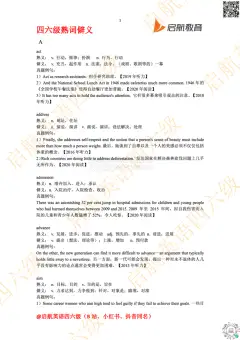
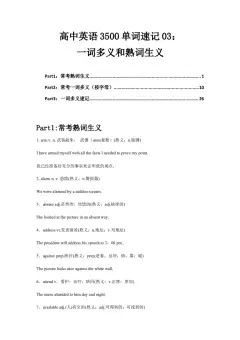
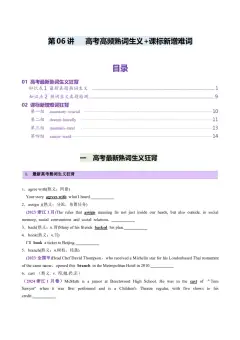
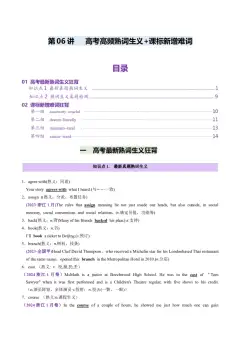
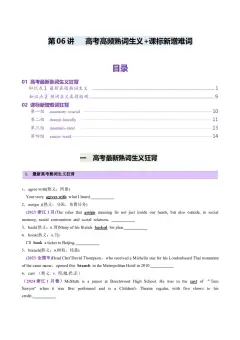
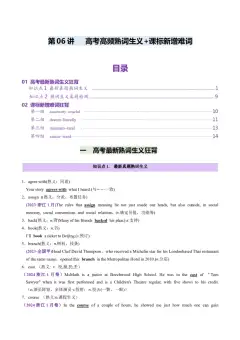
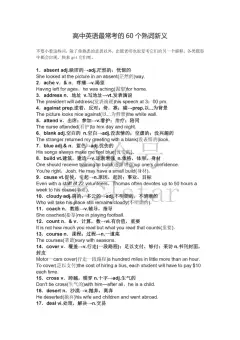
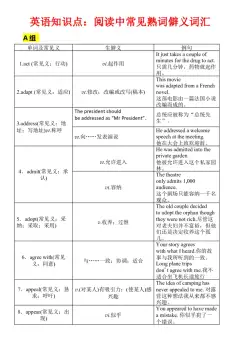
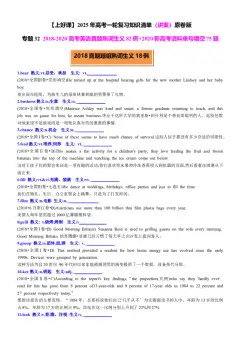
高考英语阅读理解:18个“熟词生义”:词你都认识,意思全读错了

阅读里最冤的一种错,不是不认识词,是“认识,但读错了意思”。
不认识,你会停下来查,或者根据上下文猜;读错了,你不会停——你带着错的意思往下读,读到第三段发现前后不通,再回头,时间已经没了。
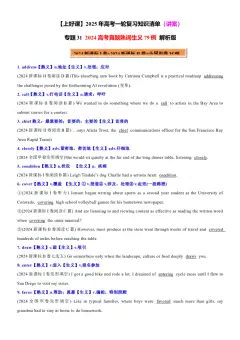
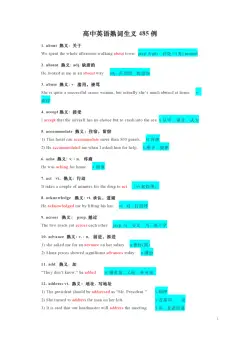
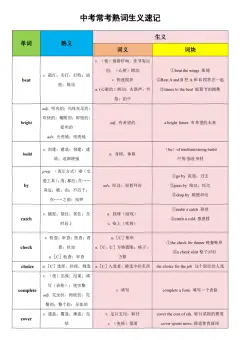
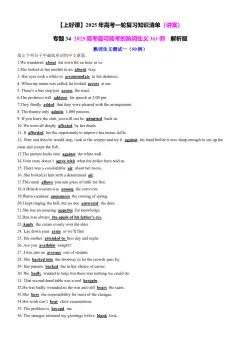
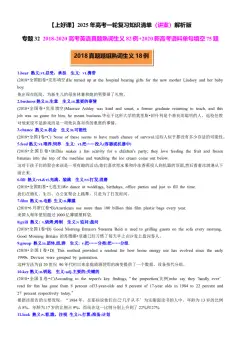
我从 33 套真题里挑出 18 个最典型的“熟词生义”,每个都配了原句。它们有个共同点:你背的那个意思,在这句话里完全不成立。
一、动词:意思变得最狠的一类
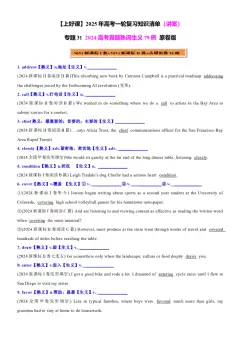
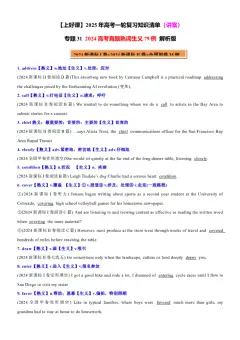
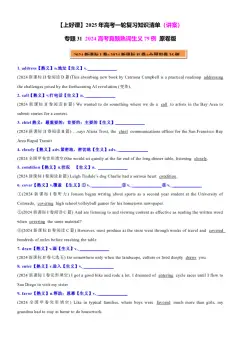
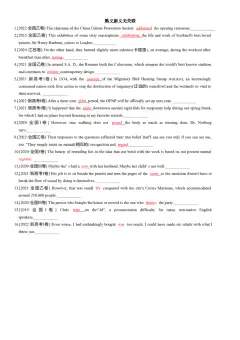
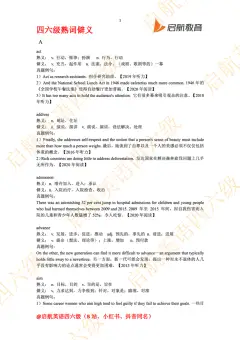
address|你背的是“地址”,真题里是“解决、处理”
But there are many ways to address problems of sustainability.
译:但解决可持续性问题有很多种方式。
记:address a problem / address an issue = 处理一个问题。看到 address 后面跟 problem、issue、concern,几乎都是这个意思。
meet|你背的是“遇见”,真题里是“满足、达到”
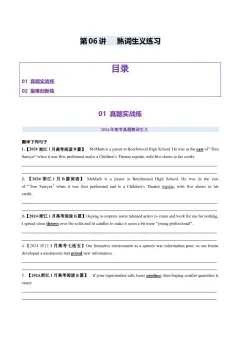
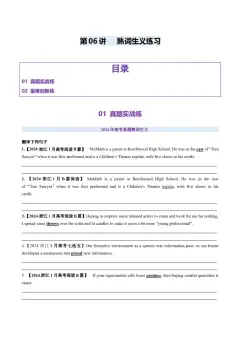
I only required that the piece meet the specifications of its genre.
译:我只要求这篇作品符合其体裁的规范。
记:meet the need / meet the standard / meet the deadline,都是“满足、达到”,不是“遇见”。
hold|你背的是“握住”,真题里是“举办、容纳”
Staff members hold plenty of bar events for guests like free shots, bar crawls and karaoke.
译:工作人员为客人举办大量酒吧活动,比如免费试饮、串酒吧和卡拉OK。
记:hold an event(办活动)、hold 200 people(容纳200人)、hold the view that(持某种观点)——三个意思都很常见。
draw|你背的是“画”,真题里是“吸引、得出”
I'll draw on an experiment I ran in 2018 in which over 1,600 people agreed to perform a digital declutter.
译:我将借用 2018 年做过的一个实验:当时有 1600 多人同意做一次“数字清理”。
记:draw on = 借助、利用;draw a conclusion = 得出结论;draw attention = 吸引注意。三个都不是“画画”。
reserve|你背的是“保留”,真题里是“预订”
Reserve a spot indoors, at its chef's counter, or a covered dog-friendly patio.
译:可以在室内、主厨吧台,或带顶棚的宠物友好露台预订一个位置。
记:reserve a table / reserve a spot = 订位。名词 reservation 是“预订”,也是“保留意见”。
treat|你背的是“对待”,真题里是“甜食、乐事”
A single sugary treat, selected by the child, was placed on a table.
译:一块由孩子自己挑选的甜食被放在了桌上。
记:treat 作名词是“让人开心的东西”,a treat 常指零食、小奖励;作动词才是“对待、治疗”。
run|你背的是“跑”,真题里是“运行、经营”
A shuttle that runs every 15 minutes to and from the stadium.
译:每 15 分钟一班往返体育场的接驳车。
记:run a business(经营)、run a program(运行项目)、the train runs(发车)。看到 run 后面不是人,先想“运转”。
note|你背的是“笔记”,真题里是“指出、提示”
Note to teachers: Children's Theatre has a study guide demonstrating how math and science can be taught through “Tom Sawyer”.
译:教师提示:儿童剧院备有学习指南,演示如何借《汤姆·索亚历险记》教授数学与科学。
记:note that... = 指出;note 作动词在学术类文章里很常见,等于 point out。
二、名词:你以为的那个东西,其实不是
figure|你背的是“数字”,真题里是“人物”
The “Disruptor” has become a recognisable figure in the way we talk about business.
译:“颠覆者”已成为我们谈论商业时一个易于辨认的形象。
记:figure 有四个高频义:数字(figures show...)、人物(a public figure)、身材(keep figure)、认为(I figure that...)。
paper|你背的是“纸”,真题里是“论文、报纸、纸质载体”
Learning is generally more successful when it's on paper than onscreen.
译:当材料是纸质而非屏幕时,学习通常更有效。
记:a research paper(论文)、the penny paper(廉价报纸)、on paper(纸面上/理论上)。三种在这套语料里都出现过。
issue|你背的是“期号、发行”,真题里是“问题、争议”
The Parks Department is aware of the issue.
译:公园管理部门已经注意到这个问题。
记:issue 在议论文里 90% 是“问题”,等于 problem;作动词是“发布”(issue a statement)。
rest|你背的是“休息”,真题里是“其余部分”
...the very best theatre, dance, family shows and music from Wales and the rest of the world.
译:来自威尔士和世界其他地方最优秀的戏剧、舞蹈、家庭演出和音乐。
记:the rest of = 其余的。这个词一读错,整句的主语范围就错了。
sound|你背的是“声音”,真题里是“音响的、合理的”
What they liked, they couldn't afford on his sound engineer's salary.
译:他们喜欢的,靠他做音响师的薪水买不起。
记:sound 作形容词是“合理的、健全的”(a sound argument),作定语常是“音响的”。这两个都不是“声音”。
practice|你背的是“练习”,真题里是“做法、惯例”
The damage to the scentscape could result in harm to both health and spiritual practice.
译:对“气味景观”的破坏,可能同时损害健康与精神习俗。
记:common practice(常见做法)、in practice(实际上)、medical practice(行医)。看到 practice 前面是形容词,多半是“做法”。
class|你背的是“班级、课”,真题里是“阶层、类别”
...before catching the subway in a working-class area of southern Barcelona.
译:……然后在巴塞罗那南部一个工人阶层社区乘地铁。
记:working-class(工薪阶层)、middle-class(中产)、a class of drugs(一类药物)。
capital|你背的是“资本、首都”,真题里是“首府、省会”
...before returning to the regional capital to refuel and restock.
译:……然后返回地区首府补充燃料和物资。
记:capital 的四个意思:资本、首都、大写字母、死刑的。regional capital 是“地区首府”,不是“地区资本”。
order|你背的是“命令、订单”,真题里是“顺序、秩序”
Each subject got eight reviews to read, presented in a random order.
译:每位受试者要读八条评论,以随机顺序呈现。
记:in order(按顺序)、out of order(出故障)、in order to(为了)。实验类文章里 order 几乎都是“顺序”。
三、一个高频形容词:present
present|你背的是“礼物、现在”,真题里是“存在的、在场的”
This is a very old habit that's been present in all kinds of predators.
译:这是一个存在于各类捕食者身上的古老习性。
记:be present in = 存在于;be present at = 出席。作动词读 /prɪˈzent/,是“呈现、提出”。
这类词怎么防
三个动作,都很轻:
一、读到“前后不通”就停。 熟词生义的信号很明确:句子语法没问题,但意思接不上。这时候不要硬读,回到那个词,把它当成一个“生词”重新猜。
二、一个词只记“最不像的那个意思”。 比如 address,你早知道“地址”,就只记“解决”;paper 你早知道“纸”,就只记“论文/报纸”。记忆要有反差才记得住。
三、把它的搭配一起记。 address a problem、meet the standard、hold an event、draw a conclusion——搭配比释义更能提示意思。看到 problem 就知道 address 是“解决”。
上面这 18 个,建议做成一张卡片,正面写词,背面写“易错义 + 一个搭配”。考前只看背面。
(这 18 个词的原句、译文、搭配,我整理在了一份表格里,需要的话留言“生义”。)