ARTICLE · 1411825
教学日志 | 在探究之中,看见幼儿语言生长的力量
Introduction
丁雅麟 Liya
凡恩格林森林幼儿园
K1A班老师

谢飘雪 Sherry
凡恩格林森林幼儿园
K1C班老师
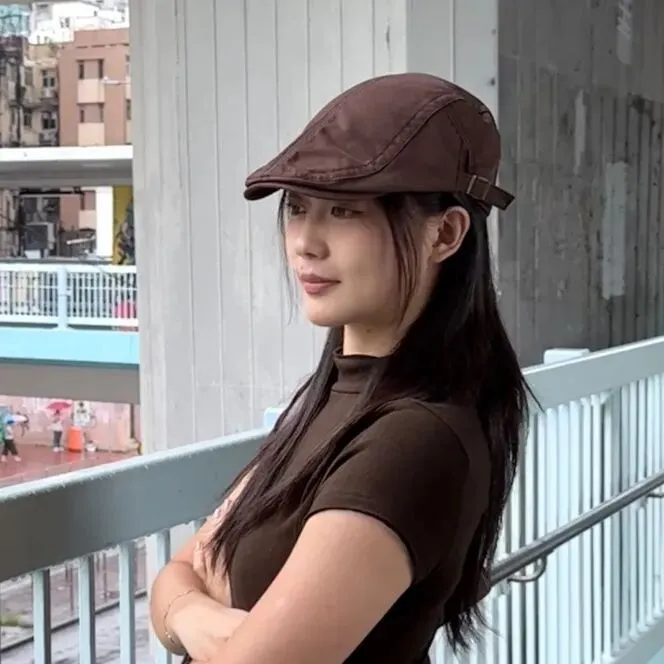
杨佳 Rainbow
凡恩格林森林幼儿园
K2A班老师
文 / 丁雅麟Liya、谢飘雪Sherry、杨佳Rainbow
语言成长不是反复跟读的训练,而是依托探究旅程的表达——让每一次猜想被诉说,每一份发现被分享,便是幼儿语言发展最好的模样。
Language growth is not repetitive oral drills, but expression rooted in the journey of inquiry. Let every hypothesis be voiced and every discovery shared, which represents the most beautiful form of young children’s language development.
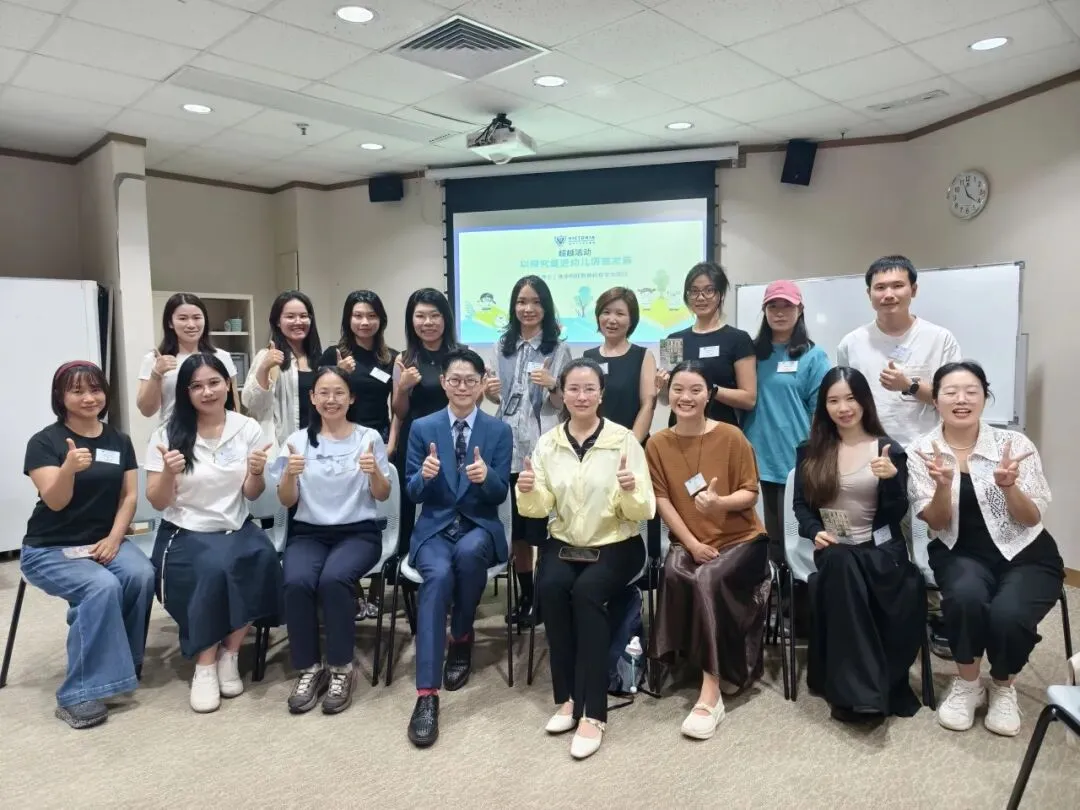
十月的香港,我们三人同行,走进维多利亚机构的教育现场。一天的工作坊与实地参访,像一场安静而扎实的“教育复盘”——语言不是一门单独教授的学科,它是幼儿思考世界、开展探究的工具,幼儿真正的成长,发生在真实的探索体验之中。
In October, the three of us traveled together to Hong Kong and stepped into the educational world of the Victoria institution. A day of workshops and on-site visits felt like a quiet but solid "educational review"—not going to see how others do things, but turning around to look at ourselves: language is not a subject taught in isolation; it is the tool through which young children think about the world and carry out inquiry. A child's real growth happens within authentic exploratory experiences.
Slide Right for English→
< 01 >
先做回孩子,才懂语言从哪里来
Becoming Children Again:
Understanding Where Language Comes From
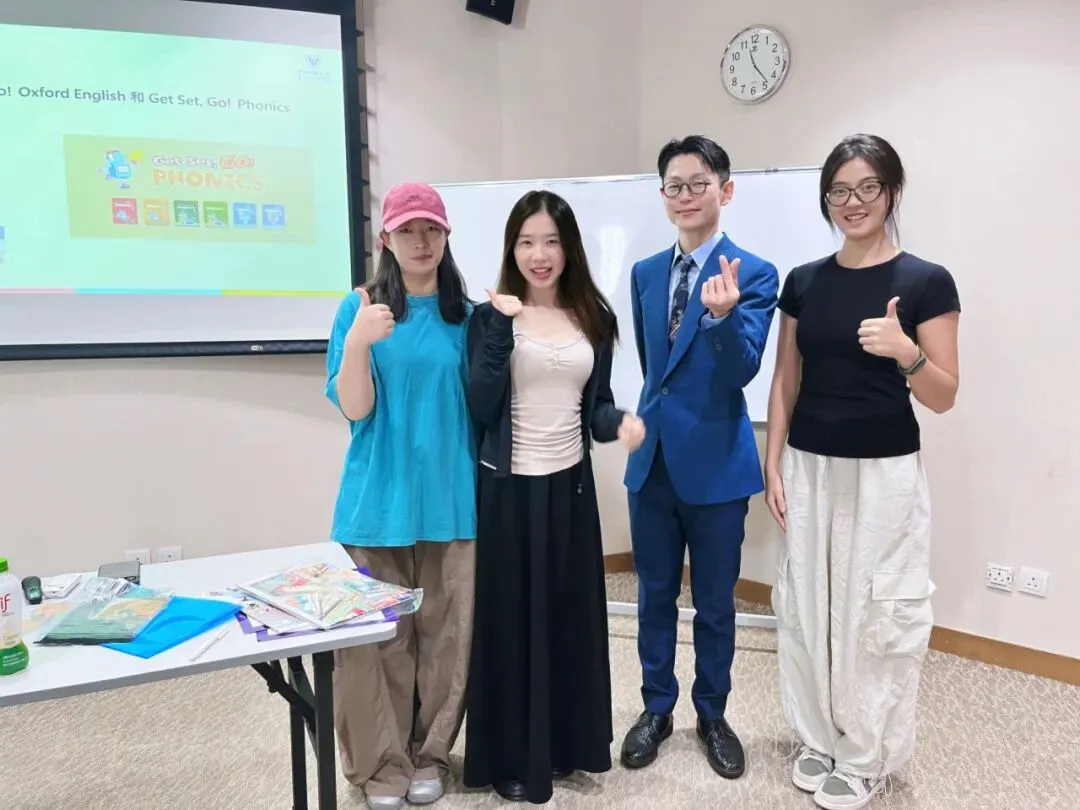
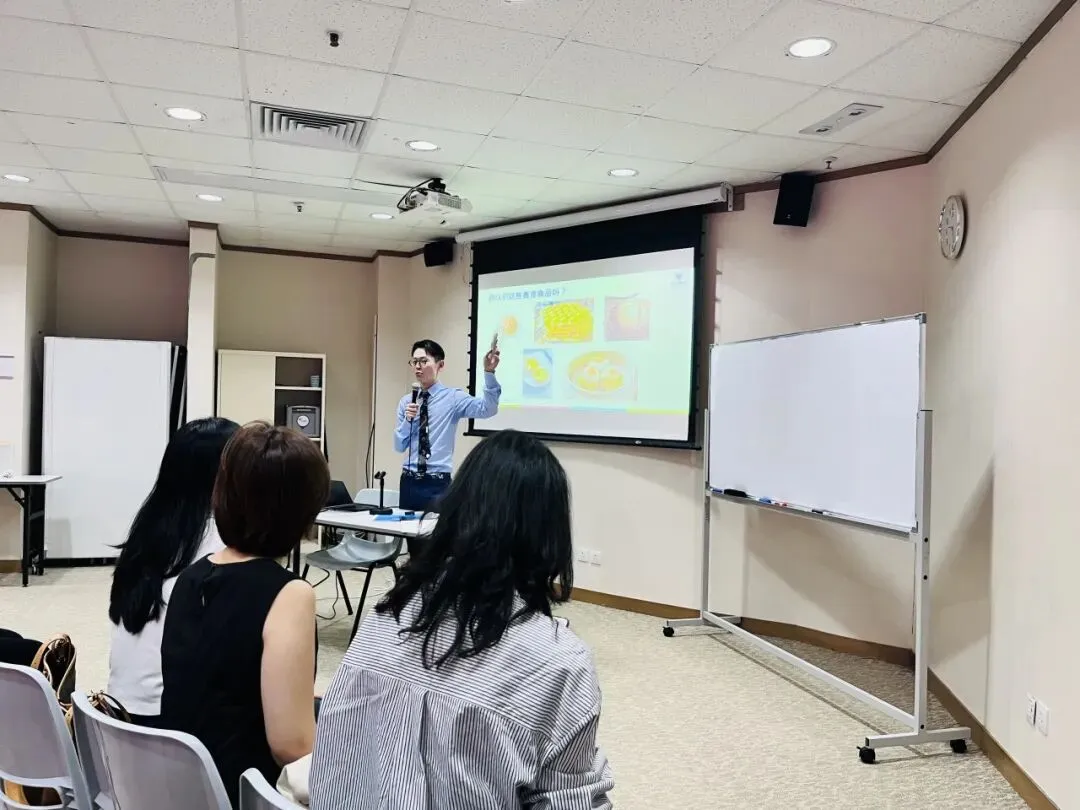
工作坊的第一件事,是放下教师身份,把自己当成幼儿,完整走一遍探究旅程。以菠萝包、马拉糕这些本土美食为切口,从“菠萝包里真的有菠萝吗?”“‘马拉’代表什么?”开始,大胆猜想、小组搜集线索、互相思辨,再到合作设计一款全新糕点。全程没有一句刻意的语言训练,我们却自然地用上了这样的表达:
The first thing we did in the workshop was set aside our identity as teachers and become "young children," walking through an entire inquiry journey ourselves. Using local foods like pineapple buns and malaysian sponge cakes as entry points, we began with questions like "Is there really pineapple in a pineapple bun?" and "What does 'ma la' stand for?" We made bold hypotheses, gathered clues in small groups, debated with one another, and then collaborated to design a brand-new pastry. There was not a single moment of deliberate language training throughout, yet we naturally used expressions like:
Slide Right for English→
“一个资料来源指出……”
“另一个说法是……”
“两个来源都同意……”
“我们目前可以推论……”
“我们仍未能确定……”
"One source indicates that…"
"Another account says…"
"Both sources agree that…"
"We can currently infer that…"
"We are still unable to determine…"
Slide Right for English→
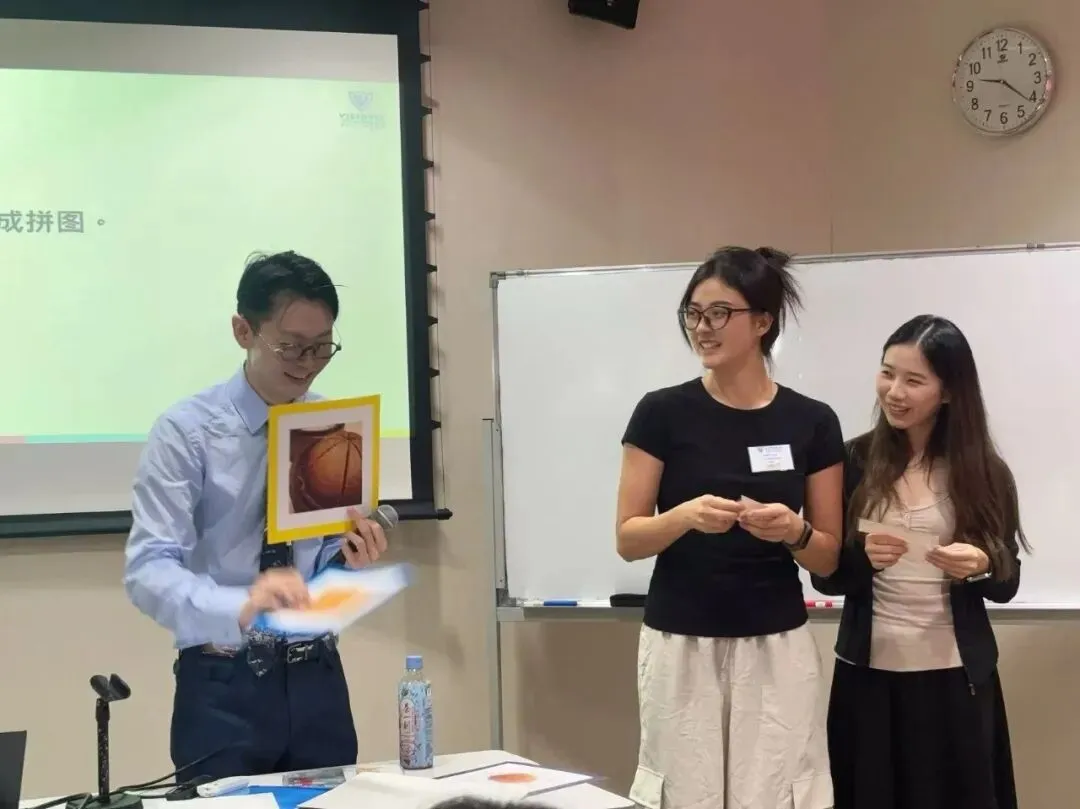
那一刻我们真切体会到:孩子的语言不是背话术背出来的。 当内心生出好奇,有想诉说猜想、分享发现的冲动,表达才会自己涌出来。
In that moment, we truly understood: children's language is not something memorized through scripts. When curiosity arises from within—when there is an urge to voice a hypothesis or share a discovery—expression flows out on its own.
Slide Right for English→
Slide Right for English→
维果茨基说,思维经由语言才得以真正生成——这一天,我们对这句话有了实质性的理解。好活动不等于好学习,比起热闹好看的形式,更重要的是看见孩子观察了什么、理解了什么、想说什么、和谁互动、如何反思。而教师的位置,是支持者:创设真实情境,搭建语言支架,让孩子带着猜想去找证据,在对话思辨里让思维与语言同步生长。工作坊给出的“重构学习历程六问”,也成了我们今后设计活动随身携带的思考工具。
Vygotsky said that thought is truly generated through language—and on this day, we came to a substantive understanding of that statement. A good activity does not equal good learning. Rather than pursuing lively, attractive formats, what matters more is seeing what children observe, what they understand, what they want to say, who they interact with, and how they reflect. The teacher's position is that of a supporter: creating authentic contexts, building language scaffolds, and letting children look for evidence with their hypotheses, so that thinking and language grow in sync through dialogue and debate. The "Six Questions for Reconstructing the Learning Journey" offered by the workshop have also become a thinking tool we carry with us when designing activities.
< 02 >
慢下来的课堂,看得见思考的痕迹
A Classroom That Slows Down: Visible Traces of Thinking
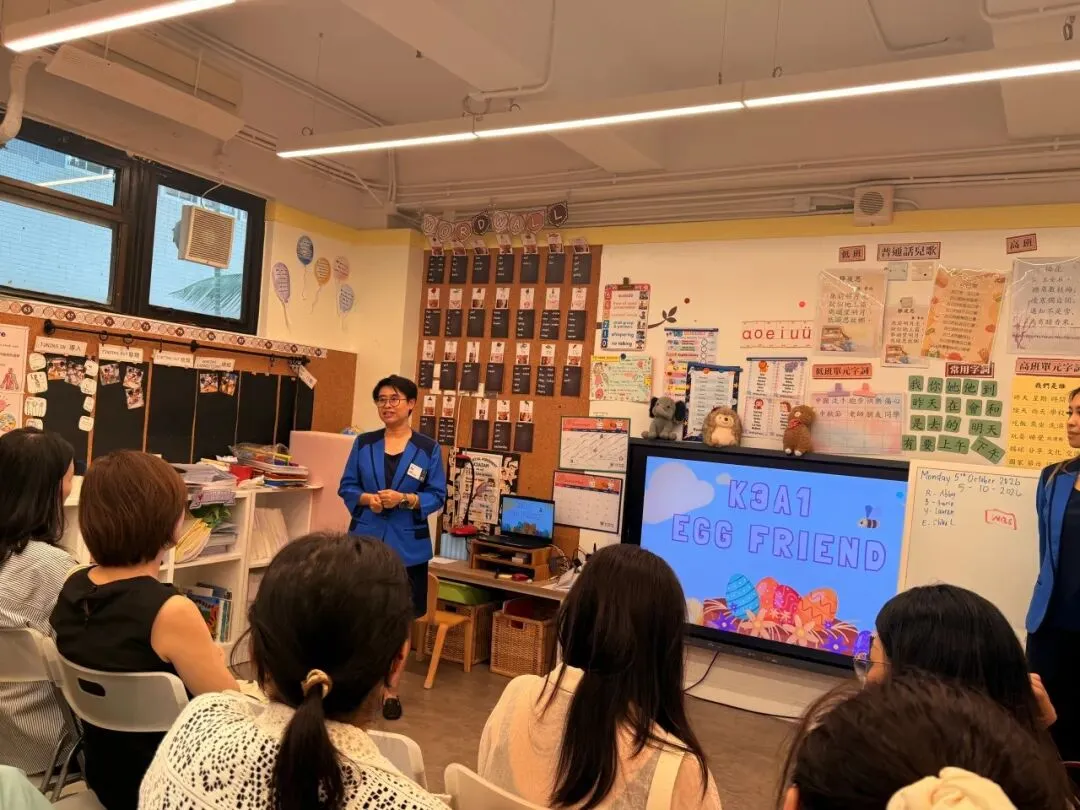
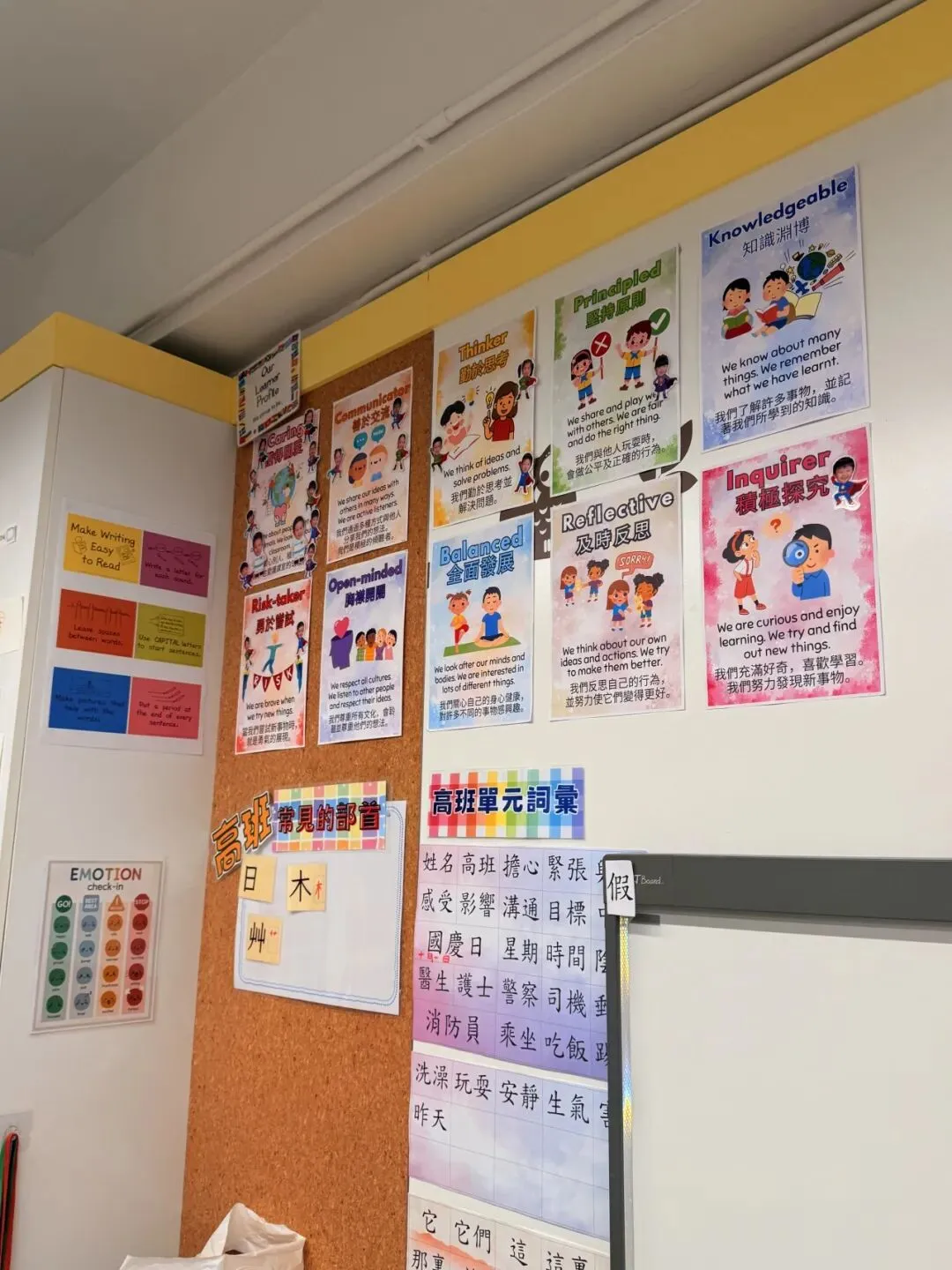
下午走进VEO维多利亚幼稚园与湾仔VPP托育中心,理论真正照进了现实。IB-PYP幼稚园把探究贯穿一日生活,孩子在提问、收集信息、记录、反思的完整流程中锻炼表达;0—3岁的托育中心坚持游戏为本,抓住语言启蒙黄金期,兼顾沟通表达、社会情绪与感官探索,并把教育延伸到家庭。
In the afternoon, we walked into VEO Victoria Kindergarten and the Wan Chai VPP Nursery Center, where theory truly came to life. The IB-PYP kindergarten weaves inquiry throughout the daily life of the classroom, with children developing their expression through the complete process of asking questions, gathering information, recording, and reflecting. The 0–3 nursery center insists on being play-based, seizing the golden window for language development while attending to communication and expression, social-emotional growth, and sensory exploration—and extending education into the family.
Slide Right for English→
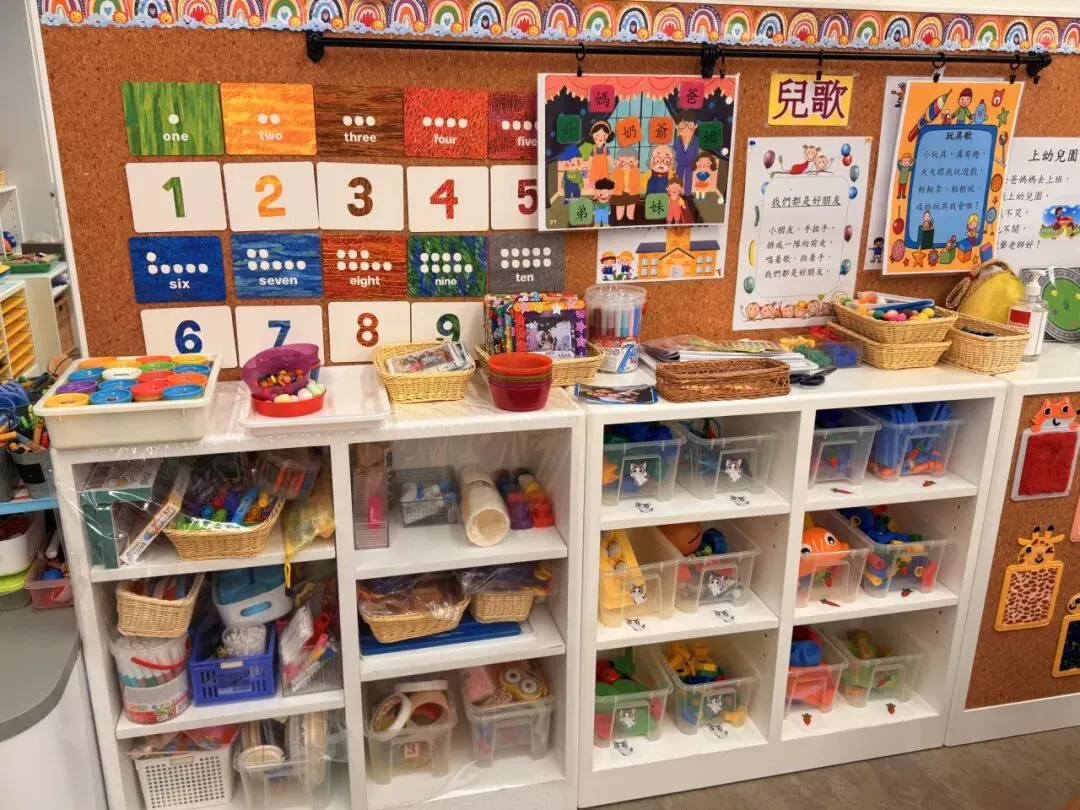
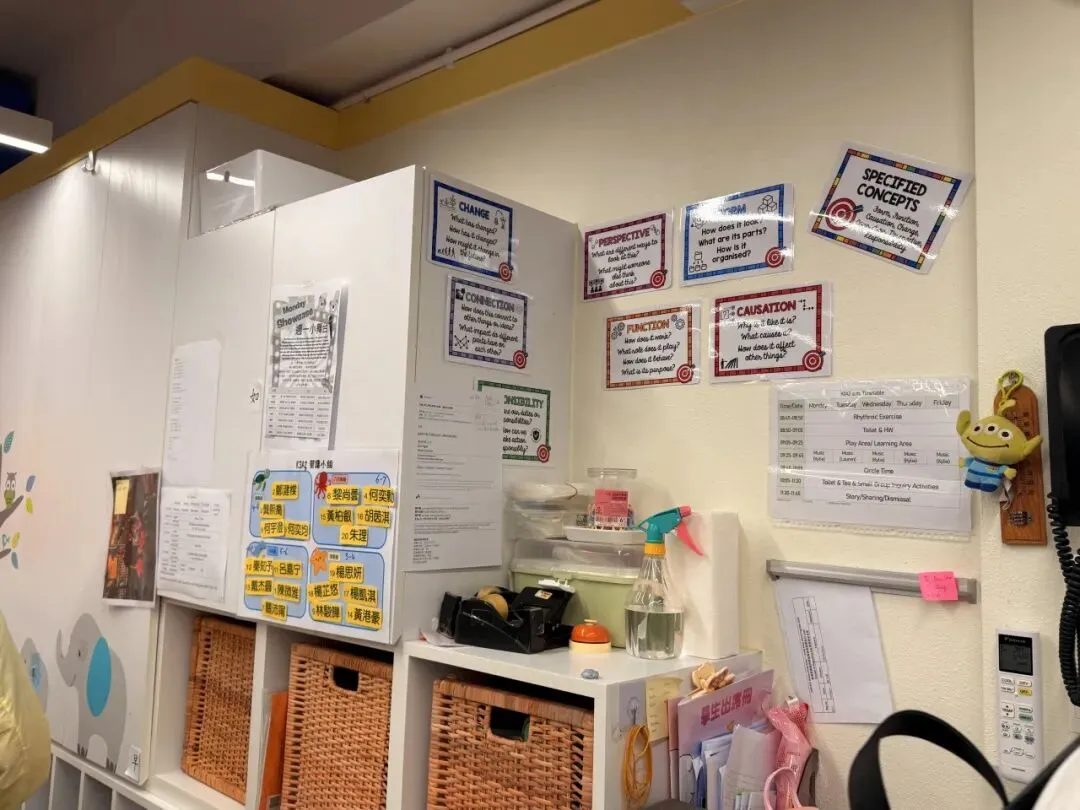
从托育到幼稚园,我们看到的是一条连贯、完整的探究式语言培养路径——节奏很慢、很稳,允许孩子停留、观察、反复尝试。老师更多是倾听、等待、抛问题、搭支架,而不是讲解和输出。看着那份松弛又专业的教育状态,我们开始反思自己:是不是讲得太多?留给孩子的思考、对话、试错的空间,是不是太少?
From nursery to kindergarten, we saw a coherent and complete pathway for inquiry-based language development—with a rhythm that is slow and steady, allowing children to pause, observe, and try repeatedly. Teachers are more often listening, waiting, posing questions, and building scaffolds rather than lecturing and outputting. Seeing that relaxed yet professional educational state, we began to reflect on ourselves: Are we talking too much? Are we leaving too little space for children's thinking, dialogue, and trial and error?
Slide Right for English→
< 03 >
把探究的种子,种回凡恩格林的日常
Planting the Seeds of Inquiry Back into the Daily Life
of Fawn Green
结合本园EYFS、ICEE自然教育、PBL项目课程体系,我们梳理了三个可落地的方向:
Drawing on our kindergarten's EYFS framework, ICEE nature education, and PBL project-based curriculum, we identified three actionable directions:
Slide Right for English→
对接EYFS——遵循发展节律,尊重每个孩子表达能力的个体差异,摒弃话术灌输,在游戏与日常对话中搭建分层的语言支架,营造安全的表达氛围。
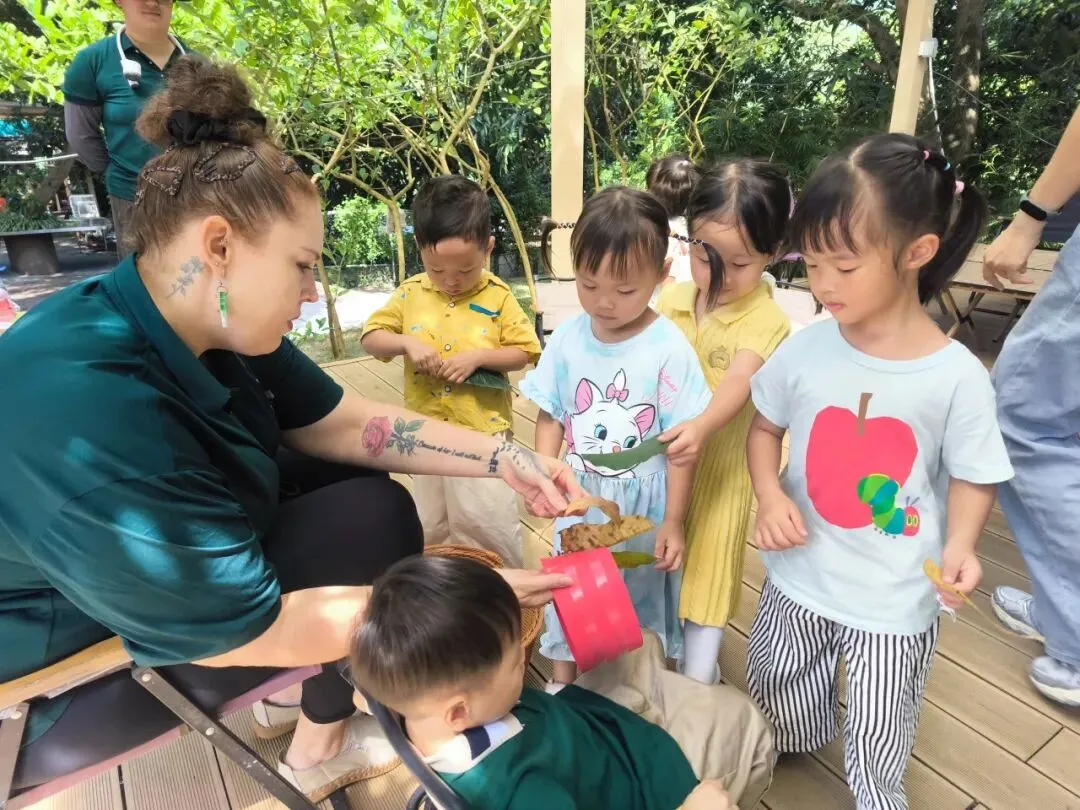
融合ICEE自然教育——把语言课堂搬到森林与户外,以真实的自然场景作为探究场域。孩子在观察树木、动植物、四季变化中生发疑问,把亲眼所见、亲手触摸的体验转化为语言输出,让表达源于真实体验。
赋能PBL项目课程——完善“提问—猜想—验证—思辨—复盘”的闭环。不再只看重最后的作品产出,更看重过程中孩子的思考、交流与论证,让语言跟随思维一同成长。
Aligning with EYFS—Following developmental rhythms, respecting individual differences in each child's expressive ability, abandoning script-based indoctrination, and building tiered language scaffolds in play and daily conversation to create a safe atmosphere for expression.
Integrating ICEE Nature Education—Moving the language classroom into the forest and outdoors, using authentic natural settings as fields of inquiry. Children generate questions while observing trees, animals and plants, and the changes of the seasons, and transform what they see with their own eyes and touch with their own hands into language output, so that expression originates from real experience.
Empowering the PBL Project Curriculum—Refining the closed loop of "questioning—hypothesizing—verifying—debating—reviewing." Rather than focusing only on the final product, we place greater value on children's thinking, communication, and argumentation during the process, so that language grows alongside thinking.
Slide Right for English→
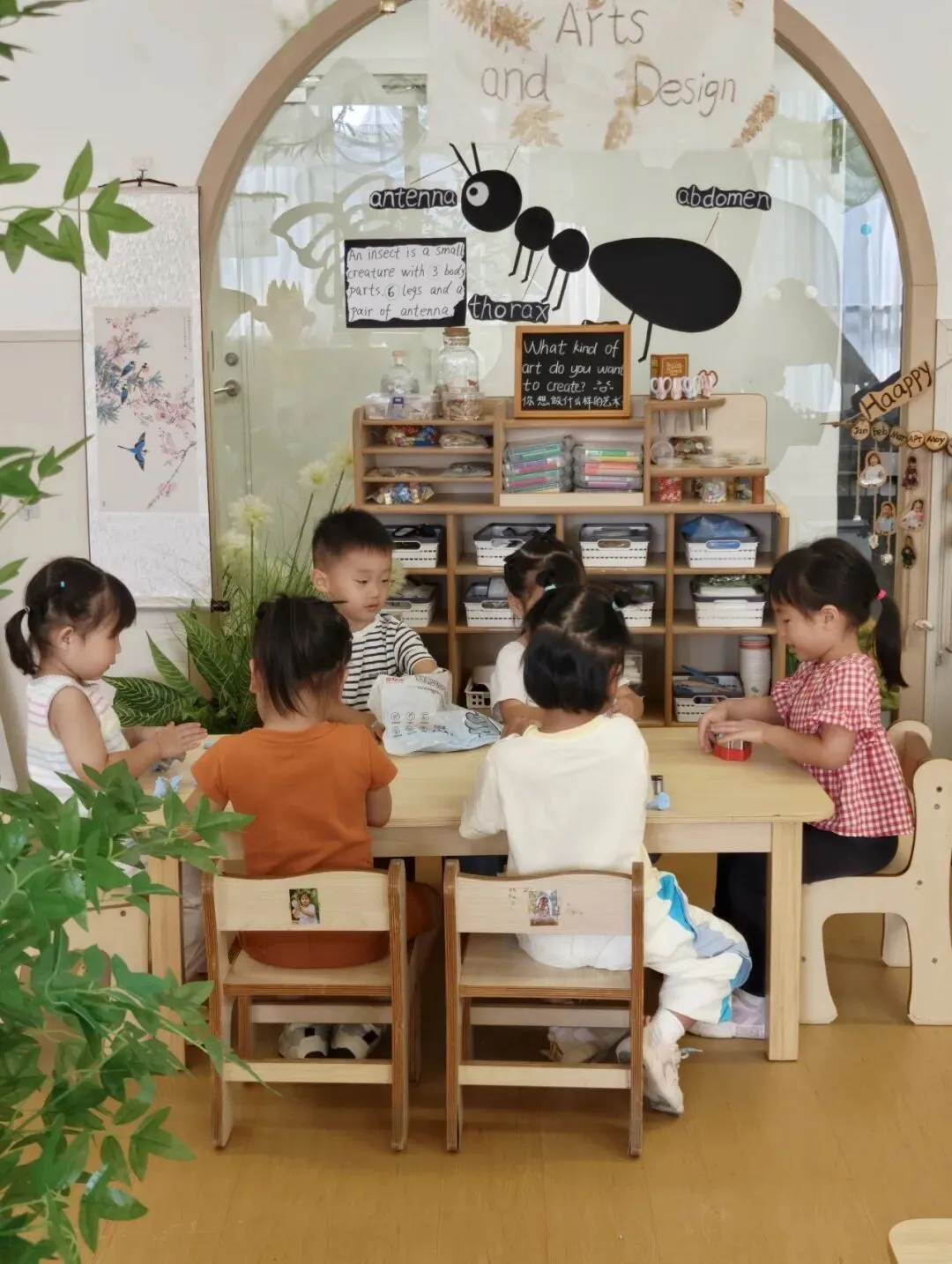
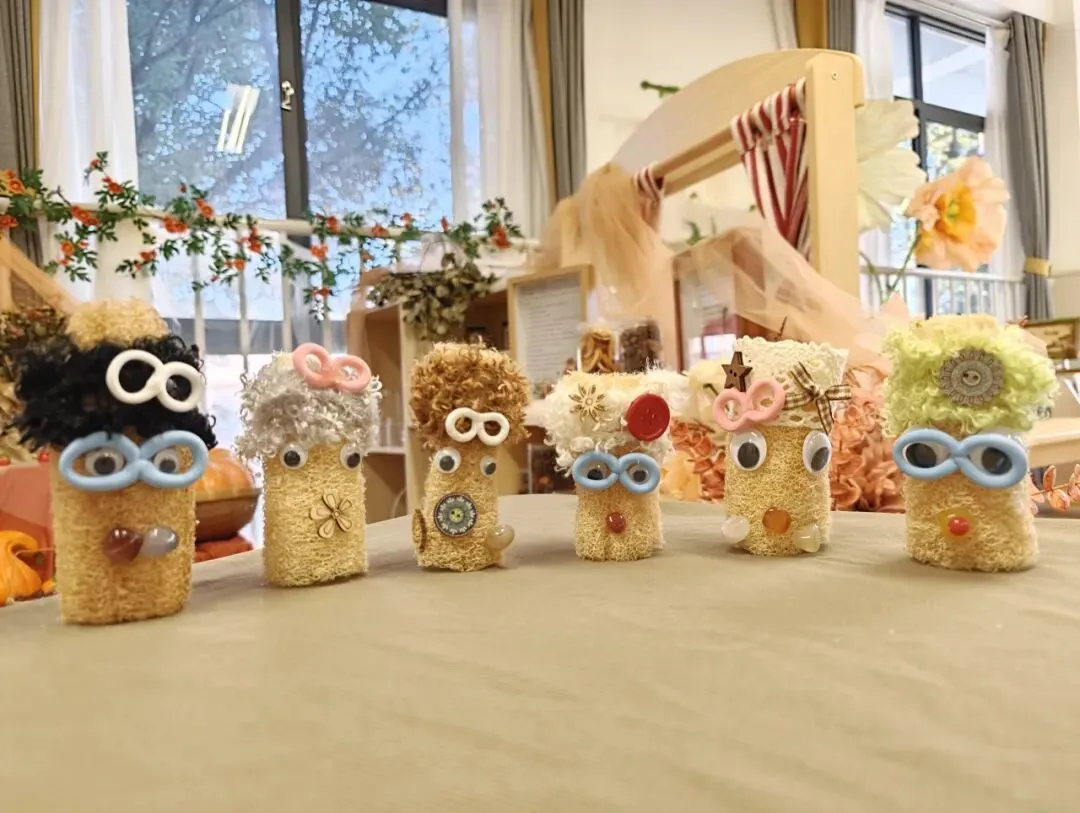
杜威说:“成长不是外界强加给儿童的,而是儿童自身主动完成的事情。”这一天最大的改变,是我们心态的改变。以后带班、做项目探究,我们想慢一点、静一点、耐心一点——少一点“我要教你”,多一点“我陪你探索”。不去刻意塑造孩子的表达,而是创造环境,让他们敢想、敢说、敢问,让语言跟着思维自然生长。
Dewey said, "Growth is not something imposed on children from outside, but something children actively accomplish themselves." The greatest change from this day was a change in our mindset. Going forward—whether leading a class, running a project, or teaching an inquiry lesson—we want to be slower, calmer, and more patient: a little less "I want to teach you," and a little more "I will explore with you." Rather than deliberately shaping children's expression, we want to create environments where they dare to think, dare to speak, and dare to ask—where language grows naturally alongside thinking.
Slide Right for English→
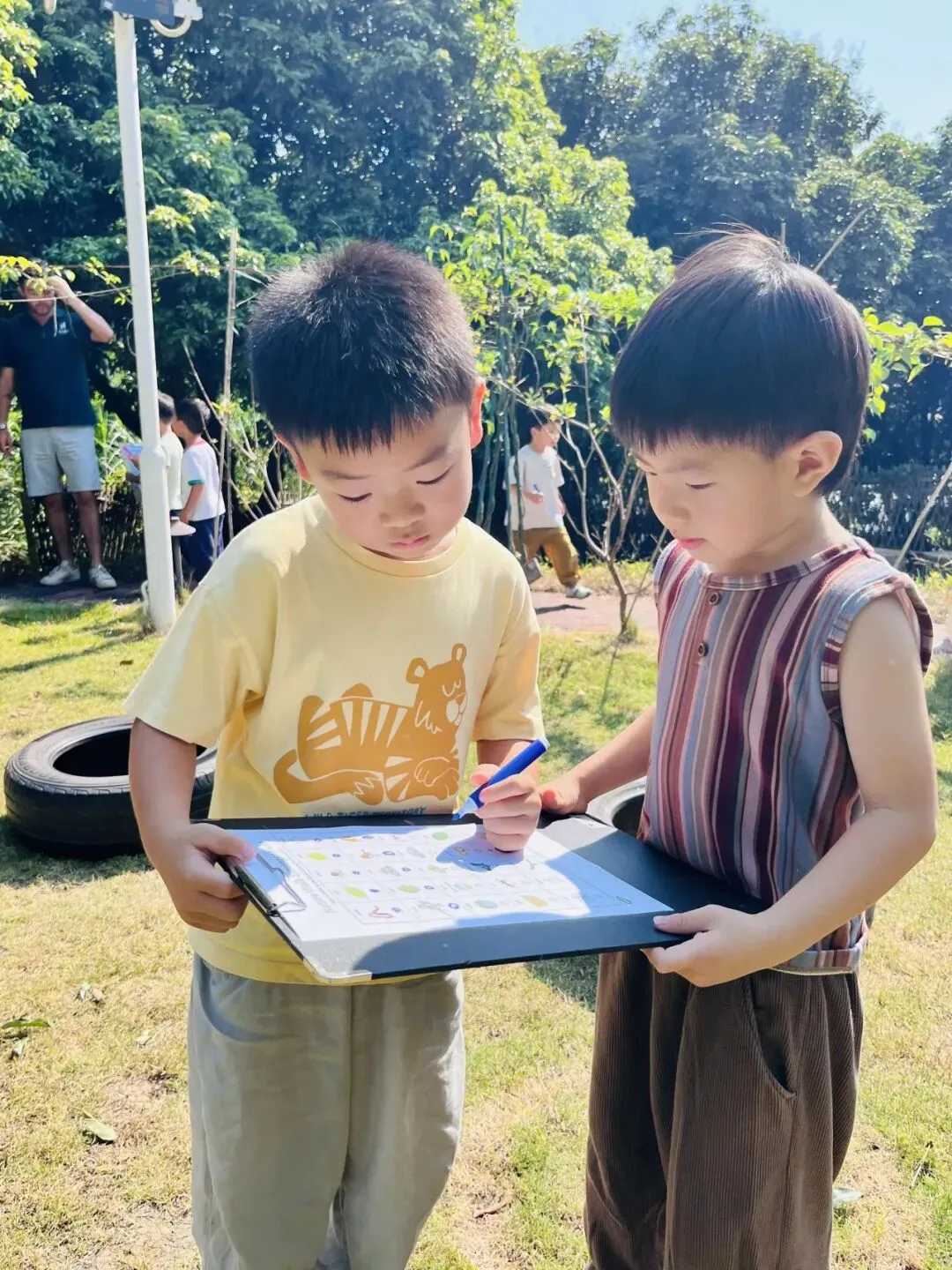
很庆幸有这样一次跳出固有模式的机会,重新看见儿童、读懂教育。未来,我们会把这次学到的探究理念、观察视角与松弛的教育状态,真正带回班级、落地日常,让每一个孩子在真实、自由、被尊重的环境里,慢慢长大。
We are grateful for this opportunity to step outside our established patterns and to see children anew and understand education anew. In the future, we will bring the inquiry philosophy, observational perspective, and relaxed educational state we learned this time back to our classrooms and into our daily practice, so that every child can grow up slowly in an environment that is authentic, free, and respectful.
Slide Right for English→
文 / 丁雅麟、谢飘雪、杨佳