ARTICLE · 1047450
整合概念,体会语用功能—武汉9月开学考和XB1U2阅读
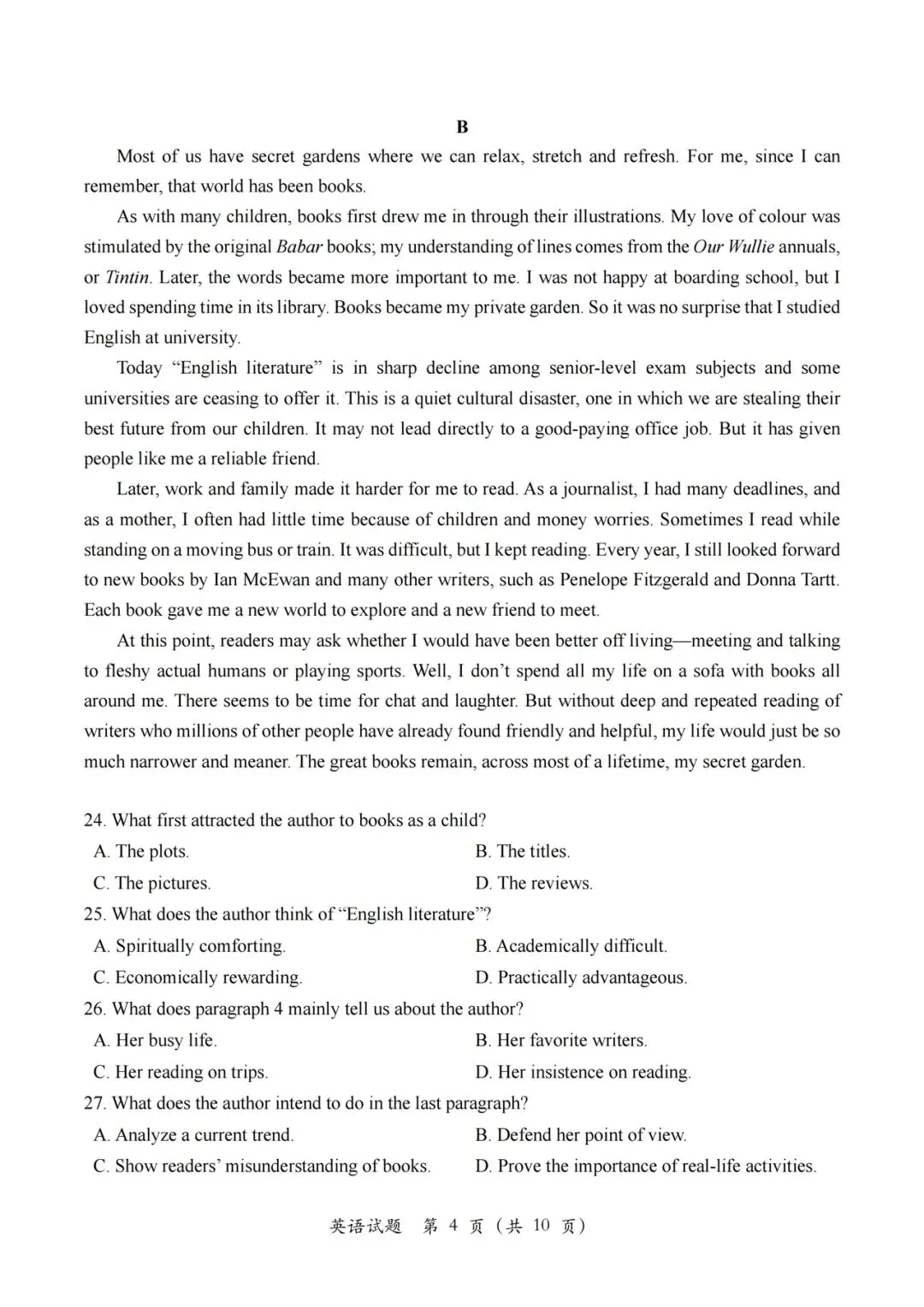
一、Q27:不是“这一段写了什么”,而是“这一段在干什么”
题目:
What does the author intend to do in the last paragraph?
正确答案:
Defend her point of view.
文章最后一段先写:
readers may ask…
作者主动替读者提出一个可能的质疑:如果一个人长期沉浸于阅读,会不会反而失去真实生活中的交流、运动与快乐?
接着作者回应:
I don’t spend all my life on a sofa…
她承认自己当然也有聊天、欢笑和现实生活。
但真正重要的是后面的:
But…
作者重新回到自己的立场:如果没有长期、深入的阅读,她的人生会变得更加狭窄、贫乏。
因此,这一段真正的结构不是简单的:
阅读 + 现实生活
而是:
Reader’s objection → Concession → Rebuttal → Restated claim
也就是:
预设读者质疑 → 作出让步 → 回应质疑 → 强化原有观点
因此,正确答案不是在概括“这一段提到了什么”,而是在判断:
这些内容在论证中发挥了什么作用?
这也是这道题最值得讲的地方。
这个题目难在C选项容易误选。
Show readers’ misunderstanding of books.
看起来有原文钩子,因为文章确实出现了:
readers may ask
但:
readers may ask ≠ readers misunderstand
另一个干扰项:
Prove the importance of real-life activities.
原文也真的写了:
meeting and talking
playing sports
chat and laughter
但这些内容只是作者的让步,并不是这一段最终要论证的中心。
因此,这类题真正需要学生问的不是:
What is mentioned?
而是:
Why is it mentioned?
我很喜欢把它压缩成三个问题:
Who says it? → Why is it here? → What does it do?
这已经从内容理解进入了话语功能判断。
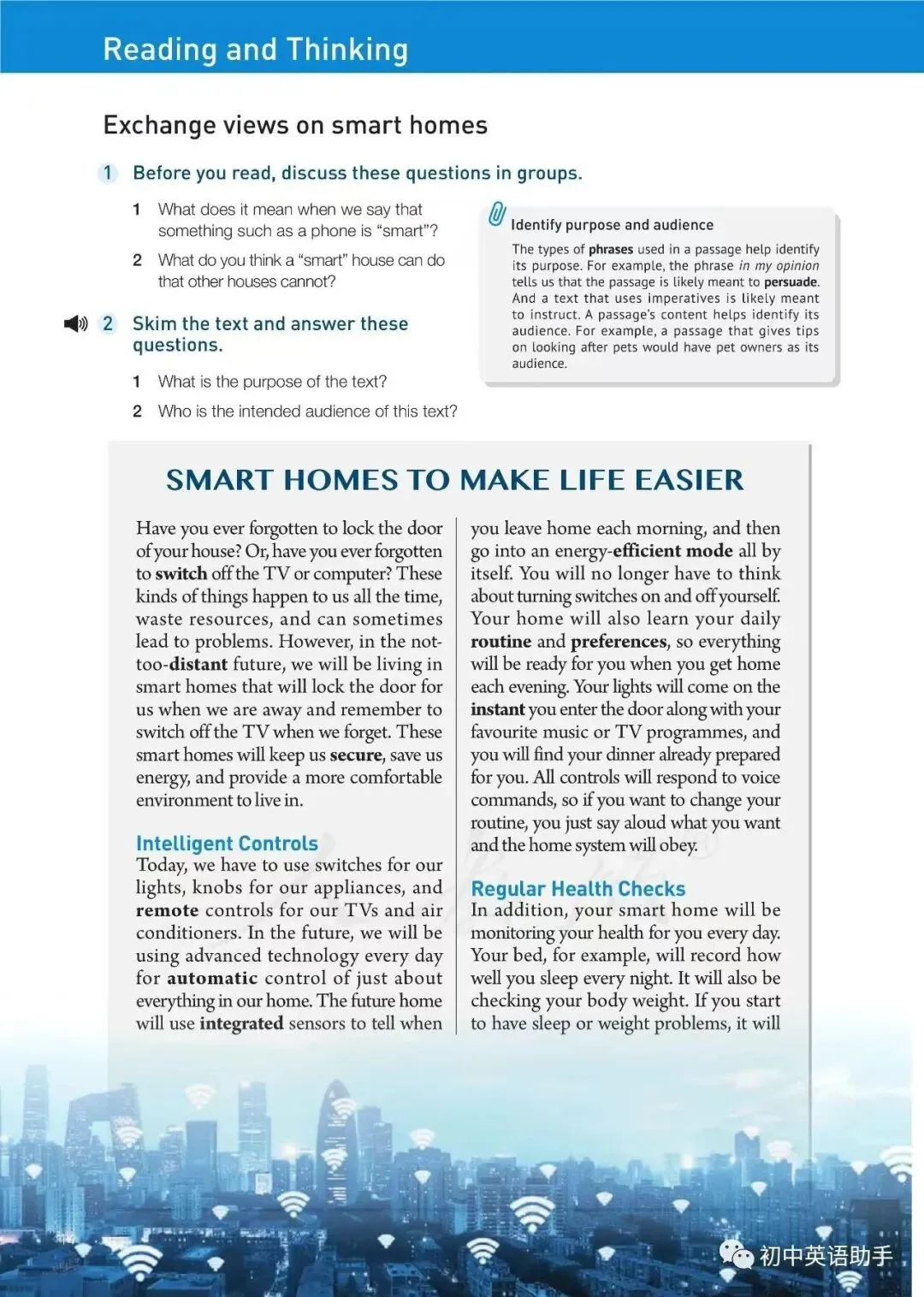
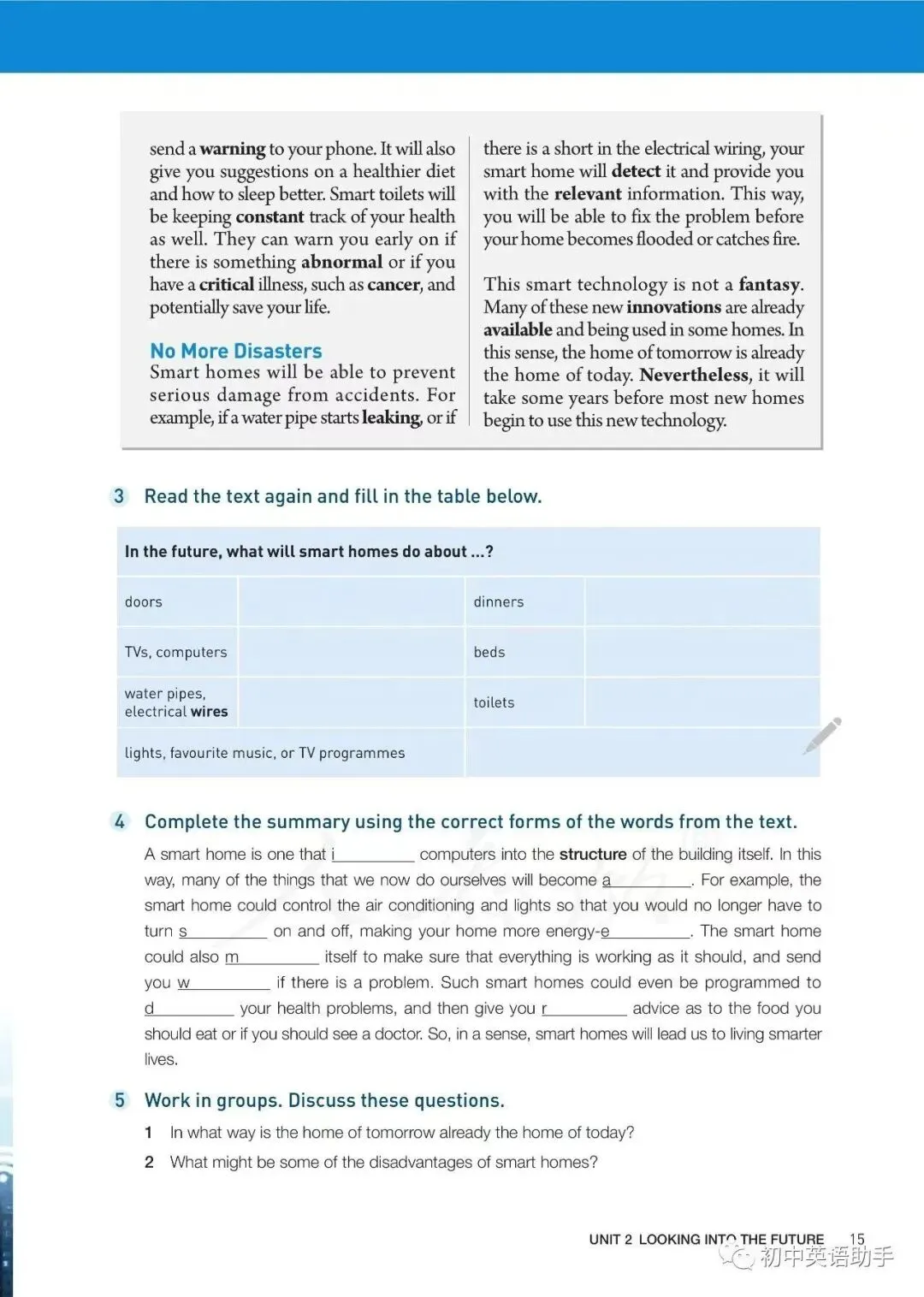
What does the author intend to do in the last paragraph?
A. Present current practice.
B. Temper future expectations.
C. Identify technical barriers.
D. Advertise smart technology.
not a fantasy → 别觉得太遥远
already available → 它已经开始发生
Nevertheless… → 但也别觉得马上就会全面普及
所以:
不是否定未来,而是校准读者对未来的预期。
或者:
What does the author intend to do by saying “This smart technology is not a fantasy”?
A. To question new inventions.
B. To address readers’ doubt.
C. To describe present homes.
D. To predict rapid change.
前文连续描写了很多看起来很“未来”的场景:
homes learn your routine
→ prepare lights and dinner
→ monitor your health
→ detect dangers automatically
读者读到这里很可能产生一个潜在判断:
This sounds like science fiction.
于是作者突然说:
This smart technology is not a fantasy.
紧接着用:
many innovations are already available
and being used in some homes
来回应这种潜在怀疑。
所以真正的关系是:
Possible reader doubt
→ Is this only fantasy?
↓
Author’s response
→ No. Some of it already exists.
↓
Evidence
→ already available / already used
因此:
B. To address readers’ doubt.
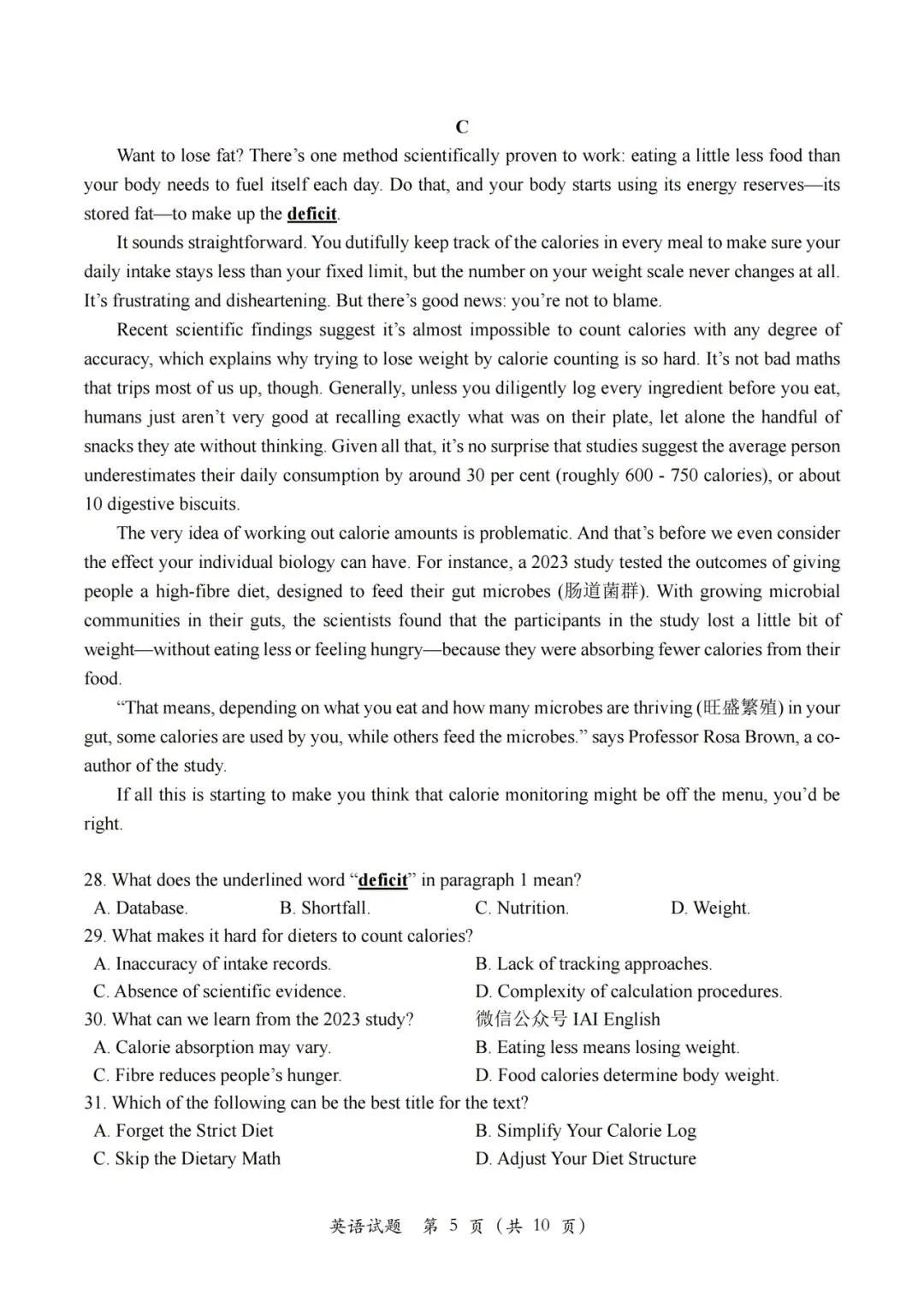
30题题目:
What can we learn from the 2023 study?
正确答案:
Calorie absorption may vary.
原文中的实验过程并不复杂:
high-fibre diet
→ gut microbes grow
→ participants absorb fewer calories
→ participants lose some weight without eating less
如果题目只问:
What happened to the participants?
那不过是一道普通细节题。
但命题者没有停在这里。
它要求学生把整个实验过程进一步抽象:
为什么他们没有少吃,却还是减轻了体重?
关键就在:
absorbing fewer calories
进一步说:
人吃进食物中的热量,并不等于人体最终真正吸收的热量。
于是,一整段具体实验被压缩成一个上位关系:
Calorie absorption may vary.
这是一种非常典型的命题路径:
Experiment → Relation → Concept
学生不能停留在:
fibre
microbes
weight loss
而要继续追问:
这个实验到底说明了一个什么一般规律?
这也是为什么几个干扰项都很有意思。
例如:
Fibre reduces people’s hunger.
原文确实出现:
without … feeling hungry
但是:
两个事实同时出现
≠ 前者导致后者
也就是:
Co-occurrence ≠ Causation
再比如:
Food calories determine body weight.
全文都在谈 calories 和 weight,看起来似乎十分合理。
但实验恰恰告诉我们:
food calories
→ biological processing
→ actual absorption
→ body outcome
中间还有一个非常重要的生物过程。
因此,实验实际上是在打破一种过度简单的直接因果关系。
这类题特别值得训练,因为它要求学生从:
What happened?
走向:
What relationship does the experiment reveal?
这个也可以用XBU2的课文进行命题
What can we learn from the smart home’s automatic preparations?
A. User needs may be anticipated.
B. Daily habits may lose value.
C. Voice commands may ensure comfort.
D. Energy savings may drive automation.
答案:A
原文过程:
learns routines and preferences
→ predicts what the user may need
→ prepares lights, music, etc. automatically
不是复述“它做了什么”,而是压缩成一般关系:
patterns → prediction → action
→ User needs may be anticipated.
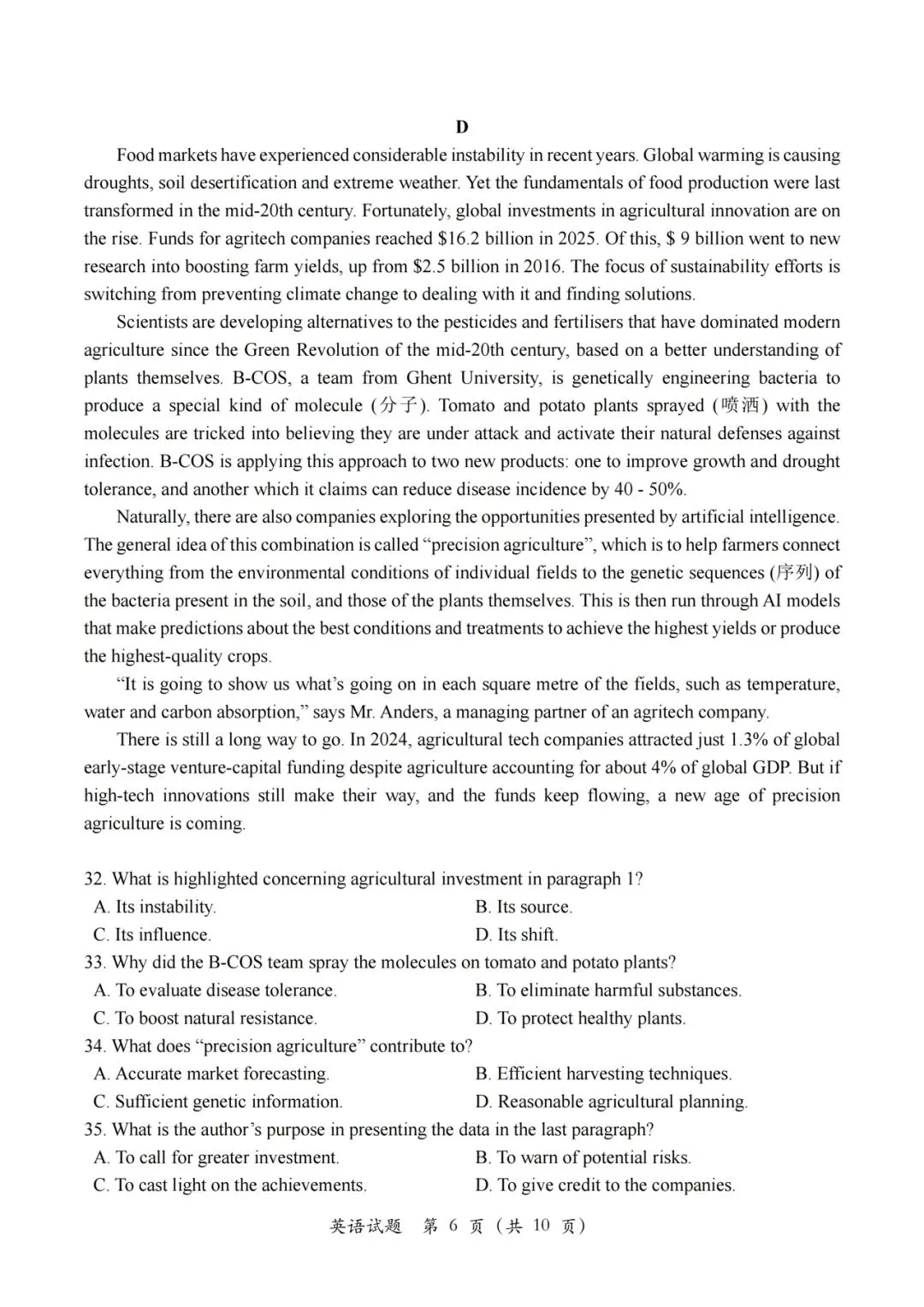
原文其实给出了一个很完整的科技过程:
environmental conditions
- genetic information
→ AI models
→ predictions about the best conditions and treatments
→ better yields and crop quality
如果学生只停留在词面,很容易被这些信息牵着走:
genetic information
prediction
treatments
yields
但命题者要求的不是其中任何一个具体步骤。
真正的问题是:
这一整套系统最终帮助农民完成了什么?
于是:
data collection
→ AI analysis
→ prediction
→ treatment choice
被压缩成:
agricultural planning
这类题的核心可以用一句话概括:
Data is not the function. What does the system do with the data?
这句话其实非常适合科技类阅读。
因为现在大量科技文本都会采用类似结构:
collect data
→ process information
→ make predictions
→ guide action
真正有区分度的题目,往往不会问:
What data does the system collect?
而会进一步问:
What does the whole process contribute to?
因此,这道题可以归纳为:
Process → Relation → Concept
也就是:
不复述过程,而是给过程命名。
依旧迁移到XBU2中:
What can the intelligent control system achieve?
A. Personalized household management.
B. Efficient energy monitoring.
C. Remote appliance operation.
D. Detailed habit recording.
正确答案:
A. Personalized household management.
因为原文实际上也是一个完整过程:
learn routines and preferences
→ detect the user’s situation
→ make judgments
→ adjust lights, appliances and other conditions automatically
如果只看到:
energy
就选 B;
看到:
appliances
就选 C;
看到:
routine and preferences
就选 D;
其实都只是抓住了一个局部信息。
真正需要学生整合的是:
routine + preference + sensing + automatic action
最终压缩成:
personalized household management
这里最值得注意的是:
habit information 是输入,appliance operation 是手段,energy saving 是局部结果,household management 才是整个系统的上位功能