ARTICLE · 1169761
初中1-3年级上册英语期末复习要点,高分必备宝典!

 初一
初一考点一
show v. 指示;带路;展示
eg: Could you show us your new photos?
你能把你的新照片给我们看看吗?
show作动词时的用法:
(1)show sb.sth.=show sth.to sb.把某物给某人看
(2)show 后可接宾语从句
(3)show sb.around 带领某人参观
(4)show sb. in/out 领进某人/送某人出去
(5)show off 炫耀;卖弄
(6)show up 露面;出现
show 还可用作名词,意为“展览;演出”。
a fashion show 意为“一场时装演出”;
a talent show意为“一场才艺展示”;
on show 意为“展出;展览”。
put on a show上演节目。
真题链接
(2016天津)Peter will _______ you ________ the building
and you can meet everyone.
A. lend; to
B. show; around
C. compare; with
D. brush; off
考点二
fun n.享乐的事;玩笑
fun为不可数名词,可以用much/ a lot of/ lots of/ great
来修饰。
eg: It's not much fun going to a party on your own.
独自一人参加聚会没什么意思。
【归纳】三种方式表达“玩得愉快”:
have fun =have a good/great time =enjoy oneself
eg: We had fun at the party yesterday.
=We had a good/great time at the party yesterday.
=We enjoyed ourselves at the party yesterday.
昨天我们在聚会上玩得很愉快。
make fun of 取笑have fun doing sth.做某事愉快
eg:Li Lei has fun helping those disabled children every weekend.
李磊在每个周末帮助那些残疾儿童时感到很愉快。
辨析fun与funny
fun | adj.有趣的 | English is fun.英语很有趣。 |
funny | adj.滑稽的,好笑的 | This joke is funny. 这个笑话很好笑。 |
拓展:funny的比较级和最高级分别为funnier,funniest
真题链接
I'm not _______ you. I admire what you did.
A. having fun B. making fun of
C. being fun D. for fun
此题采用辨析法。句意:我不是在____你,我钦佩你的所作所为。 选项B意为“取笑,嘲笑”。
(2017随州) —Have you seen the movie Baby Plan?
—Of course. I think it's ________ movie I have ever seen.
A. funny
B. funnier
C. the most funny
D. the funniest
(2016菏泽) —Did you have _______ good time yesterday?
—Yeah, I really had ______ fun at the party!
A.a; / B.a; the C./; the
考点三
borrow v. 借
辨析borrow, lend和keep
borrow | 指“借入”,“向某人借某物”要用borrow sth.from sb.。 |
lend | 指“借出”,“把某物借给某人”要用lend sth.to sb.或lend sb.sth.。 |
keep | 【易错】borrow是瞬间动词,与表示一段时间的状语连用时,常换成相应的延续性动词keep。表示“借用一段时间”,keep sth. for+一段时间。 |
eg:Last week, I borrowed a book from the City Library. I can keep it for two weeks.
上周我从市图书馆借了一本书。我可以借两周。
真题链接:
—Where did you get the CD?
—From my friend. And I have _______ it for three days.
A. borrowed B. kept
C. bought D. taken
此题采用词义辨析法。句意:——你从哪儿得到的CD?——从我朋友那儿,我____它三天了。borrow短暂性动词“借”;keep延续性动词“保持”;buy短暂性动词“买”;take“拿走”。由后面的“for three days”可知要用延续性动词。
(2016烟台) —Could you please______ me your notebook,
Grace?
—Certainly. Here you are.
A.borrow B.to borrow
C.lend D.to lend
borrow借入;lend借出;由语境可知对于主语来说是“借出”笔记本,所以排除A和B;同时Could you please后面动词用原形。
(2016荆门) —Could you ______ me your bike, Tom?
—OK. And you can ______ it for a week.
A.lend; keep B.borrow; lend
C.lend; borrow D.borrow; keep
lend借出;keep保存,为延续性动词,可与时间段连用。
考点四
What about...? …… 怎么样?
What about +n. /pron ./ doing...?
同义句:How about...?……怎么样?
eg: What/How about playing soccer?
踢足球怎么样?
提建议的其他三种句型:
(1)Shall we do sth.? 我们做某事好吗?
eg:Shall we visit the zoo together?
我们一起去参观动物园好吗?
(2)Let's do sth.咱们做某事吧。
eg: Let's join the English club to practice speaking English!
咱们加入英语俱乐部来练习说英语吧!
(3)Why not do sth.? 为什么不做某事呢?
eg: Why not come to school earlier?
为什么不早点来学校呢?
(4)Would you please do...?请你做……好吗?
(5)Could/Would you not do...?你能不能不做……?
eg:Could/Would you not drive so fast?
你能不能不开这么快?
提建议的句子的肯定及否定回答。
肯定回答时常用“Certainly./Sure./Of course.”,
否定回答可说“Sorry,but.../I'd love to,but.../
I'm afraid...”。
eg:—Would you please pass me the book?
请你把那本书递给我好吗?
—Sure. Here you are.当然。给你。
真题链接:
(2017潍坊) —Shall we go to the amusement park right away or the day after tomorrow?
—________.Any time will do.
A.Excuse me B.Have a good time
C.It's up to you D.I'm afraid I can't
此题采用情景交际法。句意为:——我们现在去游乐园还是后天去呢?——________。什么时间都行。A. 打扰一下,B. 玩得高兴,C.由你决定,D.我恐怕不行。由答句中“Any time will do .”可知答案。
(2017宿迁) —We can invite Nick and Paul to Shanghai Disneyland with us.
—________I'll give them a call right now.
A.Why not?
B.What for?
C.Of course not.
D.Not at all.
此题用情景交际法。句意:——我们可以邀请Nick和Paul一起去上海迪士尼乐园。——______我现在就给他们打电话。A.为什么不呢?B.为什么?C.当然不行。D.一点也不。由句意可知答案。
(2016连云港) —What about going to Shanghai Disneyland Park next month, Harry?
—________!We'll have a lot of fun there.
A.Good luck
B.Never mind
C.Sounds great
D.Certainly not
Sounds great听起来好极了,用来赞同某人的建议。
考点五
forget v. 忘记
eg:Don't forget to take your bag.别忘了带你的包。
辨析forget doing sth.与forget to do sth.
forget doing sth. 忘记做过某事(已做) | I forgot turning off the light. 我忘记已经关了灯。 |
forget to do sth. 忘记要做某事(未做) | I forgot to turn off the light. 我忘记要关灯了。 |
辨析forget与leave
forget sth. 忘记某事/物 | I forgot his address. 我忘记了他的地址。 |
leave sth. somewhere 把某物遗忘在某地 | I left my keys in my room. 我把我的钥匙落在了我的房间里。 |
forget的反义词为remember。
remember doing sth. 记得做过某事(已做)
remember to do sth. 记得要去做某事(未做)
真题链接:
Don’t forget ______ it to me when you finish reading the book.
A. to bring
B. bringing
C. Bring
D. to bringing
句意:当你看完那本书时,别忘了要把它带给我。“不要忘记干某事”应用Don't forget to do sth.。
【易错题】—Oh,my God!I _______ my notebook in my bedroom.
—It doesn't matter. I'll lend you mine.
A.forget
B.forgot
C.leave
D.left
此题意为“——哦,我的天啊!我把我的笔记本落在我的卧室了。——没关系。我把我的(笔记本)借给你。”根据“leave sth. somewhere”结构可知用动词leave, 而且动作已经发生,故用leave的过去式。
考点六
smell v.嗅;闻起来
eg:Dinner smells good.晚餐闻起来很香。
常用感官动词:
look 看起来 | She looks happy today. 她今天看上去很高兴。 |
sound 听起来 | This idea sounds great. 这个主意听起来很棒。 |
smell 闻起来 | The flowers smell sweet. 那些花闻起来很香。 |
taste 尝起来 | The soup tastes nice. 这汤尝起来味道很好。 |
feel 摸起来 | The silk feels soft. 这丝绸摸起来柔软。 |
注意:1.感官动词后要加形容词作表语。
2.感官动词不用于被动语态。
真题链接:
(2017 天津) —The cheese doesn't________ good. Why don't we go to buy some fresh cheese?
—Sounds great!
A. see B. find
C. sound D. taste
考点七
sick adj. 病的;生病的
辨析ill和sick
(1)ill既可作表语,也可作定语。但作表语和作定 语时意思不同。作表语时意思是“生病的”;作 定语时,意思是“坏的,恶劣的”。
(2)sick既可以作表语,也可以作定语。意思既可以是“生病的”,也可以是“想呕吐,厌烦的”,要根据具体的情境来理解。
(3)sick可以与the连用,the sick表示“病人”,而ill没有这个用法。
eg: —You look pale. Are you ill/sick?
你看起来脸色苍白。病了吗?
—No, I'm just feeling sick on the ship. Ill habit!
不(我没有生病),我只是在船上想吐。坏毛病!
真题链接:
He's unlucky and he's always suffering ________ luck one after another.
A. a sick B. an ill
C. sick D. ill
此句的意思应理解为:“他是不幸的,他总是遭受一个又一个的厄运。”当ill用作“生病的”意思讲时,不可作定语;但意为“坏的,恶劣的”时,可作定语,ill luck意为“厄运”,就是“坏的运气”。另外,luck是不可数名词,不能与a/an连用。
考点八
What's wrong (with sb./sth.)?
这是常用句型,询问某人或某物出了什么事。
eg: —What's wrong with your bicycle?
你的自行车怎么了?
—It's broken. 它坏了。
同义句:What's the matter (with ...)?
eg:What's the matter?怎么啦?
这是看病时医生询问病情时常说的一句话。
它的同义句还有:What's the trouble(with...)?
和What's up?
真题链接:
(2017宜昌) —You don't look well. ________ with you?
—I have a fever and can't stop coughing.
A. What's happening
B. What is it
C. What's on
D. What's the matter
此题用情景交际法。句意:——你看上去不是很健康。你______?——我发烧了,而且咳嗽不止。What's the matter with you?你怎么了?符合语境。
(2017渝北) —________
—My back hurts.
A. How's it going?
B. How do you do?
C. What's the matter with you?
D. Where is the hospital?
此题用情景交际法。句意:——______——我背疼。A项“一切可好?”,B项“你好!”,C项“你怎么了?”,D项“医院在哪儿?”。由答语可知答案。
考点九
enough adj.& adv.足够的(地)
形容词/副词+enough(+for sb.)+to do sth.
eg:He is old enough to go to school.
他年龄足够大,可以去上学了。
The room is big enough for them to live in.
那个房间足够大,他们可以住进去。
名词+enough+to do sth.=enough+名词+to do sth.
eg:Ted has enough time to travel around the world.
=Ted has time enough to travel around the world.
特德有足够的时间去环游世界。
too, enough和so结构,考查三个句型之间的
转换。
too 太,很 | too...to... | 太……以至于不能…… |
enough足够 | 形容词/副词+enough to... | 足够……能…… |
so 如此 | so...that... | 如此……以至于…… |
eg:The child is too young to look after himself.
= The child is not old enough to look after himself.
= The child is so young that he can't look after himself.
这个孩子太小了,以至于不能照顾他自己。
真题链接:
All the students in the classroom do their homework ______.
A. enough careful
B. careful enough
C. carefully enough
D. enough carefully
考查enough的用法。句意:教室里所有的学生都在足够仔细地做作业。enough修饰形容词或副词时,enough要放在后面,排除A、D项;又根据动词do可知用副词carefully。
考点十
almost adv. 几乎;差不多
辨析almost与nearly
almost与nearly都表示“几乎;差不多”的意思,在不少场合可以互换,但有以下区别:
almost | ①常用于动作即将结束 的情况。 ②其后可以跟除not以 外的否定词,almost 位于否定词前。 | It's almost six o'clock, so we'll soon be off work.快六点了,因此我们快下班了。 Almost no one takes a rest. 几乎没人休息。 |
nearly | ①常用于动作即将开始 的情况。 ②其后不可跟否定词。 | It's nearly six o'clock, so the film will begin in a minute. 快六点了,因此电影马上就要开始了。 |
eg:There are nearly two thousand students in our school.
我们学校有将近2000名学生。
注意:nearly +基数词,意为“差不多;将近”。
真题链接:
—Can you catch what I said?
—Sorry, I can ______ understand it.
A. almost B. probably
C. nearly D. hardly
此题采用语境分析法。此题意为“——你能理解我说的话吗?——抱歉,我几乎不能理解。”此题考查副词的含义,选项D意为“几乎不”,符合语境。
考点十一
write down 写下;记录下
eg: She wrote down every word he said.
她把他说的每一个字都记下来了。
write down为“动副”短语,若后面接名词,则名词可放在write与down之间,也可放在write down的后面;若其后接代词,则代词只能放在write与down之间。
eg: There are many words on the blackboard.
We must write them down.
黑板上有许多单词。我们必须把它们写下来。
Write down your name at the top of the page.
把你的名字写在这一页的最上面。
与write有关的短语:write to sb.给某人写信
write back to...写回信给……
eg: He writes to her every day.
他每天都给她写信。
She writes back to her parents.
她给她的父母写回信。
真题链接:
—Remember to ______ your name on the paper.
—Sure, I will.
A. write to B. write down
C. bring down D. turn down
此题采用短语辨析法。句意为:——记得在试卷上写下你的名字。——当然,我会的。A.给……写信;B.写下;C.降低;D.调小。
考点十二
have的用法
have的单三形式:has,have的过去式和过去
分词:had,had。
have作实义动词,有不同的含义。
有 | I have a new bike.我有一辆新自行车。 |
进行活动 | have a break休息一下, have a meeting开会 |
患病 | have a headache头痛, have a cold感冒 |
经受,经历 | I've had so many falls that I'm black and blue all over.我跌了很多跤,以至于全身都是青一块紫一块的。 |
生产 | Susan is going to have a baby next month. 苏珊下个月就要生宝宝了。 |
吃,喝 | I want to have a cup of tea and some eggs. 我想喝杯茶并吃一些鸡蛋。 |
实义动词have的用法:
动词have表示有,位置就在主语后。
“单三”谓语用has,其他人称用have。
一般疑问两法变:一是把它提句前,
二是句首do/does来添。
否定句子也一样,就看not怎么放。
there be 结构中的“有”,不能用have来表示,have表示“有”,指某人有……。
eg:There is a basket of eggs on the table.
桌子上有一篮子鸡蛋。
I have a beautiful house.
我有一座美丽的房子。
have的固定搭配:
(1)have a word with sb.表示“和某人谈谈”
eg:I want to have a word with him.我想和他谈谈。
(2)have nothing(something) to do with表示“和……
无(有)关”。
eg: Most of his words had nothing to do with the topic.
他的话大多和话题无关。
have to表示“不得不”,可用于各种时态,有人称和数的变化。常与must区分,must“必须”,无时态
变化。
eg:I have to do my homework first.
我必须先做我的家庭作业。
真题链接:
There _______ a speech contest next Monday.
A. will have B. are
C. will be D. is
考查there be句型。由时间状语next Monday 可知用一般将来时;there be句型不与have/has连用。句意:下周一会有一场演讲比赛。
考点十三
would like 想要
eg:I would like some juice.我想要一些果汁。
Would you like some sandwiches?
你想要一些三明治吗?
常用句型:
(1)would like +n./to do sth.想要某物/做某事
eg: Would you liketo go swimming with me?
你想和我去游泳吗?
(2)would like +sb.+to do sth.想让某人做某事
eg:I would like you to help me work out the problem.
我想让你帮我解决这个问题。
Tips:
①would like 相当于want, 但比want在语气上更加
委婉、客气。
②在would like构成的一般疑问句中,表示“一些”
时应用some而不用any。
③回答Would you like...?时注意:其后接名词或代
词时,一般用“Yes, please.” 或“ No, thanks.”。其后
接动词不定式时,表示同意用“Yes,I’d like/love
to.”,表示不同意可用“I’d love/like to, but...”委婉
回答。to 代替句中的动词不定式,不可省略。
真题链接:
(2017渝北) —Would you like something to eat?
—________I've had enough.
A. Yes,I would.
B. Yes,please.
C. No,I wouldn't.
D. No,thanks.
此题用情景交际法。句意:——你想要些吃的吗?——________我已经吃饱了。由答语中“我已经吃饱了。”可知应作否定回答。
考点十四
good adj. 好的;优质的
eg:Your work is not good enough.
你的工作不够好。
辨析good, well, nice与fine
good | 表示人品好、东西质量好。 eg:He is a good boy.他是一个好男孩。 |
well | 表示身体健康;也可作副词,修饰动词。 eg:I feel well today.今天我感觉舒服。 |
nice | 表示好看的、美好的、令人愉快的; 也可表示对人态度好。 eg:You look nice in this dress. 穿着这件连衣裙你看上去很好看。 |
fine | 表示人身体健康;也可表示天气晴朗。 eg:It is a fine day today.今天是晴朗的一天。 |
【易错题】—The fish tastes ______.We have eaten it up.
—It is certain that she cooked it ______.
A.good;well B.well;good
C.well;well D.good;good
此题采用语法分析法。此题意为“——鱼肉尝起来(味道)很好,我们已经把它吃光了。——一定是她做得好。”taste意为“尝起来”,后面接形容词good;cook为实义动词,修饰动词时用副词well。
 初二
初二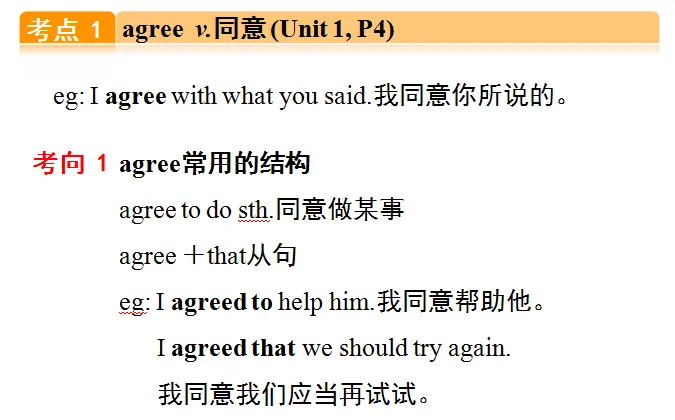
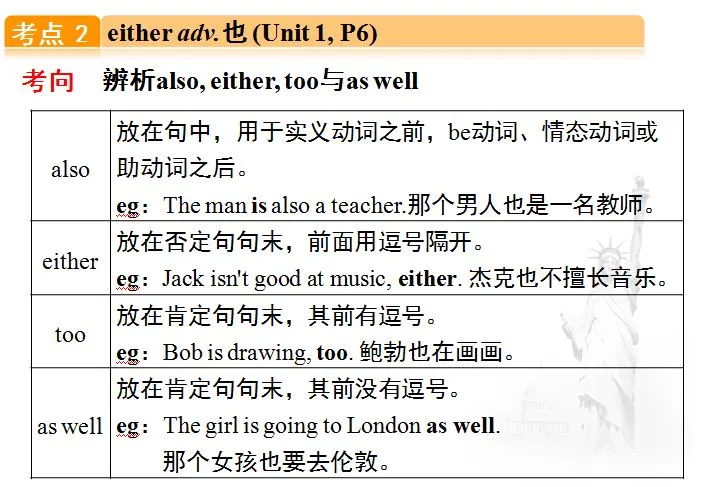
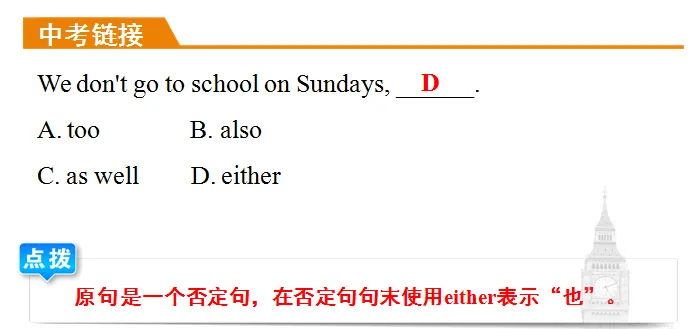
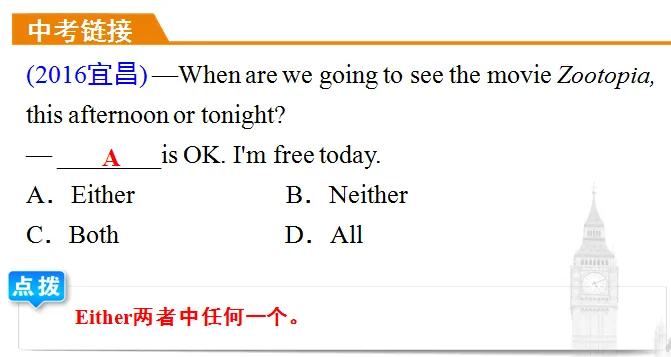
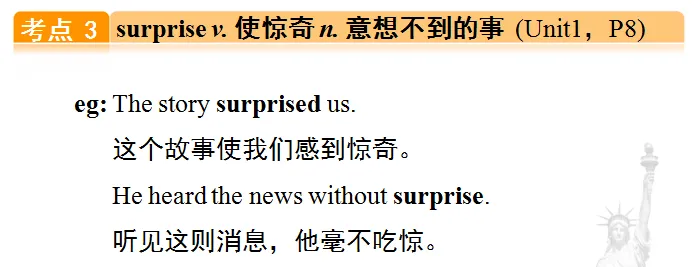
 初三
初三宾语从句考点梳理
一、考查宾语从句的引导词
宾语从句是一种名词性从句,在句中作及物动词的宾语,或介词的宾语,或形容词的宾语。根据引导宾语从句的不同连词,宾语从句可分为三类:【来源:21cnj*y.co*m】
1. 若由陈述句转化而来的宾语从句,其引导词由that引导;不过that只起引导作用,无具体意义,在口语或非正式文体中常省略。如:
He said (that) he wanted to stay at home.他说他想呆在家里。
I am sure (that) he will succeed.我相信他会成功。
2. 当宾语从句由一般疑问句变来时,其引导词由if或whether引导,意为“是否”,表示选择。如:
I want to know if (whether) he lives there.我想知道他是否住那儿。
He asked me whether (if) I could help him.他问我是否可帮帮他。21cnjy.com
注意:在引导宾语从句时,if和whether一般可换用,但在下列几种情况下只用whether,不用if。
⑴当or not紧随引导词之后时。如:
We didn't know whether or not she was ready.我们不知道她是否已经做好准备。
⑵当从句用作介词宾语时。如:
I am interested in whether he joined the army.我对他是否入伍很感兴趣。
⑶当宾语从句移至句首表强调时。如:
Whether this is true or not, I'm not sure.这是否真实,我不敢肯定。
(不过if可引导条件状语从句,whether则不可。)
3. 当宾语从句由特殊疑问句变来时,则特殊疑问词便是引导词(如who /whose /what / which; when/where/why/how等),它们均充当一定成分,一般不可省略。如:
Do you know who (whom) they are waiting for?你知道他们在等谁?
Can you tell me where the No.3 bus stop is?你能告诉我三路车站在哪儿?
I don’t know why the train is late.我不知道火车为什么晚点了?2·1·c·n·j·y
注意:引导词的选择应依据句子成分及具体语境。
二、考查宾语从句的语序
无论主句是陈述句还是疑问句,也无论主从句之间是什么引导词,宾语从句一律用陈述句语序即“引导词+主语+谓语+其他”结构。如:www-2-1-cnjy-com
I think (that) you will like this school soon.我认为你不久就会喜欢这所学校。
Can you tell me how I can get to zoo?你能告诉我怎样才能到达动物园好吗?
Please tell me when we’ll have the meeting.请告诉我什么时候开会。2-1-c-n-j-y
三、考查宾语从句的时态
1. 如果主句是祈使句或为一般现在时、将来时或现在完成时,宾语从句该用什么时态
就用什么时态。如:
Please tell us where he is.请告诉我们他在哪儿。
Do you know how Kate came here?你知道凯特怎么来这儿的吗?
Tell me at what time the ship is leaving.告诉我船什么时候出发?21教育名师原创作品
2. 如果主句的时态是一般过去时,宾语从句只能用相应的过去时态(如一般过去时、过去进行时、过去将来时和过去完成时)。如:21世纪教育网版权所有
He asked what time it was.他问什么时候了。
He told me that he was preparing for the sports meet.他告诉我他正在为运动会作准备。
She asked if you had written to Peter.她问你是否给皮特写过信。 21*cnjy*com
He said that he would go back to the U.S. soon.他说他不久就返回美国。
3. 如果宾语从句所陈述的是客观事实、普遍真理、自然现象、名言、警句等,则不管主句是何种时态,从句常用一般现在时。如:21*cnjy*com
Our teacher said that January is the first month of the year.我们老师说January是一年中的第一个月。21教育网
Scientists have proved that the earth turns around the sun.科学家已证实地球绕着太阳转。
注意:以could/would等开头的句子,要看成一般现在时(是一种委婉说法),不可看成一般过去时。如:www.21-cn-jy.com
Could you tell me? How can I get to the post office? (合并成宾语从句)
→Could you tell me how I can get to the post offlce? (其中can不可改为could)
四、考查宾语从句的简化
宾语从句在一定条件下可以简化为不定式、“疑问词+不定式”结构或复合宾语结构。具体如下:
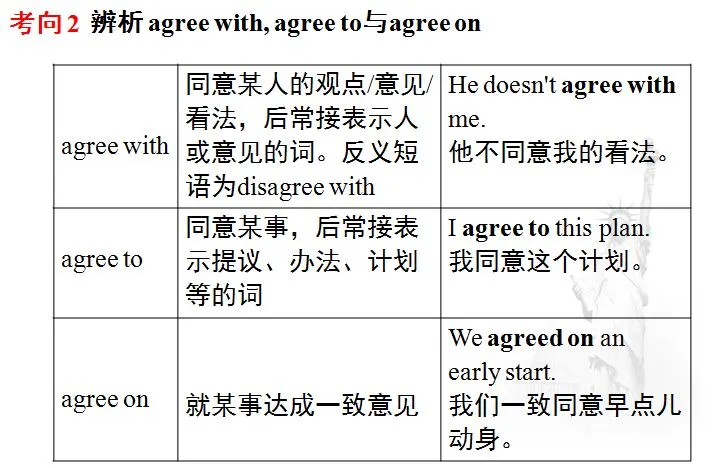
1. 当主句谓语动词是hope/agree/choose/wish/decide等,其后跟带that的宾语从句,若主从句主语相同时,从句可以简化为动词不定式结构。如:21·cn·jy·com
He decided that he would visit our school. (改为简单句)【来源:21·世纪·教育·网】
→He decided to visit our school.
2. 当主句谓语动词为see/watch/hear/ find等,也就是从句主语与主句主语或间接宾语不一致时,宾语从句可简化为“宾语+宾语补足语”结构。其中宾语由that从句的主语转化而来,宾补多为不带to的不定式或V-ing短语。如:21·世纪*教育网
I heard that some children sang some songs. (改为简单句)
→I heard some children sing some songs.
3.当主句谓语动词是know/learn/forget/remember/tell等时,其后带有疑问词引导的宾语从句,则该从句可简化为“疑问词+不定式”结构,此时主从句主语也须一致。如:
I don't know what I should do next. (改为简单句)
→I don't know what to do next.
4. 当主句谓语动词为ask/ tell/ show/ teach等时,后接双宾语;若从句主语和间接宾语一致时,宾语从句也可以简化为“疑问词+不定式”结构。如:
Can you tell me how I can get to the park? (改为简单句)
→Can you tell me how to get to the park?
五、考查宾语从句与状语从句的辨析
英语中连词if, when具有双重功能,既能引导宾语从句,又能引导状语从句。当if引导宾语从句(意为“是否”)时,根据时态呼应原则,宾语从句可选用将来时;但当if引导条件状语从句(意为“如果”)时,习惯要用一般现在时表达将来意义。另外,连词when具有类似用法。试比较:
If you ask him, he will help you. (状语从句)如果你向他请求,他会帮助你。
My wife wants to know if Mary needs any help.(宾语从句)我妻子想知道玛丽是否需要帮忙。
中考宾语从句考点仿真练习
按要求变换下列各题,每空一词。
1. Tom's father saw that he was sitting on some eggs. (改为简单句)
Tom's father saw ______ ______ on some eggs.
2. He agreed that he could help me with my English. (改为简单句)
He agreed ______ ______ me with my English.
3. The old lady found out where she could buy fruit cheaply. (改为简单句)
The old lady found out ______ ______ ______ fruit cheaply.
4. He won't come tonight. I think. (改为复合句)
I______ ______ (that) he ______ ______ tonight.
5. Does Jenny like dancing? Can you tell me? (改为复合句)【出处:21教育名师】
Can you tell me ________ Jenny ________ dancing?
6. When does the train arrive? Please tell me. (改为复合句)
Please tell me ______ ______ ______ ______.
7. We found that he was a clever boy. (改为同义句)
We found ______ ______ .
8. Alice didn’t know how she could draw horses well. (改为同义句)【版权所有:21教育】
Alice didn’t know how ______ ______ horses well.
9. If you ask him, he______(help) you.
10. My wife wants to know if Mary ______(need) any help.
定语从句
1、 定语从句:
定语从句是由关系代词或关系副词引导的从句,其作用是作定语修饰主句的某个名词性成分,相当于形容词,所以又称为形容词性从句,一般紧跟在它所修饰的先行词后面。 |
2、 关系词:
引导定语从句的关联词称为关系词,关系词有关系代词和关系副词。关系代词有that, which, who, whom, whose, 等;关系副词有where, when, why等。 |
3、关系词常有3个作用:
1,引导定语从句。 |
2,代替先行词。 |
3,在定语从句中担当一个成分。 |
That | 可代表事物也可代表人,that在从句中作宾语时常可省略。 |
which | 代表事物;它们在从句中作主语或宾语,,which在从句中作宾语则不能省略。如果which在从句中作“不及物动词+介词”的介词的宾语,注意介词不要丢掉,而且介词总是放在关系代词which的前边。 |
Who;whom | 用来修饰人,分别作从句中的主语和宾语,whom作宾语时,要注意它可以作动词的宾语也可以作介词的宾语 |
whose | 修饰名词作定语,相当于所修饰成分的前置所有格.它引导的从句可以修饰人和物, 当它引导的从句修饰物体时, 可以与 of which 调换,表达的意思一样. |
注意: 关系代词that 和which也有区别
that 和which在一般情况都可以用于代替"表示事物意义"的先行词,通常情况下可以互换,在从句中作主语、宾语。但在下列情况下一般只用that而不用which :
1) 先行词本身是 something anything, everything, nothing ,few, all, none, little, some等代词时。 |
2) 先行词已有序数词或形容词的最高级或the last, the only every, any, all, some, no, little, few, much 等作定语时。 |
例如:1)There must be something that happened to you .你一定出了什么事。
2)They had nothing that could cure of his disease .他们没有一点能治愈他疾病的东西了。
3)This is the most interesting TV play that has never been put on show before . 这是以前从未上演过的最有趣的电视剧。
4)That is the only way that leads to your success .那是通向你成功的唯一之路。
然而,在下列情况下却只用which而不用that:
当先行词表示事物意义,并且在从句中作介词的宾语,那么就只能用which 。当然,如果在口语或非正式文体中,介词没有提前,也就没有这点要求了。
例如: The world in which we live is made of matter . 或The world that we live in is made of matter.我们生活于其中的世界是由物质组成的。
练习:
一、在下列各句的空白处填入正确的关系词。
1. I will never forget the days _________ I spent with your family.
2. I'll never forget the last day_________ we spent together.
3. Do you still remember the place_________ we visited last week?
4. I live in Beijing ________ is the capital of China.
5. It is the third time _________ you have made the same mistake.
6. It was in the street _________ I met John yesterday.
7. It was about 600 years ago___________ the first clock with a face and
an hour hand was made.
8. The moment ____________I saw you, I recognized(认出)you.
9. This is the very novel about_____________ we've talked so much.
10. This is the way____________ he did it.
11. Who is the student _____________ was late for school today?
12. Who ____________ knows him wants to make friends with him?
13. What else was there in my brother___________ you didn't like?
14. Emei is a wonderful place ___________ is worth visiting.
15. The film __________ we saw last night is wonderful
16. He is the only foreigner____________ has been to that place
17. The girl___________ mother is ill is staying at home today.
18. He was the second person______________ told me the secret.
19. This is the best book _____________I have read this year.
20. I know the boy _____________ father is a professor.
二、单项选择
1. Is this the factory __________ you visited the other day?
A. that
B. in which
C. who
2. The wolves hid themselves in the places __________ couldn’t be found.
A. that
B. who
C. in that
3. The girl __________ an English song in the next room is Tom’s sister.
A. who is singing
B. is singing
C. which is singing
4. Anyone __________ this opinion may speak out.
A. that against
B. who is against
C. who are against
5. Can you lend me the novel __________ the other day?
A. that you talked
B. that you talked about it
C. that you talked about
6. Is there anything __________ to you?
A. that is belonged
B. that belongs
C. which belongs
7. The train __________ she was travelling was late.
A. which
B. in that
C. on which
8. It’s the third time ________ you’ve arrived late this month.
A. which
B. who
C. that
9. May the fourth is the day __________ we Chinese people will never forget.
A. which
B. who
C. on which
10. The hotel __________ during our holidays stands by the seaside.
A. that we stayed at
B. which we stayed on
C. we stayed
11. Is it in that factory _________ “Red Flag” cars are produced?
A. whose
B. who
C. that
12. Mr. White, ______ car had been stolen, came to the policeman.
A. who
B. that
C. whose
13. He lived in a small village; ______ was a long way from the railway station.
A. whose
B. which
C. whom
14. There is only one thing __________ I can do.
A. that
B . who
C. which
15. I like the second football match __________ was held last week.
A. which
B. who
C. that
16.Have you seen the man _______ car was stolen just now?
A. who
B. which
C. whose
17. On the bus I saw a student ______ I thought was your brother.
A. who
B. whose
C. which
18. The foreigner _______ visited our school yesterday is from Canada.
A. that
B. which
C. whose
19. Here is the man _______ you are looking for.
A. which
B. whom
C. whose
20. The girl to ________ I spoke is one of my old friends.
A. whose
B. whom
C. that
三、把下面每组的两句话合并为一句,变为定语从句。
1. The person must pay for it. He lost the library book.
____________________________.
2. The boy is very clever. He is wearing the black jacket.
__________________________.
3. Mr. Lee has come. You want to see him.
___________________________.
4. This is the girl. He worked with her in the office.
___________________________.
5. The boy is called LiLei. His parents were dead in the flood.
__________________________.
6. Mr. Wang is the policeman. His house caught fire last Sunday.
___________________________.
7. Lets ask the man .He is reading the book over there.
___________________________.
8. The girl is Peter’s sister. We saw her yesterday.
_____________________________.
9. This is Uncle Li. He repaired computers for us.
_____________________________.
10. I know the young man. You want to meet him.
_______________________________.
11. I know the boy. His father is a scientist.
_______________________________.
12. The boy is my younger brother. He was here a minute ago.
_______________________________.
13. The old man is a professor. He teaches chemistry in a college.
_______________________________.
14. The woman is here now. You were talking about her.
_______________________________.
15. The man waved to us. The man was my uncle
______________________________.
16. The old man is my uncle. The old man's son is in the army
_____________________________.
17.They rushed over to help the man . The man's car had broken down.
______________________________.