ARTICLE · 1323123
【中华优秀传统文化融入高中英语课堂系列】Start of Winter 立冬 —— 英汉对照阅读材料
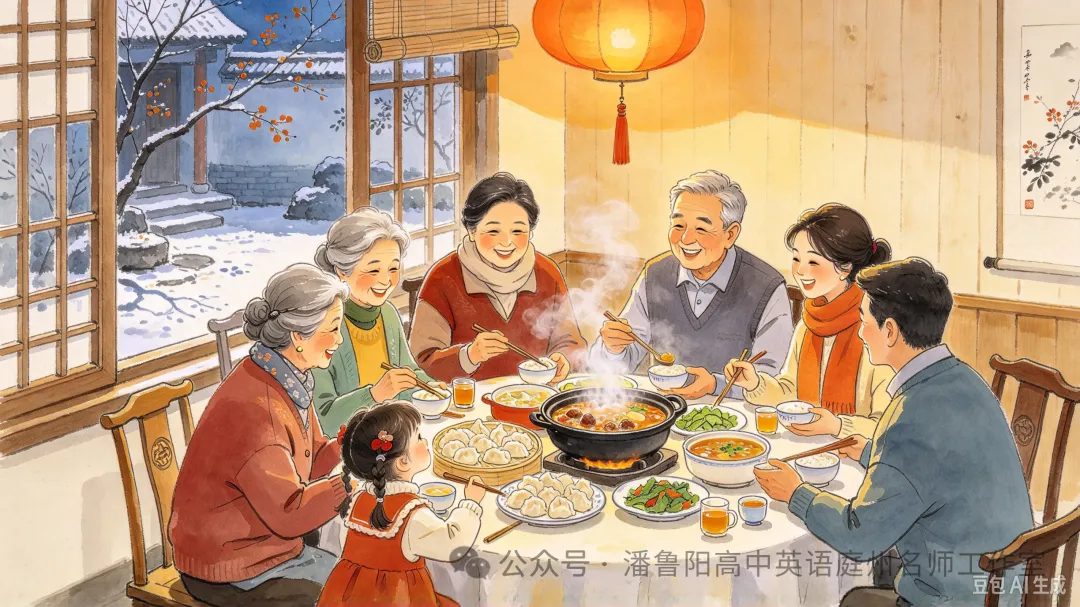
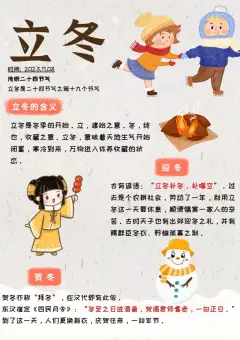
Start of Winter is the nineteenth solar term and marks the official start of winter. Falling between November 7 and 8 each year, this ancient solar term carries profound cultural significance and reflects the wisdom of Chinese people in observing natural patterns and aligning human activities with the rhythms of the earth.
Start of Winter brings about significant changes in weather patterns across China. When this solar term arrives, the climate gradually changes from the dry and cool conditions of autumn to the cold and potentially frosty weather of winter. In northern regions, temperatures drop dramatically, and cold waves frequently move southward, sometimes bringing strong winds, heavy rain, snow and even ice pellets. The northern sky often turns grey as clouds gather, and by the time the solar term fully sets in, many northern cities have already begun their heating season. In contrast, southern areas often experience what people affectionately call little autumn sunshine, warm sunny days that seem to extend the beauty of fall. Across the nation, the growing difference between daytime and nighttime temperatures serves as a gentle reminder for us to dress appropriately and take care of our health during this transitional season.
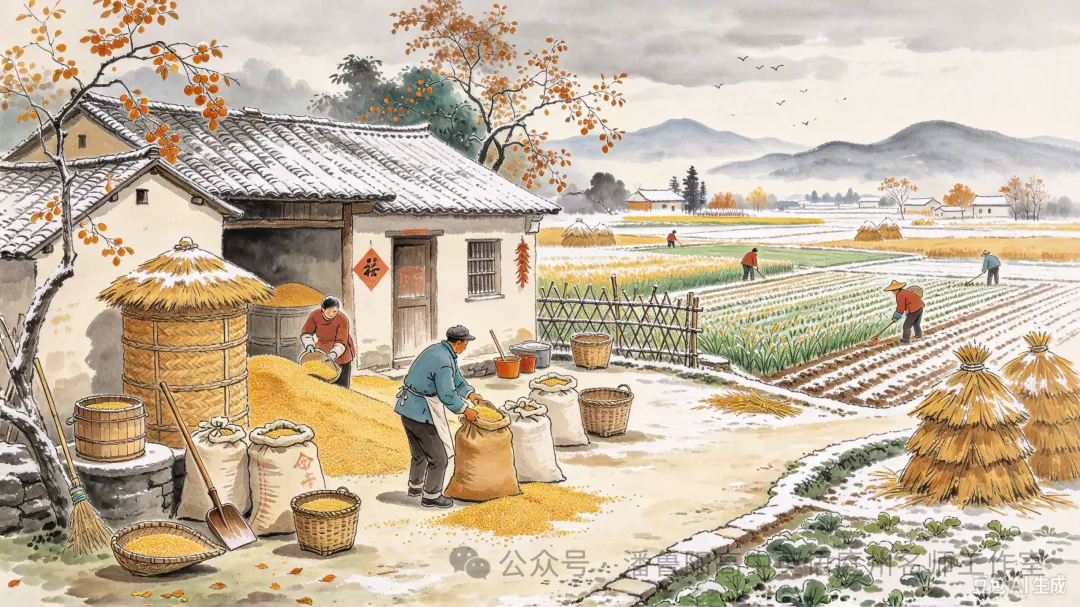
Start of Winter is of great importance to agricultural production. In the northeastern provinces, farmers are busy preparing their crops and livestock for the long winter months ahead, making sure that everything is stored safely before the first frost arrives. In southern China, Start of Winter is regarded as the perfect time for sowing winter grains. Traditional farming sayings such as No rain at Start of Winter means a dry winter and Three layers of snow on winter wheat promise a plentiful harvest demonstrate how ancient farmers depended on careful observation of seasonal changes to plan their work and secure food for the coming year.
Start of Winter has been marked by colorful customs that continue to enrich Chinese cultural life today. In northern China, eating dumplings on this day is a beloved tradition, for the shape of dumplings resembles human ears, and it is believed that consuming them will keep one's ears warm throughout the cold season. Moreover, the Chinese word for dumplings sounds like the exchange of the old and the new, which perfectly captures the meaning of Start of Winter as the moment when autumn gives way to winter. In southern regions, families gather to enjoy warming dishes such as ginger duck and nourishing herbal soups, believing that these foods help build resistance against the winter cold. These culinary traditions not only provide physical warmth but also strengthen family bonds and preserve cultural heritage across generations.
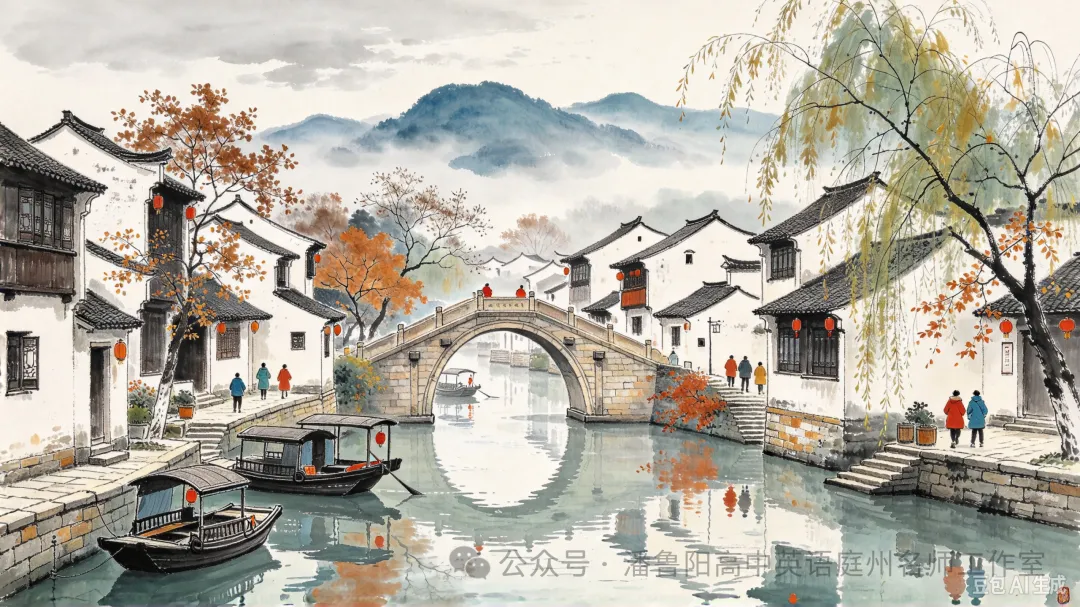
立冬是第十九个节气,也标志着冬天的正式开始。立冬于每年11月7日到8日之间到来。这个古老的节气有很深的文化意义,也体现了我们中国人观察自然规律、让人的活动跟着大自然节奏走的智慧。
立冬到来时,全国各地的天气会发生明显变化。立冬一到,天气会慢慢从秋天干燥凉爽的样子,变成冬天寒冷、可能下霜的天气。在北方,气温下降得很快,寒潮经常向南走,有时会带来大风、大雨、雪,甚至小冰粒。北方的天空常常变灰,云也多起来。等到立冬完全到来时,很多北方城市已经开始供暖了。南方却常常会有人们亲切地叫作“小阳春”的天气,暖洋洋的晴天好像把秋天的美好延长了。全国各地白天和晚上的温度差别越来越大,这温和地提醒我们,在换季的时候要注意穿合适的衣服,照顾好自己的身体。
立冬对全国农业生产很重要。在东北各省,农民忙着为漫长的冬天准备庄稼和牲畜,确保在第一场霜来之前把所有东西安全储存好。在南方,立冬被认为是播种冬小麦等冬季作物的好时候。像“立冬无雨,一冬干”和“冬天麦盖三层雪,来年获得大丰收”这样的农谚说明,我国古代的农民靠仔细观察季节变化来安排农活,保障来年的粮食。
立冬有很多丰富多彩的习俗,这些习俗到今天还在丰富着我们中国人的文化生活。在北方,立冬吃饺子是大家喜爱的传统。因为饺子形状像人的耳朵,人们相信吃了饺子,整个冬天耳朵都会暖和。而且“饺子”听起来像“交子”,也就是新旧交替,这正好说明立冬是秋天过去、冬天到来的时刻。在南方,家人们会聚在一起吃姜母鸭、滋补药膳汤等暖身菜,相信这些食物能帮助身体抵抗冬天的寒冷。这些饮食传统不仅让身体暖和,也让家人感情更好,还把文化传统一代代传下去。
立冬不只是把时间分开。它显示了一种和自然和谐相处的生活智慧。古书说,一个开始和一个结束,意味着收藏和储存。收获以后,大自然会休息,也会为新的生长做准备。农民储存粮食,人也需要休息和思考。在我们忙碌的现代生活中,这个道理提醒我们停下来、想一想、做准备。这对个人成长和学习很有用。尊重自然节奏能帮我们找到平衡,也能让我们欣赏四季。
Post-reading questions:
1. What weather changes does Start of Winter bring to northern and southern China?
2. How do farmers in northeastern provinces prepare for the long winter?
3. Why do people in northern China eat dumplings at Start of Winter?
4. How can the idea of rest and reflection help your own study?
5. What can you do to respect natural rhythms in your busy school life?
重要词块积累:
mark the official start of winter 标志着冬天正式开始
carry profound cultural significance 具有深远的文化意义
observe natural patterns 观察自然规律
align human activities with 使人类活动与……保持一致
bring about significant changes 带来显著变化
weather patterns 天气模式
dry and cool conditions 干燥凉爽的天气状况
drop dramatically 急剧下降
the heating season 供暖季
in contrast 相比之下
dress appropriately 穿着得当
take care of one's health 照顾好自己的健康
transitional season 过渡季节
be of great importance to 对……很重要
agricultural production 农业生产
prepare ... for 为……准备……
be regarded as 被视为
depend on careful observation 依靠仔细观察
enrich cultural life 丰富文化生活
a beloved tradition 受人喜爱的传统
keep one's ears warm 让耳朵保暖
the exchange of the old and the new 新旧交替
give way to 让位于
strengthen family bonds 增强家庭纽带
preserve cultural heritage 保护文化遗产
across generations 代代相传
live in harmony with nature 与自然和谐相处
personal growth and education 个人成长与教育
find balance 找到平衡
(个人观点,仅供教学交流使用)
1. 文字内容由公开的二十四节气和民俗信息整理后自主撰写创作而成,并非直接引用任何出版物内容;
2. 图片由豆包AI生成。