 夜雨聆风
夜雨聆风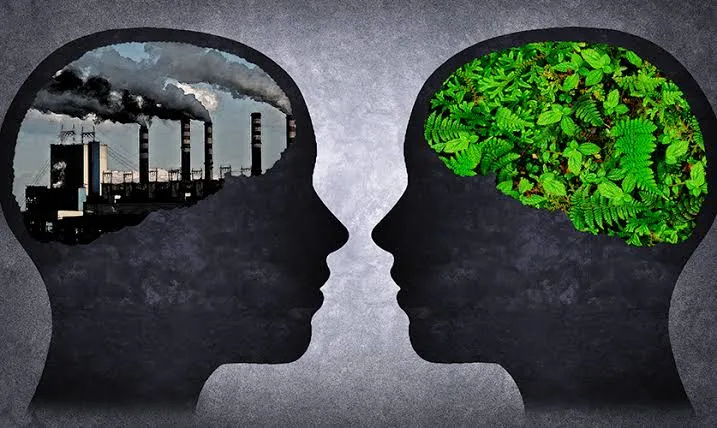
Some people think that governments should focus on developing the economy. Others believe that protecting the natural environment is more important. Discuss both views and give your own opinion.
一、题目分析
1. governments政府
政府作为社会管理者,需要在经济发展、环境保护、公共福利之间进行权衡。
相关表达:
government authorities【政府部门】
national governments【国家政府】
policy makers【政策制定者】
state intervention【政府干预】
public institutions【公共机构】
常用搭配:
implement environmental policies
【实施环境政策】
allocate public funds to...
【分配公共资金用于……】
balance economic growth with environmental protection
【平衡经济增长与环境保护】
2. develop the economy 发展经济
提高国家财富、创造就业、改善人民生活水平。
同义替换:
economic development【经济发展】
economic growth【经济增长】
economic prosperity【经济繁荣】
industrial expansion【工业扩张】
financial advancement【经济进步】
高级搭配:
boost economic growth
【促进经济增长】
stimulate economic activity
【刺激经济活动】
create employment opportunities
【创造就业机会】
raise living standards
【提高生活水平】
reduce poverty levels
【降低贫困程度】
improve national competitiveness
【提升国家竞争力】
3.protect the natural environment 保护自然环境
减少污染,保护生态系统,实现可持续发展。
同义替换:
environmental protection
【环境保护】
ecological conservation
【生态保护】
preservation of natural resources
【自然资源保护】
sustainable development
【可持续发展】
高级搭配:
protect biodiversity
【保护生物多样性】
reduce carbon emissions
【减少碳排放】
combat climate change
【应对气候变化】
preserve natural ecosystems
【保护自然生态系统】
maintain ecological balance
【维持生态平衡】
ensure environmental sustainability
【确保环境可持续性】
二、思路拓展
观点一:政府应该优先发展经济
经济发展是国家进步的基础。
如果没有经济增长,政府缺乏资金改善医疗、教育和基础设施。
发展中国家尤其需要经济增长来减少贫困,提高人民生活质量。
Economic development provides the financial foundation for social progress.
经济发展为社会进步提供经济基础。
A strong economy enables governments to invest in essential public services, such as healthcare, education and infrastructure.
强大的经济实力使政府能够投资医疗、教育和基础设施等公共服务。
For developing countries, economic growth is often the most effective way to lift millions of people out of poverty.
对于发展中国家而言,经济增长通常是帮助数百万人摆脱贫困的最有效方式。
高级词汇搭配:
financial foundation【经济基础】
social progress【社会进步】
public services【公共服务】
lift people out of poverty【帮助人们脱离贫困】
improve quality of life【提高生活质量】
举例:
China’s rapid economic growth over the past decades has significantly improved living standards by creating millions of jobs and expanding access to education and healthcare.
中国过去几十年的快速经济增长通过创造大量就业机会以及扩大教育和医疗资源,提高了人民生活水平。
观点二:保护自然环境更加重要
经济发展如果破坏环境,最终会影响人类自身。
污染、气候变化和资源枯竭会带来长期经济损失。
环境保护应该成为可持续发展的基础。
Environmental degradation can create long-term consequences for human society.
环境恶化会给人类社会带来长期影响。
Economic growth that ignores environmental costs is unsustainable.
忽视环境代价的经济增长是不可持续的。
Protecting nature is essential for safeguarding future generations.
保护自然对于保障下一代非常重要。
高级词汇搭配:
environmental degradation【环境恶化】
long-termconsequences【长期后果】
irreversible damage【不可逆转的破坏】
future generations【后代】
sustainable development【可持续发展】
The rapid industrialisation of many countries has resulted in severe air pollution and rising carbon emissions, demonstrating that economic expansion without environmental regulations can threaten public health.
许多国家快速工业化导致严重空气污染和碳排放增加,这说明没有环境监管的经济扩张可能威胁公共健康。
三、推荐立场
经济发展和环境保护并不是完全对立的,但长期来看,环境保护应该被优先考虑,因为没有健康的生态系统,经济增长无法持续。
Although economic development is necessary for improving living standards, I believe that environmental protection should receive greater priority because sustainable economic growth depends on a healthy natural environment.
四、高分范文
Sample 1
Economic development and environmental preservation represent two fundamental dimensions of national advancement. While economic expansion is widely regarded as the driving force behind improved living standards, growing ecological challenges have prompted increasing calls for greater environmental responsibility. This essay will examine both perspectives before arguing that safeguarding the natural environment should be prioritised, since sustainable prosperity cannot be achieved through economic progress alone.
Those who support prioritising economic growth argue that a strong economy provides the foundation for broader social advancement. By generating substantial fiscal revenue【财政收入】 and attracting investment, economic expansion enables governments to allocate greater resources to public services, including healthcare, education and infrastructure. This is particularly significant in developing nations, where poverty reduction and social improvement remain urgent priorities. A compelling example can be observed in China’s economic transformation over the past four decades. Through large-scale industrialisation and market-oriented reforms, China has lifted hundreds of millions of people out of poverty while substantially improving access to housing, medical care and education. Such progress demonstrates that economic growth can act as a powerful catalyst for social mobility【社会流动】, allowing disadvantaged groups to obtain better opportunities and achieve upward mobility【向上流动】. Therefore, economic advancement should not be dismissed, as it remains an indispensable mechanism for improving citizens’ overall well-being【整体福祉】.
Nevertheless, the pursuit of economic growth at the expense of ecological sustainability can produce consequences that eventually outweigh its initial benefits. Driven by excessive industrialisation and dependence on fossil fuels, many economies have witnessed environmental degradation【环境恶化】, including air pollution, biodiversity loss【生物多样性丧失】 and the depletion of finite natural resources【有限自然资源的消耗】. These problems are not merely environmental concerns but also impose substantial economic costs through increased healthcare expenditure and costly restoration projects. For instance, cities such as Beijing previously experienced severe air-quality problems due to rapid industrial expansion and heavy coal consumption. In response, the government was required to introduce extensive pollution-control measures and invest heavily in cleaner energy alternatives. This example clearly illustrates that short-term economic gains achieved through environmental exploitation may eventually generate long-term financial burdens【长期经济负担】 and undermine sustainable development【可持续发展】.
From my perspective, environmental conservation should receive greater governmental priority, not because economic growth is unnecessary, but because ecological stability serves as the foundation for enduring prosperity【持久繁荣】. Rather than restricting development, investment in renewable energy, green technologies and sustainable industries can create new economic opportunities while reducing environmental pressure. A clear example is the rapid expansion of China’s renewable energy sector, which has transformed the country into one of the world’s leading producers of solar panels and electric vehicles. This transition has not only reduced carbon emissions but also generated millions of employment opportunities and stimulated technological innovation. Consequently, environmentally responsible policies can enhance economic resilience【经济韧性】 and ensure that development benefits a broader demographic【更广泛的人群】 instead of producing temporary advantages for limited groups.
In conclusion, economic growth undoubtedly plays a vital role in improving living standards, reducing poverty and promoting social progress. However, development achieved through ecological destruction is ultimately unsustainable. By integrating economic advancement with environmental responsibility, governments can establish a balanced development model that protects natural resources while securing prosperity for future generations【后代】.
Sample 2
Economic development and environmental preservation are two fundamental pillars of national advancement. While some people contend that governments should place economic growth at the forefront in order to enhance living standards, others argue that safeguarding the natural environment should take precedence. In my view, although economic progress remains indispensable, environmental conservation deserves greater governmental attention, as enduring prosperity cannot be achieved without maintaining ecological stability.
Those who advocate prioritising economic development argue that a robust economy serves as the cornerstone of social advancement. A thriving economy not only generates substantial fiscal revenue for governments but also enables them to channel greater financial resources into essential public sectors, including healthcare, education and infrastructure. Moreover, sustained economic expansion can stimulate employment creation, enhance household incomes and alleviate poverty, particularly in developing nations where large sections of the population continue to face economic hardship. A compelling example can be found in China’s economic transformation over the past several decades. Through rapid industrialisation and economic reform, the country has lifted hundreds of millions of people out of poverty while dramatically expanding access to education, medical services and housing. This illustrates that economic growth can serve as a powerful catalyst for social mobility【社会流动】 and improvements in citizens’ overall well-being【整体福祉】.
Nevertheless, pursuing economic growth without sufficient consideration for environmental consequences can generate far-reaching repercussions【深远影响】 that ultimately undermine human development. Excessive industrial expansion frequently accelerates environmental degradation【环境恶化】, contributing to air pollution, biodiversity loss【生物多样性丧失】 and the depletion of finite natural resources【有限自然资源的消耗】. Such ecological damage not only poses severe threats to public health but also imposes enormous financial burdens on governments through increased healthcare expenditure and environmental restoration projects.
For instance, numerous industrialised regions have experienced deteriorating air quality as a result of heavy dependence on fossil fuels. Consequently, governments are often compelled to allocate vast amounts of public funding to pollution control measures and medical treatment, demonstrating that neglecting environmental protection may eventually erode the economic benefits generated by industrial growth.
More importantly, prioritising environmental conservation does not necessarily conflict with economic prosperity. On the contrary, investing in renewable energy, green technologies and sustainable industries can create new economic opportunities while reducing ecological pressure. By adopting a more environmentally responsible development model, societies can achieve long-term economic resilience【经济韧性】 without causing irreversible ecological damage【不可逆生态破坏】.
In conclusion, economic development undoubtedly plays a crucial role in enhancing living standards and reducing social inequality, especially in developing countries. However, I firmly believe that environmental protection should receive greater priority because economic achievements built upon ecological destruction are unlikely to be sustainable. Therefore, governments should pursue a balanced approach that integrates economic advancement with environmental responsibility rather than pursuing short-term financial gains at the expense of future generations.
五、范文高级词汇
fundamental pillars of national advancement
【国家发展的基础支柱】
economic progress remains indispensable
【经济进步仍不可或缺】
ecological stability
【生态稳定】
robust economy
【强劲经济】
cornerstone of social advancement
【社会发展的基石】
generate fiscal revenue
【产生财政收入】
channel resources into public sectors
【将资源投入公共领域】
stimulate employment creation
【促进就业】
alleviate poverty
【缓解贫困】
overall well-being
【整体福祉】
at the expense of environmental sustainability
【以牺牲环境可持续性为代价】
environmental degradation
【环境恶化】
biodiversity loss
【生物多样性丧失】
depletion of natural resources
【自然资源消耗】
pose threats to public health
【威胁公共健康】
impose financial burdens
【造成经济负担】
far-reaching repercussions
【深远影响】
sustainable development
【可持续发展】
irreversible ecological damage
【不可逆生态破坏】
long-term economic resilience
【长期经济韧性】
这些词和句式可以用于下列话题
Climate change气候变化
Renewable energy可再生能源
Industrialisation工业化
Government spending政府投资
Urbanisation城市化
Globalisation全球化
六、范文高级句式
1.双方观点开头句
While some people argue that A, others contend that B.
虽然一些人认为A,但是其他人认为B。
While some people argue that economic growth should be prioritised, others contend that environmental protection is more important.
2.个人观点表达
Although A is undeniably important, I believe that B should receive greater emphasis because...
虽然A不可否认重要,但是我认为B应该得到更多重视,因为……
Although economic development is undeniably important, I believe that environmental protection should receive greater emphasis because ecological stability determines long-term prosperity.
3.原因解释句
This can be primarily attributed to the fact that...
这主要归因于……
This can be primarily attributed to the fact that economic growth provides governments with sufficient resources to improve public services.
4.经济发展优势
A thriving economy enables governments to..., thereby contributing to...
繁荣的经济使政府能够……,从而促进……
A thriving economy enables governments to invest in healthcare and education, thereby contributing to social development.
5.环境危害分析
The pursuit of A at the expense of B may result in...
以牺牲B为代价追求A可能导致……
The pursuit of economic growth at the expense of environmental protection may result in irreversible ecological damage.
6.因果链高级表达
A can trigger a chain reaction in which B, eventually leading to C.
A会引发连锁反应,其中B最终导致C。
Environmental degradation can trigger a chain reaction in which health problems increase, eventually leading to higher social costs.
7.强调长期影响
What matters most is not A itself, but whether A can be achieved in a sustainable manner.
最重要的不是A本身,而是A是否能够以可持续方式实现。
What matters most is not economic growth itself, but whether it can be achieved in a sustainable manner.
8.让步高级句
Admittedly, A brings certain benefits; however, these advantages are often outweighed by B.
不可否认A带来一些好处,但是这些优势通常被B超过。
Admittedly, industrial development creates employment opportunities; however, these advantages are often outweighed by environmental costs.
9.强调不可替代性
It is impossible to achieve genuine prosperity without...
没有……就不可能实现真正繁荣。
It is impossible to achieve genuine prosperity without maintaining ecological balance.
10.结尾万能高级句
Therefore, governments should adopt a balanced approach that integrates A with B rather than prioritising one over the other.
因此,政府应该采取一种结合A和B的平衡方式,而不是只优先考虑其中一个。
Therefore, governments should adopt a balanced approach that integrates economic advancement with environmental conservation rather than prioritising short-term gains over long-term sustainability.
七、同类题目
Some people believe that economic growth is the best way to improve people's quality of life, while others think that environmental protection should be prioritised. Discuss both views and give your own opinion.
Many countries focus on industrial development to achieve economic success. However, this often leads to environmental problems. Discuss the advantages and disadvantages of this trend.
Some people think that governments should spend more money on economic development, while others argue that environmental issues should receive more attention. Discuss both views and give your own opinion.
Economic growth is often considered more important than protecting the environment. To what extent do you agree or disagree?
Some people believe that humans should exploit natural resources to improve living standards, while others argue that these resources should be protected. Discuss both views and give your own opinion.