法国饮食文化
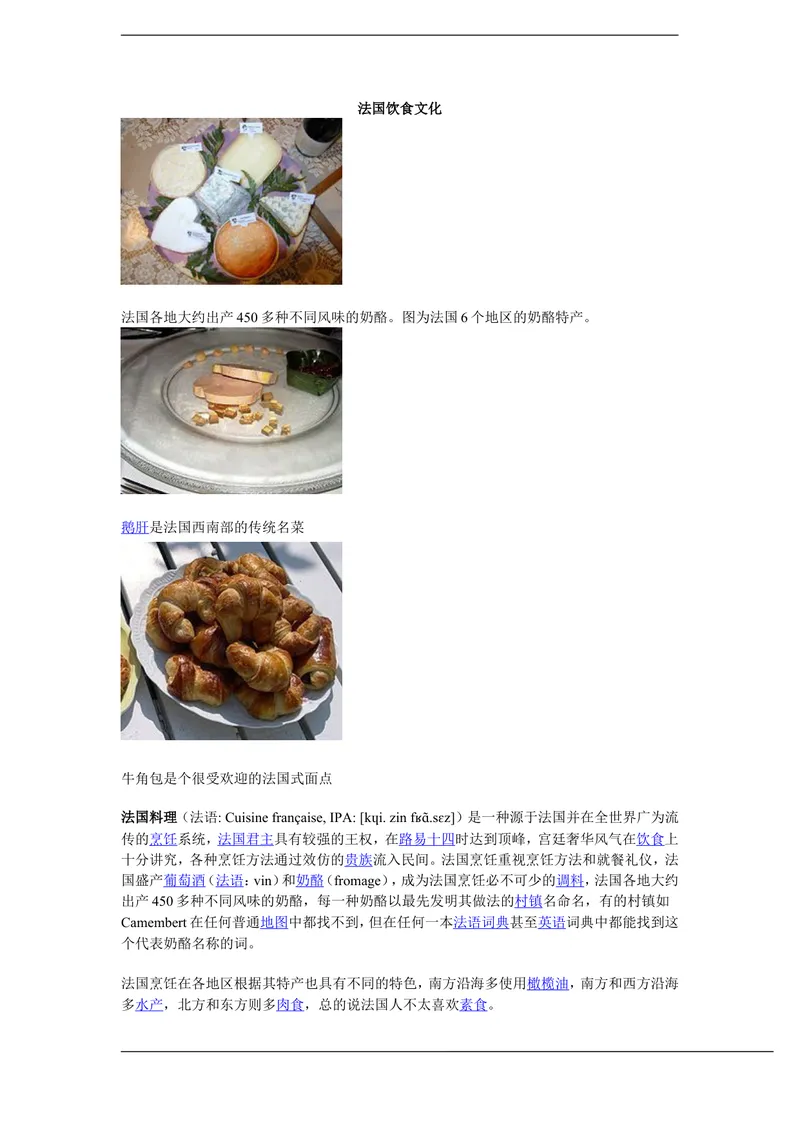
法国各地大约出产450多种不同风味的奶酪。图为法国6个地区的奶酪特产。
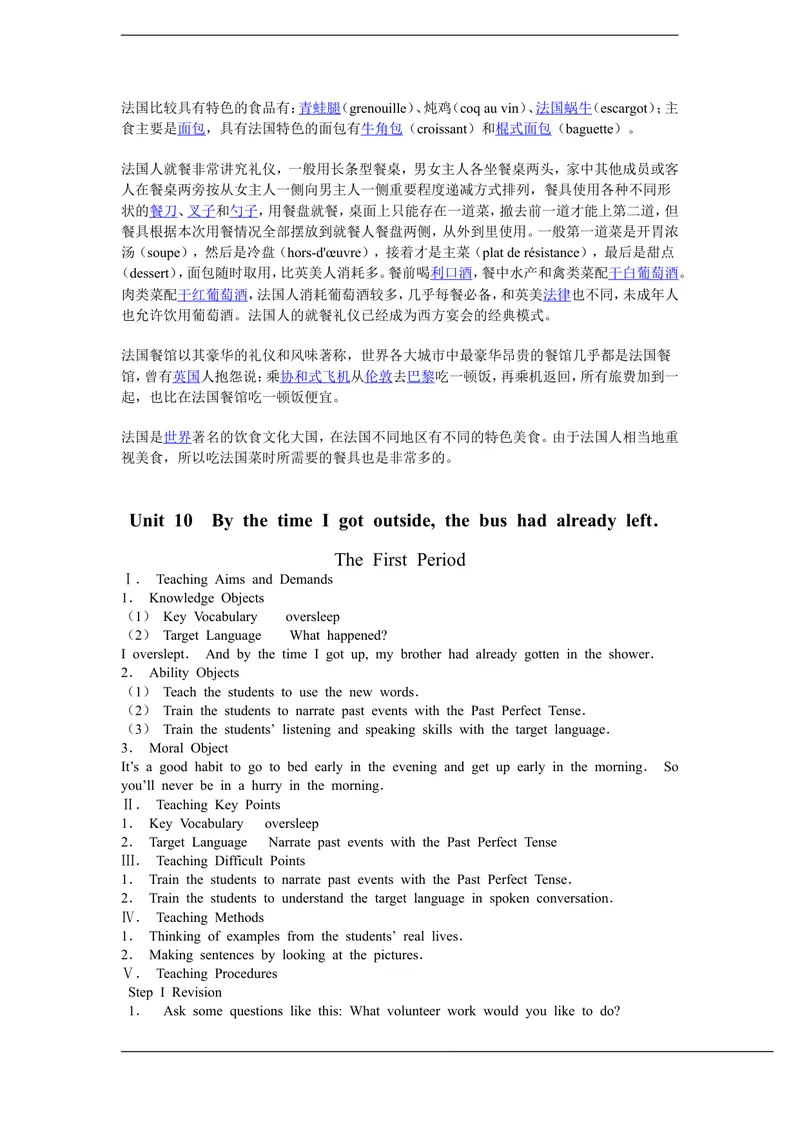
鹅肝是法国西南部的传统名菜
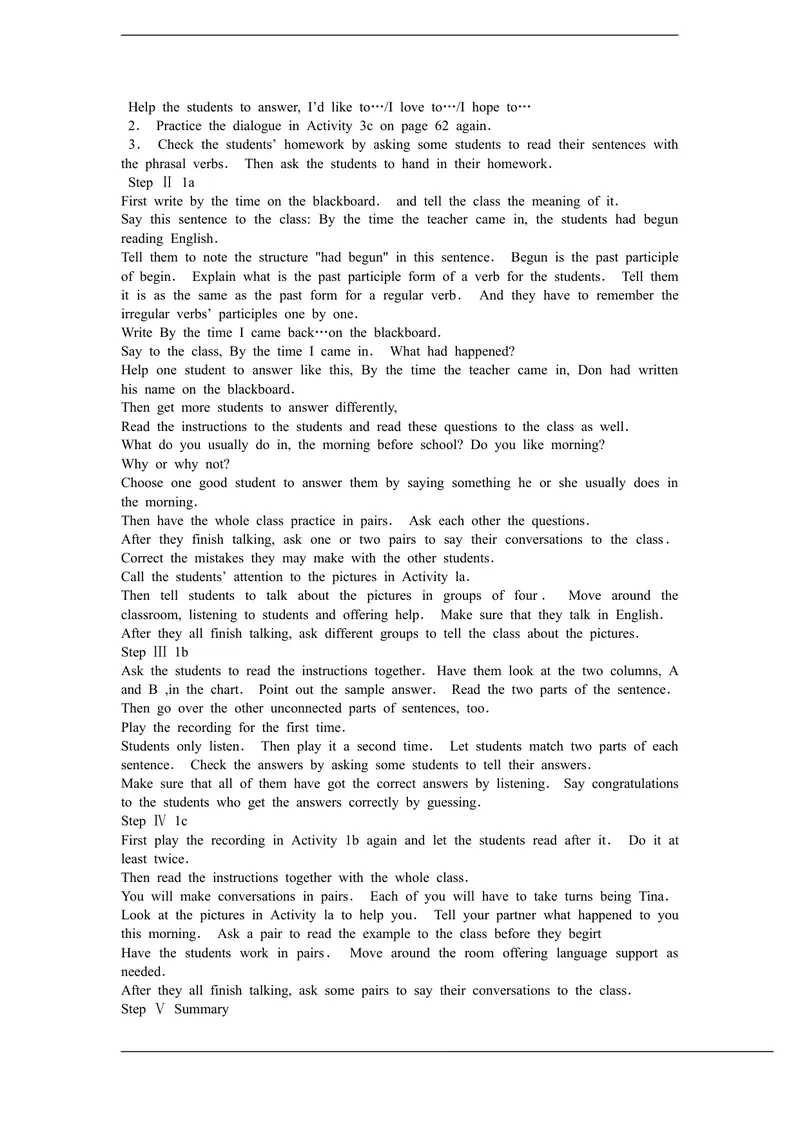
牛角包是个很受欢迎的法国式面点
法国料理(法语: Cuisine française, IPA: [kɥi. zin fʁɑ̃(cid:28).sɛz])是一种源于法国并在全世界广为流
传的烹饪系统, 法国 君主 具有较强的王权,在路易十四时达到顶峰,宫廷奢华风气在饮食上
十分讲究,各种烹饪方法通过效仿的贵族流入民间。法国烹饪重视烹饪方法和就餐礼仪,法
国盛产葡萄酒(法语:vin)和奶酪(fromage),成为法国烹饪必不可少的调料,法国各地大约
出产450多种不同风味的奶酪,每一种奶酪以最先发明其做法的村镇名命名,有的村镇如
Camembert在任何普通地图中都找不到,但在任何一本 法语 词典 甚至英语词典中都能找到这
个代表奶酪名称的词。
21cnjy.com
法国烹饪在各地区根据其特产也具有不同的特色,南方沿海多使用橄榄油,南方和西方沿海
多水产,北方和东方则多肉食,总的说法国人不太喜欢素食。法国比较具有特色的食品有:青蛙腿(grenouille)、炖鸡(coq au vin)、法国蜗牛(escargot);主
食主要是面包,具有法国特色的面包有牛角包(croissant)和棍式面包(baguette)。
法国人就餐非常讲究礼仪,一般用长条型餐桌,男女主人各坐餐桌两头,家中其他成员或客
人在餐桌两旁按从女主人一侧向男主人一侧重要程度递减方式排列,餐具使用各种不同形
状的餐刀、叉子和勺子,用餐盘就餐,桌面上只能存在一道菜,撤去前一道才能上第二道,但
餐具根据本次用餐情况全部摆放到就餐人餐盘两侧,从外到里使用。一般第一道菜是开胃浓
汤(soupe),然后是冷盘(hors-d'œuvre),接着才是主菜(plat de résistance),最后是甜点
(dessert),面包随时取用,比英美人消耗多。餐前喝利口酒,餐中水产和禽类菜配干白葡萄酒。
肉类菜配干红葡萄酒,法国人消耗葡萄酒较多,几乎每餐必备,和英美法律也不同,未成年人
也允许饮用葡萄酒。法国人的就餐礼仪已经成为西方宴会的经典模式。
法国餐馆以其豪华的礼仪和风味著称,世界各大城市中最豪华昂贵的餐馆几乎都是法国餐
馆,曾有英国人抱怨说:乘协和式飞机从伦敦去巴黎吃一顿饭,再乘机返回,所有旅费加到一
起,也比在法国餐馆吃一顿饭便宜。
法国是世界著名的饮食文化大国,在法国不同地区有不同的特色美食。由于法国人相当地重
视美食,所以吃法国菜时所需要的餐具也是非常多的。
Unit 10 By the time I got outside, the bus had already left.
The First Period
Ⅰ. Teaching Aims and Demands
1. Knowledge Objects
(1) Key Vocabulary oversleep
(2) Target Language What happened?
I overslept. And by the time I got up, my brother had already gotten in the shower.
2. Ability Objects
(1) Teach the students to use the new words.
(2) Train the students to narrate past events with the Past Perfect Tense.
(3) Train the students’ listening and speaking skills with the target language.
3. Moral Object
It’s a good habit to go to bed early in the evening and get up early in the morning. So
you’ll never be in a hurry in the morning.
Ⅱ. Teaching Key Points
1. Key Vocabulary oversleep
2. Target Language Narrate past events with the Past Perfect Tense
www-2-1-cnjy-com
Ⅲ. Teaching Difficult Points
1. Train the students to narrate past events with the Past Perfect Tense.
2. Train the students to understand the target language in spoken conversation.
Ⅳ. Teaching Methods
1. Thinking of examples from the students’ real lives.
2. Making sentences by looking at the pictures.
Ⅴ. Teaching Procedures
Step I Revision
1. Ask some questions like this: What volunteer work would you like to do?Help the students to answer, I’d like to…/I love to…/I hope to…
2. Practice the dialogue in Activity 3c on page 62 again.
3. Check the students’ homework by asking some students to read their sentences with
the phrasal verbs. Then ask the students to hand in their homework.
Step Ⅱ 1a
First write by the time on the blackboard. and tell the class the meaning of it.
Say this sentence to the class: By the time the teacher came in, the students had begun
reading English.
Tell them to note the structure "had begun" in this sentence. Begun is the past participle
of begin. Explain what is the past participle form of a verb for the students. Tell them
it is as the same as the past form for a regular verb. And they have to remember the
irregular verbs’ participles one by one.
Write By the time I came back…on the blackboard.
Say to the class, By the time I came in. What had happened?
Help one student to answer like this, By the time the teacher came in, Don had written
his name on the blackboard.
Then get more students to answer differently,
Read the instructions to the students and read these questions to the class as well.
What do you usually do in, the morning before school? Do you like morning?
Why or why not?
Choose one good student to answer them by saying something he or she usually does in
the morning.
Then have the whole class practice in pairs. Ask each other the questions.
After they finish talking, ask one or two pairs to say their conversations to the class.
Correct the mistakes they may make with the other students.
Call the students’ attention to the pictures in Activity la.
Then tell students to talk about the pictures in groups of four. Move around the
classroom, listening to students and offering help. Make sure that they talk in English.
After they all finish talking, ask different groups to tell the class about the pictures.
Step Ⅲ 1b
Ask the students to read the instructions together. Have them look at the two columns, A
and B ,in the chart. Point out the sample answer. Read the two parts of the sentence.
Then go over the other unconnected parts of sentences, too.
Play the recording for the first time.
Students only listen. Then play it a second time. Let students match two parts of each
sentence. Check the answers by asking some students to tell their answers.
Make sure that all of them have got the correct answers by listening. Say congratulations
to the students who get the answers correctly by guessing.
Step Ⅳ 1c
First play the recording in Activity 1b again and let the students read after it. Do it at
least twice.
Then read the instructions together with the whole class.
You will make conversations in pairs. Each of you will have to take turns being Tina.
Look at the pictures in Activity la to help you. Tell your partner what happened to you
this morning. Ask a pair to read the example to the class before they begirt
Have the students work in pairs. Move around the room offering language support as
needed.
After they all finish talking, ask some pairs to say their conversations to the class.
Step Ⅴ SummaryStep Ⅵ Homework
1. Write out the story of Tina, Note to use the target language.
2. Revise when to use the Past Perfect Tense and the verb structure of it.
The Second Period
Ⅰ. Teaching Aims and Demands
1. Knowledge Objects
(1) Target Language
By the time she got to class, the teacher had already started teaching.
When she got to school, she realized she had left her backpack at home.
When I got home, I realized I had left my keys in the backpack.
【来源:21·世纪·教育·网】
(2)The Three Forms of the verbs.
2. Ability Objects
(1) Train the students’ listening skill.
(2) Train the students’ writing skill with the target language.
(3) Train the students’ speaking skill.
(4) Train the students to use the three forms of the verbs.
Ⅱ. Teaching Key Points
1. Listening practice with the target language.
2. Use the correct verb forms to fill in the blanks by listening.
3. Make sentences using the Past Perfect Tense.
4. The three forms of the verbs.
Ⅲ. Teaching Difficult Points
1. Write an ending for the story in Activity 2c.
2. The three verb forms in Grammar Focus.
Ⅳ.Teaching Procedures
Step I Revision
1. Revise what happened to Tina in the morning by asking one or two students to tell
the stroy on page 68.
2. Ask students to check each other’s homework in pairs, pointing out all the mistakes
they might have made.
3. Revise the Past Perfect Tense by asking the children when to use it and what its verb
structure is.
Step Ⅱ 2a
Read the instructions to the class. Be sure that all of them know what to do.
Call the students’ attention to the four pictures. Get them to guess the correct order of
the pictures first. The first one is given as a sample. Ask one or two children to tell
their stories by describing the pictures according to their own order.
Play the recording the first time, students only listen. Play the recording again and ask
the children to number each picture.
Check the answers with the class and see who have ever got the correct answers without
listening.
Step Ⅲ 2b
Ask the students to read the instructions together. Point out the blanks in the sentences
and the verbs in the brackets.
Let the students fill in the blanks with the correct forms individually.
Move around the classroom collecting the common mistakes they may make.
After they all finish writing, tell them to get ready to listen to the conversation and checktheir answers.
Play the recording. Students listen and check their answers. Correct the answers by
asking seven different students to say theirs to the class.
Step Ⅳ 2c
Ask the whole class to read the instructions together.
We have a new task now. We know Tina was late for class. What do you think
happened after Tina was late for class?Work with a partner. Make up an ending for the
story by continuing it. The beginning has been given.
Get students to discuss in pairs. Complete the ending. Make sure they are talking in
English. Move around the classroom, offering language support if needed. After ten
minutes, ask students to stop discussing. Get some pairs of students to tell the class how
they think the story ended And let the whole class decide whose ending is the best. Tell
each pair to write down their ending, or do it after class if time is not enough.
Step Ⅴ Grammar Focus
Call students’ attention to the sentences on the left. Ask four different students to read
the four sentences and point out where had plus a past participle is used. Write the
sentences on the blackboard.
Ask the students to make sentences correctly using each form of the verbs in the box.
Check the answers.
Step Ⅵ Homework
1. Write down the ending of Tina’s story.
2. Make sentences using each form of the verbs below:
leave, walk, start, oversleep, ring, be
3. Review the Grammar Focus.
The Third Period
Ⅰ. Teaching Aims and Demands
1. Knowledge Objects
(1) Key Vocabulary
bell, ring, go off, rush, run off, on time, give sb. a ride, lock, break down
(2) Target Language
By the time I got there, the bus had already left.
2·1·c·n·j·y
By the time I woke up, my father had already gone into the bathroom.
2. Ability Objects
Train the students’ reading skill with target language.
Train the students’ speaking skill with target language.
Ⅱ. Teaching Key Points
1. Guide the students to read the article in activity 3a.
2. Help the students do the oral practice with the target language.
Ⅲ. Teaching Difficult Points
1. Help improve the students’ reading skill by Activity 3a.
【来源:21cnj*y.co*m】
2. Help the students describe what has happened to them with the target language.
Ⅳ. Teaching Procedures
Step Ⅰ Revision
1. Revise what happened to Tina by asking several students to tell the story.
2. Revise the three forms of the verbs in Grammar Focus by asking four students to
write them out on the blackboard.
2-1-c-n-j-y
3. Check homework by asking one or two to read their own endings of the stroy.
4. Check homework by asking some students to read the sentences which they made.Step Ⅱ 3a
Ask the whole class to read the instructions together. There is an article in Activity 3a.
Your task is to read the story and write the events in the correct order.
Have a look at the sample answer on the right of the article before you start. Then let
the children complete the work on their own. After a while, ask some students to report
their answers to the class. Write the events on the blackboard as they report, putting the
events in the correct order.
After checking the answers, tell students to read the article again more carefully.
Tell them to find out the words or sentences which they can’t understand this time.
A few minutes later, let the students ask questions on the words and sentences which
they can’t understand. Do some explanation and make sure that the students make
everything clear about the article.
Then ask the students to read the article aloud. Move around the classroom while they
are reading, offering help as needed.
Next ask students to pick out the sentences with the Past Perfect Tense. Tell them to
underline them and come up with the reason to use the tence.
Ask two students to read their answers and explain the sentences.
Step Ⅲ 3b
Call the students’ attention to the photo of the woman sleeping. The girl is sleeping.
She may oversleep. How about you?
Have you ever overslept?
Get a students to answer the question simply, such as Yes, I have. /No, I haven’t.
Then ask one student to read the instructions to the class.
Explain that describe the circumstances means to tell when, where and how the things
happened.
Ask one student who has ever overslept to answer the first question and describe the
circumstance. Help him or her use the Past Perfect Tense to describe the circumstance.
Then ask students to read the questions and write their answers in their exercise books.
Tell them that they have to describe the circumstances if their answers are Yes, and there
should be at least one sentence with the Past Perfect Tense in each description. Move
around the classroom providing sentences to the ones who need. Ask several students to
share their stories with the class. Correct any mistakes they may make. Let them check
the answers in pairs.
Step Ⅳ 3c
Ask the whole class to read the instructions together. Then call the students’ attention to
the sample conversation on the right. Ask a pair of the students to read the conversation
to the class. Please ask your partner the questions in Activity 3b. Ask more questions if
he or she says "Yes".
【版权所有:21教育】
Ask the students to work in pairs. Encourage them to ask as many questions as they
can. As they work, move around the room offering help and answering questions as
needed. Ask some pairs to say their conversations to the class.
Step Ⅵ homework
1. Write the answers to the questions in Activity 3b.
2. Write a conversation in Activity 3c.
The Fourth Period
I. Teaching Aims and Demands
1. Knowledge Objects
(1) Key Vocabularycostume, show up, exhausted, embarrassed, empty, fool, April Fool’s Day, go off, stay up
(2)Target Language
When I got there, I found that he had fooled me.
After an hour, the other kids showld up, and I realized that my brother had fooled me.
By the time I got to match class, I was exhausted because I had stayed up all night
studying.
I found out that my friend had fooled me.
2. Ability Objects
(1) Train the students’ writing, listening and speaking skills with the target language.
(2)Train the students to use the new vocabulary.
Ⅱ. Teaching Key Points
1. Train the students’ listening and speaking skills with target language.
2. Teach the students the new vocabulary.
Ⅲ. Teaching Difficult Points
1. Guide listening and oral practice using the target language.
21*cnjy*com
2. Help learn to use the new vocabulary correctly.
21*cnjy*com
Ⅳ. Teaching Procedures
Step I Revision
1. Revise the article in Activity 3a on page 70 by asking several students to read it.
2. Dictate some words and phrases:
3. Check the homework.
Step Ⅱ 1a
Read the instructions to the students. Remember to read the sentence in the brackets.
Point to the chart with the three headings Nouns, Verbs and Adjectives. Read the words
in the brackets to the students and help the students to understand the meanings of nouns,
verbs and adjectives.
Get a student to read the sample answers to the class before they start say, Fool call also
be a verb. Ask the students to complete the chart on their own.
Correct the answers by asking three students to read their answers to the class.
Step Ⅲ 1b
Ask a student to read the instructions to the class.
【出处:21教育名师】
Ask another student to read the example on the right.
Work in pairs now. Tell your partner about something that has happened to you recently.
Note to use two or more phrases from the list in Activity la. Get tile students to talk in
pairs. Move around the classroom checking their work and offering language support as
needed.
After they all finish talking, ask some pairs to say their conversations to the class.
Step Ⅳ 2a
Say something about April Fool’s Day to the students
Call the students’ attention to the four pictures. Ask the students what is happening in
each picture.
Ask four different students to describe the pictures.
Read the instructions to the class.
Play the tape the first time. The students only listen. Then play the tape again. Ask the
students to write each boy’s name in the correct box. Check the answers by asking
different students to tell their own answers.
Step Ⅴ 2b
Read the instructions to the class. There are six phrases in the box. Your task is to find
out who says each of the phrases, Dave, Nick or Joe after listening to the samerecording. And write "D" for Dave, "N" for Nick and "J" for Joes on the short lines
before the phrases. Look at the first one. The answer has been given as a sample.
Play the recording the first time. The students only listen. Then play the recording
again. Ask the students to write the letters in the blanks. Ask six different students to
report their answers to the class. Check the answers with the class.
Step Ⅵ 2c
This activity provides oral practice using the target language.
First play the recording again. Pause after each sentence and get the students to repeat.
Do it at least twice.
Ask a student to read the instructions to the class. Then have them look at the sample
conversation on the right. Ask a pair of the students to read and try to continue it
Then ask the students to work in pairs.
Each pair makes two conversations using information from the earlier activities.
Move around the room as they work, offering help as needed. Ask one or two pairs to
say their conversations to the class.
Step Ⅶ Homework
1. Write something that has happened to you recently. Use two or more phrases from
the list in Activity 1a.
2. Write a conversation in Activity 2c.
The Fifth Period
Ⅰ. Teaching Aims and Demands
1.Knowledge Objects
(1) Key Vocabulary
announce, describe, convince, panic, set off, authority, reveal, hoax, flee/fled/fled, spaghetti,
girl-friend, Show, marry, thrill, get married, reply, ending
(2) The reading passages about April Fool’s Day.
(3) Write stories happened on April Fool’s Day.
2. Ability Objects
(1) Train the students’ reading skill.
(2) Train the students’ writing and speaking skills.
Ⅱ. Teaching Key Points
1. Teach the students the new vocabulary.
2. Help the students understand the three articles.
3. Guide the students to write stories happened on April Fool’s Day.
Ⅲ. Teaching Difficult Points
1. Help the students understand the three articles.
2. Help the students write the stories happened on April Fool’s Day.
Ⅳ. Teaching Procedures
Step I Revision
1. Revise the three boy’s stories happened on April Fool’s Day. Ask three different
students to tell their stories to the class.
2. Check the homework.
Step Ⅱ 3a
Read the instructions to the students.
You’ll have to read three articles. The three articles are about three different stories
happened on April Fool’s Day.
Not all of them are true. Tell which of these stories is the most believable and which is
the least believable. And you have to tell the reasons as well. At last, think over if youwould be fooled by any of the stories.
Read the first article to the class. The students look at their books, listen to the teacher
and find out the answers to the questions in the instructions.
After reading, ask the students if it is believable and why. Ask several students to tell
their opinions on the believability the first article. They may say like this:
I think it is believable because the exact time and person’s name are given in the first
sentence, or, I don’t think it’s believable because I think no one dared to fool the people
like that.
Do the same with the two articles left.
Ask two good students to read the articles instead of the teacher. Elicit students’ reasons
for their answers. At last tell the students the correct answer.
Step Ⅲ 3b
Read the instructions to the class. Play the recording again to help the students.
Ask three different students to read the notes to the class.
Help the students make sentences with the notes first.
After making sentences, ask the students to write a magazine story about Nick in
Activities 2a and 2b, using the notes below. As they write, move around the room
offering help and answering questions as needed.
After around ten minutes, ask a student to read the completed article to the class.
The rest of the class help correct the mistakes the student may have made. Get them to
check each’ other’s writing carefully in pairs.
Step Ⅳ 3c
Read the instructions to the class. Be sure that the students know what they are asked to
do. At first, have the students think what they might write about.
Then tell them to make a list of ideas before starting writing. The list should include the
three parts, what happened first, what happened next, and what you finally realized.
Write a sample list on the blackboard:
Next ask the students to write their jokes.
Ask some students to read their articles to the class. Correct as many of the articles as
possible in class.
Step Ⅴ 4
Read the instructions to the class. Review the meanings of funniest, most embarrassing
and most creative.
Have the class have a look at the sample conversation in the box before reading.
Ask a pair of the students to read it to the class.
Then ask the students to read their stories to the class. After all of the students have
read, ask the class to vote for the funniest, most embarrassing and most creative stories.
Step ⅥHomework
1. Read the three articles aloud after class.
2. Correct the magazine story and the joke you have written.
3. Try to remember the new vocabulary.
The Sixth Period
Ⅰ. Teaching Aims and Demands
1. Knowledge Objects
(1) Verbs
rush, realize, invite, show up, stay up.
(2) Write an article according to the pictures given.
21·cn·jy·com
(3) Vocabularyhomework, look, costume, empty
2. Ability Objects
(1)Train the students to use these verbs correctly:
21世纪教育网版权所有
rush, realize, invite, show up, stay up.
(2)Train the students’ writing skill.
Ⅱ. Teaching Key Points
1. Help the students have a self check on the key words and target language of this
unit.
2. Practise using these verbs: rush, realize, invite, show up, stay up.
www.21-cn-jy.com
3. Review the new vocabulary introduced in this unit: homework, lock, costume, empty.
4. Direct the students to write an article according to the pictures given.
Ⅲ. Teaching Difficult Points
1. Help the students make sentences with the verbs.
21·世纪*教育网
2. Direct the students to write an article with the pictures given.
21教育名师原创作品
Ⅳ. Teaching Procedures
Step I Revision
1. Revise the contents in the three articles in Activity 3a on page 72 by asking some
questions
2. Ask three different students to read the articles.
Step Ⅱ Part 1
This activity focuses on vocabulary introduced in the unit. Focus attention on the box.
Invite a student to read the vocabulary words at the top.
Ask students to fill in the blanks on their own. Check the answers.
Ask students to make their own sentences with the words, preferably sentences that are
meaningful. Move around the room.Collect a few students’ answers with mistakes on the
blackboard. Along with the students’ help correct the mistakes.
Step Ⅲ Part 2
Have the students look at the seven pictures. Tell the children that the pictures are
connected to each other in an order.
Ask: What is happening to Ming?
Get the whole class to read the instructions. Then ask the students to describe each
picture in order. Write some useful sentences on the blackboard. For example, for the
first picture, help the students to say Ming wakes up at 10:00 and thinks she is late for
school.
After a while, ask a few students to tell the class about Ming’s day. Let the rest of the
class help correct the mistakes that they may have made.
Tell them to exchange their articles with their partners and help each other correct the
mistakes. Ask the students to rewrite their articles to make the articles perfect after
class.
Step Ⅳ Part 3
Call the students’ attention to the box. Have them look at the four groups of words.
Get the students to read the instructions together. Ask them to circle the words that don’t
belong in each group.
The first one has been given as a model.
Ask some students to tell their answers to the class. Check the answers with the whole
class.
Step Ⅴ Just for Fun!
Call the students’ attention to the cartoon pictures. Tell them to see what happens.
Ask the students to read the sentences under the pictures together.
21教育网Then ask the children what is, funny about this cartoon. Help the students to answer like
this:
The boy saw the clouds and he felt the rain long before he got home. He should have
realized much sooner that he had forgotten his umbrella.
Step Ⅵ Homework
1. Revise all the language points in this unit.
2. Finish off the exercises on pages 36~38 of the workbook.
3. Make another more sentence with each verb below, rush, realize, invite, show up,
stay up.
4. Rewrite the article.