文档文本内容
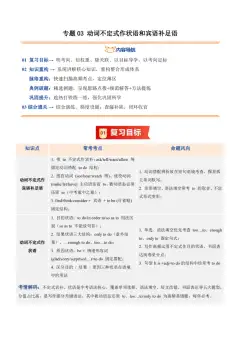
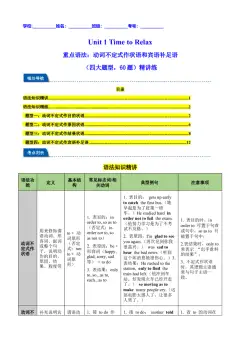
专题03 动词不定式作状语和宾语补足语
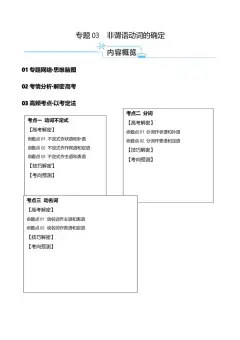
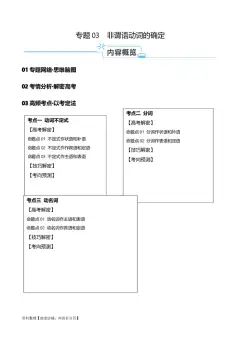
内容导航
01 复习目标→明考向、知权重、晓关联、以目标导学,以考向定标
02 知识重构→系统讲解核心知识,重构整合形成体系
脉络重构:快速扫描高频考点,定位薄区
典例破题:精选例题,呈现思路点拨+规范解答+方法提炼
巩固提升:趁热打铁练一练,强化巩固所学
03 综合通关→综合演练,梯度设题;查漏补缺,闭环收官
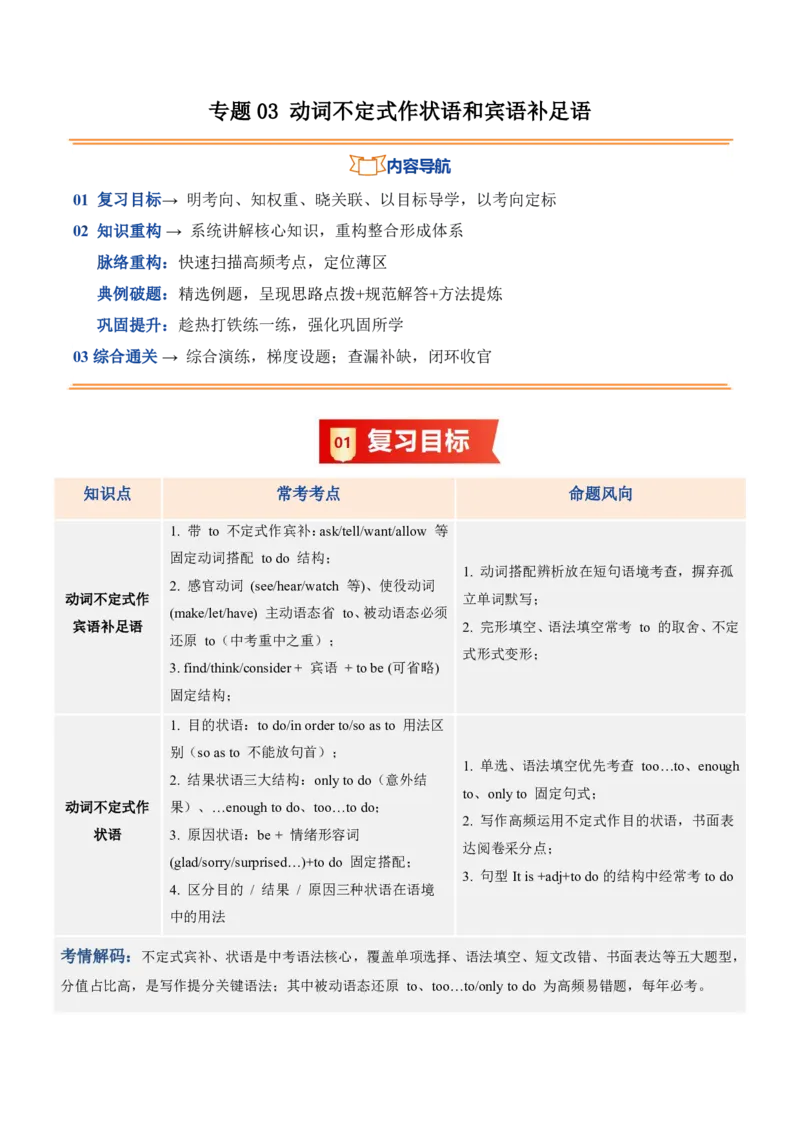
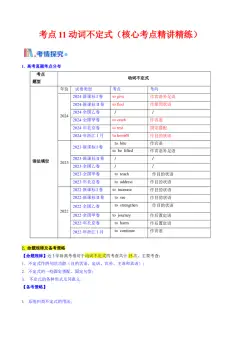
知识点
常考考点
命题风向
动词不定式作
宾语补足语
1. 带to 不定式作宾补:ask/tell/want/allow 等
固定动词搭配to do 结构;
2. 感官动词(see/hear/watch 等)、使役动词
(make/let/have) 主动语态省to、被动语态必须
还原to(中考重中之重);
3. find/think/consider + 宾语+ to be (可省略)
固定结构;
1. 动词搭配辨析放在短句语境考查,摒弃孤
立单词默写;
2. 完形填空、语法填空常考to 的取舍、不定
式形式变形;
动词不定式作
状语
1. 目的状语:to do/in order to/so as to 用法区
别(so as to 不能放句首);
2. 结果状语三大结构:only to do(意外结
果)、…enough to do、too…to do;
3. 原因状语:be + 情绪形容词
(glad/sorry/surprised…)+to do 固定搭配;
4. 区分目的/ 结果/ 原因三种状语在语境
中的用法
1. 单选、语法填空优先考查too…to、enough
to、only to 固定句式;
2. 写作高频运用不定式作目的状语,书面表
达阅卷采分点;
3. 句型It is +adj+to do 的结构中经常考to do
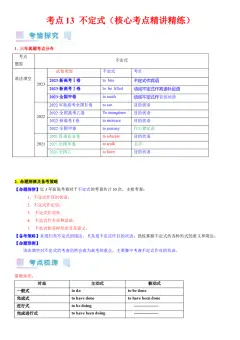
考情解码:不定式宾补、状语是中考语法核心,覆盖单项选择、语法填空、短文改错、书面表达等五大题型,
分值占比高,是写作提分关键语法;其中被动语态还原to、too…to/only to do 为高频易错题,每年必考。
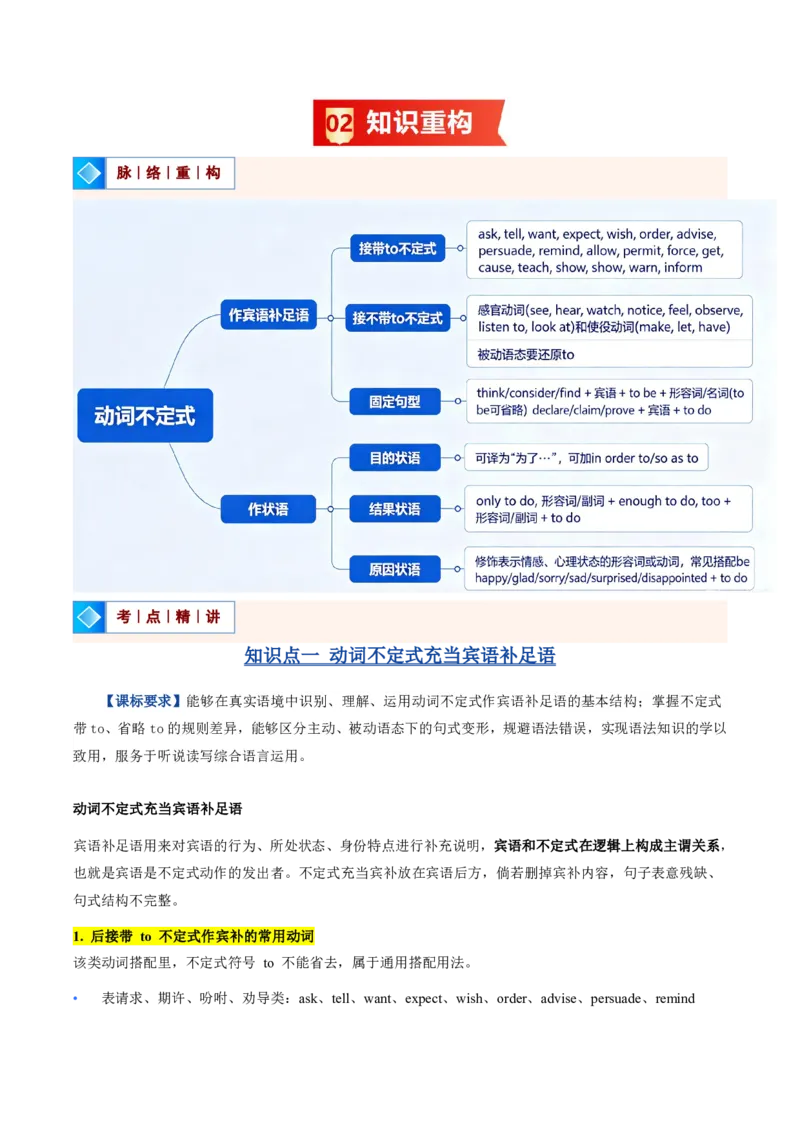
脉|络|重|构
考|点|精|讲
知识点一动词不定式充当宾语补足语
【课标要求】能够在真实语境中识别、理解、运用动词不定式作宾语补足语的基本结构;掌握不定式
带to、省略to 的规则差异,能够区分主动、被动语态下的句式变形,规避语法错误,实现语法知识的学以
致用,服务于听说读写综合语言运用。
动词不定式充当宾语补足语
宾语补足语用来对宾语的行为、所处状态、身份特点进行补充说明,宾语和不定式在逻辑上构成主谓关系,
也就是宾语是不定式动作的发出者。不定式充当宾补放在宾语后方,倘若删掉宾补内容,句子表意残缺、
句式结构不完整。
1. 后接带to 不定式作宾补的常用动词
该类动词搭配里,不定式符号to 不能省去,属于通用搭配用法。
•
表请求、期许、吩咐、劝导类:ask、tell、want、expect、wish、order、advise、persuade、remind
•
表准许、逼迫、促成类:allow、permit、force、get、cause
•
表传授、提示、警示类:teach、show、warn、inform
1.
My father tells me to keep exercising every morning.(爸爸叮嘱我每天早上坚持锻炼,me 是不定式to keep
exercising 的逻辑主语)
2.
The coach advised the players to warm up before matches.(教练提醒队员赛前做好热身)
3.
The heavy rain forced us to put off the outdoor picnic.(大雨迫使我们延后户外野餐)
2. 后接省略to 不定式作宾补的特殊动词
感官类动词、使役类动词之后作宾补的不定式,需要去掉不定式符号to。
•
感官动词:see、hear、watch、notice、feel、observe、listen to、look at
•
使役动词:make、let、have
补充要点:以上动词改成被动句式时,原本省略的to 必须补充还原。
1.
We watched them play basketball on the playground yesterday.(主动语态,不带to)
昨天我们看见他们在操场上打篮球。
2.
They were watched to play basketball on the playground yesterday.(被动语态,恢复to)
昨天有人看见他们在操场上打篮球。
3.
Let us prepare gifts for the coming festival.让我们为即将到来的节日准备礼物吧。
4.
The manager made the staff finish the task before dusk.经理让员工们在黄昏前完成了任务。
3. 不定式作宾补的固定句式
①think/consider/find + 宾语+ to be + 名词/ 形容词,句式中to be 可以省略
例句:We consider the plan to be practical. = We consider the plan practical.我们认为这个方案切实可行。
②表声称、证实含义的动词(declare、claim、prove)+ 宾语+ to do
例句:The evidence proved the suspect to be harmless.证据证明这名嫌疑人是无辜的。
【典例破题】
My mom often tells me ______ too much time playing phone games.
A. don’t waste
B. not to waste
C. not waste
D. to not waste
答案:B
【命题解读】本题考查固定搭配tell sb. (not) to do sth.(告诉某人(不)做某事),tell 属于接带to 不定式
的常规动词,否定形式需在to 前加not,为九年级最基础必考句型。
【易错警示】
1. 所有感官动词、使役动词(make/let/have/see/hear/watch 等)主动省to,被动必加to,这是最易丢分点。
2. 不定式否定结构统一为not to do,切勿写成to not do 或don’t do。
3. find/think/consider 后to be 可直接省略,无需保留,句式更简洁规范。
4. allow/advise/tell 等常规动词,无论何种句式,to 永远不省略,无特殊变形。
【巩固提升1】
1. The teacher reminds us ______ our homework on time every day.
A. finish
B. to finish
C. finishing
D. finished
【巩固提升2】
1. The sad story made all of us ______.
A. cry
B. to cry
C. crying
D. cried
【巩固提升3】
1. The players were made ______ for another two hours because of the heavy rain.
A. practice
B. to practice
C. practicing
D. practiced
知识点二动词不定式作状语
【课标要求】能在口头和书面表达中正确使用动词不定式作状语:①准确运用不定式表达动作目的、结果
与原因;②熟练掌握相关固定句型;③结合语境规范造句,提升语句表意的丰富性与准确性。
动词不定式充当句子状语
不定式作状语,用来修饰谓语动词、形/ 副词或是整句话,用来交代动作的目的、缘由、最终结果、假设
条件等内容,不定式和全句主语存在逻辑主谓关系;去掉不定式部分,主句语法完整、主干含义不变,只
是缺失附加说明信息。
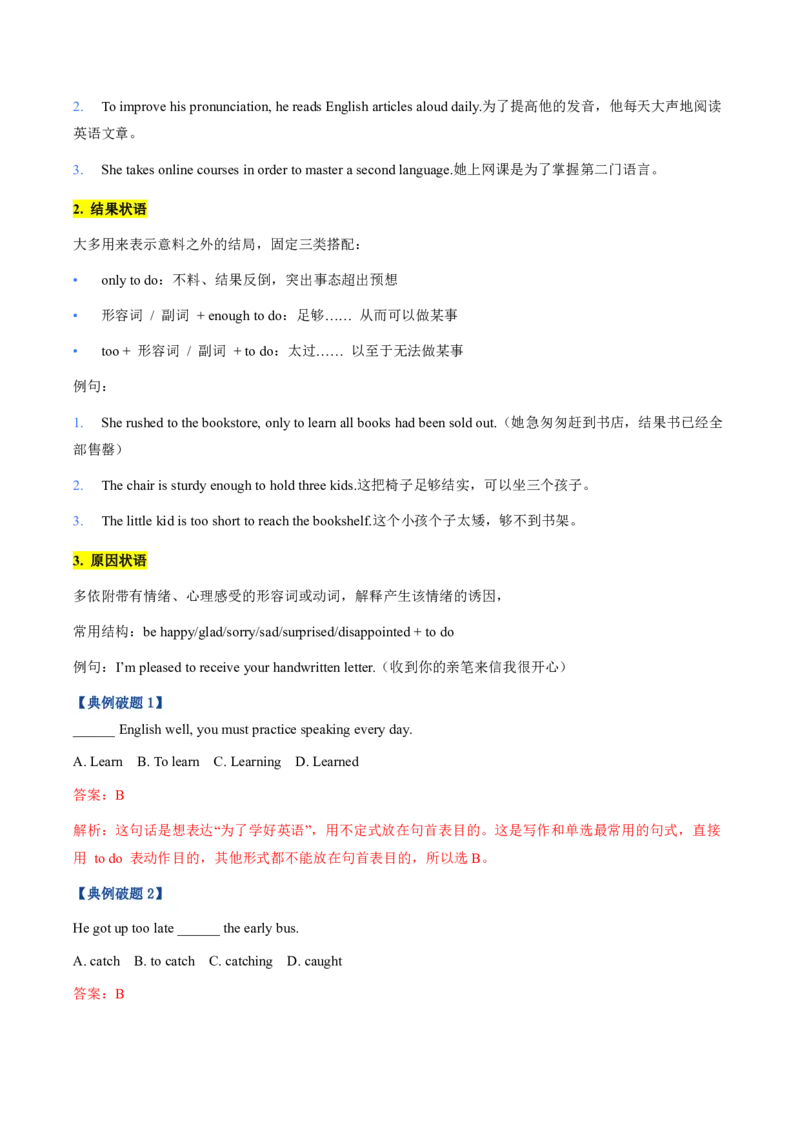
1. 目的状语
用来体现主句动作的目的,译作“为了……”,可放句首或句尾;置于句首时一般用逗号分隔。想要强化目
的语气,可使用in order to 或so as to,so as to 不能放在句子开头。
例句:
1.
She saves pocket money to buy a new storybook.(她攒零花钱想买一本新故事书)
2.
To improve his pronunciation, he reads English articles aloud daily.为了提高他的发音,他每天大声地阅读
英语文章。
3.
She takes online courses in order to master a second language.她上网课是为了掌握第二门语言。
2. 结果状语
大多用来表示意料之外的结局,固定三类搭配:
•
only to do:不料、结果反倒,突出事态超出预想
•
形容词/ 副词+ enough to do:足够…… 从而可以做某事
•
too + 形容词/ 副词+ to do:太过…… 以至于无法做某事
例句:
1.
She rushed to the bookstore, only to learn all books had been sold out.(她急匆匆赶到书店,结果书已经全
部售罄)
2.
The chair is sturdy enough to hold three kids.这把椅子足够结实,可以坐三个孩子。
3.
The little kid is too short to reach the bookshelf.这个小孩个子太矮,够不到书架。
3. 原因状语
多依附带有情绪、心理感受的形容词或动词,解释产生该情绪的诱因,
常用结构:be happy/glad/sorry/sad/surprised/disappointed + to do
例句:I’m pleased to receive your handwritten letter.(收到你的亲笔来信我很开心)
【典例破题1】
______ English well, you must practice speaking every day.
A. Learn
B. To learn
C. Learning
D. Learned
答案:B
解析:这句话是想表达“为了学好英语”,用不定式放在句首表目的。这是写作和单选最常用的句式,直接
用to do 表动作目的,其他形式都不能放在句首表目的,所以选B。
【典例破题2】
He got up too late ______ the early bus.
A. catch
B. to catch
C. catching
D. caught
答案:B
解析:本题考查固定句型too…to do,意思是“太……而不能……”。这句话翻译为“他起得太晚,赶不上早
班车”,本身带有否定含义,直接套用句型即可,选to catch。
【典例破题3】
He hurried to the station, ______ find the train had left.
A. only to
B. in order to
C. so as to
D. to
答案:A
解析:这句话强调意外结果:匆忙赶到车站,结果火车已经开走了。only to do 专门用来表示“出乎意料、
令人遗憾的结果”,其他结构只表目的,不符合语境,所以选A。
【命题解读】
1. 题型分布:中考高频出现在单项选择、语法填空、短文填空和书面表达中,是作文提分核心句型。
2. 命题趋势:不再单纯考句型背诵,重点结合语境区分目的、结果、原因三种状语,尤其偏爱考查意外结
果和too…to 固定结构。
3. 核心热点:only to do 语境辨析、too…to / enough to 固定句型、so as to 位置限制、情绪形容词后接to do
表原因。
【易错警示】
1. so as to 只能放句末,绝对不能用于句首,这是考试高频陷阱。
2. too…to do 本身含否定意思,翻译为“太……而不能”,不要再加not。
3. only to do 只用来表示意外、不好的结果,不能用于正常预期结果。
4. 情绪形容词(glad/sorry/surprised 等)后面统一接to do,不用doing。
【巩固提升1】
1. She exercises every day ______ keep healthy.
A. in order
B. to
C. so
D. that
【巩固提升2】
1. The box is light enough ______ by myself.
A. carry
B. to carry
C. carrying
D. carried
【巩固提升3】
I was surprised ______ my old friend at the street corner.
A. see
B. to see
C. seeing
D. saw
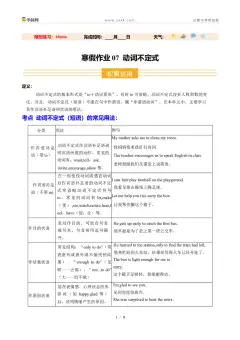
一、单项选择
1.________ my father a special gift, I will handmake a bookmark for his Father’s Day.
A.Give
B.Giving
C.To give
D.Gave
2.________ repeating the bad habit, we need to make a strict self-plan.
A.To avoid
B.Avoiding
C.Avoid
3.Pet keepers take time every day ________ their pets lively and healthy.
A.keeps
B.kept
C.to keep
4.—What will a new friend say when you join a new club?
—They usually say “Feel free ________ yourself relaxed here.”
A.make
B.made
C.making
D.to make
5.The community built a new playground ________ the residents have a good place for exercise.
A.helping
B.helped
C.to help
D.helps
6.Lily practices hard ________ her piano performance skills.
A.improve
B.to improve
C.improving
D.improved
7.We can use short videos ________ traditional art to young people.
A.spread
B.to spread
C.spreading
8.My parents drink warm water every morning ________ a healthy body.
A.had
B.have
C.having
D.to have
9.As students, we should try our best ________ more knowledge in daily life.
A.learn
B.learning
C.to learn
D.to learning
10.—Why did she give up her city job to work in the mountains?
—________ the kids’ study conditions in mountain villages.
A.Develop
B.Developing
C.To develop
11.The teacher encourages us ________ English aloud every morning.
A.read
B.to read
C.reading
D.readed
12.I plan ________ a volunteer in the city library during summer vacation.
A.be
B.to be
C.being
D.been
13.They decided ________ a picnic in the park this Sunday.
A.have
B.having
C.to have
D.had
14.It is important for teenagers ________ good living habits.
A.form
B.to form
C.forming
D.formed
15.My brother wants ________ a professional football player in the future.
A.become
B.to become
C.becoming
D.became
二、用所给单词的适当形式填空
1.It’s hard to be patient ________ (wait) for the subway during rush hours.
2.As a volunteer, Tom often goes to the old people’s home ________ (cheer) the elderly up.
3.Many families choose new energy cars ________ (save) daily travel costs.
4.We keep working hard ________ (keep) our hometown clean and beautiful.
5.What do you usually do ________ (relax) yourself after study, Jack?
6.He is happy ________ (hear) that he passed the exam successfully.
7.We are glad ________ (see) great changes in our school.
8.I feel proud ________ (be) a member of the school sports team.
9.Parents hope their children will grow up ________ (be) kind and responsible people.
10.Most workers are too busy with their work ________ (spend) time on outdoor sports.
三、语法填空
A
阅读下面短文,在空白处填入一个适当的单词或括号内单词的正确形式,必要时可加助动词或情态动词。
Once I read a sentence—“To make this world ___24___ happy place to live, you’d better change yourself and
your heart, instead of the whole world.” I was shocked. It ____25____ (make) me lost in thought.
There are so many things around us that go against our wishes. We can’t force life to follow our wishes. The
earth ____26____ (not stop) turning no matter ____27____ we accept it or not. What we can do is just to make
____28____ (our) suit the world. I think we should learn to warmly welcome what life gives us and try to get
pleasure from it.
B
阅读下面短文, 在空白处填入一个适当的单词或括号内单词的正确形式, 必要时可加助动词或情态动词。
Joseph is a teacher in New York. He ___29___ (give) lessons to his students about American history. But he
was born ___30___ Kenya, an African country where the children have a very different life. For example, a
ten-year-old boy may spend more time taking care of cows than studying at school. The children also learn many
____31____ (skill) like how to live in the wild.
Unlike many other children, Joseph went to school. And luckily, when he was 15, he came to study in America
and then became a teacher. Joseph has written a book called Facing the Lion. In the book, he talks about his
childhood. He thinks it is very important for American children ___32___ (learn) about the cultural differences
between their country and others. He also thinks children should learn to be full of hope. So far, Joseph ___33___
(do) many projects to help children face their own “lions” .