ARTICLE · 1196537
课例分享 | 苏州高新区青年教师成长营(高中英语)第十四期:高三写作

深耕写作 赋能成长
苏州高新区青年教师成长营
(高中英语)第十四期
高三写作
为深耕新高考高三英语写作复习课堂,探究应用文写作与读后续写的备考教学路径,破解高三英语写作教学痛点,助推区内青年英语教师专业成长,10月13日下午,区青年教师成长营(高中英语)研修活动于苏州高新区第一中学科技城校顺利开展。区内成长营成员、高三英语备课组长、高中英语教师代表参加本次活动。

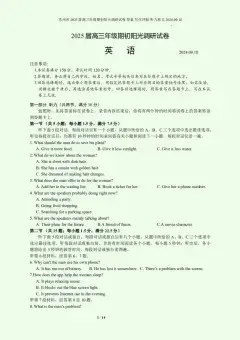
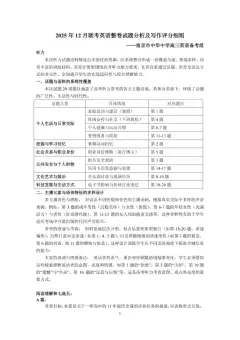
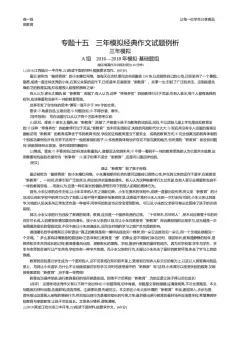
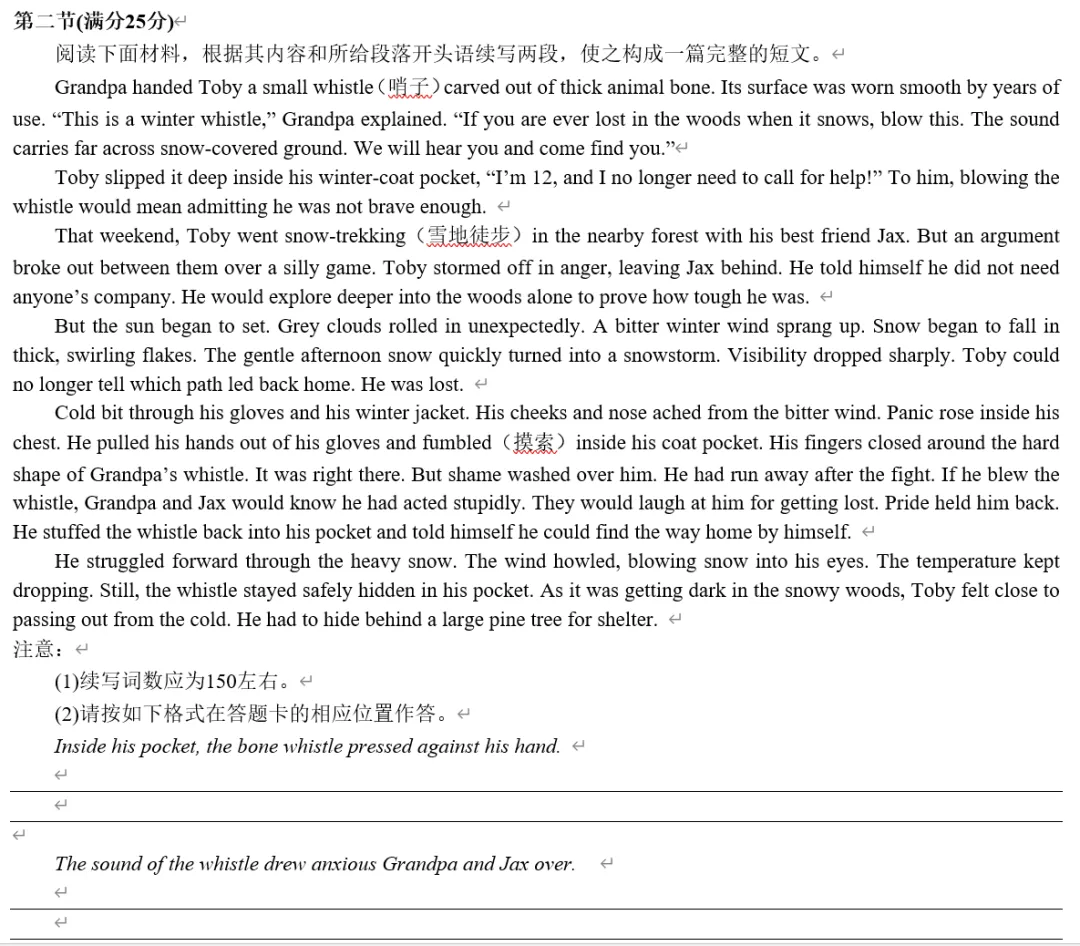
本次研修以南京高三9月学情调研试题为课例载体,围绕该套试题的观点类应用文、读后续写开展同课异构展示课,随后进行评课研讨与高三教学交流。活动直面高三写作教学现实困境,既有真实课堂的示范引领,也有同伴互助的思维碰撞,充分体现区域教研对高三复习提质增效、青年教师培育的高度重视。研讨课教学内容如下:

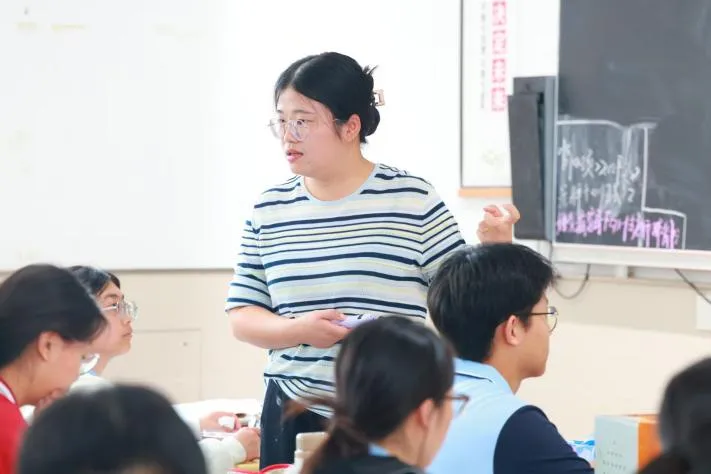
龚钰珺,苏州市苏州高新区第一中学科技城校区英语教师,苏州高新区青年教师成长营(高中英语)成员,二级教师。
教学设计
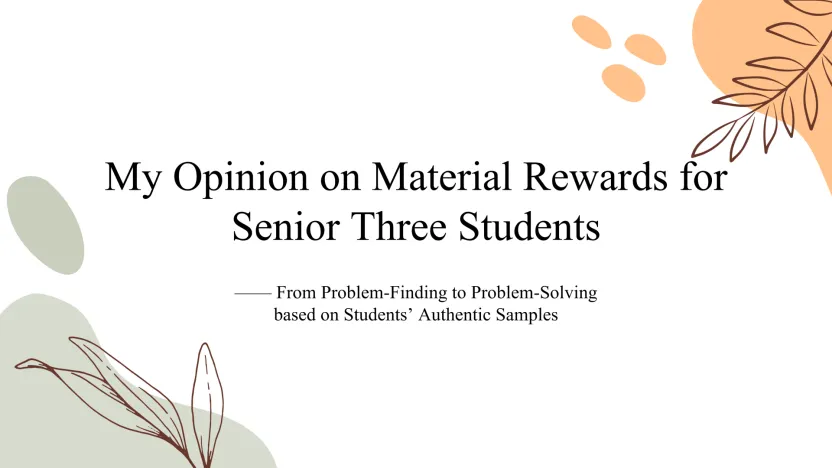
Teaching Objectives
By the end of this lesson, students will be able to:
1. master the standard three-paragraph structure of an opinion essay, accumulate topic-related vocabulary, logical linking words and advanced sentence patterns, and clarify the basic writing requirements of the school newspaper’s opinion column;
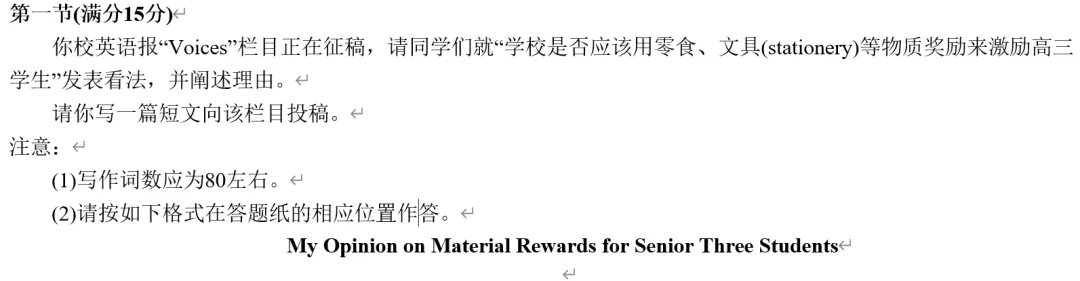
2. compose an around-80-word opinion essay with a clear standpoint on material rewards for Senior Three students, develop supporting arguments from multiple dimensions, and polish their writing by upgrading simple sentences;
3. identify common writing problems by analyzing authentic student samples, form a complete writing thinking path from problem-finding to problem-solving, and treat material rewards in study from a dialectical perspective.
Teaching Procedure
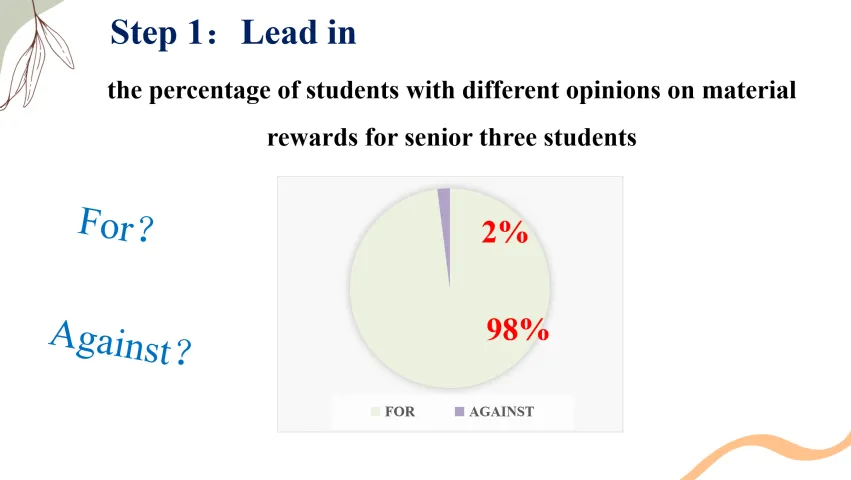
Step 1: Lead-in
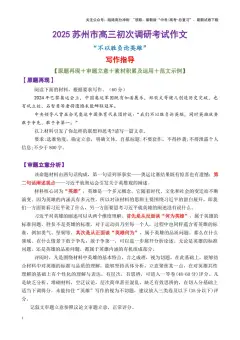
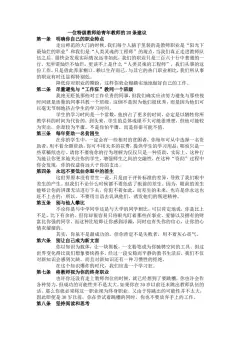
Present the survey data about the percentage of students with different opinions on material rewards for senior three students, raise guiding questions to activate students’ thinking, and naturally lead in the writing topic.
Step 2: Analyzing
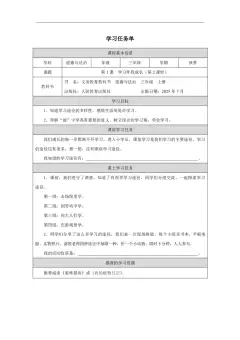
Present the writing task from the school newspaper column Voices, analyze the basic writing requirements (text type, tense, core task), and clarify the standard three-paragraph opinion essay structure.
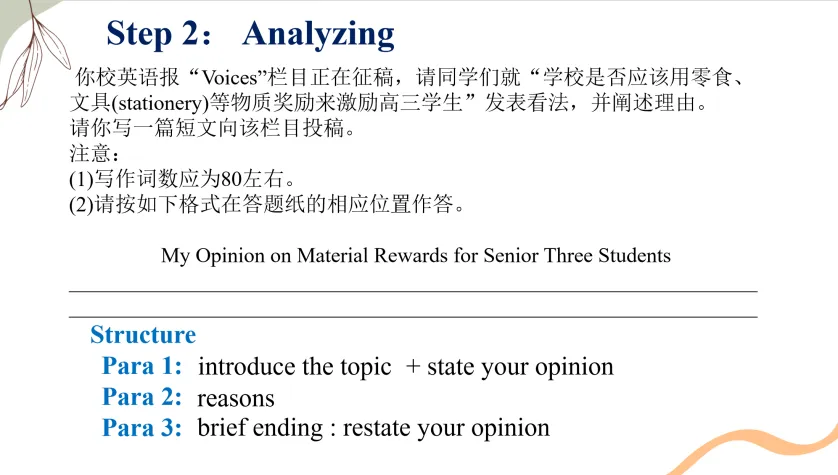
Step 3:Outlining
1. Present students’ authentic writing samples, and guide students to find common writing problems and compose para 1 according to the accumulated expressions.
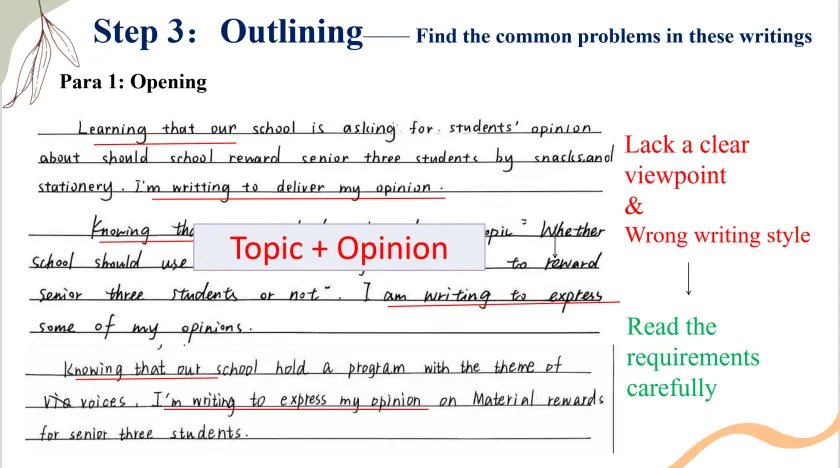
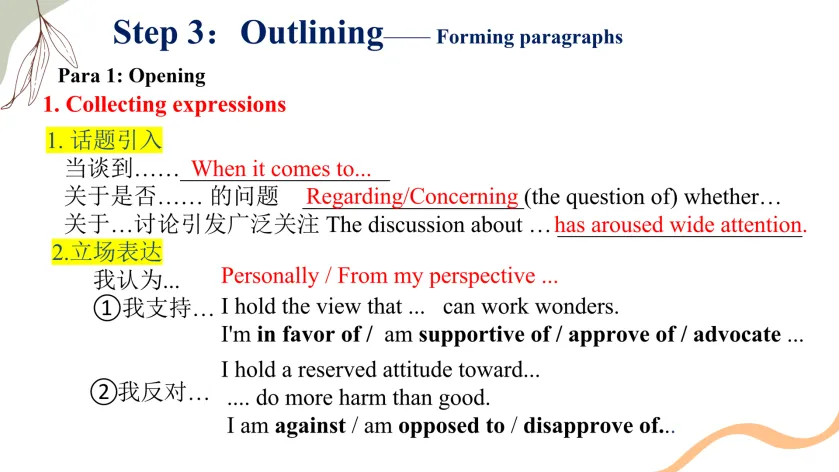
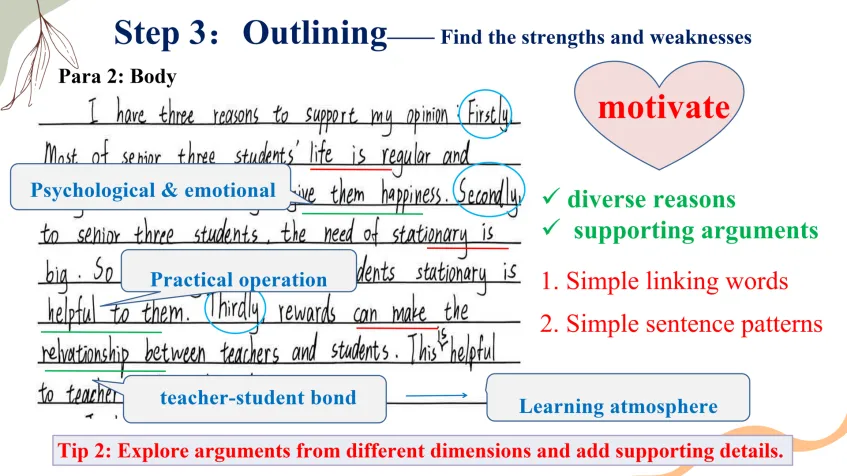
2. Present an authentic student’s body paragraph sample, and guide students to comment on its strengths and summarize common weaknesses. Help students enrich the supporting reasons from multiple dimensions, and upgrade the sentences by using different sentence patterns.
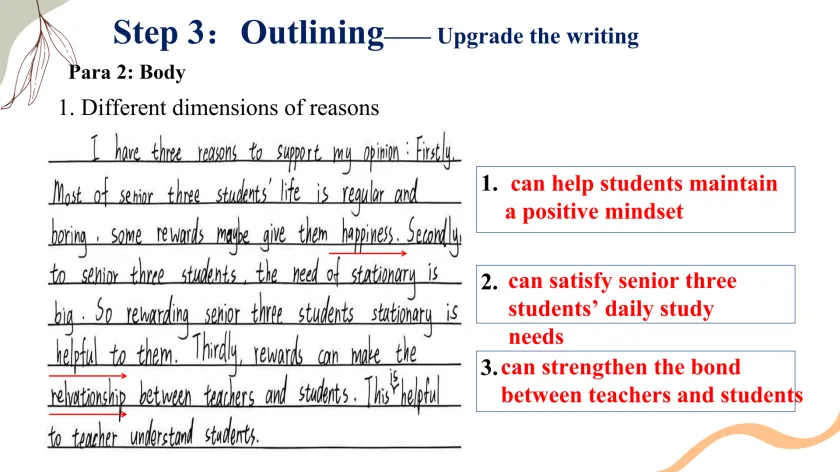
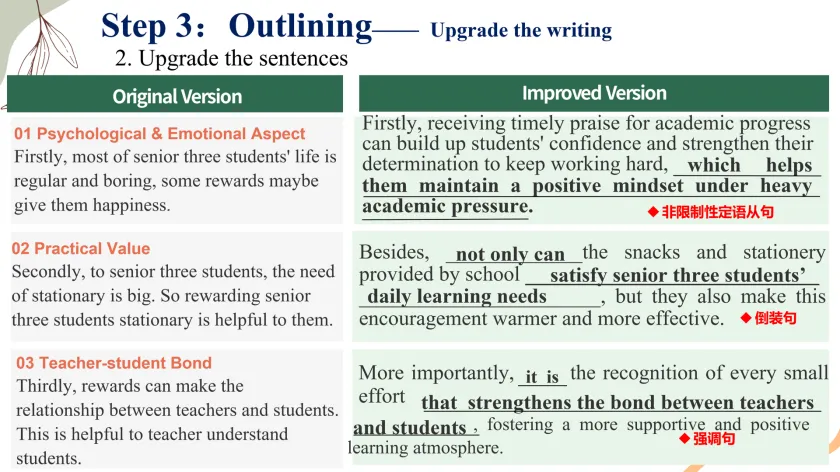
3. Explore the opposing views based on the reasoning angles and sentence patterns accumulated from the supporting side.
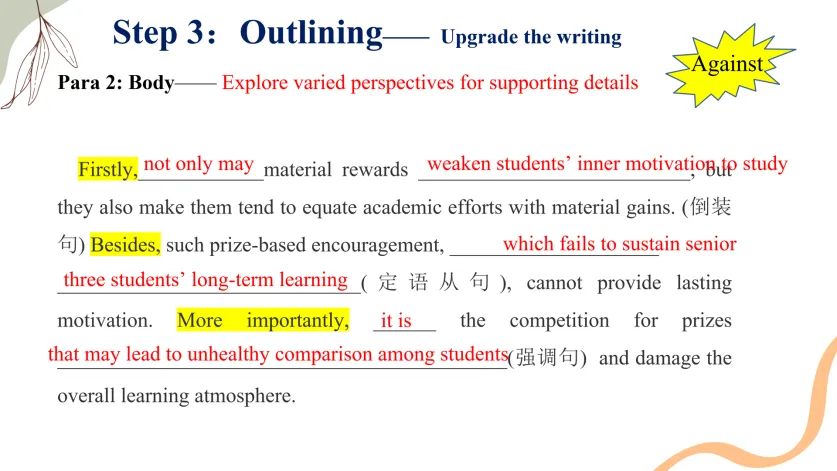
4. Guide students to restate their viewpoint of para 3.
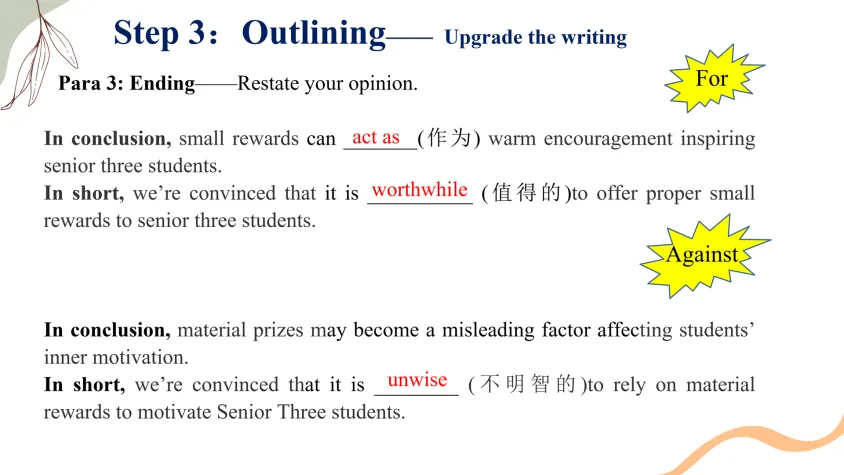
Step 4:Consolidation
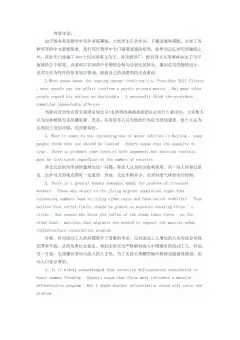
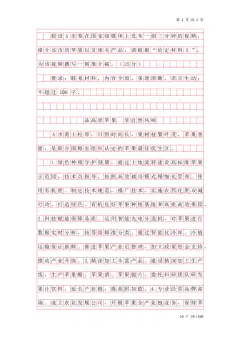
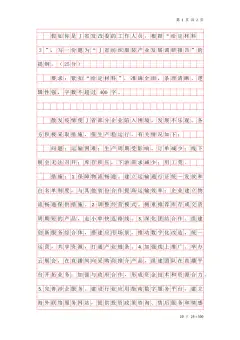
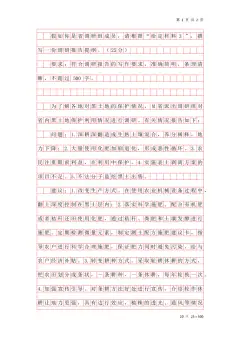
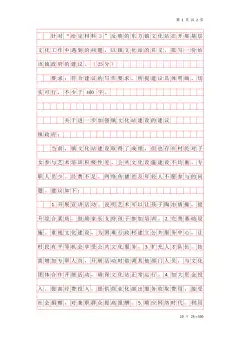
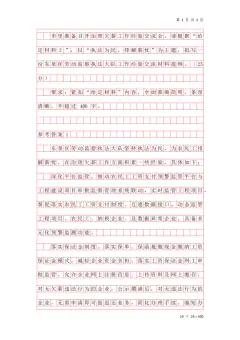
(2026浙江名校协作体) 假定你是李华,在英语口语课上,外教Chris组织同学们就“Should We Open School Sports Facilities to the Public? ”进行分组讨论,请你代表小组发言,内容包括:(1)陈述观点;(2)说明理由。
Teaching Reflection
本节课围绕高三英语观点类议论文写作展开教学,总体以学生真实写作内容为抓手,遵循“发现问题 — 搭建框架 — 升级表达 — 迁移巩固”的教学逻辑展开课堂。课堂先引导学生自主发现共性问题,再从开头、主体到结尾分段突破写作难点;同时先以支持方观点,完整示范理由拓展与句式升级的方法,再引导学生迁移思路,自主探究反方观点,这样既帮助学生搭建起了规范的三段式写作框架,也渗透了辩证思维的培养。但教学中仍存在可优化之处:首先课堂在引导学生发现问题、探究问题环节用时偏多,未能预留充足时间供学生独立润色修改自己的文章,也缺少小组互评的互动环节;其次对学生样本作文的分析维度不够全面深入,仅围绕论证角度与句式表达展开,对典型的拼写错误、句式表达习惯及内容逻辑等问题的挖掘不够充分;同时教学最后未能进一步地引导学生辩证思考物质奖励与精神奖励对学习发展的双重价值与内在联系。

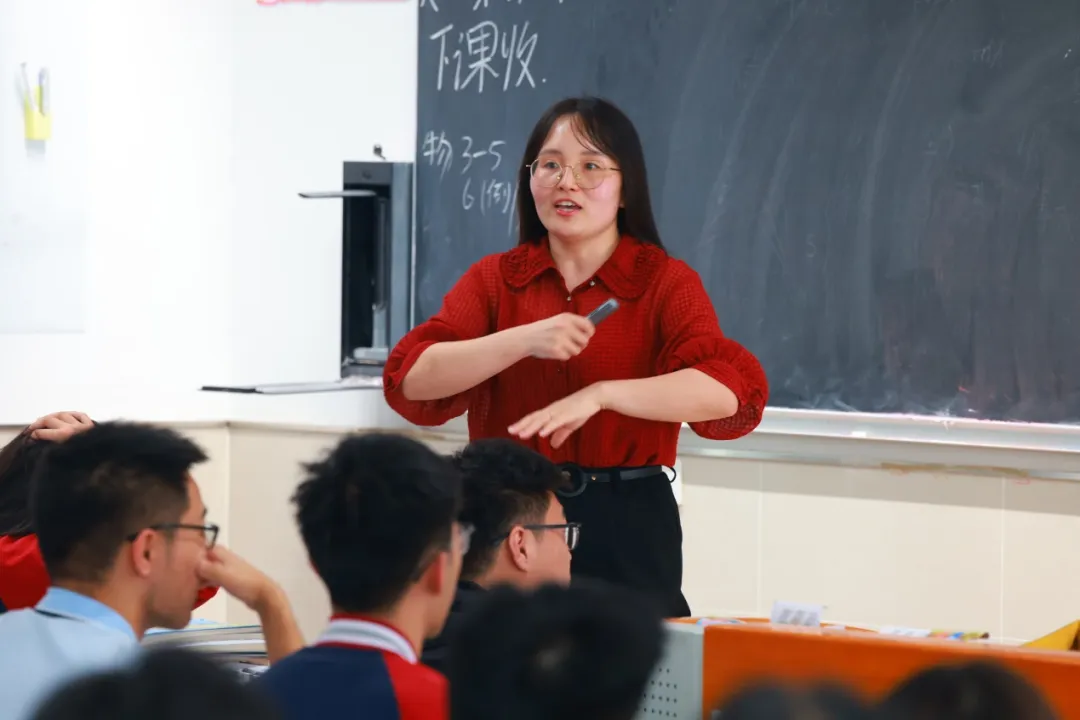
周玉霞,吴县中学(景山校区)英语教师,苏州高新区青年教师成长营(高中英语)成员。一级教师,曾获得区教坛新秀称号,区基本功竞赛一等奖。
教学设计
Teaching objectives
After this class, the students will be able to:
1. identify common problems in your writing;
2. expand your reasons in terms of point-evidence-reverting (论点-论证) and cause-effect chain (因果链);
3. analyse pros and cons of Material Rewards;
4. know a dialectical attitude towards material rewards.
Teaching procedure
Step 1 Lead in
Ask students about what they would like to get if performing well to introduce the topic about rewards.
Step 2 Review
Let students analyse the genre and the structure of the writing.
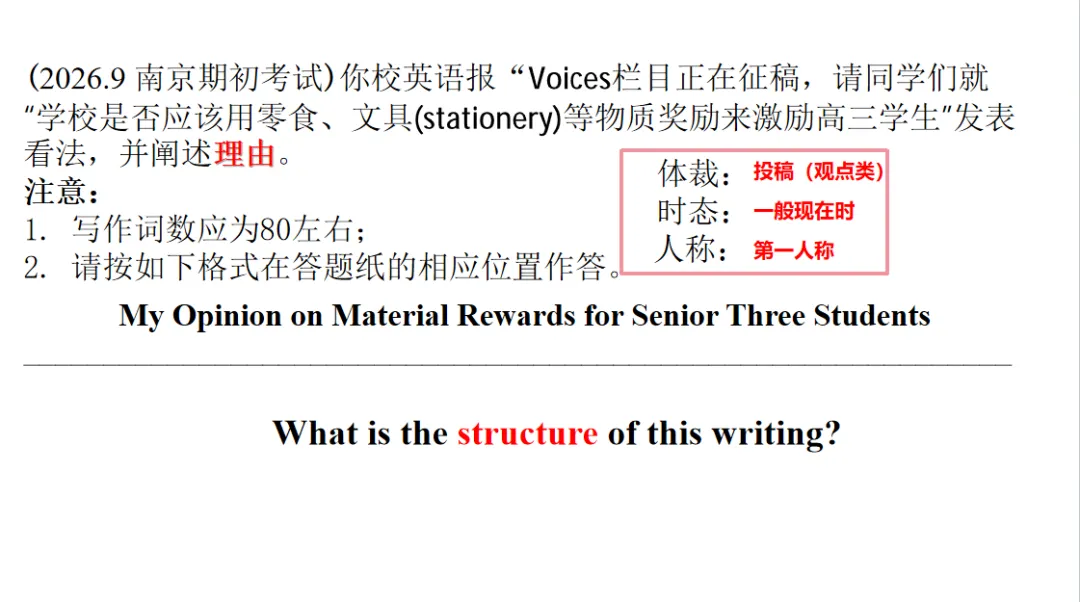
Step 3 Explore
Present students’ samples and ask students to identify logical problems.
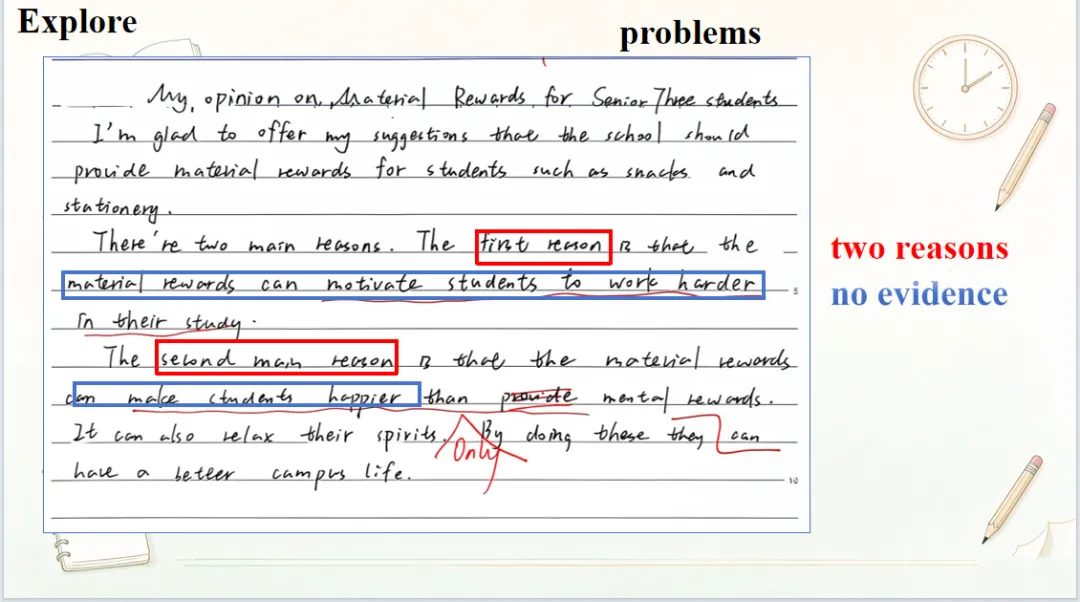
Step 4 Explain and practice
1. Discuss the first problem. Add detailed evidence including examples, results and explanations to make the point more specific. Show revised sample sentences.
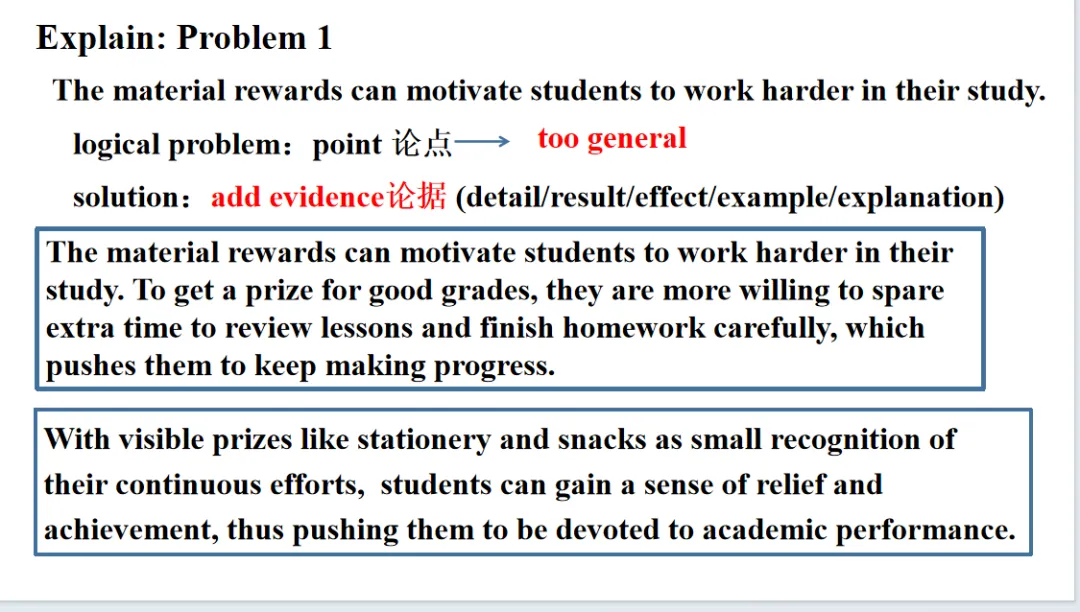
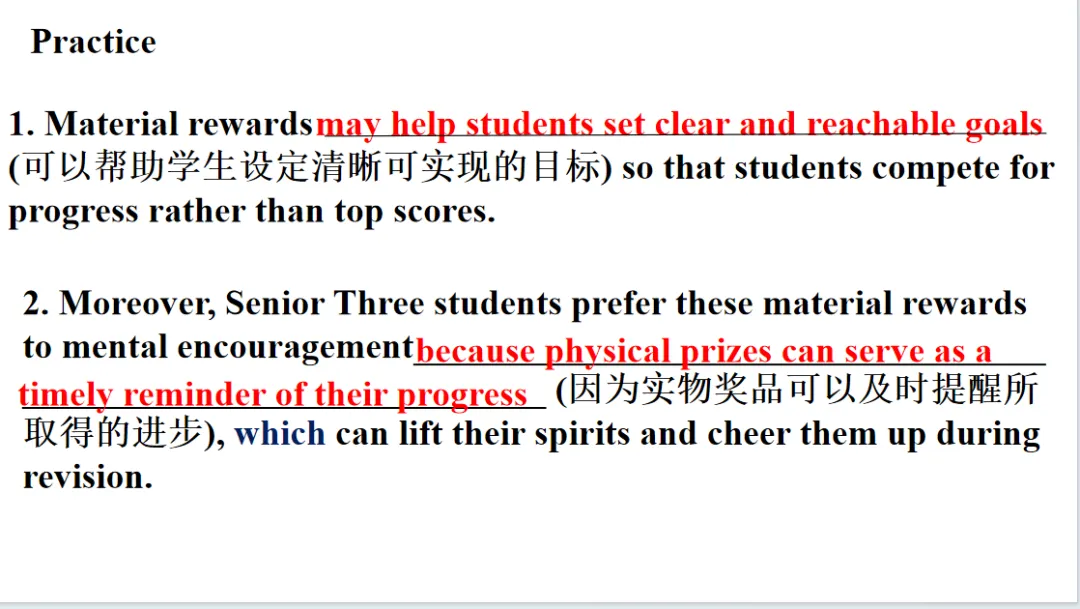
2. Present the second problem about logical jumps. Complete cause-effect chains following the A-B-C reasoning logic. Display improved sentence versions.
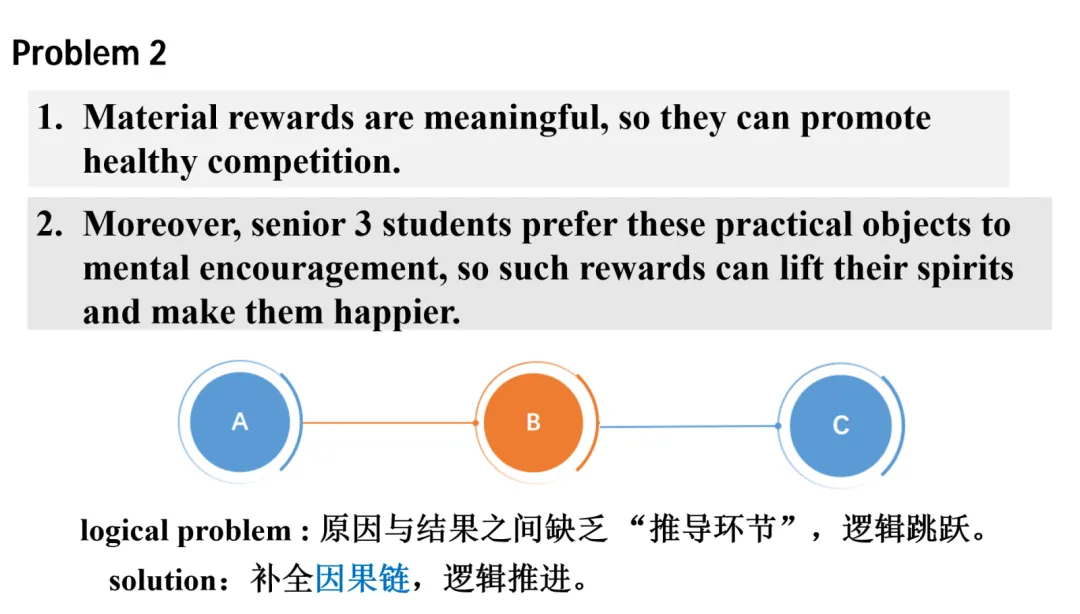
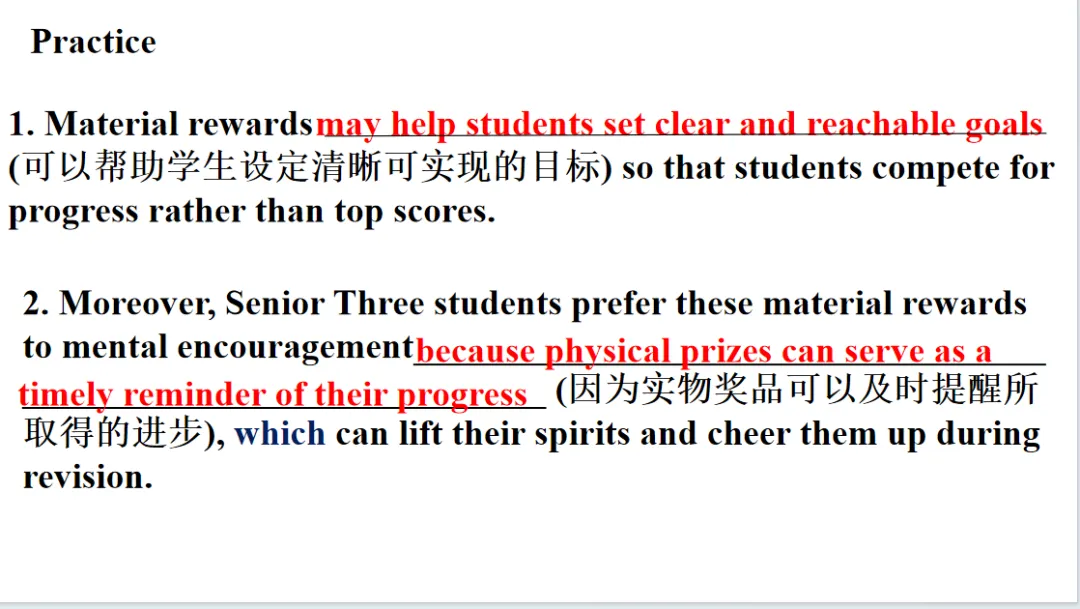
Step 5 Discuss and apply
1. Study the sample against material rewards.
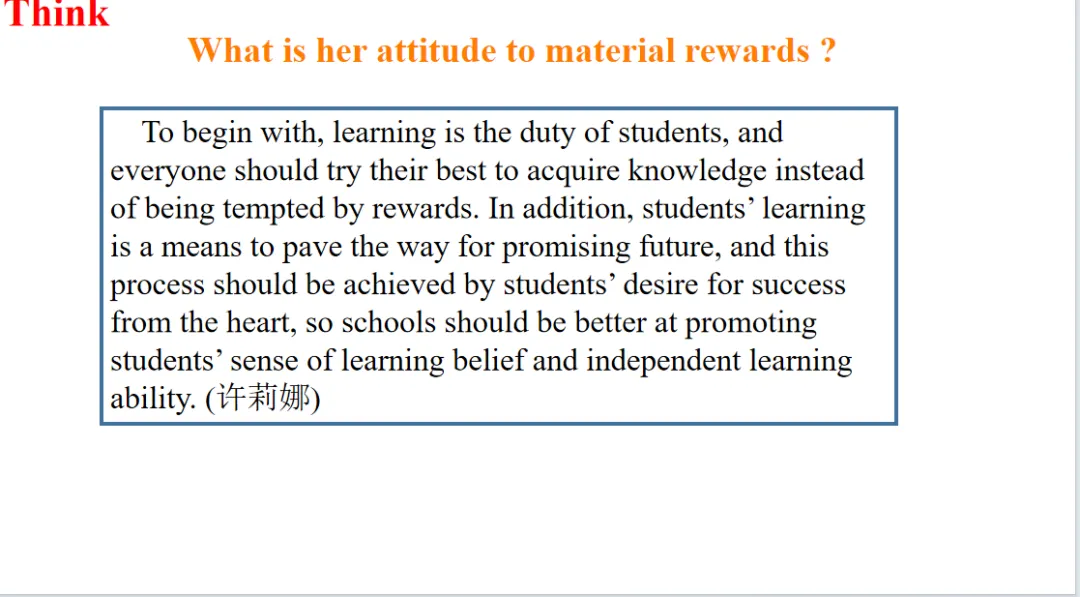
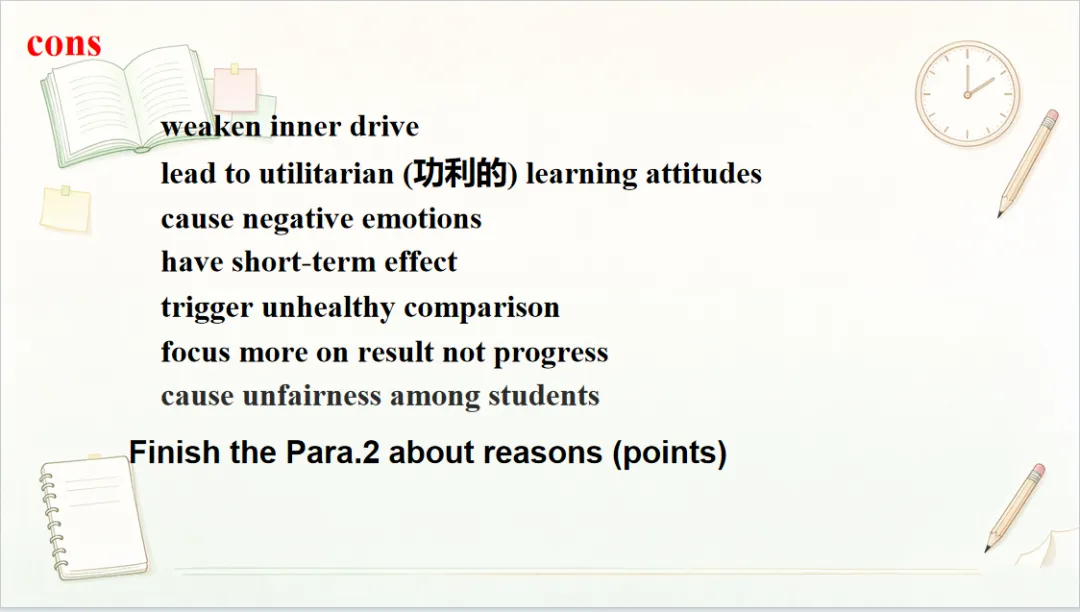
2. Discuss in groups and make a list of the drawbacks. Write the para.2 about opposing material rewards.
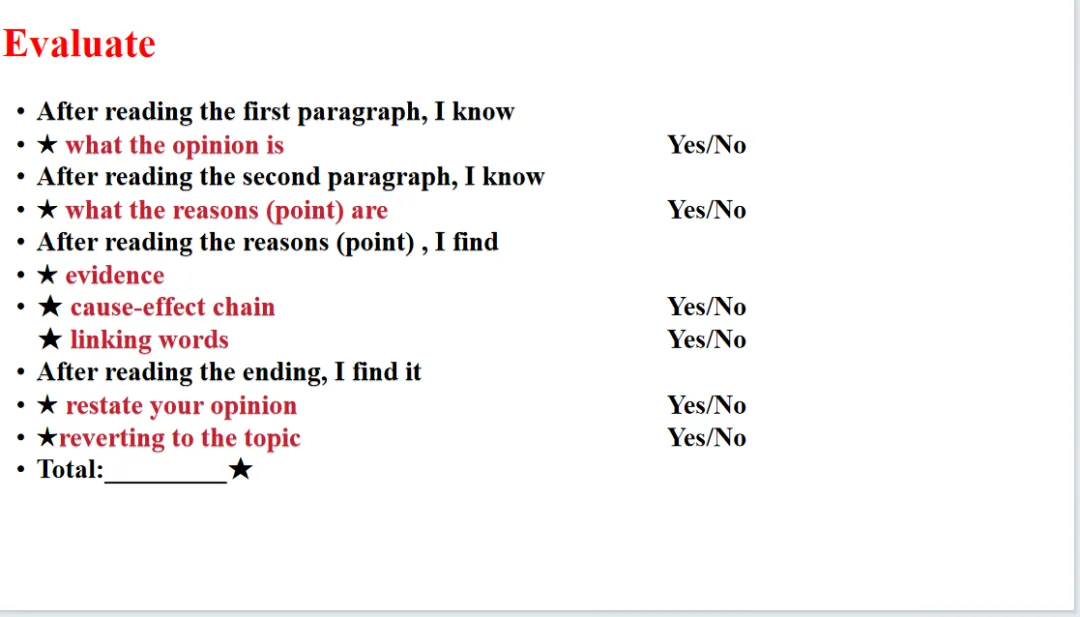
3. Provide assessment checklist and invite students to make a comment on the writing according to the criteria.
Step 4 Homework
1. Finish the whole passage about opposing viewpoint.
2. Polish up the writing according to the evaluation criterion.
Teaching Reflection
本节课选用学生真实习作作为课堂素材,针对性指出学生习作中论点空泛、逻辑断层两大写作通病;通过“找问题‑给方法‑实操练习‑量表自评”闭环教学,落实论点‑论据、因果链的写作方法训练;同时考虑到学生对于物质奖励都持有支持态度,引出话题正反利弊的讨论,引导学生辩证地看待问题。
结合上课反馈,本节课仍存在不足之处:课堂口头操练占比较多,关于反方观点,学生当堂完成完整篇章写作的时间不足,只能完成主体部分;部分基础弱的学生在搭建因果逻辑链方面仍旧存在障碍;利弊讨论时间较紧,学生习作展示环节较匆忙。
针对以上问题做出如下改进:优化课堂时间管理,如练习部分可以通过给出汉语提示,添加证据后,让学生快速感知论点的完整性和饱满感。其次针对基础薄弱的学生,提供句型支架。

评课、高三教学交流环节
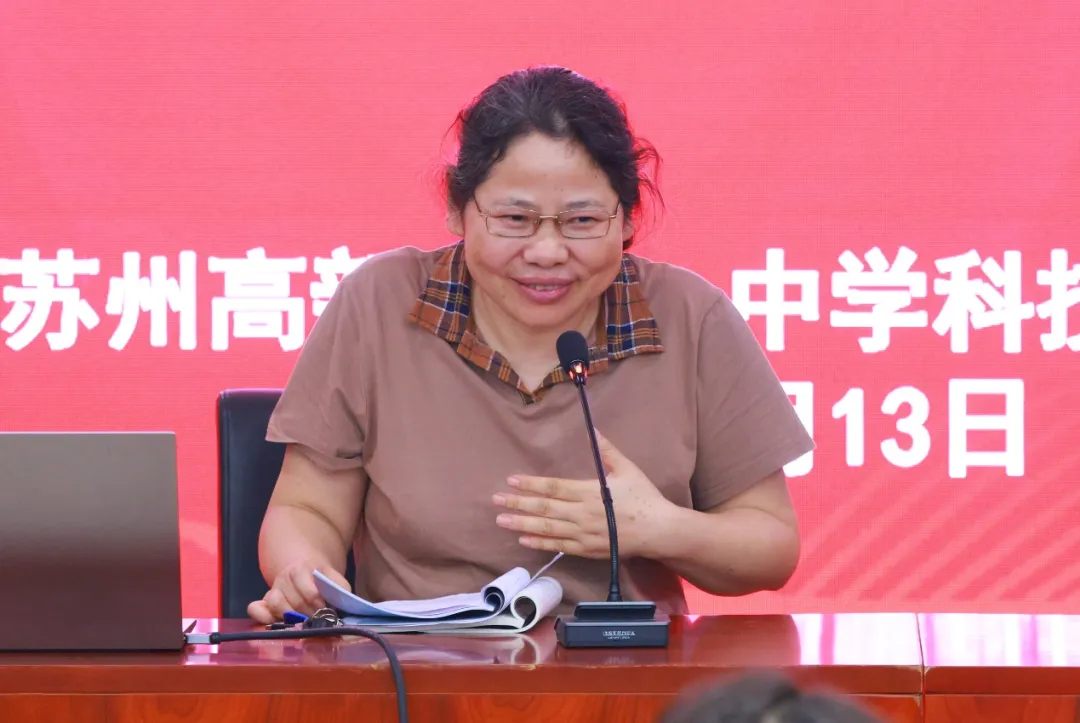
江苏省苏州实验中学 金燕老师
金燕老师针对两节应用文写作课进行点评。她充分肯定龚钰珺老师课堂实用性强,教学流程有序,支架搭建能够给不同层次学生提供有力支撑。同时细致指出课堂细节优化方向:区分应用文“组织观点(organize)”和记叙文“描述(describe)”的用词差异;厘清笼统表达与精准表达;做好近义词辨析,减少中式英语带来的表达偏差。
金燕老师高度认可周玉霞老师敏锐捕捉到学生论证链条缺失的核心问题,课堂注重培养学生批判性辩证思维,实现学科素养迁移。同时建议教学中尽量选用学生认知范围内词汇,避免超纲词汇造成理解障碍。
随后,金燕老师结合自身教学经验,分享应用文写作六大实操要点:开门见山、用词多样化、表达具体化、语言自然地道、句式修辞讲究、语气得体,辅以大量学生错例与改写示范,为在场教师提供可直接借鉴的教学策略。

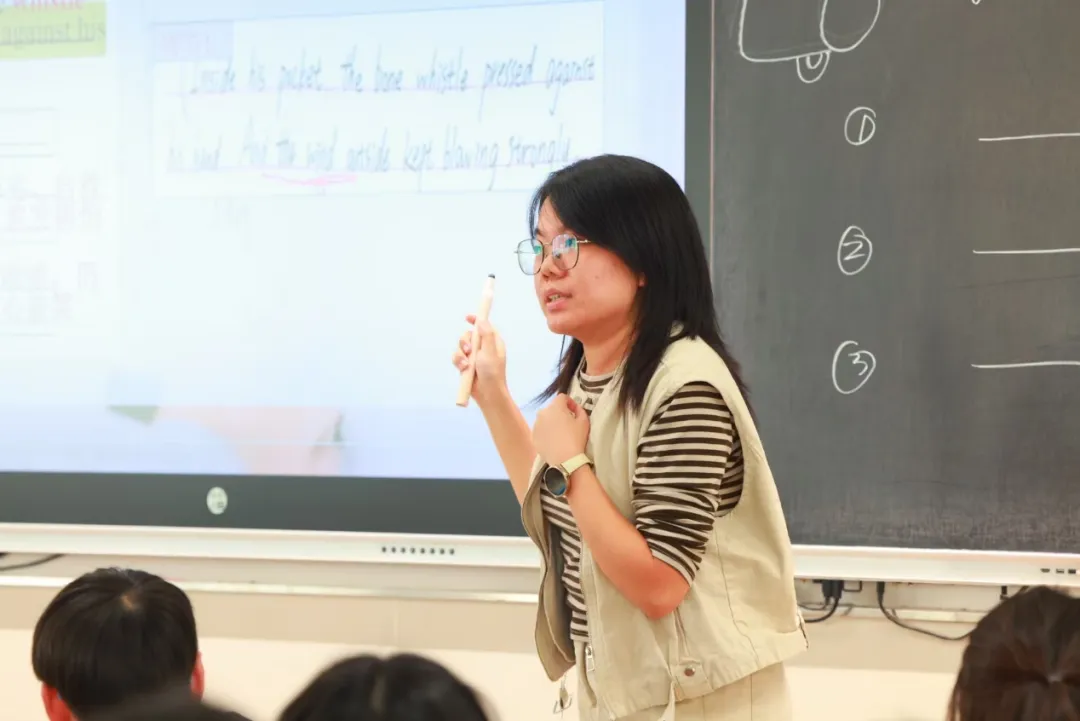
杨雨露,苏州市苏州高新区第一中学英语教师,苏州高新区青年教师成长营(高中英语)成员,一级教师。曾获苏州市学科素养比赛三等奖。
教学设计
Teaching Objectives
By the end of this lesson, students will be able to:
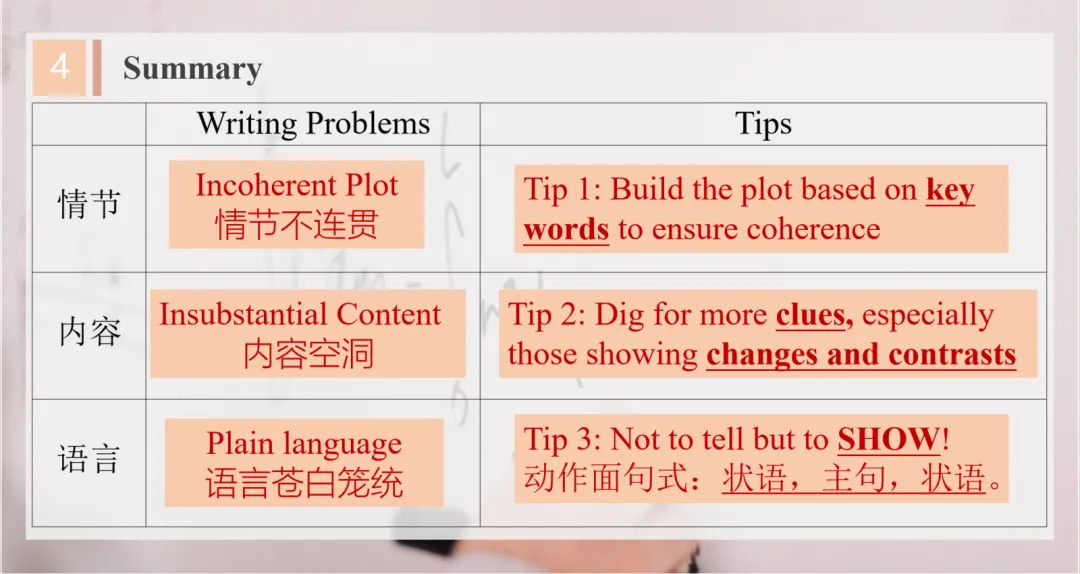
1. build the plot based on key words to ensure coherence;
2. dig for more clues, especially those showing changes and contrasts;
3. polish the language by applying the “Not to tell but to SHOW” strategy.
Teaching Procedure
Step 1 Story Recap
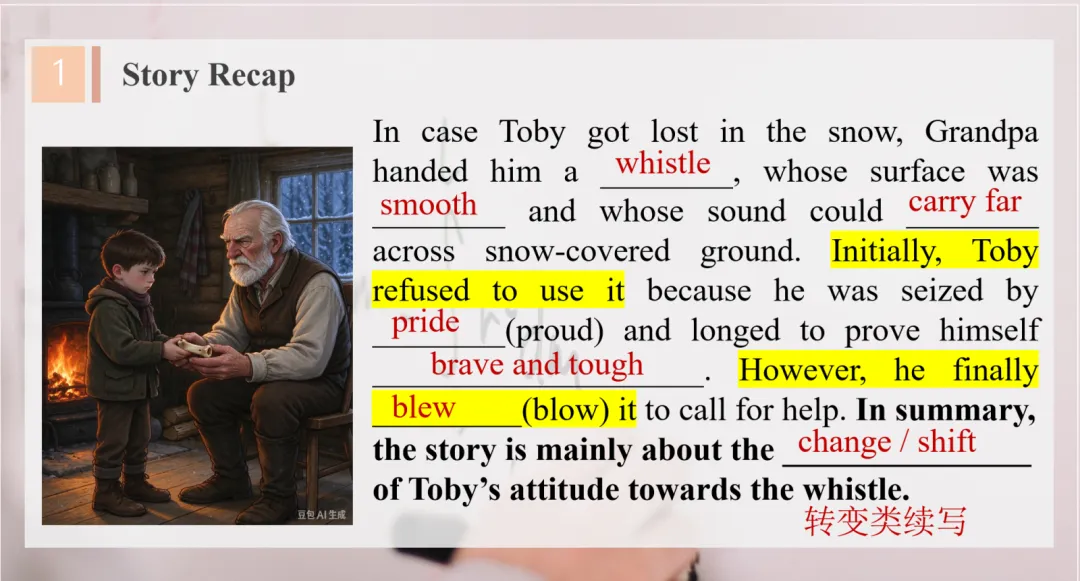
l Guide students to fill in the blanks to review the plot of the story (whistle, smooth, carry far, pride, brave and tough, blew).
l Lead students to recognize that the story belongs to the “transformation-type” continuation, clarifying the writing direction for the following parts.
Step 2 Plot Design — Problem 1: Incoherent Plot
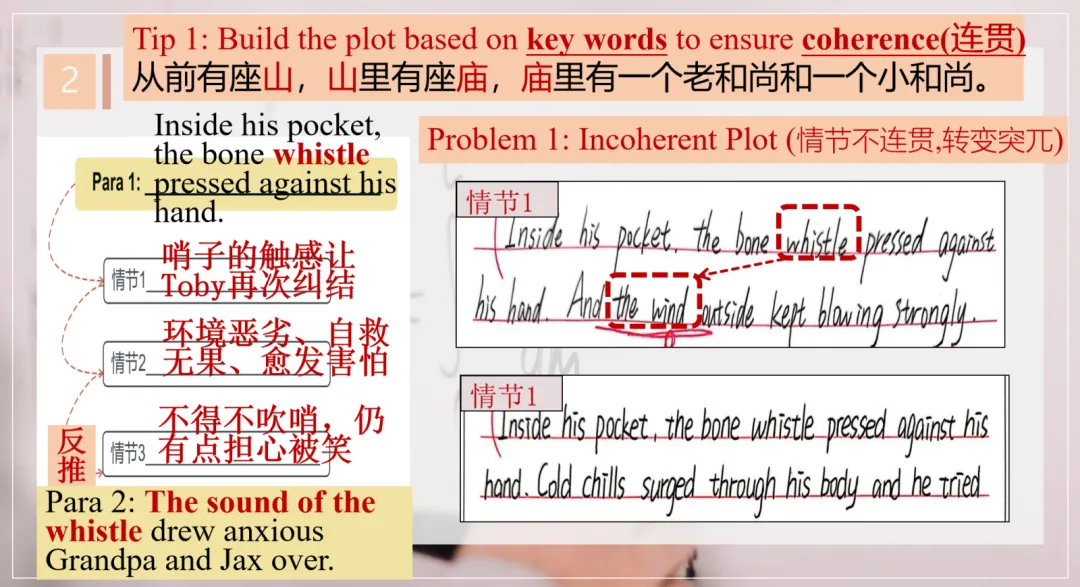
l Present the given first sentence of Para 2 — “The sound of the whistle drew anxious Grandpa and Jax over.”
l Use the reverse-inference method (反推法) to infer the plot of Para 1 backward, and design the storyline
l Conclude Tip 1: Build the plot based on key words to ensure coherence.
Plot Design — Problem 2: Insubstantial Content
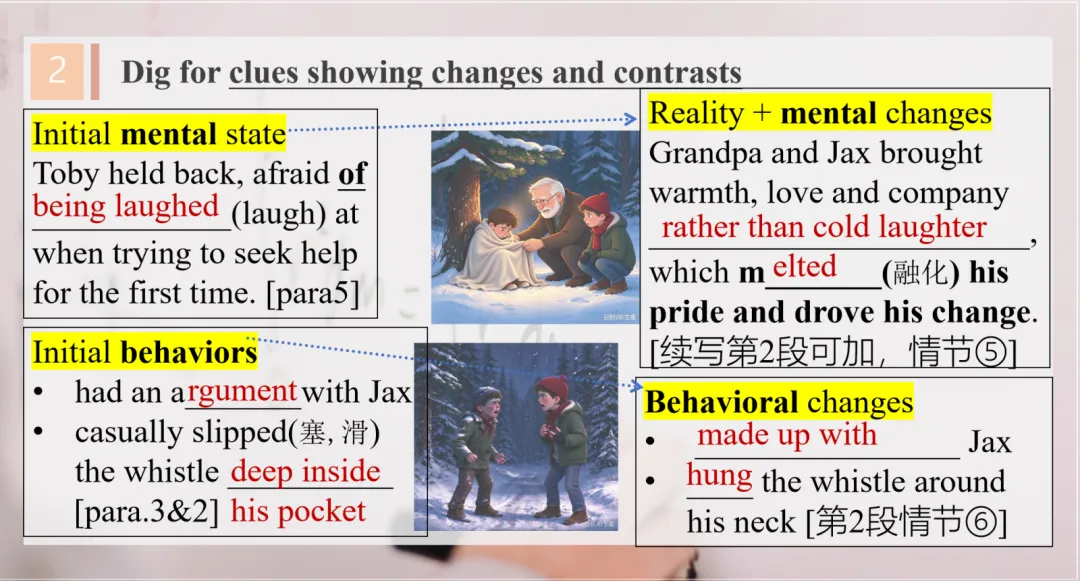
l Guide students to dig for more clues, especially those showing changes and contrasts, tracing Toby’s transformation from refusing to use the whistle to blowing it for rescue, from having an argument with Jax to making up with him, and from slipping the whistle deep into his pocket to hanging it around his neck.
l Design the details of scene5 (Toby’s fear melting in love, making up with Jax, hanging the whistle) and scene6 (ending: scene-based or moral-based conclusion).
l Conclude Tip 2: Dig for more clues to enrich the content.
Step 3 Language Polishing — Problem 3: Plain Language
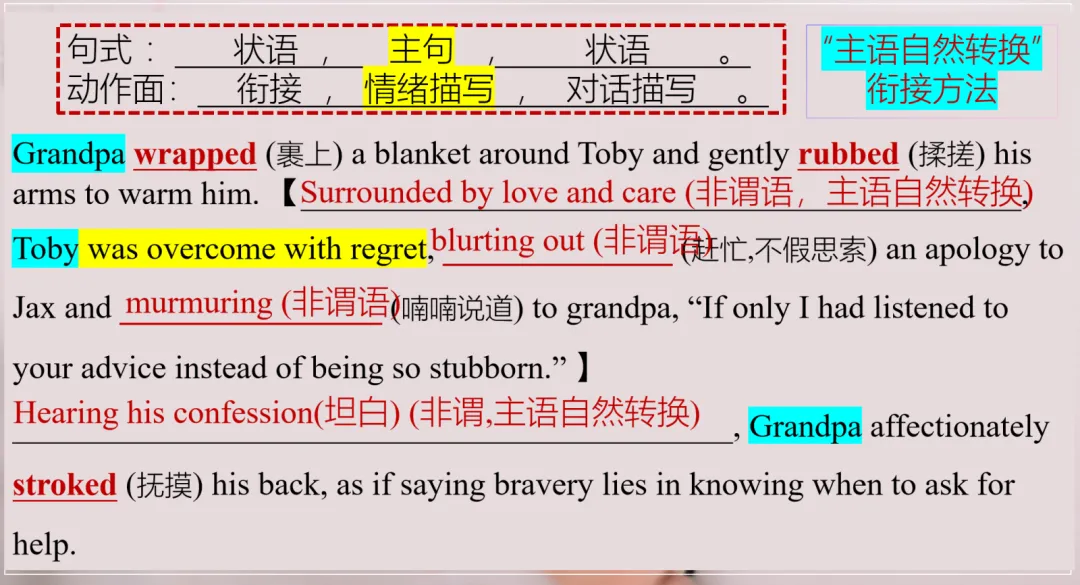
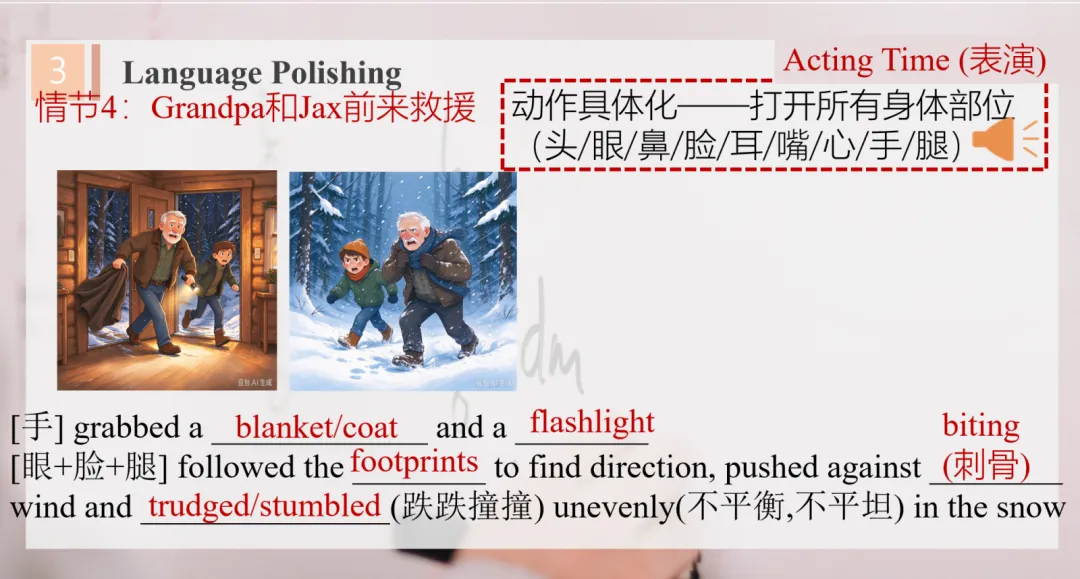
l Guide students to work out specific details and actions by “engaging all body parts” (head/eyes/nose/face/ears/mouth/heart/hands/legs) to depict the rescue scene.
l Hold an “Acting Time” activity for students to act out the scene, perceiving and internalizing the specific actions and emotions.
l Combine sentences with different subjects in a natural and cohesive way
Step 4 Summary and Assignment
l Conclude the three problems and three tips
l Assign students to polish paragraph 1 with the sentence pattern and the language bank learned in class
Teaching Reflection
本节课围绕A Whistle in the Snow这篇“转变类”读后续写,以“情节—内容—语言”三大写作问题为主线,通过三条策略帮助学生突破续写难点,整体达到了预期目标。
首先,以“故事回顾”导入,通过填空帮助学生整体把握故事脉络,并明确“转变类续写”的写作方向,为后续情节构建定下基调。其次,在“情节构建”环节,采用“反推法”,从第二段首句倒推第一段情节,帮助学生建立逻辑连贯的写作框架;同时通过挖掘“转变/对比类”线索,从拒绝吹哨到勇敢求救、从与Jax争吵到和好、从深藏哨子到挂于胸前,有效解决了内容空洞的问题,也让情节更加饱满。再次,在“遣词造句”环节,贯彻“Not to tell but to SHOW”的理念,引导学生通过“打开身体部位”的具体动作描写和“状语,主句,状语”的句式,让语言变得具体生动;特别是“表演时刻(Acting Time)”活动,让学生在表演中感知和内化具体动作与情绪,课堂氛围活跃。不足之处:课堂容量较大,语言润色环节的句式仿写练习时间略显紧张,部分学生未能充分完成;个别环节的课堂指令可以更加简洁明确,以便给学生留出更充足的写作与展示时间。
今后教学中,我会继续强化“以读促写、策略优先”的续写教学理念,将“反推法、线索挖掘、Show not tell”三大策略融入日常写作训练,帮助学生逐步形成系统、自主的续写能力。

高佳婧,吴县中学(本部)英语教师,硕士研究生,一级教师。曾获苏州市教师专业素养竞赛一等奖,苏州市高新区基本功大赛一等奖。
教学设计
Teaching Objectives
By the end of this class, students will be able to:
1. grasp the main idea of the story and build a logical plot based on the given sentences;
2. describe setting, action and emotions in detail and write proper theme sentences;
3. apply the plot-building patterns to similar plots.

Teaching Procedure
Step 1 Lead-in
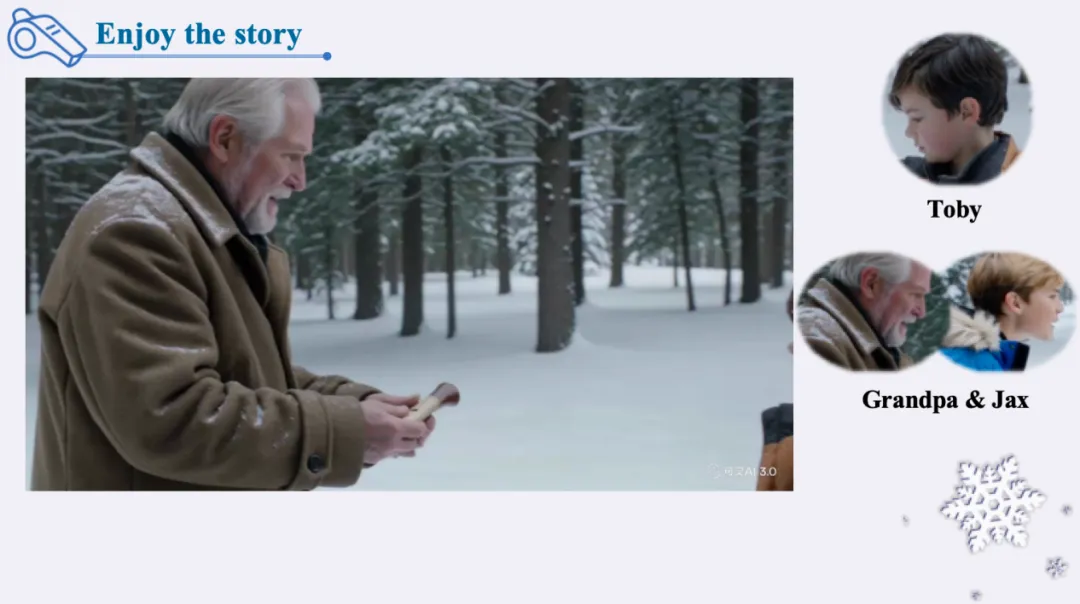
Watch a video and review the story.
Step 2 Analyze the text
Have students recall the story based on pictures and summarize the beginning and climax in their own words. Help students grasp Toby’s inner conflict and the theme of this story.
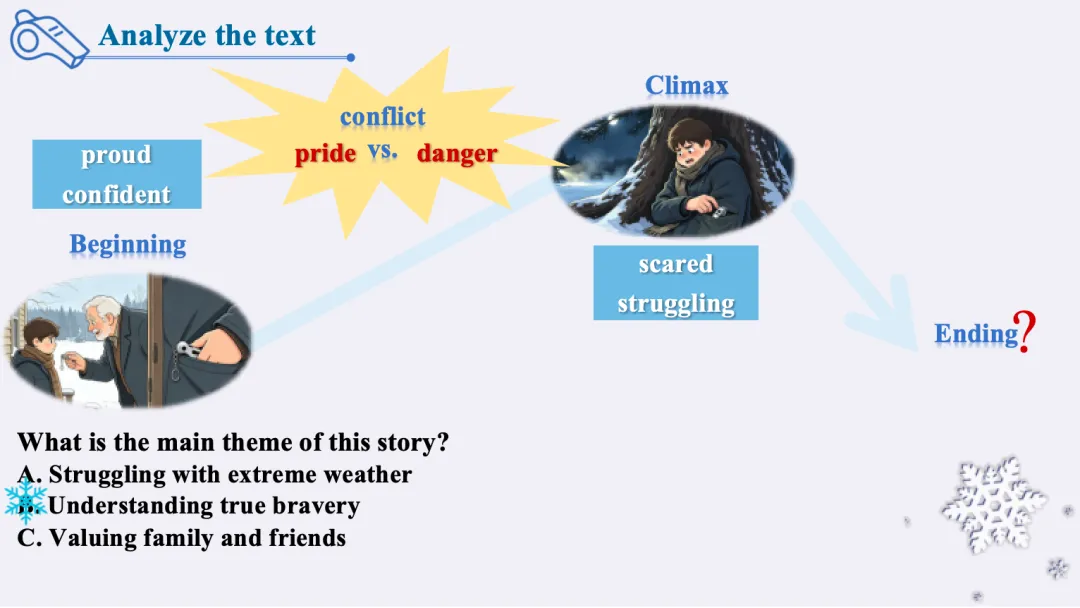
Step 3 Construct the plot
Have students infer the possible plots from the given sentences. Lead students to think about what pushed Toby to change and what conditions he was in.
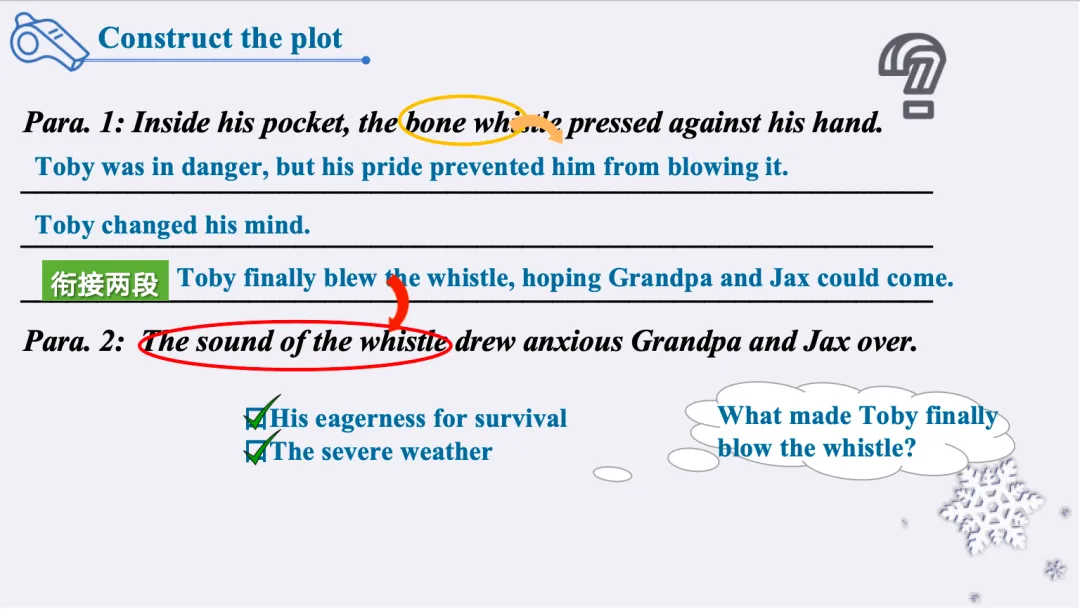
Step 4 Polish the language
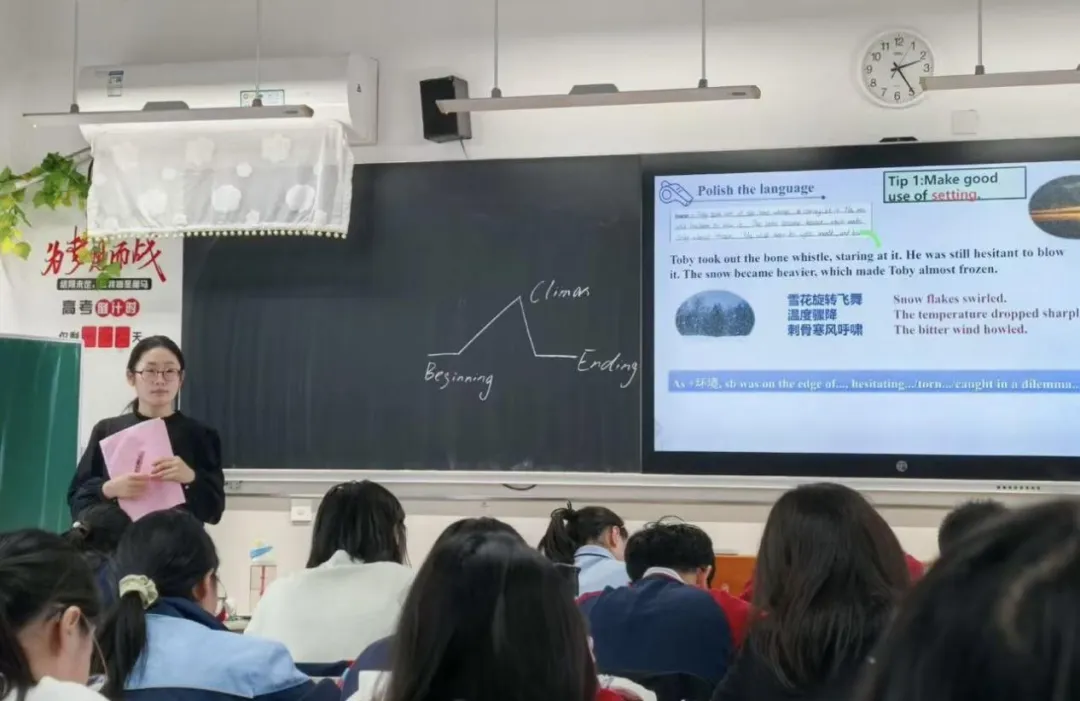
Appreciate standout sentences written by four students. Polish the provided examples of students’ writings based on four tips: 1. Make good use of setting; 2. Make good use of action; 3. Show emotions, rather than tell; 4. Write a good theme sentence by combing the whistle with the theme. Have students read my own version consisting of the polishing sentences.
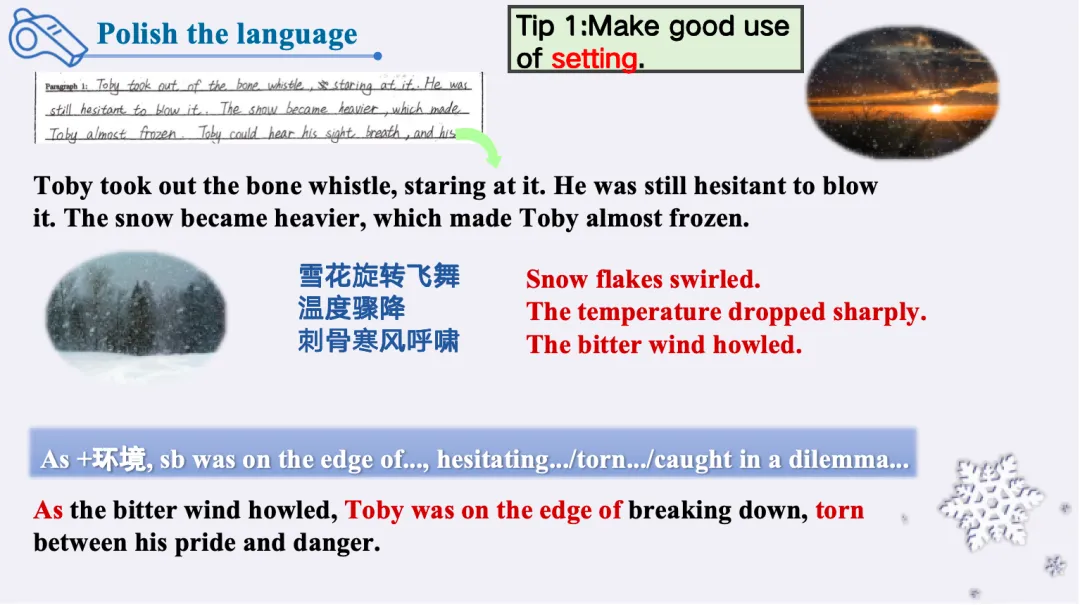
Step 5 Practice micro-plots
Strengthen students’ mastery of the sentence patterns that can be used to a similar story. Provide feedback to deepen students’ understanding of such micro-plots.
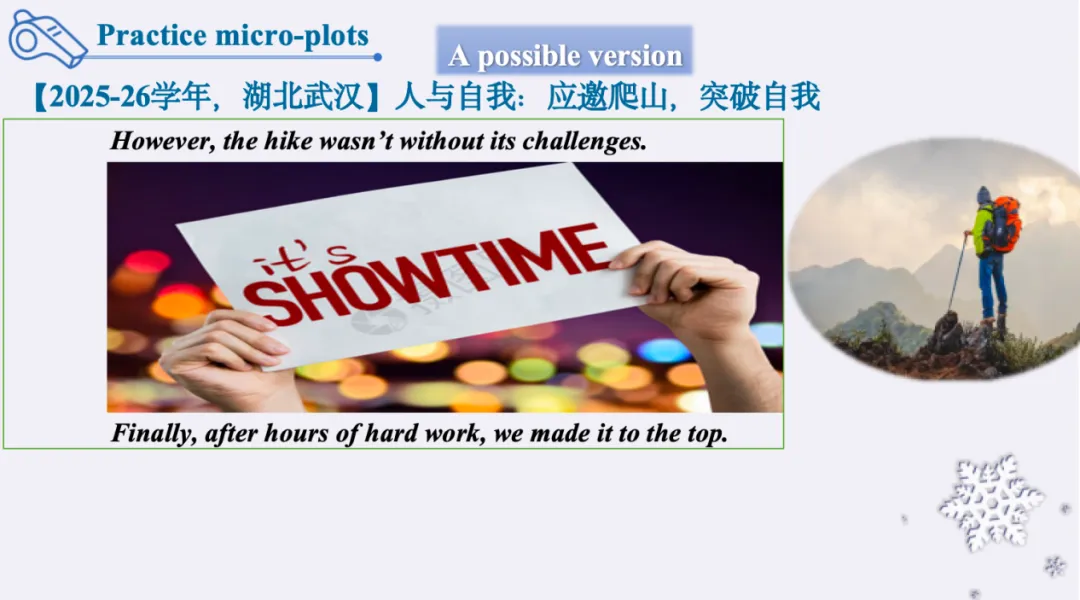
Step 6 Assignment
Digest what we learned today and polish your writing.
Teaching Reflection
本节为高三读后续写讲评课,聚焦南京市9月学情调研,旨在帮助学生提升确定主旨、完善情节与语言表达的能力。
在课堂实践过程中,引导同学们欣赏优秀句子的环节比预计耗时要更长。如果在这一部分更高效一些,应该能给下一项修饰语言环节留出更多时间来让学生理解和掌握。此外,如果能把课前预习的“找出原文环境描写词汇”任务放到课堂当中,应该效果会更直观,总之这一环节还需更多的巩固练习。
我希望通过一节常规讲评课来让学生多练相关表达,举一反三。所给的建议很普通,没有另辟蹊径,因为学生们在自己老师的指导下肯定已经有了很好的应对策略。只要平时能够认真对待每次练习,学会积累,认真修改提升,肯定会进步的。

评课、高三教学交流环节
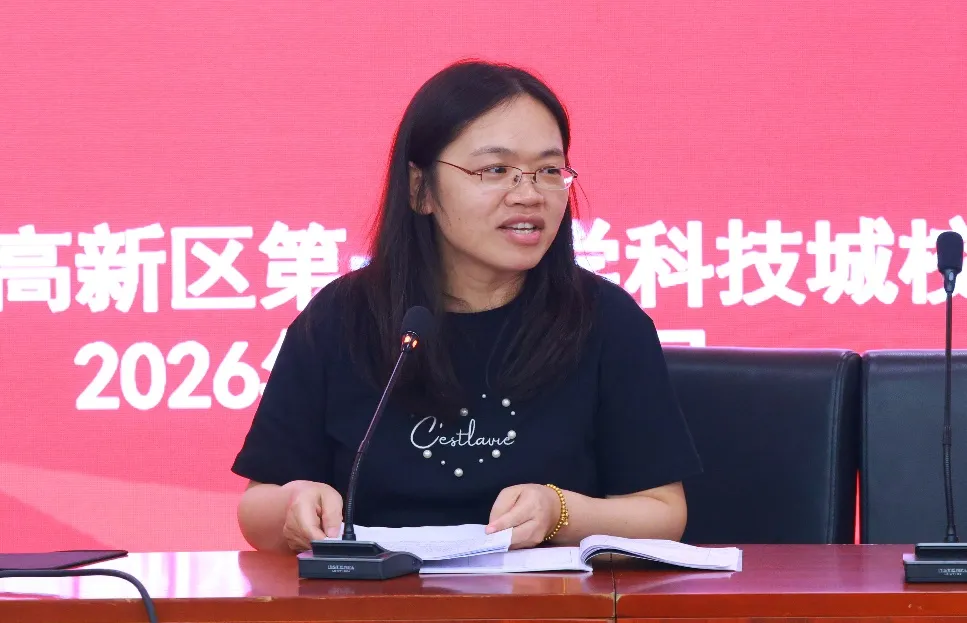
江苏省苏州实验中学 屠勤琴老师
屠勤琴老师对两节读后续写课做点评。她评价杨雨露老师的课有理念、重实效,围绕学生三大顽疾:情节不连贯、内容空洞、语言笼统,提出对应解决路径,强调研读原文关键词,把握Toby从逞强纠结到鼓起勇气求救的心理、行为双重转变。课堂内容充实,但容量偏大,建议可拆分课时完成。
点评高佳婧老师的课时,她总结本节课重细节、带给学生课堂安全感与成就感。教学流程为情节构建—赏析好句—语言润色—成品整合—迁移小练,重视高考评分标准中情节连贯、逻辑严密、故事完整的要求,落实环境、动作、情绪、主题句四大训练点。学生在课堂上能够当堂输出质量可观的片段,教学落地效果突出。
屠勤琴老师总结读后续写教学三点启示:让学生在品评中学会情节建构;在归纳中积累描写词汇;在日常练习中重视书写工整。最后她借本次续写主题寄语全体教师:真正的勇气,是教师和学生一起耐心、坚持地解决层出不穷的问题。

专家引领 明晰方向
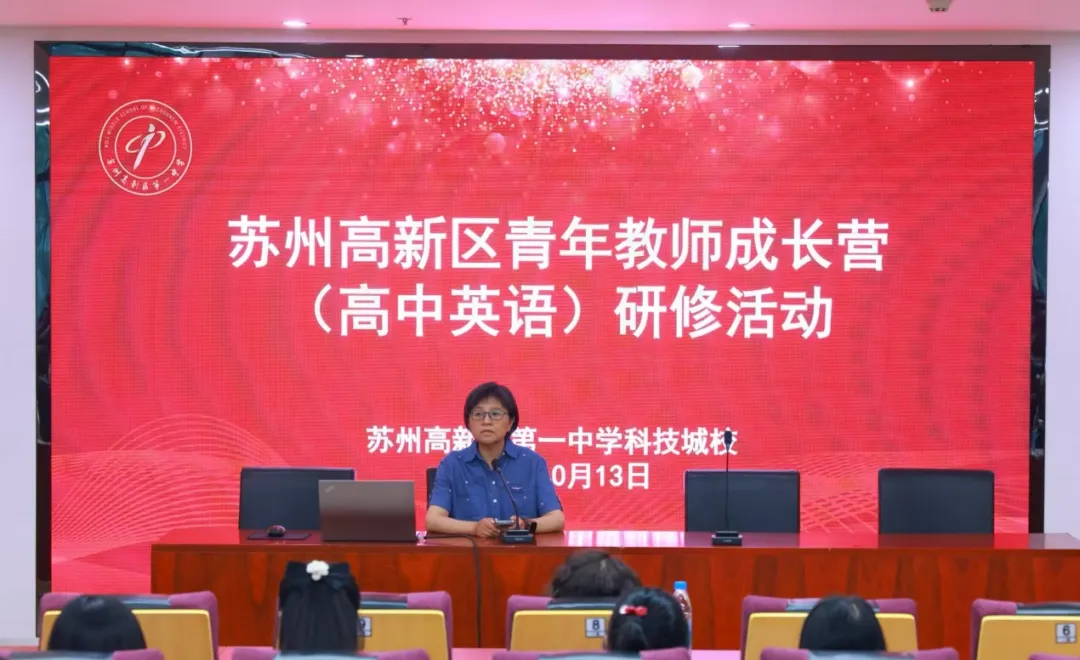
研讨交流尾声,区教研员刘菁健老师结合本次同课异构课例,围绕高三应用文写作做专题分享指导。
刘菁健老师首先充分肯定四位开课教师深耕学情,敢于直面高三写作课堂的真问题,两节应用文异构课各有侧重,分别关照基础薄弱学生提分与优生思辨能力拔高,为观点类应用文复习提供了两套极具参考价值的课堂范式。
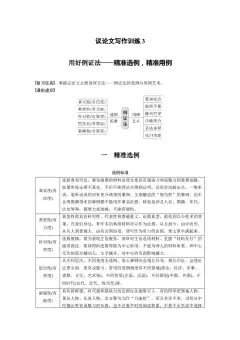
刘菁健老师指出,高三观点类应用文教学,不能简单停留在模板背诵、句型堆砌。学生普遍存在“观点有,但说理浅”的现象,很多学生只会简单表态,缺少因果推导、利弊辨析,论证浮于表面。教学中教师要强化说理逻辑链条训练,引导学生学会“亮观点—释原因—举佐证—做小结”,让论证层层推进。
同时他提醒全体教师要正视学生分层差异。对于基础薄弱学生,不要一味灌输高阶华丽句式,切忌“拔苗助长”。教学要立足学生原本的表达,先修改学生自己写出来的句子,修正语法、逻辑错误,在此基础之上再做句式升级,搭建循序渐进的提升台阶,保障学困生“写得对、写得完”;对于学有余力的学生,则重点训练思辨角度拓展、语言地道性,追求“写得好”,分层落实备考目标。
END

长按/扫码/关注
刘菁健英语工作室