ARTICLE · 1306587
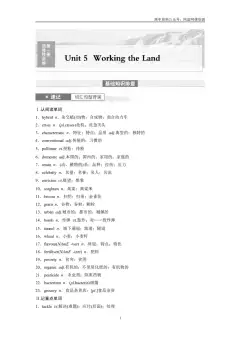
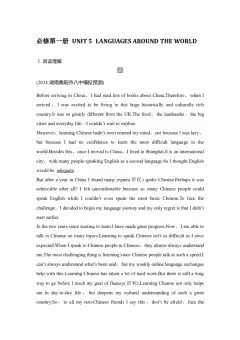
人教版高中英语必修第一册Unit 5 Languages around the world.词汇详解讲义/附下载链接
人教版高中英语必修第一册
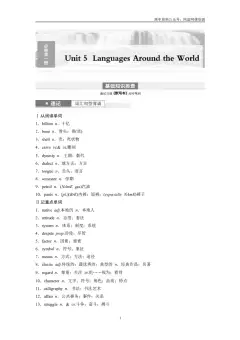
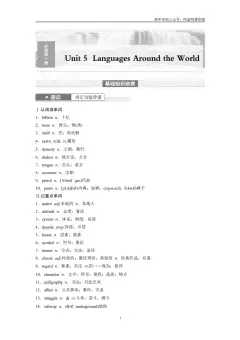
Unit 5 Languages around the world 词汇详解讲义
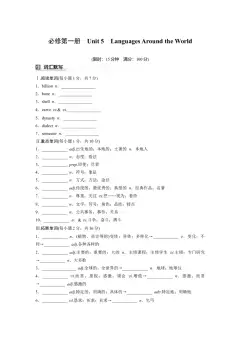
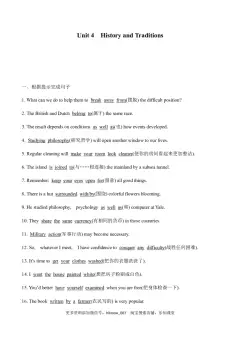
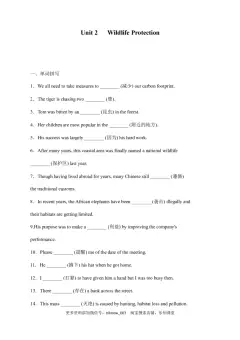
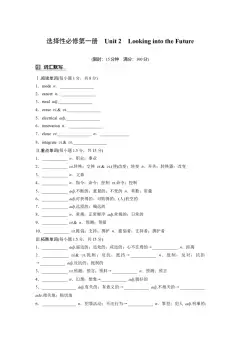
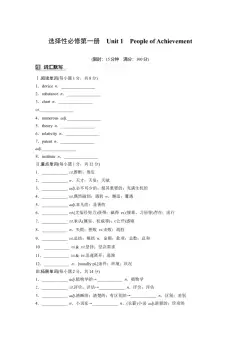
一、词汇详解
1. billion /ˈbɪljən/ n. 十亿
【搭配】billions of 数以十亿计的 | two billion 二十亿
例 1:The population of China is over 1.4 billion. 中国人口超过14亿。
例 2:There are billions of stars in the sky. 天空中有数以十亿计的星星。
【拓展】million 百万;hundred 百;thousand 千;具体数字后不加 s。
【提示】具体数字 + billion(不加 s);billions of(加 s)。
2. native /ˈneɪtɪv/ adj. & n. 出生地的;本地的;土著的;本地人
【搭配】native language 母语 | native speaker 说母语的人 | a native of Beijing 北京本地人
例 1:Chinese is my native language. 汉语是我的母语。
例 2:She is a native of Paris. 她是巴黎本地人。
【拓展】native land 祖国;native place 籍贯。
【提示】native language = mother tongue 母语;native speaker 母语使用者。
3. attitude /ˈætɪtjuːd/ n. 态度;看法
【搭配】attitude to/towards 对……的态度 | take a correct attitude 采取正确态度
例 1:We should have a positive attitude towards life. 我们应该对生活持积极态度。
例 2:His attitude to study has changed a lot. 他对学习的态度改变了很多。
【拓展】attitude to/towards 对……的态度,介词用 to/towards。
【提示】attitude to/towards sth 对……的态度。
4. reference /ˈrefrəns/ n. 指称关系;参考;提到
【搭配】for reference 供参考 | with reference to 关于 | reference book 参考书
例 1:Keep this book for future reference. 保留此书以备日后参考。
例 2:The teacher made reference to the text we read last week. 老师提到了我们上周读的课文。
【拓展】refer v. 提到;参考;reference n. 参考;提到。
【提示】for reference 供参考;with reference to 关于。
5. refer /rɪˈfɜː(r)/ vi. & vt. 提到;参考;查阅;查询;叫……求助于
【搭配】refer to 指的是;提到;查阅(见第6条) | refer sb to 让某人求助于
例 1:If you don't know the word, refer to the dictionary. 如果不认识这个词,查词典。
例 2:The rule refers only to children under six. 这条规则仅适用于六岁以下儿童。
【拓展】过去式/过去分词 referred(双写 r);现在分词 referring。
【提示】refer to 指的是;参考;双写 r 加 -ed。
6. refer to /rɪˈfɜː(r) tuː/ phr. 指的是;描述;提到;查阅
【搭配】refer to a dictionary 查词典 | refer to sb as 称某人为
例 1:What does "it" refer to in the sentence? 句子中 it 指的是什么?
例 2:Don't refer to your notes during the exam. 考试时不要看笔记。
【拓展】refer to...as... 把……称作……。
【提示】refer to 指的是;查阅;refer to...as 把……称作。
7. system /ˈsɪstəm/ n. 体系;制度;系统
【搭配】the education system 教育制度 | a railway system 铁路系统 | the solar system 太阳系
例 1:China's education system is developing fast. 中国的教育制度发展迅速。
例 2:The solar system includes the earth and other planets. 太阳系包括地球和其他行星。
【拓展】systematic adj. 系统的;有条理的。
【提示】the solar system 太阳系;education system 教育制度。
8. despite /dɪˈspaɪt/ prep. 即使;尽管
【搭配】despite + n./doing = in spite of 尽管 | despite the fact that... 尽管事实是……
例 1:Despite the rain, the game went on. 尽管下雨,比赛仍继续。
例 2:He went to school despite his illness. 尽管生病,他还是去上学了。
【拓展】despite = in spite of,后接名词/动名词,不接句子;接句子用 although。
【提示】despite + n.;although + 句子,二者不可混用。
9. ups and downs /ˌʌps ən ˈdaʊnz/ n. 浮沉;兴衰;荣辱
【搭配】life has its ups and downs 人生有起有落
例 1:Life is full of ups and downs. 人生充满起起落落。
例 2:The business has its ups and downs. 这家企业有起有落。
【拓展】ups and downs 固定短语,用复数。
【提示】ups and downs 沉浮;兴衰。
10. factor /ˈfæktə(r)/ n. 因素;要素
【搭配】a key factor 关键因素 | factors in ……的因素
例 1:Hard work is a key factor in success. 努力是成功的关键因素。
例 2:There are many factors to consider. 有许多因素要考虑。
【拓展】factor 因素;element 要素;cause 原因。
【提示】a key factor in ……的关键因素。
11. based /beɪst/ adj. 以(某事)为基础的;以……为重要部分的
【搭配】be based on/upon 以……为基础 | based in 设在……
例 1:The movie is based on a true story. 这部电影改编自真实故事。
例 2:The company is based in Beijing. 这家公司总部设在北京。
【拓展】base v. 以……为基础;n. 底部;基础(见第12条)。
【提示】be based on 以……为基础;be based in 总部在……。
12. base /beɪs/ vt. & n. 以……为据点;以……为基础;底部;根据
【搭配】base A on B 把A建立在B的基础上 | base sth in 把……设在……
例 1:You should base your opinion on facts. 你的观点应基于事实。
例 2:The base of the mountain is covered with trees. 山脚下长满了树。
【拓展】basic adj. 基本的;基础的。
【提示】base A on B 把A建立在B基础上;be based on 被动。
13. date back (to ...) /deɪt bæk/ phr. 追溯到
【搭配】date back to = date from 追溯到;始建于
例 1:The castle dates back to the 13th century. 这座城堡始建于13世纪。
例 2:The tradition dates from ancient times. 这个传统可追溯到古代。
【拓展】date back to 不用于被动;一般现在时。
【提示】date back to = date from 追溯到;不用被动。
14. bone /bəʊn/ n. 骨头;骨(质)
【搭配】a bone in the leg 腿骨 | bone by bone 一块一块骨头地
例 1:The dog buried a bone in the yard. 狗在院子里埋了根骨头。
例 2:The fossils include bones and teeth. 化石包括骨头和牙齿。
【拓展】skin and bone 皮包骨;lazy bones 懒骨头。
【提示】bone 骨头;skin 皮肤;flesh 肉。
15. shell /ʃel/ n. 壳;壳状物
【搭配】an egg shell 蛋壳 | a seashell 海贝
例 1:The children collected shells on the beach. 孩子们在海滩捡贝壳。
例 2:There was only a shell of the building left. 大楼只剩个空架子。
【拓展】shell 壳;seashell 贝壳;eggshell 蛋壳。
【提示】shell 壳;贝壳。
16. symbol /ˈsɪmbl/ n. 符号;象征
【搭配】a symbol of ……的象征 | a chemical symbol 化学符号
例 1:The dove is a symbol of peace. 鸽子是和平的象征。
例 2:"H2O" is the symbol for water. H2O 是水的符号。
【拓展】symbolic adj. 象征的;symbolize v. 象征。
【提示】a symbol of ……的象征。
17. carve /kɑːv/ vt. & vi. 雕刻
【搭配】carve sth out of/from 用……雕刻 | carve a figure out of stone 用石头雕人像
例 1:The stone is carved with Chinese characters. 石头上刻着汉字。
例 2:The artist carved a figure out of wood. 艺术家用木头雕刻了一个人像。
【拓展】carve 雕刻;carving n. 雕刻品。
【提示】be carved with 刻有……;carve sth out of 用……雕刻。
18. dynasty /ˈdɪnəsti/ n. 王朝;朝代
【搭配】the Tang Dynasty 唐朝 | during the Ming Dynasty 在明代
例 1:The Tang Dynasty was a golden age of poetry. 唐朝是诗歌的黄金时代。
例 2:The book was written in the Song Dynasty. 这本书写于宋朝。
【拓展】dynasty 王朝;emperor 皇帝;empire 帝国。
【提示】the Tang/Song/Ming Dynasty 唐/宋/明朝。
19. variety /vəˈraɪəti/ n. (植物、语言等的)变体;异体;多样化
【搭配】a variety of 各种各样的 | varieties of 各种 | a wide variety of 种类繁多的
例 1:The shop sells a variety of fruits. 这家商店出售各种水果。
例 2:We need more variety in our food. 我们的食物需要更多样化。
【拓展】various adj. 各种各样的;vary v. 变化;不同。
【提示】a variety of = varieties of 各种各样的;various 形容词。
20. major /ˈmeɪdʒə(r)/ adj. & n. & vi. 主要的;重要的;大的;主修课程;主修学生;主修;专门研究
【搭配】major in 主修 | a major problem 主要问题
例 1:English is one of the major subjects in middle school. 英语是中学主要科目之一。
例 2:She majors in history at college. 她在大学主修历史。
【拓展】majority n. 大多数;大部分。
【提示】major in 主修;majority 大多数。
21. no matter where/who/what /nəʊ ˈmætə/ conj. 不论……;不管……
【搭配】no matter where/who/what/how/when 引导让步状语从句
例 1:No matter where you go, I will follow you. 无论你去哪里,我都跟着你。
例 2:No matter what happens, never give up. 无论发生什么,都不要放弃。
【拓展】no matter + 疑问词 = 疑问词 + ever(wherever/whoever/whatever)。
【提示】no matter what = whatever;no matter where = wherever。
22. dialect /ˈdaɪəlekt/ n. 地方话;方言
【搭配】speak in dialect 说方言 | a local dialect 当地方言
例 1:The poem is written in the local dialect. 这首诗用当地方言写成。
例 2:There are many dialects in China. 中国有许多方言。
【拓展】dialect 方言;accent 口音;language 语言。
【提示】dialect 方言;accent 口音。
23. means /miːnz/ n. 方式;方法;途径
【搭配】by means of 借助于;用 | by all means 当然可以 | by no means 决不
例 1:We went there by means of a train. 我们乘火车去那里。
例 2:The phone is a means of communication. 电话是一种通讯工具。
【拓展】means 单复数同形;by means of 用……方法。
【提示】means 单复数同形;by means of 借助于;by no means 决不。
24. classic /ˈklæsɪk/ adj. & n. 传统的;最优秀的;典型的;经典作品;名著
【搭配】a classic novel 经典小说 | the classics 古典名著
例 1:Dream of the Red Chamber is a Chinese classic. 《红楼梦》是中国经典名著。
例 2:This is a classic example of how to learn English. 这是如何学英语的经典范例。
【拓展】classical adj. 古典的;classic 经典的;class 班级。
【提示】classic 经典作品;classical 古典的(音乐/文学)。
25. regard /rɪˈɡɑːd/ n. & vt. 尊重;关注;把……视为;看待
【搭配】regard...as... 把……看作…… | with regard to 关于 | regard...as... 把……视为
例 1:I regard him as my best friend. 我把他看作最好的朋友。
例 2:She is highly regarded by her students. 她深受学生尊敬。
【拓展】regarding prep. 关于;regards n. 问候;give my regards to 代我问候。
【提示】regard...as... 把……看作……;with regard to 关于。
26. character /ˈkærəktə(r)/ n. 文字;符号;角色;品质;特点
【搭配】Chinese characters 汉字 | a major character 主要角色 | build character 培养品格
例 1:Chinese characters are difficult to write. 汉字很难写。
例 2:The main character in the story is a brave boy. 故事的主人公是个勇敢的男孩。
【拓展】characteristic n. 特点;character 角色/汉字/品格。
【提示】Chinese characters 汉字;character 多义:汉字、角色、品格。
27. calligraphy /kəˈlɪɡrəfi/ n. 书法;书法艺术
【搭配】Chinese calligraphy 中国书法 | do calligraphy 练书法
例 1:He is good at Chinese calligraphy. 他擅长中国书法。
例 2:Calligraphy is an important art in China. 书法是中国的重要艺术。
【拓展】calligrapher n. 书法家。
【提示】calligraphy 书法;Chinese calligraphy 中国书法。
28. global /ˈɡləʊbl/ adj. 全球的;全世界的
【搭配】global warming 全球变暖 | the global economy 全球经济
例 1:Global warming is a serious problem. 全球变暖是个严重问题。
例 2:English is a global language. 英语是全球性语言。
【拓展】globe n. 地球;全球;副词 globally。
【提示】global warming 全球变暖;global language 全球语言。
29. affair /əˈfeə(r)/ n. 公共事务;事件;关系
【搭配】current affairs 时事 | international affairs 国际事务 | foreign affairs 外交事务
例 1:The magazine covers current affairs. 这本杂志报道时事。
例 2:The minister is in charge of foreign affairs. 这位部长负责外交事务。
【拓展】affair 事务;事件;affairs of state 国事。
【提示】current affairs 时事;international affairs 国际事务。
30. appreciate /əˈpriːʃieɪt/ vt. & vi. 欣赏;重视;感激;领会;增值
【搭配】appreciate doing sth 感激做某事 | I would appreciate it if... 如果……我将不胜感激
例 1:I appreciate your help very much. 我非常感激你的帮助。
例 2:I would appreciate it if you could help me. 如果你能帮我,我将不胜感激。
【拓展】名词 appreciation n. 欣赏;感激。
【提示】appreciate 后接动名词;I would appreciate it if... 虚拟语气。
31. specific /spəˈsɪfɪk/ adj. 特定的;明确的;具体的
【搭配】a specific answer 明确的答案 | for a specific purpose 为特定目的
例 1:Can you give a specific example? 你能举个具体的例子吗?
例 2:The book is written for a specific reader. 这本书是为特定读者写的。
【拓展】副词 specifically 明确地;具体地。
【提示】specific 具体的;明确的;specifically 副词。
32. CE /ˌsiː ˈiː/ abbr. 公元(= Common Era)
【搭配】in 2024 CE 公元2024年
例 1:The church was built in 1200 CE. 这座教堂建于公元1200年。
例 2:CE is the same as AD. CE 等同于 AD。
【拓展】对应 BCE = BC 公元前。
【提示】CE = AD 公元;BCE = BC 公元前。
33. struggle /ˈstrʌɡl/ n. & vi. 斗争;奋斗;搏斗
【搭配】struggle for 为……而奋斗 | struggle against 与……作斗争 | struggle to do sth 努力做某事
例 1:He struggled to pass the exam. 他努力想通过考试。
例 2:The struggle for freedom is long. 争取自由的斗争是漫长的。
【拓展】struggle to do sth 艰难地做某事;struggle for/against。
【提示】struggle for 为……奋斗;struggle against 与……斗争;struggle to do 艰难做。
34. tongue /tʌŋ/ n. 舌头;语言
【搭配】mother tongue 母语 | native tongue 母语
例 1:Chinese is our mother tongue. 汉语是我们的母语。
例 2:The dog opened its mouth and put out its tongue. 狗张开嘴伸出舌头。
【拓展】mother tongue = native language 母语。
【提示】mother tongue 母语。
35. point of view /pɔɪnt ɒv vjuː/ n. 观点;看法
【搭配】from one's point of view 在某人看来
例 1:From my point of view, English is easy to learn. 在我看来,英语很容易学。
例 2:You should consider his point of view. 你应该考虑他的观点。
【拓展】point of view = opinion = view。
【提示】from one's point of view 在某人看来。
36. semester /sɪˈmestə(r)/ n. 学期
【搭配】the spring/fall semester 春/秋季学期
例 1:The new semester begins in September. 新学期九月开始。
例 2:I have five classes this semester. 这学期我有五门课。
【拓展】semester 学期(美式);term 学期(英式)。
【提示】semester 美式学期;term 英式学期。
37. petrol /ˈpetrəl/ n. 汽油(美式 gas)
【搭配】a petrol station 加油站 | fill up with petrol 加满汽油
例 1:We need to stop for petrol. 我们得停下来加油。
例 2:Petrol prices are rising. 汽油价格在上涨。
【拓展】美式 gas/gasoline;英式 petrol。
【提示】petrol 英式;gas 美式。
38. subway /ˈsʌbweɪ/ n. 地铁(英式 underground)
【搭配】take the subway 乘地铁 | by subway 乘地铁
例 1:I go to school by subway every day. 我每天乘地铁上学。
例 2:The subway is fast and cheap. 地铁又快又便宜。
【拓展】美式 subway;英式 underground/tube。
【提示】subway 美式;underground/tube 英式。
39. apartment /əˈpɑːtmənt/ n. 公寓套房(尤美)
【搭配】a furnished apartment 带家具的公寓
例 1:They live in a small apartment. 他们住在小公寓里。
例 2:The apartment has three rooms. 这套公寓有三个房间。
【拓展】英式 flat;美式 apartment。
【提示】apartment 美式;flat 英式。
40. pants /pænts/ n. 内裤;短裤;(尤美)裤子
【搭配】a pair of pants 一条裤子
例 1:He wore a pair of black pants. 他穿一条黑裤子。
例 2:This pair of pants fits me well. 这条裤子我穿很合身。
【拓展】英式 trousers 长裤;pants 内裤;美式 pants 裤子。
【提示】a pair of pants 一条裤子;pants 用复数。
41. beg /beɡ/ vt. 恳求;祈求;哀求
【搭配】beg sb to do sth 恳求某人做某事 | beg for sth 恳求得到某物 | I beg your pardon. 请再说一遍。
例 1:The boy begged his mother to buy him a toy. 男孩恳求妈妈给他买玩具。
例 2:I beg your pardon; I didn't hear you. 请再说一遍,我没听见。
【拓展】beggar n. 乞丐。
【提示】beg sb to do sth 恳求某人做某事;I beg your pardon. 请再说一遍。
42. equal /ˈiːkwəl/ n. & adj. 同等的人;相等物;相同的;同样的
【搭配】be equal to 与……相等;能胜任 | equal rights 平等权利
例 1:Men and women should have equal rights. 男女应享有平等权利。
例 2:Twice three is equal to six. 三的二倍等于六。
【拓展】equality n. 平等;equally adv. 同样地;unequal 不平等的。
【提示】be equal to 与……相等;能胜任;equality 平等。
43. gap /ɡæp/ n. 间隔;开口;差距
【搭配】the generation gap 代沟 | bridge the gap 消除隔阂
例 1:There is a gap between the two windows. 两扇窗之间有个间隔。
例 2:The generation gap between parents and children is common. 父母与子女间的代沟很常见。
【拓展】gap 差距;间隔;generation gap 代沟。
【提示】generation gap 代沟。
44. demand /dɪˈmɑːnd/ n. & vt. & vi. 强烈要求;需求;强烈要求;需要;查问
【搭配】demand to do sth 要求做某事 | demand that...(should) do 要求…… | in demand 有需求
例 1:The workers demanded higher pay. 工人们要求更高工资。
例 2:There is a great demand for English teachers. 对英语老师的需求很大。
【拓展】demand 后接 that 从句用虚拟语气 (should) + 动词原形。
【提示】demand that...(should) do;in demand 有需求。
45. vocabulary /vəˈkæbjələri/ n. 词汇;词汇量
【搭配】a large/small vocabulary 词汇量大/小 | build up one's vocabulary 积累词汇
例 1:Reading helps you enlarge your vocabulary. 阅读帮你扩大词汇量。
例 2:He has a wide vocabulary. 他词汇量很大。
【拓展】vocabulary 词汇(总称);word 单词。
【提示】enlarge/build up one's vocabulary 扩大词汇量。
46. description /dɪˈskrɪpʃn/ n. 描写(文字);形容
【搭配】beyond description 难以形容 | give a description of 描述
例 1:The beauty of the scene is beyond description. 景色之美难以形容。
例 2:He gave a detailed description of the event. 他详细描述了那件事。
【拓展】动词 describe 描述;describe...as 把……说成。
【提示】beyond description 难以形容;describe v. 描述。
47. relate /rɪˈleɪt/ vt. 联系;讲述
【搭配】relate A to B 把A和B联系起来 | relate to 与……相关(见第48条)
例 1:I can't relate the two ideas. 我无法把这两个观点联系起来。
例 2:He related his adventure to us. 他给我们讲述了他的冒险。
【拓展】relation n. 关系;relative n. 亲戚;related adj. 相关的。
【提示】relate A to B 把A与B联系起来。
48. relate to /rɪˈleɪt tuː/ phr. 与……相关;涉及;谈到
【搭配】relate to sb/sth 与……有关;理解
例 1:This paragraph relates to the history of Chinese characters. 这段与汉字历史有关。
例 2:Many students can relate to the story. 许多学生能理解这个故事。
【拓展】related adj. 相关的;relation 关系。
【提示】relate to 与……相关;理解;认同。
49. Korean /kəˈriːən/ n. & adj. 朝鲜(或韩国)语;朝鲜(或韩国)人;朝鲜(或韩国)的
【搭配】Korean food 韩国料理
例 1:Can you speak Korean? 你会说韩语吗?
例 2:My classmate is a Korean. 我同学是韩国人。
【拓展】Korea 朝鲜/韩国;Korean 韩国人/韩语。
【提示】Korean 韩语;韩国人;韩国的。
50. Danish /ˈdeɪnɪʃ/ n. & adj. 丹麦语;丹麦人;丹麦的
【搭配】Danish culture 丹麦文化
例 1:She can speak Danish. 她会说丹麦语。
例 2:The Danish team won the game. 丹麦队赢了比赛。
【拓展】Denmark 丹麦;Danish 丹麦人/语。
【提示】Danish 丹麦语;丹麦人;丹麦的。
51. Denmark /ˈdenmɑːk/ n. 丹麦(国家名)
【搭配】in Denmark 在丹麦
例 1:Denmark is a country in Northern Europe. 丹麦是北欧国家。
例 2:He comes from Denmark. 他来自丹麦。
【拓展】Danish 丹麦的;丹麦人。
【提示】Denmark 丹麦;Danish 丹麦的。
52. Arabic /ˈærəbɪk/ n. & adj. 阿拉伯语;阿拉伯语的;阿拉伯文学的
【搭配】Arabic numerals 阿拉伯数字
例 1:He can read and write Arabic. 他会读写阿拉伯语。
例 2:Arabic is written from right to left. 阿拉伯语从右往左写。
【拓展】Arab 阿拉伯人;Arabian 阿拉伯的。
【提示】Arabic 阿拉伯语;阿拉伯的。
53. FIFA /ˈfiːfə/ abbr. 国际足联;国际足球联合会
【搭配】FIFA World Cup 国际足联世界杯
例 1:The FIFA World Cup is held every four years. 国际足联世界杯每四年举办一次。
例 2:FIFA is short for Federation Internationale de Football Association. FIFA 是国际足球联合会的缩写。
【拓展】源自法语 Fédération Internationale de Football Association。
【提示】FIFA 国际足联;World Cup 世界杯。
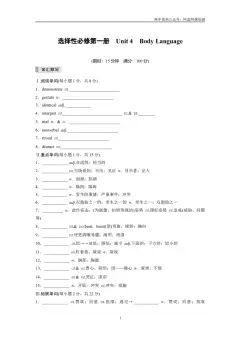
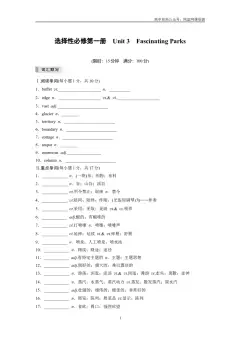
二、即学即练
(一)单项选择(从 A、B、C、D 中选出最佳答案)
1. ______ the strong wind, we still climbed to the top of the mountain.
A. Although B. Despite C. Because D. For
2. Chinese ______ are one of the oldest writing systems in the world.
A. characters B. letters C. signs D. symbols
3. The old temple ______ the 8th century.
A. dates back to B. dates from C. is dated from D. Both A and B
4. I would really ______ it if you could help me with my English.
A. thank B. appreciate C. enjoy D. satisfy
5. ______ you go, you should remember you are a Chinese.
A. No matter when B. No matter where C. No matter how D. No matter what
6. The movie is ______ a true story that happened in the 1930s.
A. based on B. depended on C. put on D. tried on
7. English is a(n) ______ language used around the world.
A. national B. international C. native D. foreign
8. We can learn a lot by ______ of the Internet.
A. mean B. means C. meaning D. ways
9. The workers ______ that their working conditions should be improved.
A. demanded B. asked C. required D. requested
10. There is a wide ______ between the rich and the poor in some countries.
A. room B. gap C. space D. distance
(二)用括号中所给词的适当形式填空(共 10 题)
1. There are over three ______ (billion) people in Asia.
2. We should take a positive ______ (attitude) towards failure.
3. The shop sells a ______ (various) of fruits and vegetables.
4. He ______ (major) in English when he was at college.
5. The ______ (describe) in the book is very interesting.
6. It is ______ (use) to learn English well.
7. We are learning about the ______ (global) warming problem.
8. He was one of the greatest ______ (write) in the world.
9. The story ______ (relate) to a boy who lost his way in the forest.
10. The book has been ______ (translate) into many languages.
三、参考答案与解析
(一)单项选择
1. B despite + 名词(the strong wind);although 后接句子。
2. A Chinese characters 汉字;letter 字母;sign 符号;symbol 象征。
3. D date back to = date from 追溯到,都不用于被动。
4. B I would appreciate it if... 固定句型;thank 不接 it。
5. B no matter where 无论去哪里;由 you go 可知。
6. A be based on 以……为基础;depend on 依靠;put on 穿上。
7. B international language 国际语言;由 used around the world 可知。
8. B by means of 借助于;用,固定搭配。
9. A demand 强烈要求;后接 that 从句用虚拟语气。
10. B gap 差距;the gap between rich and poor 贫富差距。
(二)用括号中所给词的适当形式填空
1. billion 具体数字 three 后不加 s。
2. attitude a positive attitude 积极态度;attitude to/towards。
3. variety a variety of 各种各样的;various 形容词。
4. majored 由 when he was at college 可知用一般过去时 majored。
5. description the 后接名词;describe 的名词形式 description。
6. useful be useful to do 做……有用;use 的形容词 useful。
7. global 修饰名词 warming 需用形容词;global warming 全球变暖。
8. writers one of + 复数名词;write 的名词 writer,用复数。
9. relates 主语 The story 单数,谓语用第三人称单数 relates。
10. translated has been + 过去分词构成现在完成时被动。
—— 本讲义按人教版必修第一册 Unit 5 词表 1—53 顺序排列 ——
我用夸克网盘给你分享了「人教版高中英语 必修第一册Unit 5 Languages around the world.词汇详解讲义.docx」,点击链接或复制整段内容,打开「夸克APP」即可获取。
/~6b0d3c3aF2~:/
链接:https://pan.quark.cn/s/388ba69eb2f6?pwd=G7hB
提取码:G7hB