教育
教育出版社
山东教育出版社 山东教育出版社
山东教育出版社
YIWU JIAOYU JIAOKESHU (WU·SI XUEZHI)
YINGYU
JIAOSHI JIAOXUE YONGSHU
LIU NIANJI XIA CE
义务教育教科书(五·四学制)
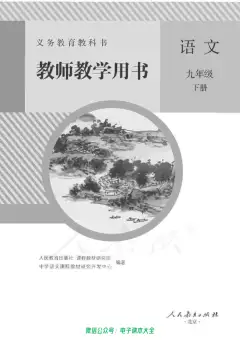
英语
教师教学用书
六年级 下册
*
山东出版传媒股份有限公司
山东教育出版社出版
(济南市纬一路
321
号)
山东新华书店集团有限公司发行
山东华立印务有限公司印装
*
开本:787 毫米×1092 毫米 1/16
印张:20.
5 字数:328
千
定价:29.
00
元(上光)
ISBN 978
-
7
-
5328
-
7183
-
4
2013
年
1
月第
1
版 2019
年
1
月第
2
版 2020
年
1
月第
8
次印刷
著作权所有· 请勿擅用本书制作各类出版物· 违者必究
图书在版编目(CIP)数据
义务教育教科书英语教师教学用书
. 五·四学制
.
六年级
. 下册 / 《五四英语教师教学用书》编写组编
.
—2
版 . —济南 :山东教育出版社,2019.
1(2020.
1
重印)
ISBN 978
-
7
-
5328
-
7183
-
4
Ⅰ. ①义… Ⅱ. ①五… Ⅲ. ①英语课-初中-教
学参考资料 Ⅳ. ①G633.
413
中国版本图书馆CIP数据核字(2018)第
297901
号
教育出版社
山东教育出版社 山东教育出版社
AOKESHU (WU
AOKESHU (WU
YINGYU
YINGYU
JIAOSHI JIAOXU
JIAOSHI JIAOXU
LIU NIAN
LIU NIAN
义务教育教
义务教育教
山东教育出版社
毫米 1/16
版社
毫米 1/16
数:328
版社
数:328千
版社
千
0
出
0元(上光)
出版社
元(上光)
7
出
7-
出
-5328
出版
5328-
出版
-718
版
718
9
育
9年
育出
年1
育出
1月第
育出
月第2
出
2版
出
版
勿擅用本书制
教育
勿擅用本书制
出 版 说 明
为了更好地满足义务教育教学的需求,山东教育出版社等单位受
山东省教育厅委托,以教育部审查通过的义务教育教科书为基础,改
编出版了一套适合五四分段教学使用的义务教育教科书。本书依据
《义务教育英语课程标准(2011年版)》,配合山东教育出版社《义务
教育教科书(五·四学制)·英语》(六年级下册)编写而成,供教师
教学时参考使用。
本书力求体现义务教育课程标准精神和教科书的编写意图;从教
师教学实际出发,既有利于教师更好地把握教科书的内容,解决备课
中的实际困难,又留给教师一定独立发挥、独立钻研教科书的个性空
间;根据素质教育的要求,在每一教学环节都注重体现对学生进行知
识与能力、思想与方法、情感态度与价值观的培养;注意吸收英语教
育教学的最新研究成果;符合五四分段教学实际,体现五四学制教育
特色。
本书是在人民教育出版社出版的《义务教育教科书·英语教师教
学用书》(六年级下册)的基础上改编而成的。参加本书改编的人员有
刘道义、吴欣、刘倩、宋纯杰、肖宁、林常青、高钧、曹凤华、周飞
宇、常晶晶,由刘道义、刘倩统稿主编。
欢迎广大教师在使用过程中提出修改意见和建议,以利于本书的
不断改进和完善。
山东教育出版社
教育出版社
教学
社
教学
本
社
本
师
版社
师
山东教育出版社 山东教育出版社
版社等单位受
育出
版社等单位受
科书为基础
教育
科书为基础
育教科书。本
东教育
育教科书。本
合山东教育出
山东教
合山东教育出
年级下册)编
山东
年级下册)编
标准精神和教
标准精神和教
教师更好地把
教师更好地把
师一定独立
师一定独立
要求,在每一
要求,在每一
与方法、情感
社
与方法、情感
新研究成果;
版社
新研究成果;
本书是在人民
育出版
本书是在人民
学用书》(六年
育出
学用书》(六年
刘道义、
教育
刘道义、
宇、常
东教
宇、常
山东教育出版社
改意见和建
版社
改意见和建
目 录(Contents)
前言(Preface)
1
Unit 1 When is your birthday?
1
Unit 2 My favorite subject is science.
32
Unit 3 Can you play the guitar?
63
Unit 4 What time do you go to school?
93
Unit 5 How do you get to school?
125
Unit 6 Don’t eat in class.
153
Unit 7 Why do you like pandas?
185
Unit 8 I’m watching TV.
214
Unit 9 It’s raining!
243
Unit 10 Is there a post office near here?
274
附录:单元参考译文(Translation of the Text)
300
教育出版社
Unit
社
Unit 4
社
4
Unit
版社
Unit
山东教育出版社 山东教育出版社
pandas?
pandas?
ng
社
ng TV.
社
TV.
ning!
版社
ning!
Is
出
Is there
出版
there a
出版
a po
版
po
:单元参考译
育出
:单元参考译
教育
教
东
山
社
版社
版社
山东教育出版社
本套教材是依据《义务教育英语课程标准》(2011年版)的精神,根据
国内外先进外语教学理念编写而成。它是一套能体现我国中学生心理和认知
特点,满足广大中学生学习需求的英语教材。现针对本套教材编写的指导思
想、主要特点、体系结构以及教学和评价建议等方面做如下说明。
一、教材编写的指导思想
(一) 坚持外语教学“工具性”和“人文性”的统一,以发展学生的综合
语言运用能力为目标,重视培养学生积极的学习态度和情感,并以发展跨文
化意识、促进心智发展、增强爱国主义精神、提高综合人文素养为主要任务。
(二) 充分体现“以人为本”的科学发展观,既面向全体学生,又关注
并体现学生的个体差异。教材内容的安排符合学生的认知水平,联系学生的
生活实际,注意激发学生的学习兴趣,促进学生综合平衡发展。
(三) 强调学习过程,体现语言学习的渐进性、实践性和应用性。教材
通过创设具体语境,设计循序渐进的语言实践活动,让学生在“用英语做事
情”的过程中获得语言知识、发展语言运用能力。
(四) 重视语言学习策略和教学策略的培养,帮助学生提高英语学习效
率。首先,教材让学生通过体验、实践、参与、探究和合作等方式感悟、发
现并总结语言规律,有效学习语言知识,培养语言学习的策略和能力。其
次,教材编写有利于引导教师教育思想和教学方法的转变,有利于促进教师
专业发展。
(五)体现时代发展新要求、社会新变化和科学技术新进展。教材内容
的编写体现“贴近时代、贴近生活、贴近学生”的原则,密切联系我国初中
学生的生活实际和语言学习特点,将趣味性和教育性相结合。
二、教材主要特点
(一) 采用“话题、功能、结构、任务”相结合的编写思路。
教材编写从实际出发,兼收并蓄,集各种方法于一体,采取了“话题、
功能、结构、任务”相结合的路子。教材以“话题”统领每个单元的教学
内容,语法结构为表述话题内容和实现与话题内容相关的交际功能服务。为
前 言(Preface)
1
教育出版社
并
社
并
山东教育出版社 山东教育出版社
根
版
根据
版
据
和认知
出版
和认知
写的指导思
育出版
写的指导思
说明。
育
说明。
的
山东
的统
山东
统一
东
一,
东
,以
东教
以发
教
发
学
山
学习
山
习态
山东
态度
山东
度和
山东
和情
东
情感
东
感
神、提
山
提高
山
高综
山
综合
山
合
科学发展
山
展观,
观,
容的安排符合学
容的安排符合学
学习兴趣,促进
学习兴趣,促进
体现语言
言学习
设计循序渐进的
设计循序渐进的
语言知识、发
社
语言知识、发
视
社
视语
社
语言
社
言学
社
学习
社
习策
社
策略
教材让学生通
版社
教材让学生通
结
出版
结语
出版
语言
出版
言规
版社
规律,
版社
律,
教材编写有
出版
教材编写有
专业发展。
育出
专业发展。
(
育
(五
育
五
的编写
教育
的编写
学
教
学
社
山东教育出版社
和教育性
社
和教育性
结构、任务”相
出版
结构、任务”相
兼
育
兼收
育出
收并
育出
并蓄,
育出
蓄,集
出
集
结
教
结合
教育
合的
教育
的路
教育
路子。
育
子。
述话题内容和
教育
述话题内容和
此,教材采用不同层次的“任务”的形式来组织教学活动,让学生通过“用
语言做事情”来学习和使用英语。
(二)采用“任务链”式活动设计,小步推进,螺旋上升。
本套教材突出体现了“任务型语言教学思想”(Task-Based Language
Teaching),强调语言学习的实践性,重视学生对语言学习过程的参与和互
动。教材充分考虑学生语言能力形成的过程性和渐进性,活动设计和内容安
排采用“任务链”(task-chain)的形式,每一个独立板块的教学内容及教学活
动环环相扣,小步推进,螺旋上升。“任务链”有助于降低语言学习的难度,
帮助学生顺利达成语言目标,有利于激发学生的学习热情和学习动力。
(三)单元教学结构层次分明、循环递进。
本套教材单元内容的设计采用分层结构和循环递进的方式,每个单元
主要分为Section A 和Section B 两部分。Section A 是基本的教学内容,着
重于听说训练,兼顾语法学习;Section B在Section A的基础上将话题进一
步拓展,除听说外着重训练学生的阅读和写作技能,帮助学生灵活运用所
学语言进行口、笔头输出。教材的单元结构体现了“先听说、后读写、再
评价”的教学思路。
(四)题材广泛,内容丰富,语言真实、地道、鲜活。
本套教材题材广泛,内容贴近时代、贴近生活、贴近学生,符合我国初
中学生的生理和心理发展需求。教材话题内容紧密联系中外学生的生活实
际,从学生的家庭生活和学校生活开始,向社会生活拓展,为学生提供了鲜
活生动的语言素材。此外,本套教材的编写采用中外合作的模式,外方作者
深入教材编写,保证了语言的真实性和地道性。教材录音以美式英语为主,
兼顾英式英语,特别是听力对话部分内容生动,为学生提供了原汁原味、真
实地道的语言,保证了高质量的语言输入。
(五)重视文化内容的渗透,开阔学生文化视野,提高学生人文素养。
本套教材重视培养学生综合语言运用能力,不仅充分体现了英语学习的
工具性,也非常重视文化内容的渗透和思想品德教育。教材既介绍了英语国
家的文化,又介绍了我国民族文化,同时还介绍了其他非英语国家的文化,
让学生通过英语学习扩大视野,了解世界文化的多元性,对世界文化形成开
放、包容的心态,并培养跨文化交际能力。同时,教材力图增强学生对本民
族文化的了解与热爱,培养学生用英语介绍我国文化的能力。此外,教材也
体现了素质教育思想,特别是思想品德教育,注重对学生品格的培养,力求
帮助学生形成正确的人生观与价值观。
(六)重视学习策略指导,培养学生自主探究和合作学习的能力。
本套教材重视学习策略的指导,在听、说、读、写各项技能训练和语
2
教育出版社
学
社
学
评
社
评价
社
价
山东教育出版社 山东教育出版社
安
版
安
教
出
教学
出版
学活
出版
活
习的难度,
育出版
习的难度,
习动力。
育出
习动力。
进
东教
进的
东教
的方
东教
方式
教育
式,
教
,每
育
每
是
东
是基
东教
基本
东教
本的
东教
的教
教
教学
教
学
c
山
ct
山
ti
山
io
山东
on
山东
n A
山东
A 的
东
的基
东
基础
东
础
写作
山
作技
山
技能
山东
能,
山
,帮
山东
帮
元结构体
山
体现
山
现了
山
了
语言真实、地
语言真实、地
容贴近时代、贴
容贴近时代、贴
展需求。
求。教
教材
活和学校生活
活和学校生活
材。此外,本套
社
材。此外,本套
写,
版
写,保
版社
保证
版社
证了
社
了语
社
语言
英语,特别是
版社
英语,特别是
道的语言,保证
出版
道的语言,保证
(五)重视文
育出版
(五)重视文
本套教
育出
本套教
工具性,
教育
工具性,
家
教
家的
教
的
山东教育出版社
绍
社
绍了
社
了
化的多元性
社
化的多元性
力。同时,教材
版社
力。同时,教材
语介绍我国文
出版社
语介绍我国文
想品德教育,
出版
想品德教育,
与价值观。
育出
与价值观。
指导,培养学生
教育
指导,培养学生
习
教
习策
教
策略
教育
略的
教育
的指
教育
指导
育
导
言知识训练中都渗透了学习策略的培养,如听前、读前的预测,听中、读
中的推理和判断、词汇猜测等。教材还优化了Self Check部分的活动,除
了提供单元学习成果检测活动外,更侧重引导学生归纳所学知识,发展学
生的自主学习能力。教材中设计了很多结对活动和小组活动,不仅让学生
有更多机会操练新语言,还为学生提供了合作学习的平台,让学生使用所
学语言交流信息、分享学习成果或共同解决某个问题,并在此过程中互相
帮助,共同进步。
(七)重视教学资源建设,提供多媒体、立体化的教学服务。
本套教材在设计开发之初就考虑到教学资源的建设,除了学生用书、教
师教学用书、录音磁带等最基本的教学材料之外,我们还配备了与教材内
容同步的《配套练习册》、《基础训练》、《试卷》、《阅读》等。除纸质资源
外,我们还开发了丰富的数字教学资源,如教学示范录像课DVD,教学资
源CD-ROM等。另外,“山东教育出版社”网站(http//www.sjs.com.cn/)为
本套教材开辟了初中英语教学专栏,提供了丰富的教学资源,供教师和学生
参考使用。
(八)建立系统的评价体系。
评价是英语课程的重要组成部分,其主要作用是使学生在英语学习过程
中不断地体验到进步和成功,从而建立学习的自信,促进综合语言运用能力
的提高。本套教材尤为重视学生在评价过程中的主体地位,注意引导学生进
行自我评价和合作评价。教材在每单元最后的Self Check部分编写了检测活
动,让学生在教师的指导下独立或合作完成对单元语言知识和语言运用能力
的自我评价。教师教学用书、教材配套的练习册等也为教师和学生提供了相
应的评价建议、评价活动和评价工具等多方面的材料,旨在将形成性评价和
终结性评价相结合,充分发挥评价的功能,促进学生的全面发展。
三、教材体系结构
本套教材教学资源丰富,以下主要介绍学生用书和教师教学用书的编排
体系及其特点:
(一)学生用书
学生用书的内容由致同学、目录、单元教学内容及附录组成,(其中附
录包括课文注释、听力活动录音材料、语音注释和练习、语法注释、分单元
词汇表、总词汇表、人名表和不规则动词过去式表)。
本套教材六年级下册有10个单元。每个单元分为Section A和Section B
两部分,Section A 是该单元基本的教学内容,包括词汇、语法、功能,以
3
教育出版社
山东教育出版社 山东教育出版社
育出
互
版
互相
版
相
学生用书、教
育出
学生用书、教
还
教
还配
教育
配备
教育
备了
教育
了与
育
与教
育
教
阅
东
阅读
东教
读》
东教
》等。
东教育
等。除
教育
除纸
育
纸
示
东
示范
东
范录
东教
录像
东教
像课
东教
课D
教
D
站(
山东
站(http//www
山东
http//www
了丰富的教学资
山东
了丰富的教学资
成部分,其主要
成部分,其主要
,从而建立学
,从而建立学
重视学生在评价
重视学生在评价
评价。
价。教材
材在每
师的指导下独
社
师的指导下独
教师教学用书
版社
教师教学用书
价建议、评价活
版社
价建议、评价活
性评价相结合
出版
性评价相结合
三、教
育出
三、教
本
育
本
体
教
体
山东教育出版社
、
版
、单
版
单元
版社
元教
版社
教学
版社
学内
社
内
材料、语音注释
出版
材料、语音注释
不规则动词过
育出版
不规则动词过
有
育
有10
育
10个
育出
个单
育出
单元。
育出
元。
该
教
该单
教
单元
教育
元基
教育
基本
教育
本的
育
的
听力输入和口语输出为主要教学形式,是体验和感知语言的阶段。Section
B是在Section A 的基础上对单元话题内容的进一步拓展,尤其是词汇拓展。
本部分在进一步听说训练的基础上,重点发展学生的阅读技能和写作能力。
Section B主要是语言的学习、巩固和运用阶段。
下面以六年级下册第六单元为例,具体说明每个页面教学内容的设计意
图:
第1页:1a中的图画为本单元目标语言提供了一个主题情境,1a中的词
汇是本单元的基础词汇。1b是本单元基础的听力输入,内容浅显,让学生
初步感知本单元所学的目标语言,包括词汇和结构。1c是在听力输入基础
上控制性的口语输出。
第2页:2a–2c采用“任务链”的活动设计形式,为学生提供了进一步语
言输入和语言输出的机会。2a–2b让学生再次感知本单元的目标语言,并完
成相关的听力活动,2c引导学生根据听力内容完成控制性的口语输出,进
行简单交流。2d为学生提供了一个完整的口语示范对话,这是一个综合的、
具有真实语境的口语活动,它提供了丰富的语言素材,既是对前面所学语言
结构的巩固和运用,同时也为后面理解和发现语言结构的特点和规律提供了
语境。
第3页:本页是以语法内容为核心整体设计的页面。Grammar Focus部
分以表格形式呈现本单元的目标语言结构,便于学生观察、对比、发现和归
纳语言结构特点。3a–3c是依据上述目标结构而设计的不同形式、不同层次
的语言练习和活动,从关注语言形式(focus on form)到关注语言意义(focus
on meaning),最后过渡到具有一定“信息差”(information gap)的口语交际
活动,充分体现了从语言学习到语言运用的过程。
第4页:1a进一步拓展了本单元话题词汇。1b和1c是本单元第三次听
力输入,在Section A的基础上,语言难度进一步加大,语言内容更加丰富。
1d要求学生在新的语境中运用目标语言进行交流。
第5页:本页是以阅读为核心整体设计的页面。2a是阅读前的预热活
动,2b是阅读中的理解活动,2c是阅读后的检测活动,从而形成阅读前、
阅读中和阅读后的完整阅读教学过程。
第6页:本页分为写作和自我检测两个部分。3a–3b构成一个独立的写
作板块,从控制性较强的补全短文过渡到半开放的仿写,体现了写作的过程
性。自我检测部分主要包括词汇、结构、功能等方面的评价练习,旨在引发
学生思考,引导学生自主归纳和总结本单元所学知识,培养学生的自主学习
能力。
此外,教材附录部分还包括以下内容:
4
教育出版社
具
社
具
结构
社
结构
山东教育出版社 山东教育出版社
中
出
中的
出版
的词
出版
词
,
育
,让
育出
让学
育出版
学生
出版
生
听
育
听力
育
力输
育出
输入
育出
入基
育出
基础
出
础
学生提供了进
东教育
学生提供了进
本
东
本单
东
单元
东教
元的
东教
的目
东教
目标
教
标
完
山
完成
山东
成控
山东
控制
山东
制性
东
性的
东
的
语
山
语示
山
示范
山东
范对
山东
对话,
山东
话,
富的语言素材
山
富的语言素材
理解和发现语言
理解和发现语言
内容为核心
心整
元的目标语言结
元的目标语言结
–3c
–3c是依据
据上述
动,
社
动,从
社
从关
社
关注
社
注语言
最后过渡到具
版社
最后过渡到具
分体现了从语
版社
分体现了从语
第
出
第4
出
4页
出版
页:
出版
:1a
出版
1a进
版
进一
版
一
输
育
输入,
育出
入,在
出版
在Sec
出
Sec
1d
育
1d要求学生
育出
要求学生
第
育
第
动,
教
动,
山东教育出版社
测
社
测
两
版
两个
版社
个部
版社
部分。
版社
分。3a
社
3a
渡到半开放的
出版社
渡到半开放的
结构、功能
出版
结构、功能
纳和总结本单元
育出
纳和总结本单元
部分还包括以下
教育
部分还包括以下
课文注释 (Notes on the Text) :本部分主要对各单元重难点句式和所涉
及的重点文化现象做出说明和解释,帮助学生有效预习、复习,并培养他们
自主学习的能力。
听力活动录音材料 (Tapescripts) :本部分提供了全书10个单元所有听
力活动的录音材料。供学生自学或深度挖掘听力材料时使用。
语音注释和练习 (Pronunciation) :本部分归纳了常见的拼读规则,简
单介绍了本册出现的基本朗读知识,还编写了与各单元内容密切相关的分单
元语音练习,并配有录音。语音练习放置附录部分,便于教师根据实际情况
灵活使用,既可以分单元进行教学,也可以相对集中教学。继续训练学生的
拼读技能和进一步培养学生朗读技巧,包括句子重弱读、语调、失去爆破,
意群停顿等。
语法注释(Grammar) :本部分是对各单元语法聚焦部分(Grammar
Focus)的补充说明,语法聚焦部分通过例句呈现各单元重点语言现象,本
部分则综合地、系统地、深入地阐述语法概念和规则,并通过例词、例句分
条目或以表格的形式进行说明,让学生对这些语法现象的理解由感性走向理
性。本部分的例词、例句尽量选自本册,便于学生从熟悉的语言中发现规律。
词汇表:本部分包括分单元词汇表 (Words and Expressions in Each
Unit)、按字母顺序排列的总词汇表 (Vocabulary Index) 和人名表 (Name List)。
分单元词汇表和总词汇表不仅包括单词,还有一些短语和常用表达法,重点
词汇用黑体标出。关于发音,如果该词英美发音差别较大,则给出两种发
音,第一个为英式发音,第二个为美式发音,如past psps。还有一
些单词给出了重、弱读的发音,如aszz。分单元词汇表配有录音。
(二)教师教学用书
教师教学用书是教师进行课堂教学的重要资源,是本套教材的重要组
成部分。教师教学用书的主要功能是:1.帮助教师理解教材的设计理念、教
学内容、编排体系、采用的方法及呈现特点等;2.为教师提供教学方法和建
议,不仅要帮助教师更好地使用本套教材,同时也要帮助教师更新教学观
念、改进教学方法、促进专业发展;3.为教师提供拓展性教学资源,丰富教
师的语言和文化知识,开阔教师的视野,提高教师教学技能和教学素养。
教师教学用书主要包括四个方面的内容:1.前言。本部分介绍了教材编
写的指导思想、教材特点、体系结构、教学方法建议(包括如何使用教材,
如何进行语音、词汇、语法、听力、口语、阅读和写作教学,以及如何开
展评价等)。2. How to teach with Students’Book (如何使用本套教材进行教
学)。本部分为英文,针对本套教材教学中的常见问题提供了一些解决思路
和教学建议。3. 单元教学内容分析和教学建议。本部分是教师教学用书的主
5
教育出版社
性
社
性
山东教育出版社 山东教育出版社
简
版
简
的分单
出版
的分单
据实际情况
育出版
据实际情况
继续训练学生的
育出
继续训练学生的
语
教
语调、
教育
调、失
教育
失去
育
去爆
育
爆
语
东
语法
东
法聚
东教
聚焦
东教
焦部
教
部分
教
分
呈
山
呈现
山东
现各
山东
各单
山东
单元
东
元重
东
重
概念和规则,并
山东
概念和规则,并
对这些语法现
山
对这些语法现
本册,便于学
学生
单元词汇
汇表
表
词汇表
词汇表(V
(Voca
oca
Vo
Vo
V
表不仅包括单词
表不仅包括单词
关于发音,
音,如
式发音,第二
社
式发音,第二
了重、弱读的发
版社
了重、弱读的发
)教师教学用
版社
)教师教学用
教
出
教师
出版
师教
出版
教学
出版
学用
版
用书
版
书
成
育
成部
育出
部分。
育出
分。教
出版
教师
出版
师教
版
教
学
育
学内
育出
内容、
育出
容、编
出
编
议,
教育
议,不
育
不
念、
教
念、
山东教育出版社
提
社
提供
社
供
提高教师教
社
提高教师教
内
版
内容:
版社
容:1.
版社
1.前
社
前言
社
言
构、
出版
构、教
出版
教学
版社
学方
版社
方法
版社
法
听
出
听力、
出
力、口
出版
口语、
出版
语、
with Student
育出
with Student
对
教育
对本
教育
本套
教育
套教
育
教材
育
材教
育
教
教学内容分析
教育
教学内容分析
体部分,每个单元分为汉语部分和英语部分,按照学生用书单元内容的顺序
编写。英语部分主要提供了每个活动的教学目的和教学建议,同时针对具体
活动提供了相关文化注释和拓展活动建议。此外,英语部分还提供了学生用
书中练习的答案。4. 附录。本部分包括单元参考译文、常见英语人名表和教
学示范课光盘。教学示范课光盘为音像教学资源,其中包括课堂教学录像及
点评。
单元教学内容中汉语部分的编写结构如下:
1. 教学目标和要求。本部分用表格的形式归纳呈现了本单元的话题、
功能、语法、词汇和常用表达、语音、文化知识和学习策略,便于教师整体
了解和把握各单元的内容。
2. 话题思维导图。本部分用思维导图的形式归纳了单元话题词汇和功
能结构,用话题统领单元主要词汇及结构。话题思维导图能帮助学生建立词
汇与话题之间的语义联系,同时便于教师将这种词汇学习策略教给学生。
3. 内容介绍和教学建议。本部分是教师教学用书的核心部分,主要
分为Section A 内容介绍、Section A 教学建议;语法内容介绍和教学建议;
Section B 内容介绍、Section B 教学建议以及Self Check内容介绍和教学建议
等板块。“内容介绍”部分主要分析教材的教学内容、设计意图,以及教学
重难点。“教学建议”部分是针对每个教学活动给出的参考性的教学指导和
具体操作步骤,同时还提供了一些拓展性的教学活动。
4. 语音教学建议。 本部分主要针对学生用书附录中单元同步语音练习编
写,包括拼读规则的教学方法、朗读技巧训练方法,以及补充的语音练习等。
5. 课文注释。本部分主要对单元中一些语言现象进行解释,一般不包
括本单元的核心语法项目和文化现象(这两部分内容分别在“语法内容介绍
和教学建议”及“文化注释”板块涉及)。
6. 文化注释。本部分对单元教学内容中所渗透的文化知识点给予注释,
尤其关注中外文化差异。
7. 教学简笔画。本部分为各单元中主要的而且能够形象呈现的词汇或
场景提供了简笔画,目的是帮助教师掌握一种切实可用的教学技能,学会用
这种生动有趣的形式创造词汇教学语境。
四、教学方法建议
(一)关于语音教学
本套教材非常重视语音学习,在前三册附录中单设语音栏目,一方面归
纳常见的拼读规则,介绍本册重点朗读技巧,另一方面设计与各单元内容密
6
教育出版社
分
社
分
Sec
社
Sec
山东教育出版社 山东教育出版社
元
育
元的
育出
的话
育出
话题、
出版
题、
便于教师整体
育出
便于教师整体
了
东教
了单
东教
单元
东教
元话
教育
话题
教育
题词
育
词
维导图能帮助
东教
维导图能帮助
种词汇学习策略
山东
种词汇学习策略
教师
山
师教
山
教学
山东
学用
山东
用书
山东
书
学建议;
山
议;语
山
语法
山
法
建议以及
建议以及Self
Self
分析教材的
的教
教
是针对每个
个教
教学
提供了一些拓展
提供了一些拓展
。本部分
分主要
则
社
则的
社
的教
社
教学
社
学方
社
方法
法
注释。
版社
注释。本
版社
本部
社
部分
社
分
的核心语法项
版社
的核心语法项
学建议”及“文
出版
学建议”及“文
6. 文化注释
育出版
6. 文化注释
尤其关注中
育出
尤其关注中
7. 教
育
7. 教
场景
教
场景
山东教育出版社
实
社
实
音
育
音学
育
学习
育
习,
育
,在
育出
在前
育出
前三
出
三
绍
教
绍本
教育
本册
教育
册重
教育
重点
育
点朗
育
朗
切相关的分单元语音练习。
朗读技巧训练包括单词重读、语调、连读、句子重读、弱读、失去爆
破、停顿、节奏等,在前三册教材中完成。语音学习的目的是让学生拥有
这两种能力:一是看其形能读其音,听其音能拼其形,牢固建立音和形之
间的联系;二是能说比较标准和流利的英语。关于语音教学,需要注意以
下几个方面:
1. 将音标教学和单词教学相结合。
在学习英语单词时,教师应引导学生将音、形、义相结合,而不应用记
电话号码的方式死记单词的拼法。教师可以先让学生听一个单词的读音,然
后想一想这个单词是由哪几个字母组成的,每个字母的读音是什么,进而思
考单词读音和拼写的对应关系,逐渐掌握英语的拼读规则。在教学生词时,
教师还可以将单词写在黑板上,先让学生自己试着按音节去读,然后教师带
读。在初中阶段,要努力使学生做到“听音知形,见形知音”,这是学生在
英语学习中必备的基本功。
2. 多听录音进行模仿。
语音学习的主要方法是模仿,因此应让学生多听录音磁带或光盘,有条
件的可以观看难度适宜的英语电影,主要模仿本族语者的发音和语调。在模
仿时,可以采取对比的方式,即让学生先听录音并模仿,然后把自己的音录
下来,与磁带上的录音做对比,发现差距并改进。
3. 利用趣味性的活动进行语音训练。
为了让语音训练变得生动有趣,提高语音训练的效果,可以采用一些比
较有意义而且有意思的活动,比如诗歌朗诵、绕口令、歌曲、歌谣、幽默对
话、课文配音朗读、电影配音等形式。诗歌朗诵有利于培养学生的节奏感和
语感;绕口令能帮助学生锻炼口腔肌肉,促进发音的清晰性和流畅性;歌曲
有利于培养学生的节奏感和辨音能力;课文朗读能培养学生的语调、节奏、
停顿和情感;电影配音能激发学生模仿纯正语音、语调的兴趣和热情。
(二)关于词汇教学
本套教材词汇的编排主要依据《义务教育英语课程标准》(2011年版)
的要求。在编写过程中,特别注意了以下几个方面:1.平衡各册、各单元的
词汇量;2.控制生词总量,减少非课标词汇和外国人名,全面覆盖课标五级
词汇;3.通过不同形式增加课标词汇的复现率;4.将词汇学习融于语境,关注
词汇在不同语境的含义和使用特征;5.关注“语块”(lexical chunks)的学习。
为了提高词汇教学效率,教师应注意以下几个方面:
1. 结合语境教学词汇。
在词汇教学中,教师应当利用实物、图片、简笔画、视频、动作等创设
7
教育出版社
山东教育出版社 山东教育出版社
而不应用记
育出版
而不应用记
单词的读音,然
育出
单词的读音,然
音是什么,进
教育
音是什么,进
规
东教
规则。
东教
则。在
教育
在教
教育
教学
教育
学
按音节去读,
东教
按音节去读,
形,
山
形,见
山东
见形
山东
形知
东
知音
东
音
因此应让学生
因此应让学生
电影,主要模仿
电影,主要模仿
,即让学生先
,即让学生先
做对比,发现差
做对比,发现差
的活动进行语音
的活动进行语音
训练变得生动
社
训练变得生动
且有意思的活动
版社
且有意思的活动
文配音朗读、电
版社
文配音朗读、电
;绕口令能帮
出版
;绕口令能帮
有
育
有利
育出
利于
育出
于培
育出版
培养
出版
养学
出版
学生
版
生
停顿和情感
育出
停顿和情感
(二
育
(二
山东教育出版社
英
社
英
几
社
几个
社
个方
社
方面
社
面:
社
:
词
版
词汇
版社
汇和
版社
和外
版社
外国
社
国人
社
人
的
出版
的复
出版
复现
出版
现率
版社
率;
版
;4
版社
4 将
社
将
征
出
征;
出
;5
出
5.
出
.关
出版
关注
出版
注“
版
“语
版
语
教师应注意
育出
教师应注意
汇。
教
汇。
教师应当利用
教育
教师应当利用
语境,让学生直观地理解单词的意思,通过建立语境与语义之间的关系,促
进理解、加深记忆。在教学中,应尽量避免让学生直接读词汇表或孤立地理
解和记忆词汇,应尽量减少学生对汉语的依赖,注意培养学生用英语思维的
能力。
2. 利用语篇教学词汇。
词汇教学既不能仅停留在对单词意义和用法的解释和辨析上,也不应让
学生仅停留在对单个词的记忆上,而应采用“词—句—文”的教学模式,让
学生将单词运用到句子和语篇中,做到词不离句,句不离文。
3. 培养词汇学习策略。
词汇学习策略有很多种,不同学生适用的策略也不同。总体来讲,有
几个具有普遍意义的词汇学习策略需要教师重点关注:(1)在语境中猜测
词汇的意义。教学中不是所有的生词都要教,有些生词可让学生通过上下
文(context 或co-text)来猜测。(2)根据构词法记忆单词的结构。英语词汇
浩如烟海,但是词根(root word)是有限的,很多词都是通过附加词缀变化而
来,因此根据词汇的构成特点(构词法)记忆词汇非常有效。(3)根据读音
拼写单词。英语是拼音文字,其读音和拼写有直接关系,建立单词音、形
的对应关系有助于记忆单词。(4)根据语义图(mind-map 或 semantic map)
记忆单词。大多数英语词汇都有其归属的语义场(semantic field),这个“语
义场”就像一张网,能够将不同的、零散的单词按语义归纳到一个系统里
面,从而有助于学生进行联想记忆。(5)查词典。查词典是一种自主学习能
力,教师应教会学生一些查词典的方法与技巧,让他们在遇到生词障碍时能
独立解决问题,成为独立的学习者(independent learner)。(6)关注词的搭配
(collocations)。(7)使用对比、分类、联想等方法学习词汇。
4. 分层次、分阶段处理生词。
生词不宜集中呈现和教学,也不宜一次性深度挖掘,而应根据学生学习
的需要分层次、分阶段教学。以听力和阅读教学为例:在听前和读前可先处
理那些会造成严重理解障碍,而且无法通过语境来猜测的词汇。在处理时不
宜深度拓展,让学生知道其在文中的意思,能听懂或读懂即可。在听中和读
中,可以让学生通过上下文来猜测一些生词。在听后和读后再对一些内涵丰
富、搭配能力强的词汇进行深度挖掘、讲解,并让学生通过练习运用和巩固
这些词汇。
(三)关于语法教学
本套教材按照“话题—结构—功能—任务”的模式来安排教学内容,每
个单元的语法结构服务于该单元话题的表达,语法学习的目的是为了语言
运用。教材各单元的语法内容是按照“感知、发现、总结、练习、运用”
8
教育出版社
来
社
来
拼
社
拼写
社
写
山东教育出版社 山东教育出版社
让
版
让
式,让
出版
式,让
同。
教
同。总
教育
总体
教育
体来
育
来讲,
育
讲,
:
东
:(
东教
(1
东教
1)
东教
)在
教育
在语
教育
语境
教育
境
些
东
些生
东
生词
东教
词可
东教
可让
东教
让学
教
学
记
山
记忆
山东
忆单
山东
单词
山东
词的
东
的结
东
结
很
山
很多
山
多词
山
词都
山东
都是
山东
是通
东
通
)记忆词汇非
山
)记忆词汇非
音和拼写有
有直
4)根据语
语义
义
都有其归属
属的
够将不同的、
的、
进行联想记忆
进行联想记忆
学生一些查词典
社
学生一些查词典
题,
版
题,成
版社
成为
版社
为独
社
独立
社
立的
ons)
版
ons)。
版
。(
版社
(7
版社
7)使用
版社
)使用
. 分层次、分
出版
. 分层次、分
生词不宜集
育出版
生词不宜集
的需要分层
育出
的需要分层
理那些会
教育
理那些会
宜深
教
宜深
山东教育出版社
懂
社
懂
。在听后和
社
。在听后和
讲解,并让学生
版社
讲解,并让学生
结
育
结构
育
构—
育出
—功
育出
功能
育出
能—
出
—任
出
任
于
教
于该
教育
该单
教育
单元
教育
元话
育
话题
育
题的
语
教
语法
教
法内
教育
内容
教育
容是
教育
是按
育
按
的程序来编排的,各单元语法页包括语言结构总结(Grammar Focus)和语法
运用练习两个部分。语言结构总结是在前面听说训练的基础上进行归纳,
并以表格的形式对比呈现。语法练习分层次设计,从控制性、半控制性练
习过渡到开放性练习。在使用本套教材时,语法教学需要注意以下两个方
面:
1. 在语境中教学语法。
语法教学最好结合语境,比如语篇或交际活动,尽量避免使用孤立、没
有意义的句子讲解语法。语法结构本身并没有意义,只有在一定的语境中才
能表达真实意义,实现表意功能。
2. 重视学生对语法学习过程的参与。
在传统教学中,教师的主导性较强,学生只是被动地听讲和机械记忆,
思维没有得到充分的激发和调动,因此语法学习的效率较低。要想提高语法
教学的效率,就应重视学生对学习过程的参与。本套教材倡导的语法教学过
程是“感知、发现、总结、练习、运用”。首先,教材让学生通过一定的语
境(包括听力输入、口语范例、阅读语篇等)感知新语法项目,建立对“新
朋友”的初步印象,并尝试在语境中理解新语法项目所表达的意义。其次,
教材通过在不同语境中呈现新语法项目,引导学生发现其结构特征,并尝试
总结语言规律。经过不同层次的练习后,最后让学生在新的语境中运用该语
法项目或解决新的问题。因此,在语法教学中,教师应尽量避免“满堂灌”
的做法,而应调动学生的思维,让他们积极参与语法学习过程。
(四)关于听力教学
本套教材非常重视学生听说能力的培养,并在听说训练的基础上培养读
写能力,帮助学生达到听、说、读、写四项技能的平衡发展。根据教材的单
元编写结构,教材有三次听力输入。前两次是在Section A 中,第三次是在
Section B中出现。三次听力输入内容相互关联、层层递进、螺旋拓展。第
一次听力输入要求学生简单处理信息并进行模仿性的口语输出。第二次听力
输入是对第一次听力内容的拓展,听后要求学生对信息进行多层次的处理,
然后进行控制性的口语输出。第三次听力输入是对单元话题的进一步拓展,
并融入新的词汇和结构,要求学生对信息进行多层次的处理,然后进行不同
形式的口笔头输出,尤其是在模仿性输出的基础上增加了创造性口语输出。
第二次和第三次听力活动都体现了听力教学的过程性,即采用听前、听中和
听后的设计方式。在听力教学中,教师除了注意教材听力教学设计的特点
外,还应注意以下几个问题:
1. 关注听力策略和技能的培养。
听力教学应加强对听力策略和技能的培养。听力策略主要包括:预
9
教育出版社
朋
社
朋
山东教育出版社 山东教育出版社
立、没
出版
立、没
的语境中才
育出版
的语境中才
动
东教
动地
东教
地听
东教
听讲
教育
讲和
教育
和机
教育
机
效率较低。要
东教
效率较低。要
。本套教材倡
山东
。本套教材倡
首
山
首先,
山
先,教
山东
教材
山东
材让
东
让
篇等)感知新
山
篇等)感知新
中理解新语
语法
语法项目,引导
语法项目,引导
次的练习后,
次的练习后,
。因此,
此,在
在语
学生的思维,让
学生的思维,让
听力教学
社
听力教学
材非常重视学生
版社
材非常重视学生
帮助学生达到
版社
帮助学生达到
写
出
写结
出版
结构,
出版
构,教
版
教材
版
材
ection
育出
ection B
育出
B中
出版
中出
出版
出
一次听力输
育出
一次听力输
输
教育
输入
教育
入是
育
是
然
教
然后
教
后
山东教育出版社
是
社
是
行多层次
社
行多层次
出
版
出的
版社
的基
版社
基础
版社
础上
社
上增
社
增
听力教学的过程
出版社
听力教学的过程
中,
出
中,教
出版
教师
出版
师除
出版
除了
版
了
技能的培养。
教育
技能的培养。
强
教
强对
教
对听
教育
听力
教育
力策
教育
策略
育
略
测(predicting)、推理(inferencing)、选择注意力(selective attention)、监控
(monitoring)、评价(evaluating)等。除听力策略外,教师应注意培养学生的
听力微技能,包括:语音解码(sound discrimination)、大意理解(listening for
gist)、细节理解(listening for details)、语义推测(drawing inference)、词义猜
测(guessing new words)、记笔记(note taking)等。
2. 加强听力的基础性训练。
从日常听力教学来看,不少教师按照考试的模式来训练学生的听力技
能,听后活动或练习基本上都是考试的题型,比如多项选择、判断正误等。
日常教学应当把听力考试和听力训练区分开来。考试是对听力能力的检测,
是结果性的。日常听力教学是过程性的,应培养学生基本的听力技能,其训
练形式应该丰富多样,并且应当从基础抓起。
3. 坚持精听与泛听相结合。
学生听力能力的培养不能仅仅依赖于教材中有限的听力材料,教师应当
通过各种渠道帮助学生拓展听力资源,比如让学生看英文电影、听英语故
事、听英语广播、看英文电视节目等,充分利用一切有声资料来提高学生的
听力能力。
(五)关于口语教学
本套教材重视学生听说能力的培养。教材口语活动的设计往往与听力相
结合,采用先输入后输出的模式,实现听和说的有机结合。本套教材在修订
时特别增加了“示范对话”(各单元第二页听说活动后),要求学生模仿输
出或分角色表演。在口语教学中,教师应注意以下几个方面:
1. 加强朗读训练,鼓励学生大胆与人交流,不怕犯错误。
在日常教学中,教师可引导学生大声朗读对话和课文。朗读不仅有助于
练习发音,还有助于形成语感,并能培养学生开口说英语的勇气和自信。教
师还应鼓励学生积极参与口语对话活动,并且在表达时不怕犯错误,要让学
生意识到犯错误是英语学习的正常现象,并引导学生在犯错误、发现错误、
改正错误的过程中学习语言。教师对待学生的口语错误也不应急躁,不要有
错必究,尤其不要在学生表达时突然打断纠错,更不要挖苦、批评学生,而
应保护其积极性,并让他们建立说英语的信心。
2. 坚持“准确性”和“流利性”并重的原则。
在口语教学中,教师往往重视学生语言结构和语音语调的准确性
(accuracy)。为了提高准确性,教师一方面应帮助学生扩大词汇量,尤其
要让他们多储备一些“语块”,以便在表达时能够脱口而出,减少犯错误
的几率。另一方面应鼓励他们多听录音,模仿录音,先听后说,听准了再
说。除训练学生语言的“准确性”,教师还应注意训练学生语言的“流利
10
教育出版社
事
社
事
听力
社
听力
山东教育出版社 山东教育出版社
听
出
听力
出版
力技
出版
技
断
育
断正
出
正误
育出
误等。
出版
等。
力
育
力能
育
能力
育
力的
育出
的检
育出
检测,
出
测,
的听力技能,其
教育
的听力技能,其
中有限的听力材
山东
中有限的听力材
如让
山
让学
山
学生
山东
生看
山东
看英
山东
英
充分利用一切
山
充分利用一切
能力的培养。教
能力的培养。教
出的模式,实现
出的模式,实现
对话”(各
各单
在口语教学中
社
在口语教学中
朗读训练,鼓励
版社
朗读训练,鼓励
常教学中,教
版社
常教学中,教
发音,还有助于
出版
发音,还有助于
还应鼓励学生
育出版
还应鼓励学生
生
育
生意
育
意识
育出
识到
育出
到犯
出
犯
改正错误
教育
改正错误
错必
教
错必
山东教育出版社
更
社
更
心。
社
心。
重的原则。
版社
重的原则。
视
出
视学
出版
学生
出版
生语
版社
语言
版社
言结
版社
结
教
出
教师
出
师一
出版
一方
出版
方面
出版
面应
版
应
,
育
,以
育出
以便
育出
便在
育出
在表
出
表
励
教
励他
教育
他们
教育
们多
教育
多听
育
听录
育
录音
的“
教
的“准
教育
准确
教育
确性
教育
性”
育
”
性”(fluency)。教师应当鼓励学生积极主动地表达自己的思想,在用英语表
达时,不要把精力过分集中在语言结构上,而应关注要表达的内容;不要
仅关注语法的准确性,更要关注语义表达的真实性、丰富性和流畅性。此
外,随着学生语言能力的提高,还应引导学生关注自己语言表达的复杂度
(complexity),教师可引导学生用一些复合句和从句来表达思想,不要一味
地用简单句表达。
3. “示范对话”的教学可采用如下步骤:
(1) 导入对话语境,处理一部分造成严重理解障碍的生词;
(2) 设计练习,引导学生阅读对话并理解对话大意,必要时对其他生词
及重难点句式进行点拨;
(3) 让学生听录音并跟读,注意模仿语音、语调;
(4) 通过不同形式帮助学生口语操练,例如让学生以两人结对或小组活
动的形式练习朗读对话;
(5) 让学生以“角色扮演”的形式表演对话,鼓励学生使用恰当的动作、
眼神,并拓展对话中的语言表达;
(6) 对于程度较好的学生,可要求他们在模仿该对话的基础上编写并表
演新的对话。
(六)关于阅读教学
本套教材阅读材料的编写坚持“贴近时代、贴近生活、贴近学生”的原
则,力求反映时代精神,体现时代进步,反映现实社会生活,符合学生的兴
趣和要求。本套教材的阅读材料还渗透了丰富的文化内容和情感教育内容,
力求实现英语学习工具性和人文性的统一。在高年级阅读语篇编写中,还特
别关注了文学性和经典性,让学生体验文章的内容美和语言美。在阅读活动
设计方面,为了体现阅读教学的过程性,我们设计了独立的阅读板块,主要
分为“阅读前”、“阅读中”和“阅读后”三部分。“阅读前”的活动通常围
绕阅读主题激活学生的背景知识,引发学生对阅读内容的思考和预测,产生
阅读期待。也有一些活动是为了帮助学生解决一些生词障碍,帮助学生顺利
理解短文。“阅读中”设计了不同的活动或任务,旨在培养学生的阅读策略
和技能,比如获取主旨大意、获取细节信息、猜测生词、分析推理、总结归
纳、信息转换、语篇分析等。“阅读后”的活动主要让学生结合阅读材料进
行拓展性语言训练和运用,包括小组讨论、解决问题、角色扮演、复述课
文、读写结合等。
关于阅读教学,除了要把握教材中阅读教学设计的特点,教师还需关注
以下几个方面,以帮助学生通过阅读有效获取信息,提高语言能力:
11
教育出版社
山东教育出版社 山东教育出版社
时
育
时对
育
对其
育出
其他
育出
他生
出
生词
出
词
学
东
学生
东
生以
东教
以两
东教
两人
东教
人结
教
结
对话,鼓励学
山东
对话,鼓励学
要求他们在
在模
模仿
的编写坚持“贴
的编写坚持“贴
精神,体现时代
精神,体现时代
教
社
教材
社
材的
社
的阅
社
阅读
读材
语学习工具性和
版社
语学习工具性和
文学性和经典
版社
文学性和经典
方面,为了体
出版
方面,为了体
分
育
分为“
育出
为“阅
育出版
阅读
出版
读前
出版
前
绕阅读主题
育出
绕阅读主题
阅读期
教育
阅读期
理
教
理解
教
解
山东教育出版社
务,
社
务,
、猜测生
社
、猜测生
的
版
的活
版社
活动
版社
动主
社
主要
社
要让
社
让
组
出版
组讨
出版
讨论、
出版社
论、解
版社
解决
版社
决
把握教材中阅
育出
把握教材中阅
学生通过阅读有
教育
学生通过阅读有
1. 重点培养学生的阅读技能。
阅读教学要培养学生的阅读能力,而阅读能力是由各种阅读微技能构
成。教师应把握好阅读技能培养和语言学习的平衡,不能把阅读篇章的功能
仅仅定位为语言知识的学习。教师可以根据每篇文章的特征,有针对性地设
计阅读技能训练活动。
2. 重视阅读与写作的结合。
阅读和写作在语言特征和语篇特征上有很强的共性,阅读有助于写作。
实际上,学生写作能力的发展在很大程度上有赖于阅读能力的发展。因此,
在日常教学中,教师应当把阅读和写作结合起来,在引导学生通过阅读获取
信息和处理信息的同时,还要帮助学生分析语篇结构,通过语篇分析来学习
语篇的结构特点以及信息和思想的表现手法。
3. 重视精读和泛读相结合。
学生阅读能力的提高不能仅仅依赖于教材中有限的课文资源,教师还应
为学生选择并提供更多的阅读材料。课程标准对五级阅读技能有明确的规
定:学生的课外阅读量应累计达到15万词以上。丰富的英语图书、同步阅
读材料、英语学习报刊杂志和网络资源为拓展学生的阅读资源、提高学生的
阅读能力提供了可能。
(七)关于写作教学
写作是一种难度较高的语言输出活动。为了帮助学生较好地学习英语写
作,本套教材的写作编排采用写前、写中、写后的过程性写作模式,不仅有
助于学生用英语构思,从而形成合理的写作思路,顺利完成写作任务,并养
成良好的写作习惯,还有利于教师为学生提供必要的写作“支架”,通过分
解写作过程来降低写作任务的难度,减少学生在写作过程中的焦虑感,培养
学生英语写作的自信心。教材重视学生在写作过程中的参与和写作技巧的训
练,还渗透了写作策略的培养。
此外,虽然教材中的写作任务都自成体系,但是绝大多数与前面的阅读
语篇相关,其写作话题和文体特征与阅读语篇类似,是模仿性写作。教师在
写作教学中应注意以下几个方面:
1. 加强基础性写作训练。
学生在起始阶段应加强基础性写作训练,为今后写作能力的发展打下坚
实的基础。在日常教学中,教师布置的写作任务不应局限于考试的形式,而
应将写作教学整体布局,设计不同层次的写作活动。在低年级阶段,教师应
特别加强学生组词成句、组句成段的训练,引导学生从词到句,从句到段再
到篇,循序渐进地输出语言。例如:教师可以结合七年级上册教材,先让学
生从写字母开始,逐渐过渡到写词和词组、写单句、写并列句、写段落,最
12
教育出版社
定
社
定
读材
社
读材
山东教育出版社 山东教育出版社
写
出
写作。
出版
作。
展。
育出
展。因
育出
因此,
出版
此,
通过阅读获取
育出
通过阅读获取
过语篇分析来学
教育
过语篇分析来学
中有限的课文资
山东
中有限的课文资
标准
山
准对
山
对五
山东
五级
山东
级阅
山东
阅
万词以上。
山
上。丰
山
丰富
山
富
资源为拓展学生
资源为拓展学生
高的语言输出活
高的语言输出活
编排采用写前
编排采用写前
构思,从而形成
社
构思,从而形成
作
版
作习
版社
习惯,
版社
惯,还
社
还有
社
有利
社
利
程来降低写作
版社
程来降低写作
英语写作的自信
出版
英语写作的自信
,还渗透了写
育出版
,还渗透了写
此外,
育出
此外,
语篇相关
教育
语篇相关
写作
教
写作
山东教育出版社
训练,为今后写
版社
训练,为今后写
的写作任务不
出版社
的写作任务不
同层次的写作
出版
同层次的写作
句成段的训练,
育出
句成段的训练,
言。例如:教
教育
言。例如:教
渐过渡到写词
教育
渐过渡到写词
后到写便条、写邮件等。在起始阶段,教师还应引导学生建立良好的写作
规范,养成良好的写作习惯,如让学生关注句子中的大小写、标点的正确使
用,关注书写的规范和整洁等。
2. 加强写作任务的过程性指导。
教师应对学生写作的全过程进行跟踪,在各个阶段给予有针对性的指
导,帮助学生建立自信,一步步顺利完成写作任务。在“写作前”,教师可
让学生通过各种活动进行写作构思,如就某一写作主题进行“头脑风暴”、
阅读范文并分析其文体结构、讨论写作主题、回答问题、全班调查等,从而
激活背景知识,收集写作信息,理清写作思路。在“写作中”,学生拟定提
纲、起草初稿、校对并修改初稿。在此步骤,教师应引导学生关注篇章结构
和语篇标记词汇,正确使用复杂句式,同时鼓励学生创新思维,丰富写作内
涵。在“写作后”,教师可引导学生对照写作要求反思自己的作品,并进行
修改、定稿,也可以让同伴互评并给予评价和改进建议,最后根据教师或同
伴的意见进行修改,并誊清定稿。
3. 全面评价学生的写作成果。
教师应对学生的作品及时做出反馈。在低年级阶段,教师可着重关注学
生语言表达的规范性。随着学生语言水平的不断提高,教师在评价时不应只
关注语言错误,还应关注学生思想表达是否充分、丰富,是否有真情流露,
段落结构安排是否合理。在批改学生作文时,教师应该带着欣赏的眼光,努
力发现其中的“闪光点”,帮助学生建立自信。教师可让学生在全班朗读作
品,并与学生共同点评,学习某一作品的优点,纠正共同的缺点。教师还可
以将优秀作品展示出来,并让学生投票选出最佳作品,以鼓励学生写作的积
极性。
五、教学评价建议
根据英语课程的评价理念,教学评价应对教学过程和教学结果进行监控
和反馈,既反映学生学的结果,也反映教师教的结果,通过评价帮助学生提
高学习能力,帮助教师改进教学策略。教学评价的主要目的不是将学生按分
数排队,而是为了促进学生的发展,为了激发学生的学习兴趣和积极性。因
此,教学评价应将终结性评价和形成性评价相结合,教师不仅要关注学生的
试卷成绩,更要关注学生平时参与教学活动的表现。教师在对学生进行评价
时应注意以下几个方面:
1. 全方位评价学生。
教师不应仅通过试卷单一地评价学生的学习状况,而应结合学生的课堂
13
教育出版社
山东教育出版社 山东教育出版社
育出版
师
版
师可
版
可
风
出
风暴
出版
暴”
出版
”、
出版
、
查等,从而
育出版
查等,从而
,
育
,学
育
学生
育出
生拟
育出
拟定
出
定提
出
提
学生关注篇章
教育
学生关注篇章
创新思维,丰富
东教育
创新思维,丰富
反
东
反思
东
思自
东教
自己
东教
己的
东教
的作
教
作
改进建议,最
山东
改进建议,最
反馈。在低年
反馈。在低年
生语言水平的不
生语言水平的不
生思想表达是
在批改学生作
在批改学生作
光点”,帮助
助学
同点评,学习
社
同点评,学习
品展示出来,并
版社
品展示出来,并
五、教学
育出版
五、教学
根据
育
根据
和反馈
教育
和反馈
高
教
高
山东教育出版社
评价的主
社
评价的主
激发学生的学
版社
激发学生的学
性评价相结合
版社
性评价相结合
与教学活动的表
出版
与教学活动的表
试卷单一地评价
教育
试卷单一地评价
表现、合作能力、学习态度、学习习惯、作业情况等来综合评价学生,并通
过评价跟踪学生的学习进展,不断给予学生鼓励。
2. 体现评价主体的多元化。
评价主体不应局限于教师一方,对学生的评价首先应体现学生的主体地
位。在教学中,可以让学生自我评价,通过自评肯定学习中的进步,反思学
习中的问题。教师可以让学生建立学习档案袋(portfolio),把自己的作品,
例如试卷、作业、作文、学习笔记、日记、获奖材料等分类装入档案袋,定
期翻阅并反思自己的学习情况,通过这种形式进行自我评价。另外,让学生
建立错题本也是一个有效的办法。
除学生自评外,也可以让学生进行互评,学生互评是一种比较客观的评
价形式。教师还可以让家长评价学生,把课内评价和课外评价结合起来。
3. 避免重知识、轻能力的考查。
对学生语言能力的评价应侧重语言运用,考查学生听、说、读、写等能
力,采用口试、笔试相结合的形式,在重视基础知识考查的同时,侧重语言
运用能力的考查。
4. 避免以考代练。
考试是对学生学习结果进行评价的一种常用手段,为了判分的可操作性
和简便性,多采用客观选择的形式,而较少使用主观表达和互动交流的方
式,但是客观选择的形式毕竟不太有利于学生语言运用能力的培养和发展,
甚至在一定程度上会限制学生语言运用能力的发展。因此,教师应把语言的
训练形式和考试形式区别开来,避免“以考代练”。日常语言练习不应仅仅
局限于常规的考试形式,而应丰富多样,坚持由易到难、由浅入深的学习原
则,通过不同的任务和活动帮助学生把语言知识转化为语言运用能力。
14
教育出版社
运
社
运
山东教育出版社 山东教育出版社
品,
版
品,
袋,定
出版
袋,定
外,让学生
育出版
外,让学生
一种比较客观的
教育
一种比较客观的
外评价结合起
东教育
外评价结合起
考查学生听、说
山东
考查学生听、说
基础知识考查
山东
基础知识考查
评价的一种常
评价的一种常
的形式,
式,而
而较
式毕竟不太
太有利
限制学生语言
限制学生语言
形
社
形式
社
式区
社
区别
社
别开
社
开来
考试形式,而
版社
考试形式,而
不同的任务和
版社
不同的任务和
山东教育出版社
1
Unit 1 When is your birthday?
Unit 1 When is your birthday?
一、教学目标与要求
话 题
Topic
ಸఁ(D a tes)
功 能
Functions
1 େܜўඕሹ࠵ࠏࡍಮgႾ഻֭
ಸಸఁ (Talking about birthdays)
A : When is your birthday? B: It’s on January 5th.
A : When is your father’s birthday? B: His birthday is on April 21st.
A : When is Sally’s birthday party? B: It’s on October 5th.
2 େܜўඕ୕
ਵ ( T a l ki ng a
bout
a ge s)
A : How old are you? B : I’m thirteen.
语 法
Grammar
1 େܜᆦಚ൘用ଈՕ֭
Ⴝ۴ (Possessive’s)
Alice’s, father’s, brother’s, Jenny’s, Tom’s, Sally’s
2 େܜᆦಚ൘用w he nތhow
ႌ֥֭
ำඁၘ
छ (Wh- questions and
How questions)഻
ಸࠏ୕
ਵ
When is Sally’s birthday party? How old are you?
词汇和Ӑ用表պ
Words &
expressions
1 େܜᆦಚ൘用༷
ਡՕࠀ ( Cur
r i c ul um
w or ds )
m onth , J a nu a r y , F eb r u a r y , M
a r c h , A p r i l , M
a y , J u ne, J u l y , A u g u st,
S ep tem b er , O c tob er , N ov em b er , D ec em b er , p a r ty , test, tr i p , a r t, f esti v a l ,
ter m , ti m e, stu d ents, th i ng , ol d , h a p p y , b u sy , d ea r , f i r st, sec ond , th i r d ,
f i f th , ei g h th , ni nth , tw el f th , tw enti eth , w h en, th er e
2 େܜᆦಚ൘用༷
ਡӐ用ўպ ( U sef ul expr
essi ons)
h a p p y b i r th d a y , h ow ol d , b i r th d a y p a r ty , see y ou , sc h ool tr i p ,
ba
ske tba
l l ga
m e, soc c er ga
m e, ba
l l ga
m e, E ngl i sh test, E ngl i sh pa
r ty ,
E ngl i sh D
a y , S
por
ts D a y , a r t f esti va
l , book s
a l e, ha
ve a good t
i m e, t hi s
ter m , ne xt w eek
语 音
Pronunciation
1 ӏ൳݊
ሻଣi gy gx gc ggࠫ
ሻଣގc k gc h֭
Ӑࡶهႃ
2 େܜᆦಚঽ؈ތ౽ٻႽ۴’sᄥҊ单Օᇗ֭
هႃ
3 େܜᆦಚঽ؈学ݞ֭
اႃࢳ单ՕĭሡಚϤᇟ؈g٬ᇟ؈ႃࢳ
学习策略
Strategies
学߾൘用单Օෲ྇
gගሻgڠބֱঁූ
ࡂ录๘৷༗
版社
教育出版社
版社
语
版社
语
法
社
法
G
版
G
育出版社
育出
育出
山东教育
山
山东教育出版社
东
出版
东
出版
东教
东
king about birth
育出
king about birth
ary 5th.
教育
ary 5th.
His birthday i
东教
His birthday i
B: It’s on Oc
东教
B: It’s on Oc
a ge s)
山
a ge s)
m thirteen.
山
m thirteen.
Ⴝ۴
Ⴝ۴ (Posses
山
(Posses
other’s, Jenny
other’s, Jenny
w he n
w he nތhow
how
ႌ
ons)
ons)഻
ಸ
഻
ಸ
s Sally’s birthd
s Sally’s birthd
表պ
出版
表պ
&
&
育
essions
育出
essions
ܜᆦಚ൘用༷
ܜᆦಚ൘用༷
m
社
m
o
社
on
社
nt
社
th
社
h ,
社
, J
社
J a
社
a n
nu
S
版社
S e
版社
ep
版社
p t
社
te
社
em
社
m b
社
bm bm
社
m bm
t
版社
te
版社
er
版社
r m
版社
mr mr
版社
r mr
f
版
f
语
东
语
出版社
版社
版社
育出
育出
育出
山东教育
教育
教育
i va
l ,
社
i va
l ,
c
版
c g
版
gg
版社
gࠫ
ሻଣ
版社ࠫ
ሻଣ
ٻႽ۴
出版社
ٻႽ۴’
版社
’s
版
sᄥ
版社
ᄥ
学ݞ֭
اႃࢳ
育出版
学ݞ֭
اႃࢳ
单Օෲ྇
gග
教育
单Օෲ྇
gග
Unit 1 When is your birthday?
2
SECTION A 内容介绍
本单元话题贴近学生生活。Section A部分主要通过听说活动让学生感知when和how
引导的ល问时间和年ᴓ的特൳Ⴀ问句,并让他们尝试使用目标句型ៀ论自己、家人或朋友
的生日。在ៀ论他人生日时,学生需要用到名词所有格,这一语言现象在前面单元零散出
现过,在本单元可以加以归纳、强化。另外,学生还需要掌握日期的表达法。在上个单
元,学生ࣂ经学会了基数词1–31,本单元将在此基础上学习使用序数词1st–31st。
1a–1c部分通过图文及听力练习导入整个单元的语境、话题、基本词汇和目标语言。
活动1a的主题图ଠፊ的是几个ߦ子在教ࠈ里的大日Ԋ前互相ល问生日日期的情景,该活
文化知识
Cultural
knowledge
1 ਜࢻᇗgႏ文ᇗܹ
Ⴧಸఁўպ֭
ҽၻ
2 ਜࢻᇗg༎٢ݛࡍ֭
ᇟ္
ࢳಸၣࠫ
ಸఁ
birthday/English party,
school trip,
basketball/soccer game,
English test,
English/Sports Day,
art festival,
book sale
January,
February,
March,
April,
May,
June,
July,
August,
September,
October,
November,
December
Structures
Months
Dates
fiUVW²WKLUW\�fiUVW
birthday
Other time
expressions
A: When is your birthday/the school trip?
B: It’s on/in ...
at three this afternoon, this
term, next month, next week
Time
Special days
Activities
二、话题思维导图
三、内容介绍和教学建议
教育出版社
版社
pri
社
pri
May,
社
May,
June,
版社
June,
July,
版社
July,
Aug
版社
Aug
S
版
S
山东教育出版社 山东教育出版社
SECTIO
教育
SECTIO
本
教
本单
教
单
引导的
东
引导的
的
东
的
东
社
教
山
bi
东
bi
VWVW
Other ti
Other ti
expr
expr
ays
ays
山东
Activities
山
Activities
教
山东教育出版社
hen is your bi
山东教
hen is your bi
通
社
通过
社
过听
社
听
尝试使用目标
版社
尝试使用目标
名词所有格,这
版社
名词所有格,这
另
出
另外,
出版
外,学
出版
学生
出版
生还
版
还需
版
需
单元将在此基
育出版
单元将在此基
习
育
习导
育
导入
育出
入整
育出
整个
育出
个单
出
单
个
教
个ߦ
教
ߦ子
教育
子在
教育
在教
教育
教ࠈ
育
ࠈ里
育
里
3
Unit 1 When is your birthday?
动让学生听录音并跟读12个月份的表达法。活动1b–1c以听力训练的方式呈现ល问生日
日期的核心句型,并让学生模仿听力录音进行控制性的口语输出。本页主要呈现序数词
second, third和fifth。
2a–2e部分的重点是听说教学。本部分的听力材料拓展了第一页的语言输入。活动1a
让学生通过听、读、规律等方式,集中学习序数词1st–31st,掌握一个月中任何一ܸ
的
表达法。活动2b和2c的听力材料引入了ល问对方年ᴓ和ល问他人生日的语言结构,同时
让学生巩固ѷѷ学习的日期表达法。其中2b让学生先关注所听日期,2c让学生对听力材
料进一步挖掘,将人物与日期信息相ӛ配。活动2d引导学生转述前面听到的信息,并使
用目标语言ៀ论家人的生日,为随后总结本单元语言结构打基础。活动2e为学生提供了
完整的口语范例,该对话将打ય֏、ល问年ᴓ、ល问生日日期、ᇶᠠ生日、ᥘឯ对方参加
生日聚会、ល问活动具体时间等多项交际功能结合在一起,在真实语境中再现了目标语言
的使用。
Section A部分的教学重点是月份和日期的表达法,学生在ៀ论家人或朋友的生日和
年ᴓ时,还涉及到目标句型中人ሥ的转换。日期表达法中涉及到月份和序数词的使用,这
是教学的难点。学生在第七单元ѷѷ学习了基数词,容易把基数词和序数词ຈ为一ៀ,教
师应引导学生区别两者写法与读法的不同,大量口头操练是化解这一难点的好办法。
SECTION A 教学建议
活动1a
1. 教师事先了解本班学生的生日分布,课上引导学生看主题图中的日Ԋ或自
带日Ԋ,有针对性地问学生:When is your birthday, Li Ming? 学生在日Ԋ
中指出自己的生日,教师引导其回答:My birthday is in July. 并板书单词
July。依此模式教学表示12个月份的单词。
2. 让学生听录音并跟读,教师纠正12个月份的发音。这些单词多为Ԥ音节词
和多音节词,教师可结合附录中的语音练习,让学生准确把握重读和非重
读音节。
3. 教师再问学生:Do you know the first month of a year? 学生回答:It’s January.
以此方法初步教学与月份相对应的序数词:first, second, third, fourth, fifth,
sixth, seventh, eighth, ninth, tenth, eleventh, twelfth,为下一步ៀ论生日日期作
好ᩓۘ
。
4. 教师引导学生再次观察主题图,感知图中所呈现的ៀ论同学生日的语境。
然后两人一组朗读图中对话。
5. 教师ល问几个学生生日的具体日期,让他们体会基数词和序数词的区别,
教育出版社
是教学
社
是教学
师应引导
版社
师应引导
山东教育出版社 山东教育出版社
1a
社
1a
一
社
一ܸ
社ܸ
的
社
的
结
版
结构,
版
构,同
版社
同时
版社
时
学
出
学生
出版
生对
出版
对听
出版
听力
版
力材
版
材
听
育
听到
育出
到的
育出
的信
出版
信息,
出版
息,并
版
并
活
育
活动
育
动2e
育出
2e为
育出
为学
出
学生
出
生
ᇶᠠ生日、ᥘ
教育
ᇶᠠ生日、ᥘ
在真实语境中再
东教育
在真实语境中再
法,
山
法,学
山东
学生
山东
生在
东
在ៀ
东
ៀ论
东
论
表达法中涉及到
山东
表达法中涉及到
数词,容易把
山
数词,容易把
大量口头操
大量口头操
师
版
师事
版社
事先
版社
先了
版社
了解
社
解本
社
本班
带
版
带日
版
日Ԋ,
版社
Ԋ,有
版社
有针
社
针
中
出版
中指
出版
指出
版
出自
版
自
July
出
July
出版
2.
育出
2. 让
出
让
山东教育出版社
t
社
t m
社
mo
社
on
社
nt
社
th
社
htht
社
tht o
社
o
应
版
应的
版社
的序
版社
序数
版社
数词
社
词
e
出
en
出版
nt
出版
th
出版
htht
出版
tht ,
出版
, e
出版
el
出版
le
版
ev
版
ve
版
en
版社
nt
版社
th
版社
htht
版社
tht
观
育
观察
育
察主
育出
主题
育出
题图,
出
图,
读图中对话。
教育
读图中对话。
个
教
个学
教
学生
教育
生生
教育
生日
教育
日的
育
的
Unit 1 When is your birthday?
4
并意识到表达日期时应使用序数词。
■ ຑᅢ活动: ґᄍڂႻ༬
活动形式: 结对活动
活动目的: 巩固12个月份的英文表达法,包括读音和写法。
活动步骤: 让学生两人一组,ᣂ流ଠ述一个月份,让对方猜出这个月份并拼
写出该单词。
范例提供: S1: Which month comes before February?
S2: January. J–A–N–U–A–R–Y. Which is the third month of a year?
...
活动1b–1c
1. 让学生听第一遍录音,整体感知三组对话的语境,并完成1b的任务。学生
完成后,ឯ他们说出判断的依据(学生可以根据每组对话中人物的不同来
判断其先后顺序)。此步骤可以培养学生抓关᪃词的策略。
2. 让学生合上书,听第二遍录音,记录更为具体的信息,即Linda、Mary、
Mike三个人的生日,包括月份和具体日期。该任务要求学生在头脑中将月
份及表示日期的序数词与对应的ᬀ
ડͣ
数字建立联系,并训练他们在听力
中做笔记的技巧。
为了便于学生做记录,教师可教૾
12个月份的英文᎕写形式,即:Jan.,
Feb., Mar., Apr., May, Jun., Jul., Aug., Sept., Oct., Nov., Dec.(注意:May不需
要᎕写。)在记笔记时,学生只需写出月份的᎕写形式,日期则可以直接
用ᬀ
ડͣ
数字。
3. 让学生听录音并跟读对话,提ᧇ学生模仿录音中的语音语调。教师板书句
型:
When is your birthday, Linda? My birthday is on May 2nd.
When is your birthday, Mary? It’s on January 5th.
When is your birthday, Mike? My birthday is on June 3rd.
通过下Ѳጲ提示学生回答日期的两种方法。
4. 让学生两人一组练习1b中的对话,然后ឯ两至三组学生在班上表演。本部
分主要关注学生语言的准确性,因学生࠺ల掌握更多序数词,不必做过多
拓展。
教育出版社
山东教育出版社 山东教育出版社
出
育出
出这
出
这个
育出版
个月
出版
月份
出版
份并
版
并
is the third mo
东教育
is the third mo
知三组对话的语
山
知三组对话的语
依据(
据(学生
生可
步骤可以培养学
步骤可以培养学
第二遍录音,
音,
生日,包括月份
生日,包括月份
期的序数词
词与
记的技巧。
社
记的技巧。
便
版社
便于
版社
于学
版社
学生
社
生做
社
做记
Feb.,
版
Feb., Mar
版社
Mar.,
版社
., Apr
版社
Apr
要
出版
要᎕
出版
᎕写。
出版
写。)
版
)
用ᬀ
ડ
育出版
用ᬀ
ડ
3.
育出
3. 让
育出
让学
出
学
山东教育出版社
hen is your bi
山东教
hen is your bi
day
社
day
社
y
n January 5
社
n January 5
y birthday is o
版社
y birthday is o
期的两种方法
出版社
期的两种方法
中的对话,
出版
中的对话,然
版
然
言
育
言的
育
的准
育出
准确
育出
确性,
育出
性,因
出
因
教育
5
Unit 1 When is your birthday?
活动2a
1. 让学生听录音并跟读,初步掌握序数词1st–31st的读音。教师尤其要给学
生示范字母组合。th的发音要领:ͨ
出ᒺ头,上下ྤ
ᣏ֪
ᒺ࠸。
2. 和学生一起复习上个单元学过的基数词1–31,引导他们结合基数词记忆序
数词1st–31st的读音,并关注2a中序数词词缀的变化。
3. 让学生两人一组问答:A: When is your birthday? B: It’s on ... 以此巩固序数
词的使用。
活动2b–2c
1. 教师设计听前ຣ,帮助学生建立序数词音和形的联系:
1) Who has good eyesight? 教师在大ࡕ࣪
中闪现序数词,每次一个,每个
停留一ሙ,学生ঋᤳ说出该序数词。
2) 我说;写:每个学生准备一张ԑ纸片,教师说出一个序数词,学生ঋ
ᤳ在纸上写出该词的简写形式并ˠྠ
。
2. 让学生听第一遍录音并完成2b的活动。听前教师引导学生看图并提示对话
语境:教师在ល问几个学生生日的日期。听后让学生说出4个序数词以核
对答案。
3. 放第二遍录音,让学生完成活动2c。听前教师提示学生:录音中与教师直
接对话的只有Alice和Eric,为什么会出现另外两个学生Frank和Jane? 学
生不仅要留意听Alice和Eric的生日,还要抓Ͱ不在场的两位同学Frank和
Jane的生日信息,他们的信息也是通过Alice和Eric传达出来的,所以在听
的过程中要特别关注代词my, his和her以及与它们对应的日期信息。
4. 教师板书:When is Alice’s birthday? When is Frank’s birthday? When is Eric’s
birthday? When is Jane’s birthday? 让学生两人一组问答,以核对答案,并ᤜ
问答案依据。
5. 听后拓展活动:
1) 就听力内容,问学生一些问题:
Is Frank in the classroom?
Can you line up the children’s birthdays from the youngest to the oldest?
2) 让学生听录音并跟读,提示学生模仿录音中的语音语调,尤其要注意
所有格’s的发音。教师可提示学生所有格的用法,以及’s的读音,并
在黑板上标注’s的音标:Alice’s /+z/, Frank’s /s/, Eric’s /s/, Jane’s /z/。
3) 让学生三人一组分角色表演听力对话,一人扮演Ꮴ师,另外两人分别
扮演Alice和Eric。最后ឯ几组学生为全班表演对话。
活动2d
1. 教师与一位学生互动,为全班示范“ល问他人生日日期”的方法。教师
教育出版社
山东教育出版社 山东教育出版社
序
社
序
此巩固序数
版社
此巩固序数
系:
育
系:
序
教
序数
教育
数词,
教育
词,每
育
每次
育
次
,
东
,教
东
教师
东教
师说
东教
说出
东教
出一
教
一
ˠྠ
。
山东
ˠྠ
。
活动。
山
活动。听前教师
山东
听前教师
日的日
山
日期。
山
期。听
山
听
生完成活动2c
2c
e和Eric
Eric,为
为什
听Alice
Alice和Eric
Eric
信息,他们的
信息,他们的
中要特别关注
社
中要特别关注
师
版
师板
版社
板书
版社
书:
版社
:W
社
Wh
社
he
社
en
社
n
b
版
bi
版
ir
版
rt
版
trtr
版
rtr h
版
htht
版
tht d
版
da
版社
ay
版社
y?
版社
? W
版社
Wh
社
h
问
出版
问答
出版
答案
版
案依
版
依据
版
据
5.
育出
5. 听后拓
出版
听后拓
1
出
1
山东教育出版社
ays
社
ays
生
社
生模
社
模仿
社
仿录
社
录音
社
音
提
版
提示
版
示学
版社
学生
版社
生所
版社
所有
社
有
:
出
:Alice
出版
Alice’
版
’s /
版社
s /+z
版
+z/,
版社
/,
角
出
角色
出
色表
出版
表演
出版
演听
出版
听力
版
力
c
育
c。最后ឯ几组
育出
。最后ឯ几组
学
教
学生
教
生互
教育
互动
教育
动,
教育
,为
育
为
Unit 1 When is your birthday?
6
可先问学生本人的生日:When is your birthday? 然后再问其ྗ
母的生日:
When is your father’s birthday? When is your mother’s birthday? 其中father’s和
mother’s的所有格要发得特别清晰ֽ̜
,以给学生提ᧇ和示范。教师还需
注意学生在回答时人ሥ代词的使用。
2. 让学生两人一组问答,ល问对方ྗ
母的生日日期并做记录。教师ࢷ视全
班,并提ᧇ学生在记录日期的时ϊ使用序数词的᎕略形式。最后ឯ几组学
生在全班表演对话,以检查学生的掌握情况。
3. 根据学生情况做适当拓展,让他们用your friend, your grandparents, your
uncle, your teacher等关系密切的人ఢ代对话中的your mother/father,进行
开放的、创造性的、贴近实际生活的对话交流。教师ࢷ视全班并提供必要
的帮助,最后ឯ几组学生向全班同学展示。
活动2e
1. 教师引导学生关注2e的图片,让学生预测对话的语境(ៀ论生日),然后
围绕birthday设计一个头脑风暴活动,让学生想出与之相关的词汇和表达
法。这个环节让学生在语境中扩充词汇,教师可教૾
生词party和happy。
2. 让学生听录音,教师提出如下问题,帮助学生理解对话大意:
Who is celebrating a birthday today?
How old is Alan? How about Bill?
When is the party?
3. ឯ几个学生回答上述问题,并ᤜ问答案的依据。学生可以在文中出相应
的句子,支持自己的判断,教师可以结合学生的回答讲解对话中的关᪃句
型:ᇶᠠ生日:Happy birthday! ល问对方年ᴓ:How old are you? ᥘឯ对方
参加活动:Do you want to come to my ...? ល问具体时间及回答:A: When is
it? B: At three this afternoon. 道别:See you! 其中ល问对方年ᴓ的句型是本
单元的重点之一,需要学生着重把握。最后,让学生默读对话,体会上述
语言功能,深入理解全文。
4. 让学生再听一遍录音并跟读,提示学生关注对话中的语音语调和感情色
ॐ,如:Happy birthday!(真ន地) I’m thirteen.(自៷地) Do you want to
come to my birthday party?(真ន地) Oh, yes. When is it?(兴地) 然后将全
班分成两组,分别扮演Bill和Alan,ᴎ声朗读、操练对话。
5. 让学生两人一组分角色表演对话,教师可对学生提出分层要求:基础较差
的学生只需要将2e中的对话朗读至熟练即可。中等学生可以ఢ换对话中的
一些信息,如年ᴓ、生日日期、具体时间等。基础较好的学生除了词语ఢ
换外,还可以进一步拓展对话的内容和句式。最后,ឯ几组不同层次的学
生为全班表演。
教育出版社
山东教育出版社 山东教育出版社
视
版社
视全
社
全
ឯ
版
ឯ几
版
几组
版社
组学
版社
学
grandparents,
育出版
grandparents,
mother/father
育出
mother/father
教
教
教师
教育
师ࢷ
教育
ࢷ视
教育
视全
育
全班
育
班并
育
并
预
山
预测
山东
测对
山东
对话
山东
话的
东
的语
东
语
动,
山
,让
山
让学
山东
学生
山东
生想
山东
想
扩充词汇
山
汇,
山
,教
山
教师
山
师
下问题,帮助
下问题,帮助
hday today?
hday today?
w about Bill?
w about Bill?
y?
y?
回答上述问
问题
支
社
支持
社
持自
社
自己
社
己的判
ᇶ
版社
ᇶᠠ
版社
ᠠ生
版社
生日:
社
日:Ha
社
Ha
参加活动:
版社
参加活动:Do
版社
Do
it?
出版
it? B:
出版
B: At
版
At th
版
th
单
育出版
单元
出版
元的
出版
的
语言
育出
语言
4.
育
4.
山东教育出版社
hen is your bi
山东教
hen is your bi
th
社
th
Oh,
社
Oh, yes.
社
yes. W
社
W
an
版
an,ᴎ声朗读
版社
,ᴎ声朗读
对
出版
对话,
出版
话,教
版社
教师
版社
师可
版社
可
对
出
对话
出
话朗
出版
朗读
出版
读至
出版
至熟
版
熟
生
育
生日
育出
日日
育出
日期、
育出
期、具
出
具
一
教
一步
教育
步拓
教育
拓展
教育
展对
育
对话
育
话
演。
教
演。
7
Unit 1 When is your birthday?
语法内容介绍和教学建议
本部分归纳、理了本单元的重要句式结构,并通过一系列层层递进的活动,引导学
生自主地进行探究性的语法学习,巩固本单元的主要语法知识:
能用When和How引导的特൳Ⴀ问句ល问他人的生日及年ᴓ并回答;
掌握序数词的构成规律、读音和简写形式;
学会使用名词的所有格’s,并掌握其正确发音;
巩固形容词性物主代词my, your, his, her的用法;
掌握介词in, on在不同日期表达中的用法。
Grammar Focus部分以表格形式汇总了ល问他人(不同人ሥ单数、复数)生日日期
及其回答的典型句型,为学生操练这一语言功能提供了示范。该部分还呈现了序数词
1st–31st的完整形式,供学生通过比较发现规律。活动3a通过问答ӛ配练习进一步巩固
“就生日日期进行问答”的句型。该练习中还出现了ល问生日的一般Ⴀ问句及回答,旨在
通过两种Ⴀ问句的对比练习,让学生更好地掌握ៀ论生日这一交际功能。活动3b让学生
补全对话,在新的语境中体会目标句型的使用。活动3c采用调查的方式,让学生运用ៀ
论日期的句型解决真实的问题,从而更好地理解月份和序数词的意义。
在学习“ៀ论生日”的句型时,学生容易犯的错误是:1) 当ល问的对象是第三人ሥ
单数时,学生在回答时常常用He birthday is ... She birthday is ... 主要原因是汉语中可以简
短地说“他(ݜ)生日是……”。人ሥ的主格、ࠕ格、所有格的区分和使用在整个初中阶
段也是一个难点。2)在表达日期时,学生往往会将介词in和onຈ。教师可提示学生:
date前用on,year/month前用in,并让学生充分操练,形成语感。3)掌握序数词的拼写和
读音对学生来说也是一个ૌੌ
,主要原因是词汇量较大,拼写规律相对复杂。教师可引导
学生结合基数词学习序数词,并着重记忆一些特൳的序数词,如twelve—twelfth。
语法Ҏ分ख体教学建议如下:
1. 引导学生关注Grammar Focus表格,并区分ࢺԾ两栏的功能,其中ࢺ栏为
问句,Ծ栏为答语。教师板书“ល问他人生日日期”的基本句型:When is
______ birthday?引导学生܌出所缺部分,即形容词性物主代词或名词所有
格。名词所有格在前面单元ࣂ出现,教师可在本单元引导学生总结,包括
所有格的不同发音。最后,让学生试着用不同的物主代词或所有格补全上
面的问句。
2. 让学生观察Ծ栏的答语,并总结答语的基本句型:My/His/Her birthday is
on/in ... 或It’s on/in ... 教师应引导学生理解it可以代ఢmy/his/her birthday,
更重要的是让他们通过比较例句,发现in和on的使用区别。
教育出版社
通
社
通过
社
过
补
社
补全
社
全对
社
对话
社
话
论日期的
版社
论日期的
山东教育出版社 山东教育出版社
人
教
人ሥ
教
ሥ单
教育
单数、
教育
数、复
育
复数
育
数
示
东
示范。
东教
范。该
东教
该部
教
部分
教
分
动
山
动3a
东
3a通
山东
通过
东教
过问
东教
问答
东教
答
了
山
了ល
山
ល问
山东
问生
山东
生日
山东
日的
东
的
握ៀ
山
ៀ论
山
论生
山
生日
山
日这
山
这
使用。
用。活
山
活动
山
动3c
3c
好地理解月份和
好地理解月份和
学生容易
易犯
犯
birthday
birthday is
is
…”。人ሥ的主
表
社
表达
社
达日
社
日期时,
时,
nth
社
nth前用
社
前用in
社
in,并
社
,并
也是一个ૌੌ
,
版社
也是一个ૌੌ
,
词学习序数词
出版社
词学习序数词
法Ҏ分ख体
育出版
法Ҏ分ख体
1.
育
1.
山东教育出版社
部分,
社
部分,
现,
版社
现,教
版社
教师
社
师可
社
可在
社
在
让
版
让学
版
学生
版社
生试
版社
试着
版社
着用
社
用不
社
不
语,
育出
语,并
育出
并总
出版
总结
出版
结答
版
答
n
育
n ...
育
... 教
育出
教师
育出
师应
育出
应引
出
引
他们通过比较
教育
他们通过比较
Unit 1 When is your birthday?
8
3. 教师板书序数词1st–31st的完整形式,然后ឯ几个学生在每个序数词后写
出其简写形式,以及对应的基数词。最后,教师通过歌谣和全班学生一起
总结基数词变序数词的规律:
基变序,有规律,词ࡊ加上th;
1、2、3,特൳记;8去t,9去e,f来把veఢ;
整Ӡ位,y 变i,th前有小e ;
20以上更容易,Ӡ位不变,只需来把个位变。
注意:虽然本单元学习的重点是序数词1st–31st,教师可要求学生学到
39th,因为32nd–39th的构成规律与前面的序数词相同。教师可以根据学
生的情况拓展序数词40th, 50th, 60th, 70th, 80th, 90th的学习。
活动3a
1. 让学生独立完成3a的ӛ配练习。
2. 让学生两人一组问答,在小组内核对答案。
3. 全班核对答案,教师ᤜ问答案依据。
活动3b
1. 让学生独立完成3b的补全对话练习。
2. 让学生两人一组结对问答,先在小组内核对答案,然后ឯ一组学生站起来
朗读对话,全班核对答案。
3. 让学生模仿3b的对话结构,两人一组结对活动,ល问对方及其ྗ
母、朋友
的生日。最后ឯ几组学生为全班表演。
活动3c
1. 为学生解释活动要求,然后板书:the youngest(最小的),the oldest(最大
的),并在两个词中间画上头ğ。教师领读这两个词。
2. 先将学生按出生年份分组,再将相同年份出生的学生分成5至6人的ᔩ࣯
小组,然后选出某组学生站在讲台,为全班示范活动的方式。教师先问第
一个学生年ᴓ和生日,然后ល问第二个学生,如果该学生与第一个学生年
ᴓ相同,再问其生日,让他/ݜ比较自己和前面学生的年ᴓ,并确定自己
的位置。以此方式,教师完成对其他学生的调查,帮助学生按照年ᴓ大小
排队。
3. 让学生分组活动,并为他们设定合理的时间限度。待各组基本完成后,ឯ
几组学生为全班展示,每组选一位主持人,仿照教师前面的示范调查本组
同学,完成排队任务,最后主持人汇报调查结果:There are five students in
my group. Jenny is the youngest. Her birthday is ... And then ...
教育出版社
版社
活动
版社
活动3b
社
3b
山东教育出版社 山东教育出版社
东教育出版
师
育
师可
育
可要
育出
要求
育出
求学
育出
学生
出
生学
出
学
同。
教育
同。教
教育
教师
育
师可
育
可以
育
以
90th
教
90th的学习。
教育
的学习。
核对答案。
山
核对答案。
案依据。
案依据。
补全对话练习
补全对话练习
结对问答,
答,先在
班核对答案。
班核对答案。
仿
社
仿3b
社
3b的对话结
社
的对话结
日。最后ឯ几组
社
日。最后ឯ几组
为
出版
为学
出版
学生
出版
生解
版
解释
版
释
的)
出版
的),并
出版
,并
2.
育出
2. 先
育出
先将
出
将
小
育
小
山东教育出版社
hen is your bi
山东教
hen is your bi
自
社
自己
社
己和
社
和
其
版
其他
版社
他学
版社
学生
版社
生的
社
的调
社
调
们
出
们设
出版
设定
出版
定合
出版
合理
版
理的
版
的
每
育出
每组
育出
组选
育出
选一
出
一位
出
位
务,最后主持
育出
务,最后主持
y is the young
教育
y is the young
9
Unit 1 When is your birthday?
■ ຑᅢ活动:ϳ࠱生ಸҍ
活动形式: 小组活动+全班活动
活动目的: 巩固“ល问生日”的问句及答语,同时ᠱ予活动真实的交际目
的,让学生最终建立一个班级生日ዖ。通过此活动,让学生体会
学习本单元目标语言的意义。
材料准备: 本年度大日Ԋ(可自制,同教材第43页主题图中的大日Ԋ)。
活动步骤:
1. 将全班分成10人ࢺԾ的小组,然后让学生调查本组成տ的生日,并按照月
份列表。每组可选出一名主持人、一名记录տ和一名汇报տ。
2. ឯ几组学生汇报本组成տ的生日分布情况,如:There are 10 students in my
group. Two students’ birthdays are in January. They are ... A’s birthday is on ...
教师在全班选出一名学生做记录,在大日Ԋ中标出每个学生的名字。
3. 课下让几个学生继续收集其他小组的信息,并在大日Ԋ上标出班上所有学生
的生日,然后根据日Ԋ上的标注,按照月份整理出全班学生的生日信息表。
SECTION B 内容介绍
本部分在Section A的基础上,从“ៀ论生日”的话题过渡到ៀ论“某项活动或事件
的日期”。本部分呈现了一些有关事件的短语,并通过听、说、读、写活动,让学生学会
ៀ论事件发生的日期,以及近期的活动安排。学生还将阅读到一篇学校活动安排的通知,
并尝试୨写自己的活动安排,ᥘឯ他人参加某项活动。
1a–1d部分的作用是呈现新词汇,并通过听说活动拓展本单元话题,巩固目标语言的
运用。活动1a呈现了4个有关学校活动的词汇,为1b–1c的听力活动作了ᩓۘ
,也为本
单元目标语言的使用提供了更丰富的素材。活动1b–1c以听力训练的方式呈现了ល问和
ն知事件发生日期的语言。活动1d是听力步骤的ढ续,让学生将听到的信息转述出来。
2a–2c部分以阅读为核心,进一步巩固本单元目标语言。活动2a拓展了更多有关校چ
活动的短语,为2b的阅读活动做准备。2b的语篇内容是一份学校学期活动安排的通知,
要求学生列ˠ文中活动及日期,以检测理解。活动2c是语篇阅读的ढͨ
和拓展,开放性
的问题引发学生的思考,学生需要在理解全文的基础上进行必要的分析,并运用所学知识
表达自己的观点。
3a–3b部分是一个过程性写作训练板块,让学生在前面听、说、读的基础上,尝试简
单的语言输出。3a是一个控制性的写作练习,该活动通过让学生补全便条,帮助他们整
教育出版社
版
山东教育出版社
际
社
际目
社
目
学
版
学生
版社
生体
版社
体会
版社
会
的大日Ԋ)
出版
的大日Ԋ)。
版
。
成տ的生日,
教育出
成տ的生日,
和一名汇报տ。
教育
和一名汇报տ。
如:
东教
如:There
东教
There ar
教
ar
ary
山东
ary.
东
. They
山东教
They are
东教
are
在大日Ԋ中标出
山东
在大日Ԋ中标出
组的
山
的信
山
信息
山
息,
山
,并
山
并在
山
在
标注,按照
山
照月
山
月份
山
份
山东教育出版
的
社
的基
社
基础
社
础上,
社
上,从
现
社
现了
社
了一
社
一些
社
些有
社
有关事
日
版
日期,
版社
期,以
版社
以及
版社
及近
社
近期
社
期
己的活动安排
出版社
己的活动安排
部
出
部分
出
分的
出版
的作
出版
作用
出版
用是
版
是
活
育
活动
育出
动1
育出
1a
育出
a呈
育出
呈现
出
现
元
教
元目
教育
目标
教育
标语
育
语言
育
言的
育
的
ն
教
ն知
教
知事
教育
事件
教育
件发
育
发
2a–
教
2a–
活
东
活动
东
动
要
东
要
版社
山东教育出版社
标
社
标语
社
语言
社
言
篇
版社
篇内
版社
内容
版社
容是
社
是一
社
一份
社
份
。
版
。活
版
活动
版社
动2c
版社
2c是
版社
是语
社
语
解全文的基础上
出版
解全文的基础上
作
育
作训
育
训练
育
练板
育出
板块,
育出
块,让
出
让
制
教
制性
教
性的
教育
的写
教育
写作
教育
作练
育
练
Unit 1 When is your birthday?
10
体把握便条的格式,并复习相关词汇,为3b的独立写作做准备。3b让学生仿照3a的范
例,给朋友写一则便条,ᥘឯ他/ݜ参加学校里的某项活动。教材还通过问题的形式提示
学生选取相关的写作信息。
Section B部分的重点是学习一些有关活动和事件的短语,并学会使用目标语言ៀ论
活动的安排。读写板块主要训练“ៀ论”事件发生“日期”的ᬇ述句,并要求学生写一则
便条,这是教学的难点。前几个单元主要要求学生写单句或段落,在本单元,学生第一次
接ᝎ便条这一实用文体,除了需要综合运用前面学过的ល问؝好、ល问物品的所属关系、
ᥘឯ对方参加活动以及道别的语言功能传达信息,还要把握便条的书写格式。
SECTION B 教学建议
活动1a
1. 引导学生观察1a中的4ࣧ
图片,然后和全班一起ଠ述每ࣧ
图片。教师可以
通过问题提示学生:What can you see in the pictures? What are they doing?
2. 教师板书1a中的4个短语并带读,然后让学生完成ӛ配活动。教师需要提
示学生:school trip指的是学校组织的外出ຣ活动,图片b呈现的是学生
到ӯ物馆参观的情景。学生容易产生思维定式,认为school trip一定是指
到野外ຣ。
3. 引导学生ˠ一反三,仿照1a中有关学校活动的词汇生成新词,如birthday
party, New Year’s party, math test, soccer game, bus trip等,以巩固对这几个
词汇的记忆,并拓展新词。
活动1b–1d
1. 教师导入听力语境并布置听力任务,让学生带着目的去听。
2. 让学生听第一遍录音,在1a 中ړ出所听到的事件,学生需要建立上述
短语音、形的联系。学生完成后,教师ឯ一、两个学生回答问题:What
activities does John have?以核对答案。
3. 教师播放第二遍录音,引导学生܌写John的日Ԋ。在这个活动中,学生既
要写出表示事件的短语,又要听清ഁ
具体的日期,需要高度集中注意力。
教师可以提示学生:John的4项活动都ࣂ在1a中用字母作了标记,在听记
过程中可以用1a中标注的字母来代ఢ事件,等听力全部结ో
后,再将字母
转换成相应的短语。
在听力教学中,应有意识地培养学生巧记笔记。学生在做这类听力练习
时,可能习惯在听到答案后立҈把全部内容写下来,其实这是不明智的,
写的过程中会错过后一节的听力内容。教师可以有针对性地给学生一些建
教育出版社
山东教育出版社 山东教育出版社
论
社
论
写一则
版社
写一则
生第一次
版社
生第一次
的
出
的所
出版
所属
出版
属关
出版
关系、
版
系、
格式。
育出
格式。
后
山
后和
山
和全
山
全班
山东
班一
山
一起
东
起
ou see in the p
山
ou see in the p
带读,
读,然后
后让
是学校组织
织的
景。
景。学生容
容易
易
一反三,
三,仿
仿照
w
社
w Y
社
Year
社
ear
Ye
Y
社
Ye
Y
’
社
’s
社
s part
part
的记忆,并拓
版社
的记忆,并拓
.
出
. 教师导入听
出版
教师导入听
2.
育出
2. 让
育出版
让学
出版
学生
出版
生
短
育出
短语
出
语
山东教育出版社
hen is your bi
山东教
hen is your bi
hn
社
hnഁ
社ഁ
具
社
具体
社
体的
社
的
活
版
活动
版社
动都
版社
都ࣂ
版社
ࣂ在
社
在1
社
1
母
出版
母来
出版
来代
出版
代ఢ
版社
ఢ事
版社
事件
版社
件
有
育
有意
育
意识
育出
识地
育出
地培
育出
培养
出
养
听
教
听到
教育
到答
教育
答案
育
案后
育
后立
育
立
会
教
会错
教
错过
教
过后
教育
后一
教育
一节
教育
节的
育
的
11
Unit 1 When is your birthday?
议,如:通过字母、代号、标记等记录信息。
4. 让学生两人一组,就1c 中的活动安排进行问答,以核对答案。如:S1:
When is John’s English test? S2: It’s on September 29th.
活动2a
1. 运用课前收集的图片教૾
2a 中的短语。教师需要特别介绍School Day,
English Day和Sports Day的含义,因为这些表达法比较特൳。
2. 教师出示不同活动的图片,让学生一一说出活动名ሥ。教师可将活动名ሥ
写在图片的背面,学生说完之后给他们展示出来,以核对答案。
3. 让学生在2a中ӆ出本学期自己学校组织的活动,然后两人一组交流答案,
如:
S1: What activities do we have this term?
S2: We have ...
S1: When is ...
活动2b
1. 教师以问题的方式导入2b 的语境,让学生产生阅读期待:Now you will
read a school notice. The students there have a lot of things to do this term.
They are very busy. Let’s see what activities they have this term. 在此阶段,教
师可顺带解释语篇中的生词thing, month, term, busy。
2. 让学生ঋᤳ阅读短文并独立܌写2b中的表格。由于这是一则学校活动安排
通知,所以关᪃词是活动名ሥ和日期。通过本步骤可以培养学生抓关᪃词
的阅读技巧。
3. 教师与全班核对答案,先ឯ几个学生说出文中的活动名ሥ,再ឯ他们说出
每项活动的时间,教师将2b中的表格画在黑板上,分Dates和Activities两
栏板书学生出的信息。最后让学生复述上述信息,如:The school trip is
on March 21st.
4. 教师设计问题,引导学生归纳语篇信息,同时巩固对生词term, month,
have a good time的理解。
1)How many activities do they have this term? (How many activities do they
have in March? How many in April/May/June?)
2)Which month has the most activities? Are the students busy?
3)Do you think the students will have a good time this term?
5. 让学生关注语篇的第一行Dear students, 体会本篇阅读形式与前面单元的不
同,教师点拨“通知”这一实用文体的特征,并为学生说明:在写信、写
教育出版社
版社
活动
版社
活动2b
社
2b
山东教育出版社 山东教育出版社
绍
出
绍School
出版
School Day
版
Day
特൳。
育出
特൳。
ሥ。
育
ሥ。教
育
教师
育出
师可
育出
可将
出
将活
出
活
以核对答案
教育
以核对答案
动,
东教
动,然
东教
然后
教育
后两
教育
两人
教育
人
山
入2b
2b 的语
语境,
境,
e. The stud
den
usy
usy. Let
Let’s see
see
释语篇中的生
释语篇中的生
ঋᤳ阅读短文
社
ঋᤳ阅读短文
知,
版
知,所
版社
所以
版社
以关
社
关᪃
社
᪃词
的阅读技巧。
版社
的阅读技巧。
3.
出
3. 教
出版
教师
出版
师与
版
与全
版
全
每
出版
每项
出版
项活
版
活
栏
出
栏
山东教育出版社
信
社
信息
社
息
h
版
ha
版
av
版
ve
版社
e t
版社
th
版社
hi
版社
is
版社
s t
社
te
社
er
社
rm
社
m
y in
出版
y in April/May
出版社
April/May
most activities
出版
most activities
students will h
育出
students will h
篇的第一行
教育
篇的第一行De
育
De
拨“
教
拨“通
教育
通知
教育
知”
教育
”这
育
这
Unit 1 When is your birthday?
12
e–mail以及后面写便条的时ϊ,都常以Dear ...开头。
活动2c
1. 让学生关注2b中完成的表格,并将ࢺ栏的7个活动按自己的؝好排序,1
为most interesting(最؝),7为least interesting(最不؝)。
2. 教师板书2c中的两个问题:What activities do you like? What other activities
do you like? 让学生四人一组讨论,分享小组成տ不同的观点。教师可鼓励
基础好的学生给出简单的说明或理由。
3. ឯ几个学生和全班分享自己的观点。教师鼓励学生大ᐾ地表达自己的观
点,并提供必要的语言帮助。
■ ຑᅢ活动:的学ྲྀ
ቛ主
活动形式: 小组活动
活动目的: 复习活动名ሥ及日期的表达法,并促进读后语言生成,同时提高
学生的主人Ꮟ意识,培养合作精神。
活动步骤: 让学生ϛ设自己是某个学校的领导,根据2c中获得的学生反馈,
为该校学生安排本学期的活动。学生先四人一组讨论方案,然后
以2b的语篇为模板,写一份学校通知。最后ឯ一个学生朗读,向
全班发布。
范例提供: 学生可先在组内完成如下的信息表,作为写作的提纲。表格中的
活动可以激活学生的思维。
Activities
Months
Dates
S c hool D a y
A r t F esti va
l
E ngl i sh P
a r ty
S por
ts M
eet
B a ske tba
l l G a m e
S c hool T r i p
.
Report:
Dear students,
We have many interesting and fun activities for you to do this term ...
教育出版社
山东教育出版社 山东教育出版社
v
社
vi
社
it
社
ti
社
ie
社
es
社
s
师
版
师可
版
可鼓
版社
鼓励
版社
励
地
育出
地表
育出
表达
育出版
达自
出版
自己
出版
己的
版
的
的表达
山
达法,
山
法,并
山
并促
山
促
,培养合作精
,培养合作精
己是某个学
学校
校
生安排本学
学期
期的
语篇为模板,
板,
班发布。
班发布。
学
社
学生
社
生可
社
可先
社
先在
在组
活动可以
版社
活动可以
版社
版社
版社
版
版社
教育出版
出版社
山东教育
hen is your bi
山东教
hen is your bi
社
版社
版社
出版
出版
出版
ents,
育
ents,
ave many inter
教育
ave many inter
东教
13
Unit 1 When is your birthday?
活动3a–3b
1. 让学生ঋᤳ阅读3a中的便条并回答两个问题:What activity is it? When is
it? 以此检测学生对便条大意的理解,引导学生在阅读中先关注整体,再关
注细节。
2. 让学生再读便条并完成3a的任务。教师可引导学生根据语义及ቆ格处所
缺单词的词性来做出判断。最后ឯ一个学生朗读完整的便条,全班核对答
案。
3. ឯ全班ᴎ读便条,然后共同总结出note的写作格式,即:以“Dear + 收便
条人的名字”开头,中间是正文,结ࡊ是写便条人的名字。
4. 教师还可以让学生结合阅读部分的通知,总结ៀ论活动安排和发出ᥘឯ的
语言,为后面的写作活动做准备,如ៀ论活动安排:We have ... on ... /On ...
we have ... /Next month, we have ... /... is on ... 发出ᥘឯ:Please come to ...?/
Do you want to come to ...?
5. 为学生导入3b的语境,即ᥘឯ朋友参加自己学校的某项活动。教师ឯ学生
思考便条中应包括哪些信息,提示学生参考教材中提供的几个问题。
6. 让学生独立完成便条,教师提ᧇ学生注意便条的格式以及大小写、标点等
书写规范。然后让学生两人一组交流,互相纠错、修改。
7. ឯ几个学生在全班大声朗读自己的便条,条件Љ的话,可以用实物投
影̀
展示不同层次学生的便条,师生共同就写作内容及书写规范等进行
评价。
SELF CHECK内容介绍和教学建议
本部分主要引导学生自我检测对序数词1st–31st以及“ៀ论日期”的语言功能的掌握
情况。活动1让学生完成基数词、序数词的܌ቆ练习,引导学生通过比较巩固基数词和序
数词的对应关系。活动2围绕学生熟悉的节日,设计了补充问句答语的练习,既拓展了知
识面,又检测了学生对when引导的特൳Ⴀ问句及答语的掌握情况。
活动1
1. 让学生独立完成活动1。学生完成后,ឯ他们在表格中出自己掌握得࠺
不熟练的单词,或通过查阅教材检查答案。最后,ឯ几个学生拼写出所܌
单词,以核对答案,并ឯ全班学生一起回忆前面学过的基数词变序数词的
歌谣。
2. 让学生四人一组“数数”比ᠾ,每个学生依次从1数到39(基数词),ឹ
在
最短的时间内正确地数完ឹ
获ᑇ。该活动的目的是巩固对基数词的记忆。
教育出版社
山东教育出版社 山东教育出版社
东教
格
版社
格处
版社
处所
版社
所
全
版
全班
版
班核
版社
核对
版社
对答
版社
答
以“
育出
以“Dear
育出版
Dear +
出版
+
名字。
育出
名字。
论
教
论活
教育
活动
教育
动安
教育
安排
育
排和
育
和
动
东
动安
东教
安排:
东教
排:W
教育
We
教
e
We
W
教
We
W h
教育
h
n
东
n ...
东
... 发出ᥘឯ
东教
发出ᥘឯ
友参
山
参加
山
加自
山东
自己
山
己学
山东
学校
东
校
提示学
山
学生
山
生参
山
参考
山
考
师提ᧇ学生
生注
生两人一组交流
生两人一组交流
班大声朗读
读自
层次学生的
的便
ECK
版社
ECK内容介
版社
内容介
主
出
主要
出版
要引
出版
引导
出版
导学
版
学生
版
生
活
育
活动
育出
动1
育出
1让
育出
让学
出
学生
出
生完
词的
育
的对
育
对应
育出
应关
育出
关系。
育出
系。
识面,又检测
教育
识面,又检测
活动
东教
活动
山东教育出版社
完
版
完成
版社
成后,
版社
后,ឯ
版社
ឯ他
社
他
阅
出
阅教
出版
教材
出版
材检
出版社
检查
版社
查答
版社
答案
社
案
ឯ
出
ឯ全
出
全班
出版
班学
出版
学生
出版
生一
版
一
组
教
组“
育
“数
教育
数数
教育
数”
育
”比
育
比ᠾ
育
ᠾ
内
教
内正
教
正确
教育
确地
教育
地数
教育
数完
育
完
Unit 1 When is your birthday?
14
3. ຣ:“基数词、序数词对对ᇋ”:教师依次在ࡕ࣪
上闪现基数词或序数
词,当学生看到基数词时,ᯰ
上说出对应的序数词,反之则说出基数词。
该活动帮助学生成对记忆基数词和序数词。
活动2
1. 让学生独立完成活动2。此活动考查学生的背景知识和日期表达法的运用。
教师应引导学生通过此活动了解自己对月份的拼写以及序数词简写形式的
掌握情况。最后ឯ几组学生在全班以对话的方式核对答案。
2. 根据学生的情况,将活动2ሮሮ拓展。让学生四人一组活动,列ˠ熟悉的
节日和日期,并完成下面的表格。教师ࢷ查各组,提供必要的语言帮助,
如拓展一些节日名ሥ,但只要求学生会读并理解其含义。
Months
Special days
Dates
J a nua
r y
New Year’s Day
January 1st
F ebr
ua
r y
Valentine’s Day
February 14th
M
a r c h
Women’s Day
March 8th
A pr
i l
April Fool’s Day
April 1st
M
a y
May Day/Labor Day
May 1st
Mother’s Day
the second Sunday in May
J une
Children’s Day
June 1st
Father’s Day
the third Sunday in June
J ul y
Party’s Day
July 1st
A ugus
t
Army’s Day
August 1st
S ept em be r
Teachers’ Day
September 10th
O c tobe r
National Day
October 1st
N ove m be r
Thanksgiving Day
The fourth Thursday in November
D ec em be r
Christmas Day
December 25th
3. ឯ几个小组代表发言,按月份说出节日名ሥ及具体日期,如:On January
1st, it’s New Year’s Day. 教师还可以让学生利用前面完成的“Months—
Special days—Dates”的表格,两人一组问答。为了增加活动的ૌੌ
性,
可以让回答的学生不看表格,提问的学生根据表格信息给予反馈。然后角
色互换,看哪个学生说对的节日多。
教育出版社
版社
版社
版社
版社
版社
M
a
社
M
a
A pr
i l
版社
A pr
i l
M
版
M
山东教育出版社 山东教育出版社
运
社
运用。
版社
用。
写
版
写形
版
形式
版社
式的
版社
的
动,
育出
动,列
育出版
列ˠ
出版
ˠ熟
出版
熟悉
版
悉
供
育
供必
育
必要
育出
要的
育出
的语
出
语言
出
言
其含义。
教育
其含义。
东教育出版社 山东教育
教育
东教
山东
山
社
版社
版社
出版
育出
育出
育出
育出
教育
东教
东教
Dates
东教
Dates
ary 1st
东
ary 1st
February 14th
山东
February 14th
March 8th
山
March 8th
April
April
M
y
Day
社
Day
s Day
社
s Day
Army
版
Army’
版社
’s Day
版社
s Day
Teachers
出版
Teachers’
版
’
版
r
育
r
Natio
出
Natio
ove m be r
教育出
ove m be r
T
出
T
D ec em be r
教育
D ec em be r
山东教育出版社
hen is your bi
山东教
hen is your bi
节
社
节日
社
日名
社
名ሥ
社
ሥ
可
版
可以
版社
以让
版社
让学
版社
学生
社
生利
社
利
两
版
两人
版社
人一
版社
一组
版社
组问
社
问
格,
出
格,提
出版
提问
出版
问的
版
的学
版
学
说对的节日多。
育出版
说对的节日多。
15
Unit 1 When is your birthday?
1.
ॉሻଣ知ه音oo元音ሻଣiࠫ
ఋሻଣ合的ه音,Ӑࡶګ音ሻଣࠫ
ఋሻଣ合的ه音
1) 复习元音字母i的发音
(1) 引导学生回顾预备篇中的相关内容,说出元音字母i在重读开、᫆
音节中的两
种典型发音/C+/和/+/。教师板书音标并领读,提示学生发音要点:/C+/是Ԥ元
音,发音时要张大٘
ࣄ,从//平໎
地过渡到/+/。/+/是单元音,发音时ᒺ࠸ᣏ
ક下ᴐ,要发得短促࣯
ᑠ,不要有પ音。
(2) 教师板书下列两组单词,让学生朗读并比较元音字母i的不同发音,师生共同
回顾元音字母i在重读开、᫆
音节中的拼读规则。
ice time nice white nine price five
it is trip fifth milk this ring sister
(3) 教师呈现更多单词,让学生按照字母i的发音将其归类。
f ine h is six h i in p ic tur
e tidy
w ith
l ik e d inner m idl
e b ig r ic e B il l w h ite
发/C+/的单词:
发/+/的单词:
2) 归纳字母y的三种发音/C+/、/K/和/L/
(1) 教师板书单词my, why, July,让学生体会字母y在这些单词中的发音,教师
提示学生:这三个单词中y的发音和元音字母i在开音节中的发音一样,也
读/C+/。教师引导学生思考:字母y发/C+/时,该单词有什么特点ṏ可能有学
生会这样回答:字母y位于单词ళࡊ。教师ఆ不评价,继续板书单词happy,
party,family,再问学生:ѷ才的结论正确ṏ教师引导学生对比、讨论:
在第一组单词my,why,July和第二组单词happy,party,family中,字母y
都在词ళ,可是发音不同,究竟有什么规律ṏ最后师生共同总结:字母y在
单词ళࡊ且处于重读音节,则发/C+/,否则就发/K/。这个/K/是/+/的一种变体,
是一个弱元音,只出现在非重读音节。学生知道这是两个不同的音即可,不
必要求他们了解/K/和/+/的区别。
(2) 教师提示学生:字母y除了位于词ళ,还常常位于词首,用作ᣘ音字母。然
后板书单词yes, your, yellow,让学生朗读并归纳字母y的ᣘ音发音/j/。教师
板书三个音标:/C+/、/K/、/L/并领读,分别讲清发音要领和区别,让学生反复
朗读,直至熟练。
四、语音教学建议
教育出版社
山东教育出版社 山东教育出版社
音
社
音
节
版
节中
版社
中的
版社
的两
版社
两
点:
出
点:/
出版
/C+
出版
C+/
出版
/是
出版社
是Ԥ
版社
Ԥ元
版社
元
音,
出
音,发
出
发音
出版
音时
出版
时ᒺ
出版
ᒺ࠸
版
࠸
i
教
i的
教育
的不
教育
不同
教育
同发
育
发音,
育
音,
的发音将其归
山东
的发音将其归
dydy
w
山
w i
山
ith
山
th
e
B il ll l
w h
w h it
C+
C+/、/K/和/L
L/L/L/ /
my, , wh
why, Jul
July
这
社
这三
社
三个
社
个单
社
单词
词中
教
版社
教师
版社
师引
版社
引导
社
导学
社
学生
会
版
会这
版
这样
版社
样回
版社
回答:
版社
答:字
社
字
part
出版
party
出版
yt
出版
t ,
出版
,famil
出版
family
版
y
在
育出
在第
育出版
第一
出版
一组
出版
组
都
育出
都在
育出
在词
出
词
单
育
单
山东教育出版社
ళ,
版社
ళ,还
版社
还常
版社
常常
社
常位
社
位
让
版
让学
版
学生
版社
生朗
版社
朗读
版社
读并
社
并
并
出
并领
出版
领读,
出版
读,分
版
分别
版
别
Unit 1 When is your birthday?
16
(3) 教师设计练习,让学生将下列单词按照字母y的发音归类。
you dictionary only really� fly strawberry healthy,
sky twenty yellow very yourself easy shy January
发/C+/的单词:
发/K/的单词:
发/L/的单词:
3) 归纳ᣘ音字母c及其字母组合ck和ch的发音,以及ᣘ音字母g和x的发音
ᣘ音字母的发音相对于元音字母要简单得多。ᣘ音字母有21个,ᣘ音音素有24
个。一般情况下,一个ᣘ音字母发一个音,如b发/D/, p发/p/,且从字母本音上
能推测出其发音。有些ᣘ音字母(如c, g, x等)和ᣘ音字母组合(如th, ch, ph等)
的发音要复杂些,但发音是有规律的,知道这些ᣘ音字母及ᣘ音字母组合的拼读
规则对于学生拼读和记忆单词非常有帮助。
本单元涉及的ᣘ音字母及字母组合较多,教师可根据实际情况确定教学的深度。
本部分以字母g和c为例,介绍这些字母及字母组合的教学方法。
(1) 教师板书单词age, game, orange, vegetable, green, August,让学生根据字母g
的发音将其归类。学生可能对g发/I/音比较熟悉,容易将这组单词ૌ出来。
教师在这组单词后板书音标/I/,然后让学生朗读қ下的单词,体会字母g的
发音。教师在қ下的单词后板书音标/F</,并领读音标/I/和/F</。注意这两
个音都是ᣘ音,发音时声带动,音要发得短促。教师还要提ᧇ学生不要
在/F</后加//音。最后,让学生再次朗读黑板上的两组单词,通过比较进一
步体会字母g在单词中的两种不同发音。教师也可引导学生发现g在字母e前
发/F</的规律。
(2) ຣ:给单词家
教师板书下列单词,让学生根据字母g 的发音将它们写在相应的栏目中。
girl, orange, English, grandfather, vegetable, bag, good, great, age, egg, go, green,
geography(第一个g发/F</,第二个g发/I/), big, August, dog。
发/I/的单词有
发/F</的单词:
(3) 字母c的发音
字母c一般发/k/和/s/这两个音,且比较有规律,即:c在e, i(y)前发/s/,特别
是ce读作/s/的单词很常见,如:rice, nice, notice, ice, niece, race等。另外,c
在a, o, u 前、在ᣘ音字母前或在音节ళࡊ时读/M/,如:call, come, cold, cut,
clock, cloth, cry, act, picture, music, picnic等。
4) 所有格’s的发音
(1) 本单元出现了不少名词所有格,涉及到所有格’s的读音。其实名词所有格读
教育出版社
山东教育出版社 山东教育出版社
版社
版社
发音
出版
发音
,
育
,ᣘ
育出
ᣘ音
育出版
音音
出版
音素
出版
素有
版
有
p
育
p/
育
/,
育
,且
育出
且从
育出
从字
育出
字母
出
母
母组合(如
教育
母组合(如th
育
th
字
东教
字母
东教
母及
东教
及ᣘ
教育
ᣘ音
教育
音字
育
字
师
山
师可
山东
可根
山东
根据
山东
据实
东
实际
东
际
字母组合的教
山东
字母组合的教
egetable,
山
etable, g
山
gree
山
ree
g发/I/音
音比
比较
标/I/,然后
后让
让
单词后板书
书音
音标
发音时声带
带
音。最后,让
g
社
g在
社
在单
社
单词
社
词中
中的
的
版
的规
版社
规律
版社
律。
版社
。
:给单词家
版社
:给单词家
教
出
教师
出版
师板
出版
板书
出版
书下
版
下列
版
列
g
育出
girl, oran
育出
irl, orang
g
育出
geo
育出
eog
育出
gra
出
ra
发
育
发
山东教育出版社
hen is your bi
山东教
hen is your bi
社
比
版
比较
版社
较有
版社
有规
版社
规律,
社
律,
如:
出
如:ri
出版
ric
出版
ce, ni
出版社
e, nic
版社
ce, n
版社
e, n
前
出
前或
出
或在
出版
在音
出版
音节
出版
节ళ
版
ళ
ure, musi
育出
ure, music
育出
c, pic
出
, pic
少
教
少名
教
名词
教育
词所
教育
所有
教育
有格
育
格
17
Unit 1 When is your birthday?
音和名词复数读音规则一样(参见第六单元语音教学建议)。教师呈现以下
两栏词汇,并նឃ学生:ࢺ栏中的单词表示所有者,Ծ栏中的单词表示所有
物。师生共同归纳名词所有格的读音。
/s/: Mike’s, Eric’s, Frank’s;
/s/: my parents’, Kate’s;
/z/: my sister’s, Gina’s, John’s;
/Fz/: David’s, his friend’s
/+z/: Alice’s, Grace’s;
(2) 让学生将ࢺԾ两栏单词组成词组,两人一组练习所有格的发音。教师还可呈
现更多的短语让学生练习,强化上面总结的发音规律:*LQD·V�fiUVW�QDPH��-DFN·V�
home, that girl’s bag, Grace’s birthday party, her grandparents’ pet dog, David’s
photo, Tom’s teacher, his aunt’s car, Sally’s age。
2.
朗读技oo多音ࢳ词的重音
本单元是训练单词重音的第四个单元,学生ࣂ了解音节、重音等概念。
1) 复习多音节词
(1) 教师板书单词telephone,January,festival以及它们的元音音标,并提问学生:
这些单词有多少个音节ṏ(How many syllables do these words have?) 引导学生
根据元音音素判断出这三个单词都有三个音节。
(2) 教师示范朗读,将重读音节故意读得用力些,让学生判断重音在哪个音节。
教师在单词上标出重音符号,并用符号DžDžDž标示出这三个单词重读、非重读
音节的分布情况。
(3) 教师再板书单词September,October,November和December,用上述方法引
导学生判断出其重音在第二个音节上,并用符号DžDžDž来标示三个单词重读、
非重读音节的分布情况。
2) ຣ:看ឹ
得多ḱ
让学生两人一组,在教材后的词汇表中出重音在第一个音节和重音在第二个音
节的多音节单词,看ឹ
得多。最后,教师ឯ学生大声朗读这些单词,指导他们
将重音放在正确的音节上。
单词重音的训练要᠕ቇ整个教学过程,教师在新૾
单词的时ϊ要不断提ᧇ学生关
注单词重音。
Alice Mike my sister David
Frank Gina Grace my parents
John Kate Eric his friend
name family classroom pencils
notebook watch cousins shoes
baseball uncle apples computer
birthday school party photos
教育出版社
2.
版社
2.
朗读
社
朗读
本
社
本
山东教育出版社 山东教育出版社
Kate’s;
育出
Kate’s;
his friend’s
教育
his friend’s
练
东
练习
东
习所
东教
所有
东教
有格
东教
格的
教
的
结的发音规律:
山东
结的发音规律:
party, her gr
山东
party, her gr
Sally’s age
山
Sally’s age。
山
。
单元,学生ࣂ了
单元,学生ࣂ了
phone,Janu
uararara
少个音节ṏ
少个音节ṏ(H
(H
音素判断出这三
社
音素判断出这三
范
版社
范朗
版社
朗读,
版社
读,将
社
将重
社
重
师
版
师在
版
在单
版社
单词
版社
词上
版社
上标
社
标
音节的分布情
出版
音节的分布情
(
育
(3
育
3)
育出
)教
育出
教师
育出版
师再
出版
再板
出版
板
导
育出
导学
育出
学
非
育
非
2
教
2)
教
)ຣ
教
ຣ
出版社
s
社
s
hoes
版社
hoes
computer
版社
computer
arty
出
arty
photos
出版
photos
山东教育出版社
出
社
出重
社
重音
社
音在
社
在第
社
第
教
版社
教师
版社
师ឯ
版社
ឯ学
社
学生
社
生
学
出
学过
出
过程,
出版
程,教
出版
教师
版
师
Unit 1 When is your birthday?
18
3.
语音҈ԑ练习
1) 绕口令(Tongue twister)
Jenny and Gina have a geography trip in July.
/F</ (spelling g, j)
Grace gets a big bag of gifts in August.
/I/ (spelling g)
Eric has a pink jacket and a black cap.
/M/ (spelling k, ck, c)
There are socks in the boxes next to the desks.
/Ms/ (spelling x, ks, cks)
2) 歌谣(Chants)
(1) Which months do you like?
I l i ke J a nua
r y!
F ebr
ua
r y i s ni c e.
M
a r c h i s f i ne.
B ut J a nua
r y i s f esti va
l ti m e.
I l i ke J une !
A pr
i l i s ni c e.
M
a y i s f i ne.
B ut J une i s hol i da
y t i m e.
I l i ke S ept em be r !
J ul y i s ni c e.
August is fine.
B ut S ept em be r i s bi r thda
y t i m e.
I l i ke D ec em be r !
O c tobe r i s ni c e.
November is fine.
B ut D ec em be r i s pa
r ty t i m e.
/C+/ (spelling i, i_e, y) I, like, nice, fine, time, July
/+/ (spelling i) festival, April, holiday
/K/ (spelling y, ay) January, February, holiday, birthday, party
(2) Who’s first?
F i r st i s the w or st.
S ec ond i s the be st.
T h i r d i s th e c h i l d
w ho t r i es ha
r de st!
F our
th i s the w or st.
F i f th i s the be st.
S i x th i s th e c h i l d
w ho i s sm a r test!
S ev enth i s th e w or st.
E i ght
h i s the be st.
N i nth i s th e c h i l d
w ho i s ha
pi
est!
A nd , tenth i s th e
c h i l d w h o th e tea c h er
th i nk s i s b est!
/5/ (spelling ch) child, teacher
/s/ (spelling st) first, worst, best, hardest, smartest, happiest
3) When’s John’s birthday?
John’s birthday is in January.
January, January.
When’s Mike’s birthday?
Mike’s birthday is in February.
February, February.
When is ...
教育出版社
B
社
B
山东教育出版社 山东教育出版社
山东教育出
育出
东教
出
育出
育出
i s hol i da
y t i m e
东教
i s hol i da
y t i m e
D ec em be r !
山东
D ec em be r !
c tobe r i s ni c e.
山东
c tobe r i s ni c e.
November is
山
November isi
B ut D ec
B ut D ec
ine, t
ne, time, Jul
me, Jul
ololiday
day
Februar
February
r , hol
, hol
出版社
社
出版
t.
社
t.
be st.
版社
be st.
s th e c h i l d
版社
s th e c h i l d
r i es ha
r de st!
出版
r i es ha
r de st!
F our
th i
社
F our
th i
F i f th
社
F i f th
/
育出
/5
育出
5/ (spelli
育出
/ (spelli
5/5
育出
5/5
/
育出
/s
育出
s/ (s
育出
/ (s
3
教育
3)
教育
)W
育
W
山东教育出版社
hen is your bi
山东教
hen is your bi
19
Unit 1 When is your birthday?
1. birthday n. ഻
ಸ
birthday是由birth和day两部分组成的合成词,类似的单词我们还学过breakfast,
basketball, classroom, schoolbag, grandparent, notebook, strawberry, everywhere等。
2. My birthday is on June 3rd. ഻֭
ಸ൦6 ᄍ3 ಸh
1) 在表述日期的时ϊ,通常月份在前,日期在后。在英式英语中,日期前加定к
词the,如:April the fifth,还可以说the fifth of April,而美式英语则为April fifth。
2) Ӡ二个月份可以用᎕略形式表示:Jan. (January); Feb. (February); Mar. (March);
Apr. (April); May; Jun. (June); Jul. (July); Aug. (August); Sept. (September); Oct.
(October); Nov. (November); Dec. (December)。注意:May本身只有三个字母,
没有᎕略形式。
3 ) 在表述日期时,口语中常ᄴ略on,既可以说:My birthday is on June 3rd. 也可
以说:My birthday is June 3rd.
3. See you. ᄤࡶĢ
see you是与人道别时的常用表达法,相当于goodbye或bye,但后者不如see you
正式。see you的后面常常加上later或soon,表示“随后见;不ˣ以后见”,如:I
have to go now, Ben. I’ll see you later. 本,我得走了。再见ḱ
4. Do you want to come to my party? ᄃၱ
ধ参ࡎ֭
ऒ߾ટŀ
Do you want to ... 是本单元征求对方意见、向对方发出ᥘឯ的句式,want to在第
六单元出现过(I don’t want to be fat.),表示“想要……”。在本单元写作部分
还出现发出ᥘឯ的另一句式Please come to my school next week.(下ֆឯ到我的学
校来。)如果想更ᇩ᠁地发出ᥘឯ,可以使用句子Could you come to my party?或
Would you like to come to my party?
5. We have some interesting and fun things for you this term. ᆋ学ఁແυ
எਜ၊ོ
ႽಇჃނຟ֭
ൡ౮h
这句话中将interesting和fun放在了一起,两个词是近义词,但语义上还是ሮ有
差别的。interesting 的含义是attracting your attention or making you want to know
more,即:有意思的,有խ 引力的。例如:I saw an interesting program about
dinosaurs yesterday.(ܸ
我看了一个关于ᴜ的有趣的节目。)而fun的含义是
amusing or enjoyable,即:ˬ的,有趣的,使人ঋˬ的。例如:There are lots of
fun things to do on the beach. 在海ໝ上有很多好ဓ的事情可做。interesting侧重于
所ៀ事物的内涵special, unusual, exciting, fun则侧重于所ៀ事物带给人们的感
enjoyable, amusing。
五、课文注释
教育出版社
3.
社
3.
山东教育出版社 山东教育出版社
ast,
社
ast,
等。
版社
等。
日
出
日期
出版
期前
出版
前加
出版
加定
版
定к
版
к
语
育出
语则
育出
则为
育出
为A
出版
Ap
出版
p
Ap
A
出版
Ap
A r
出版
ri
出版
irir
出版
rir l
出版
l f
版
fi
版
ifif
版
fif
ebruary);
育出
ebruary); Mar
育出
Mar
st);
教
st); Sept.
教育
Sept. (Sep
育
(Sep
注
东
注意:
东教
意:May
东教育
May本
教育
本身
教育
身
以说:
山东
以说:My
山东
My birth
东
birth
法,
法,相当于
于g
上later
later或soon
soon
e you later
e you later. 本,
本,
o my party?
o my party?
是本单元征
征求
(
社
(I
社
I don
社
don’
社
’t
社
t wan
wan
ᥘ
版社
ᥘឯ
版社
ឯ的
版社
的另
社
另一
社
一句
社
句
如
版
如果
版
果想
版社
想更
版社
更ᇩ
版社
ᇩ᠁
社
᠁
uld you like to
出版
uld you like to
We have som
育出
We have som
எਜ၊ོ
育出
எਜ၊ོ
这
教育
这句
育
句话
育
话
差
教
差
山东教育出版社
att
社
att
例
社
例如:
社
如:I
社
I s
社
s
关
版
关于
版社
于
版社
ᴜ
版社
ᴜ的
社
的有
社
有
,
出
,有
出版
有趣
出版
趣的,
版社
的,使
版社
使
在
出
在海
出
海ໝ
出版
ໝ上
出版
上有
出版
有很
版
很多
版
多
nusual,
育出
nusual, excitin
育出
excitin
Unit 1 When is your birthday?
20
1.
中༎方过生ಸ的గ源
᜴方人的生日日期相对来说比较简单,就是出生那一ܸ
的公Ԋ日期。根据᜴方的ӳ
术和12ए理论,᜴方人的生日分成12ए,虽然也带有ᤙ信的色ॐ,但是ԁ有ৢ
ˣ的
ԊԽ,是᜴方文化的体现。
生日聚会的习ί产生于很ˣ以前的ൖฮ。人们认为在生日那一ܸ
,᱑᱅会ᝬ而来。
为了使过生日的人免ԩ͝
ࠎ,朋友和家人会和他(ݜ)共度ӿ难,并带来ᇩ物,表达良好
的ᇶਜ。这就是生日聚会的来源。
中国人新的一ࡦ开始于йԊ新年的大年初一,就是说除ܯ过后,每个人都长了一ࡦ。
所以新年ᣮேᤀ新的意味里面还有ࡦ数增长的含义。很多人过生日习惯使用йԊ,所以每
个人可以有两个生日,一个йԊ,一个公Ԋ。因为中国йԊጡ年法是一种经过修订的月
Ԋ,是跟月̜
的公转ֆ期有关的,所以每一年йԊ生日对应的公Ԋ日期不一样。
按照中国民间的习ί,通常将四Ӡࡦ以下的ភᣴጡ念ሥ作“过生”,而过了这个界限
就ሥ作“做”。中国人过生日时,̝
朋好友会聚在一起Ո面、ರ、Მᙫ等。对于中
国生日文化的由来,人们一直͔
说ጬጤ。在先ሟ《ᇩ记·内则》中就有记ᣑ:子生:ႃ
子设ऺ
于᫂
ࢺ,ݘ子设
于᫂
Ծ。这里“ऺ
”是指ऱ,“
”是指在身上的࣓
子,意
思是说ߦ子生下来时,如果是ႃߦ子就在家᫂
的ࢺે
一把ऱ,如果是ݘߦ子就在᫂
的Ծ
ે
手ፔ。从此以后,每年的这一ܸ
,人们都要设ࠏࣻ
ᇶ,也就是通常说的“过生日”。
那么,人们为什么要过生日փṏ第一种说法是ࣻ
ᇶ生的ढ续和兴,第二种说法是对母̝
ᠱ予生的感激,还有一种说法是为了๖༪ᥨ。
2.
中、༎方ለ生ಸ的不方式
生日对于每个人来说都是比较重要的日子,它代表着年ᴓ的增长和阅Ԋ的增加。中国
ே时一般是为特别小的ߦ子或者年ᴓᡓ过40ࡦ以上的人ࣻ
ᇶ生日。
ߗ子说:“三Ӡ而立,四Ӡ不৴,五Ӡ顺,六Ӡ知ܸ
,七Ӡሩ。”这些ࡦ数对于
中国人来说具有特别的含义。人到了80ࡦ以后就是高了,中国人ࣻ
ᇶᏤ人生日的传统
方式一般是子ݘ̝
手为他们做长面。小朋友过生日时,ྗ
母多会为其做ጙᲛᙫ,ᇶਜ今
后ጙጙ༡༡。
而在多数᜴方国家,人们在生日聚会上会为过生日的人生日歌Happy birthday to
you!而且一般是有人出点྆
生日ᚒཌྷ的生日ᙫዼ时,大家ᴎ声歌(一般要关༤,保持
ੜ间黑ఌ)。生日ᙫዼ一般是一种装ᯎ得非常̜
的ᙫዼ,上面ଢ上与年ᴓ一样多的
ᚒཌྷ。要手ਜᆂ默默地个ਜభ,然后ծ༣ᚒཌྷ。这是因为时ϊൖฮ人相信烟
是能升上ܸ
堂的,ਜ后ծ༣ᚒཌྷ,就代表ਜభ能随着烟传达到ܸ
ቆ。而如果是一口气就
ծ༣了所有的ᚒཌྷ,那么ਜభ就可能实现。据说ਜᆂ是一种有记忆并能帮助人实现ਜభ
的ᆂ头。有种ᤙ信的说法认为,如果把ਜభ说出来就不灵了。一般要切ᙫዼ的第一
六、文化注释
教育出版社
就
社
就ሥ
社
ሥ作
社
作
国生日文化
版社
国生日文化
子
版社
子设
版社
设ऺ
社ऺ
思是
版
思是
山东教育出版社 山东教育出版社
社
ৢ
版ৢ
ˣ
社
ˣ的
社
的
会
出
会
出版
ᝬ
出版
ᝬ而
出版
而来。
版
来。
来ᇩ物,表达良
育出版
来ᇩ物,表达良
后,
教
后,每
教育
每个
教育
个人
育
人都
育
都
过生日习惯使用
东教育
过生日习惯使用
й
东
йԊ
东
Ԋጡ
东教
ጡ年
东教
年法
东教
法是
教
是
日对应的公Ԋ日
山东
日对应的公Ԋ日
ភᣴ
山
ᣴጡ
山
ጡ念
山东
念ሥ
山东
ሥ作
山东
作
会聚在
山
在一
山
一起
山
起Ո
山
Ո
在先ሟ《ᇩ记
在先ሟ《ᇩ记
里“
里“ऺऺ
”是
是指
指ऱ
子就在家᫂
的ࢺ
子就在家᫂
的ࢺ
这一ܸ
,ܸ
,人
人们
փṏ第一种说
փṏ第一种说
有一种说法是为
社
有一种说法是为
生ಸ的不方式
版社
生ಸ的不方式
个人来说都是
版社
个人来说都是
为特别小的ߦ子
出版
为特别小的ߦ子
说:
育出
说:“三Ӡ而立
育出版
“三Ӡ而立
人
育
人来
育
来说
育出
说具
育出
具有
育出
有特
出
特
方式一般是子ݘ
教育
方式一般是子ݘ
后ጙጙ༡༡
东教
后ጙጙ༡༡
而
教
而
you
东
you
山东教育出版社
hen is your bi
山东教
hen is your bi
过
社
过生
社
生日
社
日的
社
的人
社
人
ᙫ
版
ᙫዼ
版
ዼ时,
版社
时,大
版社
大家
社
家ᴎ
社
ᴎ
常
出版
常
出版
̜
出版̜
的
版社
的ᙫ
版社
ᙫዼ
版社
ዼ
భ,然后ծ༣
出版
భ,然后ծ༣
就代表ਜభ能
育出
就代表ਜభ能
可能实现。据
教育
可能实现。据
为,
教
为,如
教育
如果
教育
果把
教育
把ਜ
育
ਜ
21
Unit 1 When is your birthday?
ѧ,除非是太小ྗ
母才可以代Ҷ。
ߦ子的生日聚会一般比较有趣,还有多有意思的ຣ,例如Ꮴ᳓抓小Მ、ए位的
ຣ等。成年人的生日聚会就比较正式了,一般是在一家ᮿԉՈ一顿丰ᄨ的௸ᮿ。不ክ是
什么年ᴓ,这些聚会的目的都是让过生日的人感到ࣳ
ለঋˬ。
还有一个传统Զ৲؝聚会。有时人们故意显得把某个人的生日ঃ记了,让要过生日的
人感到自己被视了,而实际上大家都在ఌ中准备৲؝聚会,ఆ时对聚会ߵ口如ၪ是为了
给过生日的人更大的৲؝。
2. English test
1. calendar
3. school trip
5. birthday party
4. basketball game
6. book sale
7. art festival
8. School Day
9. soccer game
10. English Day
七、教学简笔画
教育出版社
版社
版社
4. ba
版社
4. ba
山东教育出版社 山东教育出版社
生日的
版社
生日的
如ၪ是为了
版社
如ၪ是为了
山
山东教
东教
东教
3. school trip
东教育
3. school trip
社
社
day party
day party
版社
版社
东教育出版
东教育出版
10
东
10
山东教育出版社
Unit 1 When is your birthday?
22
Purpose
T o he l p S s r ec ogni z e the ta r ge t l a ngua
ge i n na tur
a l spe ec h.
Teaching Tip
Taking Notes A s a n a l ter na ti v e l i steni ng ex er c i se, enc ou r a g e S s to
ta k e notes w h i l e th ey l i sten. E x p l a i n to S s th a t w h en th ey ta k e notes
the y s houl
d w
r i te dow
n the m ost i m por
ta nt pi ec es of i nf or m a ti on.
L i sten to th e f i r st c onv er sa ti on i n 1b a s a c l a ss a nd el i c i t th e m ost
i m por
ta nt i nf or m a ti on. W
r i te the w or ds on the boa
r d:
birthday, Linda, May 2nd
H a ve S s l i sten to the othe r c onve r sa ti ons i n 1b a nd ta ke notes be f or e
c he c ki ng a
nsw er s a s a c l a ss.
Purpose
T o set the sc ene, t est S s’ know
l edge
a nd i nc r ea se the i r voc
a bul
a r y .
Picture
T h e p i c tu r e sh ow s S s i n a c l a ssr oom l ook i ng a t a l a r g e c a l end a r on th e
w a l l . T h ey a r e a sk i ng a nd a nsw er i ng q u esti ons a b ou t th ei r b i r th d a y s.
S s g i v e th e m onth s a nd d a y s on w h i c h th ei r b i r th d a y s f a l l ( i . e. M
a y
2nd , J u ne 3 r d or J a nu a r y 5 th ) b u t not th e y ea r s or th ei r a g es.
Teaching Tip
Say It Backwards I f S s a r e a l r ea dy
f a m i l i a r w i th the m onths of the
ye a r , ha
ve the m tr y a nd c ha
nt the m onths i n r eve r se or de r . T o m a ke
thi s m or e c ha
l l engi ng , you
c a n ha
ve S s c om pe te to see w ho c a n sa y i t
f a stest.
Culture Focus
How Old Are You? I n the U S , pe opl e sa y the y a r e 0 ye a r s a t bi r th.
T h ey w i l l b e 1 y ea r ol d on th e f i r st a nni v er sa r y of th ei r b i r th .
S om eone bor
n on J a nua
r y 1st, 2001 w oul d the r ef or e be 10 ye a r s ol d
on J a nua
r y 1s t, 201 1.
I’m Almost 13. I n th e U S , y ou ng p eop l e a r e u su a l l y r ef er r ed to
a s c h i l d r en u nti l th ey r ea c h th e a g e of 13 , a f ter w h i c h th ey w i l l b e
k now n a s teena g er s. Y ou ng p eop l e m i g h t not tel l y ou th ei r c u r r ent
a g e. I nstea d th ey m i g h t tel l y ou h ow ol d th ey w i l l b e on th ei r nex t
bi r thda
y . T he y m
i ght
sa y “
I ’m a l m ost 9”
or “ I ’m nea r l y 1 1.”
Unit 1 When is your birthday?
SECTION A
1a
1b
教育出版社
C
社
C
出版社
版社
版社
版社
版社
版社
版社
教育出
教育
教育
山东教
山
山东教育出版社
教育出
教育
教
Purpose
教育出
Purpose
Teachin
教育
Teachin
出版社
a r y .
版
a r y .
end a r on th e
出版
end a r on th e
th ei r b i r th d a y
出版
th ei r b i r th d a y
h d a y s f a l l ( i . e.
育出
h d a y s f a l l ( i . e.
or th ei r a g es.
教育
or th ei r a g es.
m i l i a r w i th the
东教育
m i l i a r w i th the
onths i n r eve r
东教
onths i n r eve r
ve S s c om pe t
山东
ve S s c om pe t
the U S , pe opl
山
the U S , pe opl
a r ol d on th e
a r ol d on th e
on J a nua
r y 1st
on J a nua
r y 1st
s t, 201 1.
s t, 201 1.
most 13.
most 13. I n t
I n t
c h i l d r en u nti l t
c h i l d r en u nti l t
k now n a s tee
社
k now n a s tee
a g e. I nste
版社
a g e. I nste
bi r thda
版社
bi r thda
山东教育出版社
hen is your bi
山东教
hen is your bi
教
p l a i n
社
p l a i n
m ost i m por
ta
版社
m ost i m por
ta
er sa ti on i n 1b
版社
er sa ti on i n 1b
on. W
r i te the w
出版
on. W
r i te the w
出版
育出版
出版
育出
育出
Linda, May 2n
育出版
Linda, May 2n
i sten to the o
教育出
i sten to the o
k ng a
nsw er s a
教育
k ng a
nsw er s a
23
Unit 1 When is your birthday?
Purpose
T o he l p S s us e the ta r ge t l a ngua
ge i n na tur
a l spe ec h.
Teaching Tip
Imitate the Speakers W
h en l i steni ng to a r ec or d i ng , p a u se a f ter
ea c h l i ne ( or sh or t sentenc e c l a u se) a nd h a v e S s r ep ea t. E nc ou r a g e
S s to i m i ta te th e sp eed , p r onu nc i a ti on, i ntona ti on, v ol u m e a nd w or d
str ess. T o m a ke thi s m or e i nter esti ng,
ha
ve S s vot e on w hi c h of the i r
c l a ssm a tes sounds
th e m ost si m i l a r to the spe a ke r i n the r ec or di ng.
Purpose
T o he l p S s f oc us on the new voc
a bul
a r y .
Teaching Tip
First, Second, Third S s m a y ha
ve tr oubl
e sa yi ng the or di na l num
be r s
(first, second, third, etc.). Write the numbers in full on the board:
first, second, third, fourth, fifth, sixth, seventh, eighth, ninth,
tenth, eleventh, twelfth, thirteenth, fourteenth, fifteenth,
sixteenth, seventeenth, eighteenth, nineteenth, twentieth,
twenty-first, twenty-second, twenty-third, twenty-fourth,
twenty-fifth, twenty-sixth, twenty-seventh, twenty-eighth,
twenty-ninth, thirtieth, thirty-first
Ci r c l e th e end i ng s of th e nu m
b er s on th e b oa r d . E nc ou r a g e S s to
noti c e tha
t or di na l num
be r s us ua
l l y e nd a
s f ol l ow s:
1st, 21s t, 31s t – e nd i n “ st”
2nd, 22nd – e
nd i n “ nd”
3r
d, 23r
d – e
nd i n “ r d”
A l l othe r num
be r s end i n “ th”
. E xpl
a i n tha
t f or m a ny of the num
be r s
the r e i s a si m pl e pa
tter n a s f ol l ow s:
4t h =
f our
+ “ th ”
Teaching Tip
A nsw er s:
1. bi
r thda
y , L
i nda
, M
a y 2nd
2. bi
r thda
y , M
a r y , J a nua
r y 5t
h
3. bi
r thda
y , M
i ke , J une 3r
d
Answers
1, 2, 3
1c
2a
教育出版社
Pu
社
Pu
Te
社
Te
社
2a
社
2a
山东教育出版社
育出
育出版
山东
ec or d i ng , p a u
育出
ec or d i ng , p a u
a v e S s r ep ea t
教育
a v e S s r ep ea t
i ntona ti on, v o
东教育
i ntona ti on, v o
ng,
ha
ve S s vot
东教
ng,
ha
ve S s vot
i l a r to the spe a
山东
i l a r to the spe a
山
教育出版社
版社
山东教育
山
教育
new voc
a bul
山
new voc
a bul
ird
ird S s m a y ha
S s m a y ha
third, etc.). W
third, etc.). W
版社
版社
版社
second, third,
second, third,
nth, eleventh
nth, eleventh
sixteenth, s
社
sixteenth, s
twenty-
版社
twenty-
twen
版社
twen
t
版
t
社
版社
山东教育出版社
育出
i n “ th”
. E xpl
a
版社
i n “ th”
. E xpl
a
tter n a s f ol l ow
出版
tter n a s f ol l ow
+ “ th ”
出
+ “ th ”
Unit 1 When is your birthday?
24
Purpose
To give Ss practice in listening for specific items in conversations.
Culture Focus
Day and Month Poem I n th e U S , m
ost c h i l d r en a r e ta u g h t a
tr a d i ti ona l p oem to h el p th em r em em b er h ow m a ny d a y s a r e i n ea c h
m onth of
the ye a r . H
er e i s one ve r si on of the poe m :
Thirty days has September,
April, June and November.
The other months have thirty-one,
except February.
It has twenty-eight or twenty-nine.
Answers
Circled: 4th, 5th, 17th, 22nd
2b
2c
2d
Purpose
T o g i v e S s th e op p or tu ni ty to u se th e ta r g et l a ng u a g e i n a c ontr ol l ed m a nner .
Culture Focus
Birthday Celebrations I n th e U S , c h i l d r en of ten l ook f or w a r d to th ei r
b i r th d a y s a s th ey a r e ti m es of c el eb r a ti on. T h ei r p a r ents m a y h ost
a b i r th d a y p a r ty a t h om e. I nv i ta ti ons w i l l b e g i v en i n a d v a nc e, a nd
c h i l d r en w i l l u su a l l y r ec ei v e b i r th d a y c a r d s a nd g i f ts f r om th ei r f r i end s
a nd f a m i l y . T h e g i f ts m i g h t i nc l u d e th i ng s su c h a s b ook s, c om p u ter
g a m es or c l oth es. A t th e p a r ty , th e g i f ts a r e op ened one a t a ti m e i n v i ew
of ev er y one a t th e p a r ty . T h er ef or e, sel ec ti ng p r esents i s i m p or ta nt.
Birthday Wishes I t i s c om m on f or a c h i l d to b e g i v en a b i r th d a y c a k e,
u su a l l y w i th c a nd l es on top . S om eti m es th e nu m b er of c a nd l es r ep r esents
th e c h i l d ’s a g e ( e. g . a c h i l d th a t i s ni ne y ea r s ol d w i l l h a v e ni ne c a nd l es
on h i s/ h er b i r th d a y c a k e) . P eop l e u su a l l y si ng th e “ H a p p y B i r th d a y ” song
w h i l e th e c a k e i s b ei ng p r esented w i th th e c a nd l es l i t. T h en th e b i r th d a y
b oy / g i r l i s u su a l l y a sk ed to m a k e a w i sh b ef or e b l ow i ng ou t th e c a nd l es.
Purpose
To give Ss practice in listening for specific items in conversations.
Answers
Alice, September 5th
Frank, July 4th
Eric, January 17th
Jane, August 22nd
教育出版社
A
社
A
山东教育出版社
教育
版社
东教育
山东
山东教育出版社 山
社
版社
教
社
g i v e S s th e op p
社
g i v e S s th e op p
Birthday Ce
社
Birthday Ce
b i r th d a y
版社
b i r th d a y
a b i
版社
a b i
山
g for specific it
山东
g for specific it
7th
7th
t 22nd
t 22nd
山东教育出版社
hen is your bi
山东教
hen is your bi
教育
教育
f or a c
社
f or a c
S om eti m es th
版社
S om eti m es th
h i l d th a t i s ni ne
版社
h i l d th a t i s ni ne
c a k e) . P eop l e u
出版
c a k e) . P eop l e u
i s b ei ng p r esen
育出版
i s b ei ng p r esen
u su a l l y a sk ed to
育出
u su a l l y a sk ed to
25
Unit 1 When is your birthday?
Purpose
T o g i v e S s th e op p or tu ni ty to u se th e ta r g et l a ng u a g e i n a c ontr ol l ed
m a nner .
Teaching Tip
Across the Room I f S s sp ea k too q u i etl y , i t m a y h el p to p r a c ti c e
c onv er sa ti ons w i th p a r tner s w h o a r e f a r th er a w a y ( i . e. th e tw o p a r t-
ner s a r e on th e op p osi te si d es of th e r oom , not sta nd i ng nex t to one
a noth er ) . I n th i s w a y , S s h a v e to sp ea k u p to m a k e th em sel v es h ea r d .
W
h en tr y i ng th i s, h a v e S s sw i tc h p a r tner s ea c h ti m e th ey p r a c ti c e th e
c onv er sa ti on. A f u n w a y to d o th i s i s to h a v e S s sta nd i n op p osi ng l i nes
a nd h a v e a S a t th e end of one of th e l i nes r u n a nd j oi n th e op p osi te end
of th a t l i ne. A s a r esu l t, th e oth er S s i n th e l i ne w i l l m ov e one p l a c e ov er
a nd f a c e new p a r tner s.
Answers
old, I’m (or I am), when, birthday, on, in
Answers
1. b, 2. d, 3. e, 4. c, 5. a
Teaching Tip
Sing Loud and Quiet S i ngi ng c a n be a good
w a y to enc our
a ge qui
et
S s to spe a k up or
to tea c h l oud S
s to c ontr ol the vol um
e of the i r voi c e.
H a ve S s si ng the “ H a py
B i r th da
y”
song. U se the na m e of a di f f er ent
S i n the c l a ss ea c h t i m e you s
i ng.
W
r i te the song on t he boa
r d i f nec essa r y:
Happy birthday to you.
Happy birthday to you.
Happy birthday to Mei Li.
Happy birthday to you!
S i ng th e f i r st l i ne of th e song v er y q u i etl y . T h en si ng ea c h of th e
f ol l ow i ng l i nes of the song a l i ttl e l oude
r . T he n tr y i t a ga
i n i n r eve r se
( f r om l oud t
o qui
et) .
2e
GRAMMAR FOCUS
3a
3b
教育出版社
山东教育出版社
山
山
山东教育出版社
版社
育出
i ty to u se th e
山
i ty to u se th e
m I f S s sp ea
I f S s sp ea
ns w i th p a r tne
ns w i th p a r tne
on th e op p os
on th e op p os
th er ) . I n th i s w
th er ) . I n th i s w
W
h en tr y i ng t
社
W
h en tr y i ng t
c onv er sa ti
版社
c onv er sa ti
a nd h
版社
a nd h
of
版
of
社
山东
etl y . T h en si n
教育
etl y . T h en si n
ude
r . T he n tr y
东教
ude
r . T he n tr y
教育
教育
教育
教育
教育
教育
教育
教育
教育
教育
教育
教育
教育
教育
教育
教育
教育
教育
教育
教育
教育
教育
教育
教育
教育
教育
教育
教育
教育
教育
教育
教育
教育
教育
教育
教育
教育
教育
A
育
A
育
A
R
育
R
育
RA
育
RA
RA
育
RA
RA
育
RA
RA
育
RA
RA
育
RA
RA
育
RA
RA
育
RA
RA
育
RA
育
A
R
育
R
GR
教育
GR
GR
教育
GR
GR
教育
GR
GR
教育
GR
GR
教育
GR
GR
教育
GR
GR
教育
GR
GR
教育
GR
G
育
GR
育
GR
G
育
G
育
G
教育
G
教育
G
教育
G
教育
GR
育
R
育
R
育
R
育
R
育
R
育
R
育
R
育
R
育
R
育
R
育
R
育
R
育
R
育
R
育
R
育
R
育
R
育
R
育
R
育
R
育
R
育
R
G
教育
G
教育
G
教育
G
教育
G
教育
G
教育
G
教育
G
教育
GR
育
R
育
R
育
R
育
R
育
R
G
教育
G
教育
GR
育
R
育
R
育
R
育
R
G
教育
G
教育
GR
育
R
育
R
GR
教育
GR
GR
育
GRA
育
A
教育
东
3a
东
3a
山东教育出版社
出版
出
m), when, birt
出版
m), when, birt
社
版社
Unit 1 When is your birthday?
26
Purpose
T o pr
ovi de spe a ki ng pr
a c ti c e w i th t he ta r ge t l a ngua
ge .
Teaching Tip
Age Before Birthday I n r ega
r d t o a c ti vi ty 3c
, i t i s i m por
ta nt f or S s to
first find out age before they find out birthdays in order to line up from
the younge
st to the ol de st. I n thi s c a se, t he T m a y w
a nt to w r i te the
f ol l ow i ng c
onve r sa ti on on the boa
r d a
nd t o m ode l i t f or S s:
A: How old are you?
B: I’m .
A: When’s your birthday?
B: It’s (on) .
A: So I’m older/younger.
Purpose
T o he l p S s us e the ta r ge t l a ngua
ge c or r ec tl y .
■ Optional Activity 1: What Birthday Gift Do You Want?
3c
Procedure
1. O n the boa
r d:
Name
Birthday
Birthday Gift
John
June 26
a basketball
A: When is your birthday?
B: It’s on .
A: What birthday gift do you want?
B: I want ?
2. H a ve S s c opy t
he c ha
r t on the boa
r d.
3. S a y t he c onve r sa ti on. H
a ve S s r epe a t l i ne by l
i ne.
T: When is your birthday? G estur
e f or S s to r epe a t.
T: It’s on . G estu r e f or S s to r epe a t.
4. T el l S s to m
ov e a r ou nd th e r oom
a sk i ng a nd a nsw er i ng th e q u esti ons w i th f i v e
c l a ssm a tes be f or e r etur
ni ng t o the i r sea ts. H
a ve S s r ec or d t he a nsw er s i n the i r c ha
r ts.
教育出版社
Pro
社
Pro
山东教育出版社
版社
东教
山
a ngua
ge c or r ec
山
a ngua
ge c or r ec
Gift Do Yo
山东
Gift Do Yo
育出版社
山东教育出
教育
教育
教育
社
版社
版
出版
育出
Birt
Birt
A: Whe
教育出
A: Whe
B: It
教育
B: It
A
教育
A
出版社
育出版
育
山东教育
hen is your bi
山东教
hen is your bi
ne by l
i ne.
出版社
ne by l
i ne.
e f or S s to r epe
出版
e f or S s to r epe
.
育
. G estu r e f or
育出
G estu r e f or
th e r oom
a sk
教育出
th e r oom
a sk
ni ng t o the i r s
教育
ni ng t o the i r s
27
Unit 1 When is your birthday?
Purpose
T o he l p S
s us e the ta r ge t l a ngua
ge i n a di f f er ent c ontext .
Teaching Tip
Cover the Word Box A n opt i ona l a pr
oa c h to 1a i s to ha
ve S s c ove r
th e w or d s i n th e b ox a nd to onl y l ook a t th e p i c tu r es. T h e T r ea d s
a l oud
the num
be r s a nd the w or ds a nd S s w r i te dow
n the num
be r s a nd
w or ds next to the l etter of ea c h pi c tur
e. T he n S s l ook a t the w or d box
a nd w
r i te the c or r ec t l etter next to ea c h num
be r a nd w
or d.
Culture Focus
School Dances I n the U S , sc hool s w i l l of ten hos t a pa
r ty a t the end of
a ter m or i n c el ebr
a ti on of eve nts suc
h a s gr
a dua
ti on. S om eti m es the se
pa
r ti es w i l l be c a l l ed “
S c hool D a nc es” .
S s r ea l l y l ook f
or w a r d t o a ttendi ng t he se da
nc es a nd w
i l l of ten he l p t o
or ga
ni z e the m . S s m a y he l p sel ec t m us i c or de c or a te the ve nue . T hi s
m i g h t b e th e sc h ool g y m na si u m , c a f eter i a or a si m i l a r l y l a r g e r oom
w i thi n the sc hool .
5 . T o f i ni sh , el i c i t th e a nsw er s a nd w r i te th em i n th e c h a r t on th e b oa r d . S u m m a r i z e th e
r esu l ts. S a y i n w h i c h m onth m ost S s’ b i r th d a y s a r e. S a y w h i c h b i r th d a y g i f t m ost S s w a nt.
■ Optional Activity 2: Is It Your Birthday?
Purpose
T o he l p S
s m a ster th e ta r ge t l a ngua
ge a nd e xpa
nd t he i r voc
a b ul a r y .
Materials
Required
A pi ec e of pa
pe r f or ea c h S
.
Procedure
1. O n the boa
r d:
My birthday is on .
2. H a ve S s c opy
the sentenc e f r om the b oa r d onto a pi ec e of pa
pe r . T he y shoul
d w r i te the i r
ow n bi r thda
ys to c om pl ete the sentenc e.
3. Col l ec t a nd j um
bl e the pa
pe r s be f or e r edi str i but
i ng t he m to S s.
4. T el l S s to m ove a r ound
the r oom a sk i ng a nd a nsw er i ng que
sti ons w i th the i r c l a ssm a tes
until they find the person with the birthday listed on the paper that they have.
5. Tell Ss that when they find Ss to whom the slips of paper belong, they should return the
sl i ps of pa
pe r a nd s i t dow
n.
1a
SECTION B
教育出版社
4.
社
4.
社
东教育出版社
版社
版社
版社
出版社
山东教育出版社 山东
版社
版社
教
版社
版社
版社
版社
版社
版社
教
版社
版社
教育
教
T o he l
版社
T o he l
ing Tip
出版
ing Tip
C
版
C
版社
a r y .
版社
a r y .
ec e of pa
pe r . T
山东教
ec e of pa
pe r . T
r i but
i ng t he m
山
r i but
i ng t he m
ng a nd a nsw er
山
ng a nd a nsw er
birthday listed
birthday listed
to whom the s
to whom the s
社
B
社
B
社
B
社
B
社
B
社
B
社
B
社
B
社
B
社
B
社
B
社
B
社
B
社
B
社
B
社
B
社
B
山东教育出版社
东教
社
东教
c hool s w i l
社
c hool s w i l
of eve nts suc
h
版社
of eve nts suc
h
d “
S c hool D a n
出版社
d “
S c hool D a n
or w a r d t o a tten
出版
or w a r d t o a tten
m . S s m a y he
育出
m . S s m a y he
e th e sc h ool g
教育
e th e sc h ool g
n the sc hool .
教育
n the sc hool .
Unit 1 When is your birthday?
28
Purpose
To help Ss practice listening for specific items in conversations.
Answers
Circled: party, basketball game, school trip, English test
1b
Culture Focus
A t th e d a nc e, S s w i l l d a nc e w i th th ei r f r i end s, c h a t a nd p ossi b l y p l a y
g a m es. T h ey m i g h t ev en b e g i v en a w a r d s. T h e d a nc es a r e u su a l l y q u i te
i nf or m a l , so S s c a n w ea r p a r ty c l oth es ( i . e. a p r etty d r ess or sm a r t sh i r t) .
Answers
1. d , 2. c, 3. b, 4. a
1c
Purpose
T o pr
ovi de gui
de d l i steni ng pr
a c ti c e w i th t he ta r ge t l a ngua
ge .
Teaching Tip
Listen for Specific Details S et a ta sk f or S s be f or e a ge ner a l l i steni ng
or before the first time they listen to a recording. The task should focus
S s’ attention on specific details or key information in the recording.
B ef or e doi ng 1c
, w
r i te on the boa
r d:
What months will you hear?
What dates will you hear?
What events will you hear?
S s a r e now a w a r e th a t th ey need to l i sten f or sp ec i f i c i nf or m a ti on
a b ou t m onth s, d a tes a nd ev ents. T h ey m i g h t ev en b e p r ed i c ti ng or
thi nki ng a
bout
pos si bl e voc
a bul
a r y w
or ds tha
t the y m
i ght
he a r .
Answers
September 26 and 27: school trip
September 29: English test
October 2: basketball game
October 5: Sally’s birthday party
1d
Purpose
T o pr
ovi de spe a ki ng pr
a c ti c e w i th t he ta r ge t l a ngua
ge .
Teaching Tip
Memory Conversations A s a n a l ter na ti v e to 1d , h a v e S s l ook a t th e
c om p l eted i nf or m a ti on i n 1c f or tw o m i nu tes. T h en a sk S s to c l ose
the i r books
a nd a
sk a
nd a
nsw er que
sti ons f r om m em or y . T o he l p t he m ,
you m
i ght
w a nt to w r i te the eve nts on the boa
r d:
Culture Focus
school trip
English test
basketball game
Sally’s birthday party
教育出版社
育出版社
版社
版社
版
出版
ns.
版
ns.
test
出版
test
社
教育出
育
社 山东教育
社
育出版社
版社
育出
出版
g
t l a ngua
ge .
育出
g
t l a ngua
ge .
be f or e a ge ne
教育
be f or e a ge ne
cording. The ta
东教育
cording. The ta
ey information
东教
ey information
r d:
山
r d:
山
hear?
山
hear?
u hear?
u hear?
ll you hear?
ll you hear?
a w a r e th a t th
a w a r e th a t th
m onth s, d a tes
m onth s, d a tes
ki ng a
bout
pos
ki ng a
bout
pos
September 26
社
September 26
Septembe
版社
Septembe
Octob
版社
Octob
O
版
O
教育出
教育
教育
山东教育出
教
Purpose
育出
Purpose
Teaching
教育
Teaching
版社
版社
版社
教育出版
tw
社
tw
er que
sti on
社
er que
sti on
he eve nts on the
版社
he eve nts on the
版社
版社
版
教育
教育
山东教育
hen is your bi
山东教
hen is your bi
教育
教育
教育
ll game
育出
ll game
y’s birthday p
教育
y’s birthday p
29
Unit 1 When is your birthday?
Purpose
T o pe r sona l i z e a nd pr
epa
r e S s f or the subs
eque
nt r ea di ng a
c ti vi ty .
Culture Focus
Sports Day A l so k now n a s a “ sp or ts m eet” , th i s i s a d a y w h en S s
c om
p ete a g a i nst one a noth er to b ec om
e th e sc h ool c h a m
p i on a t a
pa
r ti c ul a r spor
t. T he r e w i l l us ua
l l y be a thl eti c s, sw i m m i ng a nd m a ny
oth er sp or ts c om p eti ti ons on th i s d a y . S om eti m es p a r ents a r e i nv i ted
a l ong t o w a tc h!
School Day A l so k now n a s a n “ O p en H ou se” , th i s i s w h en S s’ f a m i l y
m em b er s c a n a ttend th e sc h ool to f i nd ou t m or e a b ou t th e k i nd s of
th i ng s S s a r e l ea r ni ng . S om eti m es S s w i l l b e a sk ed to g i v e ta l k s or tou r s.
Art Festival O n thi s da
y , S s’ a r tw or k w i l l be di spl a ye d i n the sc hool
a s i f i t w er e i n a g a l l er y . F a m i l y a nd f r i end s of S s c a n c om e to th e
sc h ool a nd v i ew th e a r tw or k . T h i s ev ent c a n a l so i nc l u d e th ea tr i c a l
a r ts a nd S
s m a y gi
ve pe r f or m a nc es of a pl a y .
Teaching Tip
Add Personal Words W
he n l ea r ni ng new gr
oups
of w or ds or phr
a ses,
S s m a y w a nt to a d d i tem s of v oc a b u l a r y th a t a r e i m p or ta nt to th em .
F or 2a , S s m a y w a nt to know
h ow to sa y i n E ngl i sh a c er ta i n eve nt or
a c ti vi ty t ha
t ha
pe
ns a t the i r sc hool .
Answers
Answers will vary.
2a
Purpose
T o pr
ov i de r ea di ng pr
a c ti c e w i th t he ta r ge t l a ngua
ge .
Culture Focus
School Trips S c h ool s i n th e U S w i l l of ten or g a ni z e ed u c a ti ona l
excursions for Ss. These are usually related to a specific area of study
( e.g.
a n exc
ur
si on to a n a r t ga
l l er y f or the a r t c l a ss or a n exc
ur
si on to
the l oc a l m us eum
f or hi stor y c l a ss) . S s w i l l us ua
l l y go on the se tr i ps
w i th the i r c l a ss or i n sm a l l gr
oups
( i .e . the w hol e sc hool doe s not go
on eve r y t r i p)
.
Answers
Dates
Activities
March 21st
school trip
April 12th
soccer game
April 15th
volleyball game
April 22nd
School Day
May 3rd
art festival
May 30th
English party
June 3rd
book sale
2b
教育出版社
山东教育出版社
山
社
a ny
社
a ny
i nv i ted
版社
i nv i ted
w h en S s
出版
w h en S s’
出版
’ f a m i l
出版
f a m i l
a b ou t th e k i n
育出
a b ou t th e k i n
k ed to g i v e ta l k
教育出
k ed to g i v e ta l k
l be di spl a ye d
教育
l be di spl a ye d
d f r i end s of S s
东教
d f r i end s of S s
s ev ent c a n a
东教
s ev ent c a n a
nc es of a pl a y
山东
nc es of a pl a y
h
n l ea r ni ng ne
山
h
n l ea r ni ng ne
i tem s of v oc a b
i tem s of v oc a b
a nt to know
h
a nt to know
h
h
pe
ns a t the i
h
pe
ns a t the i
s will vary.
s will vary.
教育出版社
社
教育
版社
山东教育
教育
教育
教育
教育
T o pr
ov i de r ea
社
T o pr
ov i de r ea
School Tr
版社
School Tr
excurs
版社
excurs
( e
版
( e
Answ
教育
Answ
出版社
出
育出版
教育出
教育
山东教育
教
社
版社
出版
出版
出版
出
育出
育出
育出
育出
教育
教育
教育
tie
社
tie
trip
社
trip
cer game
版社
cer game
volleyball ga
出版社
volleyball ga
School Da
出版
School Da
art fes
育出
art fes
0th
教育
0th
En
育出
En
e 3rd
教育
e 3rd
Unit 1 When is your birthday?
30
2c
Purpose
T o pr
ovi de spe a ki ng pr
a c ti c e w i th t he ta r ge t l a ngua
ge .
Teaching Tip
Categorizing for Decision Making T o he l p S s m a ke de c i si ons a bout
the activities that they do or do not like, encourage them to first list all
the a c ti vi ti es unde
r c a tegor
i es. I l l us tr a te on the boa
r d:
School Activities
Other Activities
(e.g. things you do at home)
S por
ts D a y
E ngl i sh D
a y
goi ng t o m ovi es
vi si ti ng f
a m i l y
H a v e S s w or k i n g r ou p s to c r ea te l i sts u nd er ea c h c a teg or y of
a c ti vi ti es. T he n a sk i ndi vi dua
l S s to c he c k (
) the thi ngs the y l i ke .
Answers
Answers will vary.
3a
Purpose
T o pr
ovi de r ea di ng a
nd w
r i ti ng pr
a c ti c e w i th t he ta r ge t l a ngua
ge .
Culture Focus
Informal Writing W
h en w r i ti ng a note or a n e- m a i l to a v er y c l ose
f r i end or f a m i l y m em b er , m a ny p eop l e w i l l not u se th e sa l u ta ti on “ D ea r
.”
. T he y w
i l l of ten i nstea d s ta r t w i th “
H ey”
or “ H i ” .
Answers
like, basketball, my school, game, September
3b
Purpose
T o l et S s us e the ta r ge t l a ngua
ge to c om m uni c a te the i r ow n i de a s.
Culture Focus
Which School Do You Go To? I n th e U S , f a m i l i es c a n som eti m es
c hoos e the sc hool tha
t the i r c hi l dr
en a ttend. S om e sc hool s ha
ve be tter
sp or ts f a c i l i ti es or sc i enc e l a b or a tor i es. S om e sc h ool s of f er ex tr a a r t
a nd m
us i c c l a sses.
S s w i l l r a r el y v i si t oth er sc h ool s, u nl ess th ey a r e ta k i ng p a r t i n a
r egi ona l c om pe ti ti on suc
h a
s a spor
ts c om pe ti ti on.
Answers
Answers will vary.
Purpose
T o p r ov i d e a c om p r eh ensi v e r ev i ew of k ey v oc a b u l a r y a nd f u nc ti ons
pr
esented i n the uni t.
Culture Focus
Holidays In the US, there are official and unofficial holidays.
Official Holidays On an official holiday people generally do not go to
SELF CHECK
教育出版社
山东教育出版社
教育
教育
版社
东教育出版
出版
育出
d er ea c h c a te
教育出
d er ea c h c a te
教
) the thi ngs t
教育
) the thi ngs t
山东
g pr
a c ti c e w i th t
山东
g pr
a c ti c e w i th t
w r i ti ng a note
山
w r i ti ng a note
er , m a ny p eop
er , m a ny p eop
en i nstea d s ta r t
en i nstea d s ta r t
ball, my schoo
ball, my schoo
社
山东教育出版社
教育
版社
教育
教育
t S s us e the ta r
t S s us e the ta r
Which Schoo
社
Which Schoo
c hoos e the
版社
c hoos e the
sp or ts
版社
sp or ts
a n
版
a n
Answers
教育
Answers
东教
东教
东教
东教
东教
东教
东
S
东
S
东
S
东
S
东
S
东
S
东
S
东
S
东
S
东
S
东
S
东
S
东
S
东
山东教育出版社
hen is your bi
山东教
hen is your bi
育出
教育出
教育
版
p r eh ensi v e r ev
出版
p r eh ensi v e r ev
uni t.
育出
uni t.
In the US, the
教育出
In the US, the
al Holidays
教育
al Holidays O
育
O
31
Unit 1 When is your birthday?
Culture Focus
work or school. In the US, some official holidays are on the same date
ev er y y ea r , f or ex a m p l e: N ew Y ea r ’s D a y ( a l w a y s on J a nu a r y 1st) ;
I nd ep end enc e D a y ( a l w a y s on J u l y 4 th ) ; Ch r i stm a s D a y ( a l w a y s on
D ec em be r 25t h)
.
Other official holidays occur on the same day every year, for example:
T ha
nks gi vi ng D
a y (
on the f our
th T hur
sda
y i n N ove m be r ) .
Unofficial Holidays T h er e a r e m
a ny h ol i d a y s th a t a r e u nof f i c i a l .
T h i s m ea ns th a t som e p eop l e c el eb r a te th em b u t th ey w i l l p r ob a b l y
sti l l h a v e to g o to w or k or sc h ool j u st l i k e on a ny oth er nor m a l d a y .
P op u l a r u nof f i c i a l h ol i d a y s i nc l u d e V a l enti ne’ s D a y ( a l w a y s on
F ebr
ua
r y 14t
h)
a nd H
a l l ow een ( a l w a ys on O c tobe r 31s t) .
Answers
1.
one
first
si x
sixth
tw el ve
twelfth
two
sec ond
seven
seve nth
thirteen
thi r teenth
thr
ee
third
ei ght
eighth
tw enty
twentieth
four
f our
th
ni ne
ninth
twenty-one
twenty-first
five
fifth
ten
tenth
thi r ty
thirtieth
2.
1. It’s on June third/3rd.
2. It’s on October first/1st.
3. It’s on March eighth/8th.
4. It’s on January first/1st.
教育出版社
山东教育出版社
东教
东教
山东教育出版社
版社
社
出版
ample:
版社
ample:
a r e u nof f i c i a l
出版
a r e u nof f i c i a l
th ey w i l l p r ob
育出
th ey w i l l p r ob
a ny oth er nor
育出
a ny oth er nor
l enti ne’ s D a y
教育
l enti ne’ s D a y
on O c tobe r 31s
东教
on O c tobe r 31s
山东
山东
山东
山
sixth
山东
sixth
ven
ven
seve nth
山
seve nth
ei ght
ei ght
eiei
thth
ni ne
ni ne
ffth
fifth
t
t’s on
t’s on June th
June th
J
n J
n
n J
n
2. It’s on
社
2. It’s on Oct
Oct
3. It’s on
版社
3. It’s on
4. It
版社
4. It
山东教育出版社
Unit 2 My favorite subject is science.
32
Unit 2 My favorite subject is science.
一、教学目标与要求
话 题
Topic
学ྲྀ
ज़目(S c hool subj
ec ts)
功 能
Functions
1 େܜऄ༧ߓ֭
ൡ༆࣑ྣ
单֭
ջ(T a l ki ng a
bout
pr
ef er enc es)
A : W
ha
t’s your
f a vor
i te subj
ec t/ da
y?
B : M
y f
a vor
i te subj
ec t/ da
y i s .
2 େܜѱӯඕ༧ߓଞൡ༆֭
ჸႁ(G i vi ng r
ea sons)
A : W
hy do you l
i ke .
B : B ec a us e i t’s f un/ i nter esti ng.
语 法
Grammar
େܜᆦಚ൘用༷
ਡW
h-ၘ
छࠫ
ߵջ(W
h-
que
sti ons)
A: What’s your favorite subject?
B: My favorite subject is math.
A: Why do you like math?
B: Because it’s interesting.
A: Who is your math teacher?
B: My math teacher is Mrs. Wang.
A: When do you have math?
B: On Tuesday.
词汇和Ӑ用表պ
Words &
expressions
1 େܜᆦಚ൘用༷
ਡՕࠀ(Cur
r i c ul um
w or ds )
su b j ec t, P . E . , sc i enc e, m
u si c , m
a th , Ch i nese, g eog r a p h y , h i stor y ,
M
onda
y , T ue sda
y , W
edne sda
y , T h u r sd a y , F r i d a y , S a tu r d a y , S u nd a y ,
l esson, h ou r , f a v or i te, f r ee, c ool , u sef u l , f i ni sh , w h y , f r om , b ec a u se,
M
r s.
2 େܜᆦಚ൘用༷
ਡӐ用ўպ(U sef ul expr
essi ons)
f a vor
i te subj
ec t, f r om . t o .,
pl a y ga
m es w i th s b. H
ow ’s your
da
y?
T ha
t’s gr
ea t!
T ha
t’s f or sur
e. H
ow a bout
you?
3 େܜಲ؈༷
ਡՕࠀ(N on- c ur
r i c ul um
w or ds )
A .M
. ( = a .m
.) , P .M
. ( = p.m
.)
语 音
Pronunciation
1 ᅯ元ႃሻଣoᄥ单Օᇗ֭
3 ᇝҊهႃ:/ 7/ g/ 3/ or / / g/ 1/ g
/ 8/
2 ᅯሻଣގoogou gow
ᄥ单Օᇗ֭
Ӑࡶهႃ
3 େܜ用ᆦಚნנঽ؈ำඁၘ
छތ၊϶ၘ
छ
版社
教育出版社
版社
语
版社
语
法
社
法
Gr
版
Gr
育出版社
育出
育出
山东教育
山
东教育出版社
出版
山东教
出版
东教
bout
pr
ef er enc
育出
bout
pr
ef er enc
ႁ(
东
ႁ(G i vi ng r
ea
东教
G i vi ng r
ea
ng.ng.
छࠫ
ߵջ(
山
छࠫ
ߵջ(
rite subject?
rite subject?
like math?
like math?
our math teach
our math teach
n do you have
n do you have
用表պ
出版
用表պ
&
育
&
pr
教育
pressions
教育出
essions
ܜᆦಚ൘用༷
ਡ
ܜᆦಚ൘用༷
ਡ
u
社
u b
社
b j
社
jb jb
社
b jb
e
社
ec
社
c t
社
t,
社
, P
社
P . E
E
M
onda
y
版社
M
onda
y ,
社
,y ,y
社
y ,y
T
社
T
l
版社
l e
版社
es
版社
ss
版社
so
版社
on
社
n
M
版
M
2
出
2
育出版社
版社
版社
山东教育
favorite sub
山东教
favorite sub
教育
教育
社
r i c ul um
w o
社
r i c ul um
w o
m
.)
版
m
.)
单
出
单Օ
出版
Օᇗ
出版
ᇗ֭
出版֭
3
版
3 ᇝ
版社
ᇝҊ
版社
Ҋ
ގ
育
ގoo
育
oog
育出
gou
育出
ou g
育出
gow
出
ow
ಚნנঽ؈ำ
教育
ಚნנঽ؈ำ
33
Unit 2 My favorite subject is science.
Subjects
Description
Structures
Chinese, math, English, history, geography, science,
music, art
easy, difficult, cool, boring, important, fun,
interesting, exciting, useful
A: What’s your favorite subject? B: My favorite subject is math.
A: Why do you like math?
B: Because it’s interesting.
A: Who is your math teacher?
B: My math teacher is Mrs. Wang.
A: When do you have math?
B: On Tuesday.
School
subjects
SECTION A 内容介绍
本单元的主题图呈现的是两名学生在学校走ङ里对话的场景,图中呈现了各个学科上
课的场面。1a–1c通过图文及听力活动导入单元话题,是整个Section A的基础。这部分要
求学生掌握各学科的英语名ሥP.E., art, science, music, math, Chinese, geography, history等,
并学会使用重点句型What’s your favorite subject? My favorite subject is ... 1a主要呈现话题
词汇和基本句型,1b通过听力练习加深学生对单元重点句型和词汇的认知,1c则要求学
生联系实际情况进行问答活动,完成简单的语言输出。
学习策略
Strategies
1 ࣑
၊Ҍ学༥ᄥ๘৷ތᄏ؈ݞӹᇗ҅
ሢܹ
ࡷՕ:ၘ
Օg学ज़ଈӳֱ
2 େܜݞቁࢺW
h-ၘ
छ֭
用ٍ
ĭԢҌனဩڷ༥g݊
ᆱൕ֭ၱ
ൕĭهᅢሹᇾ学༥େ৷
文化知识
Cultural
knowledge
1 ਜࢻᇗ༎٢ᇗ学学ᇍތ学ज़ഩᇊ֭
ᆱൕ
2 ਜࢻྚ
ఁུ֭
Ӑൕ
二、话题思维导图
三、内容介绍和教学建议
教育出版社
版社
sub
社
sub
山东教育出版社 山东教育出版社
山东教
, geography, s
东教
, geography, s
山
y, difficult, c
山
y, difficult, c
interesting, ex
山
interesting, ex
版社
bject?
bject? B: My
B: My
h?
社
h?
B: B
B: B
teacher?
社
teacher?
B
ave math?
版社
ave math?
SECTI
教育
SECTI
社
版社
教
山东教育出版社
ङ里对话的场
版社
ङ里对话的场
单
版
单元
版
元话
版社
话题,
版社
题,是
版社
是整
社
整
cience,
出版
cience, music,
出版
music,
orite
育出
orite subject?
育出
subject?
习
育
习加
育
加深
育出
深学
育出
学生
育出
生对
出
对
动,完成简单的
教育
动,完成简单的
Unit 2 My favorite subject is science.
34
2a–2d以听说活动的方式巩固和拓展了本单元学习内容。2a–2c除了ៀ论自己最؝
的科目之外,还呈现了用Why do you like ...? ᤜ问原因以及用Because ... 说明原因的句式,
并要求学生掌握ଠ述学科特点的形容词。2d把话题内容从对学科的ϟ爱拓展到؝的日
期和教师,还综合了以前学过的句型How about you? 等,使得语言信息更加丰富,语境
也更加真实。2d是Section A的难点,既有对以前学过句型的整合,又有新词汇“期几”
的输入。
Section A部分的教学难点是生词,并且学科名ሥ和期名ሥ等单词音节较多、发音
较难,需要学生反复练习、巩固。
SECTION A 教学建议
活动1a
教师课前收集不同学科上课场面的图片,也可参见本单元简笔画,引导
学生ύ助图片的语境学习不同学科的英文单词,激发学生学习本单元话题的
兴趣。
1. 教师用课件呈现各科学习的场面,让学生猜测学科名ሥ并说出对应的英文
单词。例如:教师展示ԊԽ课的图片,并提问:What class is this? Can you
tell me? 在学生回答出history class 之后,教师将history板书到黑板上。教
师还可以նឃ学生history是᫂
有意思的学科,因为它是由his和(s)tory组
成的,从而խ引学生对该学科的兴趣,并能记Ͱ该单词的拼写。每说出一
个学科名ሥ,教师应让学生跟读,并拼写该单词。
2. 引导学生说出各学科名ሥhistory, art, music, math, Chinese, geography, math,
science, P.E.,并通过带读让学生熟悉生词。教师可以接着նឃ学生:All
of these are the subjects you are going to learn in middle school! 同时板书
subject,让学生猜测其汉语意思。
3. 教师自编句子,如:I like English. English is my favorite subject. 引导学生猜
测favorite的含义,然后通过下面的对话巩固所学单词。
A: What’s your favorite subject?
B: My favorite subject is science.
A: How do you spell it/science?
B: S-C-I-E-N-C-E.
4. 让学生两人一组就ग़此؝的学科结对练习问答。
活动1b
1. 播放录音,让学生ړ出听到的学科名ሥ,完成1b。此活动考查学生对重点
信息的૬能力。
2. 让学生听第二遍录音,并检查1b的答案。
教育出版社
山东教育出版社 山东教育出版社
境
社
境
期
版社
期几
社
几”
社
”
节
出
节较
出版
较多、
出版
多、发
版
发音
版
音
的图
山
图片,
山东
片,也
山东
也可
东
可
科的英文
山
文单
山
单词
山
词
习的场面,
面,让
让
展示ԊԽ课
课的
的图
回答出history
history
ឃ学生history
history
从
社
从而
社
而խ
社
խ引
社
引学
社
学生对
科名ሥ,教师
版社
科名ሥ,教师
引导学生说出各
版社
引导学生说出各
science,
出版
science, P
版
PE
版
E
of
育出
of thes
出
thes
sub
育出
sub
3.
育
3.
山东教育出版社
favorite sub
山东教
favorite sub
话巩
社
话巩
B: My
社
B: My
B: S-
版社
B: S-
的学科结对练
出版社
的学科结对练
出
育
出听
育出
听到
育出
到的
育出
的学
出
学科
出
科
教
二遍录音,并检
教育
二遍录音,并检
35
Unit 2 My favorite subject is science.
3. 播放第三遍录音,进一步训练学生૬关᪃信息的能力。听前教师先板书
两个问题到黑板上:What’s Anna’s favorite subject? What’s Linda’s favorite
subject?让学生带着问题听录音。要得到正确答案,学生需要排除࣯
项
art,math并抓Ͱ表示转ઈ的关᪃词but。
4. 让学生再次听录音跟读,并模仿对话中的语音语调。教师还可让学生模仿
句型I like ... and ..., but my favorite subject is ... 造句。
活动1c
1. 让学生两人一组分角色练习1c中的对话。
2. ឯ几组学生为全班表演对话。
3. 对部分学习能力较强的学生,可以鼓励他们用1b中的句型完成下面的拓展
对话:
A: What subjects do you like? What is your favorite subject?
B: I like art and music, but my favorite subject is history.
活动2a
1. 让学生观察图片并读懂图中句子意思,先根据ᣣ常识排序。教师可以引
导学生比较图中的对话与第一页中对话有什么不同,多了什么内容。如:
Look at the picture. What are they talking about? What questions do they ask?
2. 播放第一遍录音,让学生检测之前的排序是否正确,完成2a。
3. 播放第二遍录音,让学生大声跟读并模仿录音中的语音语调。
活动2b
1. 让学生看2b方ಳ中的学科名ሥ和形容词,让他们先猜测录音中的人物对不
同学科的؝好及原因,并试着连ጲ。
2. 播放第一遍录音,让学生连ጲ。对于基础较差的学生,可要求他们只ӆ出
听到的科目,如:
Two students are talking about school subjects. You’re going to listen and check
the subjects they’re talking about.
3. 播放第二遍录音,让学生一听一检查答案,提ᧇ学生完成练习的关᪃
是抓Ͱ听力中出现的why和because。
4. 播放第三遍录音,并让学生小声跟读,注意模仿录音中的语音语调。
活动2c
作ແ口语ඃ出活动,2c൦2a、2b听力ඃ活动的င࿋。
2c是2a、2b听力活动后的口语输出活动。
1. 教师分别与两名学生就实际情况进行互动交流,为全班做示范,其中一组
对话以2c提供的句型为范本,另一组对话在此基础上ሮ微提高难度,加上
教育出版社
版社
活动
版社
活动2a
社
2a
山东教育出版社 山东教育出版社
山
生
社
生模
版社
模仿
版社
仿
中的句型完成
教育
中的句型完成
favorite subjec
东教
favorite subjec
subject is histo
山东
subject is histo
懂图中句子
子意
意思
对话与第一页
ure.
ure. What are t
What are t
录音,让学生
录音,让学生
二遍录音,让
社
二遍录音,让
让学生看
版社
让学生看2b
版社
2b方
社
方
同学科的
出版
同学科的
2.
育出
2. 播
出版
播放
出版
放第
版
第
听
出
听
山东教育出版社
社
检
社
检查
社
查答
社
答
ause
版社
ause。
版社
。
生小声跟读,注
出版社
生小声跟读,注
a
出
a、
出
、2b
出版
2b听力ඃ
出版
听力ඃ
后的口语输出活
育出
后的口语输出活
学
教育
学生
教育
生就
教育
就实
育
实际
育
际情
育
情
供
教
供的
教
的句
教育
句型
教育
型为
教育
为范
育
范
Unit 2 My favorite subject is science.
36
下列句型:
How about you?
Me, too. I like ... because ...
Mmm. I don’t like ... because ...
2. 让学生两人一组练习对话,教师ࢷ视并及时给予必要的帮助。
3. ឯ几组学生为全班学生表演对话。
活动2d
1. 此对话中生词较多,其中期名ሥ又是理解全文的关᪃信息。教师可提前
教૾
生词Monday、Friday、Saturday等,并要求学生掌握其发音和含义。
2. 教师提出问题What day does Bob like? Why? 让学生听录音,并回答问题。
3. 检查学生对对话内容的理解情况,并解决学生理解上的Ⴀ难问题。
注意:对话中复现了前面呈现的重点句式,如:Why do you like ... ?
What’s your favorita ...? 还加入了一些࠺ల呈现的句式,如:Who’s your ...?
I like ... because ... 该对话为下面Grammar Focus的学习做了ᩓۘ
,上述句
式可以整合到语法教学中。
4. 再次播放录音,让学生分角色跟读和模仿录音。
5. 让学生两人一组分角色练习和表演对话。教师ࢷ视,鼓励学生把对话中的
情感表现出来,如:That’s great!(高兴地)Why do you like ...(ڇ৴地)
6. ឯ几组学生在全班表演对话。
■ ຑᅢ活动:自Ⴖջ练习
让学生根据自己的实际生活和学习情况ఢ换2d对话中的学科、期、人
物及理由。建议教师在黑板上写下以下几组句子、短语和单词作为语言提示,
帮助学生运用这些语言来组织对话。
Questions
Answers
Adjectives, days
How are your classes today?
What’s your favorite subject?
Who’s your favorite teacher?
Why?
Why do you like ...
I like ... because we
have ...
I like ... because it’s
...
Because ...
interesting, boring, fun,
GLIfiFXOW��HDV\��UHOD[LQJ��
Monday, Tuesday,
Wednesday, Thursday,
Friday, Saturday, Sunday
基础较好的学生可以仿照2d的范例编新的对话,基础较弱的学生能根据上
面的语言提示完成一两个ᣂ次的对话即可。最后ឯ几组学生在全班展示。
教育出版社
山东教育出版社 山东教育出版社
山东教
信
育
信息。
育出
息。教
育出版
教师
出版
师可
出版
可提
版
提
掌握其发音和含
育出
掌握其发音和含
生听录音,并回
教育
生听录音,并回
理解上的Ⴀ难
东教育
理解上的Ⴀ难
点
山
点句
山东
句式
山东
式,
东
,如
东
如
些࠺
山
࠺ల
山
ల呈
山东
呈现
山东
现的
山东
的句
东
句
面Gram
山
mm
山
ma
山
ar
山
rara
山
ara F
山
Fo
山
o
学生分角色跟读
学生分角色跟读
分角色练习
习和
来,如:
来,如:That’
That’
学生在全班表演
社
学生在全班表演
Ⴖջ练习
版社
Ⴖջ练习
让
出版
让学
出版
学生
版
生
物
育出
物及
育出
及理
出
理
帮
育
帮
山东教育出
favorite sub
山东教
favorite sub
育出版社
育出
育出
育出
wers
社
wers
.. because w
版社
.. because w
e ...
版
e ...
I like ... beca
出版社
I like ... beca
...
出版
...
Becau
育出
Becau
生
教
生可
教育
可以
教育
以仿
教育
仿照
育
照2
育
2d
育
d
成
教
成一
教
一两
教育
两个
教育
个ᣂ
教育
ᣂ次
育
次
37
Unit 2 My favorite subject is science.
语法内容介绍和教学建议
语法板块以学习和巩固Wh-Ⴀ问句为主要内容。首先,语法聚焦栏目里呈现了What’s
your/his favorite ... ? Why do you/does Bob like ...? Who is ...? When is ...?这几组重点句型及
其完整的答语。随后的语法活动3a–3c复习、巩固了这些特൳Ⴀ问句的用法。3a 是个控
制性的语法练习,帮助学生辨别Ⴀ问词what, who, why。3b是半控制性的语法练习,也更
有ૌੌ
性,要求学生根据所给语境(答语)写出对应的Ⴀ问句。3c以小调查的形式完成,
要求学生灵活运用单元句型进行语言实践活动,重点是正确使用what、why、who引导的
特൳Ⴀ问句并作回答,同时巩固ଠ述性形容词的使用。
本单元Wh-Ⴀ问句不是新学内容,作为本册教材的最后一个单元,本单元有机融入
了前面单元学过的特൳Ⴀ问句。在教学中,教师除了继续要求学生注意观察语法现象、探
ጉ特൳Ⴀ问句的基本语法规律之外,还应该引导学生适时总结学过的特൳Ⴀ问句,培养他
们及时总结知识的学习习惯和自主学习的能力。
语法Ҏ分ख体教学建议如下:
1. 教师先将语法聚焦表格中的句子板书到黑板上,分为whatႠ问句、whyႠ
问句、whoႠ问句和whenႠ问句四组。
2. 先让学生观察黑板上的各组Ⴀ问句,再让学生两人一组讨论各组Ⴀ问句的
特点。
3. 帮助学生总结各组Ⴀ问句中动词的使用和句子语序。
1) 首先让学生掌握Ⴀ问词的表意功能。教师可提问学生:ល问某人؝
的学科或期应该用哪组句型ṏល问某人؝某事物的原因应用哪组
句型ṏល问某人以及时间分别又用哪两组句型ṏ(答案:what 问“什
么”,why问“为什么”,who问“ឹ
”,when问“什么时间”)。
2) 教师在黑板上的各组句型中再分别补充几个句子,让学生再次观察并
讨论这几组句子,ᤜ问学生各组句型的主要结构是什么。
whatႠ问句:What ḻ be动词ḻ主语ṏ
whyႠ问句:Whyḻ 助动词do (does)ḻ主语ḻ៊
语ṏ(回答用Because ...)
whoႠ问句:Who ḻ be 动词 ḻ 主语ṏ
when Ⴀ问句:When ḻ be 动词 ḻ 主语ṏ
3) 教师引导学生总结Wh-Ⴀ问句中助动词的使用规律:
应将特൳Ⴀ问词放在最前面,如果有动词be,直接主៊
χ装;如无动
词be,则要ύ助助动词do或does。 如:
What is your favorite subject?
What subjects do you like?
教育出版社
语
社
语
山东教育出版社 山东教育出版社
型及
社
型及
是
版社
是个
版社
个控
版社
控
练
版
练习,
版
习,也
版社
也更
版社
更
调
出
调查
出
查的
出版
的形
出版
形式
出版
式完
版
完成
版
成
、
育
、why
育出
why、
育出
、who
出
who引
出
引
个
教
个单
教育
单元,
教育
元,本
育
本单
育
单
要求学生注意观
东教
要求学生注意观
时总结学过的
山东教
时总结学过的
中的句子板
板书
书到
when
whenႠ问句四
Ⴀ问句四
板上的各组
组Ⴀ
Ⴀ
总结各组Ⴀ问
社
总结各组Ⴀ问
先
社
先让
社
让学
社
学生
社
生掌
社
掌握
的
版
的学
版社
学科
版社
科或
版社
或
社
句
出版
句型ṏ
版社
型ṏល
版社
ល
么”
出版
么”
2
出
2)
出
)教
出
教
山东教育出版社
s
社
s)
社
)ḻ
社
ḻ主
社
主
ḻ
版
ḻ主语ṏ
版社
主语ṏ
动词
版
动词ḻ
版社
ḻ主语
版社
主语
出
Ⴀ问句中助动
出版
Ⴀ问句中助动
放
育
放在
育出
在最
育出
最前
育出版
前面,
出版
面,如
版
如
助助动词
育出
助助动词do
育出
do或
出
或
ur favorite subj
教育
ur favorite subj
ubjects
东教
ubjects do
教
do you
教
you
Unit 2 My favorite subject is science.
38
注意:如果学生基础较好,还可为他们呈现以前学过的其他句型,让
他们学会用多种方法表达同一个意思,如:What’s your favorite subject?
What subject do you like best? What subject is your favorite?
活动3a
1. ᤳ答ૌੌ
小ຣ。教师在课件中做一个25ሙχ数计时٧,让学生在25ሙ
时间内ঋᤳ完成这五个܌ቆ练习。做完的学生ᯰ
上站起来向教师示意,教
师记下在规定时间内完成练习的学生,并给予表ੳ。
注意:一般情况下,学生需要一分᧾ࢺԾ才能完成这个练习。这个小ባ
ᠾ有助于训练学生的答题技巧,提示学生ঋᤳࠬ
每组对话的关᪃词。
2. 提示学生解题思路。等全班学生都完成练习之后,ឯ前五名学生分别回答
每个小题,并要求其说出解题的依据或思路。ឯ其他学生对这个答案或思
路做出点评。根据前面总结的规律,学生不用看完整个句子,直接根据各
题关᪃信息即可做答。如第一小题答语用了Because,因而可判定答案是
why。第二小题答语以Eric开头,因而可判定Ⴀ问词是who。
3. 朗读巩固。让ႃ生、ݘ生分角色朗读这五组对话,然后交换角色再练习一
遍。(注意本单元语音练习训练的是why引导的特൳Ⴀ问句及回答,以及
一般Ⴀ问句和简略回答中的重弱读,教师可结合本部分的五组对话渗透语
音学习内容。)
活动3b
1. 给学生三至四分᧾时间,让他们自主完成3b。同时ឯ三位学生到黑板上完
成。(教师可选两名中等生和一名基础较差的学生来完成,这样在点评的
时ϊ更容易发现有代表性的错误。)
2. 全班一起检查、点评三位学生的答案。教师应对书写规范的学生提出表
ੳ,还要关注句子的完整性。
3. 让学生两人一组分角色朗读对话。
活动 3c
1. 先让学生向任意三名同学提问,并将调查结果܌在3c的表格里。
2. 将学生分为四人一组,让学生向其他成տ汇报ѷ才获得的信息。
3. ઙ几组学生向全班汇报结果。
注意:教师还可要求学生在课外进行更大范围的调查,评出学生心目中
最؝的教师、最؝的学科、最难的学科等等。
教育出版社
山东教育出版社 山东教育出版社
东教育出
东教
社
生
版
生在
版
在25
版社
25ሙ
版社
ሙ
教
出
教师
出版
师示
出版
示意,
出版
意,教
版
教
成
教
成这
教育
这个
教育
个练
教育
练习。
育
习。ࠬ
每组对话
东教育ࠬ
每组对话
练
山
练习
山东
习之
山东
之后,
东教
后,ឯ
东教
ឯ前
教
前
据
山
据或
山
或思
山
思路。
山东
路。ឯ
东
ឯ其
东
其
律,
律,学
山
学生
山
生不
山
不用
山
用
一小题答语
语用
c开头,因而
开头,因而
ݘ生分角色
色朗
语音练习训
训练
简略回答中
中的
容。
社
容。)
社
)
学
版
学生
版社
生三
版社
三至
版社
至四
社
四分
社
分
成。
出版
成。(
出版
(教
版社
教师
版社
师可
版社
可
时ϊ更容
出版
时ϊ更容
2.
育出
2. 全
育出
全班
出
班
ੳ
育
ੳ
活动
东教
活动3c
教
3c
山东教育出版社
favorite sub
山东教
favorite sub
教育出
并将调查结果
版社
并将调查结果
向其他成տ汇
版社
向其他成տ汇
果。
出
果。
求
育
求学
育
学生
育出
生在
育出
在课
育出
课外
出
外
最؝的学科
教育
最؝的学科
39
Unit 2 My favorite subject is science.
SECTION B 内容介绍
Section B提供了新的语境,拓展了本单元的语言知识和话题内容。1a–1d的听说练
习呈现了更多ଠ述性形容词,话题也由学科拓展到其他校چ活动。1a–1b以学习、巩固ଠ
述性形容词为主。1c则给学生提供了一份“ֆ课表”,除了记录了课程安排,还增加了
lunch, soccer game, birthday party等活动,并复现、强化了之前学过的有关时间、期的
词汇。活动1d要求学生在前面听力活动的基础上互动交流,也是对听力材料的再次挖掘,
该活动要求学生就David最؝的学科、؝的原因以及上课时间等信息进行问答。
2a–2c通过过程性的阅读训练帮助学生进一步巩固所学语言知识。2a复现了学科及ଠ
述学科的形容词。2b–2c训练了学生૬细节信息的能力。2b要求学生出Yu Mei؝和
不؝的学科。2c要求学生就信中Yu Mei的日程安排܌写表格。阅读语篇将本单元所学内
容有机结合起来,以信件形式ԫ述了一个学生一ܸ
中的学习和生活安排。该语篇不仅能让
学生感知语言的综合运用,还能为后面3a–3c的语言输出积累相关信息,打好语言基础。
3a–3c是从控制性过渡到开放性的写作输出练习。3a要求学生将一段打˼顺序的短文
重新排序,训练了学生对时间和ᣣ顺序的把握,以及对信件类文章的整体结构的把握。
3b要求学生联系实际܌写自己ֆ五的课程安排,这两个练习为3c写电子邮件,介绍自己
ֆ五活动安排做了语言和内容上的ᩓۘ
。
在Section B的教学中,不仅要让学生完整地写出自己一ܸ
的学习和活动安排,还要
帮助他们ಝ立合理安排时间、平衡学习和课ͷ爱好的自我ክ理意识。
SECTION B 教学建议
活动1a
1Ḿ教师分两栏板书1a中的形容词,让全班学生说出这些形容词的意思,并
完成反义词的配对练习。
2Ḿ让学生结合之前学过的知识说出各学科名ሥ,并用黑板上的形容词表述自
己对该学科的看法。
活动1b–1c
这是听力练习的两个步骤,因此放在一起设计。听力教学有多种方
法和形式,同阅读教学一样,教师可以根据情况采用自上而下(top-down
approach)的听力模式,让学生从整体入手,先处理大意再听具体细节;也可
以根据情况采取自下而上(bottom-up approach)的处理方法,让学生从细节
入手,由局部到整体。因为本单元话题集中,听前在语言、背景和信息上ᩓ
教育出版社
重
社
重新
社
新排
社
排序
社
序
3b
版社
3b要
版社
要求
社
求
ֆ五
版社
ֆ五
山东教育出版社 山东教育出版社
东教
固
社
固ଠ
社
ଠ
还
版
还增
版社
增加
版社
加了
版社
了
间、
版
间、
版社
期
版社
期的
版社
的
材
出
材料
出
料的
出版
的再
出版
再次
出版
次挖
版
挖掘
版
掘
信息进行问答。
育出
信息进行问答。
识
教育
识。
教育
。2
教育
2a
教育
a复
育出
复现
育出
现了
出
了
要
教
要求
教
求学
教育
学生
教育
生
教育
出
育
出
表
东
表格
东教
格。
东教
。阅
东教
阅读
教
读语
教
语篇
教
篇
学
山东
学习
山东
习和
山东教
和生
东教
生活
东教
活安
教
安
输
山
输出
山
出积
山东
积累
山东
累相
山东
相关
东
关
练习。
山
习。3a
山
3a要
山
要求
山
求
把握,
握,以
山
以及
山
及对
山
对
程安排,
排,这
这两
ᩓۘ
。
ᩓۘ
。
仅要让学生
生完
完整
平衡学习和课
平衡学习和课
B
版
B 教学建议
版社
教学建议
1
育出
1Ḿ
育出
Ḿ教
出
教师
出
师
活动
东
活动
山东教育出版社
,
版
,因
版
因此
版社
此放
版社
放在
社
在
样,
出
样,教
出版
教师
出版
师可
版
可以
版
以
让
育
让学
育出
学生
育出
生从
育出版
从整
出版
整体
出版
体
而
育
而上(
育出
上(bottom
育出
bottom
整
教
整体。
教育
体。因
教育
因为
育
为本
育
本
Unit 2 My favorite subject is science.
40ۘ
充分,学生不用听就能推测出听力内容与ៀ论学科؝好相关,因此这两个
练习的设计采用的是局部到整体的办法。在日常教学中,还可以将两种方法
结合起来使用。本部分教学建议如下:
1. 让学生读1b、1c的指示语,फ清听力活动的要求。1b、1c都要求学生听具
体信息(listening for specific information)。1b要求学生૬ଠ述学科的形
容词,1c要求学生听具体学科名ሥ,并要求他们在一张看似复杂的时间表
中将这些学科ঋᤳړ出来。听1c之前教师应给学生足够的时间,让他们先
熟悉时间表中的内容。
2. 播放第一遍录音,让学生完成1b的练习,要求基础较好的学生用记笔记的
方式写下听到的形容词,而不是在书上简单ړ出单词。
ᤳ记策略提示:对于较长的多音节单词,先记下前三个字母即可,等听完
再将其完整地拼写出来。
3. 播放第二遍录音,让学生试着完成1c。如果学生词汇基础比较ᘘ弱,教
师可带领他们先阅读时间表(根据情况,教师可带读Monday, Tuesday,
Wednesday, Thursday, Friday, Saturday, Sunday),要求他们注意每ܸ
学习的
科目。
4. 播放第三遍录音,让学生核对答案。
注意:为了训练学生记听力笔记的能力,可以让学生在听第二遍或第三
遍录音时合上书,记下听力中出现的学科名ሥ,并在听下一遍录音时核
对1c中的时间表,ړ出与日期相对应的学科名ሥ即可。
活动1d
1. 先提几个问题,引导学生回顾听力内容,如:What’s David’s favorite
subject? Why? And when does he have it? 然后再播放一遍录音,要求学生
听记下信息要点,完成1d的句子܌ቆ。
2. 让学生两人一组互相检查听力完成情况,然后用what,why,when等Ⴀ问词
就自己的真实情况进行问答。可要求学生至少完成两个来回,然后交换角色。
3. 对基础较弱的学生,可以发放听力文本,让他们跟读录音,并模仿语音、
语调。
■ ຑᅢ活动:制作表
目的:复习和运用表示学科名ሥ以及期的词汇,并帮助学生ಝ立合理
教育出版社
山东教育出版社 山东教育出版社
社
具
社
具
科
版
科的
社
的形
社
形
的
版
的时
版
时间
版社
间表
版社
表
间
出
间,
出
,让
出版
让他
出版
他们
版
们先
版
先
好的学生用记
育出
好的学生用记
单词。
教育
单词。
下
东教
下前
东教
前三
东教育
三个
教育
个字
教育
字母
育
母
。
山
。如
山东
如果
山东
果学
山东
学生
东
生词
东
词
据
山
据情
山
情况,
山东
况,教
山东
教师
东
师
turday
山
turday,
山
, Sunda
山
Sunda
生核对答案。
生核对答案。
学生记听力
力笔
上书,
书,记下
下听
的时间表,ړ出
社
的时间表,ړ出
1.
出
1. 先
出版
先提
出版
提几
版
几个
版
个
subject
育出
subject
听
育出
听
2
育
2
山东教育出版社
favorite sub
山东教
favorite sub
生
社
生至
社
至
文
社
文本
社
本,
社
,让
社
让他
社
他
和
教
和运
教
运用
教育
用表
教育
表示
教育
示学
育
学
41
Unit 2 My favorite subject is science.
安排学习和课ͷ活动时间的意识。
要求:让学生根据自己的实际学习情况,仿照1c中的时间表,制作一份
属于自己的ֆ课表,内容要包括学习的科目和课ͷ活动,并具体到每个小时。
这个活动可作为家庭作业布置给学生,并可对学生进行分层次要求。除
了完成上述基本要求外,基础较好的学生可以将内容拓展,设计一整ܸ
的时
间安排,从上起ࣽ
开始到௸上ᅓ。参见下表。
Monday
Tuesday
Wednesday
Thursday
Friday
Saturday
6:00
get up
6:30
breakfast
7:00
go to school
7:40–8:20
English reading
8:30–9:15
Chinese
...
活动2a
1. 先让学生独立܌写对每个学科的观点。
2. 让学生两人一组交流对不同学科的观点,学生可使用句型 Do you like ...?
Why ...?
3. 教师提问几个学生对某些学科的看法,并用why进行ᤜ问原因。
这个活动要求学生实事求是地说出自己对某个学科的看法,这样既为回答
2b中的问题Are Yu Mei’s ideas the same as yours? 做了ᩓۘ
,同时也是教师
了解学生、引导学生正确看待不同学科的一个ݎ机。
活动2b-2c
从阅读教学的整体性考虑,建议教师先引导学生ঋᤳ阅读全文,并把握
文章体ᜆ和大意,再完成ࠬ
细节信息的任务。
1. 让学生ঋᤳเ文章(skimming),然后确认文章的体ᜆ和主要内容。
�
7��3OHDVH�UHDG�WKH�OHWWHU�TXLFNO\�DQG�fiQG�WKH�PDLQ�LGHD�
Suggested answer: It’s about a girl’s school life.
如果学生用自己的话说出答案有难度,教师可以在黑板上写出下面的句子:
It is about . 让学生用关᪃词܌ቆ完成句子,掌握文章主
要内容。
如果学生对归纳文章大意有难度,教师可提问以下细节问题,最后再引导
教育出版社
版社
活动
版社
活动
山东教育出版社
除
社
除ܸ
社ܸ
的
社
的时
版社
时
山东教育出版
山东教育出版
出版
育出
育出
教育
东教
东教
东教
东教
山东
版社
山
出
育出
育出
东教
东教
山东教
山
出版
出
育出
育出
育出
育出
教育
东教
东教
东教
东教
东教
山东教育出版社
育出
东教
东教
东教
山东
山
Saturday
出版
Saturday
写对每个学科的
写对每个学科的
组交流对不
不同
提问几个学生对
社
提问几个学生对
这个活动要求学
版社
这个活动要求学
2b
出版
2b中的问题
出版社
中的问题
了解学生
出版
了解学生
b-2c
育出
b-2c
山东教育出版社
育出
然后确
社
然后确
fiQG
版社
fiQG WKH
版社
WKH PDLQ
社
PDLQ
girl’s school lif
版社
girl’s school lif
答
出
答案
出版
案有
出版
有难
出版
难度
版
度,
版
,
.
出
. 让学
出版
让学
纳
教
纳文
教育
文章
教育
章大
教育
大意
育
意有
育
有
Unit 2 My favorite subject is science.
42
学生归纳大意。
Who writes the letter?
Who gets the letter?
Which day is she writing about?
Is she writing about her school life or life at home?
2. 让学生读第二遍文章,并思考信中提到了学校生活的哪些具体内容。教师
可以提问学生:What subjects does Yu Mei like? Why? What subjects doesn’t
Yu Mei like? Why? 让学生带着问题再次阅读,并完成2b的练习。
3. 让学生思考Yu Mei除了ៀ到؝的学科,还ៀ到哪些学校生活,这些活动
是ঞ么安排的。让学生读第三遍文章,并完成2c。
4. 以2c表格内容为ጲጉ,让学生复述信件内容,如:
Yu Mei is very busy on Friday. At 8:00 she has math ...
注意:教师可以继续利用文章录音引导学生进行朗读训练。这个阶段除
了关注语音、语调以及标点符号应有的停顿以外,还应提示学生注意短
语和句子意群的停顿。
■ ຑᅢ活动: 设计“理འ的学ྲྀ
生活”(Our ideal school life)
本活动训练学生综合运用本单元语言知识,并帮助学生ಝ立合理安排学
习生活的意识以及对不同学科的积极态度。
1. 让学生四人一组讨论目前的学校生活状况,以及各自理想的学校生活,内
容包括学习生活和课ͷ活动的安排、؝和不؝的学科及原因。学生在
讨论中随时用表格记下相关信息。
2. 小组内讨论产生“我们理想的学校生活”(Our ideal school life)的表格信
息。因为大家的想法会有分൧,这个阶段的讨论要求小组Ө作,需要有人
让步或被说服,最后达成一致。
3. 将上述两个阶段讨论的内容分别做成两个表格,即:Our present school life
和 Our ideal school life。
4. 让学生四人一组给全班做集体汇报。S1简述讨论情况,S2ᬇ述Our present
school life表格中相关信息, S3 ᬇ述Our ideal school life表格中相关信息,
S4总结并提出࣎
భ。
5. 教师点评,可ύ此机会提示学生初中三年是成长的重要阶段,他们应该在
这三年的时间里努力学习各科文化知识,享ԩ到学习和求知带来的ˬ趣。
教育出版社
山东教育出版社 山东教育出版社
山东
容。
版
容。教
版社
教师
版社
师
bjects doesn’t
出版
bjects doesn’t
的练习。
育出
的练习。
学校生活,这
育出
学校生活,这
如:
东教
如:
s math ...
东教
s math ...
引
山
引导
山
导学
山
学生
山东
生进
山东
进行
东
行
号应有
山
有的
山
的停
山
停顿
山
顿
生活”
生活”(Our
Our id
id
训
社
训练
社
练学
社
学生
社
生综
综合
的意识以及对不
版社
的意识以及对不
让
版
让学
版
学生
版社
生四
版社
四人
版社
人一
社
一
容
出版
容包
出版
包括
出版
括学
版
学习
版
习
讨论中
育出版
讨论中
2.
育出
2. 小
育出
小组
出
组
山东教育出版社
favorite sub
山东教
favorite sub
成
社
成两
社
两个
社
个表
社
表格
社
格
体汇报。
出版社
体汇报。S1
版社
S1简
版社
简
息
出
息,
出
, S3
出版
S3 ᬇ
出版
ᬇ述
版
述
此
教
此机
教育
机会
教育
会提
教育
提示
育
示学
育
学
间里努力学习各
教育
间里努力学习各
43
Unit 2 My favorite subject is science.
活动3a
1. 让学生结合上一页的阅读文章总结信件的常用
格式,并将信件的格式板书到黑板上,教师可
补充信件ళࡊ常见的ᇶለ语。
2. 让学生看3a的指示语,以明确题意,并ঋᤳ完
成练习。
3. 让学生核对答案,教师提示学生思考完成本练
习的两个要点,即:信件格式和时间顺序。
4. 让学生按正确顺序朗读短文。
活动3b
1. 让学生在两分᧾内独立完成该练习。
2. 让学生两人一组交换答案,检查拼写。
活动3c
1. 明确写作要求。让学生在15至20分᧾时间内完成30至50词ࢺԾ的小短文。
2. 让学生两人一组交换作品互评。教师可提供如下评分表:
内 容
评 分
1 能够说清ഁ
ֆ五的课时安排。
1
2
3
4
5
2 信件格式正确,具备ሥ֏、正文、落൛等基本要素。1
2
3
4
5
3 拼写和语法正确。
1
2
3
4
5
4 书写规范,标点、大小写正确。
1
2
3
4
5
5 至少写了30词。
1
2
3
4
5
3. 提示加分内容。除了以上要素外,学生还可关注内容上的拓展以及对单元所学语
言的综合运用,例如是否能在信中与朋友互动,是否ៀ论了自己؝的学科及原
因,并ល问了对方؝的学科及原因,以及在结ࡊ处是否加上简单的ᇶለ语等。
SELF CHECK内容介绍和教学建议
活动1
本活动主要帮助学生总结、巩固本单元所学的ଠ述性形容词、以及有关
学科名ሥ和期的重点词汇。
教师可以采取小组ባᠾ的方式,将班上学生三人或六人分为一组,并保
证每小组分别有成տ᠆᠉description words,school subjects,days of the week
三类词汇。在限定时间内,看哪组写出的单词多,而且准确率高。
Dear/Hi ***,
...
...
...
Best wishes/Your
friend/Yours,
***
教育出版社
山东教育出版社 山东教育出版社
东教
分᧾
山
᧾时
山
时间
山东
间内
山东
内完
山东
完成
东
成
。教师可提供
山
。教师可提供
版社
版社
容
课时安排。
课时安排。
具备ሥ֏、正
具备ሥ֏、正
正确。
正确。
范,标点、大
社
范,标点、大
少写了
版社
少写了30
社
30词。
社
词。
提
版
提示
版
示
提示
提
版
提示
提
加
版社
加分
版社
分内
版社
内容
版社
容
言
出版
言的
出版
的综
出版
综合
版
合
综合
综
版
综合
综
因
出
因,
出
,并
出
并
SELF
教育
SELF
活
东
活
育出版社
ishes/Your
出版社
ishes/Your
d/Yours,
出版
d/Yours,
育出版社
育出版社
山东教育出版社
结、
出
结、巩
出版
巩固
出版
固本
版社
本单
版社
单元
版
元
汇。
出
汇。
组
育
组ባ
育
ባᠾ
育出
ᠾ的
育出
的方
育出
方式
出
式
成
教
成տ
教
տ᠆
教育
᠆᠉
教育
᠉descri
育
descri
限定时间内,
东教育
限定时间内,
Unit 2 My favorite subject is science.
44
活动2
本活动是对Wh-Ⴀ问句的复习和总结,并让学生通过完成句子ៀ论自己
的真实情况,再次巩固不同Wh-Ⴀ问句的功能以及正确的回答方式。
建议学生先根据自己学习的实际情况完成练习,再两人一组相互提问,
完成语言输出活动。
本单元的Self Check部分也渗透了对语言学习内容进行归类和总结的学习
策略。教师需要在教学中引导学生逐步培养这种意识和能力。作为本册教材
的最后一个单元,教师可再补充两个课后练习,进一步训练学生对所学知识
进行理的能力,加强学生的词类意识,并巩固他们对Ⴀ问句基本句型结构
的认知。
1. 形容词、名词归类总结。让各小组对本册教材词汇表中所有单词(仅
限于黑体部分重点词汇)进行分类和总结,看哪个小组总结得更好,更准确。
建议此活动以学习小组为单位共同完成,教师应注意合理分工,鼓励学生互
相帮助。
2. 特൳Ⴀ问句归类总结。让学生独立总结本册教材中学习的特൳Ⴀ问句,
可提示学生参看目录页。
1. ॉሻଣ知ه音oo元音ሻଣoࠫ
ఋሻଣ合的ه音
1)复习元音字母o的三种不同发音
(1) 教师板书下列单词,并用ॐ色ዟ笔突出显示字母o。让学生大声读出每个单
词,并根据字母o的发音将这些单词分为三组。
old some love home sofa long home clock color dollar
(2) 教师在每组单词后写出字母o的不同发音,并教读该音标。
第一组:old home sofa (o发/7/)
第二组:long clock dollar (o发/3/,美式发音标注为//, /1/)
第三组:love some color (o在m,n,v或th前发/8/)
2)归纳字母组合oo,ou,ow在单词中的常见发音
教师板书下列单词,并写出音标,让学生一朗读一完成单词与音标的ӛ配练习。
四、语音教学建议
/C7/ (how, brown, now)
(found, sound, about)
food, cool, school
good, book, look
教育出版社
山东教育出版社 山东教育出版社
育出版
,
社
,
结的学习
版社
结的学习
作
出
作为
出版
为本
出版
本册
出版
册教
版
教材
版
材
学
育出
学生
育出
生对
育出版
对所
出版
所学
出版
学知
版
知
Ⴀ
育
Ⴀ问
育
问句
育出
句基
育出
基本
育出
本句
出
句
教
东教
教材
东教
材词
东教
词汇
教育
汇表
教育
表中
育
中
看
东
看哪
东
哪个
东教
个小
东教
小组
东教
组总
教
总结
教
结
教
山
教师
山东
师应
山东
应注
山东
注意
东
意合
东
合
生独立
山
立总
山
总结
山
结本
山
本
音ሻଣ
社
音ሻଣo
社
oࠫ
ఋሻ
社 ࠫ
ఋሻ
母
版
母o
版社
o的三种不同
版社
的三种不同
师
版
师板
版
板书
版
书下
版社
下列
版社
列单
版社
单词
社
词
词,并根据字
出版
词,并根据字
o
育出
old
育出
ld
s
出
so
出
om
出
m
(
教育
(2
教育
2)
育
)教师
育
教师
四、语音教
四、语音教
山东教育出版社
favorite sub
山东教
favorite sub
教育出版社
美式发音
社
美式发音
m
版
m,
版
,n
版社
n,
版社
,v
版社
v或
社
或th
社
th
中的常见发音
出版
中的常见发音
标
育
标,
育
,让
育出
让学
育出版
学生
出版
生一
出版
一
版
教
45
Unit 2 My favorite subject is science.
3)ຣ:看ឹ
得多ḱ
给学生三分᧾时间,让他们从本册教材中出含有元音字母o、字母组合oo,ou,
ow的单词,并按不同发音分组写下来,看ឹ
得多。
2. 朗读技ooछሸ重音
本册教材第五至第Л单元介绍了单词重音的知识。一般来说,每个单词在单独读的时
ϊ,至少有一个音节需要重读,但在连᠕语流中就不一定了,这就涉及到本单元要讲的句
子重音。首先我们要फ清ഁ
什么是句子重音,为什么有些词要重读,有些词要弱读。
1) 句子重音
在句子中,通常只有部分单词是重读的,其ͷ的虽然在单独发音时有重音,但在
句子中ԁ不重读,这种现象Զ句子重音。造成句子重音的主要因素有两个:一是
并非所有的词在句子中都有同等的重要性,一般来说,动词、名词、形容词等表
示实体意义的词要重读。二是英语是一种节奏性极强的语言,英语句子的节奏主
要通过ᣏ重音节的交ఢ出现来表示。例如,在I �wondered �lonely as a �cloud.这个
句子中,ᣏ重交ఢ形成节奏。ԩ母语影ֽ
,中国学生说英语时总想每个词都重读,
而常常视弱读,导致语言失去ં
ੳ顿的美感。在后面两册教材中,我们针对
句子重音和弱读设计了更多练习。
2) 试一试
教师把语音练习中的小对话写在黑板上,要求学生合上书,试着标出句子重音。
然后让学生听录音,检测重音标注得是否正确。最后让学生打开书核对。
3) 想一想
(1) 让学生朗读上述小对话,教师提出下列问题,引导学生思考:
对话中哪些词重读、哪些词弱读ṏ
可以看出,实义词如名词math, art, English,动词like,形容词interesting, fun,
ҝ词why一般要重读,而ᘾ词如助动词do, does,代词you, I, she一般要弱读。
(2) 让学生再读一遍对话,重点观察do和does的重弱读情况,教师提问学生:do
和does在什么情况下弱读、在什么情况下重读ṏ
可以看出,do和does 在Ⴀ问句中起ᣘ助作用,帮助构成Ⴀ问句,没有实际意
义,不用重读。因此,助动词do在句首或句中弱读为/F7/或/F/,does在句首
或句中弱读为/Fz/。相反,在ᬇ述句ళࡊ时,do和does要重读,do读作/FW/,
does 读作/F8z/。另外,do和does的否定形式don’t和doesn’t一般要重读。
(3) 很多词有弱读式和强读式。例如,к词、介词、连词、大多数人ሥ代词、助
/W/
(food, cool, school)
/7/
(good, book, look)
/7/ (know , show, yellow)
found, sound, about
know , show, yellow
how, brown, now
教育出版社
示
社
示
山东教育出版社 山东教育出版社
合
版
合oo
版
oo,
版社
,ou
版社
ou,
版社
,
个单词在单独
育出
个单词在单独
就涉及到本单元
教育出
就涉及到本单元
重读,有些词
教育
重读,有些词
的
山东
的虽
山东
虽然
山东
然在
东教
在单
东教
单独
东教
独
造
山
造成
山
成句
山东
句子
山东
子重
山东
重音
东
音
要性,
性,一
山
一般
山
般来
山
来说
山
说
是一种节奏
奏性
表示。
示。例如,
如,
。ԩ母语影ֽ
。ԩ母语影ֽ
语言失去ં
ં
ੳ
计了更多练习。
计了更多练习。
练
社
练习
社
习中
社
中的
社
的小
社
小对
学生听录音,检
版社
学生听录音,检
想
出
想
1)
育出
)让学生朗读
育出版
让学生朗读
对话中
育出
对话中
可
育
可
山东教育出版社
does
社
does的
社
的重
社
重
情况下重读ṏ
版社
情况下重读ṏ
中
版
中起
版
起ᣘ
版社
ᣘ助
版社
助作
版社
作用
社
用
词
出
词d
出
do
出版
o在
出版
在句
出版
句首
版
首或
版
或
反
育
反,
育
,在
育出
在ᬇ
育出
ᬇ述
出
述句
出
句
外
育
外,
教育
,d
育
do
育
o和
育出
和d
育出
do
育出
oe
育出
es
出
s
和
教
和强
教育
强读
教育
读式
教育
式。
育
。例
育
例
Unit 2 My favorite subject is science.
46
动词、情态动词,以及动词be和have都有两种读音形式,一种是保留完全
元音的,即强读式(strong form),另一种是元音弱化的,即弱读式(weak
form)。上述单词一般要弱读,因此通常用弱读式,如I am �very �well.中am
弱读成/O/。但在作为一个单词朗读时,或在需强调的特൳情况下,上述单词
也可用强读式,如I �am /O/ a student. (ṍI am really a student.)以汉语为母语
的中国学生要重视英语单词的弱读,ਤਤ培养正确的朗读习惯。在学生用书词
汇表中,我们为这些单词标注了强读式和弱读式两种读音形式,目的即在于此。
(4) 练一练
让学生听录音并模仿朗读,教师提ᧇ学生注意句子的重音。教师还可结合2d
的示范对话巩固这一朗读技巧的学习。教师可让学生先在该对话中标注重读
单词,然后听录音核对,并跟读模仿。
3.
语音҈ԑ练习
1) 绕口令(Tongue twisters)
A: I don’t know how to do it!
B: Let me show you how to do it. / 7/ and / C7/ (spelling ow, o)
A: That book looks good.
B: It is! It’s cool. I got it at school. /W/ and /7/ (spelling oo)
2) 歌谣 (Chants)
(1) My teachers
Ms. Miller is a great teacher!
She loves math.
She loves to teach math.
She knows a lot about math.
Best of all,
Ms. Miller shows me how to do math.
Mr. Brown is a great teacher!
He loves science.
He loves to teach science.
He knows a lot about science.
Best of all,
Mr. Brown shows me how to do science.
f/ 8/
(spelling o) love
f/ C7/ (spelling ou and ow ) about, brown, how
f/ 7/ (spelling ow) show, know
(2) My favorite class
Music is good.
Chinese is cool.
But ...
Science is my favorite
class when I go to school.
History is good.
Geography is cool.
But ...
P.E. is my favorite class
when I go to school.
Art is good.
Math is cool.
But ...
English is my favorite
class when I go to school.
教育出版社
A
社
A
山东教育出版社
词
社
词
为
版
为母
社
母语
社
语
生
版
生用
版
用书
版社
书词
版社
词
的
出
的即
出版
即在
出版
在于
出版
于此
版
此
音。
育
音。教
育出
教师
育出
师还
育出
还可
出
可
生
教
生先
教
先在
教育
在该
教育
该对
育
对话
育
话中
育
中
nd
nd / C7
山
C7/
山
/ (spelli
山
(spelli
/ /
山
/ /
.
/WW/ and /
/ and /7/
版社
山东教育出版社
育出
(1)
(1)
at teacher!
社
at teacher!
teach math.
版社
teach math.
ws a lot about
版社
ws a lot about
t of all,
出版
t of all,
Ms. Miller sho
育出版
Ms. Miller sho
/
育
/ 8
育
8/
育
/
(spell
育出
(spell
/
教育
/ C7
教育
C7/
教育
/ (s
育
(s
/
教
/ 7
教
7/
教
/
出版社
版社
版社
教育出版
教育
教育
山东教育
favorite sub
山东教
favorite sub
教育
社
教育
教育
rite class
版社
rite class
ol.
教
ol.
good.
版社
good.
aphy is cool.
出版
aphy is cool.
t ...
育出
...
t
P
育
P.E. is my fa
育出
.E. is my fa
when I g
教育
when I g
47
Unit 2 My favorite subject is science.
f/ W/
(spelling oo) cool, school
f/ 7/
(spelling oo) good
1. I like Monday because I have P.E. and history. ༧ߓྚ
ఁ၊ĭႁແ္
ഐเ育ॣ
ތ৭ൖॣ
h
I like ... because ... 表示“我؝……因为……”,用来说明对事物的؝好及原因,
在口语和书面表达中都常用到。如:
I like him because he always plays games with us. 我؝他,因为他总和我们做ຣ。
注意:中英文表达因果关系时ߚ在差异。在汉语里我们可以说“因为……所
以……”但是在英语中because(因为)和so (所以)不能同时出现在一个句
子中,而只能用一个,要么用so,要么用because。如:
Mr. Hu always plays games with us, so I like him. ᑊᏤ师经常和我们一起ဓຣ
,所以我؝他。
2. I think history is interesting. ಲແ৭ൖႽಇh
这是个ᄴ略了that的ࠕ语从句,完整的句子为:I think (that) history is interesting.
本单元一共出现了两个ࠕ语从句。Section B 2b中出现了这句话:
The teacher says it is useful. Ꮴ师认为它(数学)很有趣。
在此阶段,教师不必从语法的角度深入分析ࠕ语从句的用法,而应该让学生从理
解句义出发,把I think ... (我想……)、He says ...(他说……)当作句型,知道后
面可以接表达自己观点的完整句子即可。
3. Lunch is from 12:00 to 1:00. Ҝ൦՞12֦
1h
from ... to ... 的意思是“从……到……”,多用来表示时间和距离。如:
We have classes from Monday to Friday. 我们ֆ一至ֆ五上课。
It is not far from my home to school. 我家到学校的距离不ᤉ。
I have English class from 3:00 to 3:40 this afternoon. 今ܸ
下Ӥ3:00至3:40,我上英
语课。
4. Let’s meet on Saturday. ᇣࡶϜh
let sb. do sth. 表示“让某人做某事”,let’s do sth. 表示“让我们一起做某事”,这
些是常用来表示建议的ᇮ使句。如:
ֆ日我们去看电影ա。 ğ Let’s watch a movie this Sunday.
五、课文注释
教育出版社
山东教育出版社 山东教育出版社
山东教
ແ္
ഐเ育
出版
ແ္
ഐเ育
对
育
对事
育
事物
育出
物的
育出
的؝
育出
؝好
出
好
他
东教
他,
东教
,因
东教
因为
教育
为他
教育
他总
教育
总
在
山
在汉
山东
汉语
山东
语里
山东
里我
东
我们
东
们可
东
可
和
山
和s
山
so
山
o(
山
(所
山东
所以
山东
以)
东
)
要么用
山
用b
山
be
山
ec
山
ca
山
au
山
u
au
a
山
au
a s
山
s
us,
us, so
so I like
like h
esting.
esting.
ಲແ
ಲແ
的ࠕ语从句,
句,
现了两个ࠕ语从
社
现了两个ࠕ语从
says it is usef
版社
says it is usef
段,
版
段,教
版社
教师
版社
师不
版社
不必
社
必
句义出发,把
出版
句义出发,把
面可以接表达
育出版
面可以接表达
3.
育
3. Lunch is
育出
Lunch is
from
教育
from
W
教
W
山东教育出版社
学校的距离
社
学校的距离
his
版
his afternoon.
版社
afternoon.
ᇣࡶϜh
出版
ᇣࡶϜh
人
育
人做
育
做某
育出
某事
育出
事”
育出
”,
出
,le
出
le
ᇮ使句。如:
教育
ᇮ使句。如:
ա。
教
ա。ğ
教育
ğ Let’s
教育
Let’s
Unit 2 My favorite subject is science.
48
让我试一试。
ğ Let me try.
我们ֆ五见ա。
ğ Let’s meet on Friday.
1.
英语ྚ
ఁ小Ӑ识
期是一种以七ܸ
为ֆ期循环的记日制度。在汉语中我们也ሥ一期为一ֆ。
期的由来和ӑൖ神话有关。从其拼写我们可以看出期日Sunday与太有关(the
day of the sun),期一与月̜
(the day of the moon)有关。қͷ的五ܸ
也分别有其对应
的ᣴ和神ග。通常的说法是ֆ日到ֆ六分别对应日、月、༡、水、᧚、ఱ、᧚、ڗ七
。在日语中从“期日”到“期六”也分别被Զ做:日ఖ日、月ఖ日、༡ఖ日、水ఖ
日、ఱఖ日、᧚ఖ日、ڗఖ日。
需要注意的是:在不同地区,一期的开始时间并不完全一致。我们习惯上认为期
一是一ֆ的开始,而多英语国家的人们会认为期日是一ֆ的开始。
2.
ݛປԢ中学生学习简介
我国初中学生上课的班级基本上固定不变,每个班级有自己固定的教ࠈ。初中多为三
年制,有统一学习的科目,三年之后参加全ᄴ或全市统一中考,至此完成了国家要求的˴
年义务教育,之后进入高中学习。
国外的教育学制安排和我国相似,但不同类型的学校学段Ѳ分会有所不同。比如,美
国有的小学是5年,初中是3年,而高中是4年;也有的小学是6年,初中是2年,高中是
4年。在学习内容上,国外多实行学分制,有必修和选修科目,必修科目也Զ核心课程,
一般包括英语、ԊԽ、外语、数学、科学(生物、化学、环境科学)等。与我国不同的
是,᜴方国家多实行走班制,固定的是某学科的课堂,如生物课总是固定在一个教ࠈ,而
上英语课时学生则到另外一个教ࠈ。这样教师可以根据学科特点布置教ࠈ,创造适合该学
科的学习ඦ围。学生选择要学习的科目和教师,上课时只带该科的学习材料,其他的书ዙ
和ᛧ物等物品则放在走ङ专᫂
的಄子里(参见本单元主题图)。国外中学生的选修课非常
丰富,除了文化课外,还有关于چᓧ、家ஊ等方面的课程。学生的课外活动也丰富多ॐ,
如参加各种文体兴趣小组以及为社区服务等活动都是国外中学生学习生活中的重要内容,
并会和必修课内容一起纳入考评的范႘。
不ክ在国内还是国外, 要想取得优异的成绩都离不开҈苦学习。初中生正值身心发育
的关᪃时期,因此合理安排时间表非常重要。࣎
భ教师能在这方面多给学生指导,帮助他
们平衡学习和课ͷ活动,ڨ衡发展。
六、文化注释
教育出版社
一是一ֆ
社
一是一ֆ
2.
版社
2.
ݛປԢ
社
ݛປԢ
我
社
我
年制
版
年制
山东教育出版社 山东教育出版社
期为一ֆ。
育出版
期为一ֆ。
day
育
day与
育出
与太
育出
太
育出
有
出
有关
出
关
ͷ
教
ͷ的
教
的五
教育
五ܸ
教育ܸ
也
育
也分
育
分别
育
别
༡、
东教
༡、水、
东教育
水、᧚、
教育
᧚、
日ఖ日、月ఖ
东教
日ఖ日、月ఖ
间并不完全一
山东
间并不完全一
为期日是一
山
为期日是一
定不变,每个
定不变,每个
后参加全ᄴ或全
后参加全ᄴ或全
习。
习。
我国相似,但
我国相似,但
中
社
中是
社
是3
社
3年,
社
年,而
而高
,
版
,国
版社
国外
版社
外多
社
多实
社
实行
社
行
Ԋ
版
ԊԽ、
版社
Խ、外
版社
外语、
版社
语、
家多实行走班制
出版
家多实行走班制
课时学生则到另
育出版
课时学生则到另
学习ඦ围。学
育出
学习ඦ围。学
和
教
和ᛧ
教
ᛧ物
教育
物等
教育
等物
教育
物品
育
品则
育
则
丰
东教
丰富,
东教
富,除
教
除了
教
了
如
东教
如参
东教
参加
教
加
并会
东
并会
山东教育出版社
favorite sub
山东教
favorite sub
课
社
课程
社
程
是
社
是国
社
国外
社
外中
社
中
成
出版
成绩
出版
绩都
出版
都离
版社
离不
版社
不开
版社
开
重要。࣎
భ教
出版
重要。࣎
భ教
49
Unit 2 My favorite subject is science.
3. music
2. science
1. art
6. history
5. Chinese
4. math
8. P.E.
7. geography
七、教学简笔画
教育出版社
版社
版社
版社
7
版
7
山东教育出版社 山东教育出版社
育出版社
版社
育出
山
教
. history
教育
. history
山东教
版社
出版社
E.
E.
山东教育出版社
Unit 2 My favorite subject is science.
50
Purpose
T o g i v e S s a n op p or tu ni ty to i nc r ea se th ei r v oc a b u l a r y a nd to i ntr od u c e
the ta r ge t l a ngua
ge .
Picture
T he pi c tur
e show
s S s i n the ha
l l w a y of a sc hool bui
l di ng,
next to the
l oc k er s. T h ey a r e ta l k i ng a b ou t p r ef er enc es. T h er e a r e a l so sev er a l
bubl
es/ sc enes show
i ng s ubj
ec ts a nd s c hool a c ti vi ti es.
T he gi r l i n the gr
een shi r t seem s to be i n tw o of the bubl
es: P .E
. a nd
sc i enc e. T he othe r sc hool subj
ec ts show
n a r e: m a th,
m us i c , a r t, ge og -
r a phy
, hi
stor y a
nd C h i nese.
Culture Focus
Lockers I n th e U S , sc h ool s m a y h a v e l oc k er s i n v a r i ou s si z es a nd
l oc a ti ons de pe ndi ng on the de si gn of the c a m pus
. O n m a ny c a m pus
es,
l oc k er s m
a y b e l oc a ted ou tsi d e of th e c l a ssr oom
s a nd S s m
a y b e
r eq u i r ed to p r ov i d e th ei r ow n p a d l oc k s ( k ey l oc k or c om
b i na ti on
l oc k ) . O n c a m p u ses w i th l a r g e stu d ent p op u l a ti ons, not ev er y S m a y
r ec ei ve a l oc ke r a nd som eti m es S s m us t sha
r e l oc ke r s w i th othe r s. T he
sc h ool a d m i ni str a ti on m a y c ond u c t i nsp ec ti ons of l oc k er s to ensu r e
tha
t nothi ng uns a f e, u nethi c a l or i l l ega
l i s be i ng stor ed i n the l oc ke r s.
S s u su a l l y stor e th ei r b ook s i n th ei r l oc k er s, a s b ook s c a n b e v er y
heavy and difficult to carry all day long in backpacks.
Optional
Approach
Related Words I t c a n b e h el p f u l w h en l ea r ni ng new w or d s to l ea r n
r el a ted w or ds . S ug
est a nd el i c i t w or ds r el a ted to sc hool subj
ec ts. F or
exa
m pl e:
P .E
. — r
unni ng, s oc c er , gym
na sti c s, ba
dm
i nton
A r t — pot
ter y , pa
i nti ng, dr
a w i ng
S c i enc e — c
he m i str y , bi
ol ogy
, phys
i c s, m
i c r osc ope
M
us i c — ba
nd, or
c he str a , m
us i c a l i nstr um
ents
M
a th — a
d (
ḻ) , s ubt
r a c t ( – ) , m
ul ti pl y (
×) , di
vi de ( ÷ )
F or ei gn l a ngua
ge s — C
hi nese, J a pa
nese, F
r enc h
G eogr
a phy — c
ount r i es, oc ea ns, m
ount a i ns, r i ve r s
H i stor y — t
he pa
st, f a m ous pe opl e, m
em or a bl e eve nts
Answers
1. c, 2. f, 3. b, 4. e, 5. h, 6. d, 7. a, 8. g
Unit 2 My favorite subject is science.
SECTION A
1a
教育出版社
出版社
出版社
版社
出版
山东教育出
山东
山东
山东教育出版社 山
版
教
版社
版
ntr od u c e
版社
ntr od u c e
di ng,
next to t
出版
di ng,
next to t
er e a r e a l so s
育出
er e a r e a l so s
c ti vi ti es.
教育
c ti vi ti es.
tw o of the bubl
东教育
tw o of the bubl
w
n a r e: m a th,
东教
w
n a r e: m a th,
s m a y h a v e l o
山东
s m a y h a v e l o
he de si gn of the
山
he de si gn of the
a ted ou tsi d e o
a ted ou tsi d e o
v i d e th ei r ow
v i d e th ei r ow
m p u ses w i th l
m p u ses w i th l
l oc ke r a nd so
l oc ke r a nd so
ol a d m i ni str a t
ol a d m i ni str a t
tha
t nothi ng uns
社
tha
t nothi ng uns
S s u su a l l y
版社
S s u su a l l y
heavy
版社
heavy
nal
出
nal
pproach
育出
pproach
R
版
R
教育出版社
教育
山东教
favorite sub
山东教
favorite sub
东教育
, phys
i c s, m
社
, phys
i c s, m
, m
us i c a l i nstr
版社
, m
us i c a l i nstr
r a c t (
出版
r a c t ( –
版
– ) , m
ul
版社
) , m
ul
s — C
hi nese, J
出版
s — C
hi nese, J
ount r i es, oc
育出
ount r i es, oc
—
he pa
st, f a m
教育
—
he pa
st, f a m
2. f, 3. b, 4.
东教育
2. f, 3. b, 4.
51
Unit 2 My favorite subject is science.
Purpose
T o he l p S
s r ec ogni z e the ta r ge t l a ngua
ge i n na tur
a l spe ec h.
Teaching Tip
Listening Clues I t m a y he l p S s be tter unde
r sta nd the r ec or di ng i f the
T a sks S s to l ook a t the c onve r sa ti on i n the pi c tur
e a nd el i c i ts f r om S s
the w or ds tha
t the y w
i l l he a r be f or e the subj
ec ts a r e m enti oned.
Answers
circled: science, art, math, music
Purpose
T o he l p S
s us e the ta r ge t l a ngua
ge i n na tur
a l spe ec h.
Culture Focus
Wh- Questions M
or e a nd m or e c i ti es a r e b ec om i ng m u l ti - c u l tu r a l
( i .e . pe opl e w ho l i ve i n the m c om e f r om a l l ove r the w or l d a nd spe a k
m
a ny d i f f er ent l a ng u a g es) . E ng l i sh i s of ten th e l a ng u a g e u sed b y
p eop l e f or c r oss- c u l tu r a l c om m u ni c a ti on, ev en i f i t m a y not b e th ei r
na ti v e l a ng u a g e. I f y ou a r e ta l k i ng to som eone i n E ng l i sh a nd y ou
don ’t unde
r sta nd w ha
t the y a r e sa yi ng, you
c a n a sk a “ W
h-
” que
sti on.
Y ou c a n a sk “ W
ha
t? ” or “ W
ha
t di d you
sa y?
” or “ W
ha
t w a s tha
t? ” to
ge t som eone to r epe a t w ha
t the y s a i d.
I f yo u do need to a sk som eone to r epe a t w ha
t the y sa i d, be c a r ef ul not
to seem i m pol i te; sta r t by s
a yi ng, “
S or r y”
or “ E xc
us e m e.”
Purpose
T o gi ve S s l i steni ng pr
a c ti c e w i th t he ta r ge t l a ngua
ge .
Teaching Tip
Logical Connections W
h en S s a r e a sk ed to p u t a c onv er sa ti on i n
or d er , th ey a r e b ei ng a sk ed to m a k e l og i c a l c onnec ti ons ( i . e. w h a t i s
the l i ke l y r
epl y or
r espons e to a gi ve n que
sti on) .
F or a m or e c ha
l l engi ng or de r i ng ta sk,
a sk S s to or de r text th a t ha
s no
a c c om pa
nyi ng vi sua
l a i ds ( i .e . a c om i c str i p w i th spe ec h bubl
es) . T r y
the f ol l ow i ng pr
oc edur
e.
1. O n the boa
r d:
Because it’s fun.
My favorite subject is P.E.
What’s your favorite subject?
Why do you like P.E.?
2. E xpl
a i n tha
t the sentenc es on the boa
r d a r e pa
r t of a c onve r sa ti on
be tw een tw o spe a ke r s: A a nd B
.
1b
1c
2a
教育出版社
出版社
版社
育出版
育出
育出
山东教育出版
c om i ng m u l ti -
育出
c om i ng m u l ti -
ove r the w or l
教育
ove r the w or l
of ten th e l a n
东教育
of ten th e l a n
c a ti on, ev en i f
东教
c a ti on, ev en i f
k i ng to som eo
山东
k i ng to som eo
a r e sa yi ng, you
山东
a r e sa yi ng, you
r “ W
ha
t di d you
山
r “ W
ha
t di d you
a t w ha
t the y s
a t w ha
t the y s
to a sk som eon
to a sk som eon
pol i te; sta r t by s
pol i te; sta r t by s
教育出版社
社
版社
山东教育
教育
T o gi ve S s l i ste
社
T o gi ve S s l i ste
Logical C
版社
Logical C
or d er ,
版社
or d er ,
the
版
the
山东教育出版社
教育
教育
社
育出
社
育出
育出
社
版
ect is P.E.
版社
ect is P.E.
社
favorite subje
出版
favorite subje
you like P.E.?
育出版
you like P.E.?
a i n tha
t the sen
教育出
a i n tha
t the sen
tw een tw o spe
教育
tw een tw o spe
Unit 2 My favorite subject is science.
52
2b
Teaching Tip
3. T el l S s to w r i te the num
be r s 1– 4 to put
the sentenc es i nto or de r to
m a ke a c onve r sa ti on.
4. G i ve S s ti m e to do the a c ti v i ty .
5. E l i c i t the or de r . T el l S s tha
t the r e a r e tw o a c c ept a bl e a nsw er s: 4, 2,
1, 3 or
2, 4, 3, 1.
A l so g i v e S s ti p s to sh ow th em
h ow to d o th i s k i nd of ta sk m
or e
q u i c k l y . S h ow th em
h ow to l ook f or r ep ea ted w or d s i n b oth th e
sentenc e a nd a
nsw er .
Answers
What’s your favorite subject? 1
My favorite subject is P.E. 2
Why do you like P.E.? 3
Because it’s fun. 4
Purpose
To give Ss practice in listening for specific items in conversations.
Teaching Tip
Say It in Many Ways T o p r ep a r e S s f or w h a t th ey m i g h t h ea r i n a
l i steni ng , y ou c a n r a i se th ei r a w a r eness th a t th er e a r e m a ny d i f f er ent
w a ys to sa y t he sa m e thi ng. T r y t hi s pr
e- l i steni ng a
c ti vi ty .
I n a c ti v i ty 2b , th e su b j ec t P . E . i s m a tc h ed w i th th e d esc r i p ti on w or d
“ f u n” . O n th e b oa r d , w r i te th e f ol l ow i ng to sh ow S s som e w a y s i n
w hi c h t he se tw o w or ds c oul d be
us ed t oge the r i n a c onve r sa ti on.
Why do you like P.E.?
P.E. is fun.
Do you think P.E. is fun?
Yes, I do.
What do you think of P.E.?
It’s fun.
Is P.E. fun?
Yes!
What’s your favorite subject?
P.E.
Why?
Because it’s fun.
Do you like P.E.?
Yes! It’s really fun.
T he T c oul d a l so w r i te the que
sti ons a nd a nsw er s a bove
om i tti ng the
w or ds “ P .E
.” a nd “
f un”
a nd t he n ha
ve S s c om pl ete the sentenc es.
Answers
4. P.E. (a: fun), 3. music (e. relaxing), 7. history (c. boring), 6.
geography (d. difficult)
教育出版社
b
社
b
社
Pu
社
Pu
Te
社
Te
山东教育出版社
育出
育出版社
山东
2,
社
2,
a sk m
or e
版社
a sk m
or e
s i n b oth th e
出版
s i n b oth th e
教育出版社 山
版社
山东教育出版社
山
教
stening for spe
山
stening for spe
Ways
Ways T o p r ep a
T o p r ep a
c a n r a i se th ei r
c a n r a i se th ei r
y t he sa m e thi n
y t he sa m e thi n
v i ty 2b , th e su
v i ty 2b , th e su
u n” . O n th e b
社
u n” . O n th e b
w hi c h t he se
社
w hi c h t he se
版社
版社
版社
版社
版社
版社
Why
版社
Why
D
版社
D
出版社
出版
出版
山东教育出
favorite sub
山东教
favorite sub
育出
社
h
que
sti ons a n
版社
h
que
sti ons a n
”
a nd t he n ha
ve
出版社
”
a nd t he n ha
ve
, 3. music (e.
出版
, 3. music (e.
(d. difficult)
育出
(d. difficult)
53
Unit 2 My favorite subject is science.
Purpose
T o g i v e S s th e op p or tu ni ty to u se th e ta r g et l a ng u a g e i n a c ontr ol l ed
m a nner .
Teaching Tip
What’s Your Favorite Sport? A s a w a y to r ev i ew v oc a b u l a r y f r om
pr
evi ous uni ts, w
r i te the f ol l ow i ng on t he boa
r d:
What’s your favorite ? Why?
Dž subject Dž sport Dž TV program Dž movie
Dž song Dž band Dž color Dž piece of clothing
A f ter S s h a v e d one a c ti v i ty 2c , h a v e th em
p r a c ti c e th e sa m
e
c onve r sa ti on w i th t he w or ds on the boa
r d.
Answers
Answers will vary.
Answers
1. Why, 2. Who, 3. What, 4. Who, 5. Why
Answers
Answers will vary. Sample answers:
Why do you like history?
What are your favorite subjects?
When is his Chinese class?
What is Mary’s favorite subject?
Who is your geography teacher?
Purpose
T o g i v e S s th e op p or tu ni ty to u se th e ta r g et l a ng u a g e i n a c ontr ol l ed
m a nner .
Optional
Approach
Enter Stage Right … I n or d er to m a k e th e c onv er sa ti ons f eel m or e
r ea l i sti c , di vi de S s i nto S 1s a nd S 2s. H a ve S 1s sta nd i n one pa
r t of the
r oom . S
2s shoul
d w
a l k up t
o S 1s a nd s ta r t the c onve r sa ti on. A t the end
of the c onve r sa ti on, S 1s c oul d sa y “ S ee you
S a tur
da
y!
” a nd S 2s c oul d
sa y “ B ye ! ” S 1s w oul d the n w a l k to di f f er ent S 2s a nd sta r t the c onve r -
sa ti on f r om the be gi nni ng. W
he n the S 1s ha
ve c ha
nge d pa
r tner s thr
ee
ti m es, the y c a n si t dow
n. W
he n a l l S 1s a r e sea ted,
ha
ve S 1s a nd S 2s
c ha
nge r ol es a nd r
epe a t the a c ti vi ty .
2c
2d
3a
3b
GRAMMAR FOCUS
教育出版社
Op
社
Op
山东教育出版社 山东教育出版社
教育
教育
社
东教
出
育出
育出
m
p r a c ti c e th
育出
m
p r a c ti c e th
教育
教育
教
Answ
教育
Answ
山
版社
山东
版社
版社
o u se th e ta r g
山东
o u se th e ta r g
… I n or d er to
I n or d er to
S s i nto S 1s a n
S s i nto S 1s a n
houl
d w
a l k up t
houl
d w
a l k up t
onve r sa ti on, S
onve r sa ti on, S
“ B ye ! ” S 1s w
“ B ye ! ” S 1s w
sa ti on f r om the
社
sa ti on f r om the
ti m es, the
版社
ti m es, the
c ha
nge
版社
c ha
nge
教
3a
教
3a
东
3b
东
3b
育出
育出
育出
育出
育出
育出
育出
育出
育出
育出
育出
育出
育出
育出
育出
育出
A
出
A
出
A
出
AR
出
AR
AR
出
AR
AR
出
AR
AR
出
AR
A
出
A
出
A
出
A
MA
出
MA
MA
出
MA
MA
出
MA
MA
出
MA
MA
出
MA
MA
出
MA
MA
出
MA
MA
出
MA
MA
出
MA
MA
出
MA
MA
出
MA
出
A
出
A
出
A
M
育出
M
育出
M
育出
M
育出
M
育出
M
育出
M
育出
M
育出
M
育出
M
M
育出
M
育出
M
育出
M
育出
M
育出
M
育出
M
育出
M
育出
M
育出
M
AM
育
AM
AM
育
AM
AM
育
AM
AM
育
AM
AM
育
AM
AM
育
AM
AM
育
AM
AM
育
AM
AM
育
AM
AM
育
AM
AM
育
AM
A
育
A
RA
育
RA
RA
育
RA
RA
育
RA
RA
育
RA
RA
育
RA
RA
育
RA
RA
育
RA
RA
育
RA
RA
育
RA
育
A
育
A
育
AMM
育出
MM
育出
M
育出
M
育出
M
育出
M
育出
M
育出
M
育出
M
育出
M
育出
M
育出
M
育出
M
育出
M
育出
M
育出
M
育出
M
育出
M
育出
M
育出
M
育出
M
育出
M
育出
M
育出
M
育出
M
育出
M
M
育出
M
育出
M
育出
M
育出
M
育出
M
育出
M
育出
M
育出
M
育出
M
育出
M
育出
M
育出
M
育出
M
育出
M
育出
M
育出
M
育出
M
育
M
育
M
育
M
育出
M
育
M
育
M
育
MM
育出
MM
MM
育出
MM
MM
育出
MM
MM
育出
MM
MM
育出
MM
MM
育出
MM
MM
育出
MM
MM
育出
MM
MM
育出
MM
MM
育出
MM
MM
育出
MM
MM
育出
MM
A
育
A
育
A
育
A
育
A
育
A
育
A
育
A
育
A
育
A
育
A
育
A
M
育出
M
育出
M
育出
M
育出
M
育出
M
育出
M
M
育
M
育
M
育
M
育
M
育
M
育
M
育出
M
育出
M
育出
M
育出
M
育出
M
育出
M
M
育出
M
育出
M
育出
M
育出
M
育出
M
A
育
A
R
育
R
育
R
育
R
育
R
育
R
育
R
育
R
育
RA
育
A
育
A
R
育
RA
育
RAMM
育出
AMM
MMA
育出
MMAR
出
R
出
R
A
出
A
出
A
出
A
出
A
出
A
出
A
出
A
出
A
出
A
出
A
出
A
出
A
出
A
出
A
出
A
MA
出
MAR
出
AR
山东教育出版社
东教
mple answers
版社
mple answers
istory?
出版
istory?
favorite subje
出版
favorite subje
s Chinese clas
育出
s Chinese clas
s Mary’s favo
教育
s Mary’s favo
o is your geog
教育
o is your geog
Unit 2 My favorite subject is science.
54
3c
Purpose
T o he l p S s us e the ta r ge t l a ngua
ge c or r ec tl y .
Teaching Tip
Doing Research W
h en d oi ng a n i nter v i ew , su r v ey or r esea r c h a c ti v i ty
the T m a y w a nt to em pha
si z e the f ol l ow i ng t hi ngs :
T he S a ski ng the que
sti ons shoul
d m a ke eye c onta c t a nd be f r i endl y .
T h e S sh ou l d tr y to r em em b er ea c h q u esti on, not j u st r ea d th e q u esti ons.
O n h ea r i ng th e a nsw er s, th e S sh ou l d ta k e notes ( i . e. not w r i te c om p l ete
sentenc es) .
T he S a nsw er i ng t he que
sti ons shoul
d ha
ve hi s/ he r text book c
l osed.
T o h el p S s r em em b er th e q u esti ons, th e T c a n h a v e th e w h ol e c l a ss
c ha
nt the que
sti ons b ef or e sta r ti ng the a c ti vi ty . T he T c oul d a l so ha
ve
S s p r a c ti c e w r i ti ng th e q u esti on i n th ei r noteb ook b ef or e sta r ti ng th e
activity. Many Ss find this a useful way to help them remember new
w or ds a nd phr
a ses.
Culture Focus
Miss, Mrs. or Ms. T h e T m a y w i sh to m a k e S s a w a r e of th e d i f f er -
enc es be tw een M
i ss, M
r s. a nd M
s.
M
i ss — us
ed t o de sc r i be a si ngl e, unm
a r r i ed w
om a n
M
r s. — us
ed t o de sc r i be a m a r r i ed w
om a n
M
s. — a
neut r a l ter m to de sc r i be a ny w
om a n.
Purpose
T o he l p S s us e the ta r ge t l a ngua
ge c or r ec tl y .
Teaching Tip
Substitution Chants Cha
nti ng i s the r epe ti ti on of a w or d a nd phr
a se;
i t c a n be a good w
a y t o he l p S
s r em em be r new l a ngua
ge . I t gi ve s the m
th e op p or tu ni ty to h ea r new w or d s a nd p h r a ses sev er a l ti m es a nd i t
a l l ow s the m ti m e to pr
a c ti c e the i r pr
onunc
i a ti on.
S ubs
ti tut i on c h a nts a r e a us ef ul w a y to l ea r n new sentenc e str uc
tur
es
a nd to sh ow S s h ow to i nter c h a ng e k ey p i ec es of i nf or m a ti on w i th i n
the sentenc e. T r y t hi s pr
oc edur
e:
T: What is your favorite subject? G estur
e f or S s to r epe a t.
Ca l l out the c ha
nge d w
or d a
nd t he n c ha
nt the new sentenc e.
T: Sport. What is your favorite sport? G estur
e f or S s to r epe a t.
Ca l l out the c ha
nge d w
or d a
nd t he n c ha
nt the new sentenc e.
■ Optional Activity 1: What Is Your Favorite Subject? Why?
教育出版社
社 山东教育出版社
山
版社
y .
社
y .
sti ons.
版社
sti ons.
e c om p l ete
版社
e c om p l ete
ext book c
l osed
育出
ext book c
l osed
n h a v e th e w h
教育出
n h a v e th e w h
v ty . T he T c oul
教育
v ty . T he T c oul
i r noteb ook b e
东教
i r noteb ook b e
l way to help
东教
l way to help
m a y w i sh to
山
m a y w i sh to
r sr s. a nd M
s.
a nd M
s.
sc r i be a si ngl e
sc r i be a si ngl e
o de sc r i be a m
o de sc r i be a m
eut r a l ter m to
eut r a l ter m to
教育出版社
出版社
版
出版
山东教
版社
版社
教
T o he
版社
T o he
ing Tip
出版
ing Tip
S
版
S
ity 1: Wha
社
ity 1: Wha
山东教育出版社
favorite sub
山东教
favorite sub
教育
教育
w a y
社
w a y
r c h a ng e k ey
社
r c h a ng e k ey
oc edur
e:
版社
oc edur
e:
orite
出版
orite subject
出版
subject
j
出版
j
?
版
?
版
nge d w
or d a
nd t
出版
nge d w
or d a
nd t
hat is your fav
育出
hat is your fav
the c ha
nge d w
教育
the c ha
nge d w
55
Unit 2 My favorite subject is science.
Purpose
T o he l p S
s m a ster th e ta r ge t l a ngua
ge a nd e xpa
nd t he i r voc
a b ul a r y .
Materials
Required
A pi ec e of pa
pe r f or eve r y S
i n c l a ss.
■ Optional Activity 2: Guess My Favorite School Day!
Procedure
1.
On the board:
My favorite is .
Because .
Dž subject Dž sport Dž TV program Dž movie
Dž song Dž band Dž color Dž piece of clothing
2.
Pass out the slips of paper to Ss.
3.
Have Ss complete the sentences on the board without showing any other Ss what they
have written.
4.
Collect the slips of paper and redistribute them so that each S has a slip of paper that is
not his/her own.
5.
Tell Ss the sentences on the slips of paper are answers to questions. Elicit and have Ss
chant the questions as a class. What’s your favorite ? Why? (See the teaching
tip.)
6.
Have Ss stand and ask their classmates the questions (without showing the slips of
SDSHU��WR�fiQG�WKH�RZQHUV�RI�WKH�VOLSV�RI�SDSHU�
���
:KHQ�6V�fiQG�WKH�RZQHUV�RI�WKH�VOLSV�RI�SDSHU��WKH\�VKRXOG�UHWXUQ�WKH�VOLSV�RI�SDSHU�WR�
the owners and sit down.
8.
Remind Ss who are standing that the owners of the slips of paper may be seated.
���
7KH�fiUVW�6�WR�fiQG�WKH�RZQHU�RI�KLV�KHU�VOLS�RI�SDSHU�LV�WKH�ZLQQHU�
10. The activity ends when all slips of paper have been returned to their owners.
Teaching Tip
T: TV Program. What is your favorite TV program? G estur
e f or S s
to r epe a t.
T o m
a k e th i s c h a nt m
or e c h a l l eng i ng , th e T c a n c a l l ou t onl y th e
c ha
nge d w
or d but
ha
ve S s c ha
nt the sentenc e the m sel ve s.
Materials
Required
O ne pi ec e of pa
pe r f or eve r y S
i n c l a ss.
教育出版社
2.
社
2.
3.
社
3.
出版社
山东教育出版社 山东教育出版
山东
山东
山东
山
g
山
g
the board wit
the board wit
nd redistribute
nd redistribute
es on the slips
es on the slips
ions as a class
社
ions as a class
Ss stand and a
版社
Ss stand and a
SHU�
出
SHU� WR
出版
WR fiQG
出版
fiQG WKH
版
WKH
:KHQ
育出
:KHQ 6V
出
6V fiQG
出
fiQG
the owne
育出
the owne
8.
教育
8.
Rem
教育
Rem
��
教
��
7
教
7
1
教
1
出版
山东教育出版社
育出
育出版
教育
a ster th e ta r ge t
育出版
a ster th e ta r ge t
f pa
pe r f or eve
育出
f pa
pe r f or eve
Favorite S
出版社
Favorite S
SHU
社
SHU
e been retu
社
e been retu
Unit 2 My favorite subject is science.
56
Procedure
1.
On the board:
A: What’s your favorite school day?
B: Guess!
A: What do you do on that day?
B: I have P.E. and music.
A: Is it Thursday?
B: No! I don’t have P.E. on Thursday.
A: Is it Wednesday?
B: Yes! My favorite school day is Wednesday.
2.
Tell Ss that they are going to try to guess the favorite school days of the other Ss in
class.
3.
Model the conversation on the board.
4.
T: What do you think? What’s your favorite school day? Have Ss work in pairs. Each
S must ask and answer questions to guess their partner’s favorite school day. Remind
Ss to use the conversation on the board to help.
5.
When they have guessed the favorite school days of their partners they should switch
partners.
6.
End the activity after Ss have switched partners a few times.
Purpose
T o he l p S s r ec ogni z e the ta r ge t voc
a bul
a r y i n a di f f er ent c ontext .
Teaching Tip
What’s the Opposite? When learning new words, it can be useful to
learn words with opposite meanings (e.g. busy < > free).
Try playing a fun word game using opposite words. Have all Ss stand
up. Start the game by setting the challenge, give a word (e.g. hot)
and nominate one S to give you the opposite word. If the S gives the
correct opposite (e.g. cold), they can sit down, but not before setting
the new challenge (i.e. they give a new word and nominate a classmate
to give the opposite word). The game continues until all Ss are sitting
down. If you have a large class, allow Ss to repeat words.
Answers
boring <> interesting, cool, fun; difficult <> easy; busy <>
free
1a
SECTION B
教育出版社
S
社
S
5.
社
5.
山东教育出版社 山东教育出版社
h
教
ho
教
oo
教
ol
教
l d
教育
da
教育
ay
教育
ys
教育
s o
教育
of
育
f t
育
t
school day
山东
school day?
东
? H
东
H
their
山
their partner
山
partner’
山
’
d to help.
d to help.
rite
rite school
school day
day
ave switched p
ave switched p
出版社
版社
教
版社
版
出版
T o he
版社
T o he
ing Tip
出版
ing Tip
W
版
W
社
B
社
B
社
B
社
B
社
B
社
B
社
B
社
B
社
B
社
B
社
B
社
B
社
B
社
B
社
B
社
B
社
B
社
B
山东教育出版社
favorite sub
山东教
favorite sub
育出
教育出
the
社
the
they can sit
社
they can sit
hey give a new
版社
hey give a new
word). The ga
出版
word). The ga
ve a large class
出版
ve a large class
> interesting,
育出
> interesting,
57
Unit 2 My favorite subject is science.
Purpose
T o gi ve S s pr
a c ti c e r ec ogni z i ng t he ta r ge t l a ngua
ge i n c onve r sa ti ons.
Optional
Approach
Listen for More Detail T r y a m or e c ha
l l engi ng l i steni ng a c ti vi ty a f ter
c om pl eti ng 1b. F
ol l ow thi s pr
oc edur
e:
1. L i sten a g a i n a nd h a v e S s w r i te w h a t su b j ec ts D a v i d u ses th e
checked words (i.e. difficult, interesting) to describe.
2. A s S s l i sten, h a v e th em w r i te th e su b j ec ts nex t to th e c h ec k ed
w or ds .
3. E l i c i t a nd c
h ec k the a nsw er s, a nd t he n w r i te the m on the b oa r d.
4. E xpl
a i n to S s tha
t the y ha
d to l i sten ve r y c a r ef ul l y be c a us e D a vi d
a l so ta l k ed a bout
w ha
t hi s f a the r thi nks ( i .e . H i s f a the r thi nks m a th
i s i nter esti ng but
D a vi d doe
s not) .
Answers: (difficult) math and Chinese, (interesting) Chinese
Answers
difficult, interesting
Purpose
To give Ss practice in reading and listening for specifi c items in con-
reading and listening for specifi c items in con-
listening for specific items in con-
ve r sa ti ons.
Teaching Tip
Reading Aloud Before Listening In order to make it easier for Ss to
do the activity, give them time to read and understand the schedule
fiUVW��7KLV�FDQ�EH�GRQH�E\�KDYLQJ�6V�UHDG�WKH�VFKHGXOH�VLOHQWO\�RU�DORXG�
and answer the following questions on the board:
T: Look at the schedule and answer the questions with a partner.
1. What month does the schedule show?
2. What days does the schedule show?
3. What dates does the schedule show?
4. What times does the schedule show?
5. What is a word that means a.m.?
6. What is a word that means p.m.?
Answers: 1. December, 2. Monday to Sunday, 3. December 25th to
December 31st, 4. 8:00 a.m. to 2:00 p.m., 5. morning, 6. afternoon
Answers
Circled:
Monday: 10:00 Chinese
Tuesday: 08:00 math, 09:00 math, 10:00 history, 11:00 science,
01:00 music
1b
1c
教育出版社
Pu
社
Pu
版社
1c
版社
1c
山东教育出版社
山东
社
山东
th e
社
th e
h e c h ec k ed
版社
h e c h ec k ed
m on the b oa r
育出
m on the b oa r
c a r ef ul l y be c a us
教育出
c a r ef ul l y be c a us
( i .e . H i s f a the
教育
( i .e . H i s f a the
nese, (interesti
东教
nese, (interesti
山东教育出版社
教育
版社
版社
e in
e in reading an
reading an
reading an
reading an
reading an
reading an
reading an
reading an
Aloud Before L
Aloud Before L
e activity, give
e activity, give
VW�
VW� 7KLV
7KLV FDQ
FDQ EH
EH
and answer
社
and answer
T: Look
版社
T: Look
版社
版社
版社
版社
版社
版社
1
版
1
育出版社
版社
版社
山东教育出
教育
教育
社
ns
社
ns
. Monday to
版社
. Monday to
0 a.m. to 2:00 p
版社
0 a.m. to 2:00 p
00 Chinese
育出版
00 Chinese
: 08:00 math,
育出
: 08:00 math,
music
教育
music
Unit 2 My favorite subject is science.
58
Purpose
To provide speaking practice with the target language.
Culture Focus
What’s Your Favorite Class? When Ss in the US talk about school,
WKH\�RIWHQ�UHIHU�WR�VSHFLfiF�FODVVHV�E\�WKH�7V�UDWKHU�WKDQ�VXEMHFWV�EH-
cause they have a high regard for the Ts. Ss often express a preference
for a subject because they enjoy the way it is taught (i.e. the T is able
to make the subject interesting).
Answers
A: What’s David’s favorite subject?
B: Chinese.
A: Why does he like Chinese?B: Because it’s interesting.
A: When is the class?
B: It’s on Monday, Wednesday, Thursday and Friday.
1d
2a
Answers
Wednesday: 08:00 Chinese
Thursday: 09:00 Chinese, 10:00 Chinese
Friday: 08:00 Chinese
Purpose
To personalize the target language and prepare Ss for the subsequent
reading activity.
Teaching Tip
How Many Words Can You Come up With? As a way to help Ss ex-
As a way to help Ss ex-
pand their vocabulary, have Ss compete in the following competition:
1. Have Ss work with partners.
2. Tell Ss that they will have 30 seconds to say as many description
words as possible about the subject that you will tell them.
3. Model the activity with the subject “music” and the description
word “relaxing”. Elicit other description words from Ss as a class.
4. Have Ss start the activity at the same time with the subject “music”.
5. At the end of 30 seconds, elicit from Ss who had the highest num-
ber of words. Record the number of words on the board. Remind
Ss to keep track of their own scores.
6. Repeat the activity with the eight other subjects in activity 2a: his-
eight other subjects in activity 2a: his-
other subjects in activity 2a: his-
tory, P.E., art, science, math, English, Chinese, geography.
Elicit from Ss which pair was able to generate the highest total num-
ber of description words.
Answers
Answers will vary.
教育出版社
版社
2a
版社
2a
社
山东教育出版社
教育
版社
版社
版社
教育
版社
版社
out school,
版社
out school,
Q
出
Q VXEMHFWV
出版
VXEMHFWV EH
版
EH
xpress a prefer
育出
xpress a prefer
aught (i.e. the
教育出
aught (i.e. the
B: Because it
山东
B: Because it
Wednesday
Wednesday, T
山东教育出版社
教
版社
e the target lan
e the target lan
tivity.
tivity.
Many Words C
Many Words C
and their vocab
社
and their vocab
1.
社
1.
Have Ss
社
Have Ss
2.
版社
2.
Tell
社
Tell
教育出版社
教育
教育
山东教育
favorite sub
山东教
favorite sub
教育
umber
社
umber
own scores.
版社
own scores.
with the
版社
with the eig
版社
eig
eight
eight
eight
版社
eight
eight
eight
cience, math
出版
cience, math E
版
E
which pair wa
育出
which pair wa
cription words
育出
cription words
wers will vary.
教育
wers will vary.
59
Unit 2 My favorite subject is science.
Purpose
To provide reading practice with the target language.
Optional
Approach
Predict and Create Ss who can predict what is likely to follow in a
reading passage will become more fluent (and faster) readers. One
way to improve this skill is to ask Ss to look at a cloze passage and to
SUHGLFW�WKH�W\SHV�RI�ZRUGV�WKDW�FDQ�fiOO�HDFK�EODQN��)RU�H[DPSOH��
1. On the board:
Dear Jenny,
I am very busy on Friday. At 1 I have 2 . It
is not fun. The teacher says that it is 3 , but I think
it is 4 . Then at 5 I have 6 . It’s 7
but 8 . 9 , I have 10 . 11 ! After
that, I have 12 at 13 . It is 14 and
15 . 16 is from 17 to 18 , and after
that we have 19 . It’s my favorite subject. Our Chinese
teacher, Mrs. Wang, is great 20 . My classes finish at
21 , but after that, I have 22 lesson for two hours.
It is really 23 !
How about you? When are your classes? What is your favorite
subject?
Your friend,
Yu Mei
2. Elicit from Ss the numbers of the words in the following categories:
Subjects (Answers: 2, 6, 10, 12, 16, 19, 22)
Times (Answers: 1, 5, 9, 13, 17, 18, 21)
Description words (Answers: 3, 4, 7, 8, 11, 14, 15, 20, 23)
3. Have Ss work in small groups to fill in the blanks on their own
with subjects, times and description words. Then have Ss read their
creations to the class.
4. Finally, have Ss compare their compositions with the reading
passage in 2b and do the activity.
Answers
Underlined (likes): science, P.E., Chinese, art lesson
Circled (doesn’t like): math
Note: Yu Mei says she has history at 10:00 a.m. but she does not
say if she does or doesn’t like history.
2b
教育出版社
出版社
山东教育出版社 山东教育出版
教育
版社
d to
社
d to
版
出版
版社
版社
出版
出版
版社
版社
版社
版社
教
山东
have 2
育出
have 2
育出
3 , but
教育
3 , but
教育
ave 6
教育
ave 6
10 . 1
东教
10 . 1
东教
13 . It is
山东教
13 . It is
m 17 t
山东
m 17 t
7
山
7
. It’s my favo
山
. It’s my favo
ng, is great
山
ng, is great
after that, I ha
after that, I ha
23 !
23 !
bout you? Wh
bout you? Wh
bject?
bject?
Your friend
社
Your friend
Yu Mei
版社
Yu Mei
2.
版社
2. E
社
E
出版社
出版
出版
山东教育出版
东教
rip
社
rip
mpare their c
版社
mpare their c
d do the activit
出版社
d do the activit
kes): science,
出版
kes): science,
esn’t like): m
育出
esn’t like): m
Yu Mei says sh
教育出
Yu Mei says sh
y if she does or
教育
y if she does or
Unit 2 My favorite subject is science.
60
2c
3a
Purpose
To provide scanning and writing practice with the target language.
Teaching Tip
From Memory? Help Ss focus on remembering what they have read
by having Ss answer questions without looking back at the passage.
1. Tell Ss to read the passage in 2b and to remember the contents be-
cause they will be asked questions about it.
2. Tell Ss to cover the passage after they have read it and to complete
the schedule in 2c.
3. After Ss have tried to complete the schedule, have them cover the
schedule and read the passage again.
4. Have Ss repeat the above until they can complete the schedule.
5. The key is for Ss not to look at both the reading passage and the
schedule at the same time.
Answers
Time
Subjects/
Activities
Time
Subjects/
Activities
8:00 to 8:50
math
12:00 to 1:00
lunch
9:00 to 9:50
science
1:00 to 1:50
Chinese
10:00 to 10:50
history
2:00 to 4:00
art lesson
11:00 to 11:50
P.E.
Purpose
To prepare Ss to write an e-mail using the target language.
Teaching Tip
E-mail Structure In order to prepare Ss for activity 3a, it may be
helpful to review the parts of an e-mail with Ss.
On the board:
(1) To: @ .com
(2) Subject:
(3) Message:
(3a) Salutation: Dear , Hi , etc.
(3b) Body: Thank you for your e-mail, etc.
(3c) Closing and Signature: See you later! Tom
Remind Ss that if they are responding to an e-mail, they should
usually write “Thank you for your e-mail” and then respond to the
content of the previous e-mail.
教育出版社
山东教育出版社 山东教育出版社
山东
版社
山东
be
社
be-
社
-
o complete
版社
o complete
ave them cove
育出
ave them cove
complete the s
教育
complete the s
th the reading
东教
th the reading
山东
山东
山
s/
山
s/
ities
山
ities
T
东
T
math
math
science
science
50
50
histo
histo
o 11:50
o 11:50
版社
版社
教
版社
版社
版社
版社
版社
版社
To prepare
版社
To prepare
Tip
版
Tip
E-ma
版社
E-ma
he
版
he
版社
出版社
出版
出版
出版
山东教育出
favorite sub
山东教
favorite sub
教育
教育
r ,
社
r ,
社
k you for you
版社
k you for you
and Signatu
出版社
and Signatu
g
出版
g
if they are resp
出版
if they are resp
e “Thank you f
育出
e “Thank you f
of the previou
教育
of the previou
61
Unit 2 My favorite subject is science.
3b
Purpose
To let Ss use the target language to write about themselves.
Teaching Tip
Interview Activity The T may wish for Ss to do activity 3b as an in-
The T may wish for Ss to do activity 3b as an in-
terview activity using the following procedure:
1. On the board:
What is your first (second, etc.) subject?
What time is it at?
2. Have Ss work in pairs and exchange textbooks.
3. Have Ss interview each other using the questions on the board and
fiOO�LQ�WKH�DQVZHUV�LQ�WKHLU�SDUWQHUV·�WH[WERRNV�
4. S1 (with textbook open) should interview S2 (with textbook
closed) and then change roles.
Answers
Answers will vary.
3c
Purpose
To let Ss use the target language to write about themselves.
Teaching Tip
Paragraphs and Indentation It may be helpful to Ss to learn about
paragraphs and indentation in an e-mail. The T can remind Ss to leave
a space after the salutation and between different paragraphs and the
signature. In most cases, the paragraphs of an e-mail are not indented.
Answers
Answers will vary.
Purpose
To provide a comprehensive review of key vocabulary and functions
presented in the unit.
Teaching Tip
Class Challenge If the T has a large class, then the T may wish to do
the Self Check as a class activity. Try the following procedure:
Answers
2 I have P.E. at …
3 Let’s meet on …
1 Hi Mei Ling, …
SELF CHECK
教育出版社
山东教育出版社 山东教育出版社
版社
版社
n-
版社
n-
y 3b as an in
y 3b as an in
y 3b as an in
出版社
y 3b as an in
y 3b as an in
y 3b as an in
育
教育
东教育
教育
教育
东教
东教
bject?
教育
bject?
hange textbook
山东教
hange textbook
her using the q
山东
her using the q
HLU
HLU SDUWQHUV·
山
SDUWQHUV· WH
山
WH
k open) shou
山
k open) shou
en change role
en change role
ll vary.
ll vary.
社
出
育出版社
出
let Ss use the
let Ss use the
Paragraphs
社
Paragraphs
paragrap
版社
paragrap
a sp
版社
a sp
Answers
育出
Answers
教育
教育
教育
教育
教育
教
S
教
S
教
S
教
S
教
S
教
S
教
S
教
S
教
S
教
山东教育出版社
出版
育出
社
出版
育出
nsive review o
版社
nsive review o
t.
出
t.
e
出
e If the T has
出版
If the T has
eck as a class a
育出
eck as a class a
Unit 2 My favorite subject is science.
62
Teaching Tip
1. On the board:
Descriptions:
School subjects:
Days of the week:
2. Have all Ss stand.
3. Tell Ss that if they can tell you a word that can be placed under one
of these titles, they can sit down. T: Raise your hand when you
are ready to speak. A word can only be used by one person. The S
ZKR�UDLVHV�KLV�RU�KHU�KDQG�fiUVW�JHWV�WR�VSHDN�fiUVW�
4. Write the words under the appropriate titles on the board.
5. Continue the activity until all Ss are seated if possible.
Answers
1. Answers will vary.
2. Answers will vary. Sample answers:
1. What is your favorite subject? My favorite subject is
Chinese.
2. Why do you like it? Because it is interesting.
3. Who is your music teacher? My music teacher is Mrs.
Wang.
4. When is your math class? My math class is on Tuesday
at 1:00 p.m.
教育出版社
出版社
版社
山东教育出版
东教
东教
山东教育出版社 山
社
ed under one
出版社
ed under one
hand when yo
出版
hand when yo
y one person.
育出
y one person.
出
DN
教
DN fiUVW�
教育
fiUVW�
titles on the bo
教育
titles on the bo
re seated if pos
东教
re seated if pos
社
mple answers:
山东
mple answers:
favorite subje
山
favorite subje
you like it?
you like it? Be
Be
is your mus
is your mus
Wang.
Wang.
g
When
When is yo
is yo
n
at 1:00
社
at 1:00
社
山东教育出版社
favorite sub
山东教
favorite sub
63
Unit 3 Can you play the guitar?
话 题
Topic
ࡎचҎ(Joining a club)
功 能
Functions
େณઊሹ࠵ࠏಮ֭
େ৷(Talk about abilities)
A: Can you play the guitar? B: Yes, I can. / No, I can’t.
A: What can you do? B: I can do kung fu.
语 法
Grammar
1 େᆦಚ൘用౮งՕcan(Modal verb can)
I can play ping-pong and chess.
She can sing and dance.
2 େᆦಚ൘用Џݫcan֭
၊϶ၘ
छѱቜઃߵջ(Yes/No
questions and short answers)
A: Can you dance? B: Yes, I can. / No, I can’t.
3 େᆦಚ൘用whatႌ֥֭
ำඁၘ
छଞಮ֭
େ৷ࠫ
ࡎच
Ҏ֭
౨ཧ(What questions)
A: What can you do? B: I can dance.
A: What club do you want to join? B: I want to join a sports club.
词汇和Ӑ用表պ
Words &
expressions
1 େᆦಚ൘用༷
ਡՕࠀ(Curriculum words)
chess, guitar, club, story, show, drum, violin, people, home, center,
weekend, musician, sing, swim, dance, draw, speak, join, tell, write,
talk, make, teach, or, also, today
2 େᆦಚ൘用༷
ਡӐ用ўպ(Useful expressions)
play chess, speak English, be good at, be good with, talk to, play the
drums/piano/violin, make friends, help sb. with sth., on the weekend
sports/music/art/chess club, join a club, do kung fu
3 େಲ؈༷
ਡՕࠀ(Non-curriculum words)
kung fu, piano
语 音
Pronunciation
1 ᅯ元ႃሻଣuᄥᇟ؈ႃࢳᇗ֭
ೠᇝӐࡶ؈ႃLW, W, 8
2 ᅯ۹元ႃሻଣიr֭
ގĭar, er, ir, or, ur֭
هႃ
3 ᅯሻଣގph, sh, th, tch, wh֭
هႃ
4 ሡಚϤcan֭
।ׯछތږׯछ֭
ᇟႃѕߌ
Unit 3 Can you play the guitar?
一、教学目标与要求
教育出版社
版社
语
版社
语
法
社
法
Gr
版社
Gr
山东教育出版社
育出
东教育出
东教
育出版社
社
出版社
山东教育出
出版
东教
No, I can
教育
No, I can’
教育
’t.
育
t.
fu.
东教
fu.
verb
东
verb can
东教
can)
东教
)
山֭
၊϶ၘ
छѱ
山֭
၊϶ၘ
छѱ
answers
answers)
nce? B:
nce? B: Yes, I
es, I
Ye
Ye
Y
what
whatႌ֥֭
ำ
ႌ֥֭
ำ
ཧ(
ཧ(What
What que
que
t
What can you d
What can you d
A:
社
A: What club
社
What club
和Ӑ用表պ
育出
和Ӑ用表պ
W
教
Words &
教育
ords &
Wo
W
教
Wo
W
expr
教育
expression
教育
ession
1
版社
1 େᆦಚ൘
版社
େᆦಚ൘
chess
版社
chess
w
版
w
出版社
出版
出版
山东教育出版
教
h
社
h
oin a club,
社
oin a club,
urriculum wor
版社
urriculum wor
ᄥᇟ؈ႃࢳᇗ
出版
ᄥᇟ؈ႃࢳᇗ
ႃሻଣი
育出
ႃሻଣიr
出
r֭
出֭
ގ
教育
ގph, sh, th
教育出
ph, sh, th
Ϥ
教
Ϥcan
教育
can֭
।ׯ
教育֭
।ׯ
Unit 3 Can you play the guitar?
64
Sports
swim, play basketball/
tennis/volleyball
学习策略
Strategies
1 เ߾ნॾ؛ჇՕࠀ学༥֭
ᇟ္ྦྷ
2 ݞ文ᅫћұ文ᅫᇾ
文化知识
Culture
1 ਜࢻᇗປॣ
ປࠋތ社ࠋ֭
ҽၻ
2 ਜࢻᅹݢЙ֭
ำ
SECTION A 内容介绍
本部分通过图文导入οˬ部યᐏ以及学生应ᐏ的情境,并在此情境中输入ៀ论能力、
介绍及选择οˬ部等相关句型和重点词汇,以及યᐏ海报的典型文本。
1a–1c是本单元的导入部分。1a通过主题图集中呈现有关才能及οˬ部名ሥ的核心词
汇和句型,主题图展现的是学校οˬ部યӁ新成տ的场景,为本单元语言交流提供了一
个真实的语境。1b以听力训练的方式呈现ៀ论才能以及选择加入οˬ部的核心句型。1c
是一个控制性较强的两人小组活动,巩固1a和1b出现的词汇和句型。
2a–2d部分的重点是听说教学。此部分的语境更加丰富真实,听力内容也更加丰富,
三、内容介绍和教学建议
二、话题思维导图
Other abilities
speak English, play
chess, write/tell stories
Joining a club
Music and arts
play the guitar/drums/
violin/piano, sing,
dance, draw
Talking about abilities
A: Can you play the guitar?
B: Yes, I can. / No, I can’t.
A: What can you do?
B: I can dance. / I can’t sing.
A: What club do you want to join? B: We want to join the chess club.
教育出版社
pl
社
pl
viol
社
viol
da
社
da
山东教育出版社
山
社
山
山
a club
a club
山东教育出版社
SECTION
教育
SECTION
教
本
教
本
介
东
介绍
东
绍
版社
Talking abou
Talking abou
guitar?
guitar?
do?
do?
do you want to
社
do you want to
山东教育出版社
n you play th
山东教
n you play th
的
社
的情
社
情境
社
境,
社
,
及
版
及ય
版社
યᐏ
版社
ᐏ海
版社
海报
社
报的
社
的
题
出版
题图
出版
图集
出版
集中
版社
中呈
版社
呈现
版社
现
ય
出
યӁ
出
Ӂ新
出版
新成
出版
成տ
版
տ的
版
的
式
育
式呈
育出
呈现
育出
现ៀ
育出
ៀ论
出
论才
出
才
动
教育
动,
教育
,巩
教育
巩固
育
固1
育
1a
育
a和
说
教
说教
教
教学
教
学。
教育
。此
教育
此部
育
部分
育
分
65
Unit 3 Can you play the guitar?
听力活动也区分了层次。2a需要学生ړ出关᪃οˬ部名ሥ,2b考查的内容更加具体。2c
是针对听力内容的简单对话。2d以“加入οˬ部”为话题,提供了一个语境完整、内容
丰富的对话,自然呈现本单元的核心句型,为学生进一步输出语言提供了口语范例。
本部分的重点是一些动词和动词短语,难点是句子中肯定式can和否定式can’t的读
音,因为两者听起来很相近,教师应提ᧇ学生通过上下文区分。
SECTION A 教学建议
活动1a
1. 预热。教师以“爱好和特长”为主题与学生展开自由ៀ话,通过设计信息,让
学生ល问各自的爱好,目的是复习巩固句型 Do you like ...? Yes, I do. / No, I don’t.
2. 教૾
新词。教师出示与sing, swim, dance, draw, play chess, speak English, play
the guitar 等动作ӛ配的图片,与学生互动,通过图片或身体动作教૾
动词和动
词短语。
注意:教单词时,建议教师在黑板上标注出单词的重音、元音字母或字母组
合的发音,以及音节数量。这些发音信息可以帮助学生很好地记忆单词。如:
gui�tar //, sing /+0/, swim /+/。
3. 看看图中有什么。为了让学生̲
细看图,教师可以设计几个问题:What can you
see in the pictures? What clubs can you see?讨论这两个问题后,让学生做1a活动,
即将活动与图中人物ӛ配。
活动1b–1c
1. 听力教学也可以因材ஶ教。对于基础较弱的学生,完成1b的听力练习即可。学生
听第一遍录音,整体感知三组对话的语境,并能区分其中一组与另外两组对话的
明显差异,完成1b的任务。ឯ学生说出每组对话的编号,以检查学生完成情况。
通过ᤜ问,让学生说出其判断的依据。A: Can you swim? B: No, I can’t.这组对话
简短、清晰,学生很容易听出来,另外两组对话很相似,容易ຈ,学生关᪃要
听清ഁ
club的类型:art和music,或者听清ഁ
两个动词draw和sing也可以。教师应
引导学生运用抓关᪃词的学习策略完成听力任务。对于基础较好的学生,可以训
练学生听后做笔记。做笔记时要记下关᪃词,教师可以给学生做一个示范,如听
完第一个短对话,可以记下这些关᪃词:music, sing, yes。第二个对话的关᪃词有
swim, no/can’t。第三个对话的关᪃词有art, draw, yes/can。
2. 巩固听力内容。因排序活动比较简单,学生的听说训练有限,可以进一步设计几
教育出版社
山东教育出版社 山东教育出版社
读
社
读
由
东
由ៀ
东教
ៀ话,
东教
话,通
教育
通过
教育
过设
育
设
ou like ...?
东教
ou like ...? Y
教
Yes
教
es
Ye
Y
教
Ye
Y
r
山
ra
山
aw
山东
w,
山东
, p
山东
pl
山东
la
山东
ay
东
y c
东
ch
东
h
动,
山
,通
山
通过
山东
过图
山东
图片
东
片
在黑板上标
标注
注
。这些发音
音信
m /
m /+/。
么。
社
么。为
社
为了
社
了让
让学
ictures?
版社
ictures? What
社
What
动与图中人物
版社
动与图中人物
出
听
育
听力
育出
力教
育出
教学
出版
学也
出版
也可
出版
可
听
育
听第
育出
第一
育出
一遍
出
遍
明
教育
明显
育
显差
育
差
通
教
通
山东教育出版社
n
社
n y
社
y
组
社
组对
社
对话
社
话很
社
很
听清ഁ
两个动
版社
听清ഁ
两个动
略
出
略完
出版
完成
出版
成听
出版社
听力
版社
力任
版社
任务
社
务
要
出
要记
出
记下
出版
下关
出版
关᪃
出版
᪃词
版
词
下
育
下这
育
这些
育出
些关
育出
关᪃
育出
᪃词:
出
词:
对话的关᪃词
教育
对话的关᪃词
排
教
排序
教
序活
教育
活动
教育
动比
教育
比较
育
较
Unit 3 Can you play the guitar?
66
个问题,让学生听第二遍录音后回答。如:
1) In Conversation 1, what club does the girl want to join? Can she sing?
2) In Conversation 2, can the boy swim?
3) In Conversation 3, what club does the girl want to join? Can she draw?
注意:听后提问题是巩固听力内容的一种很好的互动方式,这些有意义的语言
输入和输出可以帮助学生打好坚实的基础。
3. 听录音跟读,模仿语音语调。还要提ᧇ学生注意哪些词重读,哪些词弱读。
4. 学生两人一组练习1b中的对话。也可ሮ微扩展,让学生根据自己的情况选择适合
的οˬ部。
活动2a–2c
1. 听前预热。在放录音前,让学生看图及活动要求,为后面有目的地听做准备。如:
看图可以知道对话发生的场景,并且知道自己听后需要做什么。教师可问学生:
What are the people probably talking about? 答案是:They’re probably talking about
what clubs they want to join.
2. 完成听力任务2a。2a中的选项都是以club结ࡊ的短语,故学生只需听清club前的
单词即可。યᐏ者ល问爱好、才能时还会重复某些词汇,如chess, music等,故在
完成此听力任务时要引导学生关注某些重复的关᪃信息。播放一遍录音,让学生
独立核对答案。然后三人分别扮演David, Lisa和John,开展小组对话活动。最后,
ឯ几组示范朗读。
3. 完成听力任务2b。放第二遍录音前,也需让学生看清ഁ
活动要求和所提供信息。
有些ቆ根据上下文大致能猜测出来,但需要听后才能准确判断。
4. 巩固听力内容。就第二个对话可设计一些问题,如:
1) What club does Bob want to join at first?
2) Can Mary sing and dance?
3) Can Bob play chess?
4) What club do Bob and Mary want to join at last?
5. 听录音并跟读模仿,然后可让学生分角色朗读、表演对话。
6. 通过变换人ሥ进行输出训练。教师可把一些关᪃词写在黑板上,如:
Lisa chess can’t play chess
Bob English likes English
Mary and Bob music like music
教育出版社
1.
社
1.
看
社
看
山东教育出版社 山东教育出版社
出版社
的
版
的语
版社
语言
版社
言
哪些词弱读。
育出
哪些词弱读。
根
教
根据
教
据自
教育
自己
教育
己的
育
的情
育
情况
育
况
东
活动要
山
要求,
山
求,为
山
为
并且知道自
自己
己听
king
king about?
about? 答
的选项都是
是以
ល问爱好、
好、才能
时
社
时要
社
要引
社
引导
社
导学
学生
案。
版社
案。然
版社
然后
版社
后三
社
三人
社
人
示范朗读。
版社
示范朗读。
听
出
听力
出版
力任
出版
任务
出版
务2b
版
2b
有些ቆ根据上下
育出版
有些ቆ根据上下
4.
育
4. 巩固听力内
育出
巩固听力内
1)
教育
1) Wha
育
Wha
2)
教
2)
山东教育出版社
n you play th
山东教
n you play th
n at last?
版社
n at last?
分角色朗读、表
出版社
分角色朗读、表
教师可把一些关
出版
教师可把一些关
ss
育
ss
glish
教育
glish
ic like music
教育
ic like music
67
Unit 3 Can you play the guitar?
Mary can sing and dance
让学生根据这些关᪃词进行问答练习,如:
S1: What club does Lisa want to join?
S2: She wants to join the chess club.
S1: Can she play chess?
S2: No, she can’t, so she wants to learn to play it.
注意:一般现在时的第三人ሥ是中国学生的难点,也是他们容易出错的地方,
教师应多给学生练习的机会,让他们在用中学,在用中掌握。
活动2d
1. 理解对话大意。让学生读对话,或放录音让学生听对话,在学生读或听之前提几
个关᪃问题以检测理解。
1) What club does Bob want to join?
2) What club does Jane want to join?
2. 理解对话细节。让学生再读或再听一遍对话,教师再提几个细节问题,如:
1) What sports can Bob play?
2) Can Jane tell stories well? How do you know?
3) Does Jane like to draw?
3. 处理关᪃生词和短语。这个对话里包括两个生词tell和stories,还有一个常用短
语be good at。教师可设计更多情境训练这些词和短语。T: Is Jane good at telling
stories? S1: Yes, she is. T: “Jane is good at telling stories” means “She can tell stories
well and her friends like to listen to the stories told by her.” Are you good at telling
stories? S1: No, I’m not. T: What are you good at? S1: I’m good at sing. T: You’re good
at SINGING. Good. What about you? Are you good at singing? What are you good at?
S2: ...
4. 让学生听对话并跟读,模仿语音语调。
5. 操练对话。为了使操练更有趣味,可以采用ຣ(Disappearing dialog)的形式。
教师先把完整对话写在黑板上,让学生独立或分角色读两遍。然后每行૿
一些
关᪃词,让学生依次说出完整的句子。待学生能准确说出被૿
的词后,再૿
更多的词,看学生能否补回来。
注意:逐渐๖失的对话(Disappearing dialog)是学生؝爱的操练方法之一。这
种操练方法比单纯的机械操练要有意义得多,可以训练学生的记忆能力和从上
下文推测所缺单词的能力。
教育出版社
2.
社
2. 理
社
理
山东教育出版社 山东教育出版社
教育出版
易
育出
易出
育出
出错
育出版
错的
出版
的地
出版
地方
版
方
听
东
听对
东
对话,
东教
话,在
东教
在学
教
学
一遍对话,教
一遍对话,教
How do you k
How do you k
w?
w?
语。
语。这个对话
教
社
教师
社
师可
社
可设
社
设计
计更
Y
版
Yes,
版社
es,
Ye
Y
版
Ye
Y
she
版社
she is.
社
is. T
社
T
d
版
d h
版
he
版
er
版
r f
版社
fr
版社
rfrf
版社
frf i
版社
ie
版社
en
版社
nd
版社
ds
社
s l
社
l
es?
出
es? S1:
出版
S1: No,
出版
No, I
版
I’
版
’
at
育
at SINGING.
育出
SINGING.
S2: ...
育出
S2: ...
4.
教育
4. 让学生
教育
让学生
5.
教
5. 操
教
操
山东教育出版社
东教育出版
ຣ
社
ຣ
立
社
立或
社
或分
社
分角
社
角
待
版社
待学
版社
学生
版社
生能
社
能准
社
准
Disappearing
育出
Disappearing d
出
d
械
教育
械操
教育
操练
教育
练要
育
要有
育
有意
育
意
的能力。
教育
的能力。
Unit 3 Can you play the guitar?
68
6. 学生两人一组就2d对话结对活动。程度好的学生可以根据自己的؝好编新对话,
程度一般的学生可以朗读对话,程度较差的学生可以Ѻ减某些句子以᎕短对话。
最后,ឯ不同程度的学生示范表演或朗读对话,师生共同就对话内容、语音语调、
流利程度、表情动作等作出评价。
语法内容介绍和活动建议
本部分归纳、理了本单元的重要语言结构,并通过层次分明和循序渐进的活动,引
导学生逐步掌握本单元主要语言知识,并培养学生在具体语境中运用语言知识进行交际的
能力。学完本单元,学生应该:
Dž 掌握情态动词can的肯定句和一般Ⴀ问句及其肯定、否定回答;
Dž 学会灵活运用can的多种否定形式:can’t, can not, cannot;
Dž 学会使用can在what引导的特൳Ⴀ问句中的用法;
Dž 掌握实义动词want在一般现在时中的用法(这是复习内容)。
Grammar Focus部分归纳了情态动词can的各种人ሥ的一般Ⴀ问句及其肯定、否定回
答。本部分还涉及了ល问对方才能的特൳Ⴀ问句及其回答,以及ល问加入οˬ部ϙ向的
问句和回答。活动3a是控制性较强的组句活动,训练can在肯定句、一般Ⴀ问句的用法及
其否定回答。活动3b通过܌写广ն让学生在真实语境中练习can的用法,同时让学生熟悉
યᐏ海报这种实用文体,为后面的阅读和写作做ᩓۘ
。活动3c是一个较开放的口语活动,
需要学生进行小组调查,然后汇报调查结果,让学生在真实语境中(学校表演秀)运用
can表达自己所能做的事情。
语法Ҏ分ख体教学建议如下:
1. 让学生观察Grammar Focus表格,并提出下列问题让学生观察思考:
1 ) can后的动词形式有什么特点ṏ
2 ) can随人ሥ变化而变化ṏ
3 ) can的否定形式是什么样的ṏ有᎕略形式ṏ
4 ) can在一般Ⴀ问句和特൳Ⴀ问句中需要ύ助助动词ṏ
2. 学生先自己观察,然后两人一组讨论上面的问题。
1 ) 情态动词后一般用原形,can也不例外。但是由于ԩ“第三人ሥ单数”的影ֽ
,
学生可能会出现这类错误:A: What can she do? B: She can plays basketball. 或
A: Can he swim? B: Yes, he does. 出现这类错误的原因主要是学生没有真正理
解can的用法,即:它是一个情态动词,而不是普通实义动词,can后动词要
用原形。教师需对实义动词和情态动词进行对比讲解,学生还需一定练习加
教育出版社
Dž
社
Dž 掌
社
掌
Gram
社
Gram
答。
版社
答。本
社
本
问
版
问句
版
句
山东教育出版社 山东教育出版社
循序渐进的活
育出
循序渐进的活
运用语言知识进
教育
运用语言知识进
否定回答;
东教
否定回答;
t, cannot;
山东
t, cannot;
用法;
山
用法;
法(这是复习
山
法(这是复习
an
an的各种人ሥ
特൳Ⴀ问句
句及
及其
的组句活动,
动,
广ն让学生
生在
在真
后面的阅读
读和
,
社
,然
社
然后
社
后汇
社
汇报
报调
的事情。
版社
的事情。
分ख体教学建
出版社
分ख体教学建
让学生观察
育出版
让学生观察Gr
出
Gr
1 ) can
育出
1 ) can后的
育出
后的
2 ) can
教育
2 ) can
3 )
教
3 )
山东教育出版社
n you play th
山东教
n you play th
ύ助助动词
社
ύ助助动词
面的问题。
版社
面的问题。
不
出
不例
出版
例外。
出版
外。但
版社
但是
版社
是
:
出
: What
出版
What can
出版
can sh
版
sh
,
育
, he
育
he does
育出
does.
出
. 出
出
出现
出
现
它
教
它是
教育
是一
教育
一个
育
个情
育
情态
育
态
对
教
对实
教
实义
教育
义动
教育
动词
教育
词和
育
和
69
Unit 3 Can you play the guitar?
以操练。本册第四单元出现的情态动词have to, must也是一样,后面动词都接
原形。
2 ) 情态动词can没有人ሥ的变化,即:不ክ主语是什么人ሥ,can及后面动词不
会变化。
3 ) 情态动词can 的否定式是在其后直接加not,即:can not,可᎕略成can’t 或
cannot。
4 ) 情态动词can的Ⴀ问句不用ύ助助动词,应将can直接提前,变为Ⴀ问语序。
活动3a
1. 学生独立完成3a的组句练习。让学生先口头把这些短语组成句子,然后再把完整
的句子写下来。教师应提ᧇ学生注意连接词but的用法,即:它表示前后两个句子
的意义对比。学生还要注意句子的书写规范,句首第一个字母应大写,句ళ要用
标点符号。
2. 为提高活动的ૌੌ
性,教师可读出这些短语,让学生听后两人一组编小对话。如:
T: Wu Jun / speak English / speak Chinese
S1: Can Wu Jun speak English?
S2: No, he can’t, but he can speak Chinese.
活动3b
1. 让学生看活动要求和યᐏ海报,并处理生词wanted, show, or, talk。教师可以通过
提问,让学生根据上下文猜测这些词的词义:这些词是什么词性ṏ大概是什么意
思ṏᇋ到生词,不要立即将中文词义նឃ学生,而要让学生先通过看上下文猜测
词性和词义。教师还可提示学生,show用作名词表示“表演”时,常与其他词连
用,如:talent show 才ᓧ表演,talk show ៀ话节目,game showຣ节目。
2. 广ն܌ቆ。学生需要通过上下文܌入合适的词语。ឯ几个学生朗读海报,全班核
对答案。教师可设计几个问题检测学生对海报内容的理解:
1) What kind of show do they want to have?
2) What kind of students do they need?
3) If you want to join the show, who do you need to talk to?
3. 让学生大声朗读海报,引导学生归纳海报的基本要素,包括:标题、正文(活动
名ሥ、应ᐏ者所需才能、活动联系人)、与之ӛ配的图片等。
活动3c
1. 活动前预热。教师出示ృ连、成ᴜ、ၭ子˜的图片并提问:Who are they? What
can they do? 以教学短语 kung fu。教师再问:Can you do kung fu? Who can do kung
fu? 让学生在回答中练习使用新短语。教师接着导入该活动:Li Xin can do kung fu,
教育出版社
2.
社
2.
T
社
T
山东教育出版社 山东教育出版社
an
社
an’
社
’t
社
t 或
版社
或
为Ⴀ问语序。
出版
为Ⴀ问语序。
育出
短
东
短语
东教
语组
东教
组成
东教育
成句
教育
句子
教育
子
用
东
用法,
东教
法,即:
东教
即:它
教
它
句
山东
句首
山东
首第
山东
第一
东
一个
东
个
些短语,让学生
山
些短语,让学生
hinese
hinese
speak Chinese
speak Chinese
和યᐏ海报,
报,
根
社
根据
社
据上
社
上下
社
下文
社
文猜测
词,
版社
词,不
版社
不要
社
要立
社
立即
社
即
词
版
词义。
版
义。教
版社
教师
版社
师还
社
还
如:
出
如:talent sho
出版
talent sho
广
育
广ն
育出
ն܌
育出
܌ቆ。
出版
ቆ。学
出版
学
对答案。教
育出
对答案。教
1)
教育
1) Wh
育
Wh
2)
教
2)
教育出版社
eed to talk
社
eed to talk
海
版
海报
版社
报的
版社
的基
版社
基本
社
本要
社
要
人)
出版
人)、与之ӛ配
出版社
、与之ӛ配
山东教
连
育
连、
育
、成
育出
成ᴜ、
育出
ᴜ、ၭ
出
ၭ
语
教
语kung
教育
kung fu
教育
fu。教
育
。教
练习使用新短
教育
练习使用新短
Unit 3 Can you play the guitar?
70
so he can join the school show. Look at the poster. When is the school show? Where is
it? 让学生阅读海报,并回答问题。教师进一步提问:Do you want to join the school
show? Ss: Yes! T: What can you do?
2. 小组调查。根据学生ए位情况,把学生分成3–6人小组,每个小组选一名学生为调
查者,分别ល问每个成տ:What can you do? 再选一名学生为记录者,写下调查结
果,完成表格。再选一名汇报տ,待调查结ో
后汇报结果。
3. 汇报结果。汇报տ向全班汇报小组的调查结果,如:In our group, Monica can
dance. Paul can’t dance but he can tell stories ... 为了让其他学生认真听,教师可在
汇报之前提出要求:What does your classmate say? I’ll ask you some questions, or I’ll
ask you to retell what your classmate says.
4. 布置笔头作业。可让学生将本组调查内容写下来,形成一个笔头汇报,这样可以训练
学生写作基本功,加强单词拼写、句子书写规范和组织小语篇的能力。
SECTION B 内容介绍
本部分在Section A的话题、词汇、语言结构和语言技能基础上都有所拓展。在话题
方面,阅读语篇由简单的οˬ部યᐏ广ն扩展到某些大型活动的人才યӁ海报。在词汇方
面,扩展了新的关于ˬ٧的词汇。本部分听力输入也更加丰富。Section B的重点还在于
发展阅读和写作技能,要求学生综合运用本单元所学知识介绍自己的才能、为活动设计创
意海报或广ն。
活动1a–1c是一个简单的任务链。活动1a是一个词汇扩展活动,同时为1b听力做好
词汇上的ᩓۘ
。1b是一个简单的听力活动,让学生通过听声音判断是哪种ˬ٧。1c让学
生ៀ论上述ˬ٧。活动1d–1f是另一个听说任务链,前面的任务链为这个听说任务链做ᩓۘ
。1d和1e的听力输入是关于学校音ˬ会,教师问学生会哪种才ᓧ。这两个听力活动各
有侧重,1d侧重训练学生听关᪃词,1e侧重训练学生听更加具体的信息。1f是一个基于
听力内容的口语输出活动。
2a–2c是一个阅读任务链活动。2a是一个读前活动,有三个短小片段,是关于三个学
生对于自己能力的自我介绍,与2b阅读文章紧密相关。2b是三则યᐏ广ն,阅读活动渗
透了概括篇章大意的阅读策略。2c活动将读前活动与阅读文章联系起来,让学生为યᐏ
广ն选择合适的યᐏ对象。
3a–3b是一个过程性写作训练板块,在前面听、说、读的基础上,让学生尝试简单的
语言输出。3a是一个控制性写作练习,要求学生用方ಳ中所给的词汇完成学校音ˬ节ય
ᐏ广ն。3b要求学生为学校某项活动制作યᐏ广ն或海报,这不仅是一个开放性的写作,
也涉及到广ն这一特൳文体的创作,它包含该文体所需要的基本要素,如:应ᐏ者能力要
教育出版社
S
社
S
社
本
社
本
方面
版
方面
山东教育出版社 山东教育出版社
调
社
调
调查结
版社
调查结
p,
出
p, Monica
出版
Monica can
版
can
真
育出
真听,
育出
听,教
出版
教师
出版
师可
版
可
ome
育
ome question
育出
question
一
教
一个
东教
个笔
东教
笔头
东教育
头汇
教育
汇报
教育
报
组
东
组织
东
织小
东教
小语
东教
语篇
东教
篇的
教
的能
教
能
山
语言结构
构和
和语
ᐏ广ն扩展到某
ᐏ广ն扩展到某
汇。
汇。本部分
分听
学生综合运用
学生综合运用
个
版社
个简
版社
简单
版社
单的
社
的任
社
任务
社
务
1b
版
1b是
版
是一
版社
一个
版社
个简
版社
简单
社
单
ˬ
出
ˬ٧。
出版
٧。活
出版
活动
版
动1d
版
1d
和
育
和1e
育出
1e的
育出
的听
育出版
听力
出版
力输
出版
输入
版
入
重,
育
重,1d
育出
1d侧
育出
侧重
育出
重训
出
训
听力内容的口语
教育
听力内容的口语
2a–2c
教
2a–2c是
生
东教
生对
东教
对于
教
于
透
东
透了
东
了
山东教育出版社
n you play th
山东教
n you play th
,
社
,
相
社
相关。
社
关。2b
社
2b是
社
是
活
版
活动
版社
动与
版社
与阅
版社
阅读
社
读文
社
文
在
出
在前
出版
前面
出版
面听、
出版
听、说
版
说
习,
育
习,要
育出
要求
育出
求学
出
学生
出
生
项
教
项活
教育
活动
教育
动制
教育
制作
育
作ય
育
યᐏ
育
ᐏ
的创作,它包含
教育
的创作,它包含
71
Unit 3 Can you play the guitar?
求、联系方式,以及个性化的设计,如ፊ画、书法等其他元素。યᐏ广ն或海报的制作是
对学生综合能力的训练,也是对学生创新能力的实践。
本部分有如下教学重点:在技能方面,一方面要巩固、拓展听说技能,另一方面要培
养读写技能。在语言方面,因动词短语更加丰富,需要学生在语境中多使用。在听力中判
断是can还是can’t是本部分的难点之一。另外,判断阅读文章关᪃词也是一个难点。
SECTION B 教学建议
活动1a–1c
1. 出示drums, piano, guitar, violin的图片并教学新单词。教师要提ᧇ学生,piano和
guitar这两个单词的重音都在第二个音节上,violin的重音在最后一个音节上。教
师示范朗读,让全班跟读,然后再让个别学生朗读,教师纠正。教师可提问学生:
Do you have a piano/violin at home? Do you have any drums at home? Can you play the
piano/drums/violin? 让学生在听和运用中理解、掌握并习得这些新词汇。
2. 做ຣ(guessing game)巩固生词。教师出示drums, piano, violin, guitar的图片,
并将这些ˬ٧部分ᥓ盖起来,然后分别给它们标上序号,让学生猜测ˬ٧名ሥ,
在ᣏౚਏঋ的ຣ中再次复习新词汇。
3. 让学生读懂1b要求,并完成任务,让个别学生说出序号和与之对应的ˬ٧,如:
The first one is ... 然后全班核对答案。教师还可以利用网络资源,଼
ጉ关于ˬ٧名
词的歌曲,如:We can play on the big bass drum. 然后放给学生听,让学生通过听
歌曲学单词。
4. 教师运用drums, piano, violin, guitar的图片,与一名学生示范对话: T: Can you play
the drums? S1: No, I can’t. What about you? T: Yes, I can. I can teach you. Do you want
to learn? S1: Wow, you’re great! I’d love to learn from you.该示范对话是在1c对话基
础上的扩展,学生可以依据自己的实际水平自由发挥,围绕既定话题展开较为真
实的交ៀ。
5. 学生两人一组结对活动,教师ࢷ视,给学生提供语言上的帮助。最后,ឯ几组学
生给全班示范表演,师生共同对表演者的语音语调、ᐧ体动作、拓展内容等进行
评价。
活动1d–1f
1. 听前预测。让学生看1d的图片,教师说出具体情境:Look! A teacher wants some
students for the school concert. She is asking some students what they can do. 让学生
预测哪些词可能会在对话中出现,哪些词不可能出现。学生可能会说出这些词
violin, sing, dance, drums, piano,理由是:教师在为the school concertયᐏ人才。
教育出版社
2.
社
2. 做
社
做
山东教育出版社 山东教育出版社
判
社
判
。
东
。教
东教
教师
东教
师要
教育
要提
教育
提ᧇ
育
ᧇ
in
东
in的
东
的重
东教
重音
东教
音在
东教
在最
教
最
生
山
生朗
山
朗读,
山东
读,教
东
教师
东
师纠
东
纠
have
山
have any
山
any drum
山东
drum
中理解、掌握
山
中理解、掌握
词。
词。教师出
出示
示
然后分别
别给
给它
复习新词汇。
复习新词汇。
并完成任务,
务,
然后全班核对答
然后全班核对答
W
社
We
社
e
We
W
社
We
W can
社
can play
社
play
。
版
。
用
版
用drums,
版社
drums, pian
版社
pian
drums?
出版
drums? S1:
出版
S1: No
版
No
to
育
to learn?
育出
learn? S1:
出
S1: W
础
育
础上
育出
上的
育出
的扩
出
扩
实的交
教育
实的交
5.
教
5. 学
教
学
山东教育出版社
提
社
提供
社
供
语
社
语音
社
音语
社
语调
社
调
片,
出
片,教
出
教师
出版
师说
出版
说出
版
出具
版
具
rt.
育
rt. She
育出
She is
育出
is aski
出
aski
对
教
对话
教育
话中
教育
中出
教育
出现,
育
现,哪
rums, piano
教育
rums, piano,理
育
,理
Unit 3 Can you play the guitar?
72
注意:听前预测是一个很重要的听力策略。预测时学生会自然运用ࣂ有知识,
根据ጲጉ猜测听力内容,教师应引导学生根据所获ጲጉ进行综合,对将要听到
的内容产生预期,以减ᣏ学生听力᠆ઝ。另外,预测让学生产生一种很强的内
力,所猜的答案是不一样,学生就有好݈
心去听,以便证实他们各自的
猜测。
2. 听力训练。播放1d听力材料一遍,让学生ړ出所听单词。ឯ个别学生朗读所ړ单
词,给全班核对答案。
3. 引导学生理解1e任务,教师提示: The teacher is talking to three students, Bill, Cindy
and Frank. What can Bill do? What can’t he do? How about Cindy and Frank? 播放一
遍录音,让学生听并܌表。因为一个人物需听两项任务can与can’t,又因܌的内
容play the guitar, play the drums, sing or dance都较长,故该听力有一定难度,可再
播放一遍录音。教师可提ᧇ学生做此类听力练习时不必将较长答案完整地܌入,
只需做上自己清ഁ
的标记即可,以免在写的过程中听后一段的听力内容。
4. 是can 还是can’t ṏ can的肯定和否定形式在美音里差别很小,不̲
细听很难听出
区别。建议学生多听并感ԩ区别,另外还可以根据上下文判断。教师可把这些句
子写在黑板上,让学生选择肯定或否定形式。
1) A: Can you sing?
B: No, I
. But I
play the guitar.
2) A: What can you do?
B: I
sing and I
play the drums.
3) A: Can you play the piano?
B: No, I
. Frank
play the piano.
4) A: Frank, can you play the piano?
B: Yeah, I
play the piano, but I
sing or dance.
可以看出,即使不听,通过上下文也能推断出所缺部分是肯定形式can还是否定形
式can’t。因此,听力训练不只是练的过程,更是需要动脑思考的过程。
5. 让学生两人一组进行问答,以核对答案:A: What can Bill do? What can’t he do?
B: He can play the guitar, but he can’t sing. 最后,ឯ几组学生示范对话,全班核对答
案。
6. 两人小组就Bill, Cindy, Frank的才能进行问答,引导学生正确使用but,如:A: Can
Cindy play the piano? B: No, she can’t, but she can sing.
7. 运用1e听力材料,学生四人小组开展角色朗读(One is the teacher, and the other
three are students),最后,ឯ几组表演该对话。
教育出版社
4.
社
4. 是
社
是
山东教育出版社 山东教育出版社
出版社
自
版
自的
社
的
学
育出
学生
育出
生朗
育出版
朗读
出版
读所
出版
所ړ
版
ړ
hree
教育
hree students
教育
students
out
东教
out Cindy
东教育
Cindy and
教育
and
项
东
项任
东
任务
东教
务can
东教
can与
教
与
都较长,故该听
山东
都较长,故该听
力
山
力练
山
练习
山
习时
山东
时不
山东
不必
东
必
写的过程中
山
写的过程中
定形式在美
美音
别,
别,另外还
还可
可
肯定或否定形
肯定或否定形
. But I
. But I
you do?
社
you do?
版社
sing a
版社
sing a
版社
an you play th
版社
an you play th
B: No, I
出版
B: No, I
出版
4)
育
4) A: Frank, c
育出
A: Frank, c
B:
育出
B: Y
育出
Yea
出
ea
Ye
Y
出
Ye
Y
可
教育
可以
育
以看
育
看
式
教
式
5.
教
5.
山东教育出版社
n you play th
山东教
n you play th
更
社
更是
社
是
A
社
A:
社
: W
社
Wh
社
ha
社
at
社
t
g
版
g.
版
. 最
版社
最后
版社
后,
版社
,ឯ
版社
ឯ几
社
几组
社
组
才能进行问答
出版
才能进行问答
h
育
he
育
e c
育
ca
育出
an
育出
n’
育出
’t
育出
t,
育出
, b
育出
bu
出
ut
出
t s
出
sh
出
h
四
教育
四人
教育
人小
教育
小组
育
组开
育
开展
最后,ឯ几组
教育
最后,ឯ几组
73
Unit 3 Can you play the guitar?
■ ຑᅢࠋĻུ
ᄷछࣱ
1. 教师呈现单词:can, can’t, and, but, dance, swim, sing, play chess, paint, speak English,
play the drums, play the piano, play the violin, play ping-pong,并将班级分成ႃ生、
ݘ生组或者四个大组,开展造句ባᠾ。
2. 让学生使用and或but,用所给词汇造句,在规定时间内将所造句子写在纸片上,
写出正确句子多的小组获ᑇ。如:Jill can dance, but she can’t paint. Victor can speak
English, and he can play the violin.
活动2a–2c
1. 读三篇人物介绍。让学生读后在三人能做的事情上画ጲ。为了更直观地看到这三
人的才能,教师可在黑板上列表,让学生将Peter, Alan和Ma Huan的才能和爱好
写在相应的表格中。
Can
Like
Peter
1. speak English
2. play soccer
Ma Huan
Alan
2. ঋᤳ阅读,抓关᪃词。限时阅读是培养学生ঋᤳ阅读的有效方法。教师可给学生限
定时间,如2–3分᧾,让学生ঋᤳ读完这三则યᐏ广ն,然后给广ն选择适当的标
题。这个阅读活动实际上训练了学生把握语篇主旨的能力,尤其是抓Ͱ语篇关᪃词
的能力。ঋᤳ阅读全文,并能通过关᪃词了解文章大意是比较重要的阅读技巧。关
᪃词包含最重要的信息。可以先让学生出关᪃词,然后再跟同学讨论。教师可以
第一个广ն(ࢺ)为例,把这个广ն的关᪃词板书到黑板上,然后让学生ঋᤳ读
完后面两篇,并说出关᪃词,把这些关᪃词一并板书在黑板上的表格里。
Key words
Ad 1
need help, old people
Ad 2
speak English, help with sports for English-speaking students
Ad 3
play the piano or the violin, teach music
学生可以通过这些关᪃词判断哪个是最合适的标题。
3. 再读三则广ն,着重细节理解。教师可充分利用这些教材资源,精心设计一些阅
读练习,让学生细读、熟读这些广ն,并为后面的୨写广ն、海报作ᩓۘ
。教师
可设计如下问题:
1) If you want to help old people, what telephone number can you call?
2) If you want to help with sports for English-speaking students, who can you call?
3) When does the school need people to help teach music to students?
教育出版社
育出版社 山东教育出版社
纸
版
纸片
版社
片上,
版社
上,
or
版
or can
版
can speak
版社
speak
育出
画
东
画ጲ。
东教
ጲ。为
东教育
为了
教育
了更
教育
更直
育
直
r
东
r,
东
, Alan
东教
Alan和
东教
和Ma
东教
Ma
山东
山东
山
Like
山东
Like
时阅读是培
培养
让学生ঋᤳ
ᤳ读
动
社
动实
社
实际
社
际上
社
上训练
练了
阅
社
阅读
社
读全
社
全文
社
文,
社
,并
并
最
版
最重
版社
重要
版社
要的
版社
的信
社
信息
社
息
个
出
个广
出版
广ն
出版
ն(
版
(ࢺ
版社
ࢺ
版社
)
社
)
后
出
后面
出
面两
出版
两篇
出版
篇,
出版
,并
版
并
山东教育
教育出
育出
育出
教育
教育
教
出
育出
教育
教
Ad 1
育
Ad 1
Ad
育
Ad
山东教育出版社
sic
社
sic
合适的标题。
版社
合适的标题。
师
版
师可
版
可充
版社
充分
版社
分利
版社
利用
版社
用这
社
这
广
出
广ն,
出版
ն,并
出版
并为
版
为后
版
后
people, what t
育出
people, what t
w
教
wi
教
it
教
th
教育
htht
教
tht s
教育
sp
教育
po
教育
or
教育
rt
育
trtr
育
rtr s
育
s f
育
fo
育
o
fo
f
育
fo
f r
育
r
school need pe
教育
school need pe
Unit 3 Can you play the guitar?
74
4. 巩固语言知识。本单元阅读文章有不少常用词汇和短语,如:old people’s home, be
free, be good with old people, English-speaking students, help with等,需引导学生去
关注和学习。教师可让学生根据语境去猜测这些短语的意义,并用另一种表达法
说出短语的意思,如:Are you free in July?就相当于Do you have time in July?注意:
be good at与be good with的用法是有区别的。be good at表示“୰长”(be able to
do sth. well),后面可接名词或动词的-ing形式。be good with表示“ؒ
于”(deal
well with),后面一般接名词。
5. 读后配对。教师出示活动2a 中Peter, Alan, Ma Huan 的图片和自我介绍并提问:
What can Peter do? Which ad is he interested in? 让学生再读广ն和三人的介绍,为
他们ࠬ
适合的યᐏ广ն,将广ն标题的序号写在2c相应的人名后面。
6. 教师组织学生三人小组讨论:What can you do? Which ad are you interested in? 最
后,ឯ学生给全班作简短汇报,如:I like playing chess very much and I’m good at
talking. I think I can help old people, so I want to go to the old people’s home.
活动3a–3b
1. 写前预热——处理核心词并解释情境。教师出示Jay Zhou的照片并介绍:This is
Jay Zhou. He’s a good musician.然后板书music
musician并教学该单词:T: Who’s
your favorite musician? S1: My favorite musician is ... S2: My favorite musician is ...
通过问答让学生理解该词汇的意思并在使用中巩固,最后导入3a语境:There’s a
music festival at a school. They want some musicians. Here’s their ad.
2. 让学生阅读广ն并用方ಳ中的单词܌ቆ,然后ឯ一个学生朗读完整的广ն,并给
全班核对答案。
3. 为学校某项活动设计一个ࠇ传海报。可以采用小组活动形式,学生四人一组,先讨
论要设计什么活动的海报。教师可提供一些选择,如:school trip, school art festival,
English contest等。这是一个融合英语、美术、语文等多学科的综合实践活动,它培
养了学生收集信息、处理信息的能力,以及语言表达能力和美术编ᣣ能力。
4. 海报制作完成后,让学生互相欣赏、评价,教师组织学生评选出最优秀的Ӡ张海
报并张贴在ܖ报上。
SELF CHECK内容介绍和活动建议
活动1
1. 该活动将abilities分成四个类别,再按类别Ꭼ列出具体的各项能力,以此复习有
关abilities的词汇。因为涉及abilities的词汇很多,完成整个列表需要ᔈ很多的
教育出版社
活动
社
活动3a
社
3a
1.
社
1. 写
社
写
山东教育出版社 山东教育出版社
le
社
le to
社
to
(
版社
(deal
版社
deal
我
出
我介
出
介绍
出版
绍并
出版
并提
出版
提问
版
问
和三人的介绍
育出
和三人的介绍
人名后面。
育出
人名后面。
d
教
d are
教育
are you
教育
you inte
育
inte
ss
东教
ss very
东教
very much
教
much
o the old peop
东教
o the old peop
山东
情境。
境。教师
师出
然后板书m
mu
My fafafaf vorite
e m
该词汇的意思
思并
hool.
hool. They wa
They wa
ն
社
ն并
社
并用
社
用方
社
方ಳ
社
ಳ中
中的
案。
版社
案。
某
版
某项
版
项活
版
活动
版社
动设
版社
设计
版社
计
设
出
设计
出版
计什
出版
什么
出版
么活
版
活动
版
动
E
育
En
育
ng
育
gl
育出
li
育出
is
育出
sh
育出
h c
育出
co
出
on
出
nt
出
te
出
etet
出
tet s
出
s
养
教育
养了
育出
了学
育出
学生
育出
生收
出
收
4.
教育
4. 海
教育
海报
育
报制
育
制
报
教
报
山东教育出版社
n you play th
山东教
n you play th
建议
版
建议
版社
四
教
四个
教育
个类
教育
类别,
教育
别,再
育
再按
育
按
因
教
因为
教
为涉
教育
涉及
教育
及abil
教育
abil
75
Unit 3 Can you play the guitar?
时间,教师可以将全班分成四个组,每个小组分别以abilities的四个类别来分,如
Music and Arts, Languages, Sports, Other Abilities。各小组成տ讨论并܌写所᠆᠉
的能力类别的具体词汇。
2. 教师ឯ四个小组的代表将所收集的词汇写在黑板上,其他同学将ల收集的词汇转
到课本上,其他小组补充。最后,教师领读,全班朗读记忆。
3. 教师设计ຣ:两分᧾时间内,说出有关abilities的词汇最多的同学获ᑇ。因为全
班ຣ所需的时间较多,教师可以组织学生先在四人小组内做这个ຣ,让全班
学生都有参与的机会。
活动2
这个活动训练学生词汇搭配能力。学习词汇如果以语块(即短语)为单位要高效
得多。教师平时要注意训练学生的语块意识,让学生以短语为单位去记单词。
让学生补充短语,看ឹ
写出的短语多。在这个阶段,学生应该知道动词有及物动
词和不及物动词之分,以及及物动词和不及物动词在用法上的区别,即:及物动词可
以直接接ࠕ语,不及物动词后面不带ࠕ语,如果后面要接ࠕ语,一般要接一个介词,
如:talk to sb.。
活动3
教师导入活动:I know what you can do and what you can’t do. But I don’t know what
your father can do or can’t do. Can you tell us? 先组织学生在小组内口头ៀ论家人或朋
友的才能,再ឯ几个学生在班级内发言。最后让学生将他们的发言写成一篇短文。
■ ຑᅢࠋĻ֭
ўဎĭେྣ
Ģ
活动目的: 以英语学习为媒介,以英语课堂为ᓁ台,给学生展示才能的机会。
活动准备: 了解学生的才ᓧ,然后给这些学生布置一些表演任务。写有全班学生ހ
名的小纸条,以备ઙኣ使用。
活动步骤: 1. 通过ઙኣ,让学生到讲台前ៀ论自己的才能。
2. 让学生简单展示自己的才能。
3. 表演结ో
后,让全班同学评价,如:Chen Jie can sing, and he can sing well.
4. ឯ表演的同学ઙ出下一位上台的学生。
活动简评: 本活动将表示才能的语言与动作结合起来,通过组织生动活น的表演,
促进学生的英语学习,尤其是让学生更好地理解本单元最重要的词汇can
的意思。同时,该活动能够ᖸ造ࠔౚ的学习ඦ围,提高学生的音ˬ素养
和文化素养。
教育出版社
如
社
如
版社
活动
版社
活动3
社
3
山东教育出版社 山东教育出版社
转
社
转
ᑇ。
版
ᑇ。因
版社
因为
版社
为全
版社
全
ຣ
出
ຣ,
出版
,让
出版
让全
版
全班
版
班
(即短语)为
教育
(即短语)为
短语为单位去记
东教育
短语为单位去记
阶段,学生应该
东教
阶段,学生应该
词在用法上的
山东
词在用法上的
如果
山
果后
山
后面
山东
面要
山东
要接
山东
接
ou can do and
Can
Can you
you tell
tell
在班级内发言
在班级内发言
େྣ
Ģ
社
େྣ
Ģ
英语学习为媒
版社
英语学习为媒
了
版
了解
版社
解学
版社
学生
版社
生的
社
的
名的小纸
出版
名的小纸
动步骤:
育出
动步骤:1.
出
1. 通
出版
通
活
教
活
山东教育出版社
生
社
生
结
社
结合
社
合起
社
起来
社
来
是
版
是让
版
让学
版社
学生
版社
生更
版社
更好
社
好地
社
地
够
出版
够ᖸ
出版
ᖸ造
出版
造ࠔ
版社
ࠔౚ
版社
ౚ的
社
的
Unit 3 Can you play the guitar?
76
1.
ॉሻଣ知ه音oo元音ሻଣu的ه音,元音ሻଣ合ar,er,ir,or,ur的ه音ࠫ
ఋ
ሻଣ合的ه音
本单元是第二ᣂ语音教学(从发音到字母)的最后一个单元,主要归纳元音字母u在
重读开᫆
音节中的发音,元音字母组合ar, er, ir, or, ur的发音以及常见ᣘ音字母组合ph, sh,
th, tch和wh的发音。
1 ) 元音字母u的发音
因学生ࣂ学过五个元音字母在重读开、᫆
音节中的读音,教师可写几个单词作为
示范,如:ex-'cuse, 'stu-dent, 'sun-ny, 'sub-ject,让学生说出元音字母u在重读开᫆
音
节中的发音,学会ˠ一反三。教师再给学生一些符合拼读规则的单词,有学过的,
也有生词,让他们根据所学规则试着写出单词发音。
club cute 'cul-ture dis-'cuss drum duck 'fu-ture glue 'hur-ry fun
2 ) 元音字母组合ar,er,ir,or,ur的发音
让学生看上述字母组合的发音及其例词,并提两个问题让学生思考:这些字母组
合中的字母有什么特点ṏ五个元音字母与r字母组合的发音有哪些ṏ
字母r有些特൳,它能与五个元音字母组合,在重读音节中发不同的音,其中发
//最常见,有er, ir, or, ur等字母组合,ar一般发//, or还常发/1/。在美音里,r
音节发音一般都有/T/音。
练一练。先让学生以小组为单位,出符合r字母组合规则的单词,看哪组得
多。然后给出一些符合拼读规则的生词,让学生试着写出其读音。
large
market
pardon
certain
German serve
circle
thirsty
birth
afford
born
horse
burn
hurt
church
3 ) 字母组合ph, sh, th, tch, wh的读音
这些ᣘ音字母组合发音也很常见。知道这些常见字母组合发音,可以为以后的学
习打好拼读基础,提高认读单词、记忆单词、听单词和拼写单词的效率。教师可
以提几个问题让学生思考:
(1) 这些字母组合一般发什么音ṏ
(2) ;还能想起哪些单词符合这些规则ṏ
ˠ一反三。让学生写出这些单词的发音。
physics fresh shake earth method than kitchen whatever everywhere
2.
朗读技oo౮ง动词can, can’t在छሸ中的重读ࠫ
读
1 ) 看句子归纳。让学生朗读本单元语音部分的句子,注意情态动词can的重音标注,
四、语音教学建议
教育出版社
2
社
2
让
社
让
山东教育出版社 山东教育出版社
字
版
字母
版社
母u
版社
u在
版社
在
组合
版
组合ph,
出版社
ph, sh,
版社
sh,
教
教
教师
教育
师可
教育
可写
育出
写几
育出
几个
育出
个
出
教
出元
教
元音
教育
音字
教育
字母
教育
母u
育
u在
育
在
合
东
合拼
东教
拼读
东教
读规
东教
规则
教
则的
教
的单
教
单
发音。
山东
发音。
fu-ture glue
山东
fu-ture glue
例词,
词,并提
提两个
音字母与
音字母与r字母
字母
个元音字母
母组合
r等字母组
组合
音。
音。
生
社
生以
社
以小
社
小组
社
组为
为单
一些符合拼读
社
一些符合拼读
m
版社
ma
版社
ar
版社
rk
社
ke
社
et
社
t
t
版
th
版
hi
版
ir
版
r
n
出
n
)
育
) 字
育
字母
育出
母组
育出
组合
育出
合p
出
ph
出
h
这
教育
这些
育
些ᣘ
育
ᣘ音
育
音
习
教育
习打
育
打
以
教
以
山东教育出版社
n you play th
山东教
n you play th
则ṏ
版
则ṏ
的发音。
出版
的发音。
method tha
育出
method tha
an
育
an’
育
’t
育
t在छሸ中
育出
在छሸ中
朗
教
朗读
教
读本
教育
本单
教育
单元
教育
元语
育
语音
育
音
77
Unit 3 Can you play the guitar?
并提两个问题让学生思考:can在什么情况下重读,在什么情况下弱读ṏ可以看
出,can的肯定式一般弱读,can的否定式can’t一般要重读。注意:can的肯定式
在强调的时ϊ也可重读,如:He can’t swim, but I can.
2 ) 听句子判断。在美音中,can的肯定式和否定式听起来区别不大,给中国学生造成
障碍。但̲
细听还是有区别的。另外,上下文也可帮助学生确定是can的肯定式还
是否定式。教师放录音,让学生合上书̲
细听,然后说出用的是哪种形式。如:
I
sing, but I
dance.
They
speak English, but they
speak Chinese.
3) 练一练。让学生试着朗读本单元中包含can的句子,看其重音是否读得正确。
3.
语音҈ԑ练习
1 ) 绕口令(Tongue twisters)
( 1 ) Can we watch the chess match on the first Tuesday in March?
/5/ (spelling ch, tch)
( 2 ) Can you finish writing a short story, and then show it to me?
/5/ (spelling sh)
2 ) 歌谣(Chants)
(1) What Can You Play?
I am the music man.
I come from music land,
And I can play ...
What can you play?
I play the piano.
P, P, piano
Piano, piano
P, P, piano
Piano!
I am the music man.
I come from music land,
And I can play ...
What can you play?
I play the violin.
V, V, violin
Violin, violin
V, V, violin
Violin!
/Y/ (spelling wh) what
/LW/ (spelling u) music
(2) Can They Do It?
Can they do it?
Yes, they can.
Let’s help them ...
JUMP!
Everybody jump!
Another jump!
One more JUMP!
Can they do it?
Yes, they can.
Let’s help them ...
SPIN!
Everybody spin!
Another spin!
One more SPIN!
Can they do it?
Yes, they can.
Let’s help them ...
DANCE!
Everybody dance!
Another dance!
One more DANCE!
/&/ (spelling th) they, them, another
教育出版社
2 )
社
2 ) 歌
社
歌
山东教育出版社 山东教育出版社
成
社
成
定
版社
定式
版社
式还
社
还
式
版
式。
版
。如
版社
如:
版社
:
.
音
育
音是
育
是否
育出
否读
育出
读得
育出
得正
出
正
s
东
sd
东
da
东
ay
东
y i
东教
in
东教
n M
东教
Ma
东教
ar
教
rch
教
ch
d t
山
th
山
he
山
en
山
n sh
山东
sho
山
ow
山
w i
东
i
育出版社
育出
1) What Can
1) What Can
版社
d,d,
play?
社
play?
e
版
e piano
版社
piano
p
版社
p
.
版社
.
piano
出版
piano
ano, piano
出版
ano, piano
P
育出
P, P
育出
, P, piano
育出版
, piano
Piano!
育出
Piano!
/
教育
/Y
教育
Y/ (spe
育
/ (spe
/
教育
/LW
教育
LW
/L/
教育
/L/
山东教育出版社
教育出版社
教育
教育
社
教育
ey Do It?
社
ey Do It?
do it?
版社
do it?
ey can.
版社
ey can.
s help them ...
出版
s help them ...
PIN!
出
PIN!
Everybody s
育出
Everybody s
Another s
育出
Another s
One m
教育
One m
y
东教
y,
东教
, th
东教
the
东教
em
东教育
m,
教
, a
教育
an
教育
no
教育
ot
育
t
Unit 3 Can you play the guitar?
78
1. Then we need you to help with sports for English-speaking students. ଲુ
ྻ္
ধЂሁଣნແႏნ֭
学഻
िᅢเ育ࠋh
help with在日常生活中用得较普通,表示“在某一方面给予帮助”。例如:
The school bought more brooms and mops to help with the clean-up. 学校᠓˻了更多
的ੲࣗ
和પ把来ଽ好大ੲ除。
A 1998 Institute of Education study showed that most parents want to help with
homework but many feel inadequate for the task. 一项1998教育学ᬒ的ᆐ究表明大多
数家长都想对ߦ子的作业给予帮助,但多人得又无法ᑇ任。
2. English-speaking; spoken English和speaking skills
English-speaking 属合成形容词,意为“ 说英语的”。再如:English-speaking
countries ( 说英语的国家); French-speaking area ( 说法语的地区;法语使用区);
Chinese-speaking people (汉语使用者;说中文的人)等。spoken English则为“英
语口语”之意,过去分词spoken 用作形容词,表示“口头的;口语的”。与
spoken English相对的是written English(书面体英语)。speaking skills为“口语技
巧”、“会话技能”的意思,其中speaking为名词,表示“口语会话;口语交流”
的意思。
3. 英语合成词的三ᇝ基本结构:on the weekend; English-speaking students 和story
telling club
短语on the weekend 中的weekend, English-speaking students 中的English-speaking
和story telling club中的story telling(̕
可写成story-telling)的构词ڨ属同类,语
法上将这样由两个或多个单词组合而成的词汇ሥ作“合成词”或“复合词”。英
语合成词主要有以下三种构成形式:
1 ) 将词语直接合并,连写成一体。如:classroom, weekend, notebook, basketball,
homework, birthday等;
2 ) 用连字符“-”连接,使之形成一体。如:English-speaking, 10-year-old, clean-up
等;
3 ) 词语保持分离,各自独立,但计作一个独立的单词。如:family name, pencil
case, computer game, school ID card, birthday cake, soccer ball等。
多学生无法分清合成词到ऄ应当连写、使用连字符,还是独立分写,明智的办
法是不断求证词典进行核实。但即便如此,多合成词还是有多种通用的形式,
例如,ice cream就̕
有ice-cream的形式见ឰ使用(Leech et. 2001:96)。当代美语
中使用连字符或将两词相连的情况要比英国英语少见得多(Crystal 1995:129)。因
五、课文注释
教育出版社
语
社
语
山东教育出版社 山东教育出版社
᠓˻了更多
版社
᠓˻了更多
w
育
wa
育出
an
育出
nt
育出
t t
育出
to
育出
o h
出
he
出
el
出
l
育学ᬒ的ᆐ究
教育出
育学ᬒ的ᆐ究
法ᑇ任。
教育
法ᑇ任。
英
山
英语
山东
语的
山东
的”
东教
”。
东
。再
东教
再
area
山
area (
山东
( 说
山东
说法
山东
法语
东
语
说中文
山
文的
山
的人
山
人)
山
)等
山
等
用作形容词,
词,
English
English(书
书面体
其中speaking
speaking
基本结构:
构:on
on
eekend
社
eekend 中
社
中的
社
的
lling
版社
lling club
版社
club中
社
中的
社
的
将
出
将这
出版
这样
出版
样由
出版社
由两
版社
两个
版社
个或
社
或
合成词主要有
出版
合成词主要有
1
育
1 )
育
) 将
育出
将词
育出
词语
出
语直
出
直
hom
育
hom
2
教育
2 )
育
)
山东教育出版社
n you play th
山东教
n you play th
个
版社
个独
版社
独立
版社
立的
社
的单
社
单
rd, birthday ca
版社
rd, birthday ca
当
出
当连
出版
连写
出版
写、
出版
、使
版
使用
版
用
但
育出
但即
育出
即便
育出版
便如
出版
如此
出版
此
e
育
e-
育
-c
育
cr
育
re
育
ea
育
am
育出
m的
育出
的形
育出
形式
出
式
词
教
词相
教
相连
教育
连的
教育
的情
教育
情况
育
况要
育
要
79
Unit 3 Can you play the guitar?
此,教师对合成词拼写结构的态度应在鼓励、坚持基本原则(典型词典拼写形式)
的前提下具有接纳性眼光,持ࠔ泛包容的态度。
各ᇝ各ဪ的学ྲྀ
ന和活动
全ီ
各地,无论ஊ෴体制、教信̓
、文化理念等的区别,各类学校组建社团、兴趣
小组,安排多ॐ活动来丰富学生们的学校生活是共通的,但在不同文化习惯下,名ሥ取ᒻ
和用词方面有变化。因此,英语中某一词汇与我国学校中的组织或活动名ሥ的字面意义
ల必对等,需要采取变通的方法翻译。例如:club一词在词典中的基本含义为“οˬ部”,
英美中小学中就有名目ጒ多的clubs,实际上就相当于我国学校的各类“兴趣小组”。再
如,我国学校每年一度的“运动会”就相当于英美学校中的Sports Day或Sports Meet(并
非Sports Meeting)。
以下是中外学校中ڨ常见的社团和活动表达法:
六、文化注释
ႏ્
ݛࡍўպ٢൜
ݛўպ٢൜
学ྲྀ
社
sports club
soccer/basketball/... club
art/music club
Chinese/English/math/... club
story telling club
Student Sports Center
dance/singing group
school team
เ育ུ
ቈ౷/ভ౷ĀĀྞ
ಇུ
્
ඔ/ႃྞ
ಇུ
ݹნ/ႏნ/ග学/……ྞ
ಇ社
ܫൡ߾社
学഻
ᄖᇗྗ
֡
/ގӗྲؚྀ
学ྲྀ
ࠋ
School Day
Sports Day
school/talent/talk show
art/music festival
Chinese/English speech contest
singing/dance/swimming competitionྲྀ
(ࡈ)ಸྲྀ
ᄖ߾/เ育ࢳྲྀ
文ၤࠀဎ/学഻
Ҕၤўဎ/९Ҕᅢ൝
ၤඔ/ႃࢳ(ᇣ/ᄍ)
ᇗ文/ႏნဎࢋй۫
Ⴊ/֡
/ႻႫվ
教育出版社
非
社
非Spor
社
Spor
以下
社
以下
版
山东教育出版社
学校组建社团
育出
学校组建社团
同文化习惯下
教育
同文化习惯下
组
东教
组织
东教
织或
东教育
或活
教育
活动
教育
动名
育
名
词
东
词典
东
典中
东教
中的
东教
的基
东教
基本
教
本
于
山
于我
山东
我国
山东
国学
山东
学校
东
校的
东
的
美学
山
学校
山
校中
山东
中的
山东
的Sp
东
Sp
动表达法:
动表达法:
东教育出版社
山东教
东教育出
教育
٢൜
٢൜
club
club
sketball/... club
社
sketball/... club
t/music club
社
t/music club
se/English/ma
版社
se/English/ma
story tellin
版社
story tellin
Student
出版社
Student Sp
版社
Sp
dance/
出版
dance/
学
教
学ྲྀ
东教ྲྀ
ࠋ
东教
ࠋ
东
出版社
山东教育出版
出版
出版
出版ྲྀ
文ၤ
社ྲྀ
文ၤ
ၤ
社
ၤ
ᇗ
社
ᇗ
Unit 3 Can you play the guitar?
80
七、教学简笔画
1. sing
2. swim
3. dance
4. draw
5. play chess
6. speak English
7. guitar
8. play the guitar
9. join
10. club
11. write
12. tell a story
教育出版社
山东教育出版社 山东教育出版社
6. speak Engli
教育
6. speak Engli
play the guitar
play the guitar
b
出
b
育出版社
育出版社
山东教
山东
版社
版社
教育出
教育出
山东教育出版社
n you play th
山东教
n you play th
版社
版社
81
Unit 3 Can you play the guitar?
13. tell
14. show
15. or
16. talk to
17. kung fu
18. drum
19. play the drum
20. play the piano
21. violin
22. play the violin
23. people
24. make friends
25. center
26. weekend
27. teach
教育出版社
19
社
19
社
版社 山东教育出版社
piano
piano
lin
版社
lin
版社
版社
山东教育出
东教育出
山东教
山东
社
版社
山东教育出
2
教
2
教育出版
版社
出版社
版社
山东教育出
教育
教育出版
Unit 3 Can you play the guitar?
82
Purpose
T o i ntr oduc
e S s to th e uni t goa
l : ta l k a
bout
a bi l i ti es.
T o set the sc ene, t est S s’ know
l edge
a nd i nc r ea se the i r voc
a bu
l a r y .
Picture
T h e p i c tu r e sh ow s S s a t a sc h ool f a i r w h er e th ey c a n j oi n a f ter -
sc hool c l ubs
. E a c h c l ub
ha
s a ta bl e or sta l l . S s tha
t a r e i nter ested i n
j oi ni ng c l ubs
c a n a sk que
sti ons a nd “ si gn up”
or be c om e a m em be r
of the c l ubs
.
Culture Focus
After-school Activities I n U S h i g h sc h ool s, S s c a n si g n u p f or
sp ec i a l c l a sses a nd a f ter - sc h ool a c ti v i ti es. T h i s i s c onsi d er ed a n
i m p or ta nt p a r t of h i g h sc h ool ed u c a ti on, b ec a u se th ese a c ti v i ti es h el p
S s de ve l op ski l l s a nd qua
l i ti es suc
h a s tea m w or k, r espons i bi l i ty , a nd
confidence. Some schools have both sports teams and sports clubs.
Cl ubs
us ua
l l y of f er r ec r ea ti ona l a c ti vi ti es. T he y c a n a l so be a good
pl a c e to l ea r n how
to do a new spor
t or a c ti vi ty . T ea m s tend to pl a y
c om pe ti ti ve l y a ga
i nst othe r sc hool s. S s m a y be r equi
r ed to “ tr y out ”
f or spor
ts tea m s.
Answers
1. e, 2. g, 3. d, 4. b, 5. c, 6. a, 7. f
Unit 3 Can you play the guitar?
SECTION A
1a
1b
Purpose
T o he l p S
s r ec ogni z e the ta r ge t l a ngua
ge i n na tur
a l spe ec h.
Optional
Approach
Missing Words Challenge I n 1b,
c ha
l l enge S s by
r ew r i ti ng si m i l a r
c onv er sa ti ons on th e b oa r d , b u t l ea v e ou t som e w or d s. F ol l ow th i s
pr
oc edur
e:
1. C hoos e tw o si m i l a r c onve r sa ti ons f r om a l i steni ng.
A: I w a nt to j oi n the a r t c l ub.
A: I w a nt to j oi n the m us i c c l ub.
B : Ca n you dr
a w ?
B : O h, c
a n you s
i ng?
A: Y es, I c a n.
A: Y es, I c a n.
教育出版社
出版社
出版社
版社
出版
东教育出
东教
东教
社 山东教
社
出版社
社
社
山东教育出版
a bu
l a r y .
出版社
a bu
l a r y .
c a n j oi n a f te
出版
c a n j oi n a f te
ha
t a r e i nter es
育出
ha
t a r e i nter es
or be c om e
教育
or be c om e
g h sc h ool s, S
东教
g h sc h ool s, S
ol a c ti v i ti es. T
山东
ol a c ti v i ti es. T
ol ed u c a ti on, b
山东
ol ed u c a ti on, b
l i ti es suc
h a s
山
l i ti es suc
h a s
schools have b
schools have b
of f er r ec r ea ti on
of f er r ec r ea ti on
a r n how
to do
a r n how
to do
ti ti ve l y a ga
i nst
ti ti ve l y a ga
i nst
spor
ts tea m s.
spor
ts tea m s.
1. e, 2. g, 3.
社
1. e, 2. g, 3.
出版社
版社
教
版社
版
出版
e
出
e
T o
版
T o
tional
育出
tional
Approach
育出
Approach
版社
A:
社
A:
育出版社
a r t c l ub.
版社
a r t c l ub.
w ?
出版
w ?
n.
出
n.
山东教育出
n you play th
山东教
n you play th
教育出版社
83
Unit 3 Can you play the guitar?
Optional
Approach
2. W
r i te ei the r opt i on 1 or opt i on 2 on the boa
r d:
O pt i on 1. S
om e w or ds m i ssi ng
O pt i on 2. F
i r st l etter s of w or ds
3. H a v e S s l i sten f or d i f f er enc es i n th e r ec or d i ng to h el p th em
i d enti f y a nd m a tc h th e i nc om p l ete c onv er sa ti ons on th e b oa r d .
Also, have Ss listen and complete the conversations by filling in
the bl a nks .
Answers
2, 3, 1
A: I w
t
j
t
a
c
.
B: C
y
d
?
A: Y
, I c
.
A: I w
t
j
t
m
c
.
B: O
, c
y
s
?
A: Y
, I c
.
A: I want to join the
club.
B: Can you
?
A: Yes, I can.
A: I want to join the
club.
B: Oh, can you
?
A: Yes, I can.
1c
Purpose
T o he l p S s us e the ta r ge t l a ngua
ge i n na tur
a l spe ec h.
Teaching Tip
Speed Contest A f ter 1c , ha
ve S s p r a c ti c e sa yi ng the c onve r sa ti ons
i n 1b a s qui
c kl y a s pos si bl e. R em i nd S s dur
i ng thi s f un a c ti vi ty tha
t
the y m us t be bot h f a st a nd a c c ur
a te. T hi s c a n be done i n pa
i r s or i n
sm a l l gr
oups
. F
ol l ow thi s pr
oc edur
e:
1. A ssi gn r
ol es: S tude
nt A a nd S
tude
nt B .
2. E xpl
a i n tha
t S s w i l l pr
a c ti c e ea c h c onve r sa ti on i n 1b. T he n ha
ve
the m sw i tc h r
ol es a nd pr
a c ti c e a ga
i n.
3. H a v e a l l S s sta nd . T el l S s th a t th ey c a n si t d ow n w h en th ey
finish.
�. The first pair of Ss to sit down is the winner.
教育出版社
山东教育出版社 山东教育出版社
社
en f or d i f f er en
en f or d i f f er en
nd m a tc h th e
nd m a tc h th e
have Ss listen
have Ss listen
bl a nks .
bl a nks .
2, 3, 1
社
2, 3, 1
育出
山东
育出
育出
山东
山东
山
.
山
.
教育
t
育出
t
育
j
教
j
教育
t
教育
t
育
m
东教
m
东教
B: O
东教
B: O
东
y
东
y
A
山
A
版社
出版社
版社
出版
出版
?
版
?
出版社
版社
教育
版社
版
出版
T o
版社
T o
ching Tip
出版
ching Tip
山东教育出版社
育
d S
tude
社
d S
tude
a c ti c e ea c h c
版社
a c ti c e ea c h c
a nd pr
a c ti c e a ga
版社
a nd pr
a c ti c e a ga
ta nd . T el l S s
出版
ta nd . T el l S s i
rst pair of Ss to
育出i
rst pair of Ss to
Unit 3 Can you play the guitar?
84
2a
Purpose
T o gi ve S s l i steni ng pr
a c ti c e i n the ta r ge t l a ngua
ge .
Teaching Tip
No Experience Needed S om e S s m i g h t not w a nt to j oi n a sc h ool
c l u b i f th ey f eel th ey a r e not sk i l l ed a t th e c l u b ’s a c ti v i ty . S s of ten
need to b e r em i nd ed th a t th e m ost i m p or ta nt th i ng i s b ei ng w i l l i ng
to l ea r n new sk i l l s a nd sh ow i ng ef f or t w h en p a r ti c i p a ti ng . S s w i l l
be c om e m or e ski l l ed ove
r ti m e i f the y pr
a c ti c e the a c ti vi ty of
ten.
Answers
Circled: chess club, English club, music club
2b
Purpose
To give Ss practice in listening for specific items in conversations.
Culture Focus
Positive Encouragement S om
eti m
es S s need som
e p osi ti v e
enc ou r a g em ent a nd g u i d a nc e w h en p i c k i ng a c ti v i ti es th a t a r e b est
su i ted to th ei r sk i l l s a nd f u tu r e g oa l s. I n th e U S , p a r ents w i l l of ten
enc our
a ge c hi l dr
en to pa
r ti c i pa
te i n a f ter - sc hool spor
ts a c ti vi ti es or
i n a b a nd . M
a ny u ni v er si ti es w i l l of f er sc h ol a r sh i p s to S s w h o a r e
ve r y good a
t spor
ts or m us i c .
Answers
1. chess, chess
2. English, English
3. sing, dance, music
2c
Purpose
T o gi ve S s pr
a c ti c e us i ng t he ta r ge t l a ngua
ge i n c onve r sa ti ons.
Optional
Approach
Conversation Poll I n 1c , w h en S s a r e a sk ed to m a k e th ei r ow n
c onve r sa ti ons, i t m a y he l p to m a ke a m ode l c onve r sa ti on a s a c l a ss.
I nv ol v i ng S s i n th e c r ea ti on of th e m od el c onv er sa ti on w i l l em p ow er
them and give them confidence. )ollow this procedure:
1. B ef or e w r i ti ng ea c h l i ne of th e c onv er sa ti on on th e b oa r d , g i v e
S s tw o or th r ee c or r ec t op ti ons, e. g . M
a r y w a nts to j oi n th e m u si c
c l ub/
da
nc e c l ub/
E ngl i sh c
l ub.
2. A sk S s to ta ke a c l a ss pol l on w hi c h opt i on you
shoul
d w r i te on
the boa
r d. S
s c a n vot e us i ng a
show
of ha
nds .
3. W
r i te th e c h osen l i ne of th e c onv er sa ti on on th e b oa r d . R ep ea t
thi s pr
oc ess w i th ea c h l i ne of the c onve r sa ti on.
教育出版社
山东教育出版社 山东教育出版社
出版社
出版
出版
g
社
g
s w i l l
版社
s w i l l
f
ten.
版
f
ten.
教育
教育i
tems in conver
教育i
tems in conver
m
es S s need s
东教育
m
es S s need s
n p i c k i ng a c ti
东教
n p i c k i ng a c ti
e g oa l s. I n th e
山东
e g oa l s. I n th e
i c i pa
te i n a f ter
山
i c i pa
te i n a f ter
er si ti es w i l l of
山
er si ti es w i l l of
or m us i c .
or m us i c .
h, English
h, English
ng, dance, mu
ng, dance, mu
版社
版社
教
版社
版社
版社
版社
版社
版社
T o gi ve S s
版社
T o gi ve S s
oach
出版
oach
Conv
版社
Conv
c
版
c
山东教育出版社
n you play th
山东教
n you play th
育出
s,
社
s,
l ub.
社
l ub.
s pol l on w hi c
版社
s pol l on w hi c
vot e us i ng a
s
出版社
vot e us i ng a
s
osen l i ne of th
出版
osen l i ne of th
ess w i th ea c h l
育出
ess w i th ea c h l
85
Unit 3 Can you play the guitar?
2d
Purpose
T o gi ve S s the opor
tuni ty to us e the ta r ge t l a ngua
ge i n a c ontr ol l ed
m a nner .
Teaching Tip
Do You Want to Vs. Are You Going To B ef or e 2d , r em i nd S s th a t w h en
som eone a sk s th em , “ D o y ou w a nt to” , th ey a r e b ei ng a sk ed i f th ey
w ou l d l i k e to d o a n a c ti v i ty . H ow ev er , w h en som eone a sk s th em , “ A r e
y ou g oi ng to” , th ey a r e b ei ng a sk ed i f th ey i ntend to d o a n a c ti v i ty .
3a
Answers
1. Can Mike play basketball? No, he can’t, but he can play
tennis.
2. Can Jane and Jill dance? No, they can’t, but they can sing.
3. Can Grace play soccer? No, she can’t, but she can play
volleyball.
4. Can Bill write stories? No, he can’t, but he can tell stories.
GRAMMAR FOCUS
3b
Answers
sing/dance, dance/sing, play, tell
3c
Purpose
T o pr
ovi de spe a ki ng pr
a c ti c e w i th t he ta r ge t l a ngua
ge .
Optional
Approach
&onfident *roXp 3erforPances I n 3d,
S s a r e enc our
a ge d to thi nk
of a n a c ti v i ty th ey c a n d o on th ei r ow n. H ow ev er , som
e S s a r e
ner v ou s a b ou t p er f or m i ng on th ei r ow n a nd th ey m i g h t b e m or e
w i l l i ng a nd m or e c onf i d ent w h en p er f or m i ng a s p a r t of a g r ou p .
F ol l ow thi s pr
oc edur
e:
1. H a ve S s w or k i n sm a l l gr
ou ps of f our
to si x.
2. A sk ea c h gr
oup
to a gr
ee on j us t one a c ti vi ty the y c a n do toge the r
a t the S c hool S how
.
3. G i ve ea c h gr
oup
a f ew m i nut es to pl a n a shor
t de m onstr a ti on or
expl
a na ti on of w ha
t the y c
a n d o.
4. F i ni sh by i
nvi ti ng a
f ew gr
oups
to pe r f or m f or the c l a ss.
Culture Focus
Glee Clubs I n the U S , sc hool s of ten ha
ve a f ter - sc hoo l “ gl ee c l ubs
”
or “ show
c hoi r s” . T he se c l ubs
a r e f or S s to j oi n toge the r to pr
a c ti c e
p op u l a r song s a nd d a nc es. T h ey w i l l of ten g i v e p er f or m a nc es a t
sc hool show
s. T he y m a y a l so enter c om pe ti ti ons to pe r f or m a ga
i nst
si m i l a r c l ubs
f r om othe r sc hool s.
教育出版社
版社
3b
版社
3b
社
山东教育出版社
出版
ey
社
ey
m , “ A r e
版社
m , “ A r e
ti v i ty .
版
ti v i ty .
教育
e can’t, but h
教育
e can’t, but h
they can’t, b
东教
they can’t, b
? No, she can
山东
? No, she can
ries? No, he c
山
ries? No, he c
, dance/sing,
, dance/sing,
山东教育出版社
教育
版社
ovi de spe a ki n
ovi de spe a ki n
&onfident *ro
社
&onfident *ro
of a n a c ti
社
of a n a c ti
ner v ou
版社
ner v ou
w i
版社
w i
育出版社
版社
版社
山东教育出
东教
u e
社
u e
c
a n d o.
社
c
a n d o.
f ew gr
oups
to pe
版社
f ew gr
oups
to pe
U S
出版
U S ,
出版
, sc hool s of
出版社
sc hool s of
” .
出
” . T he se c l ubs
出版
T he se c l ubs
ng s a nd d a nc e
育出
ng s a nd d a nc e
show
s. T he y m
教育
show
s. T he y m
i l a r c l ubs
f r om
教育
i l a r c l ubs
f r om
Unit 3 Can you play the guitar?
86
Purpose
T o he l p S
s m a ster th e ta r ge t l a ngua
ge a nd e xpa
nd t he i r voc
a b ul a r y .
■ Optional Activity: Find Someone Who Can
Procedure
1. O n the boa
r d:
A: Can you
?
B: Yes, I can. / No, I can’t.
Find someone who can
do kung fu sing a pop song
tell a funny joke
speak three languages
perform a traditional dance tell a scary story
sing a Chinese opera song
draw a picture of a dragon
make a paper airplane
�. Tell Ss to stand and find a classmate that can do each of the things on the board.
3. T el l S s to w r i te dow
n the na m e of the c l a ssm a te tha
t c a n do e a c h t hi ng.
4. M
ode l the que
sti ons a nd a
nsw er s.
5 . E l i c i t f r om S s som e of th e na m es th ey h a v e f or ea c h i tem , a nd w r i te th e na m es on th e b oa r d .
6. I nvi te one or tw o S s to show
of f the i r ta l ents by pe
r f or m i ng f
or the c l a ss.
1a
Purpose
T o he l p S
s us e the ta r ge t l a ngua
ge i n a di f f er ent c ontext .
Teaching Tip
Musical Lists B ef or e 1a , r ev i ew S s’ k now l ed g e of m
u si c a l
i nstr u m
ents i n a f u n w a y . H a v e S s c om
p ete to l i st a s m
a ny
i nstr um
ents a s pos si bl e. F
ol l ow thi s pr
oc edur
e:
1. H a ve S s w or k i n pa
i r s.
2. A sk S s to w or k i n p a i r s a nd g i v e th em tw o or th r ee m i nu tes to
l i st a s m a ny m
us i c a l i nstr um
ents a s the y c
a n.
3. H el p S s b y su g g esti ng c a teg or i es of i nstr u m ents a nd el i c i ti ng
exa
m pl es f or ea c h c
a tegor
y , e .g. s
tr i ngs , w i nd, pe
r c us si on.
4. A f ter tw o or th r ee m i nu tes stop th e S s. T h e p a i r th a t h a s l i sted
the m ost i nstr um
ents i s the w i nner . T he y m us t r ea d out
the i r l i st.
I f S s c a nnot na m e a ny i nstr u m ents i n E ng l i sh , c onsi d er h a v i ng th e
S s na m e th e i nstr u m ents i n Ch i nese a nd h a v e c l a ssm a tes c h ec k a
di c ti ona r y a
nd pr
ovi de the E ngl i sh t r a nsl a ti on.
Answers
Top left: piano, Bottom left: guitar, Top right: violin, Bottom
right: drums
SECTION B
教育出版社
4.
社
4.
5 .
社
5 .
E l
社
E l
6.
社
6.
山东教育出版社 山东教育出版社
东教育出版
东教育出版
ges
育
ges
y
教
y
re of a dragon
东教育
re of a dragon
东
ach of the thing
山东
ach of the thing
te tha
t c a n do e
山东
te tha
t c a n do e
a v e f or ea c h i te
a v e f or ea c h i te
he i r ta l ents by pe
he i r ta l ents by pe
社
教
版社
T o he l p S
s us e
社
T o he l p S
s us e
Musical
版社
Musical
i nstr u
版社
i nstr u
i ns
版
i ns
山东教育出版社
n you play th
山东教
n you play th
育出
教育出
e .g. s
社
e .g. s
tes stop th e
社
tes stop th e
i s the w i nner .
版社
i s the w i nner .
ny i nstr u m ents
出版社
ny i nstr u m ents
r u m ents i n Ch
出版
r u m ents i n Ch
d pr
ovi de the E
育出
d pr
ovi de the E
piano, Botto
教育出
piano, Botto
t: drums
教育
t: drums
87
Unit 3 Can you play the guitar?
1b
Purpose
To give Ss practice in listening for specific items in conversations.
Teaching Tip
Human Instruments A f ter 1b , h a v e S s c om p ete to m a k e sou nd s
l i ke i nstr um
ents.
1. D i vi de S s i nto gr
oups
.
2. H a v e g r ou p s ta k e tu r ns to c h oose a nd p er f or m th e sou nd of a n
i nstr um
ent f r om 1a .
3. T h e c l a ss m u st g u ess w h i c h i nstr u m ent ea c h g r ou p i s p er f or m i ng .
4. F i ni sh b y h a v i ng th e c l a ss v ote f or th e g r ou p w i th th e b est h u m a n
i nstr um
ent.
Answers
1. guitar , 2. drums , 3. piano , 4. violin
1c
Purpose
T o pr
ovi de spe a ki ng pr
a c ti c e w i th t he ta r ge t l a ngua
ge .
Teaching Tip
Find Someone Who Can’t After �c, you might want to have Ss find
som eone w ho c
a n’t pl a y a
c er ta i n i nstr um
ent.
1. O n the boa
r d :
2. D i r ec t S s to the m od el que
sti on a nd r espons e i n 1c , i .e . Ca n you
pl a y t he vi ol i n? N o, I c a n’ t.
3. T el l S s to a sk th e q u esti on to th ei r c l a ssm a tes. I f a S r esp ond s
“ N o, I c a n’ t” , th en th ei r na m e c a n b e w r i tten d ow n nex t to th e
i nstr um
ent.
4. A l l the S s shou
l d sta nd w hi l e the y a r e doi ng the a c ti vi ty . W
he n
a S h a s w r i tten d ow n th e na m es of c l a ssm a tes f or ea c h of th e
i nstr um
ents on the boa
r d, he
or she c a n si t dow
n.
5. The first S to sit down is the winner.
Find someone who can’t play the
.
drums piano guitar violin
1d
Purpose
T o pr
ovi de l i steni ng pr
a c ti c e w i th t he ta r ge t l a ngua
ge .
Teaching Tip
Repetition Counts A f ter 1d , h a v e S s tr y a r ep eti ti on l i steni ng
c ha
l l enge . A sk S s to c ount how
m a ny ti m es som ethi ng w a s sa i d i n
the r ec or di ng. A sk S s to l i sten to the r ec or di ng a nd w r i te the num
be r
of ti m es the y he
a r ea c h of
the sel ec ted w
or ds . O
n the boa
r d:
sing
play
guitar
drums
piano
dance
can
can’t
教育出版社
东教育出版社
育
社
教育
of a n
版社
of a n
s p er f or m i ng .
出版
s p er f or m i ng .
h th e b est h u m
育出版
h th e b est h u m
教
东教
东教
东教
东教
山东教育出版社 山东
育
版社
育
he ta r ge t l a ngua
东教
he ta r ge t l a ngua
er �c, you mig
山东
er �c, you mig
c er ta i n i nstr um
山东
c er ta i n i nstr um
S s to the m od e
S s to the m od e
y t he vi ol i n? N
y t he vi ol i n? N
T el l S s to a sk
T el l S s to a sk
“ N o, I c a
社
“ N o, I c a
i nstr um
社
i nstr um
4.
版社
4.
A
社
A
eone who can’
eone who can’
s piano
s piano
东教
1d
教
1d
教育
教育
教
Pur
教育
Pur
社
出版社
1d , h a v e
社
1d , h a v e
ount how
m a ny
版社
ount how
m a ny
S s to l i sten to t
出版社
S s to l i sten to t
a r ea c h of
the
出版
a r ea c h of
the
育出
育出
教育出
play
育出
play
iano
教育
iano
dan
育
dan
山东教育
教育
教育出
Unit 3 Can you play the guitar?
88
1e
Purpose
To give Ss practice in listening for specific items in conversations.
Teaching Tip
Names, Gender and Voices B ef or e 1e, h a v e S s p r ed i c t w h eth er
th e na m es of th e sp ea k er s a r e m a l e or f em a l e na m es, a s k now i ng
w h eth er a sp ea k er i s m a l e or f em a l e c a n m a k e a l i steni ng a c ti v i ty
ea si er . W
r i te th e th r ee na m es of th e sp ea k er s on th e b oa r d a nd a sk S s
to r a i se the i r ha
nds i f the y thi nk the na m es a r e m a l e or f em a l e. T el l
S s the c or r ec t a nsw er s be f or e pl a yi ng t he r ec or di ng.
Answers
can
can’t
Bill
play the guitar
sing
Cindy
sing, play the drums
play the piano
Frank
play the piano
sing or dance
1f
Answers
Circled: play the guitar, play the drums, play the piano, sing,
dance
2a
Purpose
T o pe r sona l i z e a nd pr
epa
r e S s f or the subs
eque
nt r ea di ng a
c ti vi ty .
Optional
Approach
Read and Report I n 2a , c om b i ne r ea d i ng a nd sp ea k i ng p r a c ti c e.
F ol l ow thi s pr
oc edu
r e:
1. H a ve S s w or k i n gr
oups
of thr
ee.
2. A ssi gn e a c h S
one pi c tur
e/ d esc r i pt i on to r ea d s i l entl y .
3. T he n ha
ve ea c h S r epor
t w ha
t he / she ha
s r ea d so the othe r S c a n
ta ke notes.
Purpose
T o pr
ov i de spe a ki ng pr
a c ti c e w i th t he ta r ge t l a ngua
ge .
Teaching Tip
Yes, but … No, but … B ef or e 1f , tea c h S s som e u sef u l sentenc e
pa
tter ns. O
n the boa
r d:
5epeat each sentence pattern several times as a class, filling in the
bl a nks w i th di
f f er ent a c ti vi ti es ea c h t i m e.
Can he
?
He can
, but he can’t
. /
Yes, he can, but he can’t
.
He can’t
, but he can
. /
No, he can’t, but he can
.
教育出版社
版社
1f
版社
1f
社
P
社
P
山东教育出版社
教育
社
版社
教育
山
社
h eth er
版社
h eth er
k now i ng
版社
k now i ng
eni ng a c ti v i ty
出版
eni ng a c ti v i ty
b oa r d a nd a sk
育出
b oa r d a nd a sk
m a l e or f em a
育出
m a l e or f em a
c or di ng.
教育
c or di ng.
教
东教
山东
山东
山东
山东
山东
山东
山东
山
an’t
东教
an’t
sing
东教
sing
ums
山
ums
play th
山东
play th
sin
山
sin
版社
版社
版社
山东教育出版社
东教
2a
东教
2a
教
P
教
P
教育
版社
ng pr
a c ti c e w
ng pr
a c ti c e w
No, but …
No, but … B
O
n the boa
r d:
O
n the boa
r d:
Can he
Can he
He can
社
He can
Yes, he
版社
Yes, he
He
版社
He
社
版社
山东教育出版社
n you play th
山东教
n you play th
东教
东教
s f or the s
社
s f or the s
a , c om b i ne r e
版社
a , c om b i ne r e
r e:
出版
r e:
k i n gr
oups
of
出版
k i n gr
oups
of
a c h S
one pi c tur
育出
a c h S
one pi c tur
n ha
ve ea c h S r
教育
n ha
ve ea c h S r
a ke notes.
教育
a ke notes.
89
Unit 3 Can you play the guitar?
2b
Purpose
T o pr
ovi de r ea di ng pr
a c ti c e w i th t he ta r ge t l a ngua
ge .
Teaching Tip
Predicting Titles B ef or e 2b,
ha
ve S s tr y to pr
edi c t the ti tl es. T he r e
a r e seve r a l di f f er ent w a ys to do t hi s. F
or exa
m pl e:
Cover the Titles
H a v e S s c ov er th e ti tl es a nd r ea d th e a d v er ti sem ents. T h e S s c a n
th en tr y to w r i te th e b est ti tl e f or ea c h p a ssa g e. F i na l l y th ey m u st
c h ec k th e a c tu a l ti tl es b ef or e d oi ng th e a c ti v i ty a s d esc r i b ed i n th e
text book.
Speaking and Listening
H a ve S s w or k w i th a pa
r tner . O ne S r ea ds onl y the ti tl es w h i l e the
othe r S r ea ds onl y the a dve
r ti sem ents. F i na l l y , the S s w or k toge the r
to m a tc h t he ti tl es a nd t he a dve
r ti sem ents.
Answers
A. We need help at the old people’s home …
B. Can you play the piano or the violin ...
C. Are you busy after school ...
Optional
Approach
4. F i na l l y , h a v e S s c om p a r e th ei r notes to th e d esc r i p ti ons i n th e
text book.
Answers
Underlined:
Peter: speak English, play soccer
Alan: play the guitar and the piano, sing and dance
Ma Huan: play ping-pong and chess
2c
Purpose
T o pr
ovi de r ea di ng pr
a c ti c e w i th t he ta r ge t l a ngua
ge .
Culture Focus
Work Experience I n th e U S , som e S s w i l l d o p a r t- ti m e j ob s or
v ol u nteer w or k . Com m on p a r t- ti m e j ob s f or S s i nc l u d e b a b y si tti ng
( c a r i ng f or y ou ng er c h i l d r en f or a f ew h ou r s a t a ti m
e) a nd
d el i v er i ng new sp a p er s to h ou ses i n th ei r l oc a l nei g h b or h ood . P a r t-
ti m
e j ob s a r e a g ood w a y to ea r n som
e p oc k et m
oney ; th ey a r e
a l so a good
w a y to ga
i n w or k expe
r i enc e a nd de m onstr a te qua
l i ti es
su c h a s r esp onsi b i l i ty a nd h onesty . H el p i ng ou t w i th a v ol u nteer
or g a ni z a ti on l i k e th e R ed Cr oss i s a noth er w a y to g a i n w or k
expe
r i enc e.
Answers
Peter: C, Alan: B, Ma Huan: A
教育出版社
育出版社 山东教育出版社
育出版
版社
版社
版社
育出
ge .
育
ge .
pr
edi c t the ti tl
教育出
pr
edi c t the ti tl
exa
m pl e:
教育
exa
m pl e:
d th e a d v er ti
东教
d th e a d v er ti
l e f or ea c h p a
山东
l e f or ea c h p a
f or e d oi ng th e
山
f or e d oi ng th e
ening
ening
k
w i th a pa
r tne
k
w i th a pa
r tne
a ds onl y the a dve
a ds onl y the a dve
c h t he ti tl es a n
c h t he ti tl es a n
. We need help
. We need help
B. Can you
社
B. Can you
C. Are y
版社
C. Are y
社
出版
出版
出版
出版
山东教育出
教育
pose
出
pose
Culture Focu
育出
Culture Focu
教育出版社
育
山东教育
教育
ses i n
社
ses i n
y to ea r n so
版社
y to ea r n so
i n w or k expe
r
版社
i n w or k expe
r
i l i ty a nd h one
出版
i l i ty a nd h one
l i k e th e R ed
育出版
l i k e th e R ed
e.
育
e.
C, Alan: B,
教育
C, Alan: B,
Unit 3 Can you play the guitar?
90
3a
Purpose
T o pr
ov i de r ea di ng a
nd w
r i ti ng pr
a c ti c e w i th t he ta r ge t l a ngua
ge .
Optional
Approach
Class Board Completion I n 3a
, the a c ti vi ty c a n be c om pl eted a s a
c l a ss a c ti vi ty . F
ol l ow thi s pr
oc edur
e:
1. T el l S s to c l ose the i r books
.
2. W
r i te the i nc om pl ete a dve
r ti sem ent on the boa
r d.
3. E l i c i t f r om S s a s m a ny opt i ons a s pos si bl e f or the m i ssi ng w or ds
i n the a dve
r ti sem ent, a nd w r i te thos e w or ds on the boa
r d next to
ea c h s pa
c e.
4. T h en h a v e S s op en th ei r tex tb ook s a nd d o th e a c ti v i ty a s
i nstr uc
ted i n the text book.
5. Com pa
r e the w or d c hoi c es i n the a c ti vi ty w i th the w or d c ho i c es
on the boa
r d.
Answers
music, dance, play, guitar, can, call
3b
Purpose
T o l et S s us e the ta r ge t l a ngua
g e to c om m uni c a te a bout
the m sel ve s.
Optional
Approach
Art as Homework I n 3b,
S s m a y r equi
r e a l ot of ti m e to c om pl ete
the pos ter a c ti vi ty , so you
m a y w i sh to set thi s or a ny othe r a r tw or k-
r el a ted a ssi g nm ents a s h om ew or k . T h e c om p l eted p oster s c a n b e
di spl a ye d on t he w a l l s of the c l a ssr oom .
Answers
Answers will vary. Sample writing:
Students Wanted for Chess Day
Do you have time after school on September 7th?
Do you like to talk to other people?
Do you like to play games with them?
Can you play chess?
Then you can join our school Chess Day!
It is fun and interesting. You can make new friends, too!
Please call Ms. Chen at 646-8734.
Purpose
T o pr
ov i de a c om pr
ehe nsi ve r evi ew of ke y voc
a bul
a r y a
nd f
unc
ti ons
pr
esented i n the uni t.
SELF CHECK
教育出版社
版社
3b
社
3b
社
Pu
社
Pu
山东教育出版社
山东
版社
山东
山
ng w or ds
版社
ng w or ds
boa
r d next to
出版
boa
r d next to
d d o th e a c ti
教育出
d d o th e a c ti
a c ti vi ty w i th the
东教
a c ti vi ty w i th the
can, call
山东
can, call
社
社
山东教育出版社
教
版社
ge t l a ngua
g e to
ge t l a ngua
g e to
rk
rk I n 3b,
S s
I n 3b,
S s
c ti vi ty , so you
c ti vi ty , so you
a ssi g nm ents
a ssi g nm ents
pl a ye d on t he w
pl a ye d on t he w
Answers wil
社
Answers wil
版社
版社
版社
D
版
D
版社
版社
You can
社
You can
t 646-8734.
版社
t 646-8734.
育出版社
版社
育出
育出
山东教育
n you play th
山东教
n you play th
教
de a c om pr
ehe
教育出
de a c om pr
ehe
ented i n the uni
教育
ented i n the uni
版社
版社
91
Unit 3 Can you play the guitar?
Teaching Tip
Unknown Words and Dictionaries B ef or e a c ti v i ty 1, tea c h S s
h ow to u se a d i c ti ona r y ef f ec ti v el y . H a v i ng S s u se d i c ti ona r i es i s
one w a y to pr
om ote l ea r ner a u tonom y . E nc our
a ge S s to r ea d a l l the
definitions for the unknown word. Which definition fits the original
c ontex t b est? A sk S s to noti c e th e p a r ts of sp eec h g i v en f or ea c h
d ef i ni ti on, e. g . v er b or nou n —
w h i c h f i ts th e or i g i na l sentenc e
str uc
tur
e?
Answers
1. Answers will vary. Sample answers:
Music and arts: play the violin, play the piano, sing,
dance, act, draw
Languages: speak English, speak Chinese, read English
books, teach Chinese, write English letters
Sports: swim, play basketball, play ping-pong, play
volleyball
Other abilities: tell stories/jokes, ride a bicycle, cook
2. Answers will vary. Sample answers:
1. play: the drums, football, computer games
2. speak: English, Chinese
3. help with: math, homework, chores
4. be good at: math, sports
5. be good with: old people, children, animals
3. Answers will vary.
■ Optional Activity : Review with a Lost and Found Scenario
Purpose
T o he l p S s r evi ew the m a ter i a l the y ha
ve studi
ed.
Materials
Required
P enc i l s or pe ns; pa
pe r .
Procedure
1. H a ve S s w or k i n gr
oups
.
2. O n the boa
r d:
教育出版社
育出版社
出版社
出版
育出版社 山东教育
版社
山东教育出版社
版社
al
社
al
r ea c h
版社
r ea c h
sentenc e
版社
sentenc e
ay the piano
教育出
ay the piano
peak Chinese
东教
peak Chinese
English letter
东教
English letter
asketball, p
山东
asketball, p
tell stories/jok
山
tell stories/jok
l vary. Samp
l vary. Samp
the drums, foo
the drums, foo
eak: English,
eak: English,
3. help with: m
3. help with: m
4. be good
社
4. be good
5. be go
社
5. be go
3.
版社
3. An
社
An
Optional
育出
Optional
教育
教育
教
Purp
教育
Purp
M
教
M
山东教育出版社
版社
Unit 3 Can you play the guitar?
92
Sports: tennis, football, ping-pong, etc.
Musical instruments: violin, piano, drums, guitar, etc.
School subjects: math, English, Chinese, P.E., science, etc.
Are you good at
? √=Yes x=No
1. math
2. English 3. Chinese 4. P.E.
5. science
David
√
√
x
x
x
Mike
√
x
√
x
x
Lillian
√
x
√
x
x
Vivian
√
x
√
x
x
Results: Four people are good at math, one person is good at English, three
people are good at Chinese, nobody is good at P.E., and nobody is good at
science.
3. T el l S s th a t th ey a r e g oi ng to m a k e q u esti onna i r es a nd th en su r v ey th e c l a ssm a tes i n th ei r
gr
oup. R
evi ew the m ode l que
sti onna i r e a nd t he r esul ts on the boa
r d.
4. H a v e ea c h S c h oose one of th e top i c s on th e b oa r d : sp or ts, m u si c a l i nstr u m ents, or
sc hool subj
ec ts.
5. T el l S s th ey m u st c op y th e q u esti onna i r e c h a r t on th e b oa r d , b u t th ey sh ou l d u se th ei r
own chosen topics and five associated things.
6. W
h en S s a r e f i ni sh ed w r i ti ng th ei r q u esti onna i r es, g i v e th em f i v e or m or e m i nu tes to
sur
ve y t he othe r c l a ssm a tes i n the i r gr
oups
.
7. F i na l l y a sk S s to ea c h w r i te a sentenc e sum
m a r i z i ng the r esul ts of the sur
ve y . I nvi te one
or tw o S s to pr
esent the i r r esul ts to the c l a ss.
教育出版社
3.
社
3.
T
社
T
gr
社
gr
4
社
4
教育出版社
版社
版社
出
育出
育出
教
出
教育
教
山东教
山东
山东教育出版社
x
教育
x
is good at E
东教育
is good at E
P.E., and no
东教
P.E., and no
onna i r es a nd t
山
onna i r es a nd t
i r e a nd t he r esul
i r e a nd t he r esul
top i c s on th e
top i c s on th e
th e q u esti onna
th e q u esti onna
nd five associa
社
nd five associa
ni sh ed w r i ti ng
社
ni sh ed w r i ti ng
the r c l a ssm a te
版社
the r c l a ssm a te
a sk S s to ea c h
版社
a sk S s to ea c h
w o S s to pr
esen
出版
w o S s to pr
esen
山东教育出版社
n you play th
山东教
n you play th
93
Unit 4 What time do you go to school?
话 题
Topic
ಸӐቜ༗༥݀
(Daily routines)
功 能
Functions
1 େ单ณઊಸӐቜ༗༥݀
(Talk about daily routines)
I usually get up at seven o’clock.
They always go to school at eight o’clock.
2 େऄಸӐࠋ֭
࣑ྣ
ջ(Ask about and say times)
A: What time do you usually take a shower, Rick?
B: I usually take a shower at six forty.
语 法
Grammar
1 େᆦಚᄖ用what timeތwhenႌ֥֭
ำඁၘ
छ(What time and
when questions)
What time do you usually get up?
When does Anna exercise?
2 ᅯӐࡶ؏ڴՕ֭ࠖ
Я用ٍ
(Adverbs of frequency)
I usually get up at seven o’clock.
They always go to school at eight o’clock.
They’re never late.
词汇和Ӑ用表պ
Words &
expressions
1 େᆦಚ൘用༷
ਡՕࠀ(Curriculum words)
tooth (teeth), shower, job, station, night, group, half, quarter,
homework, life, lot, dress, brush, work, exercise, run, clean, walk,
taste, best, funny, up, usually, sometimes, never, early, o’clock,
quickly, either, forty, fifty, past
2 େᆦಚ൘用༷
ਡӐ用ўպ(Useful expressions)
get up, take a shower, get dressed, radio station, on weekends, do
one’s homework, take a walk, either ... or ...
3 େಲ؈༷
ਡՕࠀ(Non-curriculum words)
wow
Unit 4 What time do you go to school?
一、教学目标与要求
版社
教育出版社
版社
东教育出版社
育出
育出
山东
山
教育出版社
版社
版
出版社
版
山东教育
出版
东教
outines
教育
outines)
育出
)
ck.
东
ck.
Ask about and
山东教
Ask about and
ke a shower
山东
ke a shower, R
东
, R
at six forty
山
at six forty.
山
.
ތwhen
山
whenႌ
山
ႌ֥
山֥
you usually ge
you usually ge
Anna exercis
Anna exercis
Ӑࡶ؏ڴՕ֭
Ӑࡶ؏ڴՕ֭
sually
社
sually get up a
社
get up a
They
社
They always
社
always
They
版社
They’
社
’re
社
re
词汇和Ӑ用表
教育
词汇和Ӑ用表
W
东教
Words &
教
ords &
Wo
W
教
Wo
W
expr
东教
expr
1
版社
1 େᆦ
版社
େᆦ
山东教育出版社
育出
育出
seful e
社
seful e
d
版社
dr
版社
re
版社
es
版社
ss
版社
se
版社
ed
社
d,
社
, r
社
ra
社
ad
社
d
walk, either .
版社
walk, either .
Non-curriculu
出版
Non-curriculu
Unit 4 What time do you go to school?
94
语 音
Pronunciation
1 େಲ؈ႃ/K/, /+/, //, /G/, /1/ ތ/3/ĭѱۼऔ؈ႃ݇
ᄽ؈ݫ
Ⴝᆋོ
ႃ֭
单Օ
2 ԢҌਜࢻҊຣಎН௭
学习策略
Strategies࣑
၊Ҍࡎౄ๘前ჯұၱ
ൕĭۼऔތ൝ნछԢҌჯұ๘৷ೀ
文化知识
Culture
ਜࢻႏნݛࡍಮ֭
ಸӐ഻
ࠋ༥݀
二、话题思维导图
Daily activities
get up, get dressed, brush one’s
teeth, eat/have breakfast, go to
school/work, go home, go to bed,
take a shower, do homework,
clean one’s room, take a walk,
play sports, exercise, run
Times
at seven o’clock, at nine
thirty, at half past six,
at a quarter to twelve,
in the morning/evening/
afternoon, at noon/night
Talking about routines
A: What time do you usually get up?
B: I get up at six thirty.
A: What time does Rick eat breakfast? B: He eats breakfast at seven o’clock.
A: When does Scott go to work?
B: He always goes to work at eleven o’clock.
Daily routines
Adverbs of frequency
always, usually, sometimes, never
教育出版社
版社
g
版
g
山东教育出版社
版社
出版社
版社
版社
版社
东
山东教育出版社
版社
d,d,
k,
k,
walk,
社
walk,
run
社
run
教育出版
What time do y
育出
What time do y
A: What time d
育出
A: What time d
A: When do
教育
A: When do
山东
frequency
山
frequency
, sometimes, n
山
, sometimes, n
山东教育出版社
hat time do yo
山东教
hat time do yo
95
Unit 4 What time do you go to school?
SECTION A 内容介绍
本部分以Rick和JimЋݷ的日常生活习惯,以及记者对Scott的采为ጲጉ开展各项
语言训练活动。在语言能力方面,侧重让学生听别人ៀ论日常活动,并简单ៀ论自己一ܸ
的活动。在语言知识方面,则侧重词汇、习语的储备和语法训练,并学习ៀ论时间的问
句What time ...? When ...?以及时间的简单表达法(Section A部分只学习小时加分᧾的表达
法,Section B部分介绍to和past表示时间的用法)。
1a–1c 导入本单元的话题,是Section A 的基础,也是本单元后续学习内容的ᩓۘ
。
1a,1b,1c是一个前后联系的任务链。1a是一个词汇活动,同时通过主题图导入本单元
话题和基本结构What time do you ...? 另外,还引出时间表达法at six thirty。1b是基于1a语
境的听力活动,1c是在1a和1b基础上开展的简单口语输出活动。这部分有两个主要目标:
一是学习本单元核心词汇,二是学习᧾点时҈的表述。
2a–2c部分为听说教学,侧重发展学生的听说能力。2a–2c是一个听说任务链,听的
是同一个对话,但活动目的不一样。2a检测对话的大意,要求学生写出Jim有多少Ћशݽ
ݷ、有几个๐设备。2b要求学生关注时҈,܌出Jim及Ћशݽݷ们的у༉时间,旨在训
练学生对数字和᧾点时҈的૬和记录。要想较好地完成任务,学生应有一定的数字意
识,应熟悉数字和时҈表达方式,建议教师在开展听力活动之前有意识地复习一下数字和
时҈表述。2c是基于听力对话内容的口语输出活动,教师可让学生利用课本图画资源展
开讨论。2d是本单元的口语范例,对话中采了一名在电台上ܳ
班的工作人տ,他的上
班时间正好与多数人相反。
本部分的教学重点包括:ល问具体时҈的句型What time do you ...?表达时҈的简单
方式,如:eleven o’clock, eight thirty等;表示日常活动的动词短语,如:get up, get dressed
等;表示动作频度的ҝ词always, usually和never等。本部分教学难点是时҈表达法,尽ክ
英文和中文表达方式一样,先小时后分᧾,但学生容易将数词ຈ,听时间更是ૌੌ
。ល
问时间的问句What time ...?和When ...?是有区别的,这对学生来说也是难点。
三、内容介绍和教学建议
教育出版社
的
社
的
一是学习
社
一是学习
2a–
社
2a–
是
版社
是同
版社
同
山东教育出版社 山东教育出版社
ጉ
版
ጉ开
版
开展
版社
展各
版社
各项
版社
项
单ៀ论自己一
出版
单ៀ论自己一
学
育
学习
育出
习ៀ
育出
ៀ论
育出
论时
出
时间
出
间
学习小时加分
教育出
学习小时加分
本
东
本单
东教
单元
东教
元后
东教
后续
教
续学
教
学
活动,
东
动,同
东教
同时
东教
时通
东教
通
时间表达法
山东
时间表达法at
东
at
单口语输出活
山
单口语输出活
҈的表述。
山
҈的表述。
学生的听说能
能力
2a
2a检测对话
话的
生关注时҈,
҈,
૬和记录。
录。
达方式,建议
社
达方式,建议
听
社
听力
社
力对
社
对话
社
话内
社
内容
单
版
单元
版社
元的
版社
的口
版社
口语
社
语范
社
范
多数人相反。
出版社
多数人相反。
分
出
分的
出
的教
出版
教学
出版
学重
出版
重点
版
点
如:
育
如:eleven
育出
eleven o
出
o’
出
’
;
教
;表
教育
表示
教育
示动
育
动作
育
作频
育
频
英文和中文表
教育
英文和中文表
问时间的
东教
问时间的
山东教育出版社
这对
社
这对
Unit 4 What time do you go to school?
96
SECTION A 教学建议
活动1a–1c
在词汇学习阶段,教师应注意让学生将课本所列的日常活动以短语的形式整体
识记,而非过多关注其中的词汇个体。以brush one’s teeth为例,ᔩ我们将学生的目
光引向单个的词语,独立教૾
tooth及其复数形式teeth,反而更容易引发ឰ如“brush
tooth”这样的错误输出。再如,学习shower 时,应提ᧇ学生记Ͱ它的短语take a
shower,而非独立的词。现在整体储ߚ便于以后整体提取,这样,学习单词就会事半
功υ。
1. 教师通过动作表演(自己表演或安排学生表演),口头呈现课本词汇并板书,如:
Look! What am I doing? I’m going to school. I go to school in the morning.(然后板书
go to school)。1a中表动作的短语也可通过简笔画来呈现。
2. 要求学生打开书本,观察图画,并按书本要求完成1a活动。教师逐个出示图片,
并带读这些短语。
3. 教师再次通过动作开展情景猜测ຣ:Guess what I am doing?或Guess what she/he
is doing?
4. 听前准备。在学生听简单对话前,需让学生了解英语时҈表达法。教师可利用教
具,如时᧾,向学生介绍英语时҈的表达方法,或通过在黑板上画᧾表来表达时
间:What time is it? It’s ...(主要教૾
小时加分᧾的表达法,如: six thirty, five fifteen
等,无需引入past, to的概念。)然后要求学生看课本图画,从12:00开始以顺时针
方向读出时间。
5. 听力教学。听力教学不只是局限于完成书上听力活动,而是要切实提高学生的听
力能力。建议教师让学生养成听后做笔记(note-taking)习惯。对于不同层次的学
生,要求可不一样。对于基础好的学生,可让学生记下听力主要内容,如:
Daily activities
Time
get up
6:30
brush one’s teeth / take a shower
6:40
eat breakfast
7:00
get dressed
7:20
go to school
7:30
记时间时,不用写下英语单词six thirty,只写数字表示6:30即可,这样可以节ጝ
时间,也是做笔记的技巧。对于基础ᘘ弱的学生,教师可把活动在黑板上写下来,
让他们只记下时间。如有必要,可再放录音,让学生核对自己的记录。
教育出版社
3.
社
3. 教
社
教
山东教育出版社 山东教育出版社
整
社
整体
社
体
生
版
生的
版社
的目
版社
目
ឰ
版
ឰ如“
版
如“brush
版社
brush
它
出
它的
出
的短
出版
短语
出版
语take
版
take
学
育
学习
育出
习单
育出
单词
育出
词就
出
就会
出
会
呈
教
呈现
教
现课
教育
课本
教育
本词
教育
词汇
育
汇
hool
东教
hool in
东教
in the
东教
the mo
教
mo
画来呈现。
山东教
画来呈现。
求
山
求完
山
完成
山东
成1a
山东
1a活
东
活动
东
动
:Guess
Guess what
what
话前,
前,需让
让学
学生
英语时҈的
的表
......(主要教૾
(主要教૾
,
社
, to
社
to的
社
的概
社
概念。
念。)
。
社
。
听
版
听力
版社
力教
版社
教学
版社
学不
社
不
。
出
。建
出版
建议
出版
议教
版社
教师
版社
师让
版社
让
要求可不一
出版
要求可不一
出
山东教育出版
hat time do yo
山东教
hat time do yo
出版社
版社
版社
版社
版社
版社
版社
版社
出版
7
社
7
词
育
词six
育出
six thirty
育出
thirty,
出
,只
。
教
。对
教育
对于
教育
于基
育出
基础
育出
础ᘘ
出
ᘘ
如有必要,可再
教育
如有必要,可再
97
Unit 4 What time do you go to school?
6. 听后问答。让学生两人一组就记下的信息进行问答。
S1: What time does Rick usually get up?
S2: He usually gets up at six thirty. / At six thirty.
就听力内容进行问答能够锻炼学生的基本功,他们需转换人ሥ,练习一般现在时
的第三人ሥ单数用法。同时,该步骤也巩固了对话中的基本句型和日常活动的词
汇及时间表达法。
7. 试当小记者。教师安排学生结对活动,要求学生参考1a内容,完成1c活动。1c口
语输出活动不宜ᔈ太长时间。对于基础好的学生,可以不બช于听力内容,创造
性进行回答。
活动2a–2c
1. 听前预测。让学生观察2a的图画和2b表格,并就图画展开讨论,这本身就是真实
的听说练习:
1) How many children can you see in the picture?
2) How many boys are there in the picture? And how many girls are there?
3) What are the boys’ names?
4) What are the girls’ names?
2. 教师播放第一遍录音,学生完成2a任务。最后,教师还可问几个问题:
1) Does Jim have a big family? Why do you think so?
2) Is it difficult for Jim’s family to take showers? Why or why not?
3) What does the word “schedule” mean?
3. 教师继续播放第二遍录音,学生完成2b任务。这个活动可以训练学生听关᪃信
息和记笔记的技巧。在这段听力中,关᪃信息就是时间,写时间时只需写数字。
数字听写对于中国学生是个难点,特别是整Ӡ和Ӡ几的数字学生容易फຈ,如:
thirty与thirteen, fifty与fifteen。教师在课堂上可多进行数字听写练习,让学生加强
数字音形之间的联系。
4. 师生核对答案。
文化提示:中᜴方某些生活习惯ߚ在差异。例如:中国人大多习惯在௸上ร๐,
᜴方人则大多有上у༉的习惯,多人还、௸ร༉。ร惯了ᑭ的中国人初
到英、美国家,入Ͱੜ东家时,往往会为ᑭᄛรᑭ发,因为他们家中根本
就不备ᑴᄛ、ᑭᄛ。
5. 让学生二人结对或多人组合,简单介绍自己的日常活动。教师可提供一些参考问
教育出版社
2
社
2
山东教育出版社 山东教育出版社
时
社
时
动
版社
动的
社
的词
社
词
c
出
c活
出版
活动。
出版
动。1c
版
1c口
版
口
于
育
于听
育出
听力
育出
力内
出版
内容,
出版
容,创
版
创
教育
并
山
并就
山东
就图
山东
图画
山东
画展
东
展开
东
开
picture?
山
picture?
icture?
icture? And ho
And ho
?
学生完成
学生完成2a
2a任
big family?
big family? Wh
Wh
or Jim
社
or Jim’
社
’s famil
社
s famil
s the word
版社
s the word “
社
“sc
社
sc
续
版
续播
版
播放
版社
放第
版社
第二
版社
二遍
社
遍
和
出
和记
出
记笔
出版
笔记
出版
记的
版
的技
版
技
数
育
数字
育出
字听
育出
听写
出版
写对
出版
对于
出
于
thirty
育出
thirty与
育出
与th
出
th
数字音
教育
数字音
4.
教
4. 师
教
师
山东教育出版社
育出版社
差
版
差异。
版社
异。例
版社
例如:
版社
如:中
社
中
出版
多
出版
多人
出版社
人还
版社
还、
版社
、
,往
出
往往
出版
往会
出版
会为
出版
为
版
多
教
多人
教
人组
教育
组合,
教育
合,简
育
简
Unit 4 What time do you go to school?
98
题,以ᎀ解学生Ԍ力,加强活动的操控性:
1) What time do you usually get up?
2) Do you get dressed quickly?
3) Do you have breakfast at home or at school? What time do you have breakfast?
4) What time do you usually go to school?
5) When do you do your homework?
最后,教师选择一些学生向全班做汇报。
活动2d
1. 处理生词。这个对话生词较多,建议教师先处理一些关᪃生词,如:job, work,
station 等。处理生词时最好给出语境,例如:教૾
生词station 时,教师可结合
书上配图给出例句:Look at the picture. What does the man do? He works at a radio
station. Perhaps he is a DJ. He plays music for people.
2. 理解对话大意。让学生读对话,或放录音让学生听对话,在学生读或听之前,教
师可设计几个问题,检测学生对这个对话的理解:
1) Does Scott have an interesting job? Why do you think so?
2) When does he get up? Does he get up in the morning or at night?
3) When does he eat breakfast? Why does the interviewer say that it is a funny time to
eat breakfast?
3. 让学生听录音跟读,模仿对话语音语调。然后让学生分角色朗读。教师还可采用
Disappearing dialog的操练形式,通过ຣ让学生巩固对话内容。
4. 让学生自由结对表演对话。学生短时间内记Ͱ对话内容有ڇ难,教师可在黑板上
写下一些关᪃短语,以帮助学生,如:
has an interesting job
work at a radio station
get up
eat breakfast
exercise
go to work
be late for work
语法内容介绍和活动建议
这一部分是对本单元语法要点的理和巩固性训练。本单元重要语法点包括:
Dž what time和when引导的特൳Ⴀ问句及回答;
Dž 频度ҝ词的基本用法;
Dž 复习一般现在时。
在以上内容中,掌握语序是学生正确运用所学语言现象的关᪃,它包括Ⴀ问语序(Ⴀ
问χ装),以及频度ҝ词在句中的位置。同时,一般现在时单数第三人ሥ的动词词ࡊ变化
教育出版社
2)
社
2)
山东教育出版社 山东教育出版社
生
育
生词,
育
词,如:
育出
如:job
出
job
station
教育
station 时,
教育
时,教
育
教
man
东教
man do?
东教育
do? He
教育
He
育
学
山
学生
山
生听
山东
听对
山东
对话,
东
话,在
东
在
的理解:
山
的理解:
hy do you think
山
hy do you think
up in the morn
up in the morn
Why
Why does
does the
the i
仿对话语音
音语
的操练形式,通
的操练形式,通
表
社
表演
社
演对
社
对话。
社
话。学
᪃短语,以帮
版社
᪃短语,以帮
teresting job
版社
teresting job
eakfast
出版
eakfast
e late for work
育出
e late for work
语法内
教育
语法内
教
山东教育出版社
hat time do yo
山东教
hat time do yo
固性训练。本单
版社
固性训练。本单
及回答;
出版
及回答;
学生正确运用
教育
学生正确运用
句
教
句中
教
中的
教
的位
教育
位置。
教育
置。同
育
同
99
Unit 4 What time do you go to school?
是另一个难点。教师应鼓励学生探究、归纳,提升他们的语法意识。
Grammar Focus列出本单元出现的关᪃句型,让学生根据例句归纳语言规律。3a练习
三个频度ҝ词。3b更加开放,要求学生笔头造句,灵活运用频度ҝ词介绍自己的日常生
活习惯。3c是一个小组活动,练习本单元关᪃句型What time do you ...? 及核心动词短语。
语法Ҏ分ख体教学建议如下:
1. 教师可提出一些问题,让学生根据Grammar Focus中例句,有目的地发现规律。
教师可板书或利用多媒体呈现表格中的关᪃语句,同时要求学生思考下列问题:
1) what time和whenڨ就时间提问,它们的回答有何异同ṏ
2) 频度ҝ词(usually, always, never)与动词的位置有何关系ṏ
3) 在特൳Ⴀ问句中,单数第三人ሥ(he, she)和其他人ሥ动词在形式上有什么差
异ṏ
4) 在答语中,单数第三人ሥ(he, she)和其他人ሥ动词在形式上有什么差异ṏ
2. 教师将全班学生分为四组,每一小组就以上一个问题进行重点ᆐ讨。最后,让学
生汇报自己的发现,教师点评、补充,并归纳如下:
1) 对what time和when 所提问题,ڨ需回答是何时间,不同点是what time问题
的回答仅仅为时҈,而when 问题的回答还可以是更加统的时间,如:on
Sundays, in the morning等。
2) 频度ҝ词常位于实义动词之前,be动词之后。
3) 在问句中,单数第三人ሥhe, she, it前用助动词does,其他人ሥ用do。
4) 在答语中,单数第三人ሥ动词后会加词ࡊ-s,而其他人ሥ则用动词原形。
教师可结合实际情况,在板书或投影中用色ॐ、下Ѳጲ、字体等手段突出显示某
些语言现象,如:单数第三人ሥ动词词ࡊ,从而更加明确地引导学生,加强教师
的操控性。
活动3a
1. 学生独立完成活动3a,然后两人一组读出对话,其他学生检查答案。
2. 为了帮助学生养成认真ϙ听的习惯,可让他们听后复述,待别人读完对话后就可
问他们:What time does he/she get up?或What time does he/she have breakfast?
活动3b
1. 教师用always, usually 和never 三词口头介绍自己的日常活动习惯,给学生提供
更多输入和示范:Now, class, do you know what I always do at seven o’clock in the
morning? Do you want to know what time I usually go to bed? Can you guess what I
never do on school days? Okay, let me tell you. I always eat breakfast at seven o’clock
in the morning. I usually go to bed at ten thirty at night. I never watch TV on school
days, because I don’t have time for that.
教育出版社
1
社
1
山东教育出版社 山东教育出版社
。
社
。
地
出版
地发
出版
发现
出版
现规
版
规律。
版
律。
思考下列问题
育出版
思考下列问题
关系ṏ
教育
关系ṏ
他
东
他人
东教
人ሥ
东教
ሥ动
东教育
动词
教育
词在
教育
在形
育
形
他人ሥ动词在形
山东
他人ሥ动词在形
上
山
上一
山
一个
山东
个问
山东
问题
山东
题进
东
进
并归纳如下
山
并归纳如下
ڨ需回答
答是
en
en 问题的
的回
回答
等。
等。
义动词之前,
义动词之前,b
第三人ሥ
第三人ሥhe,
he,
单数第三人ሥ
社
单数第三人ሥ
实
版社
实际
版社
际情
版社
情况,
社
况,在
社
在
现
版
现象,
版
象,如:
版社
如:单
社
单
操控性。
出版
操控性。
育
1.
育
1. 学生独立完
育出
学生独立完
2.
教育
2. 为
教育
为了
育
了帮
育
帮
问
教
问
东教
活动
东教
活动3
教
3
山东教育出版社
m
社
m
头
版
头介
版社
介绍
版社
绍自
版社
自己
社
己的
社
的
ou
出版
ou know
出版社
know what
版社
what
what time I u
出版
what time I u
kay, let me tell
育出
kay, let me tell
y
教
y go to bed at
教育
go to bed at
have time for
教育
have time for
Unit 4 What time do you go to school?
100
2. 要求学生完成3c 任务:Now, I’d like to know about you. Can you write something
you always do, something you usually do, and something you never do? Please finish
Activity 3a. You have five minutes.
3. 让学生两人问答。
频度ҝ词(Adverbs of frequency)用法介绍:频度ҝ词表示“多ˣ一次”,是一
种表示频ጒ程度的ҝ词。较为常见的频度ҝ词包括:
always usually often sometimes never
频度ҝ词通常在语句的中位。如:
Mark is always in such a hurry.(在包含动词be的句子中)
I sometimes feel depressed.(在包含实义动词的肯定结构中)
They don’t always believe what I say.(在包含实义动词的否定结构中)
I’ve often thought about getting married.(在含有助动词的句子中)
They would never have eaten before everyone arrived.(在含有两个助动词的句子
中)
Do you usually work so hard?(在Ⴀ问结构中)
下列ҝ词还可以在句子的前位和ళ位:usually, often, sometimes。如:
Sometimes he’s late, but very often he doesn’t come at all.
Why don’t you come and visit us more often?
I feel depressed sometimes.
活动3c
1. 教师提出要求并分组,或让学生自己结成小组,并选择采对象。
2. 学生完成3d采任务,܌表以获得书面结果。
3. 学生ᣂ流汇报采结果, 如:I asked three classmates about their daily activities. Zhao
Wen gets up early on weekends. He gets up at seven. He often exercises at about eight in
the evening ... 在活动中,教师应提ᧇ学生用完整的句子进行提问及回答。
教师还可利用学生ࣂ܌好的表格,要求他们课后写一份“采报ն”,作为书面
作业交上来。
SECTION B 内容介绍
在知识层面上,Section B是Section A的深化和拓展,例如:本部分介绍了更复杂的
教育出版社
中
社
中
出版社 山东教育出版社
社 山东教育出版社
教育出版社
,
版
,是
版社
是一
版社
一
版社
一
)
东教
)
结构中)
东教
结构中)
义动词的否定
山东
义动词的否定
含有助动词的句
山东
含有助动词的句
ryone
ryone arrived.
山
arrived.
在Ⴀ问结构中)
在Ⴀ问结构中)
位和ళ位:
位和ళ位:us
us
very often
very often he d
he d
and visit us
and visit us m
m
ometimes
社
ometimes.
山东教育出版
提出要求并分
出版
提出要求并分
学生完成
育出版
学生完成3d
出
3d采
出版
采
.
育
. 学生ᣂ流汇
育出
学生ᣂ流汇
W
教育
Wen
教育
en
We
W
教育
We
W
g
育
g
the
教
the
出版社
整的
社
整的
们
社
们课
社
课后
社
后写
社
写
山东教育出
hat time do yo
山东教
hat time do yo
育出
B
教
B是
教
是Section
教育
Section A
育
A
101
Unit 4 What time do you go to school?
时间表达法(to和past);在语言技能层面上,Section B在进一步训练、发展听说技能的
基础上,重点转向读写技能及语言综合素养的培养及提升。
这一部分可分为两个板块,第一板块1a–1e以听说为主,1a和1b拓展了时间表达法及
日常活动词汇;1c–1d训练学生的听说技能。第二板块2a–3b以读写为主,2b和3a阅读材
料进一步加大目标语言的输入量;2c和3b旨在发展学生笔头语言输出的水平。
活动1a–1e为听说教学,进一步巩固目标句型What time do you ...? 复习前面出现的
日常活动短语,同时引入更高层次的时间表达法和更多的日常活动短语。1a和1b是听前
预热活动,其中1a是语言输入,介绍past和to的用法,让学生接ᝎ更复杂的时间表达方
式,并丰富日常活动的表达内容; 1b则通过结对活动对1a内容展开讨论,使学生进一步
巩固前一活动中所学的目标语言。1c和1d围绕对Tom的ៀ展开听力教学活动,除复习
学生ࣂ学的日常活动表述外,增加了更多的新内容。1c侧重日常活动词汇考查,1d侧重
日常活动的时间。1e是一个听后活动,以听力内容为ጲጉ展开问答对话,发展学生的口
语能力。
活动2a–2c为阅读教学,是本单元的重点。此部分采用“读前”、“读中”和“读后”
设计。开展教学时,教师应将它们作为一个整体,由一个任务自然过渡到下一项任务,
一气֊成,切ॻ将其逐一分ᜇ开来。2a是一项读前预热活动。2b是读中活动,包括两个
层次不同的活动:第一个问题检测文章的主旨大意,第二个问题涉及文章的具体细节。
2c活动为读后任务,其主题̮
然为“ϣऔ生活习惯”,但训练的侧重点由“读”过渡到
“写”上。本篇阅读材料以第一人ሥଠ述Ћݷ两人的生活习惯,情感目标明确,教师应注
意利用ݎ机,引导学生关注ϣऔ生活,培养良好生活习惯。
活动3a–3b侧重点在“写”上,训练、发展学生的书面表达能力,3a是一个ᣣ排序
活动,同时为学生提供一个仿写的范文。3b让学生写自己一ܸ
的生活。
能用更丰富的词汇表达自己或别人一ܸ
的活动是本部分的教学重点。用past和to来表
达具体时҈是本部分的难点。表达英语时҈还会用到quarter,这个词对学生来说也有难
度,需多提供机会让学生练习。
SECTION B 教学建议
活动1a–1b
在这一环节的教学中,教师应当明确下面几点:
其一,1a时᧾所示时间和对应的文字表述实际上是书面语和口语的转换。换
而言之,AM (a.m.)和PM (p.m.)表现出书面语特征,而half past six in the morning, a
quarter to seven in the evening则是口语表达法。
其二,教师应注意引导学生观察、发现、总结英语时间的排列顺序,培养学生的
教育出版社
设
社
设计。
社
计。
一
版社
一气
版社
气֊
社
֊成
社
成
层
版社
层次
版社
次不
社
不
2c
版
2c
山东教育出版社 山东教育出版社
材
社
材
前
版
前面
版
面出
版社
出现
版社
现的
版社
的
a
出
a和
出版
和1
出版
1b
出版
b是
出版
是听
版
听前
版
前
复
育
复杂
育出
杂的
育出
的时
出版
时间
出版
间表
出版
表达
版
达
讨
育
讨论
育
论,
育出
,使
育出
使学
出
学生
出
生
开
教
开听
教育
听力
教育
力教
教育
教学
育
学活
育
活
日
东教
日常
东教
常活
东教育
活动
教育
动词
教育
词汇
育
汇
ጉ
东
ጉ展
东
展开
东教
开问
东教
问答
东教
答对
教
对
此部
山
部分
山
分采
山东
采用“
山东
用“读
东
读
整体,
体,由
山
由一
山
一个
山
个
是一项读前
前预
预热
章的主旨大
大意
为“
为“ϣऔ生
生活
活
人ሥଠ述
述Ћݷ
注ϣऔ生活,培
注ϣऔ生活,培
在“
社
在“写
社
写”
社
”上,
上,
提供一个仿写
版社
提供一个仿写
富
版
富的
版
的词
版
词汇
版社
汇表
版社
表达
版社
达自
社
自
是
出
是本
出版
本部
出版
部分
出版
分的
版
的难
版
难
多提供机会让学
育出版
多提供机会让学
教
SECT
教育
SECT
东
活
东
活
山东教育出版社
明确下面几点
出版社
明确下面几点
应
出
应的
出
的文
出版
文字
出版
字表
出版
表述
版
述
m.)
育
m.)表
育出
表现
育出
现出
育出
出书
出
书面
出
面
ng
教
ng则是口语表
教育
则是口语表
引导学生观察
教育
引导学生观察
Unit 4 What time do you go to school?
102
语序意识:英语时间是按“由小到大”的顺序进行排列,与汉语“由大到小”的习惯
不同。此处教师可适度做一些汉英Ԥ语对比,以帮助学生减ᣏ母语的᠆ሧ。例如:
汉语说“上六点半”,先说大的时间范围“上”,再说小的时间范围“六点半”,
而英语则先说half past six,然后再说in the morning。
其三,教师可让学生关注英语时间状语在句中的位置。学生可就1a的内容做一
些组句的练习,将它们写在纸上。这样一方面训练了学生的语句意识,另一方面为
1b口语活动提供了参考资源,对那些“大脑视”(mind’s eye)ᘘ弱或外语学习ڇ
难的学生形成视上的帮助。
1. 学、练᧾点时҈。教师ύ助图片或时᧾教具复习时间的表达法,引入past和to的
概念,引导学生观察、体会直接表达时҈(先说小时,再说分᧾)和利用half,
quarter, past, to表达时҈的差异。然后,教师列ˠ不同时҈,让学生用两种方式进
行练习,达到熟练掌握的目的。在此基础上,教师引入AM和PM概念,进一步练
习half past six in the morning的表达方式。
2. 连ጲӛ配。教师通过提问引导学生完成1a任务:What do people usually do at half
past six in the morning? What do people often do at a quarter past three in the afternoon?
3. 组句训练。师生核对答案,让学生以People usually ...开头,将1a图画上下的词语
合理连接,组成四个句子,写在纸上。
4. 口语会话。让学生结对完成1b活动,必要时学生可参考上一环节中自己写在纸上
的句子。
活动1c–1e
语言学习理论նឃ我们,听者在๖极心理ఌ示或心理Ԍ力大的状态下,对所听
内容的正确解读会ԩ到࣯
,从而发生解码错误。这便是为什么ᡔ紧张ᡔ听不
明ᄆ的道理。因此,开展听力活动之前,如何降低学生的心理᠆ઝ和Ԍ力,如
何将๖极心理ఌ示调整为积极心理ఌ示就成为教师在备课过程中必ᮋ思考的一
个重要问题,对这些问题的思考直接决定了教师会如何开展听力活动,它们包
括:选择何种教学方法、在૾
课过程中采取什么样的策略和技巧、决定播放听
力录音的次数,以及如何看待和评价学生在听力活动中出现的错误等。
我们建议教师布置预习任务,让学生课前自主学习1c中的短语,并把有关日常
活动的动ࠕ短语总结在一张纸上,带到课堂备用。
1. 教师布置课前预习任务,让学生预习1c中的短语,并将本单元同类型表述书面总
结出来。
2. 检查课前预习任务,让学生读出所总结的短语。
教育出版社
3.
社
3. 组
社
组
山东教育出版社 山东教育出版社
教育出版社
容
版
容做
版社
做一
社
一
一
版
一方
版
方面
版社
面为
版社
为
或
出
或外
出版
外语
出版
语学
出版
学习
版
习ڇ
版
ڇ
法,
育
法,引
育出
引入
育出
入past
育出
past
再
教
再说
教育
说分
教育
分᧾
教育
᧾)
育
)和
育
和
时
东教
时҈,
东教
҈,让
教育
让学
教育
学生
育
生
师
东
师引
东
引入
东教
入AM
东教
AM和
东教
和P
教
P
任
山
任务:
山
务:What
山东
What
ftften do
山
do a
山
at
山
t a
山
a
t
山
t q
山
qu
山
u
以People
People usua
usua
在纸上。
在纸上。
1b
1b活动,
动,必要
论
版
论ն
版社
նឃ
版社
ឃ我
版社
我们,
社
们,
正
版
正确
版
确解
版
解读
版社
读会
版社
会ԩ
版社
ԩ到
社
到
的
出
的道
出版
道理。
出版
理。因
版
因此
版
此
何
育
何将
育出
将๖
育出
๖极
育出
极心
出
心理
出
理
个
育
个重
育出
重要
育出
要问
育出
问题
出
题
括:
教育
括:选
育
选
力录
教
力录
山东教育出版社
hat time do yo
山东教
hat time do yo
社
力活
社
力活
课
版
课前
版社
前自
版社
自主
版社
主学
社
学习
社
习
课堂备用。
出版社
课堂备用。
生
出
生预
出
预习
出
习1c
出版
1c中
出版
中的
版
的短
版
短
学生读出所总结
教育
学生读出所总结
103
Unit 4 What time do you go to school?
3. ܌表归类。教师呈现如下表格,要求学生将课前总结的短语再次分类。
起ࡏ
ᯌᮻ就ᮿ
学习
家务
运动͓᫋
get up
go to bed
take a shower
go to school
go home
eat breakfast
eat lunch
eat dinner
do homework
clean my room
run
take a walk
这样做的好处在于:1)通过反复书写加强对短语的记忆,而非把眼光局限在单个
词汇上;2)训练学生对信息的ኘ选、归类能力;3)训练学生对学习内容的分类ክ
理。利用表格将散˼的内容分类整理,使之条理化是一种重要的学习方法,它可
以有效提高记忆ᤳ度和在大脑中的储ߚ时长。
4. 在学生听录音之前,教师可提几个关᪃问题,以便检测学生对听力内容的理解,如:
1) Who is talking about his day?
2) Does Tom get up early? When does he get up?
3) When does he exercise, in the morning or in the evening?
4) What sports does he do every day?
教师播放第一遍录音,学生带着问题去听,听后简略回答问题。
5. 教师播放第二遍录音,学生完成1c活动。基础好的学生听后也可做笔记,然后再
根据笔记内容完成1c活动。
6. 再次播放录音,学生完成1d活动。然后ឯ几个学生说出答案,注意要用完整句
子,如:Tom gets up at 5:30.
7. 学生结伴进行口语会话,完成1e活动。注意:学生可以参考1c和1d的信息,但
不能简单朗读录音文稿。另外,教师还可变化形式,让学生把Tom一ܸ
的生活
复述出来:Tom gets up early. He gets up at half past five. Then at six he runs. He eats
breakfast at seven ... 这种变换人ሥ的复述练习可帮助学生打好坚实的语言基础。
活动2a–2c
在读前预热阶段,教师可巧ݫ设计活动,激活学生头脑中的“图式”(schema),
帮助学生完成后续的阅读。针对本单元阅读文章,哪些日常习惯属“ϣऔ”的范႘,
哪些“不ϣऔ”就是我们脑海中的图式。要确定这样的图式,首先我们应当知道“日
常活动”的大致范围,这便是1a利用“头脑风暴”Ꭼ列ϣऔ活动的目的。
1. 教师要求学生ૅ
出之前完成的“日常活动分类表”,让学生从中ૌ出“ϣऔ”的
活动,集体或分组讨论。在此基础上,教师引出以下说法,同时板书:
教育出版社
3
社
3
山东教育出版社 山东教育出版社
出版社
版社
育出
walk
版社
walk
非
育
非把
育
把眼
育出
眼光
育出
光局
出
局限
出
限
学
教
学生
教育
生对
教育
对学
教育
学习
育
习内
育
内
是
东
是一
教
一种
东教
种重
东教育
重要
教育
要的
教育
的学
育
学
便
山
便检
山东
检测
山东
测
检测
检
山东
检测
检
学
山东
学生
东
生对
东
对听
东
听
get up?
山
get up?
ning or in the
ning or in the
day?
day?
生带着问题去听
生带着问题去听
学生完成1c
1c活
c活动。
活动。
学
社
学生
社
生完
社
完成
成1d
1d
m gets up at 5:
版社
m gets up at 5:
伴
版
伴进
版
进行
版社
行口
版社
口语
版社
语会
社
会
能
出
能简
出
简单
出版
单朗
出版
朗读
版
读录
版
录音
版
音
复述出来:
育出版
复述出来:T
出
To
To
To
T
breakfast a
育出
breakfast a
教育
教育
东教
活动
东教
活动2
教
2
山东教育出版社
动,
版
动,激
版社
激活
版社
活学
社
学生
社
生
元
出
元阅
出版
阅读
出版
读文
版社
文章,
版社
章,
图式。要确定
出版
图式。要确定
a
育
a利用“头脑
育出
利用“头脑
完
教育
完成
教育
成的“
教育出
的“日
育
日常
育出
常
讨论。在此基础
教育
讨论。在此基础
Unit 4 What time do you go to school?
104
Dž get up early
Dž eat ice-cream after dinner
Dž go to bed late
Dž don’t brush teeth
Dž eat very quickly
Dž brush teeth after dinner
Dž run in the morning
Dž sometimes plays sports
Dž take a walk after dinner
Dž exercise before afternoon class
上述讨论交流渗透了阅读课文中的部分生词,为学生顺利阅读ᩓ平道路。
2. 读前阅读策略训练。关于阅读教学,教师的ᐋ᠉不是逐词逐句分析文章,而是培
养学生的阅读习惯,包括:
Dž 先ঋ读略读,后ਤ读细读;
Dž 先了解文章大意,后了解文章细节;
Dž 先默读,后朗读。
阅读ᤳ度ਤ是中国学生常见的问题之一,读得ਤ不意味着理解正确率高,反而说
明ల能理解,原因在于阅读ᤳ度ঋ的学生有时间့
ᇛ自己不懂的地方。造成读得
ਤ的原因有:逐字默读; 反复回读;没有养成按意群读的习惯。如:
A. I always eat ice-cream after dinner. I know it’s not good for me, but it tastes good!
B. I always | eat ice-cream |after dinner. | I know | it’s not good | for me, | but it tastes
good!
C. I always eat ice-cream | after dinner. | I know | it’s not good for me, | but it tastes good!
如果逐词读,这两句话有17个词(᎕略词it’sኪ一个词),意味着眼ᅒ视距为一个
词,眼ᅒ停顿17下。但如果按句子B中标注的意群读,眼ᅒ只需停顿7下。待学
生阅读能力提高后,还可让他们加大视距,按句子C标注的更大意群读。训练学
生ঋᤳ阅读是教师的首要任务之一。ঞ样训练学生ঋᤳ阅读փṏ教师可给学生限
定时间,让学生限时阅读,多次阅读,每次阅读有不同的目的。
3. ঋᤳ阅读,抓关᪃信息。让学生读第一遍,限时30ሙ,读后回答两个问题: What
are their names? Whose life do you think is healthy, and whose is unhealthy?
4. 再读短文,理解文章细节。让学生̲
细读第二遍,给他们2分᧾时间,让他们写
下文中ϣऔ或不ϣऔ的生活习惯:
gets up late
gets up early
eats quickly
eats a good breakfast
likes fast food
eats fruit and vegetables
eats ice-cream
brushes her teeth three times a day
does not exercise
likes exercising: playing volleyball, swimming, taking walks
教育出版社
A
社
A
山东教育出版社 山东教育出版社
文
出
文章,
出版
章,而
出版
而是
版
是培
版
培
东
ਤ
山
ਤ不
山东
不意
山东
意味
东
味着
东
着理
东
理
有时
山
时间
山
间့
山东့
ᇛ
山东
ᇛ自
东
自
有养成按意群
山
有养成按意群
I know it
I know it’s no
s no
dinner
dinner. | I kno
kno
aftftftf er dinner. |
句话有17
17个
个词
词
下。
社
下。但
社
但如
社
如果
果按
提
版
提高
版社
高后,
版社
后,还
社
还可
社
可
读
版
读是
版
是教
版社
教师
版社
师的
版社
的首
社
首
间,让学生限
出版
间,让学生限
ঋ
育
ঋᤳ
育出
ᤳ阅
育出
阅读,
育出版
读,抓
出版
抓关
版
关
are their na
育出
are their na
4.
教育
4. 再
教育
再读
育
读短
育
短
下文
教育
下文
社
出版社
版社
版
出版社
育出
育出
教育
教育
教育
山东教育
hat time do yo
山东教
hat time do yo
教育
社
reakfast
出版
reakfast
and vegetable
育出
and vegetable
hes her teeth th
育出
hes her teeth th
ikes exercising
教育
ikes exercising
105
Unit 4 What time do you go to school?
建议教师板书动词短语时用动词第三人ሥ单数形式,帮助学生А服动词形式这个
难关。
5. 复述课文。学生可以根据板书的关᪃信息复述文章内容。如:Tony doesn’t have
a healthy lifestyle. He gets up late. So he doesn’t have time to eat breakfast and he
eats very quickly ... Mary’s lifestyle is very healthy. She gets up early and eats a good
breakfast. She likes fruit and vegetables ...
6. 读后语音训练。学生对文章比较熟悉后,可让他们朗读文章,或听课文录音,跟
读模仿。教师应提ᧇ学生注意句子连读、意群停顿和不完全爆破等朗读技巧。
7. 当“ϣऔ顾问”。教师可将教材任务ሮ加修改,要求学生为Tony Brown当“ϣऔ
顾问”,帮他重新设计“ϣऔ生活时间表”。该步骤使教学ᛢ接更加紧密和顺畅。
教师也可要求学生把对Tony的建议写出来,同时ࢷ视指导,进行必要的帮助、点
评及ᣘ导。最后,教师安排结对或小组交流,如:一人扮演Tony,另一人扮演ϣ
औ顾问,进行问答,当面提出建议。教师也可将一部分优秀作业在班级中展示,
起到示范交流的作用。
8. 关注语言。完成以上教学活动后,教师可将学生的注意力转ሧ到语言知识的学习
和记忆。教师可采用下列步骤:
1) 在Tony的自我介绍中出包含either ... or ...的句子;
2) 出课文中包含after 和before 的所有短语:after school, after dinner, after that,
before afternoon classes;
3) 关注介词for在课文中的使用:don’t have much time for ..., eat ... for lunch和it’s
not good for me;
4) 关注系动词taste的用法。系动词后一般接形容词,如:The apple tastes good/
delicious/sweet. 与taste用法类似的还有look,意思是“看起来”,如:You look
great today.
活动3a–3b
这是一个ᣣ排序任务。“写”是一项较为复杂的语言编码活动,而语段的编码更
是以合理的ᣣ和连᠕的语言为基础的。这便是我们在教学中不断训练学生ᣣ排序
的必要性。排序练习的完成情况不仅可以反映出学生对所学语言的掌握情况,还可反
映出学生思维的成熟程度和思维特征。因此,教师应注意观察、收集这方面的反馈。
1. 学生朗读3a语句,教师对个别词汇或句子进行讲解、指导,๖除学生的语言障
碍。
2. 学生独立排序,完成3a任务。
3. 全班核对答案,教师分析出错原因。
教育出版社
8.
社
8.
和
社
和
教育出版社 山东教育出版社
h
社
he
社
e
a
社
a good
版社
good
课
出
课文
出版
文录
出版
录音,
出版
音,跟
版
跟
等朗读技巧。
育出版
等朗读技巧。
T
育
Tony
育
ony
To
T
育
To
T
Brown
育出
Brown当
出
当
学
教
学ᛢ
教育
ᛢ接
教育
接更
教育
更加
育
加紧
育
紧
视
东
视指
东教
指导,
东教
导,进
教育
进行
教育
行必
育
必
:
东
:一
东
一人
东教
人扮
东教
扮演
东教
演T
教
T
可
山
可将
山东
将一
山东
一部
山东
部分
东
分优
东
优
师可将
山
将学
山
学生
山
生的
山
的
包含
包含either ... o
either ... o
和before
before 的
的所
所有
ses;
ses;
课文中的使
使用
me;
社
me;
动
版
动词
版社
词taste
版社
taste的
社
的用
社
用
ious/sweet.
版社
ious/sweet. 与
社
与
great today
出版
great today.
版
.
育出
山东教育
教育
活动
教育
活动3a
教育
3a–
教育
–3b
教育
3b
这
教
这
是
教
是
山东教育出版社
杂
社
杂
便
社
便是
社
是我
社
我们
社
们在
社
在
反
版
反映
版社
映出
版社
出学
版社
学生
社
生对
社
对
因
出版
因此
出版
此,
出版
,教
版社
教师
版社
师应
版社
应
别
出
别词
出
词汇
出
汇或
出版
或句
出版
句子
版
子进
版
进
任务。
教育
任务。
师分析出错原因
教育
师分析出错原因
Unit 4 What time do you go to school?
106
4. 如时间可,教师还可要求学生按正确的顺序另纸写3a中的句子,使之连成一
个小文段。这样做的好处在于:1)为学生创造更多写英语的机会;2)קᧇ学生
的语篇意识,使学生意识到将这些散˼的句子进行有效编码并组合后就是一篇小
短文,为下一环节的仿写做好准备。
活动3b
这一活动目的在于训练学生对本单元所学内容的笔头输出能力。教师应提ᧇ学生
参考2b和3a的内容,并适当运用after that, then, so, but, it’s good for me, it’s not good
for me等语言,将自己的日常作息活动连接起来,增强语篇的连᠕性。
1. 让学生朗读3a语篇。
2. 布置3b任务,让学生进行仿写练习,教师ࢷ视指导,并提示学生注意语言的正确
性和语篇的连᠕性(如:是否运用连接词语,是否用对了地方)。
3. 课堂点评及交流:教师应当注意对优秀作品的收集、点评,让学生向自己的同伴
学习比教师演示和讲解书本范例要有效得多。
SELF CHECK内容介绍和教学建议
活动1
1. 此活动旨在复习和巩固本单元出现的大量动ࠕ短语。学生需要先组成短语,再根
据语境܌入合适的短语。教师可նឃ学生一些搭配的知识。
搭配是指词的͖
伴关系,从一个词可以预测到它前面或后面的词。例如:从
homework可以预测其前面的词通常都是do。有的词搭配很ԩ限制,如:blond
或blonde只能与hair搭配,但英语中多数词搭配比较灵活。有些词,如:have,
take,get等非常活ᡣ,从单词本身无法看出其词义,要根据后面搭配的词才知
道整个短语要表达的意思,如:have a look, take a walk, take a shower。
因此,教师应提ᧇ学生:记单词不能只记单个词,而要以词组或词块(lexical
chunks)为单位,如:get dressed,dressed总与get在一起,我们还可以将单词或
短语放在句子里一块记,如:Go and get dressed!
2. 让学生组完短语后,根据上下文把短语放在句子里,培养学生的语境意识。
活动2
此活动是一个控制性语句建构任务,旨在复习这一单元重点语言结构。同时,对
话的体ᜆ还可培养学生的语篇意识,教师可提ᧇ学生注意上下文的连接关系和语篇的
连᠕性。此活动还复习了两种时间表达法。
教育出版社
SEL
社
SEL
社
版
活
版
活
山东教育出版社 山东教育出版社
教育出版社
提ᧇ学生
版社
提ᧇ学生
it
出
it’
出
’s
出版
s not
出版
not good
版
good
。
育
。
提
教
提示
教
示学
教育
学生
教育
生注
育
注意
育
意语
育
语
对了地方)
东教育
对了地方)。
教
。
集、
东
集、点
东教
点评,
东教
评,让
教
让
建议
建议
本单元出现
现的
短语。教师可ն
短语。教师可ն
的
版社
的͖
版社͖
伴
版社
伴关
社
关系,
社
系,
k
版
k可
版
可以
版社
以预
版社
预测
版社
测其
社
其
onde
出版
onde只
出版
只能
出版
能与
版
与h
版
h
ake
育出
ake,
育出
,get
育出
get等
出版
等非
出版
非
道整个短语
育出
道整个短语
因
教育
因此,
育
此,
chu
教
chu
育出版社
版社
ge
社
ge
ssed!
社
ssed!
短语放在句子里
出版社
短语放在句子里
山东教育出
hat time do yo
山东教
hat time do yo
建构任务,旨在
育出
建构任务,旨在
篇意识,教师
教育
篇意识,教师
了两种时间表
教育
了两种时间表
107
Unit 4 What time do you go to school?
1. 明确任务要求,让学生根据提示词写问句和答语。
2. 让学生两人或多人进行交流,互相检查答案,修正所写语句。
3. 让学生分角色朗读对话,然后互换角色再次朗读。
■ ຑᅢࠋĻུ
נҸĻތ࿘֭
၄Ⴭ഻
ࠋ
活动目的: 进一步复习、运用本单元所学目标语言,培养学生的交往技能,增进同学
之间的了解。
活动步骤: 1. 布置活动:1)调查列表(不少于5人);2)文字报ն。表格如下:
Name
After-school activity
Time
教师可给出文字报ն开头:What activities do my classmates and I do
after school? Here are the answers.
2. 学生课后完成调查任务。
3. 教师收取调查报ն。
4. 教师在课堂上展示“优秀作品”。
四、语音教学建议
上册教参介绍过本套教材的读音规则分三ᣂ介绍:第一ᣂ介绍44个音素,重点在于
音素的读音和书写,第二ᣂ语音教学是从字母到音素的角度,介绍五个元音字母及其字母
组合,以及其他常见ᣘ音及其字母组合的发音,第三ᣂ则是从音素到字母的角度,归纳哪
些字母或字母组合发某个音。学生经过这三ᣂ拼读训练,能够达到“看形知其音,听音知
其形”,打好牢固的拼读基础。
本单元开始第三ᣂ语音教学。
1.
ॉ音知ሻଣoo/K/, /+/, //, /G/, /1
T�/和/3/的读音݇
则
1) 以/K/为例,因学生对读音规则有一定了解,教师可以问学生:哪些字母或字母组
合发/K/ ṏ如果他们想不起来,可以把例词板书到黑板上,如:week, clean等,最
后归纳:元音字母e和字母组合ee, ea都可以发长音/K/。以此类推,总结其他音
的读音规则:元音字母i在重读᫆
音节中读+,元音字母C在重读᫆
音节中读,
元音字母Q在重读᫆
音节中读3,发1的字母组合最多,有QTQTGCNCW四种
常见组合。另外,QT和QTG在美音中读1T。
教育出版社
山东教育出版社 山东教育出版社
能,
出版
能,增进同学
出版
增进同学
报ն。表格如下
育出
报ն。表格如下
山东教育
教育
东教
东教
东教
东教育
山东
Time
教育
Time
What
山
What activities
山东
activities
wers.
山
wers.
。
展示“优秀作品
展示“优秀作品
社
四、
四、
介
版
介绍
版
绍过
版
过本
版社
本套
版社
套教
版社
教材
社
材
和书写,第二
出版
和书写,第二
以及其他常见ᣘ
育出版
以及其他常见ᣘ
母或字母组合
育出
母或字母组合
其形”
教育
其形”,打好牢
教育
,打好牢
本单元
教育
本单元
1.
东教
1.
ॉ
教
ॉ
山东教育出版社
读音݇
则
社
读音݇
则
了
版
了解,
版社
解,教
版社
教师
社
师可
社
可
以
出
以把
出版
把例
出版
例词
版社
词板
版社
板书
版社
书
合
出
合ee,
出
ee, ea
出版
ea都
出版
都可
版
可以
版
以
重
育
重读
育出
读᫆
育出᫆
音
育出
音节
出
节中
出
中
节
教育
节中
教育
中读
教育
读
育
3
育
3
育
,
育
,发
T
教
T和
教
和Q
教
QTG
教育
TG在美音
教育
在美音
Unit 4 What time do you go to school?
108
2) 放录音让学生跟读,提ᧇ学生注意音素和单词的正确发音。
3) 看ឹ
的例词多。给学生3分᧾时间,让他们更多的例词,看ឹ
的例词多。
4) 试一试,练一练。给学生更多的例词,包括一些符合拼读规则的生词,看学生是
否能读出来。
ee agree
beef
sheep deep
feed
freeze
greet
knee
wheel
ea beach
bean beat
cheat
cream
each
easy
dream meat
breath
dead deaf
death
heavy
heaven health
wealth weather
or afford
corn
dorm force
important north
order
pork
report
ore explore shore wore
Singapore score
ignore forecast
al
chalk
fall
false
walk
walnut
wall
2.
朗读技oo不ຣ全Н௭
不完全爆破是英语口语中一种重要的语音现象。教师有必要նឃ学生,在实际交流
中,人们不会把单词中的每个音都逐个清晰地发出。ԩ语ᤳ等多种因素的影ֽ
,人们往往
会有՛音或ᄴ音的现象,不完全爆破便是英语中一种非常独特的ᄴ音现象:当一个爆破音
和另一个ᣘ音相时,ԩ后面ᣘ音的影ֽ
,前面的爆破音在发音时形成发此音的口型但不
ᤞ气,因此并ల把音发出来。这种要发但ల发出的音就是我们所说的“不完全爆破”。
1)教师播放录音,要求学生体会括号中字母的读音特征。
2)教师讲解不完全爆破的概念和特征,并做示范。
3)教师再次播放录音,学生跟读练习。
4)学生独立朗读教材中的例子,教师纠正读音。
5)教师提供其他材料,学生进一步朗读训练,巩固不完全爆破的使用。
3.
语音҈ԑ练习
1) 绕口令(Tongue Twisters)
(1) She’s our teacher for these three weeks.
/K/ (spelling ee, e, e_e, ea)
(2) I want what you want but what do you want?
// (spelling a)
2) 歌谣(Chants)
(1) Get Up!
One o’clock, two o’clock, three o’clock, four,
Five o’clock, six o’clock, seven o’clock, more,
Eight o’clock, nine o’clock, ten o’clock, no!
I’m late. I’m late. I’d better get up and go.
/1/ (spelling ore, our) more, four
教育出版社
和另一个
社
和另一个
ᤞ气,因此
版社
ᤞ气,因此
1
社
1
山东教育出版社 山东教育出版社
eel
社
eel
meat
版社
meat
alth
出版
alth weather
出版
weather
pork
育出
pork
repo
出版
repo
ast
育
ast
师
东
师有
东
有必
东教
必要
东教
要ն
东教
նឃ
教
ឃ学
教
学
ԩ语ᤳ等多种因
山东
ԩ语ᤳ等多种因
种非常独特的
山东
种非常独特的
面的爆破音在
山
面的爆破音在
ల发出的音就是
ల发出的音就是
括号中字母的读
括号中字母的读
念和特征,并做
念和特征,并做
生跟读练习。
生跟读练习。
中的例子,教师
中的例子,教师
料,学生进一
社
料,学生进一
T
版
Tongue
版社
ongue
To
T
版
To
T
T
版社
Twist
版社
wist
Tw
T
版社
Tw
T
Sh
出
She
出
e’s our t
出版
’s our tea
版
each
版
ch
/
育出
/K
育出
K
育出
/ (spellin
育出
/ (spellin
(
育
(2
育
2)
育出
)
育
)
育
)I w
育出
I wa
育出
an
出
n
/
育
/
育
2
教
2)
教
)歌谣
教
歌谣
山东教育出版社
hat time do yo
山东教
hat time do yo
育出版社
育
four
版社
four,
版社
,
ock, more,
出版社
ock, more,
o clock, no!
出版
clock, no!
get up and go.
育出
get up and go.
教
) m
教育
) more
教育
ore, f
教育
, four
育
our
fo
f
育
fo
f
109
Unit 4 What time do you go to school?
/G/ (spelling e) better, get, seven, ten
/3/ or // (spelling o) o’clock
(2) Just One More Minute!
Just one more minute, please,
Just one more minute to play
computer games,
Before I go to bed,
Pretty please!
Just one more minute, please,
Just one more minute to read
my book,
Before I go to bed,
Pretty please!
/1(r)/ (spelling ore) more, before
/K/ (spelling ea) please, read
1. 关于eat breakfast和have breakfast
有些人认为“Ո、Ӥ、௸ᯋ”对应的英语表达是have breakfast/lunch/dinner,而
一般不说eat breakfast/lunch/dinner。实际上这ࣂ是Ꮴ᳦
Ԋ了。虽然用have搭配、
中、௸ᮿ的说法依然广泛,但用eat表示“Ո”一日三ᮿ的现象ࣂ经ᡔ来ᡔ普遍,
无论在英国还是美国。
2. That’s a funny time for breakfast! ؛ԁᄲٞ
ধĭଲफ़൦۹߉֭࠙
ᔤĢ
For lunch, I usually have hamburgers. ٞୃ
ĭӐԁݹЕh
After lunch, she sometimes plays volleyball. ٞ
ĭႽսஎ౷h
除动词外,英语一日三ᮿ(breakfast, lunch, supper/dinner)可与某些介词搭配,表
达不同的意思,值得关注,如:
1) 与介词for搭配,往往表示一ᮿ所Ո的ᮻ品。例如:
What would you like to eat for lunch? Ӥᯋ;要Ո些什么ṏ
2) 与介词at搭配,表示“就ᮿ;进ᮿ;用ᮿ”等意思。例如:
She told me about her dream at breakfast the next morning.ݜ在第二ܸ
Ոᯋ时
把ݜ的նឃ了我。
3) 在三ᮿ前加before/after,表示“ᯋ前”、“ᯋ后”。例如:
After dinner, my parents usually go out for a walk. ௸ᯋ后,我ྗ
母通常出去散会
Ї步。
3. 英语ᇚ点ॡ的表պ方式
在正式书面语中,英语采用国际通用方式,用ᬀ
ડͣ
数字表达᧾点时҈,分24小
五、课文注释
教育出版社
1.
社
1.
关
社
关
山东教育出版社 山东教育出版社
育出
育出
育出
t
对应的英
英语
h/dinner
h/dinner。实
实际
广泛,
泛,但用eat
eat
国。
国。
time for break
社
time for break
I usually have
版社
I usually have
nch, she some
版社
nch, she some
动词外,
出版
动词外,英语一
出版
英语一
达不同的意思
育出版
达不同的意思
1
育
1)
育出
)与介词
育出
与介词
W
育
W
2
教
2
山东
释
山
释
山东教育出版社
t
社
t the
社
the nex
社
nex
“ᯋ前”
出版社
“ᯋ前”、
版
、“ᯋ
版社
“ᯋ
ally
出
ally go
出版
go out
出版
out for
版
for
式
教育
式
英
教
英语
教
语采
教育
采用
教育
用国
教育
国际
育
际通
育
通
Unit 4 What time do you go to school?
110
时制和12小时制。在12小时制中,人们又用AM (a.m.)和PM (p.m.)区分上、下
半ܸ
,AM (a.m.)为ante meridian之᎕写,意为“Ӥ前、上Ӥ”;PM (p.m.)为post
meridian之᎕写,意为“Ӥ后、下Ӥ”。
在英语口语和非正式书面语中,人们常用两种方法表达᧾点时҈:一种是数字
表达方式,即单纯利用数词进行ᬇ述,如:six thirty(六点半); eight fifteen(Л点
Ӡ五分); nine fifty-five(˴点五Ӡ五分);另一种是文字表达方式,即利用文字
quarter, half等,并ύ助介词past, toᬇ述时҈的方式。一般说来,前半小时多使
用past,表达“几点过几分”的概念,后半小时多使用to,表达“差几分到几点”
的概念,如:ten (minutes) past five(五点Ӡ分); half past seven(七点半);a quarter
to nine(˴点差一҈;Л点四Ӡ五分)。
在美国,人们除用past和to表达时҈外,还常使用介词after和of,如:ten minutes
past/after four(四点过Ӡ分);a quarter to/of seven(差一҈七点)。这ࣂ成为美国英
语的一种现象。
六、文化注释
不文化Фࣧ
下一ಸ三Ҝଈӳ的用词౽ѡ
我们知道,中国和英、美等国分属东、᜴方,ߚ在着较大的社会文化差异,这也同样
表现在一日三ᮿ的用词区别上。在我国,人们往往较为注重Ӥᮿ,因此它成为多家庭的
“正ᮿ”(dinner),这样我们的௸ᮿ就成了supper;在᜴方,人们中Ӥ大多就ᮿ简便,而௸
ᮿ则绝不将就,是绝对的“正ᮿ”。于是,在英语国家中,dinner就自然成了“௸ᮿ”的
代名词。可见,英美人ܢ口中的dinner就相当于supper。有趣的是,ᔩ这些将dinner用作
“௸ᮿ”的人再说supper的话,supper就有点类似于我们的“ܳ
ࠐ”了ḱ
除此以外,英语中还有brunch一词,它是由breakfast和lunch拼而成的“ຈ拼词”。
顾名思义,这是那些ֆళ爱ᅓਹ的人们Ո的“Ӥᯋ”。
在英美国家,尤其是英国,人们还有؞“下Ӥᕏ”(afternoon tea或tea break,在美国
又ሥcoffee break)的习惯。虽然名为“下Ӥᕏ”,人们并非仅仅品ᕏ、؞֝
,往往会有
一些ᯖ࣯
、ዼ点以供享用。所以,我们大可不必为英美人ܢӤᯋ过于简单或Ո不ᯏᐠ子而
ઝউ,他们在下Ӥᕏ时全都补上ḱ
教育出版社
山东教育出版社 山东教育出版社
字
社
字
Л
社
Л点
版社
点
利
版
利用
版
用文
版社
文字
版社
字
前
出
前半
出版
半小
出版
小时
出版
时多
版
多使
版
使
育
差
育出
差几
育出
几分
出版
分到
出版
到几
出版
几
(七点半)
育出
(七点半);
出
;
词
东教
词after
东教
after和
教育
和of
教育
of,
教育
,
差一҈七点)
东教
差一҈七点)
文化注释
文化注释
用词౽ѡ
用词౽ѡ
美等国分属东、
美等国分属东、
别上。在我国
社
别上。在我国
样
版社
样我
社
我们
版社
们的
社
的௸
社
௸ᮿ
社
ᮿ就
是
版
是绝
版
绝对
版社
对的“
版社
的“正
社
正ᮿ
社
ᮿ
,
出
,英
出版
英美
出版
美人
版
人ܢ
版
ܢ口
版
口
人再说
育出版
人再说suppe
出版
suppe
除
育
除此
育
此以
育
以外,
育出
外,英
出
英语
出
语
名思义,这是
教育
名思义,这是
在
教育
在英
教育
英美
教育
美
又
东教
又ሥ
东教
ሥcof
教
cof
一些
东
一些
ઝ
东
ઝ
山东教育出版社
hat time do yo
山东教
hat time do yo
人
社
人们
社
们并
社
并非
社
非
为英美人ܢӤ
版社
为英美人ܢӤ
111
Unit 4 What time do you go to school?
七、教学简笔画
3. tooth (teeth)
2. get dressed
1. get up
6. have lunch
5. take a shower
4. brush teeth
8. early
7. three forty
9. drive a bus
11. radio station
12. six o’clock
10. work
教育出版社
版社
版社 山东教育出版社
教育出版社
育出版社
山东教
6. have lunc
东教
6. have lunc
社
8.
8. early
early
山东教育出
育出
出版社
东教
10.
教
10. work
教育
work
东教
山东教育出版社
育出版社
育出版社
育出
Unit 4 What time do you go to school?
112
13. night
14. funny
15. do morning exercises
16. best
17. half
18. quarter
20. run
19. do homework
21. clean
23. quickly
22. take a walk
24. taste
教育出版社
版社
19.
版社
19. do hom
社
do hom
版社
出版社 山东教育出版社
出版社
出版社
山东
山东教育出
r
育
r
东教育
社
社
出版
山东教
东教
东教育出版
东教育出版
山东教育出版社
hat time do yo
山东教
hat time do yo
社
113
Unit 4 What time do you go to school?
SECTION A
1a
Purpose
T o i ntr od u c e S s to th e u ni t g oa l s: ta l k a b ou t r ou ti nes, a sk a nd sa y
ti m es.
T o set the sc ene, t est S s’ know
l edge
a nd i nc r ea se the i r voc
a bul
a r y .
Picture
T he pi c tur
e show
s a m a l e S na m ed R i c k be i ng i nter vi ew ed a bout
hi s
da
i l y r out i ne. R i c k’ s da
i l y a c ti vi ti es a r e show
n i n pi c tur
es l a be l ed a –f
.
Cl oc ks di spl a y t he di f f er ent ti m es a t w hi c h he
doe s the se a c ti vi ti es.
Culture Focus
Different Country, Different Routine D a i l y r ou ti nes w i l l v a r y f r om
c ount r y to c ount r y . F or exa
m pl e, i n som e c ount r i es suc
h a s G er m a ny ,
Ss finish school at lunch time. Classes also start very early. This means
th ey w i l l h a v e to g et u p v er y ea r l y ea c h d a y so th a t th ey c a n g o to
sc hool .
Teaching Tip
I K now These Words! B ef or e 1a , el i c i t how
m a ny w or ds S s a l r ea dy
know
. L i st the w or ds on the boa
r d unde
r the c a tegor
i es of nouns , ve r bs
a nd a dj ec ti ve s. D r a w S s’ a ttenti on to the ve r bs i n 1a , e.g.
ge t, ta ke , go,
etc .
Answers
1. c, 2. d, 3. b, 4. f, 5. e, 6. a
1b
Purpose
T o he l p S
s r ec ogni z e the ta r ge t l a ngua
ge i n na tur
a l spe ec h.
Teaching Tip
Ways to Tell Time A f ter 1b , el i c i t f r om S s th e th i ng s or ob j ec ts th a t
c a n be us ed t o tel l the ti m e. W
r i te the S s’ suge
sti ons on the b oa r d:
clock
wristwatch
cell phone
television
computer
alarm clock
school bell
Answers
get up: six thirty, brush teeth and take a shower: six forty, eat
breakfast: seven, get dressed: seven twenty, go to school: seven
thirty
Unit 4 What time do you go to school?
教育出版社
山东教育出版社 山东教育出版社
育出
东教
社
社
社
育出
东教
社
k a nd sa y
版社
k a nd sa y
r voc
a bul
a r y .
出版
r voc
a bul
a r y .
i nter vi ew ed a bo
育出
i nter vi ew ed a bo
n i n pi c tur
es
教育
n i n pi c tur
es
c h he
doe s the
东教育
c h he
doe s the
ine
东
ine D a i l y r ou
东教
D a i l y r ou
e, i n som e c oun
山东
e, i n som e c oun
me. Classes also
山东
me. Classes also
u p v er y ea r l y
山
u p v er y ea r l y
Words!
Words! B ef o
B ef o
the w or ds on t
the w or ds on t
ec ti ve s. D r a w
ec ti ve s. D r a w
1. c, 2. d, 3.
社
1. c, 2. d, 3.
出版社
版社
教育
版社
版
出版
e
出
e
T o he
版社
T o he
aching Tip
出版
aching Tip
社
山东教育出版社
出版社
sh teeth and
版社
sh teeth and
et dressed: se
版社
et dressed: se
Unit 4 What time do you go to school?
114
1c
Purpose
T o he l p S s us e the ta r ge t l a ngua
ge i n na tur
a l spe ec h.
Teaching Tip
Interviews B ef or e 1c , r em i nd S s tha
t a n i nter vi ew i s di f f er ent tha
n a
c onv er sa ti on. I n a n i nter v i ew th e i nter v i ew er w i l l b e th e onl y p er son
a sk i ng q u esti ons. T h e i nter v i ew er w i l l not r ea c t to th e a nsw er s a nd w i l l
not sh a r e th ou g h ts or op i ni ons. T h e i nter v i ew er onl y a sk s q u esti ons
a nd r ec or d s th e a nsw er s. I n a c onv er sa ti on, b oth p er sons w i l l a sk
a nd a nsw er q u esti ons. T o c h ec k th a t S s u nd er sta nd th e c onc ep t of a n
i nter vi ew , you
c a n a sk the m to suge
st pe opl e tha
t c onduc
t i nter vi ew s,
e.g. a
new s r epor
ter , a pol i c em a n, or a m a r ke t r esea r c he r .
2a
Purpose
T o gi ve S s l i steni ng p
r a c ti c e w i th t he ta r ge t l a ngua
ge .
Teaching Tip
Picture Clues B ef or e 2a , enc our
a ge S s to us e pi c tur
e c l ue s to pr
edi c t
the a nsw er s. F
ol l ow thi s pr
oc edur
e:
1. D i r ec t S s’ a ttenti on to the p i c tur
e i n 2a .
2. E l i c i t how
m a ny boys
a nd how
m a ny gi
r l s a r e sta ndi ng i n the l i ne.
3. E l i c i t w he th er S s thi nk t he pe r son i n the show
er i s a boy o
r gi r l .
4. E l i c i t w hy
the boys
a nd gi r l s m us t f or m a l i ne f or the show
er . A sk
S s to sa y how
m a ny s how
er s a r e i n the hous
e.
5. N ow a sk S s to p r ed i c t th e a nsw er s to 2a , a nd a sk S s to c om p l ete
the sentenc es i n the box.
6. H a ve the S s l i sten to the r ec or di ng t o c he c k t he i r a nsw er s.
Answers
Jim has two brothers and two sisters. Jim’s family has one shower.
2b
Purpose
To give Ss practice in listening for specific items in conversations.
Teaching Tip
Matching Names and Faces A f ter 2b,
a sk S s to m a tc h the na m es i n
2b w i th the pe opl e i n the pi c tur
e. A l so, ha
ve S s tr y to r a nk the pe opl e
i n the pi c tur
e f r om yo unge
st to ol de st, e .g. a
c c or di ng t o he i ght
.
Answers
Name
Bob
Mary
Jack
Jim
Anna
Time
5:30
5:50
6:15
6:30
6:45
教育出版社
育出版社 山东教育出版社
版社
教育
w i l l
社
w i l l
esti ons
版社
esti ons
ns w i l l a sk
版社
ns w i l l a sk
e c onc ep t of a n
出版
e c onc ep t of a n
c onduc
t i nter vi
育出
c onduc
t i nter vi
esea r c he r .
教育出
esea r c he r .
东教
版社
版社
教育
版社
版社
版社
版社
东教
版社
版社
版社
a r ge t l a ngua
ge
东教
a r ge t l a ngua
ge
a ge S s to us e pi
山东教
a ge S s to us e pi
edur
e:
山
edur
e:
the p i c tur
e i n 2
山
the p i c tur
e i n 2
a nd how
m
a nd how
m
S s thi nk t he pe
S s thi nk t he pe
the boys
a nd
the boys
a nd
sa y how
m a ny s
sa y how
m a ny s
ow a sk S s to p
ow a sk S s to p
the sentenc e
社
the sentenc e
6.
社
6.
H a ve the
社
H a ve the
Jim ha
版社
Jim ha
育出版
育出
山东教育出
教
urpose
育出
urpose
Teaching T
育出
Teaching T
社
de s
社
de s
版社
山东教育出版
hat time do yo
山东教
hat time do yo
出版社
出版社
版
出版社
Mary
版社
Mary
Ja
社
Ja
5:50
版社
5:50
115
Unit 4 What time do you go to school?
2c
Purpose
T o gi ve S s the opor
tuni ty t o us e the ta r ge t l a ngua
ge i n c onve r sa ti ons.
Teaching Tip
Talking About Freq uency B ef or e 2c , r em i nd S s of som e f r eq u enc y
a d v er b s. D r a w a c h a r t on th e b oa r d to c onf i r m th ey u nd er sta nd th e
m ea ni ng of
ea c h f
r eque
nc y a
dv
er b. O
n the boa
r d:
always
every day
seven times a week
usually
most days
three or four times a week
sometimes
some days
one or two times a week
E l i c i t ex a m
p l es of th i ng s th e S s a l w a y s/ u su a l l y / som
eti m
es/ nev er
d o. E x p a nd v oc a b u l a r y a nd c onsol i d a te u nd er sta nd i ng of a d v er b s of
f r eq u enc y b y i ntr od u c i ng th e a d d i ti ona l p h r a ses “ …
ti m es a w eek ” ,
“ eve r y da
y”
, “ som e da
ys ” a nd “
m ost da
ys ” .
2d
Purpose
T o g i v e S s th e op p or tu ni ty to u se th e ta r g et l a ng u a g e i n a c ontr ol l ed
m a nner .
Optional
Approach
Seq uencing in Scripts I n 2d , d i r ec t S s’ a ttenti on to th e seq u enc i ng
w or d s i n th e ta p esc r i p t. H a v e S s u nd er l i ne th e seq u enc i ng w or d s i n
the sc r i pt , i .e . a f ter tha
t, the n. R em i nd S s tha
t w he n ta l ki ng a bout
da
i l y
r out i nes, pe opl e of ten us e sequ
enc i ng w or ds to or de r a c ti vi ti es. E l i c i t
m or e exa
m pl es of seque
nc i ng w
or ds a nd w
r i te the m on the boa
r d.
Teaching Tip
Interesting J ob Routines A f ter 2d , w or k a s a c l a ss to c r ea te a d a i l y
r out i ne f or a nothe r i nter esti ng j ob. F
ol l ow thi s pr
oc edur
e:
1. O n the boa
r d :
Job:
Routine: Works from
to
.
Gets up at
.
Has breakfast at
.
Goes to work at
.
at
.
at
.
2. E l i c i t suge
sti ons of othe r unu
sua
l or i nter esti ng j obs . T a ke a pol l
to see w hi c h j ob the S s thi nk i s m ost i nter esti ng a nd w r i te the j ob
on the boa
r d.
教育出版社
O
社
O
山东教育出版社
山东
育出
eek
出版
eek
出版
week
出
week
育出版社
育出版社
u a l l y / som
eti m
育出
u a l l y / som
eti m
nd er sta nd i ng
教育
nd er sta nd i ng
na l p h r a ses “ …
东教
na l p h r a ses “ …
ost da
ys ” .
东教
ost da
ys ” .
山东
山
山东教育出版社
社
教育
版社
y to u se th e ta
山
y to u se th e ta
cripts
cripts I n 2d ,
I n 2d ,
ta p esc r i p t. H a
ta p esc r i p t. H a
, i .e . a f ter tha
t,
, i .e . a f ter tha
t,
nes, pe opl e of t
nes, pe opl e of t
m or e exa
m pl es
社
m or e exa
m pl es
Interesting
社
Interesting
r out i ne
版社
r out i ne
1.
版
1.
出版社
t
社
t
社
.
社
.
版社
at
社
at
出版
出版
出版
山东教育出
教
出版
sti ons of othe
育出
sti ons of othe
w hi c h j ob the
育出
w hi c h j ob the
the boa
r d.
教育
the boa
r d.
Unit 4 What time do you go to school?
116
Teaching Tip
3. E l i c i t su g g esti ons of th e ti m es a t w h i c h th e p er son i n th e j ob w i l l
pe r f or m the a c ti vi ti es i n hi s or he r da
i l y r
out i ne.
4. H a v e S s su g g est tw o m or e j ob r el a ted a c ti v i ti es a nd th e ti m e a t
w hi c h t he se w oul d be
pe r f or m ed.
5. H a v e S s w or k i n p a i r s to p r ep a r e a nd r ol e- p l a y a c onv er sa ti on
ba
sed on t he i nf or m a ti on on the boa
r d.
GRAMMAR FOCUS
3a
Answers
Answers will vary. Sample answers:
1. I usually get up at 6:30.
2. What time does Rick usually get up?
3. I usually have breakfast at 6:45.
4. When/What time does Anna usually eat breakfast?
5. He/she always goes to school at 7:15.
3b
Answers
Answers will vary. Sample answers:
I always go to school at 7:00.
I usually go to bed at 9:30.
I never exercise in the evenings.
3c
Purpose
T o pr
ovi de spe a ki ng pr
a c ti c e w i th t he ta r ge t l a ngua
ge .
Optional
Approach
Short Answers I n 3 c , r em i nd S s th a t i n sp ok en c onv er sa ti on, sh or t
a nsw er s a r e qui
te c om m on. F
or exa
m pl e:
A: What time do you get up on weekends?
B: Eight fifty.
H a ve S s do 3c
u si ng c om pl ete sentenc es a nd the n r epe a t i t a ga
i n us i ng
onl y s hor
t r espons es.
■ Optional Activity 1: A Great Day
Purpose
T o he l p S s us e the ta r ge t l a ngua
ge c or r ec tl y .
Materials
Required
P enc i l s or pe ns; pa
pe r .
教育出版社
版社
3b
版社
3b
山东教育出版社 山东教育出版社
版社
版
sa ti on
版社
sa ti on
育
et up?
东教
et up?
6:45.
山东
6:45.
Anna usually
山东
Anna usually
to school at 7
山
to school at 7
社
ary. Sample a
ary. Sample a
o to school at 7
o to school at 7
ly go to bed at
ly go to bed at
ver exercise in
ver exercise in
版社
版社
教
版社
版社
版社
版社
版社
T o pr
ovi de
版社
T o pr
ovi de
出
roach
出
roach
Shor
版社
Shor
版
出版社
版社
nten
社
nten
Day
出版
Day
出版
教育出
育出
育出
山东教育
hat time do yo
山东教
hat time do yo
东教
e the ta r ge t l a n
育出
e the ta r ge t l a n
or pe ns; pa
pe r
教育
or pe ns; pa
pe r
117
Unit 4 What time do you go to school?
Procedure
1. H a ve S s c om pe te to c r ea te a gr
ea t da
y . T hi s shoul
d be a da
y w he n the y c a n do a nyt hi ng
the y w
a nt!
2. O n the boa
r d:
Morning: I wake up at 9:30 in the morning.
From 9:30 to 10:30, I eat pancakes for my breakfast.
At 11:00 I meet my cousin and we play computer games.
Afternoon: At 12:30 I go to a fast-food restaurant for lunch. I get a free toy.
Then I go to a theme park from 2:30 to 4:30. I go on the rollercoaster
many times.
Evening: In the evening, I have dinner with my family. My mom makes my
favorite noodles.
After dinner, I watch a movie with my family. I get to pick the movie.
3. T el l S s the y m us t c r ea te a r ou ti ne f or a gr
ea t da
y . T hi s w i l l be a da
y w he n the y c a n do
a nyt hi ng the y w a nt. T he y m us t w r i te w ha
t a c ti vi ti es the y do, a s w el l a s w he r e a nd w he n
the y do
ea c h a
c ti vi ty .
4. D i vi de S s i nto sm a l l gr
oups
, a nd ha
ve ea c h S i n the gr
oup
tel l the othe r S s i n the gr
oup
a bout
the i r gr
ea t da
y . T he n ha
ve S s vot e to de c i de w hos e da
y s ounds
the gr
ea test.
5. H a ve th e w i nner s of ea c h s m a l l gr
oup s
ta nd a
nd s ha
r e the gr
ea test da
y .
■ Optional Activity 2: Truth or Lie
Purpose
T o he l p S
s m a ster th e ta r ge t l a ngua
ge a nd e xpa
nd t he i r voc
a bul
a r y .
Materials
Required
P enc i l s or pe ns; pa
pe r .
Procedure
1. O n the boa
r d:
That’s true. / That’s a lie.
1. I always … 2. I usually ... 3. I never …
2. T el l S s tha
t the y a r e goi ng to c om pl ete ea c h sentenc e on the b oa r d. T he y c a n w r i te a tr ue
sentenc e or the y c
a n w r i te a l i e. G
i ve S s ti m e to w r i te the thr
ee sentenc es.
3. H a ve S s r ea d th ei r sentenc es to a pa
r tner , w ho m us t the n gue
ss i f the y a r e tr ut hs or l i es.
教育出版社
3.
社
3.
社
山东教育出版社 山东教育出版社
es.
育出
es.
get a free toy.
育出
get a free toy.
go on the ro
教育
go on the ro
family. My
东教
family. My
ith my family
山东
ith my family
山东教育出版社
山东教育出版社
a gr
ea t da
y . T hi
山
a gr
ea t da
y . T hi
te w ha
t a c ti vi t
te w ha
t a c ti vi t
, a nd ha
ve ea
, a nd ha
ve ea
he n ha
ve S s vo
he n ha
ve S s vo
f ea c h s m a l l gr
社
f ea c h s m a l l gr
ctivity 2: T
版社
ctivity 2: T
出版社
版社
教育
教育
版
出版
ose
出
ose
T
版
T
Materials
育出
Materials
Required
育出
Required
Proced
教育
Proced
1.
教
1.
山东教育出版社
3. I never …
出版社
3. I never …
出版社
出版社
om pl ete ea c h s
育出版
om pl ete ea c h s
a l i e. G
i ve S s t
育出
a l i e. G
i ve S s t
ntenc es to a pa
教育
ntenc es to a pa
Unit 4 What time do you go to school?
118
When Ss have finished they can switch partners.
�. Allow Ss time to work with several partners. Then finish the activity by eliciting whether
a nyone c or r ec tl y gue
ssed a
l l th r ee of a c l a ssm a te’ s tr ut hs a nd l i es.
SECTION B
1a
Purpose
T o he l p S s us e the ta r ge t l a ngua
ge i n a di f f er ent c ontext .
Teaching Tip
Too Early, Too Late, OK A f ter 1a , r ev i ew th e ta r g et l a ng u a g e b y
ta ki ng a c l a ss pol l . A sk S s w he the r the y thi nk c er ta i n a c ti vi ty ti m es a r e
too ea r l y , t oo l a te or O K .
F ol l ow thi s pr
oc edur
e:
1. O n the boa
r d .
get up
5:00 a.m.
eat breakfast
5:15 a.m.
go to school
6:00 a.m.
have lunch
2:30 p.m.
do homework
9:00 p.m.
go to bed
11:00 p.m.
It’s too early. / It’s too late. / It’s OK. Because …
2. D i r ec t S s’ a ttenti on to the r out i ne on the boa
r d.
3. T: Get up at 5 : 0 0 a.m. Do you think it’ s too early? Raise your
hands. Count the show
of ha
nds . Do you think it’ s too late? Count
th e sh ow of h a nd s. Do you think it’ s okay? Cou nt th e sh ow of
ha
nds .
4. E l i c i t r ea sons f or the S s’ opi ni ons. T: Why is it too early? A l l ow S s
to expl
a i n i n Chi nese be f or e tr a nsl a ti ng the i r a nsw er s i nto E ngl i sh
i f nec essa r y .
5. R epe a t the p r oc ess f or ea c h of the a c ti vi ti es i n the r out i ne.
6. F i ni sh t he a c ti vi ty by ha
vi ng S
s w r i te out a be tter r out i ne.
Answers
1. do homework at a quarter past three in the afternoon,
2. eat dinner at a quarter to seven in the evening,
3. eat breakfast at half past six in the morning,
4. go to bed at a quarter to ten in the evening
教育出版社
出版社
出版社
版社
出版
山东教育出版社 山东教育出
教育
教
版社
教育
教
a r g et l a ng u a g e
育出版
a r g et l a ng u a g e
r ta i n a c ti vi ty ti
育出
r ta i n a c ti vi ty ti
eat breakfa
山东
eat breakfa
.m.
.m.
have lu
山
have lu
00 p.m.
00 p.m.
go
go
/ It’s too late. /
/ It’s too late. /
山东
山东
’ a ttenti on to t
’ a ttenti on to t
Get up at 5 : 0 0
Get up at 5 : 0 0
ands.
ands. Count t
Count t
th e sh ow o
社
th e sh ow o
ha
nds .
社
ha
nds .
4.
版社
4.
E l i
社
E l i
Ans
教
Ans
山东教育出版社
hat time do yo
山东教
hat time do yo
出版
st t
社
st t
o seven in
社
o seven in
past six in th
版社
past six in th
arter to ten in
出版社
arter to ten in
119
Unit 4 What time do you go to school?
1b
Purpose
T o he l p S
s us e the ta r ge t l a ngua
ge i n a di f f er ent c ontext .
Optional
Approach
Agreeing and Disagreeing I n 1b , c h a l l eng e S s to m
a k e th ei r
c onv er sa ti ons m
or e a u th enti c u si ng ex p r essi ons of a g r eem
ent a nd
di sa gr
eem ent. W
r i te a m ode l c onve r sa ti on on the boa
r d:
I agree. / I think so, too.
I don’t agree. / I don’t think so.
A: When do (you think that) people usually eat dinner?
B: (I think that) people usually eat dinner at a quarter to
seven in the evening. What do you think?
A: I don’t agree. I think that people usually eat dinner at six
in the evening.
1c
Purpose
To give Ss practice in listening for specific items in conversations.
Teaching Tip
Can You Repeat That? A f ter 1c , h a v e S s l i sten a g a i n to i d enti f y
w h i c h of th e c i r c l ed a c ti v i ti es w er e r ep ea ted m or e th a n onc e i n th e
c onve r sa ti on, e .g. ge
t up, r
un, br
ea kf
a st.
Answers
Circled: get up, run, eat breakfast, go to school, go home, do my
homework, eat dinner, go to bed
1d
Purpose
To give Ss practice in listening for specific items in conversations.
Optional
Approach
Taking Quick Notes I n 1d , m a k e th e a c ti v i ty m or e c h a l l eng i ng b y
having Ss try the activity at first with their books closed. (ncourage
th em to w r i te som e notes a s th ey l i sten. R em i nd S s w h en th ey a r e
ta ki ng notes the y don’
t a l w a ys ha
ve to w r i te eve r y w or d a s the y l i sten.
F or ex a m p l e th ey c a n w r i te walk r a th er th a n take a walk. T h i s w i l l sa v e
ti m e w h i l e l i steni ng . T h ey c a n a l so w r i te th e ti m es i n f i g u r es r a th er
tha
n w or ds . F
or exa
m pl e, 6: 00 a.m. r a the r tha
n six in the morning.
Answers
1. get up at about half past five/5:30 a.m.
2. run at six o’clock/six in the morning/6:00 a.m.
3. eat breakfast at about seven/7:00 a.m.
4. go to school at a quarter to eight/7:45 a.m.
教育出版社
Te
社
Te
山东教育出版社 山东教育出版社
山东
at dinner?
育出版
at dinner?
ner at a quart
育出
ner at a quart
think?
教育
think?
usually eat d
东教育
usually eat d
山东教育出版社
东教育出版社
山
ening for speci
山
ening for speci
hat?
hat? A f ter 1c
A f ter 1c
r c l ed a c ti v i ti es
r c l ed a c ti v i ti es
n, e .g. ge
t up, r
n, e .g. ge
t up, r
: get up, run,
: get up, run,
mework, eat di
mework, eat di
版社
版社
教育
版社
版社
版社
版社
版社
To give S
版社
To give S
roach
出版
roach
Taki
版社
Taki
h
版
h
版社
版社
版社
山东教育出版社
育
a l s
社
a l s
00 a.m.
社
00 a.m. r a t
社
r a t
f past five/5:3
版社
f past five/5:3
ck/six in the m
出版社
ck/six in the m
st at about sev
出版
st at about sev
hool at a quar
育出
hool at a quar
Unit 4 What time do you go to school?
120
Answers
5. go home at a quarter past four in the afternoon/4:15 p.m.
6. do my homework at around five thirty/5:30 p.m.
7. eat dinner at seven fifteen/7:15 p.m.
8. go to bed at nine o’clock/9:00 p.m.
1e
Purpose
T o pr
ovi de spe a ki ng pr
a c ti c e w i th t he ta r ge t l a ngua
ge .
Teaching Tip
Getting Up A f ter 1e, h a v e S s r ep ea t th e a c ti v i ty i n sm a l l g r ou p s.
J oi n sev er a l p a i r s of S s tog eth er a nd th en h a v e th em a sk th ei r g r ou p
m em be r s a bout
the ti m e the y us
ua
l l y ge
t up. O
n the boa
r d:
Li Ming:When does David get up?
Jenny: He gets up at six thirty. When does Tom get up?
David: He gets up at a quarter to six. When does Jenny get up?
Tom:
She gets up at a quarter to six, too.
2a
Purpose
T o p er sona l i z e th e ta r g et l a ng u a g e a nd p r ep a r e S s f or th e su b seq u ent
r ea di ng a
c ti vi ty .
Optional
Approach
Group Competition I n 2a , m oti v a te S s u si ng a g r ou p c om p eti ti on.
F ol l ow thi s pr
oc edur
e:
1. H a ve S s w or k i n sm a l l gr
oups
to w r i te a s m a ny he a l thy
a c ti vi ti es a s
the y c
a n.
2. S top a f ter 6 0 sec ond s. E l i c i t f r om
ea c h g r ou p th e nu m
b er of
a c ti vi ti es the y l i sted.
3. T h e g r ou p w i th th e m ost a c ti v i ti es m u st r ea d ou t th ei r l i st. W
r i te
the a c ti vi ti es on the boa
r d.
4. F i ni sh b y h a v i ng th e oth er S s i n th e c l a ss su g g est a d d i ti ona l
a c ti vi ti es to a d t
o the l i st.
Answers
Checked: go to bed early, play sports, eat vegetables, take a walk
2b
Purpose
T o pr
ovi de r ea di ng p
r a c ti c e w i th t he ta r ge t l a ngua
ge .
Teaching Tip
Healthy and Unhealthy Habits After �b, find out more about your Ss
habits. Take a class poll to find the healthy and unhealthy habits shared
by m
ost S s. F
ol l ow thi s pr
oc edur
e:
教育出版社
版社
2a
版社
2a
P
社
P
山东教育出版社 山东教育出版社
出版社
版社
山
出版
sm a l l g r ou p s
出版
sm a l l g r ou p s
em a sk th ei r g
育出
em a sk th ei r g
n the boa
r d:
教育出
n the boa
r d:
. When does T
东教
. When does T
ter to six. When
山东
ter to six. When
a quarter to si
山东
a quarter to si
山东教育
山东教育
教
版社
教
e ta r g et l a ng u
e ta r g et l a ng u
ty .ty .
Competition
Competition I
I
ow thi s pr
oc edur
ow thi s pr
oc edur
. H a ve S s w o
社
. H a ve S s w o
the y c
a n
社
the y c
a n
2.
版社
2.
S to
社
S to
A
教
A
东
版社
ay sports,
社
ay sports,
版社
出版
出版
出版
山东教育出
hat time do yo
山东教
hat time do yo
教育
教育
r a c ti c e w i th t he
出版社
r a c ti c e w i th t he
healthy Habit
出版
healthy Habit
a class poll toi
育出
a class poll toi
S s. F
ol l ow thi
教育
S s. F
ol l ow thi
121
Unit 4 What time do you go to school?
Teaching Tip
1. H a v e S s w or k i nd i v i d u a l l y to l i st th r ee h ea l th y h a b i ts a nd th r ee
unhe
a l thy ha
bi ts.
2. E l i c i t ex a m p l es of h ea l th y a nd u nh ea l th y h a b i ts. W
r i te th ese on th e b oa r d .
3. F or ea c h ha
bi t ta ke a pol l to see how
m a ny S s sha
r e the ha
bi t. H a ve
S s r a i se the i r ha
nds i f thi s i s one of the ha
bi ts on the i r l i st.
4 . F i ni sh b y su m m a r i z i ng th e r esu l ts of th e p ol l . W
h a t a r e th e m ost
c om m on he a l thy
a nd unhe
a l thy ha
bi ts i n the c l a ss?
Answers
Mary is healthier.
Healthy habits (circled)
Unhealthy habits
Tony
… play basketball for half an
hour
… brush my teeth
… don’t like to get up
early
… usually eat very
quickly
… for lunch, I usually
eat hamburgers
… watch TV or play
computer games
… at ten thirty … I go
to bed
Mary
… usually gets up at six thirty
… always takes a shower and
eats a good breakfast
… eats lots of fruit and
vegetables for lunch
… sometimes plays volleyball
… usually swims or takes a
walk
… at nine thirty, she goes to bed
… always eats ice-
cream after dinner
2c
Purpose
T o pr
ov i de sc a nni ng a
nd w
r i ti ng pr
a c ti c e w i th t he ta r ge t l a ngua
ge .
Culture Focus
Healthy Lunchboxes A l th ou g h m
a ny sc h ool s i n th e U S a r e now
of f er i ng a w i d e v a r i ety of h ea l th y f ood s, som e p a r ents sti l l f eel i t i s
b etter to p r ov i d e th ei r c h i l d r en w i th h om e- m a d e f ood i n a l u nc h b ox .
P a r ents w i l l of ten p a c k a b ox or b a g w i th h ea l th y l u nc h f ood s, su c h
a s sa nd w i c h es, f r u i t, nu ts a nd y og h u r t. I t c a n a l so b e l ess ex p ensi v e
to b r i ng l u nc h b ox es th a n i t w ou l d b e f or S s to p u r c h a se l u nc h a t th e
sc hool c a nteen.
教育出版社
山东教育出版社 山东教育出版社
出版社
育
版社
出版
a ve
社
a ve
r e th e m ost
版社
r e th e m ost
版社 山东教育出
育出
教育
东教
版社
Unhealthy h
教育出
Unhealthy h
… don’t lik
教育
… don’t lik
early
东教
early
… u
东教
… u
q
东
q
… usually g
… usually g
… alway
… alway
eats a
eats a
…
…
教育
教育
教
东教
2c
教
2c
Pur
教育
Pur
社
山东教育出版社
东教
东教
社
h ou g h m
a n
社
h ou g h m
a n
of h ea l th y f oo
版社
of h ea l th y f oo
ei r c h i l d r en w
出版社
ei r c h i l d r en w
en p a c k a b ox
出版
en p a c k a b ox
h es, f r u i t, nu ts
育出
h es, f r u i t, nu ts
g l u nc h b ox es t
教育
g l u nc h b ox es t
ol c a nteen.
教育
ol c a nteen.
Unit 4 What time do you go to school?
122
Teaching Tip
My Lunchbox A f ter 2c , h a v e S s w or k i n sm a l l g r ou p s to c r ea te a
h ea l th y l u nc h b ox . A sk S s to l i st th e f ood i tem s th ey w ou l d p u t i n a
l u nc h b ox . F i ni sh b y h a v i ng ea c h g r ou p p r esent th ei r l u nc h b ox to th e
c l a ss. T he c l a ss c a n the n vot e on the l unc
hbox
the y w oul d m ost l i ke to
ta ke to sc hool !
Answers
Unhealhty habits: Refer to 2b.
Healthy activities: Answers will vary.
3a
Purpose
T o p r ep a r e S s to w r i te a b ou t th ei r d a i l y r ou ti nes u si ng th e ta r g et
l a ngua
ge .
Answers
3 I usually exercise from six fifteen to seven.
2 I always get up at six.
5 After that, I always brush my teeth and go to school at eight.
4 Then I quickly have a shower and eat breakfast.
6 I have lunch at a quarter to twelve.
7 I get home from school at half past four and do my homework.
1 I have a very healthy life.
8 I have dinner at seven thirty.
9 I go to bed at ten.
3b
Purpose
T o l et S s us e the ta r ge t l a ngua
ge to c om m uni c a te a bout
the m sel ve s.
Optional
Approach
Peer Correction I n 3 b , enc ou r a g e S s to c or r ec t th ei r c l a ssm a tes’
w or k . H a v e S s w or k i n sm
a l l g r ou p s to c or r ec t th ei r c l a ssm
a tes’
c om p osi ti ons. T o h el p S s k now w h a t to c or r ec t, w r i te a c or r ec ti on
gui
de on the boa
r d:
Circle words that are misspelled.
Underline mistakes.
Draw stars (*) next to things you like.
Write a question mark (?) next to things you don’t
understand.
Write a positive comment (Good work!).
教育出版社
育出版社
版社
版社
版社
出版社
版社
to
社
to
育出
山东教育
教育
教育
社 山
社
ti nes u si ng th
教育出
ti nes u si ng th
n to seven.
东教
n to seven.
my teeth and
山东
my teeth and
shower and e
山
shower and e
quarter to twel
quarter to twel
m school at ha
m school at ha
ry healthy life
ry healthy life
dinner at seve
dinner at seve
to bed at ten
to bed at ten
社
山东教育出版社
版社
版社
教
版社
版社
版社
版社
版社
T o l et S s us
社
T o l et S s us
ach
出
ach
Peer C
版社
Peer C
w o
版
w o
育出版社
hings you li
版社
hings you li
mark (?) n
版社
mark (?) n
tive comment
育出版
tive comment
山东教育出
hat time do yo
山东教
hat time do yo
育出
育出
育出
育出
123
Unit 4 What time do you go to school?
Optional
Approach
R em
i nd S s th a t th ei r c l a ssm
a tes h a v e g ood i ntenti ons. S om
eti m
es
S s m i g h t m a k e th e w r ong c or r ec ti on. I t i s th er ef or e a g ood i d ea to
ha
ve tw o or thr
ee c l a ssm a tes c or r ec t ea c h c om pos i ti on a nd see w hi c h
c or r ec ti ons a gr
ee.
Answers
Answers will vary. Sample writing:
I always get up at 6:00 and take a shower at 6:05. I get dressed
at 6:20 and eat breakfast at 6:25. I brush my teeth at 6:50 and
go to school at 7:00. I have lunch with my classmates at 12:00.
I usually go home at 4:00 and do my homework from 4:15 to
6:45. I always have dinner at 7:00 and take a walk with my
family at 7:45. I usually watch TV at 9:00 and go to bed at
10:00.
SELF CHECK
Purpose
T o p r ov i d e a c om p r eh ensi v e r ev i ew of k ey v oc a b u l a r y a nd f u nc ti ons
pr
esented i n the uni t.
Teaching Tip
Word Partnerships B ef or e a c ti vi ty 1, enc our
a ge S s to r ec ogni z e a nd
l ea r n c om m on w or d pa
r tner shi ps . F
ol l ow thi s pr
oc edur
e:
1. D i r ec t S s’ a ttenti on to the th r ee ve r bs on the boa
r d:
have/get/take a bath a walk a job dressed a rest fun
2. T el l S s you
w i l l gi ve the m a noun or phr
a se a nd the y m us t vo te f or
the be st w or d pa
r tner f r om the thr
ee ve r bs on the boa
r d.
3. G i ve a n exa
m pl e. T: Which word or words partner with a bath? Is
it “h ave a bath”, “ge
t a bath” or “t ake a bath”? A sk f
or a show
of
ha
nds f or ea c h o pt i on.
4. Cou nt w h i c h op ti on m ost S s a g r ee w i th b ef or e a nnou nc i ng th e
a nsw er . T: The answer is “ take/ have a bath” .
5. W
r i te the a nsw er s on the boa
r d,
i .e . ta ke a ba
th / a w a l k,
ha
ve f un
/ a r est / a b a th , g et d r essed / a j ob . E x p l a i n th e m ea ni ng of ea c h
phr
a se a s nec essa r y .
Answers
1. 1. tastes good, 2. take a walk, 3. brush your teeth, 4. has a
good job, 5. get dressed, 6. clean my room
教育出版社
Pu
社
Pu
山东教育出版社
山东
社
get dressed
版社
get dressed
th at 6:50 an
出版
th at 6:50 an
assmates at 1
育出
assmates at 1
omework from
教育出
omework from
nd take a wa
教育
nd take a wa
TV at 9:00 a
东教
TV at 9:00 a
山东教育出版社
教育
教育
版社
版社
r eh ensi v e r ev
r eh ensi v e r ev
uni t.
uni t.
tnerships
tnerships B ef
B ef
om m on w or d pa
om m on w or d pa
D i r ec t S s’ a tt
D i r ec t S s’ a tt
have/ge
版社
have/ge
版社
版社
2.
版社
2. T
社
T
育出版社
育出
育出
山东教育
教育
教育
社
出版
S s a
社
S s a
s “
社
s “ take/ hav
社
take/ hav
“ t“
社
“ t“
n the boa
r d,
i
版社
n the boa
r d,
i
,
出
, g et
出版
g et d r essed /
出版
d r essed /
ec essa r y .
育出版
ec essa r y .
es good, 2. ta
育出
es good, 2. ta
od job, 5. get d
教育
od job, 5. get d
Unit 4 What time do you go to school?
124
Answers
2. Answers will vary. Sample answers:
1. A: What time does your mother usually get up?
B: She usually gets up at 5:45 in the morning.
A: Why does she get up so early?
B: Because she always makes breakfast for me.
2. A: What time do you usually get to school?
B: I usually get to school at 7:30 in the morning.
A: What time does your class teacher usually get to school?
B: I don’t know. But he/she is never late for the first class in
the morning.
■ Optional Activity: My Partner’ s Routine
Purpose
T o he l p S s m a ster the ta r ge t l a ngua
ge a nd e xpa
nd t he i r voc
a bul
a r y .
Materials
Required
P enc i l s or pe ns; pa
pe r .
Procedure
1. O n the b oa r d:
When do you usually …
get up
eat breakfast
brush your teeth
get dressed
start lessons
eat lunch
have a nap
do your homework
watch TV
go to bed
2. H a ve a l l S s w r i te out the ten a c ti vi ti es show
n on the boa
r d.
�. When all Ss have finished writing, have them stand up and face a partner.
�. (xplain that each pair of Ss must successfully find out at what time their partner does
each activity. When they find out, they should write the time beside the activity. When
bot h S
s i n a pa
i r ha
ve a c qui
r ed a
l l the i nf or m a ti on, t he pa
i r shoul
d s i t dow
n.
5. T h e f i r st p a i r to si t d ow n i s th e w i nner . H a v e th e w i nni ng S s sta nd a nd r ep or t th ei r
pa
r tner ’ s r out i ne to the c l a ss.
教育出版社
M
社
M
Req
社
Req
山东教育出版社
版社
教育
ng.
出
ng.
ly get to schoo
育出版
ly get to schoo
for the first c
育出
for the first c
山东
山
山东教育出版社
a ngua
ge a nd e
山东
a ngua
ge a nd e
ually …
社
ually …
up
版社
up
社
get dressed
版社
get dressed
出版
have a na
出版
have a na
出版
育出
go to
出版
go to
出
育出版社
育出版社
2.
育
2. H a ve a l l S
育出
H a ve a l l S
�.
教育
�. W
教育
When
教育
hen
�.
教
�. (x
教
(x
山东教育出版社
hat time do yo
山东教
hat time do yoi
nd o
社i
nd o
d write the
社
d write the
or m a ti on, t he pa
版社
or m a ti on, t he pa
nner . H a v e th e
出版
nner . H a v e th e
125
Unit 5 How do you get to school?
话 题
Topic
(Transportation)
功 能
Functions
େณઊ出ྣ
٢൜(Talk about how to get to places)
A: Does Jane walk to school?
B: No, she doesn’t. She goes by bike.
A: Do they take the bus to school?
B: No, they don’t. They walk.
语 法
Grammar
େඋਈᄖ用how, how long, how farႌ֥֭
ำඁၘ
छ出ྣ
٢൜g
߅ٶތׁ
ᆵ֭
ग(How questions)
A: How do you get to school? B: I ride my bike.
A: How long does it take to get to school? B: It takes about 15 minutes.
A: How far is it from your home to school?
B: It’s only about two kilometers.
词汇和Ӑ用表պ
Words &
expressions
1 େᆦಚ൘用༷
ਡՕࠀ(Curriculum words)
train, bus, bike, subway, boat, car, kilometer, minute, river, village,
villager, bridge, year, dream, stop, ride, drive, live, cross, leave, far,
many, new, every, afraid, true, sixty, seventy, eighty, ninety, hundred,
by, between, like
2 େᆦಚ൘用༷
ਡӐ用ўպ(Useful expressions)
get to school, take the subway/bus/train, ride a bike, walk to school,
by bike/bus/train, every day, bus stop, train/subway station, think of,
come true
3 େಲ؈༷
ਡՕࠀ (Non-curriculum words)
ropeway
语 音
Pronunciation
1 େᆦಚ؈փႽႃ/W/, /7/, //, /8/, //֭
单Օĭѱᅯཕܹ
؈
ႃ݇
ᄽ
2 େᆦಚ؈٬ᇟ؈ႃࢳᇗሻଣa, e, o, u, yࠫ
ሻଣގer
3 େٻїნछᇟႃѱେᆦಚঽ؈
Unit 5 How do you get to school?
一、教学目标与要求
教育出版社
版社
语
版社
语
法
社
法
Gr
版社
Gr
山东教育出版社
育出
山
育出
山
东教育出版社
出版
山东教
出版
东教
s
教
s)
教育
)
how far
山
how farႌ֥֭
山
ႌ֥֭
֭
ग(
山
֭
ग(Ho
山
Ho
t to school? B
t to school? B
oes it tak
ak
ak
a e to g
r is it from you
r is it from you
only about tw
only about tw
Ӑ用表պ
出版
Ӑ用表պ
ds &
育
ds &
xpr
教育
xpressions
教育
essions
ᆦಚ൘用༷
ਡ
社
ᆦಚ൘用༷
ਡ
train, bus, bi
社
train, bus, bi
villager
版社
villager
社
man
版
man
育出版社
版
山东教育
教育
教育
riculum word
版社
riculum word
ႃ
出
ႃ
出
/
出版
/W
出版
W/,
出版
/, /
版
/7
版
7/,
版
/, /
版
/
؈٬ᇟ؈ႃࢳ
育出
؈٬ᇟ؈ႃࢳ
їნछᇟႃѱେ
教育
їნछᇟႃѱେ
Unit 5 How do you get to school?
126
学习策略
Strategies
1 େࡂ录๘৷؛ߍᇗ֭
ගሻ
2 େۼऔՕॾࡂၳ
Օࠀ
文化知识
Culture
ਜࢻႁׁ
ჟ文ߌҽѡᄷӶ֭
出ྣ
٢൜֭
ҽၻ
二、话题思维导图
SECTION A 内容介绍
本单元的话题涉及学生上学的交通方式,与上一个单元关于上学时间的话题紧密相
连。Section A部分展现了学生以不同交通方式上学的场景,自然而然地将学生带入到有
关ग़此上学方式、出行ᔈ的时间,以及家与学校之间的距离等问题的讨论中。1a–1c
呈现了各种交通工具的名ሥ,以及表达“使用某种交通工具”的动词搭配,如:take the
bus, ride a bike等,还导入了ៀ论出行方式的句式。2a–2e部分进一步深化“出行”话题,
先让学生学习并掌握英语Ӡ位数和ᄇ位数的表达方式,再让学生૬听力对话中的数字
信息,然后训练学生ល问和回答两地距离和出行ᔈ时长。
Section A部分的教学重点是各种交通工具的英文名ሥ、表达“˱ڮ某种交通工具”
的动词短语,以及以how引导的一般现在时的特൳Ⴀ问句及简略回答。此部分教学难点是
how引导的特൳Ⴀ问句中助动词的使用以及语序,how far, how long引导的特൳Ⴀ问句的
回答。
三、内容介绍和教学建议
Transportation
Talking about how to get to places
A: How do you get to school?
B: I ride my bike.
A: How long does it take to get to school?
B: It takes about 20 minutes.
A: How far is it from your home to school?
B: It’s about two kilometers.
A: Does Jane walk to school?
B: No, she doesn’t. She goes to school by bike.
Ways of transportation
take the train/bus/
subway, ride a bike,
walk, drive, by bike/
bus/train/boat
Means of transportation
train, bus, subway, bike,
boat
教育出版社
版社
A:
社
A: How
社
How
A:
版社
A: How
社
How
A:
版社
A: Ho
社
Ho
A:
版社
A:
社
育出版社
山东教育出版社 山东教
A
版
A 内容介绍
版社
内容介绍
单
育
单元
育出
元的
育出
的话
育出
话题
出
题涉
出
涉及
S
育
Se
育
ec
育
ct
育
ti
育
io
育
on
育出
n A
育出
A部
育出
部分
出
分
关
教
关ग़
教
ग़此
教育
此上
教育
上学
教育
学方
育
方
呈
东教
呈现
东教
现了
教
了各
教
各种
教
种
b
东教
bu
东教
us
东教
s,
东
, r
教
ri
教
id
教
d
先
东
先让
东
让
社
三、内容
社
三、内容
山东
get to places
山
get to places
: I ride my bik
山
: I ride my bik
B: It takes ab
B: It takes ab
l?l?
B: It’s abo
B: It’s abo
B: No,
B: No,
东教育出
Ways of transp
教育
Ways of transp
take the
教育
take the
subway
东教育
subway
walk
东教
walk
bu
东教
bu
山东教育出版社
w do you get
山东教
w do you get
通
社
通
2
社
2a
社
a–
社
–2
社
2e
社
e部
社
部
达
版
达方
版社
方式
版社
式,
版社
,再
社
再让
社
让
和
出
和出
出版
出行
出版
行ᔈ
出版社
ᔈ
版社
时
版社
时长
社
长
交
出
交通
出
通工
出版
工具
出版
具的
出版
的英
版
英
般
育
般现
育
现在
育出
在时
育出
时的
育出
的特
出
特൳
出
൳
的
教育
的使
教育
使用
教育
用以
育
以及
育
及语
育
语
127
Unit 5 How do you get to school?
SECTION A 教学建议
活动1a
1. 教师可利用简笔画、教学图片或视频展示不同交通工具,呈现新词汇并带读,如:
train, subway, bus, bike等,这样音、形、义相结合的方式便于学生记忆。教师还可结合
学生生活实际,适当补充同类名词car, taxi, plane, ship, boat等,让学生有选择地识记。
2. 教师可出示课本1a主题图,并提问学生:What can you see in the picture? 待学生
回答后,教师可介绍场景:Different students come to school by different means of
transportation.
3. 教师њύ主题图对不同人物进行介绍,让学生感悟动词take, ride, walk的含义,然
后让学生完成1a的ӛ配任务,并核对答案,最后带领学生朗读1a中的短语。
活动1b–1c
1. 听前让学生认读1b中的人物名字,并说出性别。还可让学生通过观察1a主题图,
尝试猜测或标出图中人物的名字,为下面的听力活动做好准备。
2. 让学生听一遍录音,完成1b任务,然后核对答案。
3. 教师呈现听力文稿,让学生集体朗读对话,并从中录重要表达方式加以提示。
4. 让学生以小组为单位分角色朗读对话,通过多次重复,达到语音正确、表达流畅。
5. 让学生再次ᴎ读听力对话,鼓励学生不看原文,利用短期记忆及联想进行背诵。
6. 让学生两人一组编对话,参照1c的对话形式,根据1a的图片信息和1b提供的人
名进行问答。教师ࢷ视,并及时加以指导、校正,确保学生语言运用的正确性。
7. ᔩ时间可,教师还可选择一些小组为全班表演对话。
活动2a
1. 教师利用电话号码、价格、时᧾、数字Ӵ片等引导学生回顾学过的基数词,然后
呈现并带读本单元出现的基数词,如:sixty, seventy, eighty, ninety, hundred。
2. 教师提供更多的数字供学生操练,巩固学生对新词汇的记忆。
3. 让学生听录音,完成2a的任务,然后核对答案。
4. 教师可引导学生归纳英语数词的构成规律,将基数词分为四种情况:
1)1–12;
2)13–19;
3)20–90的Ӡ位数;
4)Ӡ位数或ᄇ位数+个位。
教育出版社
尝
社
尝
2.
社
2.
山东教育出版社 山东教育出版社
如
社
如:
社
:
还
版
还可
版社
可结
版社
结合
版社
合
择
版
择地
版
地识
版社
识记
版社
记。
版社
。
picture?
出版
picture? 待
出版
待学
版
学
by
育
by dif
育出
different
育出
ferent
fff
育出
fff
m
出
m
词
教
词t
教
ta
教
ak
教
k
ak
a
教
ak
a e
教
e,
教育
, r
教育
ri
教育
id
教育
de
教育
e,
育
, w
育
w
领
东
领学
东教
学生
东教
生朗
东教
朗读
教
读1
教
1
说出性
山
性别。
山
别。还
山
还可
山
可
为下面的听力活
山
为下面的听力活
务,然后核对答
务,然后核对答
集体朗读对
对话
话
角色朗读对话,
角色朗读对话,
对话,鼓励学
对话,鼓励学
编
社
编对
社
对话,
社
话,参
参照
教师ࢷ视,并
社
教师ࢷ视,并
可,教师还可
版社
可,教师还可
出版
育
2a
育
2a
1.
教育
1. 教
教育
教师
育
师利
育
利用
呈现
教育
呈现
2.
教
2.
山东教育出版社
对新词
社
对新词
对答案。
版社
对答案。
成
版
成规
版
规律
版社
律,
版社
,将
版社
将基
社
基数
社
数
个
教
个位
教育
位。
教育
。
Unit 5 How do you get to school?
128
活动2b–2d
1. 让学生观察2b的表格,根据表头How? How long? How far?推测任务要求。
2. 播放录音,让学生根据所听内容܌写信息。在听之前,教师应鼓励学生听简
单记录,以便抓Ͱ关᪃信息。
3. 学生܌写完毕后,再次播放录音,全班核对答案。
注意:对于听力水平一般的学生,教师可适当分解听力任务,降低听力难度。例
如2b 活动,教师可以让学生听第一遍时,܌写第一栏,听第二遍时,܌写第二栏
和第三栏。听第三遍时,核对答案,完成整个表格的܌写。
4. 让学生ᴎ读2d对话,然后让学生两人一组,套用该对话进行口语交流。
活动2e
1. 让学生默读2e对话,并回答以下问题:
1) How does Jane get to school every day?
2) How does Lisa get to school?
3) How far is it from Lisa’s home to school?
4) How long does the bus ride take?
5) How long does it take Jane to get to school?
这些问题将对话中的第一、二人ሥ转化为第三人ሥ单数,能帮助学生进一步了解
一般现在时的特൳Ⴀ问句的用法,使其运用自如。
2. 让学生听录音跟读2e对话,再自主朗读,教师根据学生的朗读情况给予及时
的指导,使其语音正确、语句流畅。
3. 让学生出对话中的take和 ride,并根据上下文推测、判断它们的意思。这一活
动能够帮助学生建立语篇中的语义意识,学会从上下文观察、体会和判断词义,
进而最终正确理解语篇信息。
4. 让学生两人一组朗读或表演对话,开展朗读ባᠾ活动,最后评出表现优秀者。ባ
ᠾ性质的活动能有效激发学生参与的积极性,培养合作精神和集体ᕥ感,教师
合理的评价更能激励学生,提高他们学习英语的热情。
5. ը发学生开展探究式学习,要求学生从对话中录新的表达方式,并与小组同伴
Ө完ؒ
,然后通过师生讨论列出对话中重要的表达方式, 如:
Dž How do you get to ...?
Dž How far is it from ... to ...?
Dž The bus ride takes about ... (period of time)
Dž How long does it take ... to ...
教育出版社
2)
社
2)
山东教育出版社 山东教育出版社
教育出版社
力难度。例
出版
力难度。例
时,܌写第二栏
育出版
时,܌写第二栏
话进行口语交
东教育
话进行口语交
y?
y?
to school?
to school?
e take?
e take?
Jane to get to
Jane to get to
的第一、
一、二
二人ሥ
൳Ⴀ问句的用
社
൳Ⴀ问句的用
录
版
录音
版社
音
版社
跟
版社
跟读
社
读2e
社
2e
使其语音正确
版社
使其语音正确
生
出
生
出版
出
出版
出对
出版
对话
版
话中
版
中
动
育
动能
育出
能够
育出
够帮
育出版
帮助
出版
助学
出版
学
进而最终正
育出
进而最终正
4.
教育
4. 让
教育
让学
育
学生
育
生
ᠾ
教
ᠾ性
山东教育出版社
w do you get
山东教
w do you get
培
社
培
英语的热情
社
英语的热情
对
版
对话
版社
话中
版社
中
版社
录
社
录新
社
新
对话中重要的表
出版社
对话中重要的表
t ...
教育
t ... (period of
教育
(period of
ake ... to ...
教育
ake ... to ...
129
Unit 5 How do you get to school?
Dž About ... minutes by ...
Dž It’s good exercise.
Dž Have a good day at school.
Dž You, too.
■ ຑᅢ活动:学生נ查
1Ḿ让学生四人或六人一组,运用2d的句型互相ល问ग़此上学所用交通方式、Ᏹ时及
路程距离,然后将调查结果܌写在表格中。
Who
How
How long
How far
2. 各小组汇报本组同学的情况,其他小组做记录。
3. 全班统计讨论结果:有多少同学˱ڮ公交ᢻ上学ṏ有多少ᰐ自行ᢻ上学ṏ有多少
步行上学ṏ
By bus
By taxi/car
By bike
On foot
By other means
Number of
students
4. 学生完成以上活动后,教师可要求学生保ߚ好该表格,待学习Section B时可再次
利用表格信息,以How do my classmates get to school?为题进行写作训练。
语法内容介绍和活动建议
Grammar Focus表格呈现了本单元的语法要点,包括:以how, how long和how far引
导的特൳Ⴀ问句及其答语,用于ៀ论“方式”、“时长”和“距离”;一般现在时特൳Ⴀ
问句和一般Ⴀ问句的句式及答语,用于复习和巩固。3a的问句和答句ӛ配练习让学生领
悟、辨别正确的句型结构;3b要求学生在理解的基础上组句并回答问题,这是一个半控
制、半开放性的练习,重点针对语言形式进行训练;3c则要求学生做调查,通过互动交
流来巩固本单元所学语法项目,这个活动要求学生在具体情境中运用所学的语言结构,
学生在活动中会更关注语义,而不仅是语言形式。
教育出版社
2.
社
2.
3.
社
3. 全
社
全
山东教育出版社 山东教育出版社
方
出
方式、
出版
式、Ᏹ
出版
Ᏹ时
版
时及
版
及
山东教育出
育出
教育
教育
东教
东教
东教
东教
山东
山
How far
育出
How far
组做记录。
山
组做记录。
˱ڮ公交ᢻ
ᢻ上
社
社
By taxi/car
By taxi/car
活
社
活动
社
动后,
社
后,教
社
教师
信息,以
版社
信息,以How
社
How
法内容介绍
育出版
法内容介绍
G
教育
Gr
教育
ra
教育
am
教育
mm
育
m
导
东教
导的
东教
的特
教
特൳
教
൳
问
东教
问句
东教
句
悟
东
悟
山东教育出版社
长
社
长”
社
”
巩固
社
固。
社
。3
社
3a
社
a的
社
的问
社
问
解
版
解的
版
的基
版社
基础
版社
础上
版社
上组
社
组
式
出
式进
出版
进行
出版
行训
出版
训练
版
练;
版
;3
版
3
个
育
个活
出
活动
育出
动要
出版
要求
出版
求学
出版
学生
版
生
不
育
不仅
育
仅是
育出
是语
育出
语言
育出
言形
出
形式
出
式
Unit 5 How do you get to school?
130
语法Ҏ分ख体教学建议如下:
1. 让学生朗读Grammar Focus中的句子,教师根据朗读情况校正读音、语调。
2. 将班级学生分为四组,布置探究任务:两组探究特൳Ⴀ问句的句式及答语,另外
两组探究一般Ⴀ问句的句式及答语。让学生限时讨论,教师ࢷ视引导。在学生活
动前,教师可提出以下问题,引导学生根据3a的例句归纳语法规律:
1)不同的Ⴀ问词分别用于ល问什么话题ṏ
2)特൳Ⴀ问句和一般Ⴀ问句的语序有何异同ṏ
3)不同的人ሥ代词分别使用什么助动词ṏ
4)特൳Ⴀ问句中使用了助动词后,实义动词的位置和形式有何变化ṏ
此外,教师还可让学生讨论Grammar Focusࢺ第三、四栏中两个特൳Ⴀ问句中it
分别指代什么,具体有什么含义。ᔩ条件Љ,教师也可在表格的基础上进行更
细致的补充和Ѳ分,供学生发现和归纳本单元语言点的规律,如下表:
特൳Ⴀ问句:
1
H ow
do
you
ge t
to sc hool ?
2
H ow
doe s
he
ge t
to hi s a unt ’ s hom
e?
3
H ow l ong
doe s
i t
ta ke
to ge t to sc hool ?
成分及词性Ⴀ问词
助动词do/ doe s 主语/ 人ሥ
代词
动词原形其他部分
一般Ⴀ问句:
1
D oes
M
a r y
w a l k
to w or k?
2
D o
the y
ta ke
the bus
to sc hool ?
成分及词性助动词do/ doe s 主语/ 人ሥ代词动词原形其他部分
3Ḿ各小组汇报,教师点评、补充。
4Ḿ教师还可通过回顾以往所学的话题,根据实际情况,让学生对一般Ⴀ问句进行回
答,如:
A: Do you like watching TV?
B: No, I don’t.
A: Does your father love pets?
B: Yes, he does.
A: Do your friends do housework at home?
B: Yes, they do.
教师也可直接利用本单元所学的动词短语,让学生套用一般Ⴀ问句进行对话, 如:
A: Do you take the bus to school?
B: No, I don’t.
A: Does your father drive to work?
B: Yes, he does.
教育出版社
社 山东教育出版社
生
社
生活
社
活
有何变化ṏ
教育出
有何变化ṏ
四
教
四栏
教
栏中
教育
中两
教育
两个
教育
个特
育
特൳
育
൳
师
东
师也
东教
也可
东教
可在
东教
在表
教
表格
教
格
言点的规律,
山东教
言点的规律,
山
社
you you
hehe
s
i
助动词
助动词do/do/
版社
育出版社
山东教育出
育出版社
版
出
社
育
D oes
版社
D oes
D o
版
D o
成分及词性
育出
成分及词性
3
教
3Ḿ各小组
教育
Ḿ各小组
4
教
4Ḿ
教
Ḿ教
教育
教师
育
师
山东教育出版社
w do you get
山东教
w do you get
情
社
情
B: No
版社
B: No
版
B
版社
B
at home?
出版
at home?
学的动词短语
育出
学的动词短语
school?
教育
school?
育
rive to work?
教育
rive to work?
131
Unit 5 How do you get to school?
注意:教师应引导学生观察和了解一般现在时的特൳Ⴀ问句和一般Ⴀ问句在语序
结构及应答方式上的区别,并关注学生运用目标语言的准确性。教师不ݰ在教学
中开展一些机械的语言操练,提升学生的语言结构意识。
活动3a–3c
1. 让学生自主完成3a和3b任务,教师ࢷ视、指导,并及时纠错,最后核对答案。
2. 教师向学生说明3c活动要求及规则,并与几名学生示范如何口头完成调查,然后
让学生展开活动,最ঋ完成调查的学生获ᑇ。
注意:ባ́
性的活动旨在鼓励学生流畅运用语言,但教师需要注意对学生的监
控,要求学生用完整的问句和答语交流信息。建议教师视班级人数选取最ঋ完
成的三位或五位学生为获ᑇ者,这样可以激励更多学生。
3. 让获ᑇ者使用完整的句子进行汇报,教师给予评价和鼓励。
SECTION B 内容介绍
Section B对出行交通方式这一话题进行更深入的探讨,语境更加复杂,呈现了“换
˱”的概念。1a–1b旨在扩充本单元话题词汇,教૾
换˱交通工具的表达方式,并在听
说活动中训练学生૬细节信息的能力和ԫ述较复杂事情的能力。1c–1e通过进一步的听
力输入和口语输出帮助学生练习本单元的目标语言结构。2a–2c为阅读教学部分,介绍了
一个ϟᤉ˸ె
ߦ子上学的故事。这一题材展现了ϟᤉ地区ߦ子上学的ᓢ苦,目的是为了
ק起ۡ
市ߦ子的关注,同时让他们懂得ဢ৸自己的生活和学习条件,从而更努力地学习。
2a旨在培养学生的预测能力,2b侧重于语篇信息理解,2c活动则利用句子܌ቆ的方式来
强化、巩固对阅读内容的理解,܌ቆ内容ڨ为ଠ述性词语,正是这些词语形成了对文段
细节的ଠ述。因此,这一读后任务也可视为语言知识的学习——对形容词、ҝ词的学习
与巩固。3a–3c写作训练部分让学生根据图片内容完成一篇写作示范,然后让学生仿照该
范文写作。
Section B的教学重点是2a–2c的阅读教学,教学中教师要注重阅读策略的培养,包
括预测语篇信息和获取具体信息、对信息进行加工的策略。另外,利用语境学习生词也
是教学重点,需要教师合理开展词汇教学。本部分教学难点是熟练掌握本单元与交通出
行相关的词汇和表达,以及ଠ述较为复杂的“换˱”经过并实现笔头输出。
教育出版社
3.
社
3. 让
社
让
版
山东教育出版社 山东教育出版社
山东教育
社
后核对答案。
出版
后核对答案。
头
育
头完
育出
完成
育出
成调
出
调查,
出
查,
但
东
但教
东教
教师
东教
师需
教
需要
教
要注
教
注
建
东
建议
东
议教
东
教师
东教
师视
东教
视班
教
班
励更多学生。
山东
励更多学生。
教师给予评价
山
教师给予评价
通
社
通方
社
方式
社
式这
社
这一话
话题
旨
社
旨在
社
在扩
社
扩充
社
充本
社
本单
单
生
版
生૬
版
૬
版社
细
版社
细节
版社
节信
社
信息
社
息
输
出版
输出
出版
出帮
出版
帮助
版社
助学
版社
学生
版社
生
˸
出
˸ె
出ె
ߦ
出版
ߦ子
出版
子上
出版
上学
版
学ۡ
育ۡ
市
育
市ߦ
育出
ߦ子
育出
子的
育出
的关
出
关注
出
注
旨
教
旨在
教育
在培
教育
培养
育
养学
育
学生
育
生
强
教
强化
教
化、
教育
、巩
教育
巩固
育
固对
育
对
细
东教
细节
东教
节的
教
的ଠ
教
ଠ
与
东教
与巩
东教
巩
范
东
范
山东教育出版社
识
社
识的
社
的学
社
学
容
版社
容完
版社
完成
版社
成一
社
一篇
社
篇写
社
写
读
出
读教
出
教学
出版
学,
出版
,教
版
教学
版
学
对
育
对信
育出
信息
育出
息进
育出版
进行
出版
行加
出版
加工
版
工
词
育
词汇
育
汇教
育出
教学
育出
学。
育出
。本
出
本
ଠ
教
ଠ述
教
述较
教育
较为
教育
为复
教育
复杂
育
杂的
育
的
Unit 5 How do you get to school?
132
SECTION B 教学建议
活动1a–1b
1. 教师利用图片、照片或简笔画介绍教材呈现的几种ᢻ站,让学生对其产生听意
识,识别读音。教师还可结合实际情况补充以下词汇:taxi stand(的ܢ停᭤点;出
ሜᢻ站),coach station(长ᢻ站),airport(ᮺ机场),ferry pier(ᣂ渡码头)等。
注意:ឰ如b u s stop , tr a i n sta ti on, ta x i sta nd 之类的合成名词并非词组,教学中不宜
将它们ઞ开,孤立教૾
其中的个别词汇(如:stop , sta nd , sta ti on)。
2. 要求学生打开课本,朗读1a所列词汇,让学生建立音形联系。
3. 让学生完成1a任务,教师核对答案。
4. 教师在黑板上画一个简要的示意图,画将自己上班的路ጲ讲述给学生,如:
Every morning, I WALK to Jianguomen bus stop. Then I WAIT for a No. 43 bus and
TAKE the bus to school. 确认学生听懂后,教师要求学生集体ᬇ述教师由学校ᤄ家
的过程。这时教师可利用手Ҹ等ᐧ体语言,结合黑板上的示意图,甚至利用口形
(小声或不出声),引导学生说出相关句子。
5. 学生能够基本模仿所学语言后,让他们结对完成1b任务。
活动1c–1e
1. 让学生用完整的句子(Mary wants to know...)朗读1c表格内容,熟悉对话语言。
必要时可让学生翻译句子,说出中文含义。
2. 教师播放第一遍录音,学生完成1c任务。
3. 教师播放第二遍录音,要求学生完成1d任务。
4. 教师与学生核对1c听力任务的答案。
5. 让学生组成四人小组,完成1e的口语ԫ述,从而核对1d答案。教师可要求学生运
用连词next, then,并及时ࢷ视指导,最后让部分小组示范表演。
活动2a–2c
1. 教师采用多媒体、投影、板书等手段向学生呈现课文标题及图片,引导学生预测
文章的大体内容,做好阅读ᩓۘ
。教师可利用读前阶段对文段标题及图片的讨
论,渗透一部分生词,从而减ᣏ读中阶段的生词Ԍ力,如:cross the river, bridge,
ropeway, dangerous, afraid等。
教育出版社
T
社
T
的
社
的
山东教育出版社 山东教育出版社
教育出版
社
意
社
意
点;
版社
点;出
版社
出
码头)等。
版社
码头)等。
词组,教学中不
育出
词组,教学中不
n
教
n)。
教育
)。
音形联系。
东教
音形联系。
山
将
山
将自
山
自己
山东
己上
山东
上班
东
班的
东
的
us stop. Then
山
us stop. Then
懂后,
后,教
山
教师
山
师要
山
要求
山
求
ᐧ体语言,
言,结
结
说出相关句子。
说出相关句子。
言后,让他
他们
们结
的
社
的句
社
句子(
社
子(Mar
社
Mar
让学生翻译句子
版社
让学生翻译句子
放第一遍录音
出版社
放第一遍录音
师播放第二遍
出版
师播放第二遍
教师与学生核
育出
教师与学生核
5.
教育
5. 让
教育
让学
育
学生
育
生组
育
组
用连
教育
用连
教
东
活
东
活
山东教育出版社
w do you get
山东教
w do you get
社
手
出
手段
出
段向
出版
向学
出版
学生
版
生呈
版
呈
ᩓ
育
ᩓۘ
育出ۘ
。
育出
。教
育出版
教师
出版
师可
出版
可
而
育
而减
育
减ᣏ
育出
ᣏ读
育出
读中
育出
中阶
出
阶
i
教
id
教
d等
教育
等。
教育
。
133
Unit 5 How do you get to school?
2. 让学生朗读2b中的问题,带着问题阅读课文,完成2b任务。
3. 让学生就2b所列问题与同伴讨论,然后教师核对答案。
4. 教师还可给出中文意思,让学生在课文中出相关词汇,如:实现他们的想
make their dream come true。
5. 学生再次阅读课文,并录文中所有的“ଠ述性词语”,练习识别形容词和ҝ词。
让学生大声说出答案,然后朗读含有该词语的句子。
6. 让学生完成2c任务,然后核对答案。
7. 让学生集体朗读课文。教师应注意发现学生中̮
ߚ在的难点和问题,如:哪些词
汇̮
然ᬊ生、哪些读音发生错误等,并及时带读以校正。
8. 如条件Љ,让学生两人一组,分别扮演记者和˸ె
学生,根据课文内容进行对
话交流,尽量使用课文中的新词汇或语言结构。
活动3a–3b
1. 让学生阅读3a中的电子邮件,完成3a任务,必要时可就近ࠬ
求同伴帮助,或与同
伴交流、讨论。
2. 全班核对答案,然后要求学生集体或分组朗读,进一步熟悉课文。
3. 要求学生合上书,听写或翻译以下内容:
Dž get to school
Dž leave my home
Dž walk to the bus stop
Dž 20 kilometers from my home
Dž It takes about 40 minutes to get there by bus.
4. 让学生重新打开课本,以核对答案,然后集体朗读3a短文。
5. 教师可利用3b中的问题ល问一个学生上学的情况,一引导学生ଠ述上学的过程,
一在黑板上画简要的示意图,展现从家᫂
一直到学校的不同环节,同时在示意
图中板书必要信息,为学生提供参照示例,便于学生模仿。
6. 让学生根据自己上学的过程画出示意图,然后根据示意图完成3c任务, 教师ࢷ视
指导。
7. 学生完成写作后,与同伴交换作品,互相学习,并纠正其中的错误及不足。
8. ᔩ教师在教学Section A 时开展了“学生调查”的拓展活动,可以要求学生取出保
ߚ的记录表格,以How do my classmates get to school?为题,将表格信息转化为一
个小文段。这样可以让学生在整个单元学习后期有效复习Section A的内容,并将
其与Section B所学内容整合᠕通。
教育出版社
1.
社
1.
伴
社
伴
2
社
2
山东教育出版社 山东教育出版社
ҝ
版社
ҝ词
社
词。
社
。
问
育
问题
育出
题,
育出
,如
出版
如:
出版
:哪
出版
哪些
版
些
生
教
生,
教
,根
教育
根据
教育
据课
育
课文
育
文
东
任务,
务,必
山
必要
山
要时
山
时
集体或分组朗
集体或分组朗
翻译以下内容
容
Dž leave
leave
op
op
Dž 2
40 minutes to
社
40 minutes to
打开课本,以
版社
打开课本,以
利
版
利用
版
用3
版
3b
版社
b中
版社
中的
版社
的问
社
问
出
在
出
在黑
出版
黑板
出版
板上
出版
上画
版
画简
版
简
图
育
图中
育出
中板
育出
板书
育出版
书必
出
必要
出版
要
6.
育
6. 让
育
让学
育出
学生
育出
生根
出
根
指导。
教育
指导。
7
教
7.
教
. 学
教
学
8
教
8
山东教育出版社
,
社
,
查
社
查”
社
”的
社
的拓
社
拓
es
版
es get
版社
get to
版社
to scho
社
scho
单
出版
单元
出版
元学
出版
学习
版社
习后
版社
后期
版社
期
通。
出
通。
Unit 5 How do you get to school?
134
SELF CHECK内容介绍和活动建议
活动1
1. 让学生从land transportation, air transportation, water transportation三个ጲጉ回顾所
学或所知道的交通工具名词,然后分别与take和by搭配成词组,完成活动1。
2. 让学生两人一组,ᣂ流朗读自己写出的短语,以核对答案并修正错误。
活动2
1. 让学生根据表格提供的信息,按要求在笔记本上写出Ⴀ问句。
2. 让学生两人一组,根据表格信息和所写Ⴀ问句进行口头问答。
3. 设置情景,让学生两人一组,分别扮演Tony和Mary,ϛ设两人在路上相遇,互相
ល问ग़此要去的地方、使用的交通方式、路ᤉ近以及所ᔈ时长。
4. 选几个小组为全班表演。
四、语音教学建议
本单元着重介绍和训练元音音素/W/, /7/, //, /8/, //和//及其相关字母或字母组合
的发音特点,以及英语句子中的重音。
1.
关于音素/W/, /7/, //, /8/, //和//的读音݇
则的教学
1) 教师可根据语音练习中的分类情况,将七年级上册词汇表以及七年级下册前三
个单元的词汇表中对应的词ૌ出来,并成对写出三组词汇:/W/ 和/7/, // 和/8/, // 和
//。如:
/W/和/7/: foot, afternoon; cook, moon ...
//和/8/: card, but; must, far ...
//和//: her, ruler; birthday, color ...
2) 将学生分成小组,让小组成տ互相合作,根据单词中元音的发音,将三个词汇列
表中的单词分类归纳。
3) 学生分类完毕后,ឯ几个小组汇报分类结果,其他小组补充或纠正。
4) 让学生翻开课本,对照附录中的语音练习进行核对。教师对学生的分类归纳情况
进行点评和解析。
5) 让学生听录音,跟读语音练习中的词汇,掌握正确的读音。
6) 教师还可在全班开展小组词汇ባᠾ:首先,教师出示一个元音,如/W/,让不同
小组的成տ进行答,说出带有该元音的单词,要求正确拼读单词并说明其含义。根据
本单元的元音音素,比ᠾ可分为六ᣂ。哪个小组说出的词汇多,哪个小组就获ᑇ。
教育出版社
山东教育出版社 山东教育出版社
山
顾
社
顾所
社
所
。
版
。
。
教
。
ϛ设两人在路上
教育
ϛ设两人在路上
以及所ᔈ时长。
东教
以及所ᔈ时长。
音教学建议
山
音教学建议
素/W
W/, /7/, /
的重音。
8/, /
/, //和//
/的
音
社
音练
社
练习
社
习中
社
中的
社
的分
对
版
对应
版社
应的
版社
的词
社
词ૌ
社
ૌ出
社
出
和
出
和/
出
/7
出
7/
出
/:
出版
: f
出版
fo
出版
o
fo
f
出版
fo
f o
出版
ot
版
t,
版
, a
版
af
版
ftf
版
ftf
育
/
育
/和
育出
和/
育出
/8
育出
8/
出
/:
出
: c
出
ca
出
ar
出
rd
出
d
/
育
/
育
/
育
/和
育出
和/
育出
/
育出
/
育出
/:
出
:
2
教育
2)
教育
)将
教育
将学
育
学生
育
生
表
东教
表中
东教
中的
教
的单
教
单词
教
词
3
教
3
山东教育出版社
w do you get
山东教
w do you get
果
社
果,
社
,其
社
其他
社
他小
社
小
练
版
练习
版
习进
版社
进行
版社
行核
版社
核对
社
对
练
出
练习
出
习中
出
中的
出版
的词
出版
词汇
版
汇
词
育
词汇
育
汇ባ
育出
ባᠾ
育出
ᠾ:
育出
:首
出
首先
出
先
有
教
有该
教育
该元
教育
元音
教育
音的
育
的单
育
单
分
教
分为
教
为六
教育
六ᣂ
教育
ᣂ。
教育
。哪
育
哪
135
Unit 5 How do you get to school?
2.
关于语छ重音
除词汇重音外,短语、句子中都会出现重读现象。正是这样有ᣏ有重的读音特征才
使得语言表现出强弱节ત。一般说来,一个句子中表达具体意思的实词多为重读,而ᘾ
词大多弱读,且一带而过。教师可նឃ学生,以上是朗读英语语句的基本原则,但在实
际口语交流中,情况会复杂得多。
练习语句重音,建议教师采用ѣ掌或ѣ案的方法,让学生随教师ѣ的节ત朗读相
应的句子。教师也可要求学生一起ѣ掌朗读,以体会重读的节奏点。如:
A: How do you get to school?
B: I ride my bike.
ǃ
ǃ
ǃ
ǃ ǃ
ǃ
ǃ ǃ
ǃ ǃ
1) 教师朗读语音练习或播放录音进行示范,让学生体会语句朗读时的ᣏ重节ત。
2) 让学生熟悉教材中ᣏ、重音的记号,然后集体模仿朗读。
3) 教师再次播放录音,学生纠正自己的语音、语调和重弱读。
4) 教师选择班级中语音、语调较好的学生进行个别演示,并加以点评。同时讲解语
句重音的基本规则。
5) 教师提供补充材料,学生进一步朗读训练,以达到熟练运用重弱读的目的。
3.
语音҈ԑ练习
1) 绕口令(Tongue Twisters)
(1) School’s cool but there are too many rules.
/W/ (spelling oo, u) cool, school, rules, too
/8/ (spelling u) but
(2) On Mondays and some other days, I must run to school.
/8/ (spelling o, u) Monday, some, run, must, other
2) 歌谣(Chants)
(1) Going to School!
I take the bus,
To go to school.
I think the bus,
Is pretty cool.
The bus is fast.
The bus is good.
The bus is fun.
I take the subway,
To go to school.
I think the subway,
Is pretty cool.
The subway is fast.
The subway is good.
The subway is fun.
/W/ (spelling o, oo) cool, school, to
/7/ (spelling oo) good
/8/ (spelling u) fun, bus, subway
教育出版社
5
社
5)
社
)
3.
版社
3.
语音
社
语音
1
社
1
山东教育出版社 山东教育出版社
实
社
实
节
版
节ત
版
ત朗
版社
朗读
版社
读相
版社
相
如
出
如:
出
:
句朗读时的ᣏ重
教育
句朗读时的ᣏ重
读。
东教
读。
和重弱读。
东教
和重弱读。
个
山
个别
山东
别演
山东
演示,
山东
示,并
东
并
训练,以达到熟
山
训练,以达到熟
re t
re too
oo many r
many r
coo
ool, sch
l, schoo
ool, r
l, r
but
ys and s
社
ys and so
社
ome
社
me othth
lling
版社
lling o
版社
o,
版社
, u
社
u) M
社
) Mo
社
o
hants)
版
hants)
教育出版
育出版
教育
I take the
育出
I take the
T
育
To go t
育
o go t
To
T
育
To
T
I thi
育
I thi
I
育
I
山东教育出版
出版社
版
出版社
版社
版社
The
社
The subway
版社
subway
社
The
版社
The subw
版社
subw
版社
The
版社
The sub
版社
sub
版
oo
出
ool, t
出
l, to
出版
o
教
u
教
us, s
教育
s, su
教育
ubway
教育
bway
Unit 5 How do you get to school?
136
(2) How Far Is It?
It’s not far away.
It’s really not far away.
If you drive a car,
It’ll take only twenty
minutes.
It’s not far away.
It’s really not far away.
If you ride your bike,
It’ll take only thirty
minutes.
It’s not far away.
It’s really not far away.
If you take a bus,
It’ll take only forty
minutes.
/K/ (spelling y) twenty, thirty, forty, really
// (spelling ar) far, car
五、课文注释
1. bus ride, ride the bus和take the bus
以上三种表达方式都有“˱ڮ公交ᢻ”之意。其中bus ride为名词短语,此处的
ride是“行程;ᢻ程”的意思。take the bus是英美国家最为普遍的说法,意思是
“˱公交ᢻ”。ride the bus相当于take the bus,但这种说法多见于美国。在英国,
人们则会说ride in the bus。
2. one eleven-year-old boy 一个Ӡ一ࡦ的ႃߦ子
eleven-year-old是由多个词汇构成的合成形容词,其中使用了连字符“-”。关于复
合词中连字符的使用,英语没有固定的规则,但在以下两种情况下一般使用连字
符:
1) 当两个或多个词素复合,置于名词之前用作定语时,如:They were big-game
hunters. (他们是Ъ఼
比ᠾ的手。)
2) 由year和old复合构成的合成词语:my nine-year-old daughter(我˴ࡦ大的ݘ
Ї);a group of twelve-year-olds(一群Ӡ二ࡦ的ߦ子们)。
3. There is not a bridge …和There is no bridge …
以上两个句子都表示“没有ೃ”,但在语气上后者比前者要强。因此,There’s no
bridge ...更加接近中文的“根本没有ೃ”的意思。再如:
I’m not a doctor. 我不是大ܺ
。
I’m no doctor. 我Ԍ根就不是个大ܺ
。(我根本不懂ӝ。)
ᔩno用于复数,则相当于not any。例如:
There are no buses on Sundays. ֆ日没有公交ᢻ。(= There aren’t any buses on Sundays.)
教育出版社
r
社
r
“
社
“
山东教育出版社 山东教育出版社
版社
版社
版社
之意。
山
意。其
山
其中
山
中bu
山
bu
he
he bus
bus是
山
是英
山
英美
山
美
take
take the
the bus
bus
个Ӡ一ࡦ的ႃ
个Ӡ一ࡦ的ႃ
个词汇构成的
使
社
使用,
社
用,英
社
英语没
没有
个
版
个或
版
或多
版社
多个
版社
个词
版社
词素
社
素复
社
复
nters.
版
nters.(他们是
出版社
(他们是
由
出
由year
出版
year和
出版
和old
版
old
Ї)
育出
Ї);
出
;a g
出
a g
3.
教育
3.
There is
教育
There is
以
教育
以上
育
上
b
教
b
山东教育出版社
w do you get
山东教
w do you get
思。
社
思。
我根本不懂ӝ
版社
我根本不懂ӝ
例如:
出版
例如:
日
育出
日没
育出
没有
育出版
有公
出版
公交
出版
交ᢻ
版
ᢻ
137
Unit 5 How do you get to school?
六、文化注释
英ݛ܌交Ӣ文化和્
ݛ的ྲྀ
Ӣ文化
ጙ色Ԥ层ࣄܢ是英国的重要标志。在英国的多ۡ
市,˱ڮ公交ᢻ是很ਏ的经Ԋ。
首先,除少数几个人口ሴ密、交通拥܃相对严重的ۡ
市外,多数ۡ
市的公交站ྠ
上会标
有ᢻ次到达该站的具体时҈。想˱ڮ公交ᢻ的人们还可向ۡ
市公交服务中心ጉ取印有不
同ጲ路、每班ᢻ次ક达ጲ各站的时҈表。˱客只需根据时间略微提前到站等ᢻ即可,
而且大多数时间公交ᢻ还ᮗ为准时。其次,公交进站必然紧贴道停᭤,人们先后依次
排队上ᢻ,既无人走下道,更无人拥ଢ队。第三,即便ᢻ上˱客不多,人们也会选
择后排就ڮ,把᭤前及离ᢻ᫂
较近的ए位留给那些行动不便的人们。第四,在一些地区,
人们有上ᢻ时与司机打ય֏ࠞ
ఇ,然后再投ࣈ᠓票的习惯,下ᢻ也时常会听见有人向司
机致៘道别。
在美国,中小学生较少公交上学。大多数学校都安排有校ᢻ,按照一定的ጲ路接ᤞ
学生上下学。学生只需要按时到就近的校ᢻ˱ᢻ点ϊᢻ即可。ᔩ条件可,学生也可选择
家长开ᢻ接ᤞ或步行、ᰐᢻ等到校方式。美国校ᢻ为清一色᳦
色ࣄܢ,且以大ᴊ子ࣄܢࡏ
多,结实强,Ꮴᤉ就可识别。校ᢻ配有专ᐋ司˱Ꮴ师,᠆᠉学生的行程安全。
七、教学简笔画
1. train
2. bus
3. take the subway
4. ride a bike
5. five minutes
6. far
教育出版社
学生上
社
学生上
家长开ᢻ
版社
家长开ᢻ
多,结
版社
多,结
版社 山东教育出版社
经
社
经Ԋ
社
Ԋ。
社
。ྠ
版ྠ
上
版社
上会
版社
会标
版社
标
心
出
心ጉ
出版
ጉ取
出版
取印
出版社
印有
版社
有不
版社
不
前
出
前到
出
到站
出版
站等
出版
等ᢻ
出版
ᢻ即
版
即
停
育
停᭤
育
᭤,
育出
,人
育出
人们
出
们先
出
先
上
教
上˱
教育
˱客
教育
客不
教育
不多
育
多,
育
,人
育
人
的
教
的人
教
人们
教
们。
教育
。第
教育
第四
育
四
惯
东
惯,
东
,下
东教
下ᢻ
东教
ᢻ也
东教
也时
教
时
校都安排有校
山东
校都安排有校
ᢻ点ϊᢻ即可
山
ᢻ点ϊᢻ即可
美国校ᢻ为清一
美国校ᢻ为清一
有专ᐋ司˱Ꮴ
有专ᐋ司˱Ꮴ
七、教
七、教
山东教育
教育出版社
教育出版社
教育出版社
4
教
4
山东教育出版社
教育出版社
教育出版社
Unit 5 How do you get to school?
138
7. new
8. by bike
9. by bus
10. by train
11. drive a car
12. stop
13. cross the street
14. river
15. village
16. between Dad and Mom
17. bridge
18. boat
19. afraid
20. leave
教育出版社
13.
社
13.
社
山东教育出版社
版社
版社
版
山东
山东
山东教育出
东教育出
东教育出
版社
社
山东教育出版社
and Mom
版社
and Mom
教育出版社
教育出版社
教育
19
教
19
山东教育出版社
w do you get
山东教
w do you get
教育出版社
教育出版社
教育出版社
139
Unit 5 How do you get to school?
Purpose
T o i ntr odu
c e S s to the uni t goa
l s: ta l k a
bout
how
to ge t pl a c es.
T o set the sc ene, t est S s’ know
l edge
a nd i nc r ea se the i r voc
a bu
l a r y .
Picture
T h e p i c tu r e sh ow s tw o S s, S a l l y a nd D a v e. T h ey a r e ta l k i ng a b ou t
h ow th ey tr a v el to sc h ool . S a l l y r i d es h er b i k e to sc h ool . D a v e
w a l ks to sc hool . O the r S s c a n be seen i n the pi c tur
e ta ki ng di f f er ent
m ethods
of tr a nspor
t to ge t to sc hool , e.g.
the tr a i n, the bus
, a nd the
subw
a y .
Culture Focus
Getting to School I n th e U S , S s th a t l i v e nea r sc h ool s w i l l of ten w a l k
or r i d e b i k es to g et to sc h ool . A c r ossi ng g u a r d of ten p a tr ol s th e r oa d s
nea r th e sc h ool s to h el p S s sa f el y c r oss th e r oa d s. F or S s th a t l i v e
f u r th er a w a y , sc h ool b u ses m i g h t b e p r ov i d ed . I n th e U S , sc h ool b u ses
a r e b r i g h t y el l ow so th ey c a n b e seen ea si l y ! S om e S s w i l l a l so b e
d r i v en to sc h ool b y th ei r p a r ents, a s m a ny f a m i l i es i n th e U S h a v e c a r s.
Teaching Tip
Fun Ways to Get to School A f ter 1a , el i c i t f r om S s how
the y ge t to
sc h ool . T h en el i c i t f r om S s w h a t th ey th i nk w ou l d b e th e m ost f u n
w a y to g et to sc h ool . W
h en el i c i ti ng i d ea s, enc ou r a g e S s to us e f u l l
sentenc e a nsw er s. F
ol l ow thi s pr
oc edur
e:
1. O n the boa
r d:
1) I
to school.
2) I’d like to
to school.
take the train
take the bus
take the subway
ride a bike
walk
skateboard
rollerblade
ride in a car
take a taxi
2. T a ke a c l a ss pol l . T: How many Ss get to school by …? Count the
nu m b er of r a i sed h a nd s f or ea c h of th e tr a nsp or t m eth od s l i sted on
the boa
r d.
3 . A nnou nc e th e r esu l ts of th e p ol l . H ow d o m ost S s g et to sc h ool ?
4. T a k e a c l a ss p ol l . T: How many Ss would most like to get to
school by …? Cou nt th e nu m b er of r a i sed h a nd s f or ea c h of th e
Unit 5 How do you get to school?
SECTION A
1a
教育出版社
出版社
出版社
出版
山东教育出
东教
东教
山东
山东教育出版社
教育
版社
版
a bu
l a r y .
出版社
a bu
l a r y .
r e ta l k i ng a b o
出版
r e ta l k i ng a b o
k e to sc h ool .
育出
k e to sc h ool .
pi c tur
e ta ki n
教育
pi c tur
e ta ki n
g
the tr a i n, the
东教育
g
the tr a i n, the
s th a t l i v e nea r
山东
s th a t l i v e nea r
l . A c r ossi ng g
山东
l . A c r ossi ng g
p S s sa f el y c r
山
p S s sa f el y c r
l b u ses m i g h t b
l b u ses m i g h t b
ow so th ey c a n
ow so th ey c a n
h ool b y th ei r p
h ool b y th ei r p
Ways to Get to
Ways to Get to
h ool . T h en el i c
h ool . T h en el i c
w a y to g et to
社
w a y to g et to
sentenc e
版社
sentenc e
1.
版社
1.
O
社
O
山东教育出版社
教
社
n a ca
社
n a ca
How many Ss g
版社
How many Ss g
h a nd s f or ea c h
版社
h a nd s f or ea c h
e th e r esu l ts of t
育出
e th e r esu l ts of t
a c l a ss p ol l .
教育出
a c l a ss p ol l .
chool by …?
教育
chool by …?
Unit 5 How do you get to school?
140
Teaching Tip
tr a nspor
t m ethods
l i sted on the boa
r d.
5. T el l S s th e r esu l ts of th e p ol l . H ow w ou l d m ost S s l i k e to g et to
sc hool ?
Answers
1. a, 2. d, 3. e, 4. b, 5. c
Purpose
T o he l p S s r ec ogni z e the ta r ge t l a ngua
ge i n na tur
a l spe ec h.
Teaching Tip
Transport Verbs A f ter 1b,
ha
ve S s l i sten a nd r ec or d the w or ds us ed
be f or e ea c h tr a nspor
t m ethod.
W
r i te tr a nspor
t m ethods
w i th bl a nks f or
the m i ssi ng ve
r bs on the boa
r d:
1.
the train
2.
the subway
3.
the bus
4.
his bike
E l i c i t th e tr a nsp or t m eth od s th a t th e v er b s a r e m ost c om m onl y u sed
w i th . T o m a k e th e a c ti v i ty ea si er , g i v e S s th e a nsw er s a s p ossi b l e
op ti ons f or ea c h b l a nk , e. g . r i d es or ta k es. E x p l a i n to S s th a t som e
tr a nspor
t m ethods
c a n ta ke m or e tha
n one ve r b.
F or exa
m pl e, w e c a n
sa y “
r i de the subw
a y”
or “ ta ke the subw
a y”
.
Answers
1. a - Bob takes the train, 2. e - Mary takes the subway,
3. d - John takes the bus, 4. c - Paul walks,
5. c - Yang Lan walks, 6. b - Jim rides his bike.
1b
Purpose
T o he l p S s us e the ta r ge t l a ngua
ge i n na tur
a l spe ec h.
Teaching Tip
Memory Challenge A f ter 1c , c ha
l l enge S s to c om pl ete a f un m em or y
a c ti vi ty . F
ol l ow thi s pr
oc edur
e:
1. G i ve a l l S s thr
ee m i nut es to l ook a
t the p i c tur
e i n 1a .
2. H a ve S s w or k i n pa
i r s. W
hi l e one S c l oses hi s/ he r book,
the othe r
l ooks a t the pi c tur
e i n hi s/ he r book a
nd a
sks que
sti ons.
3. W
r i te a m od el c onve r sa ti on on the boa
r d:
A: How does
get to school?
B: He/She
to school.
A: Yes, that’s right. / No, that’s wrong.
1c
教育出版社
教育出版社 山东教育出版社
出版社
版社
社
出版
the w or ds us e
出版
the w or ds us e
hods
w i th bl a n
育出
hods
w i th bl a n
教育
山东教育
教育
山东
山东教
the sub
东教
the sub
东
his
东教
his
th a t th e v er b s
山东
th a t th e v er b s
i ty ea si er , g i v
山
i ty ea si er , g i v
nk , e. g . r i d es
nk , e. g . r i d es
c a n ta ke m o
c a n ta ke m o
subw
a y”
or “ t
subw
a y”
or “ t
ob takes the tr
ob takes the tr
- John takes t
- John takes t
5. c - Yang L
社
5. c - Yang L
出版社
版
出版
山东教
版社
版社
教
T o he
版社
T o he
hing Tip
出版
hing Tip
版
育出版社
r book a
社
r book a
i on on the boa
版社
i on on the boa
版社
版社
版社
出版
get
版社
get
版
he
出
he
山东教育出
w do you get
山东教
w do you get
教育出
育出
育出版
that’s right. /
育出
that’s right. /
141
Unit 5 How do you get to school?
Purpose
T o gi ve S s l i steni ng pr
a c ti c e w i th t he ta r ge t l a ngua
ge .
Teaching Tip
Number Review B ef or e 2a , r ev i ew nu m b er s. R em em b er to r ev i ew th e
num
be r s, e.g.
0–30,
40,
50,
60 , 70,
80,
90,
100, 110. R em i nd S s tha
t
p eop l e i n th e U S m i g h t not sa y “ a nd ” a f ter “ h u nd r ed ” . F or ex a m p l e,
��5 can be said as ³one hundred five´ or ³one hundred and five´.
Optional
Approach
J ump the Number I n 2a , a f u n w a y to p r a c ti c e sa y i ng a g r ou p of
num
be r s i s to ha
ve S s pl a y a
c ha
nti ng ga
m e. F
ol l ow thi s pr
oc edur
e:
1. O n the boa
r d :
84, 105, 99, 200, 72, 61, 84, 105, 99, 200, 72, 61,
84, 105, 99, 200, 72, 61 ...
2. F i r st p l a y th e g a m
e a s f ol l ow s. H a v e a l l S s i n th e c l a ss sta nd .
H a ve one S a t a ti m e sa y a num
be r f ol l ow i ng the seque
nc e on the
boa
r d.
I f a stude
nt m a ke s a m i sta ke , he / she m us t si t dow
n. F i ni sh
the a c ti v i ty w he n a l l S s ha
ve ha
d a n opor
tuni ty to pa
r ti c i pa
te, or
c onti nue the a c ti vi ty unt i l the r e i s onl y one S l ef t sta ndi ng. T ha
t S
i s a nnounc
ed t he w i nner .
3. N ex t, h a v e S s r ep ea t th e g a m
e, b u t th i s ti m
e th ey m
u st j u m
p
one nu m b er . T h a t i s to sa y th ey sh ou l d r ea d a l l th e nu m b er s i n
seque
nc e a pa
r t f r om one num
b er tha
t the y ha
ve be en i nstr uc
ted to
j um
p. T he T m u st i de nti f y the num
be r to j um
p by
unde
r l i ni ng i t on
the boa
r d:
84, 105, 99, 200, 72, 61, 84, 105, 99, 200, 72, 61,
84, 105, 99, 200, 72, 61 ...
Answers
sixty-one: 61, seventy-two: 72, eighty-four: 84, ninety-nine:
99, one hundred and five: 105, two hundred: 200
2a
Purpose
To give Ss practice in listening for specific items in conversations.
Teaching Tip
Predicting B ef or e 2b , h a v e S s p r ed i c t w h a t th ey m i g h t h ea r i n th e
l i steni ng. D i r ec t the m to l ook a t the i nf or m a ti on i n the c ha
r t a s a c l ue
to w ha
t the y m
i ght
he a r . E
l i c i t the S s’ pr
edi c ti ons. F
or exa
m pl e,
“ H ow ? ” i s pr
oba
bl y a
bout
a m ethod of
tr a nspor
t.
2b
教育出版社
山东教育出版社 山东教育出版社
版社
育
版社
版社
育
社
育
社
教育
教
p l e,
社
p l e, i
´.
版i
´.
a g r ou p of
版社
a g r ou p of
h s pr
oc edur
e:
出版
h s pr
oc edur
e:
育出
东教育出
育出
东教
东教
99, 200, 72,
教育
99, 200, 72,
w s. H a v e a l l
山东教
w s. H a v e a l l
a num
be r f ol l o
山东
a num
be r f ol l o
a ke s a m i sta ke
山
a ke s a m i sta ke
a l l S s ha
ve ha
a l l S s ha
ve ha
a c ti vi ty unt i l the
a c ti vi ty unt i l the
ed t he w i nner
ed t he w i nner
h a v e S s r ep e
h a v e S s r ep e
ne nu m b er . T h
ne nu m b er . T h
seque
nc e a pa
社
seque
nc e a pa
j um
p. T
社
j um
p. T
the
社
the
Answers
教育
Answers
东
2
东
2
版社
版社
出版社
版
山东教育出版
教育
教育
listening for sp
版社
listening for sp
r e 2b , h a v e S s
出版
r e 2b , h a v e S s
ec t the m to l oo
育出版
ec t the m to l oo
y m
i ght
he a r .
育出
y m
i ght
he a r .
w ? ” i s pr
oba
bl y a
教育
w ? ” i s pr
oba
bl y a
Unit 5 How do you get to school?
142
2c
2d
Purpose
T o gi ve S s the opor
tuni ty t o us e the ta r ge t l a ngua
ge i n c onve r sa ti ons.
Teaching Tip
Getting to School Poll A f ter 2d , ta k e a c l a ss p ol l . A sk S s th r ee
que
sti ons a nd w
r i te the r esul ts i n a c ha
r t on the boa
r d:
1. How do you get to school?
bus walk taxi train other
2. How long does it take?
<15 min
15 to 30 min
30 to 60 min
60 to 90 min
>90 min
3. How far is it?
<1 km
1 to 5 km
5 to 10 km
10 to 15 km
>15 km
H a v e S s su m
m
a r i z e th e r esu l ts a nd th en i nv i te one or tw o S s to
pr
esent the r esul ts to the c l a ss. F or exa
m pl e:
Dž M
ost stude
nts ta ke the bus
to sc hool .
Dž I t ta ke s m ost stude
nts 30 t o 60 m i nut es to ge t to sc hool .
Dž M
ost stude
nts l i ve a bout
1 to 5 ki l om eter s f r om the sc hool .
Purpose
To give Ss practice in listening for specific items in conversations.
Teaching Tip
Easily Confused Numbers B ef or e 2c , h a v e S s p r a c ti c e i d enti f y i ng
num
be r s i n spe ec h by
sa yi ng a nd l i steni ng to ea si l y c onf us ed num
be r
p a i r s. H a v e S s w or k i n p a i r s to sa y a nd l i sten to p a i r s of ea si l y
c onf u sed nu m
b er s. W
r i te th e p a i r s of nu m
b er s i n f i g u r es. O n th e
boa
r d:
Thirteen/thirty
13/30 14/40 15/50 16/60 17/70 18/80 19/90
Teaching Tip
“ H ow l ong?
( m i nut es) ” i s pr
oba
bl y a
bout
a ti m e.
“ H ow f a r ? ( ki l om eter s) ” i s pr
oba
bl y a
bout
di sta nc e.
Answers
How?
How long?
How far?
Tom
walks
20 min
2 km
Jane
takes the bus
1 hr 30 min / 90 min
60 km
教育出版社
版
2d
版
2d
社
出版社
出版
育出
育出
育出
山东教育出版社 山东教育
版社
教
he opor
tuni ty t
he opor
tuni ty t
g to School P
g to School P
sti ons a nd w
r i
sti ons a nd w
r i
社
版社
版社
版社
1.
社
1. How d
社
How d
bu
社
bu
2
版
2
conversations.
育出
conversations.
S s p r a c ti c e i d e
教育出
S s p r a c ti c e i d e
to ea si l y c onf us
教育
to ea si l y c onf us
a nd l i sten to
东教
a nd l i sten to
r s of nu m
b er
山东教
r s of nu m
b er
山
50 16/60 17
50 16/60 17
版社
出版社
版社
版社
版社
版社
m
版
m
山东教育出版社
w do you get
山东教
w do you get
教育出版社
版社
15 km
社
15 km
e r esu l ts a nd
版社
e r esu l ts a nd
the c l a ss. F or
出版
the c l a ss. F or
ta ke the bus
出版
ta ke the bus
to
版
to
ost stude
nts
育出
ost stude
nts 30
出
30
tude
nts l i ve a
教育
tude
nts l i ve a
143
Unit 5 How do you get to school?
Purpose
T o g i v e S s th e op p or tu ni ty to u se th e ta r g et l a ng u a g e i n a c ontr ol l ed
m a nner .
Optional
Approach
Setting the Scene I n 2e, w h en r ol e- p l a y i ng c onv er sa ti ons, i t c a n b e
he l pf
ul to tr y a nd r ec r ea te the sc ene. I nvi te pa
i r s or sm a l l gr
oups
of S s
to the f r ont of the c l a ssr oom w he r e you
ha
ve a r r a nge d som e c ha
i r s i n
suc
h a
w a y a
s to he l p t he i r pe r f or m a nc e. F
or exa
m pl e:
B us :
P l a c e th r ee p a i r s of c h a i r s i n si d e- b y - si d e r ow s, a s i f th ey
w er e sea ts on a b u s. H a v e S s g et on th e b u s a nd c h oose
sea ts w hi l e pe r f or m i ng t he c onve r sa ti on.
B i k e:
P l a c e onl y tw o c h a i r s a t th e f r ont of th e r oom . H a v e S s si t on
th e c h a i r s a s i f r i d i ng b i k es. T h e S s m i g h t ev en p r etend to h ol d
th e h a nd l eb a r s of th e b i k e w h i l e p er f or m i ng th e c onv er sa ti on.
Ca r / T a xi : P l a c e f our
c ha
i r s a s i f the y w er e the f r ont a nd ba
c k sea ts of
a c a r . H a v e one S a ssum
e the r ol e of the dr
i ve r . T he othe r S s
c a n be the pa
ssenge r s. H a ve S s ge t i nto the c a r a nd pr
etend
to f a sten the i r sea tbe l ts w hi l e pe r f or m i ng t he c onve r sa ti on.
Answers
1. c, 2. e, 3. d, 4. a, 5. b
2e
GRAMMAR FOCUS
3a
Answers
Questions
Answers will vary.
Sample answer:
1. How do you get to
school?
I ride my bike.
2. How long does it take to
get to school?
It takes about five minutes.
3. How far is it from your
home to school?
It’s about two kilometers.
4. Do you walk to school?
No, I don’t. I always ride my
bike.
5. Do your friends ride
their bikes to school?
Yes, they do.
3b
教育出版社
教育出版社 山东教育出版社
f S s
社
f S s
ha
i r s i n
版社
ha
i r s i n
r ow s, a s i f th e
出版
r ow s, a s i f th e
h e b u s a nd c h
育出
h e b u s a nd c h
ti on.
教育
ti on.
of th e r oom . H
教育
of th e r oom . H
T h e S s m i g h t ev
东教
T h e S s m i g h t ev
e w h i l e p er f or m
东教
e w h i l e p er f or m
i f the y w er e t
山东
i f the y w er e t
S a ssum
e the r
山
S a ssum
e the r
pa
ssenge r s. H a
山
pa
ssenge r s. H a
n the i r sea tbe l t
n the i r sea tbe l t
社
版社
版社
1. c, 2. e, 3
社
1. c, 2. e, 3
S
U
CU
CU
CU
CU
CU
CU
CU
CU
CU
CU
CU
CU
CU
CU
CU
CU
CU
CU
CU
CUS
US
US
US
US
US
US
US
US
US
US
US
U
CUS
山东教育
版社
版社
教育
版社
rs
出
rs
版
山东教育出
育出版社
版社
版社
版社
版社
出版
育出
ur
社
ur It’s ab
社
It’s ab
to school?
出版社
to school?
No,
版社
No,
friends ride
育出版
friends ride
ikes to school
育出
ikes to school
Unit 5 How do you get to school?
144
Purpose
T o pr
ov i de spe a ki ng pr
a c ti c e w i th t he ta r ge t l a ngua
ge .
Teaching Tip
Who K nows Their Classmates Best? A f ter 3 c , c h a l l eng e S s to
see h ow m
u c h th ey r em em b er a b ou t th ei r c l a ssm a tes. F ol l ow th i s
pr
oc edur
e:
1. H a ve S s c l ose the i r books
a nd s ta nd.
2. T: :Ko can tell Pe tKe naPe of one stXdent tKat liYes aEoXt fiYe
km from the school?
�. Ask Ss to raise their hands if they can answer a Tuestion. Confirm
the a nsw er i s c or r ec t be f or e tel l i ng t he a nsw er i ng S
to si t.
4. Conti nue , r epe a ti ng que
sti ons a s nec essa r y , unt i l a l l S s a r e sea ted.
Purpose
T o he l p S
s us e the ta r ge t l a ngua
ge c or r ec tl y .
Materials
Required
P enc i l s or pe ns; pa
pe r .
■ Optional Activity 1: Picture Talks
3c
Procedure
1. H a v e S s q u i c k l y d r a w a p i c tu r e of p er son th ey k now , tr a v el i ng b y a sp ec i f i c ty p e of
transport to a specific place.
2. G i ve S s a f ew m i nut es to qui
c kl y dr
a w the i r pi c tur
es.
3. H a ve S s w or k i n pa
i r s to a sk a nd a nsw er que
sti ons a bout
th ei r pi c tur
es. W
r i te a m ode l
c onve r sa ti on on the boa
r d:
A: Who’s this?
B: This is my father.
A: Where is he going?
B: He’s going to work.
A: I see. How does he get to work?
B: He takes the subway to work.
A: When …
Finish by inviting a few volunteers to present their conversation and their pictures to
the class.
教育出版社
Ma
社
Ma
Req
社
Req
山东教育出版社
版社
教
aEoXt fiYe
版社
aEoXt fiYe
Tuestion. Coni
育出
Tuestion. Coni
er i ng S
to si t.
教育出
er i ng S
to si t.
a r y , unt i l a l l S s
教育
a r y , unt i l a l l S s
山东
山
山东教育出版社
ngua
ge c or r ec t
山
ngua
ge c or r ec t
r .r .
p i c tu r e of p er
p i c tu r e of p eri
place.i
place.
nut es to qui
c kl y
社
nut es to qui
c kl y
k
i n pa
i r s to a s
版社
k
i n pa
i r s to a s
on on the boa
r
版社
on on the boa
r
版
教育
版
教育
教育
: Who’s this?
出版
: Who’s this?
B: This is m
育出
B: This is m
A: Whe
育出
A: Whe
B:
育
B:
山东教育出版社
w do you get
山东教
w do you get
版
出版
出版
s
出
s t
出
to
出
o p
出版
pr
出版
re
出版
es
出版
se
出版
en
版
nt
版
t t
版
t
145
Unit 5 How do you get to school?
■ Optional Activity 2: Dice Conversations
Purpose
T o he l p S
s us e the ta r ge t l a ngua
ge c or r ec tl y .
Optional
Approach
Making Dice I n opt i ona l a c ti v i ty 2, you
c a n us e a ba
g w i th pi ec es of pa
pe r
i nsi d e i nstea d of a d i e. P l a c e 6 p i ec es of p a p er i nto a b a g or b ox . E a c h p a p er
m u st h a v e one of th e nu m b er s 1– 6 on i t. I nstea d of r ol l i ng a d i e, sel ec t a
pi ec e of pa
pe r f r om the ba
g a
nd r
ea d t he num
be r !
Materials
Required
O ne di e
Procedure
1. O n the boa
r d:
A: How does
get to
?
B: He/She
.
A: Really? How long does it take?
B: It takes about
.
Who?
1. your father
2. your mother
3. your best friend
4. your teacher
5. you
6. your grandmother
Where?
1. school
2. work
3. the grocery store
4. the park
5. the cinema
6. grandparents’ house
How?
1. takes a bus
2. travels by airplane
3. takes a taxi
4. takes the subway
5. walks
6. rides a bike
2. F i r st, m od el th e a c ti v i ty . R ol l th e d i e th r ee ti m es. E a c h ti m e y ou r ol l y ou w i l l i nd i c a te
some information for the conversation. The first time you roll select ³who´, the second
ti m e “ w he r e” , a nd the thi r d ti m e “ how
” . U nde r l i ne the sel ec ted i tem s on the bo a r d a nd
m ode l the c onve r sa ti on.
3. N ex t, h a v e S s tr y th e a c ti v i ty . R ol l th e d i e a g a i n. S el ec t th r ee new c onv er sa ti on i tem s.
H i ghl
i g ht the m on the boa
r d a
nd a
sk S
s to w or k i n pa
i r s to c r ea te a c onve r sa ti on.
4 . I nv i te or nom i na te one p a i r of S s to d em onstr a te th ei r c onv er sa ti on to th e c l a ss. R ew a r d
th em b y a l l ow i ng th em to r ol l th e d i e a nd sel ec t new i tem s b ef or e d oi ng th e a c ti v i ty a g a i n.
教育出版社
东教育出版社
出版社
教育出版
出版社 山东教
pe r
社
pe r
h p a p er
版社
h p a p er
i e, sel ec t a
版社
i e, sel ec t a
东教
出版
东教
东教
版
出版
.
nd
nd
er
社
er
ur grandmoth
版社
ur grandmoth
山东教育出版
here?
here?
1. school
1. school
2. work
2. work
3. th
3. th
4
st, m od el th e a
出版
st, m od el th e a
some inform
育出
some inform
ti m e “ w he
教育出
ti m e “ w he
m ode
教育
m ode
3.
教
3.
N
教
N
山东教育出版社
n. S e
社
n. S e
or k i n pa
i r s t
版社
or k i n pa
i r s t
m onstr a te th ei r
版社
m onstr a te th ei r
a nd sel ec t new
出版
a nd sel ec t new
Unit 5 How do you get to school?
146
Purpose
T o he l p S s us e the ta r ge t l a ngua
ge i n a di f f er ent c ontext .
Teaching Tip
Local Information A f ter 1a , p er sona l i z e th e a c ti v i ty u si ng r ea l
w or l d c ontex ts. E l i c i t th e na m es of l oc a l b u s sta ti ons, tr a i n sta ti ons
or subw
a y sta ti ons. W
r i te the m on the b oa r d. W
he n a ski ng di r ec ti ons
pe opl e w i l l us ua
l l y s a y t he l oc a ti on of a bus
stop. F
or exa
m pl e:
Passenger: D o you s
top a
t F engya
ng R
oa d?
B us driver: N o, I don ’ t. Y ou c
a n ta ke bus
num
be r 46.
Passenger: O K . T ha
nks !
Answers
1. b, 2. a, 3. c, 4. d
Purpose
T o he l p S s us e the ta r ge t l a ngua
ge i n a di f f er ent c ontext .
Teaching Tip
How We Get to School A f ter 1b,
ha
ve S s w or k i n gr
oups
of f our
or
m or e to pl a y a
f un m
em or y ga
m e a nd pr
a c ti c e the ta r ge t l a ngua
ge .
1. M
ode l the a c ti vi ty f or the c l a ss.
2. S 1 sa y s h ow h e/ sh e g ets to sc h ool , e. g . “ I r i d e m
y b i k e to th e
subw
a y s ta ti on a nd t he n I ta ke the subw
a y .”
3. S 2 th en sa y s h ow h e/ sh e g ets to sc h ool b ef or e r ec a l l i ng w h a t S 1
sa i d,
e.g.
“ I w a l k to the bus
stop a nd the n I ta ke the bus
. H e r i de s
hi s bi ke to the sub
w a y s ta ti on a nd t he n he ta ke s the subw
a y .”
4. S 3 th en sa y s h ow h e/ sh e g ets to sc h ool b ef or e r ec a l l i ng w h a t S 1
a nd S 2 sa i d. T h e ga
m e c onti nue s. I f a stude
nt m a ke s a m i sta ke or
f or g ets th e i nf or m a ti on th a t h a s b een sa i d , th e g r ou p sh ou l d sta r t
the a c ti vi ty a
ga
i n.
1a
SECTION B
1b
1c
Purpose
To give Ss practice in listening for specific items in conversations.
Teaching Tip
Listening for Extra Details A f ter 1c , ha
ve S s l i sten f or m or e de ta i l ed
i nf or m a ti on. W
r i te th e f ol l ow i ng q u esti ons on th e b oa r d a nd h a v e S s
l i sten a nd w
r i te a nsw er s to the que
sti ons. O
n the boa
r d:
教育出版社
Tea
社
Tea
山东教育出版社 山东教育出版社
教育
教育
版社
东教
a l
社
a l
a ti ons
版社
a ti ons
di r ec ti ons
版社
di r ec ti ons
m pl e:
出版
m pl e:
r 46.
育
r 46.
版社
山
教育
a ngua
ge i n a di
山
a ngua
ge i n a di
ool
ool A f ter 1b,
A f ter 1b,
m
em or y ga
m
m
em or y ga
m
a c ti vi ty f or the
a c ti vi ty f or the
a y s h ow h e/ sh
a y s h ow h e/ sh
ubw
a y s ta ti on
ubw
a y s ta ti on
社
S 2 th en sa y
社
S 2 th en sa y
sa i d,
e.g.
社
sa i d,
e.g.
hi s
社
hi s
4.
版
4.
东教
1c
东教
1c
教
出版社
版社
版社
山东教育出版
w do you get
山东教
w do you get
育出
育出
社
ng for specifi
版社
ng for specifi
tails
版
tails A f ter 1c ,
版社
A f ter 1c ,
th e f ol l ow i ng
出版
th e f ol l ow i ng
a nsw er s to the
育出版
a nsw er s to the
147
Unit 5 How do you get to school?
1d
Purpose
To give Ss practice in listening for specific items in conversations.
Optional
Approach
Quick Note Taking I n 1d , h a v e S s c l ose th ei r b ook s a nd ta k e notes
w h i l e th ey l i sten. E nc ou r a g e th em to u se a b b r ev i a ti ons w h en ta k i ng
notes. R em i nd S s th a t w h en th ey a r e l i steni ng f or d eta i l s th ey of ten
d on’ t h a v e ti m e to w r i te d ow n f u l l sentenc es or ev en w or d s. I t c a n
th er ef or e b e q u i c k er to ta k e notes i n a b b r ev i a ted f or m
d u r i ng th e
l i steni ng. W
r i te a m ode l on the boa
r d:
Abbreviations: T= train, TS = train station
B = bus, BS = bus station
Note form:
B to TS, then T
Sentence form: He takes the bus to the train station and then
he takes a train to their home.
Answers
Checked: 1
1e
Purpose
T o pr
ov i de spe a ki ng pr
a c ti c e w i th t he ta r ge t l a ngua
ge .
Teaching Tip
Corrections in Conversation A f ter 1e, r em i nd S s tha
t the y m a y w a nt
to m
a k e c or r ec ti ons w h en th ei r p a r tner s m
a k e a m
i sta k e. H el p S s
pr
a c ti c e c or r ec ti ng e a c h ot he r . F
ol l ow th i s pr
oc edur
e:
1. T el l S s to d o 1e a g a i n, b u t ea c h sp ea k er sh ou l d m a k e a m i sta k e,
a nd t he othe r spe a ke r s shoul
d c
or r ec t the m i sta ke .
Teaching Tip
1. Describe Bob’s home.
2. How far is Bob’s home from his grandparents’ home?
3. How does he get there?
4. How long does the train take?
E l i c i t the c or r ec t a nsw er s, e.g.
1. I t’ s bi g,
2. A bout
500 km
, 3.
T a ke s
th e tr a i n a nd th en ta k es a b u s f r om th e tr a i n sta ti on, 4 . A b ou t si x h ou r s.
Answers
Checked: how far he lives from his grandparents’ home, how he
gets to his grandparents’ home, how long it takes to get to his
grandparents’ home
教育出版社
出版社
出版
出版
山东教育出版社 山东教育出
山东
出版社
山东
出
东教
育出
specific items
东教
specific items
a v e S s c l ose t
山东
a v e S s c l ose t
r a g e th em to u
山
r a g e th em to u
a t w h en th ey a
a t w h en th ey a
o w r i te d ow n
o w r i te d ow n
q u i c k er to ta
q u i c k er to ta
W
r i te a m ode
W
r i te a m ode
版社
版社
版社
breviations:
breviations:
Note for
版社
Note for
Sen
版社
Sen
Answers
育出
Answers
教
1e
教
1e
教育
教育
教
Purp
教育
Purp
T
教
T
社
教育
社
版社
版社
版社
版社
, 3.
T a ke s
版社
, 3.
T a ke s
b ou t si x h ou r s.
出版
b ou t si x h ou r s.
nts’ home, how
育出版
nts’ home, how
it takes to ge
育出
it takes to ge
社
山东教育出版社
育出
育出
A f ter 1
社
A f ter 1
en th ei r p a r tn
版社
en th ei r p a r tn
c h ot he r . F
ol l o
版社
c h ot he r . F
ol l o
1e a g a i n, b u t
出版
1e a g a i n, b u t
he r spe a ke r s s
育出
he r spe a ke r s s
Unit 5 How do you get to school?
148
2a
Purpose
T o pe r sona l i z e the ta r ge t l a ngua
ge a nd pr
epa
r e S s f or the subs
eque
nt
r ea di ng a
c ti vi ty .
Teaching Tip
Instruction Check Questions B ef or e 2a , a sk si m pl e ye s/ no que
sti ons
to confirm that Ss understand that they should only look at the picture
a nd the ti tl e. R em i nd S s tha
t i t i s i m por
ta nt to r ea d the i nstr uc
ti ons to
a n a c ti vi ty . F
or exa
m pl e:
T: Will you look at the picture?
S s: Y es.
T: Will you look at the title?
S s: Y es.
T: Will you read the passage?
S s: N o.
Answers
Answers will vary. Sample answer:
It’s about how the children cross a river to get to school.
Teaching Tip
2. O n the boa
r d:
A: How does Bob get to his grandparents’ home?
B: First, he takes the subway.
A: No, he doesn’t. He takes the train.
B: Oh yes, that’s right. He takes the train. Then he takes
the bus to his grandparents’ home.
3. R em i nd S s tha
t w he n w e’ ve be en c or r ec ted, w e of ten a c know
l edge
the c or r ec ti on a nd r
epe a t the i nf or m a ti on.
Answers
Answers will vary. Sample answers:
A: How does Bob get to his grandparents’ home?
B: He goes to the train station.
A: Then, he takes a train.
B: Finally, he takes a bus from the train station to their home.
2b
Purpose
T o pr
ovi de r ea di ng pr
a c ti c e w i th t he ta r ge t l a ngua
ge .
Optional
Approach
Questions First I n 2b , h a v e S s r ea d th e q u esti ons f i r st, a nd el i c i t
p ossi b l e a nsw er s a nd w r i te th ese on th e b oa r d . A f ter S s h a v e r ea d
th e p a ssa g e, r ev i ew th e ea r l i er a nsw er s on th e b oa r d a nd see i f a ny
of th em
w er e c or r ec t. R ea d i ng q u esti ons f i r st c a n h el p S s p r ed i c t
w ha
t a pa
ssa ge m i ght
be a bout
a nd i n tu r n a c ti va
te a ny know
l edge
or
voc
a bul
a r y t ha
t m i gh
t he l p t he m be tter unde
r sta nd t he pa
ssa ge .
教育出版社
版社
2a
版社
2a
社
Pur
社
Pur
社
山东教育出版社
育
山东教育出版社 山
育出版社
育出
教育
a r ge t l a ngua
ge
a r ge t l a ngua
ge
Check Questi
Check Questii
rm that Ss und
i
rm that Ss und
the ti tl e. R em
the ti tl e. R em
a n a c ti vi ty . F
o
社
a n a c ti vi ty . F
o
T:
版社
T: Will yo
版社
Will yo
T:
版社
T: Wi
版社
Wi
T
版
T
Answers
育出
Answers
版社
山
版社
出版社
版社
出版
出版
kes
版
kes
f ten a c know
l edge
育出版
f ten a c know
l edge
nts’ home?
东教育
nts’ home?
from the train
山东
from the train
东教
2b
东教
2b
教
Pu
教
Pu
社
山东教育出版社
w do you get
山东教
w do you get
教
h t he ta
社
h t he ta
a v e S s r ea d t
版社
a v e S s r ea d t
w r i te th ese on
版社
w r i te th ese on
w th e ea r l i er a
出版
w th e ea r l i er a
c or r ec t. R ea d
育出
c or r ec t. R ea d
sa ge m i ght
be
育出
sa ge m i ght
be
a r y t ha
t m i gh
教育
a r y t ha
t m i gh
149
Unit 5 How do you get to school?
2c
3a
Purpose
T o pr
ov i de sc a nni ng a
nd w
r i ti ng pr
a c ti c e w i th t he ta r ge t l a ngu
a ge .
Teaching Tip
Guess First to Go Faster B ef or e 2c , ha
ve S s gue
ss the m i ssi ng w or ds
to complete the sentences. This will help them find the answers more
qui
c kl y w he n sc a nni ng the pa
ssa ge . I t w i l l gi ve the m som e i de a a bout
w ha
t w or ds or type
s of w or ds the y a
r e l ooki ng f
or .
Answers
1. difficult, 2. big, 3. quickly, 4. afraid, 5. true
Purpose
T o p r ep a r e S s to w r i te a b ou t h ow to g et to a p l a c e u si ng th e ta r g et
l a ngua
ge .
Teaching Tip
Parts of Speech Clues B ef or e 3a
, ha
ve S s c onsi de r the pa
r t of spe ec h
th a t b est f i ts ea c h b l a nk , i . e. S h ou l d th e m i ssi ng w or d b e a nou n, a
ve r b or
a n a dj ec ti ve ? F ol l ow thi s pr
oc edur
e:
1. E l i c i t f r om S s w hi c h of the w or ds i n the box
a r e nouns , ve r bs a nd
a dj ec ti ve s. O
n the boa
r d:
nouns:
kilometers
verbs:
get (to), takes, leave, walk
adjectives: boring
2. H a ve S s r ea d the pa
ssa ge i n 3 a . A sk the m to w r i te “ noun”
, “ ve r b”
or “ a dj ec ti ve ” i n ea c h bl
a nk.
3. A sk S s to c hoos e the c or r ec t w or d f r om thos e i n tha
t pa
r t of spe ec h
gr
oup a
s show
n on the boa
r d.
4. Che c k a
nsw er s a s a c l a ss.
Answers
get to, leave, walk, kilometers, takes, boring
Answers
Answers will vary. Sample answers:
1. They go on a ropeway to cross the river to school.
2. There is no bridge, and the river runs too quickly for boats.
3. Yes, he does. He loves to play with his classmates. He loves his
teacher.
4. Their dream is to have a bridge. I think their dream can come
true. Maybe the government can build a bridge for them.
教育出版社
版社
3a
版社
3a
社
A
社
A
社
山东教育出版社
教育
山
教育
山
育出
he ta r ge t l a ngu
教育出
he ta r ge t l a ngu
S s gue
ss the
教育
S s gue
ss the
help them find
东教
help them find
ge . I t w i l l gi ve
山东教
ge . I t w i l l gi ve
the y a
r e l ooki
山东
the y a
r e l ooki
quickly, 4. a
山
quickly, 4. a
教育出版社
版社
山东教育
教育
s to w r i te a b o
s to w r i te a b o
of Speech Clu
of Speech Clu
a t b est f i ts ea c
a t b est f i ts ea c
ve r b or
a n a dj
社
ve r b or
a n a dj
1.
版社
1.
E l i c i t
社
E l i c i t
a
社
a
社
出版
his
社
his
can come
版社
can come
for them.
出版
for them.
育出版社
出
山东教育出
育出
3 a
社
3 a
nk.
社
nk.
c or r ec t w or d f
版社
c or r ec t w or d f
n the boa
r d.
出版社
n the boa
r d.
r s a s a c l a ss.
出版
r s a s a c l a ss.
e, walk, kilom
育出
e, walk, kilom
Unit 5 How do you get to school?
150
Purpose
T o l et S s us e the ta r ge t l a ngua
ge to c om m uni c a te a bout
the m sel ve s.
Teaching Tip
My Own Fill-in-the-Blanks A f ter 3 b , h a v e S s c r ea te th ei r ow n f i l l - i n-
the - bl a nks a c ti vi ty f
or a c l a ssm a te to c om pl ete. F
ol l ow thi s pr
oc edur
e:
1. H a ve S s c opy t
he i r e- m a i l onto a new pi ec e of pa
pe r .
2. H a ve S s w r i te si x w or ds f r om the e- m a i l a t the top of the i r pi ec es
of p a p er b ef or e er a si ng th e w or d s f r om
th e e- m
a i l . T h e w or d s
shoul
d be
nouns , a dj ec ti ve s or ve r bs .
3. H a ve S s gi ve the i r f i l l - i n- th e- bl a nks a c ti vi ti es to the i r pa
r tner s.
4. H a ve S s tr y to c om pl ete the e- m a i l s be f or e c he c ki ng a nsw er s w i th
th ei r p a r tner s. F i ni sh b y a sk i ng tw o or th r ee S s to r ea d ou t th ei r
pa
r tner s’ e- m a i l s.
Answers
Answers will vary. Sample writing:
Hi Tom,
Thank you for your e-mail. Let me tell you how I get to school.
I usually leave my home at 6:30. Then I take the subway to
school. My school is about 30 kilometers from my home. It takes
about 25 minutes to get there by subway. I like the subway ride
because it is fast.
Your friend,
Meimei
3b
Purpose
T o p r ov i d e a c om p r eh ensi v e r ev i ew of k ey v oc a b u l a r y a nd f u nc ti ons
pr
esented i n the uni t.
Teaching Tip
Question Recall A f ter a c ti v i ti es 1 a nd 2, test h ow m u c h S s c a n r ec a l l .
H a v e S s c l ose th ei r b ook s b ef or e el i c i ti ng a s m a ny q u esti ons f r om th e u ni t
a s p ossi b l e. H a v e a l l th e S s sta nd . W
h en th ey p r ov i d e a q u esti on u si ng
ta r g et g r a m m a r or l a ng u a g e f r om th e u ni t th ey c a n si t d ow n. F or ex a m p l e:
Y es/ N o que
sti ons
D o you t
a ke the bus
to sc hool ?
D o you r
i de your
bi c yc
l e to sc hool ?
H ow que
sti ons
H ow do you ge
t to sc hool ?
SELF CHECK
教育出版社
版社 山东教育出版社
东教
东教
版社
社
pi ec es
版社
pi ec es
T h e w or d s
版社
T h e w or d s
the i r pa
r tner s.
育出
the i r pa
r tner s.
c he c ki ng a nsw
教育出
c he c ki ng a nsw
th r ee S s to r e
教育
th r ee S s to r e
ing:
山东
ing:
ail. Let me tel
山
ail. Let me tel
home at 6:3
山
home at 6:3
l is about 30 k
l is about 30 k
nutes to get th
nutes to get th
is fast.
is fast.
friend,
friend,
eimei
社
eimei
教育出版社
育出版
育出
山东教
出版
教
pose
出
pose
Teaching
教育
Teaching
版社
版社
版社
版社
版社
版社
版社
版社
版社
版社
版社
版社
版社
版社
版社
版社
版社
K
社
K
版社
K
版社
K
版社
K
版社
K
EC
版社
EC
E
版社
E
版社
E
版社
E
版社
E
版社
E
版社
E
版社
EC
版社
EC
版社
C
版社
C
版社
CK
版社
K
H
版
H
版
H
版
H
版
H
版
H
版
H
版
H
版
H
版
H
版
H
版
H
K
版社
K
版社
K
版社
K
版社
K
版社
K
版社
K
版社
K
版社
K
版社
K
版社
K
版社
K
E
版社
E
版社
E
版社
E
版社
E
版社
E
版社
E
版社
E
版社
E
版社
E
版社
E
版社
E
版社
E
版社
E
版社
E
版社
E
版社
E K
社
K
社
K
社
K
社
K
社
K
社
K
社
K
社
K
社
K
社
K
社
K
HE
版
HE
HE
版
HE
HE
版
HE
HE
版
HE
HE
版
HE
HE
版
HE
HE
版
HE
HE
版
HE
HE
版
HE
HE
版
HE
HE
版
HE
HE
版
HE
H
版
H
版
H
版
H
版
H
版
H CK
版社
CK
CK
版社
CK
CK
版社
CK
CK
版社
CK
CK
版社
CK
CK
版社
CK
CK
版社
CK
CK
版社
CK
CK
版社
CK
CK
版社
CK
CK
版社
CK
C
版社
C
版社
C
版社
C
版社
C
版社
C
版社
C
版社
C
版社
C
版社
C
版社
C
版社
C
版社
C
H
版
H
版
H
版
H
版
H
版
H
版
H
版
H
版
H
版
H
版
H
版
H
K
版社
K
社
K
社
K
社
K
社
K
版社
K
版社
K
版社
K
H
版
H
版
H
版
H
版
H
版
H
版
H
版
H
版
H
版
HE
版社
HEC
版社
C
版社
C
版社
C
版社
CK
版社
K
版社
K
版社
K
版社
K
版社
K
C
版社
C
版社
C
版社
C
版社
C
版
C
版
CH
版
HE
版社
HEC
版社
CK
版社
K
社
山东教育出版社
w do you get
山东教
w do you get
教育
教育
nd . W
h
社
nd . W
h
f r om th e u ni t t
版社
f r om th e u ni t t
to sc hool ?
出版
to sc hool ?
u
bi c yc
l e to s
育出
u
bi c yc
l e to s
ti ons
育
ti ons
育
do you ge
t to sc
教育
do you ge
t to sc
151
Unit 5 How do you get to school?
Teaching Tip
H ow f a r i s your
hom
e f r om sc hool ?
H ow l ong doe
s i t ta ke you t
o ge t to sc hool ?
Answers
1. Answers will vary. Sample answers:
take
a/the bus, a/the train, a/the plane, the subway,
a/the boat
walk
ride
a bike
drive
a/the car, a/the bus, a/the train
by
bus, train, plane, bike, subway, boat
2. Answers will vary. Sample answers:
Questions
Answers
1. How does Tony get to school?
He gets to school by bike.
2. How does Mary get from
home to the library?
She gets to the library
by bus.
3. How far is it from Tony’s
home to school?
It is 5 kilometers.
4. How far is it from Mary’s
home to the library?
It is 15 kilometers.
5. How long does it take Tony
to get to school by bike?
It takes 20 minutes.
6. How long does it take Mary
to get to the library by bus?
It takes 40 minutes.
■ Optional Activity: Team Writing
Purpose
T o he l p S
s m a ster the ta r ge t l a ngua
ge a nd e xpa
nd t he i r voc
a b ul a r y .
Materials
Required
P enc i l s or pe ns; pa
pe r .
Procedure
1. H a ve S s w or k i n sm a l l gr
oups
of thr
ee or m or e.
2. E nsur
e ea c h S
ha
s a pi ec e of pa
pe r a nd a
pe n.
3. W
r i te a m ode l c onve r sa ti on on the boa
r d:
教育出版社
山东教育出版社 山东教育出版社
版社
社
出版
教育出版社
版社
版社
版社
出版
出
育出
教育
way, boat
教育
way, boat
rs:
东教
rs:
版社 山东教
东教
东
山东
山东
山东
山东
社
版社
版社
Answers
东教
Answers
hool?
山东
hool?
He ge
山东
He ge
from
山
from
ry?
ry?
S
山东
S
from Tony’s
from Tony’s
chool?
chool?
far is it from M
far is it from M
ome to the libr
ome to the libr
How long d
How long d
to get to
社
to get to
6.
版社
6. How
社
How
社
tional Activ
育出
tional Activ
教育
教育
教
东教
东教育
教
Purpose
教育
Purpose
Materia
东教
Materia
Req
东教
Req
出版社
版社
山东教育出版
hr
ee or m or e.
出版
hr
ee or m or e.
pe r a nd a
pe n
育出
pe r a nd a
pe n
n on the boa
r d:
育出
n on the boa
r d:
Unit 5 How do you get to school?
152
A: Hi,
. How are you today?
B: I’m fine, thanks.
A: How do you get to school?
B: I …
4. T el l S s the y w i l l w r i te a si m i l a r c onve r sa ti on be tw een tw o p eopl e, but
i t shoul
d ha
ve a t
l ea st ei ght
l i nes.
5. T el l th em th a t ea c h S i n th ei r g r ou p w i l l w r i te th e f i r st l i ne i n th e c onv er sa ti on. F or
exa
m pl e:
A: Hi,
. How are you today? (S1)
6 . T h en ea c h S w i l l p a ss h i s/ h er p i ec e of p a p er to th e c l a ssm a te on th e l ef t. E v er y one i n
th e g r ou p w i l l now w r i te th e sec ond l i ne of th e c onv er sa ti ons. F or ex a m p l e:
A: Hi,
. How are you today? (S1)
B: I’m fine, thanks. (S2)
7 . R ep ea t th i s sev er a l ti m
es, p a ssi ng th e p a p er to th e c l a ssm
a te on th e l ef t w h o th en
a d d s one m
or e l i ne to ea c h c onv er sa ti on u nti l th er e a r e a t l ea st ei g h t l i nes i n ea c h
c onv er sa ti on.
8 . F i ni sh th e a c ti v i ty b y i nv i ti ng a f ew p a i r s of S s to r ol e- p l a y som e of th e c onv er sa ti ons
f or th e c l a ss.
教育出版社
7 .
社
7 . R e
社
R e
山东教育出版社 山东教育出版社
d ha
ve a t
版社
d ha
ve a t
onv er sa ti on. F
出版
onv er sa ti on. F
sm a te on th e l
东教育
sm a te on th e l
er sa ti ons. F or
东教
er sa ti ons. F or
山东
山东
山东
山东
山东
山东
山
1)
山
1)
h e p a p er to th
h e p a p er to th
v er sa ti on u nti
v er sa ti on u nti
ti ng a f ew p a i
ti ng a f ew p a i
山东教育出版社
w do you get
山东教
w do you get
153
Unit 6 Don’ t eat in class.
话 题
Topic݇
ᅫᇍ؏(Rules)
功 能
Functions
େ单ณઊ݇
ᅫᇍ؏(Talk about rules)
Don’t eat in class.
We can eat in the dining hall, but we can’t eat in class.
I can’t go out on school days.
语 法
Grammar
1 େᆦಚ൘用ږׯఔ൘छӯඕ݇
ᅫ္
౸(Imperatives Don’t ...)
Don’t fight.
Don’t arrive late for class.
2 େ൘用౮งՕcanў൝࿀फ़(Can for permission)
A: Can we wear a hat in school?
B: Yes, we can. / No, we can’t.
3 େᆦಚ൘用have to ތmust ณઊ݇
ᅫᇍ؏(Modal verbs have to,
must)
A: Does he have to wear a uniform at school?
B: Yes, he does. / No, he doesn’t.
We must be on time for class.
词汇和Ӑ用表պ
Words &
expressions
1 େᆦಚ൘用༷
ਡՕࠀ(Curriculum words)
rule, hall, dish, kitchen, luck, hair, arrive, listen, fight, wear, bring,
practice, relax, read, feel, remember, follow, keep, learn, sorry,
important, quiet, more, noisy, dirty, terrible, strict, outside, out, before
2 େᆦಚ൘用༷
ਡӐ用ўպ(Useful expressions)
dining hall, arrive late for class, (be) on time, listen to music, go out,
do the dishes, make one’s bed, be strict (with sb.), follow the rules,
keep ... short, on weekdays
3 େಲ؈༷
ਡՕࠀ(Non-curriculum words)
hallway, uniform
Unit 6 Don’ t eat in class.
一、教学目标与要求
教育出版社
版社
语
版
语
东教育出版社
育出
育出
山东教
山东
山东
东教育出版社
出版
出版
出版
出版
出版
出版
出版
出版
山东教
出版
东教
n
东
n t eat in class
东教
t eat in class݇
ᅫ္
౸(
山东݇
ᅫ္
౸(Im
东
Im
ss.
ss.
an
anў൝࿀फ़(
ў൝࿀फ़(
r a hat in scho
r a hat in scho
can. / No, we
can. / No, we
ಚ൘用have
have toto
st
社
st)
社
)
A: Does he h
社
A: Does he h
B:
版社
B: Y
版社
Yes, h
社
es, h
Ye
Y
社
Ye
Y
W
版社
We m
版社
e m
We
W
版社
We
W
词汇和Ӑ
东教育
词汇和Ӑ
W
东教
Wor
教
or
Wo
W
教
Wo
W
e
东
e
1
版
1
版
山东教育出版社
教育
教育
社
seful e
社
seful e
lass,
版社
lass, (be)
版社
(be) on
社
on
e
版
e’
版
’s
版
s b
版
be
版社
ed
版社
d,
版社
, b
版社
be
版社
e s
社
st
社
t
eekdays
出版
eekdays
ࠀ(
育出
ࠀ(Non-curri
育出版
Non-curri
iform
育
iform
Unit 6 Don’ t eat in class.
154
语 音
Pronunciation
1 ਜࢻඨ元ႃ/G+/, /1+/, /C+/, /7/, /C7/, /+/, /G/ތ/7/֭
؈ႃ݇
ᄽ
2 ᅯcanᄥ।ׯछ൜ތږׯछ൜ᇗ֭
ᇟ؈ѕߌ
3 ԢҌเ߾ႏნ۫ဴ֭
ᇟ؈g؈ތࢳቅ
学习策略
Strategies
1 େۼऔӐൕჯұ๘৷ೀ
2 େۼऔ文ᅫำތࠋ္
౸൘用؈Үઃ
文化知识
Culture
1 ਜࢻᇗປཕࠏҊ֭ྲྀ݇
gϳ݇ࠫ
ࡍ݇
2 ਜࢻ༎٢ݡሸႽ٘
ୀĭۿᄃၱ
ཧል၄ಮ൞ࠏࠗ
ܚ౸ሁ
二、话题思维导图
Talk about rules
What are the rules?
We must be on time for class.
We have to follow the rules.
We have to be quiet in the library.
Can we wear a hat in class?
Yes, we can. / No, we can’t.
Dos
Be on time.
Wear the school uniform.
Be quiet in the library.
Eat in the dining hall.
Do your homework after school.
Practice the guitar before dinner.
Do the dishes after dinner.
Help your mom/dad make breakfast
every morning.
Clean your room every Saturday.
Get up and make your bed.
Read a book before you watch TV.
Go to bed before 10:00.
Don’ts
Don’t arrive late for class.
Don’t be late for school.
Don’t run in the hallways.
Don’t eat in the classroom.
Don’t listen to music in class.
'RQ·W�fiJKW�ZLWK�\RXU�FODVVPDWHV��
Don’t wear a hat in class.
Don’t bring music players to school.
Don’t go out on school nights.
Don’t see your friends on school days.
Don’t watch TV in the evening.
Don’t leave the dirty dishes in the
kitchen.
Don’t be noisy.
Don’t play basketball after school.
Rules
教育出版社
版社
Be
版
Be
山东教育出版社
版社
出版社
山东教育出版社
版社
版社
版社
ሁ
出
ሁ
山东
教育出版社
chool.
社
chool.
re dinner.
社
re dinner.
inner.
版社
inner.
ad make break
版社
ad make break
ng.
出版
ng.
room every Sa
出版
room every Sa
nd make your
育出版
nd make your
a book before
育出
a book before
to bed before
教育出
to bed before
山
D
山东教育出版社
n’ t eat in clas
东教
n’ t eat in clas
教育出版社
ules
社
ules
ime for class.
版社
ime for class.
ollow the rules
出版
ollow the rules
o be quiet in th
出版
o be quiet in th
wear a hat in
育出
wear a hat in
we can. / No,
育出
we can. / No,
155
Unit 6 Don’ t eat in class.
SECTION A 内容介绍
本部分的单元主题图以教ࠈ外ܖܝ张贴校规的形式呈现书面语体的规章制度,再通
过听说活动导入到口头ៀ论规章制度的情景中,让学生体会、学习不同语体中目标语言
的表达。在此基础上,学生通过对语法的学习及操练进一步强化新的语言内容,为学习
Section B打下基础。
1a–1c导入本单元的话题和部分重要语言结构。1a活动利用学生常见的班规、校规为
ጲጉ介绍新语言,便于激活学生背景知识,使他们利用ࣂ有的经验进行学习建构。活动的
目的一是让学生学习词汇、丰富语言表述,二是让他们接ᝎ、体会表示ሄൢ
的规章的表述
方式。1b活动是1a内容的自然ढ续,旨在通过“听”让学生体会教师对规章制度的口头
ᬇ述形式,让学生进一步熟悉ᇮ使句结构。1c是基于1a语言输入和1b听力输入的简单输
出活动。这个结对活动旨在训练学生口头ៀ论规章要求,从中体会在ៀ论校规、班规时,
书面语言、教师语言和学生语言三者间的不同特点,提升语言得体性意识。
2a–2d重点学习在口语交流中如何运用情态动词ៀ论学校规章制度。其中2a、2b活动
从“听”,2c从“说”的角度训练学生运用情态动词can和can’t表达可和ሄൢ
,2d则在
此基础上又加入了must和have to结构,使得语言更加丰富、多样。
本部分教学重点是一些常见的短语和表达法,以及ៀ论规章制度需要的语言结
构,包括:ᇮ使句,尤其是ᇮ使句否定形式的学习及运用;情态动词can表达“可”
(permission);情态动词have to和must表达“义务”(obligation)。教学难点是不同情态
动词表达的意义区别,如have to和must语义上细微区别;can与can’t表达“可”的用
法;can的肯定式和否定式的重弱读变化;如何ᇩ᠁回答别人ؒ
意提ᧇ。
SECTION A 教学建议
关于语言的得体性。就“规章制度”话题而言,英语表现出较强的语体差异——书面
语及口语、正式及非正式场合中语言的使用是不完全相同的。具体说来,书面语及令式
的正式口语中人们多用ᇮ使句,而大多数口语交流中,人们则会有意回避ᇮ使句结构,较
多地使用相应的情态动词。这一点,英语和汉语的语言文化有所差异。值得注意的是,英
语语言中,不合时宜或生ᆵ地使用ᇮ使句,即便不被视为没有ᇩ᠁或缺˫教养,也会被认
为不够友ؒ
。因此,在教૾
这一单元时,教师应把语言的运用得体性放在重要位置。
三、内容介绍和教学建议
教育出版社
述
社
述
出
社
出活
社
活动。
社
动。
书面语言
版社
书面语言
山东教育出版社 山东教育出版社
制
版
制度,
版
度,再
版社
再通
版社
通
语
出
语体
出
体中
出版
中目
出版
目标
出版
标语
版
语
语
育
语言
育出
言内
育出
内容,
出
容,为
出
为
用
教
用学
教
学生
教育
生常
教育
常见
教育
见的
育
的班
育
班
有的经验进行学
东教
有的经验进行学
接ᝎ、体会表
东教
接ᝎ、体会表
让
山东
让学
山东
学生
山东
生体
东
体会
东
会
是基于
山
于1a
山
1a语
山
语言
山
言
论规章要
山
要求,
山
求,
的不同特点,提
的不同特点,提
何运用情态动
动
练学生运用情
情态
e to
e to结构,使
结构,使
一些
社
些常
社
常见的
的短
尤
社
尤其
社
其是
社
是ᇮ
社
ᇮ使
社
使句
态
版
态动
版社
动词
版社
词have
版社
have t
社
t
义
出版
义区
出版
区别,
出版社
别,如
版社
如h
社
h
肯定式和否定
出版
肯定式和否定
SECTIO
教育
SECTIO
教
语
东
语
山东教育出版社
言,英语表现
版社
言,英语表现
是不完全相同的
版社
是不完全相同的
数口语交流中,
出版
数口语交流中,
英语和汉语的
育出版
英语和汉语的
用ᇮ使句,即便
育出
用ᇮ使句,即便
一单元时,教
教育
一单元时,教
Unit 6 Don’ t eat in class.
156
活动1a–1c
1. 建议教师利用实物或图片,结合学生ࣂ较为熟悉的情态动词can的句型呈现生词
及短语表达法,这样很容易把重点转到规章的文字表述上,让学生学习其书面
表达。教师可指着自己的手表说:Hello, class. Our class starts at 8:30. Don’t arrive
late for class. 8:35 is late. 8:40 is late. If you come to class at 8:35, you are late for
class — you are five minutes late for school. You’re breaking the rules! If you come
at 8:40, you are ten minutes late for school. (板书late for school) Can you read this,
please? This rule says, “Don’t arrive late for class.” We can’t arrive late for class. We
must be on time. 我们必ᮋߵ时、按时到校。 (板书be on time) What is “ߵ时;按
时;准时” in English? 再如,教师ૅ
起一个ᯋᄣ,说:Can we eat in the classroom?
No, we can’t. Can we eat in the dining hall? (板书eat in the dining hall) Yes, we can.
This is another school rule. It says, “Don’t eat in the classrooms. You must eat in the
dining hall.”
2. 让学生翻开课本,看主题图并读出图中ܖ上张贴的校规,然后说出其中文意思。
这样教师可以了解学生在读音和句意两方面的掌握情况,及时调整自己的教学
策略。
3. 让学生按课本要求完成1a任务活动,随后课堂核对。处理生词时,教师可以将它
们渗透在语境之中,通过图片、照片、或汉语ᣘ助进行教学。此外,让学生关注
短语会比独立地逐个学习单词来得更加经济,且更符合词汇运用的本质特征。语
言运用中词汇很少单一地独立使用,而是多与其他词语结伴组成意义相对独立的
短语。语言教学及ᆐ究中,人们把这样的内容有的ሥ作“语块”(chunks),有的
ሥ作“意群”(meaning groups或meaning units)。本部分这样的短语包括:
Dž arrive late for class
Dž must be on time
Dž run in the hallways
Dž eat in the dining hall Dž listen to music (in the classroom)
4. 听前准备。教师说明听力录音情景和1b的要求,让学生明ᄆ听的目的:Well, now
three students are breaking the rules. They’re Peter, Amy and Mike. 教师将这三个名字
板书到黑板上。
5. 听记关᪃词。播放听力录音,让学生记下关᪃词。可Զ一个学生在黑板上写下关
᪃词作为示范。例如:Peter: run。学生根据记下的关᪃词就能判断出他们破ڭ了
哪些规ᅽ。
6. 再放一遍录音,学生检查答案。
7. 听后教师与学生交流,明确三位学生各自ᤊ反了哪条校规。核对答案时,要求学
生使用完整有意义的句子。例如:
T: What rule is Peter breaking?
Ss: He’s running in the hallway.
教育出版社
策
社
策
3
社
3
山东教育出版社 山东教育出版社
e
社
e
t
社
te
社
e f
社
fo
社
o
fo
f
社
fo
f r
社
r
y
版
yo
版
ou
版
u c
版社
co
版社
om
版社
me
版社
e
y
出
yo
出
ou
出版
u r
出版
re
出版
ea
出版
ad
出版
d t
版
th
版
hi
版
is
版
s
la
出
at
出
te
出
e f
出
fo
出
o
fo
f
出
fo
f r
出版
r c
出版
cl
出版
la
出版
as
出版
ss
版
s
)
育
) W
育
Wh
育
ha
育出
at
育出
t i
育出
is
育出
s“
出
“ߵ
出
ߵ
w
教
we
教育
e e
教育
ea
教育
at
教育
t i
教育
in
育
n t
育
th
育
he
育
e
t
东教
th
东教
he
东教
e d
东教
di
东教
in
教育
ni
教育
in
教育
ng
教育
g h
教育
h
c
东
cl
东
la
东
as
东教
ss
东教
sr
东教
ro
东教
oo
东教
om
东教
ms
教
s
上
山
上张
山
张贴
山东
贴的
山东
的校
山东
校规
东
规
两方面
山
面的
山
的掌
山
掌握
山
握
活动,
动,随后
后课
课
图片、
片、照片、
片、或
习单词来得
得更
单一地独立
立使用
及
社
及ᆐ
社
ᆐ究
社
究中,
社
中,人
(
版社
(meaning gr
版社
meaning gr
ate for class
版社
ate for class
t in the dining
出版
t in the dining
听
育
听前
育出
前准
育出
准备。
育出版
备。教
出版
教
three
育出
three stude
育出
stude
板书到
教育
板书到
5.
教
5. 听
教
听记
山东教育出版社
n’ t eat in clas
东教
n’ t eat in clas
词
社
词
据
社
据记
社
记下
社
下的
社
的关
社
关
位
出
位学
出
学生
出
生各
出版
各自
出版
自ᤊ
版
ᤊ反
版
反
例如:
育出
例如:
king?
教育
king?
e hallway
教育
e hallway.
教育
.
157
Unit 6 Don’ t eat in class.
T: What about Amy? Is it OK to eat in the classroom?
这种师生间的英语交流实际上是最为真实、自然的听说口语活动,是有意义的输
入,对于学生英语语感的培养有着ሧ默化的作用。教师应当把握并学会尽可能
多地创造这样的时机。
8. 适度挖掘听力材料。完成听力1b活动后,还可问学生几个问题:
1) Are Peter and Amy polite to the teacher? Why do you think so? (They say “Sorry” to
the teacher.)
2) Does Mike say “Sorry” to the teacher? Why doesn’t he say “Sorry”? (He is listening
to music and he can’t hear the teacher.)
提ᧇ学生注意言语ᇩ᠁:当别人提ᧇ自己ᤊ反校规时,应对自己不当行为说Sorry。
9. 口语训练。教师扮Student A,选一名学生扮Student B,仿照课本示例为全班
示范:
T: What are the rules?
S: Well, we can’t arrive late for class. We must be on time.
T: Can we run in the hallways?
S: No, we can’t.
T: Can we ...?
让全体学生明确做法后,两人一组自主进行对话练习。可Զ两组学生进行课堂表演。
活动2a–2c
1. 听前预测。学生朗读2a表格中的活动内容,教师纠正读音并确认学生知௳其意
思。教师可让学生根据自己常识预测哪些事可做,哪些事是ሄൢ
做的。
T: Let’s look at the table in 2a. There are eight activities. Students can do some of them
in the classroom, and some they can’t do. Can you read and guess what they can do and
what they can’t do?
2. 学生听录音验证预测。将2a和2b活动结合起来,播放录音,学生听后验证预测。
在美音中,肯定式can和否定式can’t听起来很像,但学生可根据常识判断出哪些
活动符合或ᤊ反学生行为规范。
3. 口语活动。让学生结伴分别扮作Alan和Cindy,参照课本2c的示例进行口语对话。
或结合学生的实际情况,开展以下口语拓展活动。
■ ຑᅢ活动:的ϳ݇
1. 教师板书或利用媒体投影呈现ᔩ࣯
学生在教ࠈ中的常见行为,例如:
Dž write or draw on the desks
Dž write or draw on the wall
教育出版社
S
社
S
版社 山东教育出版社
Sorry
版社
Sorry”
版社
”to
版社
to
y
育
y”
出
”?
出
? (He
育出版
(He is
出版
is liste
出版
liste
对
教
对自
教育
自己
教育
己不
教育
不当
育
当行
育
行
nt
东教
nt B
东教
B,
东教
,仿
教育
仿照
教育
照课
教育
课
st be on time.
山东
st be on time.
人一组自主
主进
进
山东教育出版社
学
版社
学生
版社
生朗
版社
朗读
社
读2a
社
2a表
师可让学生根
版社
师可让学生根
et
出
et’
出
’s
出
s look
出版
look at
版
at th
版
th
in
育
in the
育出
the classroo
育出
classroo
what they
育出
what they
2.
教育
2. 学
教育
学生
育
生听
育
听
在
教
在
山东教育出版社
很
社
很像
社
像
和
版
和Cindy
版社
Cindy,
版社
,参
社
参照
社
照
口语拓展活动
出版社
口语拓展活动
影呈现ᔩ࣯
学
教育
影呈现ᔩ࣯
学
e desks
教育
e desks
Unit 6 Don’ t eat in class.
158
Dž use mobile phones
Dž sit on the desks
Dž play ping-pong
Dž chew gum
Dž play with chalk
Dž run around in the classroom
Dž speak or laugh loudly in the classroom
Dž read comic books or picture books in class or in the classroom
2. 教师与学生互动交流,示范对话:
T: Can we write or draw on the desks, class?
Ss: No, we can’t.
T: Right. We can’t write or draw on the desks, but we can write or draw on paper or in
notebooks.
3. 学生结对开展对话,讨论校规。ឯ几组学生在课堂上表演对话。
活动2d
1. 导入对话情境。教师创设情景:When you have to go to a new school, you want to
be a good student so you may want to know about school rules. John is at a new school.
Let’s see what rules his new school has.
2. 理解对话大意。让学生读对话,或听对话,回答几个问题。
1) What are John and Alice talking about? (School rules.)
2) How many rules does Alice mention? (Four rules.)
3. 理解对话细节。让学生再读一遍对话,提一个关᪃的细节问题:What rules does
the school have? ឯ几个学生问答,再将完整的ᇮ使句板书在黑板上,分成两栏。
Dos
Don’ts
Wear the school uniform.
Don’t be late for school.
Be quiet in the library.
Don’t bring music players to school.
4. 语言探究及学习。让学生出对话中所有的情态动词并画ጲ,与同伴核实自己的
判断并讨论这些情态动词的意思。
5. 让学生听对话跟读,模仿语音语调和意群停顿。
6. 在班级中开展集体性的分角色对话朗读活动,如ႃ生扮John,ݘ生扮Alice; 一半
同学为John,另一半为Alice等。这可为语言学习ᤌᎀ的学生提供更多的ቆ间。也
可采用“逐渐๖失的对话”(Disappearing dialog)这一趣味方法,让语言操练变得
更有趣味和更有意义。
7. 学生结伴,ᣂ换角色朗读、表演对话。
教育出版社
Le
社
Le
2
社
2
山东教育出版社 山东教育出版社
r
育
r draw
育出
draw on
育出
on pa
出
pa
表演对话。
东教育
表演对话。
have
山
have to
山
to go
山
go toto
w about
山
about scho
山
scho
s.s.
或听对话,回
或听对话,回
alking about? (
alking about? (
Alice mention
Alice mention
学生再读一遍
ឯ几个学生问
社
ឯ几个学生问
版社
school uniform
版社
school uniform
uiet in the libra
出版
uiet in the libra
语
育
语言
育出
言探
育出
探究
育出版
究及
出版
及学
出版
学
判断并讨论
育出
判断并讨论
5.
教育
5. 让学生
教育
让学生
6.
教
6. 在
教
在班
山东教育出版社
n’ t eat in clas
东教
n’ t eat in clas
如
社
如
言
社
言学
社
学习
社
习ᤌ
社
ᤌᎀ
社
ᎀ
ng dialog
版社
ng dialog)这一
社
)这一
演对话。
出版
演对话。
159
Unit 6 Don’ t eat in class.
语法内容介绍和活动建议
此部分是对本单元语法现象的理和巩固性训练,其要点包括:
Dž ᇮ使句(重点为否定结构)
Dž 情态动词can表“可”的用法(肯定及否定ᬇ述,一般Ⴀ问句结构及肯定和否定
回答)
Dž 情态动词must的句型结构(仅限肯定ᬇ述)
Dž 情态动词have to的句型结构(肯定及否定ᬇ述,一般Ⴀ问结构及肯定和否定回答)
Grammar Focus部分是对本单元所学语言结构的归纳总结,目的在于让学生有意识地
关注本单元所学ᇮ使句和相关情态动词的句型结构特征,进而模仿套用。3a提供具体语
境,让学生根据图标提示为学校图书馆写规章制度,重点练习否定ᇮ使句结构。3b提供
提示词,让学生写出问句和回答,练习情态动词have to和can的一般Ⴀ问句及回答。3d活
动让学生为自己的“想学校”制订规则,目的在于通过个性化学习激励学生,激发其运
用语言的ൗభ,进而巩固所学的目标语言结构。
本部分的教学重点是如何使用ᇮ使句书写书面的规章制度,have to作为情态动词短
语的用法。难点是have to的用法,它与其他情态动词不同。can,must否定或Ⴀ问句式不
用ύ助助动词,而have to需要ύ助助动词。
语法Ҏ分ख体教学建议如下:
1. 让学生读Grammar Focus表格内的句子,同时思考以下问题:
1) ᇮ使句的否定句ঞ样构成ṏ肯定句փṏ一般在什么情况下会用ᇮ使句ṏ
2) 情态动词在用法上有什么共同点ṏ
3) can在本单元主要表示什么含义ṏ它还可表达什么意思ṏ
4) have to在句法上与其他情态动词有何区别ṏ
2. 引导学生看表格第一排的两个句子,可以发现第一个问题的答案:ᇮ使句的否定
句在动词原形前加don’t,表示“不要做什么事”。ᇮ使句的肯定句通常是以动词
原形开头。ᇮ使句一般用于上级对下级,长ᣛ对௸ᣛ之间,表示令、ҧ说或
ն,也可表示ឯ求。例如:Please be quiet. The baby is sleeping.关于第二个问题,
让学生看情态动词后的动词形式有什么特点。可以看出can, must, have to后接动词
原形。关于第三个问题,从表格内包含can的句子可以看出can的意思是“能够,
Љ”。与前面can表示“能力”不同。关于have to的用法。have to与其他情态动
词用法不同,有人ሥ和数的变化。可以再补充些句子,如:
We don’t have to wear school uniforms every day.
He has to live at school because his home is far away from school.
教育出版社
用语
社
用语
本
社
本部
社
部
语
版社
语的
版社
的用
社
用法
社
法
用ύ
版社
用ύ
山东教育出版社 山东教育出版社
定
版
定和
版社
和否
版社
否定
版社
定
及肯定和否定
育出
及肯定和否定
的
教育
的在
教育
在于
教育
于让
育出
让学
育出
学生
出
生
而
教
而模
教
模仿
教育
仿套
教育
套用。
教育
用。
练
东
练习
东教
习否
东教
否定
东教
定ᇮ
教
ᇮ使
教
使
和
山东
和can
东
can的一般
东教
的一般
于通过个性化
山东
于通过个性化
书写书面
山
面的
山
的规
山
规章
山
章
其他情态动
动词
助动词。
助动词。
议如下:
议如下:
r Focus
社
r Focus表格内
表格内
否定句ঞ样构
社
否定句ঞ样构
动词在用法上有
版社
动词在用法上有
n
出
n在本单元主要
出版社
在本单元主要
)have to
出版
have to在句
出版
在句
引
育
引导
育出
导学
育出
学生
出
生看
出
看
句
教育
句在
育
在动
育
动词
原
教育
原形
育
形
山东教育出版社
The
社
The ba
社
ba
特点。可以看
版社
特点。可以看
包
版
包含
版
含can
版社
can的
版社
的句
版社
句子
社
子
不同。关于
出版
不同。关于h
版
h
变化。可以再补
育出版
变化。可以再补
ool uniforms ev
育出
ool uniforms ev
because his h
教育
because his h
Unit 6 Don’ t eat in class.
160
关于have to与must的区别,可参看学生用书后面的语法附录部分。
语料ं
统计表明,现代英语运用中情态动词的口语运用频率明显强于其书面
语使用频率,除一两个外,情态动词的口语使用频率是书面使用频率的一υ甚至
更多。虽然情态动词在各种语۪
ڨ常见,但其口语性表现得更为突出,这是情态
动词的运用特征之一。情态动词的另一运用特征表现为每个情态动词功能多、意
义多,给外语学习者带来一定的ڇ难。
活动3a–3b
1. 教师引导学生看3a 图片,与学生展开问答讨论:Look at Picture 1 in Activity 3a.
Can we talk loudly in the library? 教师还可换用以下问法,使语言结构更加丰富、
真,也可为学生创造更多体会语言的机会:
Dž What can’t students do in Picture 2?
Dž What about Picture 3?
Dž Is there anything else students can’t do in Picture 4?
2Ḿ学生自主完成3a的“Library Rules”,随后继续完成3b练习,教师ࢷ视指导。将
两项练习连᠕安排,可以使学生的思不被打断,教师也能更加从容地进行针对
性的个体指导。
3Ḿ学生完成练习后,就近结伴交换课本相互评判,也可让学生结对根据学校具体情
况练习3b中的问答。教师可选择两三位学生,ឯ他们把自己的答案板书到黑板
上,然后点评。这样做能使写答案的学生得到鼓励,其他同学也有了更自然的参
照对象,还可以节ᄴ时间。
注意:本单元中,have to表达义务时,意为“必ᮋ”;can/can’t表示可或ሄൢ
,
意为“可以/不可”。have to用于第三人ሥ单数时需ύ助助动词does。还可提供
更多短语让学生用have to组成问句。例如:
the students / clean classroom / every day
she / be at home / at five o’clock
she / do morning reading / every day
活动3c
ៀ论“我理想中的学校”这一开放性活动虽然可以有效地调动起学生参与的积极
性,但也较容易促成学生产生“我的理想学校就是我尽兴表达意ਜ、为所ൗ为的地
方”这样的错。这极易导致学生误以为“cool rules”就可以为所ൗ为。因此,建议
教师在操作此项任务活动时应持ਠ重的态度,可将练习布置成课后作业或一个合作项
目,让学生提出一些得体、入理,且又面向学生的人文化校规。
教育出版社
2
社
2Ḿ
社
Ḿ
两
社
两
山东教育出版社 山东教育出版社
教育出版社
态
社
态
多、
社
多、意
社
意
cture
育
cture 1
育出
1 in
育出
in Acti
育出
Acti
使
教育
使语
教育
语言
教育
言结
育
结构
育
构
cture 4?
山东
cture 4?
随后继
山
继续
山
续完
山
完成
山
成
思不被打
打断
伴交换课本
本相
相互
教师可选择
择两三
样做能使写
写答案
节ᄴ时间。
社
节ᄴ时间。
本单元中,
版社
本单元中,hav
版社
hav
“
出
“可
出版
可以
出版
以/
出版
/不
出版
不可
版
可
更多短语让学生
育出版
更多短语让学生
the student
育出
the student
she / be
教育
she / be
she
教
she
东
活
东
活
版社
山东教育出版
n’ t eat in clas
东教
n’ t eat in clas
性活动虽然可
出版社
性活动虽然可
的
出
的理
出
理想
出版
想学
出版
学校
出版
校就
版
就
学生误以为“
育出
学生误以为“
出
应持ਠ重的态
教育
应持ਠ重的态
体、入理,且
教育
体、入理,且
161
Unit 6 Don’ t eat in class.
SECTION B 内容介绍
本单元Section B将规章制度出现的场所由Section A的“学校”转到“家庭”。语言
技能层面上,Section B在深化训练听、说能力的基础上ϟ重读、写能力的训练和发展;
在语言知识层面,除继续深化学习Section A所学句型结构外,词汇的໓动复现及学习是
Section B的重要内容。
活动1a–1d是一个听说任务链。1a活动通过图片介绍、复习家庭活动语汇,为后续
语言技能的训练做好语言上的准备。学生需清ഁ
图片要表达的意思,然后将1b中的动词
短语ӛ配。1b是一个听力活动,此部分听力内容比Section A部分的听力要丰富,信息更
多,是两个学生ៀ论自己的家庭规ᅽ。1b听力活动主要目的是训练学生根据上下文推断
是否Љ做某事。1c是另一个听力活动,此活动训练૬关᪃词的能力,即抓Ͱ关᪃信
息when的能力。1d是基于听力输入的半控制性的结对合作活动,让学生ៀ论Dave家里有
哪些规ᅽ,旨在训练学生利用所学词汇及句型进行口语表达。
2a–2c的焦点是阅读教学。2a是一个读前预热活动,让学生讨论“如果有ཐ;会向ឹ
ϙឃ”,这个问题自然会导入2b阅读文章。阅读的主题部分为Molly写给Dr. Know的求
助信和Dr. Know给Molly的回信。Dr. Know的回信会帮助学生认识到ᥕߵ规定是一个学生
应尽的义务。2b活动让学生出Molly有哪些校规和家规。2c是一个读后活动,通过让学
生用情态动词܌ቆ,旨在巩固、加强本单元情态动词在丰富语境中的运用,同时帮助学生
回顾课文内容,加深印象。
3a–3c的重点是写作教学。3a活动设计有两个目的,一是进一步从笔头上帮助学生巩
固、内化本单元所学的情态动词,二是作为3c任务的示范,供学生进行仿写。3b让学生
先拟一个关于自己校规和家规的提纲,这个提纲为3c写作任务打好语言基础。3c是一个
比较真实的写作任务,让学生模仿3a或阅读文章给Dr. Know写一信。
语言技能方面,本部分的教学重点是在强化学生听说能力的基础上,培养学生阅读和
写作能力。语言结构方面,本部分的重点还是情态动词的理解和使用。情感、态度和价值
观方面,本部分应渗透做一个好学生的教育,如理解学校、理解家长,还有心理ϣऔ教
育,如果心中有ڇ৴或ཐ,应合适फ़释放出来,这样有助于自己做一个心智ϣऔ的
人。本部分教学难点是几个情态动词在具体语境的得体使用。
SECTION B 教学建议
活动1a–1d
1. 听前语言准备。建议教师以图画问答与图画ଠ述相结合的方式展开教学。教师可
教育出版社ឹ
社ឹ
ϙ
社
ϙឃ
社
ឃ
助信和
版社
助信和
应
版社
应尽
版社
尽
山东教育出版社 山东教育出版社
发
社
发展;
社
展;
及
版
及学
版社
学习
版社
习是
版社
是
动
出
动语
出
语汇,
出版
汇,为
出版
为后
版
后
然
育
然后
育出
后将
育出
将1b
育出
1b中
出
中的
出
的
的
教育
的听
教育
听力
教育
力要
育出
要丰
育出
丰富
出
富
是
教
是训
教
训练
教育
练学
教育
学生
教育
生根
育
根据
育
据
关
东
关᪃
东教
᪃词
东教
词的
东教
的能
教
能力
教
力
合
山
合作
山东
作活
山东
活动,
东教
动,让
东教
让学
教
学
口语表达。
山东
口语表达。
热活
山
活动,
山
动,让
山
让学
山
学
。阅读的
山
的主
山
主题
山
题
ow
ow的回信会帮
的回信会帮
lly
lly有哪些校
校规
加强本单元情
加强本单元情
教
社
教学。
社
学。3a
社
3a活
活动
的
社
的情
社
情态
社
态动
社
动词,
社
词,
己
版
己校
版
校规
版社
规和
版社
和家
版社
家规
社
规
作任务,让学
出版社
作任务,让学
技能方面,本
出版
技能方面,本
能力。语言结构
育出
能力。语言结构
方
教
方面,
教育
面,本
育
本部
育
部分
育
分
育,如果心
教育
育,如果心
人。本部
东教
人。本部
版社
得体使用
社
得体使用
山东教育出版
出版社
教
教
教师
教育
师以
教育
以图
教育
图画
育
画问
育
问
Unit 6 Don’ t eat in class.
162
以课前将图画内容制作成媒体课件,也可直接利用课本图画以逐ࣧ
讨论的方法引
导学生复习、学习相关的语言表述。教师呈现图画(以Picture a为例),向学生
提问:Look at the boy in the picture. Is he out or is he at home? Do you think he often
goes out? (板书go out) 或以故事ଠ述的方式,向学生进行ԫ述:Look at the first
picture. The boy’s name is Wang Lei. He likes to go out. (板书go out) He sometimes
goes out on school nights. Now he’s not at home. He’s out. His parents aren’t happy
with him.
如此进行词汇教学时,教师应注意对待各ࣧ
图画的ស略比例,部分图画内容可让
学生直接说出,一带而过,把重点放在学生较为生႟的语汇表述上。
2. 让学生自主完成1a任务,然后与ಷ同学合作对照,自我纠正错误。
3. 教师播放第一遍录音,学生完成1b任务。在这一过程中,教师应注意提ᧇ学生
重点听“家规”的内容,而非时间。教师可说:Now let’s listen to a conversation
between Dave and Emily. Listen carefully to the rules. Focus on what Dave can’t do,
what he has to do or what he must do. Time is not important this time. 课堂核对答案。
4. 学生朗读课本1c方ಳ中所列内容,然后再以教师说中文、学生读英文的方式帮助
学生明确意思。
5. 教师播放第二遍录音,学生完成1c任务,随后师生核对答案。
6. 听后口语活动。教师要求学生结对,根据1b表格中的信息ៀ论Dave的家规。然
后ឯ部分学生为班级学生做示范表演。
活动2a–2c
1. 读前热身讨论。让学生两人一组讨论几个问题:What will you do if you are
unhappy? Will you talk to your parents, talk to your good friends or write your feelings
down in your diary? 学生讨论后顺Ҹ引导他们:Everyone feels unhappy sometimes,
but we need to know how to deal with it. One girl called Molly feels unhappy. Let’s see
what she will do to make herself feel better.
2. ঋᤳ阅读,家规。这是本节活动的重点,阅读任务的重点在于信息的ኘ选和分
离。建议教师将两书信分开阅读,分离成两项小任务:
1) 让学生阅读2b中第一信,ړ出Molly的家规,然后再将ړ出的内容转写出
来,如下表:
Molly’s rules
Fair (√) or unfair (×)
1. She has to get up at six o’clock every morning.
2. She has to make her bed.
教育出版社
4.
社
4.
学
社
学
5
社
5
山东教育出版社 山东教育出版社
st
社
st
times
社
times
n
版
n’
版
’t
版
t h
版社
ha
版社
ap
版社
pp
版社
py
版社
y
分
育出
分图
育出
图画
育出版
画内
出版
内容
出版
容可
版
可
述
育
述上
育
上。
育出
。
纠正错误。
教育
纠正错误。
程
东教
程中,
东教
中,教
教育
教师
教育
师应
教育
应
Now
东
Now let
东教
let’
东教
’s
东教
s list
教
list
r
山
ru
山
ul
山东
le
山东
es
山东
s.
山东
. F
山东
Fo
东
oc
东
cu
东
us
东
s
not important
山东
not important
后再以教
山
教师
山
师说
山
说
成1c
1c任务,随后
任务,随后
学生结对,
对,根
根据
生做示范表演
生做示范表演
社
身
版
身讨
版
讨论。
版社
论。让
版社
让学
社
学
ppy?
出版
ppy? W
出版
Will
出版
ill
Wi
W
出版
Wi
W
you
版
you
own
育出
own in
育出
in your
出
your d
but
育
but we
育出
we nee
育出
nee
what sh
教育
what sh
2.
教
2. ঋ
教
ঋᤳ
出版社
读
社
读
成两项小任
社
成两项小任
Molly
版社
Molly的
版社
的家
版社
家规,
社
规,
教育出版
山东教育
n’ t eat in clas
东教
n’ t eat in clas
出版
育出
教育
教育
clock every m
育出
clock every m
bed.
教
bed.
163
Unit 6 Don’ t eat in class.
3. She can’t leave dirty dishes in the kitchen.
4. She can’t be late for school.
5. She can’t be noisy in class.
6. She can’t eat in class.
7. She has to do her homework first.
8. She can play basketball only on weekends.
9. She has to read a book before she can watch TV.
10. She has to go to bed before 10:00.
注意:这样做的好处在于学生能多感߽
接ԩ相关信息,有助于对所分离出的信
息进行反思及再判断,提高正确性。同时,写对学生练习英文书写及知识记
忆也有好处。
2) 让学生阅读2b第二信,出Dr. Know的观点并画ጲ,让学生与同伴相互交
流各自的判断、观点,然后教师与全班学生核对答案。教师最后ᬇ述文章核
心:Teachers and parents make rules to help us. We have to follow them.
3. 再读信件,聚焦求助信特征和语言。教师要求学生ঋᤳเ两书信,让学生
比较一般文章,出信中有哪些特别之处。与学生共同讨论总结如下:
1) 书信ሥ֏中所共有的词汇Dear ...。
2) ሥ֏后用号,不用г号,这是中英文信件区别之处。
3) 求助信中第一句是核心句,即There are too many rules!主题句后就是解释说明主
题句的细节句。
4) 信件结ో
前一般会有明确求助的句子,即What can I do?
介绍Dr. Know的中文意思(“全知ӯܢ”或“万事通ӯܢ”)和结构特征(Dr. =
doctor,ӯܢ。常使用᎕写式)。此外,文章中还有不少很常用的短语语块。教
师可让学生先猜猜这些短语的意思,如:make your bed, leave dirty dishes in the
kitchen, don’t be noisy, be strict, follow the rules。可以再给学生一些例句,让学生
体会这些短语的意义和用法。如:
It is a good habit to make your bed after you get up.
Don’t leave your keys on the table.
I don’t want to have lunch here. It’s too noisy.
I have many rules at home. My parents are very strict with me.
You have to follow the rules if you want to play the game.
教育出版社
2
社
2
山东教育出版社 山东教育出版社
山东教育
教育出版
出版
出版
教育
版
出版
育出
信
东
信息,
东教
息,有
东教
有助
教
助于
教
于对
教
对
写
山东
写对
山东
对学
山东
学生
东教
生练
东教
练习
教
习
Dr
Dr. Know
Know的
的观
教师与全班
班学
make rules to h
make rules to h
特征和语言
言
信中有哪些
些特
社
共
社
共有
社
有的
社
的词汇
汇D
社
号
社
号,
社
,不
社
不用
社
用г
信
版
信中
版
中第
版社
第一
版社
一句
版社
句是
社
是核
社
核
句
出
句的
出版
的细
出版
细节
版社
节句
版社
句
)信
出
信件
出版
件结
出版
结ో
出版ో
前
版
前
介
育
介绍
育出
绍D
育出
Dr
育出
r.
出
. K
出
K
d
教育
do
教育
oc
育
ct
育
to
育
or
育
r
师
教育
师可
育
可
山东教育出版社
l
社
le
社
es
社
s。
社
。可
社
可
r you get up.
版社
r you get up.
It
育出
It’
出
’s too noisy
育出版
s too noisy
My parents ar
育出
My parents ar
rules if you w
教育
rules if you w
Unit 6 Don’ t eat in class.
164
4. 聚焦情态动词。让学生用情态动词܌ቆ,完成活动2c。这些句子ࣂ转换为第三
人ሥ,注意have to在第三人ሥ单数时要用has to。另外,一般情况下,have to和
must可以不要求区分。
5. 拓展讨论。让学生回顾Molly的校规和家规并思考问题:
1) Which rules do you think are fair?
2) Which rules do you think are unfair?
3) If you were Dr. Know, what would you say to Molly?
注意:读后就课文内容开展讨论有不少优点。首先,可让学生加深对课文内容
的理解;其次,可以培养学生的批判性思维能力,也可以培养学生口头表达能
力。与学生讨论这些问题时,教师可顺Ҹ引导学生对于学校和家长的态度。Ꮴ
师、家长和学生应该多站在对方的角度考虑,那样才会互相理解,少些ཐ。
活动3a–3c
1. 写前准备,文段܌ቆ。学生按照书本要求自主完成3a任务,随后与同ಷ合作交
流,修正错误。全班核对答案,然后集体朗读,教师根据情况,进行必要的讲解。
学生再次朗读,进一步熟练文段。
2. 写前准备,先讨论后列提纲。教师与学生展开口头交流,ៀ论学生各自家庭中的
规ᅽ。教师可说:OK, now we know Zhao Pei isn’t happy at home. Molly Brown from
New York isn’t happy, either. They have lots of rules at home. Do you have any rules at
home? Can you write me a letter and tell me about your rules? Which rules do you think
are fair or unfair? 交流中,建议教师全部或有选择性地板书学生所ᬇ述的家规,以
供班级学生集体参考。让学生܌3b表格,对于基础ᘘ弱的学生,教师可建议其回
顾เ本单元ࣂ学课文,适当选取与自己情况相似或自己有所共Ო的规ᅽ܌表,
以降低任务难度。教师ࢷ视,适当纠错、指导。
3. 写求助信。教师要求学生将ࣂ܌写的表格内容作为提纲,写一给知心ӯܢ的
求助信,完成3c任务。学生写作过程中,教师还可结合所教班级学生的实际情
况,板书一些可供使用的“参考词汇”,如:fair, unfair, strict, easy, difficult, happy,
unhappy, terrible, important等。教师点评并展示部分学生作品。
教育出版社
版社
活动
版社
活动3a
社
3a–
社
–3
社
3
1
社
1
山东教育出版社 山东教育出版社
山东教育出
生
育
生加
育
加深
育出
深对
育出
对课
育出
课文
出
文
以
教
以培
教育
培养
教育
养学
教育
学生
育
生口
育
口头
育
头
于
东教
于学
东教
学校
东教育
校和
教育
和家
教育
家长
育
长
样才会互相理解
东教
样才会互相理解
山
照书本要求
求自
案,
案,然后集
集体
熟练文段。
熟练文段。
后列提纲。
纲。教师
:
社
:OK,
社
OK, now
社
now w
t
版社
t happy
版社
happy,
社
, eithe
社
eithe
an
版
an you
版社
you write
版社
write m
社
m
air
出
air or
出版
or unfair?
出版
unfair? 交
版
交
供
育
供班
育出
班级
育出
级学
育出版
学生
出版
生集
出版
集体
版
体
顾
育
顾เ
育出
เ
育出
本
育出
本单
出
单
以降低
教育
以降低
3.
教
3. 写
教
写求
山东教育出版社
n’ t eat in clas
东教
n’ t eat in clas
容
社
容作
社
作
教
社
教师
社
师还
社
还可
社
可
如:
版社
如:fair
版社
fair,
社
, unf
社
unf
点评并展示部
出版社
点评并展示部
165
Unit 6 Don’ t eat in class.
SELF CHECK内容介绍和活动建议
活动1
1. 该活动重点检测本单元比较重要的几个短语表达法。记单词有两个比较重要的原
则,一是按语块记忆;二是在语境中去运用单词或语块。本部分是关于一个小Ꮴ
ᴄTimmy的故事,为复习这些语块提供了生动语境。教师提ᧇ学生܌ቆ前要先通
读一遍短文,大致了解故事内容,然后才能确定需要܌什么。核对答案。让学生
直接读整个故事,顺便把答案说出来。
2. 讲故事。转换人ሥ讲故事对学生来说是很好的锻炼。对于一般学生,可要求只转
换人ሥ讲出故事,如:The mouse’s name is Timmy. He must get up early every morning
at 6:30 a.m., ... ;对于基础好的学生,可以要求他们只看提示的短语大致讲出小Ꮴ
ᴄ的故事。教师可问学生:Why does Timmy have to follow the rules? (The cat will get
him if he doesn’t follow the rules.) 最后引导学生知௳这个道理:We have to follow the
rules because we need rules.
活动2
此活动通过连词组句的方式让学生自我检查对本单元所学情态动词的掌握情况。
让学生先自己组句,然后将句子说出来。还可让学生说出更多关于学校规ᅽ的句子。
本单元的语音教学在读音规则方面涉及一系列Ԥ元音音素的字母读音规则,包括音素
/G+/, /C+/, /1+/, /7/, /C7/, /+/, /G/和/7/ ;语音语调方面结合本单元语法,重点训练情态动
词can在肯定和否定句中的弱读和重读现象,并通过歌谣练习重弱读和节奏。
1.
ॉ音知ሻଣooG+, C+, 1+, 7, C7, +, G和7的读音݇
则。
本单元归纳发Ԥ元音的字母或字母组合。与第一ᣂ呈现这些Ԥ元音不一样,第一ᣂ重
点在于正确发音。这一ᣂ的重点是归纳这些音的读音规则。以G+为例,可以按照以下步
骤来设计教学。
1) 在学生打开书本前,让他们思考这些问题:哪些字母或字母组合发Ԥ元音G+ṏ
学生可能会知道元音字母a在重读开音节中发字母本音G+。如果学生想不出哪些
字母组合发G+,可以给他们一些提示,如给几个例词:e-mail, afraid, play, day等。
学生根据提示能总结出发G+的有字母a,还有字母组合ai和ay。
2) 看ឹ
的例词多。给学生三分᧾时间,让他们想出或从书上出更多例词,以小
四、语音教学建议
教育出版社
活动
社
活动2
社
2
山东教育出版社 山东教育出版社
的
社
的原
社
原
个
版社
个小
版社
小Ꮴ
版社
Ꮴ
ቆ
版
ቆ前
版
前要
版社
要先
版社
先通
版社
通
对
出
对答
出
答案
出版
案。
出版
。让
出版
让学
版
学
一
育
一般
教育
般学
教育
学生
育出
生,
育
,可
出
可
u
教
us
教
st
教
t g
教
ge
教
et
教育
t u
教育
up
教育
p e
教育
ea
育
ar
育
rara
育
ara l
育
ly
育
y
们
东
们只
东
只看
东教
看提
东教
提示
东教
示的
教
的短
教
短
e t
东
to
东
o f
东
fo
东
o
fo
f
东
fo
f l
东
ll
东教
lo
东教
ow
东教
w t
东教
th
东教
htht
东教
tht e
教
e
学
山
学生
山
生知
山
知௳
山东
௳这
山东
这个
东
个道
东
道
学生自我检
检查
查
子说出来。还可
子说出来。还可
的语音教学在
出版
的语音教学在
/
育
/1+
育出
1+/,
育出
/, /
育出
/7
育出
7/,
出
/, /
出
/C
出
C
n
育
n在肯定和否
育出
在肯定和否
.
教
.
ॉ音知ሻ
教育
ॉ音知ሻ
本单元
教育
本单元
点
东教
点在
东教
在于
教
于
骤
东
骤
社
四
山东教育出版社
ᣂ呈
社
ᣂ呈
读
社
读音
社
音规
社
规则。
社
则。
这
出
这些
出版
些问
出版
问题:
出版社
题:哪
版社
哪些
社
些
重
出
重读
出
读开
出版
开音
出版
音节
出版
节中
版
中发
版
发
们一些提示,
育出
们一些提示,
发
教育
发
教育
G+
教育
G+
教育
的有字母
教育
的有字母
给
教
给学
教
学生
教育
生三
教育
三分
教育
分᧾
育
᧾
Unit 6 Don’ t eat in class.
166
组为单位,看哪组的例词多。下面例词供参考:
G+ a
make late lazy brave date game place safe take nature
ai
brain daily fail main rain wait explain
ay
day may pay way lay crayon
C+ i
knife line like mile nice price quite rice side smile excited
y
try sky shy my July reply
igh bright fight light might
其他字母的例词可参见学生用书附录语音部分。
3) 总结这些Ԥ元音读音规则后,给学生播放录音,让他们跟读,加深对这些音和读
音规则的印象。
2.
朗读技oo౮ง动词can在।ׯ和ږׯछ中的读和重读现ཨ
情态动词can在肯定和否定句中的弱读和重读现象是一个Ӡ分值得关注的内容。以往
我国英语教学中师生Ԥ方往往略相关的训练,造成为数͔
多的学生过多地重读can,从
而导致听力上的错误或实际口语交流中的误解。
1) 教师播放教学录音带,学生跟读,模仿、体会语句中can和can’t的读音及整个句
子的语调特征。
2) 学生集体朗读,教师获取反馈并适当讲评。
3) 教师介绍并讲解口语发音中can在肯定结构和否定结构中的读音区别,并示范。
4) 教师为学生提供更多的例句进行巩固性操练。
can和can’t在口语运用中的语音区别
词典նឃ我们,can有强音/MP/和弱音/MP/两种读法,这是常人所熟知的。但在实
际口语交流中,can的读音ᤉ非词典注音那么简单。教学中,师生Ԥ方ᔩ略can的正确
读音特点,会给听力及交流带来ڇ难。
一般情况下,can只在(1)作为独立的词汇被朗读时;(2)其后失去行为动词时;
(3)对比强调时才读作强音/MP/。例如:
“Who can?” “I can.”
“You can’t swim.” “I can swim.”
大多情况下,can被发得很弱,作/MP/。例如:
I c’n see(读作/MPsK/)what you mean.
Can you come?
can’t往往被重读作/MP/(英式发音)或/MP/(美式发音)。很多情况下,其结ࡊ微
弱的/t/会失去爆破而不被念出。
很多情境中,重读与否是英语人ܢ用来辨别can(通常不重读)和can’t(通常重读)
的最为重要的特征。ᔩ学生不合时宜地重读了本该弱读的can,人们会误解为他们在说
can’t。
教育出版社
1
社
1)
社
)
子
社
子
2
社
2
山东教育出版社 山东教育出版社
加
育
加深
育出
深对
育出
对这
育出
这些
出
些
读现ཨ
东教
读现ཨ
一
东
一个
东
个Ӡ
东教
Ӡ分
东教
分值
东教
值得
教
得
为
山
为数
山东
数͔
山东͔
多
山东
多的
东
的学
东
学
仿、
仿、体
山
体会
山
会语
山
语句
山
句
并适当讲评。
并适当讲评。
can
an
an
a 在肯定
定结
结构
例句进行巩固
例句进行巩固
中的语音区别
有
社
有强
社
强音
社
音/
社
/MP
社
MP/
的
版社
的读
版社
读音
版社
音ᤉ
社
ᤉ非
社
非词
社
词
听力及交流带
版社
听力及交流带
况
出
况下,
出版
下,can
出版
can只
版
只在
版
在
强调时才读作
育出版
强调时才读作
Who
育
Who can
育出
can?” “I
育出
?” “I
“You can’t
教育
“You can’t
大多情
教
大多情
I
教
I c
教
c
山东教育出版社
n’ t eat in clas
东教
n’ t eat in clas
或
出版
或/
出版
/MP
出版社
MP/
版社
/(
版社
(美
版社
美式
社
式
人
育
人ܢ
育出
ܢ用
育出
用来
育出
来辨
出
辨别
出
别
合
教
合时
教育
时宜
教育
宜地
教育
地重
育
重读
育
读
167
Unit 6 Don’ t eat in class.
3.
朗读技oo过۫ဴ
练习重、读和ࢳቅ
本部分歌谣“Rules, rules and rules”结合本单元主题及语言知识,不仅可以用来练习
重弱读和节奏,还一并复习了前两个单元的语音语调内容(语句重音及不完全爆破)。教
师在指导学生朗读歌谣时应注意一点:英语的小诗、歌谣每行无论长短,其强弱节ત和朗
读时长一般是大体一致的,不会差距过大。换而言之,一行ᔩ短,其中的单词就会被读得
清ഁ
和完整,相对地ਤ些;一行ᔩ长,在同等长度的时间和基本相同的节ત下,其中的词
语就会被读得ঋ些,便多有连音、ᄴ音和不完全爆破等语音现象。
练习朗读歌谣时,教师依然可参考上一单元练习语句重音的方式,采用ѣ掌或ѣ案的
手段为学生提供节奏支持及提示。ᔩ教师得自己水平有限,不如多利用教学录音磁带让
学生反复地跟随磁带同步诵读。
1) 教师播放教学录音带,要求学生目视文字,认真听并用心体会。
2) 要求学生跟读录音,逐句模仿。
3) 播放录音,学生反复地跟随磁带同步诵读。
4) 让学生独立朗读歌谣,教师可有意识地选择部分学生为全班做诵读示范。
4.
语音҈ԑ练习
1) 绕口令(Tongue twisters)
(1) You can climb the stairs but not in pairs. /G/ (spelling air)
(2) Why can’t I fly my kite at night? /C+/ (spelling i, y, igh)
2) 歌谣(Chants)
(1) It’s So Unfair!
It’s so unfair!
She doesn’t care!
My mom always says “No.”
“You can’t play computer
games before you go to
bed!”
It’s so unfair!
He doesn’t care!
My dad always says “No.”
“You can’t play computers
games before you’ve
done your homework!”
It’s so unfair!
He/She doesn’t care!
My teacher always says
“No.”
“You can’t play computer
games in class!”
G (spelling air, are) unfair, care
G+ (spelling ay, a) says, always, play, games
(2) Rules for Life!
Don’t be noisy! Don’t shout!
Don’t tell lies or you’ll get caught!
Don’t play jokes. Don’t be a clown.
Don’t be mean or put others down.
You must be friendly, you must be nice,
And that’s how you’ll be happy in life.
教育出版社
4.
社
4.
语
社
语
1
社
1)
社
)绕
社
绕
山东教育出版社 山东教育出版社
朗
社
朗
被读得
版社
被读得
其中的词
版社
其中的词
采用ѣ掌或ѣ案
育出版
采用ѣ掌或ѣ案
多利用教学录音
育出
多利用教学录音
用心体会。
东教育
用心体会。
择部分学生为
山东
择部分学生为
not in pairs
airs. /
at nigh
ight? /C+
C+/ (
教育出版社
社
教育
教育
!
社
!
n’t care!
版社
n’t care!
om always says
版社
om always says
You can’t play
出版
You can’t play
games be
育出
games be
bed!”
育出
bed!”
G
教育
G
山东教育出版社
教育出版社
版社
教育
es for Life!
版社
es for Life!
ht!
出
ht!
lown.
育出
lown.
s down.
育出
s down.
ou must be nic
教育
ou must be nic
l be happy in l
教育
l be happy in l
Unit 6 Don’ t eat in class.
168
1. in class; in the class和in the classroom
以上三种表述形式相近,但意思ڨ不相同。in class意为“上课;听课;在课堂
上”,此处class为“课;课堂”之意;in the class意为“在班上;在班级里”,这
时class是“班级”的意思;in the classroom则是“在教ࠈ里;在教ࠈ中”。试比
较:
He likes to talk in class. 他؝在上课时说话。
He’s the best student in the class. 他是班上最优秀的学生。
Don’t play basketball in the classroom. 不要在教ࠈ里ဓီ
。
2. be on time; be late for school
英语中,系动词be往往会与形容词、形容词短语和介词短语连用,形成相对固定
的句型结构,来表达主语的ߚ在关系或状态。此处,be on time(准时;ߵ时)和
be late for ...(࣯
……ᤌ到)就是如此。再如:
She’s always early for everything. ݜ࣯
什么都到。
This company is very strict about punctuality. 这家公司对ߵ时要求特别严格。
They’re in real danger. 他们面˙ᬖ境。
If we’re too noisy, people will complain. 如果我们过于ؠ,人们会提意见的。
3. must和have to的用法౽ѡ
must和have to意思基本一致,ڨ有“必ᮋ;务必”之意。一般说来,must更带有
说话者本人的意志,主观性较强。例如:
I must be more careful — I have lost my keys. 我得更加小心——我ࣂ经把ᨄӒ给ˎ了。
have to(英国英语还作have got to)则更多地体现为外界对说话者的影ֽ
,客观性
较强。例如:
“Do I have to sign this form?” “I’m afraid so.” “我必ᮋ在这份表格上ኣ名ṏ”“我
想是的。”
以上的区别可能会对学生区分并选择词汇提供有用的帮助,但现实中多英语人
ܢ并非如此,一些人绝少使用must表示“义务”,而仅将其用来表示“ᣣ推断”
或“建议”。例如:
It must be later than I thought. 那一定比我想象的要更௸一些。(ᣣ推断)
It’s a brilliant film. You must see it. 这是一部不错的电影,;一定要看看。(建议)
五、课文注释
7 (spelling o) jokes
C7 (spelling ou, ow) clown, shout, out, down
教育出版社
2.
社
2.
英
社
英
山东教育出版社 山东教育出版社
;
育
;听
育出
听课;
育出版
课;在
出版
在课
版
课
上;
育
上;在
育出
在班
育出
班级
出
级里
出
里
ࠈ
教
ࠈ里;
教育
里;在
教育
在教
育
教ࠈ
育
ࠈ
秀的学生。
山东
秀的学生。
在教ࠈ里ဓီ
山东
在教ࠈ里ဓီ
词、
词、形容词
词短
短语
在关系或状
状态
态
就是如此。再
就是如此。再
erything.
erything. ݜ࣯
ݜ࣯
y strict about p
y strict about p
anger
社
anger.
社
. 他们面˙
社
他们面˙
noisy
版社
noisy, people w
版社
, people w
have to
版社
have to的用法
版社
的用法
和
出
和have
出版
have to
出版
to意思
版
意思
说话者本人的
育出版
说话者本人的
I
育
I m
育
mu
育出
u
mu
m
育
mu
m s
育出
st
育出
t b
育出
be
育出
e m
出
m
have
教育
have t
育
t
较
教
较
山东教育出版社
n’ t eat in clas
东教
n’ t eat in clas
“我必ᮋ
社
“我必ᮋ
择
出版
择词
出版
词汇
出版
汇提
版社
提供
版社
供有
版社
有
must
出
must表
出版
表示“
出版
示“义
版
义务
版
务
ught.
教育
ught. 那一定比
教育
那一定比
u must see it.
教育
u must see it.
169
Unit 6 Don’ t eat in class.
一、关于݇
ᅫ
规章即指规则章程,是规定出来供特定群体的人们共同ᥕߵ的制度或章程。语言文字
中,规章随场合(正式或非正式)、人物对象、语体(口语或书面语)等不同表现出极强
的得体性特征。另外,不同文化、阶层的人们对规章的认可也是会产生较大的差异。因
此,规章又表现出较强的地۪
性和文化性。
英文里,规章在书面语体和口语语体的语言形式上ߚ在着一定的差距,有的时ϊ这种
差异还是显而易见的。试比较:
No smoking. (书面体,正式)
Don’t smoke in this area. (书面及口语体,正式及令)
You can’t/mustn’t smoke here, sir. (口语体,非正式)
You’d better not smoke here, sir. (口语体,非正式)
或: Would you mind not smoking here, sir? (口语体,正式且ށާ
,带有规ҧ性)
二、英文݇
ᅫ的࠳ᇝ表现ྡ
式
1. 图例形式
如人们在道路、公共场所常见的“ሄࢺ转ा”、“ሄൢ
խ烟”等各种图标。
2. 名词性结构
大多由“no”、“prohibited”、“free”和“zone”等构成。如以下几种“ឯӇխ烟”的
表达方式:
No smoking.
Smoking strictly prohibited.
Smoke Free Zone
3. ᇮ使句结构
多见于书面张贴,公͔
ն知性的各类规章制度。如:
Arrive on time for school! 按时到校ḱ
Don’t run and play in the classroom. ሄൢ
在教ࠈ内ᤜ逐、打。
4. 情态动词结构
常见于正式或非正式的口语表达:
You can’t leave your bike here, sir. 先生,此处不可以停放自行ᢻ。
Would you move your bike to the wall, please? ឯ将自行ᢻ到ܖ那(停放)好ṏ
You must wear your school uniforms to school tomorrow. 明ܸ
大家务必ቇ校服到校。
三、不文化Фࣧ
下的ఔ൘छᄖ用
ᇮ使句又ሥ“令句”。无论英、汉何种语言,在书面语和口语中ڨ有ᇮ使句。但
六、文化注释
教育出版社
或
社
或
二、英文
版社
二、英文
1
社
1
山东教育出版社 山东教育出版社
文字
社
文字
现
版
现出
版社
出极
版社
极强
版社
强
大
出
大的
出版
的差
出版
差异。
出版社
异。因
版社
因
差距,有的时
育出
差距,有的时
)
东
)
)
山
)
式)
山
式)
口语体,正式
山
口语体,正式
的“ሄࢺ转ा
的“ሄࢺ转ा
bited
bited”、“free
free”
rictly prohibite
版社
rictly prohibite
Free Zone
出版
Free Zone
ᇮ使句结构
育出
ᇮ使句结构
多见于书面张
育出
多见于书面张
Arrive on
教育
Arrive on
Don
教
Don’
教
’
教
4
教
4
山东教育出版社
ᤜ逐
社
ᤜ逐
此处不可以
出版社
此处不可以
ll, please?
出版
ll, please? ឯ
出版
ឯ
orms to school
育出
orms to school
ᄖ用
教育
ᄖ用
。
教
。无
教
无论
教育
论英、
教育
英、汉
育
汉
Unit 6 Don’ t eat in class.
170
是,由于汉语文化和英语文化及形态意识上的差别,国人与英语母语人ܢ在ᇮ使句的使用
范围及频率上相去甚ᤉ,值得注意。
中国人较为直接,长௸ᣛ意识、上下级观念较᜴方人ܢ更强,因此习惯在更多的场
合,无论口头还是书面,都广泛地使用ᇮ使句,且在ᇮ使句前面使用一个“ឯ”字就ࣂ经
显得Ӡ分ᇩ᠁、客气。
英语国家则有所不同,ៜ让和ᇩ᠁是人们的基本ᇩ̀
,有时甚至会让初到这些国家的
中国人感到不太适应。我国语言工作者ේ၉ៀ及其在英国的感悟时డ这样ଠ述:“与我们
想象不同,英国人指路时都习惯用if开头的语句,这样听起来更ᇩ᠁、更̝
切,如:If you
walk around the corner over there, you’ll see a bridge. The station is not far from there. If you go
upstairs to the second floor and turn left. The office is down the corridor on your left.他们还生怕
;没领会,总要重复几遍直到放心为ൢ
。有时他们的热情相助简直让;感动。”
也有教师(ట国Ԇ)指出“中国学生往往没有用比较客气ށާ
的语言ឯ人做事的习
惯,这不符合英语会话的基本规则。教师在课堂上要少用令句,多用ឯ求句,有助于培
养学生这种语言习惯。”
可见,在日常口语交流中,英语中ᇮ使句的使用量要较汉语低多。本单元一个明显
的特点就是在书面体的规章制度中无论英语、汉语,人们ڨ使用ᇮ使句;口语对话中当Ꮴ
师提出要求,制ൢ
学生不当行为时也使用了ᇮ使句;而在其他场合的口语行为中,英语ϟ
向用含有情态动词(如can, can’t, must, have to等)的普通ᬇ述句来取代ᇮ使句的运用。
四、༎方学生的求ሁ
与我国相仿,᜴方国家的在校学生也有很多Ԍ力和ཐ,只不过由于国情和观念上的
差异,我国学生在Ԍ力和ཐ的形成方面及内容与᜴方差距较大。
在英、美等᜴方国家,当学生感ԩ到精神Ԍ力增大或在家庭和学校遇有心情上不
ਏঋ的事情,同时又无法或不ਜ与家长、Ꮴ师及好友交流来释放Ԍ力、调节情时,
他们往往会选择写“求助信”的方式,向学校或公͔
媒体(如报刊、广播等)的相关
心理ᣘ导ӝ生或专业人ܢϙ述自己的ཐ,以期得到解决问题的答案。在᜴方,学生
向自己信赖的心理ᣘ导专տ写求助信是一种Ӡ分普遍的社会现象。由于观念上的不同,
ൖ美国家无论学校还是ஊउ及社会组织往往更加注重这方面的社会性心理႟导,如开
设专᫂
的心理ӝ生或减Ԍӯܢ信来解答᭞少年面˙的ڇ难,对他们进行႟导及心理࣯
预。除了引导他们从另一个视角来分析和看待所面˙的问题,还会提供一些恰当、
具体的建议,以减ᣏ或化解他们的ཐ。
求助信是书信的一种,随着互联网的出现和电脑的普及,当今ᡔ来ᡔ多的学生选择更
加便利的电邮形式通过网络进行ஐ助֦
ល。但无论传统书信还是电子邮件,求助信属于较
为正式的书信文体。
教育出版社
可见
社
可见
的特点就是
版社
的特点就是
师提出
版社
师提出
向用
版
向用
山东教育出版社 山东教育出版社
经
社
经
些国家的
版社
些国家的
述:
出版
述:“
出版
“与
出版
与我
版
我们
版
们̝
育出̝
切
育出
切,
育出
,如
出版
如:
出版
:I
版
If
版
f
f
育
fr
育
rfrf
育
frf o
育
om
育出
m t
育出
th
育出
htht
育出
tht e
育出
er
育出
re
出
e.
出
. I
出
If
出
f
r
教
r o
教
on
教育
n y
教育
yo
教育
ou
教育
ur
教育
r l
育
le
育
ef
育
ft
育
tftf
育
ftf 他
育
他
简
东教
简直
东教
直让
东教
让;
教育
;感
教育
感动
教育
动
较
东
较客
东
客气
东教
气ށ
东教
ށާ
东教ާ
的
教
的语
教
语
少用令句,多
山东
少用令句,多
的使用量要较
山
的使用量要较
语、汉语,人们
语、汉语,人们
用了ᇮ使句;
用了ᇮ使句;
ust, have to
ust, have to等
等
的在校学生也
的在校学生也
和ཐ的形成方
社
和ཐ的形成方
方
版
方国
版社
国家
版社
家,
版社
,当
社
当学
社
学
同
版
同时
版
时又
版
又无
版社
无法
版社
法或
社
或
选
出
选择
出版
择写
出版
写“
出版
“求
版
求助
版
助
导
育
导ӝ
育出
ӝ生
育出
生或
育出版
或专
出版
专业
出版
业
己
育
己信
育
信赖
育出
赖的
育出
的心
育出
心理
出
理
ൖ
教
ൖ美
教
美国
教育
国家
教育
家无
教育
无论
育
论
设
东教
设专
东教
专᫂
教᫂
的
教
的心
教
心࣯
东教࣯
预
东教
预。
教
。
具
东
具体
东
体
山东教育出版社
n’ t eat in clas
东教
n’ t eat in clas
˙
社
˙的
社
的
待
社
待所
社
所面
社
面˙
社
˙的
社
的
现和电脑的普
出版社
现和电脑的普
ល。但无论传
出版
ល。但无论传
171
Unit 6 Don’ t eat in class.
七、教学简笔画
1. follow the rules
2. arrive
3. hallway
���GLQLQJ�KDOO�
���OLVWHQ�WR�
���fiJKW
7. sorry
8. inside, outside
9. wear a shirt
10. bring
11. Be quiet.
12. go out
13. do the dishes
14. before noon
15. dirty
教育出版社
7.
社
7.
社
山东教育出版社
���fiJKW
教育
���fiJKW
de, outside
de, outside
版社
育出版社
育出
山东教育
东教育
山东
出版社
社
出版
山东教育
教育
版社
版社
教育出版
教
版社
版社
版社
山东教育
教育
教育出版社
教育
Unit 6 Don’ t eat in class.
172
16. kitchen
17. many, more
18. noisy
19. relax
20. terrible
21. feel (sick)
22. be strict with sb.
23. can’ t remember
24. (good) luck
25. keep birds
26. long hair
27. learn (to skate, to sing)
教育出版社
22.
社
22.
社
育出版社
ck)
育出
ck)
山东教育出版社
ember
山
ember
山东教
版社
社
山东教育
教育
山东教育出
育出
社
教育出版社
教育出版社
出版社
版社
山东教育出版社
n’ t eat in clas
东教
n’ t eat in clas
173
Unit 6 Don’ t eat in class.
Purpose
T o i ntr odu
c e S s to the uni t goa
l : ta l k a
bout
r ul es.
T o set the sc ene, t est S s’ know
l edge
a nd i nc r ea se the i r voc
a bu
l a r y .
Picture
T he pi c tur
e show
s a f em a l e T na m ed M
s. Cl a r k tel l i ng a m a l e S not
to r u n i n th e h a l l w a y s. T h er e i s a p oster on th e w a l l w i th a l i st of
sc hool r ul es. T he sec ond r ul e i n the l i st i nstr uc
ts S s not to r un i n the
h a l l w a y s. I n th e c l a ssr oom , a l m ost a l l of th e S s a r e b r ea k i ng sc h ool
r ul es, a l though
one S doe s a pe
a r to be pa
yi ng a ttenti on to the m a l e T
i n the c l a ssr oom a nd t a ki ng not es.
Culture Focus
Code of Conduct I n the U S , sc hool r ul es a r e of ten w r i tten i n a “ c ode
of c ond u c t” d oc u m ent. P a r ents a nd S s m a y b e r eq u i r ed to si g n th i s
to a c know
l edge
tha
t the y ha
ve r ea d, unde
r stood a nd a gr
eed to f ol l ow
the sc hool r ul es. U sua
l l y the r e i s i nf or m a ti on a bout
w ha
t S s c a n a nd
c a n’ t do i n di f f er ent sc hool si tua
ti ons. T hi s m i ght
i nc l ude
r ul es a bout
u si ng tec h nol og y ( w h en a nd w h er e S s c a n u se m ob i l e p h ones, m p 3
pl a ye r s, or l a pt ops ) or r ul es a b out how
to dr
ess ( w ha
t the a pr
opr
i a te
sc hool uni f or m i s) . T he r e w i l l us ua
l l y be i nf or m a ti on a bout
the type
s
of puni
shm
ents tha
t m i ght
be gi ve n f or m i sbe ha
vi or or r ul e br
ea ki ng
( de tenti on, s us pe nsi on, or expul
si on) .
Teaching Tip
Breaking Rules B ef or e 1a , h a v e S s c ov er th e sc h ool r u l es i n th e
p i c tu r e a nd th e l i st of sc h ool r u l es. E l i c i t f r om S s th e a nsw er s to
th e f ol l ow i ng q u esti ons: T: Are any school rules being broken in
the picture? E l i c i t: “ Yes. ” T: What school rules are being broken?
E l i c i t: “ D on’ t l i sten to m us i c i n c l a ss, don’
t r un i n the ha
l l w a ys , don’
t
arrive late for class, don¶t eat in class, don¶t fight, etc.´
Answers
1. boys running through door and looking at watch, 2. boy
saying “Sorry, Ms. Clark”, 3. girl eating an apple, 4. boy
wearing headphones and listening to music, 5. two boys sitting
nearest the teacher fighting
Unit 6 Don’ t eat in class.
SECTION A
1a
教育出版社
出版社
出版
出版
山东教育出
山东
山东
教育出版社 山
版社
出版社
出版
山东教育
版
版社
教育
a bu
l a r y .
出版社
a bu
l a r y .
i ng a m a l e S n
育出版
i ng a m a l e S n
e w a l l w i th a
育出
e w a l l w i th a
uc
ts S s not to
教育
uc
ts S s not to
of th e S s a r e b
东教育
of th e S s a r e b
be pa
yi ng a tte
东教
be pa
yi ng a tte
s.
山
s.
S , sc hool r ul es
山
S , sc hool r ul es
P a r ents a nd S
山
P a r ents a nd S
t the y ha
ve r ea
t the y ha
ve r ea
s. U sua
l l y the r
s. U sua
l l y the r
di f f er ent sc hoo
di f f er ent sc hoo
ec h nol og y ( w h
ec h nol og y ( w h
ye r s, or l a pt ops
ye r s, or l a pt ops
sc hool uni f or
社
sc hool uni f or
of puni
shm
版社
of puni
shm
( de te
版社
( de te
hing Tip
出版
hing Tip
B
版
B
版社
版社
山东教育出版社
版社
教育
c l a s
社
c l a s
at in class, do
社
at in class, do
rough door an
版社
rough door an
Ms. Clark”,
出版
Ms. Clark”,
phones and lis
育出版
phones and lis
e teacher fight
育出
e teacher fight
Unit 6 Don’ t eat in class.
174
1b
1c
Purpose
T o he l p S
s r ec ogni z e the ta r ge t l a ngua
ge i n na tur
a l spe ec h.
Teaching Tip
Listening for Details After �b, have Ss listen for specific words in
the r ec or di ng. F
ol l ow thi s pr
oc edur
e:
1. O n the boa
r d :
1. You
the
.
in the
.
2. Don’t eat
.
3. Don’t
to music
.
2. T el l S s to l i sten a nd w
r i te d ow n the m i ssi ng w
or ds .
3. P l a y th e r ec or d i ng a nd el i c i t th e a nsw er s f r om S s, e. g . “ 1. Y ou
k now th e r u l es. D on’ t r u n i n th e h a l l w a y s. 2. D on’ t ea t i n c l a ss.
3. D
on’ t l i sten to m us i c i n c l a ss.”
Answers
Peter – 2, Amy – 3, Mike – 4
Purpose
T o he l p S
s us e the ta r ge t l a ngua
ge i n na tur
a l spe ec h.
Teaching Tip
Board the Grammar B ef or e 1c , s upor
t S s a nd e nha
nc e g r a m m a ti c a l
a c c ur
a c y by de
m onstr a ti ng how
to c ha
nge the r ul es i nto sentenc es.
1. W
r i te the r u l es on the boa
r d :
Rules:
1. Don’t arrive late for class. You must be on time.
2. Don’t run in the hallways.
3. Don’t eat in the classroom. You must eat in the
dining hall.
4. Don’t listen to music in the classroom.
5. Don’t fight.
2. E l i c i t f r om S s how
to c ha
nge the r ul es on the boa
r d i nto a nsw er s.
3. W
r i te the sentenc es on the b oa r d:
教育出版社
版社
1c
版社
1c
社
P
社
P
山东教育出版社
山
版社
山
社
版社
教育
社
版社
版社
育
教育
版社
i ng w
or ds .
教育
i ng w
or ds .
nsw er s f r om S
东教
nsw er s f r om S
e h a l l w a y s. 2.
东教
e h a l l w a y s. 2.
a ss.”
山
a ss.”
– 4
– 4
教育出版社
版社
版社
山东教
ta r ge t l a ngua
ge
ta r ge t l a ngua
ge
ammar
ammar B ef or e
B ef or e
m onstr a ti
m onstr a ti
i te the r u l es o
i te the r u l es o
版社
版社
Rules:
社
Rules:
1.
社
1. D
社
D
山东教育出版社
n’ t eat in clas
东教
n’ t eat in clas
版社
版社
g
the r ul
社
g
the r ul
he b oa r d:
版社
he b oa r d:
175
Unit 6 Don’ t eat in class.
2a
2b
Teaching Tip
Sentences:
1. We can’t arrive late for class. We must be on time.
2. We can’t run in the hallways.
3. We can’t eat in the classroom. We must eat in the
dining hall.
4. We can’t listen to music in the classroom.
5. We can’t fight.
Purpose
T o gi ve S s l i steni ng pr
a c ti c e w i th t he ta r ge t l a ngua
ge .
Teaching Tip
Predicting Discussion Topics B ef or e 2a , h a v e S s p r ed i c t w h i c h a c ti v i ti es
A l a n a nd Ci nd y w i l l ta l k a b ou t a nd w h a t th ey c a n or c a n’ t d o a t sc h ool .
S s c a n g u ess i nd ep end entl y a nd th en c h ec k th ei r a nsw er s w i th a p a r tner .
Answers
Checked: 1, 2, 3, 4, 5, 7, 8
Purpose
To give Ss practice in listening for specific items in conversations.
Culture
Focus
Uttering Yes and No E ngl i sh spe a ke r s of ten ut ter sounds
i nstea d of
sa yi ng “
ye s” a nd “
no” w he n ta l ki ng i nf or m a l l y . T he y m
i ght
a d s
om e
body a
c ti ons, t oo. F
or exa
m pl e:
A c ti ons:
Y es: nod he
a d up a
nd dow
n
N o: tur
n he a d f
r om si de to si de ( l ef t to r i ght
to .)
M
or e w or ds : Y es: uh-
huh, m
m - hm
m
N o: uh-
uh, m
m - m m
Teaching Tip
Uh-huh / Uh-uh A f ter 2c , h a v e S s p r a c ti c e a sk i ng y es/ no q u esti ons a b ou t
A l a n a nd Ci nd y . H ow ev er , h a v e th em u se u tter a nc es f or “ y es” ( “ u h - h u h ” )
a nd “ no” ( “ u h - u h ” ) . T h i s w i l l m a k e th ei r c onv er sa ti ons m or e a u th enti c a nd
l i k e th ose of na ti v e sp ea k er s. W
r i te a n ex a m p l e on th e b oa r d :
A: Can Alan fight?
B: Uh-uh, he can’t.
A: Can Cindy listen to music outside?
B: Uh-huh, she can.
Answers
1. can’t, 2. can, 3. can, 4. can’t, 5. can, 7. can’t, 8. can’t
教育出版社
版社
2b
版社
2b
社
山东教育出版社
育出版社
育出版社
版社
育出
育出
e
社
e
教
山
教
山
教育
山
t l a ngua
ge .
教育
t l a ngua
ge .
a , h a v e S s p r ed
东教
a , h a v e S s p r ed
d w h a t th ey c a n
山东教
d w h a t th ey c a n
d th en c h ec k th e
山东
d th en c h ec k th e
7, 8
7, 8
育出版社
版社
出版社
出版
山东教育出
教育
ce in listening
ce in listening
s and No
s and No E ngl
E ngl
ye s” a nd “
no”
ye s” a nd “
no”
c ti ons, t oo. F
c ti ons, t oo. F
A c ti ons:
社
A c ti ons:
M
or e
版社
M
or e
eaching Tip
育出
eaching Tip
社
a n
社
a n
教育出版社
育出
育出
山东教育
教育
社
育出
社
育出
育出
listen to mus
出版
listen to mus
she can.
育出版
she can.
t, 2. can, 3. c
教育
t, 2. can, 3. c
Unit 6 Don’ t eat in class.
176
Purpose
T o g i v e S s th e op p or tu ni ty to u se th e ta r g et l a ng u a g e i n c onv er sa ti ons.
Teaching Tip
Say It in English B ef or e 2c , ensur
e S s a r e pr
epa
r ed to ta l k a bout
the
r u l es a t th ei r sc h ool . P r ov i d e som e ex tr a v oc a b u l a r y on th e b oa r d .
Y ou c
a n do t hi s i n seve r a l w a ys . F
or exa
m pl e:
T ea c he r T r a nsl a ti on: S s sa y a w or d or phr
a se i n Chi nese a nd the T
tr a nsl a tes a nd w
r i tes i t on the boa
r d.
D i c ti ona r y R
a c es:
S s sa y a w or d or p h r a se i n Ch i nese a nd th e
othe r S s r a c e to l ook i t up
i n the i r di c ti ona r i es.
When they are confident they have the correct
d ef i ni ti on th ey c a n sta nd u p . T h e f i r st S to
sta nd u p g ets to r ea d ou t th e tr a nsl a ti on a nd
definition for the word.
T he T shoul
d a l w a y s w r i te the he l pf
ul new w or ds a nd phr
a ses on the
b oa r d . T h e S s sh ou l d a l so p r a c ti c e sa y i ng th e w or d s a nd p h r a ses a s
w el l a s us i ng t he m i n sentenc es.
Purpose
T o gi ve S s the opo
r tuni ty to us e the ta r ge t l a ngua
ge i n a c ontr ol l ed
m a nner .
Optional
Approach
Pick a Rule I n 2d, you m
a y w
i sh S
s to c r ea te a nd r
ol e- pl a y t he i r ow n
c onve r sa ti ons. F
ol l ow thi s pr
oc edur
e:
1. H a ve S s w r i te f our
sc hool r ul es on pi ec es of pa
pe r .
2. H a ve s S s w or k i n pa
i r s, a nd pl a c e the i r sc hool r ul es f a c e dow
n i n
a pi l e on the i r de sk.
3. T el l S s the y w i l l c r ea te c onve r sa ti ons dr
a w i ng f our
r ul es f r om the
pi l e on the i r de sks .
4. M
ode l the c onve r sa ti on on the boa
r d:
A: Really? What are some of the rules?
B: Well,
. That’s very important.
A: OK, so
. Can we
?
B: No, we can’t. And we
.
A: I see.
B: Oh, and we also
.
5. H a ve S s pr
a c ti c e the i r c onve r sa ti on seve r a l ti m es a nd the n i nvi te
one or tw o p a i r s of S s to d em onstr a te th ei r c onv er sa ti on i n f r ont
of the c l a ss.
2c
2d
(1)
(2)
(3)
(4)
(5)
教育出版社
Pu
社
Pu
版社
2d
版社
2d
山东教育出版社
版社
山
he T
版社
he T
ese a nd th e
出版
ese a nd th e
i r di c ti ona r i e
育出版
i r di c ti ona r i e
hey have the co
育出
hey have the co
a nd u p . T h e f
教育
a nd u p . T h e f
a d ou t th e tr a
教育
a d ou t th e tr a
e word.
东教
e word.
pf
ul new w or ds
山东教
pf
ul new w or ds
c ti c e sa y i ng th
山东
c ti c e sa y i ng th
nc es.
山
nc es.
山东教育出版社
版社
教
版社
r tuni ty to us
r tuni ty to us
e e I n 2d, you m
I n 2d, you m
r sa ti ons. F
ol l ow
r sa ti ons. F
ol l ow
H a ve S s w r i te
社
H a ve S s w r i te
2.
社
2.
H a ve s S s
社
H a ve s S s
a pi l e
版社
a pi l e
3.
版社
3.
T e
版社
T e
山东教育出版社
n’ t eat in clas
东教
n’ t eat in clas
东教
出
Can we
社
Can we
d we
版社
d we
版社
we also
出版
we also
出版
pr
a c ti c e the i r
育出
pr
a c ti c e the i r
r tw o p a i r s of
教育
r tw o p a i r s of
the c l a ss.
教育
the c l a ss.
(4)
社
(4)
(5)
版
(5)
177
Unit 6 Don’ t eat in class.
Answers
Answers will vary. Sample answers:
1. Don’t talk.
2. Don’t eat in the library.
3. Don’t listen to music in the library.
4. Don’t take pictures/photos in the library.
Answers
Answers will vary. Sample answers:
Be quiet?
Q: Does she have to be quiet in the library?
A: Yes, she does.
Eat?
Q: Does he have to eat in the dining hall?
A: Yes, he does.
Listen to music?
Q: Can we listen to music in the hallways?
A: No, we can’t.
Wear a hat?
Q: Can we wear a hat in the classroom?
A: No, we can’t.
Purpose
T o pr
ovi de spe a ki ng pr
a c ti c e w i th t he ta r ge t l a ngua
ge .
Optional
Approach
Dream School Presentation I n 3c
, w he n S s a r e w or ki ng i n gr
oups
to
c r ea te r ul es f or a dr
ea m sc hool , ha
ve the m a l so de sc r i be othe r a spe c ts
of th ei r d r ea m sc h ool , su c h a s i ts l oc a ti on, th e c l a sses, th e tea c h er s,
the f a c i l i ti es ( sw i m m i ng pool , tenni s c our
ts, c i nem a , etc .) , th e di ni ng
h a l l a nd th e f ood , a f ter - sc h ool a c ti v i ti es, a nd ty p es of c l a ssm a tes
( c el ebr
i ti es or f a m ou s pe opl e) . E nc our
a ge S s to gi ve a de sc r i pt i on of
the i r dr
ea m sc hool a s pa
r t of the i r pr
esenta ti on a bout
sc hool r ul es.
GRAMMAR FOCUS
3a
3b
3c
Purpose
T o he l p S
s us e the ta r ge t l a ngua
ge c or r ec tl y .
Teaching Tip
Obligation And Permission B ef or e op ti ona l a c ti v i ty 1, y ou m a y w a nt
to p r esent to S s th e d i f f er ent l a ng u a g e w e u se f or th i ng s w e a r e ob l i g ed
to d o ( i . e. w e h a v e to w ea r a sc h ool u ni f or m ; w e c a n’ t ea t i n c l a ss) a nd
■ Optional Activity 1: Obligation And Permission
教育出版社
山东教育出版社 山东教育出版社
出
育出
be quiet in th
教育
be quiet in th
s.
东
s.
have to eat in t
山东教
have to eat in t
he does.
山东
he does.
Can we listen
山
Can we listen
A: No, we can
A: No, we can
Q: Can w
Q: Can w
A: No
A: No
版社
教育
教育
版社
ovi de spe a ki n
ovi de spe a ki n
Dream School
社
Dream School
c r ea te r ul e
版社
c r ea te r ul e
of th e
版社
of th e
the
版
the
出版社
出版
出版
山东教育出
教育
教育
版
ta r ge t l a ngua
ge
出版
ta r ge t l a ngua
ge
教育
nd Permission
育出
nd Permission
to S s th e d i f f e
育出
to S s th e d i f f e
( i . e. w e
教育
( i . e. w e h a v e to
教育
h a v e to
on And Per
版社
on And Per
Unit 6 Don’ t eat in class.
178
Purpose
T o he l p S
s m a ster the ta r ge t l a ngua
ge a nd e xpa
nd t he i r voc
a b ul a r y .
Materials
Required
P enc i l s or pe ns a nd pa
pe r .
■ Optional Activity 2: Top Classroom Rules
Procedure
1. A sk S
s to w or k i n sm a l l gr
oups
of f our
to si x.
2. H a ve gr
oups
di sc us s a nd a gr
ee on the thr
ee m ost i m por
ta nt c l a ssr oom r ul es. T he y m us t
be a bl e to pr
ovi de a good r
ea son f or w hy t
he y c
hoos e ea c h r
u l e.
3. R em i nd S s tha
t the r ul es m us t be c l a ssr oom r ul es ( not sc hool r ul es) .
4. G i ve S s ti m e to di sc us s a nd c
hoos e the i r top t hr
ee c l a ssr oom r ul es.
Procedure
1. O n the boa
r d:
10 things we are allowed to do if we want to.
We can
. / We don’t have to
.
10 things we must do.
We can’t
. / We have to
. / We must
.
2. R evi ew the phr
a ses on the boa
r d w i th the c l a ss. P r a c ti c e sa yi ng ea c h phr
a se one or tw o
ti m es, g i vi ng e xa
m pl es of sc hool r ul es.
3. D i vi de S s i nto sm a l l gr
oups
. H a ve ea c h gr
oup
nom i na te one pe r son to ta ke notes on a
pi ec e of pa
pe r .
4. T el l ea c h g r ou p to w r i te 10 th i ng s th ey a r e a l l ow ed to d o a t sc h ool i f th ey w a nt to.
T he y m us t the n w r i te 10 m or e thi ngs tha
t the y ha
ve to do. W
he n the y ha
ve a tota l of 20
sentenc es on the i r l i st the gr
oup s
houl
d sta nd up.
5. T h e f i r st g r ou p to c om p l ete th ei r l i st sh ou l d r ea d i t to th e c l a ss. T h e T sh ou l d i nv i te
c l a ssm a tes to i de nti f y a
nd c
or r ec t a ny m
i sta ke s.
6. F i ni sh by i
nvi ti ng s om e of the othe r gr
oups
to r ea d out
the i r sentenc es, t oo.
Teaching Tip
th i ng s w e a r e p er m i tted to d o ( i . e. w e c a n w ea r snea k er s i f w e w a nt to;
w e d on’ t h a v e to ea t i n th e d i nner h a l l i f w e d on’ t w a nt to) .
Materials
Required
P enc i l s or pe ns, a nd pa
pe r .
教育出版社
3.
社
3.
社
pi
社
pi
4
社
4
东教育出版社
出版
出版
东教
出版
出版
出版
出版
东教
山东
山东教育出版社 山东
教育出
教育
教
Purpose
育出
Purpose
Material
教育
Material
Requi
教育
Requi
ptional Acti
出版
ptional Acti
东教
e must
东教
e must
东教
P r a c ti c e sa yi ng
山东
P r a c ti c e sa yi ng
gr
oup
nom i na
山
gr
oup
nom i na
ng s th ey a r e a
ng s th ey a r e a
r e thi ngs tha
t t
r e thi ngs tha
t t
gr
oup s
houl
d
gr
oup s
houl
d
om p l ete th ei r
om p l ete th ei r
nti f y a
nd c
or r e
社
nti f y a
nd c
or r e
v ti ng s om e of
版社
v ti ng s om e of
社
出版社
山东教育出版
n’ t eat in clas
东教
n’ t eat in clas
o si x.
版
o si x.
he thr
ee m ost
出版
he thr
ee m ost
n f or w hy t
he y c
育出
n f or w hy t
he y c
u
t be c l a ssr oo
育出
u
t be c l a ssr oo
a nd c
hoos e the
教育
a nd c
hoos e the
179
Unit 6 Don’ t eat in class.
Purpose
T o he l p S s us e the ta r ge t l a ngua
ge i n a di f f er ent c ontext .
Optional
Approach
Picture Detail Challenge I n 1a , c ha
l l enge S s by
ha
vi ng the m w or k
w i th a p a r tner to g u ess th e r u l es th a t m i g h t a p p l y to ea c h p i c tu r e.
F ol l ow thi s pr
oc edur
e.
1. H a v e S s w or k i n p a i r s. S 1 sh ou l d l ook a t th e p i c tu r es i n 1a a nd
c ove r the r ul es l i sted i n 1b.
S 2 shoul
d l ook a t the r ul es i n 1b a nd
c ove r the pi c tur
es i n 1a .
2. T he n the pa
i r s of S s shoul
d tr y to m a tc h the pi c tur
es a nd the r ul es
by w
or ki ng t oge the r .
3. T el l S 1 to de sc r i b e the pi c tu r e be f or e S 2 sa ys the r ul e. W
he n the
pi c tur
e a nd r
ul e m a tc h, S
1 sa ys the l etter of the pi c tur
e to S 2.
Answers
a, h, c, e, b, g, d, f
1a
SECTION B
5. A sk t w o or thr
ee gr
oups
to pr
esent th ei r top t hr
ee c l a ssr oom r ul es.
6. E nc our
a ge c l a ssm a tes to a sk w hy
the r ul es w er e c hos en a nd ha
ve the pr
esenti ng gr
oup
gi ve the r ea sons w hy t
he y t hi nk e a c h r
ul e i s i m por
ta nt.
Purpose
To give Ss practice in listening for specific items in conversations.
Optional
Approach
Note Taking Challenge I n 1b,
a m or e c ha
l l engi ng a pr
oa c h c a n be
taken if asking Ss to first listen and take notes with their textbooks
c l osed.
T he notes c a n the n be us ed he l p c om pl ete the a c ti vi ty i n the
text book.
Answers
Refer to 1c.
Purpose
To give Ss practice in listening for specific items in conversations.
Optional
Approach
Can’ t See the Phrases I n 1c , m a ke the a c ti vi ty m or e c ha
l l engi ng by
ha
vi ng S s tr y to do the a c ti vi ty be f or e the y see the phr
a ses i n the box.
F ol l ow thi s pr
oc edur
e:
1. T el l S s to c l ose th ei r b ook s a nd ta k e notes a b ou t th e ti m es th a t
the y he
a r .
2. P l a y t he r ec or di ng.
3. T el l S s to ope n the i r bo oks a nd to c ove r the phr
a ses i n 1c . H
a ve S s
tr y t o c om pl ete the c ha
r t us i ng onl y t he i r notes.
1b
1c
教育出版社
山东教育出版社 山东教育出版社
出版
出版社
vi ng the m w o
出版
vi ng the m w o
p l y to ea c h p i
育出
p l y to ea c h p i
ok a t th e p i c tu
教育
ok a t th e p i c tu
u
d l ook a t the
东教
u
d l ook a t the
d tr y to m a tc h
山东
d tr y to m a tc h
e the pi c tu r e
e the pi c tu r e bebe
e m a tc h, S
1 sa
e m a tc h, S
1 sa
, d, f
, d, f
版社
出版
育出版社
出版
ive Ss practice
ive Ss practice
Note Taking
社
Note Taking
taken if a
版社
taken if a
c l osed.
版社
c l osed.
te
版
te
nswers
育出
nswers
教育
教育
教育
教育
教育
Purpos
教育
Purpos
Op
教
Op
教
1c
教
1c
山东教育出版社
教
m a ke
社
m a ke
ty be f or e the
社
ty be f or e the
h ei r b ook s a n
出版社
h ei r b ook s a n
ec or di ng.
育出
ec or di ng.
s to ope n the i r
教育出
s to ope n the i r
y t o c om pl ete t
教育
y t o c om pl ete t
Unit 6 Don’ t eat in class.
180
Optional
Approach
4. H a ve S s c he c k t he i r a nsw er s w i th a
pa
r tner .
5. H a v e S s u nc ov er th e b ox of p h r a ses i n 1c a nd c h ec k th ei r a nsw er s.
Answers
a. go out - can’t – on school nights
h. see friends - can’t – on school days
c. do his homework - have to / must –after class
e. practice the guitar - have to / must – before dinner
b. do the dishes - have to / must – after dinner
g. watch TV - can’t – in the evening
d. help his mom make breakfast - have to / must – every
morning
f. clean his room - have to / must – every Saturday
Purpose
T o pr
ov i de spe a ki ng pr
a c ti c e w i th t he ta r ge t l a ngua
ge .
Teaching Tip
I Have To A f ter 1d, ha
ve S s w or k i n pa
i r s to l i st r ul es f or be i ng i n
the hous
e. G i ve S s a ti m e l i m i t ( a bout
thr
ee m i nut es) a nd see w hi c h
pa
i r c a n l i st the m ost r ul es.
Purpose
T o pe r sona l i z e the ta r ge t l a ngua
ge a nd p r epa
r e S s f or the subs
eque
nt
r ea di ng a
c ti vi ty .
Culture Focus
Someone to Talk To I n th e U S , m a ny sc h ool s w i l l h a v e a sp ec i a l i st
“ g u i d a nc e c ou nsel or ” . T h i s i s a p er son th a t S s c a n ta l k to a b ou t p er sona l
m a tter s. T h e g u i d a nc e c ou nsel or w i l l u su a l l y tr y to b e i m p a r ti a l . T h ey
w i l l not ta k e si d es i n a n a r g u m ent or b e j u d g m enta l . T h ey w i l l u su a l l y
g i v e a d v i c e a nd of f er su p p or t. M
ost g u i d a nc e c ou nsel or s w i l l ensu r e
discussions with Ss are confidential. They won¶t tell parents or other
tea c h er s w h a t h a s b een d i sc u ssed . Com m on i ssu es d i sc u ssed w i th
g u i d a nc e c ou nsel or s a r e th i ng s su c h a s f eel i ng str essed a b ou t tests or
ex a m s, b ei ng b u l l i ed or p r ob l em s a t h om e.
Purpose
T o pr
ov i de r ea di ng pr
a c ti c e w i th t he ta r ge t l a ngua
ge .
Optional
Approach
Stand Until Finished Y ou m
a y w a nt to m
a k e th e r ea d i ng m
or e
i nter a c ti ve by f
ol l ow i ng t hi s pr
oc edur
e:
1. H a v e S s w or k i n p a i r s. T h ey sh ou l d sta nd a nd ta k e tu r ns r ea d i ng a l ou d
th e sentenc es i n th e l etter , c i r c l i ng th e r u l es w h en th ey h a v e b een r ea d .
1d
2a
2b
教育出版社
版
2
版
2
山东教育出版社
版社
东教
must – every
教育出
must – every
every Saturda
东教
every Saturda
山东
i th t he ta r ge t l a
山东
i th t he ta r ge t l a
S s w or k i n pa
山
S s w or k i n pa
m e l i m i t ( a bout
m e l i m i t ( a bout
st r ul es.
st r ul es.
教育出版社
版社
山东教
版社
教
a l i z e the ta r ge t
a l i z e the ta r ge t
g a
c ti vi ty .
g a
c ti vi ty .
omeone to Tal
社
omeone to Tal
“ g u i d a nc e c o
版社
“ g u i d a nc e c o
m a tter s.
版社
m a tter s.
w i l l
版
w i l l
东
2
东
2
版社
m s a t h om
社
m s a t h om
育出版社
出版
出版
山东教育出
n’ t eat in clas
东教
n’ t eat in clas
教
版社
a c ti c e w i th t he
版社
a c ti c e w i th t he
shed
出版
shed Y ou m
出版
Y ou m
ol l ow i ng t hi s
育出
ol l ow i ng t hi s
S s w or k i n p a i r s
教育出
S s w or k i n p a i r s
e sentenc es i n th
教育
e sentenc es i n th
181
Unit 6 Don’ t eat in class.
Optional
Approach
2. W
he n S s f i ni sh r ea di ng the l etter s a nd c i r c l i ng the r ul es the y c a n
si t.
3. H a v e S s c om p a r e a nsw er s w i th oth er c l a ssm a tes b ef or e el i c i ti ng
the a nsw er s a nd w
r i ti ng t he c or r ec t a nsw er s on the boa
r d.
Answers
Circled: Get up now and make your bed, don’t leave the dirty
dishes in the kitchen, can’t be late, don’t be noisy, don’t eat in
class, can’t play basketball after school, must do my homework,
I can only play on weekends, read a book before I can watch TV,
have to go to bed before ten
Purpose
T o pr
ovi de sc a nni ng a nd w
r i ti ng pr
a c ti c e w i th t he ta r ge t l a ngu
a ge .
Teaching Tip
Fair or Unfair A f ter 2c , h a v e S s ex p r ess w h eth er th ey th i nk th e
r ul es i n 2c a r e f a i r or unf
a i r . F
ol l ow thi s pr
oc edur
e
�. Tell Ss you will read out the rules in �c. 5ead out the first rule.
2. A sk S s to r a i se th ei r h a nd s i f th ey th i nk th e r u l e i s f a i r . I f th ey
thi nk i t i s unf
a i r , t he y s houl
d ke
ep t he i r ha
nds l ow er ed.
3. Cou nt th e r a i sed h a nd s a nd a nnou nc e th e r esu l ts. D o m ost S s th i nk
the r ul e i s f a i r or unf
a i r ?
4. I nvi te S s to expl
a i n or gi ve r ea sons w hy
the y thi nk the r ul e i s f a i r
or unf
a i r .
5. R epe a t the a c ti vi ty f
or a l l of the r ul es i n 2c .
Answers
1. can’t, can; 2. has to / must; 3. has to / must, can; 4. can’t;
5. have to / must
P ur
pos e
T o p r ep a r e S s to w r i te a b ou t th e r u l es i n th ei r l i v es u si ng th e ta r g et
l a ngua
ge .
Culture Focus
Advice Columnist I n th e U S , a n a d v i c e c ol u m ni st i s a p er son th a t
g i v es a d v i c e to th e r ea d er s of a n a d v i c e c ol u m
n i n a new sp a p er
or m a g a z i ne. R ea d er s w i l l w r i te l etter s a b ou t a n i ssu e or p r ob l em .
T h e l etter s w i l l b e p u b l i sh ed a l ong w i th a r ep l y f r om
th e a d v i c e
columnist. The person giving advice is usually an expert in a specific
a r ea , su c h a s a d oc tor , a p sy c h ol og i st or a c a r eer c ou nsel or .
Answers
can, have to / must, have to / must, have to / must, can’t, have
to / must, can‘t, have to / must, can
2c
3a
教育出版社
育出版社 山东教育出版社
教育
dirty
版社
dirty
n’t eat in
版社
n’t eat in
my homework,
出版
my homework,
re I can watch
育出
re I can watch
东教
版社
版社
版社
版社
东教
版社
版社
版社
版社
版社
版社
版社
教育
出版
c e w i th t he ta r
东教
c e w i th t he ta r
S s ex p r ess w h
山东教
S s ex p r ess w h
ol l ow thi s pr
oc
山东
ol l ow thi s pr
oc
ut the rules in
山
ut the rules in
h ei r h a nd s i f t
h ei r h a nd s i f t
a i r , t he y s houl
d ke
a i r , t he y s houl
d ke
r a i sed h a nd s a
r a i sed h a nd s a
e i s f a i r or unf
e i s f a i r or unf
vi te S s to expl
vi te S s to expl
or unf
a i r .
社
or unf
a i r .
5.
社
5.
R epe a t t
社
R epe a t t
1.
版社
1. can
版社
can
5.
版
5.
教育出
教育
教育
教育
山东教育出
教育
教育
P ur
pos e
育出
P ur
pos e
Cult
教育
Cult
育出版社
育出
育出
山东教育
东教
社
of a n a d
社
of a n a d
i l l w r i te l etter
版社
i l l w r i te l etter
p u b l i sh ed a l o
出版社
p u b l i sh ed a l o
erson giving a
出版
erson giving a
a d oc tor , a p sy
育出
a d oc tor , a p sy
ve to / must,
教育
ve to / must,
must, can‘t, h
教育
must, can‘t, h
Unit 6 Don’ t eat in class.
182
Purpose
T o l et S s us e the ta r ge t l a ngua
g e to c om m uni c a te a bout
the m sel ve s.
Teaching Tip
1. O n the boa
r d :
Things I have to do: Tidy room (Mother/Father)
Practice piano (Mother/Father)
Things I can’t do:
Arrive late for class (Teacher)
Stay up late (Mother/Father)
2. H a ve S s do t he a c ti vi ty .
3. E l i c i t r espon ses f r om S s a nd w
r i te the m on the boa
r d.
Answers
Answers will vary. Refer to 3a.
Purpose
T o l et S s us e the ta r ge t l a ngua
g e to c om m uni c a te a bout
the m sel ve s.
Teaching Tip
Outline Writing B ef or e 3 c , h a v e S s w r i te ou tl i nes f or th ei r l etter s.
F ol l ow thi s pr
oc edur
e:
1. O n the boa
r d :
(1) Salutation
(2) Paragraph
(a) Main idea
(b) Supporting
details
(c) Final
sentence
(3) Sign off
(1) Dear
,
(2a) Can you help me? I’m not happy
because there are too many
rules:
(2b) I have to/must
.
I can’t
.
(2c) I never have fun. What can I do?
(3)
Teaching Tip
2: I ntr od u c e th e d i f f er ent p a r ts of th e l etter i n th e ou tl i ne on th e
boa
r d, i
.e . ( 1) the sa l ut a ti on; ( 2) the pa
r a gr
a ph;
( 3)
the si gn of
f .
3. H a ve S s c opy
a nd c om pl ete the out l i ne f or the i r ow n l etter , us i ng
the r ul es the y l i sted i n 3b.
Answers
Answers will vary. Sample Writing:
Dear Dr. Know,
There are too many rules in my life!
At home, I have to help my mom and dad do the dishes every
day. And I have to clean my room on Saturdays. I can’t go out
with my friends on weekends.
3b
3c
教育出版社
东教育出版社
育
版社
教育出版
出版
出版
出版
出版
出版
出
boa
r d.
育出
boa
r d.
山东教
山东
山东
育出版社 山东
版社
出版社
出版
东教
om m uni c a te a
东教
om m uni c a te a
a v e S s w r i te o
山东
a v e S s w r i te o
版社
版社
on
on
graph
graph
g
p
g
p
a)
a) Main idea
Main idea
(b)
(b) Suppo
Suppo
det
det
(c)
社
(c)
(1)
(1)
山东教育出
教
Teaching Tip
育出
Teaching Tip
社
山东教育出版社
n’ t eat in clas
东教
n’ t eat in clas
教育
教育
le Writing:
版社
le Writing:
y rules in my
出版
y rules in my
ve to help my
育出版
ve to help my
have to clean
育出
have to clean
y friends on w
教育
y friends on w
183
Unit 6 Don’ t eat in class.
Answers
At school, we can’t eat in class. We have to wear a school
uniform. And we can’t be noisy in the hallways.
How can I relax with so many rules? What should I do?
Ken Li
SELF CHECK
Purpose
T o pr
ovi de a c om pr
ehe nsi ve r evi ew of k ey voc
a bul
a r y a nd f unc
ti ons
pr
esented i n the uni t.
Optional
Approach
Counting Rules E nc our
a ge S s to r evi ew the r ul es i n th e uni t of the
text book
by
a ski ng the m to c ount the num
be r of r ul es tha
t a r e pr
i nted
on ea c h pa
ge . F
ol l ow thi s pr
oc edur
e:
1. H a ve S s w or k i n pa
i r s. A sk t he m to c ount the r ul es on pa
g e 19.
�. (licit that there are five rules. +ave different pairs of Ss recite the rules.
3. W
r i te the r esul ts i n a c ha
r t on the boa
r d:
Page 19 Page 20 Page 21 Page 22 Page 23
Page 24 5 rules
4. H a ve S s c opy t
he c ha
r t on the boa
r d.
5. T he n tel l the m to w or k i n pa
i r s to c om pl ete the c ha
r t by
c ount i ng
the r ul es f or pa
ge s 20–24.
6. A f ter S s ha
ve c om pl eted the i r c ha
r ts, el i c i t the num
be r of r ul es f or
ea c h of the pa
ge s a nd c om pl ete the c ha
r t on the boa
r d,
e.g.
p.19:
5. H
a ve di f f er ent pa
i r s of S s r ec i te the r ul es.
Answers
1. arrive late, be noisy, listen to, is strict, follow the rules
2. Answers will vary. Sample answers:
1. Don’t arrive late for class. We can’t arrive late for class.
2. Listen to the teacher. We must/have to listen to the teacher.
3. We must not be noisy in the library. We can’t be noisy in
the library. Don’t be noisy in the library.
4. We must / have to speak English in English class.
5. Eat in the dining hall. We have to / must eat in the dining
hall.
教育出版社
出版社
教育出版
教育
教育
教育出版社 山东教育
版社
育出版社
育出
山东教育
出版
教育
a r y a nd f unc
t
育出
a r y a nd f unc
t
the r ul es i n th
教育
the r ul es i n th
num
be r of r ul e
东教
num
be r of r ul e
e:
山东
e:
k t he m to c ount
山东
k t he m to c ounti
ules. +ave diffe
山i
ules. +ave diffe
a c ha
r t on the
a c ha
r t on the
Page 20
Page 20
g
Pa
Pa
24
24
5 rules
5 rules
a ve S s c opy t
he
a ve S s c opy t
he
T he n tel l the
社
T he n tel l the
the r ul es
社
the r ul es
6.
版社
6.
A f te
社
A f te
Answers
育出
Answers
山东教育出版社
教育
We mu
社
We mu
oisy in the li
版社
oisy in the li
on’t be noisy i
版社
on’t be noisy i
/ have to speak
出版
/ have to speak
the dining ha
育出
the dining ha
l.
育
l.
Unit 6 Don’ t eat in class.
184
■ Optional Activity: Find Someone Who Has to/ Can/ Must ...
Purpose
T o he l p S
s m a ster the ta r ge t l a ngua
ge a nd e xpa
nd t he i r voc
a bul
a r y .
Materials
Required
P enc i l s or pe ns; pa
pe r .
Procedure
1. O n the boa
r d :
Do you have to … 1. do homework before eating dinner?
2. wash the dishes?
3. clean your room?
Must you …
4. help your mother make breakfast?
5. practice playing a musical instrument at home?
6. finish your homework before watching T.V.?
Can you …
7. stay up past 10:00 p.m.?
8. meet friends on school nights?
9. play computer games at home?
10.
.
�. Tell Ss to think of an extra rule and fill in the blank in item ��.
3. I nstr u c t S s to m ov e a r ou nd th e r oom a sk i ng a nd a nsw er i ng q u esti ons a b ou t th e r u l es.
R evi ew the thr
ee que
sti ons: D o you ha
ve to .?
M
us t you .?
Ca n you .?
4. T el l S s to w r i te th e na m e of som eone th a t a nsw er s yes to ea c h r u l e. W
h en th ey h a v e
w r i tten a na m e f or ea c h r
ul e the y c
a n si t dow
n.
5 . O nc e m ost S s a r e sea ted , stop th e a c ti v i ty . E l i c i t th e na m es of S s th a t a nsw er ed yes to ea c h
of th e r u l es on th e b oa r d . T h en el i c i t som e of th e ex tr a r u l es a nd r esp onses f or i tem 10.
教育出版社
山东教育出版社
版社
版社
育出
育出
育出
山东
山东教育出版社
kfast?
东教
kfast?
cal instrumen
山东
cal instrumen
rk before watc
山东
rk before watc
:00 p.m.?
山
:00 p.m.?
s on school ni
s on school ni
mputer games
mputer games
tra rule and fil
tra rule and fil
e a r ou nd th e r
社
e a r ou nd th e r
ee que
sti ons: D
社
ee que
sti ons: D
w r i te th e na m e
版社
w r i te th e na m e
a na m e f or ea
出版社
a na m e f or ea
c e m ost S s a r e
出版
c e m ost S s a r e
of th e r u l es on
育出
of th e r u l es on
山东教育出版社
n’ t eat in clas
东教
n’ t eat in clas
185
Unit 7 Why do you like pandas?
话 题
Topic
༆჻༆(Animals in a zoo)
功 能
Functions
1 େඕۺᇝӐࡶ༆(Describe animals)
Pandas are kind of interesting.
Lions are scary.
The dog is really cute.
The cat is kind of boring.
2 େўպሹ࠵؛༆֭
༧ނ(Express preferences)
A: Why do you like tigers? B: Because they’re really cool.
语 法
Grammar
1 େᆦಚ൘用why, whatތwhere ႌ֥֭
ำඁၘ
छ࣑ྣ
ߵջ(Wh-
questions and answers)
A: Why do you like pandas?
B: Because they’re kind of interesting.
A: Where are lions from?
B: They’re from South Africa.
A: Why don’t you like tigers? B: Because they’re scary.
2 େᆦಚ൘用ў൝ྦྷ
ᇑތᇑ֭ྡ
ೀՕ(Adjectives of quality)
Your dog is really cute.
He is very smart.
She’s kind of boring.
词汇和Ӑ用表պ
Words &
expressions
1 େᆦಚ൘用ၣ༷
Օࠀ(Curriculum words)
panda, zoo, tiger, elephant, lion, giraffe, animal, kind, Australia,
south, Africa, pet, leg, cat, flag, place, water, danger, tree, sleep, save,
forget, cut, kill, cute, lazy, smart, beautiful, friendly, shy, down, over
2 େᆦಚ൘用ၣ༷
Ӑ用ўպ(Useful expressions)
kind of, South Africa, a lot, one of, be in (great) danger, cut down, get
lost, made of
3 େಲ؈༷
ਡՕࠀ(Non-curriculum words)
koala, scary, Thailand, symbol, ivory, Thai
Unit 7 Why do you like pandas?
一、教学目标与要求
版社
版社
版社
版社
教育出版社
版社
版社
山东教育出版社
育出
育出
东教育出版社
育出版
出
育出
山东教
出版
东教
(Express pre
山
Express pre
ers?
ers?
B: Beca
山
B: Beca
whatatata ތwherererer
nswers)
o you like pand
o you like pand
ere are lions fr
ere are lions fr
Why don
社
Why don’t yo
t yo
େᆦಚ൘用ў
社
େᆦಚ൘用ў
Y
版社
Your dog
版社
our dog
Yo
Y
版社
Yo
Y
He i
版社
He i
词汇和
东教
词汇和
W
东
W
山东教育出版社
教育
教育
t, beau
社
t, beau
(
版社
(Useful exp
版社
Useful exp
lot,
版
lot, one
版社
one of,
版社
of, be
社
be
ࠀ(
育出
ࠀ(Non-curri
育出版
Non-curri
y
育
y,
育
, Thailand, sy
育出
Thailand, sy
Unit 7 Why do you like pandas?
186
语 音
Pronunciation
1 ᅯၣ༷
ႃ֭
هႃ:/s/ތ/z/ĭ/+z/ĭ/s/ތ /Fz/
2 େߋٻछሸ֭ၱ
ಝĭѱᄥঽ؈ތўպ൩֚
ᅯؠ
学习策略
Strategies
1 େࣁሁഐ༷
文ნ࣪
ґ出ҎٻՕࠀ֭
ݫၴ
2 େۼऔՕࠀ֭
ݫၴ
gྦྷ
ᇑgำֱ
ٻࡂၳ
单元Օࠀ
3 େۼऔᄏ؈ნೀܚࢁඹໃ֥
4 େݞۺᇝ٢൜ࠪ
Ⴝܹ
༆֭
༗ތሯਠ
文化知识
Culture
ਜࢻൟࣀۺׁ֭
ྠ
༆
二、话题思维导图
SECTION A 内容介绍
Section A部分通过图文观察和听说活动,引领学生进入“参观动物چ”的情景,目
的在于让学生了解各种动物的英文名ሥ,以及它们生长的地方和习性,并能运用英语简单
ៀ论对动物的؝好和原因。
三、内容介绍和教学建议
Animals
tiger, elephant,
koala, panda, lion,
giraffe, dog, cat
Describing animals
A: Why do you like koalas?
B: Because they are very cute.
A: Where are koalas from?
B: They’re from Australia.
Description words
smart, cute, lazy, fun,
interesting, boring, beautiful,
scary, friendly, shy
Expressing preferences
A: What animals do you like?
B: I like koalas.
Animals
教育出版社
山东教育出版社
版
育出版
山东教育出版社
版社
版
山东
导图
山
导图
东
出版社
alas?
社
alas?
very cute.
版社
very cute.
las from?
版社
las from?
m Australia.
出版社
m Australia.
山
A
山东教育出版社
hy do you like
山东教
hy do you like
版社
听
育
听说
育
说活
育出
活动,
育出
动,引
出
引
文名ሥ,以及
教育出
文名ሥ,以及
社
建
社
建
187
Unit 7 Why do you like pandas?
1a–1c展示了“参观动物چ”的情境,集中呈现一些常见动物的名ሥ和ଠ述性形容词,
听的活动介绍了两位参观者讨先参观哪些动物的过程,并呈现了why引导的特൳Ⴀ问句
及其答语,目的是为了让学生学会初步运用新词汇和句型来ៀ论对动物的؝好。
2a–2cढ续了参观动物چ的主题,但该部分在ៀ论对动物的؝好并ᬇ述原因的基础上
增加了ៀ论动物产地。三个听力任务层次清晰,先要求学生听取动物名ሥ,而后关注ଠ述
这些动物的词汇以及动物产地,最后要求学生能够根据所听的内容进行问答。在关注培养
学生听力策略的同时,还通过对话再现促使学生能通过模仿,转语言输入为语言输出。2d
的示范对话ៀ论的是ࠄ物,对话将1a–2c所学的主要语言知识进行集中复现,帮助学生巩
固ࣂ学内容,另一方面还融入了多生活化的语言,使对话更口语化,适合模仿表演或在
此基础上进行灵活改编并表演。
该部分的教学重点是动物名ሥ和ଠ述动物特点的形容词,why引导的特൳Ⴀ问句及简
要回答。教学难点是让学生学会运用ଠ述性形容词并结合程度ҝ词对事物进行ଠ述。
SECTION A 教学建议
活动1a–1c
1. 播放歌曲“Old Macdonald had a farm”,让学生欣赏歌曲并通过问题引导学生说出
歌曲中提到的动物,呈现其英文名ሥ,如:
1) How many kinds of animals are there on Old Macdonald’s farm?
2) Which animals have the “moo” sound?
3) Where can we see more animals?
2. 教师在黑板上画一个ڒړ,中间写上单词animals,然后一展示生动具体的图
片,一引导学生说出其他常见动物的英文名ሥ,将生词板书在黑板上,如:
tiger, elephant, koala, panda, lion, giraffe等;然后教师可ଠ述自己؝的各种动物以
及؝的原因,顺便呈现ଠ述动物特点的形容词,如:cute, interesting, fun, smart,
lazy, beautiful等,这样能帮助学生构建动物名ሥ和ଠ述性词汇的思维导图。
注意: koala这个单词学生记忆有些ڇ难,提示学生koala的重音在第二个音节,
该单词中的两个a发不同的音。giraffe这个单词学生在拼写时很可能会૿
一个
f或ࡊ字母e,教师在此环节要及时地提ᧇ学生。
3. ຣ:教师播放tiger, elephant, lion, dog, cat, panda等的Զ声,让学生猜出动物的名
ሥ。如果得该活动有一定难度,可呈现动物的半身图片,再让学生猜。声音和
图片能҇
激学生的感߽
,让他们在ຣ中ঋˬ地学习和巩固新单词。
教育出版社
S
社
S
社
版社
活动
版社
活动
山东教育出版社 山东教育出版社
教
上
社
上
注ଠ述
版社
注ଠ述
在关注培养
版社
在关注培养
语言输出。
出版
语言输出。2d
版
2d
复
育
复现,
育出
现,帮
出版
帮助
出版
助学
出版
学
化,适合模仿表
育出
化,适合模仿表
why
东教
why引
教育
引导
教育
导的
教育
的特
育
特
合程度ҝ词对事
东教
合程度ҝ词对事
山
had
had a a farm
farm”
现其英文名ሥ
现其英文名ሥ
of animals are
of animals are
s have the
社
s have the “m
n we see more
版社
n we see more
黑
版
黑板
版
板上
版社
上画
版社
画一
版社
一个
社
个
一
出
一
出版
引
出版
引导
版
导学
版
学
tiger
育出
tiger,
育出
, elephant
育出
elephant
及
育
及؝
育出
؝
育出
的
出
的
lazy
教育
lazy b
育
b
山东教育出版社
出版社
提
社
提示
社
示学
社
学生
社
生
这
版
这个
版社
个单
版社
单词
版社
词学
社
学生
社
生
地提ᧇ学生。
出版社
地提ᧇ学生。
ant,
育
ant, lion,
育出
lion, dog,
育出
dog,
一
教育
一定
教育
定难
教育
难度,
育
度,可
育
可
感߽
,让他们在
教育
感߽
,让他们在
Unit 7 Why do you like pandas?
188
4. 播放1b录音前,指导学生读懂听力要求,提ᧇ学生在听时主要关注有哪些动物。
5. 教师播放1b录音,学生听完成任务,然后核对答案。
6. 教师可让学生听第二遍录音,并设计以下问题供学生回答:
1) What are the girl’s favorite animals? Why?
2) Does the boy like giraffes? Why?
3) What does the girl think of koalas?(此句可用中文解释)
7. 教师与学生互动,ល问学生؝好的动物以及原因。如:
T: What kind of of animal do you like?
S1: I like monkeys.
T: Why?
S1: Because they’re cute.
此环节主要为了复习动物名ሥ和ଠ述性形容词,互动过程中,教师还可补充拓展
更多的ଠ述性形容词,如clever, lovely, large, heavy, scary等。
8. 教师可展示自制的或真实的动物چ地图(最好列出每种动物相ᬥ的距离或步行所
需时间),让学生结对ៀ论自己首先想要参观的动物,模仿1c对话进行操练。
9. 如时间和条件Љ,教师还可让学生四人一组完成“任务型”活动:小组四位成
տ都要ៀ论他们想参观的动物,并且要根据组տ的不同؝好最后达成共识,选择
出ຣဓ动物چ的最佳路ጲ。示范对话如下:
S1: Let’s see the koalas first.
S2: Why do you want to see the koalas?
S1: Because they’re lovely.
S3: I don’t like koalas. I like giraffes. Let’s see them first.
S4: Why?
S3: Because they’re very friendly.
最后,教师可选择几组在课堂上进行表演,教师在评价各组方案时,要鼓励学生
表达自己对动物的؝好并给出原因。
注意:教师不应给动物加上固定的标ኣ,如:pandas: cute/lovely, tigers: scary,
elephants: lazy等,只要学生表达出各自对动物的感ԩ即可,所以应接ԩ学生
们个性化的答案,如:I like tigers because they’re beautiful. I don’t like pandas
because they’re fat.等,这样可以让学生使用的语言更加丰富,也更具个性化。
活动2a–2c
1. 如条件Љ,教师可播放ᤓܢࡈЇ歌“My favorite animals”,引出“最؝爱的动
物”这一话题。
教育出版社
出
社
出
山东教育出版社 山东教育出版社
教育出
ey
育
ey’
育
’re cute.
育出
re cute.
程
教
程中,
教育
中,教
教育
教师
育
师还
育
还可
育
可
ary
东教
ary等。
东教
等。
出
东
出每
东
每种
东教
种动
东教
动物
东教
物相
教
相
的动物,模仿
山东
的动物,模仿
一组
山
组完
山
完成“
山东
成“任
东
任
要根据组
山
组տ
山
տ的
山
的不
山
不
话如下:
话如下:
he koalas?
he koalas?
y.
s. I like giraf
s. I like giraffefe
fffff
they
版社
they’
社
’re very fr
版社
re very fr
教
版
教师
版
师可
版
可选
版社
选择
版社
择几
版社
几组
社
组
自己对动物的
出版
自己对动物的
注
育
注意:
育出
意:教
育出
教师
出
师
elephan
教育
elephan
们
教
们
山东教育出版社
hy do you like
山东教
hy do you like
版社
hey
社
hey
的语言更
社
的语言更
出版
放
教
放ᤓ
教育
ᤓܢ
教育
ܢࡈ
教育
ࡈЇ
育
Ї歌
育
歌
189
Unit 7 Why do you like pandas?
2. 教师通过ៀ论自己؝好的动物呈现kind of, very, really, so等程度ҝ词,使学生初
步了解其用法含义。如:My favorite animals are cats because they’re very interesting.
Dogs are not my favorite, but I like them a little. They’re kind of interesting. 同时,教
师在catsஷ画上五ᮣ
,在cats下面写上very interesting,在dogsஷ画上两ᮣ
,在dogs下面写上kind of interesting,让学生说出kind of的含义。接着教师再
与学生进行问答互动:
1) What kind of animal do you like very much? Why?
2) What kind of animal do you like a little? Why?
注意:教师要提ᧇ学生在运用程度ҝ词时,very和really语气更强;kind of程度
ᣏ,相当于a little; 而really语气较重,它还能表示说话者发自内心的感ԩ,意
思是“真正地”。如:I think tigers are really scary.我认为Ꮴᘹ真的很可怕。这句
话不光指Ꮴᘹ可怕的程度深,还指说话者内心深处的感ԩ。
3. 让学生两人一组ៀ论自己最؝爱的动物和较؝的动物及原因,帮助学生正确运
用程度ҝ词kind of, very, really, so等。
4. 先让小组表演对话,然后根据学生؝的动物引出动物的产地,如:Oh, you like
pandas! Which country are pandas from? Do you know? 教师在问答时,可先列出各
种动物名ሥ,然后板书其来源国家。
5. 教师先介绍2a听力任务的语境,然后让学生เ2a活动的要求,为接下来的听做
好准备。播放录音,学生听记录,然后核对答案。
注意:播放第一遍录音前,教师可提示学生掌握听记录的技巧,比如当听
到动物名ሥ时,可只记录其单词首字母,如把pandas的p,koalas的k,lions的
l记录下来,等所有内容听完后再补写完整的单词。教师可根据学生完成任务情
况而决定是否需要再播放一遍录音。
6. 让学生阅读2b中的图片和文字信息,听前可提ᧇ学生参照2a提供的信息,然后播
放录音,学生܌写对话,核对答案。
7. 听力任务完成后,呈现听力材料,让学生两人一组进行模仿朗读练习,或依据班
级学生英语实际水平分层进行口语训练。如学生英语程度较好,可以模仿操练完
整的对话,甚至可以自编对话;ᔩ学生英语程度较弱,则可将长对话分解成三个
小对话,让学生自行操练,确保每个学生都能开口说英语。
8. 学生操练完毕后,ឯ不同程度的几组学生示范朗读或表演。
教育出版社
3.
社
3.
用
社
用
4
社
4
山东教育出版社 山东教育出版社
教育出版社
山东教育出ᮣ
社ᮣ
教
版社
教师
版社
师再
社
再
y
教
y语
教
语气
教育
气更
教育
更强;
教育
强;ki
育
ki
说
东教
说话
东教
话者
东教
者发
教育
发自
教育
自内
教育
内
我
东
我认
东教
认为
东教
为Ꮴ
东教
Ꮴᘹ
教
ᘹ真
教
真
心深处的感ԩ。
山东
心深处的感ԩ。
物和较
山
较؝
山
؝
山
的
山
的
等。
等。
学生؝的
的动
pandas
pandas from?
from?
其来源国家。
其来源国家。
任务的语境,
境,
录音,学生听
社
录音,学生听
播
版
播放
版
放第
版社
第一
版社
一遍
版社
遍录
社
录
动
出
动物
出
物名
出版
名ሥ
出版
ሥ时,
出版
时,可
版
可
l
育
l记
育出
记录
育出
录下
育出版
下来,
出版
来,等
版
等
况而决定是
育出
况而决定是
6.
教
6. 让
教
让
山东教育出版社
提
社
提ᧇ
社
ᧇ
学
版
学生
版社
生两
版社
两人
版社
人一
版社
一组
社
组
语
出
语训
出版
训练。
出版
练。如
版社
如学
版社
学生
社
生
;ᔩ
出
ᔩ学
出版
学生
出版
生英
出版
英语
版
语
确保每个学生
育出
确保每个学生
同程度的几组
教育
同程度的几组
Unit 7 Why do you like pandas?
190
■ ຑᅢ活动:ґґᆋ൦ુ
动物
活动目的:巩固新词汇,训练学生正确拼读单词。
活动准备:教师在课前收集一些不同动物特征的信息并用表格形式Ꭼ列出来,如:
Features
Guess who I am
I have four legs.
I have a tail.
I have a long neck.
I eat grass.
I only like meat.
I can run, but I can’t swim.
I’m a bird, but I can’t fly.
活动步骤:
1. 将全班分成小组开展动物ባ猜比ᠾ。
2. 让学生根据所提供的信息猜出哪些动物具有此特征,写下动物最多的小
组获ᑇ。
这一活动能帮助学生熟悉词汇,在ຣ中了解各种动物的特征,同
时锻炼了学生的口头表达和反应能力。具有类似特征的动物可能会有很
多,词汇量较大的学生会尽可能地说出自己知道的单词,如:fox, wolf,
kangaroo, cow, horse等,教师可ύ此活动让全班分享学习所得,并拓展词
汇量。
活动2d
1. 采几个学生,了解他们家中是否有ࠄ物并引导他们ଠ述自己的ࠄ物。教师可问
以下问题:Does your family have pets? What pets? Can you describe them? ᔩ学生
在ଠ述时有ڇ难,教师可以问:What color is it? Is it a boy or a girl? What’s his/her
name? Can he/she run fast? Is he/she interesting?等问题ը发学生。
2. 让学生两人一组ៀ论自己、家人或朋友等拥有的ࠄ物(如都没有ࠄ物,也可以让
学生ଠ述自己想拥有的ࠄ物)。教师ࢷ视监ᅕ学生是否需要词汇和表达上的帮助,
小组活动结ో
后,让学生表演对话。
3. 让学生带着问题阅读2d对话:
1) Does Peter have a pet? What’s the name? What can he do?
2) Does Jenny’s mother have a pet? What’s the name? What can she do?
教育出版社
山东教育出版社 山东教育出版社
山东教育出版社
版社
版社
版社
版
山东
版社
版社
出版
育出
教育
教
东教
猜比ᠾ。
山
猜比ᠾ。
息猜出哪些
些动
动物
助学生熟悉
悉词
的口头表达
达和反
较大的学生
生会
o,
社
o, cow
社
cow,
社
, horse
社
horse等
。
版
。
几
出
几个
出版
个学
出版
学生,
出版
生,了
版
了
以
育
以下
育出
下问
育出
问题:
育出版
题:Do
出
Do
在
育
在ଠ
育出
ଠ述
育出
述时
育出
时有
出
有
name?
教育
name?
2.
教
2. 让
教
让学
山东教育出版社
hy do you like
山东教
hy do you like
的
社
的
ᅕ
社
ᅕ学
社
学生
社
生是
社
是
he name?
出版
he name? Wh
出版
Wh
a pet?
育出
a pet? What
育出
What’
出
’s t
出
s t
191
Unit 7 Why do you like pandas?
让学生阅读完毕后,完成下面的表格:
Animal
Name
Description
Can do
Peter’s pet
Jenny’s mom’s pet
4. 核对答案,并在܌写What can Jenny’s mom’s pet do? 这一栏时,适时教૾
生词
sleep。
5. 让学生分角色朗读对话,直到熟练流畅。如时间和条件Љ,也可要求学生在2d
对话的基础上进行创造性的改编并表演。
注意:学生在朗读时,教师要提ᧇ学生注意语音、语调的自然准确,如:朗读
The dog is really cute!语气应是ᡁ美的,What can he do?语气是好݈
的,He can
get up and walk. He can dance, too.语气是自៷的,She sleeps all day, and her name
is Lazy.语气是ᦓ视的,Haha, then that’s a good name for her.语气应是ଽቶ的。
语法内容介绍和活动建议
本单元的重点语法项目是why、where引导的特൳Ⴀ问句及回答和程度ҝ词。Grammar
Focus归纳了本单元出现的典型例句,3a则通过对话܌ቆ练习再现如何ៀ论关于动物的؝
好和原因的话题,该对话语言更丰富,重点突出,充分显示口语交际的随意和灵活性。3b
是半开放的集笔头和口头一体的活动,其设计之巧ݫ在于由ଠ述性形容词推导动物名ሥ,
培养学生的ᤣ向思维能力。由3b的趣味练习顺利过渡到3c的猜测ຣ,让学生充分运用
ࣂ学的重要句式和词汇ៀ论动物,真正做到ࠟ
教于ˬ,ဓ中用,用中巩固。
语法Ҏ分ख体教学建议如下:
1. 让学生四人一组,进行单词ባᠾ。教师提供animals, description words, countries为
主题的三组Ӵ片,每组学生根据主题在规定时间内尽可能地多写单词。
2. 小组交换Ӵ片,互相批改,列出正确单词最多者为获ᑇ组。
3. 单词ባᠾ结ో
后,教师ឯ单项获ᑇ组将单词写到黑板上,全班朗读分享词汇,也
为下面的ຣ作好ᩓۘ
。
4. Bingoຣ:教师发给每个学生一张˴ࠌ格纸片,学生从黑板上的三个主题中自由
选取单词܌入下表的˴个ቆ格中,教师朗读3a Grammar Focus中的对话,学生在
听到的单词上Ѳ×,当他们得到一排×时就说Bingo。
教育出版社
版
山东教育出版社 山东教育出版社
山东教育
社
教
版
教૾
版社૾
生
版社
生词
版社
词
也
育
也可
育出
可要
育出
要求
育出版
求学
出版
学生
出版
生
语
东教
语调
东教
调的
东教
的自
教育
自然
教育
然准
教育
准
n
东
n he
东
he do?
东教
do?语
东教
语气
教
气是
教
是
的,
山
的,She
山东
She sleep
东
sleep
good name fo
山
good name fo
议
目是why、w
wh
现
社
现的
社
的典
社
典型
社
型例
社
例句
该
版
该对
版社
对话
版社
话语
版社
语言
社
言更
社
更
笔
版
笔头
版
头和
版
和口
版社
口头
版社
头一
版社
一体
社
体
ᤣ
出
ᤣ向
出版
向思
出版
思维
出版
维能
版
能力
版
力
重
育
重要
育出
要句
育出
句式
育出
式和
出
和词
出
词汇
语法Ҏ分
教育
语法Ҏ分
1.
教
1. 让
教
让
山东教育出版社
nim
社
nim
定时间内尽
社
定时间内尽
单词最多者为获
版社
单词最多者为获
ᑇ
出
ᑇ组
出版
组将
出版
将单
出版社
单词
版社
词写
版社
写到
社
到
学生一张˴ࠌ
育出
学生一张˴ࠌ
个
教育
个ቆ
教育
ቆ格
教育
格中,
育
中,教
育
教
当他们得到
教育
当他们得到
Unit 7 Why do you like pandas?
192
5. 让学生两人一组就他们܌写的表格进行问答,如:
S1: Do you like dogs?
S2: Yes, I do.
S1: Why?
S2: Because they’re very interesting.
Which animals are from China?
S2: Pandas.
由于表格是学生随意܌写的,对话更具灵活
性和趣味性。同时,这也是前一步骤ຣ资
源的再利用。各教学环节紧密相扣,也体现
了教学各环节之间的ᣣ联系。
注意:在ៀ论一类动物时,学生常会误用单数形式,如:I like tiger. 或在回
答Why do you like koalas? 或Where are lions from? 等问题时,学生往往回答:
Because it’s ... 或It’s from ...教师要提ᧇ学生名词复数可表示种类,在表达中,
要注意主៊
的单复数形式前后一致。
活动3a–3b
1. 让学生阅读3a对话,完成܌词练习。
2. 让学生两人一组操练对话,ឯ一组同学给全班示范朗读以此核对答案。
3. 让学生思考对话最后一句They’re really cool!中的形容词cool的含义,让学生各ઃ
己见,最后教师总结: “cool” means nice, beautiful, interesting, fun, smart, cute, etc.
4. 让学生根据自己对动物的看法ঋᤳ地在3bቆ格中写上自己的答案。
活动3c
1. 让学生课前准备一张动物图片或在ᄆ纸上写上某一种动物名ሥ。
2. 将学生分成两人一组或四人一组。在课堂上,让学生模仿3c中的对话相互提问,
猜出对方图片或纸片上的动物。ᔩ要增加难度,可以规定学生提问的数量,如只
能提三个问题,这样学生提问前会思考哪些问题有助于猜出动物;ᔩ教师只是想
通过该ຣ让学生有更多的提问机会,那么就不必限定提问数量,让学生有多开
口说英语的机会。
3. 教师还可准备几套动物图片,ឯ同ಷ的两名学生上台表演。如:S1ઙ取图片,S2
提问猜出图片中的动物名ሥ,ᔈ时间最少的一对获最佳默ݎ奖。
dog
interesting
China
教育出版社
B
社
B
要
社
要
版
山东教育出版社 山东教育出版社
山东
单
山
单数
山
数形
山东
形式,
山东
式,如
东
如
ons
ons from?
山
from? 等
山
等
提ᧇ学生
山
生名
山
名词
山
词
致。
致。
完成܌词练习
完成܌词练习
练对话,ឯ一
社
练对话,ឯ一
话
社
话最
社
最后
社
后一
社
一句
社
句T
后教师总结:
版社
后教师总结:“
社
“
根据自己对动
出版社
根据自己对动
让学生课前准
育出
让学生课前准
2.
教育
2. 将
教育
将学
育
学生
育
生分
育
分
猜
教育
猜出
育
出
能
教
能
东教育出版社
版社
东教
东教
社
出
教
出
育出
山东教育出版社
hy do you like
山东教
hy do you like
问
社
问题
社
题有
社
有
那
版
那么
版社
么就
版社
就不
版社
不必
社
必限
社
限
同
出
同ಷ
出版
ಷ的
出版
的两
出版
两名
版
名学
版
学
ᔈ时间最少的
育出版
ᔈ时间最少的
193
Unit 7 Why do you like pandas?
■ ຑᅢ活动:I don’t agree!
让一个学生先发表观点,如:I like giraffes because they’re smart. 不同意此观点的
同学可以反:I don’t like giraffes because they’re lazy. 这一ᣂ结ో
后,另一个学生可
说:I like cats because they’re smart. 不同意此观点的另一个同学反:I don’t like cats
because they’re lazy.如此类推,这样的语言操练活动能鼓励学生勇于表达自己的观点,
更有成就感。
SECTION B 内容介绍
Section B中1a–1d的听说活动主要围绕Tony and Mary参观动物چ的场景展开,先让
学生通过解读图片,选择与动物的动作表情ӛ配的ଠ述性形容词,使其更直观地领会词汇
含义,再通过听训练学生૬ଠ述性形容词,然后通过结对操练使其学会在真实情景中运
用ଠ述性形容词。2a–2c则转向了对“༒ӿ动物”的关注,2a通过调查学生对༒ӿ动物的
了解引出保护༒ӿ动物“大象”的语篇阅读。这样的选材旨在培养学生的动物保护意识和
人文素养。2b活动让学生进行整体阅读并选择最佳标题,意在培养学生ঋᤳ阅读和归纳
语篇中心的能力;2c渗透了构建思维导图(Mind map)的阅读策略培养,帮助学生将ઙ象
的零ᆾ信息分类整理成与主体密切相关、又相对独立的块状知识。这不仅有助于学生深入
理解语篇,抓Ͱ重要信息,而且能够增强学生的思维能力、提升注意力与记忆力、ը发联
想力和创造力。3a–3b活动主要为学生笔头输出服务,从语篇܌ቆ过渡到语篇的୨写,旨
在分解难点、降低难度。3a的语篇也为学生提供了仿写的模版。
Section B部分的教学重点是巩固why引导的特൳Ⴀ问句及其回答,并在2a–2c的阅读
教学中对学生进行阅读技能培养。教学难点是让学生把关于动物؝好原因的口语化表达转
化为ଠ述性的语言,完成笔头输出。
活动1a–1d
1. 教师创设语境,引导学生针对1a中的动物图片发表自己的看法,ଠ述动物的特
点。接着教师可出示图片,与学生进行互动交流:
T: Can you describe the tigers?
S1: Tigers are scary.
S2: Tigers are cool.
S3: Tigers are beautiful.
依此继续ៀ论图片b, c, d, e, f,并可顺便教૾
生词friendly。
教育出版社
ଠ
社
ଠ
了解引出
社
了解引出
人
版社
人文
版社
文素
社
素养
社
养
语篇
版社
语篇
山东教育出版社 山东教育出版社
cats
社
cats
的观点,
版社
的观点,
参
东
参观
东教
观动
东教
动物
东教
物چ
教
چ的
教
的
性形容词,使
山东教
性形容词,使
通过结对操练使
山东
通过结对操练使
的
山
的关
山
关注,
山
注,2
山
2
。这样的选材
山
。这样的选材
并选择最佳
佳标
导图(
导图(Mind
Mind
切相关、又相
切相关、又相
而且能够增强学
而且能够增强学
动
社
动主
社
主要
社
要为
社
为学
学生
度。
社
度。3a
社
3a的语篇
社
的语篇
分
版
分的
版
的教
版社
教学
版社
学重
版社
重点
社
点是
社
是
进行阅读技能
出版社
进行阅读技能
性的语言,完
出版
性的语言,完
教育
活动
教育
活动1a
教育
1a–
教育
–1d
教育
1d
1.
教育
1. 教
教育
教师
育
师
山东教育出版社
交流:
社
交流:
e, f
育
e, f,并可顺便
育出
,并可顺便
Unit 7 Why do you like pandas?
194
注意:此环节教师的任务是点拨引导,引导学生̲
细观察图片,鼓励学生积极
思考、大ᐾ发表自己的观点,没有标准答案。
2. 让学生两人一组ៀ论图片中的动物,运用各种ଠ述性形容词ଠ述这些动物,如学
生表达有ڇ难,教师可提供示范性的对话供学生套用,如:
S1: Look at the tiger! It’s so scary.
S2: Yes, but it’s also cool!
S1: Oh, look at the lion. It looks sad.
S2: It’s very old, I think.
3. 选择几个小组在课堂上进行表演。
4. 听录音前,教师介绍Tony和Mary在参观动物چ,要求学生注意听他们用什么词
来形容各种动物。
5. 教师播放录音,学生听并在1a中ړ出听到的形容词,然后全班核对答案。
6. 让学生先明确1c任务要求,要求学生注意听Tony和Mary关于大象和ེ
不同的
ଠ述词,然后再次播放录音,学生܌写表格,全班核对答案。
7. 让学生用完整句子ᬇ述和对比Tony 和Mary的不同观点,如:Tony thinks elephants
are lazy, but Mary thinks elephants are interesting and smart.
8. 让学生分角色朗读1d对话,操练熟练后可ឯ几组学生示范表演。
9. 学生以小组为单位,用开小༡ᢻ的形式,即AğBğCğDğEğA的顺序,运
用What animals do you like?和What other animals do you like?互相ល问ग़此؝的
动物,一直问到没有其他动物为ൢ
。该活动主要让学生有更多的机会操练ៀ论动
物的重要句型,复习巩固表示动物名ሥ的单词。
活动2a–2c
1. 教师引导学生回顾Mary和Tony؝的动物名ሥ,并指出其中的ེ
是༒ӿ动物,
呈现短语in great danger。
2. 让学生四人小组ៀ论2a所提供的六种动物哪些是༒ӿ动物,然后ឯ几个小组汇报
讨论结果。如条件Љ,教师可给学生播放或展示各种世界༒ӿ动物的视频或图
片资料,然后进行总结归纳。
3. 教师利用各种图片,如:ฐ国象的照片、ฐ国国ூ、象ྤ
制品等,介绍关于ฐ国象
的背景知识,包括它们的才能、生活习性以及所面˙的ڇ境等,同时教师可呈现生
词,带读新词汇,如:symbol, flag, place, water, cut down, trees, ivory等。这样的呈现词
汇方式不仅能խ引学生的注意力,又可节ጝ时间,让学生的多种感߽
参与学习,能
教育出版社
6
社
6
ଠ
社
ଠ
7.
社
7. 让
社
让
山东教育出版社 山东教育出版社
如
社
如学
社
学
要
东
要求
东教
求学
东教
学生
东教
生注
教
注意
教
意
的形容词,然
山东
的形容词,然
意听
山
听T
山
Tony
山
ony
To
T
山
To
T
和
山
和M
山
M
写表格,全班
写表格,全班
ny
ny 和Mary
Mary的不
的不
ants are interes
ants are interes
话,操练熟练后
话,操练熟练后
用开小༡ᢻ
ᢻ的
you
社
you like?
社
like?和W
到
社
到没
社
没有
社
有其
社
其他
社
他动
句型,复习巩固
版社
句型,复习巩固
出版
育出
a
育
a–
育
–2c
育
2c
1.
教育
1. 教
教育
教师
育
师引
育
引导
育
导
呈现
教育
呈现
2.
教
2. 让
教
让
山东教育出版社
hy do you like
山东教
hy do you like
些
社
些是
社
是༒
社
༒
播
版
播放
版社
放或
版社
或展
版社
展示
社
示各
社
各
的
出
的照
出
照片
出版
片、
出版
、ฐ
出版
ฐ国
版
国国
版
国
、
育
、生
育出
生活
育出
活习
育出版
习性
出版
性以
出版
以
o
育
ol
育
l,
育
, f
育
fl
育
lflf
育
flf a
育
ag
育出
g
ag
a
育
ag
a ,
育
, p
育出
pl
育出
la
育出
ac
育出
c
ac
a
育出
ac
a e
出
e
生
教
生的
教
的注
教育
注意
教育
意力
教育
力,
育
,又
育
又
195
Unit 7 Why do you like pandas?
使学生的记忆更加牢固、准确,还有助于培养学生的观察力、想象力和创造力。
注意:对于某些特定的词汇,教师可通过动作、表情、声音等ᐧ体语言呈现词
汇,表达词汇的含义,学生可以通过模仿Ꮴ师的动作和读音学习词汇,进而可
以自由发挥动作,用自己的方式向Ꮴ师和同学表达词汇的意思。由于图片无法
呈现每一个新词汇,教师可设计各类任务让学生通过语篇阅读带动词汇教学。
4. 让学生第一遍阅读课文,然后四人一组讨论并出各段落的中心句。教师可提ᧇ学
生中心句是概括该段落主要内容的句子,有的段落可能不只一句。
5. 学生讨论完毕后,全班核对答案。必要时,教师可适当解释为什么这些句子为中心句:
Dž The elephant is one of Thailand’s symbols.
Dž Elephants are smart animals.
Dž But elephants are in great danger.
Dž We must save the trees and not buy things made of ivory!
完成段落中心句的查之后,教师让学生完成2b任务,为课文选择合适的标题。
6. 让学生先阅读2c的任务要求,然后第二次阅读课文并独立完成思维导图。
7. 将学生分成四人小组,让他们互相核对思维导图中的信息,修正错。
8. 让学生再读课文,重点关注文章中的几个指代关系词(如:me, our, this, they, them,
their等)。教师ύ助课文中的语句将这些词板书在黑板上或呈现在课件中,让学生
思考它们所指代的内容,并鼓励小组进行交流讨论,最后全班核对答案。
注意:指代关系词在篇章结构中起着重要的作用。因此,引导学生理解指代关
系词,理清ᣣ关系,有利于培养学生深入理解语篇的能力。
9. 让学生进行小组合作,共同复述课文:小组的每个成տ明确分工,各自᠆᠉思维
导图中的一个分支内容,小组成տ之间充分讨论,互相补充信息,将语篇的内容
完整复述。这一活动既能降低学生复述整篇课文的难度,也可以让学生各自᠆᠉
的复述内容更加精准,同时,在复述过程中的前后ᛢ接、复述时使用的人ሥ、语
气、表情等等都需要小组成տ共同探讨ഡ,以使最后输出的内容基调一致。这
种形式的复述活动可以使各个成տ都有事做,小组᠆᠉人会根据学生不同的英语
程度分配合理的任务,使组տ在分享中相互学习并培养合作意识。
注意:思维导图是将语篇理成段落,并呈现部分关᪃词、关᪃短语或句子,
学生由思维导图可以产生联想、ק起记忆。在学生܌写思维导图信息时,教师
教育出版社
6.
社
6. 让
社
让
7
社
7
山东教育出版社 山东教育出版社
出版社
版社
可
社
可
无
社
无法
社
法
教学。
版社
教学。
句
育出
句。
育出
。教
育出
教师
出版
师可
出版
可提
出版
提
句
育
句。
育
。
为
教
为什
教育
什么
教育
么这
教育
这些
育
些
这些
这
育
这些
这
句
育
句子
育
子
made of ivory
山东
made of ivory
学生完成
山
学生完成2b
山
2b任
山
任
后第二次阅读课
后第二次阅读课
互相核对思维
互相核对思维
注文章中的
的几个
文中的语句
句将
内容,并鼓
鼓励小
关
版社
关系
版社
系词
版社
词在
社
在篇
社
篇章
社
章
理清ᣣ关系
版社
理清ᣣ关系
让
育
让学
育出
学生
育出
生进
出版
进行
出版
行小
出版
小
导
育
导图
育出
图中
育出
中的
出
的
完
教育
完整
育
整复
育
复
的
教
的
山东教育出版社
教育出版
的
社
的前
社
前
ഡ,
社
ഡ,以
社
以使
社
使最
社
最
有
版
有事
版社
事做,
版社
做,小
版社
小组
社
组
享中相互学习
出版社
享中相互学习
育
理
育
理成
育出
成段
育出
段落,
出
落,
生
教育
生联
教育
联想、
教育
想、ק
育
ק起
育
起
Unit 7 Why do you like pandas?
196
可提ᧇ学生应该使用较为简略的语言,但是在回答问题时,应尽量用完整的句
子来表达输出。例如,学生可以写:first flag had a white elephant,但是表达的时
ϊ应说:The first flag had a white elephant on it.
活动3a–3b
1. 让学生先观察3a活动中的图片,让学生回答:Who is Becky? 再让学生根据方ಳ中
的词汇,猜测短文主要写了哪些内容,如:Becky的外᠁特征,生活的地点,作者
؝ݜ的原因等。
2. 让学生阅读3a短文,完成܌词任务,全班核对答案并集体朗读短文。
3. 让学生̲
细阅读3a短文,以特൳Ⴀ问句的形式按顺序列出短文具体ଠ写了关于长
ᮘ᳗
的哪些内容。如:
Dž What’s her name?
Dž Where is she from?
Dž How old is she?
Dž Why does the writer like her?
Dž Where is she now?
这一活动能帮助学生了解范文内在的ᣣ和条理,有助于学生理清思路,理出
写作提纲,为下一步自己动笔写做好准备。
4. 让学生先阅读3b的写作要求,然后根据上一步骤总结的思路,充分利用教材提供
的词汇独立完成写作。
5. 让学生先在小组内分享各自的作文,小组成տ互相纠错、色、修改。教师可以
ឯ部分同学朗读自己的作文,并ૌ选一些优秀作品张贴于ܖ报上。
SELF CHECK内容介绍和活动建议
活动1
该活动主要通过词汇归类理本单元的重点词汇,并通过用词造句让学生在使用
中巩固词汇。
1. 让学生根据活动1的要求开展小组词汇ባᠾ活动,每个小组必ᮋ在规定时间内写
出正确的相关词汇,多者获ᑇ。汇报时,每组ี
一名代表到黑板上写词汇,小组
其他成տ可以补充。通过小组ባᠾ方式复现词汇,可以增加词汇记忆的趣味性,
因为是ባᠾ,所以小组成տ必然会增加一些自己课外学得的词汇,这又是全班互
相分享的一个好机会,同时黑板上的词汇又为下一步造句提供了很好的素材。
教育出版社
Dž
社
Dž
山东教育出版社 山东教育出版社
版社
版社
让
育
让学
育出
学生
育出
生根
育出
根据
出
据方
出
方
征,
教育
征,生
教育
生活
育出
活的
育出
的地
育出
地
并集体朗读短文
东教
并集体朗读短文
按
山
按顺
山东
顺序
山东
序列
东教
列出
东教
出短
东教
短文
教
文
is she from?
山
is she from?
hy does the wr
hy does the wr
文内在的
ᣣ
动笔写做好准
动笔写做好准
作要求,
求,然
然后
写作。
社
写作。
组
社
组内
社
内分
社
分享
社
享各
社
各自
学
版
学朗
版
朗读
版社
读自
版社
自己
版社
己的
社
的作
社
作
LF
育出
LF CHECK
育出
CHECK
F
F
育出
F
F
教育
活动
教育
活动1
教育
1
山东教育出版社
hy do you like
山东教
hy do you like
词汇,
社
词汇,
汇
版
汇ባ
版
ባᠾ
版社
ᠾ活
版社
活动,
版社
动,
汇
出
汇报
出
报时,
出版
时,每
版
每组
版
组
组
育
组ባ
育出
ባᠾ
育出
ᠾ方
育出版
方式
出版
式复
出版
复
տ
育
տ必
育
必然
育出
然会
育出
会增
育出
增加
出
加
同时黑板上的
教育
同时黑板上的
197
Unit 7 Why do you like pandas?
2. 教师领读黑板上的词汇,复习巩固词汇。
3. 让学生ᣂ流用黑板上的词汇造句,如果学生水平较高,可以让学生两人一组用词
汇编对话,如:
S1: I like dolphins.
S2: Why do you like dolphins?
S1: Because they’re lovely. What about you?
S2: I like tigers.
S1: Why?
...
■ ຑᅢ活动:їಲ小ξ人
活动目的: 进一步理解本单元所学ଠ述性形容词的含义,并能熟练运用。
活动准备: 教师取影片The White Snow Princess中ᄆᭂ
公主和小ᆁ人第一次见面时,
ᄆᭂ
公主根据名字特征一一辨认小ᆁ人的片段。
活动步骤: 1. 组织学生观看影片片段。
2. 让学生将人物名字与一些ѷ学的ଠ述性形容词配对。
3. 如时间和条件Љ,可让学生在观看完整部影片后,互相ល问ग़此最؝
的角色并解释原因。如:
A: Who do you like, Jim?
B: I like Snow White.
A: Why do you like her?
B: I like Snow White because she is beautiful and nice.
...
该活动是对新૾
单词shy, clever, cute, friendly, beautiful, ugly的巩固练
习。通过观看原版影片训练了学生听的能力。ᄆᭂ
公主、小ᆁ人都是学生
较熟悉和؝爱的角色,ଠ述小ᆁ人的活动使形容词操练变得生动有趣,也
给学生ᖸ造了良好的英语学习ඦ围。
活动2
该活动Ꭼ列了ៀ论动物产地、对动物爱ਫ及ᬇ述理由的重要句型,本部分的四个问
答看似独立,但连在一起是一个完整的会话,适合学生操练巩固单元重要话题。
1. 让学生独立完成问答ӛ配任务。
2. 让学生两人一小组开展问答操练。
3. 让学生在限定时间内编自己的对话,然后ឯ几组学生示范表演。
4. 最后将学生分为四人小组,开展调查并完成下列表格。学生完成调查报ն后,用
完整的句子向全班汇报调查情况。
教育出版社
活
社
活
山东教育出版社 山东教育出版社
义,并能熟练
东教
义,并能熟练
中ᄆᭂ
公主和
山东
中ᄆᭂ
公主和
小ᆁ人的片段。
山东
小ᆁ人的片段。
些ѷ学的ଠ述
些ѷ学的ଠ述
可让学生在观
可让学生在观
原因。如:
原因。如:
ou like, Jim?
ou like, Jim?
Snow
Snow White.
White.
Why do you like
社
Why do you like
: I like Snow
版社
: I like Snow
...
版
...
该
版
该活
版
活
习。
出版
习。通
版
通
较
出
较
东教育
活动
东教
活动2
教
2
山东教育出版社
及
社
及ᬇ
社
ᬇ述
社
述理
社
理由
社
由
话
版
话,
版
,适
版社
适合
版社
合学
版社
学生
社
生操
社
操
练。
出
练。
的对话,然后
育出
的对话,然后
组,
教育
组,开
教育
开展
育
展调
育
调查
育
查
汇报调查情况。
教育
汇报调查情况。
Unit 7 Why do you like pandas?
198
Partner’s name
What animals
Likes/Dislikes
Why
如:Max likes dogs very much because they’re friendly and smart. He also likes pandas
because they’re so lovely. He doesn’t like ... because ...
调查问答可让学生有更多语言操练的机会,将调查信息汇总为报ն可以培养学生
多种能力,如:信息归类整理的能力、上下句连接词的运用能力、口头概括归纳
的能力等。
1.
ଈ词ڷ数词້
ګ音/s/, /z/, /+z/, /s/, /Fz/
1) 将学生分成几个大组,开展头脑风暴活动。每组根据一个主题想出相关的名词,如:
School things: book, ruler, pencil ...
Fruit: banana, apple, orange ...
Animals: cat, dog, panda ...
Furniture: bed, sofa, desk ...
ឯ学生将想出的名词列在黑板上。
2) 让各组根据所列的词汇写出其复数形式,并标出词ࡊᣘ音。
3) 学生两人一组互相检查ग़此的完成情况,然后根据/s/、/z/、/+z/、/s/、/Fz/五个
词ࡊᣘ音,将每组词汇进行分类,并朗读给同伴听。
4) ឯ几个学生汇报自己的分类情况,教师点评并纠错。
5) 教师带领学生朗读列出的所有名词复数。
2. ၱ
ಝ
一个句子可根据意思和语法结构分成ᔩ࣯
小段,每一小段ሥ之为一个意群。意群可以
是一个词,一个词组或短语,也可以是并列句的一个分句或复合句的一个主句、从句等等。
我们可用“/”来Ѳ分句子的意群。在朗读长句子时,必ᮋ注意意群,否则不仅阅读ڇ难还
会引起误解。意群内常有“连读”现象。意群之间不能有“连读”,但有“停顿”现象。
教师可从教材的示范对话和阅读篇章中选取几个较长的句子。让学生分小组进行讨
论,尝试Ѳ分每个句子的意群,然后做好准备向全班汇报。小组内每个成տ汇报一个句子
意群的Ѳ分,汇报时要说出Ѳ分的依据。然后,教师播放录音,各小组核对自己的Ѳ分是
四、语音教学建议
教育出版社
1.
版社
1.
ଈ词ڷ
社
ଈ词ڷ
1
社
1)
社
)
山东教育出版社 山东教育出版社
版
likes
版
likes pandas
出版社
pandas
报
育
报ն
育出
ն可
育出
可以
育出
以培
出
培养
出
养
用
教
用能
教育
能力、
教育
力、口
育
口头
育出
头
风暴活动。每
每
ncil ...
ncil ...
ge ...
ge ...
nda ...
nda ...
fa, desk ...
社
fa, desk ...
出的名词列在黑
版社
出的名词列在黑
根据所列的词汇
版社
根据所列的词汇
两
出
两人
出版
人一
出版
一组
出版
组互
版
互相
版
相
词ࡊᣘ音,将每
育出版
词ࡊᣘ音,将每
)
育
)ឯ几个学生
育出
ឯ几个学生
5
教育
5)
教育
)教师带
教育
教师带
2.
东教
2. ၱ
ಝ
教ၱ
ಝ
一
教
一个
教
个
是
东
是
山东
建议
山
建议
山东教育出版社
hy do you like
山东教
hy do you like
每
社
每一
社
一小
社
小段
社
段
一
版
一个
版社
个分
版社
分句
版社
句或
社
或复
社
复
句
出版
句子
出版
子时
出版社
时,
版
,必
版社
必ᮋ
版社
ᮋ
意
出
意群
出
群之
出版
之间
出版
间不
版
不能
版
能
读
育
读篇
育
篇章
育出
章中
育出
中选
出
选取
出
取
然后做好准备
教育出
然后做好准备
Ѳ分的依据。然
教育
Ѳ分的依据。然
199
Unit 7 Why do you like pandas?
否正确。最后教师进行点评和总结,并让学生听录音进行朗读训练。
3.
语音҈ԑ练习
1) 绕口令(Tongue Twisters)
(1) This snake hisses but he’s not so slippery.
/s/ (spelling s) this, snake, so, slippery
/+z/ (spelling es) hisses
/z/ (spelling s) he’s
(2) Spiders are scary but snakes are scarier.
/s/ (spelling s) spiders, snakes, scarier
/z/ (spelling s) spiders
2) 歌谣(Chants)
(1) Sounds of the Jungle
Down in the jungle, where
the monkeys play,
They’re making friends
with parrots.
Hear what they say:
Oo-oo-e-e,
We like to ssss, squawk.
Oo-oo-e-e,
We like to ssss, squawk.
Down in the jungle, where
the monkeys play,
They’re making friends
with snakes.
Hear what they say:
Oo-oo-e-e,
We like to hiss, ssss!
Oo-oo-e-e
We like to hiss, ssss!
Down in the jungle, where
the monkeys play,
They’re making friends
with crocodiles.
Hear what they say:
Oo-oo-e-e,
We like to ssss, snap!
Oo-oo-e-e,
We like to ssss, snap!
/s/ (spelling s) hiss, snap, squawk, snakes, say
/s/ (spelling ts) parrots
/z/ (spelling s) crocodiles, monkeys
/Fz/ (spelling dz) friends
(2) Please Help Us!
We are sad sharks. We’re in danger.
Save us, please. Save us, please.
They hunt us in the oceans.
We’ve no safe place to live.
Please help us. Please help us.
We’re sad tigers. We’re in danger.
Save us, please. Save us, please.
They hunt us in the jungles.
We’ve no safe place to live.
Please help us. Please help us.
/s/ (spelling s) sad, save, safe, place, sharks, us
/z/ (spelling s) please, trees, tigers
教育出版社
山东教育出版社 山东教育出版社
山东教
山东教
东教
社
ungle
东
ungle
awk.
g
山
gl
山
le
山
e,
山
, w
山东
wh
山东
he
山东
er
山东
re
山东
e
eys p
山
pl
山
la
山
ay
山
y,
山
,
mak
ak
ak
a ing f
山
fr
山
rfrf
山
frf i
山
ie
山
en
山
nd
山
ds
山
s
h snak
ak
ak
a es.
r what thththt ey
y sa
Oo-oo-e-e,
We
We
We
W like to
Oo-o
oo
We
We
We
W
i
社
iss
社
ss,
社
, s
社
sn
社
na
社
ap
社
p
ap
a
社
ap
a ,
社
, s
社
sq
qua
g
版
g ts
版社
ts)
版社
) p
版社
pa
版社
ar
版社
rara
版社
ara r
版社
rrrr
版社
rrr o
社
ots
社
ts
ll
版
li
版
in
版
ng
版
g s
版
s)
版
) c
版社
cr
版社
ro
版社
oc
版社
co
版社
od
社
d
/
出
/ (
出
(s
出
sp
出
pe
出版
el
出版
ll
出版
li
出版
in
出版
ng
出版
g dz
版
dz)
版
)
教育出
育出
育
教育
W
育
We
育
e
We
W
育
We
W a
育
a
S
育
S
山东教育出版
出版社
版
出版
h
社
he
社
ey
社
y h
社
hu
社
un
社
n
W
版社
We
版社
e
We
W
版社
We
W ’
社
’v
版社
ve
社
e n
社
no
社
o s
社
s
P
版社
Pl
版社
le
版社
ea
版社
as
版社
se
社
e h
社
he
社
e
e
出
e,
出
, s
出
sh
出
ha
出版
ar
出版
rara
出版
ara k
出版
k
rk
r
出版
rk
r s
出版
s,
出版
, u
出版
us
版
s
g
育
ge
育
er
育
rs
育
s
Unit 7 Why do you like pandas?
200
1. He can walk on two legs. ߾৳ሪቄ੦h
在᜴方国家,人们多有ᯐ养ࠄ物的习惯,尤以养、࿐ࡏ多。他们往往将ࠄ物视
为家中成տ,因此不用代词it指代ࠄ物,而根据ࠄ物性别用she或he。当泛指或
不能确定性别时,英语中人们一般会用she来指代小,用he指代小࿐。
walk, stand, lie等动词后可接“介词+身体部位”,用以ଠ述行为ލ态。如:
lie on one’s back 平ᢹ
lie on one’s belly ᡜ着
stand on one’s hands χ立
stand on one’s head and hands 头手χ立
walk on one’s hands (用手)χ立行走 walk on one’s knees ᡵ着走;ᡵ着向前动
2. We are students from Thailand. ൦ধሹคݛ֭
学഻
h
students from Thailand是“ฐ国学生”之意。其中介词from的运用是英语语言的
一种习惯。再如:
reporters from CCTV 中ܼ
电视台的记者们
the teachers and students from No. 5 Middle School 第5中学的师生
the music from the movie Titanic 电影《ฐںࡈА号》的音ˬ
3. People say that “elephants never forget”. ಮuվཨ՞Ҋີ
ൡvh
大象拥有人类难及的非ї记忆力,因此英语有have a memory like an elephant(有像
大象一样的记忆力)这样的习语(idiom),用以形容、ଠ述一个人的记忆力好。
英语有不少ύ用动物特征来进行比ئ的习语,常见的还有drink like a fish (特别
能够؞ᦤ;见ᦤ不要)、eat like a horse (特别能Ո;ᐼ口大)、fight like cats and
dogs (́
լ不͓
) ;be/like a cat on hot bricks (如ڮ针ඐ;แ身不自在) ;(be) like a
bull in a china shop (非常᱔ᖑ;ኀ手ኀᑭ)等等。
五、课文注释
ཨ与คݛ
大象是ฐ国的象征。它在ฐ国人的心目中ӳ有极为重要的地位——ฐ国的ԊԽ、文
化、教、经济等都与象有密切的联系。在ฐ国,象的形象随处可见,上至国ဌ下至ᄇހ
几˪人人爱象,对之情感深ԑ。
在代,ฐ国人作ੌ
时,大象就如同ੌᯰ
一样。ੌ
将们以大象为ڮᰐуᩣᬝ,ՙ主
则以ᄆ象作为७ᰐ以增神ގ。在教方面,ฐ国以教为国教,相传ᇱ释ᤐྦྷ
ࡈ是在其
母̝
见ᄆ象后ភ生,因而往今来ᄆ象成为ฐ国的᪙国။Ъ,象征ᄨՌЍ。这便是ᄆ
象在ฐ国地位特൳,被视为ဢ之物的ᎅ由。
六、文化注释
教育出版社
t
社
t
社
3
社
3
山东教育出版社 山东教育出版社
物
社
物视
社
视
泛
版
泛指
版社
指或
版社
或
。
版
。
态。如:
出版
态。如:
d hands
教育出
d hands 头手χ
育出
头手χ
es
教
es ᡵ着走;ᡵ
教育
ᡵ着走;ᡵ֭
学഻
h
东教֭
学഻
h
中
东
中介
东
介词
东教
词from
东教
from的
教
的
们
ddle School
山
ddle School 第
山
第
影《ฐںࡈА
影《ฐںࡈА
ver forget”.
ver forget”.
记忆力,因此
此
这样的习语(
(i
动
社
动物
社
物特
社
特征
社
征来进
进行
ᦤ
社
ᦤ不
社
不要
社
要
社
)
社
)、e
不
版
不͓
版社͓
)
版社
) ;
版社
;be/lik
社
be/lik
a china shop (
出版社
a china shop (非
社
非
ཨ与คݛ
东教
ཨ与คݛ
大
教
大
化、
东
化、
山东教育出版社
hy do you like
山东教
hy do you like
有
社
有极
社
极为
社
为重
社
重要
社
要
国,象的形象随
版社
国,象的形象随
同ੌᯰ
一样。
出版
同ੌᯰ
一样。
教方面,ฐ国以
育出
教方面,ฐ国以
今来ᄆ象成为
教育
今来ᄆ象成为
ဢ之物的ᎅ
教育
ဢ之物的ᎅ
201
Unit 7 Why do you like pandas?
七、教学简笔画
1. tiger
2. elephant
3. koala
4. panda
5. lion
6. giraffe
7. animals
8. lazy
9. smart
10. beautiful
11. scary
12. south
13. pet
14. leg
15. cat
教育出版社
7. a
社
7. a
社
出版社 山东教育出版社
6. giraffe
教育
6. giraffe
育出版社
育出版社
山东教育
山东教育
版社
版社
版
山东教育
教育出版
出版
版社
版社
版社
山东教育出
教育出版社
版社
Unit 7 Why do you like pandas?
202
16. sleep
17. friendly
18. shy
19. save
20. forget
21. water
22. in danger
23. cut
24. cut down
25. tree
26. kill
27. ivory
28. over the table
29. made of wood
30. zoo
教育出版社
22.
社
22.
社
出版社 山东教育出版社
山东教
版社
社
版
山
教育出
育出
社
版社
山东教育出
28
教
28
教育出版
版社
版社
山东教育出
hy do you like
山东教
hy do you like
教育
教育出版社
203
Unit 7 Why do you like pandas?
Purpose
T o i ntr od u c e S s to th e u ni t g oa l : d esc r i b e a ni m
a l s; ex p r ess
pr
ef er enc es.
T o set the sc ene, t est S s’ know
l edge
a nd i nc r ea se the i r voc
a bu
l a r y .
Picture
T h e p i c tu r e sh ow s tw o S s a t a z oo. T h ey a r e l ook i ng a t a m a p of
th e z oo, sh ow i ng w h er e th e a ni m a l s a r e l oc a ted . T h e m a p sh ow s
th e f ol l ow i ng a ni m a l s: a ti g er , a l i on, a b ea r , a g i r a f f e, a p a nd a , a n
el ep h a nt a nd a k oa l a . T h e g i r a f f e enc l osu r e w i th tw o g i r a f f es i s
behind the map. The girl says she would like to see the pandas first
be c a us e she thi nks the y’
r e ve r y c
ut e.
Culture Focus
Z oos, Safari Parks, and Conservation I n the U S , the r e a r e m a ny
z oos a nd sa f a r i p a r k s. I n z oos, a ni m a l s a r e k ep t i n f enc ed enc l osu r es.
B u t i n sa f a r i p a r k s ( a l so k now n a s w i l d l i f e p a r k s or a ni m a l p a r k s)
th e a ni m
a l s a r e not enc l osed ; th ey a r e f r ee to w a l k a r ou nd . S a n
D i ego Z oo, i n the U S sta te of Ca l i f or ni a , i s one of the m ost f a m ous
z oos i n th e w or l d a nd i t i s v er y b i g , a b ou t 4 0 h ec ta r es. I nsi d e th e z oo
the r e a r e ove r 3,70
0 r a r e a nd enda
nge r ed a ni m a l s. T he r e i s a l so a n
i nsti tu te f or c onser v a ti on r esea r c h w h er e th e sta f f ed u c a tes v i si tor s
a bout
enda
nge r ed a ni m a l s. T he y a l so do r esea r c h to he l p pr
otec t the
a ni m a l s a nd t he i r na tur
a l ha
bi ta ts.
Teaching Tip
Animal Alphabet A f ter 1a , ha
ve S s l i st the a ni m a l s tha
t the y know
i n E ngl i sh. E nc our
a ge the m to us e the l etter s of the a l pha
be t. F ol l ow
the se pr
oc edur
es:
O ne l etter , one w or d :
1. H a ve a l l S s sta nd.
2. A sk S 1 to sa y a n a ni m a l sta r ti ng w i th l etter “ a ” b ef or e si tti ng
dow
n, e .g. a
nt.
3. A sk S 2 to sa y a n a ni m a l sta r ti ng w i th l etter “ b ” b ef or e si tti ng
dow
n, e .g. be
a r .
4. T he ga
m e c onti nue s unt i l a l l S s a r e sea ted.
Unit 7 Why do you like pandas?
SECTION A
1a
教育出版社
出版社
育出版
出
山东教育出
山
育出版社 山
出版社
出版
山东教育出
教育
x p r ess
版社
x p r ess
r voc
a bu
l a r y .
出版
r voc
a bu
l a r y .
ook i ng a t a m
育出
ook i ng a t a m
oc a ted . T h e m
教育
oc a ted . T h e m
b ea r , a g i r a f f e
教育
b ea r , a g i r a f f e
enc l osu r e w i t
东教
enc l osu r e w i t
he would like
山东教
he would like
r y c
ut e.
山东
r y c
ut e.
d Conservatio
山
d Conservatio
k s. I n z oos, a ni
k s. I n z oos, a ni
a r k s ( a l so k no
a r k s ( a l so k no
s a r e not enc l
s a r e not enc l
Z oo, i n the U S
Z oo, i n the U S
os i n th e w or l d
os i n th e w or l d
the r e a r e ove
社
the r e a r e ove
i nsti tu te
社
i nsti tu te
a bout
版社
a bout
a
版
a
eaching Tip
育出版
eaching Tip
山东教育出版社
教育
教育
ni m a l sta r ti ng
版社
ni m a l sta r ti ng
a y a n a ni m a l
出版
a y a n a ni m a l
g be
a r .
育出
g be
a r .
ga
m e c onti nue
教育出
ga
m e c onti nue
Unit 7 Why do you like pandas?
204
Teaching Tip
5. I f a stu d ent c a nnot th i nk of a n a ni m
a l , th ey m
i ss a tu r n a nd
r em a i n sta ndi ng.
(Sample responses: ant, bear, cat, dog, elephant, fish, giraffe,
horse, iguana, jaguar, kangaroo, lion, mouse, nightingale, owl,
penguin, quail, rabbit, snake, tiger, urchin, vulture, whale, x-ray
fiVK��\DN��]HEUD�
O ne l etter , m
a ny w
or ds :
1. H a ve a l l S s sta nd .
2. A sk S 1 to sa y a n a ni m a l sta r ti ng w i th l etter “ a ” b ef or e si tti ng
dow
n.
3. A sk S 2 to a l so sa y a n a ni m
a l sta r ti ng w i th l etter “ a ” b ef or e
si tti ng dow
n.
4. T he ga
m e c onti nue s unt i l a l l S s a r e sea ted.
5. I f a S c a nnot th i nk of a n a ni m a l b eg i nni ng w i th l etter “ a ” th ey
m i ss a tu r n a nd th e nex t S i s c h a l l eng ed to th i nk of a n a ni m a l
be gi nni ng w
i th l etter “ b”
, a nd s o on.
(Sample responses: alligator, ant, ape, anteater ...)
Answers
1. a, 2. f, 3. c, 4. e, 5. d, 6. b
1b
Purpose
T o he l p S
s r ec ogni z e the ta r ge t l a ngua
ge i n na tur
a l spe ec h.
Teaching Tip
Animal Dictation A f ter 1b, ha
ve S s w or k i n pa
i r s to c r ea te a nd do
a di c ta ti on a c ti vi ty . F
ol l ow thi s pr
oc edur
e:
1. H a ve ea c h S w r i te the na m es of 10 di f f er ent a ni m a l s. T el l S s not
to show
the i r l i sts to c l a ssm a tes.
2. H a ve S s w or k i n pa
i r s.
3. H a ve S s do the di c ta ti on. O ne S ta ke s a tur
n to r ea d out a n i tem
on hi s/ he r l i st. T he othe r S l i stens a nd t he n w r i tes dow
n the i tem .
4. F i ni sh by ha
vi ng S
s sha
r e the i r or i gi na l l i sts to c he c k a
nsw er s.
Answers
Checked: panda, giraffe, koala
1c
Purpose
T o he l p S
s us e the ta r ge t l a ngua
ge i n na tur
a l spe ec h.
教育出版社
社 山东教育出版社
版社
,
社
,
x-ray
版社
x-ray
er “ a ” b ef or e
育出
er “ a ” b ef or e
r ti ng w i th l et
东教
r ti ng w i th l et
l S s a r e sea ted.
山东
l S s a r e sea ted.
a n a ni m a l b eg
山
a n a ni m a l b eg
e nex t S i s c h
山
e nex t S i s c h
etter “ b”
, a nd
etter “ b”
, a nd
sponses: alliga
sponses: alliga
3. c, 4. e, 5. d
3. c, 4. e, 5. d
山东教育出版社
社
教
版社
T o he l p S
s r ec
社
T o he l p S
s r ec
Animal D
版社
Animal D
a di c
版社
a di c
1
版
1
出版社
版社
版社
育出版社
ten
社
ten
e the i r or i gi
社
e the i r or i gi
ffe, koala
版社
ffe, koala
出版
山东教育出
hy do you like
山东教
hy do you like
育出
育出
e the ta r ge t l a n
育出
e the ta r ge t l a n
205
Unit 7 Why do you like pandas?
2a
Purpose
T o gi ve S s l i steni ng pr
a c ti c e w i th t he ta r ge t l a ngua
ge .
Optional
Approach
Predict Before You Listen I n 2a , ha
ve S s r ea d the i nf or m a ti on i n
th e c h a r t a nd u se i t to m a k e a p r ed i c ti on a b ou t w h i c h a ni m a l s w i l l
f ea tu r e i n th e r ec or d i ng . E l i c i t som e i d ea s f r om S s a nd w r i te th ese
on th e b oa r d . A f ter l i steni ng , r ev i ew th e l i st on th e b oa r d to see i f
a nyone m a de the c or r ec t pr
edi c ti on.
Answers
Animals
Description words
Countries
1 pandas
kind of interesting
China
3 lions
really scary
South Africa
2 koalas
very cute
Australia
2b
Purpose
To give Ss practice in listening for specific items in conversations.
Teaching Tip
Listening for Questions B ef or e 2b , d i r ec t S s’ a ttenti on to th e
que
sti ons the y m
us t l i sten f or i n thi s r ec or di ng.
�. Tell Ss to write down the first word of each Tuestion that they
he a r i n the r ec or di ng a
nd c
om pa
r e the i r a nsw er s w i th a
nothe r S .
2. H a ve S s l i sten to the r ec or d i ng w
i th t he i r text books
c l osed .
3. E l i c i t th e q u esti on w or d s a nd w r i te th em on th e b oa r d ( w h y ,
w he r e, w
hy
, w
h y , w
he r e) .
Teaching Tip
Making Similes A f ter 1c , ex p l a i n to S s th a t na ti v e E ng l i sh
spe a ke r s of ten us e a ni m a l si m i l es to i l l us tr a te em oti ons or pe r sona l
a ttr i but
es. R em i nd S s tha
t si m i l es c om pa
r e one thi ng to a nothe r , a nd
th ey of ten c onta i n th e w or d s “ a s . . . a s” . E l i c i t su g g esti ons f r om S s
f or w hi c h a ni m a l s the y thi nk be st c om pl ete the se c om m on si m i l es.
O n the boa
r d:
as strong as an
as greedy as a
as busy as a
as tall as a
as free as a
(Answers: as strong as an ox; as greedy as a pig; as busy as a bee; as
tall as a giraffe; as free as a bird)
教育出版社
版社
2a
社
2a
社
Pu
社
Pu
育出版社
S s
社
S s
m i l es.
版社
m i l es.
出
育出
东教育出
育出
东教
山东教
东教
山东教育出版社 山东
社
山
教育
教育
社
版社
g pr
a c ti c e w i th t
g pr
a c ti c e w i th t
You Listen
You Listen
nd u se i t to m
nd u se i t to m
i n th e r ec or d
i n th e r ec or d
th e b oa r d . A f
th e b oa r d . A f
a nyone m a de
社
a nyone m a de
版社
版社
版社
版社
Anim
版社
Anim
1
版社
1
教
2b
教
2b
教育
教育
教
Purp
教育
Purp
山
出
育出
育出
东教
东教
as greedy as a
山东
as greedy as a
a bird)
山
a bird)
社
山东教育出版社
教育
教育
B ef or e
社
B ef or e
n f or i n thi s r e
版社
n f or i n thi s r e
down the first
版社
down the first
c or di ng a
nd c
o
出版
c or di ng a
nd c
o
l i sten to the r ec
育出
l i sten to the r ec
t th e q u esti on
育出
t th e q u esti on
w he r e, w
hy
, w
h
教育
w he r e, w
hy
, w
h
Unit 7 Why do you like pandas?
206
Teaching Tip
4. H a ve S s l i sten to th e r ec or di ng a ga
i n, a nd w r i te the r est of ea c h
que
sti on.
5. F i ni sh b y el i c i ti ng th e f u l l q u esti ons a nd w r i te th em on th e b oa r d .
(i.e. Why do you like pandas? Where are pandas from? Why do
you like them? Why don’t you like lions? Where are lions from?)
Answers
pandas, kind of, China
2c
Purpose
T o g i v e S s th e op p or tu ni ty to u se th e ta r g et l a ng u a g e i n c onv er sa ti ons.
Teaching Tip
Activate Vocabulary First B ef or e 2c , ha
ve S s thi nk of a ny w or ds
the y m i ght
need i n the i r c onve r sa ti ons. W
r i te the S s’ suge
sti ons on
the boa
r d:
Animals (nouns): elephant, giraffe
Reasons to like / not like (adjectives): scary, interesting,
smart
2d
Purpose
T o gi ve S s the opor
tuni ty to us e the ta r ge t l a ngua
ge i n a c ontr ol l ed
m a nner .
Culture Focus
Types of Pets I n th e U S , m or e th a n h a l f of a l l h om es h a v e p ets.
D og s a nd c a ts a r e th e m ost p op u l a r p ets i n th e U S . T h er e a r e ov er 8 0
m i l l i on pe t c a ts a nd ove r 70 m i l l i on pe t dogs
. O the r popul
a r pe ts a r e
small birds and fish. The most popular types of dogs are big dogs
suc
h a s the L a br
a dor
( ঠҋঠا) a nd G er m a n S he phe
r d (֫
ݛବဣ
) . T he Y or ks hi r e T er r i er ( ᄇॠ༹
܄) a s pi c tur
ed i n 2d i s one of the
m ost popul
a r type
s of sm a l l dogs
.
Teaching Tip
Visualizing Before Listening B ef or e 2d , h a v e S s v i su a l i z e th e
si tua
ti on i n w hi c h t he c onve r sa ti on oc c ur
s. F
or exa
m pl e:
1. H a ve S s c l ose the i r eye s.
2. T: Peter has a dog. What does the dog look like? Is the dog big
or small? What color is the dog’ s fur? Does it have long fur or
short fur? Is it a noisy dog?
3. H a v e S s op en th ei r ey es. E l i c i t d esc r i p ti ons f r om S s a s to w h a t
the y t hi nk P
eter ’ s dog l
ooks l i ke .
4. F i ni sh by
sum
m a r i z i ng w ha
t m ost S s i n the c l a ss thi nk. W
r i te the
m ost c om m on de sc r i pt i on w or ds tha
t S s us e on the boa
r d.
教育出版社
版社
2d
版社
2d
社
出版社
版社
版社
版社
版社
版社
om?)
版社
om?)
出版
育出
育出
育出
山东教育
e i n c onv er sa ti o
育出
e i n c onv er sa ti o
S s thi nk of a n
教育出
S s thi nk of a n
W
r i te the S s’ suge
教育
W
r i te the S s’ suge
东教
东教
东教
, giraffe
山东
, giraffe
ike (adjective
山东
ike (adjective
山东教育出版社
育出
教
版社
育出
h
opor
tuni ty
h
opor
tuni ty
es of Pets
es of Pets
I n
I n
D og s a nd c a ts
社
D og s a nd c a ts
m i l l i on pe t
社
m i l l i on pe t
small b
版社
small b
suc
版社
suc
Teaching
教育
Teaching
山东教育出版社
hy do you like
山东教
hy do you like
教
at does the d
社
at does the d
or is the dog’ s
版社
or is the dog’ s
noisy dog?
出版社
noisy dog?
n th ei r ey es. E
出版
n th ei r ey es. E
k P
eter ’ s dog l
育出
k P
eter ’ s dog l
h by
sum
m a r i z
教育出
h by
sum
m a r i z
m ost c om m on de
教育
m ost c om m on de
207
Unit 7 Why do you like pandas?
3b
Answers
Answers will vary. Sample answers:
I like koalas because they’re cute.
I like giraffes because they’re interesting.
I like elephants because they’re smart.
I don’t like lions because they’re lazy.
3a
Answers
where, They’re, like, don’t, why, because, do, cool
GRAMMAR FOCUS
3c
Purpose
T o pr
ov i de spe a ki ng pr
a c ti c e w i th t he ta r ge t l a ngua
ge .
Culture
Focus
Animal Pronouns I n th e U S , p eop l e of ten r ef er to p et a ni m a l s
w i th the m a l e a nd f em a l e pr
onouns “ he ” a nd “ she ” . T hi s i s be c a us e
the y know
the ge nde r of the a ni m a l . H
ow eve r , i f you don’
t know
the
ge nde r , or i f you
a r e ta l ki ng a bout
a w i l d a ni m a l , i t i s be st to us e the
pr
onoun “ i t” i nstea d. F or exa
m pl e: H e’ s a ve r y c ut e dog.
/ I t’ s a ve r y
c ut e dog.
Optional
Approach
Animal Yes/ No Questions I n 3 c , h a v e S s onl y a sk y es/ no q u esti ons
w h en tr y i ng to g u ess th e a ni m a l th ei r p a r tner i s th i nk i ng of . E l i c i t
som e pos si bl e que
sti ons a nd w
r i te the m on the boa
r d:
Can it fly (run fast, jump high, swim …)?
Yes./No.
Does it live underground (in the jungle, in the ocean …)?
Yes./No.
Is it big (small, fat, thin …)?
Yes./No.
Is it from China (Australia, India …)?
Yes./No.
Is it black (brown, white …)?
Yes./No.
Is it an insect (a bird, a fish, a mammal, a reptile)?
Yes./No.
Is it a pet? (a wild animal)?
Yes./No.
H ow m
a ny q u esti ons d i d S s need to a sk b ef or e g u essi ng th ei r
pa
r tner ’ s a ni m a l ?
Purpose
T o he l p S s us e the ta r ge t l a ngua
ge c or r ec tl y .
Materials
Required
P enc i l s or pe ns; pa
p er .
■ Optional Activity 1: Smart Animal Charades
教育出版社
山东教育出版社 山东教育出版社
育出
教育
教育
教
版社
教
ge t l a ngua
ge .
教育
ge t l a ngua
ge .
op l e of ten r ef
东教
op l e of ten r ef
uns “ he ” a nd “
山东教
uns “ he ” a nd “
a ni m a l . H
ow e
山东
a ni m a l . H
ow e
k ng a bout
a w
山
k ng a bout
a w
F or exa
m pl e
F or exa
m pl e
/ No Questions
/ No Questions
r y i ng to g u ess
r y i ng to g u ess
m e pos si bl e que
m e pos si bl e que
版社
版社
版社
Can it fly (r
社
Can it fly (r
f y
f y
Does it l
社
Does it l
Is it
社
Is it
版社
出版
出版
育出
育出
育出
山东教育
教
e the ta r ge t l a
育出
e the ta r ge t l a
or pe ns; pa
p er .
教育出
or pe ns; pa
p er .
Animal Ch
出版社
Animal Ch
Unit 7 Why do you like pandas?
208
Procedure
1. E l i c i t a l i st of a ni m a l s a nd a
l i st of de sc r i pt i on w or ds . W
r i te the se on the boa
r d:
Animals
Description words
bear, tiger, lion, giraffe, elephant,
smart, friendly, beautiful, cute, lazy,
panda, koala, etc.
big, scary, etc.
2. D i vi de S s i nto sm a l l gr
oups
of f our
to si x.
3. H a v e th e S s i n ea c h g r ou p ta k e tu r ns to sel ec t one a ni m a l a nd one d esc r i p ti on w or d .
T he y shoul
d w r i te the se dow
n but
not show
or tel l a nyone . I nstea d, the y m us t a c t out the
w or ds i n si l enc e us i ng onl y ge
stur
es a nd e xpr
essi ons.
4. T he c l a ssm a tes i n the i r gr
oup
m us t the n gue
ss w hi c h a ni m a l a nd w hi c h de sc r i pt i on w or d
the S s sel ec ted. T he pe r son w ho gue
sses c or r ec tl y ge
ts to nom i na te w ho goe
s next .
5. H a ve S s r epe a t the a c ti vi ty unt i l a l l S s h a ve ha
d the opor
tu ni ty to sel ec t w or ds a nd a c t
the m out .
Purpose
T o he l p S
s m a ster th e ta r ge t l a ngua
ge a nd e xpa
nd t he i r voc
a b ul a r y .
Materials
Required
P enc i l s or pe ns; pa
pe r .
Procedure
1. T el l S s tha
t the y a
r e goi ng t o w r i te a ni m a l r i dl
es.
2. O n the boa
r d:
size (big)
Examples:
color (grey)
A: What’s a big, gray, slow animal that sings
description word (slow)
and lives in the ocean?
activity (sings)
B: It’s a
.
place (lives in ocean)
3. M
ode l the sentenc es on the boa
r d. E
l i c i t f r om S s tha
t the a nsw er i s a w ha
l e.
4. G i ve S s ti m e to w r i te a r i dl
e us i ng t he m ode l on the boa
r d.
5. H a v e S s w or k i n sm a l l g r ou p s a nd ta k e tu r ns r ea d i ng th ei r r i d d l es to ea c h oth er a nd
gue
ssi ng the a nsw er s.
6. H a ve S s c hoos e the be st r i dl
es i n ea c h gr
oup t
o r ea d t o the c l a ss.
■ Optional Activity 2: Animal Riddles
教育出版社
■
社
■O
社
O
山东教育出版社
版社
版社
版社
版社
版社
版社
d esc r i p ti on w
育出版
d esc r i p ti on w
d
the y m us t a c
育出
d
the y m us t a c
m a l a nd w hi c h
东教育
m a l a nd w hi c h
s to nom i na te w
东教
s to nom i na te w
the opor
tu ni ty
山东
the opor
tu ni ty
版社
社
山东教育出版社
m a ster th e ta r ge
m a ster th e ta r ge
or pe ns; pa
pe
or pe ns; pa
pe
t the y a
r e goi
版社
t the y a
r e goi
boa
r d:
出版
boa
r d:
出版
教育出版
出
教育
教育
size (big)
育出
size (big)
color
育
color
de
育
de
al Riddles
al Riddles
版社
版社
版社
版社
山东教育出版
hy do you like
山东教
hy do you like
社
t f r om S s tha
t
出版社
t f r om S s tha
t
g t he m ode l on
出版
g t he m ode l on
p s a nd ta k e tu
育出
p s a nd ta k e tu
st r i dl
es i n ea
教育
st r i dl
es i n ea
209
Unit 7 Why do you like pandas?
1a
Purpose
T o he l p S s us e the ta r ge t l a ngua
ge i n a di f f er ent c ontext .
Optional
Approach
Getting into Character B ef or e 1a , h a v e S s a c t ou t d i f f er ent
p er sona l i ty tr a i ts, e. g . sm a r t, f r i end l y , b ea u ti f u l , sm a l l , l a z y , c u te,
sc a r y , a nd s hy
. F
ol l ow thi s pr
oc edur
e:
1. T el l S s y ou w i l l f a c e th e b oa r d a nd y ou w i l l l i st p er sona l i ty tr a i ts.
I f you
tur
n a r ound,
the S s shoul
d sta nd a nd a c t a s i f the y w er e a n
a ni m a l w i th t hi s tr a i t.
2. R ei nf or c e th a t th ey m u st not a c t ou t th e tr a i t u nl ess y ou tu r n a r ou nd .
3 . D em onstr a te b y f a c i ng th e b oa r d . T: Cute. D on’ t tu r n a r ou nd . ( N ote th a t
S s sh ou l d sti l l b e sea ted ) . T: Scary. T u r n a r ou nd . ( N ote a l l S s sh ou l d b e
sta nd i ng a nd a c ti ng a s a sc a r y a ni m a l su c h a s a l i on r oa r i ng . )
4. E l i c i t f r om S s w ha
t a ni m a l s tha
t the y ha
ve c hos en to a c t out .
5. R epe a t the a c ti vi ty u
si ng di
f f er ent pe r sona l i ty t r a i ts.
Answers
Answers will vary. Sample answers:
1. d, 2. f, 3. b, 4. e, 5. c, 6. a, 7. f, 8. e
SECTION B
1b
Purpose
To give Ss practice in listening for specific items in conversations.
Optional
Approach
Positive/ Negative Challenge I n 1b , h a v e S s d ec i d e w h eth er th ey
w a nt to a ttem p t a c h a l l eng e! G i v i ng S s th e op ti on of w h eth er th ey
w a nt to do a m or e c ha
l l engi ng a c ti vi ty c a n em pow
er the m to w or k
ha
r de r . A f ter a l l i t i s a n a c ti vi ty of
the i r c hoi c e.
T he Cha
l l enge ! H a ve S s l i sten to the r ec or di ng a nd w r i te dow
n the
d esc r i p ti on w or d s th ey h ea r . T h en a sk S s to c a teg or i z e th e w or d s
b y u sa g e. W
er e th e w or d s u sed to d esc r i b e som eth i ng p osi ti v e or
som eth i ng neg a ti v e? R em i nd S s to l i sten to th e i ntona ti on of th e
sp ea k er f or c l u es. ( p osi ti v e: i nter esti ng , sm
a r t, c u te, b ea u ti f u l ;
nega
ti ve : l a z y , ki
nd of shy)
Answers
Circled: smart, lazy, cute, beautiful, shy
教育出版社
山东教育出版社
nt
社
nt
y , c u te,
版社
y , c u te,
er sona l i ty tr a i t
出版
er sona l i ty tr a i t
c t a s i f the y w
育出
c t a s i f the y w
h e tr a i t u nl ess y
东教育
h e tr a i t u nl ess y
T:
东
T: Cute.
东教
Cute. D on’ t tu
东教
D on’ t tu
Scary.
山东
Scary. T u r n a r ou
山东
T u r n a r ou
sc a r y a ni m a l su c
山
sc a r y a ni m a l su c
t a ni m a l s tha
t
山
t a ni m a l s tha
t
ti vi ty u
si ng di
ti vi ty u
si ng di
ill vary. Sam
ill vary. Sam
f, 3. b, 4. e, 5
f, 3. b, 4. e, 5
山东教育出版社
社
教育
版社
To give Ss pra
社
To give Ss pra
Positive/ N
社
Positive/ N
w a nt
版社
w a nt
版
出版社
出版
出版
山东教育出
育出
ed to
社
ed to
m i nd S s to l i
版社
m i nd S s to l i
p osi ti v e: i nter
版社
p osi ti v e: i nter
nd of shy)
出版
nd of shy)
art, lazy, cute
育出
art, lazy, cute
Unit 7 Why do you like pandas?
210
1c
Purpose
To give Ss practice in listening for specific items in conversations.
Teaching Tip
Words You Like A f ter 1c , pe r sona l i z e by
enc ou r a g i ng S
s to c hoos e
th e w or d s th a t th ey w ou l d u se to ta l k a b ou t el ep h a nts a nd p a nd a s.
H a v e S s c h oose f r om th e w or d s i n 1c or l ook th r ou g h th e ea r l i er
pa
ge s i n the uni t f or m or e de sc r i pt i on w or ds .
Answers
Animals
Mary’s Words
Tony’s Words
elephants
interesting, really smart
lazy
pandas
beautiful, kind of shy
kind of cute
1d
Purpose
T o pr
ovi de spe a ki ng pr
a c ti c e w i th t he ta r ge t l a ngua
ge .
Optional
Approach
Substitution/ Deletion in Model Conversations I n 1d , su p p or t S s b y
w r i ti ng th e m od el c onv er sa ti on on th e b oa r d . U nd er l i ne th e w or d s th a t
c a n b e su b sti tu ted i n th e c onv er sa ti on. E l i c i t i d ea s f r om th e c l a ss a s to
w h a t w or d s c ou l d b e u sed i nstea d . F ol l ow th i s p r oc ed u r e:
1. O n the boa
r d :
A: What animals do you like?
B: I like elephants.
A: Why?
B: Because they’re cute. What animals do you like?
A: I like dogs because they’re friendly and smart.
2. M
ode l the c onve r sa ti on.
3. E l i c i t w or d s f r om S s th a t c a n b e u sed to c h a ng e th e u nd er l i ned
w or ds .
4 . H a v e S s p r a c ti c e th e c onv er sa ti on on th e b oa r d u si ng d i f f er ent w or d s.
5. T he n be gi n to er a se pa
r ts of th e c onve r sa ti on w hi l e S s pr
a c ti c e.
B eg i n b y er a si ng th e u nd er l i ned w or d s; th en er a se th e a nsw er s
but
l ea ve the que
sti ons. F
i na l l y e r a se the w hol e c onve r sa ti on.
6. H a v e S s c onti nu e to p r a c ti c e, r ep ea ti ng th e c onv er sa ti on b u t
c ha
ngi ng i t ea c h t i m e.
教育出版社
东教育出版社
版社
版社
版社
教育
版社
版社
er
社
er
育出版社
版社
版社
出版
育出
育
Words
出版
Words
y
育
y
kind of cute
育出
kind of cute
东教
东教
东教
东教
山东教育出版社 山东
教
版社
ta r ge t l a ngua
东教
ta r ge t l a ngua
Conversations
山东
Conversations
on on th e b oa r d
山东
on on th e b oa r d
c onv er sa ti on. E
山
c onv er sa ti on. E
u sed i nstea d . F
u sed i nstea d . F
:
版社
版社
版社
版社
版社
版社
t animals do
t animals do
like elephants
like elephants
p
A: Why?
社
A: Why?
B: Becaus
社
B: Becaus
A: I li
版社
A: I li
2.
版
2.
山东教育出版社
hy do you like
山东教
hy do you like
出版
er l i ned w
社
er l i ned w
s. F
i na l l y e r a se
版社
s. F
i na l l y e r a se
e to p r a c ti c e,
版社
e to p r a c ti c e,
c h t i m e.
出版
c h t i m e.
211
Unit 7 Why do you like pandas?
2a
Purpose
T o pe r sona l i z e the ta r ge t l a ngu
a ge a nd pr
epa
r e S s f or the subs
eque
nt
r ea di ng a
c ti vi ty .
Culture
Focus
Animals in Danger T he W
or l d W
i l dl i f e F und
( W
W
F ) tel l s us tha
t
seve r a l a ni m a l s a r e ser i ous l y i n da
nge r . T hi s i nc l ude
s a ni m a l s suc
h
a s ti ge r s, r hi nos, gor
i l l a s, a nd tur
tl es. T h er e a r e thought
to be a s f ew
a s 3,200
w i l d ti ge r s, 3,000 A si a n r hi nos, a nd 700 m ount a i n gor
i l l a s
i n th e w or l d . T h ese w i l d a ni m a l s m i g h t soon b e ex ti nc t, b ec a u se
pe opl e a r e hunt
i ng the m a nd de str oyi ng the i r ha
bi ta t. I t’ s i m por
ta nt
tha
t w e pr
otec t the se a ni m a l s, a nd w e c a n he l p pr
otec t the m by
not
buyi
ng f
ood or
m edi c i ne tha
t i s m a de w i th a
ni m a l i ngr
edi ents.
Answers
Answers will vary. Sample answers:
The endangered animals are elephants, pandas and tigers.
2b
Purpose
T o pr
ov i de r ea di ng pr
a c ti c e w i th t he ta r ge t l a ngua
ge .
Optional
Approach
Predicting Content I n 2b, ha
ve S s r ea d the ti tl es of the a r ti c l e a nd
pr
edi c t the c ontent. F ol l ow thi s pr
oc edur
e:
1. A sk S
s to l ook a
t the f our
ti tl es i n 2b.
2. A sk S s to p r ed i c t th e c ontent of a n a r ti c l e w i th ea c h of th e
ti tl es. F or ex a m p l e, a n a r ti c l e ti tl ed “ Com e to T h a i l a nd ” w ou l d
p r ob a b l y c onta i n r ea sons w h y tou r i sts sh ou l d v i si t T h a i l a nd . I t
m i ght
ta l k a
bout
the be a ut i f ul be a c he s a nd de
l i c i ous f ood.
3. E l i c i t i de a s f r om S s a nd w
r i te the m on the boa
r d.
4. H a ve S s r ea d t he a r ti c l e to c hoos e the be st ti tl e.
5. F i ni sh by
c om pa
r i ng the pr
edi c ti on on the boa
r d w i th the a c tua
l
c ontent of the a r ti c l e. D
i d a
ny of
the pr
edi c ti ons m a tc h?
Answers
Checked: Let’s Save the Elephants
2c
Purpose
T o pr
ovi de sc a nni ng a
nd w
r i ti ng pr
a c ti c e w i th t he ta r ge t l a ngu
a ge .
Optional
Approach
Group Writing Switch I n 2c , h a v e S s w or k i n sm a l l g r ou p s to
c opy
, c om pl ete a nd c he c k t he m i nd m
a p. F
ol l ow thi s pr
oc edur
e:
1. H a ve S s w or k i n gr
oups
of f ou r .
2. T el l S s tha
t ea c h gr
oup
m em be r m us t c opy
a nd c om pl ete one of
the boxe
s i n the m i nd m a p. T he y shoul
d ea c h w r i te on a sepa
r a te
pi ec e of pa
pe r .
教育出版社
O
社
O
山东教育出版社
教育
社
山东教育
h
社
h
a s f ew
版社
a s f ew
i n gor
i l l a s
版社
i n gor
i l l a s
ti nc t, b ec a u se
出版
ti nc t, b ec a u se
ta t. I t’ s i m por
育出
ta t. I t’ s i m por
l p pr
otec t the m
教育出
l p pr
otec t the m
h a
ni m a l i ngr
edi
教育
h a
ni m a l i ngr
edi
rs:
东
rs:
lephants, pand
山东教
lephants, pand
山
山东教育出版社
育
教育
教育
版社
教育
i c e w i th t he ta r
山
i c e w i th t he ta r
I n 2b, ha
ve S
I n 2b, ha
ve S
ent. F ol l ow thi
ent. F ol l ow thi
o l ook a
t the f o
o l ook a
t the f o
S s to p r ed i c t
S s to p r ed i c t
i tl es. F or ex a m
i tl es. F or ex a m
p r ob a b l y c
社
p r ob a b l y c
m i ght
社
m i ght
3.
版社
3.
E l
社
E l
4
版
4
Answer
教育
Answer
东教
2c
东教
2c
教
社
山东教育出版社
教
ti ng pr
a c
社
ti ng pr
a c
I n 2c , h a v e
版社
I n 2c , h a v e
c he c k t he m i nd
版社
c he c k t he m i nd
k i n gr
oups
of
出版
k i n gr
oups
of
ha
t ea c h gr
oup
育出
ha
t ea c h gr
oup
boxe
s i n the m i
教育出
boxe
s i n the m i
p ec e of pa
pe r .
教育
p ec e of pa
pe r .
Unit 7 Why do you like pandas?
212
�. When a group is finished the activity they should stand up, each
m em be r hol di ng a pi ec e of pa
pe r c onta i ni ng one of the f our
pa
r ts
of the m i nd m
a p.
4. W
h en a l l S s a r e sta nd i ng , sh ou t th e w or d “ sw i tc h ” a nd i nstr u c t
S s to tr y a
nd c r ea te new gr
oups
. R
em i nd t he m tha
t gr
oups
shoul
d
onl y ha
ve f our
S s a nd tha
t the y m us t c onta i n a l l f our
pa
r ts of the
m i nd m
a p.
5. H a v e S s w or k w i th th ei r new g r ou p m
em
b er s to r ev i ew a nd
c or r ec t one a noth er ’ s a nsw er s.
6. S h ou t th e w or d “ sw i tc h ” a g a i n. O nc e a g a i n S s m u st f or m new
gr
oups
a nd r
evi ew a nsw er s.
7. F i ni sh b y el i c i ti ng th e c or r ec t a nsw er s a nd w r i ti ng th ese on th e
boa
r d.
Answers
Importance in Thailand: a white elephant on it, good luck
Abilities: soccer or music, draw well, remember
Facts and figures: cut down, ivory, about 3,000 in Thailand,
100,000
How to save them: trees, buy, March 13th
3a
Purpose
T o pr
epa
r e S s to w r i te us i ng t he ta r ge t l a ngua
ge .
Optional
Approach
In Your Own Words I n 3 a , c h a l l eng e S s to c ov er th e w or d s i n
the box and try to fill in the blanks with their own words. This will
enc ou r a g e S s to f oc u s m or e c l osel y on th e k i nd s of w or d s th a t a r e
needed to fill in the blanks (nouns, adMectives or verbs) as well as
h el p i ng th em to u nd er sta nd th e m ea ni ng of th e sentenc es. F i ni sh
b y h a v i ng S s l ook a t th e w or d s i n th e b ox a nd c om p a r e i t to th ei r
ow n w or d c h oi c e f or ea c h b l a nk . D i d th ey g u ess a ny of th e w or d s
c or r ec tl y?
Answers
beautiful, Africa, years, like, because, lives
3b
Purpose
T o pr
epa
r e S s to w r i te us i ng t he ta r ge t l a ngua
ge .
Optional
Approach
J oining Words In �b, challenge Ss to Moin together short one-
c l a u se sentenc es u si ng w or d s su c h a s “ a nd ” , “ b ec a u se” or “ b u t” .
W
r i te ex a m pl es on the boa
r d:
教育出版社
山东教育出版社 山东教育出版社
山东
版社
山东
社
houl
d
版社
houl
d
r ts of the
版社
r ts of the
r s to r ev i ew a
育出
r s to r ev i ew a
a g a i n S s m u st
教育
a g a i n S s m u st
a nsw er s a nd w
东教
a nsw er s a nd w
a white eleph
山
a white eleph
usic, draw we
山
usic, draw we
es: cut down,
es: cut down,
ave them: trees
ave them: trees
社
教
版社
教
o pr
epa
r e S s to
社
o pr
epa
r e S s to
In Your O
社
In Your O
the box
版社
the box
enc
版社
enc
出版社
版社
, like, becaus
版社
, like, becaus
版
育出版
出版
出版
山东教育
hy do you like
山东教
hy do you like
教
w r i te us i ng t he
出版
w r i te us i ng t he
rds
育
rds
In �b, ch
育出
In �b, ch
ntenc es u si ng
教育出
ntenc es u si ng
e ex a m pl es on
教育
e ex a m pl es on
213
Unit 7 Why do you like pandas?
Optional
Approach
This is Becky, and she is twelve years old.
She is from Africa, but she lives in Blackwood zoo.
I like Becky because she is smart and friendly.
Answers
Answers will vary. Sample writing:
My favorite animal is a tiger in the city zoo. I call him Super
T. He is orange, black and white. He is very big, and he looks
kind of scary. He can run fast and jump far. People and other
animals are afraid of him. He sleeps in the daytime and walks
around at night. I go to see him every weekend, and I have a
photo of him on my bedroom wall.
Purpose
T o pr
ovi de a c om pr
ehe nsi ve r evi ew of ke y voc
a bul
a r y a
nd f
unc
ti ons
pr
esented i n the un i t.
Teaching Tip
Quantifiers B ef or e a c ti v i ty 1, enc ou r a g e S s to r ev i ew q u a nti f i er
w or d s. W
r i te a n ex a m p l e q u esti on a nd a nsw er on th e b oa r d . T h en
dr
a w a sc a l e f r om 0 pe r c ent to 100 pe r c ent a nd el i c i t or gi ve a r a nge
of Tuantifiers. On the board:
0% oooooooooooooooooooooo 100%
not not very/not really kind of/a little bit very/really
A: How scary is it?
B: It’s kind of scary.
Answers
1. Answers will vary. Sample answers:
I like tigers because they’re really scary.
I like koalas because they’re very cute.
I like giraffes because they’re kind of interesting.
I like elephants because they’re really smart.
I don’t like lions because they’re kind of lazy.
2. A: What animals do you like?
B: I like lions.
A: Why do you like lions?
B: Because they’re big and beautiful.
A: Where are they from?
B: They’re from Africa.
SELF CHECK
教育出版社
T
社
T
山东教育出版社
教育
社
m Super
版社
m Super
nd he looks
出版社
nd he looks
eople and other
出版
eople and other
ytime and wa
育出
ytime and wa
eekend, and I
育出
eekend, and I
山东
山
山东教育出版社
出版
教育
版社
出版
i ve r evi ew of ke
山
i ve r evi ew of ke
ef or e a c ti v i ty
ef or e a c ti v i ty
e a n ex a m p l e
e a n ex a m p l e
c a l e f r om 0 pe
c a l e f r om 0 pe
uantifiers. On t
uantifiers. On t
版社
版社
版社
0%
社
0% ooo
社
ooo
not no
社
not no
A: H
社
A: H
Answers
育出
Answers
山东教育出版社
教
社
they’re
社
they’re
ause they’re
版社
ause they’re
s do you like?
版社
s do you like?
o you like lion
出版
o you like lion
ause they’re bi
育出
ause they’re bi
Where are they
教育出
Where are they
B: They’re fro
教育
B: They’re fro
Unit 8 I’ m watching TV .
214
话 题
Topic
ಸӐࠋ(Everyday activities)
功 能
Functions
େณઊಮᆦᄥቛ֭
ൡ౮(Talk about what people are doing)
What’s he/she doing?
He’s/She’s cleaning the room.
What are they doing?
They’re listening to a CD.
Is the man swimming in a river?
No, he isn’t. He’s swimming in a pool.
语 法
Grammar
1 େᆦಚ൘用ཋᄥ࣑ྣ
งӯඕᆦᄥه഻֭
ൡ౮ѱ࣑ྣ
ߵջ
(Present progressive tense)
What are you doing?
I’m watching TV.
What’s she doing?
She’s washing her clothes.
Are you doing your homework? No, I’m not. I’m cleaning my room.
Is he reading a newspaper?
Yes, he is.
2 େۼ औნ࣪
൘用၊϶ ཋᄥงიཋᄥ࣑ྣ
งў ඕཋᄥ
(Compare the simple present tense and the present progressive tense)
She’s exercising (now).
She exercises (on Mondays / every night / in the morning).
3 େۼऔՕ֭
ѕߌ݇
྇
出ᆦಚ֭
ཋᄥٻՕྡ
൜(The -ing form)
play¿playing make¿making swim¿swimming
词汇和Ӑ用表պ
Words &
expressions
1 େᆦಚ൘用༷
ਡՕࠀ (Curriculum words)
newspaper, soup, movie, house, tea, pool, shop, supermarket, man,
race, state, the United States, child, use, wash, drink, study, miss, wish,
American, special, any, other, young, delicious, just, tomorrow, still
2 େᆦಚ൘用༷
ਡӐ用ўպ (Useful expressions)
living room, read a newspaper, talk on the phone, make soup, TV
show, eat out, make dinner, drink tea, on weekends, dragon boat race
3 େಲ؈༷
ਡՕࠀ (Non-curriculum words)
host, dragon
Unit 8 I’m watching TV .
一、教学目标与要求
教育出版社
版社
育出版社
育出
育出
山东教育
山
东教育出版社
育出版
育出
山东教
出版
东教
ple are doing
教育出
ple are doing)
出
)
ing the room.
教育
ing the room.
ning to a CD.
东教
ning to a CD.
a pool.
山东
a pool.
งӯ
山
ӯඕ
山
ඕᆦ
山
ᆦᄥ
山
ᄥ
nse
nse)
? ?
I
ng?
ng?
ng your home
ng your home
ading a newsp
ading a newsp
ۼ
社
ۼ औ
社
औნ
社
ნ࣪
࣪
൘
൘
(
社
(Compare the
社
Compare the
She
版社
She’
版社
’s exe
社
s exe
She e
版社
She e
3
出版
3 େ
版
େ
词汇
东
词汇
山东教育出版社
m watching TV
山东教
m watching TV
教育
教育
社
d
社
d,
社
, u
社
us
社
se
社
e
y
版
yo
版社
ou
版社
un
版社
ng
版社
g,
版社
, d
社
de
社
el
社
li
社
ic
社
ci
社
io
社
o
պ
版
պ(
版
(Useful ex
版社
Useful ex
n
出
ne
出
ew
出版
ws
出版
sp
出版
pa
出版
ap
出版
pe
版
er
版
r,
版
, t
版
t
ake dinner
育出版
ake dinner, dri
出版
, dri
Օࠀ
育
Օࠀ(
育
(Non-cu
育出
Non-cu
agon
教
agon
215
Unit 8 I’ m watching TV .
语 音
Pronunciation
1 େᆦಚಲ؈ѱᅯၣ༷
ګႃ৽ሟ֭
هႃ:/DN/g/DT/g/MN/g/MT/g
/IN/g/IT/g/HN/g/HT/g/pN/g/pT/g/sM/g/sN/g/sO/g/sP/g/sp/g
/s/g/sT/g/sY/
2 େٻїؓ
ნތछሸᇗ֭
ᇟႃĭѱେᄥঽ؈ᇗ൩؏Ϥᇟႃ
学习策略
Strategies
1 学߾ѐ๘ѐቛлࡂĭ҅
ሢܹ
ࡷ༗
2 େݞࡂၳ
ތᄖ用Օॾ学༥Օࠀ
文化知识
Culture
1 ਜࢻൟࣀۺݛձᄥ֭
ҽཋཨ
2 ਜࢻאߍ߾ߍᇗᇗႏ文ўඕ֭
ҽၻ
3 ਜࢻᇗݛԶࢳಸᇗ֭ؒ
ࢳ
二、话题思维导图
Activities
watching a soccer game, cleaning the house,
reading a newspaper, talking on the phone,
listening to a CD, using the computer, making
soup/dinner, washing the dishes, exercising,
drinking tea, swimming, shopping, playing
basketball, doing homework
Places
pool, library, supermarket,
home, school, living room,
Beijing, Shenzhen, Tokyo, New
York, Sydney, the United States
(the US)
Talking about what people are doing
A: What are you doing?
B: I’m watching TV.
A: What’s she doing?
B: She’s washing her clothes.
A: Is he reading a newspaper?
B: Yes, he is. / No, he isn’t. He’s playing basketball.
A: Are they using the computer?
B: Yes, they are. / No, they aren’t. They’re exercising.
Everyday
activities
教育出版社
版社
watch
版社
watch
rea
版社
rea
山东教育出版社
版社
育
版社
山东教育出版社
社
山东
维导图
山东
维导图
社
se,
se,
one,
one,
er, making
er, making
exercising,
exercising,
pping, playing
pping, playing
rk
社
rk
出
山东教育出版社
版社
aying b
社
aying b
版
ren’t. They’re
版社
ren’t. They’re
Unit 8 I’ m watching TV .
216
SECTION A 内容介绍
本部分主要围绕“日常活动”展开。主题图通过展现同一时间人们进行不同活动的
场面,将学生带入到ៀ论日常活动的话题中。Section A部分集中呈现了一些家庭日常活
动的动词短语,并通过“打电话”的情景对话输入现在进行时的语言结构,训练学生运
用该结构来表达和ៀ论正在发生的事情。
1a–1c展示了日常活动的图片和大量的动作短语,通过创设“打电话”情景自然引出
本单元的重点语法结构——现在进行时态,然后让学生根据图片内容尝试运用新的语言
结构ល问和回答对方正在做的事情。
2a–2c部分ढ续了“打电话”的情景,不仅仅ៀ论现在进行的活动,还过渡到两人Ө
并提出建议一起去进行某些活动。话题更贴近生活实际,能让学生通过听和说感悟一
般现在时态和现在进行时态的使用语境及其用法。2a、2b主要训练学生通过听来获取细
节的技巧,然后让学生通过分角色操练2b和2c的对话,̝
身体验“打电话”,使其在真
实的交际情景中初步运用所学语言结构。
该部分的教学重点是让学生在具体语境中感悟、理解和学习现在进行时的用法。教
学难点是要让学生对一般现在时态和现在进行时态的概念有所区别,以及把握动词现在
分词的构成方法。
SECTION A 教学建议
活动1a–1c
1. 教师可以适当选取课外英语学习资源,如动画片、电影片段、图片或利用简笔画
来呈现不同人物正在进行的动作。教师可先给学生做示范,提供一张ႃߦ看电视
的图片,先ល问学生:What’s Jim doing? 再ଠ述图片内容:He’s watching TV. 接着,
教师ύ助动画片或其他图片提问:What’s ... doing?让学生模仿ѷ才的示范进行回
答。回答完毕,教师可板书呈现完整的问句和答句。
2. 教师出示1a图片,按照图片内容依次提问学生:
Look at Picture b/c/e/g. What’s he/she doing?
What are they doing in Picture h?
学生回答时,教师可呈现新词汇,板书或在图片下方显示相关动词短语并带读,
三、内容介绍和教学建议
教育出版社
并
社
并提
社
提
般
社
般现
社
现在
社
在时
社
时
节
版社
节的
版社
的技
社
技巧
社
巧
实
版社
实的
版社
的交
社
交
山东教育出版社 山东教育出版社
不
版
不同
版
同活
版
活动
版社
动的
版社
的
些
出
些家
出版
家庭
出版
庭日
出版
日常
版
常活
版
活
结
育
结构
育出
构,
育出
,训
育出
训练
出
练学
出
学
“
教
“打
教
打电
教育
电话
教育
话”
育
”情
育
情
据
东
据图
东教
图片
东教
片内
东教
内容
教
容尝
教
尝
论
山
论现
山
现在
山东
在进
山东
进行
东
行的
东
的
近生活
山
活实
山
实际
山
际,
山
,能
山
能
用法。2
山
2a、2
山
2b
山
b
b和2c的对
对话
构。
在具体语境
境中
在时态和现
现在
在进
N
版
N A
版
A 教学建议
版社
教学建议
育出
a
育
a–
育
–1c
育
1c
1.
教育
1. 教
教育
教师
育
师可
育
可以
育
以
来
教育
来呈
育
呈现
育
现
的
教
的
山东教育出版社
m watching TV
山东教
m watching TV
述图片
社
述图片
...
版社
... doing?
版社
doing?让
社
让
的问句和答句。
版社
的问句和答句。
依次提问学生:
出版
依次提问学生:
he/she doing?
育出版
he/she doing?
re h?
育
re h?
呈
教
呈现
教
现新
教育
新词
教育
词汇,
教育
汇,板
育
板
217
Unit 8 I’ m watching TV .
如:making soup, washing the dishes, using the computer, reading a newspaper等。
3. 让学生独立完成1a动词短语与图片的ӛ配任务。通过提供示范,让学生说出完整
句子的方式来核对答案,如:Picture b: He’s making soup.
注意:在运用现在进行时态表达时,૿
be动词是学生常犯的错误,因此在操
练过程中,教师应尽量提供机会让学生说出现在进行时态的完整句子,帮助他
们掌握该时态的完整结构。
4. 让学生出1a 短语中的现在分词,并将其对应的动词原形写下来,如:
watchğwatching, cleanğcleaning, readğreading, talkğtalking, listenğlistening,
useğusing, makeğmaking, washğwashing, exerciseğexercising。
5. 让学生阅读1b 的活动要求,再观察1a 中的系列图片让学生猜测:Who’s Bob?
Who’s Jenny? Who’s John? Who are Dave and Mary? 教师先不提供答案,这样让学
生带着检验猜测的目的去听,从而为下面的听力活动做好准备。
6. 提示学生看清1b的任务要求是将人物名字与1a的活动ӛ配,然后播放录音,学生
听完成1b任务。
7. 让学生两人一组根据所܌信息进行问答,具体对话形式如下:
A: What’s Jenny doing?
B: She’s watching TV.
A: What’s John doing?
B: ...
A: What are Dave and Mary doing?
B: ...
然后让三组学生示范对话,核对答案。
8. 呈现听力材料,让学生分角色朗读并表演该对话。
9. 让学生结对根据1a图片中不同人物的活动,根据1c的示范对话ᣂ流问答,如:
A: What’s he doing in Picture a?
B: He’s talking on the phone.
A: What’s he doing in Picture b?
B: He’s making soup.
活动2a–2c
1. 播放录音前,教师呈现一些包含人物活动的图片,让学生根据短时记忆,两人一
小组ᣂ流问答,如:
S1: What’s Ann doing?
S2: She’s talking on the phone.
教育出版社
6.
社
6.
社
7
社
7
山东教育出版社 山东教育出版社
出版社
在
版社
在操
版社
操
帮
版
帮助
版社
助他
版社
他
词
育
词原
育
原形
育出
形写
育出
写下
出
下来
出
来
alking, listen
教育
alking, listenğ
育
ğ
ğ
教
ğexercising
东教育
exercising
列
东
列图
东
图片
东教
片让
东教
让学
东教
学生
教
生
Mary?
山东
Mary? 教师先
山东
教师先
的听力活动做
山东
的听力活动做
名字与
山
与1a
山
1a的
山
的活
山
活
进行问答,具
进行问答,具
nd Mary doing
nd Mary doing
生示范对话,核
社
生示范对话,核
料,让学生分
版社
料,让学生分
结对根据
版社
结对根据1a
版社
1a图
社
图
What
出版
What’
出版
’s he doin
出版
s he doin
A:
育
A: What
育出
What’
出
’s he
出
s he
教育
教育
东教育
活动
东教
活动2a
教
2a–
教
–2
教
2
1
教
1
山东教育出版社
的
社
的图
社
图片,
社
片,让
社
让
Unit 8 I’ m watching TV .
218
注意:“ૌੌ
记忆力”的ຣ可以充分调动学生的积极性,也更能激起学生的兴
趣,帮助学生复习巩固现在进行时态的结构。
2. 让学生阅读2a的两个问题,教师播放一遍录音,学生独立完成2a任务,然后ឯ两
组学生进行问答,核对答案。
3. 让学生先阅读2b对话,预测ቆ格中需要܌写的信息,教师第二次播放录音,学生
听记录。
4. 让学生再次听录音,检查2b܌写的内容,然后全班核对答案。
5. 教师提出问题,让学生根据听力内容回答:
1) What does Jack think of the CD?
He thinks it’s kind of boring.
2) What does Steve want to do?
He wants to go to the movies.
6. 让学生两人一组朗读并表演2b对话,完成2c任务。
活动2d
1. 让学生阅读2d对话并回答以下问题:
1) What’s Laura doing?
She’s washing her clothes.
2) What’s Jenny doing?
She’s watching TV.
3) What do they want to do?
They want to eat out.
4) What time do they meet?
They meet at half past six.
2. 让学生再次阅读对话,出文章中出现的电话用语或固定套语,并让学生说出它
们在文中的含义,从而感悟中英文表达的异同。如:
Dž This is ...
Dž I’d love to.
Dž It’s ... here.
Dž Let’s meet at ...
Dž I’m just ...
Dž Come at ...
Dž Do you want to ...?
3. 让学生分角色朗读对话,并ឯ几组学生示范朗读或表演。
4. 如时间和条件Љ,可要求学生两人一组模仿2d自编打电话的对话,并在课堂上
进行表演。
注意:通过打电话ល问对方及他人在做什么是生活中常见的交际活动。由于打
电话的Ԥ方ߚ在信息差(Information gap),不是明知故问,因此,通过这种方
式练习现在进行时的结构是比较自然真实的。
教育出版社
1
社
1
1)
社
1)
山东教育出版社 山东教育出版社
教
ឯ
社
ឯ两
社
两
录
版
录音,
版
音,学
版社
学生
版社
生
d of boring.
教育
d of boring.
o to the movie
东教
o to the movie
务。
山东
务。
She
She’s wash
s wash
She
She’s w
s w
The
The
出文章
章中
从而感悟中英
社
从而感悟中英
re.
版
re.
just ...
出版
just ...
Do you want to
出版
Do you want to
让学生分角色
育出
让学生分角色
4.
教育
4. 如
教育
如时
育
时间
育
间和
育
和
进行
教育
进行
山东教育出版社
m watching TV
山东教
m watching TV
育出版社
什
版
什么
版社
么是
版社
是生
版社
生活
社
活中
社
中
gap
版
gap)
版
),
版社
,不
版社
不是
版社
是明
社
明
自然真实的。
出版
自然真实的。
219
Unit 8 I’ m watching TV .
语法内容介绍和活动建议
本单元主要学习现在进行时态,包括三个方面的内容:现在进行时态中以what引导
的特൳Ⴀ问句及其回答,现在进行时态的一般Ⴀ问句及其回答,现在进行时态与一般现在
时态在结构与用法上的差异。Grammar Focus部分Ꭼ列和理了现在进行时态的特൳Ⴀ问
句、一般Ⴀ问句及其回答,兼顾了不同人ሥ作主语时៊
语动词的变化情况。此外,该部分
还展示了现在进行时和一般现在时态中常见的时间状语,便于学生对比总结。3a是控制
性练习,让学生通过连词成句,观察和分辨一般现在时态与现在进行时态的句型结构及其
相关时间状语。3b的句子排序活动则再次创设情景,让学生熟悉在电话中如何ៀ论正在
进行的活动,如何ᥘឯ对方,并通过操练领悟和学会正确运用现在进行时态和一般现在时
态。3c通过“动作表演”和ባ猜相结合的ຣ让学生操练和运用现在进行时态的一般Ⴀ
问句进行回答。这个ຣ有趣生动,可以充分发挥学生的想象力和创造力,锻炼学生的思
维和ᐧ体表现力。
语法Ҏ分ख体教学建议如下:
1. 让学生默读Grammar Focus表格中的例句,如可能,教师还可提供更多的例句供
学生观察并总结现在进行时态的特点。教师可列出以下要点,供学生进行观察和
归纳:
1) 现在进行时态中的៊
语动词的构成;
2) 现在进行时的肯定句、否定句句式;
3) 现在进行时的一般Ⴀ问句、特൳Ⴀ问句的句式及其答语。
下表格供教师参考:
现在进行时(Present Progressive Tense)
用法
现在进行时表示现在正在进行或发生的动作。
构成
be (am/is/are)+ doing (动词-ing形式)
肯定式
I am + doing
We/You/They are + doing
He/She/It is + doing
否定式
I am not + doing
We/You/They aren’t + doing
He/She/It isn’t + doing
教育出版社
语
社
语
1.
社
1.
山东教育出版社 山东教育出版社
现在
社
现在
特
版
特൳
版社
൳Ⴀ
版社
Ⴀ问
版社
问
此外,该部分
版社
此外,该部分
总
出
总结。
出版
结。3a
出版
3a是
出版
是控
版
控
时态的句型结构
育出
时态的句型结构
在
教育
在电
教育
电话
教育
话中
育出
中如
育出
如何
育出
何
现在进行时态
教育
现在进行时态
和
东
和运
东教
运用
东教
用现
东教
现在
教
在进
教
进
的想象力和创
山东教
的想象力和创
中的例句,
句,如
态的特点。
点。教
教
的៊
语动词的构
的៊
语动词的构
肯定句、否定
社
肯定句、否定
时的一般Ⴀ问句
社
时的一般Ⴀ问句
教师参考:
版社
教师参考:
教育出版社
出版
出版
出版
育出
教育
版社
育
教育
教育
用法
育出
用法
现
版
现
构成
育出
构成
肯
教
肯
山东教育出版社
版社
出
W
版
We/Y
版社
e/Y
We
W
版
We
W
ou/The
版社
ou/The
Yo
Y
版社
Yo
Y
ng
出
ng
Unit 8 I’ m watching TV .
220
一般Ⴀ问
句和简略
答语
Am I doing ...?
Yes, you are. / No, you are not (aren’t).
Are you doing ...?
Yes, I am. / No, I am not.
Yes, we are. / No, we are not (aren’t).
Is he/she/it doing ...?
Yes, he/she/it is. / No, he/she/it isn’t.
Are they doing ...?
Yes, they are. / No, they are not (aren’t).
特൳Ⴀ问
句和答语
What are you doing?
I’m doing ...
What is he/she/it doing?
He/She/It is doing ...
What are they doing?
They are doing ...
2. 教师可列ˠ一些学生ࣂ学动词的现在分词,先带读词汇,然后ը发学生思考:动
词原形如何变成现在分词ṏ有什么规律ṏ学生通过分析,会发现现在分词的构成
规律有:1)一般动词在原形ళࡊ直接加-ing ;2)动词词ࡊ包含不发音的e字母
时,去e加-ing。
3. 让学生尝试写出下列动词的-ing形式:
singğ
danceğ
studyğ
playğ
writeğ
drawğ
takeğ
getğ
paintğ
4. 教师可提供以下两栏例句,让学生注意观察并回答以下几个问题:
1) ࢺ栏例句中៊
语部分的结构与Ծ栏例句的៊
语结构有何不同ṏ
2) 两栏例句中各使用的时间状语有何不同ṏ
3) 这两栏例句各表达什么概念ṏ
Simple Present Tense
Present Progressive Tense
I often watch TV.
I am watching TV now.
She often watches TV.
She is watching TV now.
They often watch TV.
They are watching TV now.
Do you often watch TV?
Are you watching TV now?
下表格供教师参考:
现在进行时
(Present Progressive Tense)
一般现在时
(Simple Present Tense)
用法
现在进行时表示现在正在
进行或发生的动作。
一般现在时表示现在的状态,经常的
或习惯性的动作。
构成
be (am/ is/ are) + doing (动
词-ing形式)
do/does
时间状语
now
on Mondays, every day/night, in the
morning/afternoon, after dinner/school, on
weekends, usually, often, sometimes ...
教育出版社
d
社
d
4.
社
4. 教
社
教
育出版社 山东教育出版社
育出版社
版社
版社
版社
育出
后
育
后ը
育
ը发
育出
发学
育出
学生
育出
生思
出
思
会
教
会发
教育
发现
教育
现现
育
现在
育
在
动
东
动词
东教
词词
东教
词ࡊ
东教
ࡊ包
教
包含
教
含不
play
山
playğ
山
ğ
pai
山
pai
生注意观察并回
生注意观察并回
构与Ծ栏例句的
构与Ծ栏例句的
间状语有何不
间状语有何不
什么概念ṏ
什么概念ṏ
出版社
社
版社
出版
出
ent Tense
社
ent Tense
atch
社
atch TV
社
TV.
社
.
ften watches
版社
ften watches T
社
T
They often watc
出版社
They often watc
Do you ofte
出版
Do you ofte
表格供教师参
育出
表格供教师参
山东教
东教育
东教
东
育
东教育
东教
东
用法
东教
用法
山东教育
m watching TV
山东教
m watching TV
教育出版社
版社
出版
出版
出版
出版
教育
般
社
般现
社
现在
社
在
或习惯性的动作
版社
或习惯性的动作
do/do
版社
do/do
221
Unit 8 I’ m watching TV .
5. 学生归纳完毕后,教师可设计以下练习,让学生独立完成。这一控制性练习的目
的主要是帮助学生熟悉两个时态的构成形式,让学生学会根据语境判断该使用什
么时态。
1) Look! The boys
(play) basketball on the playground.
2) My father
(read) books after dinner.
3) In the morning, Mr. Smith
(get) up at seven o’clock.
4) Listen! Linda
(sing) in the next room.
5) His brother usually
(do) homework at school.
6) They
(go) shopping every Friday evening.
7) A: What’s Granpa doing now?
B: He
(work) in the garden.
8) Her sister
(eat) dinner now.
9) Miss King often
(wash) dishes in the evening.
10) On weekends Aunt Beth
(walk) with her pet dog.
6. ឯ部分学生朗读自己܌写完毕的句子,核对答案,并说出选择时态的理由。
活动3a
1. 让学生独立完成3a,教师提ᧇ学生出每个句子的时间状语,由时间状语判断时
态,由时态决定动词的形式。
2. ឯ几名同学依次朗读每一个完整的句子,全班核对答案。
3. 教师选择一个学生进行示范对话,根据3a的内容编成问答练习,如:
T: What’s Jenny doing now?
S1: Jenny is cleaning the house now.
4. 让学生两人一组根据示范利用3a的五个句子ᣂ流进行问答,如学生直接表达有ڇ
难,可要求学生将问句先写下来再进行口头操练。
活动3b
1. 教师通过ଠ述第二ܸ
的课程或活动呈现生词tomorrow,比如:It’s Tuesday today.
Tomorrow is Wednesday. I want to go to a movie but I can’t go today, because I have a
lot of work to do. So I think I’ll go to a movie tomorrow.
2. 学生独立完成排序任务,两人一组分角色朗读对话,ឯ一个组朗读完整的对话,
全班核对答案。
3. 让学生两人一组仿照3b内容自编对话,然后ឯ几组在课堂上示范表演。
活动3c
1. ຣ:准备一个ᄣ子和一些Ӵ片,Ӵ片上写着表示各种动作的词汇,如:cleaning
one’s desk, dancing, watering flowers, swimming, playing ping-pong, drinking water,
eating noodles等。ឯ一个学生从ᄣ中ઙ取Ӵ片并根据提示词做动作,不发出声音,
教育出版社
6.
社
6.
版社
活动
版社
活动3a
社
3a
1
社
1
山东教育出版社 山东教育出版社
d
社
d.
社
.
shes in the eve
山东
shes in the eve
山
(
山
(w
山
wa
山
al
山东
lk
山东
k)
山东
) w
山
wi
东
ith
东
h
核对答
山
答案
山
案,
山
,并
山
并
学生出每
每个
式。
式。
一个完整的句
一个完整的句
进行示范对话
进行示范对话
y doing now?
社
y doing now?
cleaning the h
版社
cleaning the h
两
版
两人
版
人一
版社
一组
版社
组根
版社
根据
社
据
可要求学生将
出版
可要求学生将
育
1.
育
1. 教
育
教师
育出
师通
育出
通过
出
过
T
教育
Tomo
教育
omo
To
T
教育
To
T
lo
教
lo
2
教
2
山东教育出版社
mor
社
mor
色
社
色朗
社
朗读
社
读对
社
对话
社
话
对话,然后ឯ几
出版社
对话,然后ឯ几
些
育
些Ӵ
育
Ӵ片,
育出
片,Ӵ
育出
Ӵ片
出
片上
出
上
e
教
er
教
ri
教育
in
教育
ng
教育
g f
教育
fl
教育
lflf
教育
flf o
育
ow
育
we
育
er
育
rs
育
s
ឯ
教
ឯ一
教
一个
教
个学
教育
学生
教育
生从
教育
从ᄣ
育
ᄣ
Unit 8 I’ m watching TV .
222
其他学生ᣂ流猜测是什么动作:Are you singing? 猜对的同学再从ᄣ中ઙ取Ӵ片做
动作,让其他同学继续猜。
2. 将学生分成四人小组,一个学生进行ׁ
Қ表演,另外三个学生猜,猜对的学生ఢ
换表演,让其他学生再猜。提ᧇ学生在猜测过程中使用以下句式:
Q: Are you (doing) ...?
A: Yes, you are right. / No, I’m not.
如学生对上述句式ࣂ熟练掌握,可将ຣሮ作改动,一个学生表演,另外两个学
生ៀ论,如:
A: Is he/she doing ...?
B: No, I don’t think so. Is he/she ... ?
A: Maybe. Let’s ask him/her.
最后A、B学生去问表演的同学。这样的对话可让学生熟练掌握现在进行时态中
不同人ሥ应搭配的be动词。
注意:现在进行时态的情境创设容易ᬝ入明知故问的ᘾϛ境地,教材通过ׁ
Қ
表演和猜测相结合的ຣ创造了较为真实的语境,不仅能让学生有效地操练现
在进行时态的一般Ⴀ问句及其简略回答,还有利于学生ల来在真实交际中自如
运用该语言结构。
SECTION B 内容介绍
本部分1a–1e通过ៀ论活动发生的地点让学生巩固现在进行时态的一般Ⴀ问句及其回
答,同时呈现了以重读᫆
音节结ࡊ的动词如何构成动词-ing形式。2a–2c的阅读教学部分
通过时差问题引入世界各地不同人们同一时҈进行不同活动的话题,2b的语篇介绍了中
国留学生షᣜ的故事,展现了他在中国的家和国外࠘ࠖ
家庭的生活场面,语篇创设的情
境自然真实,不仅介绍了中国传统节日——ቪӤ节,还让学生领略到中᜴方不同的文化
习ί。文章在最后还点明了主人公“每ᤶ佳节υ思̝
”的心态,如:there is still no place
like home。3a–3c是过程性写作训练板块,要求学生“ଠ述照片”,运用现在进行时态进
行笔头表达。3a是一个控制性写作练习,学生只需根据图片人物活动写出相应的动词短
语即可。而3b是一个开放的写作任务,学生可以利用自己؝的照片或图片进行写作,
既可以写成单句,也可以完成类似3a中的语篇。
教育出版社
表
社
表
山东教育出版社 山东教育出版社
山
山
另
出版
另外
出版
外两
出版
两个
版
个学
版
学
让
东
让学
东
学生
东教
生熟
东教
熟练
东教
练掌
教
掌握
教
握
ᬝ入明
山
明知
山
知故
山
故问
山
问
为真实的语
语境
简略回答,
答,还
还
内容介绍
社
内容介绍
a
出
a–
出
–1
出
1e
出版
e通
出版
通过
出版
过ៀ
版
ៀ论
版
论
呈
育出
呈现
育出
现了
育出
了以
出版
以重
出版
重读
版
读
时
育
时差
育
差问
育出
问题
育出
题引
育出
引入
出
入
国
教
国留
教
留学
教育
学生
教育
生ష
教育
షᣜ
育
ᣜ
境
东教
境自
东教
自然
教
然真
教
真实
教
实
习
东教
习ί
东教
ί。
教
。
l
东
li
东
ik
东
k
山东教育出版社
m watching TV
山东教
m watching TV
还
社
还̝
社̝
”
社
”的
社
的心
社
心
求
版
求学
版
学生
版社
生“
版社
“ଠ
版社
ଠ述
社
述照
社
照
学
出
学生
出版
生只
出版
只需
版社
需根
版社
根据
版社
据
学
出
学生
出版
生可
出版
可以
出版
以利
版
利
a
育
a中
育
中的
育出
的语
育出
语篇
出
篇。
出
。
223
Unit 8 I’ m watching TV .
SECTION B 教学建议
活动1a–1b
1. 教师利用图片或简笔画展示各种活动场景,呈现新词汇,如:shop, supermarket,
swimming, pool等。
2. 让学生观察1a图片和表格,读懂任务要求,然后让学生独立完成1a表格。
3. 教师示范,将表格中܌写的词汇信息转换成完整的句子输出,如:People are
reading books in the library. 然后让学生根据所܌信息进行表达,全班核对答案。
4. 让学生注意观察swimming 和shopping 的特点,教师可提供更多的例子(如:
putğputting, beginğbeginning)让学生归纳现在分词规则变化的第三种情况:重
读᫆
音节的动词要Ԥ写词ࡊ字母再加-ing。
■ ຑᅢࠋĻಇໍ
ᄷछ
活动目的: 帮助学生巩固和掌握现在进行时态
活动要求: 准备三ԮቆᄆӴ片和三个分别标有Names, Activities, Places 的纸ᄣ。
活动设计:1. 教师先把学生分成三大组,给每个大组提供一个纸ᄣ和多ቆᄆ的小
纸条。第一组学生在纸条上写上各种人ሥ代词或人名,ߚ放在Names
ᄣ中。第二组学生写现在分词短语,如:eating an apple,ߚ放在
Activitiesᄣ中。第三组学生写地点,ߚ放在Placesᄣ中。
2. 然后将学生分为四人小组。ឯ三位学生分别ઙ取表示names, activities,
places 的Ӵ片,第四位学生用现在进行时态说出完整的句子,如:
Linda is riding a bike outside. 小组成տᣂ换角色,直到所有的Ӵ片都被
ઙ完为ൢ
。
在这个ຣ中,学生很可能组成多໎
ሻ的句子。这种ࠟ
教于ˬ
的ຣ能够充分激发学生的参与积极性和学习热情。
活动1c–1e
1. 听前让学生观察1c表格,要求学生听܌写信息。播放第一遍录音,学生独立
完成表格。
2. 再次播放录音,让学生检查所܌内容是否正确。教师ឯ几个学生向全班汇报并核
对答案。
3. 教师呈现听力材料,学生两人一组朗读对话,然后ឯ几组示范表演。
4. 让学生利用1c表格内容进行问答。对于程度好的学生,可以另外提供任务,如提
供不完整表格给学生,利用信息差来开展对话练习等,参见下页表格:
教育出版社
活动
社
活动
活动
社
活动
教育出版社 山东教育出版社
arket,
社
arket,
格。
版
格。
如:
出版
如:People
出版
People
全班核对答案
育出
全班核对答案
提
教育
提供
教育
供更
教育
更多
育出
多的
育出
的例
出
例
规
教
规则
教
则变
教育
变化
教育
化的
教育
的第
育
第
行时态
行时态
个分别标有
有N
成三大组,
组,给
给
组学生在纸
纸条
条上
第二组学生
生写
ties
社
tiesᄣ中。第
社
ᄣ中。第
然
社
然后
社
后将
社
将学
社
学生
社
生分
社
分为
places
版社
places 的
版社
的Ӵ
社
Ӵ
Linda
出版社
Linda is
版社
is
ઙ完
出版
ઙ完
山东教育
教育
活动
教育
活动1c
教育
1c–
教育
–1e
教育
1e
1.
教
1.
山东教育出版社
܌
社
܌写
社
写信
社
信息
社
息
容
版
容是
版
是否
版社
否正
版社
正确。
版社
确。教
社
教
人一组朗读对话
育出版
人一组朗读对话
进
育
进行
育
行问
育
问答。
育出
答。对
育出
对于
出
于
利用信息差来
教育
利用信息差来
Unit 8 I’ m watching TV .
224
Name
Activity
Place
Leo
painting
Mary
in the living room
Simon
eating dinner
信息不全的表格能提供语境让学生运用现在进行时态的一般Ⴀ问句进行问答,还
可以给学生提供充分想像的ቆ间,让学生输出更为真实、个性化的语言。
活动2a–2c
1. 教师呈现对话引出时差的话题:
Maria: Hi, David! I’m calling from Sydney.
David: Sydney? What time is it there?
Maria: It’s 10:00 p.m.
David: It’s 4:00 a.m. here in Los Angeles!
Maria: Oh, I forgot about the time difference. Sorry. Go back to sleep! I’ll e-mail you later.
学生朗读对话并回答问题: What time is it in Sydney? What about in Los Angeles?
2. 让学生看2a的᧾表图片并回答:If it’s 8:00 a.m. in Beijing, what time is it in Tokyo/
New York/Sydney?
3. 如条件Љ,可准备多个᧾表,让学生根据所示时间ᣂ流问答。如:
A: What time is it in Beijing?
B: It’s 4:00 in the afternoon.
A: What time is it in Tokyo?
B: It’s 5:00 in the afternoon.
然后教师引导学生猜测同一时间不同国家和地区的人们正在进行的活动,如:
T: It’s 9:00 in the morning in Beijing. What are you doing?
Ss: We are having class.
T: What are students doing in New York? Can you guess?
S1: They are watching TV.
S2: They’re playing computer games.
S3: They’re sleeping ...
通过该活动,教师可适时将话题转ሧ到ៀ论人们正在进行的活动,让学生猜测可
以增加活动的趣味性,发展学生的想象力。
4. 教师介绍阅读篇章的背景,可出示Zhu Hui 图片并介绍:This is Zhu Hui. He’s
from Shenzhen, but now he’s studying in the United States. He’s living with an
American family in New York. 教师板书并教学生词study, different, the United States,
American,让学生在语境中理解词汇的含义。
教育出版社
M
社
M
学
社
学
2
社
2
山东教育出版社 山东教育出版社
答,
版社
答,还
版社
还
。
版
。
出版
nce. Sorrrrrrr y. G
山
Go
me is it in Syd
me is it in Syd
答:
答:IfIf itit’s s 8:00
8:00
多个᧾表,让学
多个᧾表,让学
n Beijing?
社
n Beijing?
it in
社
it in T
社
Tokyo?
社
okyo?
To
T
社
To
T
导
版
导学
版社
学生
版社
生猜
版社
猜测
社
测同
社
同
9:00 in the mo
出版社
9:00 in the mo
W
出
We are having
出版
e are having
We
W
出
We
W
T
育
T:
育
:
What are
育出
What are
S1:
教育
S1: They
育
They
S2:
教育
S2: T
育
T
S
教
S
山东教育出版社
m watching TV
山东教
m watching TV
论
版社
论人
版社
人们
版社
们正
社
正在
社
在
象力。
版
象力。
出
出
出示
出版
示Zhu
出版
Zhu Hui
版
Hui 图
版
图
s
育
st
育出
tu
育出
ud
育出
dy
育出
yi
育出
in
出版
ng
出版
g i
出版
in
出版
n
k.
育
k. 教师板书并
育出
教师板书并
境中理解词汇
教育
境中理解词汇
225
Unit 8 I’ m watching TV .
5. 教师让学生预课文图片并回答:
1) What special day is it?
2) What do Chinese people do on this day?
3) What do eat on this day?
教师可通过这几个问题引出并呈现dragon, celebrate, race, special等新词汇。
6. 让学生带着问题ঋᤳ阅读文章,并回答以下问题:
1) Where is Zhu Hui now?
2) What time is it in New York?
3) What does “host family” mean?
7. 让学生再次阅读课文,根据课文内容܌写下列表格。学生完成后,全班核对答案。
His family in
China
Activities
His host family
in New York
Activities
mom and aunt
the mother
dad and uncle
the father
cousin
Zhu Hui
8. 让学生尝试翻译下列各句:
1) ... so it’s like any other night for Zhu Hui and his host family.
2) Zhu Hui misses his family and wishes to have his mom’s delicious zongzi.
3) ... but there’s still “no place like homeʮ.
教师在引导学生理解句子意思时,可检测学生猜测生词的能力,如any, wish,
delicious, still等词在文中的含义。另外,还可ը发学生对there’s no place like home
这一说法表达自己的看法和态度。
9. 让学生独立完成2cӛ配任务,并从文中出这些短语并画下Ѳጲ,再让学生用这
些短语口头或笔头造句。最后全班核对答案。
10. 让学生运用上表中的信息或2c短语试着复述课文,学生可先在四人小组内进行,
然后ឯ部分小组面对全班复述。
活动3a–3b
1. 教师出示3a图片并提问:Can you find Jim in the picture? What is Jim doing? ឯ一名
学生以完整的句子回答。
2. 让学生两人一组根据图片中人物的活动ᣂ流进行问答,如:
S1: What’s Jim’s sister doing?
S2: She’s talking on the phone. What’s Jim’s grandfather doing?
教育出版社
8
社
8
山东教育出版社 山东教育出版社
生完成后,全班
教育
生完成后,全班
山东教育
教
山东
山
教育
amily
东教
amily
w
东
w Y
东
York
东教
ork
Yo
Y
东
Yo
Y
A
教
A
he mother
山东
he mother
the father
山
the father
Zhu H
Zhu H
ight for Zhu H
ight for Zhu H
amily and wish
amily and wish
no place like
no place like
生
社
生理
社
理解
社
解句
社
句子
子意
ill
版
ill等词在文中
版社
等词在文中
法表达自己的
版社
法表达自己的
学
出
学生
出
生独
出版
独立
出版
立完
出版
完成
版
成
些短语口头或
育出
些短语口头或
10.
育
10. 让
育
让学
育出
学生
育出
生运
出
运
然后ឯ
教育
然后ឯ
教
东
活
东
活
育出版社
山东教育出
ind
出版
ind Jim
出版
Jim in
版社
in the
版社
the
中人物的活动ᣂ
育出
中人物的活动ᣂ
oing?
教育
oing?
the phone.
教育
the phone. Wh
教育
Wh
Unit 8 I’ m watching TV .
226
S1: He’s reading the newspaper.
然后ឯ几组学生示范表演。
3. 让学生阅读3a中的信件,独立完成܌写任务,并在组内核对答案。
4. ឯ几位学生示范朗读,全班集体朗读。
5. 让学生带一张家人的照片或画一ࣧ
家人的图片,学生先在四人小组内欣赏并自由
ៀ论,如:
S1: Is this your family, S2?
S2: Yes. We’re all in a park.
S1: Oh, what’s your mother doing?
S2: She’s eating snacks.
S3: Who’s this man?
S2: He’s my uncle, my father’s brother.
S4: What’s he doing?
S2: He’s talking with my father.
6. 给学生一定时间,让他们对所带照片或图片进行书面ଠ述,教师可以Љ学生写
成独立的单句也可以写成语篇。
7. 完成写作任务后,教师可ឯ部分学生给全班一展示图片一朗读自己写的内容。
教师给予适当点评。
SELF CHECK内容介绍和活动建议
活动1
该活动将动词的现在分词构成进行了归类整理,目的在于检测学生是否能正确运
用动词的现在分词以及现在进行时态的结构。
1. 为了让学生全տ参与,收集更多的动词,教师可以在课前布置任务,要求每个学
生必ᮋ收集10个动词原形。ឯ四个学生将自己收集的动词写在黑板上,让其他
学生写出对应的现在分词。师生共同核对答案并总结现在分词的三种构成方式,
即直接在动词后加-ing,去૿
动词后不发音的e再加-ing和Ԥ写最后一个字母再
加-ing。
2. 将学生分成四人小组,交换收集的动词并写出它们的现在分词并批改。然后让各
小组依据现在分词的三种构成形式,将小组内଼
集的动词进行归类。这样可让每
个学生都参与活动并发挥作用,还可以分享更多的学习资源。
3. 学生将组内收集的动词按类别写下来,选择其中的词汇运用现在进行时态口头
造句,然后将句子写在笔记本或练习本中。教师可ឯ部分学生朗读自己造的句
子。在这个环节,教师可以鼓励程度好的学生输出一个较为完整的语篇,如:It’s
ten o’clock in the morning. We are all in the classroom. Linda is drinking milk. Paul is
talking with Bruce. Sharon is cleaning the blackboard. Liz and Ron are eating bread. I’m
looking at Miss Chen.
教育出版社
SE
社
SE
版社
山东教育出版社 山东教育出版社
并
版
并自
版社
自由
社
由
her
育
her’
育
’s brother
育出
s brother.
出
.
my father
教育
my father.
育
.
ଠ
东教
ଠ述,
东教
述,教
教育
教师
教育
师可
育
可
山
展
山东
展示
山东
示图
山东
图片
东
片一
东
一
动建议
动建议
在分词构成进
在分词构成进
以及现在进行时
社
以及现在进行时
全
版
全տ
版社
տ参
版社
参与,
版社
与,收
社
收
收
版
收集
版
集10
版社
10个
版社
个动
版社
动词
社
词
写
出
写出
出版
出对
出版
对应
出版
应的
版
的现
版
现
即
育
即直
育出
直接
育出
接在
育出版
在动
出版
动词
出版
词
加
育
加-ing
育出
-ing。
育出
。
2.
教育
2. 将
教育
将学
育
学生
育
生
小
教
小组
山东教育出版社
m watching TV
山东教
m watching TV଼
社଼
享更多的学
社
享更多的学
,
版
,选
版社
选择
版社
择其
版社
其中
社
中的
社
的
练
出
练习
出版
习本
出版
本中。
出版社
中。教
版社
教师
社
师
励
出
励程
出
程度
出
度好
出版
好的
出版
的学
版
学生
版
生
e
育
e are
育出
are all
育出
all in
育出
in th
出
th
is
教育
is cleaning
教育
cleaning th
育
th
227
Unit 8 I’ m watching TV .
活动2
这是个要求学生运用现在进行时态进行连词成句的练习,但它不是单句的扩充,
而是在一个完整的对话中完成,所以扩充的内容要根据对话的上下语境运用ᣣ推理
等综合语言手段。
1. 教师先通过提问帮助学生根据ࣂ给信息推测大致内容:a. What’s Bob doing? b.
What does A want to do? c. Why doesn’t Bob play with A? d. What’s Tony doing? e.
What about Steve?
2. 让学生独立完成对话܌写任务。
3. 让学生两人一组朗读对话并相互核对答案。
4. ឯ几组学生示范朗读,全班核对答案。
■ ຑᅢࠋ1 ĻMemory challenge
活动目的: 帮助学生巩固现在进行时态句型的问答,加强对动词短语的记忆,培养学
生ঋᤳ记忆及句型运用能力。
活动准备: 制作10~20张表示动作的动画图片。
活动步骤: 1. 利用ࣵ
༤片呈现标上序号(1-20)表示动作的动画图片,闪现50ሙ让
学生ঋᤳ记忆。
2. ᥓ盖图片,呈现what引导的现在进行时态特൳Ⴀ问句的问答句型。
3. 学生两人一组根据记忆ᣂ流进行问答,如:
S1: What’s the boy doing in Picture 1?
S2: He’s swimming.
4. 答对图片最多者获ᑇ。
活动简评: 该活动既能训练学生的短时记忆力,也可以巩固现在进行时态的问答句
式,两人一组还可以培养学生的合作能力。
■ ຑᅢࠋ2 ĻPhoto show
活动目的: 培养学生运用现在进行时态ଠ述图片的能力及语段组织能力,分享生活精
ॐ片段,激发学生爱家人、朋友、同学的情感。
活动准备: 学生自带家庭影集或朋友、同学的照片,实物投影̀
。
活动步骤: 1. 让学生四人小组内分享各自所带的照片,通过相互问答了解其他同
学所带照片的内容。每个小组成տ都要在组内ଠ述自ࣂ所带照片。
2. 由小组ี
代表向全班同学ଠ述本组成տ所有的照片,如:Look! This
is Paul and this is Paul’s brother. Paul is playing soccer and his brother is
riding a bike. They’re in the garden of their house. 其他组内成տ可配合该
同学的ଠ述,用实物投影展示照片。
教育出版社
活动
社
活动
活动
社
活动
山东教育出版社 山东教育出版社
ng?
版社
ng? b.
社
b.
版
doing?
版社
doing? e.
版社
e.
问答,
山
问答,加强对动
山东
加强对动
画图片。
画图片。
序号(
号(1-20
1-20)
呈现
呈现what
what引导的
引导的
一组根据记忆
一组根据记忆
hat
社
hat’s the boy
社
s the boy
答对图片最多者
社
答对图片最多者
该
版
该活
版
活动
版社
动既
版社
既能
版社
能训
社
训练
社
练
式,两人一
出版社
式,两人一
ᅢࠋ2 Ļ
育出
ᅢࠋ2 ĻPho
出
Pho
活动目的
教育
活动目的
活
教
活
山东教育出版社
学
社
学
照片,实
社
照片,实
自
版
自所
版社
所带
版社
带的
版社
的照
社
照片
社
片
个
出版
个小
出版
小组
出版社
组成
版社
成տ
版社
տ都
社
都
班
出
班同
出
同学
出版
学ଠ
出版
ଠ述
版
述本
版
本
s
育
s P
育
Pa
育出
au
育出
ul
育出
l’
育出
’s
育出
s b
出
br
出
ro
出
ot
出
th
出
h
They
教育
They’
育
’re
教育
re in
育
in th
育
th
ଠ述,用实物投
教育
ଠ述,用实物投
Unit 8 I’ m watching TV .
228
活动简评: 这一活动可以帮助学生进一步巩固现在进行时态的结构,提高学生综合运
用本单元目标语言的能力。在该活动中,学生只需根据自己的英语实际水
平对所带照片进行ଠ述,每个同学都有话可说,而且英语程度好的学生也
有了更大的自由发挥的ቆ间。
四、语音教学建议
1. 音素ه音ooګ音৽ሟ
在英语词汇中,如果有两个或两个以上的ᣘ音音素结合在一起,这种语音现象ሥ为ᣘ
音连缀。ᣘ音连缀发生在词首,词中和词ࡊ。如:
词首
blue
/DNW/
词中
asleep /sNKp/
词ࡊ
desk
/FGsM/
读ᣘ音连缀时,两个ᣘ音不能有停顿,几˪同时发音,前面的ᣘ音必ᮋ读得ᣏ一些,
短促些,两个个ᣘ音之间不能加元音,尤其是元音//。
2.
朗读技oo重读和读
1)试一试。教师可先问学生:英语中什么词一般要重读ṏ什么词一般要弱读ṏ(英
语中实义词如动词、名词、形容词等一般要重读,ᘾ词如介词、代词或к词等一
般要弱读。)然后将这四种不同重读模式写在黑板上:
O O O o O (o) O o o O (o) O o o o O (o)
再从四种不同重读模式的例子中各ૌ一个短语写在黑板上,打˼顺序,如:talk on
the phone, brush my teeth, get up, photos of my mother。让学生将短语与重读模式配
对。ళࡊ(o)表示结ࡊ单词有的是单音节,即不需要这个弱读音节,但有的单词是
Ԥ音节,并且是弱读音节,需要这个弱读音节符号o。
2) 练一练。教师把更多的短语写在黑板上,让学生按不同重读模式归类,然后对照
课本语音活动2检查答案。
3) 听录音模仿。提ᧇ学生注意重读音节应读得ֽ̜
而长ˣ些,弱读音节应读得ᣏ而
且短些。
4) 打节奏感ԩ不同重读模式。教师先做示范,可以通过તಷ子或ત手等形式,重读
音节ત得重些,弱读音节ત得ᣏ些,ત出某一短语的节奏,让学生说出对应该节
奏的短语。然后学生可以两人一组ဓ这个打节奏ຣ。
教育出版社
词
社
词
读
社
读ᣘ
社
ᣘ音
社
音
短促些,
版社
短促些,
2.
版
2.
山东教育出版社 山东教育出版社
一起,这种语音
教育
一起,这种语音
几˪同时发
发音
尤其是元音
尤其是元音//
生:
生:英语中什
名词、
词、形容
容词
将这四种不同
社
将这四种不同
o O (o)
社
o O (o)
不同重读模式
版社
不同重读模式
one,
出版
one, brush
出版
brush my
版
my
。ళ
出
ళࡊ
出版
ࡊ(o)
出版
(o)表
出版
表示
版
示
Ԥ音节,并
育出
Ԥ音节,并
2
教育
2)
教育
)练
教育
练一
育
一练。
育
练。
课本
教育
课本
3
教
3)
教
)
山东教育出版社
m watching TV
山东教
m watching TVֽ
社ֽ̜
社̜
而
社
而
做
版
做示
版
示范,
版社
范,可
版社
可以
版社
以通
社
通
些,
出
些,ત
出版
ત出
出版
出某
版
某一
版
一
人一组ဓ这个打
育出
人一组ဓ这个打
229
Unit 8 I’ m watching TV .
3.
语音҈ԑ练习
1) 绕口令(Tongue Twisters)
1. Please plan your projects and practice your presentations.
/pN/ (spelling pl) please, plan
/pT/ (spelling pr) practice, presentations, project
2. I’m glad geography is after English as geography is great!
/IN/ (spelling gl) glad, English
/IT/ (spelling gr) great, geography
2)歌谣(Chants)
(1) Skateboarding Is Cool
So hot. So cool.
Skateboarding is great. I want a go.
Watching the wheels spin and roll.
Go slow. Go fast.
Up high. Down low.
Now I’m skateboarding to class.
/sp/ (spelling sp) spin
/sM/ (spelling sk) skateboarding
/sN/ (spelling sl) slow
/s/ (spelling st) fast
/EN/ (spelling cl) class
/IT/ (spelling gr) great
(2) Why Are You Smiling?
It’s spring and
I’m walking among sweet smelling flowers.
It’s cool outside.
I’m smiling.
It’s summer and
I’m swimming in the outdoor pool.
It’s sunny outside.
I’m smiling.
It’s fall and
I’m a flying a brightly colored kite.
It’s breezy outside.
I’m smiling.
It’s winter and
I’m baking a cake for my brother’s birthday.
It’s snowy outside.
I’m smiling.
/sp/ (spelling sp) spring
/sO/ (spelling sm) smelling, smiling
/sP/ (spelling sn) snowy
/sY/ (spelling sw) sweet, swimming
/HN/ (spelling fl) flowers, flying
/ DT / (spelling br) brightly, breezy, brother
教育出版社
山东教育出版社 山东教育出版社
山东教育
教育
山东
s great. I want
东教育
s great. I want
fast.
东
fast.
m skateboardin
山东
m skateboardin
eat
eat
教育出版社
社
出
教育
教
(2
(2
among sweet s
版社
among sweet s
outside.
出版社
outside.
smiling.
出版
smiling.
t
育
t s fall and
育出
s fall and
I
教育
I’
育
’m a flyin
教育
m a flyin
It
教育
It’
教育
’s bre
教育
s bre
I
教
I’
教
’m
教
m
山东教育出版社
smili
社
smili
g
版
g
w
育
wimming
育出版
imming
,
育
, fl
育
flying
育出
ying
br
教
brightly
教育
ightly,
教育
, br
教育
bree
育
ee
Unit 8 I’ m watching TV .
230
五、课文注释
1. This is Jenny. ൦ᆍୈh
这是英语中的一句电话套语。用英语打电话时,人们有用This is...的习惯,相当
于汉语“我是某某”。同理,Is that ...就相当于汉语“;是某某?”的意思。有
时人们还会使用It’s ...句子,如课本对话中的It’s Laura here。
需注意,日常接听电话时人们说法的方式和用词往往是多样化的。英语̕
不例
外,我们不可机械地套用。例如电话中问“;是某某”,现实生活中就有Is
that ...? Is this ...?和Is it...?等说法。
有关英语电话套语,ឯ进一步参看下一单元的相关注释。
2. the Dragon Boat Festival ؒ
ࢳ
中国各种传统节日的英语译文并非都只有一种,如英语“节”就有Chinese
New Year; Chinese New Year’s Day和Spring Festival等不同的说法。以下是一些常
用的有关我国传统节日的英语表述,供参考:
节:Spring Festival; Chinese New Year’s Day
元ࠐ节:Lantern Festival
清明节:Qingming Festival
ቪӤ节:Dragon Boat Festival
中ሖ节:Mid-Autumn Festival; Mid-Autumn Day
重节:Double Ninth Festival
六、文化注释ؒ
ࢳ
ቪӤ节为每年йԊ五月初五,是中国的传统节日,同时也是国家法定节ϛ日之一。相
传我国代爱国诗人ࡐ原,于公元前278年的五月初五,因ഁ
国国都失ᬝ,কઔᆂ头,投
入Ꭼ以身൲国。人们ࡐ原,为了不让᱒Ა֪
ᮻࡐ原的᥋体,就用ዳ子Հ包上ይ
ᮻ,投入中,以ؐ
ᯏ᱒Ა。为了表达对他的ִ
思,人们还在上ˠ行ᴜᓂባ渡活动。于
是,йԊ五月初五作为一个ጡ念性节日便流传了下来。现在每年的ቪӤ节,人们还保持着
ᠾᴜᓂ、Ոዳ子的习ί。
如今,ቪӤ节ࣂ跨ᡔ国界,成为ឰ如日本、᭽国、新加ڸ、ᡔ南等多东南̍
国家的
一个重要节日。作为̍
ฮ文化的一个重要代表及组成部分,这一源于中国的传统节日ࣂ列
入世界非物质文化᥋产名录。
教育出版社
社
山东教育出版社 山东教育出版社
相
社
相当
社
当
思。
版社
思。有
版社
有
的
出
的。
出
。英
出版
英语
出版
语̕
出版̕
不
版
不例
版
例
现
育
现实
育出
实生
育出
生活
育出
活中
出
中就
出
就
。
教
。
种,
山东
种,如
山东
如英
东教
英语“
东教
语“
Festival
山东
Festival等不同
山东
等不同
参考:
山
参考:
ear
ear’s Day
s Day
ival
ival
Festival; Mid-
Festival; Mid-
inth Festival
社
inth Festival
ࢳ
育
ࢳ
ቪӤ节为每
教育
ቪӤ节为每
传
东教
传我
东教
我国
教
国
教
代
教
代
入
东教
入
东教
Ꭼ
教
Ꭼ
ᮻ,
东
ᮻ,
山东教育出版社
m watching TV
山东教
m watching TV
,
社
,
Ა
社
Ა֪
社֪
ᮻ
社
ᮻࡐ
社
ࡐ原
社
原ִ
思,人们还在
版社ִ
思,人们还在
传了下来。现
出版社
传了下来。现
为ឰ如日本、᭽
育出
为ឰ如日本、᭽
一个重要代表
教育
一个重要代表
231
Unit 8 I’ m watching TV .
七、教学简笔画
3. use
2. read a newspaper
1. newspaper
6. go to a movie
5. wash
4. make soup
8. drink tea
7. house
9. tomorrow
11. shop
10. swimming pool
12. supermarket
教育出版社
版社
版社
版社
山东教育出版社 山东教育出版社
教育出版社
教育出版社
教育出版社
山东教
6. go to a
东教育
6. go to a mo
教育
mo
山东教
出版社
. drink tea
drink tea
出版社
东教育
.
教
. s
教育
sw
教育
wi
教育
im
教育
mm
育
mi
育出
in
育
ng
育
g po
育出
po
东教育
社
山东教育出版社
Unit 8 I’ m watching TV .
232
14. run a race
15. host
13. man
17. dragon
16. study
18. Dragon Boat Festival
19. young
20. children (child)
21. miss
23. delicious
24. living room
22. wish
教育出版社
版社
版社
教育出版社 山东教育出版社
教育出版社
育出版社
山东
山东教
18.
东教
18. Dragon B
东教育
Dragon B
山东教
出版社
出版社
0. children (ch
. children (ch
社
社
山东教育
东教育
wish
教育
wish
教育
山东教育出版社
m watching TV
山东教
m watching TV
出版社
出版社
233
Unit 8 I’ m watching TV .
SECTION A
1a
Purpose
T o i ntr oduc
e S s to th e uni t goa
l : ta l k a
bout
w ha
t pe opl e a r e doi ng.
T o set the sc ene, t est S s’ know
l edge
a nd i nc r ea se the i r voc
a bul
a r y .
Picture
T h e p i c tu r e sh ow s a ty p i c a l a p a r tm ent b l oc k , w i th ni ne a p a r tm ents
l a b el ed a – i . A c a r a nd a m a i l b ox c a n b e seen ou tsi d e th e a p a r tm ent
b l oc k . I nsi d e ea c h a p a r tm ent, p eop l e a r e d oi ng d i f f er ent th i ng s. T h e
p er son i n a p a r tm ent a i s ta l k i ng on th e tel ep h one to th e p er son i n
a pa
r tm ent i . H e a sks , “ W
ha
t a r e you
doi ng?
” a nd the pe r son r esponds
,
“ I ’m w a tc h i ng T V . ” T h e p eop l e i n th e oth er a p a r tm ents a r e c l ea ni ng ,
r ea d i ng a new sp a p er , l i steni ng to a CD , u si ng th e c om p u ter , m a k i ng
soup, w
a shi ng t he di she s, a nd e xe r c i si ng.
Culture Focus
Neighbors I n the U S , espe c i a l l y i n bi g c i ti es, i t i s qui
te c om m on f or
p eop l e to l i v e i n a p a r tm ent b l oc k s. S om e a p a r tm ent b l oc k s a r e v er y
l a r g e b u i l d i ng s w i th el ev a tor s, b u t oth er s w i l l b e sm a l l , w i th onl y a
f ew stor i es a nd pe
r h a ps l ess tha
n 20 a pa
r tm ents.
I t i s c om m on f or p eop l e to g et to k now th ei r nei g h b or s w el l . A d u l ts
w i l l of ten w el c om e othe r f a m i l i es m ovi ng i nto the a pa
r tm ent bui
l di ng;
th ey m i g h t ev en g i v e th em a g i f t or b a k e th em c a k e. Ch i l d r en f r om
nei ghbor
i ng a
pa
r tm ents m i ght
spe nd t i m e pl a yi ng t oge the r .
Optional
Approach
Adding Details I n 1a , S s a r e a sk ed to m
a tc h th e w or d s w i th th e
a c ti vi ti es. S om e S s m a y w a nt to a d
de ta i l s. E l i c i t som e exa
m pl es a nd
w r i te the m on the boa
r d:
1. watching (the news on) TV
2. cleaning (the floor)
3. reading (about sports) in a newspaper
4. talking (to a neighbor) on the phone
5. listening to a (Faye Wang) CD
6. using the computer (to do homework)
7. making (chicken) soup
8. washing the dishes (after dinner)
9. exercising (by jumping rope)
Unit 8 I’m watching TV .
教育出版社
C
社
C
出版社
出版社
出版
山东教育出
山
版社
版社
版社
山东教育出版社
版社
教育
版社
版社
版社
版社
版社
ng.
版社
ng.
a bul
a r y .
出版社
a bul
a r y .
ni ne a p a r tm e
出版
ni ne a p a r tm e
u tsi d e th e a p a
育出
u tsi d e th e a p a
i ng d i f f er ent t
教育
i ng d i f f er ent t
tel ep h one to
教育
tel ep h one to
doi ng?
” a nd the
东教
doi ng?
” a nd the
n th e oth er a p
山东教
n th e oth er a p
g to a CD , u s
山东
g to a CD , u s
nd e xe r c i si ng.
山
nd e xe r c i si ng.
S , espe c i a l l y i n
山
S , espe c i a l l y i n
a p a r tm ent b l o
a p a r tm ent b l o
s w i th el ev a to
s w i th el ev a to
s a nd pe
r h a ps l
s a nd pe
r h a ps l
om m on f or p e
om m on f or p e
l l of ten w el c om
l l of ten w el c om
th ey m i g h t e
社
th ey m i g h t e
nei ghbor
i
版社
nei ghbor
i
roach
出版
roach
Addi
版社
Addi
a
版
a
教育出版社
in a
社
in a
hbor) on the
版社
hbor) on the
Faye Wang)
版社
Faye Wang)
omputer (to do
出版社
omputer (to do
(chicken) so
出版
(chicken) so
ing the dishes
育出
ing the dishes
xercising (by j
教育出
xercising (by j
山东教育
教育
教育
教育
教育
Unit 8 I’ m watching TV .
234
Answers
1. i, 2. d, 3. g, 4. a(i), 5. h, 6. e, 7. b, 8. c, 9. f
1b
Purpose
T o he l p S s r ec ogni z e the ta r ge t l a ngua
ge i n na tur
a l spe ec h.
Teaching Tip
Listening for Names B ef or e 1b , h a v e S s c l ose th ei r tex tb ook s a nd
l i sten to the r ec or di ng. A sk S s to w r i te dow
n a l l the na m es the y he a r .
T hi s w i l l m a ke i t ea si er w he n the y ope n the i r books
a nd l i sten a ga
i n to
tr y a
nd i de nti f y w
ha
t ea c h pe
r son i s doi ng.
Answers
a. Jenny - 1 b. John - 8 c. Dave and Mary - 5
1c
Purpose
T o he l p S s us e the ta r ge t l a ngua
ge i n na tur
a l spe ec h.
Optional
Approach
I Say, You See After �c, try this challenging activity to test Ssތ
m em or i es a nd que
sti on/a nsw er ski l l s. F
ol l ow thi s pr
oc edur
e:
1. A sk S s to m em or i z e the thi ngs tha
t pe opl e a r e doi ng i n the pi c tur
e
i n 1a . A f ter thr
ee m i nut es, ha
ve a l l S s c l ose the i r books
.
2. I n pa
i r s, ha
ve one S ope n hi s/ h er book a
nd l ook a
t the pi c tur
e i n 1a .
T he othe r S m us t ke ep hi
s/ he r book c
l osed.
3. T he S w i th the ope n book
a sks que
sti ons. T he othe r S m us t tr y to
r em em be r w ha
t i s i n the pi c tur
e a nd gi
ve a ye s/ no a nsw er .
4. W
r i te som e sa m pl e que
sti ons a nd a
nsw er s on the boa
r d:
Is somebody …
reading a book? No. (There is a person reading a newspaper.)
talking on the phone? Yes. (Two people are talking on the phone.)
cleaning the windows? No. (There is a person cleaning the floor.)
5. T he n the S s shoul
d r
eve r se r ol es.
2a
Purpose
T o gi ve S s l i steni ng p
r a c ti c e w i th t he ta r ge t l a ngua
ge .
Optional
Approach
Imagine the Scene I n 2a , h a v e S s tr y to i m
a g i ne th e sc ene f or
ea c h c onv er sa ti on. T h i s c a n h el p th em b etter r ec a l l th e c onv er sa ti on.
T h i s c a n b e u sef u l i f S s f i nd i t d i f f i c u l t to r em
em
b er th e c ontent
of a l i steni ng p a ssa g e w h en r eq u i r ed to a nsw er q u esti ons a b ou t i t
a f ter w a r ds . F
ol l ow thi s pr
oc edur
e:
�. +ave Ss close their eyes while they listen for the first time.
2. P l a y t he r ec or di ng.
教育出版社
东教育出版社
出
社
版社
育出
社
出
a nd
社
a nd
y he a r .
版社
y he a r .
ten a ga
i n to
出版社
ten a ga
i n to
ary - 5
育出
ary - 5
东教育
东教
山东教育出版社 山东教
育出版社
u
a l spe ec h.
东教育
u
a l spe ec h.
challenging
东教
challenging
ki l l s. F
ol l ow thi
山东
ki l l s. F
ol l ow thi
thi ngs tha
t pe o
山东
thi ngs tha
t pe o
ut es, ha
ve a l l S
山
ut es, ha
ve a l l S
S ope n hi s/ h e
S ope n hi s/ h e
m us t ke ep hi
s/ he
m us t ke ep hi
s/ he
h
the ope n boo
h
the ope n boo
m be r w ha
t i s i n
m be r w ha
t i s i n
r i te som e sa m pl
r i te som e sa m pl
Is somebod
社
Is somebod
reading
版社
reading
talk
版社
talk
版社
版社
教育
教
2a
教
2a
Purp
教育
Purp
O
教
O
社
山东教育出版社
m watching TV
山东教
m watching TV
教育
教育
h a v e S s
社
h a v e S s
a n h el p th em b
版社
a n h el p th em b
S s f i nd i t d i
版社
S s f i nd i t d i
ssa g e w h en r e
出版
ssa g e w h en r e
l l ow thi s pr
oc
育出
l l ow thi s pr
oc
Ss close their e
教育出
Ss close their e
a y t he r ec or di n
教育
a y t he r ec or di n
235
Unit 8 I’ m watching TV .
Optional
Approach
3. A sk S s to ope n the i r eye s. A sk que
sti ons a bout
the sc ene a nd el i c i t
a nsw er s. T: Where do you think Steve and Jac k are? What do you
think Steve and Jac k look like?
4. Com p a r e a nsw er s a s a c l a ss. D i d a ny S s i m a g i ne th e sc ene to b e th e
sa m e p l a c e? D i d a ny S s d esc r i b e S tev e a nd J a c k i n a si m i l a r w a y ?
5. L i sten to the r ec or di ng a
ga
i n.
6. H a ve S s ope n the i r books
a nd a
nsw er the que
sti ons i n 2a .
Answers
1. Steve - a 2. Jack - b
2b
Purpose
To give Ss practice in listening for specific items in conversations.
Culture Focus
Hanging Out I n th e U S , S s w i l l of ten sp end som e ti m e ea c h w eek
r el a x i ng w i th f r i end s. T h i s w i l l u su a l l y b e i n th e ev eni ng s or a t
w eek end s. M
ost of th e ti m e S s w i l l “ h a ng ou t” a t a f r i end ’s h om e,
w a tc hi ng T V , pl a yi ng c om put
er ga
m es, or c ha
tti ng. A t othe r ti m es, S s
m i ght
go t o a c i nem a or shopi
ng m
a l l toge the r .
Answers
are, doing, watching TV, listening to a CD, boring, interesting,
go to
2c
Purpose
T o gi ve S s the opor
tuni ty t o us e the ta r ge t l a ngua
ge i n c onve r sa ti ons.
Optional
Approach
Telephoning Back to Back I n 2c , ha
ve S s w or k i n pa
i r s to r ol e- pl a y
th e c onv er sa ti on. T o m a k e th i s f eel l i k e a m or e r ea l i sti c tel ep h one
c onv er sa ti on, h a v e th e S s i n ea c h p a i r sta nd w i th th ei r b a c k s to one
a nothe r . E nc our
a ge S s to hol d one of the i r ha
nds to one of the i r ea r s a s
i f the y w er e ta l ki ng i nto a m obi l e tel ephone
. N ot be i ng a bl e to see the
f a c i a l ex p r essi ons of th ei r p a r tner w i l l m a k e th i s a c ti v i ty m u c h m or e
c ha
l l engi ng but
a l ot m or e f un.
2d
Purpose
T o g i v e S s th e op p or tu ni ty to u se th e ta r g et l a ng u a g e i n a c ontr ol l ed
m a nner .
Teaching Tip
Answering the Telephone I n the U S , w he n a nsw er i ng the tel ephon
e
a t h om
e, i t i s c om
m
on to sa y th e tel ep h one nu m
b er or u se sh or t
phr
a ses, e.g.
“ 83-
280”
, “ J enny he r e” , “ J enny spe a ki ng”
, “ H i , thi s i s
J enny”
, or “ J ohns on f a m i l y hom
e” . S om eti m es pe opl e w i l l si m pl y sa y
“ H el l o? ”
教育出版社
A
社
A
山东教育出版社
出版社
育出版
th e
社
th e
a y ?
版社
a y ?
i n 2a .
出版
i n 2a .
教育
教i
c items in conv
教育i
c items in conv
f ten sp end som
东教
f ten sp end som
l l u su a l l y b e
山东教
l l u su a l l y b e
S s w i l l “ h a ng
山东
S s w i l l “ h a ng
m put
er ga
m es,
山
m put
er ga
m es,
or shopi
ng m
山
or shopi
ng m
hing TV, list
hing TV, list
山东教育出版社
教育
教育
版社
教
ve S s the opor
ve S s the opor
Telephoning B
社
Telephoning B
th e c onv e
版社
th e c onv e
c onv e
版社
c onv e
a n
版
a n
教
东教
2d
东教
2d
社
出版社
版社
版社
山东教育出版
东教
o u se th e
社
o u se th e
phone
出版
phone
I n the
版社
I n the
om
m
on to sa
出版
om
m
on to sa
“ 83-
280”
,
育出
“ 83-
280”
,
or “ J ohns on f a
教育出
or “ J ohns on f a
l o? ”
教
l o? ”
Unit 8 I’ m watching TV .
236
GRAMMAR FOCUS
3a
Answers
1. Jenny is cleaning the house now.
2. Bob makes dinner every Saturday.
3. Mary’s parents drink tea after dinner.
4. Bill is talking on the phone now.
5. Becky and Bob watch TV on weekends.
3b
Answers
5, 8, 2, 7, 4, 1, 3, 6
3c
Purpose
T o pr
ovi de spe a ki ng pr
a c ti c e w i th t he ta r ge t l a ngua
ge .
Optional
Approach
Expand Vocabulary I n 3 c , c h a l l eng e S s to th i nk of 10 th i ng s to
d o th a t a r e not l i sted i n th e b ook . R em i nd S s th a t th ese sh ou l d b e
eve r yda
y t hi ngs . E
l i c i t the se a c ti vi ti es a nd w
r i te the m on the boa
r d:
playing mahjong with my grandmother
taking a nap after lunch
I f S s do not know
ho w to sa y i t i n E ngl i sh, you
c a n enc our
a ge the m to
m i m e the a c ti vi ty be f or e of f er i ng the m a tr a nsl a ti on. A l ter na ti ve l y you
c a n enc ou r a g e c l a ssm a tes to l ook u p th e a c ti v i ty i n a d i c ti ona r y a nd
suge
st how
i t c oul d be
sa i d i n E ngl i sh.
■ Optional Activity 1: Simon Says
Purpose
T o he l p S s us e the ta r ge t l a ngua
ge c or r ec tl y .
Procedure
1. H a ve a l l S s sta nd.
2. T el l S s to l i sten to your
i nstr uc
ti ons. S
s m us t onl y f
ol l ow i nstr uc
ti ons tha
t S i m on sa ys .
3. M
ode l th e a c ti vi ty:
T: Simon says wash the dishes. H a ve S s a c t a s i f the y a
r e w a shi ng di
she s.
T: Simon says listen to a CD. H a ve S s a c t a i f the y a
r e l i steni ng t o CD .
T: Read a book. Che c k t ha
t S s a r e not f ol l ow i ng t he i nstr uc
ti on.
4. H a ve a l l the S s sta nd up.
G i ve m or e exa
m pl es of thi ngs to do.
E nsur
e the r e i s a m i x of
i nstr uc
ti ons bot h f
r om a nd not f r om S i m on.
教育出版社
教育出版社
版社
出版
育出
育
教育
东教
东教
东教
版社 山东
社
出版社
r ge t l a ngua
ge .
东教育
r ge t l a ngua
ge .
l eng e S s to th
东教
l eng e S s to th
ook . R em i nd
山东
ook . R em i nd
e a c ti vi ti es a nd w
山
e a c ti vi ti es a nd w
with my gra
with my gra
after lunch
after lunch
山
t know
ho w to
t know
ho w to
he a c ti vi ty be f
he a c ti vi ty be f
n enc ou r a g e c l
社
n enc ou r a g e c l
suge
st how
社
suge
st how
Activity 1:
出版社
Activity 1:
山东教育出版
出版
育出
rpose
育出
rpose
Procedure
教育
Procedure
1.
教
1. H a ve
教
H a ve
2.
教
2.
山东教育出版社
m watching TV
山东教
m watching TV
nl y f
ol l ow
社
nl y f
ol l ow
S s a c t a s i f the y
出版社
S s a c t a s i f the y
S s a c t a i f the
出版
S s a c t a i f the
a r e not f ol l ow
育出
a r e not f ol l ow
G i ve m or e exa
教育
G i ve m or e exa
a nd not f r om
教育
a nd not f r om
237
Unit 8 I’ m watching TV .
5. H a ve S s si t dow
n i f the y a c t ou t a n i nstr uc
ti on i nc or r ec tl y or i f the y a c t out a n i nstr uc
ti on
tha
t i s not f r om S i m on.
6. T he l a st S sta ndi ng i s the w i nner .
■ Optional Activity 2: Group Charades
Purpose
T o he l p S
s m a ster th e ta r ge t l a ngua
ge a nd e xpa
nd t he i r voc
a bul
a r y .
Materials
Required
P enc i l s or pe ns; pa
pe r .
Procedure
1. D i vi de S s i nto gr
oups
of f our
to si x.
2. E xpl
a i n tha
t one gr
oup
w i l l pe r f or m a c ti vi ti es. T he r em a i ni ng gr
oups
m us t w or k toge the r
to w r i te dow
n w hi c h a
c ti vi ti es a r e be i ng pe
r f or m ed.
3. H a ve one gr
oup
of stude
nts c om e to the f r ont of the c l a ss. T el l the m the y m us t a c t out
a n a c ti v i ty . Q ui etl y sa y a n a c ti vi ty to ea c h S , m a ki ng sur
e no one el se c a n he a r or w r i te
dow
n a n a c ti vi ty a
nd s how
i t to ea c h S
, m
a ki ng s ur
e no one el se c a n see.
4. H a ve S s a l l sta r t m i m i ng t he i r a c ti vi ti es.
5. H a ve the r em a i ni ng gr
oups
w or k toge the r to w r i te sentenc es a bout
ea c h of the a c ti vi ti es
tha
t a r e be i ng pe r f or m ed,
e.g.
Z hu
H ui i s m a ki ng soup.
W
he n the y ha
ve c om p l eted a l l
the sentenc es, t he gr
oup s
houl
d s ta nd up.
�. The first group to stand up can read out the sentences. If all the sentences are correct this
gr
oup c
a n go t o the f r ont of the c l a ss a nd pe
r f or m next .
7. R epe a t the a c ti vi ty unt
i l a l l the gr
oups
ha
ve ta ke n a tur
n.
SECTION B
1a
Purpose
T o he l p S
s us e the ta r ge t l a ngua
ge i n a di f f er ent c ontext .
Teaching Tip
Original Drawings I n 1a , ex p a nd v oc a b u l a r y b y h a v i ng S s d r a w
som e othe r pl a c es. F
ol l ow thi s pr
oc edur
e:
1. H a v e ea c h S d r a w tw o p i c tu r es of p l a c es a nd tw o p i c tu r es of
a c ti vi ti es.
2. H a v e S s sh ow th e p i c tu r es to a p a r tner a nd el i c i t th e na m es of th e
pl a c es a nd the a c ti vi ti es. E nc our
a ge S s to l ook up
w or ds the y don ’t
know
i n a di c ti ona r y .
教育出版社
d
社
d
山东教育出版社 山东教育出版社
出版社
育出版
a bul
a r y .
出版社
a bul
a r y .
em a i ni ng gr
oups
东教
em a i ni ng gr
oups
ed.
山
ed.
nt of the c l a ss
山
nt of the c l a ss
c h S , m a ki ng
山
c h S , m a ki ng
h S
, m
a ki ng s ur
h S
, m
a ki ng s ur
ti vi ti es.
ti vi ti es.
w or k toge the r
w or k toge the r
d,
e.g.
Z hu
H ui
d,
e.g.
Z hu
H ui
oup s
houl
d s ta
oup s
houl
d s ta
o stand up can
社
o stand up can
t o the f r ont o
版社
t o the f r ont o
the a c ti vi ty unt
版社
the a c ti vi ty unt
教育
教育
教育
教育
教育出
育出版
育出
育出
育出
育出
育出版
出版
出版
出版
出版
出版
出版
出版
出版
出版
育出
育出
育出
N
出
N
出
N
出
N
出
N
出
N
出
N
ON
出
ON
ON
出
ON
O
出
O
出
O
出
O
I
出
IO
出
IO
IO
出
IO
IO
出
IO
IO
出
IO
IO
出
IO
IO
出
IO
IO
出
IO
IO
出
IO
出
O
IO
出
IO
出
O
IO
出
IO
IO
出
IO
IO
出
IO
出
O
出
O
出
O
E
育出
E
育出
E
育出
E
育出
E
育出
E
育出
E
育出
E
育出
E
育出
EC
育出
EC
育出
C
育出
C
出
C
出
C
出
C
E
育
E
育
E
SE
育
SE
SE
育
SE
育
E
育
E
育
E
育
E
育
E
育
E T
育出
T
育出
T
育出
T
育出
T
育出
T
育出
T
育出
T
育出
T
育出
T
育出
T
育出
T
育出
T
育出
T
出
T
出
T
E
育
E
育
E
育
E
育
E
育
E
出
E
育
E
育
E
育
E
育
E
育
E
育
E
育
E
育
E
育
E
育
E
育
E TI
出
TI
TI
出
TI
TI
出
TI
TI
出
TI
TI
出
TI
TI
出
TI
TI
出
TI
TI
出
TI
TI
出
TI
出
T
出
TI
出
TI
TI
出
TI
TI
出
TI
出
I
T
育出
T
CT
育出
CT
CT
育出
CT
CT
育出
CT
CT
育出
CT
CT
育出
CT
CT
育出
CT
CT
育出
CT
CT
育出
CT
CT
育出
CT
CT
育出
CT
CT
育出
CT
CT
育出
CT
CT
育出
CT
C
育出
C
育出
C
育出
C
育出
C
育出
C
育出
C
育出
C
育出
C
育出
C
育出
C
育出
C
育出
C
S
育
S
育
S
育
S
育
S
育
S
育
S
育
S
育
SE
育
E
育出
C
育出
C
育出
C
S
育
S
育
S
育
SE
育出
EC
育出
CT
育出
TI
出
I
出
I
出
I
出
I
出
I
出
I
出
I
出
I
出
I
出
I
出
I
出
I
出
I
出
I N
出
N
出
N
出
N
出
N
O
出
O
出
O
出
O
出
O
出
O
出
O
出
O
出
O
出
O
出
O
出
O
出
O
出
O
出
O
出
O
出
O
出
O
出
O
出
O
出
O
出
O
出
O
出
O
出
O
I
出
I
出
ION
出
ON
ON
出
ON
教
Purpose
教育
Purpose
Tea
教
Tea
山东教育出版社
教育
教育
p a
社
p a
s pr
oc edur
社
s pr
oc edur
w o p i c tu r es
版社
w o p i c tu r es
w th e p i c tu r es
出版
w th e p i c tu r es
nd the a c ti vi ti e
育出
nd the a c ti vi ti e
i n a di c ti ona r
教育
i n a di c ti ona r
Unit 8 I’ m watching TV .
238
Teaching Tip
3 . F i ni sh b y h a v i ng S s l a b el th e p i c tu r es a nd d i sp l a y th ese on th e w a l l s
of the c l a ssr oom .
Answers
Places
Activities
1.
at school
playing basketball
2.
pool
swimming
3.
supermarket
shopping
4.
library
reading (books)
1b
Purpose
T o gi ve S s pr
a c ti c e u si ng t he ta r ge t l a ngua
ge i n c onve r sa ti ons.
Teaching Tip
Yes/ No Questions B ef or e 1b , r ev i ew som e ty p i c a l y es/ no q u esti on
f or m a ts. W
r i te som e exa
m pl es on the boa
r d:
A: Is the man swimming in a pool?
B: Yes, he is.
A: Is the woman reading books in a classroom?
B: No, she isn’t. She is reading books in a library.
1c
Purpose
To give Ss practice in listening for specific items in conversations.
Optional
Approach
Oral Instructions I n 1c , m
a k e th e a c ti v i ty m
or e c h a l l eng i ng b y
ha
vi ng S s l i sten a nd ta ke notes w i thout
the supor
t of the i r text books
.
T el l th em
th e i nstr u c ti ons, b u t d o not w r i te th e i nstr u c ti ons on
th e b oa r d or g i v e th em a ny oth er v i su a l a i d s f or th e a c ti v i ty . T h i s
enc our
a ge s S s to l i sten c a r ef ul l y t o i nstr uc
ti ons.
1. T el l S s to c l ose the i r text books
a nd t o ta ke notes w hi l e l i steni ng.
T: Listen and write the “n ames” of the speakers and the “pl aces”
you hear.
2. P
l a y t he r ec or di ng.
3. E
l i c i t the a nsw er s a nd w
r i te the m on the boa
r d.
Answers
Names
Places
Activities
Alice
supermarket
shopping (buying milk and bread)
Mike
school
playing basketball
Lisa
library
reading
教育出版社
山东教育出版社
版社
育出版社
版社
版社
版社
出版
出版
ooks)
出
ooks)
教育出
教育
n c onve r sa ti on
教育
n c onve r sa ti on
som e ty p i c a l y
东教育
som e ty p i c a l y
boa
r d:
东教
boa
r d:
n a pool?
山东
n a pool?
p
山东
p
ding books in
山
ding books in
g
t. She is readin
t. She is readin
山东
山东
山东教育出版社
教
版社
Ss practice in
Ss practice in
l Instruction
l Instruction
ha
vi ng S s l i st
社
ha
vi ng S s l i st
T el l th em
版社
T el l th em
th e b
版社
th e b
e
版
e
版社
版社
版社
山东教育
m watching TV
山东教
m watching TV
教育
e the m on t
社
e the m on t
育出版社
版社
版
出版
出版
出版
出版
育出
育
Activitie
版社
Activitie
market
出版
market
shopp
版
shopp
ool
育出
ool
p
版
p
library
育出
library
239
Unit 8 I’ m watching TV .
1d
Purpose
To give Ss practice in listening for specific items in conversations.
Teaching Tip
Recorded Dictation A f ter 1d , c h a l l eng e S s to c om p l ete a d i c ta ti on
a c ti v i ty . P l a y th e r ec or d i ng of “ Conv er sa ti on 1” a g a i n, p a u si ng a f ter ea c h
sentenc e to g i v e S s a c h a nc e to w r i te d ow n w h a t th ey h ea r . F or ex a m p l e:
A: H ello, is Alice there? ( P a us e the r ec or di ng.)
B : No, she isn’ t. ( P a u se th e r ec or d i ng . ) She’ s at the supermarket.
( P a us e the r ec or d i ng.)
W
h en th e d i c ta ti on i s ov er , h a v e S s c om p a r e th ei r w r i ti ng w i th th ei r
p a r tner s.
1e
Purpose
T o pr
ov i de spe a ki ng pr
a c ti c e w i th t he ta r ge t l a ngua
ge .
Teaching Tip
Reverse Questions A f ter 1e, h a v e S s p r a c ti c e b y m a k i ng r ev er se
que
sti ons a nd a
nsw er s. F
or exa
m pl e:
A: She’s at the supermarket. She’s shopping.
B : Is it Lisa?
A: No.
B : Oh, it must be Alice!
2a
Purpose
T o p er sona l i z e th e ta r g et l a ng u a g e a nd p r ep a r e S s f or th e su b seq u ent
r ea di ng a
c ti vi ty .
Optional
Approach
Time Z ones I n 2a , h a v e S s d i sc u ss oth er p l a c es th a t sh a r e th e ti m e
z ones sh ow n i n th e tex tb ook , e. g . I t i s 8 : 00 a . m . i n B ei j i ng a nd i t i s
a l so 8: 00 a .m
. i n H ong K
ong, K
ua
l a L um
pur
a nd S
i nga
por
e.
8: 00 a .m
.
B ei j i ng
9: 00 a .m
.
T okyo
10: 00 a .m
.
S ydne
y
8: 00 p.m
.
N ew Y or k
H ong K
ong
K ua
l a L um
pur
S i nga
por
e
O sa ka
M
el bour
ne
Ca nbe r r a
M
i a m i
T or onto
Answers
Answers will vary. Sample answers:
A: What time is it in Tokyo?
B: It’s nine o’clock in the morning.
2b
Purpose
T o pr
ov i de r ea di ng pr
a c ti c e w i th t he ta r ge t l a ngua
ge .
教育出版社
山东教育出版社
教育
l e:
社
l e:
upermarket.
版社
upermarket.
i r w r i ti ng w i th
育出
i r w r i ti ng w i th
东教育
东教
ta r ge t l a ngua
ge
东教
ta r ge t l a ngua
ge
h a v e S s p r a c t
山东教
h a v e S s p r a c t
xa
m pl e:
山东
xa
m pl e:
ket. She
山
ket. She’
山
’s shop
山
s shop
st be Alice!
st be Alice!
山东教育出版社
社
教育
版社
p er sona l i z e th e
p er sona l i z e th e
r ea di ng a
c ti vi t
社
r ea di ng a
c ti vi t
版
Time Z on
版社
Time Z on
z ones
版社
z ones
a l
版
a l
版社
育出版社
出版
育出
社
Ca n
社
Ca n
mple answers
版社
mple answers
in Tokyo?
出版社
in Tokyo?
ock in the mor
出版
ock in the mor
育出
山东教育
教育
教育
de r ea di ng pr
a
教育出
de r ea di ng pr
a
Unit 8 I’ m watching TV .
240
Teaching Tip
Mind Map A f ter 2b , h a v e S s m a k e a m i nd m a p of th e T V r ep or t.
D i vi de the r epor
t i nto tw o pa
r ts:
1. Z
hu H
ui ’s f a m i l y i n Chi na .
2. Z
hu H
ui ’s hos t f a m i l y i n the U S .
Answers
Answers will vary. Sample answers:
1. Because today is the Dragon Boat Festival.
2. Yes, he does. But he misses his home in China very much.
2c
Purpose
T o pr
ovi de voc
a bul
a r y pr
a c ti c e w i th t he ta r ge t l a ngua
ge .
Optional
Approach
Making Phrases I n 2c , ha
ve S s c om pe te to m a ke a s m a ny phr
a ses a s
the y c
a n w i th a
gi ve n ve r b.
1. T el l S s y ou w i l l g i v e th em a w or d a nd th ey m u st w r i te d ow n a s
m a ny s hor
t phr
a ses a s pos si bl e. W
r i te som e exa
m pl es on the boa
r d:
living:
in China
in an apartment block
with my grandparents
reading:
a book
a magazine
a story
2. S a y a v er b f r om 2c . G i v e S s tw o m i nu tes to w r i te a s m a ny sh or t
phr
a ses a s the y c
a n.
3. S top S s a nd el i c i t how
m a ny phr
a ses th ey w r ote. H a ve the S w i th
th e m ost p h r a ses r ea d ou t h i s/ h er l i st. E nc ou r a g e th e S to p u t th e
phr
a ses i n w hol e sentenc es w he n r ea di ng the m out , e.g.
L i P i ng i s
l i vi ng i n Chi na . C or r ec t a s nec essa r y .
4. R epe a t the a c ti vi ty w
i th t he othe r ve r bs i n 2c .
Answers
Zhu Hui is living with a family in the US.
The mother is reading a story to her young children.
Zhu Hui’s mother and aunt are making zongzi.
Zhu Hui is talking on the phone to his cousin.
Zhu Hui is studying in the US.
Zhu Hui’s father is watching the boat races on TV.
教育出版社
教育出版社
版社
出版社
ry much.
出版
ry much.
教育出
教育
山东教育出版社 山东教育
教
版社
教
a ngua
ge .
教育出
a ngua
ge .
to m a ke a s m a
教育
to m a ke a s m a
w or d a nd th ey
山东教
w or d a nd th ey
i bl e. W
r i te som
山东
i bl e. W
r i te som
na
na
an apartmen
an apartmen
with my gra
with my gra
g:
g:
a book
a book
a ma
a ma
社 山
社 山
2.
社
2. S a y a v er
社
S a y a v er
phr
a s
版社
phr
a s
3.
版社
3.
S t
版社
S t
An
教
An
山东教育出版社
m watching TV
山东教
m watching TV
育出
社
版社
mily
社
mily
社
y i
社
i
tory
版社
tory
版社
y to her y
版社
to her y
aunt are
版社
aunt are ma
社
ma
社
g on the phon
出版社
g on the phon
g
p
出版
g
p
udying in the
出版
udying in the
y
g
出版
y
g
father is
育出
father is watch
育出
watch
育出
241
Unit 8 I’ m watching TV .
3a
Purpose
T o pr
epa
r e S s to w r i te a bout
the m sel ve s a nd pe opl e the y know
us i ng
the ta r ge t l a ngua
ge .
Teaching Tip
Cover the Picture I n 3 a , h a v e S s c ov er th e p i c tu r e a nd p r ed i c t th e
w or d s th a t sh ou l d b e w r i tten i n th e b l a nk s. E nc ou r a g e S s to l ook f or
c l u es i n th e tex t i nstea d . F or ex a m p l e, J i m ’s p a r ents a r e i n th e l i v i ng
r oom , so w h a t k i nd of th i ng s a r e th ey l i k el y to b e d oi ng ? F i ni sh b y
h a v i ng S s l ook a t th e p i c tu r e a nd see i f th ey p r ed i c ted a ny th i ng c or r ec tl y .
Answers
are watching TV, is reading the newspaper, talking on the phone
3b
Purpose
T o l et S s us e the ta r ge t l a ngua
ge to c om m uni c a te a bout
the m sel ve s.
Optional
Approach
Family Collage I n 3 b , h a v e S s w or k tog eth er i n g r ou p s to m a k e
f a m i l y c
ol l a ge s. A sk S
s to l a be l the i r pi c tur
es w i th t he di f f er ent a c ti ons
of f a m i l y m em be r s. I t m a y be ea si er f or S s to dr
a w pi c tur
es r a the r tha
n
u se p h otog r a p h s. R em i nd S s not to w r i te on p h otog r a p h s or d a m a g e
the m w i th gl
ue or ta pe .
Answers
Answers will vary. Sample writing:
These are photos of my family. This is my mother. She’s using
the computer. This is my father. He’s watching TV. These are
my sisters Jane and Lisa. Jane’s doing her homework and Lisa’s
talking on the phone. This is my brother Bob. He’s playing
basketball. This is my dog Tina. She’s sleeping. This is me. I’m
playing the guitar.
SELF CHECK
Purpose
T o p r ov i d e a c om p r eh ensi v e r ev i ew of k ey v oc a b u l a r y a nd f u nc ti ons
pr
esented i n the uni t.
Optional
Approach
Two Minutes Timed I n a c ti vi ty 1, ha
ve S s c om pe te to w r i te th e m ost
w or d s th ey c a n i n j u st tw o m i nu tes. S s c a n b e i nstr u c ted to c om p ete
w i th th ei r c l a ssm a tes i n p a i r s or i n g r ou p s A l l S s sta r t th e a c ti v i ty a t
the sa m e ti m e. A f ter tw o m i nut es the T w i l l sa y , “ S top!
” T he S s w i th
the m ost w or ds w i n a nd ge
t to r ea d out
the i r w or d l i sts.
教育出版社
出版社 山东教育出版社
出版社
育出版
f or
社
f or
e l i v i ng
版社
e l i v i ng
? F i ni sh b y
版社
? F i ni sh b y
y th i ng c or r ec tl
出版
y th i ng c or r ec tl
king on the p
育出
king on the p
东教育
版社
东教
uni c a te a bout
教育
uni c a te a bout
w or k tog eth er
东教
w or k tog eth er
he i r pi c tur
es w
山东
he i r pi c tur
es w
ea si er f or S s
山东
ea si er f or S s
nd S s not to w
山
nd S s not to w
pe .
pe .
vary. Sample w
vary. Sample w
hotos of my f
hotos of my f
mputer. This is
mputer. This is
y sisters Jane a
y sisters Jane a
talking on t
社
talking on t
basketba
版社
basketba
playi
版社
playi
出版
出版
出版
出版
出版
出版
出版
出版
出版
山东教育出
教育出
教育
教育出
育出
育出
育出
育出
育出
育出
育出
育出
育出
育出
育出版
出版
F C
育出
F C
F C
育出
F C
F
育出
F
育出
F
育出
F
出
F
出
F
出
F C
育出
F C
出
C
出
C
出
C
出
C
出
C
LF
育出
LF
LF
育出
LF
LF
育出
LF
LF
育出
LF
LF
育出
LF
LF
育出
LF
LF
出
LF
LF
出
LF
LF
育出
LF
LF
出
LF
LF
出
LF
LF
出
LF
L
出
L
出
EL
育出
EL
EL
育出
EL
EL
育出
EL
EL
育出
EL
EL
育出
EL
EL
育出
EL
EL
育出
EL
EL
出
EL
EL
育出
EL
出
L
出
L
出
L
育出
L
育出
L
育出
L
育出
L
育出
L
育出
L
出
L
出
L
育出
L
出
L
出
L
出
LF
育出
F
出
F
出
F
出
F
出
F
出
F
育出
F
育出
F
育出
F
育出
F
育出
F
育出
F
出
F
出
F
育出
F
出
F
出
F
出
F
E
育
E
育
E
出
E
出
E
育
E
育
E
育
E
育
E
育
E
育
E
育
E
育
E
育
E
育
E
育
E
育
E
SE
育
SE
育
E
育
E
育
E
S
育
S
育
S
育
S
育
SE
育
E
S
育
S
育
S
育
S
育
S
育
S
育
SE
育出
EL
育出
LF
育出
F
H
出
H
出
H
出
H
出
H
出
H
出
H
出
H
出
H
C
出
C
出
CH
出
CH
C
出
CH
出
CH
CH
出
CH
CH
出
CH
CH
出
CH
CH
出
CH
CH
出
CH
CH
出
CH
出
H
出
H
出
H
出
H
出
H
出
H
C
出
C
出
C
出
C
出
C
出
C
出
C
出
C
出
C
出
C
出
C
出
C
出
C
出
CH
出
H
Purpose
教育
Purpose
社
山东教育出版社
育出
育出
vi ty 1, ha
社
vi ty 1, ha
w o m i nu tes. S
版社
w o m i nu tes. S
s i n p a i r s or i n
版社
s i n p a i r s or i n
A f ter tw o m i nut
出版
A f ter tw o m i nut
ds w i n a nd ge
t
育出
ds w i n a nd ge
t
Unit 8 I’ m watching TV .
242
Answers
1. Answers will vary. Sample answers:
play ğ playing
make ğ making
run ğ running
watching
talking
eating
using
exercising
living
swimming
shopping
1. Jack is playing basketball now.
2. Bob is talking to his mother now.
3. Sam is swimming in the pool now.
4. Zhu Hui is living in New York now.
5. Jill is using the computer now.
2. What are you doing?
Do you want to play soccer?
What’s Tony doing?
Is Steve studying for a test, too?
教育出版社
山东教育出版社
版社
版
山东教育出版社 山
版
r a test, too?
山
r a test, too?
山东教育出版社
m watching TV
山东教
m watching TV
243
Unit 9 It’ s raining!
话 题
Topic็
ట(The weather)
功 能
Functions
1 େ用学ნ言ณઊ็
ట(Describe the weather)
A: How’s the weather in Beijing?
B: It’s sunny/raining/windy/cloudy/cool/cold/warm/hot/dry.
2 େ单ඕಮᆦᄥ࣑ྣ֭
ࠋ(Describe what people are doing)
A: What are you doing? B: I’m watching TV.
3 େ用ۿچھ֭
ნ言ޱ(Greet people)
A: How’s it going? / How’s your summer vacation going?
B: Great! / Not bad. / Terrible!
语 法
Grammar
1 େᆦಚ൘用ཋᄥ࣑ྣ
ง(Present progressive tense)
I’m having a great time visiting my aunt in Canada.
Are you studying hard, or are you having fun?
A: What are you doing?
B: I’m playing basketball with some friends at the park.
A: What’s he doing?
B: He’s studying at his friend’s home.
2 େ用howႌ֥֭
छўպޱ(How questions)
A: How’s the weather in Boston?
B: It’s windy.
A: How’s it going?
B: Not bad, thanks.
A: How’s your summer vacation going? B: Great!
词汇和Ӑ用表պ
Words &
expressions
1 େᆦಚ൘用༷
ਡՕࠀ(Curriculum words)
weather, rain, snow, park, message, problem, Canada, summer, juice,
vacation, Europe, mountain, country, winter, cook, could, visit, sit,
skate, windy, cloudy, sunny, snowy, rainy, bad, dry, cold, hot, warm,
Russian, back, again, soon, hard, him
Unit 9 It’ s raining!
一、教学目标与要求
版社
版社
版社
版社
教育出版社
版社
版社
东教育出版社
育出
育出
山东教
东教育出版社
东教
出版
东教
东教
山东教
出版
东教
东教
r)
教育
)
l/cold/warm/ho
东教
l/cold/warm/ho
(
东
(Describe wh
山东教
Describe wh
m watching
山东
m watching TV
东
TV
Greet people
山
Greet people)
山
)
ow
ow’s your sum
山
s your sum
. /
. / Terrible!
errible!
Te
Te
T
ᄥ࣑ྣ
ง(
ᄥ࣑ྣ
ง(
g a great time v
g a great time v
u studying har
u studying har
What are you
社
What are you
B: I
社
B: I’
社
’m playin
社
m playin
A:
版社
A: What
版社
What
B: H
版社
B: H
2
版
2 େ
版
େ
词汇
东
词汇
山东教育出版社
育出
育出
ulum w
社
ulum w
message,
版社
message, prob
社
prob
n
版
nt
版
ta
版
ai
版
in
版
n,
版社
, c
版社
co
版社
ou
版社
un
版社
nt
社
tr
社
r
y
出
y,
出
, s
出
su
出版
un
出版
nn
出版
ny
出版
y,
版
, s
版
sn
版
no
版
o
again, soon, ha
育出版
again, soon, ha
Unit 9 It’ s raining!
244
词汇和Ӑ用表պ
Words &
expressions
2 େᆦಚ൘用༷
ਡӐ用ўպ(Useful expressions)
take a message, call sb. back, on vacation, right now, nothing much,
say uhiv to
3 େಲ؈༷
ਡՕࠀ(Non-curriculum words)
snowman
语 音
Pronunciation
1 ਜࢻګႃ/J/, /Y/, /6/, /&/, /M/, /MY/, /5/, /</, /s/ތ/z/֭
؈ႃ݇
ᄽ
2 ਜࢻҊछሸྠ္
Ҙ用Ҋ֭
ാנࠏࢎנ
学习策略
Strategies
1 ॉჯұ๘৷ೀ
2 ๘ࡂ录ܹ
ࡷՕ
文化知识
Culture
1 ԢҌਜࢻณઊ็
ట൦uཅณv(small talk)ᇗ֭
၊ལᇟ္
ೀĭ
uཅณv൦ದࡅධ৮࣑ྣ֭
၊۹ᇟ္
Үઃ
2 ਜࢻൟࣀۺׁ
Ҋ็
టࠫ
ಮ࣑ྣ֭
Ҋࠋĭۓൻׁ
ჟҽၻ
二、话题思维导图
Seasons and the weather
Nouns: rain, snow,
summer, winter
Adjectives: windy,
cloudy, sunny, dry, cold,
hot, warm, snowy
Talking about the weather
How’s the weather in ...?
It’s sunny/cloudy ...
Activities
cook, visit friends, sit by
the pool, skate, make a
snowman
Expressing what you are doing
What is he/she doing?
He’s studying at his friend’s home.
She’s skating.
What are you/they doing?
I’m cooking. / They are watching TV.
The weather
and activities
教育出版社
版
东教育出版社
版社
出版
教育
版社
版社
出版
教育
山东
山东教育出版社
版社
版社݇
ᄽ
版݇
ᄽ
)
教
)ᇗ
教育
ᇗ֭
教育֭
၊
教育
၊ལ
育
ལᇟ
育
ᇟ
Үઃ
东教
Үઃ֭
Ҋࠋĭ
东教֭
Ҋࠋĭ
山
题思维导图
题思维导图
版社
d,
社
d,
教育出版
about the wea
育出
about the wea
s the weather
育出
s the weather
’s sunny/cloud
教育
’s sunny/cloud
社
社
山东教育出版社
s raining!
山东教
s raining!
245
Unit 9 It’ s raining!
SECTION A 内容介绍
本部分的中心话题是ៀ论ܸ
气,涉及两个主要语言功能项目:一是运用How’s the
weather?及ଠ述ܸ
气情况的形容词来ៀ论不同ۡ
市的ܸ
气状况;二是继续运用现在进行时
态来ଠ述人们的即时活动。
1a–1c是一个简单的听说任务链,是Section A的基础。1a主题图引出“ៀ论ܸ
气”的
话题、ល问ܸ
气的重要句式How’s the weather?以及ଠ述ܸ
气状况的形容词。1b创设了
“打电话”的真实情境,在电话中,人们就各自所在ۡ
市的ܸ
气进行问答。该语境非常贴
近生活实际,而四个电话片段所ៀ到的世界各大ۡ
市的ܸ
气状况在1a中能到相应的图
片。图片不仅显示不同ܸ
气图像,还巧ݫ地呈现了1b所涉及的五大ۡ
市的标志性建ኒ,
这样有助于学生将ۡ
市与当地的ܸ
气情况对应,更好地理解听力材料,也为1c的操练提
供了简易的素材。
2a–2c也是一个听说任务链。此部分听力输入比1b输入更加丰富,并增加了“正在做
某事”的内容。2c依然是基于2a–2b的口语结对活动。2d的示范对话通过打电话的情景融
入了How’s it going? It’s great.等常用于“打ય֏”的交际用语,同时还ៀ论ܸ
气和人们正
在从事的活动。该对话中ៀ论ܸ
气的用语与1a–1c不一样,因为1a–1c是在不同ۡ
市的人
们ៀ论各自区۪
的ܸ
气,而2d对话中的两人是在相同ۡ
市,所以经Ԋ的ܸ
气也是一样的,
对话给我们呈现了small talks,即“᫋
ᐉ”中如何就ܸ
气话题进行交ៀ的技巧。
本部分教学重点是how引导的ល问ܸ
气的特൳Ⴀ问句,ଠ述ܸ
气状况的形容词,还
有与ܸ
气相关的人们相应的即时活动。难点是现在进行时中助动词be和动词-ing的正确
使用。涉及的文化背景知识主要有世界各地的气ϊ差异,ៀ论ܸ
气是顺利进行交际的一
个交际策略。
SECTION A 教学建议
活动1a–1c
1. 导入话题和学习生词。教师可以从ៀ论日期引入ܸ
气的话题。
T: What’s the date today?
S1: It’s ...
T:Right. So it’s late spring / early summer now. The weather is good/bad today. Look at
三、内容介绍和教学建议
教育出版社
样
社
样
供了简易
社
供了简易
2a–
社
2a–
某
版社
某事
版社
事
山东教育出版社 山东教育出版社
用
版
用How
版社
How’
版社
’s
版社
s the
版社
the
运
出
运用
出
用现
出版
现在
出版
在进
出版
进行
版
行
图
教育
图引
教育
引出“
教育出
出“ៀ
育出
ៀ论
出
论
状
教
状况
教
况的
教育
的形
教育
形容
育
容词
育
词ܸ
东ܸ
气
东教
气进
东教
进行
东教
行问
教
问答
教
答
的ܸ
东ܸ
气
东
气状
东教
状况
东教
况在
东教
在
了
山
了1b
山
1b所
山东
所涉
山东
涉及
山东
及的
东
的
更
山
更好
山
好地
山
地理
山
理解
山
解
听力输入比
比1
的口语结对活
常用于“打ય
常用于“打ય
论ܸܸ
气的用
用语
语
而
社
而2d
社
2d对
社
对话
话中
中的
all talks
社
all talks,即“
社
,即“
重
版
重点
版
点是
版社
是h
版社
ho
版社
ow
社
w引
社
引导
社
导
的
出版
的人
出版
人们
出版
们相
版社
相应
版社
应的
社
的
及
出
及的
出
的文
出版
文化
出版
化背
出版
背景
版
景
际
育
际策
育
策略
育出
略。
育出
。
SEC
教
SEC
东教
东
山东教育出版社
从ៀ论日期引入
出版
从ៀ论日期引入
i
教
in
教
ng
教
g /
教育
/ e
教育
ea
教育
ar
教育
rl
教育
ly
育
y s
育
su
育
u
Unit 9 It’ s raining!
246
the sun/clouds/rain/wind! Howýs the weather today? Itýs sunny/cloudy/rainy/windy.
然后教师出示气象图标教学生词sunny, cloudy, windy, rainy/raining, snowy/snowing。
1
2
3
4
5
让学生两人一组ᣂ流就以上图片进行问答,以帮助学生练习使用How’s the
weather?句型和ଠ述ܸ
气的形容词,如:
S1: How’s the weather in Picture 1?
S2: It’s sunny. How’s the weather in Picture 2?
S1: It’s cloudy.
2. 学生独立完成1aӛ配任务,ឯ个别学生根据图片说出完整句子,如:It’s raining in
Picture a. In Picture b it’s sunny. 全班核对答案。
3. 猜测ຣ:How’s the weather? 教师准备一些小Ӵ片,Ӵ片上写有ଠ述ܸ
气情况
的单词。ឯ一个学生ઙ取一张Ӵ片,根据上面的单词做出与之ӛ配的动作,如
windy,学生做出站立不ሶ的样子等,其他学生进行猜测,如:
S1: How’s the weather?
S2: Is it raining?
S1: No, it isn’t.
设计这个ຣ是为了让学生进一步掌握ៀ论ܸ
气的句型和单词,还可以活ᡣ气ඦ,
激发学习兴趣。
4. 创设语境导入听力内容。教师可设语境:Mr. Grey is a businessman. Next week he’s
traveling around the world for business. Which cities is he going to? 出示地ီ̀
,教学
地名:Moscow, Toronto, Boston。教师接着ԫ述:Mr. Grey is going to Beijing, Moscow,
Toronto, Boston and Shanghai. What’s the weather like there? Can you help him make
notes?接着,让学生听录音,记笔记。教师播放1b录音,学生听并完成下表:
City
Beijing
Moscow
Toronto
Boston
Shanghai
Weather
完成表格后,让学生将地名写入相应的1a图片中。这两个听力小任务都是训练学
生将地方与ܸ
气ӛ配,教材中1b的任务是训练学生根据ܸ
气书写地名,而上表是
训练学生书写ଠ述ܸ
气的形容词的能力,帮助学生复习巩固词汇。
5. 口语训练。让学生两人一组利用1a图片或上表ៀ论各ۡ
市的ܸ
气,可参照1c的对
话进行问答。教师可ឯ几组学生在课堂上示范问答。
教育出版社
3.
社
3.
的
社
的
山东教育出版社 山东教育出版社
版
5
出版
5
习使
育出
使用
育出
用How
出版
How’
版
’s
版
s
片
山
片说
山东
说出
山东
出完
山东
完整
东
整句
东
句
案。
山
案。
备一些
山
些小
山
小Ӵ
山
Ӵ片
山
片
片,根据上面
面
子等,其他
他学
为
社
为了
社
了让
社
让学
社
学生
生进
趣。
版社
趣。
境
版
境导
版
导入
版
入听
版社
听力
版社
力内
版社
内容
社
容
i
出
in
出
ng
出
g a
出版
ar
出版
rara
出版
ara o
出版
ou
出版
un
出版
nd
版
d t
版
th
版
htht
版
tht
地
育
地名
育出
名:
育出
:M
育出
Mo
出
os
出
sc
出
co
出
ow
出
w
T
育
To
育
o
To
T
育
To
T r
育
ro
育出
on
育出
nt
育出
to
育出
o,
育
, B
出
B
n
教育
no
教育
ot
教育
te
育
es
育
s?
育
?接
育
接
教
山东教育出版社
s raining!
山东教
s raining!
版社
版社
oront
社
oront
的
版
的1a
版
1a图
版社
图片
版社
片中。
版社
中。
的
出
的任
出版
任务
出版
务是
出版
是训
版
训练
版
练
容词的能力,帮
育出版
容词的能力,帮
组
育
组利
育
利用
育
用1a
育出
1a图
育出
图片
出
片
ឯ几组学生在课
教育
ឯ几组学生在课
247
Unit 9 It’ s raining!
活动2a–2c
1. 听前活动——熟悉背景和语言。让学生看图片,问学生图片里的人分别在做什么。
T: Jim is calling his cousin Linda. He’s asking about her family. Look at the pictures and
answer the question: What is Linda’s family doing in the pictures? 学生回答,教师将
短语板书在黑板上:
Dž is calling
Dž is cooking
Dž is talking on the phone
Dž is watching TV
Dž is playing computer games
Dž is playing basketball
注意:听力内容如果与图片相关,可以让学生先熟悉图片,用英语将图片内容
说出来。这种预热可以让学生熟悉听力情境,做好语言上的准备,减ᣏ学生听
时的᠆ઝ和Ԍ力。
2. 听中活动——给图排序和配对活动。播放录音,让学生记录关᪃词。教师可做示
范,以第一个人物为例,只要求学生记录人物名字和动作,如:
Uncle Joe
play basketball
再放一遍录音,学生可以补全笔记。全班核对答案,让学生说出完整的句子。
S1: In picture 1 Uncle Joe is playing basketball.
S2: In picture 2 Aunt Sally is cooking.
S3: In picture 3 Mary is watching TV.
S4: In picture 4 Jeff is playing computer games.
注意:让学生听记笔记可以达到一多ᬾ的训练目的:首先,学生需专心
听;其次,可以训练学生的单词拼写能力;其三,还可以训练学生根据上下文
૬关᪃词的能力。
3. 听后活动1。让学生两人一组根据2a的图片ᣂ流问答,如:S1: What’s Jeff doing?
S2: He’s playing computer games. What’s Mary doing? S1: She’s watching TV. ឯ几组
示范问答。
4. 听后活动2。让学生两人一组分角色朗读2a听力材料,ឯ几组示范表演。
5. 听后活动3。学生组成四人小组,先在小组内讲述Uncle Joe一家的活动(人物顺
序可以调换),再ឯ个别同学给全班讲述Uncle Joe一家的活动,如:This is Uncle
Joe’s family. It’s 6:00 p.m. Uncle Joe’s family are doing different things. Uncle Joe is ...
教育出版社
2.
社
2. 听
社
听
山东教育出版社 山东教育出版社
教育出版
山东教
么。
社
么。
res
版社
res and
社
and
答,教师将
版社
答,教师将
熟
东
熟悉
东
悉图
东教
图片,
东教
片,用
教
用
做
山东
做好
山东
好语
山东
语言
东
言上
东
上
动。
动。播放录
录音,
音,
求学生记录人
求学生记录人
ball
ball
以补全笔记。
以补全笔记。
le Joe is playin
le Joe is playin
Aunt Sally is c
社
Aunt Sally is c
re 3 Mary is w
版社
re 3 Mary is w
icture 4 Jef
版社
icture 4 Jeff is
版社
f is
fff
版社
fff
注
育
注意:
育出
意:让
出版
让学
出版
学生
出版
生
听;
育出
听;其
育出
其次
出
次
૬关
教育
૬关
3
教
3
山东教育出版社
片
社
片ᣂ
社
ᣂ流
社
流问
社
问答
社
答
s
版
s Mary
版社
Mary doing?
版社
doing?
分角色朗读
出版
分角色朗读2a
版
2a听
版
听
小
育
小组,
育出
组,先
育出
先在
出
在小
出
小
别
教
别同
教育
同学
教育
学给
教育
给全
育
全班
育
班
0
教
0 p.m.
教
p.m. Uncle
教育
Uncle J
育
J
Unit 9 It’ s raining!
248
but Aunt Sally is ...
活动2d
1. 理解对话大意。让学生读2d 对话或播放录音让学生听,同时提几个问题让学生
思考:
1) Are they talking face to face or talking on the phone?
2) Who does Steve want to talk to?
2. 理解对话细节。让学生再读一遍对话,思考这几个问题:
1) How is the weather?
2) What is Steve doing?
3) What is Rick’s brother doing?
4) What does Steve want Rick to do?
3. 关注语言,总结打电话用语。对话中出现的打电话用语有:Rick speaking. 教师应
向学生解释这是一个ᄴ略句,然后ល问学生完整句子是什么。完整句子是Rick is
speaking. 或者 This is Rick speaking.常用打电话用语可参见本单元课文注释。
4. ᴎ读对话。让学生听录音跟读对话,模仿语音语调,注意重弱读和意群停顿。
5. 表演对话。学生两人一组朗读2d对话,ឯ几组同学示范朗读,可以要求英语能力
较强的学生将对话表演出来。
6. 拓展对话。教师设置情境:Today is Sunday. Students are doing their favorite things.
What are you doing? What’s your friend doing? Make a telephone call to your friend! 让
学生两人一组模仿2d对话或在此基础上编写对话,教师可ࢷ视课堂,给予学生适
当帮助,然后ឯ几组学生示范表演。教师要注意让不同层次的学生展示,让不同
程度的学生都有成功的体验。
语法内容介绍和活动建议
本单元的语法内容主要包括:现在进行时态和一般现在时的比较,以how引导的ល问ܸ
气的特൳Ⴀ问句及其回答,打ય֏用语的特൳Ⴀ问句和回答。
Grammar Focus部分的表格归纳了以上三项语法内容。3a是以܌写小对话的方式将一
般现在时态和现在进行时态进行了对比,使学生对这两种时态的用法、动词结构、常接的
时间状语有更清晰的概念。3b通过“采不同地区的人们”这一活动,帮助学生复习ଠ
述ܸ
气状况的词汇以及由不同的ܸ
气引出的人们的活动。现在进行时和一般现在时的用法
比较是本部分的重点,也是本部分的难点。
教育出版社
4.
社
4.
5.
社
5. 表
社
表
山东教育出版社 山东教育出版社
话
东
话用
东
用语
东教
语有:
东教
有:Ric
教
Ric
完
山
完整
山
整句
山东
句子
山东
子是
东
是什
东
什么
东
么
电话用语可参
山东
电话用语可参
模仿语音
山
音语
山
语调
山
调
话,
话,ឯ几组
组同
Today
oday
To
To
T
is
is Sund
Sund
t’s s your
your friend
friend
d对话或在
在此
几
社
几组
社
组学
社
学生
社
生示
示范
都有成功的体验
版社
都有成功的体验
内容介绍和
出版
内容介绍和
本
教育
本单
教育
单元
教育
元的
育
的语
育
语ܸ
气的特൳
东教ܸ
气的特൳
Gr
教
Gr
般现
东
般现
山东教育出版社
s raining!
山东教
s raining!
和
社
和
法
社
法内
社
内容。
社
容。3
社
3
生对这两种时态
版社
生对这两种时态
不
出
不同
出版
同地
出版
地区
版社
区的
版社
的人
版社
人
出的人们的活
出版
出的人们的活
的难点。
育出
的难点。
249
Unit 9 It’ s raining!
语法Ҏ分ख体教学建议如下:
1. 让学生看表格,同时思考这些问题:
1) 在英语中人们一般如何ល问ܸ
气ṏ
2) 本单元ଠ述ܸ
气的形容词在构成上有何特点ṏ
3) 现在进行时在句中的变化体现在哪个词上ṏ
4) 什么语境下用How’s it going? 一般如何回答ṏ
2. 组织学生先小组讨论这些问题,然后教师和学生一起回答:
1) 人们常用How’s the weather? ល问ܸ
气,另外还可用What’s the weather like?来
ល问。
2) ଠ述ܸ
气的形容词有sunny, windy, cloudy, rainy, snowy 等。这些词是在名词
sun, wind, cloud, rain, snow后加后缀-y构成。raining和rainy是有区别的,回答
How’s the weather?一般用raining。rainy表示“多ᭀ的”,如:
I don’t like rainy weather.
Rainy season starts in July here.
3) 现在进行时的变化体现在动词上。英语动词是句子的灵᱇,英语的时态和语态
都体现在动词上。
4) How’s it going?是人们打ય֏或问ϊ对方的常用ࠞ
ఇ语,意思是“一切可好ṏ
近来ঞ样ṏ”类似的表达法还有How are things with you? How are you doing?
How’s everything? How are you getting on? 回答是表示状况的形容词,如Great!
Pretty good! Not bad.或Terrible!
活动3a
1. 学生完成3a活动。这个活动要求学生选择正确的动词,然后确定用动词的哪个时
态完成句子。让学生先独立完成3b,然后两人一组朗读核对答案。ឯ几组学生示
范朗读,全班核对答案。教师要特别提示学生第四小题的第二个ቆ格前出现了情
态动词can,所以后面的动词应是动词原形;第五小题的短语for three hours every
day表示“每ܸ
三个小时”。
2. 比较两种时态。把下面的表格(除ன体内容外)画在黑板上,让学生思考表格里
需܌的内容。教师可提出问题帮助学生思考:
1) 两种时态表达的意义有何区别ṏ
2) 两种时态常用的时间状语是哪些ṏ
3) 两种时态体现在动词上有哪些不同ṏ
教育出版社
3
社
3
山东教育出版社 山东教育出版社
the
育出
the weather
育出
weather l
出
l
nowy
教
nowy 等。
教育
等。这
教育
这些
育
些
ining
东教
ining和
东教
和rainy
东教
rainy是
教
是
“多ᭀ的”
山东教
“多ᭀ的”,
东教
,
。英语动
山
动词
山
词是
山
是
ય֏或问ϊ
ϊ对
对
表达法还有
有H
How
How are
are you
you
ot bad.
社
ot bad.或
社
或T
Terri
erri
Te
Te
T
3a
版
3a活
版社
活动。
版社
动。这
社
这个
社
个
成
出
成句
出版
句子。
出版
子。让
版社
让学
版社
学
朗
出
朗读,
出
读,全
出版
全班
出版
班核
版
核
态
育
态动
育出
动词
育出
词can
出
can
day
教育
day表示
育
表示
2.
教育
2. 比
教育
比较
育
较
山东教育出版社
不同ṏ
出版
不同ṏ
Unit 9 It’ s raining!
250
师生共同完成表格:
Tenses
主语为第三
人ሥ单数
主语为其他
人ሥ
常用的时间状语、
频率ҝ词
Simple present
tense
does
do
every day/evening/
Saturday, in the morning/
afternoon/evening, usually/
often/always/sometimes
Present
progressive tense
be + doing
be + doing
now, right now
活动3b
1. 让学生独立܌写3b表格。
2. 让学生两人一组就图片中的ܸ
气和人们在进行的活动问答,如:
S1: How’s the weather?
S2: It’s sunny.
S1: What’s the boy doing?
S2: He’s playing the guitar.
ឯ几组示范问答,全班核对答案。图片b、c、d学生可能会有不同的答案,教师
不必要求学生有整ᴎѲ一的答案,只要符合图意即可。
3. ឯ学生扮演中ܼ
电视台的ܸ
气预报տ,对各地的ܸ
气和人们在进行的不同活动进
行报导,让学生先在四人小组内汇报,等操练熟了,再ឯ几个学生给全班示范报
导。师生对报导的内容、语言准确性、语音语调、ˠൢ
神态等作出评价。
SECTION B 内容介绍
Section B是Section A的拓展和ढͨ
。话题上,拓展了ៀ论ܸ
气的表达法;在技能方
面,进一步深化听说技能,加强读写训练。
1a图片呈现了ଠ述ܸ
气的词汇dry, cool, cold, warm和hot,1b要求学生两人一组根据
1a各图中的ܸ
气状况进行问答并操练新学词汇。1c–1dढ续了“打电话”的情景,听力材
料有些长,但输出的信息条理清晰:互致问ϊ、ៀ论ܸ
气、ល问正在进行的活动。2a–2c
部分从ៀ论2a图片中的ܸ
气及活动引导到2b明信片的阅读,将本单元的互致问ϊ、ៀ论ܸ
气、ល问正在进行的活动等单元重点功能结构以明信片的形式呈现,显得自然贴切,而
且具有实用性。3a是一个܌写明信片的控制性练习,将ଠ述ܸ
气、与ܸ
气有关的服ᯎቇ
教育出版社
S2
社
S2
山东教育出版社 山东教育出版社
教育出版
出版
出
教育出
ly/
出版
ly/
mes
出
mes
w
育
w
进行的活动问答
山东
进行的活动问答
核对答案。
案。图
ᴎѲ一的答案,
ᴎѲ一的答案,
电
社
电视
社
视台
社
台的
社
的ܸ
ܸ
气
学
版
学生
版社
生先
版社
先在
版社
在四
社
四人
社
人
生对报导的内容
版社
生对报导的内容
ECTION B
育出
ECTION B
Section
教
Section
面,进一
东教
面,进一
山东教育出版社
s raining!
山东教
s raining!
展
社
展
ld,
版
ld, warm
版社
warm和
社
和ho
社
ho
词
出
词汇。
出版
汇。1c–1d
出版社
1c–1dढ
版社
ढ
致
出
致问
出
问ϊ、
出版
ϊ、ៀ
出版
ៀ论
版
论
引
育
引导
育
导到
育出
到2b
育出
2b明
出
明信
出
信
元重点功能结
教育出
元重点功能结
写
教
写明
教
明信
教育
信片
教育
片的
教育
的控
育
控
251
Unit 9 It’ s raining!
着及人们的活动以语篇的形式呈现,3b以回答问题的形式介绍୨写明信片的要素,为后
面3c的开放性写作做好ᩓۘ
。
本部分教学重点是ଠ述ܸ
气的词汇,现在进行时的用法,明信片的文体特点等,难点
是现在进行时的另一用法,即表示一段时间内正在进行的动作或状态。
SECTION B 教学建议
活动1a–1e
1. 听前词汇拓展。教师呈现1a图片并提问:Look at Picture a! How’s the weather?学生
由图片a中人物ԑ实的ቇ着不难推导出ܸ
气很ч,教师随即呈现生词cold。教师可
以类似方法教学其他ଠ述ܸ
气的生词dry, warm, hot, warm。教师要引导学生̲
细
观察图片的习惯,如:由图片c的人物的ෂဨ推导出hot,由图片b中的风和日˟
推导出warm,由图片e中的落Հ推导出cool,由图片d中的ᰈ᯿、推导出dry
等词汇。
2. 巩固生词。让学生两人一组就1a图片中的ܸ
气状况及人物活动进行问答。如:
S1: How’s the weather in Picture a?
S2: It’s cold.
S1: What’s he doing?
S2: He’s walking.
ឯ几组学生示范表演。如果学生对于图片a, d, e中的人物活动不清ഁ
,教师可鼓
励学生猜测,只要他们能正确运用现在进行时态的结构即可。
3. 听中活动——听大意。听录音前,教师可以设计下面几个问题,让学生带着问题
听:
1) Why does Mary call Eric?
2) Where is Mary?
3) What is Eric doing?
播放第一遍录音,让学生试着回答这些问题。
4. 听中活动——听细节。再放一遍录音,让学生听܌1c的表格。教师应提ᧇ学
生܌ቆ时先写关᪃词或词的一部分,听后有时间再补充完整。教师提问表中问题,
ឯ个别学生回答,全班核对答案。如:
T: How’s it going with Mary?
S1: Not bad.
T: What’s Mary doing?
S2: She’s visiting her grandmother.
教育出版社
2.
社
2. 巩
社
巩
山东教育出版社 山东教育出版社
!
教
! How
教育
How’
教育
’s
教育
s the
育
the w
育
w
师
东教
师随
东教
随即
东教
即呈
教育
呈现
教育
现生
教育
生
hot,
东
hot, warm
东教
warm。
东教
。教
教
教
ဨ
山
ဨ推
山
推导
山东
导出
山东
出hot
东
hot
ool
山
ool,
山
,由
山
由图
山东
图片
山东
片d
东
d
图片中的ܸ
气状
图片中的ܸ
气状
a?
a?
范
社
范表
社
表演。
社
演。如
社
如果
,只要他们能
版社
,只要他们能
动
版
动——
版社
——听
版社
听大
版社
大意
社
意
1)
育
1) Why does
育出
Why does
2)
育
2) Where
育出
Where
3)
教育
3) W
育
W
教
播
教
播
4
教
4
山东教育出版社
学
社
学生
社
生
社
听
社
听
社
听
版
听后
版
后有
版社
有时
版社
时间
版社
间再
社
再补
社
补
如:
出版
如:
r grandmother
教育
r grandmother
Unit 9 It’ s raining!
252
T: How’s the weather?
S3: It’s hot, dry and sunny.
注意:核对听力答案时,这种教师和学生,学生和学生的互动比让学生说出个
别单词或短语要有意义得多。这种互动是真实的交际,对于学生是有意义的输
入,此外还可以加深学生对听力内容的理解,巩固所学语言。
5. 让学生两人一组分角色朗读听力材料,ឯ几组示范表演或让基础比较好的学生转
述对话内容。
活动2a–2c
1. 读前情境和语言准备。师生根据2a图片展开问答,呈现新词汇,如:T: Look at
Picture a. How’s the weather? Ss: It’s sunny. It’s hot. T: Which season is it? 帮助学生
回答summer,板书并教学该单词。教师再问:What’s she doing? S1: She’s drinking
something. T: Right. What is she drinking? S2: Water? S3: Green tea? S4: Coffee?
S5: Orange juice? T: Yes, she’s sitting by the pool and drinking juice. How relaxed she
is! 教师板书并教学sit, sitting和juice。
注意:通过谈论图片来呈现生词不仅更直观形象,能给学生留下深刻印象,还
能适时巩固和复现单元的重点句型。师生以问答、猜测、讨论等多种方式分析
图片内容,也为下面的语篇阅读做好语言铺垫。
让学生两人一组就2a图片中的ܸ
气和人物的活动进行问答,ឯ几组示范问答。
注意:在学生练习时,教师不应ᤜ求答案的一致性,而应鼓励学生̲
细观察和
大ᐾ想象。如关于Picture c 的回答可能有:S1: He’s doing homework. S2: He’s
drawing a picture. S3: He’s writing something. 教师应鼓励学生有自己的见解,学
生对图片信息的́
论更能激发学生对2b语篇的阅读积极性。
2. ঋᤳ阅读,获取关᪃信息。教师先导入明信片内容。T: When I travel, I like to
buy some beautiful postcards. I often write what I see and hear on the postcards and
then I mail them to my friends. What about you? Do you like sending postcards to your
friends? Here are two guys who also send postcards to their friends. 然后要求学生ঋᤳ
阅读这两个明信片,完成活动2b,同时回答这个问题:Who is writing to whom?学
教育出版社
s
社
so
社
o
山东教育出版社 山东教育出版社
教育出版社
版社
的
社
的输
版社
输
比
育出
比较
育出
较好
育出版
好的
出版
的学
出版
学生
版
生
教育
问
山
问答,
山东
答,呈
山东
呈现
东
现新
东
新
ItIt’
山
’s
山
s hot.
山东
hot. T
山东
T:
山
: W
山东
W
师再问:
山
师再问:What
山
What’
山
’
inking? S2: W
itting
itting by
by the
the p
g和juice
juice。
片来呈现生词
片来呈现生词
现单元的重点
社
现单元的重点
也为下面的语
版社
也为下面的语
生两人一组就
出版
生两人一组就
注
育
注意:
育出
意:在
育出
在学
出
学
大
教育
大ᐾ
育
ᐾ想
育
想
dra
教
dra
山东教育出版社
s raining!
山东教
s raining!
版社
教
社
教师
社
师
篇的阅读积
社
篇的阅读积
先
出
先导
出版
导入
出版
入明
版社
明信
版社
信片
版社
片
f
出
ft
出
tftf
出
ftf e
出
en
出
n w
出版
wr
出版
ri
出版
it
出版
te
出版
e w
版
wh
版
h
.
育
. What
育出
What about
育出
about
s
教
s who
教育
who also
教育
also sen
育
sen
完
教
完成
教
成活
教育
活动
教育
动2b
教育
2b
253
Unit 9 It’ s raining!
生将明信片与2a图片配对后,让他们说出文章中有哪些关᪃词与图的信息是ӛ配
的。
3. 再读获取细节信息。让学生再次读明信片,完成2c活动。师生核对答案,要求学
生用完整的句子回答。
S1: Where is Su Lin?
S2: She is in Canada.
S1: How’s the weather in Canada?
S2: It’s warm and sunny.
S1: What’s she doing?
S2: She’s visiting her aunt in Canada. Right now she’s sitting by the pool and drinking
orange juice.
4. 关注文章中现在进行时态的句子。让学生在进行时态的句子下画ጲ,然后体会这
些句子的用法。注意提ᧇ学生现在进行时态还可以表示在某一时间段内发生的动
作,让学生说出是哪些句子。
5. 关注明信片文体。让学生四人小组根据2b的两张明信片,归纳明信片的书写要
素、正文部分的内容要点等,教师可以提供几个问题帮助学生去思考,如:明信
片包含哪些内容ṏ开头先写什么ṏrrឯ几组ี
代表发言,最后师生共同总结:
明信片一般包含三个方面内容:
Dž Greeting
Dž Main part (what you are doing and how you feel)
Dž Closing
明信片正文的格式与书信差不多,因版面限制故内容主要是问ϊ、ៀ论现在的情
况等,语言需简练,Ծ需写上收信人的名字及地ڦ。
6. 读后情景对话。让学生设想自己是Su Lin或Dave,正要打电话给国内自己的好友
或੍̝
,根据2b课文内容编一个对话。如:
Su Lin: Hi, Mary! This is Su Lin.
Mary: Hi, Su Lin. Where are you?
Su Lin: I’m in Canada.
Mary: Canada? What are you doing there?
...
活动3a–3c
1. 写前语境和语言准备。教师复习前面所学知识并引导:Kim is on vacation in Canada
and James is in Europe for vacation. Do you know where Kate is?让学生阅读3a语篇
教育出版社
5.
社
5.
素
社
素
山东教育出版社 山东教育出版社
g
教
g by
教育
by the
教育
the pool
育
pool
时
东
时态
东
态的
东教
的句
东教
句子
东教
子下
教
下
还
山
还可
山东
可以
山东
以表
山东
表示
东
示在
东
在
据2b
2b的
山
的两
山
两张
山
张
师可以提供
供几
几个
什么ṏ
么ṏrr
rrឯ
ឯ几
内容:
内容:
ou are doing an
ou are doing an
的
版社
的格
版社
格式
版社
式与
社
与书
社
书信
社
信
语言需简练,
版社
语言需简练,
后
出
后情
出
情景
出版
景对
出版
对话。
出版
话。让
版
让
或੍̝
,根据
育出版
或੍̝
,根据
Su Lin:
育出
Su Lin: H
出
H
Mary
教育
Mary
Su
教
Su
育出版社
出版
山东教育
教师复习前面
教育
教师复习前面
ope
教
ope for
教
for vacatio
教育
vacatio
Unit 9 It’ s raining!
254
并完成܌词练习。然后ឯ一个学生朗读语篇,全班核对答案。教师出示课前准
备好的图片,学生再次阅读语篇并ࠬ
与语篇内容ӛ配的图片。利用图片教学
winter, scarf (scarves/scarfs), sausages, skating, snowy等生词。
2. 熟悉明信片内容。教师提问:What kind of information is mentioned in the passage?
学生再次阅读,师生共同讨论答案。文中信息包括weather, clothes, people, special
food, activities, feelings等方面内容,这种讨论为随后让学生完成开放性的写作任
务۠
下͑
笔。
3. 教师创设语境:Imagine it’s May Day. You’re on vacation. 让学生两人一组就3b的问
题写出自己的答案并进行问答,ឯ几组学生示范对话。
4. 教师给每个学生发一张ᄆ纸,学生自制简易明信片,并根据3a与3b所提供的要点
完成1c写作任务。如时间Љ,ឯ几个学生朗读自己的文章。教师课后可ૌ选一
些优秀的明信片作品(制作精美、文章写得好)张贴在ܖ报上供大家欣赏学习。
SELF CHECK内容介绍和教学建议
活动1
1. 看ឹ
想的词最多。该活动的设计目的是让学生把本单元所学重点词汇按语义场组
织起来。这个语义场分为三个小项,即feelings, weather, activities。让学生说出这
三类词,看ឹ
说得多。也可采取ባᠾ形式,各ี
一名ႃ生和ݘ生将有关feelings,
weather或activities的单词或短语写到黑板上,在规定时间内写出正确单词多的同
学获ᑇ。
2. 编对话。教师先用这些词编一个示范对话,如:
T: Hi, Li Ping! Where are you?
S1: I’m in Harbin.
T: How’s it going?
S1: Pretty good.
T: What are you doing there?
S1: I’m learning to ski.
T: How’s the weather there?
S1: It’s sunny but cold.
让学生用想到的词或短语编对话,再ឯ几组学生表演对话。
活动2
该活动以对话ӛ配的形式检测学生对打电话用语的掌握情况。教师引导学生读懂
活动2的要求,让学生独立完成排序任务,然后两人一组练习会话。再ឯ几组学生示
教育出版社
S
社
S
社
版社
活动
版社
活动
山东教育出版社 山东教育出版社
?
社
?
p
版社
pe
社
ec
社
ci
社
ia
社
al
社
l
的
版
的写
版
写作
版社
作任
版社
任
人一组就
育出版
人一组就3b
出版
3b的
版
的
据
教
据3a
教育
3a与
教育
与3b
育
3b所
育
所提
育
提
的
东教
的文
东教
文章。
东教育
章。教
教育
教师
育
师
张贴在ܖ报上供
东教
张贴在ܖ报上供
议
山
的设计目的是
是让
为三个小项,
项,
多。
多。也可采
采取
es
社
es的
社
的单
社
单词
社
词或
或短
教师先用这些
版社
教师先用这些
Hi, Li Ping!
出版
Hi, Li Ping! W
版
W
1:
育
1: I
育出
I’
出
’m in Harb
育出
m in Harb
T
育
T:
育
:
How
育出
How’
出
’s
出
s
S1:
教育
S1: Pre
育
Pre
T
教
T:
教
:
育出版社
话,再ឯ几组学
出版
话,再ឯ几组学
山东教育
s raining!
山东教
s raining!
式检测学生对
教育
式检测学生对
独
教
独立
教
立完
教
完成
教育
成排
教育
排序
教育
序任
育
任
255
Unit 9 It’ s raining!
范朗读或表演,全班核对答案。关于打电话用语ស见本单元后“课文注释”部分。
教师还可提些问题检测学生对对话的理解,如:Who does Nicole want to speak to?
Where is she? What’s Nicole’s telephone number?
活动3
该活动是通过排序复习关于问ϊ、ៀ论ܸ
气及人们即时活动的表达用语。教师引
导学生读懂活动要求,让学生独立完成排序任务,再让学生两人一组练习会话,然后
ឯ几组示范朗读或表演,全班核对答案。
如时间和条件Љ,可让学生两人一组模仿活动1或活动2自编对话内容,ឯ几
组示范表演。
■ ຑᅢࠋĻL ook, look! W
hat are they d oi ng?
活动目的: 帮助学生熟练运用现在进行时态来ଠ述人们的即时活动。
活动准备: 将全班同学分成ႃݘ两队(或以ए位分成四个大组),在每个组中再分成
4-5人规模的小组。
活动步骤: 1. 选出一个ႃ生小组,要求小组每个成տ表演一个ׁ
Қ场景,每个成տ
只能做一个动作;
2. 选出一个ݘ生小组,要求根据ႃ生小组的表演编对话,由ႃ生队打分;
3. 选出一个ݘ生小组,要求小组每个成տ表演一个ׁ
Қ场景,每个成տ
只能做一个动作;
4. 选出一个ႃ生小组,要求根据ݘ生小组的表演编对话,由ݘ生队打分;
活动简评: 该活动形式新ᮢ
,采取有声配无声的方式让ႃݘ生分别为对方编对话,能
引起学生极大的兴趣,也可以发挥学生的想象力,同时,小组活动还增进
学生之间的通能力和合作能力。
本部分主要总结归纳变化比较多的ᣘ音音素的拼读规则,复习和巩固ᬇ述句和Ⴀ问句
的重弱读和语调。
1.
ॉ音知ሻଣoo/J/, /Y/, /6/, /&/, /M/, /MY/, /5/, /</, /s/, /z/的读音݇
则
以/M/为例,可以这样设计以下教学步骤:
1) 先让学生思考这些问题:哪些字母或字母组合发/M/ ṏ一般来说,学生知道字母k
可以发/k/,教师可给学生一些例词,如 clean, cute, luck, socks。这样,学生会发
四、语音教学建议
教育出版社
活动
社
活动
山东教育出版社 山东教育出版社
教师引
版社
教师引
会话,然后
版社
会话,然后
编
育
编对
育出
对话
育出
话内
出版
内容,
出版
容,ឯ
版
ឯ
述人们的即时
山东
述人们的即时
ए位
山
位分
山
分成
山东
成四
山东
四个
山东
个
要求小组每
每个
个成
小组,
小组,要求根据
要求根据
ݘ生小组,
组,要求
一个动作;
一个动作;
出一个ႃ生小组
社
出一个ႃ生小组
活动形式新ᮢ
版社
活动形式新ᮢ
引起学生极大
版社
引起学生极大
学生之间
出版
学生之间
山东教育出版社
素的拼读规则,
版社
素的拼读规则,
出
MY
出
MY/, /
出版
/, /5
出版
5/5/
出版
/5/ /, /
出版
/, /
5/5
出版
5/5
<
版
</</
版
/</ /, /
版
/, /
教学步骤:
育出
教学步骤:
哪
育
哪些
育
些字
育出
字母
育出
母或
育出
或字
出
字
给
教
给学
教
学生
教育
生一
教育
一些
教育
些例
育
例词
育
词
Unit 9 It’ s raining!
256
现,字母c和字母组合ck也可以发/M/。
2) 看ឹ
的例词多。给学生两分᧾时间,出字母c,k,ck发/M/的单词,特别是字
母c和ck发/M/的单词,看ឹ
的单词多。
3) 试一试。给学生一些符合拼读规则的生词,让学生先试着自己拼读,然后全班进
行拼读检查。如:
cat cast basic fiction brick lack block attack track
4) 让学生听录音朗读单元语音练习1,进一步加深对这些音和拼读规则的印象。
其他ᣘ音教学可参照上述步骤。
2.
朗读技ooӯඕछ和ၘ
छ的重读和语נ
前面单元ࣂ介绍过一些基本的句子重弱读规则和语调规律。关于句子中单词重弱读,
学生大致可能知道一些重要的实义词要重读,ᘾ词一般弱读。关于语调,学生可能了解ᬇ
述句和特൳Ⴀ问句一般读降调,一般Ⴀ问句读升调。对于此部分教学,下面活动供参考:
1) 学生试读。在黑板上板书两个对话,如:
(1) A: How’s it going?
B: Not bad.
(2) A: Is your brother at home? May I speak to him?
B: Yes, I’ll get him.
让学生说出这些句子应该读什么语调,哪些单词应该重读。可以ឯ一个学生在黑板上
标出来。然后和学生讨论是否标记正确。
2) 核对。学生打开书核对标记是否正确。
3) 听录音模仿。播放录音,让学生模仿朗读。学生模仿时,要注意提ᧇ重读的单词
要读得ֽ̜
而清ഁ
,弱读的单词读得ᣏ而ঋᤳ。另外,语调读得要自然。
另外,关于附加问句(反义Ⴀ问句)的语调,需要根据具体语境确定是升调还是降
调。如果说话人自己不确定而问对方,一般用升调,如:
He’s your math teacher, isn’t he?
It’s hot there, isn’t it?
如果说话人知道是什么情况,只是出于ᇩ᠁或ࠞ
ఇ的目的问对方,此时一般用降调:
The weather is great, isn’t it?
It’s a fine day, isn’t it?
3.
语音҈ԑ练习
1) 绕口令(Tongue twisters)
She usually shops for fashionable shoes in Shanghai.
/5/ (spelling sh) she, shops, fashionable, shoes, Shanghai
/</ (spelling s) usually
教育出版社
(
社
(2
社
2
山东教育出版社 山东教育出版社
进
社
进
的印象。
出版
的印象。
关
教
关于
教育
于句
教育
句子
教育
子中
育
中单
育
单
关于语调,学
东教育
关于语调,学
此部分教学,
东教
此部分教学,
speak
ak
ak
a to him?
么语调,哪些单
么语调,哪些单
标记正确。
标记正确。
核对标记是否正
核对标记是否正
放
社
放录
社
录音,
社
音,让
让学
而清ഁ
,弱读
版社
而清ഁ
,弱读
附
版
附加
版
加问
版社
问句(
版社
句(反
社
反
话人自己不确定
出版
话人自己不确定
your math tea
育出
your math tea
t
育
t s hot there,
育出
s hot there,
如果说话人
教育
如果说话人
The w
教
The w
It
教
It’
教
’
3.
东
3.
山东教育出版社
s raining!
山东教
s raining!
h
出
ho
出
oe
出
es
出
s i
出版
in
出版
n Sh
出版
Sha
版
an
版
ng
版
g
h
育
hi
育
io
育
on
育
na
育出
ab
育出
b
ab
a
育出
ab
a l
育出
le
育出
e,
育出
, sh
出
sho
出
oe
出
e
257
Unit 9 It’ s raining!
How will the weather be on the twelfth of the month?
/&/ (spelling th) weather
/6/ (spelling th) month, twelfth
2) 歌谣(Chants)
(1) The Country You Like Best
North, south
east, west.
Where’s the
country
you like
best?
China!
It’s quite nice there
in winter.
The city of Beijing is
quiet and snowy.
France!
It’s quite nice there
in spring.
The city of Paris is
cool and clean.
America!
It’s quite nice there
in summer.
The city of New York
is hot and sunny.
/MY/ (spelling qu) quite, quiet
/M/ (spelling k, c) like, New York, country, cool, clean
(2) People Always Ask Me
People always ask me,
How’s it going?
So I tell them,
I’m just fine.
I’m really great.
Then they tell me,
They’re really great, too!
People always ask me,
What are you doing?
So I tell them,
I’m just hanging out.
I’m having fun.
Then they tell me,
They’re having fun, too!
People always ask me,
Where are you going?
So I tell them,
I just finished school.
I’m going home!
Then they tell me,
They’re going home, too!
/J/ (selling h) how, home, having, hanging out
/Y/ (spelling w, wh) always, what, where
1. ณઊ็
ట
ៀ论ܸ
气是英语国家人们的日常话题,尤其在一年多ᭀ、ܸ
气变化多ቪ的英国,
五、课文注释
教育出版社
/
社
/
山东教育出版社 山东教育出版社
山东教育出版社
版社
教
社
山东教
ean
东教
ean.
东教
.
ite nice there
出版
ite nice there
in summer
育出
in summer.
出
.
T
教育
Th
教育
he
教育
e c
育
ci
育
it
育
ty
育
y
is
教
is
trtrtrt y, cool, cl
lean
育出版社
育
) People Alwa
) People Alwa
e.
版社
e.
lly great.
版社
lly great.
Then they tel
育出版
Then they tel
They
育出
They’
育出
’re r
育出
re r
People alwa
People alwa
What ar
What ar
/
教育
/J
教育
J/
育
/ (
育
(s
育
s
/
教
/
山东教育出版社
家
教
家人
教
人们
教育
们的
教育
的日
教育
日常
育
常
出版社
课文注释
出版
课文注释
Unit 9 It’ s raining!
258ܸ
气更成为人们见面ࠞ
ఇ、没话话时的好话题。在这一话题中,英语有一些很
有意思的语言现象值得关注。表现在以下几点:
1) weather意为“ܸ
气;气象”。当用于ល问或ៀ论ܸ
气时,往往与定к词the搭
配使用。例如:
How’s the weather? (今ܸ
)ܸ
气ঞ样ṏ(= What’s the weather like?)
The weather is getting hot. ܸ
开始热起来了。
2) weather一词前ᔩ有形容词限定或修ᯎ时,不再与the搭配使用。例如:
We often have bad weather there. 我们那Ї常常ܸ
气不好。(试比较:The weather
is often bad there.)
I don’t like going to school on my bike in wet weather — I take the bus. 我不؝
ᭀܸ
ᰐ自行ᢻ上学——我˱公交。
3) ៀ论及ଠ述具体的ܸ
气现象时,人们多用it指代ܸ
气:
“Hello, Jane. What’s the weather like up there?” “It’s nice and sunny.” “ؐ
,简。
;那Їܸ
气如何ṏ”“是个大ఁܸ
。”
What a day! It’s raining again. 什么破ܸ
ḱ又下ᭀ了。
It often rains in England. 英国(ܸ
)经常下ᭀ。
2. א话交ࡅา语
1) 向外拨打电话:
May I speak to ..., please? 我可以和rr通话ṏ
Is that/this/it ... (speaking)? ;是rrṏ
2) 接听电话:
This/It is ... (speaking). 我是rr。
This is he/she. 我就是。
This is the wrong number. / You got the wrong number. ;打错了。
3) 表现ጲ路故障或听不清:
The line’s bad. ጲ路不好,听不清。
Would you speak up, please? ;能大点Ї声ṏ
4) 其他
Hold on. I’ll get him/her (for you). 别ે
,我给;Զ他(ݜ)去。
May/Should I take a message? 需要留言ṏ
I’ll pass on the message. 我会代为转ն的。
3. How’s it going? ࣕ
ধफ़ނŀ
这是一句ࠞ
ఇ问ϊ的套话,意义相类似的还包括:
How are you?
How’re you getting on?
How’re things going?
How’s everything?
教育出版社
2.
社
2.
山东教育出版社 山东教育出版社
例如:
出版
例如:
比
育
比较
育出
较:
出
:T
出版
Th
出版
he
出版
e w
出版
we
版
ea
版
a
I
教
I take
教育
take the
教育
the bu
育
bu
代ܸ
气:
东教
代ܸ
气:
re?
山
re?”
山东
”“
山东
“It
山东
It’
东
’s
东
s nice
东
nice
破ܸ
ḱ又下ᭀ
山
破ܸ
ḱ又下ᭀܸ
)经常下ᭀ
ܸ
)经常下ᭀ
ease?
ease? 我可以和
我可以和
speaking)?
speaking)? ;是
;是
s ... (speaking)
版社
s ... (speaking)
is he/she.
版社
is he/she. 我就
版社
我就
This is the wro
出版
This is the wro
)
育
)表现ጲ路故
育出版
表现ጲ路故
The li
育出
The li
W
育
W
4
教
4)
教
)
山东教育出版社
s raining!
山东教
s raining!
我给;Զ
社
我给;Զ
留言ṏ
版社
留言ṏ
为转ն的。
出版社
为转ն的。
意义相类似的
育出
意义相类似的
How
育
How’
育
’
H
育
H
259
Unit 9 It’ s raining!
英语ݛࡍ中学生的ࡔಸ生活
由于理念上的一些差异,᜴方国家中学生的ϛ期生活往往丰富多ॐ。除学校、社区组
织的ϛ期社会活动外,往往家长也鼓励ߦ子外出,以此来培养、锻炼ߦ子的意志和独立生
活的能力。常见的活动有:
1) ӂ工μ学:学生᭤自己的能力自ᮻ其力,为自己的学业做一些经济和物质上的准
备;
2) 外出ຣ:以增长见识、ᬜц情操;
3) 参加“ቧ子и”(boy scout)活动:培养集体观念、发展交往能力,学习如何保持
强ϣ的体᱉、为将来的ᐋ业做准备、ઝ公民᠉任;
4) 野ᖸ:锻炼独立性、ਖ਼外生ߚ能力和А服ڇ难、Ո苦ᏬҶ的精神品质;
5) 参加summer school:学习一技之长。
六、文化注释
七、教学简笔画
1. rain, rainy
2. windy
3. cloudy
What’s up?
4. 英文明写法
英文明信片属英文书信的一个分支,是一种非正式书信交流方式。英文明信片
的格式基本ᥕ循英文书信文体(参看七年级上册的相关注释),只是在书写和用
词上表现更加灵活、随意。例如,ሥ៊
语除了常使用Dear ... 外,也ϥ见直接用
Hi, ... 来ሥ֏的现象。结ࡊኣ名前也有Love, With love from, Best wishes, From,
等多种形式。
教育出版社
织的ϛ
社
织的ϛ
活的能力
版社
活的能力
1
社
1)
社
)
备;
版
备;
山东教育出版社 山东教育出版社
期生活往往丰
山东
期生活往往丰
出,以此来培养
山
出,以此来培养
自ᮻ其力,
力,为
ᬜц情操;
ᬜц情操;
y scout
scout)活
活动
ᐋ业做准备、
社
ᐋ业做准备、
独立性、ਖ਼外生
社
独立性、ਖ਼外生
mer school
版社
mer school:学
社
:学
1.
教
1. ra
教
ra
用
社
用
直
社
直接
版社
接用
版社
用
h
版
he
版
es
版
s,
版
, F
版社
Fr
版社
ro
版社
om
版社
m,
社
,
山东教育出版社
育出版社
育出版社
育
Unit 9 It’ s raining!
260
4. sunny
5. snow, snowy
6. weather
7. cook
8. park
9. take a message
10. Could you help me?
11. call sb. back
12. problem
13. The plane comes back again.
14. dry
15. cold/hot
16. warm
17. visit
18. summer
教育出版社
10.
社
10.
社
山东教育出版社
版社
message
育出
message
山东
山东教育出
东教育出
ck
ck
版社
社
山东教育出版社
es
版
es back again
版社
back again.
社
.
教育出版社
教育出版社
16
教
16
山东教育出版社
s raining!
山东教
s raining!
育出版社
教育出版社
261
Unit 9 It’ s raining!
19. sit
20. juice
21. on a vacation
22. hard
23. mountains
24. skate
25. winter
26. snowman
教育出版社
25
社
25
社
山东教育出版社
版社
版社
山东
山东教育出
东教育出
山东教育出版社
社
山东教育出版社
Unit 9 It’ s raining!
262
SECTION A
1a
Purpose
T o g i v e S s a n op p or tu ni ty to i nc r ea se th ei r v oc a b u l a r y a nd to i ntr od u c e
the ta r ge t l a ngua
ge .
Picture
T h e p i c tu r e sh ow s f i v e f a m ou s p l a c es. T h e w ea th er i n ea c h p l a c e i s
v er y d i f f er ent ( a . r a i ni ng , b . w i nd y , c . su nny , d . snow i ng , e. c l ou d y ) .
T h e p i c tu r e a l so sh ow s tw o p eop l e ta l k i ng on th e p h one. T h e b oy i n
S ha
ngha
i , P eter , i s c a l l i ng hi s r el a ti ve s i n di f f er ent pa
r ts of the w or l d.
F i r st h e c a l l s T om w h o l i v es i n M
osc ow . T h ey a r e ta l k i ng a b ou t th e
w ea the r .
Culture Focus
Famous Landmarks M
ost c i ti es i n th e w or l d h a v e f a m ou s l a nd m a r k s.
T h ese m i g h t b e r em a r k a b l e b u i l d i ng s or h i stor i c a l p l a c es. I n th e p i c tu r e
i n 1a , S s c a n see:
a . CN T ow er i n T or onto ( Ca na da
)
b. O l d S
out h C hur
c h i n B oston ( U S )
c . T em pl e of H ea ve n i n B ei j i ng (
Chi na )
d. S t. B
a si l ’ s Ca the dr
a l i n M
osc ow ( R us si a )
e. O r i enta l P ea r l T ow er i n S ha
ngha
i ( Chi na )
Teaching Tip
Brainstorming Vocabulary B ef or e 1a , h a v e S s b r a i nstor m v oc a b u l a r y
i tem s f or ea c h of th e p l a c es sh ow n i n 1a .
1. H a ve S s c ove r the w or ds i n 1a .
2. H a ve S s w or k i n pa
i r s to ge ner a te thr
ee voc
a bul
a r y w or ds f or ea c h
of the pi c tur
es.
3. E l i c i t the w or ds f r om som e of the S s, a nd w
r i te the m on th e boa
r d.
4. H a ve S s do t he a c ti vi ty .
Answers
1. a, 2. b, 3. e, 4. c, 5. d
Unit 9 It’ s raining!
教育出版社
出版社
出版社
版社
出版
山东教育出
山东
山东
版社 山
社
山东教育出版社
教
版社
ntr od u c e
版社
ntr od u c e
i n ea c h p l a c e
出版
i n ea c h p l a c e
snow i ng , e. c l
育出
snow i ng , e. c l
n th e p h one. T
教育
n th e p h one. T
n di f f er ent pa
r t
东教育
n di f f er ent pa
r t
sc ow . T h ey a r
东教
sc ow . T h ey a r
c i ti es i n th e w o
山东
c i ti es i n th e w o
b l e b u i l d i ng s o
山
b l e b u i l d i ng s o
T or onto ( Ca na
T or onto ( Ca na
h C hur
c h i n B o
h C hur
c h i n B o
p e of H ea ve n i
p e of H ea ve n i
t. B
a si l ’ s Ca the
t. B
a si l ’ s Ca the
e.
社
e. O r i enta l P e
社
O r i enta l P e
Brainstor
版社
Brainstor
i tem s
版社
i tem s
1
版
1
山东教育出版社
s raining!
山东教
s raining!
社
版社
263
Unit 9 It’ s raining!
1b
Purpose
T o he l p S
s r ec ogni z e the ta r ge t l a ngua
ge i n na tur
a l spe ec h.
Teaching Tip
Growing Sentences A f ter 1b , c h a l l eng e S s to p l a y a sentenc e
c r ea ti on g a m
e th a t p r a c ti c es c i ty na m
es a nd w ea th er v oc a b u l a r y .
F ol l ow thi s pr
oc edu
r e:
1. H a ve S s w or k i n gr
oups
of si x t o ten.
2. E xpl
a i n the ga
m e. S 1 sa ys a pl a c e a nd a w ea the r c ondi ti on. S 2 sa ys
a nothe r pl a c e a nd w ea the r c ondi ti on be f or e r ec a l l i ng w ha
t the othe r
S s sa i d. O
n the boa
r d:
S1: It’s raining in Toronto.
S2: It’s windy in Boston, and it’s raining in
Toronto.
S3: It’s sunny in Beijing, it’s windy in Boston,
and it’s raining Toronto.
S4: It’s …
3. Conti nue to gr
ow th e sentenc e by
a di
ng pl a c e na m es a nd w ea the r
c ondi ti ons.
4. A f ter f i v e m
i nu tes stop th e a c ti v i ty . N om
i na te a f ew g r ou p s to
pr
esent the i r l ong sentenc e to the c l a ss.
Answers
a. Toronto, b. Boston, c. Beijing, d. Moscow, e. Shanghai
1c
Purpose
T o he l p S
s us e the ta r ge t l a ngua
ge i n na tur
a l spe ec h.
Optional
Approach
How’ s the Weather? I n 1c , test S s’ m em or y by
ha
vi ng the m do the
a c ti vi ty w
i thout
l ooki ng a
t the i r text books
. F
ol l ow thi s pr
oc ed ur
e:
1. H a ve S s c l ose the i r text books
a nd s ta nd.
2. A sk S s q u esti ons a b ou t th e w ea th er i n ea c h p i c tu r e. I f S s a nsw er
c or r ec tl y , t he y c
a n si t dow
n.
3. T he T c a n a sk di
f f er ent type
s of que
sti ons. F
or exa
m pl e:
T: How’ s the weather in Beijing?
T: Where is it sunny?
T: Beijing is ...
教育出版社
教育出版社 山东教育出版社
i on. S 2 sa ys
版社
i on. S 2 sa ys
g w ha
t the othe
出版
g w ha
t the othe
nd it’s rainin
教育
nd it’s rainin
ing, it’s wind
山东教
ing, it’s wind
g Toronto.
山东
g Toronto.
山东教育出
山东教育出
w th e sentenc e
w th e sentenc e
e m
i nu tes sto
e m
i nu tes sto
nt the i r l ong s
nt the i r l ong s
Toronto, b. Bos
Toronto, b. Bos
版社
版社
版社
版社
版社
版社
版社
山东教育
版社
教育
T o he l p S
版社
T o he l p S
roach
出版
roach
How
版社
How
版
山东教育出版社
出版
of
社
of
Beijing?
社
Beijing?
?
版
?
Unit 9 It’ s raining!
264
2a
Purpose
T o gi ve S s l i steni ng p
r a c ti c e w i th t he ta r ge t l a ngua
ge .
Culture Focus
Family Members I n th e U S , c h i l d r en u su a l l y j u st l i v e w i th th ei r
m oth er a nd f a th er . O th er r el a ti v es su c h a s g r a nd p a r ents u su a l l y l i v e
i n a d i f f er ent h ou se. S om e f a m i l i es c a n b e q u i te l a r g e, w i th l ots of
a unt s, unc
l es a nd c ou si ns. N ot a l l f a m i l i es spe nd ti m e toge th er . S om e
c hi l dr
en w on’ t r ea l l y know
the i r c ous i ns, or the i r a unt s a nd u
nc l es.
Answers
From left to right: 2, 3, 4, 1
2b
Purpose
To give Ss practice in listening for specific items in conversations.
Optional
Approach
Details I n 2b , su p p or t w ea k er S s b y l i steni ng to th e r ec or d i ng sev er a l
ti m es. E a c h ti m e th ey l i sten, a sk S s to p a y a ttenti on to d i f f er ent d eta i l s.
F ol l ow thi s pr
oc edur
e:
1. H a v e S s c l ose th ei r b ook s a nd l i sten, w r i ti ng onl y th e p eop l e’ s
na m es the y he
a r , i .e . J i m , U
nc l e J oe, A unt S a l l y , M
a r y a
nd J
ef f .
2. H a v e S s l i sten a g a i n, w r i ti ng onl y th e a c ti v i ti es th ey h ea r , i . e.
p l a y i ng b a sk etb a l l , c ook i ng , p l a y i ng c om p u ter g a m es, w a tc h i ng T V .
3. H a ve S s ope n the i r books
a nd c he c k the i r a nsw er s a ga
i nst the c ha
r t
i n 2b.
4. H a ve S s l i sten a ga
i n a nd c
om pl ete 2c .
Answers
1. c, 2. a, 3. d, 4. b
2c
Purpose
T o gi ve S s the opor
tuni ty t o us e the ta r ge t l a ngua
ge i n c onve r sa ti ons.
Optional
Approach
Connect Three Questions and Answers I n 2c , ha
v e S s p r a c ti c e th e
ta r ge t l a ngua
ge by p
l a yi ng a
f un ga
m e. F
ol l ow thi s pr
oc edur
e:
1. O n the boa
r d:
What ...?
Jeff
What ...?
Aunt Sally
Uncle Joe
Jim
What ...?
Mary
What ...?
2. H a v e S s w or k i n p a i r s. T el l ea c h p a i r to c op y th e c h a r t on th e b oa r d .
3. M
ode l the a c ti vi ty . T el l S s the y m us t ta ke tur
ns to sel ec t a squa
r e i n
the c ha
r t.
教育出版社
山东教育出版社 山东教育出版社
出版社
出版
of
社
of
. S om e
版社
. S om e
nc l es.
版社
nc l es.
教育出
社
教育
ms in conversa
教育
ms in conversa
eni ng to th e r ec
教育
eni ng to th e r ec
p a y a ttenti on
东教
p a y a ttenti on
k s a nd l i sten,
山东
k s a nd l i sten,
i m , U
nc l e J oe,
山
i m , U
nc l e J oe,
g a i n, w r i ti ng
g a i n, w r i ti ng
tb a l l , c ook i ng ,
tb a l l , c ook i ng ,
pe n the i r books
pe n the i r books
a ve S s l i sten a
a ve S s l i sten a
1. c, 2. a, 3. d
社
1. c, 2. a, 3. d
出版社
版社
教
版社
版
出版
T o gi ve
版社
T o gi ve
onal
出
onal
Approach
育出
Approach
C
版
C
版社
山东教育出版社
s raining!
山东教
s raining!
育出
育出
社
版社
cle Jo
社
cle Jo
Mary
版社
Mary
i r s. T el l ea c h p
版社
i r s. T el l ea c h p
ty . T el l S s the
出版
ty . T el l S s the
265
Unit 9 It’ s raining!
Optional
Approach
Ɣ I f the squa
r e c onta i ns “ W
ha
t…?
” the S m us t a sk hi s/ he r pa
r tner a
que
sti on a bout
som eone i n 2a , e.g.
W
ha
t i s J i m doi ng?
T he p a r tner
shoul
d t r y a
nd a
nsw er .
Ɣ I f th e sq u a r e c onta i ns a p er son’ s na m
e, th e S m
u st m
a k e a
sta tem ent a bout
som eone i n 2a , e .g. J
i m i s ta l ki ng on t he pho
ne.
4. W
he n a S c or r ec tl y a
sks a que
sti on or m a ke s a sta tem ent he / she c a n
w r i te hi s/ he r i ni ti a l i n the c or r espondi
ng s qua
r e i n the gr
i d.
5. T h e f i r st S to i ni ti a l th r ee c onnec ted sq u a r es i n th e g r i d i s th e
w i nner . T h e sq u a r es c a n b e c onnec ted h or i z onta l l y , d i a g ona l l y or
ve r ti c a l l y .
�. *ive Ss five minutes to play the game as many times as they can.
2d
Purpose
T o g i v e S s th e op p or tu ni ty to u se th e ta r g et l a ng u a g e i n a c ontr ol l ed
m a nner .
Culture Focus
He’ s Not Available I n the U S , i f som eone c a l l s your
hom
e a nd a sks
f or som
eone th a t i s not a v a i l a b l e, y ou w i l l u su a l l y of f er to ta k e a
m essa g e b y sa y i ng “ Ca n I ta k e a m essa g e? ” . Y ou m i g h t a l so of f er to
ha
ve the pe r son c a l l the c a l l er ba
c k by
sa yi ng, “ I ’ l l tel l hi m to c a l l you
b a c k . ” W
h en ta k i ng a m essa g e, y ou sh ou l d a l w a y s r em em b er to g et
the na m e a nd tel ephone
num
be r of the c a l l er , a s w el l a s note the ti m e
tha
t the pe r son c a l l ed.
GRAMMAR FOCUS
3a
Answers
1. am doing, do
2. is playing, plays
3. Is ... studying, is studying 4. are making, make
5. Is ... talking, talks
3b
Answers
How’s the weather?
What are they doing?
a
It’s sunny and warm.
He’s playing the guitar.
b
It’s windy.
They’re hiking.
c
It’s snowing.
They’re cooking.
d
It’s hot and humid.
He’s writing.
e
It’s raining.
They’re playing soccer.
教育出版社
C
社
C
山东教育出版社 山东教育出版社
东教
e a
社
e a
ne.
版社
ne.
he / she c a n
版社
he / she c a n
gr
i d.
出版
gr
i d.
s i n th e g r i d i
育出
s i n th e g r i d i
i z onta l l y , d i a g
育出
i z onta l l y , d i a g
me as many tim
东教
me as many tim
山东
版社
版社
版社
山
u se th e ta r g e
山东
u se th e ta r g e
I n the U S , i f s
山
I n the U S , i f s
t i s not a v a i l a
t i s not a v a i l a
a y i ng “ Ca n I
a y i ng “ Ca n I
pe r son c a l l the
pe r son c a l l the
” W
h en ta k i n
” W
h en ta k i n
he na m e a nd te
社
he na m e a nd te
tha
t the pe r
社
tha
t the pe r
出版
教育
教育出版
出版
出版
出版
出版社
版社
版社
版社
版社
版社
版社
版社
版社
版社
出版
出版社
版社
版社
R
版
R
版
R
版
R
版
R
版
R
版
R
版
R F
版
R F
R F
版社
R F
R
版社
R
版社
R
AR
版
AR
AR
版
AR
AR
版
AR
AR
版
AR
AR
版
AR
AR
版
AR
AR
版
AR
AR
版
AR
AR
版
AR
AR
版社
AR
A
版社
A
版社
A
版社
A
MA
版
MA
MA
版
MA
MA
版
MA
MA
版
MA
MA
版
MA
MA
版
MA
MA
版
MA
MA
版
MA
MA
版
MA
版
A
MA
版
MA
MA
版社
MA
版社
A
版社
A
版社
A
M
版
M
版
M
版
M
版
M
版
M
版
M
版
M
版
M
版
M
M
版
M
版
M
版
M
版
M
版
M
版
M
版
M
版
M
版
M
版
AM
出
AM
AM
出
AM
AM
出
AM
AM
出
AM
AM
出
AMM
出版
M
出版
M
出版
M
出版
M
出版
M
版
M
版
M
版
M
出版
M
版
M
版
M
版
M
出版
M
出版
M
出版
M
出版
M
出版
M
版
M
版
M
版
M
版
M
版
M
版
M
版
M
M
出版
M
出版
M
出版
M
出版
M
出版
M
版
M
版
M
版
M
出版
M
版
M
版
M
版
M
版
M
出版
M
出版
M
出版
M
出版
M
版
M
版
M
版
M
出版
M
版
M
版
M
版
MM
出版
MM
MM
出版
MM
MM
出版
MM
MM
出版
MM
MM
出版
MM
MM
版
MM
MM
版
MM
MM
版
MM
MM
出版
MM
MM
版
MM
MM
版
MM
MM
版
MM
A
出
A
M
出版
M
出版
M
出版
M
出版
M
出版
M
出版
M
M
出版
M
出
M
出
M
出
M
出版
MM
出版
M
出版
M
出版
M
出版
M
出版
M
版
M
出版
M
M
出版
M
出版
M
出版
M
出版
M
出版
M
出
A
出
AMM
出版
AMM
MMA
出版
MMAR
版
R
版
R
版
R
版社
R
版
R
版
R
版
R
版
R
版
R
版
R
版
R
版
R
版
R
版社
R
版社
R
版
R
版
R
版
R
版
R
版社
R
A
版
A
版
A
版
A
版
A
版
A
版
A
版
A
版
A
版
A
版
A
版
A
版
A
版
AR
版
R
版
R
版
R
版
R
版
R
版
R
版
R
版
R
版
R
版
R
版
R
A
版
A
版
A
版
AR
版
R
MA
版社
MAR
版社
AR F
社
F
社
F
版社
F
版社
F
教
Answers
育出
Answers
教
东教
3b
东教
3b
社
版社
教育出版社
山东教育
教育
社
版社
版社
出版
育出
育
教育
?
版社
?
W
社
W
warm.
版社
warm.
wing.
育出
wing.
hot and humid
育出
hot and humid
It’s raining.
教育
It’s raining.
Unit 9 It’ s raining!
266
■ Optional Activity 1: Guess Where I Am!
Purpose
T o he l p S s us e the ta r ge t l a ngua
ge c or r ec tl y .
Procedure
1. T el l S s tha
t the y a
r e goi ng t o ha
ve c onve r sa ti ons on the tel ephone
.
2. O ne S i s on va
c a ti on, a nd c a l l s a nothe r S on the phone
, w ho w i l l tr y a nd gue
ss w he r e the
pe r son i s on va
c a ti on.
3. W
he n the S gue
sses c or r ec tl y , t he tw o S s shoul
d c
ha
nge r ol es a nd r
epe a t the a c ti vi ty .
5. S a m pl e c onve r sa ti on:
A: Hello.
B: Hello. This is Jim.
A: Hi, Jim!
B: Hi, Mike. You will never
guess where I am.
A: Just tell me.
B: No, you have to guess.
A: OK. What are you doing?
B: I’m watching TV.
A: You’re at home.
B: No, I’m on vacation!
A: Are you in a hotel?
B: Yes.
A: Where?
B: Guess.
A: How’s the weather?
B: It’s snowing.
A: Snowing?
B: Yes, and I will go skiing
tomorrow.
A: Are you on a mountain?
B: Yes!
■ Optional Activity 2: Draw Where I Am!
Purpose
T o he l p S s m a ster the ta r ge t l a ngua
ge a nd e xpa
nd t he i r voc
a bul
a r y .
Materials
Required
P ens or pe nc i l s; pa
pe r .
Procedure
1. H a ve S s w or k i n pa
i r s.
2. O ne S i s g oi ng to d esc r i b e a n a c ti on a nd th e p l a c e i t i s b ei ng d one. T h ey m u st u se
between five and ten sentences.
3. T he othe r S dr
a w s the sc ene on a pi ec e of pa
pe r .
4. F i na l l y , the S show
s hi s/ he r pi c tur
e to hi s/ he r pa
r tner w ho w i l l j udge
w he the r i t m a tc he s
the de sc r i pt i on or not.
教育出版社
山东教育出版社 山东教育出版社
ss w he r e the
出版社
ss w he r e the
pe a t the a c ti vi
育出
pe a t the a c ti vi
社 山东教育
教育
社
g?
g?
.
vacation!
社
vacation!
el?
东教
el?
ss.
山
ss.
How’s the we
山
How’s the we
B:
B: It’s snowi
It’s snowi
A:
A: Snow
Snow
B:
B: Y
Activity 2:
版社
Activity 2:
育出版
教育
版
育出
pose
出
pose
Materials
育出
Materials
Required
教育
Required
Pro
教
Pro
山东教育出版社
s raining!
山东教
s raining!
a nd th e p l a c e
版社
a nd th e p l a c e
a pi ec e of pa
pe
育出
a pi ec e of pa
pe
r pi c tur
e to hi s
教育出
r pi c tur
e to hi s
267
Unit 9 It’ s raining!
5. T he S s the n sw i tc h r
ol es a nd pe
r f or m the a c ti vi ty a
ga
i n.
SECTION B
1a
Purpose
T o he l p S
s us e the ta r ge t l a ngua
ge i n a di f f er ent c ontext .
Teaching Tip
Weather Activities B ef or e 1a , ha
ve S s thi nk a bout
di f f er ent type
s of
a c ti vi ti es tha
t a r e su i ta bl e f or di f f er ent w ea the r . F
ol l ow thi s pr
oc edur
e:
1. O n the boa
r d:
hot and sunny: sunbathing, picnic
cold and snowy: skiing
cool and dry: jogging, hiking
2. D i r ec t S s’ a ttenti on to the w ea the r w or ds on the boa
r d.
3. H a v e S s w or k i n p a i r s or sm a l l g r ou p s. A sk th em to l i st a c ti v i ti es
f or ea c h t ype
of w ea the r .
4. F i ni sh by e
l i c i ti ng t he a c ti vi ti es a nd w
r i ti ng t he m on the bo a r d.
Answers
1. d, 2. a, 3. e, 4. b, 5. c
1b
Purpose
T o gi ve S s pr
a c ti c e us i ng t he ta r ge t l a ngua
ge i n c onve r sa ti ons.
Optional
Approach
Vocabulary And Details I n 1b , c h a l l eng e S s to a d d d eta i l s to th ei r
a nsw er s. G
i ve a n exa
m pl e:
T: How’ s the weather in picture d?
T: It’ s dry and very hot, because it is a desert!
Y ou m a y gi
ve S s som e ext r a voc
a bul
a r y t o he l p t he m a d
de ta i l s a bout
the sc enes i n the pi c tur
es. W
r i te on the b oa r d:
a. winter, outside, snowing, icy, wear a hat and scarf, ...
b. spring, outside, lake, mountains, very comfortable, wear
a T-shirt, ...
c. summer, inside, humid, sticky, fan, not comfortable, ...
d. daytime, desert, sand, camels, very hot, sunny, ...
e. outside, autumn, golden leaves on the trees, wear a
sweater, ...
教育出版社
版社
版社
版社
山东教育出版
t type
s of
版社
t type
s of
h s pr
oc edur
e:
出版社
h s pr
oc edur
e:
g
东
g
东教育
东教育
ea the r w or ds o
山东
ea the r w or ds o
or sm a l l g r ou p
山
or sm a l l g r ou p
a the r .
a the r .
ng t he a c ti vi ti e
ng t he a c ti vi ti e
, 4. b, 5. c
, 4. b, 5. c
山东教育出版社
教育
版社
ve S s pr
a c ti c e
ve S s pr
a c ti c e
Vocabulary An
社
Vocabulary An
a nsw er s. G
社
a nsw er s. G
T:
版社
T: How
社
How
T:
版社
T:
教育出版社
ount
社
ount
humid, sticky
版社
humid, sticky
sert, sand, cam
出版
sert, sand, cam
autumn, go
育出版
autumn, go
ter, ...
育
ter, ...
山东教育
教育
教育
教育
Unit 9 It’ s raining!
268
1c
Purpose
To give Ss practice in listening for specific items in conversations.
1d
Culture Focus
How’ s It Going? I n the U S , the r e a r e m a ny i nf or m a l w a ys to a nsw er
th e q u esti on “ H ow ’ s i t g oi ng ? ” . O f ten th e r ep l y to th i s q u esti on i s not a
f ul l sentenc e but
j us t a f ew w or ds . I f thi ngs a r e goi ng w el l , y ou m i ght
sa y “
pr
etty good”
or “ gr
ea t” . I f thi ngs a r e not goi ng s o w el l , y ou m
i ght
say ³fine´ or ³not too bad´. If things are going badly you might say ³not
good a
t a l l ” .
Optional
Approach
No Chart Challenge I n 1c , m
a k e th e a c ti v i ty m
or e c h a l l eng i ng
b y h a v i ng S s d o th e a c ti v i ty w i th ou t a ny v i su a l a i d s. F ol l ow th i s
pr
oc edur
e:
1. T el l S s to c l ose the i r text books
a nd t o ta ke notes.
2. P l a y t he r ec or di ng.
3. H a v e S s op en th ei r tex tb ook s a nd tr y to c om p l ete th e c h a r t u si ng
onl y t he i r notes.
Pause or Repeat I n 1d , y ou m a y w i sh to p a u se th e r ec or d i ng a f ter
ea c h a nsw er i s h ea r d to g i v e S s ti m e to w r i te i t d ow n. A l ter na ti v el y ,
y ou c a n p l a y th e w h ol e r ec or d i ng sev er a l ti m es, g i v i ng S s sev er a l
opor
tuni ti es to he a r the a nsw er s.
Answers
How’s it going?
What are you
doing?
How’s the
weather?
Mary
not bad
I’m visiting my
grandmother.
hot, dry, sunny
Eric
great
I’m having a
party.
terrible, cold,
raining
1e
Purpose
T o pr
ovi de spe a ki ng pr
a c ti c e w i th t he ta r ge t l a ngua
ge .
Optional
Approach
Line Please I n 1e, enc our
a ge S s to m em or i z e the c onve r sa ti on. T he n
ha
ve the m a c t out the c onve r sa ti on w i thout
l ooki ng a t the i r books
. T o
supor
t w ea ke r S s, ha
ve the m w or k i n gr
oups
of thr
ee. T w o S s w i l l a c t
out the c onve r sa ti on w i thout
l ooki ng a
t the i r text books
. I f the y f
or ge t a
l i ne, the y c a n sa y , “ L i ne pl ea se” , a nd the r em a i ni ng S w i l l l ook a t hi s/
he r text book a
nd t el l the m w ha
t to sa y .
教育出版社
山东教育出版社 山东教育出版社
出版社
育出版社
出版
ght
社
ght
u m
i ght
版社
u m
i ght
ght say ³not
版社
ght say ³not
m
or e c h a l l en
育出
m
or e c h a l l en
i su a l a i d s. F o
教育出
i su a l a i d s. F o
o ta ke notes.
东教
o ta ke notes.
ok s a nd tr y to
山东
ok s a nd tr y to
1d , y ou m a y
1d , y ou m a y
a r d to g i v e S s
a r d to g i v e S s
th e w h ol e r ec
th e w h ol e r ec
ti es to he a r the
ti es to he a r the
版社
社
版社
版社
版社
How’s
How’s
Mary
版社
Mary
教育
教育
教育
教
Purpose
教育
Purpose
Op
教
Op
山东教育出版社
s raining!
山东教
s raining!
育出
s to
社
s to
r sa ti on w i tho
社
r sa ti on w i tho
the m w or k i n
版社
the m w or k i n
w i thout
l ooki n
出版社
w i thout
l ooki n
y , “ L i ne pl ea se
出版
y , “ L i ne pl ea se
nd t el l the m
育出
nd t el l the m
269
Unit 9 It’ s raining!
2a
Purpose
T o p er sona l i z e th e ta r g et l a ng u a g e a nd p r ep a r e S s f or th e su b seq u ent
r ea di ng a
c ti vi ty .
Optional
Approach
From Words to Sentences I n 2a , h a v e S s f i r st l i st a s m a ny w or d s
a s th ey c a n to d esc r i b e ea c h p i c tu r e. T h en h a v e th em f or m sentenc es
us i ng t hos e w or ds .
Answers
Answers will vary. Sample answers:
a. It’s warm and sunny. She is sitting by the pool and drinking
orange juice.
b. It’s cool and cloudy. They are climbing the mountains.
c. It’s raining. She is writing a letter in her room.
2b
Purpose
T o pr
ov i de r ea di ng pr
a c ti c e w i th t he ta r ge t l a ngua
ge .
Teaching Tip
Writing Postcards B ef or e 2b , h a v e S s r ev i ew th e c ontent of th e
p ostc a r d s. D i sc u ss th e str u c tu r e of th e tex t a nd nota b l e tex t i tem s su c h a s:
( i ) the sa l ut a ti on, i .e . D
ea r .
( i i ) the si gn-
of f , i .e . S
ee you s
oon.
( i i i ) the i nf or m a l styl e of w r i ti ng, i
. e. H
ow ’ s i t goi ng?
H a v e S s ta l k a b ou t w h a t k i nd of th i ng s p eop l e u su a l l y w r i te i n
p ostc a r d s. N ote th a t th ey u su a l l y c om
m
ent on th e w ea th er a nd
a c ti v i ti es th a t th ey h a v e b een d oi ng . N ote th a t D a v e’ s p ostc a r d i s
u nu su a l b ec a u se, u nl i k e i n a l etter , a p ostc a r d d oesn’ t u su a l l y a sk
que
sti ons a s the w r i ter i s not r ea l l y e xpe
c ti ng a
r epl y t o a pos tc a r d.
Answers
Top postcard: Picture a
Bottom postcard: Picture b
2c
Purpose
T o pr
ov i de sc a nni ng a
nd w
r i ti ng pr
a c ti c e w i th t he ta r ge t l a ngua
ge .
Optional
Approach
No Looking!
I n 2c , c h a l l eng e S s to c om
p l ete th e c h a r t f r om
m em or y . G i ve S s a f ew m i nut es to r ea d a nd m em or i z e the c ontent of
the pos tc a r ds i n 2b. T he n ha
ve S s c ove r the text s a nd tr y to c om pl ete
the c ha
r t i n 2c .
教育出版社
山东教育出版社 山东教育出版社
版社
教育
版社
c es
社
c es
and drinking
出版
and drinking
he mountains
育出
he mountains
her room.
教育
her room.
东
版社
版社
东教
出版社
版社
东
版社
版社
版社
版社
ta r ge t l a ngua
东教
ta r ge t l a ngua
2b , h a v e S s r
山东
2b , h a v e S s r
tu r e of th e tex t
山
tu r e of th e tex t
D
ea r .
山
D
ea r .
.e . S
ee you s
o
.e . S
ee you s
o
m a l styl e of w r
m a l styl e of w r
ta l k a b ou t w
ta l k a b ou t w
a r d s. N ote th
a r d s. N ote th
c ti v i ti es th a t t
社
c ti v i ti es th a t t
u nu su a l b ec
社
u nu su a l b ec
que
sti on
版社
que
sti on
s
出
s
Top
版社
Top
教育出
教育
教育
教育
教育
Purpose
教育
Purpose
Opti
教育
Opti
A
教
A
山东教育出版社
版
es to r
社
es to r
ha
ve S s c ove
版社
ha
ve S s c ove
Unit 9 It’ s raining!
270
Answers
Name
Where are
they?
How’ s the
weather?
What are they doing?
S u L
i n
Ca na da
w a r m a nd
sunny
vi si ti ng he
r a unt ,
studyi
ng E
ngl i sh,
vi si ti ng ol d f
r i ends ,
si tti ng by t
he pool
D a ve
E ur
ope
c ool a nd
c l oudy
w a l ki ng i n the
m ount a i ns, w
r i ti ng t o
J a ne
3a
Purpose
T o pr
ep a r e S s to w r i te a bout
the i r va
c a ti ons us i ng t he ta r ge t l a ngua
ge .
Optional
Approach
What Do I K now I n 3a
, ha
ve S s c ove r the w or ds i n the b ox a nd tr y
to f i l l i n th e b l a nk s w i th su i ta b l e w or d s. E nc ou r a g e S s to u se th ei r
exi sti ng ba
c kgr
ound
know
l edge
to he l p the m pr
edi c t the m ost sui ta bl e
w or ds . F or exa
m pl e, the text sa ys “ I t’ s w i nter i n H a r bi n” . H a ve S s tel l
you
w he r e H a r bi n i s ( i n the f a r nor th of Chi na ) . H a ve S s tel l you
w ha
t
the w ea the r i s l i ke the r e ( ve r y c ol d,
snow y a nd i c y)
. E nc our
a ge S s to
pick two of these words to fill in the blanks.
Answers
snowy/windy, windy/snowy, buying, playing, skating,
taking
3b
Purpose
T o l et S s us e the ta r ge t l a ngua
ge to c om m uni c a te a bout
the m sel ve s.
Teaching Tip
Exercising Your Imagination I n 3 b , h el p S s to i m a g i ne a v a c a ti on
sc ena r i o. D o th i s b y a sk i ng th em to v i su a l i z e th e sc ena r i o i n th ei r
m i nd. T he n a sk the m l ea di ng que
sti ons to he l p the m bui
l d de ta i l s i nto
w ha
t the y a
r e i m a gi ni ng. F
ol l ow thi s pr
oc edur
e:
1. H a ve S s c l ose the i r eye s.
T: Imagine you are on vacation.
T: Where are you?
T: What’ s the weather like?
T: Who are you with?
T: What are you doing?
T: Are you having a good time?
教育出版社
山东教育出版社 山东教育出版社
版社
教育
教育出版社
版社
版
教育
,
版
,
ol
版
ol
the
出
the
a i ns, w
r i ti ng t o
育出
a i ns, w
r i ti ng t o
e
育
e
东教
社
东教
ti ons us i ng t he
东教
ti ons us i ng t he
s c ove r the w o
山东
s c ove r the w o
ta b l e w or d s. E
山东
ta b l e w or d s. E
l edge
to he l p
山
l edge
to he l p
the text sa ys “
the text sa ys “
n i s ( i n the f a r
n i s ( i n the f a r
s l i ke the r e ( ve
s l i ke the r e ( ve
of these words
of these words
wy/windy, w
wy/windy, w
aking
社
aking
版社
版社
教
版社
版
T o l et
版社
T o l et
ing Tip
出版
ing Tip
Ex
版
Ex
山东教育出版社
s raining!
山东教
s raining!
教育
教育
cation.
社
cation.
ther like?
出版社
ther like?
ou with?
出版
ou with?
are you doing?
育出
are you doing?
e you having a
教育
e you having a
271
Unit 9 It’ s raining!
Teaching Tip
2. H a ve S s ope n the i r eye s a nd d esc r i be the i r i m a gi na r y sc ena r i o to a
f r i end.
3. F i na l l y , ha
ve S s ope n the i r text books
a nd do 3b.
Answers
Answers will vary.
3c
Purpose
T o l et S s us e the ta r ge t l a ngua
ge to c om m uni c a te a bout
the m sel ve s.
Culture Focus
E-mail and Mobile Messaging P ostc a r d s a r e b ec om
i ng l ess a nd
l ess c om m on a s p eop l e a r e c h oosi ng to send th ei r v a c a ti on m essa g es
b y e- m a i l or m ob i l e p h one. I n th i s w a y , p eop l e c a n sh a r e a v a c a ti on
ex p er i enc e a s i t h a p p ens. T h ey c a n ta k e a p h oto, r ec or d a v i d eo c l i p ,
or w r i te a shor
t m essa ge a nd qui
c kl y send i t to the i r l ove d ones. M
a ny
p eop l e f i nd th i s l ess ex p ensi v e a nd m or e ef f i c i ent th a n p u r c h a si ng a
postcard, purchasing a stamp, and going to the post office or post box.
Answers
Answers will vary. Sample writing:
Dear John,
How’s it going? Are you still busy with school or are you on
vacation now?
I’m visiting my cousins in Sydney and having a wonderful
time here. Australia is a beautiful country and right now the
weather is warm and sunny. There are many things to do here.
Right now I’m swimming with my family at the beach.
Ann
SELF CHECK
Purpose
T o p r ov i d e a c om p r eh ensi v e r ev i ew of k ey v oc a b u l a r y a nd f u nc ti ons
pr
esented i n the uni t.
Optional
Approach
Listing Words I n a c ti v i ty 1, h a v e S s w or k i n p a i r s or sm a l l g r ou p s
a nd c om pe te a ga
i nst one a nothe r to c r ea te the l onge st l i st of w or ds a nd
phr
a ses i n ea c h c
a tegor
y .
教育出版社
育出版社 山东教育出版社
出版
山
版社
出版社
出版
山
m sel ve s.
版社
m sel ve s.
c om
i ng l ess a
出版
c om
i ng l ess a
i r v a c a ti on m e
育出
i r v a c a ti on m e
p l e c a n sh a r e
教育
p l e c a n sh a r e
a p h oto, r ec or
教育
a p h oto, r ec or
send i t to the i
东教
send i t to the i
a nd m or e ef f i c
山东教
a nd m or e ef f i c
, and going to
山东
, and going to
mple writing:
山
mple writing:
ng? Are you st
ng? Are you st
now?
now?
visiting my co
visiting my co
ime here. Aust
社
ime here. Aust
weather is w
社
weather is w
Right n
版社
Right n
An
版社
An
山东教育出
教育
教育
教育出
育出
育出
育出
育出
育出
育出
育出
育出
育出
育出
育出
育出
育出
育出
育出
育出
育出
育出
育出
育出
F C
育出
F C
F C
育出
F C
F
育出
F
育出
F
育出
F
出
F
出
F
出
F C
育出
F C
出
C
出
C
出
C
出
C
出
C
LF
育出
LF
LF
育出
LF
LF
育出
LF
LF
育出
LF
LF
育出
LF
LF
育出
LF
LF
育出
LF
LF
育出
LF
LF
育出
LF
LF
育出
LF
LF
育出
LF
LF
育出
LF
L
育出
L
育出
EL
育出
EL
EL
育出
EL
EL
育出
EL
EL
育出
EL
EL
育出
EL
EL
育出
EL
EL
育出
EL
EL
育出
EL
EL
育出
EL
育出
L
育出
L
育出
L
育出
E
育
E
育
E
育
E
育
E
SE
育
SE
SE
育
SE
育
E
育
E
育
E
育
E
育
E
育
S
育
S
育
S L
育出
L
育出
L
育出
L
育出
L
育出
L
育出
L
育出
L
育出
L
育出
L
育出
L
育出
L
育出
LF
育出
F
育出
F
育出
F
育出
F
育出
F
育出
F
育出
F
育出
F
育出
F
育出
F
育出
F
育出
F
育出
F
育出
F
育出
F
育出
F
育出
F
E
育出
E
育出
E
育出
E
育出
E
育出
E
育
E
育
E
育
E
育
E
育
E
育
E
育
E
育
E
育
E
育
E
育
E
育
E
S
育
S
育
S
育
S
育
S
育
S
育
S
育
S
育
S
育
S
育
S
育
S
育
SE
育出
E
S
育
S
育
S
育
S
育
S
育
S
育
S
育
S
育
S
育
SE
育出
EL
育出
LF
育出
F C
出
C
出
C
出
C
出
C
出
C
出
C
出
C
出
C
出
C
出
C
出
C
出
C
出
C
出
C
出
C
出
C
出
C
出
C
出
C
出
CH
出
H
Purpo
教育
Purpo
社
山东教育出版社
出版
出版
y 1, h a v e S s
版社
y 1, h a v e S s
ne a nothe r to c
版社
ne a nothe r to c
egor
y .
出版
egor
y .
Unit 9 It’ s raining!
272
Answers
1. Answers will vary. Sample answers:
Feelings
JUHDW��fiQH��QRW�EDG��WHUULEOH��SUHWW\�JRRG��KDSS\
Weather
cool, rainy, windy, cloudy, snowy, hot, warm, cold
Activities
playing ping-pong, visiting friends, studying
English, sitting by the pool, relaxing, writing a
letter, walking in the mountains.
2. A: Hello? Jenny speaking.
B: Hi, Jenny. It’s Steve here. May I speak to Laura, please?
A: Sorry, she’s not at home. Can I take a message?
B: Yes. Could you ask her to call me at 8765-4321?
A: Sure, no problem.
B: Thank you. Bye.
3. 1. Hi, Jill! How’s it going?
2. Not too bad.
3. How’s the weather in Nanjing?
4. It’s raining and very cool.
5. What are you doing in the rainy weather?
6. I’m reading a book in my room.
■ Optional Activity 3: Weather and Action Charades
Purpose
T o he l p S s m a ster the ta r ge t l a ngua
ge a nd e xpa
nd t he i r voc
a bul
a r y .
Procedure
1. H a ve S s w or k i n sm a l l gr
oups
.
2. T el l S s tha
t the y a
r e goi ng t o pl a y a
c ti on/ w ea the r c ha
r a de s.
�. (licit five examples of action words and weather words and write these on the board:
Weather words
Is it
outside?
sunny
snowing
raining
cold
windy
Action words
Are you
?
playing tennis
playing basketball
listening to music
talking to friends
studying English
教育出版社
社 山东教育出版社
版社
出版社
版社
出版
g
社
g
ing a
版社
ing a
Laura, please
育出
Laura, please
a message?
教育
a message?
at 8765-432
教育
at 8765-432
?
山
?
her in Nanjin
her in Nanjin
g and very co
g and very co
are you doing
are you doing
m reading a bo
m reading a bo
y 3: Weath
社
y 3: Weath
山东教育出版社
版社
版社
版社
版社
T o he l p S
版社
T o he l p S
dure
出
dure
H a ve S s w or k
育出
H a ve S s w or k
2.
教育
2. T el l S s tha
教育
T el l S s tha
�.
教育
�. (
教育
(liciti
教育
liciti
教
山东教育出版社
s raining!
山东教
s raining!
教育出版社
教育出版社
ather wor
社
ather wor
Is it
版社
Is it
版社
sunny
版社
sunny
snowin
出版
snowin
rai
出版
rai
273
Unit 9 It’ s raining!
4. T el l the gr
oups
tha
t the y ha
ve to suc
c essf ul l y a c t out ea c h of the ten i tem s on the boa
r d.
The first group to successfully complete charades for all items is the winner.
5. M
od el th e a c ti v i ty . H a v e a l l S s sta nd u p . H a v e one S i n ea c h g r ou p c h oose a n a c ti on
w or d or a w ea th er w or d a nd p er f or m a ssoc i a ted a c ti ons. R em i nd th e p er f or m i ng S
th a t h e/ sh e c a nnot sp ea k . T h e oth er S s i n th e g r ou p m u st g u ess w h i c h of th e i tem s on
th e b oa r d i s b ei ng p er f or m ed . T h ey c a n g u ess b y sa y i ng “ A r e y ou
? ” or “ I s i t
out si de ? ” . W
he n the y gue
ss c or r ec tl y , a nothe r S m a y sta r t to pe r f or m a di f f er ent
i tem on the boa
r d.
H a ve a l l th e S s i n the gr
oup
si t dow
n w he n a l l ten i tem s ha
ve be en
pe r f or m ed a
nd c
or r ec tl y gue
ssed.
�. The group that sits down first is the winner. Wait until all the groups are seated, and then
ha
ve th e w i nni ng gr
oup pe
r f or m the a c ti ons f or a l l ten i tem s on the boa
r d f
or the c l a ss.
教育出版社
山东教育出版社 山东教育出版社
g S
社
g S
em s on
版社
em s on
? ” or “ I s i t
版社
? ” or “ I s i t
f or m a di f f er en
出版
f or m a di f f er en
en i tem s ha
ve
育出版
en i tem s ha
ve
groups are sea
教育
groups are sea
m s on the boa
r
东教育
m s on the boa
r
山东教育出版社
Unit 10 Is there a post office near here?
274
话 题
Topic
ࢯ٠ਫৢ
( The neighborhood)
功 能
Functions
େᄥࢯഐ੦ѱແಮᆿ੦(Ask for and give directions on the street)
A: Excuse me. Is there a hotel near here?
B: Yes, there is. Just go along Bridge Street and turn left when you see
the library. Go along Long Street and it’s on the right. It’s next to the
supermarket and across from the bank.
A: Is there a restaurant near here?
B: Yes. Go along New Street. Turn right at the first crossing and the
restaurant is on your left, across from the pay phone.
语 法
Grammar
1 େᆦಚ൘用there beछྠ
ࠏඕൡ༆֭
ᄥ໒ᇊ
A: Is there a hospital near here? B: Yes, there is. It’s on Bridge Street.
A: Are there any restaurants near here?
B: Yes, there’s one in front of the post office.
There is a zoo in my neighborhood.
There is a post office between my house and a clothes store.
2 େᆦಚ൘用whereႌ֥֭
ำඁၘ
छൡ༆֭
खเ໒ᇊ
Where’s the post office?
Where are the pay phones?
3 େᆦಚ൘用ۺᇝ٢໒ࣂՕўඕൡ༆ׁ֭
ৠ໒ᇊ(Prepositions of
place)
near, next to, in front of , between ... and ..., behind, across from, on
词汇和Ӑ用表պ
Words &
expressions
1 େᆦಚ൘用༷
ਡՕࠀ (Curriculum words)
post, office, police, hotel, restaurant, bank, hospital, street, town, front,
crossing, road, north, air, money, near, across, behind, around, along,
pay, turn, spend, climb, enjoy, free, right, left, easily
2 େᆦಚ൘用༷
ਡӐ用ўպ(Useful expressions)
post office, police station, pay phone, across from, between ... and ...,
in front of, turn right, turn left, in the neighborhood
Unit 10 ,s thHrH D SRst RffiFH QHDr hHrH"
一、教学目标与要求
版社
版社
版社
版社
教育出版社
版社
版社
山东教育出版社
育出
育出
山东教育出版社
东教
出版
东教
东教
出版
东教
东教
e
育
ec
育
ct
育
ti
育
io
育
on
育
ns
育
s o
育出
on
育出
n t
育出
th
育出
htht
育出
tht e
出
e
et
东
et and
东教
and turn
东教
turn lef
教
lef
d
东
d it
东
it’
东
’s
东
s on
东教
on the
东教
the r
教
r
e bank.
山东
e bank.
e?
e?
eet. Tu
山
ur
山
rn
山
n r
山
ri
山
ig
山
gh
山
h
r left, across fr
r left, across fr
e be
e beछྠ
छྠ
hospital near
rarara h
ere any rest
tau
es, thththt ere’s on
ne
T
社
Th
社
he
社
er
社
re
社
e i
社
is
社
s a
社
a z
社
zo
oo i
T
版社
Th
版社
he
版社
er
版社
re
社
e i
社
is
社
s a
社
a
2
版
2 େᆦಚ
版社
େᆦಚ
Wh
版
Wh
社
山东教育出版社
there a post
山东教
there a post
教
...
社
...
ulum word
社
ulum word
e
版
es
版
st
版
ta
版社
au
版社
ur
版社
ra
版社
an
版社
nt
版社
t,
社
, b
社
ba
社
an
社
n
air
出版
air,
出版
, money
出版社
money,
版
, ne
版社
ne
limb, enjoy
出版
limb, enjoy, fre
版
, fre
ਡӐ用ўպ(
育出
ਡӐ用ўպ(
,
教
, police
教育
police statio
育
statio
nt of, turn right
教育
nt of, turn right
275
Unit 10 Is there a post office near here?
词汇和Ӑ用表պ
Words &
expressions
3 େಲ؈༷
ਡՕࠀ(Non-curriculum words)
neighborhood, sunshine
语 音
Pronunciation
1 େᅯګႃهႃ/P/, /0/, /0I/, /0M/, /5/, /F</, /H/, /T/֭
Ӑࡶሻଣ
ގĭѱେᆦಚঽ؈ཕܹ
Օࠀ
2 େႽࢳቅׁ
ঽ؈छሸ
学习策略
Strategies
1 େᄥ๘֭
ݞӹᇗࢄࠎ಄֭
੦པᆿႌ༗ሏߘແ൲बྡ
2 େݞঁූ
ᛚࢄ文༗࣑ྣ
ௌ
文化知识
Culture
ਜࢻᄥಸӐࡅᇗೊލ֬
เׁ
ᄖ用ႏნნ言ཧѡಮ੦
二、话题思维导图
Structures
A: Excuse me. Is there a hospital near here?
B: Yes, there is. It’s on Bridge Street.
A: Is there a restaurant near the hotel?
%��<HV��*R�DORQJ�1HZ�6WUHHW��7XUQ�ULJKW�DW�WKH�fiUVW�
crossing and the restaurant is on your left, across from
the pay phone.
Places
SRVW�RIfiFH��SROLFH�VWDWLRQ��
hotel, restaurant, bank,
hospital, street, pay phone,
park, town, neighborhood
Positions
near, across from, in front
of, behind, north, on the
right, on the left, crossing,
around
Asking the way
SECTION A 内容介绍
Section A部分的1a首先通过主题图展示了各种社区设ஶ和ᛣ区环境,呈现相关的词
三、内容介绍和教学建议
教育出版社
版社
SRV
版社
SRV
h
版
h
山东教育出版社
版
育出
教育
版
育出
山东教育出版社 山东教育出版社
社
बྡ
出版
बྡ
ཧѡಮ੦
教育
ཧѡಮ੦
山东
维导图
山东
维导图
出版社
A:
版
A: Excuse m
版社
Excuse m
B:
版
B: Yes, th
版社
Yes, th
A:
出版
A: Is th
版
Is th
%��<
出版
%��<
Asking the
Asking the
山东教育出版社
育出
先
教
先通
教
通过
教
过主
教育
主题
教育
题图
育
图展
育
展
版社
和教学建议
版社
和教学建议
Unit 10 Is there a post office near here?
276
汇,如post office, police station, restaurant等,很自然地将学生引入到问路的情景中。1b设
计了三个简短的对话,让学生通过听来了解如何ល问和ଠ述各种地区设ஶ的地理位置,同
时呈现there be句型。1c则要求学生模仿对话中的there be句型和答语进行问答训练,加
强对该结构的感性认识。2a–2c提供了六段听力小对话,对话中不仅重现了there be 句型,
力图加深学生的印象,还呈现了一些新的方位介词及短语,如:near, across from, in front
of, behind等,这些语言的输入是为后面的训练输出做ᩓۘ
。2d所提供的示范对话则呈现
了一个相对完整的问路情景,学生通过练习对话,不仅能够巩固1a–2c所学的词汇和重点
句型结构,同时也了解真实交际中如何有ᇩ᠁地进行交流和表达。
该部分的教学重点是与社区环境和设ஶ相关的词汇、方位介词短语以及there be句型
的一般Ⴀ问句及其回答。该部分的教学难点是要让学生运用正确的方位介词来ଠ述各种社
区设ஶ的地理位置。
SECTION A 教学建议
活动1a–1c
1. 课前,教师可以“我生活的地方”为主题,让学生଼
集各种图片或̝
自ત照片,
展示自己的家˸、ࡏͰ的社区、学校、最؝去的地方等等。让学生将这些图片
和照片带到课堂上,教师可引导学生ៀ论自己的图片,也可提供一些自己ત的
照片向学生提问,同时呈现本单元的生词。如:教师出示一张ӑ海公چ的照片,
然后与学生进行互动:
T: Do you know the name of this park?
S1: Yes, it’s Beihai Park.
T: That’s right. Is there a restaurant near the park?
S2: Yes.
T: Good. Do you know the name of the restaurant? Where is it?
S3: It’s ... Restaurant. It’s on Ping’an Street.
...
在互动过程中,教师可将there be句型和生词板书在黑板上。
2. 教师继续展示图片或ࣵ
༤片,呈现其他生词,如post office, police station, hotel,
bank, hospital, pay phone, street等,然后带领学生朗读生词。
3. 让学生观察1a的主题图和活动要求,要求独立完成ӛ配练习。全班核对答案。
4. 播放第一遍录音,学生完成1b活动,出录音中所提到的地点。
5. 播放第二遍录音,让学生听尝试跟读。这样做的目的是为了训练学生听ᣲ词
汇和句子的能力。
教育出版社
版社
活动
版社
活动1a
社
1a–
社
–1
社
1
1
社
1
山东教育出版社 山东教育出版社
,
社
,
front
社
front
话
版
话则
版
则呈
版社
呈现
版社
现
的
出
的词
出版
词汇
出版
汇和
出版
和重
版
重点
版
点
短
育
短语
育
语以
育
以及
育出
及there
育出
there
的方位介词来ଠ
教育
的方位介词来ଠ
山东
方”为主题,
题,让
社区、
区、学校、
校、最
师可引导学
学生
同时呈现本
本单
互动:
社
互动:
know the name
版社
know the name
it
版
it’
版
’s Beihai Par
版社
s Beihai Par
That
出
That’
出版
’s right. Is
出版
s right. Is
2:
育
2: Y
育出
Yes.
育出
es.
Ye
Y
育出
Ye
Y
T
育
T:
育
:
Good.
育出
Good.
S3:
教育
S3: It
育
It’
育
’
..
教
..
山东教育出版社
there a post
山东教
there a post
词板书在黑
社
词板书在黑
他
版
他生
版社
生词,
版社
词,如
社
如p
社
p
然后带领学生朗
出版社
然后带领学生朗
要求,要求独立
出版
要求,要求独立
1b
育
1b活动,出
育出
活动,出
生
教
生
教育
听
教育
听
教育
尝
育
尝试
育
试
277
Unit 10 Is there a post office near here?
6. 教师将听力材料中的对话板书在黑板上或呈现在课件中,让学生核对自己的跟读
内容是否正确,然后全班分ႃݘ生ᴎ声朗读。
7. 让学生两人一组根据1a图片中的不同地点以及1c的对话示范互相问答。ឯ几组学
生示范表演。
活动2a
1. 教师可引导学生回顾1a的主题图,并根据图片内容与学生进行互动问答,适时
增加信息,ଠ述各种设ஶ、建ኒ物以及物品的地理位置。在ଠ述过程中,教师可
复现前面所学的词汇和句型,又可呈现本单元需要学习的方位介词及短语,如:
across from, in front of, behind, between ... and ..., next to等。参考对话如下:
T: Where is the police station?
S1: It’s on Bridge Street.
T: Yes. The police station is on Bridge Street. It’s between the restaurant and the
hospital.
随即教师将between ... and ... 板书在黑板上,然后继续提问。
T: Is there a bank near here?
S2: Yes, there is. It’s on Long Street.
T: That’s right. The bank is across from the park.
教师板书across from,并通过手Ҹ或设置更多情景帮助学生理解其含义。然后继
续呈现新词汇:
T: Is there a hotel near the park?
S3: Yes, there is.
T: You’re right. The hotel is next to the park.
...
2. 教师将呈现的介词或介词短语板书在黑板上,必要时可让学生说出其中文意思。
3. 教师带读黑板上所列的词汇,再通过看图提问的方式检测学生是否理解这些词汇
和短语的含义,如:
T: Is the pay phone next to the hotel?
S1: No, it isn’t. The pay phone is next to the post office.
T: What’s in front of the post office?
S2: A car is in front of the post office.
4. 让学生观察2a的图片和句子,将正确的序号܌入图上方的ቆ格中。
5. ឯ几个学生朗读2a中的句子,全班核对答案。
教育出版社
随
社
随
山东教育出版社 山东教育出版社
版社
版社
行
育
行互
出
互动
育出
动问
出版
问答,
出版
答,适
版
适
ଠ
育
ଠ述
育
述过
育出
过程
育出
程中,
出
中,
的
教
的方
教育
方位
教育
位介
教育
介词
育
词及
育
及
东
等。参考对话
东教育
等。参考对话
tre
山
ee
山
et
山
t.
山
. I
山
It
山
t’
山东
’s
山
s b
山东
bet
在黑板上,然后
在黑板上,然后
g Street.
g Street.
nk is across fro
nk is across fro
m,并通过
过手
a hotel near th
版社
a hotel near th
, there is.
版社
, there is.
Y
出
You
出
ou
Yo
Y
出
Yo
Y
’
出版
’re right.
出版
re right. T
版
T
..
育
..
2.
育
2. 教师将呈现
育出
教师将呈现
3.
教育
3. 教
教育
教师
育
师带
育
带
和
教
和
山东教育出版社
the post of
版社
the post office
社
fice
fff
社
fff
fice.
出
fice.
子,将正确的序
育出
子,将正确的序
句子,全班核
教育
句子,全班核
Unit 10 Is there a post office near here?
278
活动2b–2c
1. 听前先让学生ᴎ读2bࢺ栏的介词和介词短语,为接下来的听做好准备。同时,教
师应提ᧇ学生听记录,记录时ᔩ无法写完整个单词,可以只记录该词的前几
个字母。这样做的好处是,学生不会由于记录ᤳ度ਤ而影ֽ
信息获取。
2. 播放第一遍录音,让学生܌写2b的句子。
3. 再播放一遍录音,让学生核对所܌信息,将答案补充完整。
4. 教师与学生针对2b各句中的地点进行互动问答,全班核对答案。参考对话如下:
T: Where’s the park?
S1: The park is across from the bank.
5. 教师提供听力材料,让学生听录音并跟读,模仿其语音语调。
6. 让学生两人一组根据1a主题图内容,模仿2c的示范内容编对话。
7. 选取几组学生在课堂上表演自编的对话。
活动2d
1. 让学生带着问题阅读2d的对话,问题如下:
1) Where does Tony want to go?
He wants to go to the bank.
2) Who is new in town?
Tony is new in town.
3) Where is the bank?
It’s on Center Street.
4) Is there a park near the bank?
Yes, the park is across from the bank.
学生阅读完毕后,ឯ几个学生回答上述问题,要求用完整的句子回答。
2. 教师引导学生从对话中出一些日常交际的表达用语,并尝试说出其中文意思,
并解释在什么情形下使用这些表达。如:
Excuse me
打别人或ឯ求帮助时
How can I help you?
主动提供帮助时
Oh, that’s great.
表ੳ别人或ᡁ同别人时
No problem.
回答别人的ឯ求,ˬ意帮助别人时
3. 播放2d对话录音,学生跟读。
4. 让学生两人一组根据2d内容进行对话练习。
5. ឯ几个小组在课堂上进行角色表演,教师给予适当点评。
语法内容介绍和活动建议
本部分的Grammar Focus 表格呈现了单元重点语法功能结构,包括there be 结构、
where 引导的特൳Ⴀ问句、ଠ述某个场所或建ኒ物位置关系的方位介词及短语。活动3a是
一个控制性练习,要求学生观察地图,并根据图中建ኒ物的位置回答相关问题。3b是一
教育出版社
2
社
2
山东教育出版社 山东教育出版社
考对话如下:
出版
考对话如下:
调。
教
调。
容编对话。
东教育
容编对话。
He wants to g
山
He wants to g
Tony is n
ony is n
To
To
T
ItIt’s o
s o
nk?
nk?
Y
个学生回答上
个学生回答上
话中出一些
形下使用这些
社
形下使用这些
打
社
打
I help you?
版社
I help you?
hat
出
hat’
出
’s great.
出版
s great.
No problem.
育出
No problem.
.
育
. 播放
育出
播放2d
育出
2d对话
育出
对话
4.
教育
4. 让学生
教育
让学生
5.
教
5. ឯ几
教
ឯ几
东
版社
适当
社
适当
山东教育出版社
there a post
山东教
there a post
版社
呈
育
呈现
育出
现了
育出
了单
育出
单元
出
元重
出
重
某
教
某个
教育
个场
教育
场所
教育
所或
育
或建
育
建
观
教
观察
教
察地
教育
地图,
教育
图,并
育
并
279
Unit 10 Is there a post office near here?
个半控制性练习,要求学生根据3a图片内容造句,ଠ述各种建ኒ物的位置关系。3c是一
个ຣ,具有一定的开放性,要求学生利用课本第43页的单元主题图ល问和猜测同伴所
选择的地点,不仅训练学生在真实语境中使用方位介词的能力,也使得语言学习活动充满
趣味性。
语法Ҏ分ख体教学建议如下:
1. 教师可给学生提供更多的there be结构的例句,让学生翻译成中文,并从中感悟
there be结构的用法以及表达含义。如:
There is a sofa in the sitting room. 客ԉ里有一张发。
There are twenty-two boys in our class. 我们班有22名ႃ生。
There is some cheese on the plate. 盘子里有一些ݚ。
There is a lamp, a clock and some books on the desk. 书ಷ上有一ᄠ台༤,一个᧾和
一些书。
There isn’t a telephone in the house. 这ੜ子里没有电话。
There isn’t any water in the bottle. ၪ子里没有水。
There aren’t any English books on the shelf. 书架上没有英文书。
A: Is there a computer room in your school? ;学校有计ኪ机机ੜṏ
B: Yes, there is. / No, there isn’t. 有。/ 没有。
A: Are there any free tickets for us? 有免票给我们ṏ
B: Yes, there are. / No, there aren’t. 有的。/ 没有。
2. 让学生观察这些例句,然后回答下列问题:
1) there be 结构一般用来表示什么含义ṏthere be结构的句子的主语是什么ṏ
2) 含有there be结构的句子,一般什么时ϊ用动词is, 什么时ϊ用are ṏ
3) 如果there be结构的句子的主语由几个并列的名词构成时,动词用is还是are?
学生通过观察,可以得出以下结论:
1) there be结构一般用来表示“某地ߚ在某物或某人”。
2) 当句子的主语是单数可数名词或不可数名词时,动词用is ;句子的主语是复数
名词时,动词用are。
3) 当句子的主语是由几个并列的名词构成时,动词be由第一个名词确定,即“就
近原则”。
3. 提供一些简单的练习,让学生选择正确的be动词܌ቆ。如:
It’s a beautiful Sunday morning. There (1)
lots of people in the park. They
are playing happily. A boy is playing a guitar under a tree. He is playing wonderfully.
On the square, there (2)
many people dancing. (3)
there any kids
in the park? Yes, they are running and playing here and there. How happy they are!
教育出版社
T
社
T
山东教育出版社 山东教育出版社
并
出版
并从
出版
从中
出版
中感
版
感悟
版
悟
书ಷ上有一ᄠ
东教
书ಷ上有一ᄠ
里没有电话。
山东
里没有电话。
里没有水。
山
里没有水。
e shelf.
e shelf. 书架上
书架上
our school?
our school? ;
;
sn
sn’t. t. 有。
有。/ 没有
没有
kets for us?
kets for us? 有
有
o, there aren
o, there aren’t
些例句,然后回
社
些例句,然后回
结构一般用来
版社
结构一般用来
there be
版社
there be结构的
版社
结构的
如果
出
如果there be
出版
there be结
版
结
学生通过观察
育出版
学生通过观察
1
育
1)
育
)there b
育出
there b
2
教育
2)
育
)当
育
当句
育
句
山东教育出版社
时,
社
时,动
社
动词
社
词
正确的
出版
正确的be
版社
be动词
版社
动词
T
出
Th
出
he
出
er
出
re
出版
e (
出版
(1
出版
1)
出版
)
版
p
育
pl
育
la
育
ay
育出
yi
育出
in
育出
ng
育出
g a
出
a g
出
gu
出
u
教育
ma
育
ma
y
教
y a
教
ar
教
re
教
e r
教育
ru
教育
un
教育
nn
教育
ni
育
in
育
n
Unit 10 Is there a post office near here?
280
There (4)
a lake in the park. There (5)
lots of fish in it. But there
(6)
(not) any people swimming in it.
Answer key: (1) are (2) are (3) Are (4) is (5) are (6) aren’t
学生完成练习后,ឯ几个学生按顺序朗读文中句子,全班核对答案。
活动3a
1. 让学生两人一组根据3a的图片和所列问题,ᣂ换角色进行问答,然后将答案写在
ശጲ上。
2. 教师选取几个小组朗读完整的问句和答句,全班核对答案。
活动3b
1. 给予学生一定的时间根据3a图片内容写出完整的三句话,句中要使用本单元所学
的介词短语。
2. 让学生与同ಷ交换各自写出的句子,互相交流,及时修改。
3. 选择几个学生大声朗读自己写的句子。
活动3c
1. 教师可以先从本单元主题图中选择一个地点,然后与几个学生互动问答,做出示
范。
2. 让学生四人小组开展猜测ຣ,三个学生问,一个学生回答。猜中地点后,小组
内成տ再进行角色ᣂ换。教师ࢷ视,为各小组提供必要指导。
■ ຑᅢ活动1
:๘छሸࠃ
教师可将学生分成小组,开展听句子ፊ图的ຣ,具体实ஶ步骤如下:
1. 教师朗读几个句子,ଠ述某个社区或场所里各种建ኒ物的位置,各小组成տ听
记录。
2. 小组成տ核对所记录的内容,互相补充完整。然后根据记录信息共同合作ፊ制一ࣧ
地图。
3. 学生ፊ制完毕后,教师ឯ几个小组展示自己的地图,用英语ଠ述各种建ኒ物的位
置关系。
4. 师生根据各组的ፊ图成果,评选出各具特色的优ᑇ者,如:最ঋ完成的小组,信
息最ស尽的小组,地图ፊ制最精美的小组等。
■ ຑᅢࠋ2
Ļऊሆ֭
ന౽
教师引导学生ៀ论自己所ࡏͰ的社区环境,利用“信息差”完成真实的交际任务。
具体操作步骤如下:
教育出版社
1.
社
1.
范
社
范
2
社
2
山东教育出版社 山东教育出版社
答
版
答案
版
案写
版社
写在
版社
在
句
教
句中
教育
中要
教育
要使
育
使用
育
用本
育
本
及时修改。
东教
及时修改。
个地点,
山
点,然
山
然后
山
后与
山
与
三个学生
生问
问
师ࢷ视,为各
师ࢷ视,为各
社
学生分成小组,
版社
学生分成小组,
读
版
读几
版
几个
版
个句
版社
句子,
版社
子,ଠ
社
ଠ
录。
出
录。
小
育
小组
育出
组成
育出
成տ
育出版
տ核
出版
核对
出版
对ࣧ
地图。
育出ࣧ
地图。
3.
教育
3. 学
教育
学生
育
生ፊ
育
ፊ
置关
教
置关
4.
教
4.
山东教育出版社
there a post
山东教
there a post
色
社
色的
社
的优
社
优ᑇ
社
ᑇ者
社
者
组等。
版社
组等。
所
教育
所ࡏ
教育
ࡏͰ
教育
Ͱ的
育
的社
育
社区
育
区
281
Unit 10 Is there a post office near here?
1. 先ឯ一个学生说出自己所ࡏͰ的ᛣ道,然后教师提问学生家庭的ֆ环境,如:
S1: My home is on Beijing Road.
T: Is there a supermarket near your home?
S1: Yes, there is. It’s on ...
T: Are there any restaurants near your home?
S1: No, there aren’t. But there is a café ...
2. 让学生两人或四人一组根据示范内容进行问答。
3. 最后选取几个小组在课堂上表演对话。
SECTION B 内容介绍
本部分在Section A的基础上进一步拓展话题,同样围绕里社区的各种设ஶ和场所
位置,让学生通过各种相关活动,了解如何用英语问路和指路,最后学会用文字ଠ述自己
的ᛣک里。1a–1d呈现了现实生活中常见的问路情景,学生通过听说活动的训练,了解
为他人指路时常用的词汇和表达用语。2a–2c是阅读教学部分,这一部分图文并ᔳ,展现
了三个学生所ࡏͰ的社区环境状况,阅读材料再现了本单元的重点词汇、语法、功能项
目,内容丰富,便于帮助学生巩固本单元所学知识。3a–3c的写作训练提供了地图和范文,
要求学生自己ፊ制社区地图并进行仿写。这一写作任务与前面的阅读部分联系紧密,教师
同样可以引导学生从2b的阅读篇章选取有用的句型和表达,丰富自己的写作内容。
本部分的教学重点是帮他人指路时使用的常见词汇和表达用语,如:go along, turn
left/right, on the/your left/right, at the first crossing等。教学难点是要让学生将指路信息˘连
起来,形成完整的ଠ述,并以口头或笔头方式表达出来。
SECTION B 教学建议
活动1a–1d
1. 教师出示一些常见的交通标志图片,引导学生说出这些标志的含义,同时呈现相
关的单词或短语,如:go along, turn right/left, crossing。教师带读单词和短词,然
后让学生完成1a练习。如学生英语能力较强,教师还可增加其他交通标志,输入
更多新词汇和表达用语,如:No parking.(ሄൢ
停ᢻ)No turning around.(严ሄ૿
头)等。
2. 让学生观察1bଢ图,到说话者的地理位置,引导学生用自己的话ଠ述从说话者
所在位置如何走到A或B处。这样做是为了下一步的听做好准备。
教育出版社
的
社
的ᛣ
社
ᛣک
社
ک
为
版社
为他
版社
他人
社
人指
社
指
了
版社
了三
版社
三个
社
个
目
版
目
育出版社 山东教育出版社
教
同
山
同样
山
样围
山东
围绕
山东
绕
东
里
东
里社
东
社
语问路和指路,
山东
语问路和指路,
问路情
山
情景,
山
景,学
山
学
–2c
–2c是阅读
读教
教学
阅读材料再
再现
本单元所学知
本单元所学知
进行仿写。这
进行仿写。这
阅读篇章选取有
阅读篇章选取有
点
社
点是
社
是帮
社
帮他
社
他人
社
人指
r
版
r left/right,
版社
left/right, at
社
at
整的ଠ述,并以
版社
整的ଠ述,并以
山东教育出
ECTION B
育出
ECTION B
东教育
活动
东教
活动1a
教
1a–
教
–1
教
1
1
教
1
山东教育出版社
学
社
学生
社
生说
社
说出
社
出
ght/left,
版社
ght/left, crossi
版社
crossi
语
出
语能
出版
能力
出版
力较
出版社
较强,
版社
强,教
社
教
No
出
No parking.
出版
parking.(
版
(ሄ
版
ሄ
到
教育
到说
教育
说话
教育
话者
育
者的
育
的地
育
地
A
教
A或
教
或B
教
B处。这样
教育
处。这样
Unit 10 Is there a post office near here?
282
3. 播放第一遍录音,让学生܌写A和B分别是什么地方,全班核对答案。
4. 让学生先阅读1c的对话,并根据1bଢ图内容预测对话中所缺信息。
5. 播放第二遍录音,学生将1c对话内容补充完整。教师还可播放第三次录音供学生
检查所܌信息是否正确无误。
6. 选两个学生朗读对话,全班核对答案。
7. 让学生再次听录音,ᴎ读对话,然后两人一组分角色朗读或表演。
8. 如果时间或条件Љ,教师也可让学生根据1b图片和1d的要求,选择别的地点两
人一组编新对话,并在课堂上进行表演。
活动2a–2c
1. 让学生两人一组针对2a 中所列的不同地点根据个人情况进行问与答,参考对话
如下:
A: Is there a clothes store near your home?
B: Yes, there is. Go along ...
Ԥ方交换角色回答完毕后,根据实际情况ӆ出自家附近有的地点,同时可用ǀ符
号标出同伴家附近有的地点。
2. 让学生先观察2b三ࣧ
图片,然后ঋᤳเ2b三篇短文中的第一、二句和最后一
句,完成2b的图文ӛ配任务。全班核对答案。
3. 让学生̲
细阅读三篇小短文和相关图片,然后分小组讨论,根据Anna, John, Lisa
的ࡏͰ环境分别设计三至四个问题。各小组进行ባᠾ,比一比哪个小组设计的问
题最多、最好。教师可先根据Anna的ଠ述做出示范,如:
1) Is there a zoo in Anna’s neighborhood?
2) Where does Anna like to go on weekends?
3) How does Anna go to the zoo?
注意:让学生根据所读篇章自主设计问题,不仅能激发学生的活动热情,锻炼
其ᤣ向思维,更能有效地促使学生关注篇章细节信息,深入理解篇章内容。对
于英语能力较弱的学生,教师可ը发他们参考2c的问题来进行设计。
4. 教师将各组设计的问题板书在黑板上,然后进行答比ᠾ,看哪个组答题又ঋ又
好。
5. 让学生再次阅读课文,从阅读篇章中出ଠ述路ጲ的语句,然后根据文章中的ଠ
述,在ଢ图中将路ጲ标出来。全班核对答案。
教育出版社
Ԥ
社
Ԥ
山东教育出版社 山东教育出版社
教育出
择
出
择别
出版
别的
出版
的地
出版
地点
版
点两
版
两
育
个
东
个人
东
人情
东教
情况
东教
况进
东教
进行
教
行问
教
问
际情况ӆ出
出自
然后ঋᤳ
ᤳเ
เ
任务。全班核
任务。全班核
篇小短文和
和相关
设
社
设计
社
计三
社
三至
社
至四
四个
好。教师可先
版社
好。教师可先
e a zoo in
版社
e a zoo in Ann
版社
Ann
here does
出版
here does Ann
版
Ann
)
育
) How does
育出
How does A
出
A
注
教育
注意:
育
意:
其
教
其ᤣ
山东教育出版社
there a post
山东教
there a post
版社
节
社
节
参考
社
参考2c
社
2c的问
社
的问
上,
出版
上,然
出版
然后
版社
后进
版社
进行
版社
行
读
育
读篇
育出
篇章
育出
章中
育出
中
出
出
出
出
出来。全班核对
教育
出来。全班核对
283
Unit 10 Is there a post office near here?
6. 播放录音,让学生听录音并跟读,注意句子的重音和停顿。
7. 如时间和条件Љ,教师可让学生选取三篇小短文中的一篇,用第三人ሥ转述该
人物所在社区的情况。
活动3a–3c
1. 教师指导学生观察3a地图,鼓励学生运用适当的方位介词或短语来ଠ述不同地点
的具体位置。教师可在黑板上列出示范句,ը发学生用不同的句子来ଠ述,如:
There is a supermarket on New Street.
The supermarket is between the post office and the library.
The supermarket is next to the library.
2. 选几个同学到黑板上写句子,为避免重复,教师可为不同学生指定不同的地方。
其他学生写在练习本上。
3. 教师先就黑板上的句子进行点评,纠正错误,强调书写的规范性,并鼓励其他学
生读出自己所写的句子,教师板书在黑板上。
4. 让学生看图并阅读3a中的短文,将缺少的信息补充完整。ឯ学生朗读完整的短
文,全班核对答案。
5. 布置写作任务,让学生先画一张自己家附近的社区环境图,标出各种建ኒ物。
6. 画完图以后,让学生根据图片内容写出3b三个问题的答案,然后模仿3a的短文进
行仿写。
7. 如时间和条件Љ,教师可选取几个学生的文章进行点评。
SELF CHECK内容介绍和教学建议
活动1
该活动检测学生的阅读理解能力和在语篇中合理运用词汇的能力。教师可让学生
先阅读短文,确定ቆ缺处应܌写的单词,然后根据上下文语境决定使用什么时态或是
否需要变化。
活动2
该活动检测学生对there be结构的掌握情况,让学生根据自己熟悉的学校环境运
用there be结构造句。教师可让学生以小组为单位,共同合作完成一份关于校چ一景
的简介或手报,要求图文并ᔳ,设计新ᮢ
。优秀的学生作品可ዤ贴在ܖ报上供大家
欣赏学习。
教育出版社
4.
社
4. 让
社
让
山东教育出版社 山东教育出版社
ଠ
出
ଠ述
出版
述不
出版
不同
出版
同地
版
地点
版
点
子来ଠ述,如
育出版
子来ଠ述,如
师
东
师可
东
可为
东教
为不
东教
不同
东教
同学
教
学生
教
生
错误,
山
误,强
山东
强调
山东
调书
山东
书写
东
写
黑板上。
山
黑板上。
将缺少的信
信息
画一张自己家附
画一张自己家附
据图片内容
容写
Љ,教师可选
社
Љ,教师可选
CHECK
出版社
CHECK内容
版社
内容
育
动
育
动1
育
1
该活
教育
该活
先阅读
教
先阅读
否
教
否
东
活
东
活
山东教育出版社
据上
社
据上
掌
出版
掌握
出版
握情
出版社
情况,
版社
况,让
社
让
生
出
生以
出
以小
出版
小组
出版
组为
出版
为单
版
单
ᔳ,设计新ᮢ
育出
ᔳ,设计新ᮢ
Unit 10 Is there a post office near here?
284
1.
ॉ音知ሻଣoo/P/, /0/, /5/, /F</, /H/和/T/的读音݇
则
1) 试一试。教师可问学生:哪些字母或字母组合发/P/, /0/, /5/, /F</, /H/或/T/ ṏ让学
生先归纳,如归纳不全,教师可以提供一些例词,最后补全这些音的读音规则:
关于/P/音,字母n发/P/,字母组合kn也发/P/,这里字母k不发音。
关于/0/音,字母组合ng常发/0/,字母n在k或g前时会ԩ其影ֽ
而变成/0/。
关于/5/音,字母组合ch和tch一般发/5/。
关于/F</音,字母j发/F</,字母组合ge也常发/F</。
关于/H/音,字母f发/H/,ᣘ音字母组合ph也常发/H/。
关于/T/音,字母r发/T/,ᣘ音字母组合wr也常发/T/,这里字母w不发音。
2) 听录音模仿。播放录音,学生跟读。
3) 练一练。提供一些符合拼读规则的生词,让学生试着读一读。
ge
cabbage
cage
change
huge
range
ng
along
ending
strong
swing
lung
king
ch
speech
rich
peach
coach
church
charge
tch
scratch
Dutch
fetch
hatch
switch
ph
graph
nephew
paragraph
phrase
typhoon
alphabet
wr
wrist
wrestle
wrinkle
typewriter
handwriting
kn
knock
knowledge
2.
朗读技ooဴ
ࢳቅ
1) 体验感ԩ。先放录音,让学生完整听一遍,感ԩቧ谣节奏。
2) 试一试。把ቧ谣第一个句子写在黑板上,让学生标出重读音节。如:
In a dark, dark woods, there’s a dark, dark house.
然后让学生思考:为什么要重读dark, woods, house而弱读in, a和there’s ṏ不难看
出,dark, woods和house都是实义动词,它们表达了ቧ谣的重要意思,因而需重
读,而in, a, there’s是ᘾ词,主要传递句子的语法信息,一般不需重读。
四、语音教学建议
活动3
该活动要求学生根据课本所提供的图片和设置情景,写出一个完整的对话。该活
动是对本单元话题、重点语言结构与功能方面的综合性测评。教师需要给予学生一定
的时间编对话,可鼓励学生进行小组合作。完成对话编写后,可让学生在课堂上进行
角色表演。
教育出版社
关
社
关
山东教育出版社 山东教育出版社
/,
东
/, /
东
/0
东教
0/,
东教
/, /
东教
/5
东教
5/,
教
/,
5/5
教
5/5
/
教
/F
教
F
词,最后补全这
山东教
词,最后补全这
P
山
P/
山
/,这里字母
山东
,这里字母
在k或
山
或g
山
g前时
山
前时
发/55/5/5/5 。
组合
组合ge
ge也常发
也常发
音字母组合
音字母组合ph
ph
ᣘ音字母组合
ᣘ音字母组合
音,学生跟读
音,学生跟读
些符合拼读规则
社
些符合拼读规则
e
版社
e
cage
版社
cage
ng
版
ng
endin
版社
endin
speech
出版
speech
版
h
scratch
出版
scratch
ph
育
ph
graph
育出
graph
wr
教育
wr
育
kn
教育
kn
2.
东教
2.
朗读
教
朗读
行
社
行
教育出版社
遍,感ԩቧ谣节
版社
遍,感ԩቧ谣节
上,让学生标
版社
上,让学生标
山东教育
there a post
山东教
there a post
ark,
出
ark,
出
dark
出版
dark
版
hous
版
hous
重
育
重读
育出
读dark,
育出
dark, woo
出
woo
都
育
都是
育
是实
育
实义
育出
义动
育出
动词
出
词
ᘾ词,主要传
教育
ᘾ词,主要传
285
Unit 10 Is there a post office near here?
3) 跟读模仿。教师再放录音,学生跟读模仿,再次感ԩቧ谣节奏和ᮃ律。
3.
语音҈ԑ练习
1) 绕口令(Tongue twisters)
Singing in English is an exciting way of learning the language.
/0I/ or /0/ (spelling ng) singing, English, exciting, learning, language
I think the bank is next to the ice rink.
/0M/ (spelling nk) think, bank, rink
2) 歌谣(Chants)
Which Way?
Which way do I go?
Right or left?
Over or under?
I don’t want to go the wrong way!
Which way do I go?
Through or around?
Behind or between?
I want to go the right way!
/T/ (spelling r, wr) right, wrong, around, through, under
Where I Live
First, turn right at the hotel.
Next, turn left at the school.
Finally, go around the library.
Now you know where I live.
First, go along the road.
Next, go through the park.
Finally, go under the bridge.
Now you know where I live.
/F</ (spelling ge) bridge
/H/ (spelling f) first, finally
/T/ (spelling r) turn, right, around, library, road, through
/P/ (spelling n, kn) turn, next, finally, now, know, under
1. I’m new in town. Ԣ֦
Ӵৢ
h
town 表示“ 所ࡏͰ的地方” 或ۡ
市里的“ 市区;ۡ
里”,英语释义为:main
center,即the business or shopping center of a town。这时,town系不可数名词,前
面往往不与限定词the连用。例如:
We’re going into town tonight to see a film. 我们今௸要去ۡ
里看一场电影。
五、课文注释
教育出版社
/
社
/
山东教育出版社 山东教育出版社
山东教育
教育
教育
山
y do I go?
东教
y do I go?
gh or around?
东教
gh or around?
hind or betwe
山东
hind or betwe
I want to go
山
I want to go
nd, th
nd, through, u
ough, u
社
社
Where I L
Where I L
hool.
hool.
he library
he library.
where I live.
社
where I live.
ng
版
ng ge
版社
ge) brid
版社
) bridg
社
ge
社
e
lling
版
lling f
版
f)
版
)f)f
版
f)f f
版社
first,
版社
irst,
fif
版社
fif
f
社
fi
社
ifif
社
fif
(spelling
出版
(spelling r
出版
r) tu
版
) tu
/
育
/P
育
P/ (spelling
育出
/ (spelling
山东教育出版社ۡ
出ۡ
市
出版
市里
出版
里的
出版
的“
版
“
版
opping
育出
opping center
育出
center
出
用。例如:
教育出
用。例如:
n tonight to se
教育
n tonight to se
社
释
社
释
Unit 10 Is there a post office near here?
286
英语语言中ᇉྎࠫ
႓ջ的文化ำ点
致៘是世界各国人民都ᥕ循的ᇩ̀
规范。在英美等英语国家里,人们对他人给予的ࢼ
大帮助要表示感៘,对ˠ手之Ҷ的小事,如᫂
、指路、ᨐ、回答ល问、传递东᜴等
等,也要表达៘意。别人应ᥘ参加了;的ࠏឯ或聚会,;要表示感៘;别人为;让路,;
要表示感៘;别人ሥᡁ;,;要表示感៘;别人给;来信,;也要表达៘意。
致៘主要有口头感៘和书面感៘两种形式。经常使用的套语是Thank you!由于感៘
的程度不同,Thank you便ᛡ生出ᔩ࣯
变体,比如,Thank you very much, Thank you very
much indeed, Thanks, Many thanks, Thanks a lot, Thank you ever so much, I really don’t know
how to thank you enough等等。说话人还可根据情况选用其他适当的套语来表达自己的៘
意,如It’s very kind/nice of you to ...,You’re certainly most helpful.等。
值得注意的是,英美人ܢ表达៘意时大都注意言ᣮ适度。一句话能表达的意思不要用
两句话;一般的感៘不要݁
大为特别的感៘。致៘言ᣮ过分会使被感៘的一方不自在,同
时也会给人留下不真ន的印象。所以,无论致៘还是应答,选词的得体性Ӡ分重要。
六、文化注释
They have a small apartment in town. 他们在ۡ
里有一套小公ࠟ
。
当town为“小᪙;᪙子”时,系可数名词,往往与a, the等限定词连用。例如:
a town of about 35,000 people 一个ጝ有35,000人口的᪙子
The town is situated some 23 miles north of London. 这个᪙子位于͟
ங以ӑ大ጝ23
英里处。
2. “Thanks so much.” “No problem.” uᆏ൦ฆۓྎ
ਜhvuᆋҊુ
hv
从No problem.的应答方式可看出,在英语中,对致៘的应答是Ӡ分灵活、丰富多
样的,并不બช于You’re welcome. It’s my pleasure. 等常见的习惯说法。有关英语
的致៘及应答ឯ进一步参看本单元“文化注释”部分。
3. To get to the park, you just have to cross Center Street. ္
ಈ܌჻֭
ߍĭᇂ္
Դ
ݞᇗྗ
ࢯऄ֦
ਜh
此处情态动词have to表达的是“需要”的意思,ҝ词just起加强语气的作用,因
此,just have to相当于“只要;仅需”。又如:
Do I just have to finish this piece of homework? 我只需要做完这个作业ṏ
You don’t have to do it now. ;不需要现在(就)做的。
现代英语中,用just have to和don’t have toఢ代need来表达“需要”的意思ࣂ是Ӡ
分常见的现象了。
教育出版社
现
社
现
山东教育出版社 山东教育出版社ࠫ
႓ջ的文化ำ
版社ࠫ
႓ջ的文化ำ
界各国人民都
出版
界各国人民都
表
出
表示
出
示感
出
感៘,
出版
៘,对
版
对
也要表达៘意。
育出
也要表达៘意。
表示感៘;别
教育
表示感៘;别
致
教育
致៘
教育
៘主
教育
主要
育
要
的
东教
的程
东教
程度
教
度不
教
不
much
东
much
h
东
h
六、
六、
3
社
3
灵活、丰富多
出版
灵活、丰富多
惯说法。有关英
育出版
惯说法。有关英္
ಈ܌჻֭
ߍĭ
教育္
ಈ܌჻֭
ߍĭ
ҝ
东
ҝ词
东
词just
东教
just起
东教
起加
教
加强
教
强
rk?
山
rk? 我只需要做
山东
我只需要做
在(就)做的
山
在(就)做的
t t have
have totoఢ
ఢ代
代
山东教育出版社
there a post
山东教
there a post
Thank
社
Thank
hank
版社
hank you
版社
you eve
社
eve
根
版
根据
版
据情
版
情况
版社
况选
版社
选用
版社
用其
社
其
re certainly m
出版
re certainly m
意时大都注意
育出
意时大都注意
特别的感៘。致
育出
特别的感៘。致
。所以,无论
教育
。所以,无论
287
Unit 10 Is there a post office near here?
七、教学简笔画
1. post
2. SRVW�RIfiFH
3. police station
4. hotel
5. restaurant
6. bank
7. hospital
8. street
9. pay
对致៘的回应,最常用的是You’re welcome. 除此以外,我们经常听到的还包括:Not
at all, Don’t mention it, It’s a/my pleasure, My pleasure, That’s all right, That’s okay 等等。其
中It’s a/my pleasure.ሮ微正式一些。
书面致៘是Ӡ分认真的正式致៘方式。如果得别人对自己有很大的帮助,口头致៘
还不够正式或ࣺ
重,人们则往往写一信表示៘意。英美等᜴方国家的一个惯常做法是在
应ᥘ参加一次ࠏ会或其他较为重要的社交活动之后用明信片、书信或电子邮件表示感៘。
由于电话及手机的普及,客人事后通过电话或短信息向主人致៘也ࣂ是普遍现象。
教育出版社
山东教育出版社 山东教育出版社
3.
东教
3. po
东教
po
山东
山东
5.5. restau
restau
育出版社
育出版社
7.
教育
7. hospital
教育
hospital
教育
教育
៘
社
៘
法是在
版社
法是在
表
版
表示
版
示感
版社
感៘。
版社
៘。
现象。
出版
现象。
山东教育出版社
出版社
出版
Unit 10 Is there a post office near here?
288
10. pay phone
11. near
12. a bridge across the river
13. The shop is across from the school.
14. in front of
15. behind
16. around
17. north
18. go along the street
19. turn right
20. turn left
21. crossing
22. spend time
23. climb
24. road
教育出版社
16.
社
16.
社
版社 山东教育出版社
版社
版社
山东
山东教育
东教育出
社
山东教育出版社
育出版社
教育出版社
22
教
22
山东教育出版社
there a post
山东教
there a post
教育出版社
教育出版社
289
Unit 10 Is there a post office near here?
25. It often rains.
26. All living things need air.
27. sunshine
28. free
29. enjoy reading
30. money
教育出版社
育出版社
版社
版社
y
育
y
山东教育出版社 山东教育出
山东教育出
东教育出
山东教育出版社
Unit 10 Is there a post office near here?
290
SECTION A
1a
Purpose
T o i ntr od u c e S s to th e u ni t g oa l : a sk f or a nd g i v e d i r ec ti ons on th e
str eet.
T o set the sc ene, t est S s’ know
l edge
a nd i nc r ea se the i r voc
a bul
a r y .
Picture
T h e p i c tu r e sh ow s a m
a p of a ty p i c a l U S tow n. T h er e a r e th r ee
str eets: B r i dge
S tr eet, Center S tr eet a nd L ong S tr eet. T he r e a r e seve r a l
bui
l di ngs , i nc l u di ng a hos pi ta l , a r esta ur
a nt, a pol i c e sta ti on, a ba
nk, a
hotel and a post office. A yellow car�taxi and an ambulance can also be
seen. I n the pi c tur
e, one boy
i s a ski ng f or di r ec ti ons to a ho spi ta l a nd
a nothe r boy i
s gi vi ng di
r ec ti ons.
Culture Focus
By Car, by Bus, on Foot I n th e U S , i n m a ny sm a l l tow ns, p eop l e
m
a y b e a b l e to c r oss th e w h ol e tow n on f oot, a nd i f th ey a sk f or
d i r ec ti ons, th ey w i l l b e g i v en w a l k i ng d i r ec ti ons. H ow ev er , i n b i g g er
tow ns or c i ti es, p eop l e w i l l of ten need to d r i v e a c a r or ta k e p u b l i c
tr a nspor
t suc
h a s a bus
or tr a i n to ge t a r ound.
I f the y a sk f or di r ec ti ons,
i t w i l l us ua
l l y i nvol ve som e a di
ti ona l i nf or m a ti on suc
h a s w hi c h bus
to ta ke .
Answers
1. f, 2. a, 3. e, 4. i, 5. c, 6. b, 7. h, 8. g, 9. d
1b
Purpose
T o he l p S s r ec ogni z e the ta r ge t l a ngua
ge i n na tur
a l spe ec h.
Optional
Approach
Street Names I n 1b , h a v e S s l i sten f or str eet na m es, e. g . B r i d g e
S tr eet a s w el l a s pl a c es, e.g.
r esta ur
a nt. H a ve S s l i sten to the r ec or di ng
twice. )irst have Ss listen and write places. Next, have Ss listen and
w r i te str eet na m es.
Answers
Circled: restaurant, post office, hospital
Unit 10 ,s thHrH D SRst RffiFH QHDr hHrH"
教育出版社
C
社
C
出版社
版社
育出
育出
育出
山东教育出
山
出版社
社
版社
版社
山东教育出版社
s on th e
版社
s on th e
voc
a bul
a r y .
出版
voc
a bul
a r y .
w n. T h er e a r e
育出
w n. T h er e a r e
S tr eet. T he r e
教育
S tr eet. T he r e
nt, a pol i c e sta
东教育
nt, a pol i c e sta
axi and an amb
东教
axi and an amb
ski ng f or di r ec
山东
ski ng f or di r ec
ns.
山
ns.
otot
I n th e U S
山
I n th e U S
ss th e w h ol e
ss th e w h ol e
w i l l b e g i v en
w i l l b e g i v en
i es, p eop l e w
i es, p eop l e w
t suc
h a s a bus
t suc
h a s a bus
i l l us ua
l l y i nvol
i l l us ua
l l y i nvol
o ta ke .
社
o ta ke .
1. f, 2. a,
版社
1. f, 2. a,
出
教
出版
教
版
出
教
ose
出
ose
T
版
T
Optional
育出
Optional
Approach
教育
Approach
社
山东教育出版社
there a post
山东教
there a post
版社
office, hospita
版社
office, hospita
291
Unit 10 Is there a post office near here?
1c
Purpose
T o he l p S
s us e the ta r ge t l a ngua
ge i n na tur
a l spe ec h.
Optional
Approach
Here I Am I n 1c , h a v e th e p a i r s of S s a g r ee w h er e “ h er e” r ef er s to
by
dr
a w i ng a c i r c l e on the m a p. T he n ha
ve S s pr
a c ti c e a ski ng f or a nd
gi vi ng di
r ec ti ons.
2a
Purpose
T o gi ve S s pr
a c ti c e w i th t he ta r ge t l a ngua
ge .
Teaching Tip
Where Is It? B ef or e 2a , h a v e S s l ook a t th e p i c tu r es a nd d esc r i b e
th e l oc a ti on of th e p a y p h one. Y ou m a y w a nt to r ev i ew som e of th e
pr
epos i ti ons of pl a c e on the bo a r d:
next to
across from
between
on
in front of
behind
Answers
From left to right: 4, 6, 2, 3, 5, 1
2b
Purpose
To give Ss practice in listening for specific items in conversations.
Teaching Tip
Map It After �b, encourage Ss to Tuickly draw a map showing the
places in �b. Afterwards, Ss should compare their maps with their
partners¶. Are the maps similar"
Answers
1. between, 2. across from, 3. on, 4. next to, 5. in front of,
6. behind
2c
Purpose
T o gi ve S s the opor
tuni ty t o us e the ta r ge t l a ngua
ge i n c onve r sa ti ons.
Optional
Approach
Map Directions I n 2c , h a v e S s w or k i n p a i r s to a sk a nd g i v e
d i r ec ti ons u si ng th e m a p s th ey d r ew f or th e tea c h i ng ti p i n 2b r a th er
than referring to their textbooks. Model the conversation on the board:
A: Where’s the hospital?
B: It’s next to the police station.
A: Thank you.
教育出版社
版社
2b
版社
2b
P
社
P
山东教育出版社
出版
山东
版社
山
出版
山东
r es a nd d esc r
出版
r es a nd d esc r
o r ev i ew som e
育出
o r ev i ew som e
etween
东教
etween
behind
东教
behind
山东教育
山东教育
2, 3, 5, 1
山
2, 3, 5, 1
出版社
版社
版社
版社
育出版
e in listening f
e in listening f
er �b, encoura
er �b, encoura
�b. Afterwar
�b. Afterwar
ers¶. Are the m
ers¶. Are the m
1. between, 2.
社
1. between, 2.
6. behind
社
6. behind
出版社
版社
版社
出版
山东教育出
教育
se
出
se
T o
版
T o
ptional
育出
ptional
Approach
育出
Approach
出版社
ce station.
版社
ce station.
山东教育出版
出版
出版
出版
Unit 10 Is there a post office near here?
292
2d
Purpose
T o g i v e S s th e op p or tu ni ty to u se th e ta r g et l a ng u a g e i n a c ontr ol l ed
m a nner .
Culture Focus
Stranger Danger I n th e U S , c h i l d r en a r e of ten ta u g h t to b e v er y
c a u ti ou s of str a ng er s. Ch i l d r en a r e i nstr u c ted to nev er a p p r oa c h
str a ng er s, a nd i f th ey a r e a p p r oa c h ed b y a str a ng er , th ey a r e tol d not
to ta ke a nyt hi ng tha
t i s of f er ed to the m , suc
h a s c a ndi es or toys . T he y
m us t neve r eve r ge t i nto a str a nge r ’ s c a r . I f a c hi l d ge ts l ost a nd needs
to ask for directions, they are taught that it is safest to find and ask an
official person or worker, such as a police officer, a traffic warden or a
shopke
epe r .
GRAMMAR FOCUS
3a
Answers
1. It’s between the hospital and the post office.
2. Yes, there’s one across from the police station.
3. It’s on North Street next to the police station.
4. It’s on New Street next to the bank.
5. No, there isn’t. There’s one on New Street.
3b
Answers
Answers will vary. Sample answers:
1. The bank is between the hospital and the post office on New
Street.
2. The park is between Center Street and New Street.
3. There is a restaurant on North Street.
3c
Purpose
T o g i v e S s th e op p or tu ni ty to u se th e ta r g et l a ng u a g e i n a c ontr ol l ed
m a nner .
Optional
Approach
Yes/ No Questions In �d, have Ss ask only yes�no Tuestions. (licit
examples of yes�no Tuestions and write them on the board. )urther
he l p S
s by a
di
ng s om e r ul es:
Ɣ Ask about the street first.
Ɣ Next, ask about the location on the street.
Ɣ )inally, ask about the name of the place.
教育出版社
山东教育出版社
版社
教育
c h
社
c h
ol d not
版社
ol d not
toys . T he y
版社
toys . T he y
l ost a nd needs
出版
l ost a nd needs
t to find and as
育出
t to find and asi
er, a traffic wa
教育出i
er, a traffic wa
山东
山
山东教育出版社
l and the post
山东
l and the post
ss from the po
山
ss from the po
reet next to th
reet next to th
Street next to
Street next to
isn’t. There’s
isn’t. There’s
出版社
swers will var
swers will var
1.
社
1. The bank i
社
The bank i
Street.
版社
Street.
2.
版社
2. The
社
The
3.
版
3.
教育出
教育
教
Purpose
育出
Purpose
Opt
教
Opt
山东教育出版社
there a post
山东教
there a post
育出
Ss
社
Ss
ns and writ
社
ns and writ
ul es:
版社
ul es:
et first.
出版
et first.
ut the location
出版
ut the location
sk about the na
育出
sk about the na
293
Unit 10 Is there a post office near here?
■ 2StLRQDO $FtLYLt\ �� ,s 7hHrH D 3Rst 2ffiFH QHDr +HrH"
Purpose
T o he l p S
s us e the ta r ge t l a ngua
ge c or r ec tl y .
Materials
Required
P enc i l s or pe ns; pa
pe r .
Procedure
1. O n the boa
r d:
1.
2.
HOSPITAL
North Street
3.
PARK
4.
South Street
West Street
East Street
A: Is there a bookstore near here?
B: No, there isn’t.
A: Is there a library near here?
B: Yes, it’s on West Street, next to the park.
A: Is number 3 a library?
B: Yes!
�. +ave Ss copy the map on the board. Ask them to add four places to the map. Tell Ss not
to show
the i r m a ps to c l a ssm a tes.
�. +ave Ss work in pairs. One S asks Tuestions and tries to establish what places are at
num
be r s 1- 4 on t he i r pa
r tner ’ s m a p.
4. W
he n the S ha
s gue
ssed the c or r ec t pl a c es a nd l oc a ti ons f or 1- 4 the y shoul
d l ook a t the i r
pa
r tner ’ s m a p t o c he c k, a
nd t he n c ha
nge r ol es.
■ Optional Activity 2: Our Neighborhood
Purpose
To help Ss master the target language and expand their vocabulary.
教育出版社
教育出版社
版社
社 山东教育
教育
教
东教
山
East
山
East
here?
here?
Street, next to t
Street, next to t
library?
library?
山东教育出版社
社 山东教育
社 山东教育
py the map on
版社
py the map on
the i r m a ps to
版社
the i r m a ps to
ve Ss work in
出版
ve Ss work in
num
be r s 1- 4 o
育出
num
be r s 1- 4 o
4.
教育
4.
W
he n the
教育出
W
he n the
pa
r tn
教育
pa
r tn
■
东教
■O
东教
O
版社
hood
版社
hood
山东教育出版社
版社
出版
e target langua
版社
e target langua
Unit 10 Is there a post office near here?
294
Procedure
1. O n the b oa r d:
A: Is there a
near here?
B: Yes, there is a
near here./No, there is no
near here.
Near here: supermarket, ...
Not near here: bus station, ...
�. +ave Ss work in pairs, taking turns to ask and answer Tuestions about places in their
l oc a l nei ghbor
hood.
3. F or ea c h p l a c e th a t S s ta l k a b ou t, a sk th em to c a teg or i z e i t i n l i sts ti tl ed “ nea r h er e” or “ not
nea r he r e” .
�. After five minutes stop the activity. (licit places and list these on the board. If something
is nearby, then have Ss say where exactly it is. )or example:
T: What is near here? (licit ³There is a supermarket near to here.´
T: Where is it? (licit ³It¶s on NanMing (ast 5oad.´
SECTION B
1a
Purpose
To help Ss use the target language in a different context.
Teaching Tip
Street Signs After �a, explain that most cities will have street signs
to g i v e d r i v er s i nf or m
a ti on, i nstr u c ti ons or w a r ni ng s. D r a w som
e
si m pl e str eet si gns on the boa
r d:
NO
RIGHT
70
speed
!
+ave Ss explain what the street signs on the board mean, i.e. from
l ef t to r i ght
: c a r s c a nnot tur
n r i ght
; the spe ed l i m i t i s 70; be c a r ef ul a s
there is possible danger ahead. (xplain to Ss that in the US, warnings
a r e of ten g i v en i n d i a m ond - sh a p ed si g ns, i nstr u c ti ons a r e u su a l l y i n
c i r c ul a r si gns a nd i f the r e i s a l i ne thr
ough
i t, i t m ea ns a n i nstr uc
ti on
not to d o som eth i ng . I nf or m a ti on si g ns a r e of ten r ec ta ng u l a r si g ns.
)inish by having Ss create some street signs of their own and explain
the se to a pa
r tner .
教育出版社
T
社
T
T
社
T
山东教育出版社
ns about place
育出
ns about place
i n l i sts ti tl ed “
东教
i n l i sts ti tl ed “
and list these o
山东
and list these o
s. )or example
山
s. )or example
supermarket n
山
supermarket n
g (ast 5oad.´
g (ast 5oad.´
社
社
山东教育出版社
教
版社
help Ss use the
help Ss use the
Street Signs
社
Street Signs
to g i v e d
版社
to g i v e d
si m pl
版社
si m pl
山东教育出版社
there a post
山东教
there a post
教
si
社
si
r i ght
; the
社
r i ght
; the
ahead. (xplain
版社
ahead. (xplain
a m ond - sh a p ed
出版社
a m ond - sh a p ed
d
i f the r e i s a l
出版
d
i f the r e i s a l
m eth i ng . I nf or
育出
m eth i ng . I nf or
having Ss cre
教育出
having Ss cre
to a pa
r tner .
教育
to a pa
r tner .
295
Unit 10 Is there a post office near here?
Answers
1. a, 2. c, 3. b
1b
Purpose
T o gi ve S s pr
a c ti c e l i steni ng t o the ta r ge t l a ngua
ge i n c onve r sa ti ons.
Teaching Tip
Where Are the Speakers? B ef or e 1b , ensu r e S s u nd er sta nd w h er e
the spe a ke r s a r e l oc a ted on the m a p be f or e l i steni ng to the r ec or di ng.
+ave Ss find and point to the person circled in red.
Answers
A. restaurant, B. hotel
1c
Purpose
To give Ss practice in listening for specific items in conversations.
Teaching Tip
Before You Listen B ef or e 1c , h a v e S s r ev i ew th e m
a p a nd th ei r
a nsw er s f r om
1b , a nd th en tr y to f i l l i n th e b l a nk s. T h en p l a y th e
r ec or di ng s o the y c
a n c he c k t he i r a nsw er s.
Answers
hotel, along, left, right, next to, bank, hotel, Go, Turn, across
from
1d
Purpose
T o pr
ov i de spe a ki ng pr
a c ti c e w i th t he ta r ge t l a ngua
ge .
Teaching Tip
Got It! B ef or e 1d , r em i nd S s th a t w h en th ey a r e g i v en i nstr u c ti ons
they should repeat or confirm directions. Write an example on the
boa
r d:
A: Is there a supermarket near here?
B: Yes, there is. Go along Bridge Street and turn left
when you see the library.
A: Got it! I go along Bridge Street and turn left when I
see the library.
T el l S s th a t th ey c a n a sk p eop l e to r ep ea t d i r ec ti ons or sp ea k m or e
slowly if they didn¶t understand or can¶t remember. )or example:
T: Please, can you repeat that.
T: Please, can you say that more slowly.
教育出版社
版社
1d
版社
1d
育出版社
出版社
育出
社
出版
h er e
社
h er e
c or di ng.
版社
c or di ng.
育出
教育
教育
教育
山东教
山东
山
山东
ems in convers
教育
ems in convers
S s r ev i ew th e
东教育
S s r ev i ew th e
f i l l i n th e b l a
东教
f i l l i n th e b l a
r a nsw er s.
山东
r a nsw er s.
next to, bank
山东
next to, bank
山东教育出版社
教育
版社
a ki ng pr
a c ti c e
a ki ng pr
a c ti c e
B ef or e 1d , r em
B ef or e 1d , r em
should repeat
should repeat
r d:r d:
版社
版社
A:
社
A: Is
社
Is
B
社
B
版社
山东教育出版社
版
d or ca
社
d or ca
that.
版社
that.
y that more slo
版社
y that more slo
Unit 10 Is there a post office near here?
296
2a
Purpose
To personali]e the target language and prepare Ss for the subseTuent
r ea di ng a
c ti vi ty .
Optional
Approach
Get on, Get off I n 2a , S s m
a y need to ta l k a b ou t u si ng p u b l i c
transport to get to the destinations listed in the textbook. (licit some
d i f f er ent f or m s of p u b l i c tr a nsp or t a nd p r ov i d e a m od el c onv er sa ti on
on the boa
r d:
Public Transport: the bus / bus 331 / the subway / the
train
A: How do I get to the bookstore?
B: Get on bus 331 at the university. Get off the bus at the
bookstore on Xneyuan Road!
A: Thanks!
5emind Ss not to use ³get on�get off´ for taxis. Instead they should
say ³get in a taxi�get out of the taxi´.
Answers
Answers will vary.
2b
Purpose
T o pr
ovi de r ea di ng p
r a c ti c e w i th t he ta r ge t l a ngua
ge .
Teaching Tip
Who Wrote It? After �b, have Ss revise the language in the passage.
F ol l ow thi s pr
oc edur
e:
1. H a ve S s w or k i n pa
i r s.
�. S� closes the textbook. S� reads aloud a sentence from one of the
passages and asks, ³Who wrote it"´ If S� answers correctly, the Ss
sw i tc h r
ol es.
�. Stop the activity after five minutes.
Answers
1. Lisa, 2. Anna, 3. John
2c
Purpose
T o pr
ovi de sc a nni ng a nd w
r i ti ng pr
a c ti c e w i th t he ta r ge t l a ngua
ge .
Teaching Tip
True, True, False After �c, have Ss reread the passages and form
one sentenc e a b ou t ea c h pe r son. T w o of th e sentenc es sh ou l d b e tr ue
a nd one sh ou l d b e f a l se. T h e S s th en tel l th ei r sentenc es to a p a r tner
w h o w i l l r ea d th e p a ssa g es a g a i n i n or d er to d eter m i ne w h i c h of th e
thr
ee sentenc es i s f a l se. P
r ovi de a m ode l on the boa
r d:
教育出版社
山东教育出版社
版社
me
社
me
r sa ti on
版社
r sa ti on
ay / the
育出
ay / the
y. Get off the b
东教育
y. Get off the b
G
ff
东教
G
ff
东
山东教育出版
山东教育出版
et on�get off´
山
et on�get off´
out of the taxi´
out of the taxi´
ry.
ry.
社
山东教育出版社
教育
教
版社
教育
教
de r ea di ng p
r a
de r ea di ng p
r a
o Wrote It?
o Wrote It?
A
F ol l ow thi s pr
社
F ol l ow thi s pr
1.
版社
1. H a ve S
版社
H a ve S
�.
版社
�. S�
版社
S�
Answe
教育
Answe
教
东教
2c
东教
2c
社
版社
版社
版社
山东教育出版社
there a post
山东教
there a post
教育
教育
i ti ng pr
a c ti c e
版社
i ti ng pr
a c ti c e
fter �c, have S
版社
fter �c, have S
t ea c h pe r son.
出版
t ea c h pe r son.
d b e f a l se. T h e
育出版
d b e f a l se. T h e
ea d th e p a ssa g
育出
ea d th e p a ssa g
entenc es i s f a l s
教育
entenc es i s f a l s
297
Unit 10 Is there a post office near here?
Teaching Tip
A: Which sentence is false?
1. Lisa lives in a noisy place.
2. John likes exercising in the park.
3. Anna lives in a zoo.
B: That’s easy! The third sentence is false. Anna doesn’t
live in a zoo. She lives near a zoo.
Answers
Answers will vary. Sample answers:
1. Anna likes watching the monkeys climbing around.
2. Yes. Anna thinks that when the monkeys are fighting, they
look like her friends fighting.
3. John likes to exercise at the park.
4. Answers will vary.
5. Lisa walks to the library. She goes down North Road and then
turns left. The library is across from the park.
3a
Purpose
T o pr
epa
r e S s to us e the ta r ge t l a ngua
ge to w r i te a bout
the m sel ve s.
Optional
Approach
Cover the Map I n 3 a , c h a l l eng e S s b y h a v i ng th em c ov er th e m a p
a nd tr y to c om p l ete th e p a ssa g e b a sed on w h a t th ey r em em b er . I f S s
need to l ook a t the m a p a ga
i n, gi ve the m a ti m e l i m i t, e.g.
30 sec onds
to sc a n the m a p f
or the a nsw er s the y ne ed.
Answers
library, supermarket, post office, library, park, hotel
3b
Purpose
T o l et S s us e the ta r ge t l a ngua
ge to c om m uni c a te a bout
the m sel ve s.
Optional
Approach
Instruction Check I n 3b,
S s a r e a ske d to do seve r a l thi ngs . T o he l p
th em c l a r i f y w h a t th ey m u st d o, a nd to g i v e th em som e g u i d a nc e on
how
l ong to spe nd d oi ng ea c h thi ng,
w r i te som e i nstr uc
ti ons a nd gi ve
ti m e l i m i ts on the boa
r d:
教育出版社
版社
3a
版
3a
山东教育出版社 山东教育出版社
出
社
出
n’t
版
n’t
出版社
出版社
mbing around
教育
mbing around
monkeys are f
教育
monkeys are f
park.
山东
park.
brary. She goe
山
brary. She goe
ibrary is acros
ibrary is acros
版社
版社
出版社
版社
版社
版社
版社
S s to us e the ta
S s to us e the ta
the Map
the Map
I n 3
I n 3
d tr y to c om p l e
d tr y to c om p l e
need to l ook
社
need to l ook
to sc a n the
版社
to sc a n the
libra
版社
libra
育出版
教育出
Purpose
育出
Purpose
Optional
教育
Optional
Appr
教育
Appr
山东教育出版社
版社
版社
thi ng,
社
thi ng,
Unit 10 Is there a post office near here?
298
Optional
Approach
1. Draw a map (5 minutes).
2. Write a description (10 minutes).
a. Where do you live (what are the street names and
places)?
b. What is your favorite place in the neighborhood?
c. How do you get to your favorite place?
Answers
Answers will vary. Sample writing:
I live in a very nice neighborhood. There is a big park across the
street from my home. It is my favorite place in the neighborhood
because it is relaxing and quiet. It takes me only five minutes
to walk there every morning. I like to exercise there. There is also
a big supermarket near the park. The supermarket is between
a flower shop and a bookstore. There is a coffee shop next to the
bookstore, too.
6(/) &+(&.
Purpose
T o p r ov i d e a c om p r eh ensi v e r ev i ew of k ey v oc a b u l a r y a nd f u nc ti ons
pr
esented i n the uni t.
Teaching Tip
Question Competition B ef or e a c ti v i ty 2, h a v e S s w or k i n sm
a l l
groups to make as many yes-no Tuestions and wh- Tuestions as
possible. *ive teams five minutes and then elicit Tuestions and write
on the board. Award one point for each Tuestion. Only give points for
grammatically accurate Tuestions. The group with the most points is
the w i nner .
Answers
1. free, enjoy, climbing, spend
2. Answers will vary. Sample answers:
There are some trees in my school.
There is a library in my school.
There are many students at my school.
There is a park next to my school.
There are many classrooms in my school.
教育出版社
山东教育出版社
出版社
出版社
出版社
s a big park a
教育
s a big park a
place in the n
教育
place in the n
t takes me on
东教
t takes me on
like to exercise
山东教
like to exercise
park. The su
山东
park. The su
kstore. There i
山
kstore. There i
社
山东教育出版社
教育
教
版社
教育
教
i d e a c om p r eh
i d e a c om p r eh
ented i n the uni
ented i n the uni
Question Co
社
Question Co
groups to
版社
groups to
possib
版社
possib
on
版
on
Answer
教育
Answer
山东教育出版社
there a post
山东教
there a post
育出
育出
an
社
an
my school.
社
my school.
n my school.
版社
n my school.
students at m
出版社
students at m
rk next to my
出版
rk next to my
many classro
育出
many classro
299
Unit 10 Is there a post office near here?
Answers
3. Answers will vary. Sample dialog:
A: Is there a supermarket near here?
B: Yes, there is. Go along Bridge Street and turn left at the
library. The supermarket is on the right.
A: So I go along Bridge Street and turn left at the library.
B: Yes!
A: Got it! Thanks.
■ Optional Activity 3: That’ s Not Right!
Purpose
To help Ss master the target language and expand their vocabulary.
Procedure
1. O n the boa
r d:
S1:
Is there a hospital near here?
S2:
Yes, there is. Go along Long Street and then turn left on Center
Street. The hospital is on the right.
S3:
No, that’s not right. Go along Long Street and then turn left on
Bridge Street. The hospital is on the right.
S1:
Got it! Thanks.
S2/S3: No problem.
2. H a v e S s w or k i n g r ou p s of th r ee a nd h a v e a l l S s l ook a t th e m a p on p a g e 4 3 of th e
textbook.
3. G i v e th e S s i nstr u c ti ons. S 1 i s g oi ng to a sk f or d i r ec ti ons to a p l a c e on th e m a p . S 2 i s
goi ng to gi ve som e di r ec ti ons but
the y a r e goi ng to be i nc or r ec t. S 3 i s goi ng to gi ve the
c or r ec t di r ec ti ons.
�. Model the conversation on the board. 3ractice the underlined phrase ³No, that¶s not
r i ght
.”
5. +ave Ss take turns being S�, S� and S� (one or more times). (ncourage them to ask the
di r ec ti ons to a di f f er ent pl a c e ea c h t i m e.
6. F i ni sh th e a c ti v i ty a f ter S s h a v e p r a c ti c ed th e c onv er sa ti on sev er a l ti m es. I nv i te one or
tw o gr
oups
to pr
esent the i r c onve r sa ti ons to the c l a ss.
教育出版社
山东教育出版社 山东教育出版社
出版
ry.
版社
ry.
教育
东教
expand their v
教育
expand their v
ere?
ere?
ng Long Street
ng Long Street
tal is on the ri
tal is on the ri
t right. Go alo
t right. Go alo
g
Street. The hosp
Street. The hosp
t! Thanks.
社
t! Thanks.
No problem.
社
No problem.
版社 山
版社 山
s w or k i n g r o
版社
s w or k i n g r o
book.
出版
book.
G i v e th e S s i n
育出
G i v e th e S s i n
goi ng to gi
教育出
goi ng to gi
c or r e
教育
c or r e
�.
教
�. M
教
M
山东教育出版社
the
社
the
(one or more t
版社
(one or more t
m e.
出版
m e.
p r a c ti c ed th e
出版
p r a c ti c ed th e
onve r sa ti ons to
育出
onve r sa ti ons to
ۀ੫Ļ֎ჵҝ॑
ၺ
300
Unit 1 When is your birthday?
Section A, 2d
比࠶:ػ,ᓩ͟
。生日ঋˬḱ
ᓩ͟
:៘៘;,比࠶。
比࠶:那;多大了,ᓩ͟
ṏ
ᓩ͟
:我Ӡ二ࡦ,;փṏ
比࠶:我Ӡ三ࡦ。
ᓩ͟
:;的生日是什么时ϊṏ
比࠶:我的生日在Л月份。
ᓩ͟
:,;能来参加我的生日聚会ṏ
比࠶:ؿ,可以。聚会是在什么时ϊṏ
ᓩ͟
:今ܸ
下Ӥ三点᧾。
比࠶:,太好了。再见ḱ
Section B, 2b
亲爱的同学们:
这学期我们为你们安排了一些有趣又好玩的事情。3月21
日下午我们有一次校外活动。四月份的活动很丰富。12日和15
日我们各举办一场球赛,一场是足球,一场是排球。学校开放
日定在4月22日。你们的父母可以来我们学校参观。接下来的
这个月我们有一个艺术节,时间是5月3日。我们的英语晚会是
在5月30日。另外,6月3日我们将在学校图书馆举办一个图书
特卖活动。
这个学期真是很繁忙!祝你们过得愉快!
Unit 2 My favorite subject is science.
Section A, 2d
ळПА: ػ,ᱛҹ。今ܸ
过得ঞ样ṏ
ᱛ ҹ: 好的。我؝期一,因为有体育和ԊԽ课。它们是我最؝的学科。
ळПА:ឹ
是;的体育Ꮴ师ṏ
附录:单元参考译文(T r a nsl a ti on of the T ext )
教育出版社
比࠶
社
比࠶
ᓩ͟
:
版社
ᓩ͟
:
比࠶
版社
比࠶
山东教育出版社
社
版社
山东教育出
育出版
育出
育出
育出
育出
育出
育出
育出
育出
育出
育出
育出
育出
育出
育
们:
社
们:
学期我们为你们
社
学期我们为你们
午我们有一次
版社
午我们有一次
日我们各举办
出版社
日我们各举办
日定在4月
出版
日定在4月
这个月
育出
这个月
在
育
在
社
育出版社
山东教育॑
ၺ
东॑
ၺ
得愉快!
社
得愉快!
样ṏ
育
样ṏ
期一,因为有体
教育出
期一,因为有体
师ṏ
教
师ṏ
301
ۀ੫Ļ֎ჵҝ॑
ၺ
ᱛ ҹ:ᑊᏤ师。他常常和我们一起ဓຣ。
ळПА:真ೡḱ但是;为什么؝ԊԽփṏྋ的。
ᱛ ҹ:٥,我认为ԊԽ很有意思փ。;最؝哪ܸ
ṏ
ळПА:期五。
ᱛ ҹ:为什么ṏ
ळПА:因为第二ܸ
就是ֆ六了ղ。
ᱛ ҹ:ֺֺ
ḱ那当然。我也؝期五。
Section B, 2b
亲爱的珍妮:
周五我非常忙。我早上8点上数学课,数学课不太有意思。老
师说它非常有用,但我认为它很难。然后9点我上科学课。它虽然
难但却很有趣。我10点上历史课。之后是11点的体育课,体育课轻
松又有趣。午饭时间是从12点到下午1点。饭后我们上语文课,那
是我最喜欢的学科。我们的语文老师——王老师是个很有趣的人。
1点50我就上完所有的课了,不过之后还有两个小时的艺术班的
课。这课是很轻松的!
你呢?你什么时候上课?你最喜欢的学科是什么?
你的朋友,
于梅
Unit 3 Can you play the guitar?
Section A, 2d
简:
ᱛҹ,;好。;想参加哪个兴趣小组ṏ
ᱛҹ: 我想参加一个体育小组。
简:
太好了ḱ;会什么体育运动ṏ
ᱛҹ: 足ီ
。
简:
那;可以加入足ီ
兴趣小组。
ᱛҹ: ;փṏ;很୰长讲故事,可以加入讲故事小组。
简:
听起来不错,但我也؝画画。
ᱛҹ: 那么就美术小组和讲故事小组两个都参加ḱ
简:
好ա,我们现在就参加。
教育出版社
教育出版社
东教育
教育
教育
教育
教育
教育
教育
教育
教育
教育
教育
教育
教育
教育
教育
教
山东教
版社
社
社
山东教育出版社
课不太有意思
东教
课不太有意思
点我上科学课。
山东教
点我上科学课。
11点的体育课
山东
11点的体育课
1点。饭后我
山
1点。饭后我
老师——王老师
老师——王老师
不过之后还
不过之后还
候上课?你最
候上课?你最
u play the gui
版社
u play the gui
d
出
d
ᱛҹ,;好
育出版
ᱛҹ,;好
ᱛҹ:
育
ᱛҹ:我想参
育出
我想参
简:
教育
简:
教育
太好
育
太好
ᱛҹ:
东教
ᱛҹ:
简:
东教
简:
山东教育出版社
讲故事小组。
版社
讲故事小组。
组两个都参加
出版
组两个都参加
ۀ੫Ļ֎ჵҝ॑
ၺ
302
Section B, 2b
A. 助Ꮴ人
B. યᐏ音ˬ教师
C. 体育英语小助手
;放学后ṏ不ṏ;会说英语ṏ会说ṏ那么我们需要;来帮助母语为英
语的学生开展体育活动。这既ᣏౚ又简单ḱឯ来到学生体育活动中心。拨打293-
7742与布朗先生联系。
我们Ꮴ年之家需要助手。;六月有ቆ᫋
ṏ;ؒ
于与Ꮴ人打交道ṏ;能够ᬗ
他们说话、和他们做ຣṏ他们会给;讲故事,;们会成为朋友。这既有趣又有
意思ḱឯ于今ܸ
拨打电话689-7729联系我们ḱ
;会ीᨁ၀或ડ小提၀ṏ;ֆళ有时间ṏ学校需要人帮教音ˬ。这并不
难做ḱឯ拨打555-3721ۆល米Ҿܺ
人。
Unit 4 What time do you go to school?
Section A, 2d
采记者:ல科特从事一份有趣的ᐋ业。他在一家广播电台工作。ல科特,;的广
播节目是几点(播出)ṏ
ல科特:
从ܳ
里12点到上6点。
采记者: ;通常几点起ࣽ
փṏ
ல科特:
௸上8点半。然后我9点Ոᯋ。
采记者: 对Ոᯋ来说,那可是个໎
ሻ的时间օḱ
ல科特:
是的。在那之后,我通常在10:20锻炼身体。
采记者: ;什么时ϊ上班փṏ
ல科特:
11点,所以我上班从不ᤌ到。
Section B, 2b
;好ḱ我是੫ࡈ。我不؝起。我Л点起ࣽ
,然后Л点半上学。我没有
太多时间Ոᯋ,所以我通常Ո得很ঋ。Ӥᯋ我通常Ո汉ۿ。放学后,我有时打上
半小时的ီ
。当我回到家里,我总是先做作业。௸上,我要么看电视,要么打电
脑ຣ。我Ӡ点半刷ྤ
、ᅓ。
တ˟是我的ݽݽ。ݜ通常六点半起ࣽ
,随后总是у个༉,好好Ո顿ᮿ。在此
之后,ݜЛ点半去上学。Ӡ二点Ӥᯋ,ݜՈ好多的水果和ᘁᖜ。Ӥᯋ后,ݜ有时打
排ီ
。௸ᯋ后ݜ总是Ոс激ё。ݜ知道那对ݜ身体不好,但с激ё太好Ո了ḱ௸上
ݜ做作业,通常还ຣฒ或散步。ݜ˴点半ᅓ。
教育出版社
Section A
社
Section A
采
版社
采
社
记
社
记
山东教育出版社 山东教育出版社
英
版社
英
打
版
打293-
版社
293-
ṏ
育出
ṏ;
育出
;能
出版
能够
出版
够ᬗ
版
ᬗ
友。
育
友。这
育出
这既
育出
既有
育出
有趣
出
趣又
出
又
要
东教
要人
东教
人帮
东教
帮
教育
教
教育
教音
教育
音
。他在一家
家广
广
点。
点。
փṏ
փṏ
然后我
然后我9点Ո
点Ո
来说,那可是
社
来说,那可是
在那之后,
版社
在那之后,
;什么时ϊ上班
版社
;什么时ϊ上班
1
出
11
出版
1点,所以
出版
点,所以
on B, 2b
育出
on B, 2b
;
教育
;好ḱ
教育
好ḱ
太
东教
太多
教
多时
教
时间
半
东教
半小
教
小
山东教育出版社॑
ၺ
东॑
ၺ
常
社
常
业。
社
业。௸
社
௸上,
社
上,ࣽ
,
出版ࣽ
,随
出版
随后
出版社
后总
版社
总是
版社
是
ᯋ,
出
ᯋ,ݜ
出
ݜՈ
出版
Ո好
出版
好多
出版
多的
版
的
ݜ
育
ݜ知
育
知道
育出
道那
育出
那对
出
对ݜ
出
ݜ
步。ݜ˴点半ᅓ
教育
步。ݜ˴点半ᅓ
303
ۀ੫Ļ֎ჵҝ॑
ၺ
Unit 5 How do you get to school?
Section A, 2e
ᕹᖻ: ٜ
,简。这是;的新自行ᢻṏ
简:
对,我每ܸ
ᰐ着它上学。;是ঞ么到学校的փṏ
ᕹᖻ: 我通常ڮ公交。
简:
;家离学校有多ᤉṏ
ᕹᖻ: 我说不好……大ጝ10公里ṏڮ公交得ᔈ大概20分᧾。;到校要用多长时间
փṏ
简:
ᰐᢻ大ጝ15分᧾,这是不错的运动。
ᕹᖻ: 是。那么,ᇶ;今ܸ
在学校过得ਏঋ。
简:
;也一样օ。
Section B, 2b
过ޒ上学
;ঞ样去上学ṏ步行还是ᰐᢻṏڮ公交还是˱༡ᢻṏ对多学生来说,到校上
学实属易事。但对中国一个小ెࣺ
的学生来说,ԁ是ڇ难的。在他们ె
子和学校之
间有一条很大的,上没有ೃ,而且水ວ急,不宜Ѳ小ᓔୋ渡,所以这些学生
᭤໎
ᨠጉ来过上学。̜̜
,一个11ࡦႃߦ,每ܸ
过上学,但他并不ࠎ怕。“我爱跟我的同学们ဓ
Ꮻ,而且我爱我的Ꮴ师。他待我就像ྗ̝
一样。”
多ె
民和学生从ల离开过这个ె
子。他们的想就是能有一एೃ。他们的
想能够得以实现ṏ
Unit 6 Don’t eat in class.
Section A, 2d
ጝᏞ:
ػ,我ԶጝᏞ。今ܸ
是我来校的第一ܸ
。
ᓩ˟ல: ػ,ጝᏞ。我是ᓩ˟ல。这是一所很ೡ的学校,但有好多校规。
ጝᏞ:
真的ṏ有些什么校规փṏ
ᓩ˟ல: ճ,上课不ᤌ到,这点Ӡ分重要。
ጝᏞ:
好ա,所以我们必ᮋߵ时。我们可以把音ˬ播放٧带到学校ṏ
ᓩ˟ல: 不,不可以的。并且我们总是得ቇ校服(上学)。
ጝᏞ:
我知道了。
ᓩ˟ல: ٥,我们还必ᮋ在图书馆保持安᭡。
教育出版社
学
社
学实
社
实属
社
属
间
社
间
山东教育出版社 山东教育出版社
用
出
用多
出版
多长
出版
长时
出版
时间
版
间
交还是
山
是˱
山
˱༡
山
༡ᢻ
山
ᢻ
学生来说,
说,ԁ
ԁ是
而且水ວ
ວ急
急
每ܸܸ
过
上学
他待我就像
他待我就像
生
社
生从
社
从ల
社
ల离
社
离开
社
开过这
ṏ
版社
ṏ
n’t eat in class
出版
n’t eat in class
A, 2d
育出
A, 2d
ጝᏞ:
育
ጝᏞ:
ػ,我
育出
ػ,我
ᓩ˟ல:
教育
ᓩ˟ல:ػ
育
ػ
ጝᏞ:
东教
ጝᏞ:
ᓩ˟
东教
ᓩ˟
山东教育出版社
可以把音ˬ播放
版社
可以把音ˬ播放
得ቇ校服(上
出版社
得ቇ校服(上
书馆保持安᭡。
育出
书馆保持安᭡。
ۀ੫Ļ֎ჵҝ॑
ၺ
304
Section B, 2b̝
爱的全知ӯܢ:
(我这Ї)规ᅽ太多ḱ上6点,我ݤݤ说:“现在起ࣽ
,Ԯ好被子ḱ”ՈᎱ
ᯋ,我ݤݤ总是说:“别把ᑥᇁአ留在Ԙੜ里面ḱ”然后我就得ᡪ去上学,因为我不
能ᤌ到。在学校,我们还有更多的规ᅽ——不能大声ؠ׆,不能上课Ո东᜴,……
我Ꮴྙ
说因为我得做作业,所以放学后不能打ီ
。我只能在ֆళဓ。௸ᯋ后
我也ᣏౚ不下来,我必ᮋ看上一本书,然后才能看电视。但我10点前就得上ࣽ
ᅓ
。规ᅽ,规ᅽ,规ᅽḱ这太可怕了ḱ全知ӯܢ,我该这么办փṏ
ጰጝ:ᖅᕹ· 布朗̝
爱的ᖅᕹ:
我了解;的感ԩ。人们总是նឃ我们:“不做这(事)ḱ”或者“;不可以࣯
那(事)ḱ”但是,ᖅᕹ,好好想一下,有多;可以做的事情:;可以在每个ֆ
ళ打ီ
,;可以在读完书后看电视。家长和校方有时(要求)严格,但是记Ͱ:
他们制定规ᅽ是为了帮助我们。我们得ᥕߵ这些规章要求。࣎
భ;好运常᯾ḱ
全知ӯܢ
Unit 7 Why do you like pandas?
Section A, 2d
ဢݴ:ग़得,;的࿐真可爱ղḱ
ग़得:他是我新养的ࠄ物,ʷʷ。他可ᐒ明փ。
ဢݴ:真的ṏ他会࣯
什么փṏ
ग़得:他会立着走路,他还会ᓁ。
ဢݴ:ֹ
ḱ
ग़得:;家有ࠄ物ṏ
ဢݴ:我ݤݤ养了一只大,但我不؝ݜ。
ग़得:为什么;不؝那只փṏ
ဢݴ:这个,因为ݜ有点Ї无ᐉ。ݜ整ܸ
ᦫᅓ,ݜ的名字Զ“ਹݬ”。
ग़得:ֺֺ
,这么说那χ是个好名字᐀ḱ
Section B, 2b
大家好。我们是来自ฐ国的学生,我们想要઼
ஐ大象。大象是ฐ国的象征之
一,我们的第一面国ூ上就有一头ᄆ象,这是好运的象征。
大象是ᐒ明的动物。它们能够ᢊ足ီ
或演奏音ˬ。它们还是ፊ画高手。人们说
“大象从不ঃ事”。大象能够长时间行走而且从不ᤙ路。它们还能记Ͱ那些有ᮻ物和
教育出版社
Un
版
Un
山东教育出版社 山东教育出版社
௸
版
௸ᯋ
版
ᯋ后
版社
后
得
出
得上
出版
上ࣽ
出版ࣽ
ᅓ
版
ᅓ
ጰጝ:ᖅᕹ
育出
ጰጝ:ᖅᕹ·
出
· 布
出
布
)
东教
)ḱ”
东教
ḱ”或
教育
或者“
教育
者“
做
东
做的
东教
的事
东教
事情:
东教
情:;
教
;
方
山
方有
山
有时(
山东
时(要
东
要求
东
求
些规章要求。
山东
些规章要求。
可爱ղḱ
可爱ղḱ
ࠄ物,ʷʷ。
社
ࠄ物,ʷʷ。
他会࣯
什么փṏ
版社
他会࣯
什么փṏ
立着走路,他还
版社
立着走路,他还
ḱ
出
ḱ
;家有ࠄ物
育出版
;家有ࠄ物
ဢݴ:我ݤݤ养
育出
ဢݴ:我ݤݤ养
ग़得:为什
教育
ग़得:为什
ဢݴ:这
东教
ဢݴ:这
ग़得
东教
ग़得
山东教育出版社॑
ၺ
东॑
ၺ
的名
社
的名
生,
出
生,我
出版
我们
出版
们想
出版
想要
版
要
头ᄆ象,这是
育出
头ᄆ象,这是
们
教
们能
教育
能够
教育
够ᢊ
教育
ᢊ足
育
足ီ
育ီ
或
能
教
能够
教
够长
教
长时
教育
时间
教育
间行
教育
行走
育
走
305
ۀ੫Ļ֎ჵҝ॑
ၺ
水的地方。这有助于它们生ߚ。
但是大象正面˙ࢼ大ӿᬖ。由于人类大量ᆍ͒
ಝఱ,大象正在失去它们的家
چ。人类也为象ྤ
而఼
大象。当今仅有大ጝ3, 000头大象(过去డᡓ过100, 000
头)。我们必ᮋ઼
ஐಝఱ,ધ˻象ྤ
制品。记Ͱ,3月13日是“ฐ国大象节”。
Unit 8 I’m watching TV.
Section A, 2d
ဢݴ:ؐ
,我是ဢݴ。
Ҷડ:ػ,ဢݴ,我是Ҷડ。
ဢݴ:,;好,Ҷડ。;在࣯
什么ṏ
Ҷડ:没࣯
什么。我只不过在ร我的ᛧ服,;փṏ
ဢݴ:我正在看电视。;来跟我一起Ո௸ᯋ好ṏ我ྙ
ݤ不在家,我们可以出去Ո。
Ҷડ:ؿ,我很ˬ意。
ဢݴ:֭
们先在我家见面,六点半来ա。
Ҷડ:行ղ,到时见。
Section B, 2b
今ܸ
讲的是షᣜ的故事。他是深ڡ的一名学生。他目前在美国读书,Ͱ在ጰጝ
的一个美国家庭中。今ܸ
是ቪӤ节。现在是上9点,షᣜ的家人都在家中,他ݤݤ
和ްް
在包ዳ子,他ྙྙ
和ԧԧ在看电视上的ᴜᓂ比ᠾ。
షᣜ也在看ᴜᓂᠾ、Ոዳ子ṏ是这样的,现在ጰጝ是௸上9点,还是ቪӤ节
的前一ܸܳ
里。可是在美国没有ቪӤ节,所以对于షᣜ和他的࠘ࠖ
家庭来说,就和
任何一个平常的ܳ
௸一样。这个࠘ࠖ
家庭的母̝
在给ݜࣶ
小的ߦ子们读故事,ྗ̝
在看电视里的足ီ
比ᠾ。那么షᣜ在࣯
什么փṏ他正在跟他在深ڡ的表श通电话。
షᣜӠ分思念他的家人,并且ຢభՈ上他ݤݤ(做)的美味ዳ子。షᣜ非常؝ጰ
ጝ和他的࠘ࠖ
家庭,但是依然(得)“没有地方像家一样”。
Unit 9 It’s raining!
Section A, 2d
里А: ؐ
,我是里А。
Խᗓܺ
: ;好,里А。我是Խᗓܺ
。近来可好ṏ
里А:
不错,៘៘。ܸ
气真ೡ,;在࣯
什么փṏ
Խᗓܺ
: 我与一些朋友正在公چ打ီ
。
里А:
听起来;ဓ得好开心َ
。
Խᗓܺ
: 是的。;Ћश在家ṏ
教育出版社
Ҷડ
社
Ҷડ
Sectio
版社
Sectio
山东教育出版社 山东教育出版社ྙ
东ྙ
ݤ
东
ݤ不
东教
不在
东教
在家
东教
家,
教
,我
教
我
他是深ڡ的
的一名
ቪӤ节。现
现在ྙྙ
和ԧԧ在
在看电
ᓂ
社
ᓂᠾ、
社
ᠾ、Ո
社
Ոዳ
社
ዳ子
可
版社
可是
版社
是在
版社
在美
社
美国
社
国没
社
没
常
版
常的
版
的ܳ
版社ܳ
௸
版社
௸一
版社
一样
社
样
视
出
视里
出
里的
出版
的足
出版
足ီ
出版ီ
比
版
比ᠾ
版
ᠾ
Ӡ
育
Ӡ分
育出
分思
育出
思念
育出版
念他
出版
他的
出版
的
ጝ和他的࠘ࠖ
家
育出
ጝ和他的࠘ࠖ
家
Unit 9
东教
Unit 9
It
教
It
Sectio
东教
Sectio
山东教育出版社
来可好ṏ
出版社
来可好ṏ
;在࣯
什么փṏ
出版
;在࣯
什么փṏ
打ီ
。
育出
打ီ
。
心َ
。
教育
心َ
。
在家ṏ
教育
在家ṏ
ۀ੫Ļ֎ჵҝ॑
ၺ
306
里А: ؚ
,他不在家。他正在(他)朋友家中学习փ。要我给(他)૩个话ṏ
Խᗓܺ
: 好的。;能否Զ他给我回个电话ṏ
里А:
当然,不成问题。
Section B, 2b̝
爱的简:
近来可好ṏ我正在加ૅ
大探భ我ݾݾ,过得Ӡ分ਁ
意。ݜ在这里上班,而我要上
ఊ期学习班。我在学英语,并且学了不少。我还要ર一些我的Ꮴ友,真高兴与他们
再次见面。这会Ї是下Ӥ,我正ڮ在ฒ؞着ീ汁。ܸ
气ఁ朗ఋ和,这里Ӡ分͓᫋
。
不ˣ再见ḱ
ᔙဿ̝
爱的简:
ఊϛ;过得可好ṏ;现在正҈苦学习还是高兴ဓᏫṏ我在ൖฮဓ得正开心փḱ
我跟我们全家在山里度ϛ。我想给;打电话,但我的电话不好用,所以我就给;写
明信片了。;们国家现在很热,对աṏ这里的ܸ
气я宜人,正适合步ᤉ足。
下个月再见。
ܺ
Unit 1� Is there a Sost ofÀce near here"
Section A, 2d
੫ࡈ:;好,打了。
ဿ达:;好,我可以帮;做些什么ṏ
੫ࡈ:是这样,我初到ۡ
里。这附近有ᩏ行ṏ
ဿ达:有的。就在中心ᛣ上,公چ的对面。
੫ࡈ:……中心ᛣ在哪里ṏ
ဿ达:它离这Ї不ᤉ。我可以ᬗ;走过去。
੫ࡈ:,太ೡḱ真是太感៘了。
ဿ达:这不ኪ什么。
Section B, 2b
υଳ
我家附近有一个动物چ,我؝ֆళ时去那看看。我؝看着子们ྒྷ
来ྒྷ
去。
子们有时打,看起来就像我跟我的朋友们打时一样ḱ
要去动物چ的话,我通常步行外出,在大ೃ路向Ծદ,然后(我)着大ೃ路
走,动物چ就在Ծ。
教育出版社
明信
社
明信
下
社
下
山东教育出版社 山东教育出版社
而
出版
而我
出版
我要
出版
要上
版
上
真
育出
真高
育出
高兴
育出版
兴与
出版
与他
出版
他们
版
们
,
育
,这
育
这里
育出
里Ӡ
育出
Ӡ分
育出
分͓
出͓
分͓
分
出
分͓
分
ဓ
山
ဓᏫṏ
山东
Ꮻṏ我
山东
我在
东
在ൖ
东
ൖ
但我
山
我的
山
的电
山东
电话
山东
话不
山东
不好
东
好
的ܸ
气я宜
山
的ܸ
气я宜
ear here"
ear here"
。
社
。
可以帮;做些什
版社
可以帮;做些什
样,我初到ۡ
里
版社
样,我初到ۡ
里
的。就在中心
出版
的。就在中心
育出
……
育出
……中心ᛣ
出版
中心ᛣ
ဿ达:它离这Ї
育出
ဿ达:它离这Ї
੫ࡈ:,
教育
੫ࡈ:,
ဿ达:这
东教
ဿ达:这
Sec
东
Sec
山东教育出版社॑
ၺ
东॑
ၺ
ֆ
出
ֆళ
出
ళ时
出版
时去
出版
去那
出版
那看
版
看
跟
育
跟我
育
我的
育出
的朋
育出
朋友
育出
友们
出
们打
出
打
常
教
常步
教育
步行
教育
行外
教育
外出,
育
出,在
307
ۀ੫Ļ֎ჵҝ॑
ၺ
ᄇݱ
我(家)Ͱ在ᡓ市附近,我ྗ
母通常在那Ї᠓物。ᡓ市的对面有个大公چ,我
经常在公چ锻炼,因为我؝光和清新的ቆ气。生活中最好的东᜴是免的ղḱ
要去公چ的话,;只要ቇ过中心ᛣ就到了。
我ࡏͰ在一个ؠ的ᛣ区。在我家和服装店之间有一个邮局,但我最؝的地
方是图书馆。那ЇӠ分安᭡,我؝在那里读书。当我读起书来,时间就过得ᮺ
ঋḱ
要去图书馆很容易。(;)只要着ӑᛣ而下然后ࢺદ,它在公چ的对面。
教育出版社
山东教育出版社 山东教育出版社
版
的
版
的地
版社
地
间
出
间就
出版
就过
出版
过得
出版
得ᮺ
版
ᮺ
公چ的对面。
育出
公چ的对面。
山东教育出版社
教育出版社
山东教育出版社 山东教育出版社
山东教育出版社
教育出版社
山东教育出版社 山东教育出版社
山东教育出版社
教育出版社
山东教育出版社 山东教育出版社
山东教育出版社