听力百分百—备战 2022 高考英语听力专项(九)
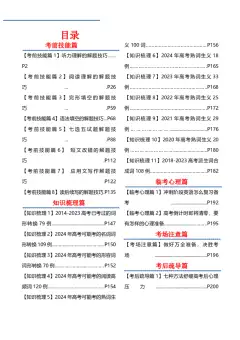
目录 内容
模块一 题型技巧讲解
模块二 外文时事训练
模块三 真题模拟题训练
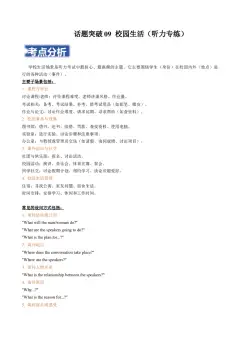
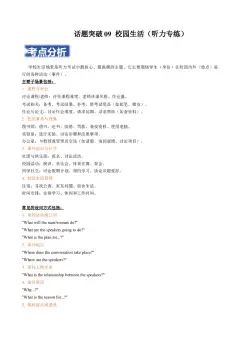
模块一:题型及技巧讲解
细节推断题解题要点:
题型特点:说话人表达思想的方式比较含蓄,往往不能为选择答案提供直接的信息。
这就要求考生在听懂对话的基础上,根据对话中的关键词、上下文、说话人的语气等,利
用逻辑推理去推测说话人的真实意图、对话发生的地点和时间,事件发生的原因等。
问题类型: What does the man(woman) mean? / What do we learm from the
conversation? 1 Why is the woman so happy? / What does the man (woman) imply?
/ What can be inferred from the conversation?
解题技巧:一般可从以下几个方面来考虑:
a:从间接回答中理解言外之意。有时,第二说话人针对问题并不做出正面的回答,而
是以间接的方式式回答提出的问题。
b:推测原因或结果。因果题型较为容易,考生只需按照听力题的常规方法,即浏览选
项,预测考点,细听原文,做出推测就可以了。需注意的是,出于礼貌,有时说话人不直
接讲出不能做某事的原因,而是先以肯定的形式表示赞同,然后再利用转折词直接说出原
因。
c:从短语的内涵意义中理解说话人的真实含义。
例1: Q: How does the woman feel now?
A. Nervous. B. Confident. C. Surprise.
M: Hi, Betty. You don't look so good.
W: Oh. I have a big test tomorrow, and I have to do well on it.
M: You are always like this before a test. I'm sure you'll do it well.
解析:第二个说话人(男士)说,You are always like this before a test.(考试之前你总是
这样! )表明了说话人的不满。I'm sure you'll do it well.表明说话人的鼓励。
例2:Q: What do we know about the speaker's parents?
A. They experienced with different recipes.
B. They cooked with different materials.
C. They made simple meals.
W: Hello, everyone. I'm here today to talk about how I became a food reviewer.
Well. I've always had an interest in food. As a child, I was always helping my parents
with the cooking. In fact, neither of them were interested in cooking, so they just made
something quick. I preferred experimenting with different recipes and materials from
around the world to try to create new tastes. After I left school, I went to college and
did a cooking course. I enjoyed every aspect of it- the theory and the practical sides.When I passed my exams, my tutors gave me excellent references so I was lucky enough
to go straight to a restaurant in London. I was there for a year. But during that time, 1
found the speed of the work too fast and too stressful. There was never a time to really
think about or appreciate what I was doing. Don't get me wrong. The cooks there were
absolutely talented and friendly.
例3:Q: Why does the man need the boxes?
A. He is going on a trip.
B. He is packing for school.
C. He is using them for a project.
W: Jerry, you're leaving for school tomorrow. What can I do to help?
M: Please ask dad where my boxes are.
W: You can use these old suitcases here instead.
例4:Q: What does the woman mean?
A. She doesn't like the job.
B .She will take the job right away.
C .She isn't sure whether to take the job.
M: Have you decided to take that summer job you were offered?
W: Well, I want more information before I accept it.
例5:Q: What was the initial reason for what happened to the speakers?
A. The woman didn't prefer to travel by train.
B. The man failed to ask the way. .
C. The man forgot to book tickets earlier.
M: This is all your fault! This wouldn't have happened if you hadn't tried to give
money to that policeman!
W: Well, if you'd listened to me when I suggested asking someone for directions, we
shouldn't have got lost in the first place, would we?
M: Oh, go on! Blame it all on me! You were the one who was driving when we
got stopped by the police. If you hadn't been speeding, we wouldn't have been stopped at
all!
W: That's not fair. We were doing fine until you suddenly decided you knew a
quicker way!
M: Oh, come on! 1 only suggest it because we were running so latc. We would've
been finc if you hadn't suggested driving instead of taking the train.
W: No! We would've been fine if you had remembered to book tickets!
例6:Q: How will the speakers go to Paris?
A. By air. B. By train. C. By ship.
W: How shall we go to Paris, by train or by ship?
M: Why not go by plane? It's faster and more comfortable.W: That sounds like a good idea.
例7:Q.Which place is the man looking for?
A. A post office. B. A bookstore. C. A park.
M: Well, I need to buy some reference books.
W:There's a bookstore next to the post office.
M:How do I get there?
例8:Q: What might prevent the woman buying the table?
A. Its quality. B. The price. C. Its design.
M: I really like this table, Marie. The wood is beautiful, and it looks like it will last
a hundred years.
W: I agree with you, but I'm not sure we can afford it right now, Thomas.
例9:Q: Who planted the trees?
A. The woman. B. Henry. C. Someone else.
M: Did Henry plant all the trees himself?
W: He planned to, but he hurt his hand when he rode a bike. So I did instead of
him.
例10:Q: What happened to the woman?
A. She got fired today. B. She got promoted last week.
C. She was fooled by the man.
W: Trent, I've got something to tell you. I got fired today.
M: What? You just got promoted last week! How could they do this to you?!
W: April Fool's!
Keys: 1-5:ACBCC 6-10:ABBAB
模块二:外文时事训练
1:What delayed the 2020 Dubai Expo?
A:security C:availability of singers
B:finances D:the covid-19 pandemic
2:Where was the pianist from who played at the opening ceremony?
A:Japan C:India
B:China D:Thailand
3:Which news agency said Dubai doesn't do anything by half?
A:BBC C:CNN
B:ABC D:Al Jazeera
4:What did a news agency say about the fireworks at the ceremony?
A:It was lavish C:It was unprecedented
B:It was colourful D:Ii was cool5:What kind of collaboration did the news agency write about?
A:daily collaboration C:global collaboration
B:community collaboration D:intensive collaboration
6:How often does the World Expo take place?
A:every for years C:every ten years
B:every five years D:every few years
7:What is the theme of the Dubai Expo?
A:Correcting Minds, Creating a Future
B:Connecting the Globe, Creating the Future
C:Connecting the Future, Creating Minds
D:Connecting Minds, Creating the Future
8:How many previous Expos had been held in the Middle East?
A:none C:2
B:1 D:3
9:How many visitors could attend the Dubai Expo?
A:27 million C:25 million
B:24 million D:28 million
10:Who said Dubai would "astonish the world"?
A:singers at the opening ceremony C:the US President
B:Dubai's ruler D:the people of Dubai
模块三:模拟题训练
Exercise A
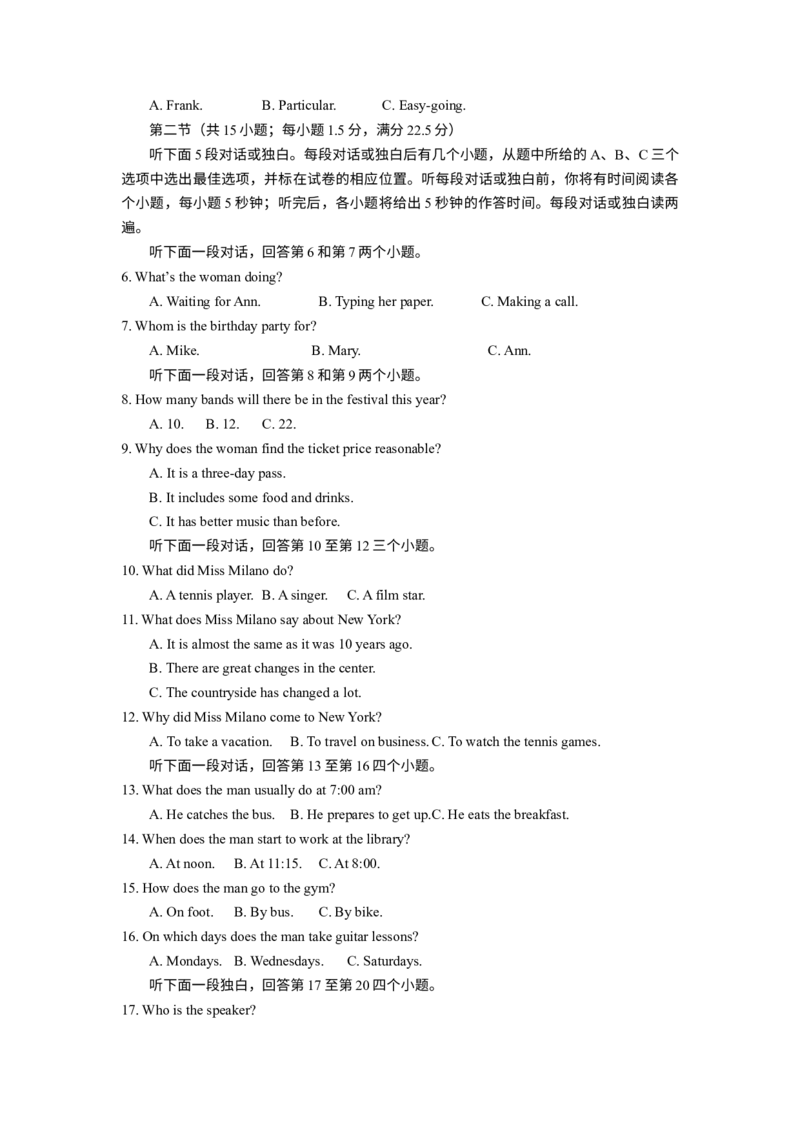
第一节 (共5小题;每小题1.5分,满分7.5分)
听下面5段对话。每段对话后有一个小题, 从题中所给的A、B、C三个选项中选出最
佳选项,并标在试卷的相应位置。听完每段对话后, 你都有10秒钟的时间来回答有关小题
和阅读下一小题。每段对话仅读一遍。
1. What time will the man probably meet Dr. Jones?
A. At 9:00. B. At 9:15. C. At 10:00.
2. What will the man do next?
A. Wait for a call.
B. Check his schedule.
C. Meet Alice’s secretary.
3. Where is the man probably now?
A. At home. B. On the subway. C. At the police station.
4. What does the man think of philosophy?
A. Interesting. B. Difficult. C. Dull.
5. What do they think of Mary?A. Frank. B. Particular. C. Easy-going.
第二节(共15小题;每小题1.5分,满分22.5分)
听下面5段对话或独白。每段对话或独白后有几个小题,从题中所给的A、B、C三个
选项中选出最佳选项,并标在试卷的相应位置。听每段对话或独白前,你将有时间阅读各
个小题,每小题5秒钟;听完后,各小题将给出5秒钟的作答时间。每段对话或独白读两
遍。
听下面一段对话,回答第6和第7两个小题。
6. What’s the woman doing?
A. Waiting for Ann. B. Typing her paper. C. Making a call.
7. Whom is the birthday party for?
A. Mike. B. Mary. C. Ann.
听下面一段对话,回答第8和第9两个小题。
8. How many bands will there be in the festival this year?
A. 10. B. 12. C. 22.
9. Why does the woman find the ticket price reasonable?
A. It is a three-day pass.
B. It includes some food and drinks.
C. It has better music than before.
听下面一段对话,回答第10至第12三个小题。
10. What did Miss Milano do?
A. A tennis player. B. A singer. C. A film star.
11. What does Miss Milano say about New York?
A. It is almost the same as it was 10 years ago.
B. There are great changes in the center.
C. The countryside has changed a lot.
12. Why did Miss Milano come to New York?
A. To take a vacation. B. To travel on business.C. To watch the tennis games.
听下面一段对话,回答第13至第16四个小题。
13. What does the man usually do at 7:00 am?
A. He catches the bus. B. He prepares to get up.C. He eats the breakfast.
14. When does the man start to work at the library?
A. At noon. B. At 11:15. C. At 8:00.
15. How does the man go to the gym?
A. On foot. B. By bus. C. By bike.
16. On which days does the man take guitar lessons?
A. Mondays. B. Wednesdays. C. Saturdays.
听下面一段独白,回答第17至第20四个小题。
17. Who is the speaker?A. A writer. B. A hostess. C. An editor.
18. What can we learn about Unbearable Lightness?
A. It is a good seller.
B. It will come out today.
C. It has a beautiful cover.
19. What will Portia probably do tomorrow?
A. Draw pictures for the book.
B. Read books for readers.
C. Attend a talk show.
20. Why does the speaker give this talk?
A. To collect comments on the latest books.
B. To share her opinions on reading new books.
C. To encourage the listeners to buy Portia’s books.
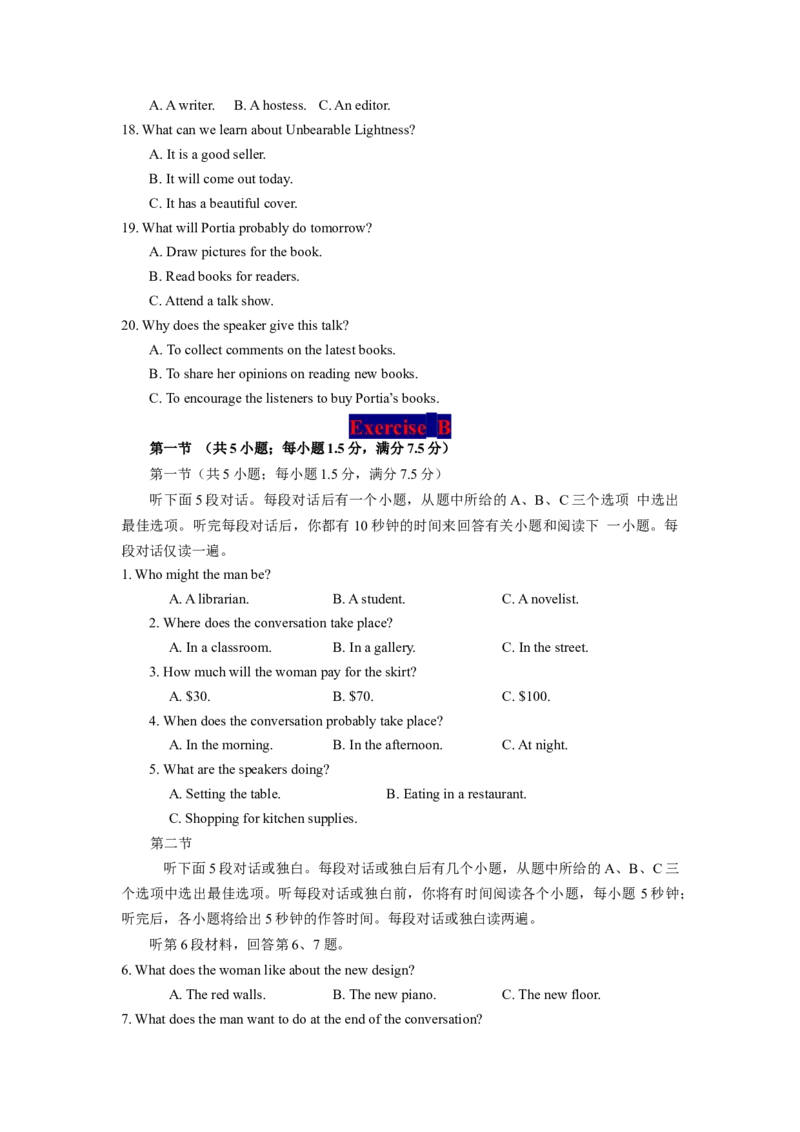
Exercise B
第一节 (共5小题;每小题1.5分,满分7.5分)
第一节(共5小题;每小题1.5分,满分7.5分)
听下面5段对话。每段对话后有一个小题,从题中所给的A、B、C三个选项 中选出
最佳选项。听完每段对话后,你都有10秒钟的时间来回答有关小题和阅读下 一小题。每
段对话仅读一遍。
1. Who might the man be?
A. A librarian. B. A student. C. A novelist.
2. Where does the conversation take place?
A. In a classroom. B. In a gallery. C. In the street.
3. How much will the woman pay for the skirt?
A. $30. B. $70. C. $100.
4. When does the conversation probably take place?
A. In the morning. B. In the afternoon. C. At night.
5. What are the speakers doing?
A. Setting the table. B. Eating in a restaurant.
C. Shopping for kitchen supplies.
第二节
听下面5段对话或独白。每段对话或独白后有几个小题,从题中所给的A、B、C三
个选项中选出最佳选项。听每段对话或独白前,你将有时间阅读各个小题,每小题 5秒钟;
听完后,各小题将给出5秒钟的作答时间。每段对话或独白读两遍。
听第6段材料,回答第6、7题。
6. What does the woman like about the new design?
A. The red walls. B. The new piano. C. The new floor.
7. What does the man want to do at the end of the conversation?A. Listen to live music. B. Repair the piano. C. Have a meal.
听第7段材料,回答第8至10题。
8. What are the speakers trying to do?
A. Look for their car. B. Ask their friends for help. C. Pay the parking fee.
9. What did Todd learn last year?
A. Italian. B. Greek. C. Latin.
10. What will Rebecca do next?
A. Try to use body language. B. Call someone in Rome.
C. Pretend to know the man.
听第8段材料,回答第11至13题。
11. Where will the family be on Friday?
A. At home. B. In a park. C. In a cinema.
12. What is hard for the family to agree on?
A. Food. B. A movie. C. Games.
13. What is the man going to do next?
A. Finish his work. B. Order some food. C. Talk with the kids.
听第9段材料,回答第14至17题。
14. Where are the speakers?
A. In a church. B. On a plane. C. In a classroom.
15. What is the man most looking forward to?
A. Leaving his little brother. B. Seeing some historic buildings.
C. Walking around Rome with the woman.
16. What does Mrs. Green do?
A. She’s a painter. B. She’s a tour guide. C. She’s a teacher.
17. What can we learn from the woman?
A. She is interested in history. B. She always pays little attention in class.
C. She doesn’t like traveling alone.
听第10段材料,回答第18至20题。
18. Who is the announcement for?
A. New students. B. Graduating students. C. Student advisors.
19. Where should students sign up for classes?
A. At the main office. B. At their own houses. C. At the school library.
20. When is the deadline to choose a food plan?
A. In 7 days. B. In 14 days. C. In 21 days
Exercise C
第一节(共5小题;每题1.5分,满分7.5分)
听下面5段对话。每段对话后有一个小题,从题中所给的A、B、C三个选项中选出最
佳选项,并标在试卷的相应位置。听完每段对话后,你都有10秒钟的时间来回答有关小题和阅读下一小题。每段对话仅读一遍。
1.What’s the relationship between the two speakers?
A.Guest and waitress.
B.Boss and secretary.
C.Husband and wife.
2.How much time did the man probably spend on the exam?
A.Half an hour.
B.45 minutes.
C.One hour and a half.
3.Why didn’t the woman get the job?
A.She is old enough.
B.She is too young to do the job.
C.She is no longer young as she used to be.
4.What’s the problem with the woman?
A.She wakes up too early.
B.She stays up far into the night.
C.She feels it difficult to get up every morning.
5.How much should the woman pay if she buys two T-shirts?
A.Eight dollars. B.Ten dollars. C.Twelve dollars.
第二节(共15小题;每小题1.5分,满分22.5分)
听下面5段对话或独白。每段对话或独白后有几个小题,从题中所给的 A、B、C三个
选项中选出最佳选项,并标在试卷的相应位置。听每段对话或独白前,你将有时间阅读各
个小题,每小题5秒钟;听完后,各个小题将给出5秒钟的作答时间。每段对话或独白读
两遍。
听第6段材料,回答第6~8小题。
6.Who feels disappointed?
A.Mary. B.Jack. C.Both of them.
7.How did Jack play in the game?
A.He tried his best but he failed.
B.He didn’t try his best so he failed.
C.He gave up trying so he failed.
8.Who is Mary?
A.A stranger. B.Jack’s mother. C.A classmate of Jack’s.
听第7段材料,回答第9~11小题。
9.Why does Julia want to leave her present job?
A.She wants to do something different.
B.She doesn’t like the job.C.She wants to travel and teach English.
10.What’s Tom’s attitude to Julia’s leaving her present job?
A.He disagrees.
B.He is really sorry.But he understands her.
C.He is angry.
11.What relationship is it between Tom and Julia?
A.Brother and sister.
B.Boyfriend and girlfriend.
C.Boss and employee.
听第8段材料,回答第12~14小题。
12.Where does Paul probably come from?
A.England. B.America. C.China.
13.What do both Mary and Paul have for breakfast?
A.Ham and oranges.
B.Bread and butter.
C.Bread and eggs.
14.What do many Chinese young couples think of the western breakfast?
A.Cheap and convenient.
B.Very convenient and healthful.
C.Delicious but very expensive.
听第9段材料,回答第15~17小题。
15.Where is the woman going?
A.Hawaii. B.Los Angeles. C.The airport.
16.When is the woman’s sister’s wedding?
A.On Oct.11th.B.On Oct.12th. C.Tomorrow.
17.When will the woman leave?
A.In a few hours. B.Right now. C.On Oct.9th.
听第10段材料,回答第18~20小题。
18.What’s discussed in the passage?
A.Prisons in Britain.
B.Cooking or cleaning.
C.Work or study.
19.How many hours can a prisoner in the closed prison possibly spend outside?
A.2 hours. B.12 hours. C.8 hours.
20.How will prisoners in open prisons spend the night?
A.They are free within the prison grounds.
B.They can study out of the prison grounds.C.They are locked up during the night.
Exercise D
第一节(共5小题;每小题1.5,分,满分7.5分)
听下面 5 段对话。每段对话后有一个小题,从题中所给的 A、B、C 三个选项中选出
最佳选项,并标在试卷的相应位置。听完每段对话后,你都有 10 秒钟的时间来回答有关
小题和阅读下一小题。每段对话仅读一遍。
1. What is Jason going to do today?
A. Play basketball. B. Visit his grandparents.C. Help on his father’s farm.
2. Where is the library building?
A. Opposite the gym.B. On the right of the bridge.C. In front of the Student Center.
3. What are the speakers mainly talking about?
A. Keeping a balanced diet. B. Working hard. C. Losing weight.
4. What is the woman probably?
A. A nurse. B. A teacher. C. A surgeon.
5. How much will the man pay for the glasses?
A. $90. B. $150. C. $240.
第二节(共15小题;每小题1.5分,满分22.5分)
听下面一段对话,回答第6、7题。
6. How does the woman feel about the news?
A. Excited. B. Annoyed. C. Surprised.
7. What do we know about the man?
A. He got promoted two months ago.
B. He is going to China to find another job.
C. He has set up a new factory for a few months.
听第7段材料,回答第 8 至 10 题。
8. When will the speakers go to the zoo?
A. Thursday. B. Saturday. C. Sunday.
9. What is the student price of the zoo on weekdays?
A. $8. B. $7.50. C. $6.50.
10. What does the man want to do?
A. Visit his grandparents at the weekend.
B. Take some photos of animals at the zoo.
C. Ask his mum to buy a camera for his birthday.
听第8段材料,回答第11至13题。
11. Where does the conversation take place?
A. In a classroom. B. In a bookstore. C. In a library.
12. What is required if the woman wants to read the book?
A. She must check it out.B. She must read it in the library.
C. She must reserve it in advance.
13. What will the woman do next?
A. Go to the reserve room.
B. Ask her professor for permission.
C. Find the book in the reading room.
听第9段材料,回答第14至17题。
14. Why did the man quit his job?
A. He felt stressed. B. He felt bored. C. He felt tired out.
15. How long should the bank manager work on workdays?
A. For eight and a half hours. B. For nine hours. C. For nine and a half hours.
16. What does the man care about most when looking for a job?
A. The benefits. B. The salary. C. The working hours.
17. What would the man do first?
A. Contact the bank.
B. Apply for the job.
C. Write an application letter.
听第10段材料,回答第18至20题。
18. Why did the speaker learn English again when she started work?
A. She wanted to take a degree.
B. She was persuaded by a friend.
C. She had to speak to customers in English.
19. How did the speaker make progress in English?
A. Her colleagues helped her a lot.
B. She took English classes in her spare time.
C. Her English-speaking friend taught her privately.
20. What does the speaker think of English now?
A. It’s difficult. B. It’s important. C. It’s interesting.