ARTICLE · 1190136
grammar系列3——高中英语时态Tense,写作表达得分关键!

时态是英语与中文较大的区别之一,在中文日常表达中,只要说清楚了动作操作的时间,对方基本就能明白,而在英语中,动作的时间和状态是通过“动词的时态”来表现的,例如:
Dad: Adam, Sunny,comehere, mom hassomething to tell you,
Adam: Coming in!
Sunny: Coming in !
Mom: I called a grandma yesterday and invited her to our house this Sunday. We will throwher a big birthday party so we each need to choose a President
Adam: I know, I will givehim a new tea set. She likes drinking tea.
Mom: good choice, What about you sunny?
Sunny: I'm thinkingof making a scarf for her.
Mom: good idea, I'm sure grandma will loveit,Oh,have you finished the guest list yet?
Dad:I have and I'm workingonthe invitations,.
Mom:okay, so we still needto prepare food and drinks.
上面一段家庭对话,你能发现几个时态的表达吗?
二、概念介绍:
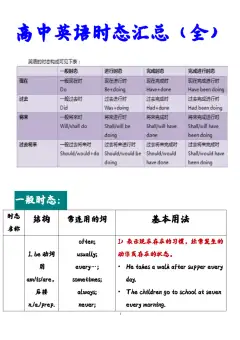
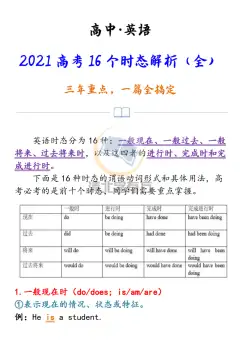
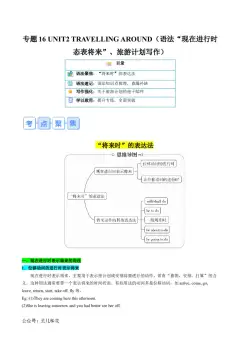
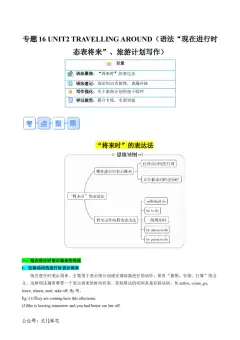
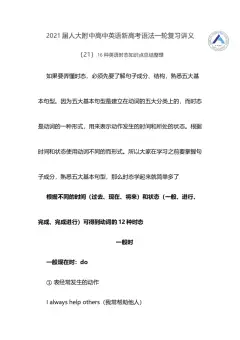
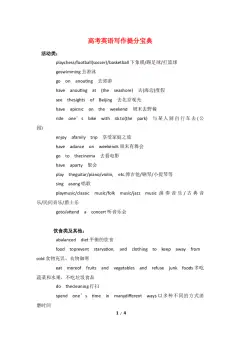
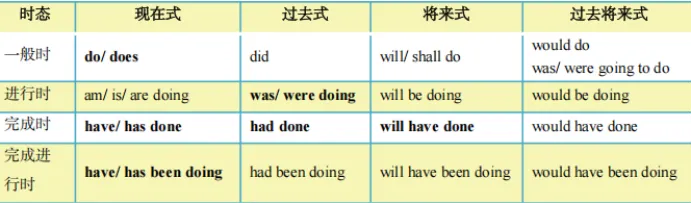
1.时态分为:时间(现在/ 过去 / 将来 / 过去将来)和状态(一般/ 进行 / 完成 / 完成进行),将这四个时间和状态两两组合,一共可以得到16种时态,如图:
2.高中常考8个时态介绍
1. 一般现在时 do/does
用法:客观真理、习惯、常态
例句:He gets up early every day.
2. 一般过去时 did
用法:过去发生、已结束,常配过去时间词(yesterday, last year)
例句:He went to Beijing last week.
3. 一般将来时 will do /be going to do
will:临时决定;be going to:计划、有迹象
例句:I will help you. / It is going to rain.
4. 现在进行时 am/is/are doing
用法:此刻正在做;现阶段正在做
例句:She is reading a book now.
5. 过去进行时 was/were doing
用法:过去某一时刻正在做
例句:I was watching TV at 8 last night.
6. 现在完成时 have/has done(高考重中之重)
用法:①过去动作对现在造成影响;②动作从过去持续到现在(常搭配 since, for)
例句:I have finished my homework.
7. 过去完成时 had done
用法:过去的过去,两个过去动作,先发生的用had done
例句:He had left before I arrived.
8. 过去将来时 would do
用法:从过去视角看“将要”
例句:He said he would come.
三、详细分析:
我们结合前面给的对话,对时态进行分享,为什么要用找个时态表达呢?
① come 、has 、need 、likes
对常态的表述,故用一般现在时,注意第三人称用单数形式;
② Coming 、am thinking
表示正在做这个动作,故用现在进行时,coming是口语中的简化,完整句子是:I am coming!
③ called 、invited
表示动作已经完成,过去的动作,常规表达,故用一般过去时
④ will throw、will give、will love
表示动作还未完成,在生日那天才会产生的动作,故用将来时
⑤ have you finished
表示动作已经完成,且有“已经”的意思,潜在含义是,你如果没完成就需要赶紧取做,是否完成会对现在产生影响,故用现在完成时。
当然在有些书面表达中,会有更加复杂的时态情况,我们来一起看下。
四、时态难点
大家尝试做下这三道题,并思考为什么这么选?
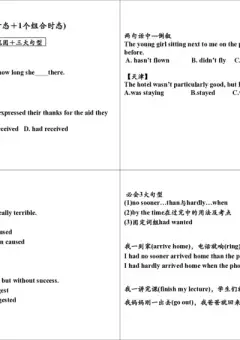
1.By the time the new policy ____ into effect next year, most companies ____ their oldfashioned management systems.
A.will come; will update
B.comes; will have updated
C.comes; have updated
D.will come; have updated
2.He ____ for three years when he suddenly lost his job last month, so he didn’t know what to do next.
A.has worked
B.had been working
C.was working
D.would work
3.You look upset. What’s wrong? —I ____ the report all afternoon, but I still haven’t finished it. New tasks ____ in constantly.
A.have been writing; are pouring
B.wrote; poured
C.had written; pour
D.am writing; had poured
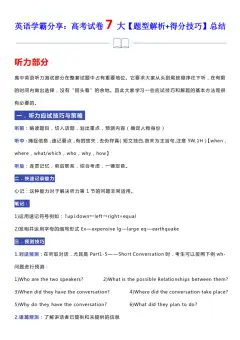
(答案稍后揭晓)先思考下在时态表达时?我们应该怎么区分呢?除了多说多读产生语感外,时态还有一些标志词,我们可以根据标志词判断:
时态 | 结构 | 使用场景 | 标志词 |
一般现在时 | do / does | 客观真理、习惯性动作、常态 | every…, often, usually, always, sometimes, seldom, rarely, never, once a week, twice a month |
一般过去时 | did | 过去时间发生,动作已结束 | yesterday, last…, …ago, in +过去年份, just now, at that time, once(曾经) |
一般将来时 | will do / be going to do | 将来将要发生 | tomorrow, next…, in +一段时间, soon, later, some day, in the future |
现在进行时 | am/is/are doing | 此刻正在做;现阶段暂时性动作 | now, right now, at present, these days, Look!, Listen! |
过去进行时 | was/were doing | 过去某时刻/时段正在进行 | at 8 o'clock yesterday, at that time, then, all night last night, when / while |
现在完成时 | have/has done | 过去动作对现在有影响;持续到现在 | already, yet, ever, never, just, recently, lately, so far, up to now, since+时间点, for+时间段, in the past/last +一段时间 |
现在完成进行时 | have/has been doing | 从过去持续至今,动作仍在进行,强调过程 | all day, all afternoon, for+时间段, since+时间点, these days, lately, recently |
过去完成时 | had done | 过去的过去(发生在另一个过去动作之前) | by +过去时间, by the time +一般过去时从句, before, when(过去语境) |
过去完成进行时 | had been doing | 过去某事件前一直在持续做某事 | for+时间段(过去背景), before… |
将来完成时 | will have done | 到将来某个时间点,动作已经完成 | by +将来时间, by the time +一般现在时从句 |
将来进行时 | will be doing | 将来某时刻正在进行动作 | at this time tomorrow, at 8 tomorrow evening |
根据句子语境及标志词,我们解析下这三道题:
1. 答案:B
解析:by the time 引导时间状语从句,从句用一般现在时表将来(comes);主句 `by+将来时间`,要用将来完成时 will have done,表示 “到明年政策生效时,大部分公司就已经完成更新”。
2. 答案:B
解析:last month 是过去时间;“工作三年” 发生在失业之前,并且持续了一段时间,用过去完成进行时 had been doing,强调过去某事件发生之前一直在持续的动作。
3. 答案:A
解析:all afternoon + still haven’t finished,动作从过去开始持续到现在还在进行,用现在完成进行时 have been writing;第二空表示当下不断发生,用现在进行时 are pouring。
五、总结时态:
时态 | 基本结构 | 用法总结 | 例句 |
一般现在时 | do / does | 1. 客观真理、常识 、经常性、习惯性动作、现阶段长久状态2.表时刻表、计划好的将来(火车/航班)可用一般现在表将来 | The earth goes around the sun. |
一般过去时 | did | 过去某个确定时间发生,动作已经结束,和现在无关联 | I saw a movie yesterday. |
一般将来时 | will do / be going to do | 1.will多表临时想法;be going to侧重预先计划2.时间、条件状语从句,从句用一般现在表将来 | I will call you tomorrow. |
现在进行时 | am / is / are + doing | 1.此刻正在进行、当前一段时间暂时的动作、位移动词表近期计划好的安排 2.注意:静态动词know/love/believe/have一般不能用于进行时 | She is reading a book now. /I am workingin a cafethese days./My cousin is comingto visit me this weekend. |
过去进行时 | was / were + doing | 过去某一时刻/某段时间,动作正在进行 | I was watching TV at 8 last night. |
现在完成时 | have / has + done | 1. 过去动作,对现在造成结果/影响 、动作从过去持续到现在(可延续动词)、侧重结果2.标志词:since, for, so far, in the past 5 years 短暂动词不能和for/since连用(buy→have;leave→be away) | I have lived here for 8 years. |
过去完成时 | had + done | 1.过去的过去:一个过去动作之前,更早发生的动作;2. 标志词:by+过去时间,before/when引导过去语境 | By the time he arrived, the train had left. |
现在完成进行时 | have / has + been doing | 1.动作从过去持续到现在,仍在进行,强调过程、辛苦、侧重动作持续性2.标志词:all day, all afternoon, since/for | I have been doing homework all afternoon. 我整个下午都在写作业。 |
好了,学习“时态”最好的方法是多看例句,多练习!今天就分享到这里,欢迎关注、讨论,下期见!