ARTICLE · 1206954
grammar系列5——高中英语情态动词Modals,良好的语言沟通的灵魂

一、例句展示:
查看下面句子,关注划线部分词汇的用途?如果去掉会产生什么影响呢?
1.I was able to hold a knife and fork and chopsticks.(能够)
2.But there are still some dishes that dad dare not try even after many years of marriage to my mother.(不敢)
3.Mom and I just have to find a way to get him into the kitchen.(需要、必须)
4.We'd better not eat too much roast food as it may make us suffer from the heat inside of our bodies.(最好)
5.“You needn't try it if you don't want to .”mom said.(不需要)
二、概念介绍:
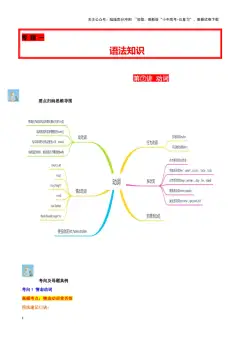
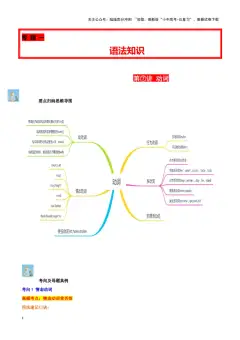
情态动词(modal verbs):
本身没有实义动词的完整含义,不能单独作谓语,必须 + 动词原形一起构成谓语。
作用:表达说话人的语气mood、态度attitude、推测deduction、能力ability、许可permission、义务responsibility、请求request、可能性possibility。
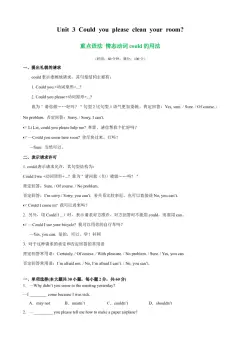
含义:能够can、可以could、必须must、应该should、可能may、也许might、敢于dare、需要need等。
三、详细分析:
从例句看,情态动词在句中起着非常重要的作用,虽然去除后不影响句子的结构完整,丹表达的意思、情绪会产生很大的偏差,故情态动词在句中还是非常重要的。
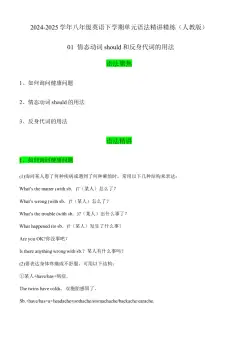
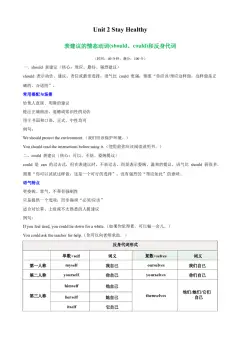
1.情态动词列表
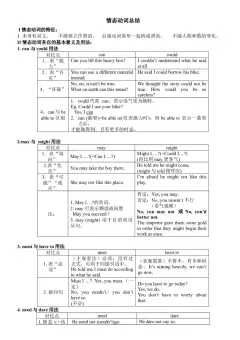
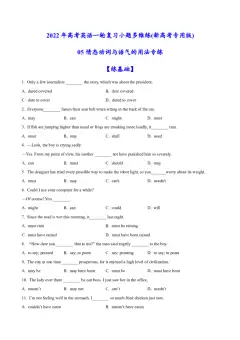
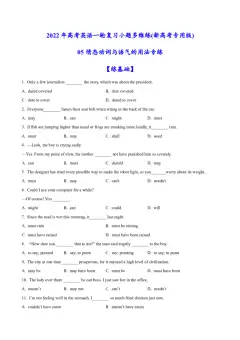
情态动词 | 用法 | 详解 | 例句 |
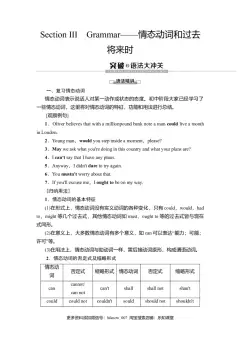
can / could | ①能力;②许可;③推测(否定/疑问) | can现在能力;could过去能力;表推测:can't 不可能;could可能性弱于may | She can play the piano. It can't be true. |
be able to | 能够(can的补充形式) | 有现在/过去/将来各种时态变化;was/were able to表过去成功做成某事(区别于could) | He will be able to swim next year. He was able to finish it yesterday. |
may / might | ①许可;②推测(可能性) | may可以;might可能性更小,可表委婉 | It may rain tomorrow. May I come in? |
must | ①必须;②肯定推测(仅肯定句) | 否定mustn't = 禁止;对must提问,否定回答用needn't / don't have to | You must follow the rules. It must be his book. |
have to | 必须(客观要求) | 有人称、时态变化;后接to do;区别must:must主观,have to客观 | He has to get up early. |
had better | 最好(表建议、劝告) | 后接动词原形;否定had better not do;无人称时态变化;语气较强 | You had better see a doctor. We had better not be late. |
should / ought to | ①应该;②推测(理应) | should=ought to;should have done 本应该(却没做) | You should practise every day. He should arrive soon. |
used to | 过去常常(现在已不) | used to do 表过去习惯现在不那样;否定 didn't use to / usedn't to;疑问 Used you to…? | I used to get up late. He didn't use to smoke. |
need | 需要 | 作情态动词:多用于否定、疑问;肯定句常用实义动词need to do | You needn't go now. |
dare | 敢 | 作情态动词:多用于否定、疑问;实义动词dare to do | He dare not tell the truth. |
will / would | ①意愿;②请求;③习惯 | will现在;would过去习惯、委婉请求;would表过去常常 | Will you help me? He would sit there for hours. |
would rather | 宁愿(表选择) | would rather do 宁愿做;would rather do than do 宁可…也不…;后接动词原形 | I would rather stay at home. He would rather die than give in. |
shall / should | shall:征求意见(一、三人称疑问句) | Shall I…? 我要不要…;用于提建议 | Shall we start? |
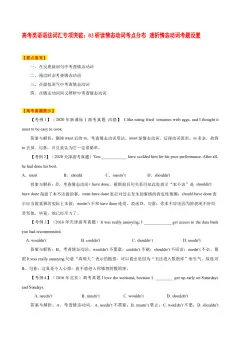
must have done | 过去一定做了 | 肯定推测 | It must have rained last night, for the ground is wet. 昨晚一定下雨了,因为地面是湿的。 |
may / might have done | 过去或许做了 | 可能推测 | He may have missed the bus. 他也许错过了公交车。 |
can't / couldn't have done | 过去不可能做 | 完全否定 | She can't have finished the work so soon. 她不可能这么快就完成工作。 |
should have done | 本应该做 | 实际没做 | You should have told me earlier. 你本应该早点告诉我。 |
needn't have done | 本不必做 | 实际做了 | You needn't have come so early. 你本不必来这么早。 |
2.情态动词的使用规则
1.没有人称和数的变化(have to/be able to除外).
2.否定式直接not :can not = can’t;must not = mustn’t;should not = shouldn’t
3.疑问直接把情态动词提到句首 Can you swim? Should we start now?
4.后接动词原形或者have done(情态 + have done,对过去推测 / 遗憾。)
5.没有非谓语形式(没有 to do /doing/done),不能说 to can, musting等。
四、语法难点:
Dare和need是情态动词,也是实义动词,在使用中需要注意区分:
1. need
情态动词(多用于否定句、疑问句;后 + 动词原形;无三单)
You needn’t worry. 你不必担心。
Need I hand in the report now? 我需要现在交报告吗?
实义动词(肯定句常用;有人称 / 时态变化;后接 to do)
You need to finish your homework. 你需要完成作业。
He needs to rest. 他需要休息。
2. dare
情态动词(多用于否定、疑问;后 + 动词原形;无三单)
He dare not tell the truth. 他不敢说出真相。
Dare you go out alone at night? 你敢晚上一个人出去吗?
实义动词(可用于肯定 / 否定 / 疑问;有人称变化;后接 to do,to 可省略)
She dares to ask questions in class. 她敢于在课堂上提问。
I don’t dare (to) go there. 我不敢去那里。
五、总结巩固:
1.情态动词不能单独作谓语,用于表能力、许可、义务、推测、意愿、建议等说话人的态度。
2.使用规则:后接动词原形;一般无人称、数的变化;直接加 not 否定,提到句首提问。
3.常见情态动词:
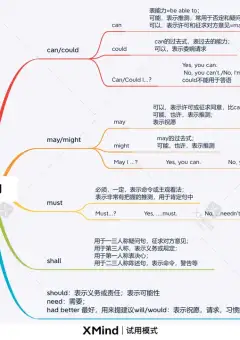
can/could:能力、许可;表推测用于否定 / 疑问
may/might:许可、可能性推测(might 可能性更低)
must:必须;肯定推测;否定 mustn’t 表禁止;must 问句否定回答用 needn’t/don’t have to(不必)
should/ought to:应该;理应推测
will/would:意愿、请求、过去习惯
shall:一三人称疑问句,征求意见
had better:最好做…
be able to:能够(可用于各种时态)
4.情态 + have done的用法:
must have done 过去一定做了(肯定推测)
may/might have done 过去或许做了
can’t/couldn’t have done 过去不可能做
should have done 本该做(实际没做)
needn’t have done 本不必做(但做了)
5.两用词:need、dare,既可作情态动词,也可做实义动词
好了,学习英语最好的方法是多听多读多用多写!今天就分享到这里,欢迎关注、讨论,下期见!