2026 春季 新人教八年级下册
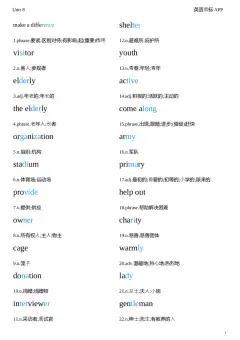
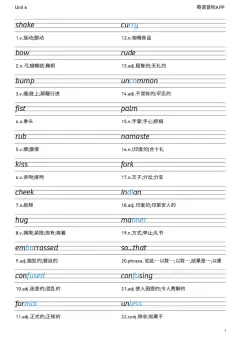
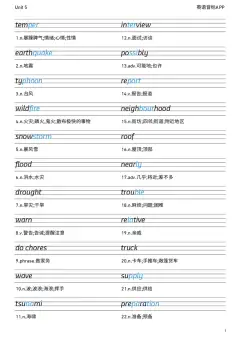
Unit 4 The Wonders of Nature
词汇运用
一、用方框中所给词或短语的适当形式填空,每词限用一次。
I
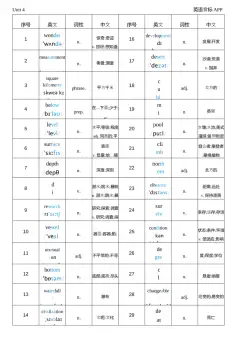
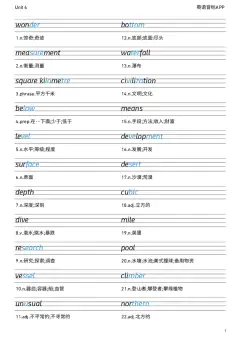
wonder, measure, depth, dive, research, unusual, bottom, waterfall, desert, pool, climber,
distance, survive, condition, degree, cliff, changeable, death, determined, above,
teammate, coral, reef, curious, ambition, explore, risky, lifetime, underwater, school,
turtle, snorkel
1. The ______ of the river is 15 meters, so we must be careful when boating.
2. It was a(n) ______ chance to meet the famous writer in the bookstore.
3. The experienced ______ managed to climb the steep mountain successfully.
4. Scientists are doing ______ on how to protect endangered animals.
5. Can you ______ the width of the classroom with this tape?
6. The child is ______ about the stars and often watches them at night.
7. A beautiful ______ can be seen from the top of the hill, shining in the sun.
8. Only a few animals can ______ in the harsh ______ of the Gobi.
9. The temperature has dropped to 5 ______ below zero; it's freezing.
10. The bird is flying ______ the trees, enjoying the freedom.
11. The ______ of the ocean is home to various ______ and sea creatures.
12. Her ______ is to travel around the world and ______ new cultures.
13. It's ______ to drive fast in the rain; you might slip.
14. The ______ weather in spring makes it hard to choose clothes.
15. This tradition has been passed down for a ______, keeping its original charm.
16. He is ______ to finish the project on time, so he works overtime.
17. Let's ______ the forest path this afternoon; there may be hidden flowers.
18. The sunken ship lies at the ______ of the sea, waiting to be discovered.
19. A ______ of ______ swims slowly in the shallow water.
20. With a ______ set, he can ______ into the deep sea and observe marine life.
II
用方框中所给短语的适当形式填空,每短语限用一次。
at a distance, keep distance from, in good condition, die of, die from, explore around,
take a risk, be curious about, be located in, look on the bright side, suffer from, deal
with, be afraid to, take control of, be different from, be thankful for, advise sb. to do,
remain in, think about
1. The ancient temple ______ the valley, hidden by tall trees.
2. Those who ______ lung diseases should avoid smoking areas.
3. Please ______ the fire; it's very hot.
4. You should ______ your emotions and ______ conflicts calmly.
5. The new museum ______ visitors ______ its modern design.
6. He ______ ask questions in class, but he's improving.7. Let's ______ the town and find the best local restaurant.
8. When things don't go well, ______ and find the positive side.
9. The dentist ______ her ______ brush teeth twice a day.
10. The old car is still ______ after being repaired.
11. When watching wild animals, observe them ______ to stay safe.
12. The old man ______ old age last month and was remembered by all.
13. Please ______ your weekend activities and share them with us.
14. Some businessmen like to ______ in new markets, but it's challenging.
15. This custom ______ what we have in our country, very unique.
16. We should ______ the education and opportunities we receive.
17. The boy ______ space and dreams of being an astronaut.
18. After the flood, many villagers ______ their homes, waiting for reconstruction.
二、根据括号内所给汉语意思或首字母写出单词的正确形式
A. 首字母填空
1. The brave c______ managed to reach the top of the mountain despite the danger.
2. We need to m______ the length of the rope to see if it’s enough.
3. There’s a beautiful w______ in the national park, attracting many tourists.
4. Very few plants can s______ in the dry d______ with little water.
5. The d______ of the lake is 20 meters, so swimming there is dangerous.
6. It’s r______ to drive fast on icy roads; please be careful.
7. It’s u______ for him to be late—he’s always on time.
8. Her a______ is to become a scientist and e______ the unknown world.
9. Let’s d______ into the sea and see the colorful c______ reefs.
10. It’s a w______ that he can play three musical instruments at such a young age.
B. 汉语意思填空
1. The ______ (团队成员) worked together and won the competition.
2. We should do some ______ (研究) before making a decision.
3. Please ______ (保持距离) from the fire to avoid getting hurt.
4. The ______ (探险家) spent his ______ (一生) traveling around the world.
5. This area is ______ (位于) in the southern part of the country.
6. You should be ______ (有决心的) to achieve your goals.
7. The old building is still ______ (状况良好) after hundreds of years.
8. Can you tell me the ______ (距离) from here to the nearest station?
9. Let’s ______ (探索周围) and find a place to have lunch.
10. We should ______ (从好的方面想) when facing difficulties.
三、完成填空
There are many amazing wonders in the world. Let’s explore which one is 1.______
(wonderful) of all.
First, the Great Wall of China is one of 2.______ (long) structures ever built. It’s much
3.______ (old) than the Sydney Opera House.
Next, the Amazon Rainforest is 4.______ (large) tropical rainforest in the world. It’s
even 5.______ (dense) than any other forest, with thousands of species.
The Sahara Desert is 6.______ (hot) desert on Earth. In summer, it’s a lot 7.______
(warm) than spring there. But the Antarctic is 8.______ (cold) place, where temperaturesare far 9.______ (low) than in Sahara.
Which is 10.______ (deep), the Mariana Trench or the Dead Sea? The Mariana Trench is
11.______ (deep) part of the ocean, while the Dead Sea is 12.______ (low) point on
land.
The Niagara Falls is one of 13.______ (famous) waterfalls. Its flow is 14.______ (strong)
than most waterfalls, making a loud noise.
Now, think about the Pyramids of Giza. They are 15.______ (old) of the Seven Wonders
of the Ancient World. Building them was 16.______ (difficult) task at that time.
The more you learn about these wonders, 17.______ (much) you’ ll realize how
18.______ (amazing) our world is. And the 19.______ (hard) we study, the 20.______
(clear) we’ll understand their secrets.
Among all these wonders, which do you think is 21.______ (impressive)? Is it the one
that’s 22.______ (big), 23.______ (old), or 24.______ (unique)? Remember, “25.______
(many) roads lead to Rome,” but only the 26.______ (brave) explorers can discover the
27.______ (true) beauty of these places.
四、介词填空(请在空格中填入正确的介词,使句子完整且语法正确)
1. The ancient city is located ______ the southern part of the country, near the coast.
2. We should keep a safe distance ______ the wild animals when visiting the zoo.
3. The explorers succeeded ______ reaching the top of the mountain after days of hard
work.
4. Many plants can’t survive ______ the harsh conditions of the desert.
5. She is curious ______ the mysterious underwater world and dreams of exploring it.
6. The old temple has remained ______ good condition for hundreds of years.
7. We should be thankful ______ the opportunities we have to learn and grow.
8. The documentary is about the exploration ______ the deepest ocean trench.
9. He died ______ a sudden illness, which made his family very sad.
10. The team worked shoulder ______ shoulder to finish the project on time.
五、用括号内所给单词的适当形式填空(每空一词)
1. The ______ (explore) who ______ (discover) the new species last year is now writing
a book about it.
2. The ______ (deep) we go into the forest, the ______ (amaze) plants we’ll find.
3. He spent three hours ______ (research) the ______ (history) event for his project.
4. There are many ______ (danger) animals in the ______ (south) part of the country.
5. The team ______ (be) determined to finish the task, and each member ______
(work) hard every day.
6. It’s ______ (risk) to climb that mountain, but it’s the ______ (exciting) adventure
I’ve ever had.
7. After ______ (dive) into the sea, she saw a lot of ______ (coral) reefs.
8. This is the ______ (old) temple in the city, with a ______ (long) history of over 500
years.
9. The ancient vase ______ (find) in the desert ______ (believe) to be over 2000 years
old.
10. She has a strong ______ (ambitious) to ______ (success) in her career.
六、文章填空(用所给单词的适当形式填空,每空一词)第一篇:
In the Mariana Trench, a team of 1.______ (explore) made a shocking discovery. They
found a sunken ship that’s over 2.______ (thousand) years old, lying at a 3.______
(deep) of 8,000 meters.
The ship carried relics from an ancient 4.______ (civilization). Scientists spent 5.______
(hundred) of hours doing 6.______ (research) on them. They were amazed by the
7.______ (usual) designs, which showed the people’s 8.______ (ambitious) to explore
the sea.
To reach the site, the team had to 9.______ (dive) into the trench, facing 10.______
(risk) conditions. But their 11.______ (determined) paid off. The 12.______ (distant) from
the coast to the wreck was about 13.______ (two) thousand kilometers, but they
mapped it 14.______ (success).
This discovery helped us understand how ancient people 15.______ (survive) in such
extreme environments. It’s a 16.______ (wonder) example of human curiosity.
第二篇:
The Sahara Desert wasn’t always a desert. About 1.______ (five) thousand years ago, it
was home to 2.______ (hundred) of communities.
A group of 3.______ (research) set out to 4.______ (explore) this forgotten history. They
found a lake bed that’s now 5.______ (thousand) of meters under sand.
In a cave, they saw paintings of animals that lived 6.______ (hundred) of years ago. The
7.______ (deep) of the cave was 50 meters, and the 8.______ (distant) from the nearest
village was 200 kilometers.
The team was 9.______ (determined) to find more. They discovered tools that showed
the people’s 10.______ (ambitious) to farm. This 11.______ (usual) find changed our
view of the Sahara.
Their 12.______ (explore) took 13.______ (month), but it was 14.______ (success). Now,
we know that the Sahara was once a 15.______ (wonder) land of life.
句子巩固
七、根据汉语意思,完成句子
1. 它流程最远,长约6300公里。
It travels ______ ______ and is about ______ ______ long.
2. 黄河长5464公里,是第二长的(河流)。
The Yellow River is ______ ______ long and is ______ ______ ______.
3. 顺便问一下,你知道它为什么叫黄河吗?
______ ______ ______,do you know why it's ______ ______ ______ ______?
4. 这条河的一些河段携带棕黄色的泥土。
Some parts of the river ______ ______ ______ ______ ______.
5. 尼罗河和黄河都助力了古代文明的发展。
______ the Nile and the Yellow River ______ ancient civilizations to develop.
6. 在地球上最高的地方,你会感觉仿佛能触摸到天空。
On ______ ______ ______ on earth, you will ______ ______ you are able to touch the
sky.
7. 但只有最优秀的登山者能登顶,而且只有他们先在恶劣条件下存活下来才行。But ______ ______ ______ ______ reach the top, and that is ______ ______ they
survive the terrible conditions first.
8. 登山者们一点一点地把自己往上拉,成功通过了“第二台阶”。
______ ______ ______,the climbers pulled themselves up, and they ______ ______
______ the Second Step.
9. 5月25日凌晨4点20分,中国国旗首次在世界最高峰上空飘扬。
______ ______ ______ ______ ______ ______,the Chinese national flag ______ ______
the world's highest mountain for the first time.
10. 直到2007年,几乎所有从北侧攀登的登山者都使用这个“中国梯”来更快登顶。
______ ,almost all climbers from the northern side ______ ______ " ______" ______
______ the top much faster.
11. 或者,正如英国探险家乔治·马洛里所说,原因很简单,“因为它就在那里”!
Or, ______ ______ ______ ______ ______ ______ ______ ______ , it is
______,"because it's there"!
八、中英翻译练习句
1、珠穆朗玛峰是世界上最高的山峰,海拔约8848.86米,吸引了成千上万的登山者。
_______________________________________________________________________________
_______________________________________________________________________________
____________________
2、尼罗河不仅是非洲最长的河流,还助力了古埃及文明的发展,全长约6671公里。
_______________________________________________________________________________
_______________________________________________________________________________
____________________
3、尽管攀登撒哈拉沙漠边缘的山峰很危险,那支探险队仍决心完成他们的探索,最终成功
了。
_______________________________________________________________________________
_______________________________________________________________________________
____________________
4、青海湖是中国最大的湖泊,面积约4340平方公里,每年吸引数百万游客。
_______________________________________________________________________________
_______________________________________________________________________________
____________________
5、1960年5月25日,中国登山队首次成功登顶珠穆朗玛峰,这是中国登山史上的伟大成
就。
_______________________________________________________________________________
_______________________________________________________________________________
____________________
阅读提升
九、阅读理解(两篇)
第一篇:
Mount Qomolangma, standing at 8,848.86 meters, is the highest mountain in the world.
Climbing it is a dream for many, but it’s also full of dangers.
Before 1960, no Chinese team had ever reached its top. However, on May 25, 1960, agroup of brave Chinese climbers made history. They faced terrible conditions:
temperatures dropped to -30℃, and the air was so thin that breathing was difficult. Bit
by bit, they pulled themselves up. Finally, they stood on the peak, making China the
first country to conquer Qomolangma from the northern side.
In 1975, another Chinese team climbed it again. They brought a “Chinese Ladder” to
the Second Step, a challenging part 8,600 meters above sea level. Until 2007, most
climbers from the north used this ladder to reach the top faster.
Why do people risk their lives to climb Qomolangma? As the English explorer George
Mallory said, “Because it’s there.” This shows human curiosity and ambition never
stop.
题目:
1. What’s the height of Mount Qomolangma?
A. 8,600 meters B. 8,848.86 meters C. -30℃ D. 8,600 meters above sea level
2. The underlined word “conquer” in Paragraph 2 probably means ______.
A. 离开 B. 征服 C. 观察 D. 测量
3. Which of the following is TRUE according to the passage?
A. The Chinese team first climbed Qomolangma in 1975.
B. The “Chinese Ladder” was used after 2007.
C. Climbing Qomolangma is full of challenges.
D. George Mallory was a Chinese explorer.
4. What’s the main idea of the passage?
A. The dangers of climbing Qomolangma.
B. The history of Chinese teams climbing Qomolangma.
C. Why people climb Qomolangma.
D. The “Chinese Ladder” on Qomolangma.
第二篇:
Rivers have always been important for human civilizations. Two famous examples are the
Nile and the Yellow River.
The Nile, the longest river in Africa (about 6,671 km), played a key role in ancient
Egypt. It provided water for farming and transportation. Every year, it flooded, leaving
rich soil for crops. This helped ancient Egyptians develop their civilization, building
pyramids and creating a writing system.
The Yellow River, often called China’s “mother river,” is 5,464 km long. It’s the
second longest river in China. Like the Nile, it also flooded, bringing fertile earth. This
allowed ancient Chinese to grow crops and develop their own civilization, with inventions
like paper and gunpowder.
Both rivers are not just long; they are symbols of human progress. Even today, they
continue to support millions of people.
题目:
1. How long is the Nile?
A. 5,464 km B. 6,671 km C. 8,848.86 m D. 4,340 km
2. The underlined word “fertile” in Paragraph 3 means ______.
A. 贫瘠的 B. 肥沃的 C. 干燥的 D. 坚硬的
3. What do the Nile and the Yellow River have in common?A. They are the longest rivers in their countries.
B. They never flooded in history.
C. They helped develop ancient civilizations.
D. They are located in the same continent.
4. What can we infer from the passage?
A. Rivers are not important for modern life.
B. Only the Nile and Yellow River supported civilizations.
C. Floods were harmful to ancient Egypt and China.
D. Rivers are closely related to human development.
十、完形填空
The Great Barrier Reef, located off the coast of Australia, is one of the most 1 ____
natural wonders in the world. It is the 2 ____ coral reef system globally, stretching over
2,300 kilometers. This amazing place is not only a tourist attraction but also a 3 ____
ecosystem that supports thousands of marine species.
Exploring the Great Barrier Reef is both exciting and 4. ____ Divers need to be 5 ____
and well-prepared. The water here is usually clear, but sudden storms can 6 ____ the
visibility. Some areas are quite 7 ____, so divers must be careful not to damage the
delicate coral.
Scientists have been 8 ____ the reef for years. They study how climate change is 9
____ its health. Rising ocean temperatures and pollution are major 10 ____ to this
beautiful ecosystem. Many organizations are working hard to 11 ____ it.
Why do people keep exploring and protecting the reef? Because of its 12 ____ beauty
and the important role it plays in the ocean. Just like mountaineers who climb high
peaks, those who love the ocean believe that the Great Barrier Reef is 13 ____ every
effort.
Visiting the reef can be a 14 ____ experience. It allows people to see colorful fish,
giant turtles, and even some 15 ____ sharks. It’s a reminder of how amazing nature
can be.
Choose the best answer for each blank:
1. ____ A. excited B. exciting C. excite D. excitement
2. ____ A. largest B. smallest C. highest D. lowest
3. ____ A. rich B. poor C. empty D. full
4. ____ A. safe B. dangerous C. easy D. simple
5. ____ A. care B. careful C. carefully D. careless
6. ____ A. improve B. increase C. reduce D. create
7. ____ A. deep B. shallow C. wide D. narrow
8. ____ A. researching B. research C. researched D. researches
9. ____ A. affecting B. effecting C. affording D. offering
10. ____ A. supports B. problems C. solutions D. benefits
11. ____ A. destroy B. protect C. build D. ignore
12. ____ A. natural B. man-made C. ugly D. common
13. ____ A. worth B. worthless C. worthy D. worthily
14. ____ A. terrible B. boring C. wonderful D. difficult
15. ____ A. harmful B. harmless C. helpful D. helpless答案与解析
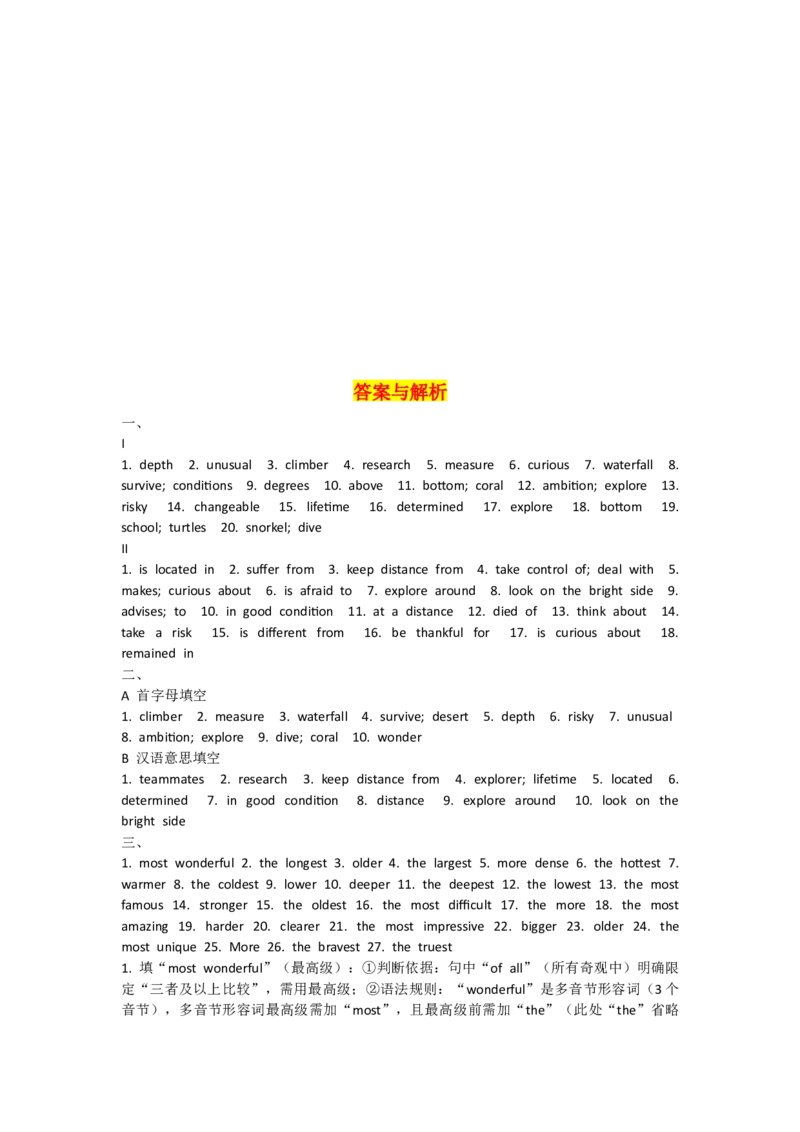
一、
I
1. depth 2. unusual 3. climber 4. research 5. measure 6. curious 7. waterfall 8.
survive; conditions 9. degrees 10. above 11. bottom; coral 12. ambition; explore 13.
risky 14. changeable 15. lifetime 16. determined 17. explore 18. bottom 19.
school; turtles 20. snorkel; dive
II
1. is located in 2. suffer from 3. keep distance from 4. take control of; deal with 5.
makes; curious about 6. is afraid to 7. explore around 8. look on the bright side 9.
advises; to 10. in good condition 11. at a distance 12. died of 13. think about 14.
take a risk 15. is different from 16. be thankful for 17. is curious about 18.
remained in
二、
A 首字母填空
1. climber 2. measure 3. waterfall 4. survive; desert 5. depth 6. risky 7. unusual
8. ambition; explore 9. dive; coral 10. wonder
B 汉语意思填空
1. teammates 2. research 3. keep distance from 4. explorer; lifetime 5. located 6.
determined 7. in good condition 8. distance 9. explore around 10. look on the
bright side
三、
1. most wonderful 2. the longest 3. older 4. the largest 5. more dense 6. the hottest 7.
warmer 8. the coldest 9. lower 10. deeper 11. the deepest 12. the lowest 13. the most
famous 14. stronger 15. the oldest 16. the most difficult 17. the more 18. the most
amazing 19. harder 20. clearer 21. the most impressive 22. bigger 23. older 24. the
most unique 25. More 26. the bravest 27. the truest
1. 填“most wonderful”(最高级):①判断依据:句中“of all”(所有奇观中)明确限
定“三者及以上比较”,需用最高级;②语法规则:“wonderful”是多音节形容词(3个
音节),多音节形容词最高级需加“most”,且最高级前需加“the”(此处“the”省略后接“of all”,完整结构为“the most wonderful of all”),贴合“所有奇观中最精彩
的”语境。
2. 填“the longest”(最高级):①判断依据:“one of + 复数名词”(one of
structures)是八年级核心固定结构,含义为“最……之一”,必须搭配“the + 最高级”,
限定“三者及以上(世界上的建筑)比较”;②语法规则:“long”是单音节形容词,单
音节形容词最高级直接加“-est”,故用“the longest”,表“最长的建筑之一”。
3. 填“older”(比较级):①判断依据:句中“than”(比……)是“两者比较”的标志
性词,此处比较对象是“长城”和“悉尼歌剧院”,仅两者对比,需用比较级;②语法规
则:“old”是单音节形容词,单音节形容词比较级直接加“-er”,故用“older”,表
“(长城)比悉尼歌剧院更古老”。
4. 填“the largest”(最高级):①判断依据:“in the world”(在世界上)明确限定
“三者及以上(全球的热带雨林)比较”,需用最高级;②语法规则:“large”是单音节
形容词,最高级加“-est”,且最高级前加“the”,故用“the largest”,表“世界上最大
的热带雨林”。
5. 填“more dense”(比较级):①判断依据:“than any other forest”(比其他任何
一片森林)本质是“两者比较”(亚马逊雨林 vs 其他任意一片森林),需用比较级;②
语法规则:“dense”是多音节形容词(2个音节且无明显单音节特征,八年级按多音节处
理),多音节形容词比较级加“more”,故用“more dense”,表“比其他森林更茂密”。
6. 填“the hottest”(最高级):①判断依据:“on Earth”(在地球上)限定“三者及
以上(全球的沙漠)比较”,需用最高级;②语法规则:“hot”是重读闭音节形容词(末
尾只有1个辅音字母,且重读),最高级需“双写尾字母+est”,前加“the”,故用“the
hottest”,表“地球上最热的沙漠”。
7. 填“warmer”(比较级):①判断依据:“than spring”(比春天)明确“两者比较”
(撒哈拉的夏天 vs 撒哈拉的春天),需用比较级;②语法规则:“warm”是单音节形容
词,比较级直接加“-er”,故用“warmer”,表“(夏天)比春天更温暖”。
8. 填“the coldest”(最高级):①判断依据:前文对比“撒哈拉(热)”,此处
“Antarctic(南极)”隐含“与地球上所有地方对比”(三者及以上),需用最高级;②
语法规则:“cold”是单音节形容词,最高级加“-est”,前加“the”,故用“the
coldest”,表“最冷的地方”。
9. 填“lower”(比较级):①判断依据:“than in Sahara”(比撒哈拉(的温度))明
确“两者比较”(南极温度 vs 撒哈拉温度),需用比较级;②语法规则:“low”是单音
节形容词,比较级加“-er”,故用“lower”,表“(温度)比撒哈拉更低”。
10. 填“deeper”(比较级):①判断依据:句首“Which is... the Mariana Trench or the
Dead Sea”(哪一个更……,马里亚纳海沟还是死海)明确“两者选择式比较”,需用比
较级;②语法规则:“deep”是单音节形容词,比较级加“-er”,故用“deeper”,表
“(两者中)更深的”。
11. 填“the deepest”(最高级):①判断依据:“part of the ocean”(海洋的一部
分)隐含“与海洋中所有区域对比”(三者及以上),需用最高级;②语法规则:
“deep”是单音节形容词,最高级加“-est”,前加“the”,故用“the deepest”,表
“海洋中最深的部分”。
12. 填“the lowest”(最高级):①判断依据:“point on land”(陆地上的点)隐含
“与陆地上所有点对比”(三者及以上),需用最高级;②语法规则:“low”是单音节形
容词,最高级加“-est”,前加“the”,故用“the lowest”,表“陆地上最低的点”。
13. 填“the most famous”(最高级):①判断依据:“one of + 复数名词”(one ofwaterfalls)是“最……之一”固定结构,需“the + 最高级”,限定“三者及以上(全球
瀑布)比较”;②语法规则:“famous”是多音节形容词,最高级加“most”,故用“the
most famous”,表“最著名的瀑布之一”。
14. 填“stronger”(比较级):①判断依据:“than most waterfalls”(比大多数瀑布)
本质是“两者比较”(尼亚加拉瀑布 vs 大多数瀑布中的任意一个),需用比较级;②语
法规则:“strong”是单音节形容词,比较级加“-er”,故用“stronger”,表“(水流)
比大多数瀑布更强”。
15. 填“the oldest”(最高级):①判断依据:“of the Seven Wonders of the Ancient
World”(古代七大奇迹中)明确“三者及以上(7个奇迹)比较”,需用最高级;②语法
规则:“old”是单音节形容词,最高级加“-est”,前加“the”,故用“the oldest”,表
“古代七大奇迹中最古老的”。
16. 填“the most difficult”(最高级):①判断依据:“at that time”(在当时)隐含
“与当时所有任务对比”(三者及以上),需用最高级;②语法规则:“difficult”是多音
节形容词,最高级加“most”,前加“the”,故用“the most difficult”,表“当时最困
难的任务”。
17. 填“the more”(比较级):①判断依据:句中“the more... the + 比较级”是八年
级核心固定句型,含义为“越……,越……”,前半部分需用“the + 比较级”,此处对
应“越了解”;②语法规则:“much”是不规则形容词,比较级为“more”,故用“the
more”,表“你了解得越多”。
18. 填“the most amazing”(最高级):①判断依据:前文“the more you learn... the
more you’ll realize”(你了解得越多,越会意识到),隐含“与你认知中其他事物对
比”(三者及以上),需用最高级;②语法规则:“amazing”是多音节形容词,最高级加
“most”,前加“the”,故用“the most amazing”,表“我们的世界最令人惊叹”。
19. 填“harder”(比较级):①判断依据:“the + 比较级... the + 比较级”固定句型,
前半部分需“the + 比较级”,对应“越学习”;②语法规则:“hard”是单音节形容词,
比较级加“-er”,故用“harder”,表“我们学习越努力”。
20. 填“clearer”(比较级):①判断依据:“the + 比较级... the + 比较级”固定句型,
后半部分需“the + 比较级”,对应“越理解”;②语法规则:“clear”是单音节形容词,
比较级加“-er”,故用“clearer”,表“我们理解得越清楚”。
21. 填“ the most impressive”(最高级): ①判断依据:“ Among all these
wonders”(在所有这些奇观中)明确“三者及以上比较”,需用最高级;②语法规则:
“impressive”是多音节形容词,最高级加“most”,前加“the”,故用“the most
impressive”,表“最令人印象深刻的(奇观)”。
22. 填“bigger”(比较级):①判断依据:前文“which do you think is the most
impressive? Is it the one that’s... ”(你觉得哪个最令人印象深刻?是那个……的吗),
隐含“与其他奇观对比”(两者及以上),需用比较级;②语法规则:“big”是重读闭音
节形容词,比较级需“双写尾字母+er”,故用“bigger”,表“更大的(奇观)”。
23. 填“older”(比较级):①判断依据:与第22题一致,隐含“与其他奇观对比”(两
者及以上),需用比较级;②语法规则:“old”是单音节形容词,比较级加“-er”,故用
“older”,表“更古老的(奇观)”。
24. 填“the most unique”(最高级):①判断依据:与第22、23题并列,“big、old、
unique”是三个维度的最高级对比(隐含“在‘独特’维度上,与其他所有奇观比”),
需用最高级;②语法规则:“unique”是多音节形容词,最高级加“most”,前加
“the”,故用“the most unique”,表“最独特的(奇观)”。25. 填“More”(比较级):①判断依据:“More roads lead to Rome”是固定谚语(条
条大路通罗马),需用“many”的比较级“more”,表“更多的路”;②语法规则:
“many”是不规则形容词,比较级为“more”,且谚语中无需加“the”,故用
“More”。
26. 填“the bravest”(最高级):①判断依据:“only the... explorers”(只有……的探
险家)隐含“与所有探险家对比”(三者及以上),需用最高级;②语法规则:“brave”
是单音节形容词,最高级加“-est”,前加“the”,故用“the bravest”,表“最勇敢的
探险家”。
27. 填“the truest”(最高级):①判断依据:“the... beauty of these places”(这些
地方……的美)隐含“与其他‘美’的形式对比”(三者及以上),需用最高级;②语法
规则:“true”是双音节形容词,最高级为“truest”(去e加“-est”),前加“the”,
故用“the truest”,表“最真实的美”。
四、
1. in2. from3. in4. in5. about6. in7. for8. of
9. of10. to
1. in:考查固定搭配“be located in”,意为“位于……”,用于描述地点的方位,此处
表示“古城位于国家的南部”。
2. from:考查固定短语“keep distance from”,意为“与……保持距离”,强调与对象之
间的空间或抽象距离,此处指“与野生动物保持安全距离”。
3. in:考查固定搭配“succeed in doing sth.”,意为“成功做某事”,“in”后接动名词,
此处表示“探险家成功登顶”。
4. in:考查固定搭配“in...conditions”,意为“在……条件下”,“in”用于描述环境、状
况的范围,此处指“在沙漠的恶劣条件下”。
5. about:考查固定短语“be curious about”,意为“对……好奇”,“about”引出好奇
的对象,此处指“对神秘的水下世界好奇”。
6. in:考查固定短语“in good condition”,意为“状况良好”,“in”用于描述事物的状
态,此处指“古庙数百年间状况一直很好”。
7. for:考查固定搭配“be thankful for”,意为“对……感激”,“for”引出感激的原因,
此处指“对学习和成长的机会心怀感激”。
8. of:考查名词所有格结构“exploration of...”,意为“……的探索”,“of”表示所属关
系,此处指“对最深海沟的探索”。
9. of:考查固定搭配“die of”,意为“死于(疾病、衰老等内在原因)”,此处“突发
疾病”属于内在原因,故填“of”。
10. to:考查固定短语“shoulder to shoulder”,意为“肩并肩地”,是固定表达,用于
描述团队协作的状态。
五、
1. explorer; discovered2. deeper; more amazing3. researching; historical4. dangerous;
southern5. is; works6. risky; most exciting7. diving; coral8. oldest; long
9. found; is believed10. ambition; succeed
1. explorer; discovered:①考查知识点:词性转换(动词变名词)+ 一般过去时。②分析:
第一个空前有定冠词“The”,后接定语从句(who指代人),需将动词“explore”(探
索)转换为名词“explorer”(探险家);第二个空后“last year”(去年)是一般过去时
的标志性时间状语,需将动词“discover”(发现)变为过去式“discovered”,符合“去
年发现新物种”的语境。2. deeper; more amazing:①考查知识点:“the + 比较级,the + 比较级”句型 + 形容
词比较级规则。②分析:句子符合“越……,越……”的固定句型,需用比较级;第一个
空“deep”(深的)是单音节形容词,比较级直接加“-er”,即“deeper”;第二个空
“amaze”(使惊讶)修饰“plants”(事物),需先转换为形容词“amazing”(令人惊讶
的),且“amazing”是多音节形容词,比较级需加“more”,即“more amazing”。
3. researching; historical:①考查知识点:“spend + 时间 + doing sth.”非谓语动词结构
+ 词性转换(名词变形容词)。②分析:第一个空符合“spend”的固定搭配,介词
“after”后接动名词,故“research”(研究,动词)变为“researching”;第二个空修饰
名词“event”(事件),需用形容词,将名词“history”(历史)转换为形容词
“historical”(历史的),表示“历史事件”。
4. dangerous; southern:①考查知识点:词性转换(名词变形容词)+ 形容词修饰名词的
用法。②分析:两个空均需修饰后面的名词(第一个空修饰“animals”,第二个空修饰
“part”),需将名词转换为形容词;“ danger”(危险,名词)变形容词
“dangerous”(危险的),“south”(南方,名词)变形容词“southern”(南方的),
符合“危险的动物”“南方地区”的语境。
5. is; works:①考查知识点:集合名词的主谓一致 + 一般现在时。②分析:第一个空
“the team”(团队)表示整体概念时,谓语动词用单数,故填“is”;第二个空后
“every day”(每天)是一般现在时的标志性时间状语,主语“each member”(每个成
员)为单数,故动词“work”(工作)变为第三人称单数形式“works”。
6. risky; most exciting:①考查知识点:“it’s + 形容词 + to do sth.”句型 + 形容词最
高级规则。②分析:第一个空符合“it’s + 形容词”的主系表结构,需将名词“risk”
(风险)转换为形容词“risky”(有风险的);第二个空后“the”是最高级的标志,且
“ever had”(曾经有过的)暗示“三者及以上比较”,“exciting”(令人兴奋的)是多
音节形容词,最高级需加“more”,即“most exciting”。
7. diving; coral:①考查知识点:介词后接动名词 + 名词作定语的用法。②分析:第一个
空“after”是介词,介词后需接动名词,故“dive”(潜水,动词)变为“diving”;第二
个空“coral reefs”(珊瑚礁)是固定搭配,“coral”(珊瑚,名词)此处作形容词(珊瑚
的),修饰“reefs”,无复数变化,直接用“coral”。
8. oldest; long:①考查知识点:形容词最高级 + 形容词原级。②分析:第一个空后
“the”是最高级的标志,且“in the city”(在这座城市里)暗示“三者及以上比较”,
“old”(古老的)是单音节形容词,最高级为“oldest”;第二个空“a long history”
(一段悠久的历史)是固定搭配,“long”(长的)用原级修饰“history”,无需变比较
级/最高级。
9. found; is believed:①考查知识点:过去分词作后置定语 + 被动语态(be believed to
be)。②分析:第一个空“the ancient vase”(古花瓶)与“find”(发现)是被动关系
(花瓶被发现),且“发现”的动作已完成,用过去分词“found”作后置定语,修饰
“vase”;第二个空符合“be believed to be”(被认为是)的固定搭配,主语“the
vase”(单数),故用“is believed”,体现“花瓶被认为有2000多年历史”的被动含义。
10. ambition; succeed:①考查知识点:词性转换(形容词变名词)+ 不定式“to + 动词
原形”。②分析:第一个空“a strong + 名词”是固定结构,需将形容词“ambitious”
(有抱负的)转换为名词“ambition”(抱负);第二个空“to”是不定式符号,后面需接
动词原形,故将名词“success”(成功)转换为动词“succeed”(成功),符合“有抱负
去实现事业成功”的语境。
六、第一篇:
1. explorers 2. thousand 3. depth 4. civilization 5. hundreds 6. research 7.
unusual 8. ambition 9. dive 10. risky 11. determination 12. distance 13. two 14.
successfully 15. survived 16. wonderful
第二篇:
1. five 2. hundreds 3. researchers 4. explore 5. thousands 6. hundreds 7. depth
8. distance 9. determined 10. ambition 11. unusual 12. exploration 13. months 14.
successful 15. wonderful
第一篇:
1. explorers:考查动词变名词+复数。“explore”(探索)变名词“explorer”(探险家),
“a team of”后接可数名词复数,故填“explorers”,意为“一队探险家”。
2. thousand:考查数词精确计数。“thousand”前有隐含的“over one”(超过一),表
精确数量,用原形,意为“超过一千年”。
3. depth:考查形容词变名词。“deep”(深的)变名词“depth”(深度),“a depth
of”是固定结构,意为“深度为……”。
4. civilization:考查名词单复数。“ancient”(古代的)修饰单数名词,“civilization”
(文明)无需变形,意为“古代文明”。
5. hundreds:考查数词模糊计数。“hundreds of”是固定搭配,表“数百的”,意为“数
百小时”。
6. research:考查名词用法。“do research on”是固定搭配,“research”(研究)为不
可数名词,意为“做研究”。
7. unusual:考查形容词否定形式。“usual”(寻常的)变否定“unusual”(不寻常的),
符合“令人惊讶的设计”语境。
8. ambition:考查形容词变名词。“ambitious”(有抱负的)变名词“ambition”(抱
负),“people’s ambition”意为“人们的抱负”。
9. dive:考查动词原形。“had to”后接动词原形,“dive”(潜水)符合“潜入海沟”语
境。
10. risky:考查名词变形容词。“risk”(风险)变形容词“risky”(有风险的),修饰
“conditions”(条件),意为“有风险的条件”。
11. determination:考查形容词变名词。“ determined”(有决心的) 变名词
“determination”(决心),“their determination”意为“他们的决心”。
12. distance:考查形容词变名词。“distant”(遥远的)变名词“distance”(距离),
“the distance from”意为“从……的距离”。
13. two:考查基数词用法。修饰“thousand”表精确数量,“two”(二)用原形,意为
“两千公里”。
14. successfully:考查名词变副词。“success”(成功)变副词“successfully”(成功地),
修饰动词“mapped”(绘制),意为“成功绘制”。
15. survived:考查一般过去时。文章整体为过去时态,“survive”(生存)的过去式是
“survived”,意为“古代人如何生存”。
16. wonderful:考查名词变形容词。“wonder”(奇迹)变形容词“wonderful”(精彩
的),修饰“example”(例子),意为“精彩的例子”。
第二篇:
1. five:考查基数词用法。修饰“thousand”表精确数量,“five”(五)用原形,意为
“五千年前”。2. hundreds:考查数词模糊计数。“hundreds of”表“数百的”,修饰“communities”
(社区),意为“数百个社区”。
3. researchers:考查动词变名词+复数。“research”(研究)变名词“researcher”(研究
人员),“a group of”后接可数名词复数,故填“researchers”,意为“一组研究人员”。
4. explore:考查动词原形。“set out to”后接动词原形,“explore”(探索)符合“探
索被遗忘的历史”语境。
5. thousands:考查数词模糊计数。“thousands of”表“数千的”,修饰“meters”
(米),意为“数千米深”。
6. hundreds:考查数词模糊计数。“hundreds of”表“数百的”,修饰“years”(年),
意为“数百年前”。
7. depth:考查形容词变名词。“deep”(深的)变名词“depth”(深度),“the depth
of”意为“……的深度”。
8. distance:考查形容词变名词。“distant”(遥远的)变名词“distance”(距离),
“the distance from”意为“从……的距离”。
9. determined:考查固定搭配。“be determined to”是固定结构,意为“决心……”,
“determined”(有决心的)符合语境。
10. ambition:考查形容词变名词。“ambitious”(有抱负的)变名词“ambition”(抱
负),“people’s ambition”意为“人们的抱负”。
11. unusual:考查形容词否定形式。“usual”(寻常的)变否定“unusual”(不寻常的),
符合“改变认知的发现”语境。
12. exploration:考查动词变名词。“explore”(探索)变名词“exploration”(探索),
“their exploration”意为“他们的探索”。
13. months:考查名词复数。“took”(花费)后接可数名词复数,“month”(月)变复
数“months”,意为“花费数月”。
14. successful:考查名词变形容词。“success”(成功)变形容词“successful”(成功
的),“was successful”意为“是成功的”。
15. wonderful:考查名词变形容词。“wonder”(奇迹)变形容词“wonderful”(精彩
的),修饰“land”(土地),意为“精彩的土地”。
七、
1. the, farthest, 6,300, kilometres
2. 5,464, kilometres, the, second, longest
3. By, the, way, called, the, Yellow, River
4. carry, brown, and, yellow, earth
5. Both, helped
6. the, highest, place, feel, like
7. only, the, best, climbers, only, if
8. Bit, by, bit, made, it, past
9. At, 4:20, a.m., on, 25, May, flew, above
10. Until, 2007, used, this, Chinese, Ladder, to, reach
11. as, the, English, explorer, George, Mallory, put, it, simply
八、
1.Mount Qomolangma is the highest mountain in the world, with an altitude of about
8,848.86 meters, and it attracts thousands of climbers.
2.The Nile is not only the longest river in Africa but also helped the development ofancient Egyptian civilization. It is about 6,671 kilometers long.
3.Although climbing the mountains on the edge of the Sahara Desert is risky, that
exploration team was still determined to complete their exploration and succeeded in
the end.
4.Qinghai Lake is the largest lake in China, covering an area of about 4,340 square
kilometers, and it attracts millions of tourists every year.
5.On May 25, 1960, the Chinese climbing team succeeded in reaching the top of Mount
Qomolangma for the first time, which was a great achievement in the history of Chinese
mountaineering.
九、
第一篇:1. B2. B3. C4. B
第二篇:1. B2. B3. C4. D
第一篇:
第1题:B(细节理解题)
• 解题依据:题目问“珠穆朗玛峰的高度是多少”,需在文章中定位“高度”相关信息,
对应第一段首句“Mount Qomolangma, standing at 8,848.86 meters, is the highest
mountain in the world”(珠穆朗玛峰海拔8848.86米,是世界最高峰)。
• 选项分析:A选项“8600米”是第三段中“第二台阶”的海拔,并非珠峰整体高度;C
选项“-30℃”是第二段中攀登时的低温,属于“环境条件”,非高度;D选项“海拔8600
米”同样对应“第二台阶”,并非珠峰高度,故排除A、C、D,选B。
第2题:B(词义猜测题)
• 解题依据:题目问“第二段中划线词‘conquer’的含义”,需结合上下文语境判断。前
文提到“1960年5月25日,一群勇敢的中国登山者创造了历史”,后文补充“使中国成为
首个从北侧登上珠峰的国家”,可知“conquer”对应“登顶、征服”的动作。
• 选项分析:A选项“离开”、C选项“观察”、D选项“测量”均与“登山队登顶珠峰”
的语境不符,无法体现“突破困难到达顶峰”的含义,故排除A、C、D,选B。
第3题:C(推理判断题)
• 解题依据:题目问“根据文章,下列哪项表述正确”,需逐一核对选项与文章内容的一
致性,结合细节排除错误选项。
• 选项分析:
A选项“中国登山队首次攀登珠峰是在1975年”错误,第二段明确提到“Before 1960,
◦
no Chinese team had ever reached its top. However, on May 25, 1960... made
history”(1960年前中国团队从未登顶,1960年5月25日创造历史),首次登顶是1960
年,而非1975年;
B 选项“‘中国梯’在 2007 年后被使用”错误,第三段提到“Until 2007, most
◦
climbers from the north used this ladder”(直到2007年,大多数北侧攀登者都使用这把
梯子),即2007年前使用,而非之后;
C选项“攀登珠穆朗玛峰充满挑战”正确,第一段提到“Climbing it is a dream for
◦
many, but it’s also full of dangers”(攀登珠峰是很多人的梦想,但也充满危险),第
二段补充“faced terrible conditions: temperatures dropped to -30℃, and the air was so
thin that breathing was difficult”(面临恶劣条件:气温低至-30℃,空气稀薄难以呼吸),
均体现“挑战多”;
D选项“乔治·马洛里是中国探险家”错误,最后一段明确提到“the English explorer
◦
George Mallory”(英国探险家乔治·马洛里),故排除A、B、D,选C。第4题:B(主旨大意题)
• 解题依据:题目问“文章主旨是什么”,需梳理全文脉络:第一段介绍珠峰的地位与攀
登的危险性;第二段讲1960年中国登山队首次从北侧登顶珠峰;第三段讲1975年中国登
山队带“中国梯”再次登顶及“中国梯”的作用;第四段补充“人们为何攀登珠峰”(结
尾次要内容)。核心内容围绕“中国登山队攀登珠峰的历史”展开。
• 选项分析:
A选项“攀登珠峰的危险”仅对应第一段和第二段部分内容,片面,未涵盖“中国登山
◦
队的事迹”;
B选项“中国登山队攀登珠峰的历史”贴合全文核心,从 1960年首次登顶到1975年带
◦
“中国梯”登顶,均是“历史脉络”的体现;
C选项“人们为何攀登珠峰”仅在第四段提及,是结尾补充内容,非主旨;
◦
D选项“珠峰上的‘中国梯’”仅对应第三段,是“中国登山队历史”的部分细节,非
◦
主旨,故排除A、C、D,选B。
第二篇:
第1题:B(细节理解题)
• 解题依据:题目问“尼罗河的长度是多少”,需定位“尼罗河”与“长度”相关信息,
对应第二段首句“The Nile, the longest river in Africa (about 6,671 km), played a key
role in ancient Egypt”(尼罗河是非洲最长的河流,约6671公里,在古埃及文明中扮演重
要角色)。
• 选项分析:A选项“5464公里”是第三段中黄河的长度,非尼罗河;C选项“8848.86
米”是珠峰的高度,与“河流长度”无关;D选项“4340公里”是之前题目中青海湖的面
积单位(平方公里),且对象不符,故排除A、C、D,选B。
第2题:B(词义猜测题)
• 解题依据:题目问“第三段中划线词‘fertile’的含义”,需结合上下文语境判断。前文
提到“Like the Nile, it also flooded”(和尼罗河一样,黄河也会泛滥),后文补充“This
allowed ancient Chinese to grow crops”(这让古代中国人能够种植庄稼),可知“洪水
带来的泥土”能支撑作物生长,即“肥沃的”。
• 选项分析:A选项“贫瘠的”(无法种庄稼)、C选项“干燥的”(不利于作物生长)、
D选项“坚硬的”(难以耕种)均与“能种植庄稼”的语境矛盾,故排除A、C、D,选B。
第3题:C(细节理解题)
• 解题依据:题目问“尼罗河和黄河有什么共同点”,需分别梳理两条河流的特点,提炼
共性,对应第二段和第三段的核心内容。
• 选项分析:
A选项“它们是各自国家最长的河流”错误,第三段提到“ The Yellow River... is the
◦
second longest river in China”(黄河是中国第二长河流),并非中国最长;
B 选项“它们在历史上从不泛滥”错误,第二段提到尼罗河“Every year, it
◦
flooded”(每年都会泛滥),第三段提到黄河“Like the Nile, it also flooded”(和尼罗
河一样也会泛滥);
C 选项“它们助力了古代文明的发展”正确,第二段讲尼罗河“helped ancient
◦
Egyptians develop their civilization”(助力古埃及文明发展),第三段讲黄河“develop
their own civilization”(助力中国古代文明发展),是两者明确的共性;
D选项“它们位于同一大洲”错误,尼罗河位于非洲,黄河位于亚洲,分属不同大洲,
◦
故排除A、B、D,选C。
第4题:D(推理判断题)• 解题依据:题目问“从文章中我们能推断出什么”,需基于文章内容(不脱离原文)进
行合理推测,避免绝对化、无依据的判断。
• 选项分析:
A选项“河流对现代生活不重要”错误,文章最后一句“Even today, they continue to
◦
support millions of people”(即使在今天,它们仍支撑着数百万人的生活),说明河流对
现代生活仍重要;
B选项“只有尼罗河和黄河支撑了文明”错误,第一段提到“Two famous examples are
◦
the Nile and the Yellow River”(尼罗河和黄河是两个著名的例子),“例子”说明还有
其他河流,“only”(只有)表述绝对,不符合原文;
C选项“洪水对古埃及和中国有害”错误,文章提到洪水带来“rich soil”(肥沃土壤,
◦
尼罗河)和“fertile earth”(肥沃泥土,黄河),均支撑作物生长,助力文明发展,并非
“有害”;
D选项“河流与人类发展密切相关”正确,文章开头提到“Rivers have always been
◦
important for human civilizations”(河流对人类文明始终重要),中间讲两条河流助力古
代文明,结尾讲“它们是人类进步的象征,至今支撑人类生活”,可合理推断“河流与人
类发展密切相关”,故排除A、B、C,选D。
十、
1. B2. A3. A4. B5. B6. C7. A8. A9. A10. B11. B
12. A13. A14. C15. B
第1题:B(考点:形容词辨析+修饰对象区分)
• 解题依据:空格修饰的是“natural wonders”(自然奇观,指物),需选能修饰“物”、
表“令人……的”形容词;且“one of the most + 形容词原级”是固定结构,表
“最……之一”。
• 选项分析:A选项“excited”仅能修饰“人”(如excited people,兴奋的人),无法修
饰“自然奇观”;C 选项“excite”是动词(如 excite sb.,使某人兴奋),不能放在
“most”后作定语;D选项“excitement”是名词(如feel excitement,感到兴奋),同样
不符合“most + 形容词”的结构;B选项“exciting”可修饰“物”,表“令人兴奋的”,
贴合“自然奇观”的语境,故选B。
第2题:A(考点:形容词最高级+常识性词义辨析)
• 解题依据:空格后“stretching over 2,300 kilometers”(绵延2300多公里)提示“规模
大”,且“globally”(全球范围内)说明是“三者以上比较”,需用最高级;结合常识,
大堡礁是全球“最大的”珊瑚礁系统。
• 选项分析:B选项“smallest”(最小的)与“绵延 2300公里”的规模矛盾;C选项
“highest”(最高的)、D选项“lowest”(最低的)均用于描述“高度”,而珊瑚礁的核
心特征是“面积/规模”,并非高度;A选项“largest”(最大的)既符合最高级用法,又
匹配“规模大”的语境及常识,故选A。
第3题:A(考点:形容词词义辨析+语境关联)
• 解题依据:空格后“supports thousands of marine species”(支撑数千种海洋生物)是
关键提示,说明该生态系统“物种丰富、资源充足”,需选表“丰富的”形容词。
• 选项分析:B 选项“poor”(贫瘠的)与“支撑数千海洋生物”矛盾;C 选项
“empty”(空的)意为“没有东西的”,显然不符合生态系统的特征;D选项“full”
(满的)侧重“空间被填满”,不用于描述“生态系统的物种丰富度”;A选项“rich”
(丰富的)可用于修饰“生态系统、资源”等,表“物种多、资源足”,贴合语境,故选
A。第4题:B(考点:形容词辨析+语境逻辑)
• 解题依据:空格前“both exciting and...”(既令人兴奋又……)表并列关系,且后文提
到“Divers need to be... and well-prepared”(潜水员需……且准备充分)、“sudden
storms”(突发风暴),暗示探索过程“有风险、有挑战”,需选表“有危险的”形容词。
• 选项分析:A选项“safe”(安全的)、C选项“easy”(容易的)、D选项“simple”
(简单的)均与“潜水员需精心准备、面临风暴”的“挑战感”矛盾;B 选项
“dangerous”(危险的)既符合并列逻辑,又匹配后文“挑战”的语境,故选B。
第5题:B(考点:词性辨析+形容词作表语用法)
• 解题依据:空格前是be动词“be”,根据语法规则,be动词后需接形容词作表语;结
合后文“well-prepared”(精心准备的,形容词)及“be careful not to damage...”(小
心不破坏……),可知空格需选表“谨慎的”形容词。
• 选项分析:A选项“care”可作名词(如take care,小心)或动词(如care about,关
心),不能作表语;C选项“carefully”是副词(如do sth. carefully,谨慎地做某事),需
修饰动词,不能接在be动词后;D选项“careless”(粗心的)语义与“需精心准备、避免
破坏珊瑚”相反;B选项“careful”是形容词(谨慎的),可接在be动词后作表语,贴合
语境,故选B。
第6题:C(考点:动词词义辨析+语境逻辑)
• 解题依据:空格前主语是“sudden storms”(突发风暴),宾语是“the visibility”(能
见度),结合常识,风暴会“降低”水中的能见度,导致视线模糊,需选表“降低”的动
词。
• 选项分析:A选项“improve”(改善)、C选项“increase”(增加)均与“风暴导致视
线差”的常识逻辑相反;D选项“create”(创造)意为“产生新事物”,与“能见度”搭
配无意义;C选项“reduce”(降低)可搭配“能见度”,且符合风暴的负面影响,故选
C。
第7题:A(考点:形容词词义辨析+语境关联)
• 解题依据:空格后“so divers must be careful not to damage the delicate coral”(因
此潜水员需小心,避免破坏脆弱的珊瑚)是结果,说明空格描述的“区域特征”会增加
“破坏珊瑚的风险”;结合潜水常识,“深水区”光线差、操作难度高,更易误碰珊瑚,
需选表“深的”形容词。
• 选项分析:B选项“shallow”(浅的)意为“水深较浅的”,浅水区光线好、操作易,
不易误碰珊瑚,与“需小心”的结果矛盾;C选项“wide”(宽的)、D选项“narrow”
(窄的)均描述“区域的宽度”,与“是否易破坏珊瑚”无直接关联;A选项“deep”
(深的)符合“深水区操作难、需小心”的语境,故选A。
第8题:A(考点:现在完成进行时语法结构)
• 解题依据:空格前是“have been”,根据语法规则,“have been + 动词现在分词”构
成“现在完成进行时”,表“动作从过去开始,持续到现在,且可能继续”;后文“for
years”(多年来)也提示动作“持续了较长时间”,需选动词的现在分词形式。
• 选项分析:B选项“research”是动词原形(一般现在时)或名词,不符合“have been
+ 现在分词”的结构;C选项“researched”是动词过去分词(可用于被动语态或现在完成
时的“have researched”,表“已完成”,不表“持续进行”);D选项“researches”是
动词第三人称单数(一般现在时,主语需为单数,此处主语是“scientists”,复数,不匹
配);A选项“researching”是动词现在分词,符合“have been researching”的时态结构,
表“多年来一直在研究”,故选A。
第9题:A(考点:动词词义辨析+易混词区分)• 解题依据:空格前主语是“climate change”(气候变化),宾语是“its health”(它的
健康,指大堡礁的健康),结合常识,气候变化会“影响”大堡礁的生存状态,需选表
“影响”的动词;且空格前是“is”,需用现在分词构成现在进行时(表“正在产生影
响”)。
• 选项分析:B选项“effecting”易与“affecting”混淆,“effect”作动词时表“实现、使
发生”(如effect a change,促成改变),不表“影响”,表“影响”时需作名词(如
have an effect on);C 选项“affording”(负担得起,如 afford sth.)、D 选项
“offering”(提供,如offer help)均与“气候变化和大堡礁健康”的关联无关;A选项
“affecting”是“affect”(影响,动词)的现在分词,符合“影响”的语义及现在进行时
结构,故选A。
第10题:B(考点:名词词义辨析+语境逻辑)
• 解题依据:空格前主语是“Rising ocean temperatures and pollution”(海洋升温与污
染),定语是“major”(主要的),后文“to this beautiful ecosystem”(对这个美丽的
生态系统而言)提示,这些因素是“负面威胁”,需选表“问题、威胁”的名词。
• 选项分析:A选项“supports”(支持,名词)、D选项“benefits”(益处,名词)均为
“正面含义”,与“海洋升温、污染”的负面属性矛盾;C选项“solutions”(解决方案,
名词)意为“解决问题的方法”,而“海洋升温、污染”本身是“问题”,不是“解决方
案”;B选项“problems”(问题,名词)可指“对事物有害的情况”,贴合“海洋升温、
污染威胁生态系统”的语境,故选B。
第11题:B(考点:动词词义辨析+语境连贯)
• 解题依据:前文提到“海洋升温、污染是大堡礁的主要问题”,空格前“Many
organizations are working hard to...”(许多组织努力去……)提示,组织的行动是“应对
问题、保护大堡礁”,需选表“保护”的动词。
• 选项分析:A选项“destroy”(破坏,动词)与“应对问题”的逻辑相反;C选项
“build”(建造,动词)意为“搭建新事物”,而大堡礁是自然形成的,无需“建造”;
D 选项“ignore”(忽视,动词)意为“不管不问”,与“努力行动”矛盾;B 选项
“protect”(保护,动词)符合“应对问题、守护生态系统”的语境,故选B。
第12题:A(考点:形容词词义辨析+常识关联)
• 解题依据:空格修饰“beauty”(美),结合前文“natural wonders”(自然奇观)及
常识,大堡礁的美是“自然形成的,非人造的”,需选表“自然的”形容词。
• 选项分析:B选项“man-made”(人造的,形容词)与“自然奇观”的属性矛盾;C选
项“ugly”(丑陋的,形容词)与“人们探索、保护大堡礁”的前提(认可其美)相反;D
选项“common”(普通的,形容词)与“自然奇观”的“特殊性、罕见性”矛盾;A选项
“natural”(自然的,形容词)贴合“自然奇观的美”的属性,故选A。
第13题:A(考点:固定搭配+词性辨析)
• 解题依据:空格后是“every effort”(所有努力),结合语境“人们认为大堡礁……所
有努力”,需表达“值得”的含义;“be worth + 名词/代词/动名词”是固定搭配,表
“值得……”,符合语法及语义需求。
• 选项分析:B选项“worthless”(无价值的,形容词)语义与“值得努力”相反;C选项
“worthy”(值得的,形容词)需搭配“of”(如be worthy of every effort),不能直接
接“every effort”;D 选项“worthily”(值得地,副词)需修饰动词(如 do sth.
worthily),不能接在“is”后修饰“effort”;A选项“worth”(介词,值得)符合“be
worth every effort”的固定搭配,故选A。
第14题:C(考点:形容词词义辨析+全文基调)• 解题依据:全文围绕大堡礁的“神奇、珍贵”展开(如“natural wonders”“amazing
place”“colorful fish, giant turtles”),空格修饰“experience”(经历),需选表“美
好的、美妙的”形容词,贴合全文积极基调。
• 选项分析:A选项“terrible”(糟糕的,形容词)、B选项“boring”(无聊的,形容
词)均与全文“赞美大堡礁”的积极基调相反;D选项“difficult”(困难的,形容词)前
文用于描述“探索(如潜水)的挑战”,而非“游览的经历”,游览侧重“欣赏美景”,
并非“困难”;C选项“wonderful”(美妙的,形容词)符合“欣赏珊瑚、鱼类等美景”
的游览体验,贴合基调,故选C。
第15题:B(考点:形容词词义辨析+常识语境)
• 解题依据:空格修饰“sharks”(鲨鱼),结合前文“Visiting the reef can be a
wonderful experience”(游览大堡礁是美妙的经历)及“even some...”(甚至一
些……)的递进关系,说明这些鲨鱼“不会威胁游客安全”,需选表“无害的”形容词。
• 选项分析:A选项“harmful”(有害的,形容词)若修饰鲨鱼,会与“美妙的游览经
历”矛盾;C选项“helpful”(有帮助的,形容词)不用于描述“鲨鱼对人的属性”;D选
项“helpless”(无助的,形容词)意为“无法自助的”,与“鲨鱼是否威胁人”无关;B
选项“harmless”(无害的,形容词)贴合“游览安全、体验美妙”的语境,且符合大堡
礁多数鲨鱼无攻击性的常识,故选B。