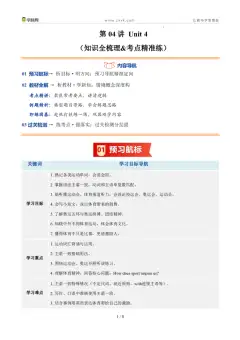
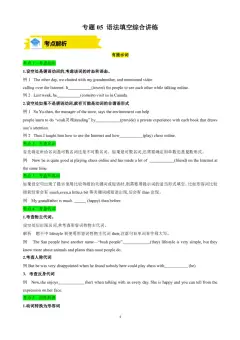
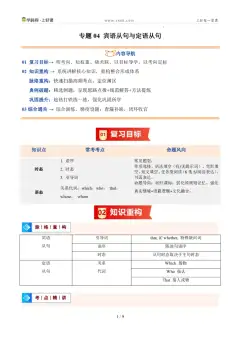
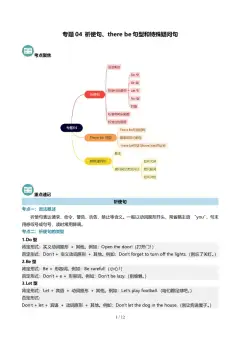
1 / 7
学科网(北京)股份有限公司
学科网(北京)股份有限公司
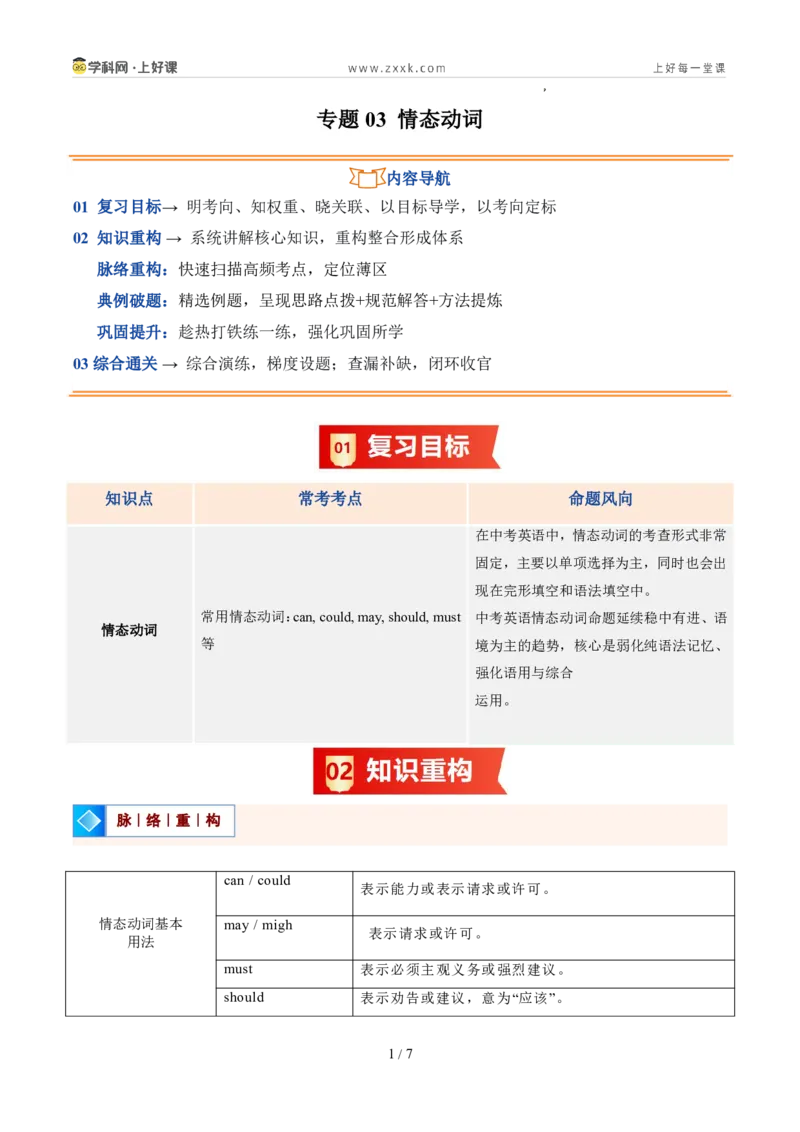
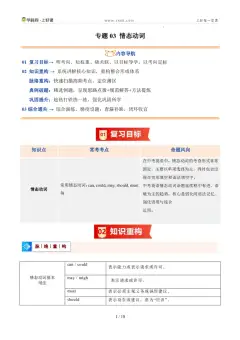
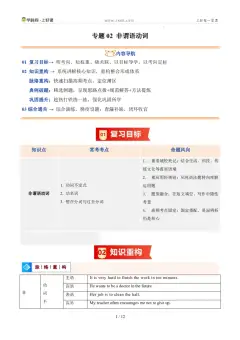
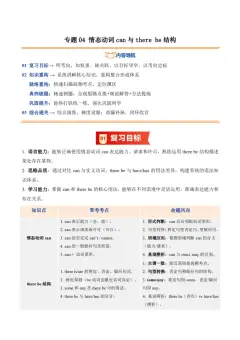
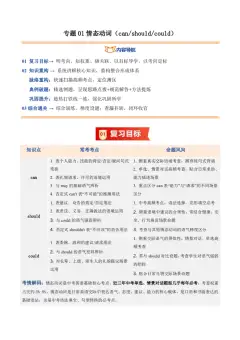
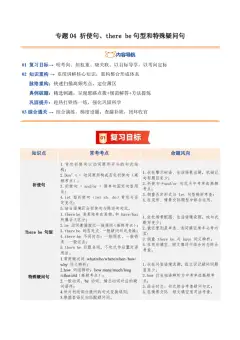
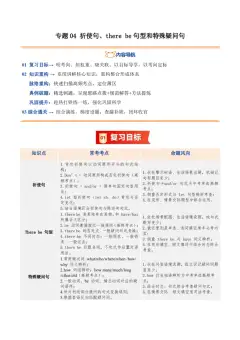
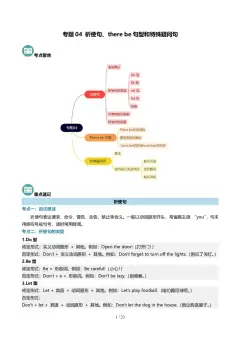
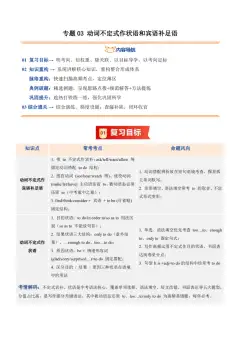
专题03 情态动词
内容导航
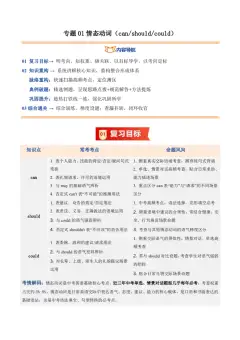
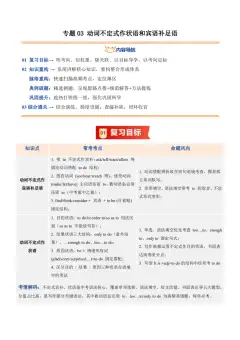
01 复习目标→明考向、知权重、晓关联、以目标导学,以考向定标
02 知识重构→系统讲解核心知识,重构整合形成体系
脉络重构:快速扫描高频考点,定位薄区
典例破题:精选例题,呈现思路点拨+规范解答+方法提炼
巩固提升:趁热打铁练一练,强化巩固所学
03 综合通关→综合演练,梯度设题;查漏补缺,闭环收官
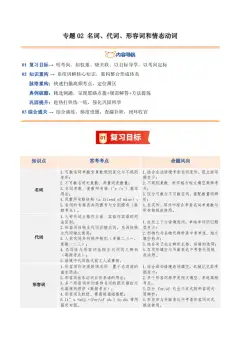
知识点
常考考点
命题风向
情态动词
常用情态动词:can, could, may, should, must
等
在中考英语中,情态动词的考查形式非常
固定,主要以单项选择为主,同时也会出
现在完形填空和语法填空中。
中考英语情态动词命题延续稳中有进、语
境为主的趋势,核心是弱化纯语法记忆、
强化语用与综合
运用。
脉|络|重|构
情态动词基本
用法
can / could
表示能力或表示请求或许可。
may / migh
表示请求或许可。
must
表示必须主观义务或强烈建议。
should
表示劝告或建议,意为“应该”。
2 / 7
学科网(北京)股份有限公司
学科网(北京)股份有限公司
情态动词表推测
must
一定
Could/might /may
可能,也许,或许
can’t
不可能
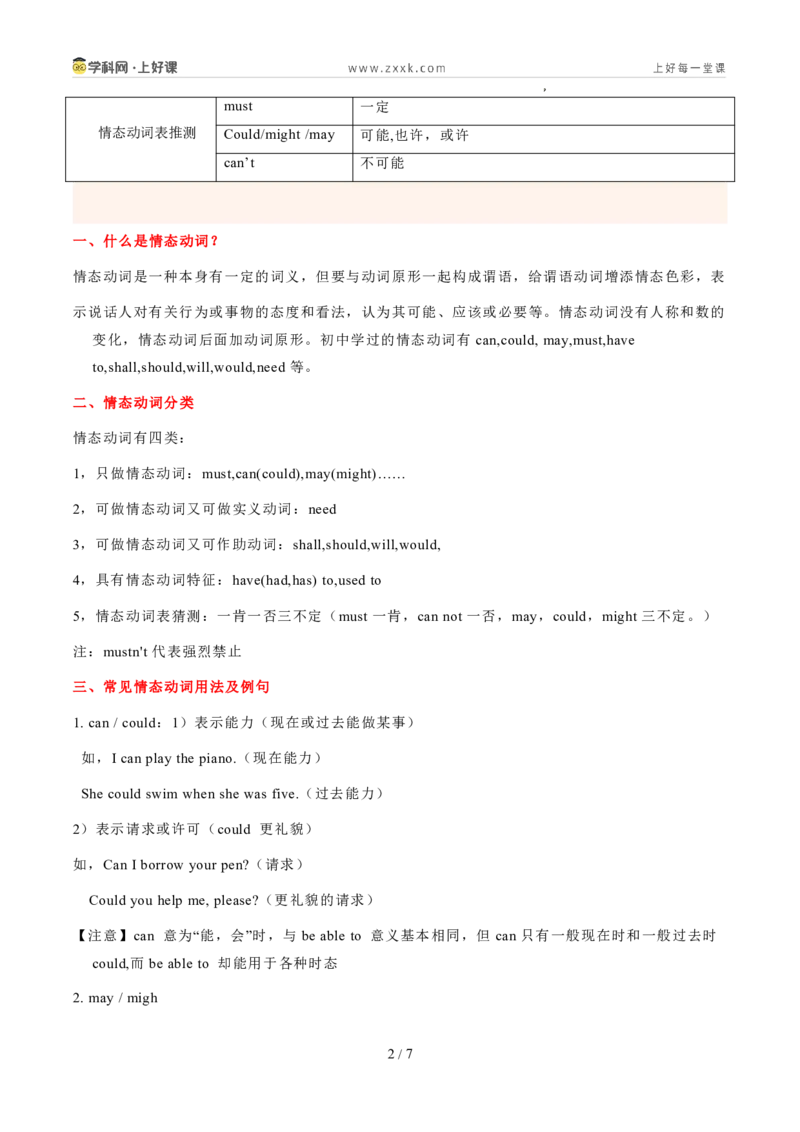
一、什么是情态动词?
情态动词是一种本身有一定的词义,但要与动词原形一起构成谓语,给谓语动词增添情态色彩,表
示说话人对有关行为或事物的态度和看法,认为其可能、应该或必要等。情态动词没有人称和数的
变化,情态动词后面加动词原形。初中学过的情态动词有can,could, may,must,have
to,shall,should,will,would,need 等。
二、情态动词分类
情态动词有四类:
1,只做情态动词:must,can(could),may(might)……
2,可做情态动词又可做实义动词:need
3,可做情态动词又可作助动词:shall,should,will,would,
4,具有情态动词特征:have(had,has) to,used to
5,情态动词表猜测:一肯一否三不定(must 一肯,can not 一否,may,could,might 三不定。)
注:mustn't 代表强烈禁止
三、常见情态动词用法及例句
1. can / could:1)表示能力(现在或过去能做某事)
如,I can play the piano.(现在能力)
She could swim when she was five.(过去能力)
2)表示请求或许可(could 更礼貌)
如,Can I borrow your pen?(请求)
Could you help me, please?(更礼貌的请求)
【注意】can 意为“能,会”时,与be able to 意义基本相同,但can 只有一般现在时和一般过去时
could,而be able to 却能用于各种时态
2. may / migh
3 / 7
学科网(北京)股份有限公司
学科网(北京)股份有限公司
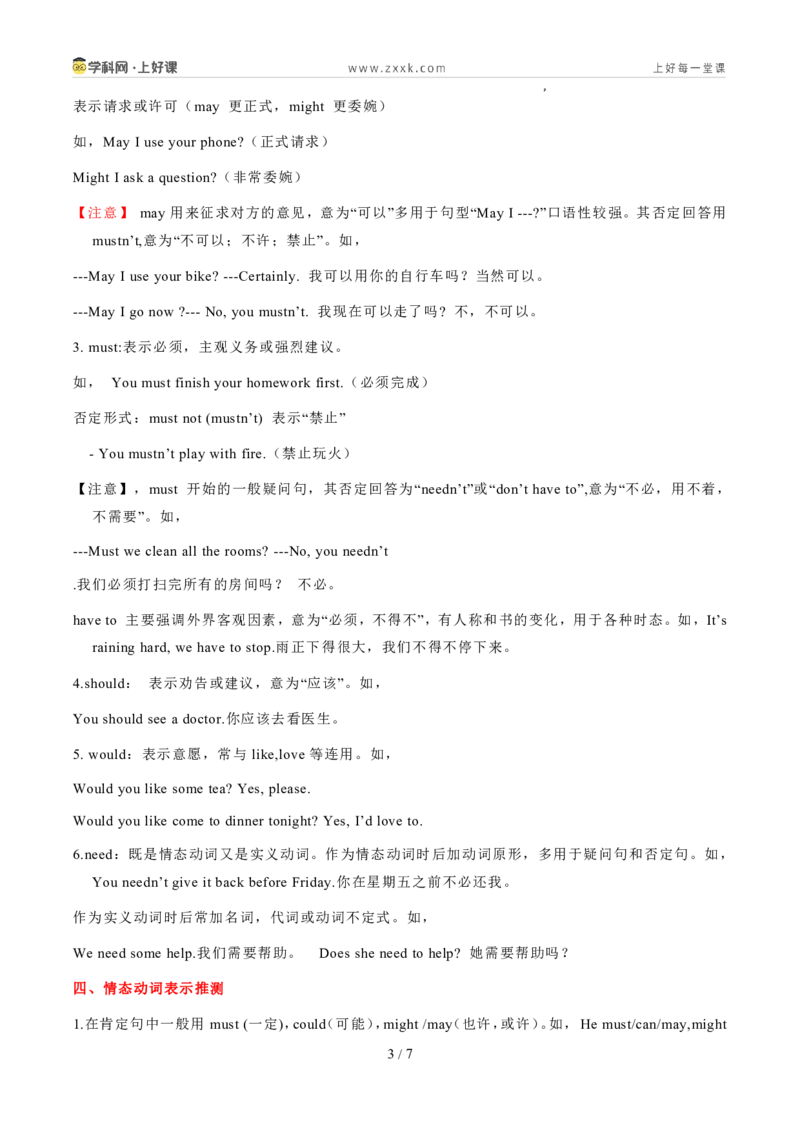
表示请求或许可(may 更正式,might 更委婉)
如,May I use your phone?(正式请求)
Might I ask a question?(非常委婉)
【注意】may 用来征求对方的意见,意为“可以”多用于句型“May I ---?”口语性较强。其否定回答用
mustn’t,意为“不可以;不许;禁止”。如,
---May I use your bike? ---Certainly. 我可以用你的自行车吗?当然可以。
---May I go now ?--- No, you mustn’t. 我现在可以走了吗? 不,不可以。
3. must:表示必须,主观义务或强烈建议。
如,You must finish your homework first.(必须完成)
否定形式:must not (mustn’t) 表示“禁止”
- You mustn’t play with fire.(禁止玩火)
【注意】,must 开始的一般疑问句,其否定回答为“needn’t”或“don’t have to”,意为“不必,用不着,
不需要”。如,
---Must we clean all the rooms? ---No, you needn’t
.我们必须打扫完所有的房间吗?不必。
have to 主要强调外界客观因素,意为“必须,不得不”,有人称和书的变化,用于各种时态。如,It’s
raining hard, we have to stop.雨正下得很大,我们不得不停下来。
4.should:表示劝告或建议,意为“应该”。如,
You should see a doctor.你应该去看医生。
5. would:表示意愿,常与like,love 等连用。如,
Would you like some tea? Yes, please.
Would you like come to dinner tonight? Yes, I’d love to.
6.need:既是情态动词又是实义动词。作为情态动词时后加动词原形,多用于疑问句和否定句。如,
You needn’t give it back before Friday.你在星期五之前不必还我。
作为实义动词时后常加名词,代词或动词不定式。如,
We need some help.我们需要帮助。
Does she need to help? 她需要帮助吗?
四、情态动词表示推测
1.在肯定句中一般用must (一定),could(可能),might /may(也许,或许)。如,He must/can/may,might
4 / 7
学科网(北京)股份有限公司
学科网(北京)股份有限公司
know the answer to this question.
他一定/可能/也许知道这个问题的答案。
It is cold in the room. They must have turned off the heating.
屋里很冷,他们肯定把暖气关了。
2.否定句中用can’t (不可能)
如
It can’t/couldn’t be the headmaster. He has gone to America.
这不可能是校长,他去美国了。
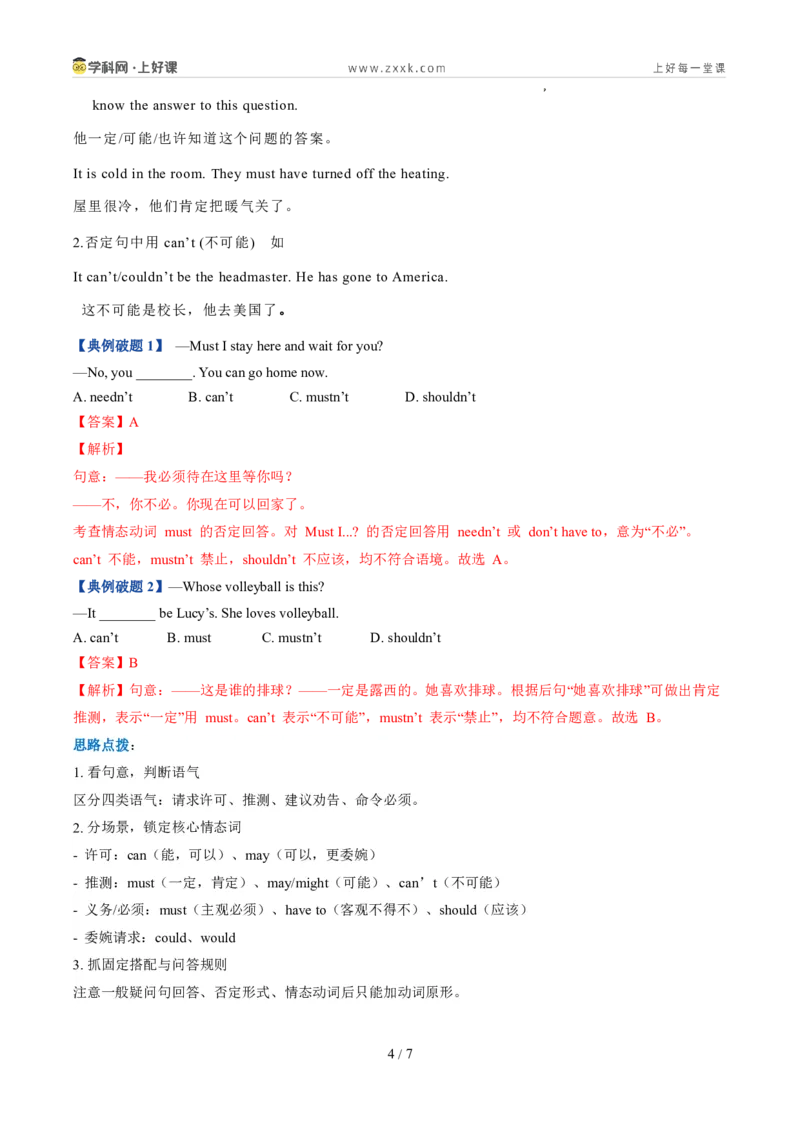
【典例破题1】—Must I stay here and wait for you?
—No, you ________. You can go home now.
A. needn’t
B. can’t
C. mustn’t
D. shouldn’t
【答案】A
【解析】
句意:——我必须待在这里等你吗?
——不,你不必。你现在可以回家了。
考查情态动词must 的否定回答。对Must I...? 的否定回答用needn’t 或don’t have to,意为“不必”。
can’t 不能,mustn’t 禁止,shouldn’t 不应该,均不符合语境。故选A。
【典例破题2】—Whose volleyball is this?
—It ________ be Lucy’s. She loves volleyball.
A. can’t
B. must
C. mustn’t
D. shouldn’t
【答案】B
【解析】句意:——这是谁的排球?——一定是露西的。她喜欢排球。根据后句“她喜欢排球”可做出肯定
推测,表示“一定”用must。can’t 表示“不可能”,mustn’t 表示“禁止”,均不符合题意。故选B。
思路点拨:
1. 看句意,判断语气
区分四类语气:请求许可、推测、建议劝告、命令必须。
2. 分场景,锁定核心情态词
- 许可:can(能,可以)、may(可以,更委婉)
- 推测:must(一定,肯定)、may/might(可能)、can’t(不可能)
- 义务/必须:must(主观必须)、have to(客观不得不)、should(应该)
- 委婉请求:could、would
3. 抓固定搭配与问答规则
注意一般疑问句回答、否定形式、情态动词后只能加动词原形。
5 / 7
学科网(北京)股份有限公司
学科网(北京)股份有限公司
【巩固提升1】
—Where are you going this summer vacation?
—I ________ go to Zibo, but I’m not sure.
A. must
B. needn’t
C. might
D. should
【巩固提升2】
They worked hard so they ________ buy what they wanted and had a little fun.
A. should
B. would
C. must
D. could
一、单项选择
1.-He______be in the classroom,I think.
-No,he____be in the classroom.I saw him go home a minute ago.
A. can;may not
B. must;may not
C. may;mustn't
D. may;can't
2.--Will Anna go to the movies with us tonight?
-- She
go, but I’m not sure.
A. may
B. can
C. must
D. should
3.﹣Could I invite my friends to the party on Saturday,Mom?
﹣Of course you _____.That sounds like fun.
A.may B.could
C.must D.can
4.In some countries,people
download(下载)music from the Internet without paying,because
it's against the law.
A.wouldn't
B.needn't
C.mustn't
D.couldn't
5.﹣I'd love to go to the water park with you.But I _______ swim.
﹣It doesn't matter.I will teach you.
A.must B.mustn't
C.can
D.can't
6.We should keep quiet in the cinema.We
speak loudly.
A.can
B.must C.needn't
D.mustn't
7.You
set out alone,or you
get lost in the jungle.
A.needn't,may B.mustn't,might
C.cant,need
D.mustn't,must
\8. A good friend is someone you ______ share your pleasure and pain with.
A. can
B. need
C. should
D. must
9.If you want to be on the school football team, you _______ train harder.
A. can
B. will
C. may
D. must
10.The little boy has just had lunch. He
be hungry already.
6 / 7
学科网(北京)股份有限公司
学科网(北京)股份有限公司
A. must
B. mustn’t
C. can
D. can’t
二、用适当的情态动词填空。
1.—________ I have your family name?
—Of course. It’s Smith.
2.—Is that young lady with straight hair your aunt, Li Ming?
—No, it ________ be her. She has gone to the Horticultural Exhibition (园艺博览会).
3.The water bottle ________ be Mr. Liu’s. The name on the bottle isn’t his.
4.—Lily, how is Daniel’s plan for our class trip going on?
—I’m not sure. It ________ be completed. I saw him working on it this morning.
5—________ you teach me to play basketball, Simon?
—Sure. Let’s go!
6.Hey, Julie. I’ve had a problem recently. ________ you help me?
7.It’s true that robots ______ do a lot of things, such as telling stories, doing kung fu and so on.
8.—Mom, ________ I go to the cinema with my classmates this Sunday afternoon?
—Yes, of course you can.
9.– Mum, it’s too hot. ________ I swim in the lake?
-No, you ___________. That’s too dangerous!
10. — __________ I complete the composition today, sir?
—No, you needn’t. You may hand it in tomorrow morning.
三、语法选择
The Mystery of the Lost Key
Last weekend, my brother Tom and I 1.______ clean the attic(顶楼). It 2. ______ a dark room, and the air
3.______ dusty.
Suddenly, Tom shouted, "Look! This old box 4.______ be opened without Dad’s permission!"
But I replied, "We 5. ______ check inside. There 6.______ be something important in it !"
When we opened it, there 7.______ a rusty (生锈的)key and a note. The note said, "This key 8.______ unlock the
wooden box under the stairs."
Tom’s hands 9. ______ shaky (颤抖的), but I 10.______ determined(坚定的)to solve the mystery.
We ran downstairs, but the box 11. ______ impossible to open. "It 12.______ be stuck forever!" I said.
Finally, after three tries, the key worked! Inside, we found old photos. They 13,______ pictures of our grandparents.
Mom later told us, "Treasures 14.______ always hidden where love 15. ______."
1.A. had to
B. should have
C. could
D. might
2. A. was
B. is
C. were
D. are
3. A. felt
B. smelt
C. tasted
D. sounded
4. A. must not
B. need not
C. might not
D. would not
7 / 7
学科网(北京)股份有限公司
学科网(北京)股份有限公司
5. A. should
B. must
C. might
D. need
6. A. could
B. must
C. should
D. need
7. A. was
B. were
C. is
D. are
8. A. should
B. must
C. could
D. might
9. A. turned
B. became
C. looked
D. grew
10. A. am
B. was
C. were
D. been
11. A. looked
B. appeared
C. seemed
D. sounded
12. A. can’t
B. mustn’t
C. shouldn’t
D. needn’t
13. A. were
B. was
C. had been
D. has been
14. A. are
B. were
C. have been
D. had been
15. A. exists
B. existed
C. is existing
D. has existed