 夜雨聆风
夜雨聆风


2篇外刊|AI生成作品能否参加摄影比赛?2026广州二模应用文话题补充阅读
Photographer Wins AI Image Contest with Real Picture, Then Gets Disqualified
Artnews By Alex GreenbergerJune 13, 2024 12:15pm
A photographer submitted a real photograph to a contest for AI-generated pictures, and won the competition, as the judges believed it to be digitally made. Upon learning that the photographer, Miles Astray, had not used AI to produce the piece, he was disqualified.
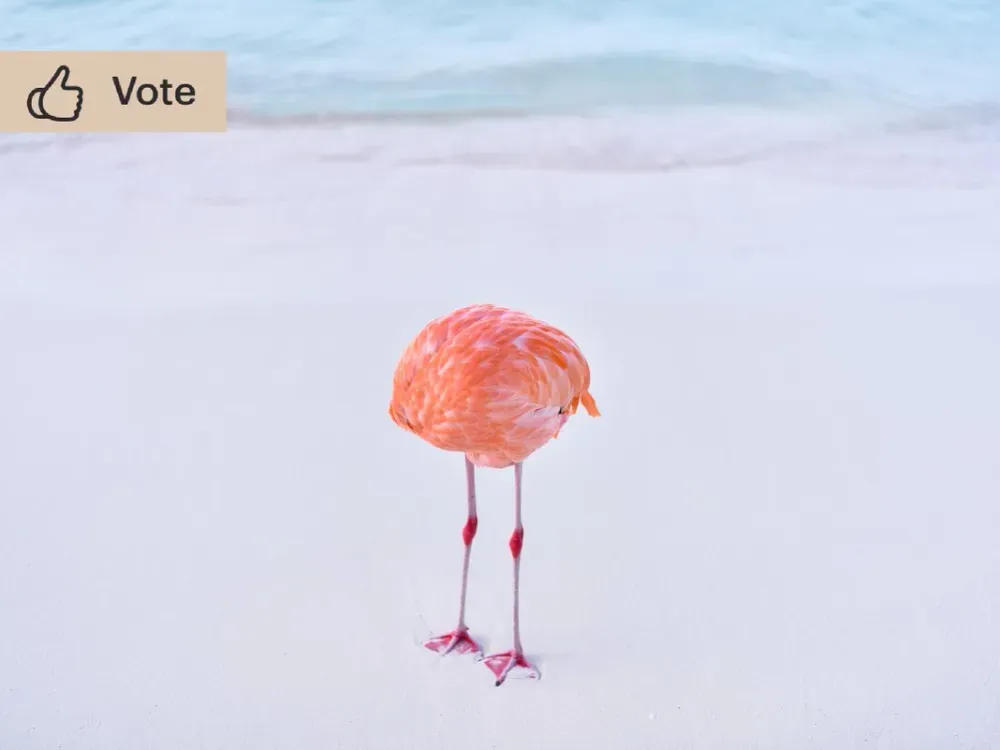
Astray’s winning picture, a photograph of a flamingo whose head appears to be bent into its body, took first place in the AI category of the People’s Vote Award at the 1839 Photography Awards.
This year, the judges had also given Astray’s photograph, titled F L A M I N G O N E, a third-place prize in the AI category. The juried prizes are decided by representatives from the New York Times, the auction house Christie’s, the publishing house Phaidon, and elsewhere.
On his website, Astray wrote that he had deliberately submitted his photograph as a means to advocate for human-made pictures: “With AI-generated content remodelling the digital landscape rapidly while sparking an ever-fiercer debate about its implications for the future of content and the creators behind it – from creatives like artists, journalists, and graphic designers to employees in all sorts of industries – I entered this actual photo into the AI category of 1839 Awards to prove that human-made content has not lost its relevance, that Mother Nature and her human interpreters can still beat the machine, and that creativity and emotion are more than just a string of digits.”
Astray’s photograph was deleted from the contest’s website upon a review.
“Each category has distinct criteria that entrants’ images must meet,” the competition’s organizers told PetaPixel. “His submission did not meet the requirements for the AI-generated image category. We understand that was the point, but we don’t want to prevent other artists from their shot at winning in the AI category.”
Astray still treated the debacle as a victory, writing, “I hope that winning over both the jury and the public with this picture, was not just a win for me but for many creatives out there. I won’t go as far as to say that it’s a win for Mother Nature herself because I think she’s got bigger things on her plate; who knows, maybe AI can help her with that, by computing climate change models and the likes.”
AI-generated art and photography contests have held a vexed relationship. In 2023 artist Boris Eldagsen won the World Photography Organization’s Sony World Photography Awards for a picture that had been created with the help of an AI generator. After that outcome, Eldagsendeclined to accept the award, saying “AI images and photography should not compete with each other in an award like this.”
语篇二:AI生成作品获得一等奖,摄影师拒绝领奖
Photography award winner admits image was AI-generated
DW 04/18/2023April 18, 2023
A German photographer has won first prize at an international competition with an entry generated by AI. He refused the award, provoking debate on the role of AI in image-making.
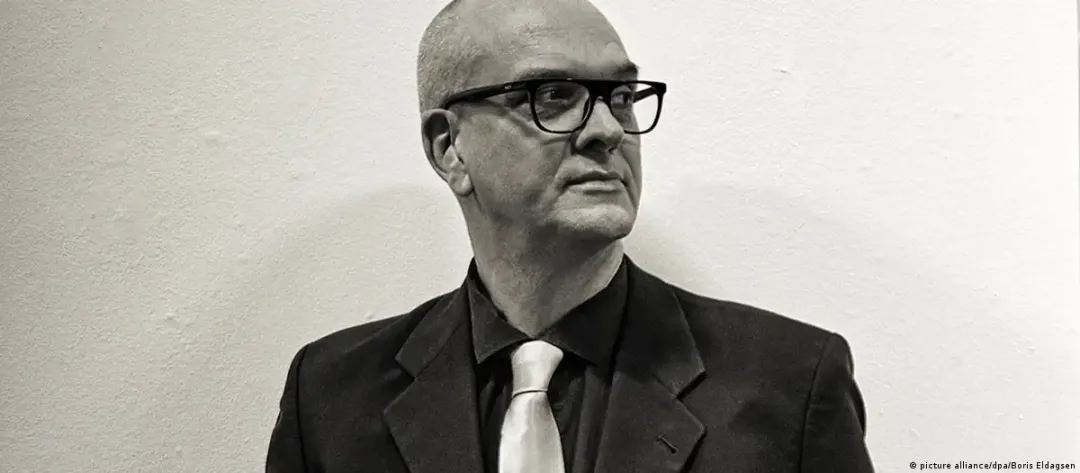
Berlin-based photographerBoris Eldagsen rejected the recognition from Sony World Photography Awards, saying that artificial intelligence (AI) images and photography should not compete with each other in similar contests.
In a statement published on his website, Erdagsen said that he applied to the competition “as a cheeky monkey” to find out if such events are prepared to handleAI-generated content.
The photographer also urged for debate on the role of AI in photography.
“We, the photo world, need an open discussion. A discussion about what we want to consider photography and what not,” wrote Eldagsen.
What does the AI-generated photo show?
Organizers of the awardannounced Eldagsen’s work, titled “Pseudomnesia: The Electrician”, as the winner of its creative category last month.
The sepia-coloredimage shows two women of different generations, one standing behind the other.
“How many of you knew or suspected that it was AI generated? Something about this doesn’t feel right, does it?,” said Eldagsen.
The artist pointed out that photography shouldn’t be confused withAI-generated content. “They are different entities. AI is not photography.”
How did the award organizers respond?
In an initial response, the awardingbody accused Eldagsen of “deliberate attempts at misleading” them.
“As he has now decided to decline his award we have suspended our activities with him and in keeping with his wishes have removed him from the competition,” the organization saidaccording to a statement provided to DW.
“While elements of AI practices are relevant in artistic contexts of image-making, the Awards always have been and will continue to be a platform for championing the excellence and skill of photographers and artists working in the medium,” the statement added.
They also said they were”looking forward to engaging in a more in-depth discussion” with the artist.
Eldagsen wrote that it was “nonsense” to suggest that the organizers were willing to start a conversation with him.
According to the artist, the awarding body refused to answer questions from him and from journalists.
“They had so many options to use this for good. They used none of them,” saidEldagsen.
Later on Tuesday, the organizers removedthe accusation of being misled in an edited statement sent to news agency AFP.
The AI image debate
Recently, AI has been making headlines with its ability to generate various content, from detailed travel itineraries to academic essays and code in various programming languages.
AI-generated images have recently flooded the internet, sparking a conversation around AI and disinformation.
Last month, artificially created images showing the arrest of former US President Donald Trump caused controversy online.
With new language models like DALL-E 2, users are able to create detailed and realistic images from text input in a matter of seconds.
DW has written ahandy checklist on how to spot AI-generated images.
欢迎转发供学生阅读
相关热门高赞阅读推荐:
👉备考观点|2026深圳一模应用文雁鱼青铜灯是高考命题的风向标吗?