ARTICLE · 1237897
【中华优秀传统文化融入高中英语课堂系列】Frost's Descent 霜降 —— 英汉对照阅读材料
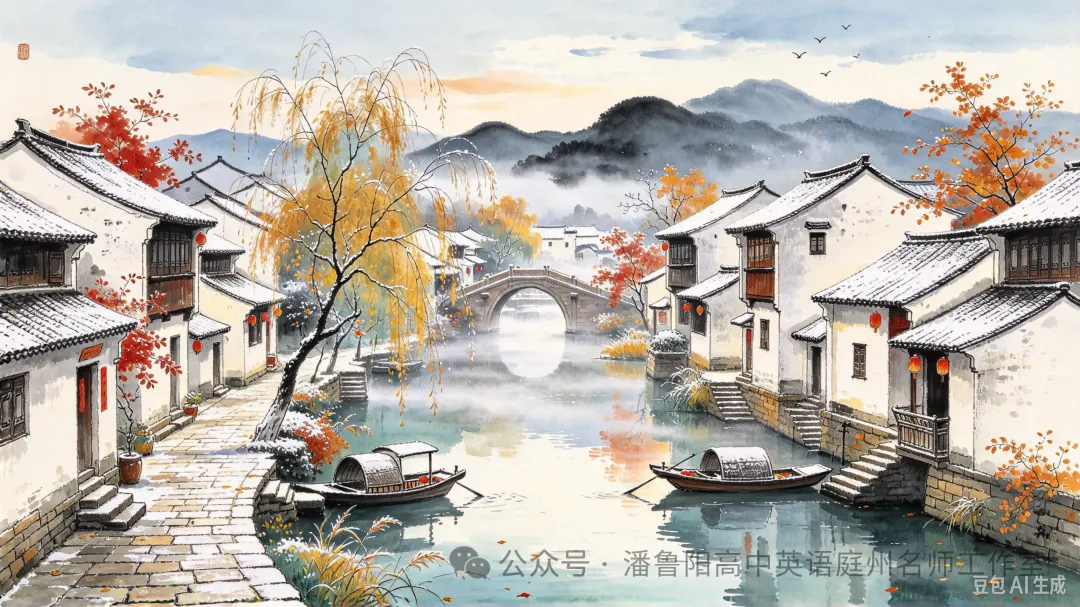
Frost’s Descent, known as Shuangjiang in Chinese, is the eighteenth of the twenty-four solar terms and the last solar term of autumn. It usually falls around October 23 or 24. The name suggests that weather is turning colder and frost is beginning to appear, which means winter is drawing near.
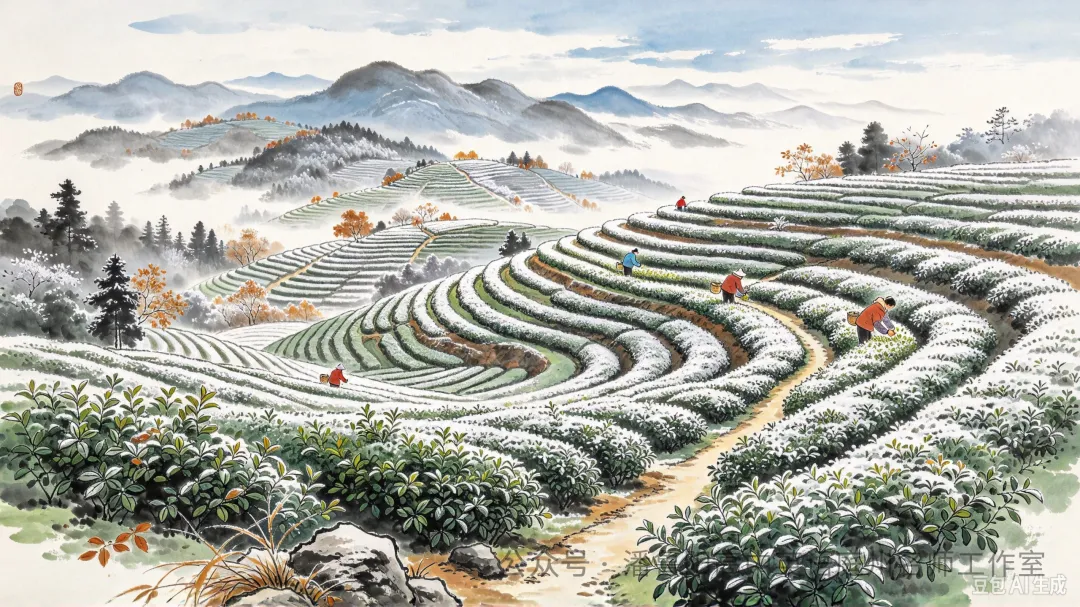
During Shuangjiang, cold air becomes more active and the temperature difference between day and night reaches its largest point of the year on national average. In the north, clear skies at night allow heat to escape quickly, and temperatures in some areas may drop to around 0°C, causing water vapor near the ground to form white, loose ice crystals, which we call frost. This is also a busy time for farming: farmers in the north finish the autumn harvest and bring in crop stalks to reduce pests while farmers in the south are busy with the “three autumns” of harvesting, planting, and field management.
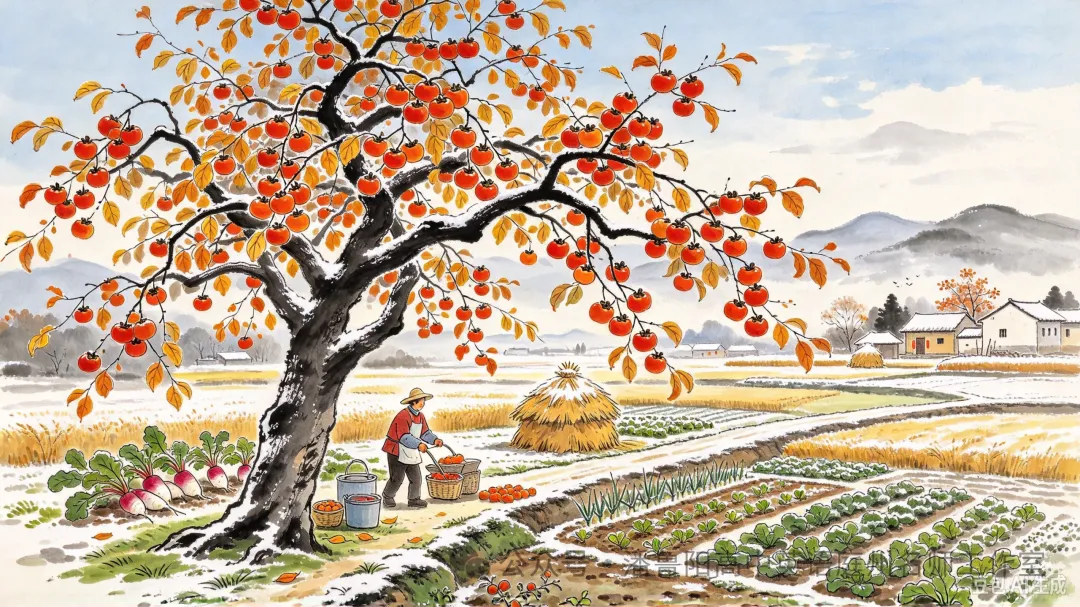
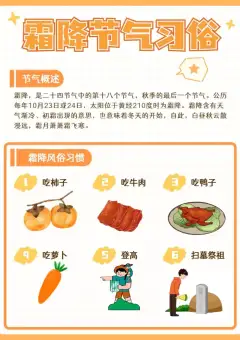
Shuangjiang is also a season rich in customs and celebrations across China. In many places, people eat red persimmons, believing they can keep the body warm and strengthen the bones. Chrysanthemums are in full bloom at this time, and people hold chrysanthemum fairs to admire the flowers and express their love for them. Climbing hills and enjoying autumn leaves is another popular activity, as the air is fresh and the maple leaves turn red. Many places also have the custom of “adding autumn weight” by eating nourishing foods such as beef, mutton, or duck to prepare for the cold winter. In Shandong and Shanxi, farmers pull up radishes before frost damages them, which has become a well-known seasonal practice. In Guangxi, the Zhuang people celebrate the Shuangjiang Festival with singing, dancing, and banquets, and this tradition is listed as a national intangible cultural heritage.
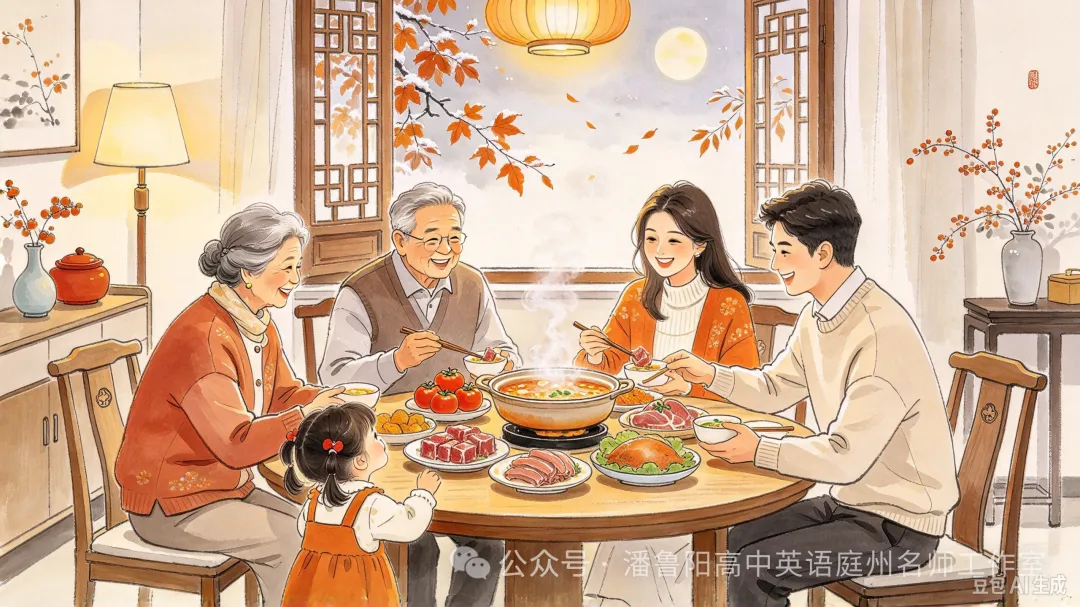
In summary, Shuangjiang is not only a turning point in nature but also a living part of Chinese culture. It reminds us to respect the rhythm of the seasons, adjust our daily habits, and celebrate the beauty of late autumn before winter arrives.
霜降是中国二十四节气中的第十八个节气,也是秋季的最后一个节气。它通常在每年10月23日或24日到来。霜降这个名字意味着天气变得更冷,开始出现霜,也意味着冬天越来越近了。
霜降期间,冷空气变得更加活跃,就全国平均而言,昼夜温差达到一年中最大的时候。在北方,夜晚晴朗的天空让热量迅速散失,一些地区的气温可能降到0摄氏度左右,使地面附近的水汽形成白色、松软的冰晶。这就是我们所说的霜。这也是农事繁忙的时节:北方农民完成秋收,把秸秆收回来以减少虫害;南方农民则忙着“三秋”——收割、播种和田间管理。
霜降也是一个民俗活动丰富的时节。在很多地方,人们吃红柿子,相信这样可以御寒保暖、强健筋骨。这时菊花盛开,人们举办菊花会来赏花,表达对菊花的喜爱。登高赏秋叶也很受欢迎,因为空气清新,枫叶变红。很多地方还有“贴秋膘”的习俗,吃牛肉、羊肉或鸭子等滋补食物,为寒冷的冬天做准备。在山东和山西,农民会在霜冻破坏萝卜之前把它们拔出来,这已经成为一项有名的时令农事。在广西,壮族人民会举办霜降节,用唱歌、跳舞和宴席来庆祝,这一传统已被列为国家级非物质文化遗产。
总之,霜降不仅是自然界的转折点,也是中国文化中鲜活的一部分。它提醒我们尊重季节的节奏,调整日常习惯,在冬天到来之前欣赏深秋的美。
Post-reading questions:
1. What does the name “Shuangjiang” suggest about the weather and the season?
2. How do people in different parts of China celebrate Shuangjiang?
3. Why is Shuangjiang an important period for farmers in both northern and southern China?
4. If you were to introduce Shuangjiang to a foreign friend, which custom would you choose to share and how would you explain its meaning?
5. How can the idea of “respecting the rhythm of the seasons” in Shuangjiang be applied to our daily life today?
重要词块积累:
twenty-four solar terms 二十四节气
draw near 靠近
becomes more active 变得更加活跃
the temperature difference between day and night 昼夜温差
on national average 就全国平均而言
drop to around 0°C 降到0摄氏度左右
water vapor near the ground 地面附近的水汽
form white, loose ice crystals 形成白色疏松的冰晶
finish the autumn harvest 完成秋收
reduce pests 减少虫害
be rich in customs 民俗丰富
eat red persimmons 吃红柿子
keep the body warm 御寒保暖
strengthen the bones 强健筋骨
be in full bloom 盛开
hold chrysanthemum fairs 举办菊花会
express one’s love for... 表达对……的喜爱
climb hills 登高
enjoy autumn leaves 赏秋叶
prepare for the cold winter 为寒冬做准备
pull up radishes 拔萝卜
be listed as...被列为
intangible cultural heritage 非物质文化遗产
a turning point in nature 自然界的转折点
respect the rhythm of the seasons 尊重季节的节奏
adjust our daily habits 调整日常习惯
(个人观点,仅供教学交流使用)
1. 文字内容由公开的二十四节气和民俗信息整理后自主撰写创作而成,并非直接引用任何出版物内容;
2.部分名词翻译参考《新世纪汉英大词典》;
3. 图片由豆包AI生成。