 夜雨聆风
夜雨聆风


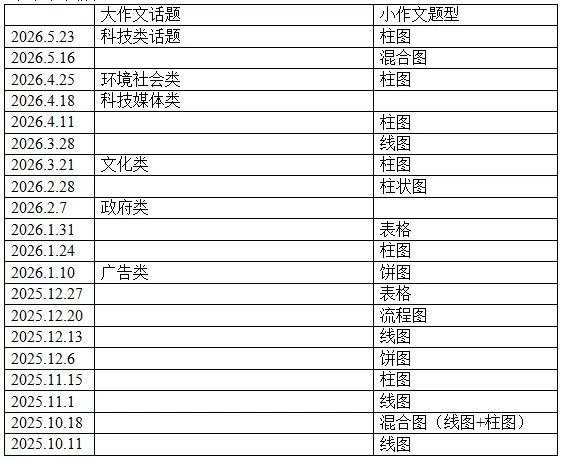
下面是2026年6月27日写作预测及相关例题,可作参考:

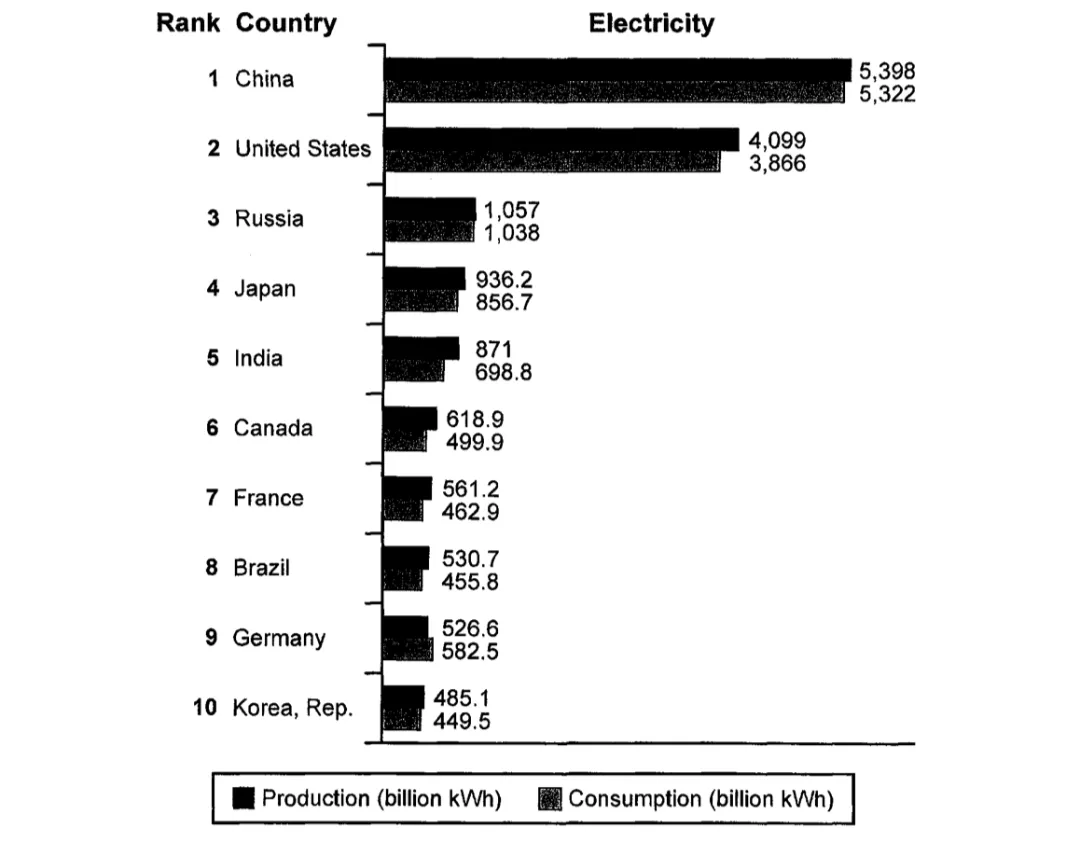
柱图举例如下:
The bar chart below shows the top ten countries for the production and consumption of electricity in 2014.
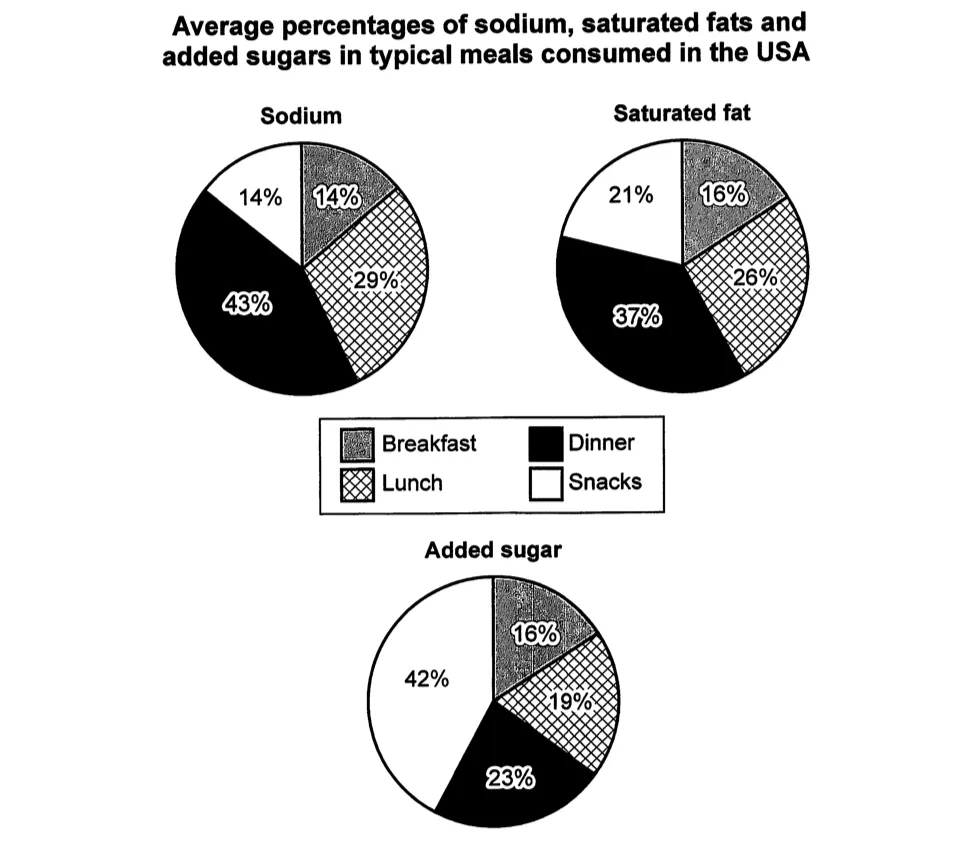
饼图图举例如下:
The charts below show the average percentage in typical meals of three types of nutrients, all of which may be unhealthy if eaten too much.
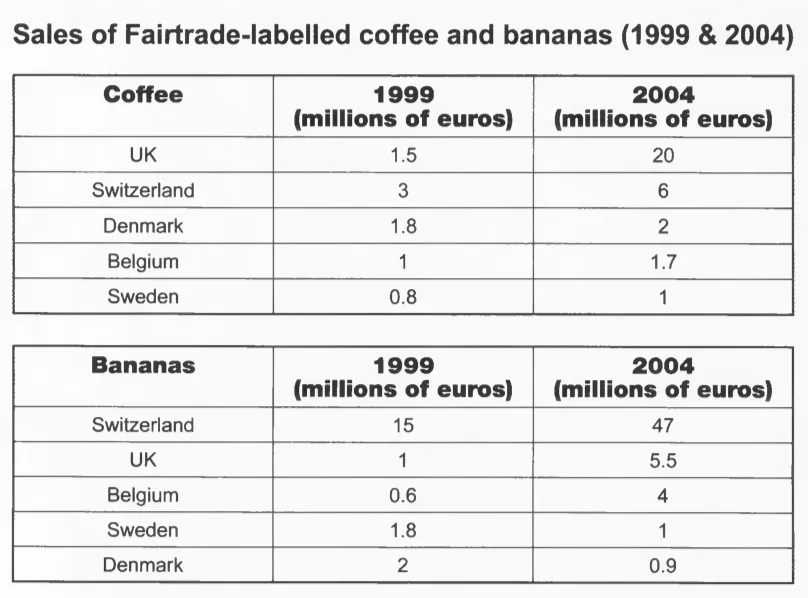
表格举例如下:
The tables below give information about sales of Fairtrade-labelled coffee and bananas in 1999 and 2004 in five European countries.

政府投资与公共资源:
1. Some people think that governments should invest money in the arts (e.g., music and painting), while others believe that money should be spent on infrastructure and public services. Discuss both views and give your own opinion.
2. Huge amounts of money are spent on scientific research and space exploration. Some people think this money should be used to solve hunger and poverty on Earth. To what extent do you agree or disagree?
3. Some people believe that preventing diseases is more worthy of government funding than treating them. To what extent do you agree or disagree?
国际全球化与文化类例题如下:
1. International travel is making cultures more and more similar. Do you think this is a positive or negative development?
2. Many traditional crafts and ways of life are disappearing due to modernization. Why is this happening? What measures can be taken to protect them?
3. Some people think that studying history is a waste of time in modern society, while others believe that history helps us understand the present. Discuss both views and give your own opinion.

职场工作与生活方式例题如下:
1. An increasing number of people change their jobs and careers frequently, rather than staying in the same job for life. What are the reasons for this? Is this a positive or negative trend?
2. Some people prefer to spend their lives in the same city, while others prefer to move to different places to live and work. Discuss both views and give your own opinion.
3. Modern lifestyles mean that many people have very little time for rest and relaxation. What problems does this cause? What can be done to solve them?

题型:
p1:填空
p2:配对+单选
p3:单选+多选
p4:填空
听力总结:
回顾6月6日的考试,p1为常规填空题,未来可能持续考察填空;P2考察了地图和单选,故未来可能会考察配对和单选;P3考查了配对和多选,预测未来可能会考察单选和多选;P4考察了填空,故下场考试可能也会按照正常逻辑考察填空题。
重点场景:
回顾6月6日的考试,p1考察了健康体检咨询场景;p2为美术馆介绍话题;p3是学术内容相关:关于宇航员航天服设计的讨论;p4考察了人文社科类话题:澳大利亚作曲家介绍。未来的考试中,p1可关注先前的高频场景住宿相关话题;p2重点关注工作介绍场景;p3则关注学术任务类讨论;p4可关注生物场景。
推荐练习篇目:
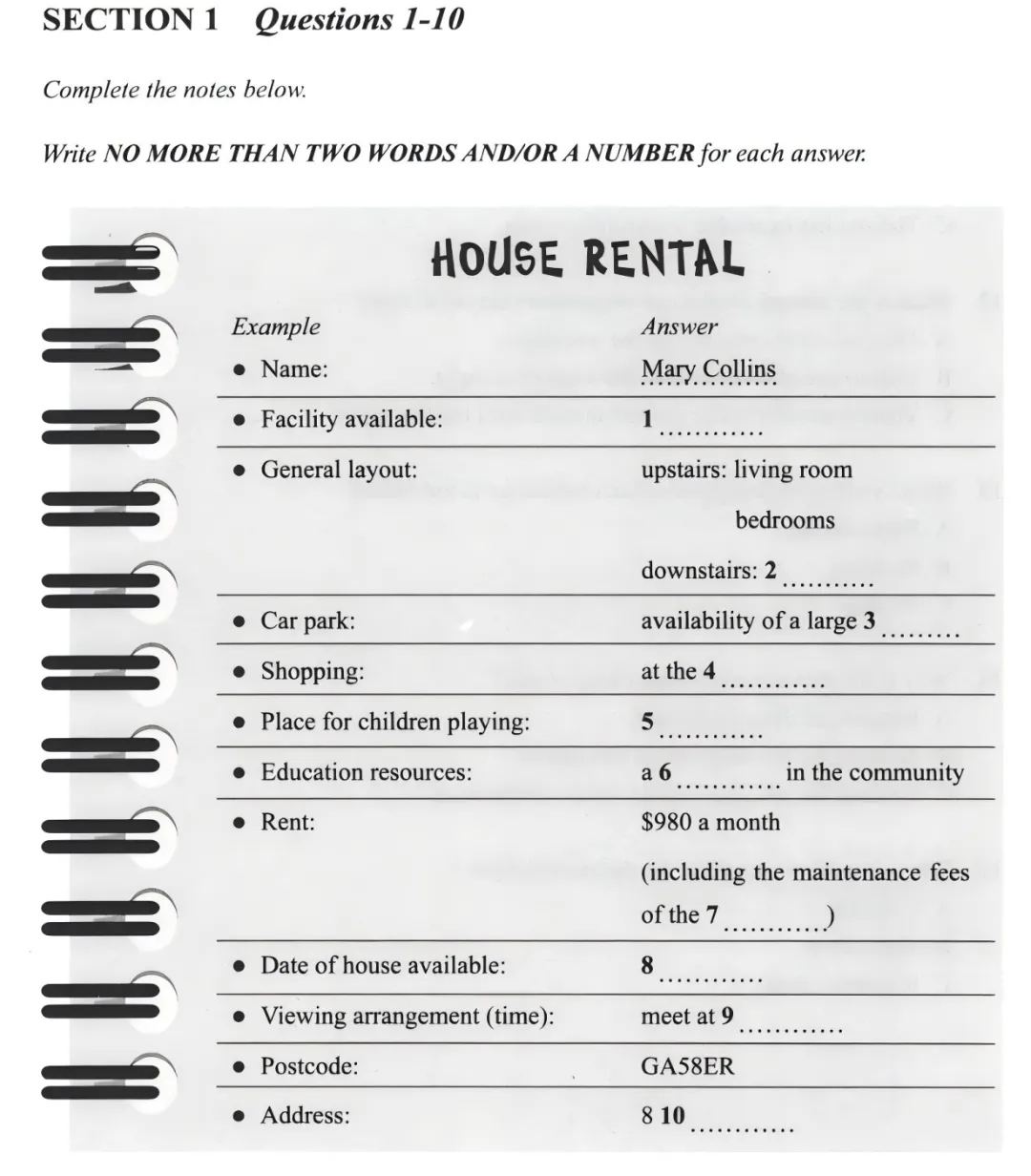
p1住宿 九分达人 3-6-1
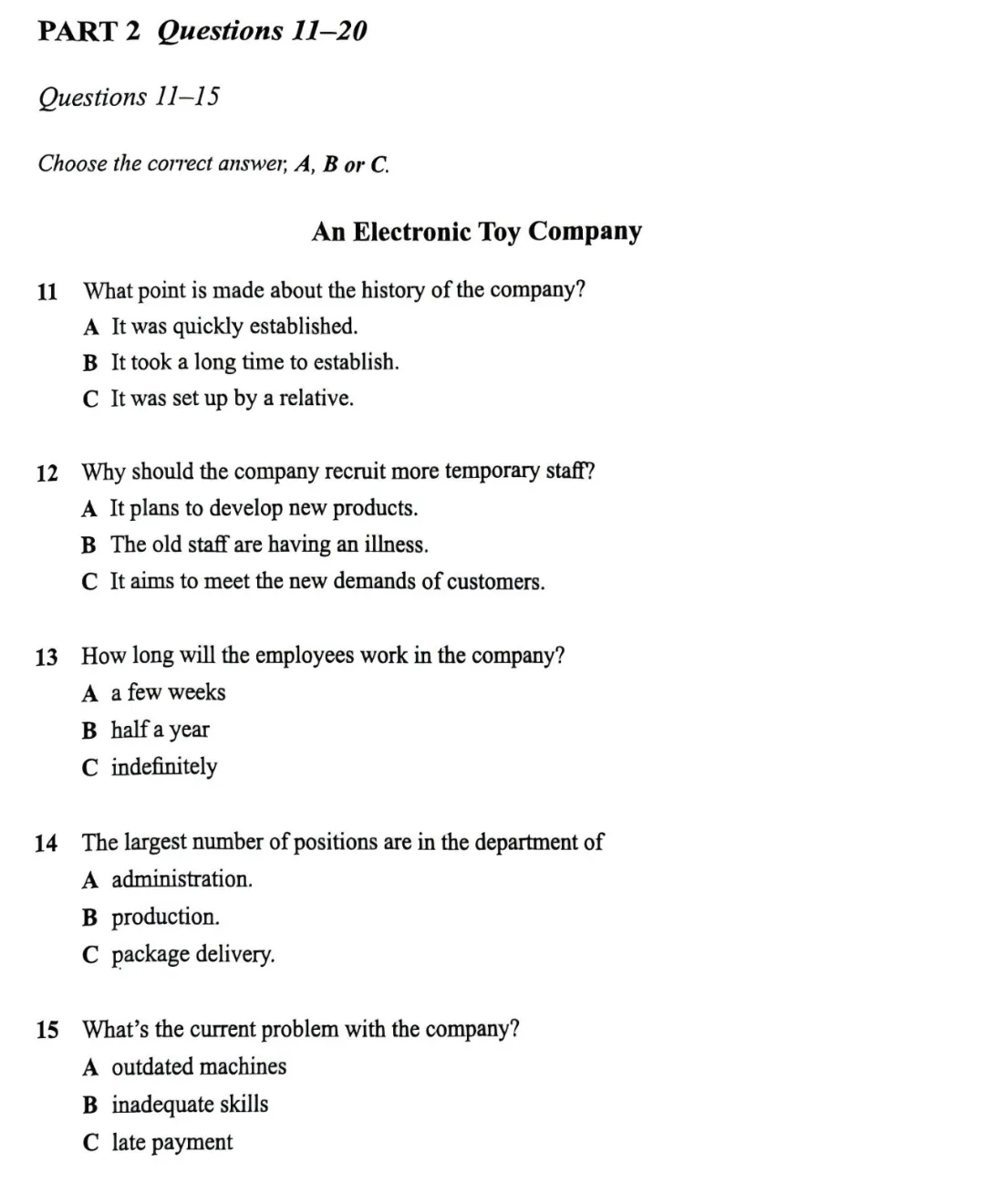
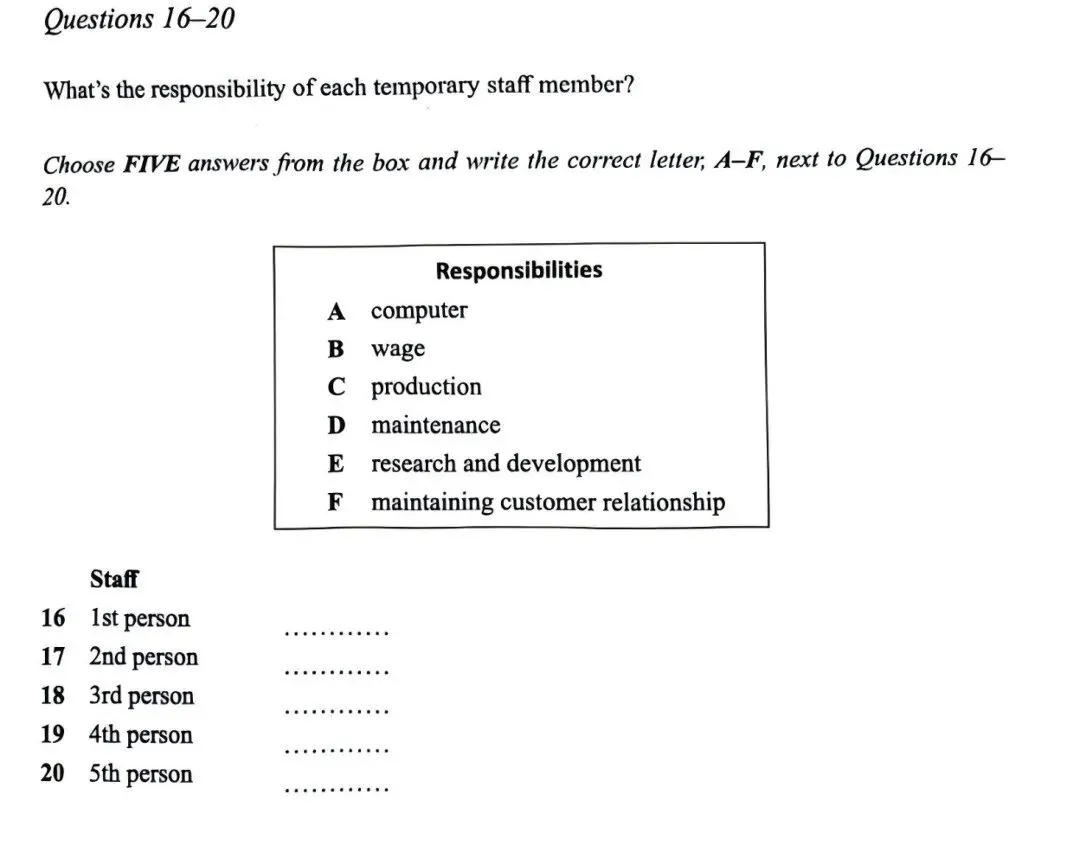
p2 工作介绍类 九分达人7-2-2
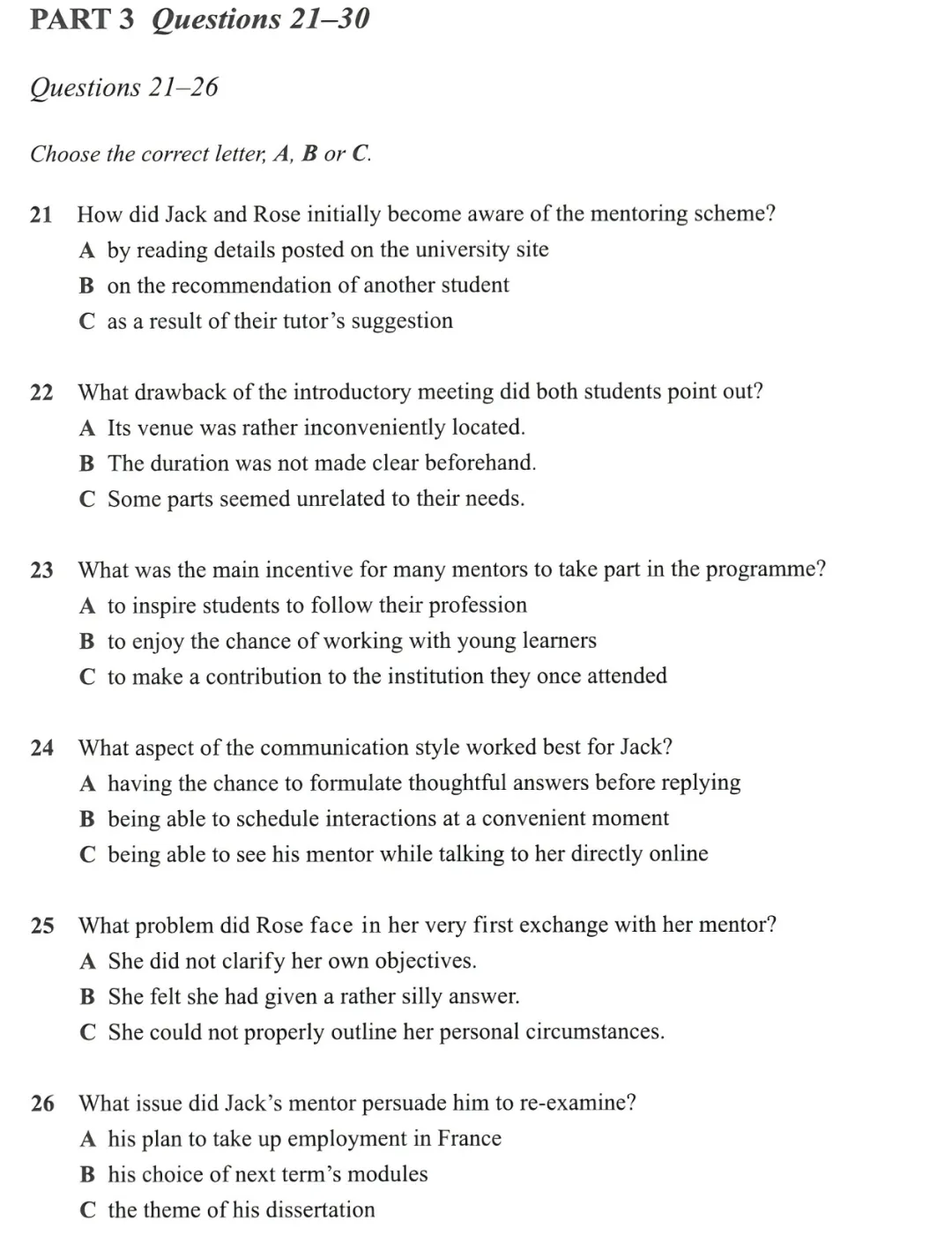
P3 学术任务讨论 8-3-3
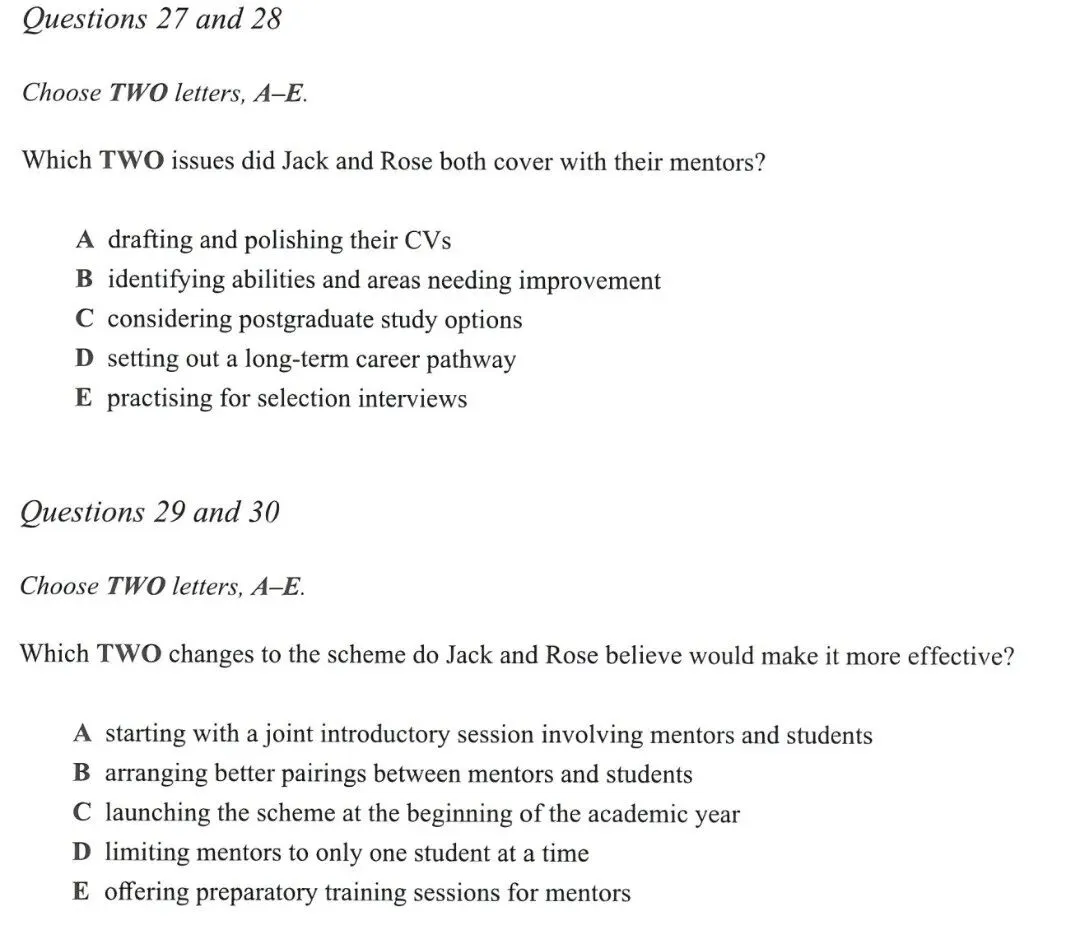
p4 生物场景 九分达人6-2-4
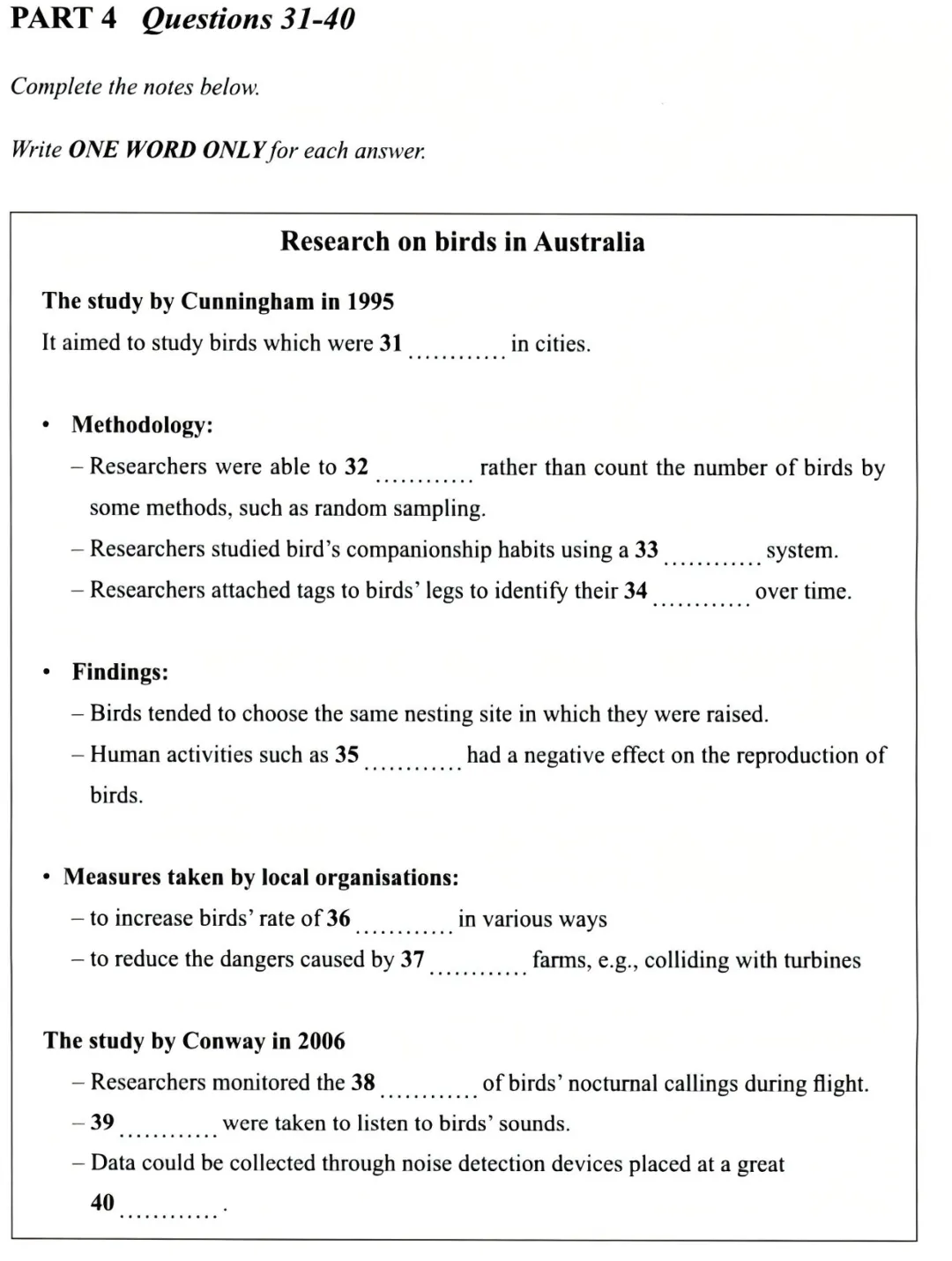
答案:
p1:
1. swimming pool
2. dining room
3. garage
4. local supermarket
5. park
6. primary school
7. garden
8. 23(rd) April
9. 10.15
10. Spring Street
p2:
11. A
12. A
13. B
14. C
15. C
16. B
17. C
18. D
19. A
20. F
p3:
21. B
22. A
23. C
24. A
25. B
26. A
27. B
28. E
29. C
30. E
p4:
31. protected
32. estimate
33. mapping
34. trends
35. pollution
36. survival
37. wind
38. frequency
39. Recordings
40. distance
住宿类场景高频答案词: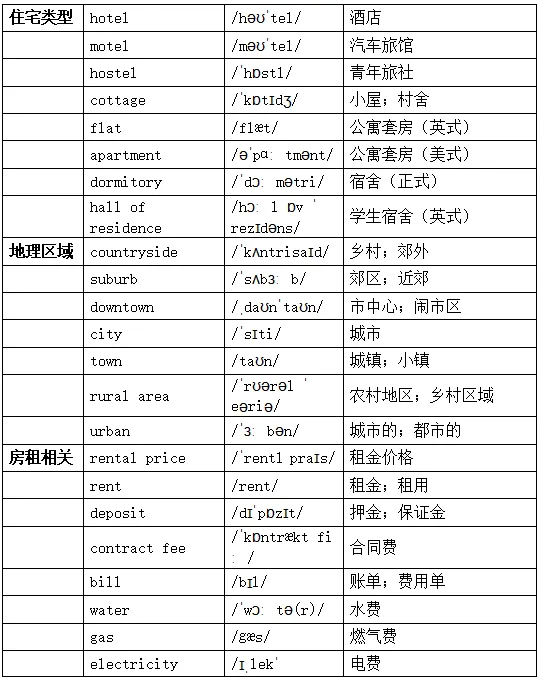
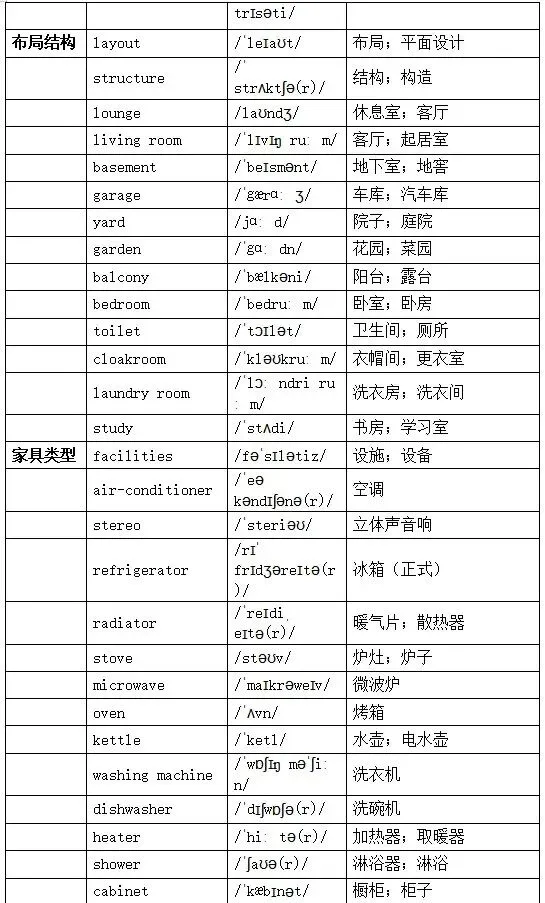
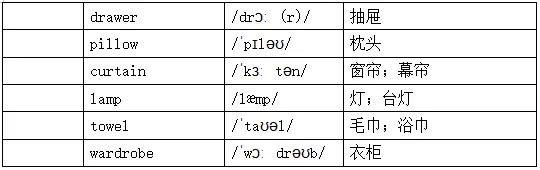
动物场景高频答案词:
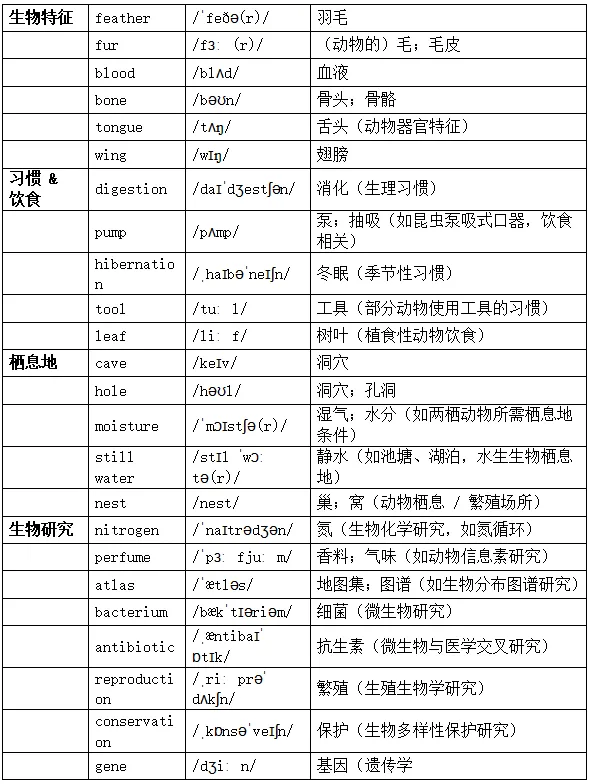

Passage 1:填空+判断
Passage 2:段落信息匹配+人名配对+填空Passage 3:单选+判断+句子ending
重点篇章话题:心理学
READINGPASSAGE2
You should spend about 20 minutes onQuestions14–26,which are based onReadingPassage 2below.
MindMusic
Scientistsinvestigate‘earworms’, themusicwecan’tgetoutofourheads
A Ever had a song stuckin yourhead,playingonanendlessloop?Scientistscall them‘involuntarymusicalimages’, or ‘earworms’, and a wave of new researchis shininglight on why they occur and what can be learned from them.Someneuroscientistsand
cognitivepsychologists are studying earworms to explore the mysteriesofmemoryandthepart of thebrain thatisbeyond our conscious control. ‘Theidea that wehave full
control over our thoughtprocessesis anillusion,’ says psychologistLauren Stewart,
who founded themaster’sprograminmusic,mind andbrain at Goldsmiths,Universityof London,UK, whererecentresearchhas takenplace.Researchershaven’tbeen ableto watch whathappensin the brain when earworms occur, because theyhappen
unpredictably.Much of what is known about them comes from surveys,questionnaires,diaries and labexperiments.
B A Goldsmiths study published in the journalMemory andCognition this year showedthat the singing wehear in our heads tends tobe true toactualrecordings.
Researchershad17 volunteers tap to thebeat of any earworm they heardduringa
four-day period while a device attached to their wristrecorded theirmovements. The tapping tempos were within10% of the tempos of the original recordings. Another
Goldsmiths study, published this year in ConsciousnessandCognition, found that
people whoreporthearing earworms often, and find them mostintrusive,have slightly different brain structures, with more graymatter inareasassociated withprocessingemotions.
C Studies also show that themusic inourheadsoften startsplayingduring timesof ‘low cognitive load’, such as while showering, getting dressed, walking,or doingchores.DrStewart likens earworms to ‘sonic screen savers’ thatkeep themindentertained whileitis otherwise unoccupied. She and hercolleagues tested that theorybyhaving
volunteers listen to songs and giving them various tasksafterwards. The volunteers
who satidly for thenext fiveminutes were themost likely toreporthearing themusicintheir heads.Dr Stewart observed that the morechallenging theactivity, thelesslikelythe volunteers were tohear themusic.Diary studies also show songs tend tomatch
people’smoods and therefore they arenot random.If you are energizedandupbeat,an earworm that occursis likely tobeuptempo too.
D Songs thebrain fixates on are usually thoseithasbeenexposed torecently, surveys show, whichis why tunes gettingheavy radio play frequently top theearwormcharts.Even tunes youmayhaveheardbut didn’tpay attention to can worm their wayinto
your subconscious, saysIraHyman, a psychologist at Western WashingtonUniversityinBellingham,USA.In an unpublished study there,participants who listened tomusicwhile doing other tasks weremore likely to report that thesongsreturnedasearworms later on, compared with participants who simplylistened.
E Some earworms are just fragments of a song thatrepeatlikeabrokenrecord.So,
when themindhits apart of a songit can’tremember,itloopsbackrather thanmovingon. That couldmake an earworm even moreentrenched,DrHyman says. According toa theoryknown as the Zeigarnik effect, named for aSovietpsychologist,Bluma
Zeigarnik, unfinished thoughts and activities weigh on themindmoreheavily than those that are completed, although experiments exposing students tointerrupted songshaveyielded mixedresults.
F Researchers say theycan’tpinpointa spotin thebrain whereearwormslive.Imagingstudiesby AndreaHalpern atBucknellUniversity,inLewisburg,USA,have shown thatdeliberatelyimaginingmusic and actually listening to musicactivatemany of the same neurologicalnetworks.DrHalpern’s earlier studies showed that when subjects listened to the first fewnotes of familiar music, areas in theright frontaland superior temporal portions of the brain became activated, along with the supplementarymotor areaat the top, whichis typically involved in remembering sequences. When the samesubjects
listened tounfamiliar music and were asked to recallit, there wasactivityin theleftfrontalportions of the braininstead.
G One factor thatmakes some songs stickmight berepetition. ‘Repetitionleads to
familiarity which leads to anticipation, which is satisfiedbyhearing the song,’ says JohnSeabrook, author of The SongMachine:Inside theHitFactory, abouthowproducerspumppop songs full of aural ‘hooks’, the punchy melodicphrasesdesigned to target
thebrain and leaveit wantingmore. The researchers arecomparing themelodic
structure of100 oftenmentioned songs with100 similarly popular songs that weren’t cited as earworms, to assess the difference. Songs withearwormpotentialappear toshare certain features: arepeatingpattern of ups and downsinpitch,andirregularmusicalintervals.
H Theresearchersplannext to test their resultsinreverse, andplayringtones from songs of both the earworm and non-earworm variety for volunteers several timesaday toseewhich ones get stuck.Drs Stewart andHalpern arenow working together torecruit
surveyparticipants for a study looking at whether peopleatdifferent stagesof life
experience earworms differently. ‘You can argue that olderpeoplemight get themmoreoftenbecause theyknowmore songs,’DrHalpern says. ‘But the few responses we
have so far indicate that theyhave earworms less often.Itcouldbe that theydon’tplay music as often as youngerpeopledo.’
Questions14–17
ReadingPassage 2 haseightparagraphs, A-H
Which paragraph contains the following information?
Write the correct letter, A-H, in boxes14-17 on your answer sheet.
14 a description of the characteristics common tosongswithearworms
15 a justification for researchintoearworms
16 a description of thebrain’sreaction toknown andunknownsongs
17 details of proposed researchinto the frequency with whichearwormsoccurindifferentage groups.
Questions18–21
Complete the summary below.
ChooseONE WORDONLYfrom the passage for each answer.
Write your answers in boxes18-21 on your answer sheet.
Goldsmiths study
Researchers from Goldsmiths concluded that themusic weimaginein our mindsisquitesimilar torecordings. Theyproved this by asking volunteers torecord therhythm of musicusing amonitor on their 18 Furtherresearchhasdemonstrated that those whohear earwormsmore frequentlyhave brains that may deal with19 differentlyfrom other people,Dr Stewart also believes that thebrainis 20 by earwormswhenitisnot focused on a task.InFact, areductionin the occurrence of earwormswasfound to be directly related tohow 21 the task was.Interestingly, volunteers’
diariesrevealed that the songs theyheardinside their head reflected theirmoods,so thechoice of musicisnot accidental.
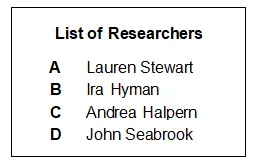
Questions 22–26
Lookatthefollowingstatementsandthelistofresearchersbelow.
Match each statement with thecorrectperson, A,B,C or D.
Write the correct letterA, B,C or D, in boxes 22-26on your answersheet.NBYou may use any lettermore thanonce.
22 Somemusicians createmusic thatisintentionallymemorable.
23People are unable to completelyregulatehow they think
24 We can remember songs withoutknowing that wehaveheard them.
25 Thinking aboutmusichas a similar effecton thebrain tohearingmusic.
26Earworms aremorepersistent when only a short section of the songisconstantlyreplayed.
这篇文章聊的是我们每个人都经历过的事——脑子里单曲循环一首歌,怎么也甩不掉。科学家管这玩意儿叫“earworms”(耳虫),这几年突然成了神经科学和认知心理学的研究热点。文章从耳虫的定义入手,依次介绍了几个有意思的发现:我们脑内播放的音乐节奏和原曲高度一致;总被耳虫困扰的人大脑结构确实有点不一样;耳虫最喜欢在人放空的时候钻出来,比如洗澡、走路、做家务;而任务越难,耳虫就越少出现。后半部分还讨论了哪些歌更容易成为耳虫(重复的音高起伏、不规则的音程间隔),以及不同年龄段的人被耳虫骚扰的频率有没有差别。整篇文章比较轻松,属于“科普小文”的路子,没有太多难懂的专业术语,但信息密度不小,出题点挺多。
段落结构:
A段先给耳虫下定义——学名叫“非自主性音乐意象”,然后引出研究意义:科学家想借它来探索记忆和无意识脑区的运作。Stewart那句话挺直接——“人能完全控制自己思维过程”就是个幻觉
B段讲Goldsmiths大学两个实验:第一个让志愿者手腕戴设备记录敲击节奏,发现脑内节奏和原曲误差在10%以内;第二个发现常被耳虫困扰的人,大脑中处理情绪的区域灰质更多。
C段揭示耳虫出现的时机——多半在“认知负荷低”的时候,Stewart把它比作“音效屏保”,闲着没事脑子就自己放歌。实验也证明,听完歌后坐着发呆的人更容易出现耳虫,任务越难越不容易出现。另外日记研究显示耳虫曲风和当时心情是匹配的。
D段说耳虫大多是最近听过的歌,甚至是你没留意听的歌也会钻进潜意识。Hyman有个未发表的研究证明了这点。
E段讲有的耳虫只是歌曲片段在脑子里卡住来回播,Hyman引用了一个叫Zeigarnik效应的理论——未完成的事情比完成了的更让人惦记,但用歌曲做的实验结论不太一致。
F段是神经影像学部分:Halpern的研究发现想象音乐和实际听音乐激活的脑区差不多,但熟悉和不熟悉的歌激活的具体部位不一样——熟悉的在右额叶和颞上区,不熟悉的在左额叶。
G段分析耳虫歌曲的共同特征——重复、熟悉、预期被满足,Seabrook那本《造歌机器》里提到制作人会故意给歌塞满“听觉钩子”。另外研究还在对比100首“耳虫歌”和100首非耳虫歌,发现耳虫歌倾向于有重复的音高起伏模式和不规则音程。
H段讲下一步计划:反过来测试——给志愿者每天播放耳虫歌和非耳虫歌,看哪些更容易卡住。另外Stewart和Halpern合作研究不同年龄段耳虫频率差异,初步数据显示老年人反而更少出现耳虫,可能是因为他们不像年轻人那样频繁听歌。
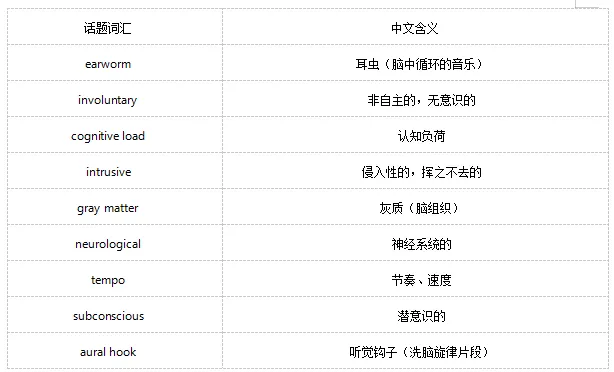
词汇积累:
长难句分析:
原句A:
Some neuroscientists and cognitive psychologists are studying earworms to explore the mysteries of memory and the part of the brain that is beyond our conscious control.
结构分析:主干是“neuroscientists and psychologists are studying earworms”,不定式“to explore...”表目的,后面“that is beyond our conscious control”是定语从句修饰“the part of the brain”。
翻译:一些神经科学家和认知心理学家正在研究耳虫,以期探索记忆的奥秘以及大脑中不受意识控制的那部分区域。
原句B:
Repetition leads to familiarity which leads to anticipation, which is satisfied by hearing the song, says John Seabrook, author of The Song Machine: Inside the Hit Factory, about how producers pump pop songs full of aural 'hooks', the punchy melodic phrases designed to target the brain and leave it wanting more.
结构分析:这句话有三层——先说重复→熟悉→预期→听到歌满足预期,这个链条;然后“says John Seabrook...”引出说话人;最后“about how...”补充说明这本书讲的是制作人怎么往歌里塞“听觉钩子”,而“the punchy melodic phrases...”是同位语解释什么叫“hooks”,“designed to...”是过去分词短语作后置定语。
翻译:重复带来熟悉,熟悉带来预期,而预期通过听到歌曲得到满足——《造歌机器》的作者John Seabrook这样说道。这本书讲的是制作人如何给流行歌曲塞满“听觉钩子”,也就是那些短促有力的旋律片段,专门设计来狙击大脑,让人欲罢不能。
原句C:
When the same subjects listened to unfamiliar music and were asked to recall it, there was activity in the left frontal portions of the brain instead.
结构分析:When引导时间状语从句,里面有两个并列谓语“listened”和“were asked”;主句是there be结构,“instead”放在句末表示对比——前面讲熟悉音乐激活右额叶,这里换成左额叶。
翻译:当同一批被试听不熟悉的音乐并被要求回忆时,活跃的则是大脑左额叶区域。
备考建议:
这篇文章的题型组合是段落信息配对+摘要填空+人名配对。Paragraph matching这个题型的重点是注意乱序出题,比较高效的做法是:先把14-17的题干看一遍,圈出关键词,一边做填空和人名匹配,每读完2-3句就顺便看看这段匹道题有没有能对上号的。人名配对这个题型在Passage 2里出现频率挺高,注意题干里的表述和人名附近的原文往往不是原词复现。
同义替换是核心——这篇尤其明显
说实话这篇文章的题干和原文之间的同义替换密度挺高的,顺手整理几个重点:
“characteristics common to” ↔ “share certain features”(14题)
“justification for research” ↔ “to explore the mysteries of...”(15题,目的即理由)
“deal with emotions differently” ↔ “processing emotions”(19题)
“cannot completely regulate thinking” ↔ “full control... is an illusion”(23题)
“similar effect on the brain” ↔ “activate many of the same networks”(25题)
“more persistent” ↔ “more entrenched”(26题)
做完题之后花10分钟把这些替换抄一遍,比你盲目刷三篇新题都管用。
预测方向
音乐与大脑、记忆机制、潜意识处理这类话题在雅思阅读里不算特别高频,但隔几个月就会冒出来一次,通常出现在Passage 2或Passage 3。这类文章的典型特征是:现象引入→科学研究→实验发现→应用/展望,结构清晰但出题点密集,尤其喜欢考人名观点配对和段落信息匹配。备考时可以顺便看看类似话题的文章(比如“音乐对大脑发育的影响”“广告中音乐对消费者行为的作用”),不需要深究,扫两眼知道大概词汇长什么样就行,主要是为了考试时看到这类题材不慌。
写作供稿:袁国睿老师
听力供稿:田玥老师
阅读供稿:闫仪老师

成为自己,不被定义

雅思托福A-LevelAPOSSD
KET/PET GREGMAT
四六级考研英语成人英语多邻国
留学预备国际学校备考留学申请背景提升
不同提升系列&不同班型课程
立即扫码(或阅读原文)咨询👇

📋优惠提前享📋

一分钟带你了解新航道的课程:
一.多项目开设
新航道开设有:国际学校择校备考、英联邦/北美本硕申请、留学规划服务、留学背景提升等出国留学服务。
二.前沿的留学课程体系
新航道根据学生基础与目标详细规划,科学分班,开设有大班、小班、VIP、平时班、周末班等丰富班型, 贴合不同学生的学习和时间需求,真正做到因材施教、量身定制。
(以上为部分课程示例)
三.助教服务
坚持“以学生为中心”的服务原则,打造“测——学——练——评”服务链条,由专业团队进行“多对一”服务。建立专属学习群,严格按照学习目标进行作业批改、单词拼写、实时答疑等工作。
定期开展留学老师指导活动,实现学习+留学规划服务。
四.品质教材+教辅

✦

如何找到我们

【咨询】私信“咨询内容+联系方式”,我们将主动和您联系
【关注】后台直接在线私信小助手,查询更多课程内容
【校区】后台回复“校区查询”接收校区详细地址