专题08 推理判断题
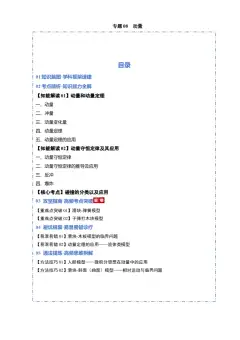
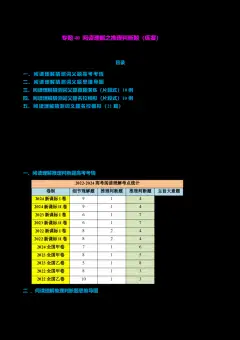
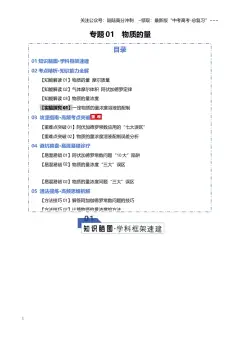
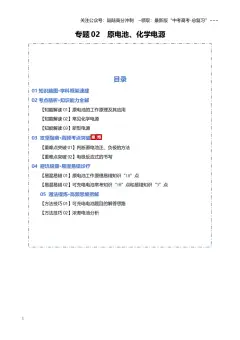
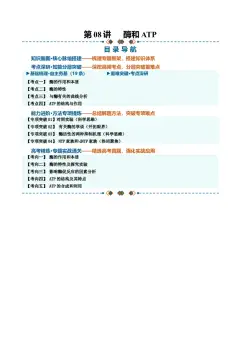
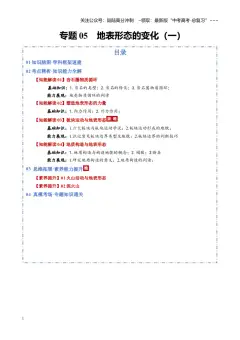
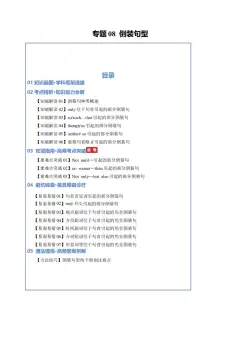
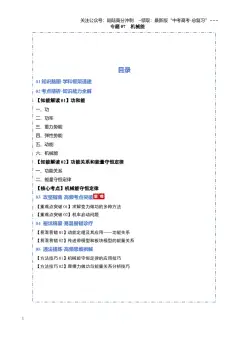
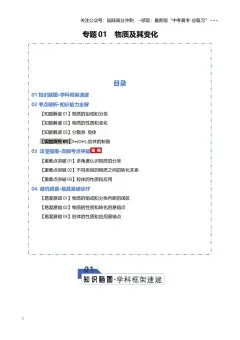
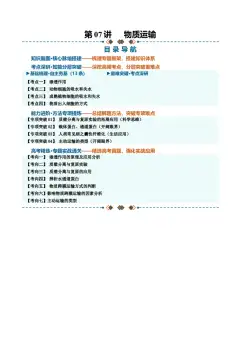
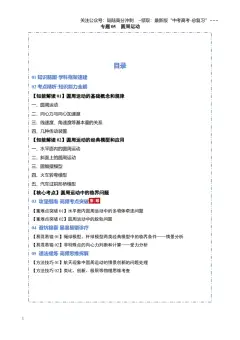
目录
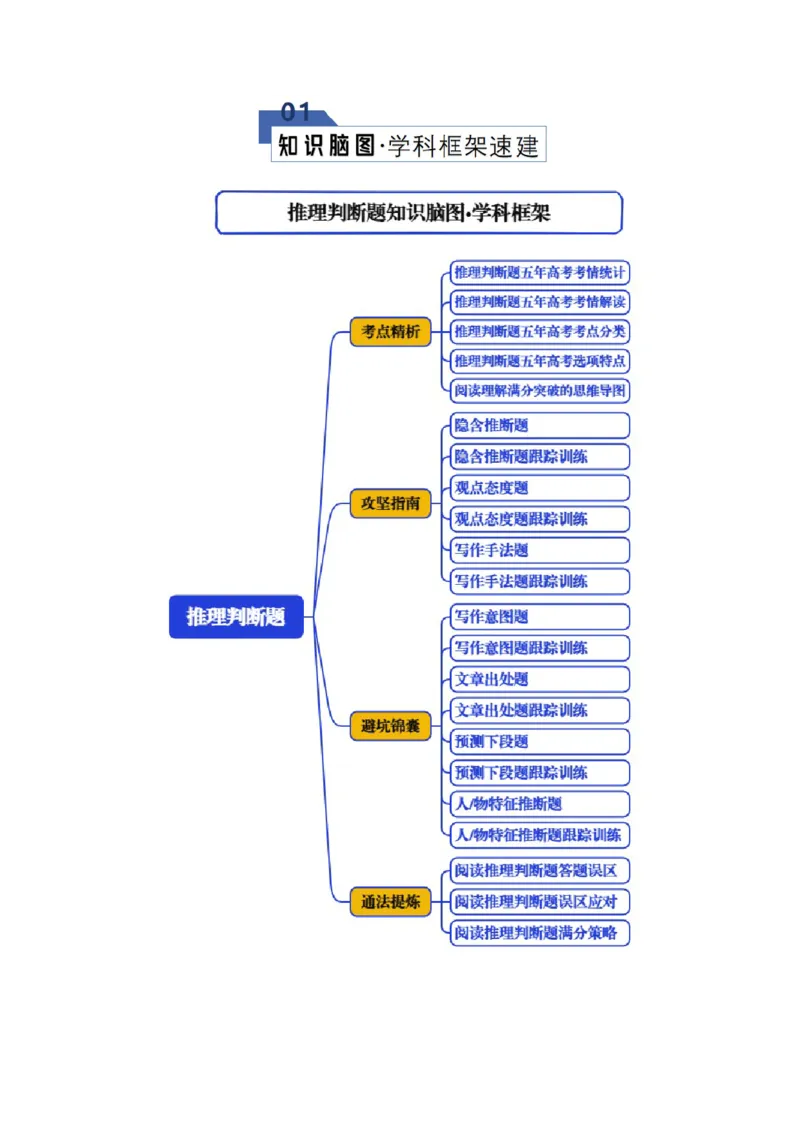
01 知识脑图·学科框架速建
02 考点精析·知识能力全解
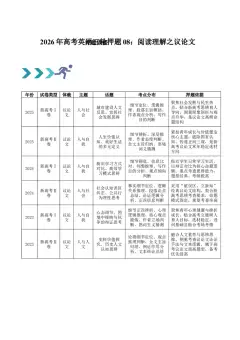
【知能解读01】推理判断题五年高考考情统计
【知能解读02】推理判断题五年高考考情解读
【知能解读03】推理判断题五年高考考点分类
【知能解读04】推理判断题五年高考选项特点
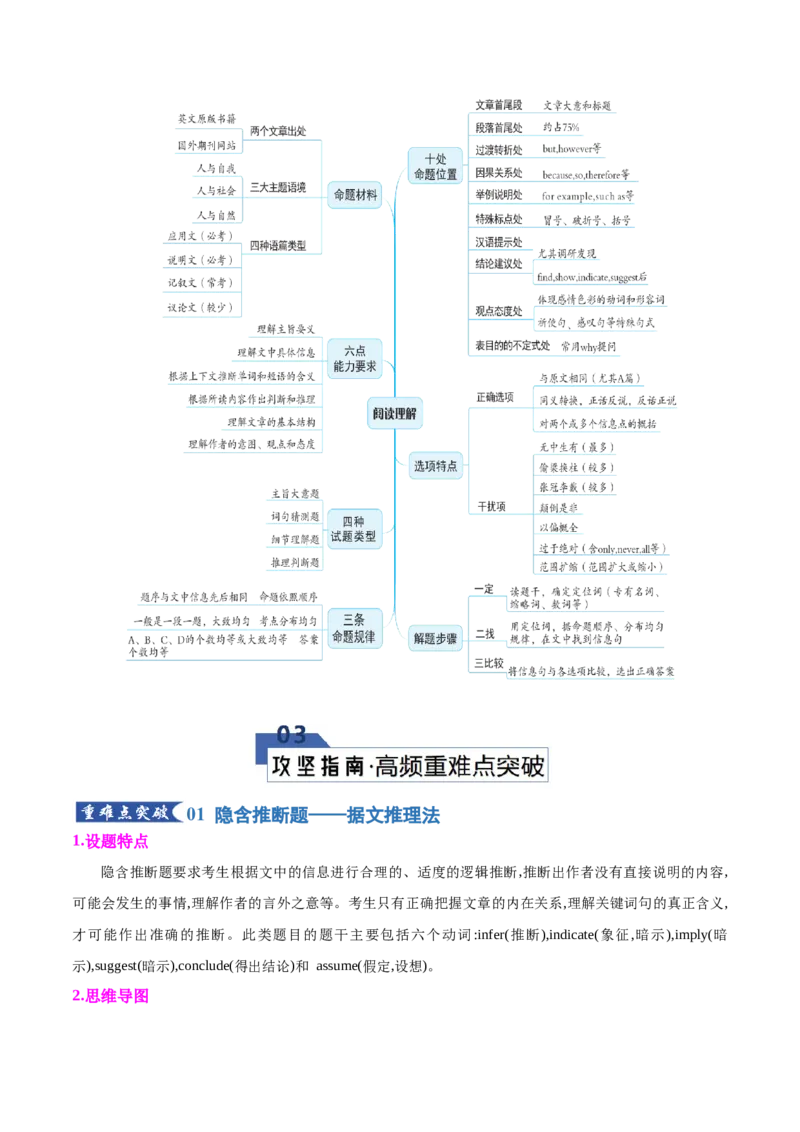
【知能解读05】阅读理解满分突破思维导图
03 攻坚指南·高频考点突破
【重难点突破01】隐含推断题
【重难点突破02】隐含推断题跟踪训练
【重难点突破03】观点态度题
【重难点突破04】观点态度题跟踪训练
【重难点突破05】写作手法题
【重难点突破06】写作手法题跟踪训练
04 避坑锦囊·易混易错诊疗
【易混易错01】写作意图题
【易混易错02】写作意图题跟踪训练
【易混易错03】文章出处题
【易混易错04】文章出处题跟踪训练
【易混易错05】预测下段题
【易混易错06】预测下段题跟踪训练
【易混易错07】人/物特征推断题
【易混易错08】人/物特征推断题跟踪训练
05 通法提炼·高频思维拆解
【方法技巧01】阅读推理判断题答题误区
【方法技巧02】阅读推理判断题误区应对
【方法技巧03】阅读推理判断题满分策略
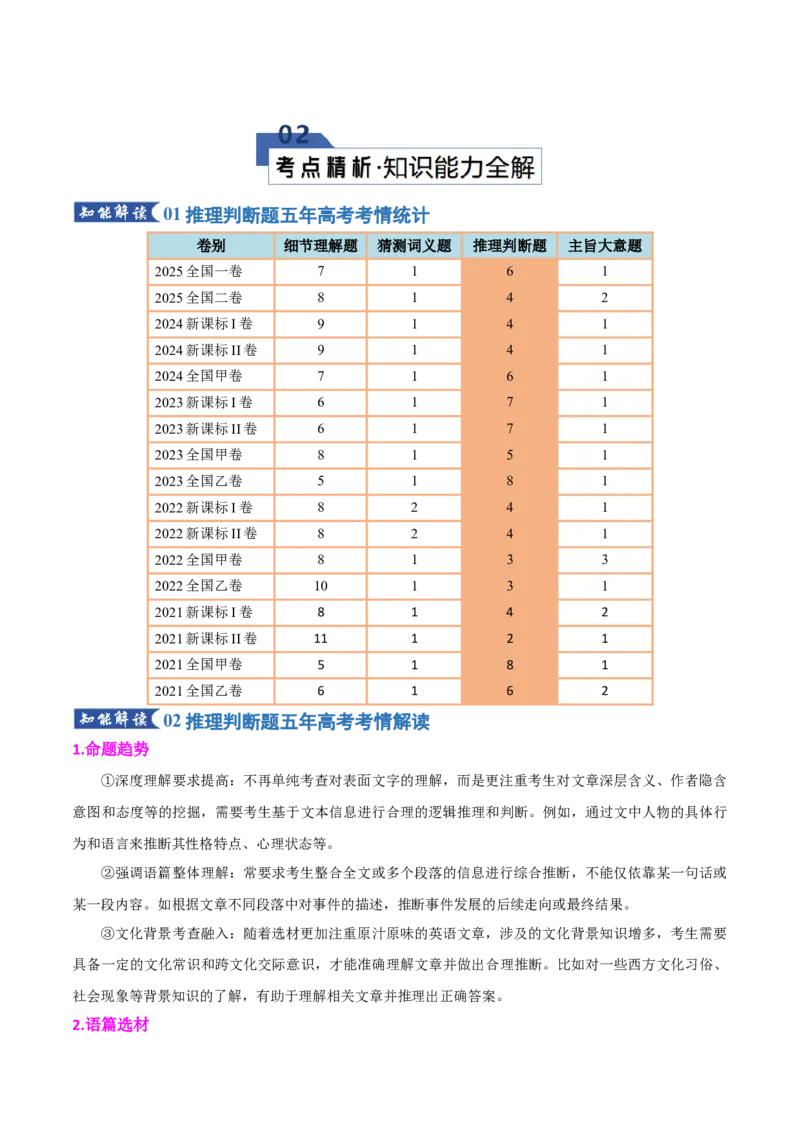
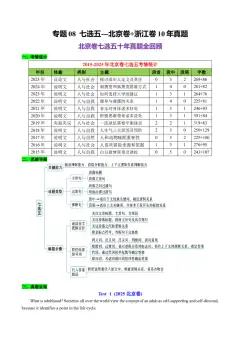
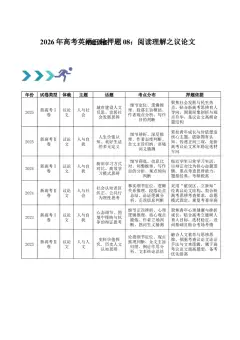
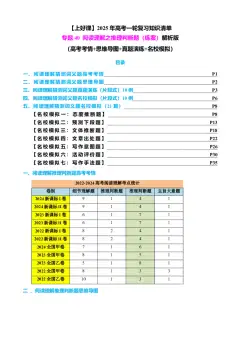
01 推理判断题五年高考考情统计
卷别
细节理解题
猜测词义题
推理判断题
主旨大意题
2025 全国一卷
7
1
6
1
2025 全国二卷
8
1
4
2
2024 新课标I 卷
9
1
4
1
2024 新课标II 卷
9
1
4
1
2024 全国甲卷
7
1
6
1
2023 新课标I 卷
6
1
7
1
2023 新课标II 卷
6
1
7
1
2023 全国甲卷
8
1
5
1
2023 全国乙卷
5
1
8
1
2022 新课标I 卷
8
2
4
1
2022 新课标II 卷
8
2
4
1
2022 全国甲卷
8
1
3
3
2022 全国乙卷
10
1
3
1
2021 新课标I 卷
8
1
4
2
2021 新课标II 卷
11
1
2
1
2021 全国甲卷
5
1
8
1
2021 全国乙卷
6
1
6
2
02 推理判断题五年高考考情解读
1.命题趋势
①深度理解要求提高:不再单纯考查对表面文字的理解,而是更注重考生对文章深层含义、作者隐含
意图和态度等的挖掘,需要考生基于文本信息进行合理的逻辑推理和判断。例如,通过文中人物的具体行
为和语言来推断其性格特点、心理状态等。
②强调语篇整体理解:常要求考生整合全文或多个段落的信息进行综合推断,不能仅依靠某一句话或
某一段内容。如根据文章不同段落中对事件的描述,推断事件发展的后续走向或最终结果。
③文化背景考查融入:随着选材更加注重原汁原味的英语文章,涉及的文化背景知识增多,考生需要
具备一定的文化常识和跨文化交际意识,才能准确理解文章并做出合理推断。比如对一些西方文化习俗、
社会现象等背景知识的了解,有助于理解相关文章并推理出正确答案。
2.语篇选材
 ①选材多元化:题材涵盖日常生活、科技、文化、社会、经济等各个领域,紧跟时代热点,如人工
智能、环境保护、社交媒体影响等。体裁包括记叙文、说明文、议论文、应用文等,每种体裁都有其独特
的推理判断考查点。
②语篇难度提升:词汇量有所增加,可能会出现一些超纲词汇但可通过上下文推测词义,语句结构更
加复杂多样,长难句增多,对考生的语言理解能力和分析能力提出更高要求。
3.设题方式
①设题方式灵活:题干的表述更加多样化,不再局限于传统的“infer”“imply”“suggest”等词,可能会以
更具体、更贴近文本内容的方式提问,如“Based on the passage, what can we learn about...”“What does the
author want to convey through...”等。
②选项干扰性增强:干扰项的设计更加巧妙,可能会出现与原文部分内容相似但存在细节偏差的情况,
或者是符合常识但与文章内容无关的选项,以及过度推理、以偏概全的选项等,需要考生仔细甄别。
③推理判断题属于高层次阅读理解题。解答该类题目时一定要从整体上把握语篇内容,在语篇的表面
意义与隐含意义、已知信息与未知信息之间架起桥梁,透过字里行间,体会作者的“弦外之音”和“言外之
意”。在进行推断时,要据文推理、合情推理,不可脱离原文主观臆断。高考对推理判断题的考查形式包括
以下几种:隐含推断题、观点态度题、写作手法题、写作意图题、文章出处/类别题和作者身份/读者对象题。
4.命题特点
特殊疑问句形式:以when、where、what、which、who、why、how 等疑问词开头引出的问题;通常涉及
推断作者态度、文章出处、文章类型、写作意图、下段话题等。
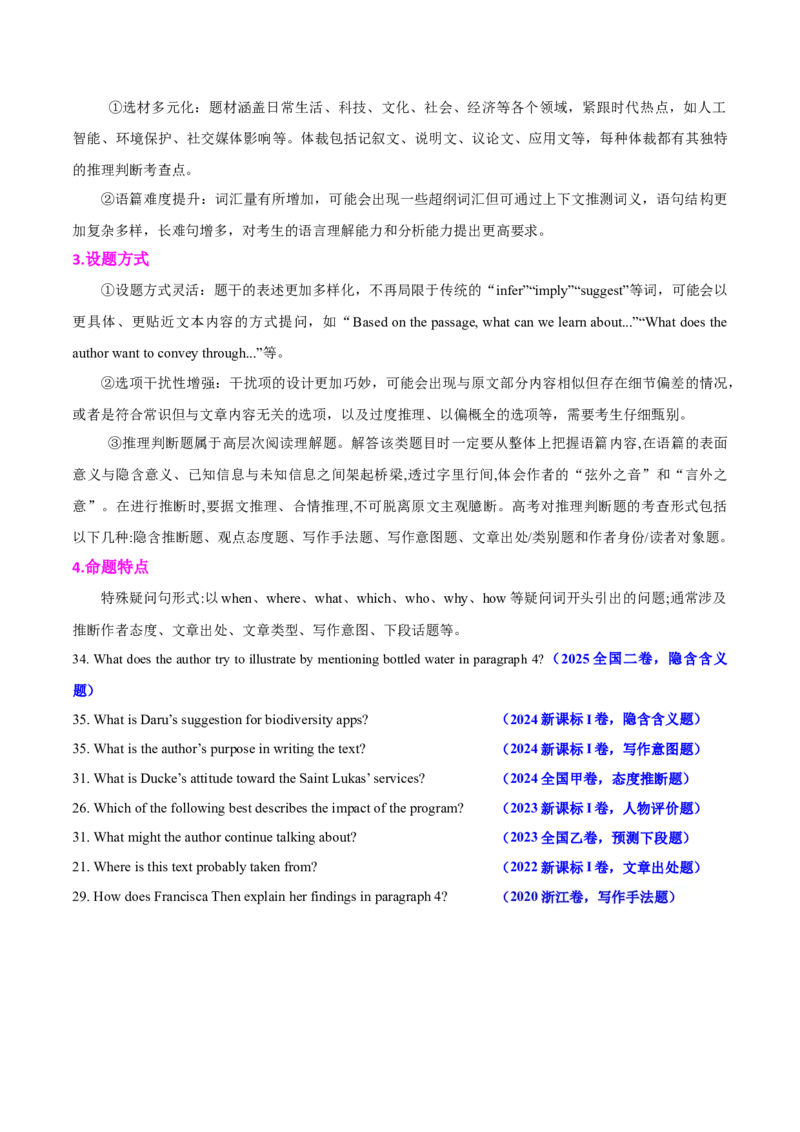
34. What does the author try to illustrate by mentioning bottled water in paragraph 4?(2025 全国二卷,隐含含义
题)
35. What is Daru’s suggestion for biodiversity apps?
(2024 新课标I 卷,隐含含义题)
35. What is the author’s purpose in writing the text?

(2024 新课标I 卷,写作意图题)
31. What is Ducke’s attitude toward the Saint Lukas’ services?
(2024 全国甲卷,态度推断题)
26. Which of the following best describes the impact of the program?
(2023 新课标I 卷,人物评价题)
31. What might the author continue talking about?

(2023 全国乙卷,预测下段题)
21. Where is this text probably taken from?
(2022 新课标I 卷,文章出处题)
29. How does Francisca Then explain her findings in paragraph 4?
(2020 浙江卷,写作手法题)
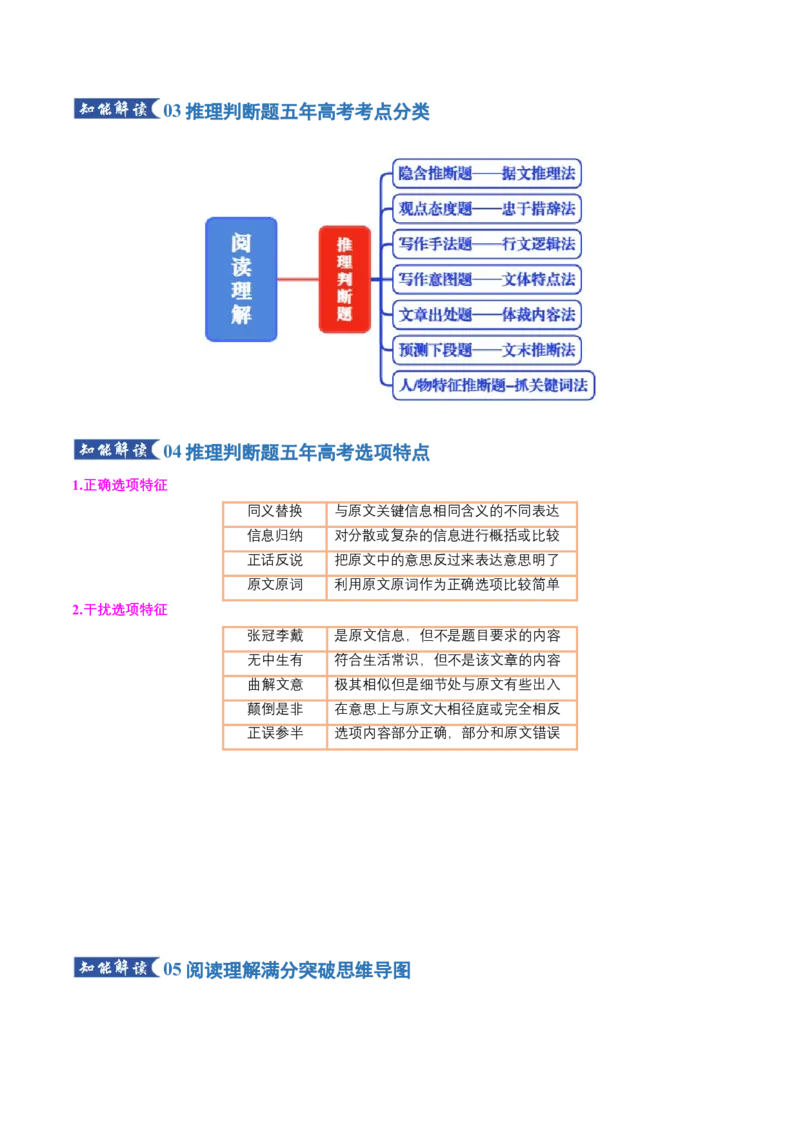
03 推理判断题五年高考考点分类
04 推理判断题五年高考选项特点
1.正确选项特征
同义替换
与原文关键信息相同含义的不同表达
信息归纳
对分散或复杂的信息进行概括或比较
正话反说
把原文中的意思反过来表达意思明了
原文原词
利用原文原词作为正确选项比较简单
2.干扰选项特征
张冠李戴
是原文信息,但不是题目要求的内容
无中生有
符合生活常识,但不是该文章的内容
曲解文意
极其相似但是细节处与原文有些出入
颠倒是非
在意思上与原文大相径庭或完全相反
正误参半
选项内容部分正确,部分和原文错误
05 阅读理解满分突破思维导图
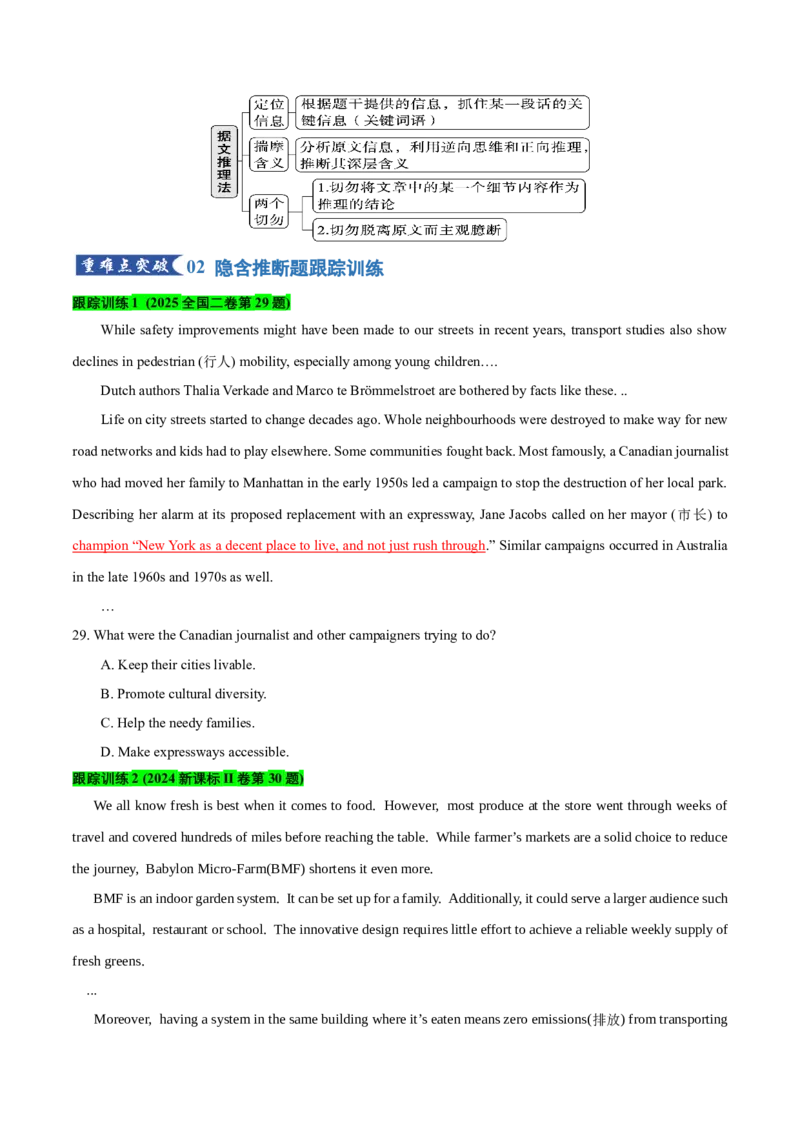
01 隐含推断题——据文推理法
1.设题特点
隐含推断题要求考生根据文中的信息进行合理的、适度的逻辑推断,推断出作者没有直接说明的内容,
可能会发生的事情,理解作者的言外之意等。考生只有正确把握文章的内在关系,理解关键词句的真正含义,
才可能作出准确的推断。此类题目的题干主要包括六个动词:infer(推断),indicate(象征,暗示),imply(暗
示),suggest(暗示),conclude(得出结论)和 assume(假定,设想)。
2.思维导图
02 隐含推断题跟踪训练
跟踪训练1 (2025 全国二卷第29 题)
While safety improvements might have been made to our streets in recent years, transport studies also show
declines in pedestrian (行人) mobility, especially among young children….
Dutch authors Thalia Verkade and Marco te Brömmelstroet are bothered by facts like these. ..
Life on city streets started to change decades ago. Whole neighbourhoods were destroyed to make way for new
road networks and kids had to play elsewhere. Some communities fought back. Most famously, a Canadian journalist
who had moved her family to Manhattan in the early 1950s led a campaign to stop the destruction of her local park.
Describing her alarm at its proposed replacement with an expressway, Jane Jacobs called on her mayor (市长) to
champion “New York as a decent place to live, and not just rush through.” Similar campaigns occurred in Australia
in the late 1960s and 1970s as well.
…
29. What were the Canadian journalist and other campaigners trying to do?
A. Keep their cities livable.
B. Promote cultural diversity.
C. Help the needy families.
D. Make expressways accessible.
跟踪训练2 (2024 新课标II 卷第30 题)
We all know fresh is best when it comes to food. However, most produce at the store went through weeks of
travel and covered hundreds of miles before reaching the table. While farmer’s markets are a solid choice to reduce
the journey, Babylon Micro-Farm(BMF) shortens it even more.
BMF is an indoor garden system. It can be set up for a family. Additionally, it could serve a larger audience such
as a hospital, restaurant or school. The innovative design requires little effort to achieve a reliable weekly supply of
fresh greens.
...
Moreover, having a system in the same building where it’s eaten means zero emissions(排放) from transporting
plants from soil to salad. In addition, there’s no need for pesticides and other chemicals that pollute traditional farms
and the surrounding environment.
BMF employees live out sustainability in their everyday lives. About half of them walk or bike to work. Inside
the office,  they encourage recycling and waste reduction by limiting garbage cans and avoiding single-use


plastic.“We are passionate about reducing waste,

   carbon and chemicals in our environment

 ,” said a BMF
employee.
30. What can be concluded about BMF employees?
A. They have a great passion for sports.
B. They are devoted to community service.
C. They are fond of sharing daily experiences.
D. They have a strong environmental awareness.
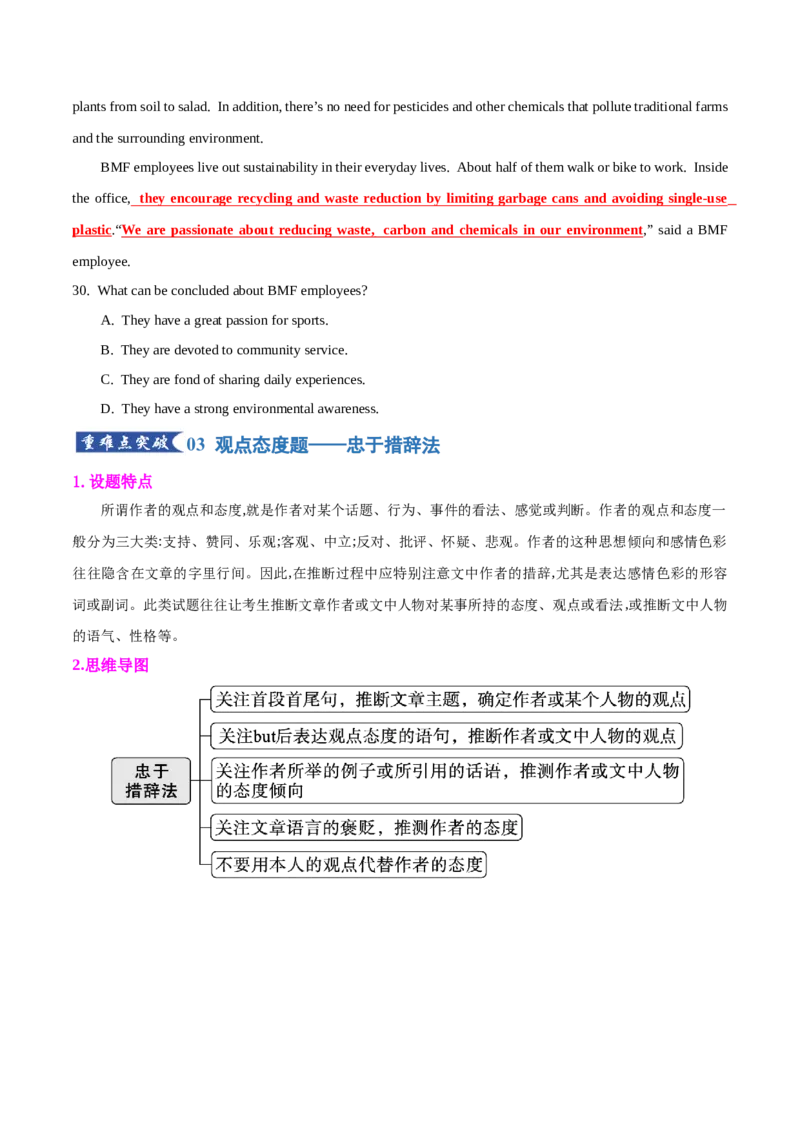
03 观点态度题——忠于措辞法
1.设题特点
所谓作者的观点和态度,就是作者对某个话题、行为、事件的看法、感觉或判断。作者的观点和态度一
般分为三大类:支持、赞同、乐观;客观、中立;反对、批评、怀疑、悲观。作者的这种思想倾向和感情色彩
往往隐含在文章的字里行间。因此,在推断过程中应特别注意文中作者的措辞,尤其是表达感情色彩的形容
词或副词。此类试题往往让考生推断文章作者或文中人物对某事所持的态度、观点或看法,或推断文中人物
的语气、性格等。
2.思维导图
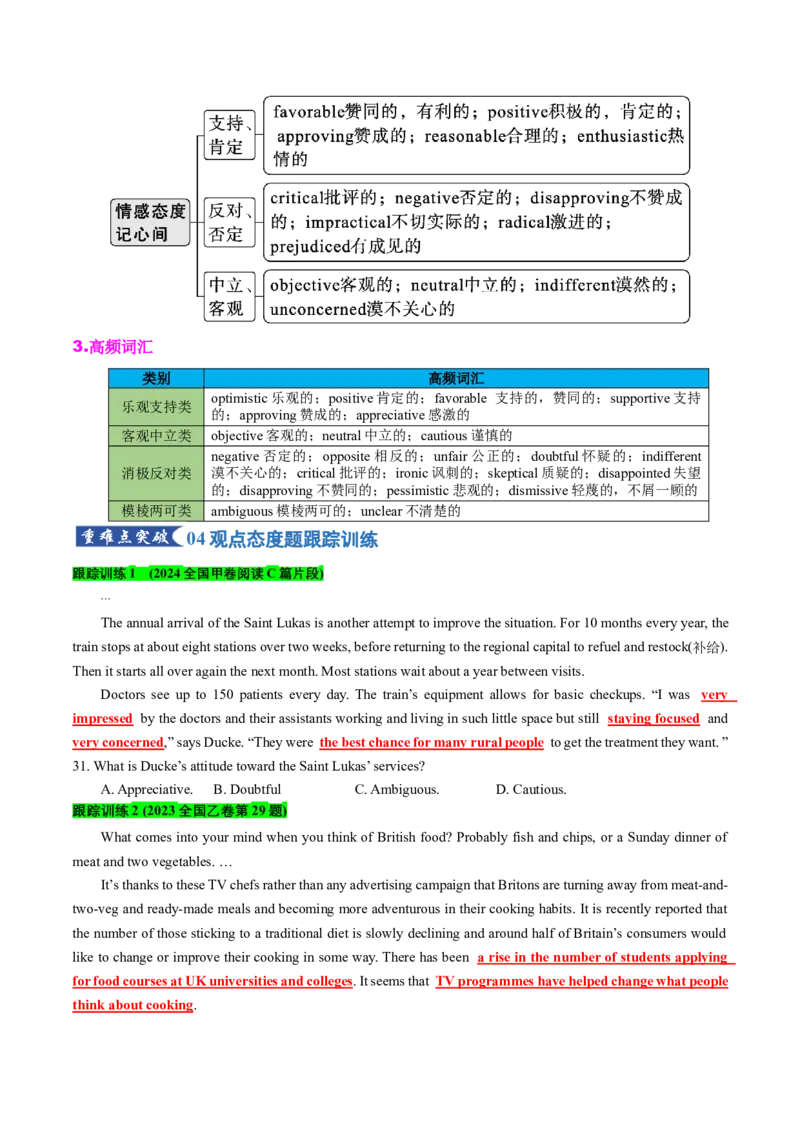
3.高频词汇
类别
高频词汇
乐观支持类
optimistic 乐观的;positive 肯定的;favorable 支持的,赞同的;supportive 支持
的;approving 赞成的;appreciative 感激的
客观中立类
objective 客观的;neutral 中立的;cautious 谨慎的
消极反对类
negative 否定的;opposite 相反的;unfair 公正的;doubtful 怀疑的;indifferent
漠不关心的;critical 批评的;ironic 讽刺的;skeptical 质疑的;disappointed 失望
的;disapproving 不赞同的;pessimistic 悲观的;dismissive 轻蔑的,不屑一顾的
模棱两可类
ambiguous 模棱两可的;unclear 不清楚的
04 观点态度题跟踪训练
跟踪训练1 (2024 全国甲卷阅读C 篇片段)
…
The annual arrival of the Saint Lukas is another attempt to improve the situation. For 10 months every year, the
train stops at about eight stations over two weeks, before returning to the regional capital to refuel and restock(补给).
Then it starts all over again the next month. Most stations wait about a year between visits.
Doctors see up to 150 patients every day. The train’s equipment allows for basic checkups. “I was very
impressed by the doctors and their assistants working and living in such little space but still staying focused and
very concerned,” says Ducke. “They were the best chance for many rural people to get the treatment they want. ”
31. What is Ducke’s attitude toward the Saint Lukas’ services?
A. Appreciative.
B. Doubtful
C. Ambiguous.
D. Cautious.
跟踪训练2 (2023 全国乙卷第29 题)
What comes into your mind when you think of British food? Probably fish and chips, or a Sunday dinner of
meat and two vegetables. …
It’s thanks to these TV chefs rather than any advertising campaign that Britons are turning away from meat-and-
two-veg and ready-made meals and becoming more adventurous in their cooking habits. It is recently reported that
the number of those sticking to a traditional diet is slowly declining and around half of Britain’s consumers would
like to change or improve their cooking in some way. There has been a rise in the number of students applying
for food courses at UK universities and colleges. It seems that TV programmes have helped change what people
think about cooking.
According to a new study from market analysts, 1 in 5 Britons say that watching cookery programmes on TV
has encouraged them to try different food…
29. Which best describes cookery programme on British TV?
A. Authoritative.
B. Creative.
C. Profitable.
D. Influential.
跟踪训练3 (2023 全国乙卷第35 题)
…
In a follow-up study with 100 university students, the researchers tried to get a better sense of what the group
members actually did in their discussion. Did they tend to go with those most confident about their estimates? Did
they follow those least willing to change their minds? This happened some of the time, but it wasn’t the dominant
response. Most frequently, the groups reported that they “shared arguments and reasoned together.” Somehow, these
arguments and reasoning resulted in a global reduction in error

 .  Although the studies led by Navajas have
limitations and many questions remain, the potential implications for group discussion and decision-making are
enormous.
35. What is the author’s attitude toward Navajas’ studies?
A. Unclear.
B. Dismissive.
C. Doubtful.
D. Approving.
05 写作手法题——行文逻辑法
1.命题形式
32. How does the author present the issue in the first paragraph? (2025 全国一卷)
34. What is the function of the quoted statements in paragraph 4? (2024 九省联考卷)
2.思维导图
3.解题策略
①根据文章题材来判断。
记叙文多采取以时间为序、以空间为序、以故事情节发展为序等叙事方式进行写作。
说明文往往采取下定义、举例子、列数字、对比等方式使说明更清晰或更具说服力。
议论文大多通过举例子、列数字、引名言、作对比是使得观点更可信,更有权威性。
②根据“原文定位”来判断。
先根据题干判断是具体某段还是全文写作手法,然后寻找标志词,进而找到答案。
形式
含义
标志词
by giving examples
通过举例
for example, for instance
by analyzing causes
通过分析原因
as a result/consequence
by giving definitions
通过下定义
that is to say
by listing data/statistics
通过列数字
increase by 13%
by describing a process
通过描述过程
first, second, third, finally
by following time order
遵循时间顺序
in 1920,in the 1940s, nowadays
by making comparisons/contrast
通过对比
but, while
by making classifications
通过分类
first, next, then
by analyzing cause and effect
通过分析因果
That is because….
by following space order
遵循空间顺序
由近及远,由外到内
06 写作手法题跟踪训练
 跟踪训练1 (2025 全国一卷第32 题)
Microplastics have become a common source of pollution across the Earth — they have settled in the deep
sea and on the Himalayas, stuck inside volcanic rocks, filled the stomachs of seabirds and even fallen in fresh
Antarctic snow. They are even appearing inside humans.
…
32. How does the author present the issue in the first paragraph?
A. By quoting an expert.
B. By defining a concept.
C. By giving examples.
D. By providing statistics.
跟踪训练2 (2021 八省联考卷第30 题)
Two basic magic tricks are making objects seem to appear and making objects seem to disappear. A combination
of these two tricks makes for some interesting effects. For example, the magician puts a small ball under one of
several cups. The ball then seems to jump from one cup to another or to change colour. What actually happens is
that the magician, employing quick hand movements or a mechanical device, hides one ball. While doing this he
talks to the audience and waves a brightly coloured cloth with one hand. The audience is too busy watching the cloth
and listening to the magician’s words to notice that his other hand is hiding the ball.
Another favourite trick is to cut or burn something, and then make it appear whole again. What actually happens
is that the magician makes the cut or burned object disappear by quickly hiding it while the audience watches
something else. Then he “magically” makes it appear whole again by displaying(展示) another object that has not
been cut or burned.
30. What does the author focus on in the last two paragraphs?
A. Providing examples.            B. Making a summary.
C. Drawing comparisons.            D. Explaining a concept.
01 写作意图题——文体特点法
1.设题特点
各种文体的阅读材料都可能考查写作目的题。通常情况下,作者在文中不直接陈述自己的写作目的,
而是通过文中所列事物使读者感受到其所传递的想法。所以,这种题型要求考生具备对作者阐述的内容进行
总结和分析的能力。
2.思维导图
02 写作意图题跟踪训练
跟踪训练1 (2024 新课标II 卷第35 题)
Given the astonishing potential of AI to transform our lives, we all need to take action to deal with our AI-
powered future, and this is where AI by Design: A Plan for Living with Artificial Intelligence comes in. This
absorbing new book by Catriona Campbell is a practical roadmap addressing the challenges posed by the forthcoming
AI revolution(变革).
In the wrong hands, such a book could prove as complicated to process as the computer code( 代码) that
powers AI but, thankfully, Campbell has more than two decades’ professional experience translating the heady into
the understandable. …
As we soon come to learn from AI by Design, AI is already super-smart and will become more capable, moving
from the current generation of “narrow-AI” to Artificial General Intelligence. …
Campbell’s point is to wake up those responsible for AI—the technology companies and world leaders—so they
are on the same page as all the experts currently developing it. She explains we are at a “tipping point” in history and
must act now to prevent an extinction-level event for humanity. We need to consider how we want our future with AI
to pan out. Such structured thinking, followed by global regulation, will enable us to achieve greatness rather than
our downfall.
AI will affect us all, and if you only read one book on the subject, this is it.
35. What is the author’s purpose in writing the text?
A. To recommend a book on AI.
 B. To give a brief account of AI history.
C. To clarify the definition of AI.         D. To honor an outstanding AI expert.
跟踪训练2 (2025 八省联考第27 题)
Jim Johnson, a mail carrier, was an institution in the leafy Westmoreland, Westhaven and Westover Hills
neighborhoods, just north of downtown Wilmington, where he delivered much more than the mail. He knew all the
kids and their pets by name; he carried in the groceries; he took note of unlocked doors, offered gardening advice,
and taught more than a few young boys the art of the curveball. When he wasn't doing all that, Jim was running
across a checkerboard of green lawns(草坪) to ensure the local postal service did not fall short of its daily promise.
Though the postal service is often disparaged now, the trust in local postal service lives on. …
After more than three decades, Jim approached his final days on the job much like any other. He drove a boxy
postal truck to North DuPont Road for the first unofficial stop of the day. …
It’s been 33 years since Jim left the route, but we are still reminded of the deep bond established between
community and letter carrier. That’s what the postal service means to us.
27. What is the author’s purpose in writing the text?
A. To remember a respected mail carrier.
       B. To record an unforgettable experience.
C. To raise funds for the postal service.         D. To call for harmony in the community.
03 文章出处题——体裁内容法
1.设题特点
文章出处题要求考生具备一定的常识,能够根据文章的体裁和题材来推断文章的出处或类别。写作对象推断
题要求考生根据短文内容和文中的措辞推断文章的写作对象。
2.思维导图
04 文章出处题跟踪训练
跟踪训练1 (2023 新课标II 卷第28 题)
Reading Art: Art for Book Lovers is a celebration of an everyday object—the book, represented here in
almost three hundred artworks from museums around the world...
In this “book of books,” artworks are selected and arranged in a way that emphasizes these connections between
different eras and cultures. ...
Books themselves may be used symbolically in paintings to demonstrate the intellect(才智),wealth or faith of
the subject....From a 21st-century point of view, the printed book is certainly ancient, but it remains as interactive
as any battery-powered e-reader...
28. Where is the text most probably taken from?
A. An introduction to a book.
B. An essay on the art of writing.
C. A guidebook to a museum.
D. A review of modern paintings.
跟踪训练2 (2022 新高考Ⅰ卷第21 题)
【原文】                      Grading Policies for Introduction to Literature
Grading Scale
90-100, A; 80-89, B; 70-79, C; 60-69, D; Below 60, E.
Essays (60%)
Your four major essays will combine to form the main part of the grade for this course: Essay 1 = 10%; Essay
2 = 15%; Essay 3 = 15%; Essay 4 = 20%.
Group Assignments (30%)
Students will work in groups to complete four assignments (作业) during the course. All the assignments will
be submitted by the assigned date through Blackboard, our online learning and course management system.
Daily Work/In-Class Writings and Tests/Group Work/Homework (10%)
…
Late Work
…
21. Where is this text probably taken from?
A. A textbook.
B. An exam paper.
C. A course plan.
D. An academic article.
跟踪训练3 (2020 新高考Ⅰ卷第33 题)
In 1916, two girls of wealthy families, best friends from Auburn, N. Y.—Dorothy Woodruff and Rosamond
Underwood—traveled to a settlement in the Rocky Mountains to teach in a one-room schoolhouse. The girls had
gone to Smith College. They wore expensive clothes. So for them to move to Elkhead, Colo. to instruct the children
whose shoes were held together with string was a surprise. Their stay in Elkhead is the subject of Nothing Daunted:
The Unexpected Education of Two Society Girls in the West by Dorothy Wickenden, who is a magazine editor and
Dorothy Woodruff’s granddaughter.
 …
In Wickenden’s book, she expanded on the history of the West and also on feminism, which of course influenced
the girls’ decision to go to Elkhead. A hair-raising section concerns the building of the railroads, which entailed (牵
涉) drilling through the Rockies, often in blinding snowstorms. The book ends with Rosamond and Dorothy’s return
to Auburn.
Wickenden is a very good storyteller. The sweep of the land and the stoicism (坚忍) of the people move her to
some beautiful writing. Here is a picture of Dorothy Woodruff, on her horse, looking down from a hill top: “When
the sun slipped behind the mountains, it shed a rosy glow all around them. Then a full moon rose. The snow was
marked only by small animals: foxes, coyotes, mice, and varying hares, which turned white in the winter.”
27. What is the text?
A. A news report.
B. A book review.
C. A children’s story.
D. A diary entry.
05 预测下段题——文末推断法
1.解题策略
考生在阅读全文基础上,“预测下段”类试题应注意以下两点策略:
①从最后一段入手。有时候,作者在最后一段提到一个话题,但是没有充分说明,因此需要在下一段就此
问题深入分析、论述或讨论。所以考生学会依据最后一段甚至最后一句话进行推断也不失为明智选择。
②从第一段入手。实用类说明文往往采用“总分”或者“总分总”结构,即第一段总体概况说明,然后分
段阐述。因此只要考生把握好第一段即主题段内容,顺藤摸瓜,即可推断下段内容应该是主题段中尚未提
及的内容。
2.解题步骤
①做题留痕,依据题干在原文圈划答题区间;
②划掉错项,去伪存真,快速作答提升效率;
③错题反思,专用笔记本记录错因举一反三。
06 预测下段题跟踪训练
跟踪训练1 (2023 全国乙卷第33 题)
【原文】According to a new study from market analysts, 1 in 5 Britons say that watching cookery programmes
on TV has encouraged them to try different food. Almost one third say they now use a wider variety of ingredients (配料)
than they used to, and just under 1 in 4 say they now buy better quality ingredients than before. One in four adults
say that TV chefs have made them much more confident about expanding their cookery knowledge and skills, and
young people are also getting more interested in cooking. The UK’s obsession (痴迷) with food is reflected through
television scheduling. Cookery shows and documentaries about food are broadcast more often than before. With an
increasing number of male chefs on TV, it’s no longer “uncool” for boys to like cooking.
33. What might the author continue talking about?
A. The art of cooking in other countries.
B. Male chefs on TV programmes.
C. Table manners in the UK.
D. Studies of big eaters.
跟踪训练2 (2011 安徽卷第63 题)
【原文】For many centuries, people used windmills to grind (磨碎) wheat into flour or pump water from deep
underground when electricity was discovered in the 1ate 1800s,people living in remote areas began to use them to
produce electricity. This al1owed them to people in almost all1 areas of the United States, windmills were rarely used.
During the course 1970s, people started becoming concerned about the pollution that is created when coal and gas
are burned to produce electricity. People also realized that the supply of coal and gas would not last forever. Then,
wind was rediscovered, though it means higher coasts. Today, there is a global movement to supply more and more
of our electricity through the use of wind.
63. What would the author probably discuss in the paragraph that follows?
A. The advantage of wind power.
B. The design of wind power plants.
C. The worldwide movement to save energy.
D. The global trend towards producing power from wind.
07 人/物特征推断题——抓关键词法
1.解题方略
把描述人物的性格特征的词一一列出,基本上考题不会超出这些词汇,考前把它们的意思记熟。预测
每个词需要和什么样的事迹相对应,这样在考场上就能迅速地找到答案。对这种题要迅速解决,以给其他
试题提供做题时间。
2.描写人物特征的形容词
generous 慷慨的brave 勇敢的determined 有决心的modest 谦虚的creative 有创造力的ambitious 有雄心的
demanding 要求高的impatient 不耐烦的outgoing 外向的cooperative 有合作意识的honest 诚实的easy-going
随和的organized 有条理的capable 有能力的,有才能的confident 自信的diligent 勤奋的voluntary 自愿的
energetic 精力旺盛的humorous 幽默的modest 谦虚的optimistic 乐观的cautious 小心谨慎的caring 乐于助人
的;关心他人的responsible 负责任的enthusiastic 热情的
3.描写事物特征的形容词
experienced 有经验的intelligent 聪明的grateful 感激的helpful 有帮助的talkative 健谈的athletic 爱体育运动的
innovative 创新的tolerant 忍受的committed 坚信的considerate 体贴的ashamed 惭愧的regretful 后悔的
disappointed 失望的amazed 吃惊的satisfied 满意的disappointed 失望的shocked 震惊的sympathetic 同情的
hardworking 勤劳的embarrassed 尴价的courageous 勇敢的independent 独立的sensitive 敏感的
08 人/物特征推断题跟踪训练
跟踪训练1(2025 浙江1 月卷第27 题)
   …
Allowing kids to eat what they want also exposes them to the natural consequences of their decisions. “When
your child says, ‘My stomach hurts,’ you can say, ‘Well you had a lot of sugary foods and you might feel better if you
made some other choices,’” says Markey. “Let them feel like they have some control over it.”
I’ve been trying out these strategies and I’ve found that when I’m less restrictive, they do make better decisions.
“Feeding is a long game,” says Markey. “The food you have available makes a huge difference. Even if they don’t
eat it, they’re seeing it. And then all of a sudden it clicks.”
27. What does the author think of the strategies she has been following?
A. Costly.
B. Complex.
C. Workable.
D. Contradictory.
跟踪训练2(2025 浙江1 月卷第30 题)
A novel design approach to gardening has been gaining in popularity worldwide. Referred to as matrix planting,
this approach aims for nature to do a lot more of the heavy lifting in the garden, and even some of the designing.
Eschewing fertilizers (化肥) and power tools, it’s based on an elegantly simple principle: to garden more like nature
does.
The concept was born when German city planners sought to plant large areas of parkland after World War II in
a reproducible way that would need minimal maintenance. Planners created planting mixes that could be used
modularly (模块化). In a matrix garden, plants with similar cultural needs are grouped so that they will grow together
above and below ground, forming a cooperative ecosystem that conserves water and discourages weeds.
Dutch plantsman and designer Piet Oudolf’s gardens popularized this style, adding artistic flavors to the planting
mixes while playing with color and form, including four-season interest and serving the needs of wildlife. Beautiful
year-round, they invite you to enjoy the smallest detail, from the sound of grasses in the gentle wind to the sculpture of
odd-looking seed heads.
…
30. Which of the following best describes Piet Oudolf’s gardens?
A. Traditional.
B. Odd-looking.
C. Tasteful.
D. Well-protected.
跟踪训练3(2024 新课标I 卷第24 题)
“I am not crazy,” says Dr. William Farber, shortly after performing acupuncture (针灸) on a rabbit. “I am ahead
of my time.” If he seems a little defensive, it might be because even some of his coworkers occasionally laugh at his
unusual methods. But Farber is certain he’ll have the last laugh. He’s one of a small but growing number of American
veterinarians (兽医) now practicing “holistic” medicine – combining traditional Western treatments with acupuncture,
chiropractic (按摩疗法) and herbal medicine.
…
24. What do some of Farber’s coworkers think of him?
A. He’s odd.
B. He’s strict.
C. He’s brave.
D. He’s rude.
01 阅读推理判断题答题误区
1.主观臆断:脱离文本逻辑
误区表现:考生常依据个人常识或主观情感进行推断,忽视原文线索。例如 2024 年全国甲卷第 31
题问及 Ducke 对医疗列车服务的态度时,部分考生因“农村医疗资源匮乏”的常识误选“同情”,而忽
略原文impressed by the doctors, best chance 等直接褒义表述,正确答案应为Appreciative。
2. 过度推断:曲解隐含意义
误区表现:将作者未明确表达的观点强行延伸。如 2022 年全国卷关于新材料的说明文,部分考生从
“广泛应用”过度推断出“已大规模商业化”,而原文仅提及potential applications。干扰项特征:选项常
包含must, never 等绝对化表述,或通过偷换概念(如将“节水”改为“解决干旱”)制造陷阱。
3. 事实复述:混淆推断与细节
误区表现:误将原文直接陈述的事实作为推断结论。例如 2023 年全国乙卷关于烹饪节目影响的题目,
选项“男性厨师增多改变社会观念”直接对应原文male chefs on TV make cooking cool for boys,但正
确答案需从“节目增加烹饪兴趣”推断出“促进饮食文化传播”。
4. 逻辑颠倒:因果/顺序混淆
误区表现:颠倒事件因果或时间顺序。如 2024 年新高考 II 卷关于气候变化的阅读中,部分考生将
“极端天气导致人兽冲突”理解为“冲突引发气候变化”,忽视as we learn about specific incidents, we
can identify patterns 的因果关系表述。
5. 文体误判:忽视体裁特征
误区表现:议论文中混淆作者观点与引用观点,说明文误判写作目的。例如 2023 年浙江卷关于生态
设计的文章,部分考生将“展示应用案例”的说明目的误判为“批判传统技术”,正确答案应紧扣
ecological design 的功能性介绍。
02 阅读推理判断题误区应对
1.精准定位,避免主观臆断
许多考生在做推理判断题时容易犯主观臆断的错误,脱离原文仅凭自身感觉答题。以2023 年全国乙卷
中关于不同医生的题目为例,题目询问Tan Yunxian 与其他从业者的不同之处。正确的做法是,抓住Tan
Yunxian 这个关键词,迅速回到原文中与之相关的段落,将每一处提到Tan Yunxian 的细节仔细标记出来,
为后续推理判断提供依据。同时,对选项进行逐字逐句分析。只有基于原文精准定位信息,才能避免这类
错误。
2.构建逻辑,防止逻辑混乱
构建清晰的逻辑链在推理过程中起着极为重要的作用。2021 年新高考Ⅰ卷有一道关于1934 年法案
的题目,题干问法案通过的直接结果。我们回到原文,看到“About 98 cents of every duck stamp dollar
goes directly into the Migratory Bird Conservation Fund to purchase wetlands and wildlife habitat for
inclusion into the National Wildlife Refuge System” 这句话,它清晰地阐述了出售鸭票的钱进入候鸟保护基
金这一逻辑关系。从这个逻辑出发,能够合理推断出政府筹集到了资金,所以选项 D 正确。而干扰项 B
说候鸟飞离,实际上这是颁布法案的原因,并非结果,属于逻辑颠倒,不符合题意。
3.关注情感,把握作者态度
作者在文章中常常会通过一些形容词、副词来表达自己的态度,这一点在做推理判断题时不容忽视。
在一些描述社会现象的文章里,如果出现shockingly,regrettably 这样的副词,大概率暗示作者对这种现象
持负面态度。在做观点态度类推理判断题时,我们要把这些情感词都圈出来,从而更好地把握作者立场,
避免用自己的主观想法去替代作者观点,确保推理判断的准确性。
4.强化练习,总结提升能力
多做针对性练习是提升推理判断能力的有效途径。我们可以把近三年真题里的推理判断题集中起来,
按照上述方法一道一道认真分析。做完之后,更重要的是要认真总结错题原因,看是信息定位不准确,还
是逻辑链构建错误,亦或是对情感词理解有误。
03 阅读推理判断题满分策略
1.要紧扣原文,通过关键词精准定位,避免主观臆断。
2.学会梳理因果、转折等逻辑关系,构建清晰逻辑链。
3.倍加留意情感词汇,把握作者或当事人的态度倾向。
4.多做真题分析错因,强化薄弱环节提升推理判断能力。
真题专区:研读高考真题,洞悉高考命题规律,探寻满分做题技巧和应试思维
01 (2020 浙江7 月卷)
I am an active playgoer and play-reader, and perhaps my best reason for editing this book is a hope of sharing
推理判断题综合能力提升
my enthusiasm for the theater with others. To do this I have searched through dozens of plays to find the ones that I
think best show the power and purpose of the short play.
Each play has a theme or central idea which the playwright(剧作家) hopes to get across through dialogue and
action. A few characters are used to create a single impression growing out of the theme. It is not my intention to
point out the central theme of each of the plays in this collection, for that would, indeed, ruin the pleasure of reading,
discussing, and thinking about the plays and the effectiveness of the playwright. However, a variety of types is
represented here. These include comedy, satire, poignant drama, historical and regional drama. To show the
versatility(多面性) of the short play, I have included a guidance play, a radio play and a television play.
Among the writers of the plays in this collection, Paul Green, Susan Glaspell, Maxwell Anderson, Thornton
Wilder, William Saroyan, and Tennessee Williams have all received Pulitzer Prizes for their contributions to the
theater. More information about the playwrights will be found at the end of this book.
To get the most out of reading these plays, try to picture the play on stage, with you, the reader, in the audience.
The houselights dim(变暗). The curtains are about to open, and in a few minutes the action and dialogue will tell you
the story.
21. What do we know about the author from the first paragraph?
A. He has written dozens of plays.
B. He has a deep love for the theater.
C. He is a professional stage actor.
D. He likes reading short plays to others.
22. What does the author avoid doing in his work?
A. Stating the plays’ central ideas.
B. Selecting works by famous playwrights.
C. Including various types of plays.
D. Offering information on the playwrights.
23. What does the author suggest readers do while reading the plays?
A. Control their feelings.
B. Apply their acting skills.
C. Use their imagination.
D. Keep their audience in mind.
24. What is this text?  (文体推断题)
A. A short story.
B. An introduction to a book.
C. A play review.
D. An advertisement for a theater.
模拟专区:精选名校真题好题,帮你锤炼做题技巧,助力冲刺备考圆梦高考
03(25-26 高三上·湖南长沙·开学考试)
In a stimulating interview with the philosopher Daniel Dennett in Living on Earth, Dennett shared that Charles
Darwin and Alan Turing might make the same discovery. Darwin showed how you can get the appearance of purpose
and design out of blind processes of natural selection. And Turing said that any computable problem can be computed
by a machine without understanding.
The host then voiced a concern: as AI advances, machines will come to lord over us. Dennett acknowledges
there’s a takeover risk but claims it’s misunderstood. The risk is not that machines will become autonomous rulers
but that we will depend too much on machines.
The main issue with AI is not intelligence but autonomy. At the end of the day, even the smartest computers
are our tools, and their intentions are ours. Or, to the extent that we can speak of their intentions at all—for example,
the intention of a self-driving car to avoid an obstacle—we have in mind something it’s designed to do.
Our growing dependence on technologies doesn’t mean we are losing our natural autonomy in quite this sense.
Our needs remain. But it is a loss of autonomy. Even auto mechanics these days rely on computers and, in the era of
self-driving cars, will any of us still know how to drive? Think what would happen if we lost electricity? We’d be
thrown back into the 19th century, as Dennett says. But things would be worse, as we lack know-how that made it
possible for our ancestors to live well in the olden days.
The truth is, we’ve been technological since our dawn as a species. We first found ourselves in the archaeological
record where we saw a great exposition of tools, technologies, art-making and language. In a sense, being human
means being like a cyborg, which is a technological extension of our natural selves. This suggests that at any time in
our development, a large-scale breakdown in the technological system would spell not exactly our doom, but our
complete reorganization.
Perhaps what makes our current dilemma unprecedented (史无前例的) is the fact that we are so closely
networked. When the library of Alexandria burned down, books and knowledge were lost. But in a world where
libraries are replaced by their online versions, it isn’t unimaginable that every library could be simply deleted.
What happens to us then?
1.Which of the following statements might Dennett most likely agree with? (观点推断题)
A.AI’s development is bounded.
B.AI doesn’t have comprehension.
C.AI might be overly relied on.
D.AI’s evolution resembles natural selection.
2.Which of the following examples best matches the idea of “know-how” in paragraph 4? (细节推断题)
A.A farmer crafts a table with ancient tools.B.A nobleman hires servants to do housework.
C.A chef prepares a dish with electronic aids.
D.A student uses a calculator for math tasks.
3.Why did the author mention libraries in paragraph 6? (意图推断题)
A.To show the technological stability.
B.To emphasize the technological weakness.
C.To prove the technological safeguard.
D.To illustrate the technological transformation.
4.What would be the best title for the text?
A.Is the Concern Artificial Intelligence or Autonomy?
B.How will Technology Breakdown Change Our Lives?
C.How does the Human-Technology Relationship Develop?
D.Will Artificial Autonomy Threaten Humanity’s Existence?
04(25-26 高三上·云南临沧·阶段练习)
Okay, the user typed “hunt for”. That’s rather unclear. Now, what does “hunt for” refer to? It could be a few
things.
First, they might be talking about the literal (字面的) meaning of hunting for animals. Maybe they’re interested
in hunting as an activity, looking for information on how to hunt, where to hunt, etc. But I should consider other
possibilities too. Instead, “hunt for” could be used metaphorically. Like searching for something, such as a job hunt,
house hunt, or hunting for answers. Maybe they need help finding something specific, like a product, information, or
advice on a search.
Another angle: Maybe they’re referring to a movie, book, or game titled “Hunt for...” something. Could it be
The Hunt for Red October or another title? Or perhaps a video game? But without more context, it’s hard to say.
Also, “hunt for” could be part of a longer query (询问) they started but didn’t finish. Maybe they were going
to ask “hunt for a new job” or “hunt for cheaper products”. Since the query is incomplete, I should ask for
clarification (阐明) to provide the best help.
Wait, but the user might expect me to guess the intention. Let me think. If I respond by asking for clarification,
that’s safe. But maybe I can offer common interpretations and ask which one they mean. For example, hunting as an
activity, job hunting, searching for information, etc. That way, they can specify without feeling stuck. Or maybe I can
provide general information on hunting, like the activity, and mention other possibilities. But if I give too much
information on the wrong topic, it might not help. So perhaps the best approach is to politely ask for more details to
give the response accurately. Yeah, that’s better. Let me check if there’s any other possible meaning I missed. “Hunt
for” could also relate to scavenger hunts, Easter egg hunts, etc. But again, without context, it’s a guess. So, the safest
bet is to ask them to clarify their query.
It seems like your query might be incomplete. Could you clarify what you’re looking for? For example:
Are you asking about hunting as an activity (e.g., tips, regulations, ethical considerations)? searching for
something specific (e.g., job hunting, house hunting, or hunting for information)? A reference to a book, movie, or
game (e.g., The Hunt for Red October)? Let me know, and I’ll help!
1.What’s the speaker most likely to be? (身份推断题)
A.A conversational AI.
B.An office secretary.
C.An online English teacher.
D.A customer service representative.
2.Why does the speaker suggest asking the user for clarification? (意图推断题)
A.Because the query is beyond words.
B.Because the topic is too hard to respond to.
C.Because “hunt for” is not a commonly- used phrase.
D.Because the speaker wants to provide accurate help.
3.What is the speaker’s tone in the passage? (语气推断题)
A.Helpful and careful.
B.Emotional and patient.
C.Humorous and earnest.
D.Persuasive and determined.
4.What will the speaker most likely say next if the user replies “job hunting”? (走向推断题)
A.“Your clarification is of little help.”
B.“Let’s look at the unemployment benefit.”
C.“Here are suggestions for writing a job application.”
D.“Tips for interviewing potential employees are as follows.”
05(25-26 高三上·湖北荆州·阶段练习)
Five weeks ago, I noticed the skin of our pet lizard (蜥蜴) was growing dusty. It worried me. I reported the
strange surface on the skin to my husband and children the next morning. Seconds later, our lizard emerged from its
tank with its old skin flowing behind it.
I didn’t think about it much until a morning last week when I knocked my favorite teapot off the table. It burst
into hundreds of pieces. As I swept up the mess, I wondered why we had been breaking so many things over the
months.
The destruction started three months ago. It was my husband’s birthday. He had just lost his job. The uncertainty
was starting to wear on us, so I wanted to do something special — a birthday cake.
Two hours before my husband came back home from another job interview, my daughter climbed up to grab
a glass vase from a high shelf. It fell and crashed beside the cake. Tiny pieces of glass were everywhere. She sobbed
loudly as I threw the cake away. My husband had banana pudding for his birthday.
Three days ago, the light in our living room suddenly went out. After several frustrating hours of unsuccessful
attempts to fix it, my husband suggested watching the Michael Jordan documentary series The Last Dance.
The poignancy (辛酸) of Jordan retiring from his beloved basketball to play baseball and what had pushed him
to make such a tough decision took me by surprise. As I watched him take off his basketball uniform and replace it
with a baseball uniform, I saw him leaving behind the layer that no longer served him, just as our lizard had. Neither of
them chose the moment that had transformed them. But they had to live with who they were after everything was
different. Just like us. I realized that we have to learn to leave the past behind.
Humans do not shed skin as easily as other animals. The beginning of change is upsetting. The process is tiring.
Damage changes us before we are ready. I see our lizard, raw and nearly new.
1.What can we learn about the pet lizard from Paragraph 1?
A.Its tank grew dirty.
B.It got a strange disease.
C.Its old skin came off.
D.It ran out of the tank.
2.Why did the author’s husband have banana pudding for his birthday?
A.The birthday cake tasted terrible.
B.The birthday cake was ruined.
C.Pudding was his favourite dessert.
D.They couldn’t afford a birthday cake.
3.Why did the author refer to The Last Dance in the passage? (意图推断题)
A.To illustrate a life lesson.
B.To explain a personal decision.
C.To describe a memorable event.
D.To highlight a sports achievement.
4.What message does the author convey? (主旨推断题)
A.Past experiences should be treasured.
B.Family bonds help overcome life challenges.
C.Emotional growth comes from unexpected changes.
D.Letting go of the past is essential for moving forward.
06(25-26 高三上·湖南长沙·开学考试)
If someone asked whether you like the arts, you’d probably say you do at least in theory. According to a survey,
more than two-thirds of U.S. adults say the arts “lift me up beyond everyday experiences”. However, only 30 percent
attended a concert of any type in 2017; 23 percent went to an art museum. Fewer than half actively created art of any
kind.
The mismatch can boil down to the fact that we are weighed down by our day-to-day responsibilities, leaving
our schedule packed. Maybe you like to play a little background music while you work or do the chores, but even
before the pandemic, most of us rarely, if ever, saw a live performance, let alone visited a gallery or watched a play.
Too often, we let the dull reality of life get in the way of the arts. But this is a mistake. The arts are the
opposite of an escape from reality; they might just be the most realistic glimpse we ever get into the nature and
meaning of life. If you make time for consuming and producing the arts the same way you make time for work and
exercise and family commitments, I assure you that you’ll find your life getting fuller and happier. Think of a time
when you heard a piece of music and wanted to cry. Or maybe your dizziness struck as you emerged from a narrow
side street in an unfamiliar city. There you found yourself in a beautiful town square as if in a fantasy. They probably
stimulated a sudden awakening, much like the shock from a lungful of pure oxygen after breathing in smoggy air.
If you are among the people who feel that the arts are pure pleasures to experience and participate in, you
might see them as a luxury item, while a preferable attitude is to treat the arts less like a distracting pleasure, and
more like exercise or sleep, a necessity. Then draw up a schedule of your art exposure journey, and gradually weave
the arts into your everyday life.
1.What prevents people from enjoying the arts according to the text?
A.Lack of interest.
B.Avoidance of duty.
C.Shortage of time.
D.Art space inaccessibility.
2.What can we learn about the role of the arts according to the text? (角色推断题)
A.They explore mysteries of life.
B.They spark emotional responses.
C.They enhance physical well-being.
D.They offer a getaway from daily life.
3.What will probably be talked about in the following paragraph? (下段推断题)
A.Barriers to combine the arts and life.
B.Benefits of engaging with the arts.
C.Forms of distracting pleasures.
D.Ways to integrate the arts into daily routine.
4.Which is the most suitable title for the text?
A.The Arts Journey: Refreshing Soul
B.The Arts Pursuit: Transforming Dull into Full
C.Embracing the Arts: From Luxury to Necessity
D.Connecting with the Arts: From Reality to Fantasy
07(25-26 高三上·四川巴中·开学考试)
Tim Richter and his wife, Linda, had taught for more than 30 years near Buffalo, New York, he in computers,
she in special education. “Teaching means everything to us,” Tim would say. In April 1998, his wife suffered from
an operation on her heart, which leads to some serious thinking about life’s purpose.
Not long after the surgery, Tim saw a brochure depicting Imagination Library, a campaign launched by Dolly
Parton’s foundation that mailed a book monthly to children from birth to age five in the singer’s home county. “I
thought, maybe Linda and I could do something like this when we retire,” Tim recalls. Consequently, he stuck the
brochure on his wall as a motivational thing.
Five years later, now retired and with that brochure still kept on the wall, Tim clicked on
imaginationlibrary.com. The program had been opened up to partners who could devote themselves to the cause.
The quality of the books was a priority to the Richters. Rather than sign up online, they packed their bags for
Dollywood, the organization by Dolly Parton for a look-see. “We didn’t want to give the children trash,” says Linda.
The books, reviewed each year by teachers, literacy specialists, and Dollywood board members, included classics
such as Ezra Jack Keats’s The Snowy Day and newer titles like Anna Dewdney’s Llama Llama series.
Satisfied, the couple set up the Richter Family Foundation and work on. Since 2004, they have shipped more
than 12,200 books to preschoolers in their area. Megan Williams, a mother of four, is more than appreciative: “This
program introduces us to titles I’ve never heard of.”
The Richters spend about $400 a month sending books to 200 children. “Some people sit on their bottom and
wait to die,” says Tim. “Others get as busy as they can in the time they have left.”
1.What inspired Tim’s action to do something for children?
A.Tim’s teaching.
B.Linda’s operation.
C.Megan’s encouragement.
D.Patron’s foundation.
2.Why did the Richters select the books carefully?
A.To become Imagination Library’s partner.
B.To meet the children’s requirement.
C.To guarantee the quality of books.
D.To win the praise of board members.
3.What is the attitude of Megan towards the program? (态度推断题)
A.Critical.
B.Doubtful.
C.Supportive.
D.Contradictory.
4.Which of the following best describes Tim? (性格推断题)
A.Changeable and creative.
B.Generous and reliable.
C.Imaginative and respectable.
D.Traditional and helpful.
08(25-26 高三上·四川巴中·开学考试)
Elias López had always sensed an invisible gulf separating him from other people. It wasn’t until age 30 that
he was finally diagnosed as autism (自闭症). However, his desire for human connection has become unignorable,
which led him to Paradot.
Launched last year, Paradot is an app that offers interactive artificial intelligence avatars. Their appearance and
communication style is customized — users can adjust the avatars’ “sensibility” and “emotional stability”. Unlike
ChatGPT and most other mainstream AI chatbots, which typically insist that they’re unfeeling machines, Paradot
avatars are openly anthropomorphic (拟人化的). “In Paradot, AI beings live just like human beings, with their own
memories, emotions and consciousness,” the Paradot website claims. Paradot is just one of several AI companionship
platforms that have debuted (首次出现) in recent years. And many autistic people, including López, have been turning
to these apps in search of connections they aren’t always able to find with other individuals.
Personalized avatars that respond to user behavior with encouraging, human-like language could help autistic
people open up about themselves, especially in ways they may not be able to with other individuals. For López,
Paradot is like a virtual platform for socialization. “These interactions give me more confidence when talking to real
humans because they’ve helped me to try certain conversations skills that can be applied in real life,” he says. Paradot
is “like a training ground where I can feel safe.”
On the contrary, many mental health experts have serious concerns about people who are socially isolated
relying on AI companionship apps as a means of self-treatment or escapism. Catherine Lord, a clinical psychologist
in autism in Los Angeles worries that AI can worsen a user’s isolation if the technology is used without the guidance of
trained therapists (治疗师). Stanford University’s Lynn Koegel, a clinical professor of psychiatry and behavioral
sciences, who is currently investigating the therapeutic benefits of AI chatbots for autistic adolescents and adults, also
emphasizes professional guidance; an expert in the room who can ensure that the AI is fostering communication
skills.
It’s not easy to walk the line between effective technological support and overattachment. While AI shouldn’t
be considered by itself to be a replacement for human companionship, it could reasonably provide a supportive boost
to particularly isolated individuals.
1.How does Paradot help Elias López?
A.By teaching human language.
B.By presenting some chatbots.
C.By sharing with memories.
D.By simulating the social interaction.
2.What might Lynn Koegel agree with? (观点推断题)
A.The autistic should turn to AI technology.
B.The therapists should be well-trained.
C.The doctors should work with computer scientists.
D.The clinical psychologists should rely on AI apps.
3.How does the author develop Paragraph 4? (写作手法题)
A.By making comparisons.
B.By analyzing cause and effect.
C.By giving examples.
D.By listing figures.
4.What is the main idea of the text?
A.Breakthroughs are made in healing the autistic.
B.AI presents promise and risks to the autistic.
C.Health experts disagree with AI attachment.
D.The autistic overcome their loneliness with technology.
09(25-26 高三上·湖北·开学考试)
The Caspian Sea, the world’s largest inland water body, is declining, according to a new study published in
Communications Earth & Environment. The study reports the water sources that typically feed the sea are contributing
less and less water. So much so that these sources cannot keep up with evaporation (蒸发). If global temperatures
rise by 2°C, the sea’s water levels could drop by 16-32 feet, which means 4 out of 10 ecosystem types unique to the
Caspian Sea would disappear completely.
The Caspian Sea is home to a variety of life. Six sturgeon (鲟鱼) species live within the sea. In the Caspian
Sea, sturgeon typically reside in shallower waters during the summer and fall and lay eggs in the rivers that flow into
the sea. A drop in water levels would prevent them from accessing these grounds, which could lead to population
decline. The sea is also a hot spot for some seabirds. They usually take shelter in the coastal wetlands, but it’s possible
those could dry up as well.
The Caspian Sea touches five countries — Azerbaijan, Iran, Kazakhstan, Russia, and Turkmenistan — and a
drop in water levels could seriously impact trade routes vital to the economies of these countries, as low water levels
could prevent ships from docking (入港). Besides, the exposed dry seabed is likely to release dust containing industrial
pollutants and salt, posing serious threats to human health. A dropping water level could also alter the climate of the
region, thus impacting the area’s agriculture.
But all hope is not lost. “Some Caspian Sea level decline appears unavoidable,” Simon Goodman from the
University of Leeds said in a press release. “However, with the anticipated effects unfolding over a few decades, it
should be possible to find ways to protect biodiversity while safeguarding human interests and well being. That might
sound like a long timescale, but, given the immense political, legal and practical challenges involved, it is advisable
to start action as soon as possible to give the best chance of success.”
1.What is a fundamental driver for the Caspian Sea’s water crisis?
A.Reduced inflow of feeder rivers.
B.Industrial pollution of coastal plants.
C.Increased evaporation of the Caspian Sea.
D.Sudden disappearance of the ecosystems.
2.Why are sturgeon populations threatened by the decline of water levels?
A.Seabirds compete for their food.
B.They lose access to coastal wetlands.
C.They can’t reach rivers to reproduce.
D.The shallower summer habitats dry up.
3.What could be a likely consequence of the drying process? (行为推断题)
A.Establishment of trade routes.
B.Release of seabed pollutants.
C.Expansion of local agriculture.
D.Alteration of regional integration.
4.What does Simon Goodman’s suggest to address the problem? (意图推断题)
A.Local community relocation.
B.Resignation to biodiversity loss.
C.Emphasis on economic interests.
D.Urgent cross-border cooperation.
10(25-26 高三上·全国·阶段练习)
Jammed roads, loud noises, suffocating (令人窒息的) smog. For some people, living in the city can be stressful.
But a growing body of research shows some city birds can be more aggressive than their rural twins, suggesting they
too feel the pressures of city life.
Generally, animals that live in cities tend to be bolder and more aggressive — both characteristics that enable
them to survive in such complex habitats. “Individuals that can’t deal with constant disturbance, such as noise, people,
cars, etc., would be unlikely to thrive in an urban habitat,” says Jeremy Hyman, a professor and department chair of
biology at Western Carolina University.
Some birds may become more aggressive because cities are rich in food sources — and so there’s strong
competition to establish a foothold. “Only the most aggressive males can manage to hold a territory in this place
where lots and lots of birds would like to have a territory,” says Hyman.
But food scarcity may also make some urban species more aggressive, and so birds have to fight an awful lot
in order to maintain a large enough territory to get the resources that they need. High levels of stress caused by noise
and other factors might also play a role in making birds more aggressive, notes Hyman.
In some cases, aggression seems to be “a worthwhile cost,” says Sarah Foltz, a behavioral ecologist at Radford
University. However, a big unanswered question is whether birds learn to be aggressive during their lifetime. But
what scientists do know is that some birds can be highly adaptable. “Aggression definitely has a genetic component
to it,” says Foltz. “But also, we know that when we change environmental factors, birds change their aggression.”
Overall, Foltz says scientists are still trying to understand just how much urban density (密度) different species
can tolerate and which characteristics of an urban environment influence aggressiveness the most. “We’ve got all
these little pieces,” she says, “But it’s still coming to gather to make a bigger picture, so it’s sort of an unfinished
puzzle.”
1.Why are birds in the city more aggressive?
A.They need to adapt the environment.
B.They are annoyed by city’s disturbance.
C.They have such characteristics in the rural.
D.They hate people in the city.
2.What can be inferred from Hyman’s statements? (行为推断题)
A.Birds in the urban will die out.
B.Male birds will occupy all the urban habitats.
C.Conflict will always exist despite sufficient food.
D.Stress plays a more critical role in bird’s aggressiveness.
3.What plays a role in birds’ aggression?
A.Gene and environment.
B.Evolution and structure.
C.Body and environment.
D.Gene and structure.
4.What does Foltz think of the research? (活动评价题)
A.Promising
B.Common
C.Critical
D.Meaningless