ARTICLE · 1353753
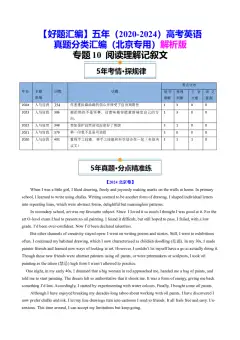
跟着真题学英语|网络对记忆的影响-2026年北京中考阅读理解D篇
本篇议论文,主题是互联网对人类记忆的影响,属于思辨类阅读,比C篇跟着真题学英语|南极海冰-2026年北京中考阅读理解C篇难度大,与25年D篇跟着真题学英语|科技+思辨-2025年北京中考阅读理解D篇类似,这种文本往往是中考最高难度的一类文本,很考验学生的文本阅读能力和辩证阅读能力。
行文思路:提出争议——有人认为互联网让人健忘;反驳:大脑本身具备可塑性;阐述弊端:频繁刷手机破坏记忆形成;另一方观点:互联网只是改变记忆内容,不是毁掉记忆能力;再列出研究支撑正反双方;结尾心理学家总结利弊共存,尚无最终结论。
30词义猜测题,依托上下文猜测compulsion含义;31细节推断题;32观点态度题;33主旨目的题,是本篇压轴,考查作者写作意图:作者本人不站队,只是客观呈现不同观点。
态度题、写作目的题是学生高频丢分点,学生容易误以为作者在论证某一方观点,实际上作者只是陈列各方看法;词义猜测要依托后文语境,学生容易孤立单词猜测。
语法特点:大量宾语从句、状语从句、定语从句、让步状语,长句多,抽象词汇偏多。
D
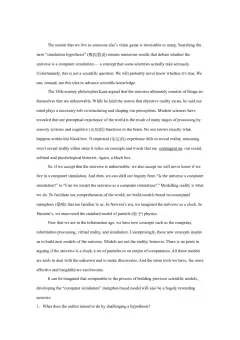
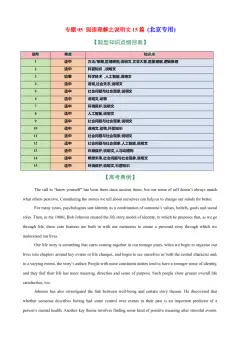
The internet has provided us with unmatched ways to get information but it is also sounding alarms. Some experts argue that the internet will produce forgetfulness in the minds of those learning to use it, because they won’t practise their memory.
Is the internet really doing harm to our memories—or will our doubtful experts be proven wrong? After all, the brain’s attention system and preferences for novel experiences were already there long before the digital age, and our ability to remember is nearly inexhaustible (无穷尽的). According to Michael Merzenich, a brain researcher, every brain is a work in progress; it keeps changing throughout our lives, depending on how we use it.
But our brains don’t work well when we’re not focused. When we repeatedly check text messages and social media during work, we are weakening our ability to form both short-and long-term memories, experts say. The flooding of information influences our ability to remember, too. Though our brains are designed to look for new data, too much of it may be causing this natural drive to go wild. The compulsion to continuously take in information means we often check social media when we should be doing “memory housekeeping” by giving our brains some rest. Another problem: the effortless way of receiving information online. Trying to actively recall (回忆) data is a good workout for the brain, but today we are using online search tools instead.
However, the internet may be changing only what we remember, not our ability to do so, suggests Columbia University psychologist (心理学家) Betsy Sparrow. In fact, the internet is becoming an outside hard drive for our memories. Some worry that this is having a negative effect on society, but Sparrow suggests this will change our way of learning from a focus on remembering facts to one on understanding ideas.
As is shown in a 2008 study, using the internet exercised the brain more than reading among older adults with strong computer skills. And two Harvard psychologists argue that not needing to remember facts might free our minds to focus on more meaningful tasks.
“There may be costs caused by our increased dependence on the internet, but generally the benefits are going to outweigh those costs,” says Benjamin Storm, a psychologist. “It seems pretty clear that memory is changing, but it is changing for the better? At this point, we don’t know.”
30. What does the word “compulsion” in Paragraph 3 most probably mean?
A. Longing. B. Ability. C. Chance. D. Promise.
31. What can we learn from the passage?
A. Internet users remember facts better than non-users.
B. Novel experiences improve the brain’s attention system.
C. Checking social media can give the brain proper breaks.
D. The internet may produce a change of focus in learning.
32. How does Benjamin Storm feel about the effects of the internet on memory?
A. Uneasy and doubtful.
B. Positive but still uncertain.
C. Negative but still hopeful.
D. Encouraged and confident.
33. What is the writer’s main purpose in writing this passage?
A. To argue for a belief.
B. To challenge a solution.
C. To present different views.
D. To examine causes and effects.
重点短语
provide sb. with sth. 提供某人某物
unmatched ways 无可比拟的方式
sound alarms 敲响警钟
do harm to 对...有害
prove wrong 被证明是错误的
after all 毕竟
attention system 注意系统
preference for sth 对…… 的偏好、喜爱
novel experiences 新奇的体验
long before 早在…… 之前(区别于before long:不久以后)
digital age 数字时代
ability to do sth 做某事的能力
nearly inexhaustible 几乎无穷尽的;用不完的
a work in progress 不断发展变化的事物
depend on 取决于
short- and long-term memories 短期和长期记忆
the flooding of information 信息泛滥
be designed to do sth 旨在;生来就是;被设计用来做某事
look for 寻找,搜寻
new data 新信息、新数据
natural drive 本能冲动、内在驱动力
go wild 失控
take in information 接收信息
social media 社交媒体
give sb some rest 让…… 休息
memory housekeeping 记忆整理
actively recall 主动回忆
outside hard drive 外接硬盘
free one’s mind to do sth. 解放思维去做某事
increased dependence on… 对…… 日益增长的依赖
outweigh the costs 利大于弊
长难句与复合句解析
句子1:Some experts argue that the internet will produce forgetfulness in the minds of those learning to use it, because they won’t practise their memory.
句子结构:that引导宾语从句;because引导宾语从句内部的原因状语从句;learning to use it现在分词作后置定语修饰those。
翻译:一些专家认为互联网会让使用者健忘,因为他们不再锻炼记忆力。
句子2:After all, the brain’s attention system and preferences for novel experiences were already there long before the digital age, and our ability to remember is nearly inexhaustible.
句子结构:本句是由and连接的并列复合句,分为前后两个分句: 分句 1:After all, the brain’s attention system and preferences for novel experiences were already there long before the digital age
主语:the brain’s attention system and preferences for novel experiences(两个并列主语)定语:for novel experiences 介词短语后置修饰preferences谓语:were already there时间状语:long before the digital age(before引导时间状语从句)
分句 2:and our ability to remember is nearly inexhaustible
主语:our ability to remember定语:to remember不定式后置修饰ability系动词:is表语:nearly inexhaustible
翻译:毕竟,早在数字时代到来之前,大脑的注意系统以及对新奇体验的偏好就已经存在,而且我们的记忆能力几乎是无穷无尽的。
句子3:When we repeatedly check text messages and social media during work, we are weakening our ability to form both short- and long-term memories, experts say.
句子结构:when引导时间状语从句;不定式to form作后置定语修饰ability。
翻译:专家称,当我们工作期间反复查看短信、社交媒体时,我们正在削弱自己形成短期、长期记忆的能力。
句子4:The compulsion to continuously take in information means we often check social media when we should be doing “memory housekeeping” by giving our brains some rest.
句子结构:主句是The compulsion to continuously take in information means
主语:The compulsion后置定语:to continuously take in information 不定式修饰compulsion谓语:means 宾语从句:(that) we often check social media when we should be doing “memory housekeeping” by giving our brains some rest
宾语从句内部嵌套when 引导的时间状语从句
when 从句主干:we should be doing “memory housekeeping”
方式状语:by giving our brains some rest,by doing 表方式,“通过……”
翻译:这种不断接收信息的强烈冲动意味着:我们本该让大脑休息、进行“记忆整理” 的时候,却常常刷社交媒体。
句子5:However, the internet may be changing only what we remember, not our ability to do so, suggests Columbia University psychologist Betsy Sparrow.
句子结构:what引导宾语从句,作changing的宾语。
翻译:但是哥伦比亚大学心理学家Betsy Sparrow提出,互联网或许只是改变我们记住的内容,而不是我们记忆的能力。
句子6:Some worry that this is having a negative effect on society, but Sparrow suggests this will change our way of learning from a focus on remembering facts to one on understanding ideas.
句子结构:that引导宾语从句;but并列分句,第二个分句内包含change…from…to…结构。
翻译:有些人担心这会对社会产生负面影响,但Sparrow认为,这会转变我们的学习方式,从死记事实转向理解观点。
句子7:“It seems pretty clear that memory is changing, but it is changing for the better? At this point, we don’t know.”
句子结构:it作形式主语,that从句是真正主语。
翻译:“很明显记忆模式正在改变,但这种改变是向好的吗?目前,我们还不知道。”